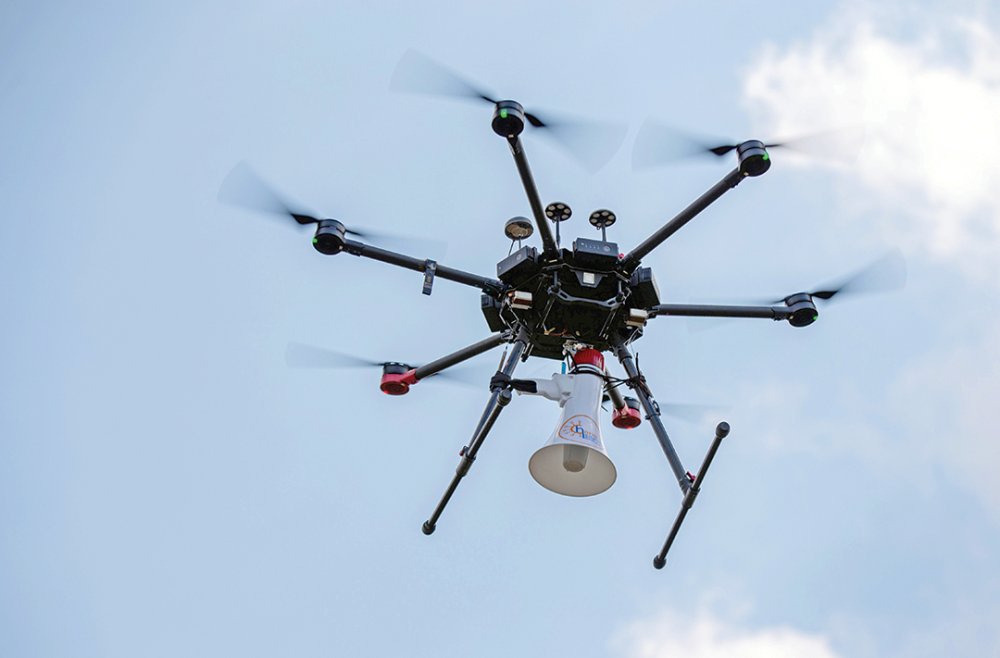
REMA Director General Juliet Kabera disclosed this on Tuesday, June 30, while briefing the Senate Committee on Foreign Affairs, Cooperation and Security on disaster risk reduction strategies.
She said the introduction of drone technology will strengthen environmental monitoring and improve enforcement of regulations on waste management.
“We are introducing new technology, and by the end of August we will have the first drones that will help us monitor those illegally burning waste. This will help us catch those who do it at night,” she said.
Kabera noted that the technology will also be used to detect the burning of hazardous waste, including waste generated by health facilities, which is often difficult to identify through routine inspections.
“There is also hazardous waste that people burn, such as that from health facilities. It is difficult to detect through normal inspections, but technology will help us address that,” she said.
She further highlighted that the deployment of drones is expected to address staffing constraints within the agency’s inspection system.
According to Kabera, REMA currently has only 13 environmental inspectors, supported by a broader workforce of about 120 staff members engaged in different projects.
“We will continue strengthening the use of technology, and working with service providers will also help us as we continue to look for sustainable solutions,” she added.
The initiative forms part of broader government efforts to strengthen air quality monitoring and improve compliance with environmental protection laws.
REMA is also working to expand its air pollution monitoring framework beyond vehicle emissions to include industries and other sources of pollution, as part of ongoing measures to reduce air contamination.
In recent years, Rwanda has increasingly adopted drone technology across multiple sectors.
Drones are currently used to monitor illegal mining activities and support the Rwanda National Police in traffic surveillance. They also play a key role in the health sector, delivering blood, medicines, and other medical supplies to health facilities, as well as in agriculture, where they support various field operations.
The Rwanda Environment Management Authority (REMA) plans to deploy drones by August 2026 to detect and prevent illegal waste burning, with a particular focus on nighttime offenders.
An estimated 185,000 children were adopted in England and Wales between 1949 and 1976, when pregnancy outside marriage carried a strong social stigma. Many mothers, some of them still teenagers, were pressured or coerced into giving up children they wanted to keep.
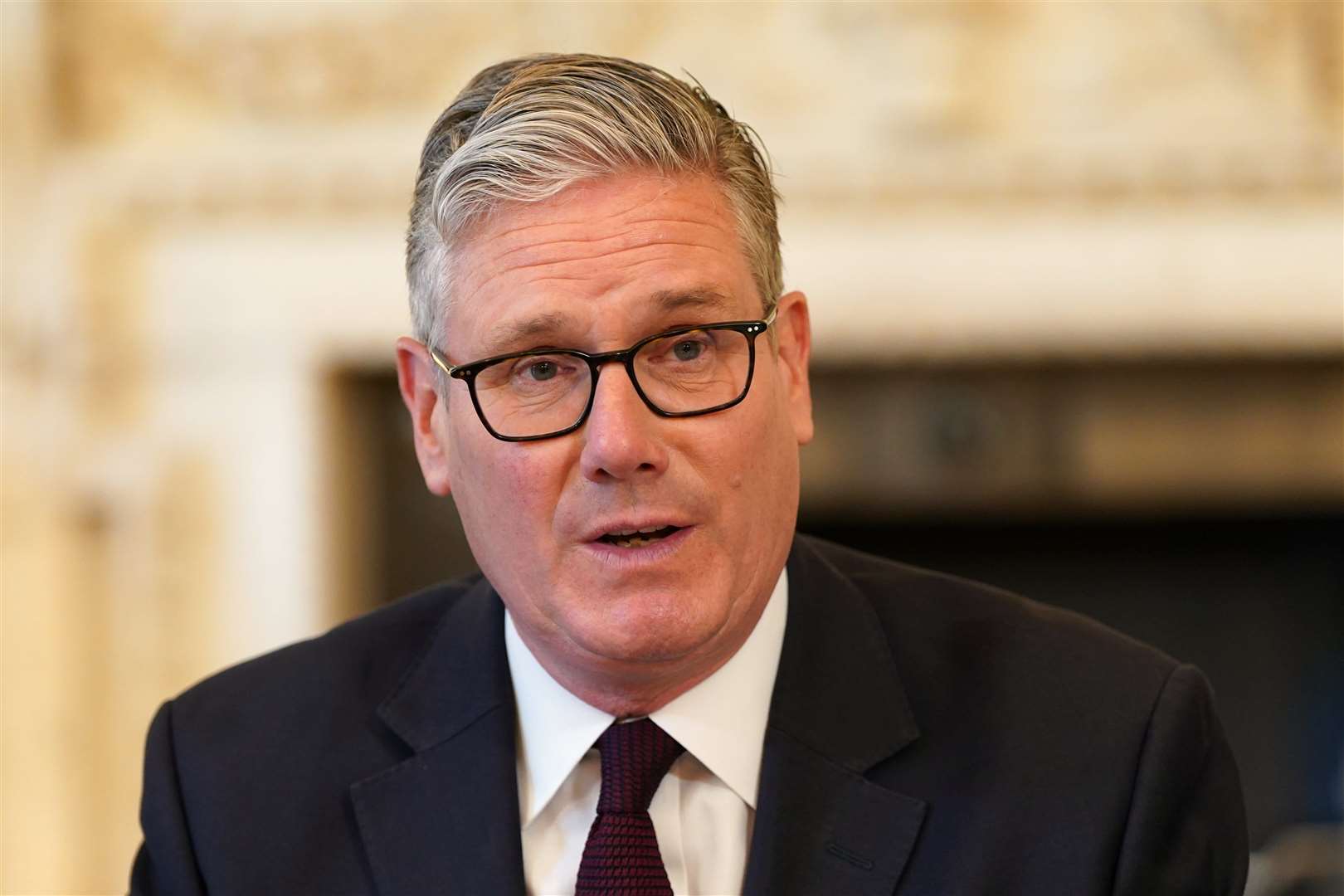
“What happened to them, and to tens of thousands of mothers, children and families, should never have happened. It is a stain on our history,” Starmer told parliament.
He said the practices were neither isolated nor accidental, but were embedded in systems involving local authorities, voluntary and faith-based organizations, and health and social care services, including parts of what later became the National Health Service.
The government acknowledged that successive administrations had funded, enabled and relied on systems that were not properly overseen. The state had failed to prevent the harm from continuing and had not done enough to protect mothers, children and families, Starmer said.
“On behalf of the whole country, I say it to every single person impacted: we are deeply and profoundly sorry,” he said.
Starmer said the shame belonged not to the mothers or their children, but to the state and the institutions responsible. Some adopted people had grown up believing they had been unwanted, while many mothers had carried feelings of loss, guilt and shame for decades.
He also acknowledged the difficulties many adopted people still face when trying to obtain records or trace their biological families. Some records have been lost, altered or remain difficult to access, while requests can take months or even years to process.
In 2022, UK Parliament’s Joint Committee on Human Rights called on the government to issue a formal apology, concluding that it bore “ultimate responsibility for the pain and suffering caused by public institutions and state employees that railroaded mothers into unwanted adoptions.”
Outgoing British Prime Minister Keir Starmer on Thursday formally apologized for the state’s role in historic forced adoptions that separated unmarried mothers from their babies.
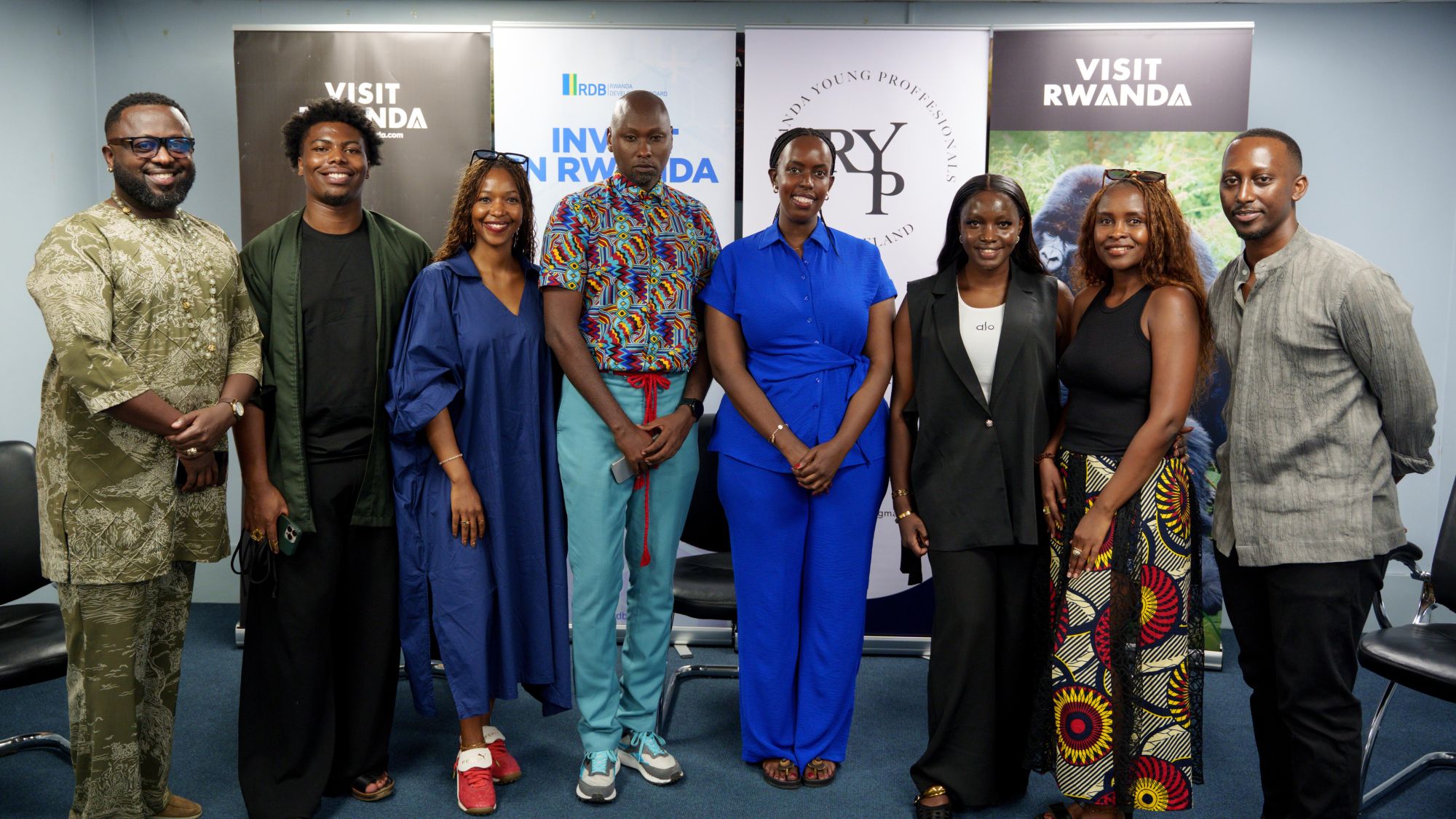
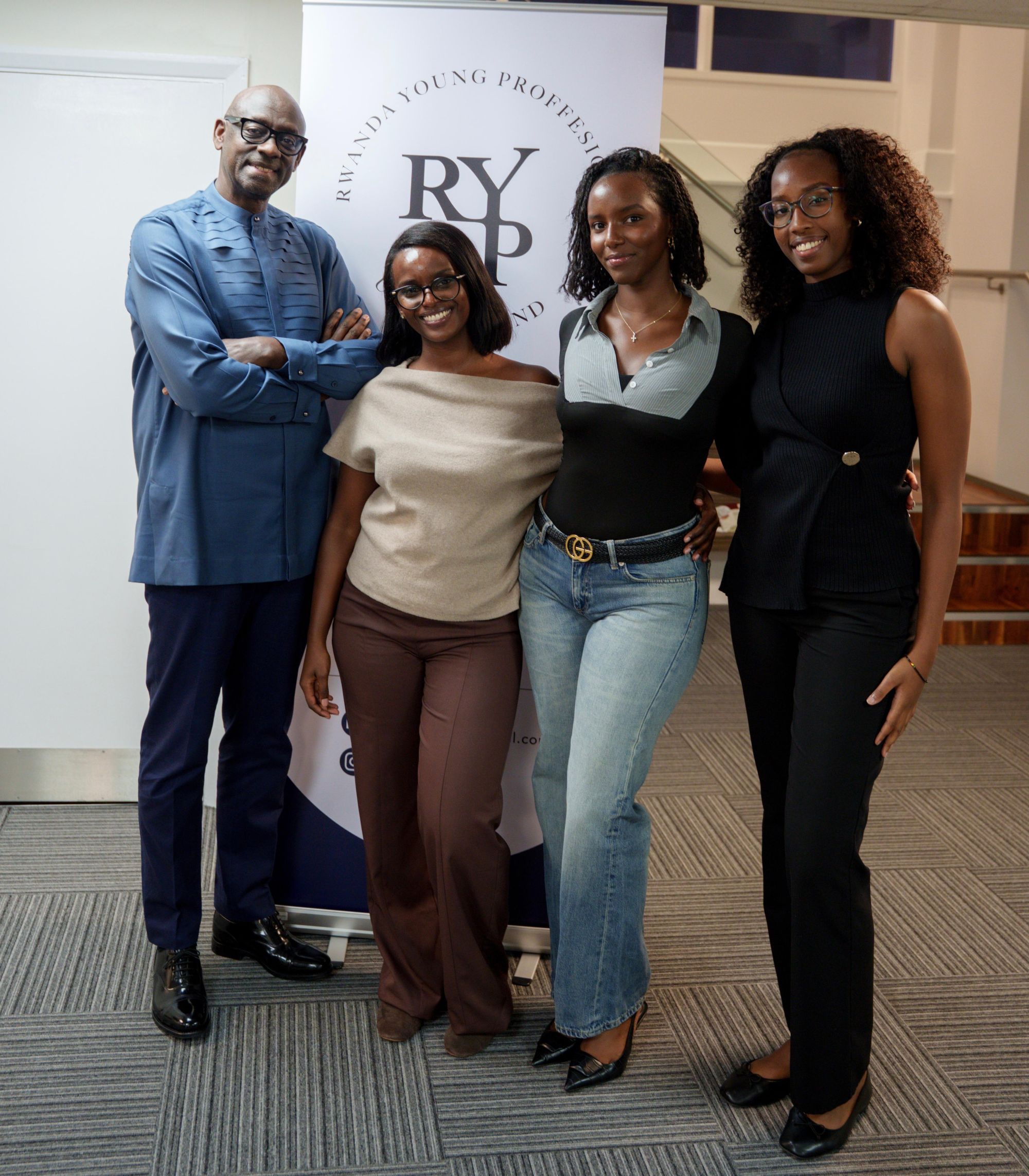
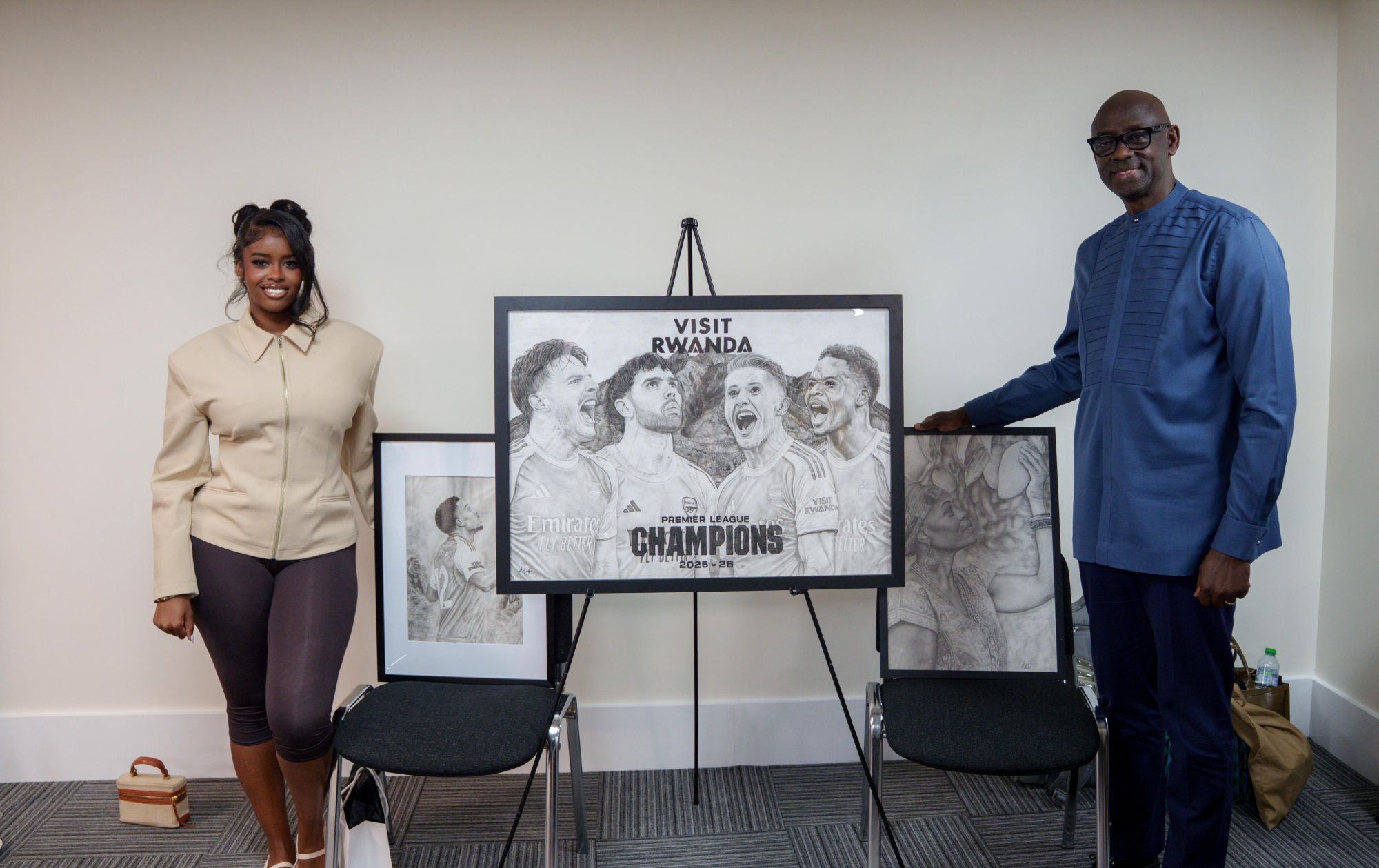
The initiative was welcomed during an event hosted by the Rwanda High Commission in London in partnership with Inzira Creative Partners and the Rwanda Young Professionals Network UK & Ireland (RYPN UK & Ireland).
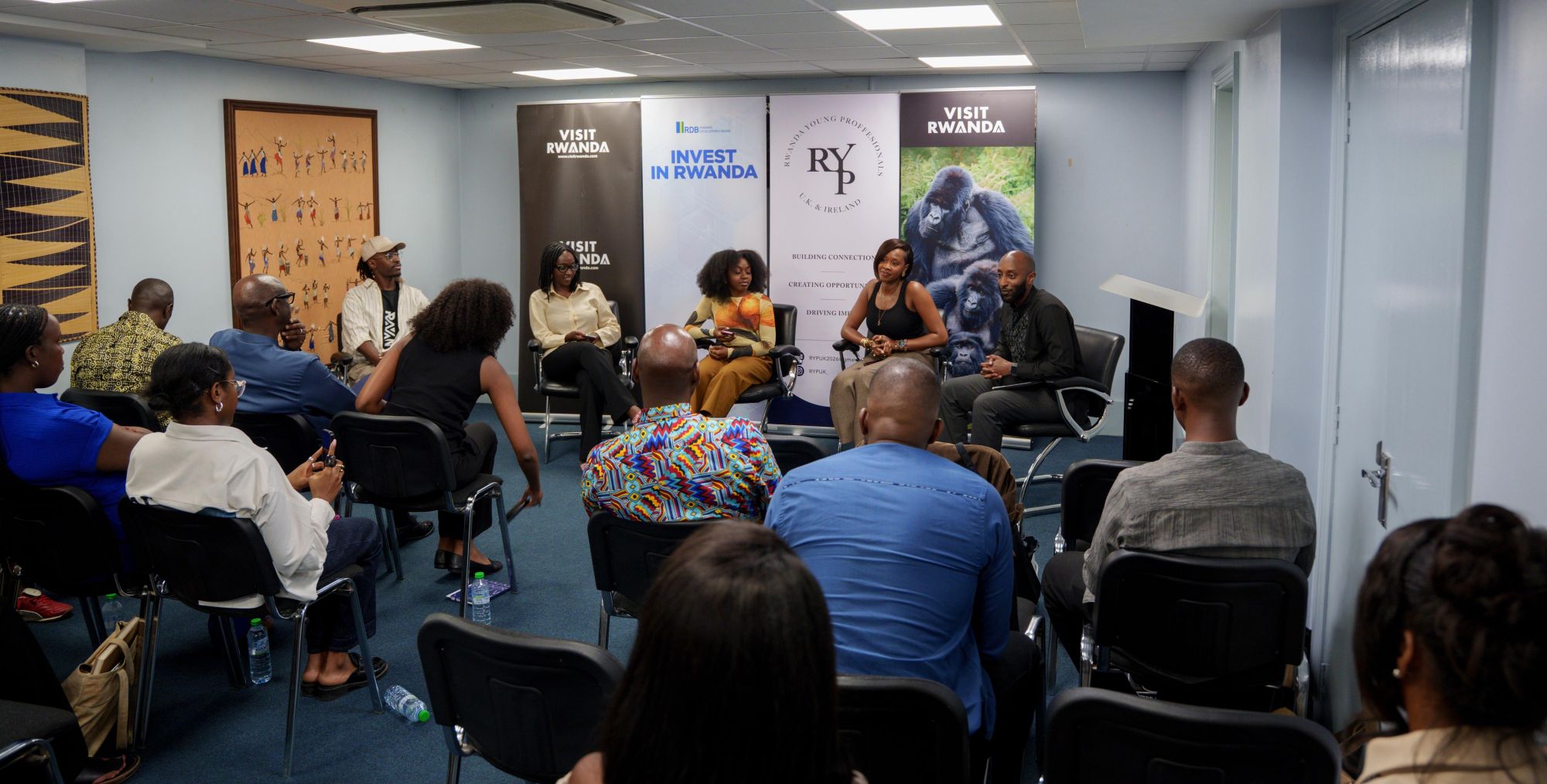
The gathering brought together entrepreneurs, creatives, business leaders, academics, diplomats, and members of the Rwandan diaspora to discuss the future of Rwanda’s creative economy and strengthen ties between Rwanda and the United Kingdom.
The evening also marked the official reception of a delegation of Rwandan fashion entrepreneurs and designers visiting the UK. As one of the first organised initiatives of its kind, the programme aims to introduce Rwanda’s fashion industry to the British market while creating opportunities for collaboration, business partnerships, and international expansion.
Speaking at the event, Rwanda’s High Commissioner to the United Kingdom, Johnston Busingye, reaffirmed the Government of Rwanda’s commitment to developing the creative economy as a key driver of economic transformation, job creation, and the country’s global visibility.
“Rwanda has made a deliberate investment in building its creative economy because we recognise the immense talent and potential of our young people. Our role is to create an environment where creativity can grow into sustainable businesses through access to markets, investment, skills, and international partnerships,” the High Commissioner said.
He described the visit by the fashion delegation as an important milestone for Rwanda’s creative industries and expressed hope that it would be the first of many exchanges between Rwanda and the United Kingdom.
The UK visit forms part of a pilot programme developed and led by the University of Westminster, with support from the Rwanda High Commission in London and the British High Commission in Kigali. The initiative is designed to connect Rwandan fashion entrepreneurs with international institutions, industry leaders, and new markets while laying the foundation for long-term collaboration between the two countries.
As the first exchange under the pilot programme, the visit is expected to become the foundation of a sustainable platform that will help Rwanda’s fashion industry expand its international reach through partnerships, learning opportunities, and commercial growth.
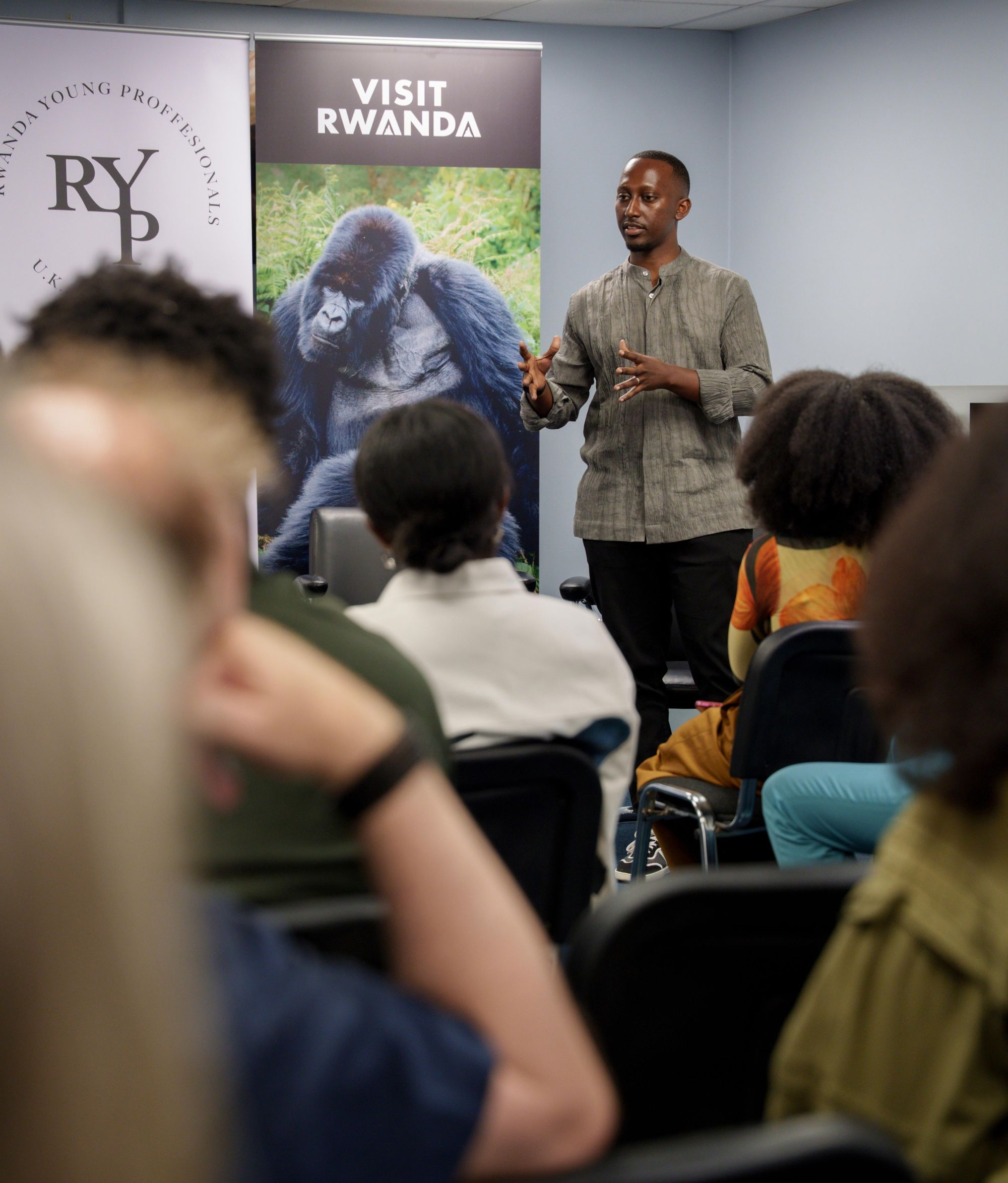
Throughout the evening, panel discussions focused on entrepreneurship, fashion, luxury branding, technology, investment, and the practical steps needed for Rwandan creative businesses to compete globally. Speakers shared insights on building internationally recognised brands while remaining authentic to their cultural identity and heritage.
Participants also acknowledged the contribution of Inzira Creative Partners, whose collaboration with the Rwanda High Commission was instrumental in organising the event. Through its broader programme, the organisation continues to champion market access as a critical component of creative sector development, emphasising the importance of international partnerships and access to finance for sustainable business growth.
The Rwanda Young Professionals Network UK & Ireland was also recognised for its role in strengthening relationships between Rwanda, its diaspora, and international partners. Guided by its three core pillars—Building Connections, Creating Opportunities, and Driving Impact—the network provides a platform for professionals to exchange ideas, establish partnerships, and contribute to Rwanda’s long-term development.
The evening concluded with a networking reception, giving participants the opportunity to engage directly with designers, entrepreneurs, investors, and institutional partners. Many expressed optimism that the pilot initiative would evolve into a long-term programme capable of opening new markets, attracting investment, and creating lasting opportunities for Rwanda’s fashion industry.
As Rwanda continues to invest in its creative economy, partnerships involving government institutions, universities, the private sector, and development partners are creating new pathways for Rwandan talent to compete on the global stage. The arrival of the first delegation in London marks the beginning of what many hope will become a lasting bridge between Rwanda’s fashion industry and international markets.
Speaking at the event, Rwanda’s High Commissioner to the United Kingdom, Johnston Busingye, reaffirmed the Government of Rwanda’s commitment to developing the creative economy as a key driver of economic transformation, job creation, and the country’s global visibility.The evening marked the official reception of a delegation of Rwandan fashion entrepreneurs and designers visiting the UK.The gathering brought together entrepreneurs, creatives, business leaders, academics, diplomats, and members of the Rwandan diaspora to discuss the future of Rwanda’s creative economy and strengthen ties between Rwanda and the United Kingdom.The visit is expected to become the foundation of a sustainable platform that will help Rwanda’s fashion industry expand its international reach.Panel discussions focused on entrepreneurship, fashion, luxury branding, technology, investment, and the practical steps needed for Rwandan creative businesses to compete globally.
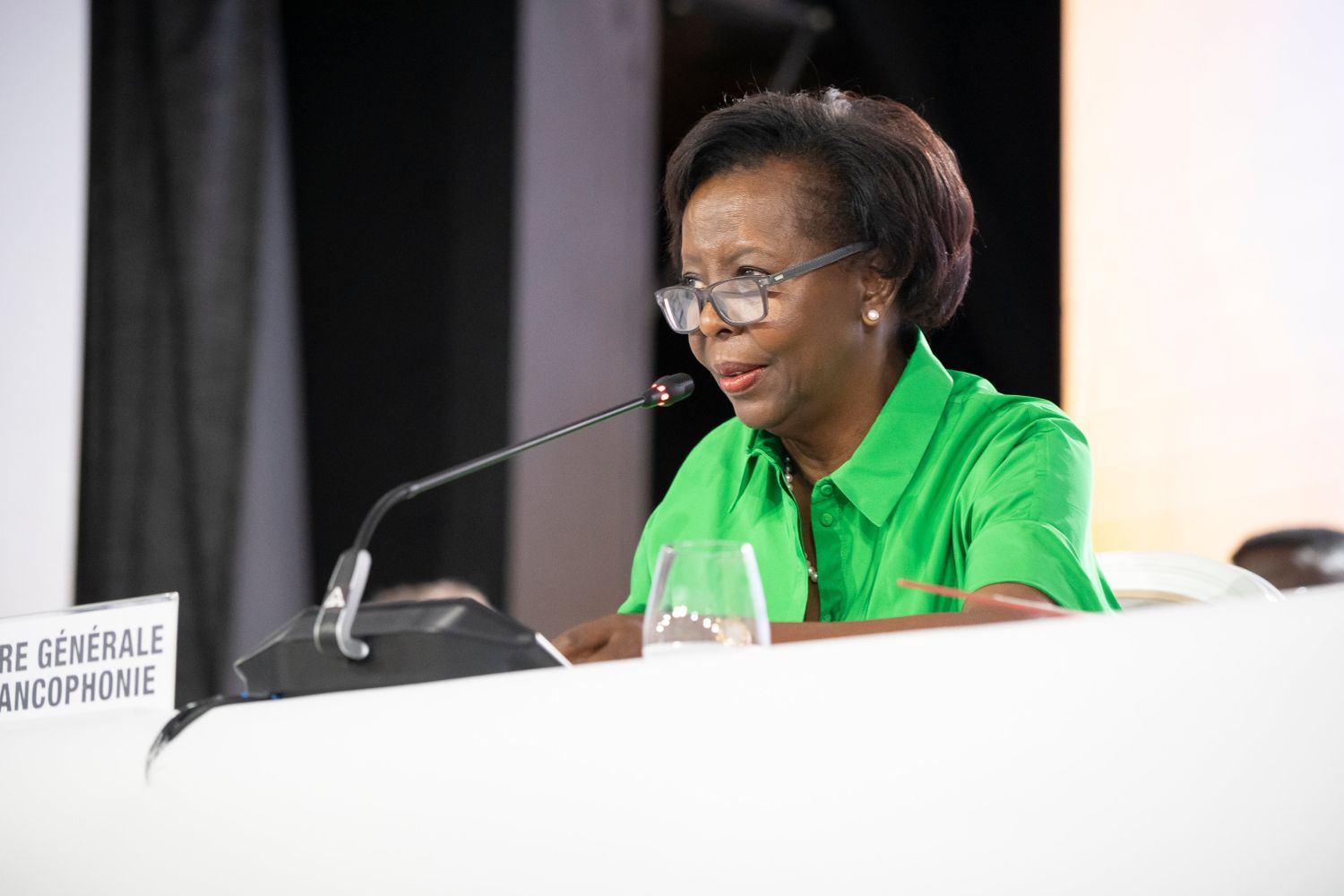
Presenting her vision in Paris on June 30 before foreign ministers of member states, Mushikiwabo warned that the Francophonie must adapt to a world defined by rapid technological change, economic uncertainty, and rising disinformation. She said the organisation can no longer operate at the same pace as in previous decades.
“We are living in an unprecedented period where alliances and coalitions are formed and undone without anticipation,” she told ministers, adding that the OIF must become more influential, more agile, better governed, and aligned with the challenges of its time.
Her address placed particular emphasis on artificial intelligence and digital transformation, youth employment, and governance reform, framing them as the core priorities for her next mandate.
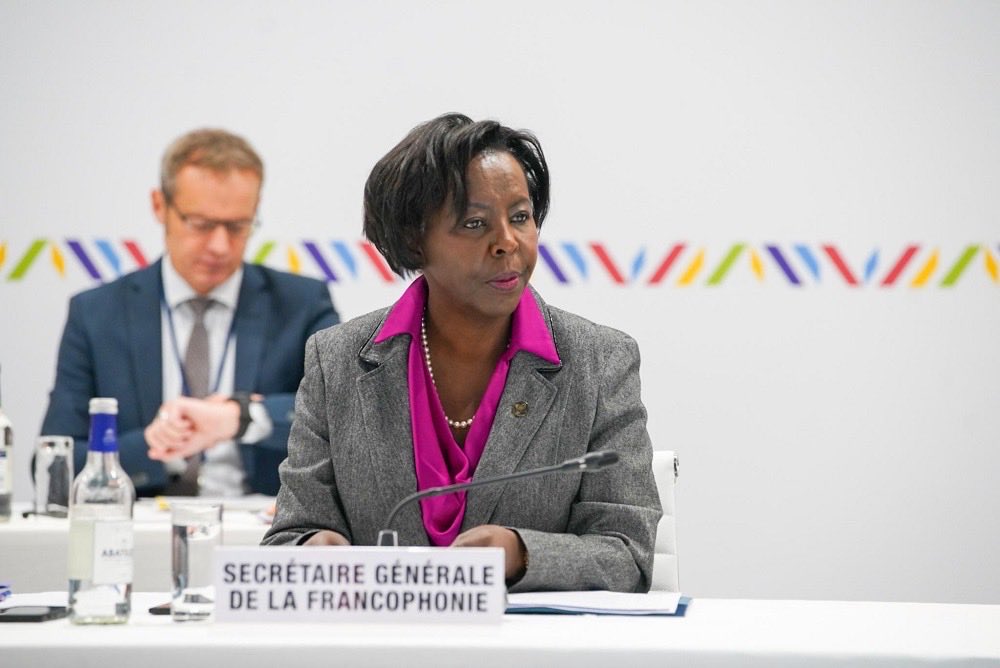
The hearing formed part of a historic ministerial session in Paris where four candidates are competing to lead the organisation in what is widely regarded as the first genuinely competitive election in the OIF’s 56-year history.
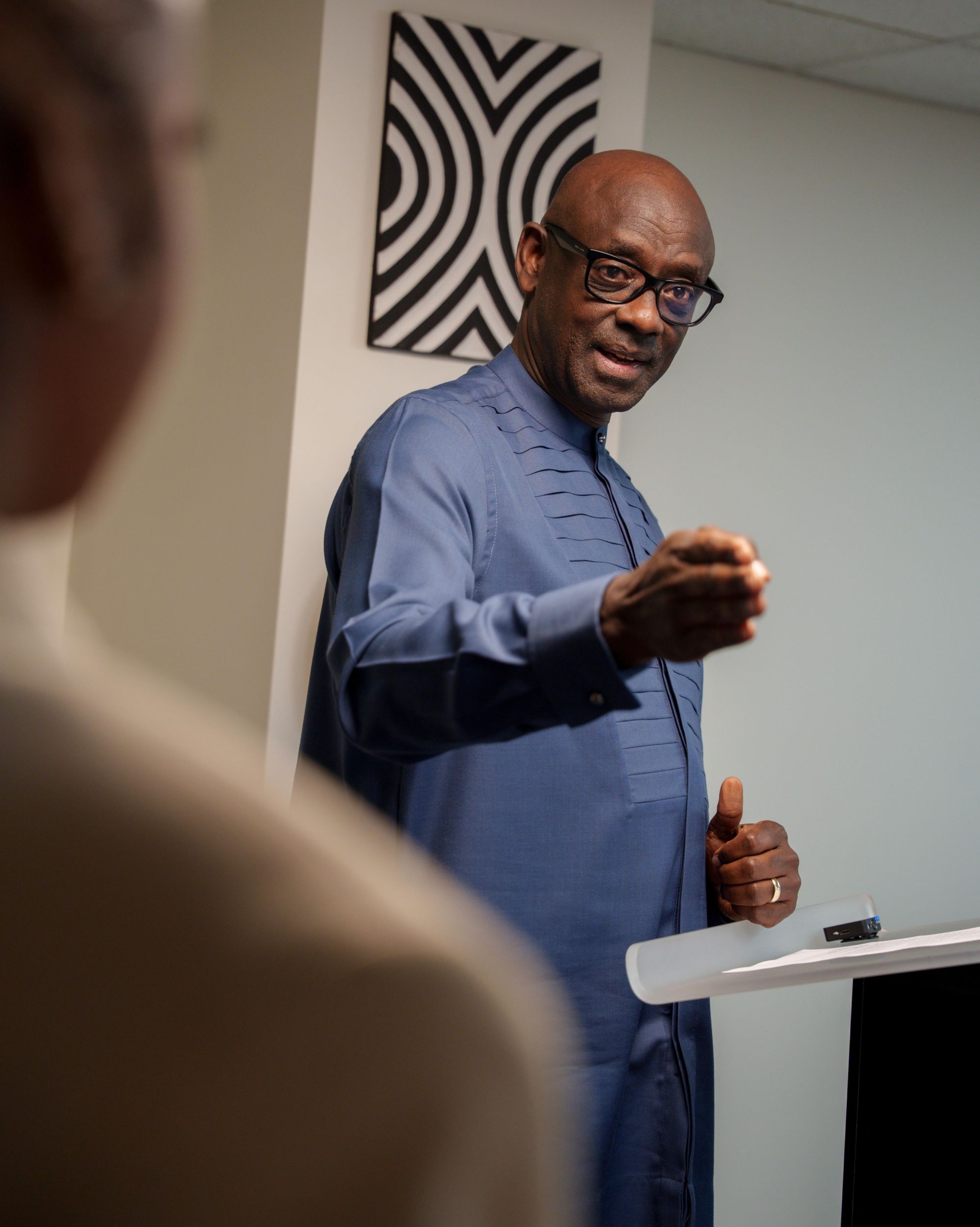
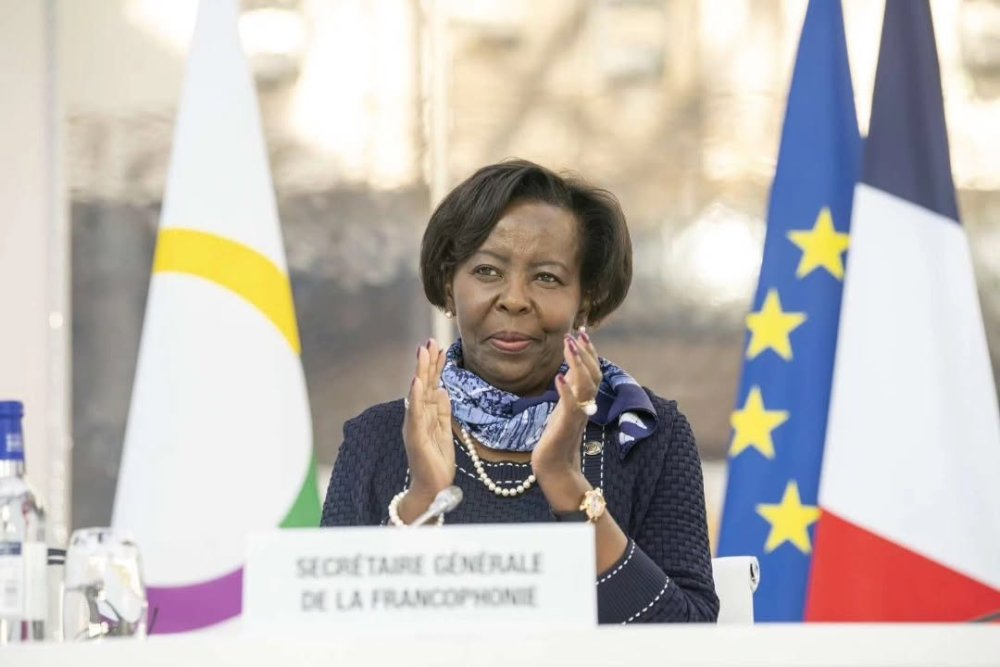
Louise Mushikiwabo has led the OIF since 2018.
Historic leadership contest under new voting rules
Foreign ministers from OIF member states gathered for an unprecedented exercise in which each candidate presented their vision ahead of the election scheduled for the Summit of Heads of State and Government in Phnom Penh, Cambodia, in November 2026.
The race features Mushikiwabo, Juliana Amato Lumumba of the Democratic Republic of the Congo (DRC), Coumba Ba of Mauritania, and former Romanian Prime Minister Dacian Cioloș.
Unlike previous leadership selections, the 2026 election will be conducted under a reformed “one country, one vote” system that replaces the organisation’s long-standing consensus-based approach. The reform gives equal voting weight to all 56 eligible member states, marking a major institutional shift intended to strengthen transparency and competitiveness.
The changes were introduced during Mushikiwabo’s tenure as part of broader governance reforms within the Francophonie. Although the system was in place during her previous re-election, she ran unopposed at the time, meaning it has never been tested in a fully competitive race.
Much of the attention in Paris remains on Mushikiwabo, who has led the OIF since 2018 and is seeking a third term. Her candidacy was endorsed by Rwanda following encouragement from several member states during the Ministerial Conference of La Francophonie held in Kigali in November 2025.
She told ministers that her experience within international organisations, including reform work, had shaped her approach to leadership. “My knowledge of the multilateral system and my long experience in government focused on improving citizens’ daily lives have served as my compass,” she said.
Supporters credit her tenure with strengthening financial management, improving governance systems, and refocusing cooperation programmes to increase impact.
AI and digital transformation as a defining priority
A central theme of her vision was the acceleration of artificial intelligence and digital transformation across Francophone countries. Mushikiwabo said the OIF must prepare member states not only to use new technologies but also to help shape global rules around them.
“We must prepare our societies for the era of artificial intelligence,” she said, calling for AI to be treated as a cross-cutting issue across education, governance, and development programmes.
She highlighted ongoing initiatives such as digital governance programmes and youth training efforts, and urged their expansion through stronger funding and partnerships.
Louise Mushikiwabo revealed that Artificial intelligence (AI), youth employment, and institutional governance reform will define the next phase of La Francophonie if she is reelected.
Youth employment and economic opportunity
Youth employment was another major pillar of her address. Mushikiwabo said job creation for young people remains one of the most urgent expectations from member states.
She pointed to existing programmes in entrepreneurship, skills development, and startup support that have already reached tens of thousands of beneficiaries, but said these must be scaled up significantly.
“We must now scale up these efforts,” she said, noting that partnerships with development banks and the private sector would be key to expanding opportunities across the Francophone space.
Mushikiwabo also defended reforms implemented during her tenure, including tighter financial controls, annual certification of OIF accounts, and a streamlined cooperation portfolio designed to improve efficiency.
She called for more agile decision-making structures, including stronger engagement among foreign ministers beyond the annual meeting cycle.
“In an increasingly complex international context, the credibility of La Francophonie rests both on the consistency of its principles and on its ability to remain a useful interlocutor for all member states,” she said.
She also argued that the organisation should move away from rigid systems and adopt more continuous monitoring of political transitions and crises.
Rwanda in focus: education, language, and programme impact
Responding to questions from ministers, Mushikiwabo also highlighted Rwanda’s experience within OIF programmes, particularly in education and language policy.
She noted that Rwanda was the first beneficiary of the French teacher mobility programme, which was later integrated into national education planning. According to her, the initiative has helped strengthen the role of French in Rwanda’s multilingual education system alongside English, Kinyarwanda, and Swahili.
“If a programme proves successful, countries tend to request more teachers,” she said, adding that such initiatives must be expanded through digital tools, online training, and improved pedagogy.
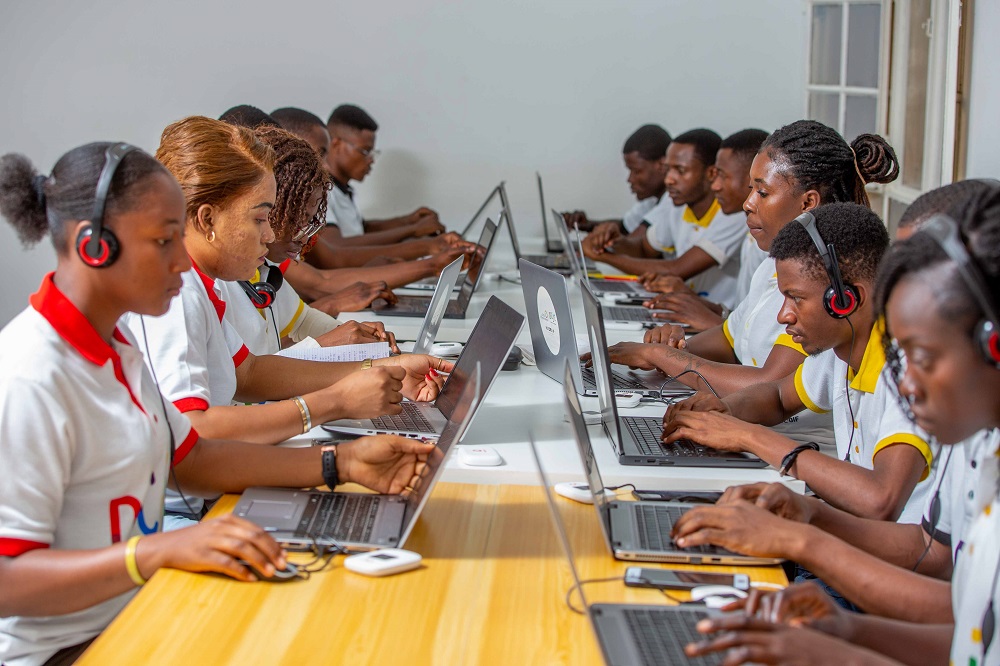
If re-elected for a third term, Mushikiwabo plans to expand youth empowerment through initiatives including D-Clic and CAP Innovation.
She also emphasized that Rwanda’s experience demonstrates how OIF programmes can be adapted to multilingual environments facing similar challenges across the Francophone world.
Economic cooperation and disinformation concerns
During exchanges with ministers, Mushikiwabo also addressed broader institutional priorities, including economic cooperation and the fight against disinformation.
Responding to a question from Djibouti on economic cooperation, she said small and medium-sized enterprises remain the key target for Francophone economic initiatives, noting that large companies already have global access. She emphasized the need to strengthen follow-up after trade missions and build long-term business networks across regions.
On governance concerns, she highlighted the growing threat of disinformation, describing it as a global challenge affecting democratic systems, public trust, and elections. She said the OIF is already supporting programmes in multiple countries and must expand them urgently.
The 2026 race is expected to reshape internal dynamics within the organisation, whose 90 member states and governments include 56 voting members, with African countries forming the majority of the electorate.
As the contest moves toward the November 2026 summit in Phnom Penh, Mushikiwabo’s campaign is anchored on continuity and expansion of reforms, with a strong emphasis on artificial intelligence, youth employment, and institutional governance as defining priorities for the Francophonie’s future.
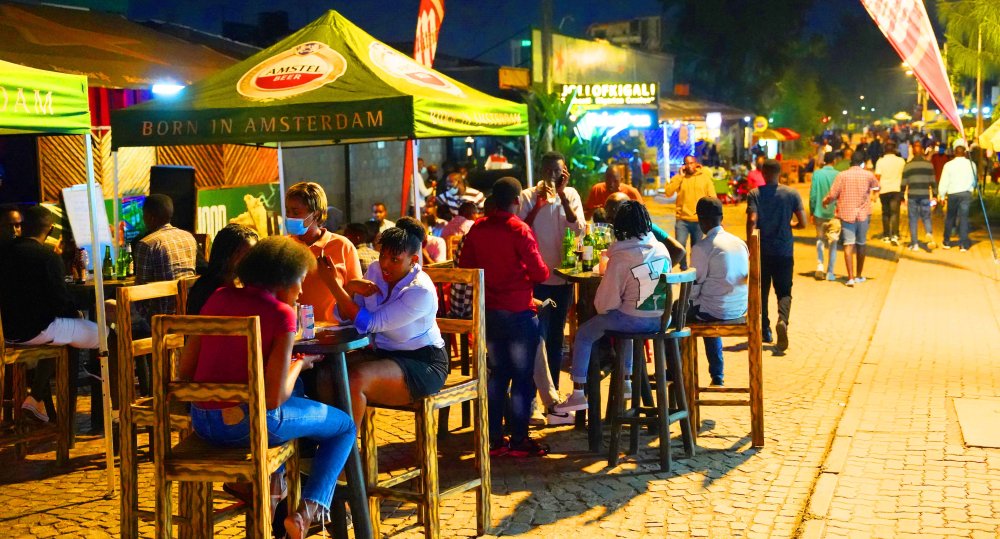
The findings, drawn from a nationally representative sample of over 20,000 women and men, show that 50% of men and 18% of women aged 15–49 drank alcohol in the last month, figures that point to a wide and persistent gender gap in drinking habits, even as frequency patterns look broadly similar across the two groups.
Frequency over volume
Most Rwandans who drink do so occasionally rather than heavily. Among those who consumed alcohol, 78% of women and 51% of men drank on just one to five days in the preceding month. Daily or near-daily drinking was reported by 7% of women and 15% of men.
When they did drink, men were more likely than women to have several drinks in one sitting. Among male drinkers, 32% had no more than one drink per session, compared with 48% of female drinkers. At the other end of the scale, 12% of men and 14% of women who drank consumed six or more drinks on a typical drinking day.
Drinking rises sharply with age
The survey shows a clear age gradient for both sexes. Among women, alcohol consumption climbs from 7.5% among 15–19-year-olds to 28.9% among those aged 45–49. Among men, the increase is steeper and comes earlier: from 22.2% among teenagers to over 60% by their early 30s, peaking at 64.8% among men aged 40–44.
Regional and economic divides
Alcohol use varies markedly by province, and the pattern looks different for men and women.
Among women, Northern Province (26.1%) and Southern Province (25.6%) recorded the highest rates of alcohol consumption, more than double the 10.5% recorded in the City of Kigali, the lowest of any province. Western and Eastern Provinces fell in between, at 13.3% and 15.6% respectively.
Among men, the geography shifts, though Northern Province again tops the list, at 59.4%. It is followed by Southern Province (54.1%), Eastern Province (45.7%), Kigali (49.7%), and Western Province, which recorded the lowest male consumption at 45.3%. Notably, Kigali records the lowest alcohol use among women but sits roughly in the middle among men, while Western Province is consistently the lowest- or near-lowest-consuming province for both sexes.
The rural-urban split tells a smaller but still notable story. Rural women were more likely to drink than urban women (20.5% versus 12.7%), while the gap between rural and urban men was minimal (50.9% versus 48.8%), suggesting alcohol use among men is fairly evenly distributed regardless of setting, whereas for women, urban residence appears to correlate with lower consumption, mirroring the wealth pattern seen nationally.
Wealth shapes drinking for both sexes, though the pattern is clearer among women. Women in the poorest wealth quintile were roughly twice as likely to have consumed alcohol in the last month (24.4%) as those in the wealthiest quintile (11.8%). Among men, consumption was also highest in the poorest quintile (59.3%) and lowest among the wealthiest (41.7%), though the decline was less consistent in between, dipping to 49.4–49.5% in the middle quintiles before falling further at the top.
Education shows a similar gradient for women, alcohol use falls steadily from 24.9% among those with no education to 11.5% among those with more than secondary education. Among men, the pattern is less consistent: consumption drops from 62.5% (no education) to 41.3% (secondary), then rises again to 50.3% among the most educated group.
A different picture from tobacco use
The RDHS report notes that alcohol consumption is far more widespread than tobacco use in Rwanda, where just 1% of women and 6% of men aged 15–49 currently smoke or use tobacco products. Tobacco use among men has declined slightly since the previous survey, from 7% in 2019–20 to 6% in 2025.
Unlike tobacco, which is most heavily concentrated among older, less educated and lower-income men, alcohol consumption follows a somewhat similar socioeconomic gradient among women, while showing a less consistent pattern among men.
The report cautions that heavy alcohol intake carries significant health risks, including increased risk of alcoholism, malnutrition, chronic pancreatitis and liver disease, as well as risks to maternal and child health when consumed during pregnancy.
The 2025 RDHS was implemented by the National Institute of Statistics of Rwanda (NISR) in collaboration with Rwanda’s Ministry of Health.
Half of Rwandan men and nearly one in five women aged 15–49 consumed alcohol in the month before they were interviewed for the 2025 Rwanda Demographic and Health Survey (RDHS), according to the survey’s final report released on June 30, 2026.
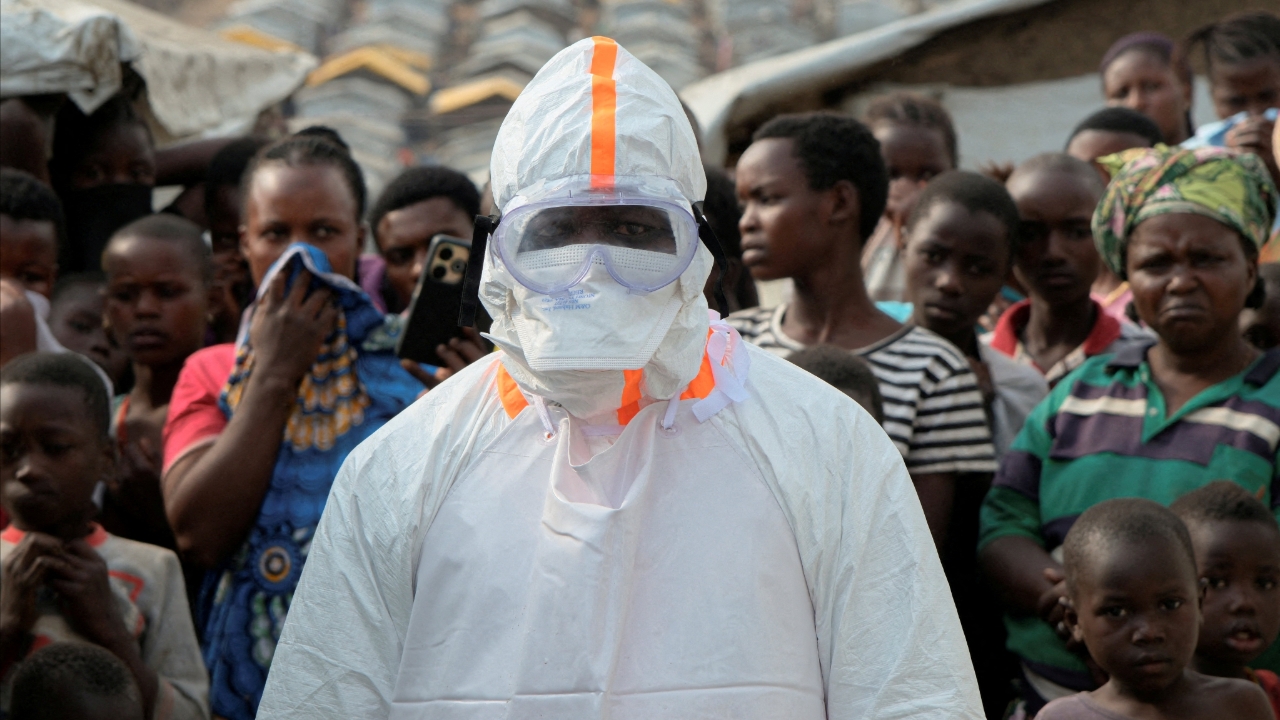
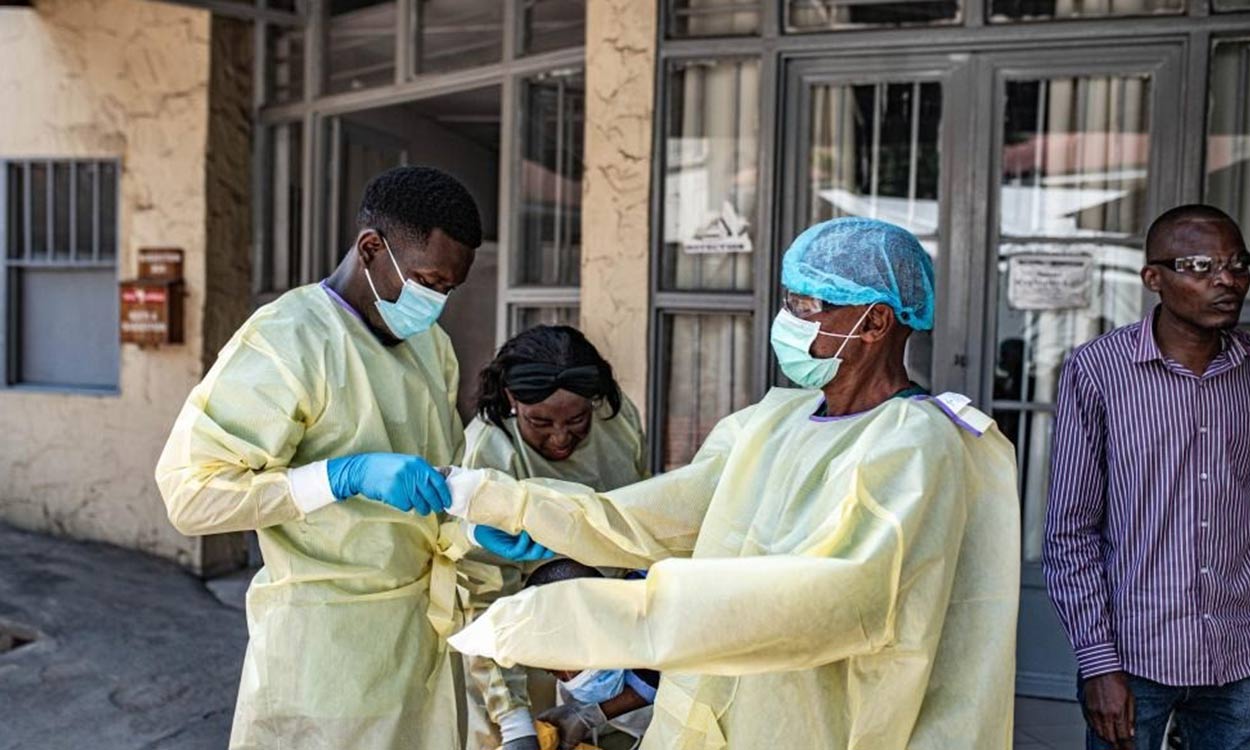
The figures showed that 192 patients had recovered, while 609 others were receiving treatment or under care.
The outbreak remains concentrated in the eastern provinces of Ituri, North Kivu and South Kivu, where surveillance, medical care and response operations are continuing.
The government said response capacity is being strengthened through the deployment of vehicles and ambulances, the supply of medicines and personal protective equipment, and intensified communication and community mobilization efforts.
The DRC declared the outbreak in mid-May. Health authorities and international partners have repeatedly warned that insecurity, population movement, pressure on health facilities and incomplete contact tracing continue to complicate the response.
The outbreak remains concentrated in the eastern provinces of Ituri, North Kivu and South Kivu, where surveillance, medical care and response operations are continuing.
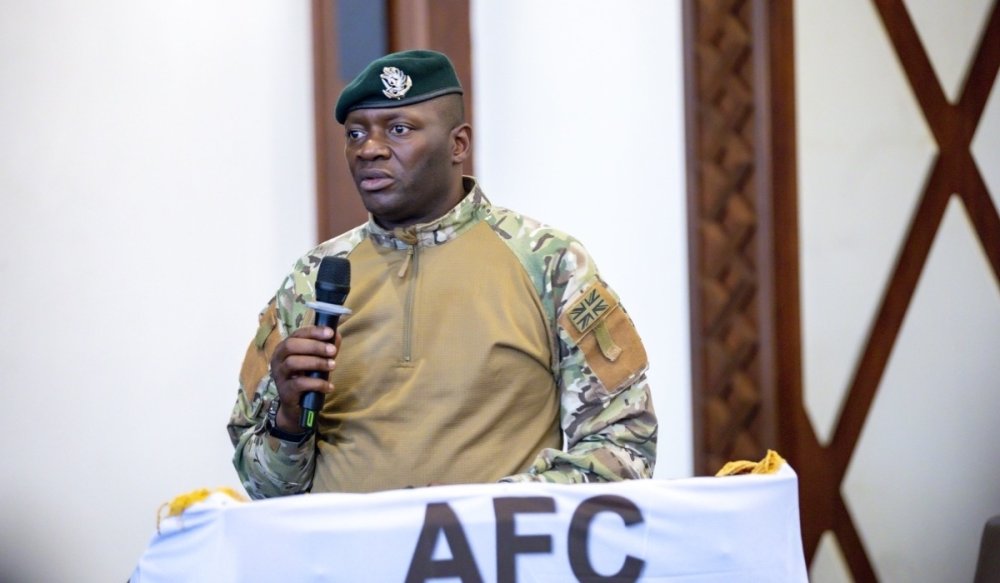
Reacting to sanctions linked to the DRC’s mineral wealth, AFC-M23 spokesperson Lawrence Kanyuka said the group shares the principle that the country’s vast mineral resources should benefit the Congolese people, but described the latest sanctions as “selective” and counterproductive to the peace process.
“The imposition of selective sanctions at a critical stage in the ongoing peace negotiations sends a counterproductive message and does not contribute to achieving sustainable peace,” the movement said.
AFC-M23 argued that the sanctions unfairly target one side of the conflict while failing to address violations committed by government forces and allied armed groups, including the FDLR genocidal force. The movement accused the government in Kinshasa of pursuing a military solution to the conflict, saying that no comparable sanctions have been imposed on actors it holds responsible for violence against civilians.
The group also expressed concern over continued attacks on Banyamulenge communities in Minembwe, saying the security situation remained alarming and required greater international attention.
According to AFC-M23, the latest U.S. measures could embolden the Congolese government to move away from political dialogue by overlooking repeated ceasefire violations and actions that hinder negotiations under the Doha Process and the Washington agreements.
The movement maintained that resolving the conflict requires an inclusive political process that addresses the root causes of instability, including poor governance, exclusion, insecurity and corruption.
“A lasting resolution to this crisis cannot be achieved through selective pressure,” the statement said. “It requires a credible, inclusive, and genuine political process that addresses the root causes of the conflict.”
AFC-M23 reiterated its commitment to participating in negotiations under the Doha Process and said it remained committed to protecting civilians and promoting transparent management of the DRC’s natural resources for the benefit of the Congolese people.
The statement comes days after Washington announced sanctions against Kigali-based Gasabo Gold Refinery over allegations of processing gold from the conflict-affected region of eastern DRC.
Earlier in June, the United States also imposed sanctions on AFC-M23 senior commander John Imani Nzenze. Previous sanctions announced this year also targeted former Congolese President Joseph Kabila over alleged support for the AFC-M23 alliance.
Reacting to sanctions linked to the DRC’s mineral wealth, AFC-M23 spokesperson Lawrence Kanyuka said the group shares the principle that the country’s vast mineral resources should benefit the Congolese people, but described the latest sanctions as “selective” and counterproductive to the peace process.
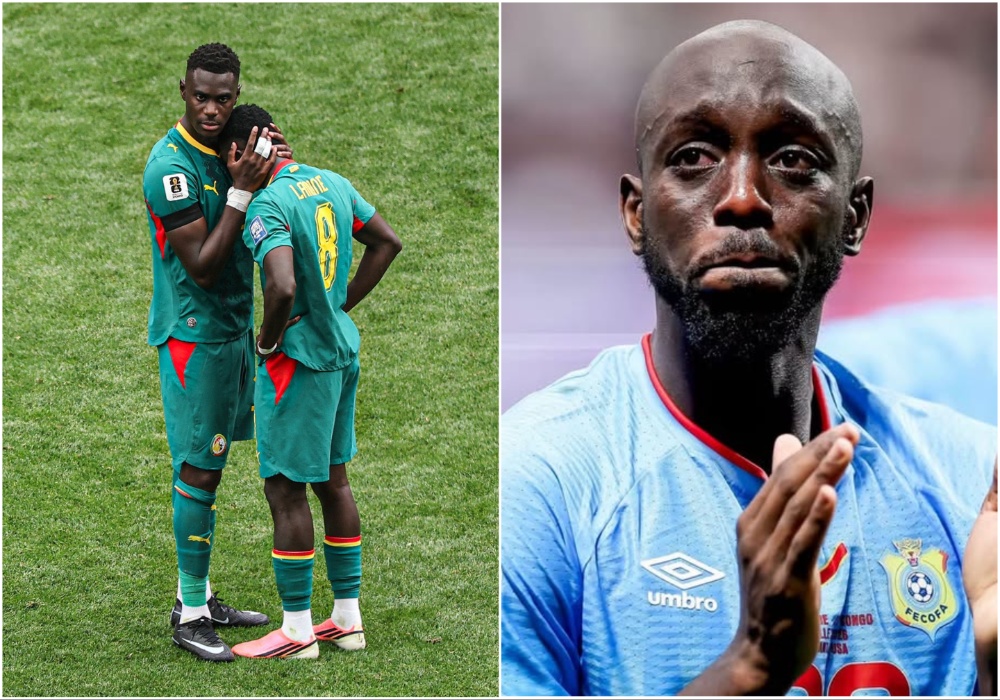
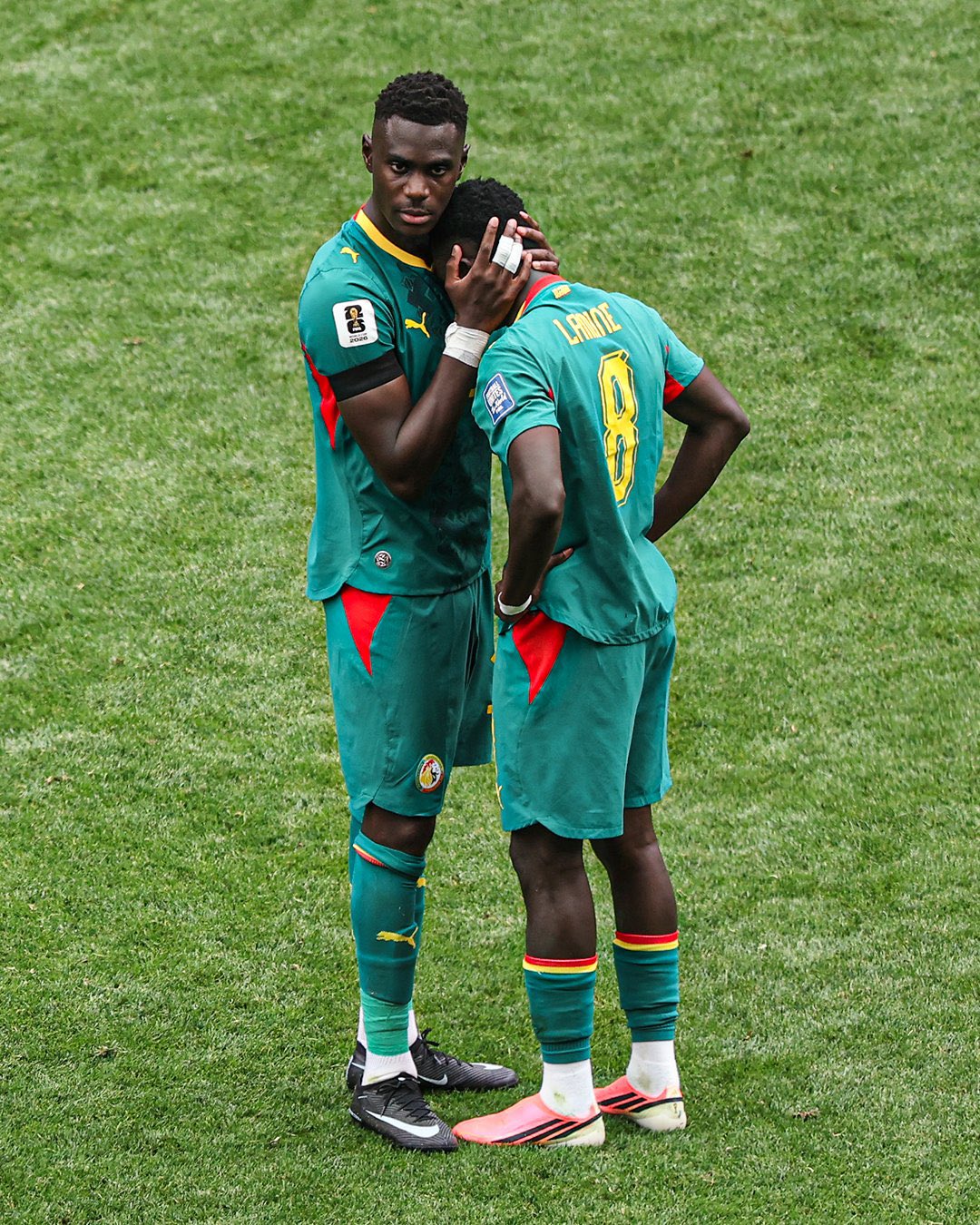
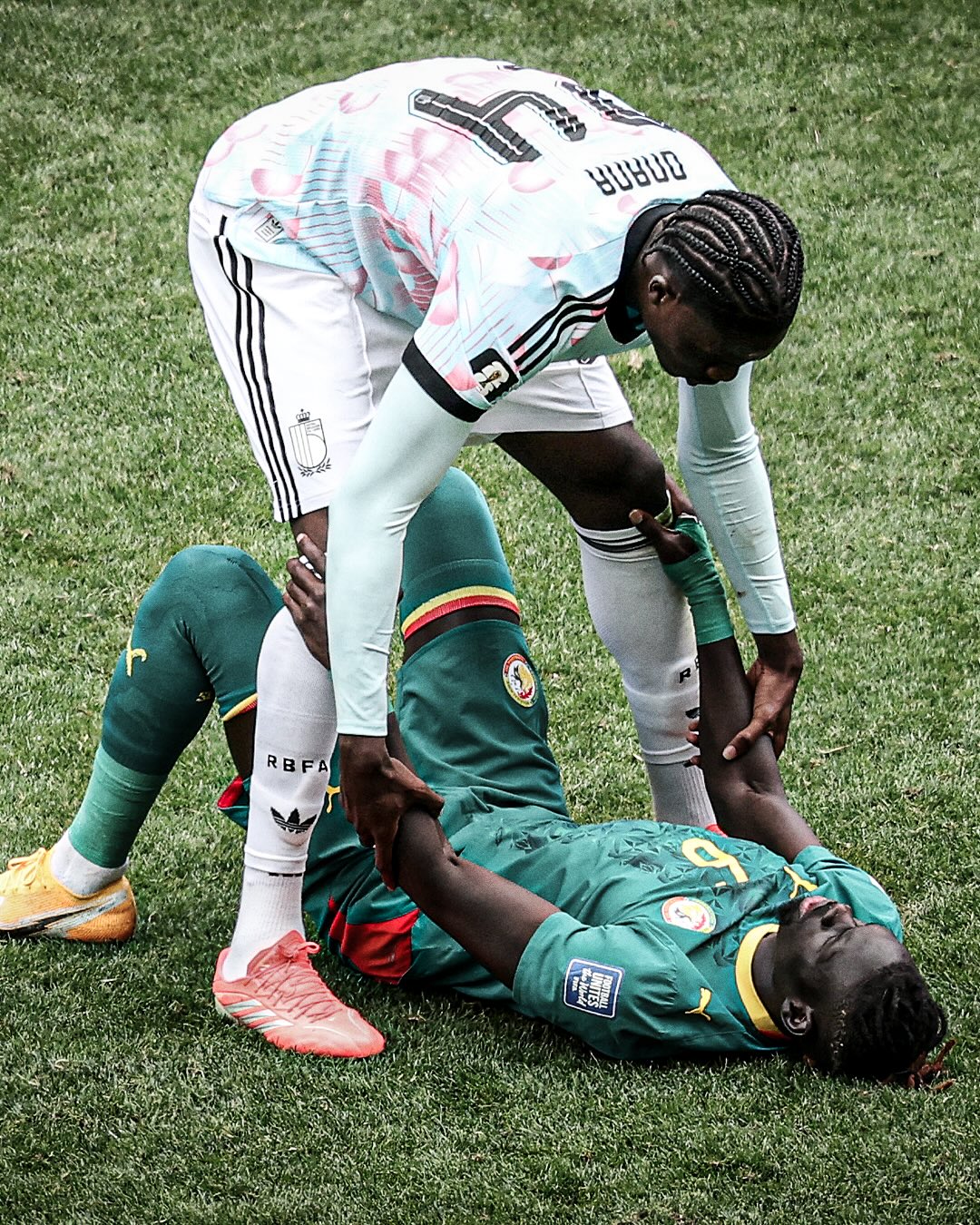
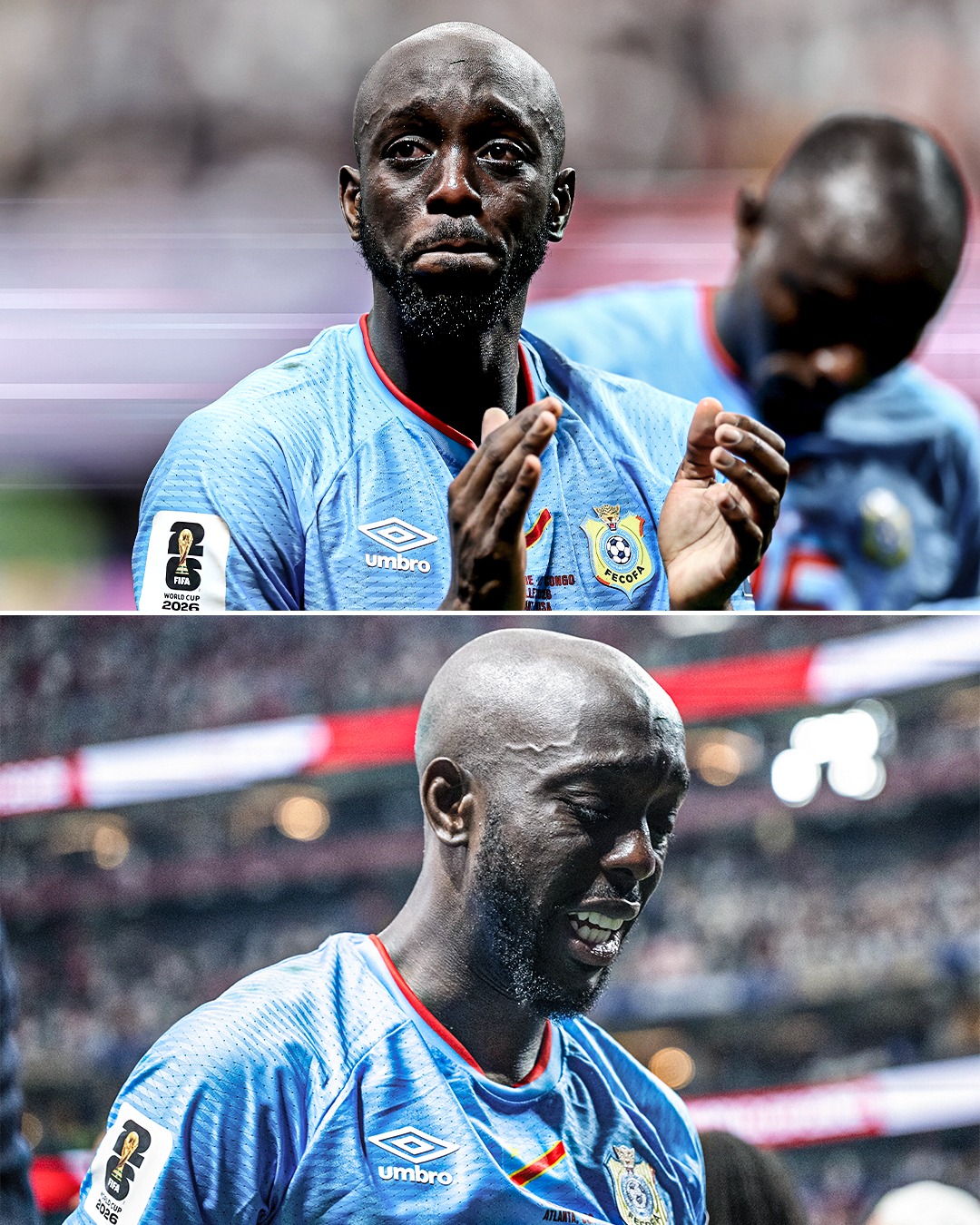
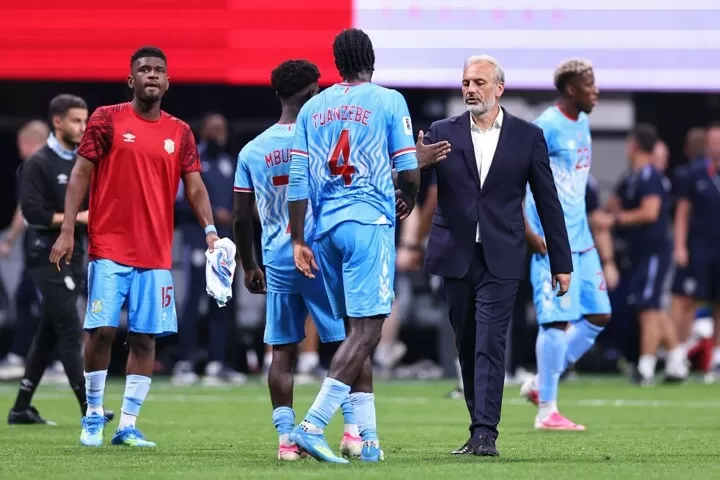
Senegal suffered one of the tournament’s most dramatic exits, squandering a two-goal lead before losing 3-2 to Belgium after extra time, while DR Congo’s dream run came to an end with a hard-fought 2-1 defeat to England.
The two defeats mean Senegal and DR Congo join Tunisia, Côte d’Ivoire and South Africa on the list of African nations eliminated from the tournament, leaving five teams still chasing the continent’s elusive first FIFA World Cup title.
Senegal looked destined for the last 16 after goals from Habib Diarra and Ismaïla Sarr gave the Teranga Lions a commanding 2-0 advantage. Diarra opened the scoring in the 25th minute before Sarr doubled the lead six minutes after halftime with a superb chest control and finish past Thibaut Courtois.
Belgium, however, mounted a remarkable late comeback. Substitute Romelu Lukaku sparked the revival with a goal in the 86th minute before Youri Tielemans equalised three minutes later to force extra time.
Just as the match appeared headed for penalties, Tielemans converted from the spot in the fifth minute of stoppage time at the end of extra time after a video review awarded Belgium a penalty. His strike in the 125th minute became the latest goal in FIFA World Cup history, sending Belgium through to the Round of 16.
Senegal coach Pape Thiaw admitted the defeat was difficult to accept after his side had controlled much of the contest.
“It is a cruel loss, as we were good in the game,” Thiaw said. “We had the advantage. We were leading 2-0. However, a football match is not an 85-minute one. Belgium came back, and we were not able to deal with that.”
He declined to criticise the decisive penalty decision, saying: “We all have different interpretations when it comes to awarding a penalty. I’d rather not comment.”
Belgium’s comeback was only the second time in the last 11 World Cups that a team trailing by two or more goals in a knockout match recovered to win.
DR Congo also exited with heads held high after pushing England to the limit.
The Leopards stunned the Three Lions in the seventh minute when Brian Cipenga beat Jordan Pickford at his near post to give the Central African nation an early lead. DR Congo defended resolutely throughout the first half and continued to threaten on the counterattack.
England eventually found a way back through captain Harry Kane, who struck twice in the final 15 minutes to complete a 2-1 comeback and send the 1966 champions into the last 16, where they will face co-hosts Mexico.
Despite the defeat, DR Congo’s World Cup journey captured attention far beyond the football pitch.
Competing at the finals for the first time in 52 years, the Leopards overcame a demanding qualification campaign, eliminated continental heavyweights Cameroon and Nigeria, and progressed from a difficult group that included Portugal, Colombia and Uzbekistan.
With Senegal and DR Congo now eliminated, Africa’s hopes of producing its first FIFA World Cup champion rest with Morocco, Algeria, Egypt, Ghana and Cape Verde. Morocco have already booked a place in the Round of 16, where they will face Canada after eliminating the Netherlands on penalties.
The remaining four African sides are still to play their Round of 32 ties, with Algeria taking on Switzerland, Egypt facing Australia, Ghana meeting Colombia, and Cape Verde up against defending champions Argentina.
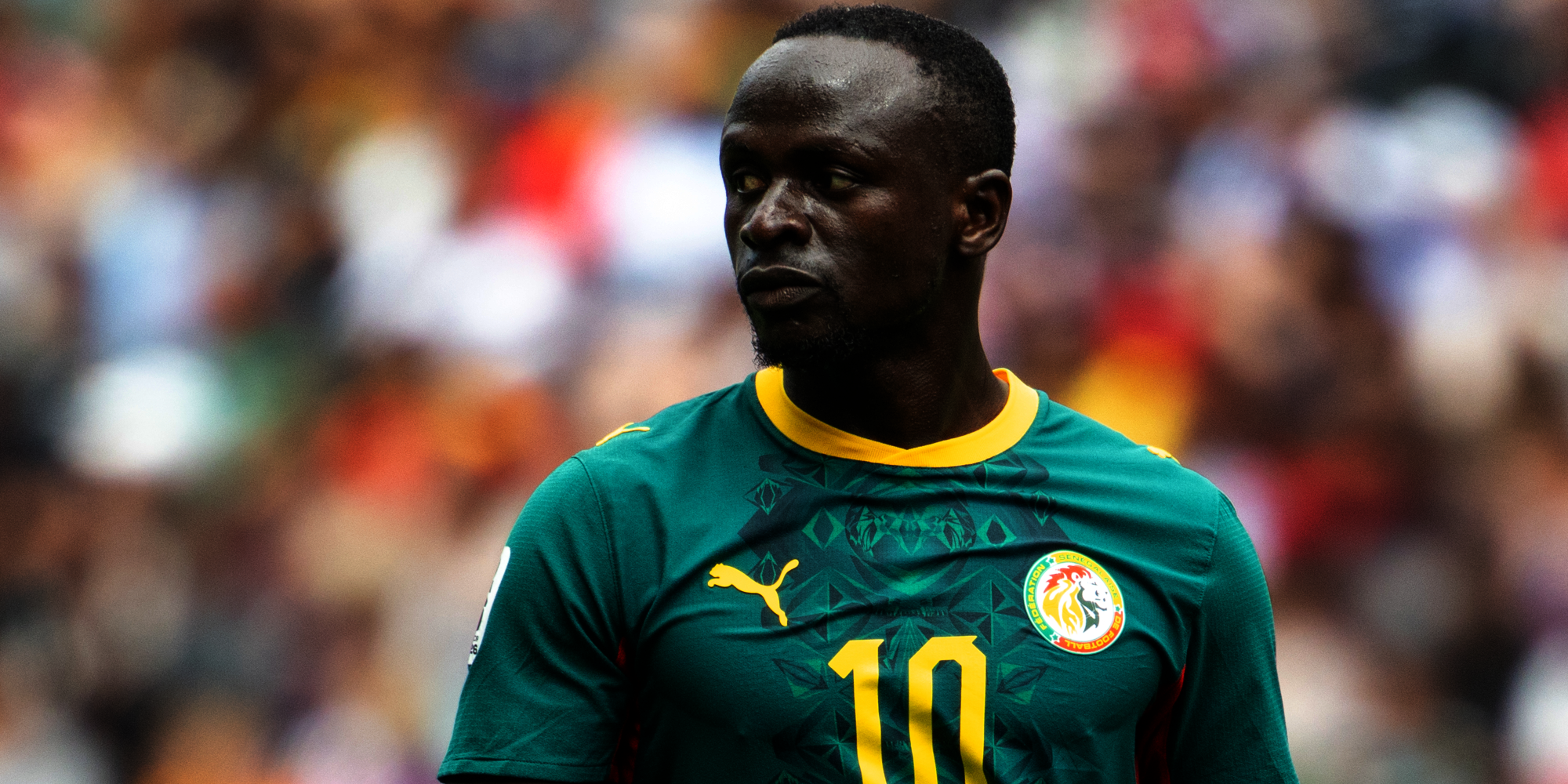
Senegal suffered one of the tournament’s most dramatic exits, squandering a two-goal lead before losing 3-2 to Belgium after extra time.Sadio Mane, widely recognised as Senegal’s undisputed top player and the greatest player in the country’s football history, was influential and created the chance that eventually led to Senegal’s first goal.DR Congo’s Yoane Wissa was in tears walking off the pitch after DR Congo were eliminated from the World Cup. He was one of their standout players, scoring three of their five goals.DR Congo’s dream run came to an end with a hard-fought 2-1 defeat to England.
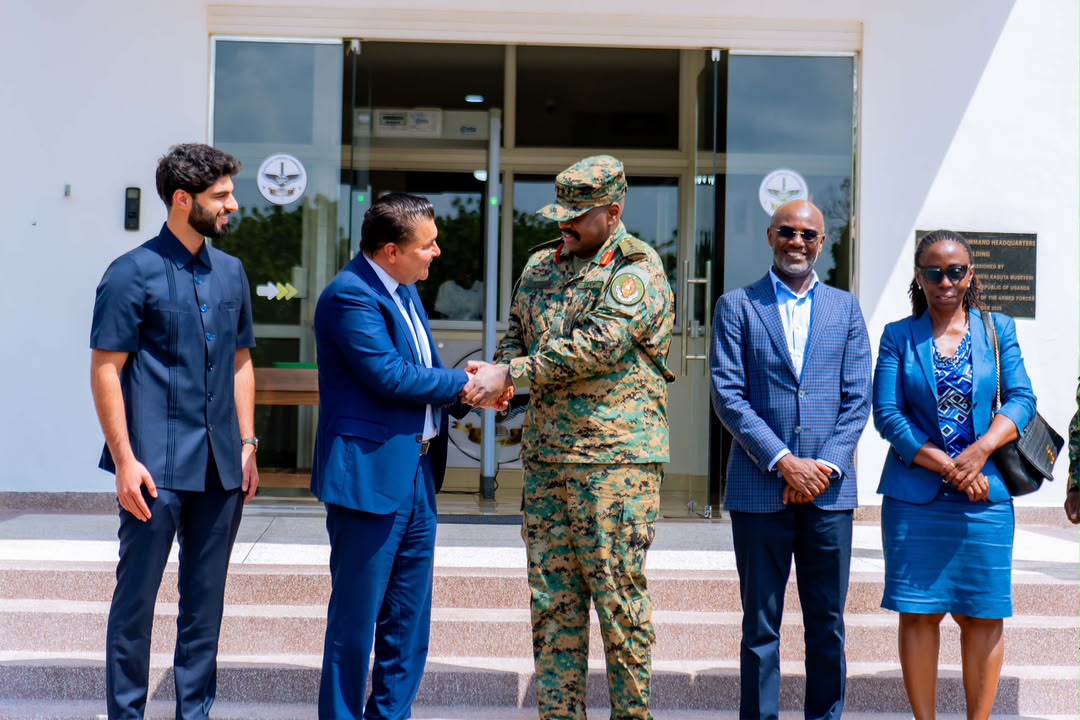
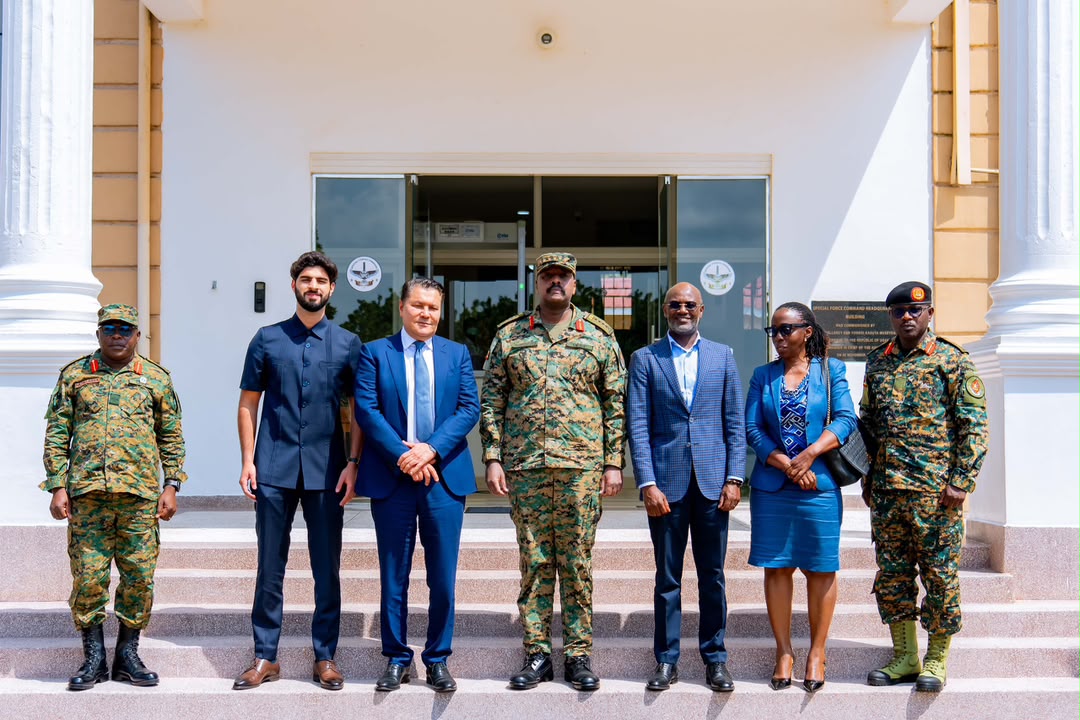
The meeting took place at the Special Forces Command headquarters in Entebbe and brought together NMG owner Rostam Aziz and his son Saam Aziz, alongside Georgia Mutagaywa, the Chief of Staff of Taarifa Limited, the parent organisation of NMG.
Also in attendance were veteran journalist and Patriotic League of Uganda (PLU) leader Andrew Mwenda, as well as the Acting UPDF/Defence Public Information Director, Col. Chris Magezi.
The discussions follow the recent shutdown of NMG Uganda’s operations by security forces, an action ordered by Gen. Muhoozi. The closure came after allegations by the CDF that the media group had engaged in what he described as a sustained blackmail campaign against the government of Uganda and its leadership, while also promoting opposition and foreign interests.
During the meeting, both sides are said to have reviewed reporting that government officials consider biased and malicious, with the media owners expected to adopt a more patriotic, balanced, and objective approach in their reporting.
The meeting forms part of ongoing efforts to resolve the standoff between the media group and the government following the shutdown of its outlets. A final decision on the reopening of the affected media premises is expected to follow a presidential review.
The closure of NTV Uganda, Spark TV and the Daily Monitor earlier this week came after security personnel carried out an overnight operation at NMG offices in Namuwongo, Kampala. The shutdown followed a series of posts by Gen. Muhoozi announcing the suspension of operations of the outlets, citing critical reporting and alleging biased coverage.
In earlier remarks shared online, Gen. Muhoozi said media reporting on Uganda would require clearance from his office and asserted that he had authority to shut down any media house in the country, claims that have drawn widespread attention.
Nation Media Group Uganda operates several outlets, including NTV Uganda, Daily Monitor, The EastAfrican, Dembe FM and Spark TV.
The developments echo previous tensions in 2013, when security agencies temporarily closed the Daily Monitor and affiliated stations following the publication of a controversial letter attributed to former intelligence official Gen. David Sejusa.
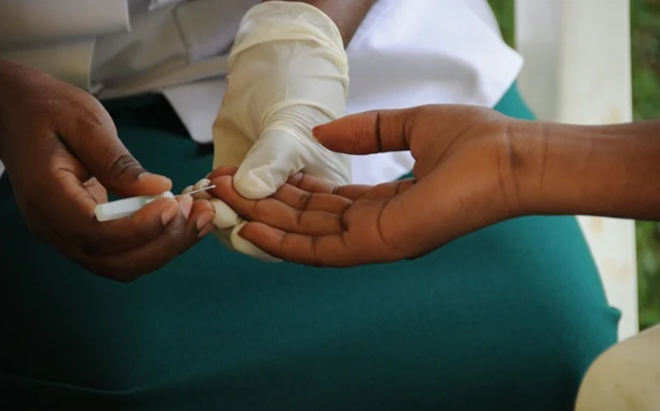
The figure, drawn from HIV serology testing of nearly 13,000 women and men, confirms a steady decline in the country’s epidemic: prevalence held at 3.0% from 2005 through 2014–15, before easing to 2.7% in the 2019–20 RDHS and now 2.2% in 2025. The report describes the drop between 2019–20 and 2025 as statistically significant.
But the national average masks wide disparities that the survey’s authors say still call for targeted intervention, by sex, by geography, and by wealth and education.
A persistent gender gap
Women continue to bear a heavier burden of HIV. The survey found prevalence among women aged 15–49 at 2.8%, nearly double the 1.5% recorded among men.
This gap persists even though women account for a slight majority of Rwanda’s population. The 2022 Rwanda Population and Housing Census recorded 13,246,394 people, comprising 6,817,067 females (51.5%) and 6,429,326 males (48.5%).
Compared with the 2019–20 survey, HIV prevalence among women declined from 3.5% to 2.8%, a statistically significant reduction, while prevalence among men decreased slightly from 1.7% to 1.5%, a change that was not statistically significant.
The gap widens further with age. Among women aged 45–49, prevalence reaches 7.8%, compared with 3.5% among men in the same age bracket, and 4.3% among men aged 50–59. Prevalence generally climbs with age for both sexes, from under 1% among teenagers to its peak in the 40s and 50s.
Marital and relationship status also shapes risk. Widowed respondents have the highest prevalence of any group at 10.9%, followed by those who are divorced or separated at 7.3%. Women in polygynous unions show notably higher prevalence (6.5%) than those in non-polygynous unions (2.3%).
Male circumcision continues to show a protective association: HIV prevalence is 1.2% among circumcised men, compared with 2.5% among men who are not circumcised or do not know their status.
Cities carry a heavier burden than the countryside
Geography remains one of the sharpest dividing lines in Rwanda’s HIV epidemic. Prevalence in urban areas stands at 3.3%, almost double the 1.7% recorded in rural areas, a pattern consistent with previous rounds of the survey and with the country’s broader urban–rural health disparities.
The provincial breakdown tells a similar story. The City of Kigali has the highest prevalence in the country at 3.7%, more than triple the 1.0% recorded in the Northern Province, which posts the lowest rate nationally. Southern Province (2.3%), Western Province (2.2%), and Eastern Province (2.0%) fall in between.
Education levels also showed clear differences in HIV prevalence. The survey found HIV prevalence was highest among people with no formal education (4.9%), followed by those with primary education (2.4%), secondary education (1.6%), and more than secondary education (0.9%). By household wealth, the poorest quintile recorded the highest prevalence (3.3%), though the pattern across the remaining wealth groups was less consistent.
Testing coverage remains high
The survey’s underlying data quality is bolstered by near-universal participation: 99% of eligible women and 97% of eligible men consented to HIV testing and provided a blood sample for the survey’s testing algorithm, carried out through Rwanda’s National Reference Laboratory. Fewer than 1% of eligible respondents refused testing outright.
Rwanda has been widely recognized as a regional leader in HIV control, having met the UNAIDS 95–95–95 targets for diagnosis, treatment, and viral suppression ahead of the 2025 deadline.
With prevalence now confirmed at 2.2% nationally, the survey gives policymakers a clearer map of where continued gains are still to be made, particularly among older women, urban populations, and the City of Kigali, building on a strategy that has already brought the country this far.
Meanwhile, the HIV findings sit alongside a wider set of health gains captured in the 2025 RDHS. Fertility has continued its long decline, with the total fertility rate now at 3.7 children per woman. Child survival has also improved: under-5 mortality has fallen to 36 deaths per 1,000 live births, down from 45 in the previous survey, while infant and neonatal mortality have declined in tandem.
Chronic child malnutrition is down too, 27% of children under five are stunted, compared with 51% two decades ago, and contraceptive use among married women has climbed to 69%, with the government sector remaining the primary source of family planning services nationwide.
Women continue to bear a heavier burden of HIV. The survey found prevalence among women aged 15–49 at 2.8%, nearly double the 1.5% recorded among men.