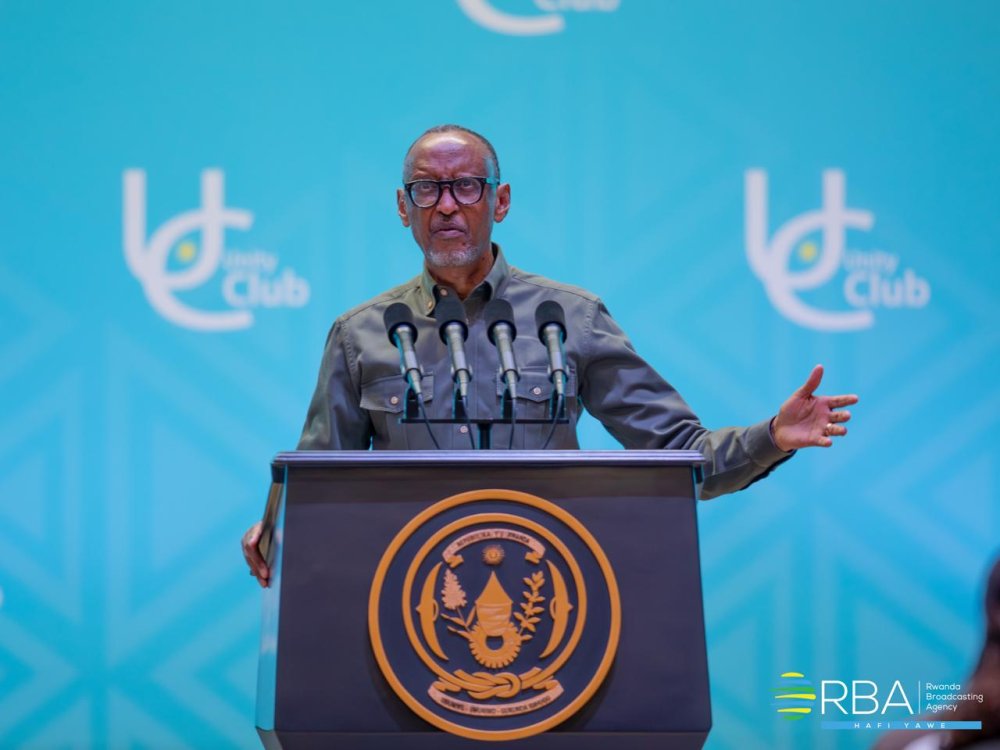
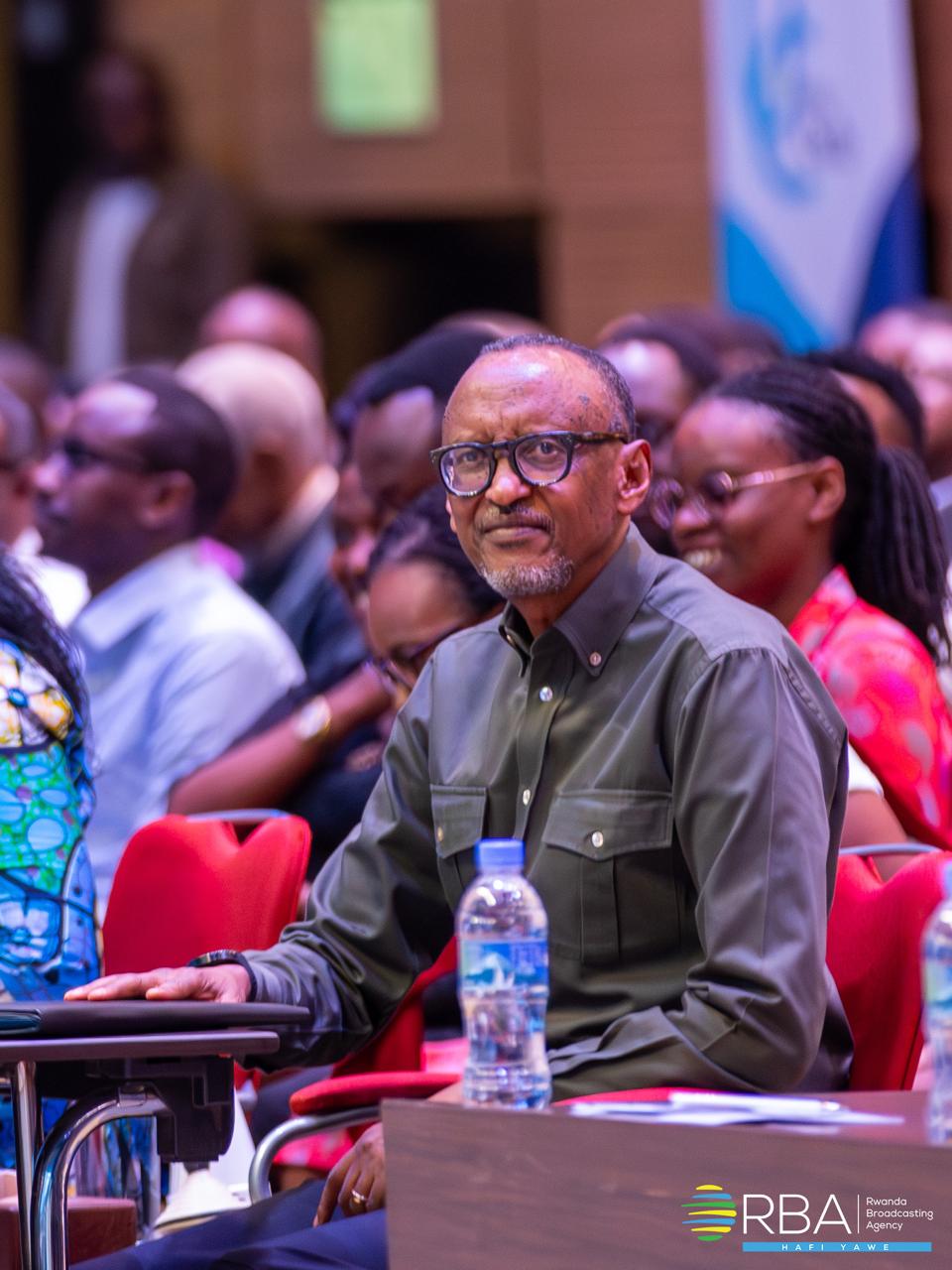
He made the remarks on Saturday at Intare Arena, where he and First Lady Jeannette Kagame joined members of Unity Club and other leaders in a dialogue on the history of the Genocide against the Tutsi and the Liberation War that ended it.
The discussions focused on the events that led to the 1994 Genocide against the Tutsi, the role of those who planned and executed it, and the Liberation War that stopped the genocide and restored the country, paving the way for national recovery and renewed unity among Rwandans.
President Kagame said the history of a country such as Rwanda is often contested because people interpret it through different perspectives shaped by their involvement, interests, or connection to past events.
He noted that historical accounts are sometimes distorted or selectively interpreted, adding that such disagreements are partly understandable given the differing roles and experiences of those involved, as well as interests that may have influenced past actions.
“History of a country like ours and what we went through involves many things that people even distort and turn into something it is not or should not be. There are many debates, which is understandable, and they are justified because how one person understands things is not how another understands them, depending on the role people played or had in them, depending on the interests that may have been involved earlier, even when it later becomes clear that those were not the right interests to guide actions in history.”
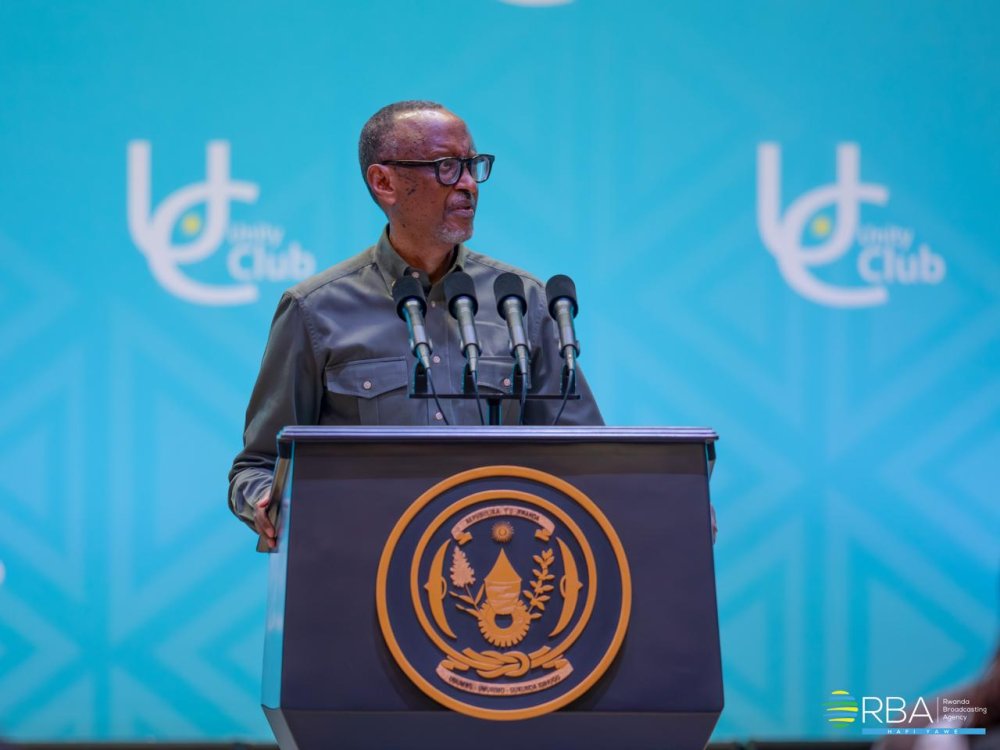
President Kagame said that discussions about history are often complicated by factors such as denial, discomfort, or reluctance to acknowledge responsibility.
“There are many things involved. There is shame as people feel uncomfortable with the role they played or their connection to it, and they do not want to revisit it. That is understandable. But what is more important is trying to go beyond that and work towards gathering everything so it becomes a truth we can base other actions on,” he noted.
The Head of State emphasized that some truths are supported by clear evidence or testimonies, including from individuals acknowledging their own involvement.
“There is also truth that cannot be reversed or reinterpreted because of evidence. Or even evidence where some people admit: ‘This is what happened! What I said about myself is true.’”
President Kagame said that when individuals acknowledge their role, continued debate becomes unnecessary, and attention should shift to lessons that support positive change.
“If the person themselves tells you that, what more debate is there? Instead of arguing, you should take the lesson and use it to achieve what we want. Many of these debates often come from those who, instead of saying ‘What has been said about me is true, and I am ready to start from there and change to become a better person,’ they instead resist it.”
He further noted that some individuals remain resistant to accepted accounts of history and attempt to reshape or reinterpret events, but stressed that the country cannot be held hostage by such positions.
“Many remain stubborn for the reasons I mentioned, which is understandable. But the country cannot be held hostage. Even when a country allows certain things and gives space for people to better understand what they previously misunderstood, that space is given, and it should be given, but it must have limits,” he remarked.
“The country cannot be held hostage by people who want history to be as they wish or to be understood in a way that is not how it truly is. All those debates should have space, research should happen, many things should take place in the search for truth, and they should be given adequate time,” he added.
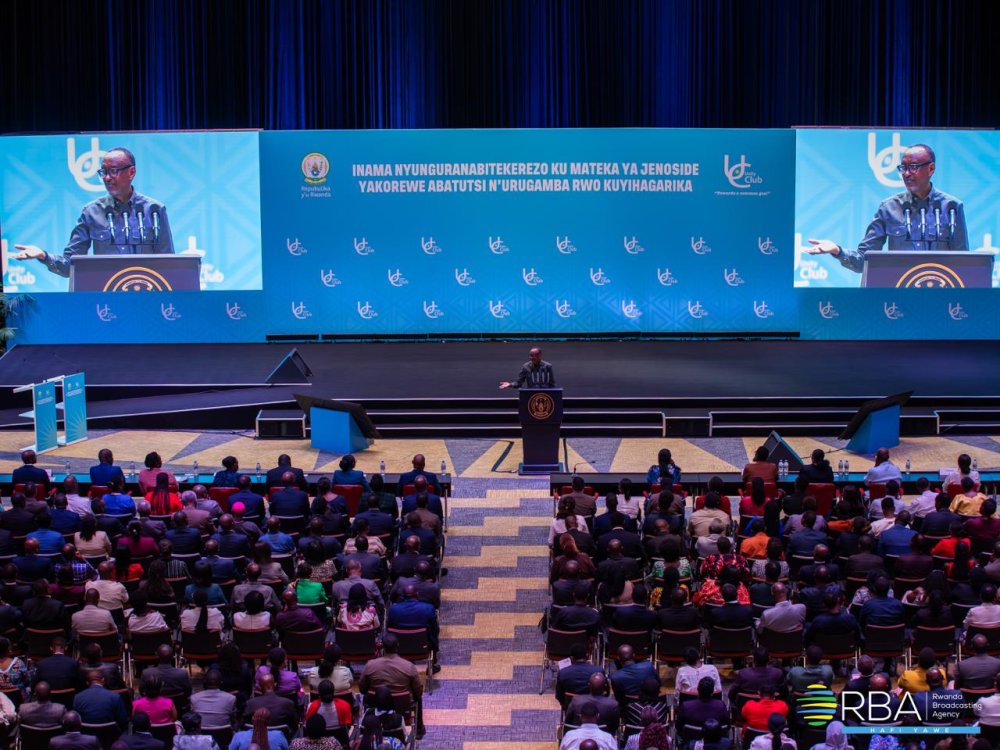
President Kagame said Rwanda has already provided sufficient space for discussion, research, and the pursuit of historical truth, but cautioned that such space should not be misused to distort facts or mislead the public.
“And I think over the years that space has been provided or has been available, except if we misuse it. But again, as human beings, we know people have issues.”
He observed that resistance to truth is sometimes driven not by lack of knowledge, but by personal or emotional connections to individuals implicated in historical events, whether through family, friendship, ideology, or shared interests.
“In normal life, a person may say in their heart: ‘They are talking about someone who has a problem, who did bad things,’ but because it is their relative or friend, even when there is evidence, they try to protect that person and deny the truth, and even tell others it is not true.”
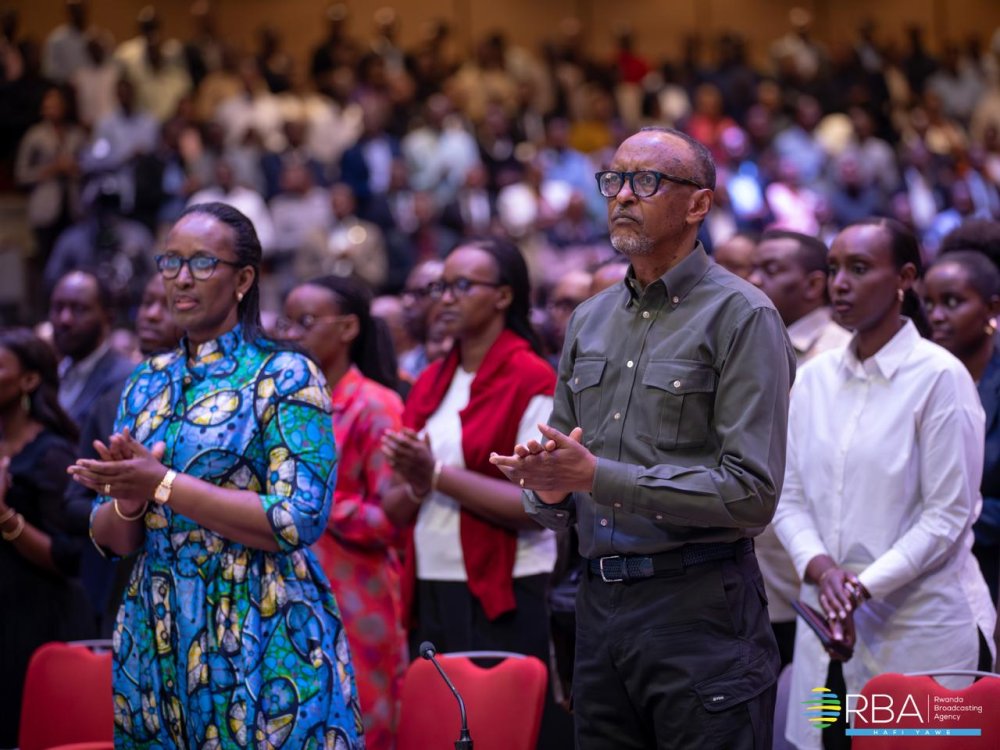
President Kagame added that in some cases, opposition to truth is motivated by fear that acknowledging certain crimes may have wider implications for those connected to them.
“Some do so because if that crime is acknowledged, even if it comes from testimony, it may eventually circle back to them. So they try to prevent it early. In other words, I have a connection with person X, who is accused of certain things. That connection is not only blood-related; it can also be ideological or based on shared beliefs.”
He further explained that in such situations, individuals may attempt to defend or protect others from accountability in order to avoid broader scrutiny.
“They then fight the truth to protect that person, sometimes a friend or relative, from being held accountable. The aim is to prevent it from spreading and people saying, ‘So you are also involved?’ or even saying that those crimes affect everyone connected to it, and asking, ‘So what about me, do I also accept it?’”
President Kagame noted that a deeper issue arises when denial goes as far as questioning whether crimes occurred at all, or suggesting that victims somehow deserved their fate.
“If it is someone who was killed, it becomes as if you are saying: ‘They deserved to die anyway! Why should they have lived?’ These are things we Rwandans have experienced, and we must find ways and solutions to address them.”
He stressed that Rwanda’s painful history cannot be ignored or bypassed, and that Rwandans have a responsibility to confront it honestly and draw lessons that guide the country’s future.
“Especially when I speak about Rwanda, I am talking about the country I am part of, where I am a Rwandan. There are others for whom this may not mean much; they may choose to live as they are. That is possible elsewhere… But in Rwanda, our country and our history, what we say is: ‘We had a very bad history, but we cannot go around it.’”
He added that while Rwanda’s past was deeply painful, it should not be allowed to define or dictate the country’s present and future.
President Kagame said Rwanda has reached a point of clarity about its values and direction, and that citizens should be prepared to defend them, even at great cost if necessary.
“That is what we should live for, and what we would even die for if necessary,” he affirmed.
The Head of State emphasized that dialogue, explanation, and persuasion have limits, particularly when continued resistance risks dragging the country back into its violent past.
“When you see it is reaching a point where it may take another direction that could return people to the bad history we know, then no! You draw a clear line. Whoever crosses it pays the price. We are not afraid of that at all!”
Leave a Reply