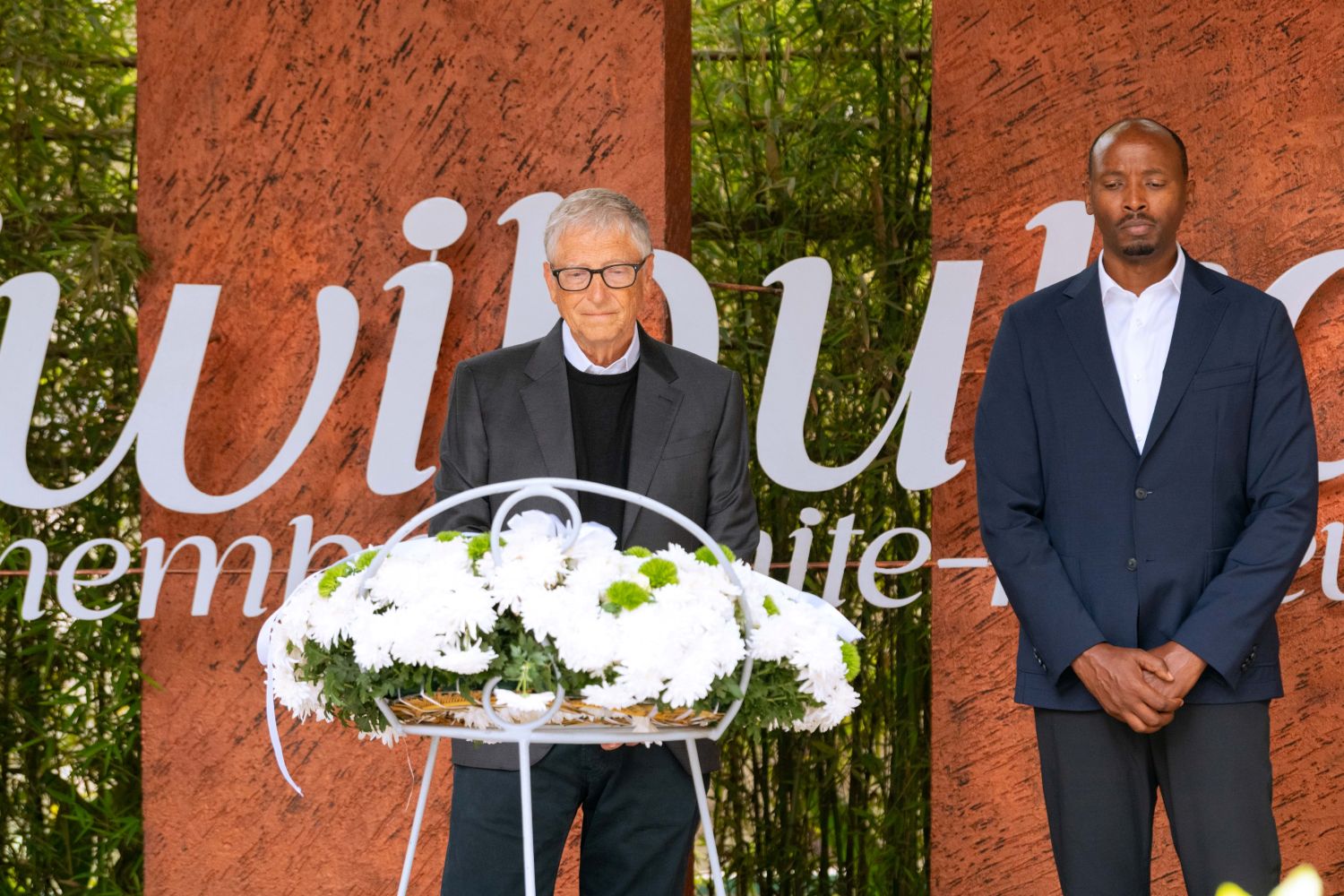
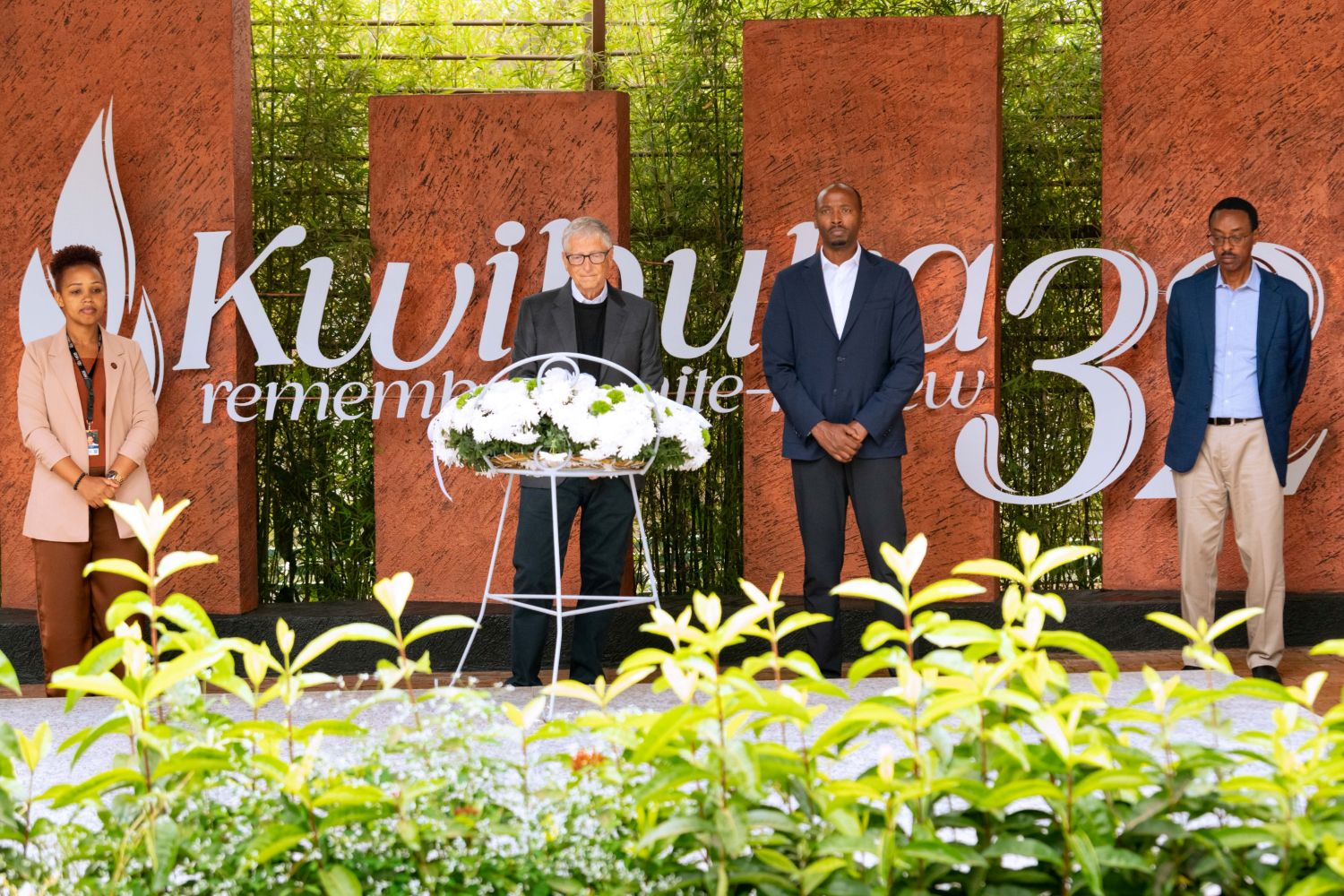
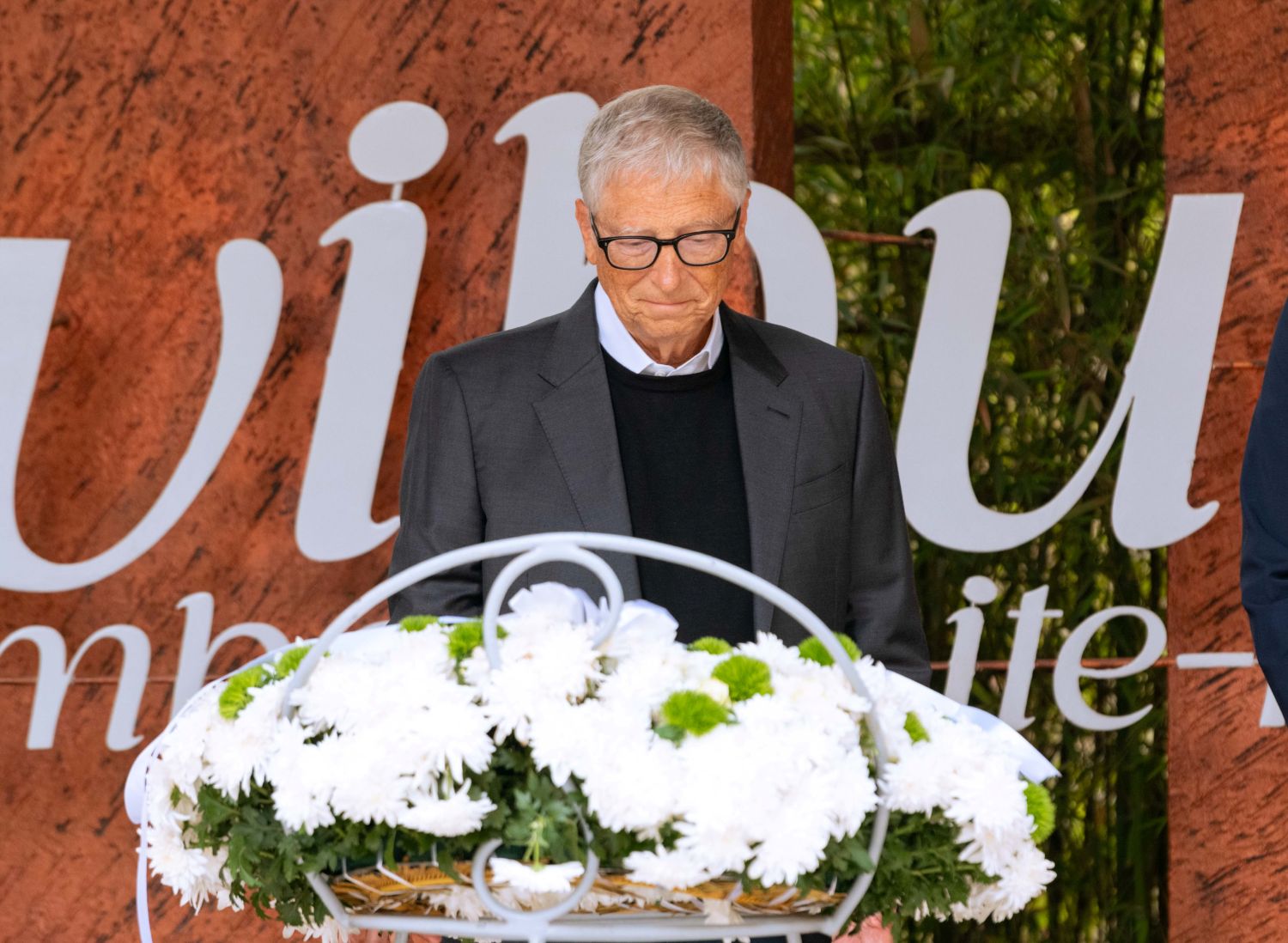
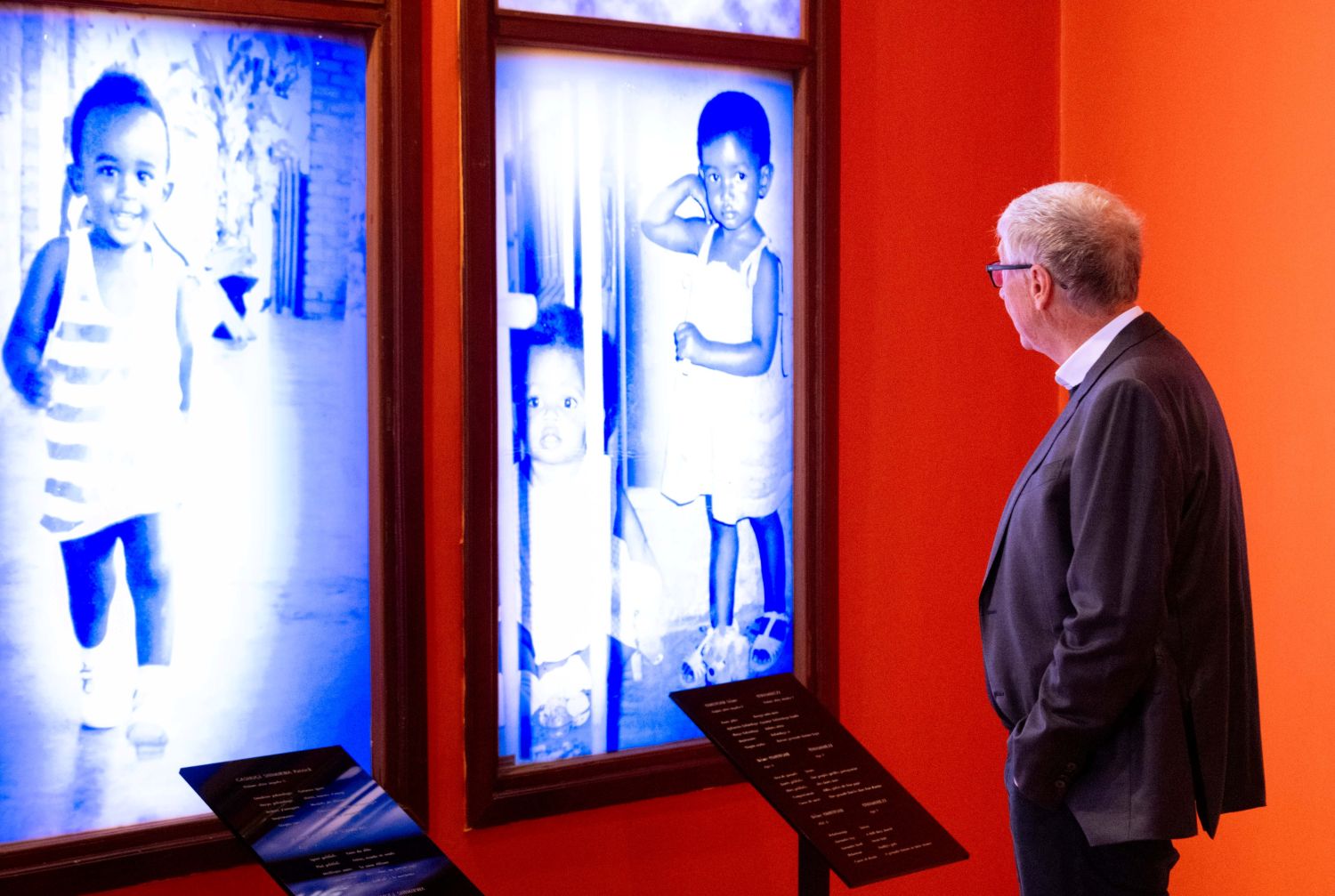
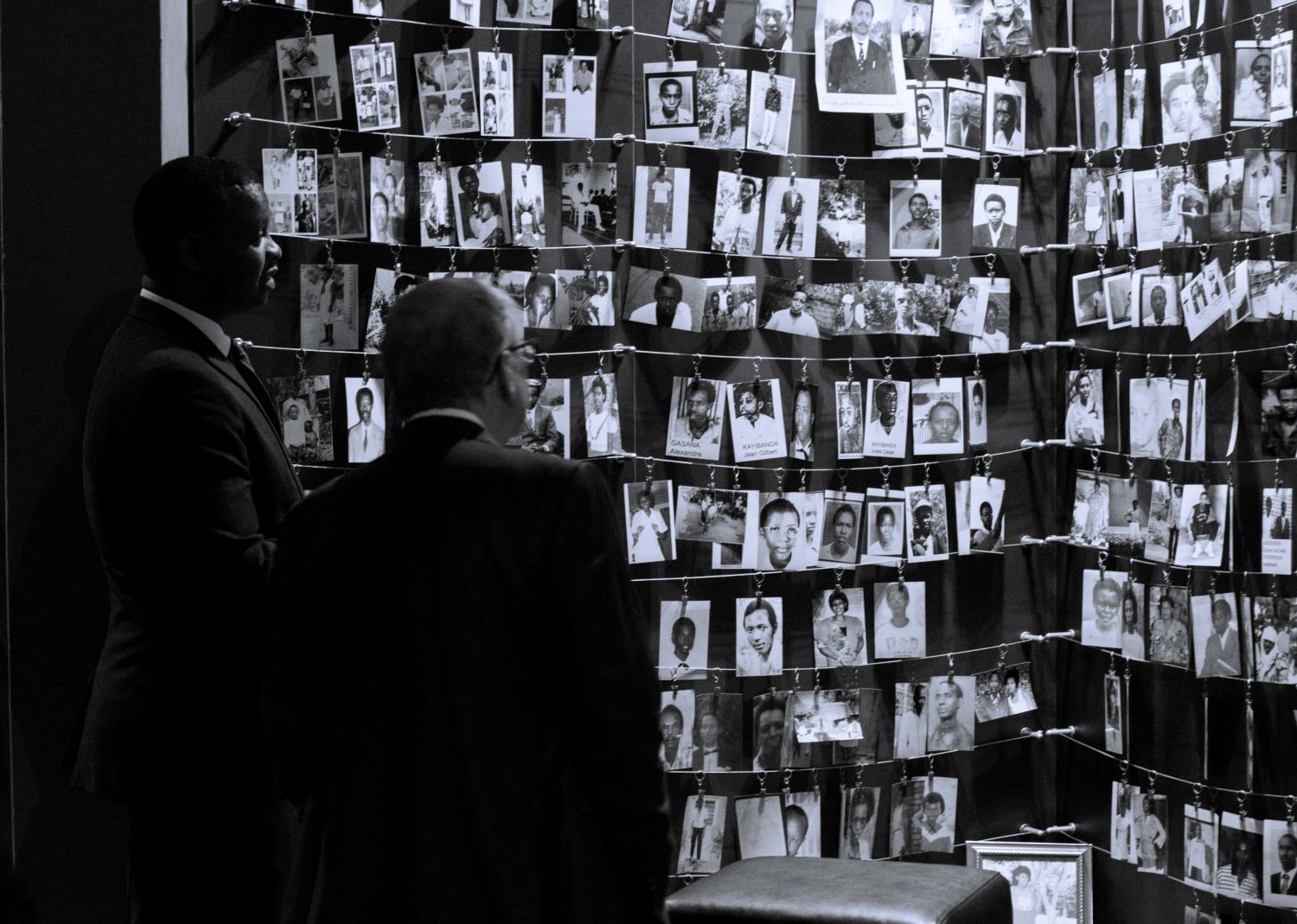
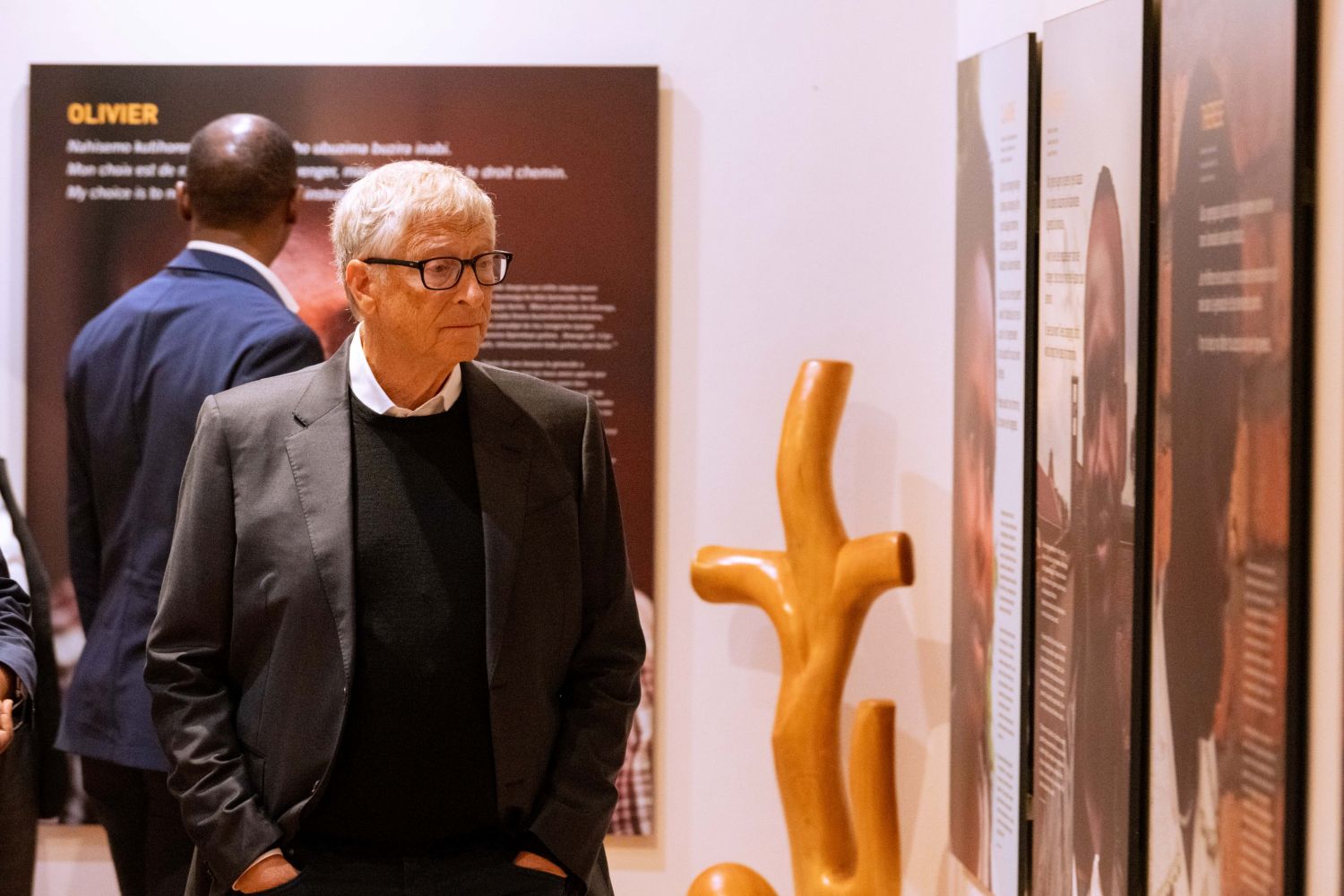
At the memorial, the founder of Microsoft laid a wreath at the final resting place of more than 250,000 victims buried at the site, taking time to honour their memory and reflect on one of the darkest chapters in Rwanda’s history.
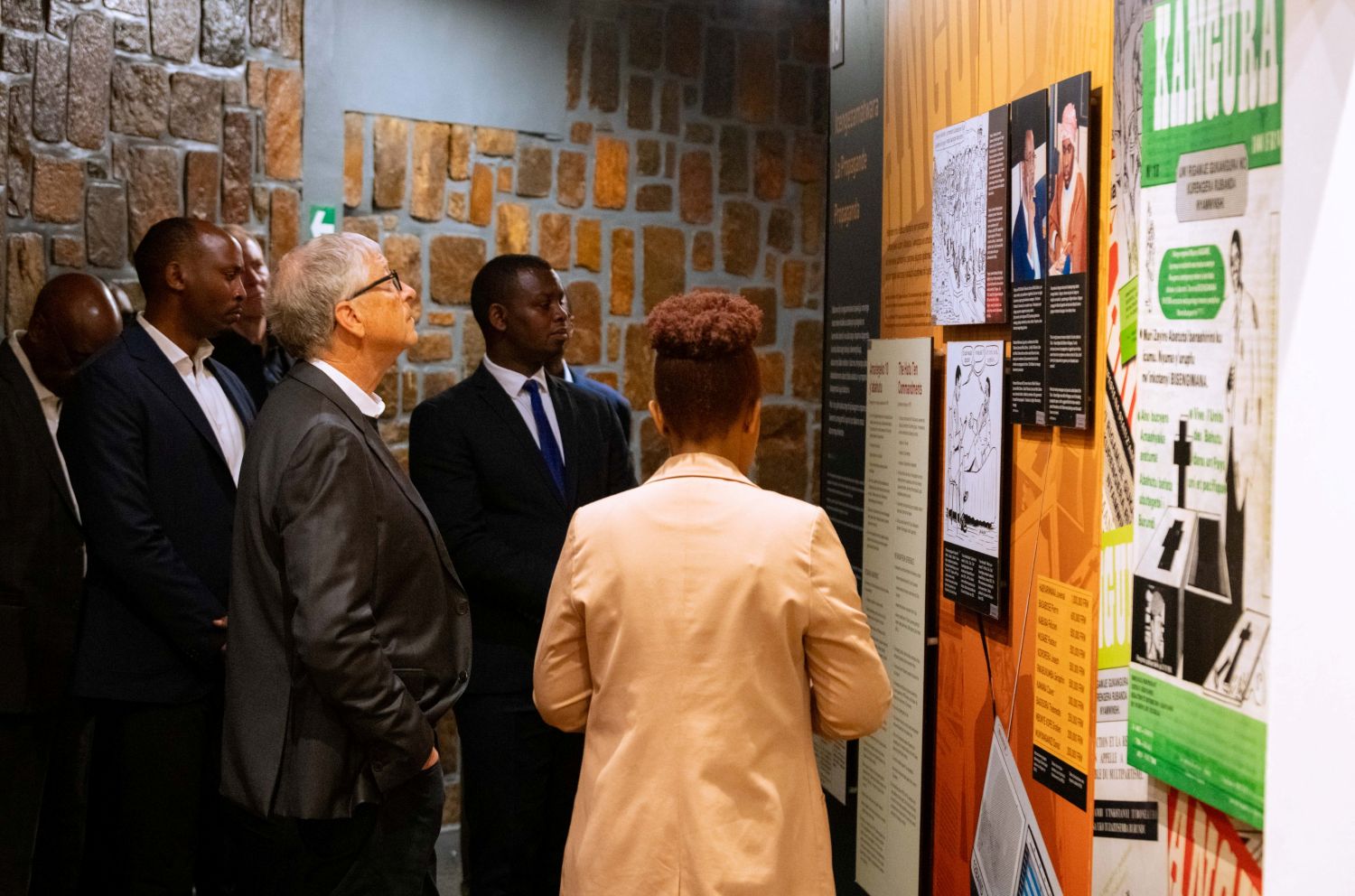
According to the Kigali Genocide Memorial, Gates also toured the memorial’s permanent exhibitions, where he learned about the planning and execution of the Genocide against the Tutsi, its devastating human impact, and Rwanda’s remarkable journey of recovery, reconciliation, and rebuilding over the past three decades.
“Today, we welcomed Mr. Bill Gates to the Kigali Genocide Memorial, where he paid his respects to the victims of the Genocide against the Tutsi with a wreath-laying at the burial place,” the memorial management said in a statement shared on X.
“During his visit, Mr. Gates toured the memorial exhibits and reflected on the history, impact, and lasting consequences of the Genocide, as well as Rwanda’s remarkable journey of recovery and rebuilding,” it added.
The visit to the memorial comes as Gates continues a multi-day visit to Rwanda aimed at learning more about the country’s progress in health, agriculture, and digital public infrastructure.
Earlier during his stay, Gates visited the TKMD syringe manufacturing plant in Rwamagana District, a facility helping expand Africa’s capacity to locally produce essential medical supplies. He is also expected to visit Mwulire Health Centre and meet with community health workers to gain firsthand insight into Rwanda’s primary healthcare system.
Ahead of his visit, Gates praised Rwanda’s development trajectory, attributing the country’s progress to sustained investments in people, strong institutions, and effective service delivery.
He highlighted Rwanda’s significant improvements in health outcomes since 2000, including an 80 percent reduction in under-five mortality and an 85 percent decline in maternal deaths related to pregnancy and childbirth.
The Gates Foundation has partnered with Rwanda for more than two decades, supporting initiatives to strengthen healthcare systems, agricultural development, and innovation.
Earlier this year, Rwanda became the first beneficiary of the Horizon1000 initiative, a $50 million artificial intelligence programme launched by the Gates Foundation and OpenAI to help African countries harness AI to improve healthcare delivery.
Gates has said he hopes his visit will provide an opportunity to engage with government leaders, researchers, innovators, frontline health workers, and communities to better understand Rwanda’s approach to development and the use of technology to improve lives.
His visit to the Kigali Genocide Memorial adds a solemn moment to his engagements in the country, paying respect to the victims while acknowledging Rwanda’s resilience and transformation in the decades since the Genocide against the Tutsi.
American tech billionaire Bill Gates visited the Kigali Genocide Memorial on Monday.He paid tribute to the victims of the 1994 Genocide against the Tutsi during his ongoing visit to Rwanda.At the memorial, the founder of Microsoft laid a wreath at the final resting place of more than 250,000 victims buried at the site.He learned about the planning and execution of the Genocide against the Tutsi, its devastating human impact, and Rwanda’s remarkable journey of recovery, reconciliation, and rebuilding over the past three decades.The visit to the memorial comes as Gates continues a multi-day visit to Rwanda aimed at learning more about the country’s progress in health, agriculture, and digital public infrastructure.
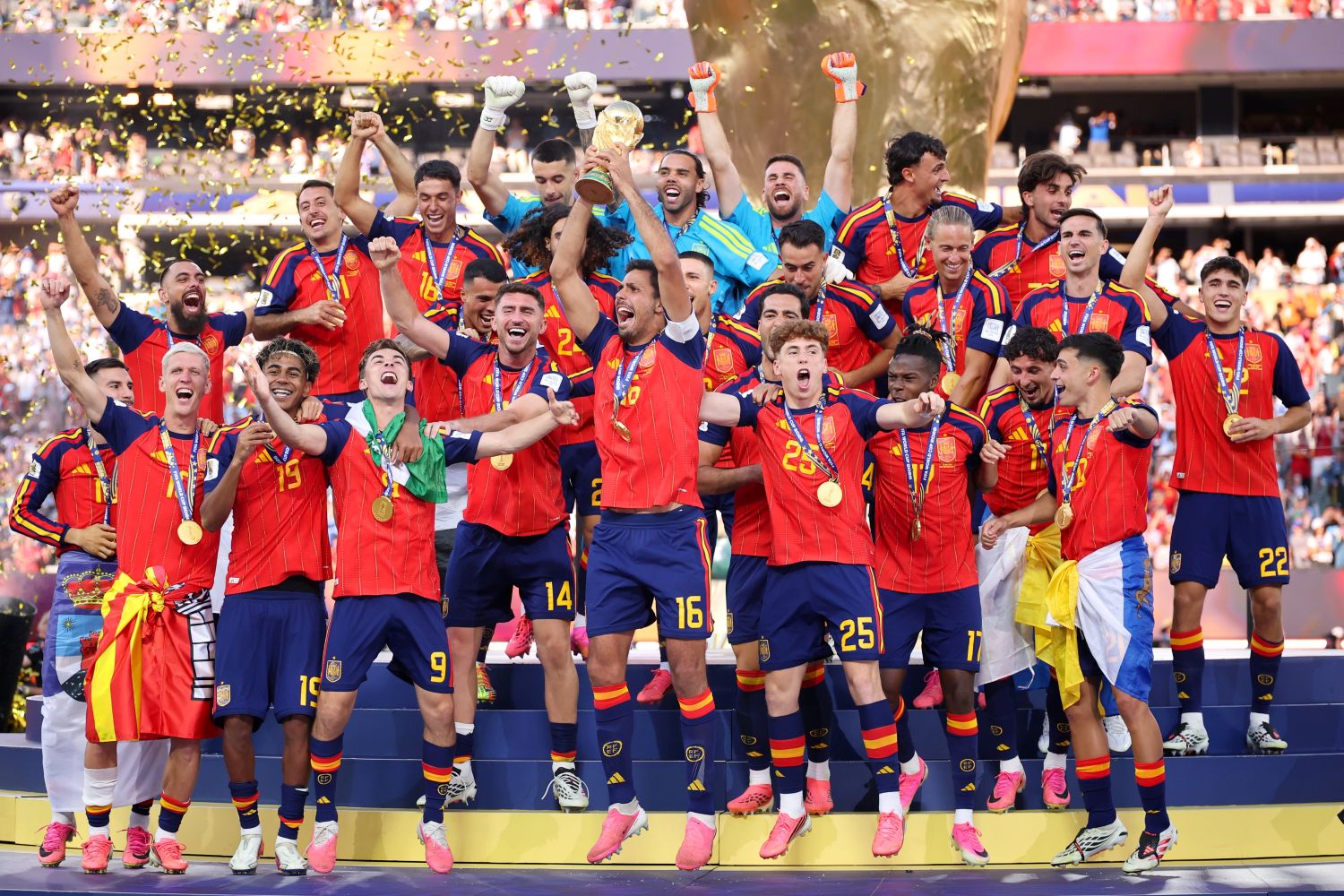
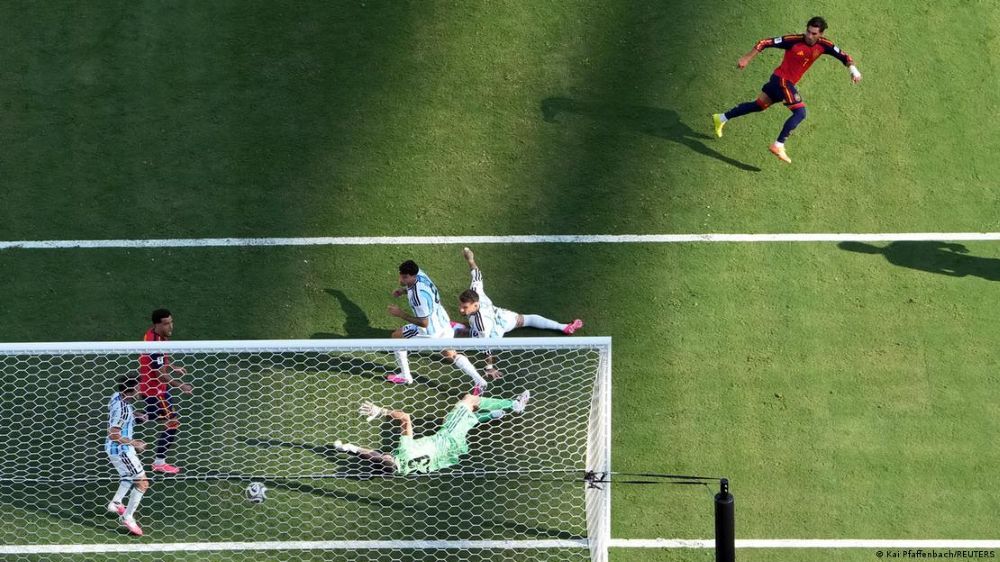
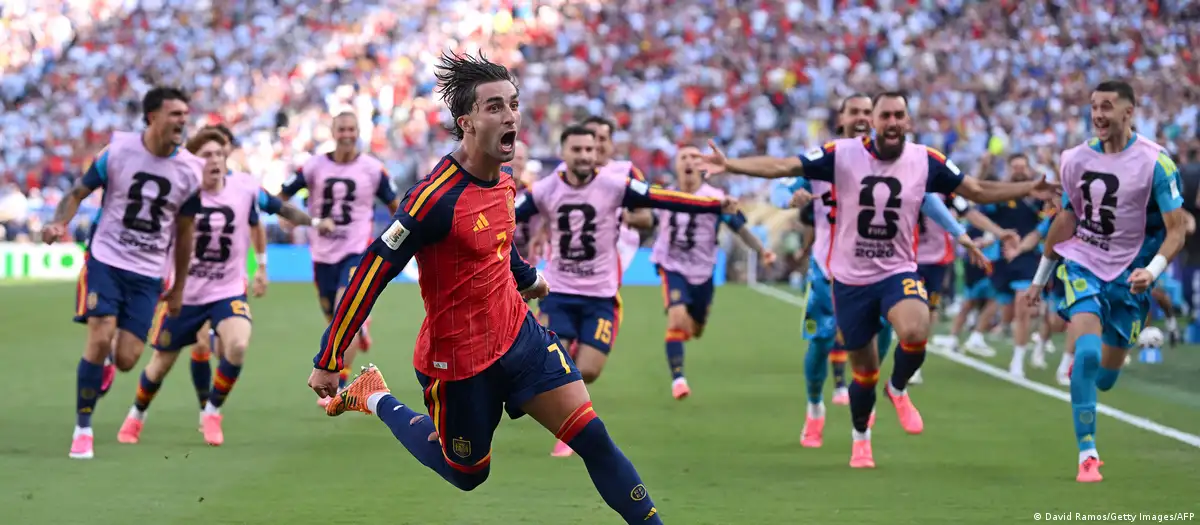
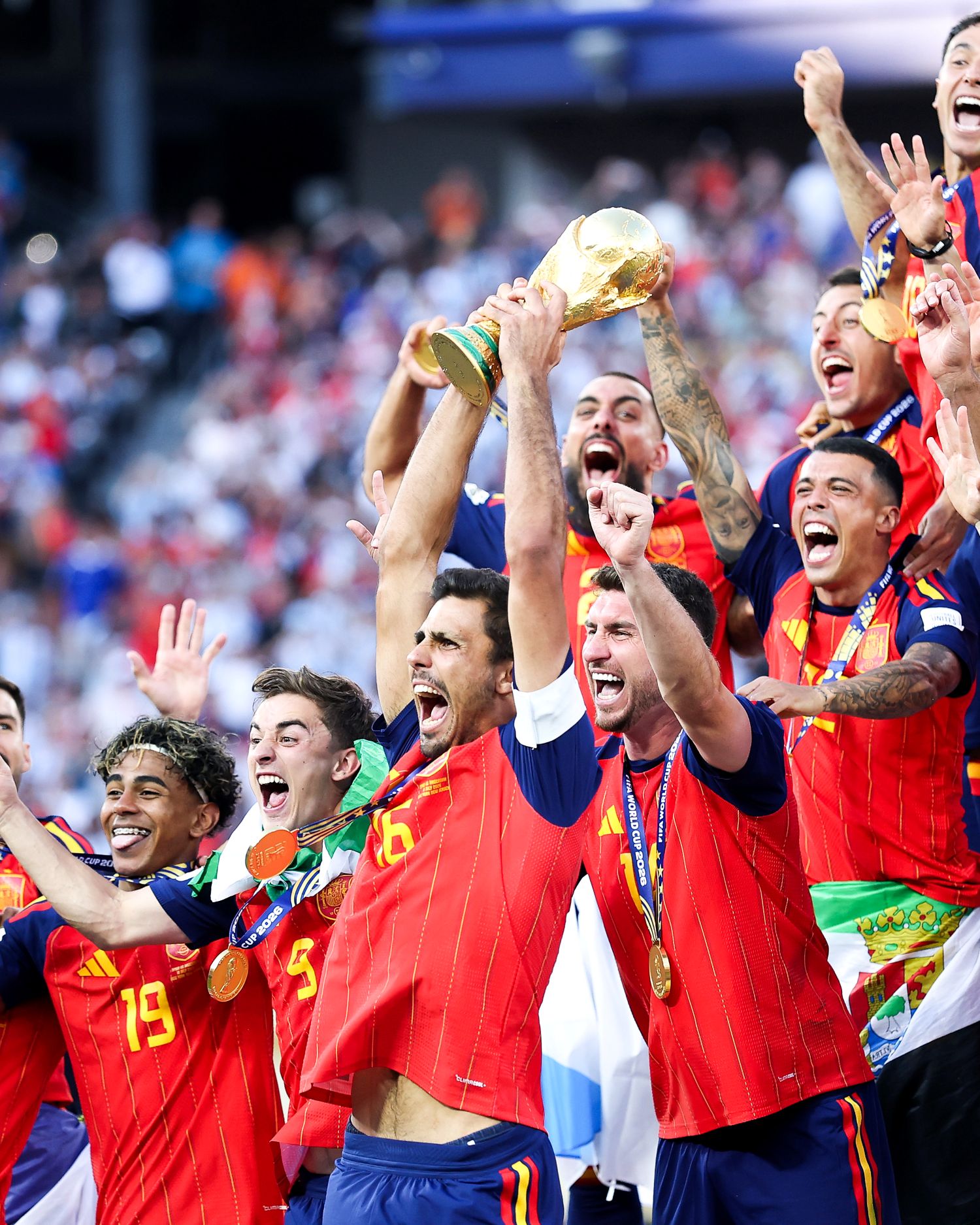
Torres, who came off the bench, produced the decisive moment in the 106th minute, pouncing on a loose ball inside the penalty area before firing a left-footed shot beneath the crossbar to hand Spain their second World Cup crown, 16 years after their maiden triumph in South Africa in 2010.
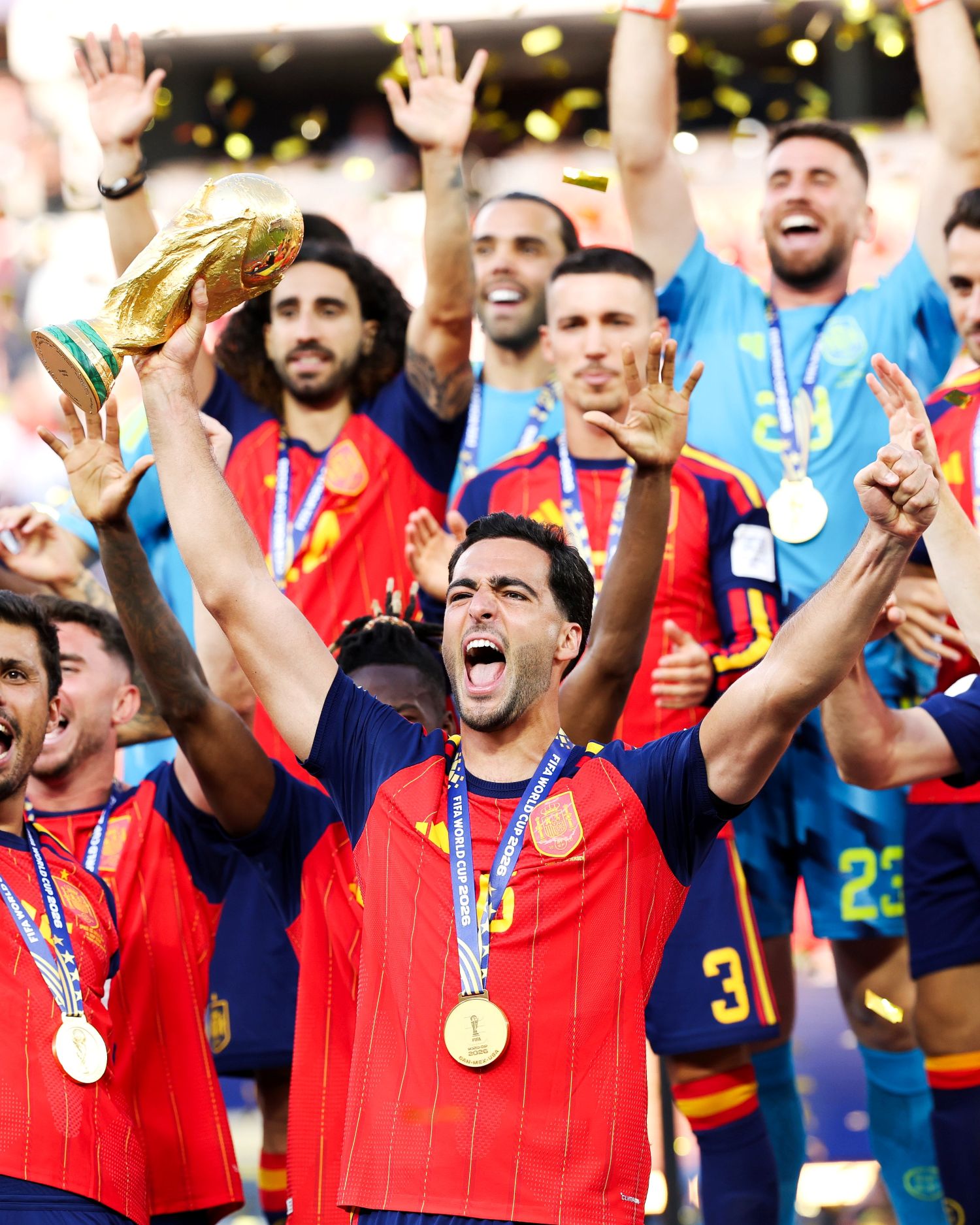
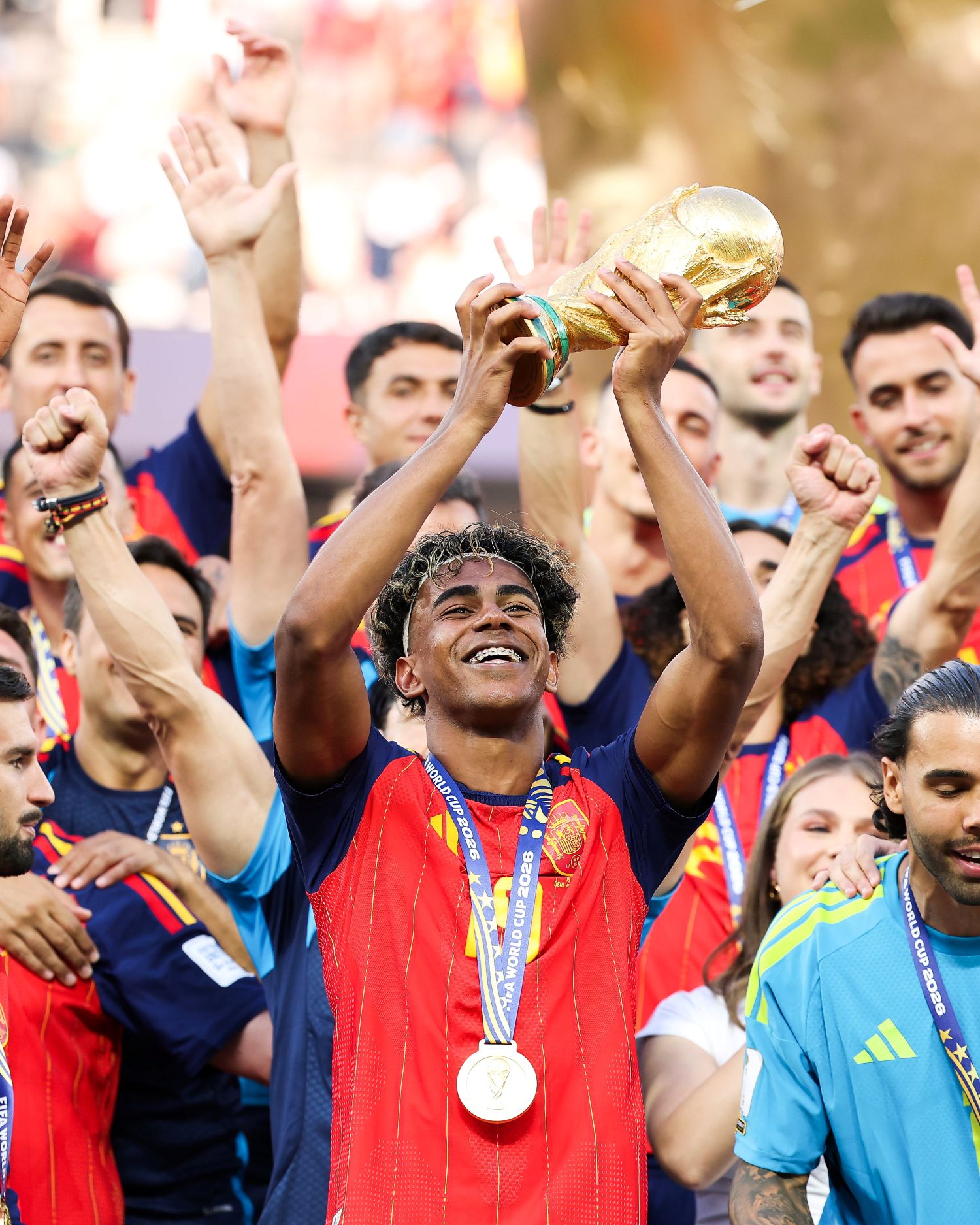
The victory crowned a dominant campaign for Luis de la Fuente’s side, which conceded just one goal in eight matches, setting a World Cup record for the fewest goals allowed by a champion. Spain also became the first nation to simultaneously hold both the men’s and women’s FIFA World Cup titles following the women’s triumph in 2023.
Despite the narrow scoreline, Spain controlled the final from start to finish.
The European champions monopolised possession, registered the game’s opening 20 shots and forced Argentina goalkeeper Emiliano Martínez into a series of outstanding saves to keep his side in the contest. Argentina failed to register a shot until the second half of extra time as Lionel Scaloni’s men struggled to threaten Spain’s organised defence.
Martínez’s heroics repeatedly frustrated Spain, but there was little he could do when Torres reacted quickest to a bouncing ball inside the area to finally break the deadlock.
“It was a goal scored by 47 million people,” Torres said after the match, referring to Spain’s population.
For Messi, the defeat marked a painful conclusion to what could be his World Cup career.
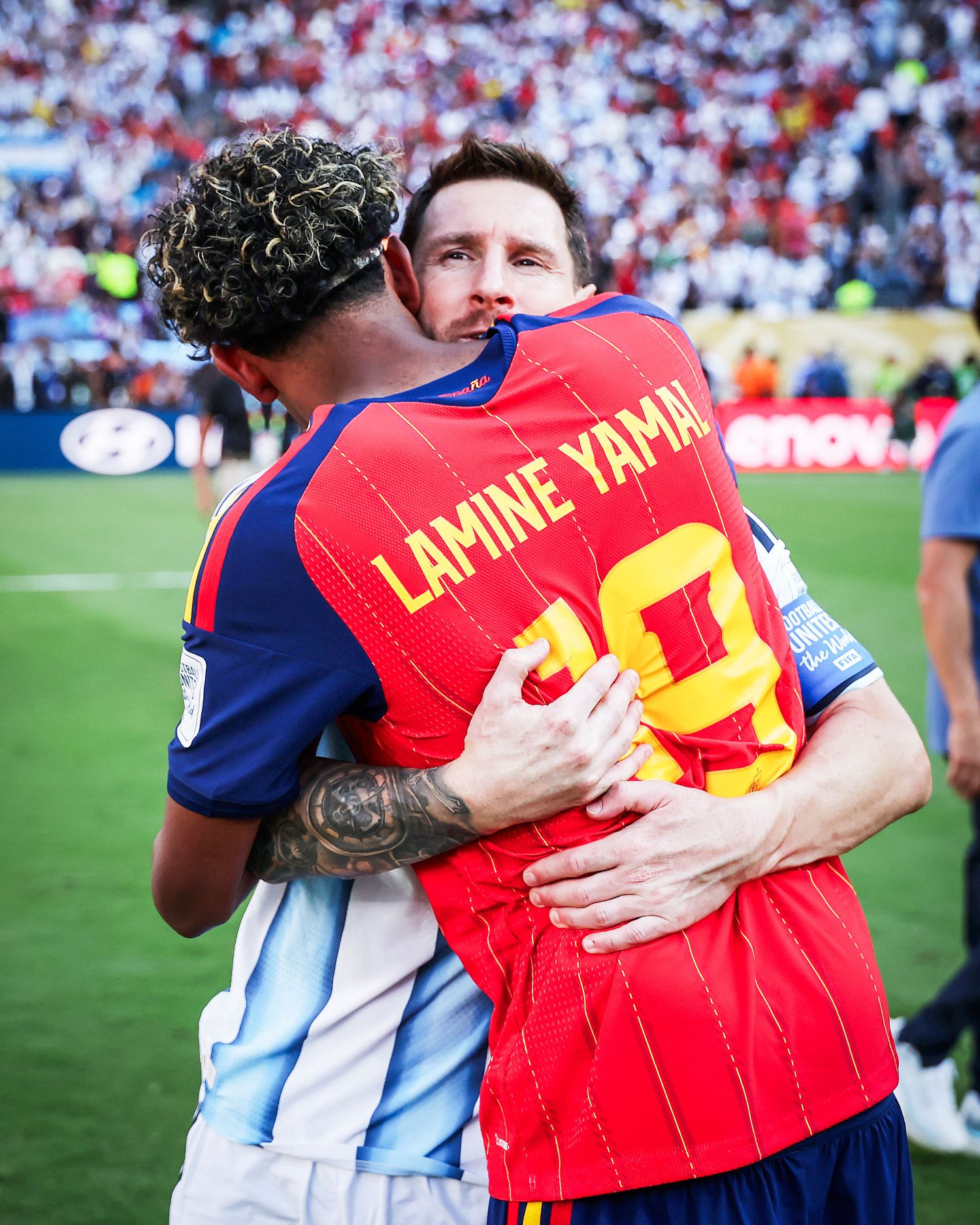
The 39-year-old, who guided Argentina to the 2022 title, was left in tears after receiving his runners-up medal.
Argentina’s hopes were further dented in stoppage time of the second half when midfielder Enzo Fernández received a second yellow card for a reckless challenge, forcing the defending champions to play the remainder of the contest with 10 men.
Spain’s victory also saw head coach Luis de la Fuente, aged 65, become the oldest coach to win the FIFA World Cup.
“We are world champions,” de la Fuente said. “It was together we reached this stage.”
The final concluded the first-ever 48-team FIFA World Cup, hosted across the United States, Canada and Mexico. The expanded tournament produced more than 300 goals, although Spain’s disciplined defensive displays ensured they conceded just once on their way to lifting football’s biggest prize.
Individual honours also reflected Spain’s impressive tournament. Midfielder Rodri won the Golden Ball as the competition’s best player, while goalkeeper Unai Simón claimed the Golden Glove. France’s Kylian Mbappé finished as the Golden Boot winner with 10 goals, and Spain defender Pau Cubarsí received the Best Young Player award.
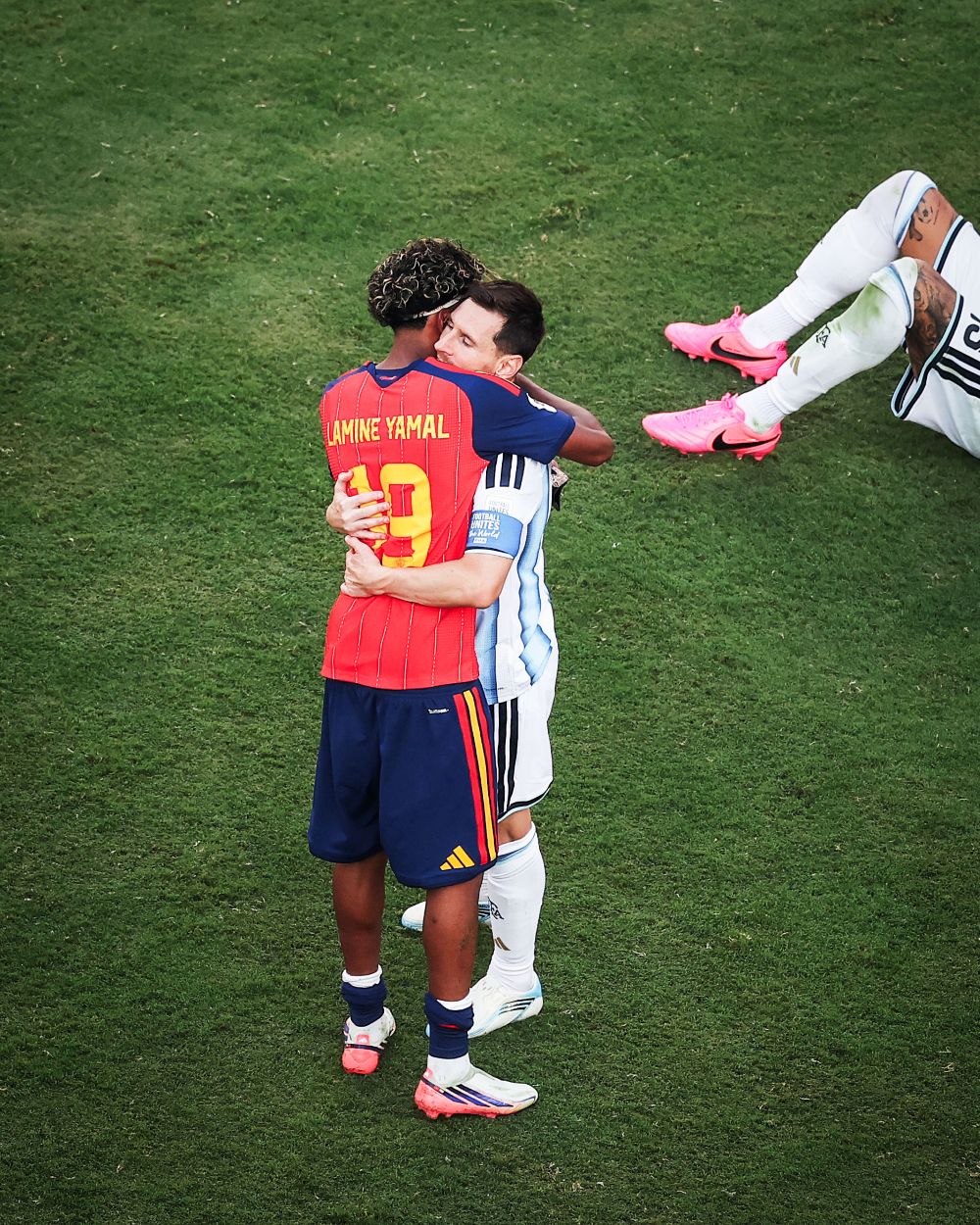
Ferran Torres, on as a substitute, scored the winner for Spain.Ferran Torres celebrates after scoring the winner for Spain.The victory crowned a dominant campaign for Luis de la Fuente’s side, which conceded just one goal in eight matches.Spain denied Lionel Messi a second consecutive title in what is widely expected to be his final appearance at the tournament.Lamine Yamal consoles Leo Messi after Spain beat Argentina in the World Cup final.
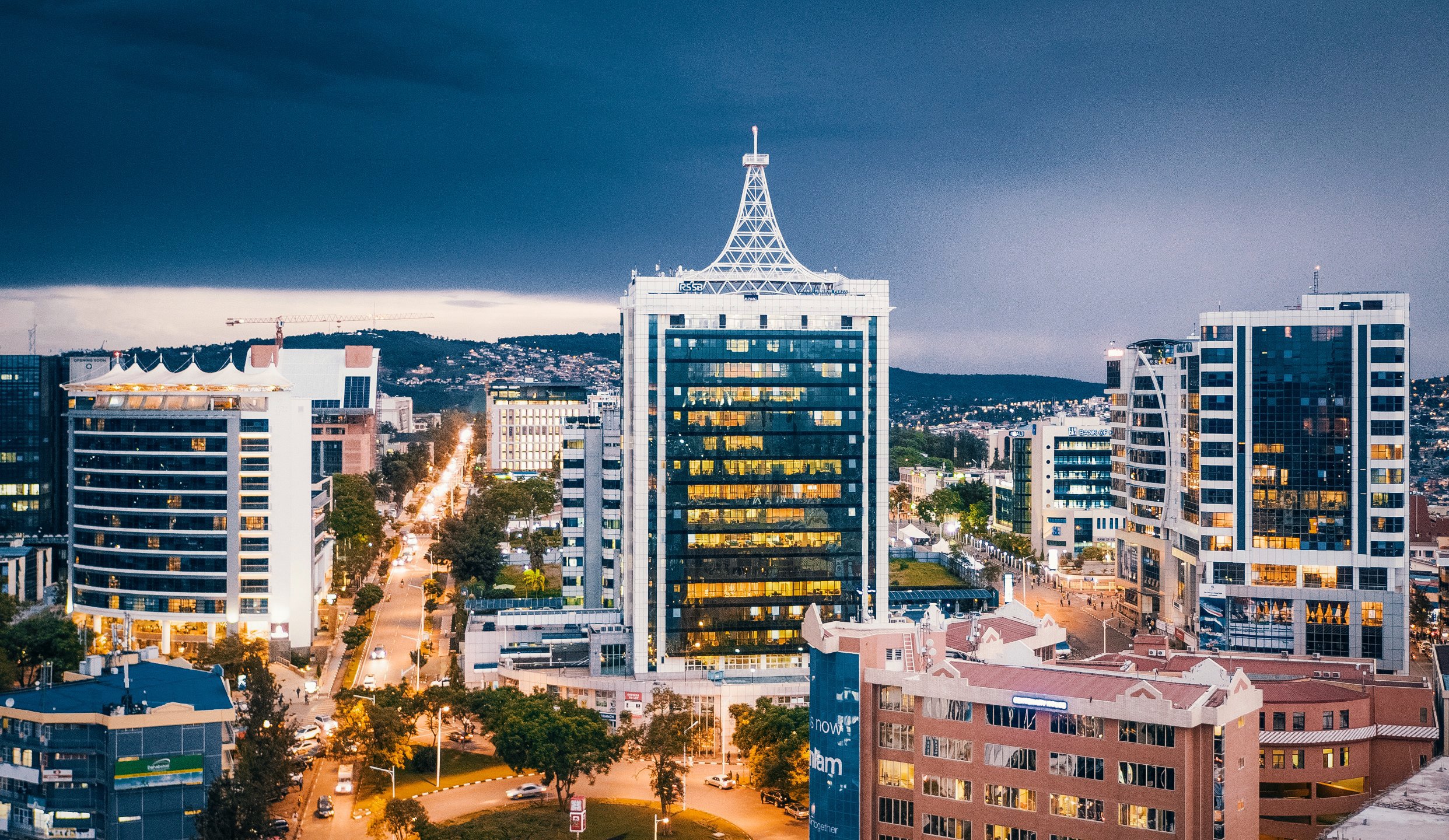
Yet, within the global Meetings, Incentives, Conferences, and Exhibitions (MICE) landscape, a persistent glass ceiling exists for regional standouts. Dominating continental rankings is one thing; competing directly with global heavyweights like Tokyo, Berlin, Dubai, and Copenhagen for rotating world congresses is another entirely.
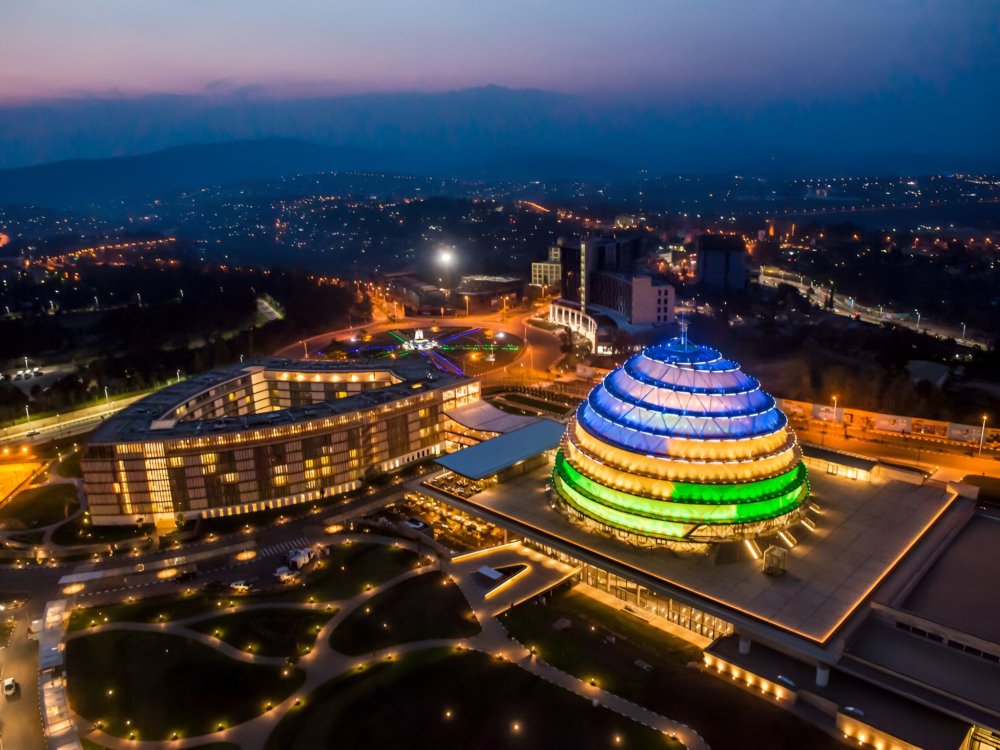
Kigali’s admission as the 14th member of the BestCities Global Alliance, and the very first from East Africa this month, fundamentally changes that dynamic. The milestone represents less of a celebratory badge and more of a structural leap forward for Rwanda’s long-term tourism and macroeconomic goals.
The economic backing
This structural ambition is already backed by powerful economic momentum. According to the Rwanda Development Board’s (RDB) latest reporting, the country’s MICE subsector generated $94.7 million (about Rwf 139 billion) in revenue in 2025, marking an 11.8% increase from the $84.8 million recorded the previous year.
Driven by the country’s welcoming visa-on-arrival policy and top-tier venue infrastructure, Rwanda successfully hosted 165 international and regional events that drew 61,888 delegates to the capital, a 17.3% surge in delegate attendance year-on-year. These figures underscore that MICE is no longer just a luxury branding exercise for Kigali, but a primary engine driving high-value tourism receipts, which reached a record $685 million overall in 2025.
For the past six consecutive years, Kigali has securely held its ground as Africa’s second-ranked destination for international association meetings.
Entering the closed-door multi-city bidding pipeline
The most immediate, practical advantage of joining BestCities is access to a collaborative bidding ecosystem. Large international associations rarely return to the same continent, let alone the same city, in consecutive years. Instead, their mega-conventions rotate systematically across global regions.
Historically, the Rwanda Convention Bureau (RCB) had to track, pitch, and bid for these global events in isolation. Inside the alliance, Kigali joins a unified peer-to-peer network.
When a global association rotates its conference out of a member city like Dublin or Houston, those bureaus actively share data, client preferences, and operational specifications with fellow alliance members like Kigali.
This multi-city referral system gives Rwanda an inside track on long-term event pipelines years before a formal request for proposals (RFP) is ever made public.
Validation by association decision-makers
For major international medical, scientific, and technical associations, choosing an event destination requires confidence in a city’s ability to deliver world-class experiences. Meeting planners seek strong assurances around venue technology, safety, local vendor expertise, and data security.
By meeting the alliance’s rigorous entry criteria, Kigali has demonstrated that its conference ecosystem aligns with globally recognised standards. BestCities membership reinforces the city’s position alongside leading destinations such as Copenhagen and Vancouver, giving international planners added confidence in Kigali’s capacity to host high-level events.
Acceleration of the national knowledge economy
Rwanda’s MICE strategy has always aimed for an impact deeper than just boosting hospitality revenue or hotel occupancy rates. The ultimate goal is to anchor international events to priority sectors of the domestic economy, such as health, fintech, climate finance, and agriculture.
BestCities heavily champions the “Madrid Challenge,” an industry framework focused on the “legacy and impact” of business events. Membership means Kigali will work alongside global peers to ensure that major incoming events, like the ICCA Congress in 2027 and the World Nephrology Congress in 2029, leave a permanent footprint on the ground.
This structural focus ensures that international delegates don’t just stay within the convention center zone, but actively exchange expertise with local university faculties, domestic tech startups, and regional policy minds.
Upskilling the local supply chain
To maintain active status within BestCities, a destination must consistently pass stringent quality audits. This requirement creates a positive pressure cooker for Rwanda’s domestic MICE supply chain.
Over the coming years, local professional conference organizers (PCOs), catering firms, production crews, and transport providers will need to continuously align with the alliance’s benchmarked practices. The exchange of institutional expertise with the world’s most sophisticated convention bureaus will directly upskill local hospitality workers, ensuring that international service delivery remains consistent across every tier of the city’s tourism network.
As Janet Karemera, CEO of the Rwanda Convention Bureau, noted, the membership reflects Kigali’s long-term ambition to strengthen its global presence. By joining one of the MICE industry’s most exclusive networks, Rwanda has further enhanced its competitive edge.
“Through this platform, we aim to further enhance our visibility, exchange expertise, and continue elevating Kigali as a competitive destination for global business events,” she remarked.
The focus now shifts from demonstrating Kigali’s readiness for the global stage to delivering the world-class, high-impact events expected of a destination among the world’s leading business event cities.
Rwanda’s MICE subsector generated $94.7 million (about Rwf 139 billion) in revenue in 2025, marking an 11.8% increase from the $84.8 million recorded the previous year.
While the World Cup trophy remains the ultimate prize, the battle for the tournament’s highest individual scoring honour has added another layer of intrigue to the showpiece event.
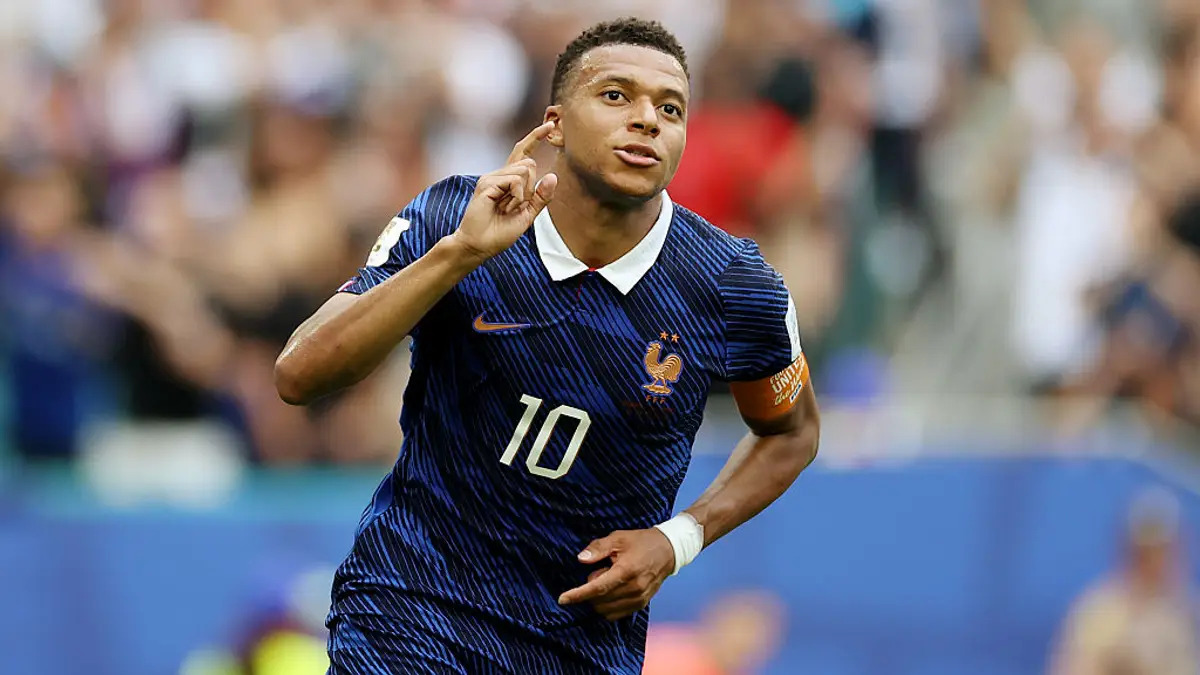
Mbappe put himself firmly in control of the race after scoring twice in France’s thrilling 6-4 defeat to England in Saturday’s third-place play-off. The brace lifted the French forward to 10 goals for the tournament, making him the clear favourite to retain the Golden Boot.
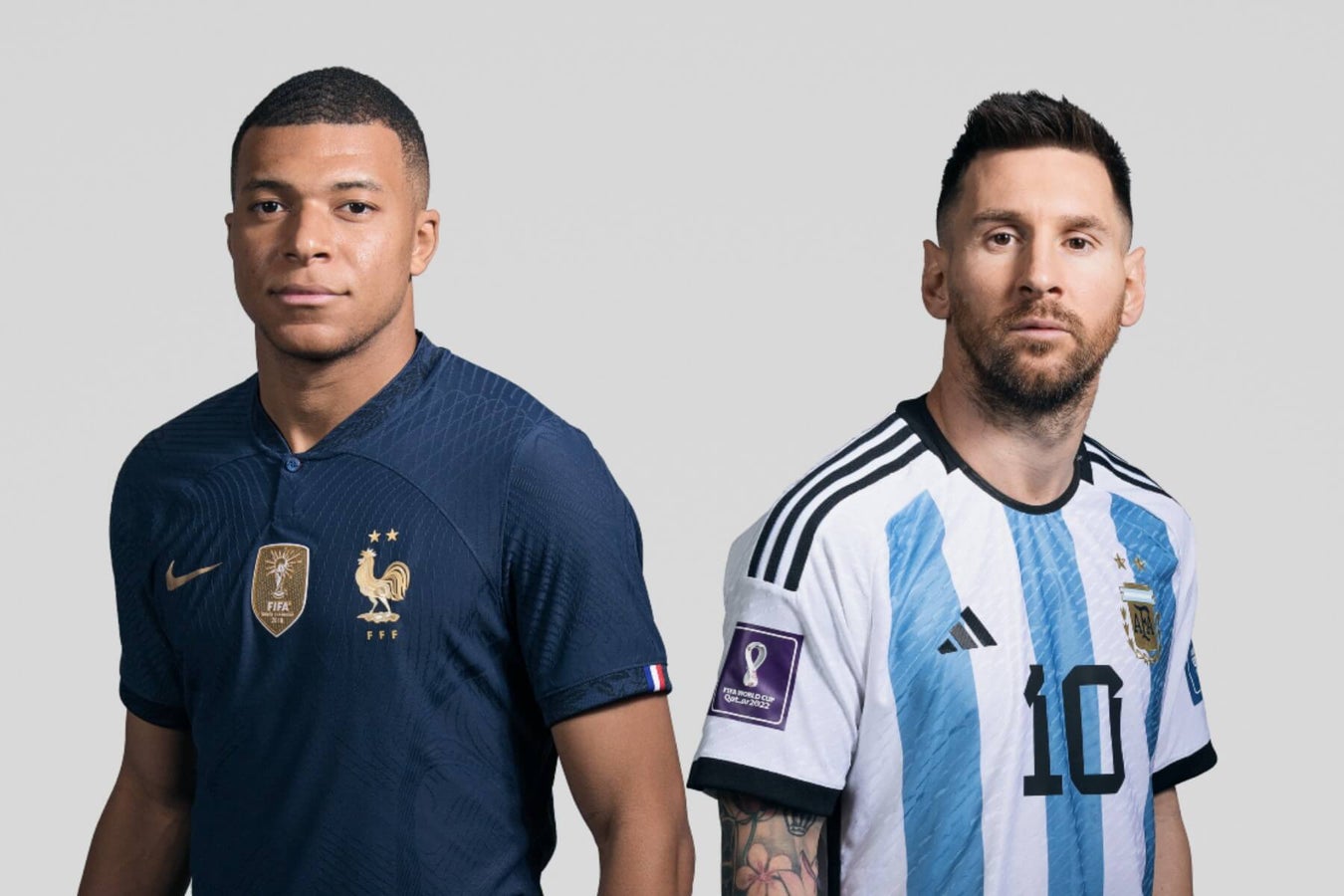
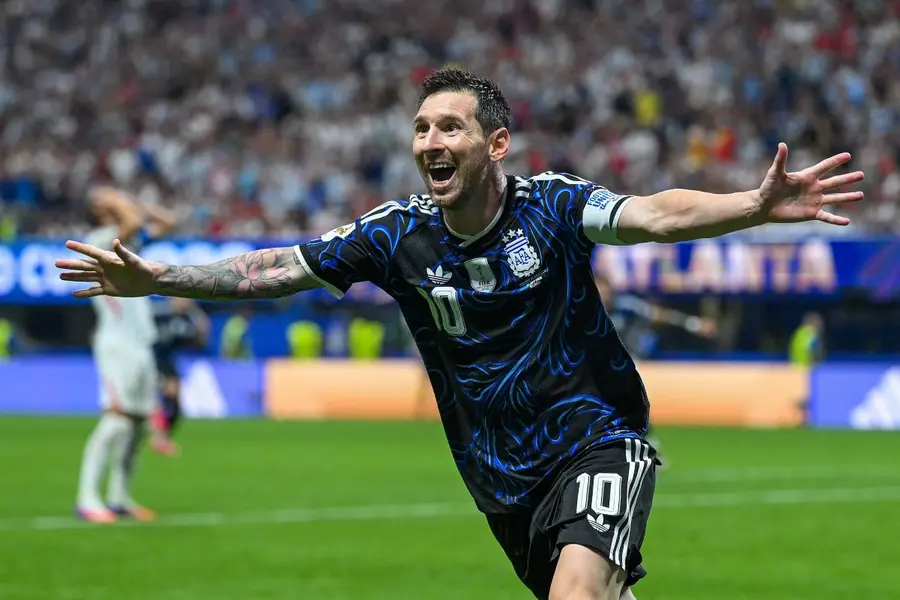
Only Messi, who has eight goals heading into the final, can still catch him.
The Argentina captain and Mbappe are level on the first tiebreaker with four assists each, but Mbappe currently holds the advantage if the goals remain close.
Under FIFA’s rules, the Golden Boot is awarded to the player with the most goals. If players finish level, the winner is determined first by assists, before minutes played serve as the final tiebreaker.
Messi has played 712 minutes compared to Mbappe’s 769, meaning he would only retain the minutes-played advantage if he does not exceed 57 minutes on the pitch in the final.
As a result, the Argentine icon will need a special performance to snatch the award from his long-time rival. He must score at least three goals, score twice before being substituted within 57 minutes, or score twice while also registering an assist to overtake Mbappe.
Should Messi fail to meet those scenarios, Mbappe will become the first player to win back-to-back World Cup Golden Boots.
The battle between the two global superstars extends beyond this tournament.
Mbappe’s brace against England lifted his World Cup career tally to 22 goals.
Mbappe’s double against England took his World Cup career tally to 22 goals, moving him one ahead of Messi in the race to become the competition’s all-time leading scorer.
His 10-goal haul is also the highest by any player at a men’s World Cup this century. The last player to reach double figures in a single edition was Germany’s Gerd Muller, who scored 10 goals at the 1970 tournament.
Only a select group of football legends have scored eight or more goals at a single World Cup, placing Mbappe alongside names such as Just Fontaine, Sandor Kocsis, Ademir, Eusebio, Guillermo Stabile and Ronaldo.
The Golden Boot standings heading into the final are led by Mbappe with 10 goals and four assists, followed by Messi with eight goals and four assists. England midfielder Jude Bellingham sits third with seven goals and one assist after scoring in the third-place play-off, edging Norway’s Erling Haaland, who also has seven goals but no assists.
France’s Ousmane Dembele and England captain Harry Kane have six goals apiece, while Spain’s Mikel Oyarzabal remains an outside contender with five goals ahead of the final.
For Messi, Sunday’s showdown with Spain offers one final opportunity to add another remarkable chapter to his illustrious World Cup career. For Mbappe, the wait begins as he watches to see whether his remarkable tournament will end with another Golden Boot.
Only Messi, who has eight goals, can still catch Mbappe.
The startup, which has established its regional operating base at Norrsken House in Kigali, will travel to San Francisco and London in October to participate in the FINCA Ventures Final Celebrations and Pitch Event, where it will compete alongside other leading African startups developing solutions to expand financial inclusion.
Launched in 2023, ChatCash has developed APOMA, an artificial intelligence-powered conversational operating system that enables businesses to create fully automated digital storefronts within messaging applications such as WhatsApp, Instagram and Facebook.
Instead of directing customers to external websites, the platform allows users to browse products, ask questions, negotiate prices and complete purchases without leaving the chat conversation. Merchants can also manage inventory, process payments and track sales from the same interface.
“Our platform turns WhatsApp into a fully automated digital storefront in six minutes,” John Sakala, the startup CEO, told IGIHE. “Customers can browse, negotiate and pay securely without ever leaving the chat thread.”
The recognition by FINCA Ventures comes as the startup accelerates plans to grow from Rwanda into other African markets.
Launched in 2024, the FINCA Ventures Financial Inclusion Prize supports early-stage African startups developing scalable technologies that improve access to financial services for underserved communities across Sub-Saharan Africa. The competition offers equity-free grant funding of up to $100,000 per category, alongside technical assistance and access to international investors.
This year’s finalists were selected through a competitive process that evaluated startups on innovation, commercial viability and their potential to drive financial inclusion.
Rwanda as regional launchpad
Sakala says choosing Kigali as ChatCash regional headquarters aligns with Rwanda’s ambition to become a leading financial technology hub through the Kigali International Financial Centre (KIFC).
The company is currently working with the National Bank of Rwanda on licensing and sandbox integrations that would enable its payment infrastructure to connect directly with mobile money operators, commercial banks and Rwanda’s national payment switch, RSwitch.
It is also pursuing partnerships with local banks and fintech companies, including DDIN, to accelerate adoption of its conversational commerce platform.
According to the company, nearly 3,900 merchants in Rwanda have already joined its waiting list ahead of the commercial rollout.
“We’ve established our regional headquarters in Kigali because we believe Rwanda offers the right regulatory environment and innovation ecosystem to scale financial technology across Africa,” Sakala said.
Bringing informal businesses into the digital economy
ChatCash argues that its platform addresses one of Africa’s biggest barriers to digital commerce by allowing businesses to operate entirely through messaging platforms that many merchants already use daily.
Rather than requiring websites, expensive hardware or specialised e-commerce software, businesses can create AI-powered storefronts through simple instructions while customers complete purchases inside familiar chat applications.
The company says this approach is particularly relevant for small and informal businesses that often rely on low-cost smartphones and social messaging to communicate with customers.
By digitising transactions and automatically recording sales, ChatCash believes merchants can build verifiable transaction histories that may improve their ability to access formal financial services, including bank credit.
“Our goal is to help businesses move from informal cash transactions into the formal financial ecosystem without changing how they already interact with customers,” Sakala said.
Expanding from Kigali base
As ChatCash scales across Africa, Rwanda serves as its regional headquarters and strategic launchpad for growth. From its Kigali base, the startup plans to expand into Ghana and Nigeria, where it says more than 100,000 small and medium-sized enterprises have already expressed interest through strategic partnerships.
The company also aims to facilitate seamless cross-border payments by leveraging its planned licensing in Rwanda alongside partnerships with regional payment providers such as Onafriq.
According to Sakala, the long-term vision is to enable users in different African countries to send and receive payments natively within a single chat conversation, eliminating many of the complexities associated with cross-border transactions.
He described the FINCA Ventures recognition as an important validation of both the company’s technology and Rwanda’s growing position as a hub for fintech innovation.
“Being selected among the top global fintech finalists is a huge validation,” he said. “It shows that startups building from Rwanda can create globally competitive technology, and the exposure we’ll gain in San Francisco and London will help us scale conversational commerce across Africa.”
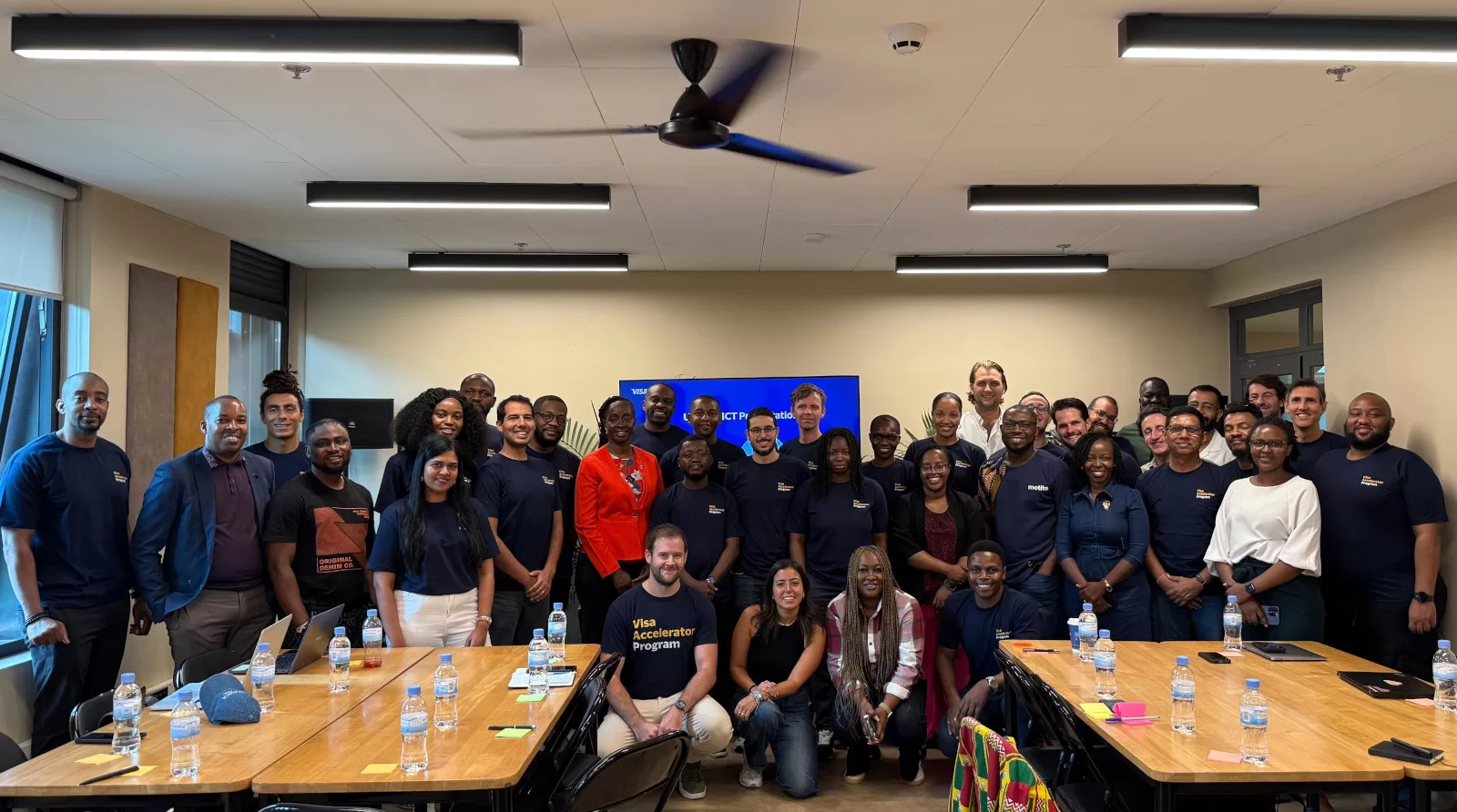
The startup was previously selected for the Visa Africa Fintech Accelerator, gaining access to mentorship, product development support and Visa’s global investor network.
The FINCA Ventures recognition adds to a series of milestones that have elevated ChatCash’s profile within the global fintech ecosystem. The startup was previously selected for the Visa Africa Fintech Accelerator, gaining access to mentorship, product development support and Visa’s global investor network. It has also joined the Microsoft Azure AI Cloud Partner Program, giving it access to enterprise-grade artificial intelligence and cloud infrastructure to scale its APOMA platform.
Earlier this year, the company showcased its technology at The Pitch Dubai and has secured partnerships and support from organisations including Bitrix24, ZB Bank Innovation Hub, Darena Ventures, and the US-Africa Trade Commission as it prepares for broader expansion across the continent.
Sakala says choosing Kigali as ChatCash regional headquarters aligns with Rwanda’s ambition to become a leading financial technology hub through the Kigali International Financial Centre (KIFC).
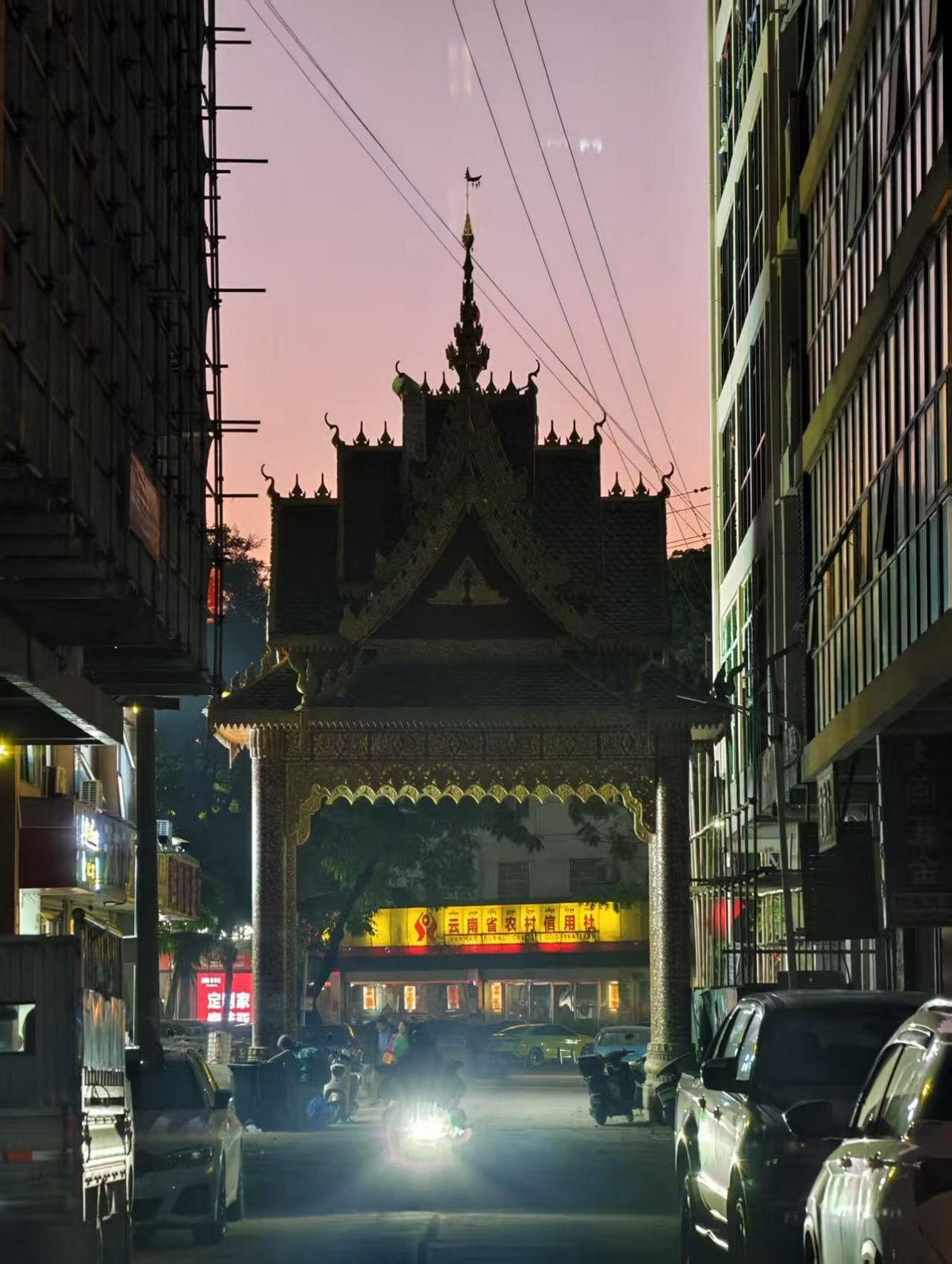
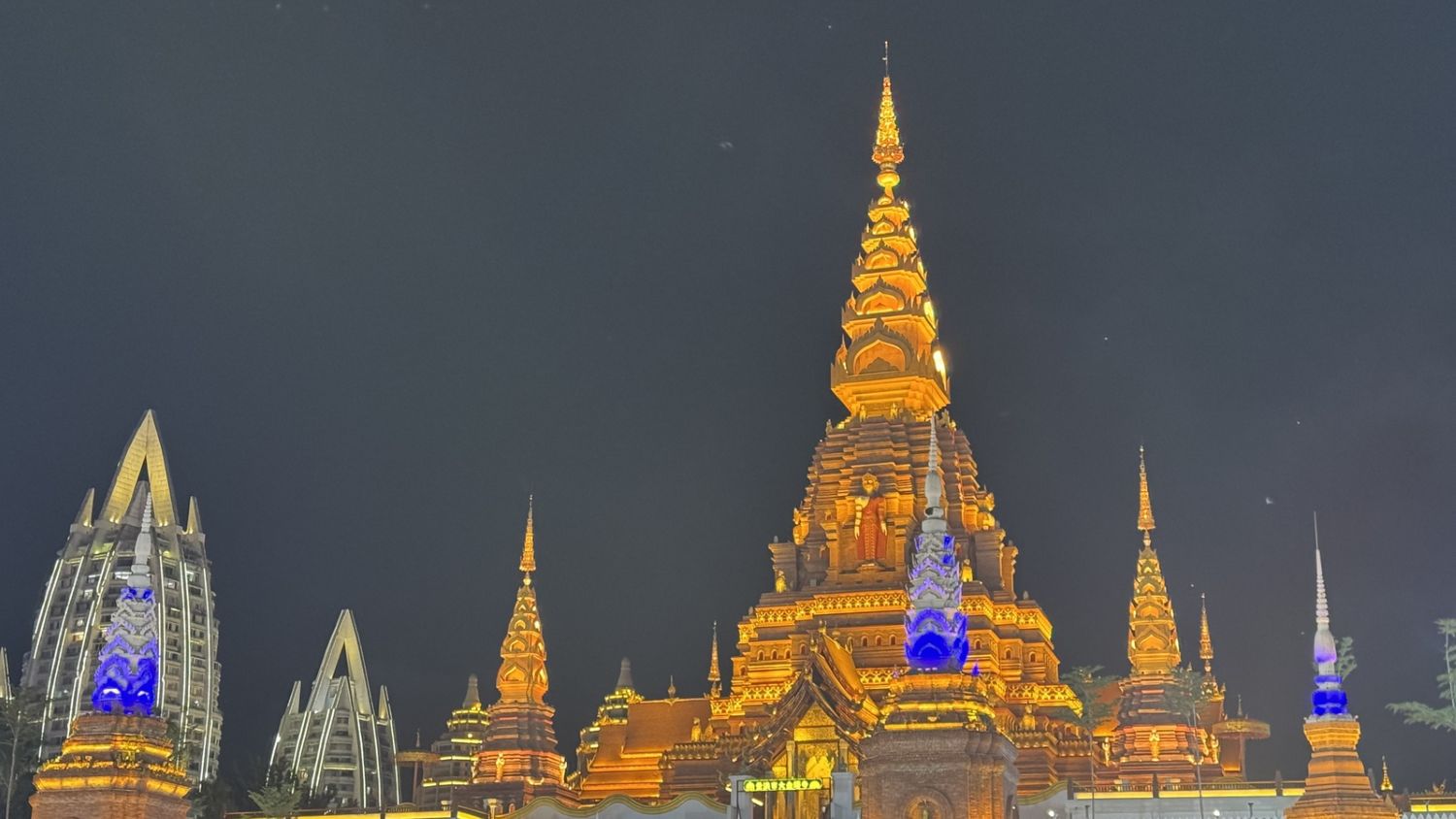
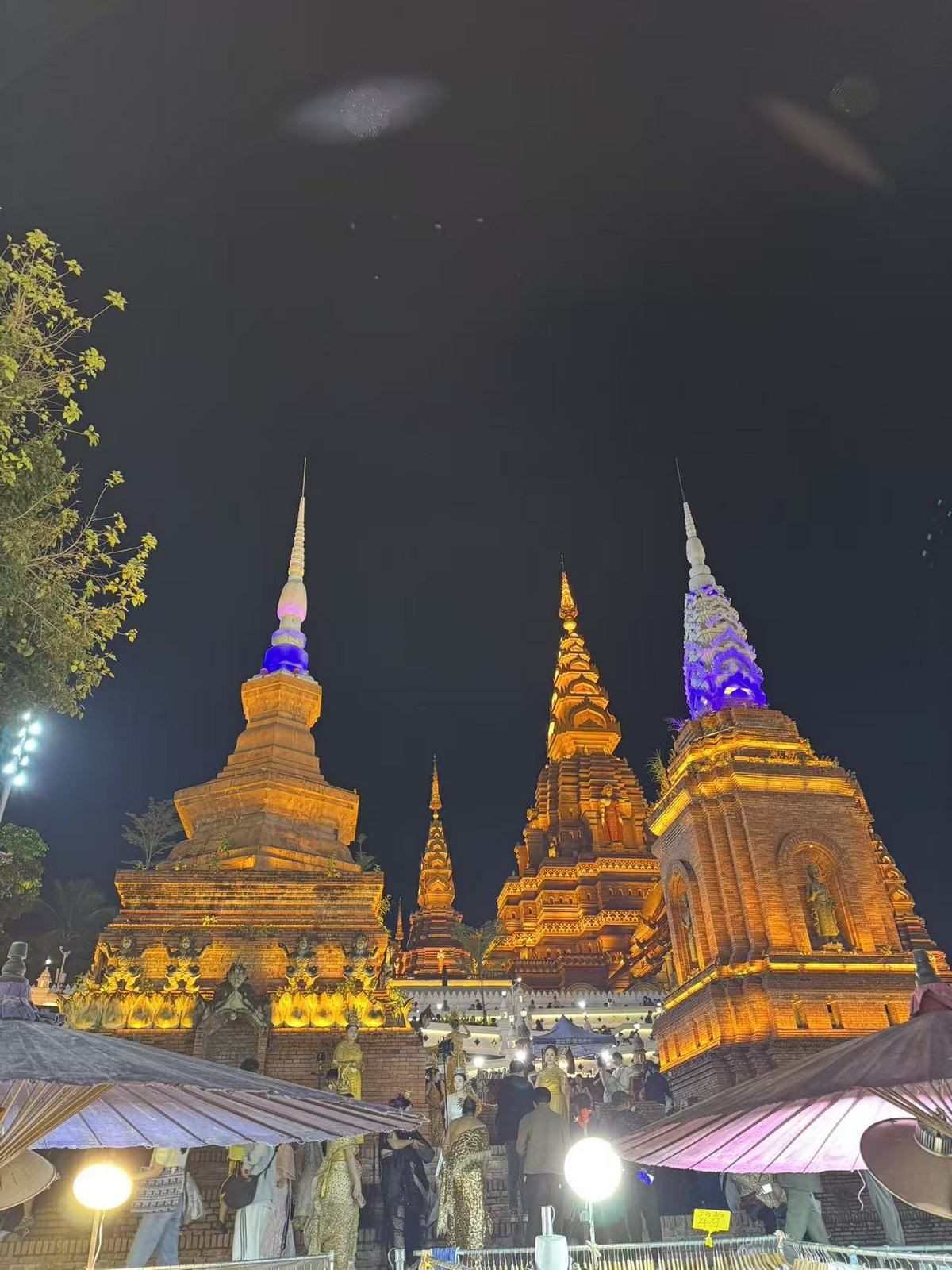
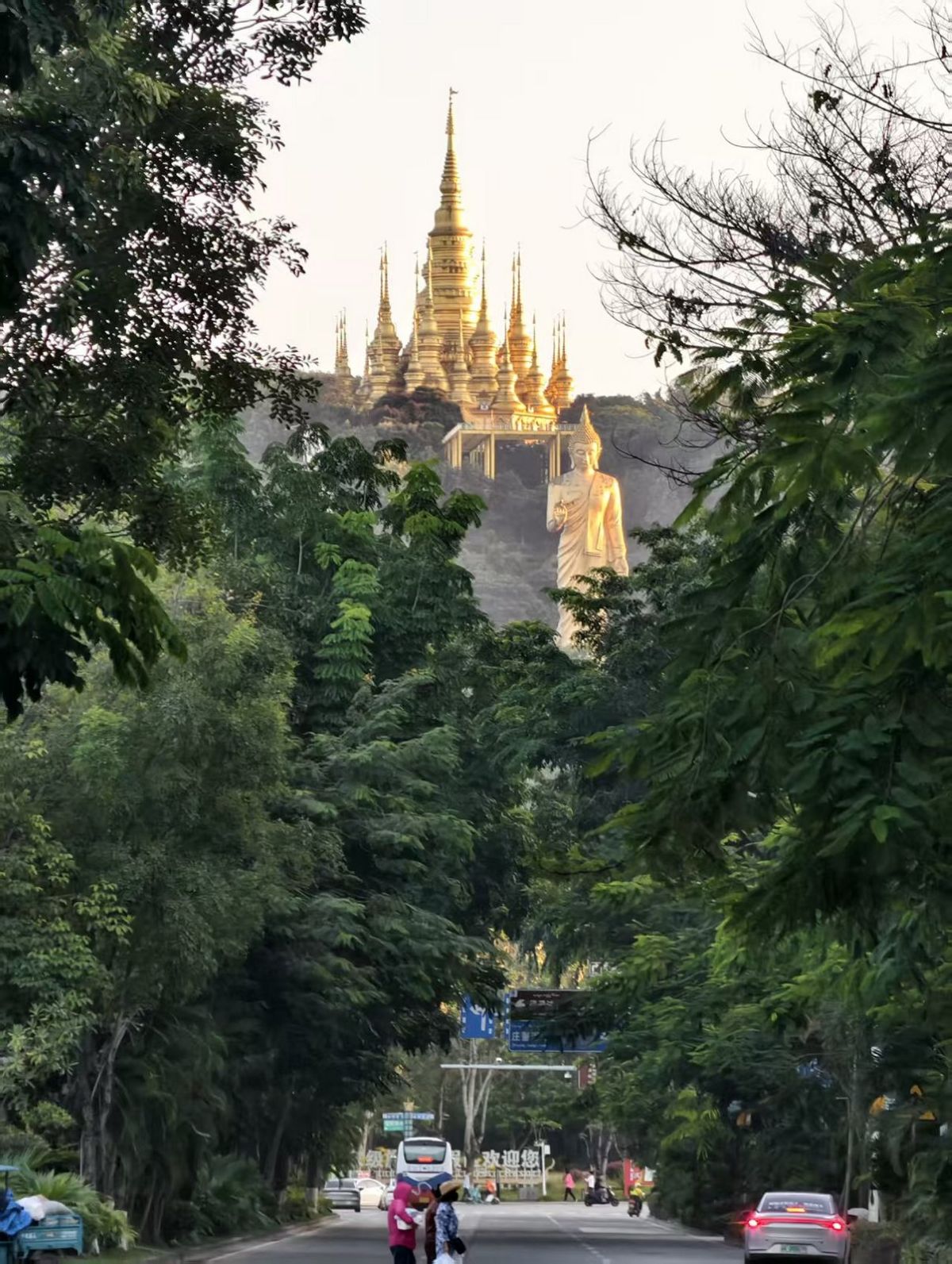
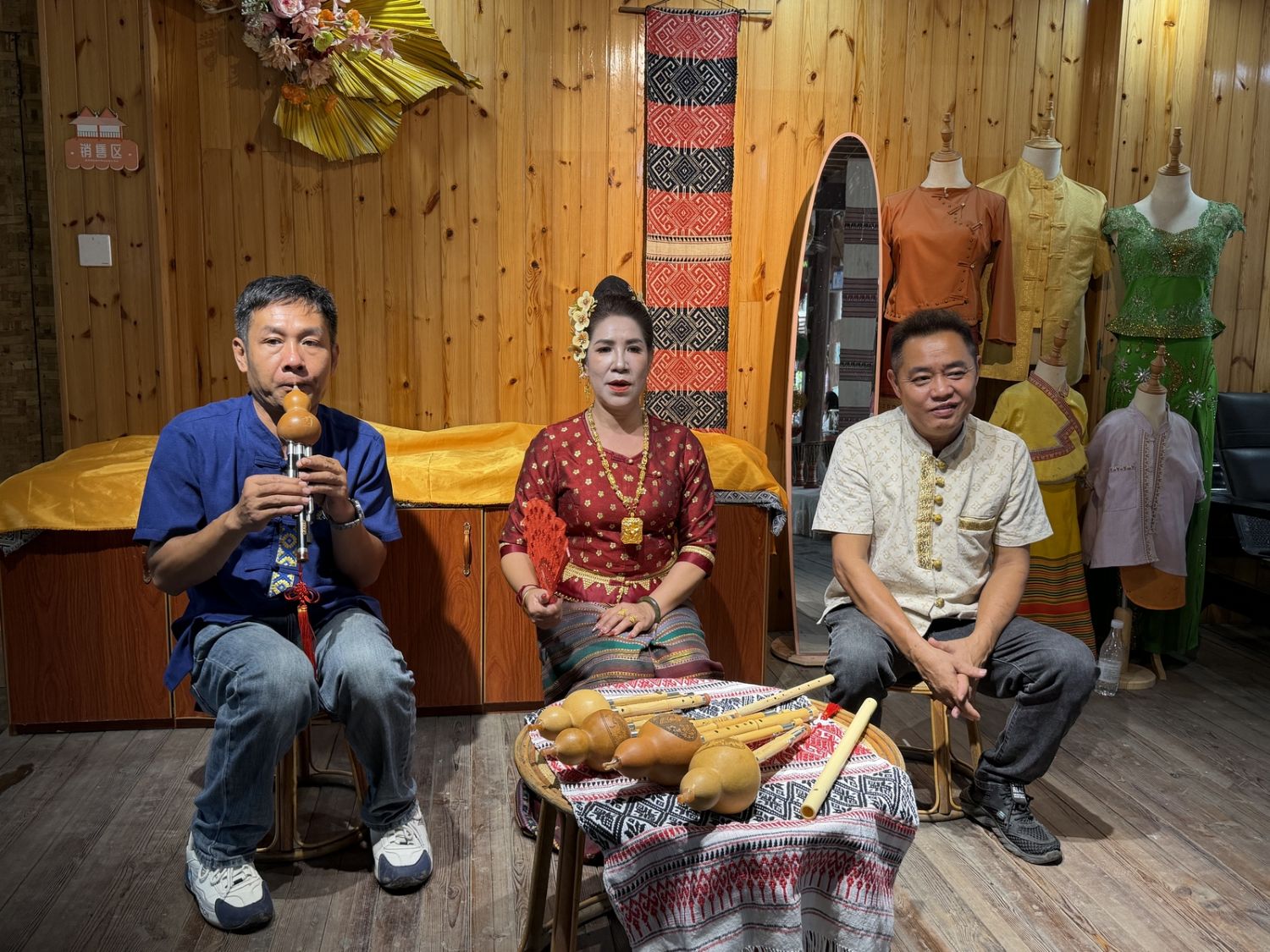
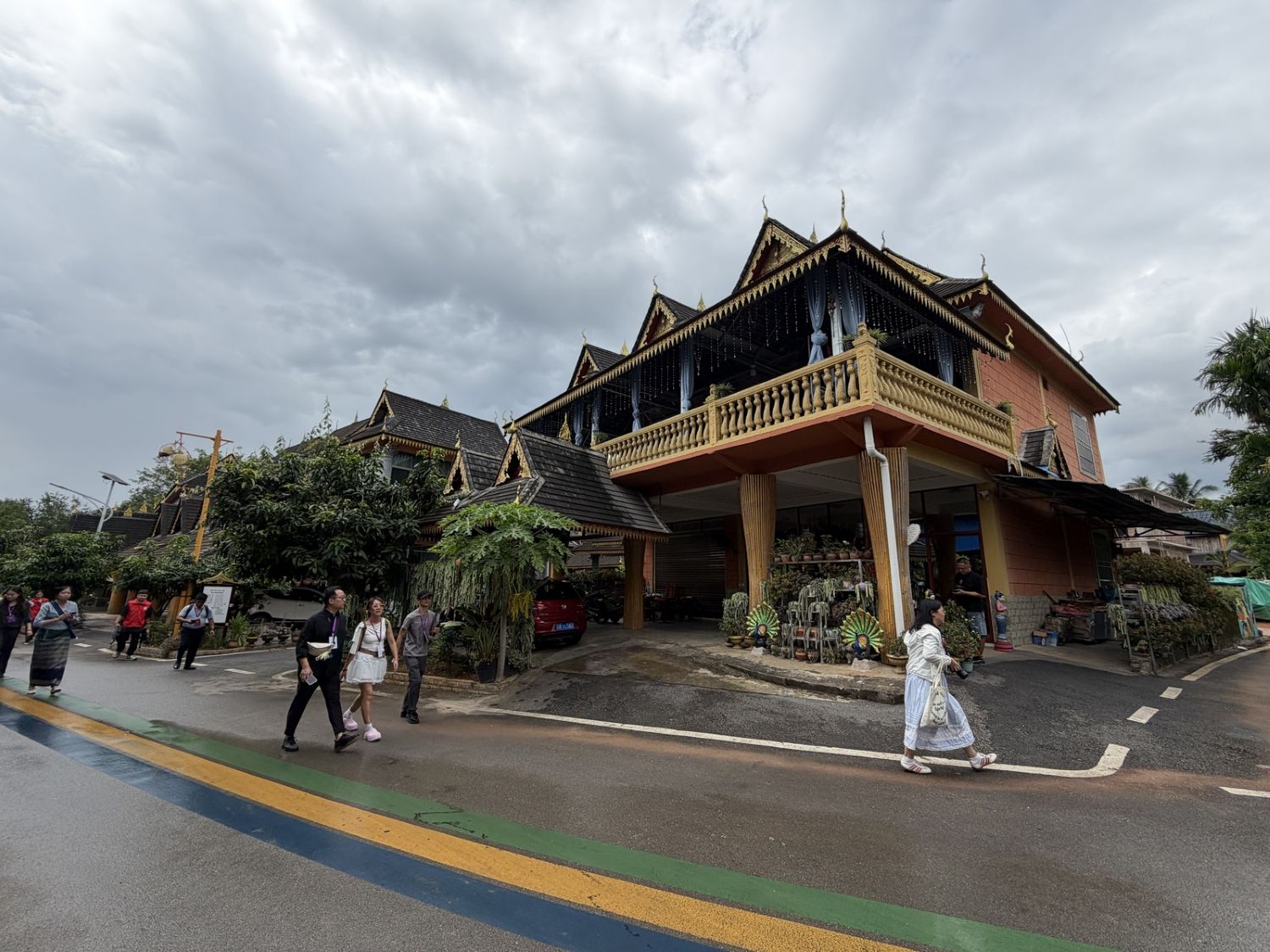
This is Xishuangbanna, a tropical oasis in southern Yunnan that is a totally different world to the rest of the country. I flew from Beijing at the start of summer, expecting the usual hot and humid weather. Instead, I found a frontier where the neon lights of modern China seamlessly merge with ancient, misty rainforests that stretch on for miles.
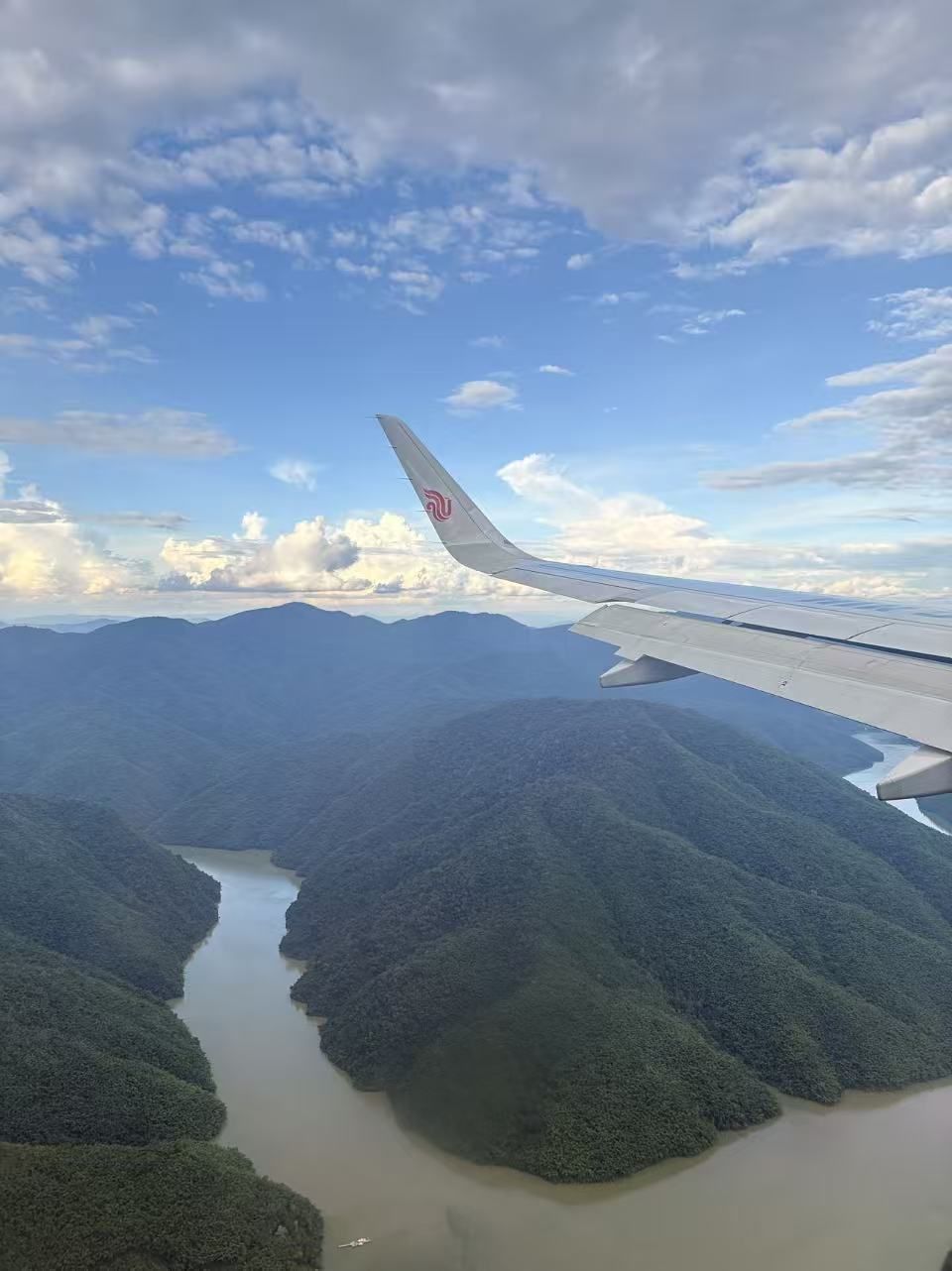
The view from the plane as it descended into the airport showed a lot of tropical-looking mountains rolling with lush green in every direction. From up high, it looked familiar, and I could have sworn we were heading back to the Virunga Mountains in Rwanda, my motherland.
Lush tropical mountains that instantly bring the Virunga Mountains of Rwanda to mind.
As I left the plane, I was relieved to find that the weather was cool and fresh – the exact opposite of the sweltering summer weather that I had left behind in Beijing.
To truly understand this borderline paradise, you have to look at the staggering geographical realities that isolate and define it. The straight-line aerial distance from Beijing to Jinghong, the capital of Xishuangbanna, is approximately 2,200 kilometers.
If you were to take the newly opened China-Laos high-speed railway, that journey stretches to roughly 2,600 kilometers from Beijing South Station, and driving via the highways pushes it past 2,700 kilometers.
According to the 2020 Seventh National Census, the permanent resident population of the prefecture sits at 1,301,407 people, with the urban center of Jinghong housing about 642,000 of them.
The indigenous Dai ethnic group numbers approximately 330,000, making up about a quarter of the total population, sharing the region with Han, Hani, Yi, and Lahu communities.
The indigenous Dai people have inhabited these Mekong watersheds for over 2,000 years.
What truly shapes this land, however, is its severe vertical altitude gradient and its geopolitical edges. The prefecture shares 966 kilometers of international boundaries.
There is a 288-kilometer southwest border with Myanmar’s Shan State, featuring crossings like the Daluo-Muse port. To the southeast, a 677-kilometer border meets Laos through Luang Namtha and Oudomxay provinces.
The terrain itself plunges to just 477 meters above sea level in the Lancang River valley near Laos, and spikes to 2,429 meters at the summit of Mount Huazhu.
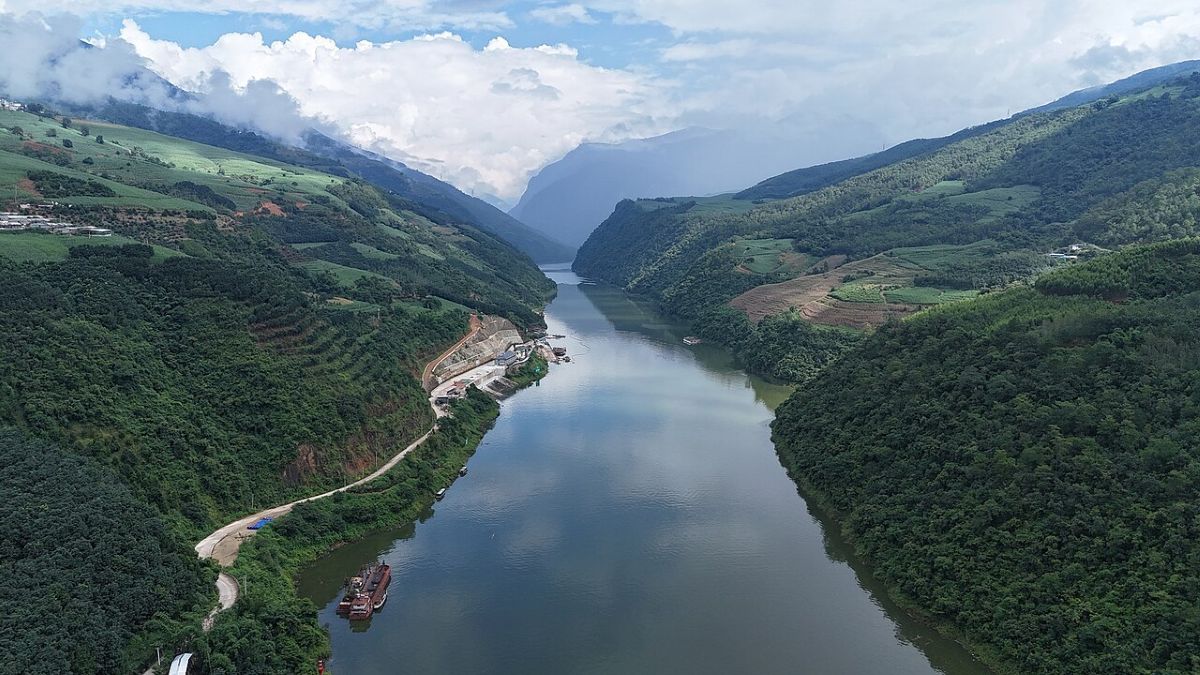
The Lancang River winds through the valley before flowing into Southeast Asia.
Because Xishuangbanna sits at a tropical latitude, altitude entirely overrides latitude in dictating the seasons. At low altitudes under 800 meters, there is a tropical monsoon climate with an annual average of 21.9 degrees Celsius.
There is no winter here, only a wet season from May to October that dumps up to 1,600 millimeters of rain, and a dry, cooler season from November to April. Conversely, high altitudes over 1,500 meters experience a subtropical highland climate with annual averages dropping to 17 degrees.
During the sweltering wet season, these highlands serve as a natural refuge, dropping temperatures by several degrees and triggering vertical migrations for wildlife.
The soul of this region belongs to the Dai people, whose ancestors migrated from the upper Yangtze basin southward into the Mekong watersheds over 2,000 years ago.
By the eighth century, they established the independent kingdom of Mengle, pledging tributary allegiance to Chinese empires while maintaining autonomy until the Ming and Qing dynasties integrated them as a native chieftain domain. Their language, Tai Lue, belongs to the Southwestern Tai branch of the Kra-Dai language family.
It is a linguistic bridge to Southeast Asia, sharing 75 to 80 percent lexical similarity with Lao, and is closely related to Northern Thai Lanna. It also shares up to 65 percent cognate vocabulary with Central Thai and 60 percent with Shan.
The written script, derived from Old Mon-Burmese through Theravada Buddhism, features a distinct, rounded calligraphy utilizing six tones compared to standard Thai’s five.
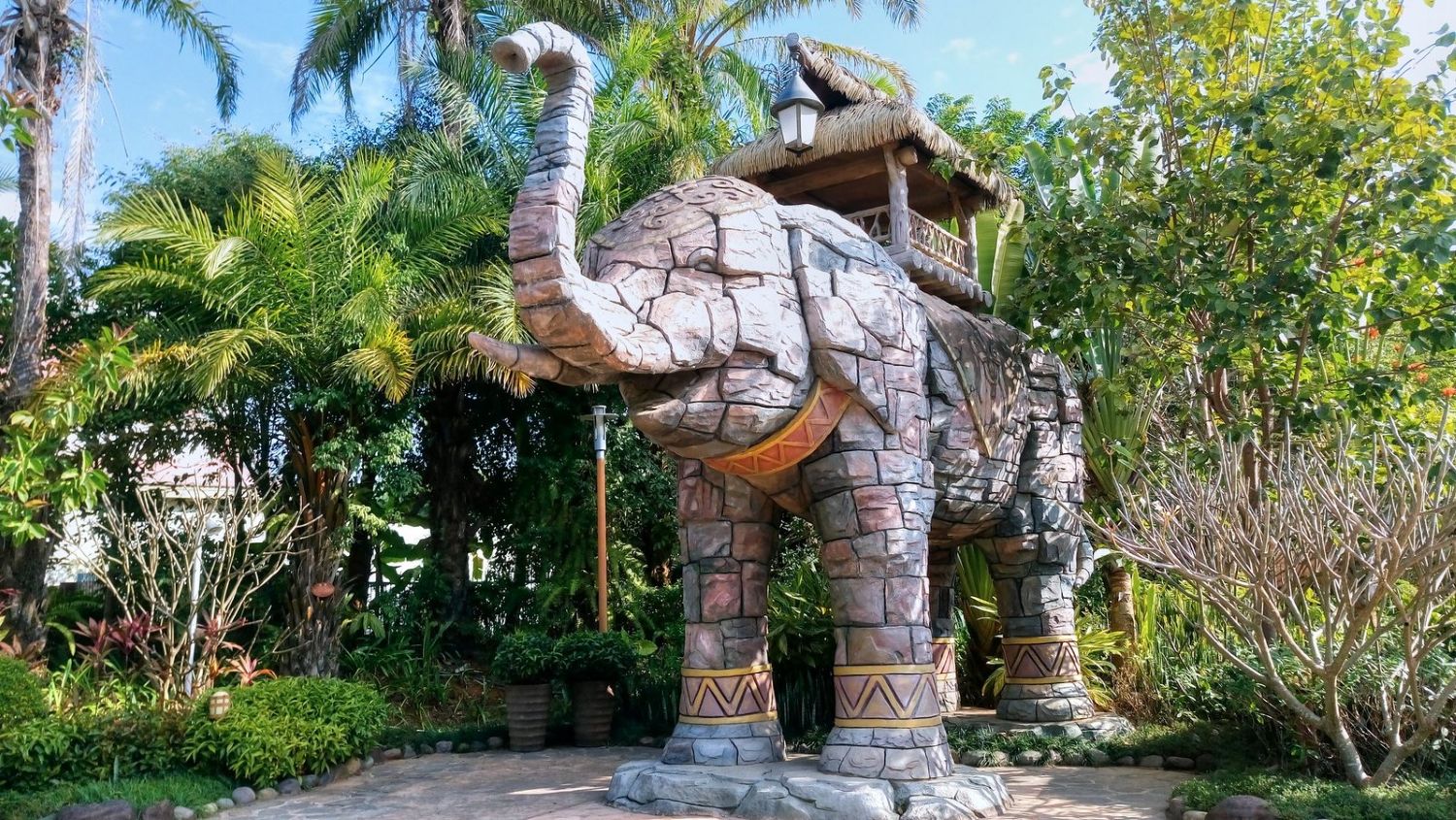
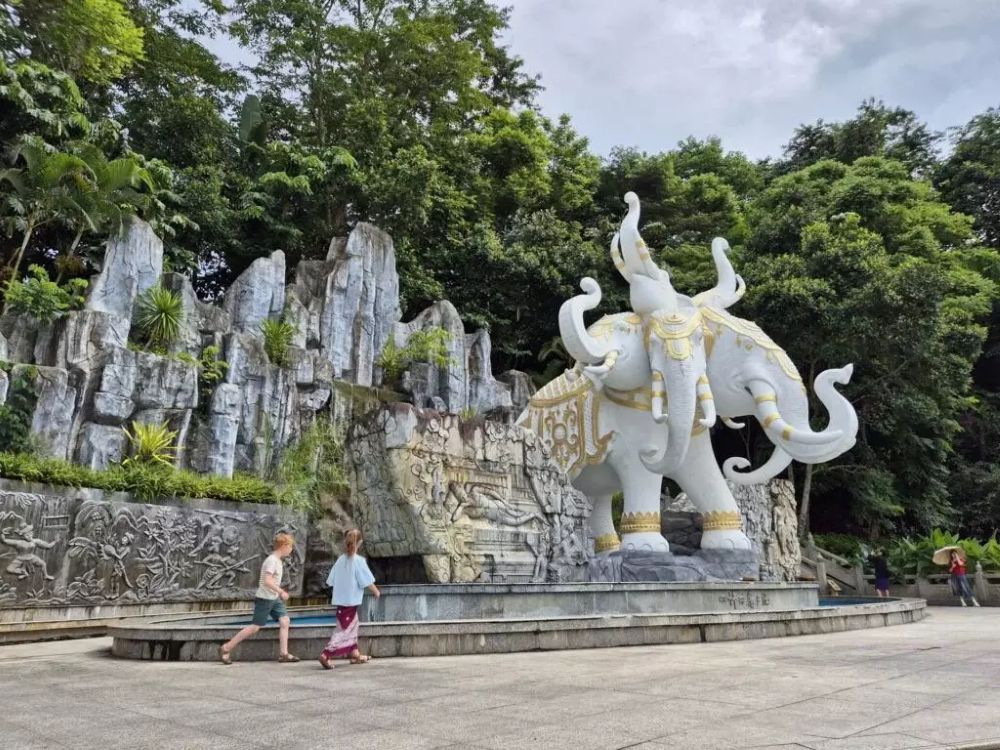
After collecting my bags at the airport, the drive to the hotel took around 30 minutes, during which I saw a lot of elephant sculptures. It was then that I really understood what an Elephant city I was in and that the history of Elephants in this place was even greater than what I had read on my travels so far.
Historically, Wild Asian elephants roamed in massive herds of thousands of individuals throughout the region of what is now the elephant city. The Dai people believed the elephants were the royalty of their gods. They were captured and used in wars against the Burmese and later the Khmer from neighboring countries. For centuries, the strongest elephants were used to pull the largest teak logs, some weighing up to 1.5 metric tons, until the late 1980s.
Others were used in annual ritual performances held in the middle of April as part of the city’s famous Water-Splashing Festival.
The Dai traditional laws in respect of elephants were, for the Dai, no different than those for the taking of human life. Payment for taking an elephant was made in the same way as for a human, in the form of a silver ingot of equivalent weight to that of the animal killed. This was paid to the village headman. Such were the views of the Dai towards elephants for at least centuries prior to the 1940s, when this was written down by the anthropologist.
The decline of the population of wild Asian elephants in Yunnan was triggered by habitat fragmentation due to large-scale development of rubber plantations. The area of rubber plantations increased dramatically to over 250,000 ha by 2005, while the elephant population crashed to a low of 150 animals in the 1990s.
A new census of Asian elephants in the wild has been conducted in the area by conservationists, and it has revealed that there are between 283 and 300 elephants roaming the province of Yunnan.
Binding this entire ecosystem together is the Lancang River, known globally as the Mekong. It flows through Xishuangbanna for 188 kilometers, acting as the only river that exits China through this prefecture and draining its entire territory.
This massive waterway geologically and culturally connects the valleys to Laos, Myanmar, Thailand, Cambodia, and Vietnam.
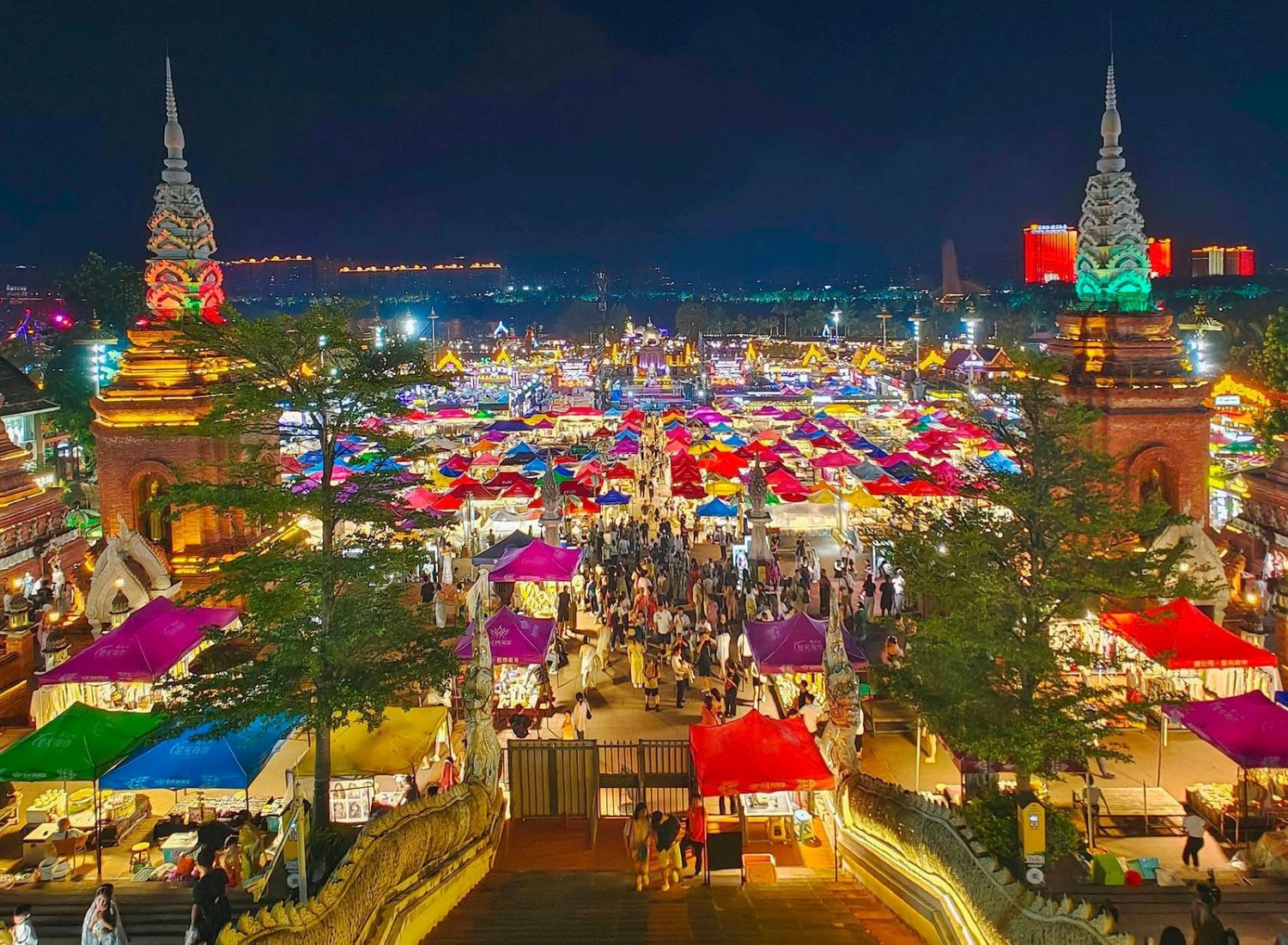
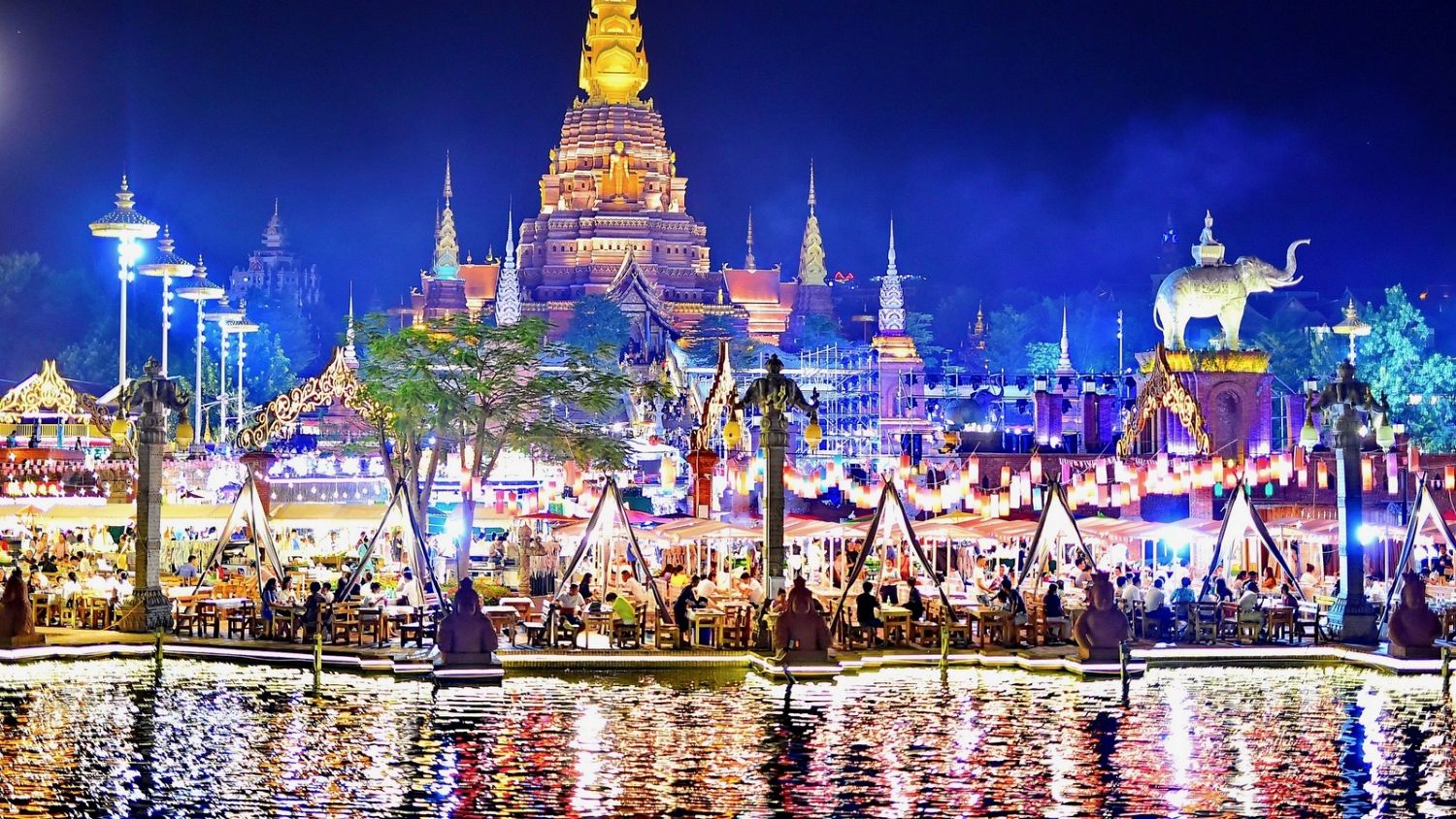
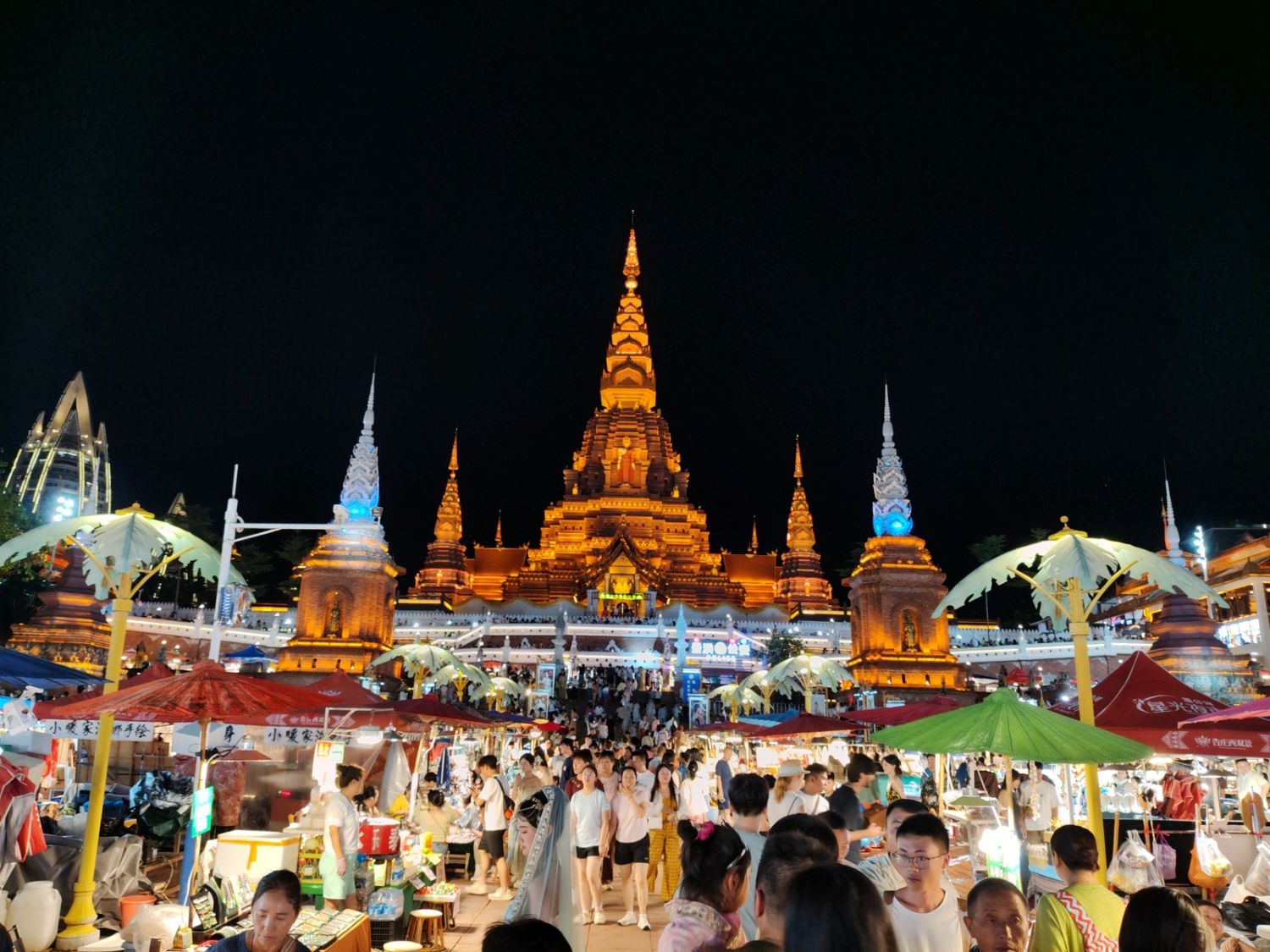
That evening, I experienced the ultimate fusion of this ancient river heritage and modern vibrancy at Gaozhuang Xishuangjing, the famous Starlight Night Market. Located right along the Lancang River in Jinghong, I had never seen anything like it in my entire life.
It felt exactly like stepping into the bustling, ancient marketplaces seen in that old Jesus movie we have all watched, except this was exploding with thousands of colorful conical parasol lights. The sheer scale was breathtaking.
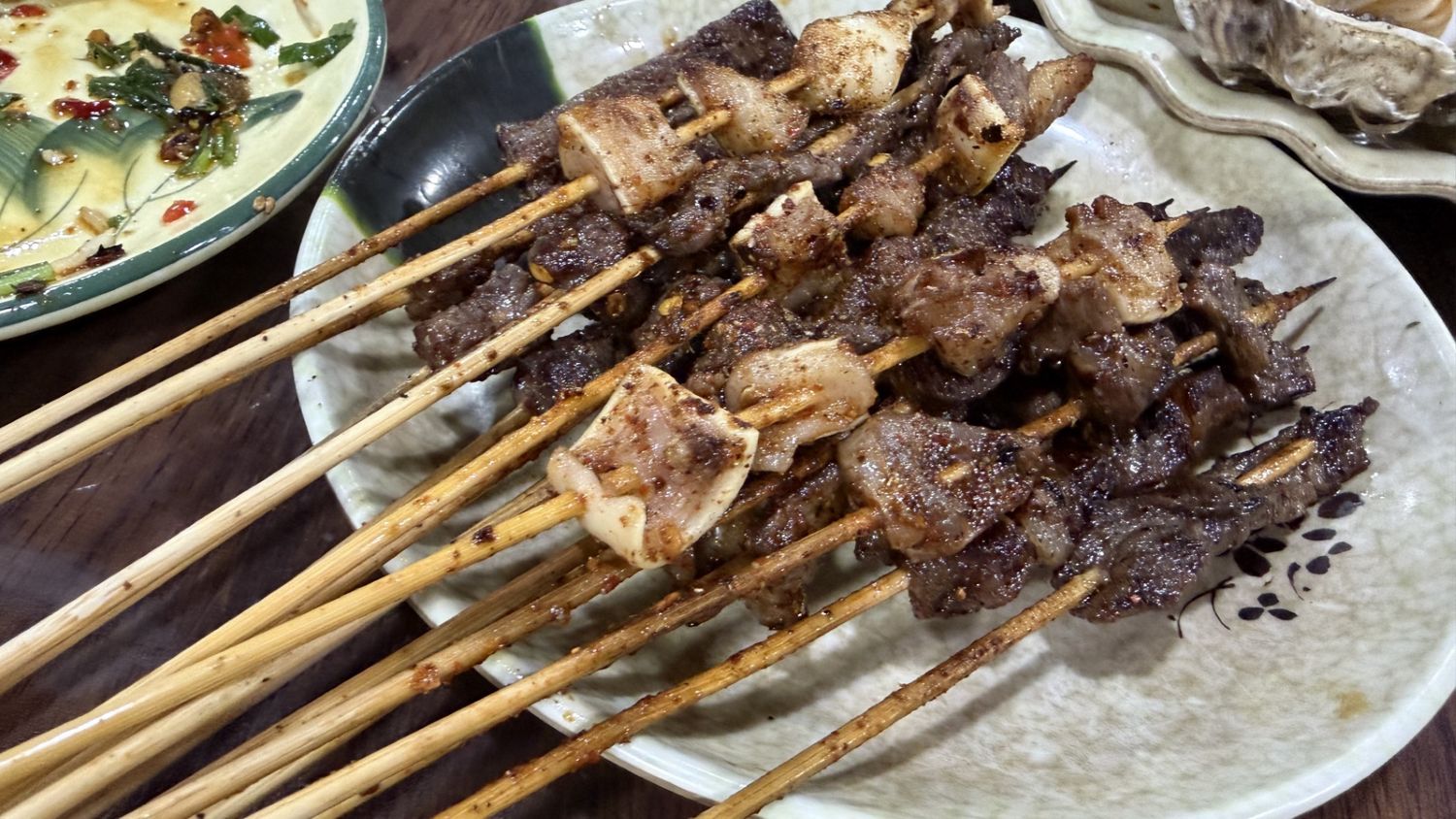
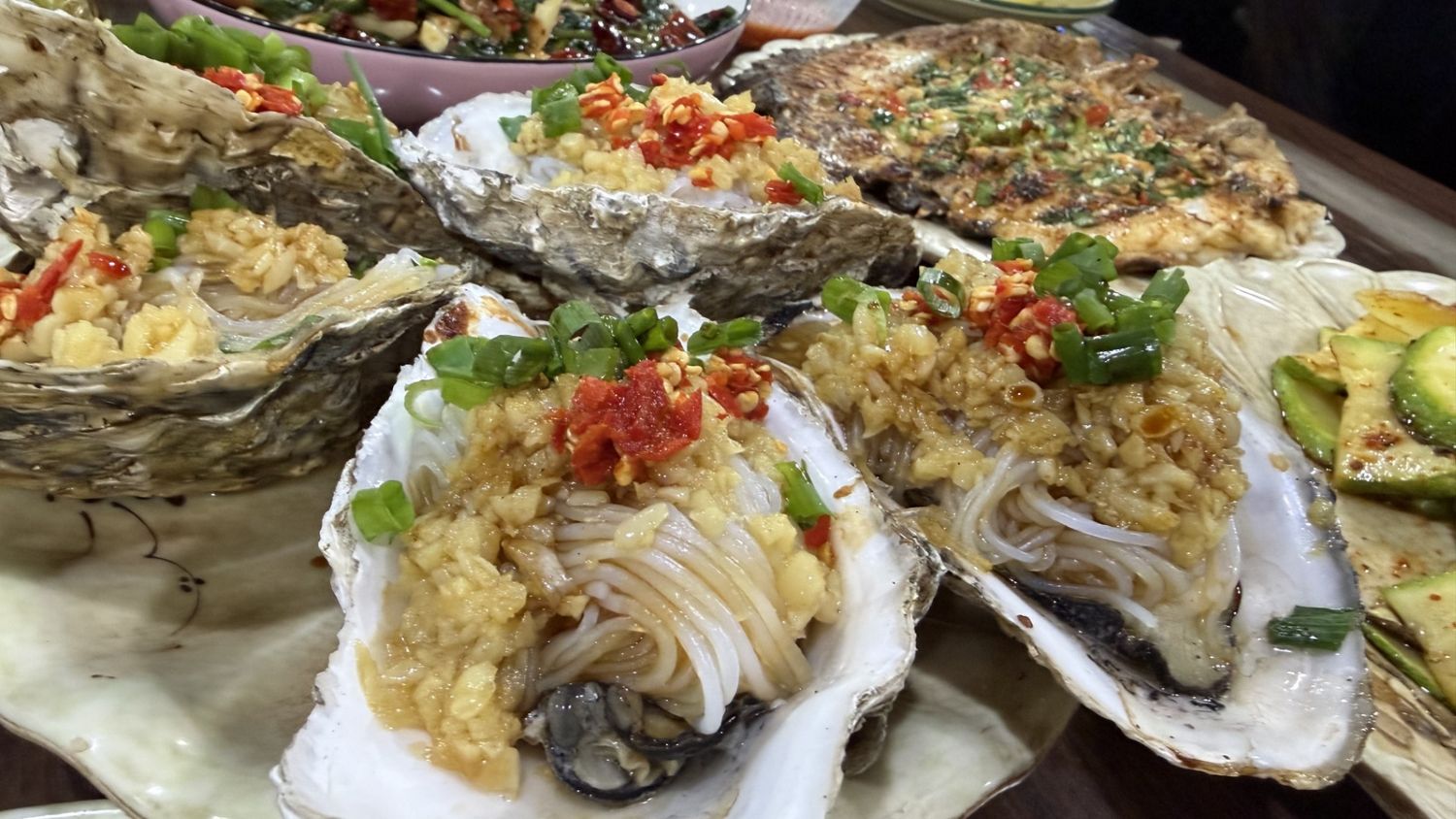
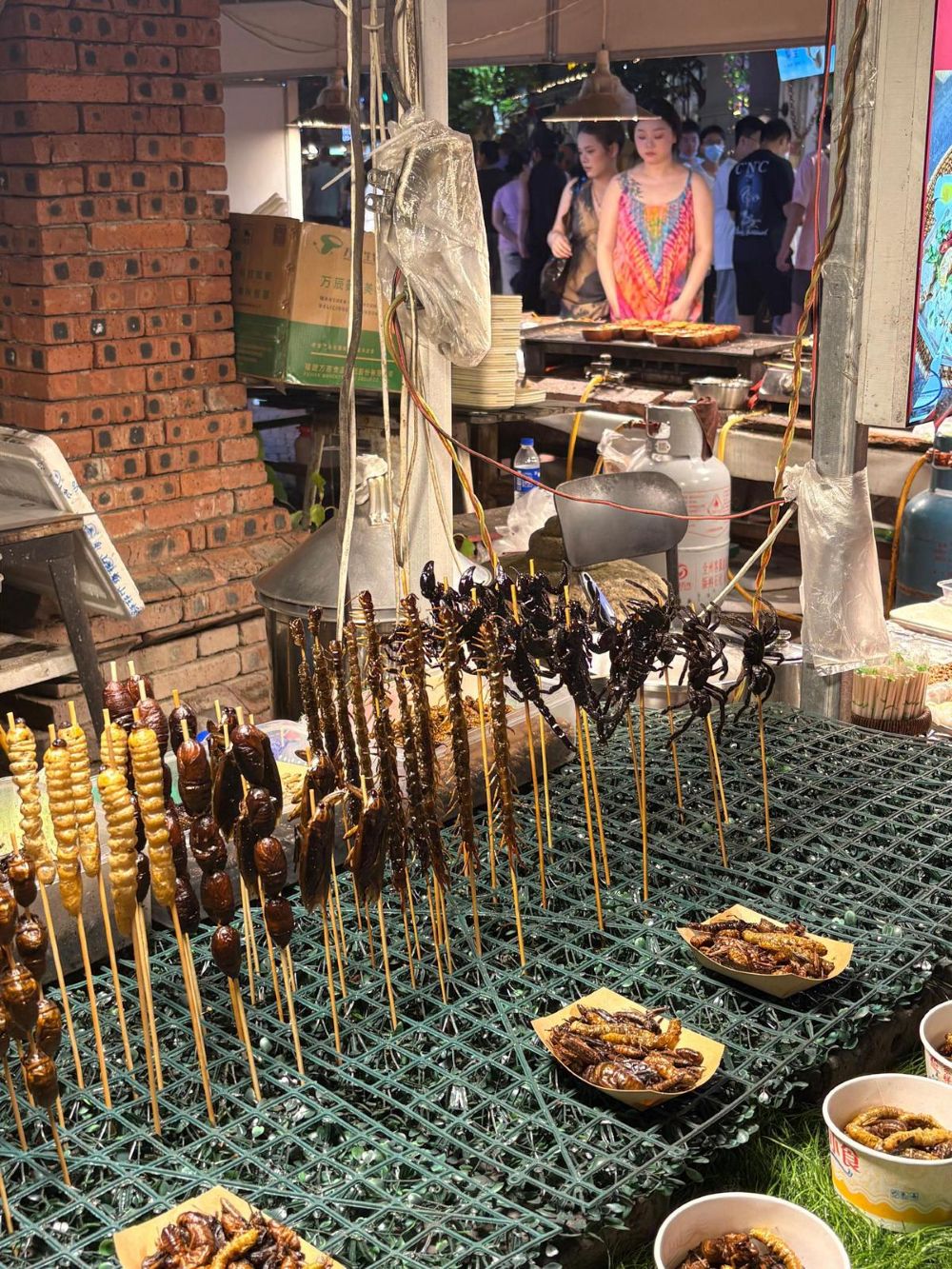
Everywhere I looked, content creators were recording the electric atmosphere, weaving between stalls selling intricate Dai silverware, silk, and souvenirs. The real star was the street food. I found myself surrounded by the aromas of grilled luosifen snails, bamboo-wrapped sticky rice, and exotic insects sizzling on open grills.
Adventurous street food stalls offering a perfectly crispy variety of exotic local meat.
With a musical fountain show playing in the background and the river bridge lighting up the night sky, it was an intoxicating blend of ancient tradition linked up to future technology. You simply would not ever wish to leave this place.
The next day, I ventured into the high altitudes to visit Nannuo Mountain, an absolute pilgrimage site for tea lovers. This is one of the oldest and most famous mountains for growing Pu’er tea, home to ancient tea trees that have stood for over 800 years.
Misty tea terraces cover Nannuo Mountain, an ancient pilgrimage site for tea lovers.
My day involved hiking through misty tea terraces and visiting the traditional Hani ethnic minority villages, who are the traditional tea growers of the region. Sitting in a local tea farmer’s wooden hut, sampling raw, earthy Pu’er right at the source, was a grounding experience.
Yet, what completely shocked me was looking out and seeing modern flats built right into the mountain landscape. You would never imagine such urban prosperity existing in harmony with ancient high-mountain farming. The people here are so prosperous and genuinely amazing.
Xishuangbanna demands multiple visits to see everything it holds. You absolutely must visit the Menglun Tropical Botanical Garden, the crown jewel run by the Chinese Academy of Sciences.
Spanning over 1,100 hectares, it is divided into a public West Garden filled with ornamental aquatic plants and dancing grass, and a reserved East Garden featuring a pristine tropical rainforest canopy where you can easily spend half a day marveling at over 13,000 plant species.
Then there is Wild Elephant Valley, the only place in China to reliably observe wild Asian elephants. Walking along its 1.3-kilometer elevated skywalk through the rainforest canopy allows you to watch them bathe and forage, alongside educational performance shows featuring a semi-domesticated herd of 16 retired elephants.
Elephant sculptures line the streets, serving as a reminder of the ancient kingdom.
For ultimate adventurers, the Wangtianshu Sky Tree Scenic Area in Mengla County features a rare tropical tree soaring 80 meters high. The Corridor of the Sky, a dizzying suspension bridge and spiral staircase, lets you climb right into the treetops for a bird-eye view of the ocean-like rainforest.
If you are ready to pack your bags and write your own story, timing your visit is crucial. Because the rainy season from May to October is heavily humid and wet, the absolute perfect time to visit is from November to April when the weather is cooler and much drier.
When you do go, make sure to pack bright-colored clothes, as the lush, endless greenery makes for the most amazing photographs. And above all else, in this wild, beautiful frontier, always remember to carry strong insect repellent.
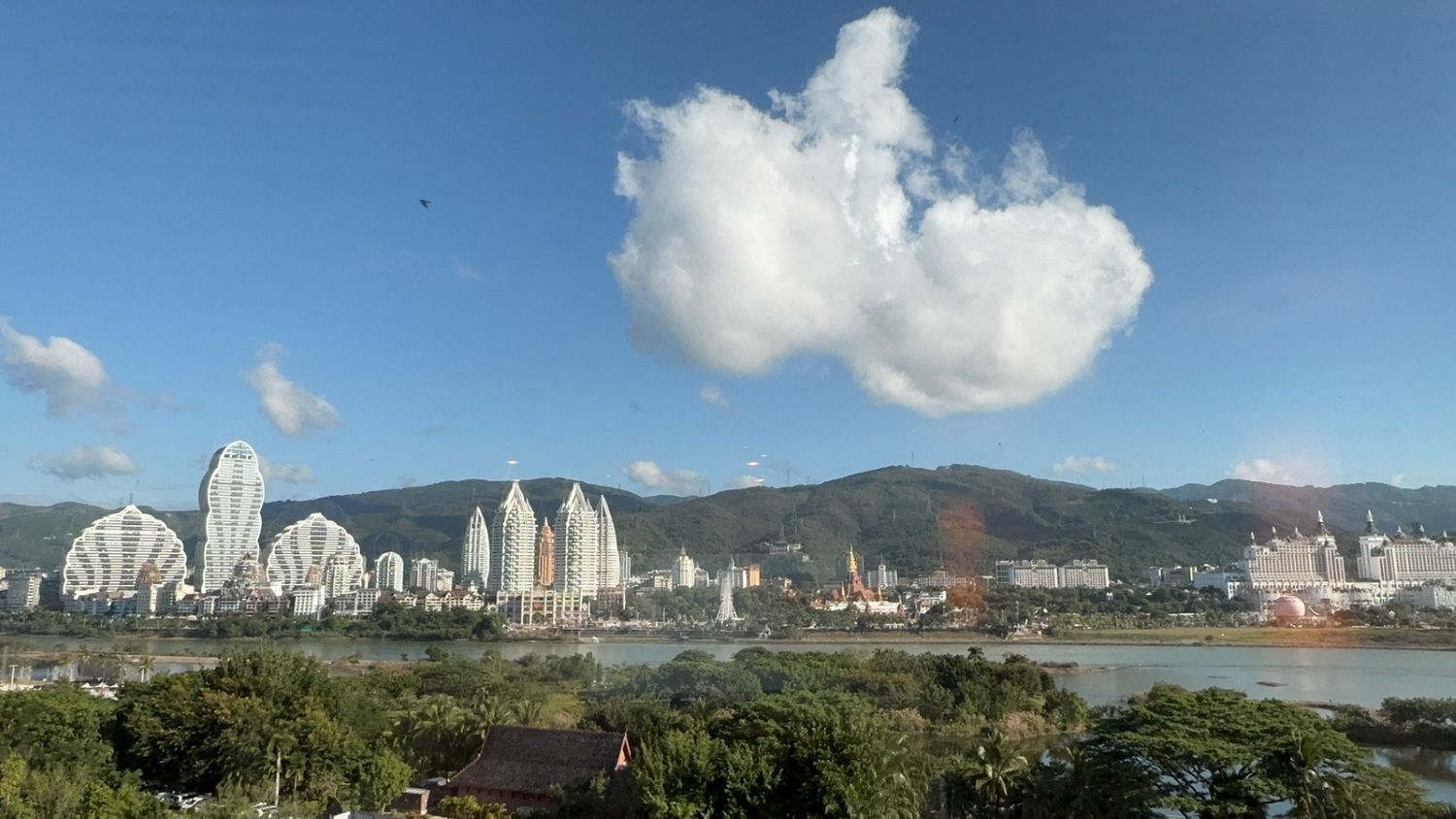
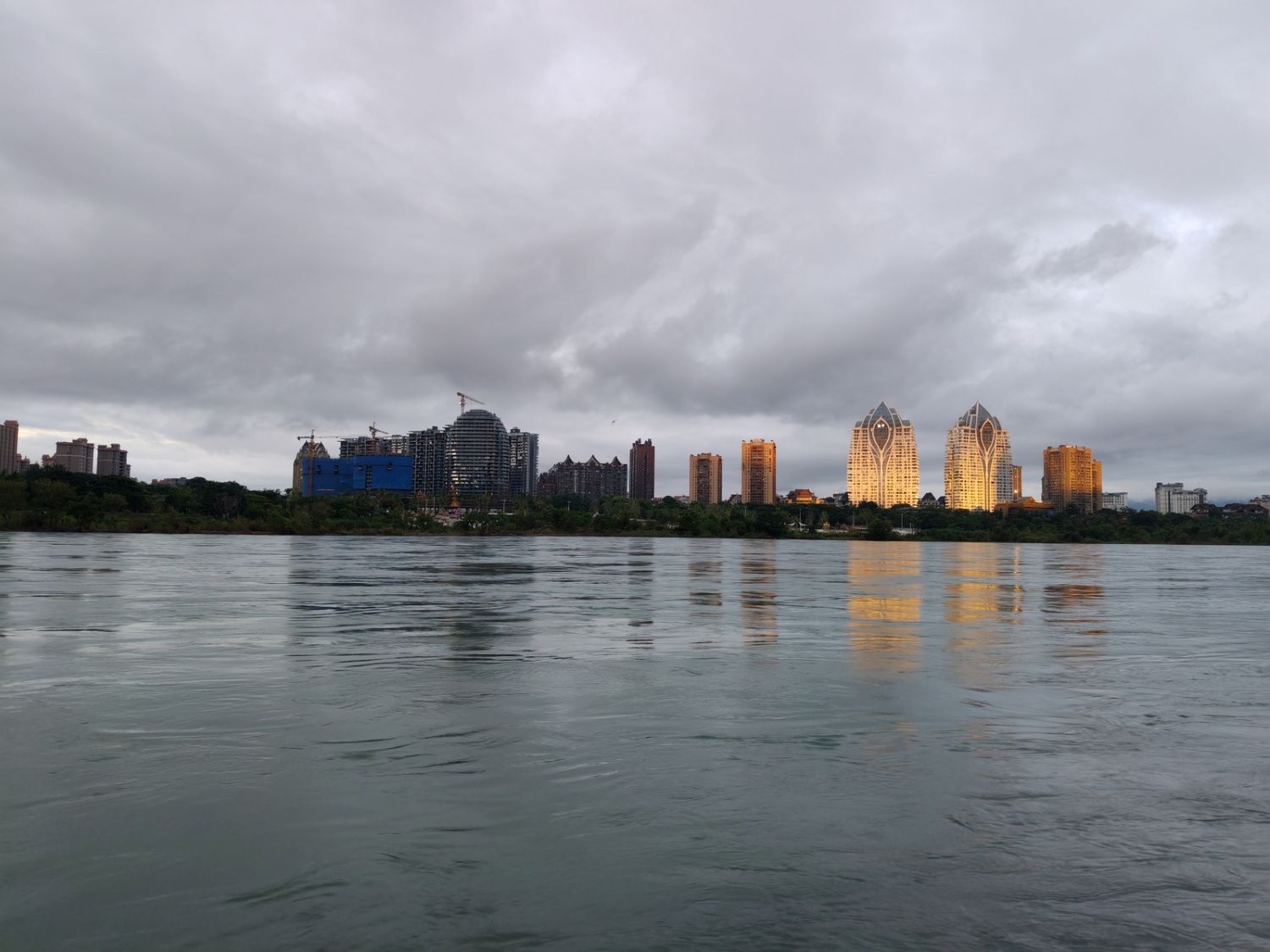
Where towering skyscrapers and ancient mountains coexist in absolute perfect harmony.Thousands of colorful conical parasols light up the Gaozhuang Xishuangjing night market.The illuminated river bridge and musical fountain create a magical nighttime backdrop.Jinghong pulses with an electric energy you simply will not find anywhere else.Jinghong city center, home to a large portion of the prefecture’s permanent residents.Content creators film the electric atmosphere of the bustling Lancang riverfront bazaar.An awe-inspiring cityscape that completely redefines what a Chinese frontier looks like.A vibrant array of street food includes grilled luosifen and bamboo-wrapped sticky rice.
He made the remarks in an interview with Rwanda Broadcasting Agency (RBA) after the Paris Criminal Court in France upheld Dr. Eugène Rwamucyo’s conviction for genocide and crimes against humanity, affirming the 27-year prison sentence imposed at his initial trial.
Dr. Gakwenzire, who heads the umbrella association of Genocide survivors in Rwanda, described the judgment as a significant step toward accountability but said it represents only limited progress given the number of genocide suspects who continue to evade justice while living abroad.
His comments come as figures released by Rwanda’s Ministry of Justice in June 2026 show that, of the 1,199 arrest requests Rwanda has submitted to foreign jurisdictions for individuals suspected of participating in the 1994 Genocide against the Tutsi, only 63 have so far been brought before the courts.
He said the continued delays in prosecuting genocide suspects are particularly painful as witnesses, survivors, and suspects themselves continue to die.
“Witnesses are dying, genocide survivors who have waited for justice are dying, and those who committed these crimes are also dying, often without ever being held accountable. They pass away while still being regarded as people who committed no crime,” he said.
“There remains a huge gap. Judicial institutions at both the national and international levels must work together to find ways of closing it.”
Dr. Gakwenzire further noted that several known genocide fugitives remain active in the Great Lakes region, with some having entered politics while others have been integrated into national armed forces, allowing them to continue posing a security threat to Rwanda.
He called on the African Union to take a more proactive role in addressing the issue through African-led solutions, while urging continued diplomatic engagement with countries beyond the continent that continue to host genocide suspects.
“We need African institutions to play their part in finding African solutions. At the same time, advocacy should continue with countries farther away, but action is especially needed in our own region where these suspects remain,” he said.
Dr. Gakwenzire also called for the establishment of additional international judicial mechanisms to accelerate accountability, arguing that the pace of delivering justice for victims of the Genocide against the Tutsi remains too slow.
“What we ask of the international community is to establish dedicated mechanisms, including special courts, to prosecute those responsible for genocide. We must find a way to recover the time that has already been lost,” he added.
IBUKA President Dr. Philbert Gakwenzire has urged countries still sheltering persons wanted for perpetrating the 1994 Genocide against the Tutsi to expedite their prosecution or extradition, warning that justice delayed is increasingly becoming justice denied as both perpetrators and victims die before cases are concluded.
He made the remarks in a message to the Iranian people carried by Iranian media, in which he addressed the country’s important issues.
Khamenei said the frequent U.S. violations of the MoU, which was signed by Iran’s President Masoud Pezeshkian and Trump on June 18, “once again proved to everyone the fact that how worthless and invalid the U.S. president’s signature is.”
The United States had “once again revealed its true and unmasked face,” he said, noting that “this dark experience of crime and breach of promises is another solid proof of the U.S. lying and its illogical, unreliable, and evil nature.”
Khamenei warned that if the United States continued what he described as warmongering and sought to impose heavier costs, it should expect “unforgettable lessons” from Iran and the resistance front.
The remarks came amid heightened regional tensions despite the MoU, under which the United States and Iran were expected to hold negotiations within 60 days toward a final agreement.
The United States has conducted multiple rounds of strikes against Iran in recent days, while Iran has responded by launching retaliatory attacks on U.S. bases and facilities in the region.
Earlier on Saturday, Iranian Deputy Foreign Minister for Legal and International Affairs Kazem Gharibabadi said Iran has ceased fulfilling its obligations under the MoU with the United States, accusing Washington of violating its commitments under the deal.
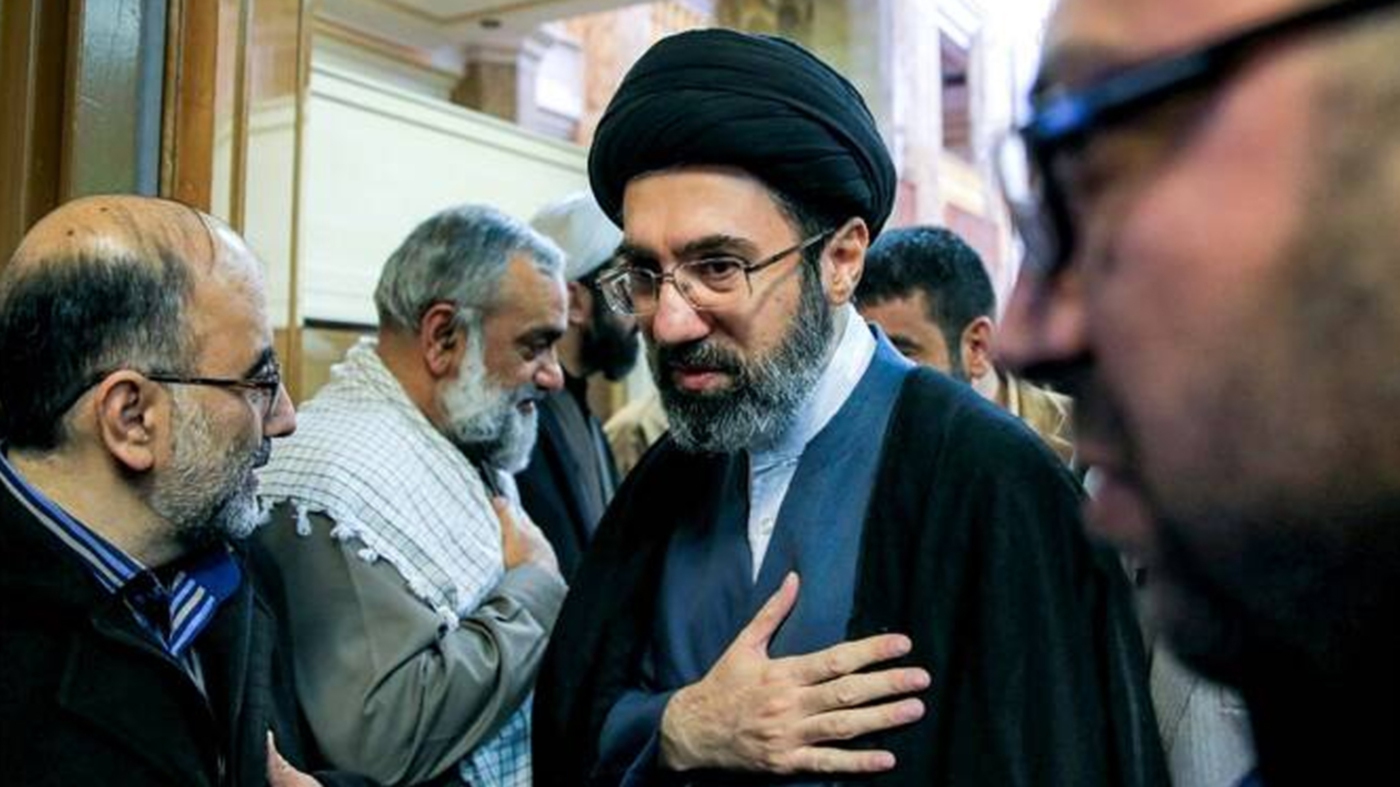
Iranian Supreme Leader Mojtaba Khamenei said the United States (US) violation of a recently signed peace memorandum of understanding (MoU) with Iran once again proved that US President Donald Trump’s signature is worthless and invalid.
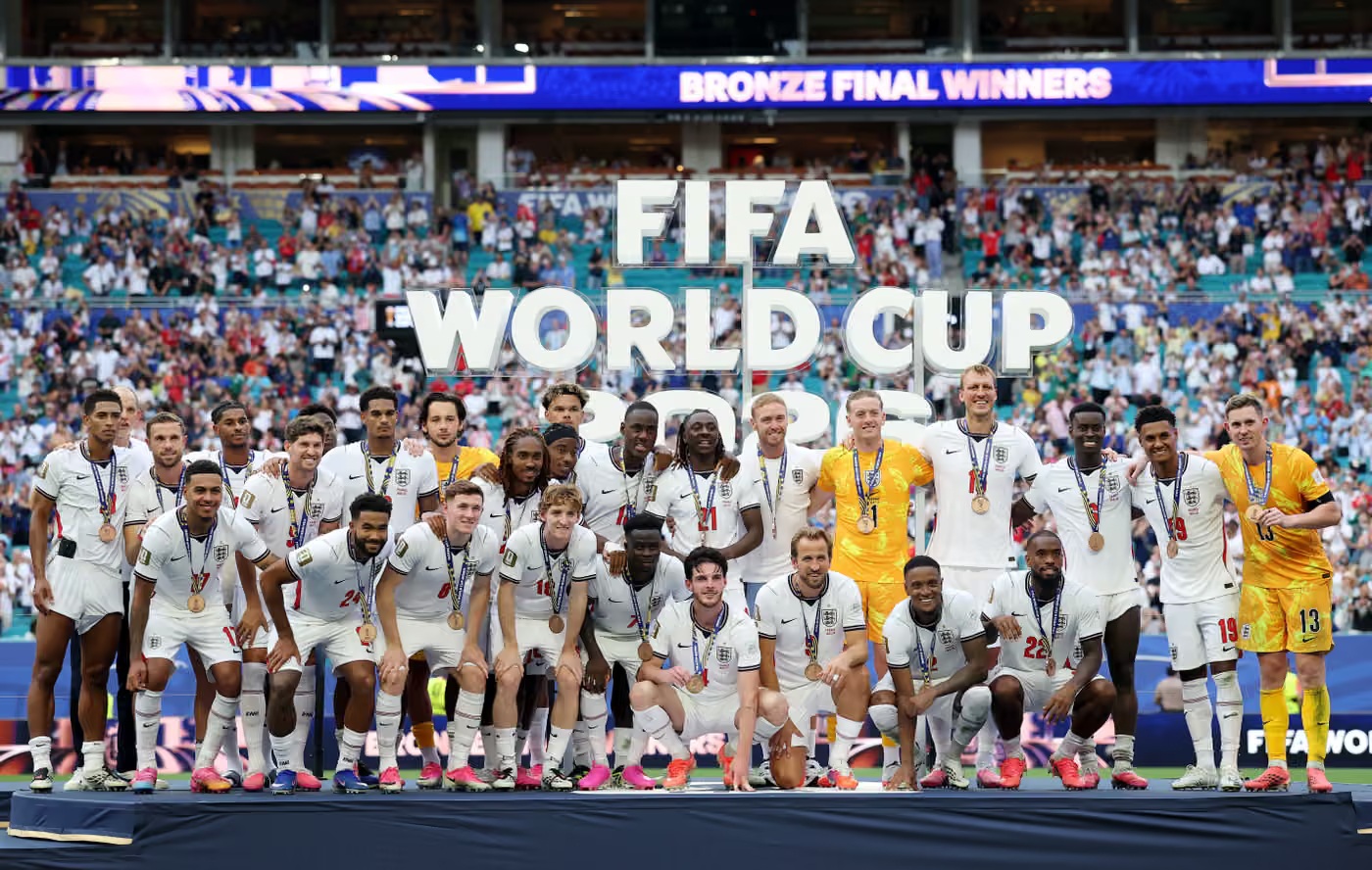
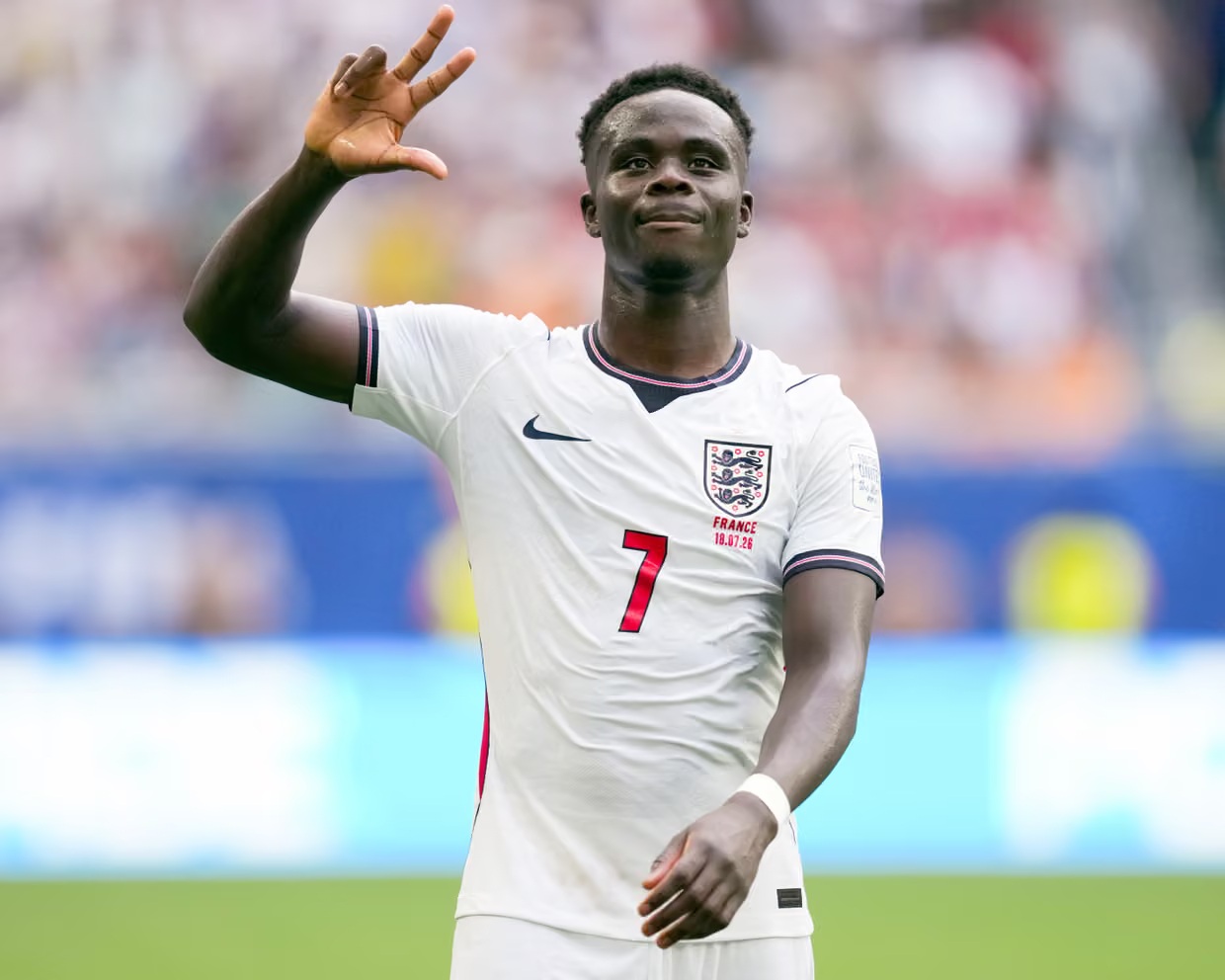
Bukayo Saka starred with a hat-trick as Thomas Tuchel’s side stormed into a 4-0 first-half lead before surviving a spirited French fightback to seal victory.
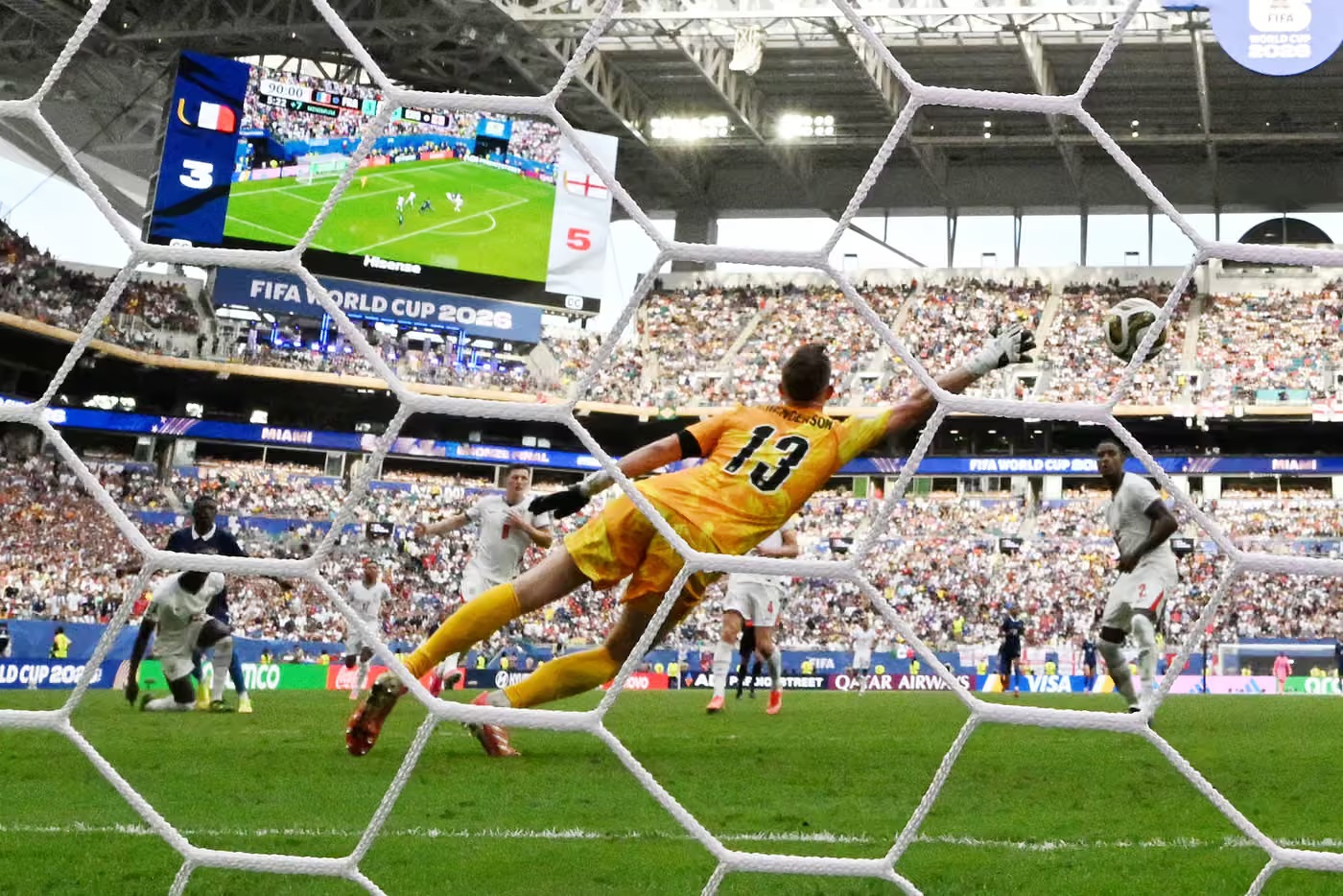
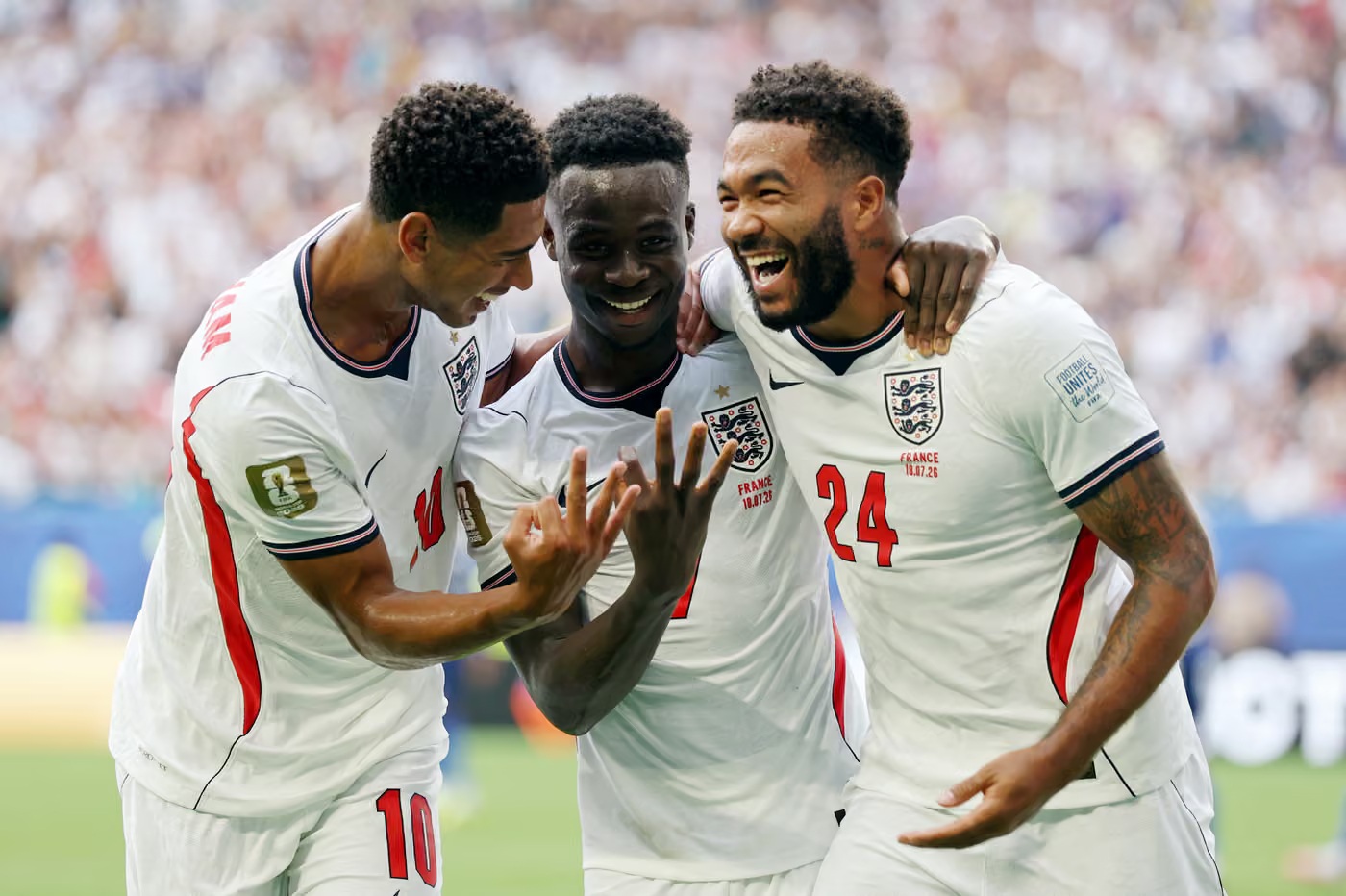
England took control from the outset, with Declan Rice opening the scoring in the third minute before Ezri Konsa doubled the advantage from a corner. Saka then struck twice before the break as England capitalised on a disjointed French performance to head into halftime with a commanding four-goal cushion.
France emerged a transformed side after the restart.
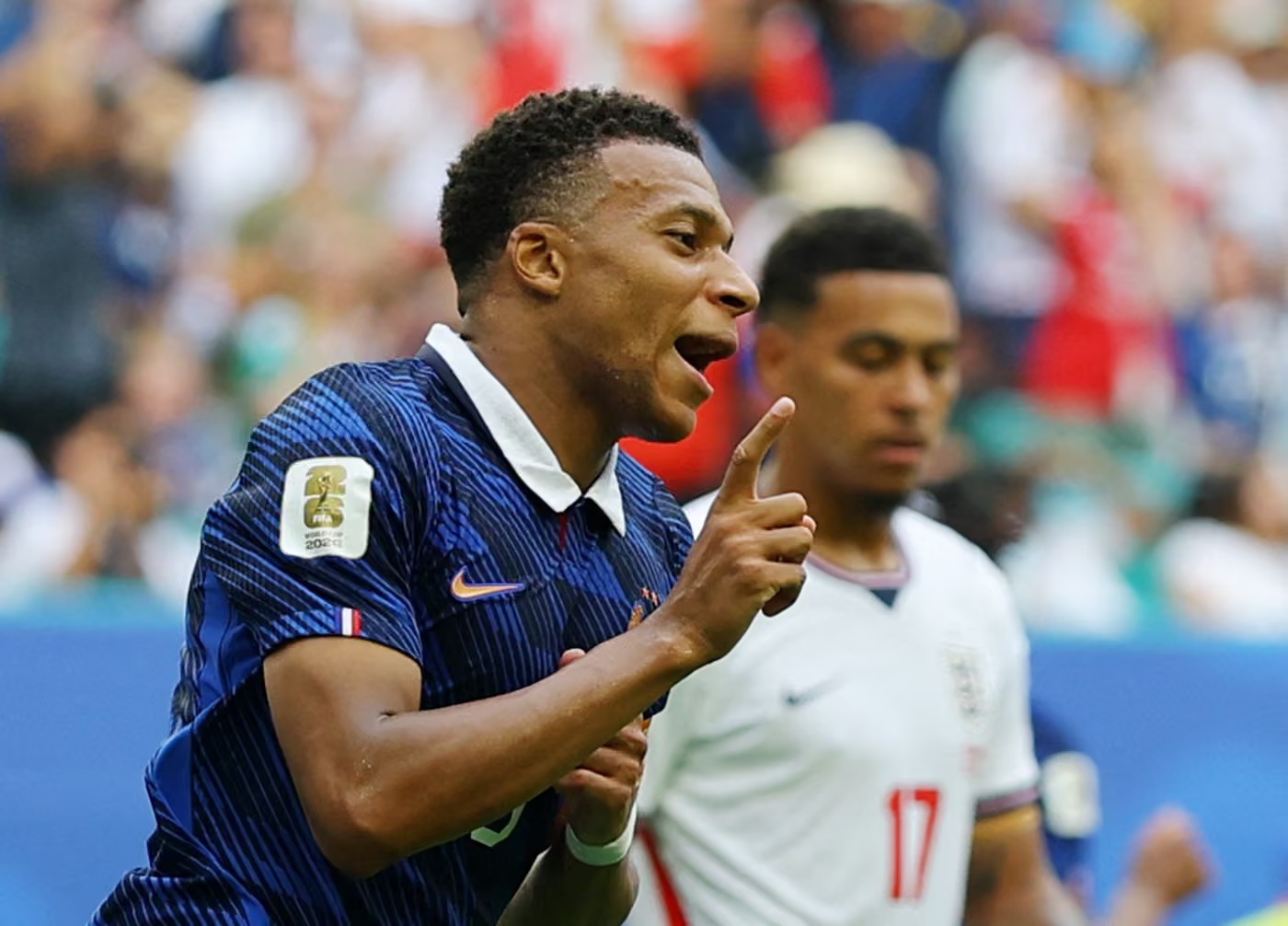
Kylian Mbappé pulled one back before Bradley Barcola added another six minutes later, and Mbappé struck again to cut England’s lead to 4-3 while also becoming the men’s World Cup’s all-time leading scorer with 22 goals.
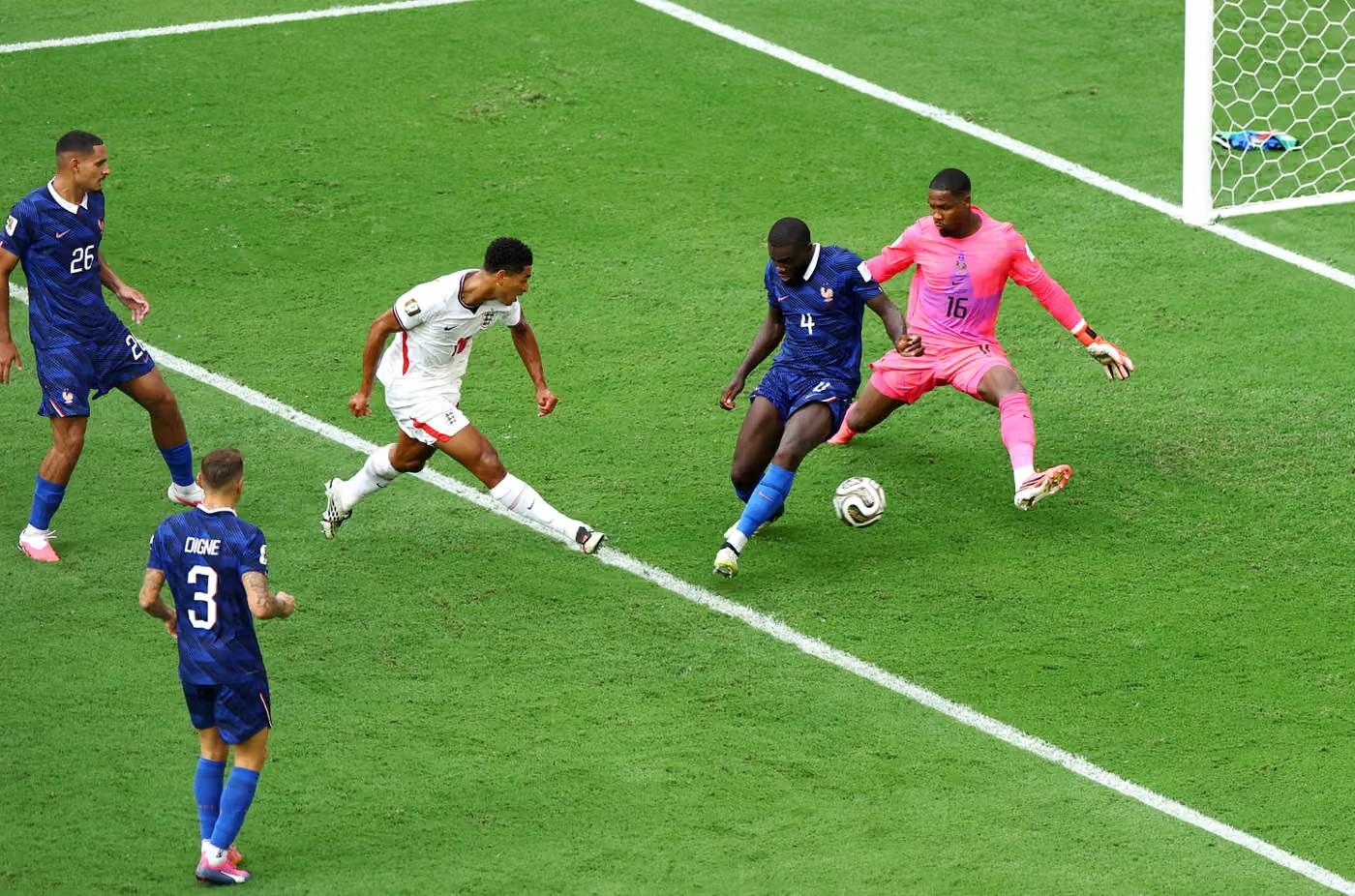
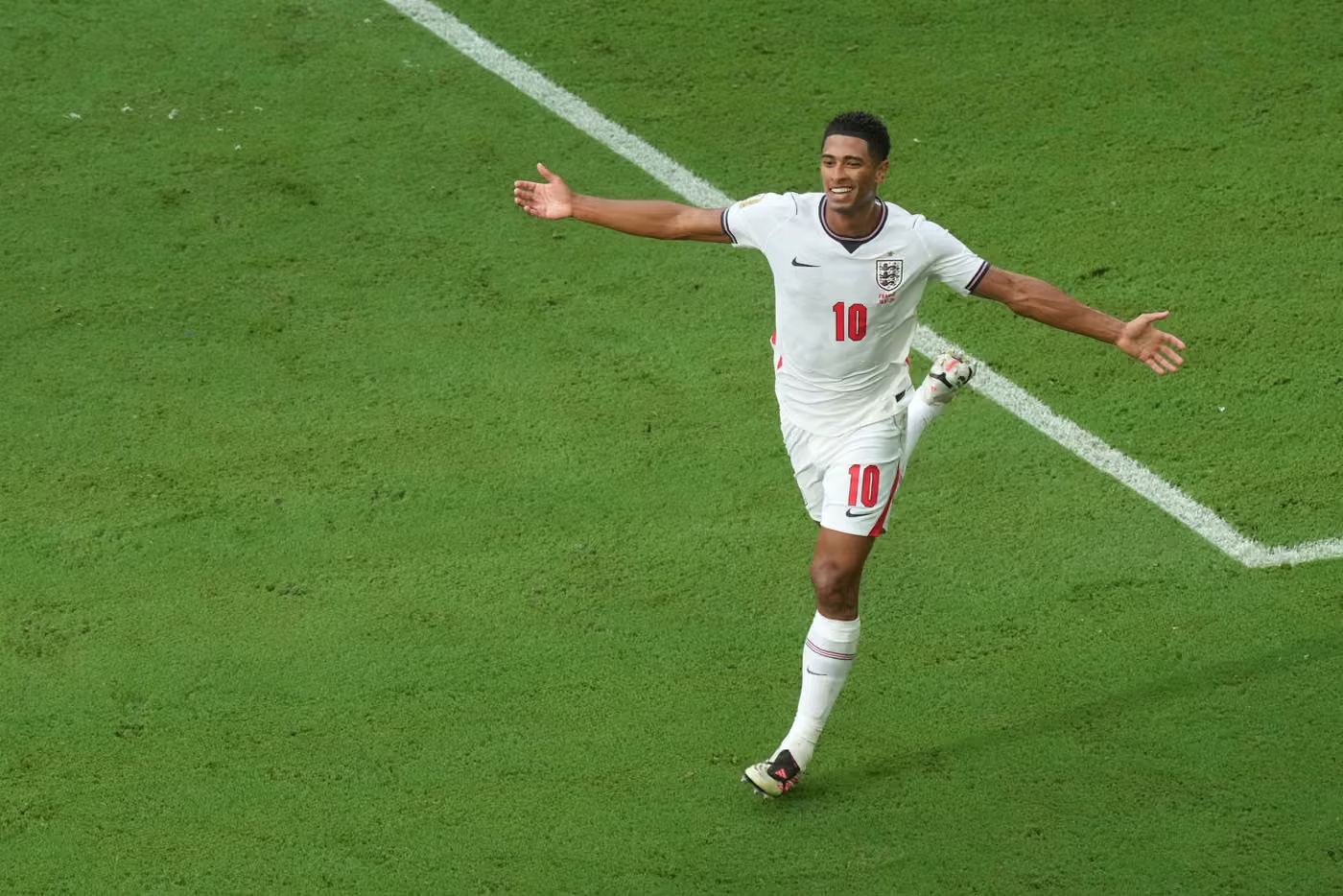
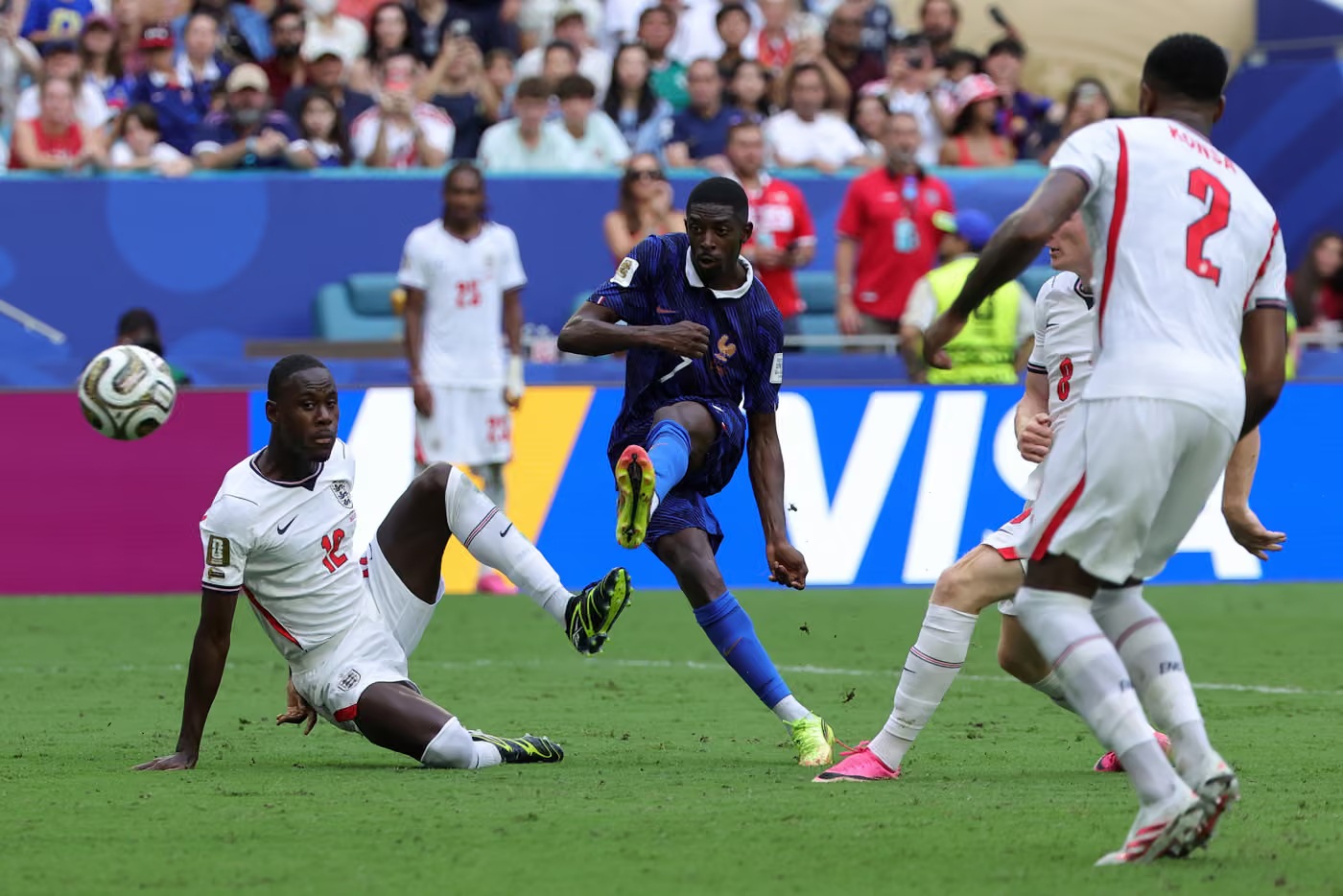
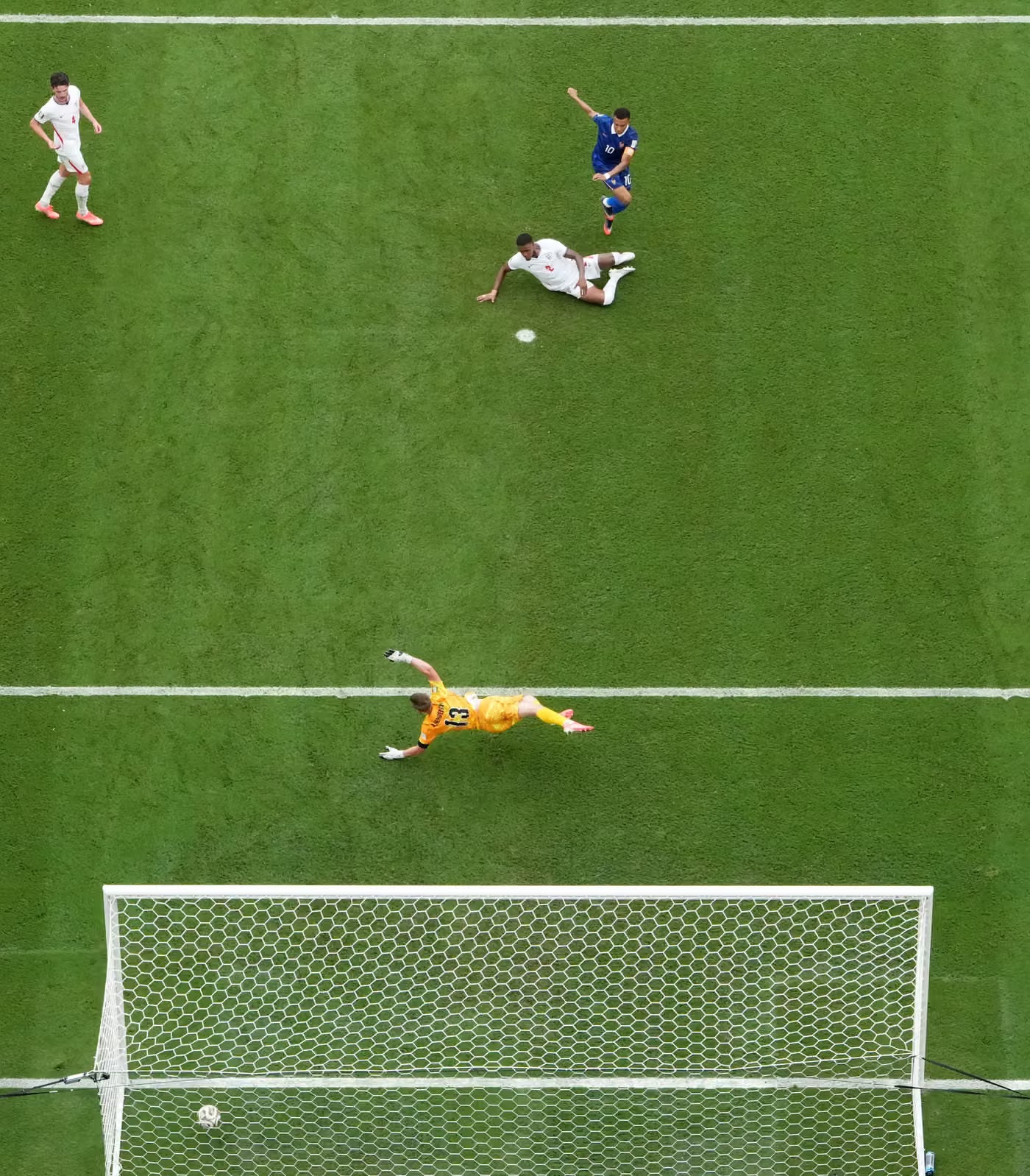
England regained breathing room when Saka converted a penalty in the 87th minute to complete his hat-trick after Djed Spence was fouled by Malo Gusto. Ousmane Dembélé made it 5-4 deep into stoppage time, but Jude Bellingham produced a brilliant solo effort in the 98th minute to put the result beyond doubt.
Reflecting on the victory, Saka said England were determined to finish the tournament on a positive note despite the disappointment of missing out on the final.
“It was a crazy, crazy game. We’re both still quite disappointed to not be in the final but it was about finishing strong and for us giving the country the best finish in the World Cup in 60 years, so we’re happy with the final result.”
The Arsenal winger acknowledged the dramatic swings in momentum during the match.
“I think the first half went for us. We won the first half, they won the second half and in the end we got the two goals to win the game, so I’d say that’s how the game went.”
England manager Thomas Tuchel praised his players’ resilience after they withstood France’s second-half surge.
“It was like four matches – what happened here. Crazy first half and a turbulent second half… Massive compliment and respect for the mentality we showed with all the adversity. Absolutely brilliant.”
He added that fatigue had played a role in England’s second-half struggles but credited the squad’s character.
“I was worried physically… You could see it in the second half, all the cramps and tiredness. But I was never worried about the mentality. This team has created something special. They showed it again.”
The victory also provided some consolation after England’s semifinal exit, with Tuchel highlighting the significance of securing a medal.
“It is the first medal in 60 years, the best World Cup on foreign soil, so I hope the players can be proud of that in some time.”
For France, the defeat marked the end of Didier Deschamps’ tenure as head coach. Despite the loss, Mbappé’s brace saw him overtake Lionel Messi to become the men’s World Cup’s all-time leading scorer with 22 goals. However, the record could change hands again as Messi, who has 21 World Cup goals, has the opportunity to reclaim the top spot when Argentina face Spain in Sunday’s final.
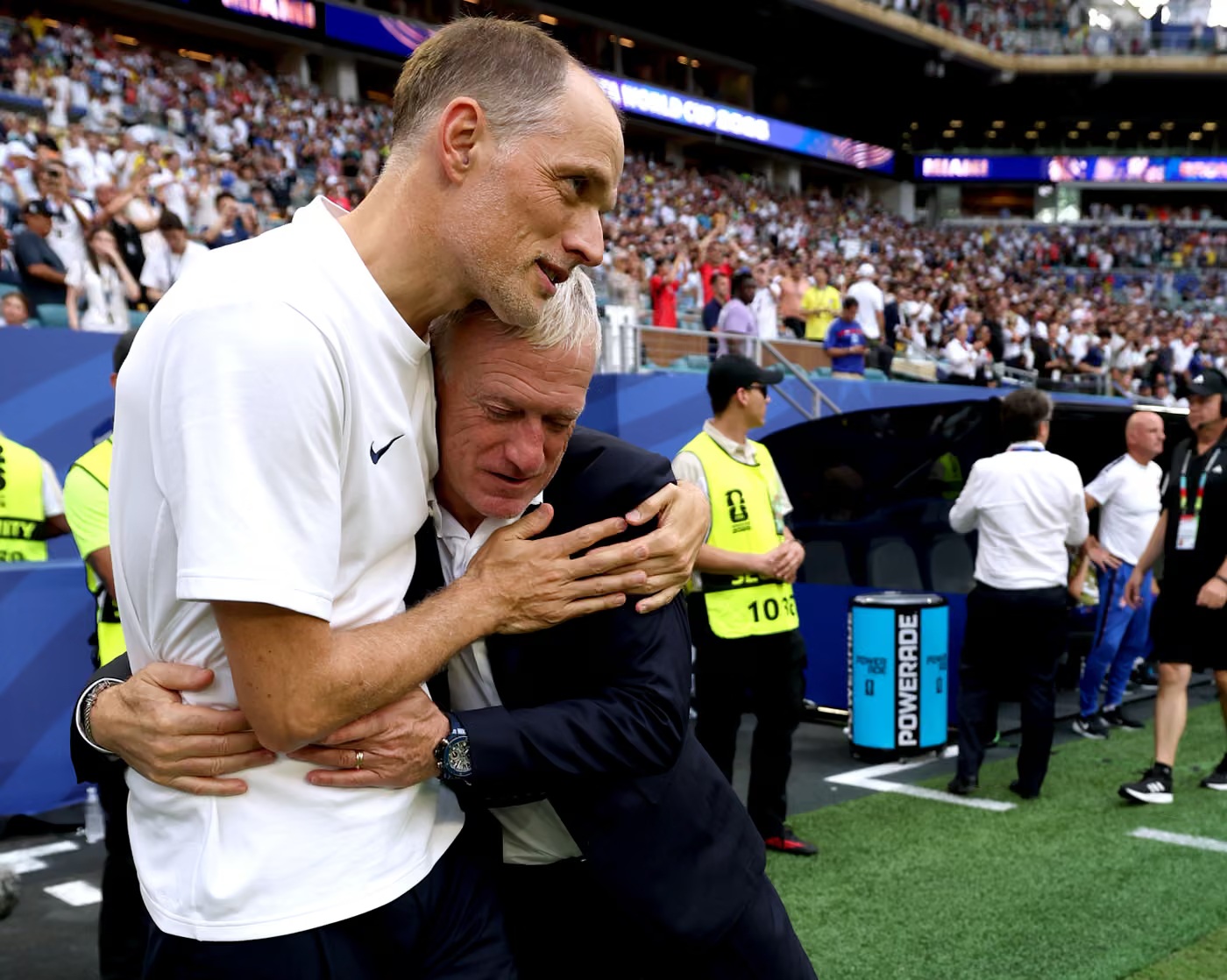
England’s Jude Bellingham slots home after a jinky run. Jude Bellingham celebrates after the goal. Ousmane Dembele shoots and scores for France.Bukayo Saka celebrates scoring England’s fifth goal and complete his hat-trick.Mbappe shoots and scores for France. Mbappe celebrates after his goal. He became the men’s World Cup’s all-time leading scorer with 22 goals.England manager Thomas Tuchel and Didier Deschamps, head coach of France, hug after the final whistle. England players pose for a photograph after receiving their third-place medals.
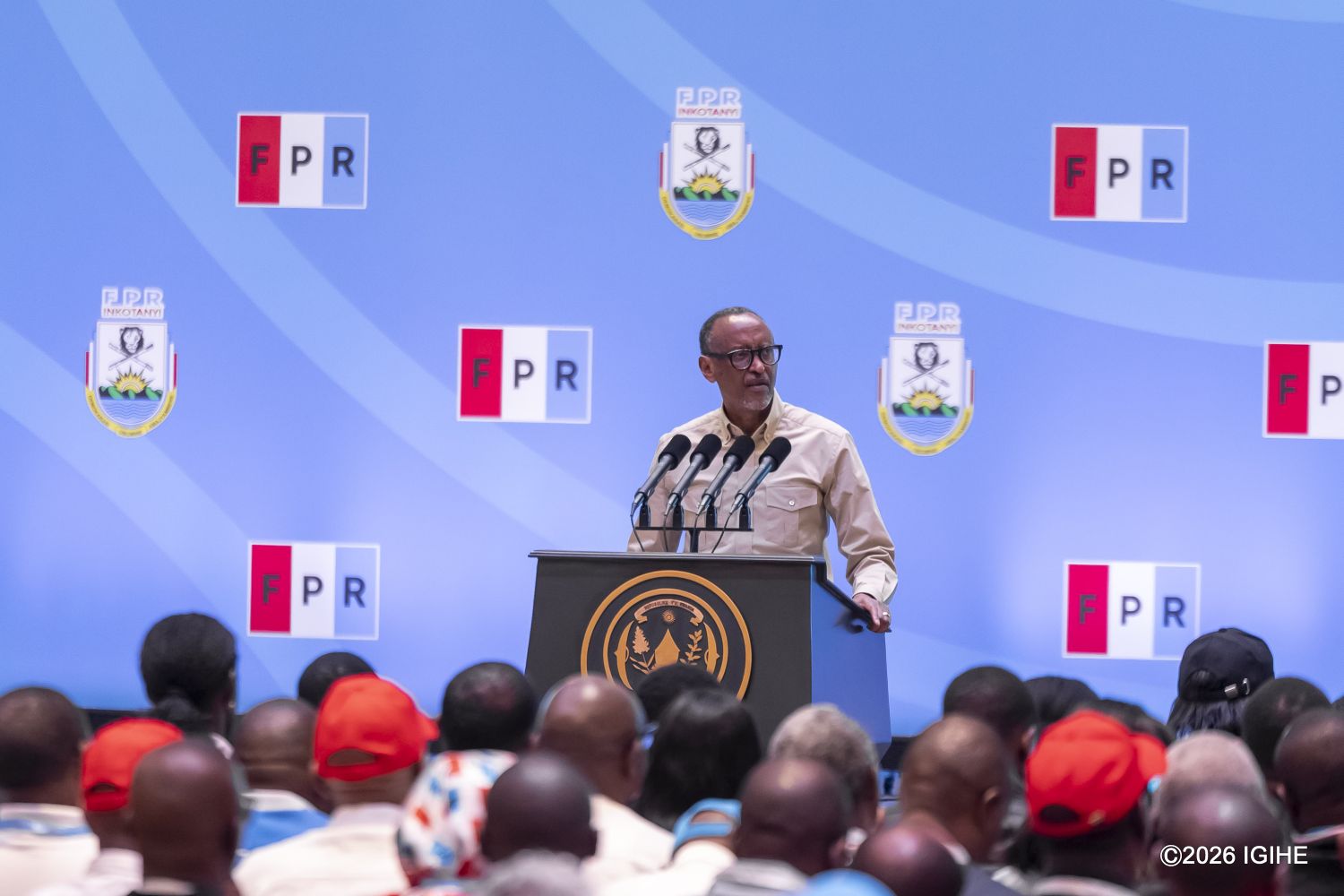
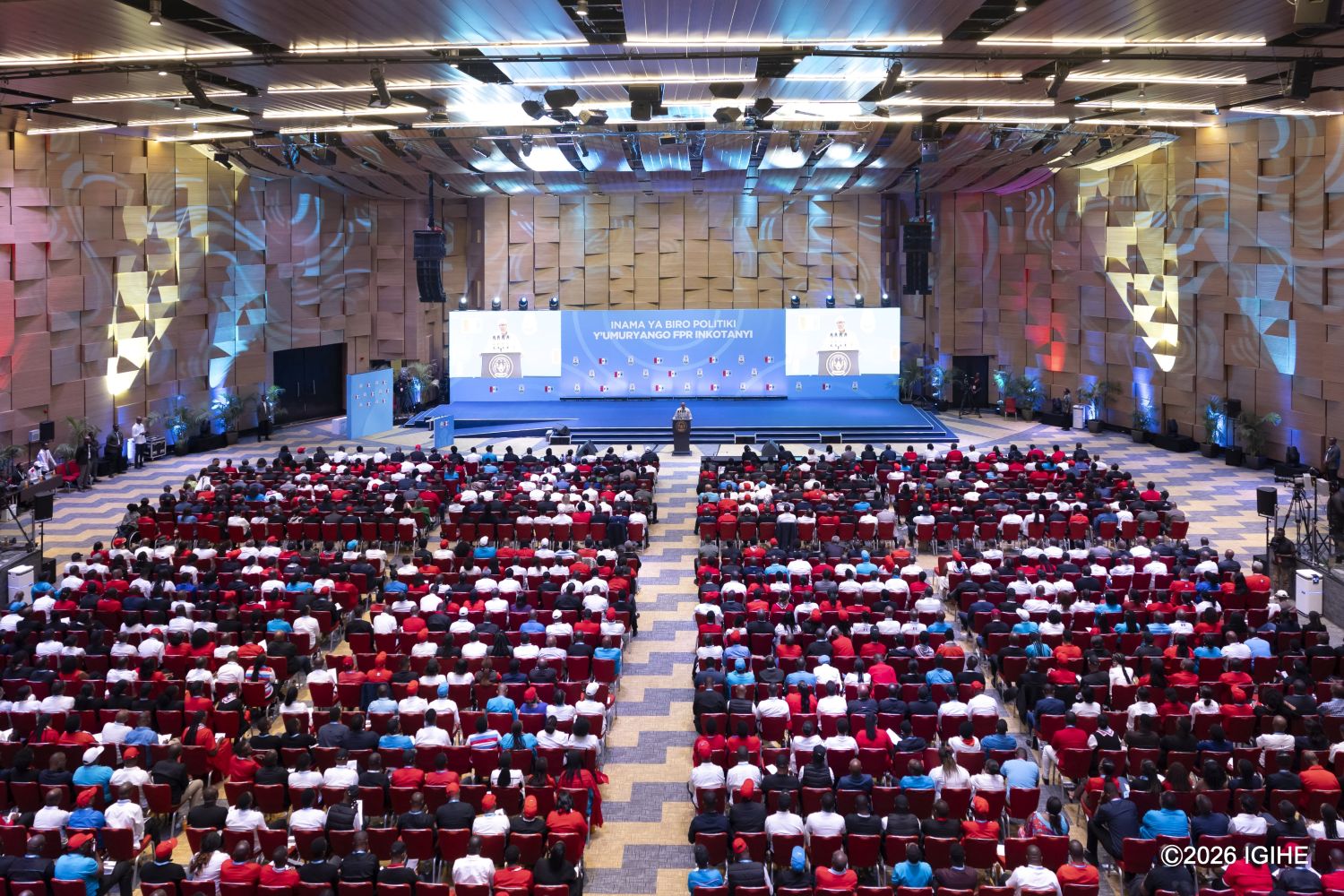
“I will only shut up when I’m dead. That is the only way to make me shut up,” Kagame said on Friday, July 17, during the Rwanda Patriotic Front (RPF-Inkotanyi) Political Bureau meeting at Intare Arena, attended by more than 2,000 party members, government officials, diplomats, representatives of political parties and young professionals.
The President’s remarks came as he defended Rwanda’s position on the security situation in eastern Democratic Republic of Congo (DRC), insisting that Kigali’s concerns have repeatedly been ignored despite clear evidence of threats posed by the FDLR and attacks against the Banyamulenge community.
Kagame argued that the conflict in eastern DRC did not originate in Rwanda and should not be portrayed as Rwanda’s war.
“This conflict we have in eastern Congo was not started by Rwanda at all,” he said, maintaining that the root causes of the conflict lie within the DRC and the Kinshasa government’s refusal to address longstanding grievances raised by the M23 rebels and the communities they represent.
He noted that Rwanda was drawn into the conflict due to the continued presence of the FDLR, a militia founded by individuals involved in the 1994 Genocide against the Tutsi that continues to pose a security threat to Rwanda.
He said Rwanda has for years urged the Congolese government and the international community to dismantle the FDLR and prevent the group from posing a threat across the border, but those calls have largely gone unanswered.
President Kagame insisted that Kigali’s concerns have repeatedly been ignored despite clear evidence of threats posed by the FDLR and attacks against the Banyamulenge community.
According to Kagame, repeated attempts to resolve the crisis through regional and international mediation have failed because, in his view, the underlying security issues affecting Rwanda have not been addressed.
He cited talks held in various capitals, including Nairobi, Doha and Washington, saying discussions consistently overlooked Rwanda’s concerns while placing pressure on Kigali.
Kagame also criticised sanctions imposed on Rwanda, saying they were introduced without giving the country an opportunity to fully present its case.
“There is no time for Rwanda to be listened to. It’s just sanctions, sanctions, sanctions,” he said, arguing that punitive measures have become a substitute for genuine dialogue.
The President further accused some international actors of trying to shape the narrative around the conflict while disregarding facts presented by Rwanda.
“There are people who think they just dictate what the truth should be and what should happen, and for the rest, you just shut up,” he said.
Kagame drew parallels between the international community’s response to Rwanda’s current security concerns and historical failures to heed warning signs before the 1994 Genocide against the Tutsi.
He recalled that during the liberation struggle, he received a warning from a French official during a 1991 visit to Paris: “Even if you take Kigali, you will not find your people.” He said the meaning of the statement only became clear after the genocide unfolded.
The President also expressed concern over recent violence targeting the Banyamulenge community in the Minembwe area of eastern DRC.
He said Rwanda had raised concerns about attacks on civilians, only to be told the issue was “none of your business.”
“It’s like, shut up, it’s none of your business,” Kagame said. “If it is not my concern, maybe it should be yours. Why are you not concerned?”
He argued that dismissing warnings about atrocities against vulnerable communities risks repeating mistakes that have had devastating consequences in the past.
Responding to attempts to pressure Rwanda into silence, Kagame insisted that speaking out against threats to the country’s security is not a matter of political choice but of responsibility.
“Making people shut up, just shut up, I think it’s going to be probably more difficult than people think,” he said.
While acknowledging that Rwanda is a small country that can face external pressure, Kagame said its people should not expect others to guarantee their security.
“You can do much harm to us, granted. But wishing us away is not a small thing,” he said.
He concluded by urging Rwandans to remain vigilant and to take responsibility for safeguarding the country’s future rather than relying on others.
“If you are there waiting for handouts, or for people to do you a favour so that you can live, it is very sad and absurd,” Kagame stated.
The meeting was attended by more than 2,000 participants, including RPF members, government officials, diplomats and representatives of political parties.