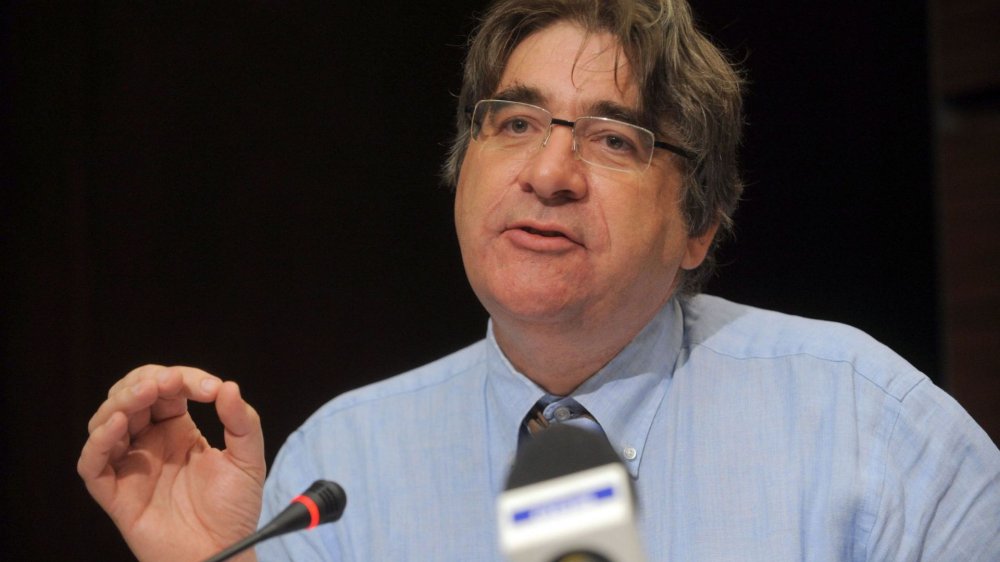
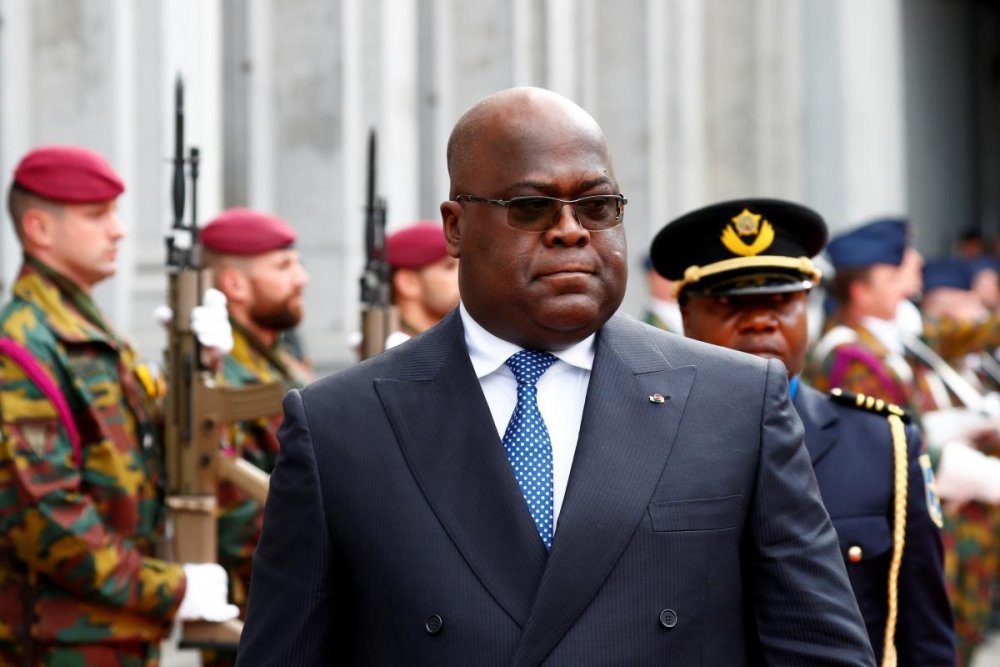
The complaint, submitted on July 10, 2026, details a series of actions by state authorities and individuals linked to the ruling establishment that the legal team avers amount to crimes against humanity in different parts of the country. The ICC prosecutor’s office is expected to assess the submission before deciding whether any further action, including a possible preliminary examination, is warranted.
The lawyers cited 11 incidents, including deaths and injuries at Kinshasa’s Makala prison during a 2024 attempted prison break, as well as killings in Lubumbashi, Kolwezi and other parts of the former Katanga region.
Hervé Diakiese, one of the lawyers involved in the case, accused the youth movement Force du Progrès, which has been associated by critics with President Félix Tshisekedi’s ruling UDPS party, of involvement in some of the cited abuses. Human Rights Watch has previously raised concerns over violence involving members of the group during political unrest, while the UDPS has rejected accusations linking the party to such acts and said individuals may have been misusing the group’s name.
Diakiese also accused some political actors of promoting ethnic-based rhetoric favouring members of the Luba community, President Tshisekedi’s ethnic group.
“There are statements showing a sense of superiority among some people from the President’s community,” he said, alleging that some officials and individuals close to power have used language suggesting that the Luba are not simply holders of political power but represent power itself.
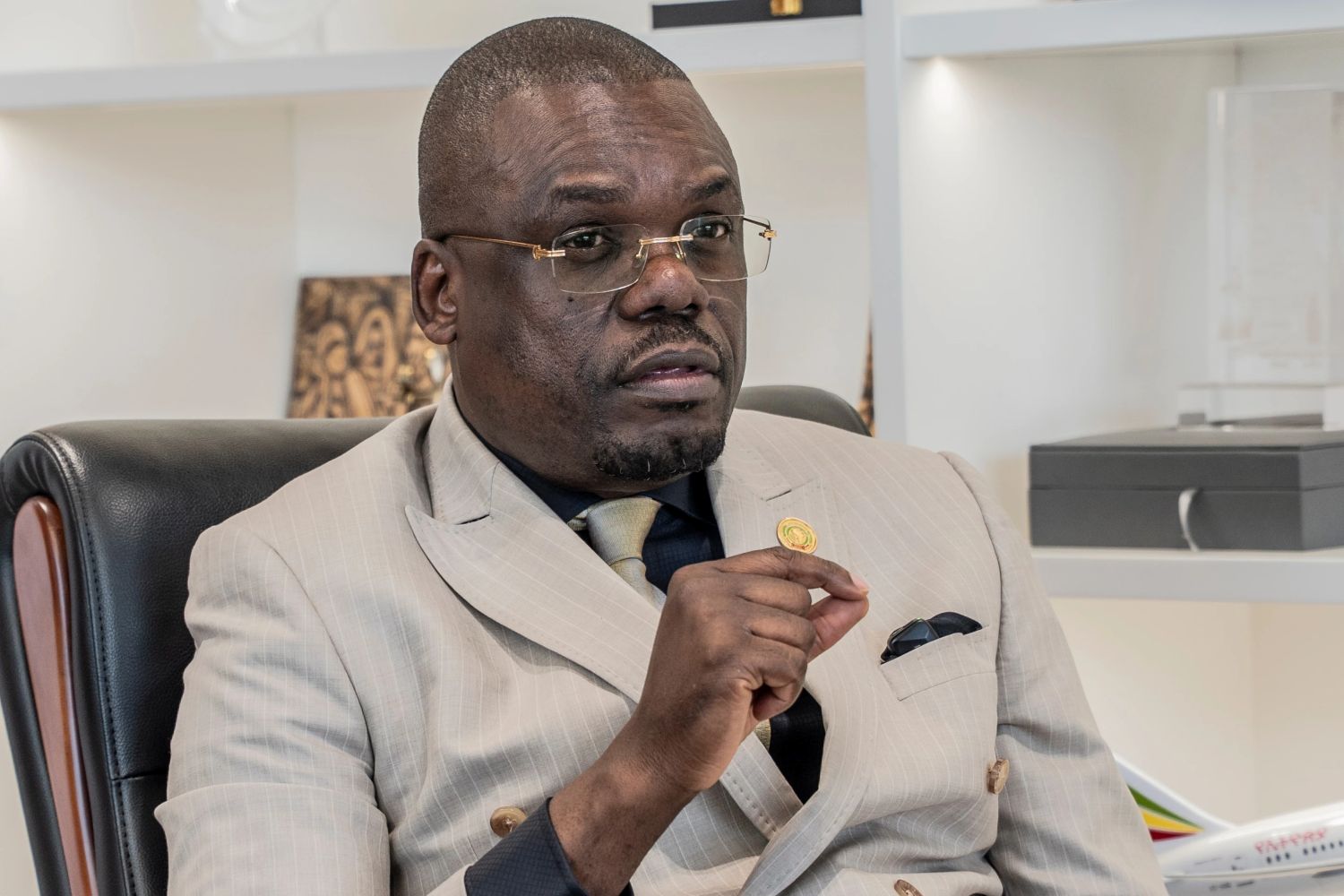
Another lawyer involved in the complaint, Bernard Maingain, said the decision to seek international justice was motivated by Congolese institutions’ to address the said abuses.
“Article 15 of the Rome Statute has been respected,” Maingain said, referring to the provision that allows individuals or groups to submit information to the ICC prosecutor. He argued that the complaint had been properly filed and should be examined according to ICC procedures.
The complaint was also submitted in Belgium because some of the individuals mentioned in the case are said to hold Belgian nationality.
Following the filing of the complaint, the next stage will involve reviewing the
allegations and determining whether they fall within the court’s jurisdiction and meet the criteria for further action.
Bernard Maingain, one of the lawyers involved in the complaint, said the decision to seek international justice was motivated by Congolese institutions’ failure to address the abuses in question.The complaint, submitted on July 10, 2026, details a series of actions by state authorities and individuals linked to the ruling establishment that the legal team avers amount to crimes against humanity in different parts of the country.
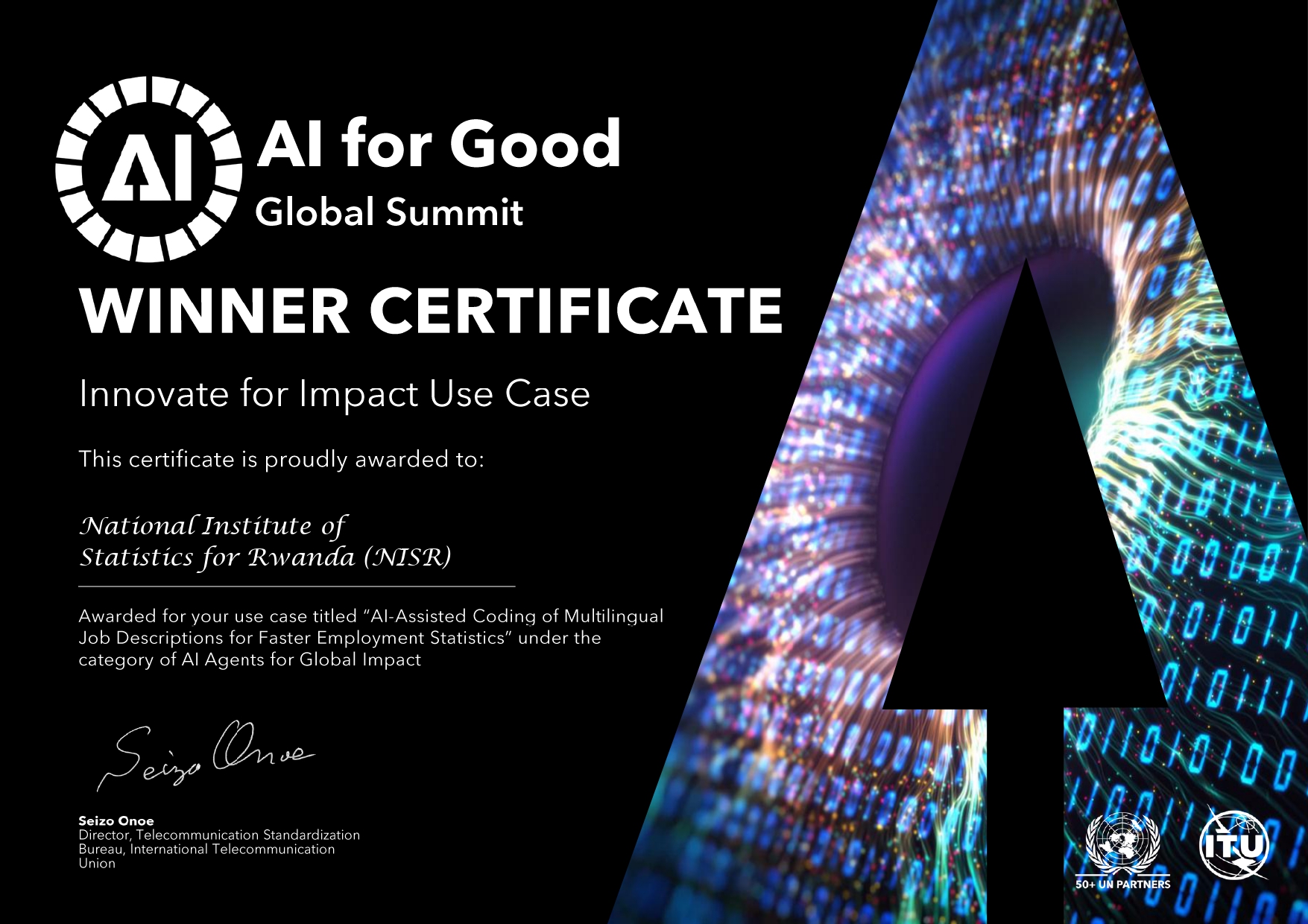
The National Institute of Statistics of Rwanda (NISR) received the Innovative Project for Impact Award for its AI-Assisted Coding of Multilingual Job Descriptions for Faster Employment Statistics project, which uses artificial intelligence to classify job and economic activity descriptions in Kinyarwanda, English and French.
The AI-powered tool is designed to accelerate the processing of Labour Force Survey data by automating the coding of job descriptions, a critical step in producing employment statistics. The innovation is expected to improve efficiency, reduce processing time and strengthen the production of timely official statistics for policy and planning.
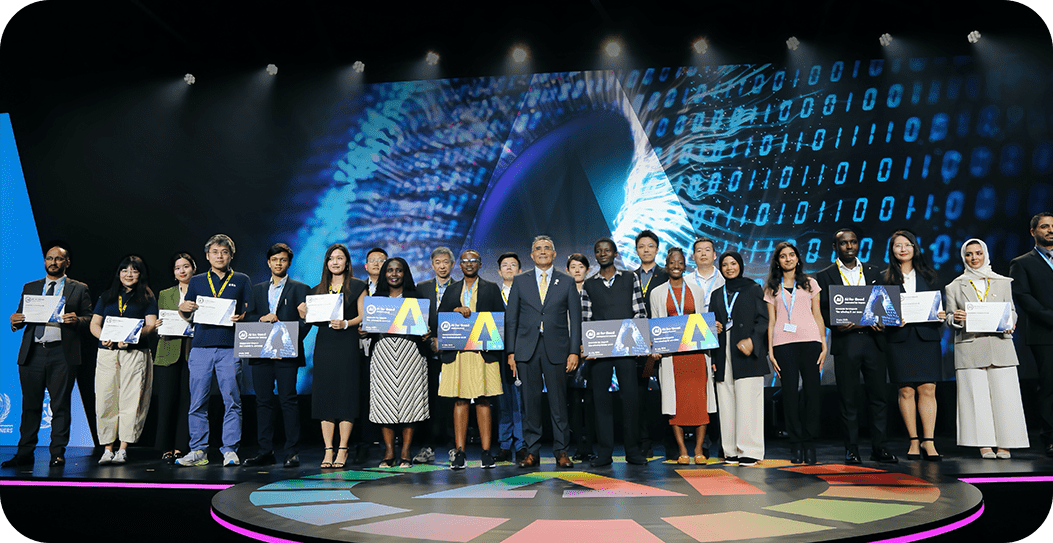
The award was announced during Innovate for Impact 2026, a programme under the AI for Good platform by the International Telecommunication Union (ITU) that identifies and supports AI solutions developed to address real-world challenges. The 2026 edition recognised 59 projects selected from nearly 400 global submissions.
The AI for Good Summit highlighted projects demonstrating how artificial intelligence can be applied to practical challenges, particularly in areas where scalable and resource-efficient solutions can deliver meaningful impact.
NISR’s project was among innovations recognised for its ability to address local needs while offering a model that can be adapted to other contexts. The use of multilingual AI is particularly significant in environments where language diversity can create challenges for data processing and digital services.
The project was developed under the first cohort of the Data Science Capacity Building Initiative (DSCBI) through collaboration with the Ministry of ICT and Innovation, the Rwanda Information Society Authority (RISA), the African Institute for Mathematical Sciences – Rwanda (AIMS Rwanda), Mastercard, and Cenfri. The initiative aimed to strengthen data science capacity and support the adoption of advanced technologies in addressing development challenges.
NISR said the recognition reflects the Government of Rwanda’s visionary leadership and commitment to leveraging artificial intelligence to strengthen the production of official statistics.
The award comes as Rwanda continues to expand its focus on responsible AI development and adoption. President Paul Kagame attended the AI for Good Global Summit 2026 in Geneva, Switzerland, in his capacity as Co-Chair of the newly launched AI for Good Global Commission.
Addressing heads of state, technology leaders, investors and development partners, President Kagame called for greater investment in infrastructure, skills development and accountable governance to ensure AI benefits communities worldwide.
“We must be intentional about designing, funding, and governing AI so that it can reach its full potential,” Kagame said last Wednesday.
He identified access to computing infrastructure, connectivity and reliable energy as key priorities, alongside the development of skills needed for an AI-driven economy and governance frameworks that promote trust and transparency.
President Kagame also highlighted Rwanda’s practical applications of AI, including the Health Intelligence Center, which uses real-time health data and artificial intelligence to support disease prediction and policy decisions.
In June 2026, Rwanda’s Cabinet approved the establishment of the National Artificial Intelligence Agency, which will coordinate AI development, innovation, investment, adoption and governance as part of the country’s digital transformation agenda.
The AI for Good Global Summit, organised by the International Telecommunication Union (ITU), continues to serve as a platform for showcasing AI solutions that advance inclusive development. Rwanda’s recognition at the summit demonstrates how locally developed technologies can contribute to global efforts to use artificial intelligence for social and economic progress.
The National Institute of Statistics of Rwanda (NISR) received the Innovative Project for Impact Award for its AI-Assisted Coding of Multilingual Job Descriptions for Faster Employment Statistics project.The award was announced during Innovate for Impact 2026, a programme under the AI for Good platform by the International Telecommunication Union (ITU) that identifies and supports AI solutions developed to address real-world challenges. The 2026 edition recognised 59 projects selected from nearly 400 global submissions.
The question is no longer distant. France has officially set the first round of its next presidential election for April 18, 2027, with a possible run-off on May 2, 2027. Macron, who has served two consecutive terms, cannot run again. This means that in less than a year, France will have a new president, and Rwanda will be dealing with a new political personality at the Élysée.
For Rwanda, this transition is important because the Macron years marked one of the most significant diplomatic resets between Kigali and Paris since the 1994 Genocide against the Tutsi. Relations that had for decades been shaped by suspicion, accusations and unresolved historical grievances were gradually reopened through a more direct political conversation.
Macron’s approach to Rwanda was unusually personal and symbolic. In May 2021, during his visit to Kigali, he stood at the Kigali Genocide Memorial and recognised France’s heavy historical and political responsibility in Rwanda. He said that only survivors could grant forgiveness to France.
“Standing here today, with humility and respect, by your side, I have come to recognize our responsibilities,” said Macron.
That moment did not erase the past, but it changed the diplomatic atmosphere. It allowed both countries to move from confrontation toward cooperation. In June 2026, Macron and President Paul Kagame jointly inaugurated a memorial in Paris in honour of the victims of the 1994 Genocide against the Tutsi. Macron described the memorial as placing the genocide “at the heart” of France’s capital and history, and as the result of a long search for truth.
This is why the end of the Macron era raises a serious question. Will the next French president preserve this relationship, deepen it, cool it down or reverse its symbolism?
The answer depends on who wins.
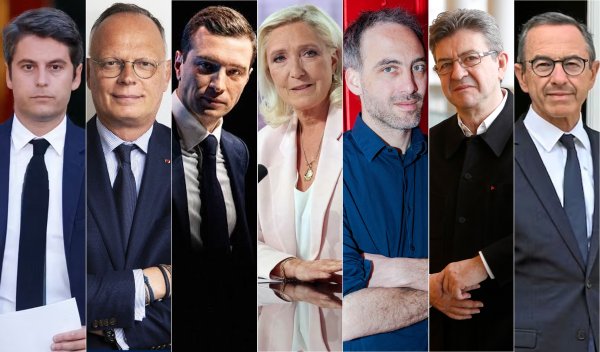
At this stage, the race appears fragmented. The far-right National Rally is in a strong position, while the centre is divided between former prime ministers Édouard Philippe and Gabriel Attal. Reuters has reported that Philippe and Attal are seen as the favoured figures to lead the centrist challenge, while polls have placed the National Rally in a leading position.
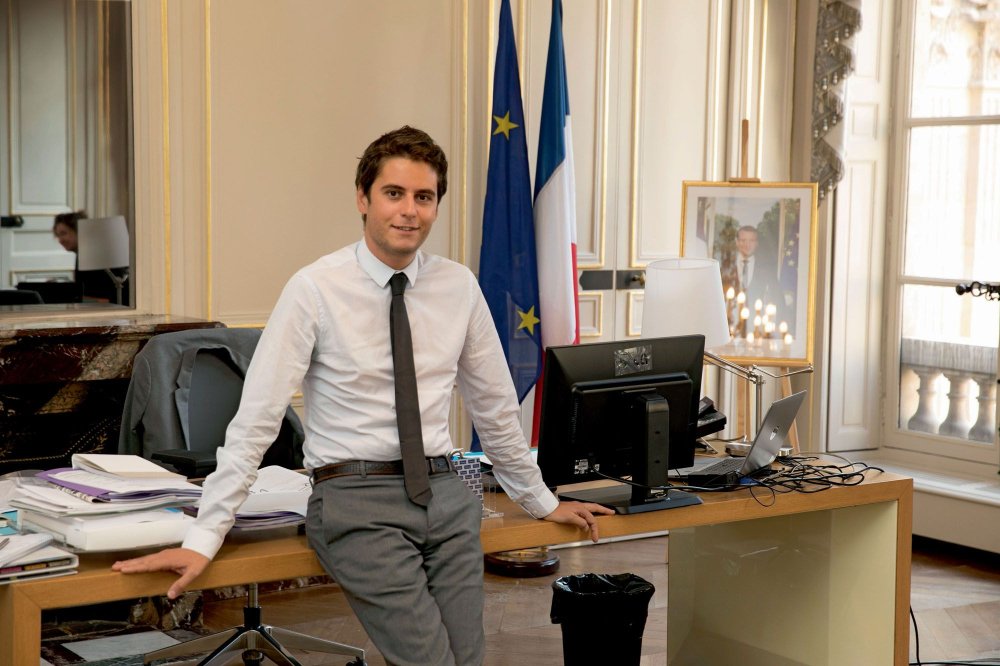
Gabriel Attal, the candidate of continuity
Gabriel Attal may represent the clearest continuation of the Macron line. He formally launched his presidential bid in May 2026, joining a crowded centrist race. He is young, ambitious and closely associated with Macron’s political family, even though he is trying to show that he has his own identity.
For Rwanda, an Attal presidency would likely mean continuity. There is no strong public record suggesting hostility toward Kigali. Having been part of the Macron era, he would probably preserve the main pillars of the reset: recognition of historical responsibility, diplomatic cooperation, cultural ties and pragmatic engagement with Africa.
However, Attal would also inherit France’s broader position on the conflict in eastern Democratic Republic of Congo. France has condemned the M23 offensive as being made possible by Rwanda’s active support, while also supporting diplomatic solutions.Rwanda has repeatedly refuted backing AFC/M23, arguing that the movement is made up of Congolese citizens with longstanding grievances against the Congolese state.
Therefore, under Attal, Rwanda-France relations would likely remain warm, but not without pressure on the DRC issue.
Gabriel Attal, who formally launched his presidential bid in May 2026, may represent the clearest continuation of the Macron line.
Édouard Philippe, the pragmatic centre-right option
Édouard Philippe is another major figure to watch. Macron’s former prime minister has spent years positioning himself as a credible successor, especially for voters of the centre and centre-right. Le Monde has described him as trying to establish himself as the natural successor to Macron, while also distancing himself from the current president.
For Rwanda, Philippe would probably mean continuity, but with less emotion and symbolism than Macron. He is likely to approach Rwanda through a pragmatic lens: diplomacy, economic interests, security, Europe-Africa relations and regional stability.
A Philippe presidency would probably not dismantle the reconciliation work achieved under Macron. But it might make the relationship less personal. Kigali could still count on serious engagement from Paris, but perhaps not the same level of symbolic investment that Macron brought to genocide memory and bilateral repair.
Macron’s former prime minister, Édouard Philippe, has spent years positioning himself as a credible successor, especially for voters of the centre and centre-right.
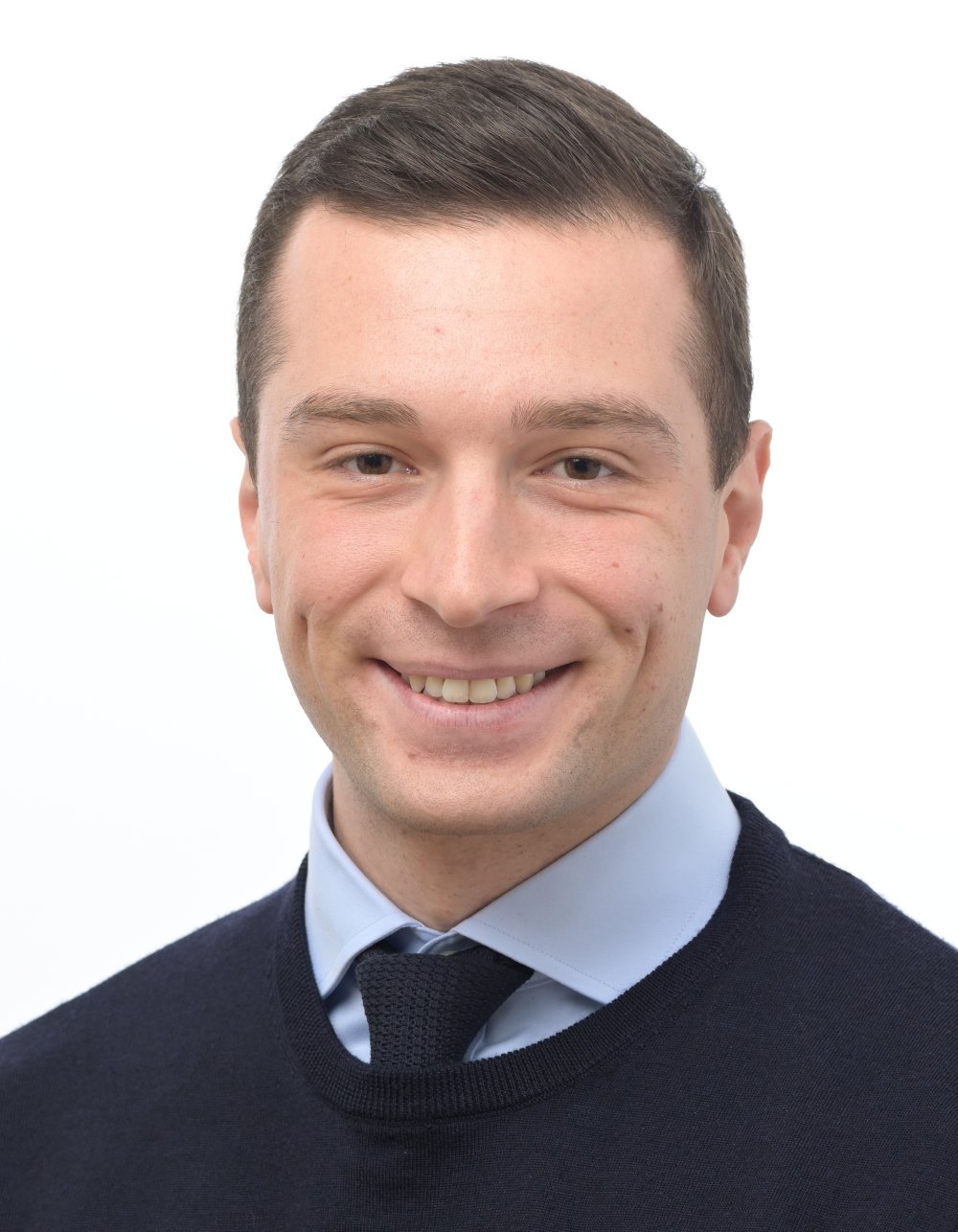
Jordan Bardella, the uncertain far-right alternative
Jordan Bardella may be the most important unknown. The president of the National Rally has emerged as one of the most serious contenders for 2027. A Reuters report in November 2025 said an Odoxa poll predicted that Bardella could win the next presidential election against any opponent tested at that time.
Bardella’s Rwanda policy is not clearly defined. He has not built his political identity around the Rwanda question. But he comes from a political family whose historic instinct has been sceptical, sometimes hostile, toward President Paul Kagame’s government and toward France’s language of historical responsibility.
This matters because the National Rally has traditionally defended the honour of the French army and rejected what it sees as excessive “repentance” in foreign policy. If Bardella becomes president, he may choose pragmatism, especially if he wants to appear presidential and internationally credible. But Rwanda should expect a colder, more cautious and less emotionally invested France.
The relationship would probably not collapse automatically under Bardella. France has interests in the Great Lakes region, and Rwanda has become too important diplomatically, economically and strategically to be ignored. But the warmth of the Macron-Kagame chapter would likely fade.
Jordan Bardella, the president of the National Rally, has emerged as one of the most serious contenders for 2027.
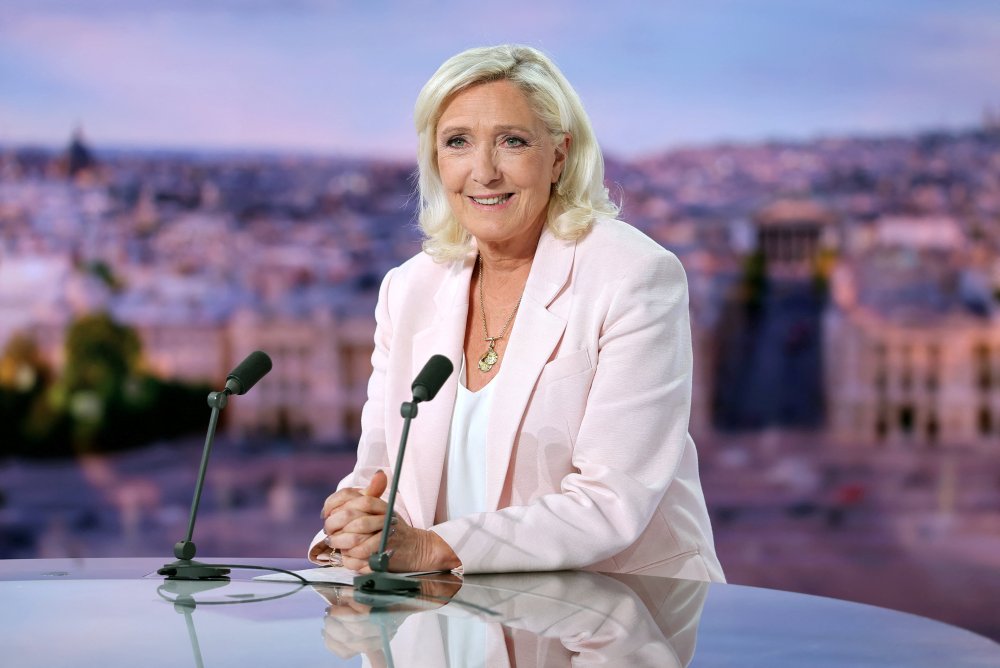
Marine Le Pen, the most difficult scenario for Kigali
Marine Le Pen would likely represent the most complicated scenario for Rwanda. Her record is far clearer than Bardella’s. In 2011, she strongly criticised Nicolas Sarkozy for receiving President Kagame in Paris. In that statement, she described Kagame as a dictator, defended the French army and Operation Turquoise, and accused Kigali of dishonouring the French army by accusing France of involvement in the genocide.
That language is not a small detail. It reflects a political view of Rwanda that is fundamentally different from Macron’s. Where Macron chose recognition, Le Pen has historically chosen defence of France’s military record and confrontation with Kigali’s accusations.
Her candidacy is also legally uncertain. Reuters reported in January 2026 that Le Pen had been barred from public office for five years over a conviction for misusing EU funds, and that her appeal would determine whether she could run in 2027. If she cannot run, Bardella is expected to stand for the National Rally.
If Le Pen were elected, Rwanda-France relations would likely cool sharply. The risk would not only be diplomatic distance, but also a symbolic reversal of Macron’s reconciliation work.
Marine Le Pen would likely represent the most complicated scenario for Rwanda.
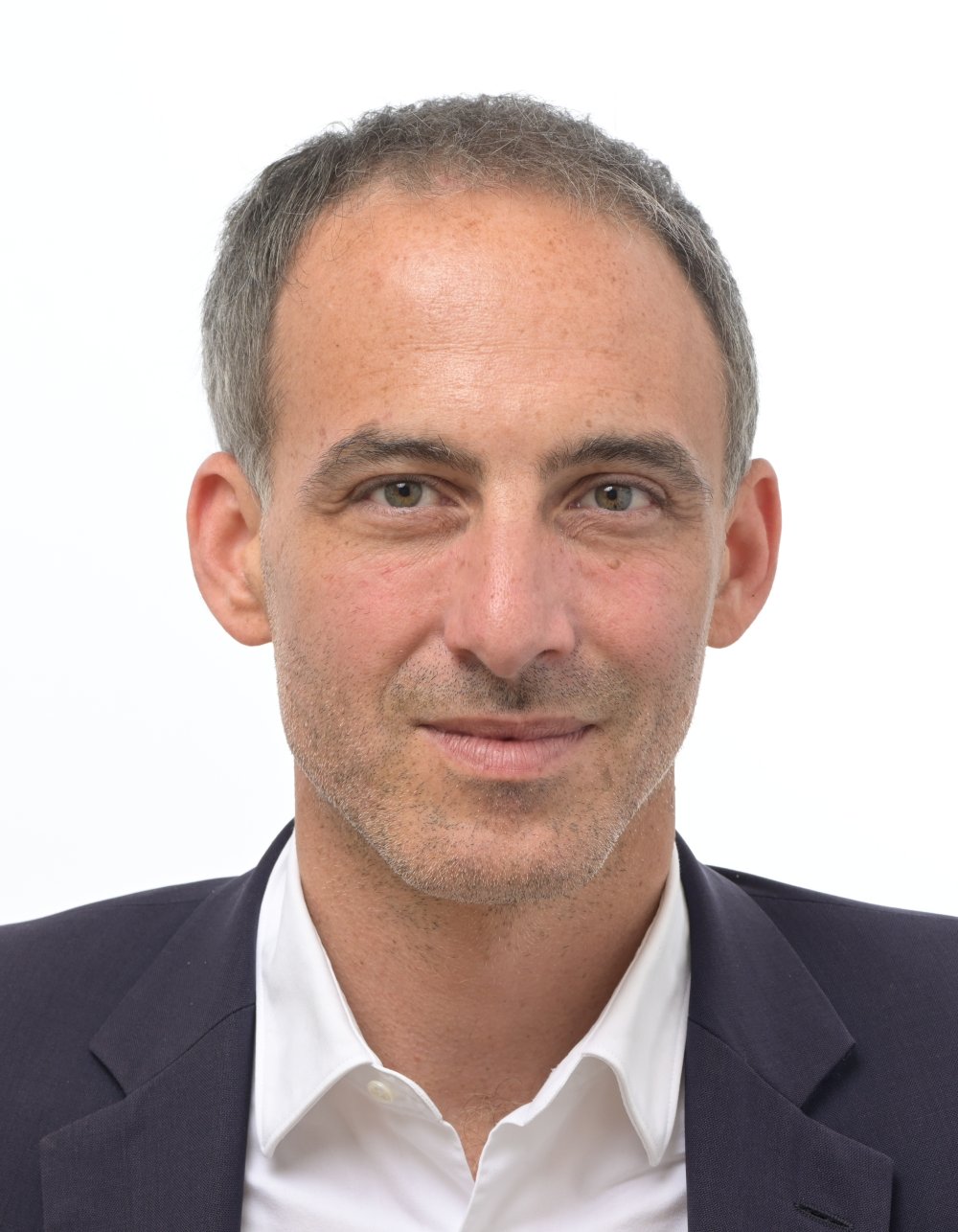
Raphaël Glucksmann, sympathetic on memory but demanding on politics
Raphaël Glucksmann presents a different kind of complexity. On the history of the Genocide against the Tutsi, he may be among the French political figures most aware of the depth of the issue. He co-directed Tuez-les tous !, a documentary on the genocide and the role of France, which examined the international failure to stop the killings and the controversy surrounding French policy at the time.
This background could make him sympathetic to Rwanda’s long-standing position on historical truth. A Glucksmann presidency would probably not reverse Macron’s recognition of France’s responsibility. On memory, he could even go further than some centrist politicians.
But Glucksmann is also a strong human-rights advocate. His relationship with Kigali would likely remain respectful on historical issues while placing greater emphasis on governance, human rights and regional security, including the conflict in eastern DRC. These issues would likely feature more prominently in bilateral engagement.
Raphaël Glucksmann brings a nuanced understanding of the Genocide against the Tutsi’s history and legacy.
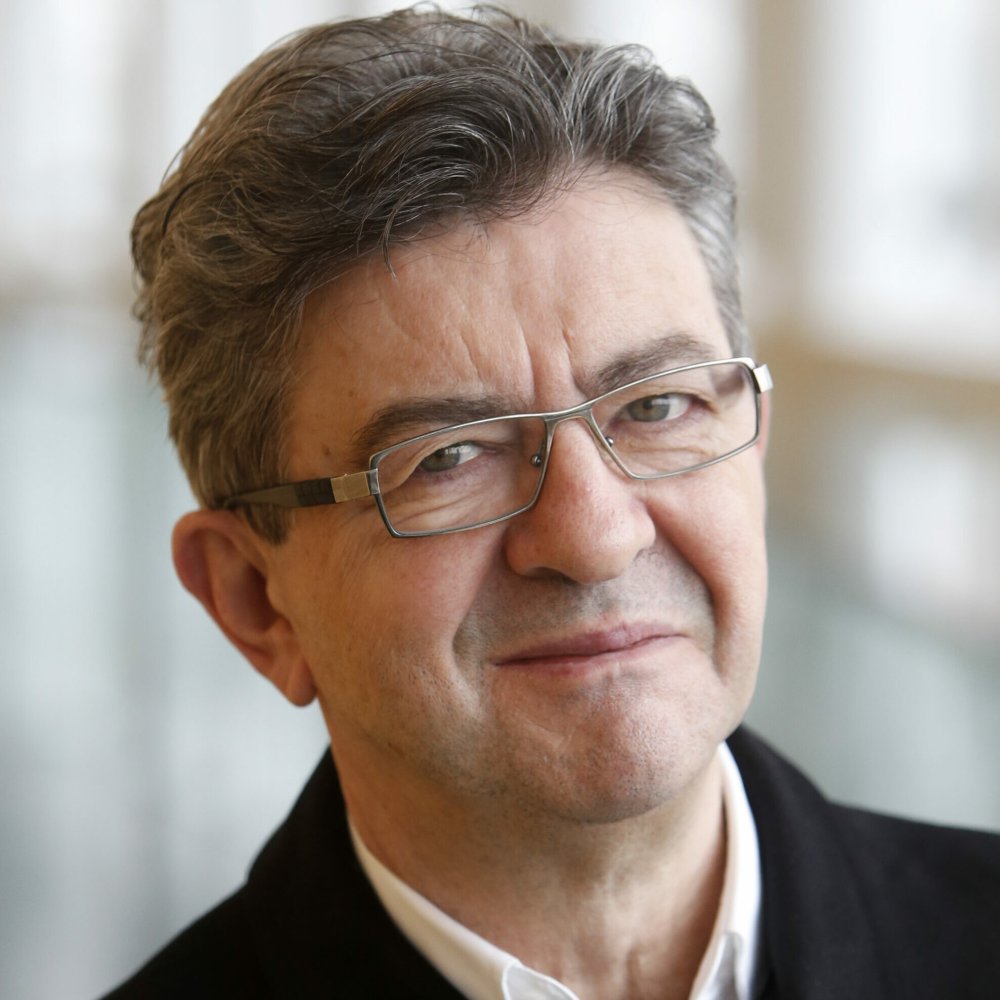
Jean-Luc Mélenchon, recognition of France’s responsibility but strong criticism of Kagame
Jean-Luc Mélenchon would also bring a mixed approach. He supports France recognising its responsibility in Rwanda, and has criticised those who dismiss that process as repentance. But he has also described Paul Kagame’s government as authoritarian and has linked Rwanda to mass violence in the DRC.
His political movement, La France Insoumise, has taken an even harder line on the DRC conflict. In January 2025, it called for strong sanctions against Rwandan political and military leaders and a total embargo on Rwandan mineral exports.
A Mélenchon presidency would therefore be difficult for Kigali. It would not be hostile to Rwanda because of genocide memory. On that point, Mélenchon is closer to historical recognition. But it would probably be very confrontational on the DRC, human rights and Kagame’s rule.
Jean-Luc Mélenchon takes a mixed position: supporting France’s responsibility over Rwanda while criticising Kagame’s government.
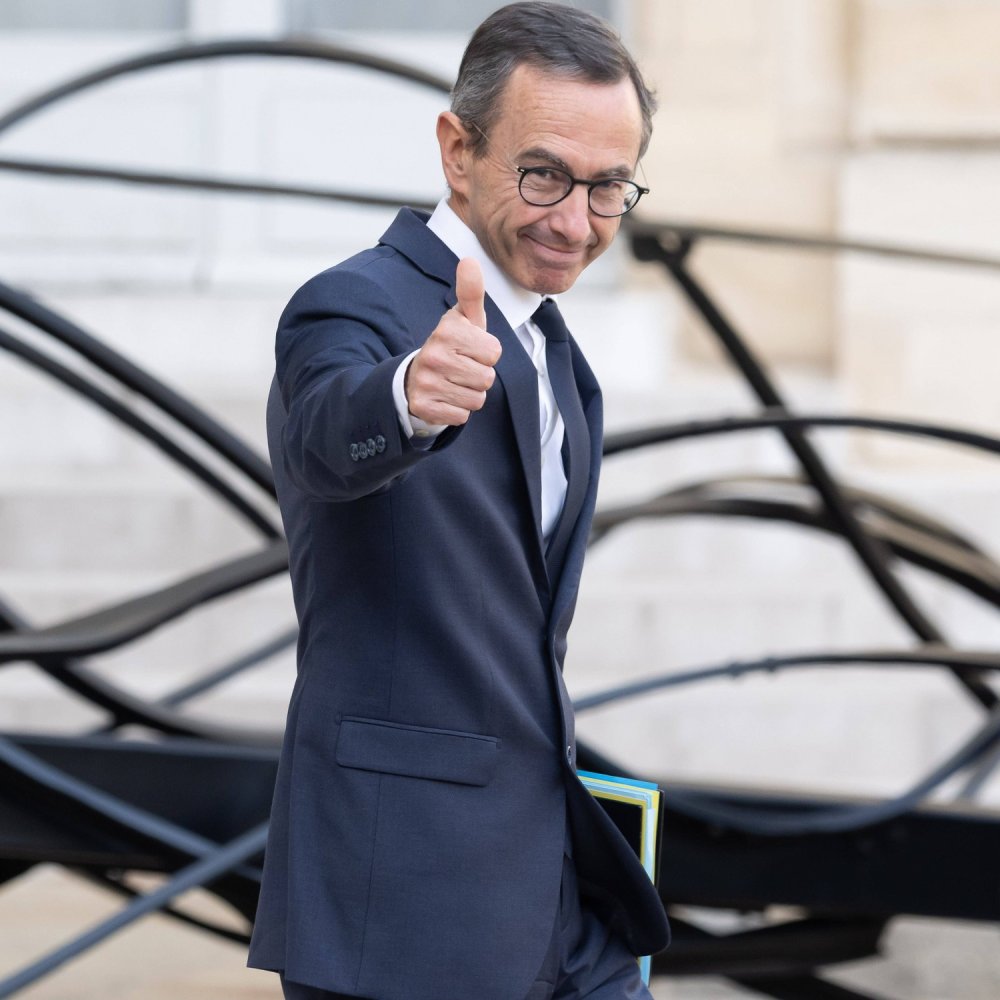
Bruno Retailleau, cautious conservatism
Bruno Retailleau, the candidate of the traditional right, is harder to assess on Rwanda specifically. He does not have the same visible Rwanda record as Le Pen, Macron or Mélenchon. His approach would likely be conservative, state-oriented and security-focused.
For Kigali, this would probably mean a cooler but manageable relationship. Retailleau would not necessarily seek confrontation with Rwanda, but he would be unlikely to invest heavily in the symbolic dimension of reconciliation. The relationship could become more administrative, less presidential and more dependent on regional developments in the Great Lakes.
Bruno Retailleau, the candidate of the traditional right, is harder to assess on Rwanda specifically.
The DRC question could shape everything
Whoever replaces Macron will inherit one sensitive file: the conflict in eastern DRC. This issue now sits at the centre of how many Western capitals view Rwanda. France has taken a firm position at the United Nations, including condemning the M23 offensive as supported by Rwanda. At the same time, Macron has also warned against isolating Rwanda and has argued for continued dialogue rather than purely punitive measures.
This balance may not survive intact under Macron’s successor. A centrist president may keep the same careful line: pressure on security issues, but continued engagement with Kigali. A far-right president may cool the historical reconciliation agenda. A left-wing president may maintain recognition of France’s responsibility in 1994 while becoming tougher on Rwanda’s current regional policy.
For Rwanda, the lesson is clear. The relationship with France has improved significantly, but it should not be taken for granted. Much of its current warmth was built around Macron’s personal political choice to confront France’s past and rebuild trust with Kigali. Institutions, trade, culture and diplomacy may preserve the relationship, but personalities will shape its temperature.
The most favourable scenarios for Rwanda would likely be Attal or Philippe. Both would probably maintain continuity, although with different levels of enthusiasm. Glucksmann would be constructive on genocide memory but more demanding politically. Bardella would be uncertain and colder. Le Pen would be the most difficult. Mélenchon would be confrontational, especially in the DRC.
After Macron, Rwanda-France relations are unlikely to return to the deep hostility of the past. Too much has changed. But the exceptional warmth of the Macron-Kagame years may not be automatic. The next phase will depend on whether France’s new president sees Rwanda as a strategic African partner, a historical responsibility, a regional problem or all three at once.
According to the latest Consumer Price Index (CPI) report released by the National Institute of Statistics of Rwanda (NISR), the Urban CPI, the country’s headline measure for monetary policy, increased by 0.4% on a monthly basis, while the annual average inflation rate for the 12 months to June stood at 9.3%.
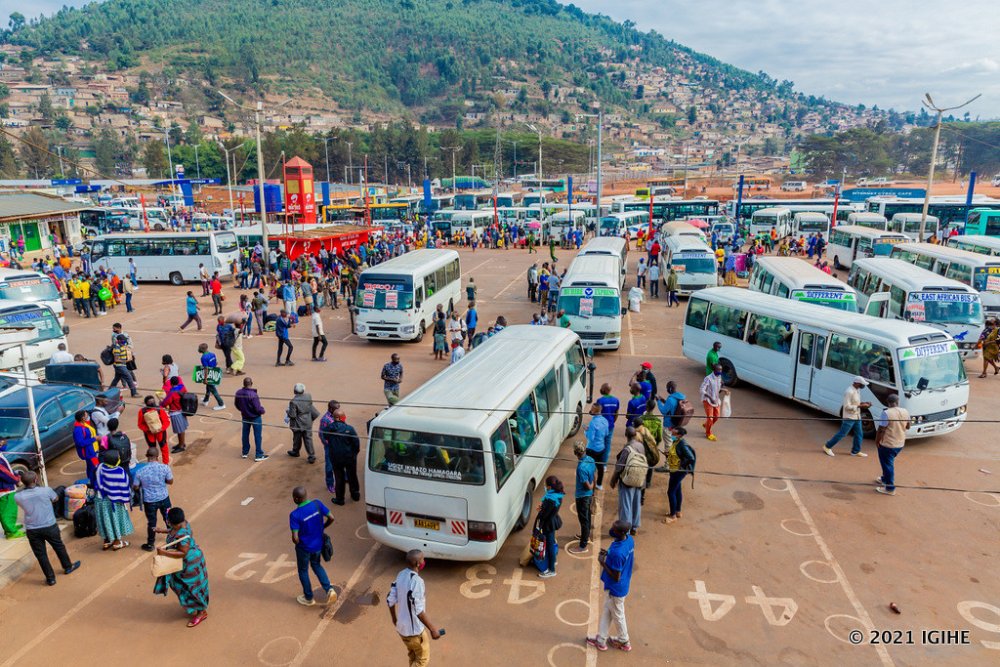
Transport, which has been affected by rising fuel prices stemming from the Middle East crisis, remained one of the biggest drivers of inflation. Transport costs rose 26.0% compared with June last year and increased 1.2% over the previous month. Housing, water, electricity, gas and other fuels also continued to exert pressure on household budgets, recording a 20.5% annual increase and a 0.7% monthly rise.
Healthcare prices posted the sharpest annual increase among major consumer spending categories, soaring 71.2% year-on-year, while restaurants and hotels became 15.9% more expensive. Alcoholic beverages, tobacco and narcotics also recorded a 13.0% annual increase.
Food and non-alcoholic beverages, which account for the largest share of household spending, increased 7.5% annually despite declining 0.3% from May. Within the category, vegetable prices rose 13.1% year-on-year, matching the increase recorded for meat, while non-alcoholic beverages rose 9.4%.
The Energy Index remained elevated, increasing 44.8% annually, while the Local Goods Index rose 14.7%, outpacing the 10.5% increase recorded for imported goods. Fresh products increased 9.1% over the year.
Core inflation, which excludes fresh food and energy, stood at 12.3%, indicating that underlying price pressures remain strong across the economy. The annual average inflation rate over the past 12 months was 9.3%.
In rural areas, annual inflation reached 12.1%, with consumer prices increasing 0.4% over the previous month. Nationally, the Overall Rwanda Consumer Price Index rose 12.7% compared with June 2025 and also increased 0.4% on a monthly basis.
The NISR compiles the Consumer Price Index using prices collected for approximately 1,622 products across Rwanda. Every month, the institute gathers more than 29,482 price observations in urban areas and 10,744 in rural areas from markets, shops, schools, hospitals and other outlets.
The Urban CPI remains the principal inflation indicator used by the National Bank of Rwanda (BNR) to assess price stability and guide monetary policy decisions.
Transport, which has been affected by rising fuel prices stemming from the Middle East crisis, remained one of the biggest drivers of inflation. Transport costs rose 26.0% compared with June last year and increased 1.2% over the previous month.
In a statement shared on her Instagram Story on Sunday, the singer, whose real name is Zuhura Othman Soud, said she was making the announcement with a “heavy heart” after six years together.
“My former partner and I are now separated and going through a divorce,” she wrote. “After six years of being together, I have finally decided to choose myself.”
Zuchu said she wishes Diamond, whose real name is Naseeb Abdul Juma, and his family well as she turns her attention to healing, her health and her music career.
“Our chapter has come to an end. We tried, but Allah has His own plans, and I have no choice but to accept them,” she added.
The announcement came a day after fans noticed Zuchu’s absence from the birthday celebration of Diamond’s mother, Mama Dangote, prompting speculation that the couple’s relationship had once again hit a rough patch.
The pair first confirmed their romance in 2021 after months of speculation, quickly becoming one of the region’s most talked-about celebrity couples. Their relationship frequently made headlines, with public declarations of love often followed by reports of breakups and reconciliations.
After years of an on-and-off romance, the couple married in a private Islamic ceremony last year, raising hopes that they had finally found lasting stability.
Diamond has not publicly commented on Zuchu’s announcement.
Beyond her personal life, Zuchu has emerged as one of East Africa’s biggest female music stars since signing with WCB Wasafi in 2020. The daughter of legendary taarab singer Khadija Kopa, she has built a successful career with hit songs including Sukari, Wana, Cheche and Honey.
Whether this marks the final chapter of the couple’s on-and-off romance remains to be seen. Their relationship has survived several public breakups in the past, leaving fans divided over whether this separation will be permanent or lead to yet another reconciliation. As it stands, however, Zuchu says she is choosing herself and looking ahead to a new chapter focused on her well-being and career.
After years of an on-and-off romance, the couple married in a private Islamic ceremony last year, raising hopes that they had finally found lasting stability.
The Africa CDC said in a press statement issued Saturday that health workers, humanitarian personnel, volunteers and operational staff are “sustaining the response under intense pressure,” identifying cases, caring for patients and protecting affected communities in order to contain transmission.
It said relevant authorities and the response team have launched an epidemiological investigation, contact tracing and exposure risk assessments concerning the U.S. humanitarian worker, while highlighting that the exact circumstances of the exposure remain under investigation. The confirmed case has been supporting the outbreak response in Bunia, the capital of eastern DRC’s Ituri Province and the epicenter of the outbreak.
At least 112 healthcare workers have been infected with the Bundibugyo Ebola virus, while some 35 have lost their lives in the DRC, according to the latest data from the African Union’s specialized public health agency.
“Reliable protective equipment, strong infection prevention systems, continuous training, psychosocial support and safe working conditions are essential for every person delivering this response,” the statement quoted Africa CDC Director-General Jean Kaseya as saying.
The agency urged all organizations operating in affected areas to strengthen occupational safety measures, report suspected exposures and symptoms promptly, and provide continuous support to their personnel.
Last month, France reported an imported Bundibugyo Ebola case involving a health worker who had supported the response in the DRC.
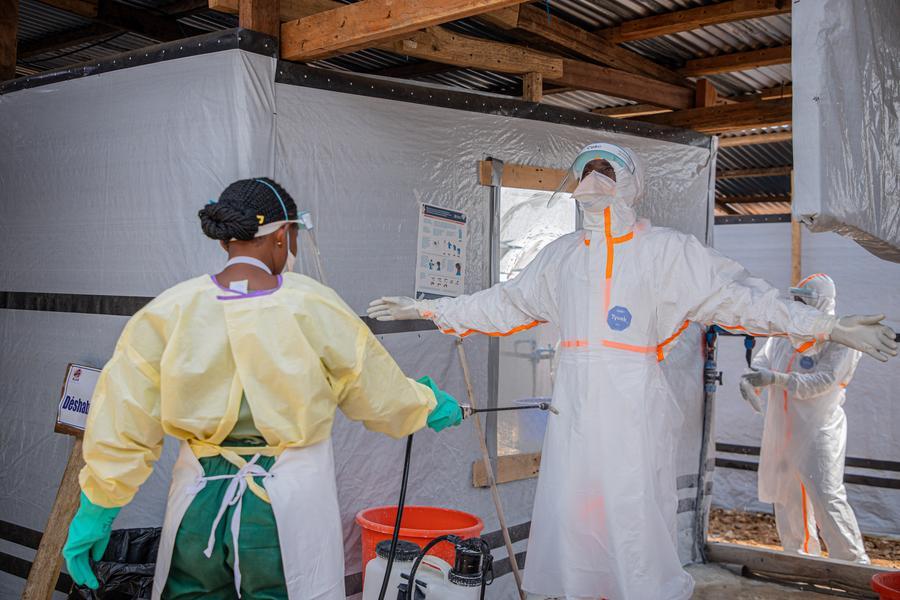
Medical workers carry out disinfection work at an Ebola treatment center in Bunia, the capital of Ituri Province in the Democratic Republic of the Congo, July 6, 2026.
Sixty-three agricultural fires have been fully extinguished, one was brought under control and placed under monitoring, while another remained active in the eastern province of Setif, the department said in a statement.
All other fires across several northern and southern provinces have been completely extinguished, it said.
The department attributed the outbreak to high temperatures and dry conditions increasing the risk of wildfires and accelerating their spread.
A persistent heatwave sweeping across large parts of Algeria has fueled dozens of vegetation fires, with firefighting crews responding to 127 blazes over the past 24 hours, the country’s Civil Protection Department said Saturday.
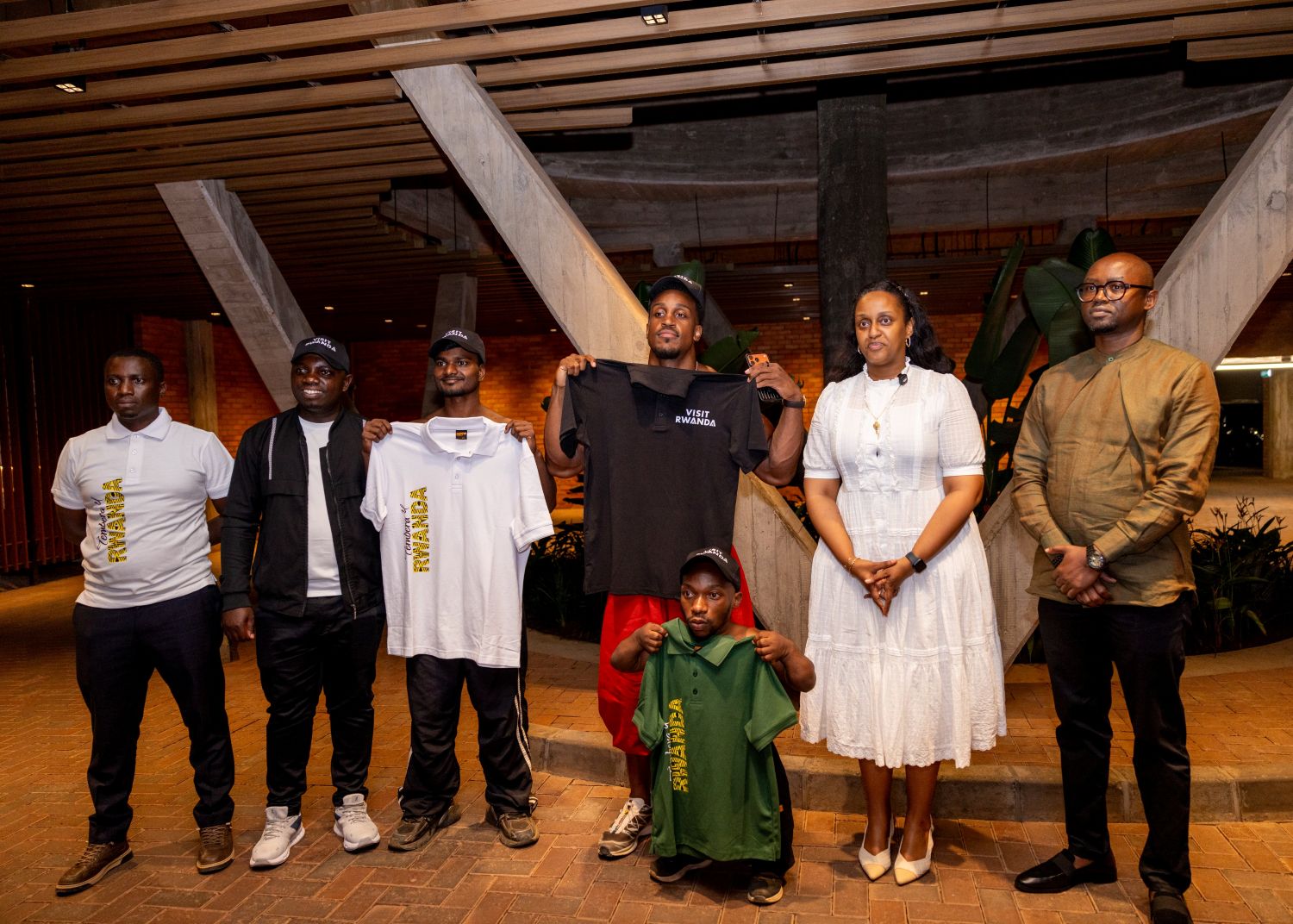
The meeting, held on Saturday evening, was led by RDB Chief Tourism Officer Irène Murerwa and focused on the trio’s activities and opportunities to amplify the country’s unique tourism experiences through their combined social media reach.
The discussions come as Ashton Hall, Kagarara and Yogendra Kushwah conclude a multi-country tour across Africa, with Rwanda serving as the final stop of Hall’s journey on the continent.
According to RDB, the meeting explored “opportunities to showcase the country’s unique tourism experiences to global audiences.”
During the discussions, Murerwa welcomed the visitors and thanked them for choosing Rwanda, noting that their content has the potential to inspire young people and introduce millions around the world to the country.
Hall, whose online audience runs into millions, spoke enthusiastically about his experience in Rwanda, describing Kigali as cleaner than he had expected.
“I saw so many nice places, clean. They don’t know. This is cleaner than my city, Miami. Kigali is cleaner than Miami, and I never expected that,” he said, echoing Kigali’s reputation as one of Africa’s cleanest cities.
He explained that one of his goals during the African tour is to challenge common misconceptions about the continent.
“When I was headed here, I wanted to show all of Africa because, in America, we kind of see one side, but we don’t see all the sides,” Hall remarked. “I wanted to show all of the things that I feel like I never knew about Africa, and Rwanda as well.”
Hall also reflected on his visit to the Kigali Genocide Memorial, describing it as one of the most meaningful experiences of his trip.
“I feel like a lot of people, if you come to Rwanda, you have to go there for sure,” he said, adding that the memorial gave him a deeper appreciation of the country’s history and the resilience of its people.
The meeting also touched on the visitors’ upcoming tourism experiences, including gorilla trekking in Volcanoes National Park, one of Rwanda’s flagship tourism attractions. Hall, who described gorillas as his favourite animals, expressed excitement about the experience.
Having already experienced aspects of Rwanda’s culture by wearing traditional attire and visiting local communities, Hall said he had been impressed by everything he had seen so far.
“You guys have too much to offer. The gorillas, the cows, the safari… I felt like I’ve seen a lot already.”
Despite initially planning to leave Rwanda earlier, Hall said travel changes extended his stay, something he now sees as a blessing.
“I was really sad to leave. I didn’t want to leave… I just see it as a sign. God wanted me to stay.”
Before departing, Hall described Rwanda as a place he intends to return to.
“We’re coming back. This is our second home,” he said.
Ashton Hall’s global influence, coupled with the growing audiences of Indian Ashton and Rwanda’s Kagarara, presents the country with an opportunity to reach millions of potential travellers across different regions. Kagarara has built a large following by inspiring people through his story of overcoming disability, while Indian Ashton has attracted a significant audience in India through his content.
Rwanda has continued to expand its international tourism marketing through the Visit Rwanda campaign, partnering with leading football clubs including Arsenal, Paris Saint-Germain, Bayern Munich and Atlético Madrid, as well as NBA franchise the LA Clippers, to raise the country’s profile and attract more tourists and investors.
The meeting, held on Saturday evening, was led by RDB Chief Tourism Officer Irène Murerwa and focused on the trio’s activities and opportunities to amplify the country’s unique tourism experiences through their combined social media reach.
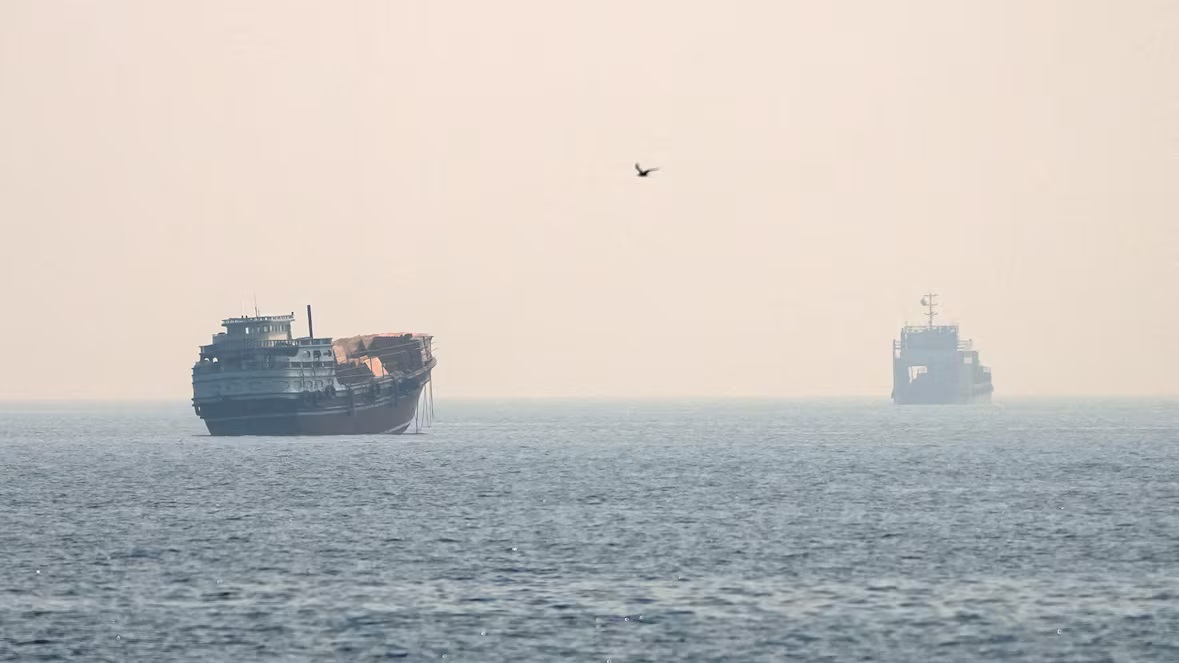
The advisory, released by the United Kingdom Maritime Trade Operations, cited additional information from the U.S. Naval Forces Central Command (NAVCENT), which said the Strait of Hormuz is an international waterway and is not subject to coercion or control by any single nation.
“Despite Iran’s claims that the Strait is closed, U.S. forces are prepared to maintain freedom of navigation and safeguard lawful commerce,” NAVCENT said, adding that the southern route through the Strait remains open.
According to the advisory, the maritime security threat level in the Strait of Hormuz remains “severe.” It also warned mariners to remain aware of a mine danger area within the traditional Traffic Separation Scheme(TSS).
Following the outbreak of the U.S.-Israel-Iran conflict, the traditional TSS in the Strait of Hormuz became unsuitable for navigation due to the mine threat.
Following the signing of an MoU between the United States and Iran, two alternative transit routes effectively emerged: a northern route controlled by Iran and a southern route along the Omani coast, where U.S. forces provide navigation support and coordination.
Data compiled by multiple maritime information platforms show that vessel traffic through the Strait has dropped sharply in recent days following attacks on ships near the southern route.
Most vessels have transited via the northern route, while only a limited number have continued to use the southern route.
The United States has launched multiple rounds of strikes against Iran, saying they were in response to Iranian attacks on commercial vessels.
Early on Sunday, Iran’s Islamic Revolution Guard Corps announced that the Strait of Hormuz would be closed until further notice and “until the end of U.S. interference in this region.”
The U.S.-led Joint Maritime Information Center said on Sunday that despite Iran announcing the closure of the Strait of Hormuz, the southern route along the Omani coast remains available and has been expanded to accommodate two-way traffic.
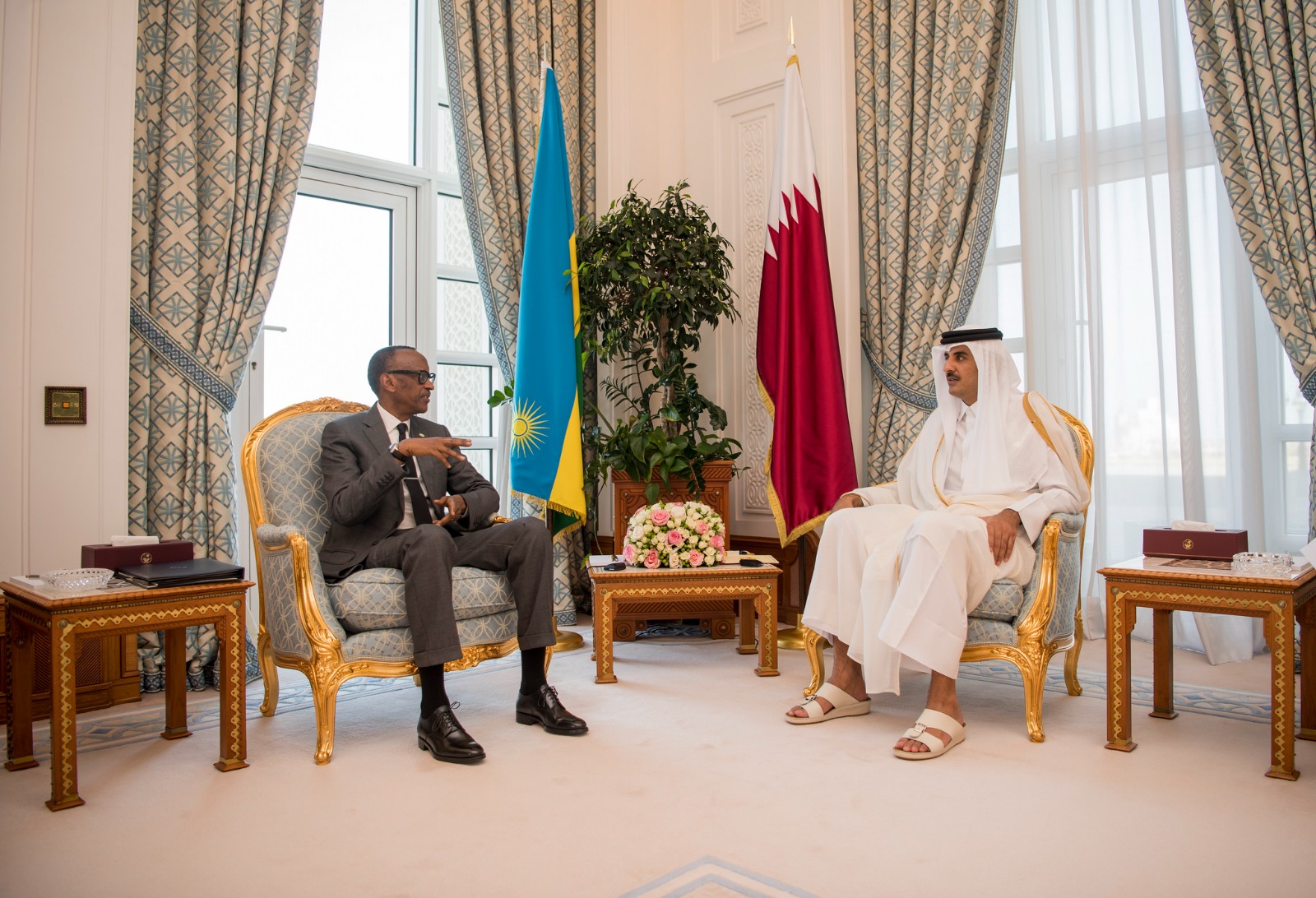
In a message shared on Sunday following the announcement of Sheikh Hamad’s passing, President Kagame conveyed his sympathies to Qatar’s current Emir, Sheikh Tamim bin Hamad Al Thani, his family, and the people of Qatar.
“My deepest condolences to my brother, His Highness Sheikh Tamim bin Hamad Al Thani, his family and the people of Qatar on the passing of His Highness the Father Amir Sheikh Hamad bin Khalifa Al Thani,” Kagame wrote.
President Kagame praised Sheikh Hamad’s contribution to Qatar’s development, saying he would be remembered for his leadership and efforts to strengthen cooperation among nations.
“His Highness Sheikh Hamad bin Khalifa Al Thani will be remembered as a visionary leader who transformed Qatar into the remarkable nation it is today. His legacy of service to his people and commitment to friendship and cooperation among nations will endure for generations,” Kagame said.
He added that Rwanda stands in solidarity with Qatar during the period of mourning.
“At this difficult time, the people of Rwanda and I stand with His Highness Sheikh Tamim bin Hamad and our Qatari brothers and sisters,” Kagame said.
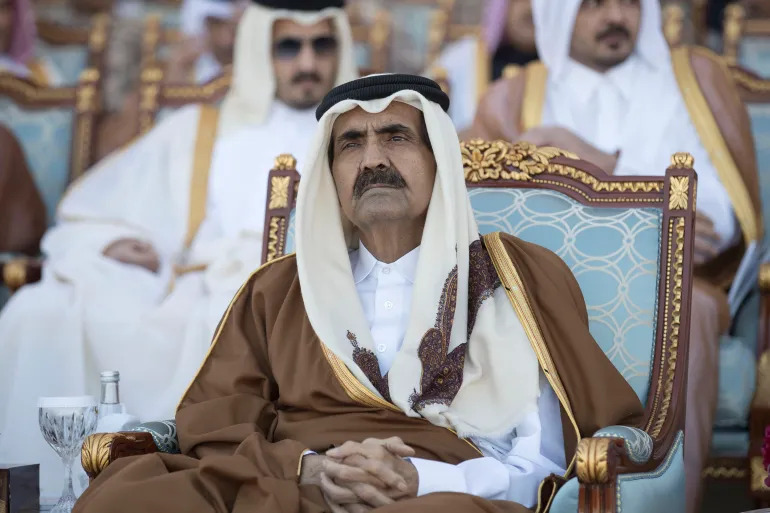
Sheikh Hamad bin Khalifa Al Thani, who died at the age of 74, ruled Qatar from 1995 until he handed power to his son, Sheikh Tamim bin Hamad Al Thani, in 2013.
He is widely credited with shaping modern Qatar through a period of rapid economic growth, global expansion and major investments that elevated the country’s international influence.
During his reign, Qatar emerged as a major player in global energy, diplomacy, and investment, while securing the rights to host major international events, including the 2022 FIFA World Cup.
Leaders from across the world have paid tribute to the former Emir, praising his role in Qatar’s transformation. Indian Prime Minister Narendra Modi also described Sheikh Hamad as a “visionary leader who guided Qatar to great levels of development and prosperity,” while leaders from the Arab world expressed condolences to Qatar’s leadership and people.
The Qatari government announced Sheikh Hamad’s death through the Amiri Diwan, saying the nation had suffered a “great loss” with the passing of the former Emir.
In a message shared on Sunday following the announcement of Sheikh Hamad’s passing, President Kagame conveyed his sympathies to Qatar’s current Emir, Sheikh Tamim bin Hamad Al Thani, his family, and the people of Qatar.