According to BRD, 17,845 people have so far benefited from the programme, which was introduced to make homeownership more accessible for low- and middle-income earners through affordable mortgage financing.
The figures were revealed by Benitha Utuje, BRD’s Gira Iwawe Programme Implementation Officer, during a meeting organised by Copedu Plc that brought together women entrepreneurs, including both existing and prospective clients of the financial institution.
Launched in 2019 with support from the World Bank, the Gira Iwawe programme forms part of Rwanda’s broader strategy to increase access to affordable housing by enabling eligible citizens to purchase homes through long-term loans provided by participating financial institutions.
The programme offers two financing categories based on applicants’ monthly income.
Individuals earning less than Rwf1.2 million per month can access mortgage loans of up to Rwf40 million to purchase a home. The loans are repayable over a period of 20 years at an annual interest rate of 11%.
Meanwhile, those earning between Rwf1.2 million and Rwf1.5 million per month are eligible for loans to purchase homes valued between Rwf40 million and Rwf60 million, with an annual interest rate of 13%.
Speaking at the event, Utuje said BRD has channelled substantial financial resources into the programme since its launch.
“Since 2019, BRD has provided approximately Rwf144 billion to partner banks and financial institutions to help Rwandans purchase homes through the Gira Iwawe programme. As a result, 17,845 people have enrolled and acquired homes through the initiative,” she said.
The programme is implemented through several partner financial institutions, including Bank of Kigali, Bank of Africa, Umwalimu SACCO, NCBA Bank Rwanda, BPR Rwanda, Copedu Plc, and other licensed lenders.
BRD further noted that 81% of the programme’s loans have been disbursed through these partner institutions, reflecting strong collaboration between the development bank and Rwanda’s financial sector in expanding access to affordable housing finance.
The initiative has primarily benefited lower-income households. According to BRD, 84% of beneficiaries earn less than Rwf500,000 per month, underscoring the programme’s focus on making homeownership accessible to families with modest incomes.
The data also shows that 37% of beneficiaries are young people, while 36% are women, highlighting the programme’s contribution to youth empowerment and women’s economic inclusion.
The Gira Iwawe programme supports Rwanda’s ambitious housing development agenda. The government aims to construct at least 150,000 additional affordable housing units as part of its long-term target of expanding the country’s housing stock to 5.5 million homes by 2050.
To support this goal, the government has earmarked 1,100 hectares of land across the country for affordable housing development, including 890 hectares in Kigali, where large-scale residential projects are expected to be undertaken.
Among the housing developments that have attracted the highest number of buyers through the Gira Iwawe programme is the Bwiza Riverside Estate, where many beneficiaries have purchased homes using the affordable mortgage scheme.
The ruling was delivered by IRMCT President Judge Graciella Gatti Santana, who found that neither Kambanda nor Kamuhanda had demonstrated exceptional circumstances that would justify their release before completing the required period under the Mechanism’s legal framework.
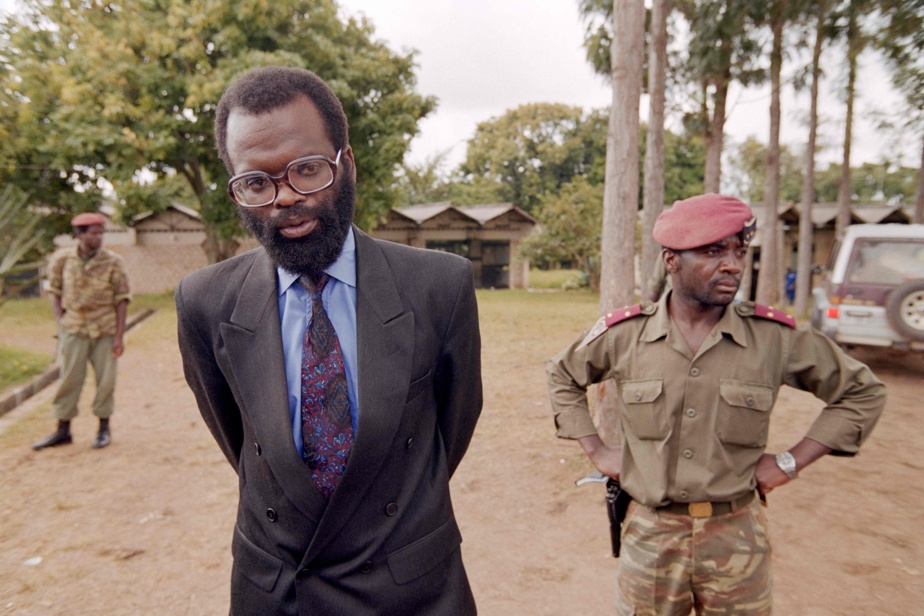
Kambanda, 70, served as Prime Minister of Rwanda’s Interim Government established after the assassination of President Juvénal Habyarimana in April 1994.
He was arrested in Kenya in July 1997 and transferred to the International Criminal Tribunal for Rwanda (ICTR) in Arusha, Tanzania.
On 4 September 1998, an ICTR Trial Chamber convicted him of genocide, conspiracy to commit genocide, direct and public incitement to commit genocide, and crimes against humanity, including murder and extermination.
He was sentenced to life imprisonment. His conviction and sentence were later upheld by the ICTR Appeals Chamber on 19 October 2000.
Following his conviction, Kambanda was transferred to a prison facility in Mali before later being moved to Senegal, where he is currently serving his sentence.
On June 25 , 2026, Kambanda requested early release, arguing that he had already spent nearly three decades in prison. He based his request on Senegalese law, which allows individuals serving life sentences to apply for release after 25 years of imprisonment.
He also cited his advanced age and deteriorating health, arguing that he required medical attention closer to his family. In addition, he expressed concerns about a possible transfer to Rwanda to continue serving his sentence.
However, Judge Graciella explained that requests for early release by individuals convicted by the IRMCT or its predecessor tribunals are determined by Mechanism’s own legal rules, rather than the laws of the country where the prisoner is being held.
She said that, in general, prisoners sentenced by the IRMCT become eligible to apply for early release after serving two-thirds of their sentence.
For individuals serving life sentences, the Mechanism considers life imprisonment equivalent to a 45-year sentence, meaning that eligibility for early release consideration begins after 30 years in custody.
Since Kambanda had served approximately 29 years, Judge Graciella ruled that he had not yet reached the required period.
The judge acknowledged that exceptional circumstances, particularly serious health conditions, could allow a prisoner serving a life sentence to seek early release before completing 30 years.
However, she determined that Kambanda’s age and health concerns did not amount to exceptional circumstances that would justify his release.
The IRMCT further noted that the length of time spent in prison alone is not sufficient grounds for early release, and that the possibility of being transferred to another country to continue serving a sentence does not constitute a valid reason for release.
After consulting Judges Jean-Claude Antonetti and Fatimata Sanou Touré, who agreed with her assessment, Judge Graciella rejected Kambanda’s application.
Kamuhanda also denied early release
Kamuhanda, who served as Rwanda’s Minister of Higher Education and Scientific Research during the 1994 Genocide against the Tutsi, was arrested in France in November 1999.
On January 22, 2003, the ICTR convicted him of genocide and extermination for his role in attacks against Tutsi civilians in Gikomero Commune, sentencing him to life imprisonment. The sentence was confirmed on appeal in September 2005.
He was transferred to a prison facility in Mali in November 2008 and later moved to Senegal in December 2021, where he remains incarcerated.
Kamuhanda submitted his early release request after spending 26 years and six months in prison. He acknowledged that he had not yet completed the 30-year period required for consideration under IRMCT rules but argued that possible changes regarding the transfer of UN tribunal convicts should be considered an exceptional circumstance.
He said that if the United Nations Security Council decided to transfer him and other convicted persons to Rwanda to complete their sentences, such a decision would create grounds for a humanitarian release.
Kamuhanda also told the Mechanism that he hoped to reunite with his family and children in France. However, he acknowledged that European countries might not accept individuals convicted by UN tribunals and said he would remain in Senegal if released, while respecting any conditions imposed by the IRMCT.
In her ruling issued on 23 July, Judge Graciella said Kamuhanda had served more than 26 years in prison but had not yet reached the required period for early release consideration.
She also examined whether there were exceptional circumstances that could justify his release before reaching the required threshold but concluded that the possibility of being transferred to another country to continue serving his sentence did not qualify as an exceptional reason.
The judge added that Kamuhanda had not provided additional evidence demonstrating circumstances strong enough to support his request.
After consulting Judges William H. Sekule and René José Andriatianarivelo, who agreed with her assessment, Judge Graciella rejected Kamuhanda’s request for early release.
The IRMCT’s decisions mean that both former officials will remain in custody until they meet the legal requirements for possible consideration of early release or until other decisions are made under the Mechanism’s rules.
The IRMCT ruled that Kambanda Jean will continue serving his life sentence after determining that he had not presented compelling reasons or exceptional circumstances to justify his release before completing the required period under the Mechanism’s rules.
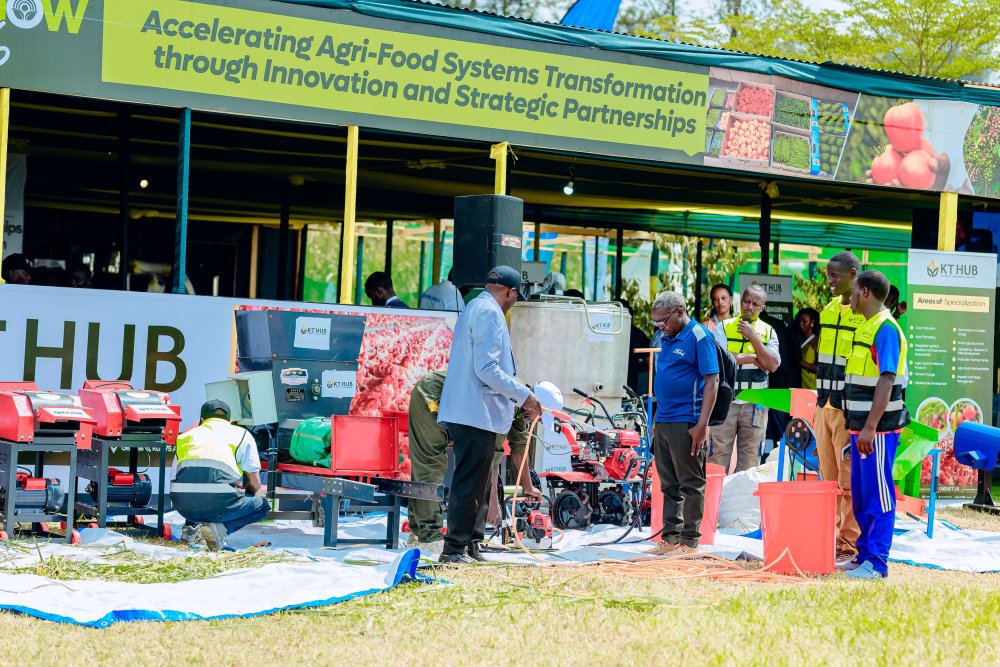
The technology, developed by KT Hub, Rwanda-based integrated agricultural and agribusiness hub, was unveiled during the 19th Rwanda Agricultural Show organised by the Ministry of Agriculture and Animal Resources (MINAGRI).
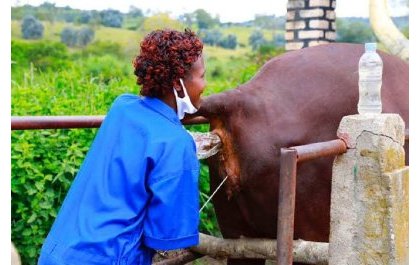
The innovation uses advanced cameras to examine animals before artificial insemination, allowing veterinarians to identify possible reproductive health challenges and confirm whether the semen being used is of good quality before it is introduced.
The exhibition was officially opened on July 23, 2026, at Mulindi in Kigali and will continue for 10 days, bringing together farmers, agricultural companies, researchers, government officials and other stakeholders to showcase innovations transforming Rwanda’s agriculture and livestock sectors.
MINAGRI revealed that this year’s exhibition attracted more than 600 exhibitors, including individuals, groups and companies from Rwanda and abroad. The number has increased compared to more than 500 exhibitors recorded in 2025 and about 300 exhibitors approximately five years ago.
Among the major innovations showcased was KT Hub’s artificial insemination technology, which seeks to address one of the challenges faced by livestock farmers where animals fail to conceive after insemination despite farmers following the required procedures.
KT Hub Managing Director Kabahizi Théoneste told IGIHE that the company developed the technology in partnership with the Rwanda Agriculture and Animal Resources Development Board (RAB), covering the entire process from importing animal semen to delivering it to veterinarians responsible for carrying out insemination.
He explained that the technology helps determine why artificial insemination may fail, especially in situations where farmers are unable to identify the exact cause.
“Sometimes semen can be collected properly from a male animal and stored under the right conditions, but when it is introduced into a cow or another animal, it may fail because it was wrongly placed. Some farmers believe that if a cow shows signs of fertility in the evening, it should be artificially inseminated the following morning for a better chance of conception.
However, the camera helps determine whether the reproductive system has any problems and whether it is the appropriate time for insemination,” Kabahizi said.
He added that some animals fail to conceive because of infections or other reproductive health problems that may not be visible without proper examination.
“There are cases where the area where insemination is performed has infections or other conditions that prevent successful fertilisation.
With this technology, veterinarians first examine the animal using a camera. If a problem is detected, treatment is provided before insemination is attempted again. In some cases, hormonal treatment can also be used to make the animal ready for breeding sooner,” he explained.
The technology also includes another camera designed to examine semen quality before insemination. Veterinarians capture an image of the semen, and the system provides information showing whether it is still healthy and suitable for use.
Kabahizi said KT Hub is also promoting improved cattle breeds from Brazil, which are expected to produce higher-quality milk. He noted that future generations of these cattle could produce between 25 and 30 litres of milk per day.
KT Hub introduced the technology to the government, and following its launch, the solution will gradually be made available to livestock farmers across the country.
The company also supplies animal semen and has the capacity to store up to 10 million doses, ensuring a reliable supply for artificial insemination programmes.
Veterinarians will receive specialised training on how to use the technology before being equipped with the necessary tools, including two cameras, to provide artificial insemination services to farmers.
Speaking at the exhibition, Minister of Agriculture and Animal Resources Dr. Telesphore Ndabamenye said this year’s theme focuses on promoting innovation in agriculture and livestock, noting the importance of the sectors to Rwanda’s economy.
He said agriculture and livestock contribute nearly 19 percent of Rwanda’s Gross Domestic Product (GDP), while about 70 percent of industries in the country depend on agricultural production.
“These figures show that improving agricultural and livestock production cannot be achieved without innovation and partnerships aimed at addressing the challenges affecting these sectors in Rwanda,” Dr. Ndabamenye said.
He added that the innovations showcased during the exhibition demonstrate potential solutions to challenges facing farmers, making it important to bring together innovators, stakeholders and users to discuss and promote their adoption.
The Minister said that, some of the showcased technologies could begin being implemented during the 2027 A farming season, with continued government support.
According to MINAGRI, Rwanda’s milk production has increased significantly over the past 14 years, tripling from 334,727 tonnes in 2010 to 1,092,430 tonnes in 2024.
During the same period, annual milk consumption per person increased from 37.3 litres to 79.9 litres, reflecting growth in the country’s dairy sector.
Modern agricultural equipment was also showcased.Rwanda’s Minister of Agriculture and Animal Resources, Dr. Telesphore Ndabamenye, said that innovation in agriculture and livestock is essential, noting that the sectors contribute nearly 19 percent of the country’s Gross Domestic Product (GDP).
The 19th Agricultural Show has officially opened. KT Hub Managing Director, Kabahizi Théoneste, said that the technology-based artificial insemination programme for cows and pigs will help address challenges where animals fail to conceive after being inseminated.
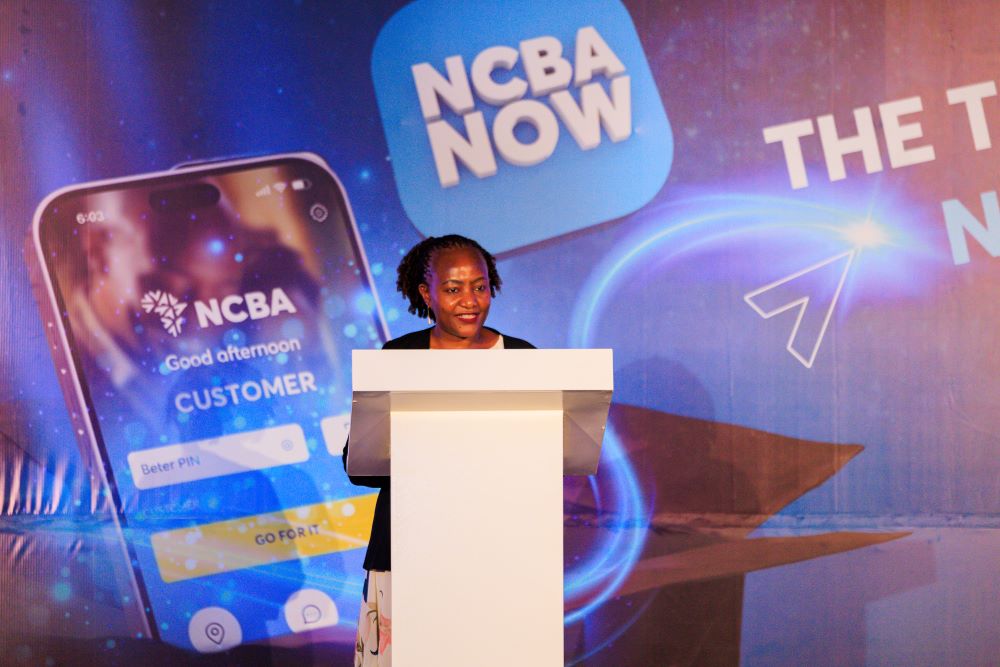
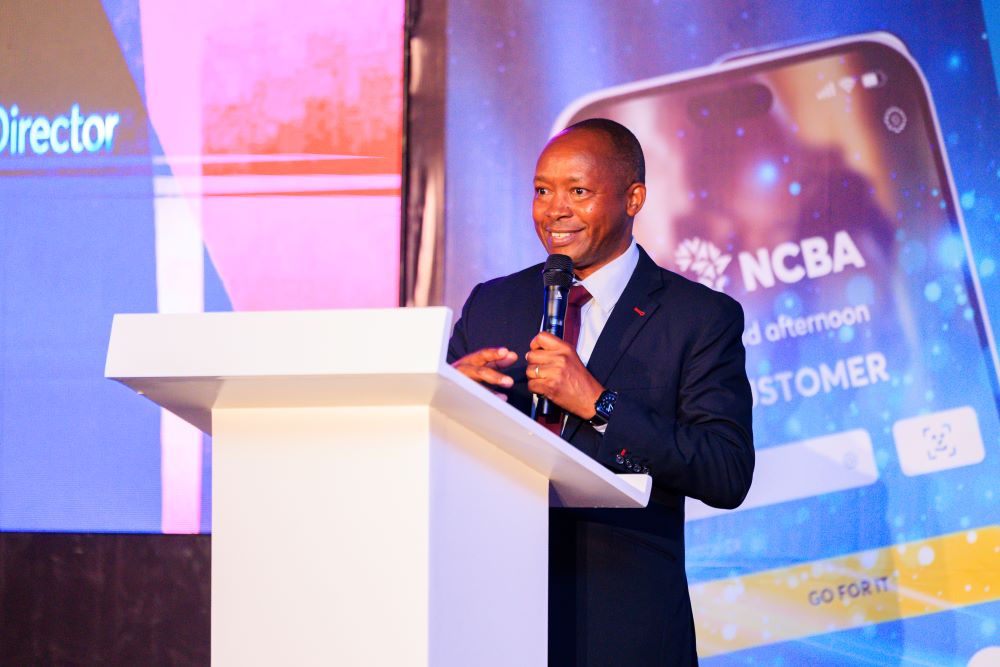
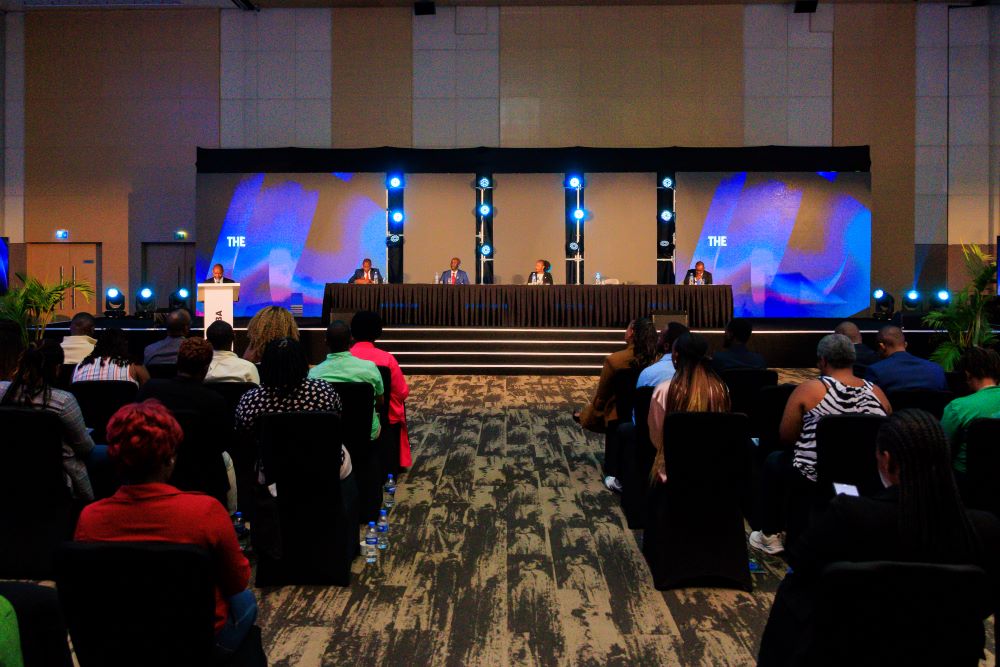
The platform was officially unveiled on July 23, 2026, during an event that brought together NCBA Bank Rwanda officials, partners, customers and social media influencers.
ConnectPlus is designed to support businesses, particularly large enterprises, by providing them with a convenient digital solution to manage their banking needs without having to visit physical bank branches.
Through the platform, businesses will be able to process payments, manage employee salaries, monitor accounts and conduct various financial transactions in a faster, safer and more efficient way.
Speaking during the launch, NCBA Bank Rwanda Managing Director and CEO Maurice Toroitich said the introduction of ConnectPlus reflects the bank’s commitment to using technology to improve customer experience and make financial services more accessible.
He explained that the bank is focused on developing digital solutions that allow customers to access services wherever they are while saving time and improving convenience.
“Technology is one of our key priorities at NCBA Bank. We want our customers to access our services without necessarily visiting our branches, but instead use digital solutions that allow them to manage their financial needs easily using their phones,” Toroitich said.
Catherine Ngali, Senior Manager of Channels and Product Development at NCBA Bank Rwanda, said the launch of NCBA NOW and NCBA ConnectPlus marks an important step in the transformation of banking services.
She noted that the platforms are designed to make financial services more convenient for both individual customers and businesses by providing simple, secure and efficient ways to access and manage their accounts.
Samuel Gatari the Head of Retail Banking and Branch Network at NCBA Bank Rwanda revealed that the bank’s mobile financial service, MoKash, has already attracted more than five million customers, with young people accounting for about 60 percent of its users.
He said the growing number of digital banking users demonstrates the increasing demand for technology-driven financial solutions that make banking services more accessible.
NCBA Bank Rwanda is a subsidiary of NCBA Group, a financial institution operating in five African countries: Kenya, Uganda, Tanzania, Rwanda and Côte d’Ivoire.
The bank began operations in Rwanda in 2016 and currently operates branches in Kigali, as well as Musanze, Nyagatare, Rubavu, Kayonza and Rusizi districts.
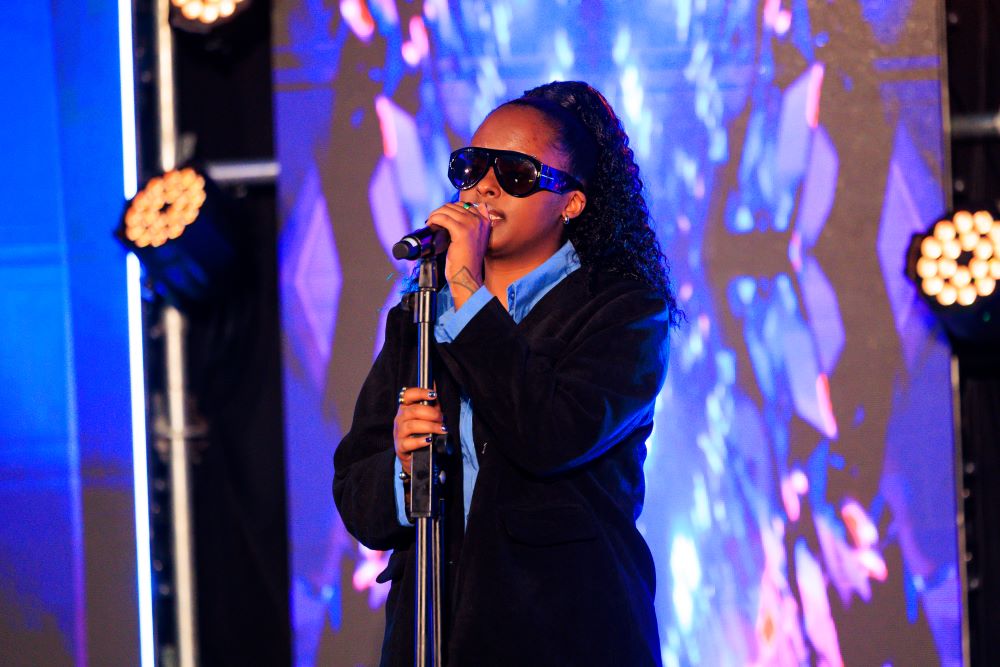
Catherine Ngali, the Senior Manager of Channels and Product Development at NCBA Group, stated that NCBA NOW and NCBA ConnectPlus represent a new milestone in the transformation of digital banking services.NCBA Bank Rwanda Managing Director and CEO Maurice Toroitich said that the platforms were introduced to enable customers to access and use the bank’s services without having to visit its physical branches.The event was attended by NCBA Bank Rwanda officials, partners and customers.Rwandan artist Ariel Wayz entertained attendees during the event.NCBA Bank Rwanda has launched a digital platform to help customers access its services through technology.
Among those rescued, 101 were brought back from Cambodia, 58 from Laos, 31 from Myanmar, and 99 from Oman.
Dr. Ugirashebuja made the remarks on July 23, 2026, during a meeting with members of the Rwanda Senate’s Committee on Foreign Affairs, Rwandans’ Unity and Security.
He told senators that Rwanda has ratified several international conventions aimed at combating human trafficking and continues to implement measures outlined in those agreements, although challenges remain.
The government’s efforts include prosecuting individuals involved in trafficking, preventing the crime through public awareness campaigns, protecting victims, and strengthening cooperation among different stakeholders involved in combating human trafficking.
In terms of prosecution, 54 people have been convicted and punished for human trafficking offences in Rwanda over the past three years. Among them, 12 were convicted in 2025, 18 in 2024, and 24 in 2023.
Dr. Ugirashebuja said Rwanda has also continued efforts to rescue and repatriate victims who were trafficked to different countries.
“In this regard, during the 2025/2026 financial year (up to March 2026), the Ministry of Foreign Affairs, in collaboration with the International Organization for Migration (IOM) and other institutions, helped bring back 289 people. These included 101 from Cambodia, 58 from Laos, 31 from Myanmar, and 99 from Oman,” he said.
He added that significant efforts are also being made to prevent trafficking, noting that the Directorate General of Immigration and Emigration (DGIE) has introduced technological systems to help detect and prevent cross-border human trafficking.
According to DGIE, the system contributed to the rescue of 673 people who were at risk of being trafficked last year.
Dr. Ugirashebuja noted that many trafficking victims are often taken to Asian countries, adding that the cross-border nature of the crime makes investigations and prosecution more difficult.
He explained that traffickers can operate from different countries, making it challenging to track them down, while limited expertise among some investigators and other factors also create obstacles.
DGIE also highlighted another major challenge: some individuals who are expected to help fight human trafficking are sometimes involved in the crime themselves.
The agency revealed that 45 children were rescued from Uganda last year after being lured with promises of better opportunities. Each child reportedly paid $8,500 to be taken there, despite the fact that such resources could have been invested in improving their lives at home.
DGIE said one of the most worrying discoveries was that a pastor was allegedly involved in trafficking some of the rescued children and is currently facing legal proceedings.
“There are people we trust and believe could never be involved in such acts, including religious leaders. These are people who advise others, but we discovered that some of them were involved. They were trafficking these young people.
Among the 45 children, we found that pastors, including a husband and wife where the wife is a pastor and the husband is a bishop, were among those who took them. It is difficult to understand that such a business is still involving people whom society trusts and would never suspect,” DGIE said.
The agency also revealed that 28 Rwandan children are currently in South Korea after being taken there by a pastor, and the government is working to bring them back.
DGIE warned that child trafficking has become a growing concern, especially because some rescued victims still request to return to the same environments where they were exploited.
“Child trafficking among Rwandans has become a serious issue. What makes it even more worrying is that some of those we rescue tell us to return their documents because they want to go back to the jobs they found there. Yet these are the same people who were taken there by traffickers in the first place,” the agency said.
DGIE further noted that some Rwandans who have experienced trafficking sometimes go on to deceive others and encourage them to travel under similar arrangements.
The agency also emphasized that although attention is often focused on people trafficked overseas, many victims are also exploited in neighbouring countries, where they face forced labour, sexual exploitation and other forms of abuse.
“This problem is extremely worrying. Our children are dying, our children are being traded like commodities, and they reach places where they lose their dignity. However, through cooperation among different institutions, this problem can be stopped,” DGIE said.
The Chairperson of the Senate Committee on Foreign Affairs, Rwandans’ Unity and Security, Senator Murangwa Ndangiza Hadidja, said addressing human trafficking requires cooperation from all sectors, as well as educating young people to change the belief that opportunities and a better life can only be found abroad.
Meanwhile, Uwamahoro Christine, who heads the Human Trafficking Crimes Unit at the Rwanda Investigation Bureau (RIB), said prosecuting traffickers can sometimes be difficult due to a lack of sufficient evidence, victims’ reluctance to provide information, and challenges in accessing electronic devices such as phones and computers used in trafficking activities, which are often seized in other countries.
Senator Dr. Charles Murigande called for stronger awareness campaigns to ensure that everyone understands the dangers of human trafficking. He said people who ignore warnings and fall into trafficking traps should understand that they had been warned about the risks.
“Someone may later say, ‘I was told, I was warned,’ similar to the saying that someone who refuses to listen to advice will learn through hardship. We need stronger awareness campaigns,” he said.
Minister of Justice Dr. Emmanuel Ugirashebuja has expressed concern over the growing threat of human trafficking.
Rwanda considers making human trafficking a crime with no time limit for prosecution
Rwanda is considering classifying human trafficking as a crime that would not be subject to a statute of limitations, allowing perpetrators to face prosecution regardless of how much time has passed since the offence was committed.
Minister of Justice and Attorney General Dr. Emmanuel Ugirashebuja said the proposal is being considered because cases of human trafficking often involve delayed discovery of evidence, which can make it difficult to hold offenders accountable within existing legal deadlines.
He explained that discussions on the matter are still ongoing, but said introducing such a measure would ensure that victims can seek justice whenever crucial evidence becomes available.
“The reason we are considering this is that, in some cases, evidence only emerges after a considerable period of time. A person may have been trafficked, but the crime may only be discovered later when, fortunately, the victim finds a way to report it to the relevant authorities, although this process is often extremely difficult for them,” Dr. Ugirashebuja said.
He added that removing the time limit for prosecuting such cases would strengthen accountability and ensure that offenders do not escape justice simply because evidence took time to emerge.
“When a crime is placed among those that do not expire with time, it means that whenever evidence becomes available, legal action can be taken, the person responsible can be prosecuted, and, if found guilty, punished,” he said.
However, Senator Uwizeyimana Evode said the decision requires careful consideration, warning that expanding the category of crimes without a statute of limitations could have implications for Rwanda’s international cooperation, particularly in areas involving the extradition and transfer of suspects.
He emphasized that while combating human trafficking remains a priority, any legal changes should be carefully assessed to ensure they align with Rwanda’s justice system and international obligations.
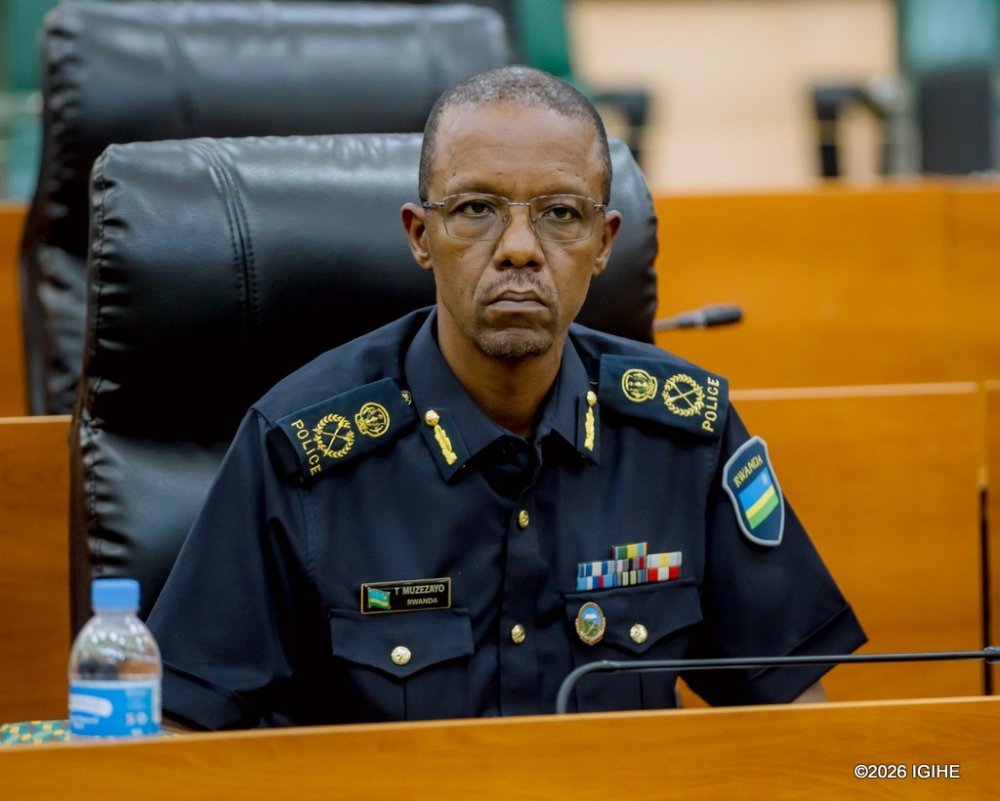
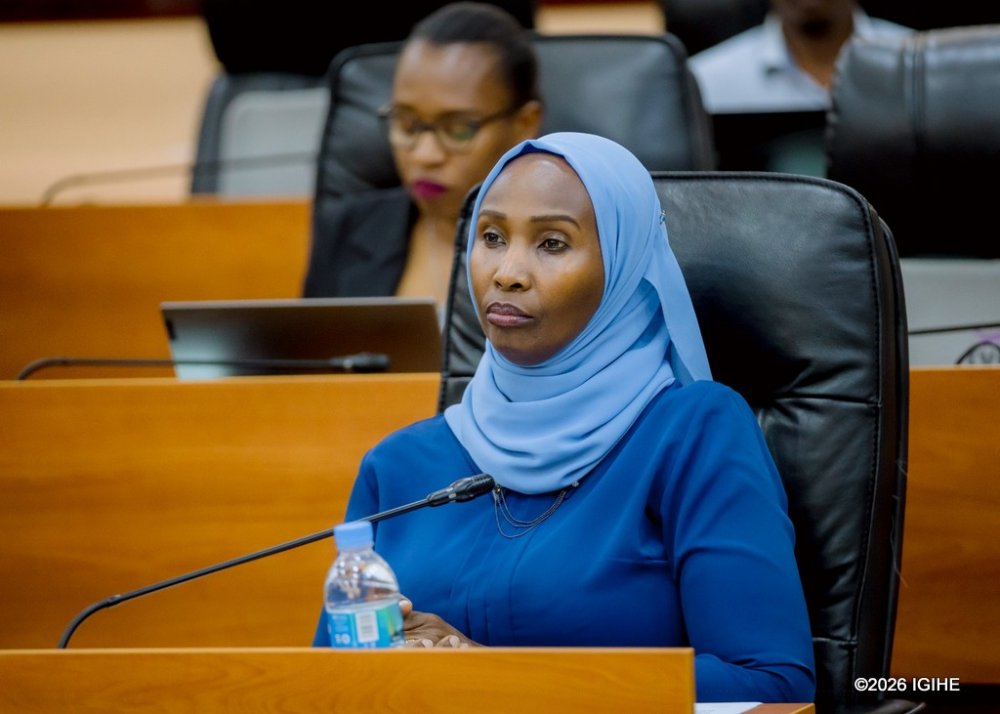
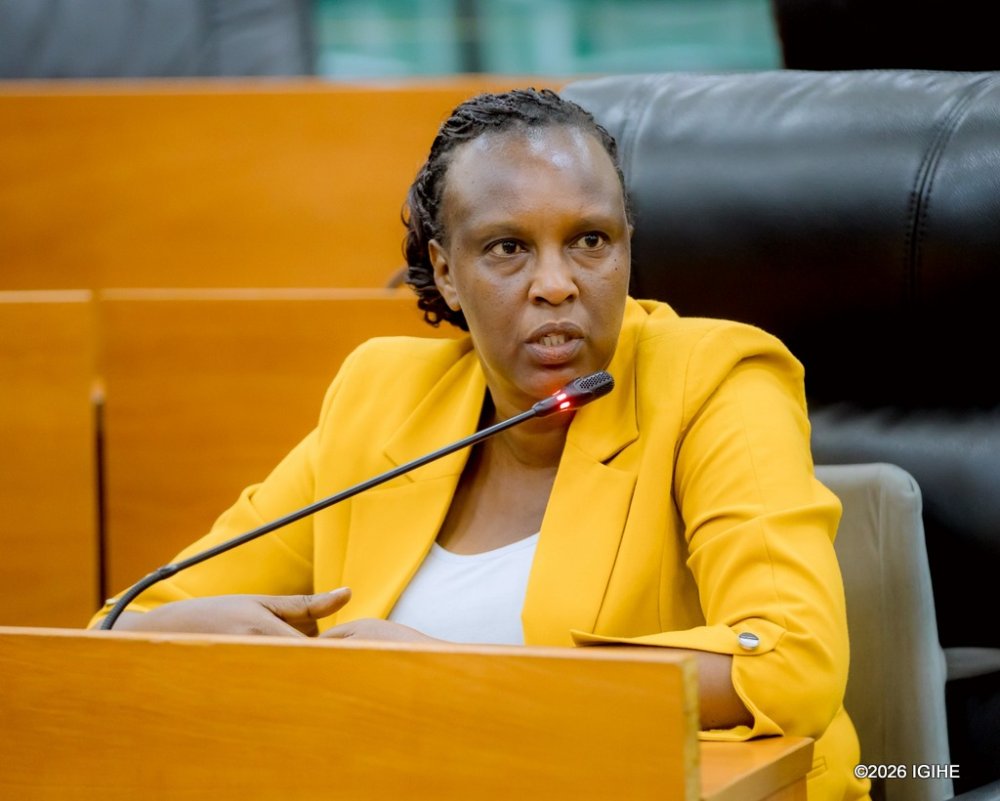
Senator Dr. Charles Murigande called for stronger public awareness campaigns to combat human trafficking.Senator Uwizeyimana Evode called for careful consideration in the proposal to classify human trafficking as a crime that does not expire with time.ACP T. Muzezayo, head of the Police Unit responsible for combating human trafficking and organised crime, called for stronger cooperation in the fight against such crimes.Senator Murangwa Ndangiza Hadidja, Chairperson of the Rwanda Senate Committee on Foreign Affairs, Rwandans’ Unity and Security, called for stronger cooperation among all stakeholders in the fight against human trafficking.Uwamahoro Christine, who heads the Human Trafficking Crimes Unit at the Rwanda Investigation Bureau (RIB), said that bringing human trafficking offenders to justice can sometimes be challenging due to insufficient evidence.
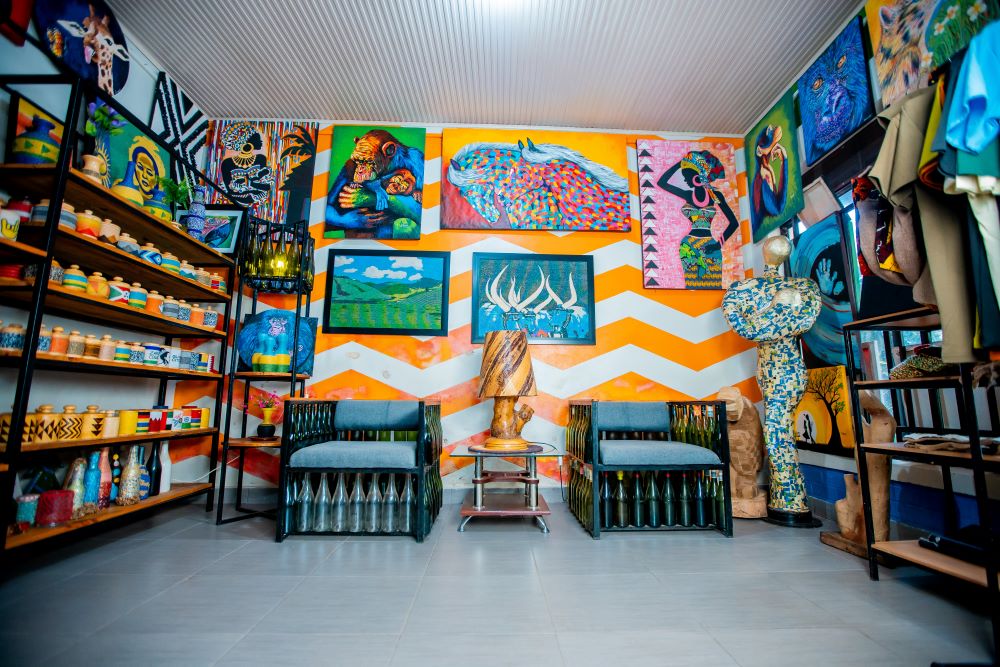
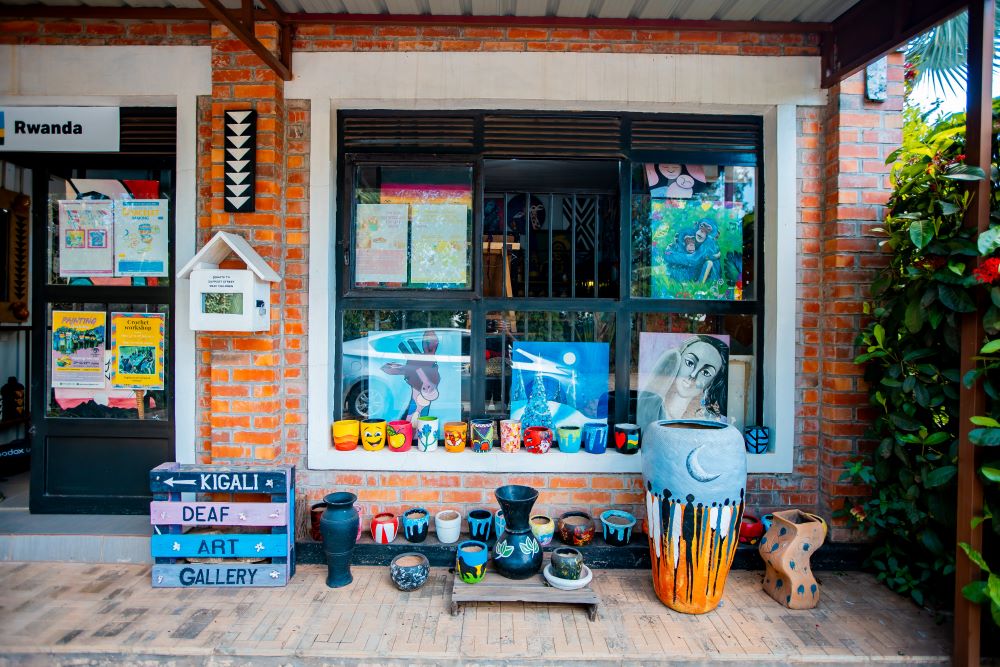
Located in Kimironko, Gasabo District, the art space provides a platform where people with hearing and speech impairments use their creativity and skills to produce unique artworks while building their livelihoods.
The gallery was founded by Nahimana Prince, an entrepreneur living with a combined disability that affects his ability to hear and speak.
Despite these challenges, Nahimana pursued his education, graduated from university, and turned his passion for art into a successful business venture.
Today, Kigali Deaf Art Gallery showcases a variety of handmade artworks, with some pieces valued at up to Rwf1 million.
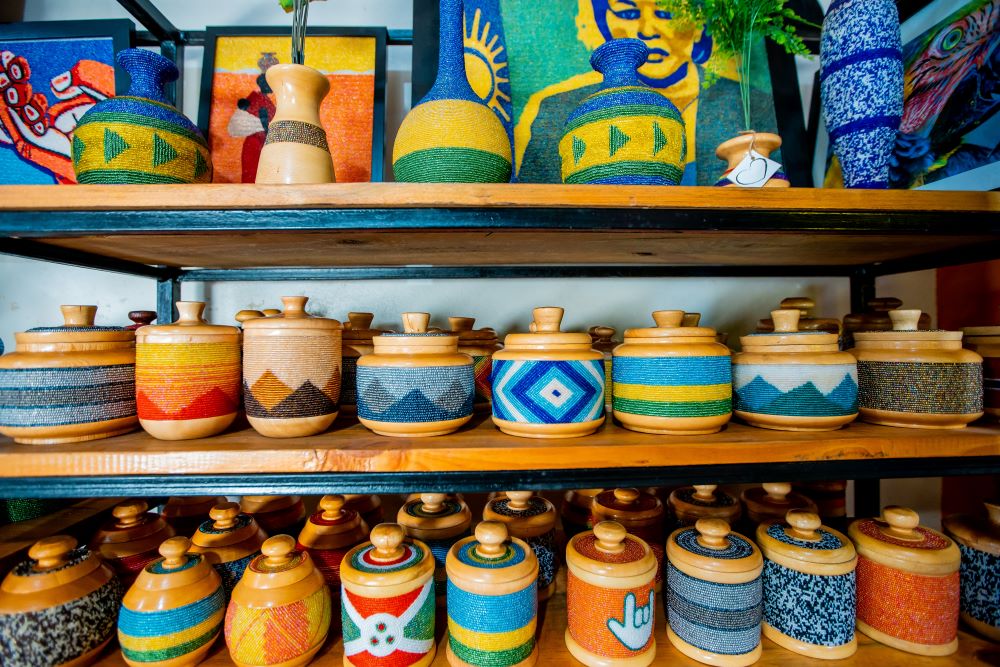
Among the gallery’s most expensive creations is a piece made from beads, whose high price is attributed to the cost of the materials used. Nahimana explained that the beads are imported from abroad, making the final artwork more valuable.
Speaking to IGIHE, Nahimana shared his journey of establishing the gallery and creating opportunities for other people with hearing and speech impairments to showcase their talents.
After completing a three-year university course in art in Uganda, Nahimana returned to Rwanda in 2018 and began applying the knowledge and skills he had gained. He started producing different artworks and later received authorization from the Rwanda Development Board (RDB) to operate his business officially.
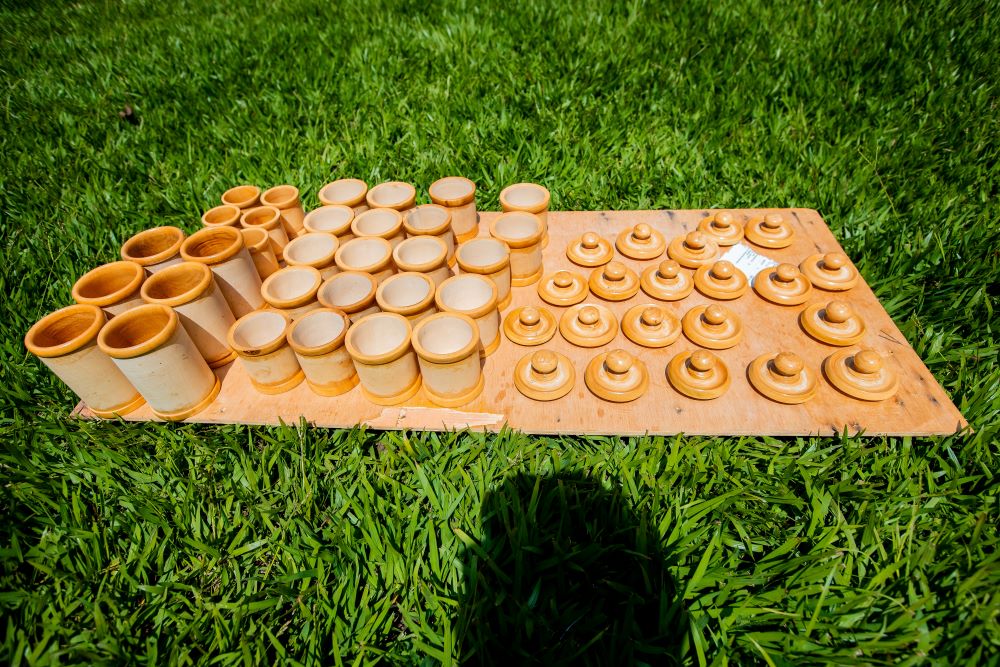
At Kigali Deaf Art Gallery, artists create a wide range of products, including paintings, bead artwork, necklaces, handbags, accessories, and other creative items. They also transform old materials that many people consider useless into new and valuable products.
The artworks are sold at different prices depending on their design and materials, with some costing hundreds of thousands of Rwandan francs and others reaching Rwf1 million.
“Our bead artworks are the most outstanding because the materials we use are imported and expensive. This is why some pieces can cost more than Rwf1 million. Other products are sold at more affordable prices,” Nahimana said.
Nahimana said he decided to work with people who have hearing and speech impairments because many of them have exceptional talents that match the type of creative work done at the gallery.
However, he noted that many talented people with disabilities face challenges, including limited opportunities to showcase their abilities and difficulties communicating with the wider community.
Through Kigali Deaf Art Gallery, Nahimana aims to provide them with a supportive environment where they can work together, improve their skills, gain confidence, and become financially independent.
One of the gallery’s employees, Muhorakeye Hawa, said joining the initiative helped her develop her talent because she found herself among colleagues who share similar experiences.
“When I joined Kigali Deaf Art Gallery, it became much easier for me. I have been able to improve my talent because the work we do matches my abilities. The advantage is that the people I work with also have hearing and speech impairments, which makes communication much easier,” she said.
Muhorakeye also studied tailoring in Uganda, but she said working at the gallery helped her gain additional skills that contributed to improving her creativity.
Another employee, Ganza Eric, said the gallery has helped him acquire new skills and encouraged parents to support children with disabilities by helping them discover and develop their talents.
He criticized parents who prevent children with disabilities from attending school because of misconceptions about their abilities, saying education and support can help them achieve their goals.
Established in 2019, Kigali Deaf Art Gallery currently employs 14 people, including nine men and five women, all living with hearing and speech impairments.
Nahimana urged parents to understand their children, identify their talents, and provide them with opportunities to grow. He emphasized that people with disabilities have different ways of expressing themselves, including through writing and other forms of communication.
Despite its achievements, the gallery still faces challenges, especially in attracting customers due to communication barriers. Nahimana called for more efforts to promote sign language so that more people can learn it and improve communication with people who are deaf or have speech impairments.
For Nahimana and the artists at Kigali Deaf Art Gallery, disability is not a limitation but a motivation to prove that talent, determination, and opportunity can transform lives.
Many of the artworks produced at Kigali Deaf Art Gallery are primarily crafted using beads.Kigali Deaf Art Gallery produces a wide range of artworks, including bead creations, paintings, sculptures, and other handmade pieces.At Kigali Deaf Art Gallery, discarded or old items are given a new life through creative transformation.Kigali Deaf Art Gallery, is an art centre operated entirely by people with hearing and speech impairments.Kigali Deaf Art Gallery features artworks worth as much as Rwf1 million.Ganza Eric, an employee at Kigali Deaf Art Gallery, said that his time at the gallery has helped him acquire new skills and contributed to his personal development.Nahimana Prince, the founder of Kigali Deaf Art Gallery, supports people with hearing and speech impairments to achieve self-reliance by nurturing their talents and helping them turn their abilities into opportunities.Muhorakeye Hawa, an employee at Kigali Deaf Art Gallery, said she decided to join the gallery after finding an environment where she could work alongside colleagues who share similar hearing and speech impairments.
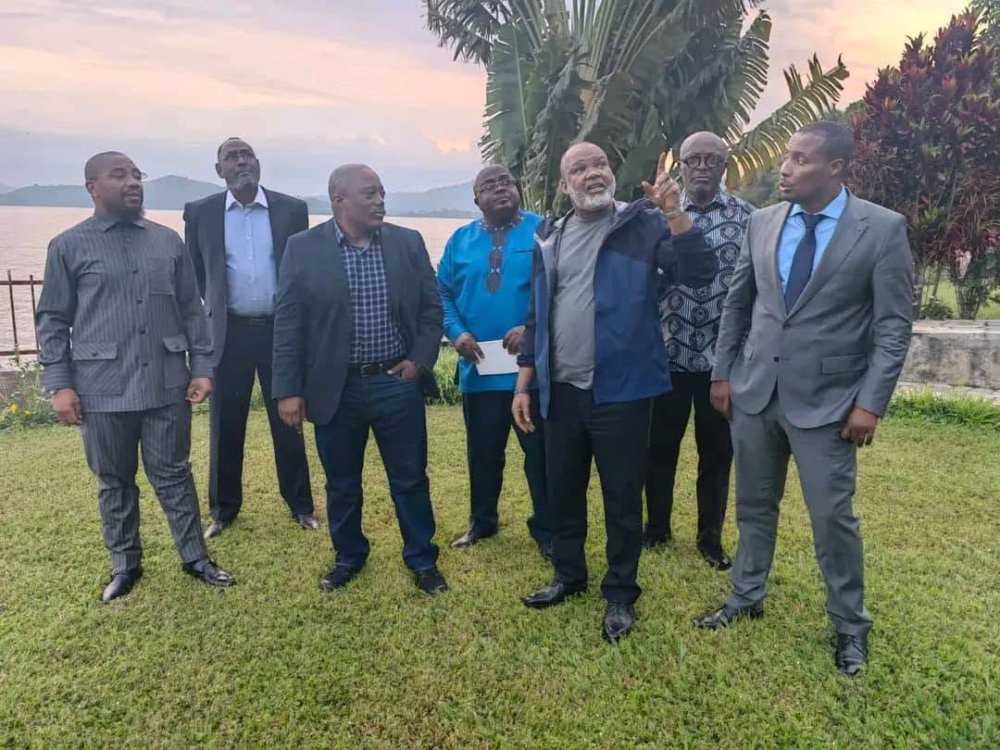
Speaking in an interview with Grand Lacs News on YouTube, Nangaa was asked about his relationship with Kabila, who has been residing in territory controlled by the AFC/M23 alliance, as well as the role the former president could play in addressing the DRC’s current political crisis.
Nangaa argued that in many countries, former heads of state are regarded as valuable national assets whose experience continues to benefit their nations long after they leave office.
“In other countries, a former head of state is considered a national asset. Look at how former presidents are treated in Kenya, Ghana and South Africa. They continue to contribute to their countries and are respected for their experience,” he said.
He said the DRC has failed to make full use of the expertise of its former leaders, adding that Kabila’s years in office have given him unique knowledge that could help the country overcome its current challenges.
Nangaa also questioned why African countries often rely on former foreign presidents to mediate conflicts while overlooking their own former leaders, who have a better understanding of the political and historical realities on the ground.
“When mediation efforts are launched, former heads of state from other countries are invited to help solve our problems, yet they are unfamiliar with our realities. We already have someone with that experience. Why not make use of him?” he wondered.
On his relationship with Kabila, Nangaa said they maintain a strong working relationship and insisted that the former Congolese president deserves respect.
“We have a very good relationship. He is our former head of state and former president, and he deserves respect,” he said.
Nangaa further argued that Kabila continues to wield significant influence in Congolese politics.
“Does he still have influence? The answer is yes,” he said.
He added that Kabila’s 18 years in office placed a responsibility on him to contribute to the country’s future, expressing hope that the former president would take part in efforts aimed at restoring peace and stability in the DRC.
Responding to reports of divisions within the AFC/M23 alliance, Nangaa dismissed suggestions of a serious rift, saying any disagreements that may exist are limited to individual members and do not affect the unity of the movement.
“M23 and AFC are not two separate entities,” he said.
Nangaa’s remarks come despite a ruling by the DRC’s High Military Court in September 2025, which found Kabila guilty of involvement in the conflict in the eastern part of the country and sentenced him to death.
His comments also come as President Félix Tshisekedi prepares what he has described as inclusive national dialogue aimed at bringing together Congolese stakeholders to discuss the country’s future.
However, reports indicate that representatives of the AFC/M23 alliance and former President Joseph Kabila are not expected to participate in the talks.
Corneille Nangaa says Joseph Kabila should help resolve DR Congo’s crisis
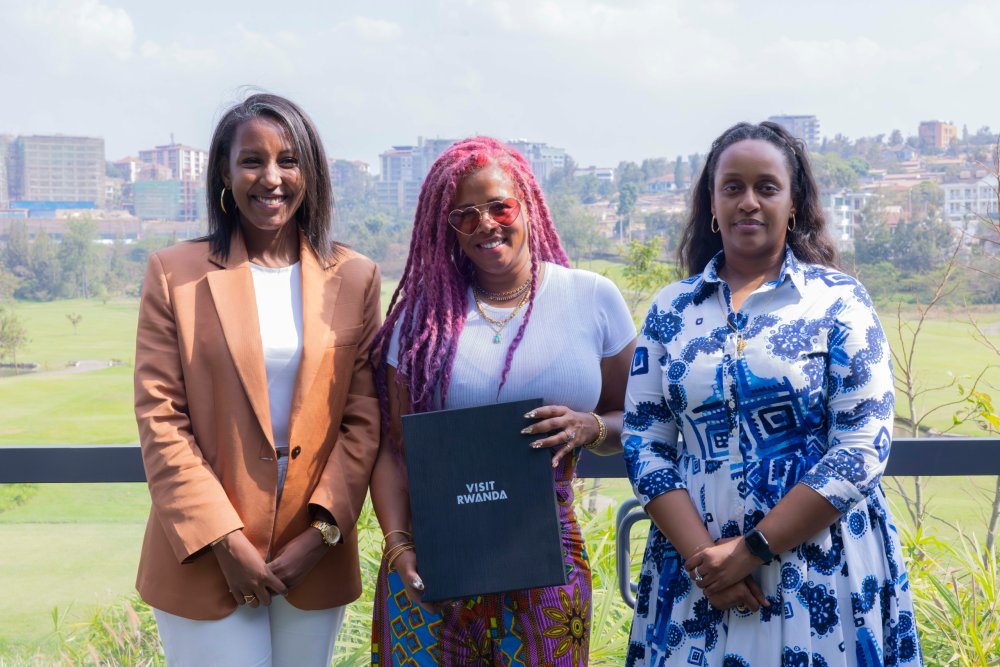
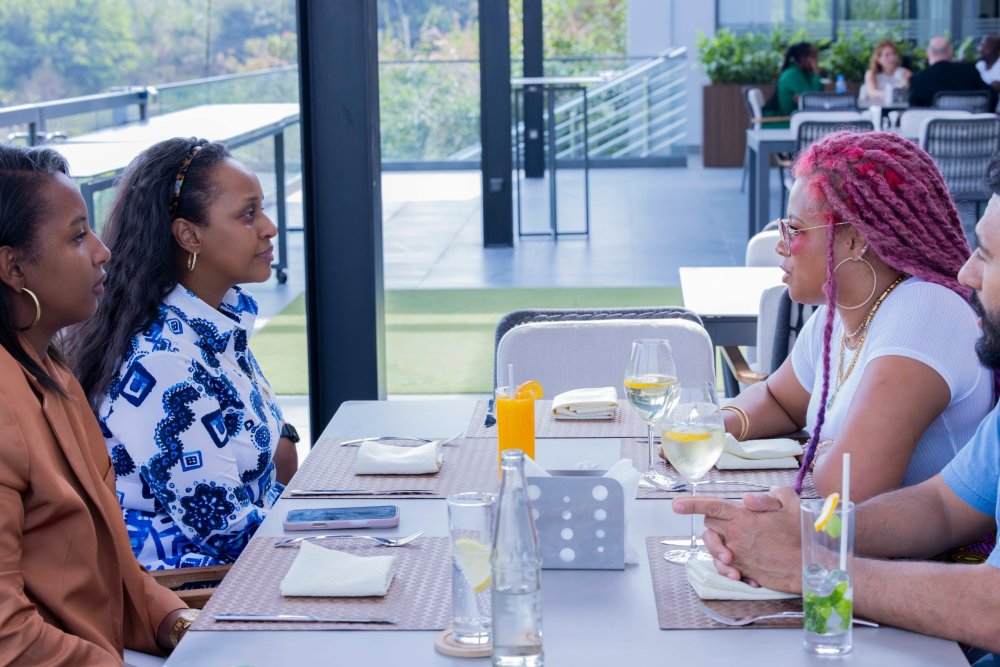
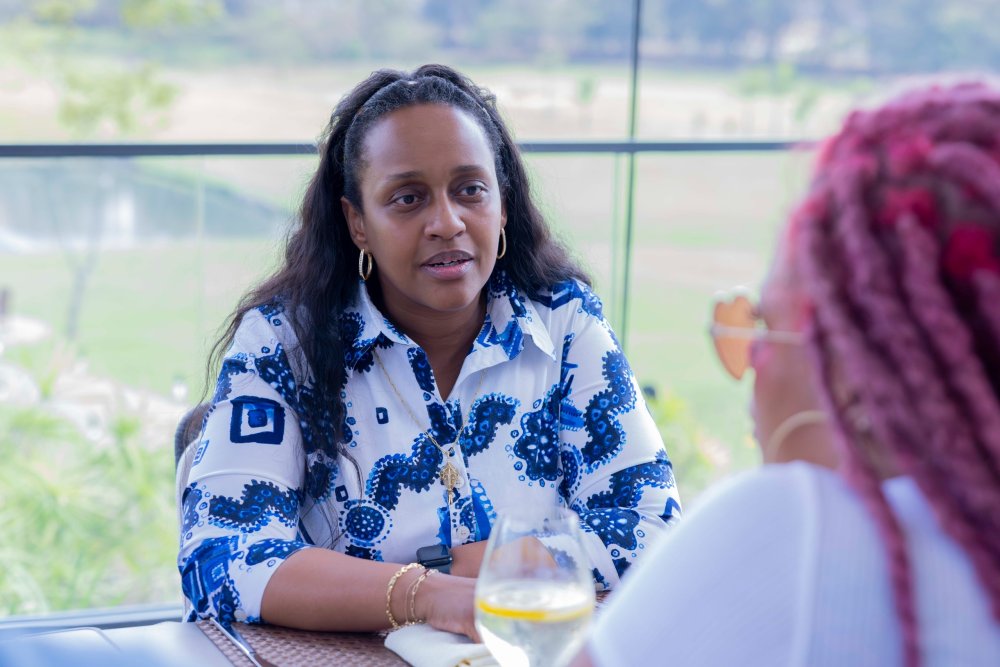
On July 22, 2026, RDB’s Chief Tourism Officer, Irène Murerwa, and the Deputy Chief Executive Officer of the Rwanda Convention Bureau (RCB), Maëva Haguma, held talks with Kelis to discuss possible areas of collaboration.
According to RDB, the discussions focused on ways to position Rwanda as an attractive destination for tourism and investment, particularly among American travelers and investors interested in visiting the country or pursuing business opportunities there.
Although no specific projects or timeline have yet been announced, a partnership with Kelis could significantly expand Rwanda’s international visibility by reaching her large audience in the United States and other parts of the world.
With a career spanning music, fashion, business and culinary arts, Kelis could help showcase Rwanda’s tourism attractions, investment opportunities and vibrant business environment through a variety of platforms.
Rwanda has increasingly partnered with internationally recognized personalities to promote the country’s natural attractions and strengthen its tourism sector, particularly through the Visit Rwanda campaign. Such collaborations are intended to attract new groups of visitors and investors from key international markets, including the United States.
Who is Kelis Rogers?
Kelis Rogers is an American singer, songwriter, entrepreneur and professionally trained chef. Born on August 21, 1979, in Harlem, New York, she rose to fame with the release of her debut album, Kaleidoscope, in 1999.
She achieved global recognition with her 2003 hit single “Milkshake,” which became one of her signature songs and established her as an international music star. Throughout her career, Kelis has sold millions of records worldwide and earned Grammy Award nominations.
Beyond music, Kelis trained at the prestigious Le Cordon Bleu culinary school. She is also the author of the cookbook My Life on a Plate and founded Bounty & Full, a lifestyle brand specializing in skincare, haircare and food products. Her success across multiple industries has made her one of the most recognizable American entertainers turned entrepreneurs.
RDB Chief Tourism Officer Irène Murerwa and the Deputy Chief Executive Officer of the Rwanda Convention Bureau (RCB), Maëva Haguma, met with American singer and entrepreneur Kelis Rogers for discussions on potential areas of collaboration.RDB Chief Tourism Officer Irène Murerwa and Rwanda Convention Bureau (RCB) Deputy Chief Executive Officer Maëva Haguma welcomed Kelis Rogers.Irène Murerwa, RDB’s Chief Tourism Officer.American artist Kelis Rogers explores partnership opportunities with Rwanda.
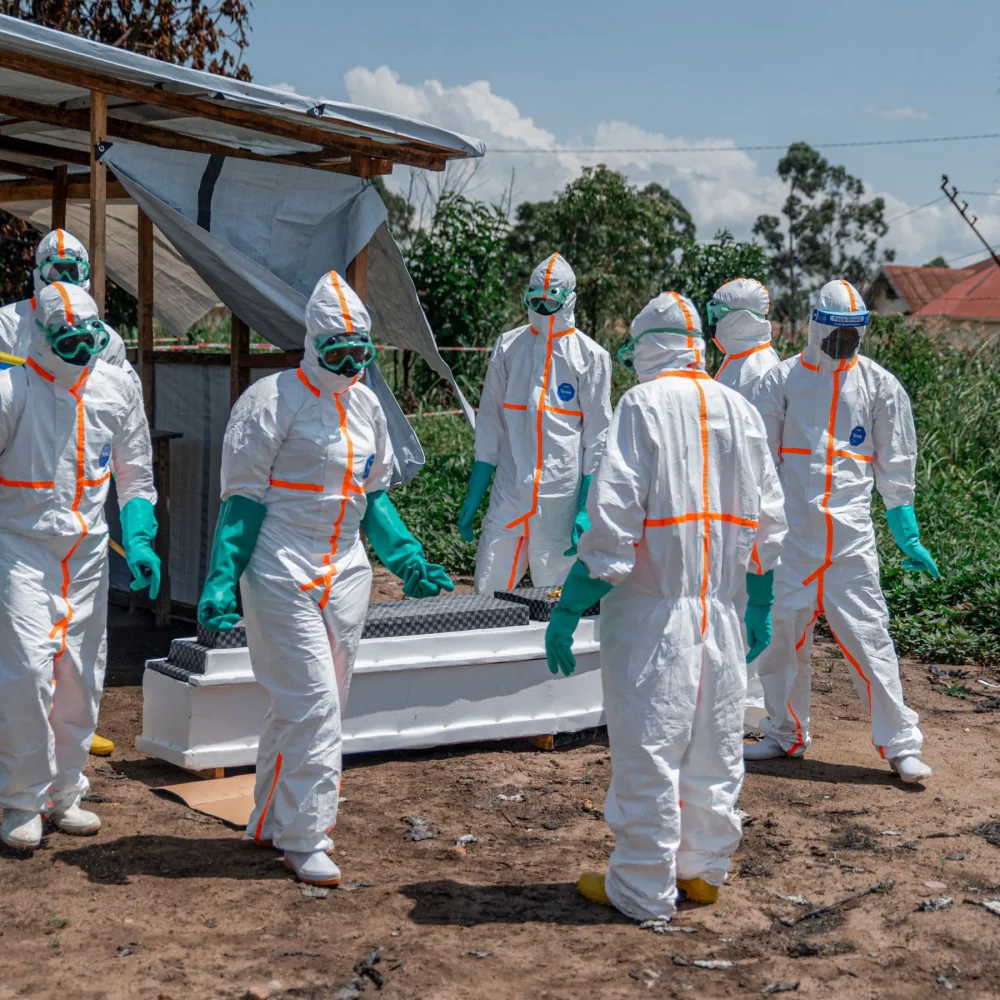
According to figures released by the DRC Ministry of Health, as of July 21, 2026, a total of 1,033 people had died from the disease, while the number of confirmed infections had reached 2,536 cases.
The latest statistics show that the fatality rate among confirmed Ebola patients stands at 40.7 per cent, meaning that approximately four out of every 10 people diagnosed with the virus have lost their lives.
The Ministry’s report, based on laboratory results from the National Institute of Biomedical Research (INRB), indicates that 63 new cases were confirmed within 24 hours.
The eastern province of Ituri remains the epicentre of the outbreak, accounting for 88.6 per cent of all confirmed cases recorded in the country.
On July 21 alone, Ituri reported 46 new infections, particularly in the areas of Bunia, Rwampara and Drodro. The province continues to register the highest number of Ebola cases and deaths since the outbreak was declared.
The outbreak has also severely affected North Kivu Province, where the fatality rate among confirmed cases has reached 58.7 per cent, the highest among all affected areas. However, no new Ebola infections have been reported in areas under the control of the AFC/M23 alliance.
Currently, 738 people are either isolated or receiving treatment at Ebola care centres across the affected provinces of Haut-Uélé, Ituri, North Kivu and Tshopo. Meanwhile, South Kivu Province has not recorded new cases for nearly two months.
Health authorities say that tracing people who have been in contact with infected individuals remains one of the biggest challenges in controlling the outbreak.
The Ministry reported that contact tracing activities are being conducted at a national rate of 77.2 per cent, although concerns remain that some cases may not be detected or that some contacts may not be adequately followed up.
Meanwhile, Uganda, which also reported cases of Ebola, has confirmed that it has not recorded any new infections since June 21, 2026. The country recorded a total of 20 Ebola cases, including two deaths.
A total of 1,033 people have died from the Bundibugyo Ebola outbreak in DR Congo.
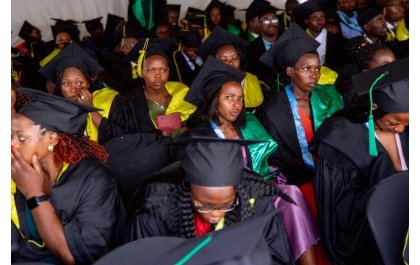
The ceremony was held on July 20, 2026, at the university’s headquarters in Gicumbi District, where graduates were celebrated for successfully completing their academic journeys and preparing to join the labour market.
UTAB Vice Chancellor, Dr. Munana Gilbert, congratulated the graduates on their achievement and encouraged them to continue developing their skills and knowledge to create opportunities for themselves and contribute to society.
“Today marks the beginning of another journey. The degrees you are receiving are not the end of education, but rather a foundation that will enable you to continue learning, improving your skills, and serving Rwandan society and the world at large,” he said.
He explained that quality education goes beyond helping learners remember what they have been taught, but instead prepares them to think critically, ask important questions, and develop innovative solutions to existing challenges.
“True education does not create people who only repeat what they have learned. It creates individuals who think deeply, ask meaningful questions, and come up with new solutions,” he added.
Dr. Munana urged the graduates to uphold values of integrity, commitment, patriotism, and hard work, which he described as important qualities promoted among students at UTAB.
The university’s legal representative, Bishop Papias Musengamana, said the 15th graduation ceremony reflects UTAB’s continued growth and its contribution to strengthening Rwanda’s education sector.
He noted that graduates leaving the university represent an important contribution to the country’s development because the knowledge and skills they have gained will enable them to participate in solving challenges facing Rwanda and the world.
“This demonstrates UTAB’s position as a trusted partner in preparing competent and responsible professionals who are capable of addressing challenges affecting our country and the world at large,” Bishop Musengamana said.
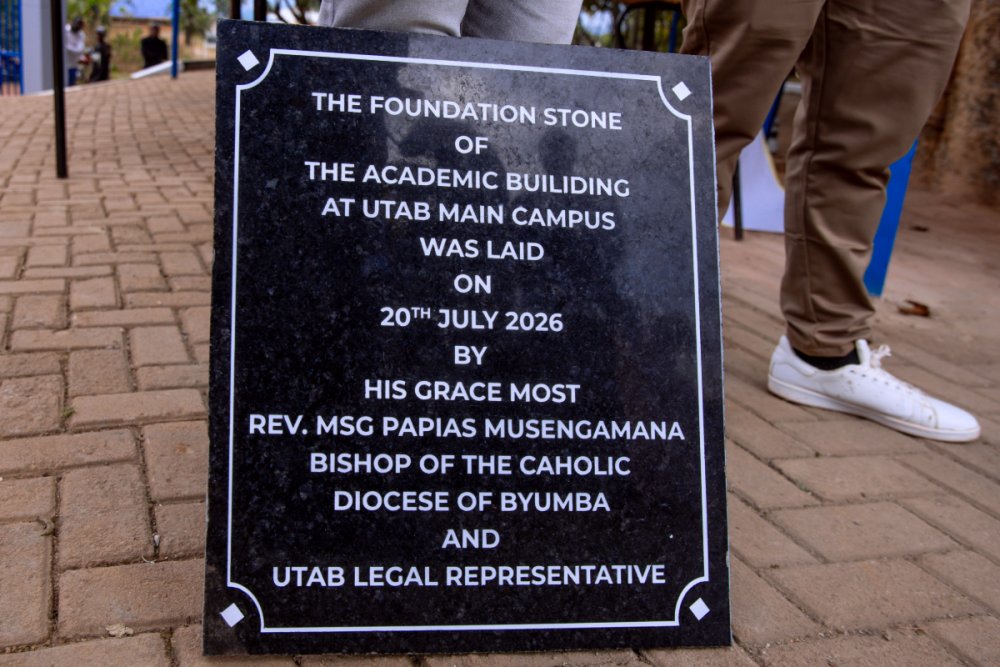
During the ceremony, UTAB also laid the foundation stone for the construction of a new university building that will support the improvement of education quality and research activities at the institution.
Bishop Musengamana said the five-storey building is expected to be completed within one year, adding that the university will work hard to ensure the project is delivered on time.
“We will do everything possible to ensure that this building is completed within the planned period and contributes to improving education as well as the development of Gicumbi City,” he said.
Among the graduates was Rogin Ifitebyose, who completed a Bachelor’s degree in English and Kinyarwanda. He thanked UTAB for equipping students with knowledge and values that will continue guiding them throughout their professional lives.
“During our time at UTAB, we had the opportunity to study programmes that respond to today’s needs, improve our language skills, gain knowledge in technology, participate in practical learning, conduct research, and acquire other skills that will help us compete at the labour market,” he said.
Meanwhile, Dr. Ndikubwimana Théoneste, Head of the General Higher Education Quality Standards Department at the Higher Education Council (HEC), called on UTAB and other higher learning institutions across Rwanda to strengthen the use of technology in teaching and learning.
He particularly encouraged universities to embrace emerging technologies, including artificial intelligence, to ensure students acquire skills relevant to the changing global environment.
“We encourage the leadership of this university and other institutions to increase the use of technology in teaching and learning. Artificial intelligence is developing rapidly, and students should not be left behind. Universities must invest more in these technologies,” he said.
The graduation ceremony highlighted UTAB’s continued commitment to producing skilled graduates equipped with knowledge, values, and practical skills needed to contribute to Rwanda’s transformation and global development.
UTAB holds 15th graduation ceremony, awards degrees to 1,474 graduatesUTAB Vice Chancellor, Dr. Munana Gilbert, commended the graduates for their dedication and encouraged them to continue acquiring knowledge and skills that will help them advance their personal development.Gicumbi District Mayor, Nzabonimpa Emmanuel, attended the event.UTAB graduates pledge to use the knowledge and skills they acquired to drive development.Dr. Joseph Nkurunziza, Principal of the College of Business and Economics at the University of Rwanda, was among those who attended the ceremony to award degrees to UTAB graduates.