The 49 year old singer shared a new photo on Instagram showing herself seated at a desk beside a printer, striking almost the exact same pose as she did in a famous 1997 image captured in the newsroom of El Heraldo newspaper in Barranquilla, Colombia.
She captioned the post, “I have a feeling I’ve seen this before,” along with the hashtag #letscreatetogether.
The original photograph, taken during the early years of Shakira’s rise to international fame, has become a favorite internet meme over the years.
Although it predates MySpace by several years, social media users frequently pair the image with jokes about customizing MySpace profiles, choosing profile songs, arranging “Top 8” friends, or checking messages on the once hugely popular social networking platform.
Fans quickly embraced the recreated image, flooding the comments with nostalgic reactions.
Many praised the singer for acknowledging a meme that has entertained internet users for years, while others joked that she had “updated the meme” for a new generation.
The timing of Shakira’s post is particularly fitting, as MySpace has returned to public conversation following the release of a new documentary exploring the platform’s history and cultural impact.
The documentary features current MySpace owners Chris and Tim Vanderhook, who revealed they still plan to relaunch the iconic social media platform when the time is right.
The Vanderhook brothers said they acquired MySpace in 2011 with the goal of restoring the artist community that once made the platform unique.
The documentary also includes MySpace co founder Aber Whitcomb, who reflected on how the site encouraged users to discover music and socialize, contrasting it with many modern social media platforms that often fuel fear of missing out and lower self esteem.
While there is no official launch date for the new version of MySpace, its owners say they remain committed to bringing the platform back.
Until then, Shakira’s playful recreation of her iconic photo has reminded fans of a simpler era of the internet and highlighted just how enduring both her career and online legacy have become.
Singer delights fans by recreating a nearly 30 year old photo as renewed interest in MySpace grows.
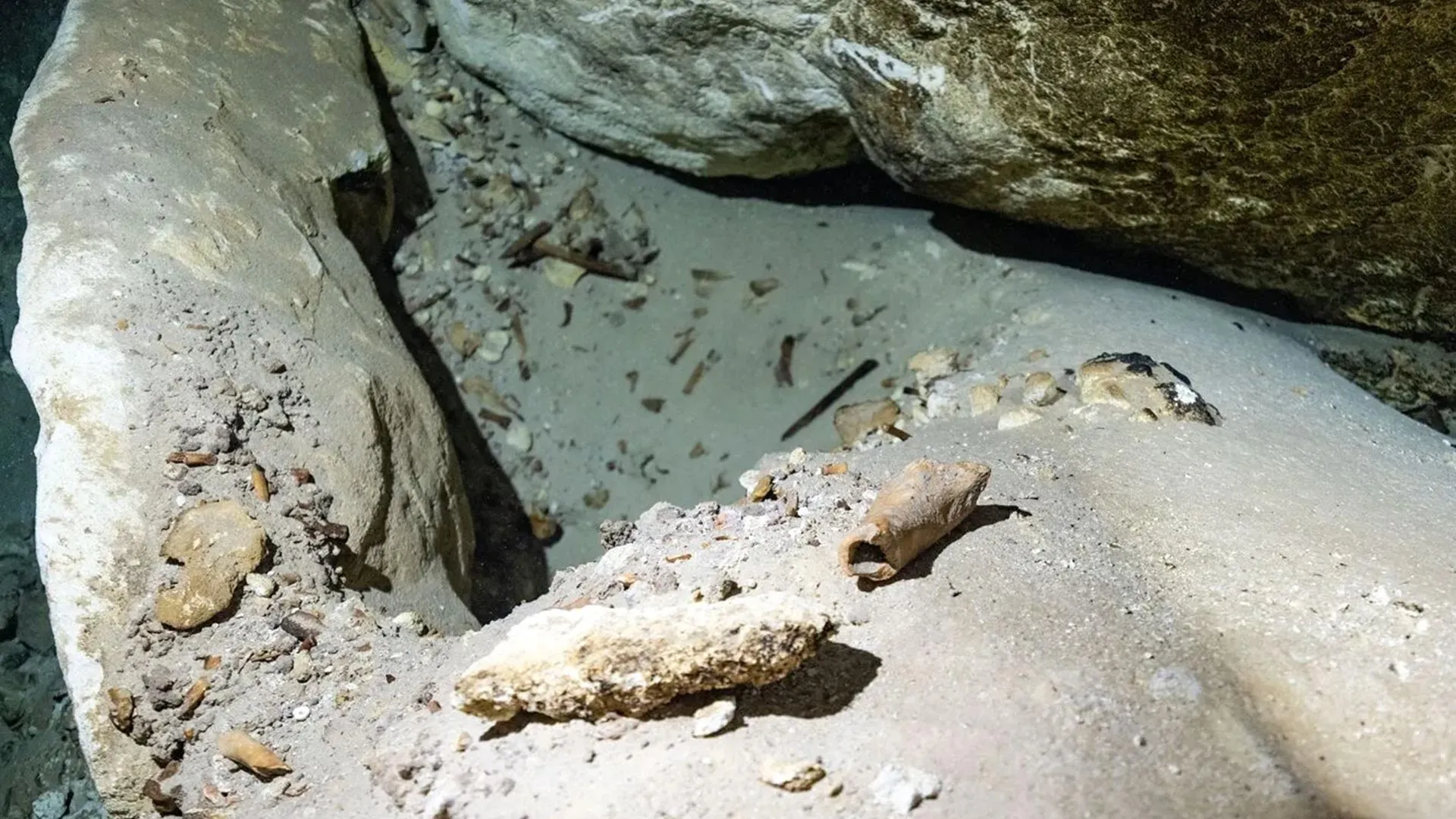
A study from Griffith University found that bones recovered from underwater caves in South Australia carry unique “fingerprints” shaped by the conditions they experienced after the animals died.
These changes were influenced by darkness, algae, bacteria, and other environmental factors inside the caves.
The findings provide researchers with a new method to investigate how the remains of ancient megafauna, including some of the giant animals that once roamed Australia, entered and survived in underwater cave systems.
Scientists have long studied fossilized bones to understand extinct species, but determining how those remains arrived in unusual locations such as submerged caves has remained a challenge.
The new research suggests that microscopic changes preserved on bones can reveal important information about their journey through different environments.
According to the researchers, underwater caves create unique conditions that can preserve biological remains for thousands of years. The absence of sunlight, along with interactions between minerals, microorganisms, and water, leaves distinctive marks on bones that act like environmental records.
These clues allow scientists to examine not only the animals themselves but also the conditions surrounding their burial and preservation.
The research could improve scientists’ understanding of ancient ecosystems and provide new insights into Australia’s extinct megafauna, a group of large animals that disappeared thousands of years ago.
By studying these hidden signals inside underwater cave bones, researchers hope to reconstruct the events that brought extinct giants to their final resting places and learn more about how environmental changes affected ancient life.
Ancient underwater cave bones has revealed secrets of Australia’s extinct giants
The request was filed on Monday in the U.S. District Court for the Northern District of California.
Apple is seeking an order preventing OpenAI, former Apple engineer Chang Liu, and former Apple executive Tang Tan from accessing, using, acquiring, or disclosing what it says is proprietary company information during the litigation.
The technology giant is also asking the court to allow expedited discovery, including the production of documents and sworn testimony, to determine whether its confidential information has been misused.
Apple filed the lawsuit last month, accusing Liu and Tan of taking confidential company information before joining OpenAI.
The company alleges that the information relates to its hardware technologies and could be used to accelerate the development of competing artificial intelligence devices.
According to the court filing, Apple believes that without immediate intervention, it faces the risk of irreparable harm because the alleged trade secrets could be used to strengthen a competitor in the fast-growing AI hardware market.
OpenAI has denied Apple’s allegations, saying it neither possesses nor has any interest in Apple’s confidential information.
In a statement released on Tuesday, the company described Apple’s request for a preliminary injunction as unnecessary and said the lawsuit is based on incorrect claims.
OpenAI added that it has strict internal policies prohibiting employees from bringing or using confidential information belonging to former employers.
The company also published emails and text messages that it says support its position and demonstrate that it has acted appropriately throughout the hiring process.
The legal dispute comes as major technology companies race to develop AI-powered consumer devices, a market expected to become increasingly competitive in the coming years.
Apple argues that safeguarding its trade secrets is essential to protecting its innovation and maintaining a competitive advantage, while OpenAI maintains that it has not used or obtained any confidential Apple information.
The court has not yet ruled on Apple’s request for a preliminary injunction, and the broader trade secrets lawsuit remains pending.
Apple has sought preliminary injunction against OpenAI in trade secrets lawsuit
For many people trying to lose weight, the biggest challenge is not only changing their diet or exercising more. The real battle may be happening inside the brain.
New research suggests that the human brain has powerful survival mechanisms that can make weight loss difficult by pushing the body to return to a previous weight. Scientists say this biological response developed thousands of years ago when humans needed to store energy to survive periods when food was scarce.
Today, however, the same survival system can work against people who are trying to maintain a healthier weight.
According to researchers, the brain can treat a person’s previous higher weight as the body’s normal state. After losing weight, the brain may send signals that encourage the body to regain what it has lost.
As neuroscientist Dr. Sandra Aamodt explains, “Your brain has an internal thermostat that decides how much it wants you to weigh, and it will keep pushing you back to that weight.”
These signals can increase hunger, strengthen cravings for high-calorie foods, and reduce the amount of energy the body uses. As a result, many people regain weight after successful diets, even when they continue making efforts to stay healthy.
The findings challenge the idea that weight loss is simply a matter of discipline or willpower. Scientists say biology plays a major role in determining how the body responds to changes in weight.
Researchers explain that the human body evolved to protect itself from starvation. When food was unpredictable, storing fat provided an important survival advantage. However, in today’s world where high-calorie foods are widely available, these same biological systems can contribute to weight challenges.
The study also highlights why some people struggle after stopping weight-loss medications. Drugs such as those that affect appetite signals between the brain and the digestive system can help people lose weight, but the body may attempt to restore its previous weight once treatment ends.
Experts say long-term weight management requires more than short-term diets. They recommend focusing on sustainable habits such as balanced nutrition, regular physical activity, enough sleep, and creating environments that support healthy choices.
Scientists also emphasize that health should not only be measured by the number on a weighing scale. Improvements in fitness, eating habits, and overall wellbeing can bring important health benefits, even when weight loss happens slowly.
The research provides a new understanding of why maintaining weight loss remains one of the biggest challenges in health. By recognizing the role of the brain and biology, experts hope future approaches to weight management will become more effective and supportive.
Rather than viewing weight regain as a personal failure, scientists say it should be understood as a complex interaction between human biology, environment, and lifestyle.
Researchers say weight regain is not only about lifestyle choices but also about powerful signals from the brain and body.
The singer’s representative confirmed the decision, explaining that Grande’s choice came after years of experiencing constant public scrutiny and was part of her desire to create healthier boundaries between her personal life and her career.
During her concert at Chicago’s United Center on Monday night, Grande addressed fans in an emotional four-minute speech, assuring them that the decision was not sudden or made out of frustration.
“The announcement that was made yesterday was not a reactive or impulsive thing,” Grande told the audience. She explained that it was a decision she had quietly planned for a long time and one that came from a thoughtful and empowered place.
Grande also reassured fans that criticism and outside opinions were not the reason she was stepping away from music and entertainment. Instead, she emphasized the importance of taking breaks and setting personal boundaries.
“Human beings do need a break sometimes,” she said, adding that the decision was about prioritizing her well-being after years of balancing global fame, performances, and public attention.
The announcement comes after continued public discussions about Grande’s appearance and the pressures that come with being one of the world’s most recognized entertainers. Her fans have shown concern in recent months, while Grande has repeatedly spoken about the challenges of living under constant public observation.
As part of the transition, Grande has reportedly stepped away from her planned role in the West End revival of Stephen Sondheim’s Sunday in the Park with George, where she was expected to appear alongside her Wicked co-star Jonathan Bailey. The production team expressed understanding and support for her decision.
Although she is taking a break from some public commitments, Grande will continue with selected professional projects. She is expected to appear in the upcoming film Focker-in-Law, scheduled for release later this year.
Grande thanked her fans in Chicago, describing the Eternal Sunshine Tour as one of the most meaningful and healing experiences of her career. She will complete the remaining dates of the tour, including her final performances in London, before beginning her planned break from public-facing activities.
Ariana Grande says her decision to step away from the spotlight was carefully planned, as she prepares to focus on personal boundaries and life beyond touring.
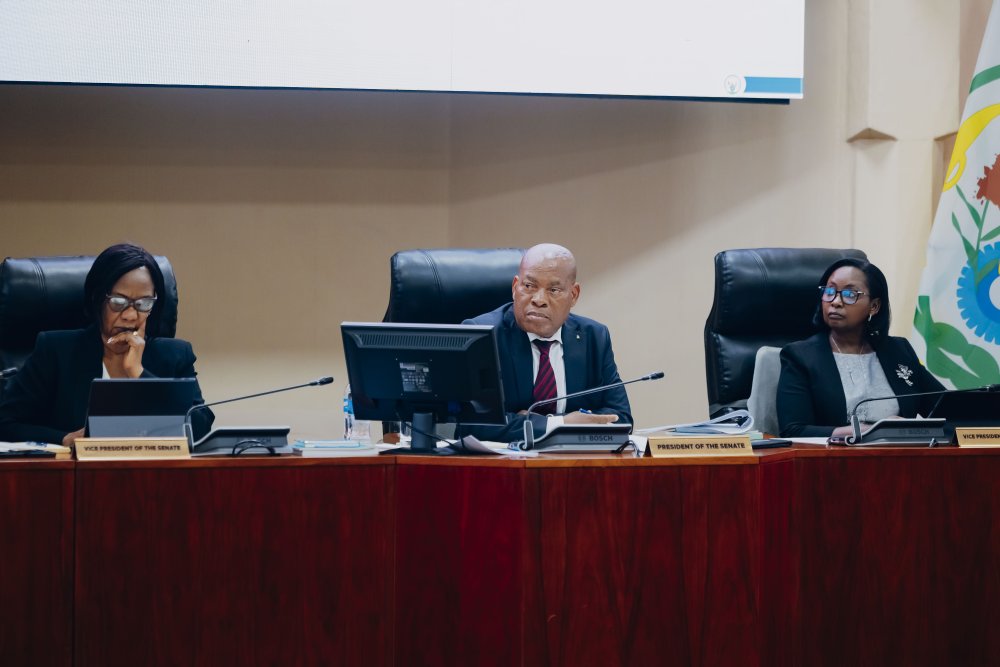
The minister disclosed the figures on August 3, 2026, while appearing before the Senate Plenary to present progress made in addressing challenges facing industrial parks and outline measures being taken to resolve infrastructure gaps that have slowed their development.
During the session, senators observed that while all industrial parks are connected to electricity and equipped with water supply infrastructure, water shortages remain a persistent challenge in many of the zones.
Kajangwe said the government’s Second National Strategy for Transformation (NST2) prioritises the development of infrastructure in four industrial parks located in Muhanga, Bugesera, Rwamagana and Musanze.
He added that the government will continue expanding infrastructure to other industrial parks as resources become available.
The minister also said the government has introduced a digital investment project monitoring system to improve services for both existing and prospective investors and accelerate the productive use of industrial parks.
“To date, 405 investors have been allocated land across all industrial parks in the country. Of their projects, 193 have been completed, 99 are currently under construction, while 122 have not yet started,” Kajangwe told senators.
He revealed that 15 projects have experienced significant delays despite investors having already received land from the government. These include five projects in Rwamagana, four in Bugesera, four in Rusizi and two in Huye.
Kajangwe said the government has adopted a firm approach toward investors who fail to develop their allocated plots within the agreed timeframe.
“Where projects are delayed, the government repossesses the land and reallocates it to investors who are ready to implement their projects without delay,” he said.
So far, the government has repossessed six plots, including five in Rwamagana Industrial Park and one in Musanze Industrial Park.
“These plots have already been allocated to other investors who demonstrated both interest and the capacity to fast-track their projects,” he added.
Senator Evode Uwizeyimana welcomed the move, saying reclaiming land from investors who acquire plots for speculation rather than development was a positive step. However, he argued that the number of repossessed plots remains too low.
“Six is still a small number. You mentioned Rwamagana, but this exercise should be extended to other industrial parks as well,” Uwizeyimana said.
Responding to the concerns, Kajangwe said the ministry is monitoring several other investors who have failed to honour their contractual obligations and that more repossessions will follow.
“Investors who have exceeded the construction deadlines and have not presented any clear plans for developing their plots will have their land repossessed. This is a commitment we have made as the Ministry of Trade and Industry,” he said.
He explained that every investor allocated land in an industrial park signs a contract specifying when construction must begin. The government also reclaims plots from investors who fail to fulfil their financial obligations, including payments owed to the state.
Kajangwe noted that authorities have already identified additional investors who have exceeded the deadlines set in their contracts without starting construction and that they will also lose their plots.
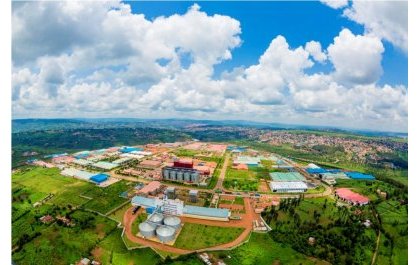
Rwanda currently has 10 industrial parks across the country. Investors are allocated space based on the type of manufacturing activities they intend to undertake. The industrial parks in Nyagatare and Nyabihu are designated for agro-processing industries, while the Musanze Industrial Park primarily hosts manufacturers of construction materials.
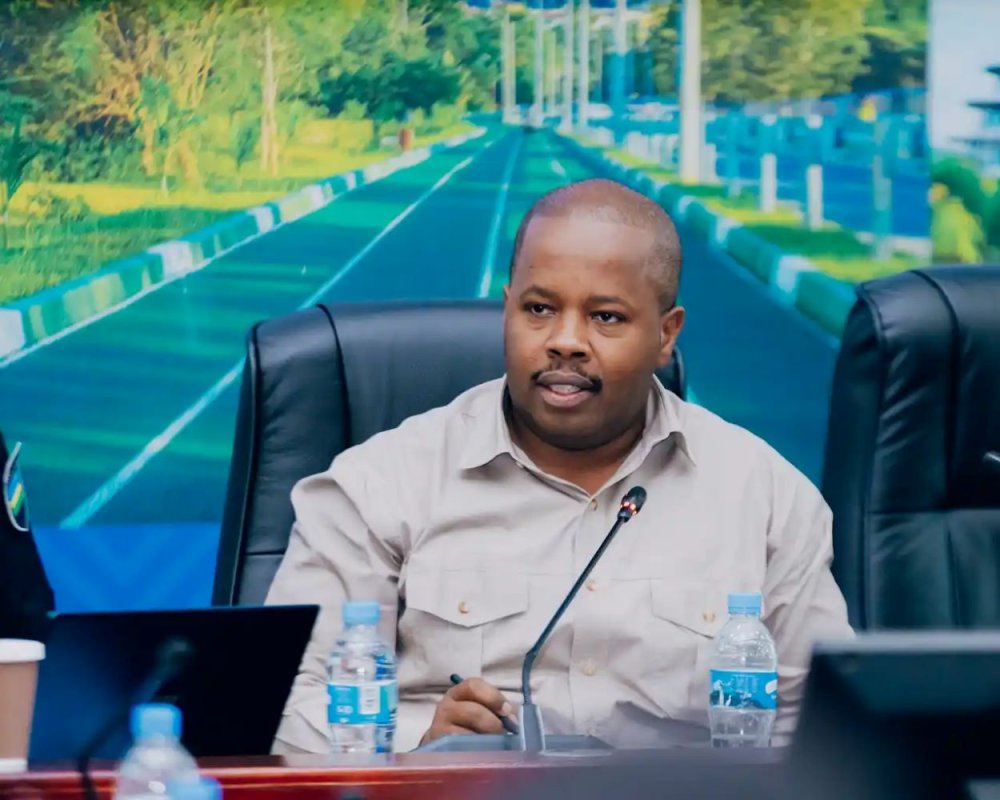
Senators have called for stronger infrastructure development in Rwanda’s industrial parksMinister Antoine Marie Kajangwe said investors who have neither paid for nor developed their industrial park plots are on a government list and face repossessionThe Senate commended ongoing initiatives aimed at addressing challenges identified in industrial parks
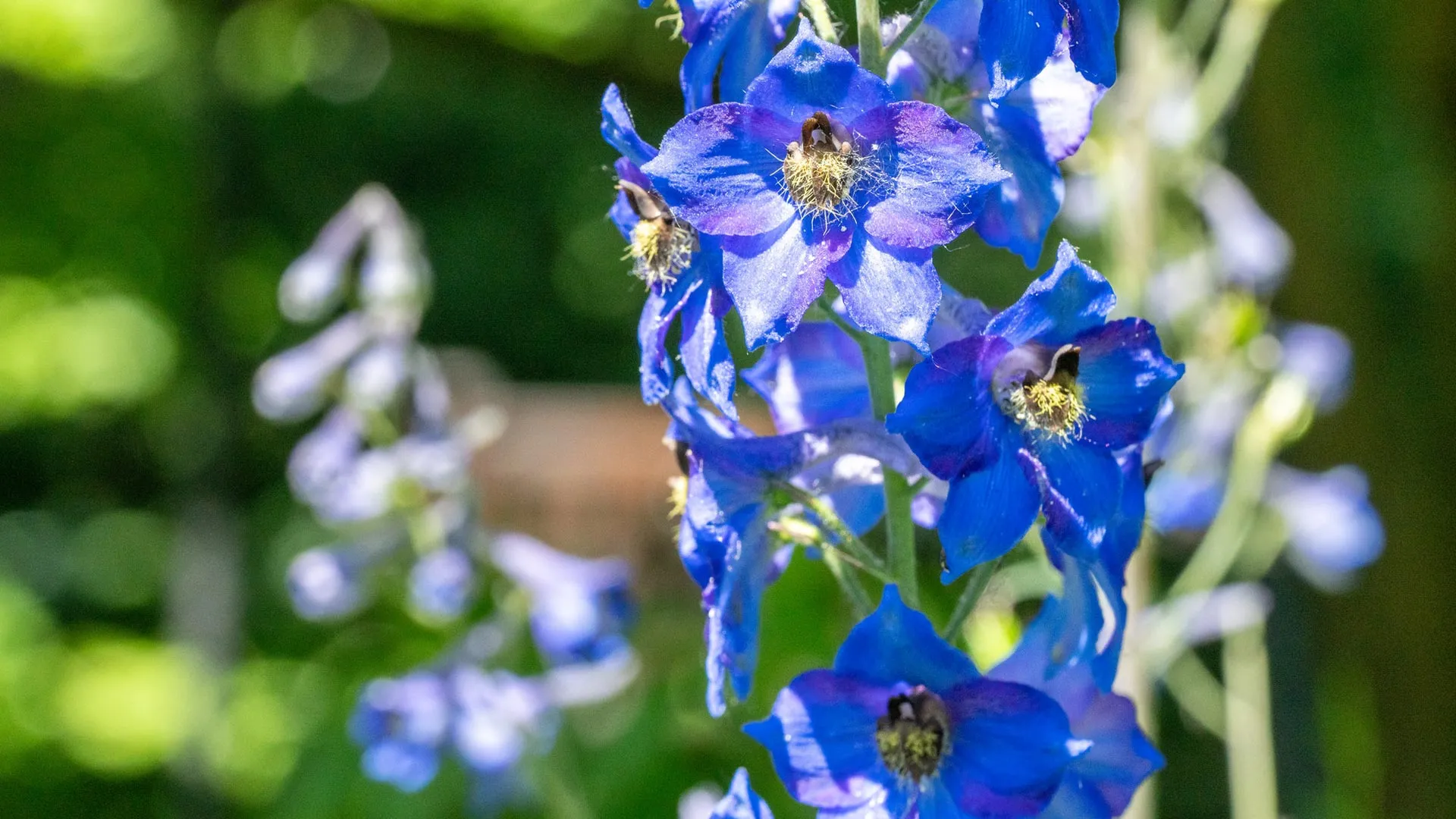
Scientists have uncovered how two highly poisonous flowers produce complex chemical compounds that could one day contribute to the development of new medicines for conditions such as pain, malaria and cancer.
Researchers from Michigan State University and the Czech Academy of Sciences studied two toxic plants, wolfsbane and larkspur, to understand how they create powerful natural chemicals known as diterpenoid alkaloids.
Although these plants can cause severe nerve damage and paralysis when consumed in dangerous amounts, scientists say their chemical properties may also provide valuable opportunities for medical research.
The study focused on a compound called atisinium, which belongs to the diterpenoid alkaloid family. These natural substances have attracted scientific interest because of their potential biological effects, but their complicated structures have made them extremely difficult to produce and study.
To discover how these plants manufacture their chemicals, researchers analyzed thousands of genes from different species of wolfsbane and larkspur.
They identified six key enzymes that work together like a biological production line, allowing the plants to build atisinium.
Scientists then transferred the genetic instructions responsible for producing the compound into tobacco plants. The modified plants successfully recreated the chemical process, showing that they could potentially serve as “living factories” for producing rare natural compounds.
Plants have long been a major source of medicines. Many widely used substances, including caffeine, menthol and some cancer treatments, are either directly obtained from plants or inspired by plant chemistry.
Researchers believe that understanding how poisonous plants create these compounds could help develop safer and more sustainable ways to produce them in larger quantities.
“Our vision is to provide green, sustainable tools that will allow us to harness these plants’ natural power,” said Björn Hamberger, one of the researchers involved in the study.
The findings, published in the scientific journal Molecular Plant, could open new possibilities for studying plant-based chemicals and exploring their future applications in medicine and agriculture.
Researchers from Michigan State University and the Czech Academy of Sciences studied two toxic plants, wolfsbane and larkspur, to understand how they create powerful natural chemicals known as diterpenoid alkaloids.
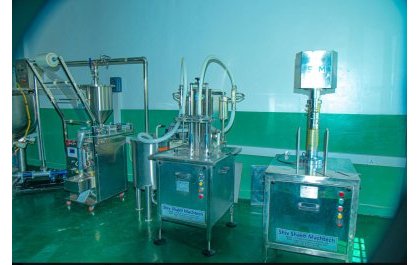
The facility, named Ngoma Tomato Processing Plant, was established by Afrinet Solutions Group and is expected to address one of the biggest challenges facing tomato farmers: the lack of a reliable market, which has often resulted in large quantities of produce going to waste.
The plant is expected to begin operations in the coming months after obtaining the necessary regulatory approvals. It is currently undergoing final testing to ensure its processing systems are fully operational before commercial production begins.
Once operational, the factory will process 10 tonnes of fresh tomatoes every day, producing approximately one tonne of tomato paste. The paste will be used in the manufacture of a range of products, including tomato sauce, ketchup, tomato juice and other tomato-based products.
Residents living near the facility welcomed the investment, saying it will provide farmers with a dependable market for their harvests and help prevent tomatoes from spoiling due to limited demand.
One of the farmers, Hakizimana Elias, said producers previously had no choice but to transport their tomatoes to Kigali, where buyers often purchased only small quantities.
“Our harvests were good, but we struggled to find buyers. We had to take our tomatoes to Kigali, where only small amounts were bought. With this factory now in our area, our produce will finally have value. We have repeatedly raised concerns during community meetings about our harvests going to waste because there was no reliable market,” he said.
Another farmer and investor, Kamana Nicole, said the factory gives greater value to her investment in tomato farming by guaranteeing a ready market for the crop.
“We are constantly encouraged to invest in activities that contribute to the country’s development. That is why I invested in tomato farming after returning from abroad. I believe this venture will improve my livelihood while also contributing to Rwanda’s economic growth,” she said.
Members of the Senate Committee on Economic Development and Finance recently toured the plant and praised the progress made.
However, they urged its management to learn from the challenges that affected similar processing factories in the past.
The committee’s chairperson, Fulgence Nsengiyumva, said farmers told the committee that although production had increased, they frequently failed to find buyers, leaving much of their harvest to rot in the fields.
He recalled that Sorwatom, a tomato processing factory, initially purchased tomatoes directly from local farmers before later switching to buying tomato paste from other suppliers. It eventually abandoned that approach as well and instead began importing packaged tomato sauce for sale on the Rwandan market.
Nsengiyumva emphasized that the new factory should avoid repeating that experience by maintaining direct purchases from local farmers, noting that providing a sustainable market for their produce is the plant’s primary purpose.
So far, the factory has signed supply agreements with farmers from 24 cooperatives across the seven districts of Eastern Province, two large farming groups and about 30 individual farmers, bringing the total number of contracted suppliers to around 1,500.
The facility is also expected to create more than 50 permanent jobs once it becomes fully operational.
Eastern Province’s first tomato processing plant has been completed in Ngoma, with capacity to process 10 tonnes daily.
He made the call on July 31, 2026, during a general assembly that brought together youth volunteers from across Kigali City.
Dusengiyumva urged the volunteers to work closely with authorities and communities to identify and report people involved in the production and distribution of illicit alcoholic drinks, which have been linked to serious health consequences and deaths.
Some of the illicit drinks are commonly known by names including Dundubwonko, Yewe Muntu, Umumanurajipo, Bareteta, Akajinga and Beyurawihe.
Health officials have raised concerns about the substances reportedly used in producing some of these drinks.
Antoine Hagenimana, an official in the Mental Health Division at the Rwanda Biomedical Centre (RBC), said some illicit alcoholic drinks may contain substances such as Pakmaya yeast, brick powder, excessive amounts of sugar, tobacco, and methanol among others.
Methanol is an industrial chemical that can be highly toxic when ingested.
“Methanol added to these alcoholic drinks acts like a poison that can kill quickly. It can damage the brain and cause the kidneys to stop functioning. This is why someone may appear healthy and then suddenly die after consuming such drinks,” Hagenimana said.
The effects of excessive consumption are not limited to deaths.
Some people reportedly collapse in streets, drainage channels and on embankments after becoming heavily intoxicated, raising concerns about both public safety and the wider impact of substance abuse on communities.
During the meeting, Dusengiyumva showed the volunteers photographs of people lying intoxicated on roads and used them to illustrate the consequences of alcohol abuse.
He told the volunteers that combating illicit alcohol was part of Kigali City’s priorities and urged them to overcome fear when reporting suspected cases.
“Have you seen the pictures? Is this the future we want? You have been trained, and now we are going to share responsibilities. We recently committed ourselves to ensuring that such scenes no longer appear in Kigali City, and you are the ones who will help make that happen. You know where these drinks are produced because you live in these communities. You must overcome fear and report what you see,” Dusengiyumva said.
Drug abuse remains another concern
The campaign against illicit alcohol comes amid broader concerns over substance abuse.
According to the RBC, substances being abused include cannabis, tobacco, cocaine, rwiziringa, as well as substances administered through injections.
The health institution identifies several factors that can contribute to substance use, including peer pressure, curiosity, loss of hope, limited communication between young people and their parents, family conflicts and, in some cases, families that encourage or facilitate substance use.
Continued substance abuse can have serious consequences, including mental health problems, kidney complications, cancer and difficulties maintaining employment, among other effects.
Dusengiyumva reminded the youth volunteers that their responsibility goes beyond addressing illicit alcohol and includes preventing and reporting all forms of substance abuse.
The volunteers pledged to support the campaign through community awareness and timely reporting.
Cyiza Joseph, one of the youth volunteers, said they had recognised the threat posed by substance abuse to Rwanda’s development.
“We have seen that drug abuse is a serious obstacle to the development of our country. We have therefore decided to engage our fellow young people through awareness campaigns and to report any cases we come across,” he said.
Cyiza also urged fellow volunteers to report cases without fear, saying their role reflects the spirit of service demonstrated by Rwandans who have dedicated themselves to protecting and developing the country.
The call comes as Kigali continues to rely on community-based initiatives and youth participation in efforts to address issues affecting public health and safety.
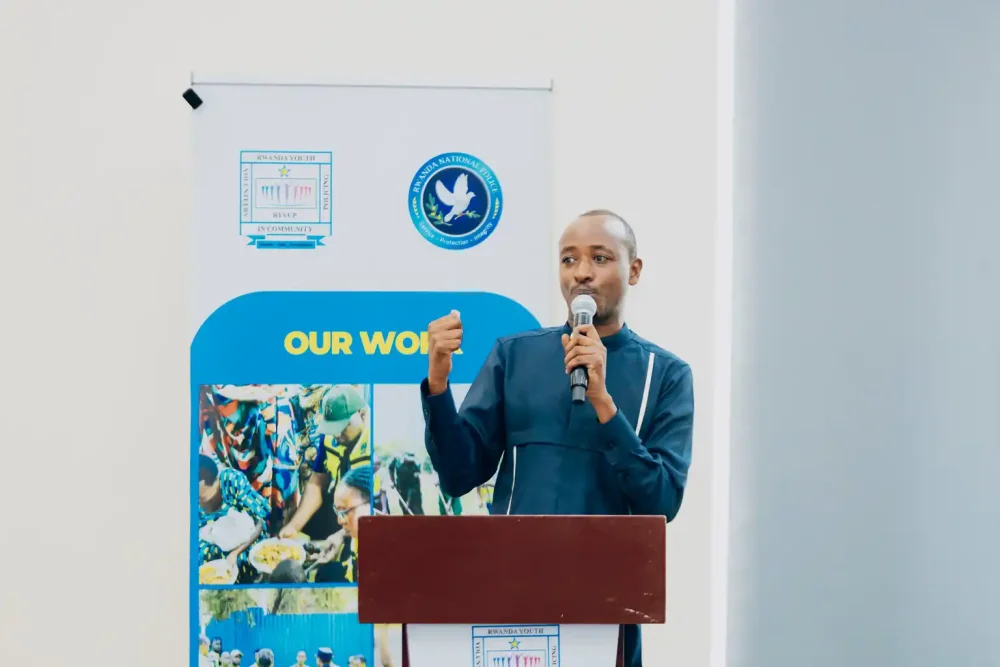
Kigali City Mayor Samuel Dusengiyumva told youth volunteers that they share a responsibility to combat illicit alcohol.Youth volunteers pledge to remain committed to the fight against drug abuse.RBC’s Antoine Hagenimana explains the dangerous production of illicit alcohol and its harmful effects on human health.
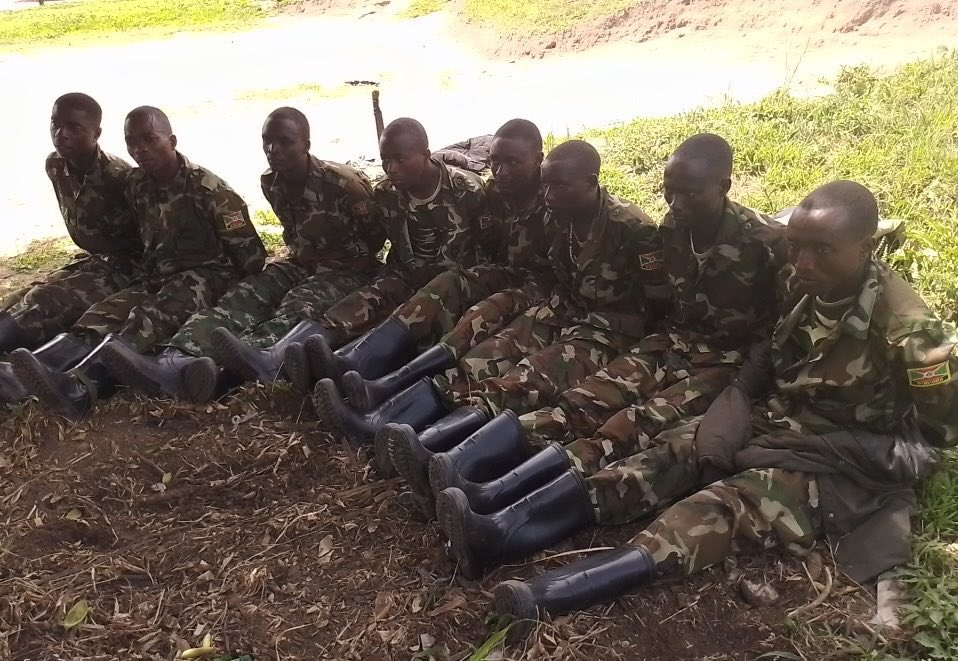
Burundi officially deployed troops to the DRC in 2022 under a bilateral security agreement. The forces initially operated in South Kivu Province, where they were reportedly deployed to fight Burundian armed groups, including Red Tabara, FOREBU, and FNL-Nzabampema.
In 2023, the agreement between Burundi and the DRC was renewed, leading to the deployment of Burundian troops to North Kivu Province to support the Congolese army in its fight against the AFC/M23 coalition, which had expanded its control over several areas.
However, since their deployment to Masisi Territory, Burundian forces have faced allegations of working with the FDLR, a terrorist group opposed to the Rwandan government, and supporting its activities alongside Wazalendo fighters in attacks that have affected civilians.
Survivors of an October 2023 attack carried out by FDLR and Wazalendo fighters in Nturo village, Masisi Territory, alleged that Burundian troops had a military position nearby but failed to intervene as their homes were set on fire and they were left without protection.
The FDLR has continued to be linked to attacks in areas controlled by AFC/M23 and the MRDP-Twirwaneho armed group in South Kivu Province, including Minembwe, where several civilians have reportedly been killed.
Speaking during an interview with BBC Gahuzamiryango published on July 31, 2026, President Ndayishimiye said Burundian troops were deployed to support the Congolese government and operate under the command of authorities in Kinshasa, which determines where they are deployed.
He said: “The FDLR is on Congolese government side. Our Burundian army went there to support the Congolese government. It is not Burundi that is fighting in Congo. We send troops who are under the command of the Congolese government. You cannot ask me, ‘How are they deployed?’” Ndayishimiye said.
The Burundian president argued that troops deployed to another country should be considered as part of the mission they are assigned to, similar to peacekeeping operations, where responsibility for their actions lies with the mission’s command structure.
“I send troops to Somalia, and once they arrive, they become African Union troops. In the Central African Republic, they arrive and wear the United Nations uniform. They are no longer called Burundian troops; they are UN troops that came from Burundi,” he said.
Ndayishimiye added that countries sending troops abroad to support another government should not be viewed as participating in a conflict but rather as assisting the host country.
“This is why people need to understand the difference. When a country sends troops to another country to provide support, it is not going there to attack; it is going there to help. The actions are carried out by the country receiving that assistance,” he said.
Meanwhile, reports have continued to allege that FDLR leaders have held meetings with senior Burundian military officers in border areas, including Cibitoke, where they allegedly discussed military operations and agreed to maintain cooperation.
In early December 2025, after AFC/M23 captured several areas in Uvira Territory near the Ruzizi Plain, reports indicated that Burundi had received fighters fleeing the fighting, including members of FDLR and Wazalendo, who were reportedly accommodated at the Mwaro military camp.
Following intense clashes in Minembwe and surrounding areas in early July 2026, reports further indicated that Burundi received wounded fighters, including members of FDLR and Wazalendo, who were taken to medical facilities, including Tanganyika Care Polyclinic.
Burundi troops are about to mark three years fighting against AFC/M23 rebels. President Evariste Ndayishimiye said Burundian troops deployed in DR Congo should be considered as forces serving under an international peacekeeping mission.