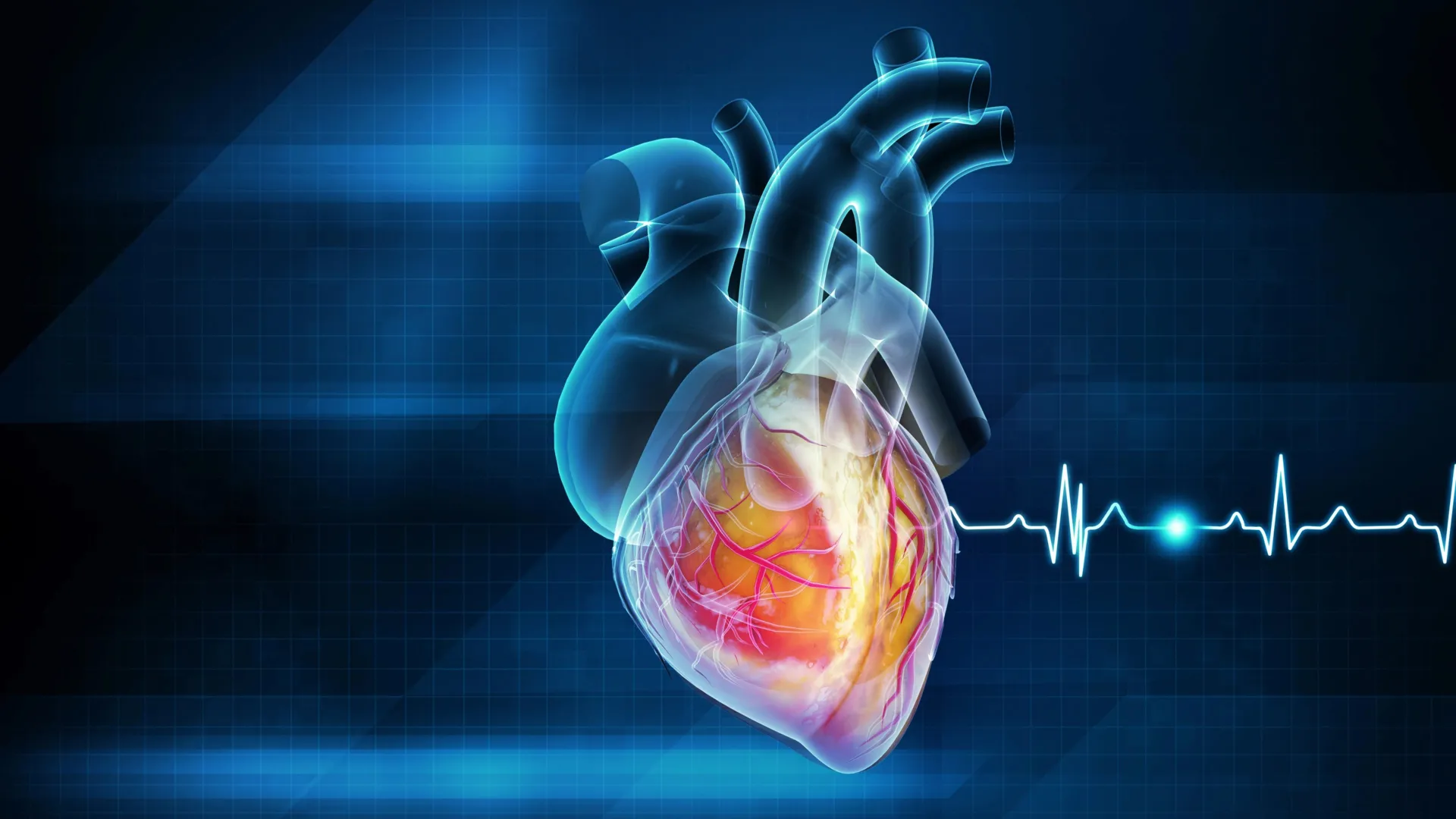
Researchers found that 560 to 610 minutes (roughly 9 to 10 hours) of moderate to vigorous physical activity each week was associated with more than a 30% lower risk of cardiovascular disease.
This is about three to four times the current public health recommendation of at least 150 minutes of moderate to vigorous activity per week.
The findings come from an observational study published online in the British Journal of Sports Medicine.
Researchers from Macao Polytechnic University in China examined how physical activity and cardiorespiratory fitness were associated with cardiovascular disease risk.
The researchers analysed data from 17,088 people enrolled in the UK Biobank between 2013 and 2015.
The participants had an average age of 57, with women accounting for 56% of the group.
Each participant wore a wrist device for seven consecutive days to record their usual physical activity.
They also completed a cycling test that researchers used to estimate their VO2 max, a measure of how efficiently the body takes in and uses oxygen during intense exercise.
The researchers also considered factors including smoking, alcohol use, self rated health, diet, body mass index, resting heart rate and blood pressure.
During an average follow up of 7.8 years, researchers recorded 1,233 cardiovascular events. These included 874 cases of atrial fibrillation, 156 heart attacks, 111 cases of heart failure and 92 strokes.
Participants who met the recommended 150 minutes of exercise per week had an 8% to 9% lower cardiovascular risk.
However, activity levels of 560 to 610 minutes per week were associated with a reduction of more than 30%.
Only 12% of participants reached this higher level of physical activity.
The study also found that people with lower fitness levels may need slightly more exercise than highly fit individuals to achieve similar cardiovascular benefits.
For example, a 20% reduction in cardiovascular risk was associated with about 370 minutes of moderate to vigorous exercise each week among people with the lowest fitness levels, compared with about 340 minutes among those with the highest fitness levels.
The researchers said the findings suggest that future exercise recommendations could consider individual fitness levels instead of relying entirely on a single target for everyone.
The researchers say, “This finding highlights the steeper challenge faced by deconditioned populations.”
However, the study cannot prove that higher levels of exercise directly caused the lower cardiovascular risk because it was observational.
The researchers also noted that the participants may have been healthier and fitter than the general population, while fitness was estimated rather than measured directly.
Despite these limitations, the researchers said the current 150 minute recommendation remains a reliable minimum, while higher levels of physical activity may provide greater protection against cardiovascular disease.
Adults may need considerably more physical activity than the current minimum recommendation to achieve a substantial reduction in their risk of cardiovascular disease, according to a new study.
The study, published in Neuropsychopharmacology, analysed data from 11,036 children who were followed from ages 9 and 10 through ages 16 and 17.
Researchers monitored changes in their cognitive abilities while also tracking cannabis use and exposure to other substances.
The research used data from the Adolescent Brain Cognitive Development study, the largest long term investigation of brain development among young people in the United States.
Researchers found that teenagers who used cannabis showed slower improvement across several areas of cognitive performance, including memory, attention, language and processing speed.
Some participants who later began using cannabis initially performed as well as, or slightly better than, their peers.
However, as they grew older and began using cannabis, their cognitive development tended to level off, while teenagers who did not use cannabis continued to improve.
To measure cannabis exposure more accurately, researchers combined participants’ reports with biological testing. y
Hair, urine and saliva samples were used to identify exposure ranging from recent cannabis use to use that had occurred several months earlier.
The researchers also examined whether individual compounds in cannabis were associated with different cognitive outcomes.
In a smaller group of participants, teenagers with evidence of exposure to tetrahydrocannabinol, commonly known as THC, experienced greater declines in memory performance over time than teenagers without evidence of cannabis use.
Researchers did not observe the same pattern among teenagers with evidence of cannabidiol, or CBD, exposure, although the number of participants in that group was limited.
The findings point to THC as a likely contributor to the changes observed.
Although the differences in cognitive performance were relatively modest, researchers said they could still be meaningful because adolescence is a critical period for brain development.
Small changes in memory, attention or thinking speed could potentially affect learning, classroom performance and everyday activities.
However, the researchers stressed that the study does not prove that cannabis directly caused the slower cognitive development.
Environmental conditions, personality traits and other factors could also contribute to the differences.
The researchers adjusted their analysis for several possible influences, including family background, mental health, use of other substances and participants’ cognitive abilities before cannabis use began.
The research team plans to continue following the participants into young adulthood.
Future research could help determine whether the age at which cannabis use begins and how frequently it is used influence long term brain development.
The researchers say delaying cannabis use may support healthier brain development during adolescence.
A new study has examined how cannabis use may affect the developing teenage brain.
The renewed interest comes from research into high doses of vitamin C given intravenously, rather than through ordinary tablets.
Scientists say intravenous treatment can produce much higher levels of vitamin C in the blood and may cause biological effects that cannot be achieved by taking supplements.
The story dates back to the 1970s, when American scientist Linus Pauling, a two time Nobel Prize winner, worked with Scottish doctor Ewan Cameron to investigate high doses of vitamin C in patients with advanced cancer.
Their early work suggested that some patients receiving large amounts of vitamin C lived longer and experienced an improved quality of life.
However, two major trials conducted by the Mayo Clinic later found no survival benefit from vitamin C pills.
Scientists now believe the difference between intravenous vitamin C and tablets may help explain the conflicting results.
When vitamin C is taken orally, the digestive system limits how much can enter the bloodstream.
Intravenous administration, however, can raise blood concentrations to levels many times higher than those reached through tablets.
At very high concentrations, vitamin C may behave differently from its usual role as an antioxidant.
Laboratory studies suggest it can help generate hydrogen peroxide, a reactive substance that can damage cells.
Cancer cells may be particularly vulnerable because they are already under stress and may have weaker systems for dealing with such damage.
Researchers have tested intravenous vitamin C in small studies involving patients with difficult to treat cancers, including ovarian, pancreatic and brain tumors.
Some studies suggest that combining vitamin C infusions with chemotherapy could help certain patients live longer or experience fewer treatment related side effects.
Other studies, however, have found no clear benefit. Researchers say the studies remain too small and varied to provide firm conclusions.
One of the more consistent findings has involved quality of life. Some patients receiving vitamin C alongside chemotherapy have reported less fatigue, pain and nausea.
Scientists are also investigating whether high levels of vitamin C could affect cancer cell growth, DNA regulation, responses to low oxygen and the immune system.
These findings are still being studied and some remain preliminary.
Researchers therefore say Pauling was partly right to believe vitamin C could have a role in cancer treatment, but he overstated its benefits and was wrong to promote vitamin C tablets as a powerful cancer cure.
For now, large and definitive clinical trials have not shown that high dose intravenous vitamin C can extend the lives of most cancer patients.
Scientists say it should remain an experimental treatment studied in clinical trials or carefully supervised medical settings, rather than a replacement for established cancer therapies.
Scientists have revisited vitamin C’s potential role in cancer treatment
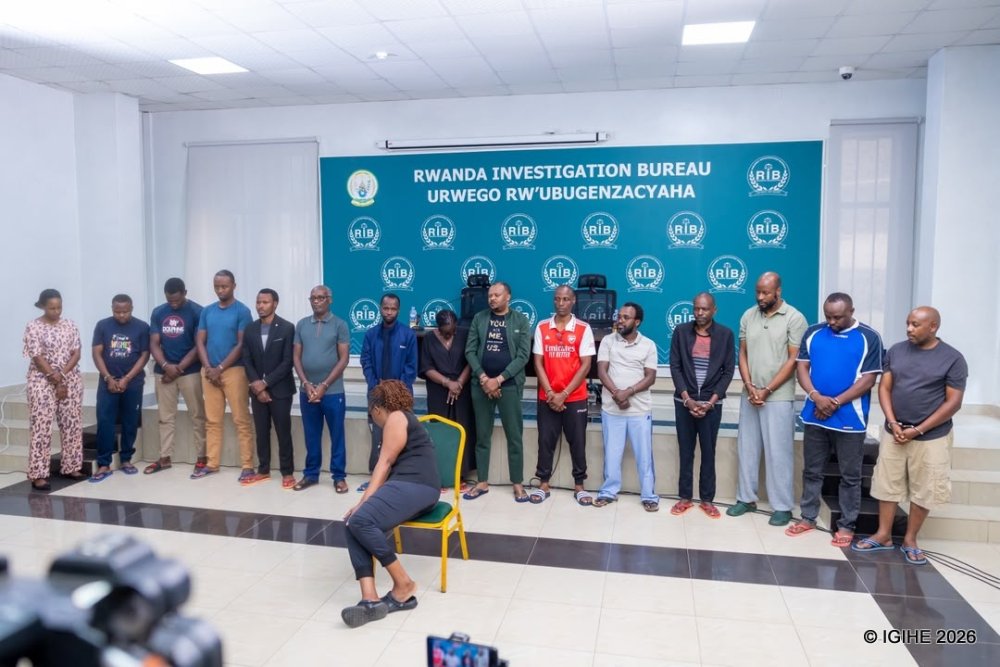
Ntihanabayo Samuel, also known as Kazungu, and 15 other suspects arrested in Kigali were presented by RIB on August 8, 2026. Ntihanabayo was arrested alongside two other employees of Ingufu Gin, including the factory’s quality control officer and production manager.
Oluwatosin Ayayi, the operations manager of Kerry Taste and Nutrition Rwanda, was also among those presented after being arrested in Kigali.
Other suspects presented by RIB included individuals linked to Ebeneza Hub, Sakaza Fruit, Entreprise Urwibutso, African Buffalo, Piphany Company and Lotas Medical Group.
Since August 2, the Rwanda Food and Drugs Authority (Rwanda FDA) has closed 148 factories producing alcoholic beverages that failed to meet required quality standards and suspended the production of the beverages manufactured by the affected facilities.
The decision followed inspections that found that some of the factories were using improperly processed ethanol in their alcoholic beverages, posing serious health risks to consumers.
The Government of Rwanda says 50 people have died from consuming substandard alcohol since January 2026, while another 100 people have lost their sight. An estimated 11,000 people across the country have also become addicted to the beverages.
RIB spokesperson Dr. Murangira B. Thierry said those under investigation include government officials responsible for inspections and issuing permits, factory owners, employees of the closed factories, local government officials and people involved in illegal alcohol production.
“They all have one thing in common. They are connected through the chemical substance ethanol. They are facing four charges: giving a person something that can endanger their life, forging or using forged documents, embezzlement and insubordination,” Dr. Murangira said.
He explained that some factory owners and employees involved in producing substandard alcoholic beverages had been using expired materials and unauthorized measurements in pursuit of profit, without considering the consequences for consumers.
“So far, 80 people have been arrested across the country, 16 of whom we have presented here were arrested in Kigali. Investigations are still ongoing. In reality, nothing can be exchanged for human life because everything being done is in the interest of the public,” Dr. Murangira said.
RIB said inspections conducted in collaboration with relevant authorities found that some factories were operating without registration, while others were producing beverages without the required quality certifications.
Authorities also found factories operating in unhygienic conditions, producing alcohol in unauthorized locations and obstructing inspections by officials.
RIB said investigations into the production and distribution of substandard alcoholic beverages are continuing as authorities work to identify all individuals involved and protect the public from products that could endanger their health.
RIB presents some of those arrested over production of substandard alcohol.Ntihanabose Samuel, also known as Kazungu, is among individuals in RIB custody.
Williams-Paisley, 54, shared photos of herself wearing the items on Instagram on Friday, August 7. She said she was happy to own a piece of Keaton’s distinctive style, but an unexpected moment during the photo shoot made the experience even more emotional.
“Recently I bought this hat and gloves from the Diane Keaton auction. I’m so happy to have some of her iconic style with me,” Williams-Paisley wrote.
While Williams-Paisley and her friends were carefully unpacking the items and preparing to photograph them, a large bald eagle suddenly landed in a nearby tree.
According to the actress, the eagle stayed briefly before flying away.
“THIS IS SO RARE!! It definitely felt like Diane’s energy was around us!” she wrote.
Williams-Paisley included a video of the bald eagle in the Instagram post, alongside photographs of herself wearing Keaton’s hat and gloves. One of the images also showed Keaton wearing the same hat.
The actress revealed that the hat carries the words “NO MORE WAR,” along with a skull and crossbones design that Keaton had added.
“The hat says, ‘NO MORE WAR,’ and she’d added a skull and crossbones. So, I’m passing along her message,” Williams-Paisley wrote.
Williams-Paisley and Keaton first worked together on the 1991 film Father of the Bride, in which Williams-Paisley played Annie Banks, the daughter of Keaton’s Nina Banks.
They reunited for Father of the Bride Part II in 1995. Their professional relationship eventually developed into a close friendship.
Williams-Paisley has previously spoken about how important Keaton was to her, particularly because she was only 19 when she landed her role in the first film.
She described Keaton as a mother figure who made her feel safe and said she was able to talk to her about anxiety and recurring nightmares.
Williams-Paisley also recalled being nervous about meeting Keaton because she had admired her work in films such as Annie Hall, The Godfather and Baby Boom.
Keaton died on October 11, 2025, at the age of 79.
The Grammy-winning artist shared the emotional story during an appearance on the Zach Sang Show, where he reflected on his journey in music and the sacrifices made by his mother, Loraine Smith, while raising him.
Ne-Yo, whose real name is Shaffer Chimere Smith, explained that receiving his first major payment as a songwriter gave him the opportunity to change his mother’s life.
He recalled calling his mother while she was at work and telling her to go home because she would never need to return to that workplace again.
The singer described the moment as one of the greatest achievements of his life, saying that being able to provide such support for a parent is a powerful motivation for many children who want to succeed.
Before becoming one of the most recognised names in R&B, Ne-Yo built his career as a songwriter, creating some of the biggest songs in contemporary music.
His work on Mario’s “Let Me Love You” became a major breakthrough and helped establish him as a talented songwriter before he achieved global fame as a performer.
During the interview, Ne-Yo also spoke about another personal song, “Miss Independent,” revealing that it was inspired by his mother and the strong women he grew up around.
He explained that his childhood was surrounded by women who were hardworking, independent and capable of handling challenges without waiting for anyone to rescue them.
According to the singer, his mother became emotional when she learned the song was written as a tribute to her.
Ne-Yo’s story highlights the personal meaning behind his successful music career.
Beyond awards and international recognition, the singer said one of his proudest moments was using his talent to give back to the person who supported him from the beginning.
The artist has continued exploring new musical directions, including his recent move into country-inspired sounds with his album “Highway 79,” which was released in 2026.
He said his experience entering the country music scene has been more welcoming than he expected, with artists and fans showing interest in his unique blend of R&B and country influences.
For Ne-Yo, the success of his music is not only measured by chart rankings or awards, but also by the lives it has allowed him to touch, especially the life of his mother.
Ne-Yo has shared the powerful story behind the paycheck that gave his mother freedom.
This is the spirit behind Umuganura, one of Rwanda’s oldest cultural traditions.
Celebrated every year on the first Friday of August, Umuganura is commonly described as Rwanda’s harvest festival. But calling it only a harvest festival does not fully capture its meaning.
For generations, Umuganura has been a time for Rwandans to give thanks, celebrate achievements, share with others, strengthen relationships and reflect on what they hope to accomplish in the future.
In 2026, Umuganura is being celebrated today on Friday, August 7.
The meaning and origin of Umuganura
The word Umuganura is linked to the idea of enjoying and celebrating the results of one’s work. Traditionally, it referred to the first harvest and the moment when people gathered to appreciate what they had produced after months of effort.
For Rwandans of the past, agriculture was at the centre of life. A successful harvest meant food, security and prosperity for families and communities.
However, Umuganura was not only about crops. It represented gratitude, unity and responsibility. It reminded people that achievements were the result of commitment, cooperation and respect for one another.
The tradition dates back centuries in Rwanda. Historical accounts describe Umuganura as one of the most important ceremonies in the traditional Rwandan kingdom. At the national level, the celebration was led by the King together with Abiru, royal ritualists who played a significant role in preserving traditional practices.
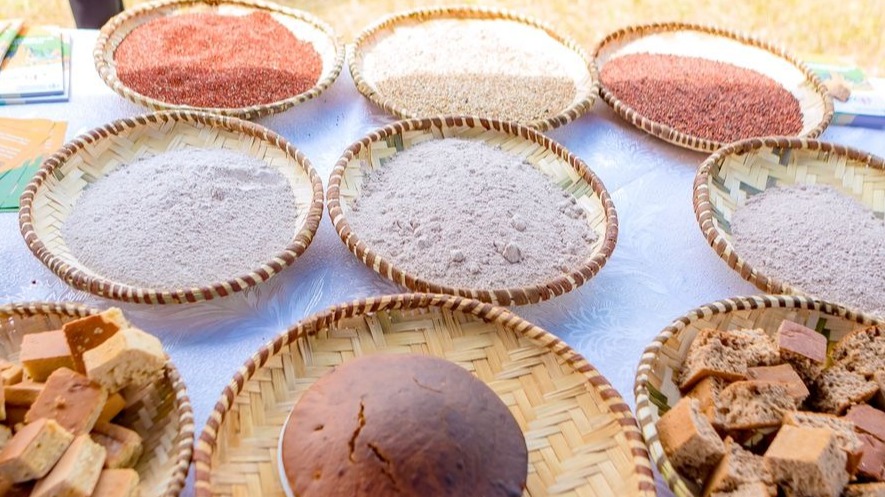
During the ceremony, the first produce from the harvest was presented as a symbol of prosperity and appreciation. Crops such as sorghum held an important place because they were among the products that represented abundance and wellbeing.
The celebration connected the success of individual families and communities with the prosperity of the entire kingdom.
How Umuganura was celebrated traditionally
Although Umuganura was recognized as a national celebration, it was also deeply rooted in family and community life.
Families gathered together to prepare and share food made from their harvest. Relatives and neighbours came together, stories were shared and people celebrated the results of their collective efforts.
Traditional music and dance were important parts of the celebration, creating an atmosphere of joy and togetherness.
One of the most important values behind Umuganura was sharing. A good harvest was not meant to benefit only one person or one family. People were encouraged to share what they had with others, especially members of their community.
This spirit of sharing reflected the belief that prosperity should contribute to the wellbeing of everyone.
Beyond celebration, Umuganura was also a moment of reflection. People looked at what they had achieved during the year and considered what could be improved in the future.
It was a time to celebrate yesterday’s achievements while preparing for tomorrow’s goals.
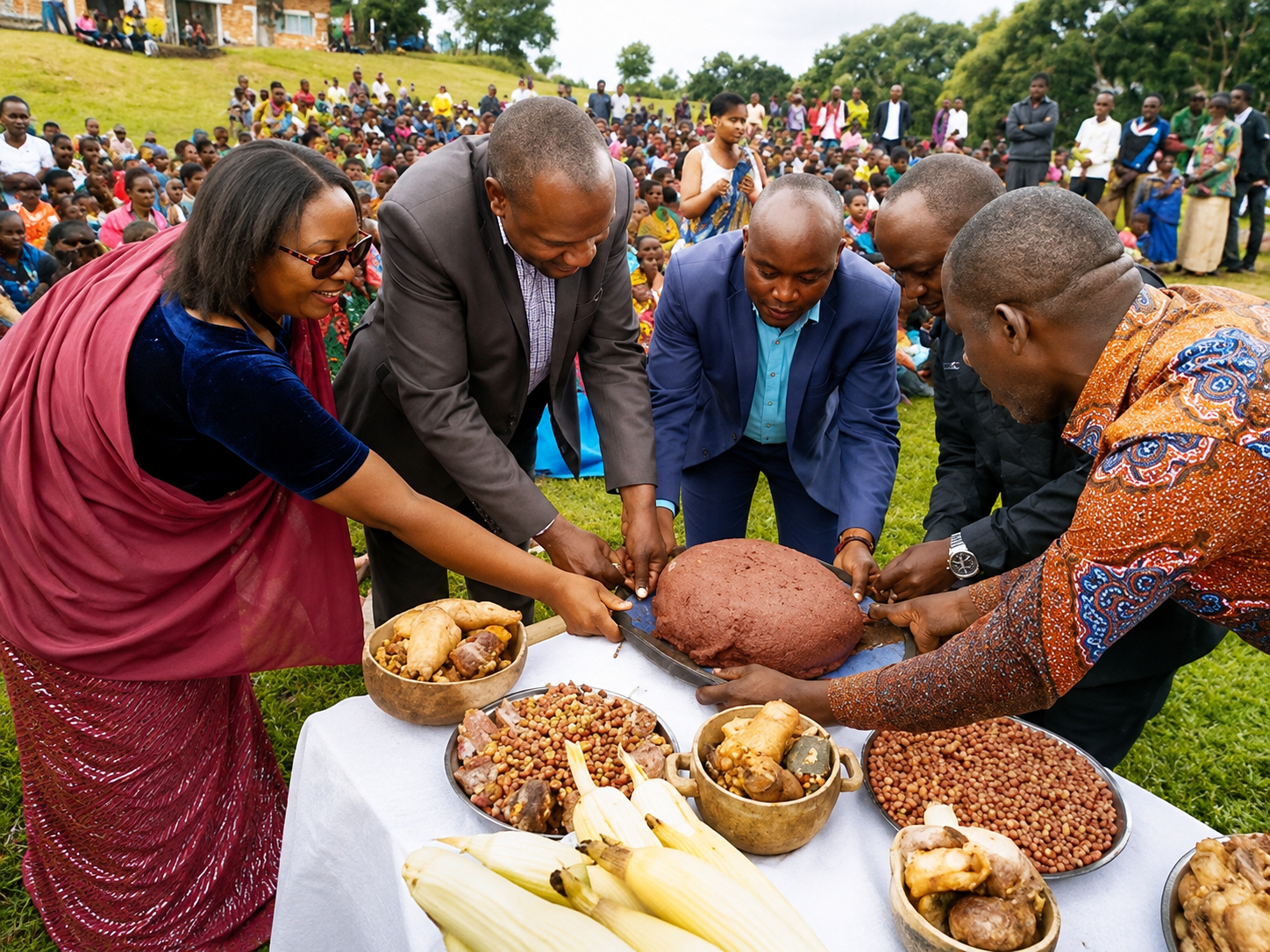
Rwandans gather to celebrate Umuganura, a tradition rooted in harvest, gratitude and togetherness at a past event.
The interruption and revival of the tradition
Like many cultural practices, Umuganura experienced changes throughout Rwanda’s history.
During the colonial period, the traditional ceremony was interrupted and eventually abolished in 1925. Since the celebration was closely connected to traditional institutions and cultural identity, its disappearance represented a significant loss in public cultural life.
For many years, Umuganura was no longer celebrated as a national tradition.
However, Rwanda later revived Umuganura as part of efforts to preserve and promote cultural heritage. In 2011, the celebration was officially restored as a public holiday, giving it a new place in Rwanda’s national calendar.
The modern Umuganura maintains the spirit of the traditional celebration while adapting to the realities of today’s Rwanda.
Umuganura in modern Rwanda
Today, the meaning of harvest has expanded beyond agriculture.
While farmers continue to celebrate the fruits of their work, Rwanda also uses Umuganura to recognize achievements in different areas, including education, business, technology, sports, culture, tourism and community development.
For a farmer, the harvest may be crops collected from the land.
For a student, it may be completing an education journey.
For an entrepreneur, it may be building a successful business.
For a community, it may be completing a development project that improves people’s lives.
This broader understanding has allowed Umuganura to remain relevant in a changing society.
The celebration encourages Rwandans to appreciate progress while remembering the importance of teamwork and determination.
Why Umuganura remains important today
One of the reasons Umuganura continues to hold importance is because it represents values that go beyond one day of celebration.
First, it promotes gratitude. It encourages people to recognize the effort behind every achievement instead of taking success for granted.
Second, it strengthens unity. By bringing families and communities together, Umuganura reminds people that progress is often achieved through cooperation.
Third, it preserves cultural identity. As younger generations learn about the tradition, they gain a deeper understanding of Rwanda’s history and values.
For young Rwandans, Umuganura provides an opportunity to connect with their heritage while also celebrating the achievements of their own generation.
The tradition shows that culture is not only about remembering the past. It is also about giving meaning to the present and inspiring the future.
Fresh agricultural produce take centre stage during Umuganura, symbolising the fruits of hard work.Umuganura offers Rwandans a moment to appreciate their achievements, strengthen community bonds and celebrate together. Traditional Rwandan culture comes alive through music, dance and communal celebrations during Umuganura.
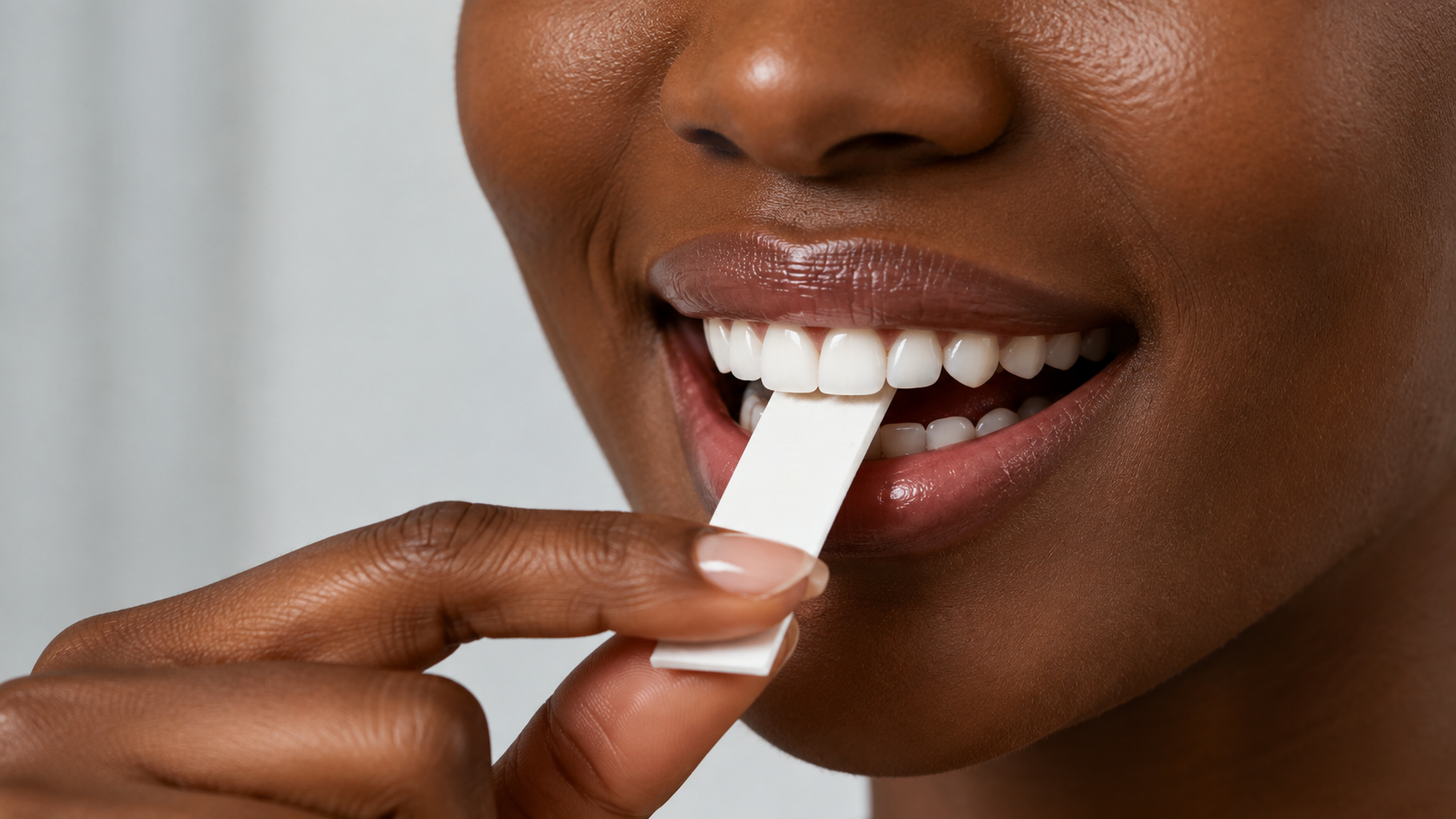
The experimental gum was created by scientists at the University of Pennsylvania School of Dental Medicine and was designed to target three microbes linked to the development and progression of head and neck squamous cell carcinoma, one of the most common forms of head and neck cancer.
In laboratory tests using saliva and oral rinse samples from patients, the researchers found that the gum reduced levels of human papillomavirus (HPV) by up to 93% in saliva and by about 80% in oral rinse samples.
Persistent infection with certain high-risk types of HPV has been linked to several cancers, including cancers of the throat and mouth.
The scientists also enhanced the chewing gum with an antimicrobial peptide known as protegrin-1.
This addition nearly eliminated two harmful bacteria Porphyromonas gingivalis and Fusobacterium nucleatum which have been associated with poorer outcomes in patients with head and neck cancer.
One of the study’s notable findings was that the gum had little effect on beneficial bacteria that naturally live in the mouth.
This is significant because some cancer treatments, such as radiation therapy, can disrupt the normal oral microbiome, increasing the risk of other infections.
According to the researchers, the bioengineered gum is made from lablab beans, which contain a naturally occurring antiviral protein called FRIL.
The team believes combining this protein with protegrin-1 creates a locally delivered therapy capable of targeting both viruses and harmful bacteria in the mouth.
Despite the encouraging findings, the researchers stressed that the gum is still in the early stages of development.
The results were obtained from laboratory analyses of patient samples rather than human clinical trials, meaning the product is not yet approved as a treatment or preventive measure for cancer.
The team hopes future clinical trials will determine whether the chewing gum can safely be used alongside existing therapies or as a preventive approach to reduce the spread of cancer-associated microbes.
If successful, the innovation could provide an affordable and non-invasive way to support oral health and potentially lower the risk of head and neck cancers.
Researchers have created chewing gum that targets HPV and bacteria linked to head and neck cancer.
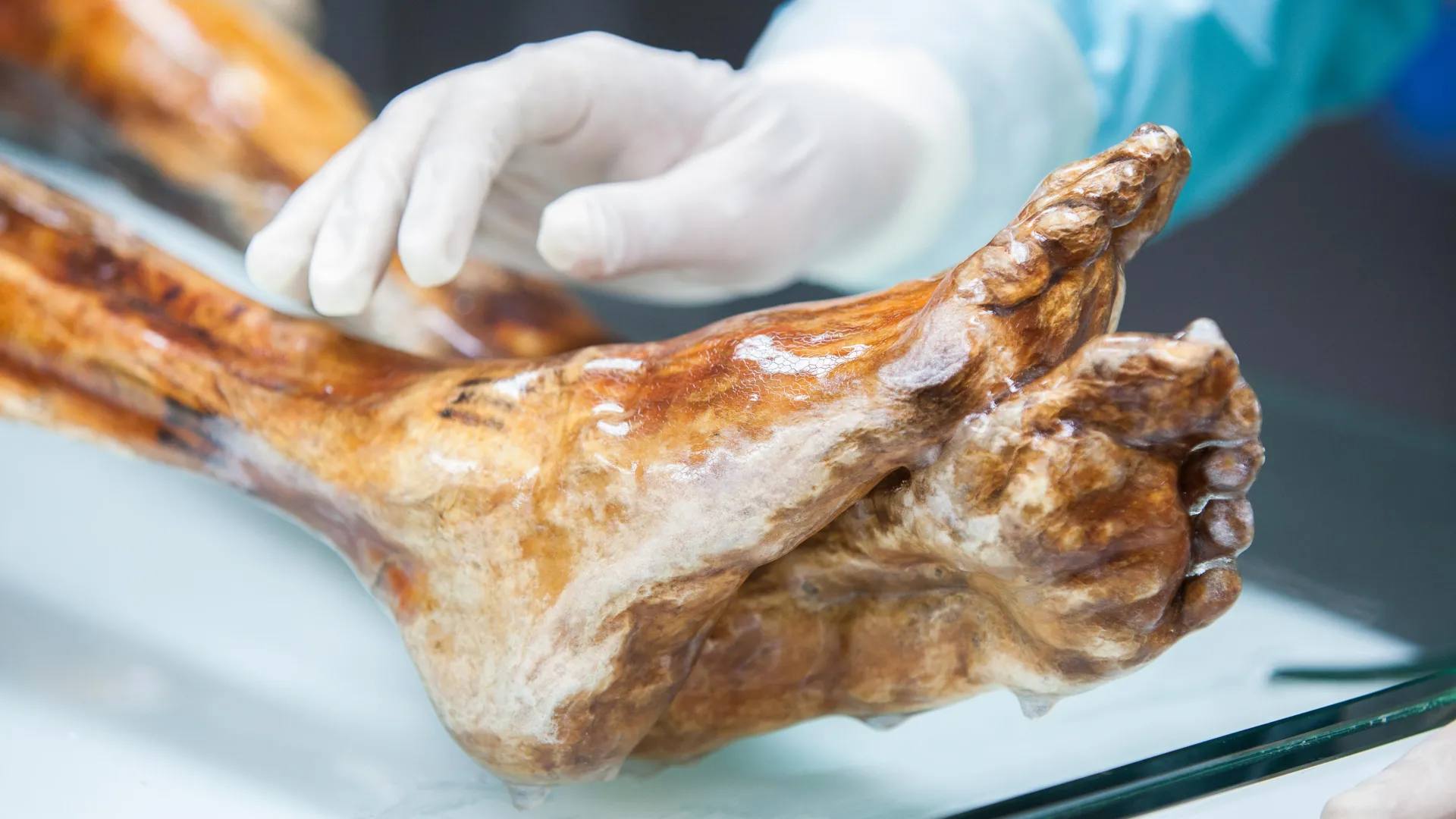
More than 5,000 years after his death, Ötzi the Iceman continues to surprise scientists.
A new study has discovered that the famous frozen mummy is still carrying a unique collection of microorganisms, including ancient gut bacteria and cold-loving yeasts that have survived through thousands of years trapped in ice.
Ötzi was discovered in 1991 by hikers in the Ötztal Alps on the border between Austria and Italy.
Since then, the naturally preserved mummy has become one of the world’s most valuable archaeological discoveries, offering scientists a rare opportunity to study the life, health and environment of a person who lived during the Copper Age.
Researchers from Eurac Research examined different samples from Ötzi’s body, including material from his internal tissues, stomach contents, surface ice and meltwater.
Their goal was to separate microorganisms that were part of Ötzi’s body while he was alive from those that arrived after his death.
The study found genetic evidence of Ötzi’s original gut microbiome, the community of microorganisms that lived inside his digestive system.
Scientists said these ancient bacteria are similar to those found in early human populations and are rarely seen in modern industrial societies.
The researchers also made an unexpected discovery: cold-adapted yeasts linked to extremely cold environments, including Antarctica.
These microorganisms appear to have come from the glacier where Ötzi remained frozen for thousands of years and may have continued surviving on the mummy.
According to scientists, the discovery changes how researchers view ancient frozen remains.
Instead of being simple preserved objects, mummies like Ötzi can be considered dynamic biological systems where microorganisms continue to interact with their environment.
“The Iceman is not just a historical object,” researchers explained, noting that some microorganisms have remained connected with Ötzi’s journey through time.
Scientists also believe the discovery could have applications beyond archaeology.
Cold-adapted microorganisms can function in extremely low temperatures, meaning they may one day help industries develop processes that require less energy, including low-temperature fermentation.
The findings also highlight the importance of protecting Ötzi’s remains.
The mummy is currently kept under carefully controlled conditions at the South Tyrol Museum of Archaeology, where experts continuously monitor its preservation.
The study, published in the journal Microbiome, provides a new window into ancient human biology and shows that even after thousands of years, life in microscopic form can continue to tell stories about the past.
Ancient microbes found on Ötzi revealed hidden secrets from a frozen past.
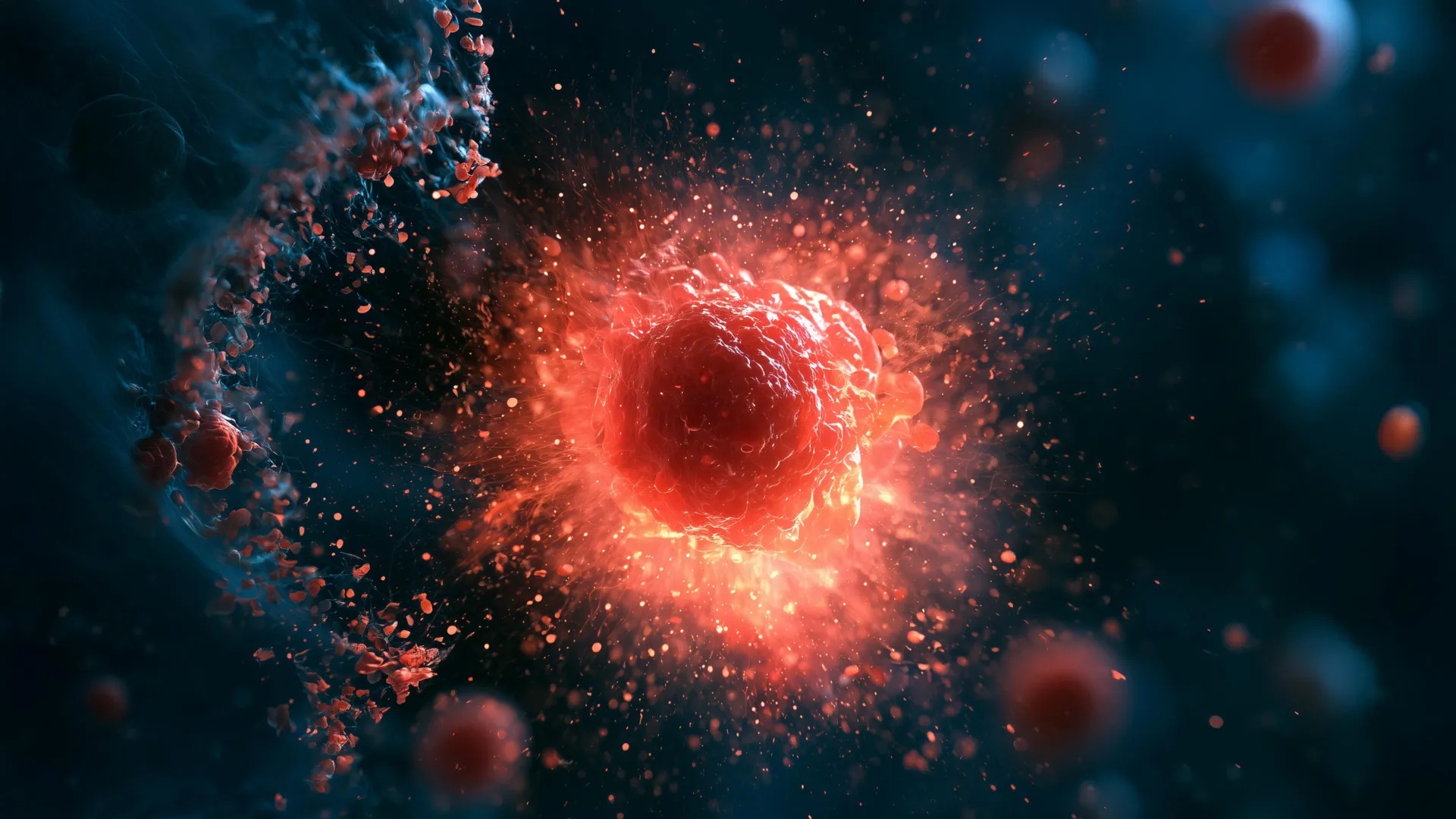
The newly identified cells, called ruptoblasts, were found in planarian flatworms, small freshwater creatures famous for their extraordinary ability to regenerate lost body parts.
Researchers say the cells react to a specific hormone by bursting within minutes, killing nearby bacteria and foreign cells before disappearing completely, leaving almost no trace behind.
The findings, published in the journal Cell, surprised scientists because such an explosive immune response had never been observed before.
“We never expected that a cell could just explode like a bomb and kill the cells surrounding it,” said senior author Bo Wang, an associate professor of bioengineering at Stanford University’s Schools of Engineering and Medicine.
The discovery was made while researchers were investigating whether flatworms can distinguish between their own tissues and those of another individual.
During the study, postdoctoral researcher Chew Chai noticed a unique group of cells behaving unlike any previously known immune cells.
Further investigation revealed that these cells rapidly self-destruct in order to eliminate nearby threats.
Planarian flatworms have long fascinated scientists because of their remarkable regenerative abilities.
Even when their bodies are cut into multiple pieces, they can regrow missing organs and, in some cases, develop into entirely new organisms.
Researchers believe studying these ancient animals can provide valuable insights into how immune systems have evolved over hundreds of millions of years.
According to the researchers, the ruptoblasts act with exceptional speed and precision, making them different from many immune cells found in humans and other animals.
Instead of launching a prolonged immune response, they sacrifice themselves almost instantly to destroy invading cells in their immediate surroundings.
Scientists say understanding how this mechanism works could eventually help inspire new therapies that attack cancer cells or infectious microbes while minimizing damage to healthy tissue.
Although the research is still in its early stages and was conducted only in flatworms, the discovery opens a new avenue for studying immune defense and targeted cell destruction.
The study was supported by several organizations, including the National Science Foundation, the National Institutes of Health, the Human Frontier Science Program, and the European Research Council, highlighting the broad scientific interest in uncovering new strategies used by living organisms to fight disease.
Newly identified cells in flatworms could inspire future treatments for infections and cancer.