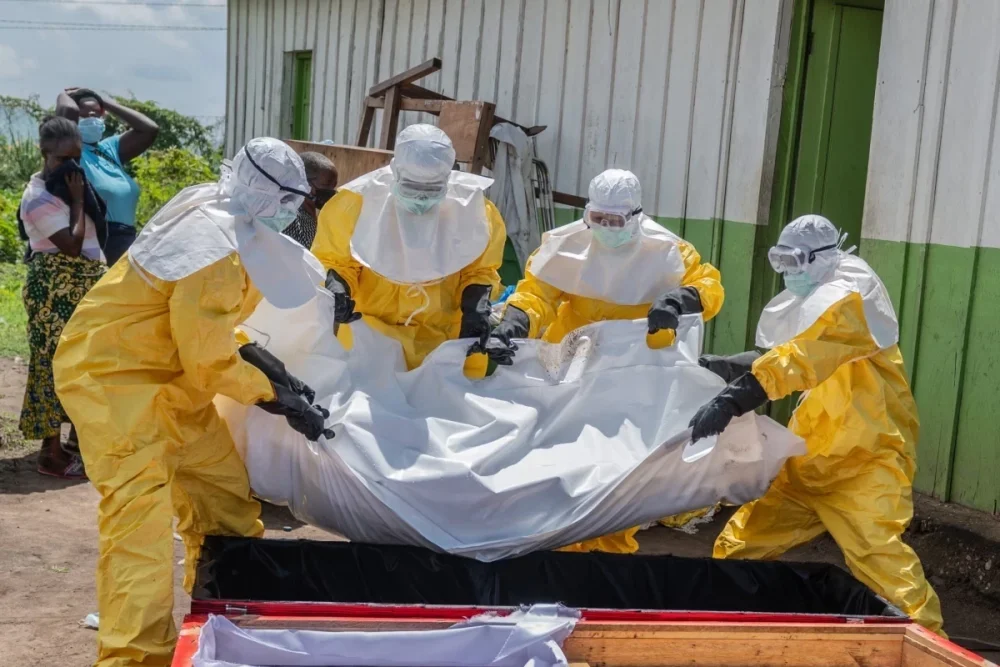
According to figures released by the DRC Ministry of Health, as of July 21, 2026, a total of 1,033 people had died from the disease, while the number of confirmed infections had reached 2,536 cases.
The latest statistics show that the fatality rate among confirmed Ebola patients stands at 40.7 per cent, meaning that approximately four out of every 10 people diagnosed with the virus have lost their lives.
The Ministry’s report, based on laboratory results from the National Institute of Biomedical Research (INRB), indicates that 63 new cases were confirmed within 24 hours.
The eastern province of Ituri remains the epicentre of the outbreak, accounting for 88.6 per cent of all confirmed cases recorded in the country.
On July 21 alone, Ituri reported 46 new infections, particularly in the areas of Bunia, Rwampara and Drodro. The province continues to register the highest number of Ebola cases and deaths since the outbreak was declared.
The outbreak has also severely affected North Kivu Province, where the fatality rate among confirmed cases has reached 58.7 per cent, the highest among all affected areas. However, no new Ebola infections have been reported in areas under the control of the AFC/M23 alliance.
Currently, 738 people are either isolated or receiving treatment at Ebola care centres across the affected provinces of Haut-Uélé, Ituri, North Kivu and Tshopo. Meanwhile, South Kivu Province has not recorded new cases for nearly two months.
Health authorities say that tracing people who have been in contact with infected individuals remains one of the biggest challenges in controlling the outbreak.
The Ministry reported that contact tracing activities are being conducted at a national rate of 77.2 per cent, although concerns remain that some cases may not be detected or that some contacts may not be adequately followed up.
Meanwhile, Uganda, which also reported cases of Ebola, has confirmed that it has not recorded any new infections since June 21, 2026. The country recorded a total of 20 Ebola cases, including two deaths.
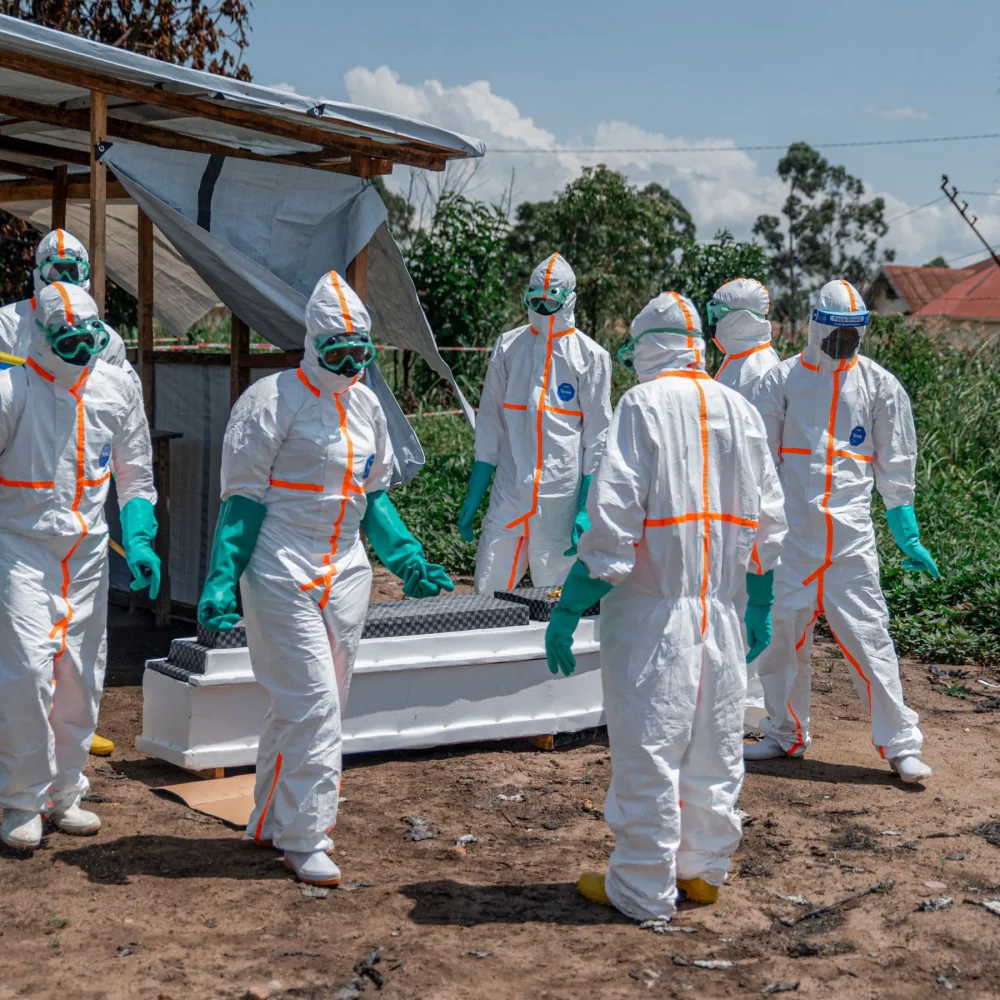
A total of 1,033 people have died from the Bundibugyo Ebola outbreak in DR Congo.
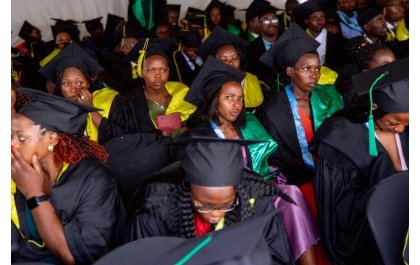
The ceremony was held on July 20, 2026, at the university’s headquarters in Gicumbi District, where graduates were celebrated for successfully completing their academic journeys and preparing to join the labour market.
UTAB Vice Chancellor, Dr. Munana Gilbert, congratulated the graduates on their achievement and encouraged them to continue developing their skills and knowledge to create opportunities for themselves and contribute to society.
“Today marks the beginning of another journey. The degrees you are receiving are not the end of education, but rather a foundation that will enable you to continue learning, improving your skills, and serving Rwandan society and the world at large,” he said.
He explained that quality education goes beyond helping learners remember what they have been taught, but instead prepares them to think critically, ask important questions, and develop innovative solutions to existing challenges.
“True education does not create people who only repeat what they have learned. It creates individuals who think deeply, ask meaningful questions, and come up with new solutions,” he added.
Dr. Munana urged the graduates to uphold values of integrity, commitment, patriotism, and hard work, which he described as important qualities promoted among students at UTAB.
The university’s legal representative, Bishop Papias Musengamana, said the 15th graduation ceremony reflects UTAB’s continued growth and its contribution to strengthening Rwanda’s education sector.
He noted that graduates leaving the university represent an important contribution to the country’s development because the knowledge and skills they have gained will enable them to participate in solving challenges facing Rwanda and the world.
“This demonstrates UTAB’s position as a trusted partner in preparing competent and responsible professionals who are capable of addressing challenges affecting our country and the world at large,” Bishop Musengamana said.
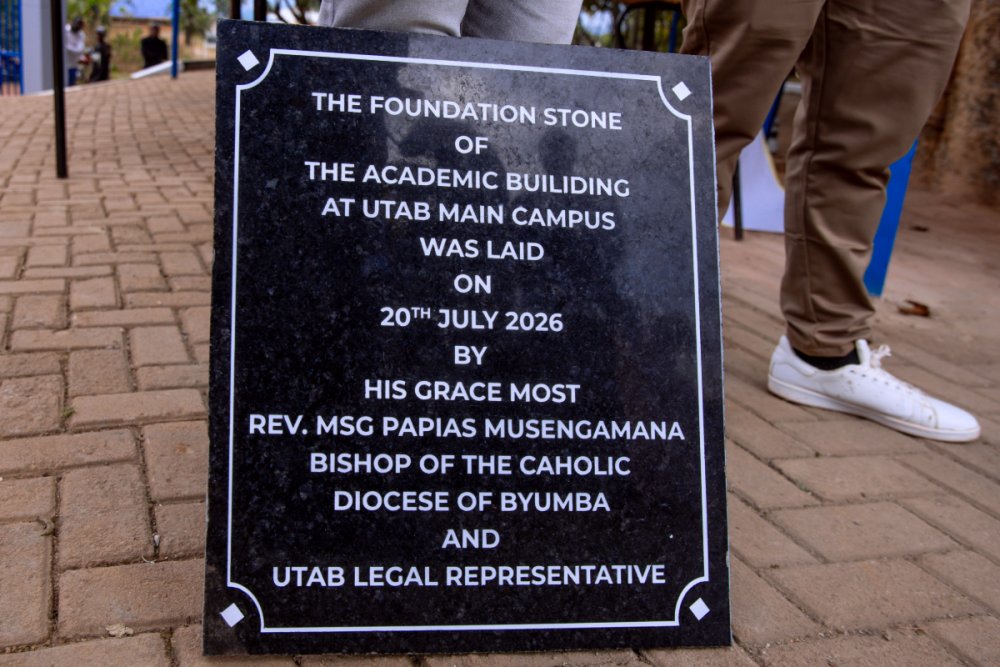
During the ceremony, UTAB also laid the foundation stone for the construction of a new university building that will support the improvement of education quality and research activities at the institution.
Bishop Musengamana said the five-storey building is expected to be completed within one year, adding that the university will work hard to ensure the project is delivered on time.
“We will do everything possible to ensure that this building is completed within the planned period and contributes to improving education as well as the development of Gicumbi City,” he said.
Among the graduates was Rogin Ifitebyose, who completed a Bachelor’s degree in English and Kinyarwanda. He thanked UTAB for equipping students with knowledge and values that will continue guiding them throughout their professional lives.
“During our time at UTAB, we had the opportunity to study programmes that respond to today’s needs, improve our language skills, gain knowledge in technology, participate in practical learning, conduct research, and acquire other skills that will help us compete at the labour market,” he said.
Meanwhile, Dr. Ndikubwimana Théoneste, Head of the General Higher Education Quality Standards Department at the Higher Education Council (HEC), called on UTAB and other higher learning institutions across Rwanda to strengthen the use of technology in teaching and learning.
He particularly encouraged universities to embrace emerging technologies, including artificial intelligence, to ensure students acquire skills relevant to the changing global environment.
“We encourage the leadership of this university and other institutions to increase the use of technology in teaching and learning. Artificial intelligence is developing rapidly, and students should not be left behind. Universities must invest more in these technologies,” he said.
The graduation ceremony highlighted UTAB’s continued commitment to producing skilled graduates equipped with knowledge, values, and practical skills needed to contribute to Rwanda’s transformation and global development.
UTAB holds 15th graduation ceremony, awards degrees to 1,474 graduatesUTAB Vice Chancellor, Dr. Munana Gilbert, commended the graduates for their dedication and encouraged them to continue acquiring knowledge and skills that will help them advance their personal development.Gicumbi District Mayor, Nzabonimpa Emmanuel, attended the event.UTAB graduates pledge to use the knowledge and skills they acquired to drive development.Dr. Joseph Nkurunziza, Principal of the College of Business and Economics at the University of Rwanda, was among those who attended the ceremony to award degrees to UTAB graduates.
The study, led by researchers from City St George’s, University of London, suggests that doctors may improve treatment outcomes by switching between different therapies while tumors are still responding, rather than waiting until the disease returns.
The findings, published in the journal Genetics, are based on mathematical models that examine how cancer cells evolve during treatment. Researchers say cancer behaves similarly to other evolving systems, where cells that develop survival advantages can eventually dominate when exposed to pressure from medicines.
Dr. Robert Noble, a researcher from the Department of Mathematics at City St George’s, explained that cancer often returns because some cells survive the first round of treatment and develop resistance.
“Although tumors may at first shrink under therapy, in many cases they eventually regrow. These relapses stem from a small number of cancer cells that have gained mutations making the cells resistant to the treatment,” he said.
The researchers compared the current approach, where doctors usually continue treatment until the cancer stops responding, with a new strategy that involves switching treatments while the tumor is weakened.
They described the approach as “kicking it while it’s down,” meaning doctors could attack cancer at a stage when it is already vulnerable before resistant cells become strong enough to cause another relapse.
Using computer simulations, the team found that planned changes between different treatments could be more effective than waiting for resistance to appear. The models showed that a combination of three or more therapies used in a carefully timed sequence could have greater potential, especially when treating larger tumors.
“Our models predict that this new approach will generally outperform the standard of care. A sequence of two treatments, even if optimally timed, is likely to succeed only in relatively small tumors. But we have reason to hope that switching between three or more treatments, following the same principle, could eliminate larger tumors,” Dr. Noble said.
The researchers explained that the strategy is based on evolutionary principles, which have already been used in other areas such as managing antibiotic resistance and improving predictions of seasonal influenza strains.
However, scientists cautioned that the findings are still at an early stage. The study was based on mathematical modelling and computer simulations, meaning the approach must undergo further laboratory studies and clinical trials before it can become part of routine cancer treatment.
Several early-stage clinical trials are already investigating similar ideas in cancers including soft tissue cancer, prostate cancer, and breast cancer. Researchers hope that continued studies could lead to treatments that stay ahead of cancer’s ability to evolve.
If successful, the approach could help doctors extend the effectiveness of existing cancer medicines, delay disease relapse, and improve outcomes for patients without relying only on the development of new drugs.
Scientists propose new strategy to prevent cancer from becoming drug-resistant
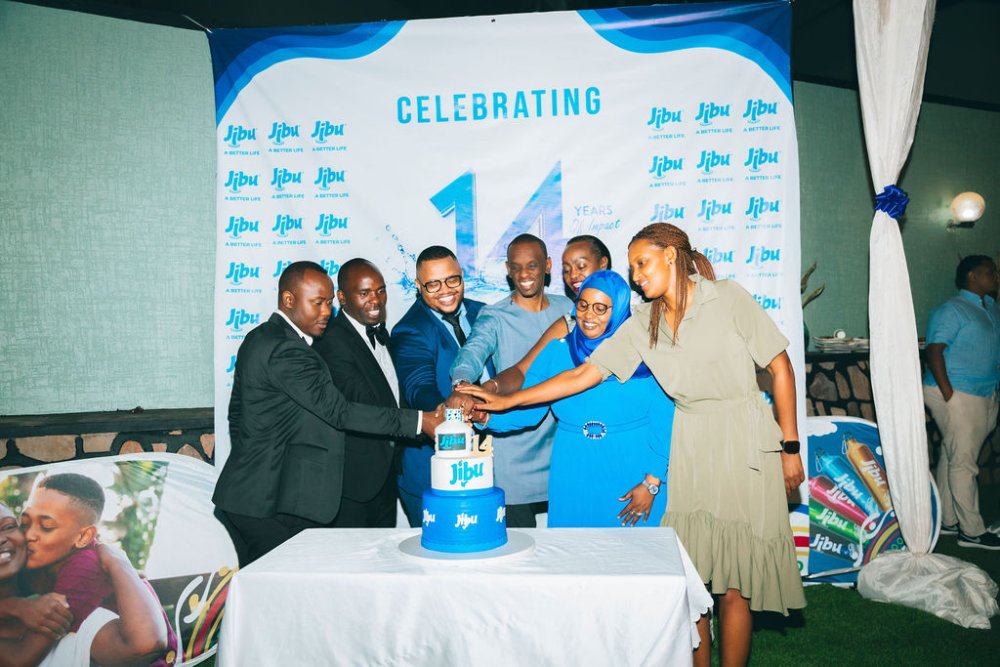
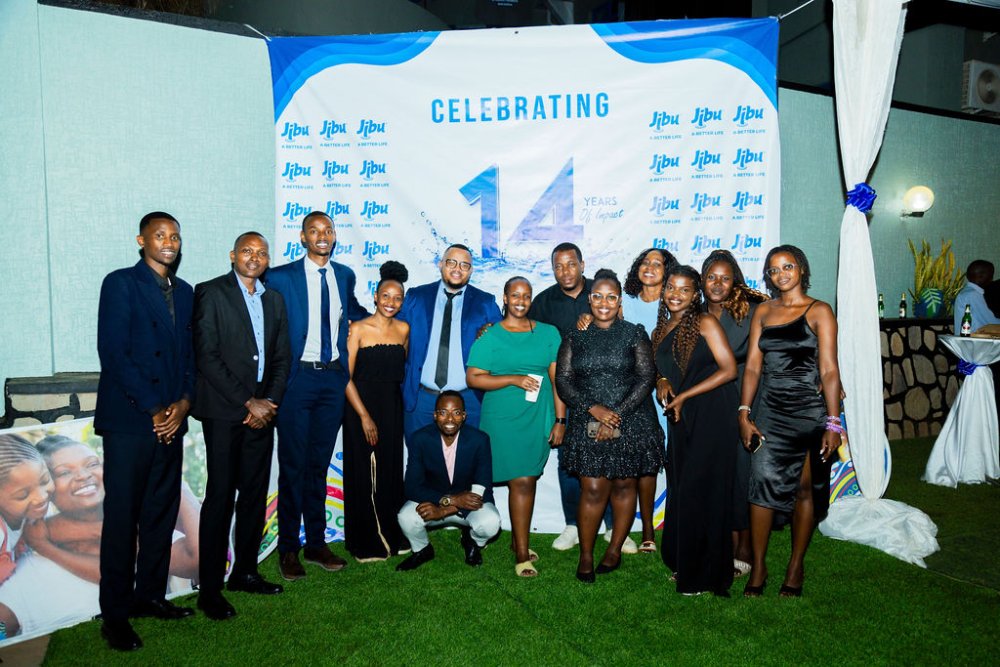
The company announced that it has established 65 water treatment facilities across almost all districts of Rwanda and created employment opportunities for more than 600 Rwandans.
The celebrations also marked the 15th anniversary of Jibu Holdings, the parent company that established its operations in Rwanda in 2012.
Jibu Holdings was founded in Colorado, United States, by Randy Welsch and his son Galen Welsch. Rwanda became the first country where the company launched its business model, which has since expanded to eight African countries, mainly in East Africa.
The company chose Rwanda for its anniversary celebrations as the country where it began operations and has remained one of its most successful markets.
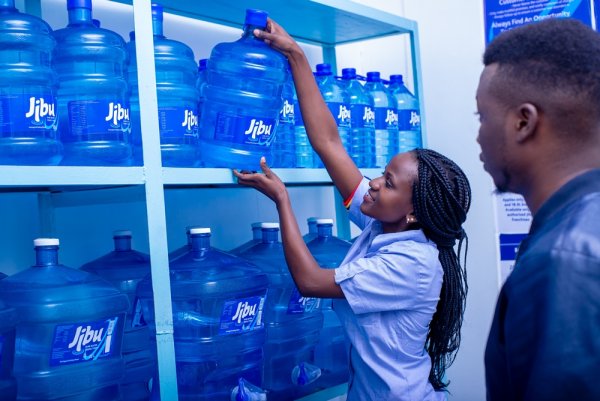
Jibu works by partnering with local entrepreneurs to establish decentralised water treatment facilities in different communities.
Through its shared technology system, the company monitors water quality and ensures that all its facilities maintain consistent standards.
Across the eight African countries where it operates, Jibu has established more than 195 water treatment plants, supported over 10,000 water distributors, sold more than 950 million litres of water, and developed a network of more than 14,000 sales outlets.
In Rwanda, Jibu Country Manager Bruno Tuyisenge said the company currently works with more than 6,000 water distributors, operates 65 water treatment facilities, and serves over 300,000 regular customers.
He added that the company has created more than 640 jobs, excluding temporary employment opportunities, and its services have reached 26 districts across the country. The company currently treats about 280,000 cubic metres of water.
Tuyisenge said Jibu Rwanda expanded its operations in 2022 by entering the cooking gas sector in partnership with Japanese investors, aiming to reduce dependence on firewood and charcoal.
The company has since introduced a new gas distribution model that allows customers to purchase gas according to the amount of money they have.
“We are developing ‘Smart Stations’ where a customer who has Rwf 3,000 should not fail to access gas simply because they cannot afford to refill an entire cylinder. The first machine is already operating in Kacyiru, where residents have started purchasing gas through this system. We plan to expand the service to other parts of the country,” Tuyisenge said.
He added that more Smart Stations are being developed in Kigali City, Nyagatare and Kayonza.
Tuyisenge further said the company plans to introduce more varieties of water products to provide customers with wider choices. He noted that Jibu is also contributing to reducing reliance on boiled water, as many households have shifted to treated drinking water.
Rehema Uwamahoro, one of Jibu Rwanda’s franchise owners, said the company’s business model has helped her build a successful enterprise. Uwamahoro owns three productionfacilities located in Rwamagana, Kanombe, and Nyabisindu.
She said she joined the business in 2016 after leaving public service and has since expanded her operations, built a house, purchased a vehicle, and created jobs for more than 60 people.
Her facility in Rwamagana is valued at more than Rwf 60 million, despite starting the business with an initial capital of Rwf 500,000 when she was only selling water on a small scale.
Jibu Holdings Chief Executive Officer Galen Welsch said Rwanda remains a special market for the company because it was the first country where the business model was introduced and became the foundation for its expansion across Africa.
He said the company plans to expand its operations to more African countries over the next 10 to 15 years to ensure that affordable and safe drinking water reaches more households.
“Our vision is not only to expand as a business. We want to build a strong and sustainable African institution that contributes to improving public health, creating jobs, developing capable entrepreneurs, and transforming the lives of people across the African continent,” Welsch said.
Jibu Holdings currently operates in Rwanda, Uganda, Kenya, the Democratic Republic of Congo, Burundi, Tanzania, Zambia and Ghana.
Jibu Rwanda marks 14 years of providing safe drinking water across the countryJibu Rwanda operates 65 water treatment plantsCountry Manager Tuyisenge Bruno said Jibu Rwanda has over 6,000 distributorsUwamahoro Rehema awarded a motorcycle for outstanding performance among Jibu Rwanda franchise ownersJibu Rwanda franchisee Uwamahoro Rehema built successful business since 2016
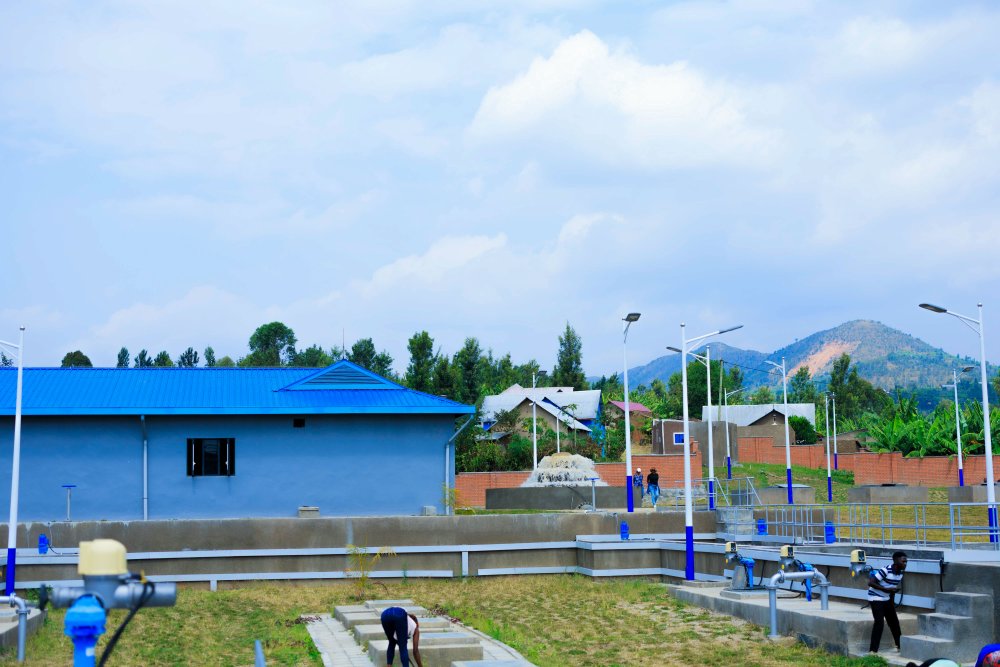
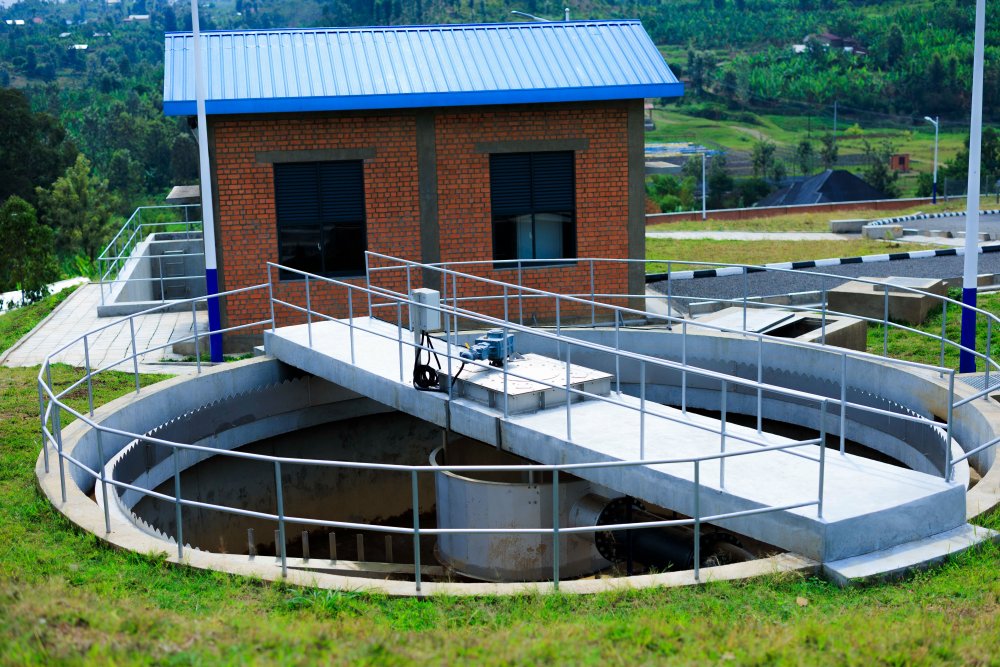
The ministry said the completion of the plant marks a significant step in expanding access to safe and reliable water supply in different parts of Rwanda.
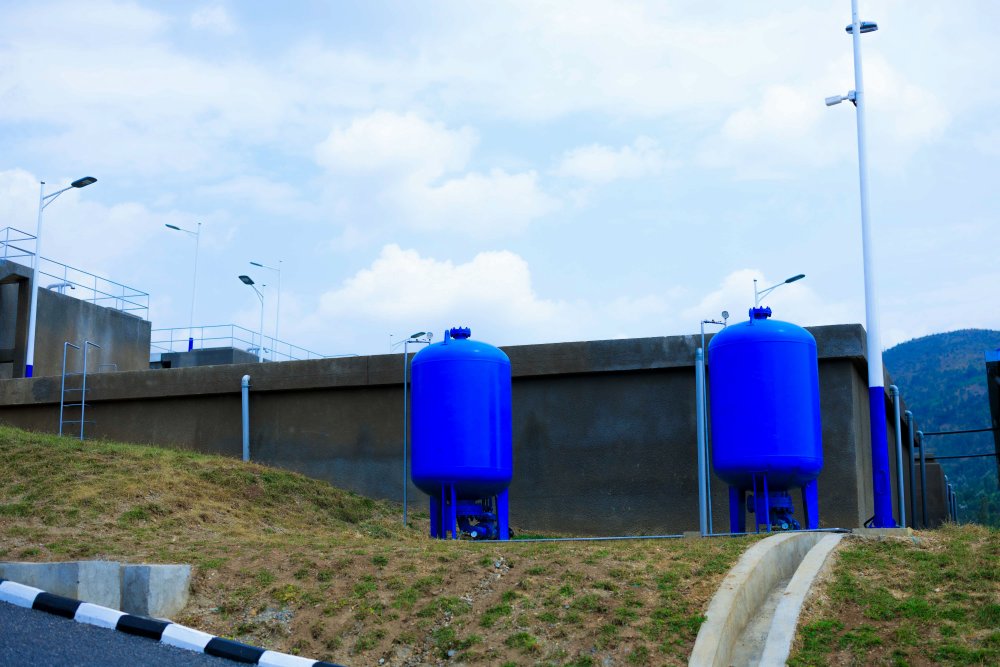
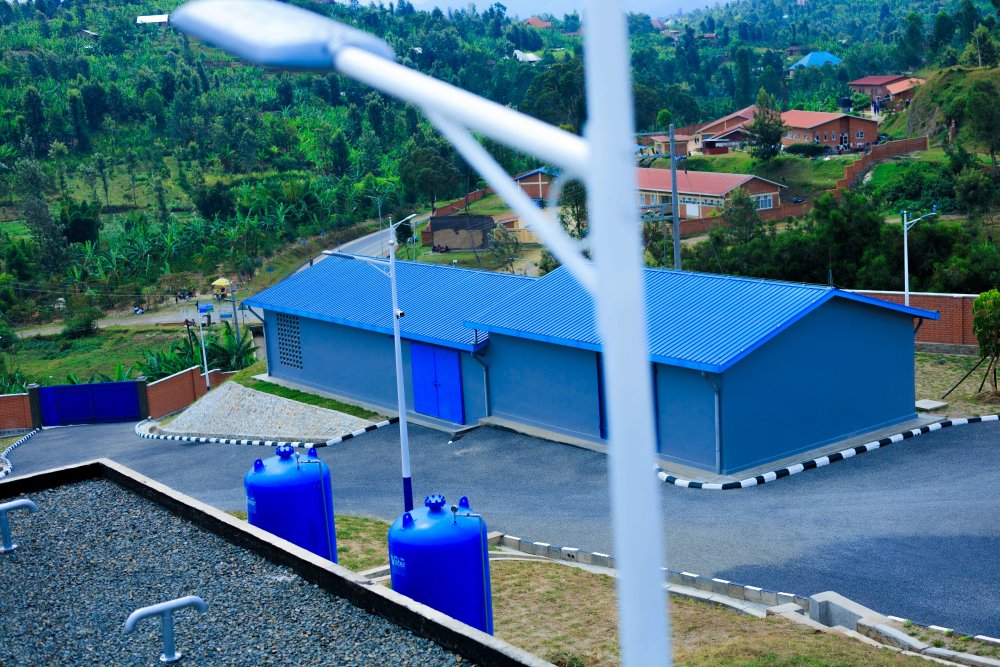
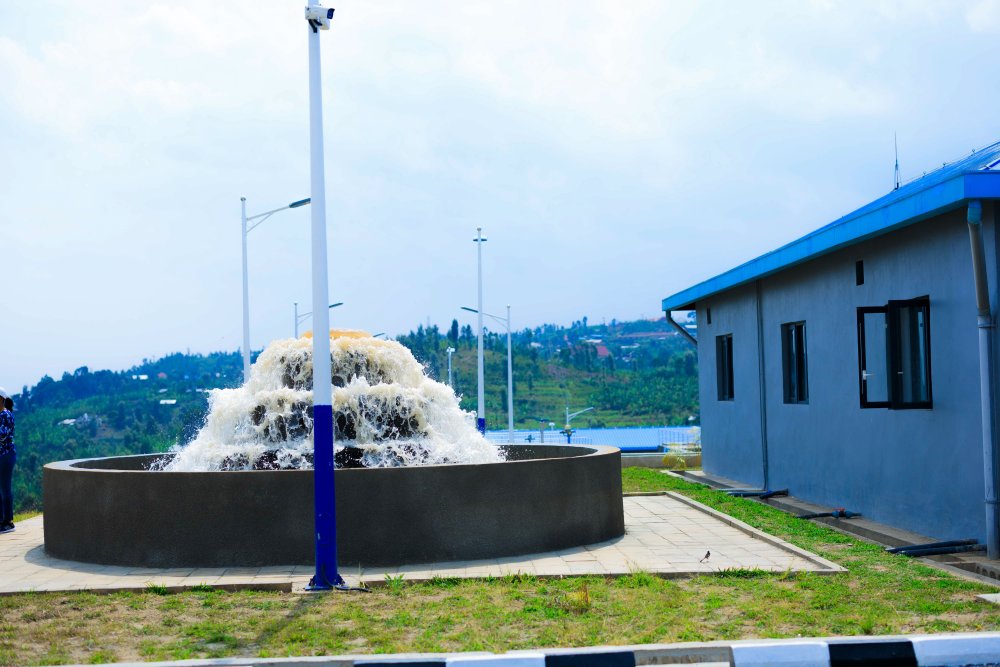
The facility has the capacity to treat 13,000 cubic metres of water, increasing the availability of clean water for communities and supporting efforts to improve public health and sanitation.
The completed works represent the first phase of the Kivu Belt Water Supply System project, which is expected to provide clean water to more than 130,000 people once fully implemented.
“Beyond improving household access to clean water, the project will also strengthen service delivery for health facilities, schools, hotels, businesses, and other public institutions, supporting improved public health and socio-economic development,” the ministry said.
The Rwandan government has continued to invest in expanding access to clean water and improving sanitation services, with the goal of ensuring that all citizens have sustainable access to safe water.
As part of efforts to address water supply challenges, the government has announced plans to increase clean water production capacity to 688,000 cubic metres per day by 2029.
WASAC, Rwanda’s water and sanitation utility, indicates that approximately 1,234 cubic metres of water that could be treated daily by existing facilities is currently unavailable due to ageing infrastructure.
To address these challenges, authorities are implementing measures including the expansion and rehabilitation of water treatment facilities and distribution networks. These efforts aim to reduce water losses before reaching consumers from the current 35 percent to 25 percent by 2029.
Kivu Belt Water Plant to supply 13,000 cubic metres of water dailyWater from Kivu Belt Plant to improve healthcare servicesFirst phase of Kivu Belt Water Project completed, begins supplying residents in Rubengera and BwishyuraRwanda intensifies efforts to expand access to clean water
Among the international works showcased was Al-Atlal, a dance production presented on July 18 that explored the impact of conflict while highlighting themes of peace, unity and cultural diversity.
Created by acclaimed choreographer Orly Portal, the production combined movement, music and storytelling to reflect on conflict, reconciliation and hope. Inspired by the legendary Egyptian singer Umm Kulthum’s iconic song Al-Atlal (“The Ruins”), the work transforms a story of lost love into a broader reflection on the human search for peace.
Turning a story of conflict into a call for peace
In an exclusive interview with IGIHE, Portal explained that the production gained additional significance as violence unfolded in Israel during its creation.
She said that rather than allowing conflict to define the narrative, she chose to use dance as a language of peace.
“The biggest message is to stop the war and spread love,” Portal said. “We gave a voice to both Arabs and Jews because we want people to listen to their hearts and remember that we are all one, no matter where we come from or what culture we belong to.”
She noted that the performance deliberately blends Arabic and Hebrew, reflecting both the shared history of the two peoples and her own Moroccan Jewish heritage.
Through music and movement, Al-Atlal encourages audiences to see differences not as barriers but as opportunities for understanding.
Artists praise Rwanda’s culture
Portal said bringing the production to Rwanda was a memorable experience. Invited by the Ubumuntu Arts Festival after festival founder Hope Azeda watched the performance in Israel, she described Kigali as a place where she immediately felt welcomed.
“It is my first time in Rwanda, and I feel at home,” she said. “The people are joyful, generous and beautiful. I also see beauty within the people, and the artists and dancers here are truly amazing.”
Besides performing, Portal led a dance workshop for local artists, which she described as one of the most rewarding workshops she has ever conducted.
She was particularly impressed by Rwanda’s rich dance traditions and encouraged young African performers to embrace and preserve their cultural heritage.
“What you have is a treasure,” she said. “Explore new styles, but never forget your roots. Keep your groove because it is something the rest of the world can learn from.”
Israeli choreographer Orly Portal says Al-Atlal uses dance as a powerful call for peace, unity and cultural understanding.
For Lalel Pillora, one of the dancers in the production, the visit to Rwanda left a lasting impression. She said the warmth of the people and the country’s vibrant dance culture made the experience unforgettable.
“Our smiles never disappeared during our first night here,” Pillora said. “The traditions, the groove and the cultural dances are something very special that you don’t often see in the modern world.”
She hopes audiences who watch Al-Atlal leave with a greater appreciation of humanity’s shared experiences.
“We all live in the same world,” she said. “Even though we come from different countries and cultures, we share many of the same emotions and challenges. I hope people leave believing in peace and love.”
One of the most emotional moments for Pillora comes during a scene where the performers sing together while opening their jackets.
“In that moment, I feel like I’m shouting for peace and love,” she said. “I feel completely connected with the audience.”
She also encouraged aspiring dancers to trust their natural abilities rather than constantly doubting themselves.
“You already have it inside you,” she said. “Keep learning, but also believe in your roots because they are enough.”
Lalel Pillora says performing in Rwanda was an unforgettable experience that celebrated culture, connection and peace.
Fellow performer Daniel Costa described participating in the Ubumuntu Arts Festival as one of the most meaningful experiences of his career.
Originally from Portugal and now based in Israel, Costa said every day in Rwanda brought new encounters that made the visit deeply fulfilling.
“It’s a lifetime experience,” he said. “Everything we experienced here was rich, profound and full of heart.”
Asked to describe Al-Atlal in a single sentence, Costa called it “the sweatiest, most profound prayer and protest for a better world.”
He explained that every performance demands intense physical and emotional commitment, but the dancers are sustained by the purpose behind the work rather than by endurance alone.
Costa believes artists have a responsibility to challenge society and encourage reflection, especially during times of conflict.
“Art is often seen only as entertainment,” he said. “But art also exists to raise questions. We may not have the power to change governments, but we do have the responsibility to make people think and ask whether we can do better.”
He also praised the Ubumuntu Arts Festival for making its performances freely accessible to the public, saying it demonstrates the importance of ensuring art remains available to everyone.
As the festival came to an end, all three artists shared a common message with young dancers across Africa: remain curious, stay humble, work hard and never lose touch with your cultural identity.
For Portal, preserving tradition is essential to artistic growth. For Pillora, confidence begins with believing in oneself. For Costa, perseverance is what keeps creativity alive despite the challenges artists face around the world.
“It’s difficult everywhere to be an artist,” Costa said. “But if this is your passion, keep creating, stay humble and find ways to continue. The world always needs art.”
Through Al-Atlal, the performers reminded audiences that while dance may not end conflict on its own, it has the power to inspire dialogue, build empathy and bring people together across cultures.
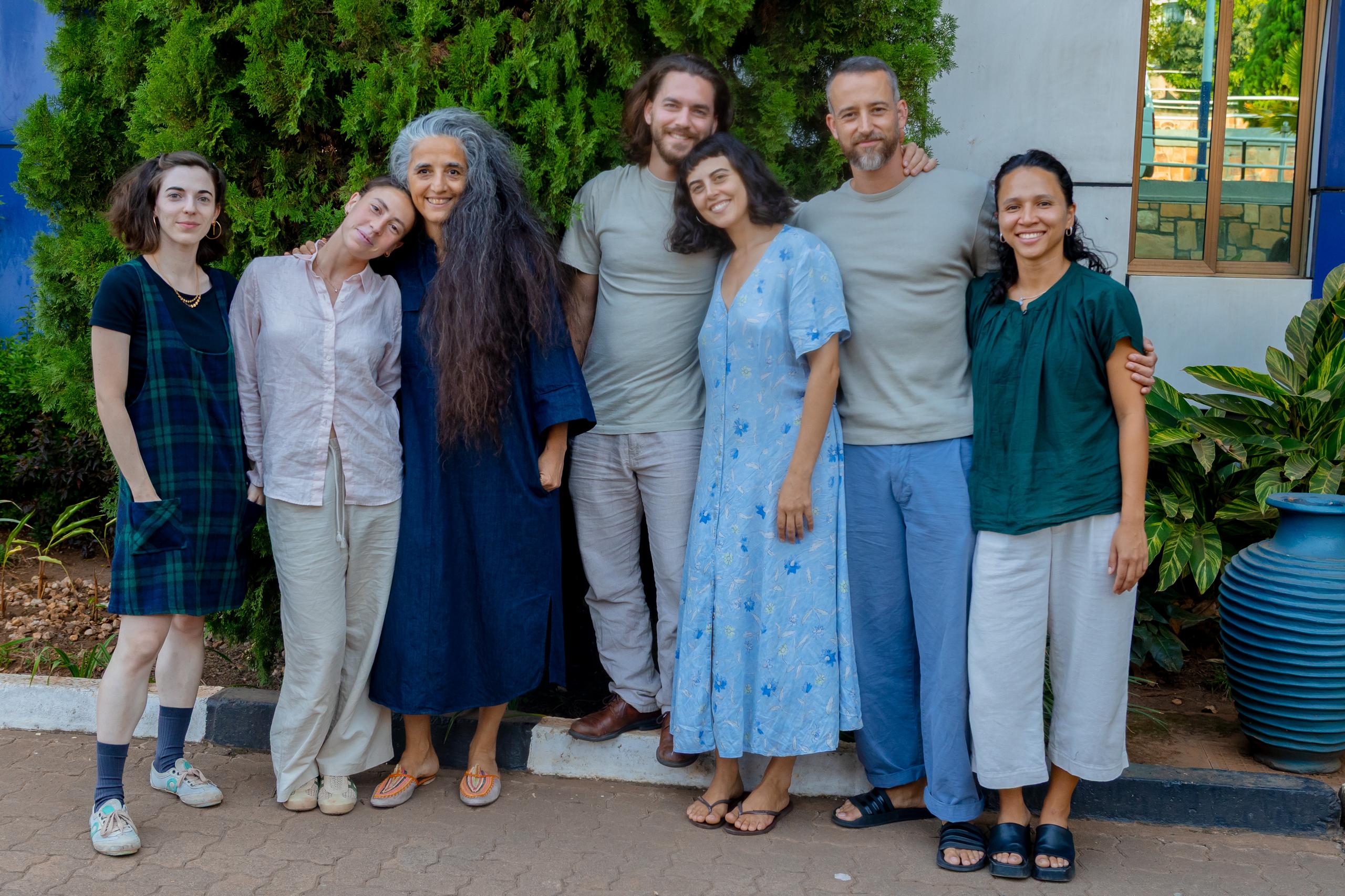
Daniel Costa believes dance is more than entertainment, describing Al-Atlal as a powerful prayer and protest for peace.The Al-Atlal performers during their visit to Kigali for the Ubumuntu Arts Festival, where they shared a powerful message of peace through contemporary dance.The performers of Al-Atlal believe dance can bring people together across cultures and inspire conversations about peace and humanity.The Al-Atlal performers say art has the power to transcend borders and unite people through shared human experiences.
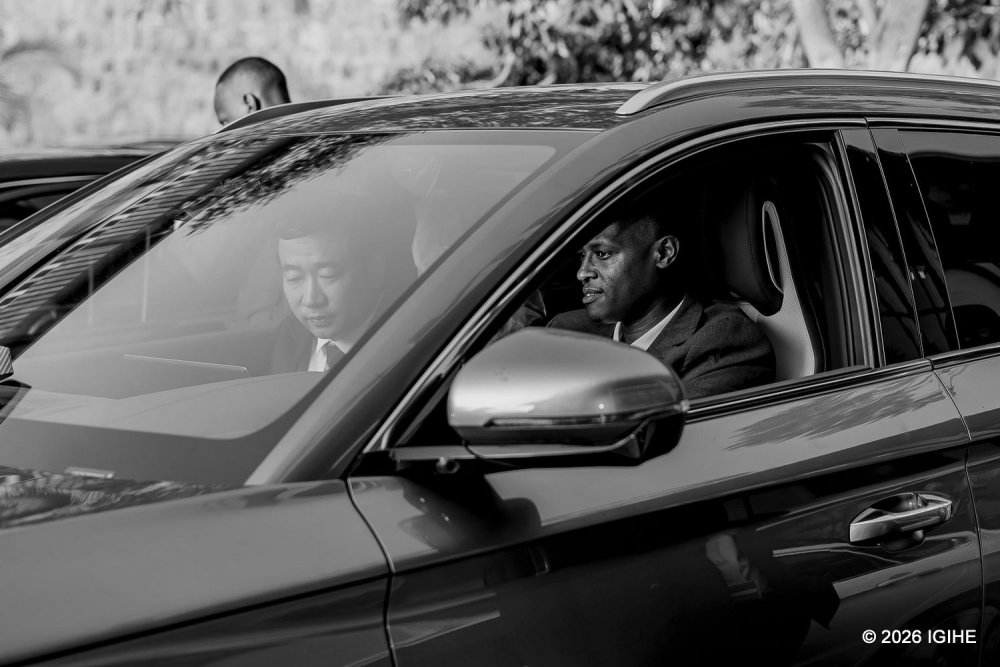
The partnership agreement, signed on July 17, 2026, is designed to make EV ownership more accessible to individuals, businesses, transport operators, taxi drivers, bus operators and truck owners by offering affordable financing packages.
Speaking after the signing ceremony, NCBA Bank Rwanda’s Head of Retail Banking and Branch Network, Sam Gatari, said the partnership reflects the bank’s commitment to supporting green mobility while enabling more Rwandans to own electric vehicles.
“This partnership goes beyond business because our goal is to help people achieve their dreams, whether they need a vehicle for family use, work or business. By choosing electric vehicles, they are also contributing to reducing carbon emissions and protecting the environment,” he said.
Gatari noted that NCBA Rwanda continues to develop innovative financing solutions that make it easier for individuals, companies and transport service providers to switch to electric mobility.
Kason Motors Chief Executive Officer Daniel Wang Bing welcomed the partnership, describing it as an important step toward accelerating the adoption of sustainable transportation in Rwanda.
He said electric vehicles not only help reduce carbon emissions but also lower operating costs compared to conventional petrol and diesel-powered vehicles.
“Electric vehicles do not only help reduce carbon emissions, but they also lower daily transportation expenses, allowing people to manage their resources more efficiently,” Wang said.
Under the partnership, customers purchasing electric vehicles through NCBA Rwanda’s financing programme will benefit from end-to-end support, including vehicle acquisition, maintenance and repair services provided by Kason Motors through its modern service facilities and trained technicians.
The financed vehicles will also be insured by MUA Insurance, providing customers with added financial protection and peace of mind.
The agreement builds on NCBA Rwanda’s broader efforts to support the country’s growing electric mobility ecosystem. The bank has previously partnered with Longtai Group, another electric vehicle dealer, to finance EV purchases.
Through that collaboration, NCBA Rwanda has already helped more than 100 customers acquire electric vehicles, contributing to Rwanda’s ambition of accelerating the adoption of low-emission transport.
NCBA Rwanda has helped more than 100 Rwandans own electric vehicles.Kason Motors exclusively sells electric vehicles.NCBA Rwanda and Kason Motors have partnered to make environmentally friendly vehicles more accessible to Rwandans.The partnership agreement was signed on July 17, 2026.Kason Motors sells different types of electric vehicles.NCBA Bank Rwanda’s Head of Retail Banking and Branch Network, Sam Gatari, inspecting an electric vehicle.Kason Motors Chief Executive Officer Daniel Wang Bing welcomed the partnership, describing it as an important step toward accelerating the adoption of sustainable transportation in Rwanda.
Kason Motors Chief Executive Officer Daniel Wang Bing said electric vehicles not only help reduce carbon emissions but also lower operating costs compared to conventional petrol and diesel-powered vehicles.NCBA Bank Rwanda’s Head of Retail Banking and Branch Network, Sam Gatari, said the partnership reflects the bank’s commitment to supporting green mobility while enabling more Rwandans to own electric vehicles.
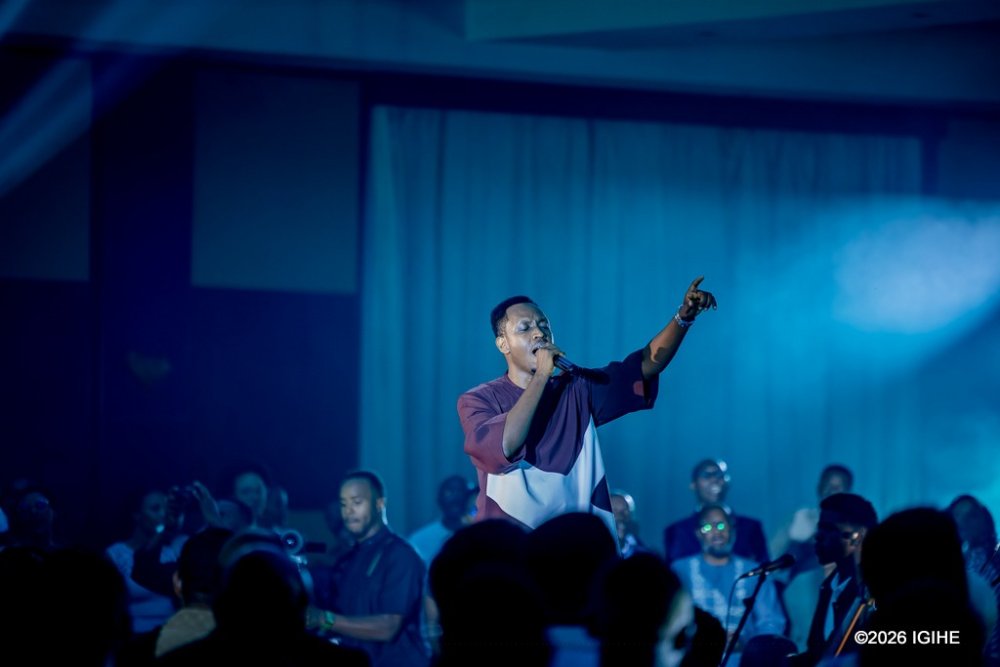
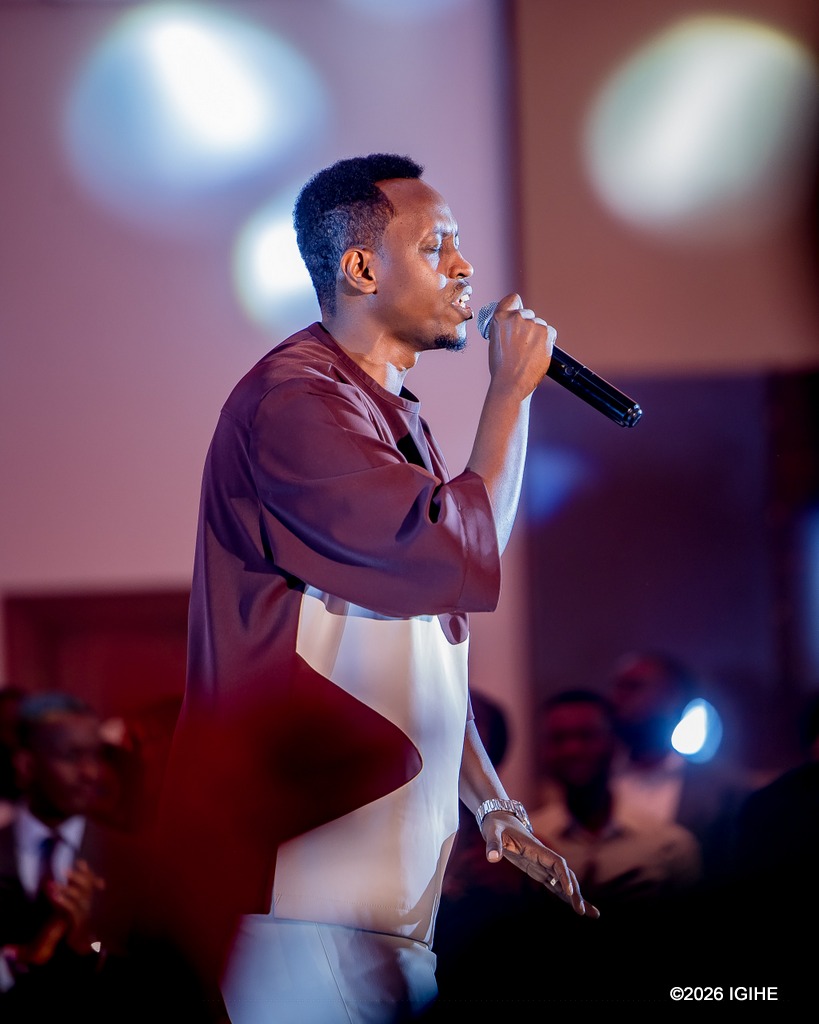
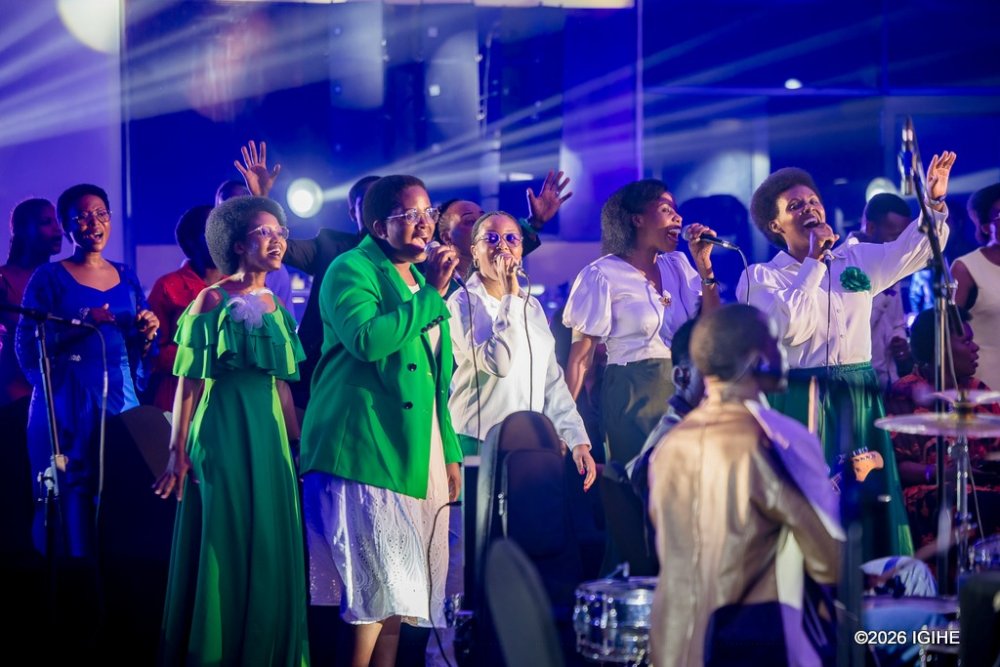
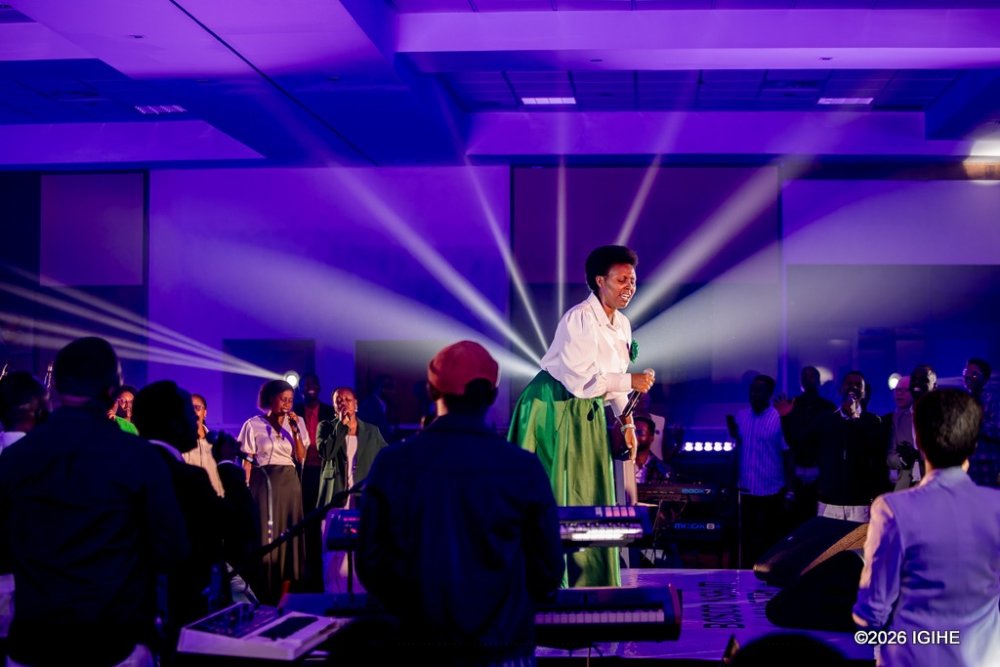
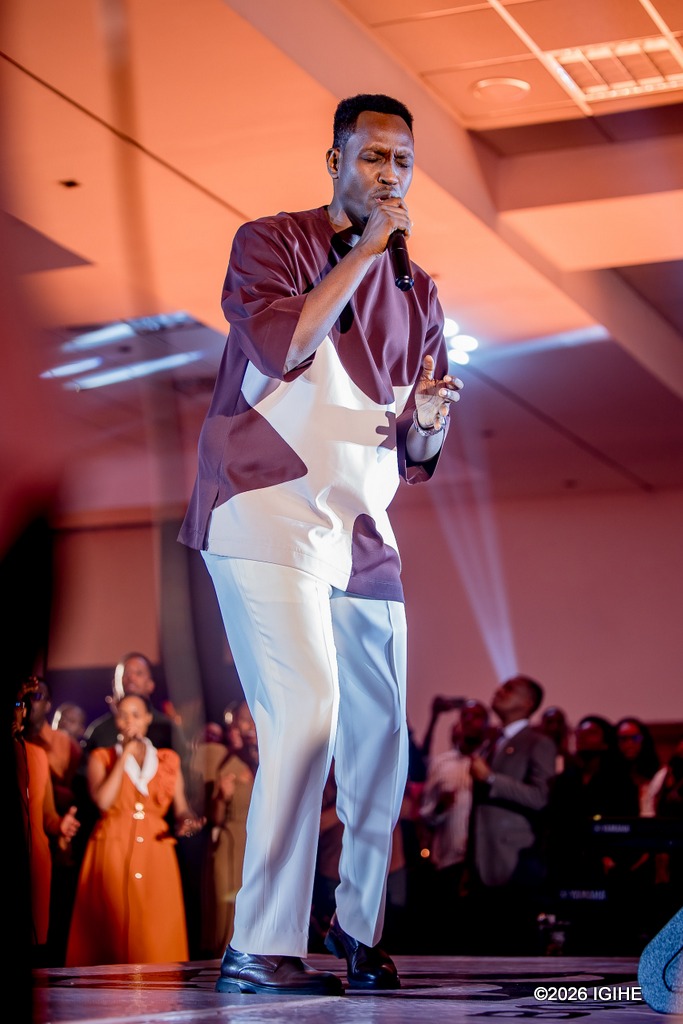
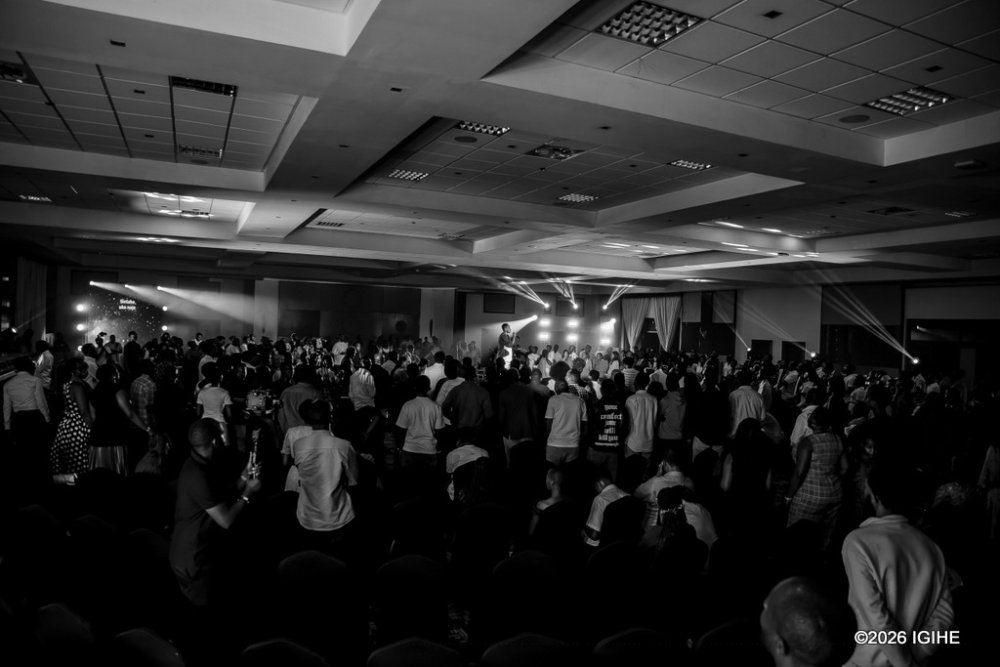
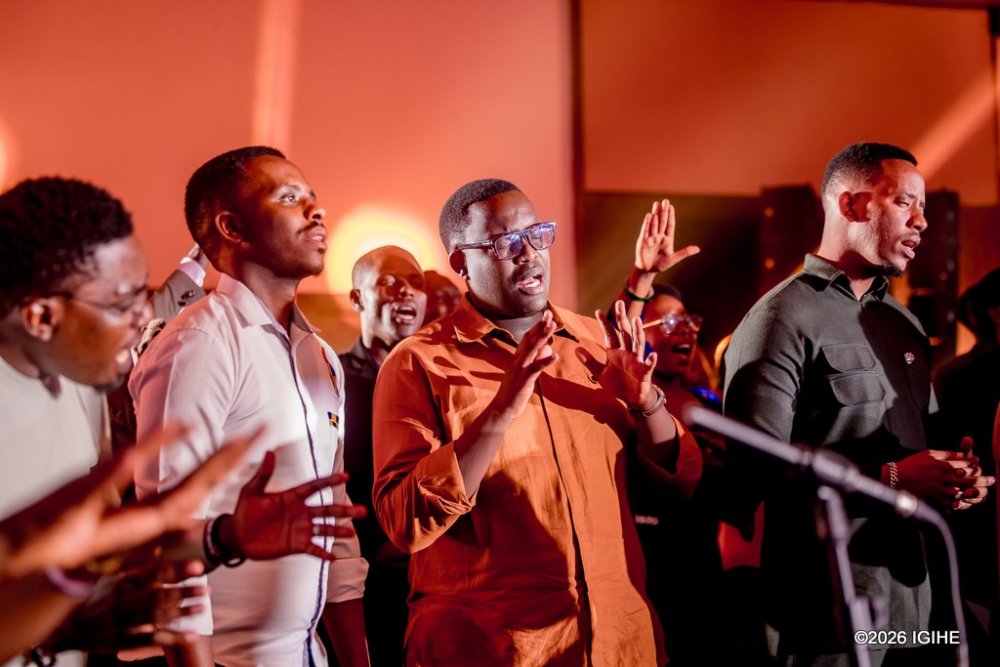
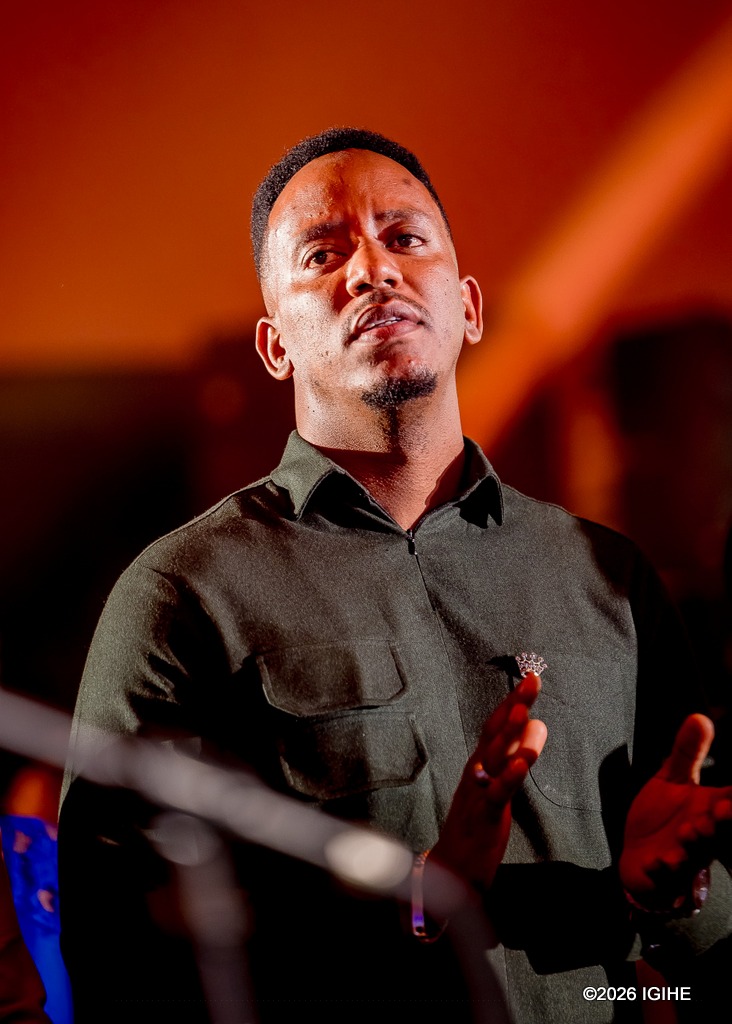
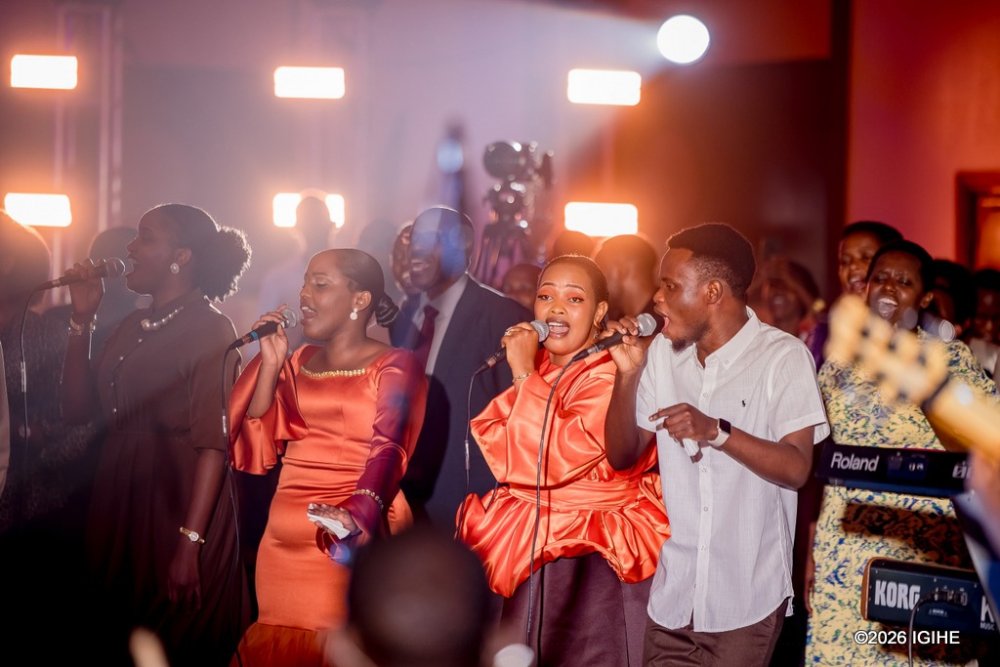
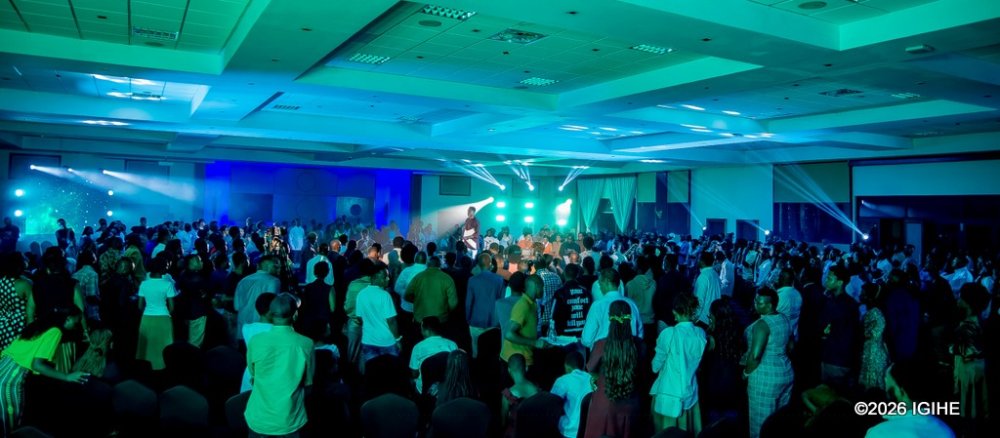
The singer, who is a member of the ADEPR Church, launched his new album titled Aguhe Umugisha during a concert held on July 19, 2026, at Kigali Serena Hotel.
The album features several gospel songs, including Ni Yesu, Ahira Amukunda, Twaramuhawe, Aguhe Umugisha, Mwuka Wera, Ndi Umugisha, Umusaraba, and Nyir’ubuntu.
During the event, Bosco Nshuti was joined by New Melody, which entertained the audience with some of its popular songs, creating a memorable atmosphere for gospel music lovers who attended the concert.
When he stepped onto the stage, Bosco performed some of his widely known songs, including Umutima, Ibyo Ntunze, and other tracks that have contributed to his popularity in Rwanda’s gospel music scene.
The singer also gave fans a preview of new songs that will feature on his upcoming sixth album, which is currently being prepared alongside music videos. Among the new songs he performed were Sintahe Uko Naje, Imba, and others.
The album launch also became an opportunity for fans to support the artist, with more than Rwf 12.5 million raised through the sale of songs from the new project.
Bosco Nshuti expressed gratitude to everyone who contributed to the success of the concert, including those involved in its organisation, fans who purchased his music, and all attendees who came to support him.
The gospel artist serves in evangelism at ADEPR Kumukenke Church, where he is also a member of the Siloam Choir, which recently held its own concert. He released his first song in 2015 and has since continued to grow his career in gospel music.
During the same concert, Bosco Nshuti recorded music videos for new songs that will be included on his sixth album, including a collaboration with gospel singers Rene and Tracy.
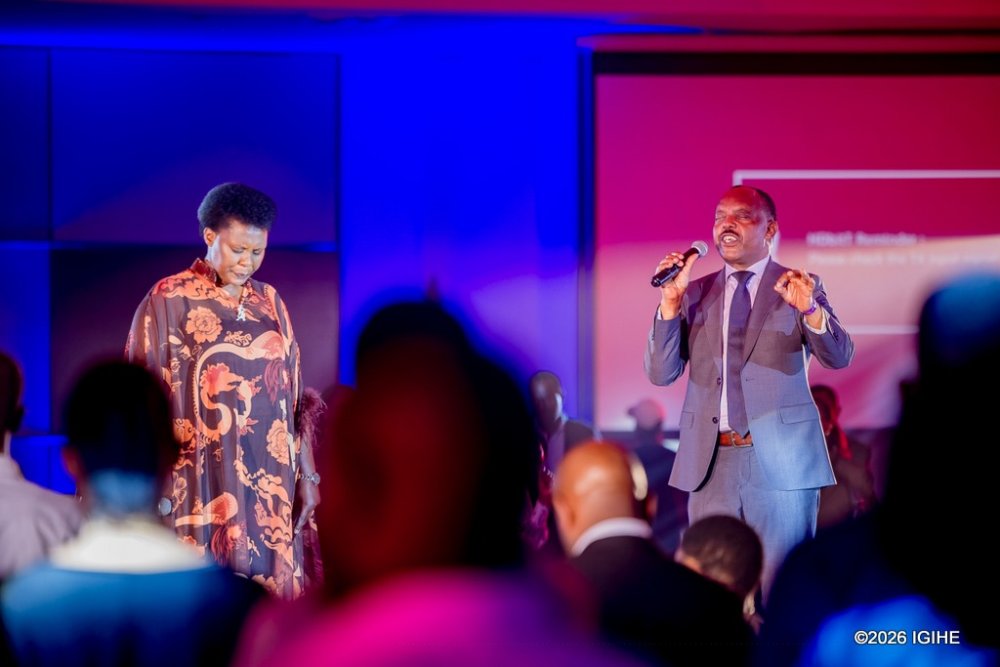
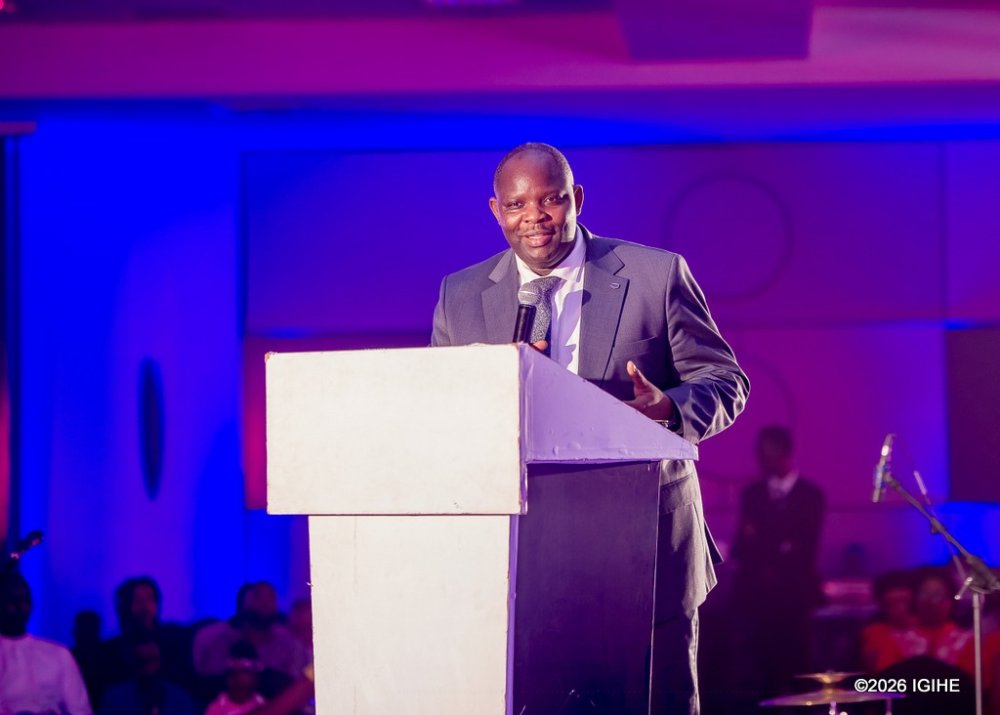
Isaie Ndayizeye, the Senior Pastor of ADEPR Church also attended the event, where he delivered a message of faith and preached the word of God to the audience.
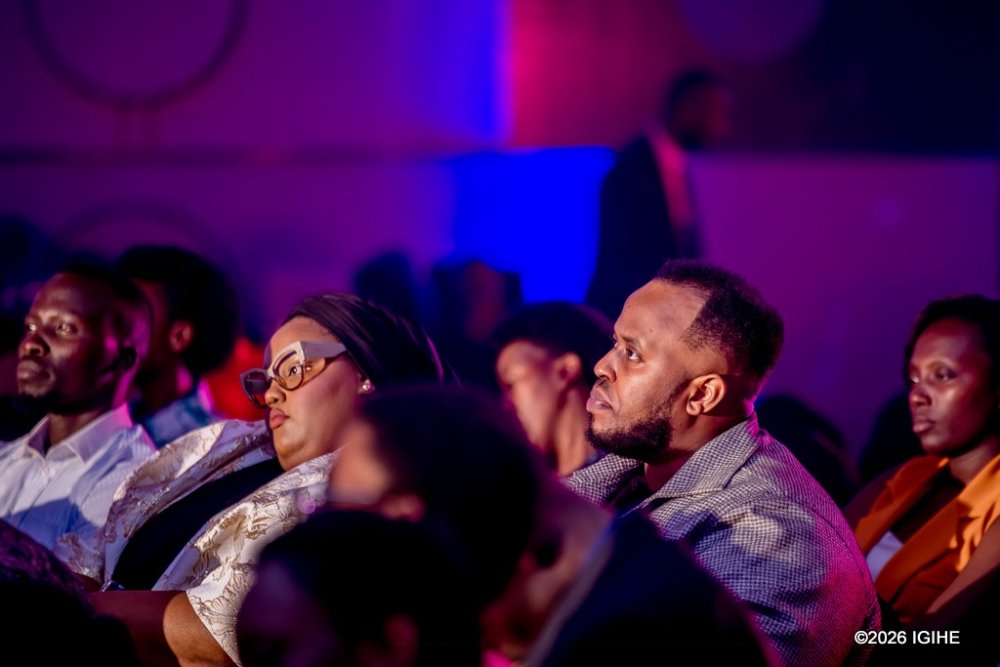
Bosco Nshuti received more than Rwf 12.5 million from his fans.New Melody members entertained the audience with various songs.New Melody supported Bosco Nshuti during his concert.Bosco Nshuti has launched his fifth album.Attendees at Bosco Nshuti’s concert were impressed by the new songs he recorded for music videos.Pator Ndayizeye Isaie emphasised that the blessing given by the Lord comes without adding sorrow. Singer Christian Irimbere attended the event to support Bosco Nshuti.The artists who joined Bosco Nshuti delivered energetic performances alongside him.Bosco Nshuti’s fifth album launch concert attracted attendees from different backgrounds.
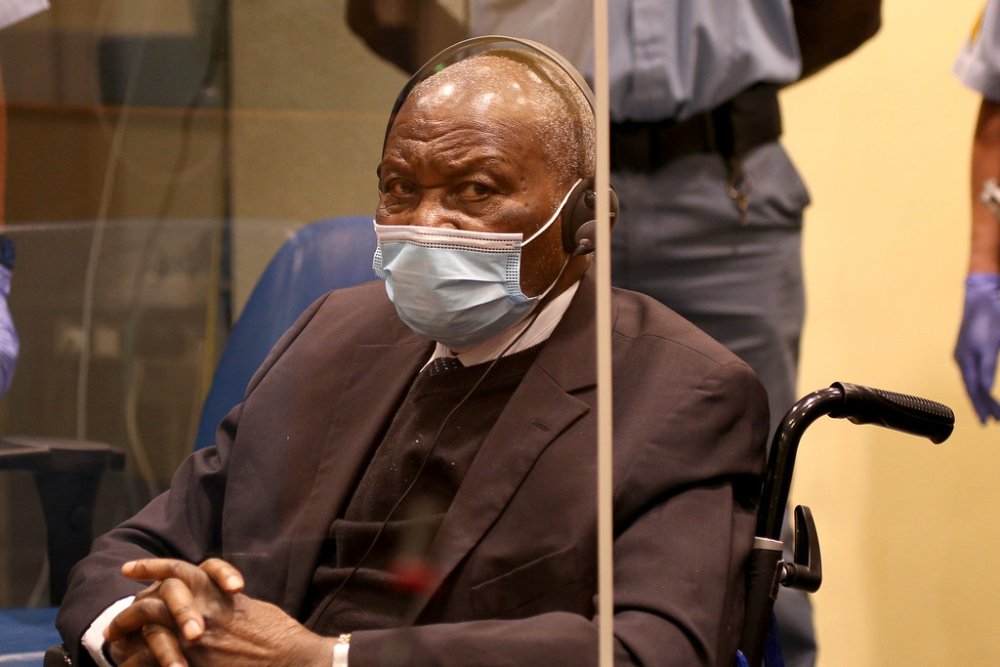
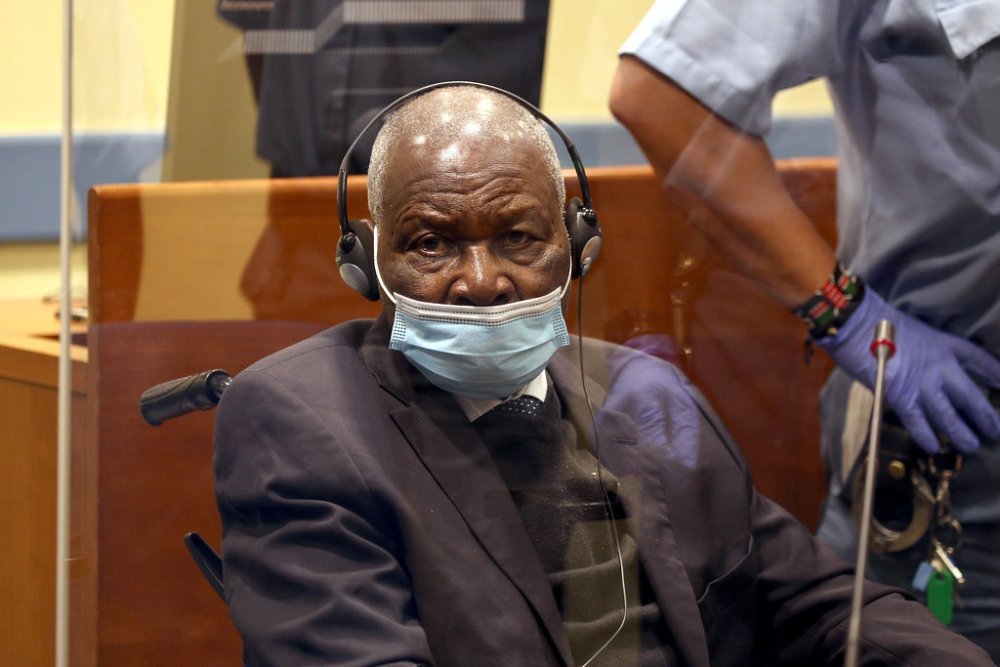
The inquiry, conducted by IRMCT Judge Alphons Orie and submitted to the Mechanism’s President, found that Kabuga received at least the same standard of healthcare available in the Netherlands, with his medical condition closely monitored and managed by medical and nursing staff throughout his detention.
Kabuga, who was indicted by the International Criminal Tribunal for Rwanda (ICTR) in 1997, was arrested in France on May 16, 2020, after more than two decades as a fugitive. He was among the individuals accused of bearing significant responsibility for the Genocide against the Tutsi and faced charges including genocide, direct and public incitement to commit genocide, conspiracy to commit genocide, and crimes against humanity.
Following his arrest, Kabuga was transferred on October 26, 2020, to the Hague branch of the IRMCT, where he remained detained while facing trial proceedings.
The inquiry report states that Kabuga’s health was closely monitored from the time of his transfer. Medical assessments identified several health conditions, including vision and hearing impairment, hypertension, type 2 diabetes, osteoporosis, and other age-related ailments. He received treatment, regular medical assessments, and support from medical specialists.
In March 2023, independent medical experts concluded that Kabuga met the clinical criteria for dementia. The report noted that his mental and physical condition gradually deteriorated, requiring increased medical attention and assistance with daily activities.
As his condition worsened, staff adjusted his care arrangements. Medical reports indicated that employees were instructed to approach him quietly and without haste, while measures were introduced to support his mobility, hygiene, communication, and general wellbeing.
Kabuga’s proceedings before the IRMCT began in September 2022. In June 2023, the Trial Chamber found that he was unfit to meaningfully participate in his trial and unlikely to regain the ability to do so. The proceedings were later stayed indefinitely in September 2023.
The inquiry states that Kabuga continued receiving medical care, including regular monitoring of his diabetes, blood pressure, kidney function, cardiovascular condition, and mental health. He was also treated by external medical specialists and was transferred to civilian hospitals on several occasions when serious medical issues arose.
In July 2024, Kabuga was transferred to a specialised section of the Judicial Centre for Somatic Care (JCvSZ), a prison hospital unit designed for elderly detainees with significant medical and nursing needs. There, he received nursing support with daily activities, including assistance with hygiene and food and fluid intake.
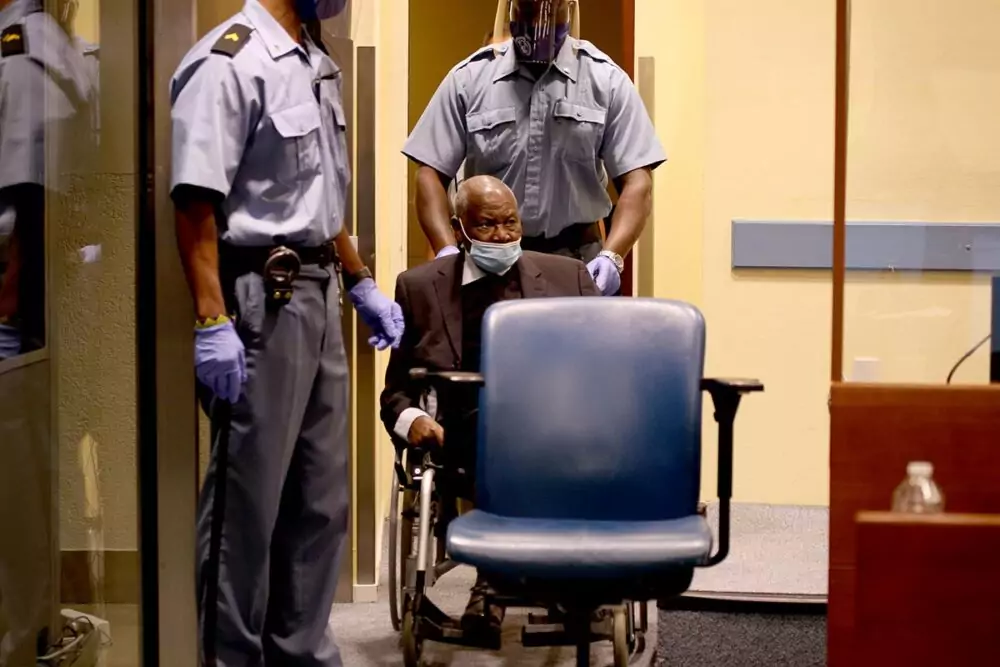
By 2025, Kabuga’s mobility had significantly declined. After several falls and a reduction in his ability to stand and walk with assistance, he was transported in a wheelchair. He was provided with a reclining wheelchair, while a large soft mat was placed beside his bed to reduce the risk of injury from falls.
The inquiry also noted that his cell contained equipment to support his care, including devices to assist with movement between his bed and wheelchair, visual aids to facilitate communication, and a private bathroom with a shower and toilet.
In September 2025, a 24-hour alarm system was activated in his cell after several falls, allowing staff to respond quickly if he required assistance. His hygiene, skincare, medication, and other medical needs continued to be monitored.
Judge Orie’s assessment concluded that the medical and nursing care provided to Kabuga was adequate and that staff at the UN Detention Unit and JCvSZ acted professionally while managing the needs of an elderly detainee with multiple health conditions.
The inquiry also noted that Kabuga’s daughter and his defence lawyer, Emmanuel Altit, did not raise concerns about the medical treatment and care he received while in the Mechanism’s custody. His lawyer stated that Kabuga’s physical and mental health had been managed in a professional and effective manner.
Kabuga died on May 16, 2026, at the JCvSZ while in the custody of the UN Detention Unit. A forensic physician concluded that he died of natural causes, likely cardiac or intracranial, with no indication of unnatural causes.
Twelve days after his death, his remains were transferred from the Netherlands at the instruction of his family, and buried in Waterloo, Belgium.
Kabuga Félicien should was provided with equipment to help him move to and from his bed more easily.Kabuga had been assigned a personal caregiver responsible for his hygiene and monitoring his health on a daily basis.On May 16, Kabuga died while still in temporary detention and was buried in Belgium in June.
As of July 18, 2026, health authorities had confirmed a total of 2,344 Ebola cases, including 930 deaths, highlighting the continued impact of the outbreak despite ongoing efforts to control its spread.
Within a 24-hour period, the country recorded 77 new Ebola cases and 37 additional deaths, a development that shows the virus remains a major public health challenge for authorities and response teams working to contain it.
Ituri Province remains the epicentre of the outbreak, with Ebola cases reported in 27 of its 36 health zones. North Kivu Province is the second most affected area, with infections recorded in 11 of its 34 health zones.
In Haut-Uélé Province, the virus has been detected in four health zones, including Wamba, Boma Mangbetu, Pawa, and Isiro, out of the province’s 13 health zones. In Tshopo Province, Ebola cases have been reported in three health zones: Makiso-Kisangani, Lubunga, and Mangobo, out of 23 health zones.
The Ministry of Health said no new Ebola cases have been reported in South Kivu Province since May 26, 2026. It also confirmed that no new infections are currently being detected in Tshopo and Haut-Uélé provinces, indicating progress in controlling transmission in those areas.
The DRC government has confirmed that 930 people have died from the Bundibugyo Ebola outbreak.