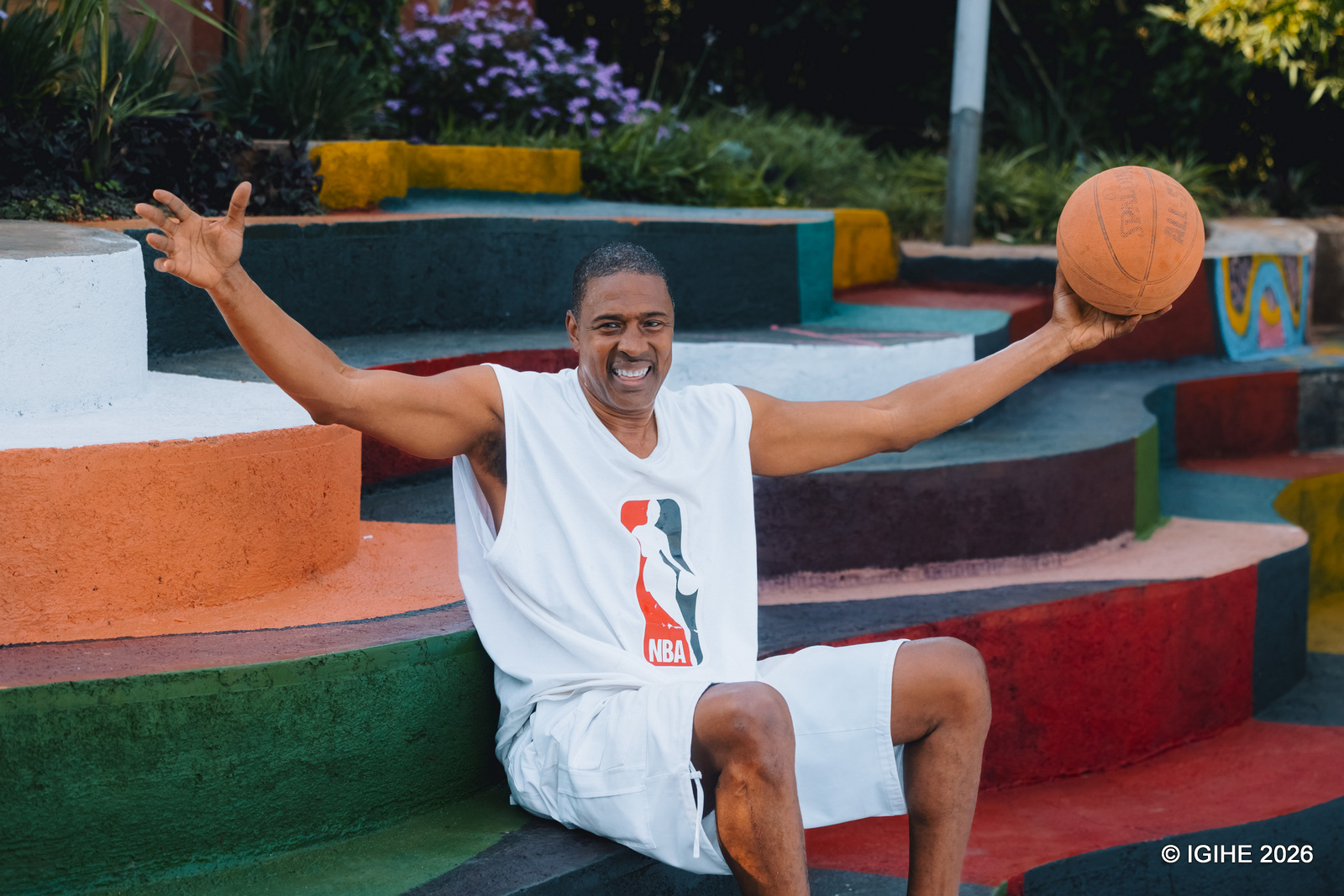
The American-Venezuelan former professional basketball player is now using the platform he built during his career to support children, mentor young athletes and contribute to communities in Rwanda.
Keeling, who was selected by the Dallas Mavericks in the 1985 NBA Draft, spent a short period in the NBA before building an impressive 18-year international career. He played in France, Israel, Venezuela, the Philippines and Colombia, with 12 years of his career spent in Venezuela, where he became a respected figure in the basketball community.
Today, his focus has shifted from competing on the court to changing lives beyond it.
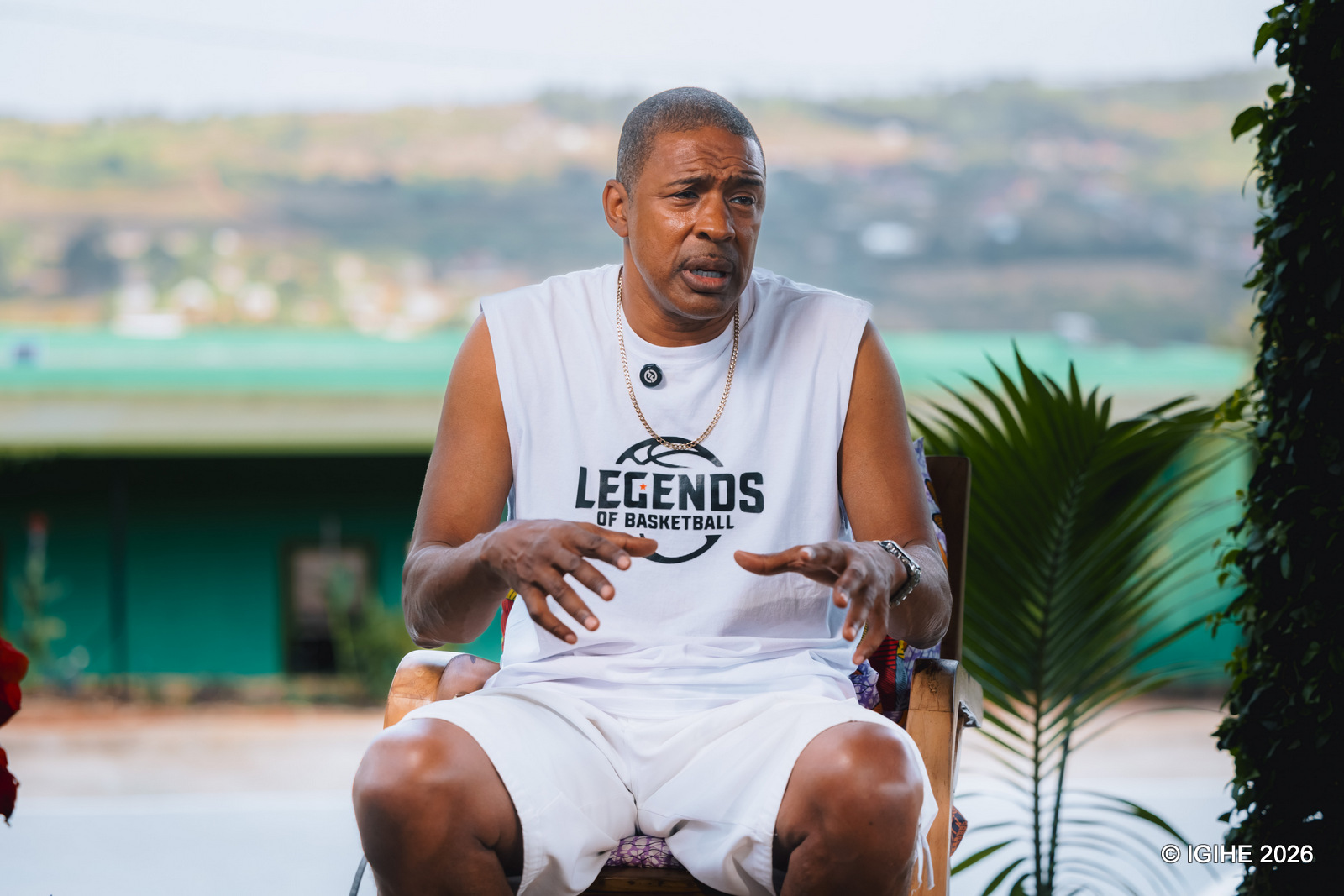
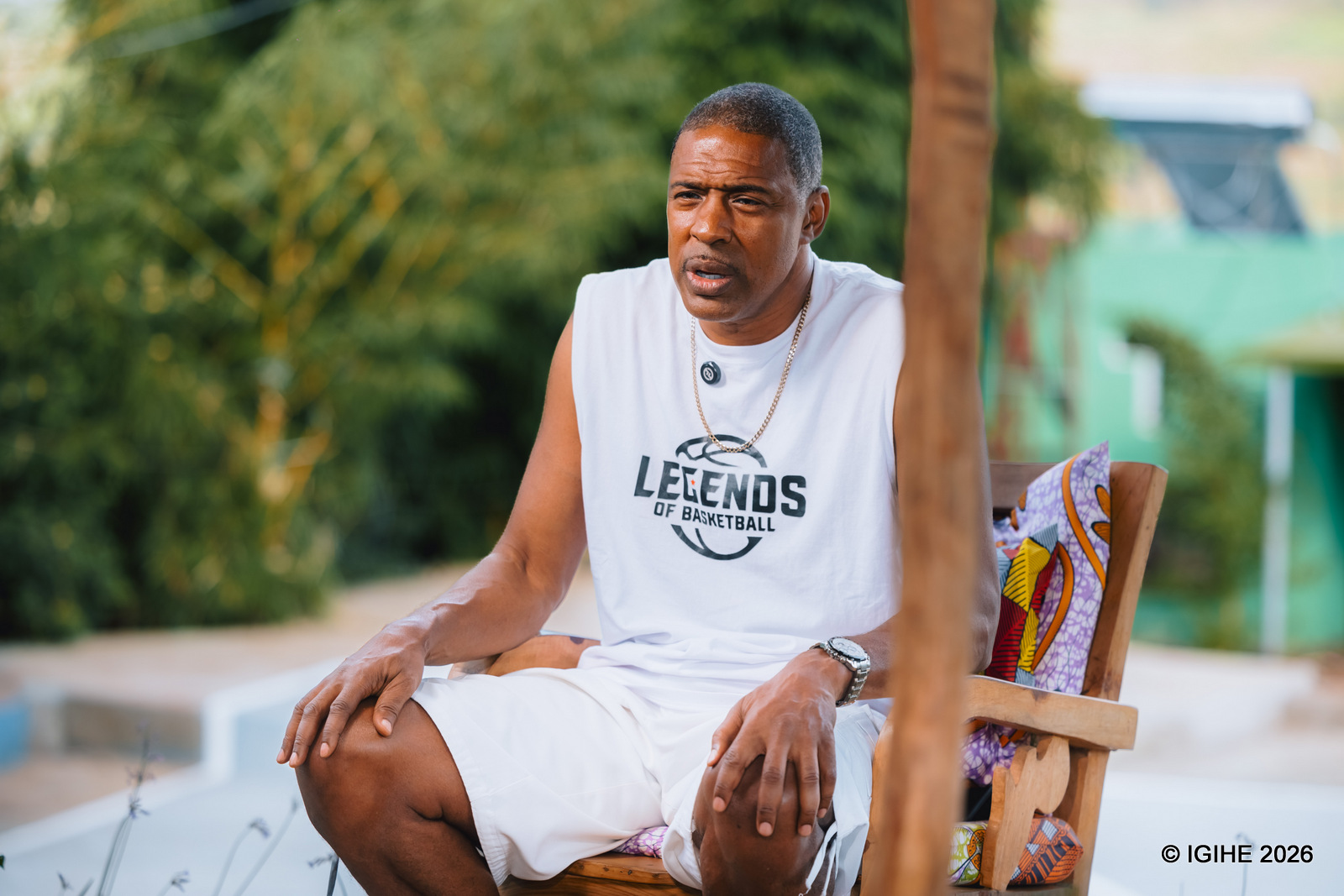
Harold Keeling speaks during an interview about his basketball journey, humanitarian work and why Rwanda has become a place close to his heart.
A basketball court built to create opportunities
During his visits to Rwanda in February 2025, Keeling has worked closely with the Clark family at The Promised Land in Bugesera District, where he has supported children through different community initiatives.
Through his efforts, hundreds of children have received shoes and shirts, while some have also benefited from healthcare support through insurance coverage designed to help them access medical services when needed.
But for Keeling, giving back was not only about providing basic needs. He wanted to create a place where children could discover their talents and experience the same joy that shaped his own childhood.
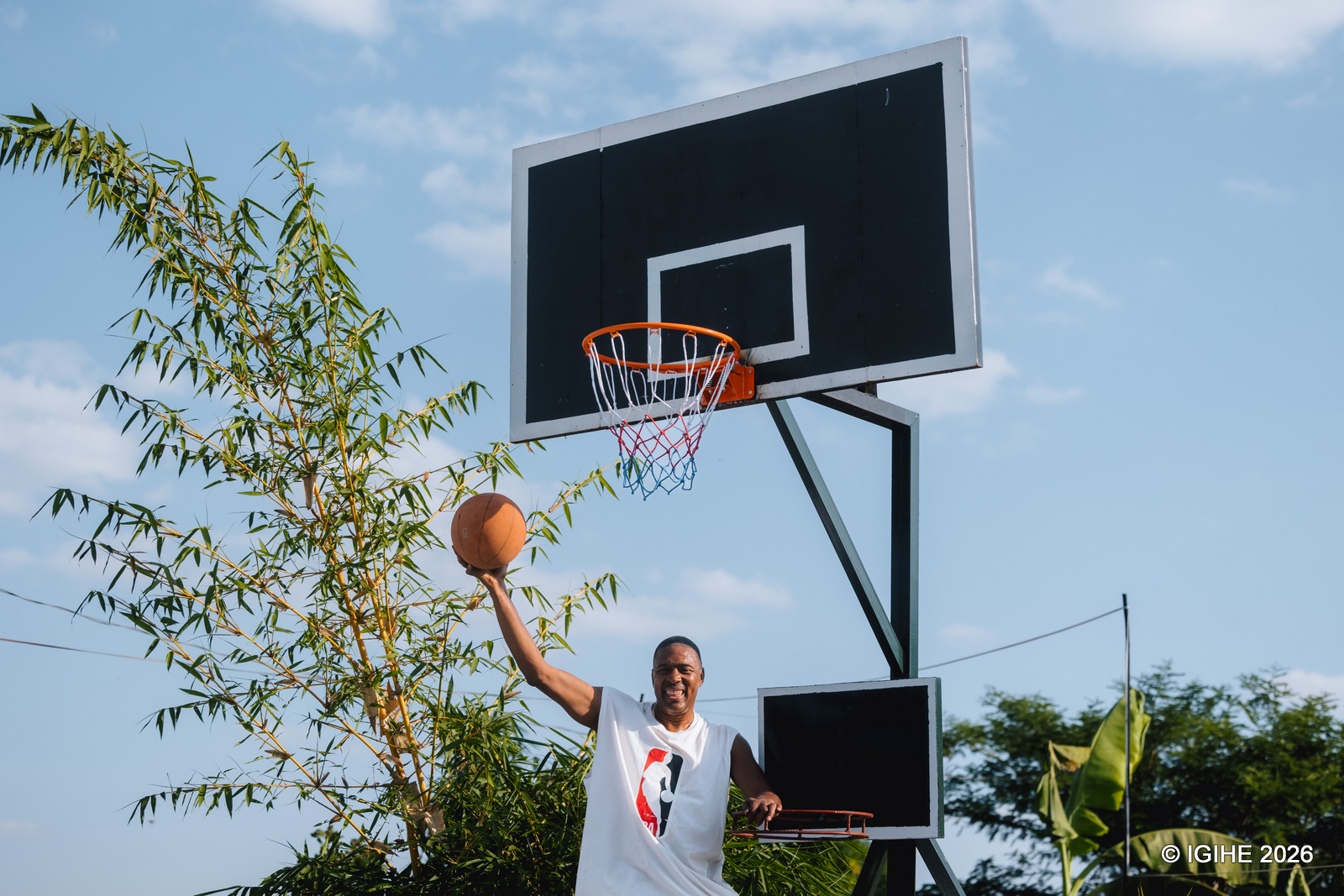
With support from David Clark, he helped build a basketball court at The Promised Land, giving young people a safe space to play and develop their skills.
“When I was young, I played basketball every day. My mother always had a house or apartment that was right outside of a basketball court. I could look out my window and go out there and play every day,” Keeling said.
He believes access to sports played a major role in his own success.
Growing up, basketball was his main activity after school. His mother encouraged him to first complete his homework, clean his room and finish his responsibilities before going outside to play until the street lights came on.
“That’s how I got good. That’s part of why I made it to the NBA,” he recalled.
Harold Keeling helped establish a basketball court at The Promised Land, creating a space where children can develop their skills and enjoy the game.
A journey that brought him to Rwanda
Keeling’s connection to Rwanda began through basketball.
He first visited the country after reconnecting with his friend James, head coach of APR Basketball Club. Keeling praised May’s achievements, including leading APR to major success in African basketball competitions.
After discussing the possibility of visiting Rwanda with May and their friend Keevy Dixon, Keeling eventually travelled to the country, where he connected with David Clark and the Clark family, who welcomed him to stay at The Promised Land.
During his time in Rwanda, he attended basketball games in Kigali and later began visiting nearby communities. It was through those visits that he discovered opportunities to support children who needed assistance.
“When I saw that they needed some things, it was an opportunity for me to be able to help them. It really touched my heart,” he said.
Keeling explained that this was his fourth time returning to Rwanda because of the relationships he has built with the children and communities.
“They like me. I like them. I like being with them. We’re happy when we’re together,” he said.
The former professional basketball player has helped organize youth basketball camps in Rwanda, using sport to teach discipline, teamwork and leadership.
Using basketball as a tool for change
For Keeling, basketball has always been more than a sport. He sees it as a tool for discipline, confidence and personal development.
Since arriving in Rwanda, he has organized basketball camps for young players and shared lessons from his own experience as a professional athlete.
He has worked with children at different schools and communities, teaching them basketball skills while encouraging them to believe in themselves.
“I feel blessed that I was put in this position to bless others and that God led me here,” he said.
His humanitarian work has also extended beyond sports.
Through Project Max and Save a Child’s Heart, Keeling became involved in an initiative that brought medical professionals, administrators and technicians to Rwanda to support children requiring medical procedures.
The project was initially planned for Ethiopia, but after discussions with partners, the team eventually came to Rwanda, where they worked with local medical institutions.
Keeling said he was grateful that the opportunity brought him back to a country where he had already developed strong connections.
Keeling says Rwanda’s safety, cleanliness and welcoming people are among the reasons he continues to return and invest his time in local communities.
Why Rwanda feels special to him
Beyond his work with children, Keeling said Rwanda’s safety, cleanliness and people are among the things that have impressed him the most.
He said he feels comfortable moving around the country, including at night, because of the sense of security he experiences.
“The first thing I would name is it’s very safe here. There’s hardly any crime. We walk at nighttime. We don’t worry about anybody stealing us or robbing us,” he said.
Keeling also praised Rwanda’s cleanliness, saying he admires how people protect public spaces and avoid littering.
Another quality he highlighted was the friendliness and unity among Rwandans.
“They’re very nice. They’re very friendly. They work together. I think that’s a wonderful thing,” he said.
The former basketball player also praised Rwanda’s development and said he believes the country continues to create opportunities for people from different backgrounds.
Harold Keeling praised Rwanda’s development, saying the country’s progress has left a lasting impression on him.Harold Keeling describes Rwanda as safer than the United States, citing its low crime rate and peaceful environment.
The announcement was made on July 30, 2026, during the launch of the company’s new Voice over LTE (VoLTE) technology, which will enable customers to make voice calls using the 4G internet network.
The new technology is expected to improve voice communication services by providing clearer high-definition (HD) voice quality, faster call connections, and allowing users to continue accessing reliable 4G internet services while making calls.
MTN Rwanda introduced VoLTE after becoming the first telecom company to launch 5G internet services in Rwanda in May 2025.
Elijah Iragaba, MTN Rwanda’s Chief Technology Officer, said that one year after introducing 5G services in Rwanda, the technology has expanded to various parts of Kigali and Musanze District in the Northern Province.
“When we launched 5G internet, we initially focused on Kigali. Today, I can say that the service is available in many parts of the city. We have also expanded it to Musanze District as part of efforts to support tourism development and provide residents with faster and more reliable internet connectivity,” Iragaba said.
He added that the telecom is preparing to extend 5G coverage to more areas across the country, including secondary cities outside Kigali.
“Although 5G internet is currently concentrated in Kigali and Musanze, we have plans to expand it to secondary cities such as Rubavu, Rusizi, Nyagatare, and Rwamagana,” he said.
Currently, Rwanda ranks third in Africa in terms of internet speed and is among the top 16 countries globally, according to available internet speed rankings.
Data analysis also shows that the number of people using smartphones capable of supporting 5G technology continues to increase annually, growing by between 10% and 15%.
MTN Rwanda Chief Technology Officer Elijah Iragaba says the company plans to expand 5G internet services to secondary cities around Kigali.
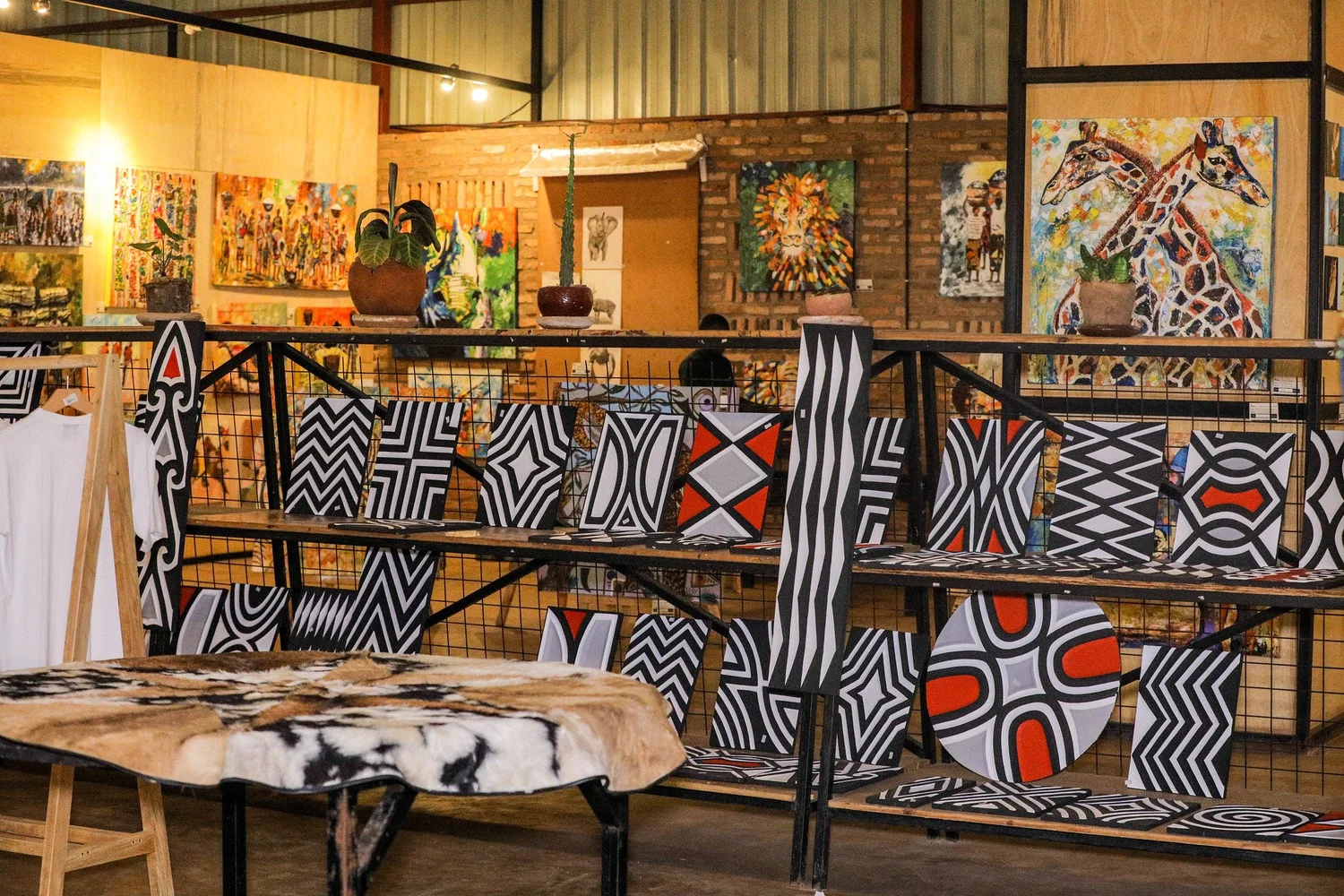
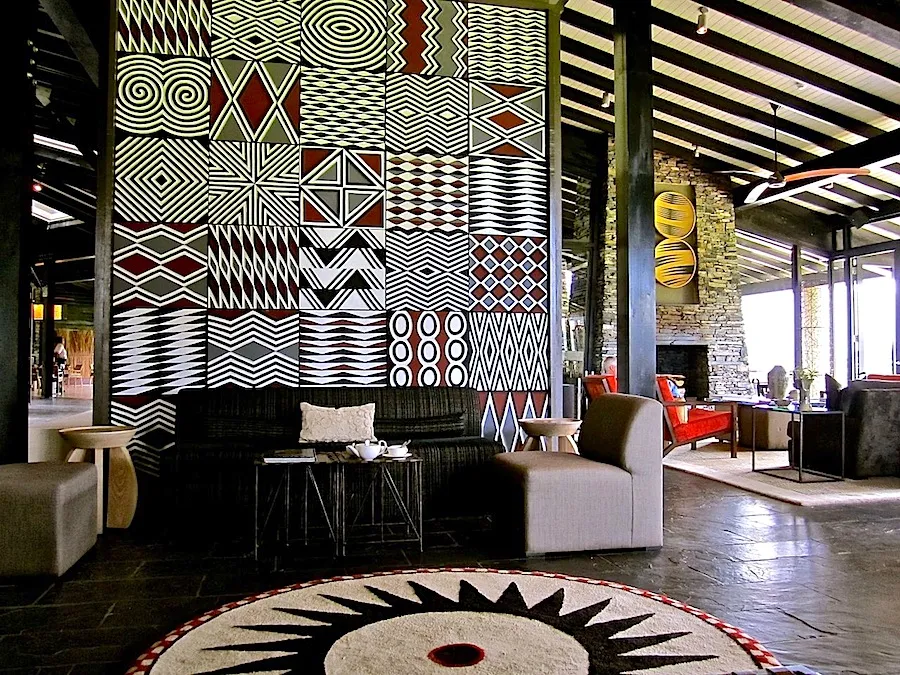
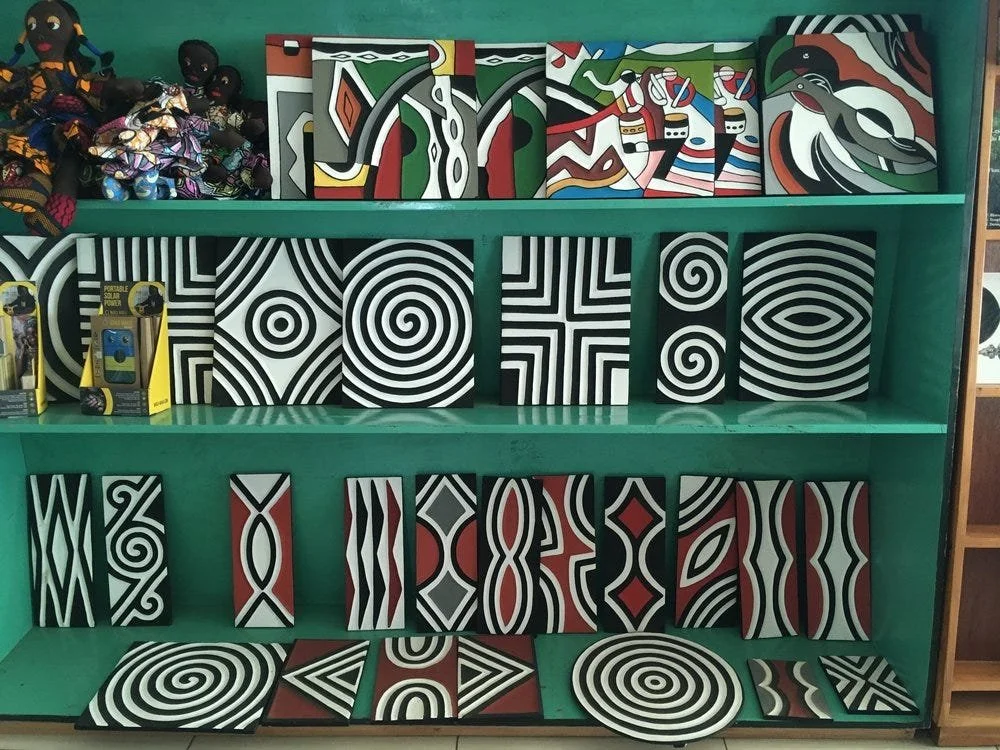
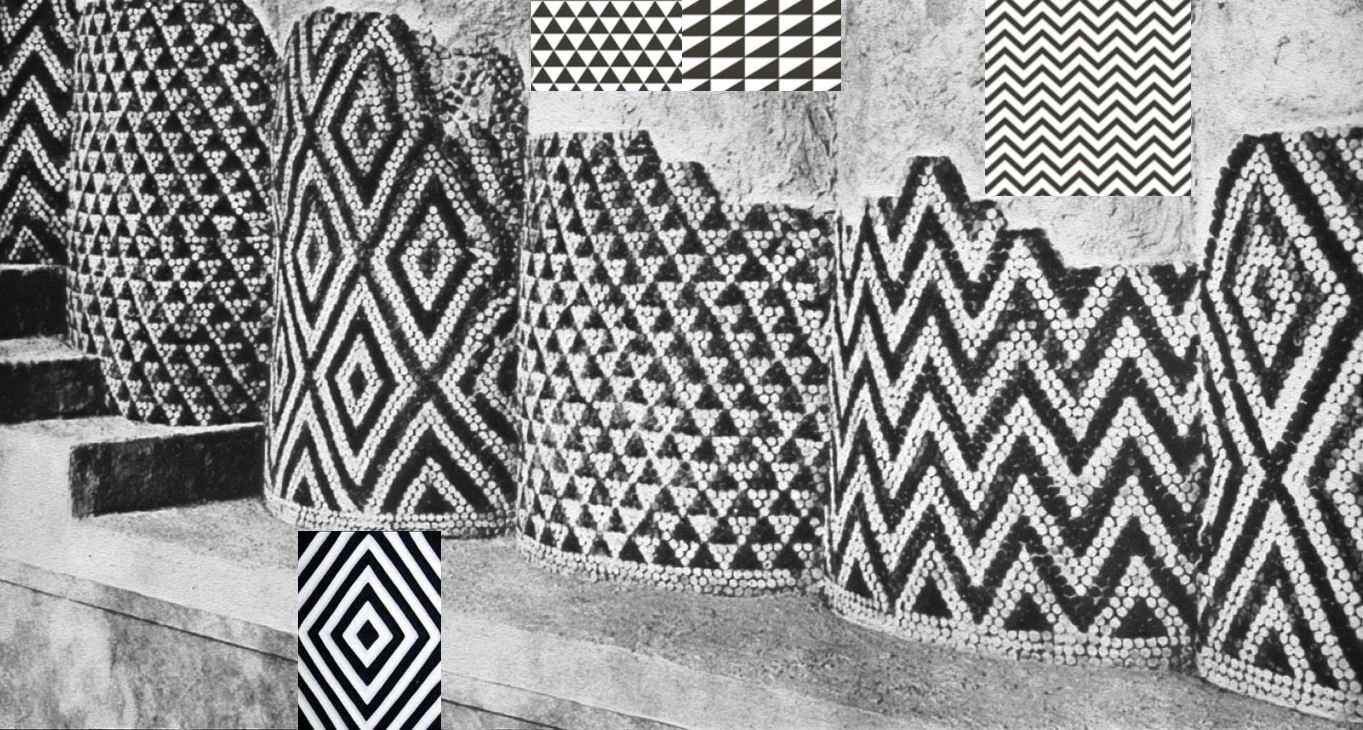
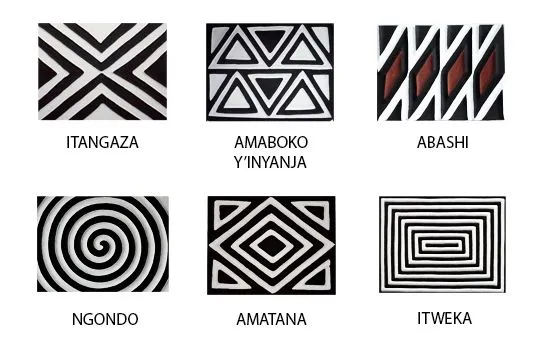
Known for its distinctive geometric patterns and natural colours, Imigongo has been passed down through generations, preserving stories of Rwanda’s history while creating opportunities for local artists.
The tradition is believed to have started in the 18th century in the former Gisaka Kingdom, located in what is now Ngoma District in Rwanda’s Eastern Province.
According to Rwandan tradition, Imigongo was introduced by Prince Kakira, the son of King Kimenyi of Gisaka. It is said that he used cow dung mixed with natural materials to decorate the interior walls of his home, creating beautiful patterns that later inspired a wider artistic practice.
Although cow dung may appear unusual as an artistic material, it held great cultural value in traditional Rwandan society. Cattle were considered a symbol of wealth, dignity, and social importance, and products from cattle were commonly used in daily life. ‘
Turning cow dung into decorative art reflected the creativity of Rwandans and their ability to make meaningful things from available resources.
The process of creating Imigongo requires patience and skill. Artists traditionally mix cow dung with materials such as ash and soil before applying the mixture onto wooden boards or walls to form raised patterns.
Once the designs dry, they are painted using natural colours that were traditionally made from locally available materials. The colours and shapes often carry cultural meanings, with many artworks featuring carefully arranged lines, spirals, and diamond-like patterns.
For many years, Imigongo has been closely associated with Rwandan women, who have played a major role in keeping the tradition alive.
Mothers passed the skills to younger generations, ensuring that the craft remained part of Rwanda’s cultural identity. Over time, women’s cooperatives were established, allowing artists to preserve the tradition while also earning income to support their families.
Rwandan artists carefully create Imigongo, a traditional art form that has been passed down through generations as a symbol of culture and creativity.
Imigongo became an important source of empowerment for many women who were rebuilding their lives.
Through cooperatives, artists found opportunities to work together, develop their skills, and contribute to Rwanda’s economic recovery while protecting a valuable part of the country’s heritage.
Today, Imigongo has moved beyond traditional homes and has become recognised as one of Rwanda’s important cultural products.
The artwork can be seen in hotels, offices, galleries, and homes, while many visitors purchase Imigongo pieces as souvenirs that represent Rwanda’s creativity and traditions.
Modern artists have also introduced new techniques and colours, allowing Imigongo to adapt to changing tastes while maintaining its traditional roots. Despite these changes, the heart of Imigongo remains the same: telling Rwanda’s story through art.
More than just a decoration, Imigongo represents the creativity, strength, and cultural pride of the Rwandan people.
It is a reminder that even ordinary materials can be transformed into something beautiful and meaningful when combined with imagination and tradition. Through the dedication of artists who continue to practice and promote it, Imigongo remains a living heritage connecting Rwanda’s past, present, and future.
The unique geometric patterns and natural colours of Imigongo showcase Rwanda’s rich cultural heritage and artistic identity.From traditional homes to modern galleries, Imigongo continues to tell Rwanda’s story through creativity, resilience, and craftsmanship.
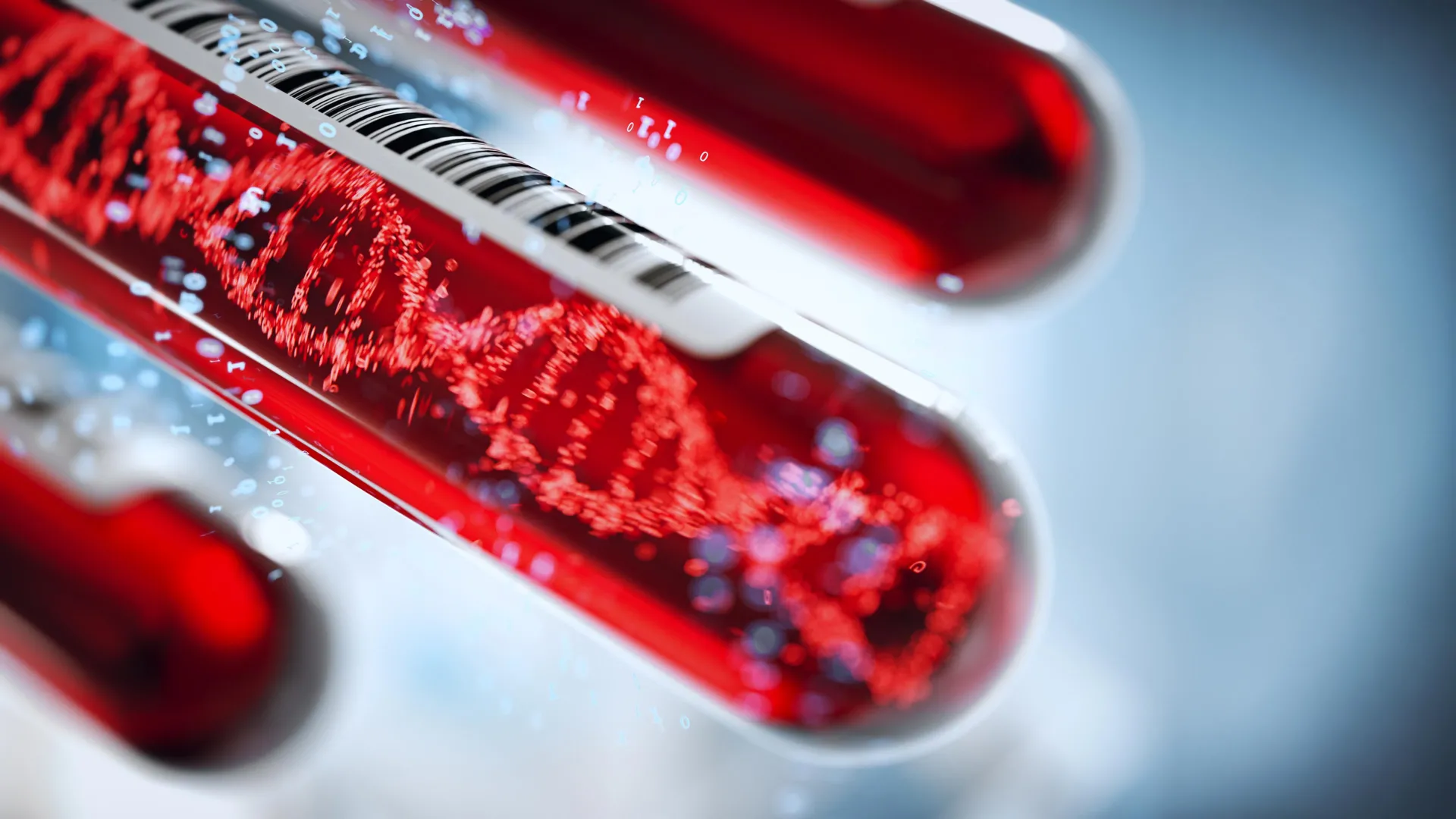
The study, led by researchers from the Wellcome Sanger Institute and published in Cancer Discovery, used long-term genetic tracking to understand how chronic blood cancers develop over time.
Researchers focused on myeloproliferative neoplasms (MPNs), a group of rare blood cancers that begin in the bone marrow, where blood cells are produced. These cancers often progress slowly and can remain stable for years before becoming more dangerous.
By analysing DNA from blood cells, scientists created genetic “family trees” that allowed them to trace how cancerous cell populations evolved.
The research showed that patients whose conditions later became more severe had accumulated additional genetic changes long before doctors could detect major clinical changes.
The team followed 30 patients with chronic blood cancers and examined more than 450 samples through repeated genomic testing.
Some participants were monitored for up to 25 years, providing researchers with a rare long-term view of how these diseases progress.
The findings suggest that future cancer care could use regular genetic monitoring to identify high-risk patients earlier, allowing doctors to provide more personalised treatment and closer follow-up.
Researchers also found that some people who are currently diagnosed with certain blood cancer conditions may not actually have cancer. In patients without common mutations linked to MPNs, genetic patterns appeared more consistent with normal ageing rather than true cancer development.
Scientists say the discovery could help doctors avoid unnecessary treatments for some patients while ensuring that those at greater risk receive early medical attention.
Dr Daniel Leongamornlert, the study’s first author, said that combining genome sequencing with long-term medical records helped researchers understand how blood cell populations change over time and why some cancers remain stable while others progress.
The researchers believe that advances in genomic technology could eventually transform how blood cancers are diagnosed, monitored and treated, moving healthcare closer to predicting disease progression before serious symptoms appear.
DNA changes could help predict which blood cancers will become dangerous
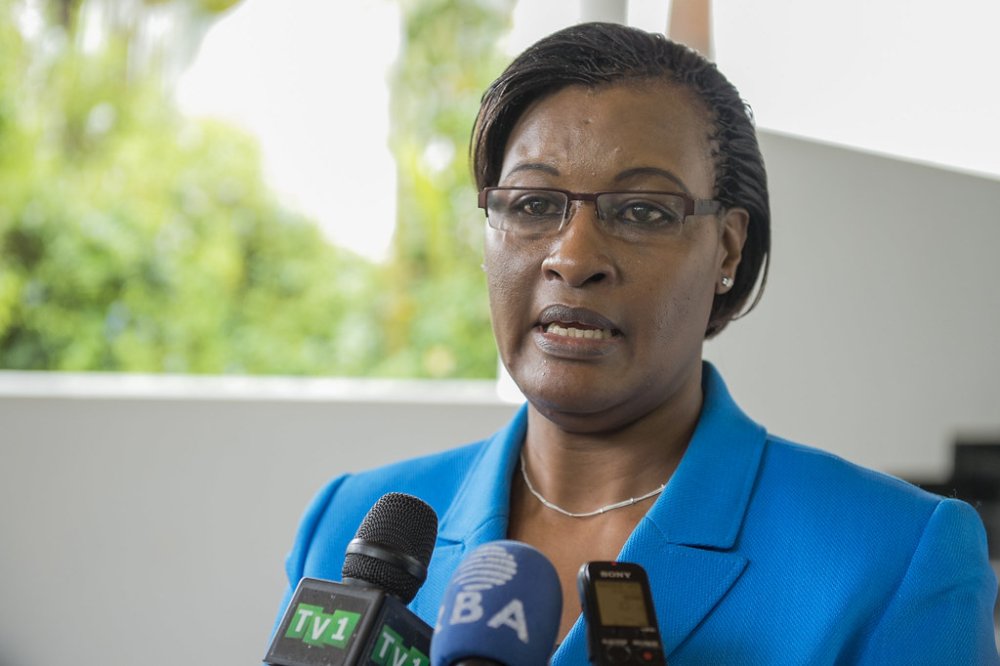
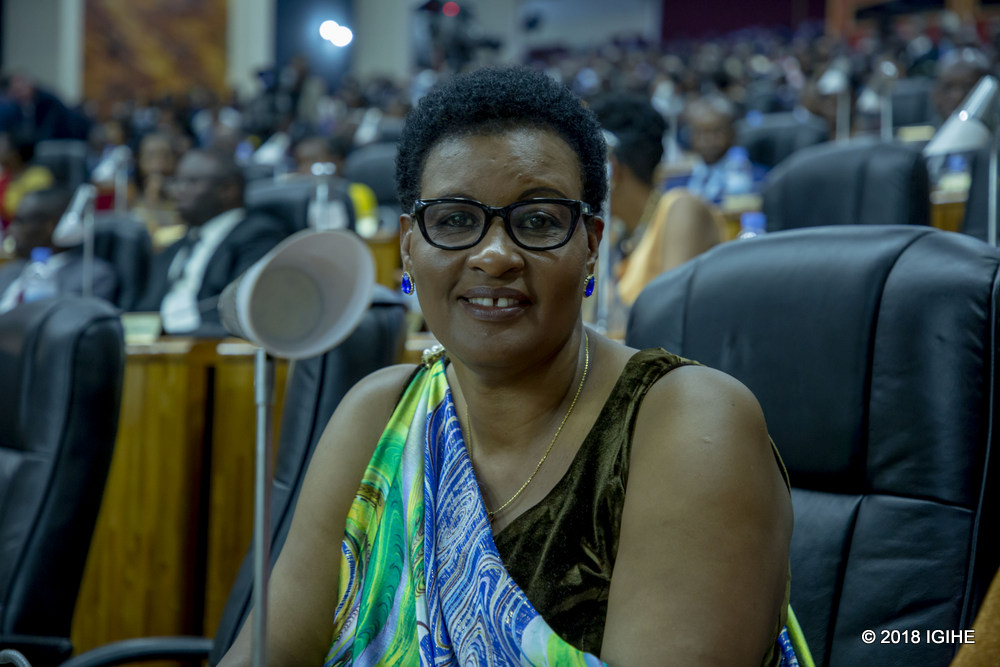
Mukabalisa, who previously served as Speaker of the Chamber of Deputies, died on Thursday morning at King Faisal Hospital, where she had been receiving medical treatment.
Following the announcement of her passing, colleagues who served alongside her in Parliament reflected on her leadership, humility, and commitment to serving the country.
Parliamentarian Musa Fazil Harerimana, who worked closely with Mukabalisa during her time as Speaker of the Chamber of Deputies while he served as Deputy Speaker, described her as a symbol of effective leadership and gender equality.
Speaking to IGIHE, Harerimana said Mukabalisa demonstrated that women are equally capable of leading institutions and bringing people together to make important decisions.
“Many things can be said about her, but one of the first things I would highlight is that she was a true example of gender equality. The way she led people and guided them in making decisions demonstrated that women are fully capable of effective leadership. There was no difference between a man who leads well and a woman who leads well,” he said.
Harerimana also praised Mukabalisa’s patience and ability to unite people with different political views, describing such qualities as essential for effective leadership.
“She was a very patient person. Leading people with different opinions and political perspectives, bringing them together and helping them find common ground requires patience. That quality was something you could clearly see in her,” he said.
He added that Mukabalisa was a determined leader who worked tirelessly to achieve goals she believed were beneficial, while respecting the views of others.
“Whenever she believed something was right, she would do everything possible to achieve it without disregarding anyone. She would explain her ideas clearly and continue engaging with people until they understood and accepted them. This also reflected her love for the country. Despite the painful history Rwanda went through, she deeply loved Rwanda,” Harerimana said.
He further described her as a humble leader who valued different opinions, listened carefully, and always sought solutions that brought people together.
Senator Uwera Pelagie also expressed her admiration for Mukabalisa, describing her as an inspiration and a person she greatly respected.
“Accepting this loss has been very difficult because I loved her. She was a wonderful mother figure, a person of wisdom and intelligence. Her achievements speak for themselves, and I wish her eternal rest,” Uwera said.
MP Mukabalisa Germaine also described the late senator as a mother figure, saying her passing was a painful loss.
“To me, she was like a mother,” she said.
Senator Dr Frank Habineza, leader of the Democratic Green Party of Rwanda and spokesperson of the Political Parties Forum in Rwanda, also paid tribute to Mukabalisa, with whom he worked for six years in the Chamber of Deputies before continuing their collaboration in the Senate.
Dr Habineza described her as a caring mentor, an adviser, and a leader with exceptional problem-solving abilities.
“I saw her as a mother figure with whom we could discuss issues and seek advice. What started as seeing her as my leader eventually developed into seeing her as a sister. She was someone who understood how to work with people and carry out her responsibilities effectively,” he said.
He added that Mukabalisa’s leadership experience enabled her to bring together people with different perspectives and find solutions to complex challenges.
“She had great wisdom and experience. She could lead people with different opinions and find ways to unite them. Challenges that appeared difficult became manageable, and problems found solutions. She was a highly skilled leader and a great adviser. Whenever we discussed issues and followed her guidance, her advice always proved valuable,” he said.
Dr Habineza worked alongside Mukabalisa on the Senate’s Economic Affairs Committee, where they also shared the same office.
Mukabalisa was born in Nyamata, Bugesera District, in July 1960. Before entering politics, she worked as a law lecturer at the University of Kigali (ULK).
She also served with the World Health Organization (WHO) and the United Nations Development Programme (UNDP) for 16 years.
Mukabalisa entered Parliament in October 2003 until 2008. From 2011 to 2013, she served as a Senator.
In 2013, she returned to the Chamber of Deputies and was elected Speaker, a position she held until 2024 after completing two terms as provided by law.
On September 19, 2024, Mukabalisa was elected as a Senator representing the coalition of legally recognized political parties in Rwanda.
She also served as President of the Liberal Party (PL), which was founded on July 14, 1991.
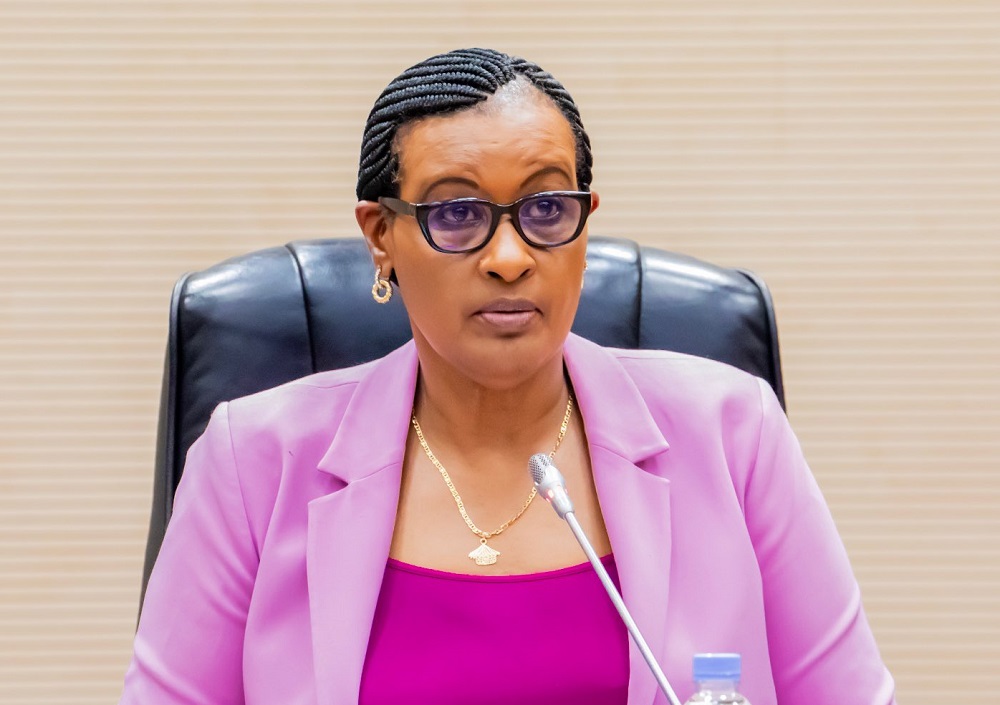
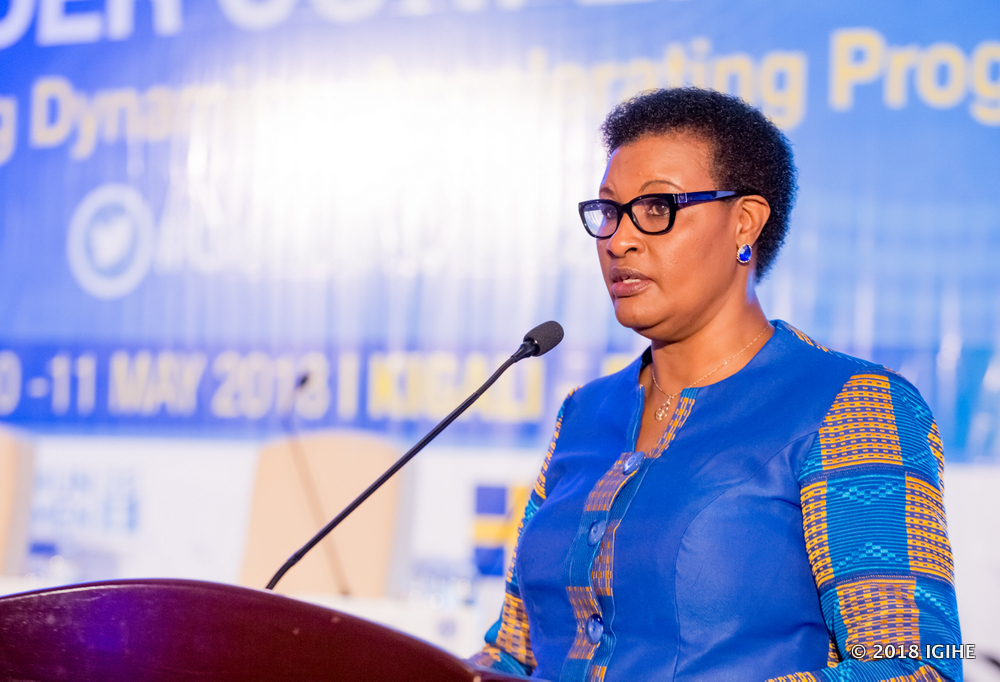
Mukabalisa Donatille served as Speaker of the Chamber of Deputies for 11 years.Mukabalisa Donatille has been eulogized as a mother figure and a trusted adviser to colleagues Mukabalisa Donatille has passed away after an illness.Senator Mukabalisa Donatille served as Chairperson of the Liberal Party (PL).
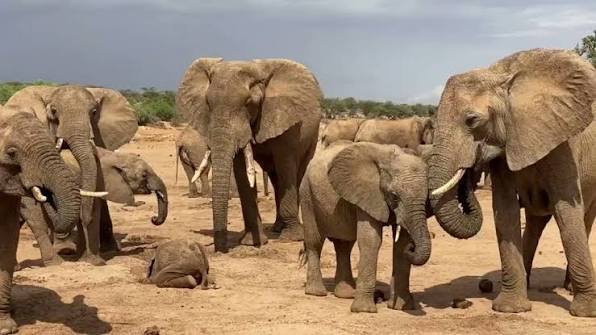
The elephants were found dead in the Amboseli ecosystem, which includes Amboseli National Park, a renowned wildlife sanctuary that is home to thousands of elephants and attracts visitors from around the world.
According to the Kenya Wildlife Service (KWS), laboratory tests conducted on samples collected from the dead elephants detected cyanide, a highly toxic chemical. Authorities believe the animals consumed tomatoes that had been contaminated with the poison after venturing onto farmland bordering the protected area.
The discovery followed weeks of investigations into the deaths, which occurred between late June and late July. Wildlife officials had initially suspected poisoning after several elephants showed unusual symptoms, including partial paralysis, before dying.
KWS Director General Erustus Kanga said the poisoning is a serious concern because it could affect more than just wildlife.
“Other than the elephants and the wildlife that may be feeding in those fields, we have the local livestock. We have the goats. We have the cattle that are there. Eventually, if this is truly what is in the system, then we are going to see a bigger impact,” Kanga said.
Authorities have not yet determined who contaminated the tomatoes or whether the poisoning was deliberate. Investigators are examining the circumstances surrounding the incident as they work to establish whether criminal activity was involved.
Kenya has previously experienced cases in which elephants were intentionally poisoned after straying onto farms and destroying crops. As agriculture continues to expand near wildlife habitats, conflicts between local communities and elephants have become more frequent.
Although cyanide is highly poisonous, KWS said there is currently no evidence that the contamination poses an immediate risk to people. However, officials are continuing environmental assessments and monitoring the area to determine whether other animals may have been affected.
The deaths have sparked concern among conservationists, who warn that the incident highlights the growing pressure facing Kenya’s wildlife as human activities increasingly overlap with protected ecosystems.
The Kenya Wildlife Service said investigations remain ongoing and pledged to continue working with local communities to strengthen wildlife protection while reducing conflicts between people and elephants.
Cyanide-laced tomatoes have been blamed for deaths of 15 elephants in Kenya
The findings, published in the journal Nature Communications, indicate that communication between the gut and the brain helps strengthen memories after eating nutritious food, while long-term consumption of unhealthy diets may weaken this process.
The research was led by scientists at the University of Southern California, who investigated how the vagus nerve, a major communication pathway between the gut and the brain, influences memory formation.
Using rats in laboratory experiments, the researchers found that nutrient-rich foods triggered the release of acetylcholine, a neurotransmitter that plays a critical role in learning and memory. The increase occurred only when signals from the gut reached the brain through the vagus nerve.
When researchers blocked the vagus nerve, the animals struggled to remember where they had previously found food, suggesting that gut signals are essential for forming certain types of memories.
The study also found that the brain responded to the nutritional value of food rather than its taste alone. Rats that consumed foods containing nutrients, such as sugar or fat, showed stronger memory-related brain activity than those given sweet-tasting drinks with little or no nutritional value.
According to the researchers, this mechanism may have evolved to help animals remember the locations of reliable food sources, improving their chances of survival by encouraging them to return to places where they previously found nutritious meals.
However, the benefits appeared to diminish with long-term unhealthy eating habits. Rats fed diets high in fat and sugar early in life later showed weaker communication between the gut and the brain, even after returning to healthier diets. They also performed worse in memory tests involving food locations.
The researchers say the findings could help explain why obesity, poor nutrition and metabolic diseases such as diabetes are often associated with an increased risk of cognitive decline. The study points to disrupted gut-to-brain communication as one possible biological link.
The discovery may also have implications for neurodegenerative diseases. The researchers noted that reduced acetylcholine activity in the hippocampus is one of the earliest changes observed in Alzheimer’s disease, raising the possibility that therapies targeting the vagus nerve could one day help support memory and cognitive function.
While the experiments were conducted in animals, scientists say more research is needed to determine whether the same process occurs in humans. Even so, the findings provide fresh insight into the close relationship between the gut and the brain and could open new avenues for treating memory disorders in the future.
A new study has revealed how what we eat can shape the brain’s ability to remember.
However, more questions have emerged over President Félix Tshisekedi’s decision to send his Special Envoy on a diplomatic tour across Africa and Europe, with allegations that the mission was used to promote the position of the armed group.
Between July 13 and July 26, 2026, DRC Minister for Regional Integration and Special Envoy to President Tshisekedi, Floribert Anzuluni, visited eight countries, Togo, Uganda, Burundi, Tanzania, Belgium, France, South Africa and Equatorial Guinea, where he held meetings with heads of state and senior government officials.
Officials from some of the countries visited said Anzuluni delivered confidential messages from President Tshisekedi. French publication Jeune Afrique reported that, during the meetings, the envoy also presented leaders with a letter reportedly signed by FDLR President Victor Byiringiro outlining the group’s proposed roadmap for its future.
If confirmed, the development would suggest that the FDLR leadership directly communicated with President Tshisekedi, who then tasked his Special Envoy with sharing the group’s views with leaders from countries that hold influential positions within regional and international organisations, including the African Union (AU), Southern African Development Community (SADC), East African Community (EAC), European Union (EU) and Economic Community of Central African States (ECCAS).
The mission was defended during a July 28, 2026 press conference, where Anzuluni and DRC Government Spokesperson Patrick Muyaya said the FDLR letter reflected Kinshasa’s commitment to implementing the Washington Peace Agreement signed on December 4, 2025.
However, critics argue that the agreement does not envisage the FDLR as a stakeholder in the peace process. Instead, they point out that one of its key provisions requires the DRC to dismantle the armed group, after which Rwanda would lift defensive measures.
Under the agreement, the FDLR is considered part of the security problem that must be addressed rather than an actor whose demands should shape the implementation process.
The diplomatic tour has also raised questions over why none of the countries visited publicly challenged what critics describe as the involvement of a government institution in promoting the position of a sanctioned armed group.
The FDLR was formed by remnants of the former Rwandan army and Interahamwe militia members who participated in the 1994 Genocide against the Tutsi in Rwanda. The group remains under sanctions imposed by the United Nations, the United States and the European Union.
Critics argue that President Tshisekedi’s alleged engagement with FDLR leaders contradicts the commitments made under the Washington Peace Agreement, which requires Kinshasa to dismantle the group within 90 days.
A 2026 report by the United Nations Group of Experts on the DRC stated that senior Congolese military and government officials had provided assurances to the FDLR that they would continue protecting the group and that it should not fear the implementation of the Washington Agreement.
Following the release of the report in June, allegations also emerged that some FDLR fighters had been absorbed into various Wazalendo militia groups in an effort to conceal their numbers and locations.
During the July 28 press conference, Muyaya and Anzuluni said that, among the six main areas where the FDLR maintains positions, the Congolese government only has effective control over Walikale, while the remaining five are controlled by the AFC/M23 movement.
Critics argue that this explanation has become Kinshasa’s repeated justification for failing to dismantle the FDLR. They also point to what they describe as inconsistent official positions, noting that some officials have previously denied the group’s existence, portraying it as a justification created by Rwanda, while others have dismissed it as too weak or insignificant to pose a security threat.
President Tshisekedi has sought to present himself as a leader committed to restoring peace while allegedly maintaining links with the FDLR, which critics accuse Kinshasa of supporting with resources and assistance in its fight against AFC/M23.
The accusations come amid broader political challenges facing Tshisekedi, including insecurity in eastern DRC, economic difficulties and growing opposition to his leadership.
Opposition parties grouped under the Coalition Article 64 (C64) have intensified pressure on the President, accusing him of seeking to amend the Constitution to extend his stay in power beyond his legally permitted two terms.
The pressure increased after demonstrations on June 12, 2026, during which opposition leader Martin Fayulu was shot and Delly Sesanga sustained serious injuries. Following the protests, Tshisekedi reportedly requested religious leaders to mediate with C64 and encourage the coalition to suspend nationwide demonstrations planned for July 22 in favour of dialogue.
The coalition agreed to postpone the protests but gave the President until August 15, 2026, to begin meaningful discussions and clarify whether he would abandon plans to amend the Constitution. It warned that demonstrations would resume if no progress was made.
Critics accuse Tshisekedi of repeatedly using dialogue initiatives as a way to reduce political pressure while continuing to pursue his objectives.
On July 28, 2026, the Constitutional Court ruled that a proposed constitutional referendum met legal requirements. The decision came after both chambers of Parliament had already approved the process, clearing what critics describe as the final legal hurdle toward a possible extension of Tshisekedi’s rule.
When Tshisekedi came to power in January 2019, he pledged that restoring peace in eastern DRC would be his main priority. However, critics argue that continued insecurity has instead become a justification for constitutional changes and efforts to remain in office.
After nearly eight years in power, opponents say Tshisekedi has failed to deliver on key promises made during the 2018 presidential election. They also continue to cite allegations by Martin Fayulu supporters that he was the legitimate winner of that election.
Political observers argue that Congolese citizens have had sufficient time to evaluate Tshisekedi’s leadership and question whether his current priorities are focused on addressing the country’s challenges or preserving political power.
President Félix Tshisekedi has faced growing scrutiny over his political ambitions, security challenges in eastern DRC and the country’s handling of the FDLR issue.
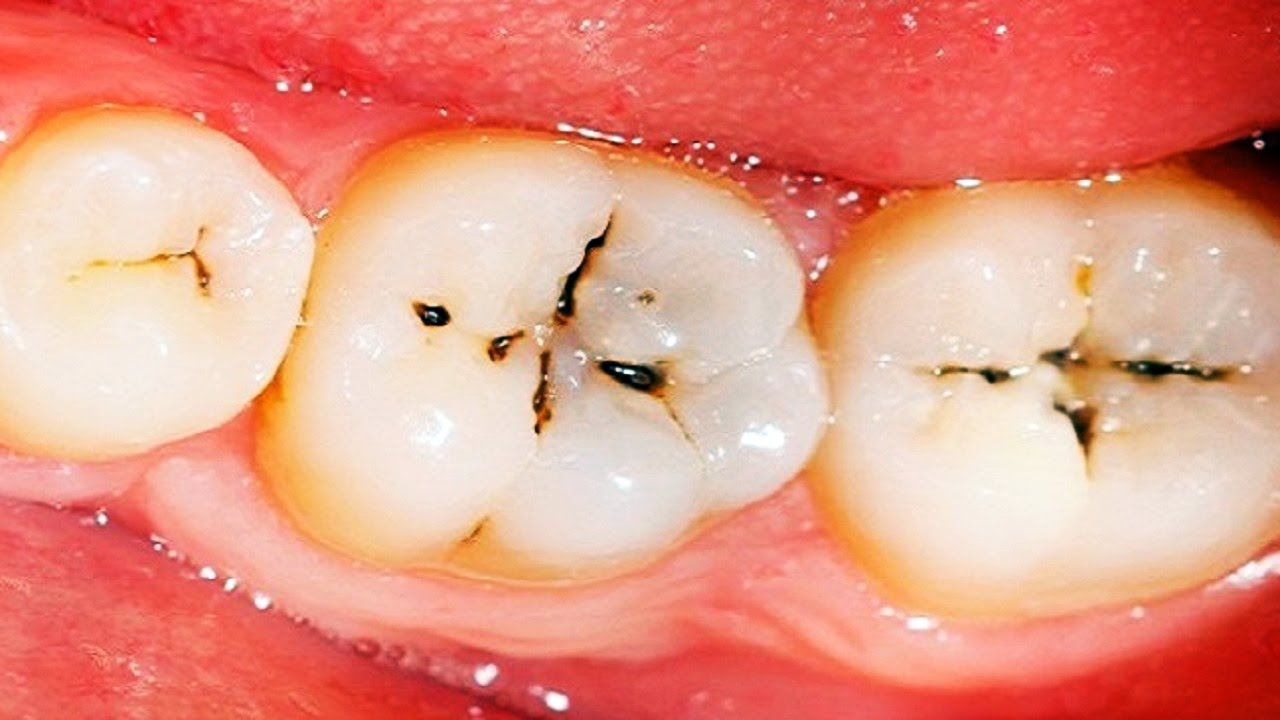
The treatment, known as silver diamine fluoride (SDF), was found to successfully slow down cavities in many young children, offering a less painful alternative to traditional dental procedures.
Researchers from the University of Michigan led a major clinical trial involving 830 children under the age of six to test the effectiveness and safety of the treatment. The findings were published in JAMA Pediatrics.
Unlike traditional cavity treatment, which usually requires dentists to remove damaged tooth material before placing a filling, SDF is simply painted directly onto the affected area using a small applicator.
The process takes only a few seconds per tooth and does not require drilling, injections or sedation, making it especially useful for young children who may struggle with conventional dental procedures.
The study found that applying a 38% SDF solution every six months stopped tooth decay from progressing in more than half of affected baby teeth among many children who received the treatment.
Margherita Fontana, a professor at the University of Michigan School of Dentistry and the study’s lead investigator, said the treatment was shown to be effective and safe even among children as young as one year old.
Tooth decay remains one of the most common chronic diseases affecting children. Untreated cavities can cause severe pain, infections, sleeping difficulties, eating problems and missed school days.
Researchers believe SDF could be particularly helpful for young children, older adults, people with disabilities, patients with dental anxiety and communities with limited access to dental care.
However, the treatment has one noticeable drawback. The silver in the solution permanently darkens the decayed part of the tooth, which may affect its appearance.
Scientists say the new findings could support efforts to gain wider approval and use of SDF as a treatment for tooth decay. The clinical evidence from the trial may help support a future application to the United States Food and Drug Administration for broader approval.
Researchers hope the treatment will allow more children to receive early care before cavities become painful or require complex procedures.
The discovery could represent a major step toward making dental treatment more accessible, affordable and less stressful, especially for children who fear traditional dental visits.
Researchers find faster, pain-free method to fight childhood tooth decay
The country is the world’s largest producer of cocoa, the essential raw material used in making chocolate and other related products.
Covering an area of 322,463 square kilometres, Côte d’Ivoire is home to more than 33 million people. It shares borders with five countries: Ghana to the east, Liberia and Guinea to the west, Mali to the north, and Burkina Faso to the north-east.
French is the official language and the most widely spoken language in Côte d’Ivoire.
The country is also home to numerous local languages, including Baoulé, Dioula, Dan, and Yacouba, among others. These indigenous languages are mostly spoken within specific communities and regions, while French serves as the main language of communication across the country.
For foreigners who do not speak French, adapting to life in Côte d’Ivoire can be challenging, as English is not commonly spoken by a large part of the population.
Economically, Côte d’Ivoire is one of the strongest economies in West Africa, with a gross domestic product (GDP) exceeding $95.4 billion. The average income per person is estimated at more than $2,900 annually.
The services sector remains the largest contributor to the country’s economy, accounting for about 51 per cent of GDP. It is followed by industry, which contributes nearly 24 per cent, while agriculture accounts for approximately 17 per cent.
Agriculture remains a key pillar of Côte d’Ivoire’s economy, with the country producing a wide range of agricultural products, including palm oil, cashew nuts, cotton, coffee, and other crops. However, cocoa remains its most important agricultural export.
Côte d’Ivoire produces approximately 40 per cent of the world’s cocoa supply, making it the largest cocoa-producing country globally. The cocoa beans grown across the country are mainly used in the production of chocolate, making Côte d’Ivoire a crucial player in the international chocolate industry.
The official currency used in Côte d’Ivoire is the West African CFA franc (XOF). One US dollar is equivalent to approximately 576 CFA francs.
Beyond its economic importance, Côte d’Ivoire is also known for its unique cuisine. One of the country’s most popular traditional dishes is Attiéké, a meal prepared from cassava. The cassava is first soaked in salty water and mixed with previously prepared Attiéké, which helps with fermentation. It is then pressed, dried, packed, and cooked through steaming in hot water.
Attiéké is commonly served with fish and vegetables. Other popular Ivorian dishes include Alloco, made from fried plantains cooked in palm oil; Foutou (Fufu), a cassava-based staple; Kedjenou, Garba, and many other traditional meals.
Fish is the most widely consumed animal-based food in Côte d’Ivoire. However, around 70 per cent of the fish consumed in the country is imported because local fishing activities have not yet developed enough to meet domestic demand.
Religiously, Côte d’Ivoire is a diverse nation, with Islam being the largest faith practiced by about 42.5 per cent of the population. Christians represent around 39.8 per cent, including Catholics who account for approximately 17 per cent, while the remaining population follows other religions.
The spread of Islam in Côte d’Ivoire is largely linked to Arab traders who travelled from North Africa to West Africa between the 14th and 15th centuries through trans-Saharan trade routes. Their movement contributed significantly to the expansion of Islamic influence across the region.
Today, Côte d’Ivoire stands as one of Africa’s most influential economies, combining agricultural strength, cultural diversity, and natural resources that continue to shape its role on the global stage.
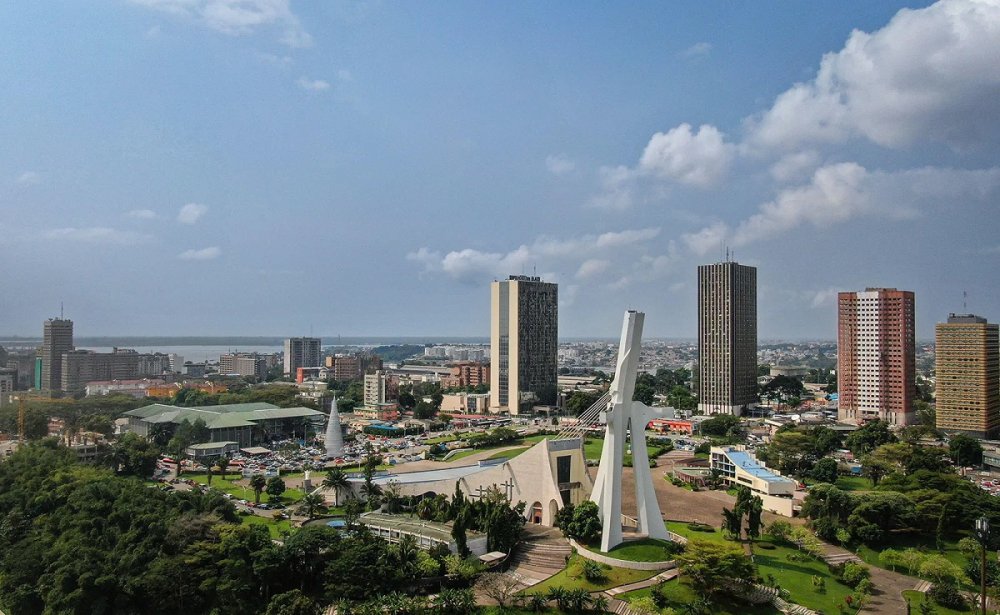
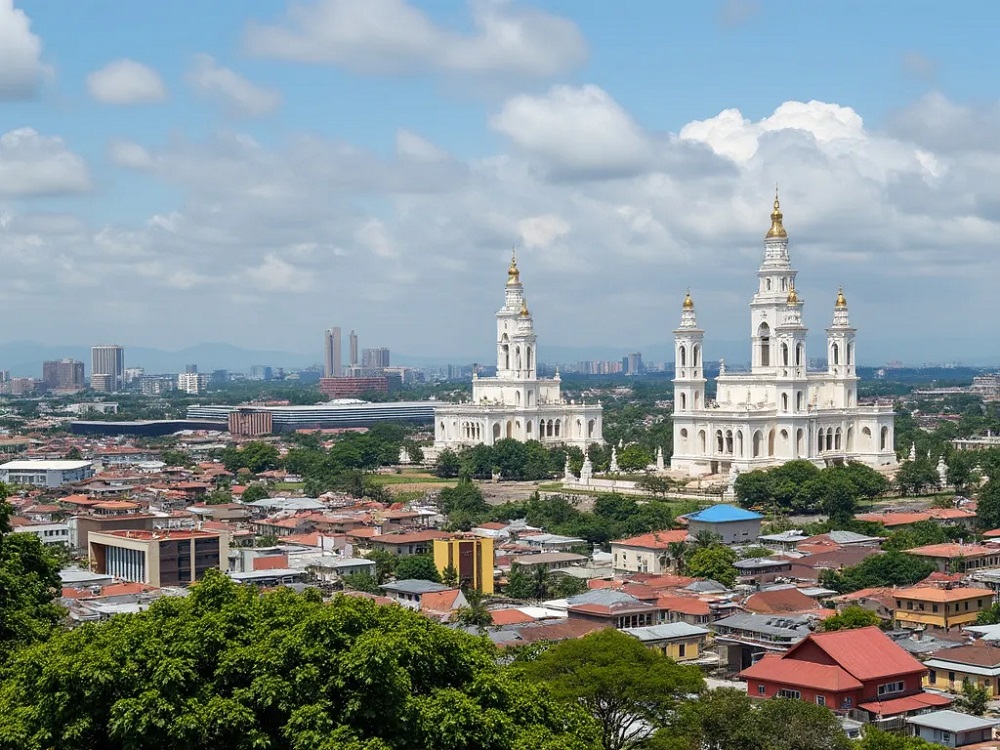
The Notre-Dame de la Paix Cathedral is one of the most important landmarks and tourist attractions in Yamoussoukro.
Following the decline of the Mali and Songhai Empires, Arab traders known as Dyula or Jula migrated to northern Côte d’Ivoire, where they introduced trade practices and promoted the teachings of Islam. Their influence contributed to the development of important Islamic cultural centres, including Bondoukou and Bouna, which remain significant areas of Islamic heritage in the country.
Côte d’Ivoire gained independence in 1960 after decades of French colonial rule that began in 1893. However, French traders had already arrived in the region as early as the 15th century, initially engaging in commercial activities before colonial administration was established.
Today, Côte d’Ivoire has two major cities that play different roles: Abidjan, which serves as the country’s economic and commercial hub, and Yamoussoukro, the political capital.
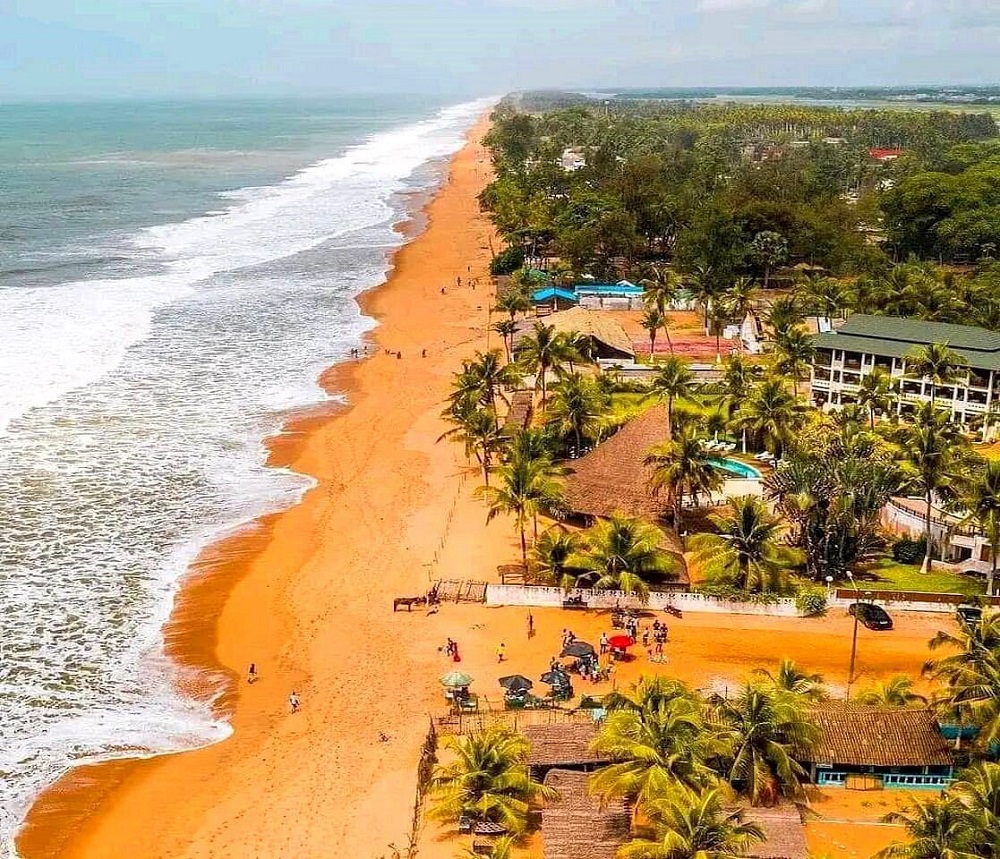
Abidjan is a coastal city located along the Atlantic Ocean and is also home to the Ébrié Lagoon, a large water body that runs through the city. Its unique location has contributed to the development of beautiful beaches and coastal attractions, including Assinie Beach, Grand-Bassam, Jacqueville Beach, and other popular destinations.
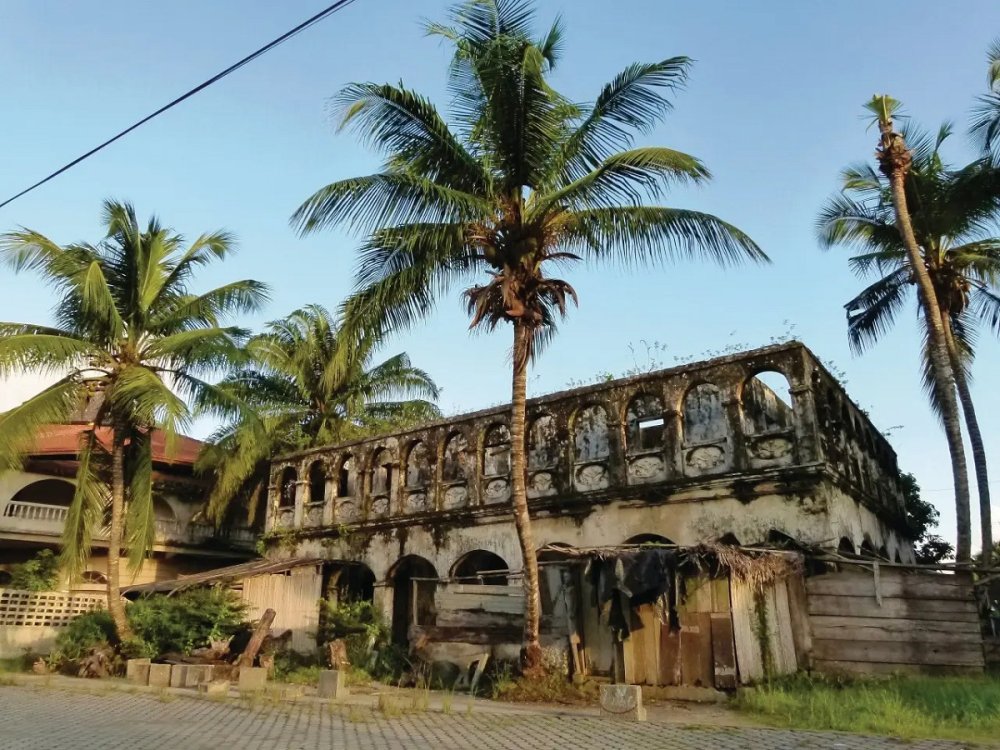
The city’s growth was largely influenced by its historical role as a major port through which goods from Africa were transported to France. The French developed Abidjan extensively and also established Grand-Bassam, which was later designated as the capital of French colonial territories in the region.
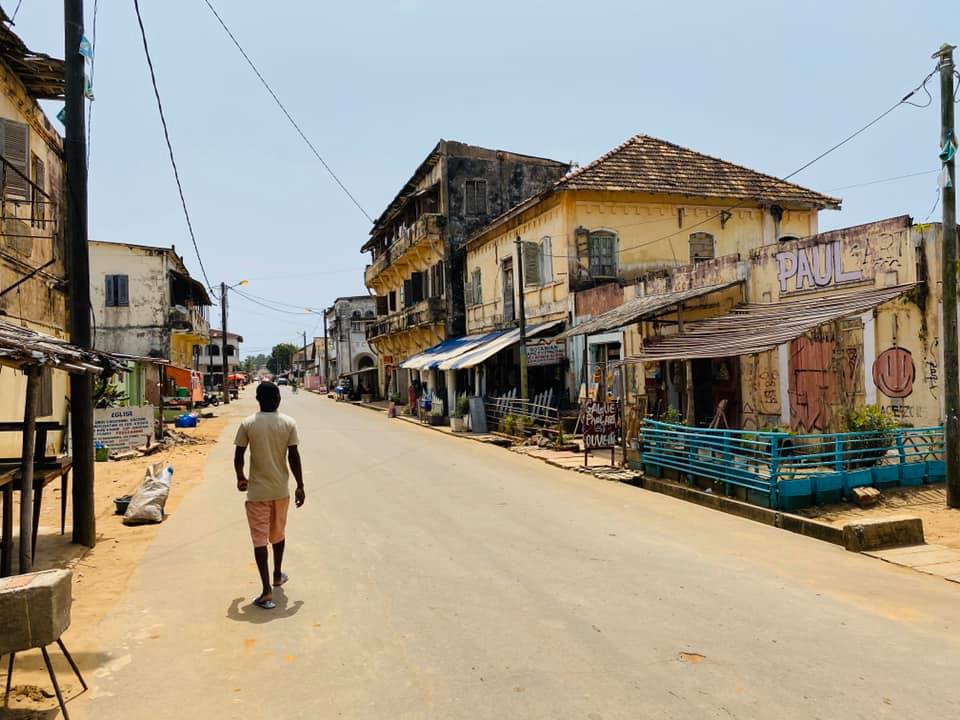
Today, Grand-Bassam has been recognised by UNESCO as a World Heritage Site and remains one of Côte d’Ivoire’s most visited tourist destinations. The city still preserves colonial-era buildings that reflect French architecture, lifestyle, and the history of the colonial period.
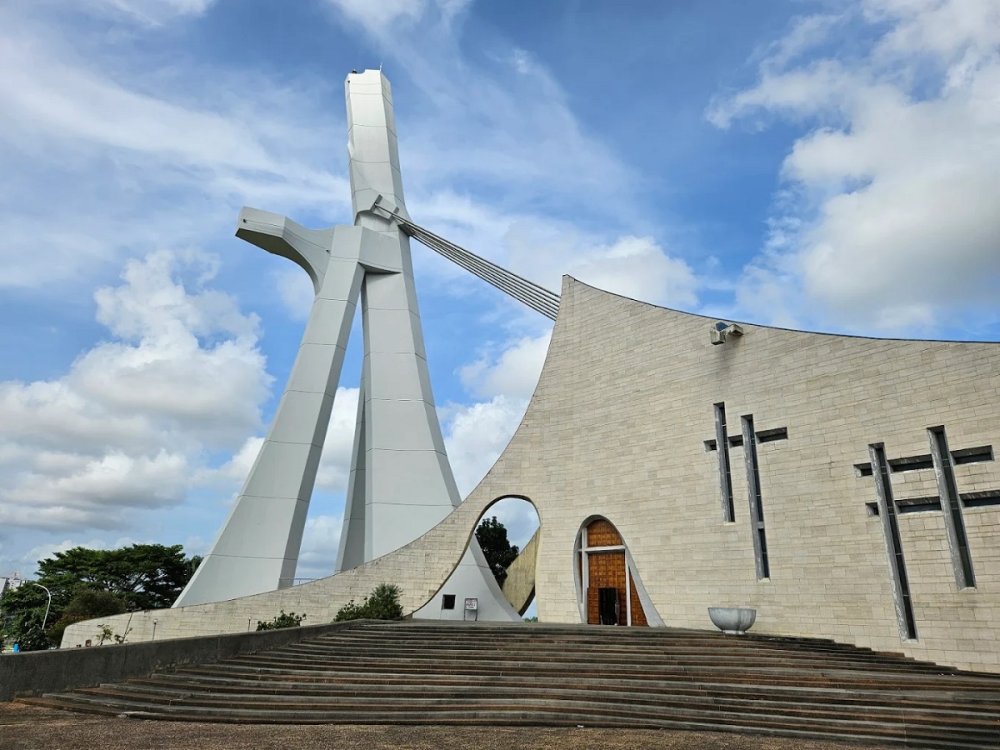
Abidjan is also home to the St Paul’s Cathedral, built in 1985, which is considered one of the most modern architectural cathedrals in Africa. Its unique design attracts many visitors, including religious pilgrims and architecture enthusiasts.
For history and culture lovers, Abidjan offers the Musée des Civilisations de Côte d’Ivoire, a national museum established in 1942 that houses more than 15,000 artefacts. The museum showcases the country’s diverse cultures, traditional lifestyles, colonial history, and heritage.
Another important cultural site is the Musée Charles Combes de Bingerville. Originally an art studio belonging to Charles Alphonse Combes, which operated between 1891 and 1968, it was later transformed into a museum displaying paintings and sculptures created by Combes and his students.
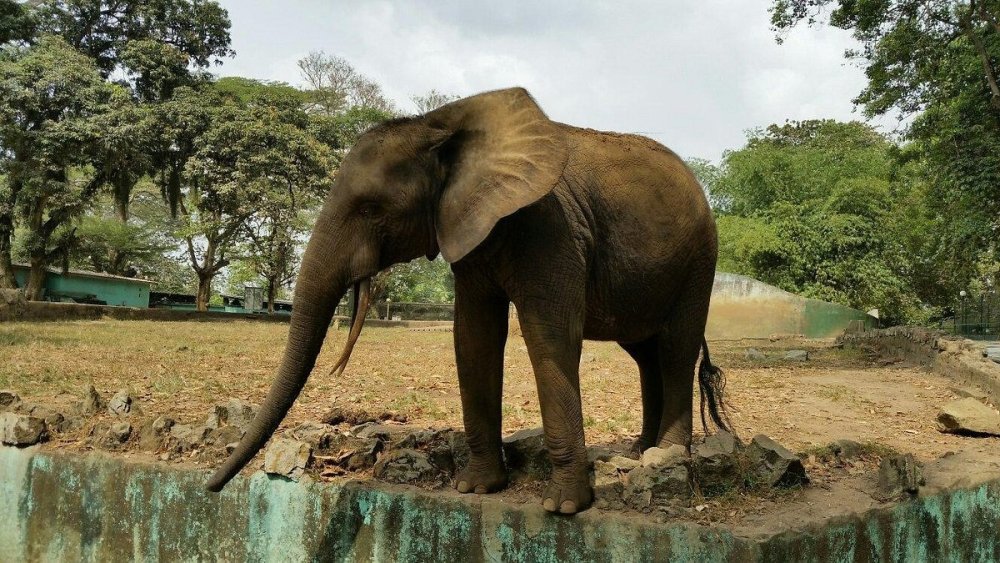
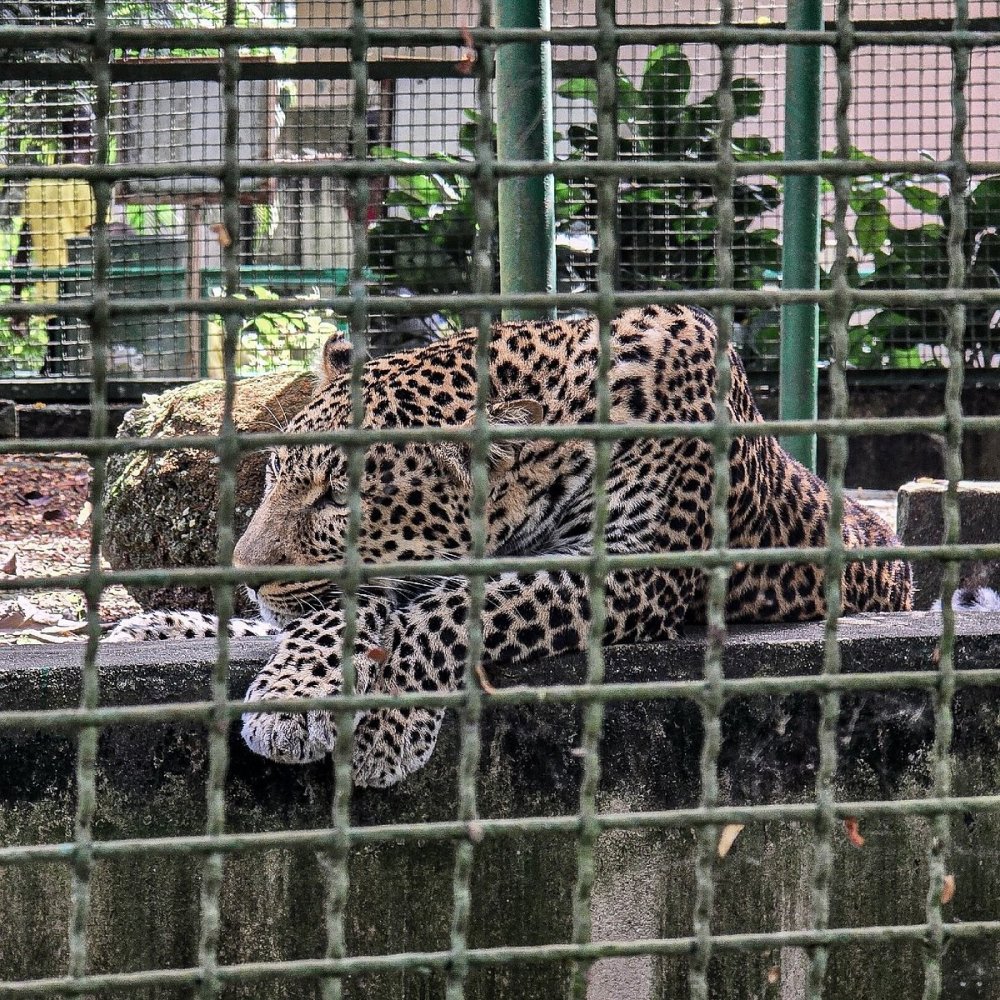
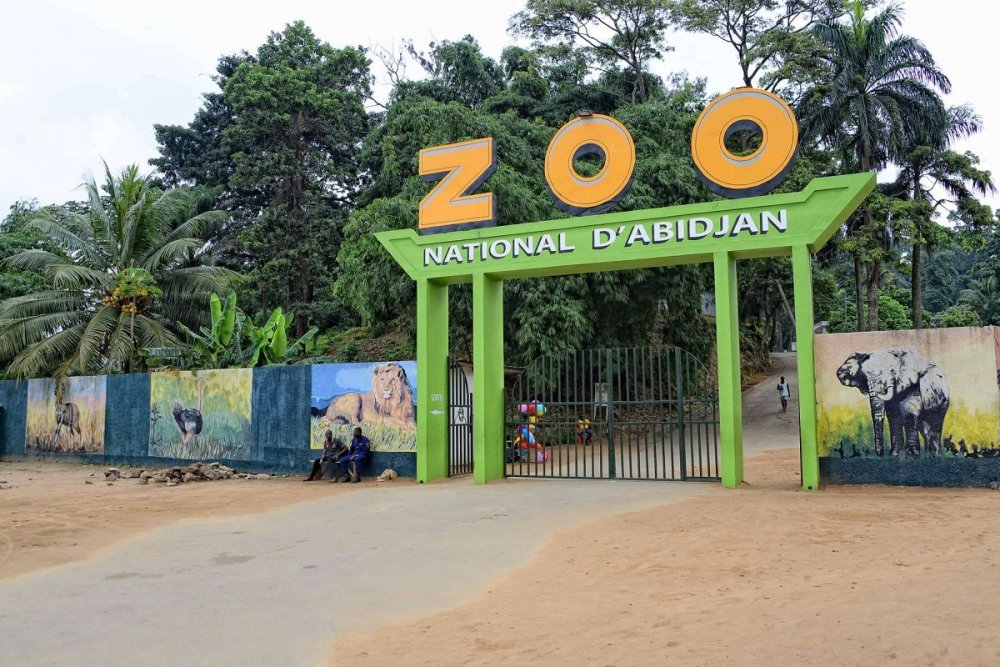
Visitors interested in wildlife can explore the Zoo National d’Abidjan, which hosts various animal species, including elephants, lions, monkeys, crocodiles, snakes, birds, and many others.
Abidjan is also home to Banco National Park, one of the largest natural forests located within an urban area. The forest is inhabited by various wildlife species, particularly different types of monkeys, and serves as an important green space within the city.
On the other hand, Yamoussoukro serves as Côte d’Ivoire’s political capital. The city has fewer tourist attractions and economic activities compared to Abidjan because it is still developing after being declared the capital in 1983 by then-President Félix Houphouët-Boigny, who chose the city because it was his birthplace.
The city currently hosts the presidential palace, the country’s Parliament, various government ministries, and other political institutions.
However, Yamoussoukro is famous for housing the Basilica of Our Lady of Peace (Notre-Dame de la Paix), the second-largest basilica in the world after St Peter’s Basilica in Vatican City. The basilica is also recognised as the world’s largest church by surface area, covering approximately 30,000 square metres and having the capacity to accommodate more than 18,000 worshippers.
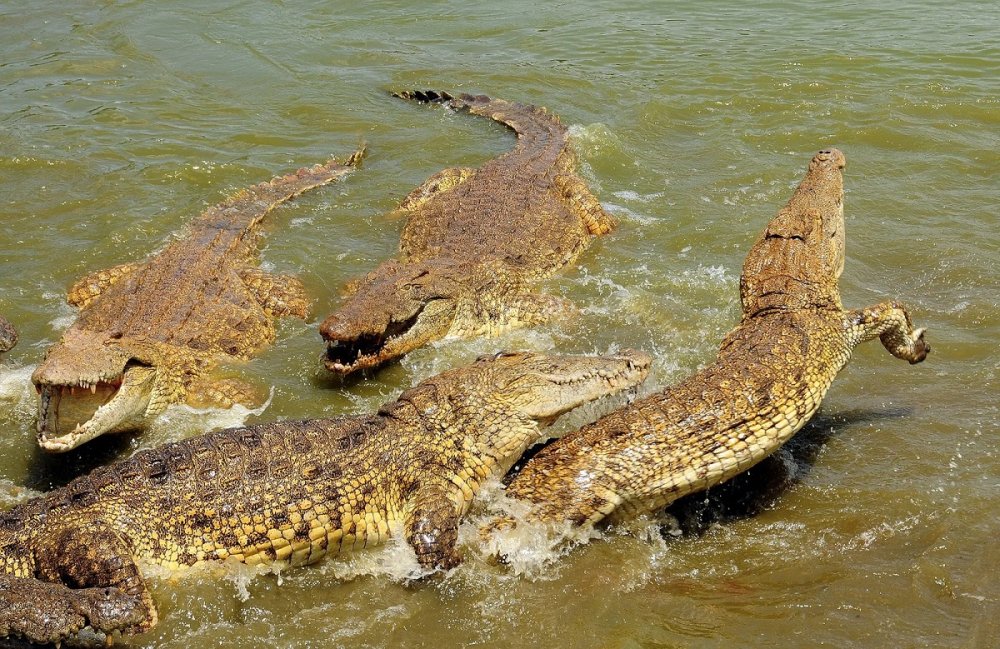
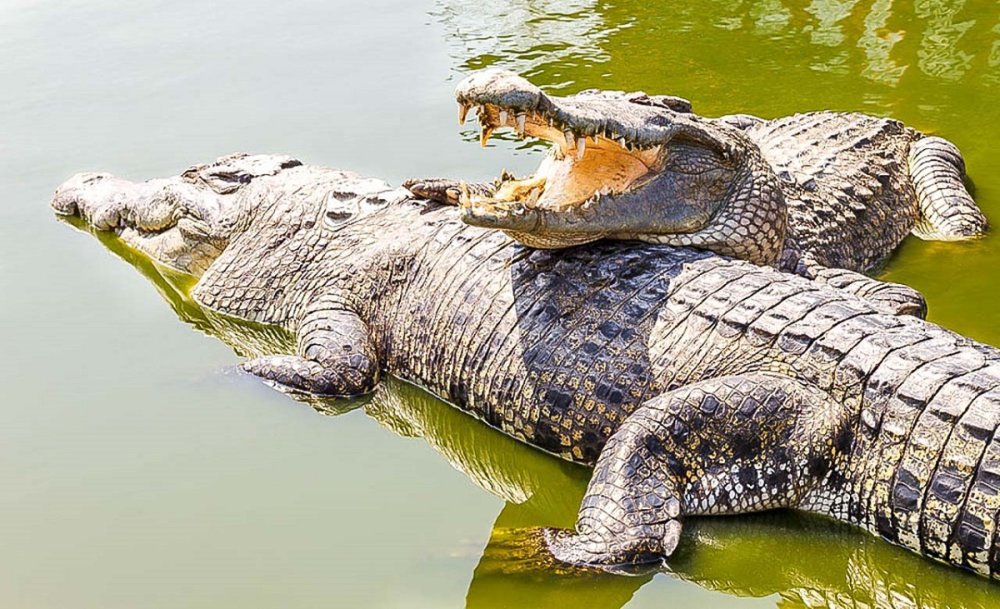
Another attraction in Yamoussoukro is Lac aux Caïmans, a crocodile lake created by President Félix Houphouët-Boigny, who introduced crocodile breeding at the site. The lake is currently home to more than 200 crocodiles.
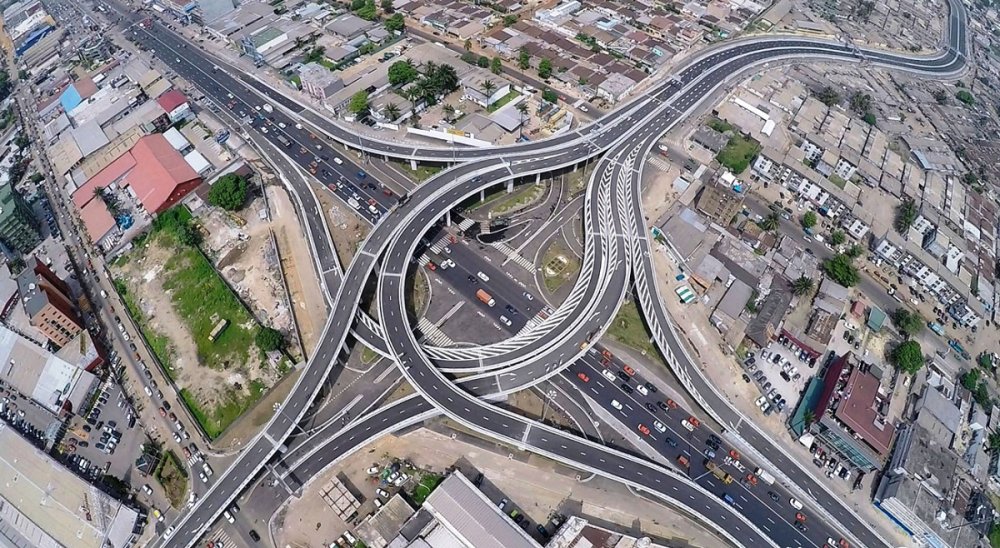
Overall, many developments in Côte d’Ivoire reflect those of other emerging economies, with numerous construction projects underway alongside older infrastructure that still remains in use.
For Rwandans wishing to visit Côte d’Ivoire, a visa is not required. However, there are currently no direct flights from Kigali to Côte d’Ivoire. Most travellers connect through Addis Ababa before continuing their journey to Abidjan.
Despite its economic progress and tourism potential, Côte d’Ivoire still faces challenges related to cleanliness and urban management. In some areas, visitors may encounter overgrown roadside vegetation, litter, stagnant water, and cases of people urinating in public spaces.
Some hotels also have practices that may differ from international standards, with guests sometimes being informed that bed sheets will only be changed after checkout unless they specifically request a replacement.
Visitors travelling to Côte d’Ivoire are also advised to remain cautious and avoid walking alone, especially in unfamiliar areas, due to security concerns such as theft and robbery.
Abidjan is a coastal city shaped by its waterways, and its skyline becomes especially stunning when illuminated at night.Assinie Beach is among the most visited coastal attractions in the Abidjan area, known for its beautiful scenery and relaxing atmosphere.The Basilica of Notre-Dame de la Paix holds the record as the world’s largest basilica in terms of surface area.Saint Paul’s Cathedral is a remarkable architectural masterpiece whose unique design attracts visitors and tourists from around the world.The Basilica of Notre-Dame de la Paix is among the largest religious buildings in the world.Grand-Bassam is home to numerous colonial-era buildings that preserve the architectural heritage and history of the period.The Saint Paul’s Cathedral, one of Abidjan’s most iconic landmarks, was constructed in 1985.Grand-Bassam is a historic town that once served as a French colonial city during the colonial era.Grand-Bassam’s location along the Atlantic Ocean gives it a stunning coastline with beautiful beaches that attract visitors.Côte d’Ivoire continues to strengthen its infrastructure development efforts, with significant investments being made in the construction of modern road networks.This is the view of Abidjan’s streets at night.Lac aux Caïmans was originally created as a site for breeding crocodiles.Today, Lac aux Caïmans serves as a habitat for more than 200 crocodiles.The Musée des Civilisations de Côte d’Ivoire houses a wide range of exhibits that showcase different aspects of the country’s history, culture, and important events that have shaped its identity.The Musée des Civilisations de Côte d’Ivoire contains more than 15,000 artefacts that highlight the country’s rich cultural heritage, traditions, and history.The city of Abidjan is a major commercial hub with a wide range of business activities.Yamoussoukro is a developing city that continues to expand, with ongoing construction and infrastructure projects shaping its growth.Zoo National d’Abidjan houses elephants alongside a variety of other wildlife species.Zoo National d’Abidjan houses a wide range of animal species from different categories.Zoo National d’Abidjan is a dedicated wildlife sanctuary that houses and protects a variety of animal species.