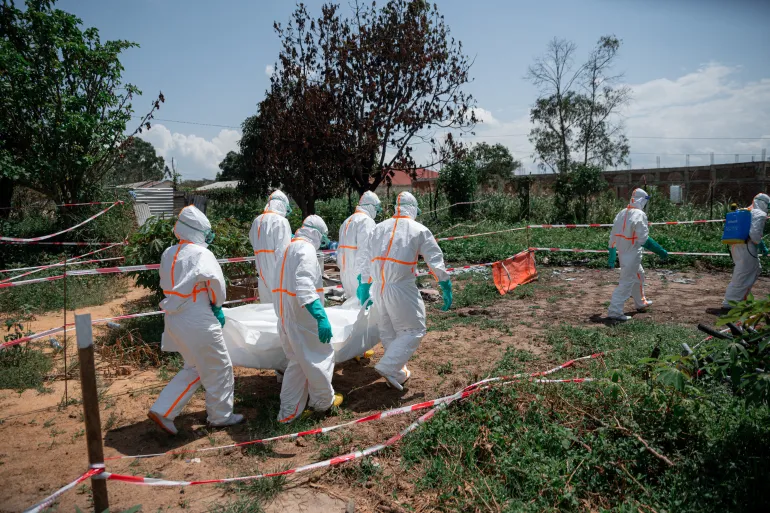
Authorities reported 62 new cases in the 24 hours leading up to August 13, 2026, bringing the total number of confirmed cases since the beginning of the outbreak to 4,727.
The outbreak continues to affect six provinces, with cases reported in 55 health zones as authorities step up efforts to contain the spread of the virus.
The affected provinces are Bas-Uélé, Haut-Uélé, Ituri, North Kivu, South Kivu and Tshopo. In Tshopo, another health zone has recently reported cases, bringing the total number of affected health zones in the province to seven.
Of the 4,727 confirmed cases, 749 people are currently in isolation or receiving treatment in health facilities.
Meanwhile, 976 patients have recovered from the disease, including 11 people who were declared recovered in recent days.
The 2,214 deaths represent a case fatality rate of 46.8 percent among confirmed cases.
Contact tracing efforts have reached 82.6 percent, with health authorities continuing to identify and monitor people who may have come into contact with confirmed Ebola patients.
Authorities are also maintaining surveillance and response measures in the affected areas as they work to detect new infections, trace contacts and prevent further transmission of the virus.
Ebola outbreak in DRC claimed more than 2,214 lives.
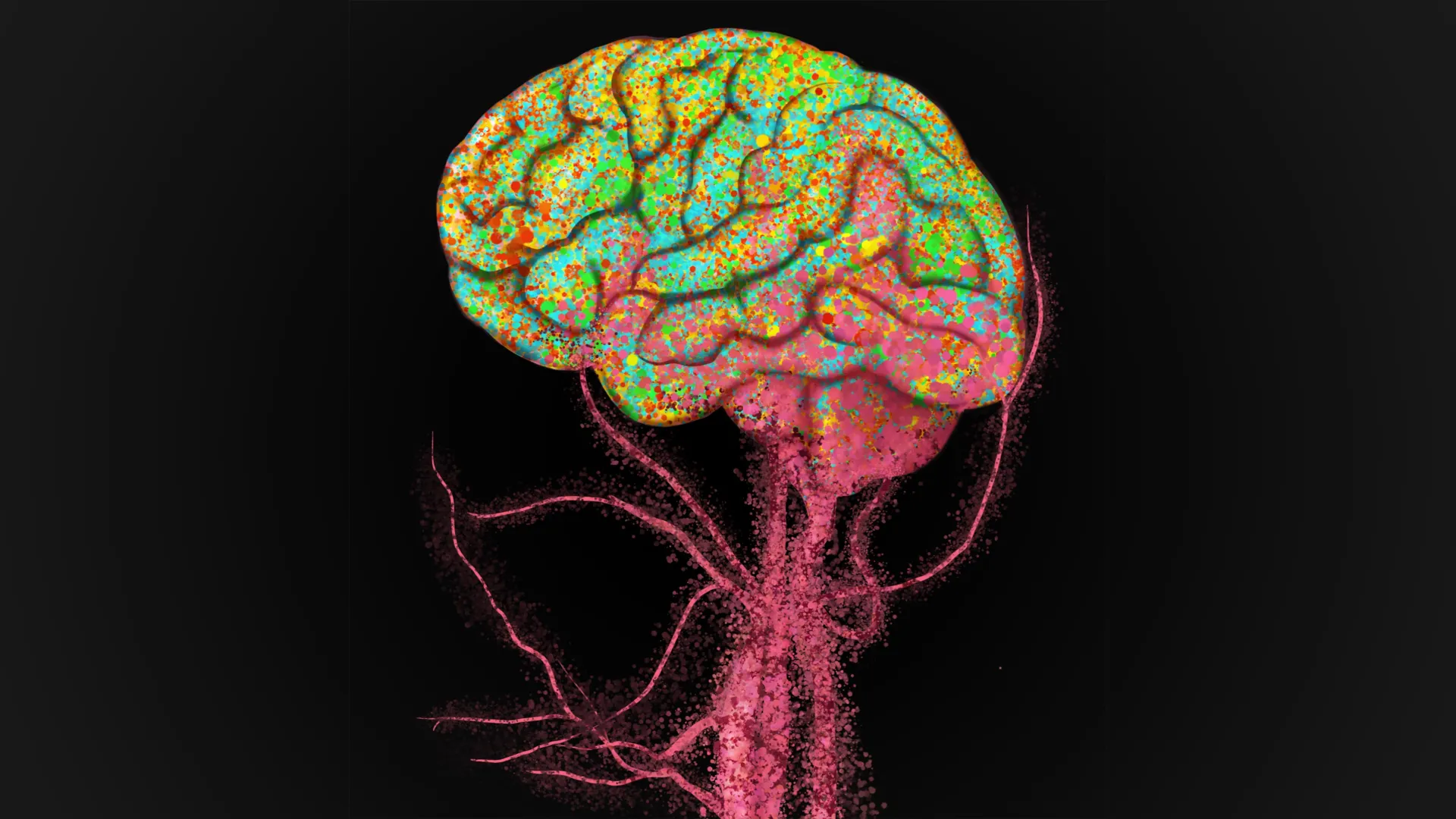
A new study has found that large numbers of immune cells from the blood can enter the brain as people grow older. Some of these cells can then transform into microglia, specialised immune cells that help protect and maintain the brain.
The discovery challenges a long held belief that the brain’s immune system remains largely separate from the rest of the body throughout a person’s life.
Researchers say the finding could change how scientists understand brain ageing and may eventually open new possibilities for treating neurological diseases. The study was published in the journal Nature.
For many years, scientists believed that microglia were established early in life and remained largely self sustaining. Unlike many immune cells elsewhere in the body, they were thought to renew themselves without receiving new cells from the bone marrow.
However, Stanford researchers found evidence that this may not be the case in ageing humans.
To investigate, the researchers examined human blood and brain tissue collected from people with and without Alzheimer’s disease. They compared the genetic characteristics of immune cells found in the blood with those found in the brain.
The researchers used mutations in the DNA of the cells as markers to trace where the cells came from.
When the same mutations were found in immune cells in both the blood and brain, the scientists were able to determine that the cells shared the same origin.
Their analysis showed that immune cells originating outside the brain can enter the human brain, with this process beginning as early as middle age.
Once inside the brain, some of these cells can take on the characteristics and functions of microglia.
The researchers said the finding appears to be different from what is seen in some other animals, including mice and non human primates.
The discovery could also have important implications for the study of diseases such as Alzheimer’s.
Scientists believe it may eventually be possible to use blood based immune cells as part of new treatments for brain diseases.
One possible approach could involve modifying immune cells so that they can enter the brain and help remove harmful substances associated with neurodegenerative diseases, including amyloid and tau proteins.
Researchers also believe the health and history of blood stem cells could influence brain health as people age.
Changes in these cells may affect the microglia that develop in the brain and, in turn, potentially influence the risk of neurological diseases.
The Stanford team says the findings provide a new understanding of how the immune system and the ageing brain interact and could lead to further research into ways of protecting brain health later in life.
Scientists Uncover a New Link Between the Blood and Aging Brain.
The event, which was last held in 2023, is scheduled to return on November 27, 2026, at Kigali Universe.
In a statement announcing the change, Ally Soudy said the event’s name has been changed, while its original concept of bringing together different forms of entertainment will remain.
“Following the Ally Soudy & Friends Live Show, we are pleased to announce that the event has been given a new and original name.
It is now called ‘Cabaret Kigali’, where we will bring together different forms of entertainment. The project aims to promote art, culture, music, comedy, dance and storytelling,” he said.
The event is being organised by Salax Entertainment in partnership with WatuWave.
According to Ally Soudy, Cabaret Kigali will combine live music, comedy, dance, performances by artists and appearances by celebrities in a format inspired by television talk shows.
He said the concept draws inspiration from internationally recognised cabaret shows but will be adapted to reflect Rwanda’s culture, artistic identity and creative expression.
Cabaret Kigali is intended to bring together different forms of entertainment in one event, giving audiences an opportunity to enjoy live performances while creating a platform for artists and other creatives to connect with their fans.
Ally Soudy said the long-term ambition is for Cabaret Kigali to become a leading entertainment platform in Rwanda and across Africa.
The platform is expected to provide opportunities for artists, entertainers, creatives, journalists and industry partners to engage with audiences in a fresh and entertaining way.
The November event will mark the return of Ally Soudy’s entertainment show after its last edition in 2023, while introducing a new identity and broader concept under the Cabaret Kigali brand.
Three people familiar with the matter told Reuters that the model was developed in partnership with Alibaba and trained with support from the Chinese technology company. They spoke anonymously because the information has not been made public.
Apple had previously relied on models from Chinese technology companies to bring generative AI features to its devices in China.
US-developed services such as OpenAI’s ChatGPT and Anthropic’s Claude are not available in the country.
Apple Intelligence, the company’s suite of AI tools, is expected to launch in China in the coming months after an iOS update.
A China-specific model could give Apple greater control over the AI experience on devices sold in the country.
It could also help the company meet China’s regulatory requirements, which challenge foreign technology companies.
The move comes as Apple faces strong competition from Chinese smartphone makers, including Huawei, that have moved quickly to introduce AI-powered features.
The absence of Apple Intelligence from Chinese iPhones has been cited as one factor affecting the company’s competitiveness as consumers increasingly choose domestic brands with built-in AI assistants.
The development follows a lengthy regulatory process. Last month, China’s Cyberspace Administration registered Apple’s generative AI service, clearing the way for Apple Intelligence to reach Chinese iPhones.
Under the existing arrangement, Alibaba’s Qwen model is expected to be incorporated into the version of Apple Intelligence for compatible iPhone, iPad, Mac and Vision Pro devices sold in China. The service was also expected to include Baidu technology.
Apple recently published a Chinese-language guide showing eligible Mac users in mainland China how to connect Qwen to Siri and Apple’s Writing Tools. Apple later removed the guide without explanation.
Apple’s partnership with Alibaba was first confirmed in February 2025, when Alibaba Chairman Joe Tsai said Apple had selected Alibaba to provide AI technology for its phones in China.
The rollout was later delayed as Apple worked to adapt its features to Chinese regulations.
China remains an important market for Apple, accounting for a significant share of its revenue.
The company’s latest AI strategy could help it strengthen its position while navigating the country’s regulatory environment.
Apple’s latest AI move comes as the company works to strengthen its position in China’s competitive smartphone market.
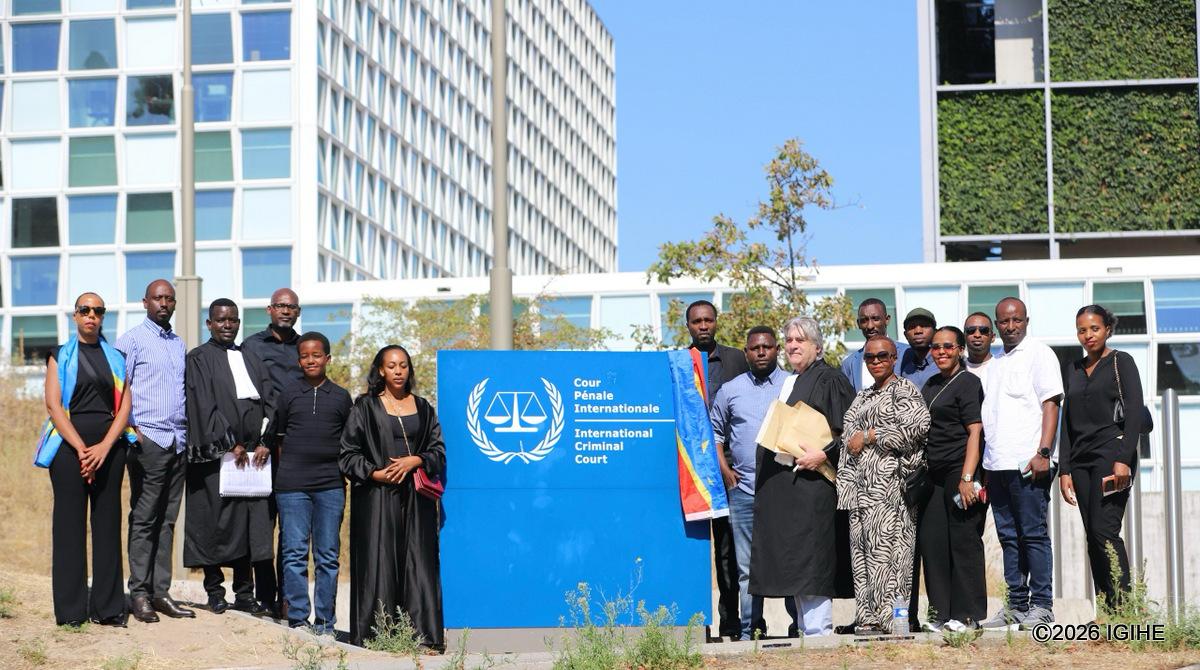
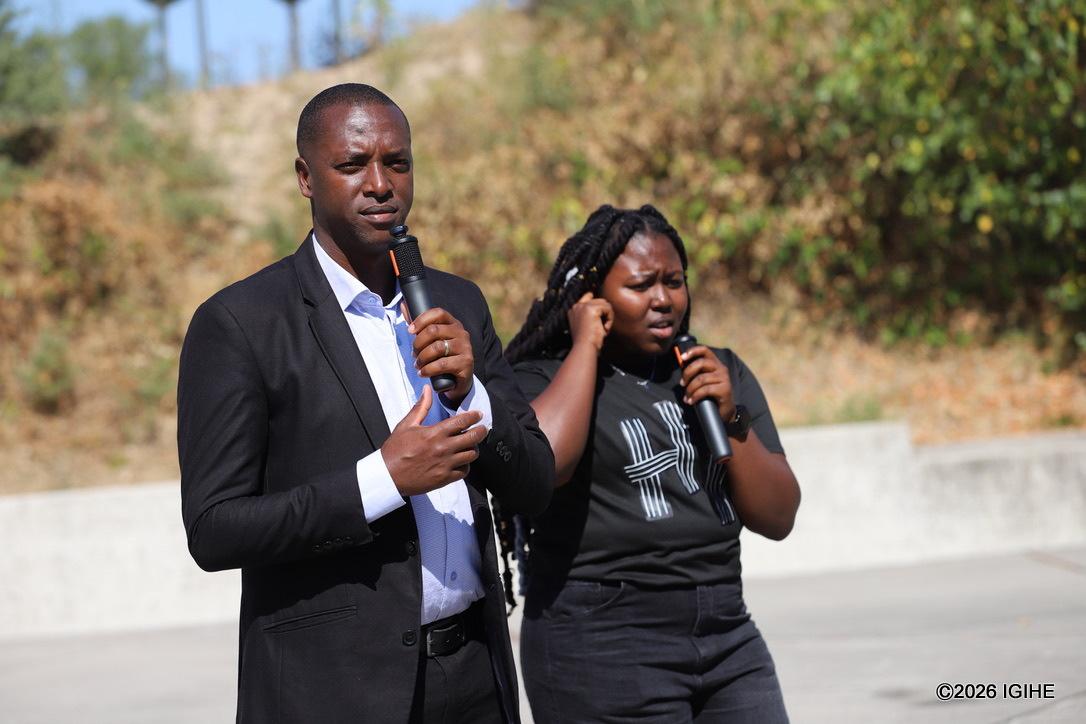
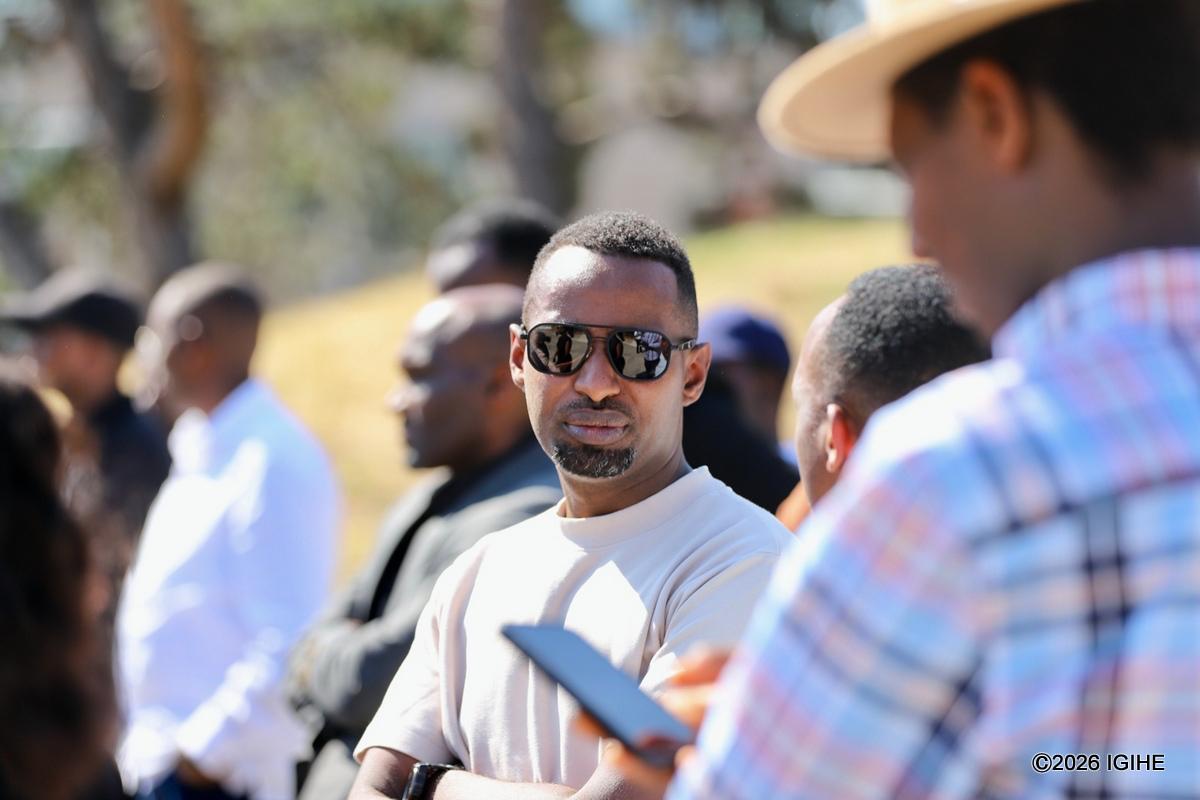
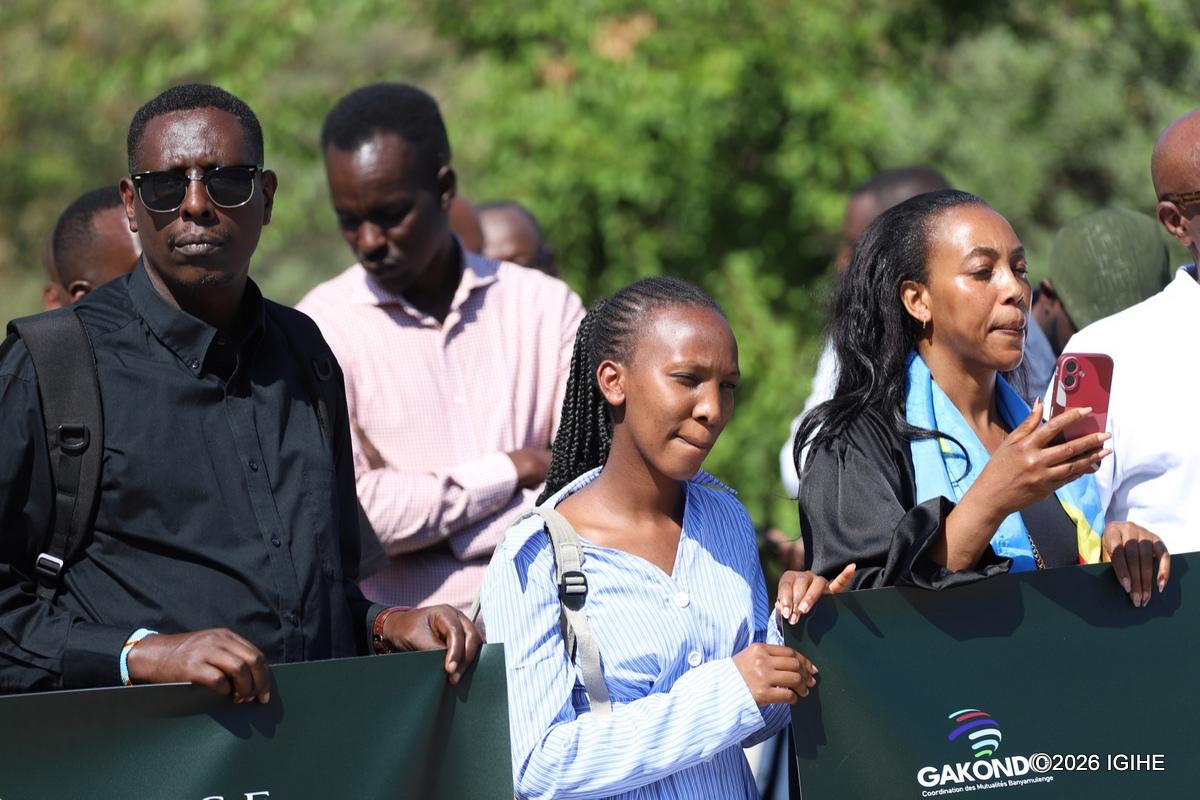
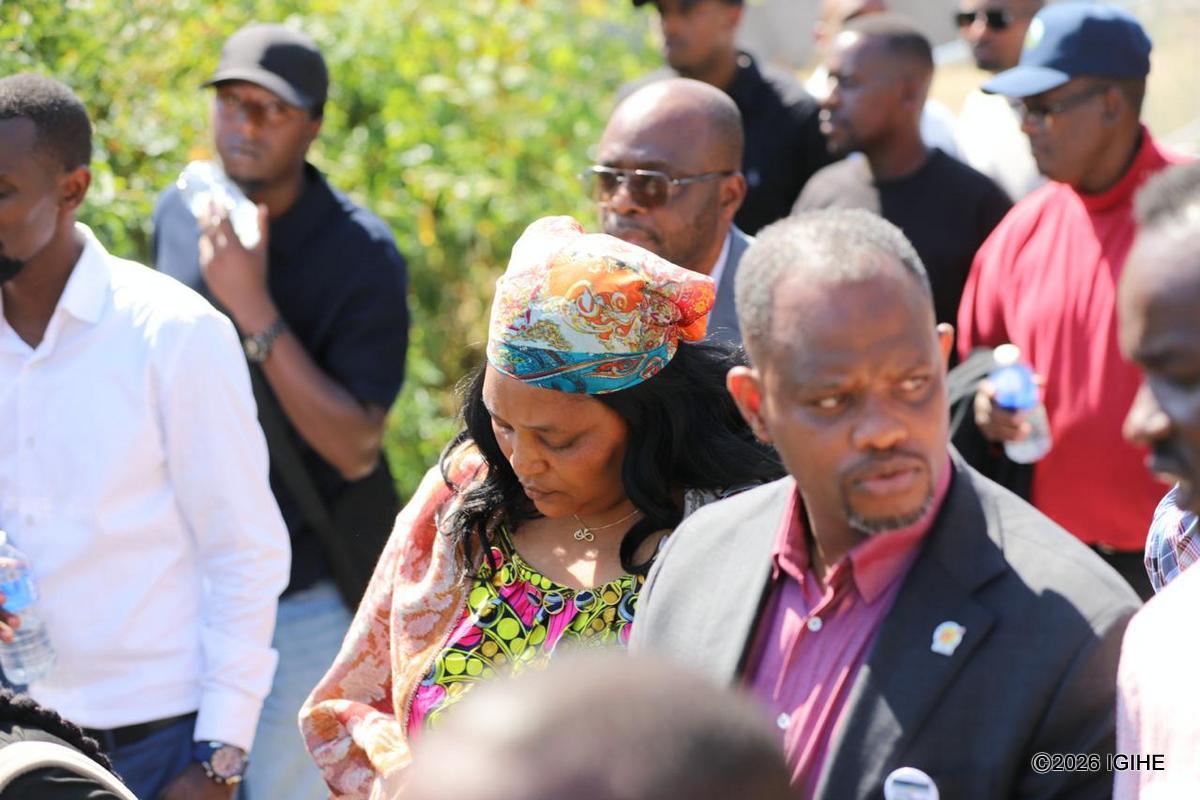
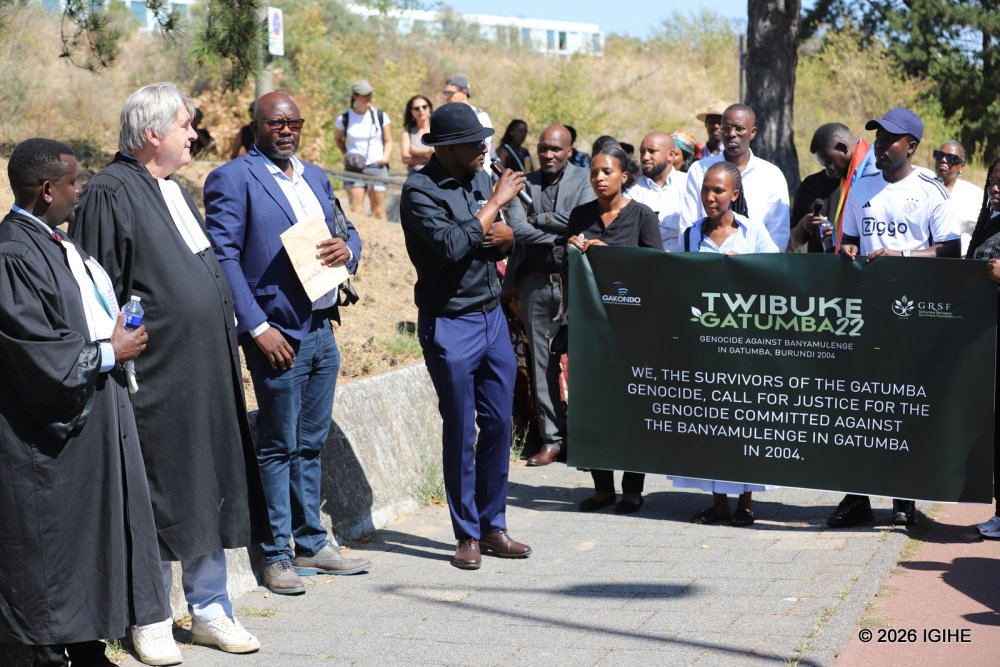
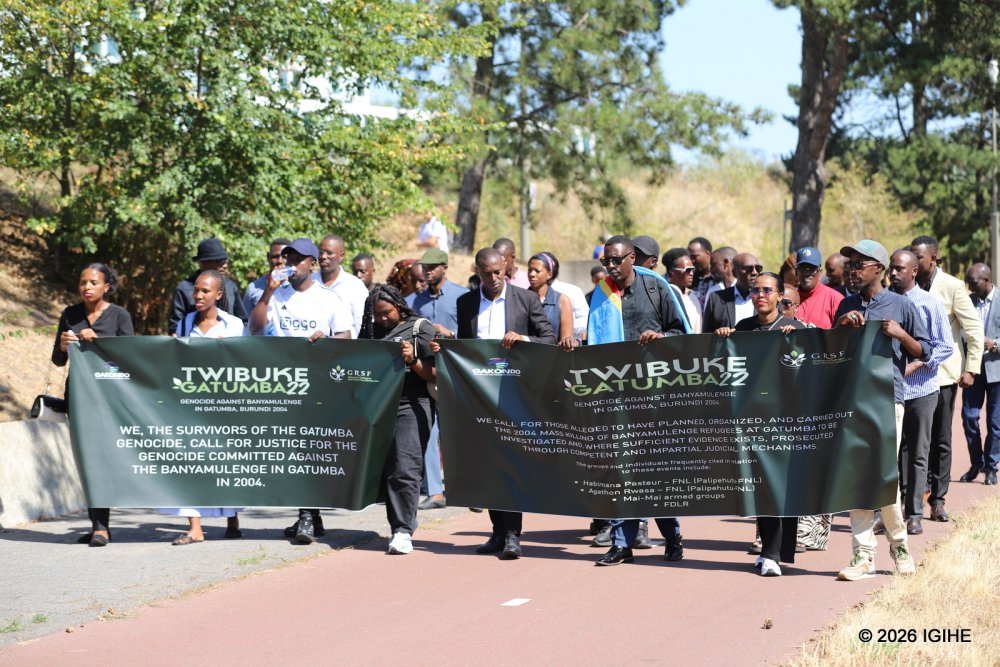
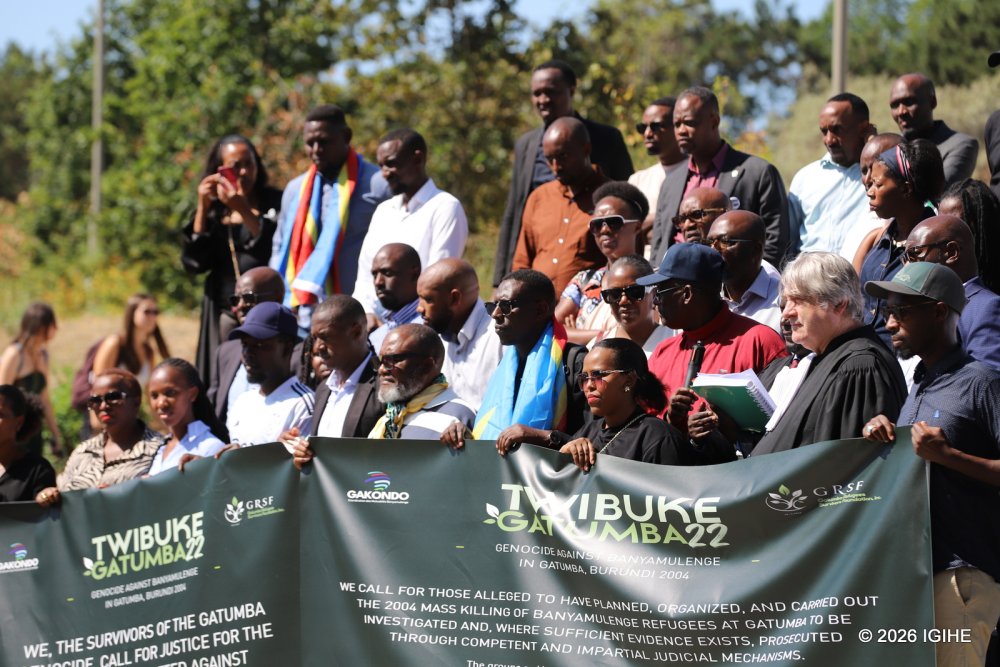
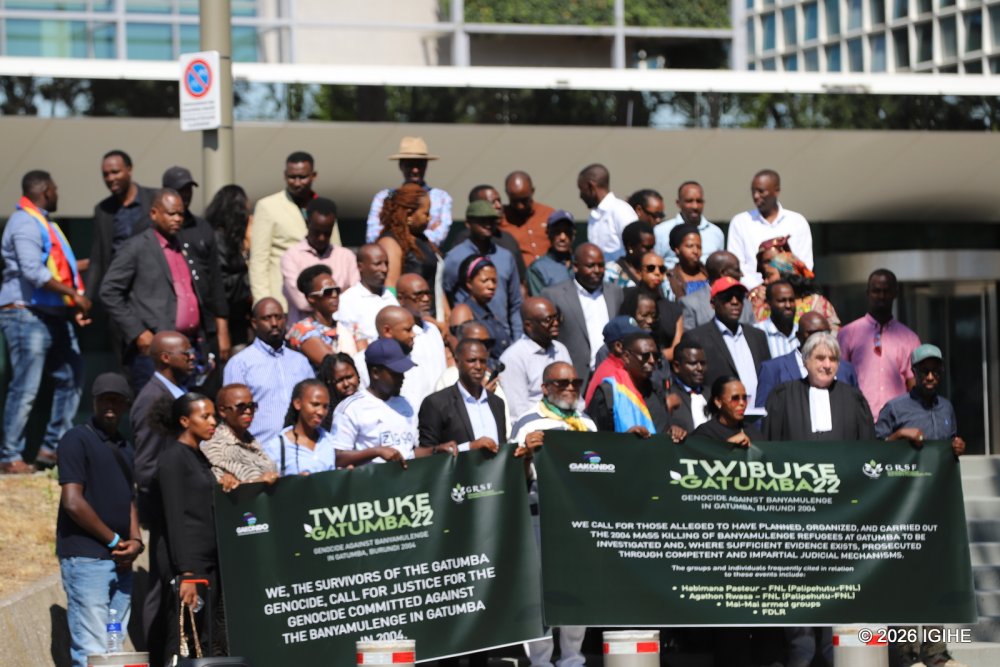
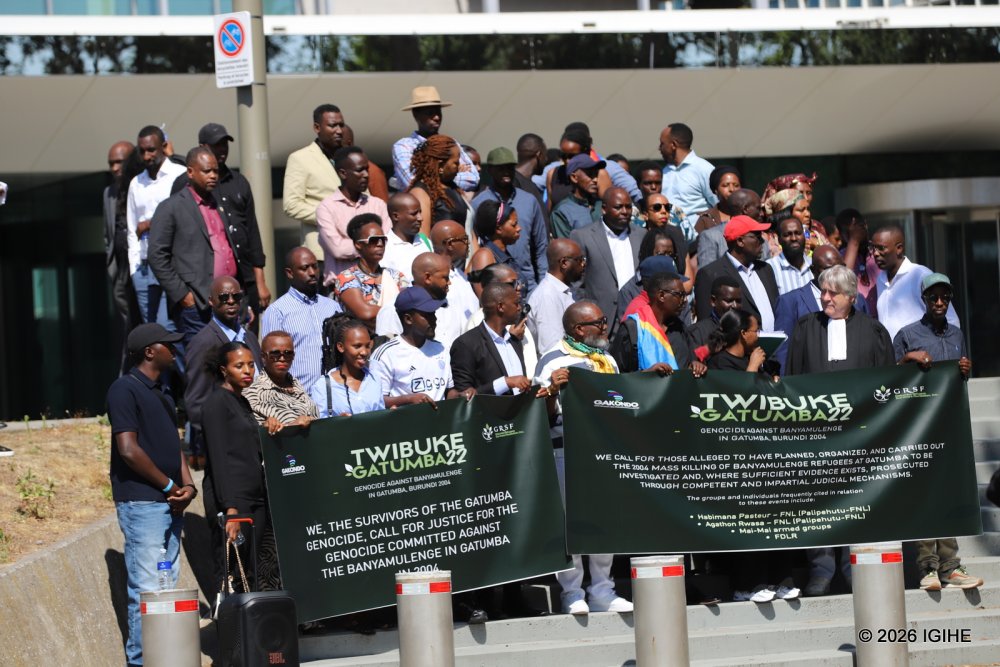
The complaint was submitted on August 14, 2026, during a ceremony attended by Banyamulenge representatives from different parts of the world and lawyers representing the complainants.
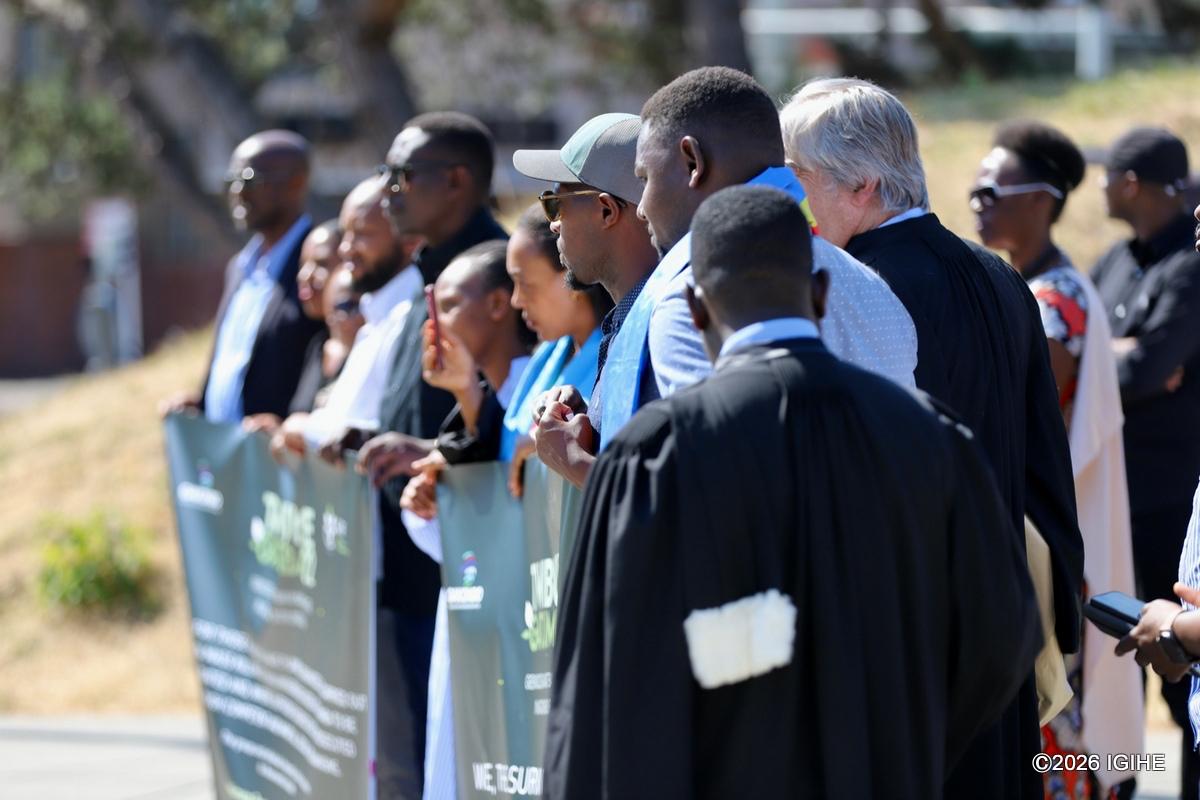
Ahead of the submission, participants held a short march to the ICC headquarters to commemorate Banyamulenge refugees killed in Gatumba, Burundi, in 2004.
The complaint focuses mainly on a series of attacks by forces aligned with the DRC government in Minembwe and surrounding areas, particularly since fighting resumed between government forces and the AFC/M23 rebels.
Innocent Nteziryayo, one of the lawyers representing the complainants, told IGIHE that the complaint names President Félix Tshisekedi, members of his government and officials from Burundi.
“We mainly focused on incidents that occurred in recent months, particularly the drone strikes that destroyed infrastructure in Minembwe and other areas,” he said.
Nteziryayo said the complaint also refers to statements by senior officials that the Banyamulenge representatives consider to be incitement to hatred.
“We also linked them to statements that have been made by senior officials, starting with the President, ministers and various journalists. We also filed a complaint against the Burundian army and its leaders because they allegedly played a role in operations targeting the Banyamulenge and destroying their infrastructure, and there is substantial evidence,” he said.
Another lawyer representing the complainants, Bernard Maingain, said the delegation had come to The Hague to take what he described as a significant step by bringing the case before the ICC Prosecutor’s Office under Article 15 of the Rome Statute.
“We have come to The Hague to take a particularly significant step: to bring before the Office of the Prosecutor of the International Criminal Court, under Article 15 of the Rome Statute, a comprehensive dossier concerning crimes that we believe were committed against the Banyamulenge and fall within the jurisdiction of the ICC,” Me Maingain said.
According to Me Maingain, the move comes after attempts to seek justice through the Congolese judicial system failed to produce results.
He said that despite efforts made over several years, the authorities did not provide an effective response.
“We had no other option but to come before the International Criminal Court,” he said, explaining that the dossier submitted to the Prosecutor includes testimonies, evidence, hate speech and historical analyses.
The lawyer called on the Office of the Prosecutor to examine the material submitted and open investigations into the crimes.
“We will never give up seeking justice for the Banyamulenge population,” Maingain said, stressing the importance of the recent events in Minembwe.
In documents submitted to the ICC Prosecutor’s Office, the complainants contend that residents of Minembwe have been subjected to acts that constitute crimes against humanity and war crimes. They also cite forced displacement on ethnic grounds and acts that they say may amount to genocide.
The dossier includes testimonies from people affected by the bombardments in Minembwe, along with photographs, videos and other analyses intended to document the abuses.
The complainants further testify that some residents were forcibly removed from their homes, while others were displaced, unlawfully detained, tortured or subjected to other forms of cruel or degrading treatment.
The Banyamulenge have named several political, military and administrative officials in the DRC and called for an assessment of their role in the abuses documented in the complaint.
The dossier also mentions armed groups including Wazalendo, Nyatura and the FDLR. The complainants are calling for investigations into the possible role of these groups in attacks against civilians in Minembwe.
They have also asked the ICC Prosecutor’s Office to examine the involvement of Burundian officials whom they accuse of cooperating with DRC authorities in operations carried out in Minembwe.
To support the complaint, the Banyamulenge submitted documents signed by residents, associations and institutions in Minembwe authorising their representatives to act on their behalf in seeking justice.
The institutions cited in the dossier include health centres in the Minembwe highlands, churches, Minembwe General Hospital, universities, primary and secondary schools, and Radio Tuungane de Minembwe.
Their lawyers said they also submitted a list of people who were forcibly displaced, unlawfully detained, tortured or subjected to other forms of mistreatment or degrading treatment.
The Banyamulenge say the 2004 Gatumba massacre, in which many Banyamulenge refugees from the DRC were killed, remains one of the most painful events in the community’s recent history.
Those gathered in The Hague said their decision to approach the ICC was intended to give a voice to people who have suffered abuses and to ensure that the violations in Minembwe receive international attention.
They called on the ICC Prosecutor’s Office to review the documents, testimonies and other evidence submitted and determine whether there are sufficient grounds to open an investigation into the crimes.
The filing in The Hague marks another step by Banyamulenge representatives in what they describe as a broader effort to seek justice for people who have suffered abuses in Minembwe and other conflict-affected areas of eastern DRC.
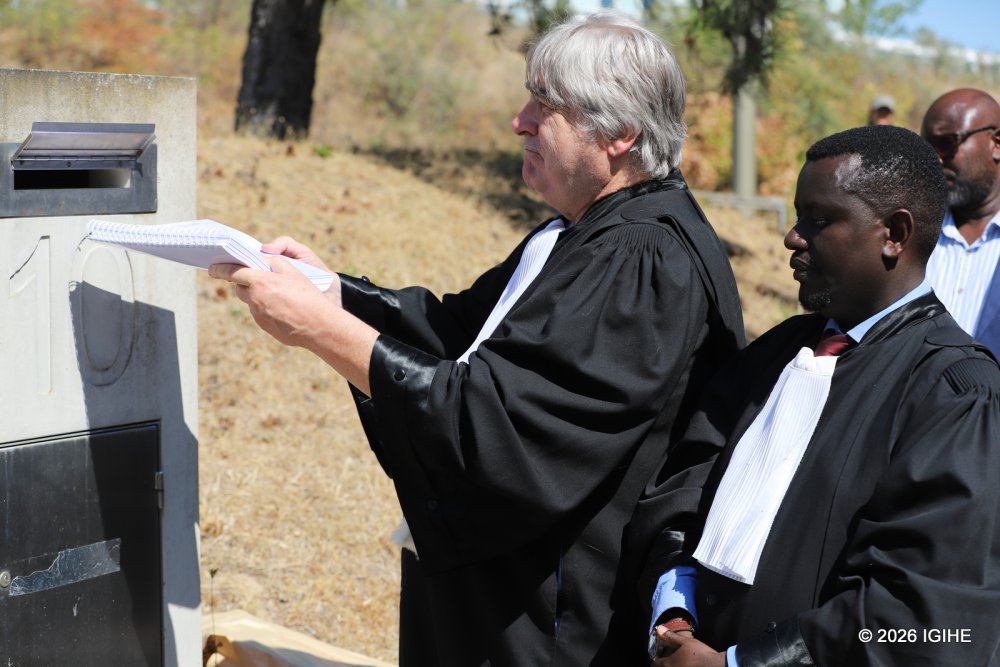
The complaint was submitted on August 14, 2026, during a ceremony attended by Banyamulenge representatives from different parts of the world and lawyers representing the complainants.Lawyers Innocent Nteziryayo and Bernard Maingain signing the complaint dossier.
Representatives of various Banyamulenge associations also signed.
Lawyers Bernard Maingain and Innocent Nteziryayo during the submission of the complaint to the ICC. Banyamulenge youth led the event on Friday. Lawyer Ruhamira Jean Pierre explaining the sequence of events.
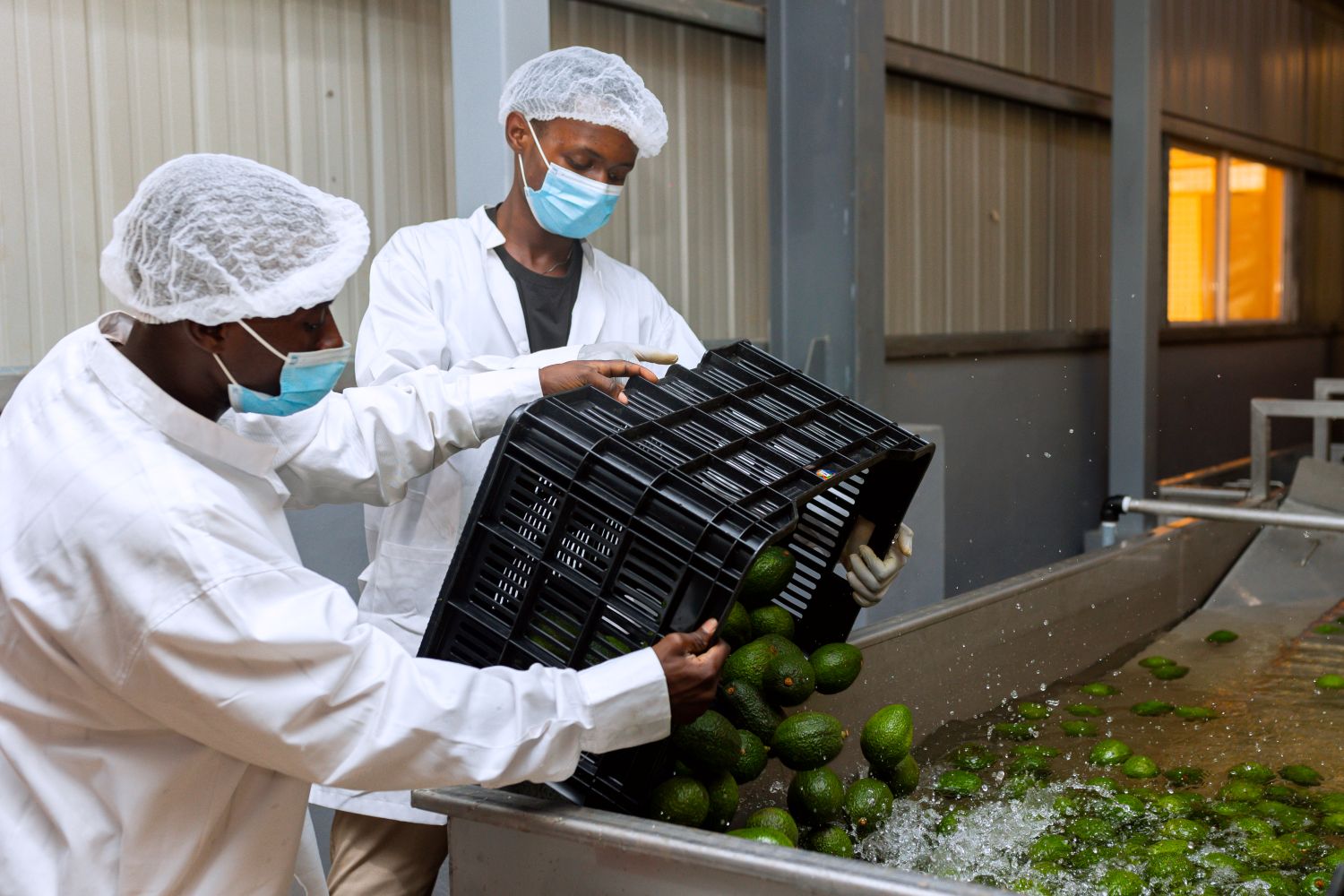
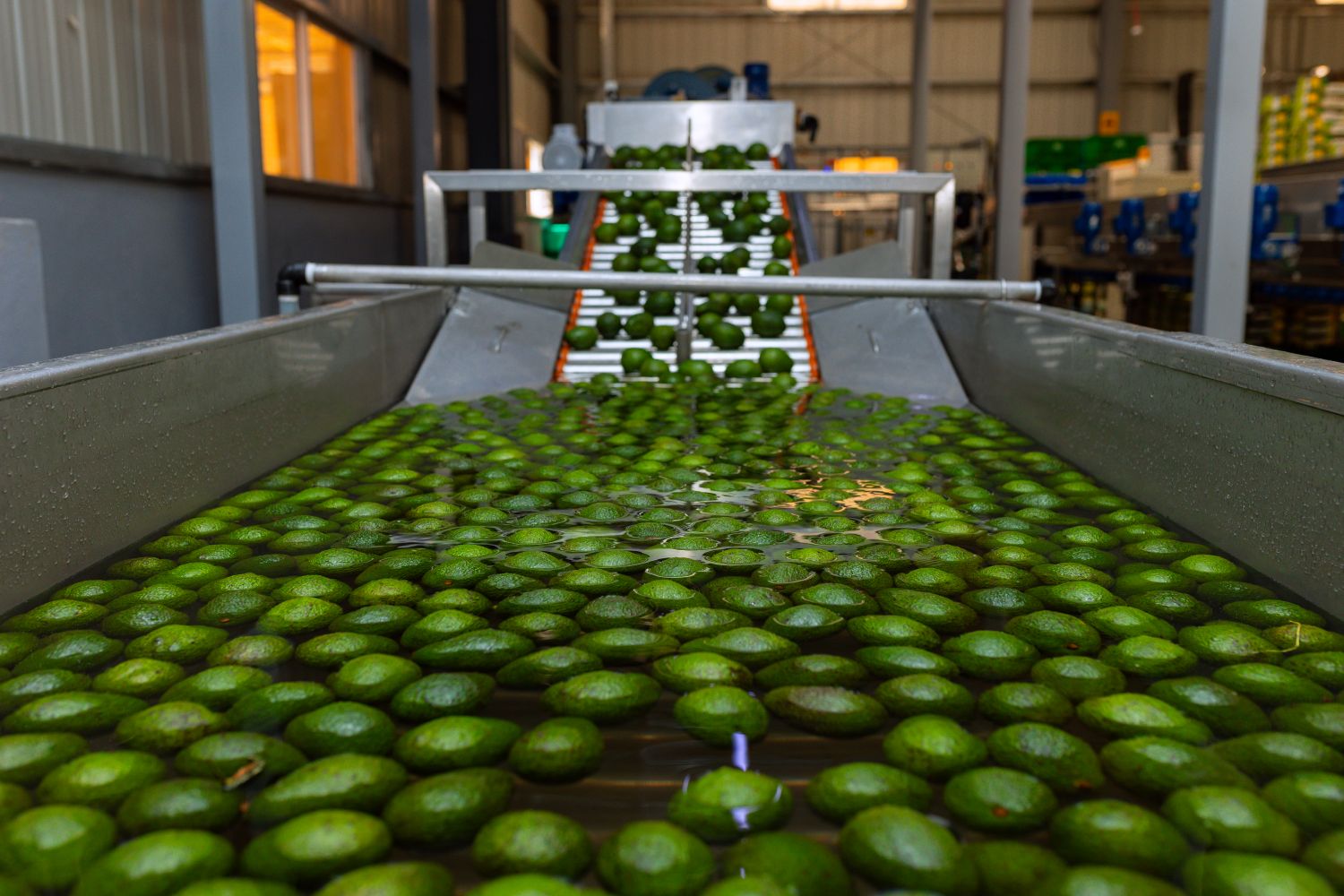
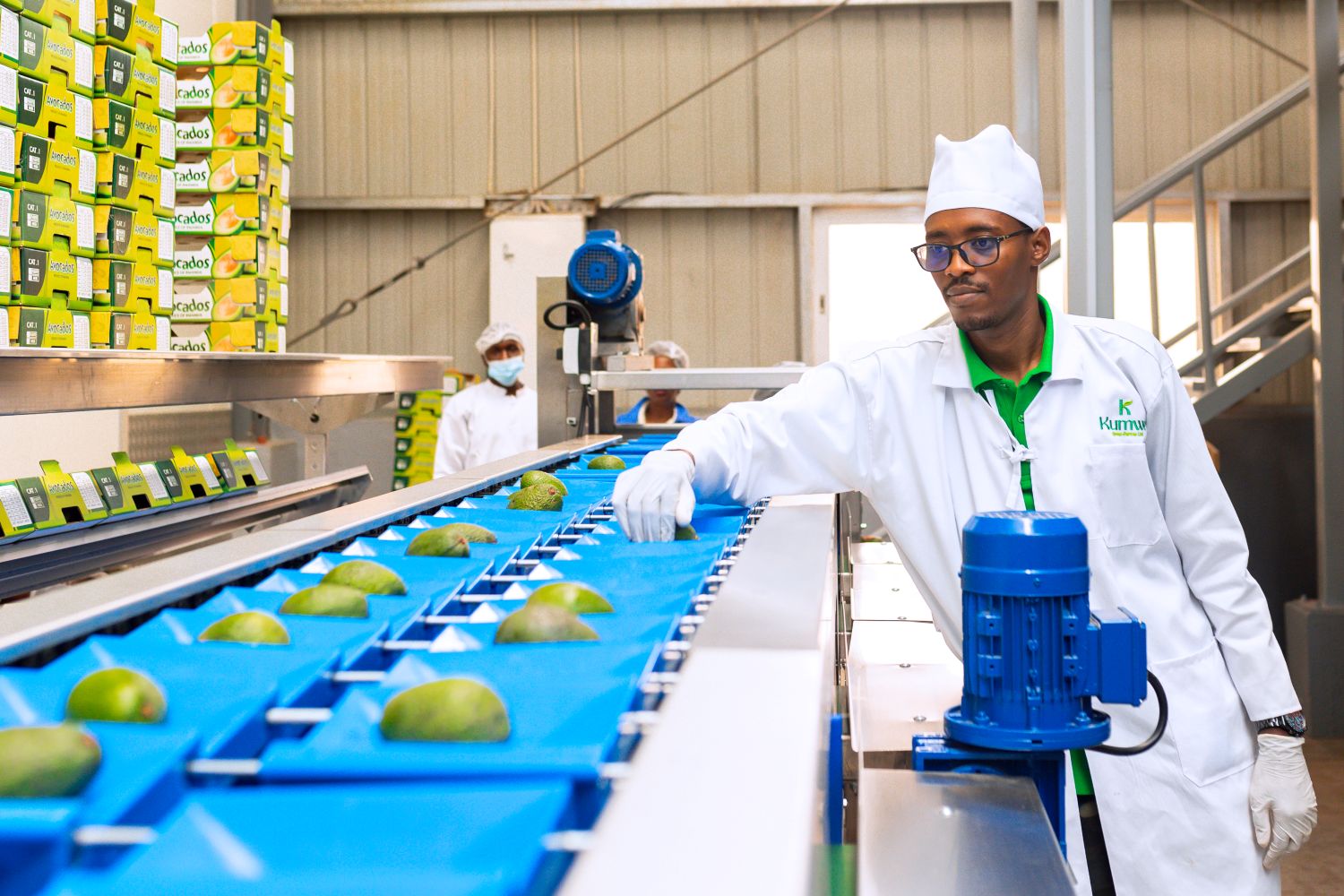
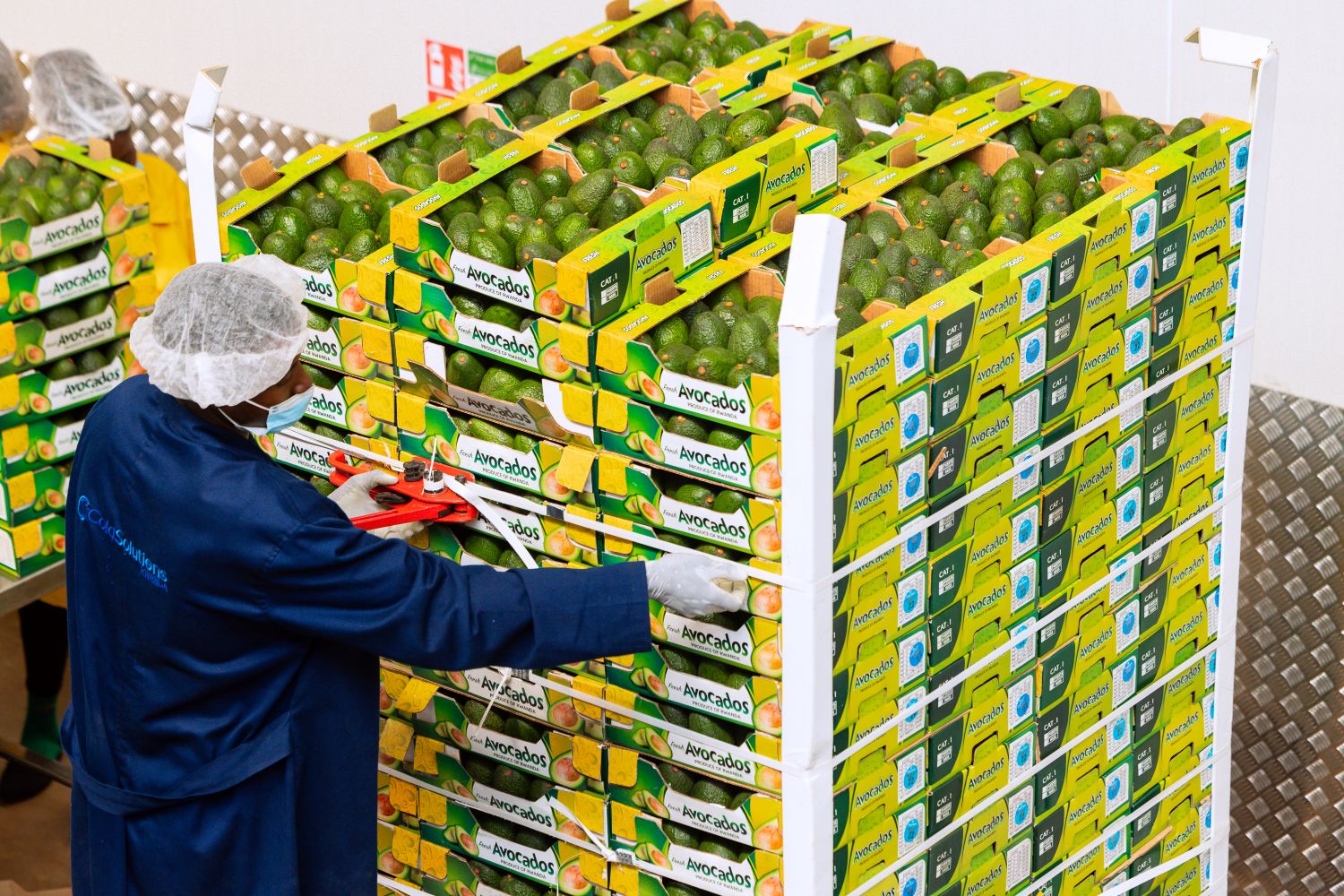
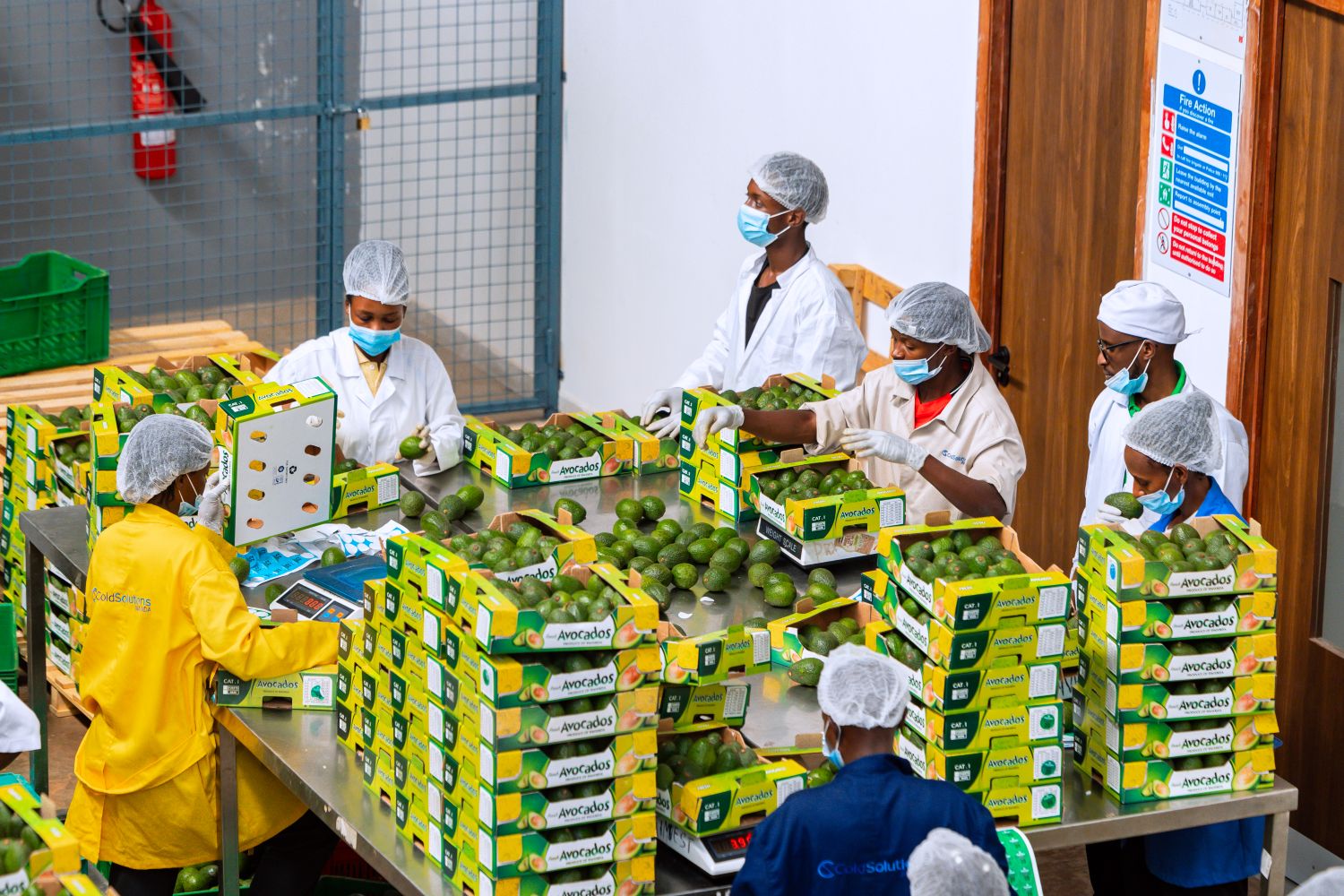
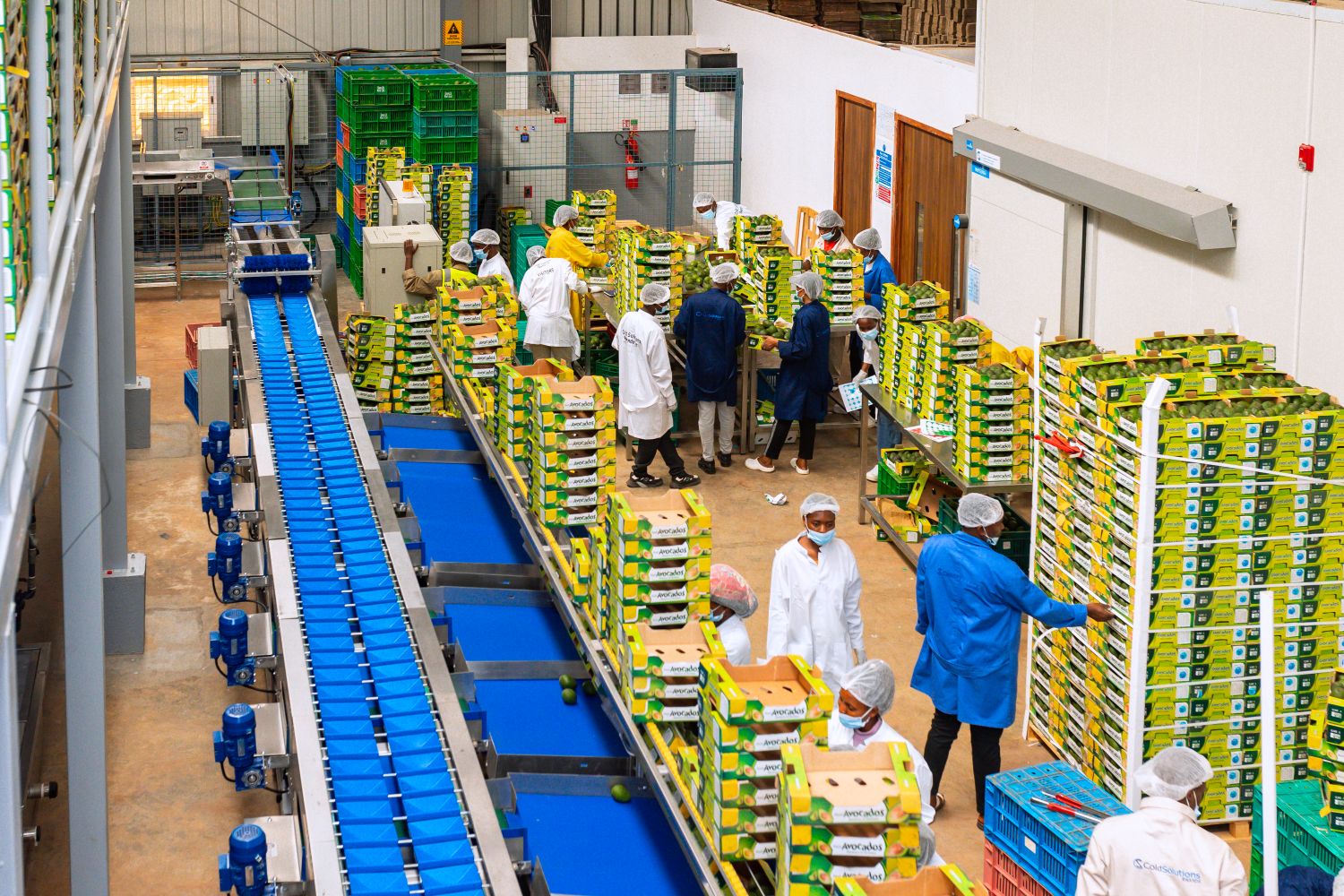
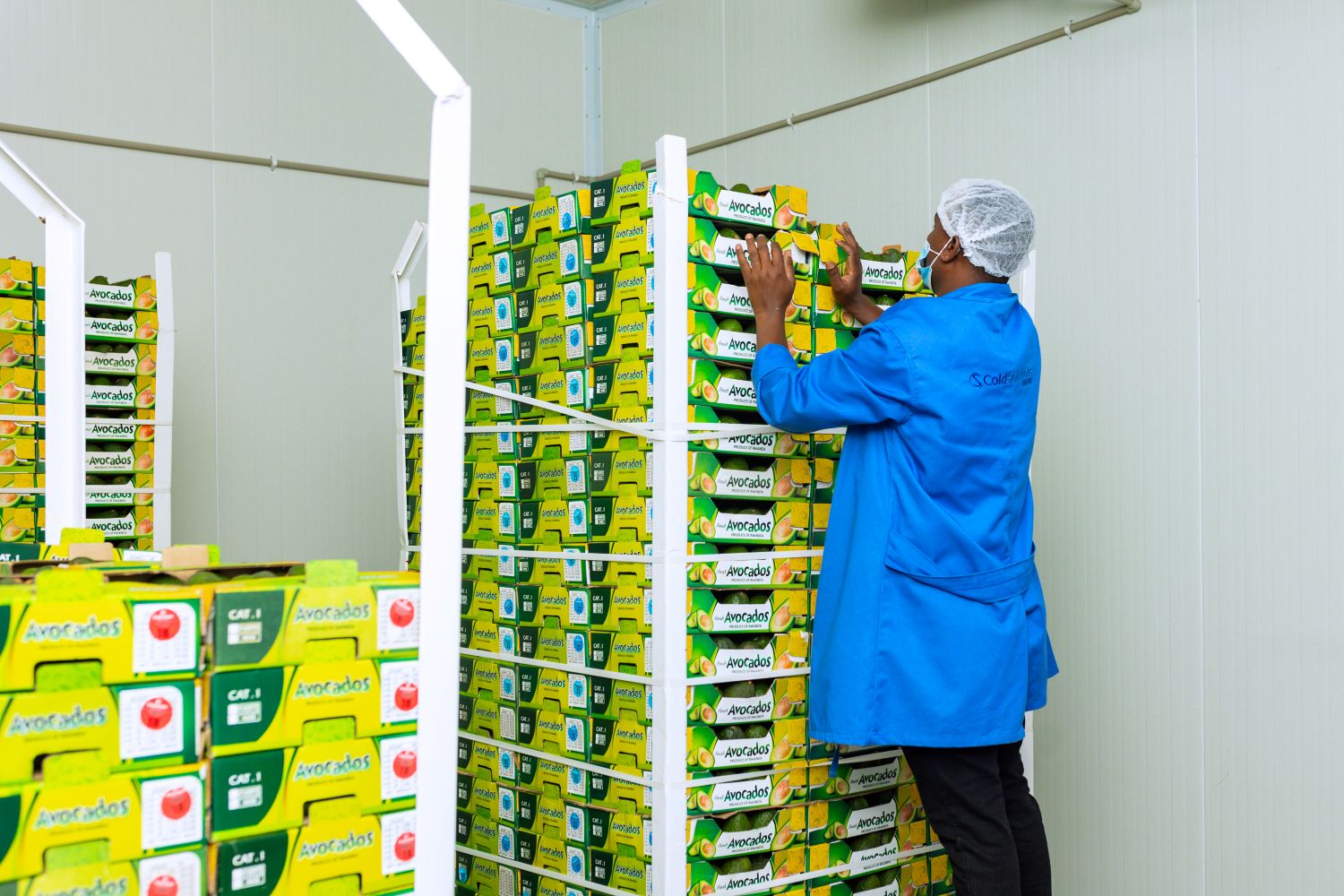
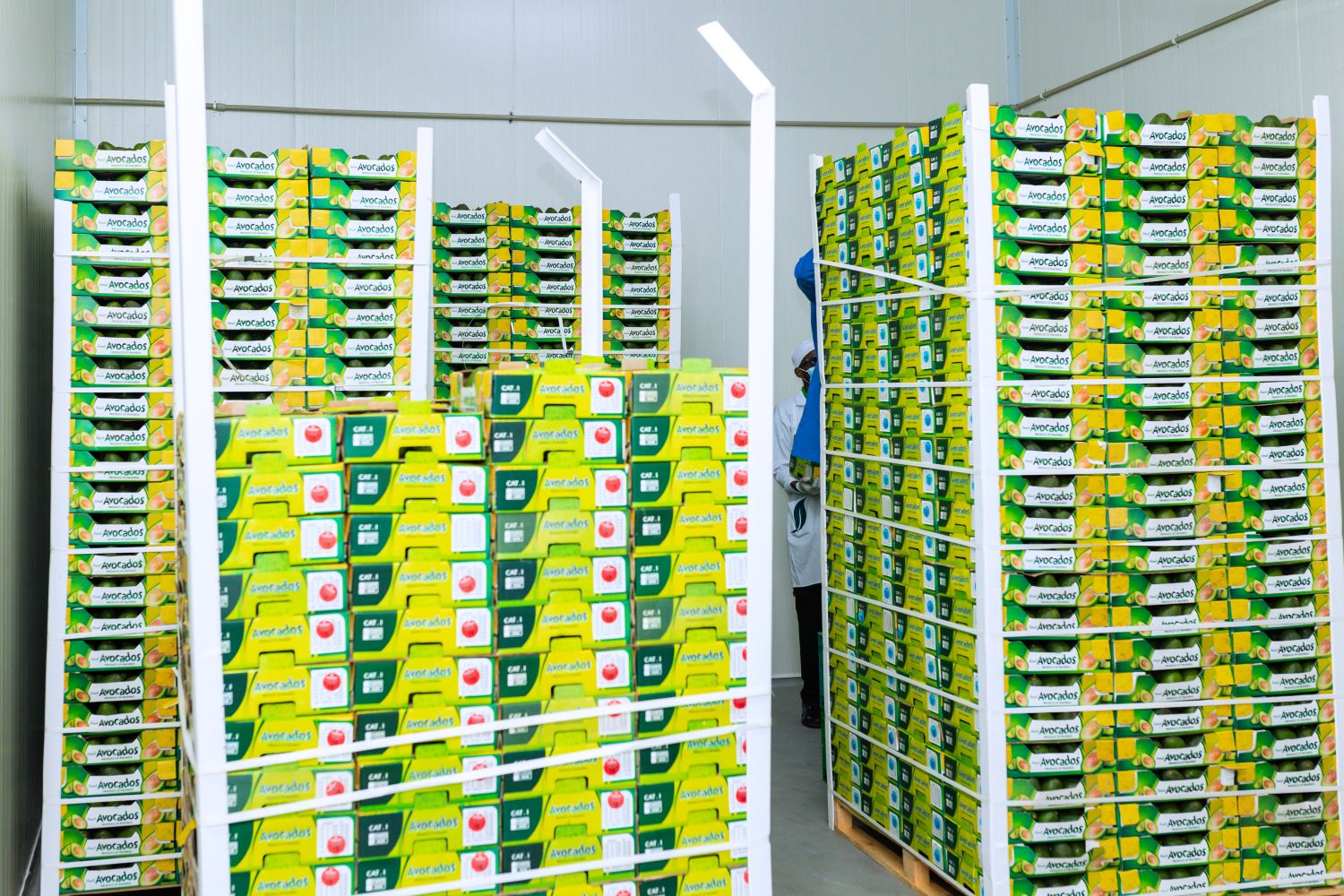
The facility became operational in March 2026, while its avocado and fruit processing equipment line was launched in August 2026. The facility is equipped with modern fruit processing, grading, packaging and cooling equipment designed to prepare avocados and other fruits for international markets.
It is already serving several fruit export companies, including Kumwe Green Farms Ltd, Souk Farms, Kinvest, Proxifresh, Bahage Foods, Sunripe and Green Life.
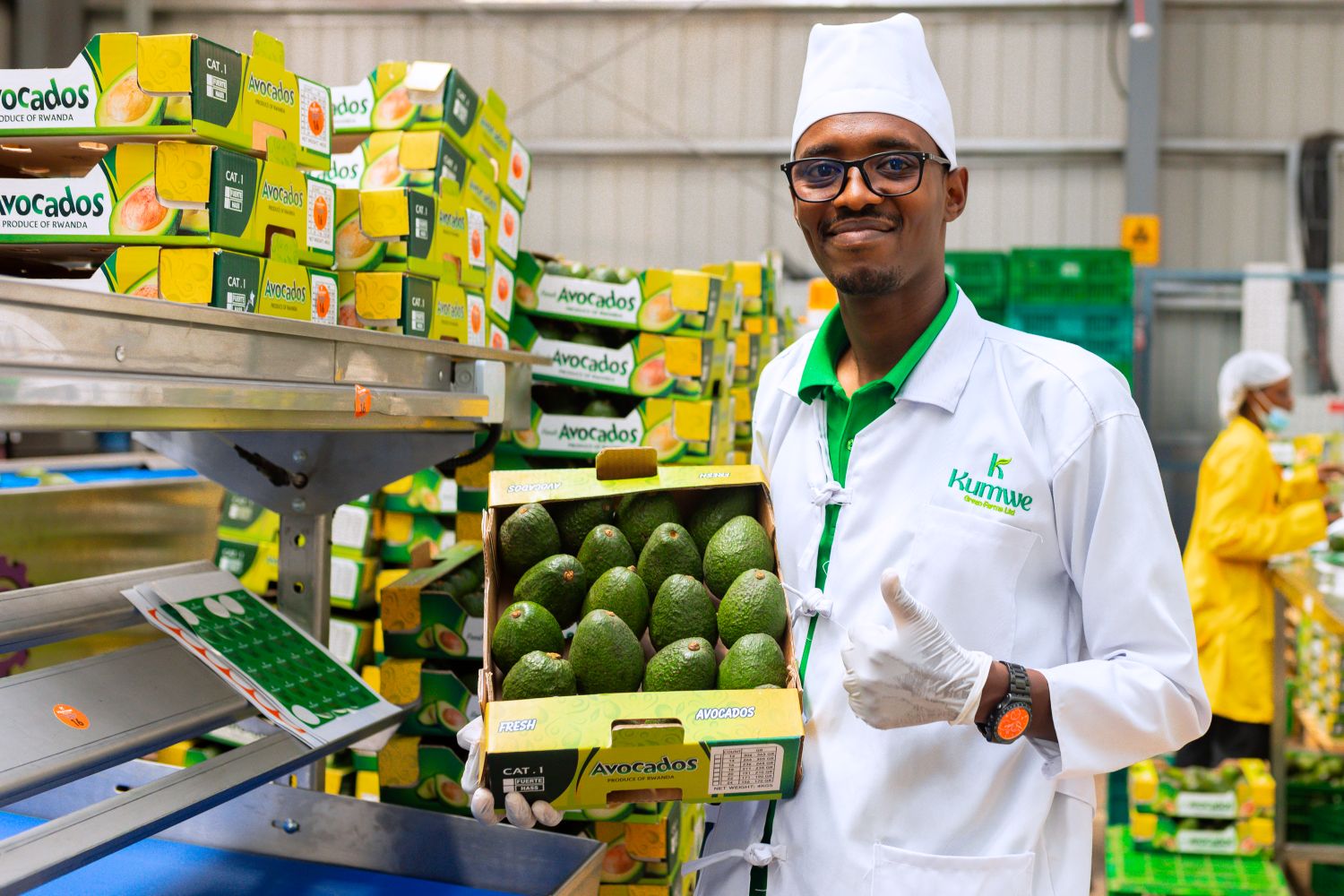
Among its early clients is Kumwe Green Farms, an exporter of Hass and Fuerte avocados as well as other fresh produce, which now uses the facility to process its exports before shipment.
Founder and CEO of Kumwe Green Farms Ltd, Fred Rwigamba, said the new facility has transformed the company’s operations by replacing labour-intensive manual processes with mechanised systems.
“Previously, we used a traditional method where we spread the avocados on tarpaulins and had people sit down and process them manually,” he said.
“Now, we use these machines, which make the process much faster. It used to take us between five and six days to fill a container, but now it can be done in just one or two days.”
Rwigamba said the equipment has also improved the accuracy of weighing and packaging produce.
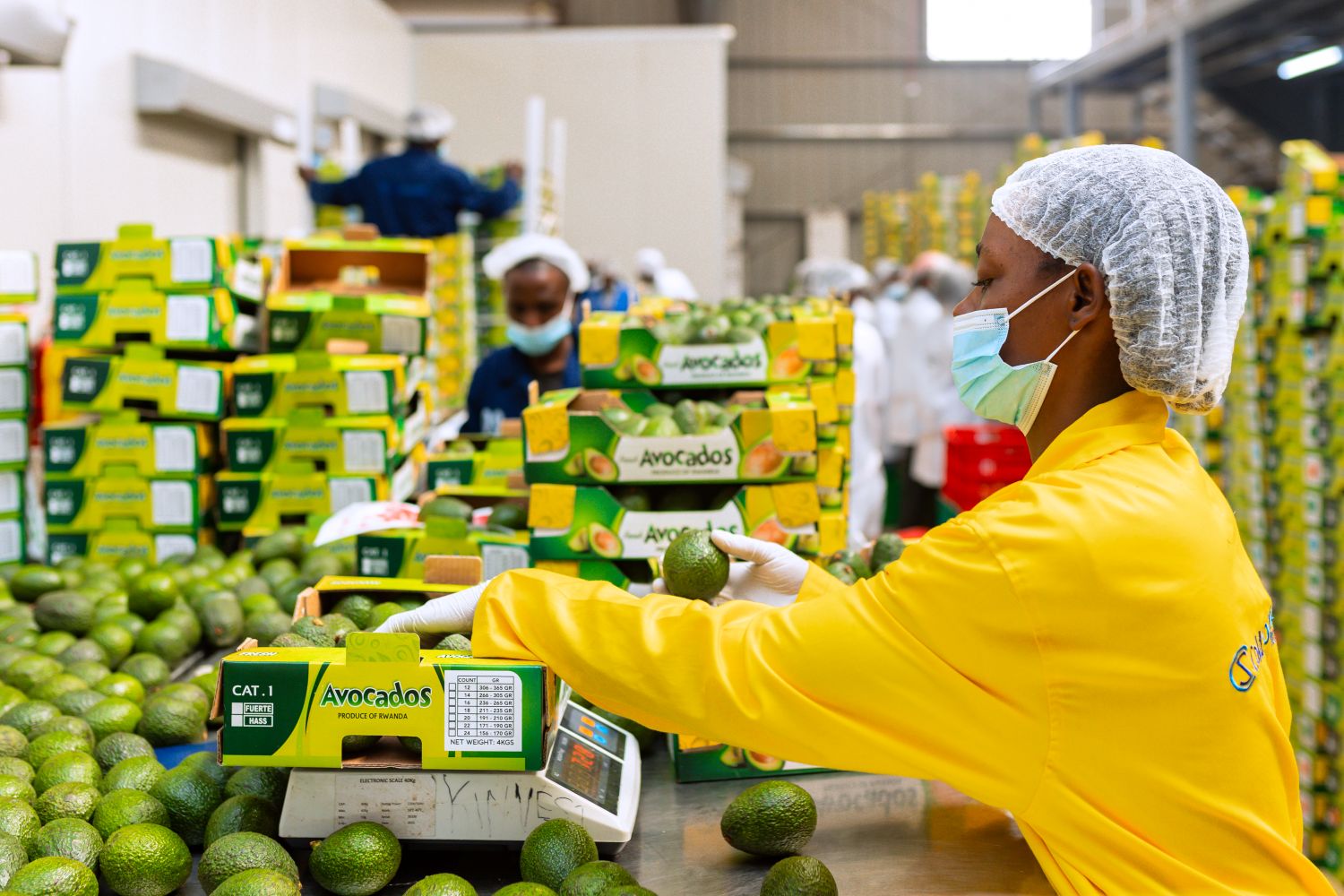
“Each carton transported by ship contains four kilograms. Previously, workers estimated the weight by looking at the avocados, and there was no guarantee the measurements were accurate. That was a challenge, but now the machines handle the process, giving us confidence that every carton meets the required standard,” he said.
Beyond processing, Rwigamba said the availability of cold storage is equally important for exporters handling highly perishable produce.
“As you know, fruits are highly perishable agricultural products and need to be stored in a cool environment to prevent them from going bad,” he said.
“We did not have such storage facilities before, and that was one of the reasons some exporters were reluctant to use sea freight. Although shipping by sea takes longer, it is much more affordable.”
He explained that avocados are cooled immediately after processing to maintain their quality throughout the export journey.
“After processing, the avocados are cooled to the required temperature because they spend about three days being transported by truck before reaching Mombasa. Maintaining that temperature is essential to prevent deterioration,” he said.
Cold Solutions Rwanda is located in the Kigali Special Economic Zone in Masoro and forms part of the ARCH Cold Solutions East Africa Fund, managed by UK-based investment firm ARCH Emerging Markets Partners. The fund seeks to expand cold storage infrastructure across East Africa to reduce post-harvest losses and strengthen regional agricultural value chains.
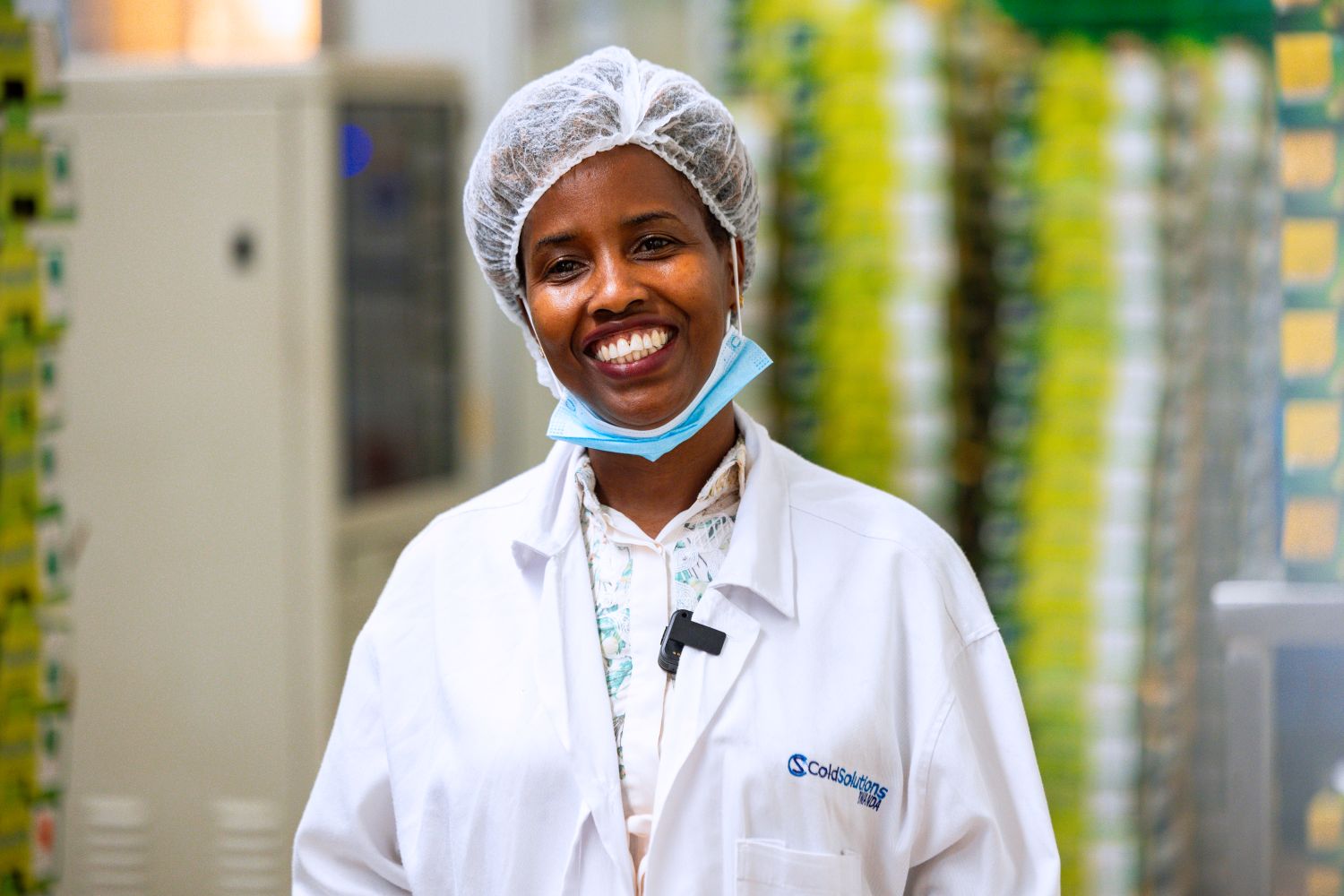
Cold Solutions Rwanda Country Director Julie Igiraneza said the company introduced the fruit processing facility after receiving strong demand from exporters seeking reliable processing and cold chain services.
“We had many people asking us for this service. Some customers even approached us while the project was still under development and told us they wanted to be among the first to use the machines once they arrived. They included Souk Farms, Kumwe Farms and others,” she said.
She said the company plans to expand the facility further by installing more advanced equipment to increase processing capacity.
“We realised this is a very important service, so we are expanding our operations and planning to bring in more advanced equipment that can serve more people at the same time. This is a service that is highly needed in Rwanda and across East Africa,” she said.
The facility is expected to enhance Rwanda’s capacity to preserve fresh produce, reduce post-harvest losses caused by spoilage and improve the competitiveness of the country’s fruit exports.
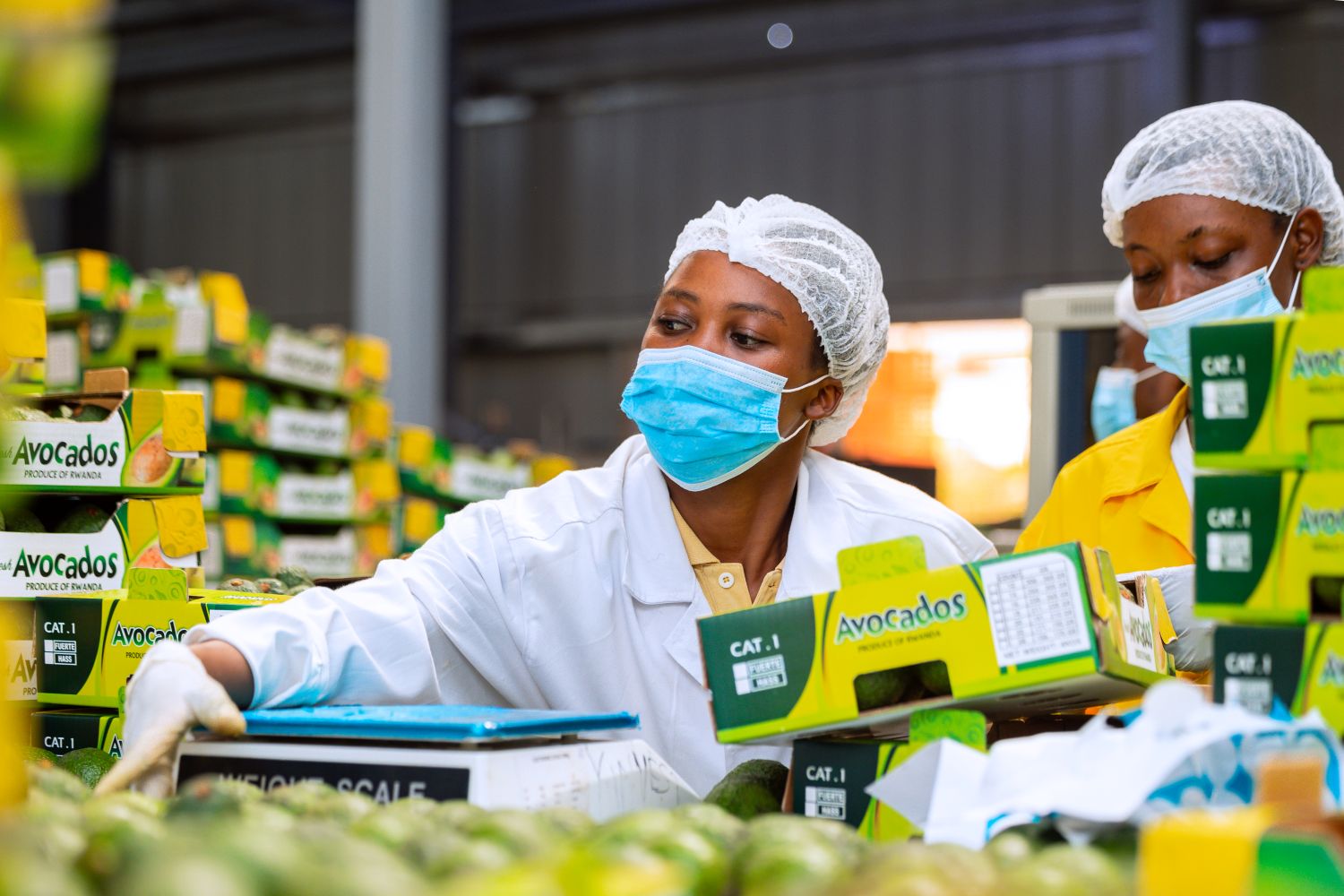
Cold Solutions Rwanda’s newly opened fruit processing facility in the Kigali Special Economic Zone.Avocados washed and prepared for export at the Cold Solutions Rwanda facility.Workers process avocados using specialised machinery at Cold Solutions Rwanda.The facility strengthens Rwanda’s agricultural value chain and supports the country’s growing horticulture sector.Cold Solutions Rwanda Country Director Julie Igiraneza said the company introduced the fruit processing facility after receiving strong demand from exporters seeking reliable processing and cold chain services.
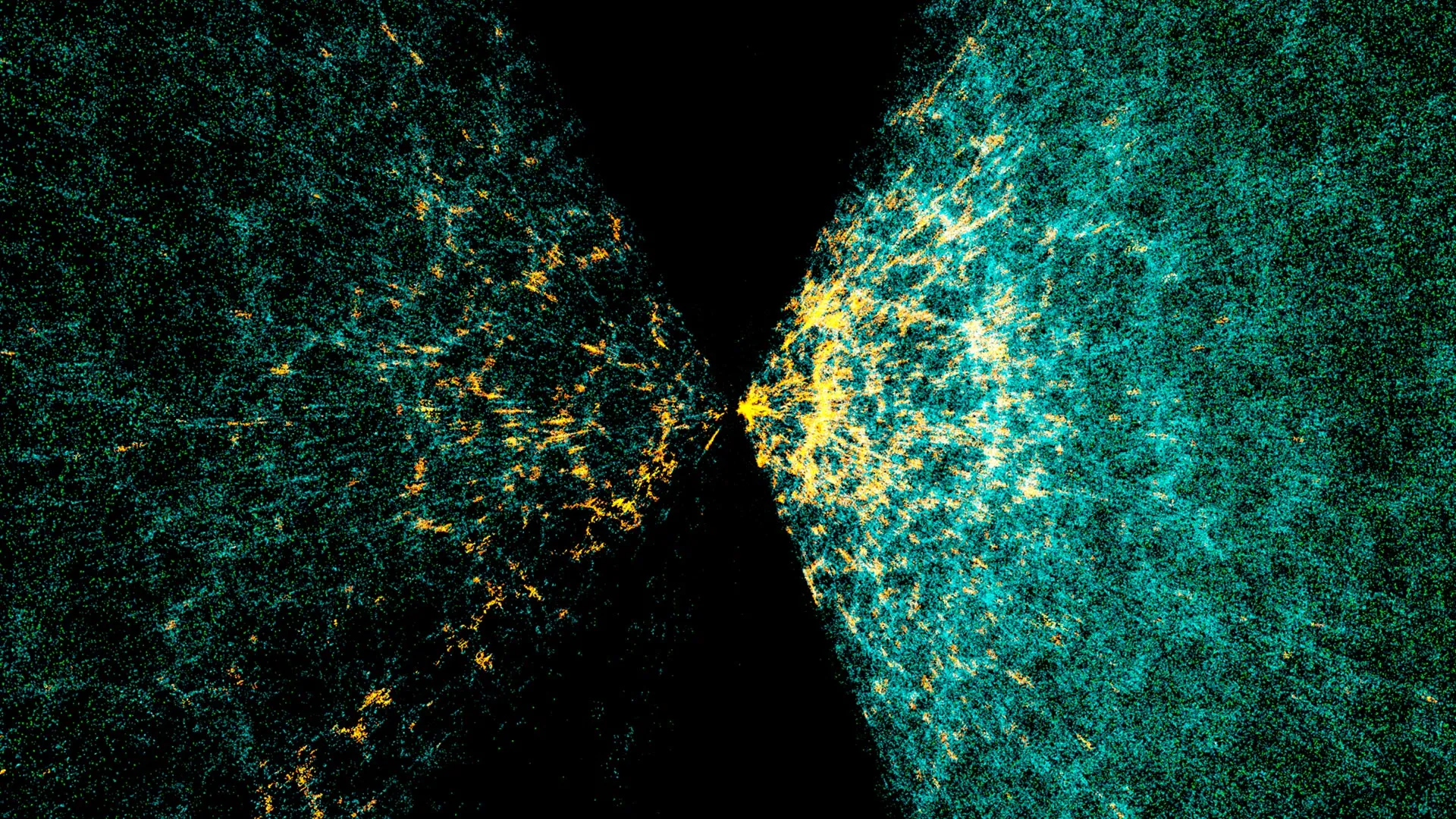
The new information comes from the Sloan Digital Sky Survey V, known as SDSS-V. It is part of Data Release 20, or DR20, the latest major collection of information from the project.
A spectrum is a way of studying light from an object in space. By breaking light into different parts, scientists can learn about an object’s temperature, movement and chemical makeup.
One of the biggest changes in the new release is that it includes optical observations from the Southern Hemisphere for the first time.
These observations were made with a telescope at Las Campanas Observatory in Chile.
They have been combined with observations from the Sloan Foundation Telescope at Apache Point Observatory in New Mexico.
Together, the two locations allow scientists to study objects in the sky from both the northern and southern parts of Earth.
The new data include information on about 1.5 million stars. They also contain about 1.1 million spectra from the Black Hole Mapper programme, covering around 500,000 different objects.
Scientists hope the information will help them better understand supermassive black holes and how they change over time.
Some of the objects have been observed more than once, allowing researchers to compare their changes.
The release also combines optical observations with X-ray information from the eROSITA space telescope.
This gives scientists information about hundreds of thousands of objects that produce X-rays, including active galaxies, galaxy clusters and active stars.
Another important part of the release focuses on the Milky Way and nearby galaxies. Scientists have mapped areas containing glowing gas, young stars and planetary nebulae.
The maps include well-known regions such as the Orion and Rosette nebulae.
The new release also includes 18 scientific catalogues and online tools that make it easier to explore the huge amount of information.
The data are publicly available, meaning scientists, students, teachers and astronomy enthusiasts around the world can use them.
Researchers hope the information will lead to new discoveries about how stars and galaxies form and change.
With DR20, SDSS-V is moving closer to creating a detailed map of the sky across both hemispheres.
The project is giving scientists a powerful new way to study the Universe and understand its many mysteries.
Astronomers have mapped more of the universe using millions of new observations.
Doja Cat made the comments during a social media livestream on August 12, when she offered an unsolicited reaction to Tyga’s latest project.
“Nobody asked me anything about Tyga, but I felt like saying this,” Doja said before calling Tyga a “penis for making an AI album.”
Tyga later addressed her comments during an appearance on TMZ Live, where he responded in a similarly playful manner.
“Listen, I love Doja, but she made a demonic album,” Tyga said, referring to Doja Cat’s recent work. He then added that he still loves her.
The exchange follows Tyga’s earlier explanation of how artificial intelligence was used in the production of $tarface.
In an interview with VIBE, the rapper acknowledged using AI as a creative tool, particularly for sounds inspired by the 1980s. He explained that the technology helped with elements such as synthesizers and guitar sounds.
Tyga has stressed that the use of AI did not mean that a machine created the entire album.
During his TMZ Live appearance, he said he wrote the songs and performed the vocals himself, while AI was used in parts of the production.
The rapper has defended the approach by comparing the current debate over AI with the criticism that surrounded Auto-Tune when it became widely used in music.
According to Tyga, new technology can become another tool for artists when it is used creatively.
$tarface also represents a major change in Tyga’s musical direction. The project introduces $TARFACE as a separate artistic identity and moves away from the sound associated with much of his earlier career.
Tyga previously told PEOPLE that after more than 15 years in the music industry, he wanted to experiment and avoid placing himself in a creative box.
He described $TARFACE as a completely different artist and aesthetic from his previous work.
The controversy has also brought renewed attention to the wider debate over artificial intelligence in music, as artists continue to disagree about how the technology should be used in the creative process.
Doja Cat and Tyga are not strangers to collaboration. The pair previously worked together on the 2019 remix of Doja Cat’s “Juicy” and reunited for “Freaky Deaky” in 2022.
Despite their latest disagreement, Tyga’s response suggested that he did not view Doja Cat’s criticism as a serious personal conflict, maintaining that he still has affection for the fellow artist.
PEOPLE reported that representatives for both artists had been contacted for comment.
Tyga and Doja Cat offered differing views on AI in music
A study led by researchers from the Hebrew University of Jerusalem found that neurons in the human cortex can process information in remarkably sophisticated ways.
The findings suggest that individual brain cells function more like tiny biological computers than simple on and off switches.
For decades, scientists have focused largely on the number of neurons in the human brain and the vast networks connecting them when trying to understand human intelligence.
The new research suggests that the complexity of individual neurons may also play an important role in explaining abilities such as language, imagination, mathematics and invention.
The research was led by Professors Idan Segev and Mickey London, together with PhD students Ido Aizenbud and Daniela Yoeli at the Edmond and Lily Safra Center for Brain Sciences.
The team also collaborated with Professor Chris de Kock of the Free University in Amsterdam.
To measure the computing power of individual neurons, researchers developed a new approach combining computer modelling and artificial intelligence.
They examined how difficult it would be for an artificial neural network to reproduce the relationship between information entering a biological neuron and the response it produces.
The researchers found that human cortical neurons have highly complex branching structures known as dendritic trees, along with distinctive electrical properties that allow them to perform sophisticated computations.
These abilities enable individual neurons to process complex information, including visual signals.
The findings challenge the traditional view of neurons as relatively simple components whose main role is to transmit signals through the brain.
Instead, the researchers suggest that a single human cortical neuron can operate as a powerful computing unit, with capabilities comparable to those of a deep neural network.
Professor Segev said the findings show that a single human neuron is an “extraordinarily sophisticated computing device,” highlighting how much processing power may exist within individual brain cells.
The discovery could also influence the development of artificial intelligence. Modern AI systems generally rely on simplified artificial units inspired by neurons.
The researchers suggest that future brain-inspired AI could instead use artificial units designed to reproduce some of the deeper computational abilities found in biological neurons.
The study, published in the Proceedings of the National Academy of Sciences, provides a new perspective on the biological foundations of human intelligence.
It also gives scientists a framework for studying how the physical structure of individual brain cells is connected to their ability to process information.
The researchers believe this approach could contribute to a better understanding of how the human brain produces thought, learning and other complex cognitive abilities.
Scientists have uncovered extraordinary computing power in individual human brain cells
The event was the first total solar eclipse visible in Western Europe since 1999, attracting large crowds of residents, tourists and astronomy enthusiasts who travelled to locations along the path of totality.
In Spain, the eclipse crossed the northern part of the country before reaching the Balearic Islands.
Up to six million visitors were expected to gather at viewing locations, with authorities preparing extensive security and safety measures for the large crowds.
In Buitrago de Lozoya, north of Madrid, spectators watched as the sky darkened during the evening.
The eclipse reached the area at around 8:30 p.m., with totality lasting for nearly a minute. As the Moon completely covered the Sun, spectators applauded and reacted with excitement to the sudden darkness.
The event also attracted well-known figures, including Queen guitarist Brian May, who travelled to Spain to experience the eclipse.
Authorities had prepared for the large influx of visitors, particularly because the eclipse coincided with Spain’s peak wildfire season.
Thousands of police officers and other emergency personnel were deployed to help manage crowds and traffic and respond to potential emergencies.
The eclipse provided an important boost for tourism, with visitors travelling to rural areas and lesser-known destinations to find a good view of the phenomenon.
Several locations had prepared special observation sites and activities for tourists and local residents.
Iceland was another major destination for eclipse watchers. Up to 80,000 visitors travelled to the country, particularly its western regions, where totality was visible.
However, cloud cover and rainy weather affected visibility in some areas.
Despite the challenges, crowds gathered in Reykjavik and other locations, with many people equipped with protective glasses and other eclipse-viewing equipment.
The eclipse was also visible as a partial solar eclipse across other parts of Europe, including the United Kingdom, France and Germany, allowing millions more people to observe the Moon covering part of the Sun.
A total solar eclipse occurs when the Moon completely blocks the Sun’s visible disk. During totality, the sky becomes dark and the Sun’s outer atmosphere, known as the corona, becomes visible.
For Spain, the 2026 eclipse is part of a rare sequence of major solar events.
The country is expected to experience another total solar eclipse in 2027, followed by an annular eclipse in 2028, forming what has been described as the “Iberian Eclipse Trio.”
Rare total solar eclipse drew millions to Spain and Iceland