Researchers at the Institute of Science and Technology Austria (ISTA) found that these imperfections are actually part of the solar cells’ success.
Unlike traditional silicon‑based solar cells, which need to be almost perfectly pure, perovskites use their flaws to help electric charges travel efficiently through the material.
The research, published in Nature Communications, shows that networks of microscopic defects inside perovskite crystals act like “highways” for electric charges.
When sunlight hits the material, it creates positive and negative charges that need to move through the solar cell to produce electricity.
These defect networks help separate and guide the charges so they don’t recombine too quickly, which boosts efficiency.
According to the scientists Dmytro Rak and Zhanybek Alpichshev, this mechanism explains why perovskite cells perform so well despite being less pure than silicon.
Rak said the team’s work “provides the first physical explanation of these materials while accounting for most if not all of their documented properties.”
Perovskite materials have been studied for about 15 years and are exciting to researchers because they can be made with inexpensive solution‑based methods. They also show promise for use in other technologies, like LEDs and X‑ray detectors.
This discovery may bring scientists one step closer to making cheaper and more powerful solar cells that could be used at large scale in the real world.
By understanding how these internal pathways work, engineers can design better solar technologies that don’t rely on high‑cost manufacturing methods like those used for silicon.
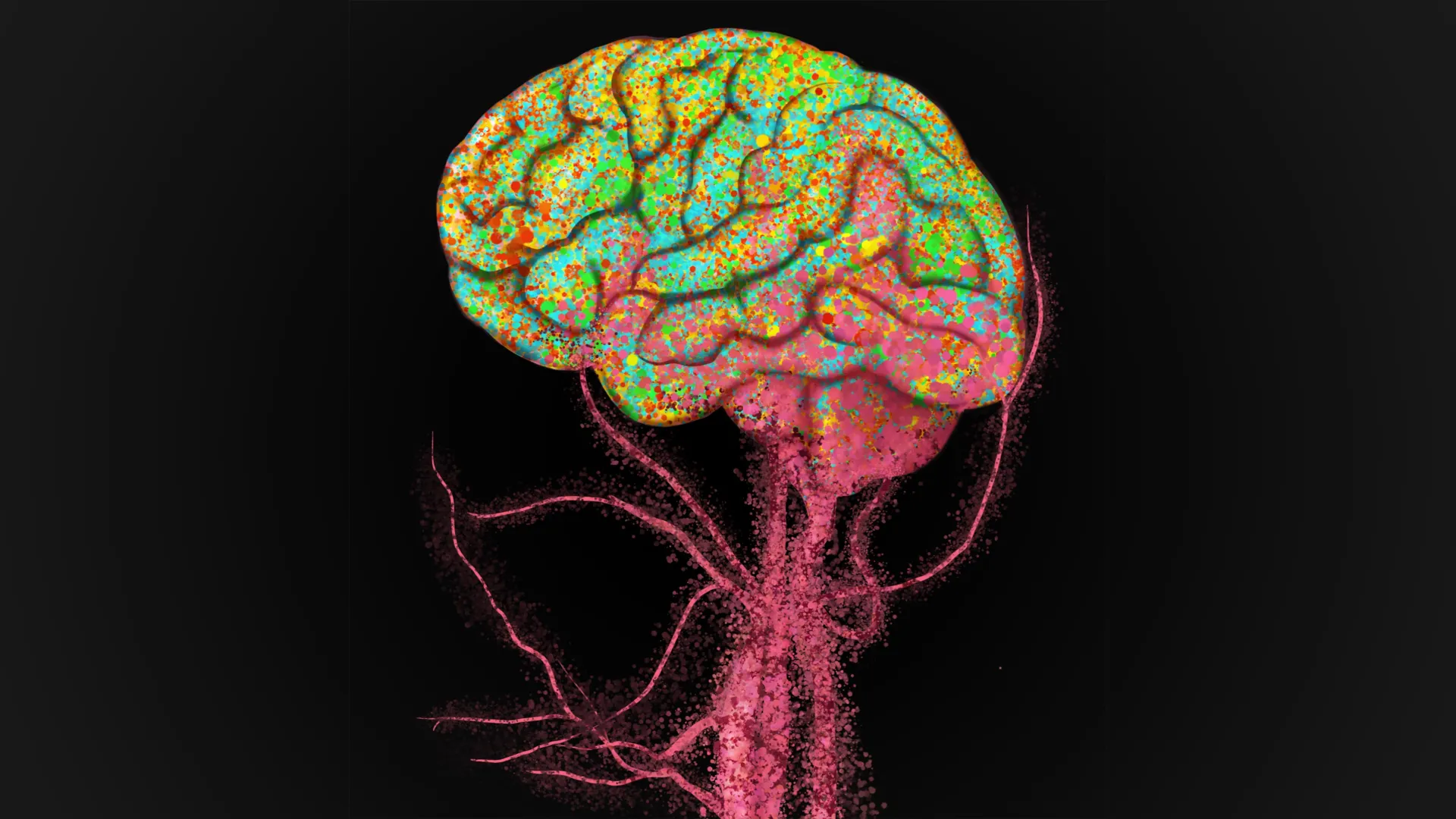
New research reveals how flaws in perovskite solar cells enhance their performance.
These talks, initially held in Doha, were relocated at the request of Qatar, the mediator in the process. The move comes as a result of escalating conflict involving the United States and Israel against Iran, which has destabilized parts of the Middle East and affected the region’s ability to host such diplomatic engagements.
According to reports published on April 10 by Jeune Afrique, the meetings will not take place in Geneva, and Switzerland will not play a direct role in the discussions. Instead, Qatari representatives are expected to participate remotely via video conference.
Among the key international figures expected to attend are Massad Boulos, Special Advisor to the U.S. President on Africa , and Vivian van de Perre, Deputy Head of the United Nations peacekeeping mission in DRC (MONUSCO) in charge of operations.
Mubita Luwabelwa, Executive Secretary of the International Conference on the Great Lakes Region (ICGLR), is also expected to take part.
The AFC/M23 delegation will consist of six members led by its Permanent Secretary, Benjamin Mbonimpa. At the time of reporting, the composition of the DRC government delegation had not yet been made public.`
This phase of the peace talks will primarily focus on facilitating humanitarian assistance. Both sides are expected to discuss practical measures to ensure that aid organizations can effectively deliver support to civilians affected by the ongoing conflict in eastern DRC.
One of the major expectations from the international community is the reopening of Goma International Airport, which has been under AFC/M23 control since January 2025. Earlier in 2026, Vivian van de Perre visited Goma and formally conveyed this request to AFC/M23 leadership.
However, tensions remain. Reports indicate that AFC/M23 has been reluctant to proceed with discussions on humanitarian matters while key prior agreements remain unfulfilled. These include adherence to the ceasefire and the mutual release of prisoners.
AFC/M23 continues to accuse DRC government forces of carrying out daily attacks on areas under its control using drones, fighter jets, and heavy weaponry, resulting in civilian casualties.
Although both parties previously agreed to establish a joint ceasefire monitoring mechanism involving MONUSCO and the ICGLR, this initiative has yet to become operational.
Following AFC/M23’s withdrawal from the city of Uvira in January 2026, MONUSCO forces were expected to take over and oversee ceasefire compliance. While assessment missions have been conducted, full deployment and active monitoring have not yet begun.
In a previous humanitarian gesture, AFC/M23 allowed the International Committee of the Red Cross (ICRC) to transfer over 1,300 soldiers and police officers who had taken refuge in its controlled areas near Goma back to Kinshasa.
In March 2026, AFC/M23 announced plans to release 5,000 DRC soldiers, expressing hope that the government would reciprocate by freeing detained members of the group. However, confidence in such a reciprocal move has been steadily declining.
Available information indicates that by early 2026, the ICRC had already identified the locations and identities of AFC/M23 detainees. Despite this, no progress has been made, as the DRC government has not agreed to release them.
AFC/M23 maintains that continued military offensives and the refusal to release prisoners demonstrate a lack of genuine commitment to peace on the part of the DRC government.
Instead, the group argues that the government still appears to believe that the conflict can be resolved through military means rather than dialogue.
Peace talks are set to resume in Switzerland amid unfulfilled commitments by the DRC Government.
Rwanda, alongside the international community, is currently marking the 32nd commemoration of the Genocide against the Tutsi, during which more than one million people were killed in just 100 days.
Speaking at an event held on April 10, 2026, in remembrance of journalists who were killed during the Genocide, Dr. Bizimana highlighted the critical role played by the media in fueling the violence.
He explained that several high-ranking government officials were actively involved in the leadership of RTLM while still serving in state institutions.
Among them was Donath Hakizimana, then Secretary General of the National Intelligence Service, who was responsible for supplying RTLM with information and recruiting loyal, hardline journalists.
Gaspard Musabyimana, now living in Belgium where he operates Radio Inkingi an outlet that continues to promote genocide ideology was in charge of programming and coordination with intelligence networks.
Also involved was Ferdinand Nahimana, one of the principal ideologues of the Genocide, who authored propaganda encouraging Hutu unity against Tutsis under what was called the “civil self-defense” (Auto-défense civile) campaign.
These individuals, along with others, formed influential committees that recruited skilled and trusted journalists, many drawn from ORINFOR and used them to orchestrate propaganda campaigns that encouraged the killing of Tutsis.
Those recruited included Noheli Hitimana, Joel Hakizimana, Ananiya Nkurunziza, Georges Ruggiu, Valérie Bemeriki, Joseph Gatsikira, and others known for their engaging and persuasive broadcasting style, often centered on music, sports, and general entertainment.
Dr. Bizimana emphasized that Habimana Kantano stood out as one of RTLM’s most influential figures. He cleverly used his popularity as a passionate fan of Rayon Sports to mobilize members of the Interahamwe militia and incite them to commit killings.
He noted:“Kantano was widely recognized as a devoted Rayon Sports supporter. He often wore the club’s attire and carried a drum wherever he went. He was highly popular, and whenever he spoke on RTLM, many young people listened closely because of his influence.”
RTLM broadcasts frequently included explicit hate speech, such as: “Tutsis, you cockroaches, we will kill you.”
RTLM began broadcasting on July 8, 1993, and quickly became popular, particularly among young audiences, due to its modern and engaging programming. The station aired a wide range of music, including Zouk, Rumba, American genres, gospel songs, and more.
Its large audience enabled it to spread hatred and extremist propaganda with alarming ease, significantly contributing to the rapid escalation and widespread nature of the killings during the Genocide.
Ferdinand Nahimana was the Director of RTLM.Habimana Kantano used his association with Rayon Sports to incite Hutu youth to kill Tutsis.
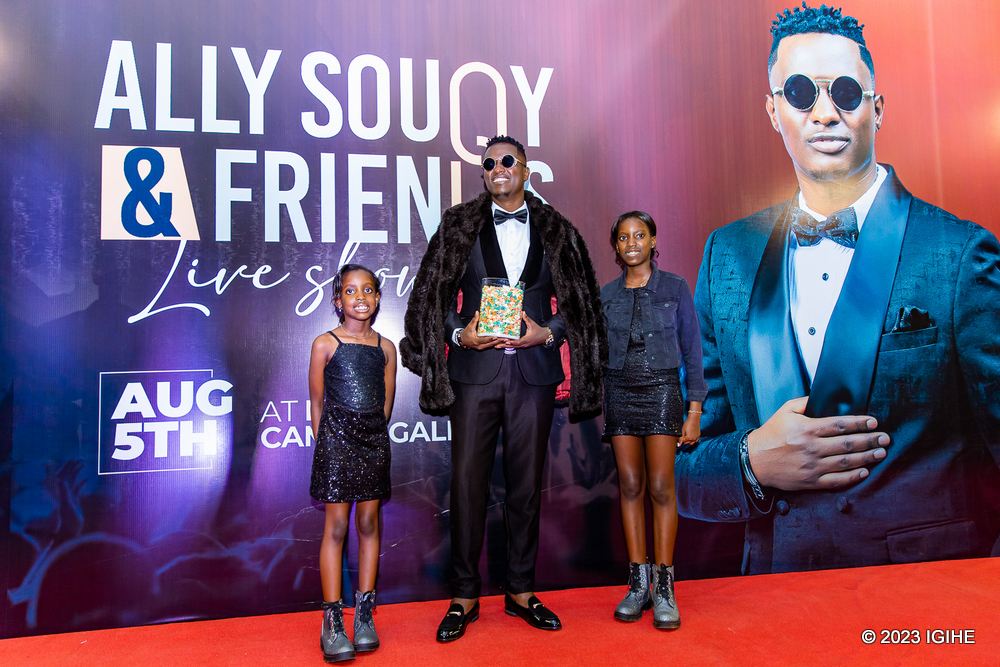
Bishop Nzakamwita, 82, retired since 2022 after 27 years of service as Bishop of Byumba Diocese. When he assumed the role, the diocese had 13 parishes, a number that has since grown to 21.
In a recent interview on IGIHE’s program ‘Ingingo Nkuru‘, Bishop Nzakamwita reflected on how hatred was deeply rooted in society and eventually spread into the Church. He spoke about the situation in seminaries, where even those preparing for priesthood were affected by ethnic divisions.
His testimony also addressed the role of the Church during that period, including the conduct of some priests who were influenced by ethnic divisions.
Bishop Nzakamwita has been in retirement since 2022 after requesting it in 2018.
IGIHE:You have now spent four years in retirement, having requested to retire in 2018 and receiving approval in 2022. How has life been?
Bishop Nzakamwita: In reality, one no longer holds specific responsibilities during retirement, but continues to offer support. I remain active trough teachings related to the priestly ministry, lead retreats, and respond to invitations such as weddings or times when people have lost loved ones and need support. So, I continue to serve both as a priest and as a bishop, although I no longer hold any formal or specific duties.
IGIHE:During retirement, you chose to settle in Rwesero, near the lake. Why did you choose this place?
Bishop Nzakamwita: It is a peaceful place, and I am very familiar with it. I studied here from 1958 to 1963, after which I moved to Kabgayi. In 1965, I went to Nyakibanda, where I spent six years.
In 1971, I was ordained as a priest and began my pastoral work. I started in Ruhengeri at the cathedral. In 1975, I was sent to Janja as a parish priest, where I served for a long time. I left in 1986 to come here to Rwesero as a formator, and in 1987 I was appointed to succeed our previous rector, Thaddée Nsengiyumva, who had been appointed as Bishop of Kabgayi Diocese.
In 1989, I was sent for further studies in Belgium, where I spent two years. Upon my return in 1991, I was assigned to the Major Seminary of Rutongo. Later, in 1996, I was appointed Bishop of Byumba.
Shortly before the Genocide against the Tutsi, some students were arrested on accusations of being accomplices at Rwesero Junior Seminary.
IGIHE:How would you assess Catholic Church education, particularly in seminaries, compared to the past?
Bishop Nzakamwita: Seminary education remains fundamentally the same. Its purpose is to prepare young men for the priesthood while supporting their overall formation. At the same time, they pursue academic studies just like other students.
IGIHE:What proportion of seminary students eventually become priests compared to those who pursue other paths?
Bishop Nzakamwita: Only a small number go on to become priests. The majority choose to pursue other careers and ways of life.
IGIHE:Does that mean they lack a genuine calling?
Bishop Nzakamwita: The choice ultimately belongs to each individual. We are aware from the beginning that not all of them will become priests. Those who clearly choose the priesthood are the ones who proceed to the major seminary.
IGIHE:Does this suggest that the number of people choosing religious vocations is declining today?
Bishop Nzakamwita: Yes, it is declining significantly. People are increasingly choosing different paths in life. However, this is something we accept. What matters is that even those who pursue other careers leave with a strong moral and Christian foundation, so our efforts are not in vain.
IGIHE:Do you think Rwanda could eventually face a shortage of priests, as seen in some other countries?
Bishop Nzakamwita: Rwanda still has many vocations. We have not yet reached a point where choosing the priesthood is disappearing, especially since the Christian faith remains strong among the population.
IGIHE: Let us revisit the period before the Genocide. You were present and serving as a priest at the time. How did Rwandan society move from the values of love taught by the Church and other religions to such deep hatred?
Bishop Nzakamwita: First, we must understand that in this world and in our lives, we are constantly engaged in a struggle to overcome evil and uphold good, to defeat hatred and promote love. This is a universal struggle.
There was a period in Rwanda when the country’s leadership fell into the tragedy of dividing its people. Some were turned against others, and it escalated to the point where certain groups, particularly the Tutsi, were targeted and killed. These events were deeply painful for all of us and continue to have lasting consequences.
This was not caused by Christianity. Rather, it was the result of political leadership that chose to divide Rwandans for political interests prevailing at the time.
Bishop Nzakamwita is aged 82, having retired since 2022.
IGIHE:At that time, you were actively teaching. How did you manage to teach love when people would leave and encounter politicians spreading a different message?
Bishop Nzakamwita: That is precisely the mission of the Catholic Church to teach love, which is the legacy we received from Jesus Christ Himself. That is what we continued to teach.
When the problem of division emerged in Rwanda, where leaders encouraged citizens to hate one another, we intensified our efforts to guide the faithful. We urged them not to be carried away by hatred, but instead to choose what is good and to live peacefully with others.
However, many people were ultimately overwhelmed, especially because those in leadership were actively promoting division. Many succumbed to this influence, which eventually led to the Genocide against the Tutsi, aimed at eliminating one group so that another could dominate both political power and life in Rwanda.
IGIHE:You mentioned that, as religious leaders, you continued teaching despite being overpowered by other influences. Yet some priests were involved in the Genocide. How do you explain this?
Bishop Nzakamwita: Priests, like all members of society, included both Hutu and Tutsi, and they too were affected by divisionism. Some were overcome by hatred and betrayed their religious commitments.
While some failed, others resisted. That resistance is part of why Rwanda did not completely collapse or fully achieve the destructive goals set by those in power. There were individual priests, religious figures, and ordinary Christians who courageously opposed these actions and stood firm in their responsibilities.
IGIHE:While you were in Janja, divisive ideology was already spreading. What did you personally witness?
Bishop Nzakamwita: The atmosphere was tense. The culture of hatred and violence was already present. At times there would be brief periods of calm, but then violence would resurface openly, people being expelled from schools, dismissed from their jobs, and even killed.
This cycle continued, but from 1990, when the Inkotanyi launched their struggle, the situation worsened significantly and escalated steadily until 1994.
IGIHE:What memories from that period have remained with you and continue to stand out?
Bishop Nzakamwita: One significant period was in 1973, when President Habyarimana took power from Kayibanda. It was a difficult year marked by killings and expulsions from jobs. Although the situation later appeared to stabilize, discrimination persisted. Tutsi children, for example, did not have equal access to education compared to Hutu children.
That year was particularly painful. Students were expelled from schools, and many people fled the country to Burundi, Uganda, and Congo.
Another period I remember clearly began around 1989, when a new wave of expulsions and division emerged, especially among students.
At that time, I was transferred for further studies, but tensions remained high, and children were increasingly influenced by divisive ideologies.
IGIHE:Did such divisions also exist within seminaries?
Bishop Nzakamwita: Yes, they did. However, we made efforts to contain them. By 1990, when the war began, the situation worsened. Some students were imprisoned, others were killed, and many were expelled. There were also casualties among both students and staff.
IGIHE:Were these actions carried out by seminary teachers?
Bishop Nzakamwita: No, they were carried out by local administrative authorities, prefectures and communal leaders. However, the divisions also spread among students themselves, with some harassing others and even attempting violence.
Some students fled for safety, while others remained and tragically lost their lives. Others were arrested and taken to Byumba during the period when people accused of being “accomplices” were being detained.
IGIHE:How many seminarians were taken?
Bishop Nzakamwita: Initially, four seminarians were taken, but one of them was killed. He had helped others escape by taking them to his home, which was nearby. Later, when the seminary temporarily closed due to the unrest, he was arrested and accused of being an accomplice. He was ultimately killed along with others who were similarly accused.
Before becoming a Bishop, Nzakamwita taught at Rwesero Junior Seminary.
IGIHE:When you returned in 1991, how did things unfold? When and how were your siblings killed?
Bishop Nzakamwita: When I returned to Rwanda in 1991, it was not easy. I was hesitant because there was already war in the country. During that time, my family was targeted, some of my siblings were persecuted, and in 1990, several of them were killed in Gatsirima, in Kiyombe Sector, then part of Kiyombe Commune. They were accused of being accomplices and were killed by local residents.
At the time, I was still in Belgium. When I received the news of their deaths, I went into mourning. Returning home was difficult. I kept asking myself, “Where would I go?” I feared that if I had been at home, I too might have been killed. Others also warned me about the risks I could face upon returning.
When I consulted my bishop about whether I should come back, he reassured me, saying that the situation had calmed down and that negotiations were underway.
After that reassurance, I returned and was assigned to Rutongo. We were there when events of 1994 unfolded. During the years from 1991 to 1994, tensions persisted, even among our students. Some held divisive and hateful ideologies, but we worked to counter them, and in the seminary, they often listened to us.
I recall that at one point, we even suspended classes to engage in dialogue with the students, as the environment had become very challenging. Education itself was affected by ethnic divisions.
IGIHE:What kind of discussions did you have with the students?
Bishop Nzakamwita: We emphasized that unity and good relationships were the right path, and that hatred had no place. Some students would claim that the Tutsi were at war and fighting against the Hutu.
Our role was to correct such views, teaching them that such thinking was wrong and not compatible with Christian values or the calling of seminarians.
IGIHE:You mentioned that your siblings were killed in 1990 after being labeled accomplices. How many were killed?
Bishop Nzakamwita: My younger brother, my elder brother, and my elder brother’s wife were killed. The children were not there; some were studying in Kigali, while others had been sent to Congo because access to education in Rwanda was very limited at the time. My younger brother’s wife had already passed away in 1989 due to illness.
So, it was my younger brother, my elder brother, and my elder brother’s wife who were killed there.
Two of his siblings were killed after being accused of being cccomplices.
IGIHE:What happened where you were during that time?
Bishop Nzakamwita: In 1994, shortly after Easter, the plane carrying President Habyarimana was shot down. Authorities instructed everyone to remain where they were, assuring us that our security would be protected.
From April 6th to 9th, we remained in hiding at the seminary. During that time, we also received refugees fleeing from surrounding sectors. Many arrived wounded, while others came seeking safety.
By April 9th, we were still in hiding and trying to defend ourselves, as Interahamwe militia were attacking us. We set up barriers on the roads leading to the church and the seminary and resisted them by throwing stones.
On that same day, RPF forces (Inkotanyi), advancing toward Kigali from Byumba, passed through Rutongo and rescued us. Had they not arrived, we would all have been killed.
When they reached the area, they encountered Interahamwe militias who had arrived in trucks and buses intending to kill both us and those who had taken refuge with us. Fighting broke out, and the attackers were driven away, allowing us to survive.
Later, on April 18th, due to ongoing fighting, we fled from Rutongo to Byumba.
At the time, I was serving as the bursar (Econome), and since we had livestock and property belonging to seminarians who were on holiday, I initially remained behind in Rutongo while others fled. RPF soldiers occasionally passed through on their way to Kigali, and a unit was stationed there to maintain security, as the area was strategically important.
However, on April 28th, I was advised to leave due to heavy shelling coming from areas like Murambi and Shyorongi. I was told it would be safer for me to evacuate. We then fled to Byumba and later returned after Kigali had been taken in July.
IGIHE: Before the RPF arrived in Rutongo, were there Tutsi refugees who were killed by Interahamwe, or were you able to continue defending yourselves?
Bishop Nzakamwita: In surrounding areas, many Tutsi were indeed killed. Those who were fortunate managed to reach the seminary or the parish for protection.
IGIHE:Were any people killed at the seminary?
Bishop Nzakamwita: No. We resisted from the beginning, defending ourselves by throwing stones. Before 1994, there had been killings elsewhere, but at the seminary, we managed to protect those who had taken refuge there. When the RPF arrived, they reinforced our defense. No one who had sought refuge at the church was killed.
IGIHE:After the Genocide, people had to live together again, with unity and reconciliation, and perpetrators were expected to ask for forgiveness. Was this process easy?
Bishop Nzakamwita: What was easy? Even after Kigali was taken and the RPF began stopping the Genocide in the areas they controlled, the situation remained extremely difficult.
In reality, the conflict did not end immediately. Fighting continued until around 1997. The war between the RPF, the Interahamwe, and the former government forces evolved into an insurgency, as infiltrators continued to wage attacks.
According to Bishop Nzakamwita, evil exists within people, and some are overtaken to do wrong.
IGIHE:I would like to focus particularly on your personal experience during those difficult times. Did you forgive those who killed your family during the Genocide?
Bishop Nzakamwita: When I returned to Rwanda in 1991, in our home area of Mutara and much of Byumba, many residents had fled due to the war with the Inkotanyi. I was unable to reach my home because there were hardly any people left, some had fled, while others had been killed.
I only managed to return there in 1996, after I had been appointed Bishop of Byumba. When I went back, the area had become overgrown with bush. I did not even know where my relatives had been buried. I had to search for them, and eventually discovered that their remains had been thrown into a latrine. By that time, only bones remained. We did our best to give them a decent burial.
That same year, 1996, I began my ministry in Byumba as bishop, living among the people.
At that time, many residents were still in exile, some in Tanzania, Congo, and Uganda. Those who remained or had returned were very few, and many parishes were closed. I believe only about four parishes were functioning, and even those had very small congregations.
As people gradually began to return, especially in 1997 when refugee camps in places like Benako (Tanzania) and Congo were dismantled, many came back to their homes.
IGIHE:How did you respond to that situation?
Bishop Nzakamwita: It was a very difficult challenge. Some of the people who had killed my relatives returned to their communities. At the same time, earlier refugees who had fled in 1959 had already returned with the Inkotanyi between 1994 and 1996 and settled on land that had been abandoned.
When the 1994 refugees began returning, tensions arose. Coexistence became difficult. Many who returned from Benako in Tanzania were afraid to live alongside those who had already settled there, particularly returnees from Uganda, so they set up camps nearby instead.
We had to address this situation by working with local authorities, including the mayor, to find ways for people to live together again. There was deep fear on both sides; some feared attacks from Interahamwe, while others feared revenge from the Inkotanyi, who were now in power.
To resolve this, we focused on bringing people together both the older returnees and those who had fled in 1994.
IGIHE: How did you manage to reunite them? Is this the origin of the housing initiative?
Bishop Nzakamwita: Yes. We started by bringing together young people, aged roughly 15 to 30. Initially, we gathered about 150 youth, then brought in more. We provided them with guidance and education, supported by priests and educators.
These young people became a bridge for reconciliation, helping to bring their parents together. While many parents were still in camps, we connected them with those who had already begun rebuilding on their land.
We first united the youth through shared activities, games, teachings, and cultural events. We then invited their parents to participate, encouraging dialogue and mutual understanding. We emphasized that both groups, those who had fled long ago and those who had fled more recently were all returning to their rightful homes and needed to share the land and live side by side.
Since many houses had been destroyed, we helped provide construction materials such as roofing sheets and tools, as well as skilled builders. At the same time, we encouraged the communities to work together to rebuild their homes.
We told them that neighbors who live in conflict cannot coexist peacefully, but those who choose unity can rebuild together. They accepted this message.
Local authorities then allocated plots of land, reorganizing settlements into villages, as people had previously been scattered. With support in materials and labor, communities worked together to rebuild homes and ultimately lived side by side in peace.
IGIHE:Did individuals who killed your relatives ever ask you for forgiveness?
Bishop Nzakamwita: No, none of them ever asked me for forgiveness. Perhaps they felt that I had already forgiven them, as I did not seek revenge. We resumed living together as before. They do not avoid me, and I do not avoid them.
IGIHE:Were those involved in the killings held accountable?
Bishop Nzakamwita: Yes, they were arrested and imprisoned.
IGIHE:Are they still in prison?
Bishop Nzakamwita: Some remain imprisoned, while others have passed away.
IGIHE:Have any of those who were released come to ask for your forgiveness?
Bishop Nzakamwita: Some have been released and are now living on their land. We live together peacefully.
IGIHE:Have they ever asked you for forgiveness?
Bishop Nzakamwita: No one has ever directly asked me for forgiveness. However, I hear them say that the war led them into wrongdoing. People express regret, but no one has personally come to me to confess their actions or ask for forgiveness. Those identified as responsible were prosecuted, but we have not had direct conversations about it.
IGIHE:Among those you helped rebuild homes, were there individuals who had taken part in the killings?
Bishop Nzakamwita: Possibly, yes. But I did not choose people based on that. Land was distributed to everyone, and they all rebuilt their homes. I never sought to identify who specifically killed my relatives. Those who were identified were reported to authorities, arrested, and some were later released.
Those who admitted their crimes and sought forgiveness through the justice process were released, while others remained imprisoned or died in prison. Some fled to Uganda. I neither know all of them nor sought to find out.
What matters is that those we helped rebuild their lives still appreciate that gesture. They are even able to visit me freely, and we coexist peacefully. In fact, when the government sought individuals who had demonstrated exemplary conduct, these same community members testified that I had not sought revenge. As a result, I was recognized nationally and included among the Guardians of the Covenant (Abarinzi b’Igihango).
This recognition came from those very people we lived alongside, some who had participated in the attacks and others who had failed to intervene. The act of helping rebuild their lives and choosing not to seek revenge deeply moved them. Even though they never explicitly asked for forgiveness, they showed remorse and acknowledged my forgiveness through their actions.
IGIHE:Beyond your role as a religious leader teaching love and forgiveness, do you think it is appropriate for someone who committed such serious crimes to remain silent without explicitly asking for forgiveness?
Bishop Nzakamwita: I believe we made it easier for them, and they felt that forgiveness had already been granted. That is how I see it. Many express that the killings, especially of the Tutsi, brought them pain and shame. However, some still carry traces of hatred and may even avoid you. In certain circumstances, if provoked, some could relapse into violence.
IGIHE:Do you still observe such attitudes today?
Bishop Nzakamwita: Yes, in some cases. For example, at a memorial site we established, a photograph of the victims was once destroyed. I was told it was done by “mad people,” but it shows that some individuals still harbor hatred. If given the opportunity, they might act on it again.
IGIHE:What should be done to eliminate hatred completely?
Bishop Nzakamwita: We must practice humility, patience, and mutual understanding. We must demonstrate that love still exists, the love God created us with. Using that love is a constant struggle, as evil exists within people and affects everyone.
We must continue fighting that inner battle and overcome it. If you look at places like Congo, you still see violence being allowed by leadership. This reminds us that we must remain vigilant and actively resist evil, understanding that it can influence anyone.
IGIHE:When you interact with students here at the seminary, what do you observe in their mindset?
Bishop Nzakamwita: The students here live together in harmony. Even though some come from families that may still hold divisive ideologies, such attitudes are not visible here. Most of them were born after 2000 and are not directly familiar with the events of 1959 or 1994.
Of course, conflicts can still arise among young people, as is natural. But such disagreements are not based on ethnic divisions. Students may argue or fight, but it is not about being Hutu or Tutsi, it is simply part of human interaction.
In the seminary, we teach them to strive for love and unity, values they are expected to carry forward as future priests.
Zeaxanthin is already known for its role in eye health, especially in protecting the retina and supporting good vision. However, the new research suggests this nutrient can also enhance the performance of important immune cells called CD8+ T cells. These cells are a type of white blood cell that recognize and kill cancer cells. According to the study, zeaxanthin helps strengthen the T‑cell receptor, which allows T cells to detect and attack tumors more effectively.
In laboratory experiments, researchers saw that mice fed diets containing zeaxanthin showed stronger immune responses against cancer. When combined with immunotherapy drugs called checkpoint inhibitors, which are already used in some cancer treatments, the nutrient appeared to make these therapies work even better. In simple terms, zeaxanthin seemed to “turbo‑charge” the immune system’s ability to find and destroy tumor cells when used alongside existing treatments.
The scientists also tested human‑engineered T cells in lab conditions and found that zeaxanthin helped these human immune cells kill various cancer cells more powerfully than without the nutrient. This suggests that the nutrient may have benefits for human immune function, although more research is needed to confirm this in real patients.
One of the most exciting aspects of this discovery is that zeaxanthin is generally safe and well‑tolerated. Because it is already available as a dietary supplement and a normal part of many people’s diets, researchers believe it could be tested more quickly as a supportive therapy compared to brand‑new drugs. The idea would be to combine zeaxanthin with modern cancer immunotherapies to increase their effectiveness and give patients better outcomes.
However, experts emphasize that this research is still in early stages. So far, most of the evidence comes from animal studies and lab tests. Larger human clinical trials are needed before doctors can confidently recommend zeaxanthin as part of regular cancer treatment.
This study offers a promising new direction in cancer research. It highlights how everyday nutrients might play important roles in helping the immune system fight disease, especially when used with advanced medical therapies.
Zeaxanthin: A Common Nutrient That Holds Promise for Enhancing Cancer Treatment.
Directed by Marie-Clémentine Dusabejambo, the film has been selected in the Un Certain Regard category. This section of the festival is dedicated to films that present unique storytelling approaches and often highlights emerging and innovative voices in global cinema.
It is the first film directed by a Rwandan filmmaker to be selected for this festival, following Munyarugabo, which was released in 2007 but directed by American filmmaker Lee Isaac Chung.
The film tells the story of Veneranda, a survivor of the Genocide against the Tutsi, who rebuilds her life and finds stability after enduring profound trauma.
However, her emotional wounds are reopened when her daughter faces an unplanned pregnancy, triggering painful memories from her past.
The cast features prominent names in Rwandan cinema, including Clémentine Uwimana Nyirinkindi, widely known for her role as Marigarita in Papa Sawa, who takes on the lead role of Veneranda.
Other notable actors include Isabelle Kabano, Nishimwe Kesia Kelly, Uwabeza Léocadie (popularly known as Nyiragitariro), Uwamahoro Antoinette (known for her role as Siperansiya in Seburikoko), and Tuyisenge Aimé Valens.
Prior to directing Ben’Imana, Dusabejambo built a strong reputation through her earlier works, including A Place for Myself, Icyasha, Behind the World, and Lyiza.
The film was produced by Samantha Biffot in collaboration with Rwandan producer Uwayezu Marie Epiphanie and Egyptian producer Mostafa El Kashef.
The 2026 edition of the Cannes Film Festival 2026 is scheduled to take place from May 12 to May 23 in France.
The film Ben’Imana has become the first film directed by a Rwandan to be officially selected at the prestigious Cannes Film Festival in France.
Scientists from Osaka Metropolitan University have discovered that dragonflies can see a type of light that humans cannot detect, giving them a unique visual advantage. While human vision is limited to a certain range of colors, dragonflies are able to perceive extremely deep red light, close to near-infrared.
This allows them to experience a broader visual world and detect details that are invisible to humans. The study highlights how even small insects can possess highly advanced sensory abilities that rival or exceed our own.
This ability comes from special proteins in their eyes called opsins, which are also present in humans. In people, these proteins allow us to see basic colors such as red, green, and blue. However, the researchers found that dragonflies have a modified version of these proteins that is sensitive to longer wavelengths of light.
One of these proteins responds to light at around 720 nanometers, which lies beyond normal human vision. According to the research, dragonflies and humans share a surprisingly similar biological mechanism for detecting red light, despite being very different species.
This finding is an example of parallel evolution, where unrelated organisms develop similar features independently. As the research team led by Professors Mitsumasa Koyanagi and Akihisa Terakita at OMU’s Graduate School of Science explains, this discovery unveils an extraordinary parallel in evolutionary biology.
“This is one of the most red-sensitive visual pigments ever found,” Professor Terakita said. “Dragonflies can likely see deeper into red light than most insects.”
The researchers also noted that this enhanced vision plays an important role in the survival of dragonflies. Because they fly at high speeds, they need to quickly identify other dragonflies, especially potential mates.
Their ability to detect subtle differences in light reflection helps them distinguish between males and females while in motion. This gives them a strong advantage in reproduction and survival within their environment.
Beyond biology, the findings have important implications for medicine and technology. Red and near-infrared light can penetrate deeper into the human body than other types of light, making them useful in medical treatments.
The researchers were able to modify the dragonfly’s light-sensitive proteins so they respond to even longer wavelengths and demonstrated that cells can be controlled using this light. This could be especially useful in optogenetics, a field where light is used to control cells inside the body.
Overall, the study shows how nature can inspire scientific innovation. By studying dragonflies, researchers may develop new tools for treating diseases and exploring the human body, proving that even the smallest creatures can lead to major breakthroughs in science and medicine.
Dragonflies can perceive a color invisible to humans, and it may transform medicine.
The book focuses on the historical truth of the 1994 Genocide against the Tutsi in Rwanda, a subject that has defined much of Mibirizi’s artistic work, particularly through his commemorative songs.
In an interview with IGIHE, the artist revealed that his book, titled “100 Songs, 100 Hills,” is now expected to be released during the 100-day commemoration period marking the 32nd anniversary of the Genocide against the Tutsi.
Mibirizi explained that the inspiration behind the book stems from his extensive body of musical work. Since 1995, he has composed songs about more than 100 hills across Rwanda, each carrying messages of remembrance. However, he noted that music alone may not fully convey the depth of these messages.
“I realized that although people hear these messages through songs, they may not fully grasp them. Writing a book will allow the message to reach a wider audience and be better understood,” he said.
Addressing the missed publication timeline initially set for May to June 2025, Mibirizi cited unforeseen challenges. These included the need for more in-depth research and documentation, as well as travel commitments during the year.
He emphasized that the project required more than just written content. “I discovered that words alone were insufficient. The book needed to include photographs of the hills and genocide memorial sites where victims are laid to rest. Sourcing high-quality images suitable for publication significantly slowed the process,” he explained.
Additionally, Mibirizi highlighted that in 2025 he was invited to the United States, where he participated in commemoration activities across six states. These engagements further disrupted his planned schedule.
The artist noted that he has dedicated nearly three years to developing the book and now aims to publish it in May 2026 in Kinyarwanda. He also plans to release translated editions in English, Swahili, and French in 2027.
Mibirizi also called upon Rwandans to remain committed to ensuring that such a tragedy never recurs. He urged collective vigilance and unity in resisting any efforts that could lead the nation back to painful history.
Munyanshoza Dieudonné has confirms his book will be released this year.
The visit, which took place at the Gisozi memorial site, provided the employees with an in-depth understanding of the history of the Genocide against the Tutsi from its planning and execution to its cessation and the nation’s journey of recovery and rebuilding.
Andy, the General Manager of Hunan Road & Bridge, expressed his admiration for the resilience and strength of the Rwandan people, noting that the experience at the memorial was deeply moving.
“As we work in Rwanda, we are part of this memory. Understanding the country’s history is essential. What we witnessed here demonstrates the strength and love Rwandans have for their nation. They were the ones who stood by each other during the most difficult times,” he stated.
Wang Jing, the Human Resources Manager at Hunan Road & Bridge, emphasised the importance of advocating for peace and ensuring that such tragic events are never repeated. He called on those who deny or downplay the genocide to visit the memorial and witness the reality of what happened.
“Denying what you haven’t seen is not the right approach. Those who question or deny the events of the past should come and see the truth, as we have. People, including children and women, lost their lives. Let them see the reality of what occurred,” Wang Jing remarked.
Hunan Road & Bridge is currently involved in the construction of the Prince House Masaka Road, a key infrastructure project that began in February 2026. The 10.3-kilometre road will consist of four lanes, expanding from the previous two-lane design to accommodate increased traffic and improve flow.
To ease congestion, an overhead section will be constructed, covering a distance of 1.3 kilometres. This section will connect the Prince House area in Remera to the Mutzig intersection in the Gasabo District. It will provide direct access to roads leading to Kigali International Airport and the Masaka region.
The new road design will include four lanes, two on the ground and two overhead, each with two directional lanes.
Additionally, the project includes a nine-kilometre stretch of road with four lanes, two in each direction, extending from Mutzig to Masaka Hospital.
The overall cost of expanding this road is projected to exceed 86 billion Rwandan francs upon completion.
Employees of Hunan Road & Bridges place wreaths on the graves of over 250,000 Tutsi victims killed in different parts of Kigali during the 1994 genocide.Employees of Hunan Road & Bridges pay their respects to Tutsi victims at the Kigali Genocide Memorial.Employees of Hunan Road & Bridges were educated on the history of the Genocide against the Tutsi, from its preparation and execution to the post-genocide journey of rebuilding.Employees of Hunan Road & Bridges at the Kigali Genocide Memorial.The Human Resources manager at Hunan Road & Bridges, Wang Jing, stated that genocide deniers should visit the Kigali Genocide Memorial to witness the history firsthand.
Facing rising fuel prices driven by international disruptions in oil supply, President Samia directed that government institutions immediately cut down on fuel use and unnecessary travel. At a ceremony for newly appointed officials in Dodoma, she said the government must act responsibly and lead by example.
Under her directive, the size of the presidential motorcade will be dramatically reduced. Instead of dozens of vehicles that previously traveled together, she will now be accompanied by a maximum of four cars: her official vehicle, security escort, police detail, and a backup car while the rest of the delegation will travel together on a single bus to further save fuel.
“From today, whenever I travel, the officers accompanying me will use consolidated transport in small buses to reduce fuel consumption and operational costs during this period,” President Samia said on Wednesday, stressing that the government must adapt its operations to the current economic pressures.
The decision also aims to reduce operational costs and demonstrate effective use of public resources at a time when many citizens are already experiencing higher prices for basic goods and services. Tanzania’s Energy and Water Utilities Regulatory Authority (EWURA) recently confirmed that petrol and diesel prices have risen significantly, influenced by global market volatility.
President Samia warned traders against taking advantage of the fuel situation by inflating prices on existing stocks. She said that while some price increases are unavoidable due to increased costs for imported goods, fairness is essential so that everyday citizens are not unfairly burdened.
The fuel cost increases come at a time of geopolitical uncertainty, including disruptions near the Strait of Hormuz, a key shipping route for global oil supplies. Tanzania is not alone in facing these challenges, as several other African countries including Madagascar, South Africa, Ethiopia, and Senegal have also taken measures to manage fuel scarcity and rising prices.
Tanzanian leader orders smaller convoys and shared buses to cut fuel use as prices rise.