AFC/M23 Deputy Permanent Secretary Delion Kimbulungu said that education is a right of students and that no leader should deprive them of this right.
The official said it was regrettable that young people in South Kivu Province, who had previously been deprived of opportunities to study because of insecurity, were now being denied this right at a time when security had returned.
The DRC government said it decided to close universities and higher learning institutions in Goma and Bukavu because of the prevailing security situation.
Kimbulungu said this was an outright lie, arguing that it is known by everyone that areas controlled by AFC/M23 in eastern DRC are more secure than they were before.
AFC/M23 also rejected the DRC government’s decision to suspend the salaries of employees of universities and higher learning institutions in Goma and Bukavu, saying the decision had no basis whatsoever.
The coalition said it was difficult to understand why the DRC government continues to take decisions that worsen tensions shortly after representatives of the two sides met for peace talks in Switzerland.
AFC/M23 declared the DRC government’s decision to close universities and higher learning institutions in Goma and Bukavu null and void, urging students to continue with their studies and lecturers to continue teaching.
The coalition said it was ready to cover all the costs required to ensure that universities and higher learning institutions in Goma and Bukavu operate properly, including paying their employees.
The DRC government’s decision appeared to be a retaliatory measure, as it was strongly angered by AFC/M23’s appointment of new administrators to lead these universities and higher learning institutions in the areas it controls.
The University of Goma (UNIGOM) is among the institutions closed by the DRC government.
The new approach could help governments, cities and infrastructure operators prepare for disasters that have never occurred in their region, including storms, floods and other weather events that could be more severe than anything previously recorded.
The system was developed by MIT mechanical engineering graduate student Kai Chang and Professor Themis Sapsis.
Their method, known as Extreme Event Aware or η-learning, is designed to overcome a major challenge facing conventional extreme-weather modelling.
Traditional risk models often rely on historical observations to estimate how frequently extreme events occur and what they might look like.
But the most dangerous disasters can be extremely rare. This means a region may have never experienced an event severe enough to properly prepare for the possibility of one occurring in the future.
The MIT researchers use a different approach. Their system combines statistical information about how often certain levels of extreme weather occur with maps showing how weather conditions are distributed across a region.
The researchers tested the method using 25 years of hourly rainfall data covering the continental United States.
They trained part of the model using only a relatively short portion of the dataset that contained few or no examples of the most extreme rainfall events.
Despite this limitation, the system was able to generate detailed maps of rainfall events beyond those contained in the training examples.
For example, the researchers demonstrated how the method could produce a plausible scenario involving 300 millimetres of rainfall in New York City, even though the highest recorded rainfall level used for comparison was 200 millimetres.
The potential applications extend beyond rainfall. According to the researchers, similar approaches could eventually help planners examine the possible effects of severe floods, wildfires, heatwaves and other hazards for which there are limited historical records.
For city authorities, the technology could provide a way to test whether infrastructure such as seawalls, electricity networks and emergency-response systems could withstand events more extreme than those previously experienced.
However, the researchers stress that the system does not predict that a specific extreme event will definitely happen.
Instead, it generates statistically plausible scenarios that can help decision-makers understand risks that may otherwise be difficult to visualise.
MIT researchers have developed an AI method capable of generating plausible scenarios for extreme weather events that have never appeared in historical records.
New research suggests that a person’s genetic makeup may help explain why low-carbohydrate diets affect cholesterol levels differently from one individual to another.
The findings indicate that people who are genetically predisposed to higher levels of low-density lipoprotein (LDL) cholesterol may be particularly sensitive to saturated fat while following a low-carb diet.
The study, presented at NUTRITION 2026 by researchers including Alexa Barad, a postdoctoral scholar at Stanford University School of Medicine, examined data from the DIETFITS trial.
The original study involved more than 600 adults who followed either a healthy low-carbohydrate or healthy low-fat diet for one year.
For the new analysis, researchers examined 431 participants who had available genetic information.
They looked at the relationship between participants’ genetic characteristics, their consumption of saturated fat, the type of diet they followed and changes in their LDL cholesterol after six months.
The results showed a notable pattern. Among people following the low-carb diet, those with a greater genetic tendency toward high LDL cholesterol were more likely to experience an increase in the cholesterol level.
The increase was particularly pronounced among those who consumed more saturated fat.
Researchers believe this may help explain why two people can follow seemingly similar diets yet experience very different results.
While one person may see little change in cholesterol, another could experience a substantial increase.
The researchers used thousands of genetic variations to create what is known as a polygenic score, allowing them to estimate an individual’s overall genetic tendency toward higher or lower LDL cholesterol.
In the future, such information could potentially help doctors identify people who may be more sensitive to certain dietary changes.
However, the researchers stressed that genetic testing is not necessary for people to take a practical lesson from the findings.
Instead, people should pay attention to how their bodies respond to dietary changes and monitor cholesterol levels when making significant changes to their diets.
For people following a low-carb diet, researchers suggest choosing healthier sources of fat, including nuts, seeds, olive oil and avocado, rather than relying heavily on butter, beef tallow, fatty cuts of meat and processed meats.
The researchers also cautioned that the findings are preliminary because they were presented as an abstract at NUTRITION 2026 and have not yet undergone the same peer-review process required for publication in a scientific journal.
Further studies will be needed to confirm the results and determine whether they apply to broader populations.
A new study suggests that a person’s genes may influence how their cholesterol levels respond to a low-carbohydrate diet.
Parton died at the age of 80 on August 25, 2026, after a brief battle with cancer.
Her death was announced by her nephew Bryan Seaver, prompting an immediate outpouring of grief from artists who knew her personally and others who grew up inspired by her work.
Among the most touching tributes came from Taylor Swift, who described Parton as a rare combination of grace, strength and generosity.
Swift said Parton encouraged people to remain true to themselves while using her life to inspire others.
Swift also highlighted Parton’s work beyond music, particularly her commitment to children’s literacy through the Dolly Parton Imagination Library.
Swift and Travis Kelce recently donated $2 million to the programme, and Parton had publicly acknowledged the contribution.
Beyoncé, who brought Parton’s music to a new generation through her cover of “Jolene” on Cowboy Carter, also remembered the country legend.
She described Parton as a guiding figure whose talent, determination and individuality taught generations of artists how to be themselves. The two also collaborated on songs featured on Beyoncé’s album.
For Miley Cyrus, the loss was deeply personal. Parton was her godmother and had been a close presence in her life for years. Cyrus described her as one of the purest souls and shared her heartbreak after the news of her death.
Country star Reba McEntire remembered Parton as a longtime friend, thanking her for the love and music she gave the world.
Kacey Musgraves also expressed her pain, while Maren Morris shared memories of performing with Parton.
Paul McCartney joined the tributes, recalling his first meeting with Parton in Nashville in the 1970s. He praised not only her musical ability but also her generosity and humanitarian work.
Hollywood figures also remembered her warmth. Jamie Lee Curtis thanked Parton for everything she gave the world, while her 9 to 5 co-star Lily Tomlin shared a photo of the two together with a simple expression of grief.
Octavia Spencer, Carol Burnett, Sally Field and Sarah Jessica Parker were among others who celebrated Parton’s kindness and extraordinary legacy.
From country music to Hollywood and global pop culture, the tributes have revealed the remarkable breadth of Parton’s influence.
Dolly Parton is a legendary country music icon whose remarkable career and generosity inspired generations of artists and fans around the world.
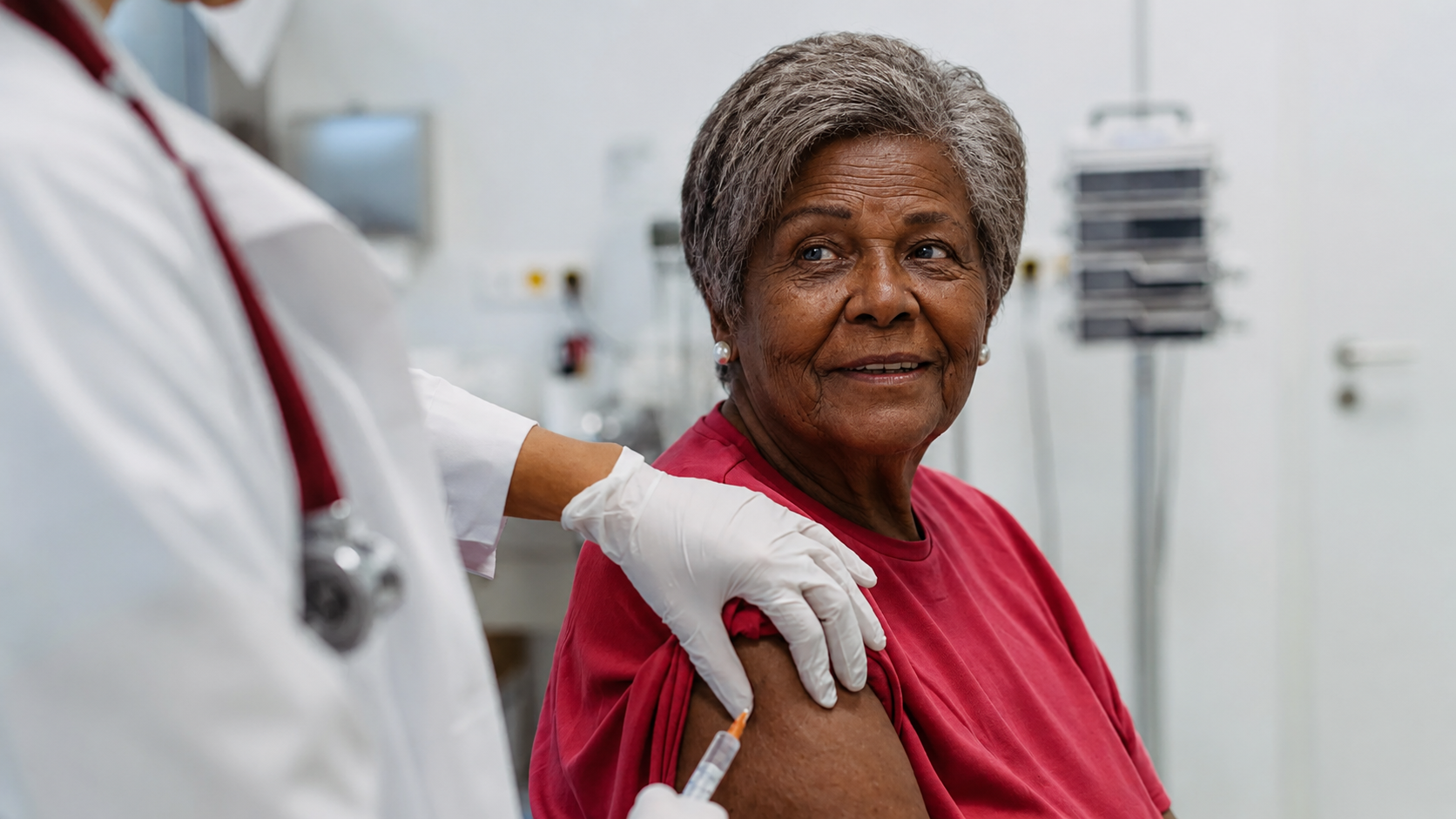
Researchers found that people who received at least one dose of the recombinant shingles vaccine had a 24% lower risk of dementia compared with those who were not vaccinated.
The study analysed health records and Medicare data from more than 500,000 adults aged 66 and older who had been admitted to skilled nursing facilities.
The research focused on 509,926 people admitted to more than 5,500 skilled nursing facilities across the United States between 2017 and 2022. Among them, 8,843 received the Shingrix vaccine.
After four years of follow-up, dementia was diagnosed in 18.8% of vaccinated participants, compared with 24.6% among those who remained unvaccinated.
Researchers estimated that the difference could translate to approximately one dementia case potentially prevented for every 17 people vaccinated.
The study was led by Kaley Hayes, an assistant professor at Brown University’s School of Public Health, together with researchers from Brown University, the University of Delaware, the Providence Veterans Affairs Medical Center and other institutions.
The researchers used a method known as target trial emulation, which attempts to reproduce some of the conditions of a randomised clinical trial using existing health data. Participants were eligible for shingles vaccination and had no previous diagnosis of dementia.
The findings add to previous research that has also observed a relationship between shingles vaccination and a lower risk of dementia. Scientists say this has raised the possibility that vaccines designed to prevent infections could have additional effects on brain health.
However, researchers caution that the findings should not be interpreted as proof that the shingles vaccine prevents dementia.
Because the study was observational, it cannot establish a direct cause-and-effect relationship.
People who received the vaccine were generally slightly younger and healthier than those who did not, although researchers adjusted their analysis for these differences and found that they did not fully explain the association.
Further research, particularly clinical trials, will be needed to determine whether Shingrix itself directly reduces the risk of dementia.
The study was published in the Annals of Internal Medicine. The researchers also disclosed that the study received funding from GlaxoSmithKline, the manufacturer of Shingrix, although they reported that the company had no control over the study’s design, analysis or publication decision.
A new study suggests that the Shingrix shingles vaccine may be associated with a lower risk of dementia among older adults.
According to PEOPLE, sources close to Harry say he “never really stopped missing home,” despite establishing a new life with Meghan in California.
The couple are planning to establish a private home in the UK while maintaining their residence in Montecito, California.
Their children are expected to begin school in Britain in September, making the move an important step in reconnecting the family with Harry’s home country.
The return also comes as Harry continues his involvement with charitable activities and prepares for the 2027 Invictus Games, which will be held in Birmingham.
The decision represents a change from Harry’s previous position on bringing his family back to Britain.
In May 2025, he told the BBC that he could not imagine returning to the UK with Meghan and their children, citing concerns about security.
However, sources say circumstances have changed, and the idea of spending more time in Britain has been developing for about a year.
For Meghan, the move is also connected to new professional opportunities.
She is reportedly preparing to return to acting, nearly a decade after leaving the profession. Her work is said to be among the factors making the family’s extended stay in the UK possible.
The move could also bring Harry closer to his father, King Charles III. Harry, Meghan and their children privately reunited with Charles in July, marking the first time the King had seen Archie and Lilibet in more than four years.
The meeting was viewed as a positive development in the relationship between father and son.
Harry’s relationship with his brother, Prince William, remains more complicated.
The two brothers have been estranged for years, and there is no indication that the UK return will immediately resolve their differences.
However, being closer geographically could create opportunities for their relationship to improve over time.
The Sussexes are not returning as working royals. They will continue their lives as private individuals while maintaining their connections and activities in the United States.
Prince Harry and Meghan Markle are set for major UK return with their children.
Researchers from Columbia University Vagelos College of Physicians and Surgeons found that the production of new neurons, a process known as neurogenesis, appears to stall in the hippocampus of adults with major depressive disorder.
The hippocampus is a region of the brain involved in memory and emotional responses. It is also one of the few areas of the adult brain where new neurons continue to develop.
The findings suggest that reduced production of these neurons could affect the brain’s ability to distinguish new experiences from memories of previous negative experiences.
This process, known as pattern separation, helps people recognize that similar situations are not necessarily the same.
For example, someone may have lunch with a friend who happens to be unusually quiet.
A healthy pattern separation process can help the person understand that the situation is different from previous experiences of rejection.
When pattern separation is impaired, however, the new experience may become mixed with painful memories, potentially leading to a more negative interpretation.
Researchers said newly formed neurons may help the brain create separate circuits for new memories, allowing people to respond to current experiences without automatically connecting them to previous negative events.
However, they stressed that the exact mechanism, particularly in humans, is not yet fully understood.
The study also found that depression affects more than the production of new neurons.
Researchers identified molecular changes across the hippocampal circuit, including genes involved in creating connections between brain cells, communication between neurons, energy production and the movement of materials inside cells.
The researchers also found signs of inflammation and cellular stress in the brain circuits involved in forming new emotional memories.
To investigate these changes, the team examined nearly half a million brain cells collected from people with depression and people without the condition shortly after their deaths.
Using advanced techniques, researchers analyzed gene activity in individual cells and examined changes in cellular proteins.
This allowed them to identify changes occurring in specific cells and locations within the hippocampus.
The researchers also found changes in genes previously associated with major depression, while some other changes appeared to involve epigenetic mechanisms.
Epigenetic changes can influence how strongly genes are switched on or off without changing the underlying DNA sequence. Researchers said these mechanisms can be affected by factors including stress, learning, ageing and environmental exposures.
According to the researchers, the wide range of biological changes observed could help explain why depression can affect people differently.
The findings could eventually contribute to new approaches to treating depression. Researchers are particularly interested in whether restoring neurogenesis could help some people by changing how the hippocampus processes memories.
However, the study does not mean that scientists have found a single cause of depression or that treatments capable of restoring neurogenesis are currently available.
Instead, researchers say the findings could help move the understanding of depression beyond the traditional focus on neurotransmitters such as serotonin and toward a more detailed understanding of the cellular and molecular changes involved.
The team also hopes that depression could eventually be classified according to its biological and molecular characteristics, potentially allowing treatments to be tailored to different forms of the disorder.
Scientists found changes in brain cell growth among people with depression.
Researchers found that supercentenarians, people aged 110 and above, have unusually high levels of a specialised immune cell known as CD4 cytotoxic T lymphocytes, or CD4 CTLs.
These immune cells can destroy abnormal cells and are involved in the body’s defence against infections and potentially cancerous cells.
The study, published in Cell Reports, examined blood samples from 28 people divided into three age groups: adults aged 70 to 99, those aged 100 to 109, and people aged 110 or older.
Researchers found that the proportion of CD4 CTLs increased with age. They accounted for about 4% of the relevant T cells among people aged 70 to 99, compared with 9.6% among those aged 100 to 109 and 17.6% among people aged 110 and above.
The researchers also found evidence that these immune cells undergo clonal expansion, meaning individual immune cells multiply to produce large numbers of genetically similar cells.
In one participant, a single clone accounted for more than half of all CD4 CTLs detected in the blood.
Some of the dominant immune-cell sequences were similar to sequences found in people with certain cancers, including lung, breast and liver cancer.
However, none of the supercentenarians studied had been diagnosed with those cancers.
Scientists caution that the findings do not prove that CD4 CTLs are responsible for exceptional longevity. The study was relatively small and focused on immune cells in blood.
Researchers now plan to investigate how these cells behave in different tissues.
The findings offer another clue into the biological mechanisms that may allow some people to remain healthy well beyond 100 years.
A new study has found unique immune cells in people who live beyond 110
According to a Reuters analysis published on August 25, 2026, about 43% of global oil production is now linked to countries affected by conflict.
The situation has been worsened by the war involving Iran, alongside ongoing conflicts and disruptions in other major oil-producing countries, including Russia, Libya and Venezuela.
The developments have placed significant pressure on global oil supplies, refining capacity and fuel markets, raising concerns about higher energy prices and prolonged shortages.
The conflict involving Iran has particularly affected oil transportation through the Strait of Hormuz, one of the world’s most important energy shipping routes.
The waterway previously handled a significant share of global crude oil and liquefied natural gas shipments.
Although some oil continues to move through the region, the security risks have increased transportation costs and forced energy companies and governments to look for alternative routes.
The crisis is also affecting oil refining. Ukrainian attacks on Russian energy infrastructure have reduced Russia’s refining capacity, while damage and disruptions in the Middle East have further tightened supplies of refined fuels.
Reuters reported that Russia has also restricted fuel exports because of domestic supply concerns, adding another layer of pressure to an already strained global market.
The impact is being felt beyond crude oil. Shortages of refined products such as diesel and gasoline have pushed fuel prices higher in several markets.
The International Energy Agency has responded by releasing emergency oil reserves in an effort to compensate for disrupted supplies.
However, global inventories have continued to decline, reducing the buffer available to protect consumers from further shocks.
The Strait of Hormuz remains a major concern. Gulf countries have explored alternative routes and pipelines to reduce their dependence on the waterway, but building or expanding such infrastructure takes time.
Energy companies are also facing higher transportation and insurance costs because of the security risks surrounding major shipping routes.
The situation has already contributed to elevated oil prices and growing concerns about inflation.
If disruptions continue, analysts warn that the pressure could spread further through the global economy as higher energy costs raise transportation, manufacturing and consumer prices.
For countries that rely heavily on imported fuel, prolonged disruptions could be particularly challenging.
The crisis therefore represents more than a regional conflict. With around 43% of global oil production now connected to conflict-affected countries, instability in several major energy-producing regions has created an unusually fragile global oil market.
As the Iran war enters its sixth month, the ability of producers to maintain supplies and of governments to keep alternative energy routes open will be critical in determining how much longer the global energy market can withstand the pressure.
Nearly 43% of global oil production comes from conflict-affected countries.
The study, published in the Journal of Hepato-Biliary-Pancreatic Sciences, examined 339 patients who underwent surgery for pancreatic ductal adenocarcinoma at Hiroshima University Hospital between 2014 and 2022.
All patients received dental examinations before surgery, during which researchers recorded their number of natural teeth and assessed the contact between their back teeth.
Researchers found a substantial difference in survival between patients with different numbers of natural teeth.
Those with 21 or more natural teeth had a median overall survival of 60.7 months, compared with 39.1 months among patients with 20 or fewer teeth.
The association remained statistically significant even after researchers adjusted for important factors that can influence pancreatic cancer outcomes, including tumour stage, lymph node metastasis, surgical margins, chemotherapy and nutritional status.
The researchers found that chewing function itself was not independently associated with survival. This suggests that tooth count may reflect more than a person’s ability to chew.
Kenichiro Uemura, an associate professor at Hiroshima University and corresponding author of the study, said tooth loss may reflect the effects of long-term inflammation, frailty, nutritional condition, lifestyle factors and overall systemic vulnerability accumulated over many years.
The researchers therefore suggest that the number of natural teeth could serve as a simple marker of a person’s broader health and resilience.
The researchers stress that the study does not prove that having more teeth directly improves survival.
It was conducted at a single medical centre and involved patients of Japanese ethnicity, meaning the findings need to be validated through larger, multicentre and international studies.
The team also plans to investigate the possible biological links between oral bacteria, chronic inflammation and pancreatic cancer progression.
Researchers hope that oral health assessments could eventually become part of personalized risk assessment and care for pancreatic cancer patients.
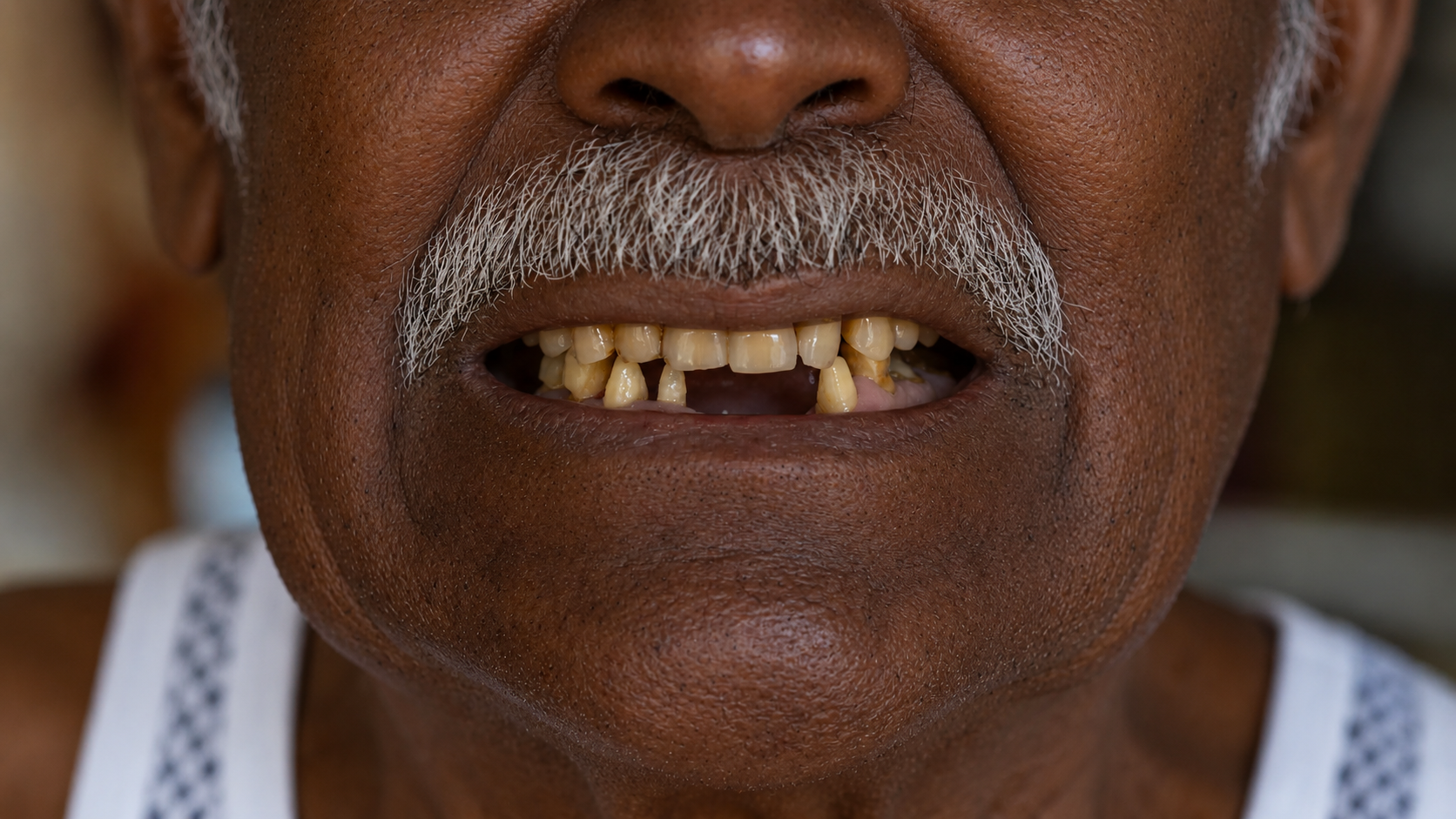
More natural teeth have been linked to longer survival after Pancreatic Cancer Surgery.