The study, published in the Journal of Hepato-Biliary-Pancreatic Sciences, examined 339 patients who underwent surgery for pancreatic ductal adenocarcinoma at Hiroshima University Hospital between 2014 and 2022.
All patients received dental examinations before surgery, during which researchers recorded their number of natural teeth and assessed the contact between their back teeth.
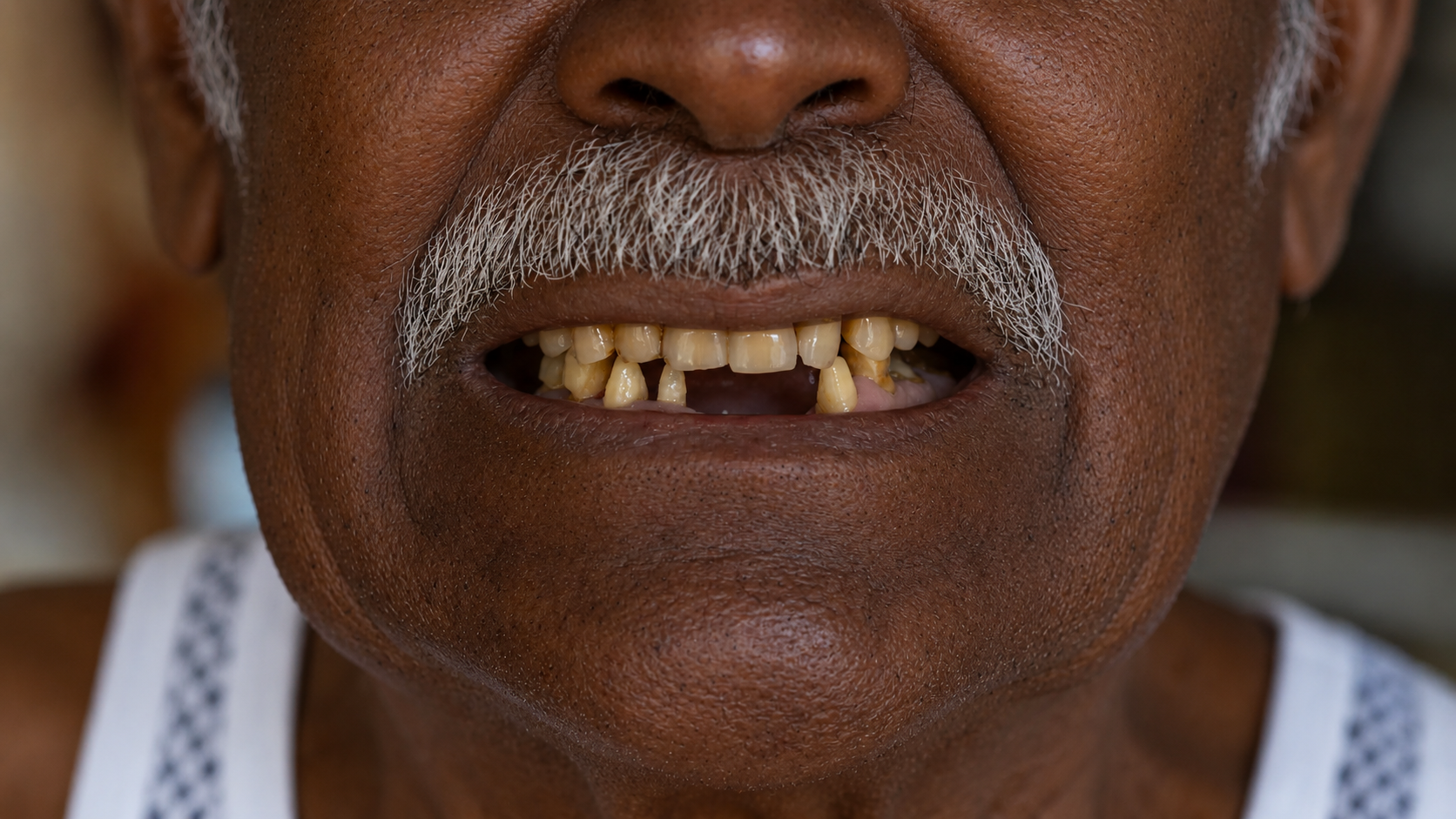
Researchers found a substantial difference in survival between patients with different numbers of natural teeth.
Those with 21 or more natural teeth had a median overall survival of 60.7 months, compared with 39.1 months among patients with 20 or fewer teeth.
The association remained statistically significant even after researchers adjusted for important factors that can influence pancreatic cancer outcomes, including tumour stage, lymph node metastasis, surgical margins, chemotherapy and nutritional status.
The researchers found that chewing function itself was not independently associated with survival. This suggests that tooth count may reflect more than a person’s ability to chew.
Kenichiro Uemura, an associate professor at Hiroshima University and corresponding author of the study, said tooth loss may reflect the effects of long-term inflammation, frailty, nutritional condition, lifestyle factors and overall systemic vulnerability accumulated over many years.
The researchers therefore suggest that the number of natural teeth could serve as a simple marker of a person’s broader health and resilience.
The researchers stress that the study does not prove that having more teeth directly improves survival.
It was conducted at a single medical centre and involved patients of Japanese ethnicity, meaning the findings need to be validated through larger, multicentre and international studies.
The team also plans to investigate the possible biological links between oral bacteria, chronic inflammation and pancreatic cancer progression.
Researchers hope that oral health assessments could eventually become part of personalized risk assessment and care for pancreatic cancer patients.
More natural teeth have been linked to longer survival after Pancreatic Cancer Surgery.
The move marks a fresh escalation in trade tensions between US President Donald Trump and Canadian Prime Minister Mark Carney, despite several days of intensive negotiations aimed at reaching a deal before the tariff deadline.
US and Canadian trade officials held negotiations in Washington for several days, with hopes of resolving major disagreements over tariffs and access to each other’s markets.
The talks had initially appeared promising. Canadian Trade Minister Dominic LeBlanc said the two countries were “very close” to reaching an agreement.
A proposed deal was expected to reduce tariffs on Canadian-built vehicles from 25% to 15% and cut tariffs on Canadian steel and aluminum to 25%.
However, the negotiations broke down after disagreements over changes proposed by the US side late in the discussions.
Canada said it could not accept the changes, while Washington accused Ottawa of seeking concessions beyond what the United States was prepared to offer.
Following the collapse of the talks, Carney announced that Canada would suspend negotiations with Washington and respond to the new US tariffs with measures on a dollar-for-dollar basis.
The newly imposed US tariffs affect about 5% of Canada’s exports to the United States.
Although most Canadian exports are not covered by the new measures, the tariffs could increase costs for businesses and put pressure on affected industries and jobs.
The dispute adds pressure to the broader economic relationship between the two countries and could complicate future negotiations over the United States-Mexico-Canada trade agreement.
The two governments had also been discussing issues including Canadian restrictions on US alcohol sales and rules governing automotive trade.
With the negotiations suspended and no new talks scheduled, businesses on both sides of the border now face increased uncertainty as the latest tariffs take effect.
US has imposed 50% tariffs on Canadian goods after trade talks fail
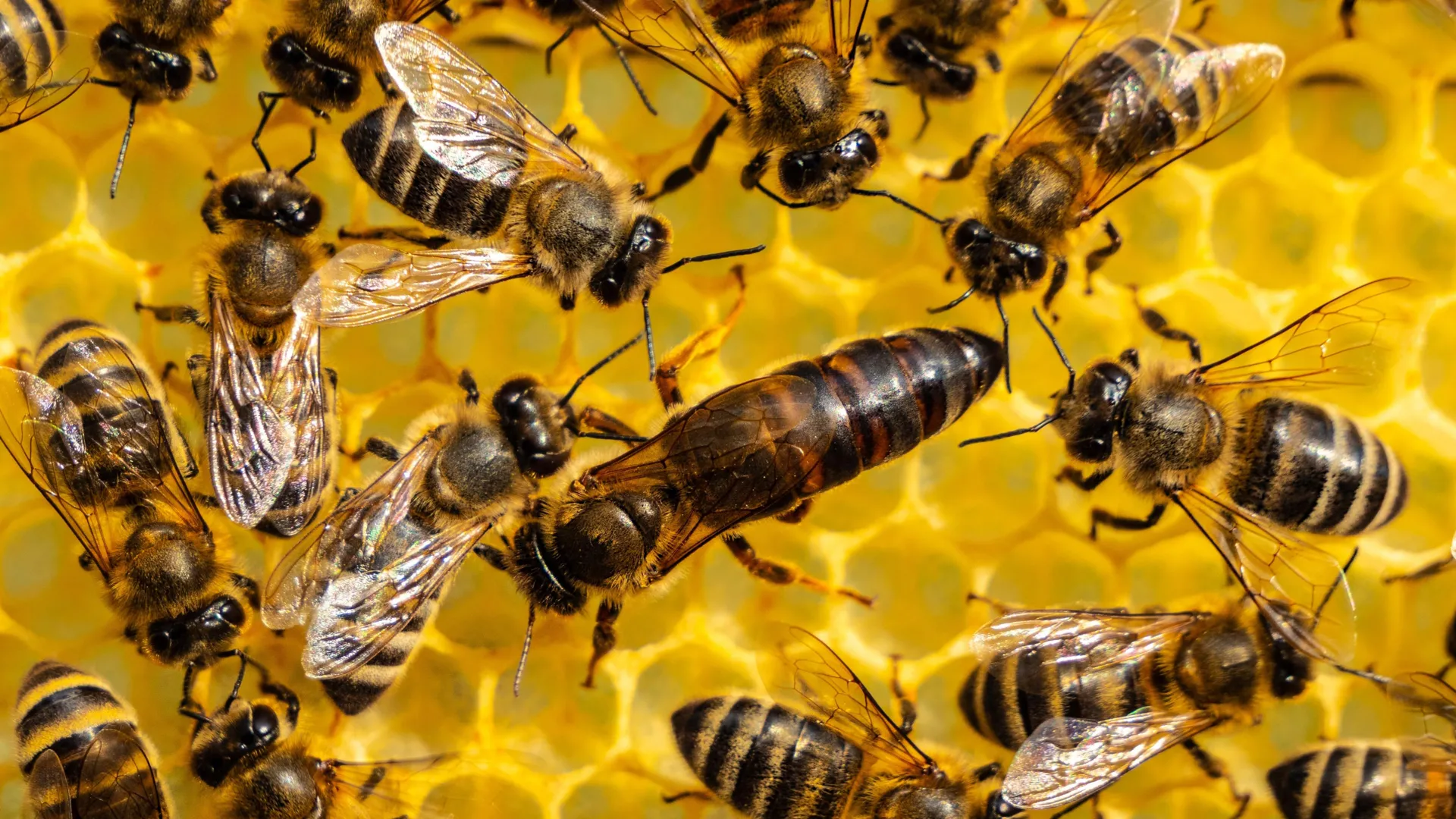
The process, known as maternal offloading, is the first documented evidence of this response in honeybees.
Researchers say it may help queens reduce their own chemical burden, but could expose developing offspring to harmful levels of pesticides. The findings were published in Current Biology.
Worker bees normally protect the colony by filtering contaminants from food before they reach the queen and developing larvae.
However, the study found that this protection can become less effective as pesticide exposure continues.
Researchers created small experimental colonies containing one queen and 60 worker bees.
The bees were given food contaminated with methyl parathion, a pesticide carrying a low-level radioactive marker that allowed scientists to track its movement.
On the first day, workers filtered out 95% of the pesticide and deposited it in the honeycomb.
By the 10th day, their filtering rate had dropped to 86%, suggesting that the colony’s protective system can eventually become overwhelmed.
As pesticide contamination accumulated in the queens, some of it was transferred to their eggs.
Researchers say this could become a serious concern if pesticide levels in eggs become high enough to interfere with normal development.
Sascha Nicklisch, the study’s senior author, warned that there could be a tipping point where heavily contaminated eggs fail to develop properly, potentially contributing to a gradual decline in colony health.
The researchers used biological accelerator mass spectrometry to track extremely small amounts of the pesticide.
They noted that the pesticide concentrations used in the experiment were not lethal and were environmentally relevant.
Honeybee queens can lay between 1,500 and 2,000 eggs per day, making their health essential to colony survival.
Honeybees also pollinate about one-third of the world’s food crops, meaning threats to their colonies could have wider implications for agriculture and food security.
Researchers say further studies are needed to determine how long queens can transfer pesticides to their eggs, the long-term effects on colonies and whether the process occurs with other pesticides.
Honeybee queens transfer pesticides to eggs as colony defences weaken
The announcement was made in a statement issued by WASAC Group on August 21, 2026.
According to the utility, efforts are underway to increase the production capacity of the Kanzenze Water Treatment Plant in Bugesera District and the Nzove Water Treatment Plant in Nyarugenge District.
WASAC said the upgrades are expected to increase water production by a combined 10,000 cubic metres per day within two weeks.
The additional water is expected to improve distribution and reduce the number of days without supply in several areas that have been affected by prolonged shortages, including Kanombe, Ndera, Nyarugunga, Busanza, Kabeza, Rubirizi, Karama, Runda and Rugalika.
WASAC said it is also implementing a number of other projects aimed at increasing water supply in Kigali and neighbouring areas.
Among them is the ongoing expansion of the Nzove Water Treatment Plant in Kigali. The project is expected to increase the plant’s production capacity by 25,000 cubic metres per day before the end of 2026.
“This will be added to the 86,000 cubic metres of water that the plant currently produces per day,” WASAC Group said.
The utility is also expanding the capacity of the Karenge Water Treatment Plant in Rwamagana District.
The plant currently has the capacity to supply 12,000 cubic metres of water per day. WASAC said the expansion is expected to increase this capacity to 48,000 cubic metres per day by 2027.
WASAC said the projects are part of broader efforts to address water shortages across the country.
“As projects to address the water shortage continue to be implemented across the country, we assure Rwandans that we will do everything possible to ensure that water distribution is carried out transparently and that distribution schedules are respected,” the utility said.
WASAC also urged residents to avoid using untreated water from drainage channels, wetlands and other unsafe sources, warning that such water could put their health at risk.
Residents whose areas receive water according to distribution schedules were encouraged to purchase water tanks or other storage facilities to keep sufficient water for use during periods when supply is temporarily unavailable.
Kigali’s daily water supply is expected to increase by 10,000 cubic metres
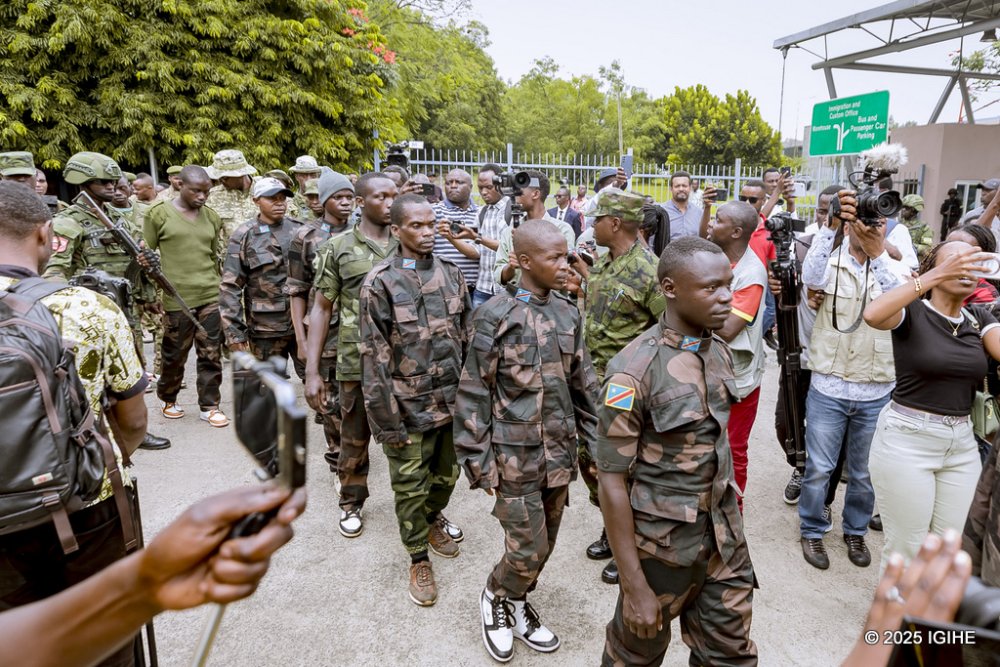
According to a former FDLR official, this belief was sustained through a combination of prophecies, rumours and teachings that circulated within the group for years.
He said the promises of an imminent victory encouraged some fighters to remain in the forests rather than abandon the armed struggle and return to civilian life.
The fighters were reportedly told that the time to “capture Rwanda” was approaching and that signs supporting the prophecy were already emerging. When the predicted victory failed to materialise, however, new explanations and further prophecies were reportedly used to maintain their morale.
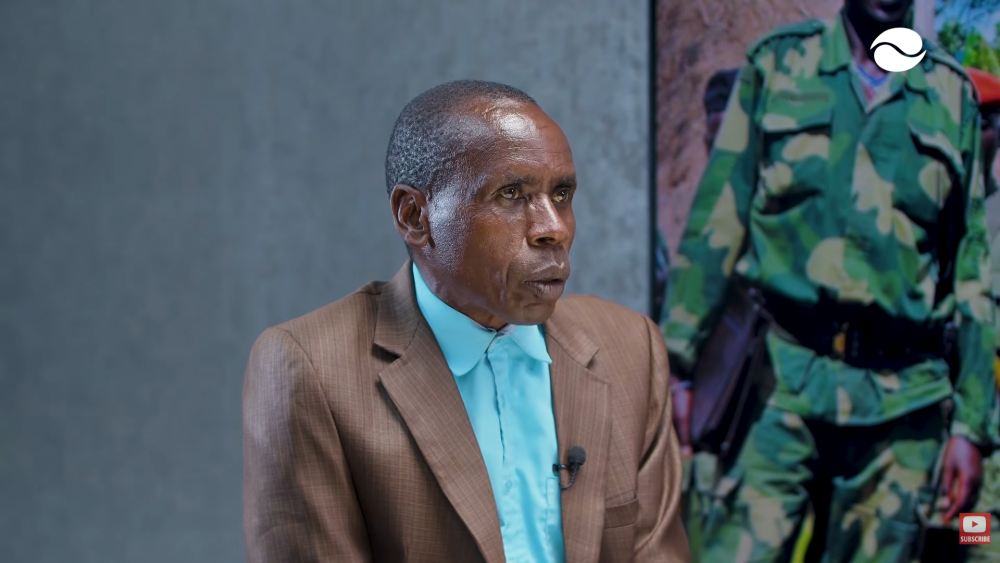
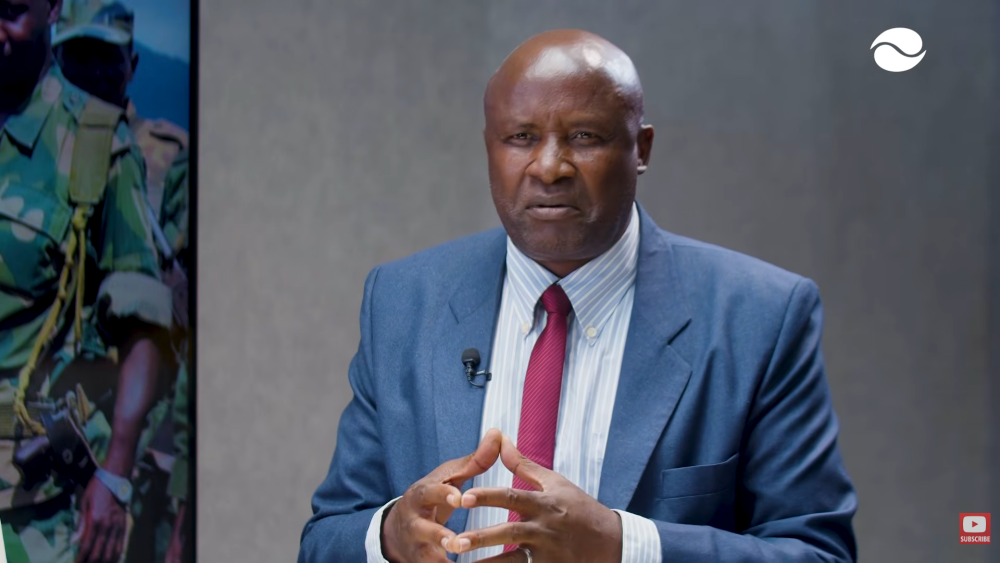
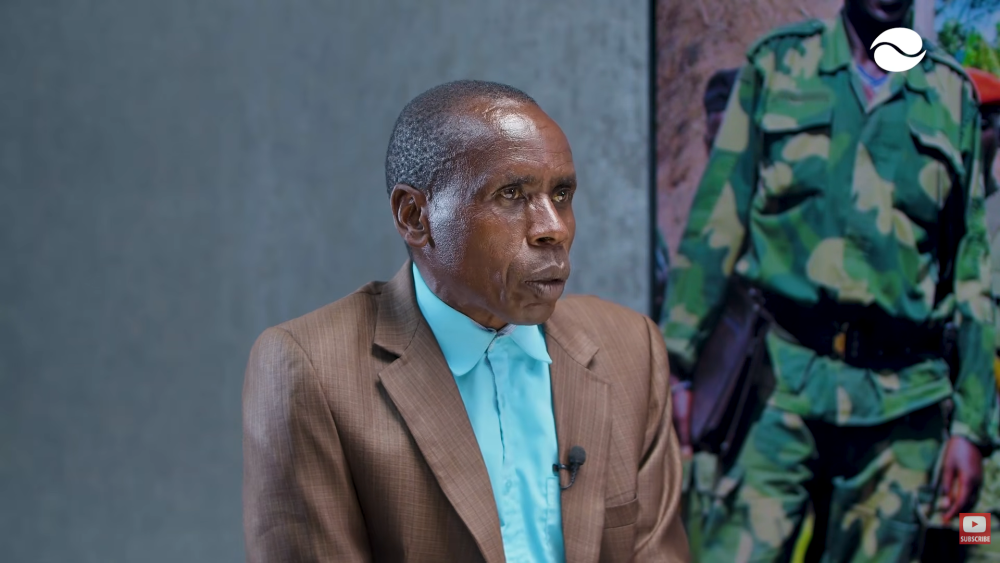
Pastor Niyonzima Jean Damascène, who previously served in the FDLR’s intelligence structures and was also involved in delivering prophecies within the group before returning to Rwanda in 2023, told IGIHE that the practice developed partly as a way of encouraging fighters who lacked the resources and military strength needed to achieve their objectives.
He said former Rwandan government soldiers, commonly known as Ex-FAR, and Interahamwe fighters who remained in eastern DRC had reorganised with the intention of attacking Rwanda but lacked sufficient military equipment.
“The people who remained in the east reorganised themselves so that they could attack Rwanda, but because they did not have the equipment, telling them to attack Rwanda had little effect because they did not have the strength to do so,” he said.
A prophet brought in to boost fighters’ morale
Niyonzima said the group subsequently sought the help of a prominent prophet from Masisi Territory, Nyiraruvugo Taciana, whom he described as a respected figure among local communities.
“To give them strength, there was a prophet named Nyiraruvugo Taciana from Masisi. We called her. She was a well-known person who was respected by the local population, and people believed that she delivered messages from God,” he said.
According to Niyonzima, Nyiraruvugo was brought in because the fighters were more likely to believe the message if it came from someone they regarded as a genuine prophet.
He claimed that the group instructed her to tell the fighters that God had given them Rwanda and that they would succeed if they launched an attack.
“She came and said what we had told her to say. We told her that she had to tell the soldiers that God had given us the country, that we should attack and that we would win. We also told her to say that although we lacked equipment, we would find what we needed once we reached Rwanda, and that this would help us capture the country,” Niyonzima said.
New prophecies after fighters’ defeat
Niyonzima said the FDLR subsequently attacked Rwanda but was defeated.
The defeat, he said, created a challenge for the group’s leadership because fighters had been assured that they would emerge victorious and seize power.
“We were defeated and returned to Congo. We then prepared other prophets because we had established groups of people responsible for prayer,” he said.
According to Niyonzima, the group then sought to explain the failed prophecy by telling fighters that the defeat was not evidence that God had lied.
Instead, he said, the fighters were told that they had failed to fulfil certain obligations and had committed acts that were presented as the reason for their defeat.
“We told those prophets that they had to explain to the people that the defeat did not mean God had lied to them. Instead, it was because there were responsibilities we had been given that we had not fulfilled. Some had become drunk, others had committed adultery, some had stolen, and others had killed innocent people. That was presented as the reason we were defeated,” he said.
Niyonzima said fighters were subsequently told that the prophecy remained valid and that they needed to repent for the alleged wrongdoing before resuming their efforts to attack Rwanda and seize power.
The former FDLR member’s account illustrates how, according to his testimony, religious beliefs and prophecies were allegedly used to maintain morale within the group and encourage fighters to remain committed to its armed struggle despite setbacks and failed predictions.
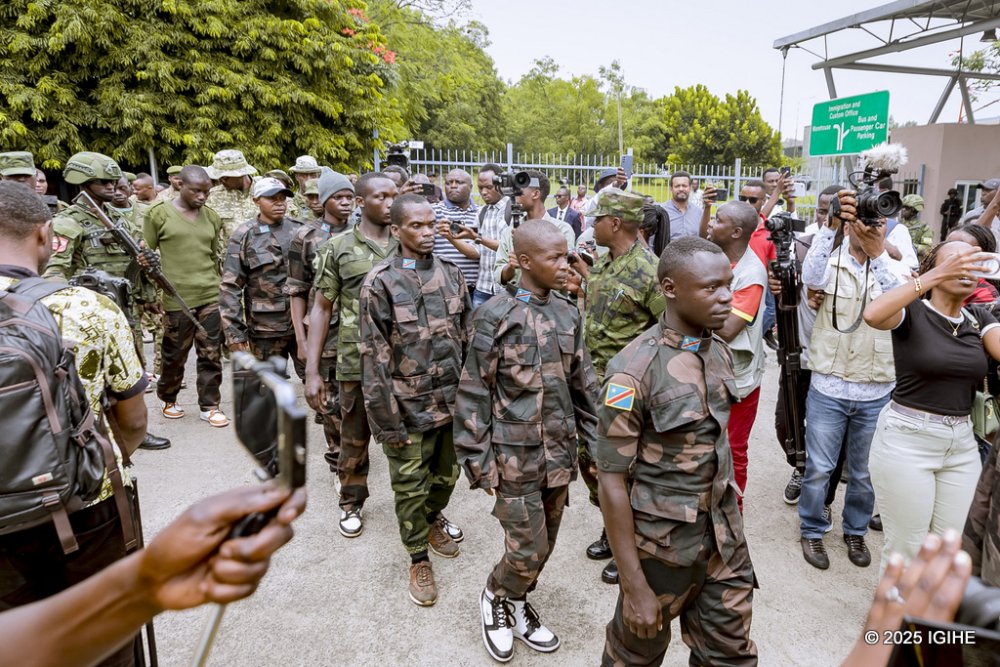
Former FDLR members who returned have undergone rehabilitation and reintegration into civilian life.
Using prophecies to keep fighters committed to the armed struggle
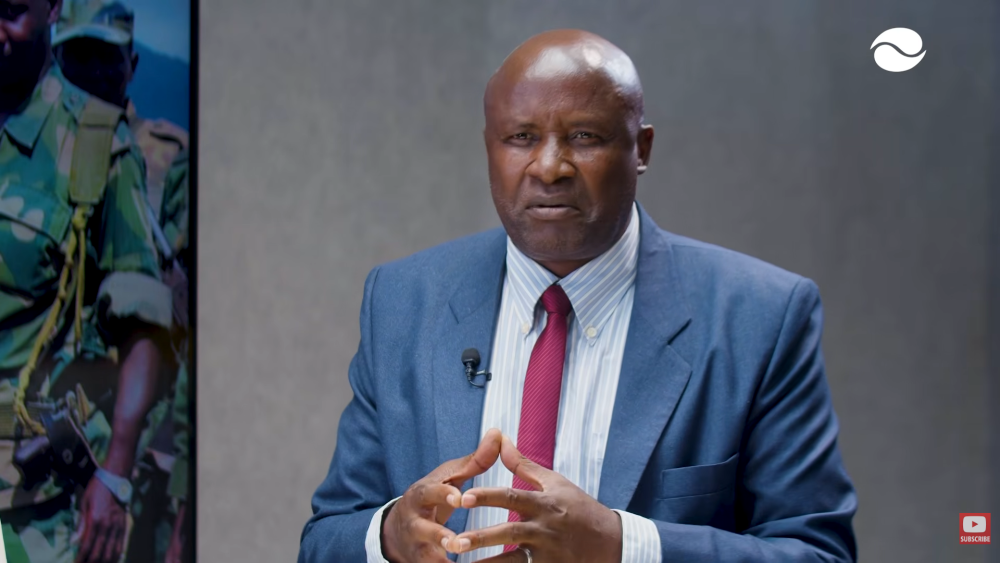
Maj. (Rtd.) Makuza Anastase, who worked closely with FDLR president Lt. Gen. Victor Byiringiro for 19 years in communications before returning to Rwanda in 2020, said the prophecies used within the group had nothing to do with divine messages but were instead decisions made by its leadership.
“We attributed them to God, but in reality, they were decisions made during meetings of the leadership. If an attack on Rwanda was being planned, we needed to prepare the soldiers and refugee population so that they would understand the plan. The decisions made during those meetings would then be presented through prayer gatherings, where people would pray for an operation that was about to be carried out in Rwanda,” he said.
According to Makuza, the prophets would then deliver messages telling fighters that victory was certain.
“They would say, ‘I have seen us capturing Rwanda. I have seen the leaders preparing us to attack Rwanda. We will attack Rwanda and capture it.’ These were fabricated stories. We made them up to deceive people,” he said.
Makuza said FDLR leaders gave special treatment to those presented as prophets and elevated them within the group so that they would not leave and reveal that the prophecies were fabricated.
He said the group also benefited from the arrival in the Democratic Republic of Congo of people accused of involvement in the 1994 Genocide against the Tutsi who had fled Rwanda.
According to Makuza, such individuals could be presented to FDLR fighters and civilians as prophets rather than refugees.
“Let me put it this way: when someone who had committed genocide here and fled justice arrived, we considered that a gain for us. We did not call that person a refugee. We called them a prophet and introduced them to soldiers and civilians by saying, ‘A prophet has arrived,’” he said.
Makuza said those who had fled were instructed not to tell fighters that they were running from justice. Instead, they were expected to claim that they had voluntarily left Rwanda, abandoned everything they owned and joined the FDLR because they believed the time to capture Rwanda was approaching.
“We would take them around to visit soldiers at their positions and civilians, where they would give their testimony. They would then say, ‘God sent me to tell you to prepare yourselves.’ They had fled justice, but we did not want them to be seen as refugees,” he said.
‘Oracle du Seigneur’ attack
In 2001, FDLR fighters launched a major attack on Rwanda that they called ‘Oracle du Seigneur’, meaning “Oracle of the Lord.”
Makuza said the attack was based partly on prophecies used to convince fighters that they were going to capture Rwanda.
“That attack was called ‘Oracle du Seigneur.’ We had prepared prophets to tell the fighters that the time had come to attack Rwanda. We knew what we had planned and that we were going to fight, but those we were leading believed they were taking part in a plan ordained by God,” he said.
Makuza said many FDLR fighters were captured during the operation, while those who survived returned to the DRC.
He said the surviving fighters were then brought together for morale-building sessions accompanied by prayers. According to him, prophets told them that the attack had failed because the fighters had committed sins, including sexual misconduct.
Pastor Niyonzima Jean Damascène also recalled an occasion when he and other FDLR fighters were preparing to launch a major attack on Rwanda.
He said that when they reached the Virunga area, they stopped to pray, during which prophets allegedly claimed they had seen the Gisenyi-Ruhengeri road captured.
“There was a time when we reached the Virunga area and stopped to pray. The prophets said, ‘We can see that the Gisenyi-Ruhengeri road has been captured. We can see soldiers moving towards Kigali.’ I remained in the Virunga area, while the soldiers we had travelled with had come from Rutshuru. There were about 2,000 soldiers, but we returned with no more than 50. The others were either captured or killed,” he said.
Former members urge fighters to leave the FDLR
Makuza and Niyonzima both described the prophecies used within the FDLR as fabricated messages intended to influence fighters and maintain their morale.
They urged those who remain in the group, particularly young fighters, to stop relying on such messages and to reject what they described as manipulation by older members.
They called on FDLR members to abandon the armed group, return to Rwanda and rebuild their lives, following the example of former fighters who have already returned and begun new lives.
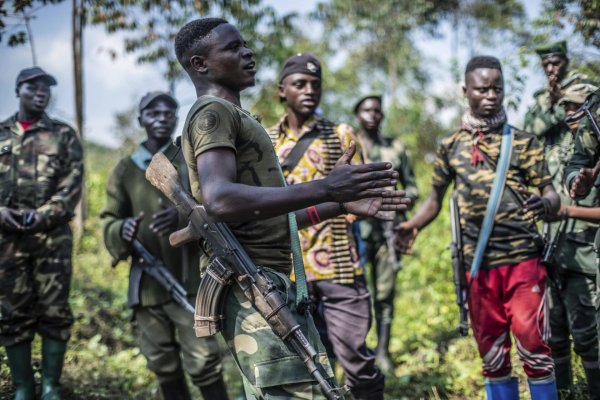
Pastor Niyonzima Jean Damascène said that the FDLR’s use of prophecies began with Nyiraruvugo Taciana, a well-known prophet from Masisi.Young FDLR fighters are misled by self-proclaimed prophets who promise that they will capture Rwanda, keeping them in the forests of the DRC because of that belief.Maj. (Rtd.) Anastase Makuza said FDLR leaders knew the prophecies were fabricated, while young fighters believed their attacks were part of God’s plan.
Despite these efforts, the terrorist group has survived, rebuilt its ranks and continued to play a significant role in the conflicts that have plagued eastern DRC.
The Congolese government has once again pledged to dismantle the FDLR under agreements that would require its fighters to lay down their weapons, relocate to designated camps and eventually return to civilian life.
However, former members of the FDLR interviewed by IGIHE say similar promises have been made before without producing lasting results.
They allege that Kinshasa’s previous efforts to neutralise the group were often accompanied by political manoeuvring and that the same pattern could continue under the latest arrangements.
Pastor Niyonzima Jean Damascène, who previously worked in intelligence and reconnaissance for the FDLR before returning to Rwanda in 2023, told IGIHE that the group’s relationship with successive governments in Kinshasa dates back decades.
He said that when tensions escalated between the government of Laurent-Désiré Kabila and Rwanda, Kabila sought the support of former Rwandan government soldiers, commonly referred to as Ex-FAR, and Interahamwe militia who had fled to different African countries.
According to Niyonzima, the groups reached an agreement to cooperate militarily and pursue a common objective against Rwanda.
“At that time, they agreed to work together against the Tutsis. After defeating them, they would push them out and help them capture Rwanda. That agreement is still in place today because some forces have left the FDLR and joined the FARDC. They include generals, colonels and others who have joined,” he said.
Joseph Kabila succeeded his father, Laurent-Désiré Kabila, as president of the DRC in 2001.
Niyonzima said Joseph Kabila later sought to relocate FDLR fighters within the country because of disagreements with the group. In 2002, he said, the fighters were placed in camps but were not fully disarmed.
According to Niyonzima, a major development came in 2003 when Congolese forces pursued FDLR fighters who had been based in Kamina. The fighters subsequently moved towards eastern DRC, where they joined other members of the group.
Niyonzima alleged that Congolese forces sometimes staged operations against the FDLR while maintaining an understanding with its commanders.
He claimed commanders on both sides would communicate before an operation, allowing FDLR fighters to withdraw before Congolese troops arrived.
“If one commander had worked with another commander, and one of them was sent to the east to fight the FDLR, he could not actually fight us. He would tell us, ‘We are going to attack this place. Leave because we are coming and we will burn it,’” he said.
He claimed that Congolese forces would then carry out the operation to create the impression that they had defeated the FDLR.
“They would actually come and burn the area, but because we had agreed beforehand, we would have already left. They would burn houses to show that they had carried out an operation, but they would leave equipment behind. When we returned, we would find the equipment they had left for us. That is what we used,” he said.
Maj. (Rtd.) Makuza Anastase, who worked closely with FDLR president Lt. Gen. Victor Byiringiro before returning to Rwanda in 2020, also claimed that the FDLR maintained relationships with successive governments in Kinshasa.
He said public announcements that the Congolese government was preparing to dismantle the FDLR did not always reflect what was happening on the ground.
“I think there was a time when you would hear Congo saying that it was going to dismantle the FDLR. That was simply a way of deceiving the international community. In reality, that is not how things happened,” he said.
Makuza alleged that Congolese forces would announce military operations, launch heavy bombardments and instruct FDLR fighters to leave targeted areas before troops arrived.
“They would tell us to leave, we would leave, and then they would arrive and burn things to make it appear as though they had taken control of the area. Afterwards, they would leave,” he said.
He further alleged that the troops sometimes left ammunition and food behind for FDLR fighters.
According to Makuza, messages were also allegedly left on trees for FDLR fighters, including one that read: “Our enemy is one, it is Rwanda.”
Why Kinshasa continues to rely on the FDLR
The administration of President Félix Tshisekedi, which succeeded Joseph Kabila’s government, has at times characterised the FDLR as a group largely composed of elderly fighters and therefore lacking the capacity to pose a serious security threat to Rwanda.
Makuza disputed that description, arguing that the FDLR has evolved over generations.
“An elderly person is someone who fled when he was already old. I am also getting older. But haven’t I had children? Didn’t others have children? We reached there and had children, those children grew up, and others are still being born. The FDLR is not made up of elderly people because it does not belong to one, two or three people. There are many of them. Those who went there as children and those who were born there are all part of the FDLR,” he said.
Makuza argued that elderly fighters represent only a small proportion of the group and claimed that its ranks increasingly include younger people who were born into families linked to its founders.
Niyonzima and Makuza both argued that the Congolese government has continued to rely on the FDLR because they consider its fighters more experienced and more willing to engage in combat than many Congolese troops.
Niyonzima said Kinshasa has particularly turned to the FDLR whenever its forces face significant military pressure.
“Kinshasa often turns to the FDLR, especially when it is under pressure. Since 1998, whenever it faced difficult situations, that is what happened. When M23 first emerged, Congo also relied on the FDLR, and it has done so again recently,” he said.
FDLR and Wazalendo cooperation
Niyonzima said cooperation between the Congolese government and the FDLR has become more visible in recent years, particularly through the broader alliance involving Wazalendo militia.
He claimed that FDLR-linked fighters and other armed groups have been deployed alongside Congolese forces in battles against AFC/M23.
“They fought during the first M23 rebellion, and now they are openly working together against the current M23. They have hidden behind the term Wazalendo. There are groups that the FDLR helped establish. Nyatura is one of them. The FDLR trained them and provided them with equipment,” Niyonzima said.
He said FDLR and Nyatura fighters are often deployed to areas where fighting is particularly intense because, in his view, they have more battlefield experience than regular Congolese troops.
“Where the FDLR and Nyatura are deployed, it becomes difficult for M23 to dislodge them. The Congolese government sees that these are fighters and thinks, ‘If I remove these people, I will lose a lot. I will not have this kind of strength again,’” he said.
According to Niyonzima, when fighting intensifies, Congolese forces provide FDLR and other Wazalendo members with equipment to help them confront AFC/M23 fighters.
Maj. (Rtd.) Makuza Anastase said claims that the FDLR is made up only of elderly fighters are false, arguing that the group is predominantly composed of young combatants.Pastor Niyonzima said that whenever FARDC forces planned to attack the FDLR, they would warn the group in advance so its fighters could withdraw from their positions.
The telecommunications company is among the businesses supporting Rwanda’s development and its ambition to become a technology hub by providing fast and reliable internet services.
Beyond its core business in technology, Kopa Telecom also seeks to contribute to the well-being of communities through initiatives that promote better health and improve people’s livelihoods.
As part of these efforts, Kopa Telecom is supporting the Friends of World Vision Rwanda Annual Golf Tournament, which will be held at Kigali Golf Resorts & Villas on August 22, 2026.
Speaking to IGIHE, Kopa Telecom’s Head of Marketing and Sales, Rusaro Jesca, said the partnership with World Vision provides the company with an opportunity to strengthen its contribution to communities where it operates.
“We are partners with World Vision in this tournament so that, in the communities where we operate, we can give back and contribute to their development. This includes efforts to combat stunting and malnutrition. This is just the beginning, and we will do much more in the days ahead,” she said.
Rusaro said Kopa Telecom’s internet services mainly target large companies, offices, schools, hotels, financial institutions and other organisations that require fast, stable and reliable connectivity.
She added that the company’s services reach customers across Rwanda, with coverage of 99.8 percent of the country, including remote areas and communities located near Rwanda’s borders.
World Vision organised the golf tournament with the goal of raising $500,000 to support children affected by malnutrition. The funds will support various interventions, including the construction of a modern kitchen to prepare nutritious meals for children, among other initiatives.
As part of its broader programme, World Vision plans to support up to 2.5 million families between 2026 and 2030, with a focus on improving the well-being and living conditions of vulnerable communities.
Kopa Telecom staff explained what sets their internet service apartKopa Telecom Head of Marketing and Sales, Rusaro Jesca, plays golfKopa Telecom representatives also took part in the golf tournament.Kopa Telecom is one of the sponsors of the World Vision golf tournament.
The pop superstar, 36, attended the August 15 wedding of recording engineers Oli Jacobs and Laura Sisk in the United Kingdom.
For the celebration, Swift opted for an elegant sleeveless navy blue dress decorated with gold floral appliqués.
She completed the look with a pearl necklace, red lipstick and her engagement and wedding rings.
Her choice of navy blue proved particularly versatile, offering a sophisticated look that works well during the warmer months while also transitioning easily into fall.
The pop superstar, 36, attended the August 15 wedding of recording engineers Oli Jacobs and Laura Sisk in the United Kingdom.
Swift’s outfit stood out for its combination of simplicity and elegant detailing.
The dark navy color provided a polished alternative to brighter summer shades, while the gold floral decorations added a touch of glamour.
The look also came shortly after Swift married NFL star Travis Kelce.
The couple tied the knot in July, making Swift’s appearance at another wedding particularly notable among fans following her fashion choices.
She attended the U.K. ceremony alongside longtime friends and collaborators, including singer Sabrina Carpenter and songwriter and producer Jack Antonoff.
The wedding was held at Peter Gabriel’s Real World Studios in Gloucestershire.
For fans inspired by Swift’s look but unwilling to spend heavily on designer fashion, People highlighted several more affordable alternatives available on Amazon.
The recommended dresses begin at about $37 and feature elements similar to Swift’s outfit, including flattering silhouettes, smocked waists, ruffle details and sophisticated necklines.
The alternatives are designed to work for different body types and occasions, making them suitable not only for weddings but also for other summer and early fall events.
Some can also be easily packed for travel, adding practicality to their appeal.
Swift’s latest wedding guest appearance once again demonstrates her ability to turn a simple fashion choice into a trend, with her navy and gold ensemble offering an elegant option for anyone looking to transition their wardrobe from summer into fall.
Swift’s latest wedding guest appearance once again demonstrates her ability to turn a simple fashion choice into a trend.
The tariffs were scheduled to take effect at midnight on August 19 and would have affected about $20 billion worth of Canadian imports.
Trump announced the three-day pause on August 18, saying the United States and Canada had reached a deal subject to the finalization of documents.
However, Carney gave a more cautious assessment, saying that “substantial progress” had been made but that important work remained.
The Canadian government did not publicly confirm the details of an agreement announced by Trump.
The two leaders spoke on Tuesday afternoon, marking their second conversation of the week as negotiators worked to resolve the remaining trade disagreements.
According to the U.S. Trade Representative’s office, the proposed agreement would include broader market access for American goods, economic security commitments and alignment on digital trade.
Trump also said Canada had committed to addressing U.S. concerns over Canadian duties on dairy products, alcoholic beverages and motor vehicles.
The trade dispute has created significant uncertainty for Canadian businesses.
The proposed tariffs would have affected products including wine, dairy goods and other imports, with industry groups warning that higher costs could lead to job losses and business closures.
A major disagreement has involved the automotive sector, particularly how North American content in vehicles assembled in Canada should be treated when calculating tariff deductions.
Trump also suggested that the Keystone XL oil pipeline, which was cancelled by former U.S. President Joe Biden in 2021, could potentially be revived, although he provided no details linking the project to the emerging trade agreement.
The three-day pause gives negotiators additional time to finalize the outstanding issues.
For Canada, the immediate threat of the new tariffs has been delayed, but the uncertainty remains until the two governments complete and formally confirm their agreement.
Trump has given Canada three more days to seal trade agreement.
The Rwanda Agriculture and Animal Resources Development Board (RAB) said 100,000 hectares will be cultivated using soil conservation practices, while 246,000 hectares will be located in designated Food Basket Sites (FOBASI). Of the FOBASI area, 100,000 hectares will receive special attention.
The plans were announced on Tuesday, August 18, 2026, during an expanded meeting held in the Eastern Province to assess preparations for the 2027A agricultural season and discuss measures to strengthen food security.
The Acting Director General of RAB, Dr. Florence Uwamahoro, said soil conservation farming will be among the key priorities during the upcoming season.
“Soil conservation farming is one of the approaches we want to invest in during this agricultural season. We tested it through research to find ways of addressing the effects of climate change,” Dr. Uwamahoro said.
She explained that the approach allows farmers to protect the soil while preparing their fields for planting.
According to Dr. Uwamahoro, farmers clear the land, make planting holes where crops will be planted, apply manure or fertilizer, and continue with weeding and mulching to improve soil conditions and increase production.
She said RAB has already trained a significant number of people who will work with farmers and help them adopt the soil conservation practices.
Government targets higher production in FOBASI areas
Dr. Uwamahoro said RAB is also targeting a significant increase in production from FOBASI areas.
She explained that the institution aims to double the production recorded last year, which has contributed to the decision to increase the area under cultivation.
Eastern Province Governor Pudence Rubingisa said preparations for the 2027A season have already begun, with authorities placing particular emphasis on soil conservation and ensuring farmers have the necessary inputs before the rainy season.
He said farmers have started being encouraged to register through Smart Nkunganire so that they can access fertilisers and seeds in time.
The aim is to ensure that farmers are ready to plant as soon as adequate rainfall begins, rather than starting preparations only after the rains have arrived.
“We have also set a target of reaching eight tonnes per hectare in both irrigated and rain-fed areas, while for rice, we aim to reach seven tonnes per hectare,” Rubingisa said.
Maize, beans, rice and soybeans among priority crops
The crops expected to receive particular attention during the 2027A season include maize, beans, rice and soybeans.
Authorities have also urged people who own large areas of farmland but do not cultivate them to allow other residents to use the land for farming.
The measure is intended to increase the amount of land under cultivation and contribute to higher agricultural production.
The preparations for the 2027A season are part of Rwanda’s broader efforts to improve agricultural productivity, strengthen food security and help farmers adapt to the effects of climate change.
Rwanda is set to cultivate 760,000 hectares during the 2027A Agricultural Season