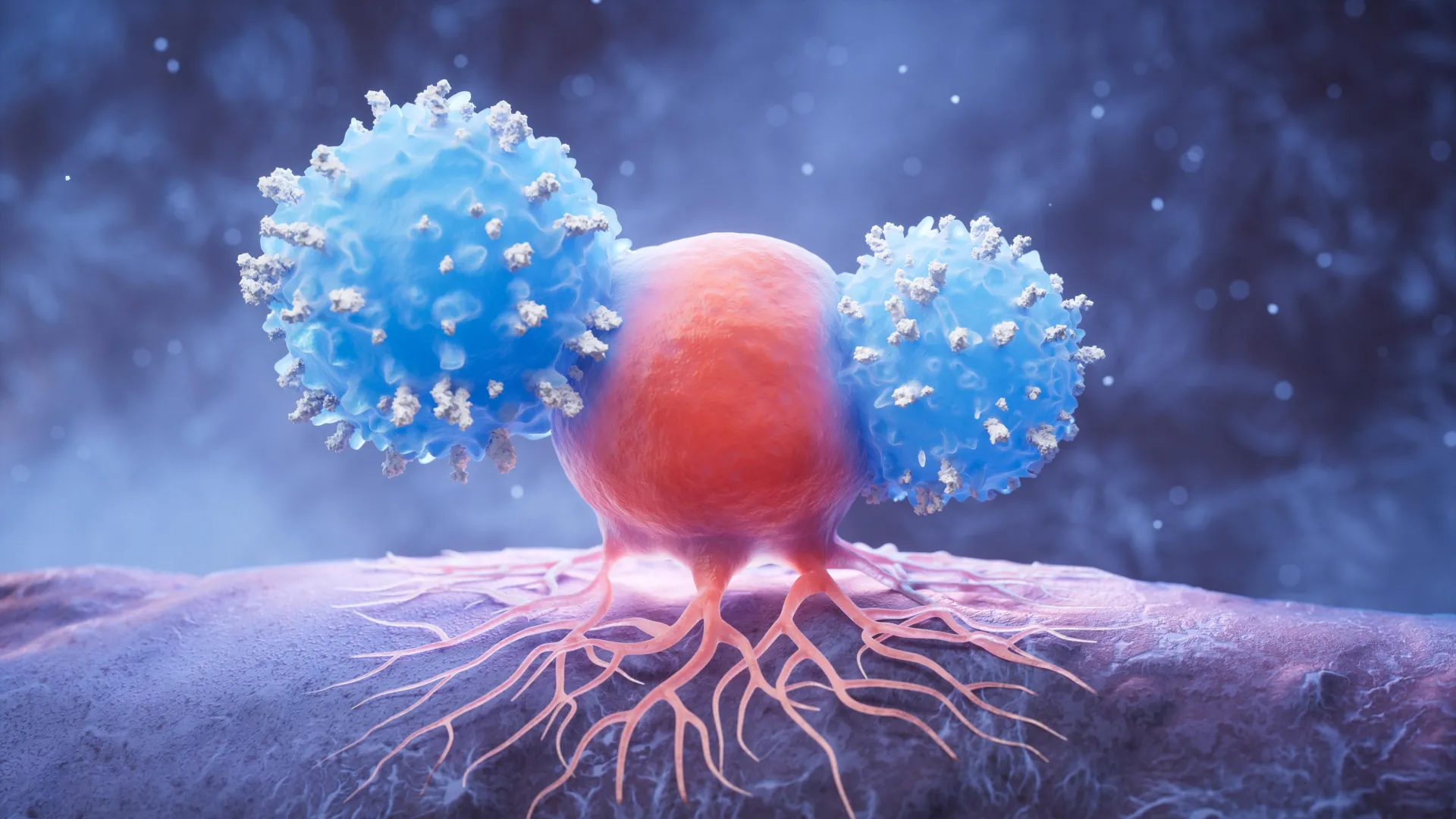
Researchers found that supercentenarians, people aged 110 and above, have unusually high levels of a specialised immune cell known as CD4 cytotoxic T lymphocytes, or CD4 CTLs.
These immune cells can destroy abnormal cells and are involved in the body’s defence against infections and potentially cancerous cells.
The study, published in Cell Reports, examined blood samples from 28 people divided into three age groups: adults aged 70 to 99, those aged 100 to 109, and people aged 110 or older.
Researchers found that the proportion of CD4 CTLs increased with age. They accounted for about 4% of the relevant T cells among people aged 70 to 99, compared with 9.6% among those aged 100 to 109 and 17.6% among people aged 110 and above.
The researchers also found evidence that these immune cells undergo clonal expansion, meaning individual immune cells multiply to produce large numbers of genetically similar cells.
In one participant, a single clone accounted for more than half of all CD4 CTLs detected in the blood.
Some of the dominant immune-cell sequences were similar to sequences found in people with certain cancers, including lung, breast and liver cancer.
However, none of the supercentenarians studied had been diagnosed with those cancers.
Scientists caution that the findings do not prove that CD4 CTLs are responsible for exceptional longevity. The study was relatively small and focused on immune cells in blood.
Researchers now plan to investigate how these cells behave in different tissues.
The findings offer another clue into the biological mechanisms that may allow some people to remain healthy well beyond 100 years.
Leave a Reply