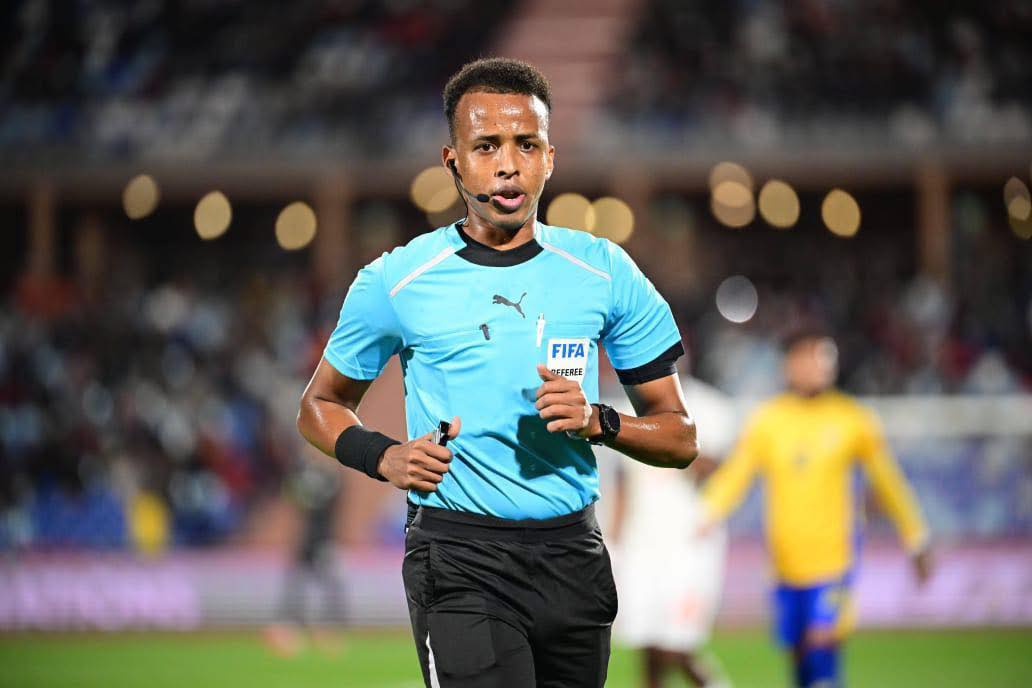
Artan arrived at Miami International Airport on Saturday on a flight from Istanbul and was subjected to additional screening by US Customs and Border Protection (CBP). Following the inspection, authorities determined that he was inadmissible due to unspecified vetting concerns and placed him on a return flight to Turkey.
The 52-year-old was among 52 referees selected by FIFA to officiate at the World Cup, which kicks off on June 11 across the United States, Canada and Mexico.
FIFA confirmed on Monday that Artan would be unable to participate in training or officiate at the tournament.
“FIFA is not involved in host country immigration processes, including visa adjudications,” a FIFA spokesperson said. “In line with previous FIFA events, a host government ultimately determines who receives a visa and who is admitted into their country.”
CBP said all travellers seeking entry into the United States, including athletes, coaches and tournament staff, are subject to inspection and vetting.
“Following inspection, the traveler, a referee for the FIFA World Cup, was determined to be inadmissible due to vetting concerns and was denied entry,” the agency said in a statement.
Officials in Somalia expressed disappointment over the decision. A senior adviser to Somalia’s Ministry of Youth and Sports said Artan had been travelling with valid documents, while a Somali embassy official noted that he had been issued a diplomatic passport to facilitate international travel after experiencing visa-related difficulties in the past.
The case has drawn attention because Somalia remains on President Donald Trump’s travel ban list. While exemptions exist for World Cup athletes and team personnel, those provisions reportedly did not apply to referees.
Artan’s exclusion marks a significant setback for a referee whose rise has been widely celebrated across Africa. In 2025, he was named Africa’s Referee of the Year by the Confederation of African Football and has officiated at major continental competitions, including the Africa Cup of Nations.
Earlier this year, Artan reflected on the challenges he faced pursuing a refereeing career in Somalia.
“At times, I have had to change my route to my local stadium because of explosions in the country,” he said. “You cannot give up as a referee. You have to have a target.”
Despite the setback, Artan struck a positive tone in a statement released on Monday.
“Despite the circumstances, I am in a positive mood and I am focused on the next challenges in my refereeing career,” he said. “I want to thank the football family for their messages and wish my colleagues all the best success during the World Cup.”
Ciise Aden Abshir, a senior adviser to Somalia’s Ministry of Youth and Sports and a former national team captain, said the decision undermined football’s values.
“Denying him entry to the United States and preventing him from officiating scheduled matches harms not only him personally but also undermines football’s commitment to fairness, merit, and the spirit of fair play,” he said.
The incident is the latest controversy surrounding US immigration policies and the World Cup, with concerns previously raised over visa processing delays for some participating nations.

Leave a Reply