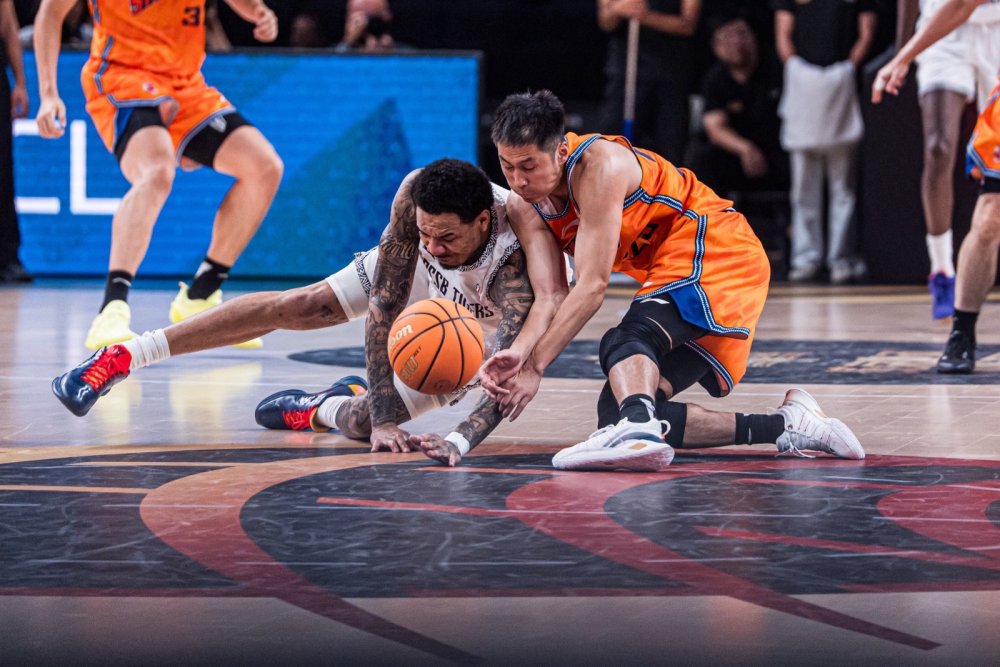
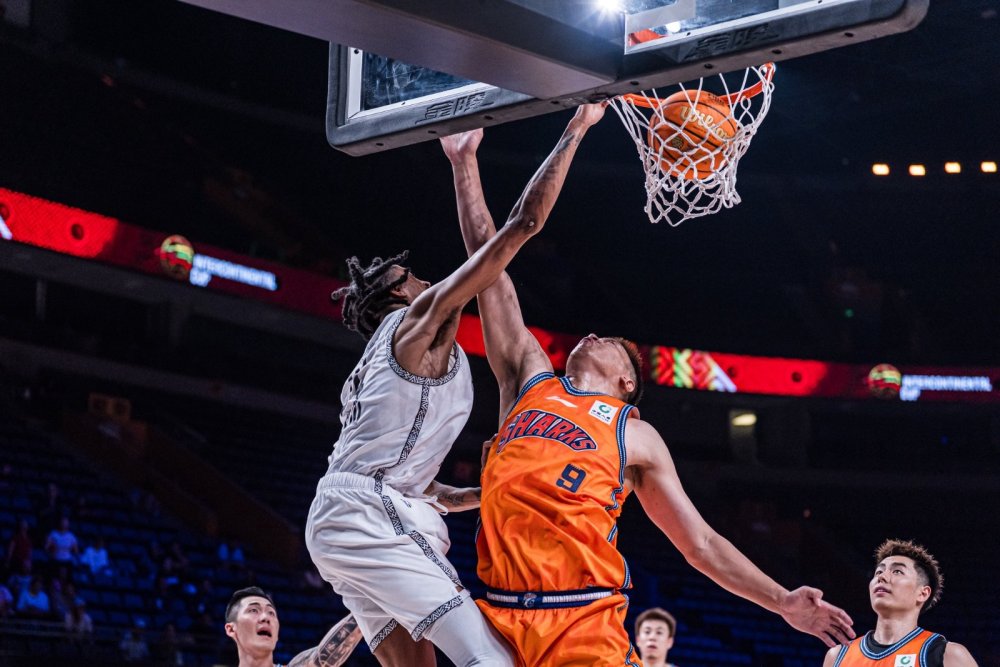
The game went into overtime after the two sides were tied 103-103 at the end of regulation time.
Shanghai Sharks started strongly, taking the first quarter 30-17, before narrowly edging the second quarter 30-29 to build a halftime lead. The teams were tied 25-25 in the third quarter before Tigers produced a brilliant fourth-quarter comeback, outscoring the Sharks 32-18 to force overtime.
RSSB Tigers scored 14 points in the five-minute overtime period, while Shanghai Sharks managed 12, securing the 117-115 victory for the Rwandan side.
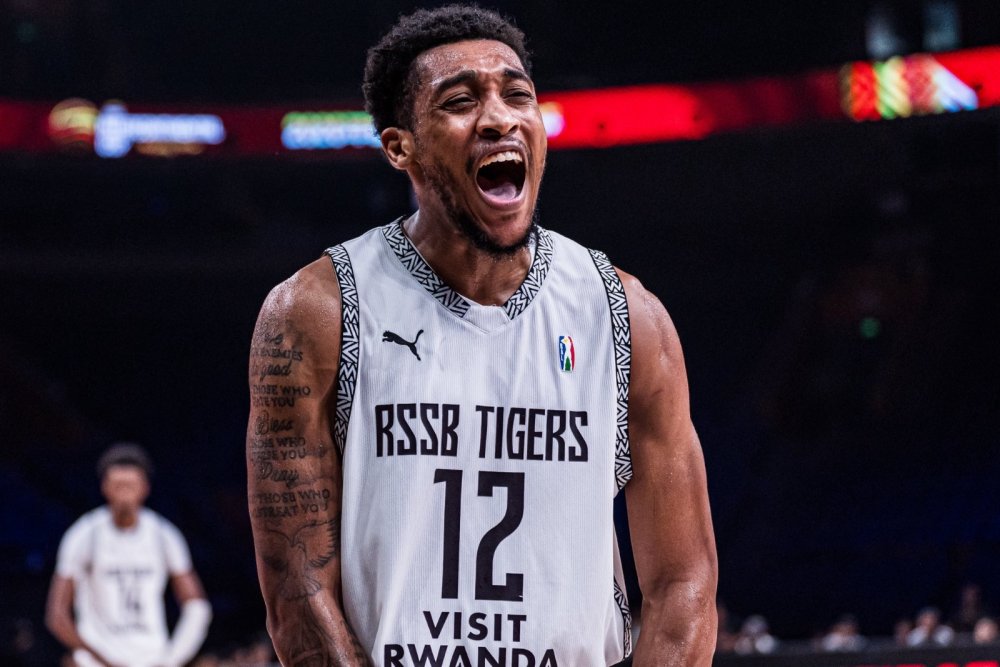
Shanghai Sharks’ American guard Brandon Goodwin led all scorers with 37 points, while Craig Randall II was Tigers’ leading scorer with 30 points.
The victory keeps RSSB Tigers in contention for a strong finish in Group A. The Rwandan side will know its final standing after Thursday’s game between Rytas Vilnius and Shanghai Sharks.
Tigers opened their campaign on September 22 with a 107-89 defeat to Lithuania’s Rytas Vilnius.
Under the tournament format, the top team in Group A will advance to the final to face the winner of Group B—which features Beijing Royal Fighters of China, Club Atlético Boca Juniors of Argentina, and NBA G League United of the United States. The second-placed teams in each group will contest the third-place playoff, while the third-placed teams will play for fifth place.
The tournament will conclude on September 27, 2026.
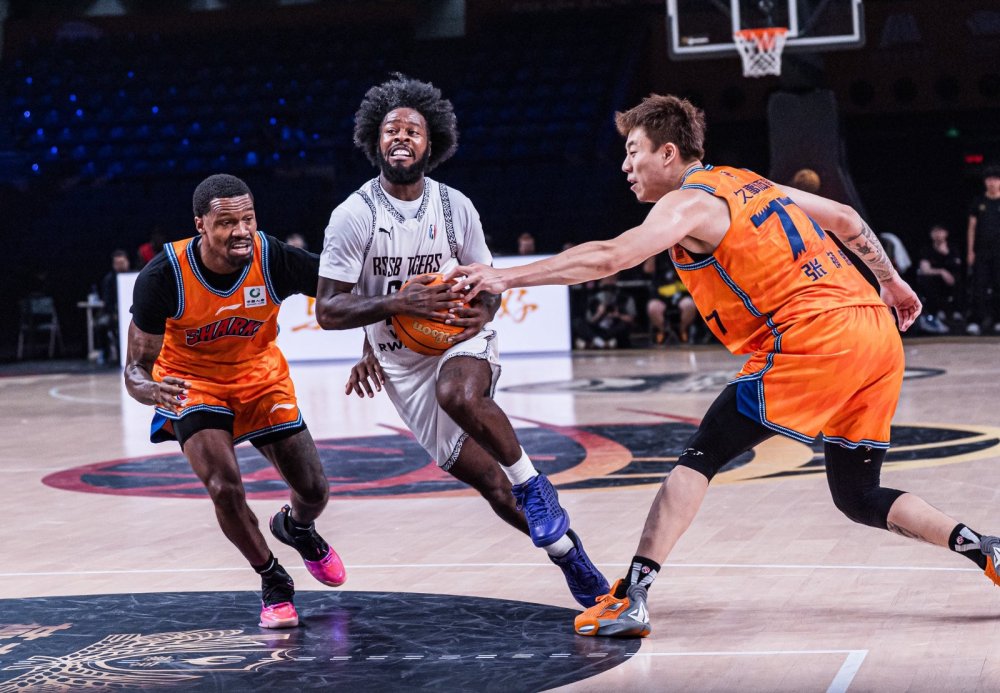
Craig Randall II was Tigers’ leading scorer with 30 points.The RSSB Tigers vs Shanghai Sharks game was a closely contested affair. Antino Jackson Jr dribbles past two Shanghai Sharks players.
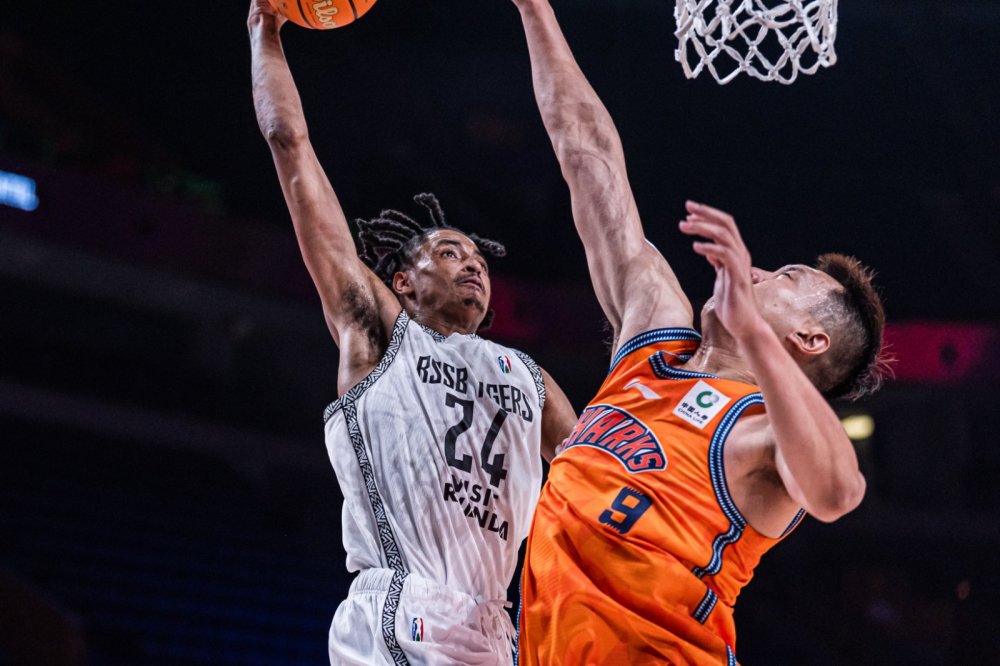
Teafale Lenard Jr goes up for a shot as Shanghai Sharks’ Pengfei Yan attempts to block him.
The decision was delivered on September 22, 2026, a day after the prosecution and Shema’s defence agreed to a settlement under which he admitted to two charges.
The charges are issuing a dishonoured cheque, provided for under Article 126 of Law No. 060/2021 of October 14, 2021, governing negotiable instruments, and obtaining another person’s property through fraud, provided for under Article 174 of Law No. 68/2018 of August 30, 2018, on offences and penalties in general.
The offences stemmed from Shema issuing two cheques worth a combined $600,000 to settle obligations under a contract between his company, Africa Media Supplier, and ABZL International General Trading LLC, a company based in the United Arab Emirates.
In the plea agreement submitted to the court, the prosecution told the court that Shema had already paid the money and requested that he be sentenced to six months in prison, suspended for one year, and fined Rwf3 million.
In its ruling on Tuesday, the court approved the agreement and sentenced Shema to six months in prison, suspended for one year, and a Rwf3 million fine.
The court ordered that the terms of the agreement take effect immediately following the reading of the decision, resulting in his release.
The ruling came as Shema’s defence had previously appealed to the Nyarugenge Intermediate Court against a decision concerning his 30-day pre-trial detention.
One of Shema’s lawyers told IGIHE that following his release, they would withdraw the appeal they had filed.
Nyarugenge Primary Court has ordered the release of Fabrice Shema
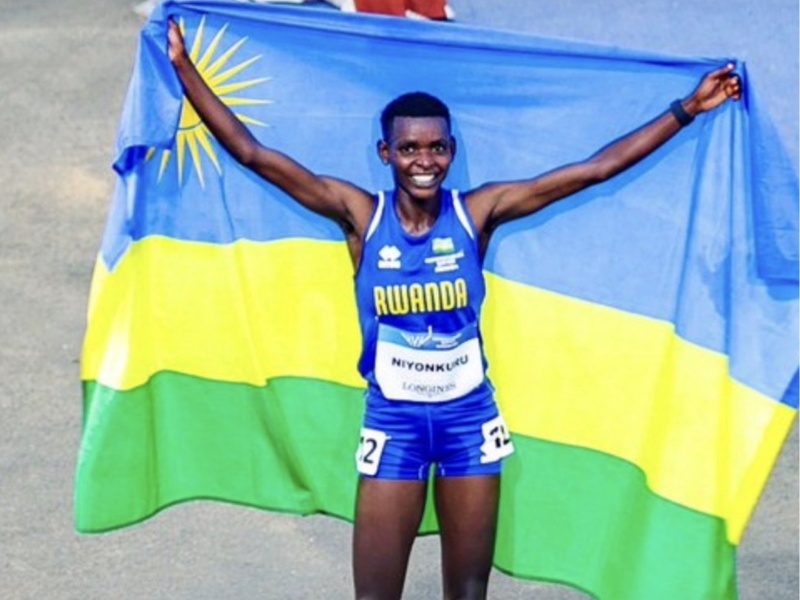
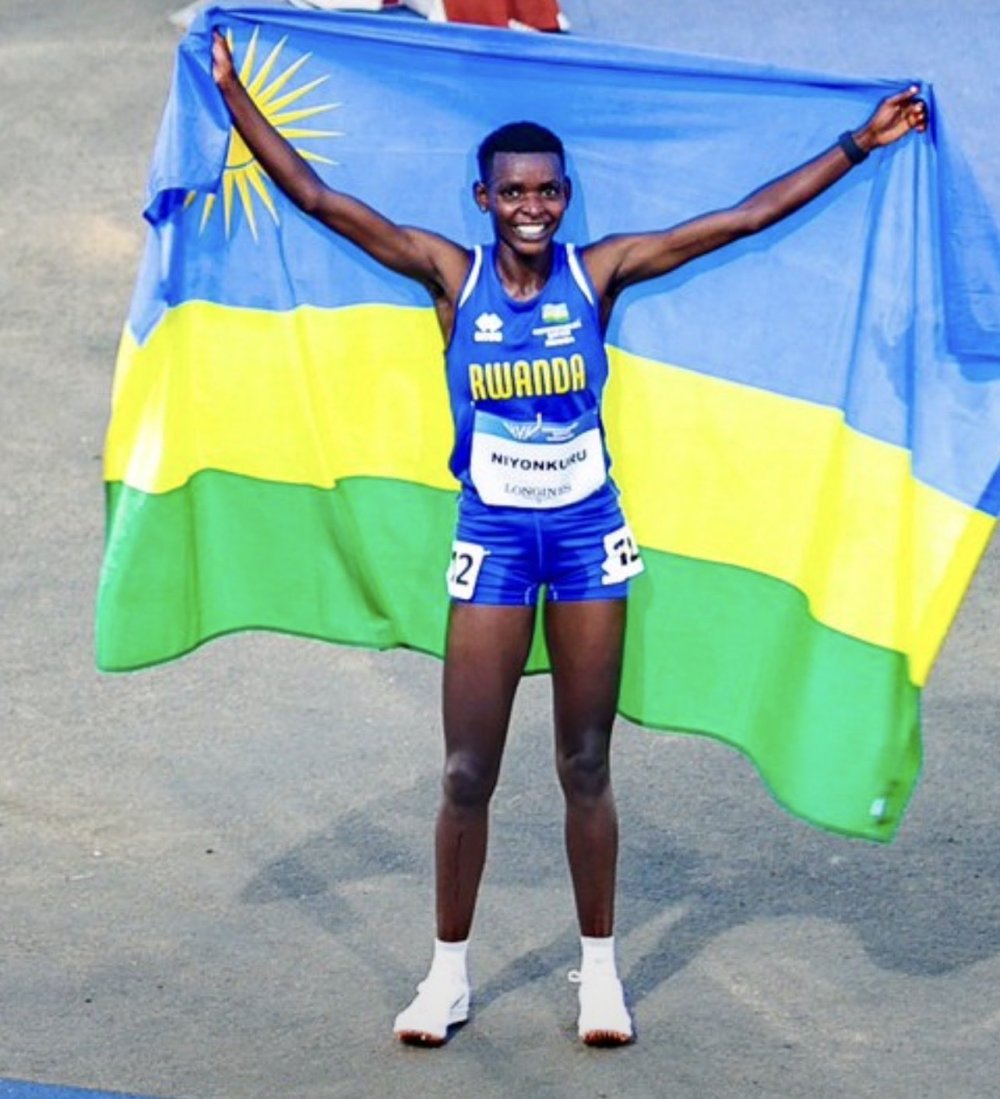
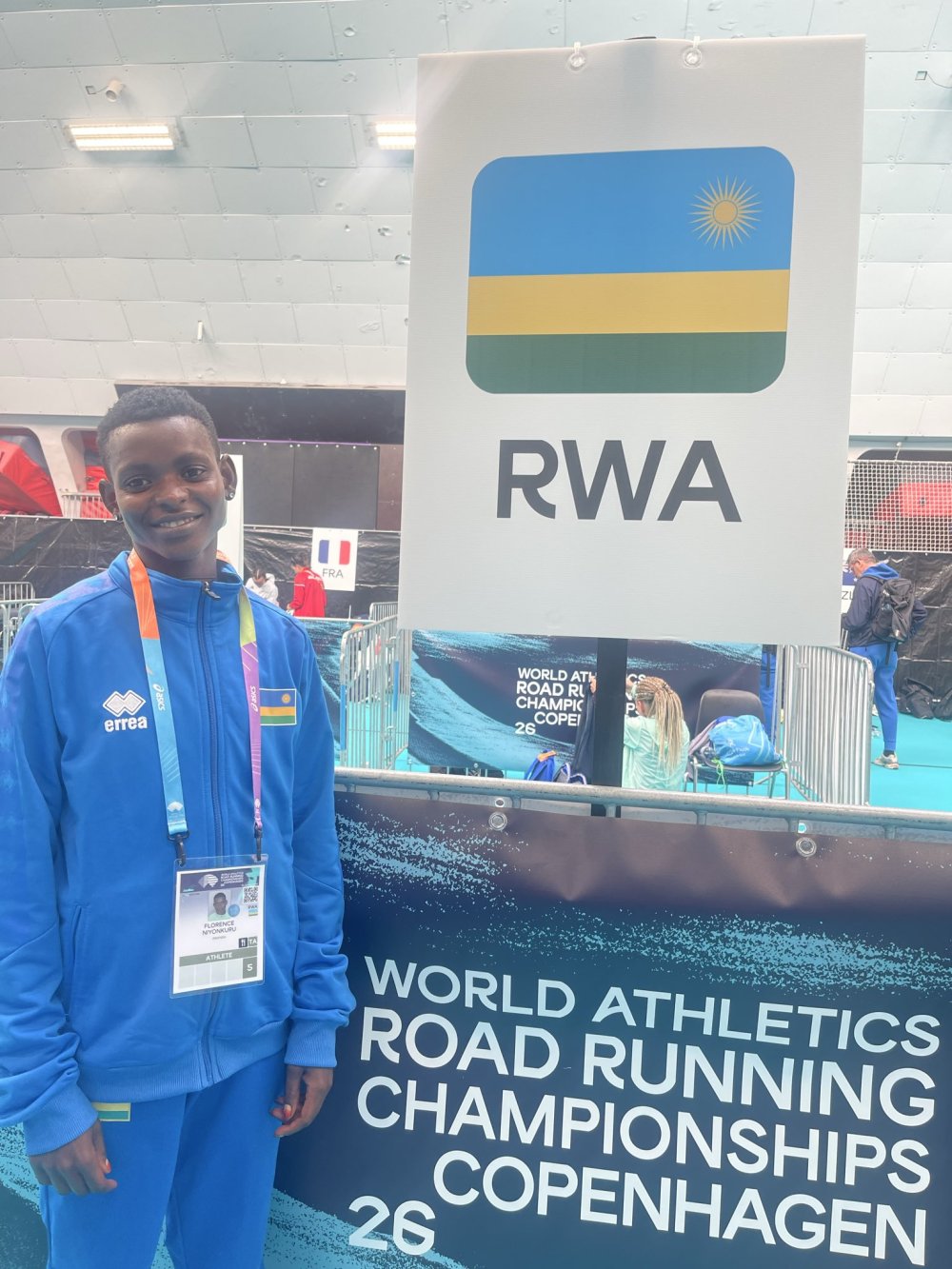
Niyonkuru Florence was the first to put Rwanda on the podium, winning bronze at the World Athletics Road Running Championships in Copenhagen, Denmark.
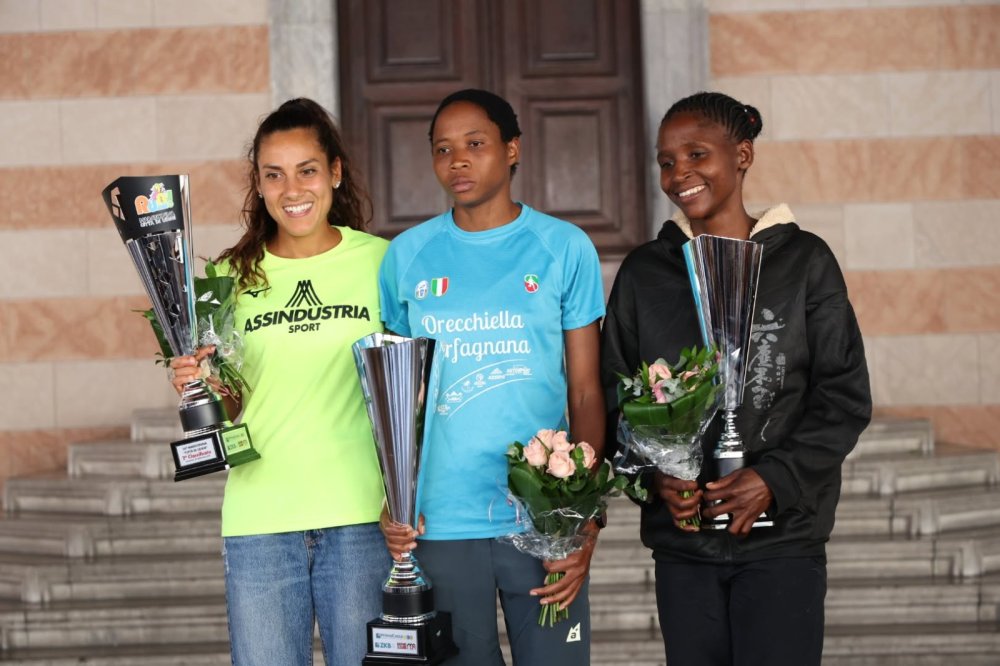
Rwanda’s success continued in Udine, Italy, where Musabyeyezu Adeline won gold in the women’s 21-kilometre half marathon.
Musabyeyezu clocked 1:14:02 to take the title. Italy’s Anna Frigerio finished second, 32 seconds behind the Rwandan, while Kenya’s Nyaboke Nyabocho was third in 1:20:05.
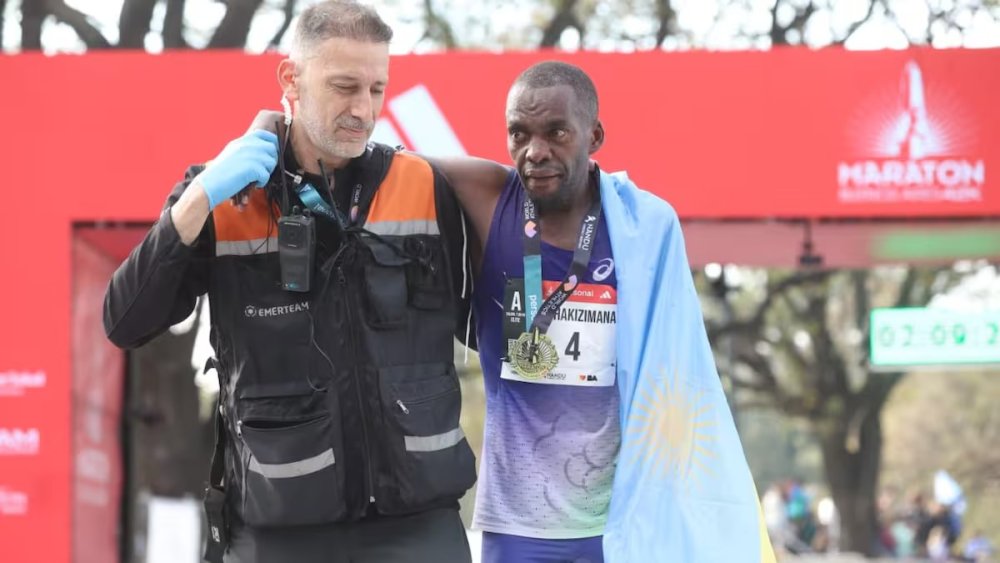
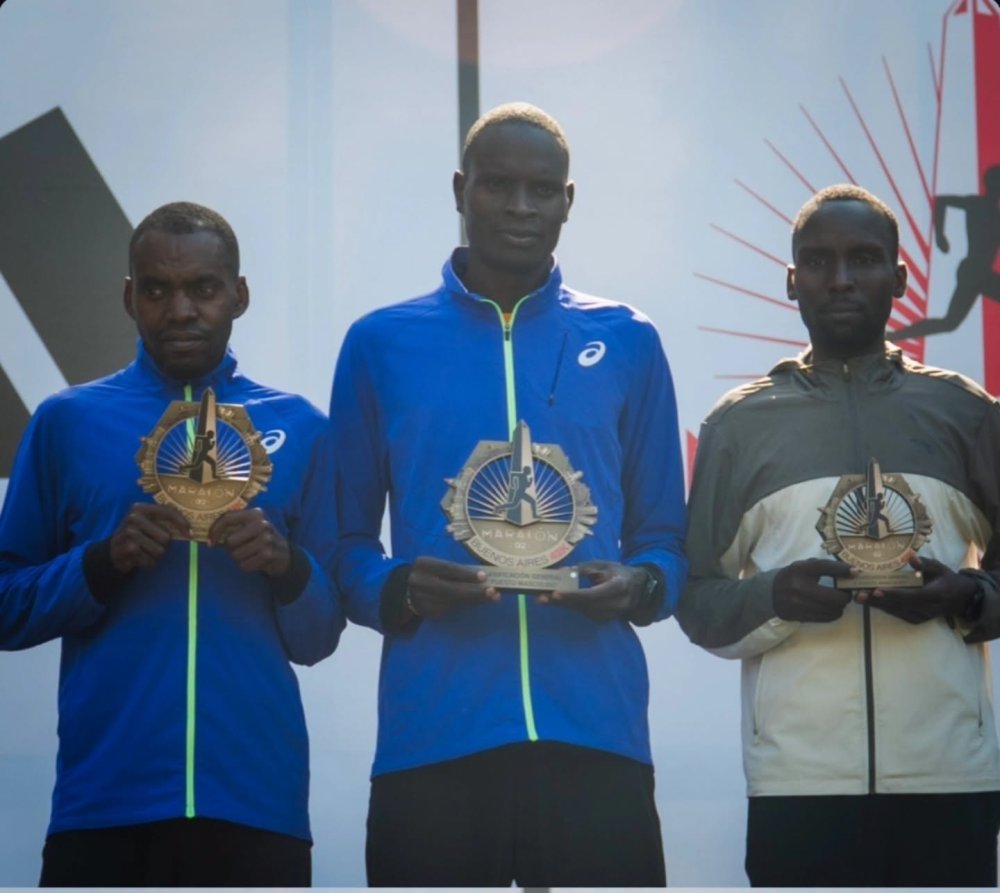
In Buenos Aires, Argentina, Hakizimana John added another Silver medal to Rwanda’s weekend haul by finishing second in the marathon.
Hakizimana completed the 42-kilometre race in 2:08:39, just 16 seconds behind winner Bethwel Chumba of Kenya. Another Kenyan, Felix Kiptoo Kirwa, finished third in 2:10:24.
The performances drew praise from Rwanda’s Minister of Sports, Nelly Mukazayire, who praised the performance of the Rwandan athletes in a post on X.
“Across three cities and three international stages, the Rwanda flag was raised with honour,” she said, highlighting it as a reflection of Rwanda’s growing presence and competitiveness on the international athletics stage.
Hakizimana John has finished second in the Buenos Aires Marathon in Argentina.Musabyeyezu Adeline (in the middle) has won gold in the women’s 21-kilometre half marathon in Udine, Italy, clocking 1:14:02.Hakizimana John (left) has won silver in the Buenos Aires Marathon in Argentina after finishing the 42-kilometre race in 2:08:39.
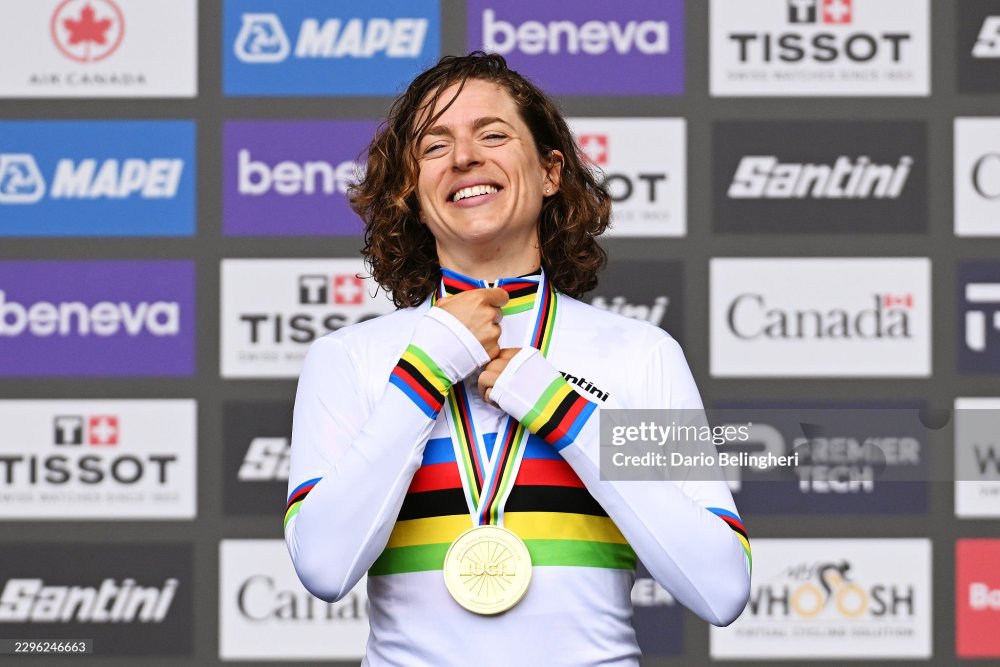
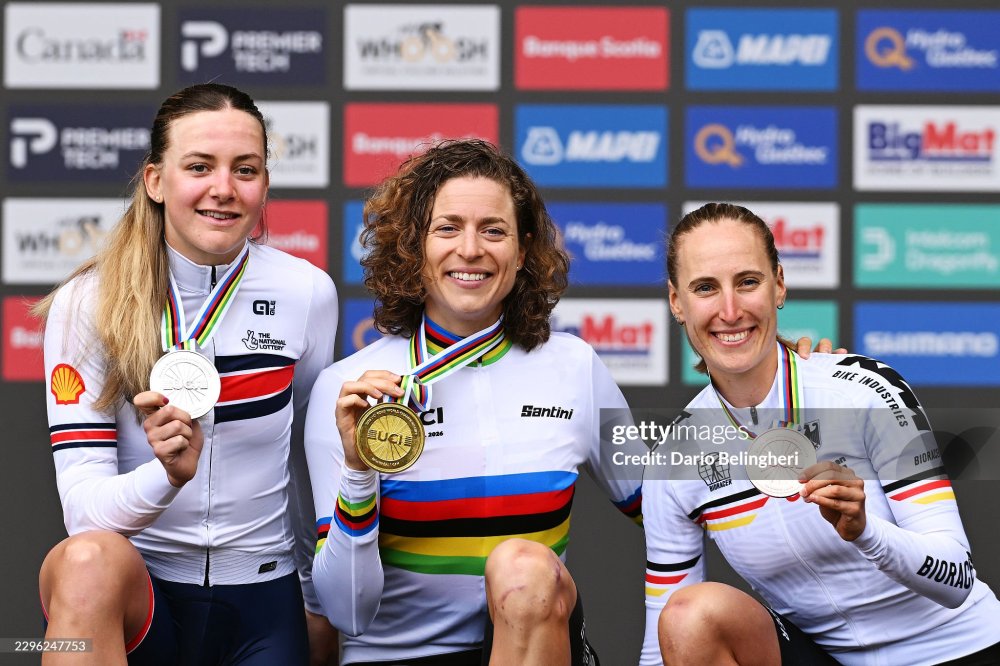
Reusser, who turned 35 on September 20, was the final rider to start the race and finished 40 seconds ahead of Britain’s Zoe Bäckstedt, who took silver. Germany’s Franziska Koch claimed bronze, 45 seconds behind the winner. Reusser had also won gold in the event at the 2025 World Championships in Kigali.
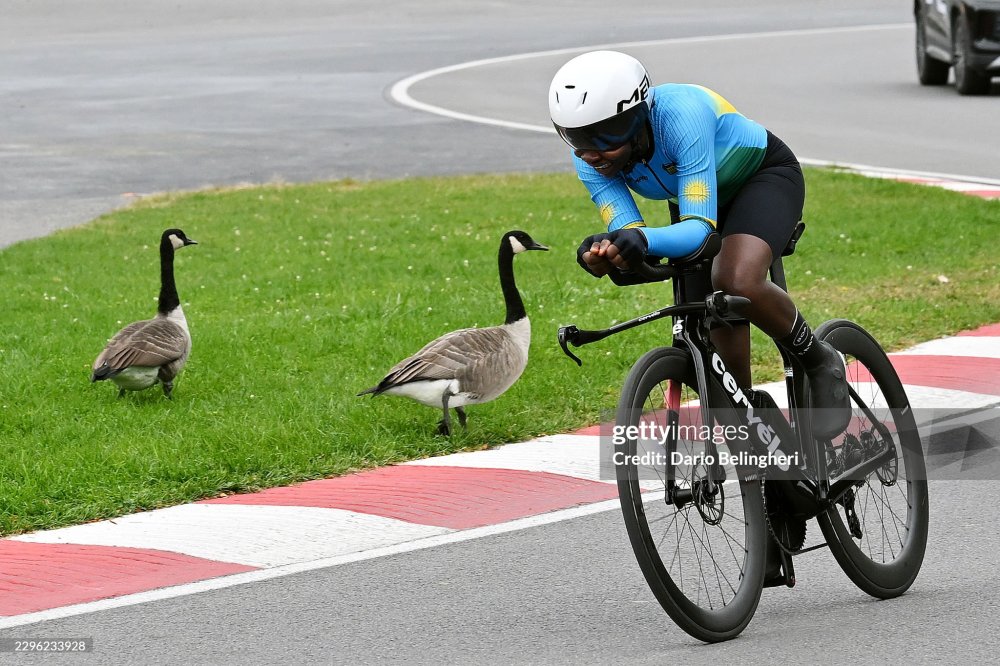
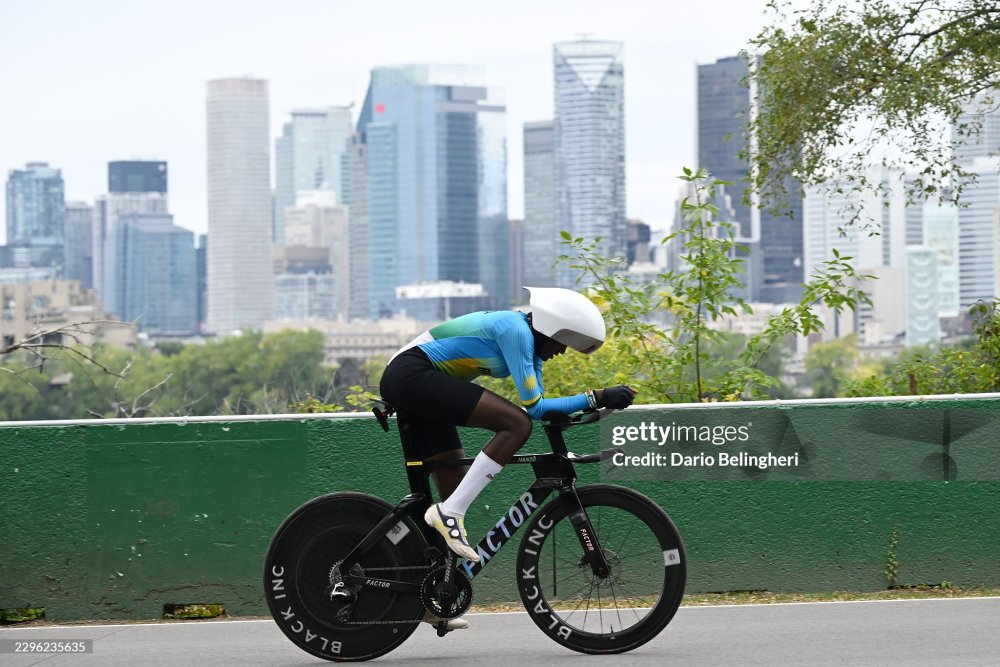
Rwanda’s Xaveline Nirere finished 37th in 59 minutes and 41 seconds, while Diane Ingabire was 38th in 1 hour and 9 seconds. Nirere finished nine minutes and 17 seconds behind Reusser, with Ingabire 9 minutes and 45 seconds off the winning time.
The pair were Rwanda’s only representatives in the women’s individual time trial, the first event featuring Rwandan riders at this year’s championships. A total of 11 Rwandan riders are expected to compete at the 2026 World Championships, with the team set to take part in 10 of the 13 events offering medals.
The men’s individual time trial was the second event on Sunday’s programme, where Belgium’s Remco Evenepoel claimed a historic fourth consecutive world title. Evenepoel, who previously won in 2023, 2024, and 2025, completed the 39.2-kilometre course in 44 minutes and 53 seconds to beat Italy’s Filippo Ganna by 57 seconds.
Evenepoel famously battled Tadej Pogačar for the 2025 world title in Kigali, with the race passing through the cobbled streets of Kimihurura. Pogačar, however, did not compete in Montréal after suffering a serious crash during the Vuelta a España on August 29, 2026.
Diane Ingabire was the first Rwandan rider to take part in the road events at this year’s World Championships. Xaveline Nirere competes in the time trial at the 2026 World Championships in Montréal. Marlen Reusser retains the women’s individual time trial world title at the World Championships.
Marlen Reusser (centre), Zoe Bäckstedt (left) and Franziska Koch (right) pose after finishing first, second and third.
Niyonkuru completed the 21-kilometre race in 1:06:08 (a new national record), finishing behind Kenya’s Agnes Jebet Ngetich, who set a women-only world record (1:05:15) for gold, and Kenya’s Veronica Loleo, who took silver in 1:06:05.
The 25-year-old was the best-performing of Rwanda’s three representatives in the race. Emeline Imanizabayo (15th) and Ibishatse Angelique (39th) also competed for Rwanda.
The World Athletics Road Running Championships are organised by World Athletics and were held in Copenhagen.
The bronze adds to Niyonkuru’s recent run of strong performances. She finished third in the 10,000 metres at the Commonwealth Games, winning Rwanda’s first-ever senior medal at the Games. She also won gold at the TCS World 10K Bengaluru in India earlier this year.
Niyonkuru completed the women’s half marathon in 1:06:08, setting a new Rwandan national record in the 21-kilometre race.The 25-year-old was the best-performing of Rwanda’s three representatives in the race.
The championships are scheduled to take place in Montréal from September 20 to 27, bringing together cyclists from around the world.
Higiro met the Rwandan delegation on Saturday ahead of the championships. The delegation included FERWACY President Nkurayija Ishimwe Jean Hubert, cyclists and other officials.
Higiro encouraged the riders to use the championships as an opportunity to showcase Rwanda on the international stage.
Rwanda is taking part in the competition following the 2025 edition held in Kigali, which made the country the first in Africa to host the UCI Road World Championships.
Rwanda’s campaign begins on Sunday, with Nirere Xaverine and Ingabire Diane competing in the women’s individual time trial (ITT).
Higiro met the Rwandan delegation on Saturday ahead of the championships. The delegation included FERWACY President Nkurayija Ishimwe Jean Hubert, cyclists and other officials.The championships are scheduled to take place in Montréal from September 20 to 27, bringing together cyclists from around the world.Higiro encouraged the riders to use the championships as an opportunity to showcase Rwanda on the international stage.
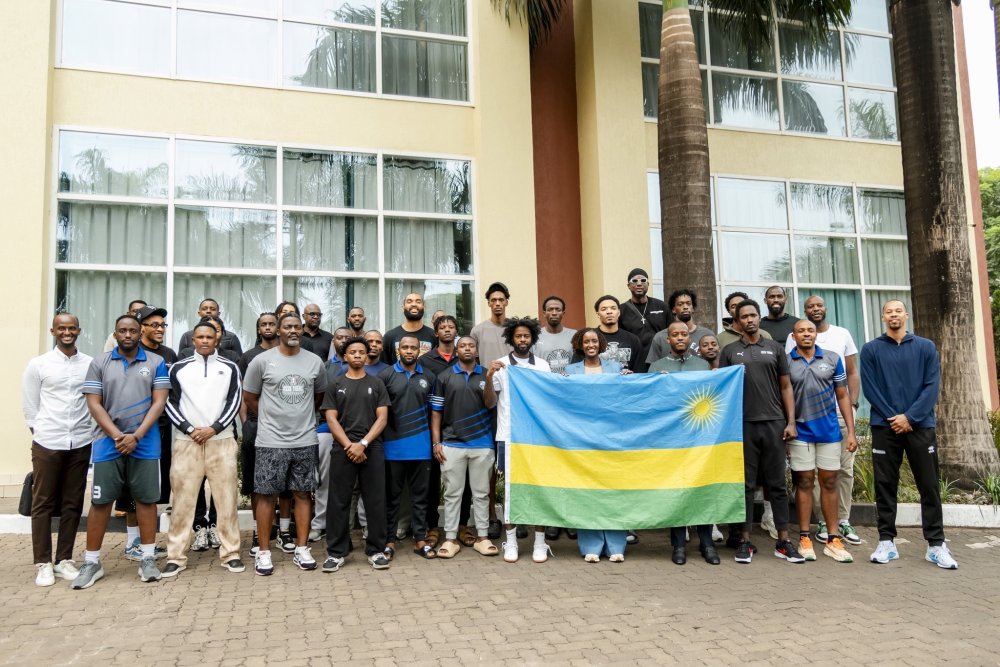
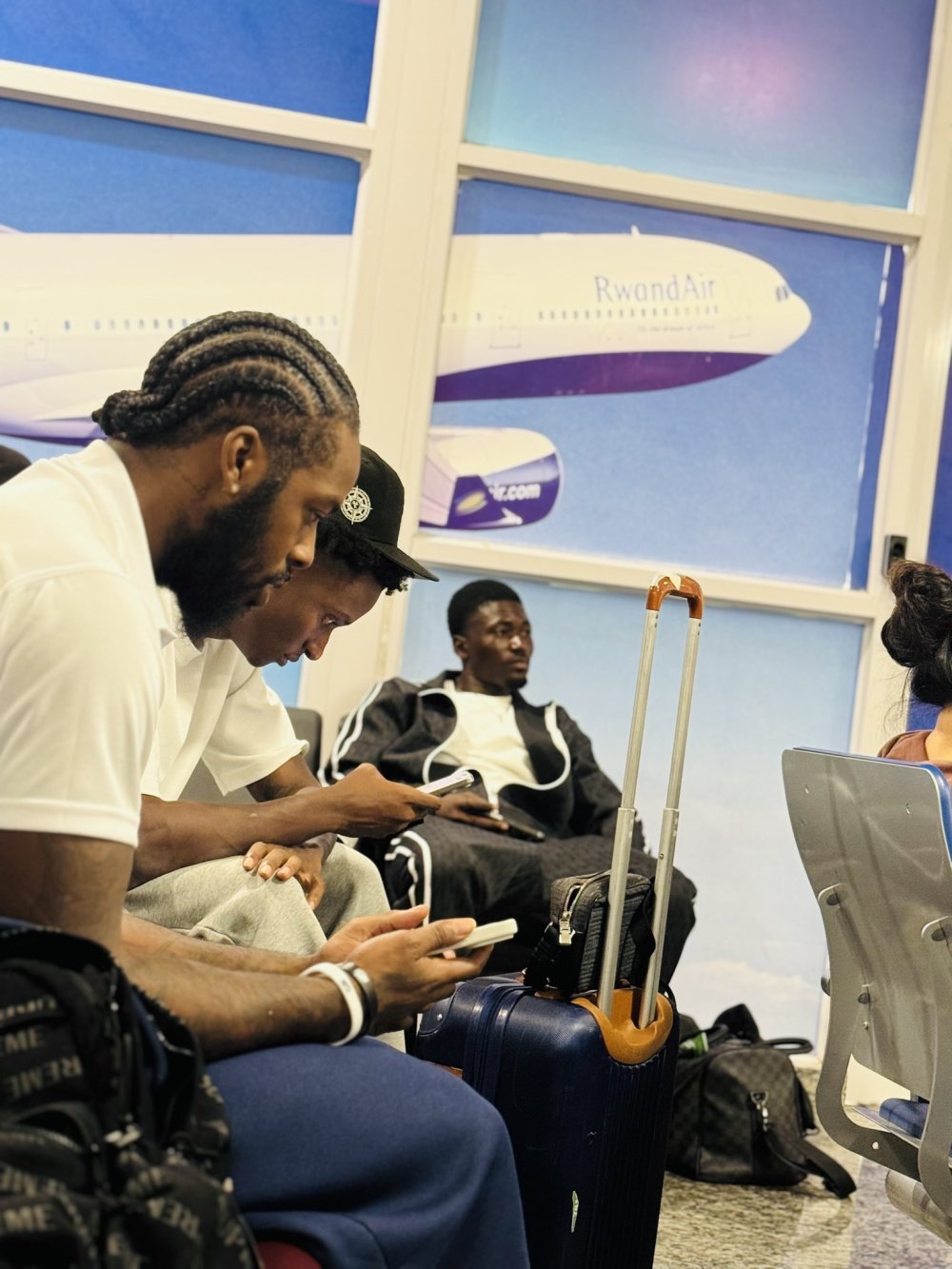
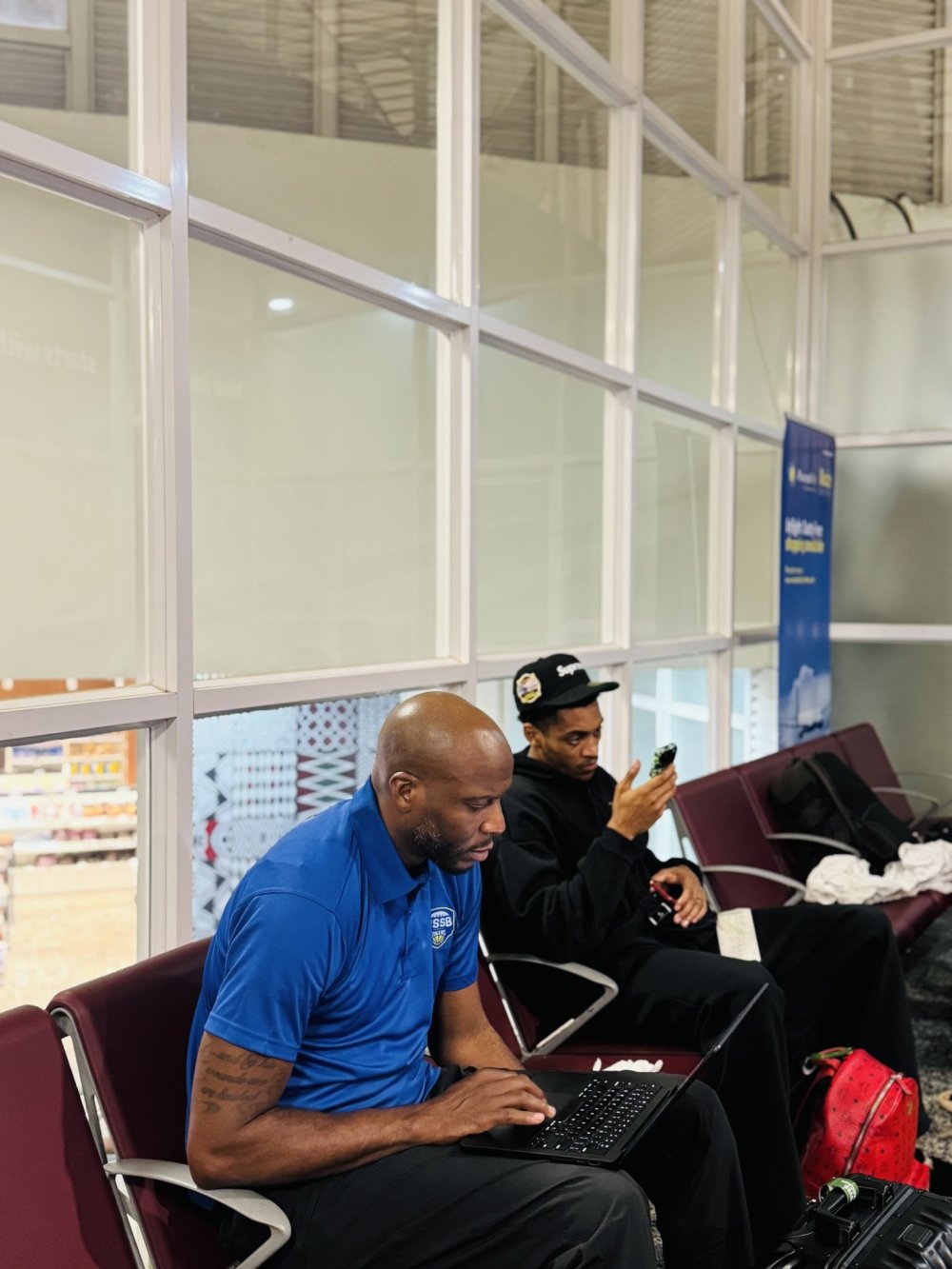
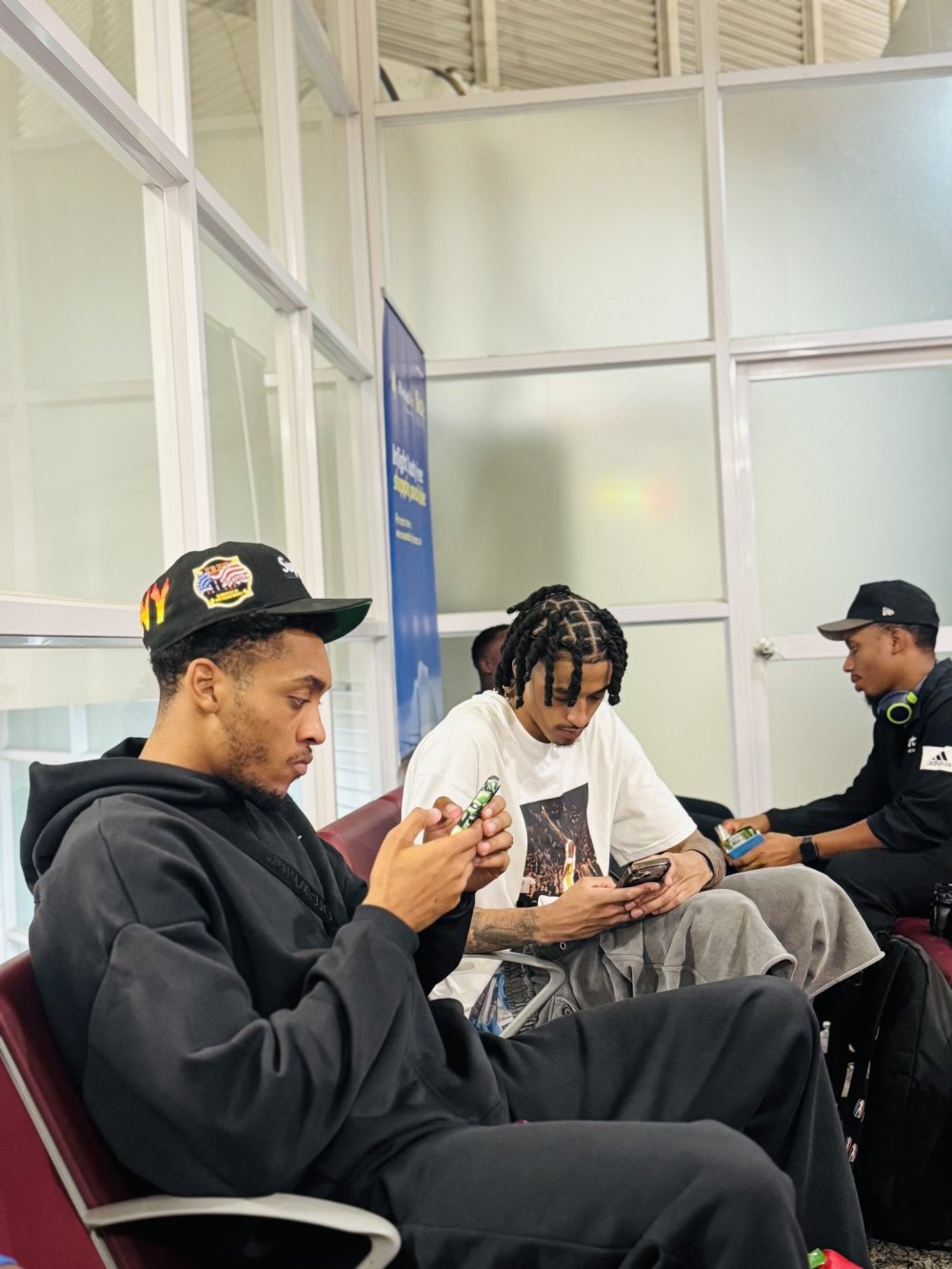
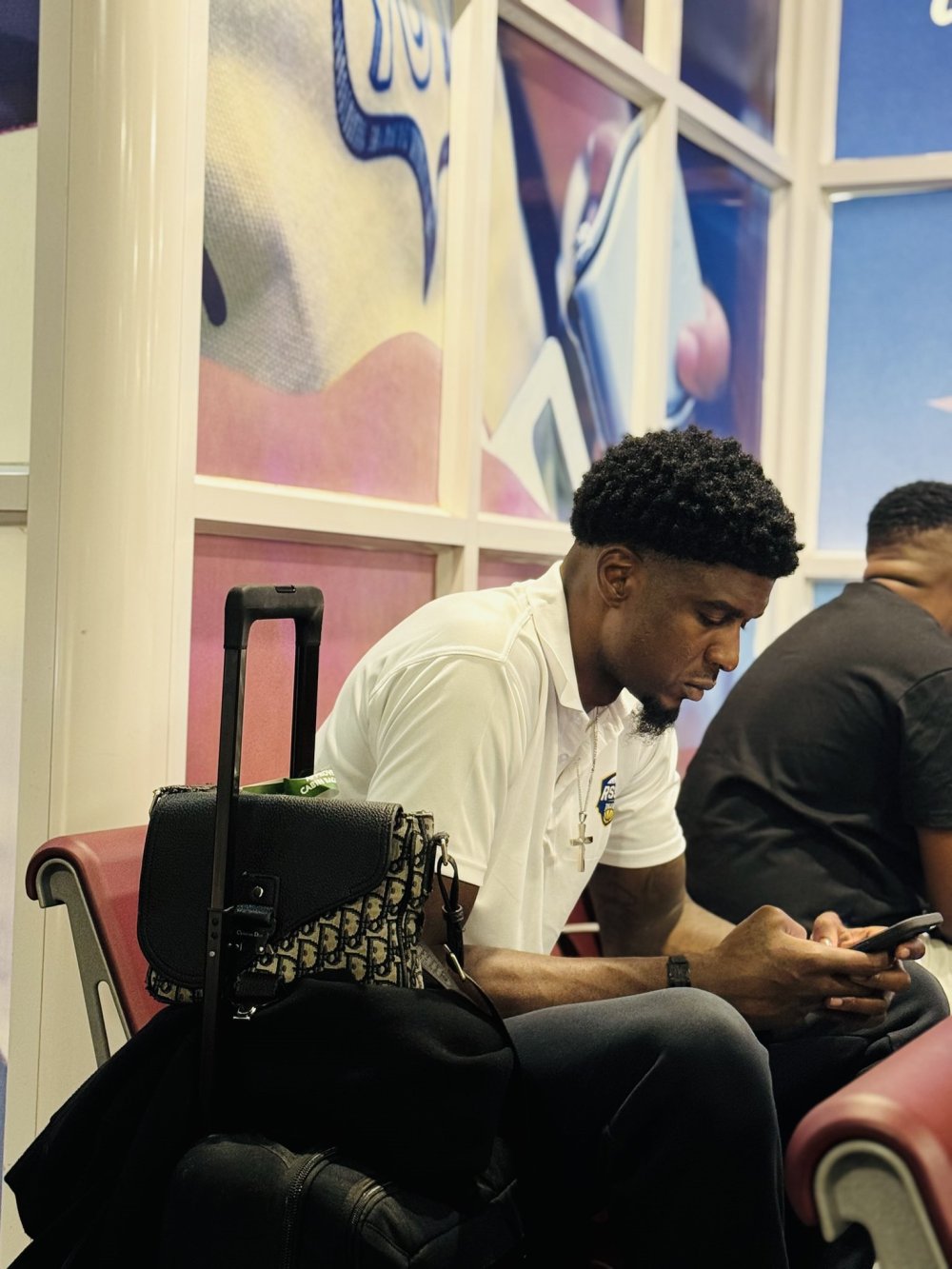
The 2026 Basketball Africa League (BAL) champions departed Kigali on September 18 for Beijing, China, where the prestigious basketball tournament will bring together six teams that have excelled in their respective continental competitions.
On September 17, Minister of Sports Nelly Mukazayire handed the team the national flag and urged the players to “surprise the world” by putting in a strong performance at the intercontinental tournament.
RSSB Tigers will begin their FIBA Intercontinental Cup campaign against Rytas Vilnius of Lithuania, the European champions. The game is scheduled for September 22 at 9:30 a.m. Kigali time.
Twenty-four hours later, the Rwandan champions will return to action against Shanghai Sharks, winners of the Chinese Basketball Association (CBA) championship. The Chinese side is participating in the tournament as the representative of the host country.
Group B features Beijing Royal Fighters of China, Club Atlético Boca Juniors of Argentina and NBA G League United of the United States.
The top two teams from each group will advance to the semi-finals, while the teams finishing third in their respective groups will compete for fifth place.
Can RSSB Tigers make history?
African teams began competing in the FIBA Intercontinental Cup in 2022, following the launch of the Basketball Africa League (BAL) in 2021.
Egyptian side Zamalek, Tunisia’s US Monastir and Egypt’s Al Ahly all managed to finish among the top four teams before Al-Ahli SC of Libya made history in 2025 by finishing third, behind Spain’s Unicaja and NBA G League United of the United States.
RSSB Tigers enter this year’s competition with a strengthened squad, hoping to build on their impressive campaign in the 2026 BAL.
Coach Henry Mwinuka has several of Rwanda’s top players at his disposal, including Ntore Habimana, who can operate in multiple positions on the court.
At the 2025 AfroBasket, Ntore demonstrated his quality by averaging 13.3 points, 6.0 assists and 5.3 rebounds per game.
Another key player is Alex Mpoyo, who impressed during the 2025 FIBA AfroBasket qualifiers, averaging 16.7 points and 5.7 rebounds per game.
The team also includes Dieudonné Ndizeye, who recently featured in the FIBA Basketball World Cup qualifiers, as well as Craig Randall II, who was named the 2026 BAL Most Valuable Player (MVP).
Randall averaged an impressive 36.1 points per game during the BAL campaign and recorded a remarkable 54-point performance in April.
Another player who played a crucial role in RSSB Tigers’ BAL title-winning campaign is Teafale Lenard, who averaged 19.2 points, 5.0 rebounds and 2.8 assists per game.
The team has also added several new players, including Johnny Hamilton of Trinidad and Tobago, who stands at 2.13 metres tall; American Tyler Bey, who previously played for Ness Ziona and Hapoel Haifa in Israel; and Jonathan Galloway, who is 2.08 metres tall.
The new additions are expected to bring additional experience and strengthen RSSB Tigers’ international competitiveness.
RSSB Tigers have named a 16-player squad for the tournament: Tyler Bey, Bizimana Paul, Jonathan Galloway, Ntore Habimana, Steven Hagumintwari, Johnny Hamilton, Lars Ishimwe, Antino Jackson Jr., Teafale Lenard Jr., Alex Mpoyo, Jean-Victor Mukama, David Mutabazi, Dieudonné Ndizeye, Craig Randall II, Osborn Shema and Nisre Zouzoua.
Coach Henry Mwinuka will be assisted by James Maye and Kenny Gasana.
RSSB Tigers are among the six teams set to compete in the FIBA Intercontinental Cup, which will take place from September 22 to 27, 2026. RSSB Tigers left Kigali on Friday as they embarked on their journey to Beijing, China, for the FIBA Intercontinental Cup.Henry Mwinuka, coach of RSSB Tigers, is assisted by James Maye.
The decision was made during the World Athletics Council meeting in Budapest on Monday and Tuesday, September 14-15, following a competitive bidding process that included Nairobi, Munich, London and Rome. Munich was selected to host the 2031 edition.
The 2029 championships will be held in Nairobi, with the 48,000-capacity Kasarani Stadium serving as the main venue. The event will mark the first time the senior World Athletics Championships have been held on African soil.
World Athletics President Sebastian Coe described Nairobi’s bid as “compelling and emotional”, saying Kenya’s deep connection with athletics made it an appropriate host for the historic edition.
“Kenya is one of the great athletics nations. The sport is woven into the fabric of the country,” Coe said.
“It was important that the World Championships should come to Africa when we had the right host, the right bid and the right circumstances. Nairobi has demonstrated emphatically that this is their moment.”
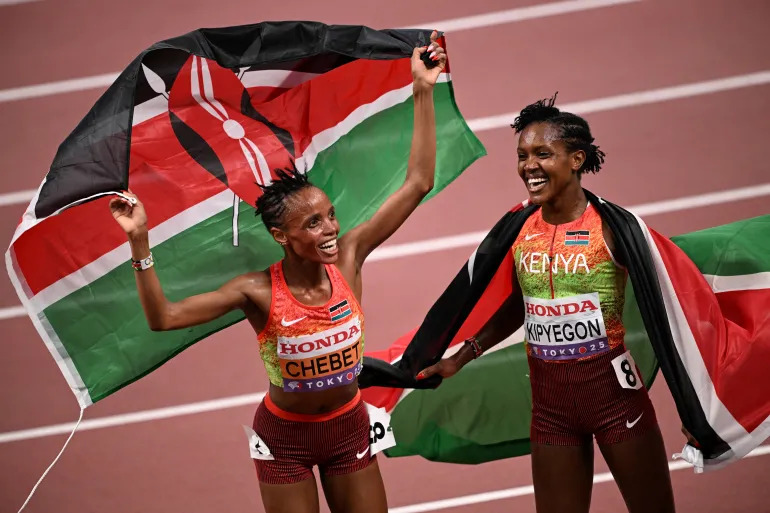
Kenya’s athletics record was a central part of its successful bid. The country is the second-most successful nation in World Athletics Championships history and finished second on the medal table at the 2025 championships in Tokyo, winning seven gold medals and 11 medals overall.
Its athletes have also played a major role in shaping the history of the sport, including Olympic and world champions such as Faith Kipyegon, Eliud Kipchoge, Hellen Obiri, Vivian Cheruiyot and David Rudisha.
Kenya has also built experience hosting major international athletics events in Nairobi. The capital staged the World U18 Championships in 2017 and the World U20 Championships in 2021, while Kenya has hosted other major global athletics competitions.
Nairobi’s bid also benefited from ongoing upgrades to Kasarani Stadium and other sports infrastructure ahead of the 2027 Africa Cup of Nations, which Kenya will co-host with Tanzania and Uganda.
The successful bid follows Kenya’s unsuccessful attempt to host the 2025 World Athletics Championships. Tokyo was ultimately awarded that edition.
World Athletics said Kenya’s strong public interest in athletics was another factor supporting Nairobi’s bid. Research cited by the governing body found that 68% of Kenyans surveyed had a high level of interest in athletics, compared with a global average of 39%.
The 2029 championships will represent a major milestone for African athletics, bringing the sport’s premier global competition to a continent that has produced some of its most successful athletes but has never previously hosted the senior World Championships.
The next World Athletics Championships will be held in Beijing from September 10-19, 2027, before the event moves to Nairobi in 2029.
Kenyan athletes have played a major role in shaping the history of the sport, including Olympic and world champions such as Faith Kipyegon, Eliud Kipchoge, Hellen Obiri, Vivian Cheruiyot and David Rudisha.
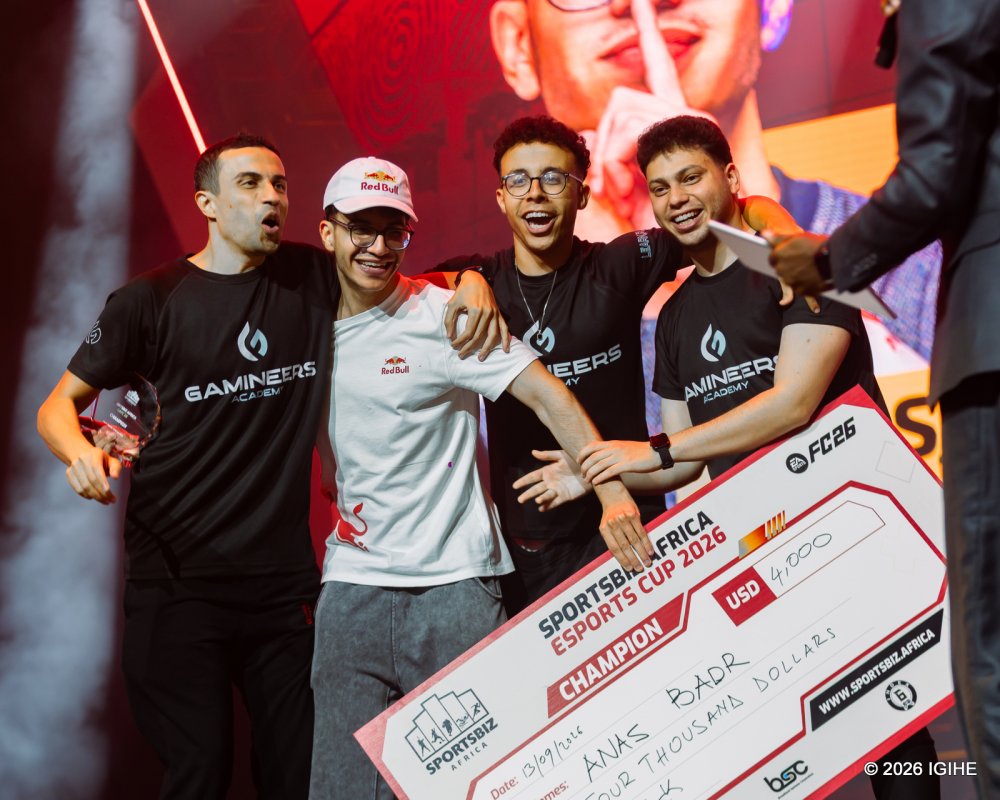
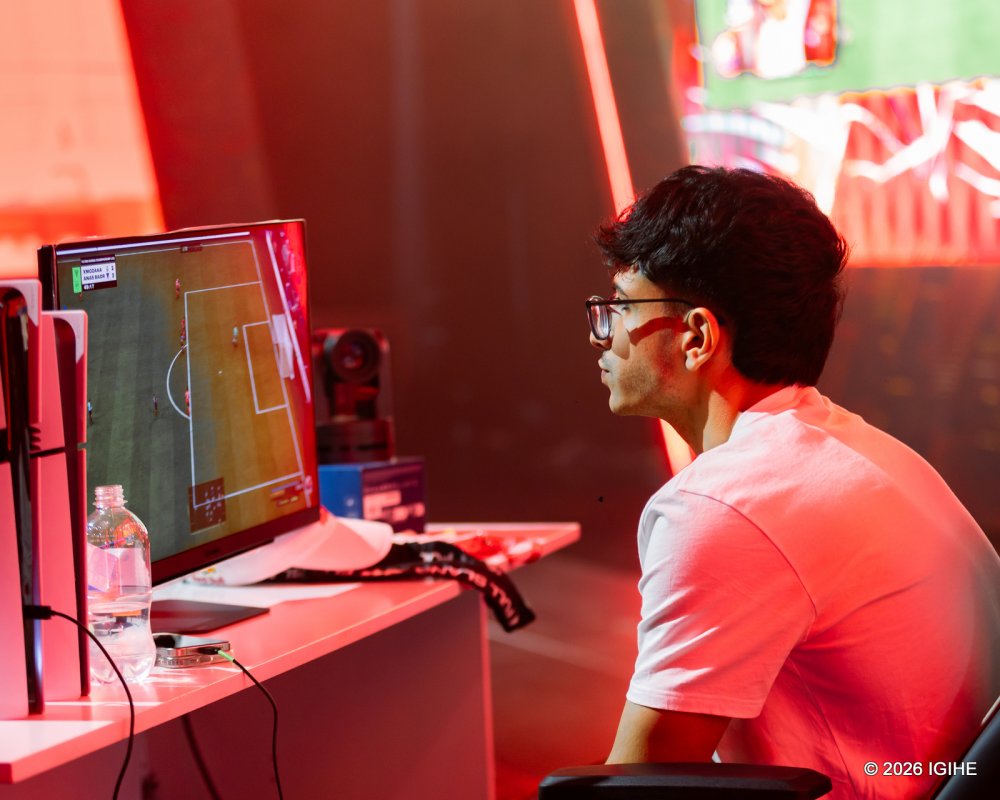
Badr secured the title with two consecutive wins, beating Toxic Joe 5-3 in the first match before winning the second 6-3.
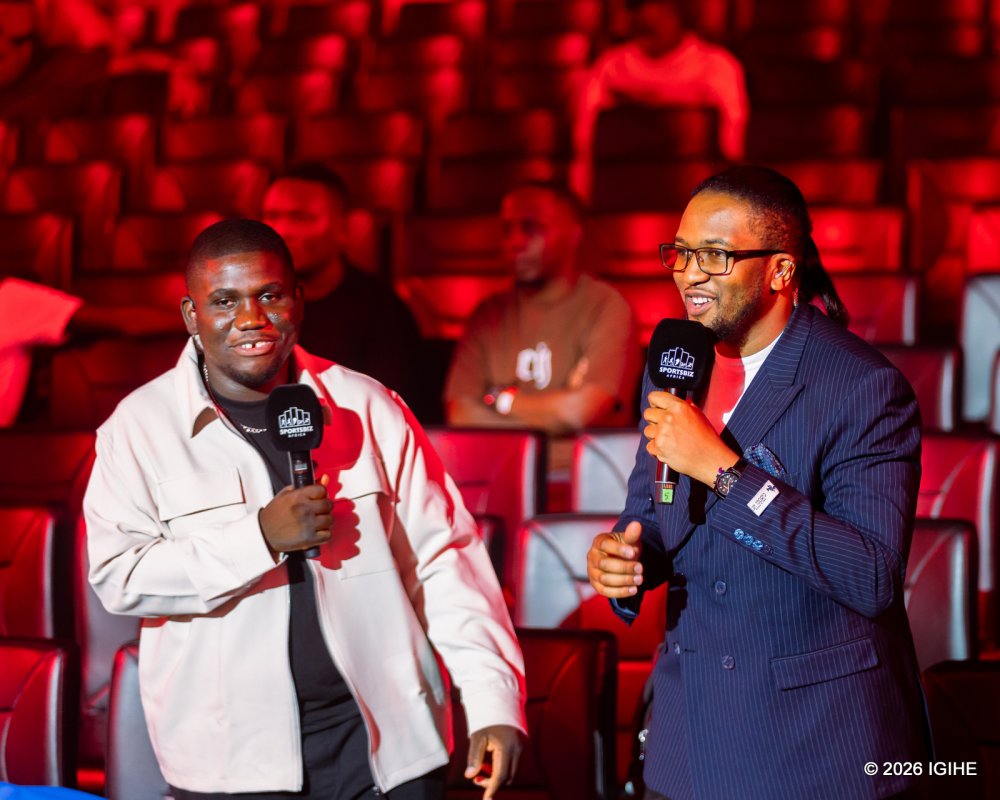
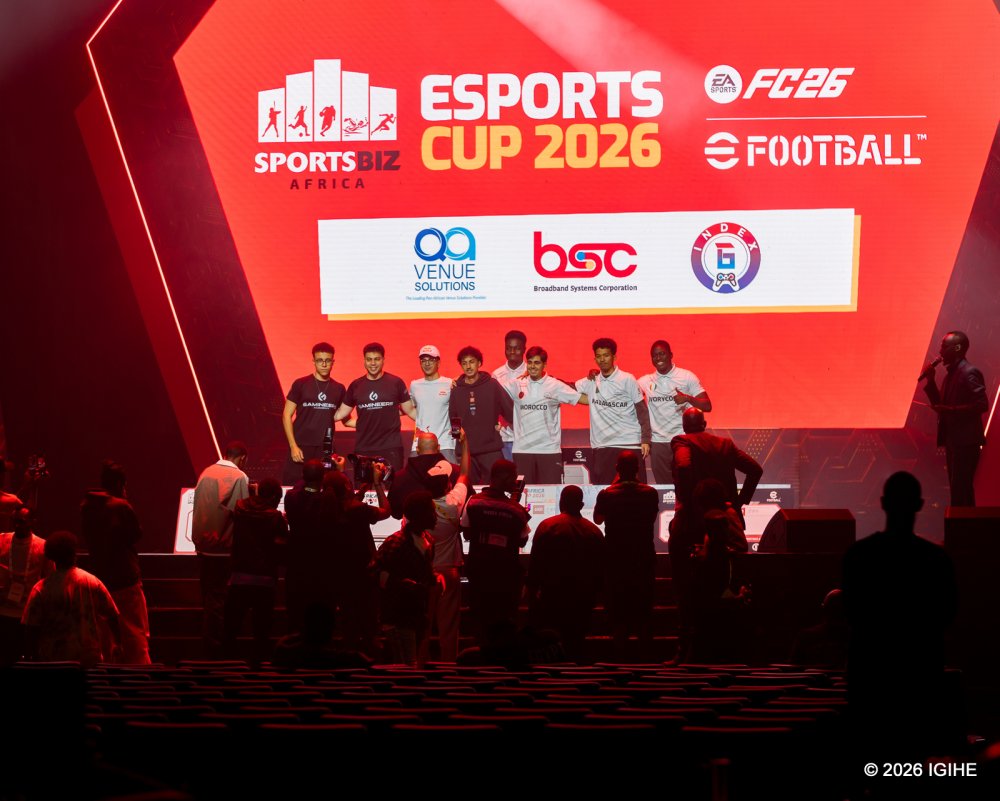
The tournament was held as part of activities organised alongside the SportsBiz Africa Forum 2026, a conference focused on sports investment in Africa.
The competition featured two categories: eFootball Mobile, played on mobile phones, and EA Sports FC 26, played using game controllers.
Sixteen players who reached the round of 16 in the EA Sports FC 26 category competed on the final day for a share of the $10,000 prize pool, worth more than Rwf14.7 million.
None of the four Rwandan players reached the knockout stage after being eliminated in the group phase. They were Samy, Tresol, Franklin and Nyamwasa Praise, who was the highest-ranked Rwandan player.
The semi-finals featured four of the tournament’s strongest players: Moaaz Ahmed Ibrahim, who reached the final last year, defending champion Zaid April, and Egyptian debutants Badr and Toxic Joe.
Toxic Joe eliminated Moaaz, while Badr defeated Zaid, who was seeking to retain the title.
The final was played as a best-of-three series, with players allowed to select their preferred teams and players.
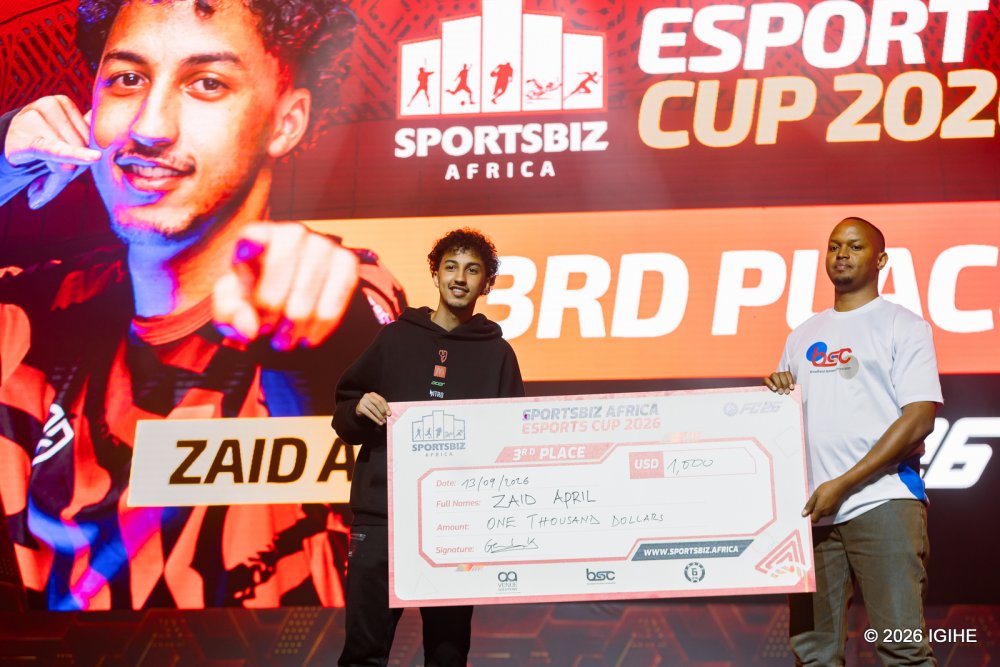
Badr won the first two matches to claim the championship, leaving Toxic Joe as runner-up. Zaid finished third, while Moaaz placed fourth.
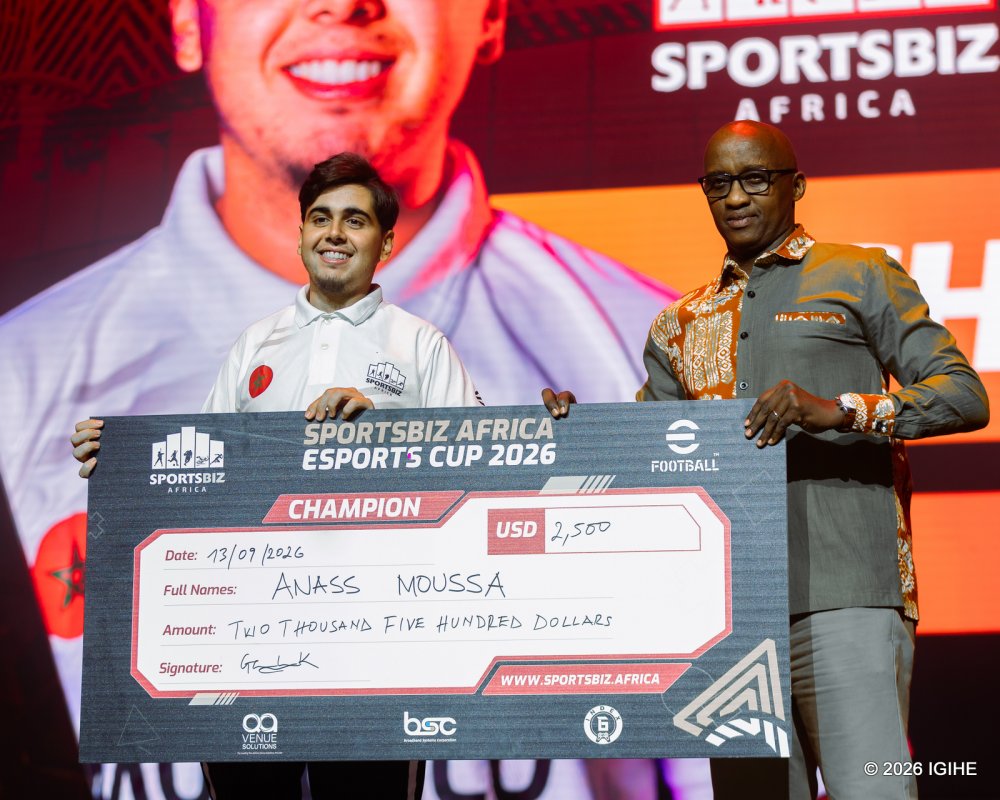
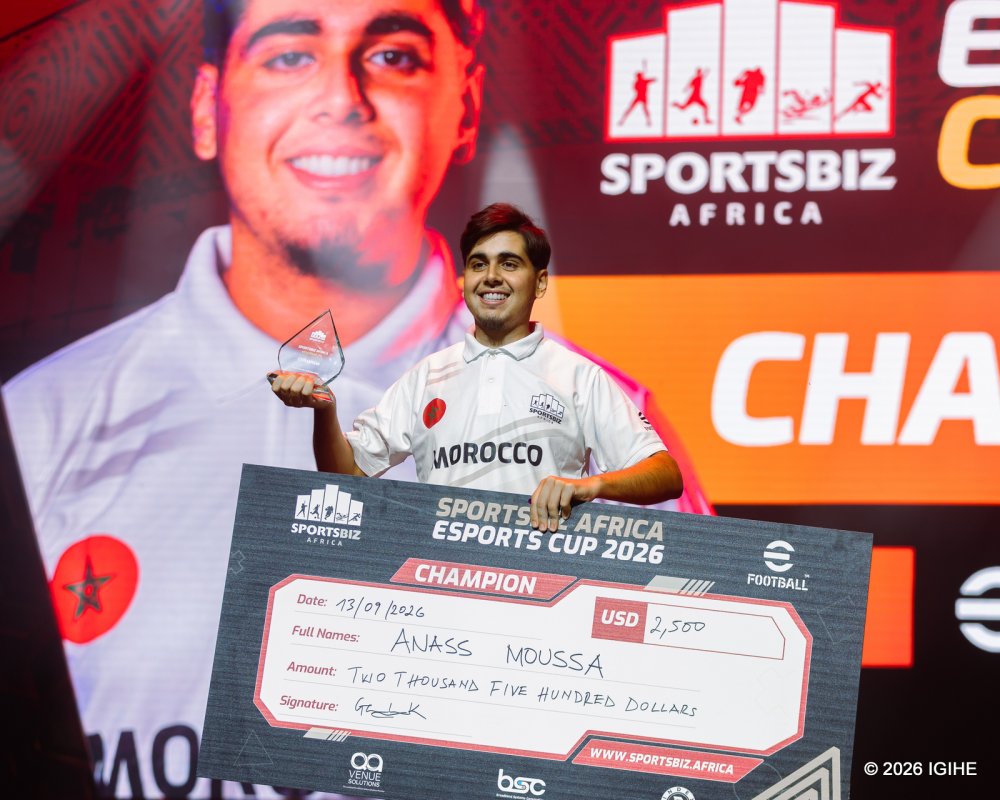
Moroccan player Anass Moussa won the eFootball Mobile category.
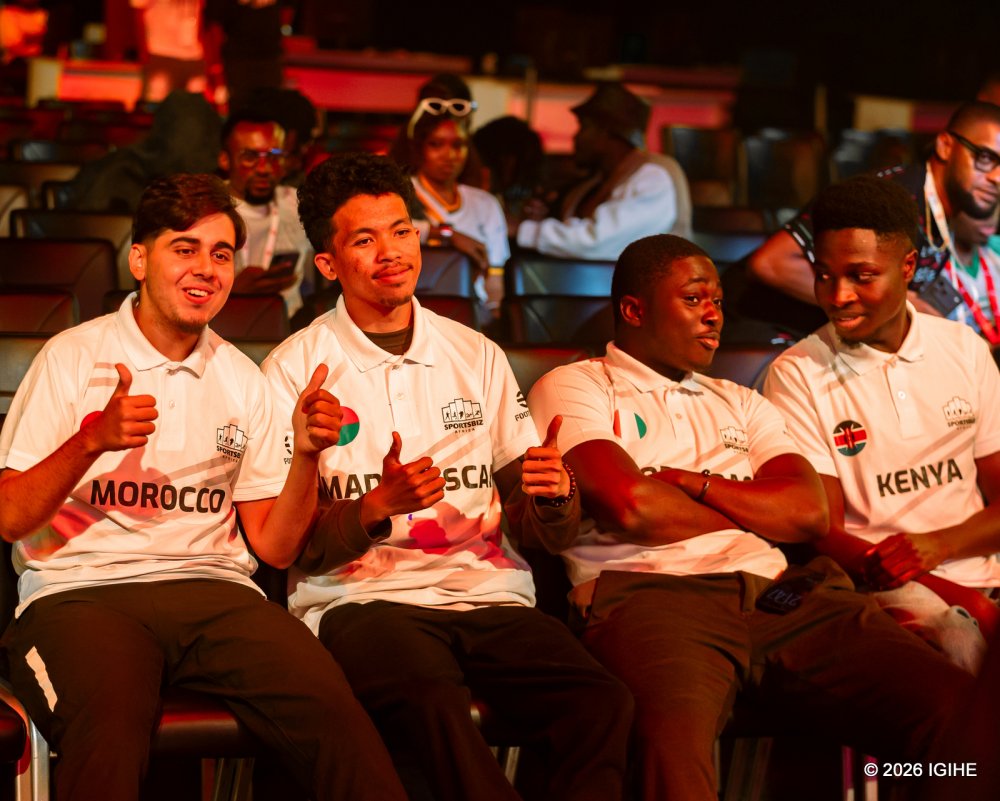
Players representing 16 African countries, as well as India, took part in the tournament.
The African participants came from South Africa, Egypt, Somalia, Kenya, the Democratic Republic of Congo, Nigeria, Algeria, Tanzania, Cameroon, Uganda, Ghana, Comoros, Côte d’Ivoire, Morocco, Madagascar and Rwanda.
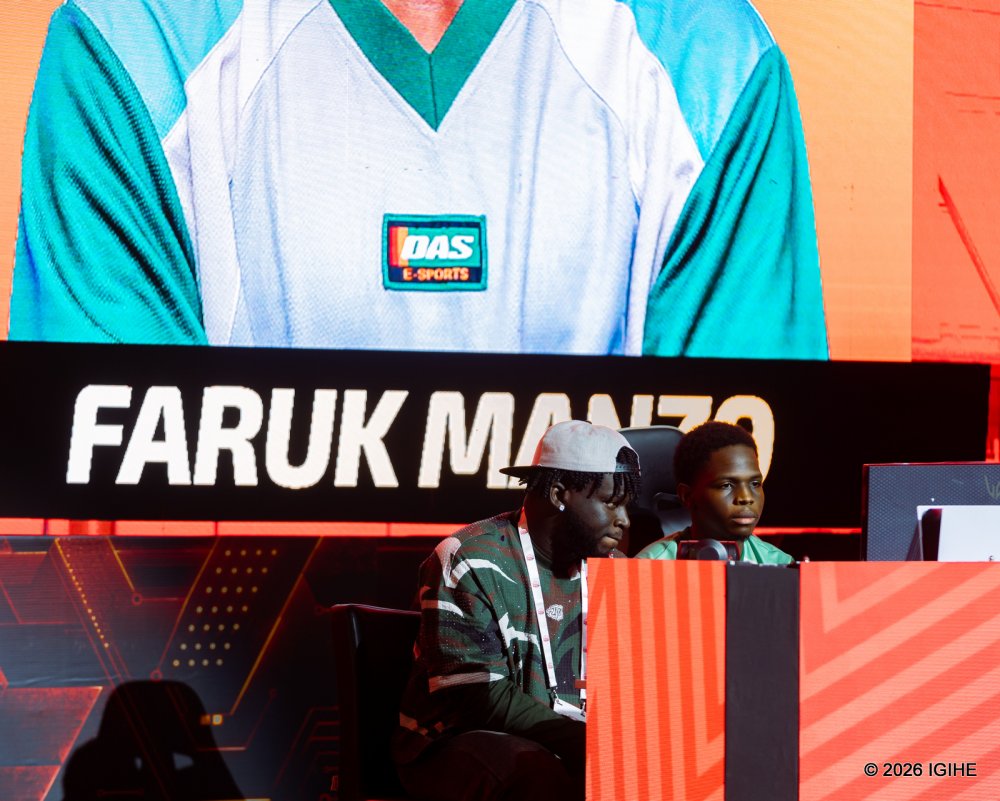
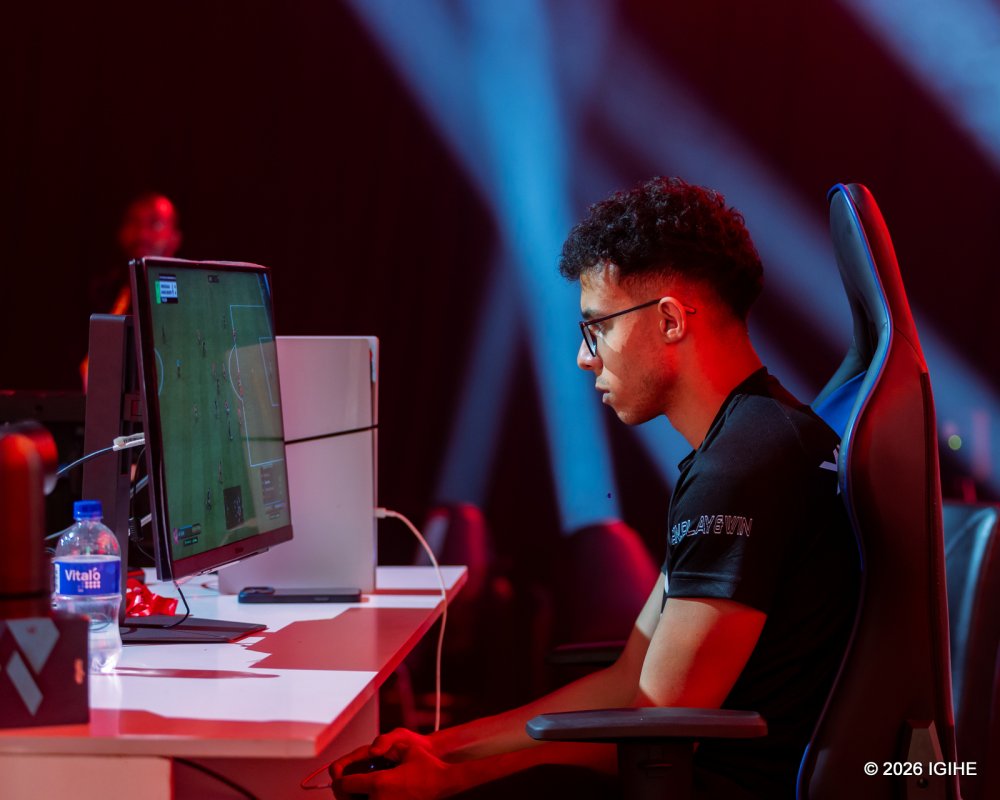
Faruk Manzo of Nigeria was eliminated in the round of 16.Zaid April was eliminated in the semi-finals.Egypt had the highest number of players in the tournament.
Nigeria’s Faruk Manzo was among the tournament favourites but was eliminated early.
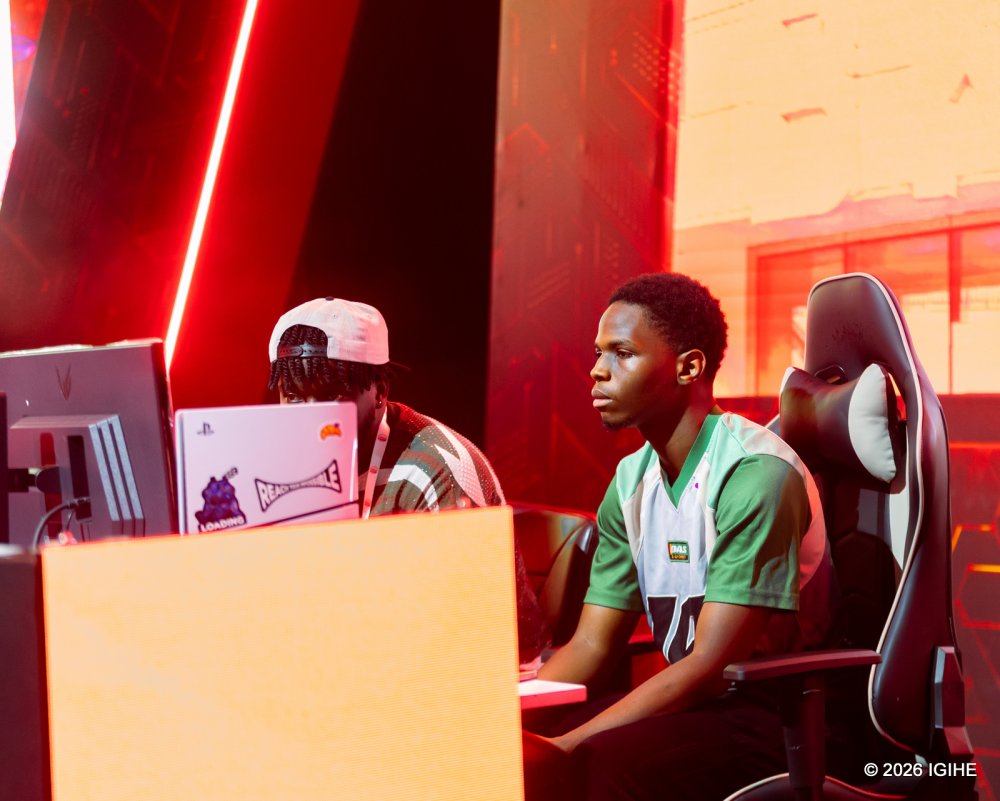
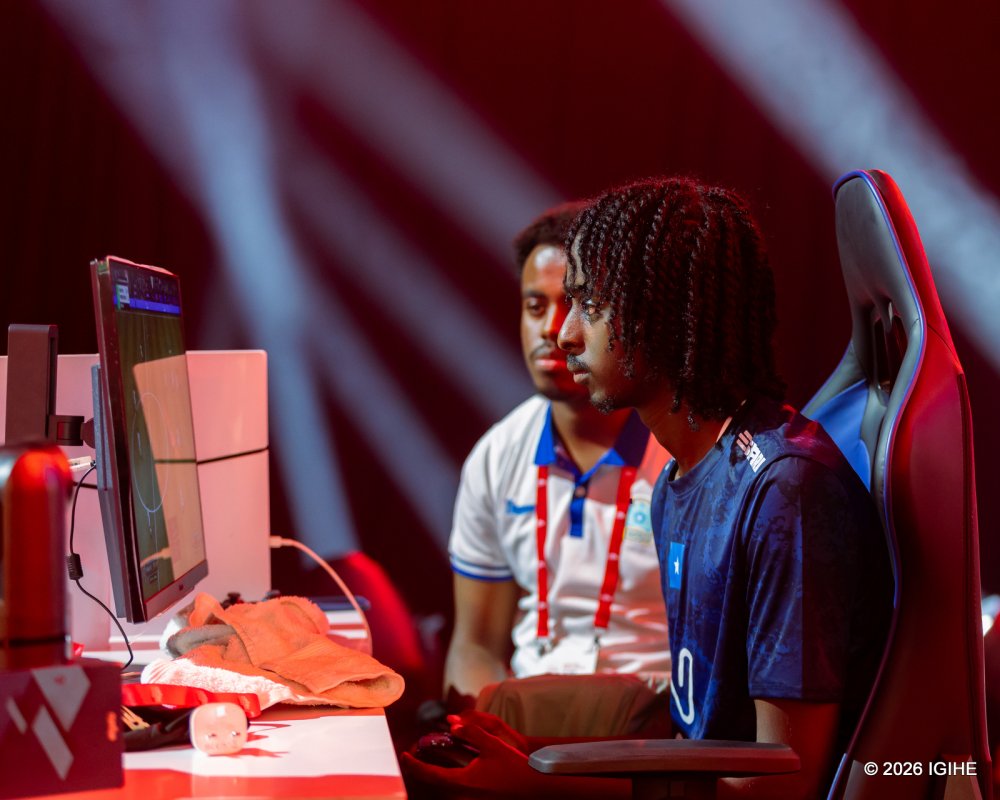
Somalia’s Nhaych was among the players who competed on the final day.
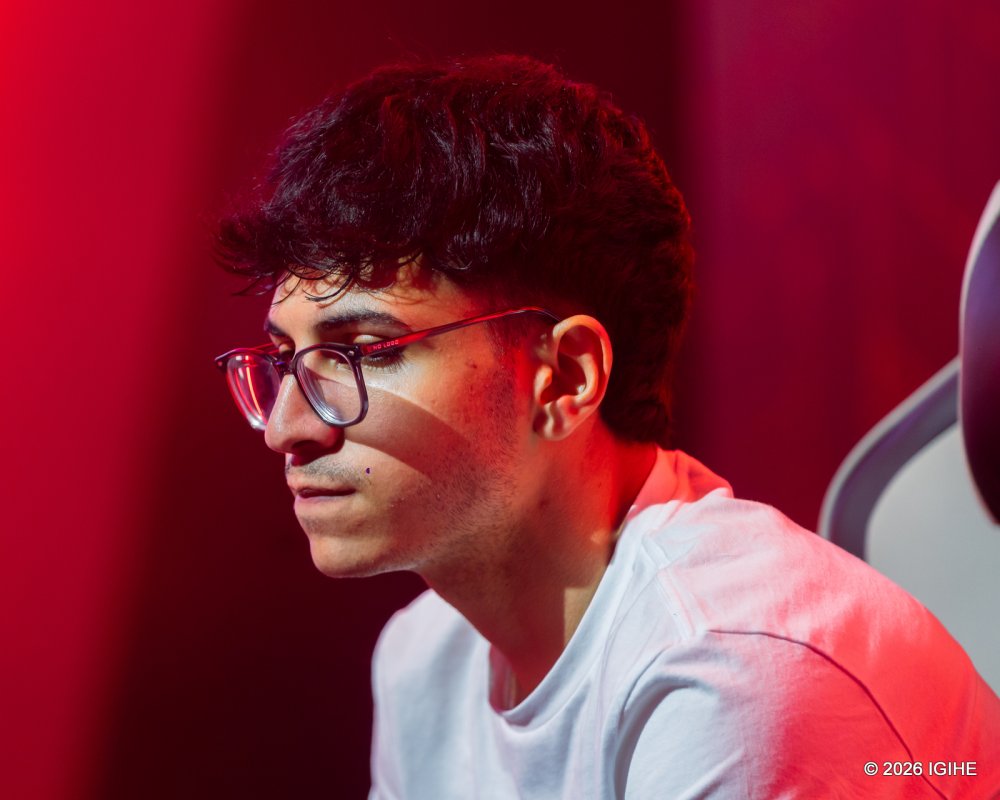
The matches featured live commentators who provided analysis throughout the games.Anas Badr won all his matches.Anas Badr is regarded as one of Africa’s top players.
Moaaz was eliminated in the semi-finals.
Toxic Joe was beaten in the final.
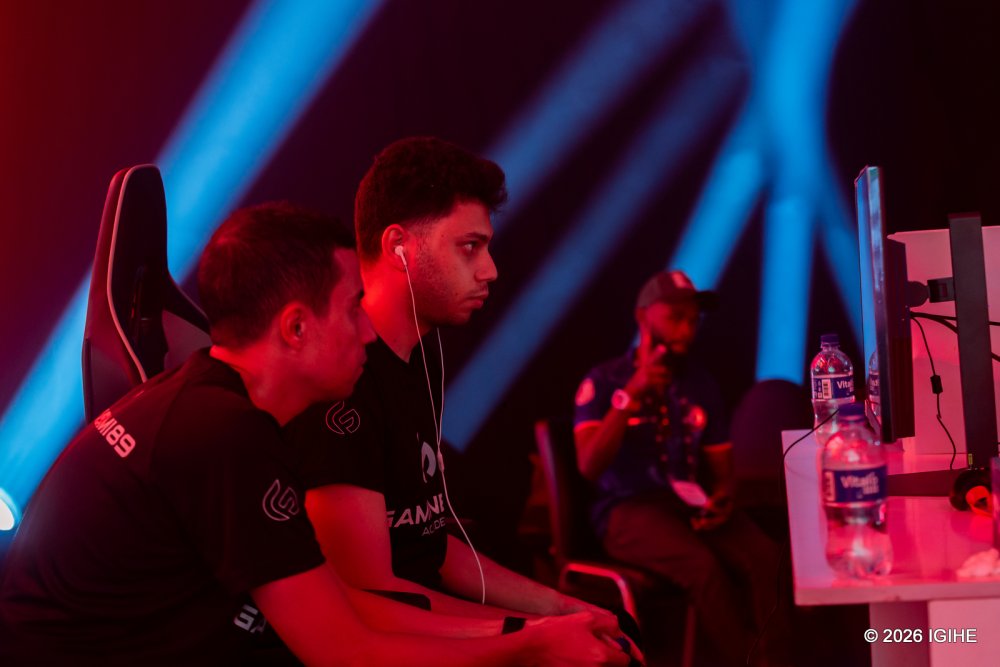
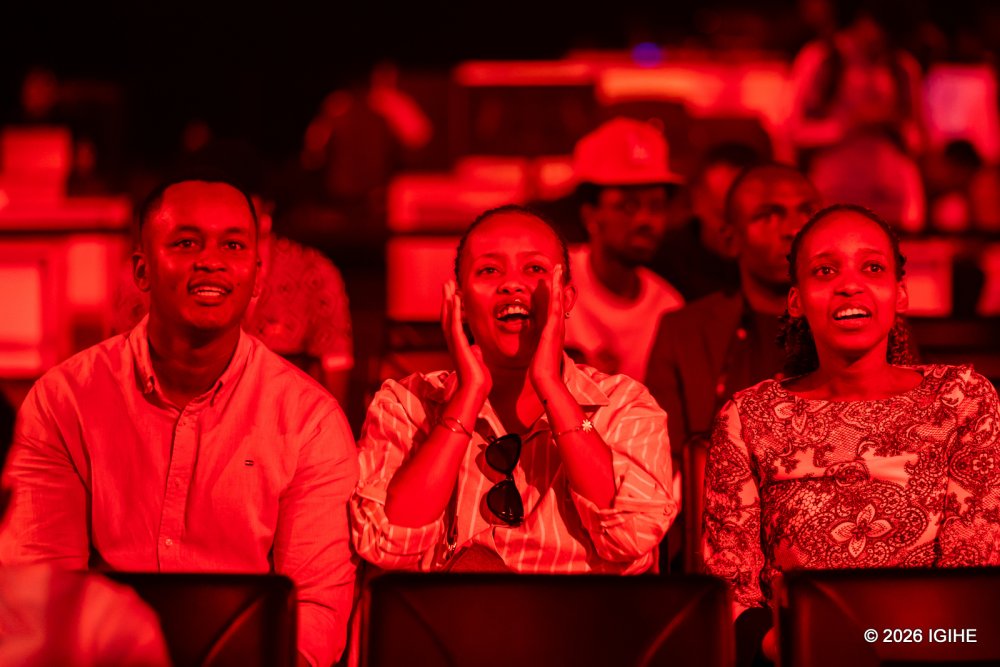
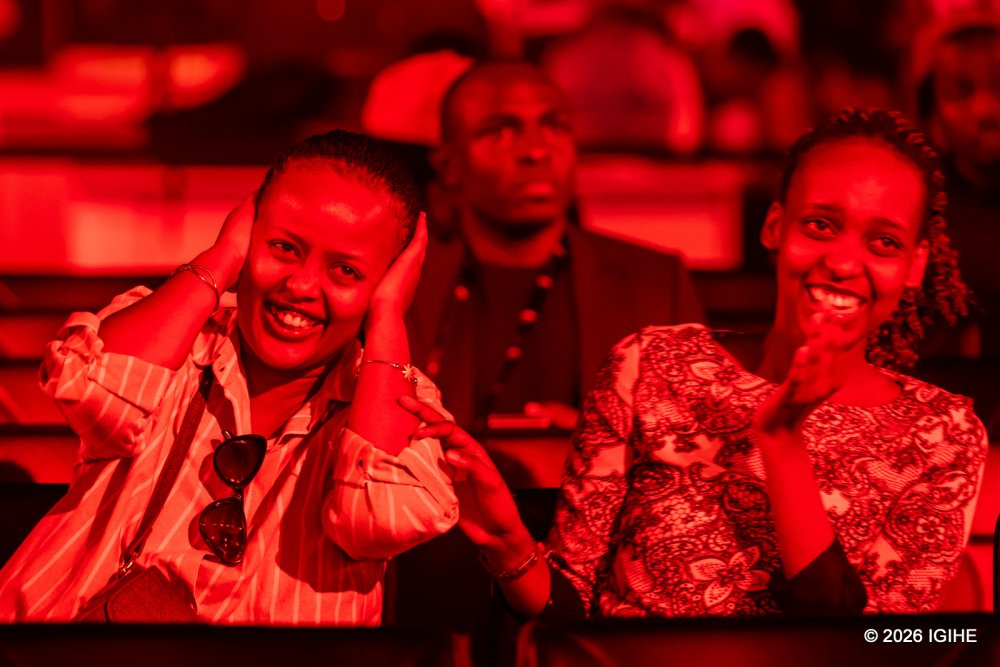
Fans enjoyed an exciting final. eSports fans stayed up late to watch the tournament.
These were the top players in the mobile football category.
Alexis Sharangabo presented the award to Anass Moussa
Morocco’s Anass Moussa won the eFootball Mobile title at the SportsBiz Africa Esports Cup.
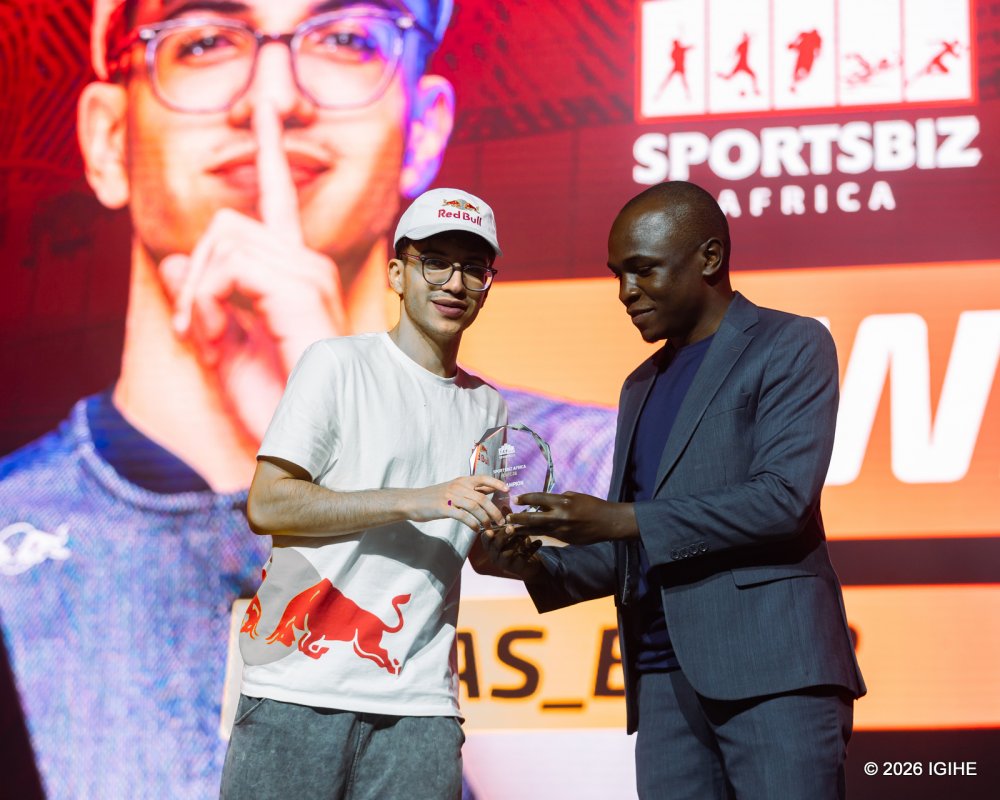
Zaid April failed to defend his African eSports title as the tournament returned to Rwanda for a second edition.Ronny Lusigi, president of Kenya’s Esports Federation, presented the award to Anas Badr.
Egyptian players congratulate their compatriot Anas Badr after he won the tournament.
The top-performing players shared a $10,000 prize pool.
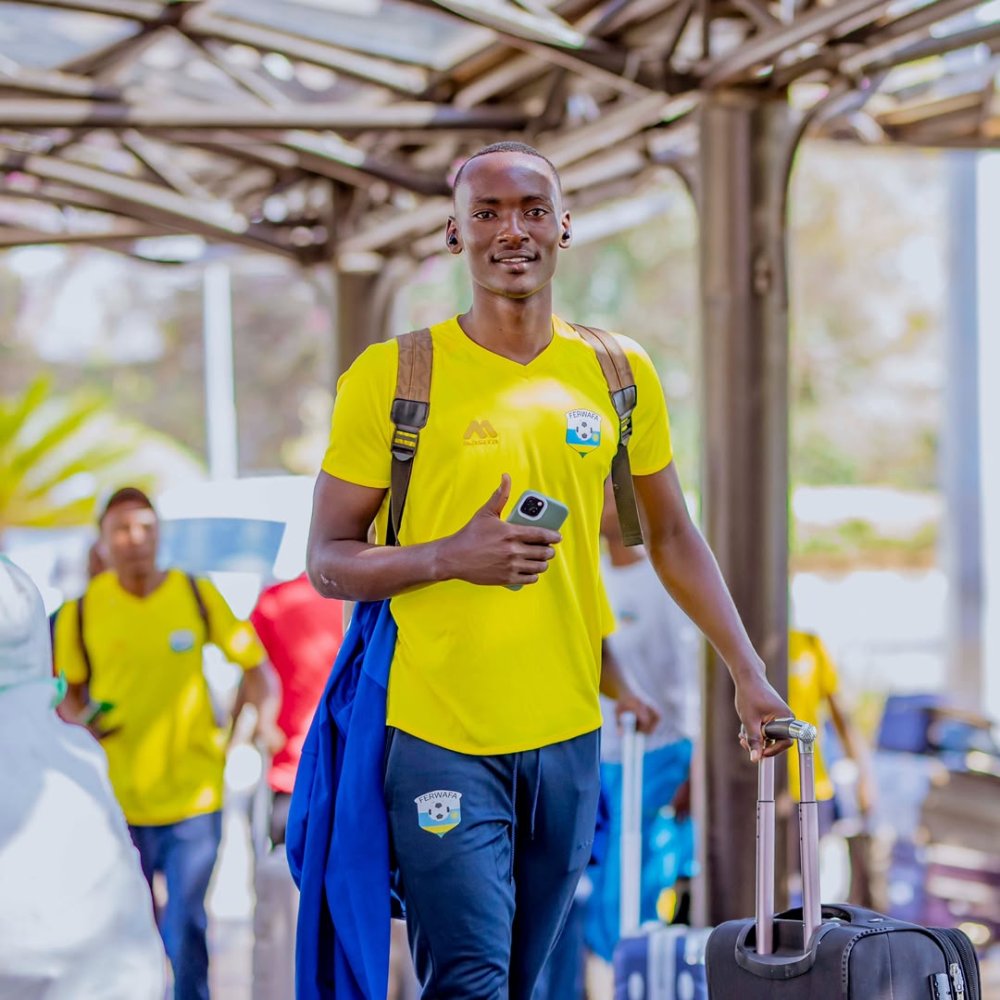
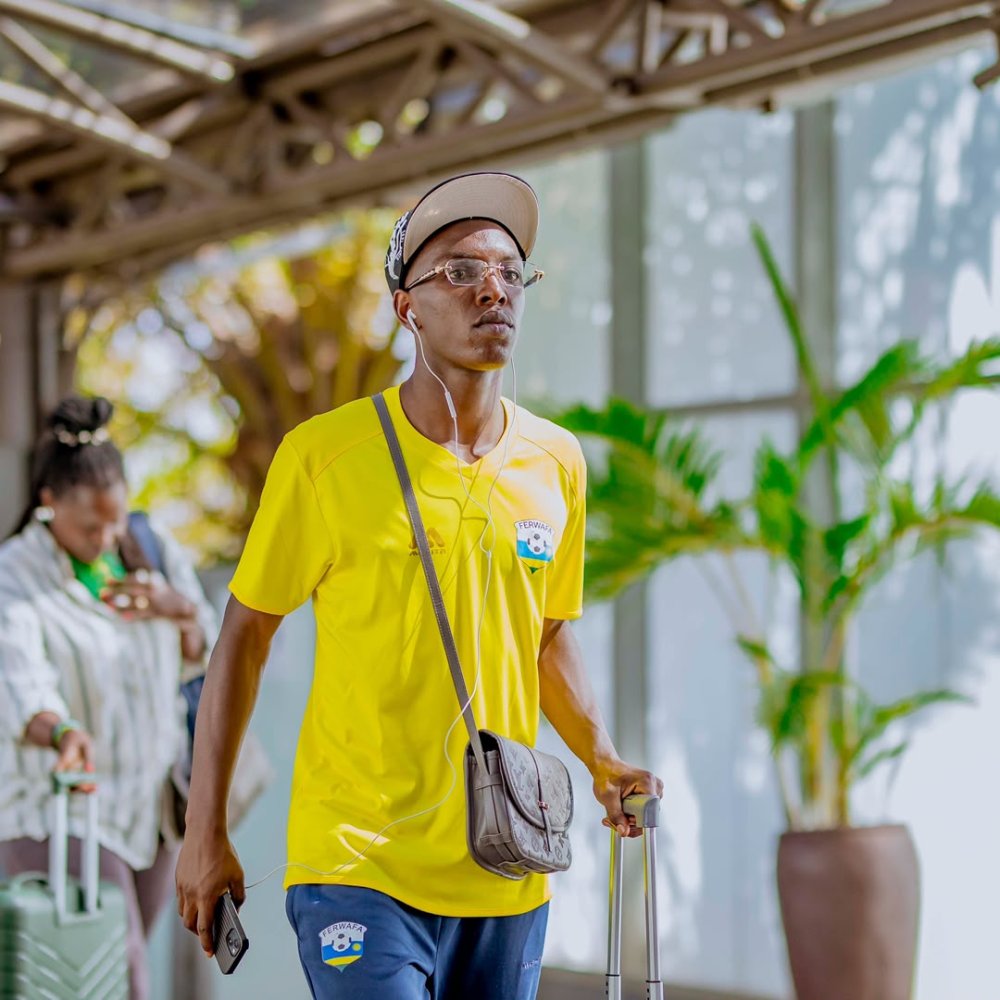
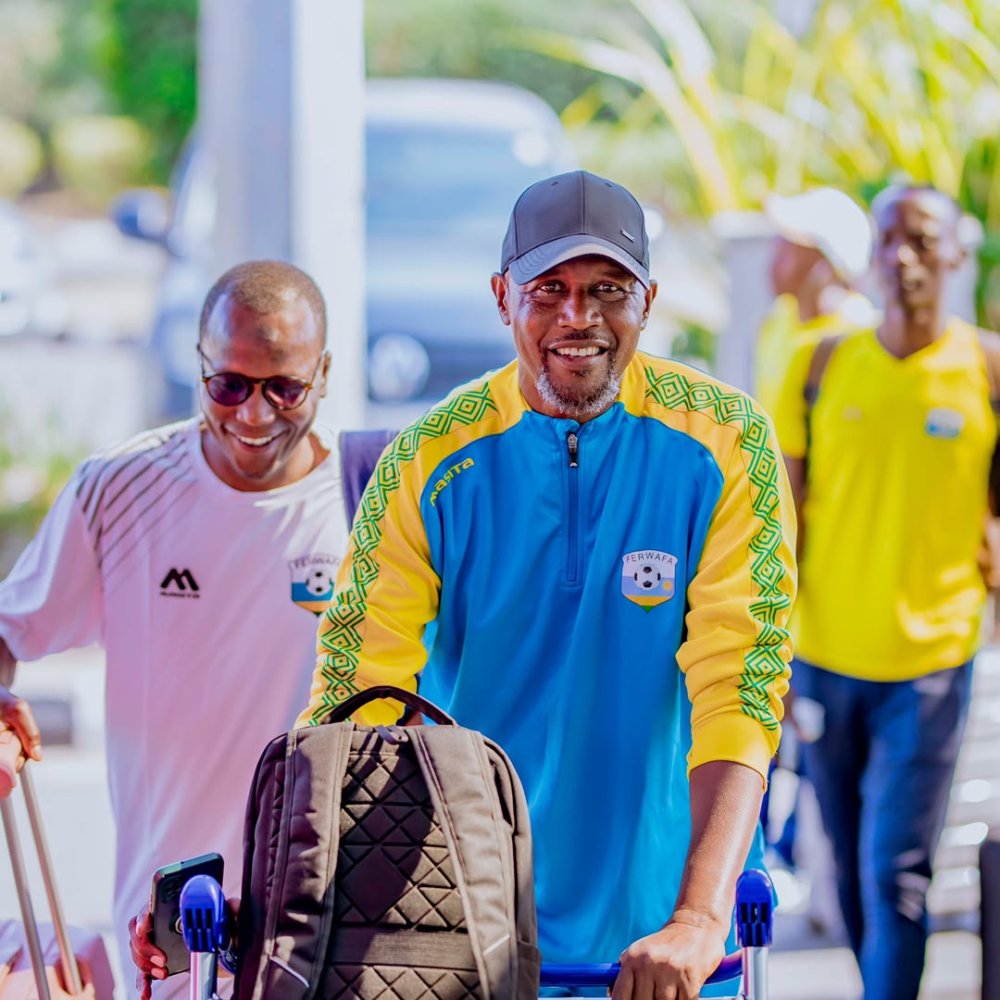
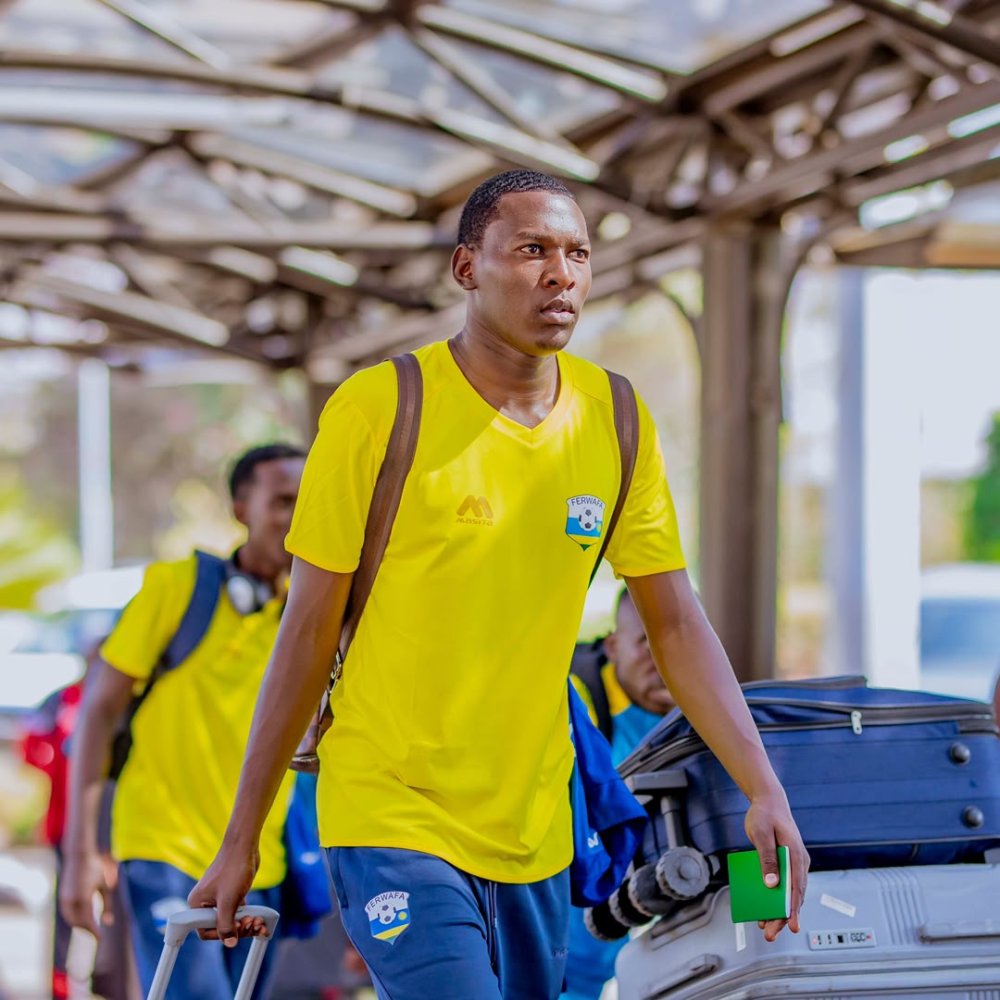
The team left Kigali International Airport on Sunday, September 13, 2026, ahead of the tournament, which runs from September 15 to 25.
Head coach Cassa Mbungo André is leading a 25-player squad, assisted by Ntamuhanga Tumaini, physical trainer Peter Otema and goalkeeper coach Ndizeye Aimé Désiré ‘Ndanda’.
Rwanda is in Group A alongside hosts Tanzania and Ethiopia. The matches will be played at Uhuru Stadium in Dar es Salaam, which was renovated ahead of the 2027 Africa Cup of Nations.
The Rwandan side comes into the tournament after playing two friendly matches against Sudan’s U-20 team. The first ended in a 2-2 draw, while the second finished 1-1.
Group B consists of Uganda, Sudan and Djibouti, while Group C features South Sudan, Burundi and Kenya.
The three group winners will advance to the semi-finals, alongside the best-performing second-placed team.
The two finalists will qualify to represent the CECAFA region at the 2027 Africa Cup of Nations, which will be held in Ghana.
The team left Kigali International Airport on Sunday, September 13, 2026, ahead of the tournament, which runs from September 15 to 25.Head coach Cassa Mbungo André is leading a 25-player squad, assisted by Ntamuhanga Tumaini, physical trainer Peter Otema and goalkeeper coach Ndizeye Aimé Désiré ‘Ndanda’.The players had spent the past week preparing for the tournament.
Rwanda’s 25-player squad heads to Tanzania for the Africa Cup of Nations qualifiers.