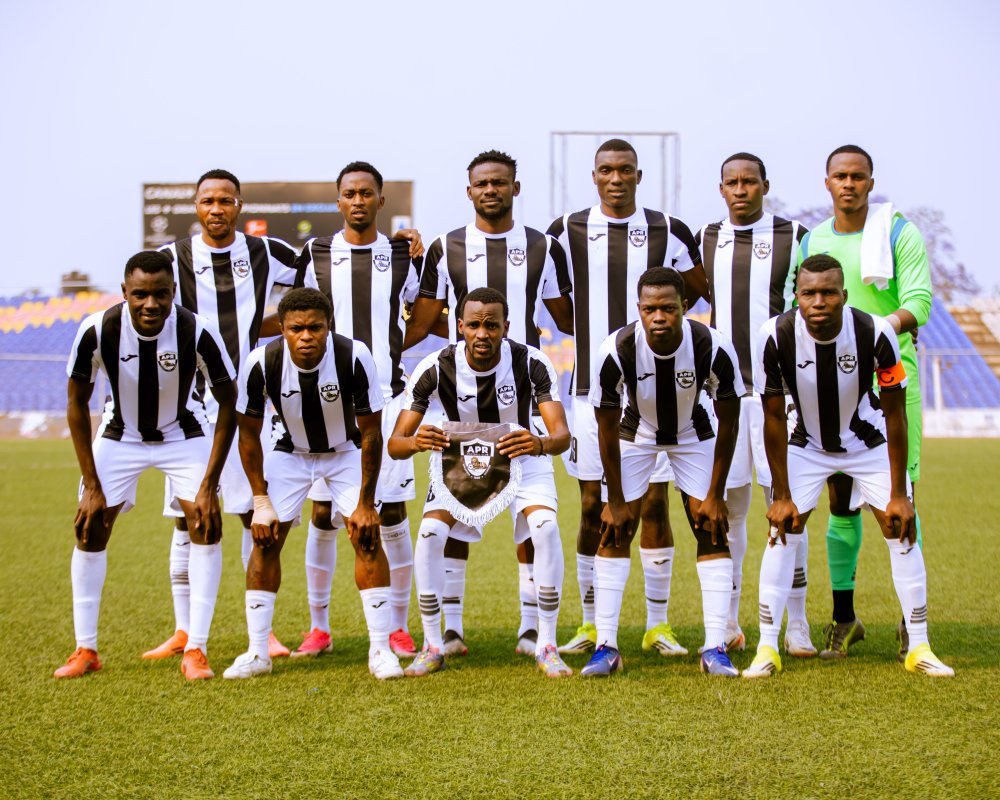
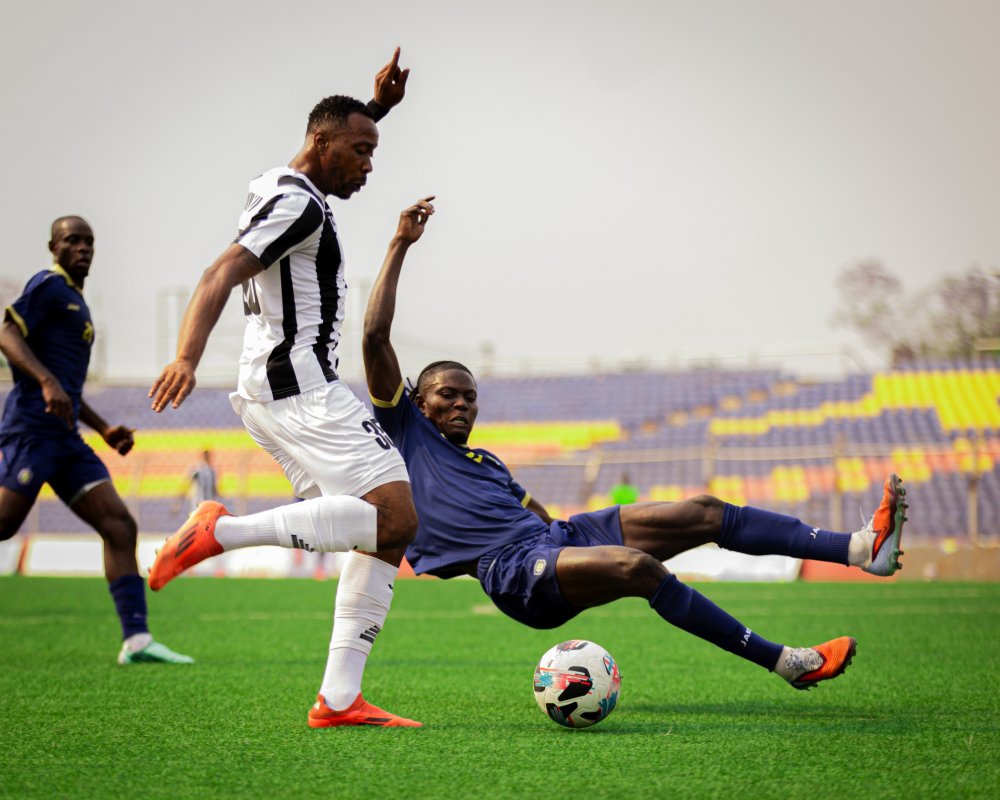
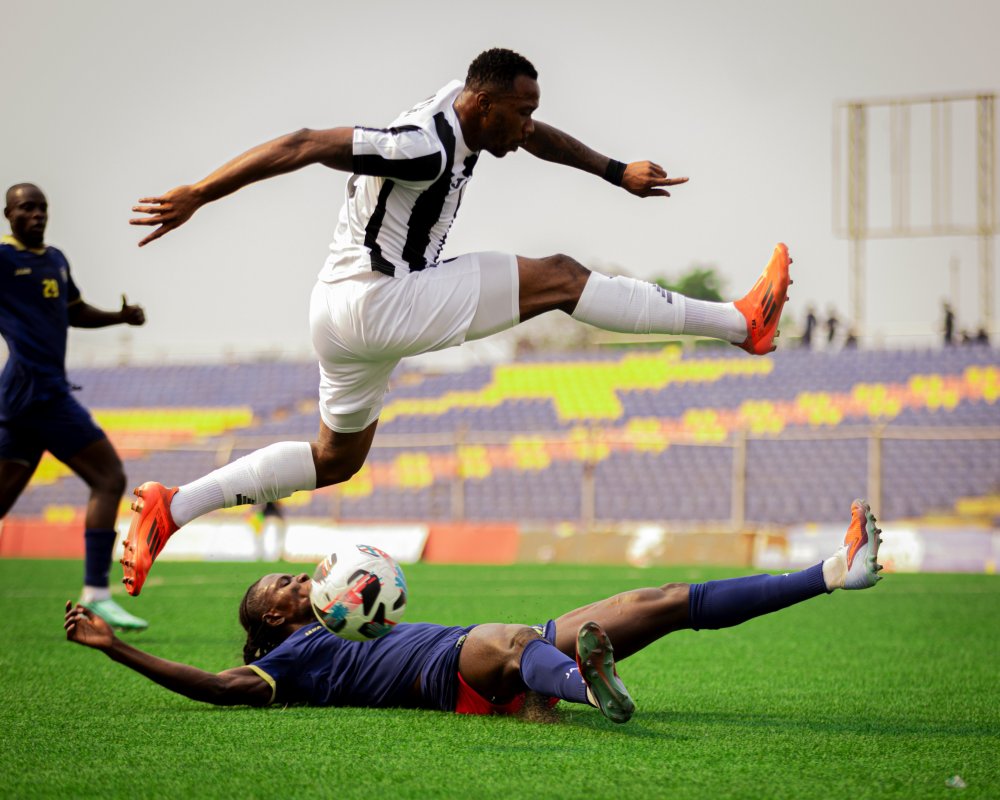
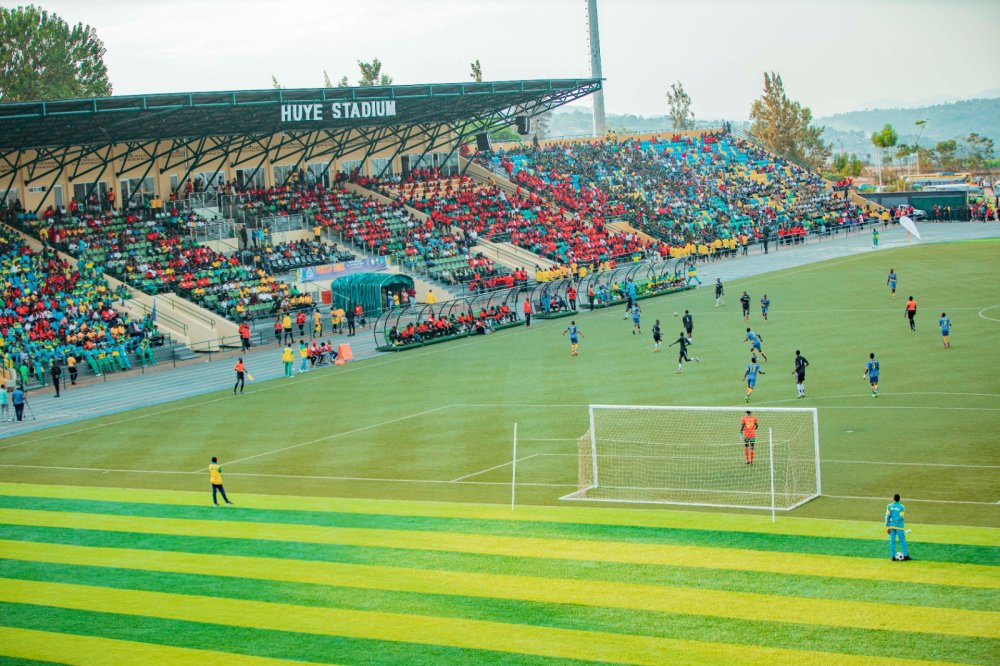
The Rwandan champions travelled to Lubumbashi on Sunday, September 6, 2026, for the first-leg match at Frédéric Kibassa Maliba Stadium.
The match was played behind closed doors, with no fans allowed into the stadium, as APR FC sought to avoid exposure to the Ebola outbreak reported in the country.
APR FC’s trip ended in disappointment after Sozé Zemanga scored the only goal of the match for Les Aigles du Congo in the 45th minute.
The defeat was compounded by the dismissal of Ssekiganda, who was shown a red card after the final whistle following an altercation with the match officials. The midfielder will therefore miss the return leg in Kigali.
APR FC players and officials were expected to return to Rwanda immediately after the match to begin preparations for the decisive second leg.
The return match will be played at Amahoro Stadium in Kigali on Friday, September 11, 2026, at 3 p.m.
APR FC will need to overturn the one-goal deficit to progress and will also have to avoid conceding at home, which would further complicate their qualification hopes.
The winner of the tie between APR FC and Les Aigles du Congo will face either Egypt’s Zamalek SC or Djibouti’s AS Port in the second preliminary round, scheduled for October 2026.
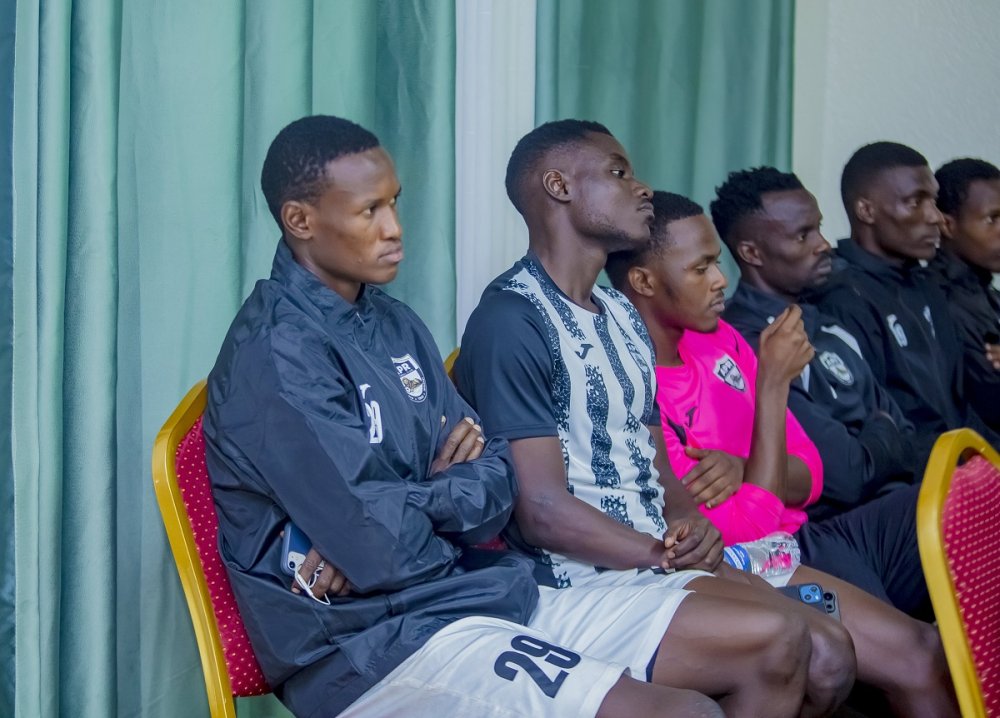
APR FC’s starting lineup.APR FC lost 1-0 to Les Aigles du Congo in the first leg of the CAF Champions League preliminary round.The match was played behind closed doors, with no fans allowed into the stadium, as APR FC sought to avoid exposure to the Ebola outbreak reported in the country.
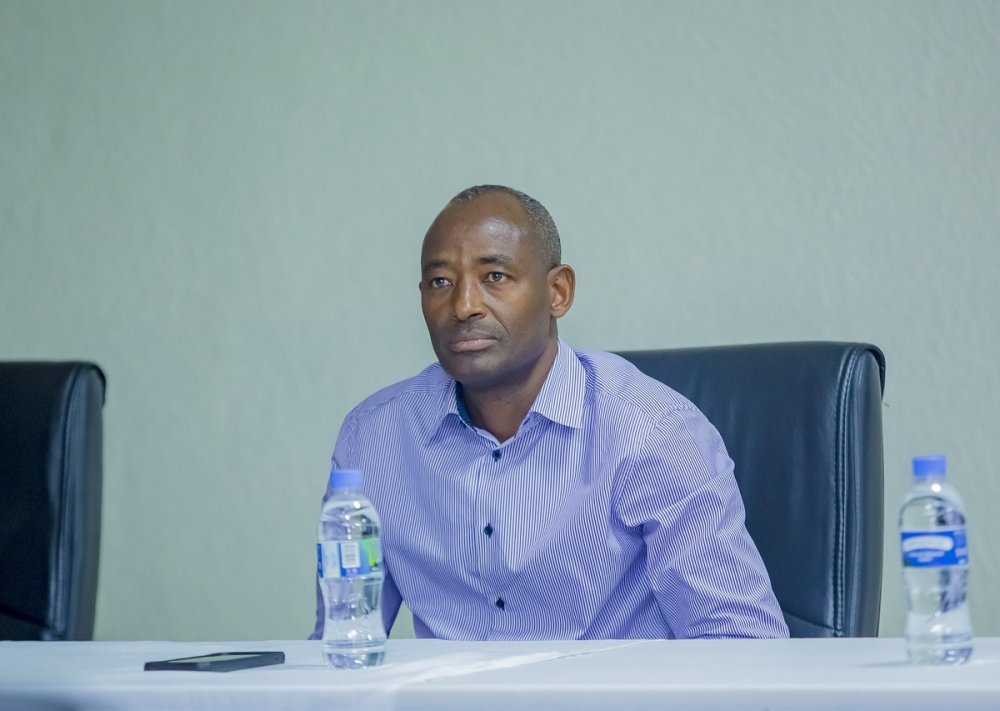
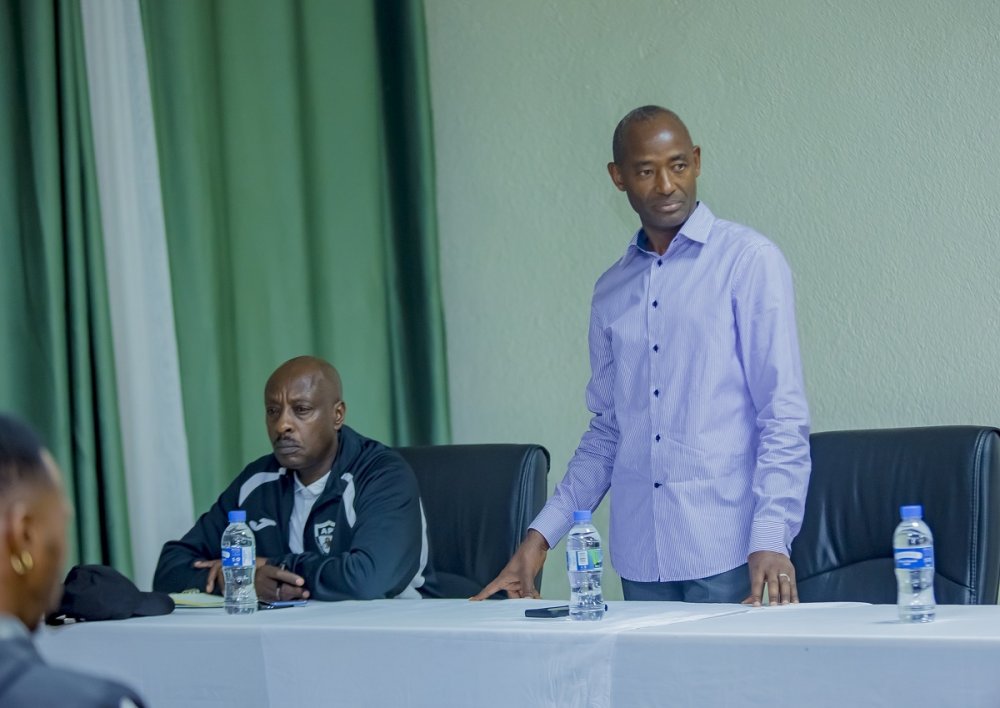
Gen Muganga visited the APR FC squad on Saturday night, September 5, 2026, as the team prepared to travel to the DRC for the first leg of the CAF Champions League first-round qualifier.
Addressing the players, Gen Muganga described the match as one that would require maximum effort, urging them to represent the club and its supporters with pride.
“Fight hard and achieve the mission across the border. You have a game tomorrow, and for us, it is like the final. Victory must be secured there in Lubumbashi. After that, we will meet you at the airport and warmly welcome you for bringing pride to the team and our supporters,” he said.
He also stressed the importance of taking control of the tie in the first leg so that APR FC can approach the return match from a strong position.
“Hopefully, you will perform well in the first leg because that is the key to everything. We should play the second leg having already done our job,” Gen Muganga added.
APR FC departed for Lubumbashi early Sunday, September 6, aboard a chartered aircraft. The match is scheduled for 3 p.m. at Frédéric Kibassa Maliba Stadium.
The Rwandan champions will not spend the night at a hotel in the DRC. Instead, they are expected to travel directly to the stadium before returning to Kigali immediately after the match.
The players travelled to Kinshasa after CAF rejected the club’s request to move the first leg from the DRC over security concerns and the Ebola outbreak.
The match will be played behind closed doors, with no spectators allowed inside the stadium due to Ebola concerns.
Players will not be allowed to exchange jerseys after the match, according to the arrangements put in place for the fixture.
Gen Muganga visited the APR FC squad on Saturday night, September 5, 2026, as the team prepared to travel to the DRC for the first leg of the CAF Champions League first-round qualifier.APR FC departed for Lubumbashi early Sunday, September 6, aboard a chartered aircraft. The match is scheduled for 3 p.m. at Frédéric Kibassa Maliba Stadium.
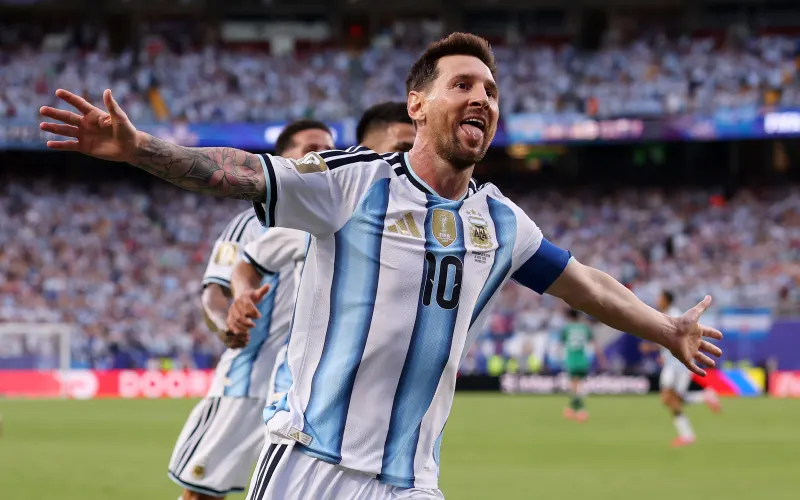
Messi made the announcement on Monday, August 31, 2026, through an emotional message shared on his Instagram account.
The announcement comes weeks after Argentina’s 1-0 defeat to Spain in extra time in the 2026 FIFA World Cup final on July 19, 2026.
The painful defeat at MetLife Stadium ended Argentina’s hopes of defending the World Cup title they won in Qatar in 2022, when Messi finally lifted the trophy that had eluded him for much of his career.
Although many expected Messi to announce his decision immediately after the World Cup final, he revealed that he had written his farewell message on July 21, just two days after the tournament ended.
However, he delayed making the announcement following a private family tragedy.
His father, Jorge Messi, had been battling severe health problems during the tournament and died on August 8, 2026.
“Today, after what happened with my dad, I’m even more convinced of this decision than before,” Messi wrote in a poignant Spanish message shared with his fans.
“It is a decision that hurts my soul, but I know it is time. I have emptied myself: now I have nothing more to give.”
Messi made his senior Argentina debut in 2005 and leaves the national team as its all-time leader in both appearances and goals.
He ended his international career with 207 appearances and 125 goals.
His journey with Argentina was marked by both painful defeats and historic triumphs.
After losing the 2014 FIFA World Cup final to Germany and suffering consecutive defeats in the Copa América finals, Messi briefly retired from international football in 2016 before later reversing his decision.
His perseverance was eventually rewarded with three major international trophies.
He led Argentina to victory at the 2021 Copa América, followed by the 2022 FIFA World Cup in Qatar. He then helped the country win the 2024 Copa América.
These victories cemented his status as one of the most successful players in Argentina’s football history.
Messi’s retirement from international football does not mark the end of his playing career.
The forward will continue playing club football in the United States with Inter Miami CF in Major League Soccer.
He is under contract with the club through the 2027 season.
Messi leaves the Argentina national team as its most decorated player, bringing to a close one of the most remarkable international careers in football history.
The 39-year-old has announced his retirement from international football after 21 years with the national team.
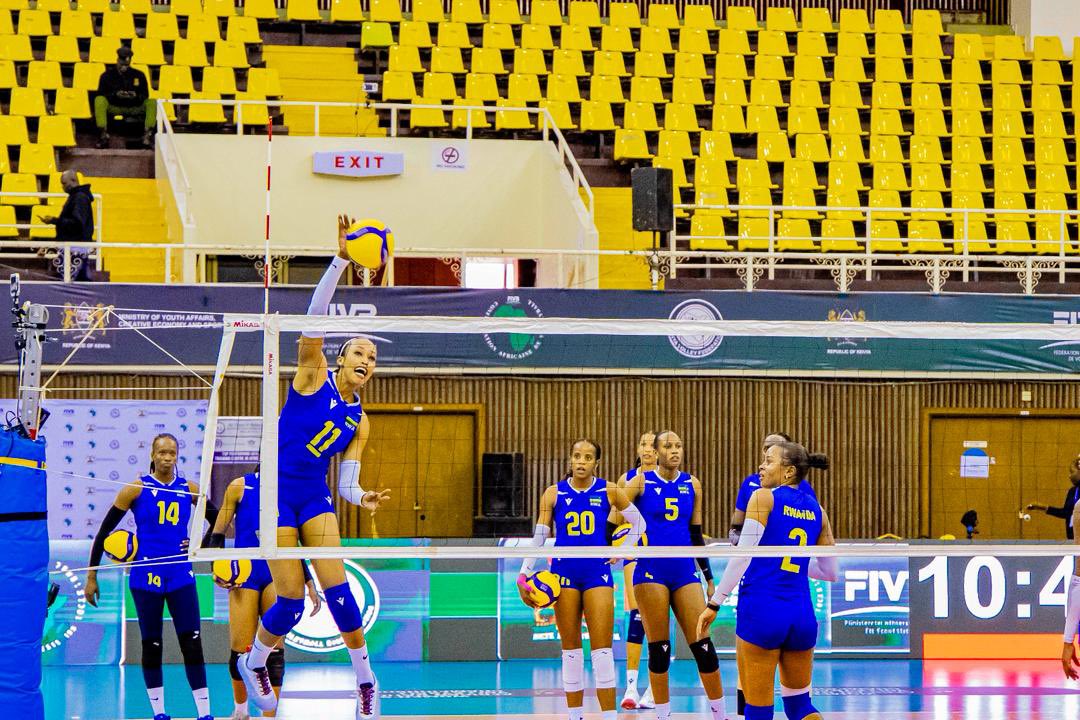
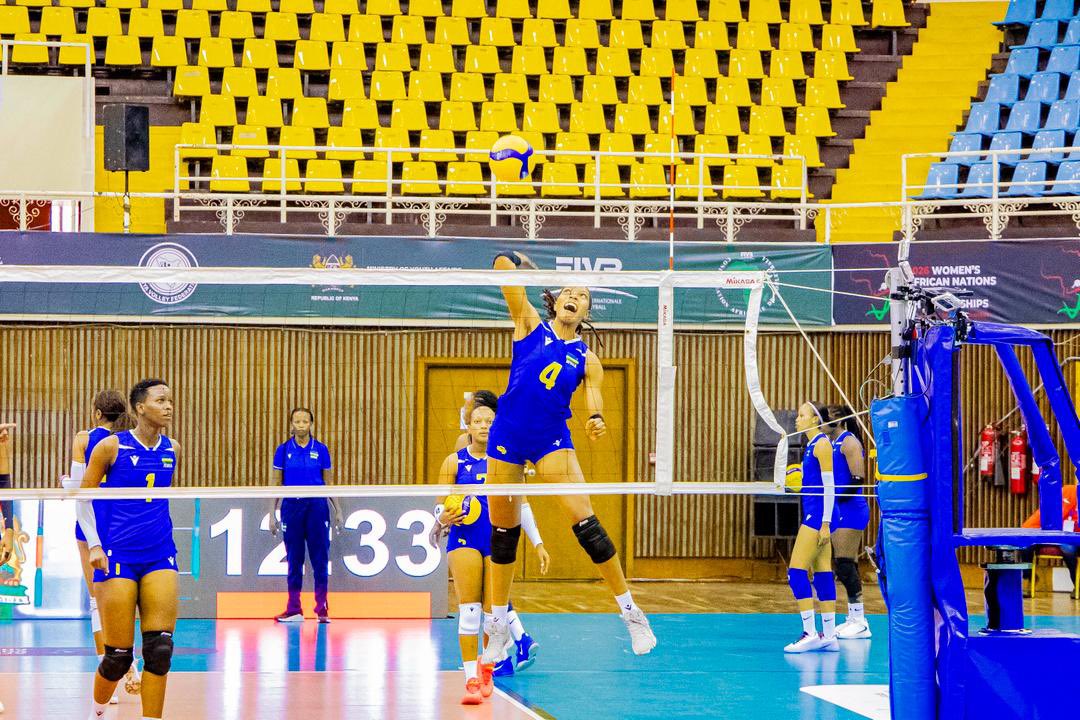
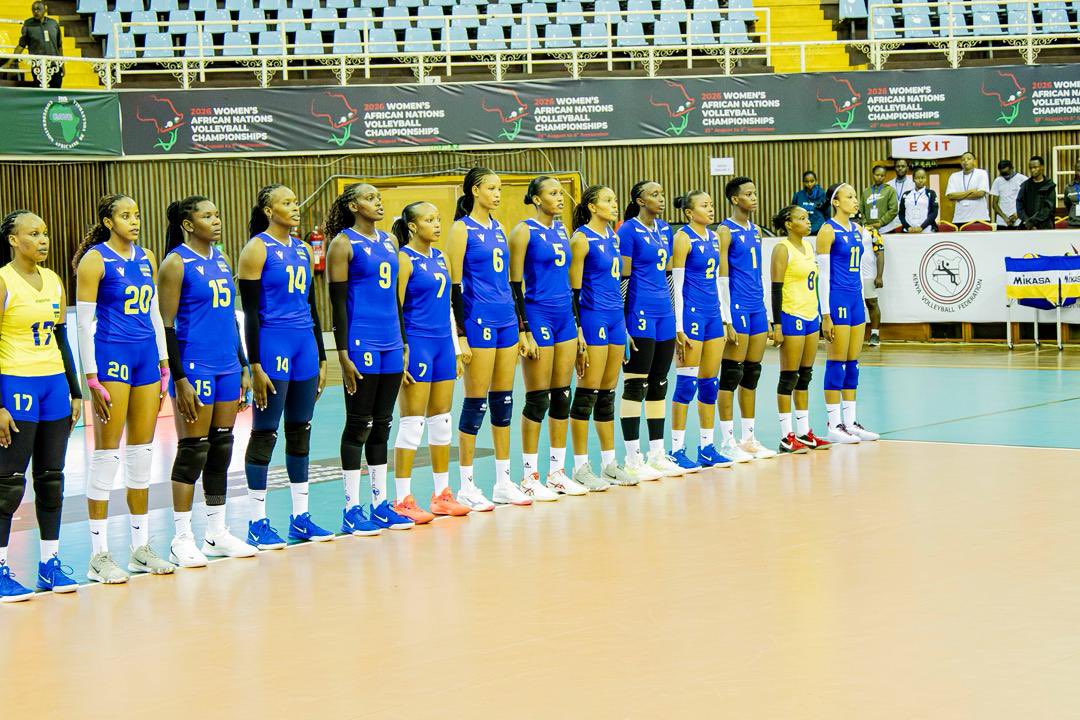
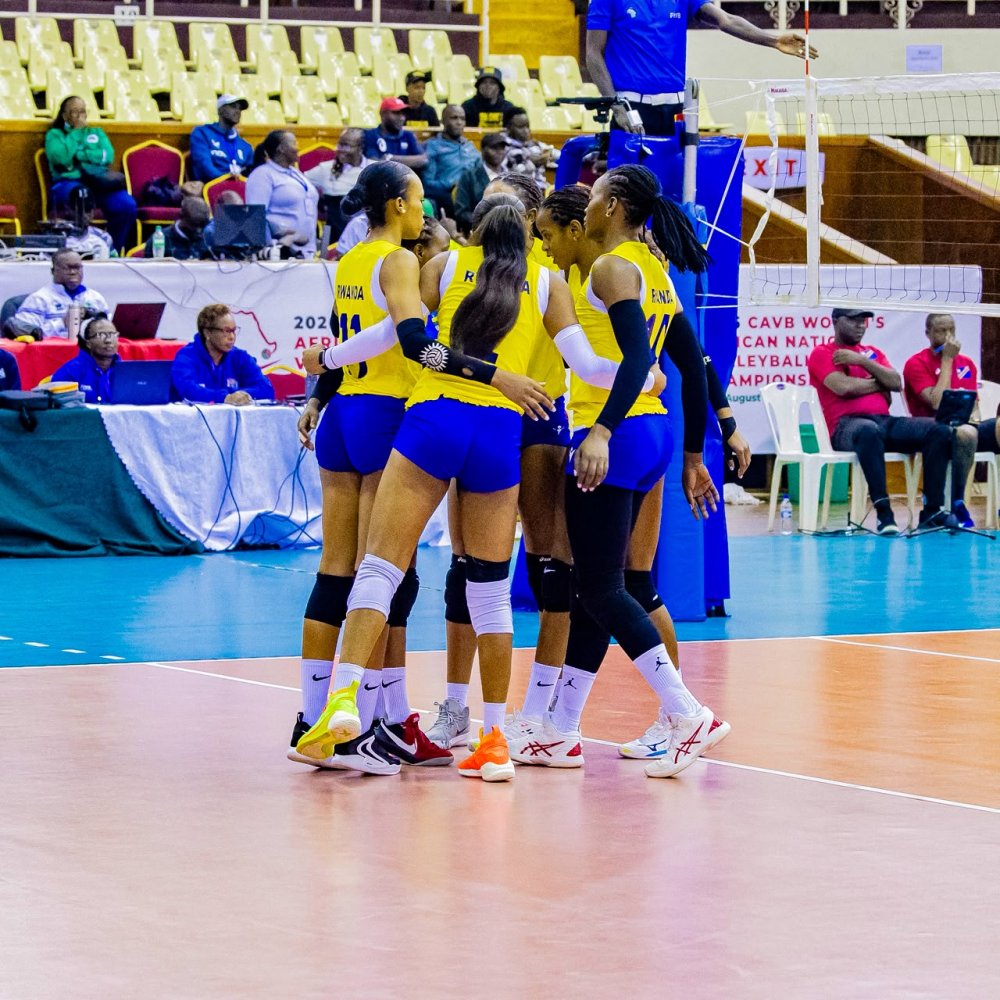
Rwanda won the match 25-19, 25-16, 25-8 to maintain its push for a deep run in the continental tournament.
Burkina Faso made a promising start, taking an early 8-6 lead in the opening set as Rwanda struggled to settle into the match. Rwanda gradually regained control, with captain Valentine Munezero and middle blocker Divine Marie Nyirahabimana making important blocks.
Burkina Faso also struggled with service errors, allowing Rwanda to build momentum and eventually take the first set 25-19.
Rwanda won the match 25-19, 25-16, 25-8 to maintain its push for a deep run in the continental tournament.
The West Africans again started strongly in the second set, opening up a five-point advantage. Rwanda responded by improving its attacking game, while Burkina Faso continued to give away points through service mistakes.
Rwanda turned the set around and pulled clear to win 25-16, moving within one set of the quarter-finals.
The third set proved one-sided as Rwanda took control from the outset. Nyirahabimana led the attack, scoring eight points from seven attacks, while Flavia Dusabe contributed six points.
Rwanda built a 14-point advantage as Burkina Faso struggled to cope with the pressure. The Rwandans closed out the set 25-8 to complete the straight-sets victory.
Nyirahabimana finished as Rwanda’s leading scorer with 16 points and was named Player of the Match.
The victory sends Frédéric Guérin’s team into the quarter-finals, where Rwanda will continue its campaign for continental honours.
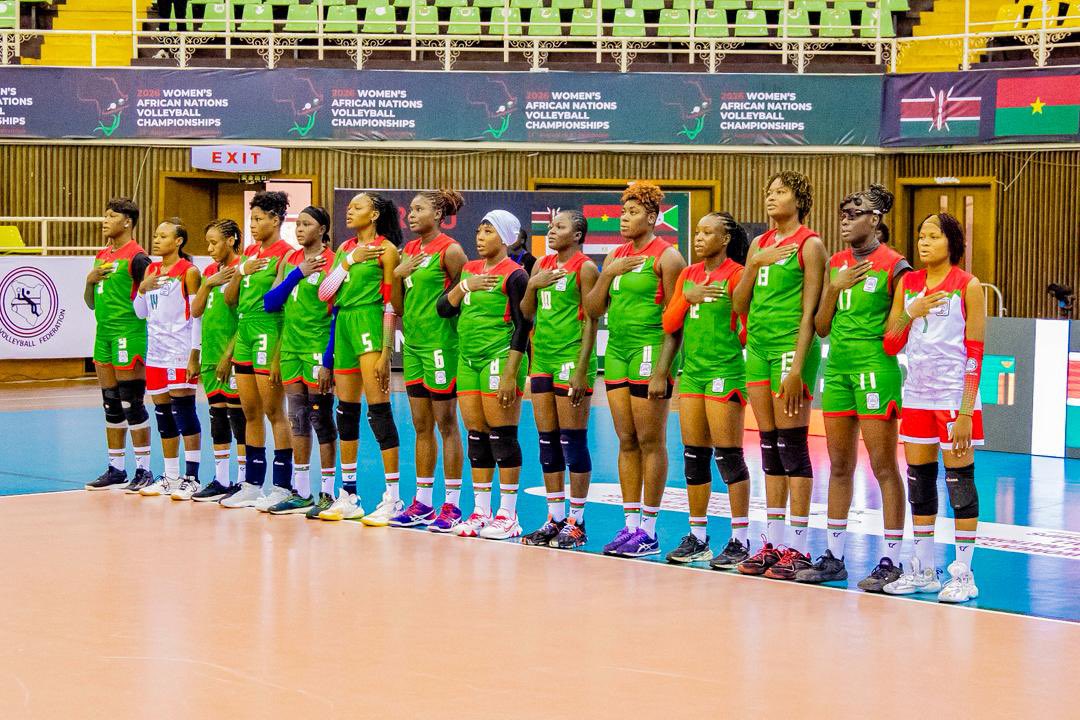
Burkina Faso started strongly, but Rwanda rallied to take control in the second set.
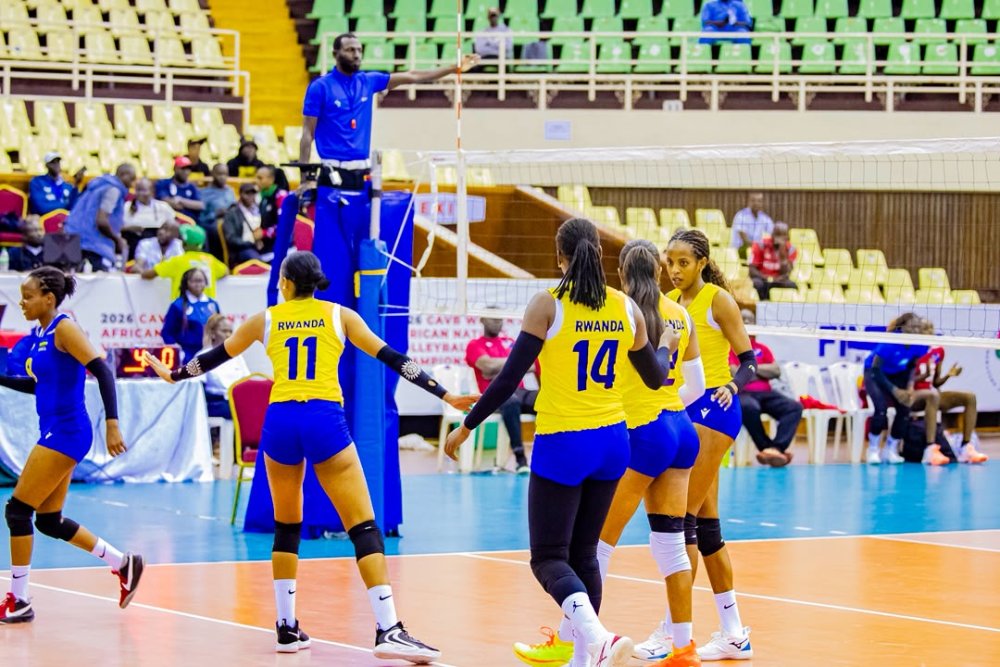
The match, played at Ulinzi Complex Hall in Nairobi, Kenya, saw Rwanda dominate from the opening set as they secured their third consecutive victory in Group D.
Rwanda raced to a 25-6 win in the first set before claiming the second 25-11. They completed the sweep with a 25-13 victory in the third set.
The first set lasted 18 minutes, while the second and third sets took 22 and 18 minutes, respectively.
The victory gave Rwanda a perfect nine points from three matches and secured their place at the top of Group D.
Rwanda had earlier defeated Algeria 3-0 before recording another straight-set victory over the Democratic Republic of Congo (DRC).
Rwanda will face the fourth-placed team from Group B in the round of 16. Senegal and Burkina Faso are among the teams in contention for that position.
Rwanda’s women’s national volleyball team finished the group stage of the 2026 African Volleyball Championship unbeaten after defeating Burundi 3-0 on Thursday.The match, played at Ulinzi Complex Hall in Nairobi, Kenya, saw Rwanda dominate from the opening set as they secured their third consecutive victory in Group D.
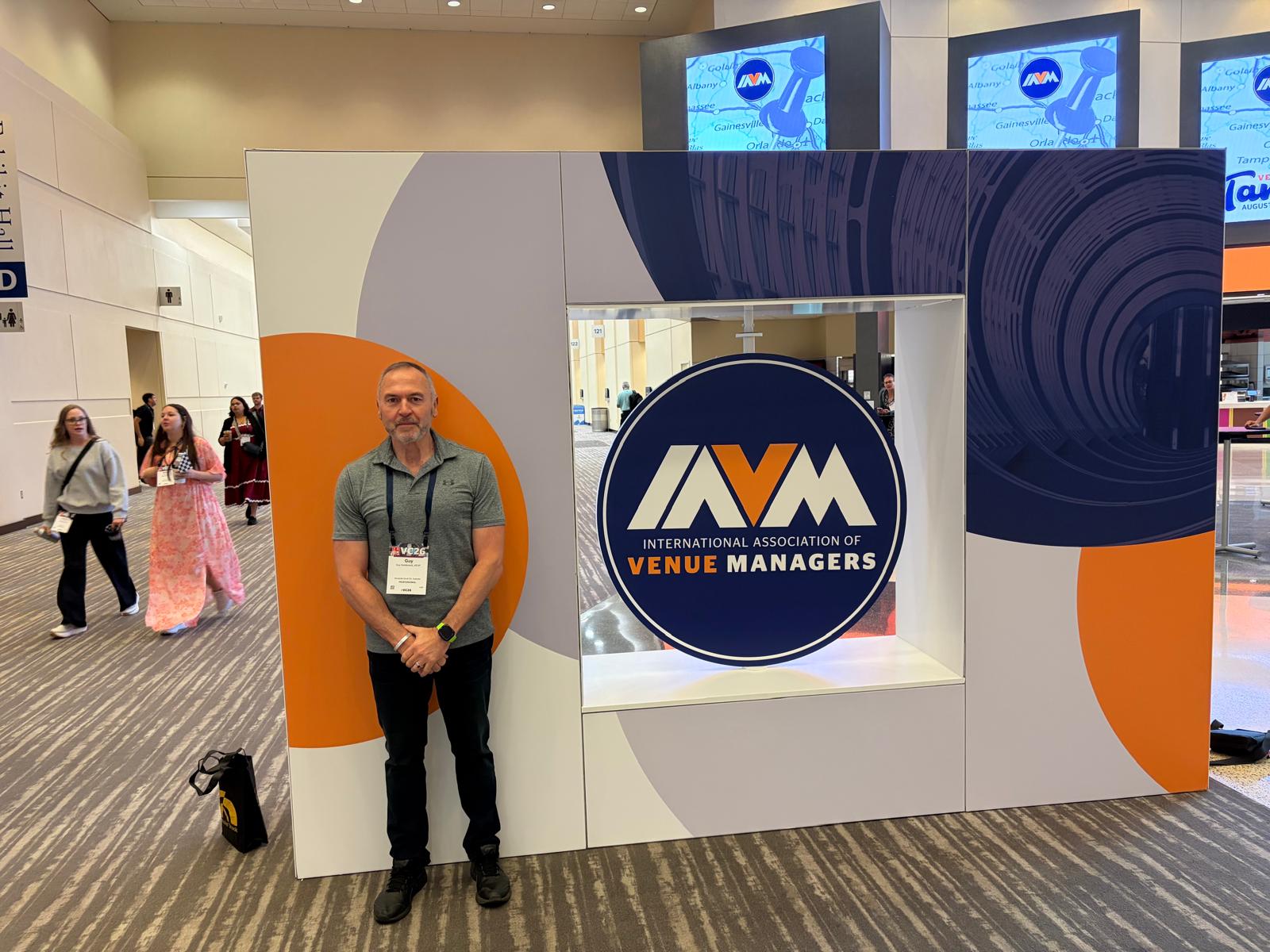
The appointment was confirmed during the 101st IAVM VenueConnect Annual Conference and Trade Show in Indianapolis, United States, bringing Rwanda’s growing venue management industry into the spotlight on the global stage.
The IAVM represents venue professionals working across stadiums, arenas and convention centres worldwide, with more than 8,000 venue professionals represented through the association.
Hedderwick’s election is being viewed as a significant milestone for Rwanda and Africa as the continent’s sports and entertainment infrastructure continues to expand.
The new role will place the QAVS chief at the centre of global discussions on stadium management, innovation, professional development and industry standards.
“This is bigger than an individual appointment. It gives us an opportunity to connect Rwanda and Africa’s growing venue industry with global expertise, certification and mentorship,” Hedderwick said.
“Our ambition is to develop world-class venues alongside world-class African professionals to manage them. Through our partnership with IAVM, we want to expand education, certification and mentorship programmes in Rwanda and across the region.”
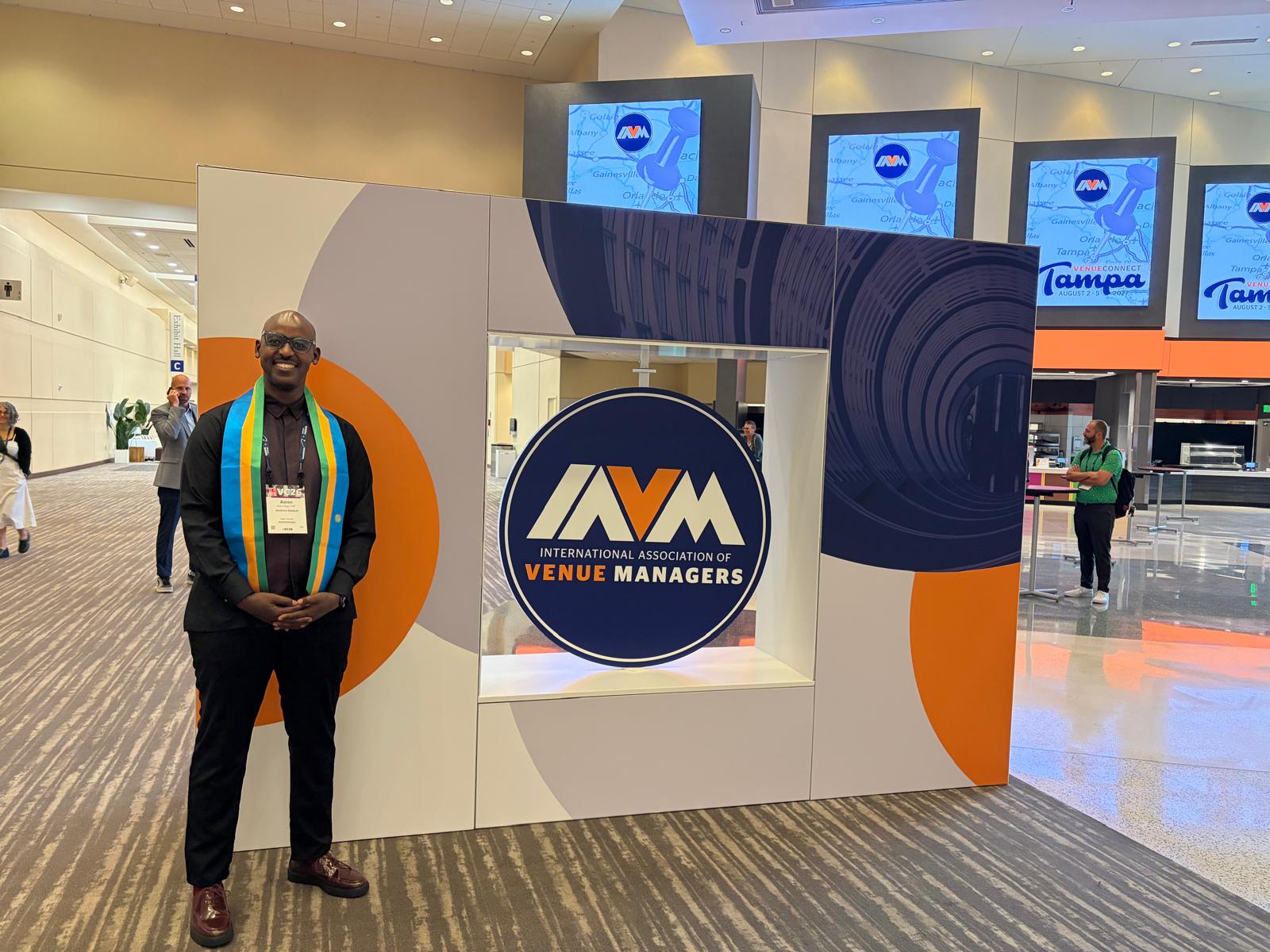
Hedderwick’s appointment came alongside another milestone for Rwanda’s venue management sector, with Amahoro Stadium Venue Manager Aaron Gaga earning the Certified Venue Professional (CVP) designation at the same conference.
Amahoro Stadium Venue Manager Aaron Gaga earned the Certified Venue Professional (CVP) designation at the same conference.
The CVP is a professional certification for venue management professionals and marks another step in the development of internationally recognised venue management expertise in Rwanda.
Gaga joined QAVS as a junior staff member and has progressed through the organisation to become Venue Manager at Amahoro Stadium.
“I joined QAVS as a junior staff member and have grown through the ranks. This certification is a testament to passion, dedication and a commitment to excellence,” Gaga said.
“More importantly, it reflects the journey we are on as a company and as a country—building world-class venue management expertise as Rwanda positions itself as a regional hub for sports and entertainment.”
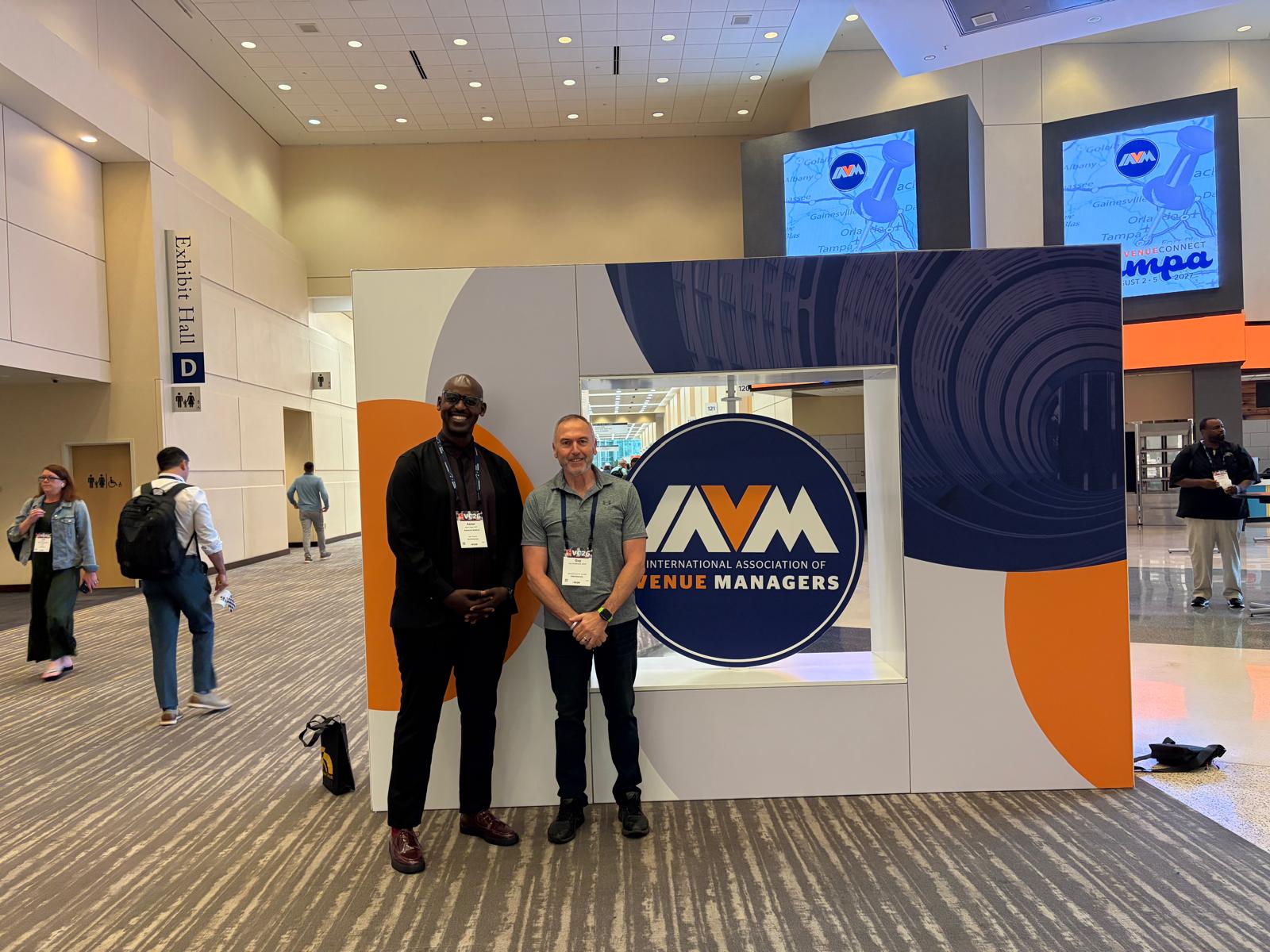
Gaga and Guy at the conference.
QAVS said the two achievements reinforce its focus on professional development and succession planning as Rwanda seeks to strengthen its position as a destination for major sports, entertainment and business events.
The company manages several of Rwanda’s flagship sports and entertainment facilities within Kigali Sports City, including BK Arena, Amahoro Stadium and Zaria Court.
According to QAVS, the precinct represents more than $300 million in government investment and has attracted more than $30 million in private investment. The facilities have hosted more than 600 events over the past six years and generated more than $15 million in sponsorship value.
The company affirmed that its venue management work supports Rwanda’s broader ambitions to grow the sports and tourism economy, create employment opportunities and strengthen local professional skills.
Building on the two achievements, QAVS and IAVM are expected to explore opportunities to strengthen mentorship, professional certification and capacity-building for venue managers in Rwanda.
The initiatives could eventually be extended across East Africa and other parts of the continent, as demand for skilled venue professionals grows alongside investment in sports and entertainment infrastructure.
Guy Hedderwick’s election is being viewed as a significant milestone for Rwanda and Africa as the continent’s sports and entertainment infrastructure continues to expand.
The budget was approved during the league’s regular pre-season meeting held on Sunday, August 23, at Four Points by Sheraton in Kigali, bringing together representatives of all 16 member clubs.
The Rwf1,280,055,000 budget represents an increase of about Rwf480 million compared to the Rwf800 million budget approved for the 2025/26 season during the league’s General Assembly in November 2025.
The meeting also adopted regulations governing the participation of Sudanese teams Al Hilal and Al Merrikh as guest clubs in the BK Pro League following the disruption of domestic football caused by the war in Sudan.
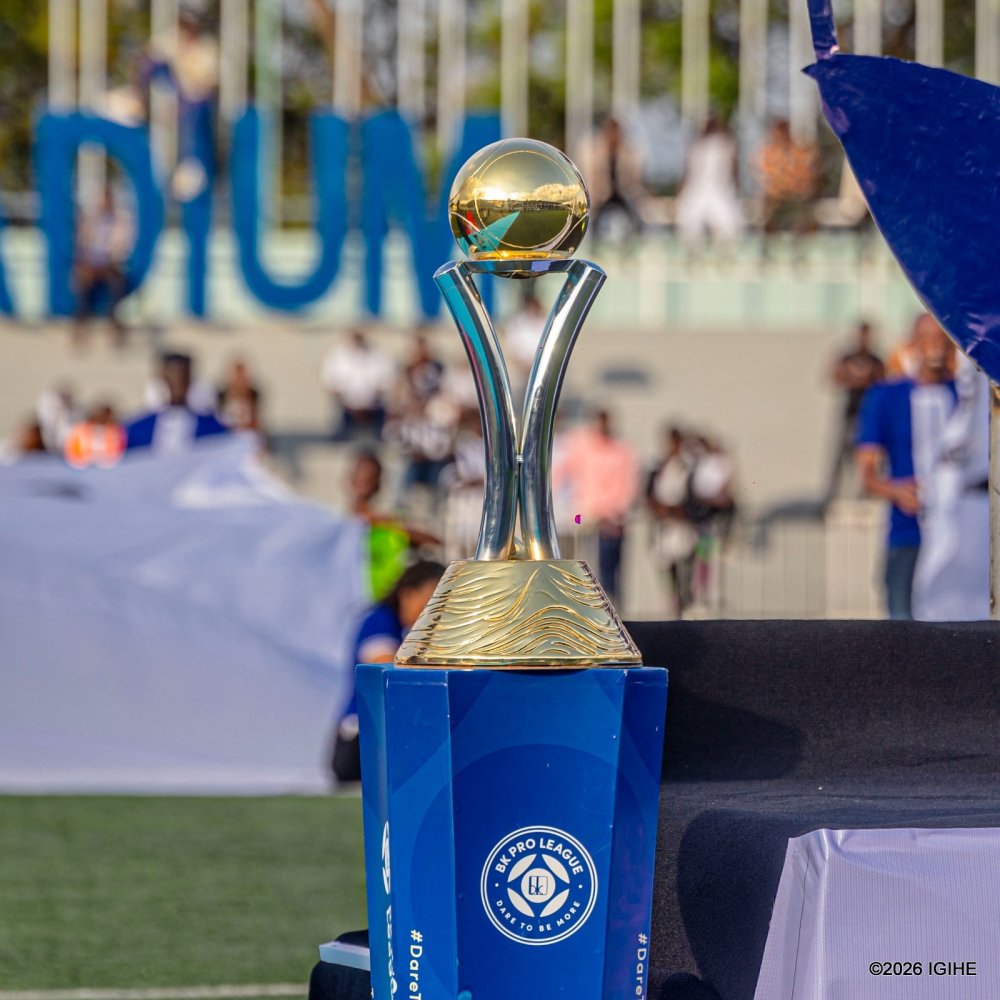
Under the approved regulations, a Sudanese team that finishes at the top of the league standings will receive an Honorary Trophy, while the official BK Pro League Champions Trophy will go to the highest-ranked Rwandan team.
The Sudanese teams will, however, be eligible for match-winning bonuses in line with the approved regulations and budget. Their players will also be eligible to compete for individual awards, from Player of the Match to Player of the Year, on the same basis as their Rwandan counterparts.
The league further set limits on the number of non-Sudanese players the guest teams can use. Sudanese clubs will be allowed to field a maximum of six non-Sudanese players at any one time and register up to eight on a matchday squad.
The resolutions come as the Rwanda Premier League and its member clubs finalise preparations for the start of the 2026/27 season.
The Rwanda Premier League, which organises the BK Pro League, has approved a Rwf1.28 billion budget for the 2026/27 season, a significant increase from the Rwf800 million approved for the previous campaign.
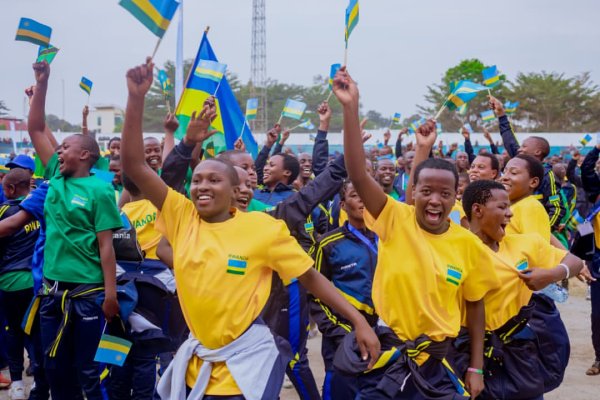
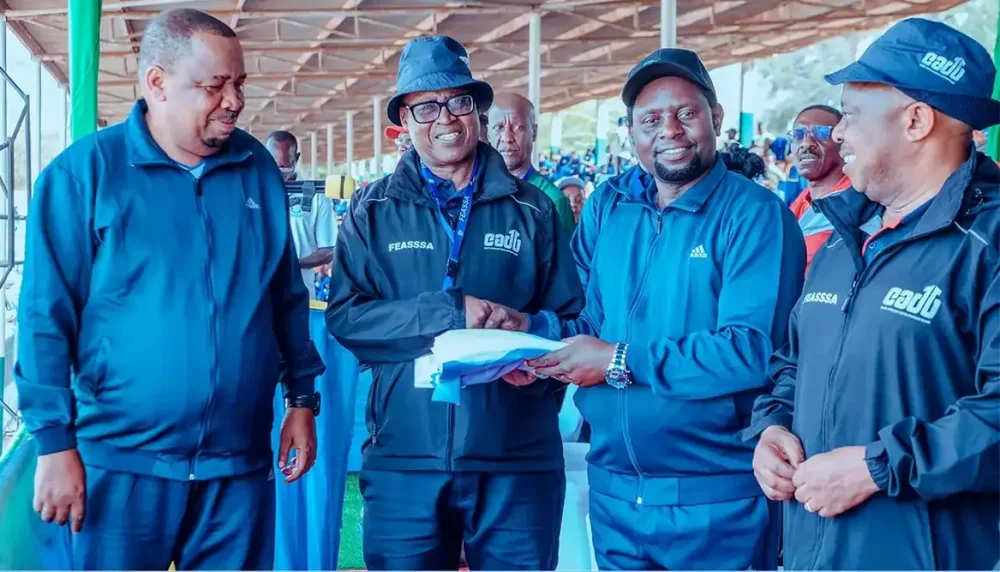
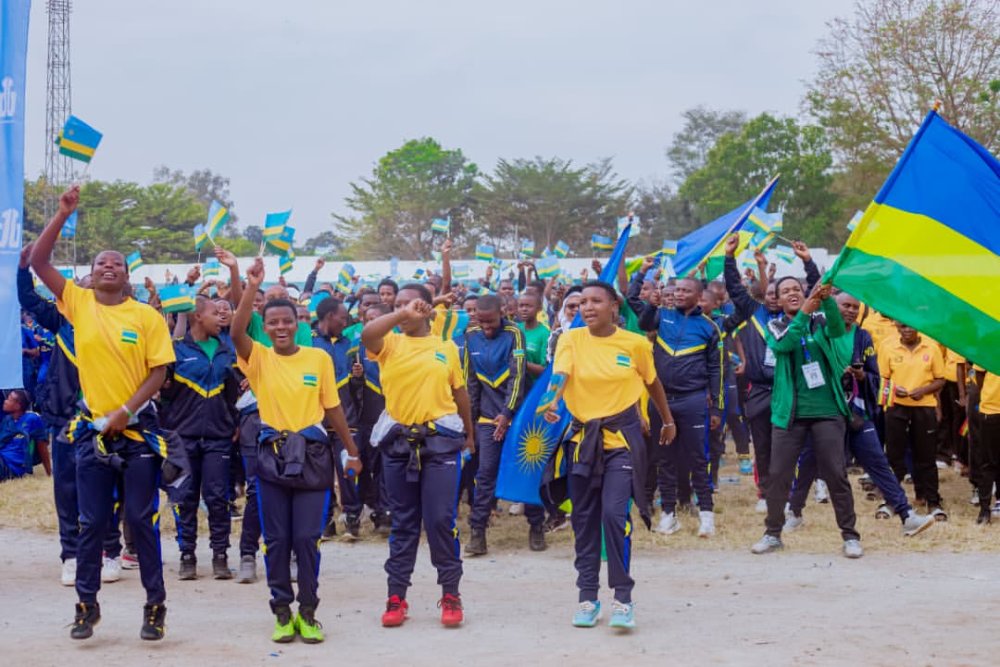
Rwanda was confirmed as the host of the 2027 edition was made during the closing ceremony of the 2026 FEASSA Games in Morogoro, Tanzania, which ran from August 12 to 22.
FEASSA President Justus Mugisha confirmed that Rwanda would host the next edition of the regional schools sports competition.
“Rwanda will host the next FEASSA Games. We look forward to working with our colleagues in Rwanda to ensure the Games are successfully organised,” Mugisha said.
The Rwanda Federation of School Sports and Culture (FRSS) is planning to hold the 2027 Games, which will be the 24th edition, in Musanze, according to information obtained by IGIHE.
The announcement comes after Rwanda recorded its best-ever medal haul at a FEASSA Games held outside the country. Rwandan teams won 13 medals in Morogoro, including five gold, two silver and six bronze.
At the 23rd edition of the Games, Rwanda was represented by 243 students across 20 teams competing in football, 5×5 basketball, 3×3 basketball, handball, table tennis, volleyball and athletics.
Rwanda’s under-15 teams were among the standout performers, winning gold in boys’ volleyball, girls’ handball and girls’ football. ITS Kigali also retained its title in boys’ basketball, while Tuyishime Eric won gold in the 100 metres.
Rwanda last hosted the FEASSA Games in 2023 in Huye, attracting students from Rwanda, Tanzania, Uganda and Kenya.
Since joining FEASSA in 2005, Rwanda has hosted the Games on three other occasions: in Kigali in 2008, Huye in 2015 and Musanze in 2018.
The 2026 edition in Morogoro brought together about 6,000 athletes and 2,000 officials and accompanying members, who competed in 43 sports.
The competition featured teams from Tanzania, Rwanda, Kenya, Burundi and Uganda.
Rwanda was confirmed as the host of the 2027 edition during the closing ceremony of the 2026 FEASSA Games in Morogoro, Tanzania, which ran from August 12 to 22.
Rwanda was among the five countries that participated in the 2026 FEASSA Games in Morogoro, Tanzania.
Huye hosted the FEASSA Games when Rwanda last hosted the competition in 2023.
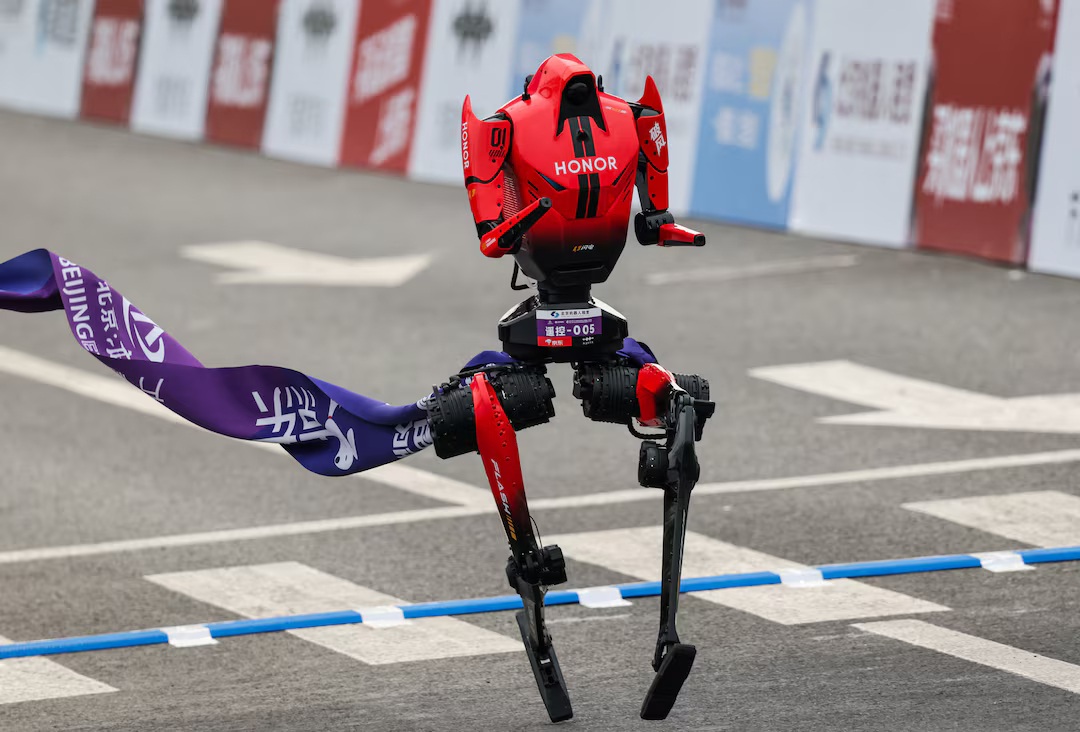
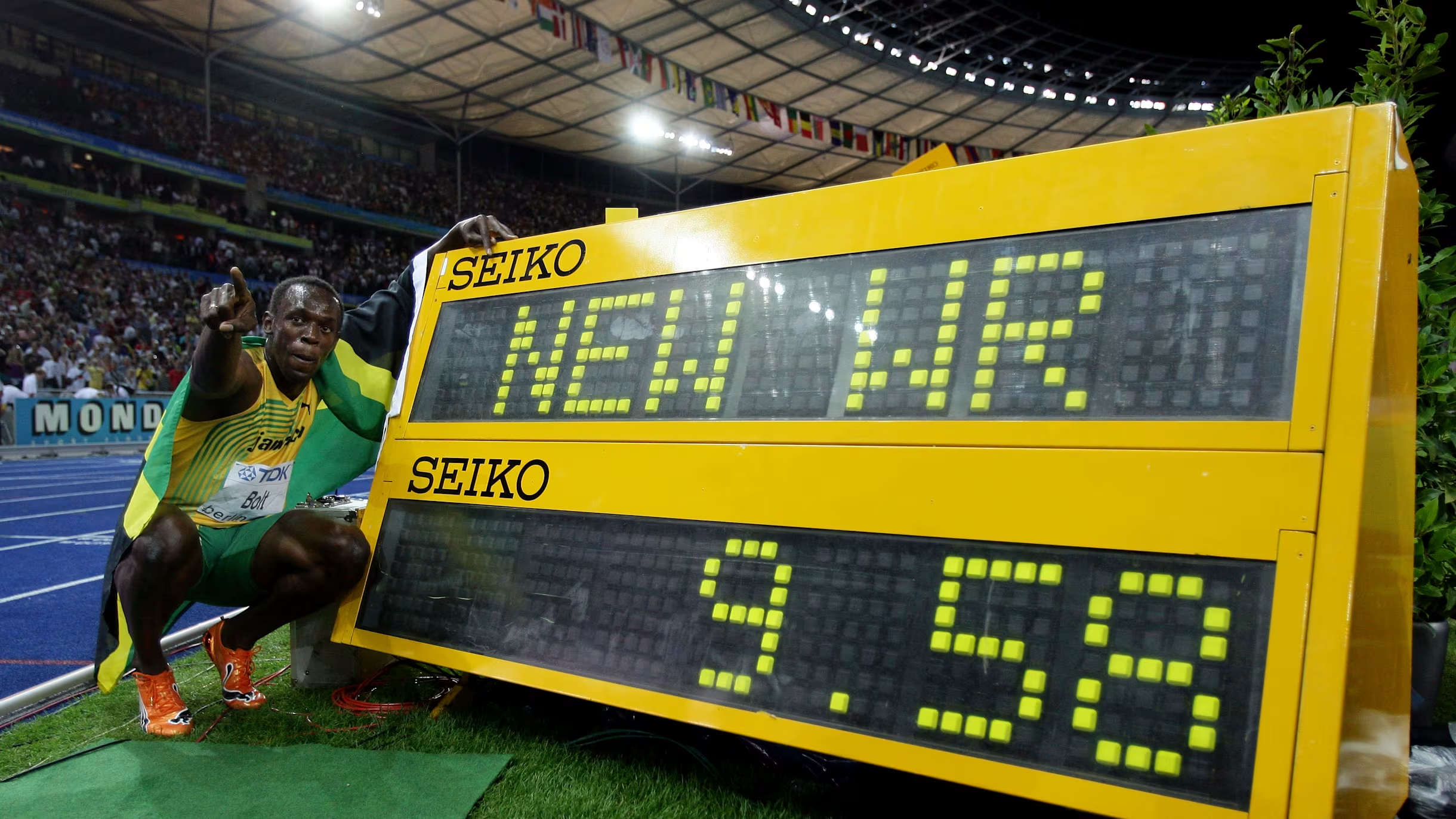
The robot, Tiangong Ultra, completed the 100-meter sprint in 9.39 seconds during the World Humanoid Robot Games in Beijing on Saturday. The time was 0.19 seconds faster than Bolt’s human world record of 9.58 seconds, set at the 2009 World Athletics Championships in Berlin.
Tiangong Ultra, developed by the Beijing Humanoid Robot Innovation Center, initially fell behind during the race before overtaking Lightning, a humanoid robot produced by technology company Honor, in the final stretch. Lightning finished second in 9.47 seconds.
The performance came after an even faster preparation run by Lightning, which Chinese state media reported completed the distance in 9.32 seconds. The robot reached a peak speed of 14.5 meters per second during the run.
The robots’ performances were a dramatic improvement from last year’s competition. Tiangong Ultra completed the 100-meter race in 21.50 seconds during the inaugural World Humanoid Robot Games, meaning its latest official time represents a major gain in speed.
The humanoid’s running time was 0.19 seconds faster than Bolt’s world record of 9.58 seconds, set at the 2009 World Athletics Championships in Berlin.
The race also demonstrated some of the challenges still facing humanoid robots. After crossing the finish line, Tiangong Ultra became unstable and veered to one side, forcing nearby spectators to move away. Lightning also fell after completing the race and had to be removed from the track on a stretcher.
The sprint was among 51 events being contested at this year’s World Humanoid Robot Games at Beijing’s National Speed Skating Oval. The competition features events including football, dance, long jump, weightlifting and industrial tasks.
More than 2,000 robots are taking part, with 2,056 robots from 666 teams representing 16 countries and six continents participating in this year’s games. The number of participating teams has risen sharply from 280 in the first edition.
Robots are also making an impact in other athletic events. One humanoid robot cleared 2.88 meters in the standing high jump, exceeding Cuban athlete Javier Sotomayor’s 2.45-meter human world record set in 1993.
Lightning also won the humanoid robot half marathon, finishing in 50 minutes and 26 seconds. The robot stands 1.69 meters tall, and researchers extended its leg length from 95 centimeters to 1.05 meters before the race in an effort to improve its performance.
The rapid progress comes as China continues to expand its position as a major producer of humanoid robots. The technology has also become a point of tension between Beijing and Washington. The Trump administration in July banned imports of humanoid robots into the United States, citing national security concerns.
China has rejected the U.S. restrictions. Foreign Ministry spokeswoman Mao Ning said Beijing opposed what she described as Washington’s excessive use of national security arguments against Chinese companies, warning that protectionism could ultimately harm U.S. businesses and consumers.
The World Humanoid Robot Games will continue through Wednesday, as researchers and companies use the competition to showcase increasingly capable machines, and test how closely robots can replicate, and potentially surpass, human athletic performance.
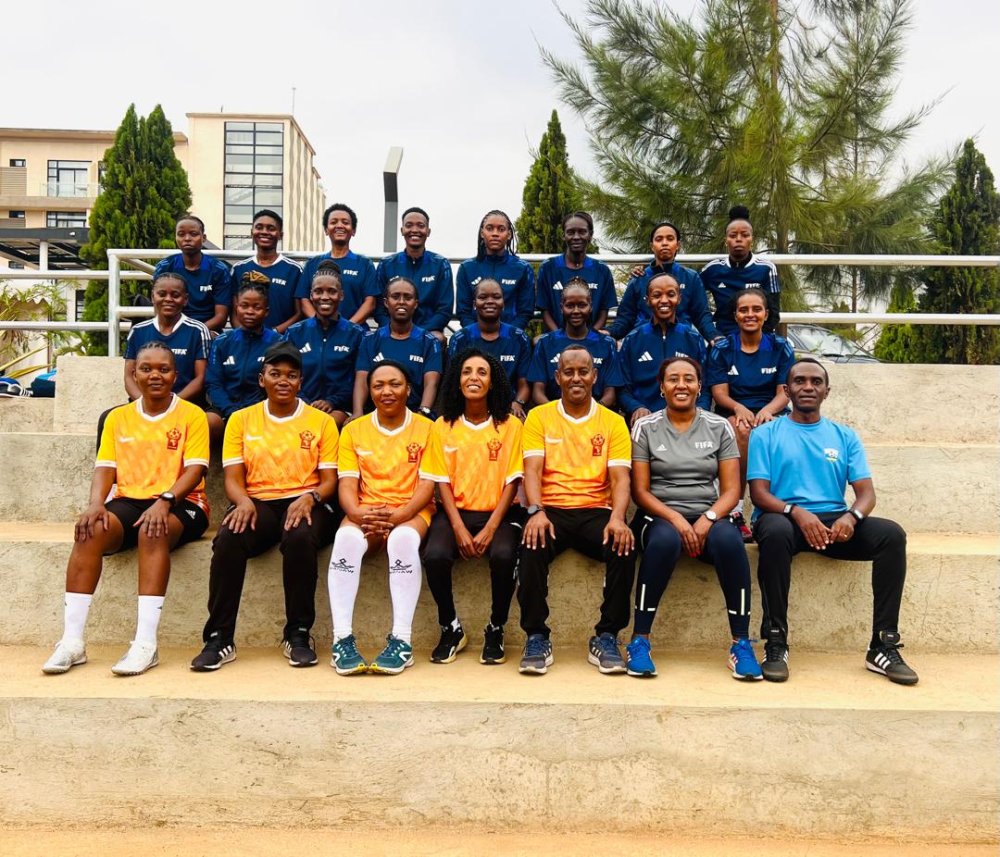
The three are Henriette Buyukenya, Aline Umutoni and Regine Mukayiranga.
The tournament kicks off on Friday, August 21, at Kigali Pele Stadium, with teams competing for a place in the group stage of the CAF Women’s Champions League.
Ahead of the competition, the Council of East and Central African Football Associations (CECAFA) announced the officials who will oversee the matches.
Ali Ahmed, a member of the CECAFA Referees Committee, said the officials are in good condition and ready for the tournament.
“We are pleased with the level of the referees and their assistants who have been invited and are here today. We are confident that they will give their best to ensure that the matches run smoothly,” he said.
The tournament will run from August 21 to 31 in Kigali and will feature 10 teams. A total of eight referees and nine assistant referees have been appointed for the competition.
Umutoni is the only Rwandan referee on the list. She recently officiated at the Women’s Africa Cup of Nations in Morocco and will be joined in Kigali by Kenya’s Josephine Wanjiku, who also officiated at the continental tournament.
The other referees are Henriette Buyukenya and Regine Mukayiranga of Rwanda; Diana Murungi and Immaculate Ongiera of Uganda; and Joseyline Nsabimana and Anitha Niyokindi of Burundi.
The officiating team also includes Kenya’s Josephine Wanjiku and Virginia Wangui, Deka Muse of Djibouti, Mary Sulaimani and Zawadi Yusuf of Tanzania, Yordanos Mulgeta and Woinshet Abera of Ethiopia, Arsema Haile of Eritrea, and Emmanuella Ako and Stella Sebit of South Sudan.
The 10 participating teams are Rayon Sports WFC, Yei Joint Star FC, Mafunzo SC, Denden FC, CBE FC, Kawempe Muslim Ladies, FC Ujeco, Simba Queens, Kenya Police Bullets FC and Top Girls Academy FC.
The three are Henriette Buyukenya, Aline Umutoni and Regine Mukayiranga.
The tournament kicks off on Friday, August 21, at Kigali Pele Stadium, with teams competing for a place in the group stage of the CAF Women’s Champions League.
Ahead of the competition, the Council of East and Central African Football Associations (CECAFA) announced the officials who will oversee the matches.
Ali Ahmed, a member of the CECAFA Referees Committee, said the officials are in good condition and ready for the tournament.
“We are pleased with the level of the referees and their assistants who have been invited and are here today. We are confident that they will give their best to ensure that the matches run smoothly,” he said.
The tournament will run from August 21 to 31 in Kigali and will feature 10 teams. A total of eight referees and nine assistant referees have been appointed for the competition.
Umutoni is the only Rwandan referee on the list. She recently officiated at the Women’s Africa Cup of Nations in Morocco and will be joined in Kigali by Kenya’s Josephine Wanjiku, who also officiated at the continental tournament.
The other referees are Henriette Buyukenya and Regine Mukayiranga of Rwanda; Diana Murungi and Immaculate Ongiera of Uganda; and Joseyline Nsabimana and Anitha Niyokindi of Burundi.
The officiating team also includes Kenya’s Josephine Wanjiku and Virginia Wangui, Deka Muse of Djibouti, Mary Sulaimani and Zawadi Yusuf of Tanzania, Yordanos Mulgeta and Woinshet Abera of Ethiopia, Arsema Haile of Eritrea, and Emmanuella Ako and Stella Sebit of South Sudan.
The 10 participating teams are Rayon Sports WFC, Yei Joint Star FC, Mafunzo SC, Denden FC, CBE FC, Kawempe Muslim Ladies, FC Ujeco, Simba Queens, Kenya Police Bullets FC and Top Girls Academy FC.
Three Rwandan referees have been selected to officiate the 2026 CAF Women’s Champions League CECAFA qualifiers, which bring together top women’s clubs from East and Central Africa.