Chinese President Xi Jinping said the establishment of the World Artificial Intelligence Cooperation Organization (WAICO) is a major move by China to answer the call of the Global South and unite the international community in advancing AI development and governance.
“It will be an important milestone in the history of AI development,” Xi said at the opening ceremony of the 2026 World AI Conference and High-Level Meeting on Global AI Governance.
WAICO’s establishment comes as AI has emerged as a key driver of global economic growth, while humanity grapples with AI-related security and ethical challenges and seeks to bridge widening gaps in AI development, according to speakers at the event.
The organization, headquartered in Shanghai, aims to ensure that AI is beneficial, safe and fair, and serves the benefit of all humanity, according to the organization’s founding agreement.
Representatives from 29 countries signed the agreement on Thursday, making their countries founding members of WAICO. Chinese Foreign Minister Wang Yi signed the agreement on behalf of the Chinese government. The other countries included Kazakhstan, Laos, Pakistan, Russia and Indonesia.
WAICO’s establishment is widely considered a concrete step China takes to work with all parties to build a fair and equitable AI governance framework and make AI an international public good that benefits all.
Addressing Friday’s event, United Nations Secretary-General Antonio Guterres noted that WAICO is a “natural development” of the Global AI Governance Initiative proposed by Xi in 2023.
“Technology that will shape the future of humanity must be shaped by all humanity,” said Guterres. “It cannot be governed by a handful of countries or a handful of companies. Every nation needs a seat at the table.”
China is a global leader in AI development. In 2025, its core AI industries were worth over 1.2 trillion yuan (about 175 billion U.S. dollars), while the number of AI enterprises nationwide exceeded 6,200.
Kazakh President Kassym-Jomart Tokayev, also attending the event, said he appreciates China’s leadership in establishing WAICO, adding that he believes the organization has the potential to become a leading international institution shaping the future of global AI.
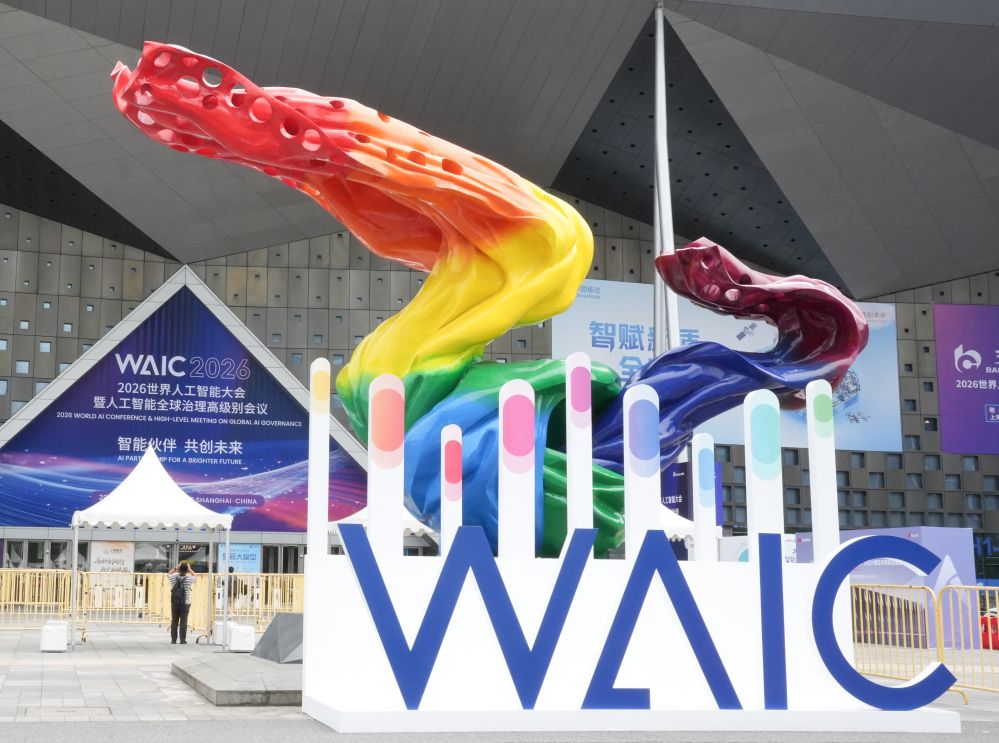
This photo taken on July 16, 2026 shows the exterior view of the Shanghai World Expo Exhibition and Convention Center in Shanghai, east China. Shanghai is ushering in its major AI moment of the year with the forthcoming 2026 World AI Conference (WAIC) and High-Level Meeting on Global AI Governance, scheduled from Friday to Monday. (Xinhua/Ding Ting)
“All countries should take a people-centered approach and develop AI for the positive and for good. We should ensure that AI is an important driver for shared prosperity and common security,” Xi said while addressing the opening ceremony of the 2026 World AI Conference (WAIC) and High-Level Meeting on Global AI Governance in Shanghai.
China is a global leader in AI development. In 2025, its core AI industries were worth over 1.2 trillion yuan (about 176.6 billion U.S. dollars), while the number of AI enterprises nationwide exceeded 6,200.
The country’s open-source large AI models have been downloaded more than 10 billion times in total, continuing to create new and broader opportunities for global cooperation in AI innovation.
The world has entered an unprecedented period of active innovation on AI technologies, Xi said in his keynote address. He raised questions about how humans can get along with thinking machines, how security can be ensured when algorithm is part of decision-making, how ethical challenges by technologies can be tackled through adaptive governance, and how AI for all can be realized when the divide keeps widening.
“These questions demand serious consideration and real answers from the whole international community,” he said.
Xi stressed the need for adhering to the principles of openness and win-win and boosting innovation-driven development, strengthening risk-awareness and ensuring that AI is secure and controllable, encouraging inclusiveness and promoting mutual learning between civilizations, and advocating solidarity and improving global governance.
“We should jointly oppose overstretching the national security concept in the field of AI and placing one country’s security over that of others,” he said.
The important role of the United Nations should be recognized in global AI governance, Xi noted, calling for enhancing alignment and coordination on AI development strategies, governance rules and technical standards.
“We must carry out extensive international cooperation and help Global South countries with capacity building to bridge the AI and digital divides, promote sustainable development, and prevent creating new historical injustice in AI,” he said.
As a responsible major country, China is always committed to providing international public goods relating to AI, said Xi, who proposed the Global AI Governance Initiative in 2023.
The country has also provided Chinese solutions for global AI governance through various efforts, including the launch of the AI Capacity-Building Action Plan for Good and for All and the AI Plus International Cooperation Initiative.
“AI development should not be a solo performance by a single country, but a symphony of international cooperation,” said the Chinese president.
The establishment of the WAICO, Xi said, is a major move by China to answer the call of the Global South and unite the international community together to promote vigorously AI development and governance. “It will be an important milestone in the history of AI development,” he said. Twenty-nine countries have signed the agreement on the organization’s creation as its founding members.
To further advance global AI capacity building, China will provide developing countries with 5,000 opportunities in AI training and seminar programs in the next five years, Xi pledged.
China will develop international AI application cooperation centers with the Association of Southeast Asian Nations, the League of Arab States, the African Union, the Community of Latin American and Caribbean States, the Shanghai Cooperation Organization and BRICS. It will also enable 30 countries to use the AI-powered meteorological warning system, known as MAZU, to safeguard homes around the world, Xi said.
China has hosted the WAIC annually since 2018 as a key platform to forge global AI partnerships to unlock AI’s benefits for all. Themed “AI Partnership for a Brighter Future,” this year’s event includes more than 140 forums, bringing together 1,400 guests from home and abroad.
Kazakh President Kassym-Jomart Tokayev, Cambodian Prime Minister Hun Manet, Thai Prime Minister Anutin Charnvirakul and Secretary-General of the United Nations Antonio Guterres delivered speeches at the opening ceremony.
Speaking highly of China’s contribution to advancing global AI governance, they said the opportunities and challenges brought by AI know no borders and should be seized and addressed by all parties.
They expressed confidence that the WAICO will play an important role to this end.
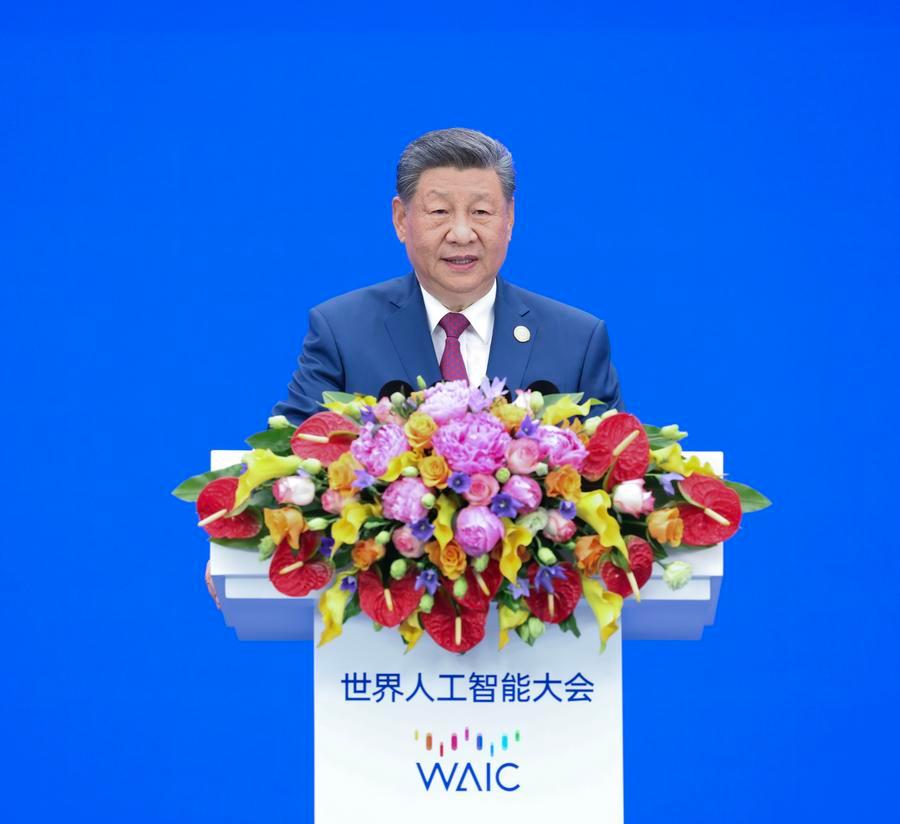
Chinese President Xi Jinping delivers a keynote speech at the opening ceremony of the 2026 World AI Conference and High-Level Meeting on Global AI Governance in Shanghai, east China, July 17, 2026. (Xinhua/Huang Jingwen)
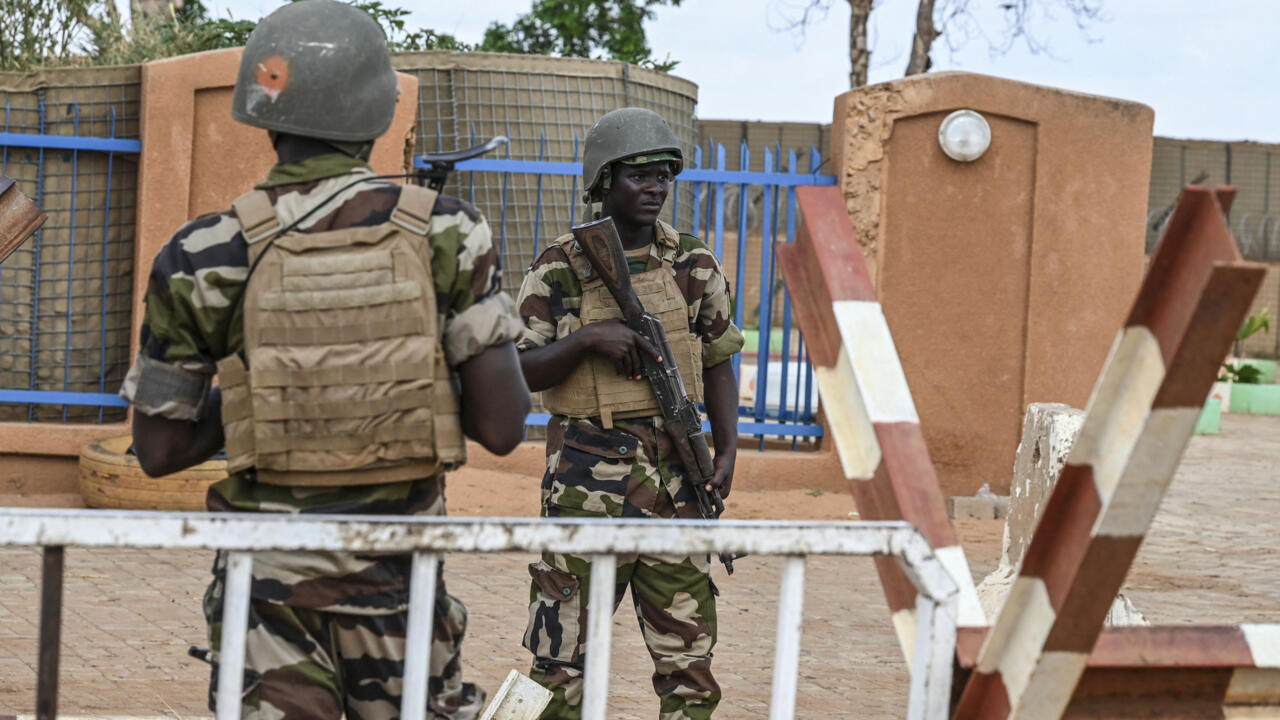
The attack took place in the western Tillabery region, near the borders with Mali and Burkina Faso.
Fifteen terrorists were killed, five motorcycles were recovered and four were destroyed, the report said, citing a statement from the Nigerien Ministry of Defense.
“The swift response of the Defense and Security Forces, supported by aerial assets, forced the enemy to retreat. Search, sweep and security operations are continuing in the area,” the statement said.
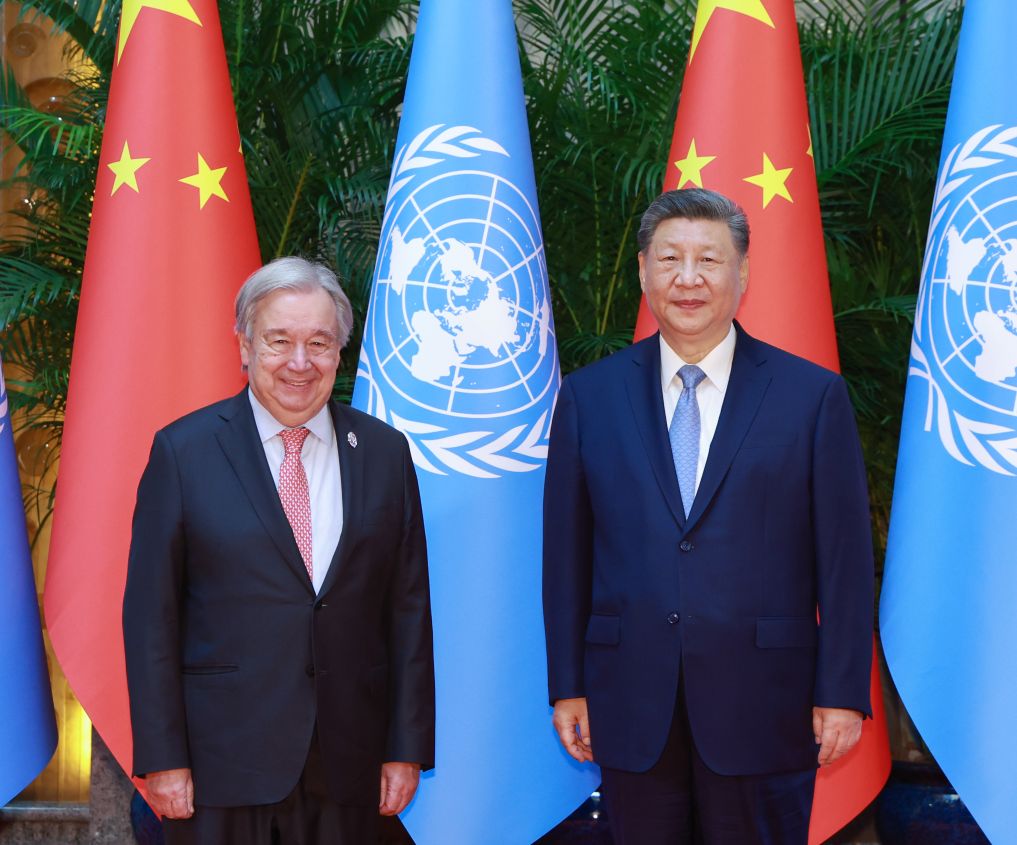
Xi spoke highly of Guterres’ work since he was appointed UN secretary-general 10 years ago, which included leading the UN in firmly upholding multilateralism, addressing global challenges such as climate change, advancing global governance in emerging fields including artificial intelligence (AI), and launching the UN reform process.
Noting that this year marks the 55th anniversary of the restoration of the lawful seat of the People’s Republic of China at the UN, Xi said China has since been committed to building world peace, contributing to global development, defending international order, and firmly supporting the UN.
Xi added that he proposed the vision of building a community with a shared future for humanity and the four global initiatives with one important consideration in mind — to uphold the status and authority of the UN.
Currently, the international landscape is marked by more pronounced changes and turbulence, making it all the more necessary to practice true multilateralism and reinvigorate the status and role of the UN, Xi said.
Xi stressed the importance of upholding fairness and justice, saying that the sovereignty, territorial integrity and legitimate rights and interests of every country must be respected.
“The world must never be allowed to return to the law of the jungle,” he said.
Xi also called for safeguarding the international system and international rules established after the end of World War II, while promoting reform and improvement of the UN to enable it to better adapt to changing times.
Major countries should shoulder greater responsibilities, Xi said, adding that China has consistently taken concrete actions to explore the right way for major countries to get along with one another, injecting greater stability and certainty into the world.
Guterres commended China for its steadfast support for multilateralism, the cause of the UN, and international cooperation, saying that China has set an example for the world.
Guterres said the UN will continue to strengthen cooperation with China, oppose unilateralism, protectionism, and hegemonic bullying, safeguard the UN Charter and international law, as well as advance the process toward a multipolar world.
Chinese President Xi Jinping meets with United Nations Secretary-General Antonio Guterres, who is here to attend the 2026 World AI Conference and High-Level Meeting on Global AI Governance, in Shanghai, east China, July 17, 2026. (Xinhua/Wang Ye)
He made the remarks in a message to the Iranian people carried by Iranian media, in which he addressed the country’s important issues.
Khamenei said the frequent U.S. violations of the MoU, which was signed by Iran’s President Masoud Pezeshkian and Trump on June 18, “once again proved to everyone the fact that how worthless and invalid the U.S. president’s signature is.”
The United States had “once again revealed its true and unmasked face,” he said, noting that “this dark experience of crime and breach of promises is another solid proof of the U.S. lying and its illogical, unreliable, and evil nature.”
Khamenei warned that if the United States continued what he described as warmongering and sought to impose heavier costs, it should expect “unforgettable lessons” from Iran and the resistance front.
The remarks came amid heightened regional tensions despite the MoU, under which the United States and Iran were expected to hold negotiations within 60 days toward a final agreement.
The United States has conducted multiple rounds of strikes against Iran in recent days, while Iran has responded by launching retaliatory attacks on U.S. bases and facilities in the region.
Earlier on Saturday, Iranian Deputy Foreign Minister for Legal and International Affairs Kazem Gharibabadi said Iran has ceased fulfilling its obligations under the MoU with the United States, accusing Washington of violating its commitments under the deal.
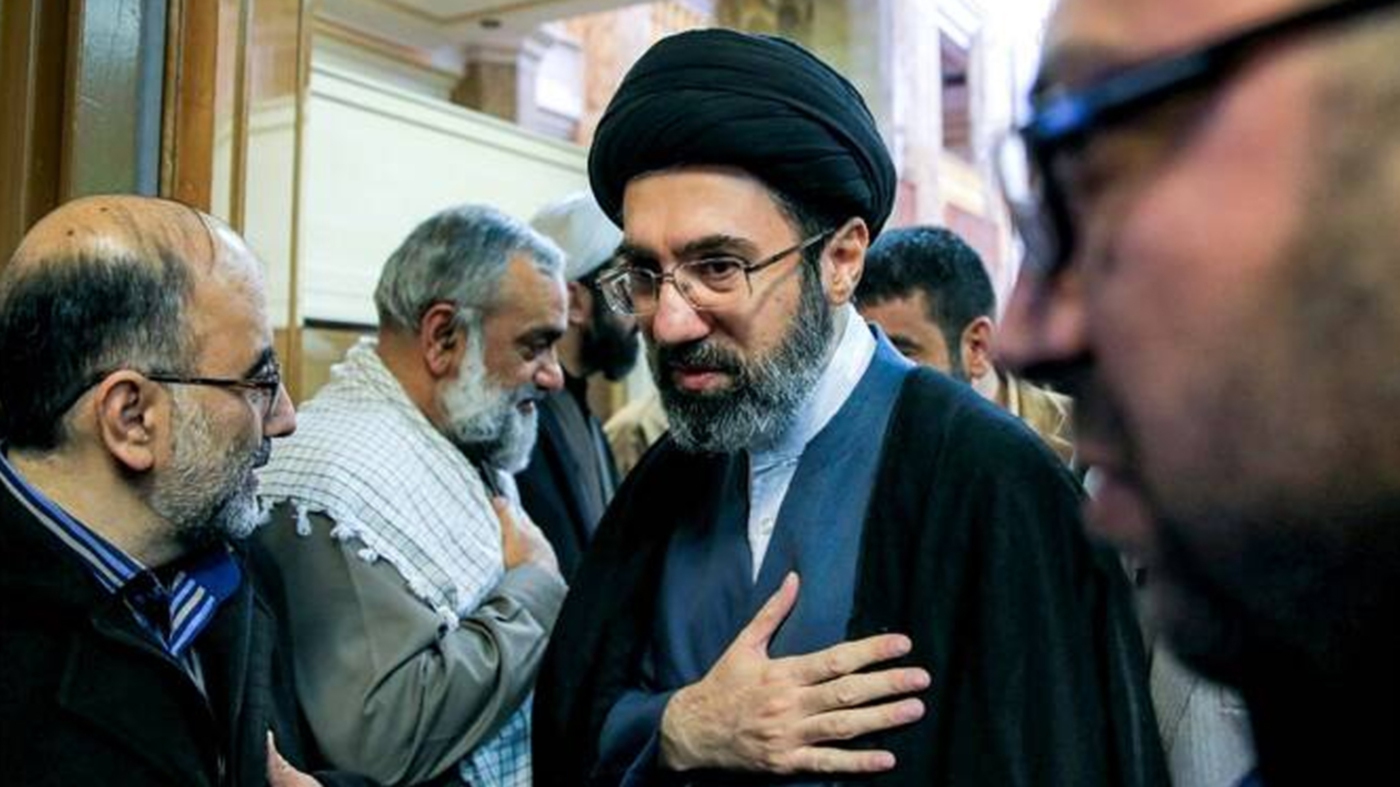
Iranian Supreme Leader Mojtaba Khamenei said the United States (US) violation of a recently signed peace memorandum of understanding (MoU) with Iran once again proved that US President Donald Trump’s signature is worthless and invalid.
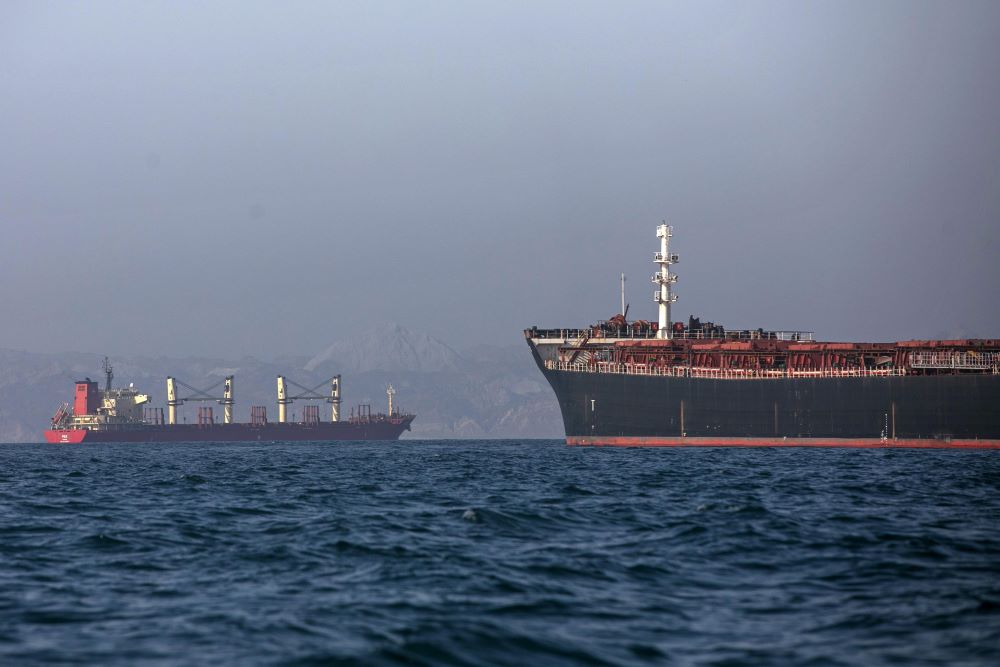
CENTCOM said on X that U.S. forces redirected the three vessels, disabled one that failed to comply, and boarded another “to ensure full compliance with the ongoing U.S. naval blockade against Iran.”
U.S. forces resumed blocking maritime traffic entering and leaving Iranian ports on Tuesday.
“The Strait of Hormuz and the surrounding waters remain free and open, except for vessels attempting to violate America’s steel wall blockade,” CENTCOM said.
U.S. forces have carried out strikes on Iranian targets for six consecutive days after U.S. President Donald Trump last week declared the ceasefire reached in April “over.”
U.S. forces resumed blocking maritime traffic entering and leaving Iranian ports on Tuesday.
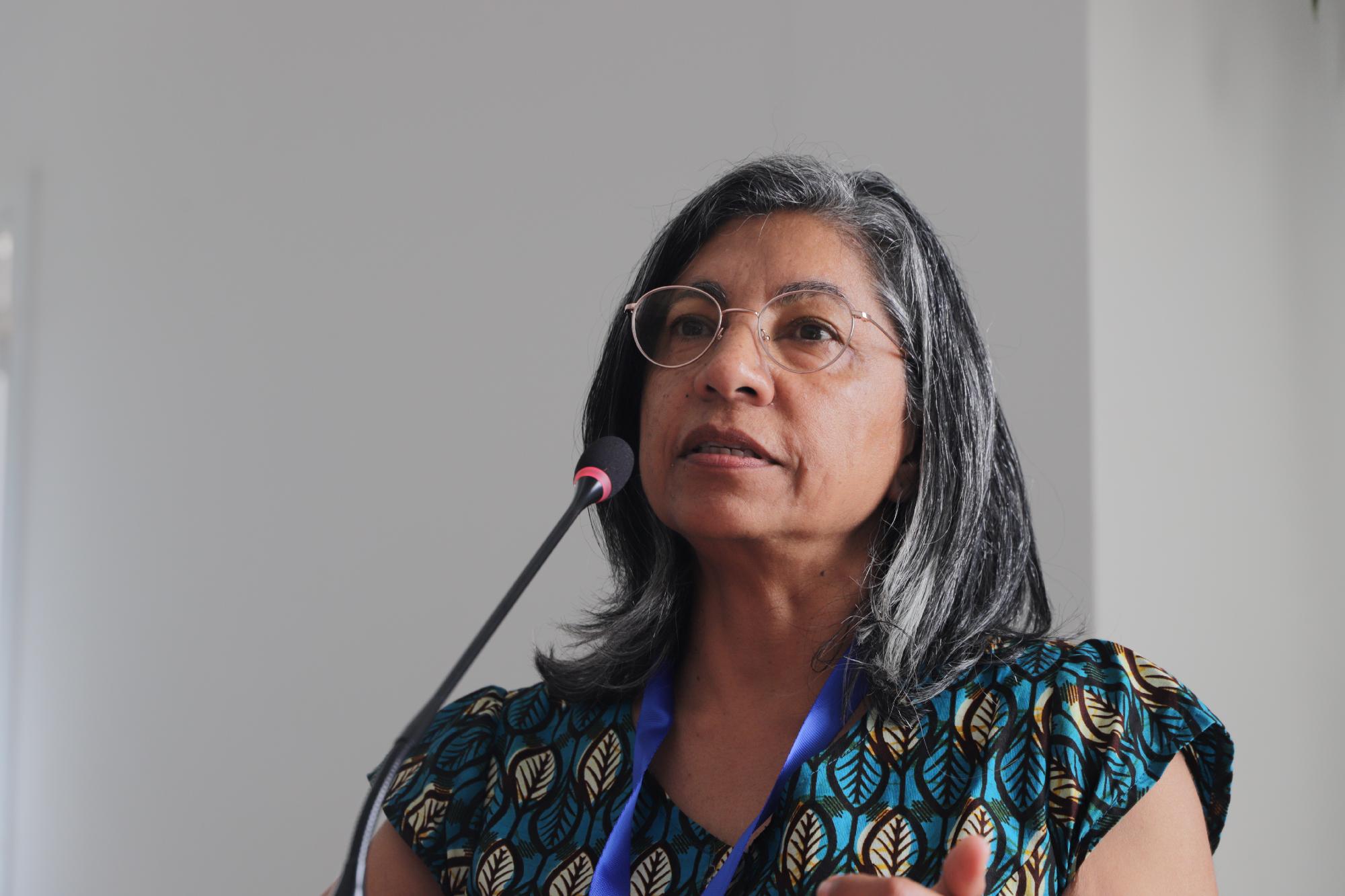
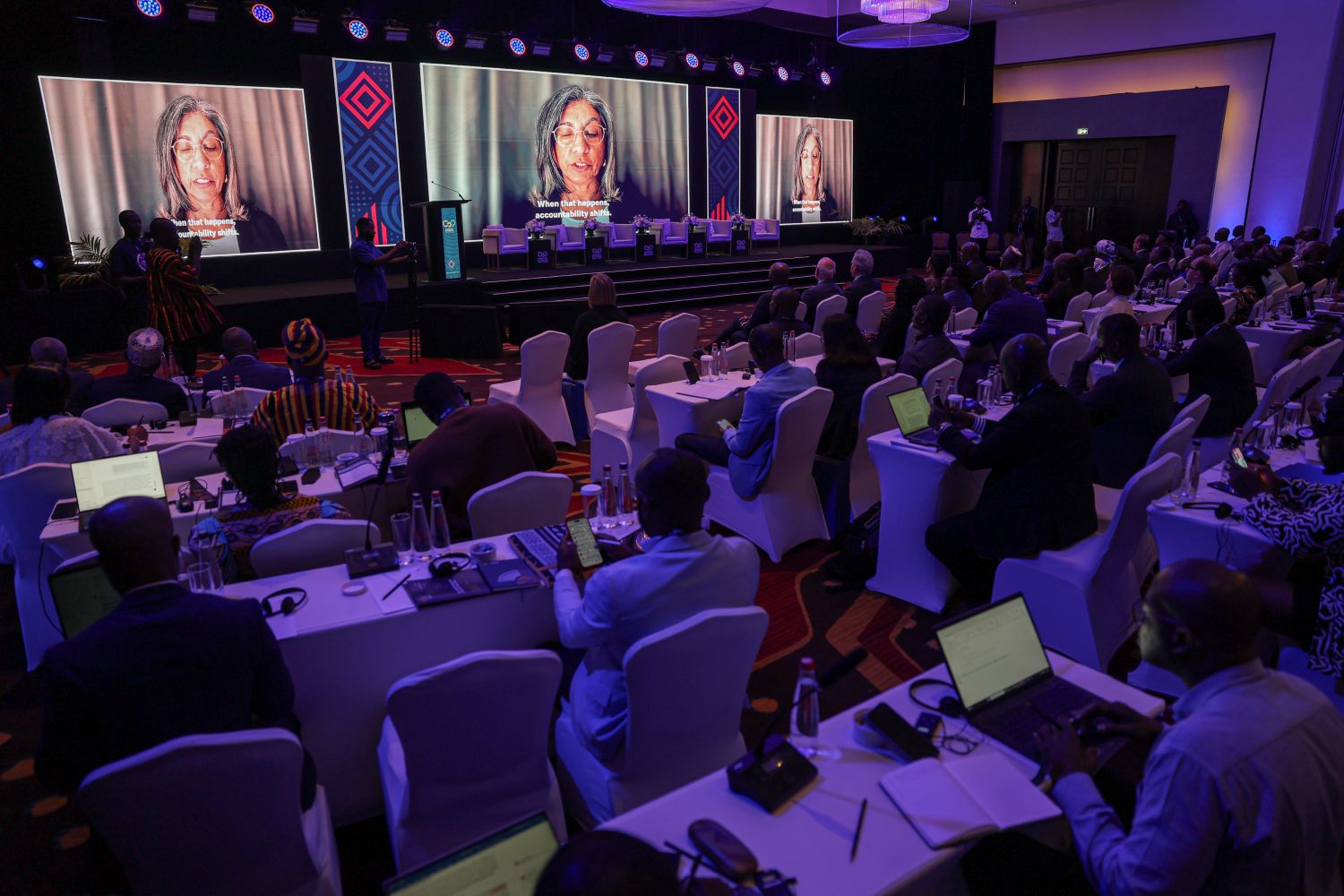
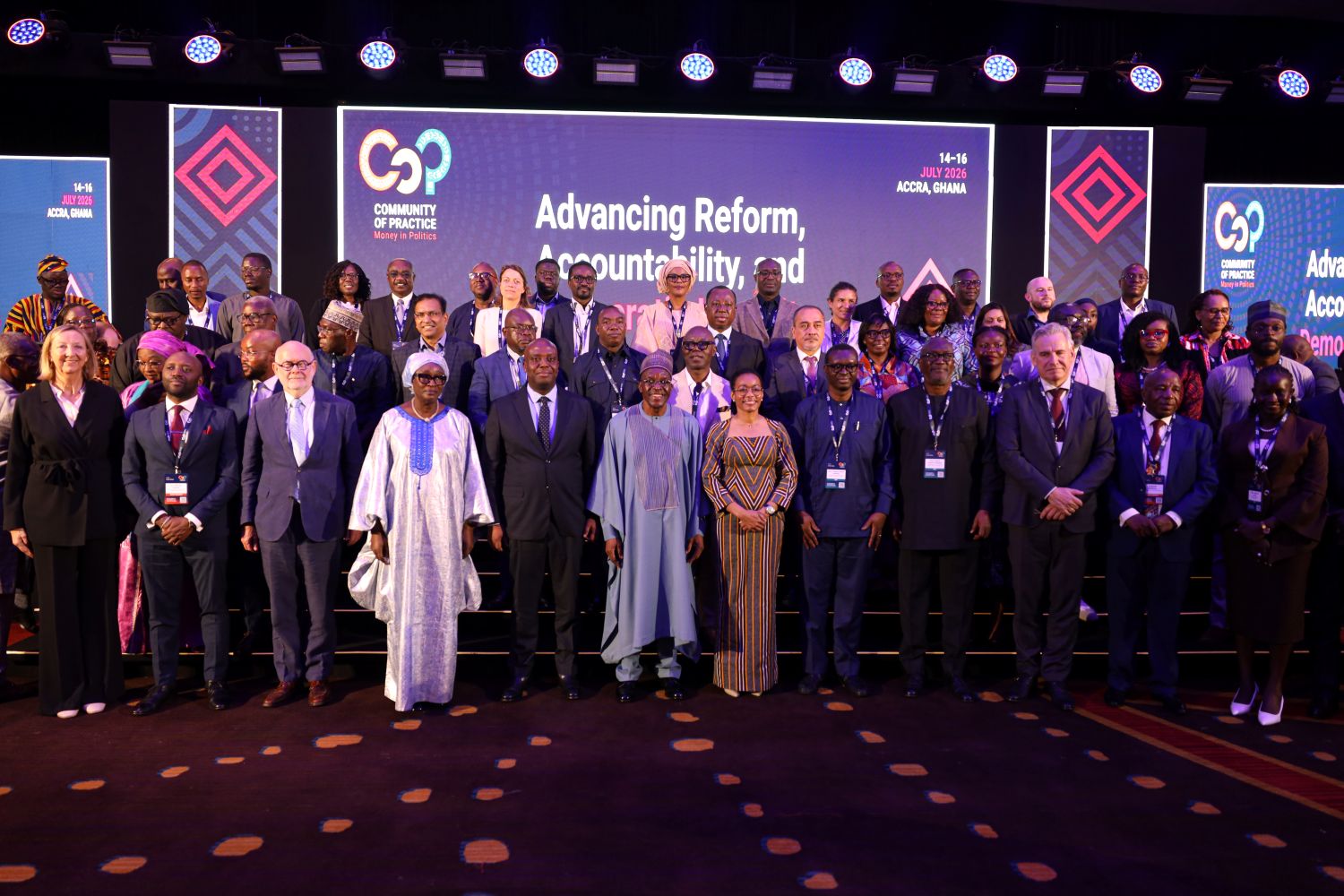
Speaking at a convening on the Financialization of Politics in Africa which opened in Accra, Ghana on Tuesday under the theme Advancing Reform, Transparency, Accountability, and Democratic Integrity, Nowrojee argued that rising political costs and opaque financing systems are making political competition less inclusive.
“For decades, the struggle to strengthen democracy across Africa has focused on constitutions, multiparty elections, and expanding political space,” Nowrojee, the President of the American grantmaking network founded by billionaire business magnate George Soros, said. “But today, we face a challenge that cuts across them all: the growing influence of money in politics.”
She warned that when political funding is hidden, unregulated, or concentrated among a few wealthy actors, democratic competition risks shifting away from ideas and public service toward financial power.
“Political competition becomes less about ideas and public service and more about access to financial resources,” she noted, adding that leaders may become more responsive to financiers than citizens when accountability systems are weakened.
Nowrojee warned that when political funding is hidden, unregulated, or concentrated among a few wealthy actors, democratic competition risks shifting away from ideas and public service toward financial power.
Nowrojee argued that the rising cost of politics across the continent is creating barriers for many citizens, particularly women, young people, rural communities, and those without strong financial networks.
“Democracy becomes less inclusive, less competitive, and less trusted,” she said.
She observed that the influence of money extends beyond elections, shaping public debate, determining who can compete for office, and affecting whose interests are reflected in policymaking.
“Even the strongest constitutions and the most credible elections cannot fully protect democracy if financial power is allowed to capture its institutions,” she added.
The OSF president pointed to countries including Nigeria, Kenya, South Africa, Ghana, and Zimbabwe, where increasingly expensive election campaigns are strengthening the advantage of those with greater wealth and influence.
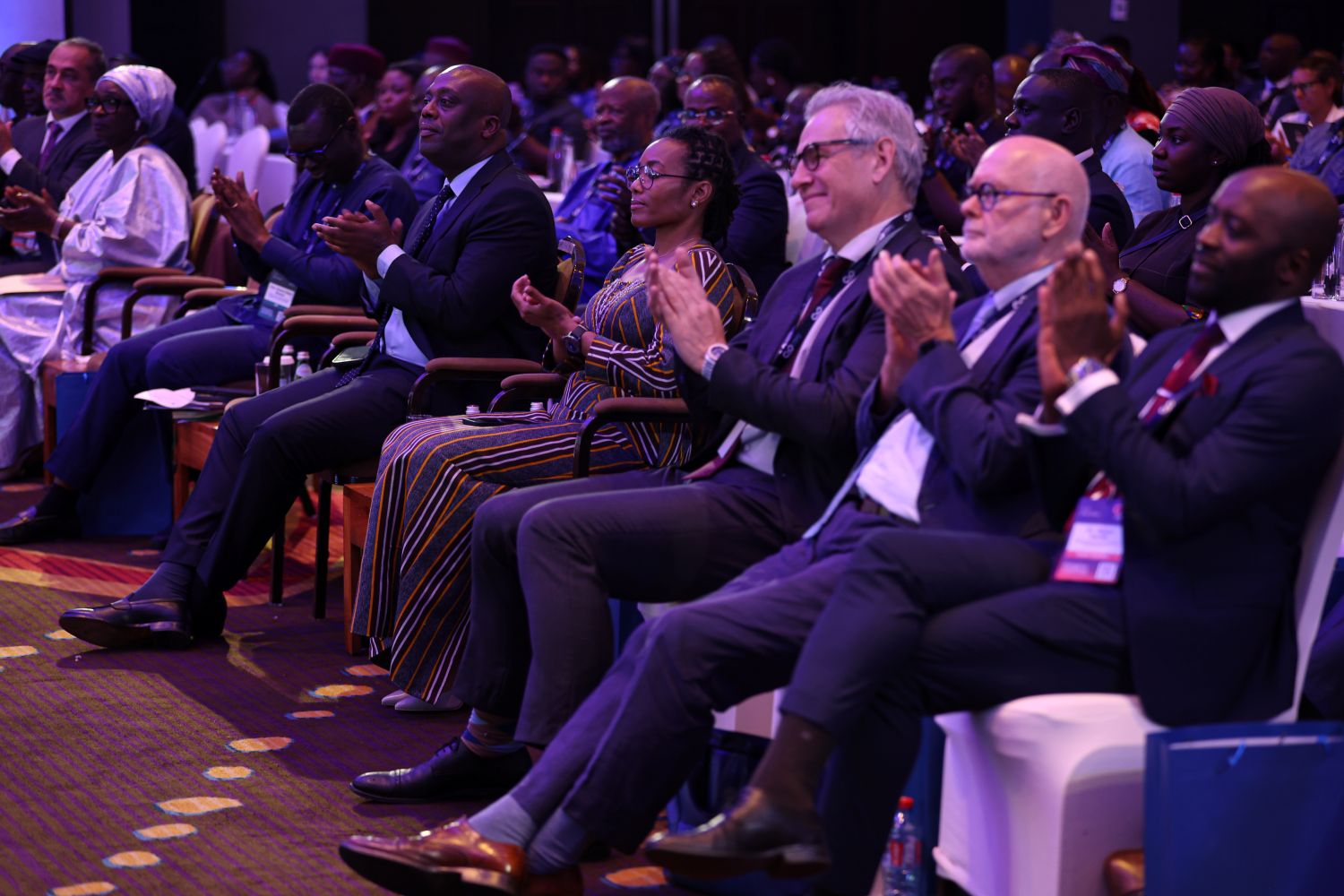
The summit brought together governance experts, parliamentarians, and civil society leaders to address the growing, toxic influence of campaign money and unchecked political financing across the continent
Despite the challenges, Nowrojee highlighted growing momentum for reforms aimed at improving transparency and accountability in political financing.
She pointed to efforts at both the global and continental levels, including the adoption in 2025 of internationally agreed standards for openness in the financing of political parties, candidates, and election campaigns by countries that are party to the UN Convention against Corruption.
She also highlighted ongoing work by the African Union Advisory Board Against Corruption and the Pan-African Parliament to develop a Model Law on Political Financing to help countries strengthen oversight of political funding.
According to Nowrojee, effective reforms should include meaningful disclosure of political funding, fair and transparent public financing systems, stronger oversight mechanisms, independent enforcement, and safeguards against illicit and foreign influence.
“Our goal is not simply to regulate money,” she said. “Our goal is to strengthen the social contract between government and citizens.”
She stressed that political leadership should be earned through public trust rather than financial power, while elections should remain contests of ideas rather than resources.
The OSF president called for greater collaboration among governments, political parties, electoral bodies, anti-corruption agencies, civil society, researchers, the media, and the private sector to address political financing challenges.
She described the Accra meeting as an opportunity to strengthen the Community of Practice on Money in Politics in Africa, advance implementation of the African Union’s Model Law on Political Financing, and deepen regional cooperation on democratic reforms.
“Ultimately, our success will not be measured by the number of laws passed or policies adopted,” Nowrojee said. “Our success will be measured by whether people across Africa believe that their voices matter.”
She concluded by emphasizing that the future of African democracy depends on ensuring public institutions remain accountable to citizens and that opportunities for political leadership are determined not by wealth, but by ideas and commitment to public service.
The High-Level Regional Convening on the Financialization of Politics in Africa is scheduled to close on Thursday, July 16, 2026. Hosted by the African Union Advisory Board Against Corruption (AUABC) and CDD-Ghana, the summit brings together governance experts, parliamentarians, and civil society leaders to address the growing, toxic influence of campaign money and unchecked political financing across the continent.
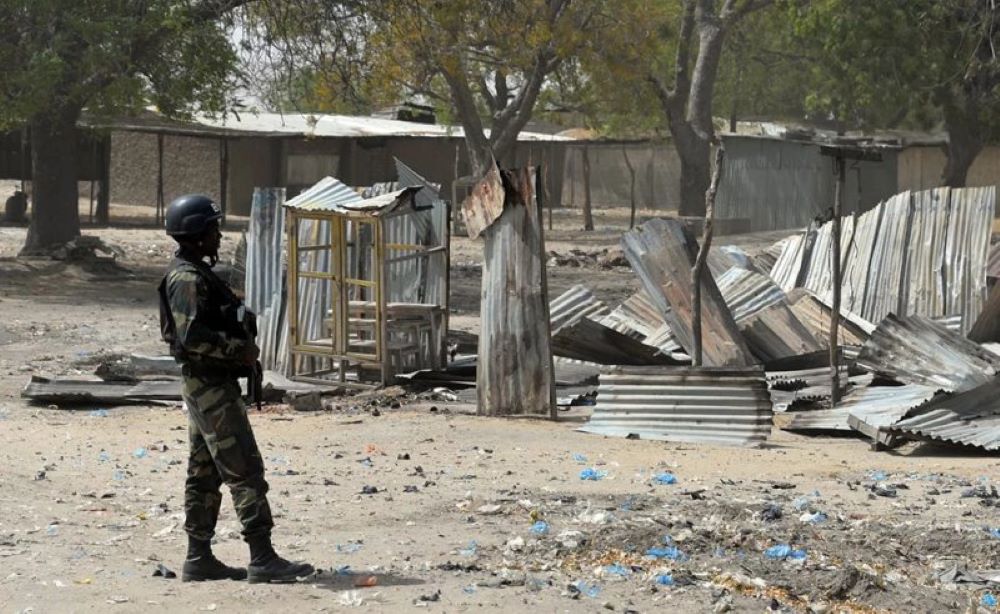
The attack occurred at Tourou village in the Mokolo subdivision of the Mayo-Tsanaga department on Monday night.
An infant was also shot and seriously injured during the raid, a security source told Xinhua.
The attackers reportedly seized military equipment before withdrawing. The wounded soldiers and the infant were rushed to a regional hospital for treatment.
The attack came just hours after government troops repelled another Boko Haram assault in the same area, killing two militants and injuring several others.
The Boko Haram terror group has been carrying out attacks in Cameroon’s Far North region since 2014, inflicting heavy human and material losses across the region.
Reports indicate that 1 civilian has been killed while 4 soldiers were injured in Boko Haram attack in Cameroon’s Far North
Both sides now accuse the other of violating the agreement first. While neither has formally declared the MoU void, the latest escalation has cast doubt over whether diplomacy can survive another round of fighting.
Has the MoU collapsed?
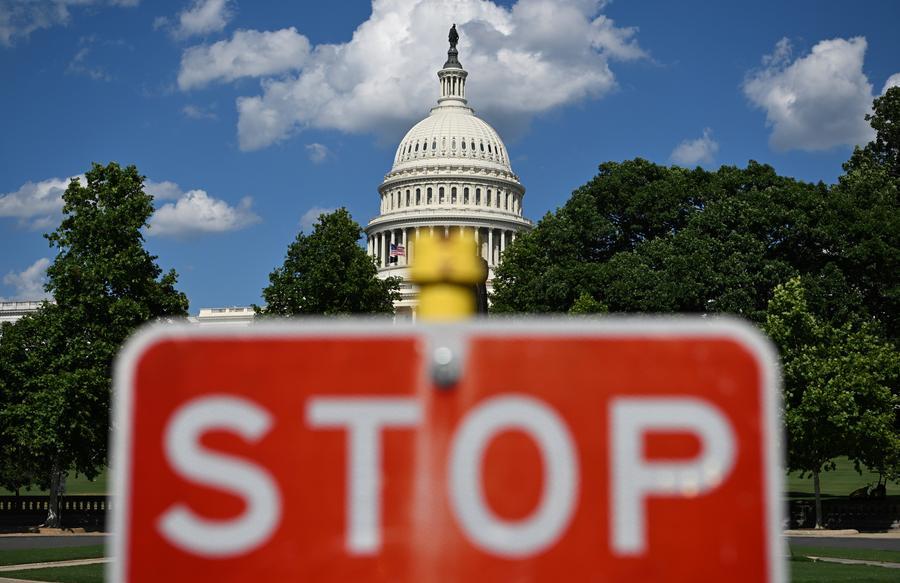
The clearest signal yet came from U.S. President Donald Trump, who formally notified Congress in a letter dated Friday that military operations against Iran had resumed under his direction.
In a letter to lawmakers, Trump described the strikes on Iran that began on July 7 as “military action consistent with my responsibility to protect Americans and United States’ interests both at home and abroad.” This notification starts a new 60-day period during which the Trump administration can conduct military operations in the region without congressional approval.
On Monday, Trump said on Truth Social that the United States was “reinstating the Iranian blockade, so named because it is only stopping Iran’s ships or customers from entering or leaving,” and proposed charging a 20 percent fee on cargo transiting the Strait of Hormuz.
However, Tehran insists it is not the side that abandoned the agreement.
Iranian Foreign Ministry spokesman Esmaeil Baghaei said on Monday that the MoU had entered a “crisis phase” because Washington had continuously violated its obligations. He said Iran would follow a principle of “commitment for commitment” and warned that if the United States continues breaching the deal, Iran would no longer see any reason to fulfill its own obligations.
Can diplomacy revive?
Before the latest escalation, the two sides had been using regional mediators to preserve the fragile agreement.
According to Axios, Washington demanded that Iran publicly reaffirm that the Strait of Hormuz remained open and “stop firing on commercial ships,” arguing that Tehran had violated the MoU.
Trump also said last week that the United States had agreed to continue talks with Iran, although he simultaneously declared that the ceasefire was “over.”
Iran denied requesting new negotiations but indicated it remained willing to engage through regional intermediaries, including Qatar, according to Qatar’s Al Jazeera television.
The fighting has nevertheless intensified. The U.S. Central Command (CENTCOM) said its latest wave of strikes against Iran concluded late Monday after strikes on military targets across Iran, including Bushehr, Chah Bahar, Jask, Konarak, Abu Musa, and Bandar Abbas, to “further degrade Iran’s ability to attack commercial shipping.”
Iran has continued missile and drone attacks on U.S. positions and regional targets, including Oman, Bahrain, Jordan and Kuwait.
The Islamic Revolution Guard Corps (IRGC) said Tuesday that it has launched missile and drone attacks on the U.S. Fifth Fleet based in Bahrain. “The retaliatory operation continues,” the statement said.
Who controls Hormuz?
The Strait of Hormuz has once again become the main flashpoint.
Early Sunday, Iran’s IRGC announced that the Strait of Hormuz would remain closed “until further notice” and until “the end of U.S. interference in this region.”
The U.S.-led Joint Maritime Information Center and the U.S. Naval Forces Central Command said Sunday that the southern route remains operational despite Iranian claims, adding that “U.S. forces are prepared to maintain freedom of navigation and safeguard lawful commerce.”
On Monday, CENTCOM announced that it would resume blockading maritime traffic entering and leaving Iranian ports beginning at 4 p.m. ET (2000 GMT) Tuesday.
Baghaei said Sunday that arrangements for the future administration of maritime traffic in the Strait of Hormuz must be made through consultations with Oman.
Those competing visions directly contradict one of the MoU’s central provisions, which envisioned the lifting of the U.S. naval blockade while Iran ensured safe passage for international shipping.
For now, the memorandum has not been formally abandoned. But with military operations expanding, the agreement appears to be surviving more on paper than in practice.
Fresh U.S. airstrikes and Iranian retaliation have plunged Washington and Tehran back into open conflict less than a month after they signed a 14-point memorandum of understanding (MoU) aimed at ending the war and paving the way for broader negotiations.
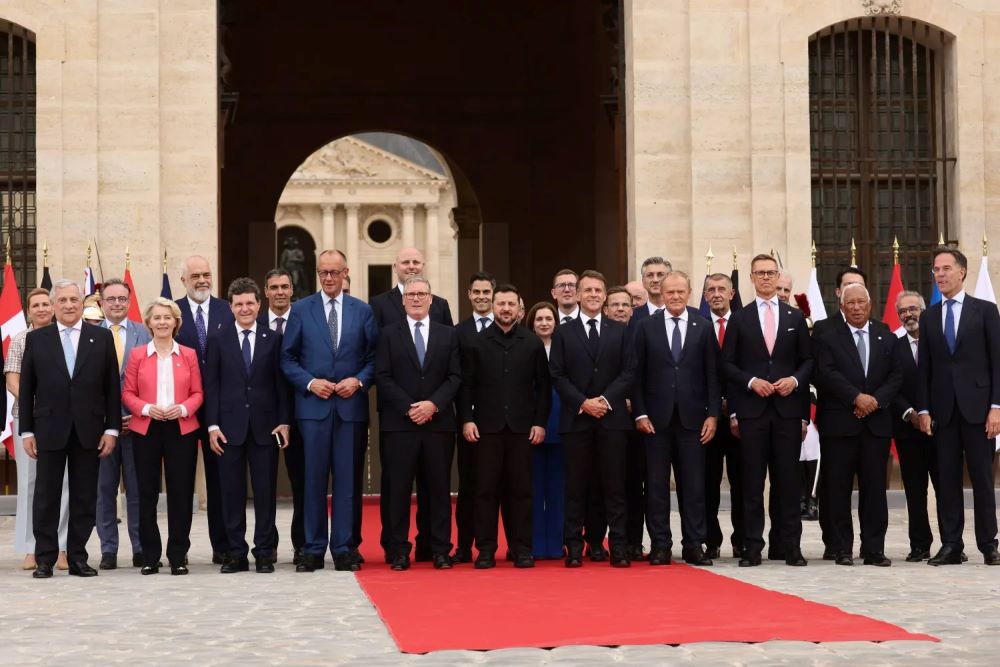
Announced on Monday at a Paris summit hosted by French President Emmanuel Macron, the landmark alliance, which includes defence heavyweights Britain, France, Germany, Italy, and Spain, aims to build an integrated, sovereign missile defence architecture to deter escalating Russian aerial threats.
A new role for Ukraine and the “Freyja” initiative
Significantly, this agreement marks a paradigm shift in how the West interacts with Kyiv. Rather than treating Ukraine as a passive recipient of military aid, the coalition positions Ukraine as a founding co-developer. The alliance’s immediate flagship initiative is the Freyja project, designed to break Europe’s reliance on prohibitively expensive U.S. Patriot interceptors, which cost upwards of $4 million per shot.
Instead, the coalition will focus on manufacturing a low-cost, mass-producible European alternative. By leveraging Ukraine’s active combat experience and cutting-edge domestic defence firms, such as Fire Point, which recently prototyped a $700,000 interceptor, the coalition plans to fuse Western aerospace engineering with Ukrainian wartime innovation.
The reality check: No cash, no timeline
Yet, behind the grand rhetoric of the joint declaration lies a stark industrial reality: the initiative currently exists only on paper. The charter commits member states merely to “exploring appropriate opportunities for funding,” leaving the project without a designated budget, a lead nation, or a centralised administrative secretariat.
Developing, testing, and integrating a brand-new anti-ballistic missile system from scratch is an incredibly complex engineering feat. Defence analysts warn that delivering an operational Freyja system will take several years, meaning it will offer zero protection for Ukraine’s vulnerable power grid during the immediate, impending winter bombardment campaign.
Furthermore, the coalition must navigate deep-seated European rivalries. While Macron used the Paris summit to urge European states to abandon “go-it-alone” national procurement, getting European capitals to collaborate remains notoriously difficult, a reality recently highlighted by the near-collapse of joint Franco-German defence programs.
Predictably, the initiative drew immediate fire from the Kremlin. Moscow spokesman Dmitry Peskov swiftly dismissed the alliance, branding it a “coalition of the deluded” and warning that such steps would only further destabilise the region.
Ultimately, the Paris declaration is a major political victory for Ukraine’s long-term integration into European defence infrastructure. However, until member nations back their signatures with hard currency, the Freyja project remains a promising blueprint rather than an active shield. For now, Europe’s skies will continue to rely on dwindling legacy stockpiles while this new coalition attempts to turn political promises into physical defences.
French President Emmanuel Macron (C-L) and Ukrainian President Volodymyr Zelensky (C) pose for a group photo with heads of states and governments ahead of the Coalition of the Willing summit on security guarantees for Ukraine at the Hotel des Invalides in Paris, France, 13 July 2026. (EPA)