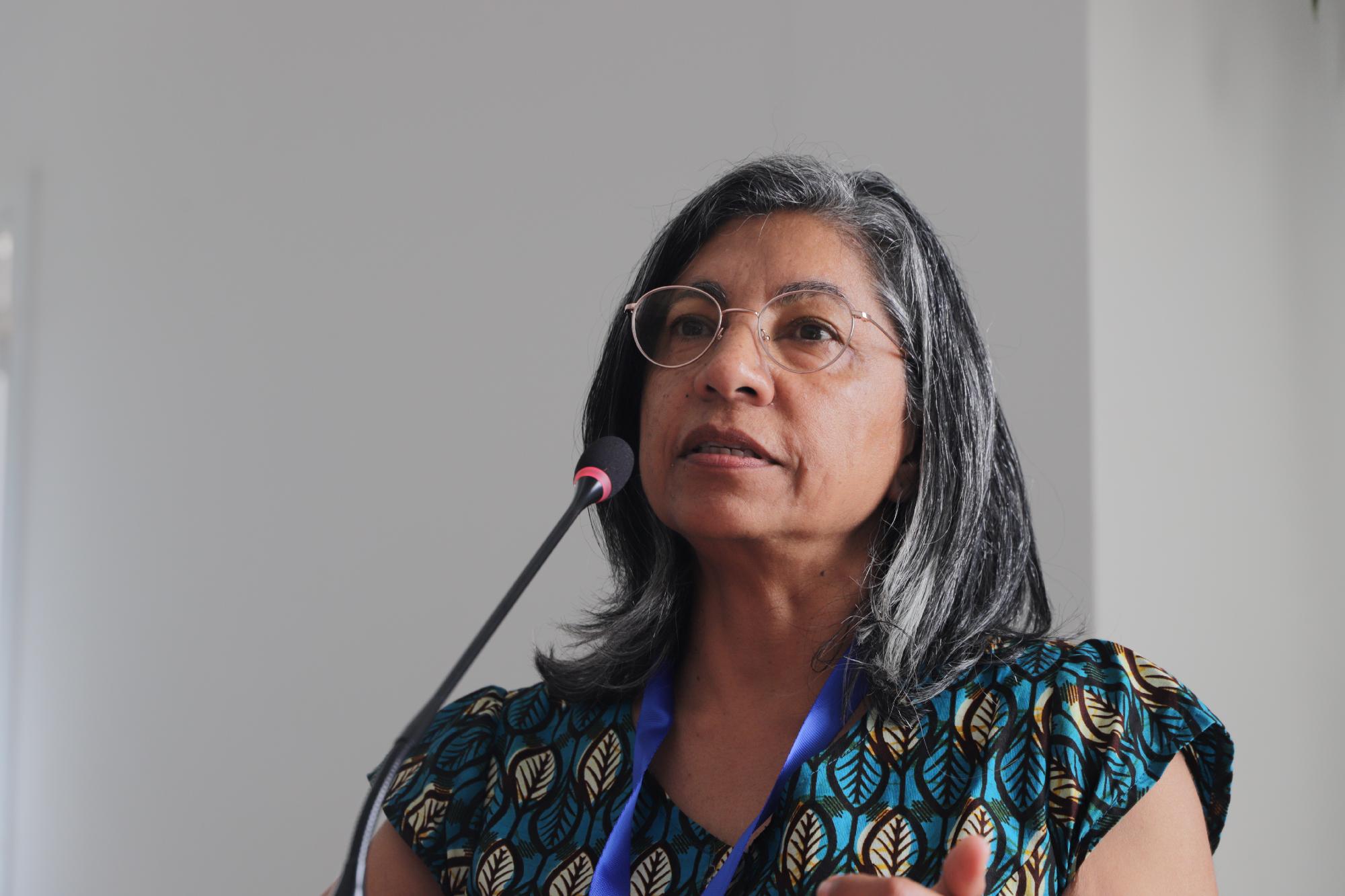
Speaking at a convening on the Financialization of Politics in Africa which opened in Accra, Ghana on Tuesday under the theme Advancing Reform, Transparency, Accountability, and Democratic Integrity, Nowrojee argued that rising political costs and opaque financing systems are making political competition less inclusive.
“For decades, the struggle to strengthen democracy across Africa has focused on constitutions, multiparty elections, and expanding political space,” Nowrojee, the President of the American grantmaking network founded by billionaire business magnate George Soros, said. “But today, we face a challenge that cuts across them all: the growing influence of money in politics.”
She warned that when political funding is hidden, unregulated, or concentrated among a few wealthy actors, democratic competition risks shifting away from ideas and public service toward financial power.
“Political competition becomes less about ideas and public service and more about access to financial resources,” she noted, adding that leaders may become more responsive to financiers than citizens when accountability systems are weakened.
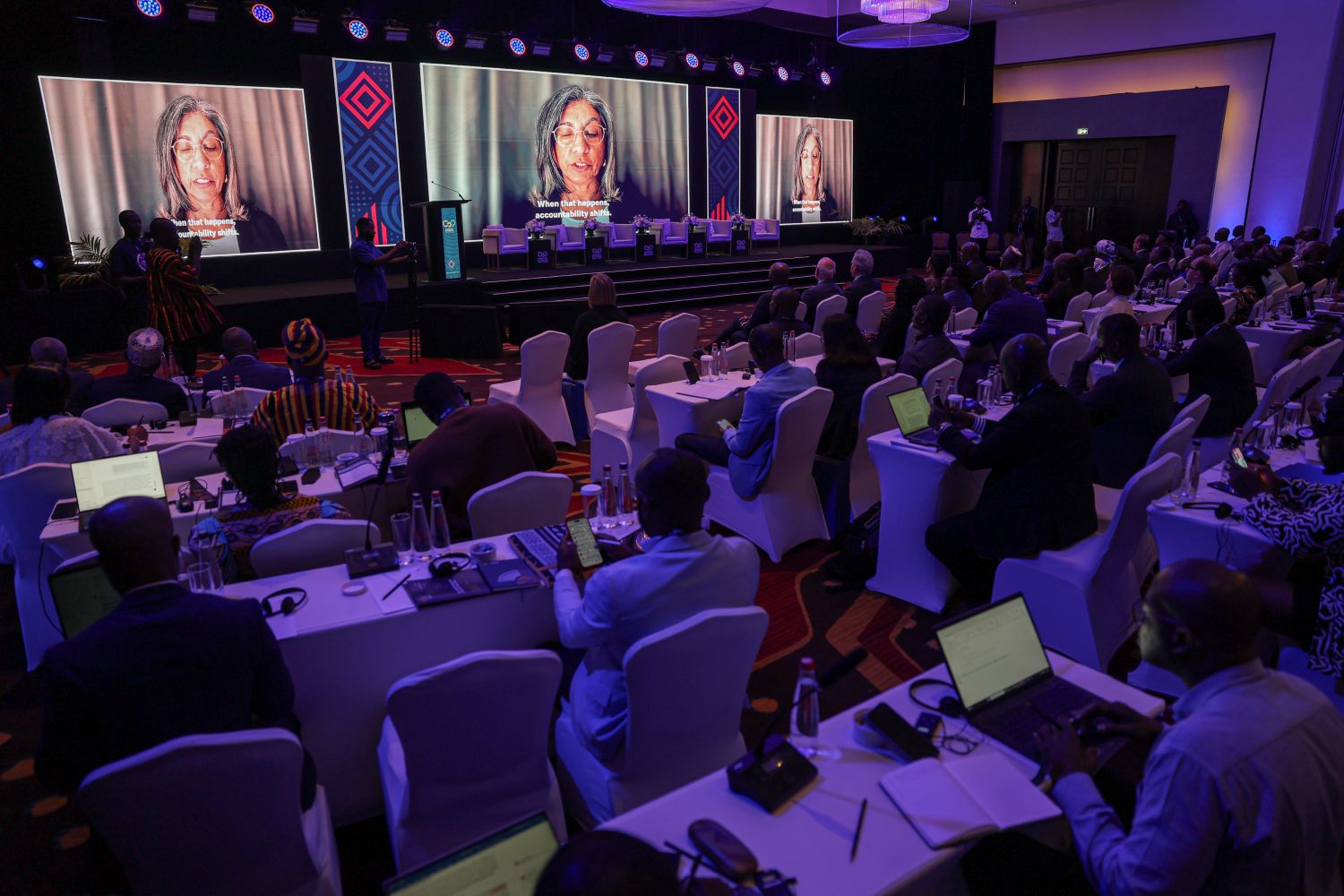
Nowrojee argued that the rising cost of politics across the continent is creating barriers for many citizens, particularly women, young people, rural communities, and those without strong financial networks.
“Democracy becomes less inclusive, less competitive, and less trusted,” she said.
She observed that the influence of money extends beyond elections, shaping public debate, determining who can compete for office, and affecting whose interests are reflected in policymaking.
“Even the strongest constitutions and the most credible elections cannot fully protect democracy if financial power is allowed to capture its institutions,” she added.
The OSF president pointed to countries including Nigeria, Kenya, South Africa, Ghana, and Zimbabwe, where increasingly expensive election campaigns are strengthening the advantage of those with greater wealth and influence.
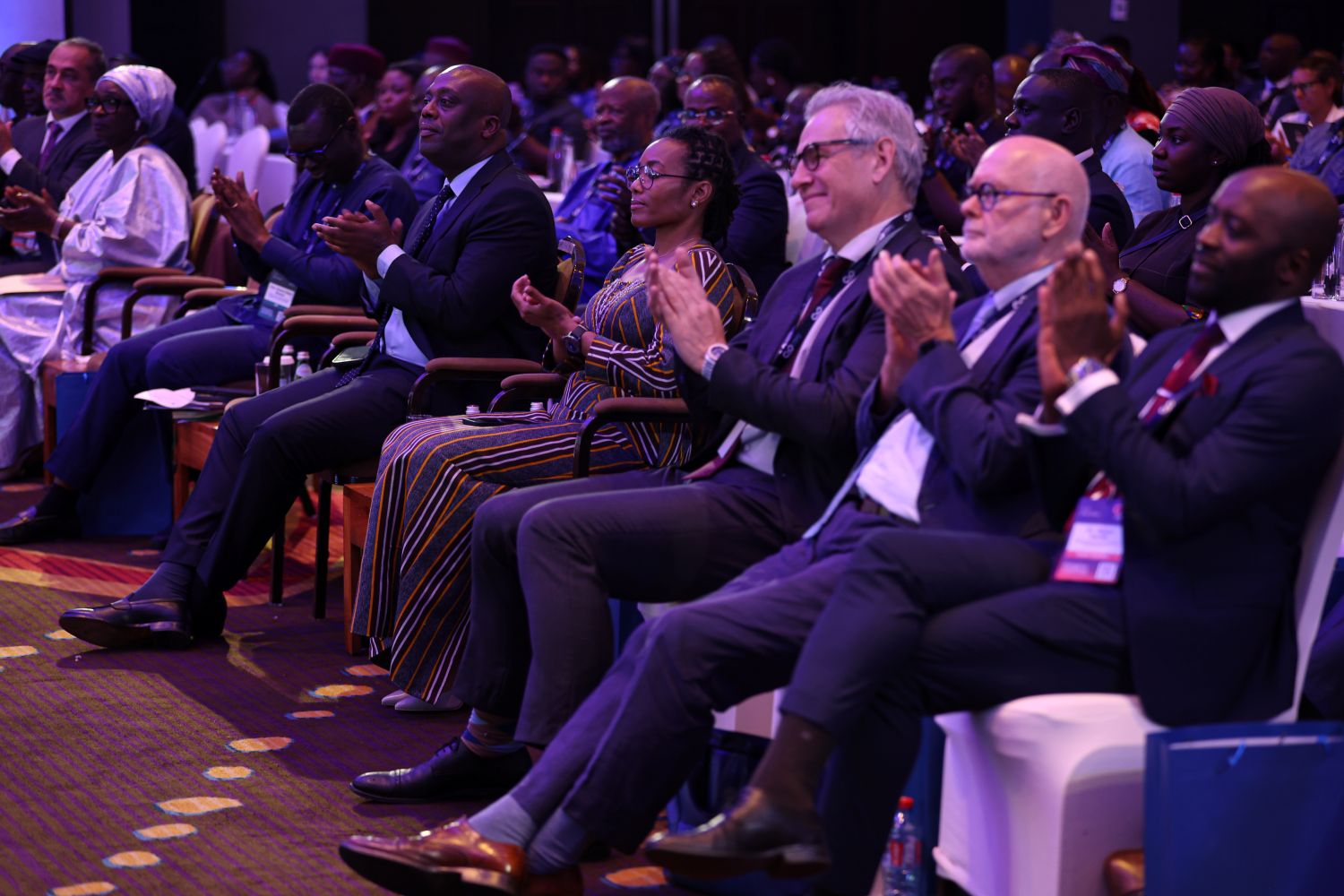
Despite the challenges, Nowrojee highlighted growing momentum for reforms aimed at improving transparency and accountability in political financing.
She pointed to efforts at both the global and continental levels, including the adoption in 2025 of internationally agreed standards for openness in the financing of political parties, candidates, and election campaigns by countries that are party to the UN Convention against Corruption.
She also highlighted ongoing work by the African Union Advisory Board Against Corruption and the Pan-African Parliament to develop a Model Law on Political Financing to help countries strengthen oversight of political funding.
According to Nowrojee, effective reforms should include meaningful disclosure of political funding, fair and transparent public financing systems, stronger oversight mechanisms, independent enforcement, and safeguards against illicit and foreign influence.
“Our goal is not simply to regulate money,” she said. “Our goal is to strengthen the social contract between government and citizens.”
She stressed that political leadership should be earned through public trust rather than financial power, while elections should remain contests of ideas rather than resources.
The OSF president called for greater collaboration among governments, political parties, electoral bodies, anti-corruption agencies, civil society, researchers, the media, and the private sector to address political financing challenges.
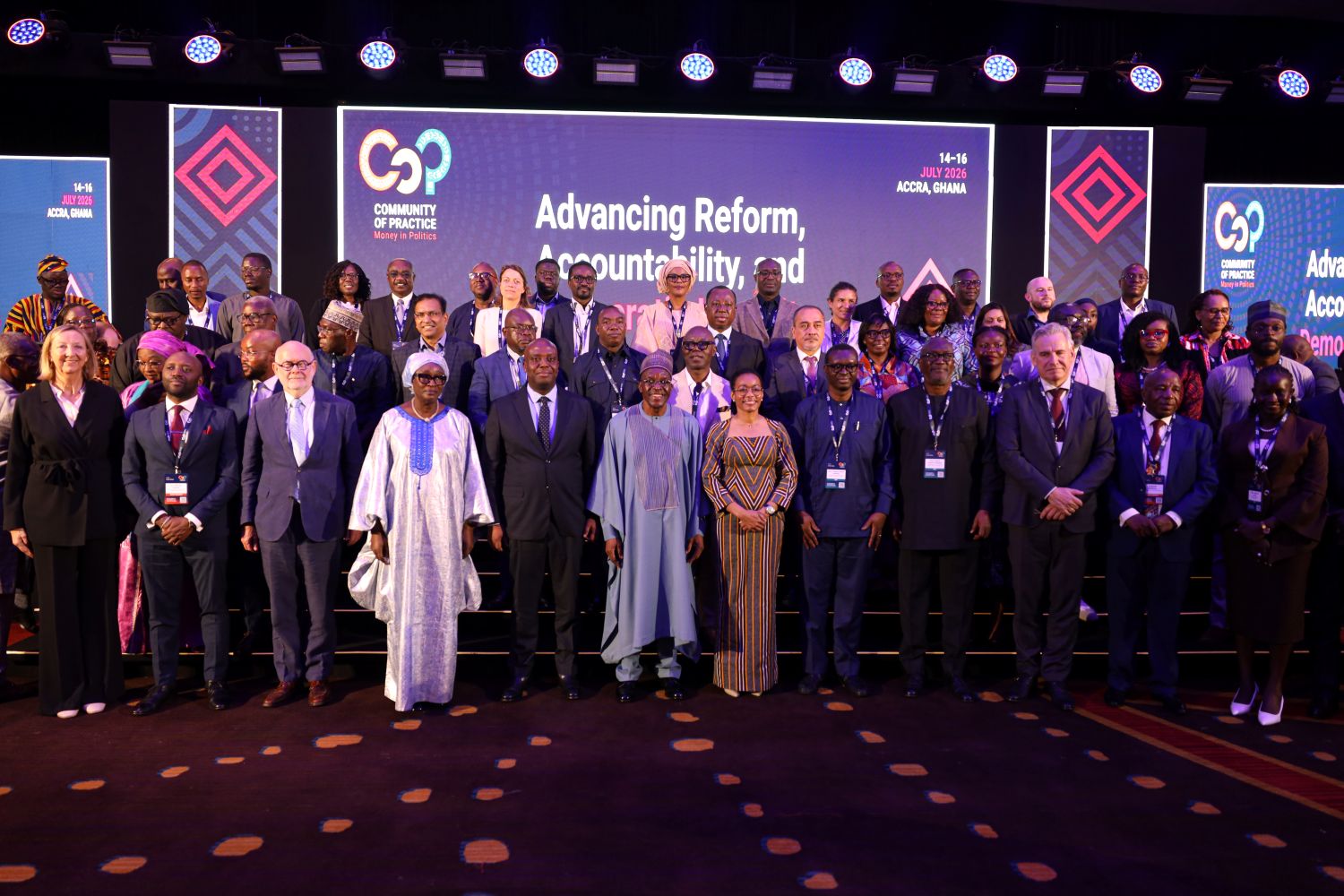
She described the Accra meeting as an opportunity to strengthen the Community of Practice on Money in Politics in Africa, advance implementation of the African Union’s Model Law on Political Financing, and deepen regional cooperation on democratic reforms.
“Ultimately, our success will not be measured by the number of laws passed or policies adopted,” Nowrojee said. “Our success will be measured by whether people across Africa believe that their voices matter.”
She concluded by emphasizing that the future of African democracy depends on ensuring public institutions remain accountable to citizens and that opportunities for political leadership are determined not by wealth, but by ideas and commitment to public service.
The High-Level Regional Convening on the Financialization of Politics in Africa is scheduled to close on Thursday, July 16, 2026. Hosted by the African Union Advisory Board Against Corruption (AUABC) and CDD-Ghana, the summit brings together governance experts, parliamentarians, and civil society leaders to address the growing, toxic influence of campaign money and unchecked political financing across the continent.
Leave a Reply