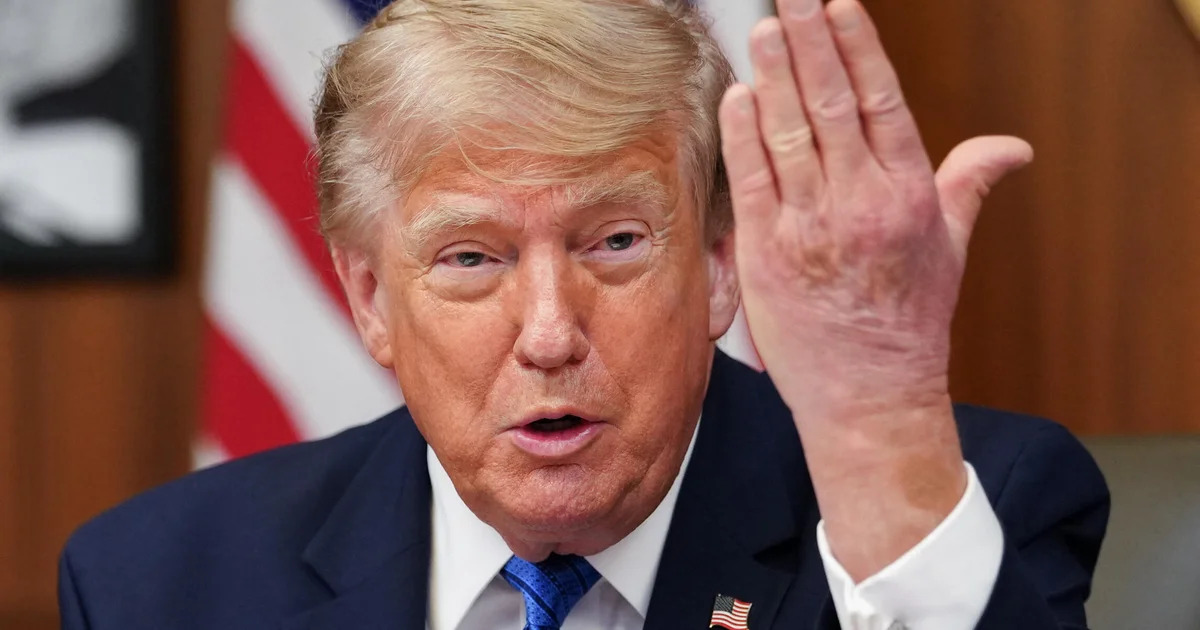
The sharp denial, reported by Iran’s semi-official Mehr news agency, follows statements posted by Trump on Truth Social in which he claimed Washington paused planned military action after receiving requests from Tehran and neighboring Middle Eastern nations.
The claims and denial
According to Iranian military sources cited by Mehr, Tehran made no direct or indirect request to halt U.S. operations. Instead, officials characterized Trump’s statements as a tactic designed to leverage pressure against Gulf states.
“Iran’s armed forces remain at the highest level of readiness and are fully prepared for any eventuality,” the military sources stated.
The response directly refutes claims made late Saturday by President Trump, who asserted that secret diplomatic openings had led to a temporary hold on fresh bombardments.
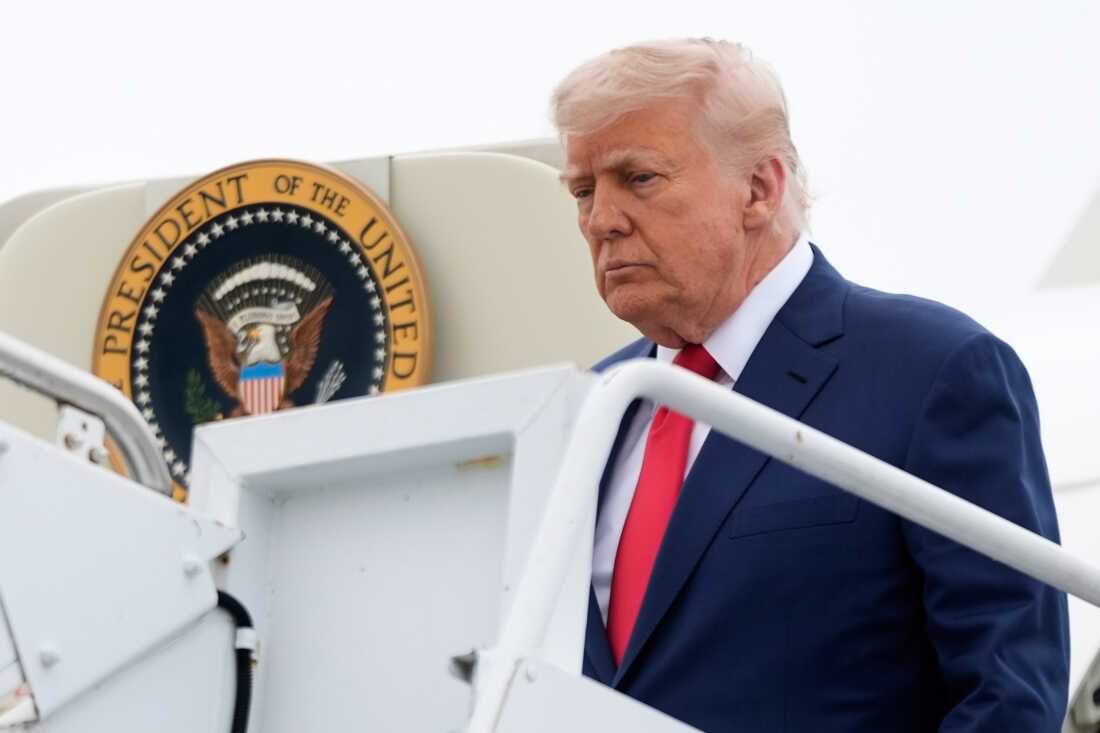
“We have just been asked by Iran, and other Middle Eastern Countries, to hold off any attack in that the perimeters of a deal has been agreed to,” Trump wrote on Truth Social, adding that any pause was contingent on securing a broader agreement quickly.
Escalating regional tensions
The public dispute comes against a backdrop of intense military posturing and fears of a widening regional war. U.S. forces have recently signaled readiness for expansive strikes targeting strategic Iranian infrastructure, while regional partners, including Saudi Arabia, have publicly and privately urged diplomatic restraint.
Iranian military officials on Sunday rejected assertions by U.S. President Donald Trump that Tehran had requested a hold on American military strikes, dismissing the claims as a “new lie” and an attempt to pressure regional Gulf allies.
The announcement was made by Micheal Martin, the Irish prime minister whose country currently holds the rotating presidency of the Council of the European Union, after calls from Spain as well as a 22-country initiative led by Italy and Denmark for a coordinated European response to the migrant crisis.
Italy and Denmark on Saturday spearheaded a joint initiative, calling for a coordinated European response to recent developments at the EU’s external border in Ceuta, according to a statement released by the Italian government.
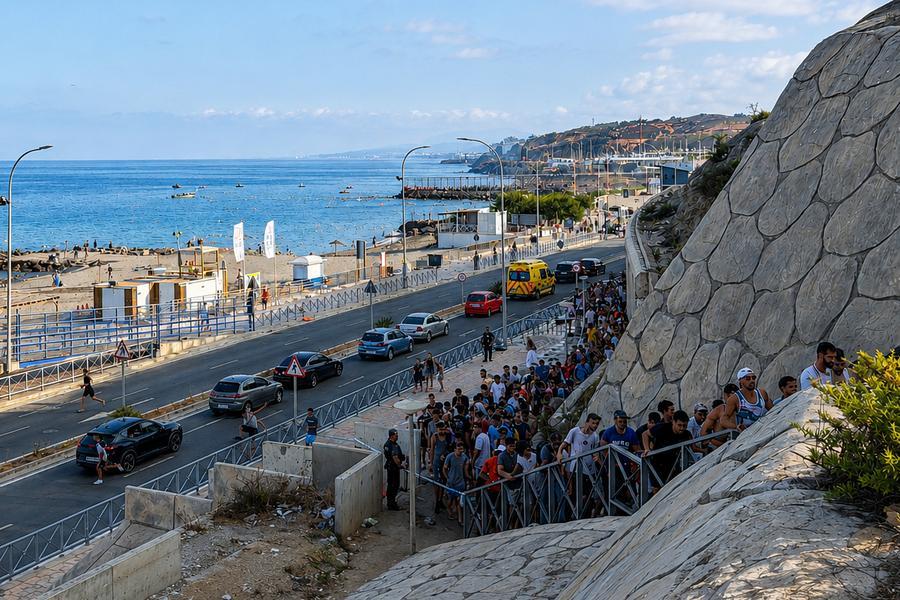
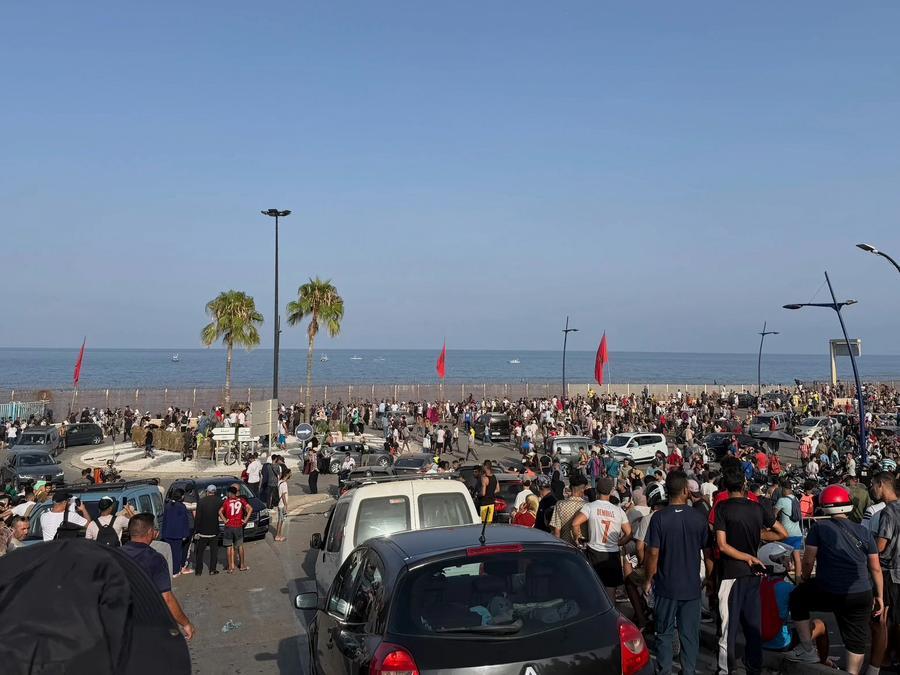
People gather on the Moroccan side of the border with Spain’s North African enclave of Ceuta, preparing to cross into the enclave, on July 30, 2026.
The letter, signed by 22 European heads of state and government, was sent to top EU leaders, citing “serious concern” over the situation in Ceuta and stressed the need to prevent uncontrolled irregular crossings, fight migrant trafficking networks, eliminate all factors that may incentivize new illegal entries and ensure a unified and effective European response.
“We are determined to prevent smugglers from challenging the integrity of the Union’s external borders,” the letter said.
“We have a duty to effectively deter and relentlessly combat illegal migration, by coordinating our action, strengthening our external borders and addressing all policies that can serve as pull factors, such as the regularization of very large number of irregular migrants,” the letter added.
On the same day, Spanish Prime Minister Pedro Sanchez also called on the EU to convene an extraordinary meeting to coordinate a common response to the recent migrant crisis in Ceuta, while criticizing what he described as the “selfish” attitude of some member states.
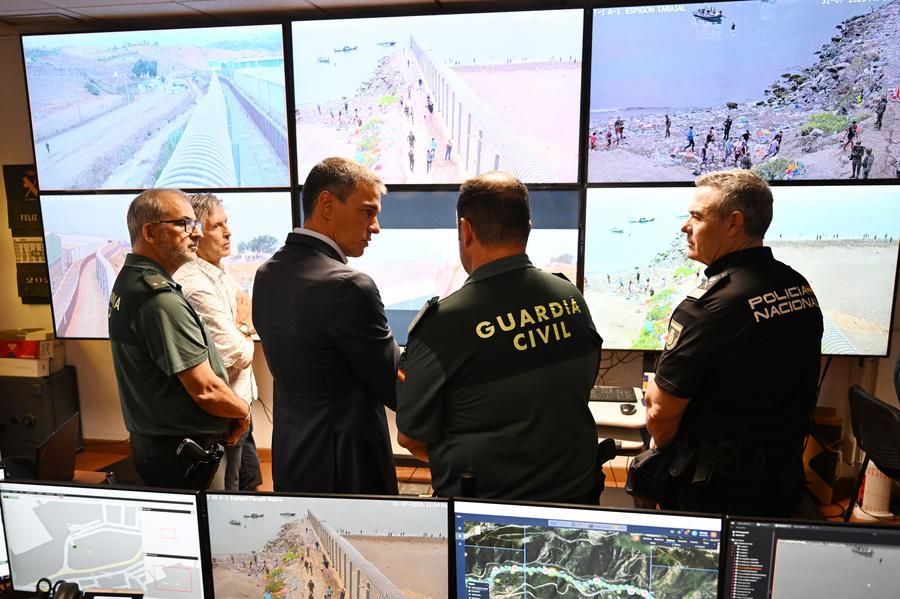
Spanish Prime Minister Pedro Sanchez (C) observes the work of the Civil Guard in Spain’s North African enclave of Ceuta, on July 31, 2026.
Sanchez said around 50,000 migrants had entered Ceuta irregularly, but that Spain had restored control of the border in less than 48 hours, provided humanitarian assistance, returned virtually all of those who had crossed illegally, and prevented any unauthorized onward movement to mainland Europe.
He said these efforts were made possible through close cooperation with Moroccan authorities and with the support of other EU member states, while highlighting Spain’s long-standing migration policy, which he said had made the country one of the EU’s most secure external borders.
Sanchez also said that while most EU governments had expressed solidarity and offered assistance, others had chosen to “attack Spain” and call for its temporary exclusion from the Schengen Area.
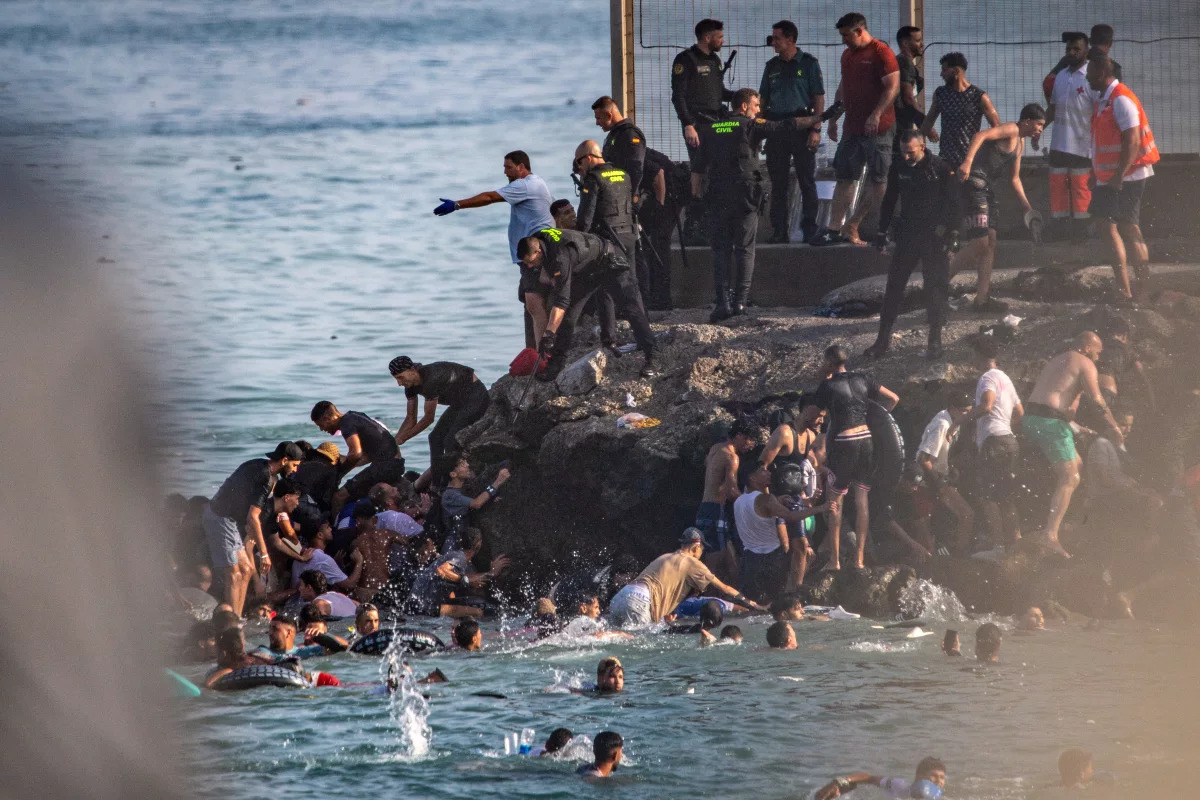
The latest developments came after one of the largest irregular migration incidents on Spain’s southern border in recent years. According to the Spanish government, at least 67 people died during the crisis, while more than 48,000 of the nearly 50,000 migrants who entered Ceuta had returned to neighboring Morocco.
Spanish Prime Minister Pedro Sanchez described the incident as “a violation of Spain’s territorial integrity.”
Most of the victims drowned while attempting to swim around the El Tarajal border breakwater separating Morocco and Ceuta, according to the Spanish authorities.
Sanchez traveled to Ceuta on Friday together with Spanish Interior Minister Fernando Grande-Marlaska to inspect the situation. During the visit, he announced new measures to strengthen border security, including the installation of floating barriers near the El Tarajal breakwater to prevent further sea crossings.
He also pledged to accelerate the identification and return of irregular migrants, thanked Morocco for its cooperation in border management and repatriation, and vowed to intensify efforts against human trafficking networks.
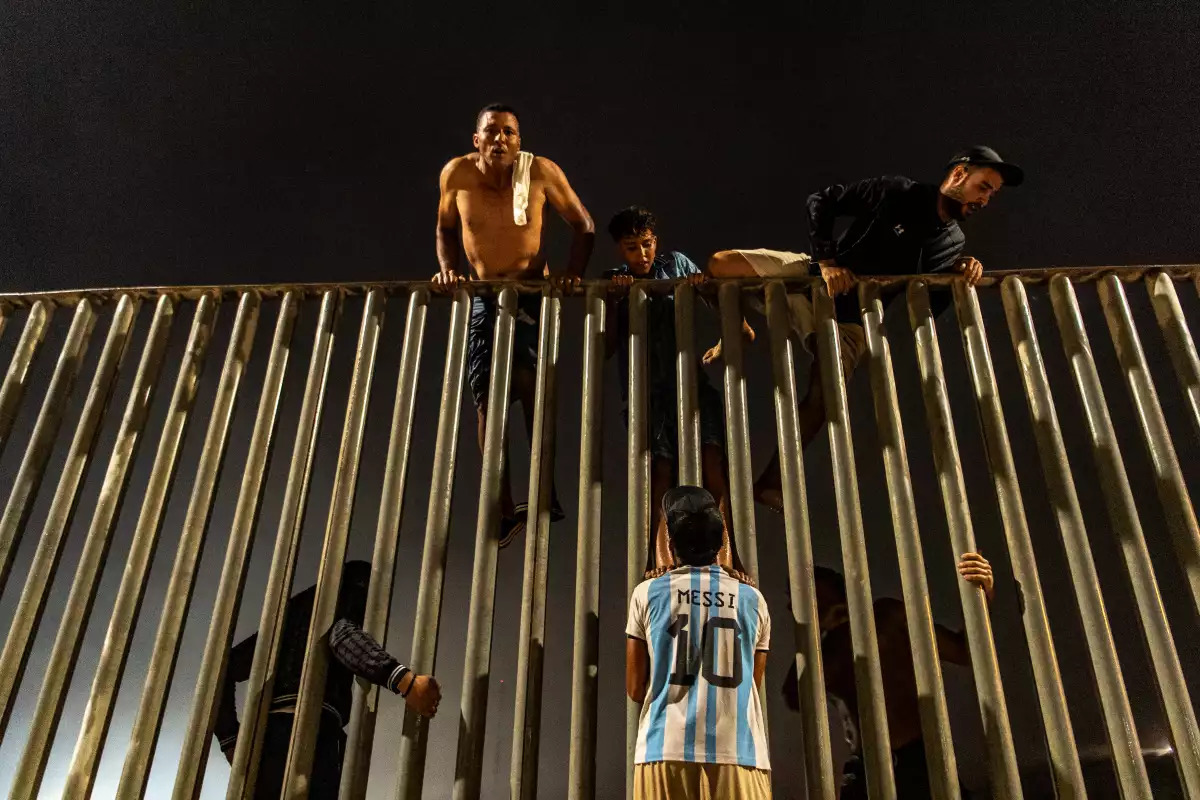
Migrants try to cross from Morocco into the Spanish enclave of Ceuta, Friday, July 31, 2026.
The Spanish government has reinforced security in Ceuta by deploying additional National Police officers, Civil Guard personnel and military units, while emergency reception facilities remain under heavy pressure.
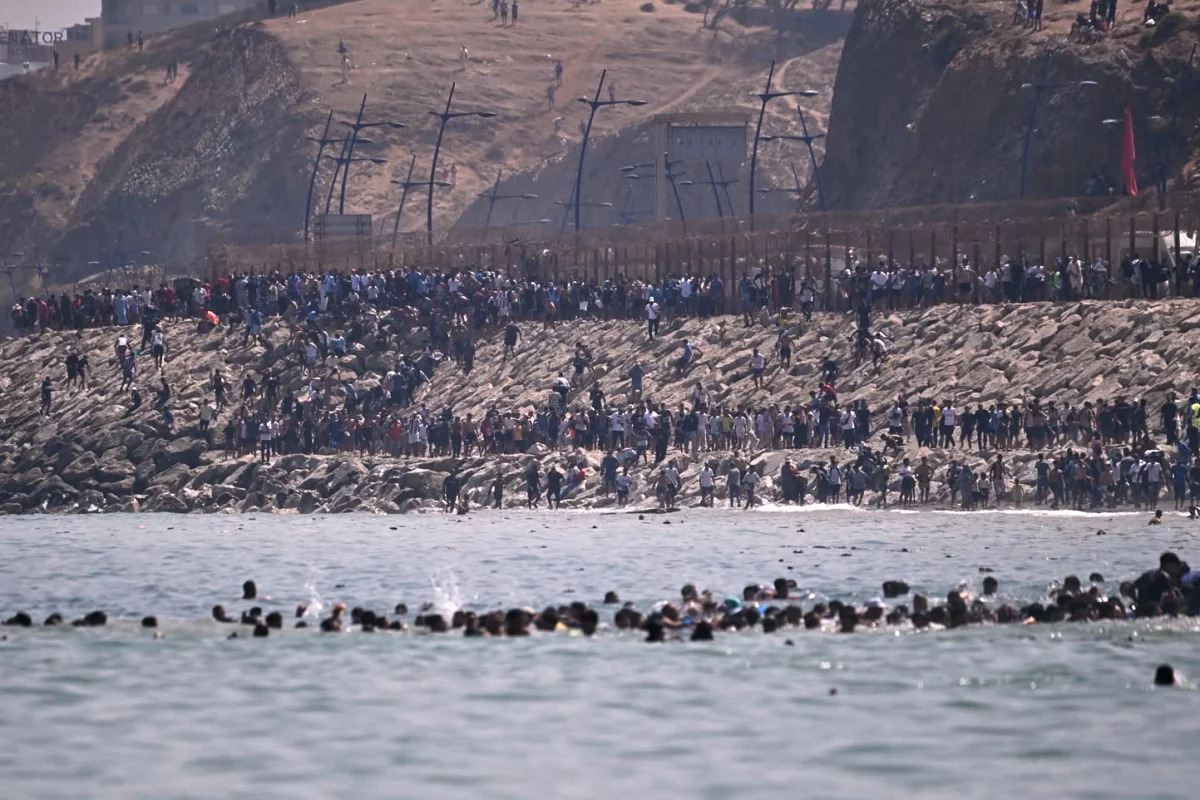
The Spanish authorities estimate that around 50,000 migrants have entered Ceuta over the past two days, making it one of the largest irregular migration crises ever recorded on the enclave’s border.
Migrants cross from Morocco into the Spanish enclave of Ceuta, Thursday, July 30, 2026.
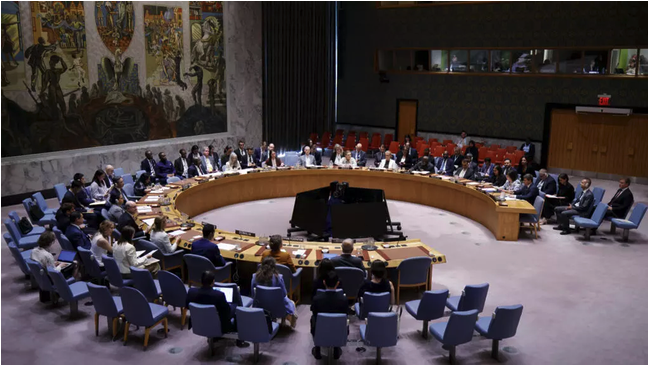
The closed-door vote marked the first formal test of support for the candidates within the 15-member Security Council, which is responsible for recommending a nominee to the UN General Assembly for appointment.
“The first round of straw poll has taken place,” Zenon Mukongo Ngay, the Permanent Representative of the Democratic Republic of the Congo to the United Nations and president of the Security Council for July, told reporters after the vote.
He said the candidates would be informed of the results through the permanent representatives of the member states that nominated them, while the President of the UN General Assembly would also be notified that the poll had been conducted.
As is customary, the results of the informal ballot were not made public.
Straw polls are confidential, non-binding ballots used by the Security Council to gauge the level of support for candidates. The process typically involves several rounds of voting until a candidate secures the backing of at least nine of the council’s 15 members without a veto from any of the five permanent members: the United States, the United Kingdom, China, France and Russia.
Under Article 97 of the UN Charter, the Secretary-General is appointed by the General Assembly upon the recommendation of the Security Council.
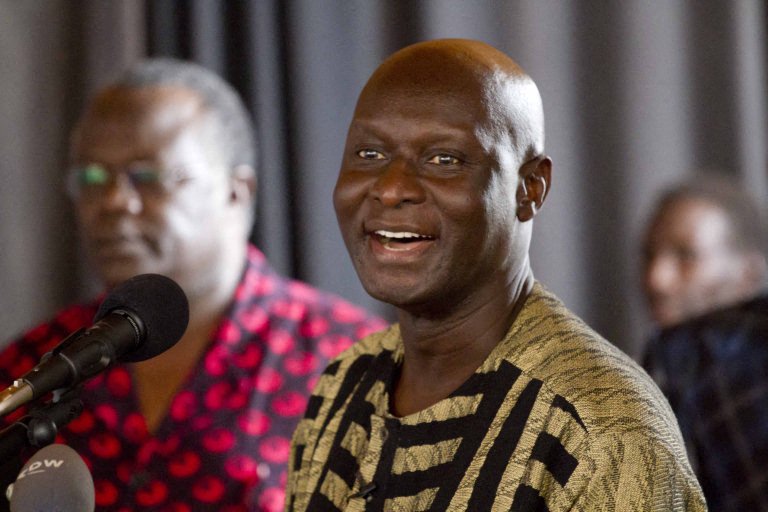
Otunnu, 75, was formally nominated by the Ugandan government earlier this month, becoming the seventh candidate in the race.
A veteran diplomat with more than four decades of international experience, Otunnu served as the UN Under-Secretary-General and Special Representative for Children and Armed Conflict from 1997 to 2005 under former Secretary-General Kofi Annan.
He also represented Uganda at the United Nations from 1980 to 1985 and served as President of the UN Security Council in December 1981. During that period, he helped break a deadlock over the selection of a UN Secretary-General by introducing the straw-balloting procedure that ultimately produced Javier Pérez de Cuéllar as a consensus candidate.
Before joining the UN leadership, Otunnu briefly served as Uganda’s Minister of Foreign Affairs and later led the opposition Uganda People’s Congress (UPC), contesting the country’s 2011 presidential election.
His candidacy places East Africa in contention for one of the world’s most influential diplomatic positions.
The other candidates are former Chilean President Michelle Bachelet, former Ecuadorian Foreign Minister and former President of the UN General Assembly Maria Fernanda Espinosa, International Atomic Energy Agency Director General Rafael Mariano Grossi of Argentina, UN Conference on Trade and Development Secretary-General Rebeca Grynspan of Costa Rica, Guyana’s Permanent Representative to the United Nations Carolyn Rodrigues-Birkett, and former Senegalese President Macky Sall.
The seven contenders recently presented their visions for the future of the United Nations during a televised dialogue ahead of the Security Council’s voting process.
Once the Security Council reaches consensus on a candidate, it will forward its recommendation to the UN General Assembly for formal appointment. The successful candidate will begin a five-year term on January 1, 2027, succeeding Guterres, who is completing his second term as Secretary-General.
Uganda’s Olara Otunnu is among seven contenders seeking to succeed António Guterres as United Nations Secretary-General.
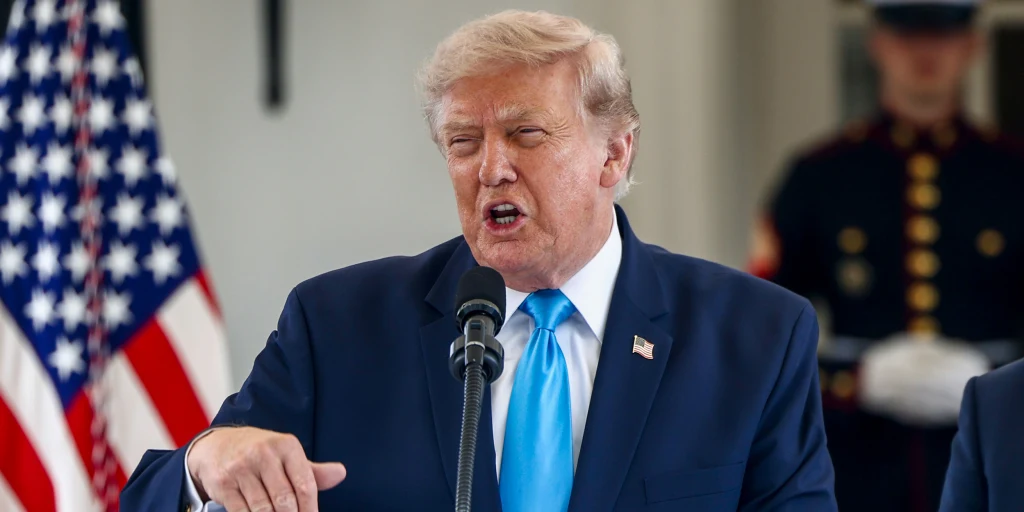
“This agreement is a critical step towards Gaza finally being governed by a new Palestinian government that will work closely with the Board of Peace to help the Palestinian people,” Trump wrote on Truth Social.
“At the same time, Israel will have the security it deserves, with Gaza no longer used as a base for terror attacks,” he added.
The agreement will be carried out in structured phases, according to Trump, who noted that as disarmament is completed, Israeli forces will withdraw, and the International Stabilization Force will work with a new Palestinian police force to take responsibility for Gaza’s security.
He said Egypt, Qatar and Türkiye helped broker the agreement as mediators.
As of now, Hamas has yet to confirm the agreement.
Trump said that the agreement is a critical step towards Gaza finally being governed by a new Palestinian government that will work closely with the Board of Peace
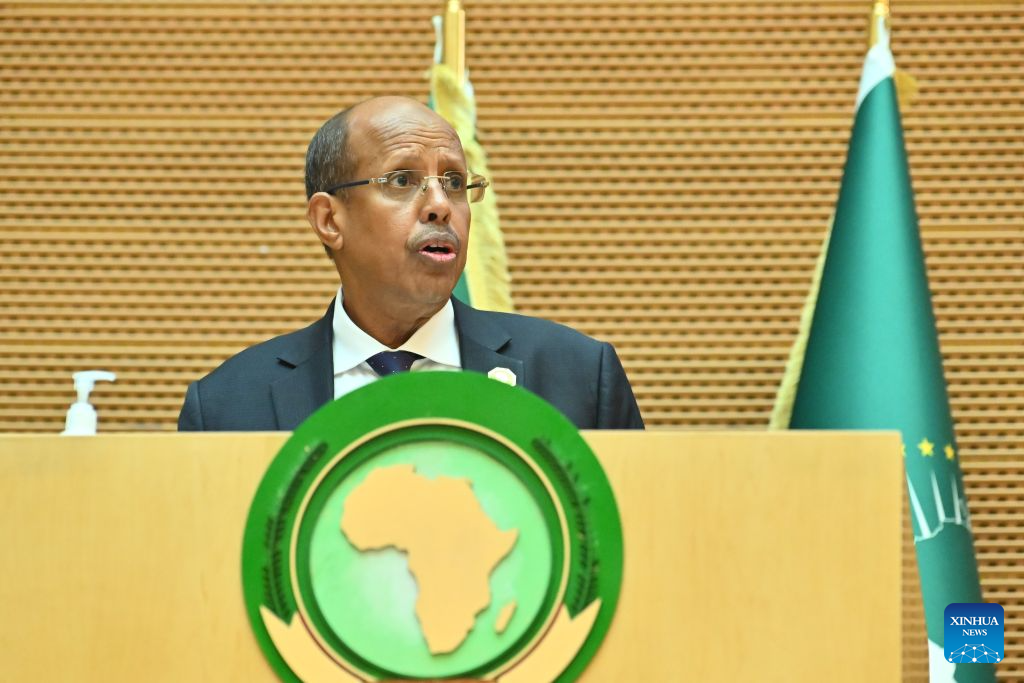
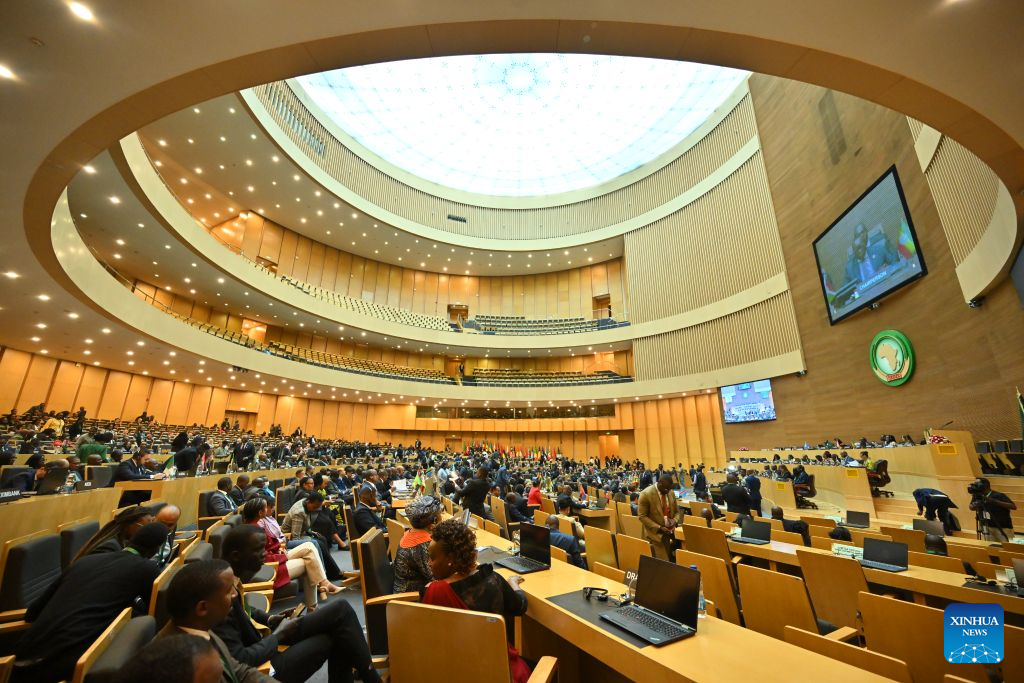
The remark was made during the 49th Ordinary Session of the Executive Council of the African Union (AU) on Tuesday in Addis Ababa, the capital of Ethiopia.
Speaking at the event, Mahmoud Ali Youssouf, chairperson of the AU Commission, said Africa is bearing the brunt of the crisis in the Middle East, with multiple countries on the continent facing a high cost of living driven by soaring energy prices.
“The resumption of the conflict between Iran and the United States is causing runaway inflation. The supply chain is disrupted due to the closure of the Strait of Hormuz. The Bab el-Mandeb Strait is also threatened. Energy, grain and fertilizer prices are soaring,” Youssouf told the session.
He said the fallout is likely to last for months based on assessments made by the United Nations Economic Commission for Africa (UNECA) and the United Nations Development Program.
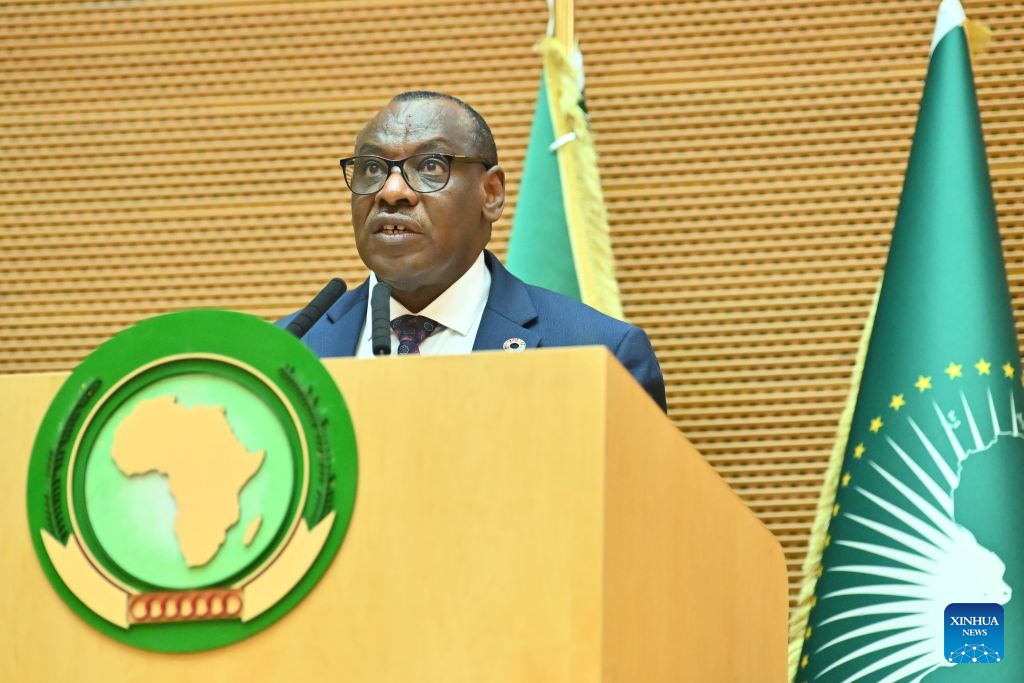
Claver Gatete, executive secretary of UNECA, said the global environment has become increasingly uncertain amid spikes in energy, food, and fertilizer prices due to the ongoing conflict in the Middle East.
“Trade tensions, geopolitical fragmentation, conflicts including the conflict in the Middle East, climate shocks, declining development finance and high debt-servicing costs continue to impact investment and development prospects in Africa,” Gatete said.
Given the present realities, Africa cannot rely indefinitely on external financing to transform its economy, he said, adding that the continent must finance more of its development from domestic resources.
Foreign Minister of Ethiopia Gedion Timothewos said the foundations of the global order are undergoing profound transformation, while Africa is bearing the brunt of geopolitical tensions, including the conflict in the Middle East, technological disruption, climate pressures and growing competition over strategic resources.
“We need to seize the moment to actively shape the contours of the new reality. We must become a strategic actor capable of providing African solutions to global challenges,” said Timothewos, adding that despite the challenges, Africa is destined to be the engine of global growth in the second half of the 21st century.
Held under the AU’s 2026 theme, “Assuring Sustainable Water Availability and Safe Sanitation Systems to Achieve the Goals of Agenda 2063,” the two-day session, which brought African foreign ministers together, is expected to come up with new strategies to address Africa’s pressing challenges, including ensuring universal access to safe hygiene, water and sanitation across Africa.
This photo taken on July 28, 2026 shows the 49th Ordinary Session of the Executive Council of the African Union (AU) held in Addis Ababa, the capital of Ethiopia. African leaders have raised alarm over the resumption of the Middle East conflict, which they said is driving a severe economic and security crisis in Africa through energy shocks, supply disruptions, and soaring prices.Claver Gatete, executive secretary of the United Nations Economic Commission for Africa (UNECA), addresses the 49th Ordinary Session of the Executive Council of the African Union (AU) in Addis Ababa, the capital of Ethiopia, July 28, 2026.
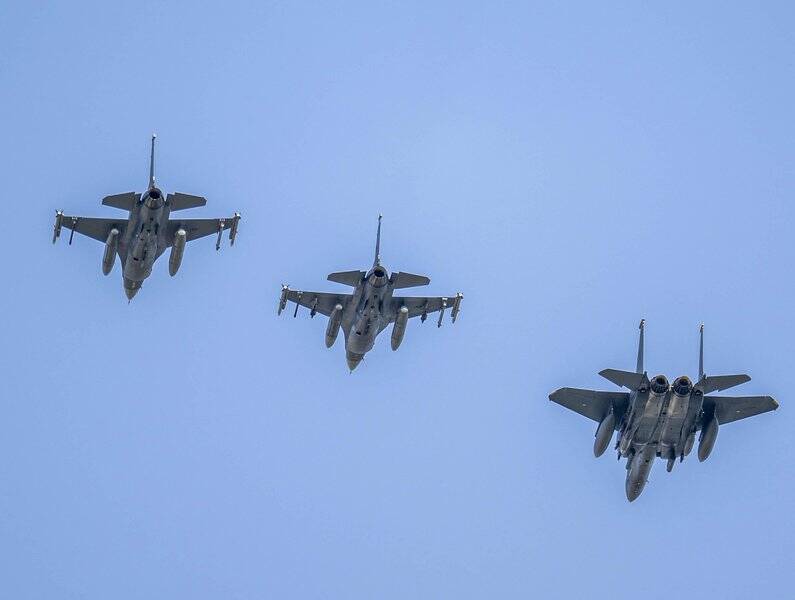
“U.S. and Saudi fighter aircraft struck multiple terrorist logistics and weapons sites across eastern Iraq in a strong response to over 30 IRGC-directed aerial drone attacks in the last 72 hours,” the command said on X, referring to the Islamic Revolution Guard Corps (IRGC).
“The unwarranted attacks against U.S. forces were not successful,” it said.
Noting that Iran-aligned militias in Iraq had conducted more than 600 attempted attacks on U.S. citizens and facilities from February through April, the command warned that the IRGC and its “proxies” must cease such attacks or face further U.S. military response.
Shortly after the release of the statement, an explosion struck the headquarters of Iraq’s paramilitary Popular Mobilization Forces, according to media reports.
Tuesday’s strikes came amid heightened tensions following months of U.S.-Iran hostilities, during which alleged Iraqi attacks on U.S. forces in the country and elsewhere in the region have been reported.
US and Saudi warplanes carried out strikes on Tuesday against Iran-backed militants in Iraq who launched more than two dozen drone attacks in recent days, the US military said.
Its chairman, Xiang Wenbo, sees that as a floor rather than a ceiling.
“I think this is only the beginning. There are still huge opportunities ahead,” Xiang said in a recent interview with Xinhua in the Kenyan capital, Nairobi.
Sany’s trajectory tracks a broader shift in China-Africa economic ties, moving beyond the export of goods toward industrial presence on the ground — in infrastructure, clean energy, servicing networks, and workforce training.
Taking root
Xiang has lost count of how many times he has visited Africa since Sany first entered the continent more than two decades ago. He said he is drawn to the continent’s unspoiled character and the beauty of its natural environment.
What has changed, in his telling, is the built environment. Infrastructure across Africa has been transformed over the past decade, he said, “especially in Kenya, where the change is striking. So I believe Africa is now in a very good period of development.”
The commercial case has moved with it. China has been Africa’s largest trading partner for 15 consecutive years, according to China’s Ministry of Commerce, and the stock of Chinese direct investment on the continent continues to grow. Beyond capital and equipment, Xiang argued, Chinese firms have brought technology transfer and supply-chain depth that turn industrialization plans into productive capacity.
Many of those firms have become significant taxpayers and employers in their host countries, he said.
“We have created a lot of local jobs. We directly employ more than 1,000 people here, and we have sold more than 40,000 machines in Africa over the years. Most of the operators were trained by us, which means we have trained a large number of industrial workers,” Xiang said.
“We have established sales and service operations, including repair centers, in almost every African country. Those skilled service personnel are, in effect, the foundation of Africa’s modern manufacturing industry in the future.”
That picture is broadly consistent with outside assessments. A McKinsey study of Chinese enterprises in Africa found that local staff account for close to 90 percent of their workforce.
Roads first
Drawing on China’s own development experience — captured in the saying that to get rich, you build roads first — Xiang argued that infrastructure must be built with foresight and should never become a bottleneck on growth.
By that standard, he said, Africa’s build-out “is still far from sufficient, and there is a great deal Chinese companies can do.”
He pointed to the cost of moving goods. “Logistics here is still very inadequate, and because of logistics, many things in Africa remain expensive,” he said, noting that a road journey in some major African cities can take more than 14 hours. “That would be unimaginable in China.”
The gap is well documented. The African Development Bank estimates the continent’s annual infrastructure financing shortfall at between 68 billion and 108 billion dollars, and infrastructure deficits are widely identified as a principal constraint on Africa’s competitiveness and on realizing the potential of the African Continental Free Trade Area.
A white paper issued by China’s State Council Information Office, “China and Africa in the New Era: A Partnership of Equals,” says Chinese companies have built or upgraded more than 10,000 km of railways and nearly 100,000 km of roads in Africa and helped create over 4.5 million local jobs.
Africa’s transport and network infrastructure remains nowhere near complete, Xiang concluded, so concerns about over-building are beside the point.
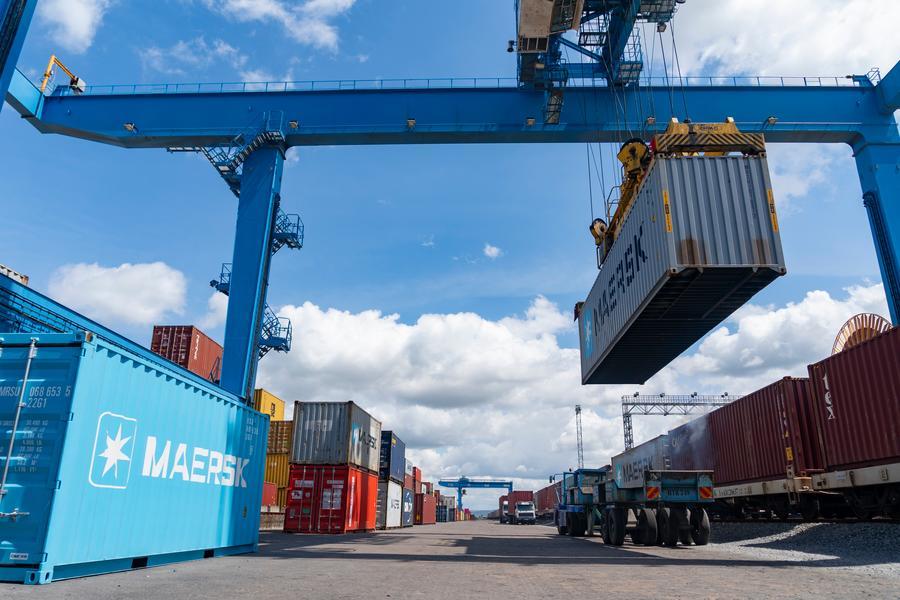
A crane hoists a container at Port Reitz Station on the Mombasa-Nairobi Standard Gauge Railway (SGR) in Mombasa, Kenya, July 9, 2026. (Xinhua/Xie Jianfei)
Two revolutions
Looking ahead, Xiang said Chinese companies should shift from exporting products to exporting industry, helping African partners build modern management practices and industrial systems. China and Africa pursuing modernization together, with no country left behind, is “a very large undertaking,” he said.
He sees a particular opening in timing. The fourth industrial revolution, driven by artificial intelligence, is unfolding alongside a clean energy revolution led by wind and solar, he said. The overlap gives latecomer economies a historic chance to leapfrog older technologies.
Sany is pursuing a strategic transition centered on new energy, promoting green mining, microgrids, and utility-scale solar to cut African mining operations’ reliance on costly conventional power. Last year, the company donated 500 household solar systems to Malawi.
Xiang acknowledged that the operating environment is not without friction, citing logistics costs, financing constraints, and the long lead times required to build service networks from scratch.
As Europe and the United States turn to non-market measures to shield domestic industries, he added, third-party markets are becoming the main arena of competition. The long-standing relationship between China and Africa offers a comparatively stable environment for two-way trade and investment, he said, and that is where Chinese firms’ durable advantage lies.
Sany’s African story began in 2002 with two motor graders delivered to Morocco. Nearly a quarter of a century later, its machines work across the continent.
“The real curtain,” Xiang said, “is only now going up.”
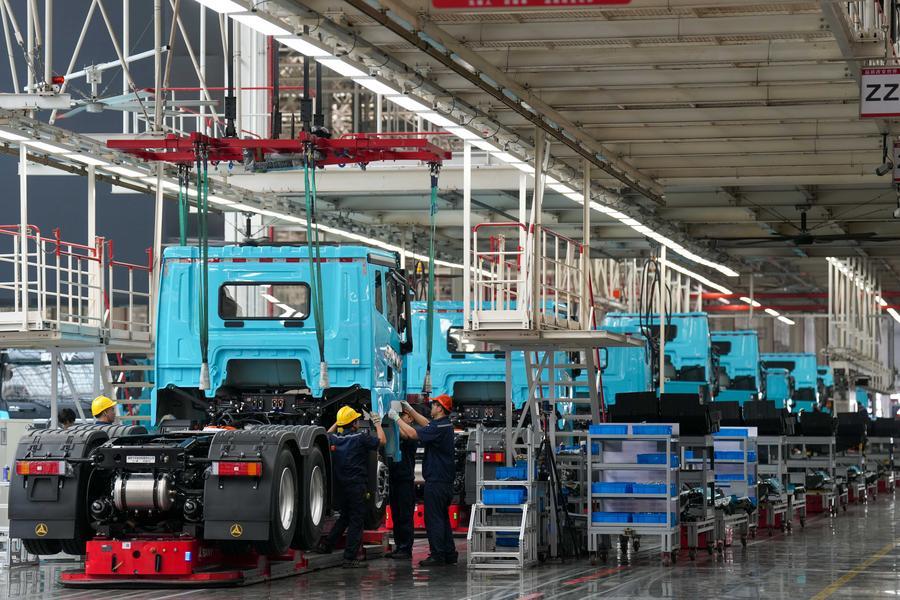
Workers work at an industrial park of Sany, China’s leading heavy equipment manufacturer, in Changsha, central China’s Hunan Province, May 12, 2026. (Xinhua/Xue Yuge)
On Saturday, the Jingdezhen Handicraft Porcelain Industry Sites were inscribed on the UNESCO World Heritage List, marking global recognition of a living tradition that remains a treasured gem of Chinese civilization.
The inscription also reflects China’s years of efforts to preserve and make alive this centuries-old craft — a cause that Chinese President Xi Jinping has consistently championed.
Passing on
Porcelain has been widely taken as one of the most representative symbol of Chinese civilization. For years, Xi has remained deeply committed to China’s cultural heritage and emphasized its preservation as a way to promote the finest traditional Chinese culture.
In October 2023, Xi visited Jingdezhen, globally renowned as the “Porcelain Capital,” where the glow of kiln fires has illuminated 2,000 years of ceramic history. At the Taoyangli Historical and Cultural Block, he toured the Nanlu Ruins, the Ceramic Museum, and the Ming and Qing Dynasty (1368-1911) kiln complex, learning about the intricate processes and cultural legacy behind the city’s celebrated porcelain craft.
During the visit, Xi met Sun Lixin, a fourth-generation craftsman carrying forward his family’s porcelain-making tradition. Admiring the craftsmanship, Xi asked, “Do you paint according to a design, or do you rely on your sense of touch?”
“It’s all in my heart,” Sun replied.
“Devoting one’s entire life to a single craft, with generations of a family committed to the same pursuit, is no simple undertaking,” Xi said.
“The fine traditional culture passed down by our ancestors is something we must continue to hold in our hands, adapt to the times, and carry forward,” he added.
Xi’s long-standing commitment to preserving Chinese porcelain culture can be traced back to his years working in east China’s Zhejiang province in the early 2000s, when he placed great importance on protecting and promoting the country’s rich ceramic heritage.
Xi made several visits to Longquan, a city in southwestern Zhejiang known for its centuries-old celadon tradition. He emphasized that Longquan celadon was a Chinese cultural treasure and called for the establishment of a museum to preserve and showcase this valuable heritage.
In 2009, the museum was officially opened. That same year, the traditional firing techniques of Longquan celadon were inscribed on UNESCO’s Representative List of the Intangible Cultural Heritage of Humanity.
Longquan would become one illustration of a much broader agenda. Over the years, Xi has made cultural heritage protection a recurring theme of his domestic inspections, visiting sites ranging from the Forbidden City and the Grand Canal to Jiayuguan Pass and the Yin Ruins. With his push, more Chinese cultural sites have been added to UNESCO’s World Heritage List.
“Protecting, preserving and making good use of these invaluable treasures is our shared responsibility,” Xi once said. “It is also essential to ensuring the continuity of human civilization and advancing sustainable development around the world.”
Traversing civilizations
Beyond its artistic value, porcelain has long served as a bridge fostering mutual learning among civilizations. Through the ancient Silk Road, porcelain vases, jars and bowls adorned the royal courts of Europe, becoming collectors’ highly coveted items.
For Xi, porcelain is more than a craft; it is a cultural ambassador that carries China’s artistic traditions and civilizational heritage to the world. From presenting porcelain as state gifts to foreign dignitaries to showcasing historic masterpieces at major international gatherings, Xi has used the timeless art form to tell the story of China’s rich cultural legacy.
In May 2019, Xi highlighted a rare Yuan Dynasty (1271-1368) blue-and-white porcelain vase to foreign leaders while touring a cultural exhibition ahead of the Conference on Dialogue of Asian Civilizations held in Beijing.
He noted that very few blue-and-white porcelain vases from the Yuan Dynasty have survived, describing the precious artifact as “the panda of ceramics.”
Xi, on many occasions, has also used porcelain to illustrate the transformative power of exchanges between civilizations. In a signed article published ahead of his state visit to Portugal in 2018, Xi wrote, “China’s blue and white porcelain, which was first shipped to Portugal centuries ago, inspired a fusion of Chinese and local techniques, producing a unique form of art Azulejo.”
Chinese ceramics have had a wide influence on art throughout the world and the artistic trends in the West, like Europe, and other places, said Jad Tabet, a Franco-Lebanese architect and former representative to the UNESCO World Heritage Committee.
The enduring vitality of China’s ceramic art and the global growth of the porcelain industry offer a vivid example of how civilizational exchange can promote common development and progress. As Xi once noted in a speech at UNESCO headquarters, civilizations have become richer and more colorful with exchanges and mutual learning.
“Such exchanges and mutual learning form an important drive for human progress and global peace and development,” he said.
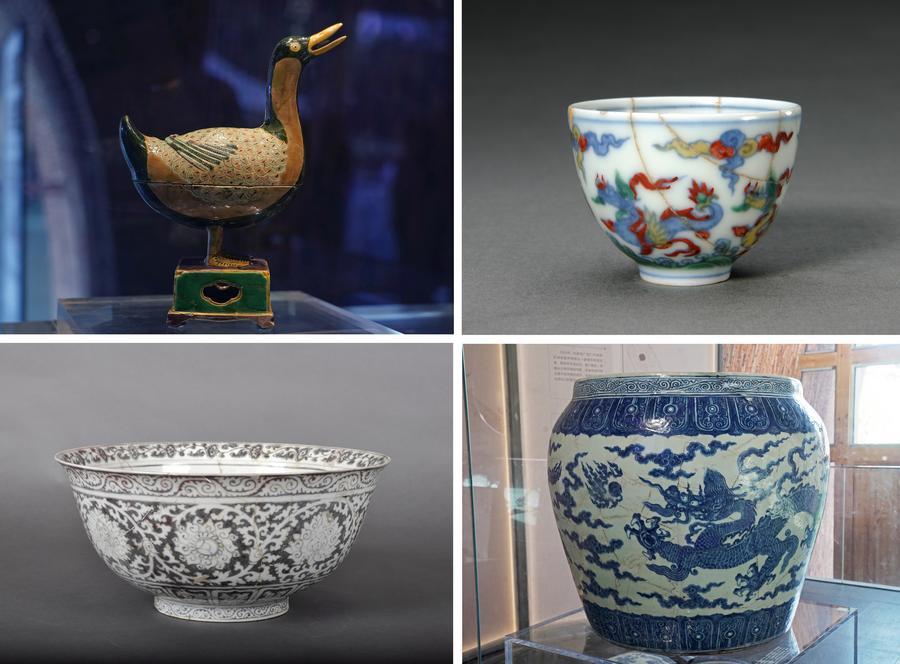
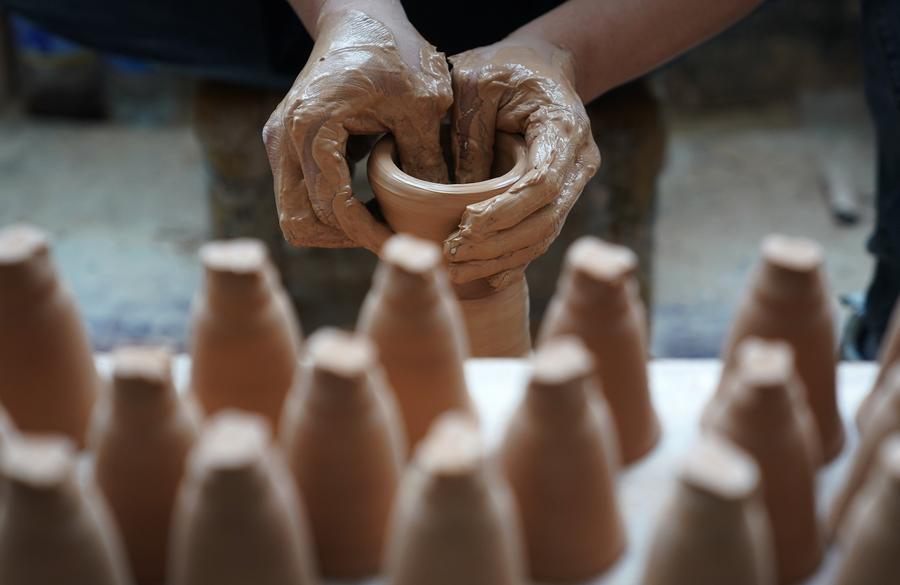
This combo photo shows porcelain wares unearthed from the imperial kiln site in Jingdezhen, east China’s Jiangxi Province. (Xinhua)This file photo taken on Aug. 28, 2024 shows a craftsman making the clay body on the wheel at a studio in Jingdezhen, east China’s Jiangxi Province. (Xinhua/Wan Xiang)
“We are in very deep talks with Iran. If they don’t work out, we will go back to very strong military action,” Trump said in an interview with U.S. online news outlet Axios.
Asked how long he was willing to give diplomacy, he said, “Not much time. Either it goes fast or not at all.”
Trump said he decided to pause strikes on Friday because the countries that are mediating as well as other countries in the region had asked him to give talks with Iran another chance.
Later, the president told reporters that Iran sought talks only after its military was battered by the U.S. military.
“I think there’s a good chance that something could happen,” Trump said aboard Air Force One en route to an event in Michigan. “And if it does, good, if it doesn’t, we go back to doing what we were doing two days ago.”
Trump said that his administration and the Israeli government are “pretty close” to being on the same page regarding Iran.
“We have a little difference, but pretty close,” he said of Israeli Prime Minister Benjamin Netanyahu, who is expected to visit the White House on Tuesday.
Trump also reiterated that Iranian assets controlled by the United States will be used to cover damage to ships attacked when transiting the Strait of Hormuz. “We’re going to use Iran’s money to pay for the damage they did,” he said.
Negotiations between Oman and Iran have made progress, though no deal has been reached, according to reports citing regional sources.
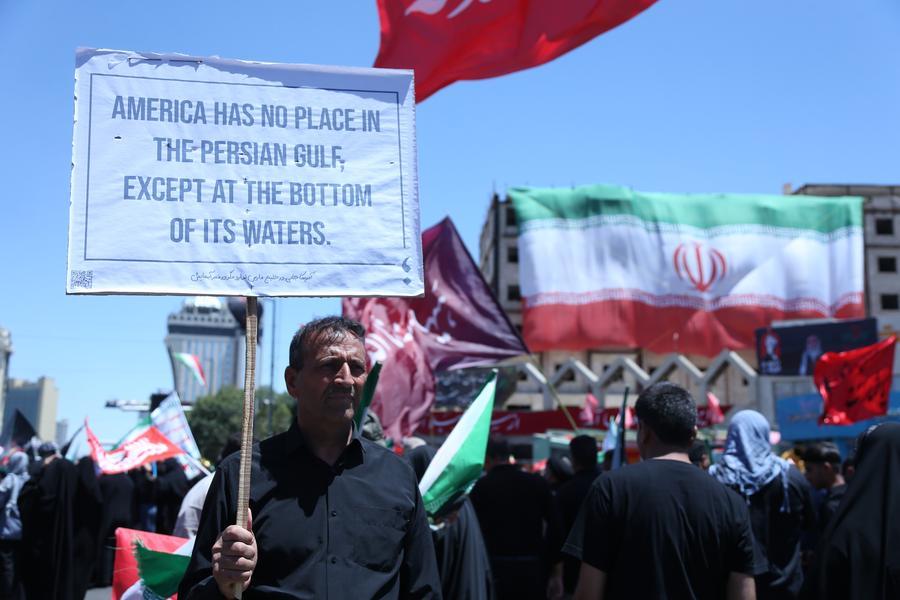
People attend the funeral procession of Iran’s late Supreme Leader Ali Khamenei in Mashhad, Iran, July 9, 2026. (Xinhua/Shadati)