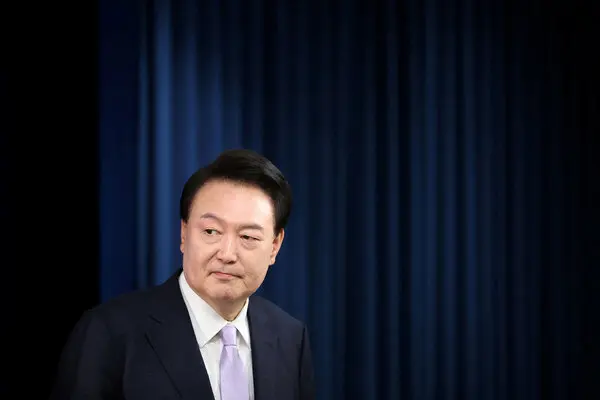
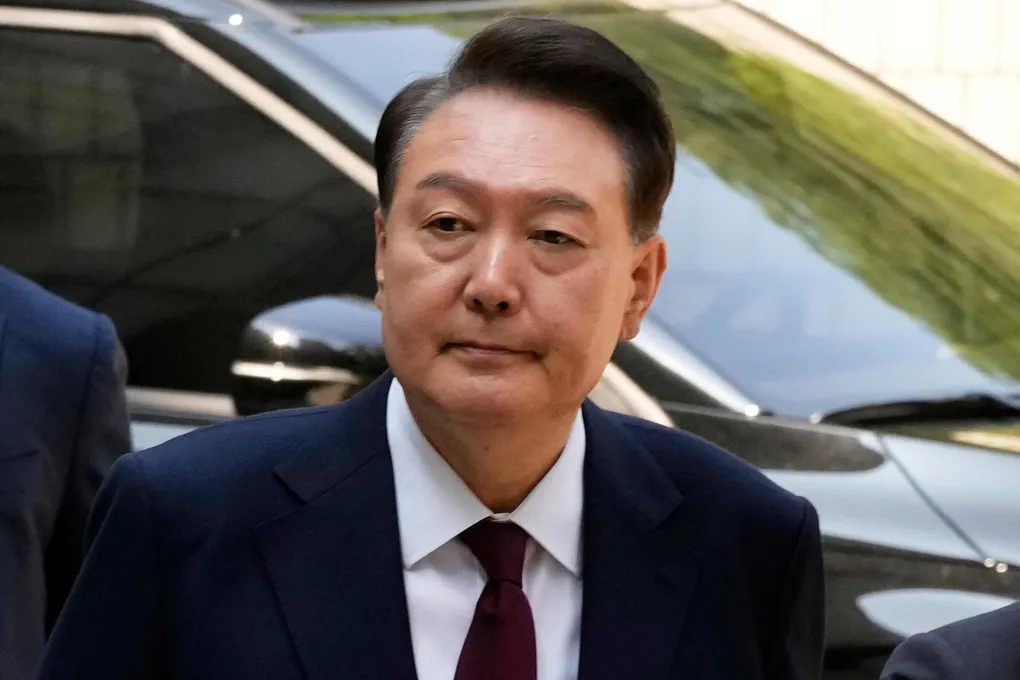
The team of a second special counsel Kwon Chang-young, who led investigations into leftover martial law allegations and other corruptions, indicted Yoon on charges stemming from his directive to spread messages to allied countries justifying his short-lived martial law declaration.
The emergency martial law was declared by Yoon on the night of Dec. 3, 2024, but it was revoked hours later by the National Assembly.
Yoon was accused of ordering the dissemination of distorted messages to major allies, including the United States, between Dec. 3 and 4, 2024, to validate the legitimacy of the martial law.
The special counsel team concluded that Yoon abused his power by forcing the presidential national security office and the foreign ministry to perform duties outside their legal obligations.
Shin Won-sik, former presidential national security advisor, was indicted without detention on charges of conspiring with Yoon to distribute the justification messages.
Yoon was sentenced to life in prison in February this year for the insurrection coming from his martial law declaration and 30 years in prison in June for the general treason relevant to the infiltration of drones into the Democratic People’s Republic of Korea (DPRK).
He was indicted under detention in January 2025 as a suspected ringleader of the insurrection, becoming the first sitting president to be arrested and indicted.
Yoon was sentenced to life in prison in February this year for the insurrection coming from his martial law declaration and 30 years in prison in June for the general treason relevant to the infiltration of drones into the Democratic People’s Republic of Korea (DPRK).
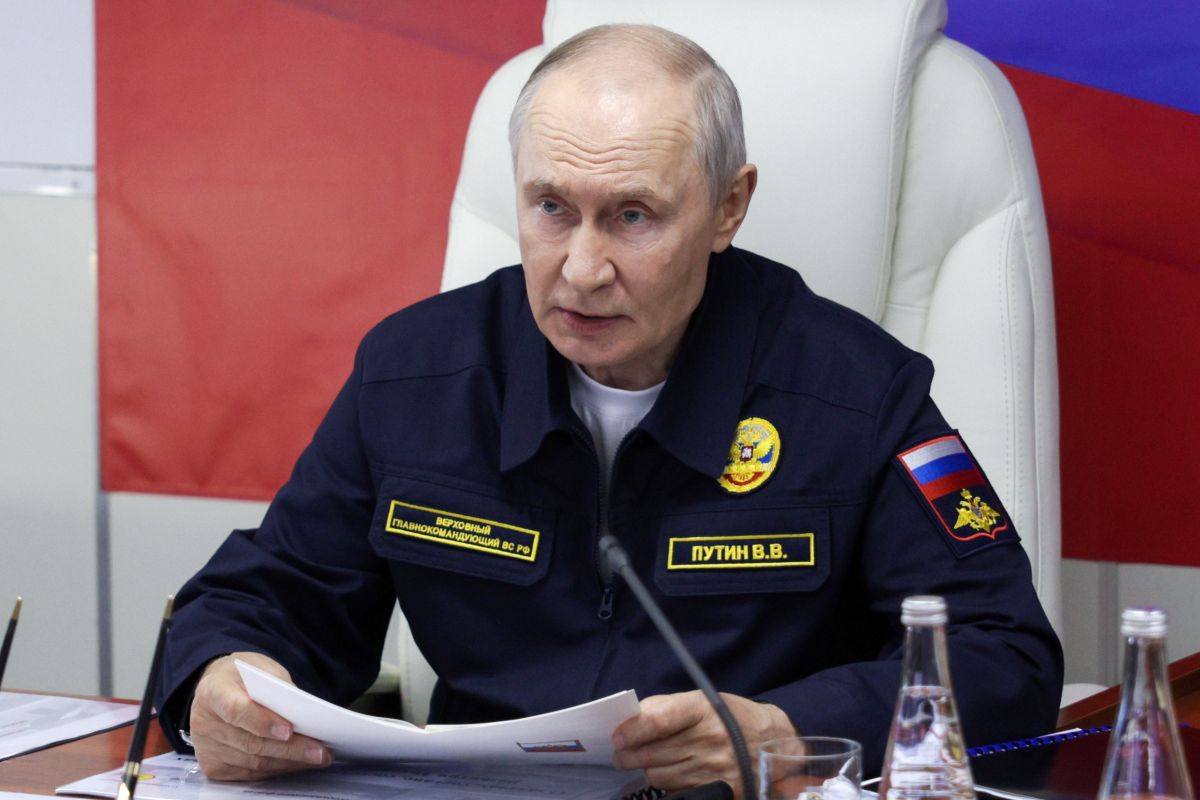
“We see that the authorities of some countries, in violation of international maritime law, are trying to restrict the movement of our economic operators’ vessels, peaceful vessels, I want to emphasize,” Putin said during the final stage of the Pacific Fleet’s exercises.
Putin’s remarks come against the backdrop of recent interceptions and inspections of “shadow fleet” ships by European naval forces, including Italian-led European Union (EU) operations in the Mediterranean. At the end of July, the EU also adopted a port access ban on 41 more “shadow fleet” vessels and introduced mandatory notification requirements for the sale of liquefied natural gas tankers to Russia.
Putin has also voiced his concern over increasing tensions in the Asia-Pacific region due to “unprovoked” sanctions against Russia introduced by Japan. “Unfortunately, we are seeing changes in positions, and I would like to emphasize that these changes were not provoked by anything on our part,” said Putin.
Russian President Vladimir Putin warned on Wednesday that Russia would respond in kind if Western countries seize its merchant ships.
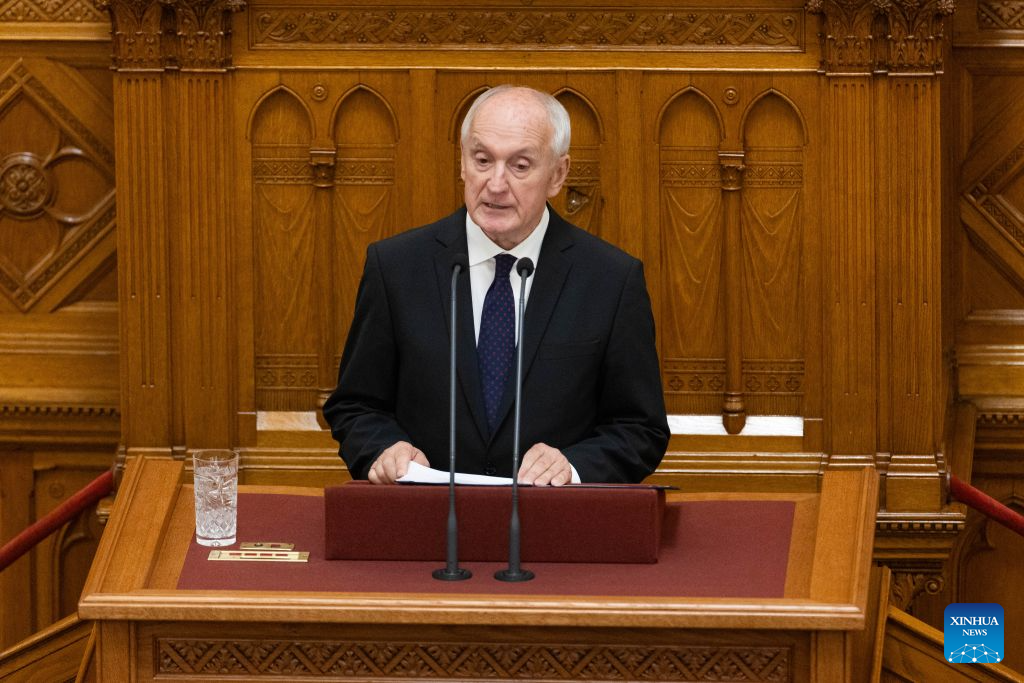
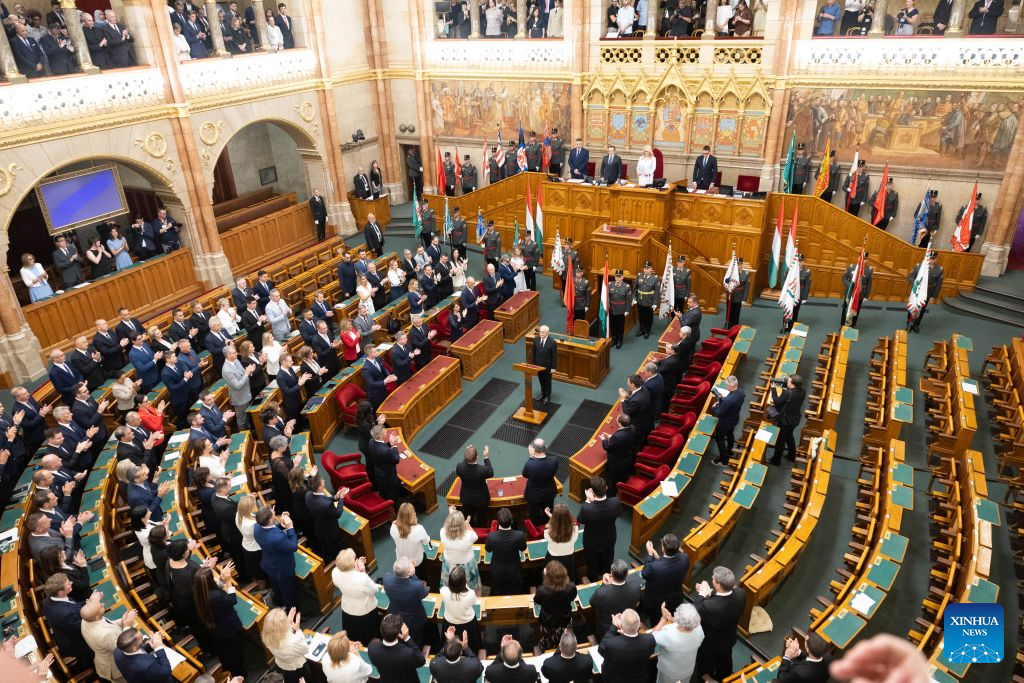
Baka, 73, the sole candidate in the election, received 140 votes in a secret ballot. He was nominated by the ruling Tisza party, which holds the two-thirds parliamentary majority needed to elect the president without opposition support. Baka will officially take office on Aug. 19.
In his speech, Baka said his role as president would be to represent both majority and minority views, acknowledge political differences rather than imposing artificial unity, and safeguard constitutional checks and balances.
He said Hungary’s relationships with several international allies have deteriorated in recent years, and rebuilding those partnerships should be an important priority of his presidency.
Baka served as a judge at the European Court of Human Rights from 1991 to 2008 before Hungary’s parliament elected him president of the Supreme Court in 2009.
His six-year mandate as Supreme Court president was cut short at the end of 2011 following judicial reforms introduced under the government of then Prime Minister Viktor Orban.
Tuesday’s election after former President Tamas Sulyok signed the country’s 17th constitutional amendment late last month, triggering the end of his mandate as head of state.
Following the end of Sulyok’s term in office on July 20, Speaker of Parliament Agnes Forsthoffer served as acting president.
The president of Hungary is elected by parliament for a five-year term, shouldering constitutional duties including signing legislation and representing the state. The president is also commander-in-chief of the Hungarian Armed Forces.
Parliament members congratulate Andras Baka (C), Hungary’s newly elected president, at the parliament in Budapest, Hungary, Aug. 11, 2026. Hungary’s parliament on Tuesday elected former Supreme Court chief Andras Baka as the country’s new president. (Photo by Peter Zsolnai/Xinhua)Andras Baka, Hungary’s newly elected president, delivers a speech at the parliament in Budapest, Hungary, Aug. 11, 2026. Hungary’s parliament on Tuesday elected former Supreme Court chief Andras Baka as the country’s new president. (Photo by Peter Zsolnai/Xinhua)
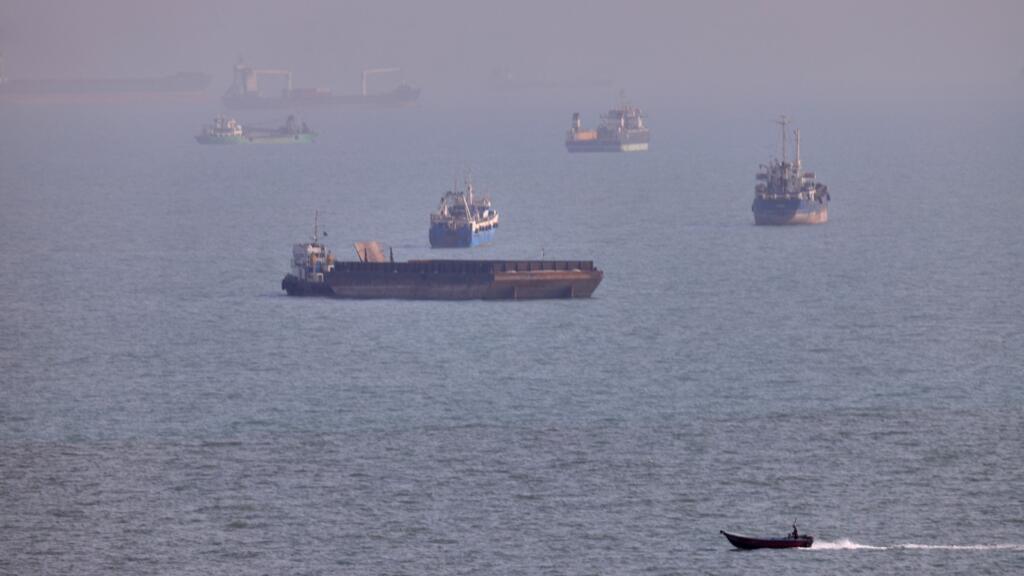
“CENTCOM forces disabled the steering gear of Panama-flagged M/V Vela Nova as the cargo vessel attempted to transit the Gulf of Oman and violate the U.S. blockade against Iran by sailing toward an Iranian port,” the statement said.
A U.S. Navy MH-60 helicopter fired two missiles into the Vela Nova’s engine room, according to the command.
“The missile struck the vessel, causing a fire that was subsequently extinguished,” maritime security firm Vanguard said in an initial report on the incident.
“As of Aug. 11, CENTCOM has redirected 55 commercial vessels attempting to run the blockade, disabled three non-compliant vessels, and boarded two,” the command said.
The azure skies of Beijing soon became known as “APEC blue,” though some viewed the phenomenon as a fleeting moment confined to the summit period.
At the welcoming banquet, Chinese President Xi Jinping directly addressed such doubts, expressing his hope and determination that “with persistent efforts, the ‘APEC blue’ will be here to stay.”
More than a decade later, Xi’s promise has been fulfilled through concrete action.
The results are visible in the air. Between 2013 and 2025, Beijing’s average PM2.5 concentration fell by 69.8 percent. The United Nations Environment Programme has hailed the city’s achievements in improving air quality as the “Beijing Miracle.”
The story of “APEC blue” reflects a cherished value passed down through generations of the Chinese people: promises must be honored through actions. This philosophy has also guided China’s efforts to forge stronger connections with the world. “He who has credibility connects the world,” Xi once quoted a saying from “The Guanzi,” a collection of ancient Chinese writings, to underscore the importance of matching words.
Every autumn, the lights of the National Exhibition and Convention Center in Shanghai illuminate a global gathering, where products, technologies and ideas converge in the vibrant metropolis.
At the first China International Import Expo (CIIE) in 2018, Xi made a clear promise: “The CIIE, which will be held on an annual basis, will feature good performance, fruitful results and continued success in the years to come.”
Eight years on, the CIIE has grown into a premier global platform for trade, investment and cultural exchanges, connecting businesses, innovators and consumers from around the world.
The expo, the world’s first import-themed national-level exhibition, stands as a vivid reflection of Xi’s commitment to China’s high-level opening-up. Beyond the CIIE, this commitment has been put into practice through concrete measures, ranging from the launch of island-wide special customs operations at the Hainan Free Trade Port to the expansion of visa-free transit and entry policies.
In a world facing mounting uncertainty and fragmentation, these actions deliver a clear message: China will continue to open its door wider to the world.
Xi’s commitment to delivering on promises is also reflected in long-term partnerships built on shared development.
More than half a century ago, Chinese engineers traveled to East Africa to help build the Tanzania-Zambia railway, a landmark project that stretched across the region.
In March 2013, standing before the cemetery of Chinese experts in Dar es Salaam, Tanzania, Xi paid tribute to those who sacrificed their lives during the construction of the railway, and called on the two countries to cherish the deep-rooted friendship between China and Africa.
Two years later, during talks with then Zambian President Edgar Lungu, Xi reaffirmed that China would collaborate with Zambia and Tanzania in the railway operations to “promote the development and prosperity of the region along the line.”
In September 2024, Xi, together with Tanzanian President Samia Suluhu Hassan and Zambian President Hakainde Hichilema, witnessed in Beijing the signing of a memorandum of understanding on the railway revitalization project. In November 2025, the groundbreaking ceremony was held in Zambia. Once upgraded, the railway is expected to significantly improve regional connectivity, with annual freight capacity rising to at least 2.4 million tons and shipping times reduced by nearly two-thirds.
“China helped us build the railway in the past and is now helping us make it better and more modern. China has always kept its word,” said 74-year-old Solomon Mwakasanga, who joined the railway service in 1970 as a clerk and retired in 2005 as a senior station foreman.
Across Africa, China’s efforts are transforming promises into progress, supporting the continent’s modernization drive.
From fully implementing zero-tariff treatment to all 53 African countries that have diplomatic ties with China to advancing “small but beautiful” livelihood projects such as Luban Workshops and Juncao technology, China’s cooperation with Africa is increasingly focused on delivering tangible benefits.
As Paul Frimpong, executive director of the Africa-China Center for Policy and Advisory, a Ghana-based think tank, observed, “China will always remain Africa’s most reliable partner on its path to modernization.”
A promise kept in times of crisis matters greatly. When the COVID-19 pandemic swept across the world, Xi stressed China’s firm determination to strengthen international cooperation as a responsible major country.
China was the first country to propose COVID-19 vaccines as a global public good and worked with developing nations to produce vaccines locally, mobilizing resources to help bridge the global “immunity gap.”
Xi’s commitment to honoring promises is also borne out by China’s sustained efforts over the years to build a better future for all.
In September 2020, Xi announced that China would strive to peak carbon dioxide emissions before 2030 and achieve carbon neutrality before 2060.
Over the past years, China has taken solid steps to turn this vision into action. It has built the world’s largest renewable energy system and developed the most comprehensive clean energy industrial chain, while continuing to improve energy efficiency and accelerate the global green transition.
“China has a reputation of doing what it says it’s going to do,” said UN Climate Change Executive Secretary Simon Stiell. The leadership China has shown and the contributions it has made in terms of driving technological advancement and providing support to developing countries within the Global South can push other countries to step up, he added.
As Xi said, “We Chinese people attach great importance to taking action to keep promises. We will do whatever it takes to honor our commitment.”
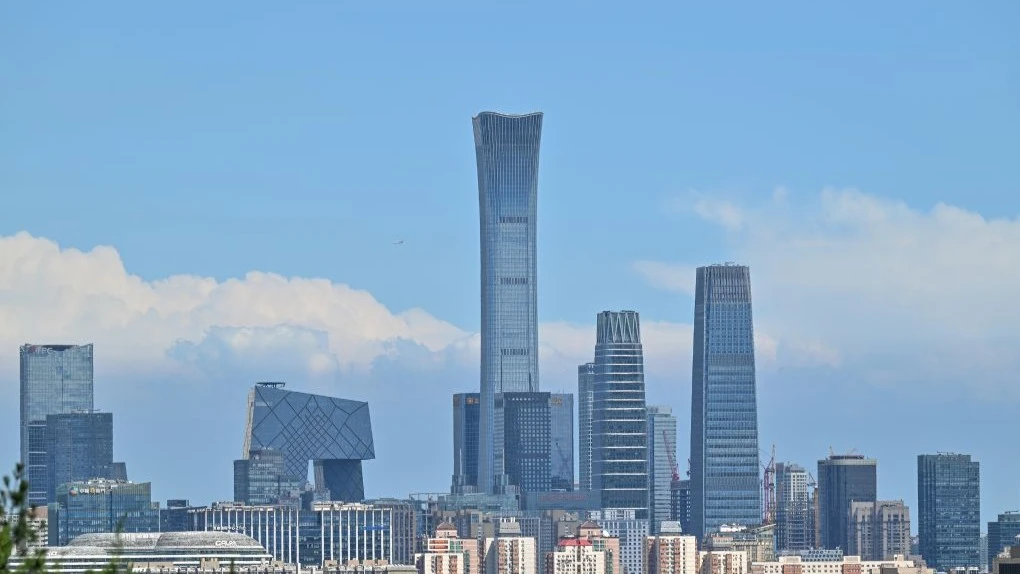
This photo taken from Jingshan Hill on Aug. 12, 2024 shows the skyscrapers of the central business district (CBD) on a sunny day in Beijing, capital of China.
The Fourth Criminal Court in Damascus also sentenced Assad’s younger brother, Maher al-Assad, and his maternal cousin Atef Najib to death in connection with crimes committed during the conflict, which is estimated to have killed about half a million people.
Judge Fakhareddine al-Aryan said during a session broadcast on state television that Bashar al-Assad had used government institutions to carry out war crimes and crimes against humanity.
The verdict marks a significant moment for Syria, where the Assad family ruled for roughly five decades before Bashar al-Assad was ousted in December 2024 following a rapid rebel offensive.
Assad and Maher fled to Russia after the collapse of the government and were granted political asylum. Syria’s new authorities have since called on Moscow to hand the two men over, but they remain outside the country and were sentenced in absentia.
Najib, a former Syrian army brigadier general, was present in court. He previously headed the Political Security Branch in Daraa province in southern Syria, where anti-government protests erupted in 2011.
His role in the crackdown on early demonstrations has made him one of the highest-ranking former regime officials to face trial. The unrest began after teenagers were arrested and tortured for writing anti-government graffiti on a school wall in Daraa. The incident helped trigger wider protests against Assad’s government.
The demonstrations were met with a government crackdown and eventually developed into a prolonged civil war.
Najib had been sanctioned by the U.S. Treasury Department in April 2011. He was later detained by Syrian authorities and brought before the court.
Maher al-Assad previously commanded the Syrian military’s 4th Armored Division. Syrian opposition activists have accused the unit and its leadership of killings, torture, extortion and drug trafficking, as well as operating detention facilities.
The death sentences represent the first such judgments against the former Syrian leadership since the end of Assad family rule.
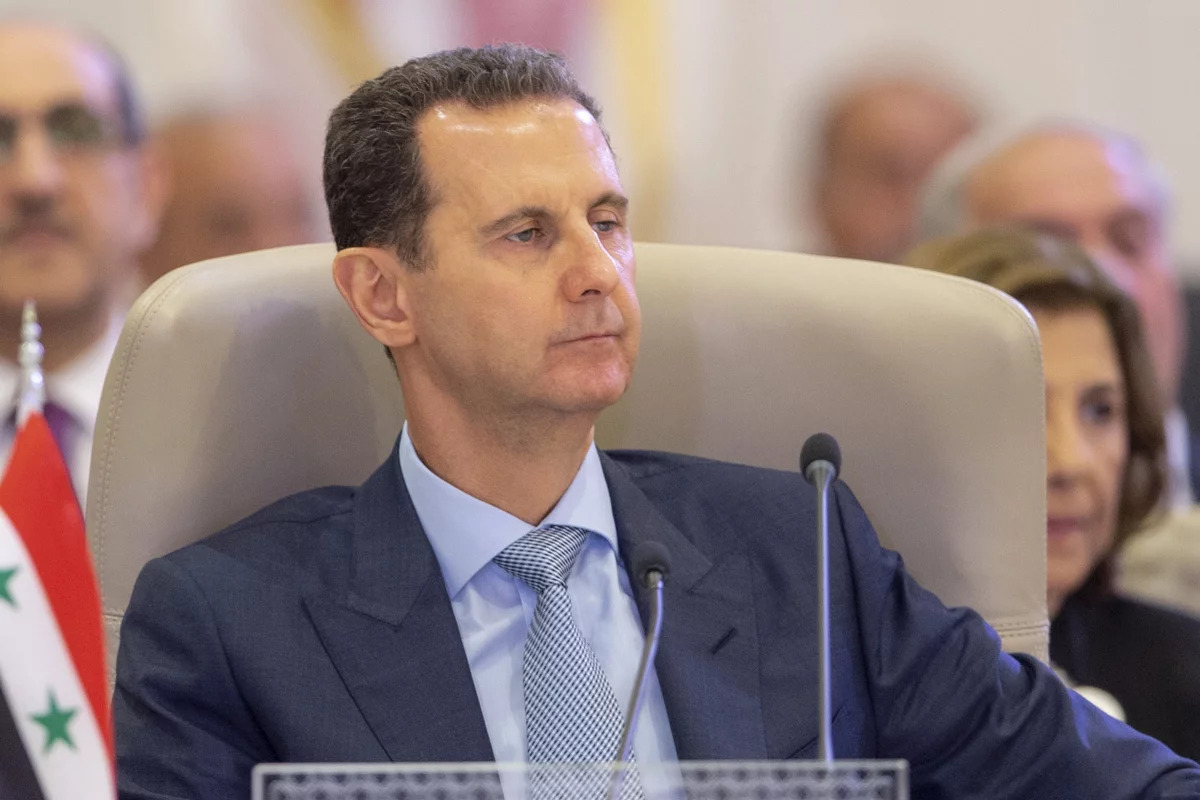
A Syrian court on Tuesday sentenced former President Bashar al-Assad to death in absentia for crimes against humanity and war crimes committed during the country’s 14-year conflict, in the first major judicial verdict against the former leader or members of his inner circle since his regime fell.
Titled A Great Book with Barack Obama, the series will premiere exclusively on Audible on September 24. It is being produced by Audible in collaboration with Higher Ground, the production company founded by Obama and former first lady Michelle Obama.
Each episode will focus on one of six books chosen by Obama, with the former president discussing the work with a guest. The guests have not yet been announced.
Obama’s selections span a range of literary styles and subjects. They include Toni Morrison’s Song of Solomon, James Baldwin’s The Fire Next Time, Cormac McCarthy’s All the Pretty Horses, Marilynne Robinson’s Gilead, Robert Penn Warren’s All the King’s Men and John le Carré’s Tinker Tailor Soldier Spy.
“Great books have always helped me figure out who I am and what I believe,” Obama said in announcing the series. He said the six books had remained with him throughout his life and each offered something to teach about the human experience.
The conversations will examine why the books have resonated with Obama, how literature can influence the way people understand themselves and others, and the continuing importance of reading.
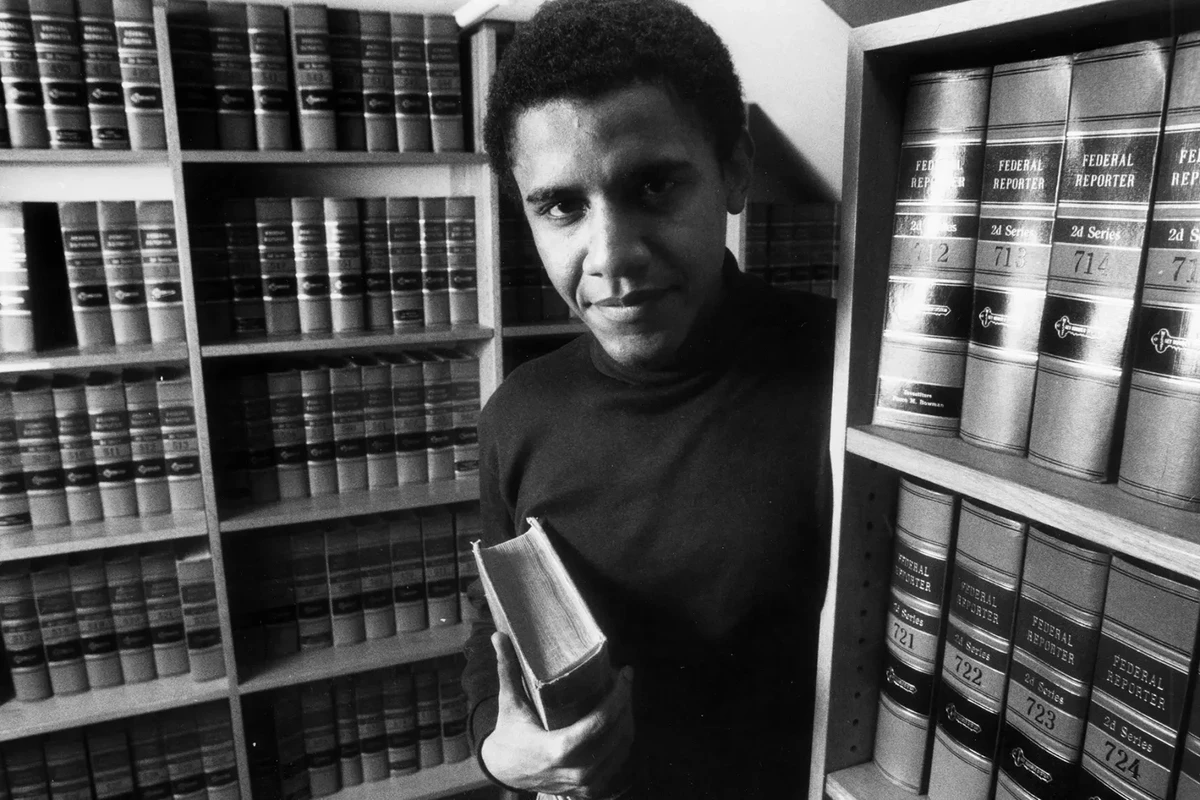
Barack Obama in the office of “The Harvard Law Review,” on February 5, 1990.
The project is the latest in a series of creative ventures pursued by Obama since leaving the White House. Higher Ground has produced films, documentaries and podcasts, including the 2021 series Renegades: Born in the USA, which Obama co-hosted with musician Bruce Springsteen.
The new podcast also continues Obama’s long-standing public interest in literature. He regularly shares reading recommendations, including annual summer and end-of-year book lists. His latest summer selections, published in July, included works by Tayari Jones, George Saunders, Elizabeth Strout, Ben Lerner and Colson Whitehead.
Unlike many of his recent recommendations, the books selected for A Great Book are largely older works. Five were published in the 20th century, while Robinson’s Gilead was released in 2004.
The podcast marks the first Audible project in which Obama himself serves as host under Higher Ground’s partnership with the platform.
The earthquake, described by Reuters as Colombia’s strongest of the 21st century, struck western parts of the country and caused widespread destruction in several cities, including Cali, Pereira, Armenia and Manizales.
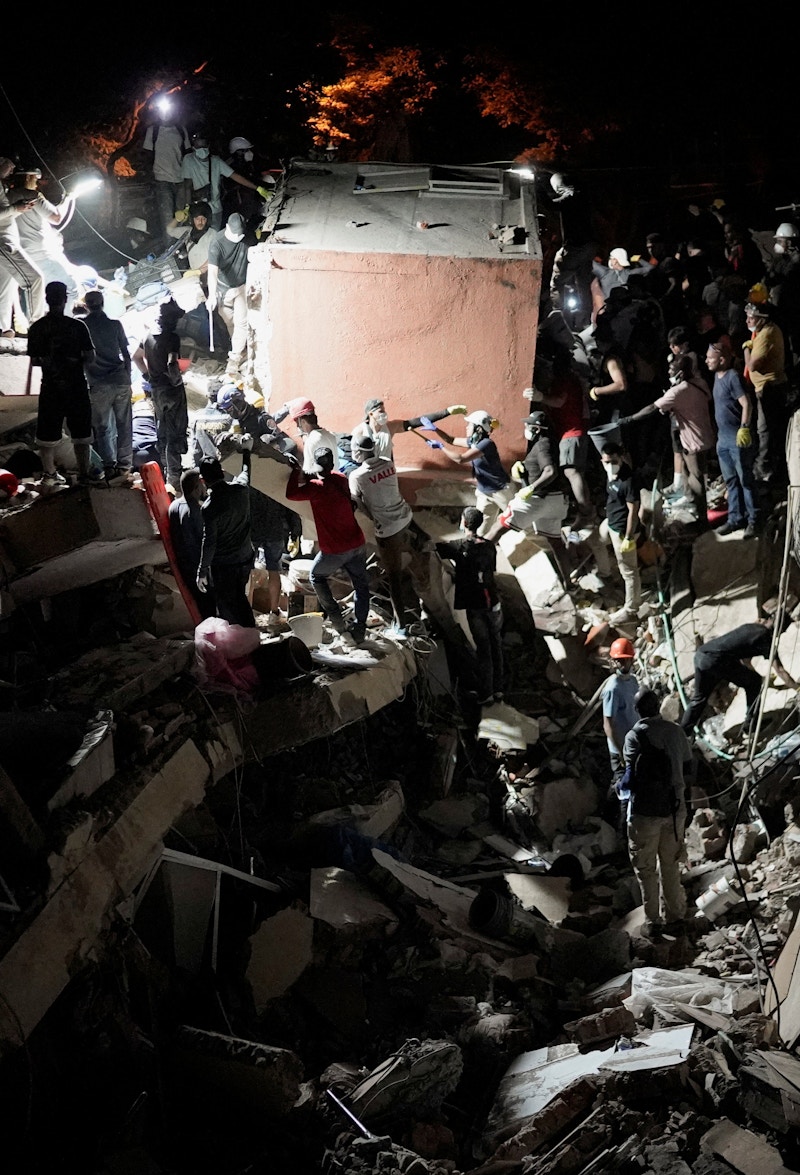
Rescue teams and local residents worked through the night to search collapsed buildings for survivors as authorities assessed the extent of the damage.
The earthquake was centred near San José del Palmar in the Chocó region. The United States Geological Survey recorded the quake at a depth of about 107 kilometres.
Its powerful tremors were felt across much of Colombia, including the capital Bogotá, as well as in neighbouring Ecuador and Panama.
Cali, Colombia’s third-largest city, was among the areas heavily affected by the earthquake.
Reuters reported that dozens of people were killed in the city and hundreds were injured, while several buildings collapsed.
Pereira also suffered heavy casualties. Earlier reports said 18 people had been killed there, while authorities continued searching buildings where people were believed to be trapped.
Manizales also reported deaths and significant damage.
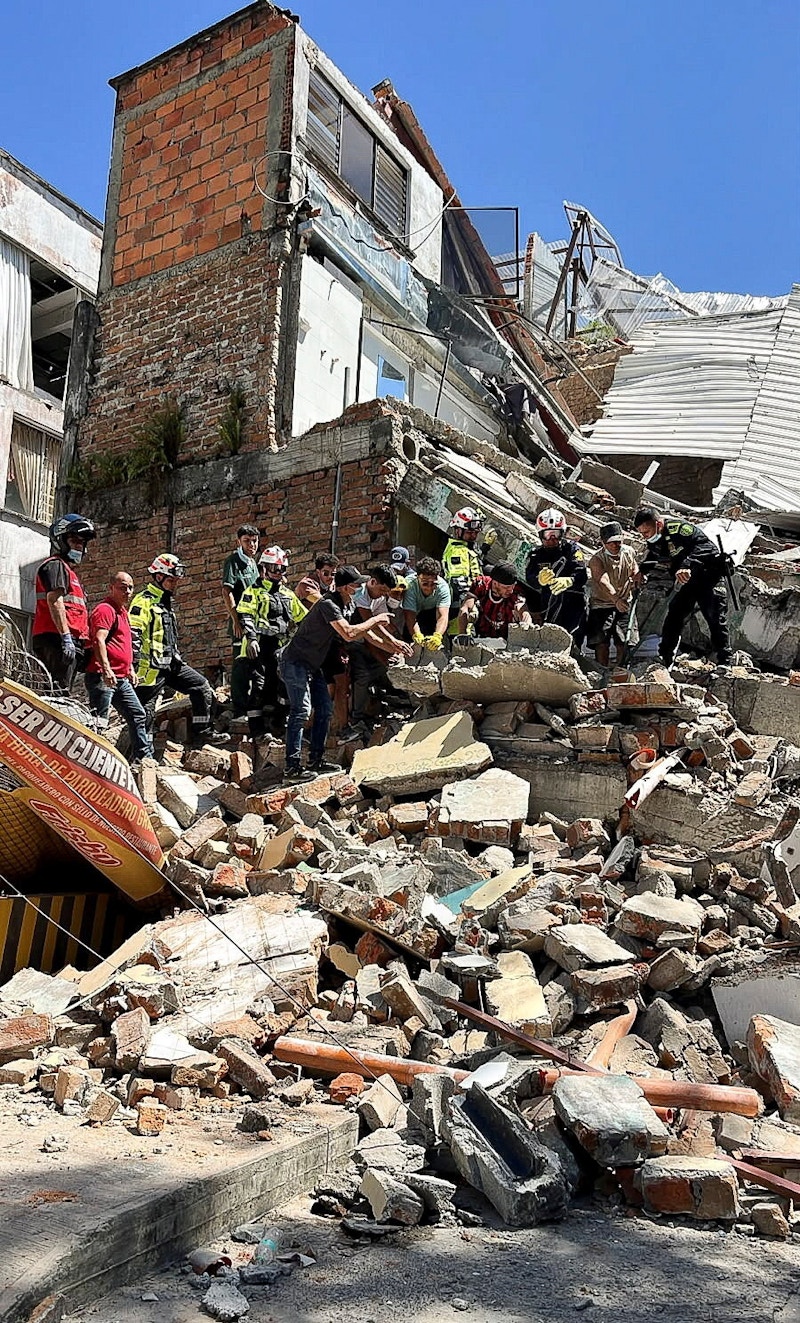
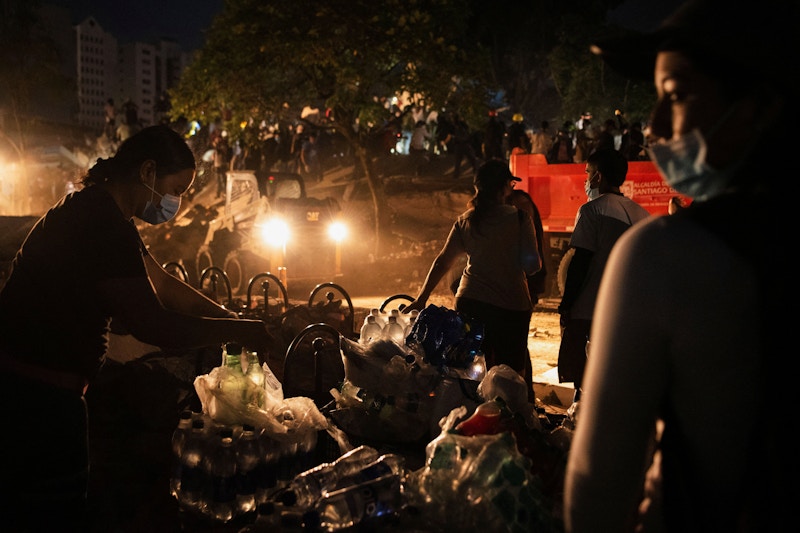
Rescue workers search through the rubble after the powerful earthquake struck western Colombia.
Images from the affected areas showed residents and emergency workers digging through piles of rubble in an effort to locate survivors and recover victims.
The earthquake also damaged hospitals and other essential infrastructure, complicating the emergency response.
Several airports in the affected region were temporarily closed for safety inspections following the tremor.
Colombia’s newly inaugurated President Abelardo De La Espriella declared a national state of emergency as the government mobilised resources for rescue and relief operations.
The president, who had taken office only days before the disaster, said the government would prioritise saving lives and assisting communities affected by the earthquake.
Authorities also deployed additional security personnel to affected areas as emergency teams continued rescue operations and cities introduced measures aimed at maintaining public order.
Rescue workers were assisted by volunteers as they searched through damaged buildings.
Among those rescued were a mother and her baby.
The earthquake was followed by a series of aftershocks, prompting continued warnings for residents and emergency teams working around damaged structures.
Colombia is located in a seismically active part of the world, making earthquakes a recurring risk.
The latest disaster has renewed concerns about the vulnerability of buildings and infrastructure in some of the country’s urban areas.
The scale of the destruction also brought back memories of Colombia’s devastating 1999 earthquake, which killed more than 1,000 people.
As rescue operations continue, authorities are expected to provide further updates on casualties, missing people and the extent of the damage.
Residents inspect damaged buildings following the deadly earthquake that left dozens dead and hundreds injured.
“The majority of these visas were revoked due to law enforcement encounters for a range of criminal activity, with assault, driving under the influence, theft, and drug crimes being the leading causes,” the department said in a statement.
“A significant share of visas were revoked for reckless driving, sexual assault, child abuse, fraud and embezzlement, and other crimes,” the statement said.
“A U.S. visa is a privilege, not a right. The Department remains committed to using every tool available to protect our communities from those who abuse it,” the statement added.
Since Trump returned to the White House, his administration has tightened immigration policies, cracking down on undocumented immigrants and increasing scrutiny of U.S. visa holders.
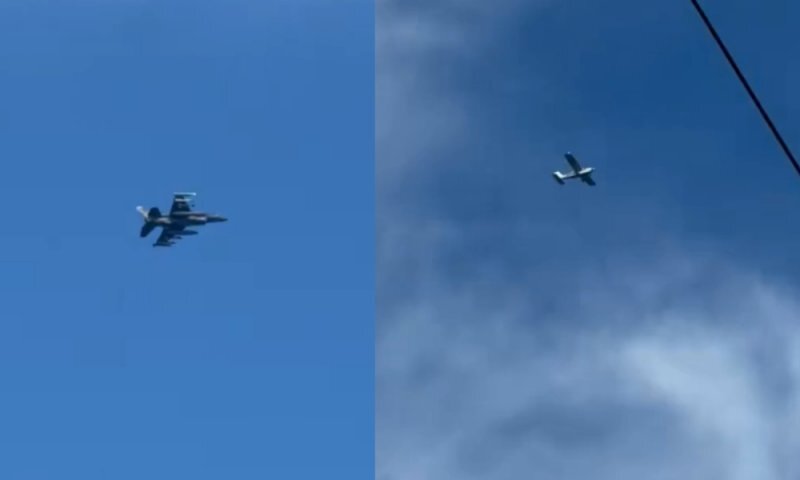
“NORAD F-16s intercepted multiple general aviation aircraft today that violated temporary flight restrictions over Bedminster, NJ. All aircraft were safely escorted out of the area by NORAD aircraft,” said the North American Aerospace Defense Command (NORAD), which patrols this area, in a post on social media platform X.
Trump was at his Trump National Golf Club this weekend.
Local media outlets reported that two civilian airplanes were intercepted by military jets.
One video that captured the moment when an F-16 fighter jet was chasing a slow-moving aircraft was posted on X by Joe Afflerbach of Joey’s North Jersey Severe Weather.
NJ.com, a digital news content provider in New Jersey, which got permission to post the video on its website, said the video was taken from Afflerbach’s house in Jefferson Township, outside Bedminster.
Fox News said a third aircraft triggered an alert as Trump was preparing to depart the area.
The third incident appeared to delay Trump’s departure by about 13 minutes. During that time, emergency SUVs, law enforcement officers and U.S. Secret Service agents were seen moving into position near the runway where Trump was scheduled to depart around 5 p.m. (2100 GMT), said Fox News.
The third aircraft re-established communications and became compliant before NORAD intervention was required, said Fox News.
Local media outlets reported that two civilian airplanes were intercepted by military jets.