The Rwanda Meteorology Agency forecast indicates that maximum temperatures will range between 21°C and 32°C, while minimum temperatures are expected to remain between 10°C and 18°C. The expected maximum temperatures are slightly above the normal August range, which usually falls between 20°C and 31°C.
The highest temperatures, ranging from 31°C to 32°C, are expected in parts of southern Kigali City, eastern Bugesera, Kayonza, Kirehe and Gisagara districts, western parts of Ngoma District, as well as the Bugarama plain.
Meanwhile, cooler conditions are expected in parts of Nyabihu District, western and northern areas of Ngororero and Musanze districts, and eastern parts of Rubavu and Rutsiro districts, where maximum temperatures are forecast to range between 21°C and 23°C.
Minimum temperatures will remain within the normal August range, with the coldest areas expected to record between 10°C and 12°C. These include parts of Nyabihu, Nyamagabe and Nyaruguru districts, northern and western parts of Musanze and Ngororero, northern Gakenke and Rulindo, southern Burera, western Gicumbi, and parts of Rusizi, Nyamasheke, Rutsiro and Rubavu.
The warmest nights and early mornings are expected in central and western Kigali City, Nyagatare, Gatsibo, Kayonza and Kirehe districts, as well as the Bugarama plain, where minimum temperatures could range between 16°C and 18°C.
Rainfall expected below average
The country is expected to receive between 5 and 100 millimetres of rainfall during August, below the long-term average range of 20 to 126 millimetres for the month.
The highest rainfall amounts, ranging between 80 and 100 millimetres, are forecast in western parts of Musanze District and northern areas of Nyabihu and Rubavu districts.
Rainfall between 60 and 80 millimetres is expected in parts of Musanze, Nyabihu, Rubavu, Burera, Gakenke, Nyamagabe, Ngororero, Karongi and Nyamasheke districts.
Several other parts of the country are expected to receive between 20 and 60 millimetres, while some areas are forecast to receive as little as 5 to 20 millimetres.
Strong winds expected in some areas
Moderate to strong winds are expected across the country, with speeds ranging between 4 and 12 metres per second.
Strong winds of between 8 and 12 metres per second are forecast in parts of Rusizi, Nyamasheke, Karongi, Rutsiro, Rubavu, Burera and Kirehe districts, as well as parts of Nyamagabe, Ngororero, Nyabihu, Gicumbi, Gatsibo, Ngoma, Nyagatare and Kayonza.
Moderate winds of between 4 and 6 metres per second are expected in parts of Kigali City, Musanze, Rulindo, Nyanza, Gakenke, Nyabihu and Gisagara districts, while other parts of the country are expected to experience winds ranging between 6 and 8 metres per second.
The expected maximum temperatures are slightly above the normal August range, which usually falls between 20°C and 31°C.
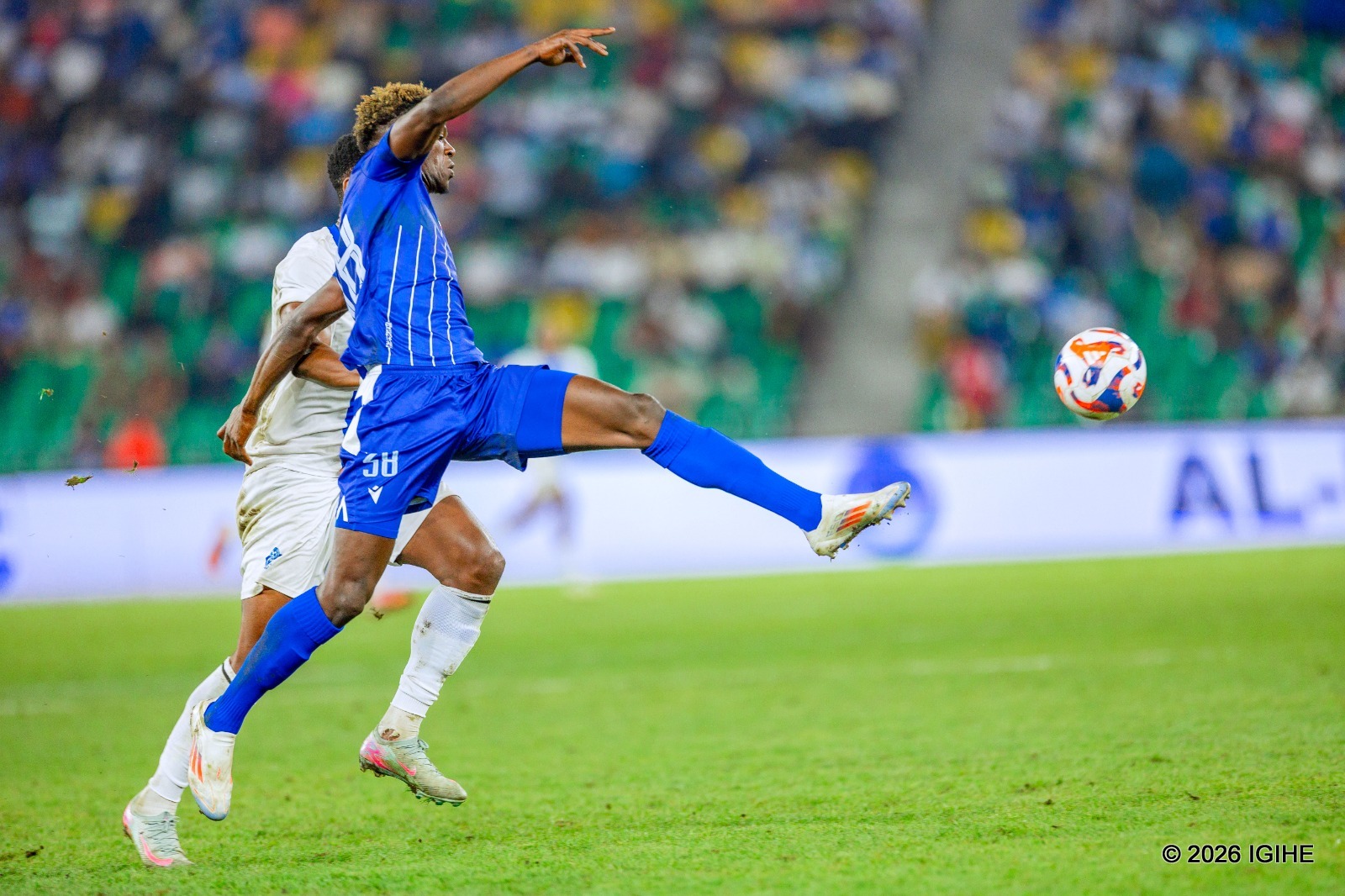
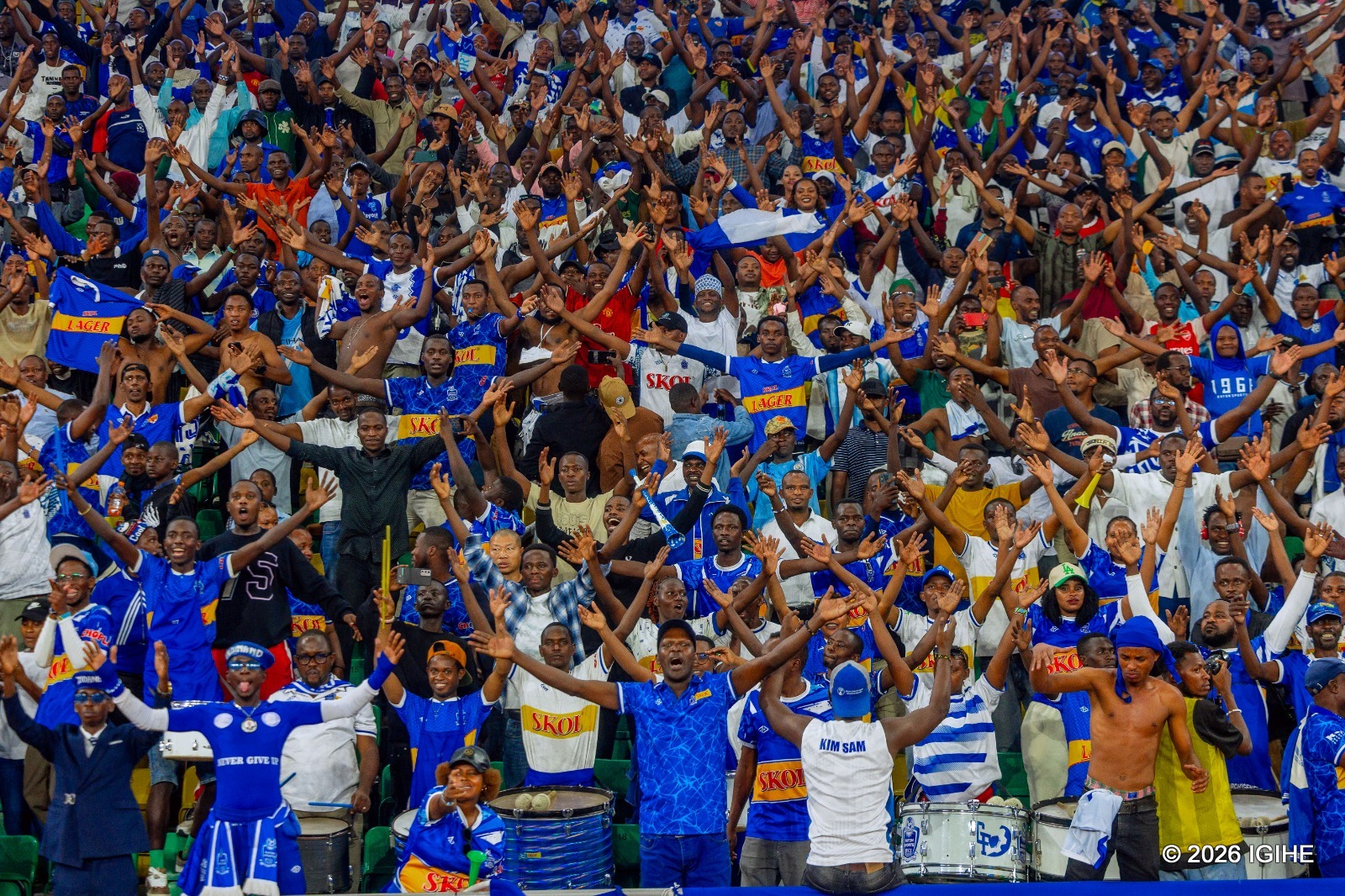
Rwanda’s Rayon Sports, Sudanese giants Al Hilal, Kenya’s Gor Mahia and South Sudan’s Jamus SC have secured places in the semifinals, setting up two exciting clashes as teams battle for a place in the final.
Rayon Sports booked their semifinal spot in style, finishing the group stage with a perfect record after winning all three matches.
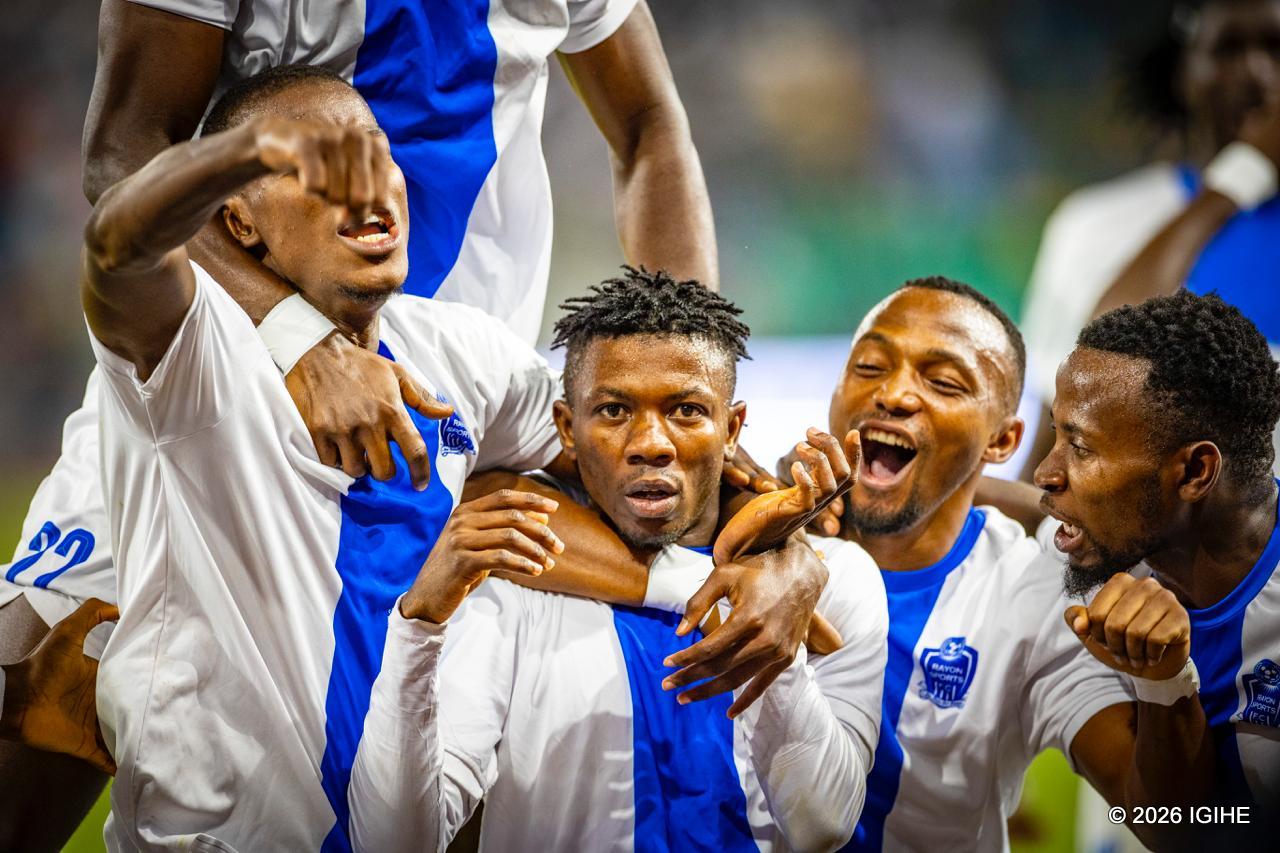
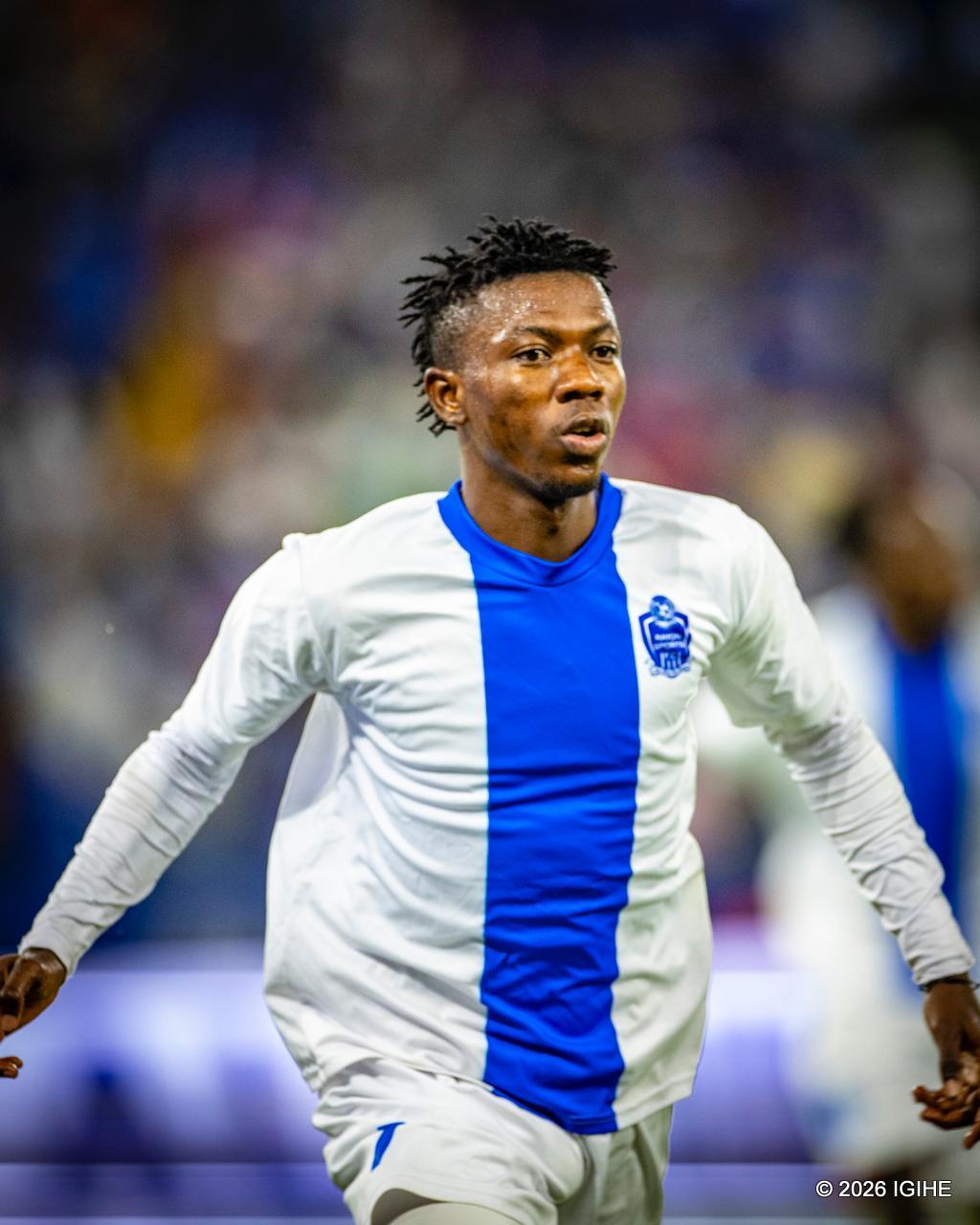
The Rwandan side defeated Al Hilal 1-0 on Saturday at Amahoro Stadium, with Antonio Atisso Kodjo scoring the decisive goal in the 16th minute. The victory saw Rayon finish top of their group with nine points, having shown both attacking quality and defensive resilience throughout the opening stage.
Rayon Sport defeated Al Hilal 1-0 on Saturday at Amahoro Stadium, with Antonio Atisso Kodjo scoring the decisive goal in the 16th minute.
The Blues will now face Jamus SC, one of the tournament’s surprise performers, in the second semifinal.
Jamus SC, representing South Sudan, reached the knockout stage after impressive displays against more established regional sides, earning recognition as one of the emerging teams in this year’s competition.
Rayon Sports head coach Christian Haringingo said reaching the semifinals was an important step for his team as they continue preparations for the new season.
“This is part of pre-season and we are now ready to face any team in the semifinal stage,” Haringingo said.
In the other semifinal, Al Hilal will take on Kenya’s Gor Mahia in a clash expected to attract attention across the region.
Despite losing to Rayon Sports, Al Hilal advanced as the best second-placed team after collecting six points from the group stage. The Sudanese side showed attacking threat throughout the tournament and will look to bounce back when they face Gor Mahia.
Al Hilal advanced as the best second-placed team after collecting six points from the group stage.
Gor Mahia, one of East Africa’s most decorated clubs, secured their place in the last four after a strong group-stage campaign and will be aiming to add another regional title to their historic record.
Meanwhile, Tusker FC and Zanzibar’s KVZ SC were eliminated after finishing third and fourth respectively in their group.
Tusker ended their campaign with a 2-0 victory over KVZ SC, with Ian Simiyu and Victor Mbaoma scoring the goals, but the result was not enough to keep the Kenyan side in contention.
The semifinals will be played on August 4 at Kigali Pele Stadium, with the remaining teams now focused on taking the final steps toward lifting the CECAFA Kagame Cup trophy.
Rwanda’s Rayon Sports, Sudanese giants Al Hilal, Kenya’s Gor Mahia and South Sudan’s Jamus SC have secured places in the semifinals, setting up two exciting clashes as teams battle for a place in the final.
The late Donatille Mukabalisa, who served as Speaker of Rwanda’s Chamber of Deputies for 11 years, oversaw some of the country’s most significant legislative and constitutional reforms, from amendments to the Constitution to the synchronisation of presidential and parliamentary elections.
Mukabalisa died on July 30, 2026, after an illness while receiving treatment at King Faisal Hospital in Kigali. She was widely remembered by colleagues as a consensus builder whose leadership coincided with a period of major institutional reforms.
First elected to Parliament following the post-1994 transition period, Mukabalisa served in both chambers before being elected Speaker of the Chamber of Deputies in 2013, a position she held until August 2024. Following her tenure in the Lower House, she returned to the Senate, where she served until her passing.
Colleagues remember Donatille Mukabalisa as a dedicated and hardworking leader.
Overseeing constitutional reform
One of the defining moments of Mukabalisa’s tenure came in 2015, when Parliament processed a constitutional amendment following a petition signed by more than four million Rwandans requesting changes that would allow President Paul Kagame to remain eligible for office.
Under the Constitution in force at the time, the President was limited to two seven-year terms. Kagame, first elected in 2003, was due to complete his second term in 2017.
Following the amendment, Article 101 was revised to introduce five-year presidential terms after a transitional seven-year term. The changes were later approved in a national referendum.
The process required Parliament to manage a politically significant constitutional review while building consensus among lawmakers.
Serge Guillaume Nzabonimana, who served as Mukabalisa’s adviser between 2014 and 2020, said Parliament handled the process in accordance with public expectations.
“Parliament received petitions from about four million people across the country. Reviewing, verifying and processing such a large number of submissions was a major undertaking, but it was completed in line with what citizens had requested,” he said.
Nzabonimana Guillaume Serge, who served as Donatille Mukabalisa’s adviser, said he learned valuable lessons from her approach to leadership and public service.
Strengthening parliamentary oversight
Mukabalisa’s leadership also coincided with a period of sustained economic growth and expanding public expenditure, prompting Parliament to intensify its oversight of government institutions.
After lawmakers were sworn in following the 2013 parliamentary elections, President Kagame urged them to ensure government programmes served citizens’ interests.
Parliament subsequently increased scrutiny of government performance and public spending, seeking to identify weaknesses in service delivery and ensure accountability in the management of public resources.
Sheikh Musa Fazil Harerimana, a former Deputy Speaker and MP who served alongside Mukabalisa, said Parliament played a more prominent oversight role as Rwanda’s economy expanded.
He argued that stronger parliamentary oversight helped improve accountability among public officials and contributed to reducing financial irregularities highlighted in successive reports by the Office of the Auditor General.
Musa Fazil Harerimana said that under Mukabalisa’s leadership, Parliament became a cornerstone of Rwanda’s development.
Landmark legislation
During Mukabalisa’s tenure, Parliament adopted several laws that reshaped different aspects of Rwanda’s legal framework.
Among them was the 2016 law governing persons and the family, which sought to modernize family law and provide clearer mechanisms for resolving domestic disputes.
Parliament also enacted tax reforms aimed at strengthening domestic revenue mobilisation and reducing reliance on external financing.
The Penal Code and criminal procedure frameworks updated during her tenure were aligned with Rwanda’s broader national policy promoting alternative dispute resolution (ADR), including mediation and plea bargaining.
Lawmakers also passed legislation governing healthcare services, including provisions on reproductive health, assisted reproductive technologies (ART), and surrogacy.
A revised labour law adopted in 2018 required the responsible minister to establish a national minimum wage through a ministerial order, although that order has yet to be issued.
Additional legislation enacted during Mukabalisa’s tenure covered areas including land administration, commerce, taxation, justice, technology and the creative sector.
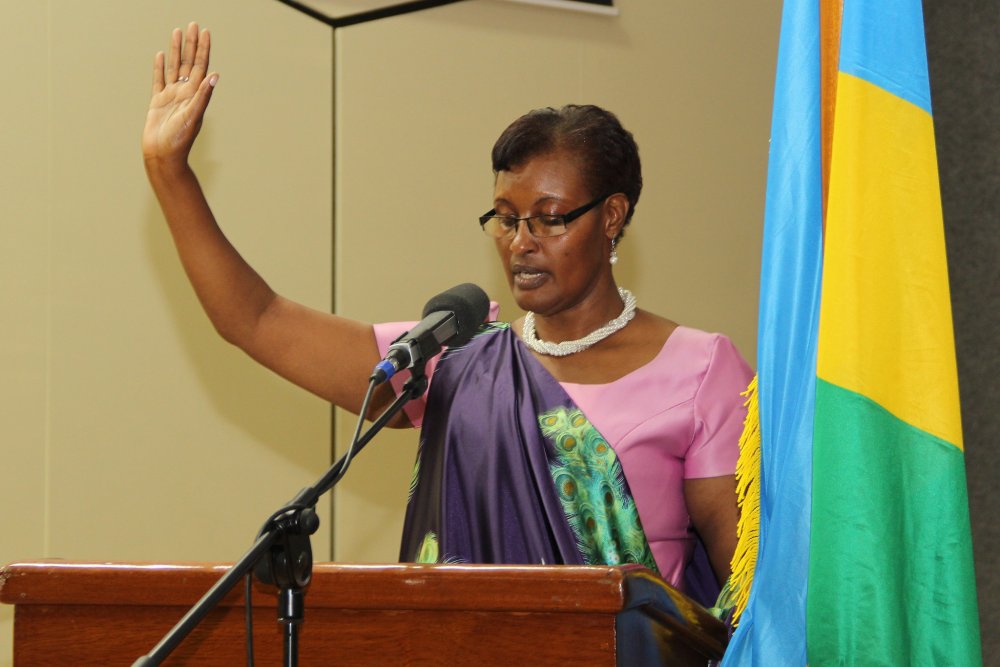
Donatille Mukabalisa was sworn in as Speaker of Rwanda’s Chamber of Deputies in 2013, leading the lower house through some of the country’s most significant legislative and constitutional reforms.
Aligning presidential and parliamentary elections
Another notable institutional reform during Mukabalisa’s leadership was the decision to hold presidential and parliamentary elections simultaneously.
Since 2003, Rwanda had held the two elections separately because members of Parliament served five-year terms while the President served seven-year terms.
After the 2015 constitutional amendment reduced presidential terms to five years beginning in 2024, the government decided to synchronize both elections to reduce costs and improve electoral efficiency.
Raising Rwanda’s parliamentary profile
According to Nzabonimana, Mukabalisa also strengthened Parliament’s engagement with legislatures abroad, helping expand Rwanda’s parliamentary diplomacy.
She frequently represented Rwanda at international forums, where she highlighted the country’s progress in promoting women’s participation in leadership.
Rwanda continues to rank among the world’s leading countries in female parliamentary representation, with women holding 63.8% of seats in the Chamber of Deputies and 50% in the Senate.
During her tenure as Speaker, Mukabalisa oversaw Parliament’s core responsibilities, including passing legislation, scrutinising government performance and representing citizens’ interests.
Colleagues remember her as a consultative and experienced leader who approached public service with humility and a strong commitment to consensus-building.
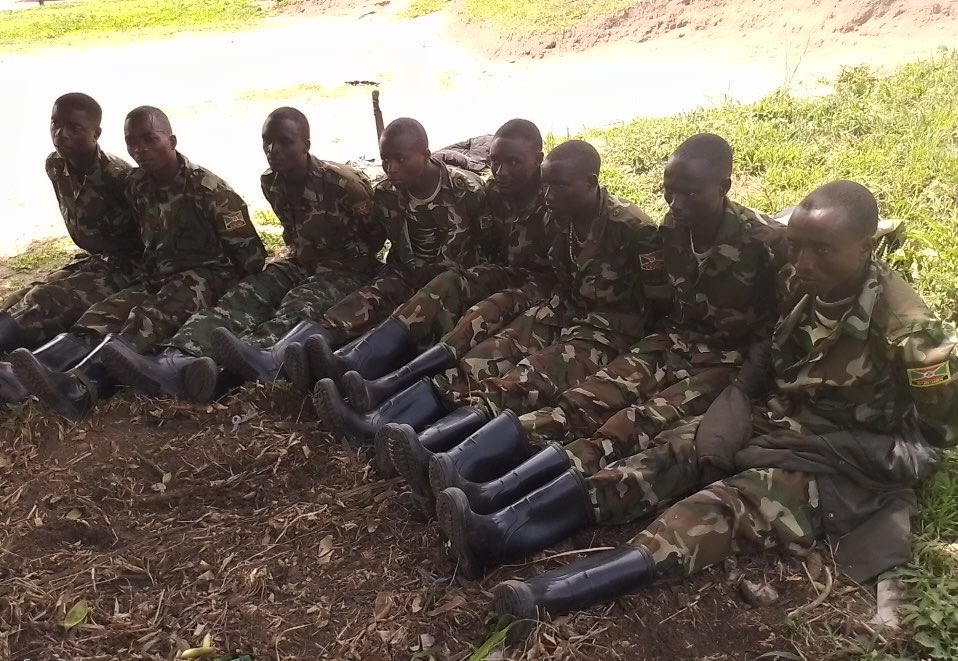
Burundi officially deployed troops to the DRC in 2022 under a bilateral security agreement. The forces initially operated in South Kivu Province, where they were reportedly deployed to fight Burundian armed groups, including Red Tabara, FOREBU, and FNL-Nzabampema.
In 2023, the agreement between Burundi and the DRC was renewed, leading to the deployment of Burundian troops to North Kivu Province to support the Congolese army in its fight against the AFC/M23 coalition, which had expanded its control over several areas.
However, since their deployment to Masisi Territory, Burundian forces have faced allegations of working with the FDLR, a terrorist group opposed to the Rwandan government, and supporting its activities alongside Wazalendo fighters in attacks that have affected civilians.
Survivors of an October 2023 attack carried out by FDLR and Wazalendo fighters in Nturo village, Masisi Territory, alleged that Burundian troops had a military position nearby but failed to intervene as their homes were set on fire and they were left without protection.
The FDLR has continued to be linked to attacks in areas controlled by AFC/M23 and the MRDP-Twirwaneho armed group in South Kivu Province, including Minembwe, where several civilians have reportedly been killed.
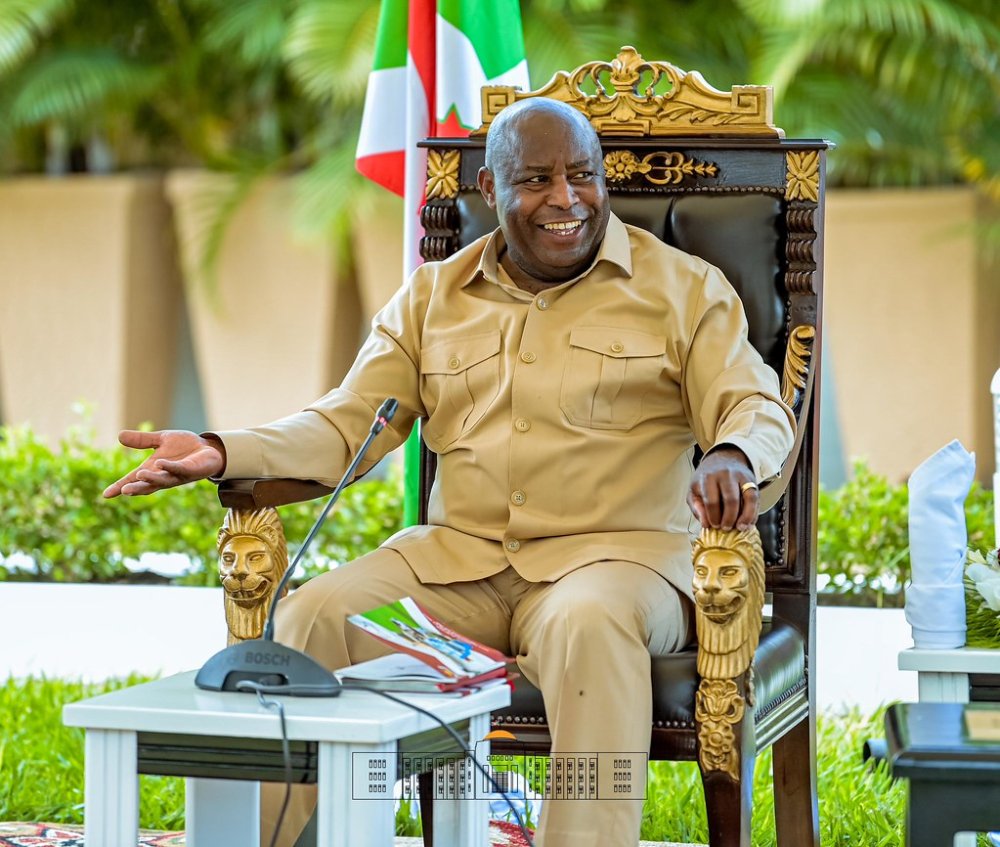
Speaking during an interview with BBC Gahuzamiryango published on July 31, 2026, President Ndayishimiye said Burundian troops were deployed to support the Congolese government and operate under the command of authorities in Kinshasa, which determines where they are deployed.
He said: “The FDLR is on Congolese government side. Our Burundian army went there to support the Congolese government. It is not Burundi that is fighting in Congo. We send troops who are under the command of the Congolese government. You cannot ask me, ‘How are they deployed?’” Ndayishimiye said.
The Burundian president argued that troops deployed to another country should be considered as part of the mission they are assigned to, similar to peacekeeping operations, where responsibility for their actions lies with the mission’s command structure.
“I send troops to Somalia, and once they arrive, they become African Union troops. In the Central African Republic, they arrive and wear the United Nations uniform. They are no longer called Burundian troops; they are UN troops that came from Burundi,” he said.
Ndayishimiye added that countries sending troops abroad to support another government should not be viewed as participating in a conflict but rather as assisting the host country.
“This is why people need to understand the difference. When a country sends troops to another country to provide support, it is not going there to attack; it is going there to help. The actions are carried out by the country receiving that assistance,” he said.
Meanwhile, reports have continued to allege that FDLR leaders have held meetings with senior Burundian military officers in border areas, including Cibitoke, where they allegedly discussed military operations and agreed to maintain cooperation.
In early December 2025, after AFC/M23 captured several areas in Uvira Territory near the Ruzizi Plain, reports indicated that Burundi had received fighters fleeing the fighting, including members of FDLR and Wazalendo, who were reportedly accommodated at the Mwaro military camp.
Following intense clashes in Minembwe and surrounding areas in early July 2026, reports further indicated that Burundi received wounded fighters, including members of FDLR and Wazalendo, who were taken to medical facilities, including Tanganyika Care Polyclinic.
Burundi troops are about to mark three years fighting against AFC/M23 rebels. President Evariste Ndayishimiye said Burundian troops deployed in DR Congo should be considered as forces serving under an international peacekeeping mission.
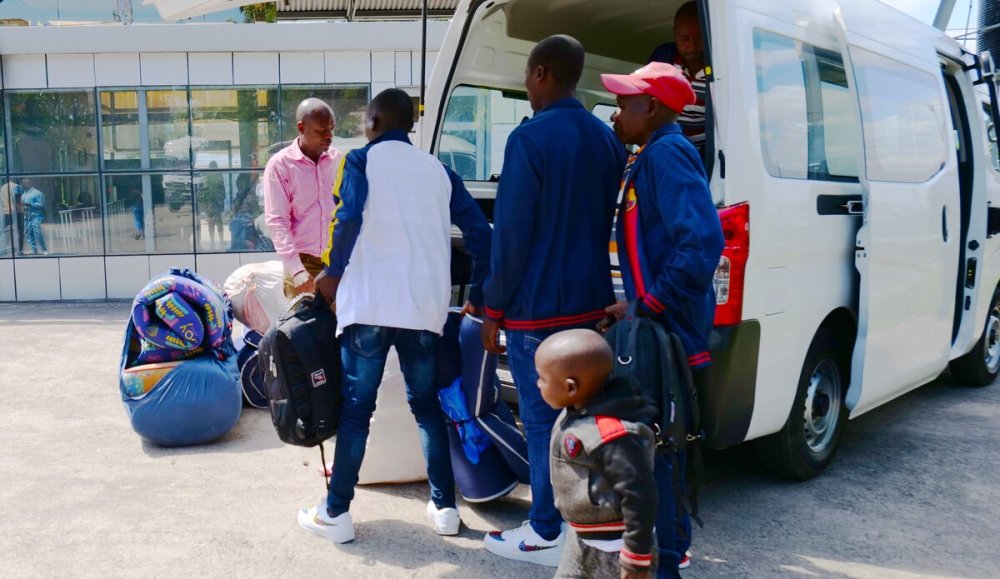
The minister made the comments via X account on August 1, 2026, in response to a MONUSCO statement issued on July 29 after Rwanda returned 39 Congolese nationals to the DRC.
The individuals had been repatriated to Rwanda as former FDLR combatants, but subsequent verification established that they were Congolese civilians with no ties to the armed group.
In its statement, MONUSCO rejected suggestions that it had been negligent, stressing that every repatriation is preceded by a comprehensive verification process to confirm that those concerned qualify for return to Rwanda.
However, Amb. Nduhungirehe said the UN mission cannot deny the outcome of the verification carried out after the repatriations.
“What MONUSCO cannot distance itself from, however, is the fact that since October last year, 81 people repatriated by MONUSCO as former FDLR combatants were later found to be Congolese civilians, born to Congolese parents, with no Rwandan origin and no history of involvement in armed groups.”
The minister further explained that the Expanded Joint Verification Mechanism (EJVM), a regional mechanism responsible for verifying security-related matters in the Great Lakes region, was invited to independently examine the issue.
According to Amb. Nduhungirehe, interviews conducted during the verification process showed that many of those repatriated had falsely claimed to be former FDLR members in order to benefit from Rwanda’s demobilization and reintegration programme.
“The Expanded Joint Verification Mechanism (EJVM) was even invited to verify this information. During interviews, 69 of these individuals admitted regretting having agreed to falsely present themselves as former FDLR combatants after being promised the benefits offered by the Mutobo Demobilization Centre to repatriated ex-combatants.”
Amb. Nduhungirehe also called on MONUSCO to uphold the highest standards in implementing its disarmament, demobilization and reintegration (DDR) programme.
“In conclusion, I would like to stress that throughout this process of disarming and demobilizing former combatants, professionalism, diligence, and integrity on the part of MONUSCO’s DDR personnel must remain fundamental guiding principles.”
Foreign Minister Olivier Nduhungirehe said that since October 2025, MONUSCO has repatriated 81 Congolese civilians to Rwanda, identified as former FDLR combatants.MONUSCO repatriates former armed group members to Rwanda through its Disarmament, Demobilisation, Repatriation, Reintegration and Resettlement (DDRRR) programme.
The announcement was made on July 30, 2026, during the launch of the company’s new Voice over LTE (VoLTE) technology, which will enable customers to make voice calls using the 4G internet network.
The new technology is expected to improve voice communication services by providing clearer high-definition (HD) voice quality, faster call connections, and allowing users to continue accessing reliable 4G internet services while making calls.
MTN Rwanda introduced VoLTE after becoming the first telecom company to launch 5G internet services in Rwanda in May 2025.
Elijah Iragaba, MTN Rwanda’s Chief Technology Officer, said that one year after introducing 5G services in Rwanda, the technology has expanded to various parts of Kigali and Musanze District in the Northern Province.
“When we launched 5G internet, we initially focused on Kigali. Today, I can say that the service is available in many parts of the city. We have also expanded it to Musanze District as part of efforts to support tourism development and provide residents with faster and more reliable internet connectivity,” Iragaba said.
He added that the telecom is preparing to extend 5G coverage to more areas across the country, including secondary cities outside Kigali.
“Although 5G internet is currently concentrated in Kigali and Musanze, we have plans to expand it to secondary cities such as Rubavu, Rusizi, Nyagatare, and Rwamagana,” he said.
Currently, Rwanda ranks third in Africa in terms of internet speed and is among the top 16 countries globally, according to available internet speed rankings.
Data analysis also shows that the number of people using smartphones capable of supporting 5G technology continues to increase annually, growing by between 10% and 15%.
MTN Rwanda Chief Technology Officer Elijah Iragaba says the company plans to expand 5G internet services to secondary cities around Kigali.
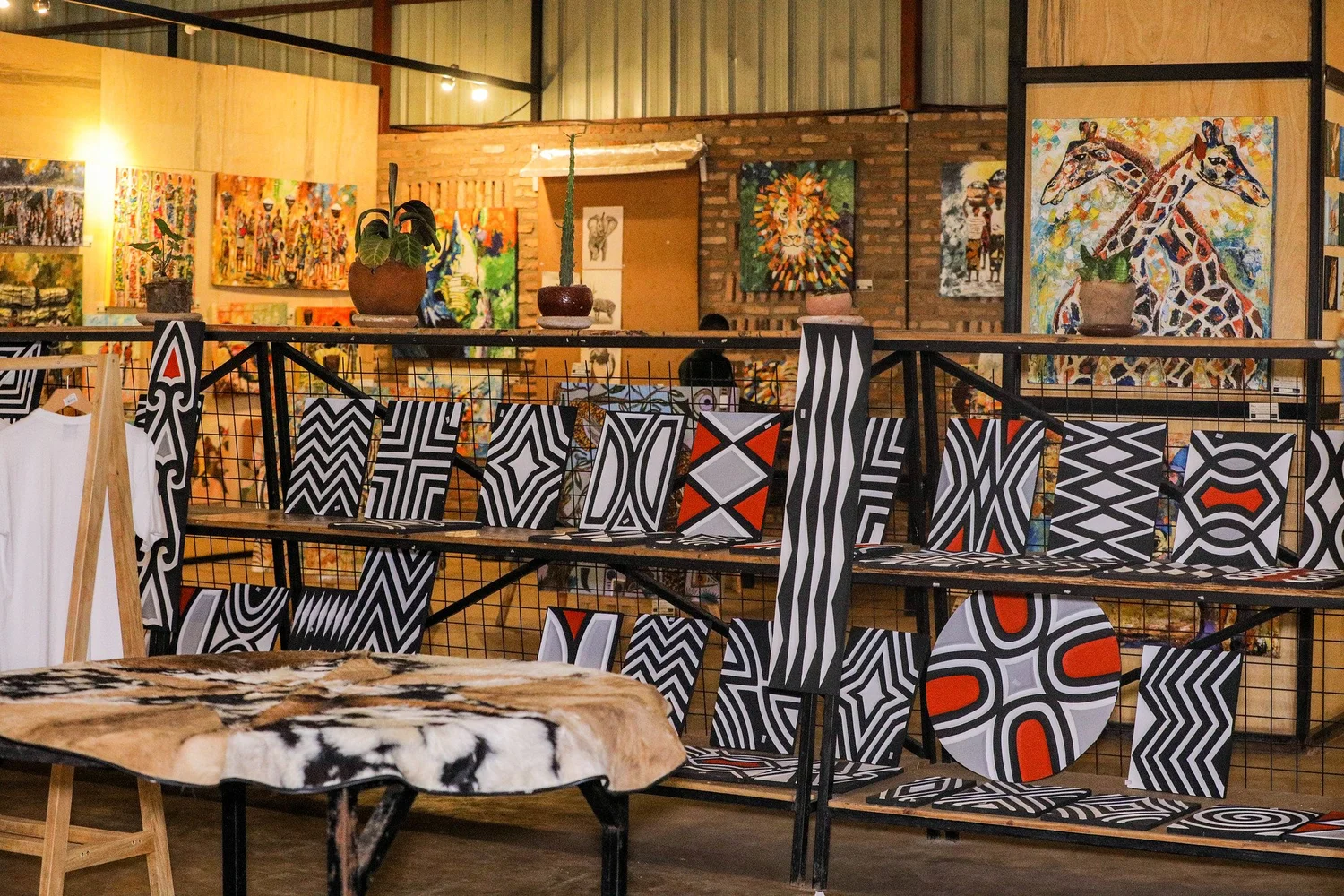
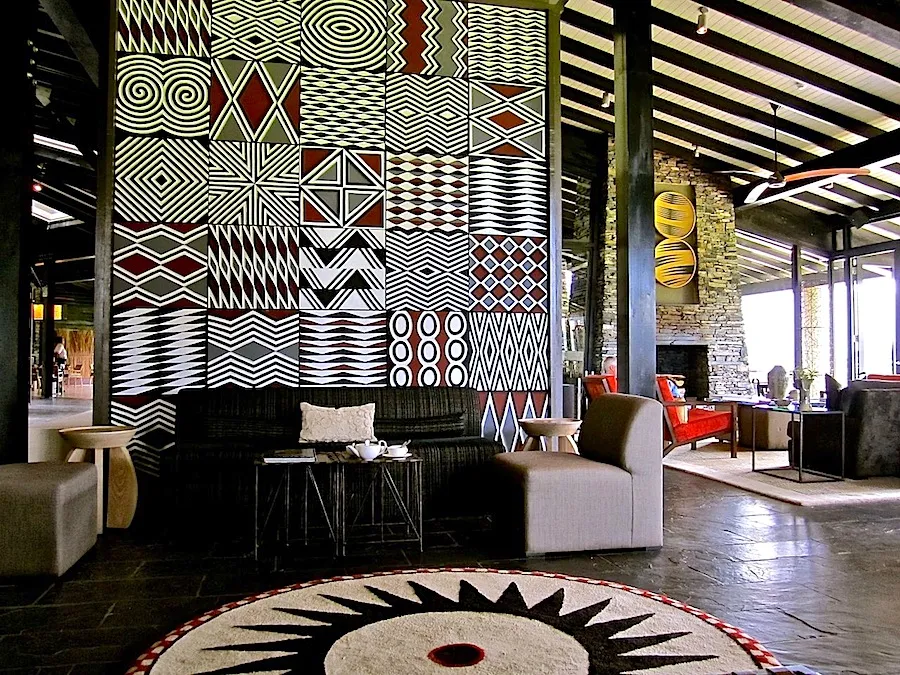
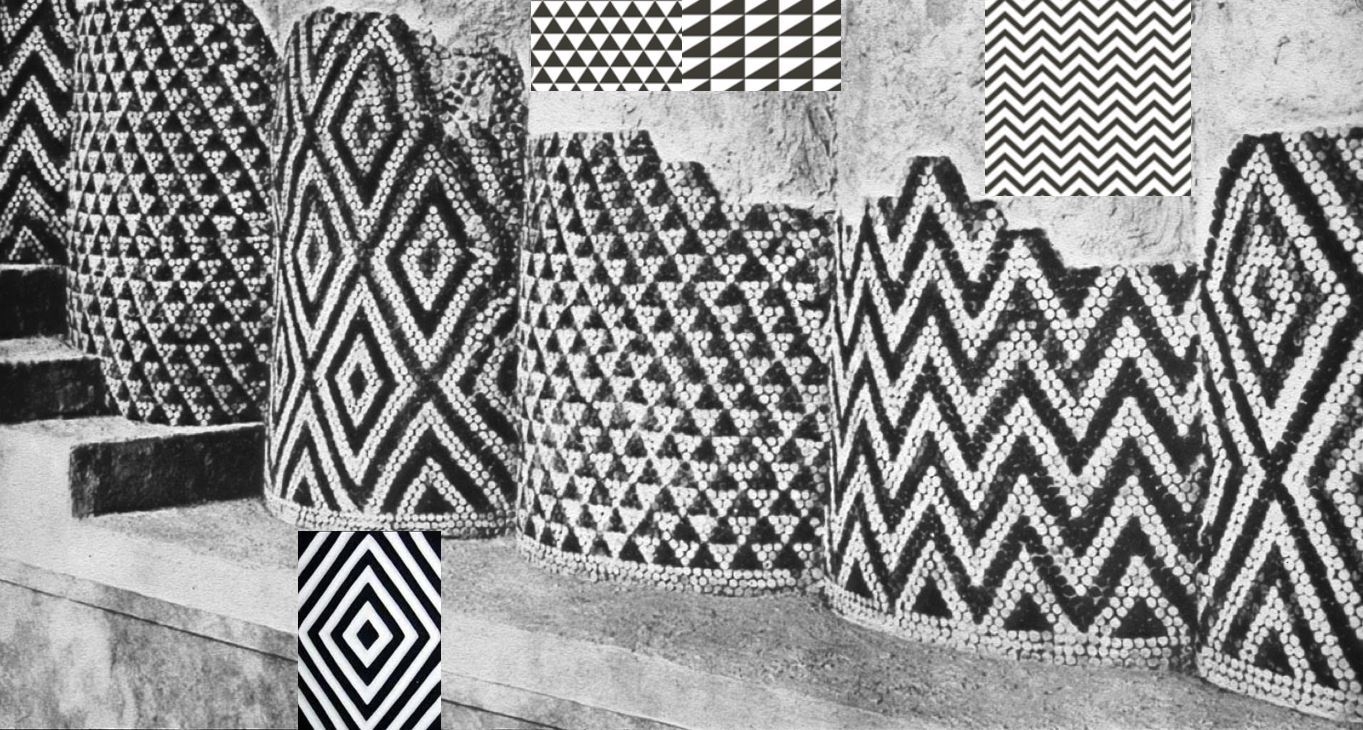
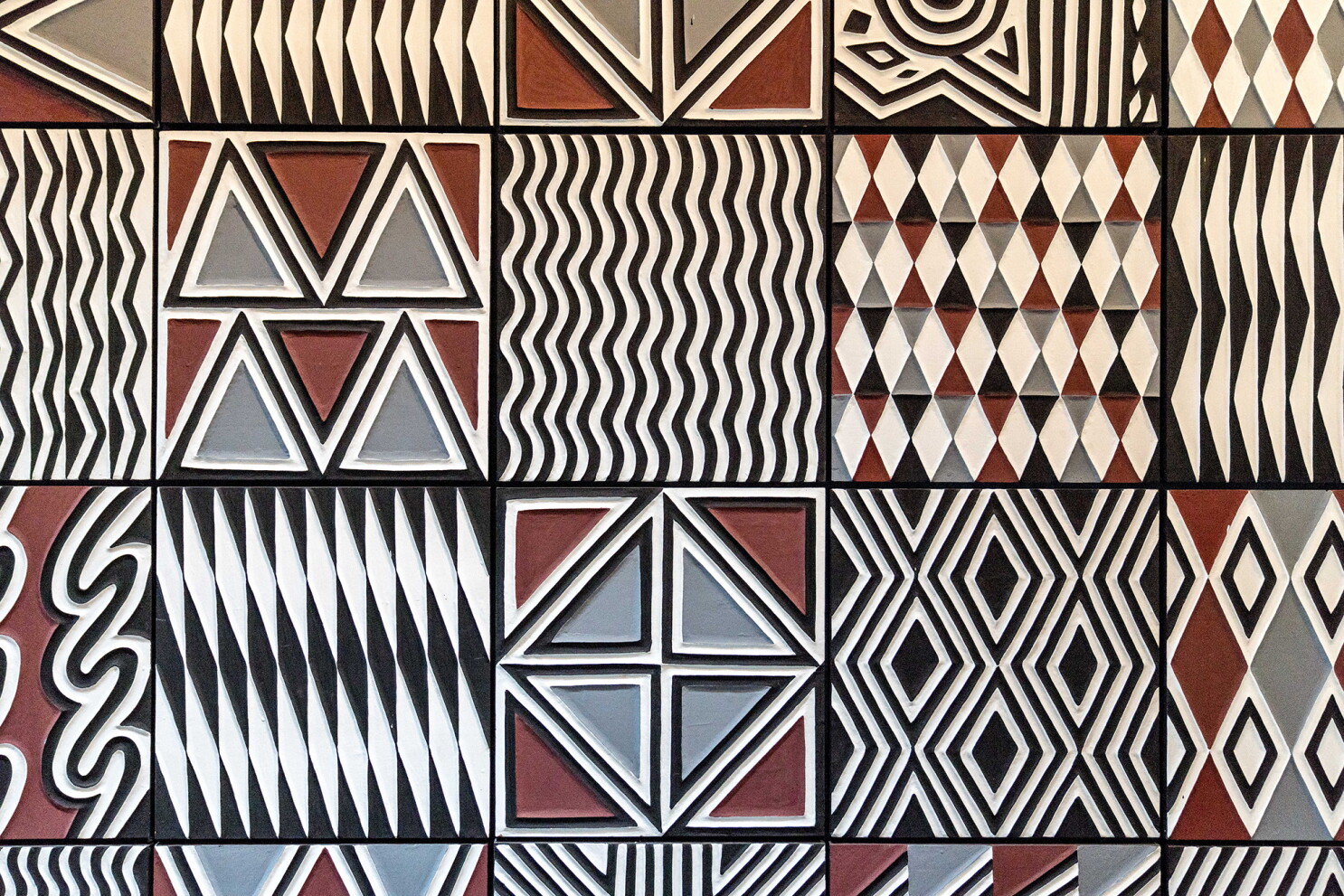
Known for its distinctive geometric patterns and natural colours, Imigongo has been passed down through generations, preserving stories of Rwanda’s history while creating opportunities for local artists.
The tradition is believed to have started in the 18th century in the former Gisaka Kingdom, located in what is now Ngoma District in Rwanda’s Eastern Province.
According to Rwandan tradition, Imigongo was introduced by Prince Kakira, the son of King Kimenyi of Gisaka. It is said that he used cow dung mixed with natural materials to decorate the interior walls of his home, creating beautiful patterns that later inspired a wider artistic practice.
Although cow dung may appear unusual as an artistic material, it held great cultural value in traditional Rwandan society. Cattle were considered a symbol of wealth, dignity, and social importance, and products from cattle were commonly used in daily life. ‘
Turning cow dung into decorative art reflected the creativity of Rwandans and their ability to make meaningful things from available resources.
The process of creating Imigongo requires patience and skill. Artists traditionally mix cow dung with materials such as ash and soil before applying the mixture onto wooden boards or walls to form raised patterns.
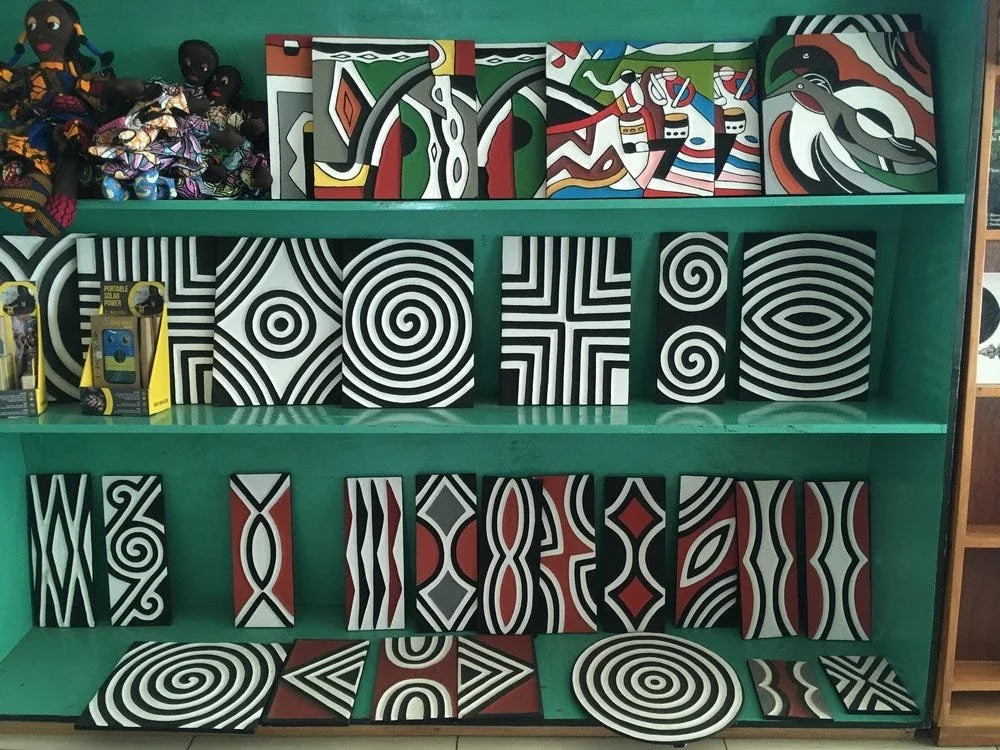
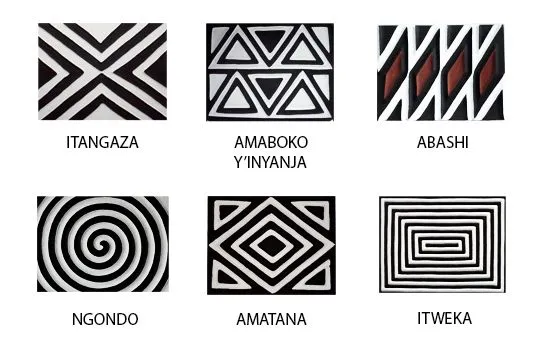
Once the designs dry, they are painted using natural colours that were traditionally made from locally available materials. The colours and shapes often carry cultural meanings, with many artworks featuring carefully arranged lines, spirals, and diamond-like patterns.
For many years, Imigongo has been closely associated with Rwandan women, who have played a major role in keeping the tradition alive.
Mothers passed the skills to younger generations, ensuring that the craft remained part of Rwanda’s cultural identity. Over time, women’s cooperatives were established, allowing artists to preserve the tradition while also earning income to support their families.
Rwandan artists carefully create Imigongo, a traditional art form that has been passed down through generations as a symbol of culture and creativity.
Imigongo became an important source of empowerment for many women who were rebuilding their lives.
Through cooperatives, artists found opportunities to work together, develop their skills, and contribute to Rwanda’s economic recovery while protecting a valuable part of the country’s heritage.
Today, Imigongo has moved beyond traditional homes and has become recognised as one of Rwanda’s important cultural products.
The artwork can be seen in hotels, offices, galleries, and homes, while many visitors purchase Imigongo pieces as souvenirs that represent Rwanda’s creativity and traditions.
Modern artists have also introduced new techniques and colours, allowing Imigongo to adapt to changing tastes while maintaining its traditional roots. Despite these changes, the heart of Imigongo remains the same: telling Rwanda’s story through art.
More than just a decoration, Imigongo represents the creativity, strength, and cultural pride of the Rwandan people.
It is a reminder that even ordinary materials can be transformed into something beautiful and meaningful when combined with imagination and tradition. Through the dedication of artists who continue to practice and promote it, Imigongo remains a living heritage connecting Rwanda’s past, present, and future.
The unique geometric patterns and natural colours of Imigongo showcase Rwanda’s rich cultural heritage and artistic identity.From traditional homes to modern galleries, Imigongo continues to tell Rwanda’s story through creativity, resilience, and craftsmanship.
The study, led by researchers from the Wellcome Sanger Institute and published in Cancer Discovery, used long-term genetic tracking to understand how chronic blood cancers develop over time.
Researchers focused on myeloproliferative neoplasms (MPNs), a group of rare blood cancers that begin in the bone marrow, where blood cells are produced. These cancers often progress slowly and can remain stable for years before becoming more dangerous.
By analysing DNA from blood cells, scientists created genetic “family trees” that allowed them to trace how cancerous cell populations evolved.
The research showed that patients whose conditions later became more severe had accumulated additional genetic changes long before doctors could detect major clinical changes.
The team followed 30 patients with chronic blood cancers and examined more than 450 samples through repeated genomic testing.
Some participants were monitored for up to 25 years, providing researchers with a rare long-term view of how these diseases progress.
The findings suggest that future cancer care could use regular genetic monitoring to identify high-risk patients earlier, allowing doctors to provide more personalised treatment and closer follow-up.
Researchers also found that some people who are currently diagnosed with certain blood cancer conditions may not actually have cancer. In patients without common mutations linked to MPNs, genetic patterns appeared more consistent with normal ageing rather than true cancer development.
Scientists say the discovery could help doctors avoid unnecessary treatments for some patients while ensuring that those at greater risk receive early medical attention.
Dr Daniel Leongamornlert, the study’s first author, said that combining genome sequencing with long-term medical records helped researchers understand how blood cell populations change over time and why some cancers remain stable while others progress.
The researchers believe that advances in genomic technology could eventually transform how blood cancers are diagnosed, monitored and treated, moving healthcare closer to predicting disease progression before serious symptoms appear.
DNA changes could help predict which blood cancers will become dangerous
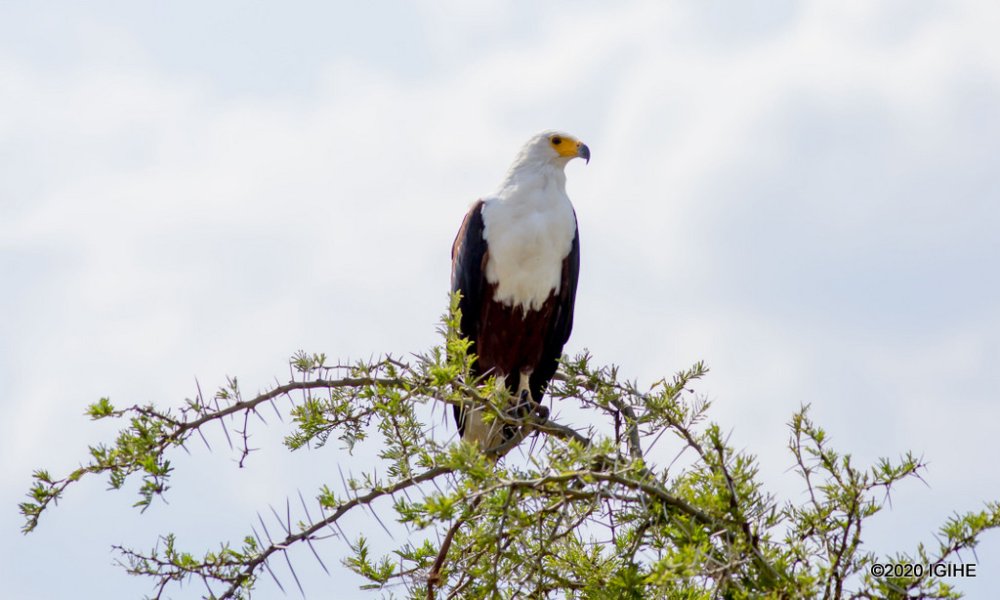
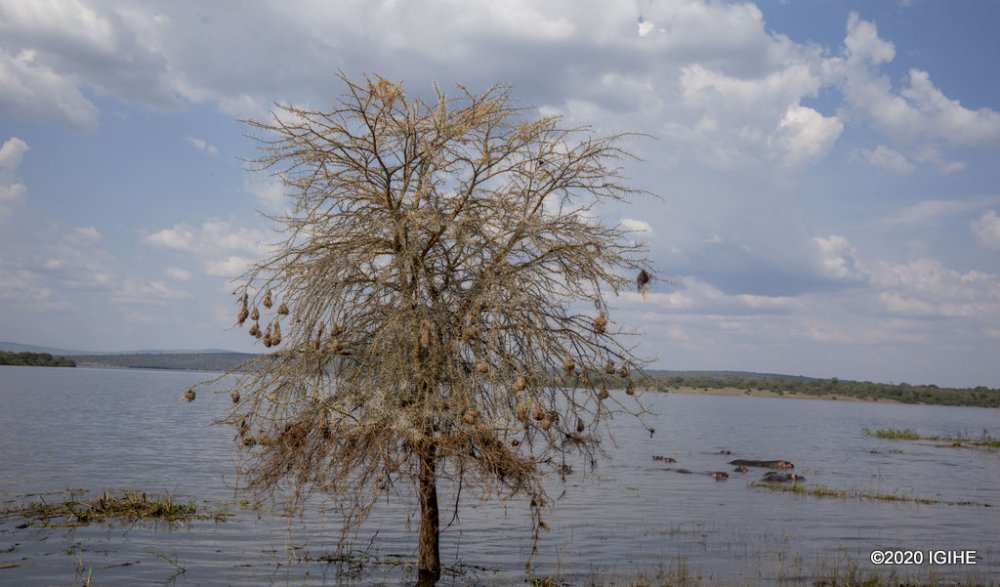
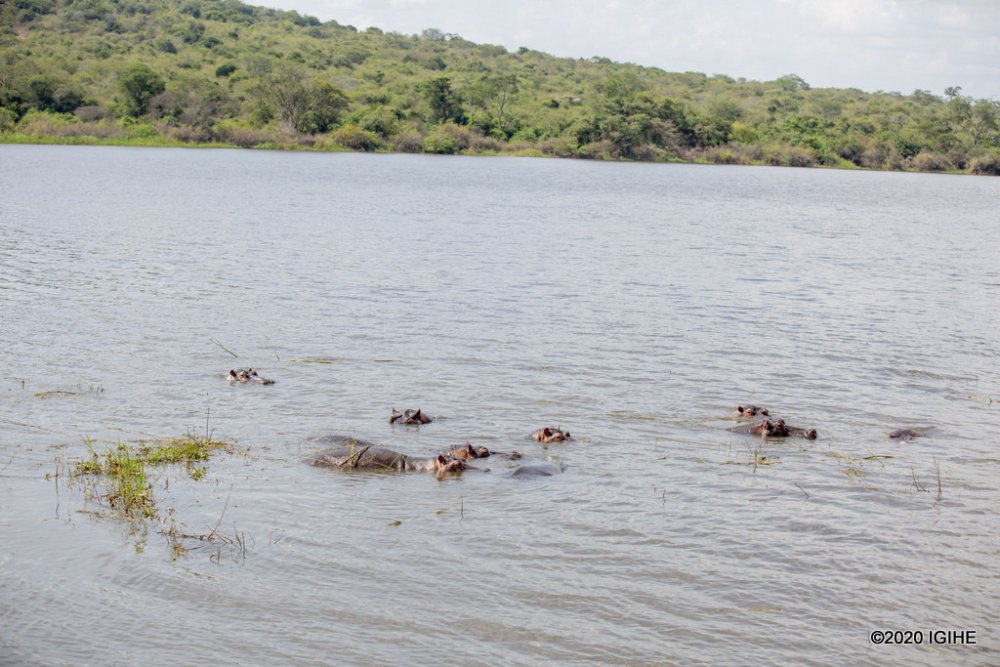
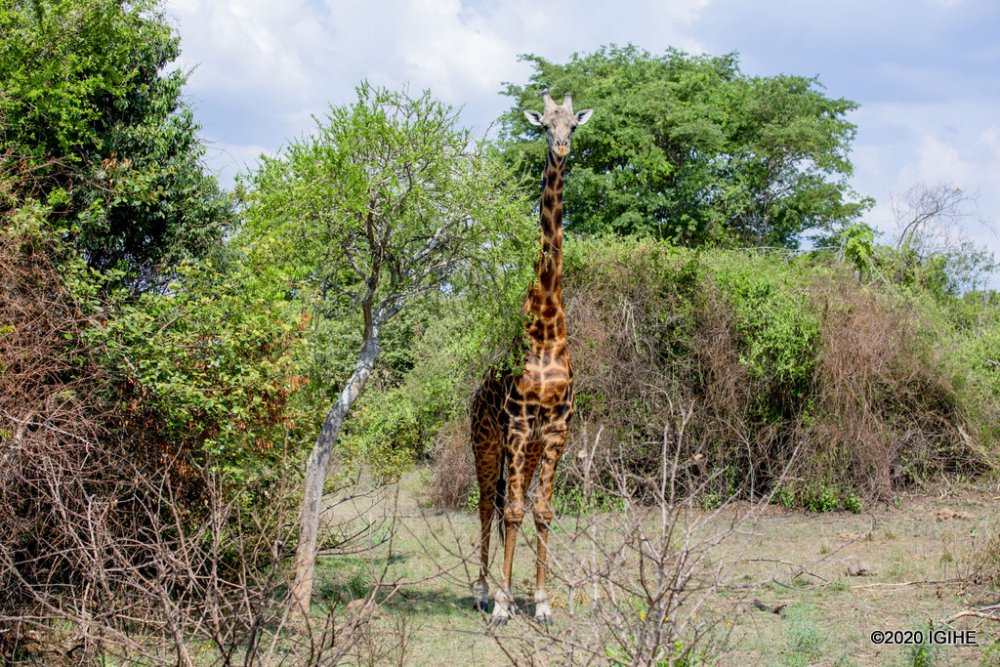
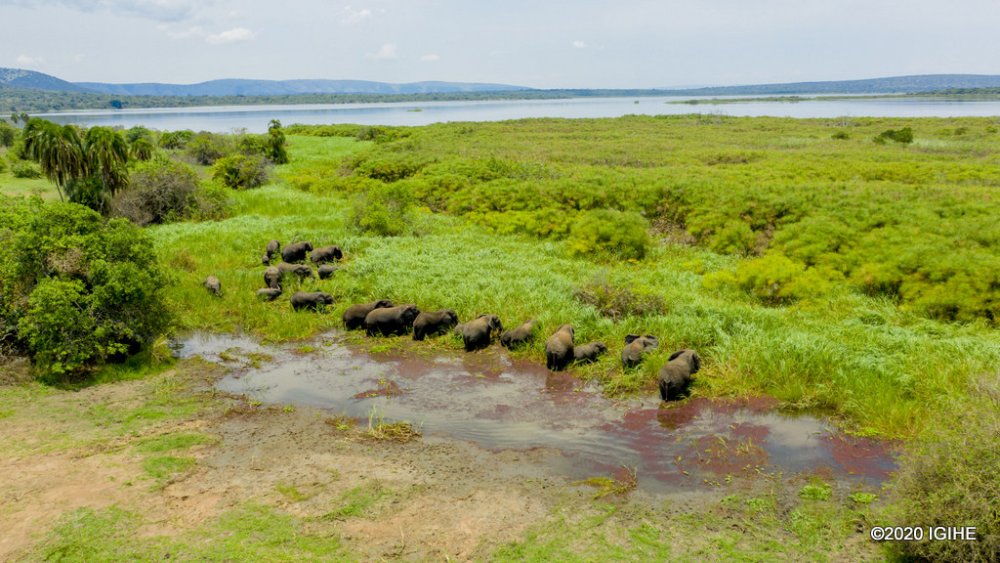
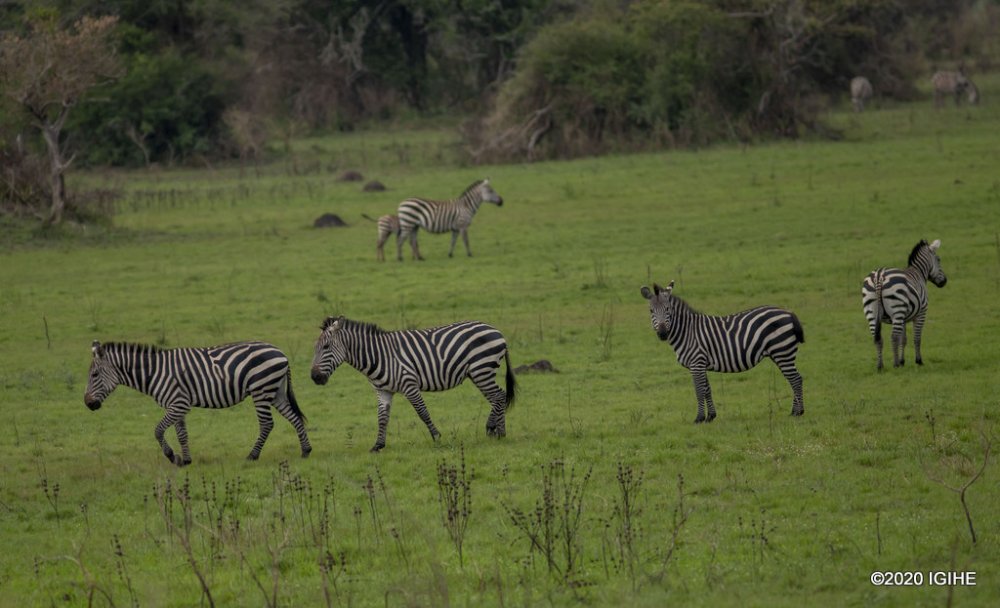
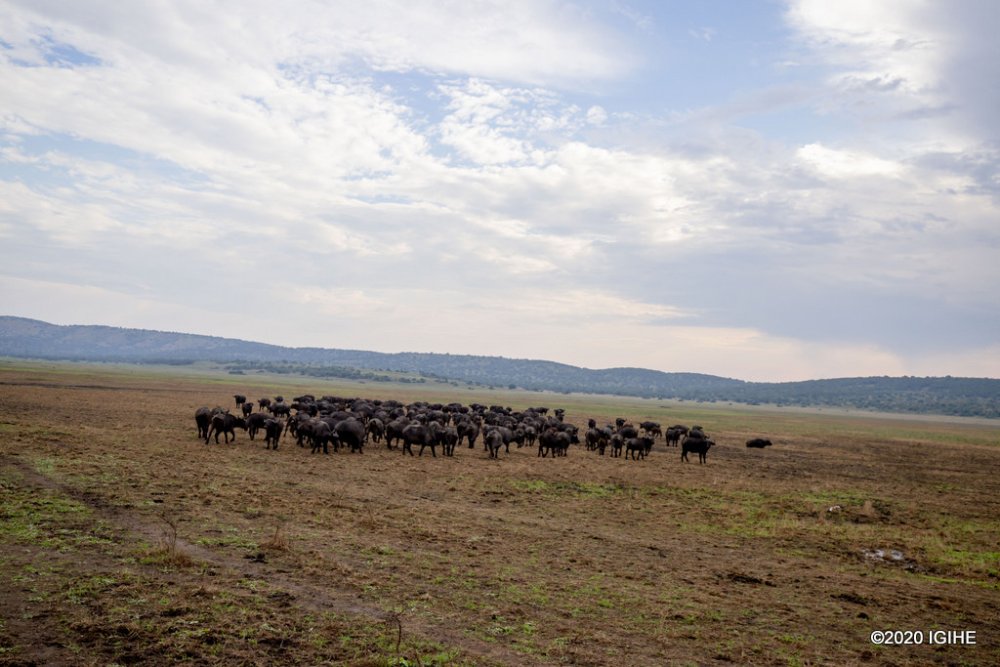
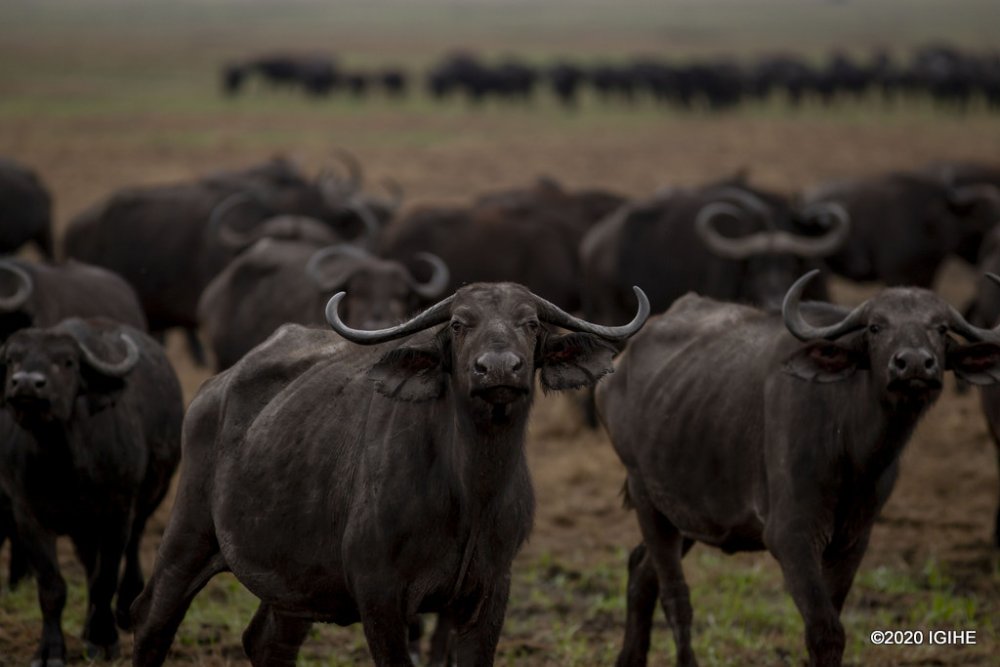
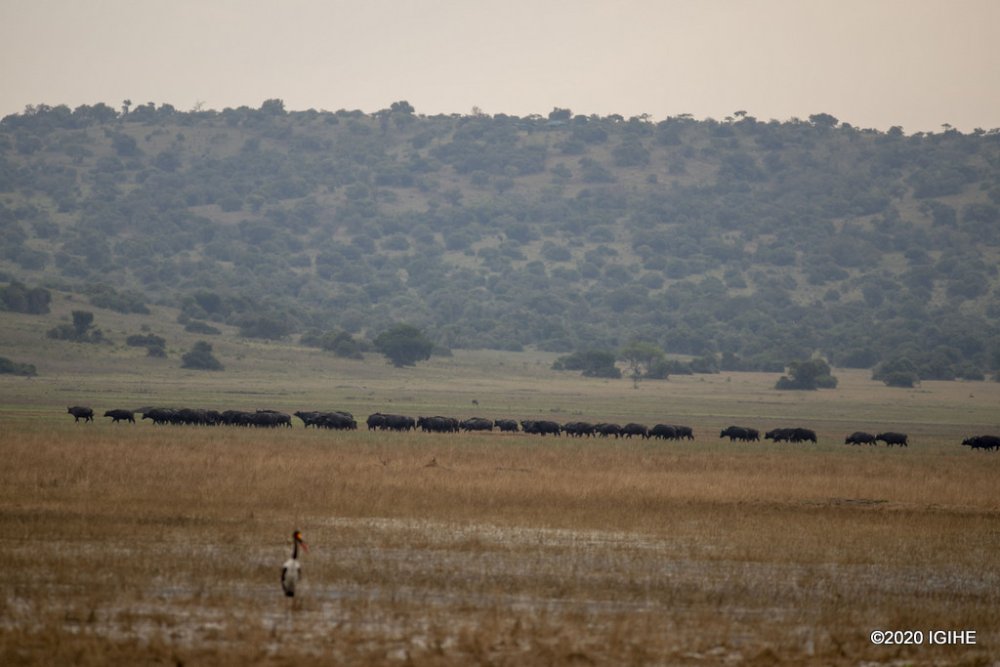
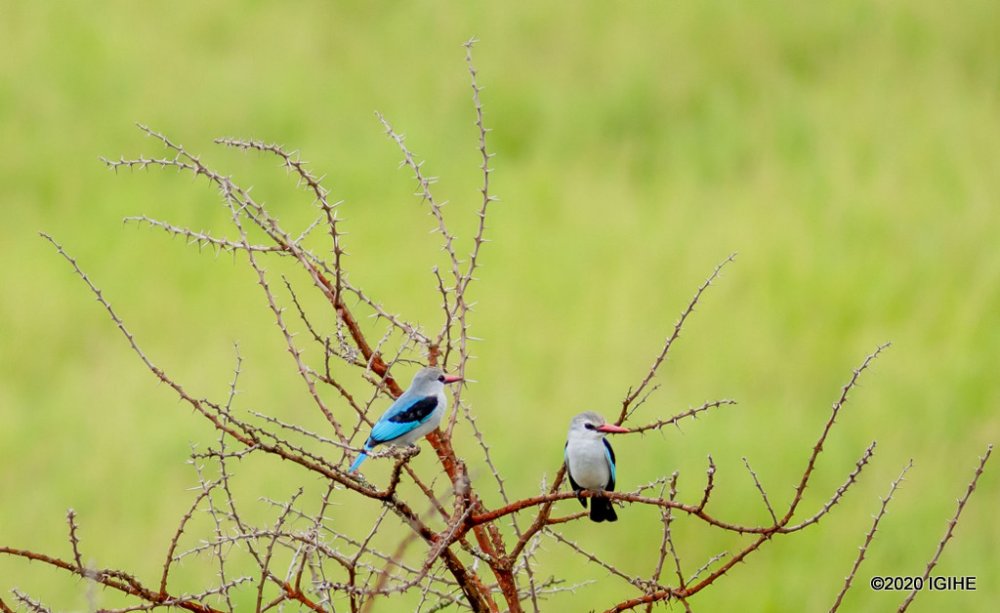
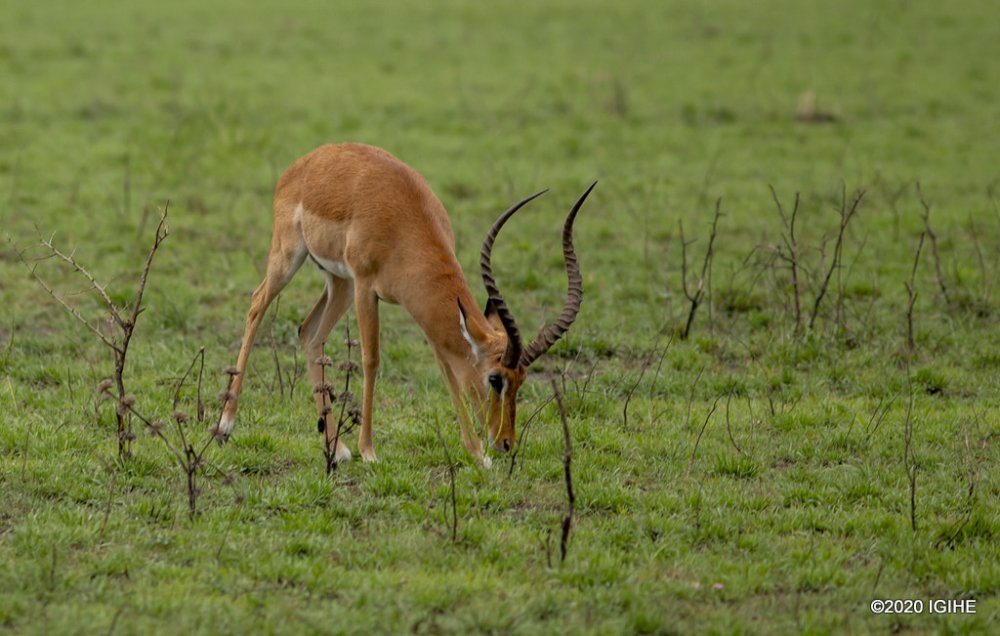
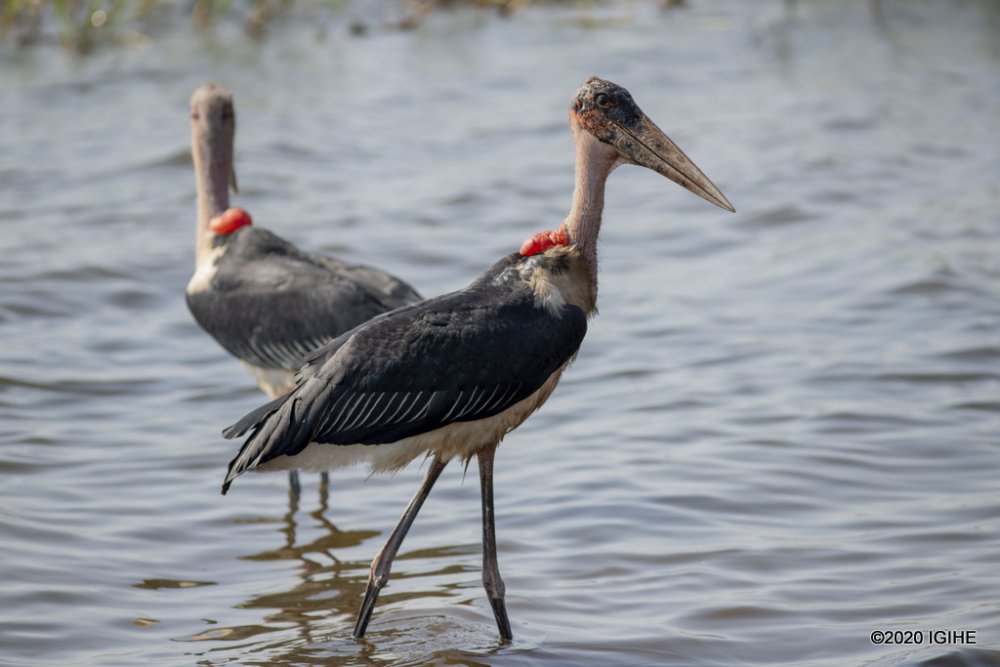
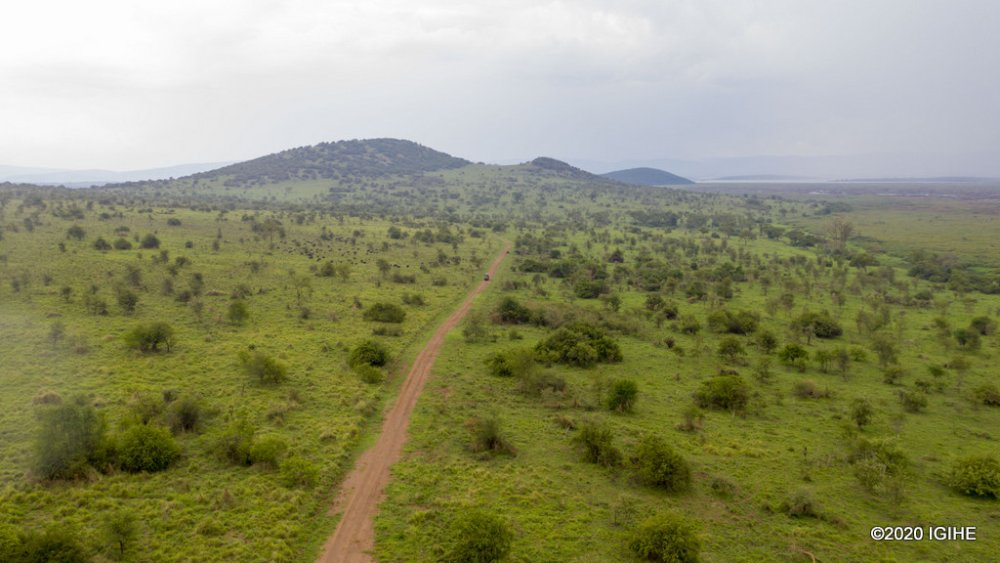
The park is one of Rwanda’s leading tourist attractions, hosting more than 500,000 animals from different species, including some of the world’s rarest wildlife. Visitors can also enjoy its lakes, lodges and numerous viewpoints overlooking the diverse landscape.
Between April and June 2026, Akagera National Park generated more than $1 million in tourism revenue from 8,919 visitors.
According to figures released by the park, this represented a 4% increase compared to the same period in 2025. On average, each visitor spent $108 during their stay.
For first-time visitors, there is more to know than simply booking a safari. Understanding the park’s wildlife, why some lions are placed on birth control, how elephant families are organised, the park’s strict conservation rules, penalties for violating them, and entrance fees can greatly enhance the experience.
Why lions are placed on birth control
Samuel Munyaneza, a tour guide who has worked in Akagera National Park for eight years, is well acquainted with the park’s history, its wildlife and the regulations that govern visits. Among the species whose history he knows best are lions and rhinos, both of which disappeared from the park before eventually being reintroduced.
He explained that following the 1994 Genocide against the Tutsi, many Rwandans who had lived in exile since 1959 returned home. With limited land available, some settled in areas that had previously formed part of the park. As lions preyed on their cattle, some residents poisoned carcasses in retaliation, wiping out the lion population.
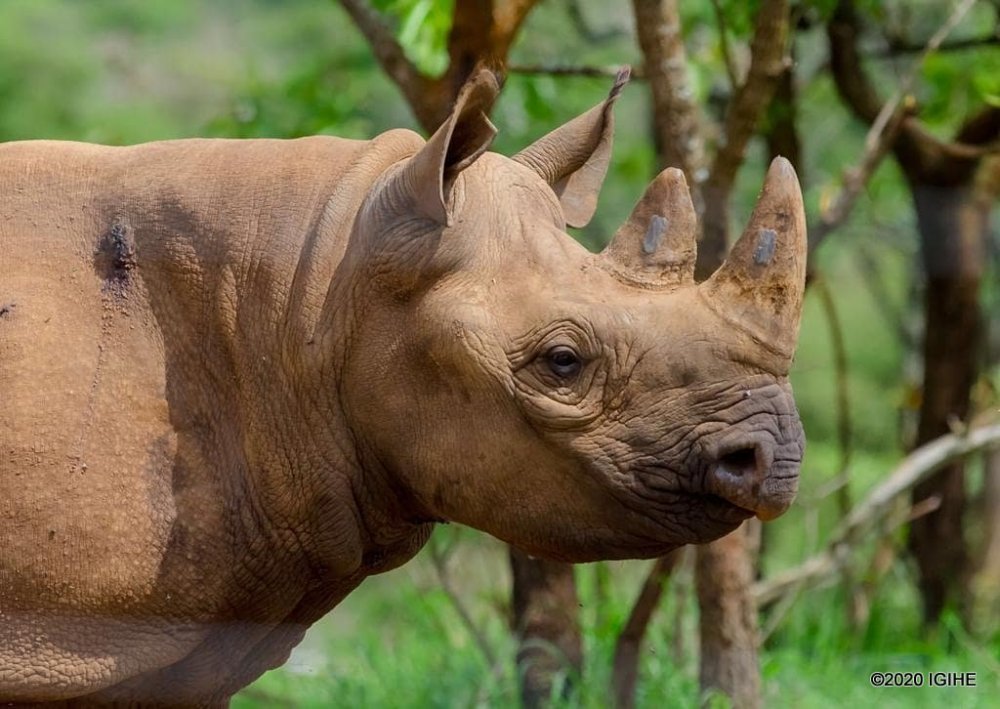
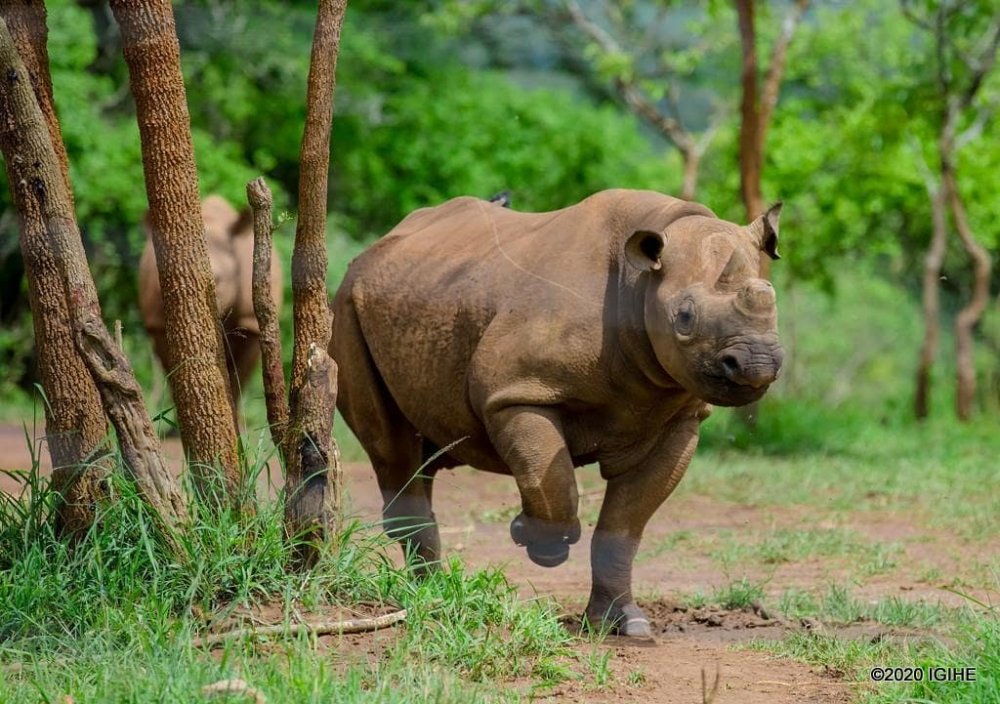
Rhinos, meanwhile, were driven to extinction in the park by poachers targeting their highly valuable horns for the illegal wildlife trade.
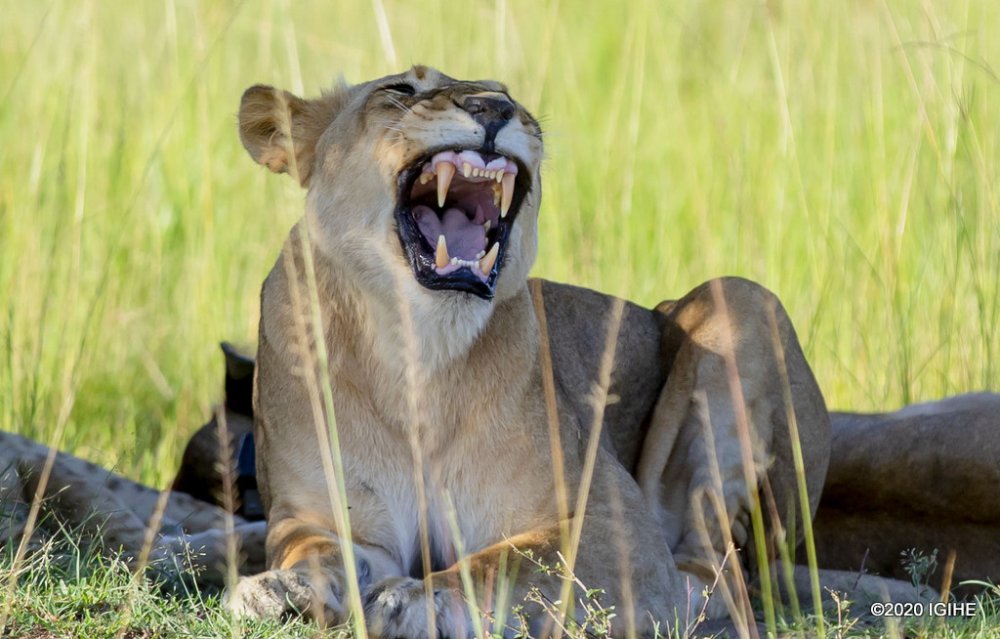
Lions were reintroduced to Akagera in 2015 after being translocated from South Africa. The population recovered rapidly, prompting park managers to introduce contraception to control reproduction.
The programme is intended to maintain a balanced ecosystem. An excessive lion population would increase predation pressure on other wildlife and threaten the ecological balance of the park. Munyaneza explained that predators are essential in maintaining healthy wildlife populations. Before lions returned, herbivore numbers increased significantly, raising the risk of inbreeding, which can weaken the genetic health of animal populations.
He noted that while Akagera once covered a much larger area, parts of the park were later allocated for human settlement, reducing its size. With a smaller habitat, allowing lions to reproduce unchecked could lead to territorial conflicts, increased competition for food and pressure on prey species.
In February 2026, five lions in Akagera National Park were placed on birth control as part of this population management strategy.
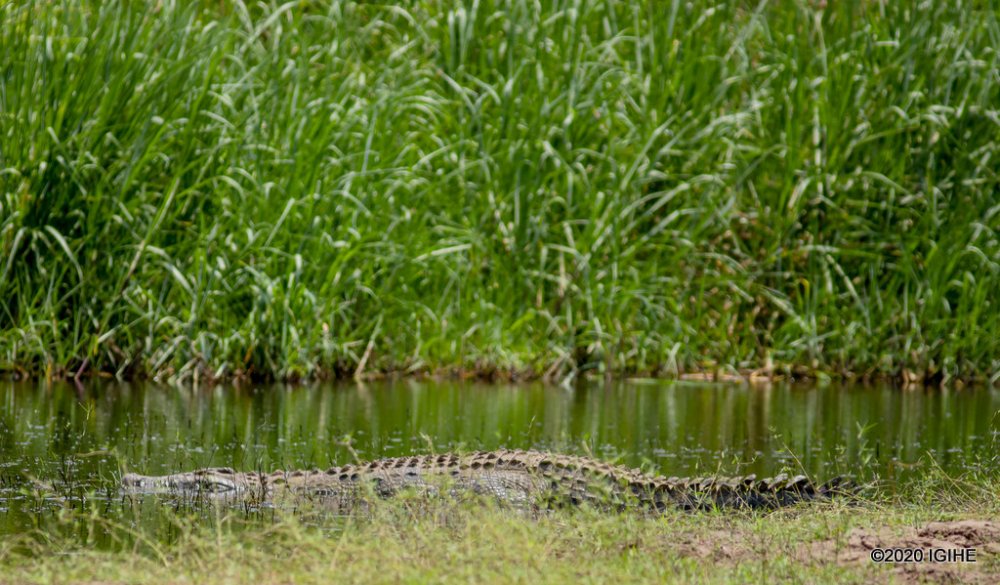
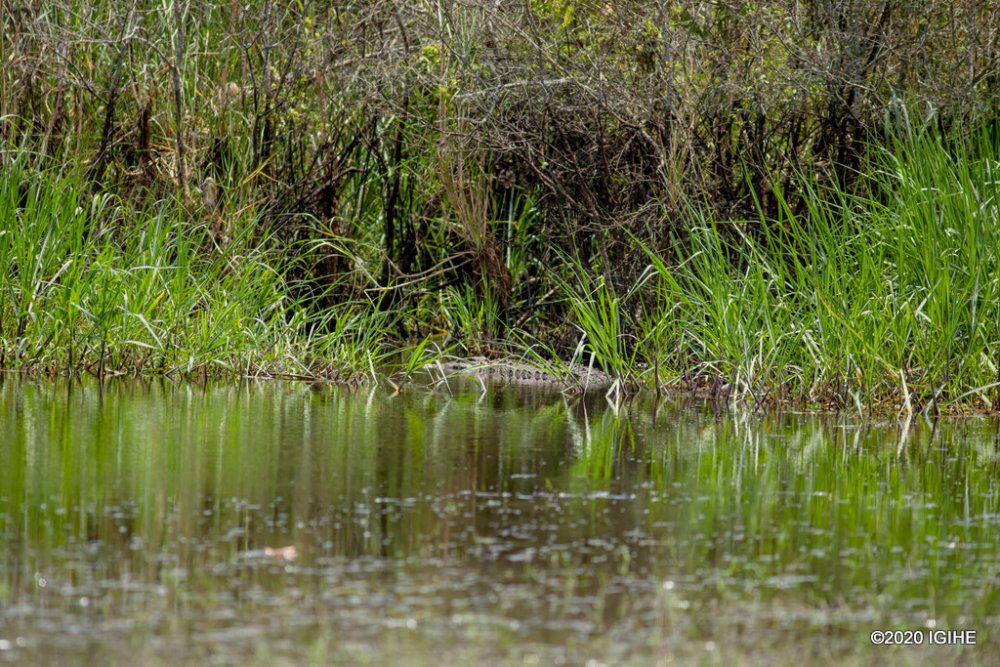
Wildlife surveys are conducted every two years using aircraft, drones, camera traps and ground counts. The most recent census took place in 2025. However, accurately counting species such as snakes and crocodiles remains difficult.
How female elephants lead their families
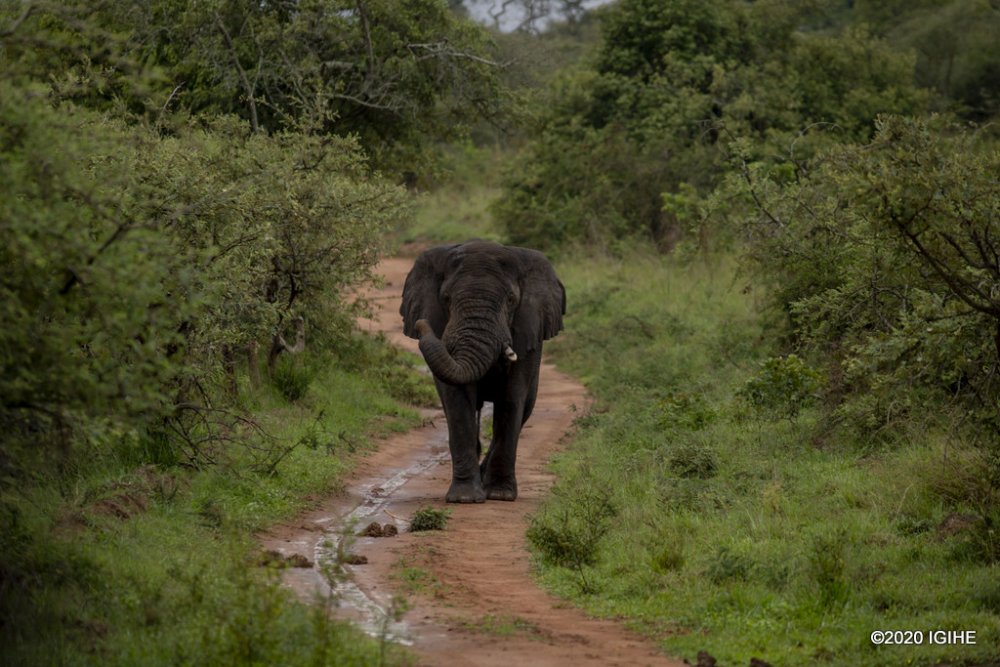
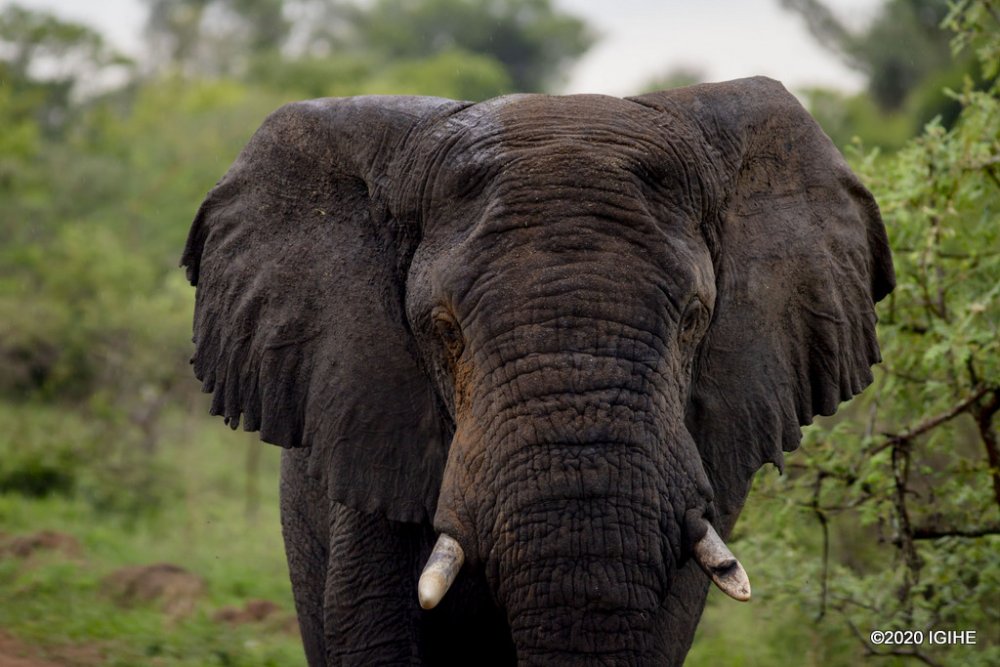
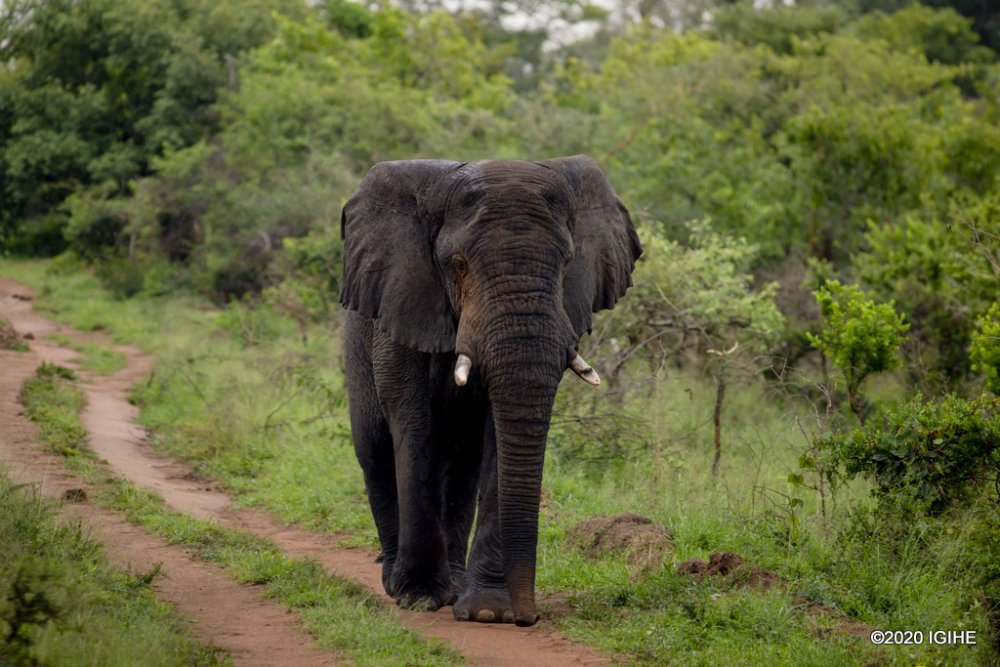
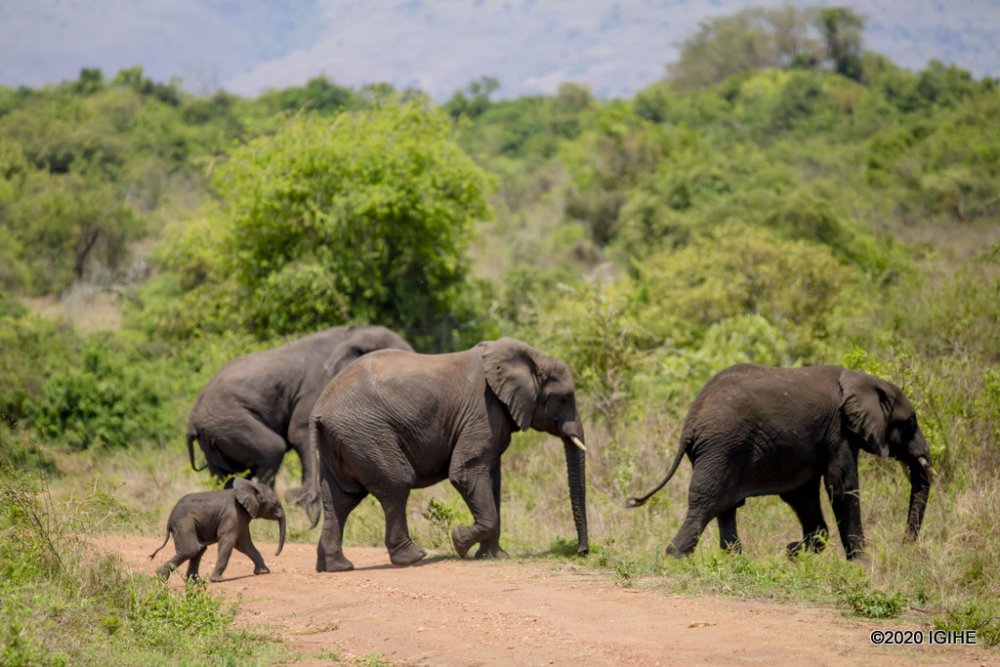
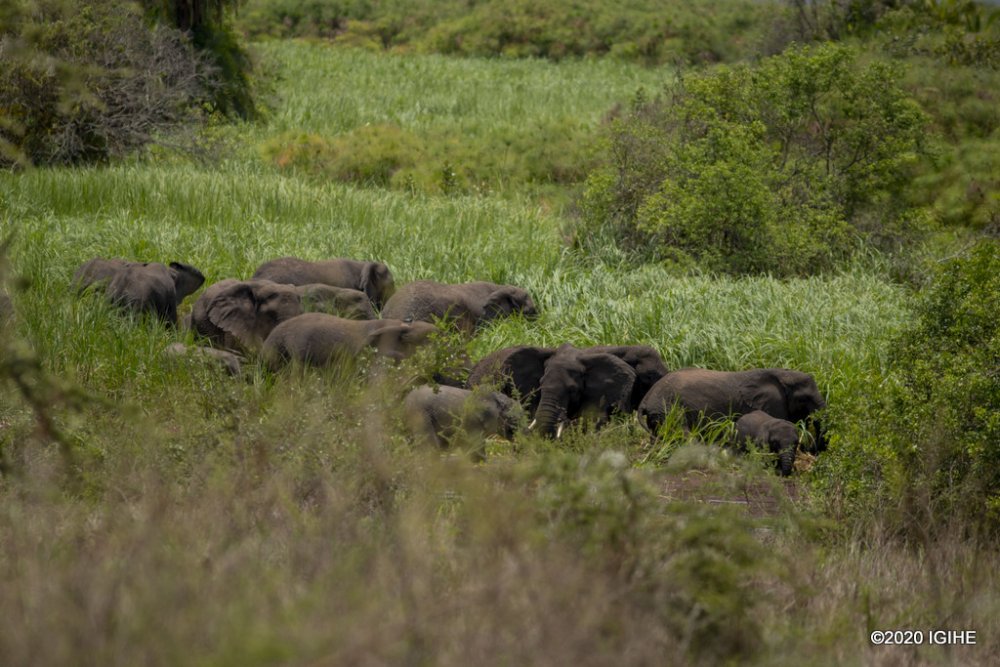
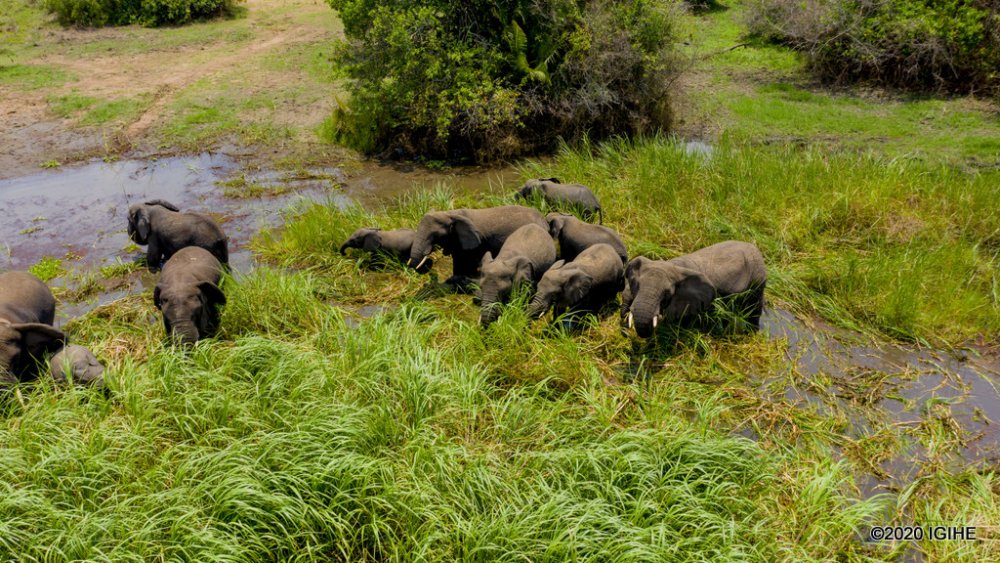
Akagera’s elephants live in two large family groups, each led by the oldest female, known as the matriarch.
According to Munyaneza, adult males spend much of their time away from the family searching for mates. As a result, females remain with the calves, raising and guiding them.
The matriarch possesses years of accumulated knowledge, including where to find food and water during droughts, how to respond to changing weather conditions and how to avoid danger.
When an elephant family prepares to relocate, the matriarch first dispatches a few males to scout for water and feeding grounds.
Once they locate suitable resources, they communicate back to the herd using infrasound, low-frequency sound waves that humans cannot hear but which elephants can detect over distances of up to 12 kilometres.
This allows the scouting elephants to inform the herd that there is sufficient water and food before the rest of the family, including young calves, begins moving.
The matriarch also coordinates road crossings, signalling when it is safe for the group to proceed.
Bringing plastic into the park can result in a fine
Like other protected areas, Akagera National Park enforces strict rules aimed at protecting wildlife and ensuring visitor safety.
Single-use plastics, including plastic water bottles, disposable plates and similar items, are prohibited inside the park.
Munyaneza explained that discarded plastic prevents rainwater from penetrating the soil and poses a serious threat to wildlife, as animals that ingest plastic often die.
Visitors driving through the park must also remain on designated roads. Leaving the tracks can crush insects, destroy reptile eggs, damage vegetation and disturb fragile habitats. Even driving a short distance off-road can destroy thousands of small organisms that are invisible to the naked eye.
Visitors are also prohibited from approaching animals too closely or disturbing them while resting, as this can frighten wildlife and alter their natural behaviour.
Standing through a vehicle’s sunroof or getting out of the vehicle is equally prohibited. Wild animals are unfamiliar with the full silhouette of a standing human and may either flee or react aggressively. Those who violate these regulations risk both their safety and financial penalties.
Munyaneza said visitors found standing outside or on top of their vehicles may be fined $150 (over Frw200,000) for disturbing wildlife and endangering themselves.
Entry fees and accommodation discounts
The cost of visiting Akagera National Park varies depending on the type of experience visitors choose. Some opt for a day trip, while others stay overnight at one of the lodges within the park. A Rwandan citizen pays Rwf15,000 for a standard day visit.
Vehicle entry fees are $10 for a small vehicle and $20 for a larger vehicle, while international visitors pay $100 for park entry.
The park encourages overnight stays by offering reduced entrance fees for additional nights. This helps spread visitor numbers over several days instead of concentrating them into a single day, reducing traffic and disturbance to wildlife.
Visitors staying overnight do not pay the full entrance fee each day. Instead, they only cover accommodation costs and a reduced conservation fee.
According to Munyaneza, visitors pay 100% of the entrance fee on the first night, 50% on the second, 25% on the third, while stays from the fourth to the seventh night receive free park entry. Established in 1934, Akagera National Park covers approximately 112,000 hectares.
Today, it employs 316 permanent staff and about 512 seasonal workers, reflecting its growing role in both conservation and Rwanda’s tourism industry.
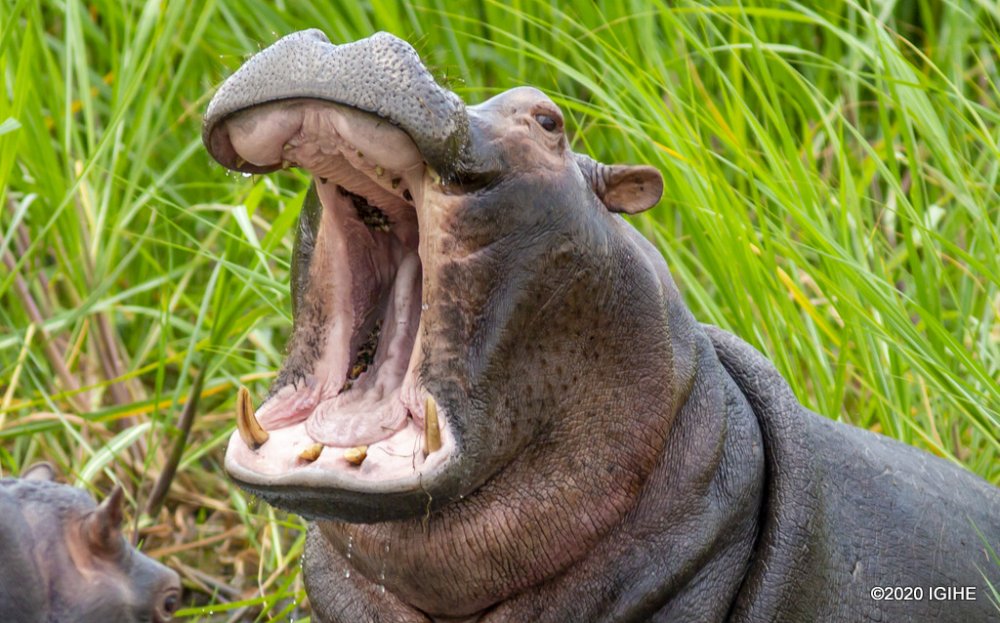
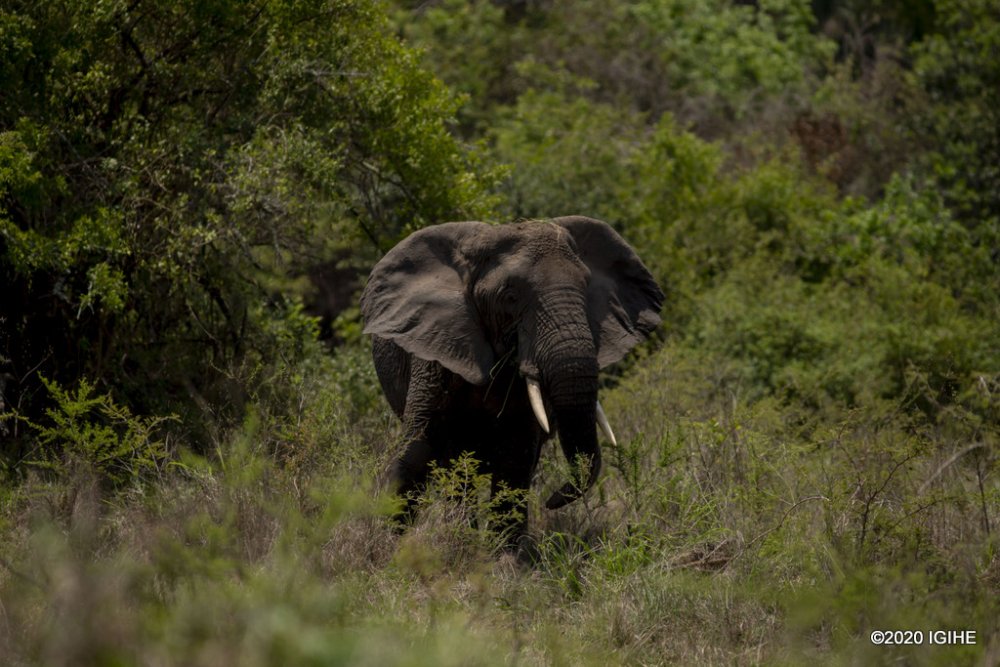
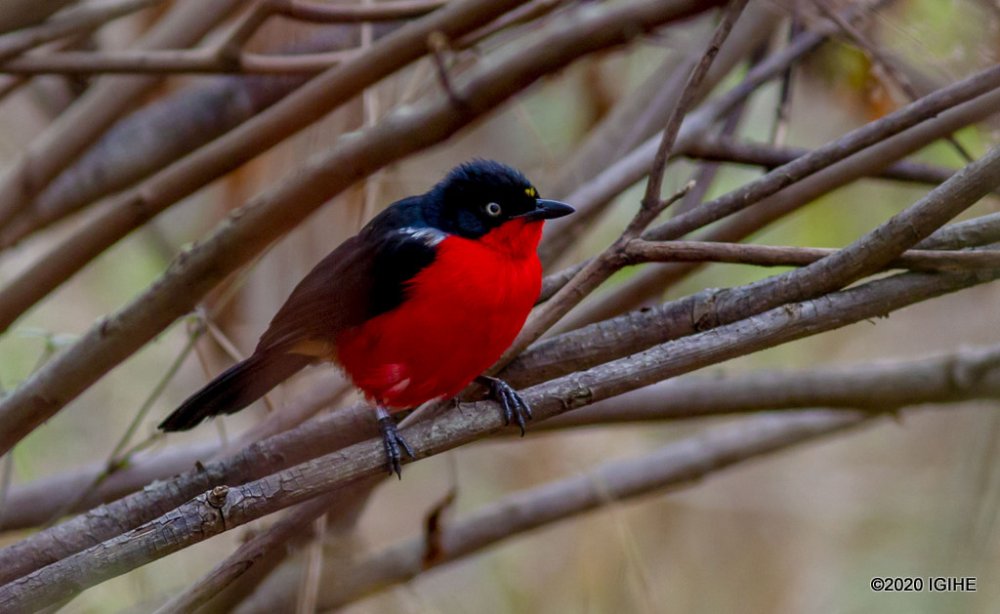
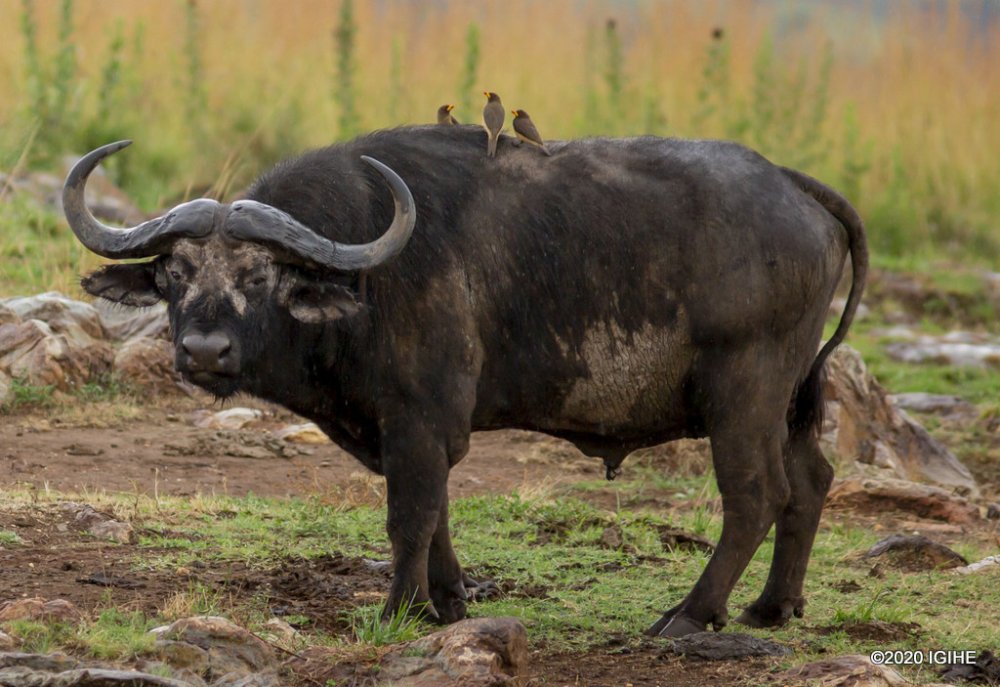
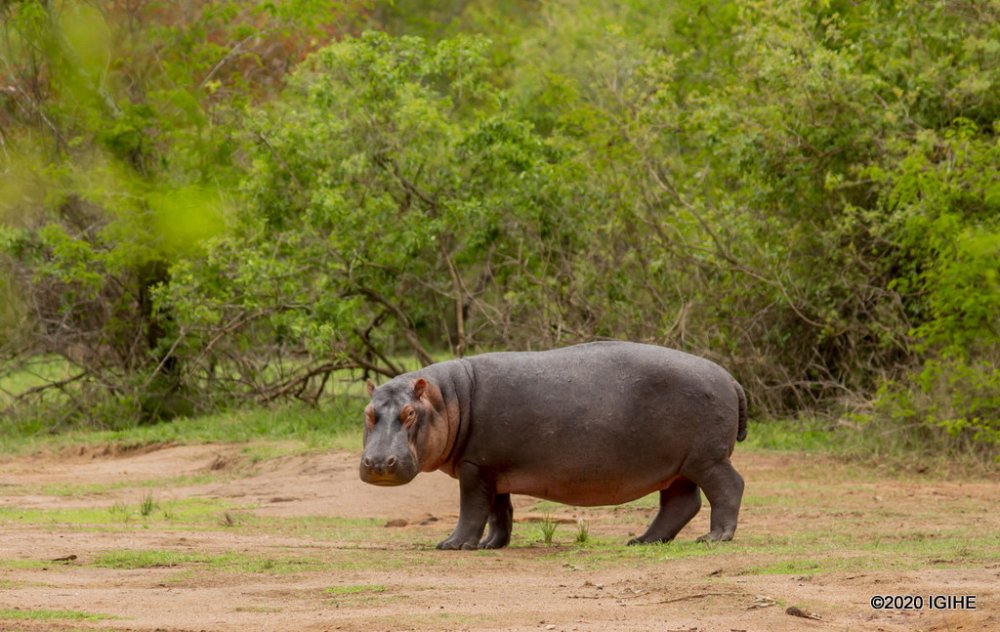
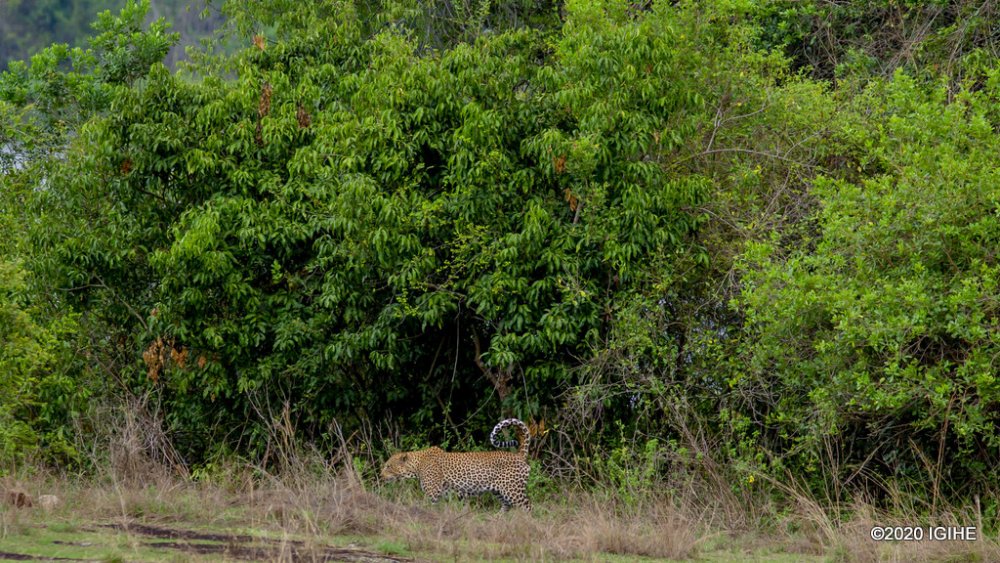
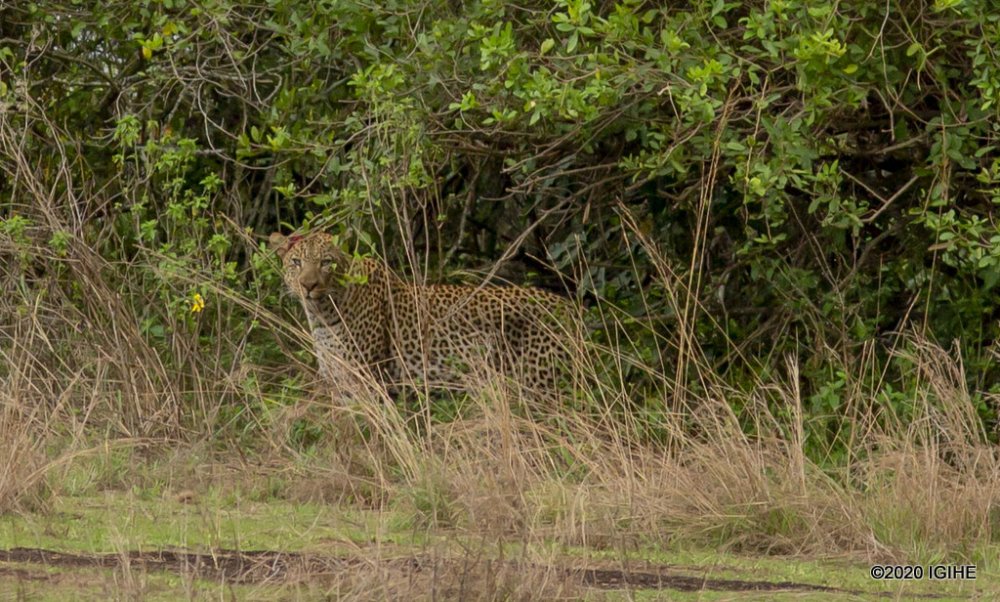
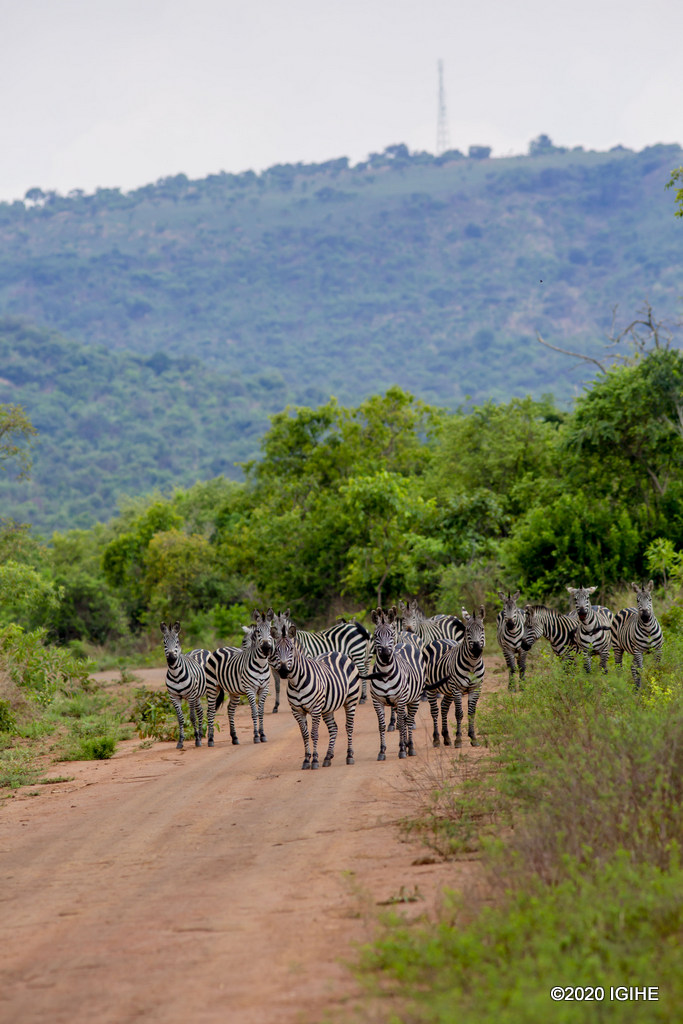
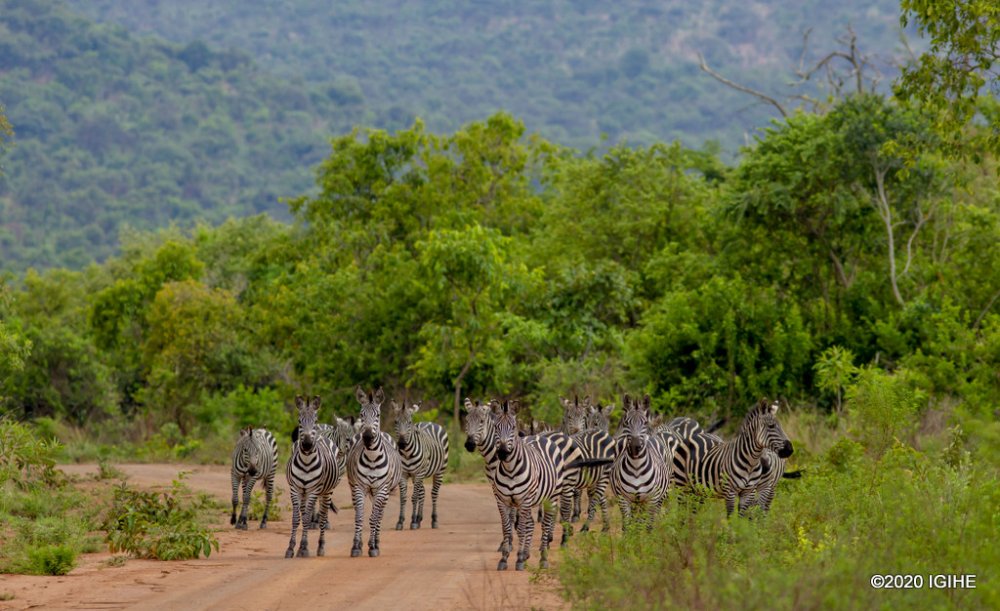
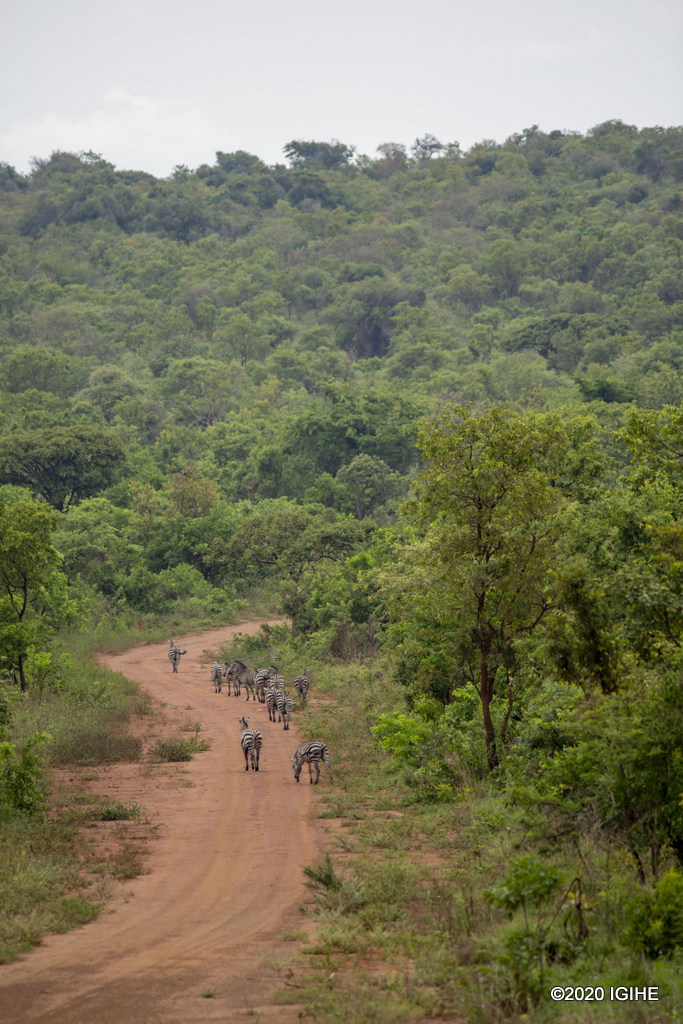
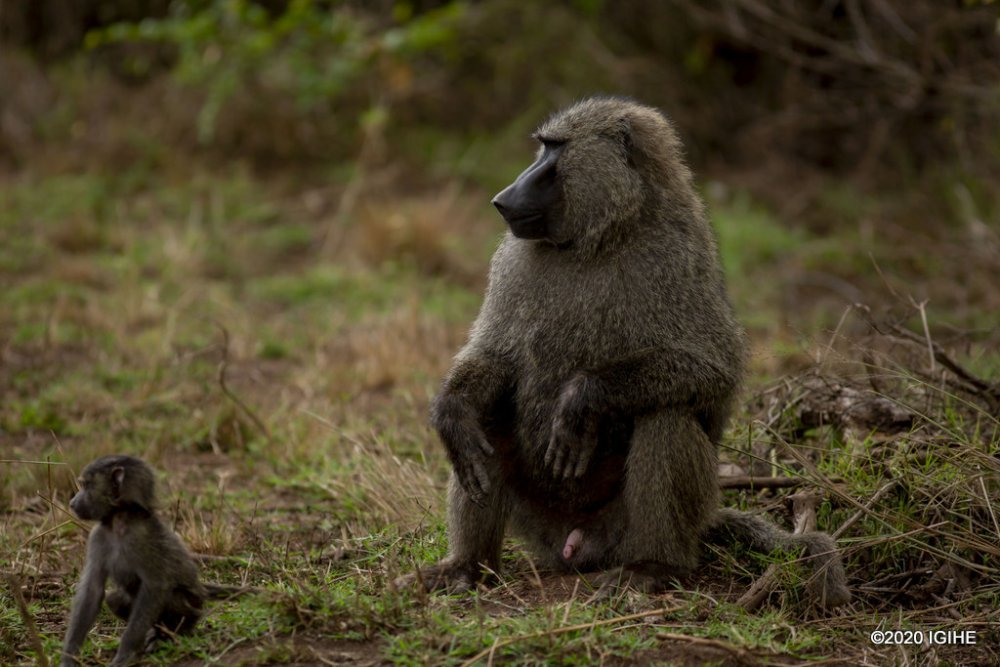
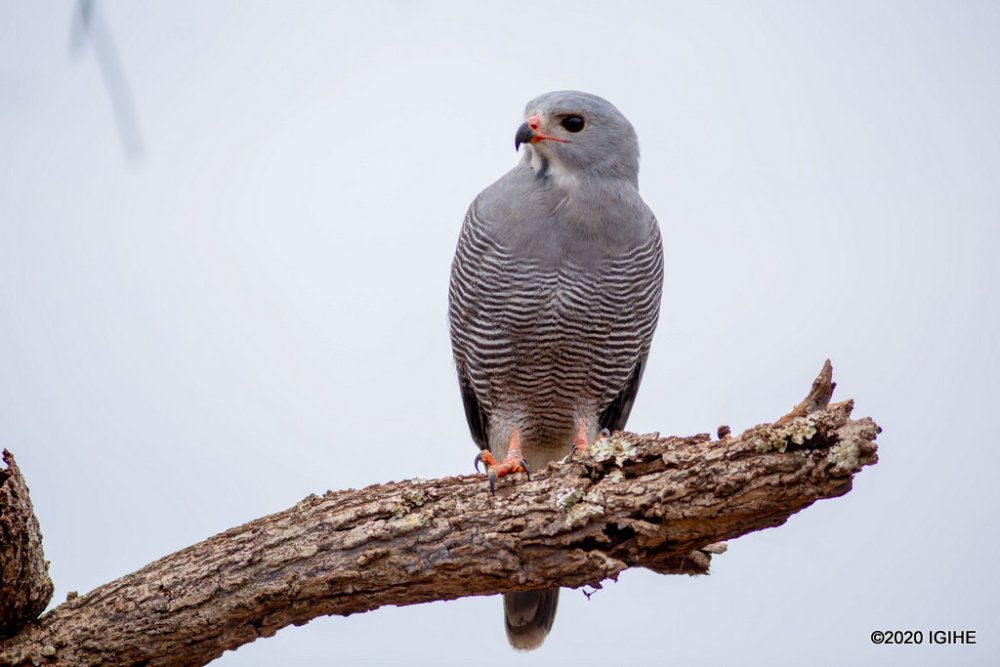
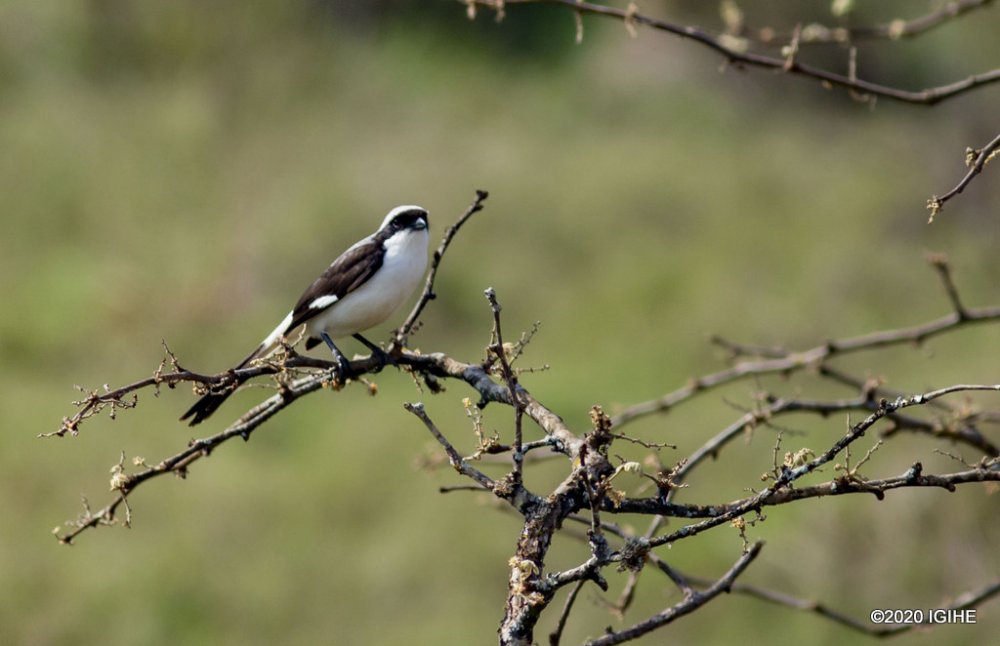
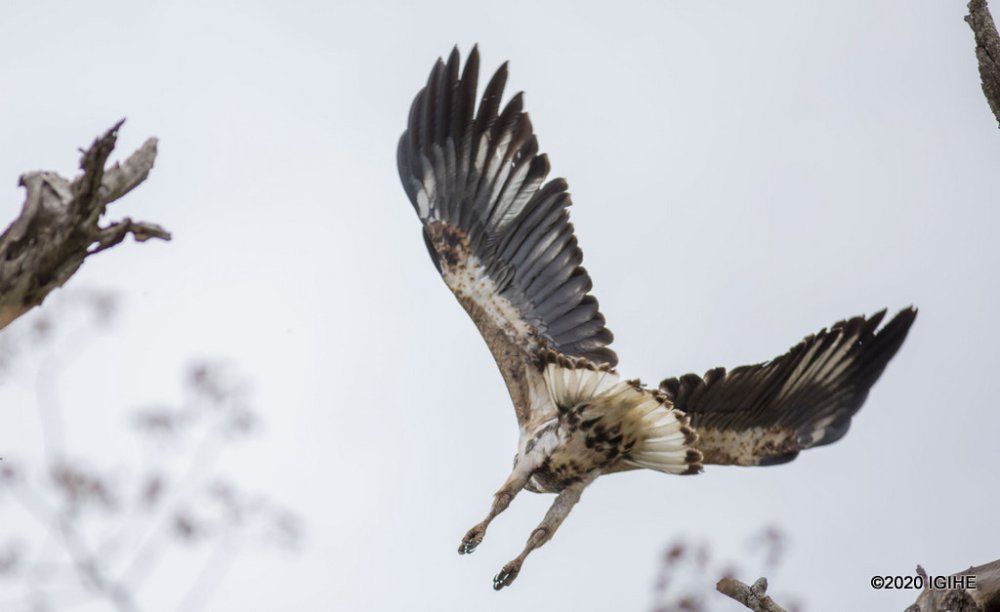
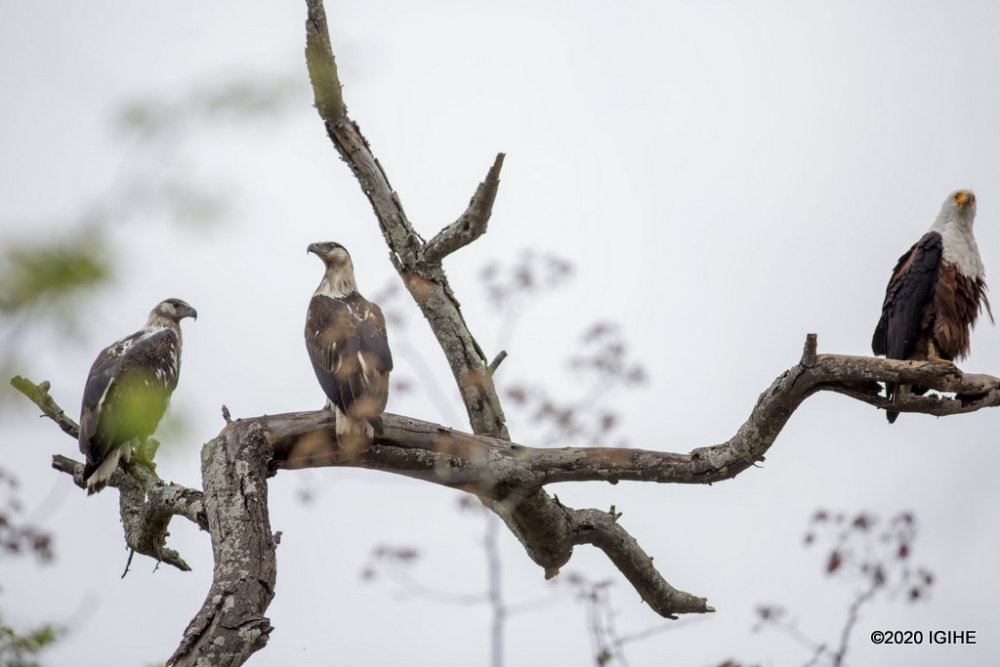
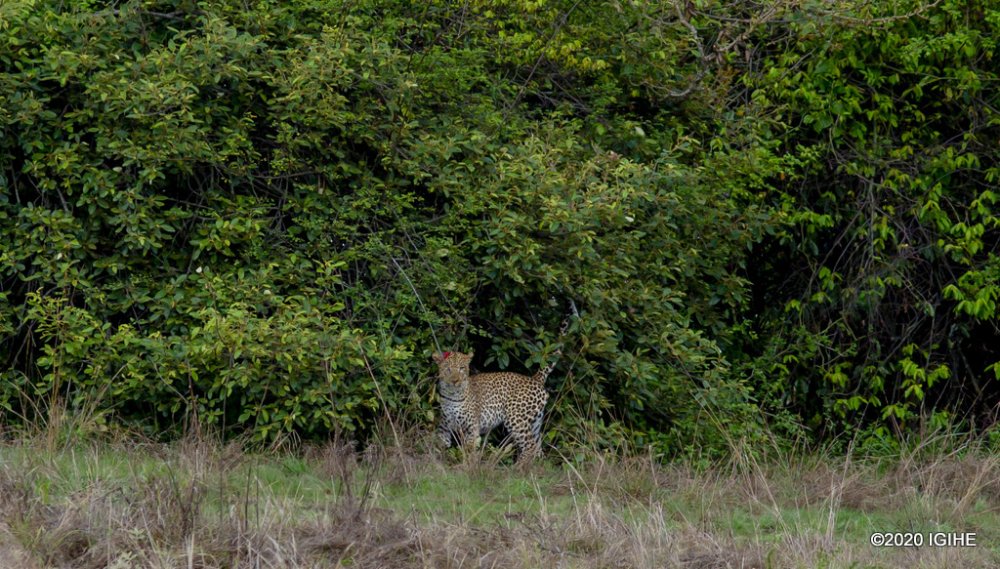
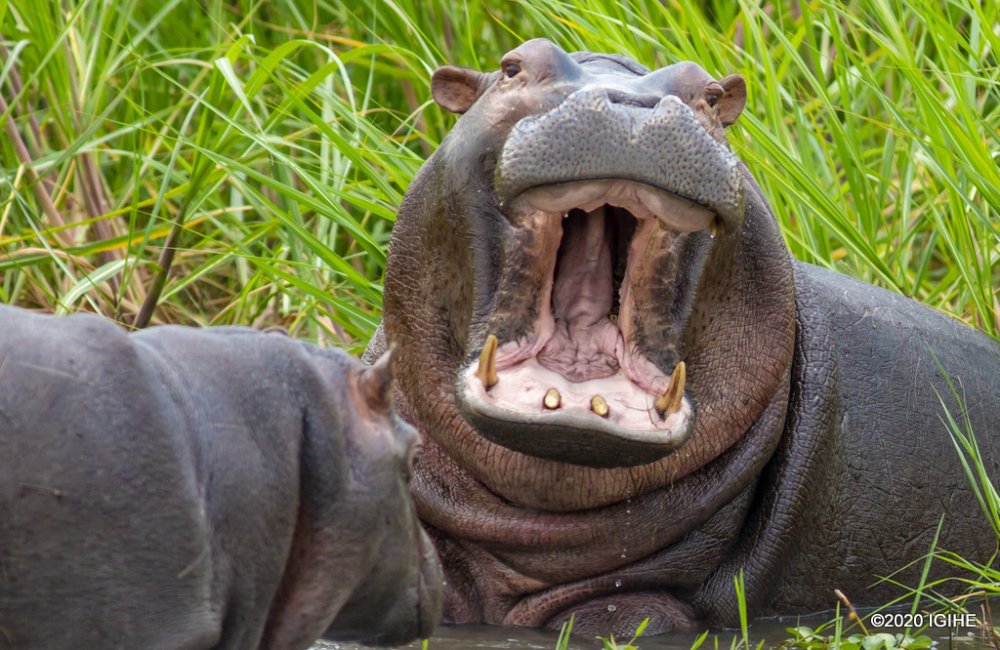
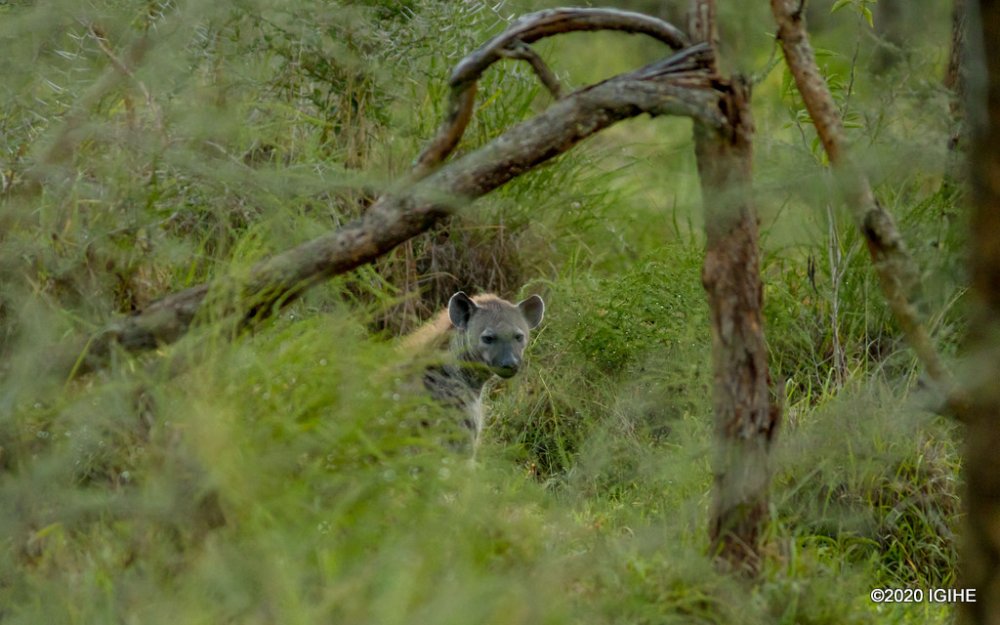
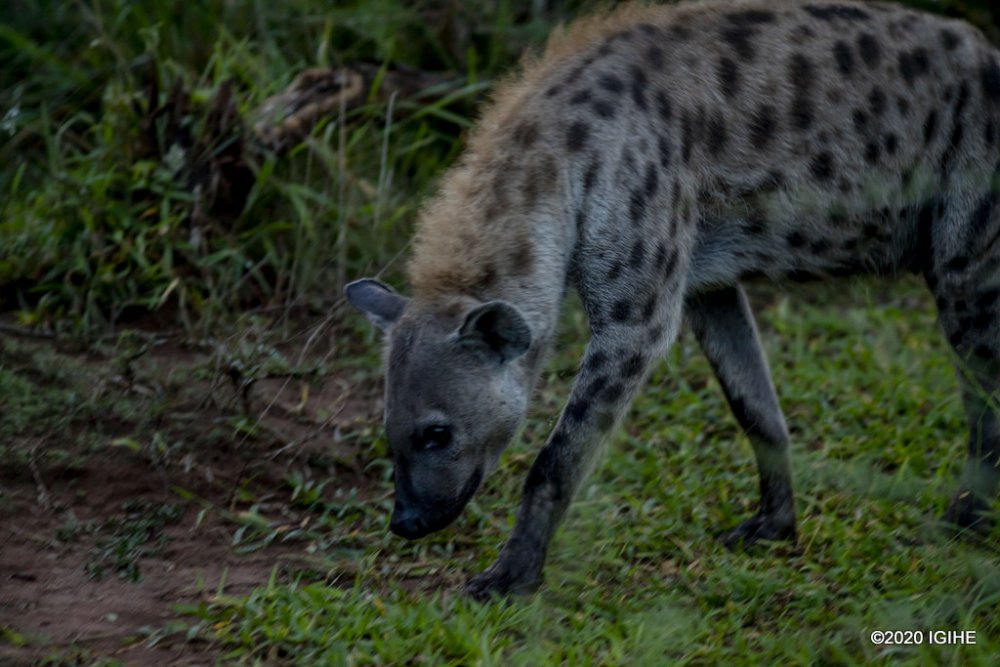
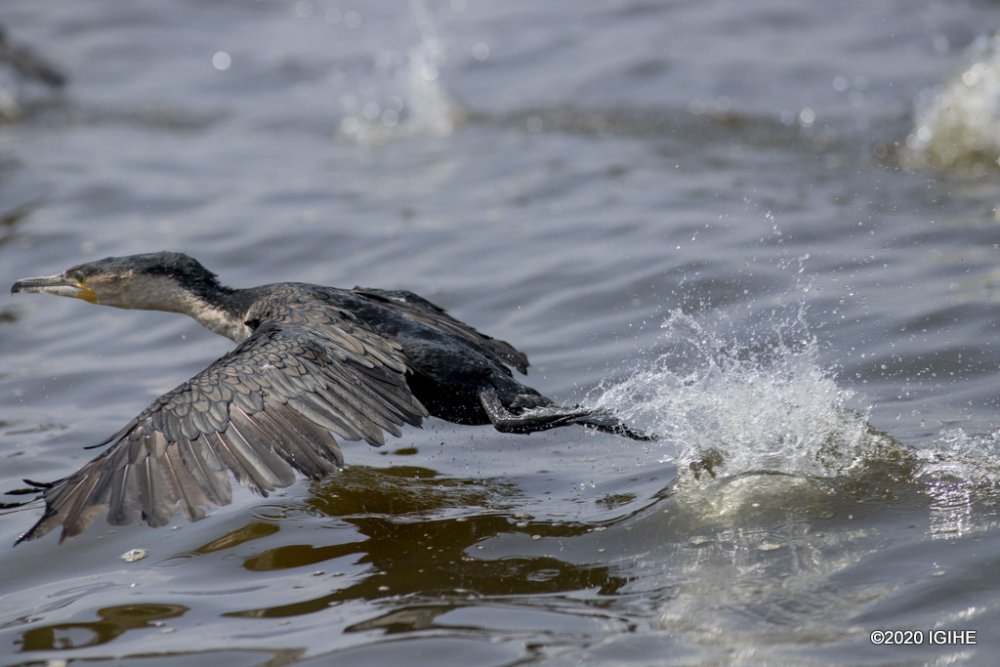
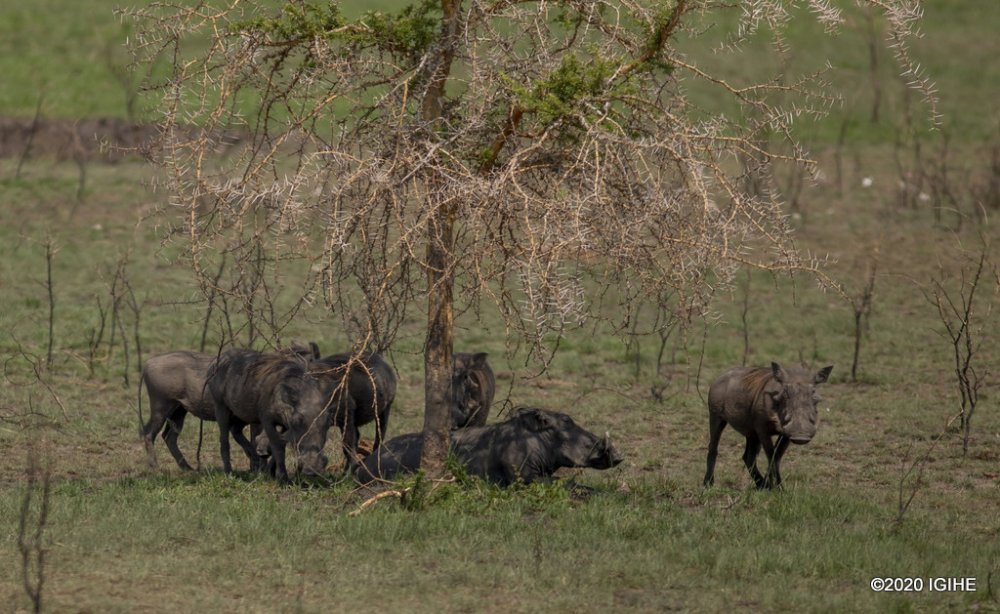
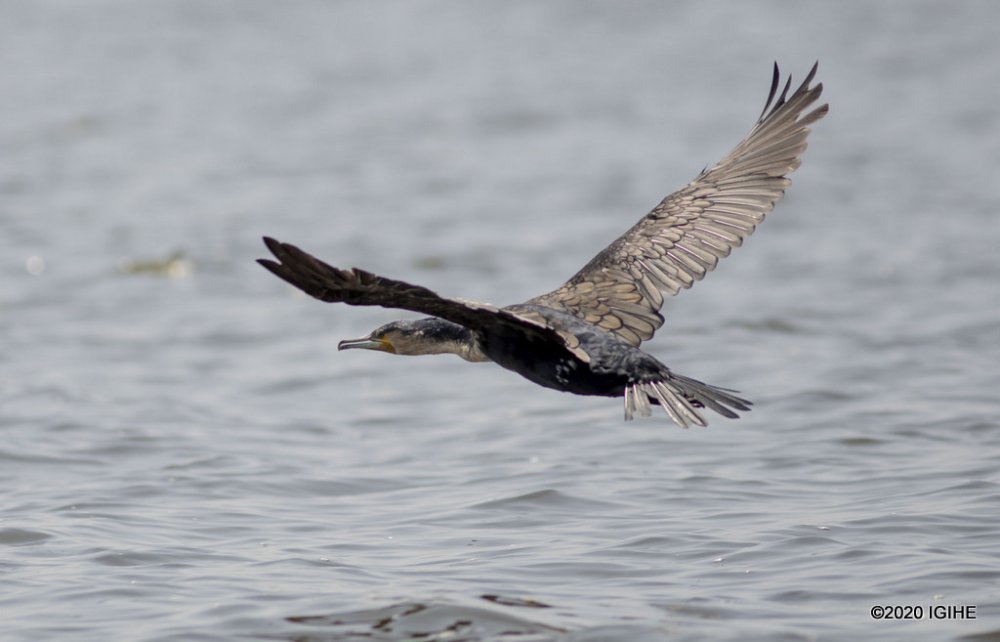
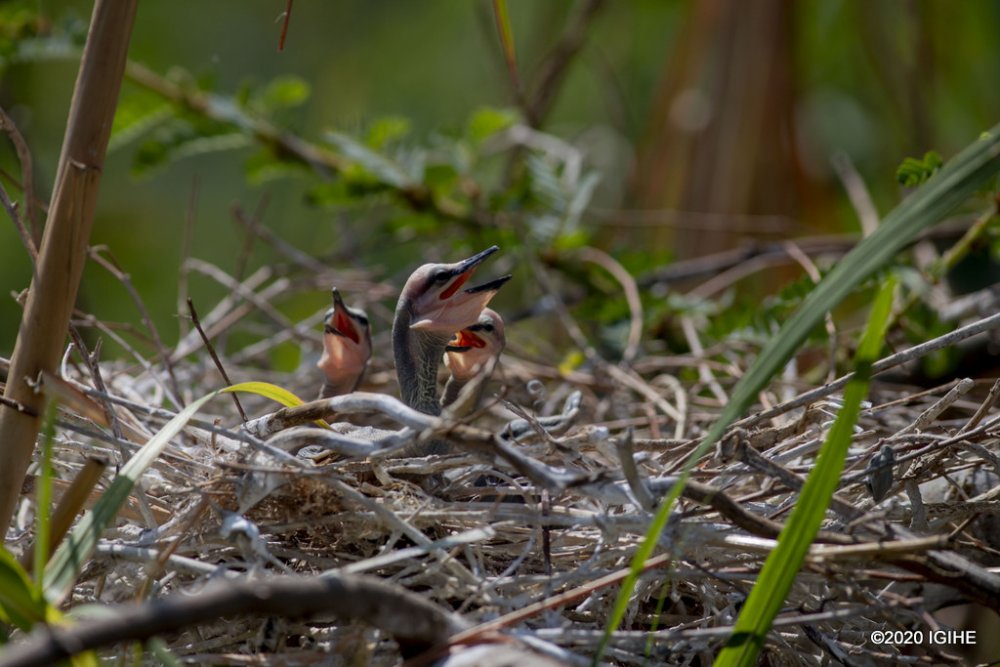
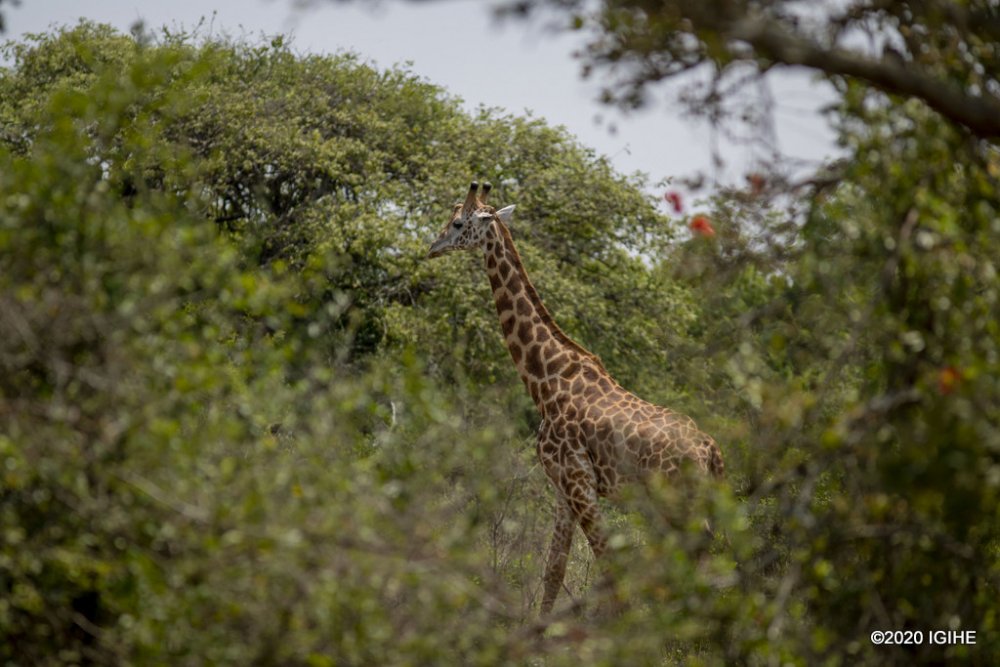
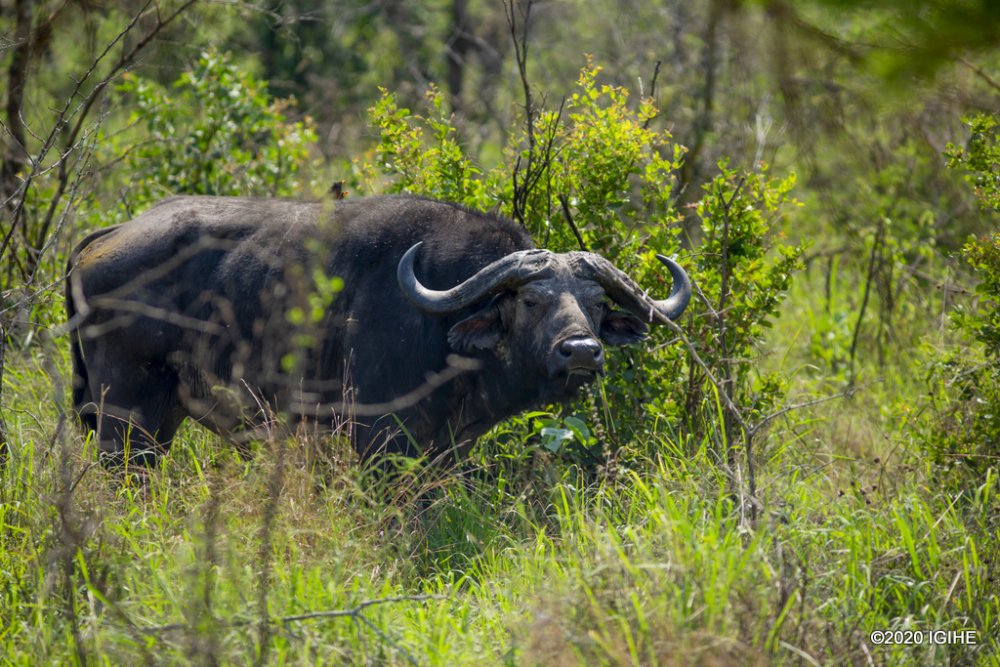
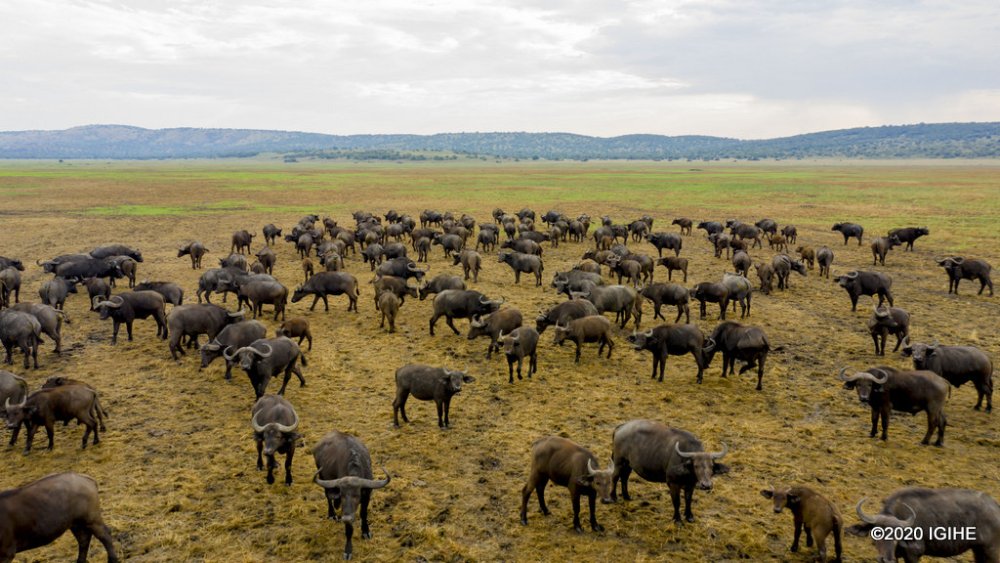
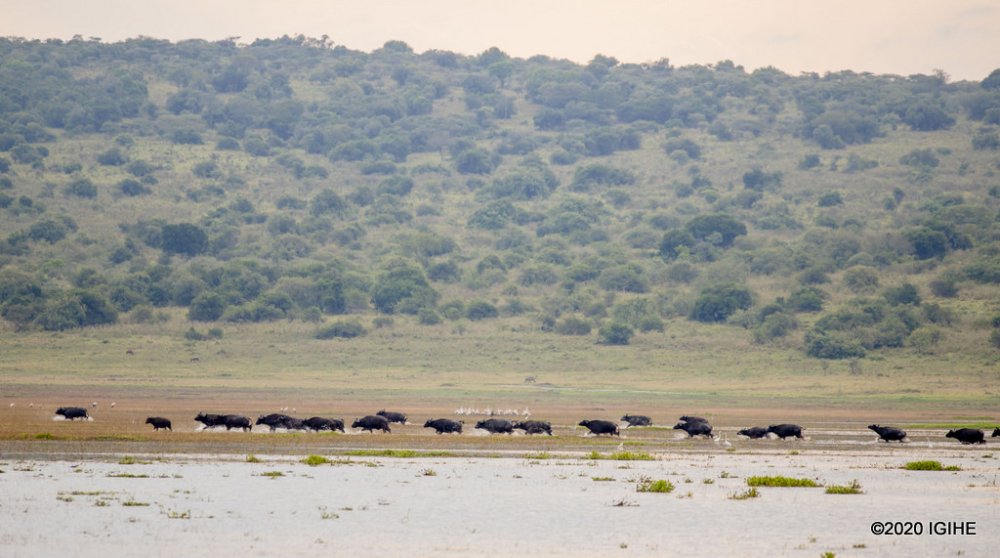
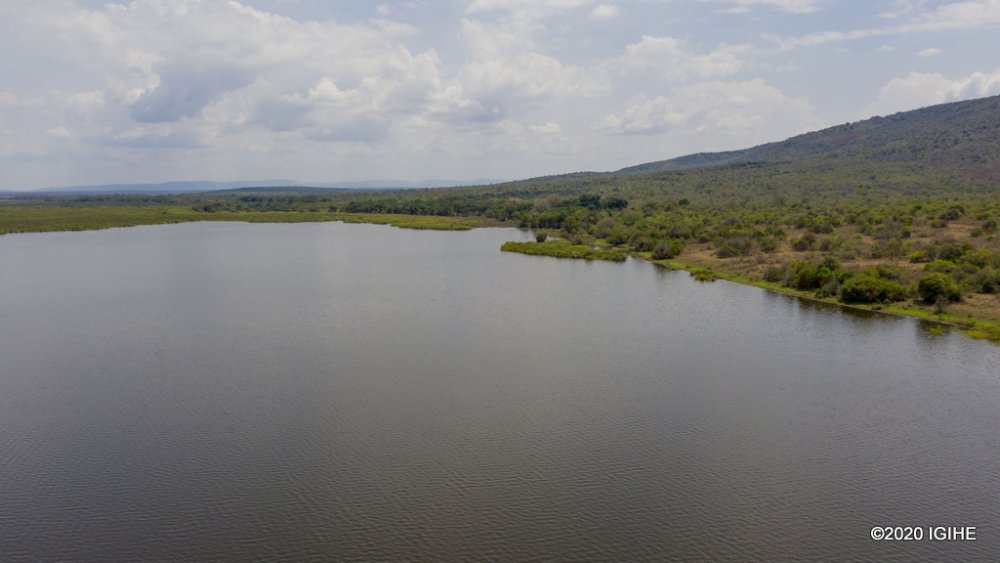
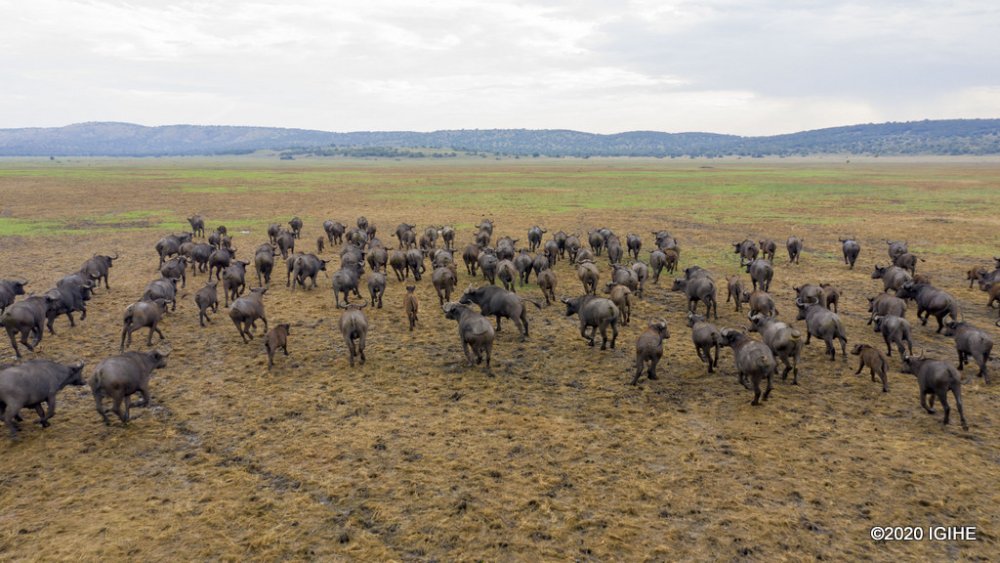
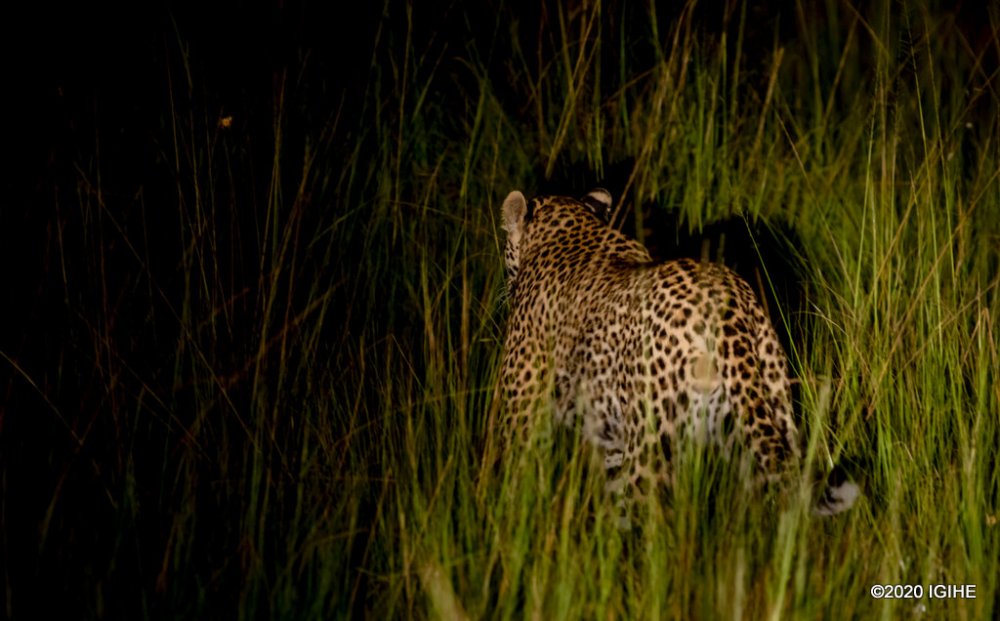
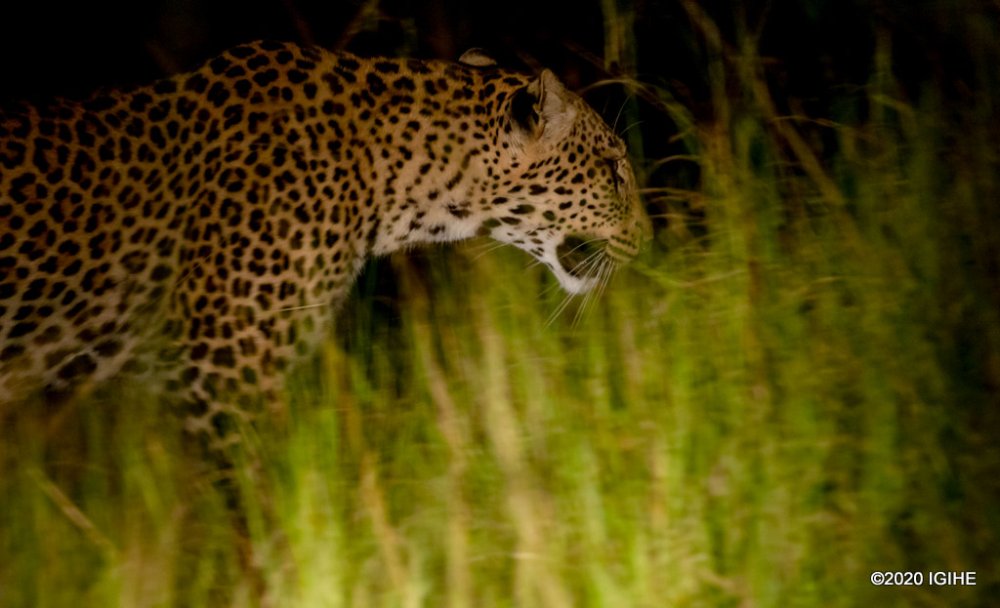
A hippopotamus has large, powerful teeth.Elephants have a remarkable ability to remember.One of the bird species found in Akagera, known as the Black-headed Gonolek.Old buffaloes often move alone.A hippo that left the water to graze on land.A leopard should not be approached carelessly, although spotting one is already a rare experience.Bush pigs, sometimes mistaken by some people pigs, are also found in Akagera National Park.Rhinos are strong animals with a horn on their nose, which they use for defence and fighting.Crocodiles are often hiddenHippos are powerful aquatic animals, although they also come out of the water to graze on land.Hyenas are often spotted in the evening.Without knowing it, one could mistake a buffalo for an unusual-looking cow.Akagera National Park is made up of plains, low hills and lakes.Elephants are among the most respected animals in the park.Elephants crossing the road, with their calf following behind.In the park, all wildlife moves freely, whether birds in the sky, aquatic animals in water, or land animals.Buffaloes are sometimes found gathered in large herds.A lion is known as the king of the jungle.
On a monthly basis, the general PPI rose 0.4 percent between May and June 2026.
The report, which tracks prices received by domestic producers across mining, manufacturing, and utilities, showed divergent trends between goods sold locally and those destined for export. The local PPI increased 20.6 percent year-on-year and 0.8 percent month-on-month, while the export PPI rose 29.2 percent annually but fell 3.3 percent from May to June.
Mining leads the surge
Mining and quarrying prices jumped 76.5 percent year-on-year and 2.9 percent month-on-month, making it the single largest driver of the overall increase despite accounting for only a small share of the general index by weight. In the export index, where mining carries a much larger weighting, the sector’s growth was the dominant factor behind the annual gain.
A split picture for manufacturers
Manufacturing prices told two different stories depending on the market. For goods sold locally, manufacturing prices rose 19.3 percent year-on-year and 0.9 percent month-on-month, with beverages up 31.9 percent and food products up 20.3 percent over the year. Textiles were the exception, falling 7.2 percent annually.
For exporters, manufacturing prices moved in the opposite direction, falling 12.3 percent year-on-year and 9.8 percent month-on-month, with export food products down 15.2 percent annually.
Electricity, gas, steam and air conditioning supply prices rose 34.8 percent year-on-year, though they were unchanged on a monthly basis. Water supply and sewerage prices were flat both annually and monthly.
Why it matters
The Producer Price Index tracks the prices businesses receive for their goods before they reach consumers. Higher producer prices can eventually lead to higher prices for shoppers if companies pass on the extra costs.
The PPI is compiled using a monthly chained Laspeyres-type formula, with prices collected at the factory gate around the midpoint of each month. Weights are based on the value of output reported in the 2024 National Accounts.
Producer prices in Rwanda climbed 22.3 percent in June 2026 compared to the same month last year, driven largely by a sharp surge in mining prices, according to the latest Producer Price Index (PPI) report released by the National Institute of Statistics of Rwanda (NISR).