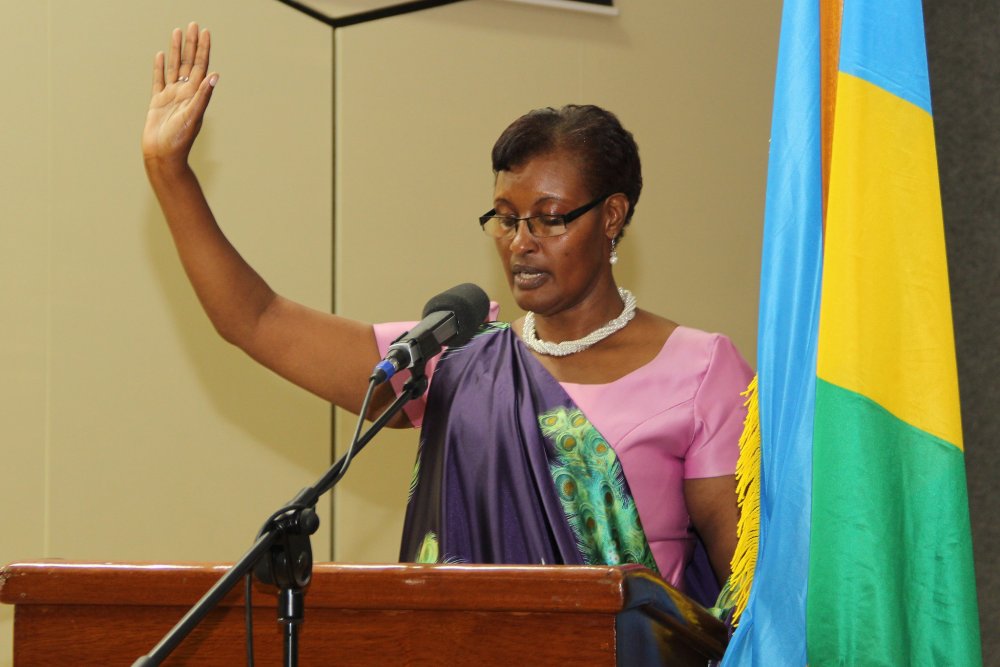
The late Donatille Mukabalisa, who served as Speaker of Rwanda’s Chamber of Deputies for 11 years, oversaw some of the country’s most significant legislative and constitutional reforms, from amendments to the Constitution to the synchronisation of presidential and parliamentary elections.
Mukabalisa died on July 30, 2026, after an illness while receiving treatment at King Faisal Hospital in Kigali. She was widely remembered by colleagues as a consensus builder whose leadership coincided with a period of major institutional reforms.
First elected to Parliament following the post-1994 transition period, Mukabalisa served in both chambers before being elected Speaker of the Chamber of Deputies in 2013, a position she held until August 2024. Following her tenure in the Lower House, she returned to the Senate, where she served until her passing.
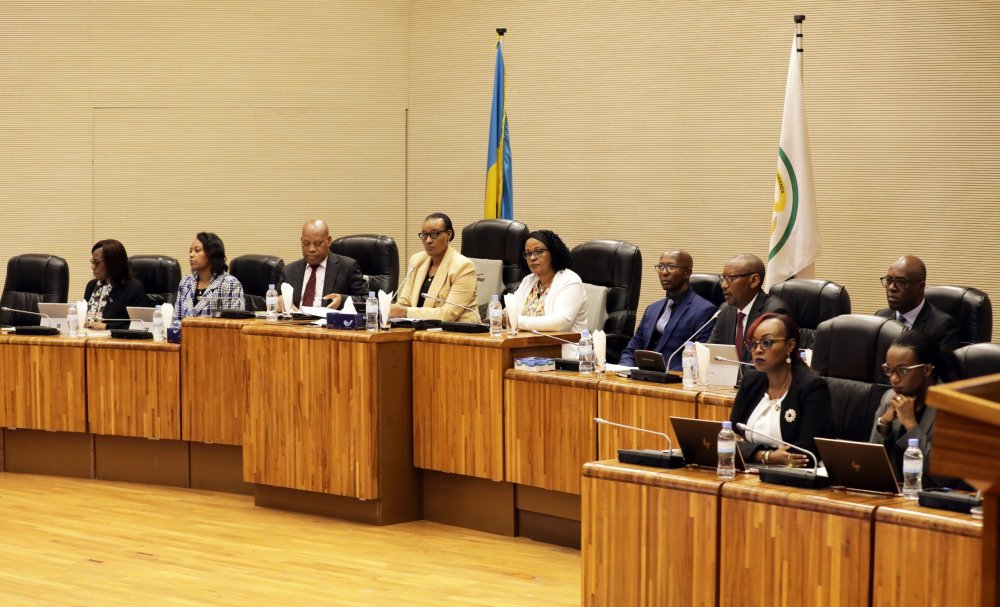
Overseeing constitutional reform
One of the defining moments of Mukabalisa’s tenure came in 2015, when Parliament processed a constitutional amendment following a petition signed by more than four million Rwandans requesting changes that would allow President Paul Kagame to remain eligible for office.
Under the Constitution in force at the time, the President was limited to two seven-year terms. Kagame, first elected in 2003, was due to complete his second term in 2017.
Following the amendment, Article 101 was revised to introduce five-year presidential terms after a transitional seven-year term. The changes were later approved in a national referendum.
The process required Parliament to manage a politically significant constitutional review while building consensus among lawmakers.
Serge Guillaume Nzabonimana, who served as Mukabalisa’s adviser between 2014 and 2020, said Parliament handled the process in accordance with public expectations.
“Parliament received petitions from about four million people across the country. Reviewing, verifying and processing such a large number of submissions was a major undertaking, but it was completed in line with what citizens had requested,” he said.
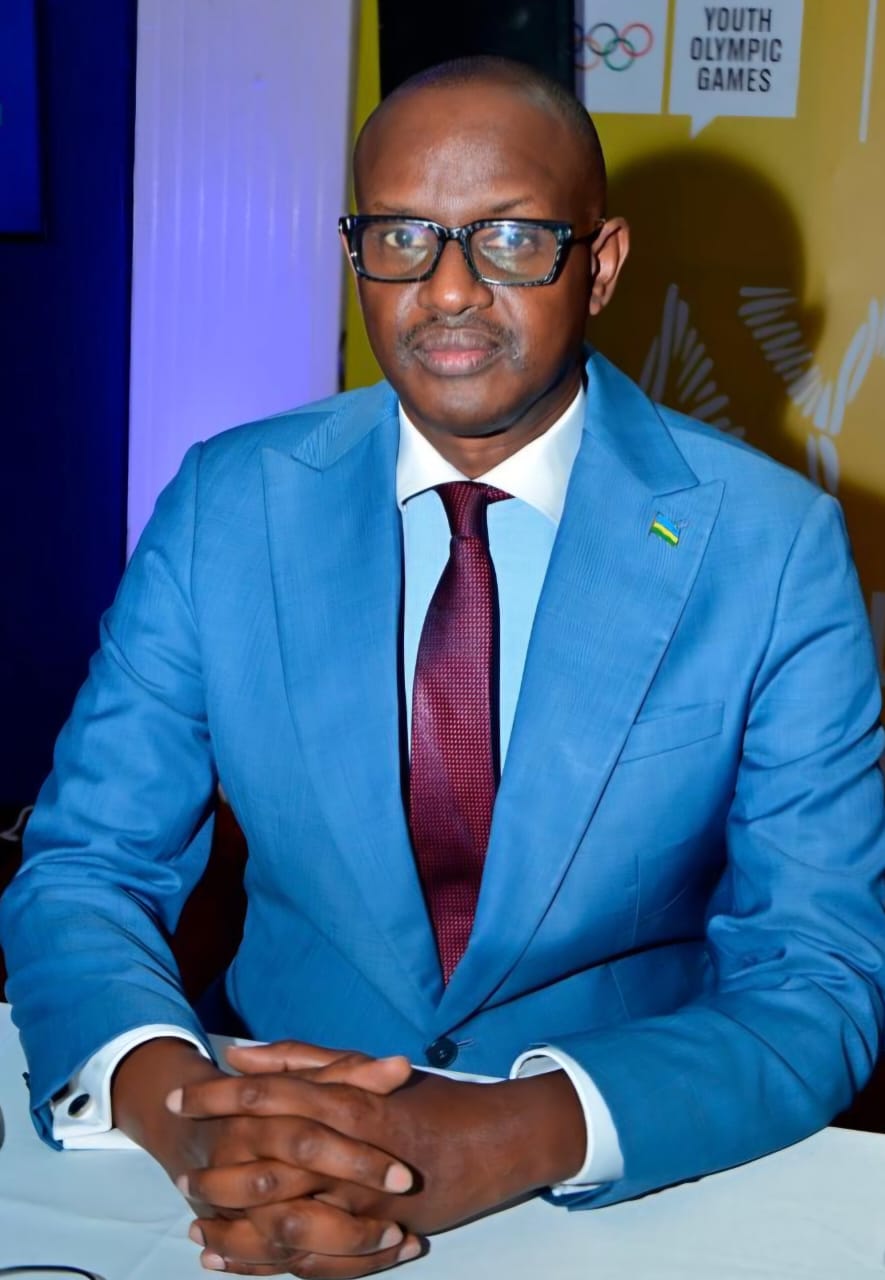
Strengthening parliamentary oversight
Mukabalisa’s leadership also coincided with a period of sustained economic growth and expanding public expenditure, prompting Parliament to intensify its oversight of government institutions.
After lawmakers were sworn in following the 2013 parliamentary elections, President Kagame urged them to ensure government programmes served citizens’ interests.
Parliament subsequently increased scrutiny of government performance and public spending, seeking to identify weaknesses in service delivery and ensure accountability in the management of public resources.
Sheikh Musa Fazil Harerimana, a former Deputy Speaker and MP who served alongside Mukabalisa, said Parliament played a more prominent oversight role as Rwanda’s economy expanded.
He argued that stronger parliamentary oversight helped improve accountability among public officials and contributed to reducing financial irregularities highlighted in successive reports by the Office of the Auditor General.
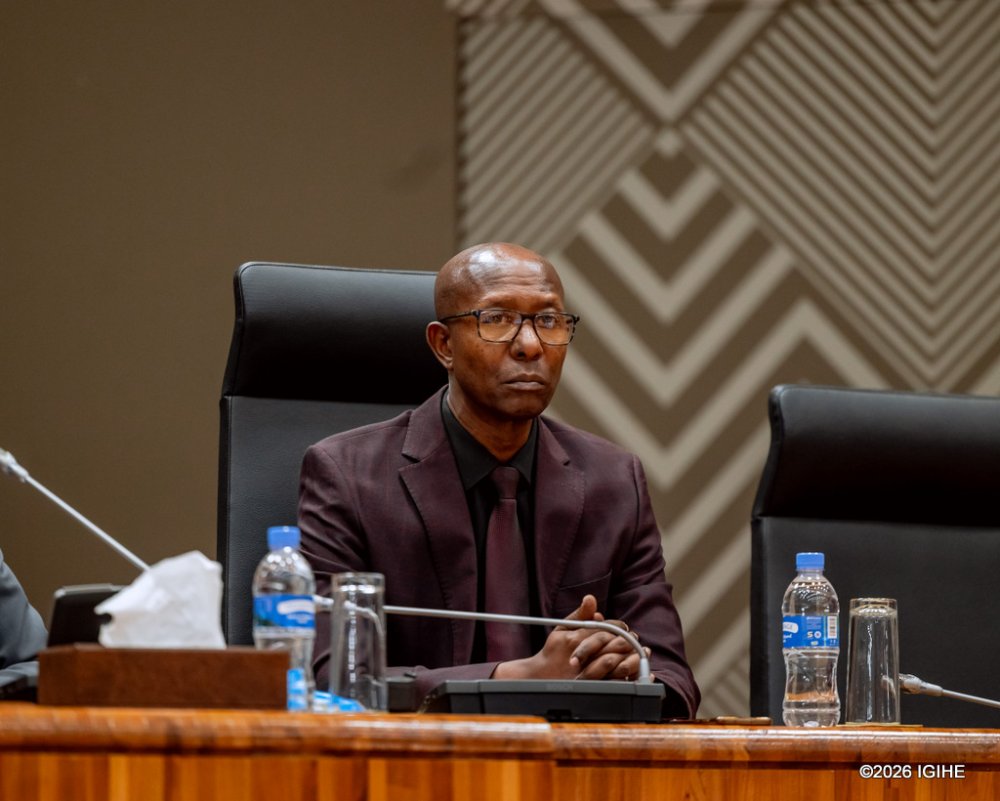
Landmark legislation
During Mukabalisa’s tenure, Parliament adopted several laws that reshaped different aspects of Rwanda’s legal framework.
Among them was the 2016 law governing persons and the family, which sought to modernize family law and provide clearer mechanisms for resolving domestic disputes.
Parliament also enacted tax reforms aimed at strengthening domestic revenue mobilisation and reducing reliance on external financing.
The Penal Code and criminal procedure frameworks updated during her tenure were aligned with Rwanda’s broader national policy promoting alternative dispute resolution (ADR), including mediation and plea bargaining.
Lawmakers also passed legislation governing healthcare services, including provisions on reproductive health, assisted reproductive technologies (ART), and surrogacy.
A revised labour law adopted in 2018 required the responsible minister to establish a national minimum wage through a ministerial order, although that order has yet to be issued.
Additional legislation enacted during Mukabalisa’s tenure covered areas including land administration, commerce, taxation, justice, technology and the creative sector.
Aligning presidential and parliamentary elections
Another notable institutional reform during Mukabalisa’s leadership was the decision to hold presidential and parliamentary elections simultaneously.
Since 2003, Rwanda had held the two elections separately because members of Parliament served five-year terms while the President served seven-year terms.
After the 2015 constitutional amendment reduced presidential terms to five years beginning in 2024, the government decided to synchronize both elections to reduce costs and improve electoral efficiency.
Raising Rwanda’s parliamentary profile
According to Nzabonimana, Mukabalisa also strengthened Parliament’s engagement with legislatures abroad, helping expand Rwanda’s parliamentary diplomacy.
She frequently represented Rwanda at international forums, where she highlighted the country’s progress in promoting women’s participation in leadership.
Rwanda continues to rank among the world’s leading countries in female parliamentary representation, with women holding 63.8% of seats in the Chamber of Deputies and 50% in the Senate.
During her tenure as Speaker, Mukabalisa oversaw Parliament’s core responsibilities, including passing legislation, scrutinising government performance and representing citizens’ interests.
Colleagues remember her as a consultative and experienced leader who approached public service with humility and a strong commitment to consensus-building.
Leave a Reply