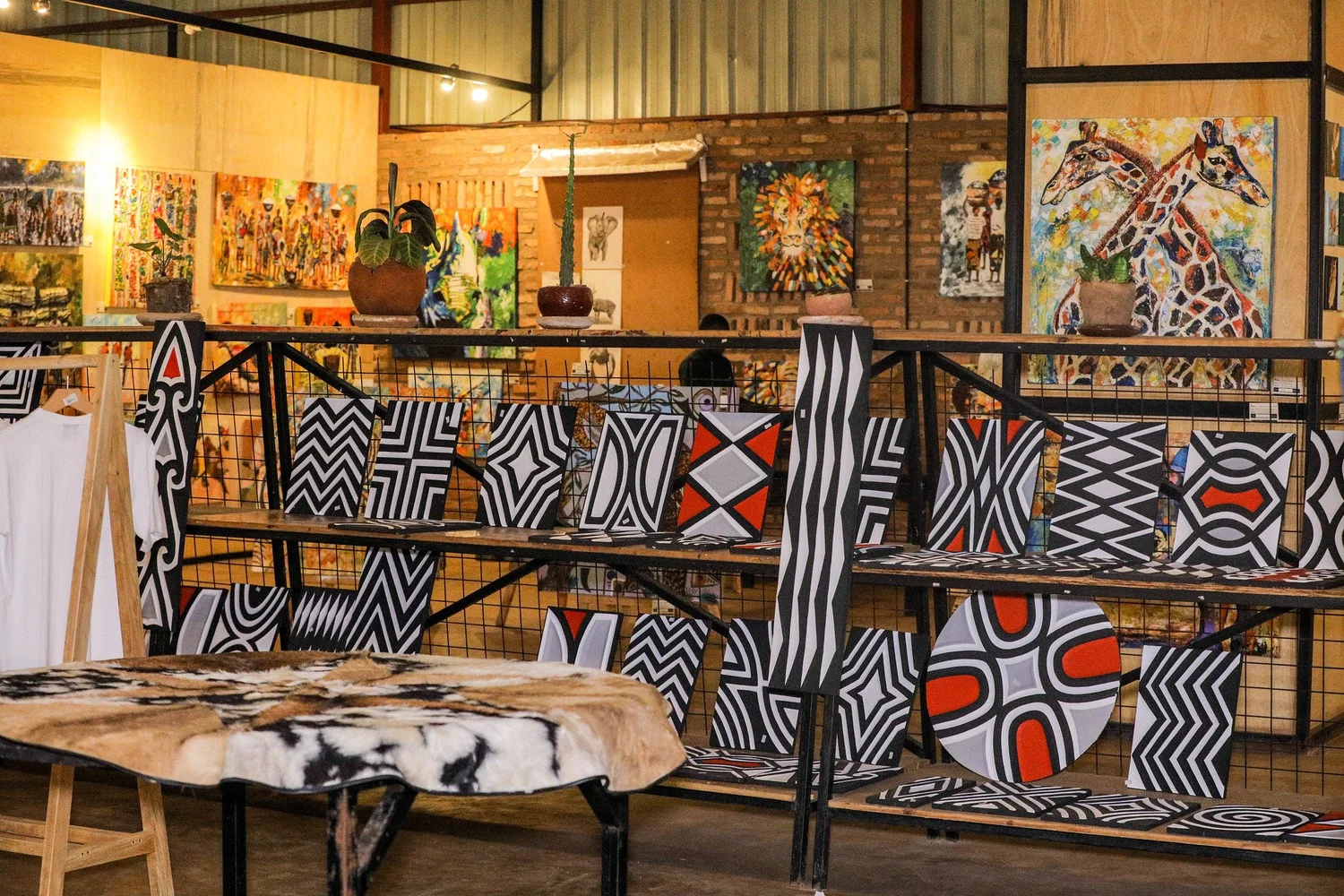
Known for its distinctive geometric patterns and natural colours, Imigongo has been passed down through generations, preserving stories of Rwanda’s history while creating opportunities for local artists.
The tradition is believed to have started in the 18th century in the former Gisaka Kingdom, located in what is now Ngoma District in Rwanda’s Eastern Province.
According to Rwandan tradition, Imigongo was introduced by Prince Kakira, the son of King Kimenyi of Gisaka. It is said that he used cow dung mixed with natural materials to decorate the interior walls of his home, creating beautiful patterns that later inspired a wider artistic practice.
Although cow dung may appear unusual as an artistic material, it held great cultural value in traditional Rwandan society. Cattle were considered a symbol of wealth, dignity, and social importance, and products from cattle were commonly used in daily life. ‘
Turning cow dung into decorative art reflected the creativity of Rwandans and their ability to make meaningful things from available resources.
The process of creating Imigongo requires patience and skill. Artists traditionally mix cow dung with materials such as ash and soil before applying the mixture onto wooden boards or walls to form raised patterns.
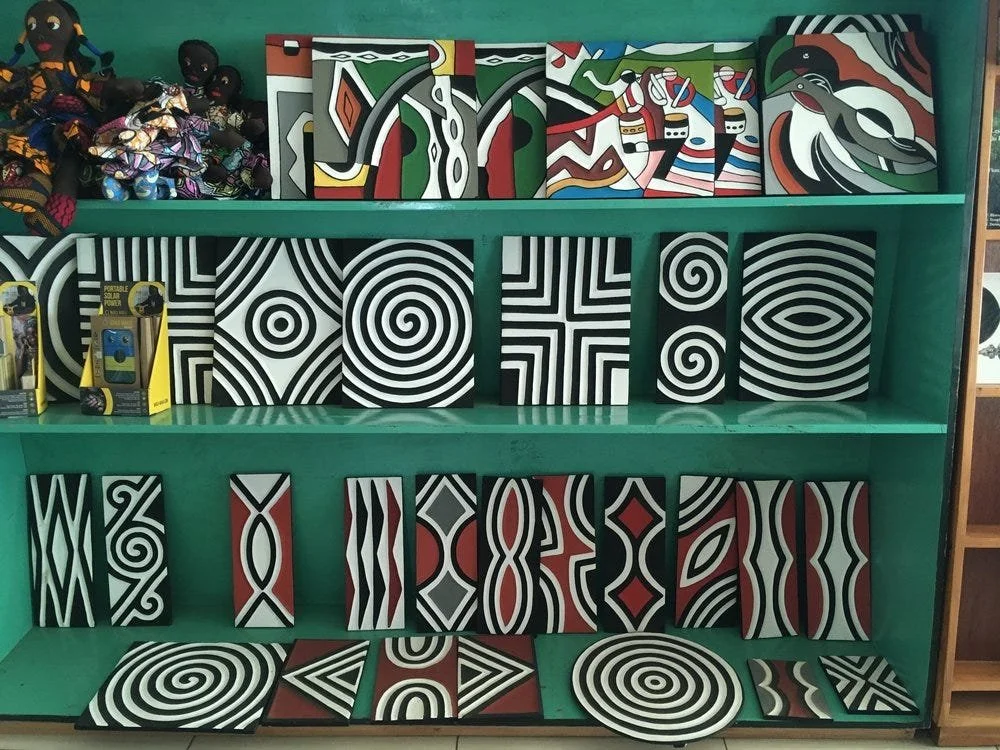
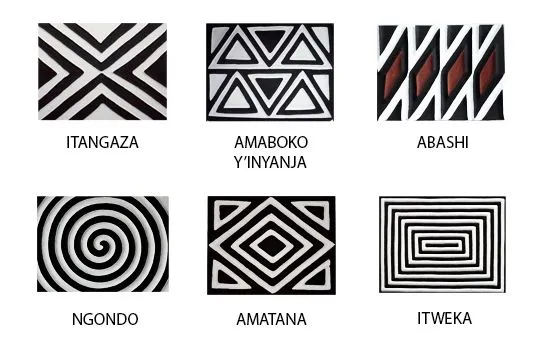
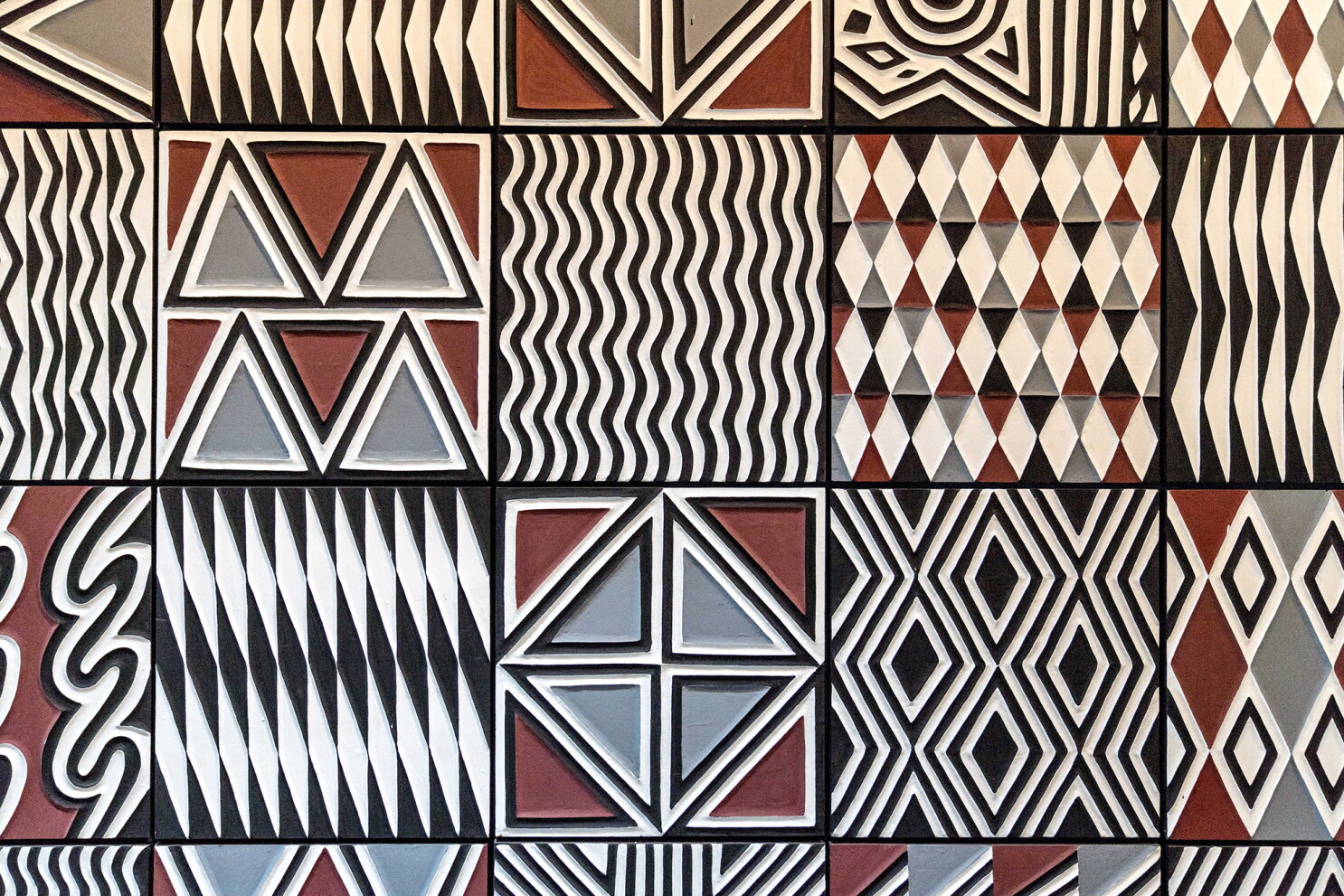
Once the designs dry, they are painted using natural colours that were traditionally made from locally available materials. The colours and shapes often carry cultural meanings, with many artworks featuring carefully arranged lines, spirals, and diamond-like patterns.
For many years, Imigongo has been closely associated with Rwandan women, who have played a major role in keeping the tradition alive.
Mothers passed the skills to younger generations, ensuring that the craft remained part of Rwanda’s cultural identity. Over time, women’s cooperatives were established, allowing artists to preserve the tradition while also earning income to support their families.
Imigongo became an important source of empowerment for many women who were rebuilding their lives.
Through cooperatives, artists found opportunities to work together, develop their skills, and contribute to Rwanda’s economic recovery while protecting a valuable part of the country’s heritage.
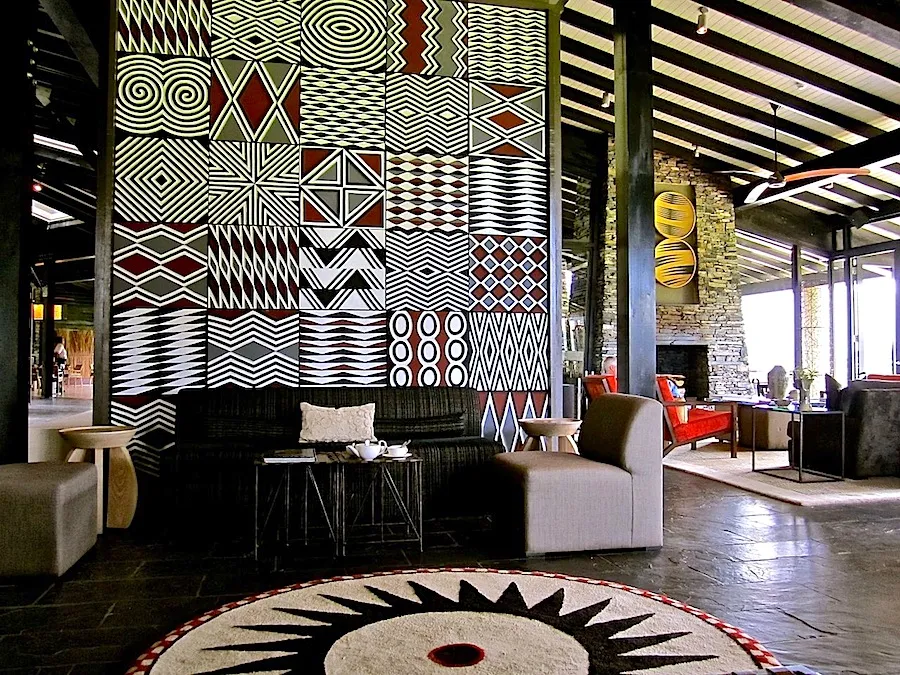
Today, Imigongo has moved beyond traditional homes and has become recognised as one of Rwanda’s important cultural products.
The artwork can be seen in hotels, offices, galleries, and homes, while many visitors purchase Imigongo pieces as souvenirs that represent Rwanda’s creativity and traditions.
Modern artists have also introduced new techniques and colours, allowing Imigongo to adapt to changing tastes while maintaining its traditional roots. Despite these changes, the heart of Imigongo remains the same: telling Rwanda’s story through art.
More than just a decoration, Imigongo represents the creativity, strength, and cultural pride of the Rwandan people.
It is a reminder that even ordinary materials can be transformed into something beautiful and meaningful when combined with imagination and tradition. Through the dedication of artists who continue to practice and promote it, Imigongo remains a living heritage connecting Rwanda’s past, present, and future.
Leave a Reply