The protocol was signed by the two countries’ culture ministers at the Museum of Byzantine Culture in Thessaloniki, northern Greece, in the presence of Greek Prime Minister Kyriakos Mitsotakis and Bulgarian Prime Minister Rumen Radev.
The 48 artefacts are being displayed at the museum until November 5, 2026, after which they will be returned to their institutions of origin: the Monastery of Panagia Eikosifoinissa, the Monastery of Timios Prodromos in Serres, and the Holy Metropolis of Serres and Nigrita.
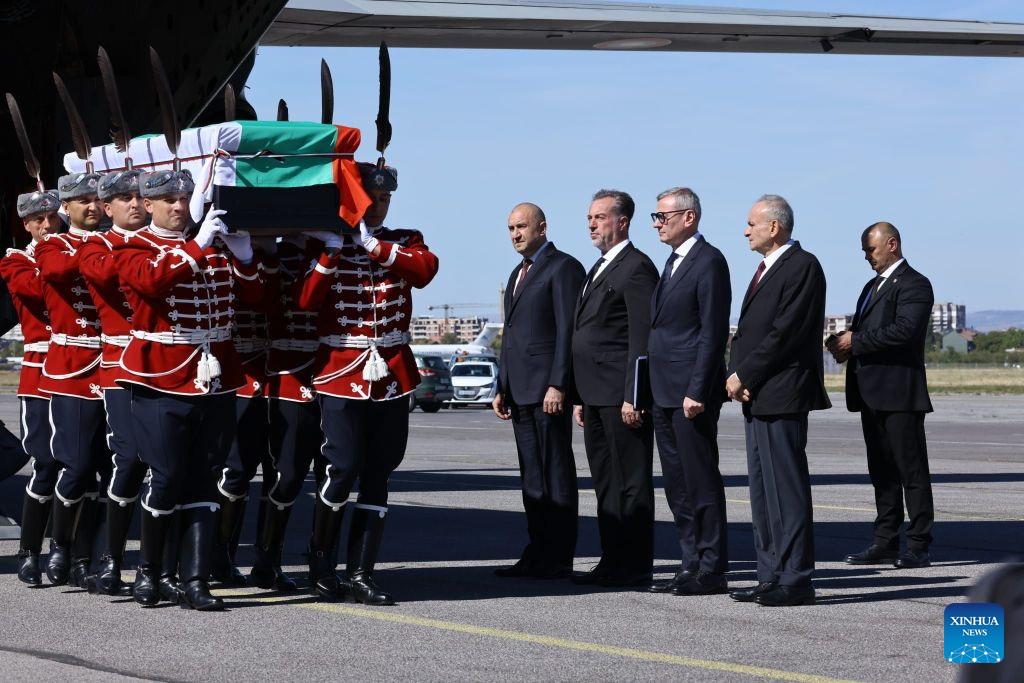
After the handover ceremony in Greece, the remains identified as those of Tsar Samuel, who ruled the First Bulgarian Empire from 997 to 1014, arrived in Bulgarian capital of Sofia on Saturday.
The remains were discovered in 1965 during archaeological excavations at the Basilica of St. Achillius in Prespa in northern Greece and have since been kept at the Museum of Byzantine Culture. The Prespa area was a center of Tsar Samuel’s rule in the late 10th century, and the basilica is believed to have been built by him as a major religious center.
The two countries also agreed to continue talks on identifying other historical objects of mutual interest that could be included in a future agreement.
Bulgarian Prime Minister Rumen Radev (1st L) and other officials welcome the remains identified as those of Tsar Samuel, who ruled the First Bulgarian Empire from 997 to 1014, at the airport in Sofia, Bulgaria, October 3, 2026. Greece and Bulgaria signed a protocol Saturday on the reciprocal handover of cultural artefacts, under which 48 Greek artefacts will return from Bulgaria, while Greece will hand over to Bulgaria the remains identified as those of medieval Bulgarian ruler Tsar Samuel.
The items were handed over in two batches in Washington and New York on Wednesday and Thursday by Homeland Security Investigations (HSI) and the Manhattan District Attorney’s Office, respectively.
At the return ceremonies, Rao Quan, vice minister of Culture and Tourism and administrator of the NCHA, signed the confirmation of the return and receipt on behalf of the Chinese side.
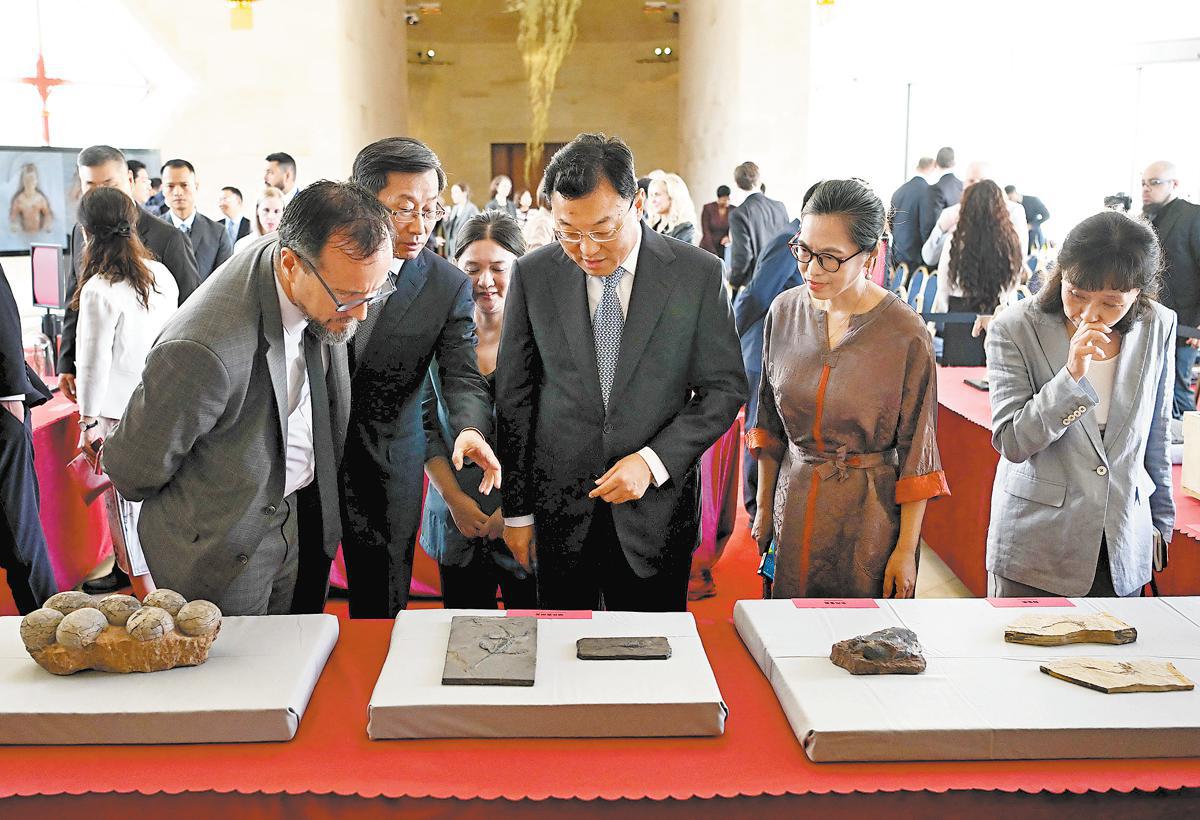
The returned items, seized by U.S. law enforcement agencies, include the torso of a bodhisattva statue from the Tianlongshan Grottoes, as well as statues, terracotta figures, dinosaur skeleton fossils, fish fossils and dinosaur egg fossils.
The NCHA said that it worked with Chinese diplomatic and consular missions in the United States and relevant U.S. authorities to facilitate the return of the artifacts and that this week’s return marked the fifth time the Manhattan District Attorney’s Office had returned cultural relics to China.
The latest repatriations are part of China-U.S. cooperation to combat illicit trafficking of Chinese cultural property under a memorandum of understanding signed in 2009 and renewed three times since.
Present at the ceremonies were Chinese Ambassador to the United States Xie Feng and Consul General in New York Chen Li, along with representatives from the U.S. State Department, the HSI and the Manhattan District Attorney’s Office.
Chinese Ambassador to the United States Xie Feng (Center) views some of the returned relics at a handover ceremony on Sept 16, 2026 in Washington, DC.
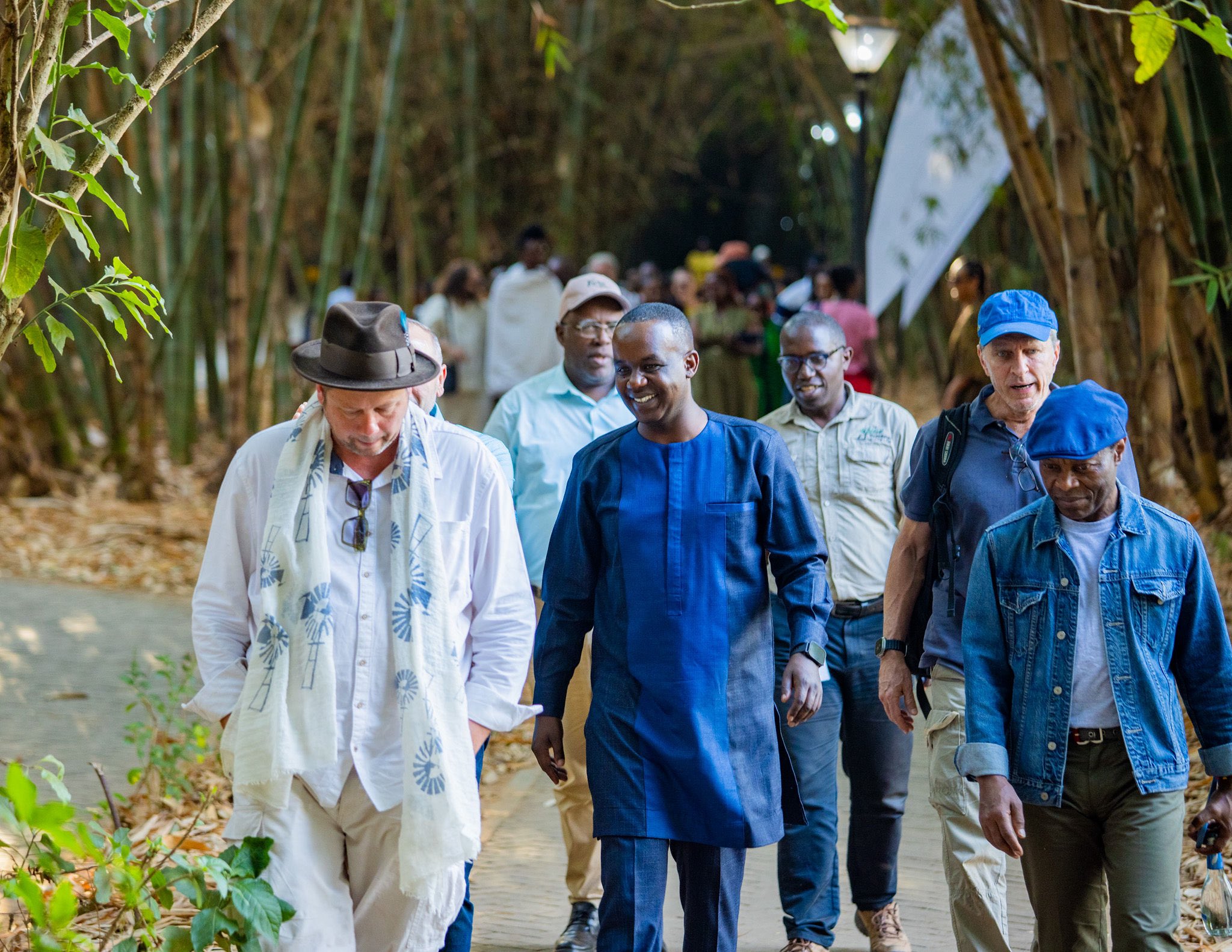
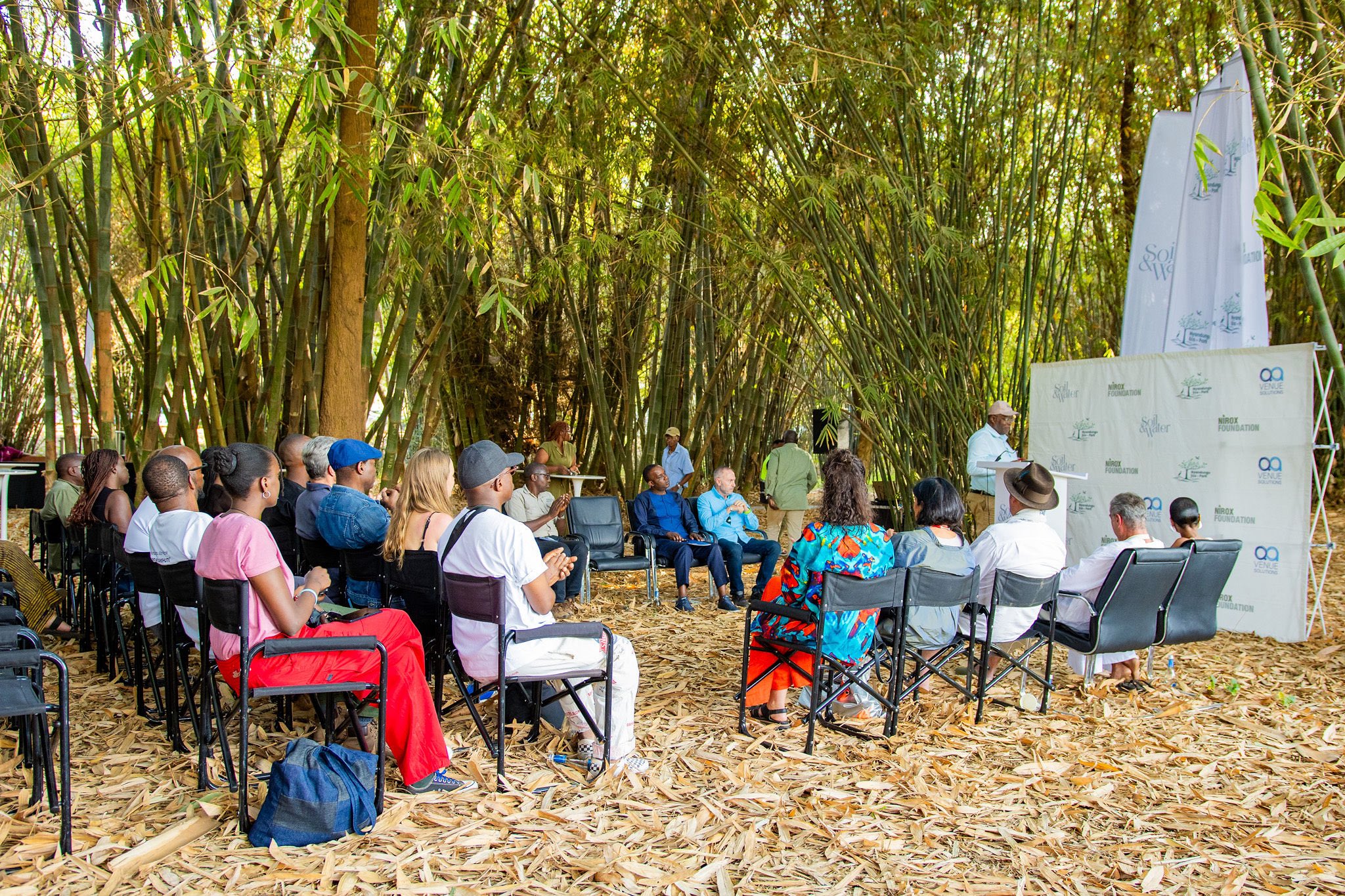
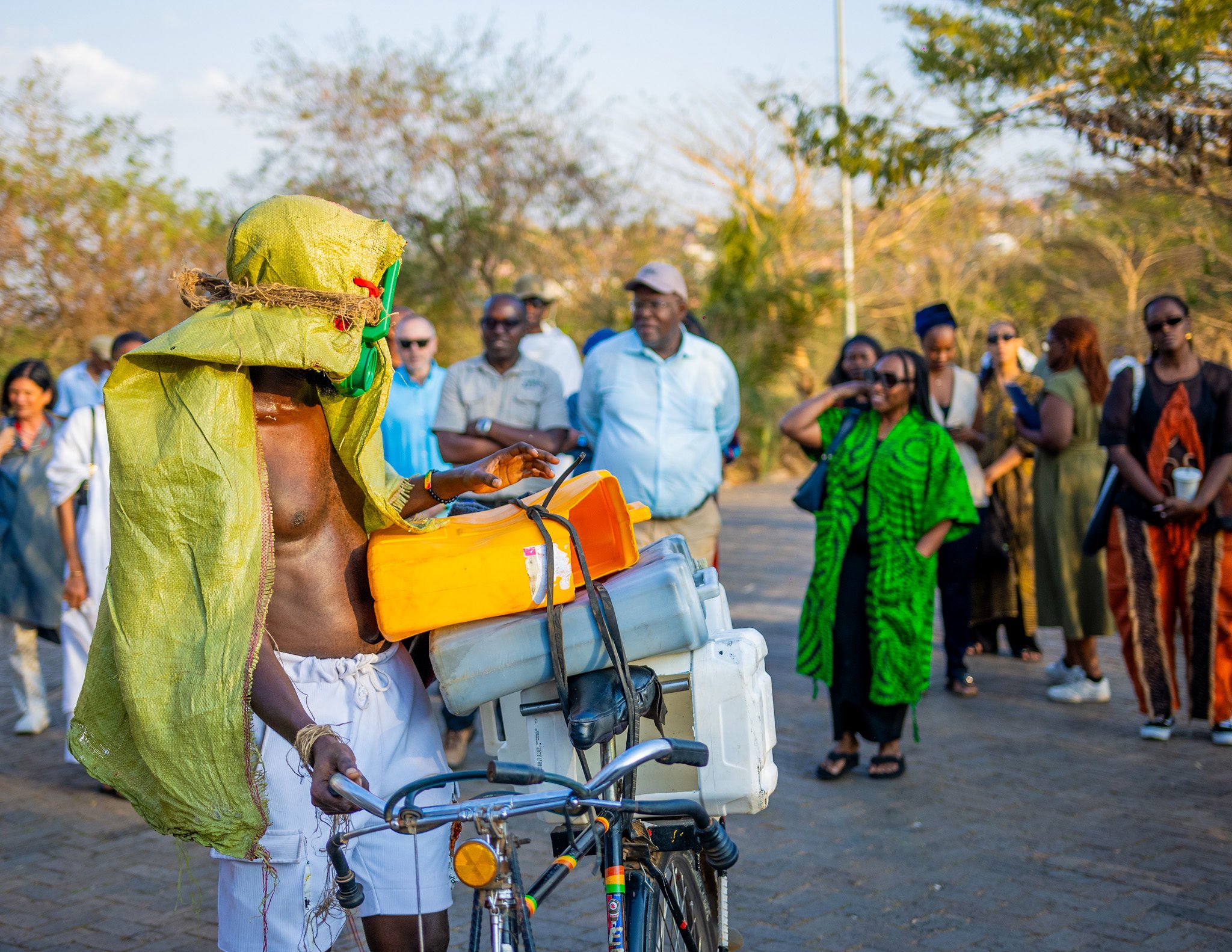
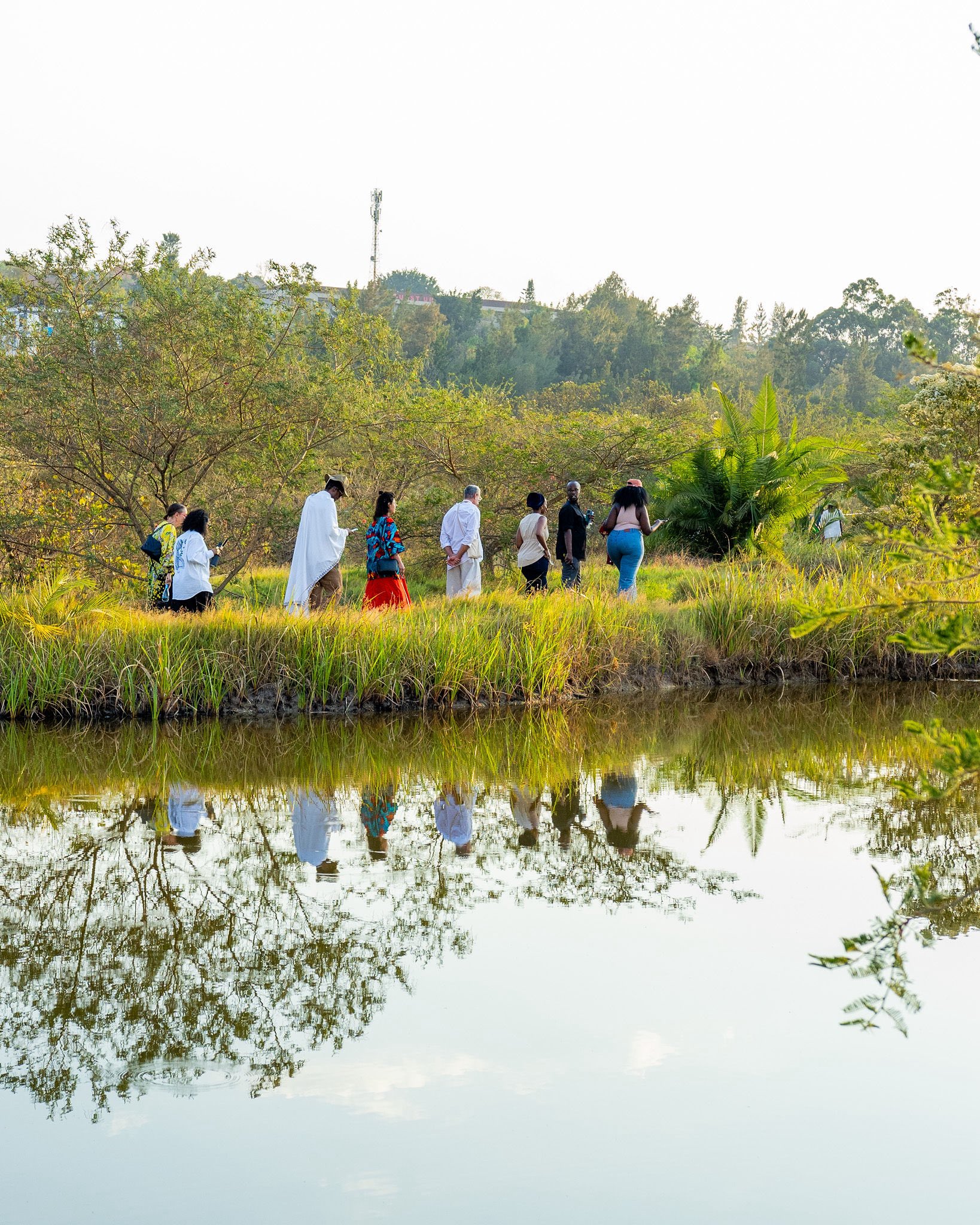
Titled Soil & Water: Kigali Crossings, the initiative was launched on Friday, August 28, in partnership with South Africa’s NIROX Foundation.
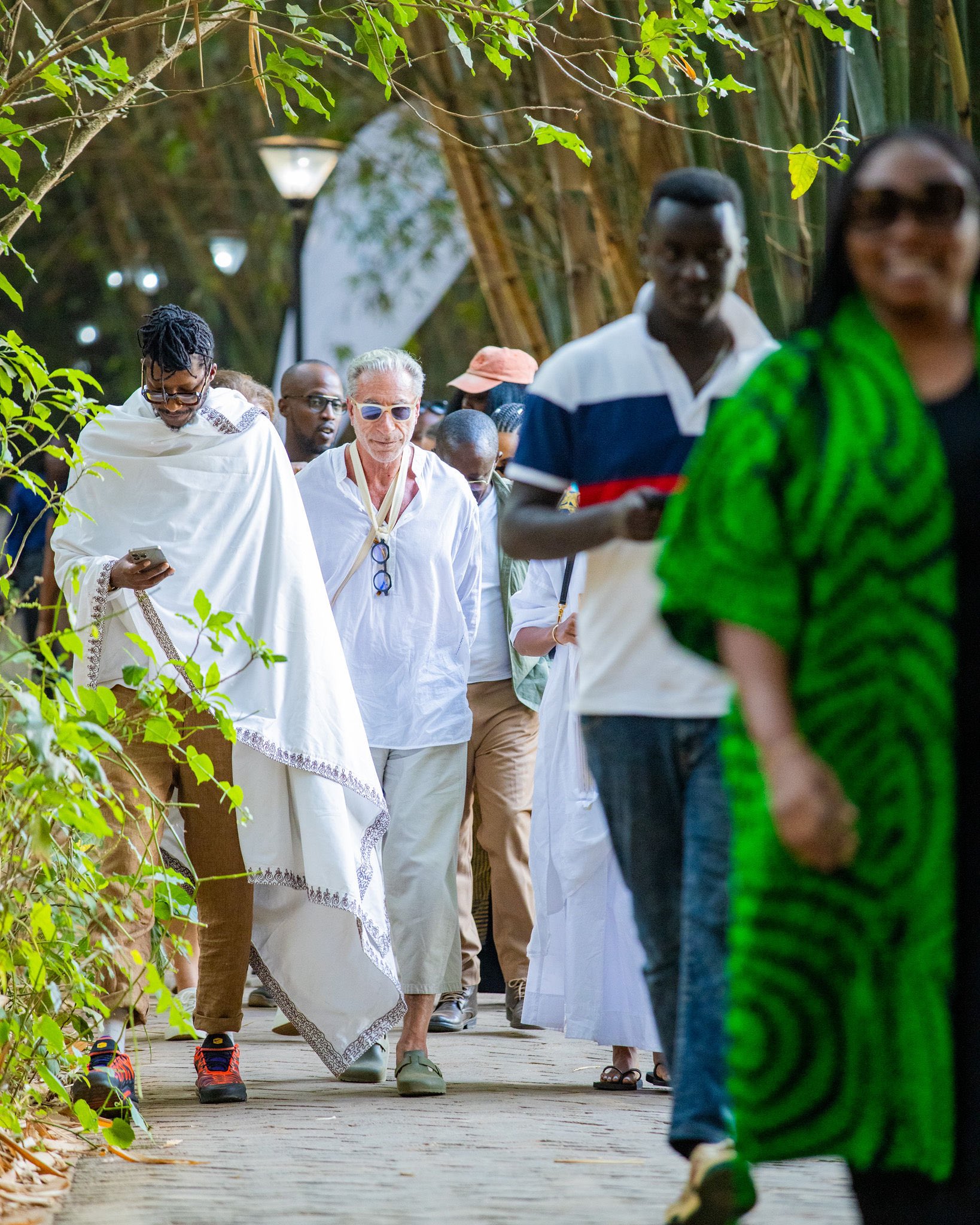
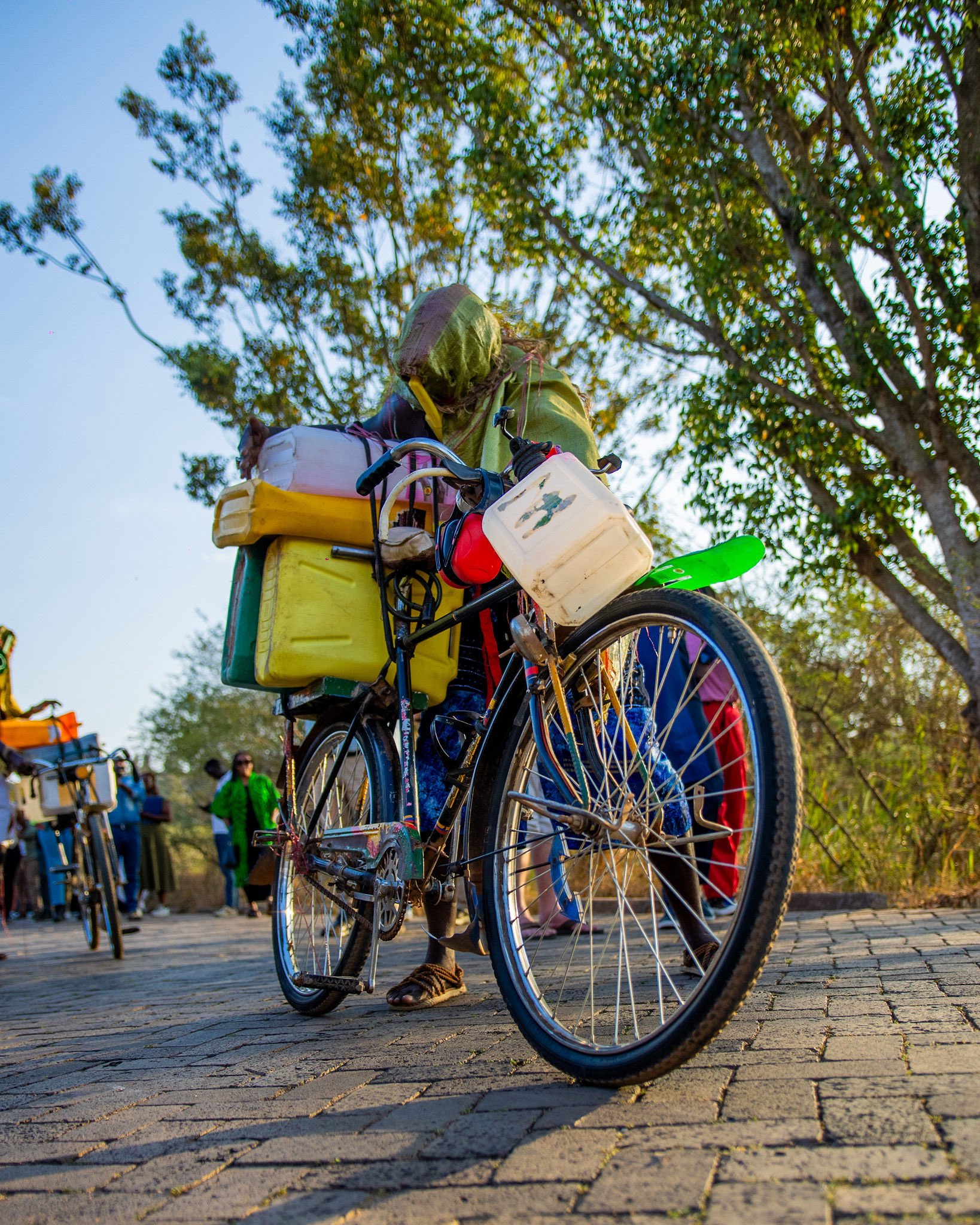
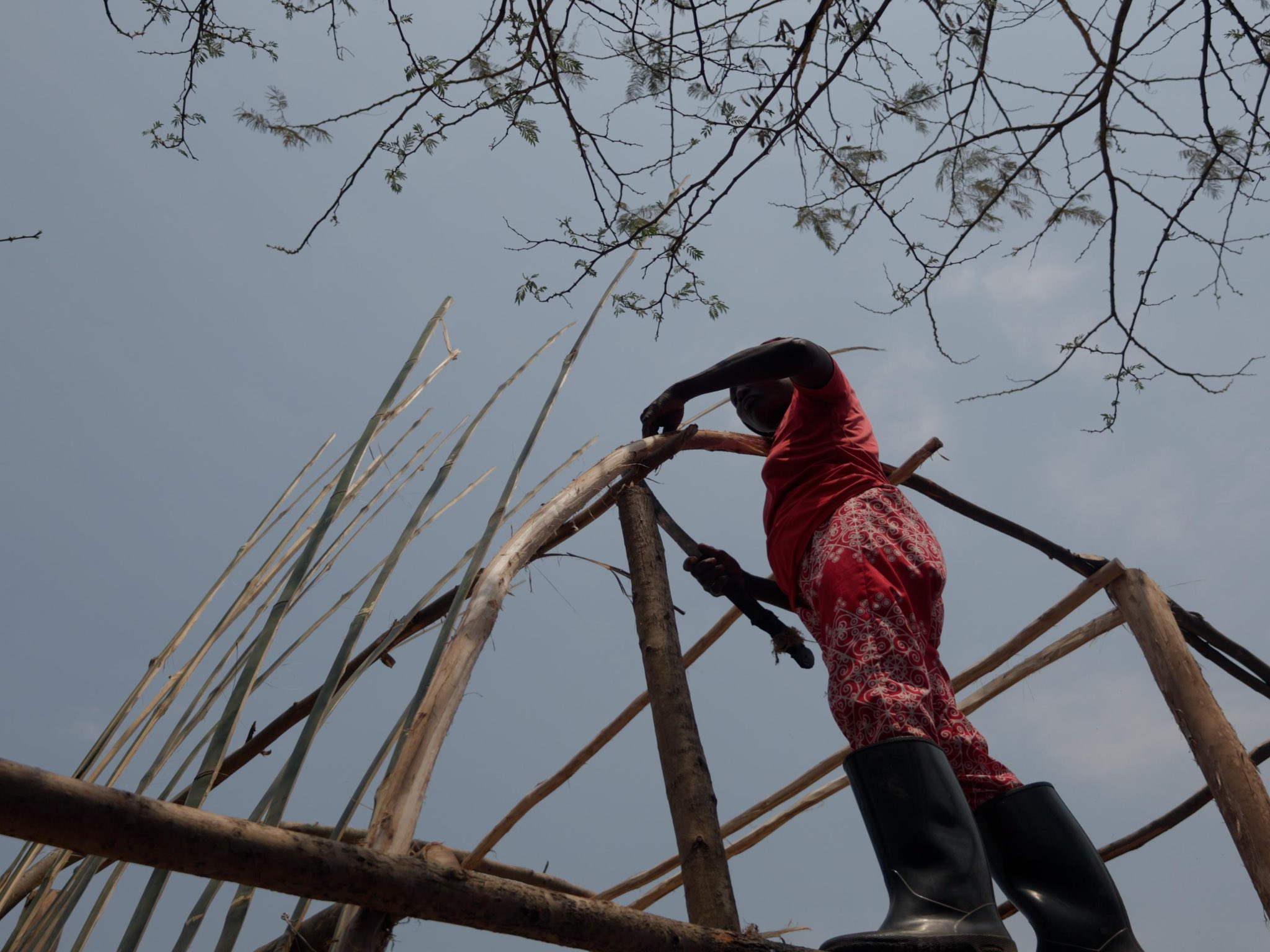
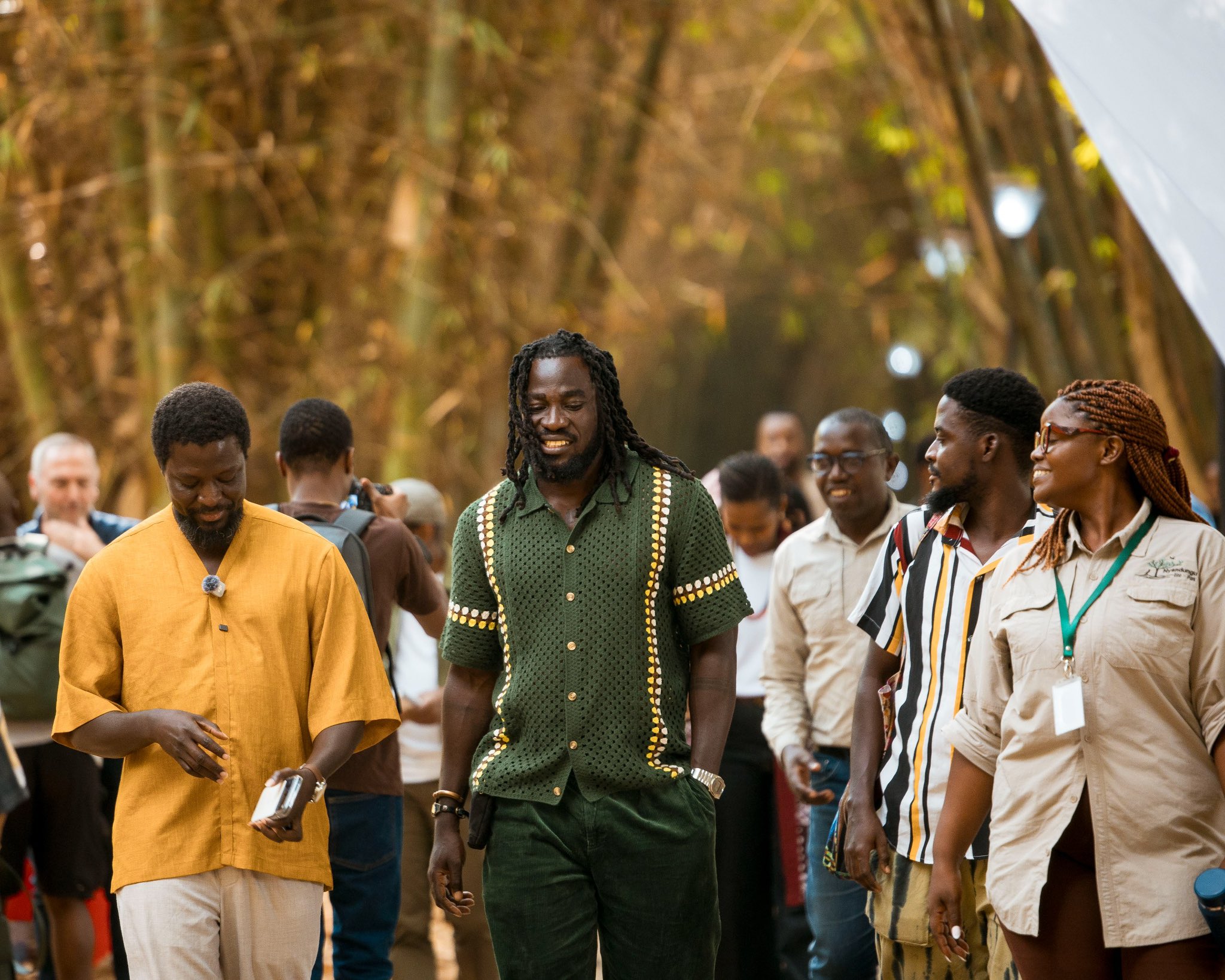
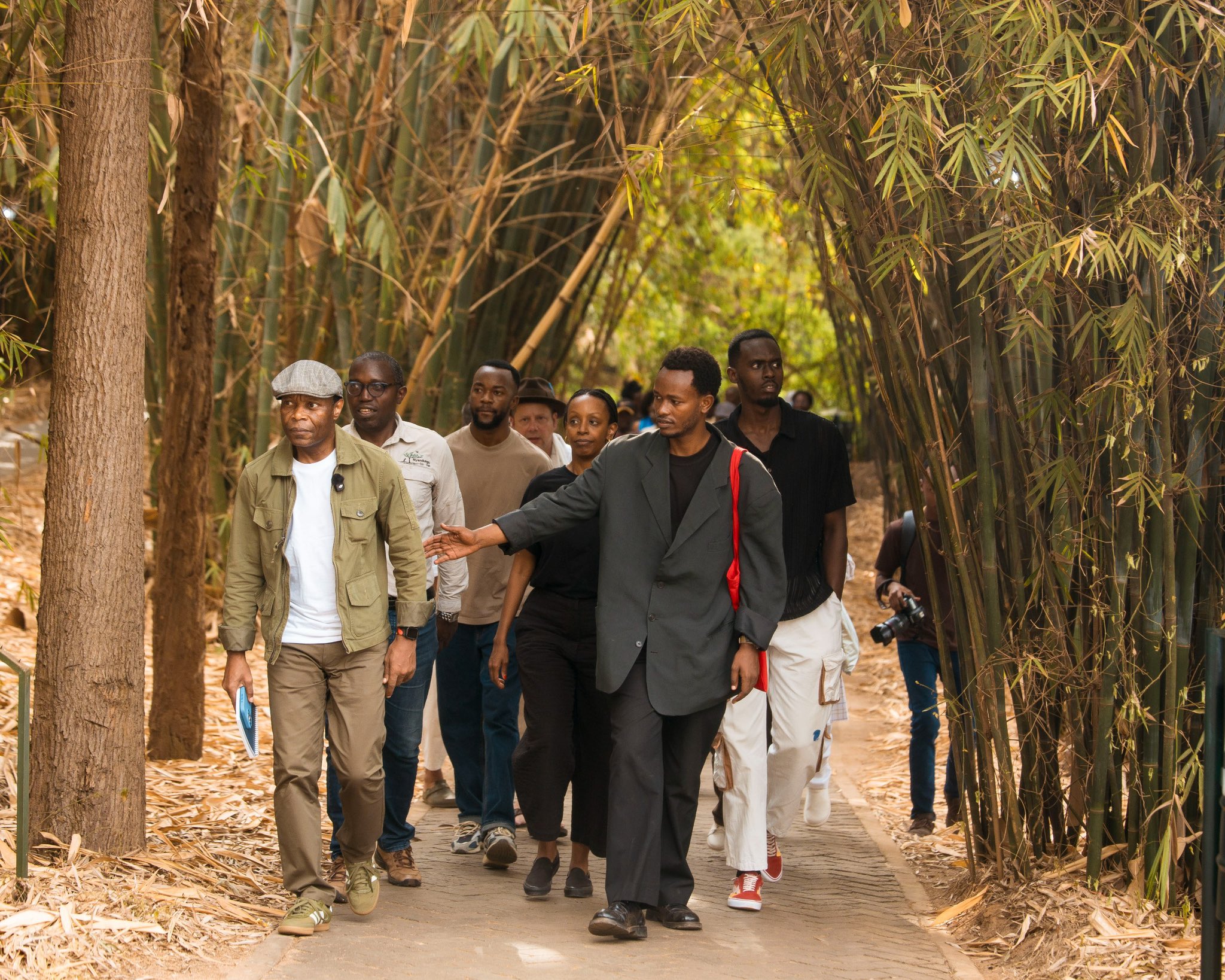
The exhibition officially opened on August 29 and will run until March 2027, bringing together artist residencies, artworks inspired by Nyandungu’s natural environment, performances, concerts, community activities and other public events.
Prominent African artists expected to participate include Ghanaian artists Ibrahim Mahama and Serge Clottey, as well as South African artist Willem Boshoff. The exhibition will also feature artists from France, Spain and Austria.
The programme seeks to create a space where artists can explore the relationship between people and nature while encouraging visitors to reflect on the importance of protecting ecosystems.
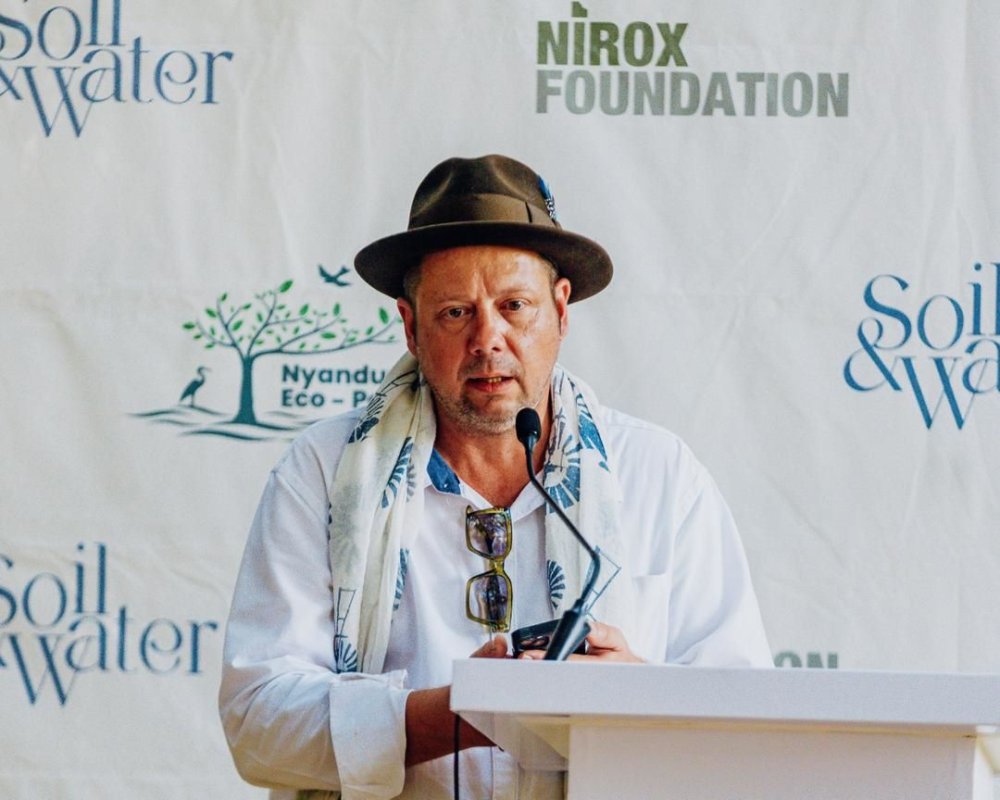
Professor Johan Thom, co-curator of the project and Professor and Coordinator of Fine Art at the University of Pretoria, said the initiative is about more than showcasing art, seeking instead to connect creativity with deeper reflection on humanity’s relationship with nature.
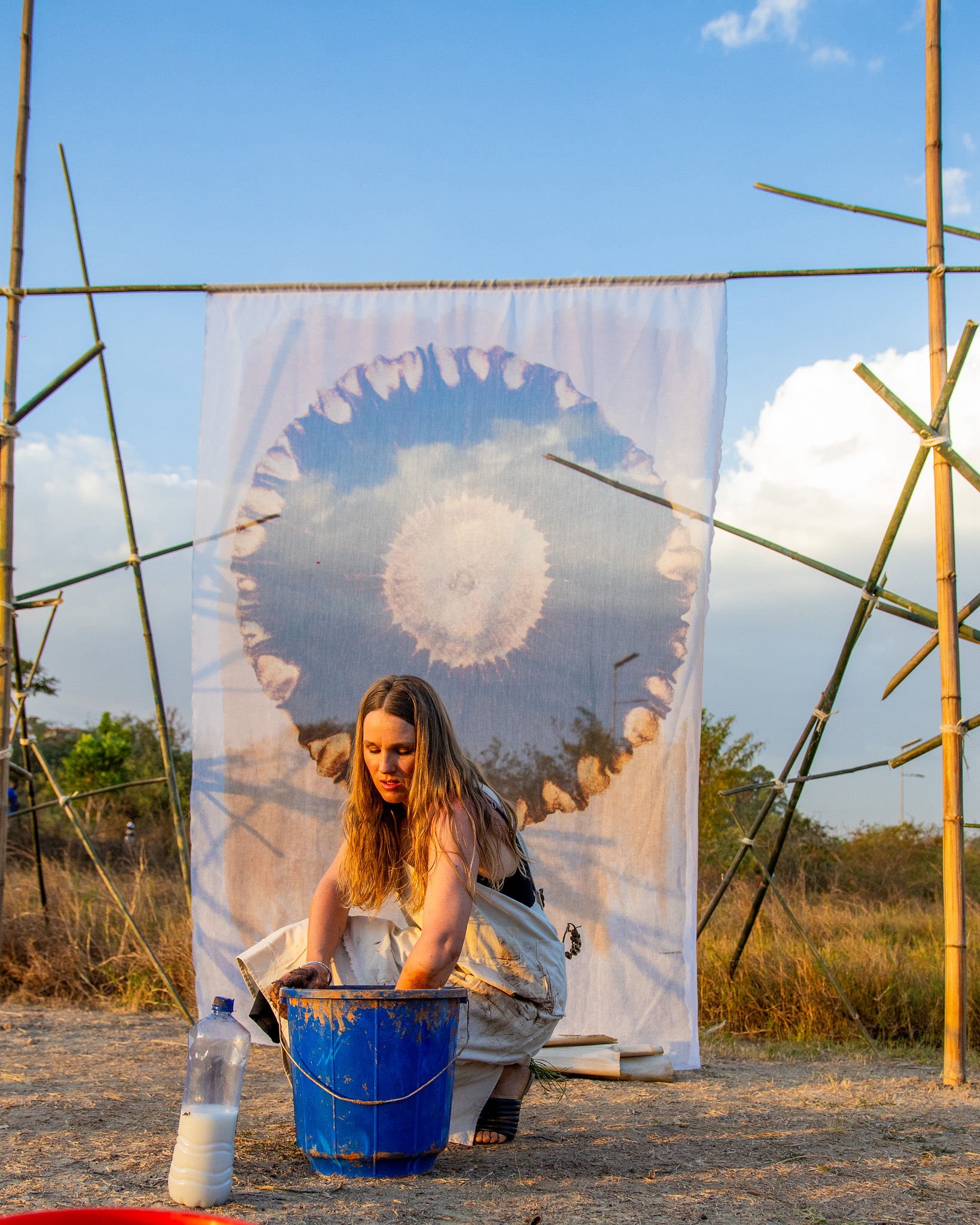
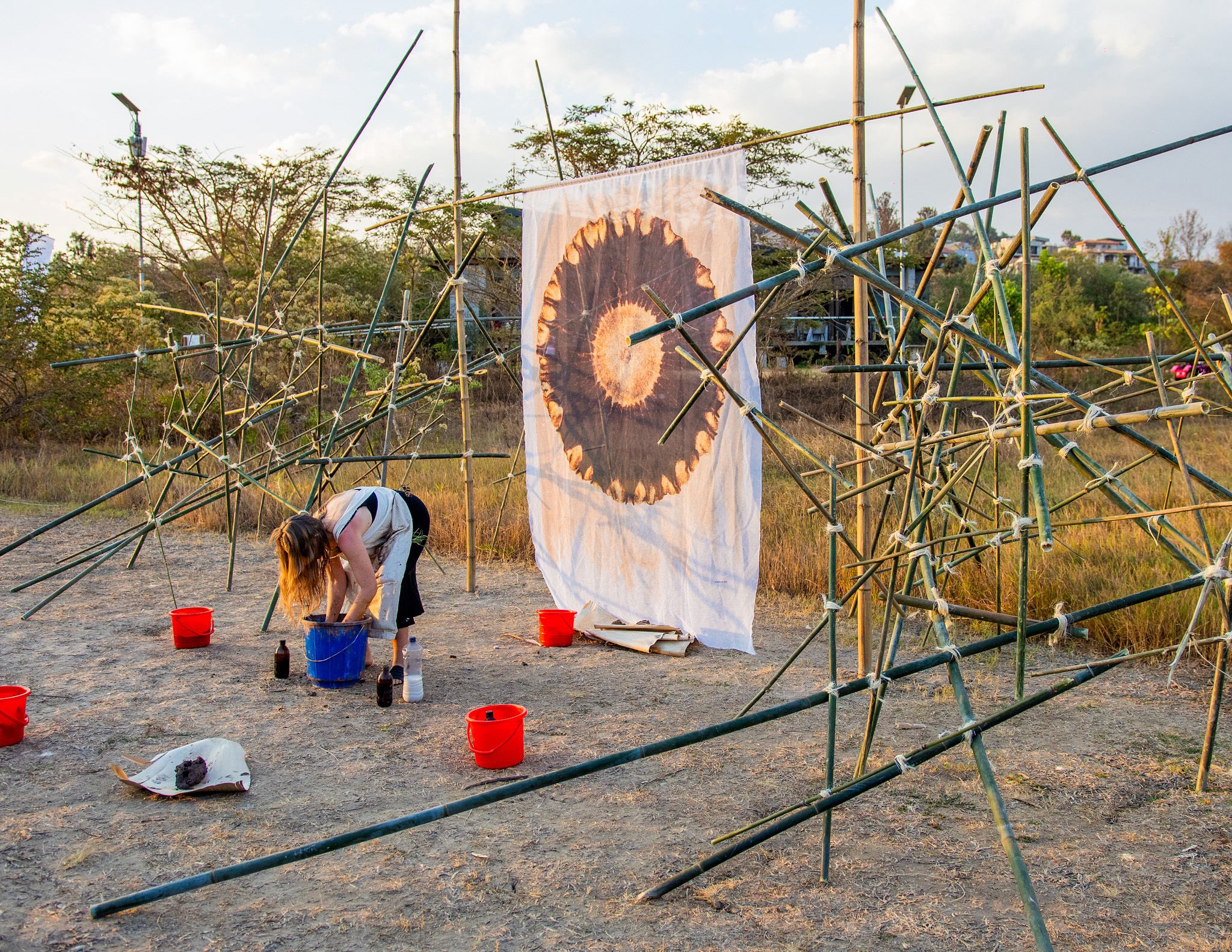
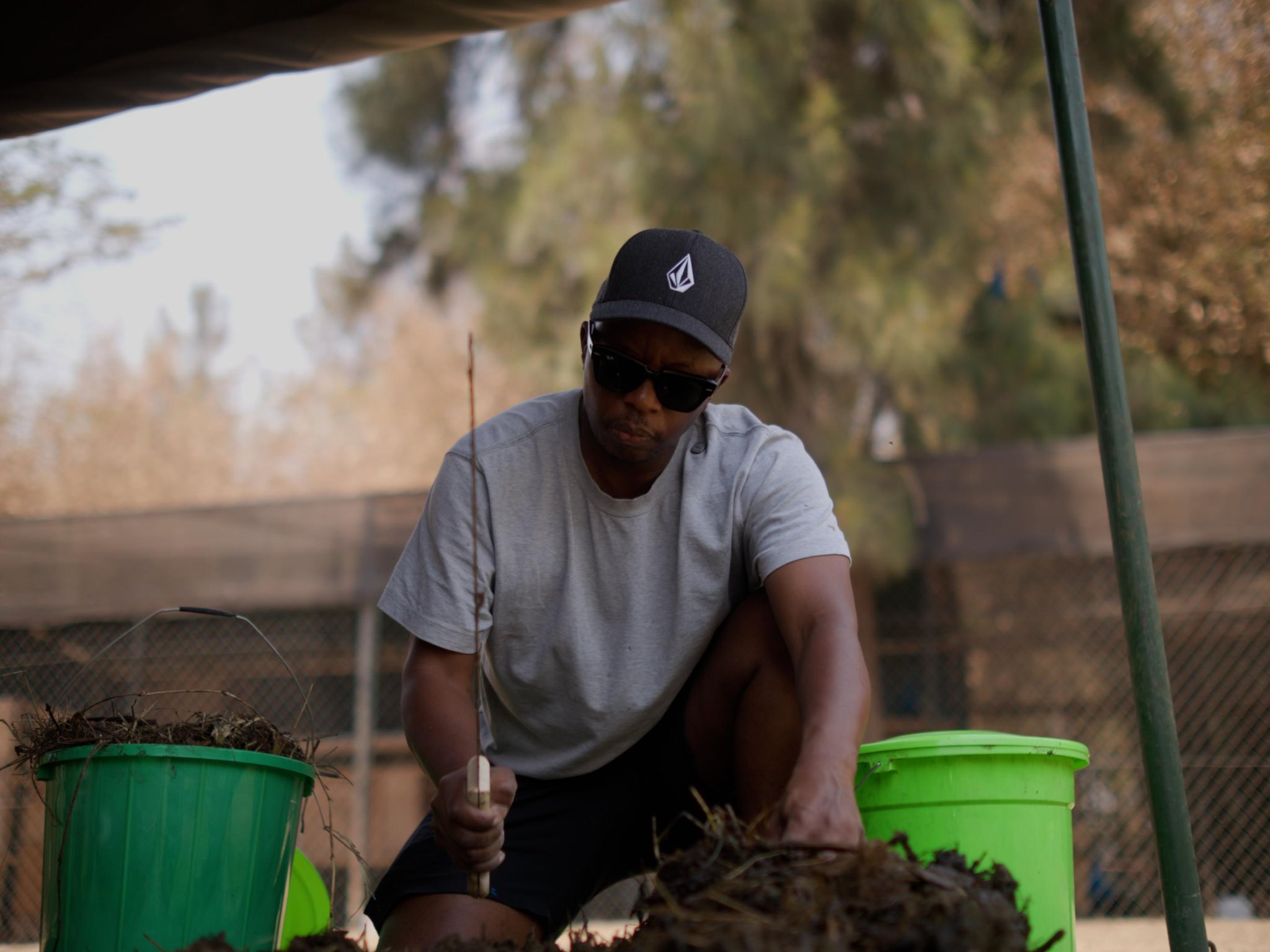
Among the participating artists is Io Makandal, an environmental artist from Johannesburg, South Africa, whose work focuses on environmental restoration through soil, plants and land art.
“One of the main things that I work with is activated effective microorganisms. I use them in the same way that a painter uses paint. I’m a sculptor and a maker, and I incorporate them into my artistic practice,” she said.
Makandal said the microorganisms are gradually released into the environment and can contribute to the restoration of soil and water.
She plans to work with environmental specialists in Rwanda to explore their potential use in Nyandungu Eco-Park’s waterways, with the aim of helping improve water quality over time.
Telesphore Ngoga, Conservation Analyst at the Rwanda Nature Foundation, said the programme gives artists an opportunity to draw inspiration from Nyandungu’s landscape and ecological systems and translate their experiences into creative works.
“The artists’ creativity offers fresh ways to view this landscape and the ecological systems that sustain it. Their installations invite reflection on our relationship with nature, our duty to future generations, and the need to protect the resources that sustain life,” he said.
Ngoga added that the artworks are intended to complement rather than replace the natural environment at the park.
“These works do not seek to replace nature. Rather, they enrich its interpretation. They allow visitors to experience Nyandungu not only through its wetlands, plants, birds, and waterways, but also through the insights and imagination of the artists who have engaged with this place,” he added.
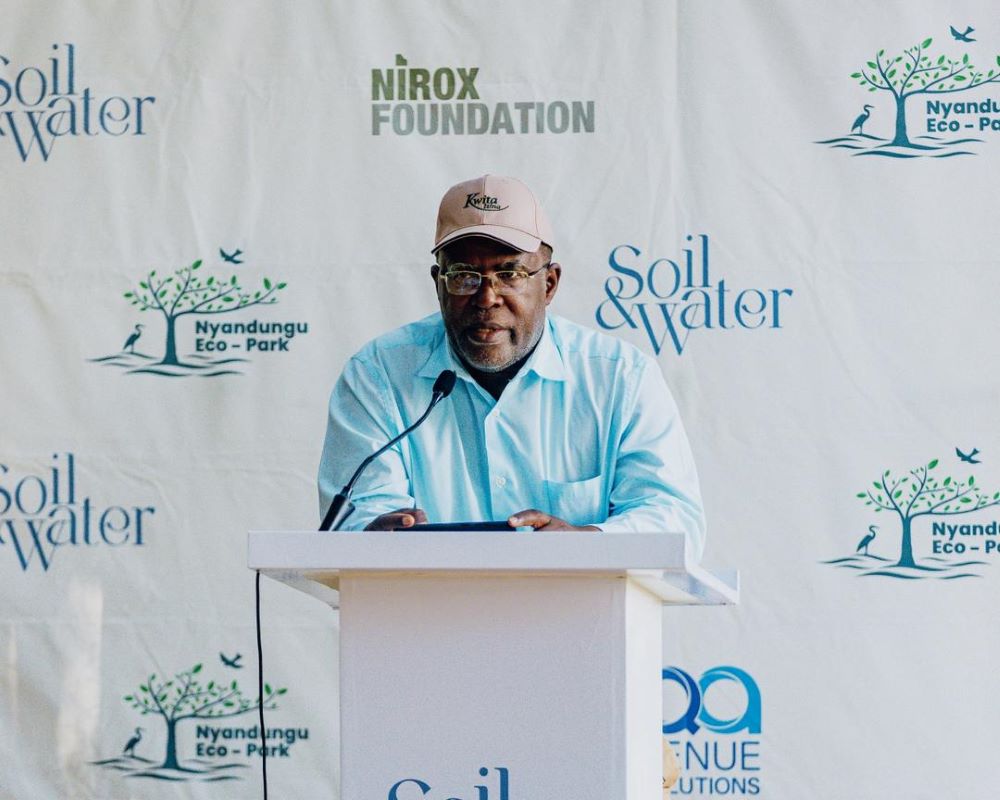
Guy Hedderwick, Managing Director of QA Venue Solutions Rwanda, which manages Nyandungu Eco-Park, said the partnership with the NIROX Foundation was driven by the desire to use art as a tool for communicating the importance of conservation.
“The wonderful thing about art is it’s about your own personal interpretation of it, and therefore every person who comes and views it will get a different story out of it,” he remarked.
Hedderwick said a visit to the NIROX Foundation in South Africa helped inspire the idea of creating a similar intersection between art and nature at Nyandungu.
He noted that the exhibition is also expected to encourage more people to visit the park while helping them appreciate the importance of wetlands within Kigali.
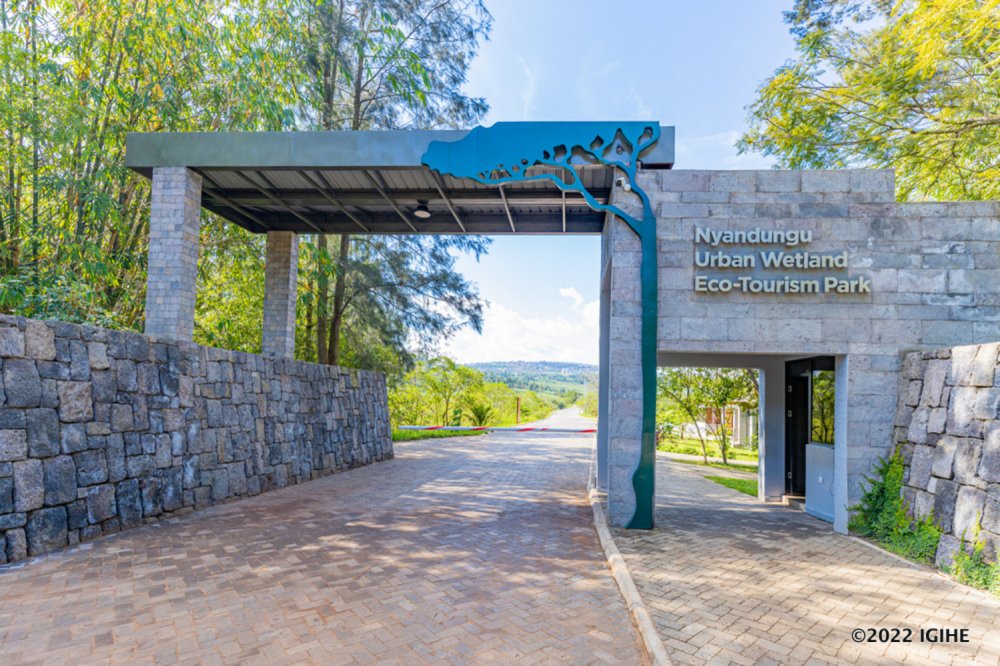
Nyandungu Eco-Park was opened in 2022 and has continued to attract growing numbers of visitors.
Attendance increased from 67,222 visitors in 2023 to 76,754 in 2024. In 2025, the number rose significantly, reaching about 100,000 visitors by November, representing an increase of more than 30 percent compared with the previous year.
The ongoing exhibition is expected to add another dimension to the park’s visitor experience by combining its wetlands and biodiversity with artistic interpretation and public engagement around conservation.
Titled Soil & Water: Kigali Crossings, the initiative was launched on Friday, August 28, in partnership with South Africa’s NIROX Foundation.The exhibition officially opened on August 29 and will run until March 2027.The programme seeks to create a space where artists can explore the relationship between people and nature while encouraging visitors to reflect on the importance of protecting ecosystems.Professor Johan Thom, co-curator of the project and Professor and Coordinator of Fine Art at the University of Pretoria, said the initiative is about more than showcasing art, seeking instead to connect creativity with deeper reflection on humanity’s relationship with nature. Telesphore Ngoga, Conservation Analyst at the Rwanda Nature Foundation, said the programme gives artists an opportunity to draw inspiration from Nyandungu’s landscape and ecological systems and translate their experiences into creative works.
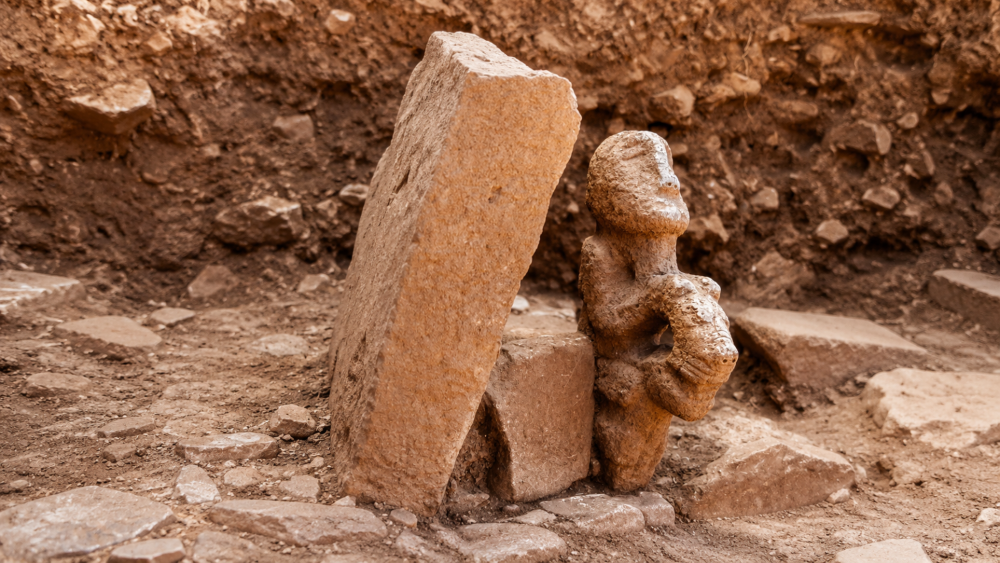
In a social media post, Ersoy said the 70-cm sculpture, which was unearthed at Karahantepe near the city of Sanliurfa this year, was found on a bench against the wall of a circular structure about 3 meters in diameter.
Minister Ersoy called the find a “unique sculpture” and said its artistic style had not previously been identified at the prehistoric settlement.
Karahantepe is part of an archaeological site that encompasses a group of Neolithic sites dating back more than 10,000 years.
In the Neolithic period, communities in the region were transitioning from mobile hunter-gatherer lifestyles toward more settled forms of life. Excavations in the region have revealed monumental structures and sophisticated artwork, providing evidence of complex social and ritual practices long before the emergence of cities and written records.
“I believe this discovery, which opens the door to new questions about the earliest periods of human history, will resonate widely in the scientific community,” the Minister added.
The newly discovered 11,000-year-old composite statue at Karahantepe depicts a human figure seated on the back of a leopard. Credit: Ministry of Culture and Tourism / Mehmet Nuri Ersoy
Nigiyena, a beneficiary of the British Council’s Creative DNA accelerator programme, participated in the eight-day AFWL 2026 programme held from August 17 to 23 at 8 Northumberland Avenue and the British Council Headquarters in London.
His participation marked the first time Rwanda was represented at the AFWL showcase through the Creative DNA programme, which supports emerging African fashion designers by strengthening their skills, expanding their networks and creating opportunities to access international markets.
The partnership between the British Council and AFWL built on the success of their debut collaboration last year and sought to connect African designers with new audiences while supporting the development of creative economy ecosystems across the continent.
The programme featured discussions on issues shaping the continent’s fashion industry, including African Fashion in Education, Creativity Beyond Borders and African Futures: Where African Design Is Going Now.
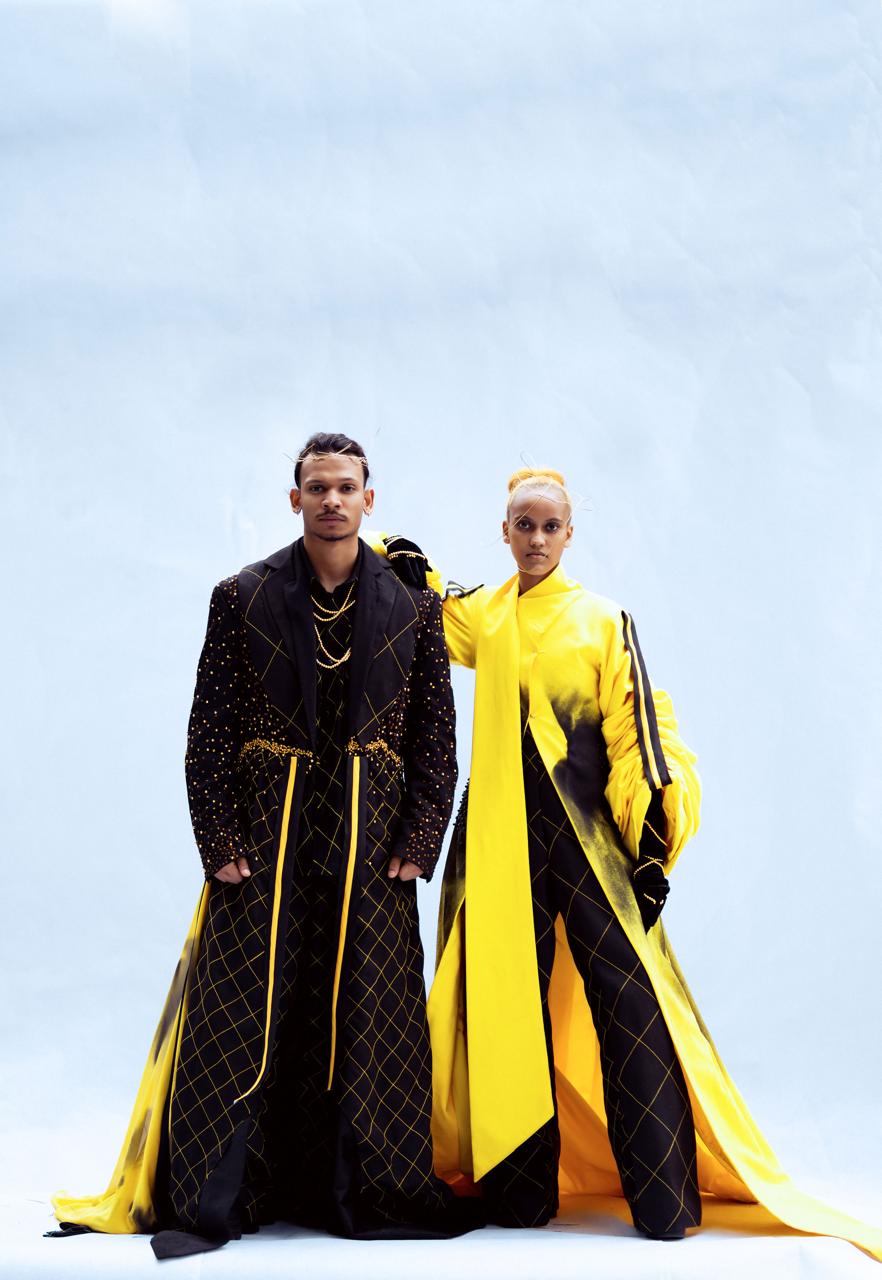
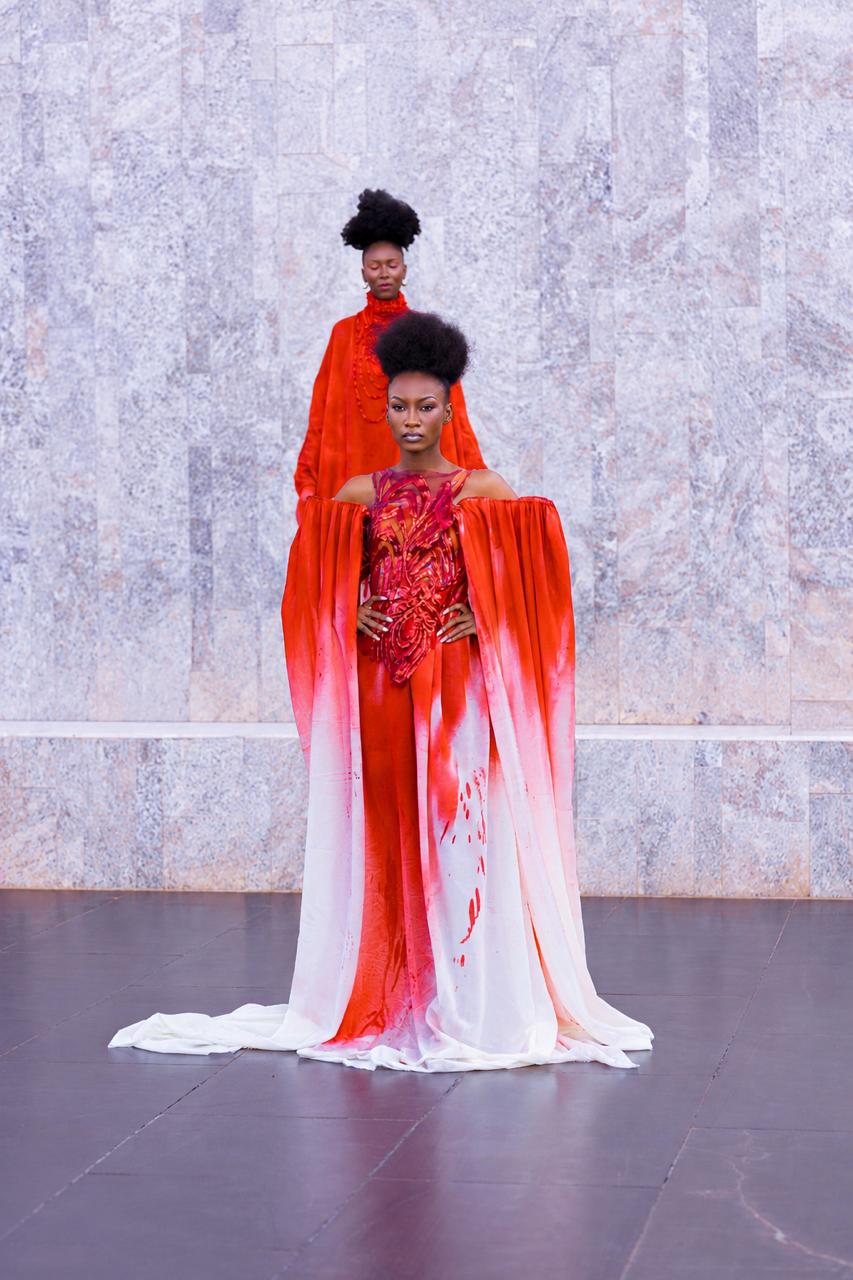
Nigiyena founded Matheo Studio, a fashion brand recognised for its cinematic and Afrofuturist approach, combining avant-garde silhouettes, African narratives and detailed craftsmanship.
His work has previously been showcased on major platforms, including Mercedes-Benz Fashion Week Kigali and international showcases connected to New York Fashion Week, contributing to Rwanda’s growing presence in global fashion.
Reflecting on his participation in the Creative DNA showcase, Nigiyena said the programme had played an important role in helping him develop his business.
“Matheo Studio has been a labour of love and I’m glad that Creative DNA has been by my side to help it get to the next level. My participation at the Creative DNA showcase at African Fashion Week London will be a great eye opener for my business,” he said.
British Council Rwanda Country Director Rebecca Picton said Nigiyena’s participation provided an opportunity to highlight Rwanda’s growing fashion and creative talent.
“Maurice is a great ambassador for the new wave of Rwandan and African designers. His participation at the Creative DNA showcase will not only be of great benefit to him and boost his potential as a creative to watch, but we also hope that it will help to shine a spotlight on the wealth of creative talent in Rwanda,” she said.
Nigiyena was among 10 designers selected to present under the Creative DNA banner at this year’s AFWL. The group included Bettydora Odhiambo of Atieno Studio from Kenya, Adedayo Ilori of Dimeji Ilori from Nigeria, Joan Nantege of Joan Jade from Uganda, Mastewal Belay of Mastewal Alemu from Ethiopia, Neema Nkatha Kinoti of Ohana Swimwear from Kenya, Chido Kaseke of Patch Maoko from Zimbabwe, Nyame-Nhyiraba Awura of Republic of Africa from Ghana, Ropafadzo Kuki Mapira of Soleil from Zimbabwe, and Solome Kiflu of Xufan from Ethiopia.
Creative DNA is the British Council’s fashion initiative aimed at supporting and strengthening Africa’s fashion ecosystem by nurturing designers’ skills, deepening their knowledge and expanding their professional networks.
The British Council said the initiative is designed to help emerging African fashion entrepreneurs build sustainable businesses and connect with international markets while contributing to the growth of creative industries across the continent.
The British Council is the UK’s international organisation for cultural relations and educational opportunities. It builds connections, understanding and trust between people in the UK and communities worldwide and operates in more than 100 countries.
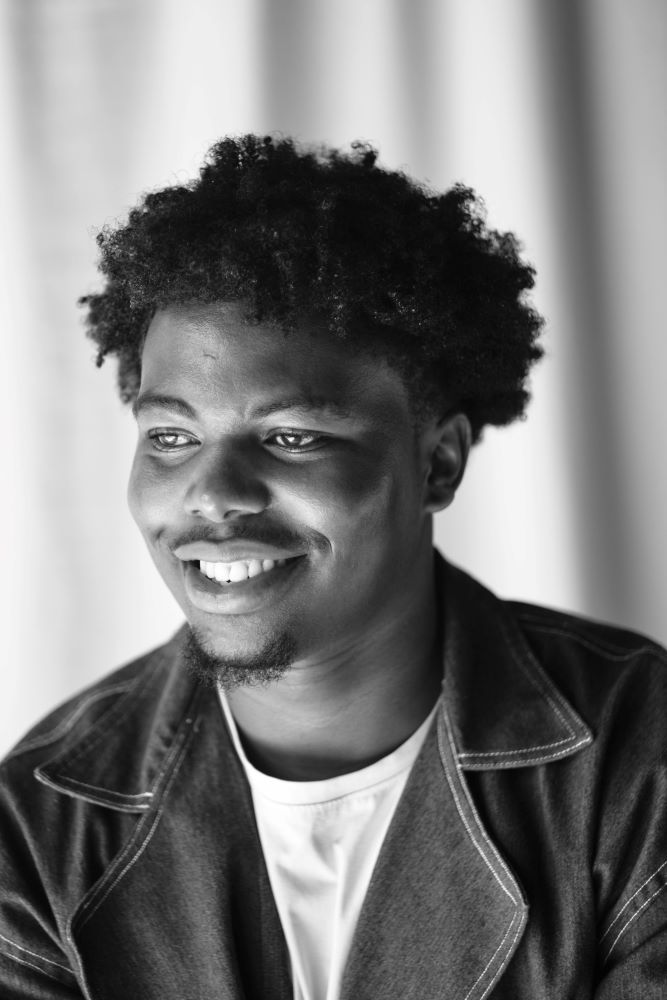
Rwanda’s fashion talent took centre stage in London as designer Maurice Nigiyena showcased Matheo Studio at African Fashion Week London 2026.Rwandan designer Maurice Nigiyena joined 10 emerging African designers at African Fashion Week London 2026 under the British Council’s Creative DNA programme.Maurice Nigiyena brought Rwanda’s emerging fashion talent to the international stage with a showcase at African Fashion Week London 2026.
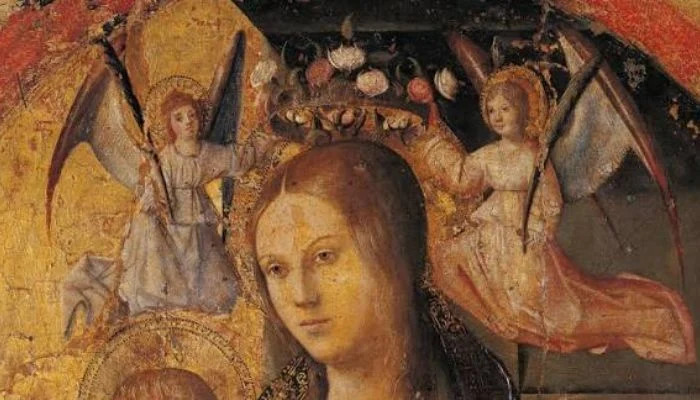
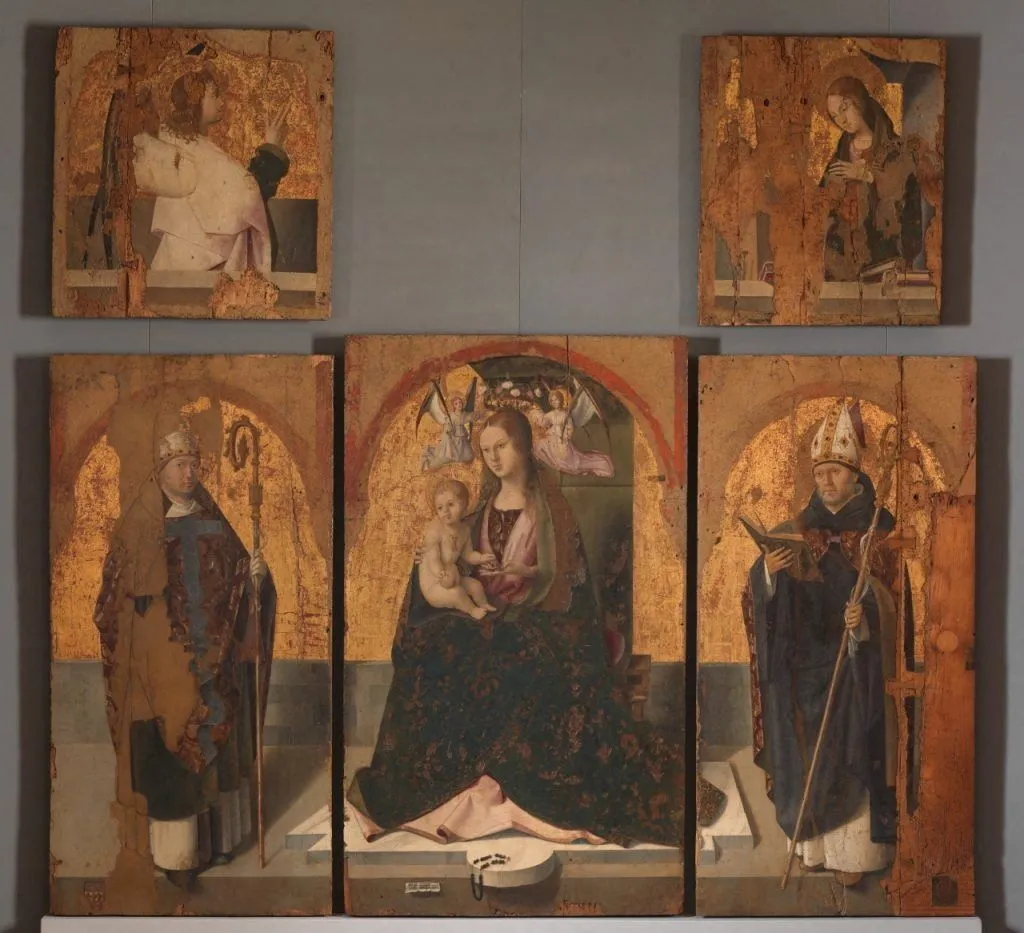
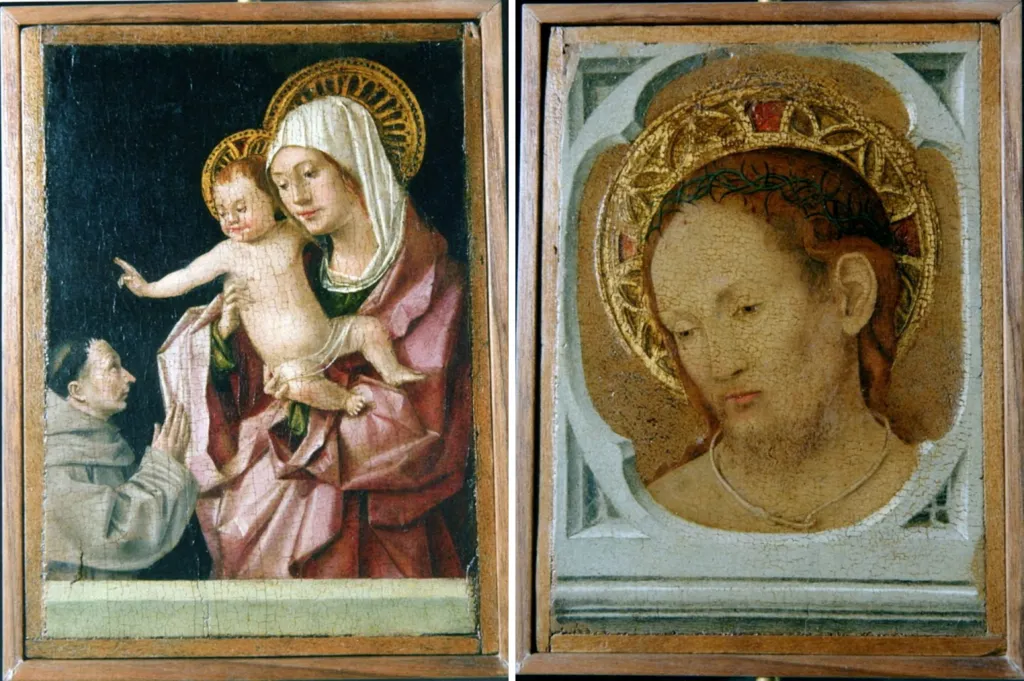
In minutes, they took four masterworks by 15th-century painter Antonello da Messina, the city’s native artist. The loot included three panels from the 1473 San Gregorio Polyptych and a double-sided devotional panel featuring the Virgin Mary and Christ, which was cut out of an armored glass display case.
The stolen pieces carry an estimated valuation of $80 million to $92 million (about Rwf 136 billion) on the open art market. Yet, this heist leaves behind an intriguing economic contradiction: the stolen works are almost impossible to convert into cash.
Three of the five surviving panels of the Polyptych of San Gregorio were taken.
Antonello da Messina (c. 1430–1479) is a central figure of the Early Italian Renaissance. He bridged the gap between Northern and Southern European traditions by introducing Flemish oil-painting techniques, known for luminous light and fine detail, to the structured geometry of Italian painting. Fewer than 40 confirmed works by Antonello survive globally.
Earlier this year, the Italian government bought his devotional painting Ecce Homo at a Sotheby’s sale for $14.9 million. The four pieces stolen in Messina represented the last remaining Antonello masterpieces in his hometown, having survived the catastrophic 1908 earthquake that destroyed the original monastery where the San Gregorio altarpiece was housed.
For the perpetrators, the stolen masterpieces present a severe operational challenge because famous art cannot be sold through legitimate market channels. Once an artwork of this caliber is entered into global police networks and INTERPOL’s Stolen Works of Art Database, legitimate auction houses, private dealers, and galleries cannot touch it.
Art crime specialists note that on the illicit market, stolen masterworks rarely function as liquid assets. Instead, they typically move through three main channels: as non-monetary collateral for transactions between criminal syndicates (such as securing loans for arms or narcotics trades), held hostage for “artnapping” ransoms or legal plea bargains, or, in rare instances, kept concealed in private spaces for corrupt collectors.
During the getaway, two additional altarpiece panels that had been taken were abandoned outside the museum building and subsequently recovered by police. This sudden abandonment suggests the thieves faced physical weight or time constraints during their escape.
The remaining missing pieces represent a significant cultural loss for Messina, stripping the city of the last surviving works by its most influential artist. The Carabinieri’s specialized art protection unit continues its investigation, seeking to recover the missing panels before they disappear into illegal underworld networks.
A double-sided panel of the Madonna with Child and Christ in Pietà was also stolen.
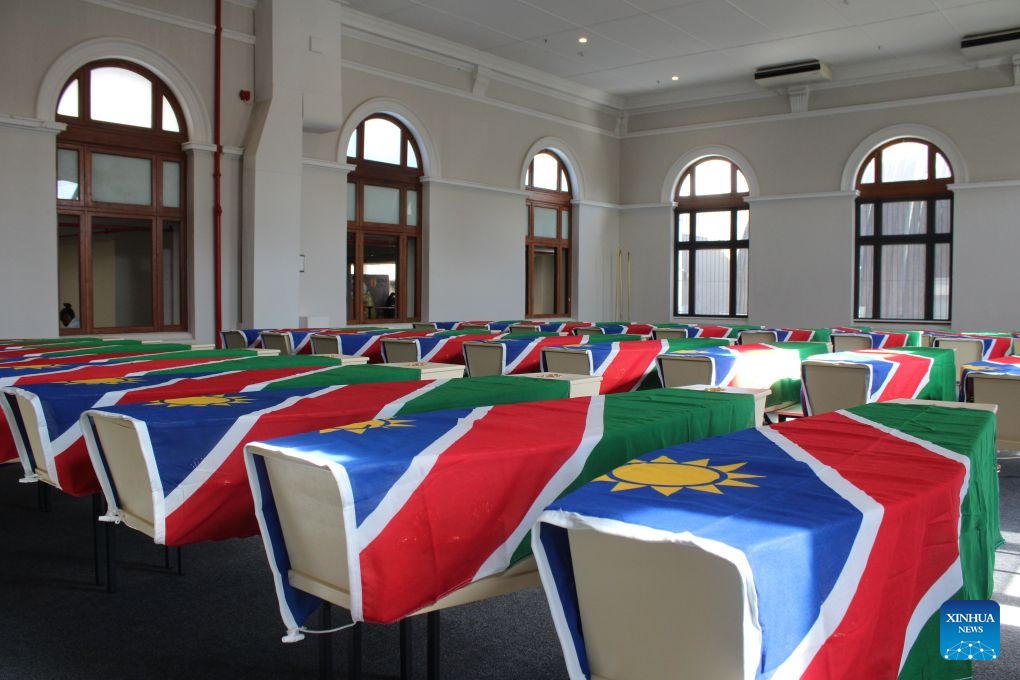
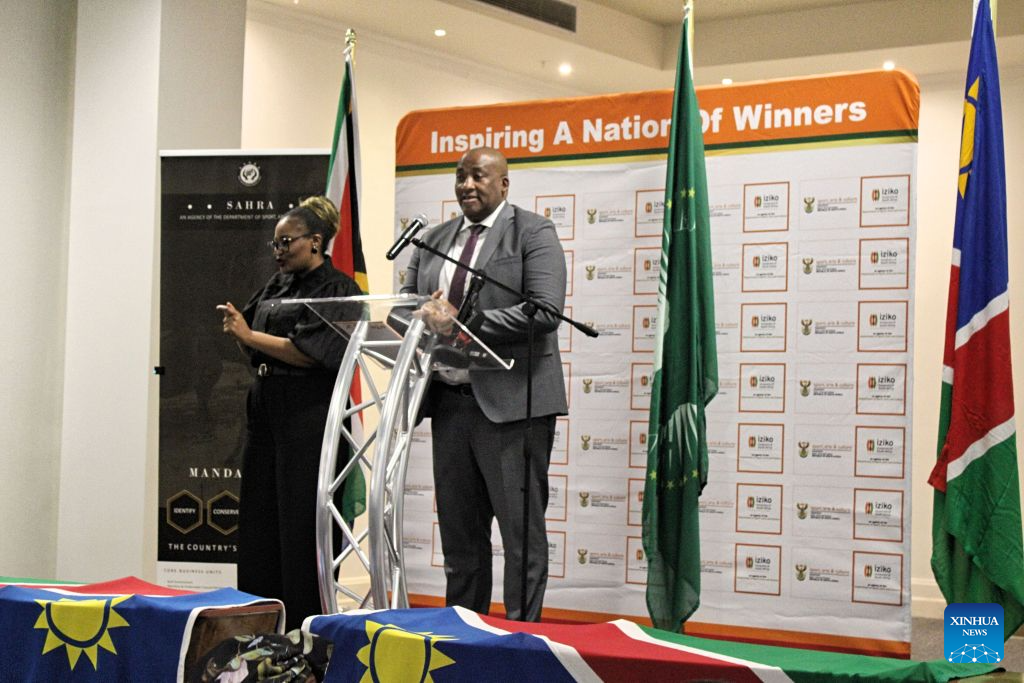
Two rooms were filled with ivory-colored coffins, side by side, each draped with the Namibian flag. The mortal remains of 84 indigenous people had been held at the Iziko South African Museum for more than 100 years and were said to have been used for “scientific reasons.”
Chairperson of the Council of Iziko Museums of South Africa Marvin Mdhluli said: “They entered the South African Museums as objects of race-based pseudo-scientific research,” aimed at portraying indigenous communities as having inferior attributes and status.
In a separate room stood two coffins containing the remains of political prisoners Festus Nehale, who died in 1971, and Simon Petrus Nileng, who died in 1974. Both had been imprisoned on Robben Island, South Africa’s notorious prison where anti-apartheid and other political prisoners were detained during apartheid. They were buried in Cape Town.
Members of the Namibian delegation solemnly bowed their heads before the coffins before addressing guests at the ceremony.
The handover also included grave goods and body casts, including beads, ostrich eggs and jewelry with lineage to Namibia.
“For too many years, the remains of our freedom fighters and ancestors were kept far from the land they called home. This was an injustice to them, their families and their communities,” South African Minister of Sport, Arts and Culture Gayton McKenzie said in a statement.
“By bringing these political heroes and ancestors home, representing the Ovambo, Himba, San, Nama, Damara and Herero peoples, we restore their dignity, identity and rightful place in their homeland,” he said.
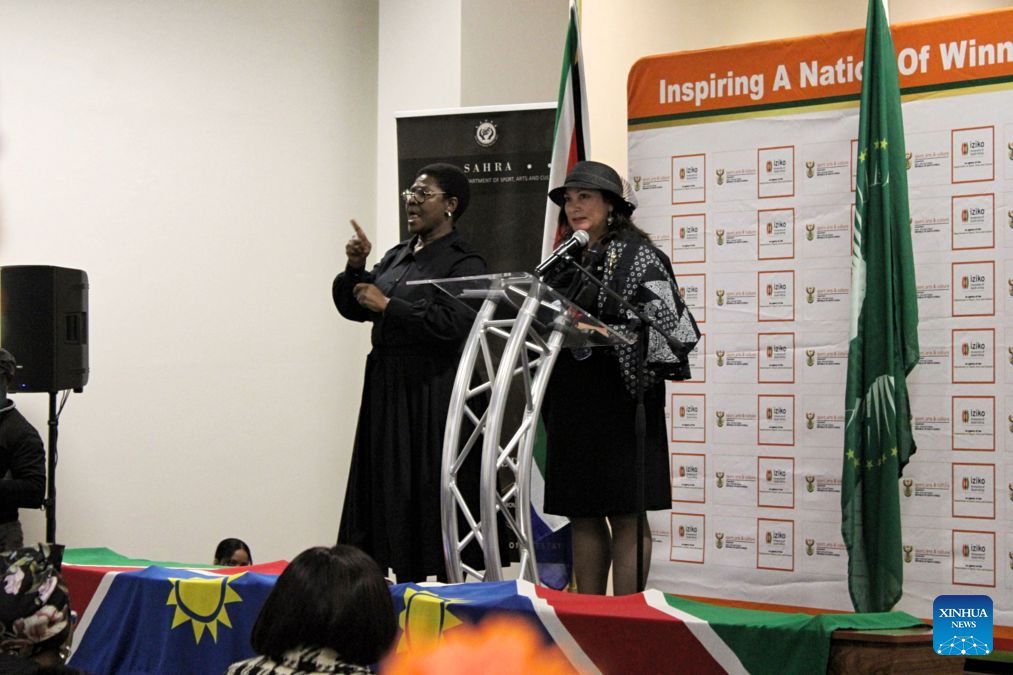
Namibia’s Minister of Education, Innovation, Youth, Sports, Arts and Culture Sanet Steenkamp said the liberation heroes will be reburied at Namibia’s Heroes’ Acre on August 24.
“Now they return to a free and sovereign Namibia,” she said. “Some of these ancestors were taken from their communities and became part of the colonial scientific and museum collections where they were treated as objects, rather as people.”
Two rooms were filled with ivory-colored coffins, side by side, each draped with the Namibian flag. The mortal remains of 84 indigenous people had been held at the Iziko South African Museum for more than 100 years and were said to have been used for “scientific reasons.”South African Minister of Sport, Arts and Culture Gayton McKenzie (R) speaks during a repatriation ceremony at the Iziko South African Museum in Cape Town, South Africa, August 19, 2026. Namibia’s Minister of Education, Innovation, Youth, Sports, Arts and Culture Sanet Steenkamp (R) speaks during a repatriation ceremony at the Iziko South African Museum in Cape Town, South Africa, August 19, 2026. TO GO WITH “South Africa returns ancestral remains to Namibia for colonial redress, healing”.
Before venturing into the creative industry, Dufatanye was a primary school teacher, where he taught English.
Speaking to IGIHE, he said he completed his education up to university level, where he trained as a teacher before joining the education sector.
When the Covid-19 pandemic disrupted economic activities and led to the loss of many jobs, Dufatanye was among those who were affected. Faced with the challenge of finding a new source of income, he began looking for a skill he could turn into a livelihood.
“I started by making face masks. I watched videos online to learn how they were made, then made them by hand. Fortunately, I found someone who ordered 1,000 masks from me at Rwf200 each. The money I earned from that work became the capital I used to start looking for something else to do,” he said.
She later turned to weaving, a skill he already had. Together with some of his relatives, she began making woven products from home and selling them to customers.
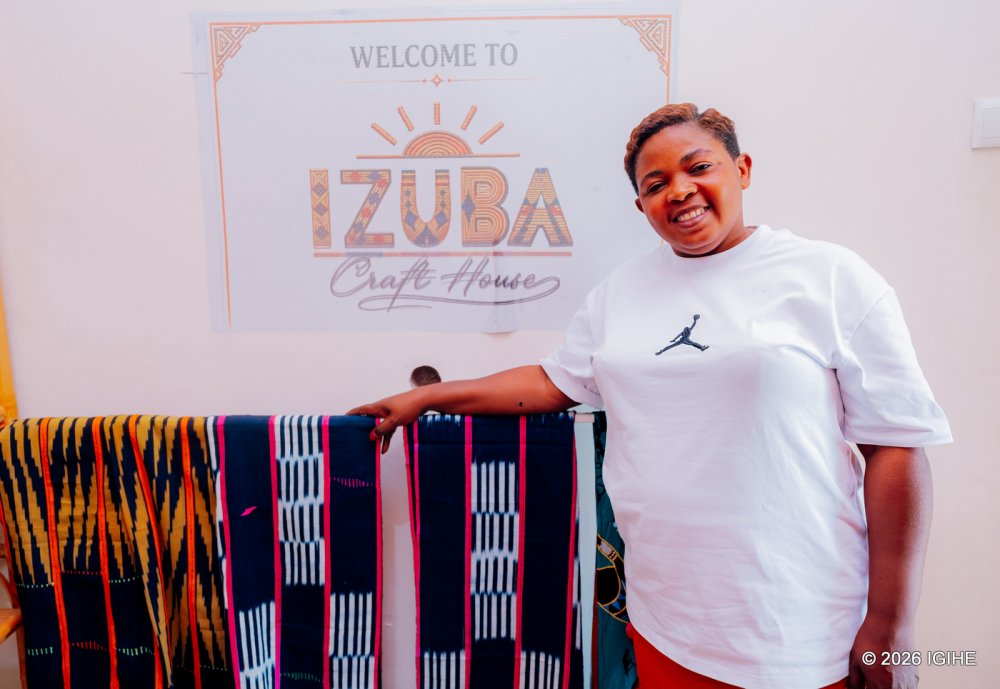
In 2021, Dufatanye established his own business, Izuba. He initially operated from premises used by other artisans before eventually seeking an independent workspace.
A major turning point came in 2026, when he secured financing from Numida Technologies, enabling him to establish a dedicated workplace and expand his operations.
“We met Numida when they found me where I was working. They explained their services to me, and I decided to give them a try. I took the loan and repaid it successfully. They later gave me another loan, which enabled me to move to this place and expand my business,” he said.
Today, Dufatanye has three permanent employees and works with about 30 casual workers whenever he receives large orders. All of them are women.
His ambition is to grow the business further and create more employment opportunities.
“Over the next five years, I hope to have the capacity to employ at least 300 women and to start exporting my products to international markets,” he said.
Numida supports small businesses
Hakizimana Cyprien, an employee of Numida Technologies, said the company provides financing to entrepreneurs at different stages of business development.
“At Numida, we provide loans to everyone, including men, women and young people who have businesses. We support businesses ranging from small and medium enterprises to those that are beginning to grow into larger businesses and want to expand further,” he said.
Numida Technologies was established in 2016. It expanded its operations to Uganda in 2023, entered Kenya in 2026 and began operating in Rwanda the same year.
The company provides loans ranging from Rwf100,000 to Rwf12 million, depending on the nature and stage of a borrower’s business.
First-time borrowers, however, can access loans of up to Rwf2 million, according to the company.
For Dufatanye, what began as a search for an alternative source of income during a period of economic uncertainty has grown into a business with ambitions of employing hundreds of women and reaching international markets.
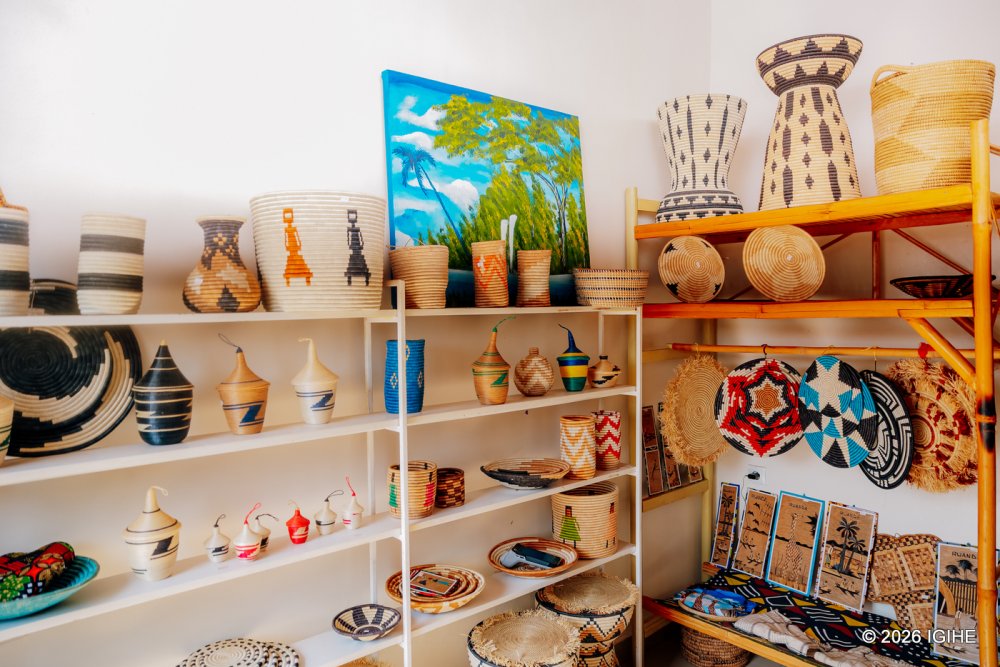
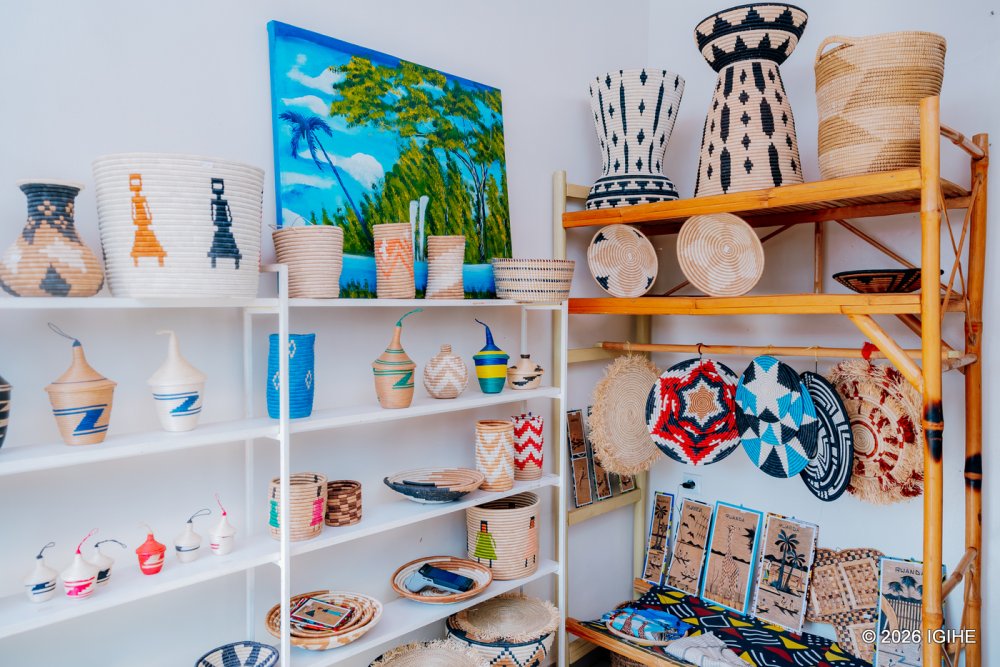
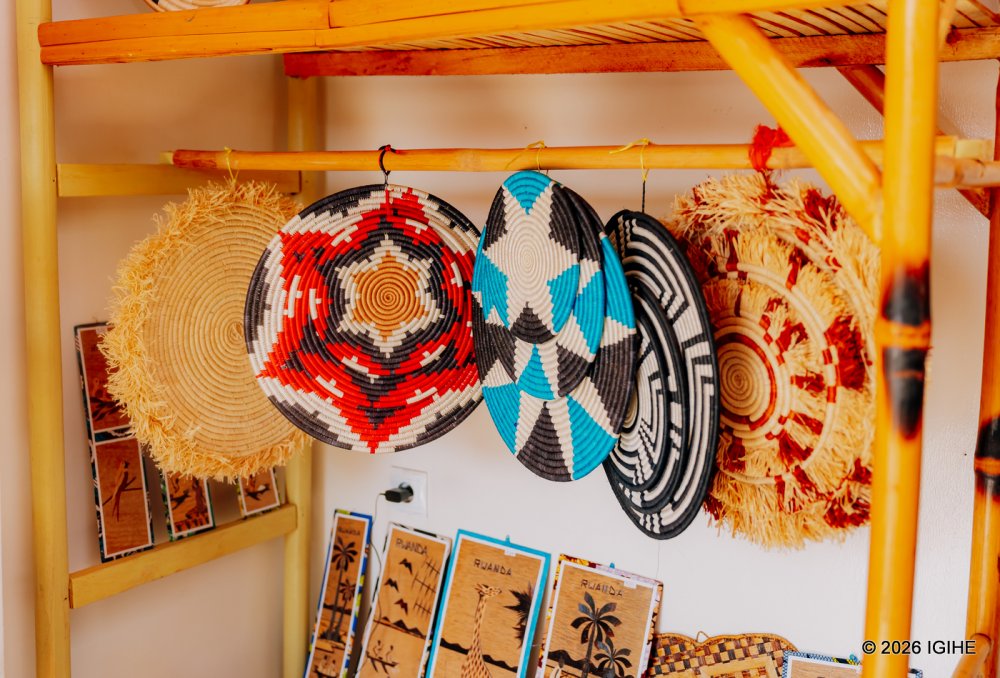
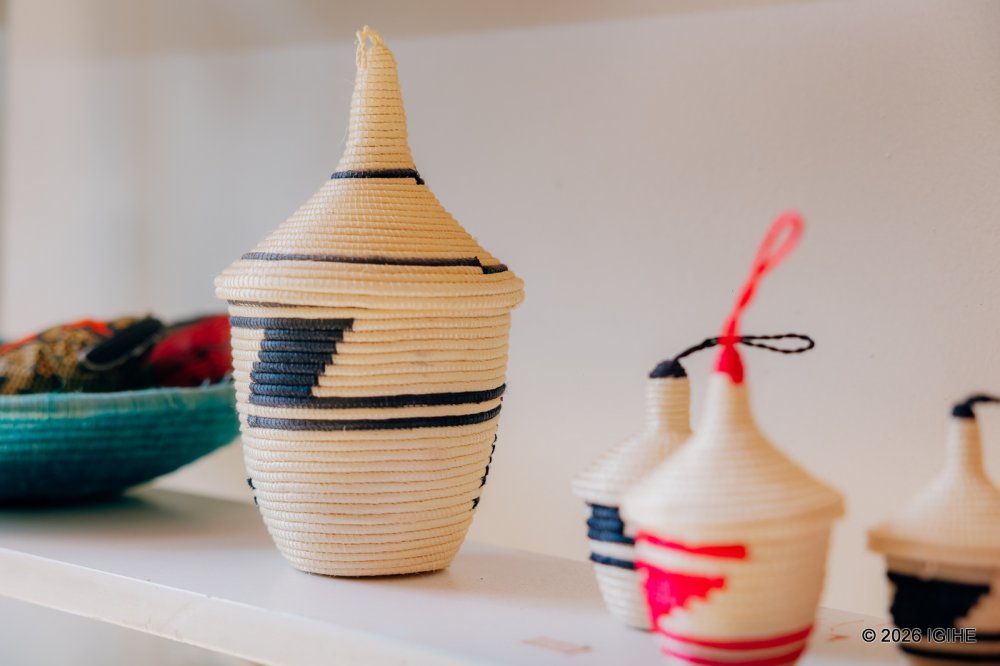
Izuba craft shop showcases a wide range of locally made products from Rwanda.Karitasi Dufatanye creates a variety of locally made products in Rwanda.Dufatanye says she can provide work for up to 30 women when she receives large orders.Covid-19 inspired Karitasi Dufatanye to establish Izuba, a homegrown crafts business.Dufatanye says additional capital would enable him to expand his clothing production.
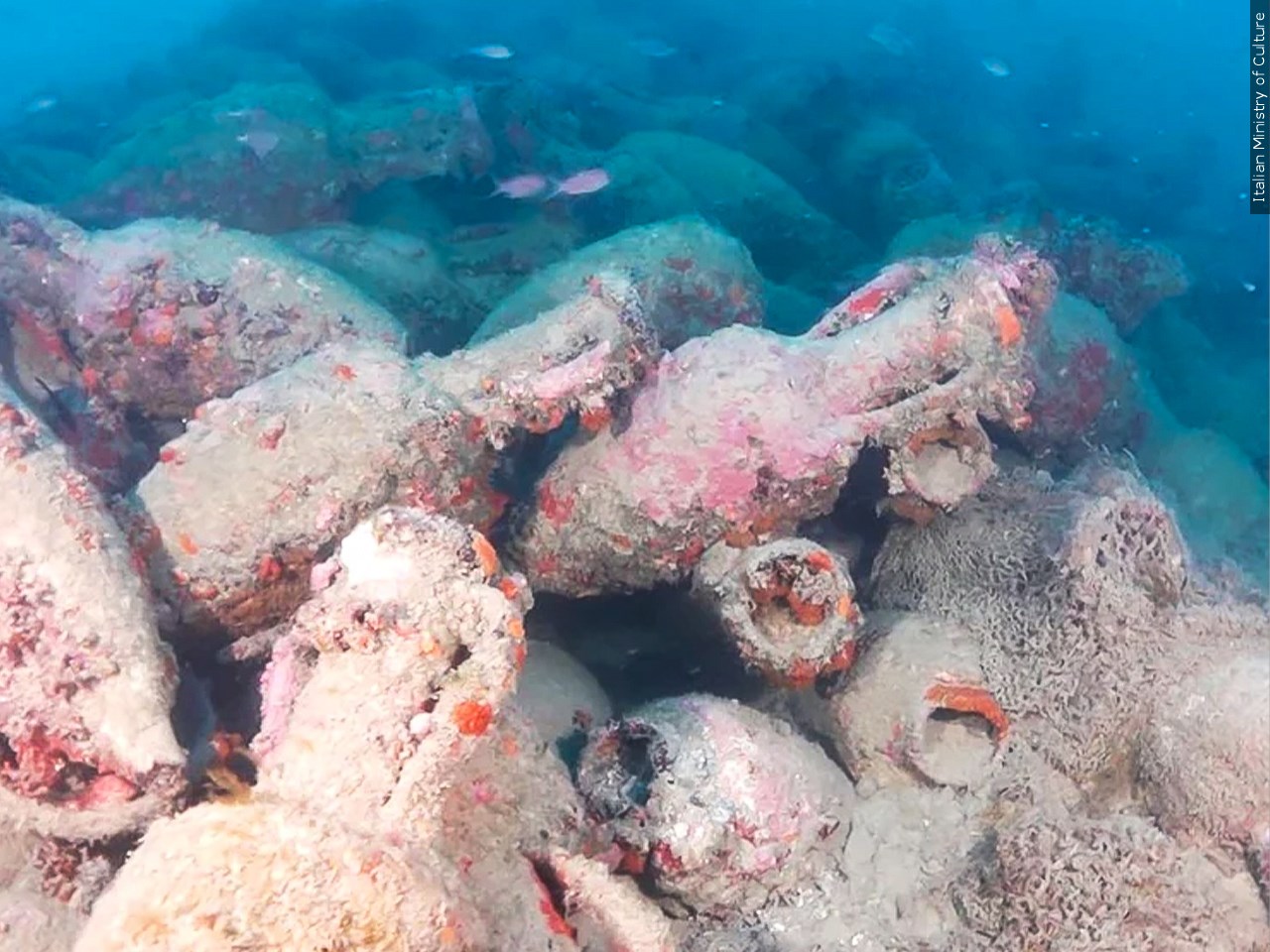
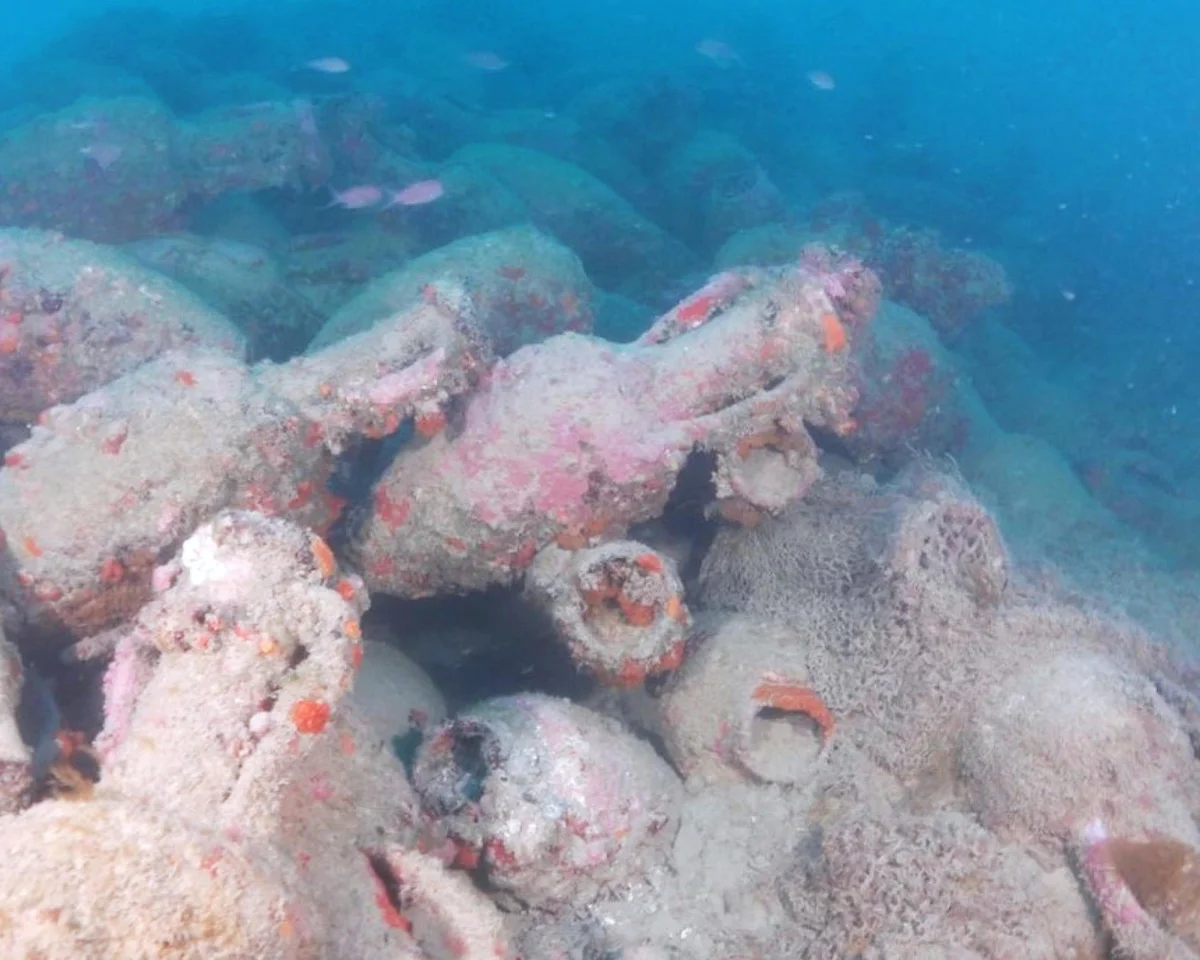
The vessel was found about 3 miles (5km) off Mazara del Vallo at a depth of around 46 metres (151ft), according to Italian authorities. It measures approximately 21 metres (69ft) long and 6 metres (20ft) wide.
The discovery followed a tip-off from fishermen, prompting Italy’s Carabinieri cultural heritage protection squad to send specialist divers to investigate the site using underwater cameras.
The wreck is believed to date from the second or first century BC and is loaded with hundreds of amphorae, ancient ceramic containers with narrow necks and two handles that were commonly used to transport goods across the Mediterranean.
Most of the cargo consists of Dressel 1A amphorae, which were widely used to transport wine. Archaeologists consider the containers particularly valuable because their distribution can help shed light on the commercial networks connecting Italy with other parts of the Mediterranean more than 2,000 years ago.
Italy’s Culture Minister Alessandro Giuli described the discovery as “one of the most important underwater archaeological discoveries of recent years”.
He said the wreck offered “precious fragments of our history” and provided further evidence of the trade routes and exchanges that made the Mediterranean a “crossroads of civilisations”.
Fisherman and free-diver Giacomo De Mola said he discovered the wreck while surveying the seabed near Mazara del Vallo. After noticing what appeared to be a large rock on his scanner, he decided to investigate.
“I get closer. And my heart stops. It wasn’t a rock,” De Mola wrote on Instagram, describing the moment he saw a vast area covered with amphorae.
“This is, without a doubt, the most incredible discovery of my life,” he said, adding that it was difficult to describe the feeling of being among the first people in nearly 20 centuries to see the site.
Footage he shared showed eels, snappers and other marine life living around the ancient containers.
Authorities are now preparing further investigations to establish the precise date of the wreck, the origin and destination of its cargo and the condition of the surviving material. Measures will also be introduced to protect the site during the research.
The discovery adds to a growing list of ancient shipwrecks found in Italian waters. A Roman vessel carrying wine amphorae was discovered off Palermo in 2021, while another Roman ship dating from the second century BC was found off the coast of Liguria in 2013.
Sicily’s strategic position along ancient maritime routes linking Europe, North Africa and the eastern Mediterranean has made its surrounding waters one of the region’s richest areas for underwater archaeology.
A 2,100-year-old Roman shipwreck carrying about 500 ancient amphorae has been discovered off the coast of Sicily, in what Italy’s culture minister has described as one of the most significant underwater archaeological finds in recent years.