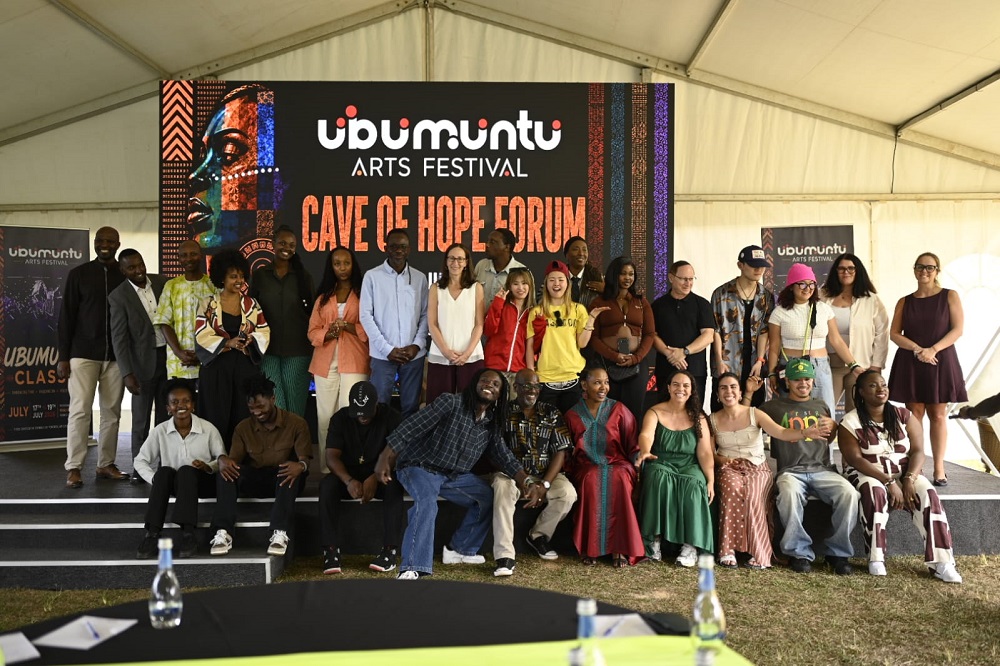
This sentiment was the cornerstone of The Cave of Hope Forum: An UnConference on Business, Sustainability & Cultural Diplomacy, held on Wednesday, 15 July 2026, at MÖVENPICK Hotel Kigali.
Creatives need greater financial support, stronger business skills and closer collaboration with financial institutions if Rwanda’s creative economy is to realise its full potential, participants at the 12th Ubumuntu Arts Festival stressed.
The call was made during The Cave of Hope Forum: An UnConference on Business, Sustainability & Cultural Diplomacy, held on Wednesday, July 15, 2026, at MÖVENPICK Hotel Kigali. The forum formed part of the 12th Ubumuntu Arts Festival, which is being held under the theme “Embracing Time: Holding On. Holding Together.”
Bringing together leaders from finance, the arts and mental health, the forum explored how creativity can be transformed into a sustainable economic sector through stronger financial support, business development and cultural diplomacy.
A recurring message throughout the discussions was that creativity extends far beyond entertainment. Speakers argued that when artists have access to financial knowledge, investment and appropriate financial products, the sector can generate jobs, revenue and broader social impact.
Among those advocating for stronger support was Bank of Kigali, which reaffirmed its commitment to helping creatives formalise their businesses and build sustainable enterprises capable of contributing more significantly to the national economy.
Marcelin Dukuzimana, Certified Product Manager at Bank of Kigali, said the bank views the creative industry as a sector with substantial emotional, social and economic value.
“When you empower one creative, you know that you are empowering an entire generation and the society around them,” he said.
Dukuzimana observed that while many creatives are already earning an income, they often operate informally, limiting their access to financing and opportunities for growth.
“These creatives are making money, although informally. As a bank, we have the expertise to help them put things in order, arrange their businesses, and convert their passion into entrepreneurial concepts that generate revenues,” he said.
He identified limited financial management skills and a lack of trust between creatives and financial institutions as key barriers preventing many artists from accessing formal financial services.
To bridge that gap, Bank of Kigali plans to roll out financial literacy programmes covering budgeting, bookkeeping, financial record-keeping and business planning. The initiative will be implemented through cohort-based training targeting creatives from different disciplines.
The bank is partnering with the Ministry of Youth and Arts and expects to launch the first training cohort in August 2026.
“We are going to keep training them every year until we establish a creative community that has the basics in terms of financial literacy,” Dukuzimana said.
The discussions extended beyond finance to examine the links between creativity, mental well-being and sustainable development.
During a roundtable titled “Building Sustainable Creative Futures through Cultural Diplomacy,” speakers highlighted how artistic expression can foster healing while also driving innovation and economic resilience.
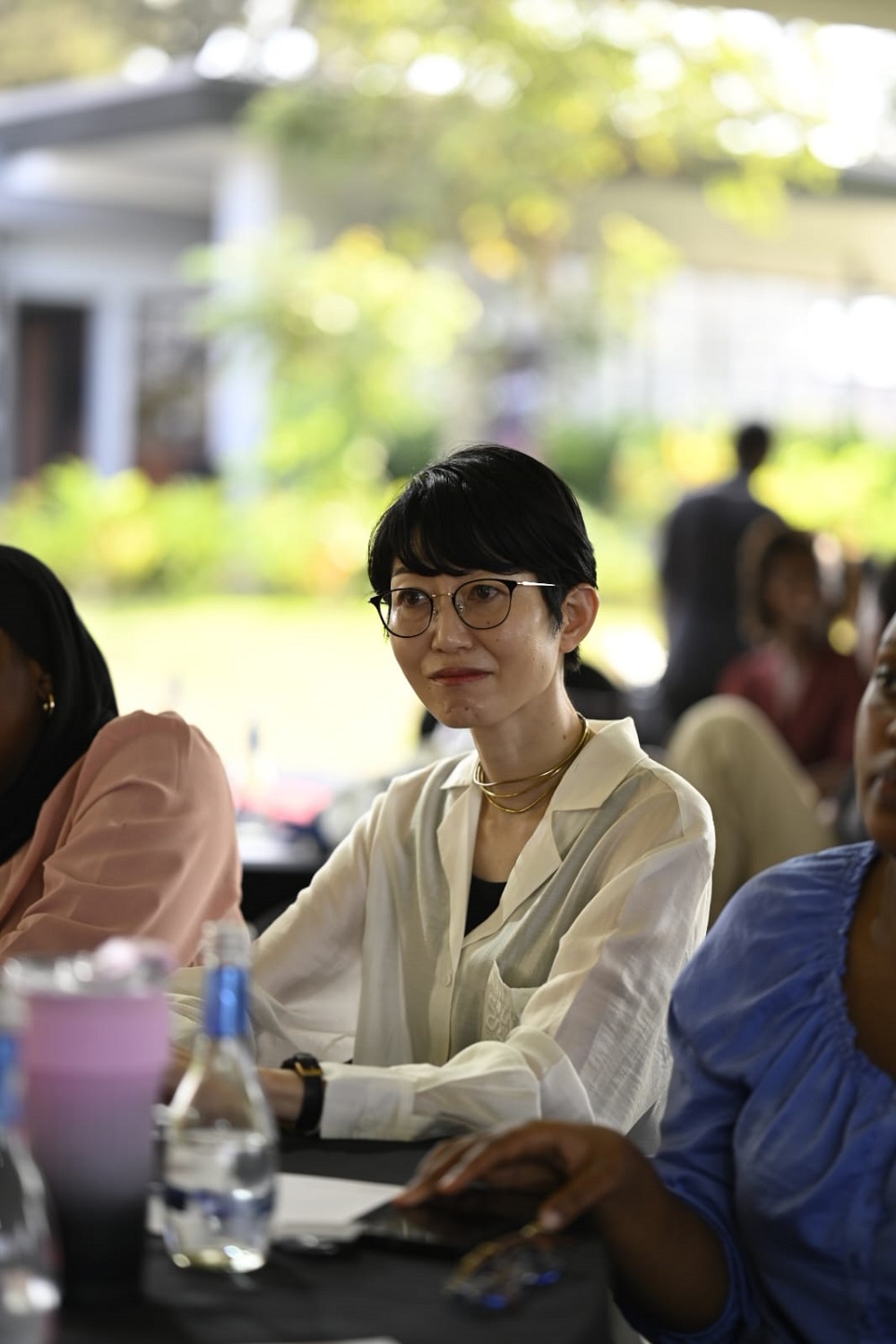
Moderated by Fola Folayan, the panel brought together Dukuzimana, architectural consultant Fatou Dieye and Emmanuel Karamira, a clinical psychologist at Solid Minds. Their discussion explored how financial stability, mental well-being and cultural diplomacy can collectively strengthen the creative ecosystem.
The event concluded with remarks from Canada’s High Commissioner to Rwanda, Ambassador Judy Crowley, who praised The Cave of Hope initiative for creating a platform that connects art, creativity, nature and society.
“The inspiration that the team brought here this afternoon through discovering The Cave of Hope project is such a diverse and honest sharing experience. It is absolutely unique,” she said.
Crowley added that the initiative’s holistic approach has the potential to inspire similar collaborations beyond Rwanda.
“It is beautiful, it is well thought through, and the fact that it is bringing together nature, society, creativity, and art is truly inspiring,” she said.
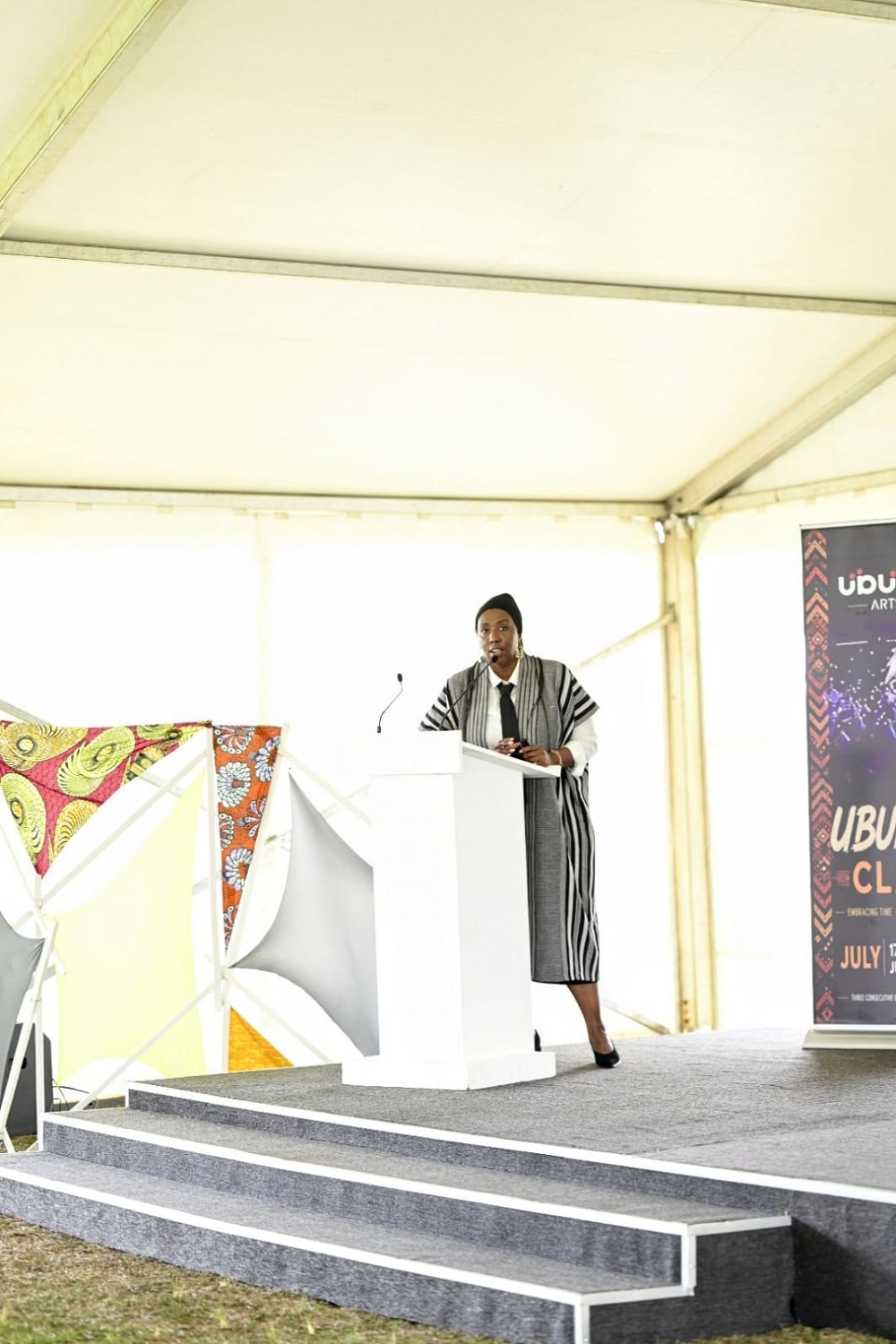
The forum began with participants touring The Cave of Hope Gallery before hearing opening remarks and a poetic reflection on hope by Hope Azeda. Fatou Dieye later presented The Cave of Hope concept, describing it as a space designed to encourage sustainable creative solutions, collaboration and innovation.
As discussions concluded, participants agreed that unlocking the full potential of Rwanda’s creative economy will require continued collaboration between artists, government, development partners and financial institutions.
The 12th Ubumuntu Arts Festival continues on Friday, July 17, with the Ubumuntu Classic performances at the Kigali Genocide Memorial amphitheatre, showcasing artists from around the world and reinforcing the festival’s commitment to promoting creativity, humanity and cultural exchange.
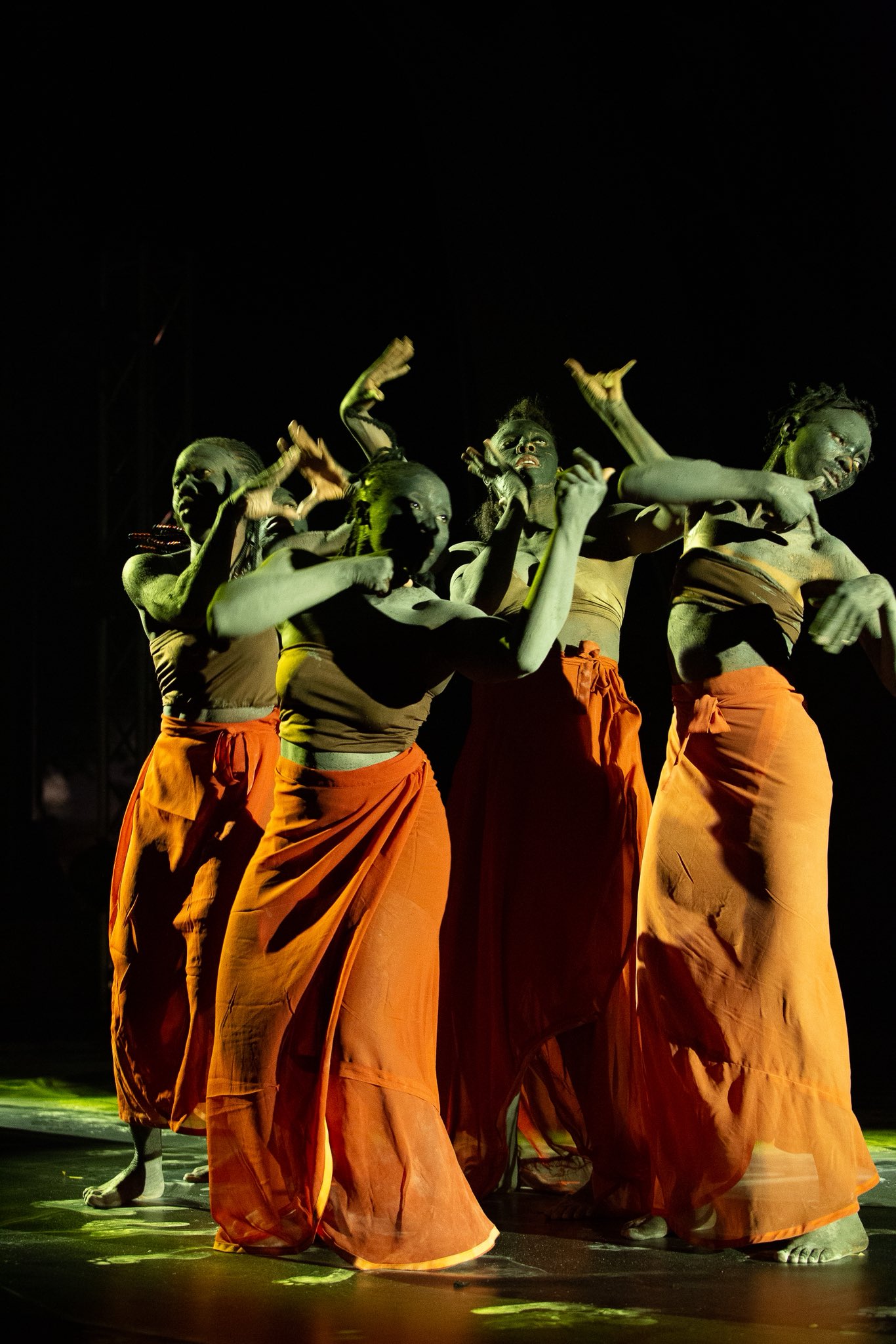
The forum formed part of the 12th Ubumuntu Arts Festival, which is being held under the theme “Embracing Time: Holding On. Holding Together.”Bringing together leaders from finance, the arts and mental health, the forum explored how creativity can be transformed into a sustainable economic sector.The discussions extended beyond finance to examine the links between creativity, mental well-being and sustainable development.
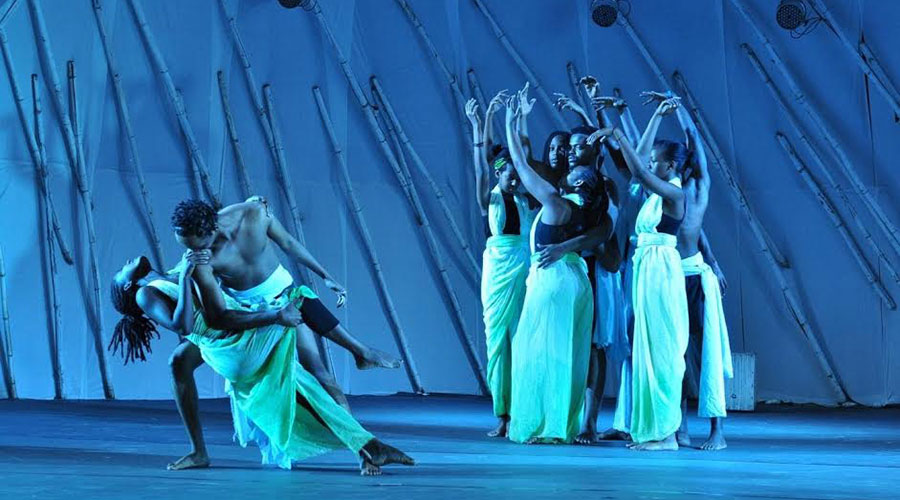
Held under the theme “Embracing Time: Holding On. Holding Together,” this year’s festival will feature a week-long programme of performances, discussions and creative engagements exploring healing, memory, resilience and human connection.
Organisers say the festival aims to highlight the role of art in transforming personal and collective struggles into shared strength while creating spaces for reflection, dialogue and renewed hope.
“This year’s theme speaks to where we are as people, as communities, and as a world still learning how to carry memory, pain, hope and possibility at the same time,” said Hope Azeda, Founder and Artistic Director of the Ubumuntu Arts Festival.
“Ubumuntu has always been about the power of art to remind us of our shared humanity. Through theatre, dance, music, literature and conversation, we are creating a space where people can pause, feel, remember, heal and imagine together,” she added.
Ubumuntu Arts Festival returns to Kigali for its 12th edition from July 13 to 19, 2026.
Founded in 2015 by Azeda, the Ubumuntu Arts Festival has grown into one of Rwanda’s leading international cultural events. Held annually after the 100-day commemoration of the 1994 Genocide against the Tutsi, the festival provides a platform for artists and audiences to engage with themes of memory, reconciliation, peace and social transformation.
The festival takes its name from the Kinyarwanda word “Ubumuntu,” meaning “being human,” reflecting its belief that art can unite people from diverse backgrounds through shared experiences and values.
The 2026 edition will begin on July 13 with Mental Health Day at Inzira Creative, focusing on the connection between artistic expression and mental well-being through workshops, discussions and interactive sessions.
Literature Day will follow on July 14, bringing together writers, poets and storytellers from Rwanda and beyond for readings, performances and conversations celebrating the written word.
Founded in 2015 by Azeda, the Ubumuntu Arts Festival has grown into one of Rwanda’s leading international cultural events.
On July 16, audiences will gather at Camp Kigali for Ikaze Night & Music Is Humanity, an evening of live performances centred on welcome, cultural exchange and unity.
The festival will conclude with the signature Ubumuntu Classic performances from July 17 to 19 at the Kigali Genocide Memorial, featuring nightly productions from 6:00 p.m. to 10:00 p.m.
The 12th edition will feature local and international artists and performing groups, including Afritheatre Collective, MindLeaps, Orly Portal Dance Company, World Pulse Ensemble, Atsushi Suzuki Crew, Agahozo Shalom, Beyond The Mainstream Storytellers, Ariel Rikka Dance, Backyard Stories, Inzozi Dance Company, Khalaha, Matthew Westerby Company, Teatro Azul, Playwright Playhouse, Lumina Dance Company and Millaz x Faiz Art Hub Foundation.
Ubumuntu Festival is set to return with stories of hope, healing and humanity.
Their performances will explore themes of identity, remembrance, resilience, belonging and hope.
Over the years, the festival has gained recognition as a platform where art intersects with healing and social change, bringing together voices from different continents to reflect on dignity, reconciliation and the shared human experience.
Its timing in Rwanda following the national commemoration period gives the festival a symbolic role in encouraging conversations on how creativity can contribute to building peaceful and inclusive societies.
The 2026 edition is supported by venue partners Inzira Creative, MÖVENPICK Hotel, Camp Kigali and the Kigali Genocide Memorial.
All activities are open to the public free of charge, with organisers inviting artists, students, cultural practitioners, families, media and visitors to Kigali to take part in the week-long celebration.
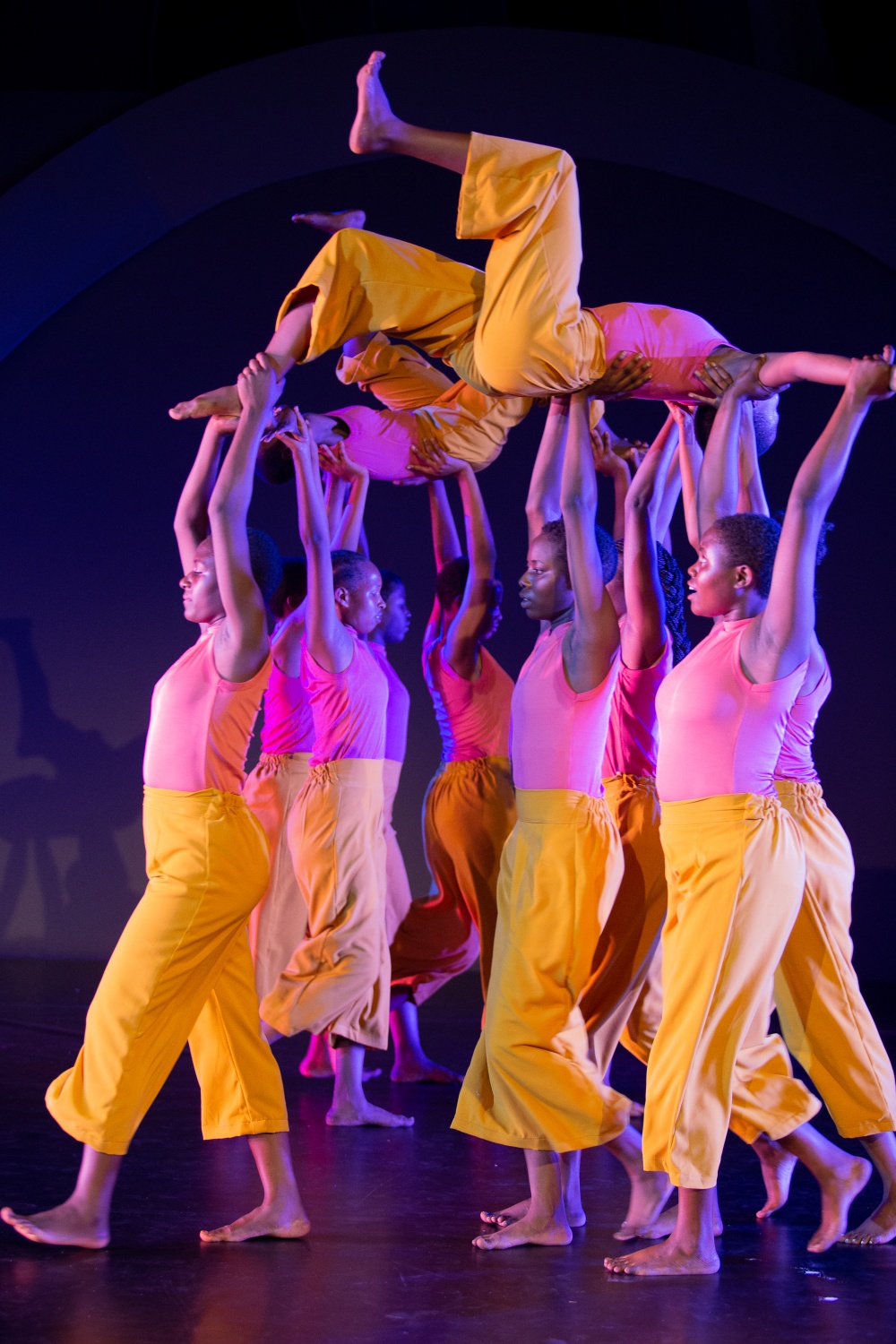
Held under the theme “Embracing Time: Holding On. Holding Together,” this year’s festival will feature a week-long programme of performances, discussions and creative engagements exploring healing, memory, resilience and human connection.
The discovery was announced by the country’s Tourism and Antiquities Ministry on Saturday and comes from excavations at the Dakhla Oasis in the western New Valley region.
Experts say the settlement dates to the fourth century, when Egypt was part of the Byzantine Empire, and preserves a rare snapshot of daily life, economic activity, and city planning.
The site features a clearly organized street network, with north-south roads intersecting east-west routes. Officials described the layout as “forming open squares and public spaces,” according to Hisham el-Leithy of the Supreme Council of Antiquities.
At the heart of the city stands a basilica church dating to the mid-fourth century, alongside watchtowers that likely protected the settlement’s outskirts. Archaeologists also identified heavily fortified buildings, vaulted-roof homes, and a structure believed to be the house of Tisous, a church deacon that may have functioned as an early house church.
Excavations have also revealed bread ovens, kitchens, grinding tools, and a range of artifacts that reflect everyday economic activity. These include well-preserved bronze and gold coins bearing imperial imagery, as well as around 200 pottery fragments, or ostraca, inscribed with records of trade, correspondence, and administrative life.
The Ministry of Tourism and Antiquities said the discovery highlights the historical importance of the Dakhla Oasis, which lies on UNESCO’s Tentative List, as Egypt continues to promote heritage tourism as a key source of foreign currency.
In a separate excavation at Marina el-Alamein near Alexandria, archaeologists also uncovered 18 additional ancient tombs, bringing the total at the site to 48. Finds included pottery vessels, limestone basins, and a granite sarcophagus with skeletal remains, underscoring the continued richness of Egypt’s archaeological record.
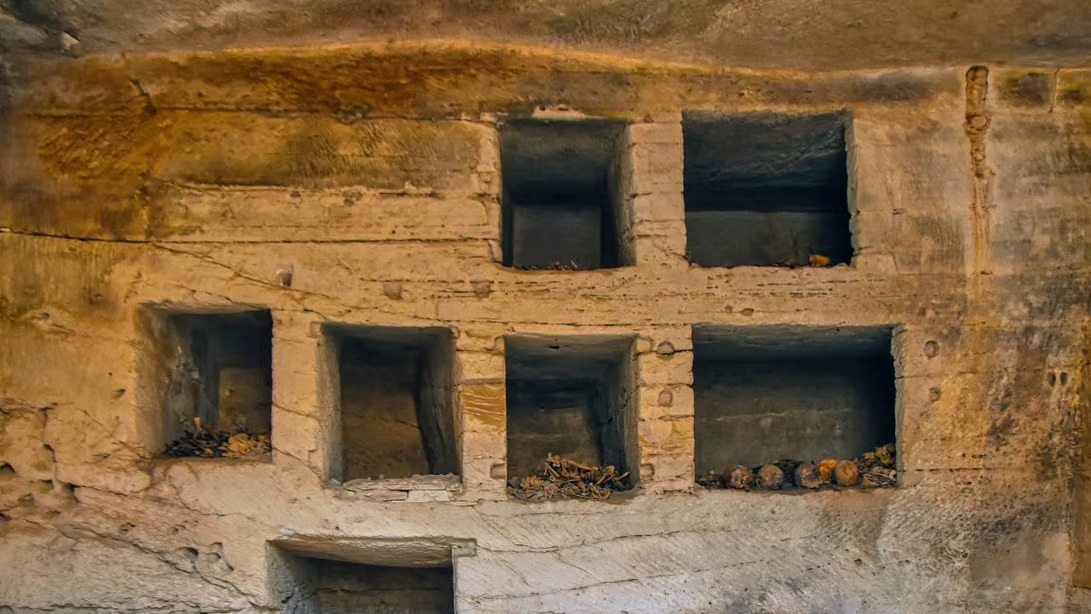
In this photo provided Saturday, July 4, 2026, by the Ministry of Tourism and Antiquities, some of the seven surface limestone-built tombs discovered at the Marina el-Alamein archaeological site are seen west of the Mediterranean city of Alexandria, Egypt.In this photo provided Saturday, July 4, 2026, by the Ministry of Tourism and Antiquities, some of the seven surface limestone-built tombs discovered at the Marina el-Alamein archaeological site are seen west of the Mediterranean city of Alexandria, Egypt.
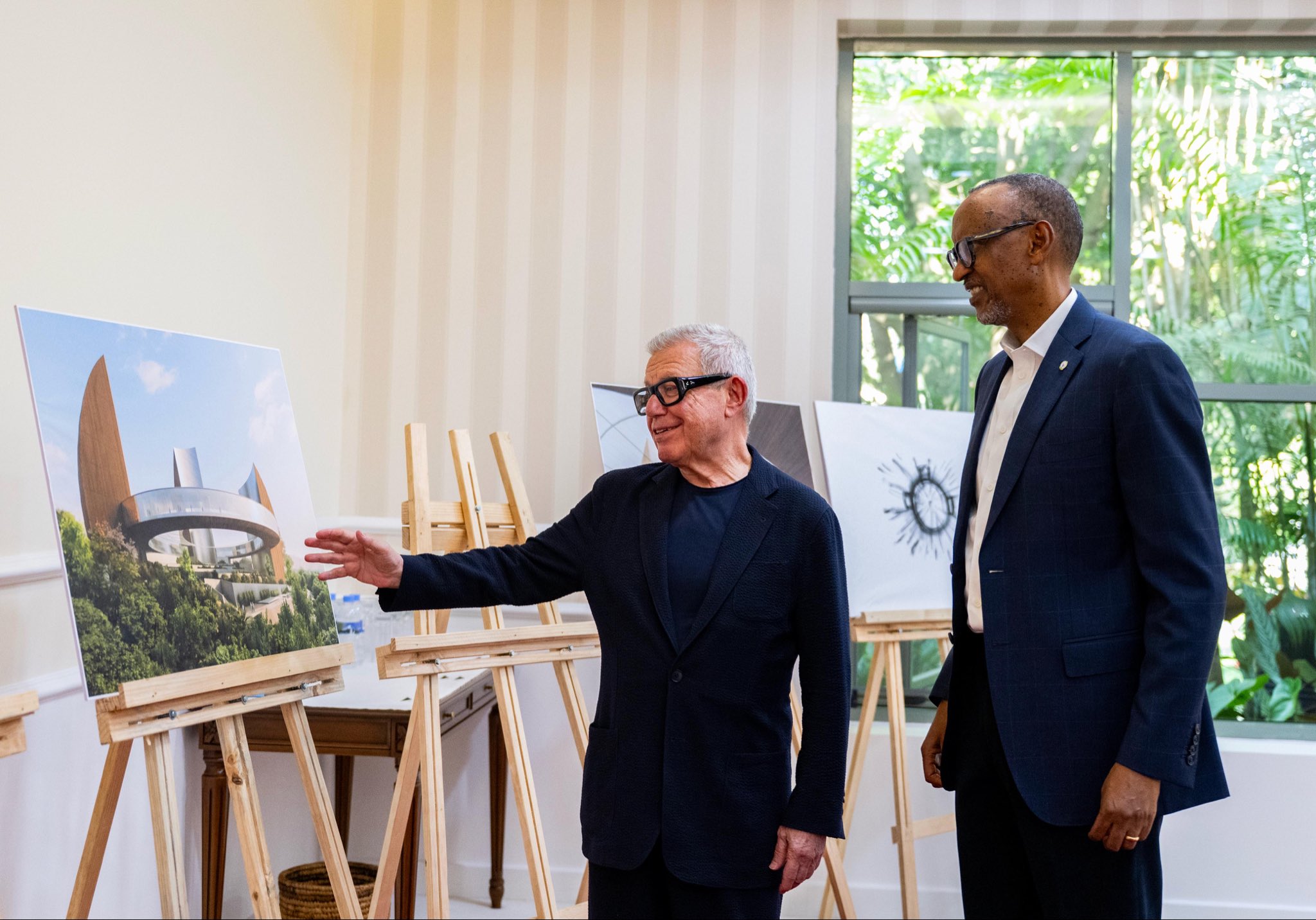
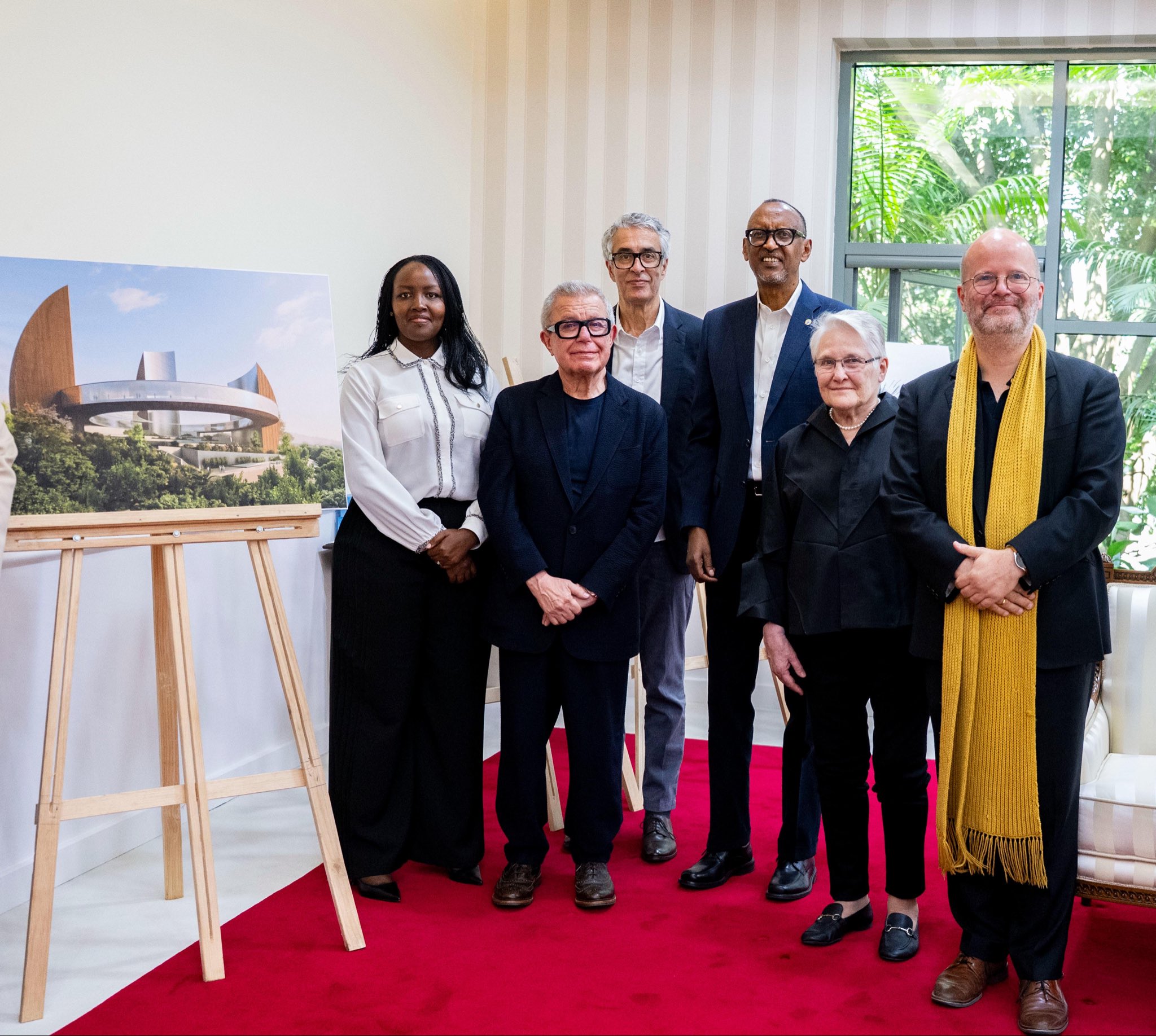
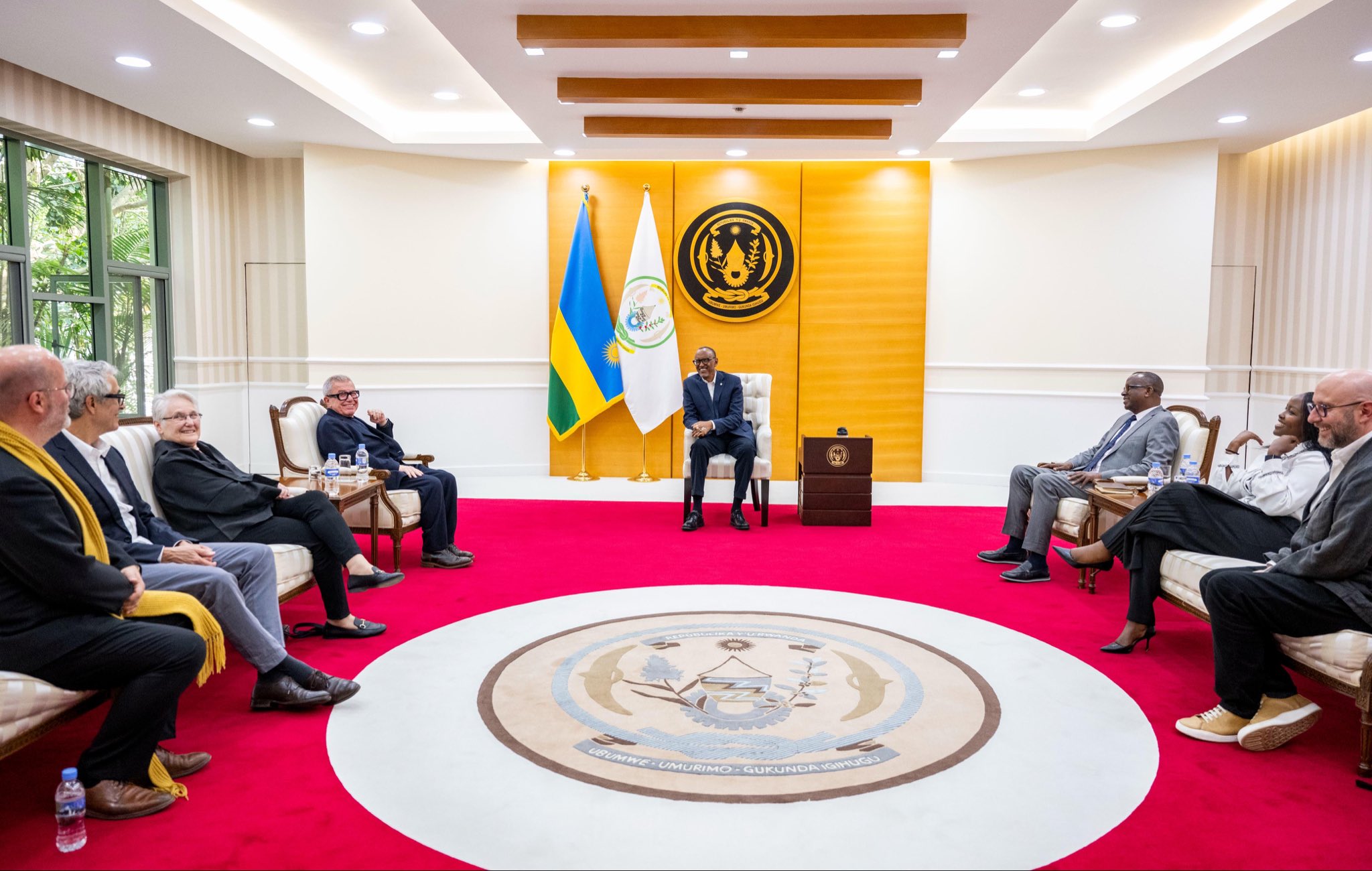
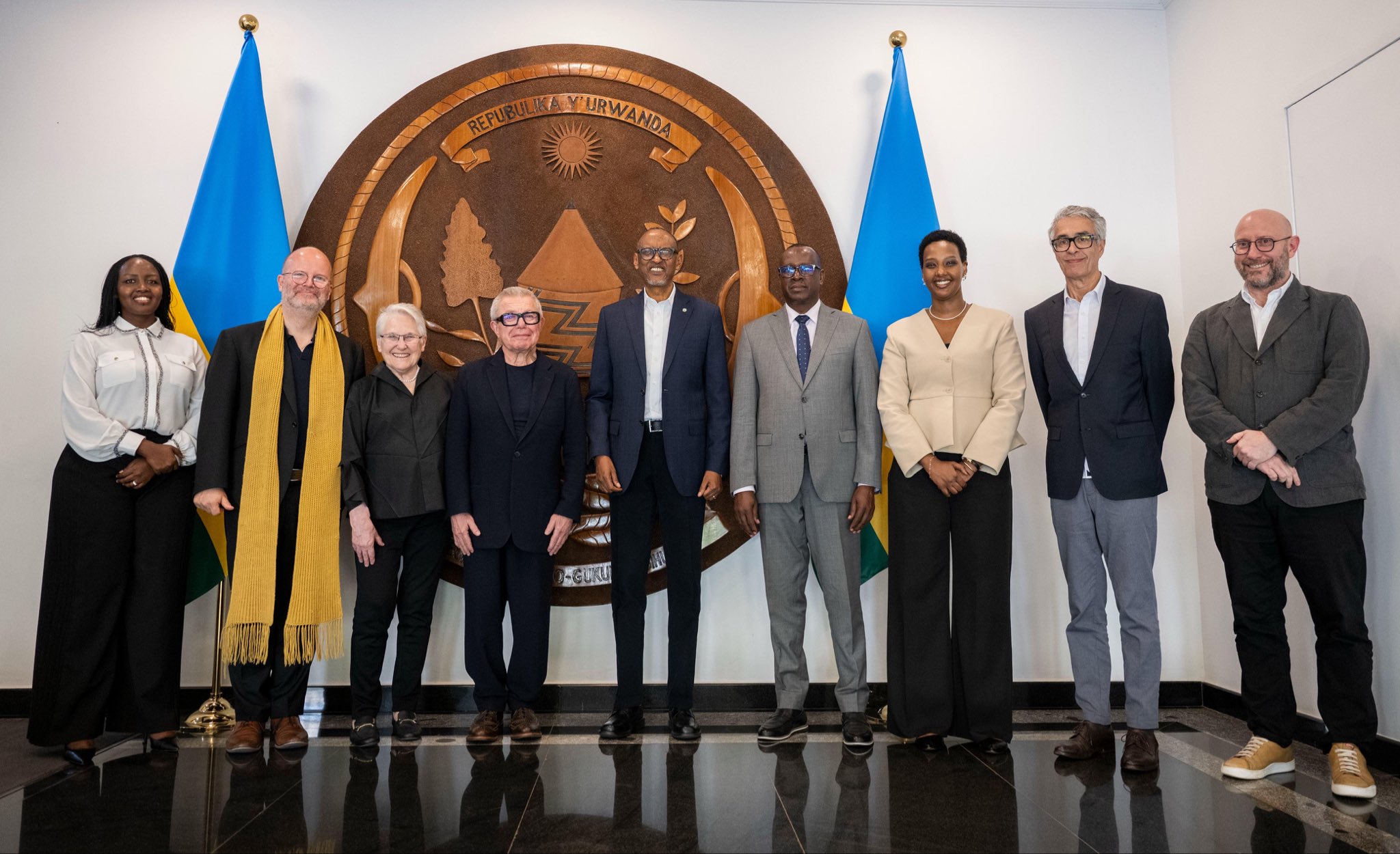
The meeting took place at Urugwiro Village and brought together Daniel Libeskind, Founder and Principal Architect of Studio Libeskind; Nina Libeskind, Co-founder of Studio Libeskind; Stefan Blach, Partner at Studio Libeskind; and Holm Keller, Chairman of the kENUP Foundation.
The planned monument is expected to transform the Kigali Genocide Memorial in Gisozi, where more than 250,000 victims of the 1994 Genocide against the Tutsi are laid to rest, into a powerful space for remembrance, education, and reflection through cutting-edge technology and a deeply immersive, personal visitor experience.
Daniel Libeskind was born in 1946 in Poland to Jewish parents who survived the Holocaust, the Nazi murder of six million Jewish people during World War II. That history is inseparable from his work. Rather than designing buildings that simply house exhibitions, Libeskind engineers the architecture itself into the emotional experience: walls lean, floors tilt, spaces are left deliberately empty. The building becomes the story.
This is the philosophy coming to Gisozi. Here are 10 projects that show what that means in practice:
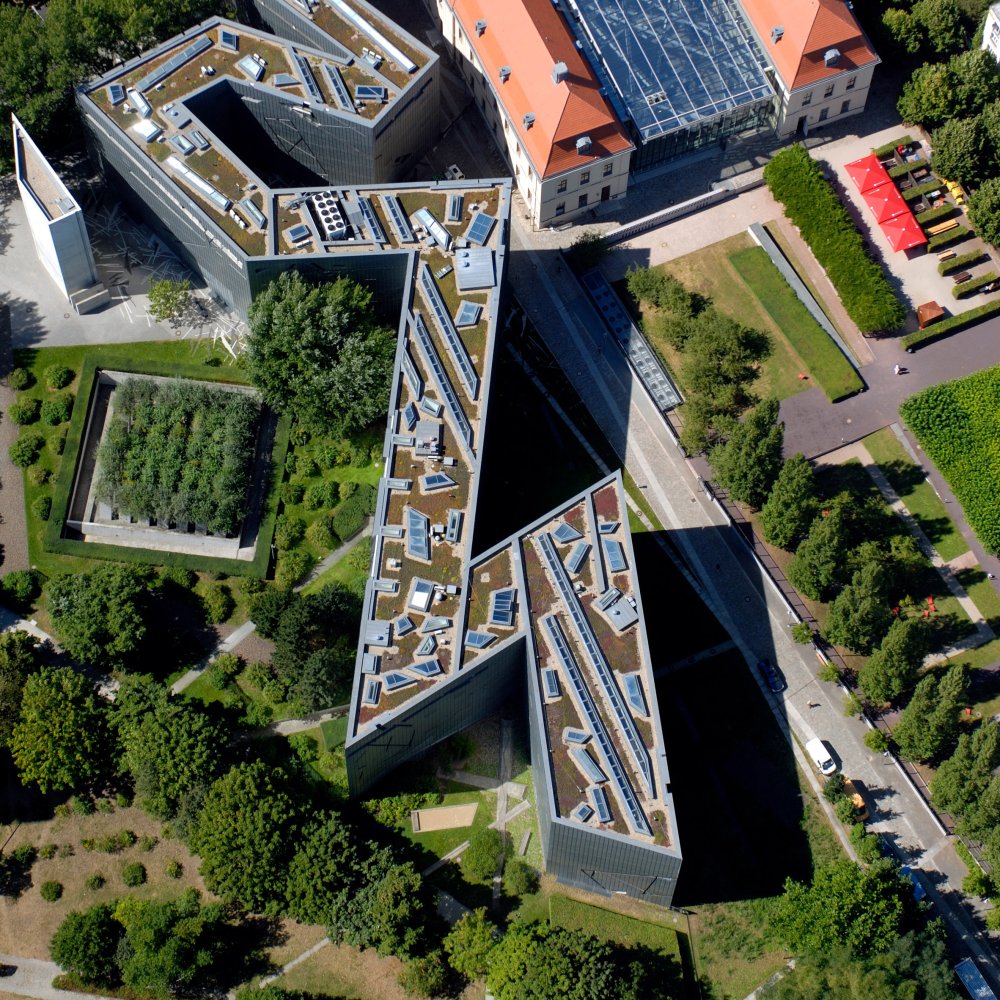
1. Jewish Museum Berlin (Germany)
This is the project that founded Studio Libeskind and established its global reputation. The titanium-zinc-clad building zigzags across its site, its surface cut by narrow, irregular windows that slash the facade like wounds.
Inside, a series of “Voids”, tall, unheated concrete chambers, cut through the building from basement to roof. Visitors can peer into them from bridges overhead but cannot enter. They represent the absence left by the six million people killed in the Holocaust: the conversations, children, and contributions that no longer exist. The emptiness is the exhibit.
Completed: 2001
Construction cost:$87 million (approx. €60 million)
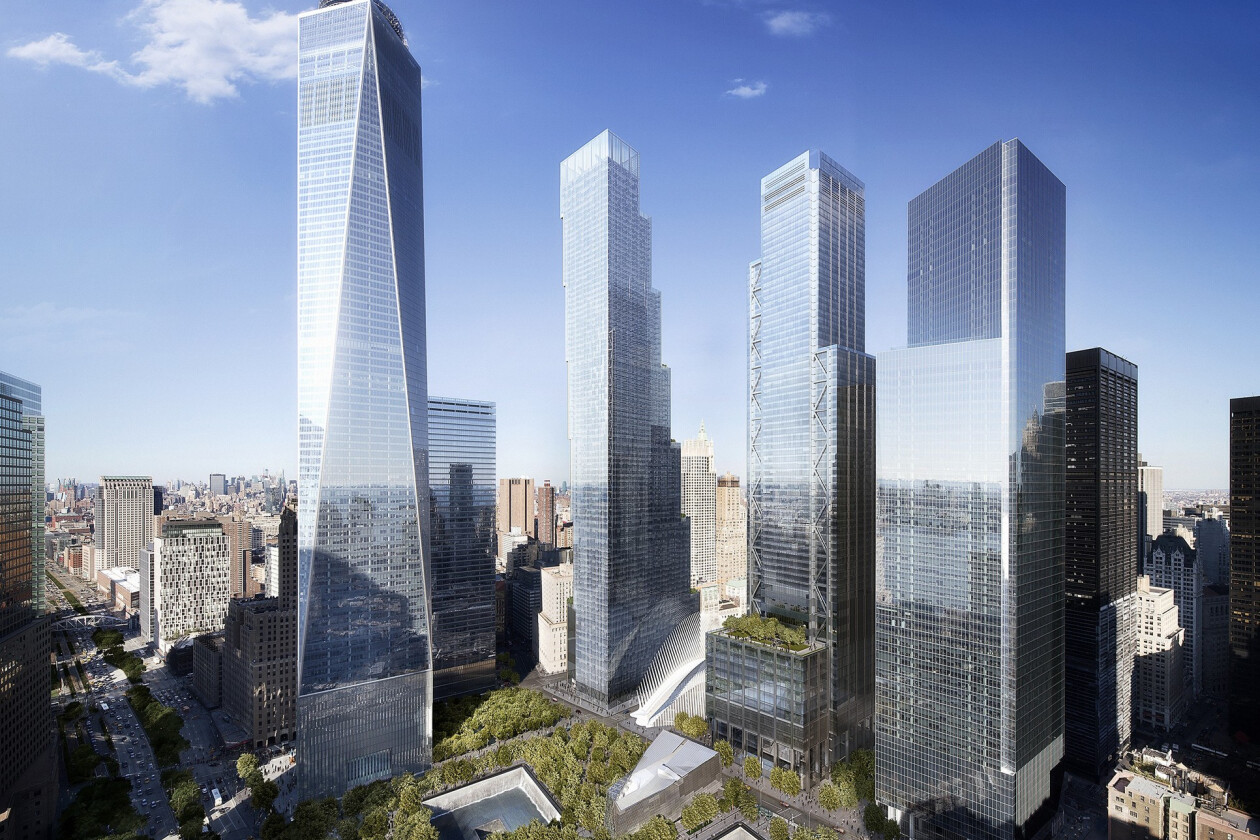
2. World Trade Center Master Plan (New York City, USA)
On 11 September 2001, nearly 3,000 people were killed when terrorist attacks brought down New York’s Twin Towers. The 16-acre site became the most scrutinised piece of land on earth. After an intense international competition, Libeskind’s “Memory Foundations” plan was selected to guide the rebuilding.
Where others proposed filling the ground with new towers immediately, Libeskind kept the towers’ footprints permanently open, the space that became today’s memorial pools. He also fought successfully to preserve a stretch of original underground slurry wall that had survived the collapse, framing it as a symbol of resilience. It remains visible to visitors at the 9/11 Memorial Museum today.
Completed: 2003 (master plan selected); site construction 2006–2016
Construction cost: Total site redevelopment cost over $20 billion. One World Trade Center alone cost $3.9 billion, making it the most expensive skyscraper ever built in the United States at the time.
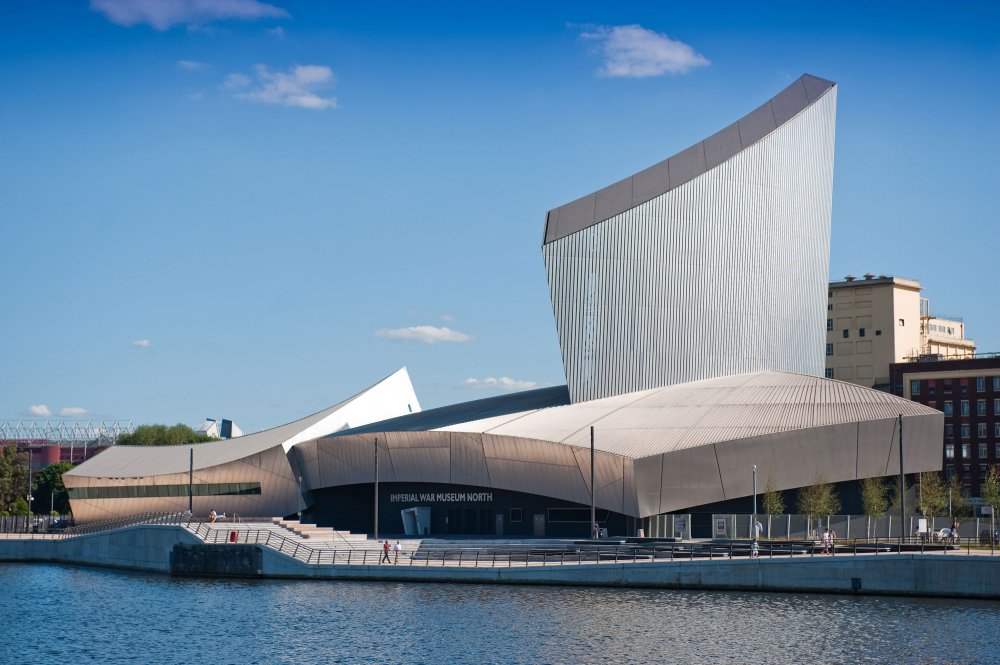
3. Imperial War Museum North (Greater Manchester, UK)
During World War II, the Trafford Park area of Greater Manchester, home to factories producing Lancaster bombers and Rolls-Royce aircraft engines, was targeted in the Manchester Blitz. Over two nights in December 1940, 684 people were killed. The Imperial War Museum’s northern branch was built on that same bombed waterfront.
The building is composed of three interlocking aluminium-clad shards representing war on earth, in the air, and on water, fragments of a globe shattered by conflict. Inside, floors curve subtly underfoot and walls lean at unsettling angles. There are no comfortable right angles. The disorientation is deliberate: Libeskind wanted the building itself to produce the instability of wartime before a single exhibit is read.
Completed: 2002
Construction cost: £28.5 million (approx. $40 million). Originally budgeted at £40 million, the project was completed under budget after funding shortfalls led to design economies including substituting metal for concrete in the shards.
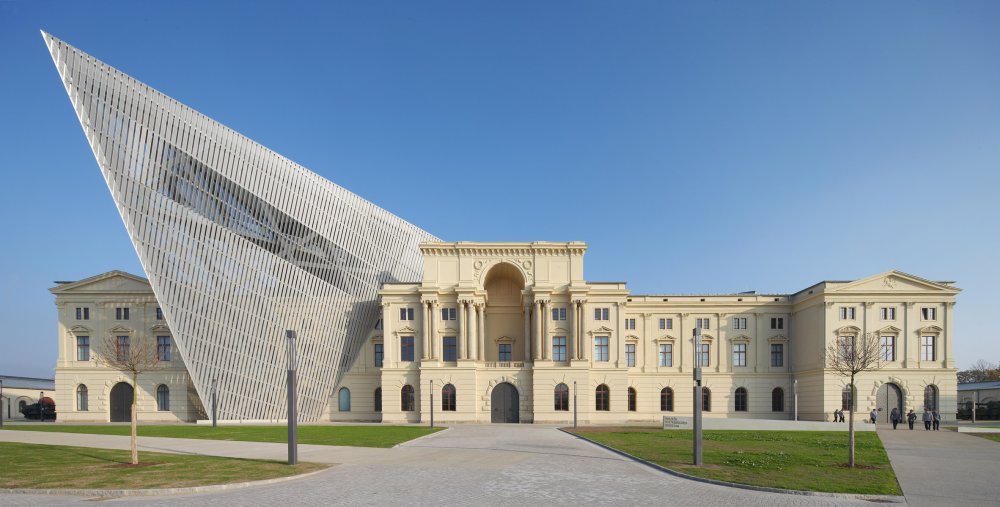
4. Military History Museum of the Bundeswehr (Dresden, Germany)
In February 1945, British and American bombers conducted devastating raids over Dresden, creating a firestorm that killed tens of thousands of civilians. Decades later, Libeskind was asked to transform the city’s neoclassical military arsenal, originally completed in 1876, from a glorification of military power into an honest reckoning with war’s costs.
His response was to drive a massive five-storey steel-and-glass wedge straight through the centre of the old building. The contrast between nineteenth-century stone and sharp modern glass is deliberately violent: authoritarian order cracked open. The tip of the wedge points in the direction from which Allied bombers approached on those February nights, a permanent, silent gesture anchoring the building to the city’s defining wound.
Completed: 2011
Construction cost: €48 million (approx. $65 million), funded entirely by the German federal government.
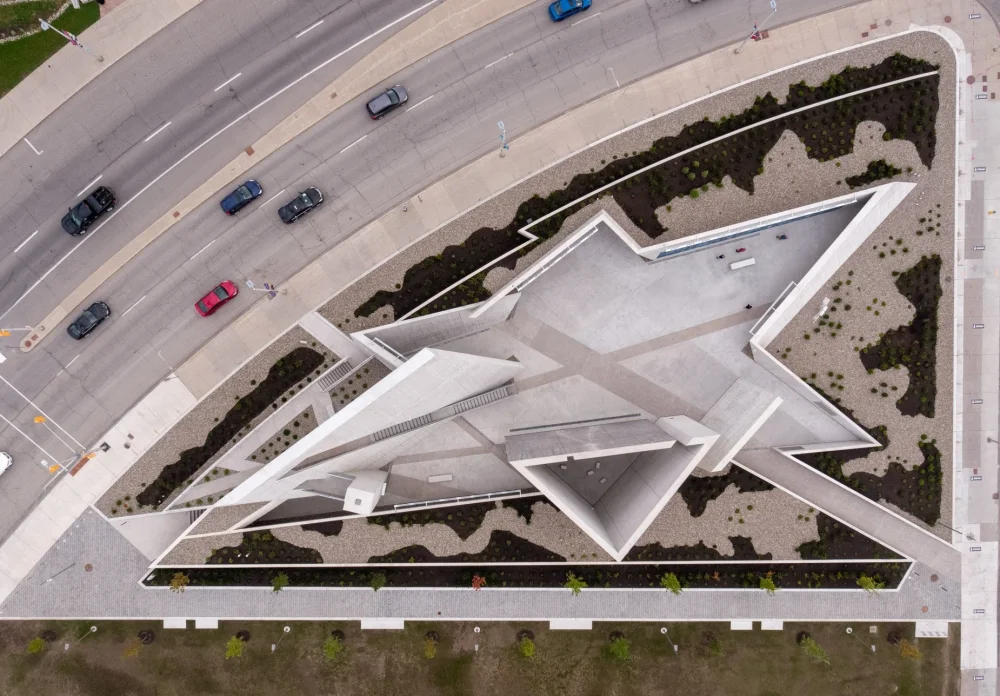
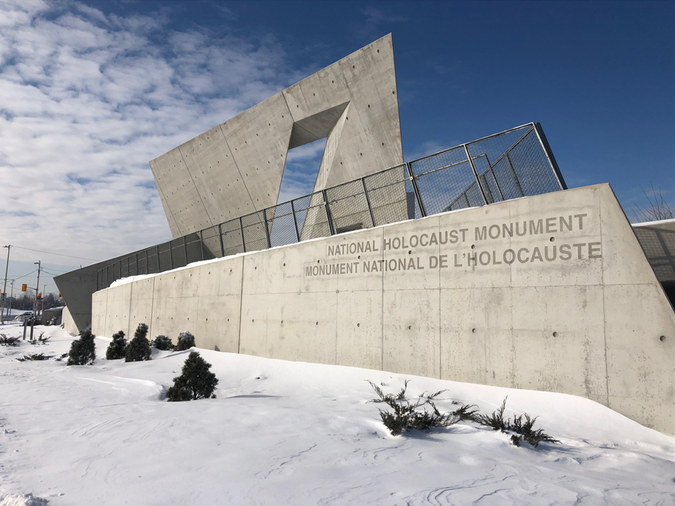
5. National Holocaust Monument (Ottawa, Canada)
Canada’s national Holocaust memorial features six raw concrete volumes that, viewed from above, form a fractured Star of David, the ancient symbol of Jewish identity, broken apart. Visitors move through narrow, oppressive concrete corridors that gradually open upward to the sky: confinement giving way to hope.
The interior walls carry large monochromatic photographs by artist Edward Burtynsky, laser-etched directly into the concrete, haunting wide-angle images of European death camp landscapes. History is not displayed on a panel to be walked past. It is built into the walls themselves.
Completed: 2017
Construction cost:C$7.2 million (approx. $5.6 million USD), split between the Canadian government and private donors.
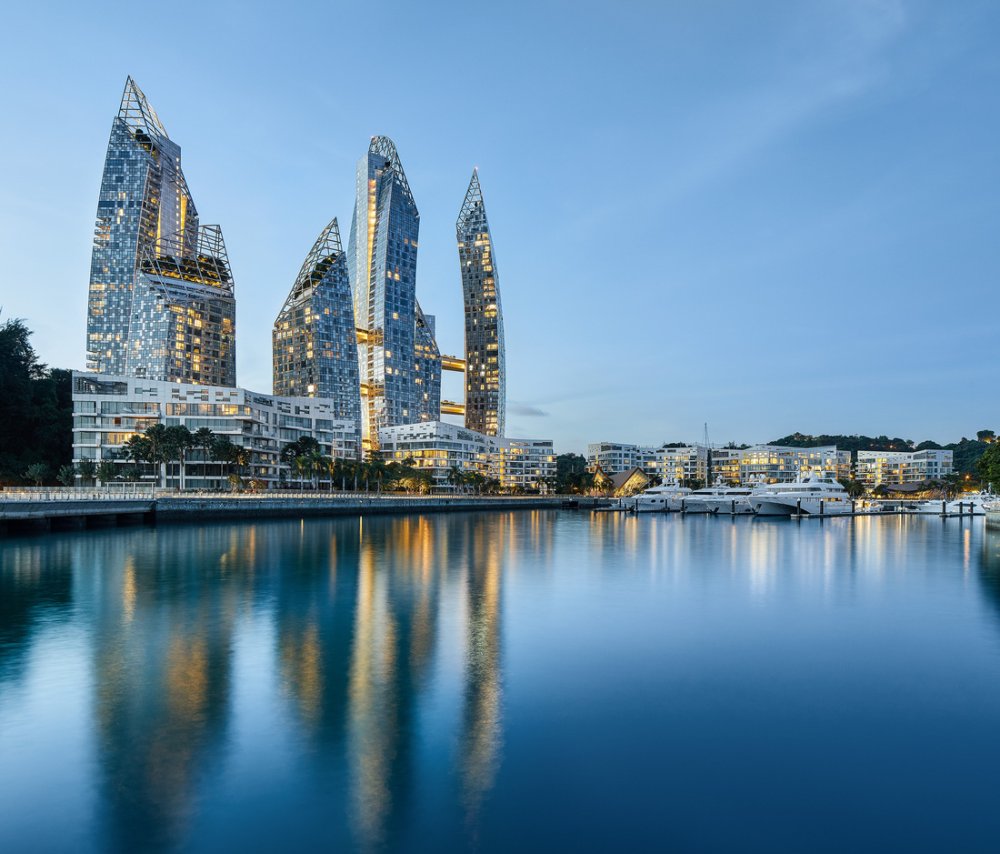
6. Reflections at Keppel Bay (Singapore)
Not every Libeskind project is a memorial. This luxury waterfront development—six curved glass towers between 24 and 41 storeys, demonstrates that the studio’s philosophy translates equally into the architecture of everyday life.
In a city defined by residential uniformity, the development was designed so that no two apartments across the entire complex share the same floor plan or view. Shifting angles, alternating orientations, and changing crown geometry give every home its own character. It is Libeskind’s argument, made in glass and steel, that people deserve to live in spaces shaped for them, not mass-produced around them.
Completed: 2011
Construction cost: Construction cost not publicly disclosed. The development sold 1,129 luxury apartments across a 750-metre waterfront site, with unit prices at the time of sale ranging from SGD $1.5 million to over SGD $10 million.
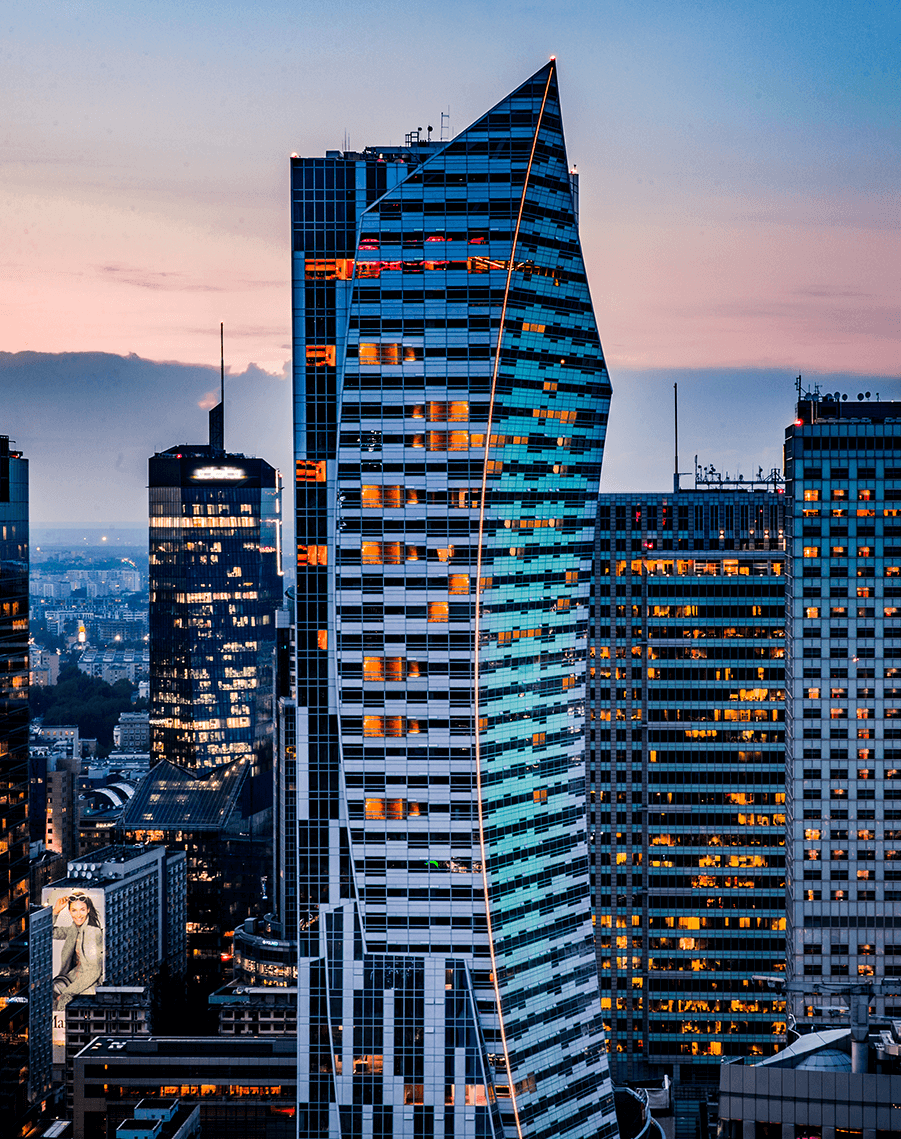
7. Złota 44 (Warsaw, Poland)
Warsaw was systematically destroyed by Nazi Germany during World War II, over 85% of the city razed. That it stands today, rebuilt and thriving, is one of history’s great acts of collective will. It was into this city that Libeskind returned to build his first major project in his birth country.
The 52-storey, 192-metre luxury residential tower’s sweeping glass facade curves upward in the shape of an eagle’s wing, Poland’s national emblem, representing freedom and sovereignty. Across the street, the heavy communist-era Palace of Culture looms. Złota 44 rises in direct contrast: light, fluid, and forward-looking.
Completed: 2016
Construction cost: Estimated €163 million (approx. $175 million) construction cost. The project faced severe financial difficulties; the original developer sold it midway through construction for just €50 million after significant losses.
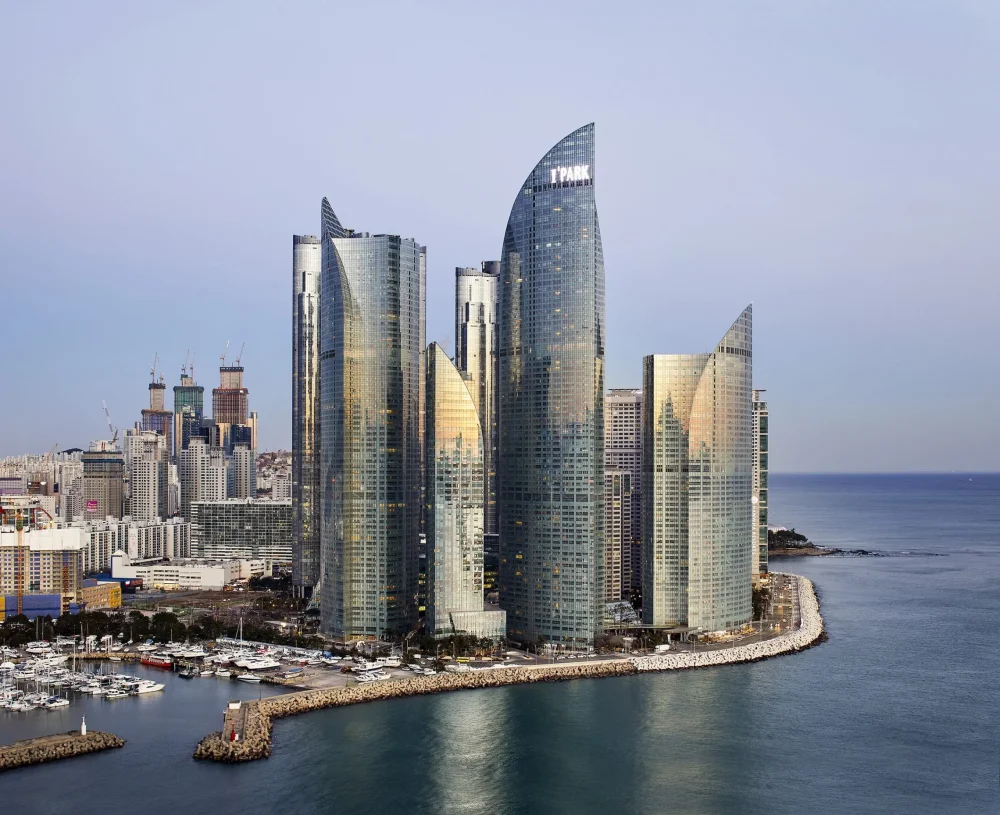
8. Haeundae Udong Hyundai I’Park (Busan, South Korea)
Busan is South Korea’s second largest city and its largest port, a place whose identity is inseparable from the ocean. This waterfront development comprises three residential towers, the tallest reaching 72 storeys, alongside a hotel, offices, and retail.
Each tower was mathematically modelled to present a completely different silhouette depending on the angle of approach, the buildings seem to shift and breathe as you move around them. The curves draw on Korean natural tradition: ocean waves, wind-filled sails. The result is a large-scale modern complex that belongs unmistakably to the coastline it occupies.
Completed: 2011
Construction cost: Construction cost not publicly disclosed. The full 4.5-million-square-foot mixed-use development is one of the largest residential complexes in South Korea.
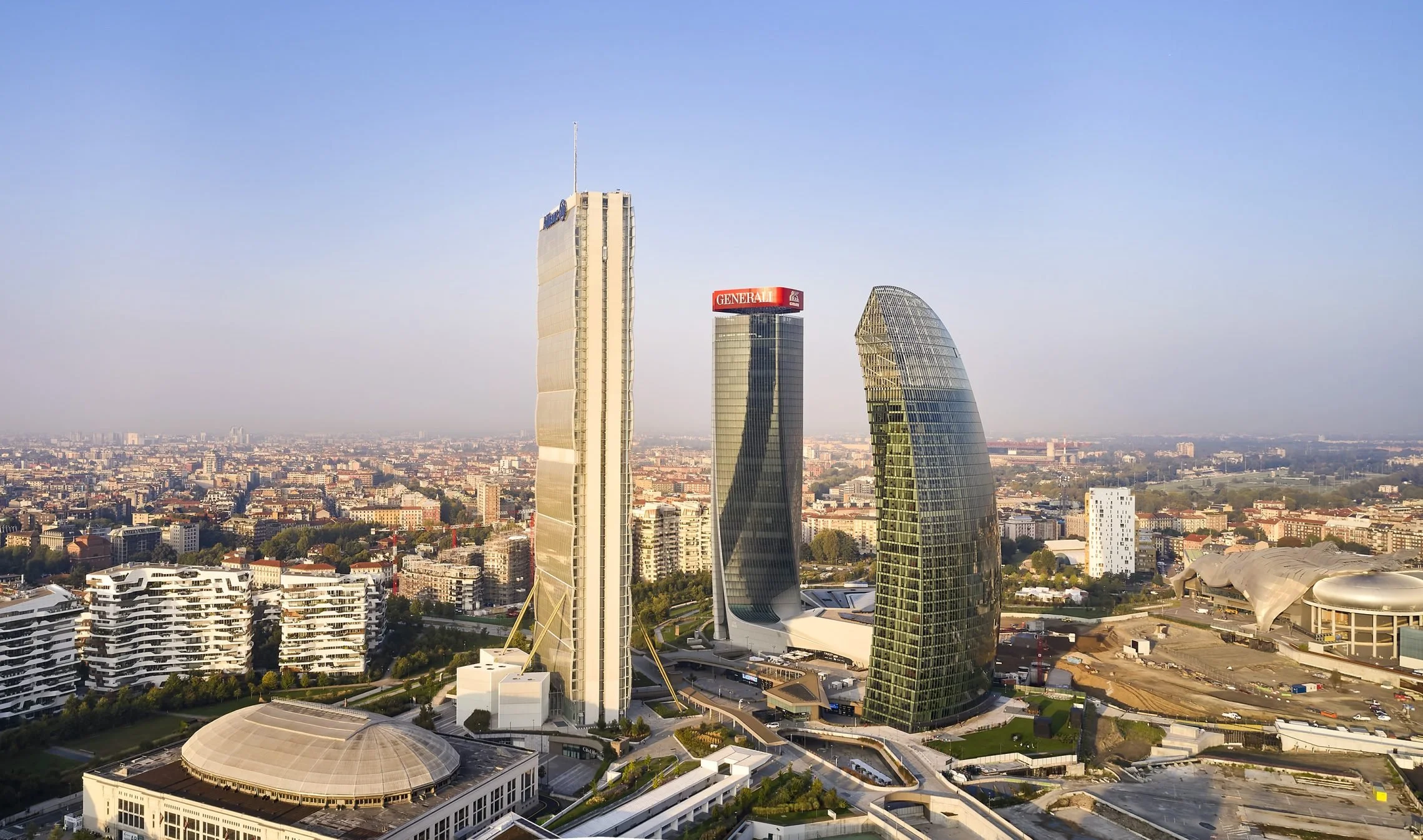
9. PwC Tower / CityLife Master Plan (Milan, Italy)
Part of a major regeneration of Milan’s historic fairgrounds, this 175-metre office tower, known locally as Il Curvo (The Curved One), tilts and arcs in a single clean geometric sweep from base to summit. In a skyline of vertical towers, its curve is immediately legible from across the city.
The design is a contemporary reinterpretation of the arcing forms found throughout Italian architectural history, translated into glass and steel. A building that speaks to where it stands rather than ignoring it.
Completed: 2020
Construction cost: Construction cost not publicly disclosed. The broader CityLife masterplan, encompassing three towers by Libeskind, Zaha Hadid, and Arata Isozaki, plus residential and retail, represents a total investment of over €2 billion.
10. Infinity Towers (Shanghai, China)
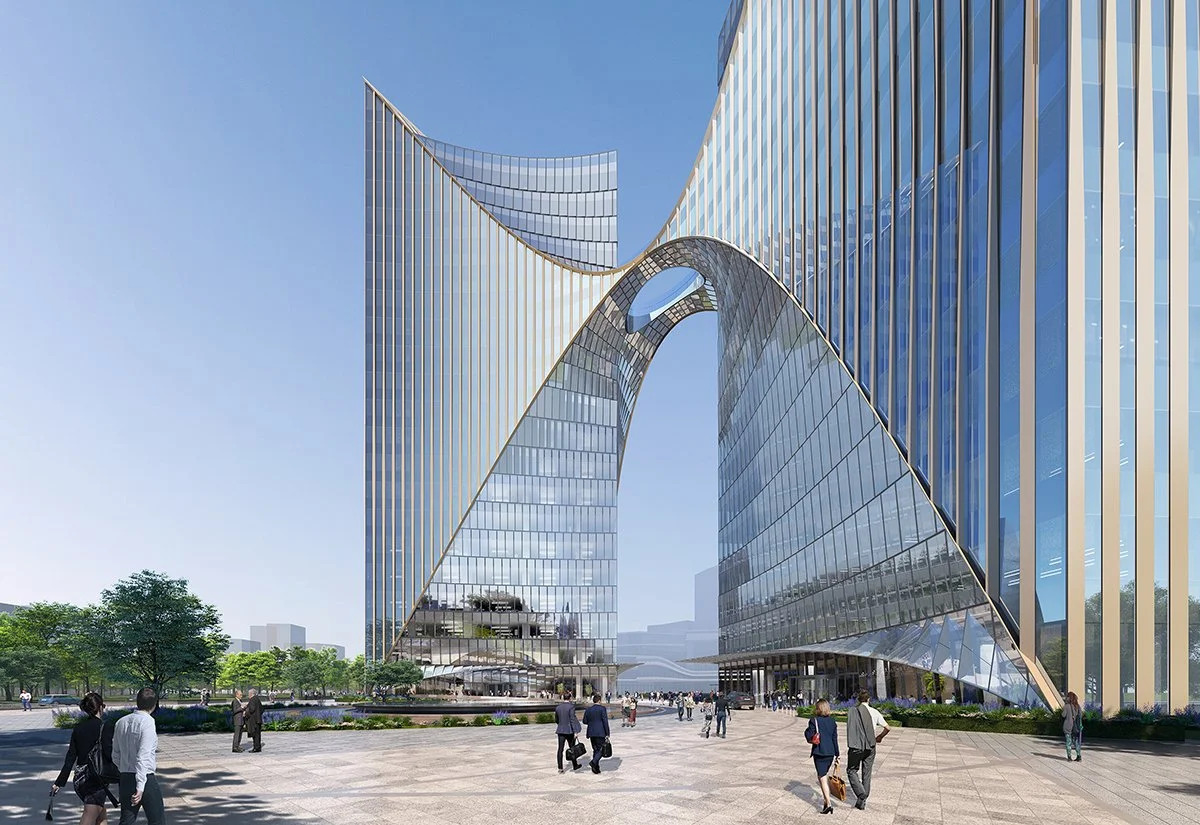
Currently under construction for the Lingang Group, these twin 100-metre commercial towers twist as they rise, their forms designed to evoke two dancing cranes, ancient Chinese symbols of longevity and wisdom, leaning toward each other mid-step.
The towers are connected at the 15th floor by a skybridge whose centre features a circular opening in the floor, looking directly down onto public water plazas below. It is a small gesture but a characteristic one: in a building designed to function, Libeskind finds the moment where structure, nature, and wonder briefly meet.
Completed: Under construction (expected completion not publicly confirmed)
Construction cost: Construction cost not publicly disclosed.
Other Notable Projects
Studio Libeskind has also designed the
Zhang Zhidong Museum (Wuhan, China)
Tikva Jewish Museum (Lisbon, Portugal)
Modern Art Center Vilnius (Lithuania)
Danish Jewish Museum (Denmark)
The Garden of Earthly Worries
The Wheel of Conscience Crystals at CityCenter (United States)
Bord Gáis Energy Theatre (Ireland)
Run Run Shaw Creative Media Centre (Hong Kong)
Ogden Centre at Durham University (United Kingdom)
Memoria e Luce 9/11 Memorial (Padua, Italy)
Albert Einstein Discovery Center (Ulm, Germany)
Together, these projects demonstrate Studio Libeskind’s defining conviction: that architecture is not a container for history, it is a way of making history felt. It is an approach that speaks directly to what Kigali will build at Gisozi.
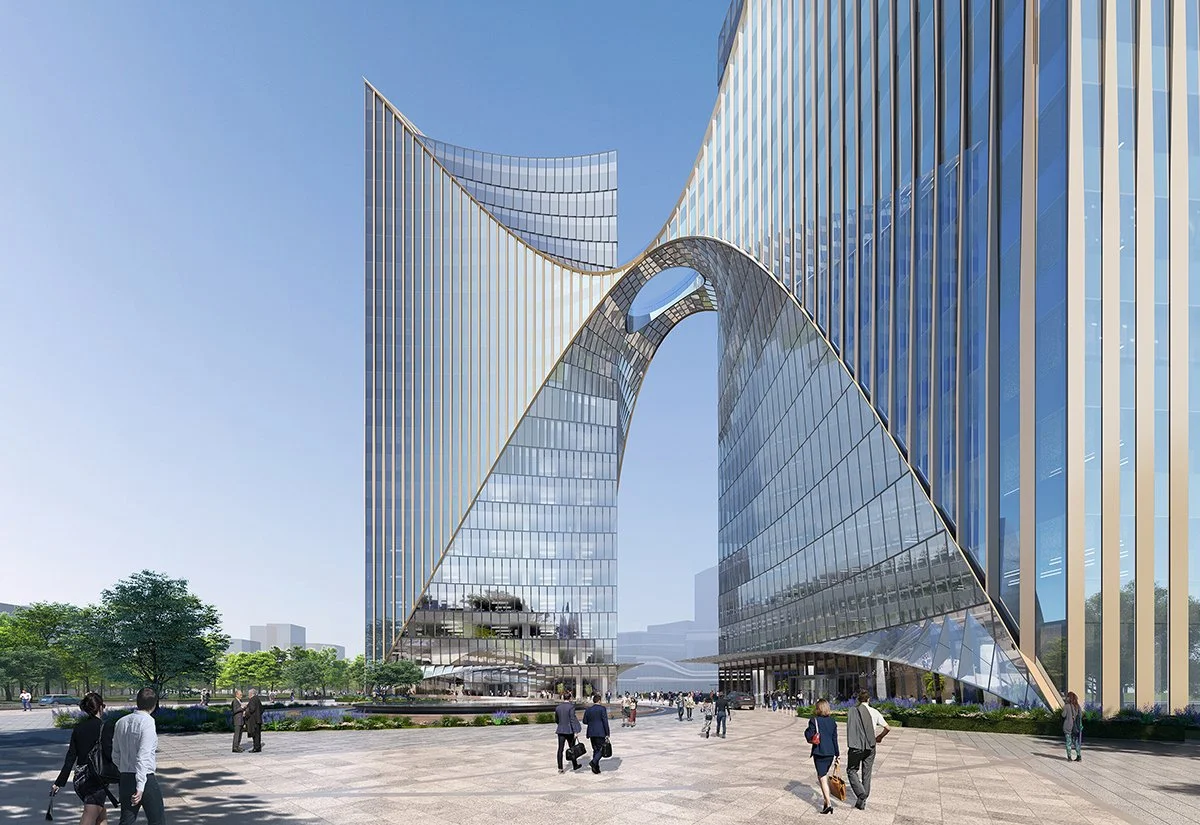
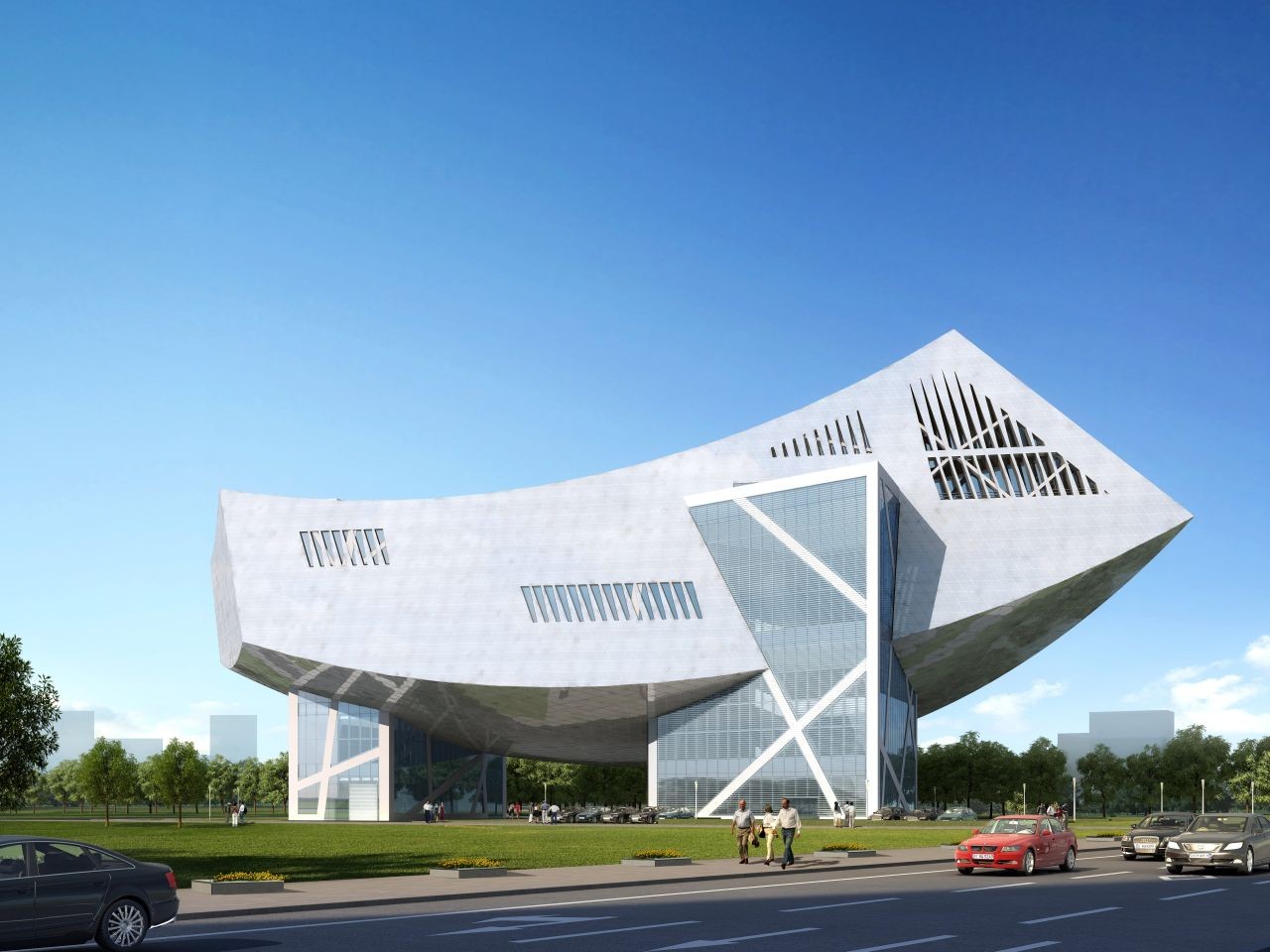
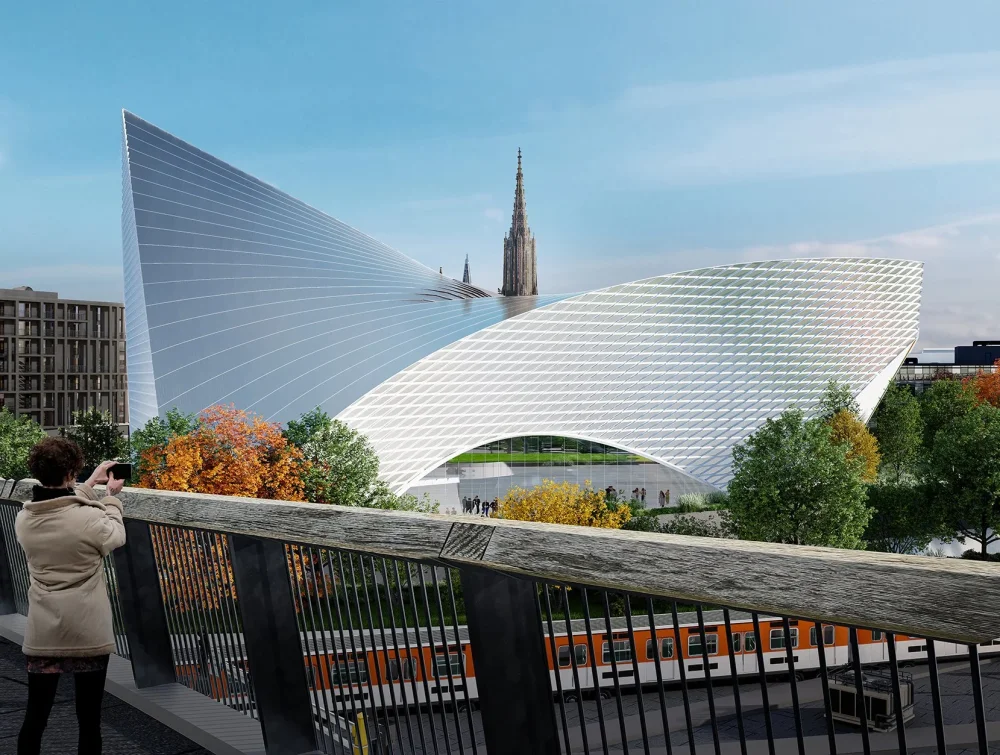
Zhang Zhidong Museum.Albert Einstein Discovery Center in Ulm, Germany.
According to the Office of the President, the meeting took place at Urugwiro Village and brought together Daniel Libeskind, Founder and Principal Architect of Studio Libeskind; Nina Libeskind, Co-founder of Studio Libeskind; Stefan Blach, Partner at Studio Libeskind; and Holm Keller, Chairman of the kENUP Foundation.
The planned monument is expected to transform the Kigali Genocide Memorial in Gisozi, where more than 250,000 victims of the 1994 Genocide against the Tutsi are laid to rest, into a powerful space for remembrance, education, and reflection through cutting-edge technology and a deeply immersive, personal visitor experience.
The involvement of Studio Libeskind signals the project’s global significance. The New York-based architectural firm is widely regarded as one of the world’s leading practices in memorial architecture, renowned for designing spaces that confront historical trauma while promoting reflection, resilience, and healing.
Daniel Libeskind, who was born in Poland in 1946 to Holocaust survivors, has built an international reputation for what has become known as the “architecture of memory.” His designs draw on philosophy, literature, music, and history to create emotionally powerful spaces that tell stories through geometry, light, and movement.
Together with Nina Libeskind, who co-founded Studio Libeskind in 1989 and oversees its international operations, the firm has delivered some of the most important remembrance and memorial projects of the modern era.
Among its most celebrated works is the Jewish Museum Berlin, completed in 2001, which catapulted the studio onto the global stage. The museum’s distinctive zigzag form and its series of empty concrete “Voids” were designed to symbolize the absence left by the destruction of Jewish life during the Holocaust, creating an architectural experience that immerses visitors in the weight of history.
The studio also gained international recognition after winning the competition to develop the master plan for the World Trade Center site in New York following the September 11, 2001 attacks. Libeskind’s vision, known as “Memory Foundations,” sought to preserve the memory of the victims while enabling the site’s renewal, incorporating key symbolic elements that remain central to the area today.
More recently, Studio Libeskind designed the Dutch Holocaust Memorial of Names in Amsterdam, which commemorates all 102,000 Dutch victims of the Holocaust through a labyrinth of engraved bricks bearing individual names. In Canada, the firm designed the National Holocaust Monument in Ottawa, where fractured geometric forms and dramatic spatial experiences evoke themes of loss, displacement, and hope.
The planned National Genocide Monument in Kigali will build on this legacy of memorial architecture, bringing world-class expertise to Rwanda’s efforts to preserve the memory of the 1994 Genocide against the Tutsi and educate future generations.
While details of the final design have yet to be unveiled, the project is expected to create a powerful new destination for remembrance and learning, using immersive storytelling, innovative technology, and architectural symbolism to honor the lives lost and reinforce the enduring lessons of “Never Again.”
The discussions between President Kagame and the Studio Libeskind team mark a significant step forward in the development of what could become one of the world’s most important contemporary memorial sites, placing Rwanda alongside other nations that have used architecture as a powerful tool for remembrance, reflection, and collective healing.
Daniel Libeskind, who was born in Poland in 1946 to Holocaust survivors, has built an international reputation for what has become known as the “architecture of memory.”The planned monument is expected to transform the Kigali Genocide Memorial in Gisozi into a powerful space for remembrance, education, and reflection through cutting-edge technology and a deeply immersive, personal visitor experience.
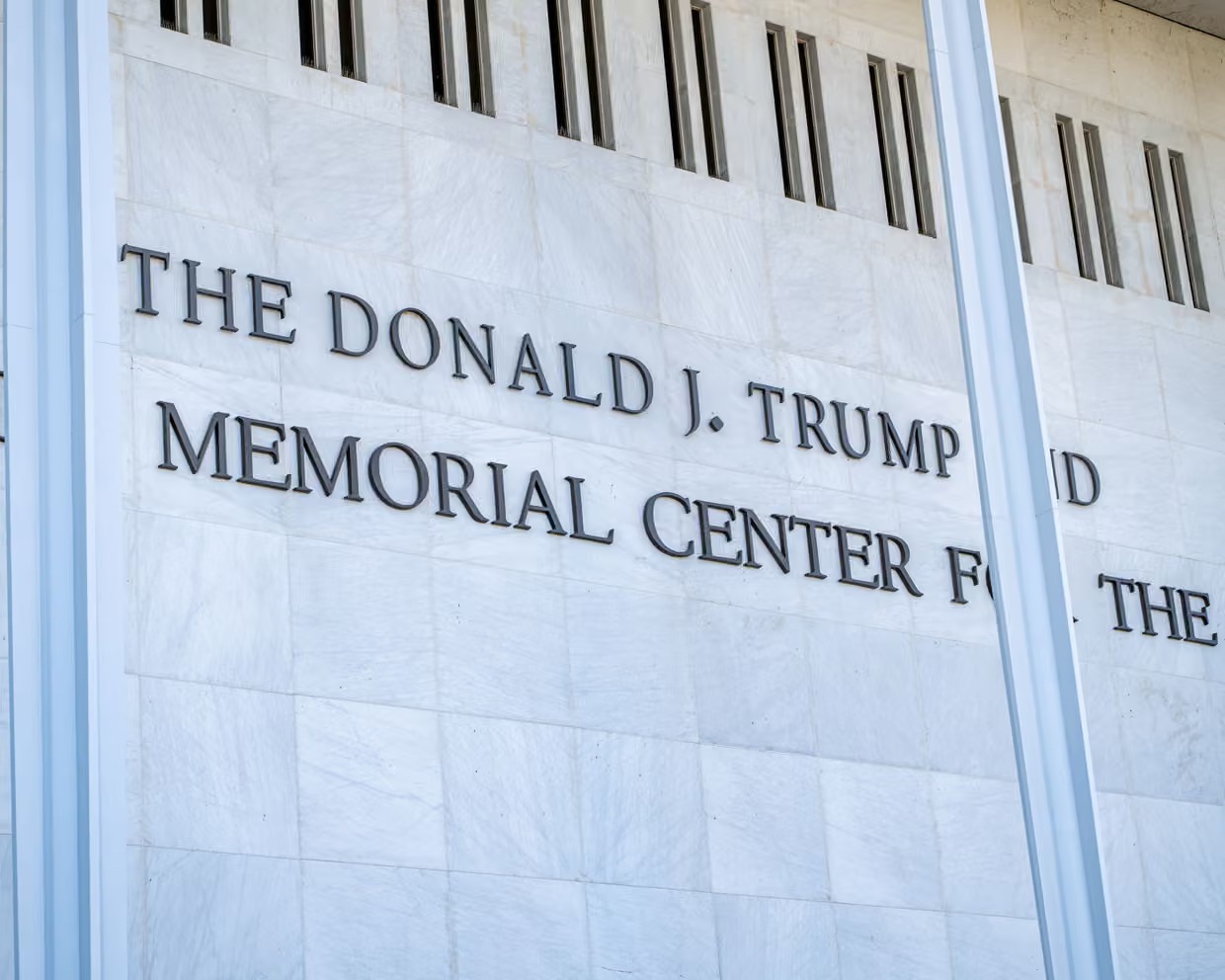
Earlier in the day, the Trump administration and the Board of Trustees of the Kennedy Center each appealed a federal district judge’s ruling ordering the removal. Under the order, Trump’s name must be removed from the building by Friday midnight.
By Friday afternoon, construction crews had cordoned off the section of the Kennedy Center bearing Trump’s name and begun erecting scaffolding for its removal.
Patrick Nour, a performer at the Kennedy Center, told Xinhua in front of the scaffolding on Friday evening that he is happy to see that “it isn’t being disgraced.”
“It’s a memorial. It isn’t a place where you could just put your name on. It’s dedicated to somebody who did something, not someone who is doing something,” he said.
Shortly after returning to office for a second term in January last year, Trump replaced the Kennedy Center’s leadership and appointed a new board of trustees. In December, the reconstituted board voted to rename the institution by adding Trump’s name to its official title.
The move prompted a lawsuit by board member Joyce Beatty, a Democratic member of the U.S. House of Representatives, seeking to overturn the decision and remove Trump’s name from the institution.
On May 29, Judge Christopher Cooper of the U.S. District Court for the District of Columbia ruled that the Kennedy Center’s name could not be changed without congressional approval. He ordered that all physical signage bearing Trump’s name be removed from the Kennedy Center within 14 days and that any references to the “Trump-Kennedy Center” be deleted from official materials.
Cooper also ordered the suspension of the center’s plan to close for two years for renovations, which Trump announced in February and was scheduled to take effect in July.
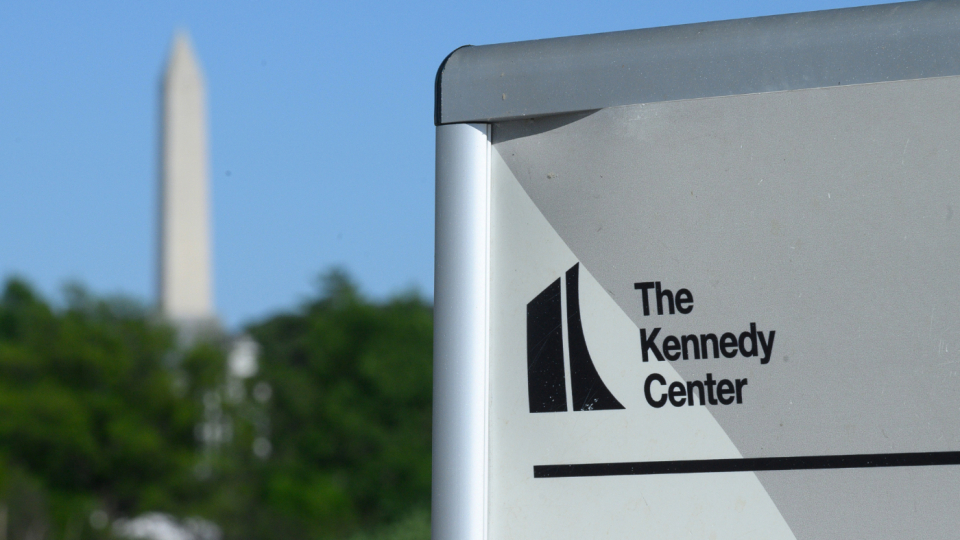
The Kennedy Center, named after former U.S. President John F. Kennedy, officially opened in 1971. It is widely regarded as a national cultural center, hosting world-class performances in music, opera, theater, dance, and other arts.
The renaming controversy has already affected the center’s regular cultural programming, with some musicians and performing groups announcing cancellations or withdrawals from scheduled appearances.
The Kennedy Center, named after former U.S. President John F. Kennedy, officially opened in 1971. It is widely regarded as a national cultural center, hosting world-class performances in music, opera, theater, dance, and other arts.
The emerging “anti-slop” trend reflects a backlash against AI-generated visuals, which critics say often feel overly smooth, uncanny, and detached from human labour. Instead, creatives are turning to analogue techniques and unpolished, DIY-inspired design choices as a way of reasserting human authorship in visual culture.
At industry events in the US promoting generative AI tools, technology advocates have highlighted how quickly campaigns can now be produced using artificial intelligence. Rob Wrubel, co-founder of ad firm Silverside, pointed to significantly shortened production timelines enabled by AI systems, though some outputs have faced criticism for lacking authenticity and emotional depth.
Concerns also extend to how AI models are trained on vast datasets that include existing creative work. Photographer and designer Michael Schmelling, whose work features intentionally scribbled, hand-drawn-style covers and artwork, says the shift is already visible in the creative sector.
“This AI stuff has just been rammed down our throats,” he said. “AI is everywhere. And all of a sudden there’s a backlash.”
He also criticised the economic model behind generative AI, arguing that it often benefits from artists’ work without fair compensation.
A similar emphasis on human-made craft can be seen in stop-motion advertising work by Stoopid Buddy Stoodios for the Green Bay Packers in the US, which used physical models and frame-by-frame animation instead of digital generation.
Co-founder John Harvatine IV said: “We do everything here by hand.” He added that audiences responded strongly to the visible craftsmanship behind the project.
While the studio does use some digital tools, it prioritises physical production over automated creation, a contrast that has resonated with audiences amid growing debate over AI-generated media.
Observers say the shift echoes earlier technological disruptions in art history. The rise of photography in the 19th century, for instance, pushed painters toward movements such as impressionism and surrealism rather than strict realism. Some analysts suggest AI may be triggering a similar redefinition of creative value today.
Still, some creatives remain cautious about the durability of the trend. As journalist John Semley notes, there may eventually be a “backlash to the backlash” as AI tools become further embedded in everyday creative workflows.
For now, however, the divide is increasingly visible: while AI accelerates polished production in global advertising and media hubs, a growing counter-movement is reasserting imperfection, texture, and the unmistakable mark of human creation.
Behind the scenes of Stoopid Buddy Stoodios’ stop-motion animation ad for the Green Bay Packers. As artificial intelligence reshapes creative industries across the world, including in major media and advertising markets such as the United States and Europe, a growing number of artists are responding with a contrasting aesthetic: visibly handmade, imperfect, and deliberately rough design.
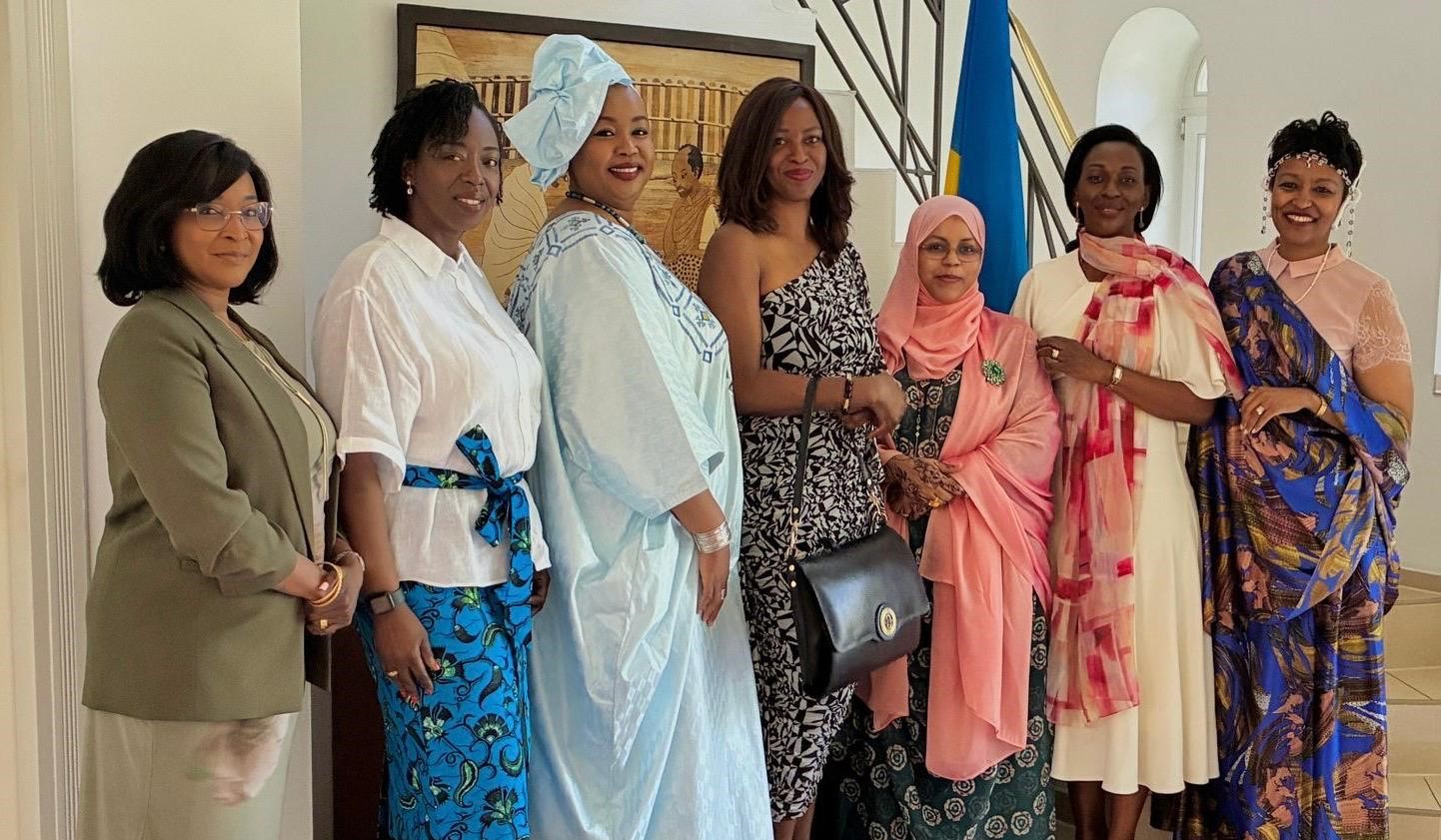
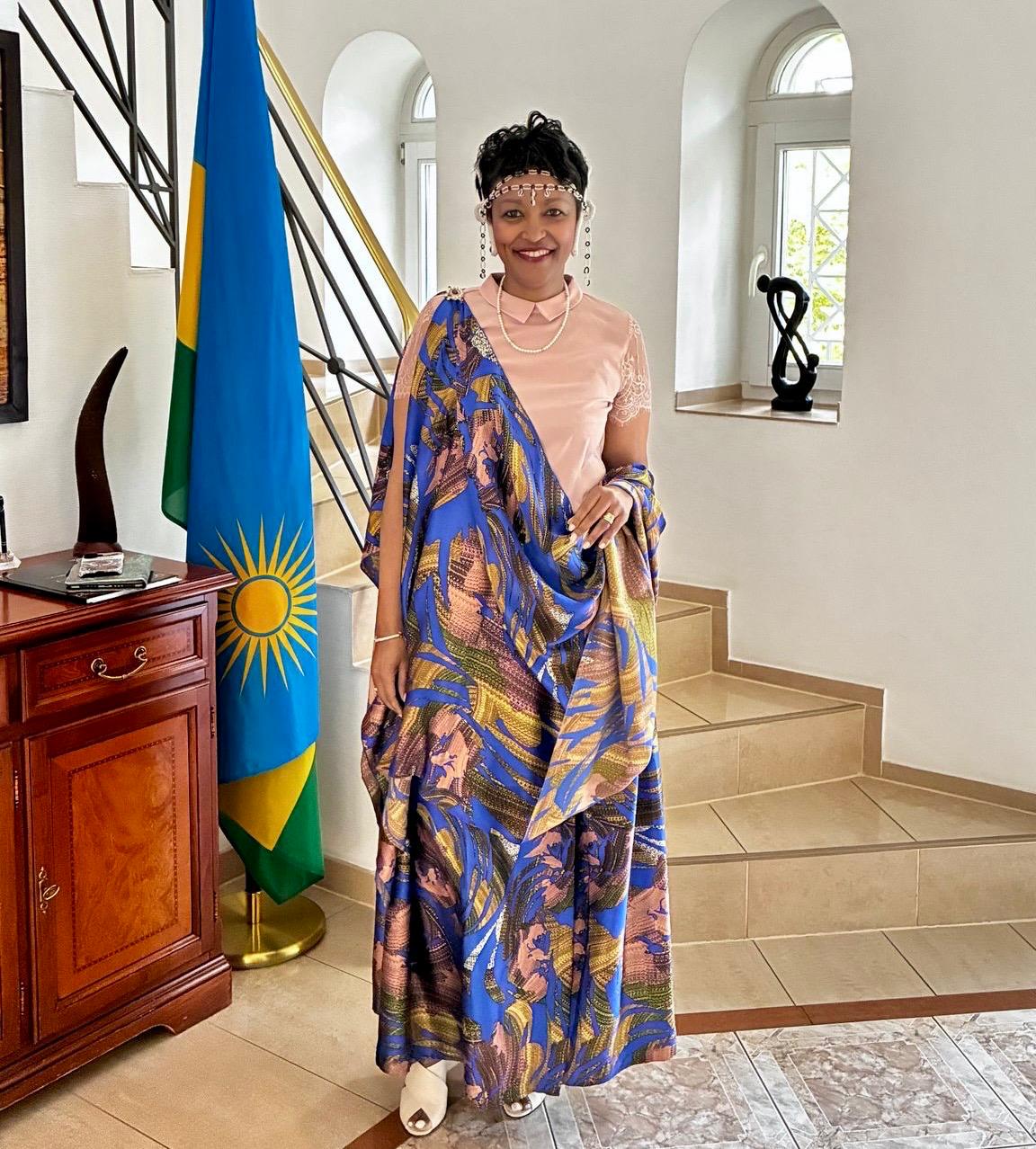
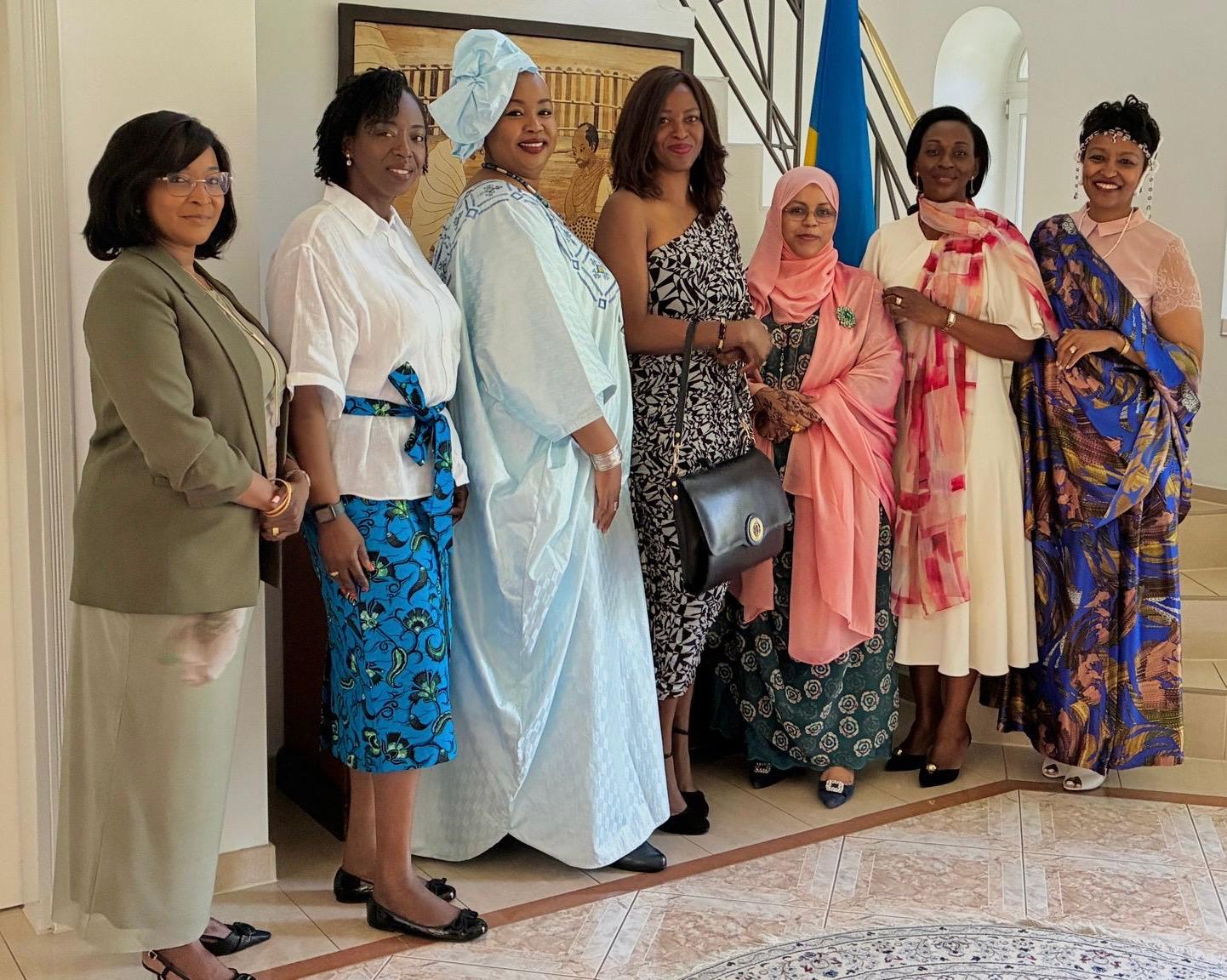
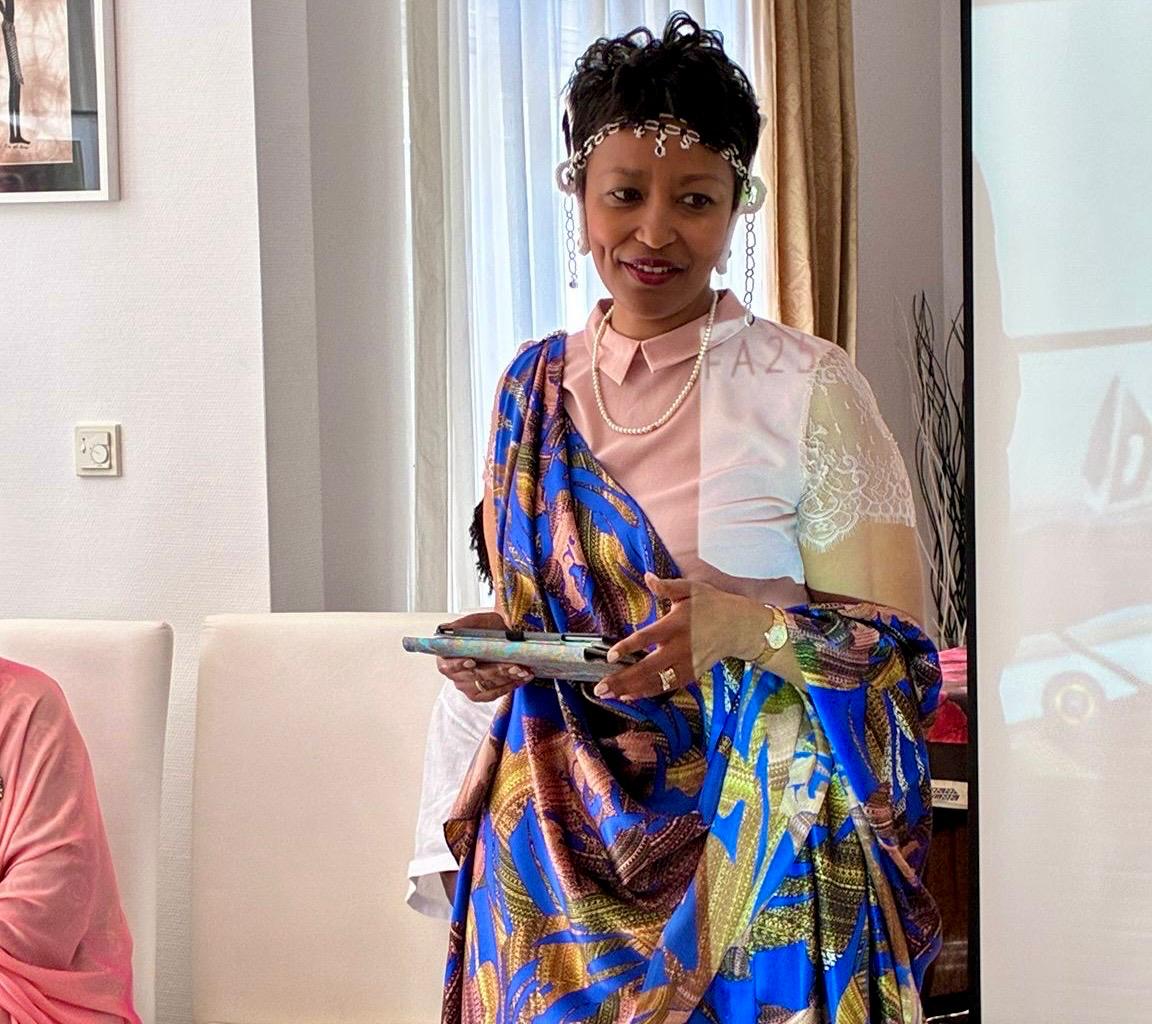
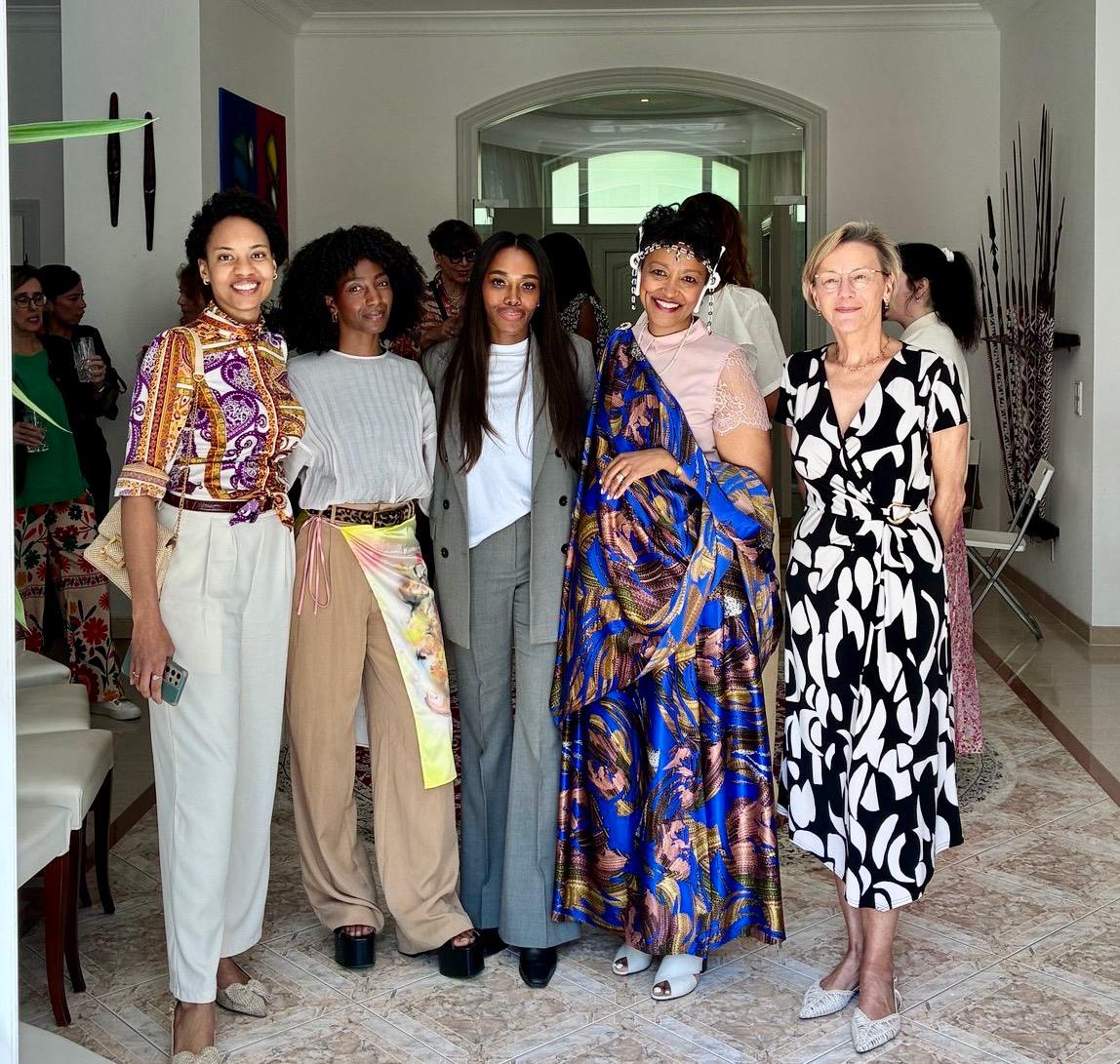
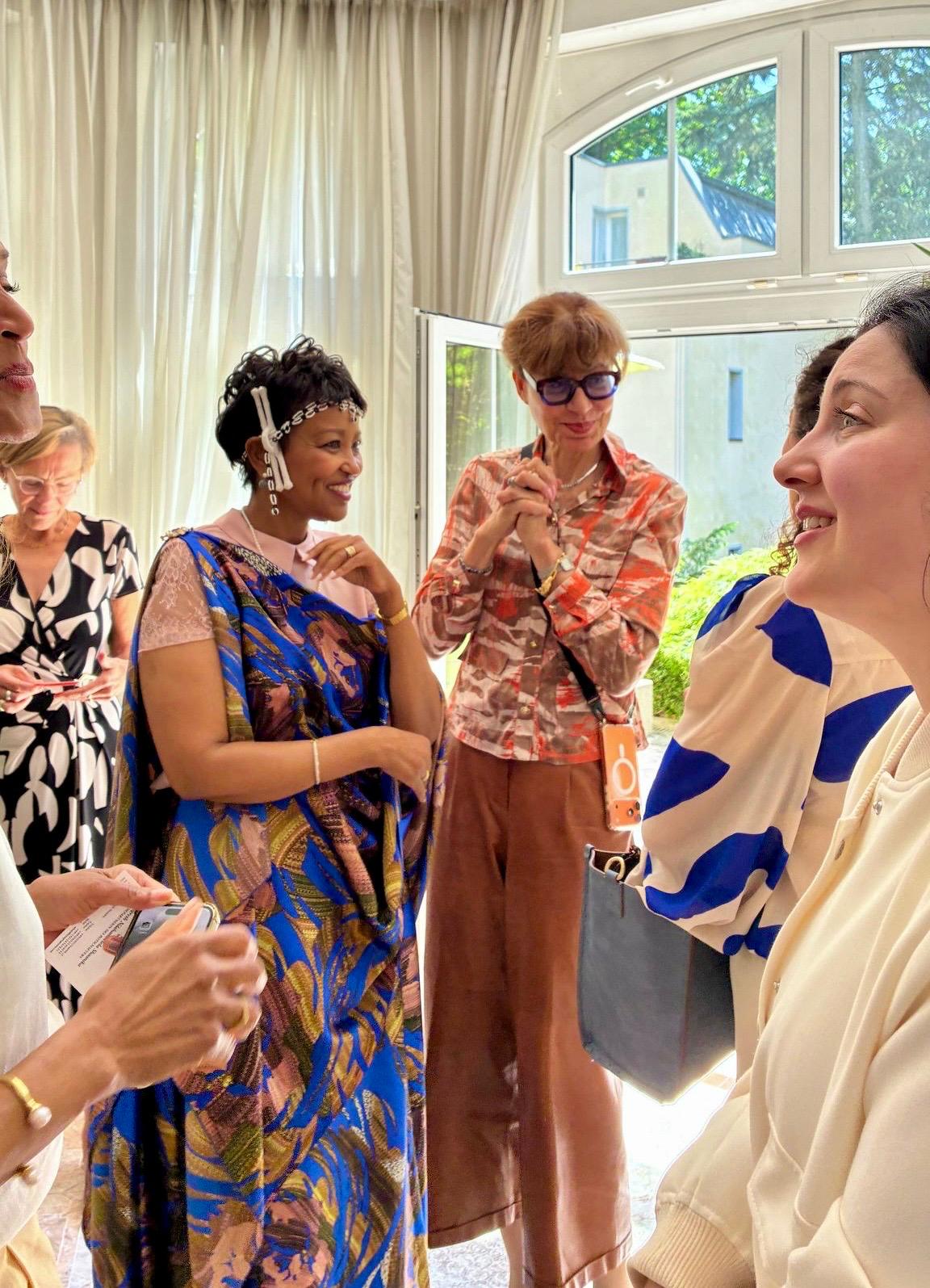
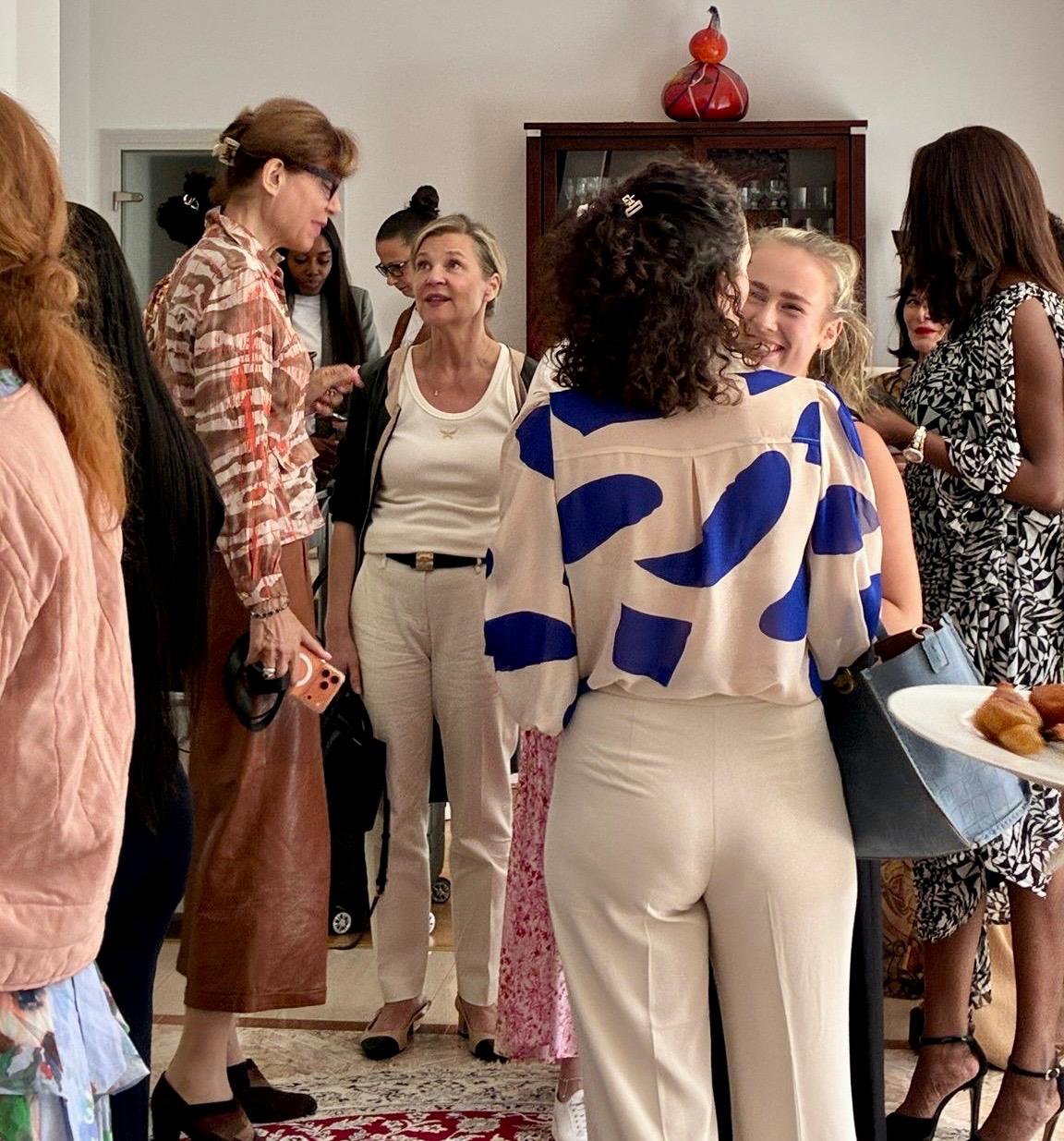
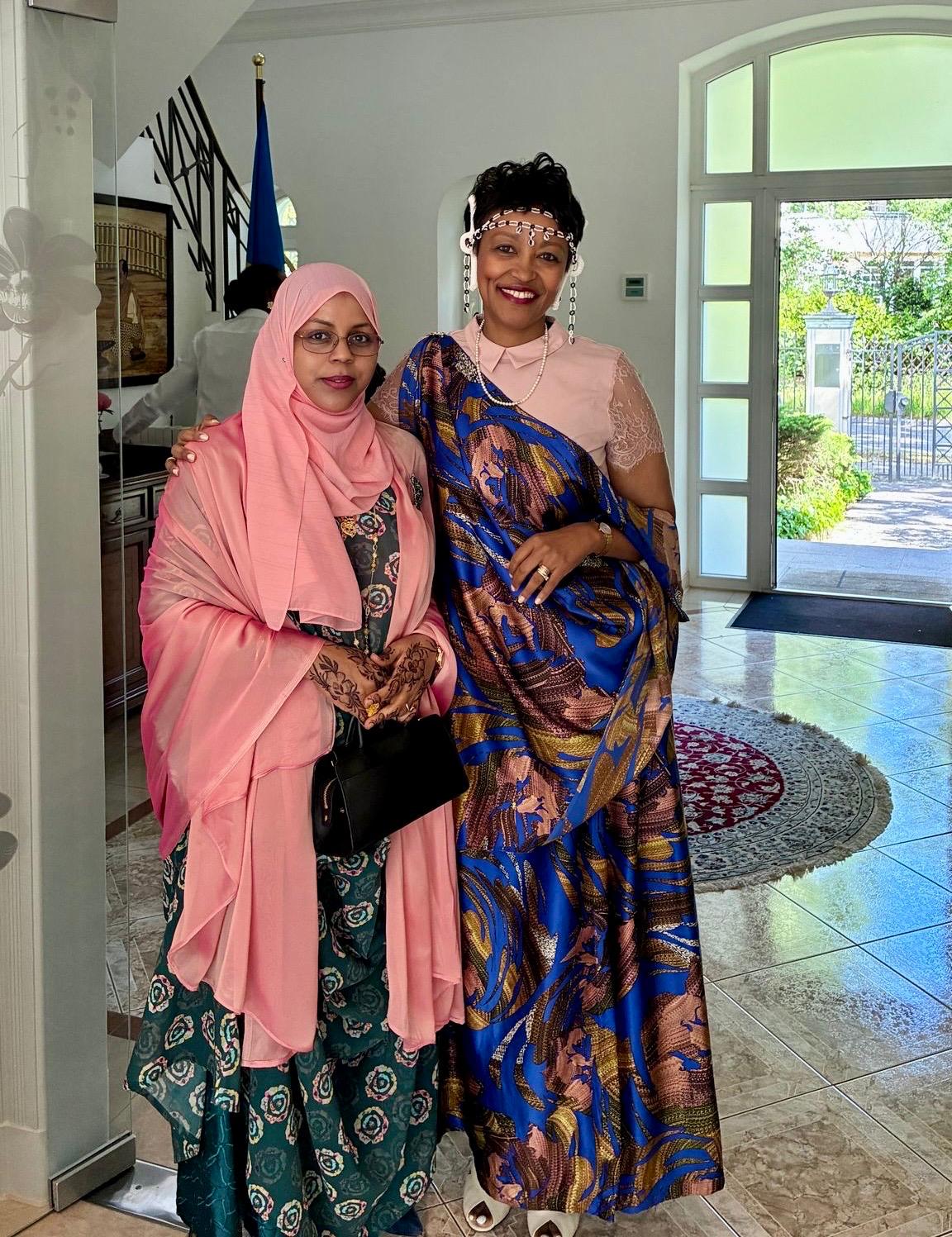
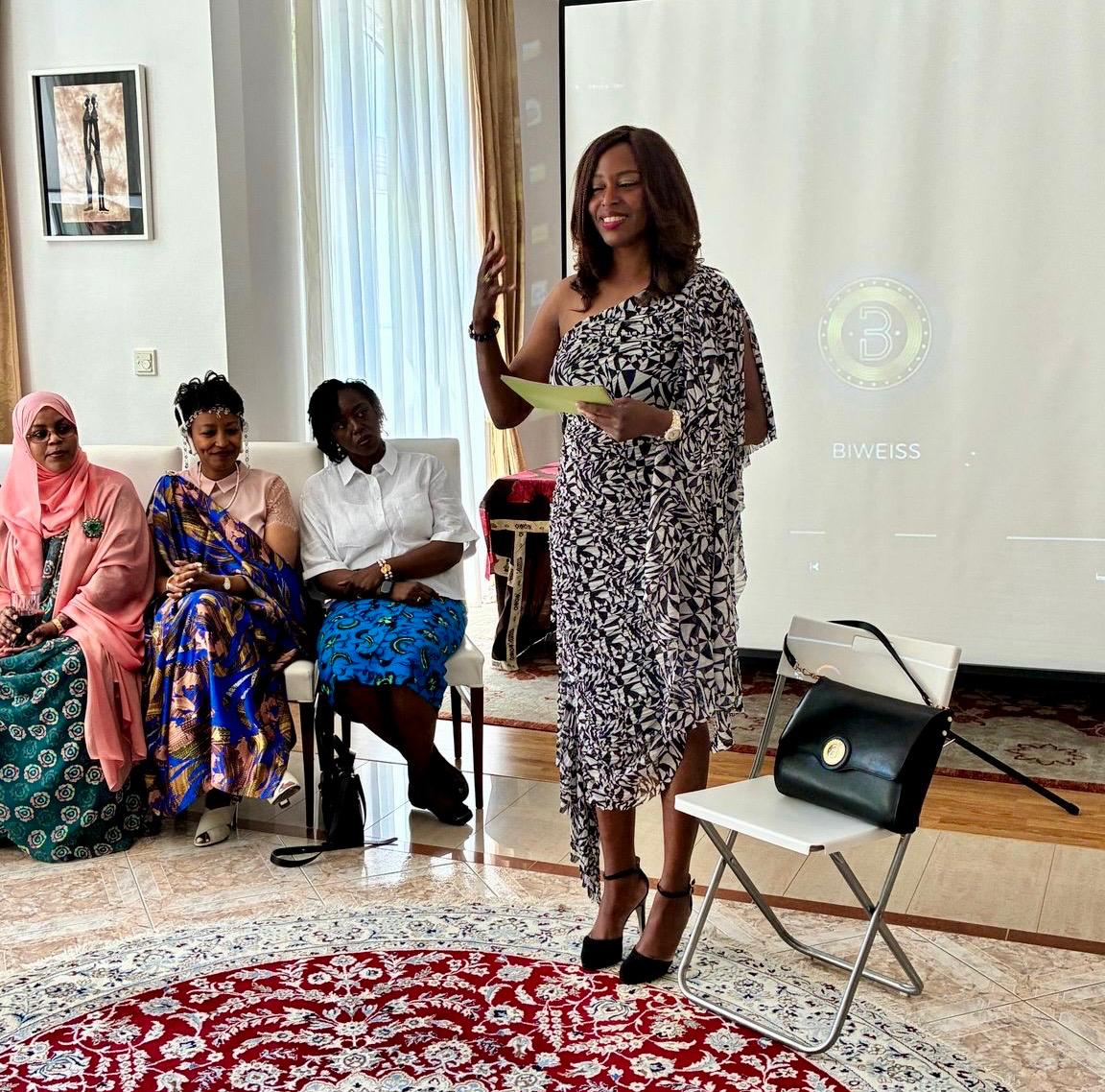
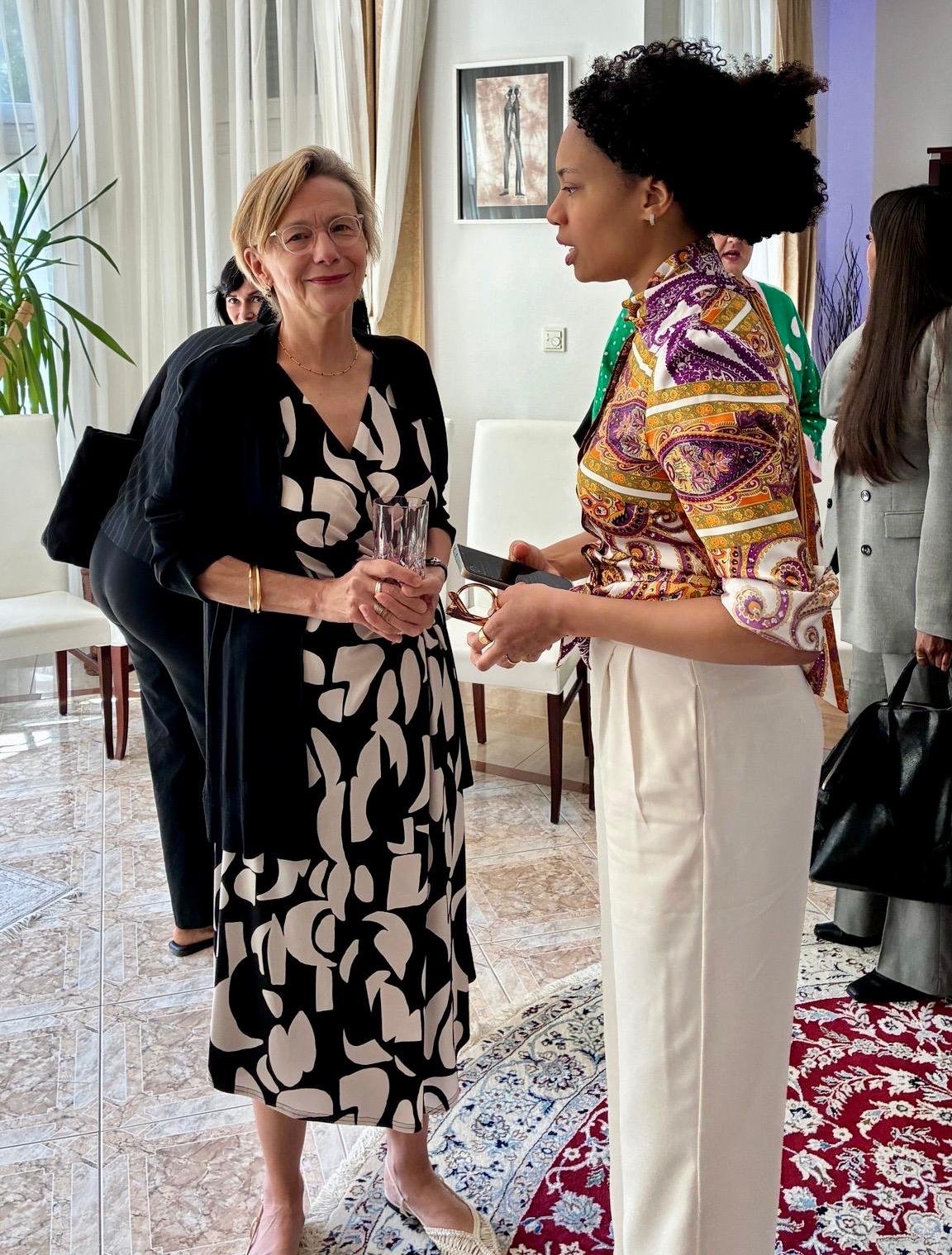
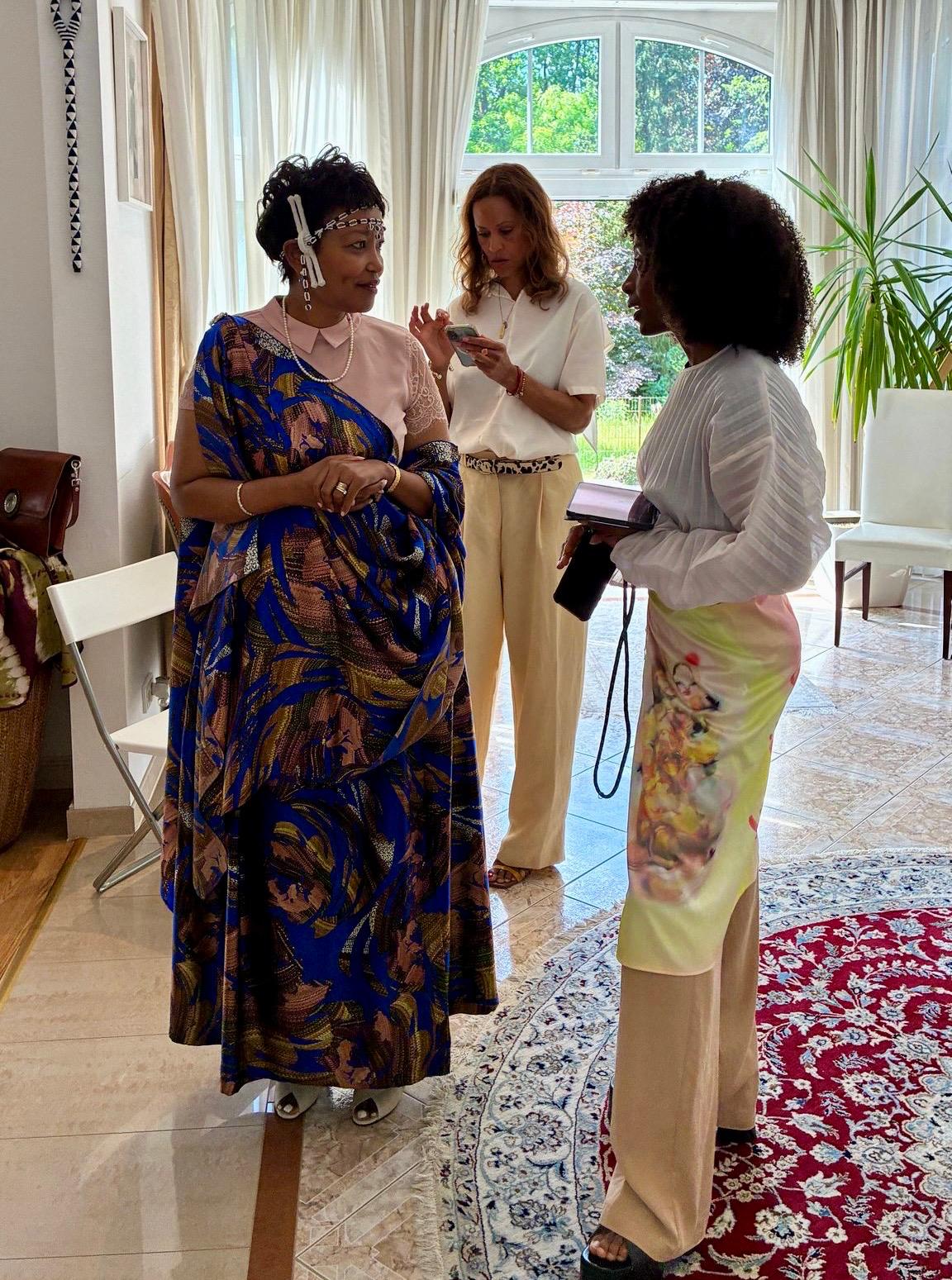
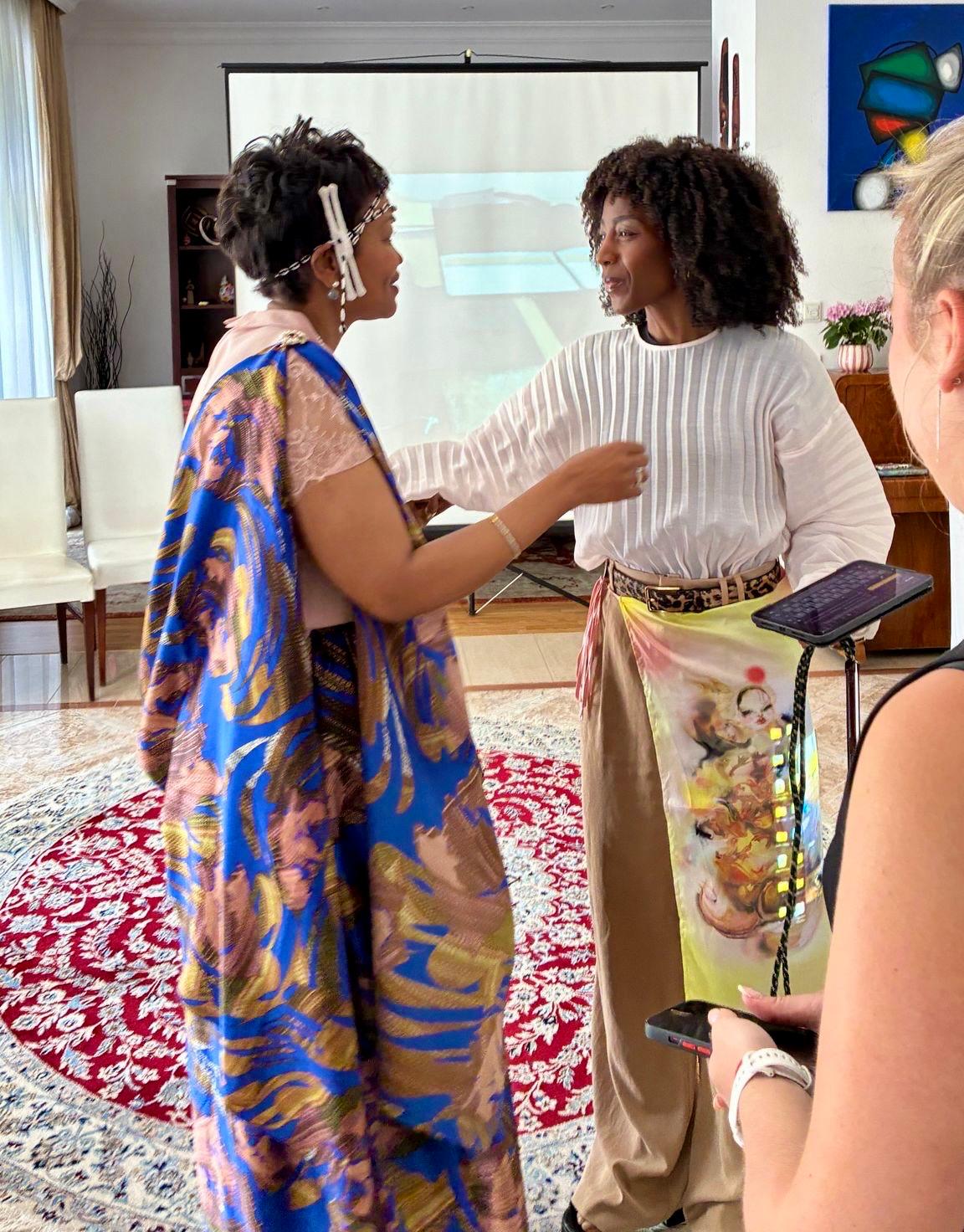
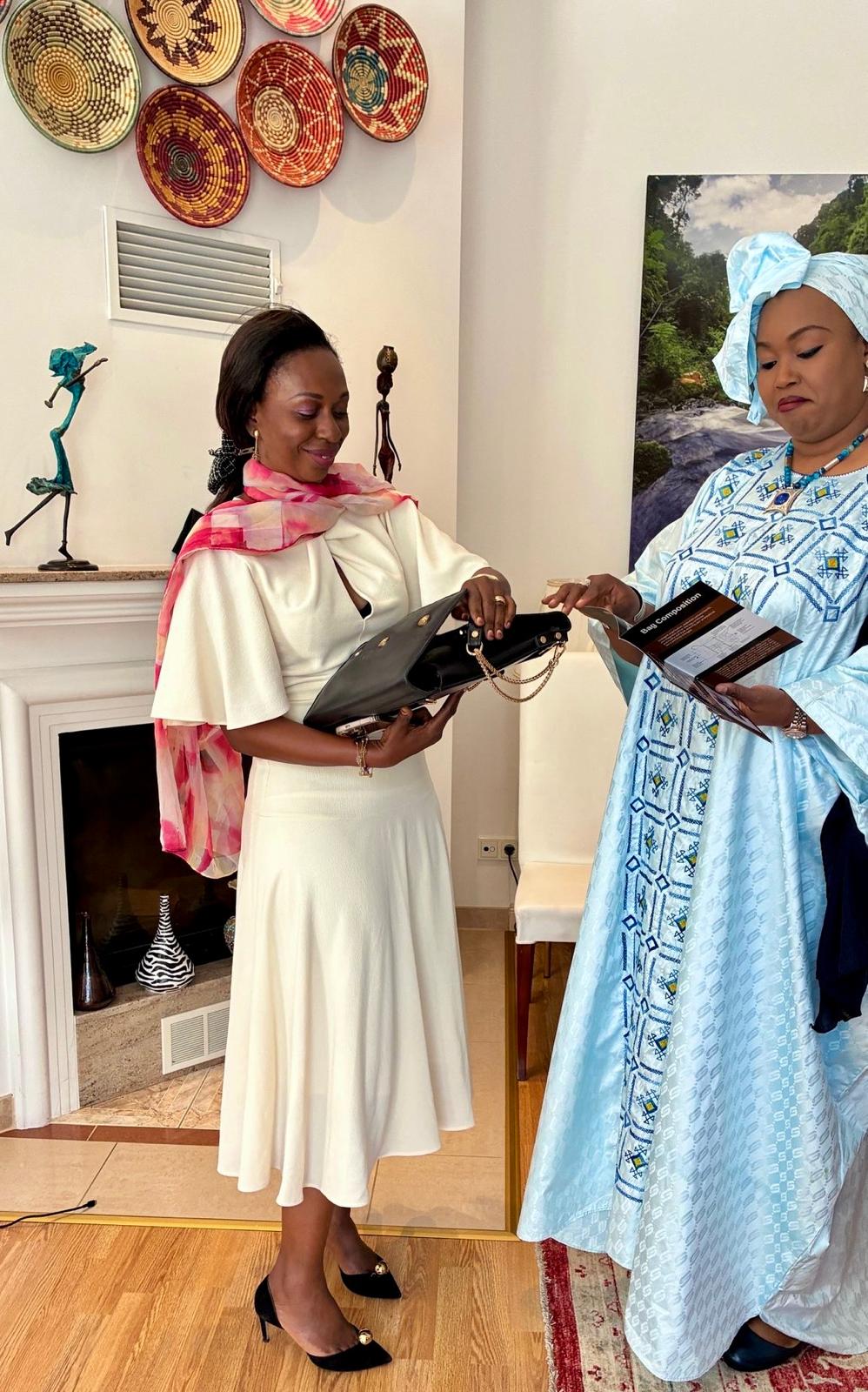
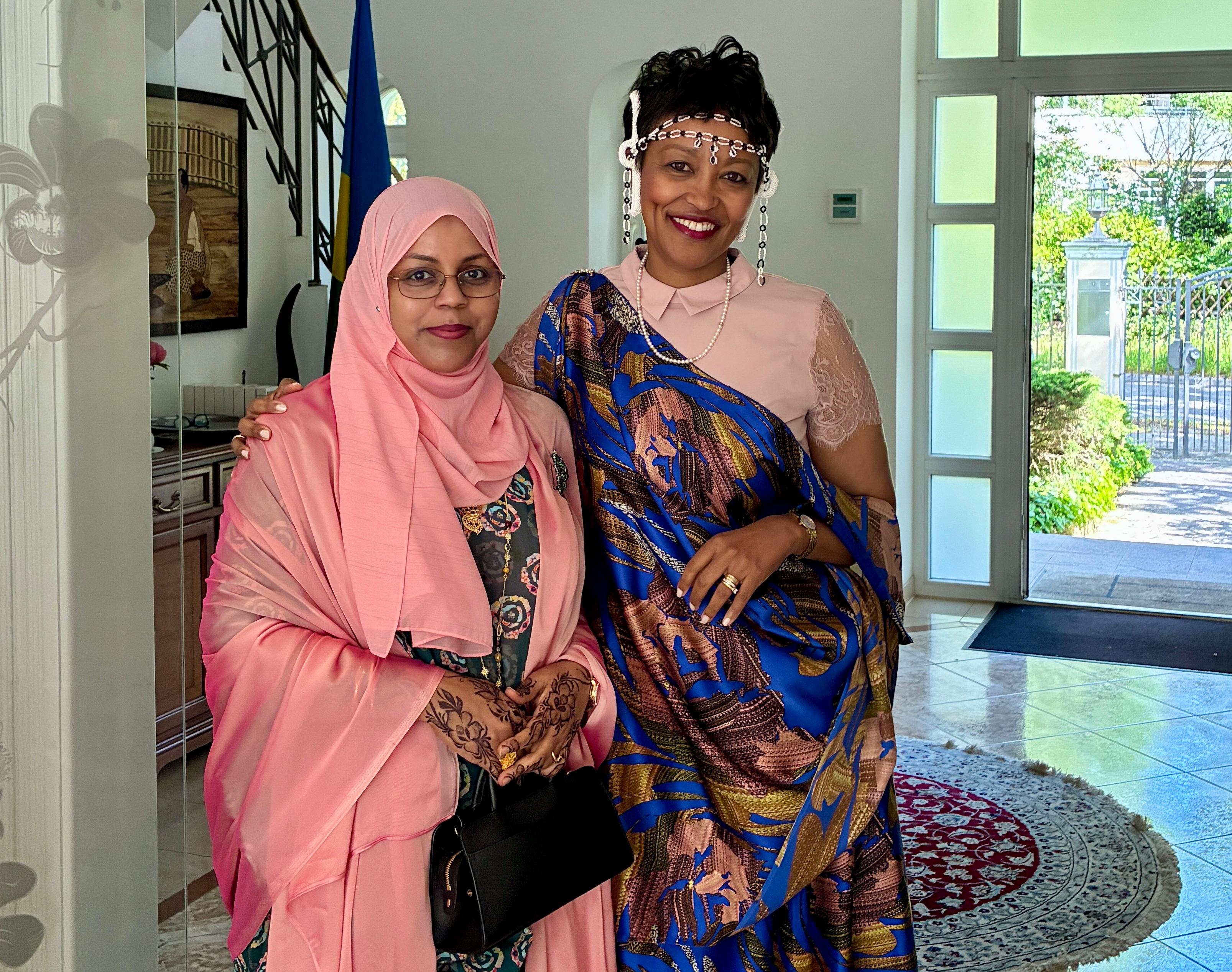
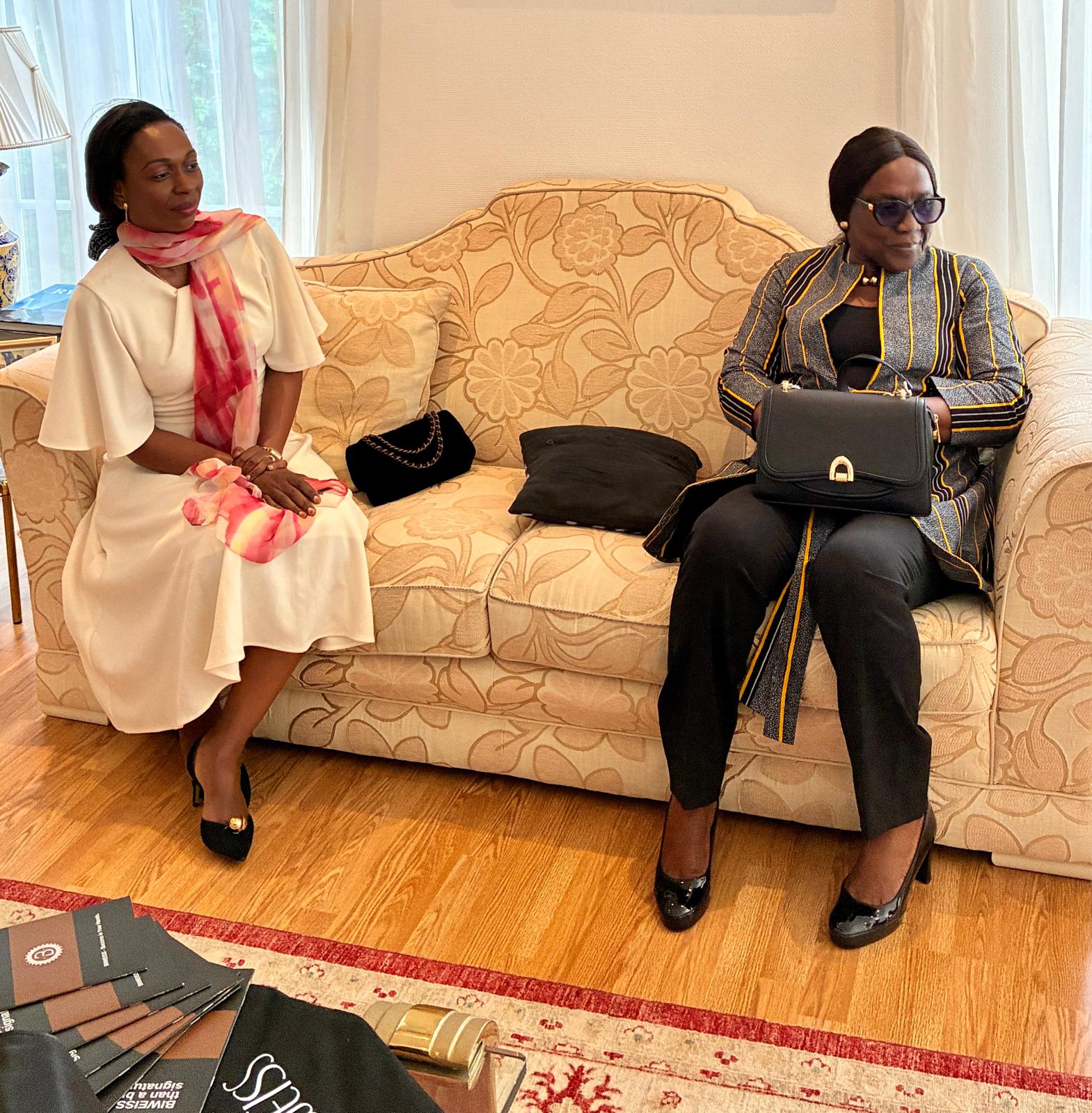
Rwanda played a central role in the celebrations on May 28, hosting a special event at the residence of its ambassador to Germany.
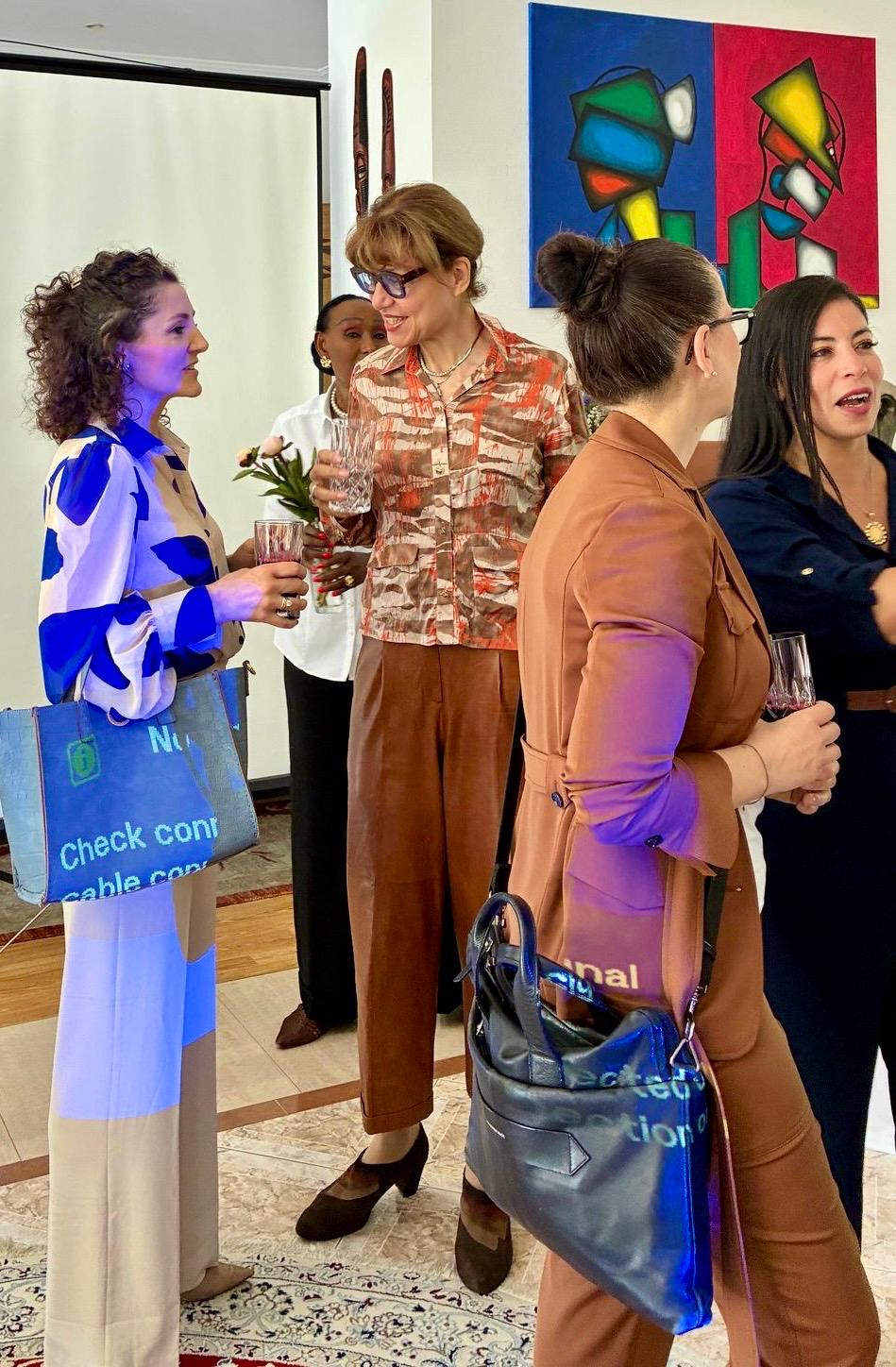
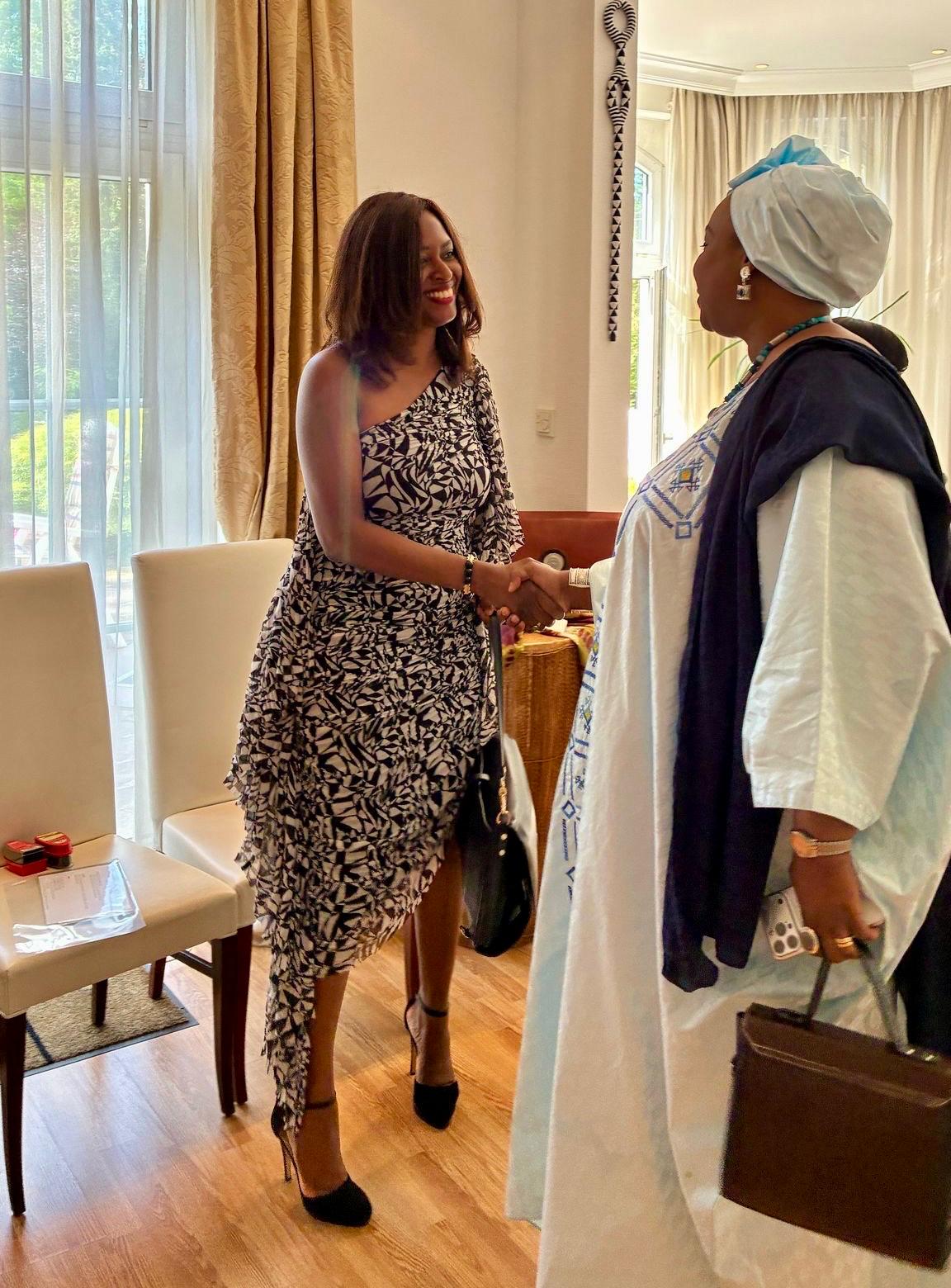
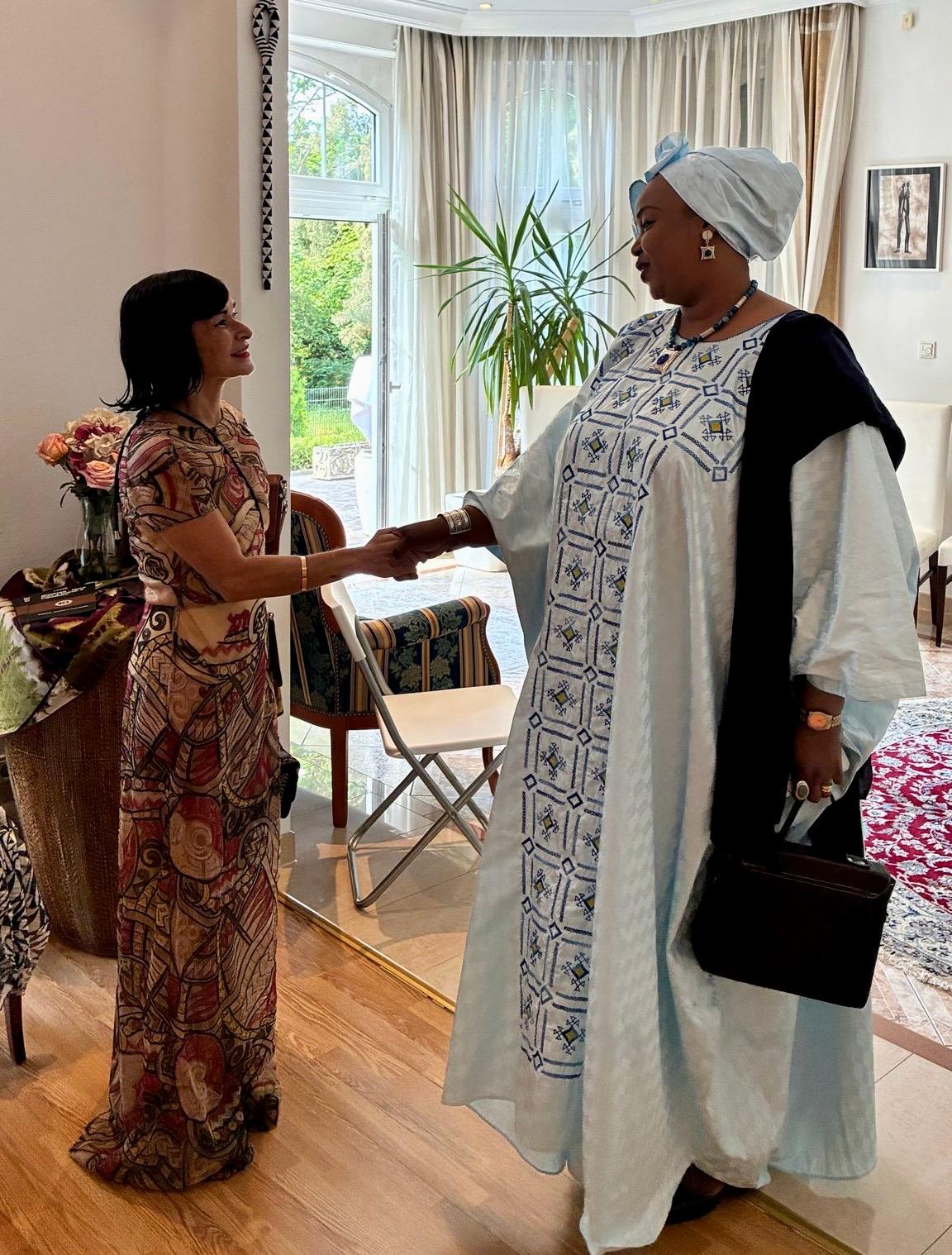
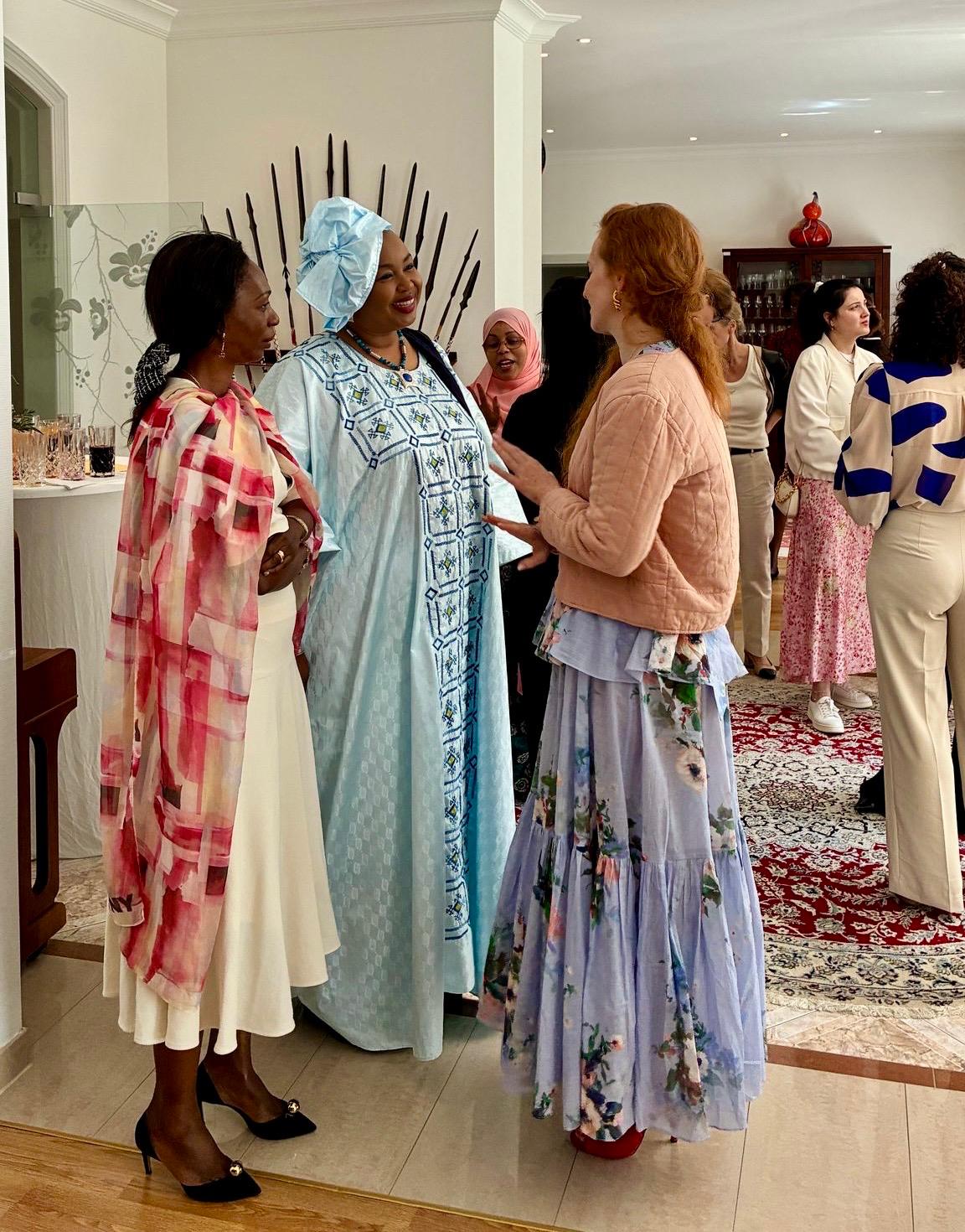
The gathering brought together spouses of African ambassadors accredited to Berlin and showcased a shared pan-African vision that places innovation, creativity, and the economic empowerment of women at the forefront of Africa’s development agenda.
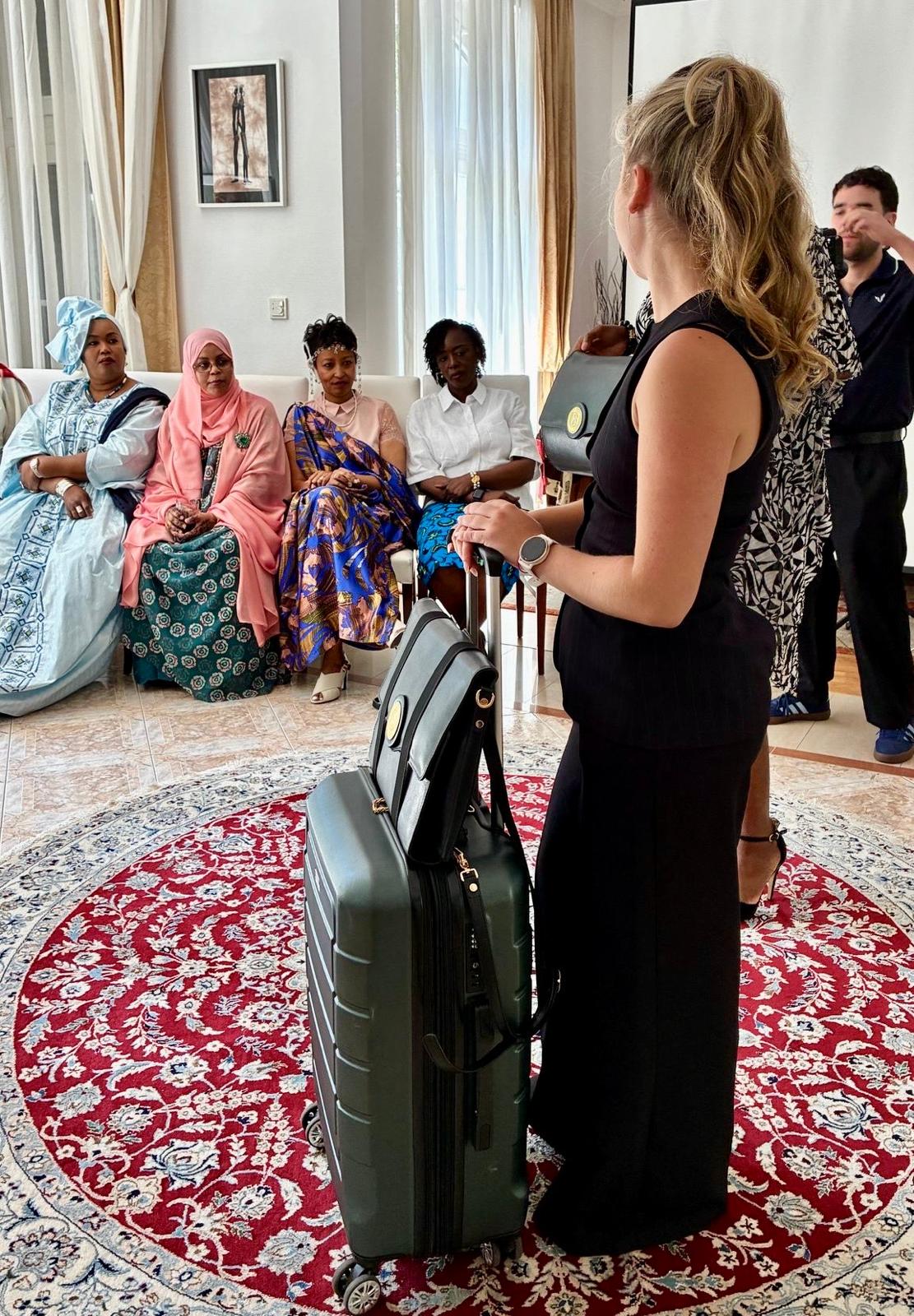
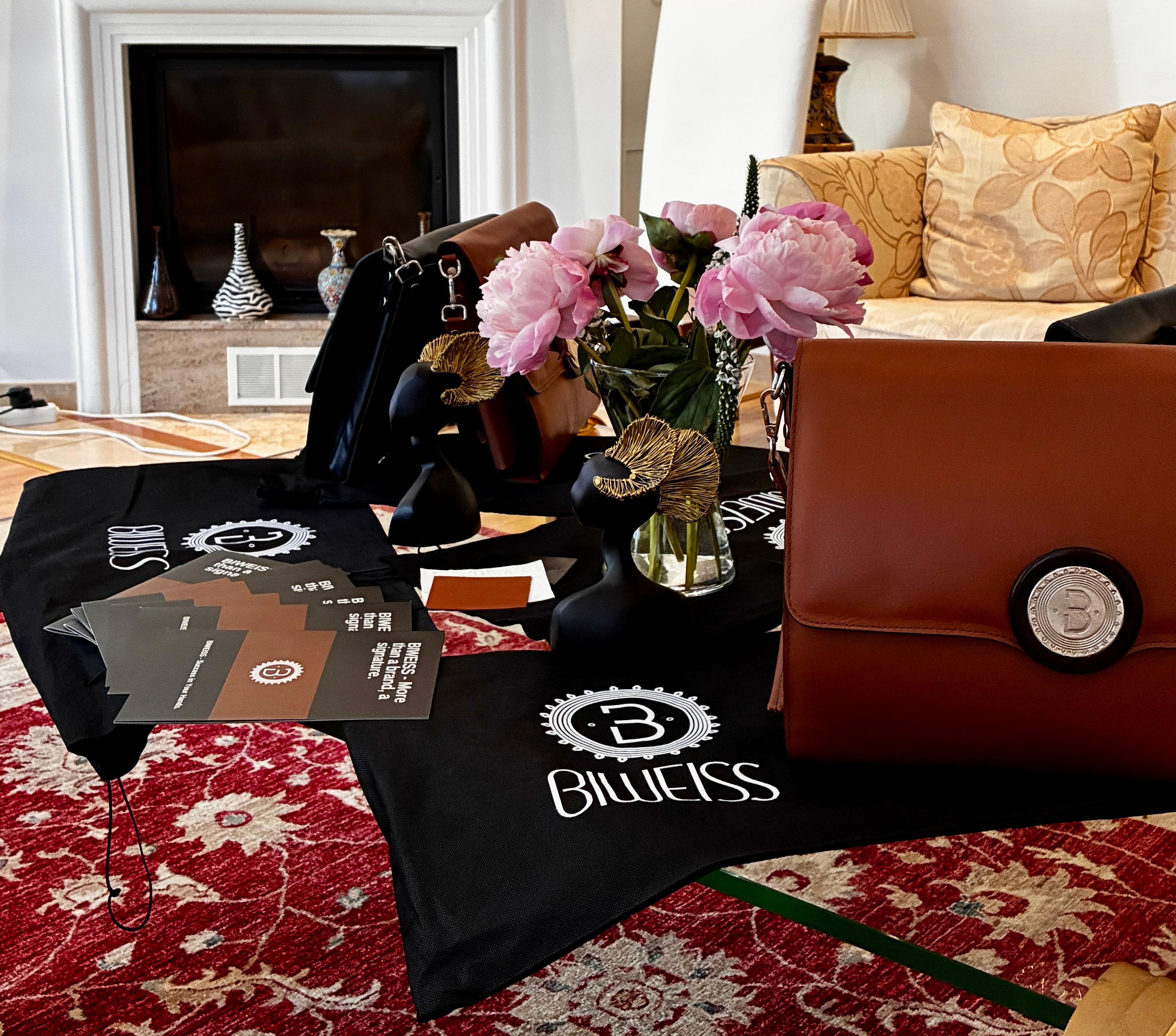
Through the promotion of BIWEISS, a brand created by Franco-Ivorian entrepreneur Bienvenue Angui, participants sought to demonstrate the potential of African cooperation and the growing role of women in transforming the continent’s economies.
The event brought together visionary leaders, designers, trend specialists, and fashion industry professionals who, beyond anticipating emerging trends, are helping redefine the relationship between design, technology, culture, and sustainability.
More than a product showcase, the gathering highlighted the journeys of African women entrepreneurs who are turning ideas into businesses and transforming local craftsmanship and expertise into products capable of reaching both continental and global markets.
In her remarks, Mrs. Jeanne Adili Ndatirwa, President of the Group of Spouses of African Ambassadors in Berlin, recalled the official theme of Africa Day 2026: “Ensuring sustainable water and safe sanitation systems to achieve the goals of Agenda 2063.”
However, the organizers chose to celebrate Africa Day through their support for BIWEISS, an initiative that embodies several key ambitions of the African Union’s Agenda 2063, particularly economic transformation through innovation, industrialization, and value creation.
From calf leather sourced in Morocco to Ivorian craftsmanship and a design process spanning Abidjan, Berlin, and Paris, BIWEISS represents a tangible example of Pan-African cooperation and the promotion of African expertise.
Rwanda as a symbol of women’s leadership in Africa
The choice of the Residence of the Rwandan Ambassador as the venue for the event was no coincidence. Widely recognized for its achievements in promoting women’s leadership and participation in economic and political life, Rwanda has become one of the continent’s most remarkable examples of inclusion and women’s empowerment.
Ndatirwa noted that women account for 58 percent of Africa’s self-employed population and contribute approximately 13 percent of the continent’s Gross Domestic Product.
She also emphasized that Rwanda’s experience demonstrates how investment in women serves as a powerful catalyst for development, innovation, and social transformation.
“BIWEISS is much more than a product. It is a story of creativity, innovation, and transnational collaboration. It demonstrates how African talent can create value together and compete on a global scale,” she said.
At a time when the African Continental Free Trade Area (AfCFTA) is opening new opportunities for intra-African trade and cooperation, participants stressed the importance of supporting initiatives that encourage the emergence of products conceived, manufactured, and promoted across the continent.
The event was conceived and coordinated by Mrs. Waridi Schrobsdorff-Pabst and her platform FA 2-54. A former Kenyan-born model, she is now recognized as a creative strategist, contributor to Vogue Germany and Vogue Italy, and an active figure in Berlin Fashion Week since 2009.
The discussions were moderated by Ms. ShaNon Bobinger, a Berlin-based moderator and systemic coach of Rwandan and Ugandan heritage who works with numerous international organizations and leading brands.
Mrs. Mayouri Sengchahn of the Berlin-based trend forecasting agency Exalis GmbH also contributed her expertise and support to the initiative.
An Africa writing its own future
In closing the event, Ndatirwa emphasized that Africa Day is above all a celebration of unity, pride, and the continent’s shared ambitions. She noted that Africa’s story continues to be written every day, increasingly by a new generation of women entrepreneurs in Abidjan, Conakry, Djibouti, Dodoma, Kigali, Niamey, and Windhoek.
By hosting this Africa Day 2026 celebration, the Residence of the Rwandan Ambassador in Berlin reaffirmed its role as a space for dialogue, inspiration, and Pan-African cooperation.
Bridging heritage and innovation, the event reflected a shared conviction: Africa’s future development will also depend on the ability of African women to create, innovate, and build the continent of tomorrow together.
Jeanne Adili Ndatirwa, President of the Group of Spouses of African Ambassadors in Berlin, noted that Africa’s story continues to be written every day, increasingly by a new generation of women entrepreneurs in Abidjan, Conakry, Djibouti, Dodoma, Kigali, Niamey, and Windhoek.
At the center of the case is a decision by the Kennedy Center’s board to add Trump’s name to the building’s facade and official branding after he assumed a leadership role within the institution. The move was quickly challenged in court, with critics arguing that the change violated the original congressional mandate establishing the center as a memorial to President John F. Kennedy.
A federal judge ultimately ruled that the addition of Trump’s name was not legally valid. The court emphasized that the Kennedy Center was created by Congress in 1964 with a specific naming purpose, and any alteration to that designation would require congressional approval rather than a board-level decision. As a result, the judge ordered that Trump’s name be removed from the building and related branding materials. In his ruling, he stated: “Congress gave the Kennedy Center its name, and only Congress can change it.”
Beyond the naming issue, the ruling also scrutinized the broader decision-making process within the institution. The court found that the board had not fully considered the operational and legal implications of its recent restructuring and renovation plans, including a controversial proposal to temporarily close the center for major upgrades. While the judge did not immediately block all renovation efforts, the decision signaled that future actions could face stricter review if proper procedures and documentation were not followed.
The case emerged amid growing tensions within the Kennedy Center’s leadership, where shifts in governance have coincided with political controversy and internal restructuring. Supporters of the board’s decisions argued that changes were necessary to modernize the facility and secure funding for long-delayed repairs. Critics, however, viewed the actions as politicizing a historically nonpartisan cultural institution.
Following the ruling, representatives for the Kennedy Center indicated that they would appeal the decision, maintaining that the board acted within its authority. They also reaffirmed their commitment to continuing renovation plans, though likely under closer legal scrutiny moving forward.
The court’s decision does not permanently resolve the dispute but instead sets new boundaries for how far institutional leadership can go in reshaping the Kennedy Center’s identity. As legal proceedings continue, the case highlights broader questions about governance, cultural heritage, and the limits of executive influence over national institutions.
A view of Donald Trump’s name added to the Kennedy Center in Washington DC.
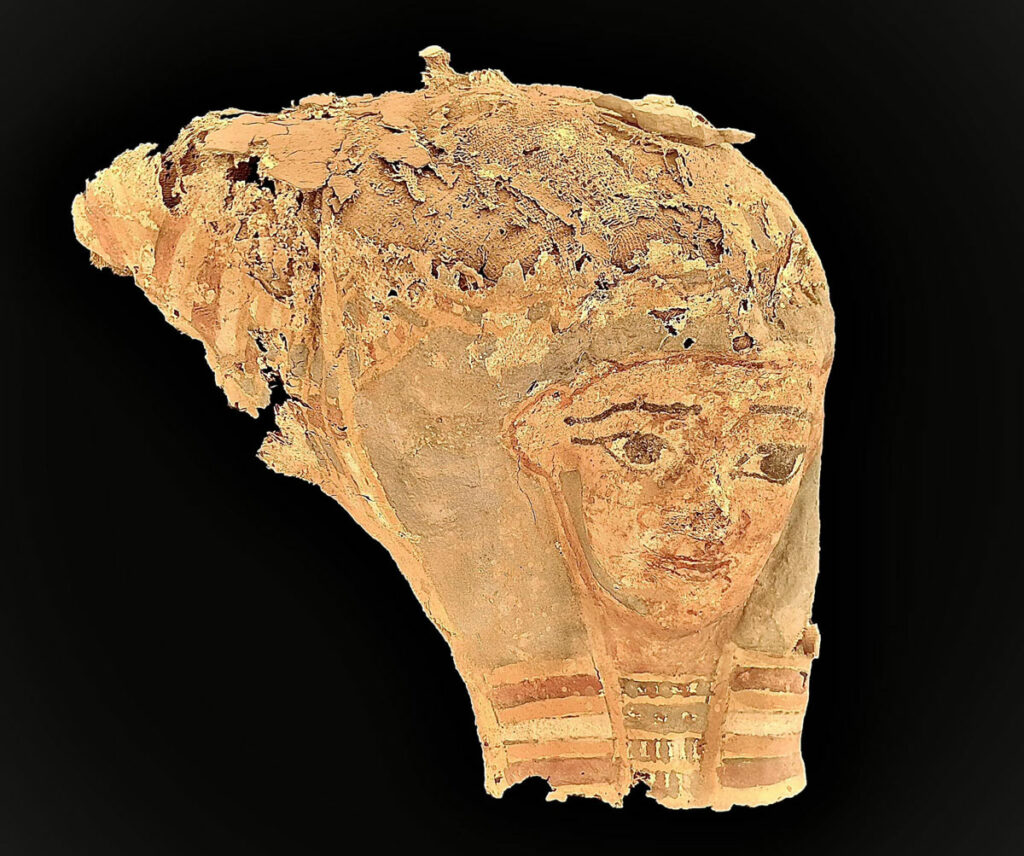
A statement by the Ministry of Tourism and Antiquities said the discovery, made by an Egyptian archaeological mission from the Supreme Council of Antiquities at the “Ihnasya al-Medina” site, shed new light on the religious and cultural prominence of the ancient city across various historical eras.
Among the key findings is a reused stone block featuring a prominent inscription of Pharaoh Senusret III’s coronation and birth names, alongside a cartouche of the deity “Osiris-Naref,” a major god worshiped in Ihnasya during ancient Egyptian and Ptolemaic times.
Hisham Elleithy, secretary-general of Egypt’s Supreme Council of Antiquities, said uncovering the cartouche of King Senusret III is a “significant find,” as the pharaoh was historically linked to several major monuments at the site.
The mission also excavated structural extensions of a Roman basilica, the remnants of an ancient Doric temple, fragments of wall statues, and Roman-era pottery molds used for minting coins. A rare marble statue head of Aphrodite, the Greek goddess of love and beauty, was also discovered, the statement said.
One of Egypt’s most vital archaeological sites, “Ihnasya al-Medina” flourished during the Greco-Roman eras, when it was known as Herakleopolis Magna.
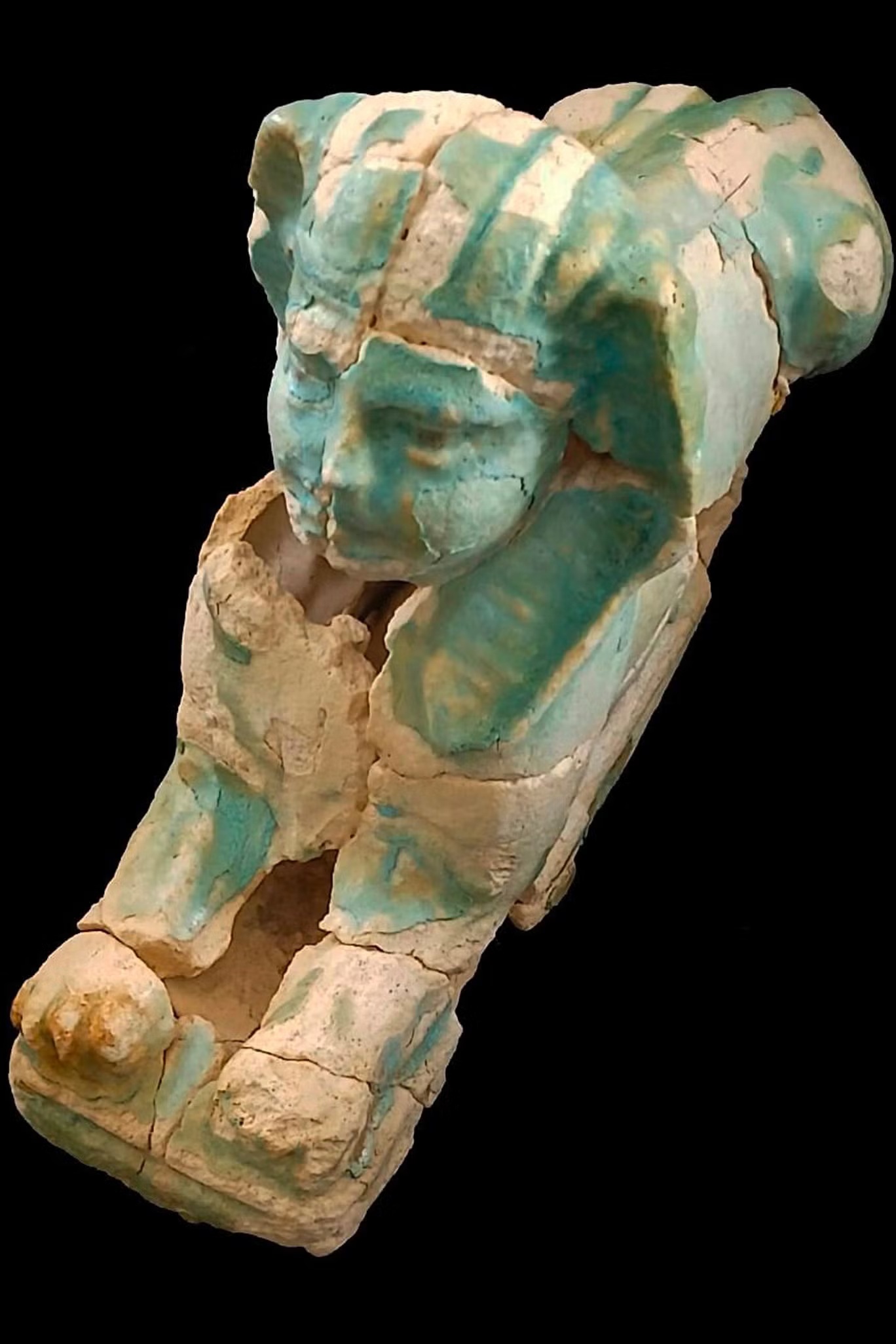
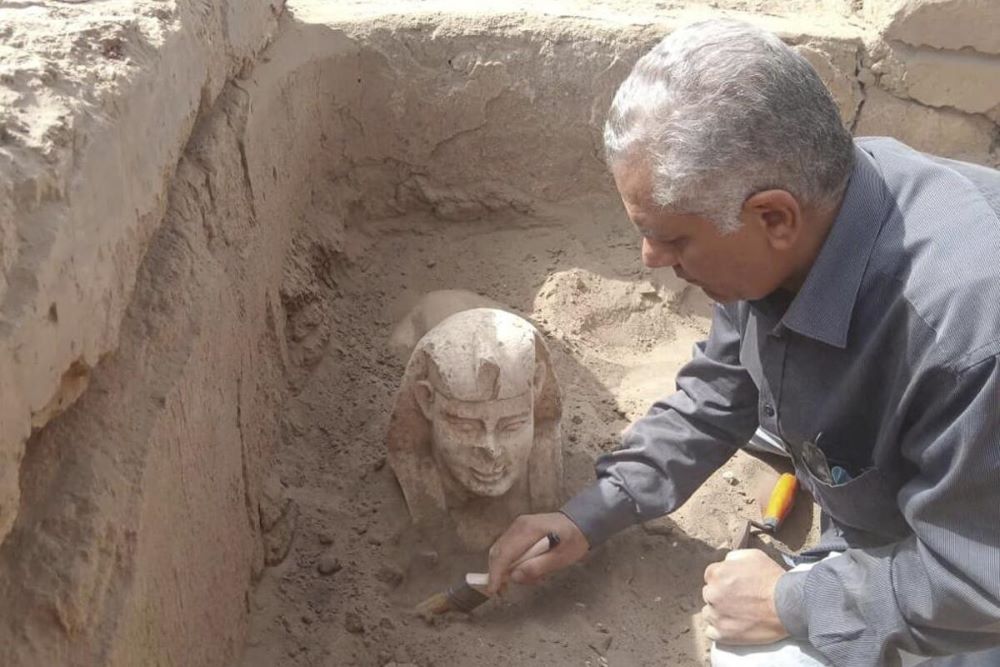
A sphinx statue believed to be made in the likeness of a Roman emperor is uncovered from an archaeological site in Qena, Egypt, in an undated photo distributed Monday. (Egyptian Ministry of Tourism and Antiquities via Associated Press)