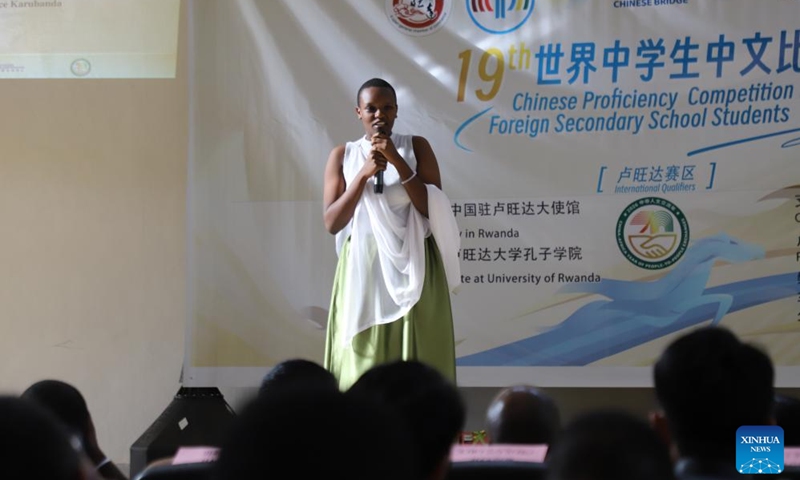
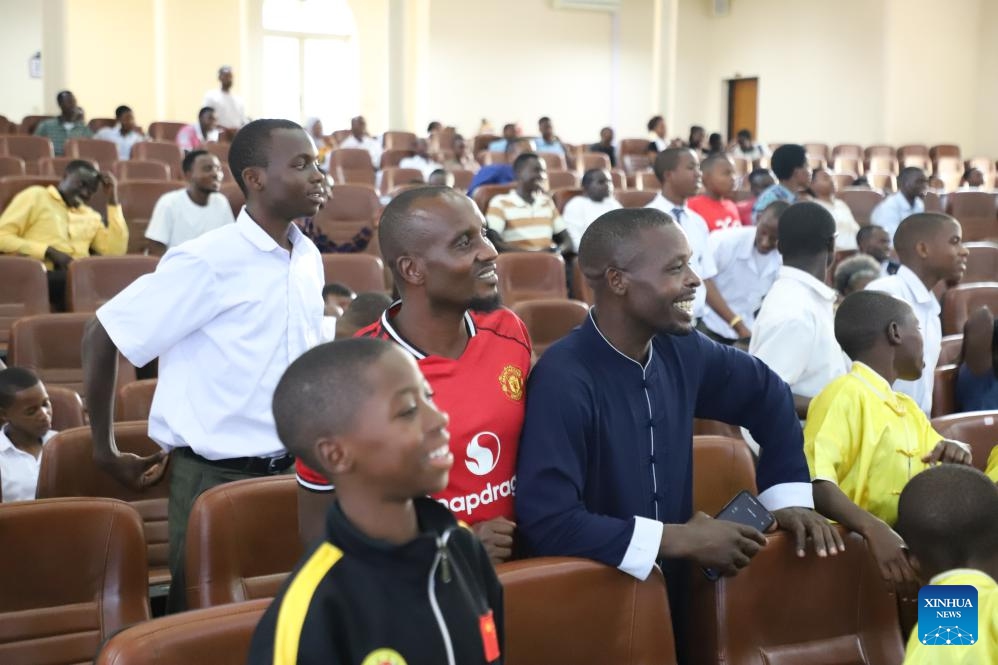
The contest, hosted by the Chinese Embassy in Rwanda and organized by the Confucius Institute at the University of Rwanda (UR), gathered students from UR and several secondary school students studying the Chinese language.
Gao Wenqi, Chinese ambassador to Rwanda, highlighted that the Chinese Bridge connects the cultures of China and Rwanda, enhances practical cooperation between the two countries, and tightens the bonds between our peoples.
Noting that in Rwanda, more than 20,000 students have joined the Chinese-learning community, Gao encouraged the winners of the final to gain an in-depth understanding of China with their eyes and hearts, and tell their family and friends a true story of China.
Eric Niyongabo, provincial education coordinator of Kigali at Rwanda’s Ministry of Education, said that educational and cultural exchanges remain an important pillar of Rwanda-China cooperation.
“Through initiatives such as the Chinese Bridge Competition, scholarships, academic partnerships, and institutional collaboration, our students are gaining international exposure and preparing themselves for a globally interconnected future,” Niyongabo noted.
The championship of the competition for foreign college students was won by Nkurunziza Tharcisse from the UR’s College of Education, while Gwiza Sabrina from Ecole Notre Dame de la Providence de Karubanda claimed the title in the competition for foreign secondary school students.
From 2014 to 2026, the Chinese Embassy in Rwanda and the Confucius Institute at UR have successfully held 13 Chinese Bridge Chinese Proficiency Competitions for Foreign Secondary School Students and 12 Chinese Bridge Chinese Proficiency Competitions for Foreign College Students in Rwanda.
Nkurunziza Tharcisse, the winner of Rwandan final of the 2026 Chinese Bridge Chinese Proficiency Competition for Foreign College Students, poses for photos with Gao Wenqi, Chinese ambassador to Rwanda, in Kigali, Rwanda, May 24, 2026. Gwiza Sabrina, the winner of Rwandan final of the 2026 Chinese Bridge Chinese Proficiency Competition for Foreign Secondary School Students, delivers a speech during the competition in Kigali, Rwanda, May 24, 2026. Chinese language lovers watch the Rwandan final of the 2026 Chinese Bridge Chinese Proficiency Competition for Foreign College and Secondary School Students in Kigali, Rwanda, May 24, 2026.
The Embassy led the preparation and coordination of the flagship diplomatic and cultural event.
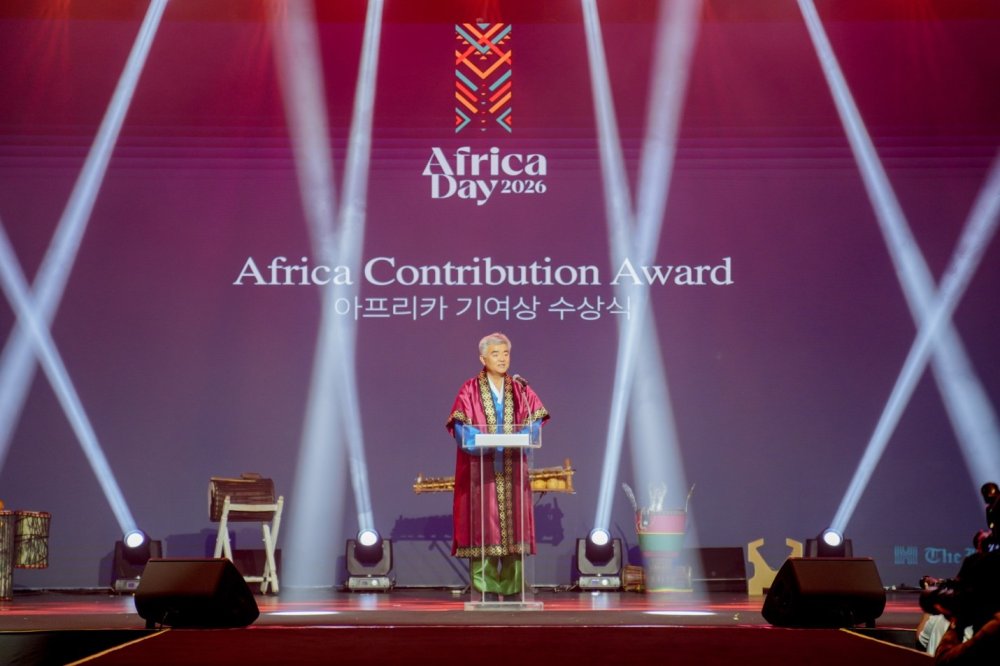
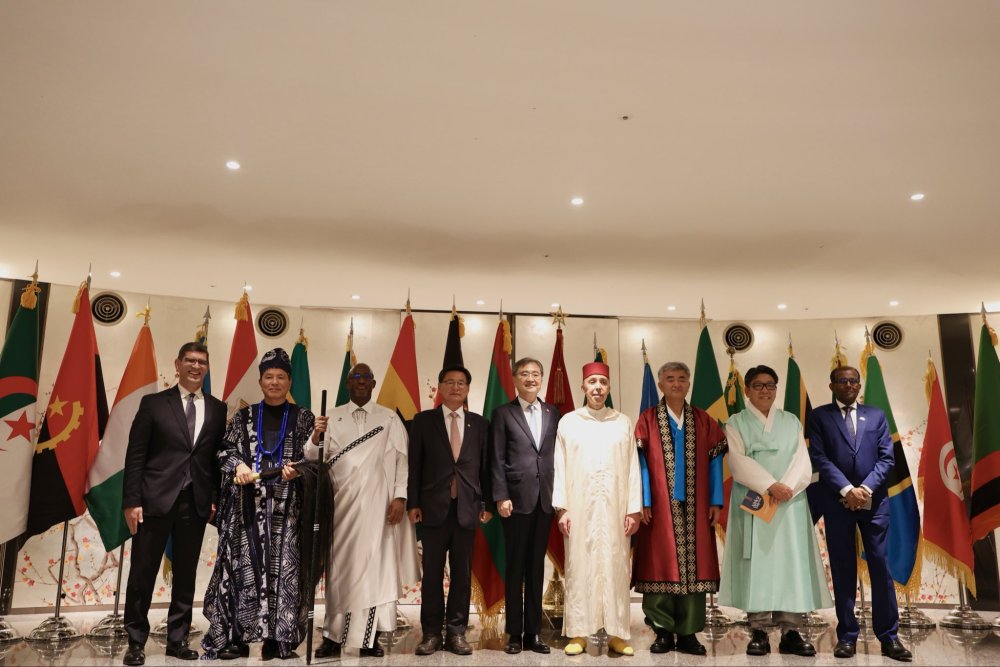
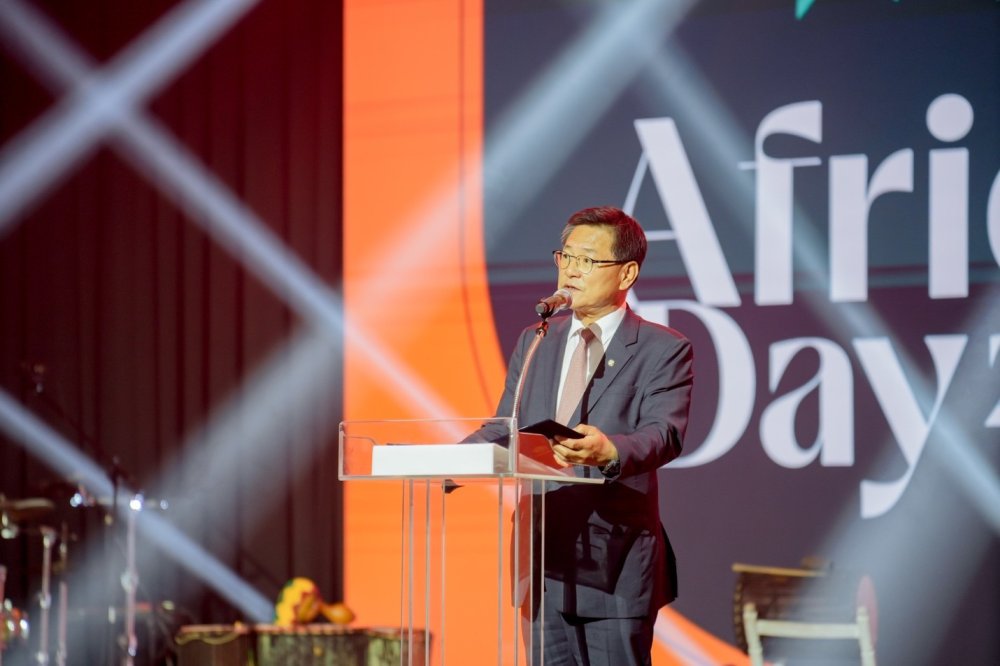
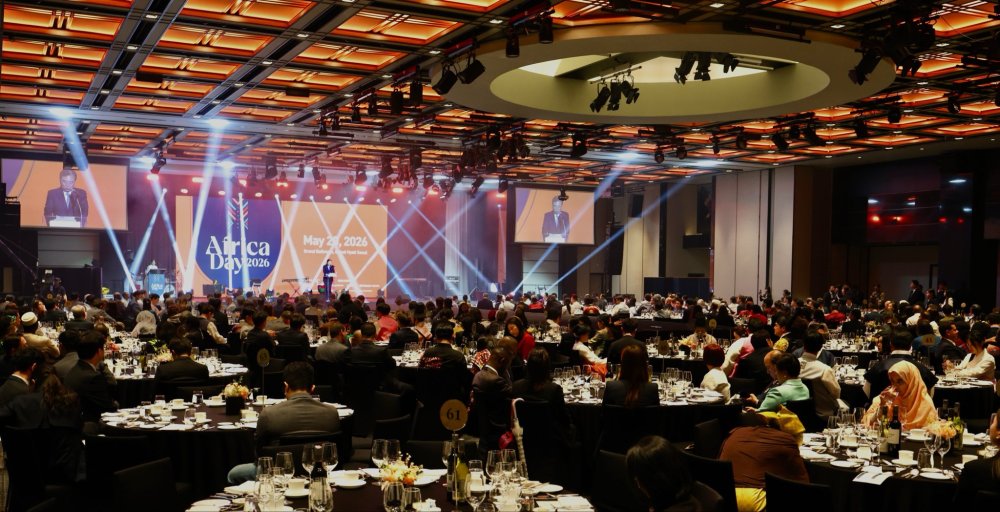
The celebration brought together more than 500 guests, including South Korea’s Minister of Foreign Affairs Cho Hyun, African ambassadors, senior government officials, members of the National Assembly, CEOs, business leaders, academics, media representatives, members of the diplomatic corps, and friends of Africa in Korea.
Rwanda’s leadership role in the organization of the event underscored its active diplomatic engagement within the African Group in Seoul, particularly in advancing cooperation between Africa and South Korea across political, economic, and cultural fields.
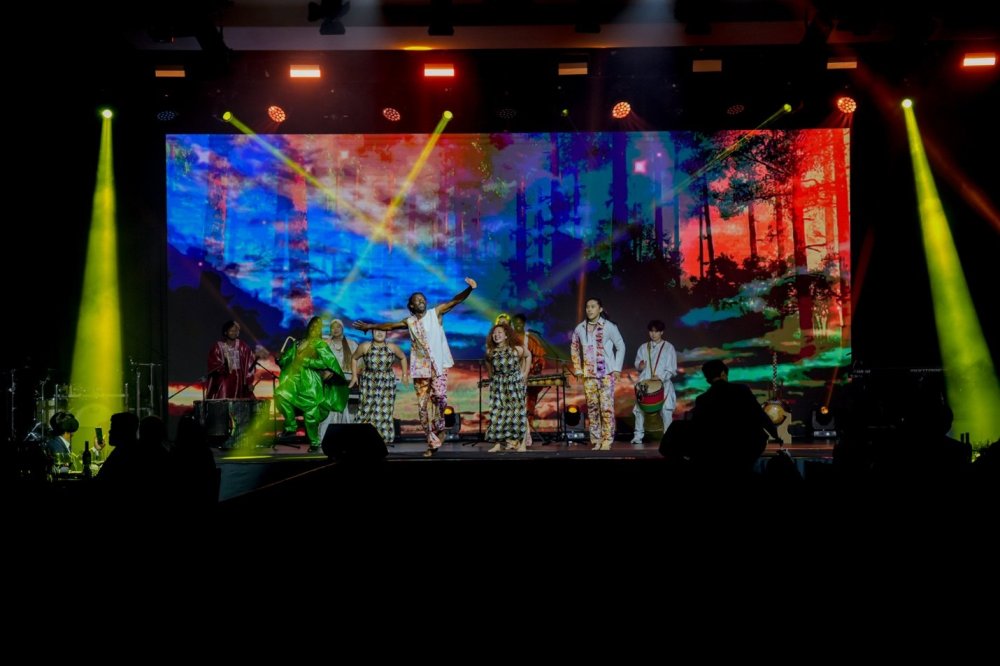
Beyond diplomacy, Africa Day 2026 placed strong emphasis on cultural exchange and innovation, showcasing the deepening ties between the two regions through fashion, music, art, and creative industries.
Organisers highlighted the emergence of “A-Culture” alongside the global influence of “K-Culture,” reflecting increasing cultural collaboration.
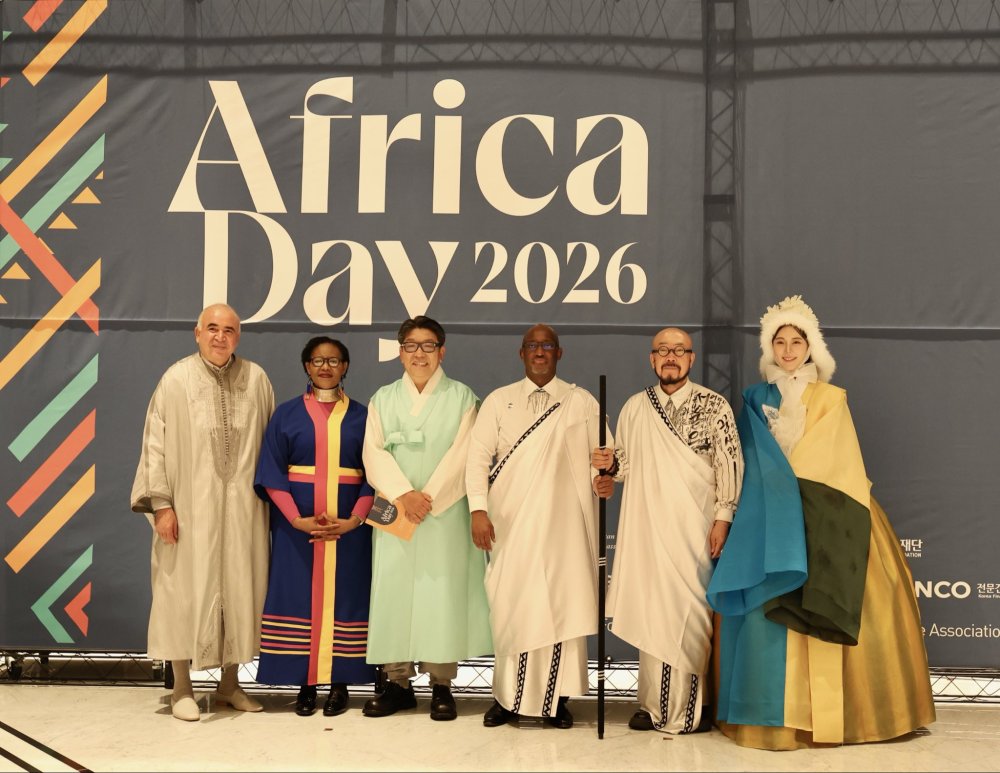
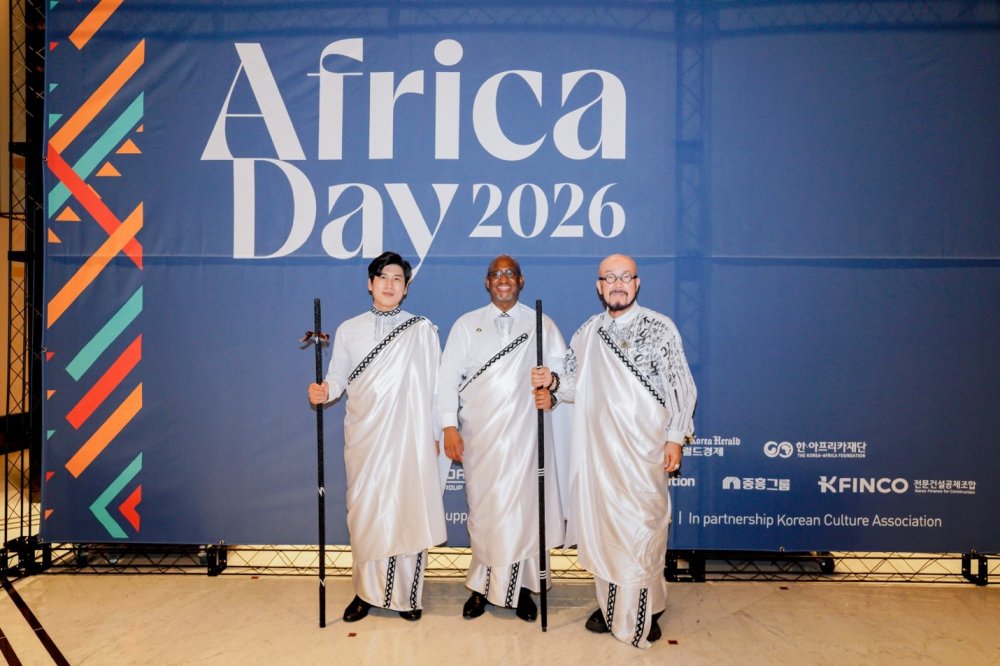
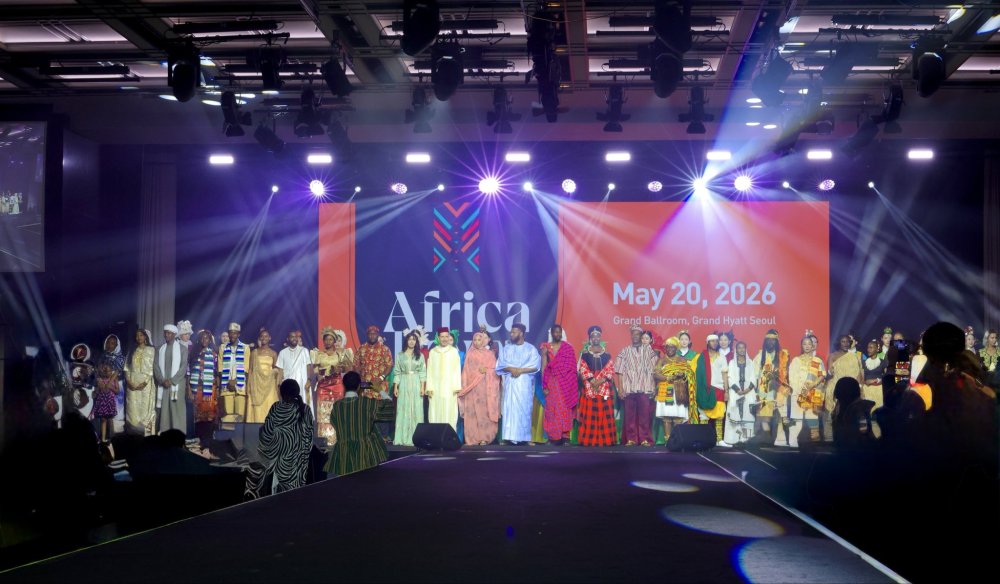
One of the key highlights of the event was a cultural fashion showcase featuring traditional Rwandan attire alongside Hanbok designs inspired by the colours of the Rwandan flag. The display symbolised growing friendship and cultural connection between Rwanda and South Korea.
The event also reflected broader efforts to strengthen Africa–Korea relations through shared priorities such as innovation, sustainable development, and people-to-people exchange.
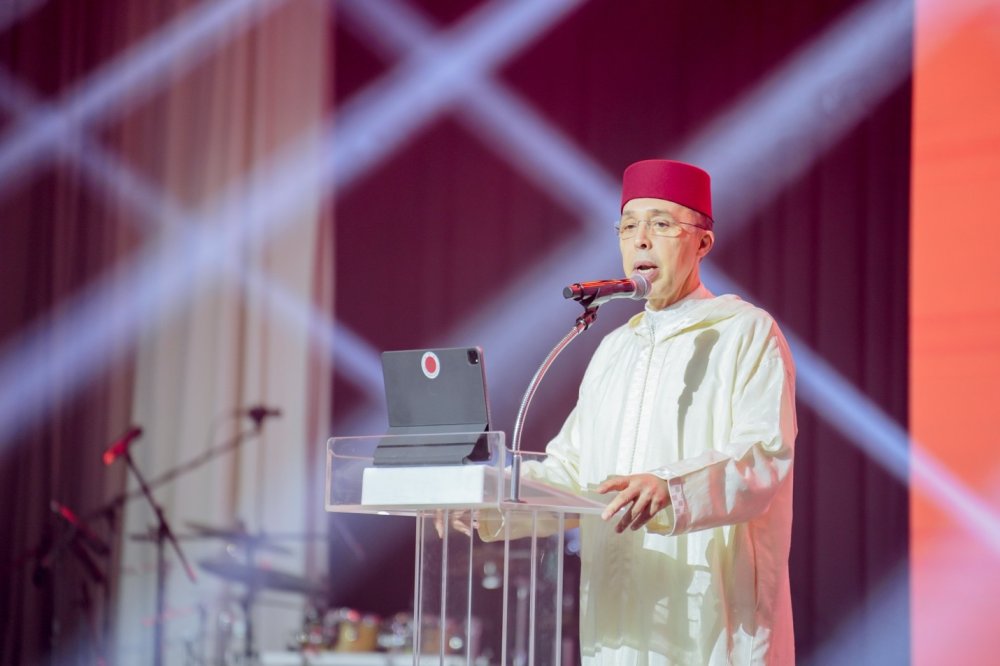
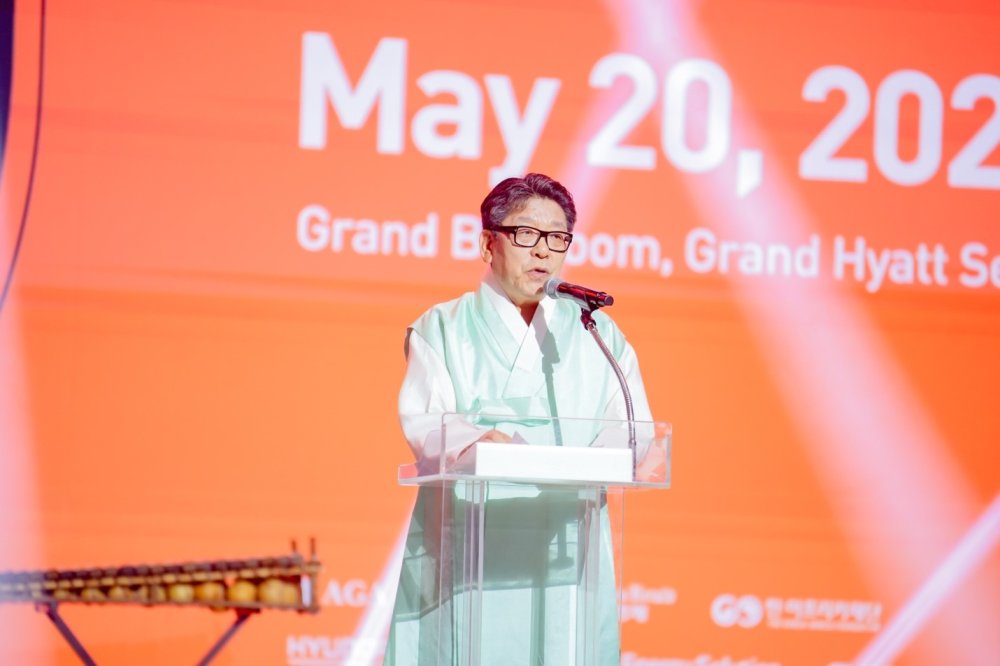
Mr. Lie Sangbong, renowned Korean fashion designer and Mr. Samuel Chung Chairman of KCA, pictured wearing Mushanana after previously attending the Kwita Izina naming ceremony in Rwanda. Cho Hyun, Minister of Foreign Affairs of the Republic of Korea, delivering remarks during the Africa Day 2026 Korea celebration in Seoul.Mr. Jung Won-ju, Chairman of Daewoo E&C and Korea Herald, was honored with the Africa Contribution Award in recognition of his contributions to strengthening Africa–Korea cooperation and partnership.Lee Hun-seung, Chair of the National Assembly Forum for Africa of the Republic of Korea, delivering remarks during the Africa Day 2026 Korea celebration in Seoul.The evening featured live cultural performances highlighting African rhythm, dance, and artistic tradition as part of the Africa Day 2026 Korea celebration. Dr. Chafik Rachadi, Ambassador of the Kingdom of Morocco to the Republic of Korea and Dean of the African Group of Ambassadors, delivering remarks during the Africa Day 2026 Korea celebration in Seoul.Mr. Choi Jin-Young, CEO of Herald Media Group, delivering Welcome remarks during the Africa Day 2026 Korea celebration in Seoul.
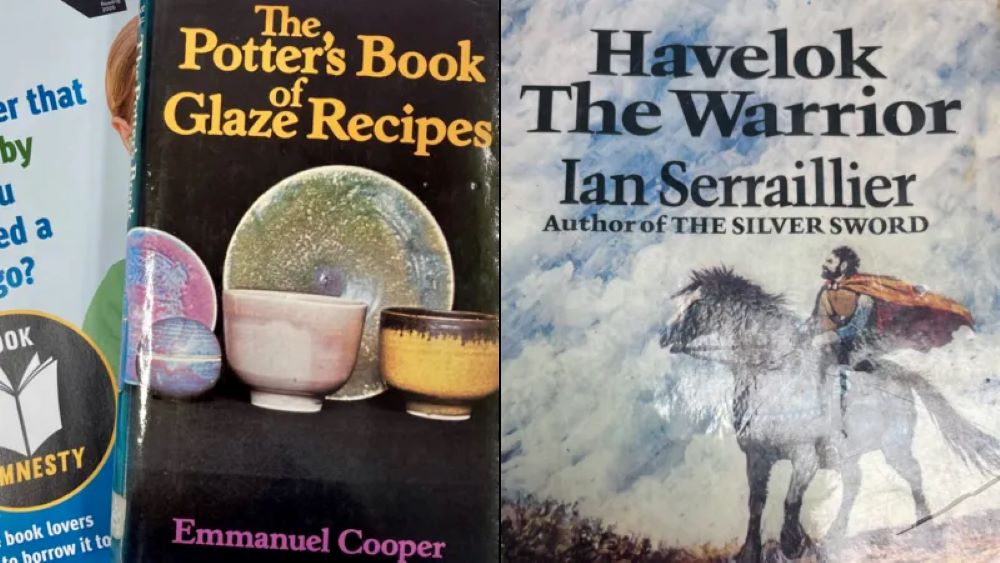
According to BBC, the item was handed back to Rye Library in East Sussex, a county in the south-east of England, during an annual library amnesty that allows people to return overdue or lost books without being fined or judged.
The returned book, The Potter’s Book of Glaze Recipes by Emmanuel Cooper, is a guide for potters on creating ceramic glazes. Library staff said the due date stamped inside the book showed it should have been returned in June 1983.
East Sussex is a county in southern England, and its libraries run the amnesty scheme each year to encourage the return of long-overdue materials.
According to East Sussex County Council, the longest overdue item ever returned during such an amnesty remains the children’s book Havelok the Warrior by Ian Serraillier, which was returned 48 years later. It had originally been due back at Hastings Library in April 1975 before being returned in 2023.
This year’s amnesty has already seen thousands of returns. Since it began on 16 February, a total of 22,160 overdue loans and 683 lost books have been brought back or renewed across the county.
Nick Skelton, assistant director of communities at East Sussex County Council, said the scheme helps restore books to shelves while encouraging people to return items without fear of penalties.
“The annual amnesty is an effective way of reclaiming books without the public fearing being judged or fined,” he said. “The library service is simply happy to have them back.”
At the start of the amnesty, data showed that Hastings and Eastbourne libraries together had 13,454 overdue loans. The council also reported that 65.4% of overdue items were from the junior fiction section.
Librarians have welcomed back books that had been missing for more than 40 years
Christie’s sold more than $1.1 billion worth of artworks in a single evening in New York, in a record-breaking auction that saw major paintings and sculptures sell for extremely high prices within hours.
The auction began strongly on Monday, with over $630 million in sales recorded in just 40 minutes. It later closed the night with an additional $490 million, bringing the total to about $1.1 billion.
The sale featured works from the collection of the late media owner S.I. Newhouse, whose art holdings have been auctioned in several stages over the years. His collection included major modern and contemporary artists such as Jackson Pollock, Pablo Picasso and Andy Warhol.
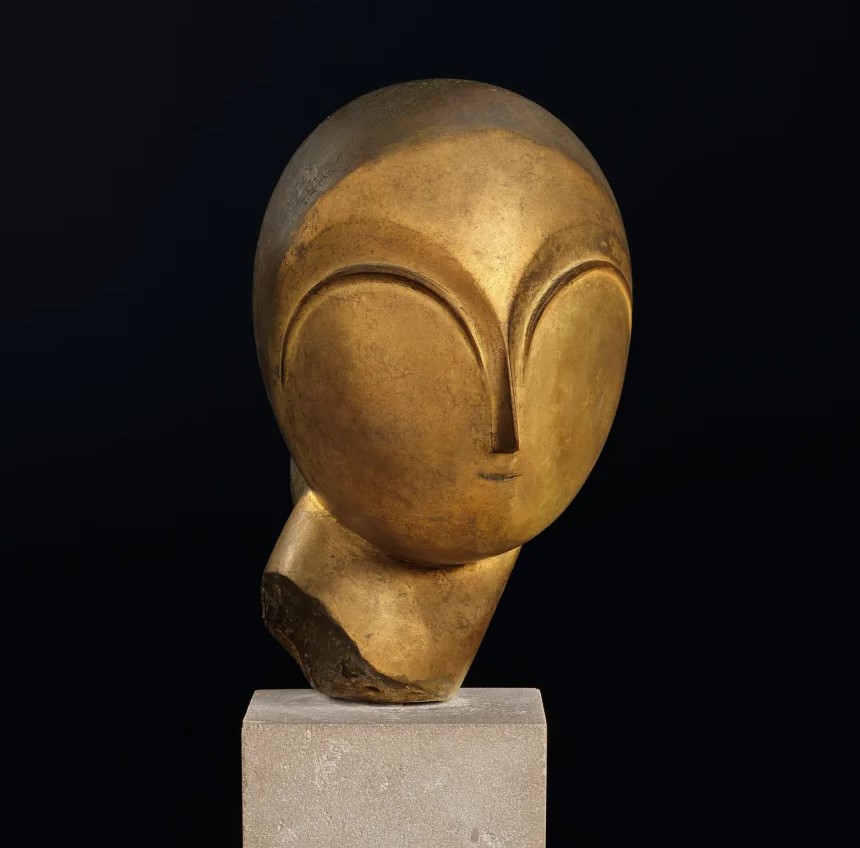
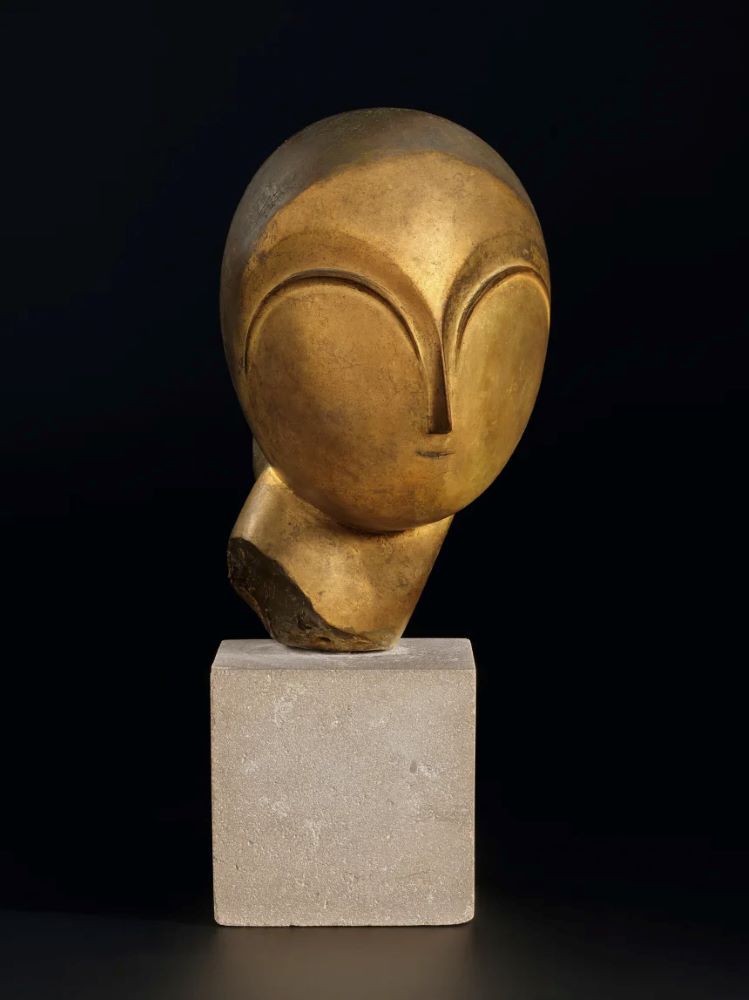
One of the biggest highlights of the night was a painting by Jackson Pollock, which sold for $181.2 million, setting a new record for the artist at auction. Another record was broken by a sculpture from Constantin Brancusi, which sold for $107.6 million.
Ahead of the auction, Christie’s used a promotional campaign featuring Hollywood actress Nicole Kidman, who appeared in a short video highlighting one of the key artworks. The campaign was part of the auction house’s effort to attract global attention to the sale.
The artworks came from a collection once owned by media businessman S.I. Newhouse, who built one of the most valuable private art collections in the world. His works have previously helped set major auction records.
The strong results come as major auction houses, including Christie’s and Sotheby’s, try to recover momentum in the high-end art market by selling rare, high-value collections owned by wealthy individuals.
Experts say the presence of very wealthy buyers continues to drive record-breaking sales, even as the wider global economy faces uncertainty.
Before the auction, thousands of visitors viewed the artworks on display at Christie’s, showing strong public interest in the collection before it returned to private ownership.
“Danaïde” is based on a Greek myth of the daughters of Danaus condemned to carry water in a sieve for eternity. Brancusi’s modernist take was a star lot of the night. Courtesy Christie’s
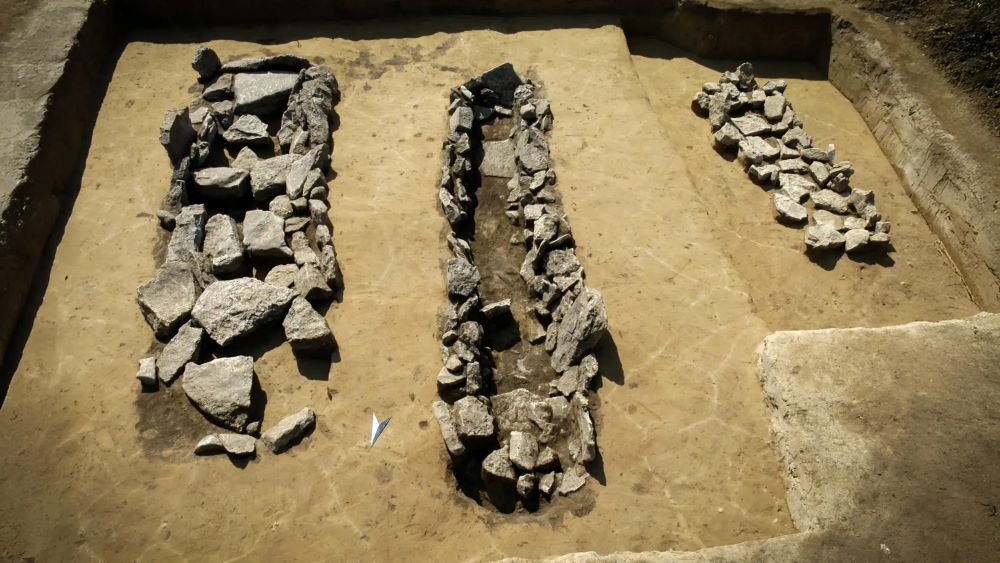
The discoveries come from a major study published in Nature Communications. Researchers studied rare ancient graves found in Germany, Czechia, and Poland to better understand life during the Late Bronze Age, between 1300 and 800 BCE.
At that time, many communities in Europe practiced cremation, meaning bodies were burned after death.
Because cremation destroys much of the human remains scientists usually study, this period has long been difficult to fully understand.
To solve this problem, researchers examined rare graves where bodies had not been cremated. They also studied cremated remains from other sites in Central Germany. Using ancient DNA, chemical analysis, and skeletal studies, scientists learned more about how these communities lived, ate, traveled, and buried their dead.
The study found that most people remained close to where they were born instead of moving far away.
Researchers say new ideas and traditions likely spread through trade and contact between communities rather than large migrations.
Scientists also discovered changes in diet. Many communities began eating broomcorn millet, a crop that originally came from northeast China. Later, people returned to more traditional foods like wheat and barley.
The skeletons showed signs of hard physical work, stress during childhood, and injuries, but researchers found little evidence of large disease outbreaks.
The findings also revealed that burial practices were very diverse. Some people were cremated, while others received traditional burials or more complex funeral rituals.
Researchers say the study shows that Bronze Age Europe was a connected and changing world where people mixed old traditions with new ideas.
The upper house of parliament passed the bill with 343 votes in favor and none against, after the revised draft law had already been approved by the National Assembly on Wednesday with 141 votes in favor and none against.
The bill seeks to establish a clearer and simpler legal framework for returning cultural assets acquired by France through illicit means, including looting, theft and sales conducted under coercion. It applies to cultural property acquired between 1815 and 1972, excluding military items and certain archaeological objects.
Under France’s longstanding principle of the inalienability of public collections, cultural objects could previously be returned to their countries of origin only through specific legislation on a case-by-case basis and in limited numbers.
The French Senate first passed the draft law on Jan. 29, and the National Assembly approved a slightly different version on April 13 with 170 votes in favor and none against. As differences remained between the two versions, a joint committee composed of seven deputies and seven senators worked to reconcile the differing provisions and submitted a compromise text on April 30.
French Prime Minister Sebastien Lecornu welcomed the draft law on social media platform X on Wednesday, saying that “this law is not intended to rewrite history, but allows us to take responsibility for returning improperly acquired cultural property.”
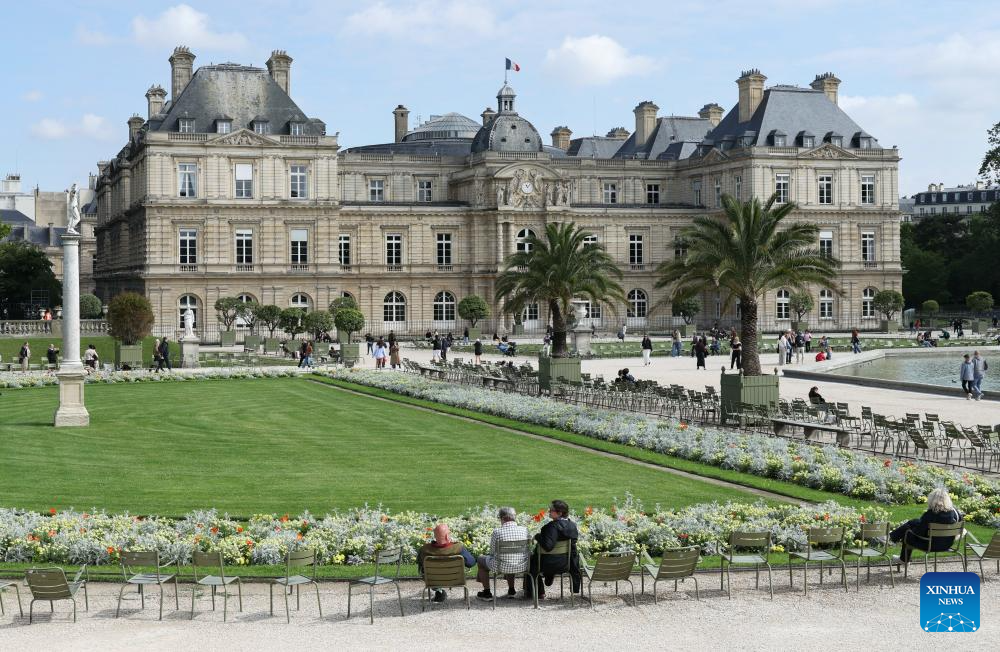
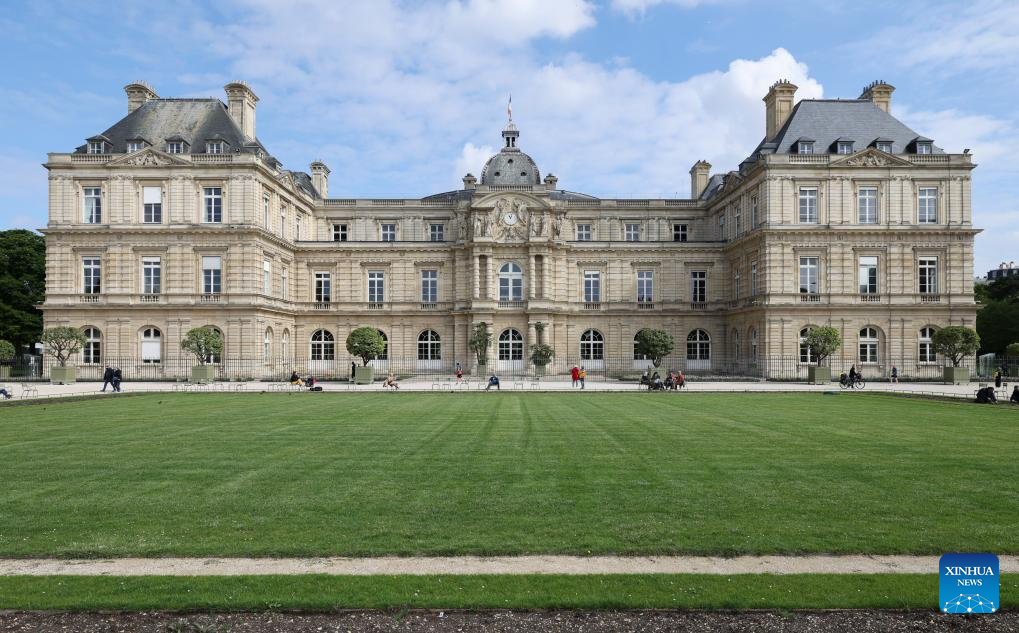
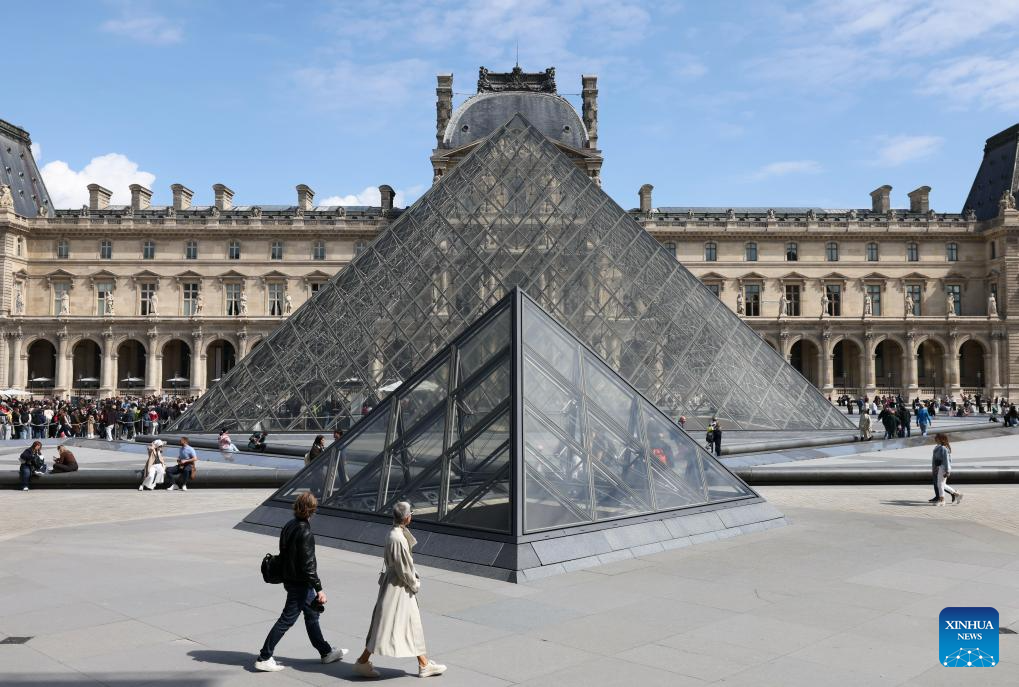
This photo taken on May 7, 2026 shows the French Senate in Paris, France. The French Senate on Thursday approved a draft law on the restitution of cultural property acquired through illicit appropriation, following a new round of debate. (Xinhua/Wu Huiwo)People enjoy their leisure time near the French Senate in Paris, France, on May 7, 2026. The French Senate on Thursday approved a draft law on the restitution of cultural property acquired through illicit appropriation, following a new round of debate. (Xinhua/Wu Huiwo)People are seen in front of the Louvre Museum in Paris, France, May 7, 2026. The French Senate on Thursday approved a draft law on the restitution of cultural property acquired through illicit appropriation, following a new round of debate. (Xinhua/Wu Huiwo)
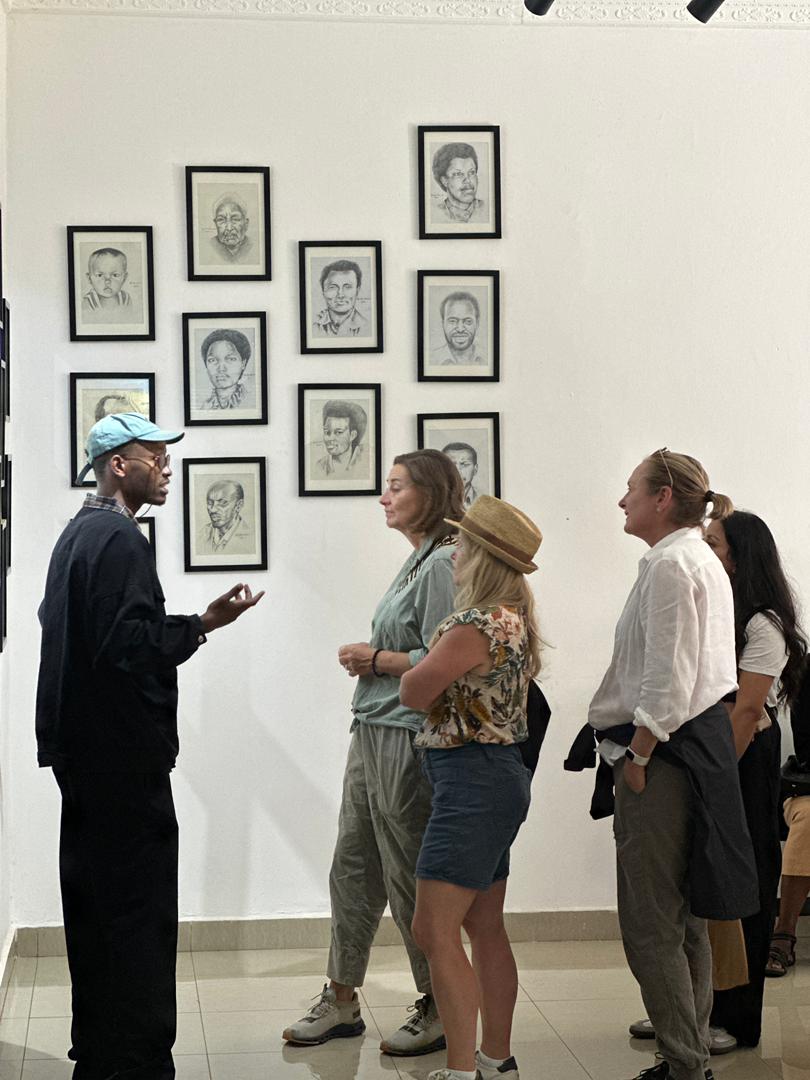
In a public statement issued on May 7, King Ngabo said the museum had been closed by the City of Kigali due to “outstanding rental payment obligations” that the museum and the wider art community had been unable to settle financially.
Ngabo further alleged that city authorities had confiscated museum collections, including artworks belonging to artists who had been working and exhibiting in the space, pending payment of the outstanding fees.
“Despite the ongoing challenges facing the cultural and creative economy in our country, and the difficulties visual artists continue to experience due to limited structural support and leadership that fully understands the industry, we remain hopeful that the City of Kigali will preserve and protect these artworks until the matter is resolved,” the statement read.
He described the collections as carrying “deep emotional, historical, educational, and cultural significance” beyond their financial value.
In response, the City of Kigali said the space had initially been provided free of charge from August 2023 to December 2024 as part of efforts to support young creatives and strengthen Rwanda’s cultural and creative industry.
According to the city, a rental arrangement was later introduced after the initiative expanded into a revenue-generating activity with paying visitors.
“As the initiative expanded and began operating as a revenue-generating activity with paying visitors, a rental arrangement was subsequently agreed upon jointly to support the sustainability, maintenance, and proper management of the facility,” the city said in a statement addressed to Ngabo.
The City of Kigali added that several engagements and reminders had been made regarding the obligations under the rental agreement, including discussions involving both the Ministry of Youth and Arts and the city administration.
“We remain firmly committed to supporting youth-led and creative initiatives. At the same time, ensuring the sustainability, proper maintenance, and fair management of public spaces is essential so that such opportunities can continue benefiting many other young creatives in the future,” the statement said.
The city also encouraged tenants to fulfil obligations agreed upon in rental contracts entered into “in good faith.”
Minister of Youth and Arts Dr. Utumatwishima Jean Nepo Abdallah also weighed in on the matter, stating that the arrangement between the City of Kigali and Ngabo was governed by a signed contract rather than a memorandum of understanding.
“Between the CoK and Ngabo, there was a clearly signed contract, not an MoU,” the minister said. “Ngabo couldn’t honour any part of the agreement and later wrote to us. We tried to help him renegotiate with CoK, but he insisted that a museum should simply function the way the artist wants.”
King Ngabo said the museum had been closed by the City of Kigali due to “outstanding rental payment obligations” that the museum and the wider art community had been unable to settle financially.
This legislation represents a shift in how France manages its public collections, which have long been protected by the legal principle of inalienability. Under that doctrine, any object entered into a state museum becomes the permanent property of the French Republic, previously requiring a specific, separate act of Parliament for every individual return. This new framework creates a permanent administrative mechanism to bypass that requirement for certain categories of contested heritage.
The law specifically targets items acquired through looting, theft, or sales conducted under coercion, a term often applied to transactions made during colonial occupations or under the shadow of military force. While the bill covers a broad 157-year timeframe, it maintains several restrictions that prevent an automatic or total emptying of museum shelves.
Military equipment and specific archaeological finds remain exempt from the streamlined process, and the French state retains final authority over the interpretation of an object’s history via a specialised scientific committee. Furthermore, the law applies only to state-owned museums and does not mandate returns from private collections or galleries.
The legislative move follows years of mounting diplomatic pressure from former colonies, primarily across Africa and Asia. Sub-Saharan nations such as Benin, Senegal, and Mali have been at the forefront of these demands, following the high-profile 2021 return of the Abomey Treasures to Benin.
In the Maghreb, Algeria continues a complex dispute with France regarding archives and artefacts taken during the 132-year colonial period ending in 1962. Similarly, Southeast Asian nations, including Vietnam, Cambodia, and Laos, have identified thousands of artefacts, ranging from religious statuary to royal regalia, held in major French institutions. Indigenous groups in Oceania, specifically in New Caledonia and French Polynesia, have also sought the return of ancestral remains and sacred ritual objects under similar ethical claims.
The version passed on Wednesday was a compromise text drafted by a joint committee of deputies and senators, intended to resolve previous disagreements over the level of parliamentary oversight versus executive power. Critics of the bill have pointed out that while it simplifies the legal path for restitution, it does not guarantee the return of items.
The process remains contingent on a claimant nation initiating a formal request and a French-led committee verifying the illicit nature of the original acquisition. The draft law now moves to the Senate for a final review, and if approved, it will proceed to the President for official promulgation into law.
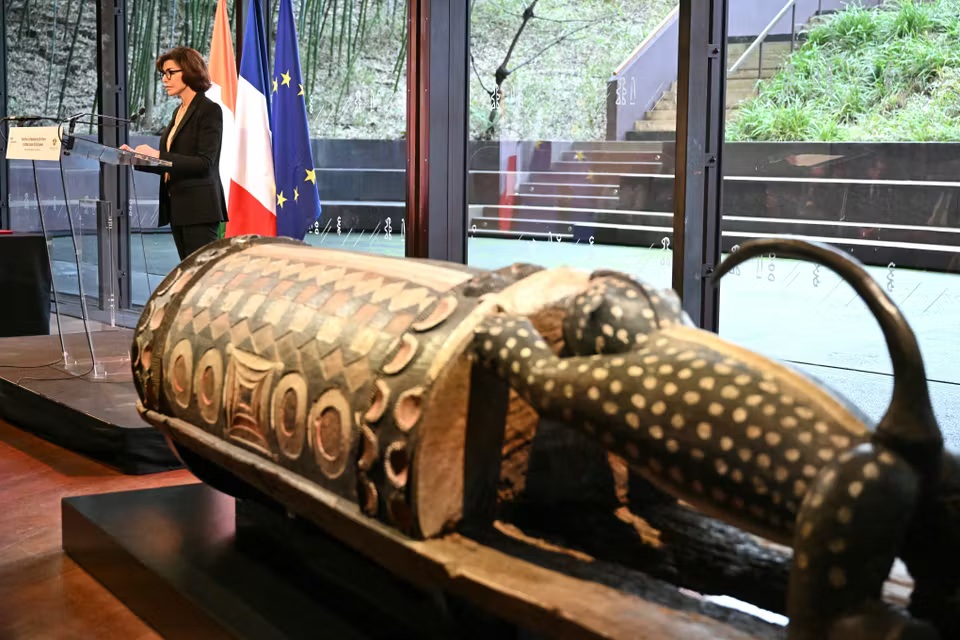
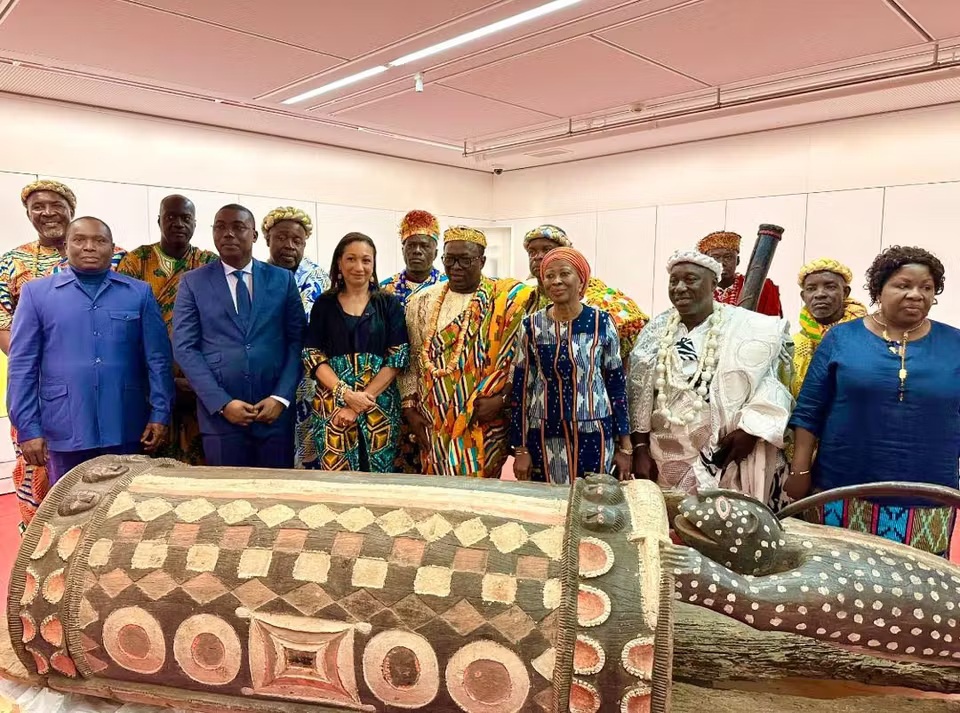
Former culture minister Rachida Dati at a ceremony marking the official restitution to Côte d’Ivoire of the sacred drum “Djidji Ayôkwé,” also known as the “talking drum,” at the Musée du Quai Branly in Paris, on February 20, 2026. The Ayôkwé djidji, nicknamed the “talking drum.”
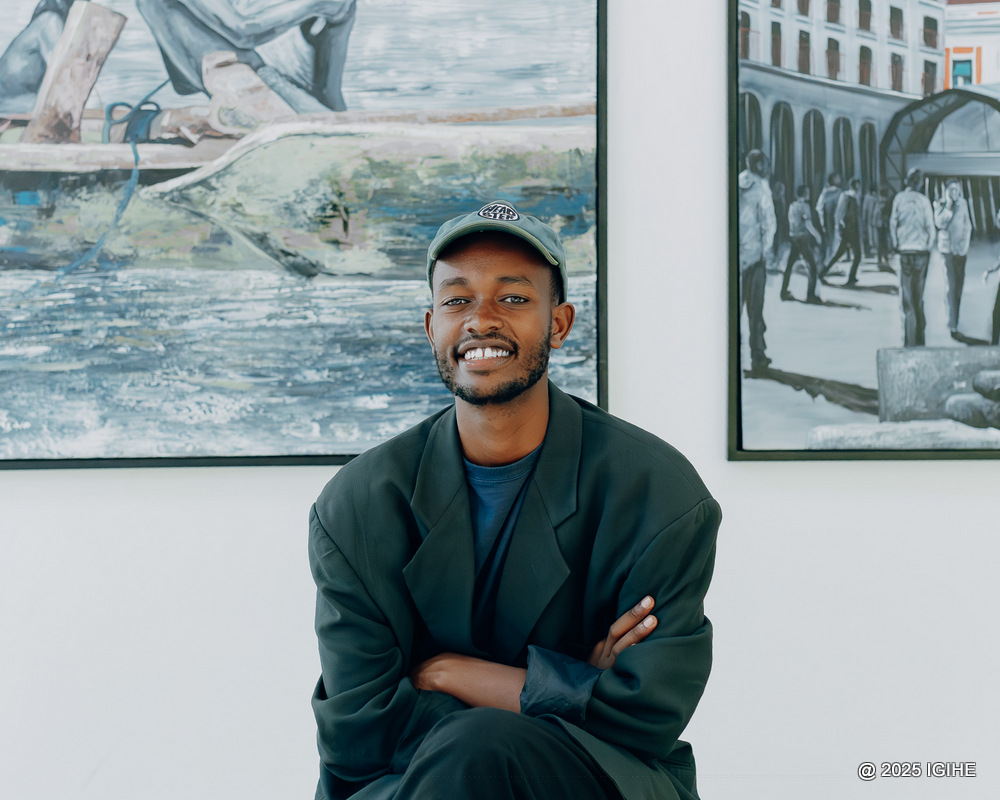
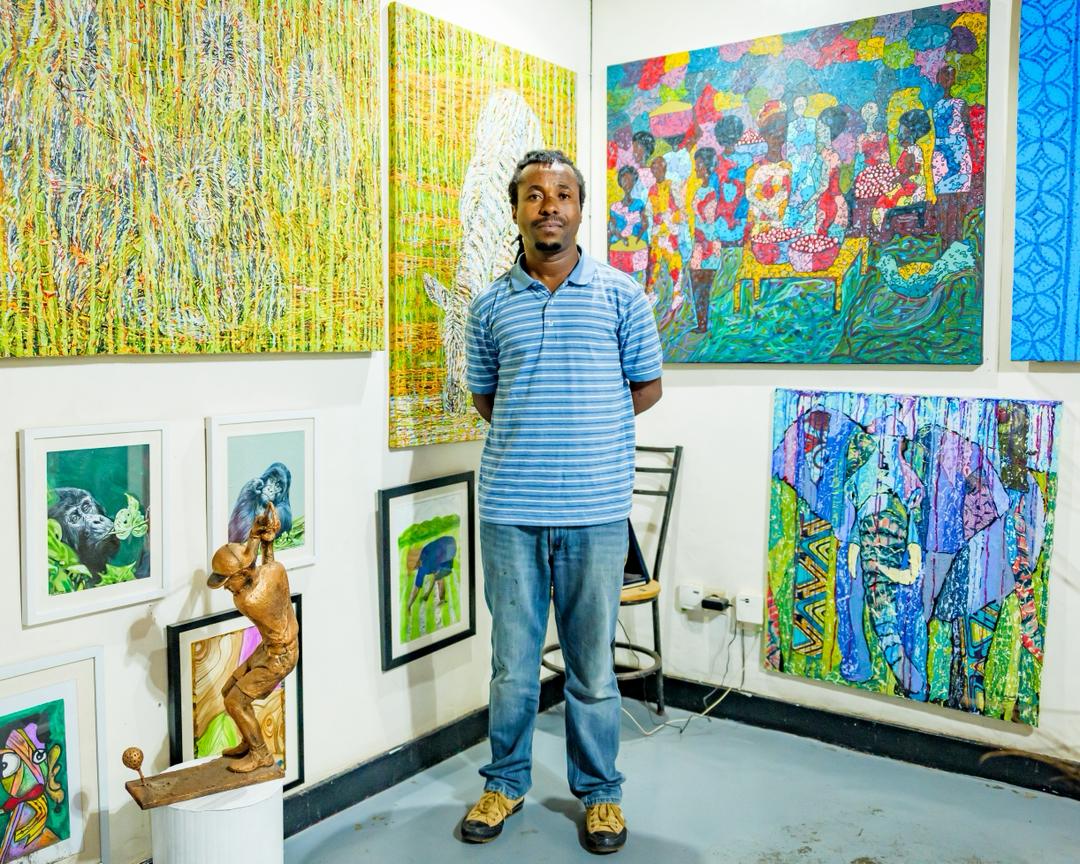
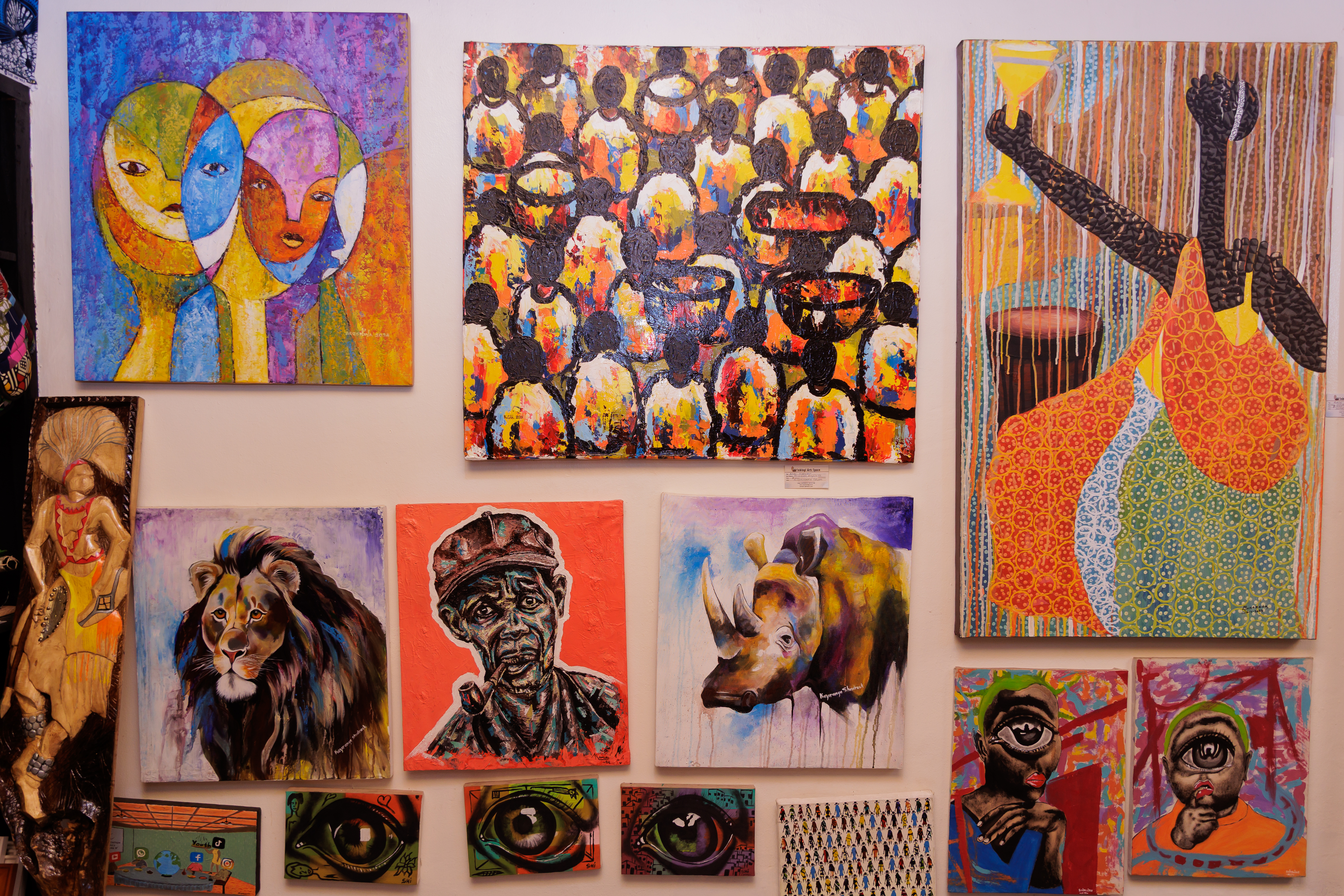
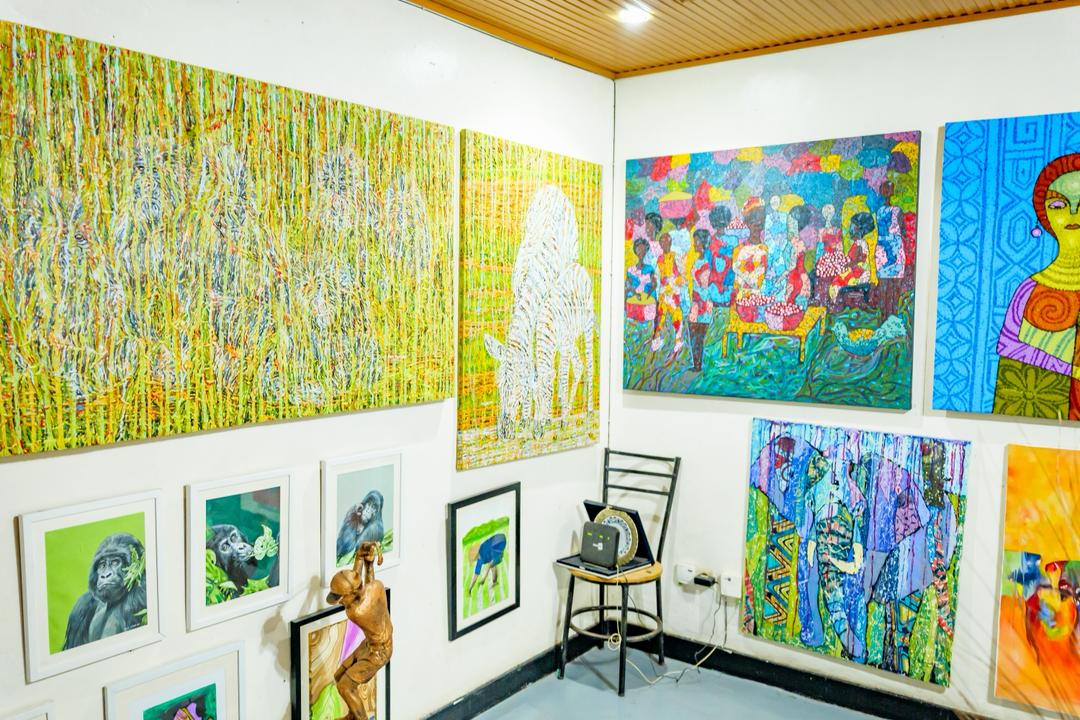
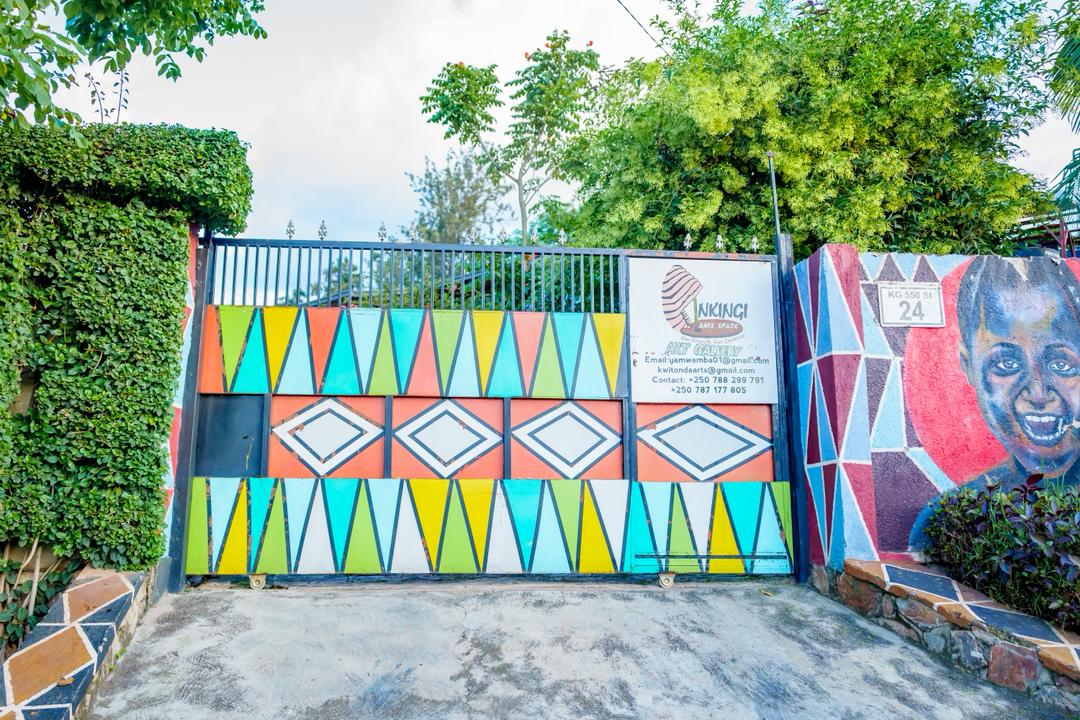
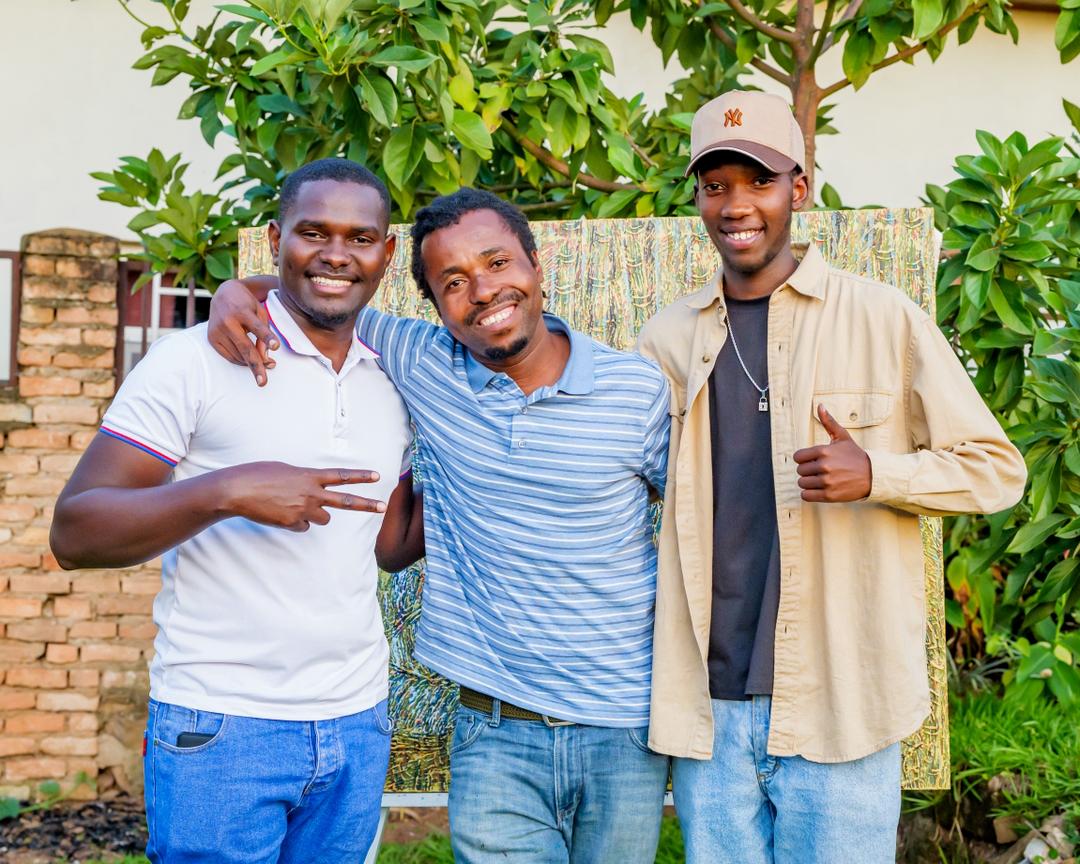
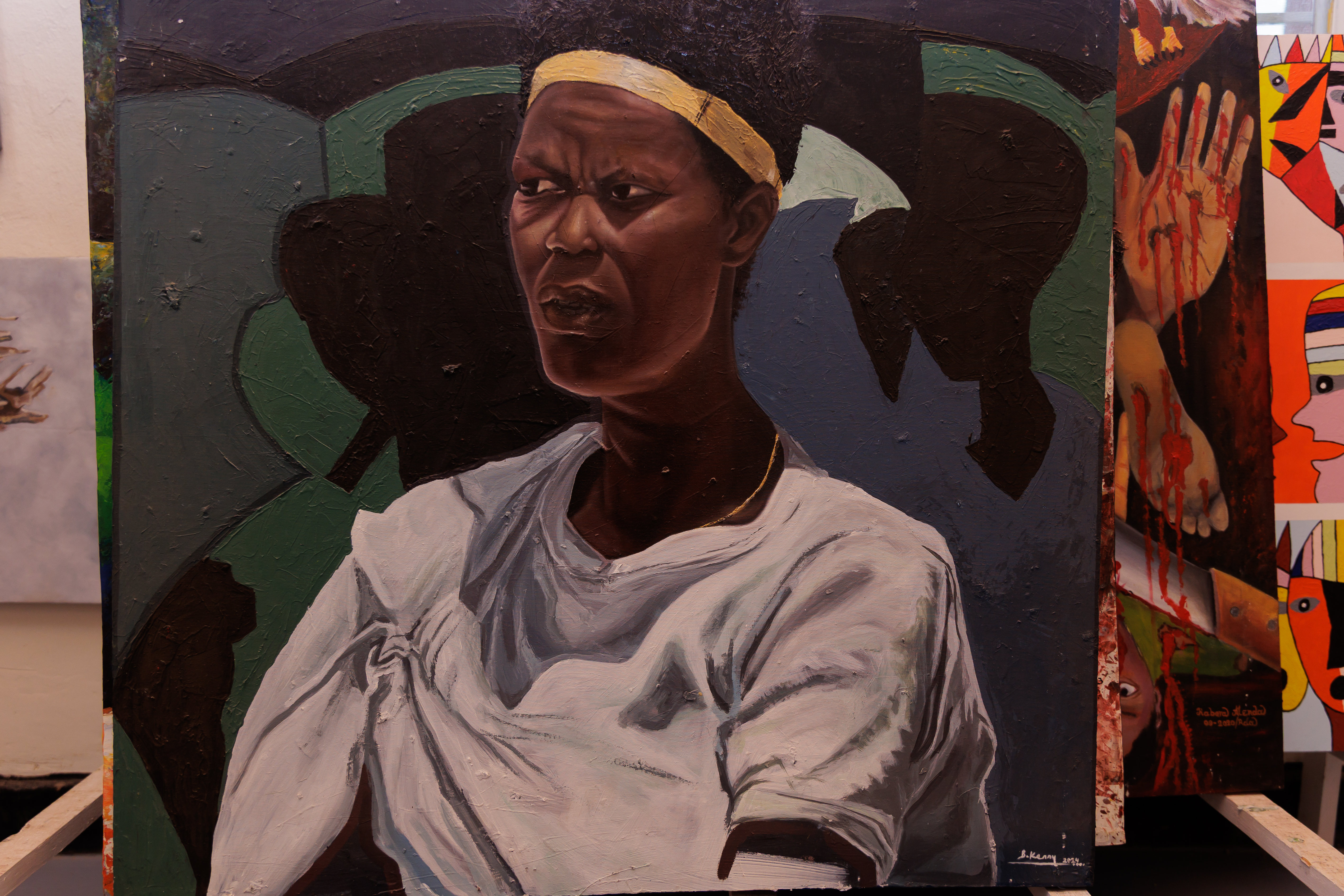
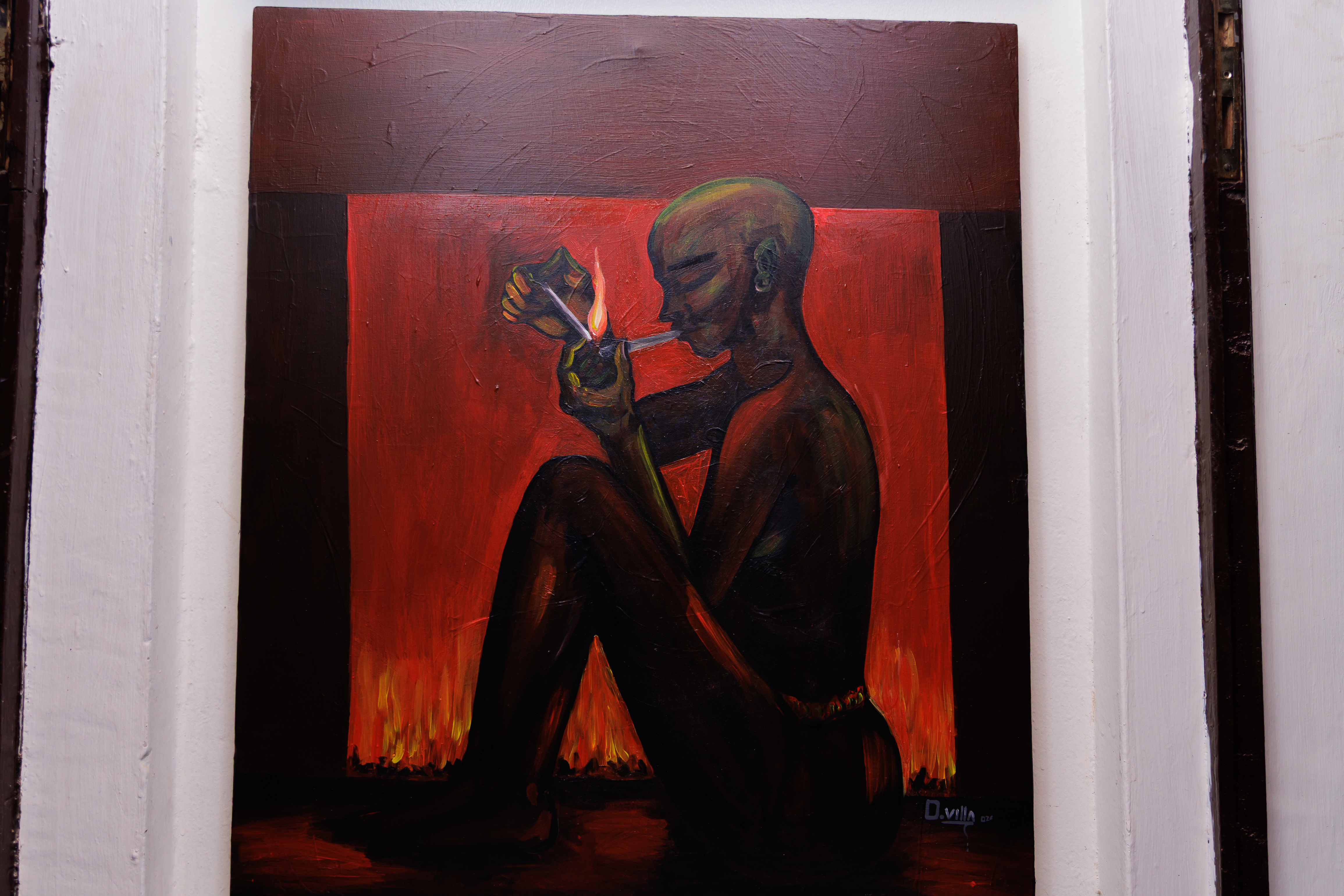
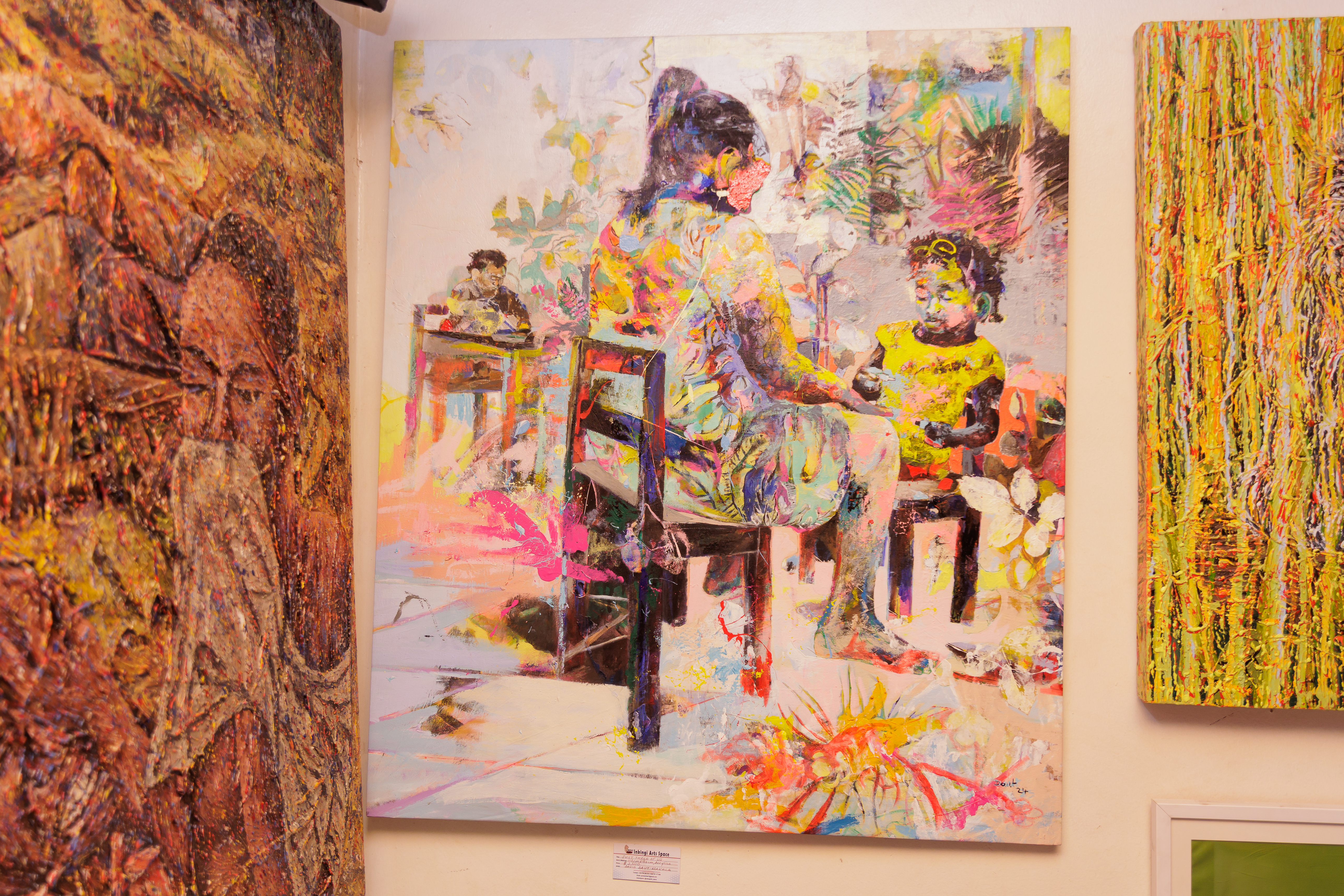
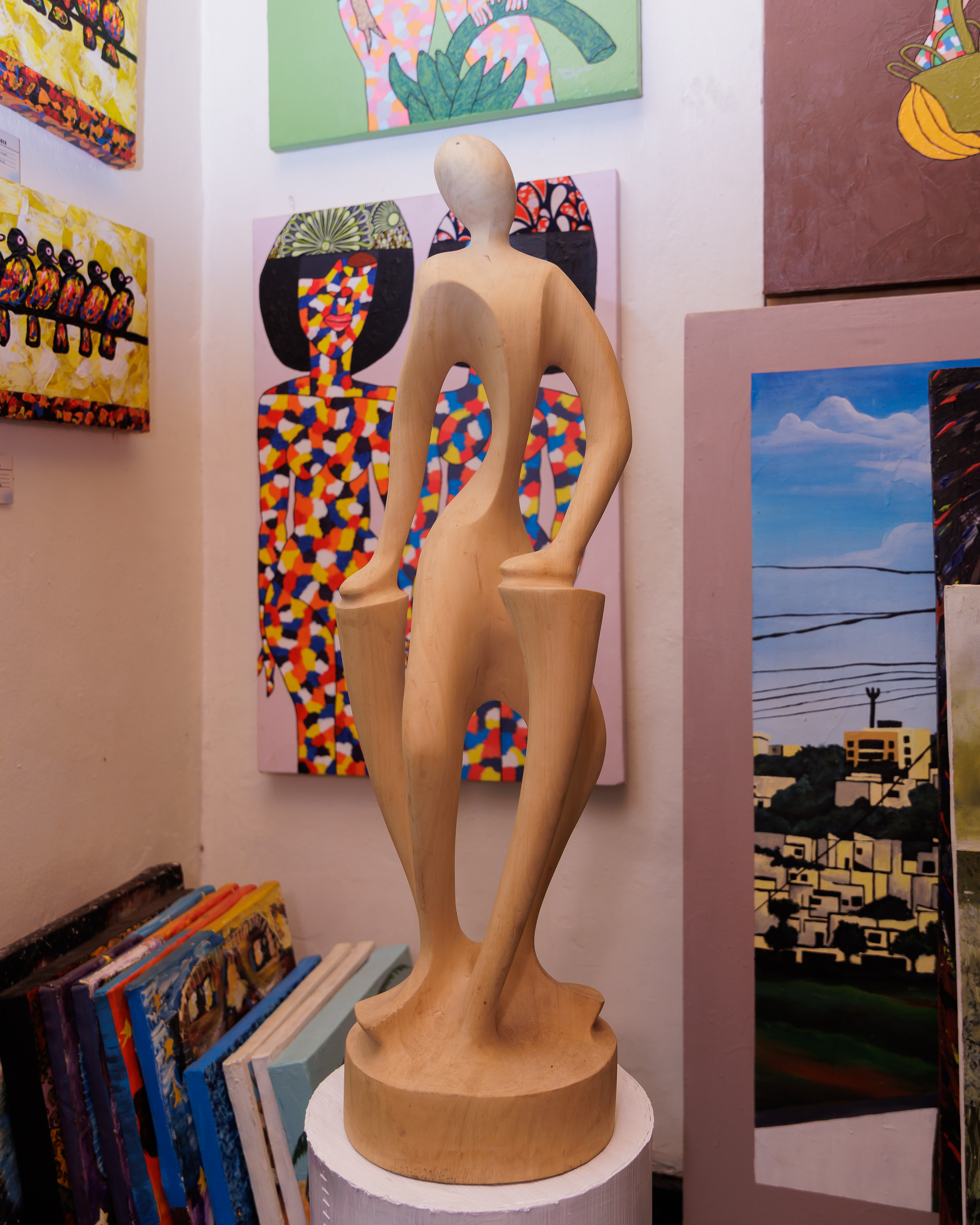
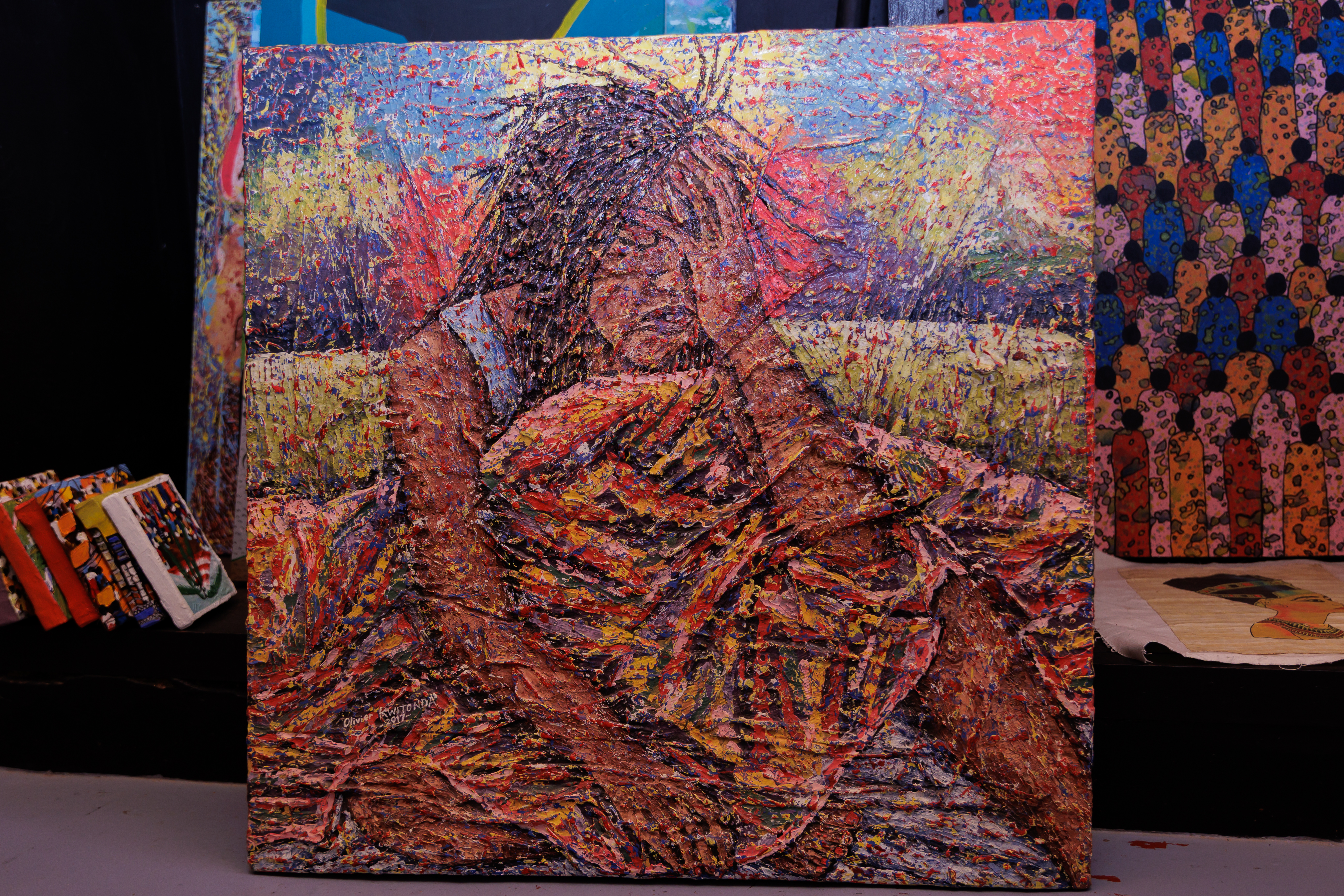
Founded by self-taught Rwandan artist Olivier Kwitonda, Inkingi goes beyond the idea of a traditional gallery. As its Kinyarwanda name suggests, it is a “pillar”, a space built to support, connect, and elevate artists across disciplines.
“I wasn’t thinking of a gallery or a center,” Kwitonda told IGIHE during a visit to the space. “I was thinking of an arts space, somewhere every art form could meet.”
Today, that vision is alive. Inkingi hosts more than 25 artists, primarily from Rwanda but also from across Africa, including Uganda, Zambia, Nigeria, Ghana, Burundi, and Sudan. The diversity is intentional. Collaboration is at the heart of what makes the space unique.
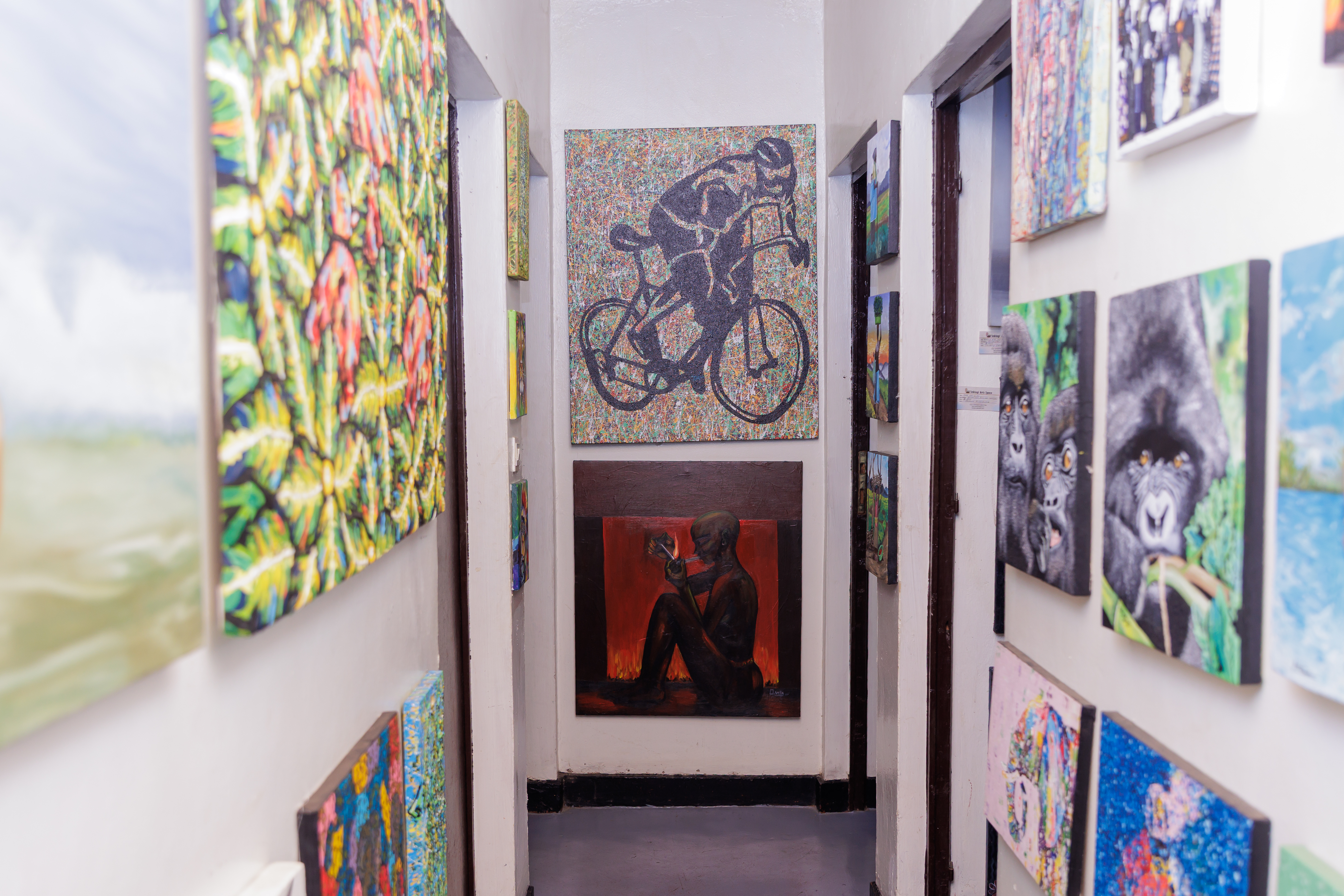
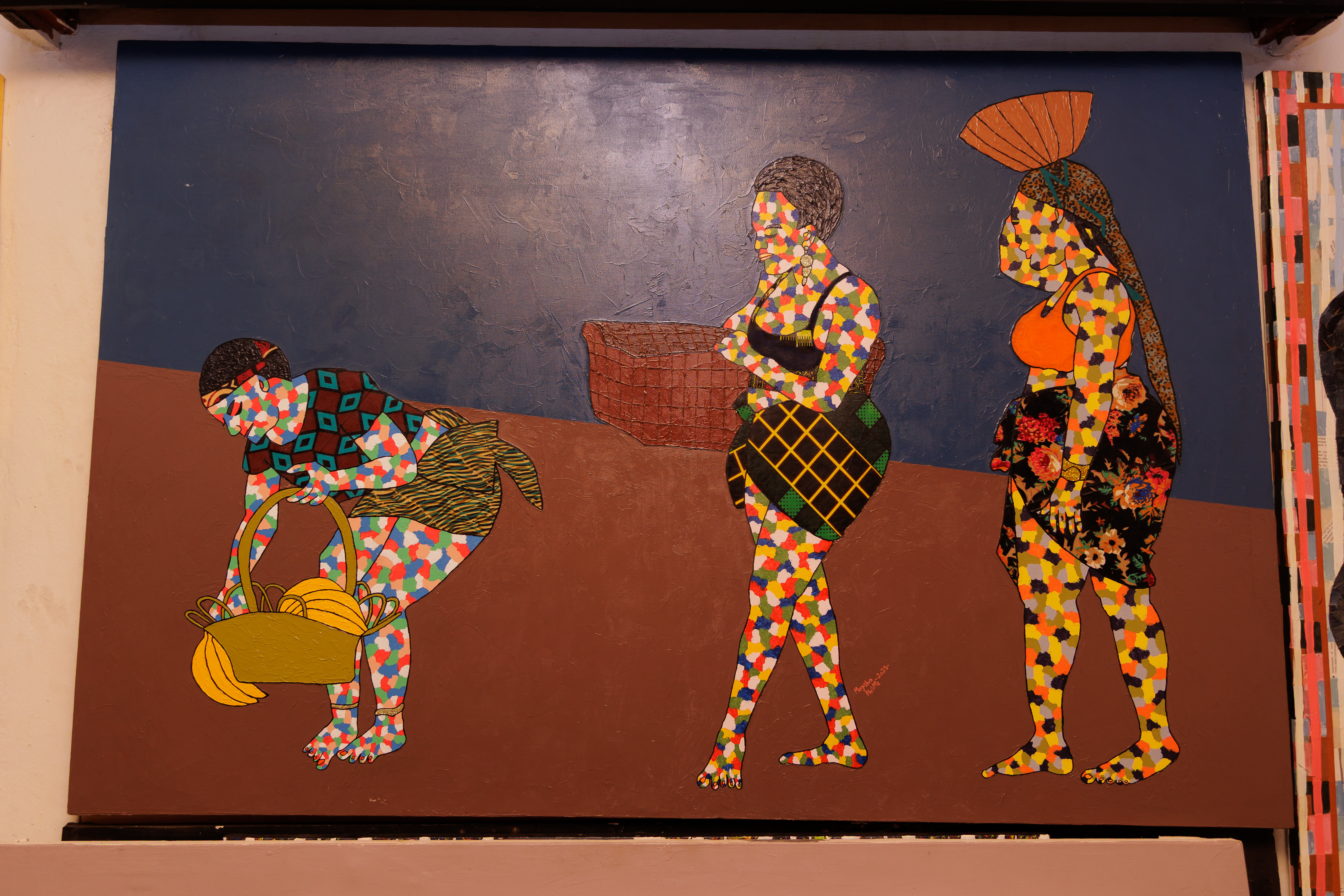
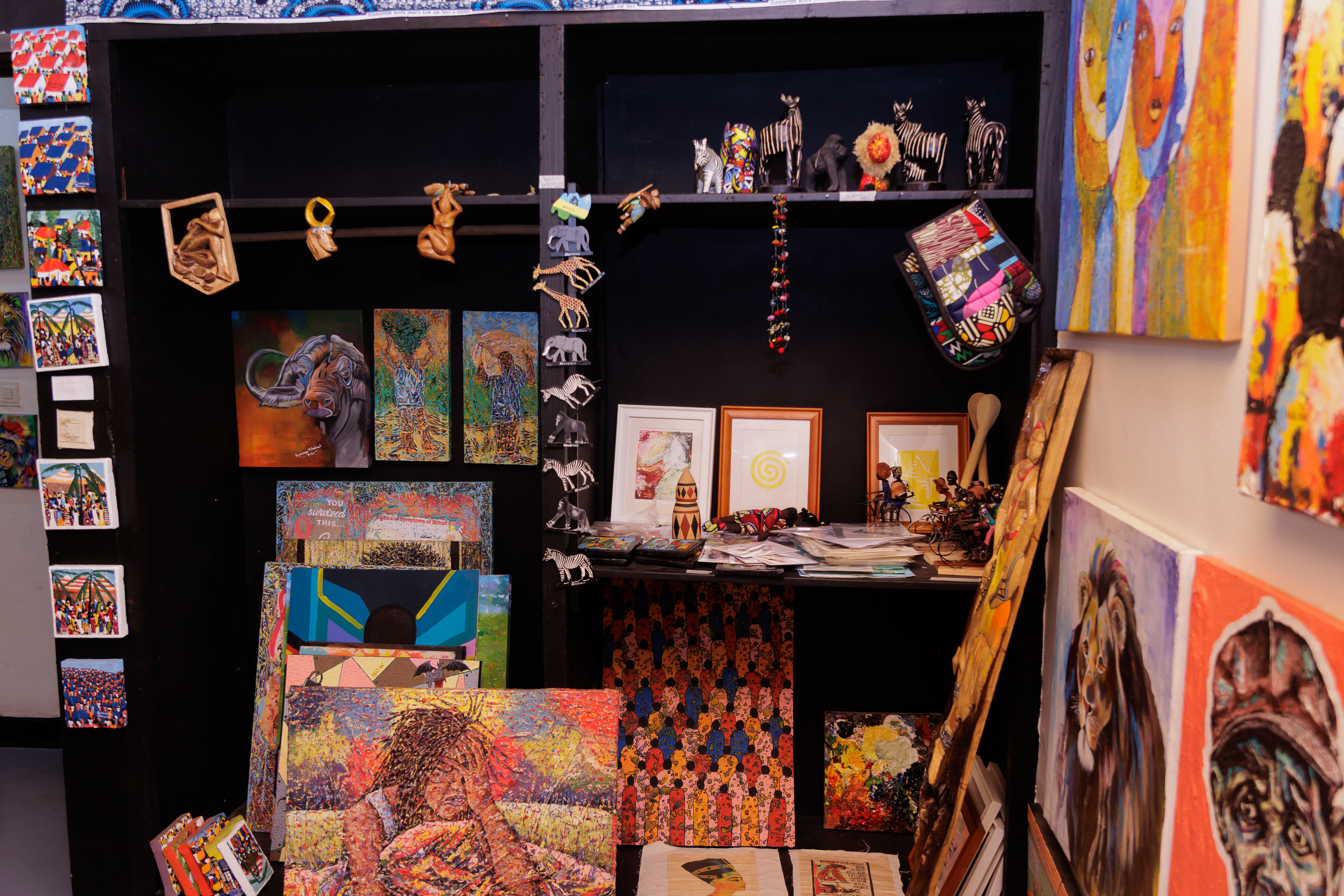
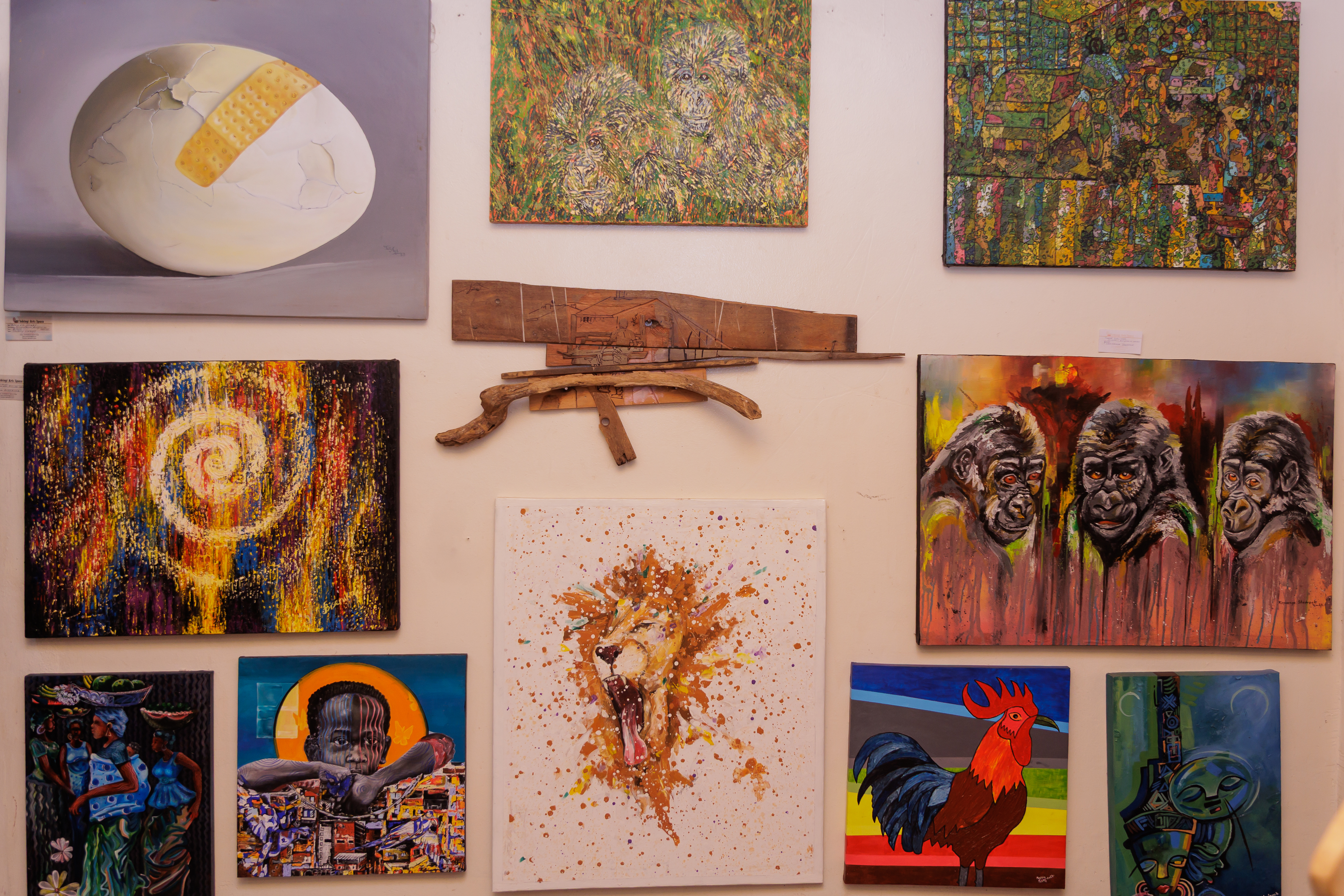
The art space features artworks from dozens of creatives.
Kwitonda’s path to founding Inkingi was anything but conventional. Born in 1987, he discovered art early, sketching in school notebooks and on blackboards, even when it got him into trouble.
“I was expelled once for drawing the headmaster,” he recalls with a laugh.
Without access to formal art education after high school, he carved his own path, visiting local studios, learning materials, and slowly building his craft. He worked through established spaces like Yego Arts and later Niyo Arts Centre, gaining experience not only as an artist but also as a manager and collaborator.
But the idea of something more personal never left him.
“After COVID-19, I couldn’t sleep with my ideas anymore,” he says. “I needed a space where I could create freely and also bring different artists together.”
That idea became Inkingi Arts Space, officially launched in 2023.
Olivier Kwitonda says Inkingi Arts Space, as its Kinyarwanda name suggests, is a “pillar”, a space built to support, connect, and elevate artists across disciplines.
A space where art forms converge
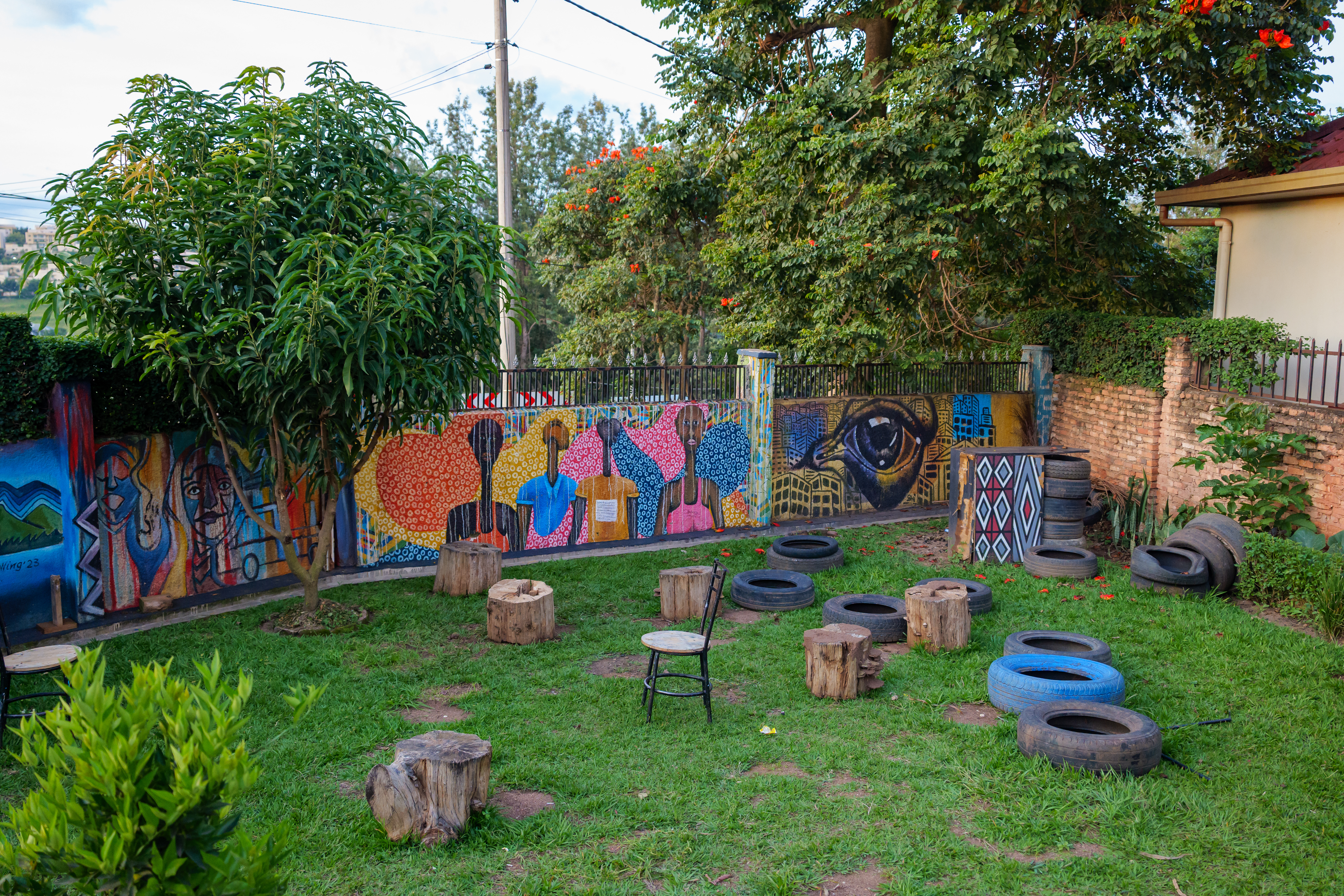
What sets Inkingi apart is its openness, not just in layout, but in philosophy. Unlike traditional galleries focused solely on visual art, Inkingi welcomes multiple forms of expression under one roof.
While the space is primarily active with painters and visual artists on a daily basis, it expands into a multidisciplinary platform through its Inkingi Open Mic sessions, held once a month. During these gatherings, poetry, storytelling, live music, and traditional Rwandan cultural expressions, such as proverbs and riddles, come together in a shared creative experience.
“You wouldn’t find many places that bring all these talents together,” Kwitonda says. “That’s our uniqueness.”
The space also serves as a bridge beyond Rwanda’s borders. Visiting artists regularly collaborate on exhibitions and workshops, strengthening ties across the continent. One such collaboration involves a Zambian artist, David Daut Makala, who runs Studio 225, highlighting Inkingi’s growing international reach.
Makala, considered a renowned artist in Zambia and beyond, is set to hold his second solo exhibition, opening on May 8, 2026. The IGIHE team met him hands-on as he prepared for the show, which focuses on what he describes as the “Geography of Knowledge.” He has gained recognition for his versatility across various mediums, including sculpture, painting, printmaking, digital art, and performance.
“By hosting different workshops, trainings, and exhibitions, it has helped Inkingi grow, not only as a space, but also in supporting artists to grow and receive mentorship,” Kwitonda says.
Inkingi hosts more than 25 artists, primarily from Rwanda but also from across Africa, including Uganda, Zambia, Nigeria, Ghana, Burundi, and Sudan.
Art as memory, healing, and responsibility
For Kwitonda, art is deeply tied to Rwanda’s history, particularly the Genocide against the Tutsi. His earlier works, such as In the Deep Sorrow, reflect on loss, memory, and human responsibility.
“It’s a call for people to think before harming others,” he explains. “To imagine: what if it were you?”
This philosophy extends into Inkingi’s programming. During this year’s annual commemoration period, the space organised a visit for young artists to the Kigali Genocide Memorial, encouraging reflection and dialogue through art.
“It’s about learning from the past,” Kwitonda says, “so we can create work that builds peace and protects the future.”
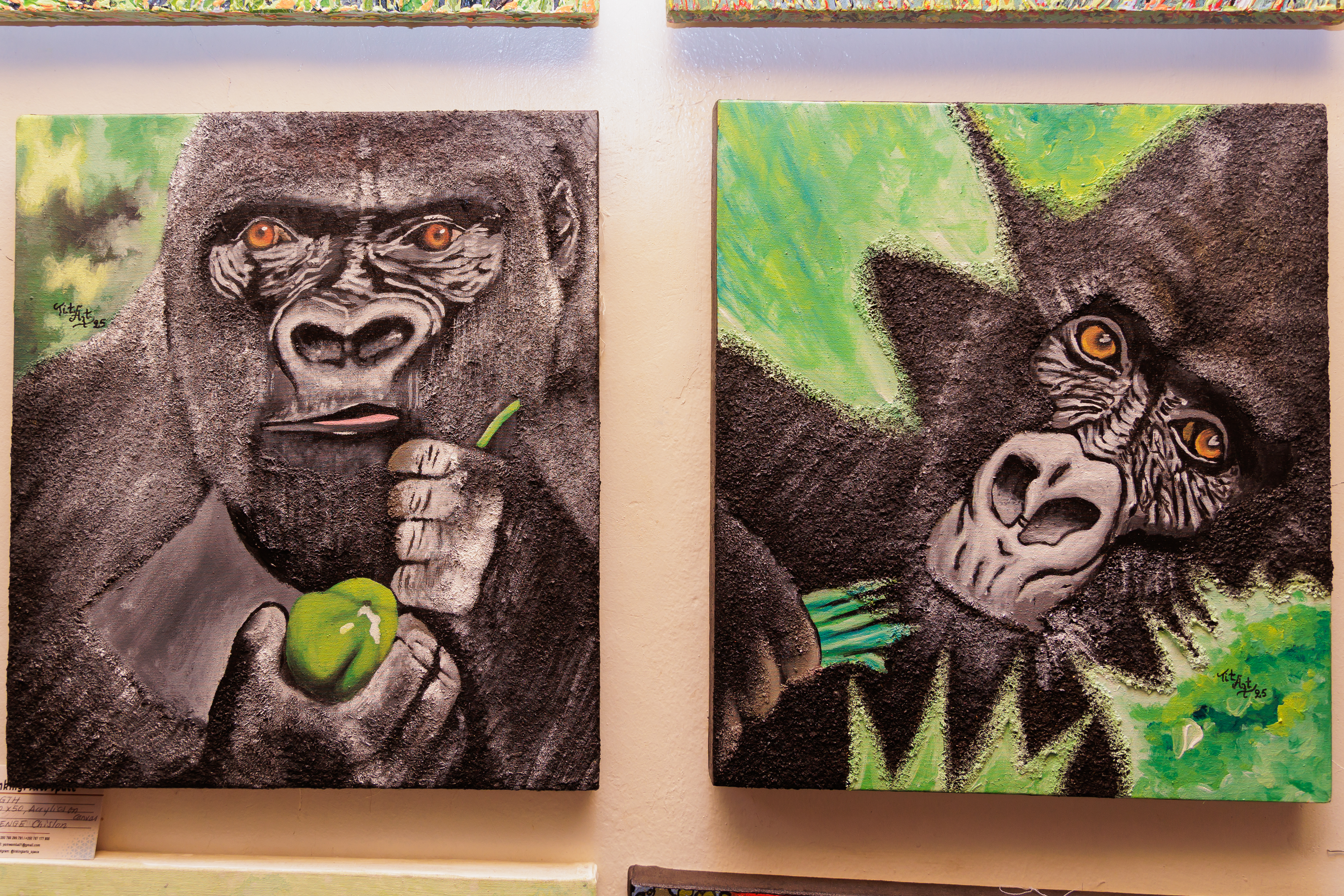
Gorilla artworks at Inkingi Arts Space highlight one of Rwanda’s premium tourism offerings.
Nurturing the next generation
Beyond exhibitions, Inkingi plays a critical role in mentorship and education. The space regularly hosts workshops, trainings, and internships, particularly for students from Nyundo Art School, Rwanda’s primary institution for formal art education.
Some interns stay on as resident artists, gradually becoming part of the collective.
“My proudest moment,” Kwitonda says, “is seeing young artists grow here, seeing this space become a home for them.”
That sense of belonging is key. In a country where art is still often seen as inaccessible or expensive, Inkingi is helping shift perceptions. More locals are attending exhibitions, engaging with artists, and beginning to see art as part of everyday life.
“People say art is expensive,” Kwitonda reflects. “But they forget, it’s priceless. You’re buying someone’s soul, their time, their sleepless nights.”
Though still young, Inkingi Arts Space is already making its mark on Kigali’s cultural landscape. And Kwitonda’s ambitions stretch far beyond its current walls.
In the next five years, he envisions it as a training center. In the long term, he imagines something even bigger, a museum-scale institution contributing to Rwanda’s cultural heritage.
“It should be huge,” he says with quiet confidence. “A place that stands alongside the country’s museums and tells our stories through art.”
For now, Inkingi remains grounded in its original purpose: a space of freedom, collaboration, and growth. A place where Kigali’s creative talent doesn’t just pass through, but finds a home.
Watch the full video below for an inside look at Inkingi Arts Space in Kacyiru.
Inkingi Arts Space in Kigali’s Kacyiru neighbourhood.While the space is primarily active with painters and visual artists on a daily basis, it expands into a multidisciplinary platform through its Inkingi Open Mic sessions, held once a month.Inkingi Arts Space founder Olivier Kwitonda with the IGIHE team. He says his mission goes beyond himself, focusing on mentoring the next generation of creatives.Some of the creative pieces at Inkingi Arts Space.
Rooted deeply in Rwanda’s social fabric, each dance tells a story and plays a vital role in marking important events, ceremonies, and festivals.
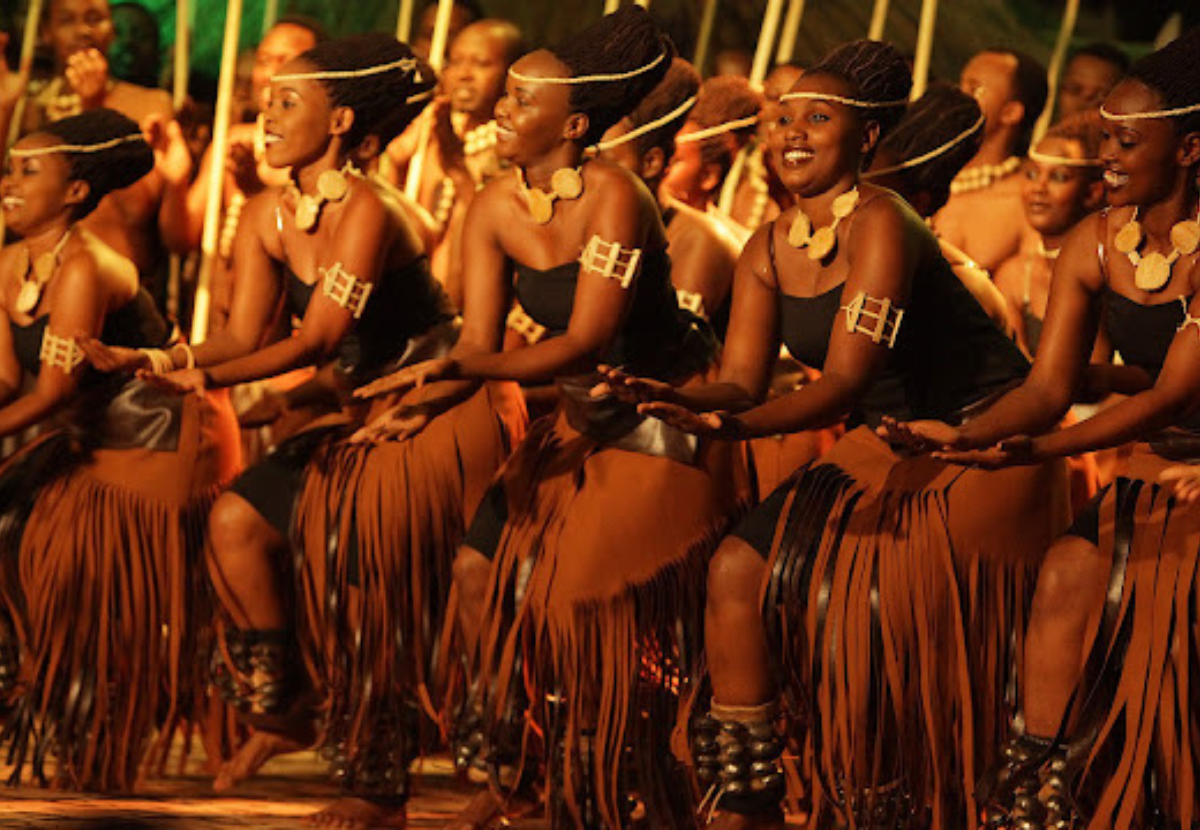
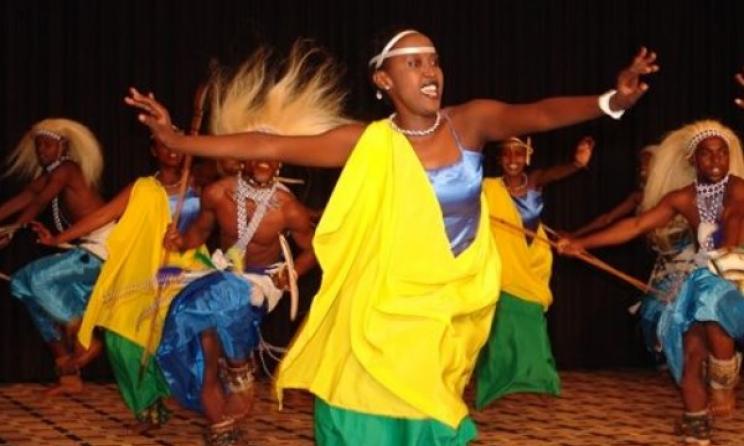
One of the most iconic forms of Rwandan traditional dance is the Intore dance, often referred to as the “dance of the warriors.”
This dynamic and energetic performance was originally performed to honor kings and to celebrate Rwanda’s bravery and valor during times of conflict. The dancers, adorned in elaborate attire, including leopard skins, reflect the courage and strength of the nation’s ancestors.
Their powerful, rhythmic movements and high jumps symbolize the spirit of resilience, and their footwork mimics the precision of warriors preparing for battle.
The dance is accompanied by traditional drumming, which provides a deep, resonating rhythm that enhances the intensity of the performance.
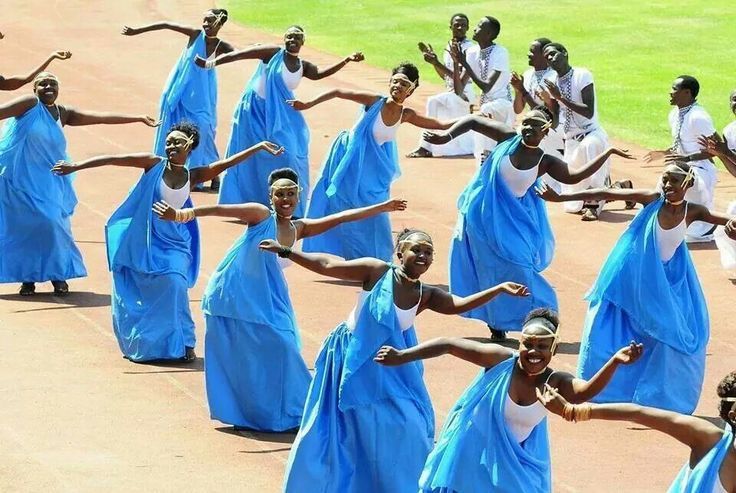
Another important dance is the Ubwuzuzanye, which emphasizes unity and togetherness. This dance is typically performed by a large group of people, often in community settings, to symbolize harmony and cooperation within Rwandan society.
It is characterized by synchronized movements and the collective energy of participants, who work in perfect harmony to perform complex steps and patterns.
This dance is a vivid reminder of the central role community and social bonds play in Rwandan life.
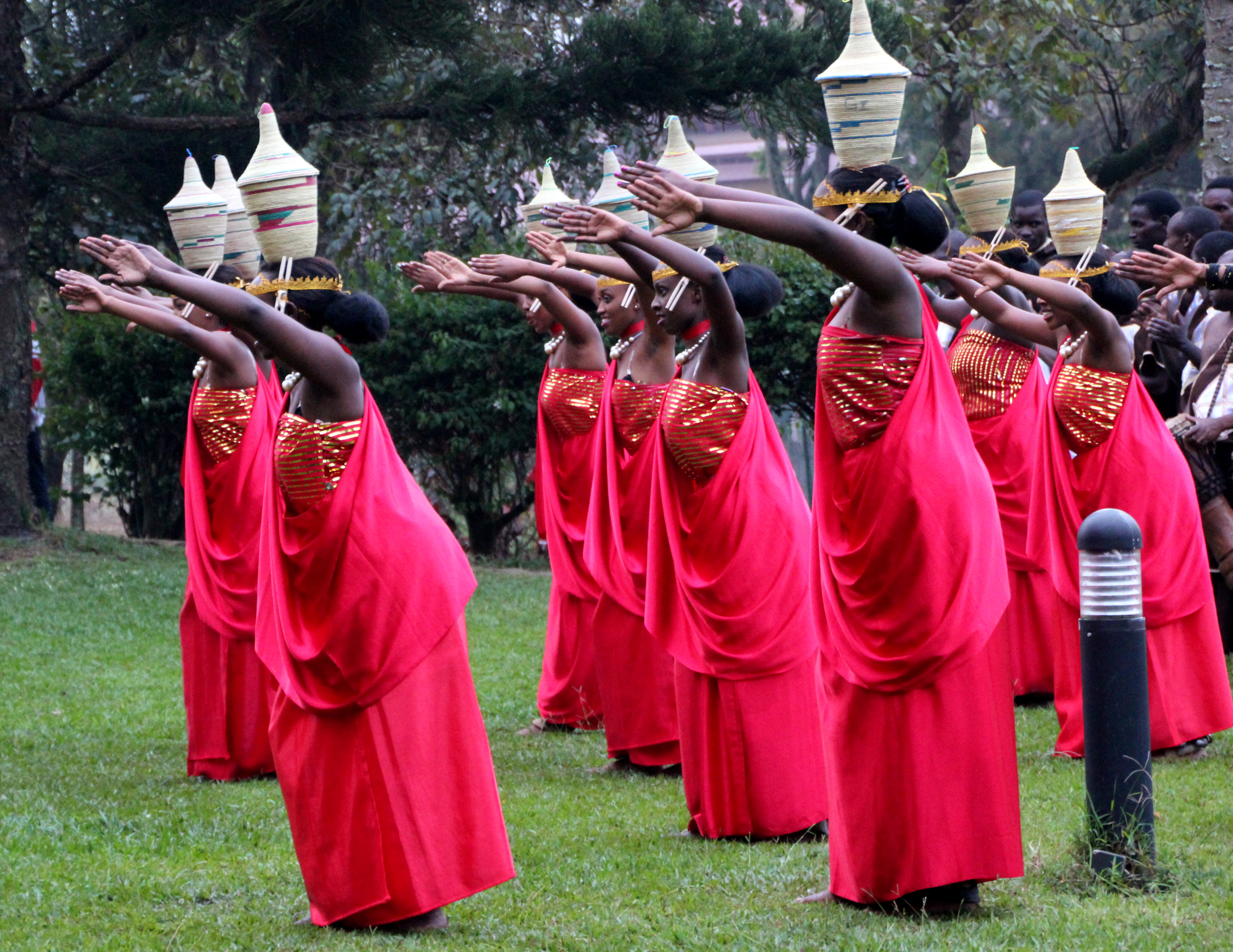
Umushagiriro, on the other hand, is a dance that has been practiced for centuries and is often performed during harvest celebrations or to mark agricultural achievements.
With graceful movements, the dancers sway their bodies to represent the joy and abundance that the harvest brings to Rwandan families. This traditional dance is closely linked to Rwanda’s agrarian roots and is a reminder of the country’s deep connection to the land and its rhythms.
Beyond their aesthetic beauty, these dances serve as community events, bringing people together to celebrate shared cultural heritage.
Today, they are an integral part of Rwandan festivals and ceremonies, including the Umuganura Festival.
These events are deeply significant, as they not only showcase traditional dance but also reinforce values of unity, respect for elders, and cultural pride.
The legacy of traditional dance in Rwanda extends beyond performance; it plays an important role in educating the younger generation about their cultural identity and history.
Schools across the country incorporate dance into their curriculum, ensuring that these traditional arts are preserved for future generations. Through these performances, Rwandans continue to honor their ancestors, celebrate their cultural identity, and foster a sense of pride and national unity.
In recent years, Rwandan traditional dance has gained international recognition, often featured at cultural events abroad to showcase the country’s rich cultural heritage.
The dance is not only a source of entertainment but also a powerful tool for cultural diplomacy, allowing the world to experience Rwanda’s vibrant traditions.
Dancers in vibrant attire perform the iconic Intore dance, celebrating Rwanda’s rich history and warrior spirit.Traditional drumming accompanies the powerful rhythms of Rwandan dancers, enhancing the energy and spirit of the performance.The synchronized movements of the Ubwuzuzanye dance symbolize unity and togetherness within the Rwandan community.Rwandan traditional dance brings people together, fostering pride and cultural pride in every graceful movement.