Ishimwe Gad emerged as the winner in a competition inviting students to create artwork reflecting the FIA’s milestone as it celebrates its 120th anniversary.
He was announced as the winner during a cocktail reception at the Kigali Convention Centre on Thursday, December 12, 2024, hosted by President Paul Kagame.
Ishimwe’s artwork, a colourful and dynamic representation of motorsport’s vitality and heritage, will now hold a permanent place at the FIA’s headquarters in the historic Place de la Concorde in Paris.
The achievement elevates his creation to the ranks of internationally acclaimed pieces that celebrate the rich history and promising future of motorsport.
“This is a dream come true,” Ishimwe remarked. “To have my work displayed in Paris alongside other renowned artists is an honour, and I’m grateful for the opportunity to represent Rwanda on a global stage.”
The art competition was one of several initiatives tied to the FIA’s anniversary celebrations, blending motorsport and art to promote cultural exchange.
Thursday’s event brought together FIA President Mohammed Ben Sulayem, members of the FIA World Motor Sport Council, and motorsport enthusiasts from around the world.
Adding to the evening’s significance, attendees witnessed the unveiling of the first-ever FIA Level 2 Affordable Cross Car produced in Africa. The innovative project was developed through collaboration between Rwandan polytechnic students, the FIA, and the Rwanda Automobile Club.
The “Cross Car” is a compact, specialized vehicle equipped with critical features such as a protective racing seat, reinforced safety structures, race-specific tires, and a unique design to protect drivers in case of accidents.
Its safety elements include a six-point harness system and a window opening for easy entry and exit. The vehicle operates with a manual transmission and requires specialized skills and training, as it differs significantly from regular rally cars.
Dutch-Belgian Formula One champion Max Verstappen will test the car.
In his address, President Kagame emphasized the importance of promoting innovation and encouraging young talent in Africa.
“Young people everywhere on the continent, in different fields of sport, show up in large numbers, but they are limited by access to opportunity. I appreciate that the message is loud and clear: instead of Africa exporting talent all the time to other places, it can also be bred, grow, and be seen to stay in Africa,” President Kagame said.
The 2024 FIA General Assembly in Kigali is set to conclude on Friday, December 13, 2024, with an awards ceremony where key figures such as Verstappen will be honoured.
A research conducted by the Institute of National Museums of Rwanda (INMR) in 2006 revealed that Rwanda had more than 530 heritage sites. Since the research was conducted about two decades ago, several reforms have been implemented with the aim of better positioning the national heritage sites.
These changes include the merger of INMR with the Rwanda Academy of Language and Culture and Rwanda Archives and Library Services to form the Rwanda Cultural Heritage Academy (RCHA) in 2020.
Today, the expanded mandate of RCHA includes conserving the sites and collaborating with the private sector to capitalize on opportunities presented by Rwanda’s culture, history, and national heritage to promote the national economy through tourism activities.
With the rise of initiatives such as the Visit Rwanda campaigns, the historic sites in Rwanda continue to witness an influx of tourists who are eager to learn about Rwanda’s history.
This is a highlight of some popular destinations in Rwanda that offer invaluable insights into the country’s rich history, culture, and resilience.
{{King’s Palace Museum
}}
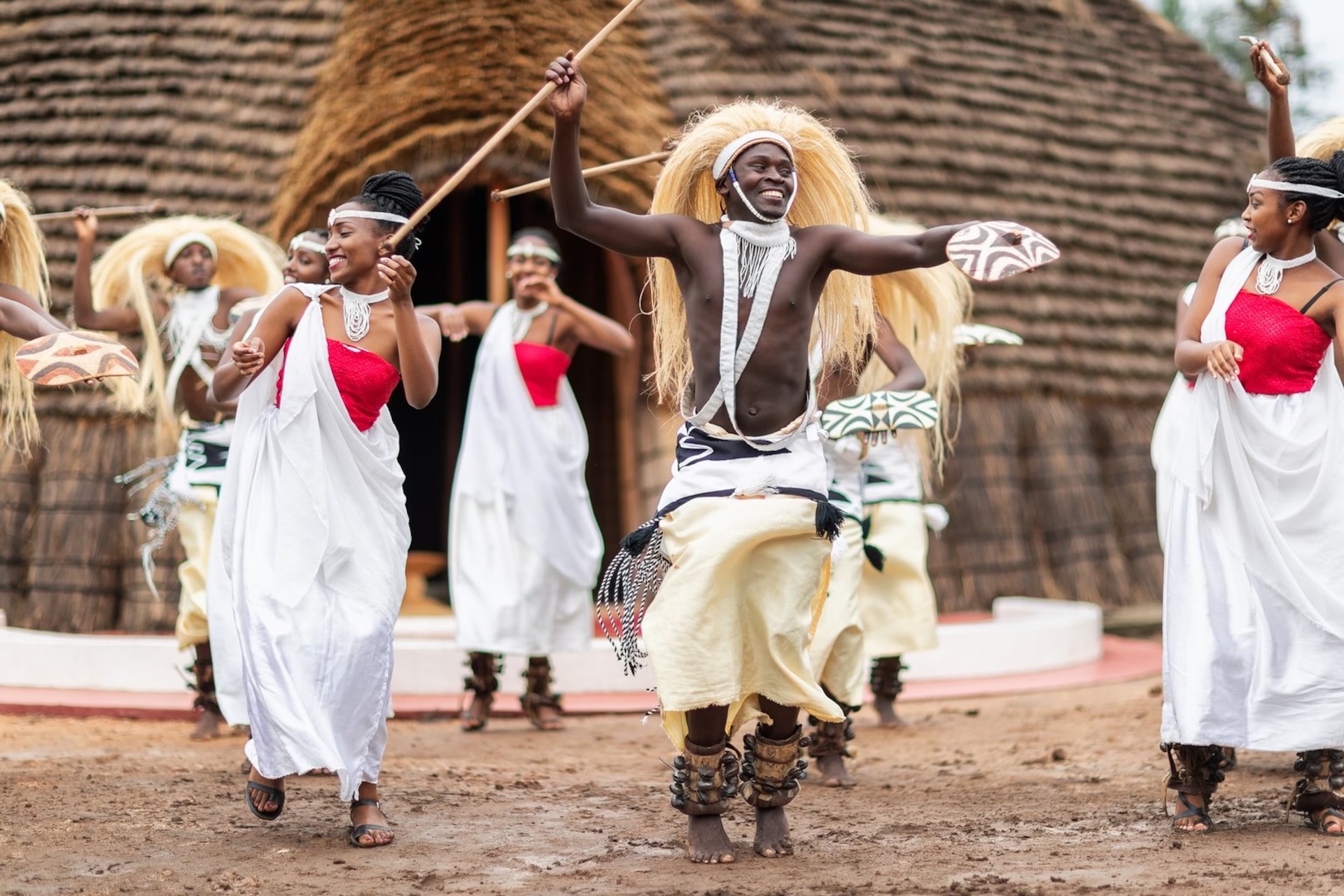
Located in Nyanza district, Southern Province, the King’s Palace Museum offers a captivating glimpse into Rwanda’s monarchial history. This reconstructed palace beautifully replicates the traditional beehive-shaped dwelling of Rwanda’s former kings.
The museum compound is home to a herd of Inyambo cattle, descendants of the king’s prized livestock. These long-horned cattle, originating from the Ankole breed, were integral to royal ceremonies, adorned with lavish jewellery, and trained to follow commands.
While Rwanda transitioned from a monarchy to a republic in 1962, the preservation of Inyambo cattle continues under the care of the Rwanda Agriculture Board.
Visitors can explore the replica palace, gaining insights into royal life, customs, and governance. The museum also houses artifacts and exhibits that delve deeper into the history of the Rwandan monarchy.
{{The Ethnographic Museum
}}
The Ethnographic Museum, formerly the National Museum of Rwanda, is located in Huye district in the Southern Province.
The museum was built with help of the Belgian government and opened its doors to the public in 1989. It is a rich source of information on the cultural history of Rwanda.
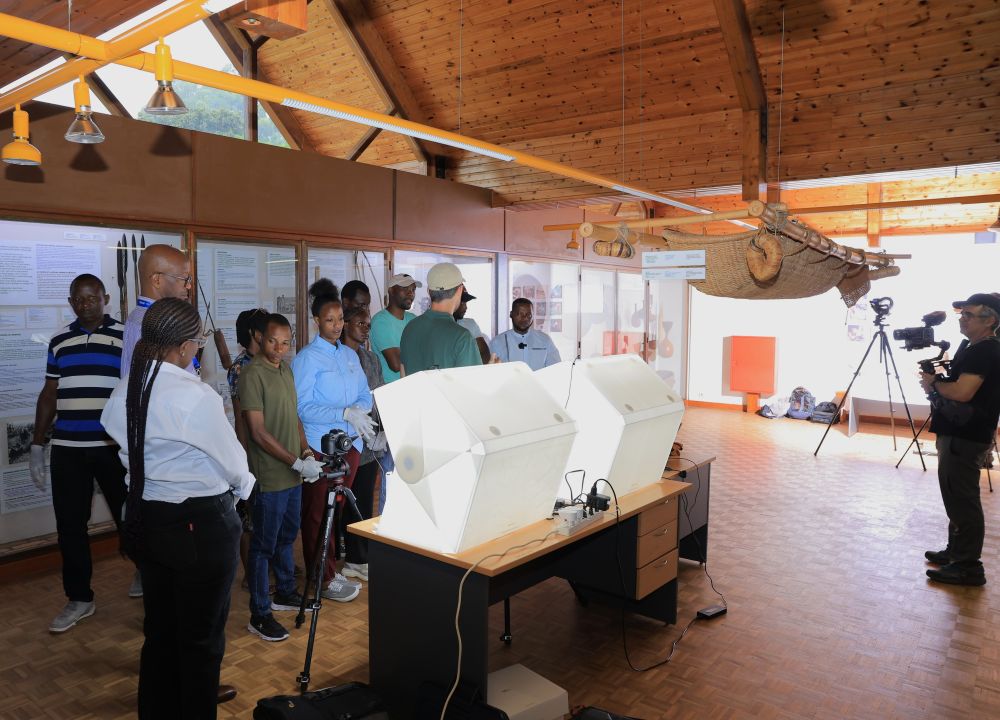
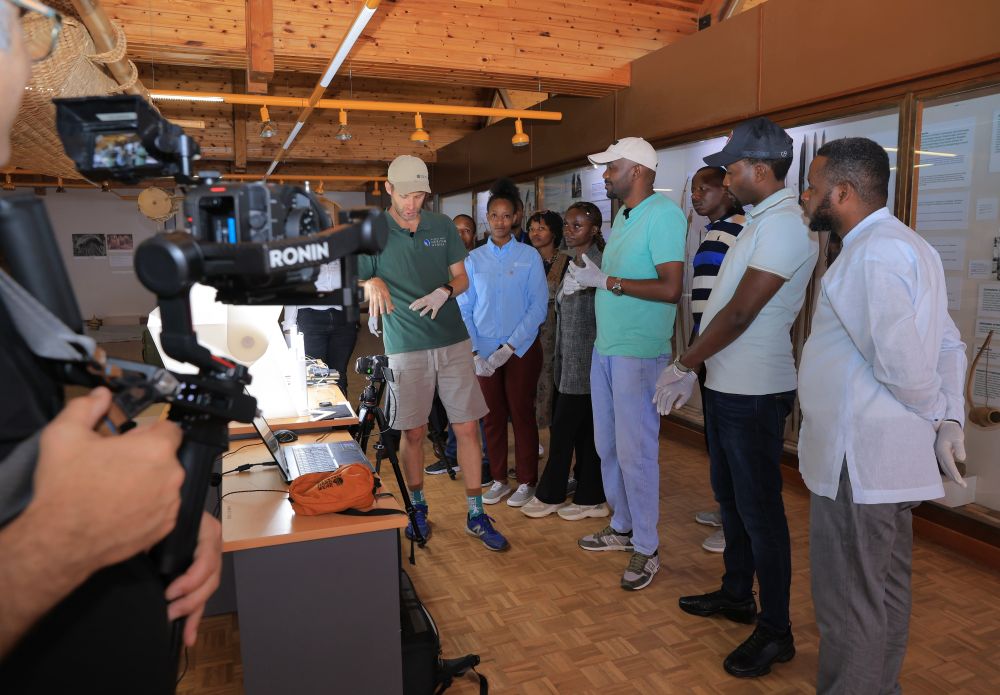
The museum features seven galleries that showcase a diverse range of historical, ethnographic, artistic, and archaeological artifacts, complemented by visual aids to provide visitors with an in-depth understanding of Rwandan culture.
The exhibits begin with displays on geographical and geological aspects, then artifacts related to hunting, agriculture, animal husbandry, pottery, weaving, and woodwork. The museum also highlights traditional clothing, architectural techniques, and the social significance of cattle.
In the final gallery, visitors can explore traditional customs and beliefs, as well as Rwandan history, culture, poetry, oral traditions, and cosmology.
{{Environment Museum
}}
Located in Karongi district the periphery of Lake Kivu in the Western Province. This is the first environmental museum on the African continent.
The museum spans two floors and features a traditional herbal medicine garden on the rooftop. It displays herbal plants used to treat various illnesses, including sexually transmitted diseases such as gonorrhoea.
A large portion of the museum is dedicated to educating both domestic and foreign tourists on the significance of a sustainable environment and how they can contribute to it.
{{Rwanda Liberation Museum
}}
The Rwanda Liberation Museum, also known as Umulindi w’Intwari, is located in Gicumbi District, Northern Province.
This historic site commemorates the Rwandan liberation struggle that culminated in the end of the 1994 Genocide against the Tutsi. It houses various artefacts, documents, and multimedia displays recounting the journey from pre-genocide events to the liberation struggle led by the Rwandan Patriotic Front (RPF) and subsequent rebuilding efforts.
At the site, visitors can also explore the former command bunker (trench) of the then-RPF commander, who is now President Paul Kagame.
{{Museum for Campaign Against Genocide
}}
Campaign Against Genocide Museum is housed within the Parliament building in Kigali.
The building was the epicenter of the liberation struggle and the museum was erected in its precincts to offer deeper learning of the political events that led to the 1994 Genocide against the Tutsi.
The museum tells the story of the Rwandan Patriotic Army’s 600-man battalion that was based at the Parliament to protect RPF-Inkotanyi dignitaries who were monitoring the implementation of the Arusha peace accord negotiated with Juvénal Habyarimana’s regime.
However, the implementation of the accord was interrupted after the shooting of President Habyarimana’s plane shortly before the 1994 Genocide against the Tutsi which claimed more than a million lives.
The museum showcases the role of RPA in ending the Genocide and restoring peace.
It provides a comprehensive overview of the Genocide against the Tutsi, including its planning, execution, and aftermath.
Additionally, the museum emphasizes Rwanda’s journey towards healing and reconciliation. It serves as a stern reminder of the past and a catalyst for building a brighter future.
{{Rwanda Art Museum
}}
Situated in Kigali, The Rwanda Art Museum is a vibrant cultural hub showcasing contemporary art from Rwanda and beyond.
Previously known as the Presidential Palace Museum, this unique space offers a glimpse into the dynamic world of Rwandan creativity.
The museum aims to foster appreciation for both traditional and modern art forms. It also serves as a platform for artists to connect and share their work.
{{Rwesero Art Museum
}}
The Rwesero Art Museum, located in Nyanza district, stands as a unique cultural institution.
Originally constructed as a palace for King Mutara III Rudahigwa, it was repurposed into an art museum after the king’s untimely death before occupancy.
The museum houses a diverse collection of Rwandan art, showcasing the nation’s artistic talent and cultural heritage. Visitors can explore a range of artworks, including paintings, sculptures, and other creative expressions.
The museum’s location within a former royal palace adds a historical dimension, allowing visitors to appreciate the interplay between Rwanda’s past and present.
{{Kandt House Museum
}}
The Kandt House Museum, situated in the heart of Kigali, offers a captivating journey through Rwanda’s rich history.
The museum is named after Richard Kandt, a German physician, explorer, and writer believed to be the first European to have thoroughly documented the geography and wildlife of Rwanda. The facility sits at his former residence.
A large section of the museum is dedicated to showcasing Rwandan life in all aspects – social, economic, and political way before and the colonial times.
A snake and crocodile exhibition at the facility is regularly held to help educate the general public about human-wildlife interaction.
{{Iby’iwacu Cultural Village
}}
Located in Nyabigoma, Northern Province, Iby’iwacu Cultural Village offers visitors a unique opportunity to immerse themselves in Rwandan culture and traditions.
The village provides an authentic experience of rural Rwandan life, and many tourists flock to the site to share in the local people’s home and heritage treasures, including their lifestyles, activities, artefacts, and ways of living.
{{Ndaba Rock
}}
Ndaba Rock is a captivating natural landmark located in Karongi district in the Western Province. The rock’s name is derived from a legendary tale of greed and misfortune.
It is believed that a man named Ndaba lost his life while attempting to retrieve honey from a cave inside the rock. The man’s demise gave the site its name and added to its mystique.
Beyond its mythical allure, Ndaba Rock offers stunning natural beauty, including cascading waterfalls and lush vegetation.
The scene was both vibrant and familiar. Some people carried baskets filled with gifts, a symbol of gratitude and communal sharing. The organizers seldom bring rounds of freshly boiled maize (a beloved traditional staple food), and crates of all kinds of drinks.
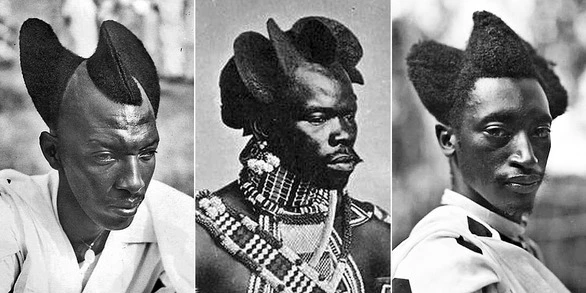
As we ate, discussions about the significance of the day revolved around how to honour our ancestors and the fruits of their labour, an appreciation and profound acknowledgement of the community’s collective efforts and the bounty provided by the land.
Anathalia Mukamusoni, a mother of three, dressed her family in colourful traditional attire, feels a growing sense of responsibility to welcome me and we strike a conversation. The significance of the day begins to take shape through the unfolding festivities and interactions.
She begins by explaining to me the depth of a communal spirit. She is so passionate about the government initiative of providing nutritious meals for children at school where parents are expected to take a leading role.
The genuine enthusiasm I encounter in her makes it clear that Umuganura is not only about celebrating the harvest but also about fostering community support for future generations.
Local leaders and the general public took to the microphone one by one sharing layers of insight into the day’s meaning. They explain that Umuganura is more than a feast; it’s a testament of unity and hard work.
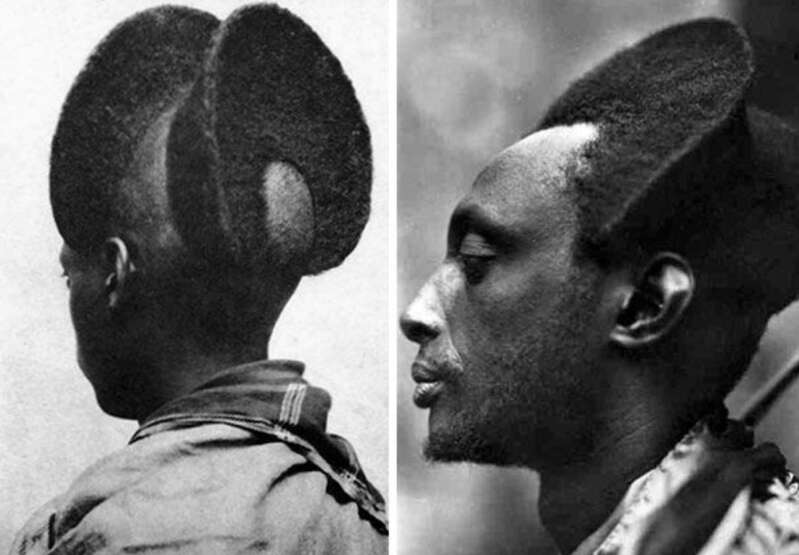
“Together, we cultivate our fields, and together, we celebrate the fruits of our labour,” Pascal Niyigena, one of the village leaders proclaimed; words that resonated deeply with the the essence of communal achievement and solidarity.
People kept discussing dedication to community service, and quoted an ancient Rwandan proverb: “Umuhinzi n’umurinzi, ni bo bahesha igihugu ishema,” a phrase emphasizing the vital roles that farmers and protectors (such as soldiers, police, and other security personnel) play in upholding the pride and dignity of a nation through their hard work and dedication.
Others highlighted the value of diligence and security by working together and ensuring our safety, laying a strong foundation for future generations. These discussions further enriched my understanding of Umuganura’s broader significance.
As the day progressed, traditional dances and songs filled the air, celebrating Rwandan heritage and unity.
I watched Nyiransabimana’s children join the dances, and their laughter was a joyful testament to the occasion. The experience had evolved from mere observation to an immersive celebration of community values and shared heritage.
As the sun set, casting a serene twilight over my village home, the community gathering left a remarkable seal and a profound sense of connection and appreciation for the traditions that bind the community together.
My first physical attendance at Umuganura Day transformed my understanding of the event from a distant concept to a deeply felt experience.
Today, I sit with a heart full of gratitude and a newfound respect for the vibrant traditions that celebrate both the harvest and the strength of a community.
Born and raised in Addis Ababa, Ethiopia 29 years ago, Luladey Takele Teshome has been captivated by the world of art since childhood. Over the years, she has developed a passion for telling unique stories through artistic cultural curation, aiming to inspire positivity in society.
Luladey moved to Kigali about six years ago, where she has continued to explore her creativity through various mediums, including painting, design, photography, and ink sketching. She is currently the Art Project Management Consultant at the British Council, after several years in Rwanda’s education sector.
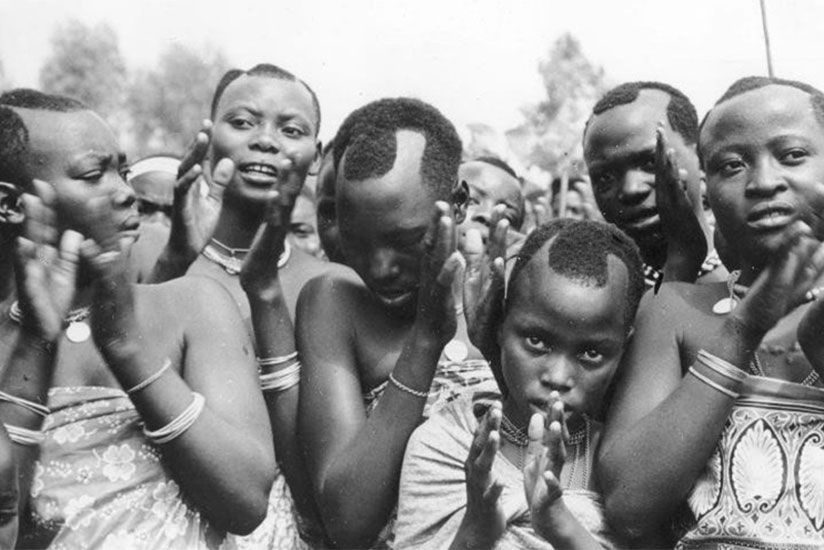
IGIHE caught up with the sassy artist at the Mundi Centre in Kicukiro district, where she is showcasing a solo art project she has been working on over the last two years.
Luladey explains that the collection of artwork dubbed “Blue Circle” depicts her journey of discovery and rediscovery. The artwork conveys different emotions, aiming to inspire people to experience life as a full circle, embracing both lows and highs with optimism.
“The circle is the emotional circle – the growth that we are going through. Wherever we are today is not where we are going to be tomorrow. Sometimes you feel the peak, sometimes you feel the low, and sometimes you are just on the journey,” Luladey stated.
“There are pieces that are about my highs, the things that make me happy, the things that make me hopeful. And then there are lows that make me feel sad, vulnerable and lonely,” she added.
She explains that the blue colour is used to depict different emotions in her drawings and paintings having changed its identity over time.
“The blue colour has been associated with concepts such as tranquillity, stability, trust, loyalty, and spirituality. It’s often considered a calming colour, evoking feelings of peace and serenity,” she says.
Luladey’s exhibition at Mundi Centre features several paintings and 11 ink sketches.
She is passionate about one of the paintings titled “Blue Moon,” “A blue moon is something that comes once in a season. It signifies that whenever we experience peaks or lows, each moment is as present as you can be, and can only be lived once. If you’re sad about something once, you won’t be sad about the same thing at the same level every single time. It will shift over time.”
More than a hundred artists attended the first day of the three-day solo exhibition on Thursday, July 25, 2024.
The highly interactive session was more than just a moment to appreciate art; it was also a platform for artists from diverse backgrounds to network and challenge each other in pursuit of their dreams.
“I would want us as artists and the general public to give ourselves a challenge to overcome something we wanted to do but didn’t. We have the capacity to break that barrier in our way. So just lift that up and do what you said you will do,” Luladey said, citing her solo exhibition as a big win.
Artists Jackson Manzi and Carley Cyuzuzo lauded Luladey’s work and urged other colleagues in the industry who didn’t manage to attend the exhibition to take advantage of the remaining two days to learn something new from Luladey’s creativity.
“Any artist willing to come will learn something from her. She is a good artist – she’s really good at what she does. The message she’s giving out is good for anyone who wants to feel the love and feel free,” Cyuzuzo noted.
The exhibition continues on Friday, July 26, and Saturday, July 27, 2024.
Unlike Thursday’s exhibition, which was limited to invited artists, Friday and Saturday’s exhibitions will be open to the public.
The Friday session is scheduled to start at 11 am and run until 9:00 pm, while Saturday’s session will close at 5:55 pm.
The Saturday session will be special and will feature a talk between Luladey and another artist, Sophie, from 1 to 3 pm. Afterwards, the floor will open to a highly engaging session dubbed “create, critic, and connect.
Luladey’s captivating paintings and drawings will be available for acquisition throughout the three-day expo. Prices range from $251 to $940.
Located in Jinhua, East China’s Zhejiang province, the African Museum of Zhejiang Normal University is the only museum of its kind in China. It plays a vital role in educating students and visitors about the diverse and vibrant cultures of Africa, showcasing the rich cultural heritage of the continent and the enduring ties between Africa and China.
Established in 2010 by Zhejiang Normal University’s Institute of African Studies, the museum spans 400 square meters and offers an immersive experience into African culture.
The exhibits feature a wide range of historical artifacts, accompanied by informative signage explaining their significance. From musical instruments and sculptures to household items, masks, and costumes, the museum provides a comprehensive overview of African cultural practices, history, and future prospects.
The Institute of African Studies, the first of its kind in China, has evolved to offer courses on economic development to both Chinese and international students. The campus hosts thousands of international students, many of whom hail from various African countries.
This diverse student body enhances cultural exchange and learning experiences within the university community.
Speaking to foreign journalists after touring the museum recently during the 8th edition of China-Africa Youth Festival, Prof. Yoro Diallo, Executive Director of the Center for Francophone Studies at the Institute of African Studies, observed that Africa-China relations are grounded in mutual respect and deep understanding of each other’s cultures.
Prof. Diallo noted that for some African students, the museum is their first opportunity to learn about their cultural heritage, as they may come from remote villages or lack access to cultural relics in their home countries.
He highlighted many cultural similarities and shared aspects of life between Africa and China, suggesting that such exchanges can lead to better mutual understanding and improved interactions.
Prof. Diallo also expressed optimism that a museum dedicated to Chinese culture will one day be established in Africa, allowing those who cannot travel to China to learn about its culture from home.
Zhejiang Normal University (ZJNU) was established in 1956. It is recognized as one of the first key universities in Zhejiang province. Currently, it serves a student body of 50,000, including 1,300 international students, and employs 3,000 faculty and staff members.
For the past 13 years, ZJNU has consistently ranked among the top 100 universities in China. According to the 2023 US News World University Ranking, it holds the 649th position globally and ranks 67th in mainland China. Eight of its disciplines are among the top 1% in the ESI ranking. The university has also developed a distinctive profile in educational research and African studies.

ZJNU has established cooperative relationships with over 280 universities and research institutions in more than 60 countries and regions. These collaborations include teacher and student exchanges, scientific research partnerships, and joint training programs.
Additionally, ZJNU has founded five overseas Confucius Institutes, one independent Confucius Classroom, one Chinese teaching center, and an overseas campus branch.
However, a historical analysis of the epochs in Rwanda shows that no era ever completely achieved gender equality in all aspects; our ancestors established and built upon this throughout all times.
In this history, we aim to reveal the image of gender equality and complementarity in the Rwandan family, both in ancient times and today.
{{Gender Equality in Decision-Making Levels}}
Gender equality in decision-making levels has been a practice confronted by Rwanda, where Gihanga Ngomijana founded a kingdom governed by a king, decreeing that for centuries, the king would rule alongside his mother. One being the ruler and the other the queen, both having equal power in making decisions that guide the country.
This is a testament to the high level of gender equality and complementarity in decision-making levels in ancient Rwanda.
Among the rulers of Rwanda over the 870 years (1091-1961), history shows that it was governed by 28 kings and 27 queens.
Not only was there a queen’s role in the highest leadership levels, but there were also women in significant positions, leading army troops, others as chiefs of hills.
Among them, we mention Nyirarunyonga of Gihanga, who led the Abahiza army, Nyanguge za Sagashya, the wife of Cyilima Rugwe who led the Abaliza army, and Mitunga of Rujugira, who led the Abatanyagwa army.
We must not forget some of the women known to have been Chiefs during the reigns of King Musinga and Rudahigwa.
Among them, we speak of Nyirakabuga of Cyigenza of Rwakagara (wife of Musinga, mother of Rwigemera) who managed the Sous-Chefferie of Vumwe within the Chefferie of Gihunya in the Territoire of Kibungo, during the reign of Mutara Rudahigwa.
{{Gender Equality in Education}}
Education in Rwanda is not a recent concept, but rather an ancient one, confronted by Rwanda.
School education initially was established by Gihanga around 1120, when he set up the Itorero of Rwanda ( what we can now call civil education ) as a knowledge dissemination school both in Rwanda and the surrounding countries.
Education in the Itorero lasted 10 years for boys and eight years for girls.
There, they were trained in various subjects, including some common courses. This is where they learned medicine, governance, judiciary, agriculture, animal husbandry, weaving, construction, metalwork, household chores, and more.
Women spent eight years there before going to the Rubohero to implement what they learned, while the men continued to receive combat training, after which they would go to defend and fight for the country.
Many say that girls did not attend the Itorero because they were not dressed decently enough, rather they went to Rubohero.
However, history tells us that they did attend the Itorero, but had their own separate programs, never mixing with the boys.
Rubohero was a place where they came together to apply what they learned in the Itorero (Workshop).
Education and upbringing were a principal for Rwandan children, with no one excluded. This is evidenced by their behavior, intelligence, and skills in serving their families and the country in general.
{{Gender Equality in Property}}
Due to the abundance of diverse wealth in ancient Rwanda, there was no fierce competition for money, which prevented descendants from fighting over family wealth.
When a girl got married and left her family, she was not concerned about going back to her family to demand inheritance as we see today, because she was already satisfied with what she found in her new home, moving from one set of circumstances to another.
Although the pursuit of wealth from their parents by married girls in other places did not occur, the principle of gender equality for both sexes in property was indirectly maintained.
When a girl went through the traditional doorway ( what we can call a traditional wedding now ), her family would give her a hoe and land to farm on, and also grant her cows and a pasture to graze them. This was her family’s gift to her, not a way of sharing or inheriting.
Another principle in sharing property among siblings of both sexes was that nieces and nephews should be gifted by their uncles.
This was also a way to balance the property of the parents indirectly for both sexes in ancient Rwanda.
Instead of a girl dividing the property she left at her parents’ home and also that of her new home, a principle of social harmony was established that what she would have shared at her parents’ home was given to her children, who would receive it from their maternal grandfather, represented by their uncles, the brothers of her mother.
If you had children, no matter how many, all were gifted by their uncles. They were given cows, pastures
The name ‘Neiliansheng’, meaning ‘continuous promotion’, signifies the belief that wearing their imperial boots could elevate a court official’s rank by three levels.
Originating as a maker of official boots for the court’s elite, Neiliansheng gradually expanded its clientele to include prominent families, skillfully marrying artistry with functionality in each pair of shoes.
The legend of Neiliansheng’s craftsmanship has flourished over the years, receiving endorsements from a host of historical figures, including Mao Zedong, Zhou Enlai, and Deng Xiaoping.
Its iconic thousand-layer sole has become a hallmark of the brand, earning Neiliansheng the title of “the first Chinese cloth shoes” by the China Chamber of Commerce Federation in 2006—a year that also saw it recognized as a “Chinese time-honored brand” by the Ministry of Commerce.
To honor its rich heritage, Neiliansheng’s flagship store created a small museum on its third floor, offering visitors a glimpse into the enduring cloth shoe culture.
The allure of Neiliansheng shoes lies in their meticulous production. Crafted with traditional techniques and made from natural materials like pure cotton, hemp, and wool, these shoes promise environmental sustainability and unparalleled quality.
This dedication to traditional methods has garnered the brand numerous national patents and recognition on the national intangible cultural heritage list in 2008, further cementing its status as a cultural beacon.
In 2011, in recognition of its cultural significance and innovative practices, Neiliansheng was designated as a demonstration base for the production of national intangible cultural heritage by the Ministry of Culture.
It also stands out as the only “high-tech enterprise” among China’s time-honored brands, showcasing its capability to innovate within the bounds of traditional shoemaking.
Neiliansheng’s influence stretches beyond mere fashion and culture. It has played a role in major national events, such as the 2008 Beijing Olympics, where it provided specially designed etiquette award shoes for female hostesses.
Continuing this tradition, in 2022, Neiliansheng crafted custom cloth shoes for international dignitaries attending the Winter Olympics, demonstrating its global appeal and the timeless relevance of its craftsmanship.
The allure of the Qianshu Ancient Dragon Kiln is not merely in its longevity but in the living legacy it upholds as the sole practitioner of traditional firing methods in the country, earning it the affectionate moniker, “the living dragon kiln.”
Constructed in the architectural likeness of a majestic Chinese dragon, the kiln’s design is both functional and symbolic, embodying the strength and resilience of a tradition that has withstood the test of time.
Spanning 43.4 meters in length and adorned with 42 pairs of wood-feeding “scale eye holes,” this ancient kiln mimics the intricate scales of a dragon’s body. Its unique trunk-arched tunnel, which elegantly slopes at approximately 30 degrees, facilitates a natural heating process from the bottom up, showcasing an ingenious energy-efficient method perfected over centuries.
The Qianshu Dragon Kiln is divided into three parts: the head, the main body, and the tail, each serving a distinct purpose in the pottery-firing process. With five strategically placed loading openings (kiln doors) on its west side, artisans skillfully arrange ceramics for firing, utilizing coal, pine, and bamboo branches as fuel.
This traditional approach to pottery-making not only preserves ancient techniques but also imparts a distinct character and quality to the ceramics produced, distinguishing them from their contemporarily fired counterparts.
Today, the Qianshu Ancient Dragon Kiln continues to breathe life into daily-use coarse ceramics, including basins, jars, pots, and kettles, as well as a select assortment of purple clay teapots.
These creations are not mere objects but stories molded from the earth, each piece a bearer of the kiln’s rich history and the artisan’s skill. Particularly notable are the Yixing sand-fired teapots, revered for their unique clay texture, modeling, and the timeless beauty they encapsulate.
These teapots, synonymous with the Qianshu Kiln, have garnered acclaim both domestically and internationally, underscoring the kiln’s prestigious status in the realm of ceramic artistry.
The Qianshu Ancient Dragon Kiln’s location in an ordinary village in Yixing adds to its charm, standing in stark contrast to the bustling urban landscapes that characterize much of modern China.
This juxtaposition serves as a poignant reminder of the enduring nature of tradition amidst the relentless march of progress. The kiln, seen from afar, resembles a colossal dragon coiled upon a slope, a silent guardian of history and culture in the midst of everyday village life.
Embarking on a visit to the Qianshu Ancient Dragon Kiln is not just a journey through a physical space but a passage through time. It offers an intimate glimpse into the heart of Chinese ceramic tradition, where every fire-fueled breath of the kiln whispers tales of generations of artisans who have passed through its fiery maw.
This living relic is a place where the past and present converge, making it a must-visit destination for anyone yearning to connect with the essence of traditional Chinese culture and inviting us to ponder the enduring value of tradition in a rapidly changing world.
First thing, you need to keep it simple. Why? Because the best stories share something profound and real about the human experience but do so very quietly. Take the popular six-word story for example: “For sale: baby shoes, never worn.”
There’s a lot of meaning and depth to this story but stated in simple terms. These words don’t directly give us context, but also gives a nuance that communicates the truth of our world. Cool, right?
Simple stories also do a great job drawing on emotion as opposed to getting caught up in anything else. Although it might be genius to present a product or service in a 60-second-thriller-full-of-combat-and-epic-moves, you’re likely to lose your main point in the chaos.
So what’s your story really about? If you can articulate that in one sentence, then you’re ready to tell a good story. You’ll soon be able to communicate with and connect with people in analogies and metaphors.
{You might wonder ‘Why not Use Words’? }
Video is a visual and aural medium. Non-verbal stories do wonders for people. So many wonders, you would not believe it. This not only draws viewers in but also gets to the emotional core of a story much quicker. These share something profound about life, without the need of saying much.
If you can find a way to tell your story without words, you’ll be much more successful in persuading your audience.
If you ever need the right, audio-visual company that would do wonders for you, Storykast – a video production and photography company that has years of experience in crafting visual stories of brands in marketing as well as in advertising, will perform the magic you still haven’t figured you need.
For more information, visit their website on {{[Storykast->http://storykast.rw] }} or contact them on 0788742908.
Initiated through a partnership between Imbuto Foundation, the Ministry of Youth and the Ministry of Sports and Culture; the “ArtRwanda-Ubuhanzi” project consists of a televised nationwide search for creative youth in different categories including fine arts, dance, music, fashion, acting, drama, photography and literature.
The programme will be a platform for exposure and market for young and talented Rwandans within the creative arts industry, offering them an opportunity to be mentored by industry experts and receive advice on how to transform their talent into sustainable employment opportunities, in an effort to support their artistic development and future career aspirations.
While at the Official launch yesterday at Kigali Cultural Village, the Minister of Youth, Rosemary Mbabazi applauded the initiative which complements the government’s efforts of empowering youth.
“Your presence here means partnership. We take you as people who can contribute to the industry and can be part of the history of those who made this happen.” Mbabazi said
‘‘We believe that by developing and supporting these young talents, we will be highly contributing to the national economic development. Artists can change our life for the better and this project will provide opportunities for the youth in regards to employment. I thank Imbuto Foundation for sowing the right seeds that will transform Rwandan youth.’’ She added
According to the Deputy Director General of Imbuto Foundation, Geraldine Umutesi, Rwandan youth are fully capable. They only need people who can support them.
“The uniqueness of this ArtRwanda-Ubuhanzi is that it provides a vision and an environment where these arts will stay long after our generation’’ Umutesi told the attendees.
Umutesi further stressed that the industry cannot be developed without contribution from the youth and called on them to participate, encourage, and inspire others to participate in the project.
PS John Ntigengwa from the Ministry of Sports and Culture, observed that the project is a partial answer to youth unemployment, which remains a persistent issue around the world.
“This project is an answer to youth employment gap in our country. Let me take this moment to request youth professionals, the private sector, and young creative minds to reconsider their options and give arts a chance.” Ntigengwa noted
According to Statistics, unemployment among Rwandans, especially youth (16-30) is at 21 %, of who 9% completed upper secondary and 6% are graduates of tertiary education.
During the event, Manzi Jackson, a young artist, performed a live display of Acrylic painting on canvas, within 30 minutes. His art which symbolizes the unity an organized youth needs, was sold to the highest bidder on spot at Rwf700 000.
The search for talent will be countrywide, with scheduled road trips slated for 8 – 30 September at 6 sites namely; Kigali, Rubavu, Rusizi, Huye, Nyagatare, Musanze.
{{The “ArtRwanda-Ubuhanzi” Project launch in Pictures
}}