The auction, hosted by Freeman’s on Thursday, included pieces from a $23 million purchase made in 2007 by a foundation dedicated to acquiring rare Lincoln relics for the museum.
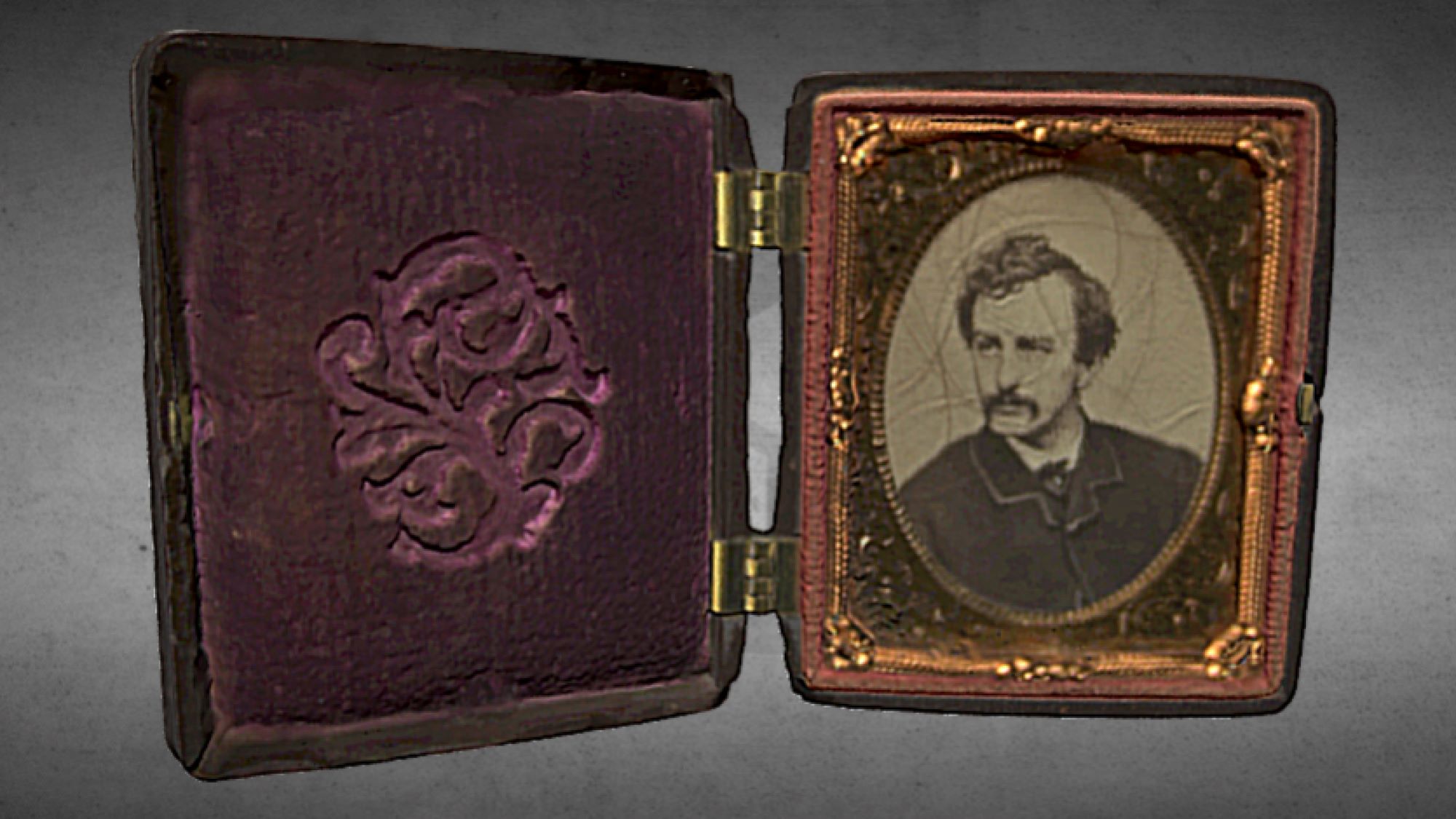
Among the items was a velvet-lined framed portrait of John Wilkes Booth, Lincoln’s assassin, which contained several strands of hair believed to have been plucked from Booth’s head after he was killed in 1865. The piece sold for $7,000, falling below its estimated value.
Other notable pieces included a bust of Lincoln biographer Carl Sandburg once owned by Marilyn Monroe, which sold for $1,300, and a bust of Ulysses Grant that fetched $2,000. The top-selling item was a rare 34-star eagle parade flag, which went for $220,000, far exceeding the $100,000 mark.
These artifacts, many of which were part of the 2007 Taper acquisition, come after a strained relationship between the Lincoln Presidential Foundation and the Lincoln Presidential Museum.
While the foundation was established to acquire unique Lincoln relics for the museum, disagreements over the authenticity of key items, like a stovepipe hat supposedly belonging to Lincoln led to the sale of several items.
Though the foundation has not confirmed whether the sale of these items is part of an effort to repay debt from the 2007 purchase, it marks a significant chapter in the history of the Lincoln collection, raising questions about the future of the museum’s displays.
This image from the archives of the Abraham Lincoln Presidential Library and Museum is of a purported lock of hair taken from John Wilkes Booth’s head after he was fatally shot during a manhunt. It was one of hundreds of items once acquired from a West Coast Lincoln collector for display at the museum.
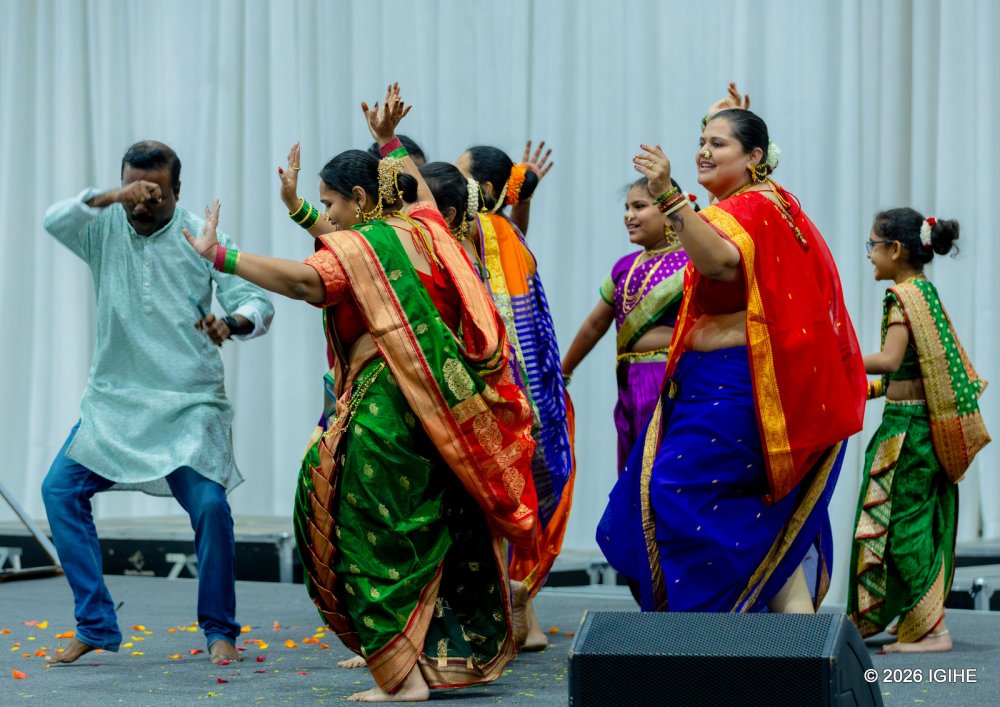
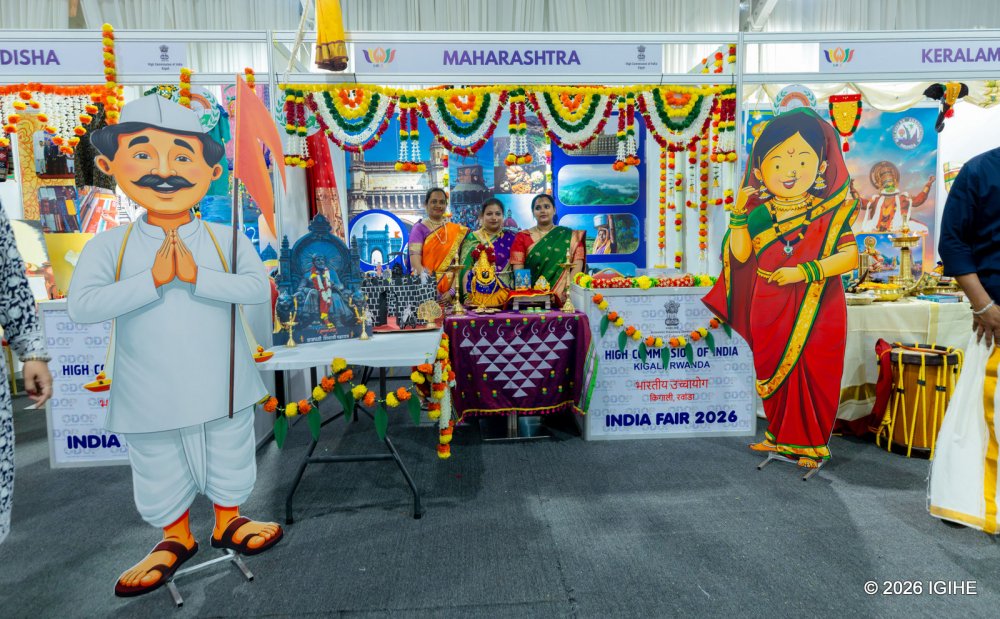
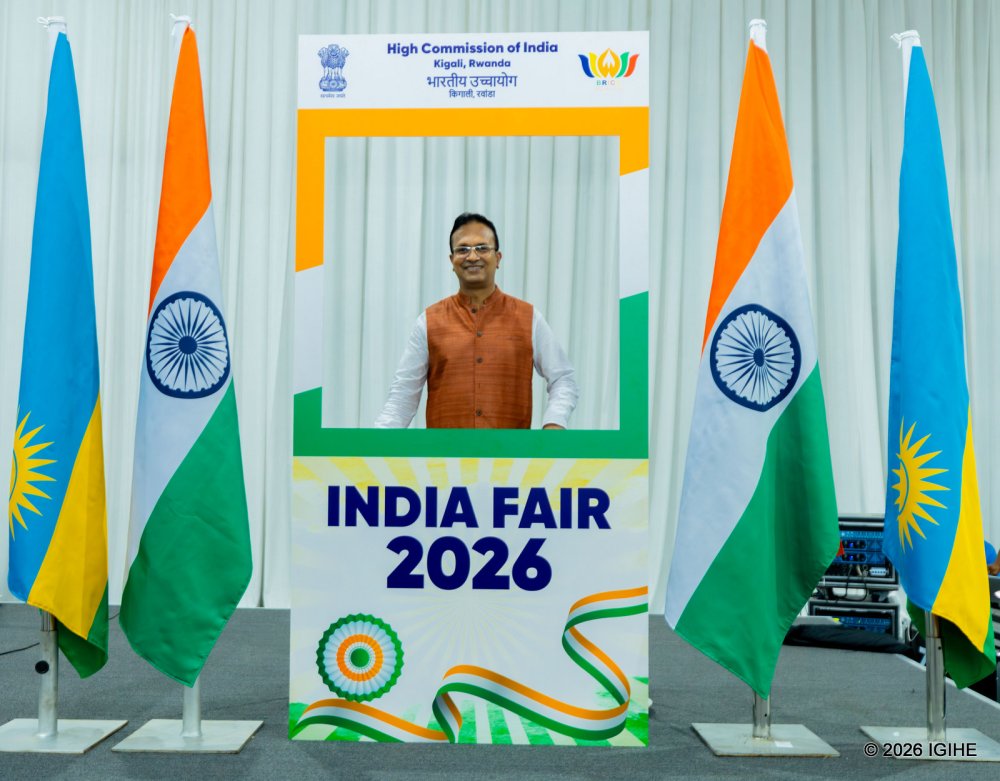
The event, organized by the High Commission of India in Rwanda, took place on March 22, 2026, at Camp Kigali. It marked the second edition of the annual cultural showcase.
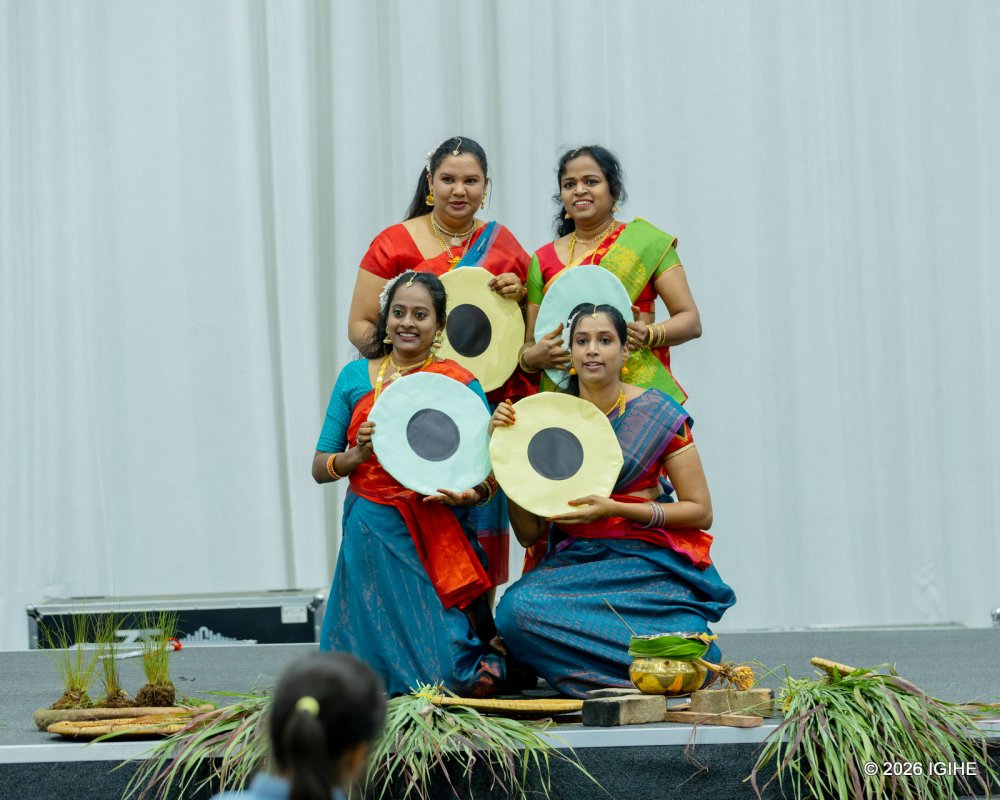
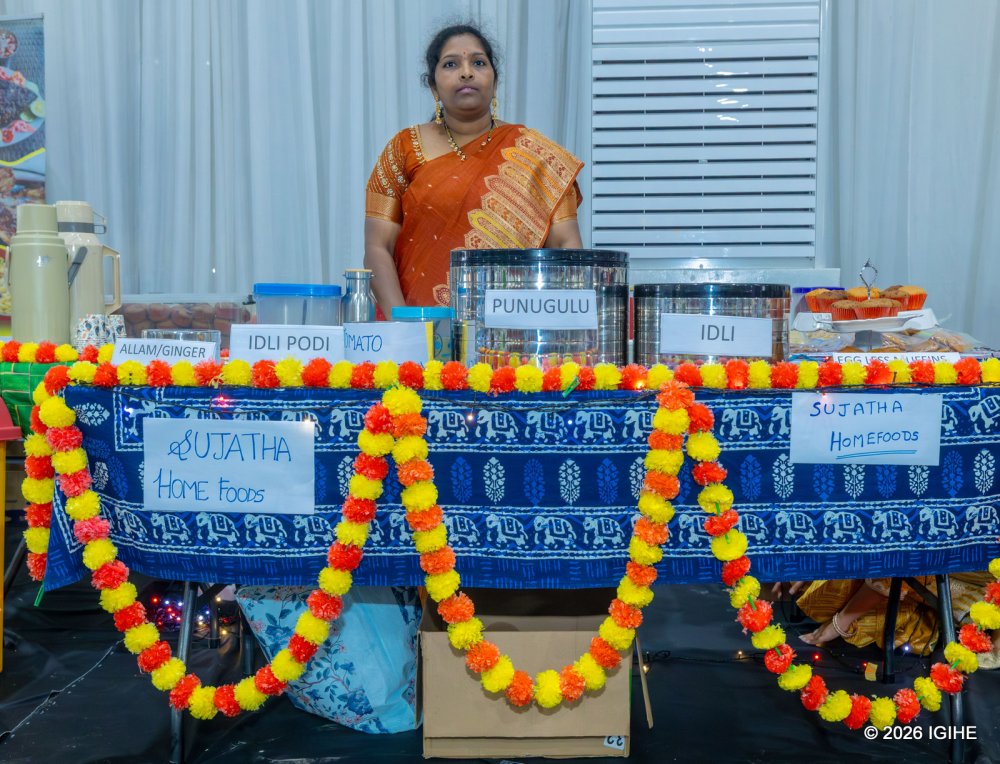
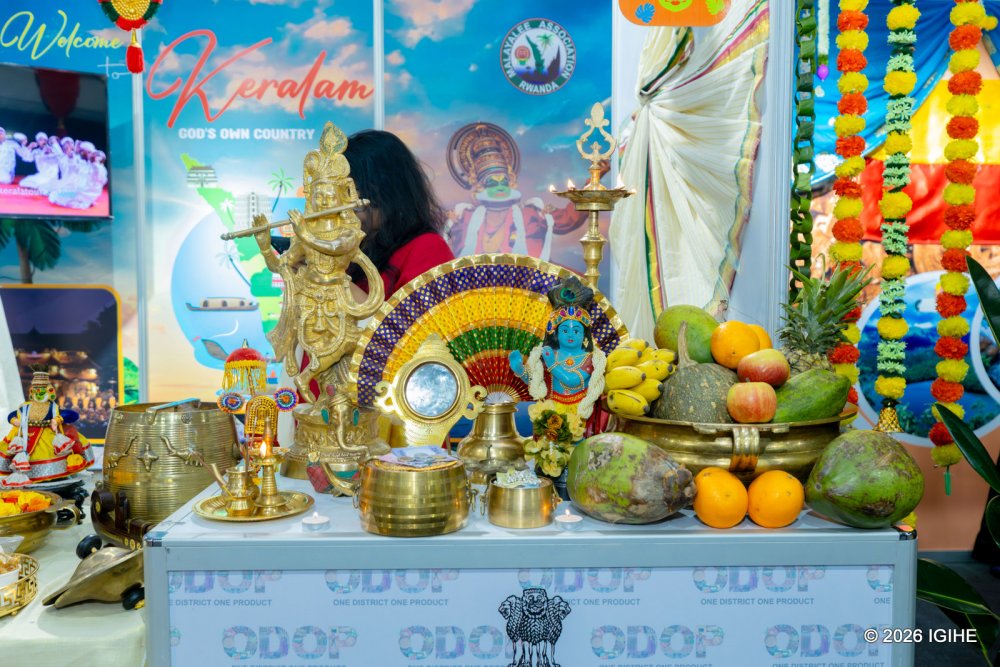
Out of India’s 28 states, 15 participated in the exhibition, each presenting unique elements of their heritage through performances, traditional meals, and cultural displays.
India’s High Commission to Rwanda, Mridu Pawan Das, said the initiative is intended to introduce Rwandans and other foreign residents to the diversity of Indian culture.
“We started this event last year with the idea of showing Rwandans and the international community that India is culturally diverse, yet united as one people,” she said.
The High Commissioner added that such initiatives also play a role in strengthening ties between Rwanda and India. She noted that more than 3,000 Indians live in Rwanda and are actively contributing to the country’s economy and social life.
Participants praised the exhibition for promoting cultural exchange and unity. Neha Jain, originally from Rajasthan, described it as a valuable platform to share traditions while also learning about other Indian cultures.
“This is my first time attending, and it’s a great opportunity to showcase our culture while discovering others. It teaches unity despite our diversity,” she said.
Visitors also expressed appreciation for the experience. Dody Umutesi, who attended the event for the second time, said it helped her better understand Indian culture and connect with new people.
“I learned a lot, especially about traditional clothing and food. The cuisine is rich in spices, and it was exciting to try something new. Events like this bring people together,” she said.
The exhibition, first held in 2025, has now been established as an annual event celebrating cultural diversity and fostering stronger people-to-people connections.
Visitors explored colorful displays of traditional attire representing different Indian states at the annual cultural showcase in Kigali.India’s High Commissioner to Rwanda, Mridu Pawan Das, addresses attendees during the second edition of the cultural exhibition in Kigali.Members of the Indian community perform traditional dances during a cultural exhibition held at Camp Kigali on March 22, 2026.Participants from across India’s states presented their unique customs and traditions during the event aimed at promoting cultural exchange.A variety of Indian dishes were served as part of the exhibition highlighting the country’s rich and diverse cuisine.
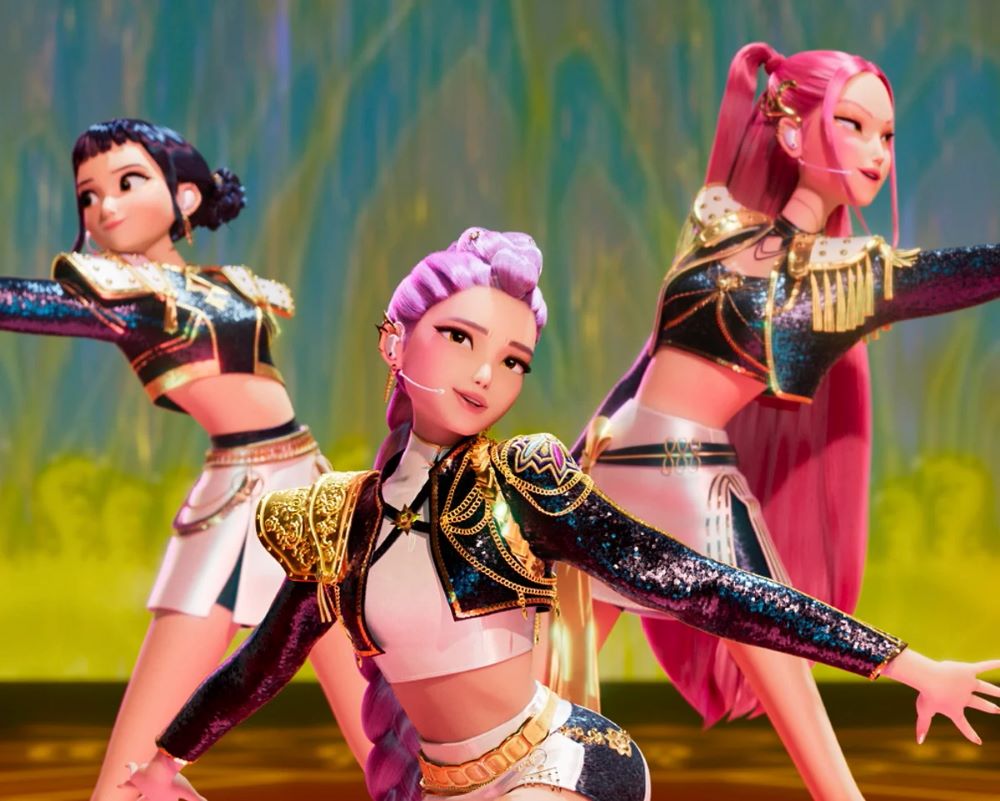
Local media hailed the film’s success, calling it the peak of the “K-pop syndrome” and highlighting South Korea’s growing influence on the global stage. The movie, which became Netflix’s most-watched film with over 500 million global views, was co-directed by Korean-Canadian Maggie Kang and blends traditional Korean culture with modern aesthetics.
Film critics praised the film’s global recognition at major award ceremonies, including the Golden Globes, Grammys, and Oscars, emphasizing that audiences had not only appreciated its popularity but also its artistic value. Pop culture expert Jung Duk-hyun called the film “a textbook case of elevating local culture to a global level.”
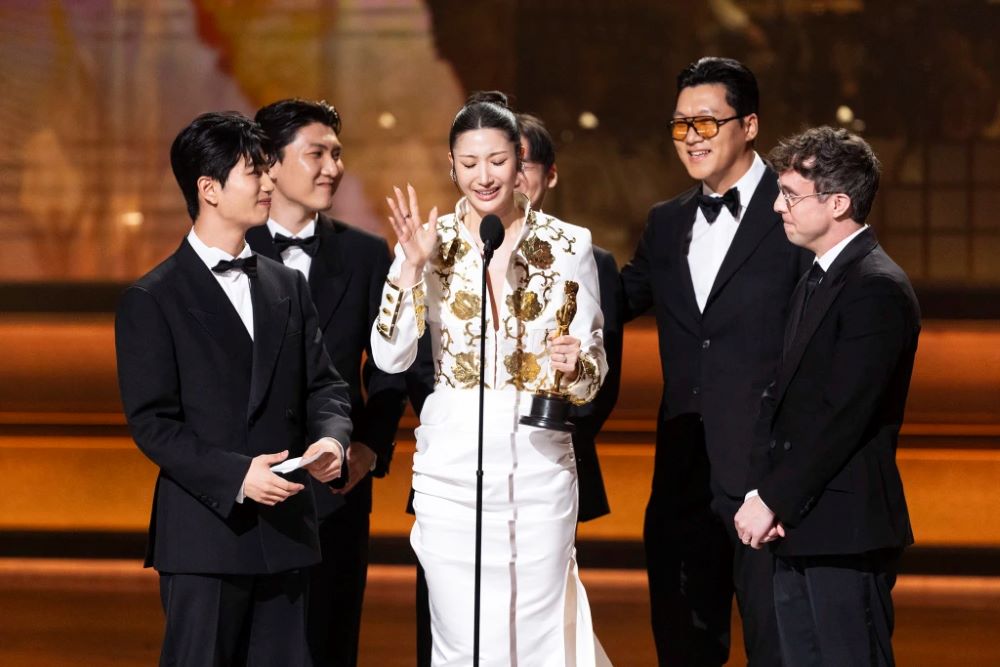
The Oscars ceremony featured a performance of Golden with 24 dancers, pansori vocals, and drumming, capturing the attention of Hollywood stars like Leonardo DiCaprio and Steven Spielberg, who waved K-pop light sticks in the audience.
Despite the excitement, the film’s win was marred by controversy over the treatment of Golden’s co-writers, who were cut off during their acceptance speech. However, the celebration of the film’s achievements continues to be widespread.
The film’s success has also boosted South Korea’s tourism, with 18.9 million foreign visitors in 2025, partly due to the film’s global appeal and the interest in visiting locations featured in the movie.
Ejae accepts the award for Best Music (Original Song) for “Golden” from “KPop Demon Hunters.” Frank Micelotta / Disney via Getty Images
At the ceremony, Secretary-General of Madagascar’s Ministry of Communication and Culture Miary Rasolofoarijaona expressed his deep gratitude for the organization of “this unprecedented festival,” held as part of activities celebrating the China-Africa Year of People-to-People Exchanges.
“The China Film Festival is a concrete illustration of the willingness to bring our hearts and minds closer together through the power of images and shared stories,” he said, adding that the festival will enable Malagasy audiences to discover the richness, modernity and depth of Chinese culture.
Chinese Ambassador to Madagascar Ji Ping said the continuous deepening of people-to-people and cultural exchanges between China and Africa carries paradigmatic significance that transcends the bilateral framework, especially in the current global context marked by divisions caused by geopolitical conflicts.
“Let us seize the opportunity of this film festival to make the cultures of our two countries shine on the global stage,” he said.
Zhang Xuxia, deputy director of the China Film Archive, said in a video address that the themes and styles of Chinese films have become increasingly diverse, while the unique charm of Malagasy films and other cultural works has been widely appreciated.
“We are convinced that Chinese and Malagasy filmmakers can inspire each other and generate new ideas, so that more works can be seen, understood and appreciated by audiences in both countries,” she said.
The 2026 China Film Festival, which runs until March 15 and features the screening of six Chinese films, is expected to strengthen mutual understanding between China and Madagascar, while promoting people-to-people and cultural exchanges between the two countries.
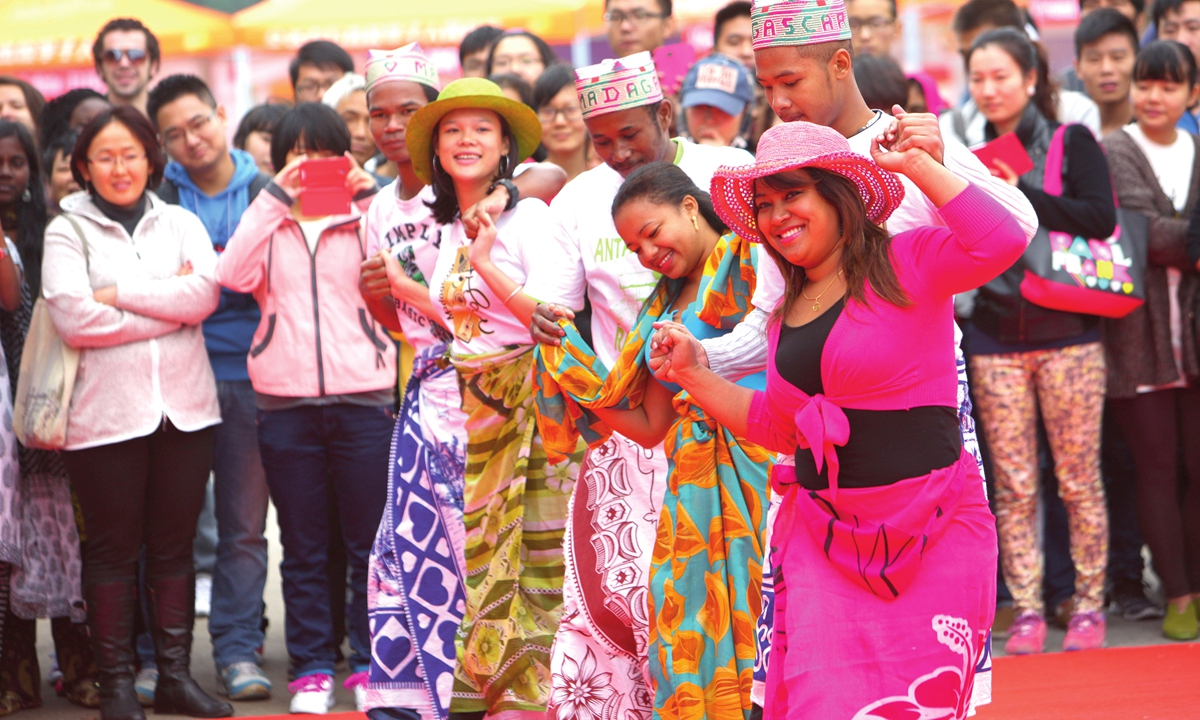
Students from Madagascar perform at a campus event in Ningbo, East China’s Zhejiang Province. File photo: VCG
Paul Ehorn recently announced the discovery of the ‘Lac La Belle’, a 217-foot luxury passenger steamer that sank during a storm in October 1872. The vessel had departed from Milwaukee heading to Grand Haven, Michigan, when it was damaged in a gale just two hours into its journey.
Eight of the 53 people on board died after a lifeboat capsized, while the remaining passengers survived.
The Great Lakes are known for their dangerous maritime history. Historians estimate that more than 6,000 shipwrecks have been documented in the region, most occurring between 1840 and 1900 when heavy traffic and severe weather often collided.
In Lake Michigan alone, about 1,500 ships are believed to have sunk. According to Brendon Baillod, president of the Wisconsin Underwater Archaeology Association, many vessels were pushed ashore by storms, while fewer, like the ‘Lac La Belle’, sank in deeper waters.
At the time of its operation, the ‘Lac La Belle’ was considered a high-quality and fast vessel, reportedly about 30 percent faster than other steamers.
It featured elegant passenger spaces including parlours and a main salon decorated with chandeliers. Alongside its passengers, the ship also transported cargo such as barley, flour, pork and whiskey along an important commercial route connected to Michigan’s railroad network.
Ehorn’s fascination with shipwrecks began at age 15 when he started scuba diving. Since 1965, he has helped locate 15 shipwrecks, including the automobile carrier Senator in 2005. His breakthrough in the search for the ‘Lac La Belle’ came in 2022 after fellow shipwreck hunter Ross Richardson uncovered a key clue. Using side-scan sonar, Ehorn detected the ship’s outline on the lakebed.
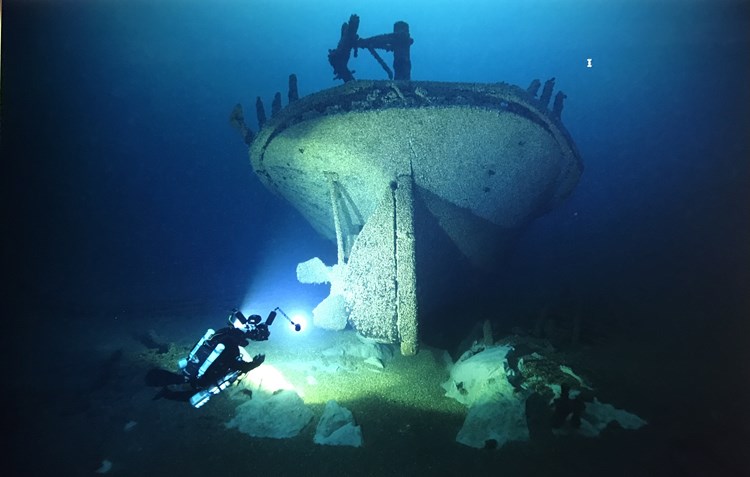
Two years later, divers documented the wreck, which remains in surprisingly good condition. Ehorn plans to share footage of the discovery at the 2026 Ghost Ships Festival in Manitowoc, Wisconsin in the United States, while continuing his lifelong search for other lost vessels.
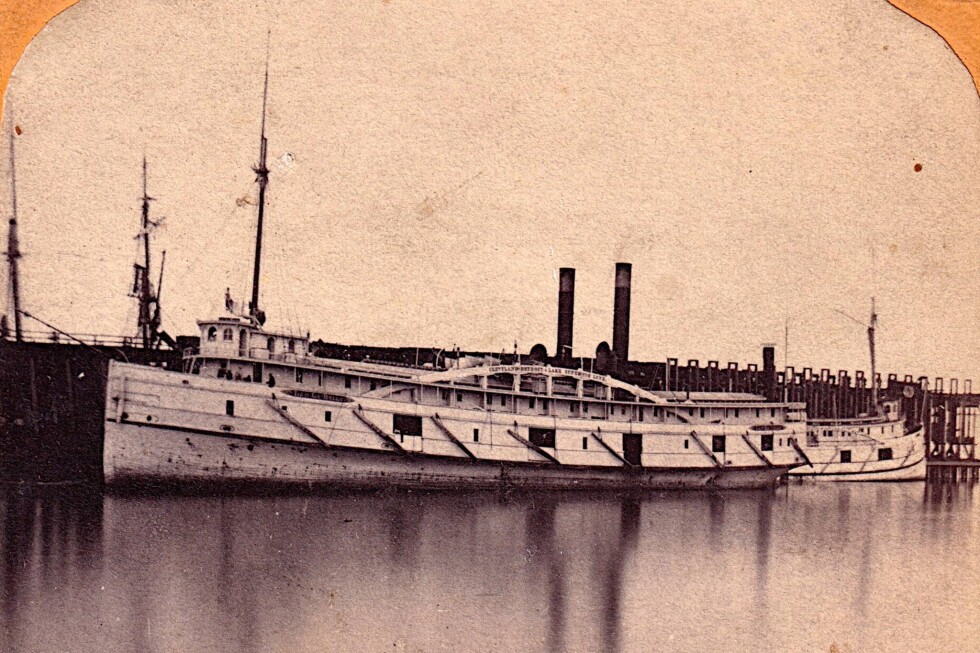
The stern of the Lac La Belle showing one of her propellers missing.This image of an original photo print provided by Brendon Baillod shows the Lac La Belle docked at Marquette, Mich., in 1866. (Brendon Baillod via AP)
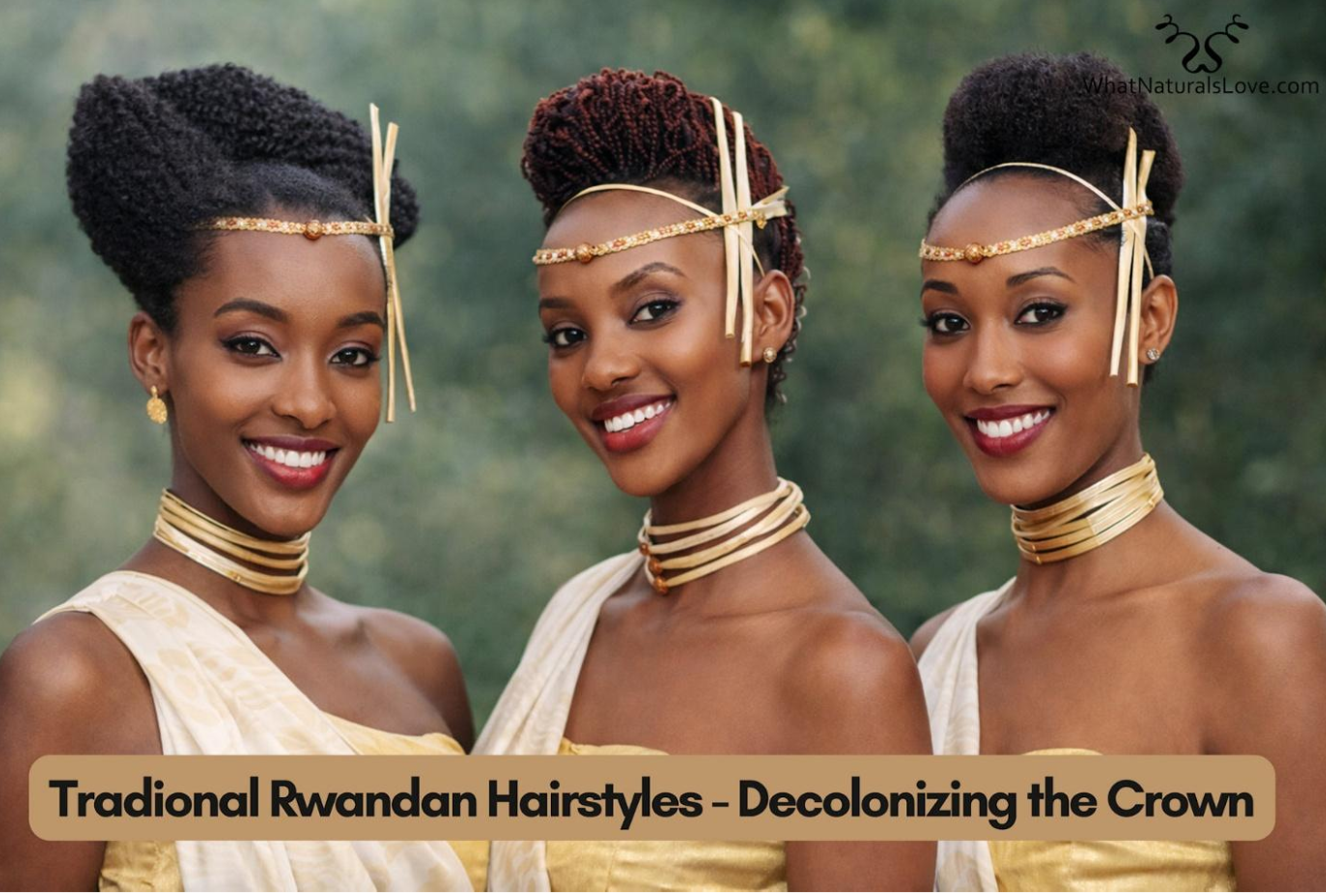
Organised by BAD Hair Uprooted, a global initiative founded by Mireille Liong that promotes acceptance of natural hair and challenges Eurocentric beauty standards, the gathering will bring together participants for an evening of discussion and cultural reflection.
The event aims to encourage dialogue about the meaning of hair in shaping identity, confidence and cultural pride. Organisers say such conversations remain important in many societies where perceptions of beauty have historically been influenced by external standards.
The dinner will also explore traditional African hairstyles and their cultural significance. In Rwanda, hairstyles such as Amasunzu once symbolised social status, creativity and beauty, reflecting a rich heritage of hair artistry that existed long before modern beauty norms.
Through discussions and cultural showcases, participants will examine how hair continues to play a role in shaping identity and self-expression.
The event will feature a three-course dinner and conversations centred on themes of pride, growth and choice, offering a space for reflection on how cultural traditions intersect with modern perspectives on beauty.
According to Liong, such discussions resonate beyond a single community and form part of a wider global conversation about identity and representation.
“Hair is often the first place where power touches the body,” she said. “When we allow hair to grow, we allow confidence to grow.”
Organisers say the gathering seeks to celebrate diversity in beauty while encouraging open dialogue about cultural identity across generations.
According to BBC, the five-minute film, launching on Thursday, was filmed on a rewilded farm at the Westacre Estate near King’s Lynn in Norfolk.
Written by Norfolk playwright Emma-Louise Howell, the script was created in collaboration with young farmers. It explores why people often talk about the weather but avoid discussions about climate change.
Howell said the farmers she spoke to are directly affected by shifting climates, adjusting daily to changes rather than seeing it as a distant concept.
The film features young Norfolk actor Hemi Grimsby, Ben Mansfield of Primeval, and Florence Wright from The Flash. Environmental group Climate Majority Project hopes it will help pupils and teachers speak “honestly and sensitively” about climate issues.
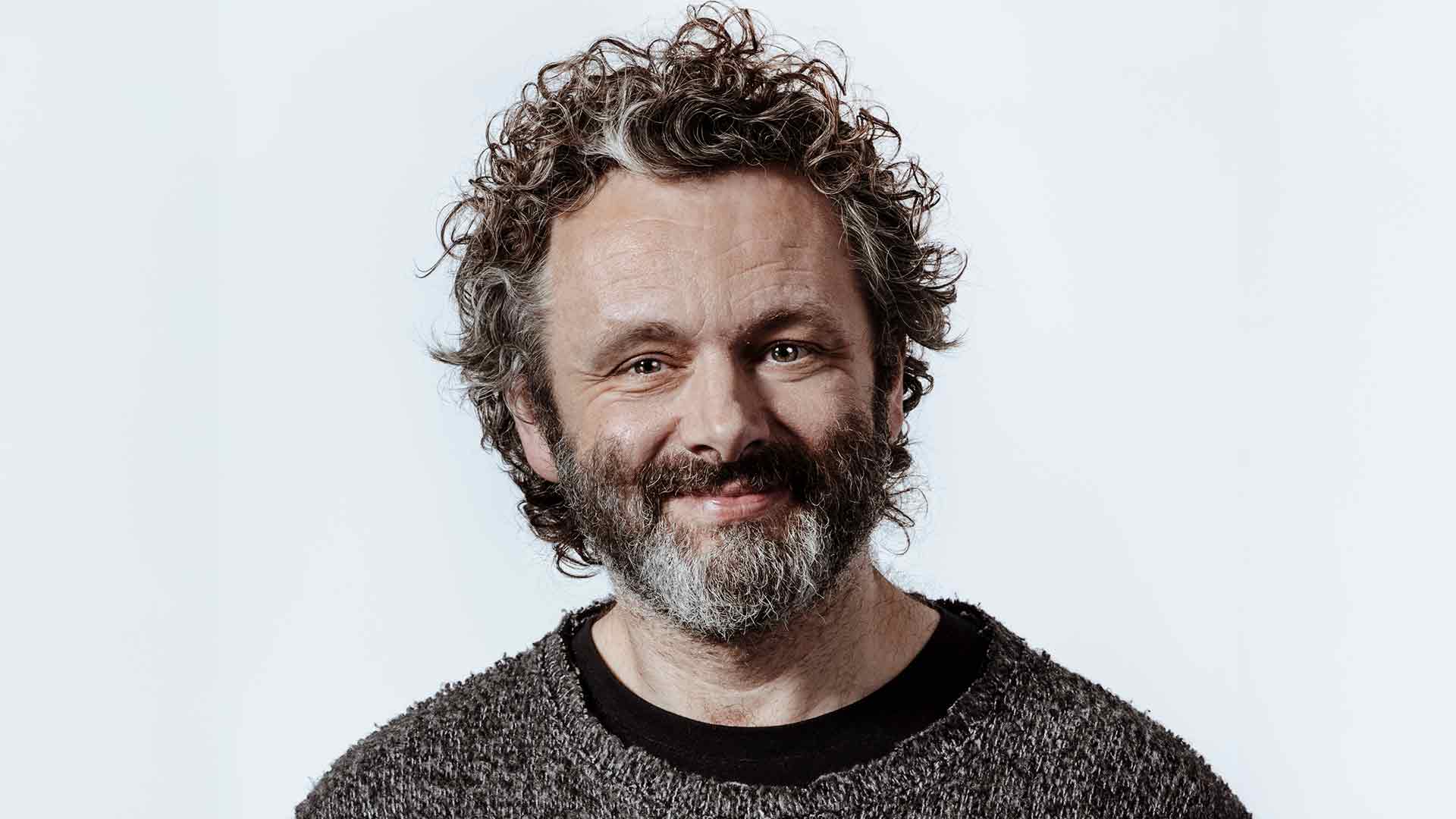
Howell described working with Sheen, known for Good Omens and The Twilight Saga, as a dream come true.
Director Harry Tomlin added that the Norfolk landscape provided the perfect backdrop, presenting the story through a child’s perspective in a gritty folk-horror style.
He said the film offers an accessible, engaging way to start climate conversations without feeling didactic or patronising.
Renowned Actor born in Newport, Wales, Michael Sheen has narrated a new short film.
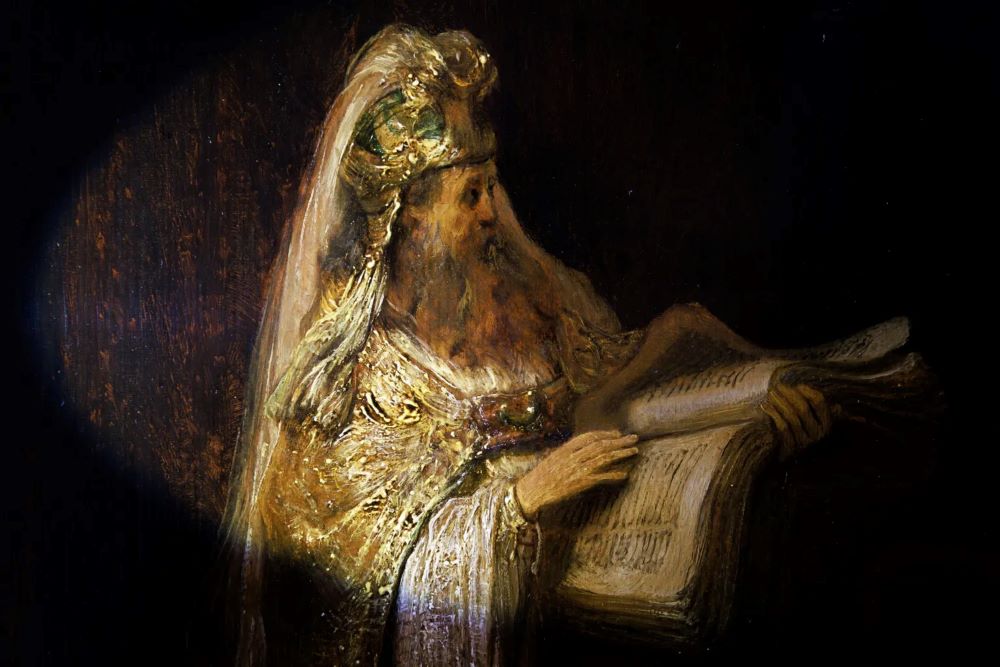
The work, Vision of Zacharias in the Temple (1633), disappeared from public view after being sold to a private collector in 1961. It had previously been excluded from a catalogue of Rembrandt’s works in 1960.
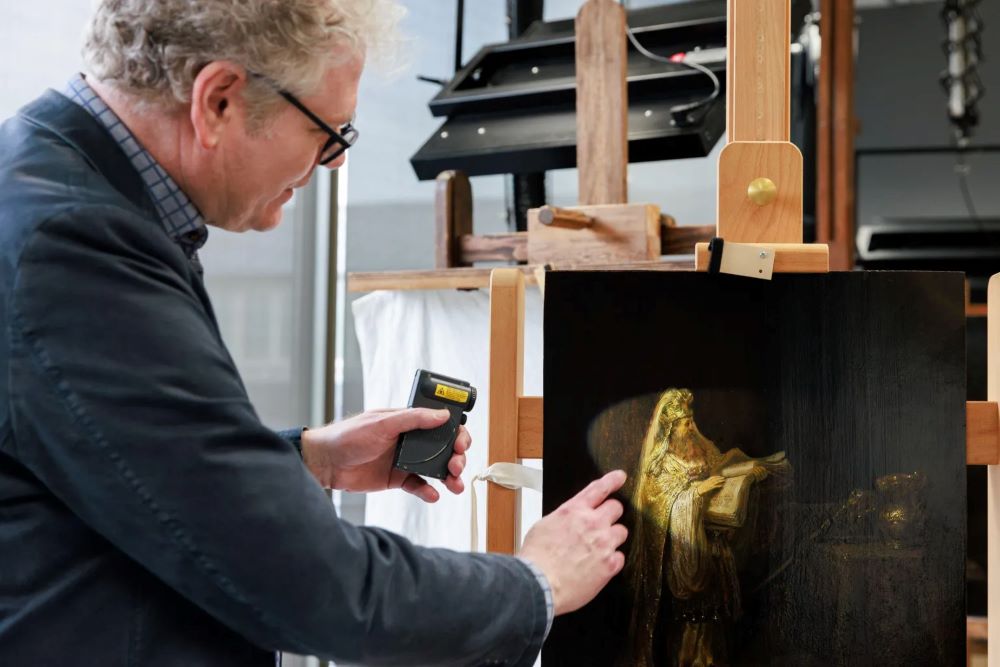
The painting resurfaced when its current owners submitted it for testing at the Rijksmuseum, which conducted a two-year analysis.
Experts confirmed that the signature is genuine, the wooden panel dates from the correct period, and the materials and painting techniques match those of Rembrandt’s early works.
“When I saw it in our studio during restoration, I was immediately struck by the incredible power it has,” Rijksmuseum director Taco Dibbits told BBC. “It’s very high quality. You really feel that he dedicated his soul to it.”
The painting depicts the biblical moment when priest Zacharias is told by the Archangel Gabriel that he and his wife will have a son, John the Baptist. Rembrandt innovatively suggests Gabriel’s presence without showing him visibly, capturing the decisive moment before the archangel reveals his identity.
At the time, Rembrandt primarily painted portraits, making this one of the few history paintings from his early career. The Rijksmuseum plans to put the work on public display starting Wednesday.
While its market value is unknown, other Rembrandt works have sold for millions, including a record £20 million in 2009.
Rembrandt was 27 when he painted the high priest Zacharias, father of John the Baptist
The museum is dedicated to the Romantic movement, which flourished in France between the late 18th and mid-19th centuries, celebrating emotion, imagination, and the sublime.
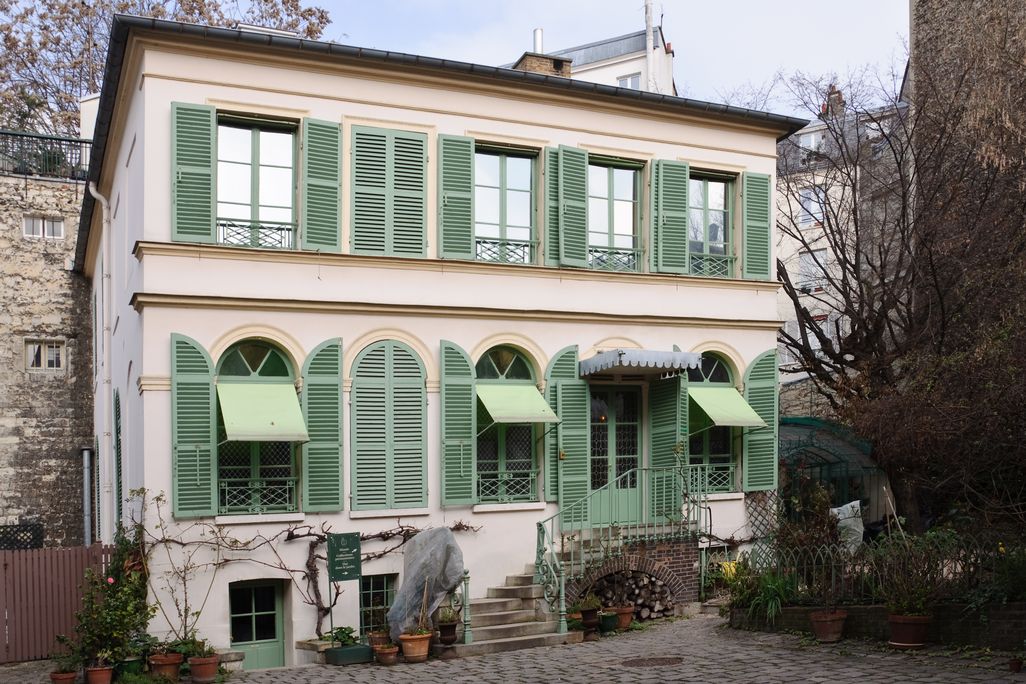
Housed in the former residence of Dutch-French painter Ary Scheffer, the museum preserves the legacy of both Scheffer and novelist George Sand.
Between the 1830s and 1850s, Scheffer hosted Friday salons at the residence, welcoming artists and intellectuals inspired by figures like Dante, Lord Byron, and Goethe.
Located in Paris’ ninth arrondissement, the property was originally surrounded by orchards and gardens before the area developed into a hub for literary and artistic activity.
After Scheffer’s death in 1858, the residence changed hands several times before being acquired by the city and transformed into a museum in the 1980s. Today, it holds 2,340 works, with around 300 on display, and drew 230,000 visitors in 2023.
The restoration aimed to return the building to its 19th-century appearance.
“For the woodwork and window frames, we tried to restore the house’s original color,” Gaëlle Rio, the museum director told Le Monde.
The courtyard, greenhouse, tea room, and first-floor exhibitions were also updated to enhance visitor experience while respecting the building’s status as a historical monument.
To mark the reopening, the museum is launching a new exhibition, Facing the Sky, Paul Huet in His Time.
Huet, a contemporary of Scheffer, is considered a precursor of French Romantic landscape painting.
“This one echoes the ‘Nature and Landscape’ section and invites visitors to pause and reflect. I enjoy highlighting a single artist while exploring a subject through their perspective,” Rio explains.
Few cities embraced Romanticism like Paris, which became a stage for artistic experimentation and a break from classical traditions.
The Musée de la Vie Romantique now continues that legacy, offering visitors a glimpse into the passions and creativity that defined the era.
The Musée de la Vie Romantique has reopened in Paris after a lengthy renovation.
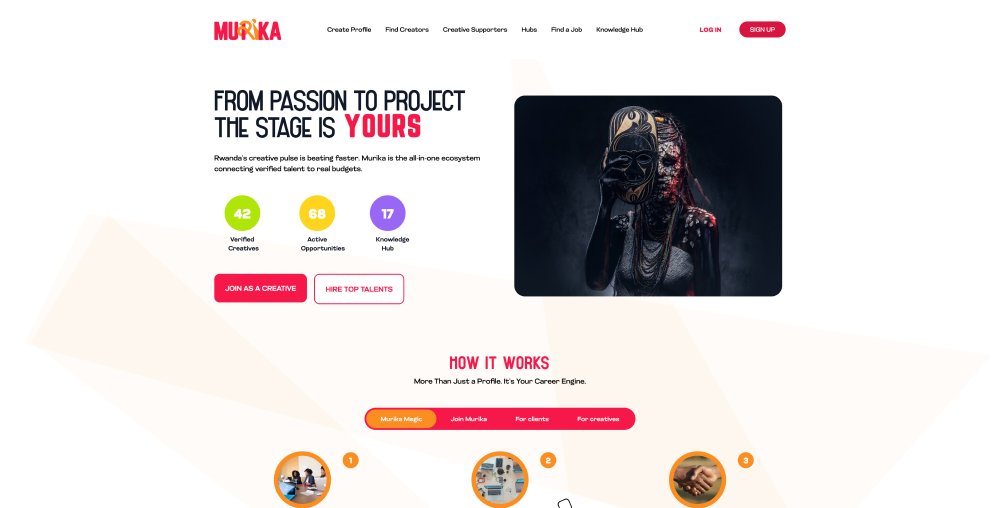
As Rwanda’s creative economy continues to grow, the platform addresses long-standing barriers including low visibility, fragmented networks, unpaid opportunities, and lack of trusted professional infrastructure.
Developed in partnership with the Ministry of Youth and Arts, L’Espace, KinaRwanda, and the Swiss Agency for Development and Cooperation (SDC), MURIKA represents an important step in building long-term digital infrastructure for Rwanda’s creative economy.
Supporting professional growth and opportunities
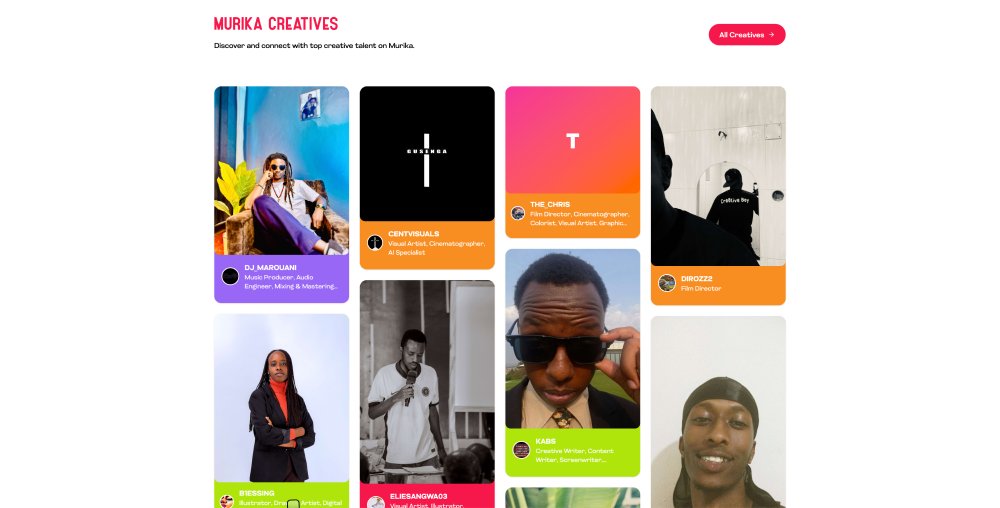
Built as a structured ecosystem rather than a social network, MURIKA brings together verified creative profiles, professional portfolios, transparent opportunity listings, collaboration spaces, and practical industry resources.
The platform enables creatives to showcase their work professionally, connect with clients and collaborators, and access knowledge on pricing, intellectual property, contracts, and career development.
By creating trusted professional infrastructure, MURIKA helps move creative work from informal activity to sustainable, income-generating careers.
Malik Shaffy, Managing Director of KinaRwanda, welcomed the platform as an important development for the industry.
“For a long time, talent has been everywhere, but opportunities and visibility haven’t been organized. MURIKA changes that. It gives creatives a place to be seen, trusted, and get paid. It gives clients a direct path to verified talent, and this is how we grow a creative economy that pays,” he said.
Creative professionals also say the platform will help strengthen the industry.
David Sindambiwe, a Rwandan visual creative said, “MURIKA creates a professional space where my fellow creatives and I can showcase our work and connect with real opportunities. The resources will also help us build structure, trust, and visibility, which are essential for us to grow sustainable careers in our industry.”
Now live
The platform is currently in its beta phase, allowing creatives, clients, and institutions to join, explore features, and provide feedback to help refine the platform.
MURIKA is now open to creatives, clients, institutions, and partners across Rwanda, via http://www.murika.rw/
The platform addresses long-standing barriers including low visibility. The platform was developed in partnership with the Ministry of Youth and Arts, L’Espace, KinaRwanda, and the Swiss Agency for Development and Cooperation (SDC). MURIKA brings together verified creative profiles, professional portfolios, transparent opportunity listings, collaboration spaces, and practical industry resources.The platform enables creatives to showcase their work professionally.