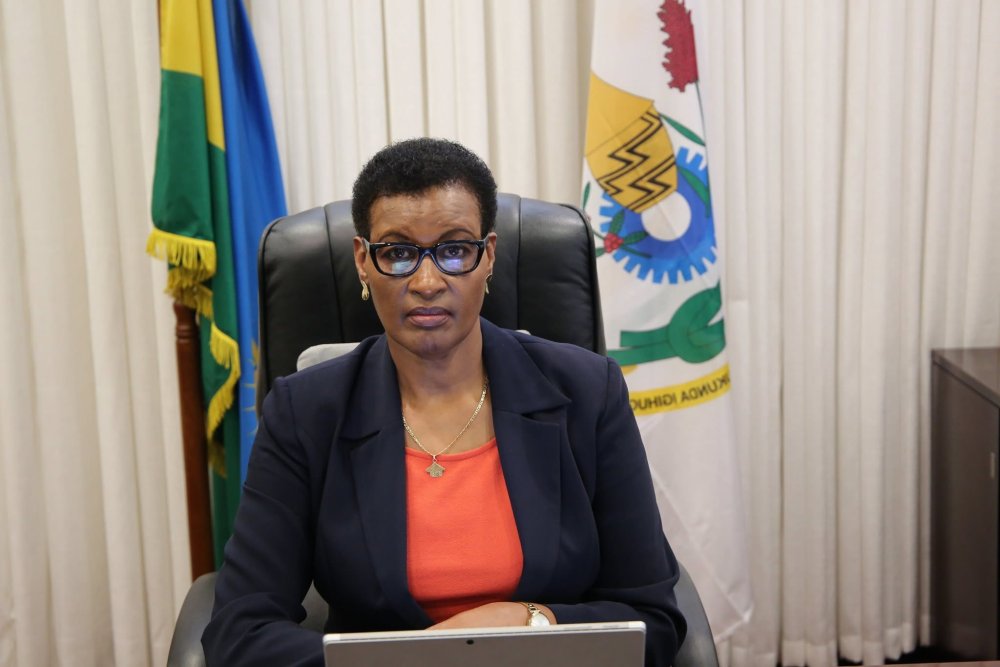
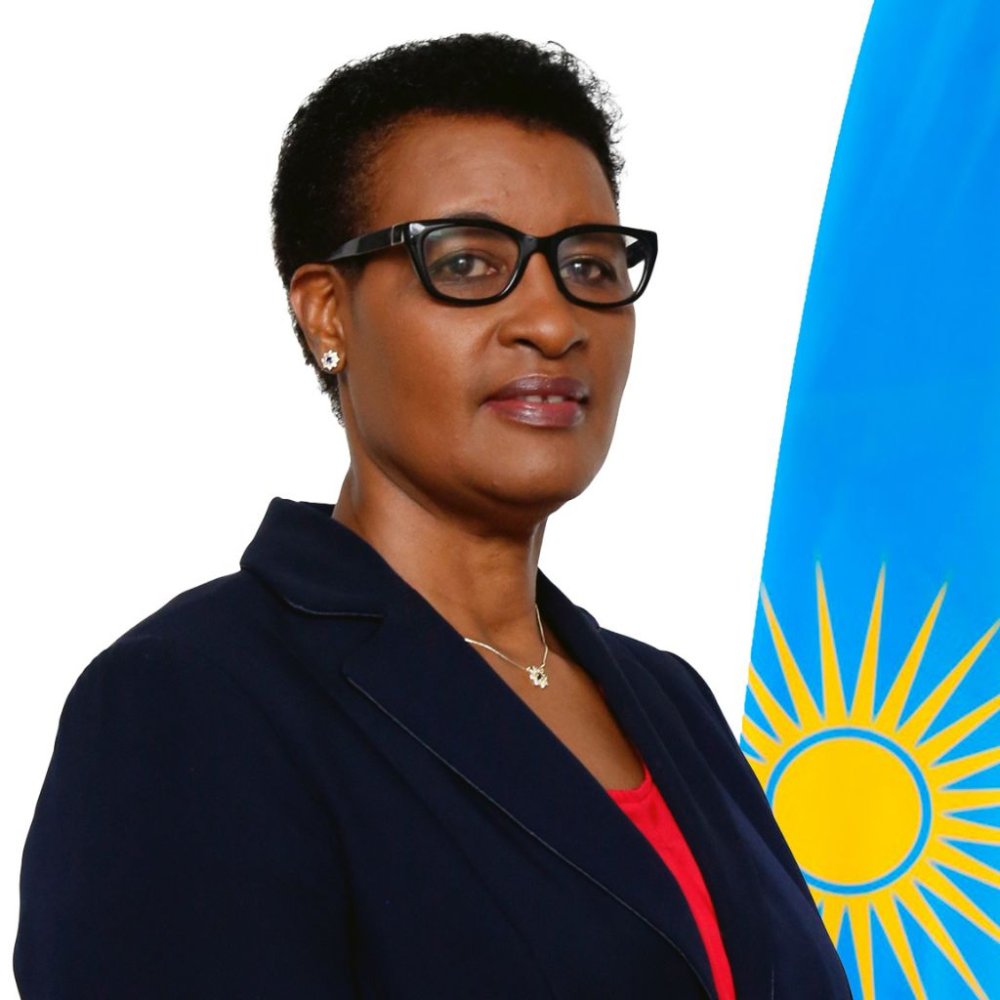
The message of condolence was issued after news of Mukabalisa’s death emerged on Thursday morning, July 30, 2026.
She died at King Faisal Hospital in Kigali, where she had been receiving medical treatment.
“It is with heavy heart and great sorrow that the Senate of Rwanda announces the passing of Honourable Donatille Mukabalisa who died today , July 30, 2026, at the King Faisal Hospital in Kigali. Our thoughts are with the family of late Senator Donatille Mukabalisa,” reads a statement released by the Senate adding that details regarding the memorial service and funeral will be communicated later.
Mukabalisa was born in Nyamata, Bugesera District, in July 1960.
During her political career, she was elected as a Member of Parliament in October 2003, a position she held until 2008. She later served as a Senator from 2011 to 2013.
In 2013, Mukabalisa returned to the Chamber of Deputies, where she was later elected Speaker, a position she held until 2024 following new parliamentary elections. She did not seek re-election after completing two terms in the lower chamber.
Mukabalisa also served as the President of the Liberal Party (PL), a political party founded on July 14, 1991.
Mukabalisa died on Thursday succumbing to natural cause.
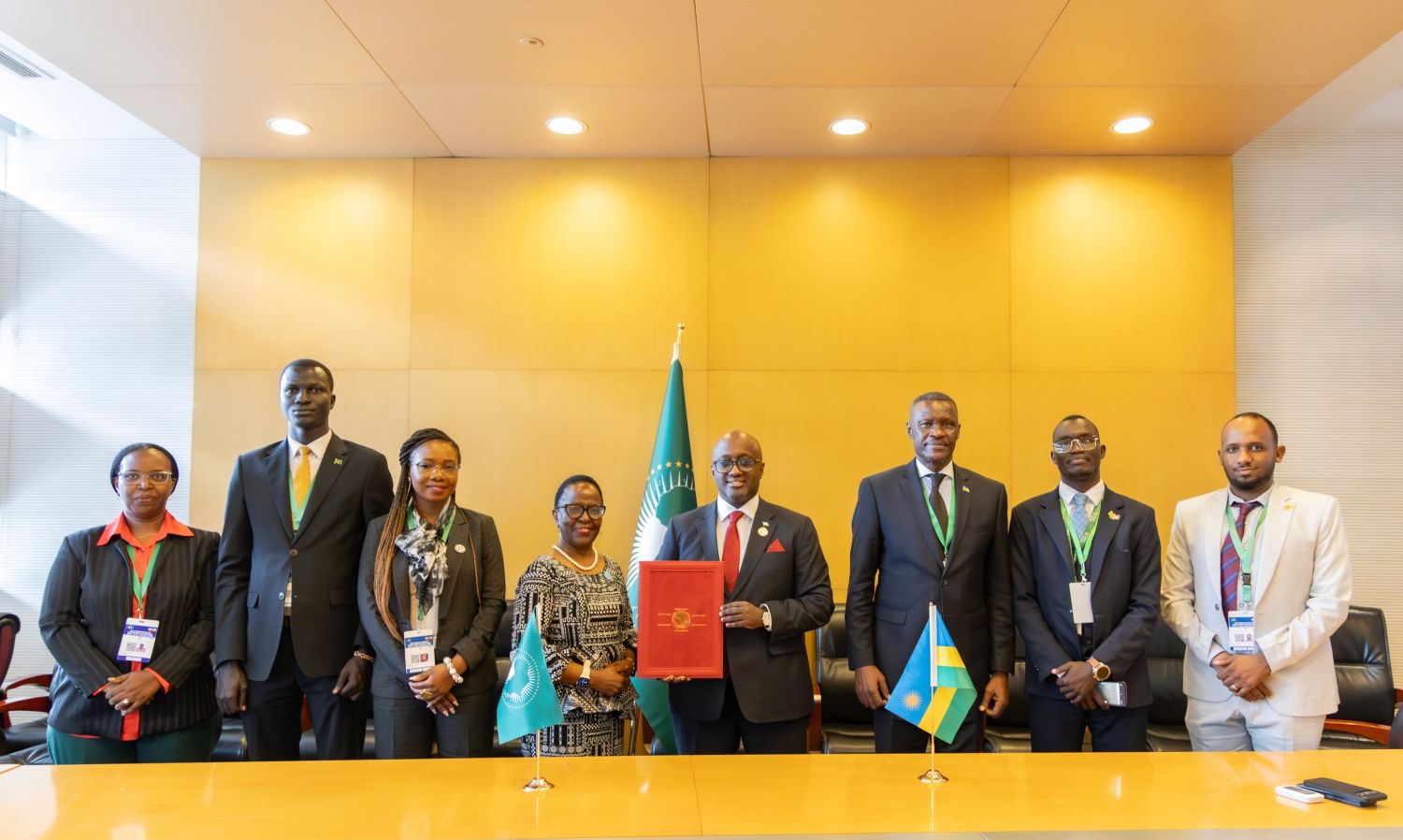
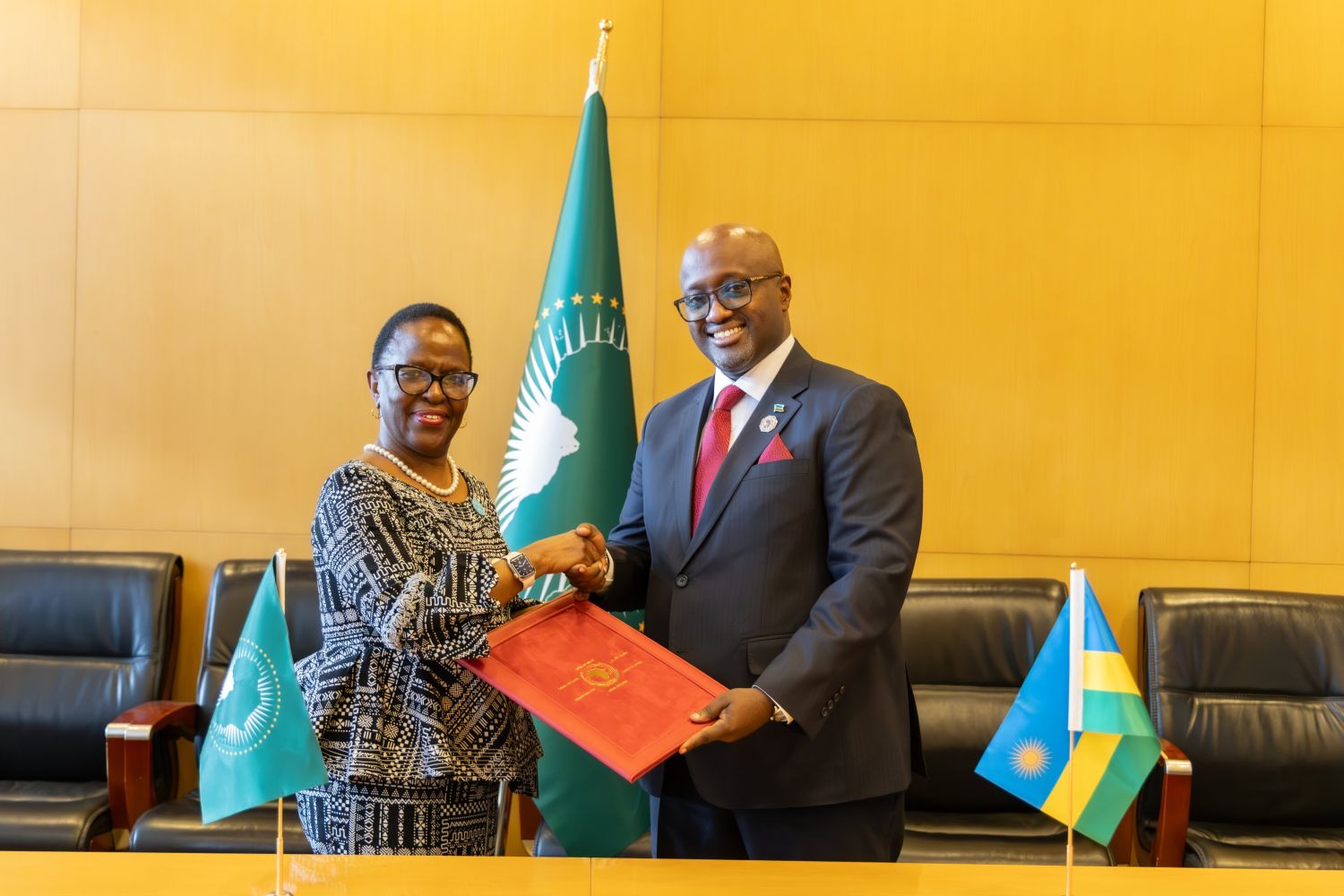
Rwanda has signed the African Union Convention on Ending Violence Against Women and Girls, becoming the ninth nation to back the continental treaty.
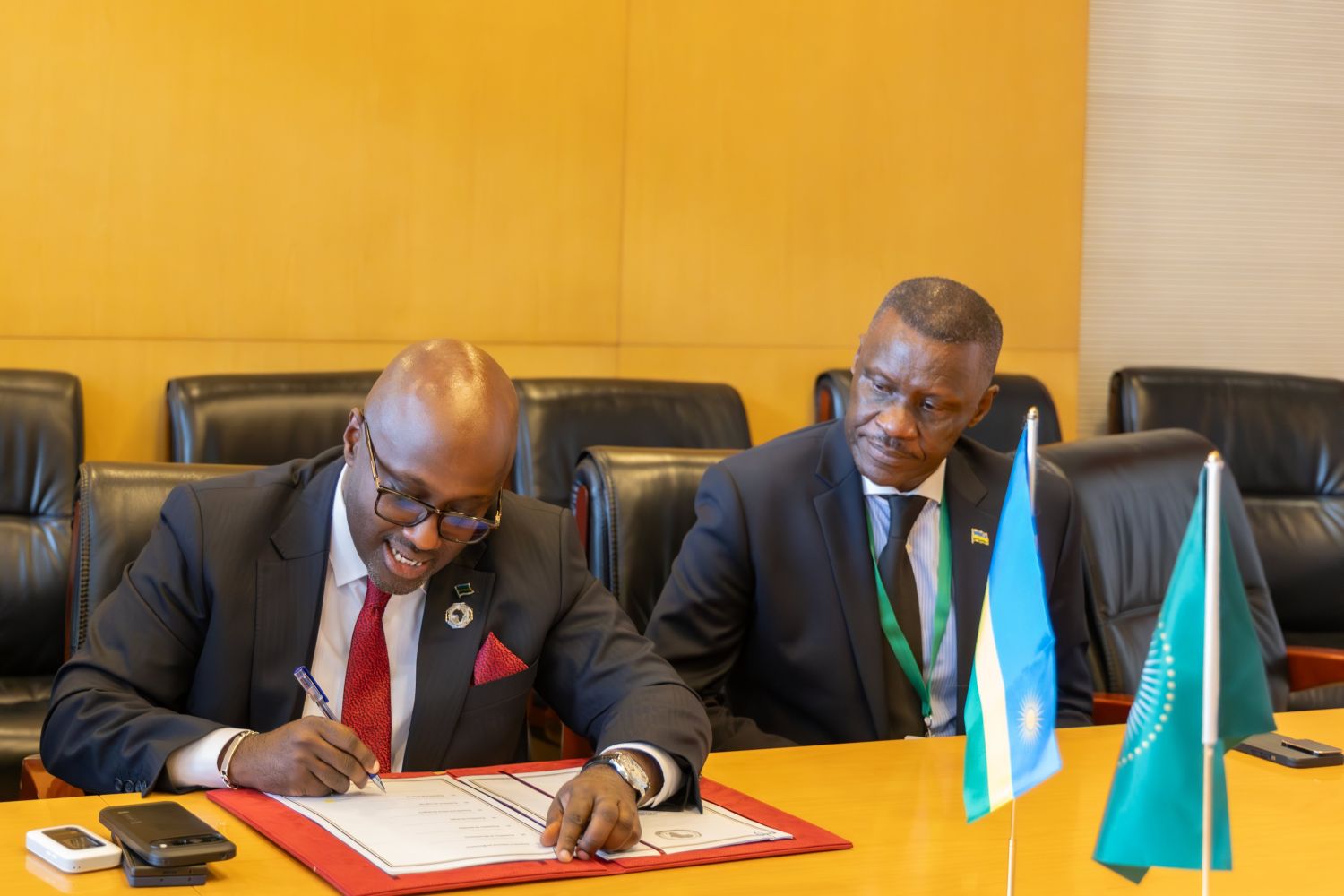
The convention was signed on Tuesday, July 28, by the Minister of Foreign Affairs and International Cooperation, Olivier Nduhungirehe, during the 49th Ordinary Session of the AU Executive Council in Addis Ababa, Ethiopia.
Announcing the development, the Ministry of Foreign Affairs and International Cooperation said Rwanda backed the convention because it aligns with the country’s vision and national gender policy.
“The convention provides a comprehensive continental legal framework to prevent and respond to all forms of violence against women and girls. Rwanda supports the convention as it aligns with Rwanda’s vision and National Gender Policy,” the ministry said.
Rwanda becomes the ninth nation to back the continental treaty.
The African Union Convention on Ending Violence Against Women and Girls is the first legally binding AU treaty dedicated exclusively to addressing violence against women and girls across the continent.
It establishes common standards for member states to prevent violence, protect survivors, prosecute perpetrators and strengthen national systems for responding to gender-based violence.
Under the convention, signatory countries commit to adopting or strengthening legislation that criminalises all forms of violence against women and girls, including physical, sexual, psychological and economic abuse, whether committed in public or private settings.
The treaty also requires member states to improve survivors’ access to justice and essential support services, including healthcare, psychosocial care, legal assistance and safe shelters, while enhancing investigations and prosecution of offenders.
In addition, the convention calls on governments to strengthen data collection and research to inform evidence-based policies, invest in public education and awareness campaigns, tackle harmful social and cultural practices that perpetuate violence, and allocate adequate resources to prevention and response programmes.
The AU Convention on Ending Violence Against Women and Girls is the first legally binding AU treaty dedicated exclusively to addressing violence against women and girls across the continent.
For Rwanda, the convention will enter into force after it is ratified through the country’s national legal procedures.
Nduhungirehe signed the treaty while attending the 49th Ordinary Session of the AU Executive Council in Addis Ababa, which brought together foreign ministers from AU member states to discuss key continental priorities and prepare decisions for consideration by the Assembly of Heads of State and Government.
The two-day session also focused on sustainable water availability and safe sanitation systems as part of the implementation of the African Union’s Agenda 2063 development framework.
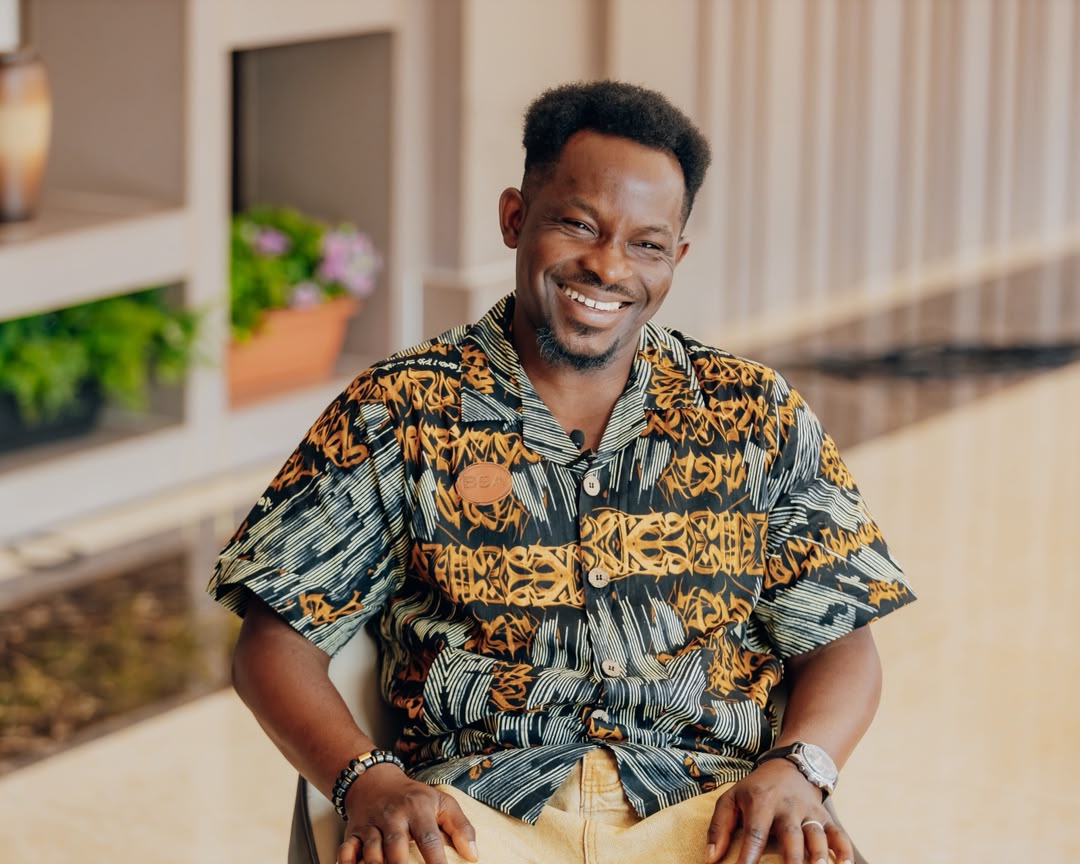
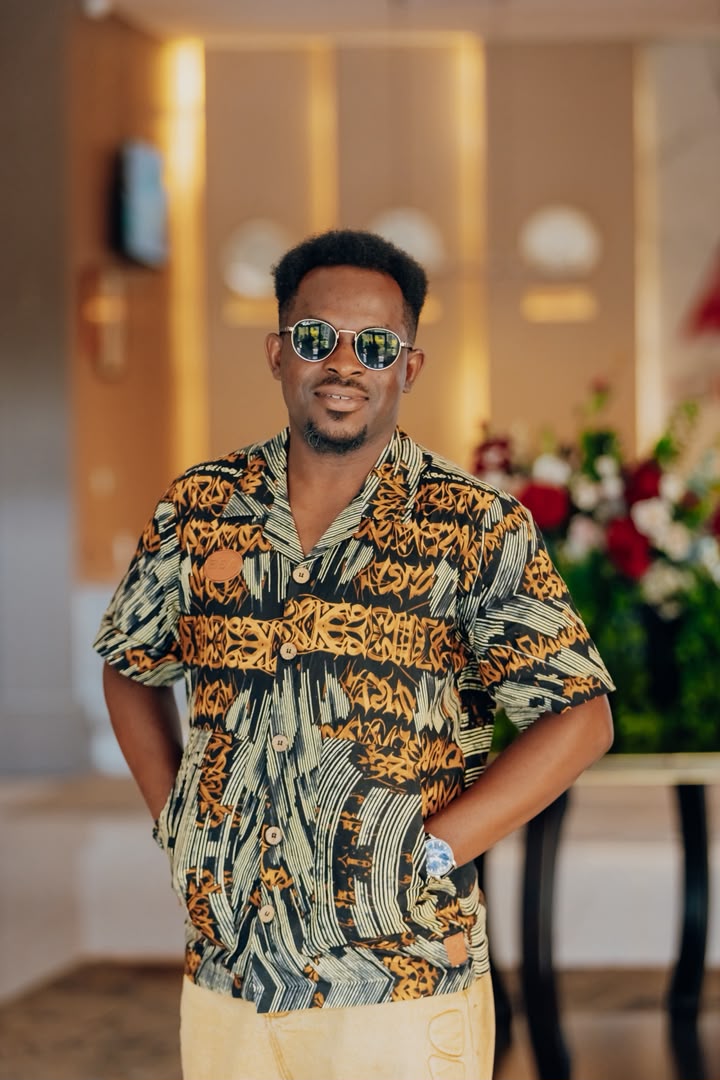
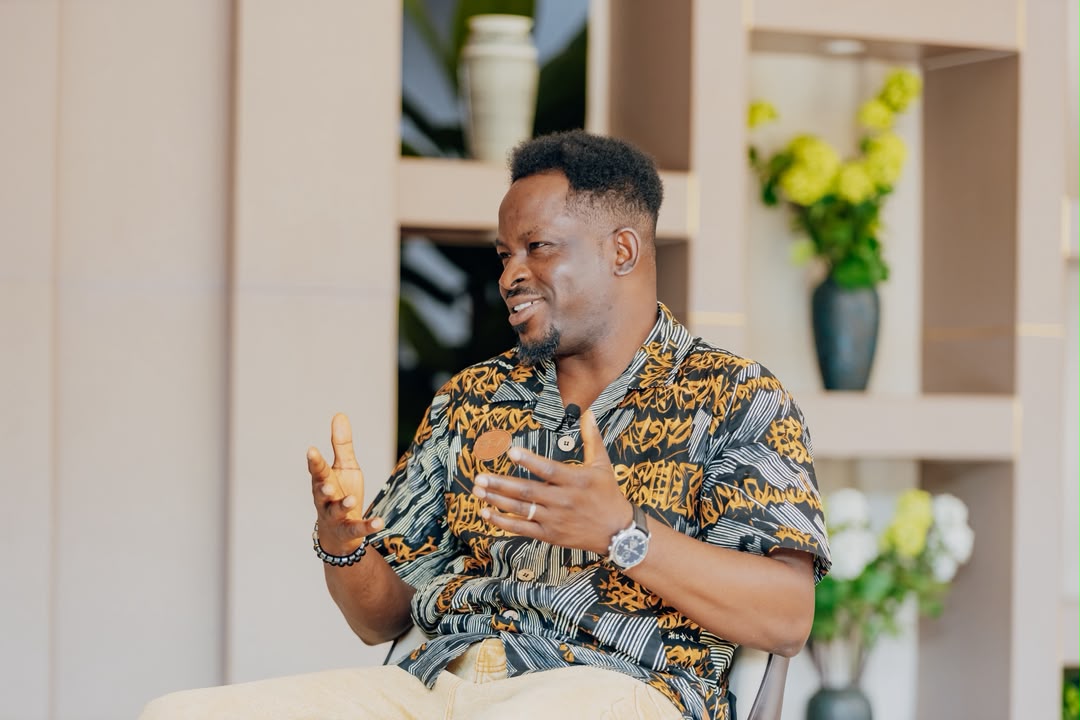
The comedian, actor, writer and entertainment consultant is in Rwanda to headline Friday’s Thank God It’s Funny Showcase at Kigali Universe alongside host Babu Joe.
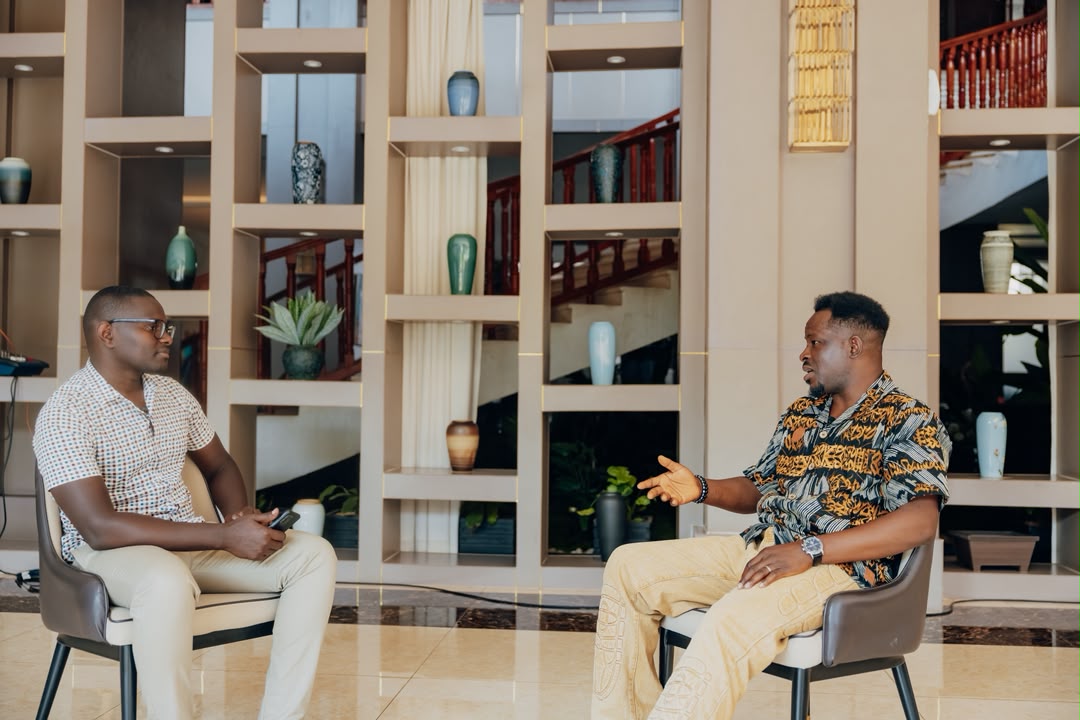
Speaking in an exclusive interview with IGIHE, Forever reflected on the unconventional career path that has taken him from engineering classrooms in Nigeria to comedy stages across 20 countries.
Despite graduating as a mechanical engineer and ranking among the best students in his class, Forever said he realised before completing university that his future lay elsewhere.
“I’ve always written funny stories and plays since I was a kid,” he said.
The comedian, actor, writer and entertainment consultant is in Rwanda to headline Friday’s Thank God It’s Funny Showcase at Kigali Universe alongside host Babu Joe.
He recalled watching Night of a Thousand Laughs in 2005 and discovering that stand-up comedians were essentially doing what he had always loved: telling funny stories.
“I tried it, it worked, and I kept going. By my final year, I already knew I wasn’t going to practise engineering. I was happier making people laugh.”
For Forever, the satisfaction of hearing from people whose lives had been brightened by his jokes outweighed the appeal of pursuing a conventional engineering career.
“People would call me randomly, saying they remembered a joke and were laughing at home. That joy kept me going,” he said.
Family initially resisted
Like many African parents who view professions such as engineering, medicine and law as the safest paths to success, Forever’s family initially struggled to accept his decision.
“It wasn’t easy, especially with my mum. It took about three to four years for her to accept it,” he revealed.
“Parents invest so much, and they expect you to follow the doctor-engineer-lawyer path. But when they saw I was making progress and getting results, they became supportive.”
Today, he says, his family fully embraces his career.
Like many African parents who view professions such as engineering, medicine and law as the safest paths to success, Forever’s family initially struggled to accept his decision.
Why Kigali stood out
While in Rwanda primarily for Friday’s performance, Forever said Kigali exceeded every expectation he had before arriving.
He described stepping out of the airport and immediately noticing the calm atmosphere.
“It was a shock. I came out of the airport, and it was so quiet. In Lagos, the moment you land, there’s chaos and activity everywhere. Here it was calm,” he said.
“The city is easygoing, smooth sailing. It actually reminds me of Abuja — quiet, calm, cool and collected.”
The comedian also praised Kigali’s organisation, cleanliness and sense of security, saying experiencing them firsthand was very different from simply reading about them.
“I read that Rwanda is Africa’s cleanest city with top-notch security, but seeing it is different,” he said.
“The city is very neat. People are walking freely at 11 p.m. or midnight. Boda bodas are still moving at one or two in the morning. That level of order, cleanliness and security in Africa is impressive.”
Forever believes Nigerians could learn from Rwanda’s coordination and orderliness.
“Nigerians can learn to mind their business,” he joked.
“In Rwanda, people mind their business. In Nigeria, minding your business is everybody’s business.”
He added that combining Rwanda’s coordination with Nigeria’s entrepreneurial spirit would be a powerful combination.
“What Rwanda can learn from us is our spirit — that always-on-the-move, always-pushing energy.”
Nigerian comedian Forever during an exclusive interview with IGIHE.
Lessons from comedy
Having shared stages with some of Africa’s biggest comedians, including Basketmouth, Forever said the greatest lesson he has learned is never to lose the drive to improve.
“Hunger. The hunger must never die,” he said.
“Basketmouth has been at the top for almost three decades, and he’s still writing new material, still touring, still hungry. That’s what keeps you at the top.”
Although he once joked that “nobody gets into comedy by passion,” Forever explained that passion developed after discovering his natural talent.
“I got in because of talent. I was already good at it, and the more I did it, the better I became. Then passion grew.”
He added that seeing audiences light up when they recognise him remains the biggest reward.
“When someone sees me on the street, and their face just lights up — that’s priceless. I don’t want to trade that.”
Looking beyond Friday’s show
Forever said he is looking forward to meeting more of Rwanda’s comedy community and expects Friday’s audience to bring as much energy as he plans to deliver.
“The comedian brings energy but also feeds off the audience. I can’t wait,” he said.
He also revealed that he hopes this will not be his last performance in Rwanda.
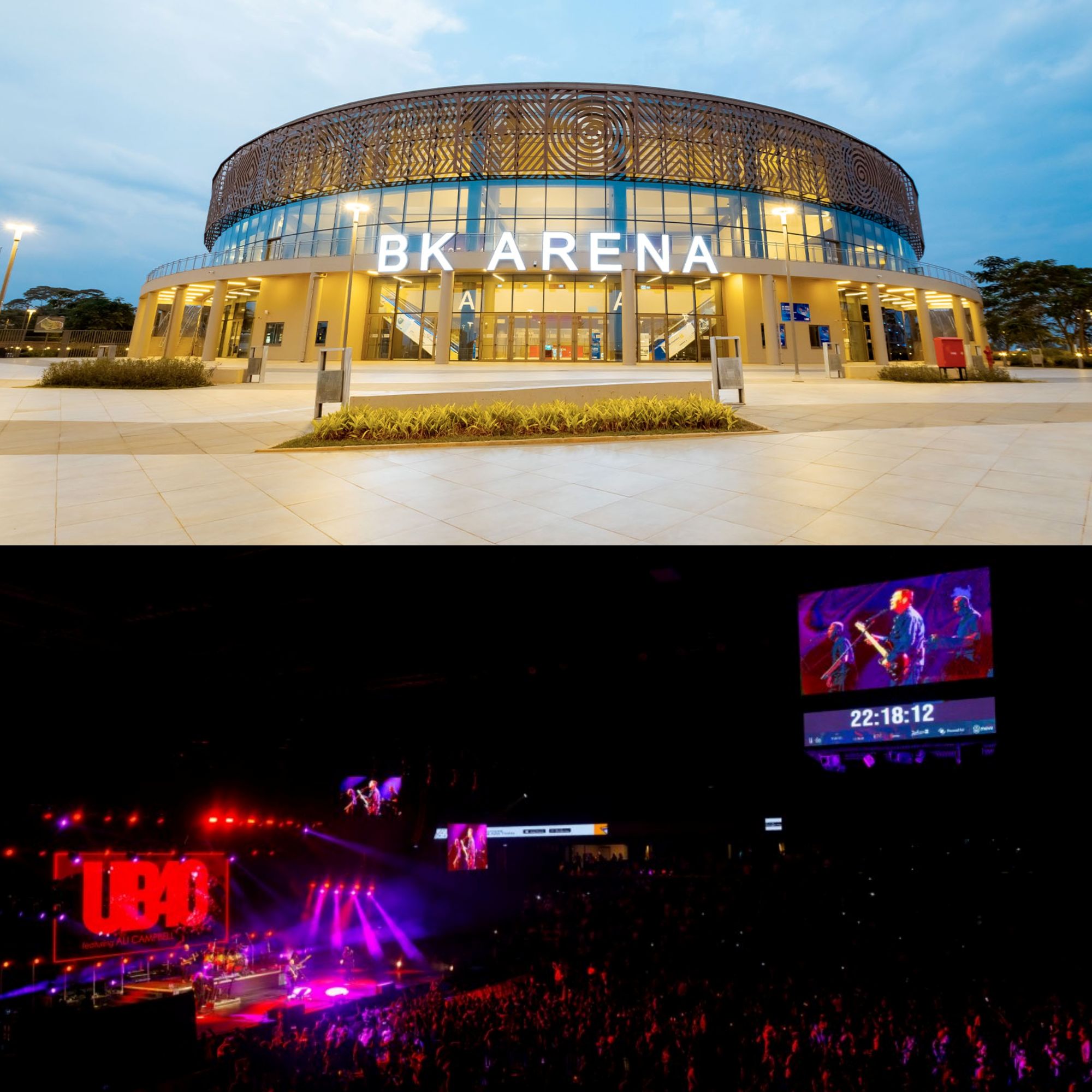
Forever dreams of one day filling the 10,000-seat BK Arena.
Calling Kigali “like my second home,” Forever said he plans to return as part of his African tour and dreams of one day filling the 10,000-seat BK Arena.
“First impressions matter, and I love it here,” he said.
“One day Forever will fill BK Arena. I’ll be back next year with my African tour. Kigali is like my second home now.”
Watch the full interview below as Forever reflects on choosing comedy over engineering, his admiration for Kigali, and his plans to return to Rwanda.
Makolo made the remarks on July 30, 2026, in response to comments by the Democratic Republic of the Congo’s (DRC) Minister of Communication and Media and Government Spokesperson, Patrick Muyaya.
Muyaya had announced that, as part of implementing the Washington Agreement, the FDLR had signed an agreement on disarmament, demobilisation, reintegration and relocation to a secure, monitored site.
In a post on X, Muyaya described the move as a major breakthrough in resolving the FDLR issue, despite the Washington Agreement making no provision for such a process.
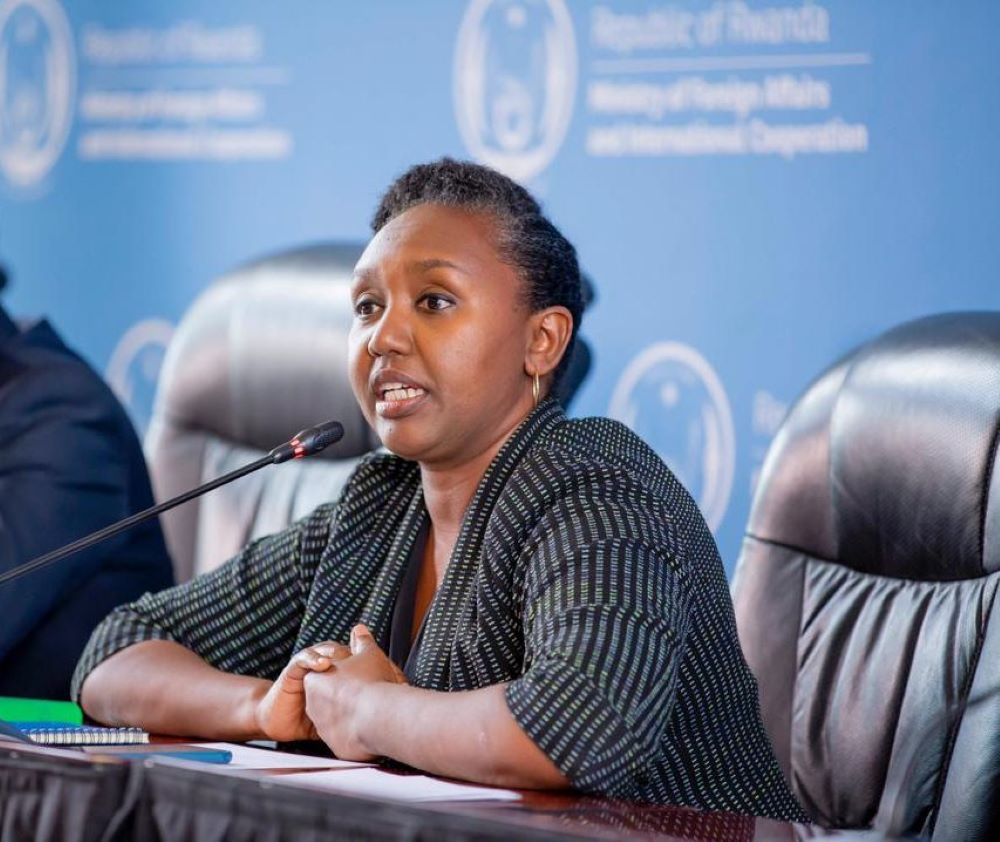
Responding to the remarks, Makolo wrote: “The Washington Agreement calls for the neutralisation of the FDLR—not a negotiated protocol with a genocidal militia that the DRC government continues to arm and collaborate with.”
She added that declarations of voluntary disarmament are meaningless while the group remains integrated into the Congolese army and continues to fight on the frontlines.
“Voluntary ‘disarmament’ announcements while the FDLR remains embedded in the Congolese army & active on the frontlines change nothing. Implementation means verifiable dismantlement, not theatre.”
Makolo reiterated that Rwanda remains committed to implementing the agreement.
“Rwanda remains focused on implementation of the agreement. Our region deserves real security & stability, not paper exercises.”
On the evening of July 28, 2026, DRC’s Minister for Regional Integration, Floribert Anzuluni, accompanied by Patrick Muyaya, announced that the FDLR had agreed to lay down its arms, arguing that the remaining step was for Rwanda to lift its defensive measures.
The announcement came after Anzuluni had spent several days touring African and European countries, discreetly promoting a proposal prepared by the FDLR and signed by its president, Victor Byiringiro.
The document, described as the FDLR’s “self-dissolution” plan, was submitted to DRC President Félix Tshisekedi on May 30, 2026.
Government Spokesperson Yolande Makolo has reiterated that implementing the Washington Agreement requires the FDLR’s verifiable dismantlement, not what she describes as “theatre.”
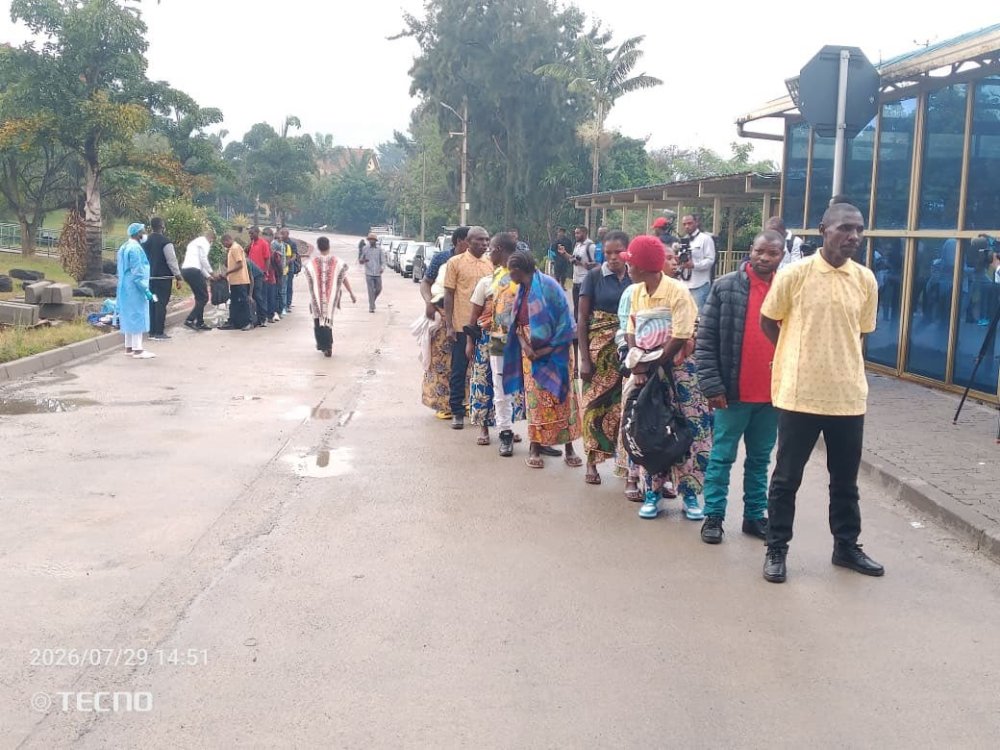
In a statement issued on July 29, 2026, RDRC said the repatriation ‘took place in the presence of media and MONUSCO officials following a comprehensive verification process which established that the individuals did not meet the eligibility requirements for Rwanda’s demobilisation and reintegration programme’.
The commission further reaffirmed its commitment to a rigorous verification process in line with established procedures, regional frameworks, as well as collaboration with regional and international partners to promote accountability, regional cooperation, and lasting peace.
Also on July 29, 2026, AFC/M23 spokesperson Lawrence Kanyuka alleged that the DRC government is recruiting civilians and encouraging them to falsely present themselves as former FDLR combatants in exchange for money.
Kanyuka claimed that after being promised payment, the Congolese nationals are enrolled in the Disarmament, Demobilisation and Reintegration (DDR) programme, which is overseen and implemented by the United Nations Organization Stabilization Mission in the DRC (MONUSCO).
According to AFC/M23, the alleged scheme is intended to conceal the presence of genuine FDLR fighters, a terrorist group that the DRC committed to dismantling under the peace agreement signed with Rwanda last year through mediation by the United States.
Kanyuka further accused the DRC government of continuing to integrate FDLR members into the country’s security institutions, alleging that some have been incorporated into the Armed Forces of the Democratic Republic of the Congo (FARDC) and the Wazalendo militia.
“Kinshasa uses the FDLR as a central component of its security apparatus. Members of this group have been integrated into FARDC, the Wazalendo militia and other state security institutions,” Kanyuka alleged.
He further claimed that some FDLR members are serving in the Republican Guard (GR), the elite unit responsible for protecting senior government officials and other high-profile figures.
AFC/M23 called for an end to what it described as the recruitment of civilians to falsely identify themselves as former FDLR combatants, arguing that the practice is intended to mislead the Congolese public and the international community.
The Rwanda Demobilisation and Reintegration Commission (RDRC) has repatriated 39 Congolese nationals to the DRC after they falsely claimed to be former FDLR combatants.
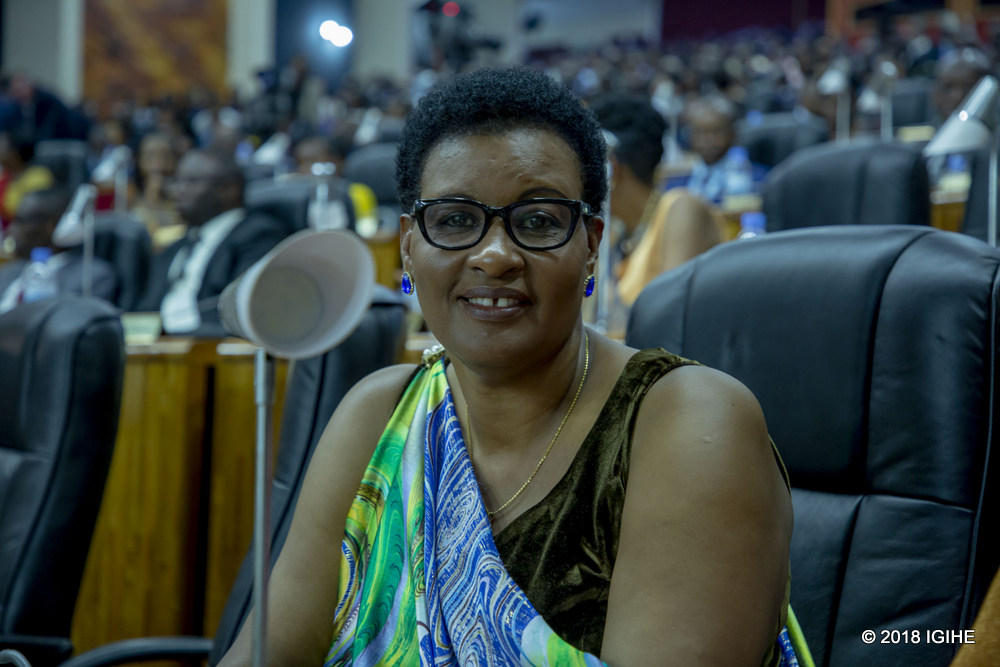
She died at King Faisal Hospital Rwanda, where she had been receiving treatment for some time.
News of her passing emerged on Thursday morning. A fellow senator who worked with her told IGIHE that he had recently visited her at the hospital.
Mukabalisa was born in Nyamata, Bugesera District, in July 1960 and later worked as a law lecturer at the Independent University of Kigali (ULK).
She also worked for the World Health Organization (WHO) and the United Nations Development Programme (UNDP), where she served for 16 years.
In October 2003, Mukabalisa was elected to the Chamber of Deputies, where she served until 2008. She later became a senator, serving from 2011 to 2013.
In 2013, she returned to the Chamber of Deputies and was elected Speaker, a position she held until 2024. She did not seek re-election after completing the two-term limit.
Mukabalisa also served as President of the Liberal Party (PL), a political party founded on July 14, 1991.
Senator Donatille Mukabalisa, who previously served as Speaker of Rwanda’s Chamber of Deputies, has died.
The country is the world’s largest producer of cocoa, the essential raw material used in making chocolate and other related products.
Covering an area of 322,463 square kilometres, Côte d’Ivoire is home to more than 33 million people. It shares borders with five countries: Ghana to the east, Liberia and Guinea to the west, Mali to the north, and Burkina Faso to the north-east.
French is the official language and the most widely spoken language in Côte d’Ivoire.
The country is also home to numerous local languages, including Baoulé, Dioula, Dan, and Yacouba, among others. These indigenous languages are mostly spoken within specific communities and regions, while French serves as the main language of communication across the country.
For foreigners who do not speak French, adapting to life in Côte d’Ivoire can be challenging, as English is not commonly spoken by a large part of the population.
Economically, Côte d’Ivoire is one of the strongest economies in West Africa, with a gross domestic product (GDP) exceeding $95.4 billion. The average income per person is estimated at more than $2,900 annually.
The services sector remains the largest contributor to the country’s economy, accounting for about 51 per cent of GDP. It is followed by industry, which contributes nearly 24 per cent, while agriculture accounts for approximately 17 per cent.
Agriculture remains a key pillar of Côte d’Ivoire’s economy, with the country producing a wide range of agricultural products, including palm oil, cashew nuts, cotton, coffee, and other crops. However, cocoa remains its most important agricultural export.
Côte d’Ivoire produces approximately 40 per cent of the world’s cocoa supply, making it the largest cocoa-producing country globally. The cocoa beans grown across the country are mainly used in the production of chocolate, making Côte d’Ivoire a crucial player in the international chocolate industry.
The official currency used in Côte d’Ivoire is the West African CFA franc (XOF). One US dollar is equivalent to approximately 576 CFA francs.
Beyond its economic importance, Côte d’Ivoire is also known for its unique cuisine. One of the country’s most popular traditional dishes is Attiéké, a meal prepared from cassava. The cassava is first soaked in salty water and mixed with previously prepared Attiéké, which helps with fermentation. It is then pressed, dried, packed, and cooked through steaming in hot water.
Attiéké is commonly served with fish and vegetables. Other popular Ivorian dishes include Alloco, made from fried plantains cooked in palm oil; Foutou (Fufu), a cassava-based staple; Kedjenou, Garba, and many other traditional meals.
Fish is the most widely consumed animal-based food in Côte d’Ivoire. However, around 70 per cent of the fish consumed in the country is imported because local fishing activities have not yet developed enough to meet domestic demand.
Religiously, Côte d’Ivoire is a diverse nation, with Islam being the largest faith practiced by about 42.5 per cent of the population. Christians represent around 39.8 per cent, including Catholics who account for approximately 17 per cent, while the remaining population follows other religions.
The spread of Islam in Côte d’Ivoire is largely linked to Arab traders who travelled from North Africa to West Africa between the 14th and 15th centuries through trans-Saharan trade routes. Their movement contributed significantly to the expansion of Islamic influence across the region.
Today, Côte d’Ivoire stands as one of Africa’s most influential economies, combining agricultural strength, cultural diversity, and natural resources that continue to shape its role on the global stage.
The Notre-Dame de la Paix Cathedral is one of the most important landmarks and tourist attractions in Yamoussoukro.
Following the decline of the Mali and Songhai Empires, Arab traders known as Dyula or Jula migrated to northern Côte d’Ivoire, where they introduced trade practices and promoted the teachings of Islam. Their influence contributed to the development of important Islamic cultural centres, including Bondoukou and Bouna, which remain significant areas of Islamic heritage in the country.
Côte d’Ivoire gained independence in 1960 after decades of French colonial rule that began in 1893. However, French traders had already arrived in the region as early as the 15th century, initially engaging in commercial activities before colonial administration was established.
Today, Côte d’Ivoire has two major cities that play different roles: Abidjan, which serves as the country’s economic and commercial hub, and Yamoussoukro, the political capital.
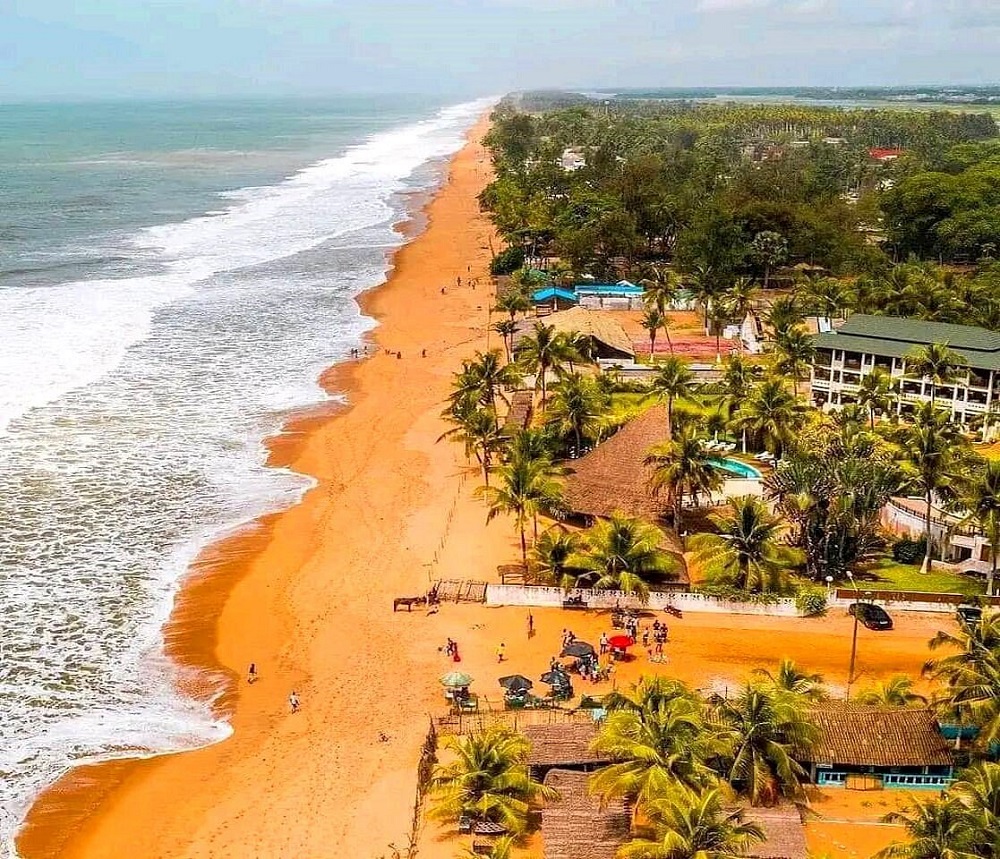
Abidjan is a coastal city located along the Atlantic Ocean and is also home to the Ébrié Lagoon, a large water body that runs through the city. Its unique location has contributed to the development of beautiful beaches and coastal attractions, including Assinie Beach, Grand-Bassam, Jacqueville Beach, and other popular destinations.
The city’s growth was largely influenced by its historical role as a major port through which goods from Africa were transported to France. The French developed Abidjan extensively and also established Grand-Bassam, which was later designated as the capital of French colonial territories in the region.
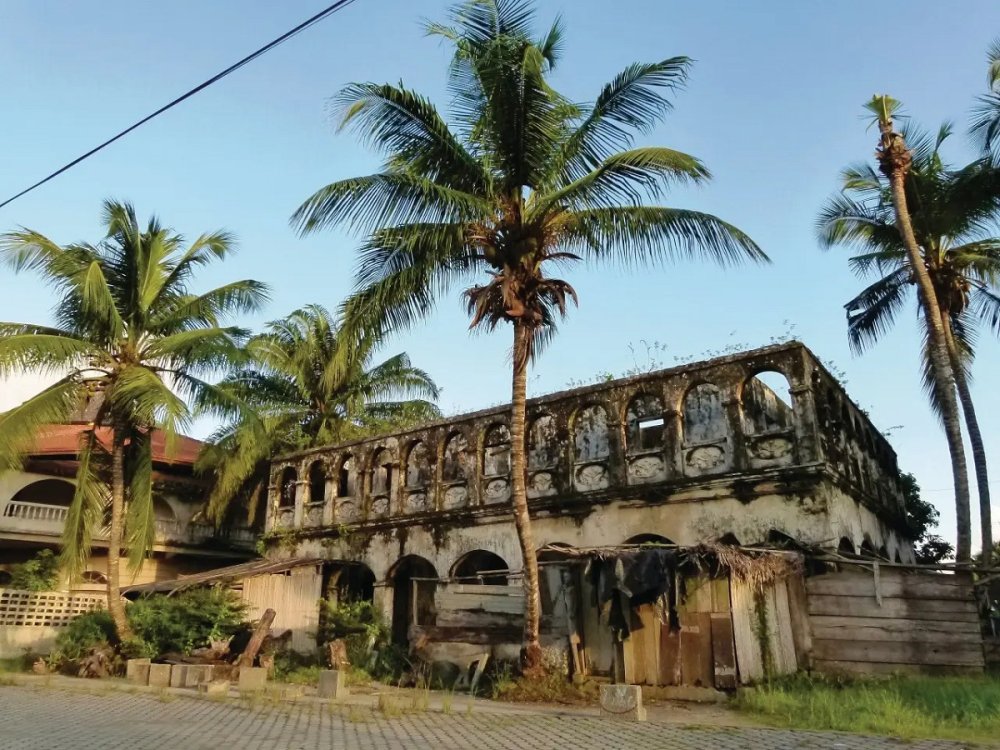
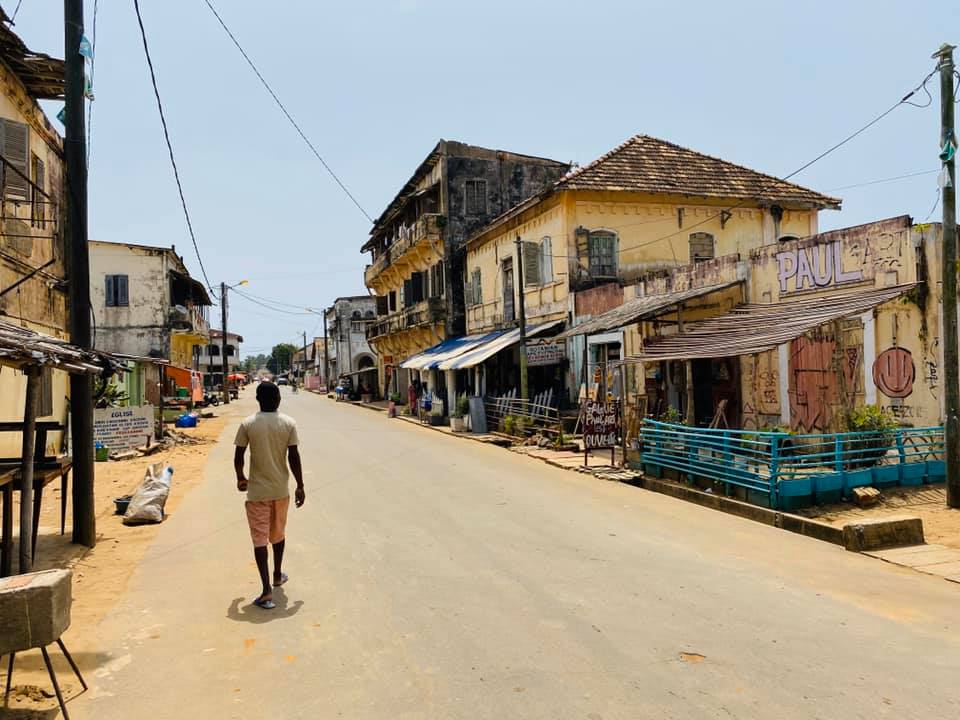
Today, Grand-Bassam has been recognised by UNESCO as a World Heritage Site and remains one of Côte d’Ivoire’s most visited tourist destinations. The city still preserves colonial-era buildings that reflect French architecture, lifestyle, and the history of the colonial period.
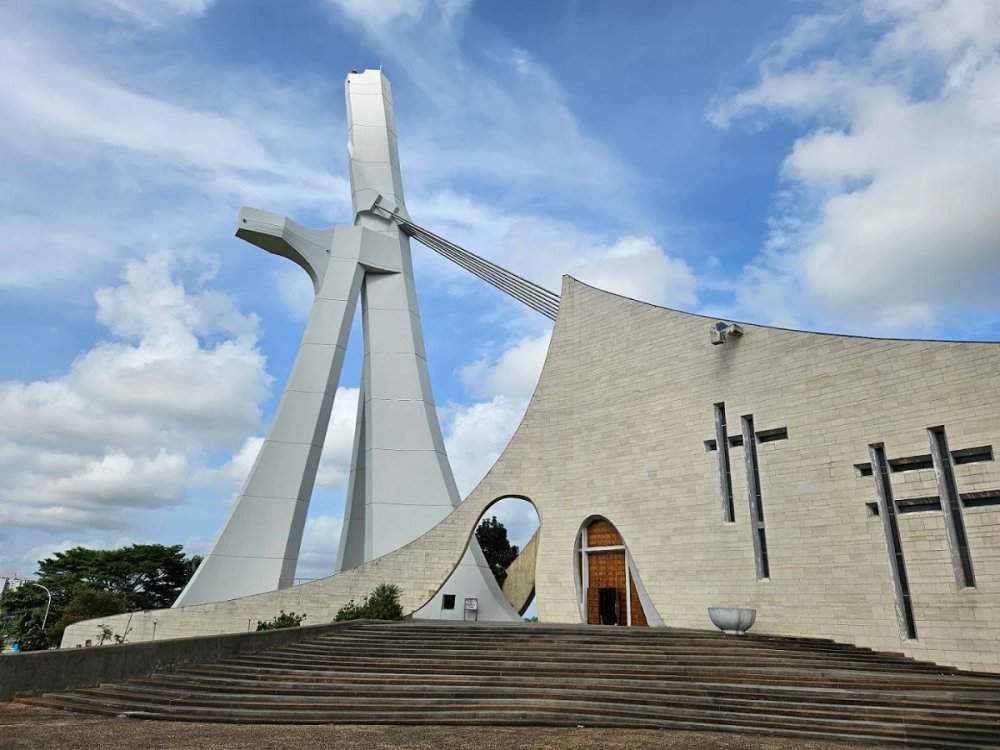
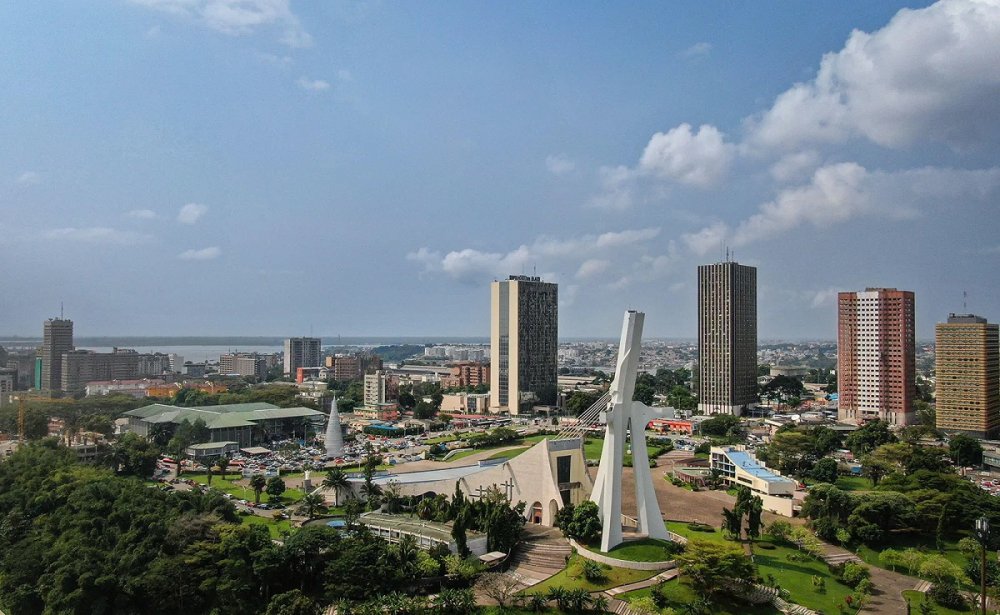
Abidjan is also home to the St Paul’s Cathedral, built in 1985, which is considered one of the most modern architectural cathedrals in Africa. Its unique design attracts many visitors, including religious pilgrims and architecture enthusiasts.
For history and culture lovers, Abidjan offers the Musée des Civilisations de Côte d’Ivoire, a national museum established in 1942 that houses more than 15,000 artefacts. The museum showcases the country’s diverse cultures, traditional lifestyles, colonial history, and heritage.
Another important cultural site is the Musée Charles Combes de Bingerville. Originally an art studio belonging to Charles Alphonse Combes, which operated between 1891 and 1968, it was later transformed into a museum displaying paintings and sculptures created by Combes and his students.
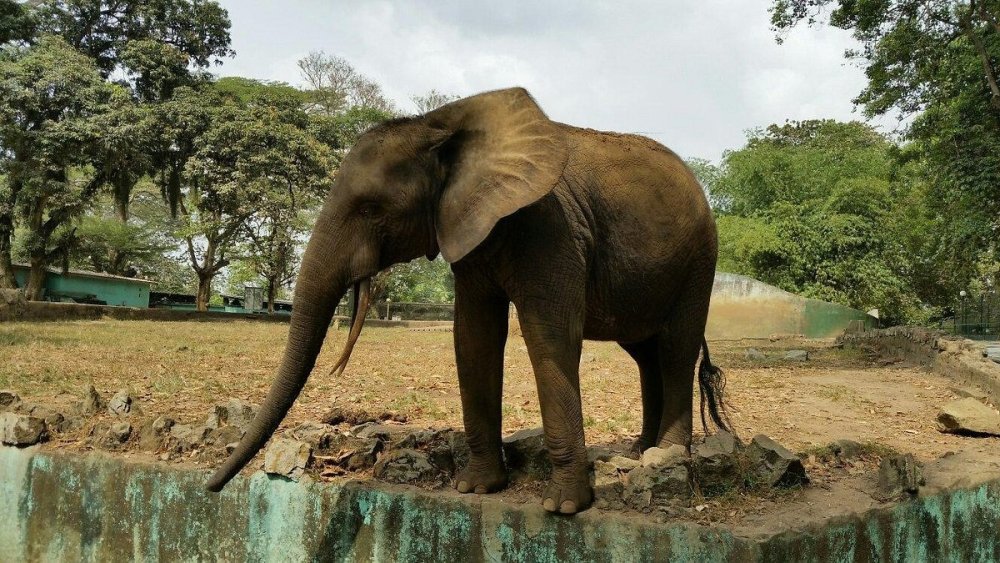
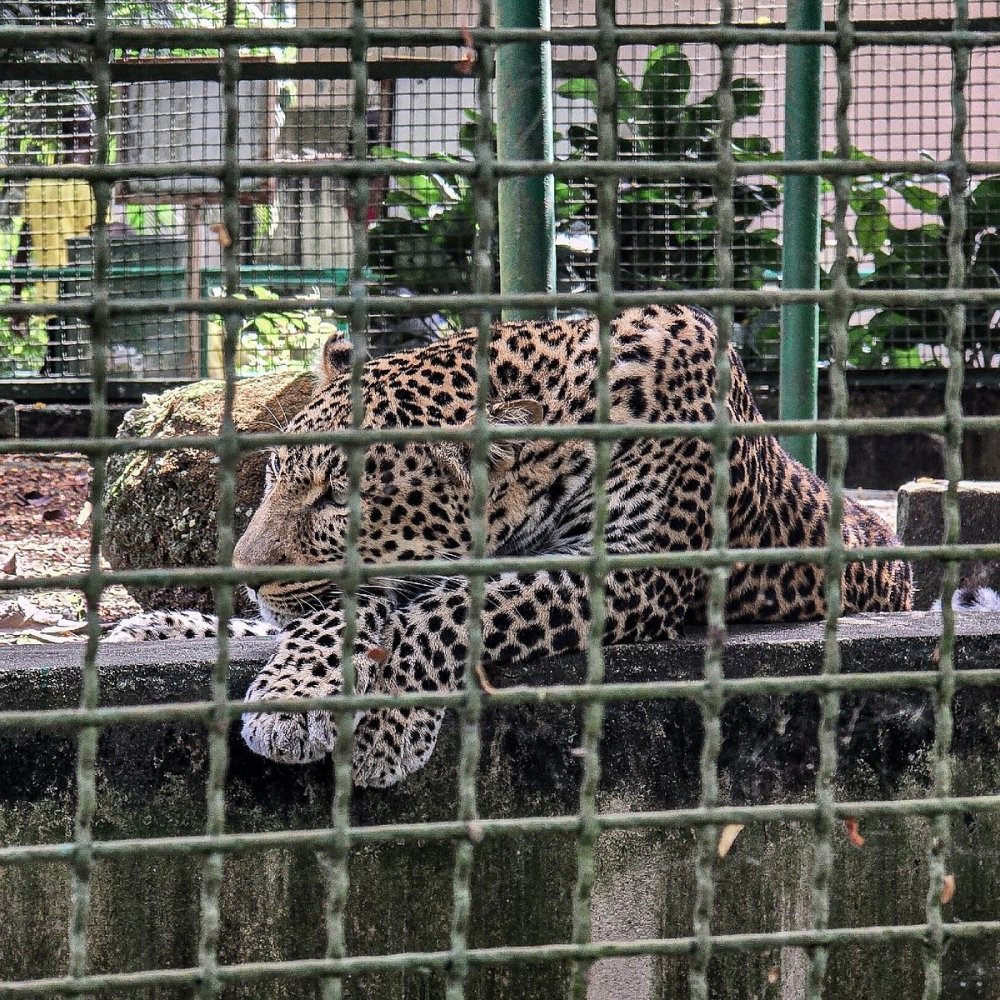
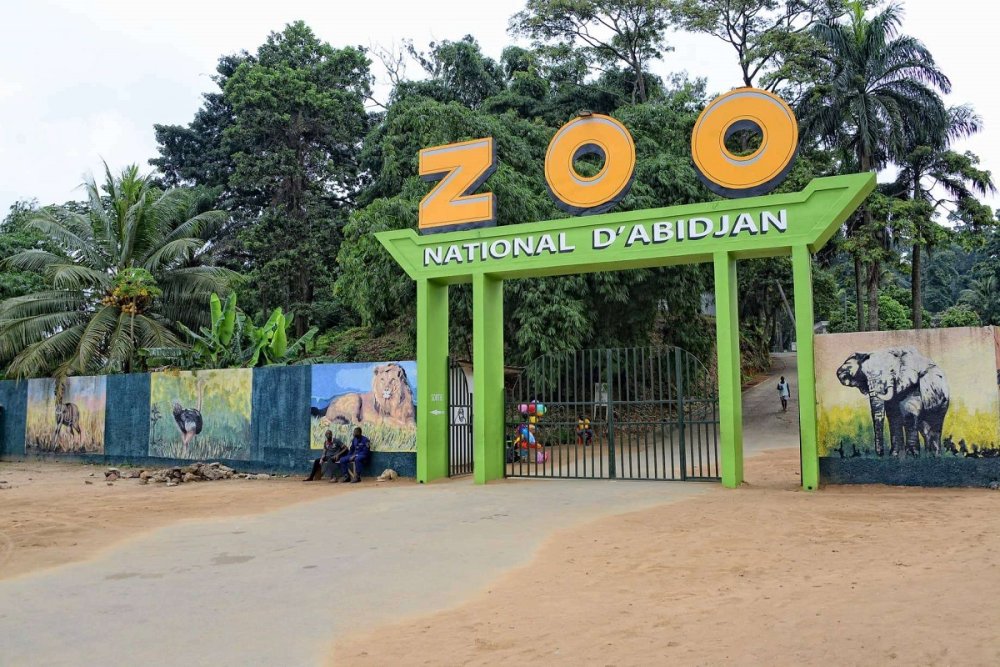
Visitors interested in wildlife can explore the Zoo National d’Abidjan, which hosts various animal species, including elephants, lions, monkeys, crocodiles, snakes, birds, and many others.
Abidjan is also home to Banco National Park, one of the largest natural forests located within an urban area. The forest is inhabited by various wildlife species, particularly different types of monkeys, and serves as an important green space within the city.
On the other hand, Yamoussoukro serves as Côte d’Ivoire’s political capital. The city has fewer tourist attractions and economic activities compared to Abidjan because it is still developing after being declared the capital in 1983 by then-President Félix Houphouët-Boigny, who chose the city because it was his birthplace.
The city currently hosts the presidential palace, the country’s Parliament, various government ministries, and other political institutions.
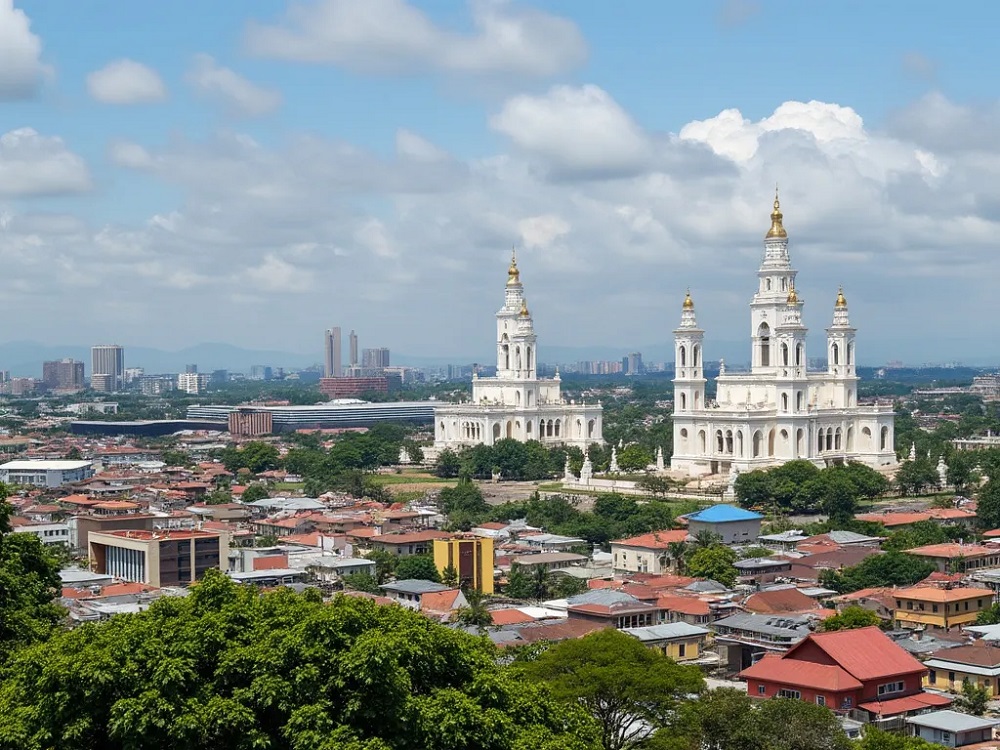
However, Yamoussoukro is famous for housing the Basilica of Our Lady of Peace (Notre-Dame de la Paix), the second-largest basilica in the world after St Peter’s Basilica in Vatican City. The basilica is also recognised as the world’s largest church by surface area, covering approximately 30,000 square metres and having the capacity to accommodate more than 18,000 worshippers.
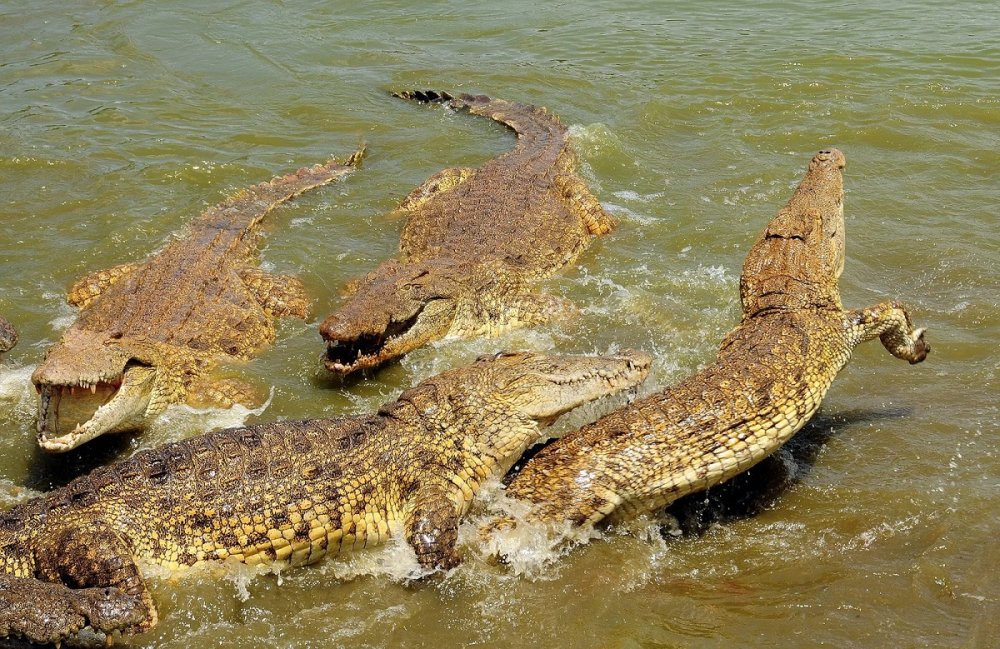
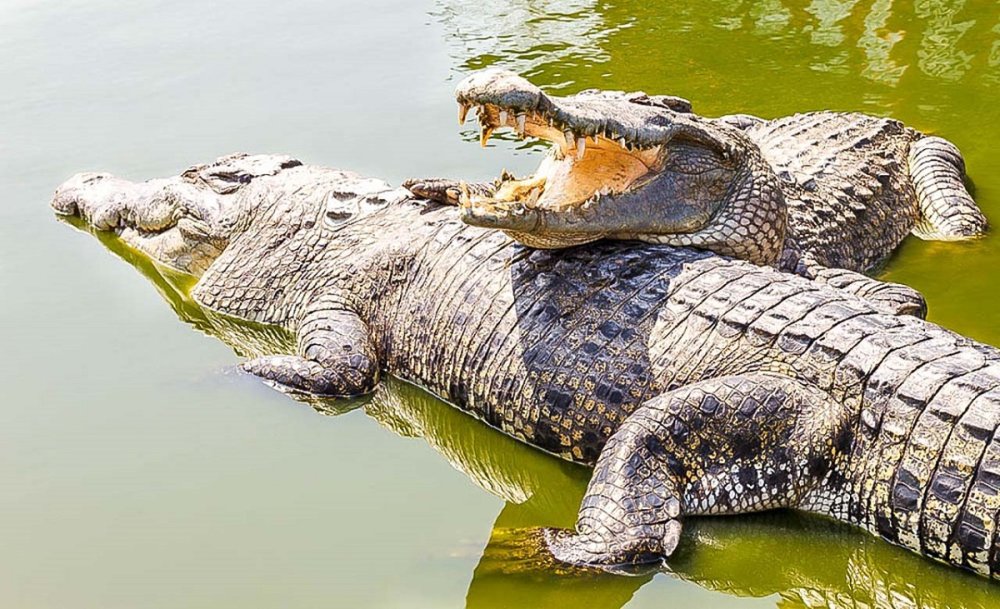
Another attraction in Yamoussoukro is Lac aux Caïmans, a crocodile lake created by President Félix Houphouët-Boigny, who introduced crocodile breeding at the site. The lake is currently home to more than 200 crocodiles.
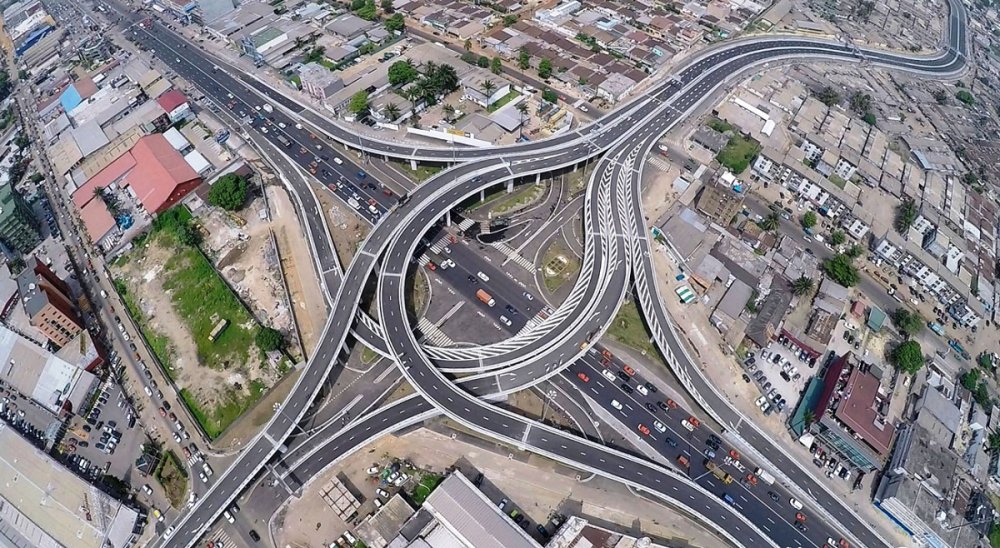
Overall, many developments in Côte d’Ivoire reflect those of other emerging economies, with numerous construction projects underway alongside older infrastructure that still remains in use.
For Rwandans wishing to visit Côte d’Ivoire, a visa is not required. However, there are currently no direct flights from Kigali to Côte d’Ivoire. Most travellers connect through Addis Ababa before continuing their journey to Abidjan.
Despite its economic progress and tourism potential, Côte d’Ivoire still faces challenges related to cleanliness and urban management. In some areas, visitors may encounter overgrown roadside vegetation, litter, stagnant water, and cases of people urinating in public spaces.
Some hotels also have practices that may differ from international standards, with guests sometimes being informed that bed sheets will only be changed after checkout unless they specifically request a replacement.
Visitors travelling to Côte d’Ivoire are also advised to remain cautious and avoid walking alone, especially in unfamiliar areas, due to security concerns such as theft and robbery.
Abidjan is a coastal city shaped by its waterways, and its skyline becomes especially stunning when illuminated at night.Assinie Beach is among the most visited coastal attractions in the Abidjan area, known for its beautiful scenery and relaxing atmosphere.The Basilica of Notre-Dame de la Paix holds the record as the world’s largest basilica in terms of surface area.Saint Paul’s Cathedral is a remarkable architectural masterpiece whose unique design attracts visitors and tourists from around the world.The Basilica of Notre-Dame de la Paix is among the largest religious buildings in the world.Grand-Bassam is home to numerous colonial-era buildings that preserve the architectural heritage and history of the period.The Saint Paul’s Cathedral, one of Abidjan’s most iconic landmarks, was constructed in 1985.Grand-Bassam is a historic town that once served as a French colonial city during the colonial era.Grand-Bassam’s location along the Atlantic Ocean gives it a stunning coastline with beautiful beaches that attract visitors.Côte d’Ivoire continues to strengthen its infrastructure development efforts, with significant investments being made in the construction of modern road networks.This is the view of Abidjan’s streets at night.Lac aux Caïmans was originally created as a site for breeding crocodiles.Today, Lac aux Caïmans serves as a habitat for more than 200 crocodiles.The Musée des Civilisations de Côte d’Ivoire houses a wide range of exhibits that showcase different aspects of the country’s history, culture, and important events that have shaped its identity.The Musée des Civilisations de Côte d’Ivoire contains more than 15,000 artefacts that highlight the country’s rich cultural heritage, traditions, and history.The city of Abidjan is a major commercial hub with a wide range of business activities.Yamoussoukro is a developing city that continues to expand, with ongoing construction and infrastructure projects shaping its growth.Zoo National d’Abidjan houses elephants alongside a variety of other wildlife species.Zoo National d’Abidjan houses a wide range of animal species from different categories.Zoo National d’Abidjan is a dedicated wildlife sanctuary that houses and protects a variety of animal species.
Rwanda has consistently maintained that the FDLR, a terrorist group founded by perpetrators of the 1994 Genocide against the Tutsi, poses a direct threat to its security, prompting Kigali to maintain defensive measures along its border with the DRC.
Security analysts say the latest announcement by Kinshasa appears intended to create the impression that the FDLR issue has been resolved, despite concerns that the group continues to strengthen both militarily and politically.
On July 28, 2026, DRC’s Minister for Regional Integration, Floribert Anzuluni, and government spokesperson Patrick Muyaya announced that the FDLR had agreed to lay down its arms, arguing that Rwanda should now withdraw its defensive measures.
The announcement came after Anzuluni visited several African and European countries, where he reportedly shared a proposal prepared by the FDLR and signed by its president, Victor Byiringiro, on May 30, 2026.
“In line with the Washington Accords and the accompanying CONOPS [Concept of Operations ], the FDLR has signed a protocol for disarmament, demobilisation and cantonment through sensitisation,” Muyaya said.
The FDLR issue has been central to negotiations between Rwanda and the DRC, from the Luanda process to the Washington talks.
Rwanda has maintained that once the group is dismantled, it will remove the defensive measures it has put in place. However, no operation to dismantle the group has begun.
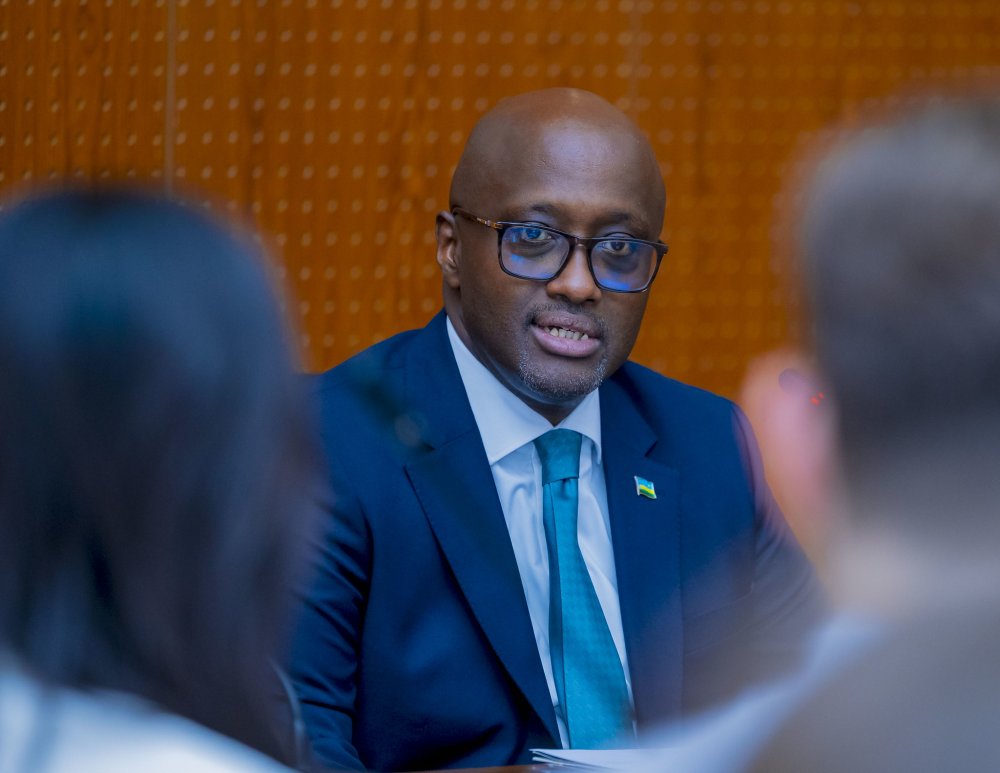
Responding on July 29, Amb. Nduhungirehe said the agreement announced by the DRC bears no relation to either the Washington Peace Agreement signed on June 25 or its implementation framework adopted on December 4, 2025.
“The signing of this so-called ‘protocol’ between the father [the Congolese government], the son [the FDLR], and the evil spirit [genocide ideology] is in no way consistent with the Washington Agreements, which make no provision for it. … the genocidal FDLR is not a party to those agreements; rather, it is the subject of them.”
He also reminded the DRC that the Washington Peace Agreement required it to dismantle the FDLR within 90 days, arguing that Kinshasa had failed to meet that commitment and that the latest initiative was intended to distract from, and delay, implementation of the agreement.
The minister further accused the DRC of increasing military cooperation with the FDLR since the implementation framework was signed on December 4, 2025, including integrating members of the group into the Congolese army and reinforcing its political structure.
DRC Government Spokesperson Patrick Muyaya presented the FDLR deal as a solution to the group’s presence, despite ongoing disputes over its implementation.Rwanda’s Minister of Foreign Affairs and International Cooperation, Ambassador Olivier Nduhungirehe, has rejected the DRC’s claim that the latest FDLR agreement falls under the Washington Accords.
The Rwanda-based mining company said the initiative will focus on evaluating between 2.5 million and 3 million tonnes of historically mined stockpiled material, with the goal of unlocking additional tungsten resources while advancing more sustainable mineral recovery.
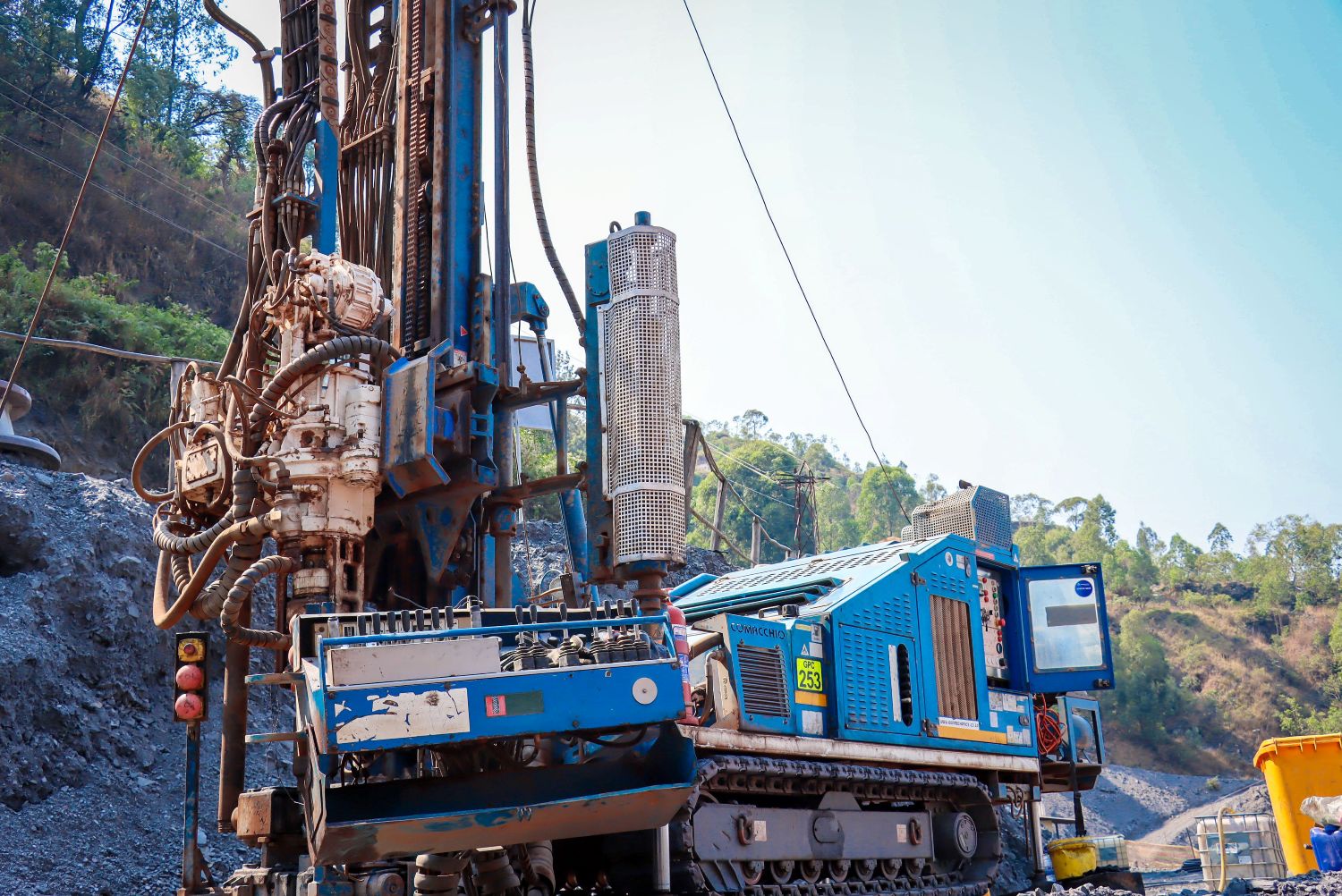
Sonic drilling is a modern exploration technique that uses high-frequency vibrations to advance a drill through the ground while producing continuous, high-quality core samples. Compared with conventional drilling methods, it causes less disturbance to the material being sampled, making it particularly effective for evaluating loose or unconsolidated stockpiles such as those at Nyakabingo.
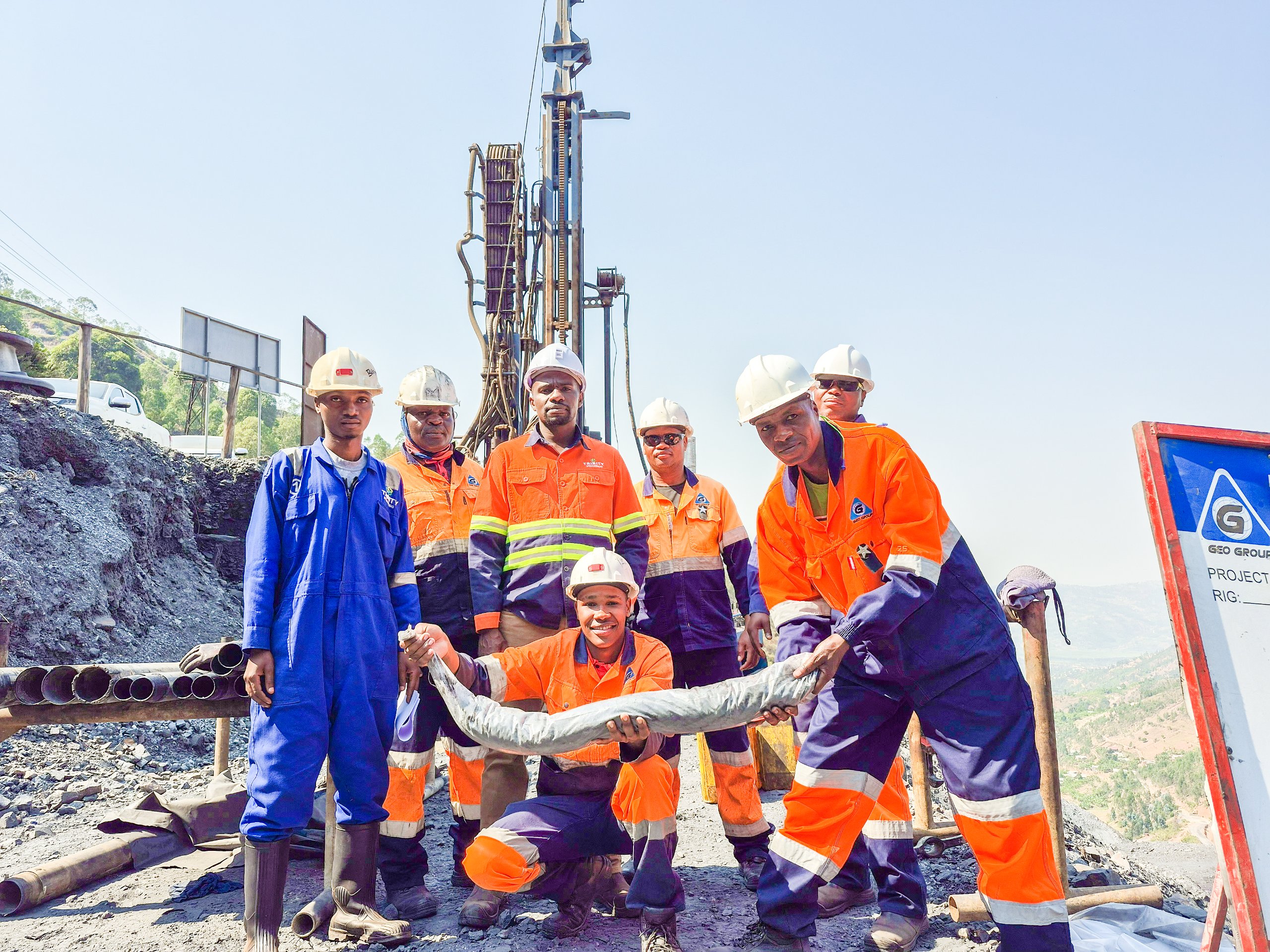
The campaign will involve up to 106 drill holes reaching depths of between 12 and 20 metres. Around 210 samples will be collected for metallurgical testing and particle size distribution analysis, while approximately 1,600 additional samples will undergo laboratory-grade analysis to support an updated Mineral Resource Statement.
The sonic drilling campaign will involve up to 106 drill holes reaching depths of between 12 and 20 metres.
According to the company, the results are expected to substantially increase Nyakabingo’s mineral resource estimates, providing greater confidence for future investment decisions and supporting planned expansion of mining and mineral processing operations.
Peter Geleta, Chief Executive Officer of Trinity Metals, said recovering additional value from the mine’s historical stockpiles would strengthen both the company’s growth prospects and Rwanda’s position in the global tungsten market.
“By unlocking additional value from the Nyakabingo mine stockpiles, we will significantly increase our mineral resource base, creating new opportunities to increase production, and entrenching Trinity Metals and Rwanda as a leading global supplier of tungsten,” Geleta said.
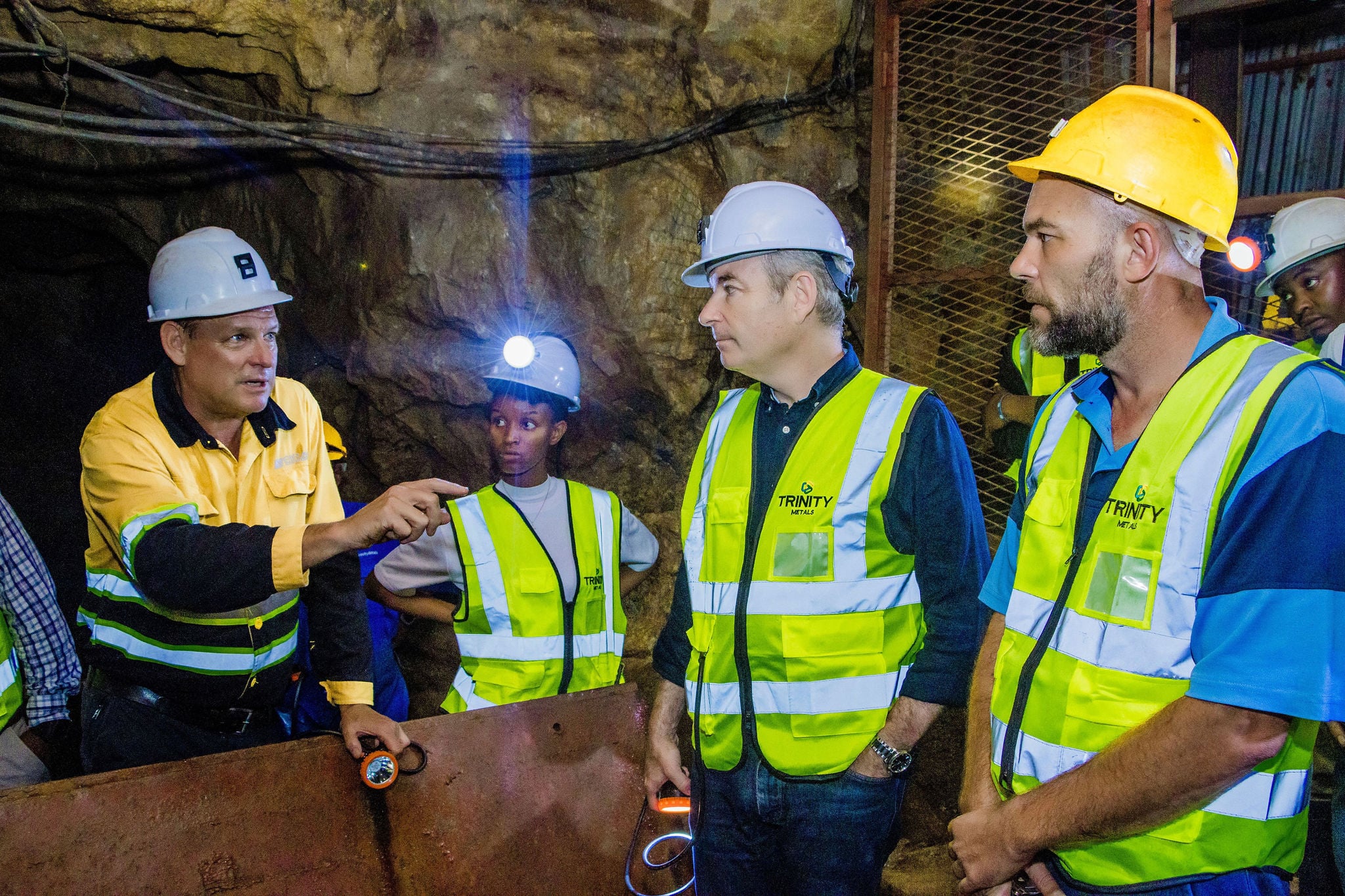
Trinity Metals Group CEO Peter Geleta (left) said recovering additional value from the mine’s historical stockpiles would strengthen both the company’s growth prospects.
He added that the company would publish an updated mineral reserve and resource statement after completing the drilling programme to guide long-term mine planning and optimise mineral recovery.
Trinity Metals estimates that re-evaluating the stockpiled material could add approximately 2.5 million tonnes to Nyakabingo’s resource base at an estimated grade of 0.3% tungsten trioxide (WO₃). The findings will also inform the design of a modern processing plant intended to improve recovery from both newly mined ore and legacy stockpiles.
The company said the project forms part of its broader sustainability strategy by recovering valuable minerals from historical stockpiles while reducing the environmental footprint associated with new resource extraction. It noted that only environmentally approved drilling fluids will be used and that all water generated during drilling will be safely managed through the mine’s existing water management infrastructure.
Following the Nyakabingo campaign, Trinity Metals plans to undertake similar resource assessments at its Musha and Rutongo mines as part of a group-wide strategy to maximise resource recovery and improve operational efficiency.
Formed in 2022 through the merger of the Nyakabingo Tungsten Mine, Rutongo Tin Mine and Musha Tin and Tantalum Mine, Trinity Metals is Rwanda’s largest producer of conflict-free critical minerals, employing more than 6,500 people. The company also owns the prospective Ntunga lithium project on its Musha concession.
The latest drilling initiative builds on Trinity Metals’ recent expansion efforts. In June, the company announced that Nyakabingo had grown its exports to supply up to 20 percent of monthly primary tungsten demand in the United States and outlined plans to triple production, pursue a New York Stock Exchange listing and invest $150 million in modern mineral processing facilities in Rwanda.
Trinity Metals has launched its first-ever sonic drilling campaign at Nyakabingo Mine in a move aimed at significantly expanding tungsten resources at Africa’s largest tungsten producer and supporting future increases in production.
As Rwanda continues implementing land use master plans across the country, Nyamagabe District recently approved a detailed land use plan for the Kitabi area bordering Nyungwe National Park. The plan reserves a 10-hectare site specifically for hotel development.
The Kitabi Tourism Zone was officially approved and announced during the Cabinet meeting of November 28, 2025, when the Nyamagabe District Master Plan was adopted.
The initiative is regarded as a major step toward promoting nature-based tourism and attracting private investment to Nyamagabe District, home to one of Rwanda’s most important tourism destinations.
Despite its proximity to Nyungwe National Park, Nyamagabe has long lacked quality accommodation facilities. Most visitors touring the area have traditionally opted to spend the night in Huye District or other neighboring towns due to the limited hotel infrastructure in Nyamagabe, reducing the district’s ability to fully benefit from tourism.
Nyamagabe District Mayor Hildebrand Niyomwungeri said the newly approved master plan officially identifies Kitabi as a hotel development zone and is expected to transform the area by encouraging tourists to stay longer and spend more in the district.
“This will attract investors to build hotels in Kitabi so that visitors entering or leaving Nyungwe National Park can find quality accommodation and places to relax. It will also generate more revenue,” he said.
He added that although no concrete projects have yet been announced, several investors have already expressed interest in the area.
Yves Maniragaba, a tour guide at Nyungwe National Park, said the development is expected to significantly strengthen tourism in Nyamagabe.
“It will increase tourism infrastructure, especially hotels, which will attract more visitors. It will also create jobs, add value to local handicrafts and agricultural products, and encourage healthy competition among hotels that will ultimately improve the quality of services offered to tourists,” he said.
Biodiversity researcher and tourism expert Dr. Ange Imanishimwe, whose work focuses on Nyungwe National Park, told IGIHE that approving the master plan should be accompanied by investments in new tourism attractions within the park itself.
He noted that tourism development efforts around Nyungwe have so far been concentrated largely in Nyamasheke District, while other districts bordering the park, including Nyamagabe, have received comparatively less attention.
“There is still a need to strengthen tourism development on the eastern side of Nyungwe, particularly in Nyamagabe at the park’s entrance. Most visitors to Nyungwe travel from Kigali, but many head straight to Gisakura in Nyamasheke because tourism facilities there are more developed,” he said.
Kitabi is considered one of the areas with strong tourism potential because of its strategic location near Nyungwe National Park, one of Rwanda’s premier protected areas. The park is renowned for its rich biodiversity, including numerous bird and wildlife species, as well as attractions such as the Canopy Walkway and an extensive network of hiking trails that draw visitors from around the world.
Nyungwe National Park was inscribed on the UNESCO World Heritage List in September 2023. Covering approximately 101,900 hectares, the park is home to 322 bird species, around 200 orchid species, more than 300 butterfly species and a wide variety of other flora and fauna, making it a vital driver of tourism and economic opportunities for surrounding communities.
Nyungwe National Park was inscribed on the UNESCO World Heritage List in 2023.The Canopy Walk at Nyungwe National Park is one of the park’s most popular attractions, drawing thousands of visitors each year. Nyamagabe District Mayor Hildebrand Niyomwungeri said the approval of the Kitabi master plan has attracted investor interest in developing hotels in the area.Yves Maniragaba said increased investment in hotels at Kitabi would significantly improve local livelihoods. The shortage of quality accommodation in Kitabi has forced many visitors to seek lodging in neighboring districts after touring Nyungwe National Park.Environmental and biodiversity expert Dr. Ange Imanishimwe said hotel development in Kitabi should go hand in hand with expanding tourist attractions within Nyungwe National Park.