Speaking in a recent interview with BBC Gahuza, Ndayishimiye said discussions between Rwanda and Burundi had been concluded and that he was now waiting for Rwanda to implement what had been agreed.
The Burundian president said the dispute was not between the people of the two countries but rather their leadership. He explained that whenever he meets Rwandan officials, he asks why the agreements reached have not yet been implemented, suggesting that the delay raises questions about Rwanda’s intentions.
Ndayishimiye further stated that all outstanding issues had already been discussed and agreed upon, leaving only implementation. He added that if Rwanda believes additional matters should be addressed before those agreements are carried out, it should say so openly.
He also said representatives of the two countries held their latest round of talks less than five months ago and indicated that Burundi’s main expectation is for Rwanda to hand over individuals accused of participating in the failed 2015 coup against Nkurunziza.
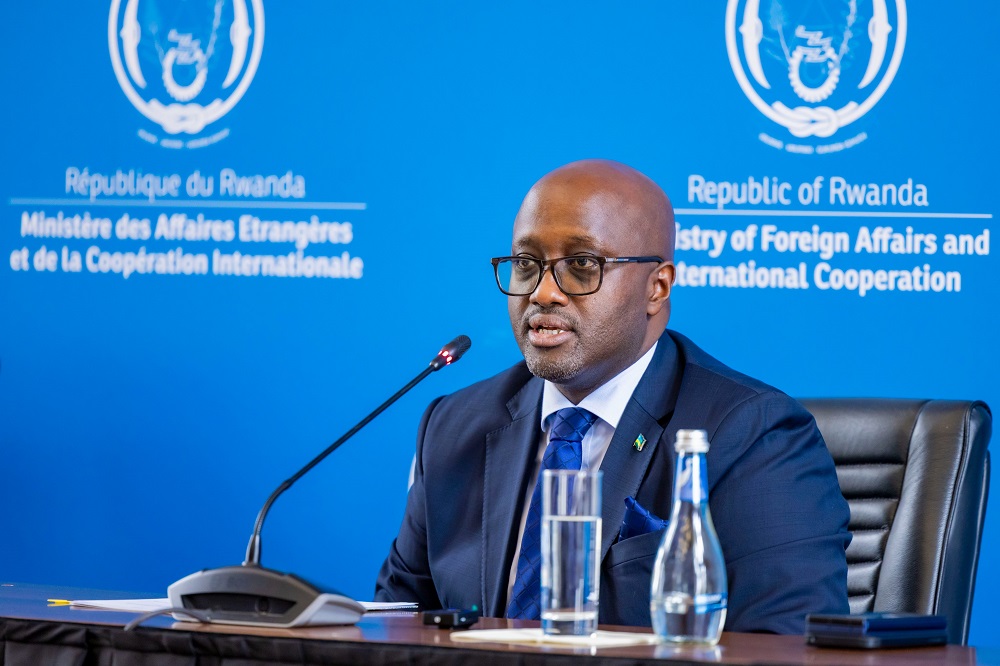
However, in an interview with IGIHE on July 31, 2026, Amb. Nduhungirehe rejected that claim.
“That is not true. It never happened.”
The minister said the latest meeting between Rwandan and Burundian delegations, involving military and intelligence officials, took place at the common border in December 2025 and that the issue of the 2015 coup suspects was never discussed.
Instead, he explained, the talks focused on addressing the security implications that emerged after the AFC/M23 coalition captured the city of Uvira in the eastern Democratic Republic of Congo.
Burundi experienced an attempted coup in May 2015 amid a political crisis triggered by Nkurunziza’s decision to seek a third presidential term, a move that was strongly opposed by sections of the population.
The failed coup was led by Major General Godefroid Niyombare. After it collapsed, some of those involved fled to countries, including Rwanda.
Burundi requested their extradition, but Rwanda maintained that it could not hand them over because doing so would violate international obligations protecting them as refugees.
Burundian authorities continue to seek the extradition of 34 people accused of participating in the attempted coup, some of whom are living in European countries, including Belgium. In 2020, Burundi’s Supreme Court sentenced them in absentia to life imprisonment.
Apart from repeatedly accusing Rwanda of sheltering the suspects, Burundi has not publicly exerted similar pressure on other countries hosting individuals linked to the failed coup, and its relations with those countries have remained unaffected.
Burundian President Ndayishimiye recently alleged that all outstanding issues had already been discussed and agreed upon, leaving only implementation.Minister Nduhungirehe has rejected Ndayishimiye’s claim over the alleged agreement on sending coup suspects to Burundi.
The message was shared through a statement issued on July 31, 2026, by RPF-Inkotanyi Secretary General Ambassador Christophe Bazivamo.
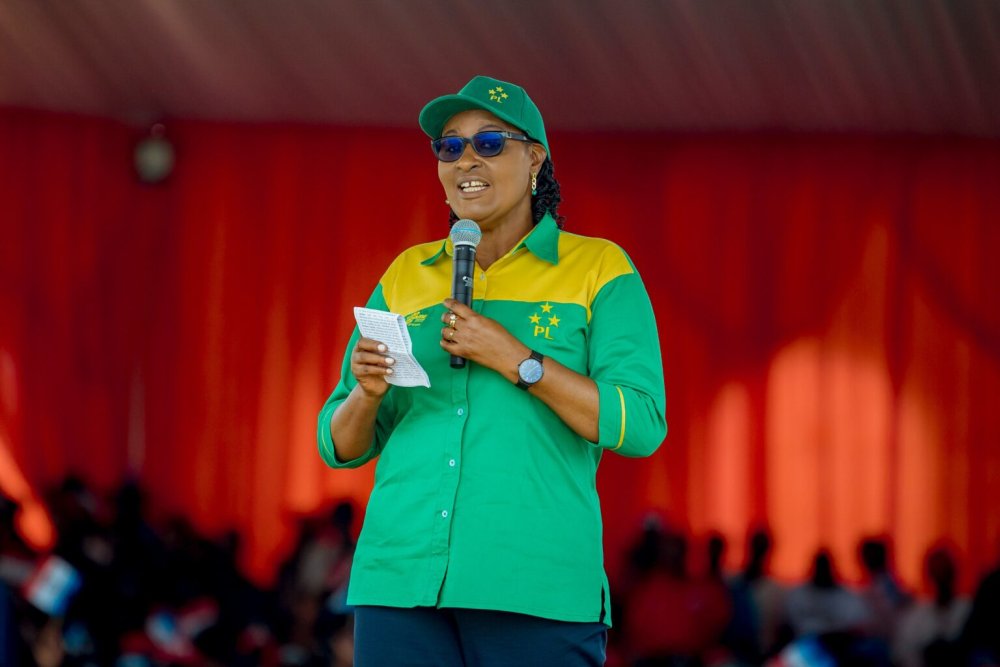
The statement said: “The RPF-Inkotanyi family joins in mourning with the Liberal Party [PL] following the death of Honourable Senator Mukabalisa Donatille, who was the president of the party.”
RPF-Inkotanyi said Senator Mukabalisa will be remembered for her dedicated service to the country and her contribution to Rwanda’s development journey.
“Honourable Senator Mukabalisa Donatille will always be remembered for the good work she did for the country and her contribution to the development journey, especially during her tenure as President of the Chamber of Deputies and during her time as a Senator,” the statement read.
The ruling party also extended condolences to Mukabalisa’s family, friends, and colleagues she worked with at different levels, encouraging them to remain strong during this difficult period.
Senator Mukabalisa died on July 30, 2026, after an illness. She served as President of the Chamber of Deputies from 2013 to 2024 before joining the Senate.
Throughout her political career, Mukabalisa was among the women who played a significant role in Rwanda’s leadership, particularly through her decade-long tenure at the helm of the Chamber of Deputies.
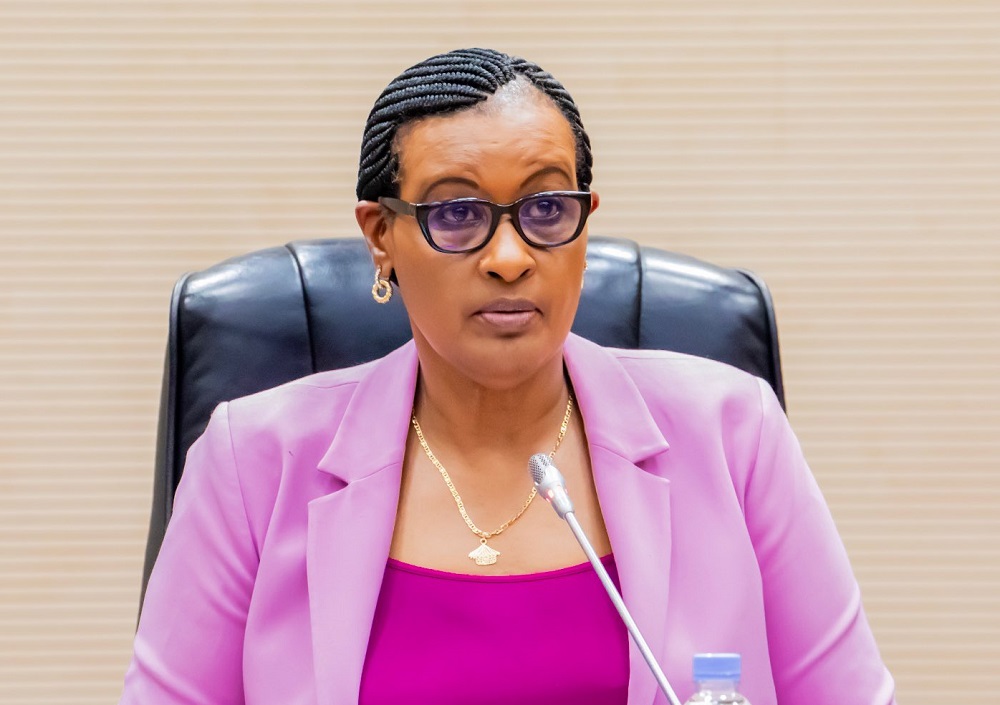
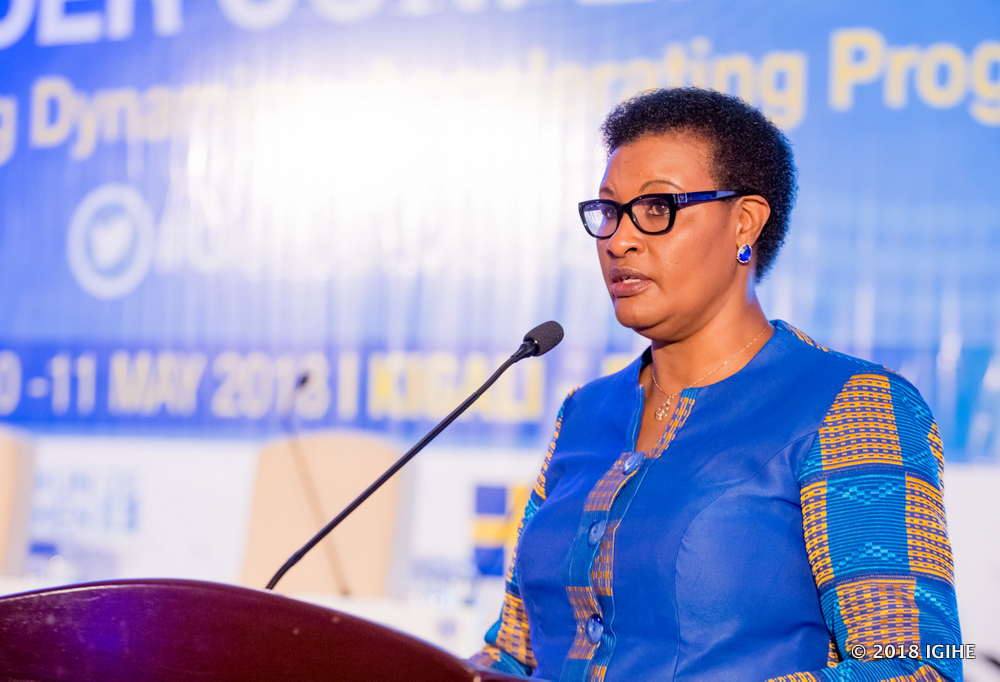
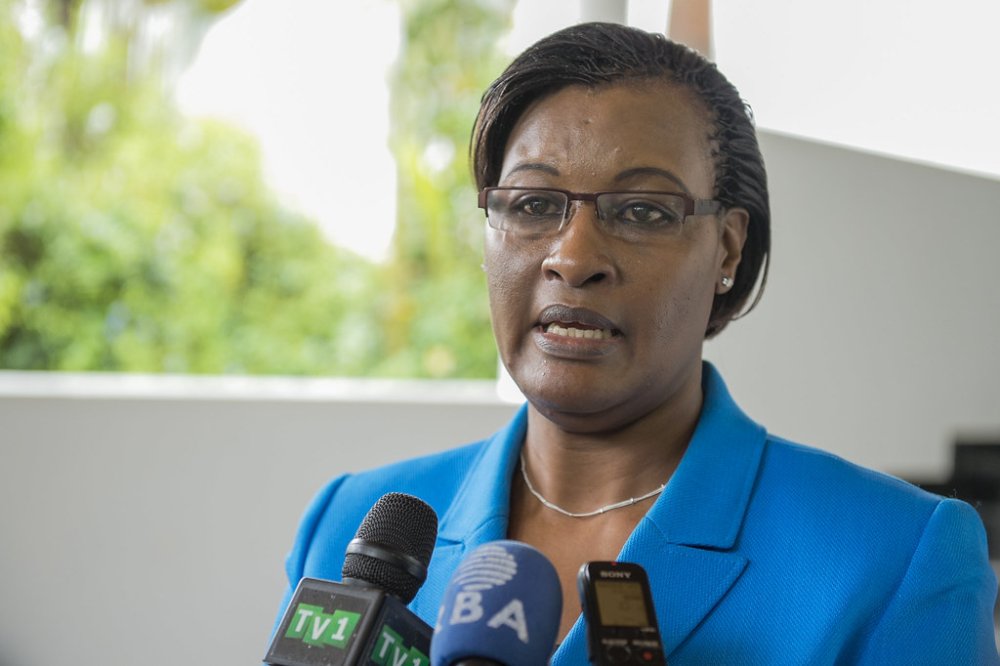
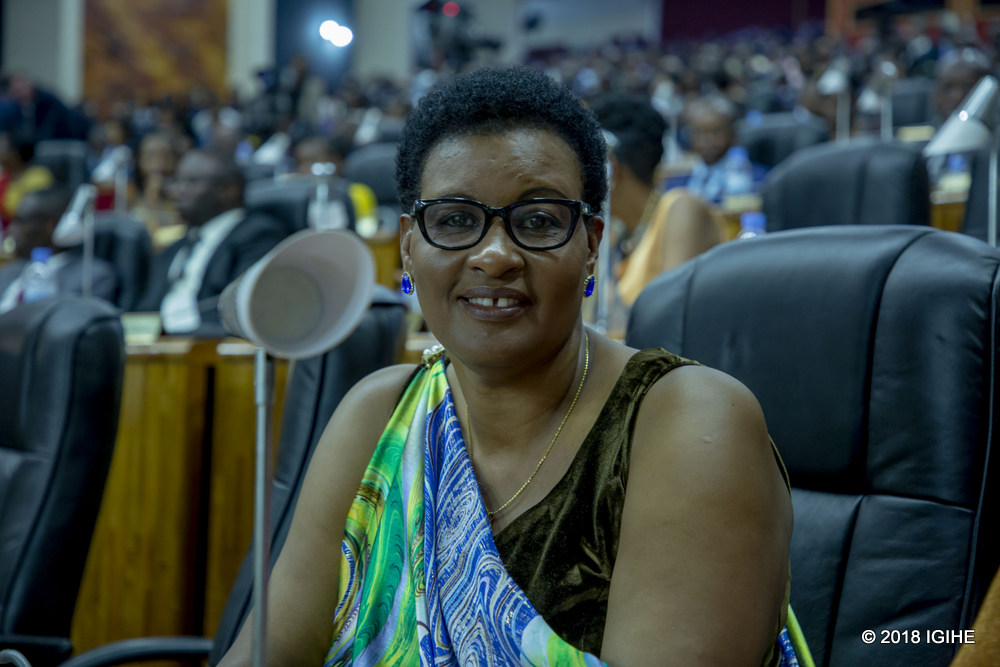
Senator Mukabalisa Donatille served as a Senator and President of PL before her demise.
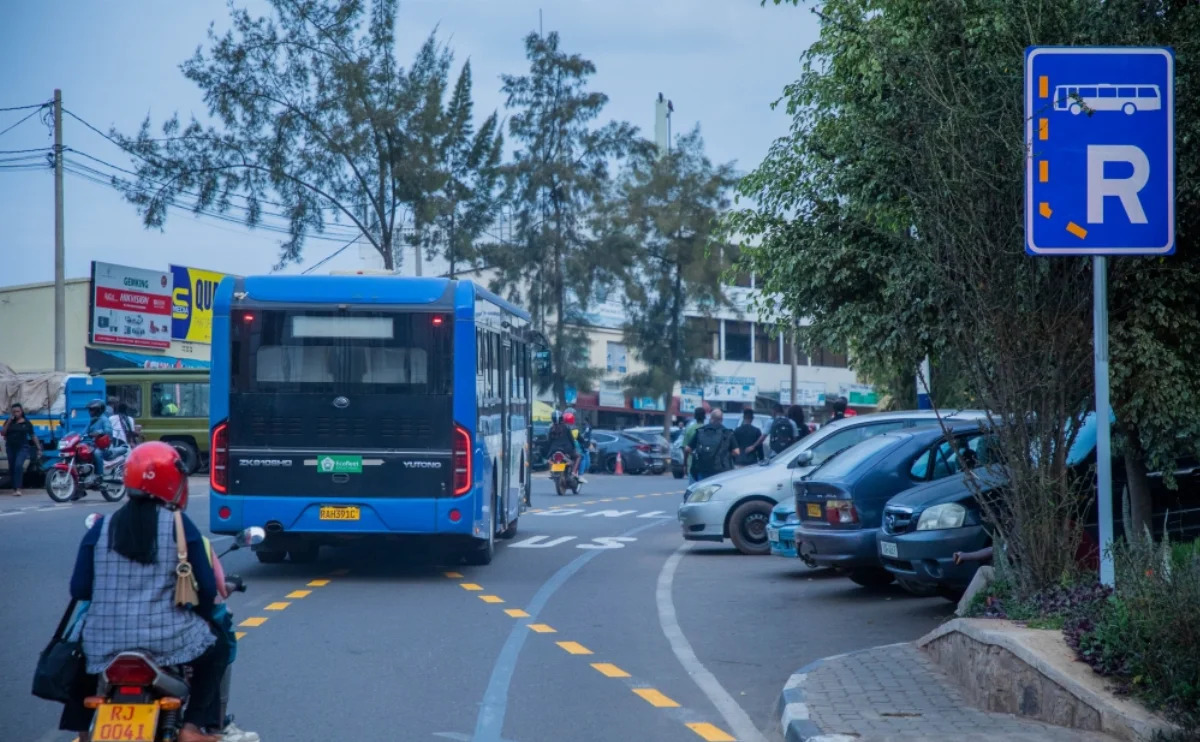
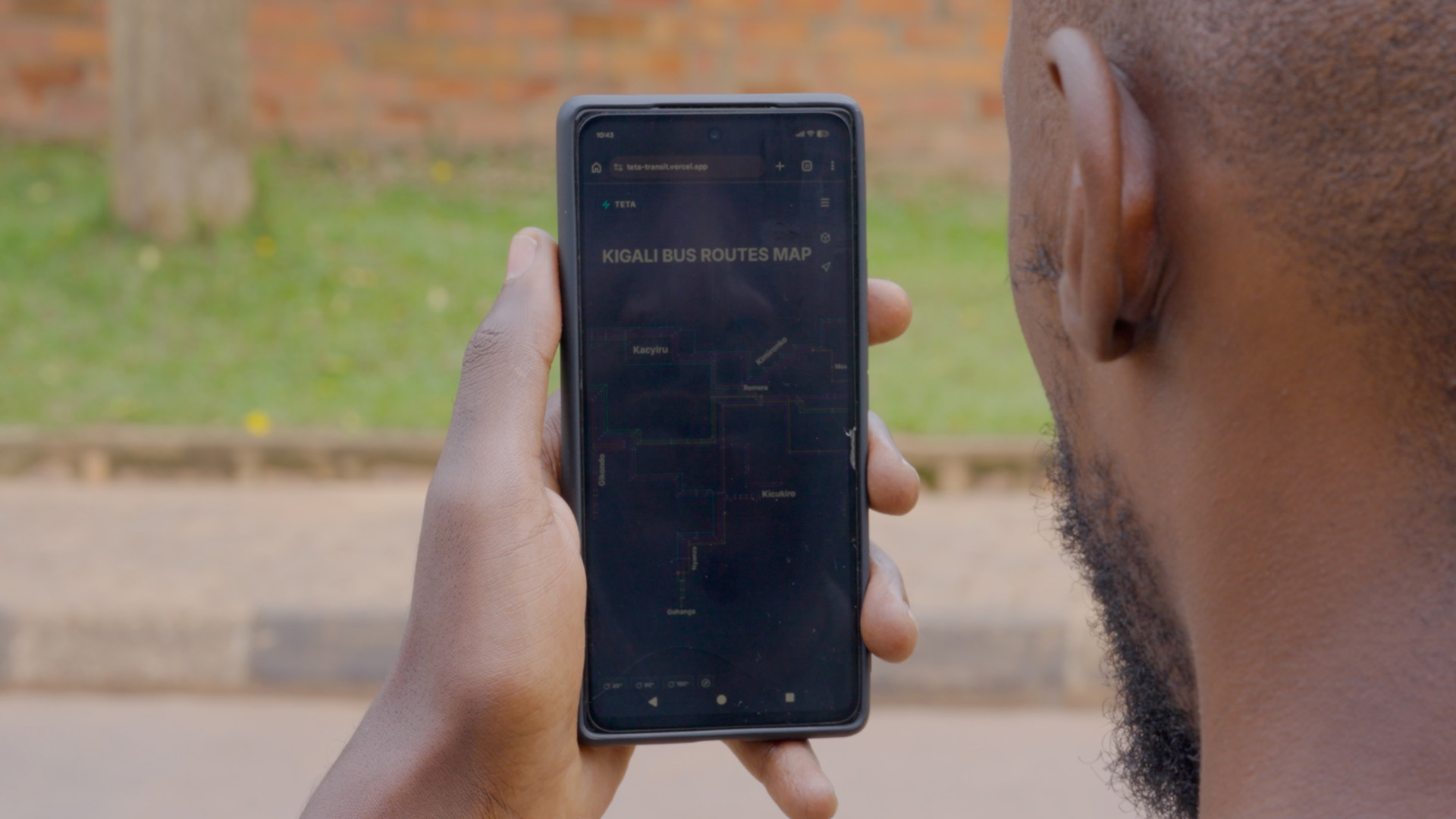
For HarakaPlus, a transit-tech startup born in Rwanda, that everyday experience sparked a bigger question about how technology can help people move through cities with greater confidence.
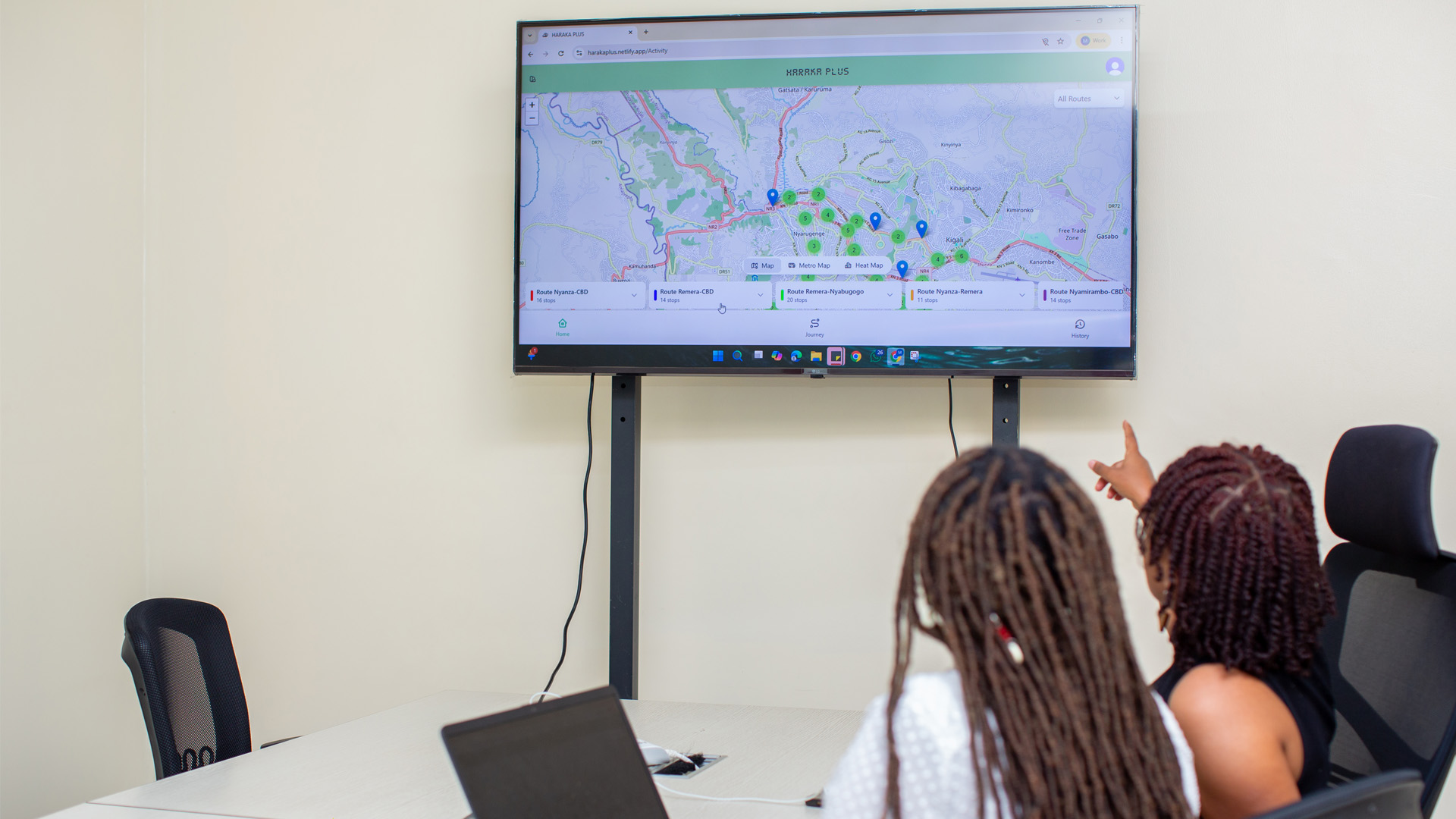
Founded by Millicent Kariuki, CEO and co-founder, alongside Bilen Gebremariam and Germain Rwibutso, HarakaPlus uses real-time bus tracking and passenger-demand data to help commuters plan journeys while giving transport operators insights to improve efficiency.
Since launching its minimum viable product in 2025, the platform has been accessed by nearly 2,000 users, with close to 500 people using it repeatedly each day.
The company’s journey from a local idea to being selected among the innovators shortlisted for the Royal Academy of Engineering’s Africa Prize for Engineering Innovation in 2026 offers lessons for entrepreneurs seeking to turn practical challenges into solutions with wider potential.
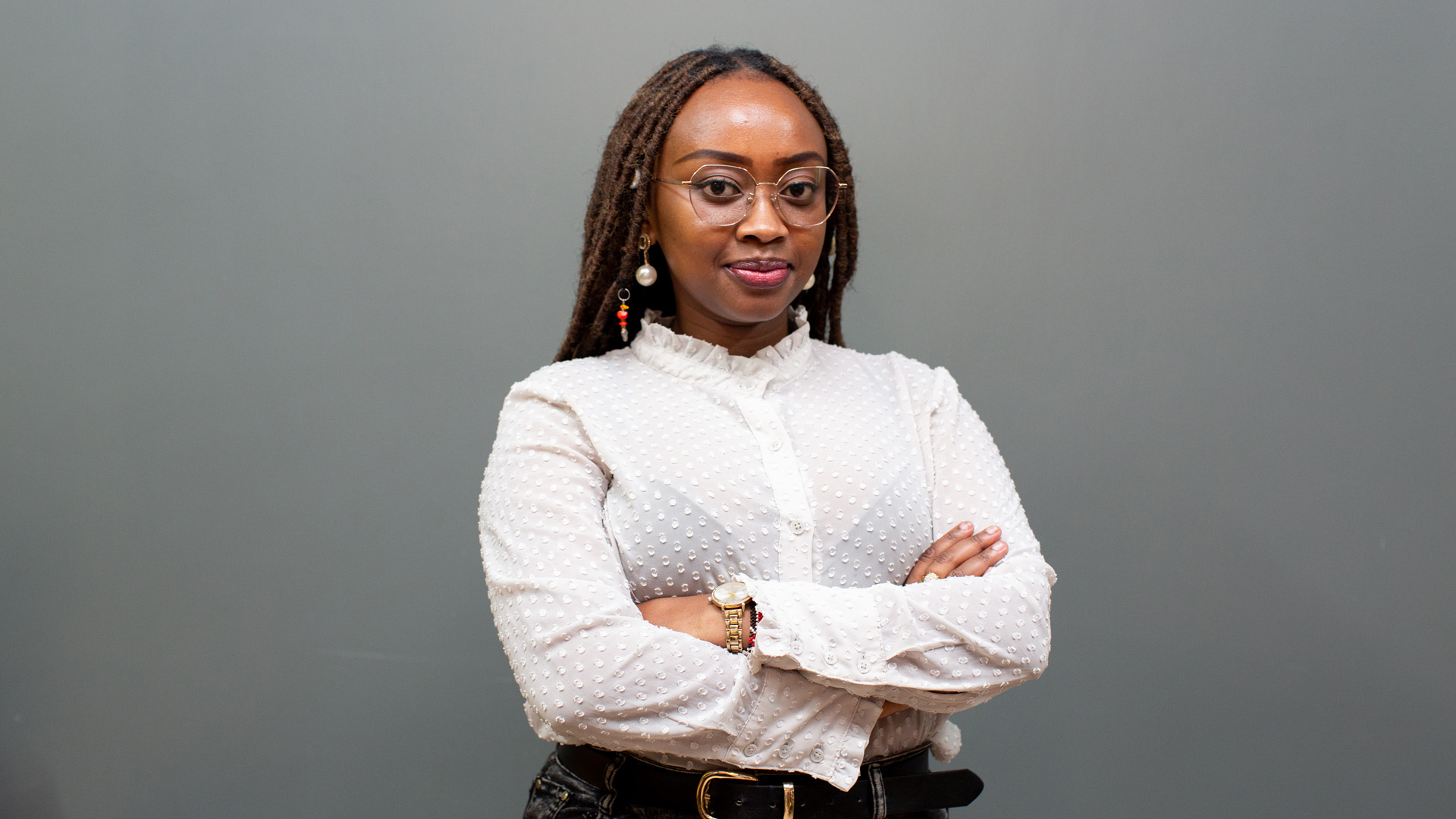
HarakaPlus was co-founded by Millicent Ruguru Kariuki (pictured), Chief Executive Officer, alongside Bilen Gebremariam, Chief Operating Officer, and Germain Rwibutso, Chief Technology Officer.
Building on Kigali’s mobility progress
HarakaPlus emerged in a city that has already invested heavily in improving public transport and advancing its smart city ambitions.
The founders were not seeking to replace existing systems, but to complement them by using data to strengthen the connection between commuters, operators and the services they rely on.
“HarakaPlus was born from a problem that all three of us co-founders have experienced personally. Although we come from different backgrounds and grew up in three different African cities, we all shared one common experience: spending too much time waiting for public transport without knowing when it would arrive,” Kariuki told IGIHE.
“When we moved to Kigali, we saw many of the same challenges. While Rwanda has made tremendous investments in modernising public transport and building one of Africa’s leading smart cities, there was still an information gap between commuters and transport operators,” she added.
The gap was not necessarily about the availability of transport, but about access to information. Passengers wanted to know when buses would arrive, while operators needed better insights into passenger demand and route performance.
“We discovered that this wasn’t simply a transport problem; it was a time problem. Every unnecessary minute spent waiting is time taken away from work, school, family or running a business,” she said.
That understanding shaped HarakaPlus’ mission of using data to make public transport more predictable.
The startup uses real-time bus tracking and passenger-demand data to help commuters plan journeys while giving transport operators insights to improve efficiency.
From an idea to the Africa Prize stage
The platform allows commuters to track buses in real time and estimate arrival times, while transport operators receive data that can support better planning and service delivery.
The approach earned HarakaPlus a place among 16 innovators shortlisted for the Africa Prize for Engineering Innovation, making it the only startup from
Rwanda in the 2026 cohort
The shortlist features innovators working on solutions across sectors including healthcare, renewable energy, agriculture, education and mobility.
For Kariuki, the programme came at a critical stage as HarakaPlus worked to grow from a promising idea into a sustainable company.
“We applied to the Africa Prize because we recognised that building a transformative mobility company requires much more than funding. We were looking for world-class mentorship, investor readiness support, engineering expertise and access to a network of people who have successfully scaled impactful businesses,” Kariuki explained.
Through the eight-month programme, HarakaPlus has received training, mentorship and exposure to experts across Africa and the United Kingdom.
A major highlight was learning from transport systems abroad, including the UK, where the team observed how technology, operators and public institutions collaborate to improve mobility.
Since launching its minimum viable product in 2025, the platform has been accessed by nearly 2,000 users, with close to 500 people using it repeatedly each day.
A journey still underway
Although HarakaPlus has already reached the shortlist stage, the Africa Prize journey is not over.
The company remains in contention for the final stage, where the overall winner will receive £50,000, while three finalists will each receive £10,000 and another innovator will receive £5,000 under the One-to-Watch category.
Kariuki said winning the top prize would help accelerate HarakaPlus’ growth by supporting product development, expanding the engineering team, strengthening partnerships with transport operators and supporting expansion into other East African markets.
However, she stressed that the programme’s value extends beyond the competition itself.
“Beyond the formal programme, becoming part of a community of innovators solving real challenges across Africa has been incredibly inspiring,” she remarked.
Opening doors for Rwanda’s innovators
The Africa Prize is now accepting applications for its 2027 edition, inviting engineers and innovators across sub-Saharan Africa to submit solutions with the potential to create social or environmental impact.
Applicants must be developing scalable solutions with a clear path towards commercialisation. Software-based innovations must demonstrate a functional minimum viable product and user traction, while hardware solutions require working prototypes.
For Kariuki, innovators should not wait until they believe their ideas are fully developed before seeking opportunities to grow.
“You don’t need to have everything figured out before applying. The Africa Prize exists to help innovators grow,” she said.
Applications for the 2027 Africa Prize for Engineering Innovation opened on July 13 and will close on September 8, 2026.
“The Africa Prize community continues to grow and each year we’re seeing increased engagement from innovators across the continent, reflecting the depth and diversity of engineering talent in sub-Saharan Africa. This year, we’re focused on building new connections in regions where awareness of the Prize is still growing, to broaden our reach and support even more innovations with the potential to scale and make a lasting difference,” Meredith Ettridge, Associate Director, International, at the Royal Academy of Engineering.
The Africa Prize programme, now in its 13th cycle, has supported more than 180 businesses from 24 countries.
Interested applicants can find more information and submit their applications at africaprize.raeng.org.uk.
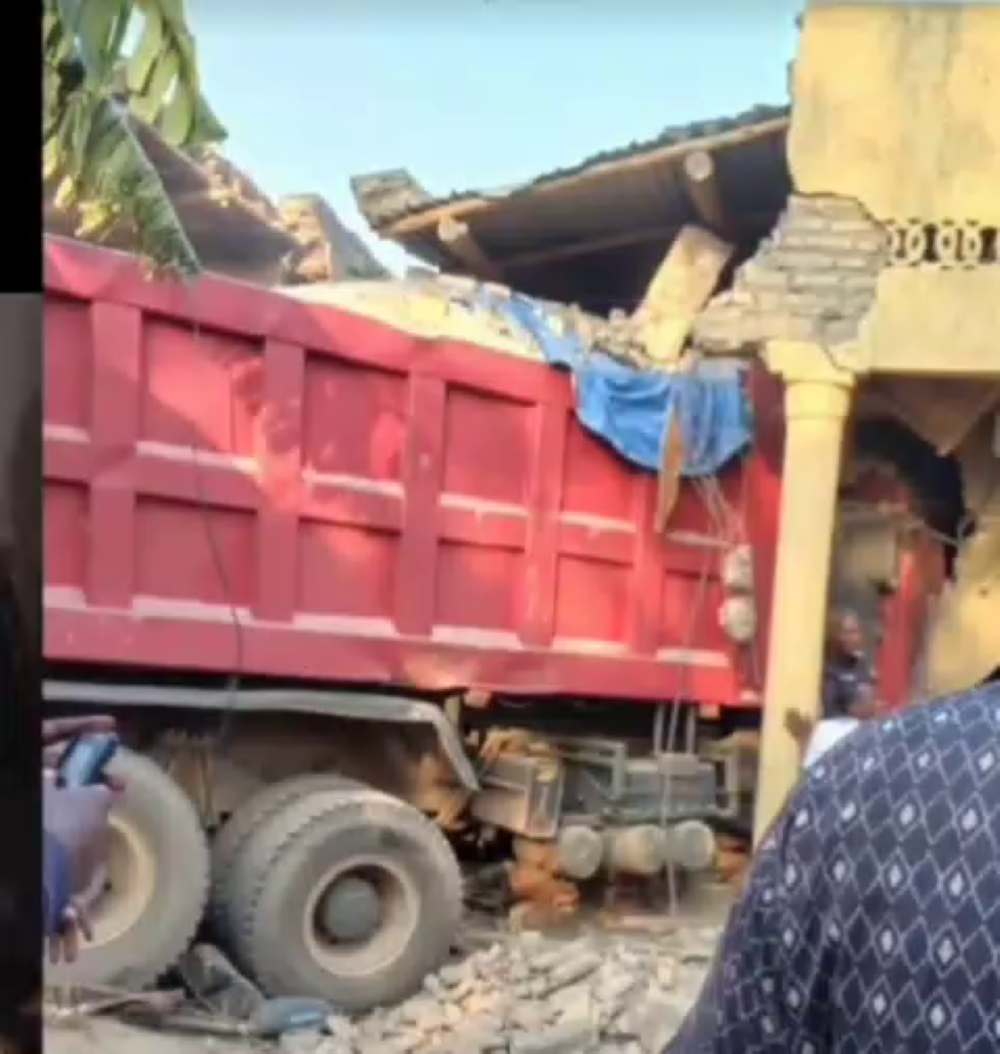
The accident occurred on July 30, 2026, at around 5:00pm in Nyakabungo Village, Gasoro Cell, Kigoma Sector.
The truck, which was carrying sand, reportedly veered off the road due to its heavy load before crashing into the nearby commercial building, where it struck people inside.
Nyanza District Acting Mayor Patrick Kajyambere told IGIHE that one person died in the accident, while five others, including the truck driver, sustained injuries.
“A woman died on the spot while five others were injured, including the driver. We have not yet confirmed the exact number of people affected because one person is still missing,” Kajyambere said by press time.
He added that the deceased and the injured were taken to Nyanza Hospital for medical attention, while expressing condolences to the families affected by the accident.
Kajyambere said the cause of the accident has not yet been established, adding that investigations by the Rwanda National Police traffic unit will determine what led to the crash.
A Howo truck was involved in an accident in Kigoma Sector, Nyanza District on July 30.
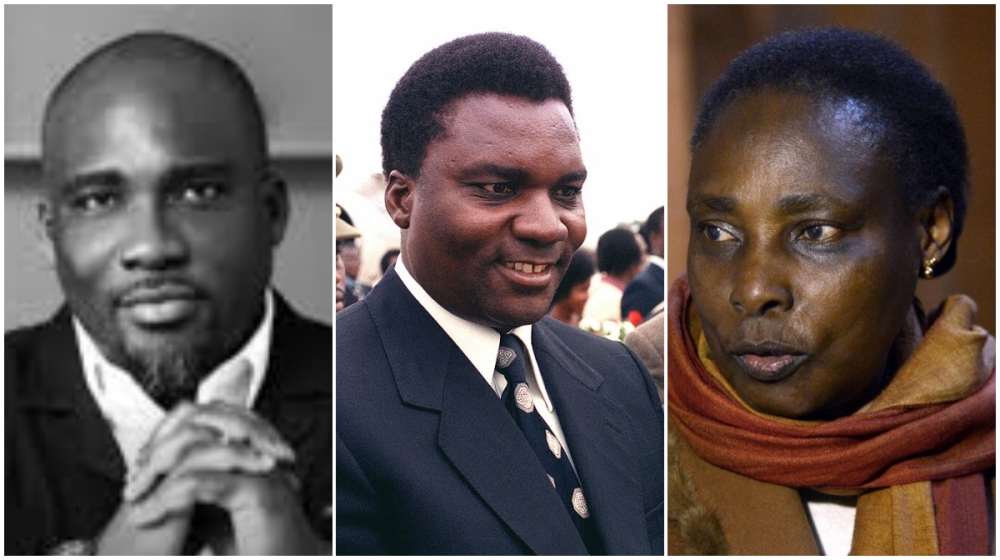
According to a report published on July 30, 2026, by African Facts, one of the key figures linked to the Habyarimana family is Kaumbu Mandungu Bula, commonly known as “Kao,” an adviser to DRC President Félix Tshisekedi.
Kao is the son of Antoine Mandungu Bula Nyati, who served as a minister under former President Mobutu Sese Seko and died in Benin in 2002.
The investigation states that Kao’s relationship with the Habyarimana family dates back many years, beginning when they met in Belgium.
According to the report, in November 2007, Kao prepared documents for the registration of what was presented as a charitable organization in Kinshasa. The organization was registered in 2008 as a branch of a UK-based charity established in London.
Although the organization was officially described as charitable, the investigation alleges that it primarily served financial interests and had close links to the Habyarimana family.
Jean-Luc Habyarimana, the youngest son of the former president, is identified as one of the central figures behind the establishment of the Kinshasa branch and several other organizations presented as charities. The report also suggests that other members of the Habyarimana family were connected to these entities.
The investigation alleges that between 2008 and 2009, money was transferred through various organizations before ending up in the hands of members of the Habyarimana family and their close associates. It claims that on May 20, 2008, Jean-Luc Habyarimana signed an investment agreement worth €125,000 with the UK-based organization.
Under the agreement, the organization was expected to repay him €250,000 between December 2008 and December 2009, representing what the report describes as a 100 percent return.
The investigation further alleges that from late 2007, Kao and individuals linked to the Habyarimana family received at least €382,000. According to the report, the funds originated from a Swiss bank account that had itself received money from a company registered in Panama.
It also claims that between 2008 and 2009, Jean-Luc Habyarimana received €325,000 through UK-registered organizations established between 2007 and 2009.
However, African Facts states that it found no evidence that organizations registered in the DRC, the Central African Republic, and Gabon carried out genuine charitable activities.
Emails referencing Agathe Kanziga
The investigation also cites emails allegedly exchanged between Kao and Jean-Luc Habyarimana.
One email, dated May 17, 2009, reportedly asks whether Jean-Luc’s elder brother, Léon Habyarimana, had received funds and requests that the family promptly notify Kao whenever their mother, Agathe Kanziga, received money.
According to the report, Kao wrote: “Hello everyone. I’m writing because Léon has not told me anything since yesterday. I think he has received the money. Please keep me informed because when Mama Agathe calls me, she doesn’t know what is happening. Communication is very important.”
Another email reportedly referred to a €15,000 transfer to Kanziga through Léon, with Kao allegedly expressing concern that her sons had not informed her about the transaction.
The report also refers to a September 6, 2016, search conducted by French gendarmes at the Habyarimana family’s home in Courcouronnes, Essonne, during an investigation into Agathe Kanziga’s suspected role in the 1994 Genocide against the Tutsi.
According to the investigation, documents and computers seized during the search included an address book containing telephone numbers for family associates, including three numbers belonging to Fabien Singaye, described as a former intelligence operative under Habyarimana’s government in Switzerland, and two Belgian telephone numbers linked to Kao.
Adviser to President Tshisekedi
In January 2023, President Tshisekedi appointed Kao as his special adviser, placing him among the president’s closest aides involved in major political and security matters.
According to the investigation, Kao has participated in discussions involving mining agreements, arms procurement, military operations and the use of foreign mercenaries.
Kao’s close relationship with the Habyarimana family is particularly significant as fighting continues in eastern DRC between government forces and the AFC/M23 coalition.
Both the DRC government and members of the Habyarimana family, particularly Jean-Luc Habyarimana, have repeatedly accused Rwanda of supporting AFC/M23 fighters and deploying troops in eastern DRC. Rwanda has consistently rejected the allegations, describing them as baseless.
Jean-Luc Habyarimana made a discreet visit to Kinshasa in June 2024 before returning publicly in November 2025, when he was photographed during the visit. Reports indicate that he met senior DRC officials. Rwanda has previously maintained that such visits form part of a broader effort to destabilize the country.
On April 8, 2026, DRC government spokesperson Patrick Muyaya publicly praised Jean-Luc Habyarimana, describing him as someone committed to peace in the region and stating that the Congolese government would continue engaging with ‘Rwandan friends’.
The investigation also alleges that on April 16, 2024, Kao attended a meeting in Kinshasa with representatives of the Wazalendo militia, where he encouraged continued recruitment of young people into the militias.
According to reports by United Nations experts, meetings bringing together representatives of Wazalendo militia have also been attended by representatives of the FDLR, a terrorist group that has long operated in eastern DRC and has been reported to cooperate with Wazalendo factions.
The investigation concludes that the presence of individuals with longstanding ties to the Habyarimana family in positions close to the DRC’s political and military leadership could have implications for the country’s security-related decision-making.
Investigation has uncovered new details on Habyarimana family’s ties to the DRC leadership.
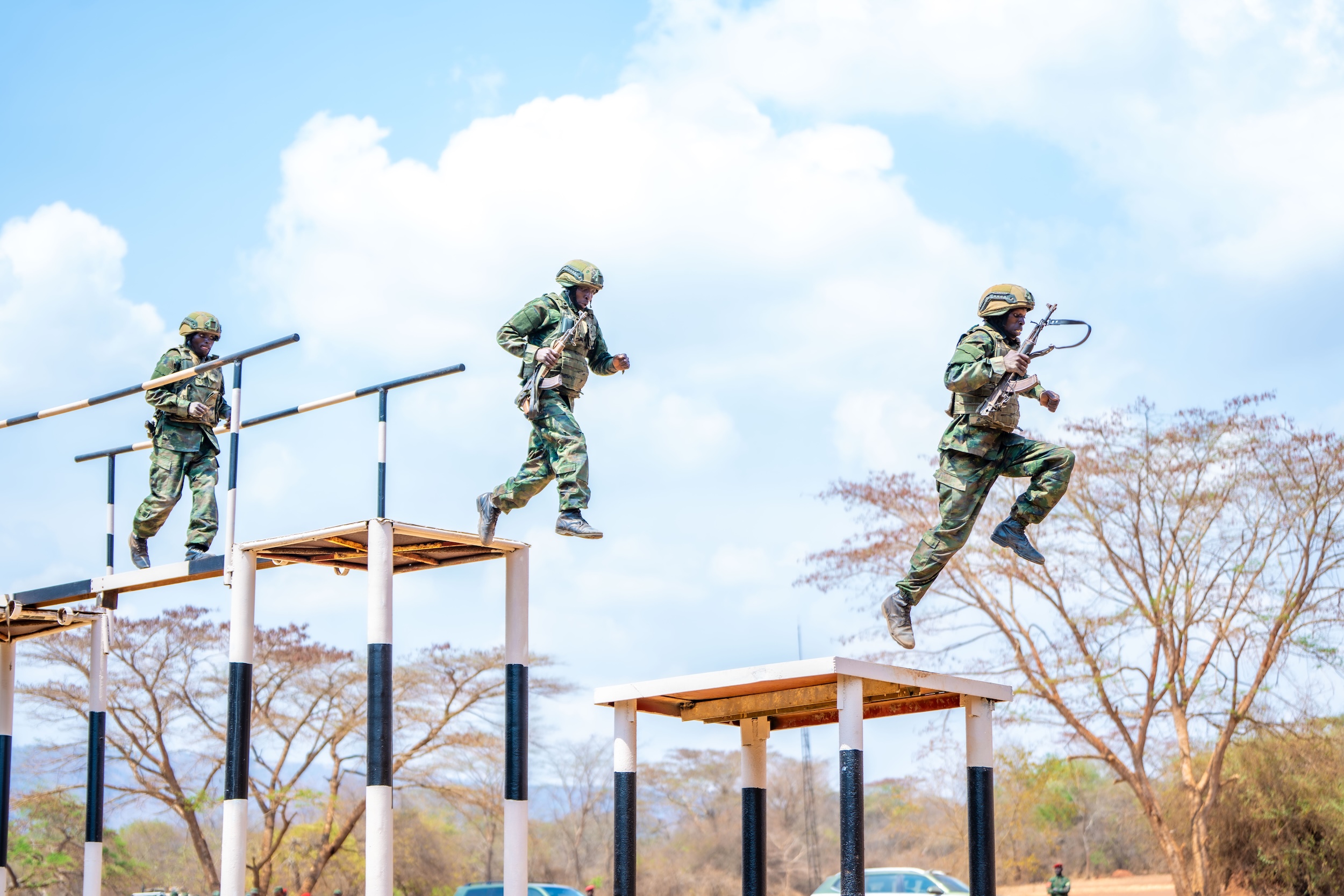
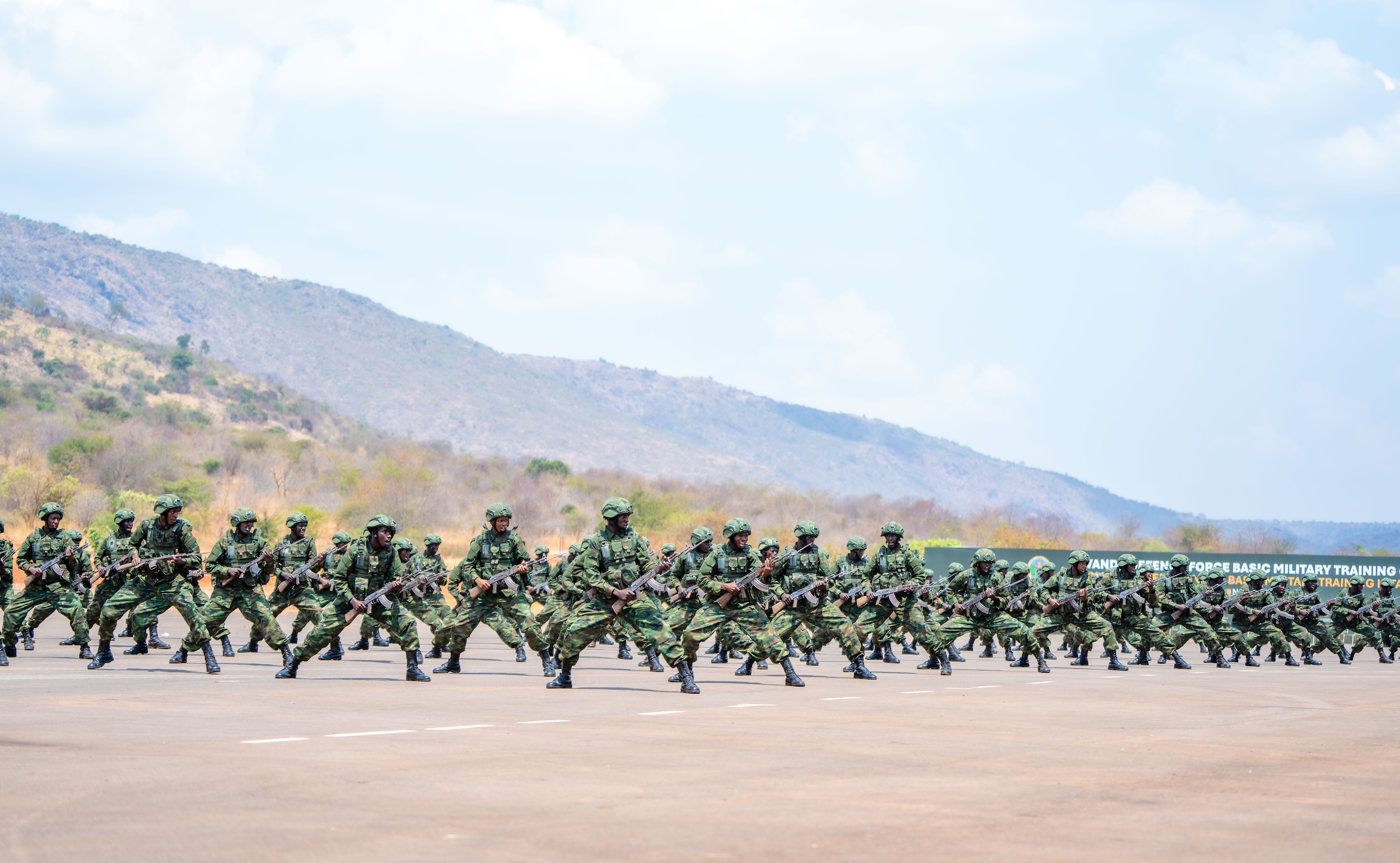
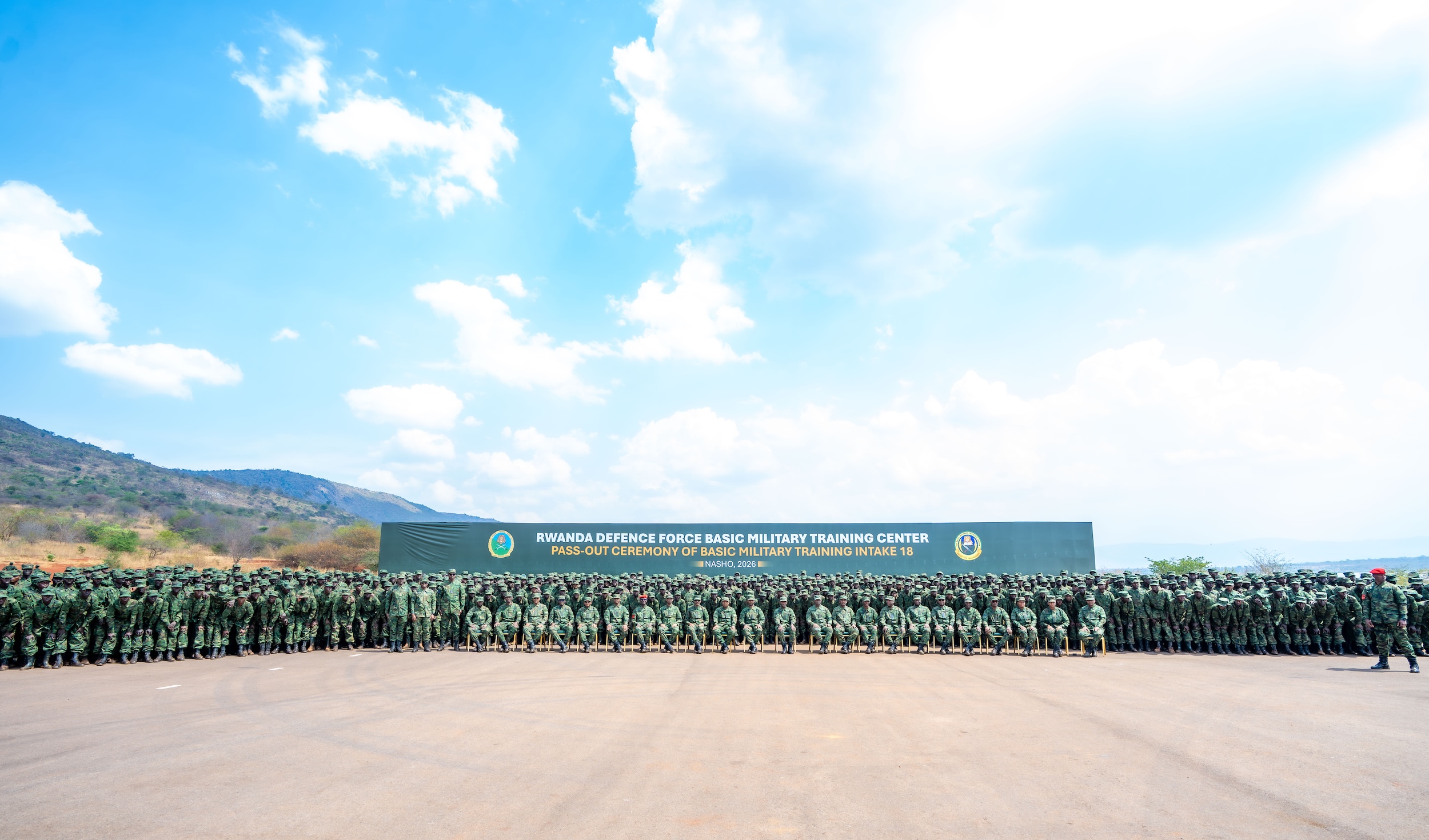
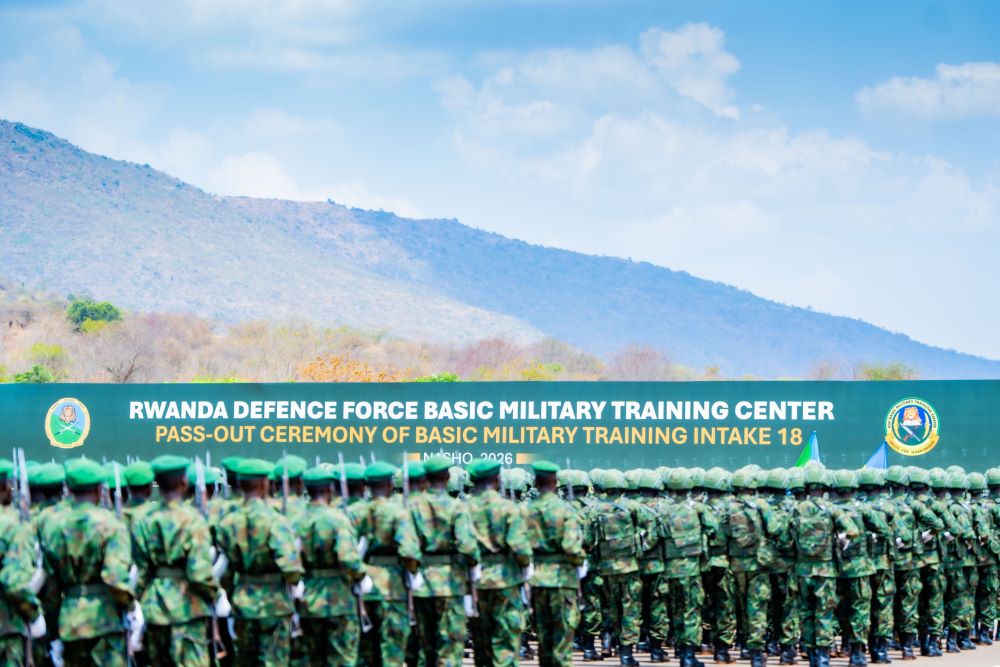
The pass-out ceremony was presided over by the Chief of Defence Staff of the Rwanda Defence Force, General MK Mubarakh, and attended by RDF generals, senior and junior officers, as well as other ranks.
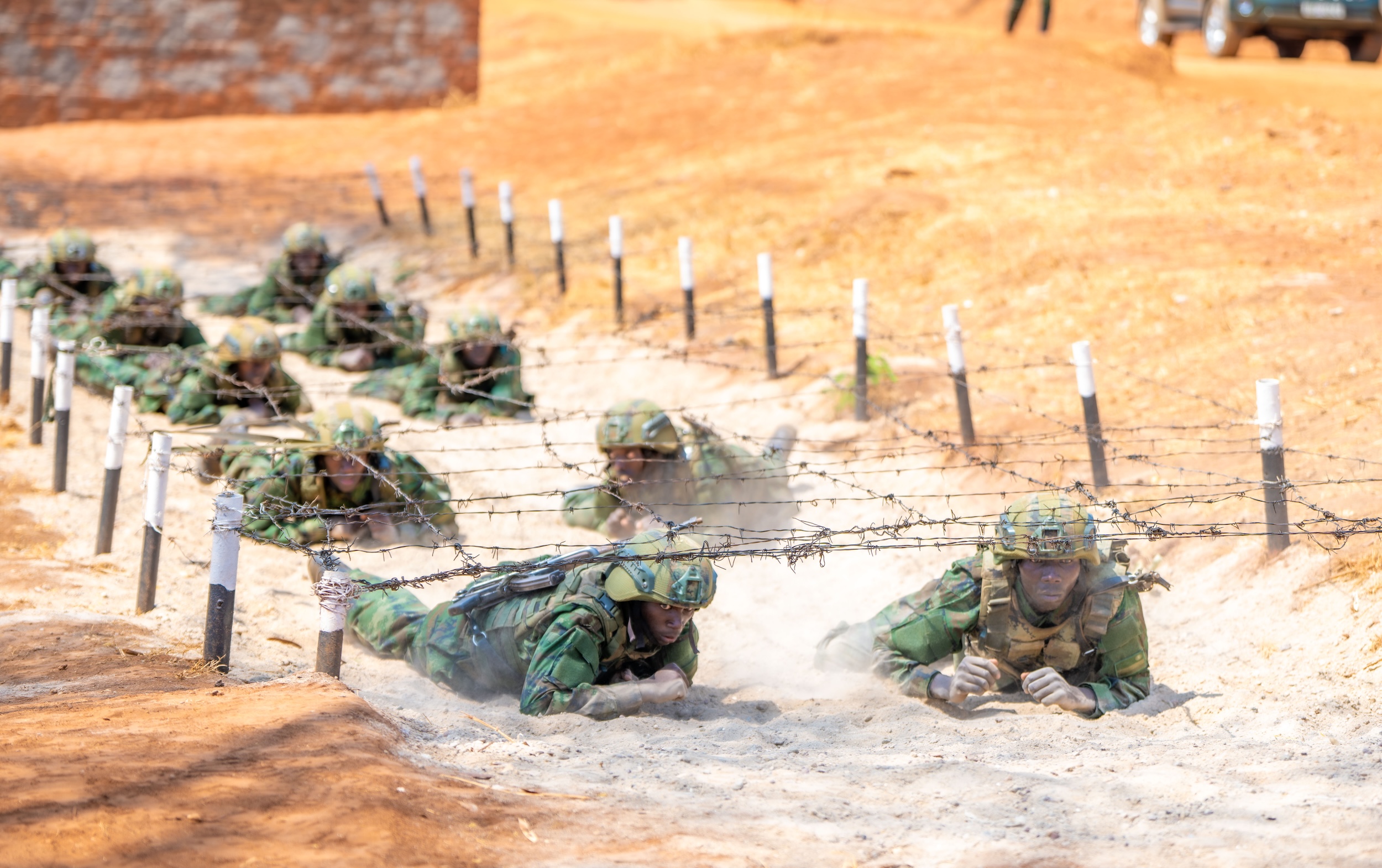
During the ceremony, the newly trained soldiers demonstrated the knowledge and skills they had acquired throughout their training, including marksmanship and a range of tactical drills, highlighting their readiness to undertake operational duties.
In his remarks, General MK Mubarakh congratulated the recruits on their resilience, commitment, and determination throughout the demanding training programme. He welcomed them into the RDF family and urged them to apply the knowledge and skills they had gained in safeguarding Rwanda’s sovereignty and protecting its citizens.
Gen MK Mubarakh also reiterated the guidance delivered by the President of the Republic and Commander-in-Chief of the Rwanda Defence Force to young people participating in the Indangamirwa Programme at the Gabiro Military Training Centre in Gatsibo District.
He encouraged the recruits to uphold the Kinyarwanda language, Rwandan culture, traditions, principles, and values, while remaining vigilant and prepared to confront any threats to the nation’s security.
He further urged them to reject complacency, divisionism, and rhetoric that promotes such tendencies, as well as negative behaviours, including excessive alcohol consumption and immoral conduct.
Gen Mubarak reminded the new soldiers that the training they had completed marked only the beginning of their military careers, emphasising that their professional development would continue through further training to enhance their knowledge and skills in line with the evolving requirements of the RDF.
He challenged them to put their training into practice, uphold the RDF’s vision and mission, and contribute to building a professional, capable, and disciplined force.
He particularly underscored the importance of discipline and adherence to the RDF’s core values as they integrate into their respective units and serve alongside their fellow soldiers.
The Chief of Defence Staff also commended the leadership of BMTC Nasho, particularly the instructors, for their unwavering dedication to developing the recruits’ knowledge, skills, and leadership qualities, thereby preparing them to make an effective contribution to the defence of the country.
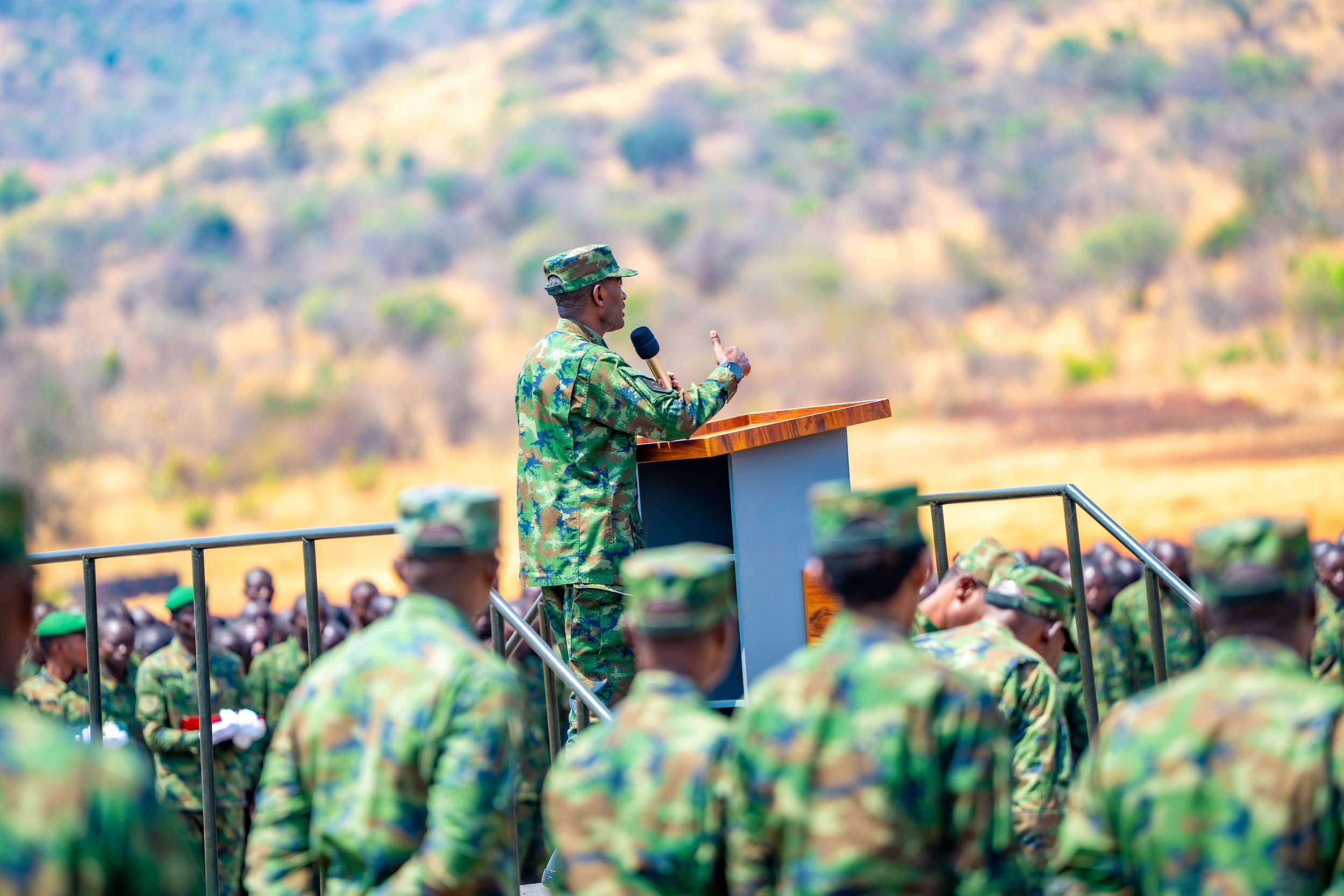
New RDF soldiers demonstrate tactical drills during their graduation ceremony at the Basic Military Training Centre in Nasho.The Rwanda Defence Force has welcomed a new cohort of soldiers following the successful completion of six months of basic military training at BMTC Nasho.Newly graduated RDF soldiers demonstrate skills acquired during their training.The pass-out ceremony marked the completion of six months of basic military training.General MK Mubarakh addressed newly trained RDF soldiers, urging them to uphold discipline, patriotism and the force’s core values.
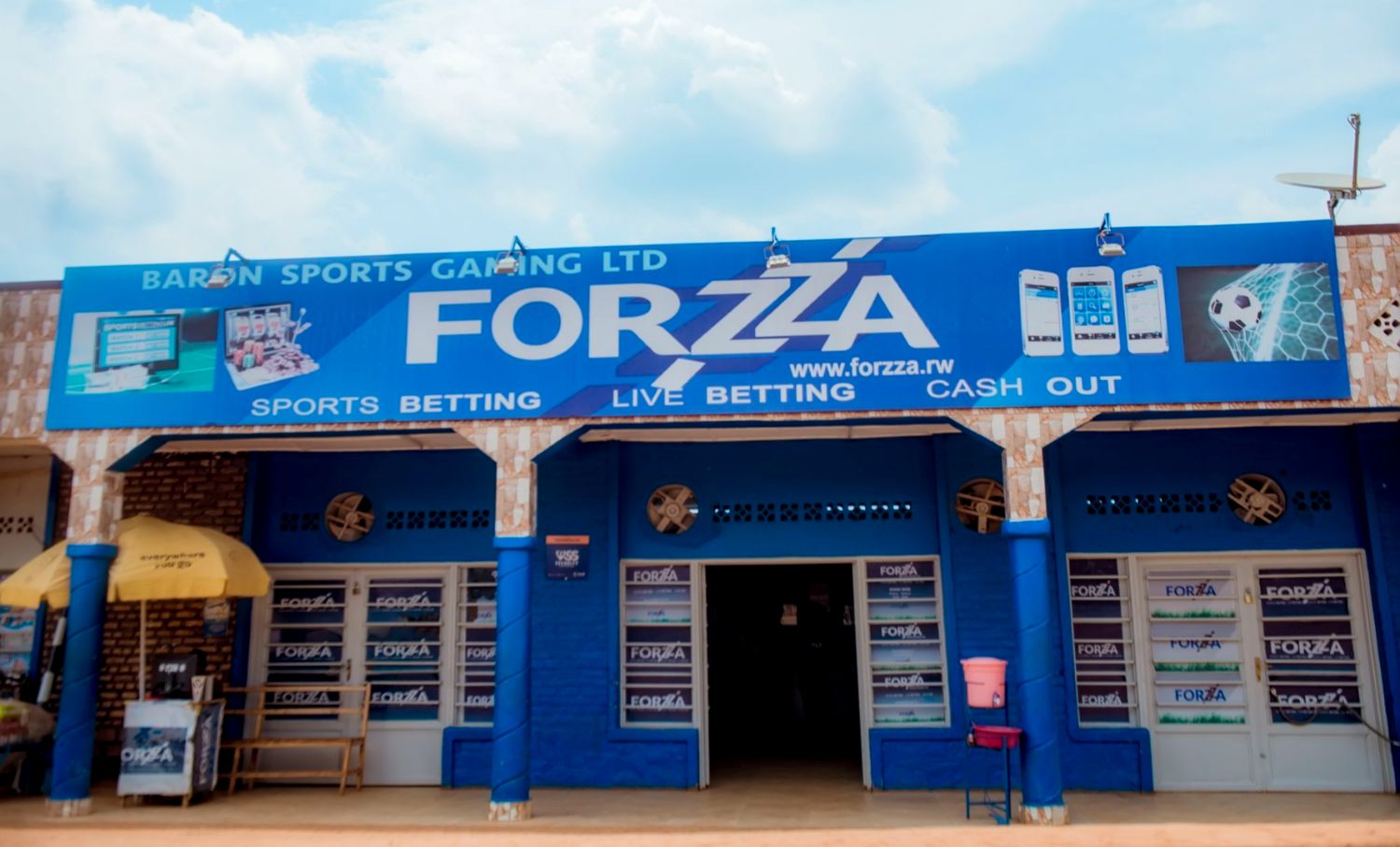
In a public notice issued on July 30, 2026, RDB, the national regulator of lottery and gambling activities, announced that the suspension takes immediate effect and covers all of the company’s outlets, agents, digital platforms and other gambling-related operations across Rwanda.
The regulator ordered the company to cease all operations immediately and remove all advertising and promotional materials associated with its services.
According to RDB, the enforcement action follows findings that Baron Sports Gaming Ltd had been repeatedly offering casino-style games outside the scope of its approved licence, in violation of the law governing gaming activities.
“The company is required to cease all operations immediately and remove all associated advertising and promotional materials,” the notice states.
RDB also advised members of the public not to participate in any games or activities offered by Forzza until further notice, warning that any continued operation by the company during the suspension period is unlawful and will be subject to further enforcement action.
The regulator used the announcement to remind all licensed lottery and gambling operators to operate strictly within the scope and conditions of their respective licences.
It warned that any unlicensed or unauthorised gambling activity is unlawful and could result in regulatory sanctions, including the suspension or revocation of a licence.
RDB said the move reflects its commitment to safeguarding the integrity of Rwanda’s gambling sector, ensuring compliance with applicable laws and regulations, and protecting consumers and the wider public.
The action against Forzza is the latest in a series of regulatory measures by the Rwanda Development Board aimed at enforcing compliance in the country’s gambling sector. In October 2025, RDB terminated the licence of Inzozi Lotto, the operator of Rwanda’s National Lottery, citing the company’s failure to meet its contractual and regulatory obligations.
Earlier, in August 2025, RDB also suspended the Category D Sportsbook gaming licence of Kings Bet Ltd, accusing the company of persistently breaching the law governing gaming activities and failing to comply with directives issued by the regulator.
The regulator ordered the company to cease all operations immediately and remove all advertising and promotional materials associated with its services.
The appointments were announced in a communiqué released by the Office of the Prime Minister on July 30, 2026.
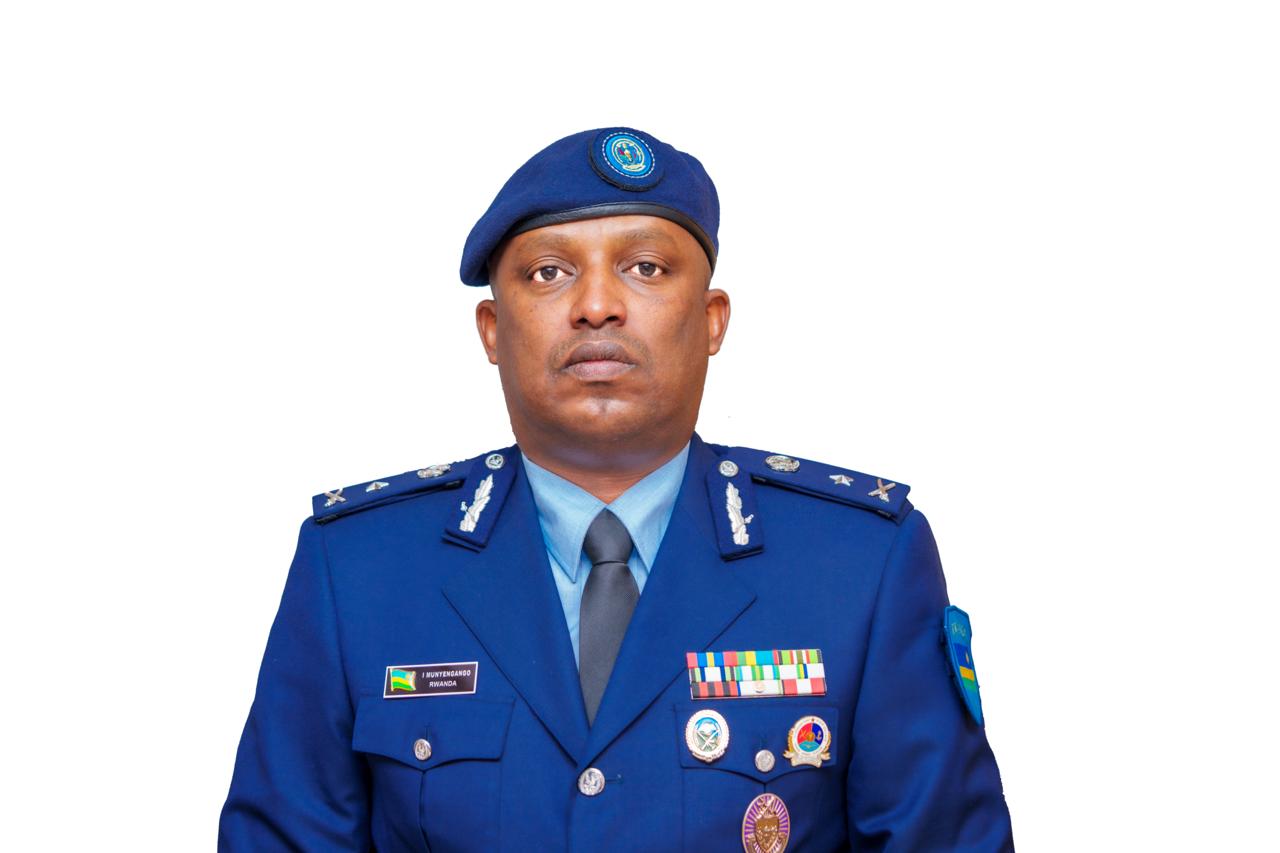
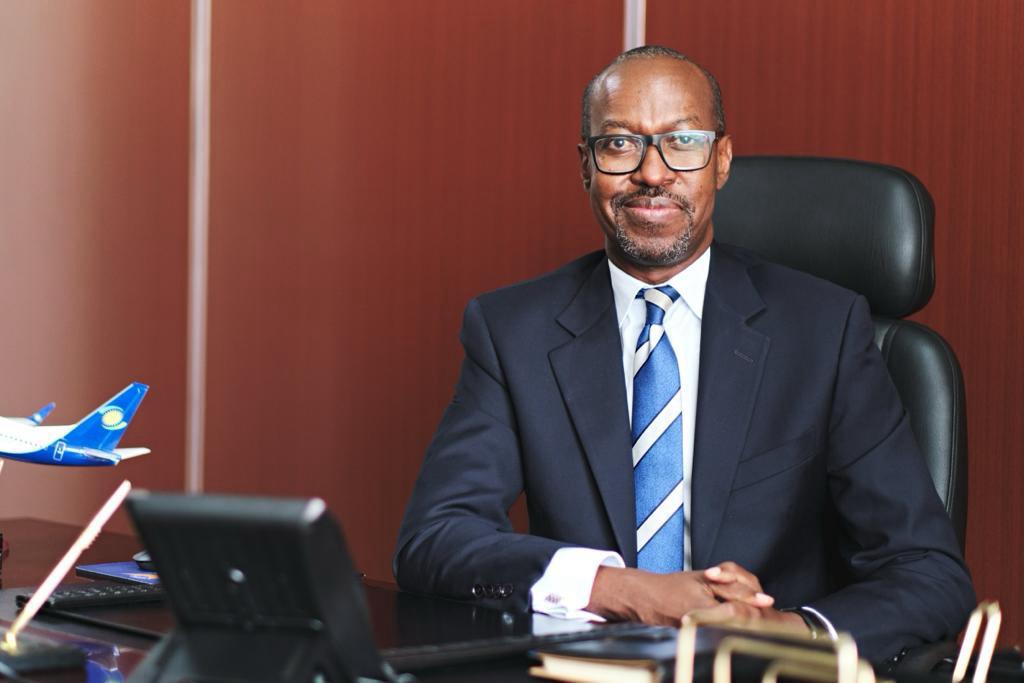
Brig Gen Munyengango takes up the ATL leadership after serving as Commander of the Logistics Brigade in the Rwanda Defence Force (RDF).
A career military officer with more than 35 years of service, he has held several senior positions, including RDF Joint Staff J5 for Strategy, Plans and Policy and Defence and Military Spokesperson. He has also served in United Nations peacekeeping missions in Sudan and South Sudan.
Brig Gen Munyengango holds a Master of Science degree in National Security Strategy from the National Defence University in the United States and a Master of Arts degree in International Affairs from the University of Ghana.
Jules Muheto Ndenga, appointed CEO of Airport City, is an engineer with extensive experience in infrastructure development and aviation-related projects.
Ndenga previously served as CEO of Aviation Travel and Logistics Holding Ltd, where he oversaw the group’s operations and strategic projects, including the development of the new Kigali International Airport in Bugesera.
He holds a Master of Science degree in Construction Management from the University of Birmingham in the United Kingdom and has previously worked in infrastructure planning, transport development and project management roles.
Airport City is a planned development around the new Kigali International Airport in Bugesera, designed to provide supporting services such as hotels, logistics facilities, commercial spaces and other amenities for passengers, investors and businesses operating around the airport.
The project is expected to complement the airport’s operations and contribute to the growth of Bugesera as a new hub for investment, trade and transport.
Brig Gen Innocent Munyengango has been appointed Chief Executive Officer of Aviation Travel and Logistics Holding Ltd (ATL).Jules Muheto Ndenga has been appointed Chief Executive Officer of Airport City, a planned development around the new Kigali International Airport in Bugesera.
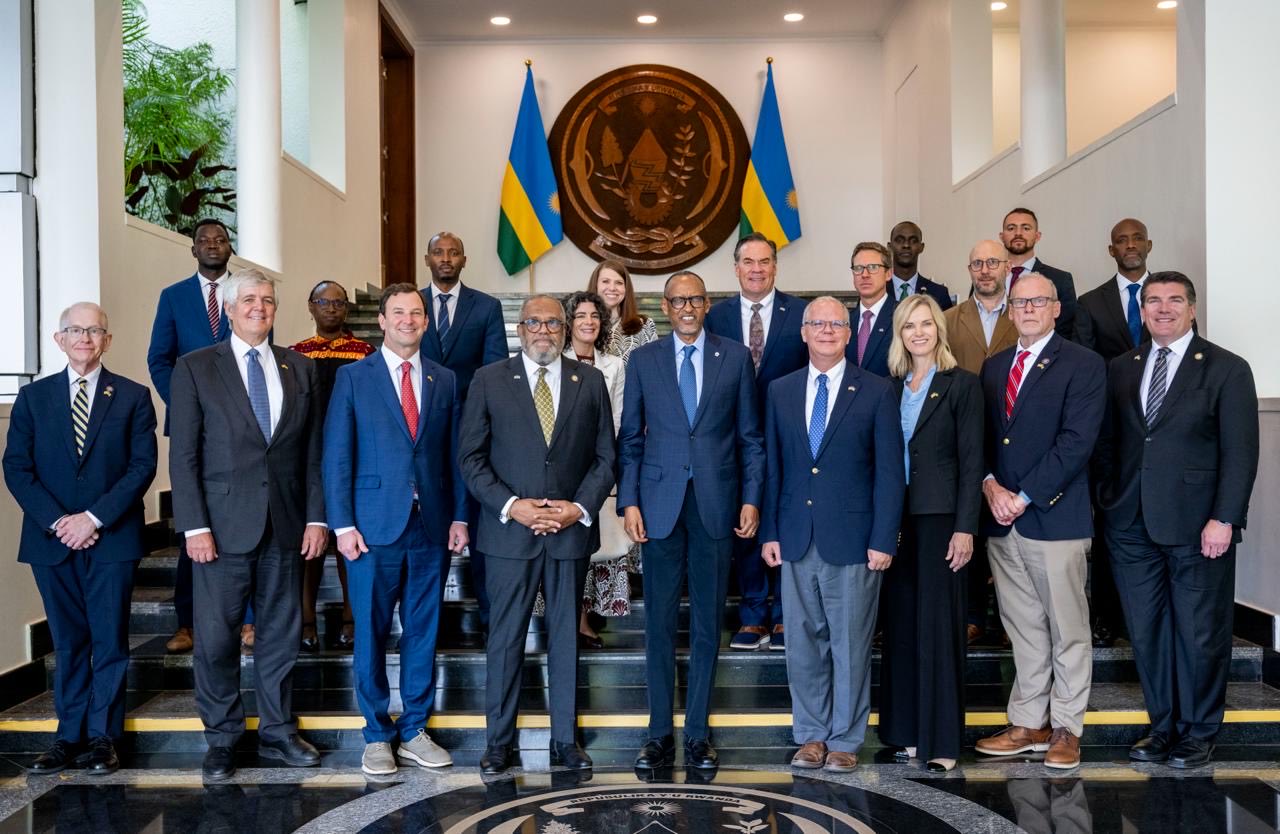
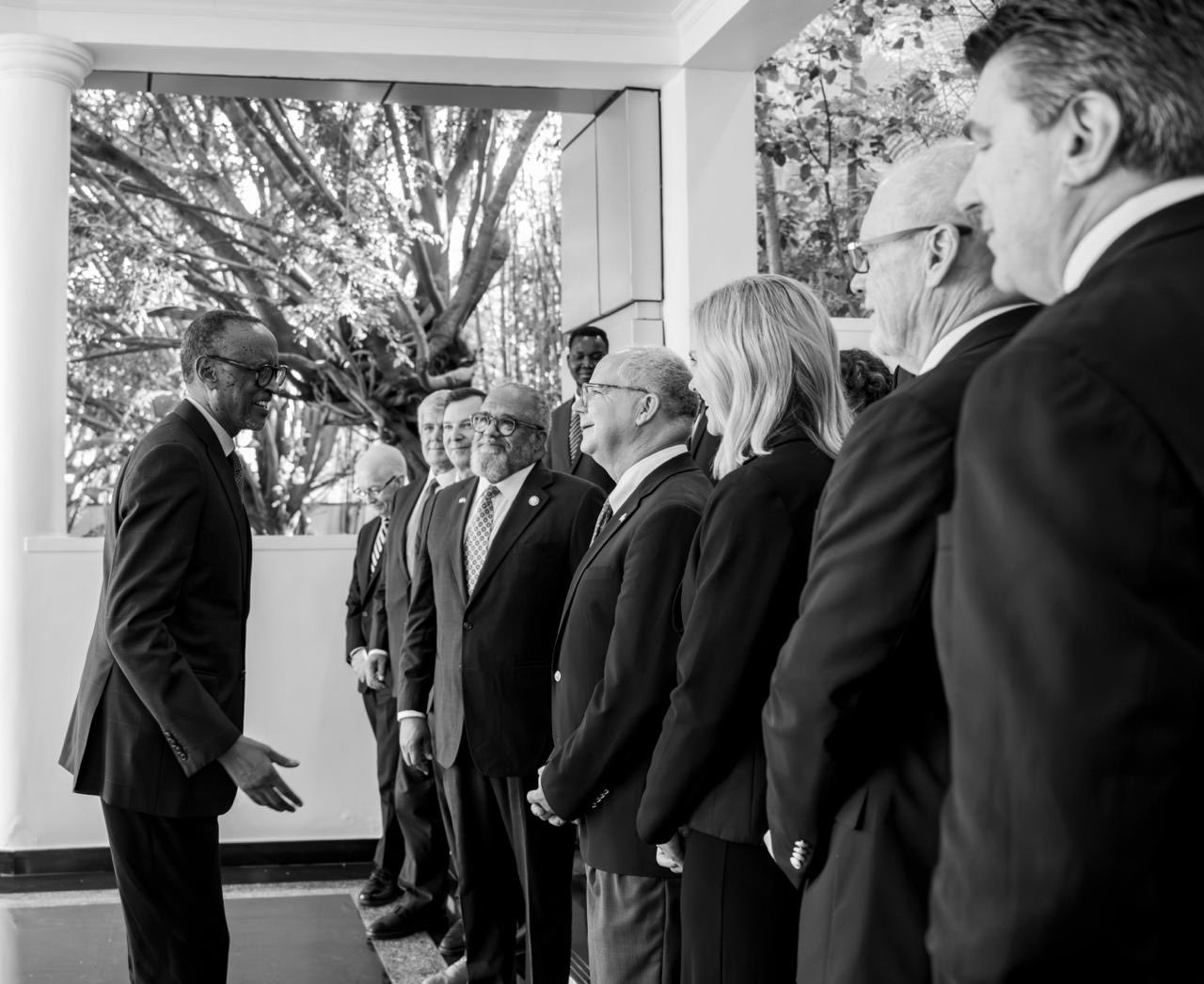
The delegation was led by Representative Brett Guthrie, Chairman of the House Committee on Energy and Commerce, and included Representatives Troy Carter, Morgan Griffith, Russ Fulcher, Jay Obernolte, Cliff Bentz, Craig Goldman, and Julie Fedorchak.
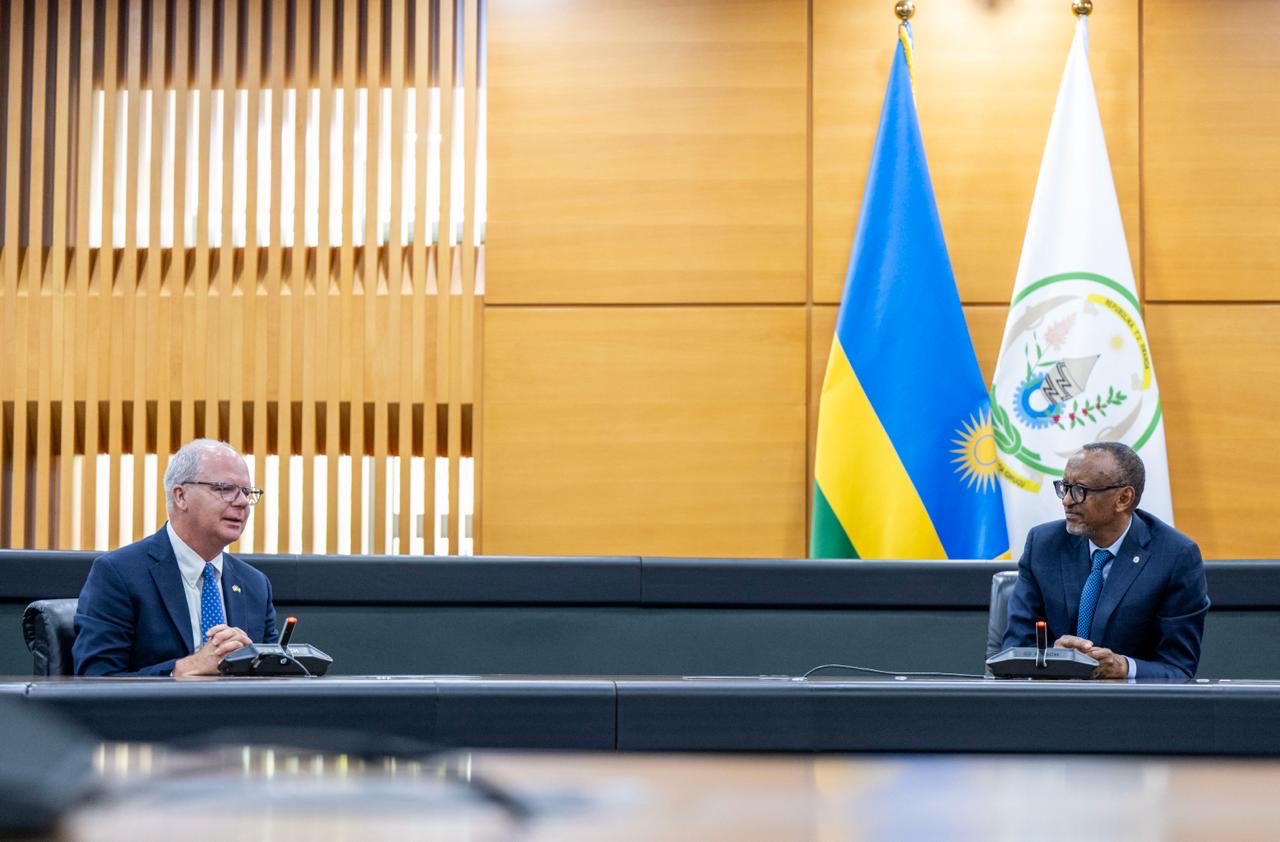
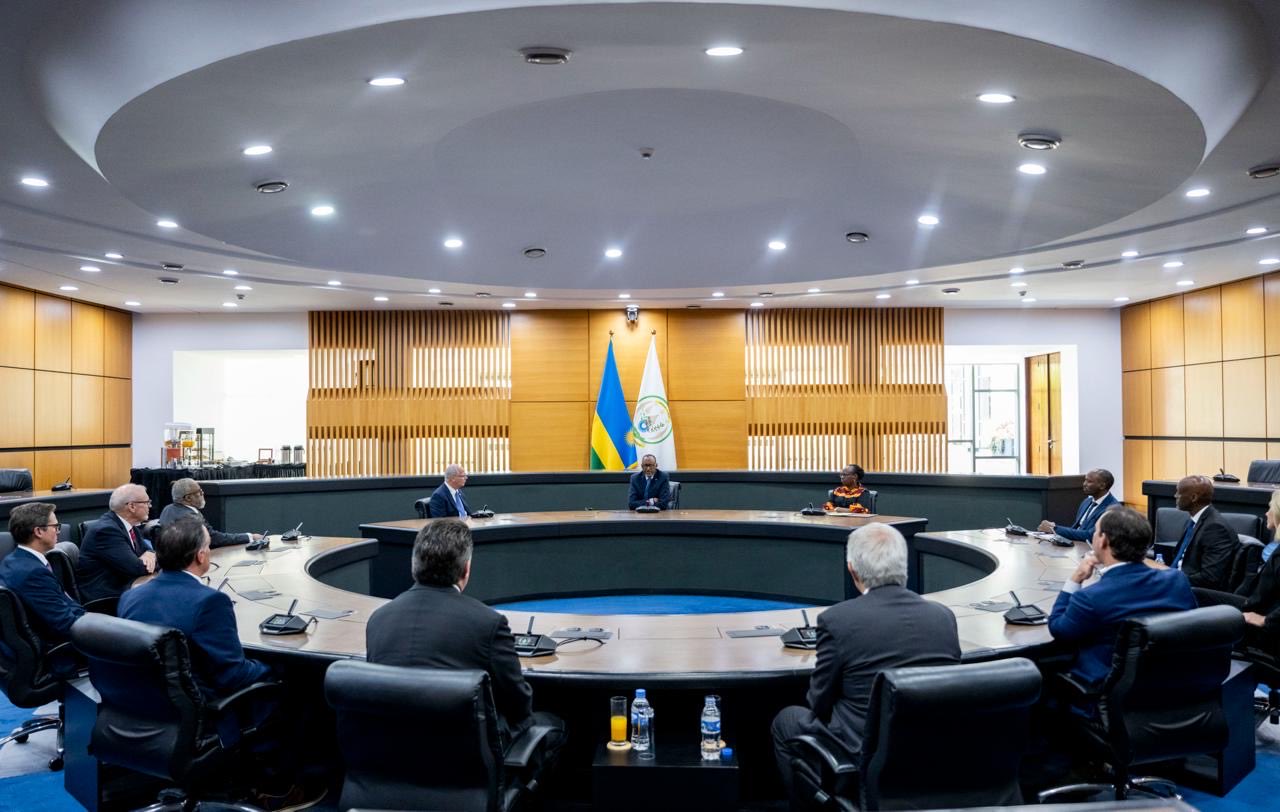
According to the Office of the President, discussions centred on Rwanda’s transformation journey and ways to deepen cooperation in areas of mutual interest, including health, energy, and investment.
The meeting reflects the continued engagement between Rwanda and the United States as both countries seek to strengthen ties through partnerships that support economic growth, innovation, and sustainable development.
The visit builds on high-level exchanges between Rwanda and the United States in recent years. In August 2025, President Kagame hosted another bipartisan U.S. congressional delegation, with discussions focusing on regional security, education, and health, underscoring the broad scope of cooperation between the two countries.
The delegation was led by Representative Brett Guthrie, Chairman of the House Committee on Energy and Commerce.According to the Office of the President, discussions centred on Rwanda’s transformation journey and ways to deepen cooperation in areas of mutual interest, including health, energy, and investment.
Mukabalisa, who previously served as Speaker of the Chamber of Deputies, died on Thursday morning at King Faisal Hospital, where she had been receiving medical treatment.
Following the announcement of her passing, colleagues who served alongside her in Parliament reflected on her leadership, humility, and commitment to serving the country.
Parliamentarian Musa Fazil Harerimana, who worked closely with Mukabalisa during her time as Speaker of the Chamber of Deputies while he served as Deputy Speaker, described her as a symbol of effective leadership and gender equality.
Speaking to IGIHE, Harerimana said Mukabalisa demonstrated that women are equally capable of leading institutions and bringing people together to make important decisions.
“Many things can be said about her, but one of the first things I would highlight is that she was a true example of gender equality. The way she led people and guided them in making decisions demonstrated that women are fully capable of effective leadership. There was no difference between a man who leads well and a woman who leads well,” he said.
Harerimana also praised Mukabalisa’s patience and ability to unite people with different political views, describing such qualities as essential for effective leadership.
“She was a very patient person. Leading people with different opinions and political perspectives, bringing them together and helping them find common ground requires patience. That quality was something you could clearly see in her,” he said.
He added that Mukabalisa was a determined leader who worked tirelessly to achieve goals she believed were beneficial, while respecting the views of others.
“Whenever she believed something was right, she would do everything possible to achieve it without disregarding anyone. She would explain her ideas clearly and continue engaging with people until they understood and accepted them. This also reflected her love for the country. Despite the painful history Rwanda went through, she deeply loved Rwanda,” Harerimana said.
He further described her as a humble leader who valued different opinions, listened carefully, and always sought solutions that brought people together.
Senator Uwera Pelagie also expressed her admiration for Mukabalisa, describing her as an inspiration and a person she greatly respected.
“Accepting this loss has been very difficult because I loved her. She was a wonderful mother figure, a person of wisdom and intelligence. Her achievements speak for themselves, and I wish her eternal rest,” Uwera said.
MP Mukabalisa Germaine also described the late senator as a mother figure, saying her passing was a painful loss.
“To me, she was like a mother,” she said.
Senator Dr Frank Habineza, leader of the Democratic Green Party of Rwanda and spokesperson of the Political Parties Forum in Rwanda, also paid tribute to Mukabalisa, with whom he worked for six years in the Chamber of Deputies before continuing their collaboration in the Senate.
Dr Habineza described her as a caring mentor, an adviser, and a leader with exceptional problem-solving abilities.
“I saw her as a mother figure with whom we could discuss issues and seek advice. What started as seeing her as my leader eventually developed into seeing her as a sister. She was someone who understood how to work with people and carry out her responsibilities effectively,” he said.
He added that Mukabalisa’s leadership experience enabled her to bring together people with different perspectives and find solutions to complex challenges.
“She had great wisdom and experience. She could lead people with different opinions and find ways to unite them. Challenges that appeared difficult became manageable, and problems found solutions. She was a highly skilled leader and a great adviser. Whenever we discussed issues and followed her guidance, her advice always proved valuable,” he said.
Dr Habineza worked alongside Mukabalisa on the Senate’s Economic Affairs Committee, where they also shared the same office.
Mukabalisa was born in Nyamata, Bugesera District, in July 1960. Before entering politics, she worked as a law lecturer at the University of Kigali (ULK).
She also served with the World Health Organization (WHO) and the United Nations Development Programme (UNDP) for 16 years.
Mukabalisa entered Parliament in October 2003 until 2008. From 2011 to 2013, she served as a Senator.
In 2013, she returned to the Chamber of Deputies and was elected Speaker, a position she held until 2024 after completing two terms as provided by law.
On September 19, 2024, Mukabalisa was elected as a Senator representing the coalition of legally recognized political parties in Rwanda.
She also served as President of the Liberal Party (PL), which was founded on July 14, 1991.
Mukabalisa Donatille served as Speaker of the Chamber of Deputies for 11 years.Mukabalisa Donatille has been eulogized as a mother figure and a trusted adviser to colleagues Mukabalisa Donatille has passed away after an illness.Senator Mukabalisa Donatille served as Chairperson of the Liberal Party (PL).