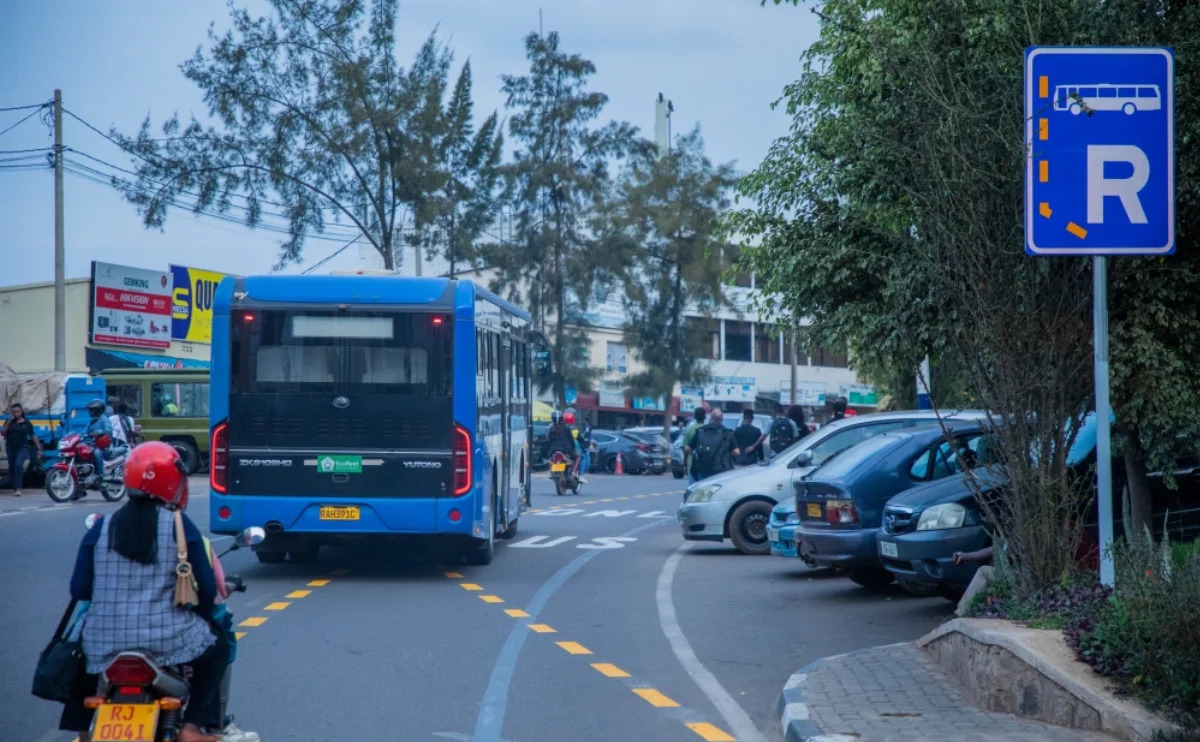
For HarakaPlus, a transit-tech startup born in Rwanda, that everyday experience sparked a bigger question about how technology can help people move through cities with greater confidence.
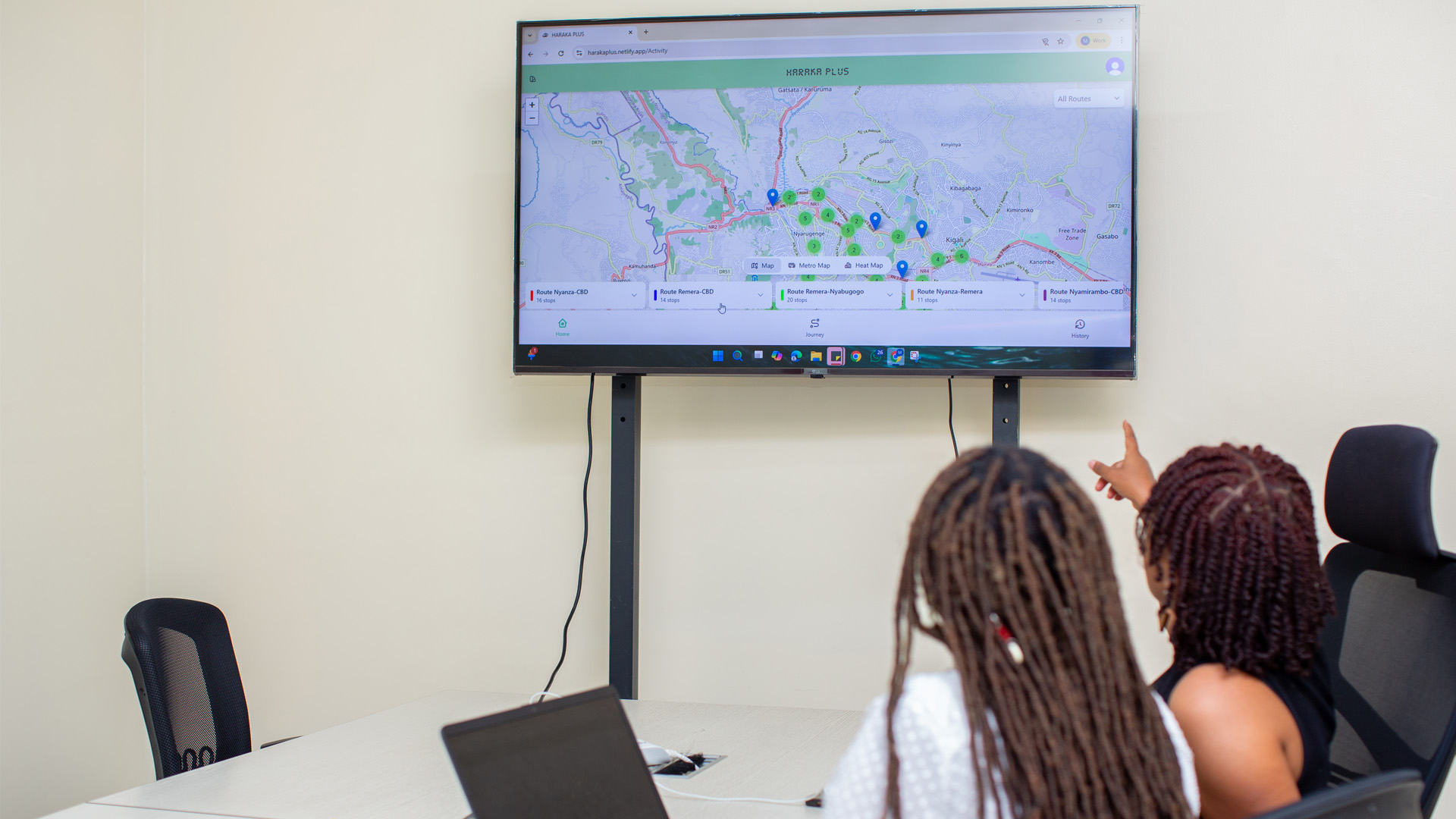
Founded by Millicent Kariuki, CEO and co-founder, alongside Bilen Gebremariam and Germain Rwibutso, HarakaPlus uses real-time bus tracking and passenger-demand data to help commuters plan journeys while giving transport operators insights to improve efficiency.
Since launching its minimum viable product in 2025, the platform has been accessed by nearly 2,000 users, with close to 500 people using it repeatedly each day.
The company’s journey from a local idea to being selected among the innovators shortlisted for the Royal Academy of Engineering’s Africa Prize for Engineering Innovation in 2026 offers lessons for entrepreneurs seeking to turn practical challenges into solutions with wider potential.

Building on Kigali’s mobility progress
HarakaPlus emerged in a city that has already invested heavily in improving public transport and advancing its smart city ambitions.
The founders were not seeking to replace existing systems, but to complement them by using data to strengthen the connection between commuters, operators and the services they rely on.
“HarakaPlus was born from a problem that all three of us co-founders have experienced personally. Although we come from different backgrounds and grew up in three different African cities, we all shared one common experience: spending too much time waiting for public transport without knowing when it would arrive,” Kariuki told IGIHE.
“When we moved to Kigali, we saw many of the same challenges. While Rwanda has made tremendous investments in modernising public transport and building one of Africa’s leading smart cities, there was still an information gap between commuters and transport operators,” she added.
The gap was not necessarily about the availability of transport, but about access to information. Passengers wanted to know when buses would arrive, while operators needed better insights into passenger demand and route performance.
“We discovered that this wasn’t simply a transport problem; it was a time problem. Every unnecessary minute spent waiting is time taken away from work, school, family or running a business,” she said.
That understanding shaped HarakaPlus’ mission of using data to make public transport more predictable.
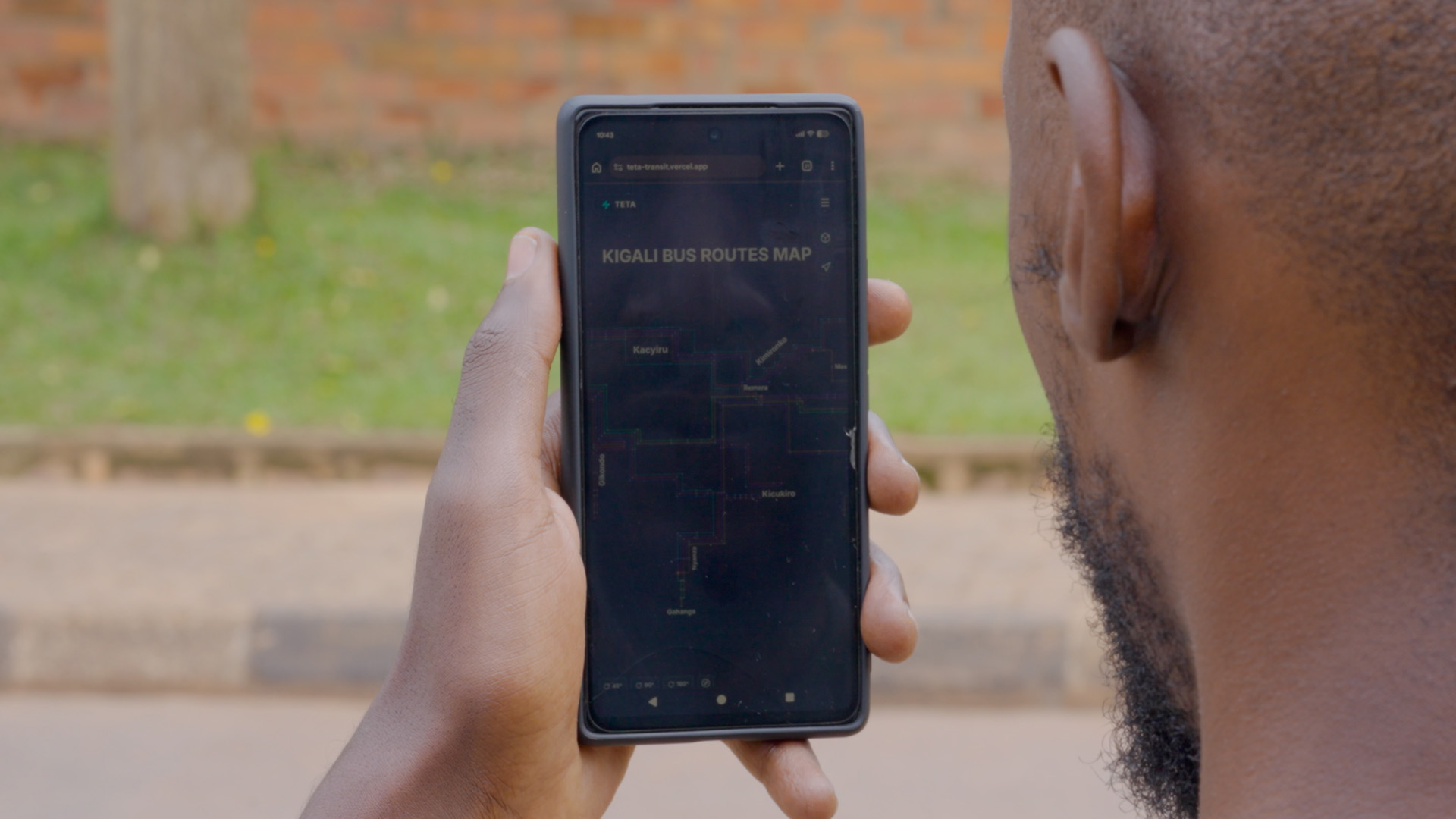
From an idea to the Africa Prize stage
The platform allows commuters to track buses in real time and estimate arrival times, while transport operators receive data that can support better planning and service delivery.
The approach earned HarakaPlus a place among 16 innovators shortlisted for the Africa Prize for Engineering Innovation, making it the only startup from
Rwanda in the 2026 cohort
The shortlist features innovators working on solutions across sectors including healthcare, renewable energy, agriculture, education and mobility.
For Kariuki, the programme came at a critical stage as HarakaPlus worked to grow from a promising idea into a sustainable company.
“We applied to the Africa Prize because we recognised that building a transformative mobility company requires much more than funding. We were looking for world-class mentorship, investor readiness support, engineering expertise and access to a network of people who have successfully scaled impactful businesses,” Kariuki explained.
Through the eight-month programme, HarakaPlus has received training, mentorship and exposure to experts across Africa and the United Kingdom.
A major highlight was learning from transport systems abroad, including the UK, where the team observed how technology, operators and public institutions collaborate to improve mobility.
A journey still underway
Although HarakaPlus has already reached the shortlist stage, the Africa Prize journey is not over.
The company remains in contention for the final stage, where the overall winner will receive £50,000, while three finalists will each receive £10,000 and another innovator will receive £5,000 under the One-to-Watch category.
Kariuki said winning the top prize would help accelerate HarakaPlus’ growth by supporting product development, expanding the engineering team, strengthening partnerships with transport operators and supporting expansion into other East African markets.
However, she stressed that the programme’s value extends beyond the competition itself.
“Beyond the formal programme, becoming part of a community of innovators solving real challenges across Africa has been incredibly inspiring,” she remarked.
Opening doors for Rwanda’s innovators
The Africa Prize is now accepting applications for its 2027 edition, inviting engineers and innovators across sub-Saharan Africa to submit solutions with the potential to create social or environmental impact.
Applicants must be developing scalable solutions with a clear path towards commercialisation. Software-based innovations must demonstrate a functional minimum viable product and user traction, while hardware solutions require working prototypes.
For Kariuki, innovators should not wait until they believe their ideas are fully developed before seeking opportunities to grow.
“You don’t need to have everything figured out before applying. The Africa Prize exists to help innovators grow,” she said.
Applications for the 2027 Africa Prize for Engineering Innovation opened on July 13 and will close on September 8, 2026.
“The Africa Prize community continues to grow and each year we’re seeing increased engagement from innovators across the continent, reflecting the depth and diversity of engineering talent in sub-Saharan Africa. This year, we’re focused on building new connections in regions where awareness of the Prize is still growing, to broaden our reach and support even more innovations with the potential to scale and make a lasting difference,” Meredith Ettridge, Associate Director, International, at the Royal Academy of Engineering.
The Africa Prize programme, now in its 13th cycle, has supported more than 180 businesses from 24 countries.
Interested applicants can find more information and submit their applications at africaprize.raeng.org.uk.
Leave a Reply