The national carrier said the Kigali route will begin operations on November 18, 2026, as part of a broader expansion strategy aimed at strengthening connectivity across Africa.
The airline announced the Kigali route alongside new flights to Accra, Ghana, which will begin on October 27, 2026, with four weekly services.
Uganda Airlines said the two new destinations will expand its route network while providing passengers with more convenient options for business, tourism and trade. The routes are also expected to strengthen Entebbe International Airport’s position as a regional hub, offering onward connections to destinations across Africa, Asia, the Middle East and Europe.
The Kigali route will link two of East Africa’s fastest-growing economies, supporting travel between key commercial and tourism centres in the region.
“The launch of Accra and Kigali marks another key milestone in Uganda Airlines’ growth strategy,” Uganda Airlines Acting Chief Executive Officer Ato Girma Wake said.
“As Africa’s connectivity continues to grow, these routes will strengthen commercial and tourism links while offering our guests greater convenience and more travel choices. We remain committed to connecting Africa and supporting regional integration through reliable and efficient air transport,” he added.
The entry into the Entebbe-Kigali route is expected to increase competition on one of East Africa’s frequently used regional air connections, where demand has grown due to expanding business, tourism and cross-border activities.
Beyond passenger travel, Uganda Airlines said the new routes will enhance its cargo network by improving access for exporters and importers to key markets in West and East Africa. The services are expected to support the movement of fresh produce, manufactured goods and other time-sensitive cargo.
The launch comes as Uganda Airlines continues efforts to expand its fleet and international reach. In June 2026, the carrier signed a $985 million agreement with US aircraft manufacturer Boeing for the acquisition of 10 new aircraft as part of its long-term growth strategy.
The agreement, signed in the presence of President Yoweri Museveni, includes plans for the delivery of Boeing 737-8 MAX and 787-9 Dreamliner aircraft from 2032.
Uganda Airlines, which was revived in 2018 after the collapse of the original national carrier in 2001, began commercial operations in August 2019. Since then, it has expanded its network to serve 16 destinations across Africa and beyond from its hub at Entebbe International Airport.
Girma Wake took over as acting Chief Executive Officer of Uganda Airlines in February 2026, as the carrier charts a new path and pursues growth opportunities.
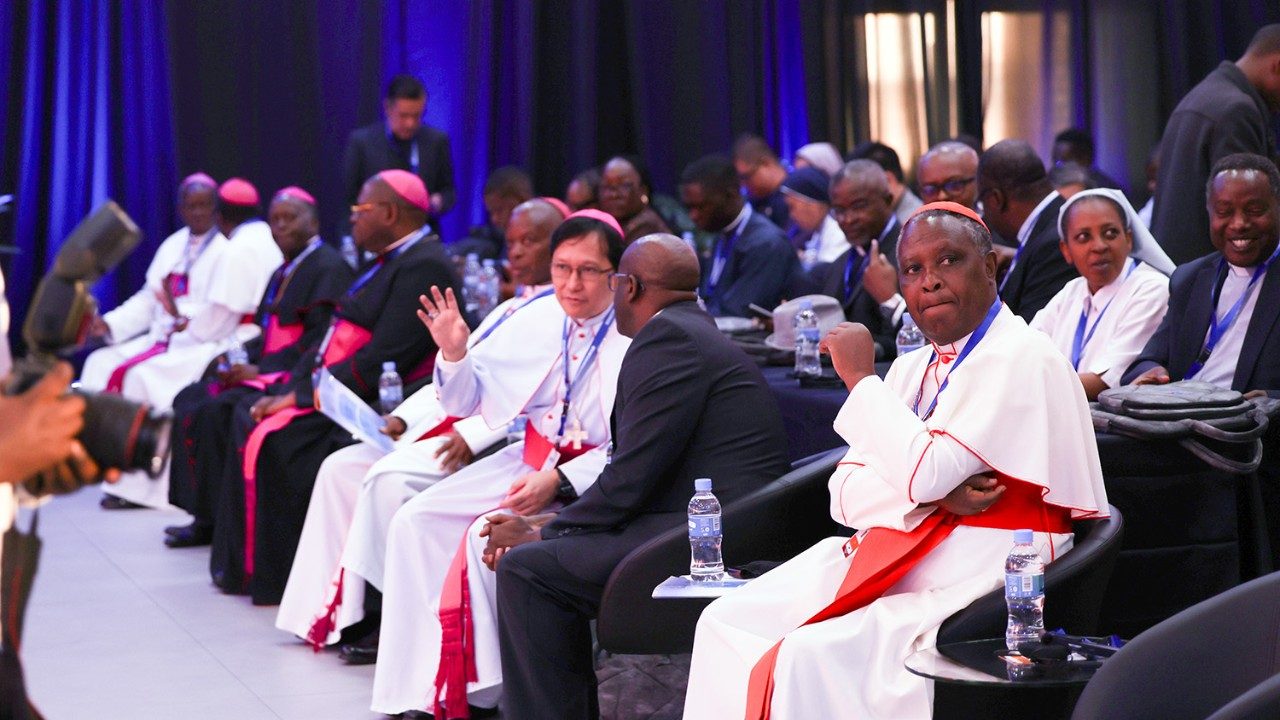
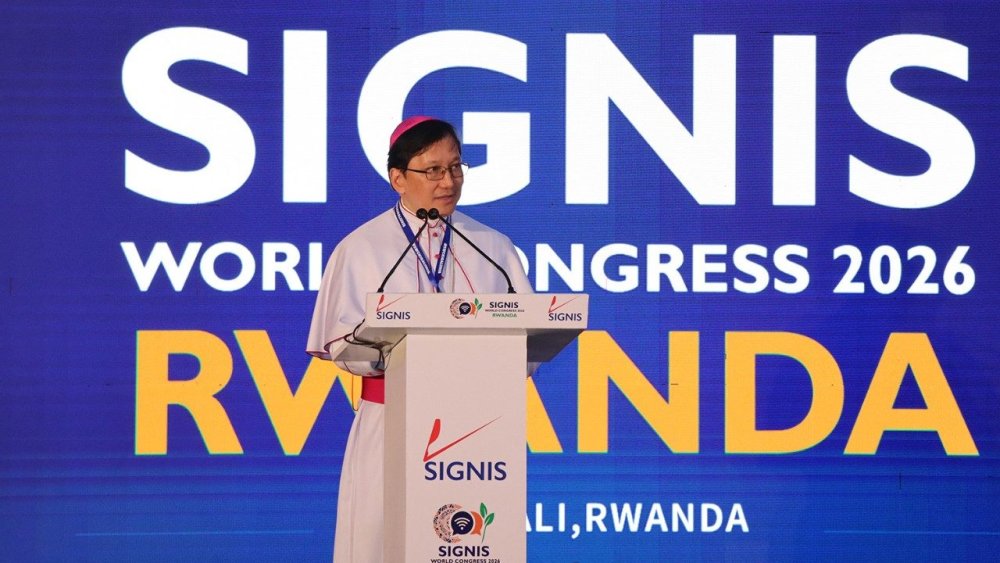
Held under the theme “Digital Communication for Cultural Harmony and Environmental Well-being,” the congress is examining how communication can be used to strengthen relationships, address global challenges and support positive social transformation. In a message delivered on behalf of Pope Leo XIV by Rwanda’s Apostolic Nuncio, Archbishop Arnaldo S. Catalan, the Pope emphasised that digital communication goes beyond sharing information, saying it also shapes culture and influences how people understand the world.
The message, signed by Vatican Secretary of State Cardinal Pietro Parolin, referenced the Pope’s Encyclical Magnifica Humanitas, noting that online platforms have the power to influence collective consciousness.
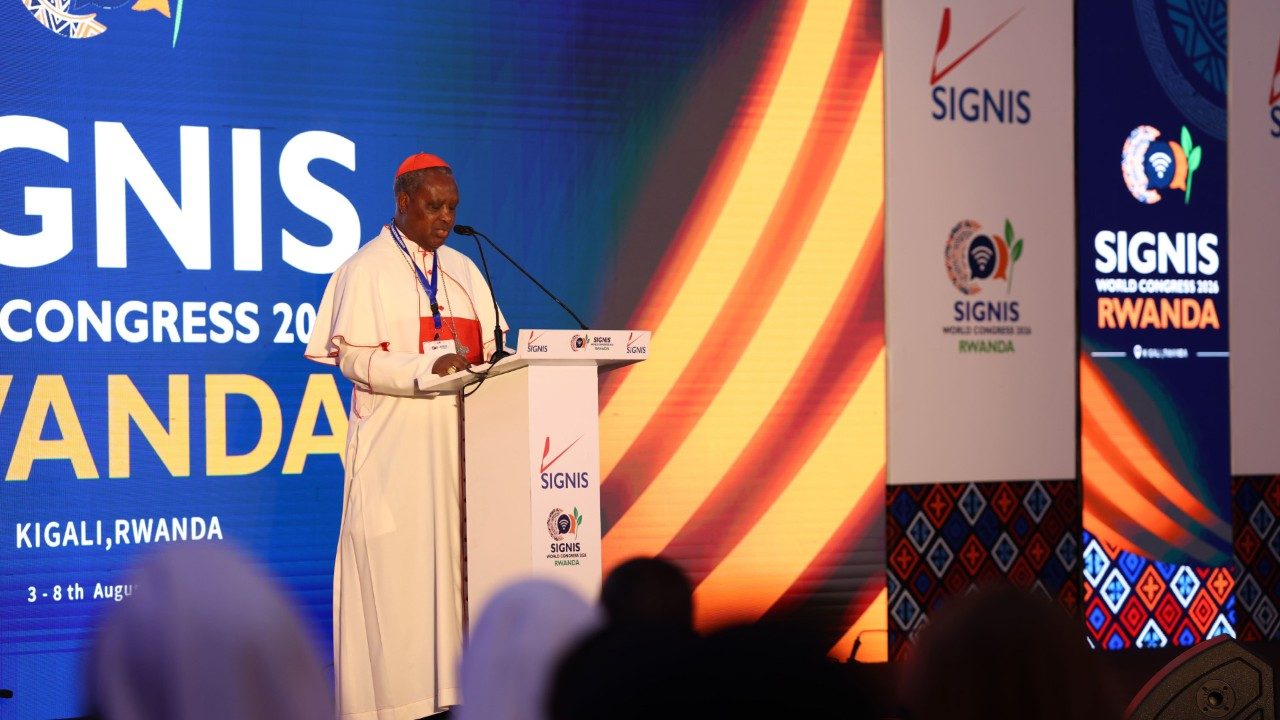
Archbishop Antoine Kambanda, Archbishop of Kigali and President of the Episcopal Conference of Rwanda, called on media professionals to use communication as a tool for healing, reconciliation and promoting solidarity.
Reflecting on Rwanda’s history, particularly the 1994 Genocide against the Tutsi, Cardinal Kambanda warned about the consequences of the misuse of media, which was used to spread hatred and contribute to violence.
He urged participants to use the congress as an opportunity to reflect on the challenges created by harmful communication practices and explore ways of ensuring media serves peace and unity.
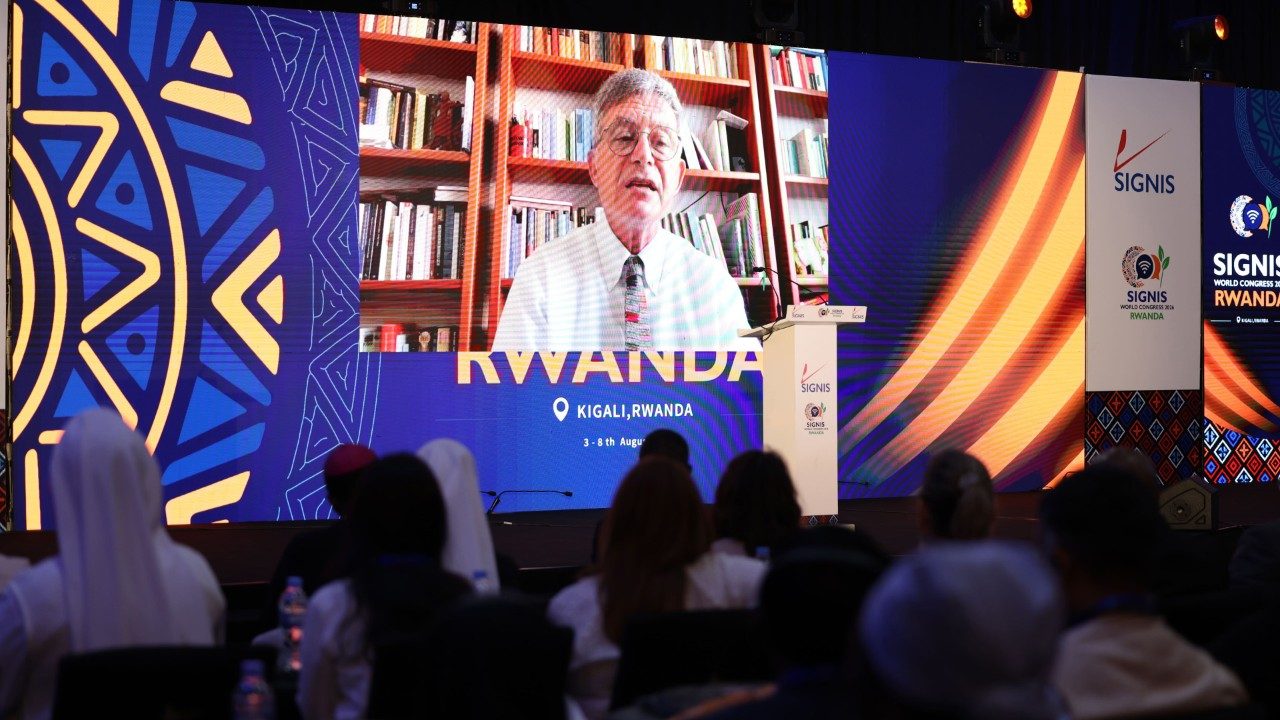
Paolo Ruffini, Prefect of the Vatican Dicastery for Communication, highlighted the importance of human connections in an increasingly digital world, saying communication should begin with people rather than technology.
SIGNIS President Helen Osman called for stronger networks among communicators to promote Christian solidarity and unity, while SIGNIS Africa President Fr. Walter Ihejirika urged Catholic media organisations to work together to build credible platforms that serve both the Church and society.
The congress, which runs until August 8, is bringing together Catholic communicators to exchange ideas, strengthen partnerships and discuss the future of communication across cultures and regions.
Archbishop Arnaldo S. Catalan delivered Pope Leo XIV’s message calling for digital communication that contributes to cultural harmony and human connection.Archbishop Antoine Kambanda urged communicators attending SIGNIS World Congress 2026 to promote peace, solidarity and reconciliation through responsible media use.Paolo Ruffini called on communicators to remember that communication begins with people, not technology, as SIGNIS World Congress 2026 opened in Kigali.The SIGNIS World Congress 2026 brought together Catholic communicators in Kigali to reflect on the future of media and its role in building harmonious societies.SIGNIS World Congress 2026 opened in Kigali with a call for media professionals to use communication as a tool for unity, reconciliation and social healing.
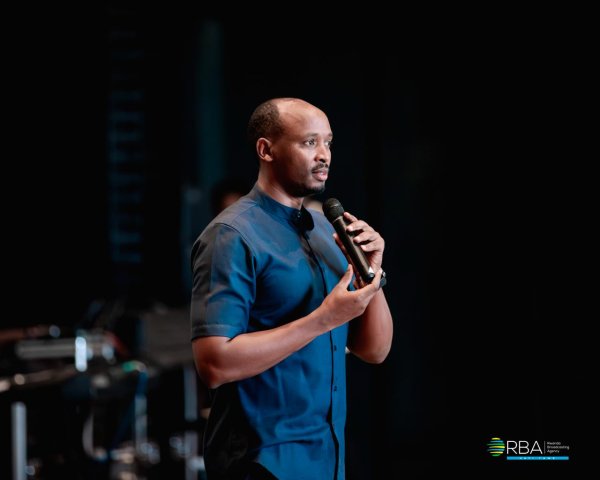
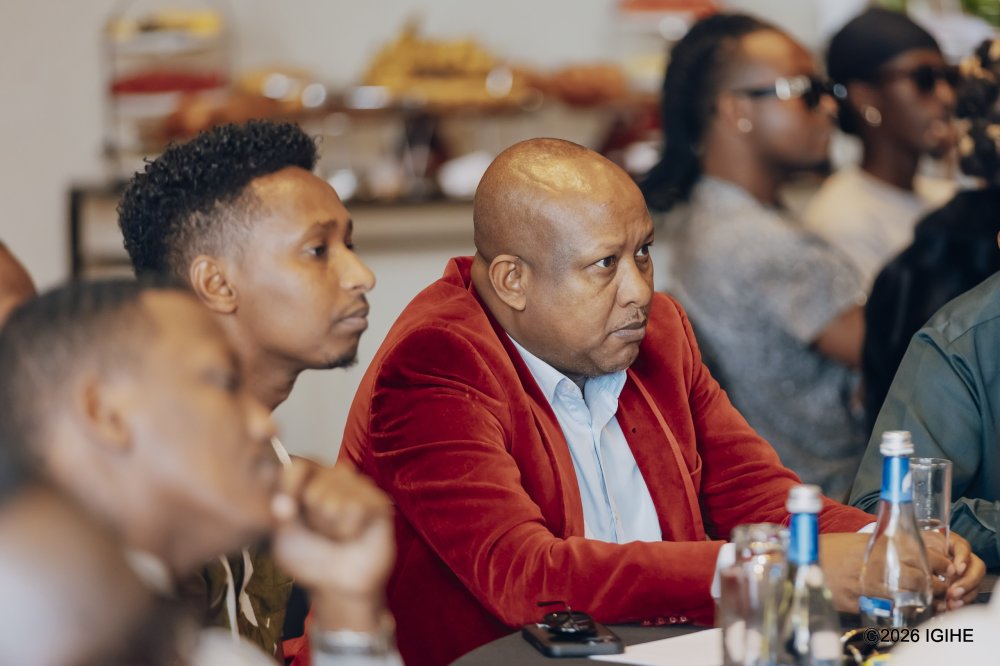
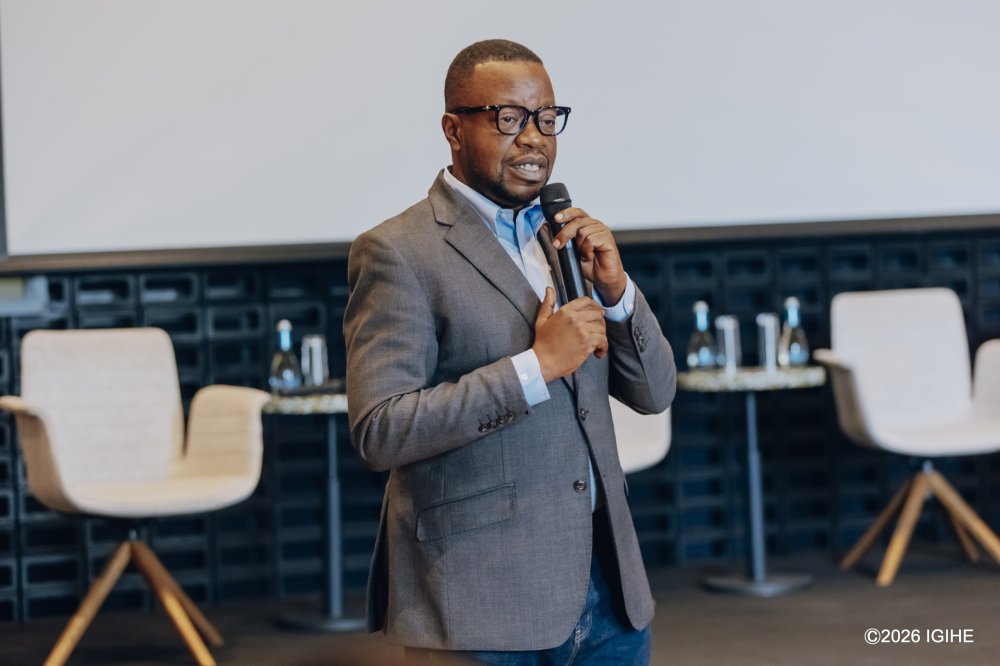
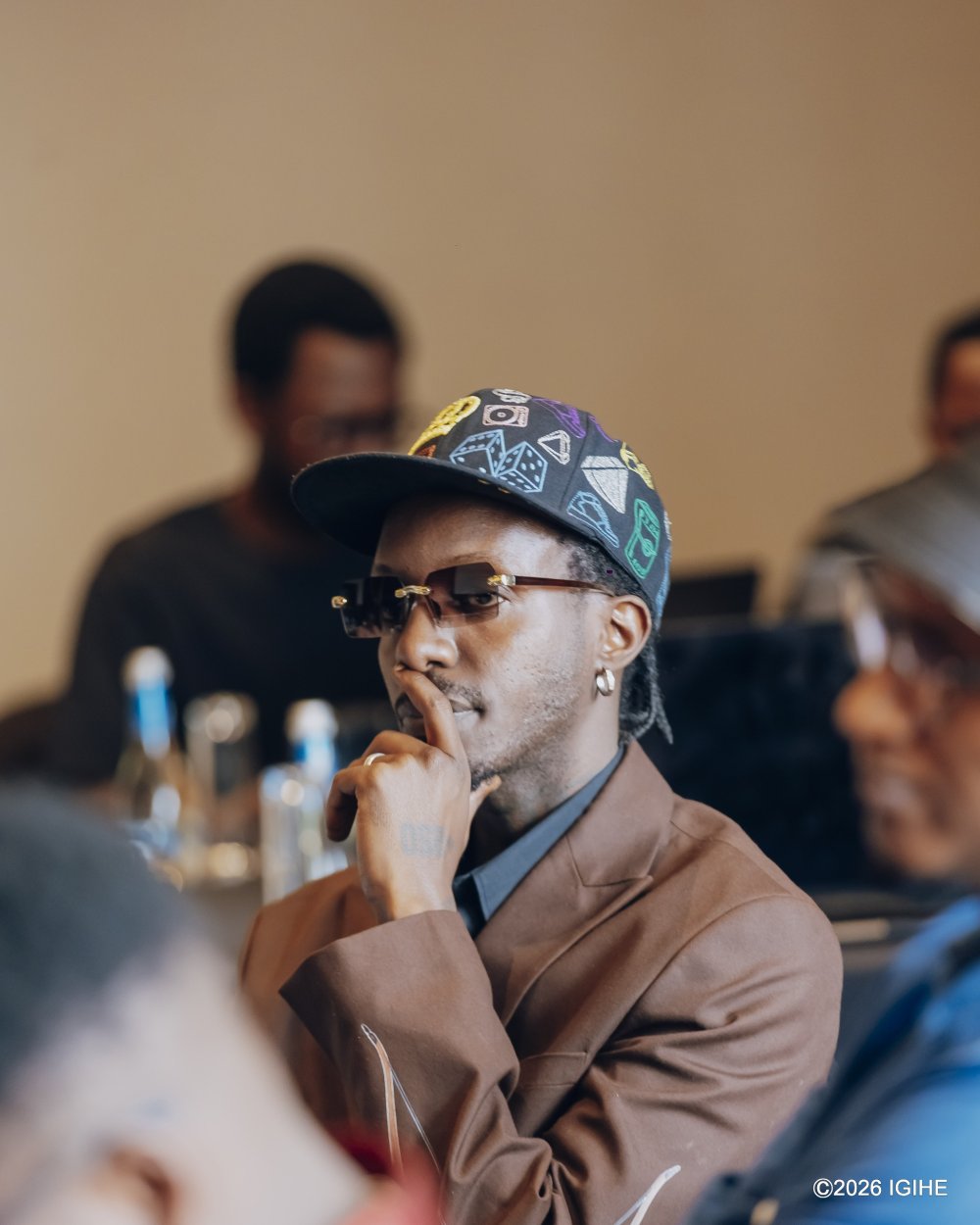
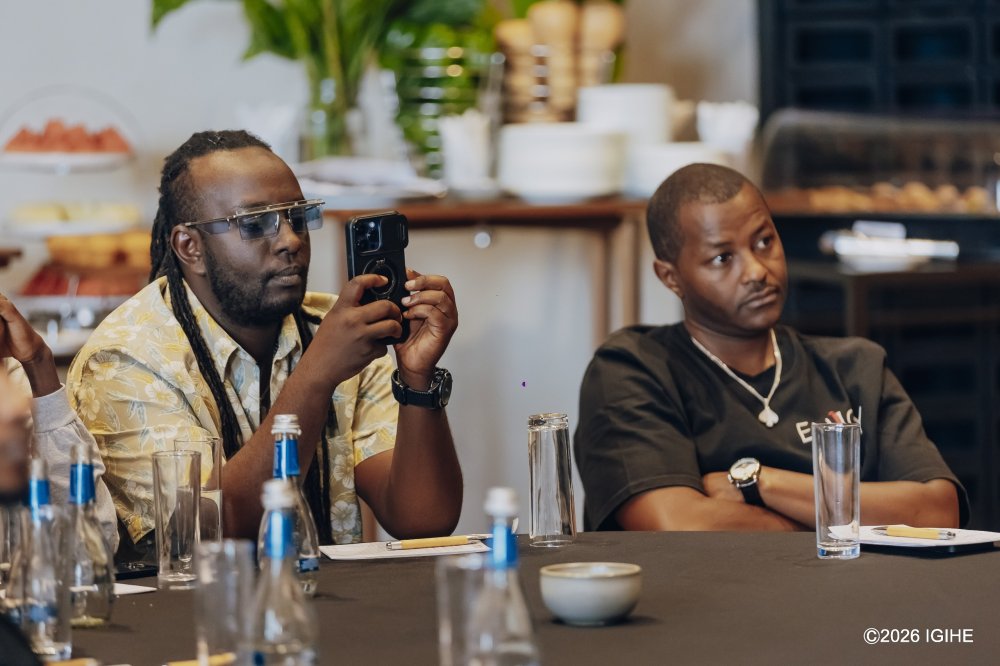
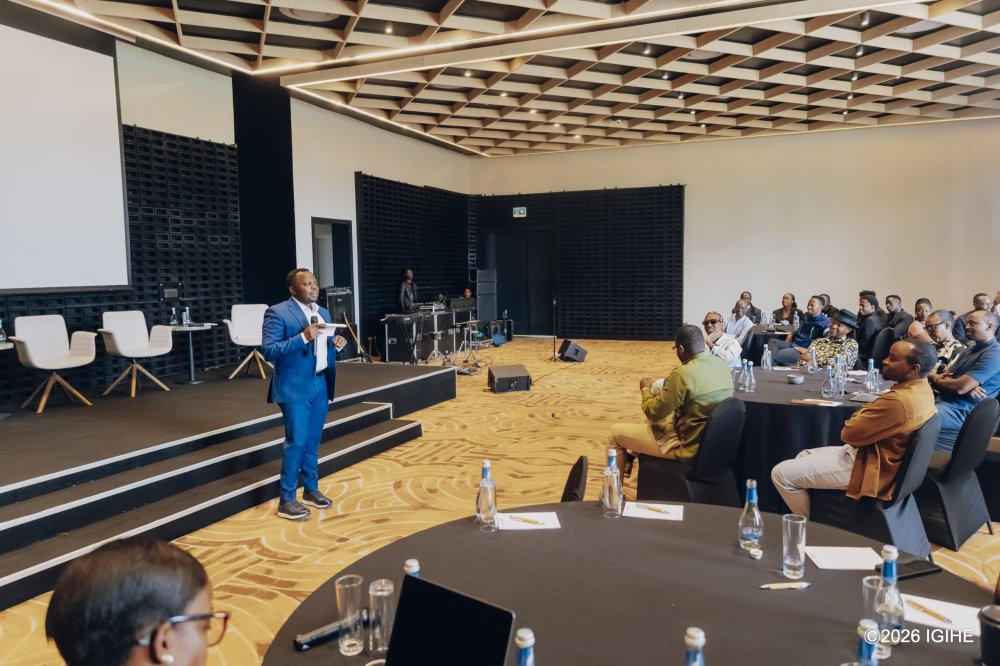
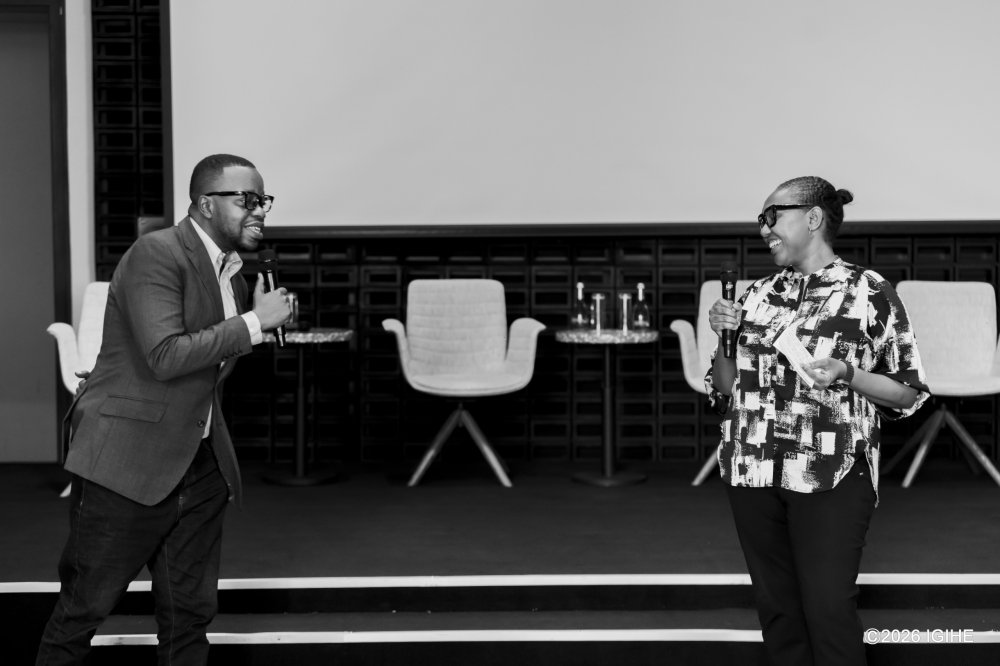
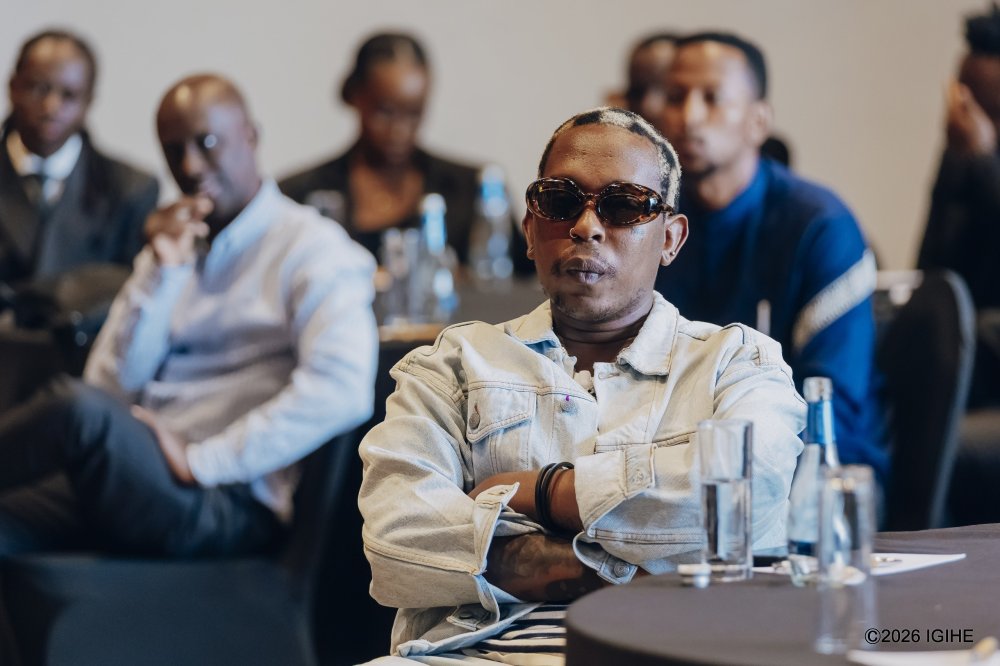
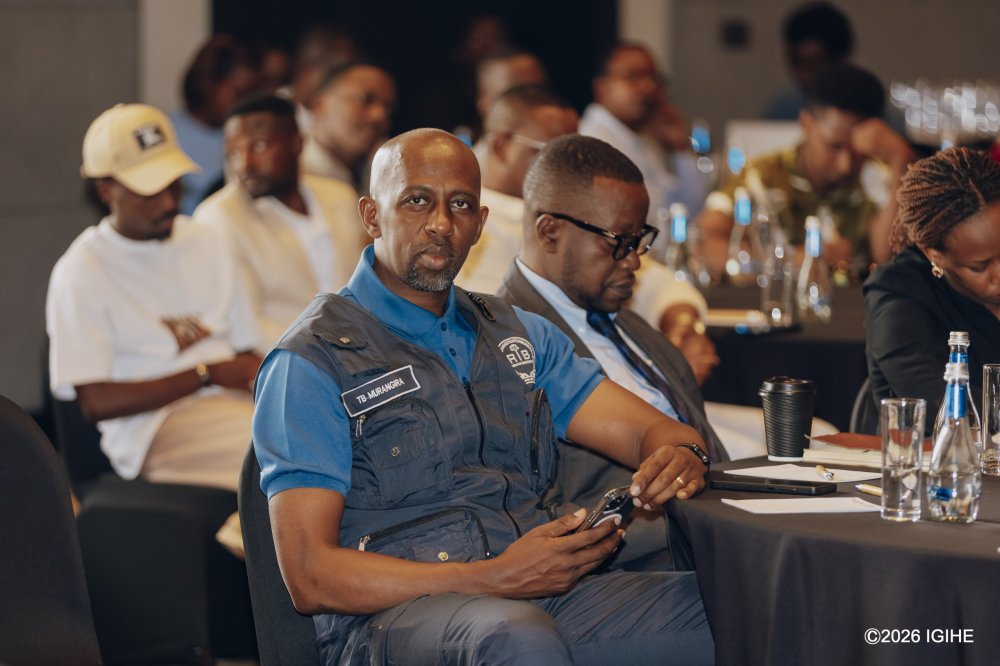
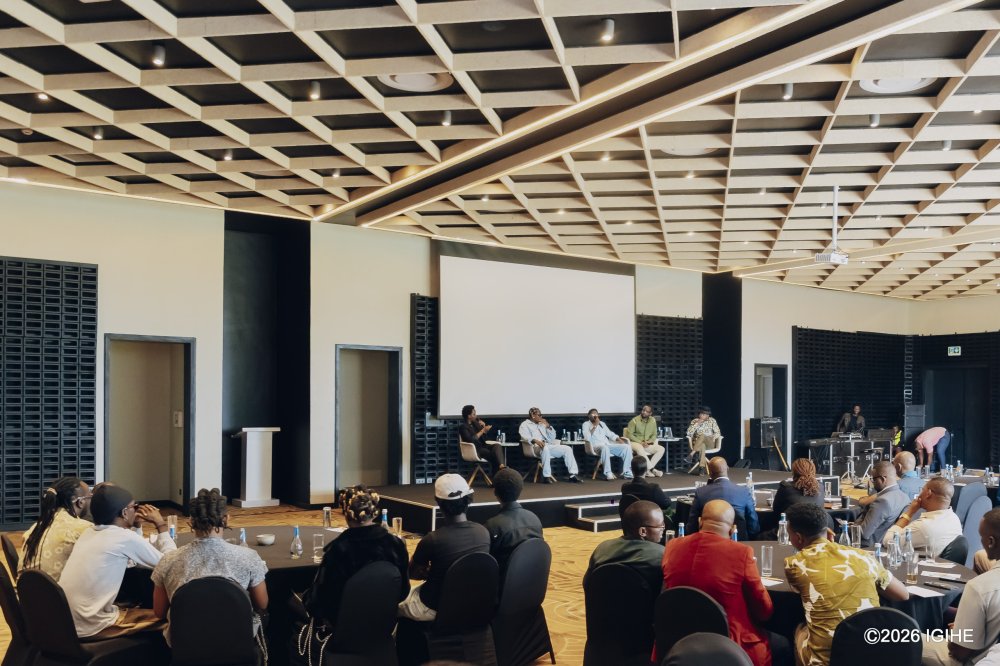
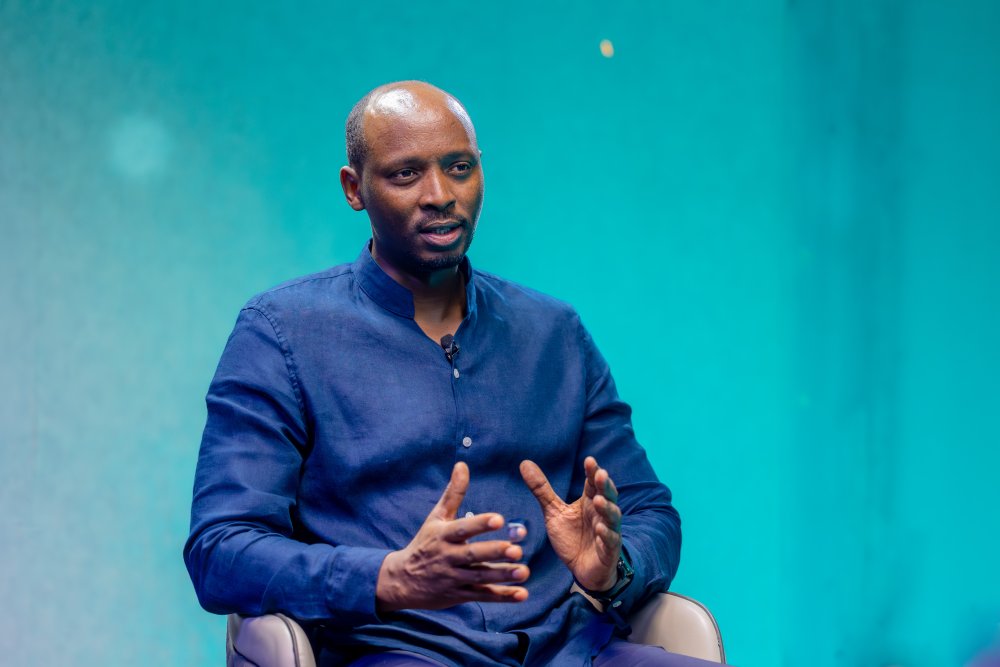
He made the remarks on August 4, 2026, during a meeting with members of Rwanda’s creative industry, including artists and investors, where they discussed the sector’s role in contributing to national development.
The meeting came amid a government campaign against illicit alcoholic drinks, which has resulted in the closure of more than 130 factories producing unsafe beverages.
Dr. Nsanzimana urged people to take responsibility for their health by avoiding substances that harm the body, including drugs and unsafe alcohol.
He stressed that the human body does not come with replaceable parts. “The body I was born with is the one I will grow old with. We will not find replacements for the parts we have,” he said.
He added that what people consume directly affects their health, explaining that a person’s physical condition reflects the choices they make about what they put into their body.
“If you put good things into your body, it will show. But if you put harmful things into it, the damage will also become visible,” he said.
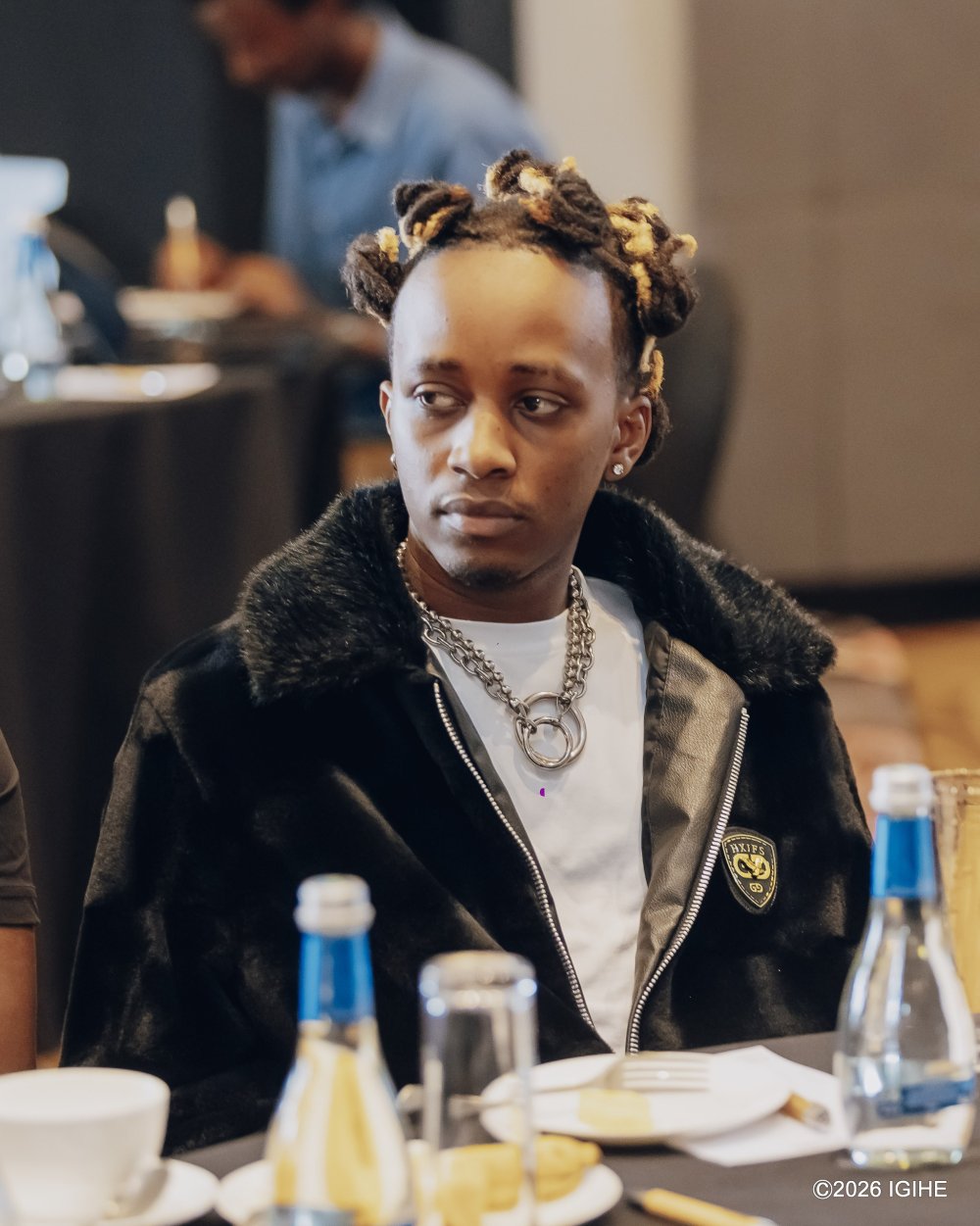
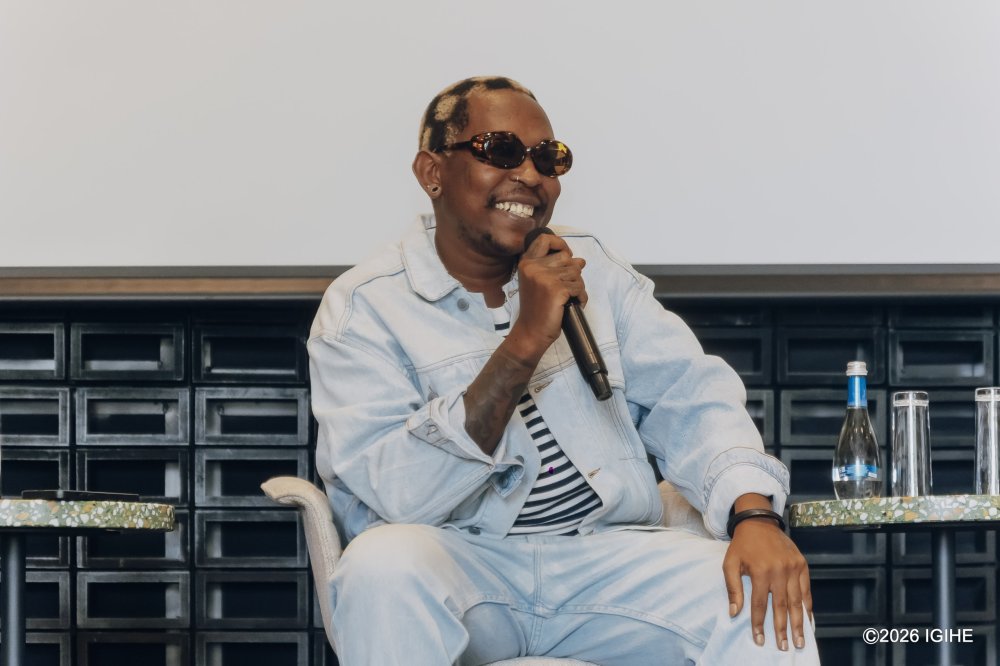
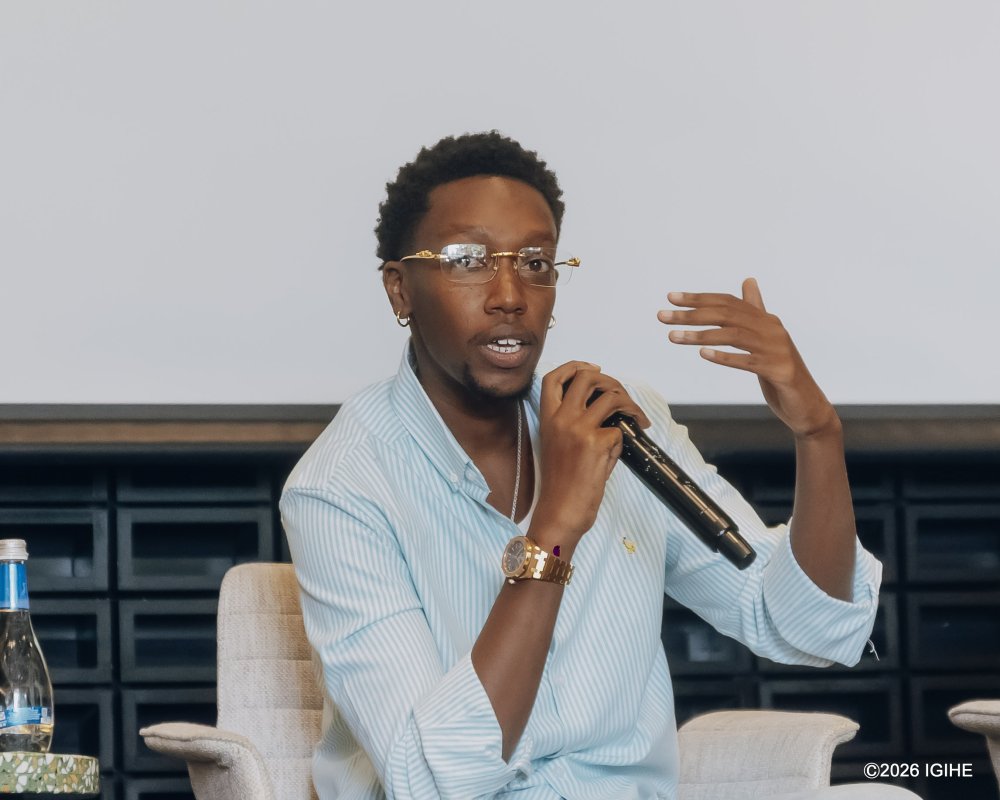
Musician Jean Paul Hagenimana, popularly known as Bushali, shared his personal journey of recovering from drug addiction, revealing that his substance abuse once landed him in prison.
Looking back, he said the experience became a turning point rather than a setback.
He explained that his time in prison gave him the opportunity to reflect on his life and his responsibilities to his country.
After his release, Bushali said he was encouraged by the progress Rwanda had made, particularly the development of infrastructure that has created more opportunities for artists to perform and grow their careers. He said this motivated him to contribute positively to the country’s development.
He also expressed concern about the growing number of young people becoming involved in drug abuse and other harmful behaviours.
“As young people, we should focus on positive actions, support one another, and grow alongside our country’s development,” he said.
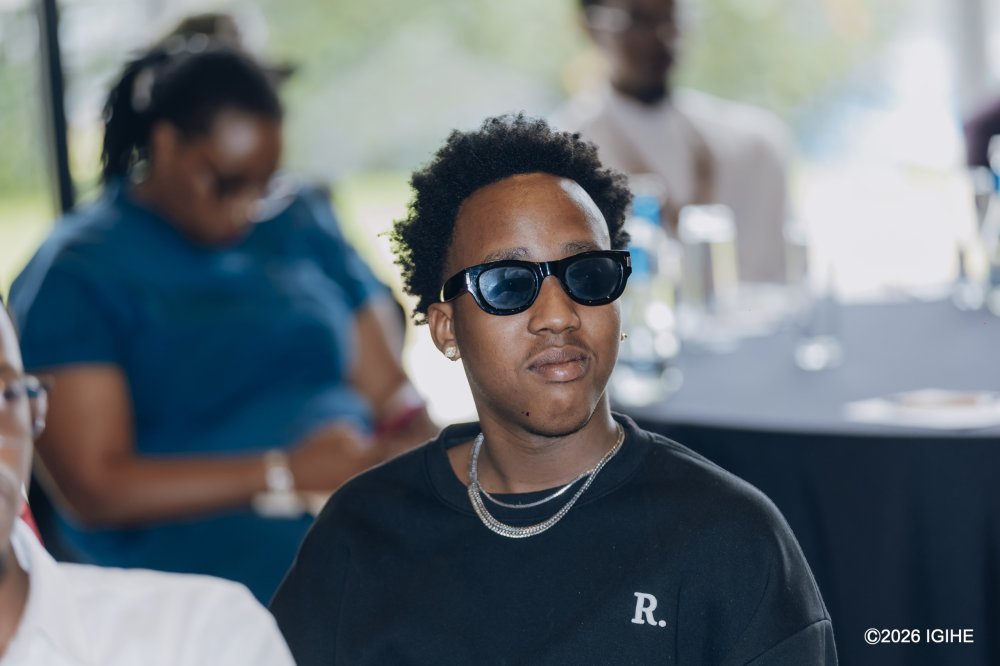
Disc jockey Grace Divine Iradukunda, better known as DJ Ira, said artists do not need drugs to fuel their creativity, warning that substance abuse can instead undermine talent and personal values.
She encouraged young people to support friends struggling with addiction instead of being influenced by them.
“We should be the ones encouraging our friends to quit drugs, not allowing them to persuade us to use them,” she said.
Rwanda has intensified its campaign against illicit alcohol following a series of deadly incidents linked to toxic drinks.
In the past seven months alone, contaminated alcohol has claimed more than 50 lives, while over 100 people have lost their sight after consuming it.
The latest enforcement action, announced on Tuesday, August 4, follows two earlier waves of closures. Rwanda FDA first announced the shutdown of eight manufacturers on Sunday evening before revoking the licenses of another 101 facilities on Monday. With Tuesday’s additional 27 closures, the number of manufacturers affected has risen to 136.
The sweeping crackdown comes amid growing concern over toxic alcoholic drinks, locally known as ibyuma, which the government says have caused dozens of deaths and left thousands battling alcohol addiction.
In a public announcement, Rwanda FDA said it had closed the manufacturing facilities and revoked all associated manufacturing licenses with immediate effect.
The regulator also ordered that every alcoholic beverage produced by the affected manufacturers be withdrawn from the market, instructing manufacturers to conduct an immediate recall through their distribution networks and submit recall reports within three working days.
Distributors and retailers have been directed to stop selling the affected products immediately and return remaining stock to suppliers, while consumers have been advised to stop consuming any products manufactured by the listed companies.
Rwanda FDA further ordered the immediate removal of all advertisements and promotional materials for alcoholic beverages produced by the companies.
The authority warned that additional manufacturing facilities could still face similar action as regulatory inspections and enforcement continue across the country.
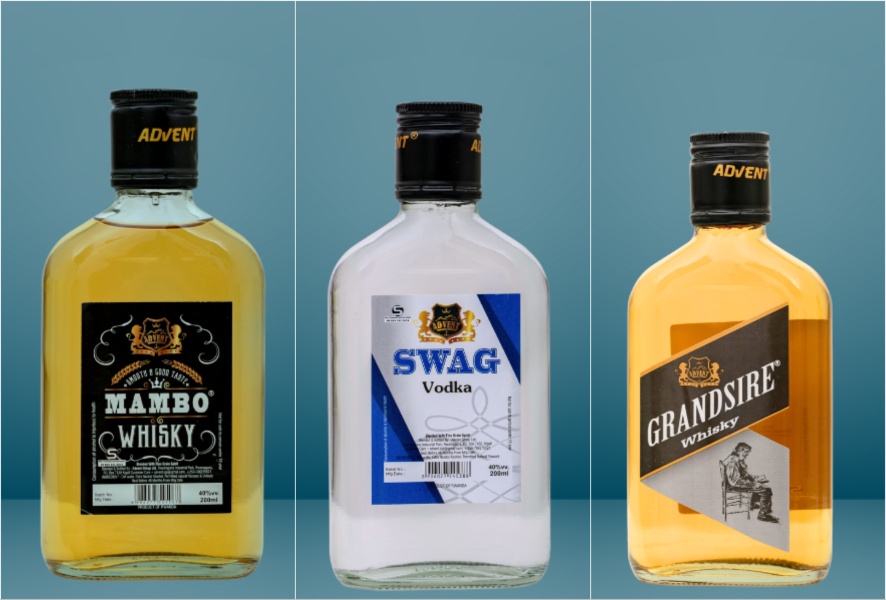
Among the companies affected in Tuesday’s announcement are Advent Group Ltd, Speranza Group Ltd, Unique Beverages Ltd, Gisagara Agro-Business Industries Ltd, Umuhonge Co. Ltd, Life Holistic Ltd, Ishya Brewing Company Ltd, Bwiza Coffee Group Ltd, NCWC Company Ltd, East Stone Beverage Ltd and 17 other manufacturers.
The recalled products include a wide range of spirits, wines and traditional banana- and ginger-based alcoholic beverages, including brands such as Mojo Gin, Marksman Whisky, Swag Vodka, Mambo Whisky, Speranza Waragi, Millenium Hills Blended Whisky, GABI Gin, OASIS Wine, Ganira Wine and several locally produced banana and ginger-flavoured alcoholic drinks.
The enforcement campaign follows revelations by Minister of Health Dr. Sabin Nsanzimana about the devastating impact of adulterated alcoholic beverages on public health.
Speaking to IGIHE, the minister said investigations launched by the government found that toxic alcoholic drinks have claimed more than 50 lives this year alone.
“From January through July, more than 500 people sought medical treatment after consuming these alcoholic drinks,” he said.
“They arrived in critical condition, vomiting, suffering from severe diarrhoea; some had lost their eyesight, while others were brought to hospital on stretchers after collapsing at social gatherings, including weddings. Investigations consistently found links to adulterated alcoholic drinks.”
According to Dr. Nsanzimana, more than 100 people have lost their eyesight after consuming the drinks, while a nationwide assessment has identified nearly 11,000 people struggling with alcohol addiction.
“These are only the cases we know about and represent just a small fraction of the actual number. They are people who spend much of their lives intoxicated,” he added.
The minister said the government examined every stage of the supply chain, including manufacturers, regulators, local leaders and consumers, concluding that stronger enforcement and collective responsibility were needed to address the growing public health threat.
Rwanda FDA has warned that failure to comply with the recall directives and other regulatory measures will attract sanctions under applicable laws as the nationwide enforcement campaign continues.
With Tuesday’s additional 27 closures, the number of manufacturers affected has risen to 136.
The Agreement, titled “HANGARIBIHE: Transformational Climate-Smart and Inclusive Agriculture in Rwanda,” is a five-year programme that will provide EUR 36 million in budget support to strengthen national agriculture and environment sector priorities, alongside EUR 4 million in complementary support for technical assistance, capacity building, and studies.
The programme is part of the Team Europe Initiative on “Investing in Sustainable and Inclusive Agricultural Transformation,” bringing together the European Union and partners.
The support will contribute to the implementation of Rwanda’s National Strategy for Transformation (NST-2), the Fifth Strategic Plan for Agriculture Transformation (PSTA-5), and environment sector priorities.
It will focus on increasing investment in agriculture, expanding irrigation and sustainable land management practices, strengthening climate resilience, restoring degraded ecosystems, and improving climate information systems to support evidence-based decision-making.
Speaking at the signing ceremony, Minister Yusuf Murangwa, Minister of Finance and Economic Planning, welcomed the financing agreement as a strategic partnership for Rwanda’s agricultural transformation.
“It will build a modern, productive, and climate-resilient sector by driving inclusive productivity gains for smallholders, cooperatives, women, youth, and SMEs, while mandating climate-smart and sustainable production practices,” he noted.
Belén Calvo Uyarra, the EU Ambassador to Rwanda highlighted that the programme marks another important milestone in the long-standing partnership between the European Union and Rwanda.
“By building on our previous cooperation, it will help turn Rwanda’s climate-smart agriculture ambitions into tangible results for farmers, rural communities and future generations,” she stated.
Minister of Agriculture and Animal Resources, Dr. Telesphore Ndabamenye, said the funding will complement the country’s existing programmes, including irrigation, increasing production in food basket sites, and soil conservation agrculture.
Minister Yusuf Murangwa and EU Ambassador Belén Calvo Uyarra exchange signed documents after formalising a €40 million financing agreement to strengthen climate-smart agriculture in Rwanda.Minister of Finance and Economic Planning Yusuf Murangwa and EU Ambassador to Rwanda Belén Calvo Uyarra sign the €40 million financing agreement supporting Rwanda’s climate-smart agriculture transformation.Minister of Agriculture and Animal Resources, Dr. Telesphore Ndabamenye, said the funding will complement Rwanda’s ongoing programmes in irrigation, food basket sites and soil conservation agriculture.Minister of Finance and Economic Planning, Yusuf Murangwa, said the €40 million financing agreement will support Rwanda’s efforts to build a modern, productive and climate-resilient agriculture sector.EU Ambassador to Rwanda, Belén Calvo Uyarra, said the new programme builds on the European Union’s long-standing partnership with Rwanda to advance climate-smart agriculture and support rural communities
In a statement shared on its social media platforms, AFR said Sayinzoga takes over the leadership of the organisation at a time when it begins implementing a new strategic framework and strengthening its contribution to Rwanda’s financial sector.
“Her experience in institution building, partnership development and inclusive finance will be invaluable as AFR continues to expand its impact,” the organisation said.
Sayinzoga is an expert in economic development with extensive experience in finance, policy, and institutional leadership.
From 2019 to 2025, she served as CEO of the Rwanda Development Bank (BRD), after previously serving as Director General of the National Industrial Research and Development Agency (NIRDA).
She has also held various senior positions at the Ministry of Finance and Economic Planning, including serving as Permanent Secretary.
Before joining public service, Sayinzoga worked at the World Bank. She has also served on the boards of several financial institutions and organisations, including the Trade and Development Bank (TDB), East African Development Bank (EADB), Rwanda Eurobond Committee, GT Bank, and the Rwanda Revenue Authority.
She holds a Master’s degree in Economic Development and Policy Analysis from the University of Nottingham.
Kampeta Pitchette Sayinzoga his the new AFR Chief Executive Officer.
The DRC commemorates August 2 as “genocost” day, a term coined by the Congolese government to refer to what it describes as the killing of millions of Congolese people since 1996, allegedly linked to the exploitation of the country’s natural resources.
The concept was incorporated into Congolese law in December 2022, with President Félix Tshisekedi presiding over the first official commemoration ceremony a year later. In 2025, he inaugurated a memorial site dedicated to the commemoration in Kinshasa.
During the fourth “genocost” commemoration ceremony held in Kinshasa on August 2, 2026, Tshisekedi accused Rwanda and the AFC/M23 coalition of responsibility for atrocities committed in eastern DRC over the past three decades.
However, speaking in an interview on the ‘Agasaro Kaburaga’ platform, Nduhungirehe rejected the claims, saying the date chosen for the commemoration coincides with events in which Tutsis in the DRC were targeted.
“What Congo is doing is a deliberate distortion. I want to remind people that August 2, 1998, the date they chose to commemorate genocost, was actually a horrific period in Congo’s history, particularly in Kinshasa, where Tutsis were openly targeted, pursued and attacked by mobs. Some were captured on bridges and thrown down. These are events documented through photographs and videos,” Nduhungirehe said.
He accused the Congolese government of failing to acknowledge such incidents, instead using “genocost” to present itself as a victim.
Nduhungirehe also cited remarks made by former DRC Foreign Minister Abdoulaye Yerodia Ndombasi, who publicly used dehumanising language against Tutsis during the 1998 conflict.
The minister said Ndombasi’s statements prompted Belgium to issue an international arrest warrant against him over allegations related to incitement, although he was never prosecuted by Congolese authorities.
Ndombasi died in February 2019, and Nduhungirehe criticised President Tshisekedi’s decision to grant him a state funeral, noting that Belgian authorities had previously investigated him over alleged war crimes and crimes against humanity.
“What Congo is doing by introducing something called genocost, which is not recognised under international law, is a deliberate attempt to portray itself as innocent while it is part of the problem. The Congolese government has targeted Tutsis for many years, and even today that continues,” he said.
The minister’s remarks come as Kinshasa pursues legal and diplomatic efforts over its allegations against Rwanda. On June 26, 2026, the DRC filed a case at the International Court of Justice (ICJ), accusing Rwanda of genocide-related crimes allegedly committed between 1996 and the present.
The DRC’s “genocost” campaign has been part of broader efforts by Kinshasa to frame decades of conflict and violence in the country as a result of external exploitation and foreign involvement.
Nduhungirehe further questioned the credibility of the DRC’s claims, citing its continued engagement with the Democratic Forces for the Liberation of Rwanda (FDLR), a militia group founded by perpetrators of the 1994 Genocide against the Tutsi in Rwanda.
“The FDLR is a group that committed genocide in Rwanda. You cannot claim to be mourning genocide while cooperating with a group that carried out genocide,” he reiterated.
The Rwandan government has repeatedly accused the DRC of supporting the FDLR.
No country has so far formally adopted the “genocost” terminology or joined the DRC’s campaign to promote it at the international level.
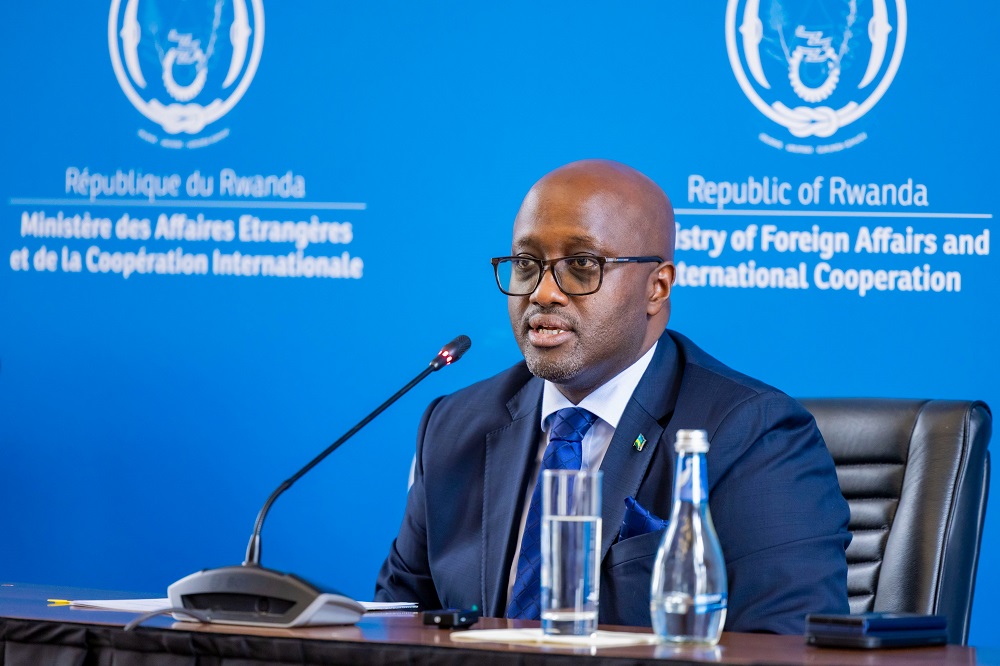
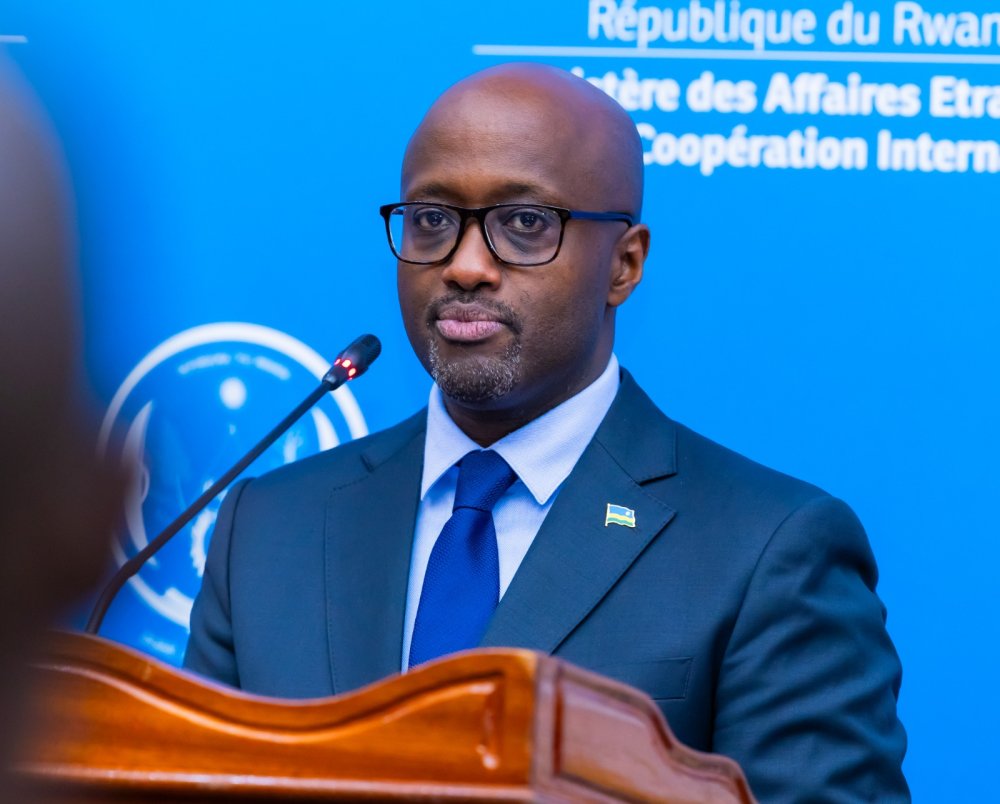
Minister of Foreign Affairs and International Cooperation, Olivier Nduhungirehe, has dismissed the Democratic Republic of Congo’s “genocost” narrative as a deliberate distortion, accusing Kinshasa of attempting to portray itself as a victim while ignoring its own history of violence against the Tutsi community.
Speaking to IGIHE, Dr. Nsanzimana said authorities examined every link in the chain, from consumers and manufacturers to regulators, local leaders and institutions responsible for enforcing food and beverage safety standards.
“There were things all of us were supposed to do but didn’t do. We all have a responsibility, including those who don’t drink and local leaders in every village. Everyone has a role to play. Now we have all risen together to address this,” he said.
He said the illicit drinks have contributed to a growing burden of non-communicable diseases, while deaths linked to their consumption continue to rise.
“From January through July, more than 500 people sought medical treatment after consuming these alcoholic drinks,” he said.
“They arrived in critical condition, vomiting, suffering from severe diarrhoea; some had lost their eyesight, while others were brought to hospital on stretchers after collapsing at social gatherings, including weddings. Investigations consistently found links to adulterated alcoholic drinks.”
According to the minister, more than 50 people have died after consuming the toxic beverages.
He added that the government’s assessment also identified a far broader group of people whose lives have been severely affected by alcohol dependence.
“We asked ourselves whether there were people who had not been hospitalised but were slowly dying because of alcohol addiction. We have so far identified more than 10,000, close to 11,000 people across the country who are addicted to alcohol,” he said.
“These are only the cases we know about and represent just a small fraction of the actual number. They are people who spend much of their lives intoxicated.”
Authorities have so far shut down more than 100 alcoholic beverage manufacturers for regulatory non-compliance as part of an ongoing crackdown.
Dr. Nsanzimana noted that non-communicable diseases now claim more lives in Rwanda than infectious diseases, with harmful alcohol consumption among the major contributing factors.
“We are seeing young people develop kidney disease because of these alcoholic drinks,” he explained.
He further disclosed that more than 100 people lost their eyesight after consuming the illicit alcohol during the first seven months of the year.
Inspections expose widespread violations
As the crisis deepened, the government ordered the closure of factories producing the drinks after inspections found widespread non-compliance with manufacturing standards.
“Every factory inspected so far failed to meet the conditions it had committed to when obtaining its operating licence,” Dr. Nsanzimana said.
He explained that while each factory is required to employ qualified technical personnel, investigators found instances where the same professional had been listed as responsible for more than 10 factories simultaneously, making effective oversight impossible.
Inspectors also found poor hygiene standards and unsafe storage of raw materials at many production sites.
Laboratory tests further revealed serious discrepancies between product labels and actual alcohol content.
“In some cases, bottles labelled as containing 40% alcohol were found to contain 70%,” he revealed.
“Others used labels that did not match the contents or even counterfeited established brands by refilling bottles from legitimate manufacturers with their own products before attaching counterfeit labels.”
He described the scheme as a coordinated network involving licensed manufacturers, unlicensed producers and distributors.
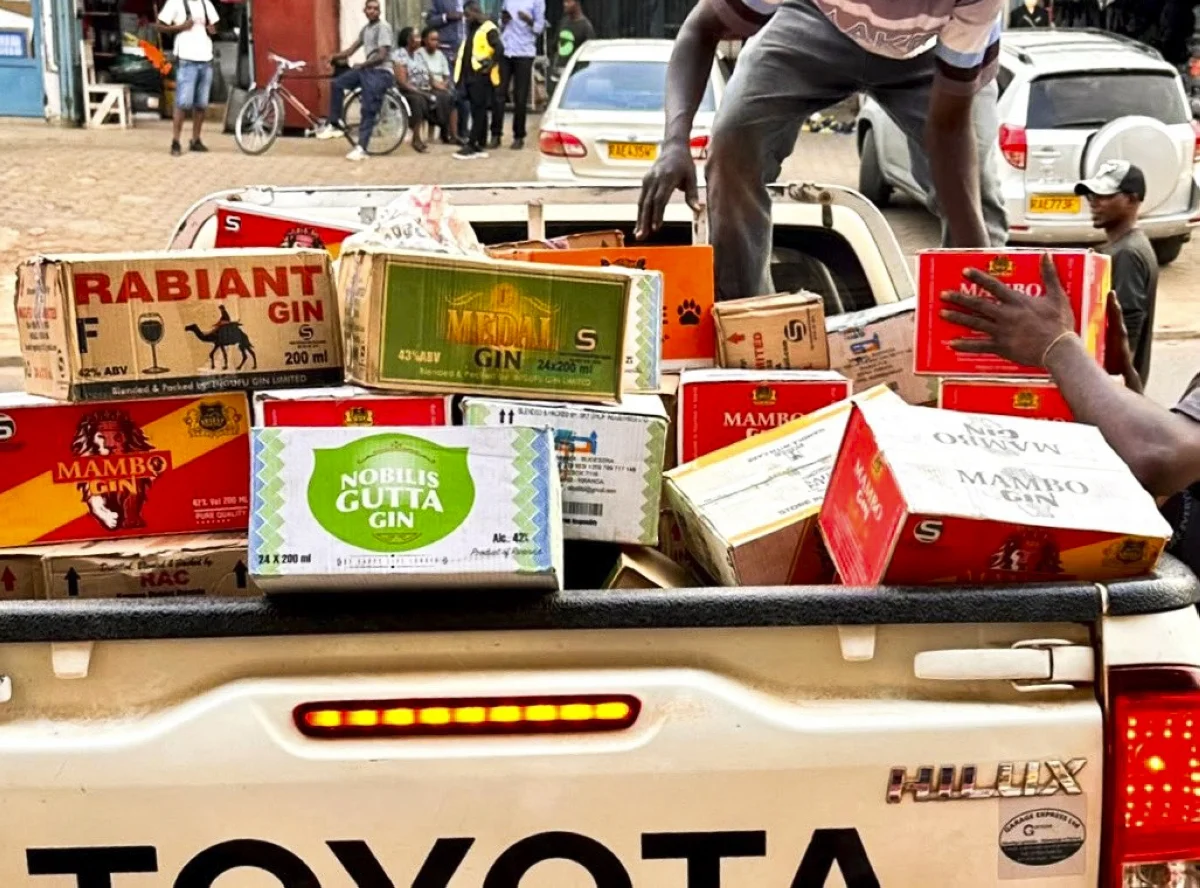
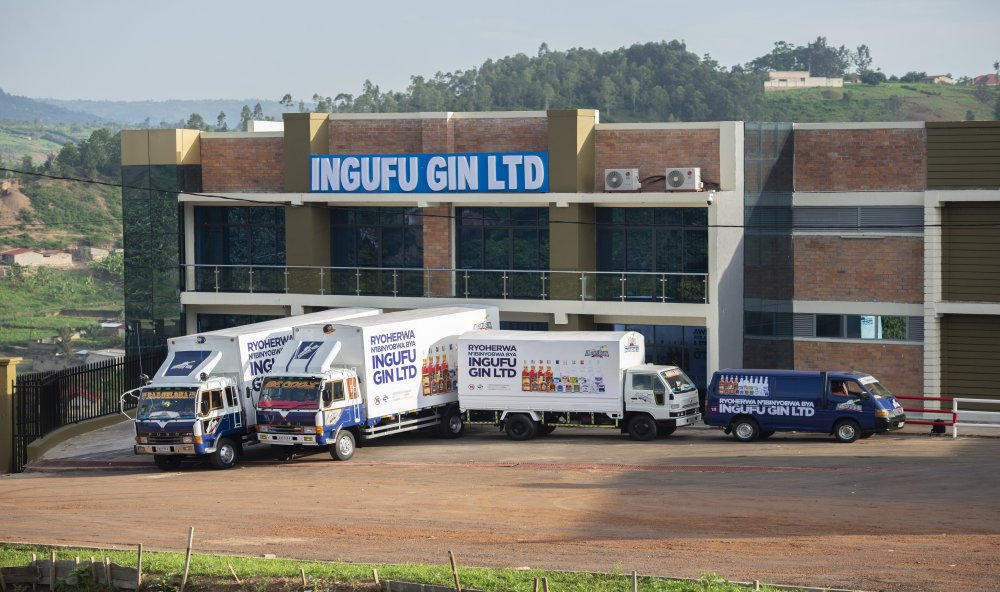
Ingufu Gin Ltd, which produces a range of alcoholic beverages, is among the manufacturers shut down by the Rwanda Food and Drugs Authority in the ongoing crackdown.
Sophisticated distribution network
The minister also revealed that some large manufacturers imported industrial alcohol, used part of it in licensed production and illegally diverted the remainder for distribution across the country.
“You would find motorcycles transporting four jerrycans to Nyagatare, Rusizi or Nyabihu. These deliveries were carried out at night through a highly organised network,” he said.
“The operation was only uncovered after an extensive investigation that went beyond the institutions responsible for issuing licences.”
According to Dr. Nsanzimana, alcohol found in remote communities could often be traced back to factories in Kigali, with those involved driven by the significant profits generated by the illegal trade.
He warned that producers deliberately manufactured highly intoxicating drinks because they understood their addictive effects.
“They know these drinks create dependency,” he said.
“The stronger the intoxication, the more likely the consumer is to crave another drink the following day. They keep returning in search of that feeling until they eventually become addicted.”
The Rwanda Food and Drugs Authority (Rwanda FDA) has so far shut down more than 100 alcoholic beverage manufacturers for regulatory non-compliance as part of an ongoing crackdown.
The regulator has also ordered the immediate recall of their products from the market and banned all advertising of the affected products.
Speaking to IGIHE, Health Minister Dr. Sabin Nsanzimana said authorities examined every link in the chain, from consumers and manufacturers to regulators, local leaders and institutions responsible for enforcing food and beverage safety standards.
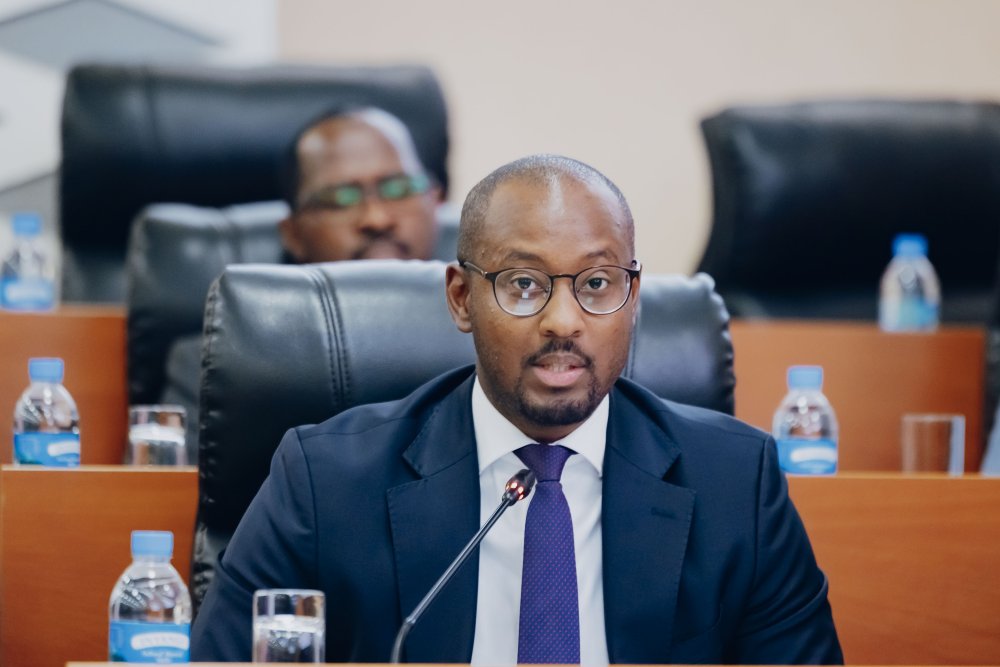
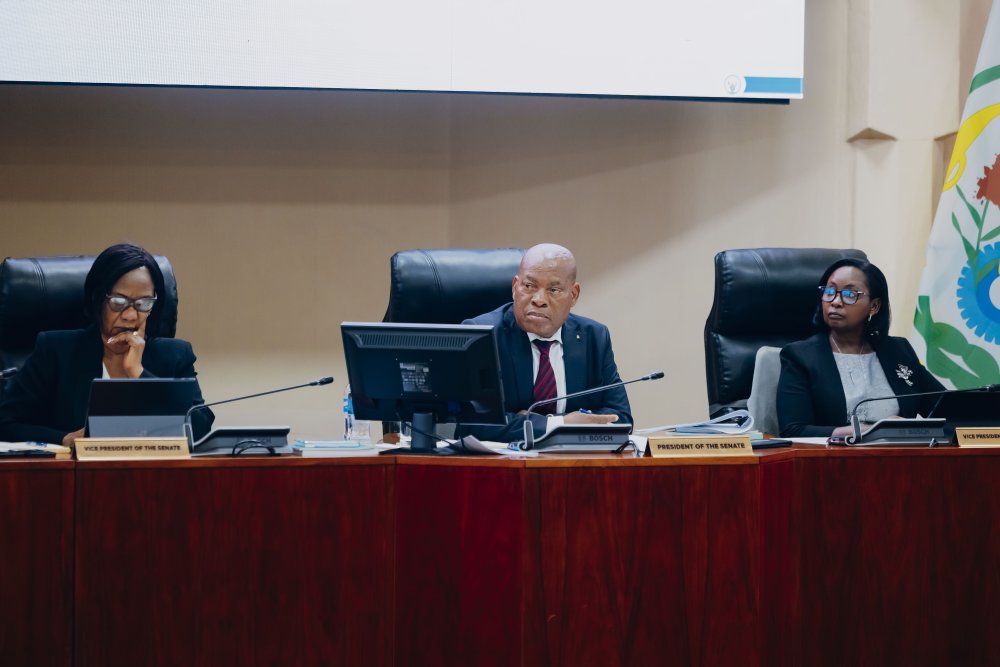
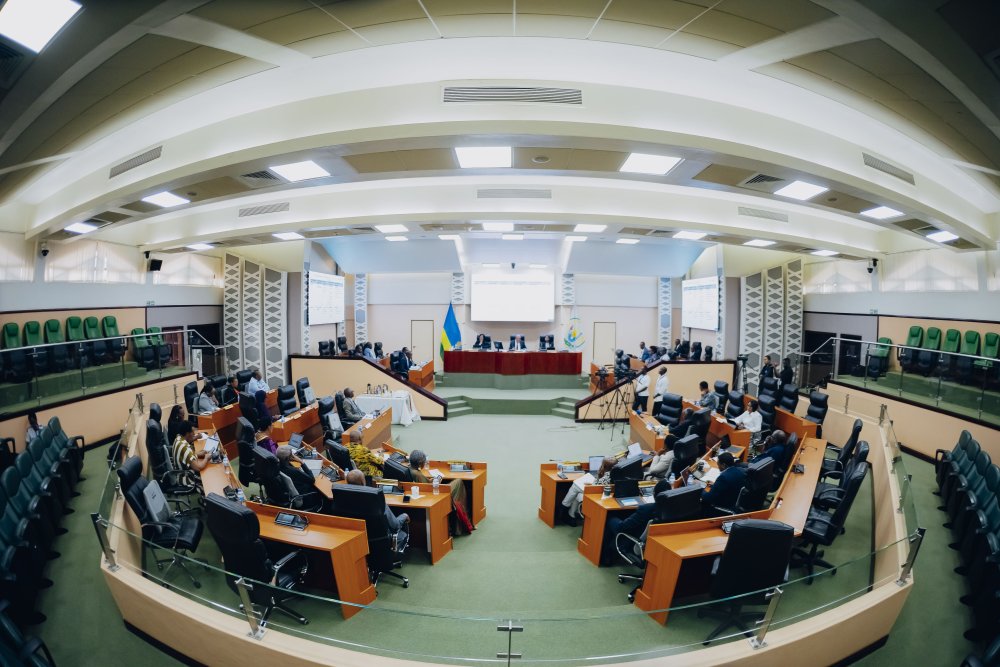
The minister disclosed the figures on August 3, 2026, while appearing before the Senate Plenary to present progress made in addressing challenges facing industrial parks and outline measures being taken to resolve infrastructure gaps that have slowed their development.
During the session, senators observed that while all industrial parks are connected to electricity and equipped with water supply infrastructure, water shortages remain a persistent challenge in many of the zones.
Kajangwe said the government’s Second National Strategy for Transformation (NST2) prioritises the development of infrastructure in four industrial parks located in Muhanga, Bugesera, Rwamagana and Musanze.
He added that the government will continue expanding infrastructure to other industrial parks as resources become available.
The minister also said the government has introduced a digital investment project monitoring system to improve services for both existing and prospective investors and accelerate the productive use of industrial parks.
“To date, 405 investors have been allocated land across all industrial parks in the country. Of their projects, 193 have been completed, 99 are currently under construction, while 122 have not yet started,” Kajangwe told senators.
He revealed that 15 projects have experienced significant delays despite investors having already received land from the government. These include five projects in Rwamagana, four in Bugesera, four in Rusizi and two in Huye.
Kajangwe said the government has adopted a firm approach toward investors who fail to develop their allocated plots within the agreed timeframe.
“Where projects are delayed, the government repossesses the land and reallocates it to investors who are ready to implement their projects without delay,” he said.
So far, the government has repossessed six plots, including five in Rwamagana Industrial Park and one in Musanze Industrial Park.
“These plots have already been allocated to other investors who demonstrated both interest and the capacity to fast-track their projects,” he added.
Senator Evode Uwizeyimana welcomed the move, saying reclaiming land from investors who acquire plots for speculation rather than development was a positive step. However, he argued that the number of repossessed plots remains too low.
“Six is still a small number. You mentioned Rwamagana, but this exercise should be extended to other industrial parks as well,” Uwizeyimana said.
Responding to the concerns, Kajangwe said the ministry is monitoring several other investors who have failed to honour their contractual obligations and that more repossessions will follow.
“Investors who have exceeded the construction deadlines and have not presented any clear plans for developing their plots will have their land repossessed. This is a commitment we have made as the Ministry of Trade and Industry,” he said.
He explained that every investor allocated land in an industrial park signs a contract specifying when construction must begin. The government also reclaims plots from investors who fail to fulfil their financial obligations, including payments owed to the state.
Kajangwe noted that authorities have already identified additional investors who have exceeded the deadlines set in their contracts without starting construction and that they will also lose their plots.
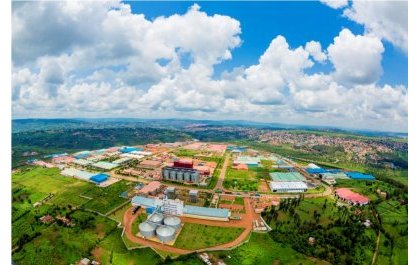
Rwanda currently has 10 industrial parks across the country. Investors are allocated space based on the type of manufacturing activities they intend to undertake. The industrial parks in Nyagatare and Nyabihu are designated for agro-processing industries, while the Musanze Industrial Park primarily hosts manufacturers of construction materials.
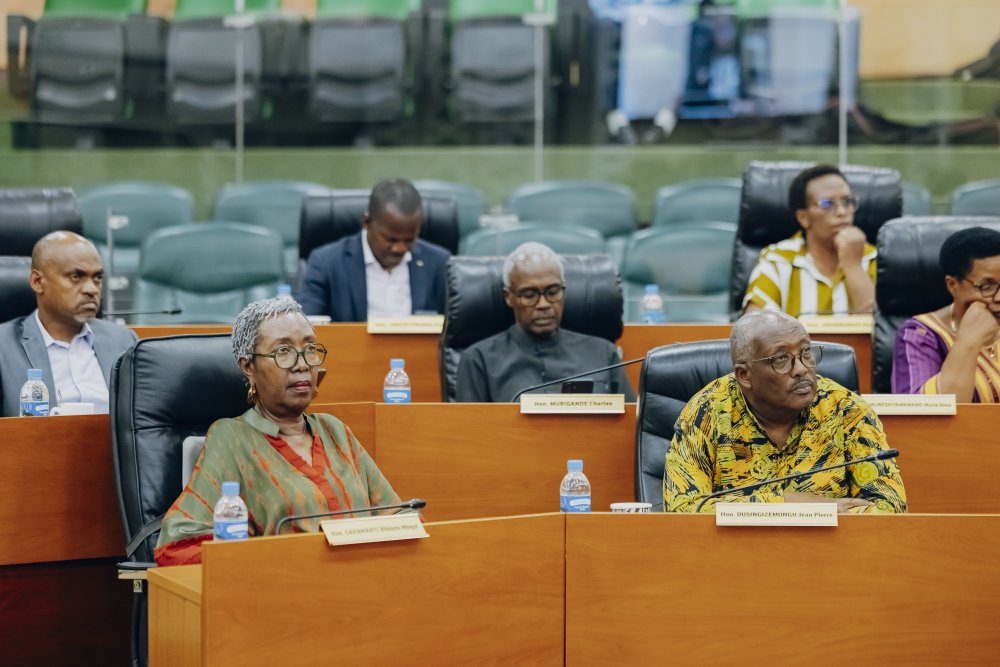
Senators have called for stronger infrastructure development in Rwanda’s industrial parksMinister Antoine Marie Kajangwe said investors who have neither paid for nor developed their industrial park plots are on a government list and face repossessionThe Senate commended ongoing initiatives aimed at addressing challenges identified in industrial parks
In a statement issued on August 3, 2026, Rwanda FDA announced that it had closed 101 additional manufacturers producing fermented alcoholic beverages and ordered the immediate removal of all advertising materials promoting their products across the country.
The regulator also directed that all alcoholic beverages produced by the affected manufacturers be withdrawn from the market immediately.
“Rwanda FDA orders that all beverages produced by these manufacturers be removed from the market. Manufacturers must immediately begin withdrawing the products as soon as they receive this notice,” the statement said.
The authority further instructed the manufacturers to notify all distributors to collect the products from wholesalers and retailers and return both unsold and recalled stock to the production facilities.
Manufacturers have been given three working days from August 3, 2026, to submit a report to Rwanda FDA detailing the product recall process.
Distributors and retailers were also ordered to stop selling or distributing the listed beverages immediately and return any remaining stock to their suppliers, whether distributors or manufacturers.
Rwanda FDA warned that failure to comply with these directives would result in additional measures in accordance with applicable laws and regulations.
The authority also urged consumers to stop drinking the affected products, adding that more manufacturers could face similar sanctions as ongoing inspections and enforcement activities continue.
The statement further clarified that any other alcoholic beverages produced by the listed manufacturers, even if they do not appear on the published list, must also be removed from the market.
In addition, all billboards and other advertising materials promoting the affected alcoholic beverage brands must be taken down immediately wherever they are displayed across the country.
The latest enforcement action comes just a day after Rwanda FDA suspended eight distilleries on August 2, 2026, including Ingufu Gin Ltd and NBG Ltd.
The crackdown is part of a broader campaign against unregulated alcoholic beverages, which have caused serious public health concerns in Rwanda. Over the past seven months, such products have reportedly claimed around 50 lives, while about 100 other people suffered severe health complications, including blindness.
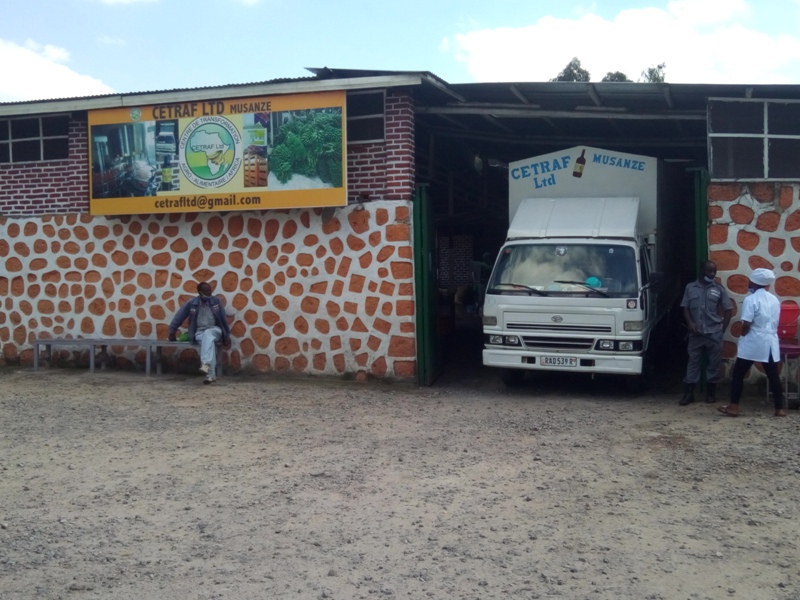
Over 100 beverage manufacturers including CETRAF from Musanze have been shut down.