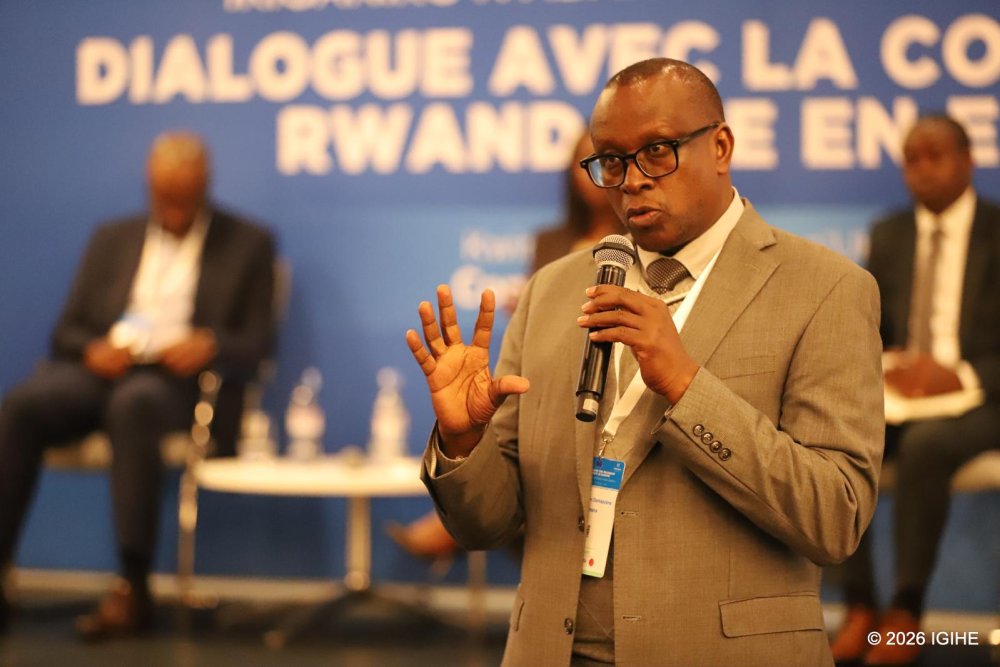
The minister made the remarks as Rwanda prepares to celebrate Umuganura, the annual harvest festival observed on the first Friday of August, saying the occasion should not only be a time to celebrate achievements but also reflect on measures needed to prevent society from regressing.
In a message shared on his X account, Dr. Bizimana said Rwandans should appreciate the progress they have made while also looking at challenges that could threaten future development.
“Celebrating our achievements requires us to also consider what can prevent us from moving backwards, because those who contribute to development are healthy and strong,” he said.
He warned that Rwanda is increasingly affected by the consumption of harmful alcoholic beverages, especially among young people, as well as other behaviours he described as damaging to individuals and society.
“Today, we are facing an epidemic of people producing and consuming harmful alcoholic drinks that damage the health of Rwandans. We are facing alcoholism among the youth, drug abuse, prostitution, immorality and other behaviours that devalue people, while there is a lack of guidance from elders who should tell them: ‘Stop, abandon these harmful practices,’” Dr. Bizimana said.
He called on Rwandans to use Umuganura as an opportunity to collectively fight against practices that threaten people’s wellbeing.
“Let Umuganura become a moment when we rise together and reject these harmful practices. Bad behaviours are destroying lives in the Rwanda of Kanyarwanda. Together, through our shared commitment, let us say: ‘Enough is enough; we reject them,’” he said.
The minister urged young people to prioritise healthy lifestyles, saying a healthy population is the foundation for personal and national development.
“Through one united voice, young men and women should say: ‘We are committed to living healthy lives because that is the source of our prosperity and development, as well as that of Rwanda. We will avoid the dangers of alcohol, drunkenness, drug abuse, immoral behaviour, self-destruction and anything that diminishes our dignity,’” he said.
The warning comes after the Ministry of Health revealed that during the first six months of 2026, about 500 people sought medical treatment in different health facilities after consuming substandard alcoholic drinks.
Among them, 100 suffered permanent blindness, more than 50 died, while over 11,000 people were reported to have developed addiction linked to the consumption of such drinks.
Rwanda has since taken measures to address the issue, including closing several factories producing substandard alcoholic beverages that posed health risks.
More than 50 types of imported alcoholic drinks were also removed from the Rwandan market over quality concerns.
Minister Dr. Jean Damascène Bizimana has reminded Rwandans that celebrating Umuganura should go hand in hand with promoting positive values and responsible choices.
Implemented by the Rwanda Agriculture and Animal Resources Development Board (RAB), SAIP II aims to promote sustainable agriculture and strengthen food security from October 2024 to October 2026.
The project focuses on several areas of agricultural development, including irrigation, where more than Rwf5 billion has already been invested, while an additional Rwf6 billion is planned for use by December 2026.
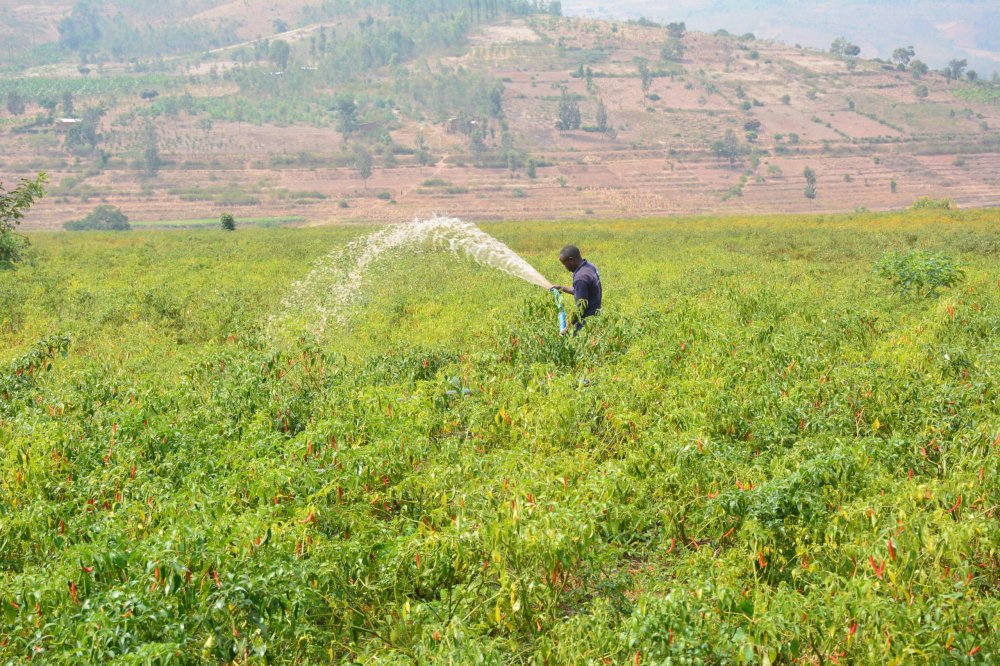
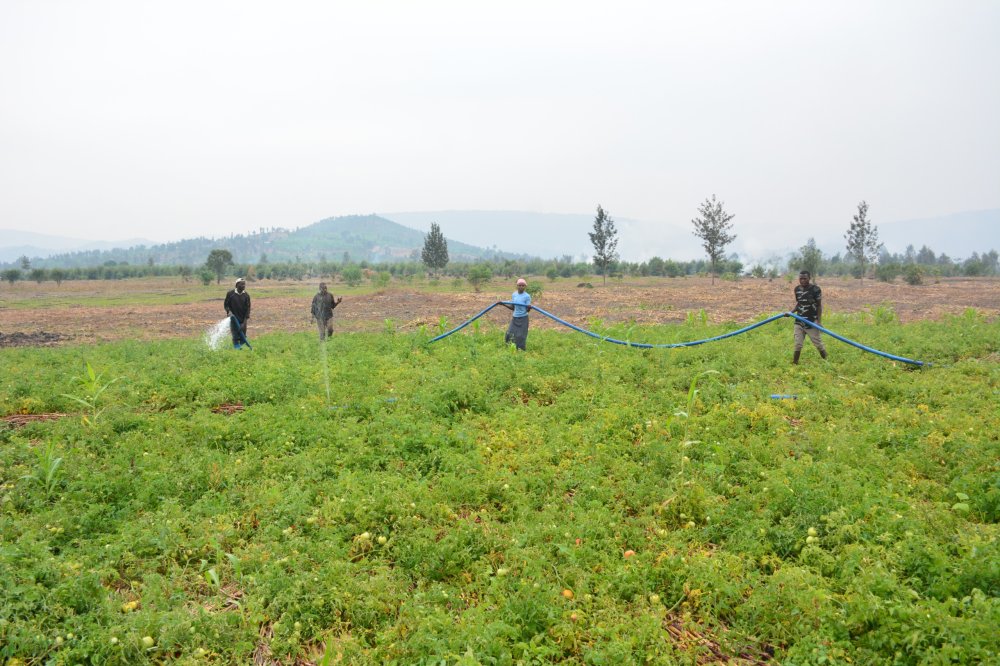
SAIP II supports small-scale irrigation schemes covering areas of up to 10 hectares, particularly benefiting farmers growing crops such as vegetables, tomatoes, chilli peppers, avocados and maize seeds.
Through the project, farmers receive irrigation equipment, training on its use and support to access markets for quality produce.
Jean Paul Buregeya, a tomato and maize farmer in Mimuri Sector, Nyagatare District, said irrigation support transformed his farming activities. He previously relied on manual watering using watering cans, which limited production.
After receiving irrigation support through SAIP II, Buregeya said his tomato harvest value increased from about Rwf1.5 million to Rwf3.5 million.
The improved income has enabled him to invest in assets, including buying a cow worth Rwf1 million and a house valued at Rwf3.5 million within one and a half years.
In Murundi Sector, Kayonza District, farmers in the Buhabwa agricultural zone also say irrigation has helped them overcome challenges caused by drought.
Mbaraga Potiane, who leads farmers in the area, said SAIP II provided more than Rwf70 million to establish an irrigation system covering five hectares.
“On one hectare, watermelon production generates about Rwf7 million. Previously, crops would dry up during periods of intense sunshine. We now have reliable markets, and we have earned up to Rwf15 million from three hectares of chilli peppers, which we export,” he said.
Meanwhile, Faustin Ugirumurera, head of Ubuzima Bwiza Kayonza, a water users’ association, said SAIP II support helped improve irrigation systems in the Kayonza Kane agricultural zone in Kabare Sector, which covers 365 hectares.
The zone, where 416 farmers grow fruits and vegetables, had previously faced water shortages that affected crop production during dry periods.
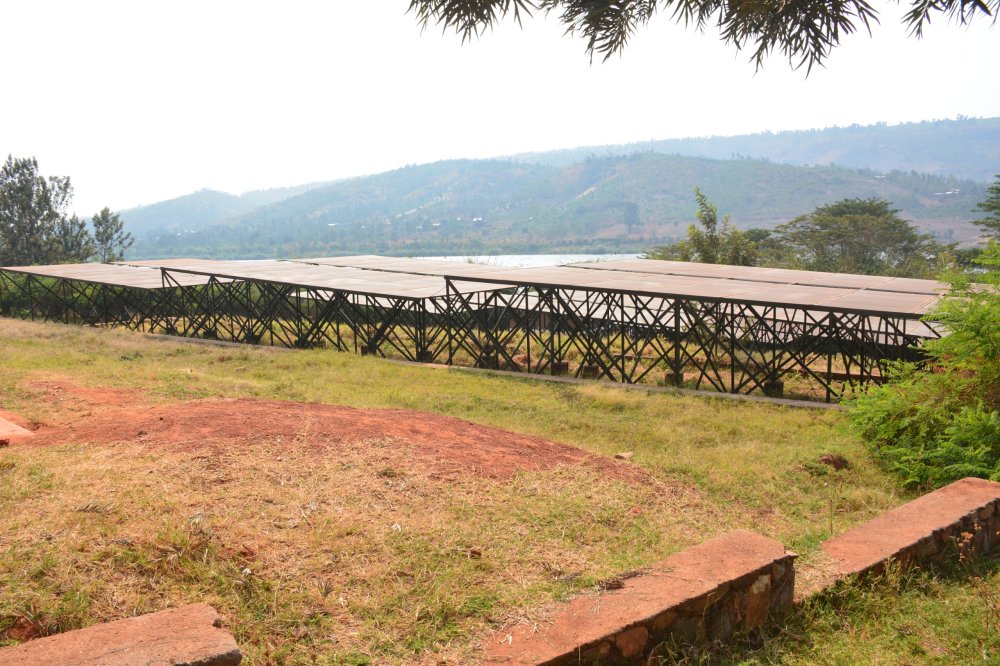
Through SAIP II, farmers received more than Rwf800 million to purchase irrigation equipment, including 540 solar-powered systems and water pumping machines to supply water across the farming area.
The investment has significantly increased productivity. Farmers now harvest more than four tonnes of chilli peppers per hectare, compared with less than 500 kilograms previously. Tomato production has also increased to about five tonnes per hectare, up from less than 400 kilograms.
Kayonza District Acting Vice Mayor Jules Higiro said the project has expanded irrigated farmland in the district, adding more than 170 hectares to the area under irrigation, with further expansion ongoing.
The initiative has increased the number of agricultural zones equipped with irrigation systems in Kayonza to 11, with local authorities urging farmers to maintain the infrastructure so they can continue benefiting after donor-supported projects come to an end.
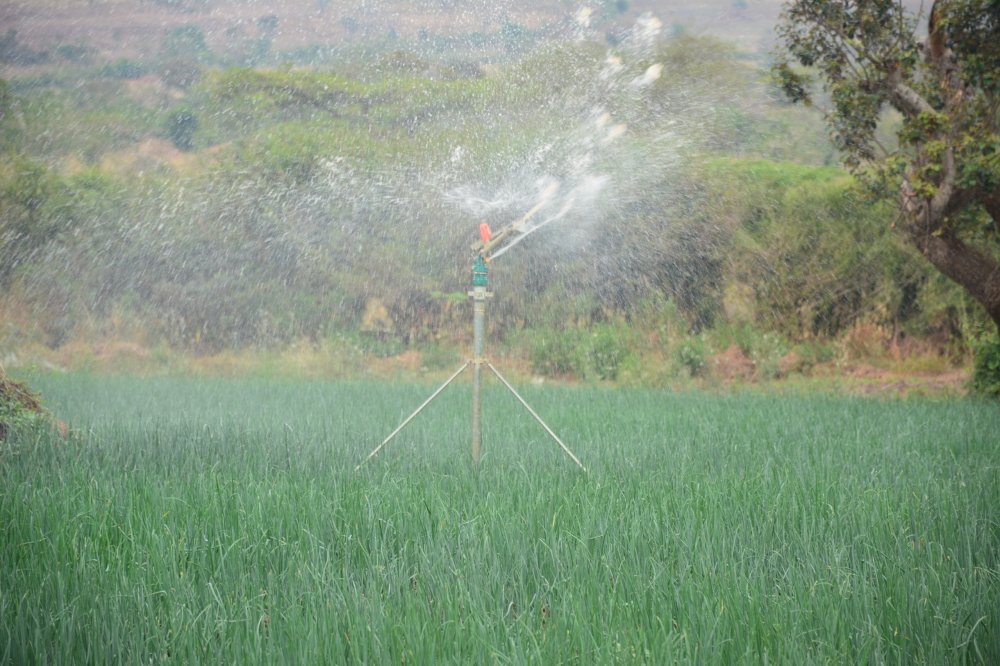
Farmers in Kayonza use irrigation equipment provided through SAIP II to grow crops during the dry season and increase productivity.Onions are now being grown during the dry season in Kayonza.A farmer in Eastern Rwanda irrigates crops using equipment supported by the SAIP II project to overcome dry-season farming challenges.These water-pumping motors were provided through the SAIP II project to farmers cultivating plots of up to five hectares.Kayonza District Acting Vice Mayor Jules Higiro said SAIP II had expanded irrigated farmland and improved farmers’ ability to produce throughout the year.Faustin Ugirumurera, head of Ubuzima Bwiza Kayonza water users’ association, explained how SAIP II improved irrigation systems in the Kayonza Kane agricultural zone.
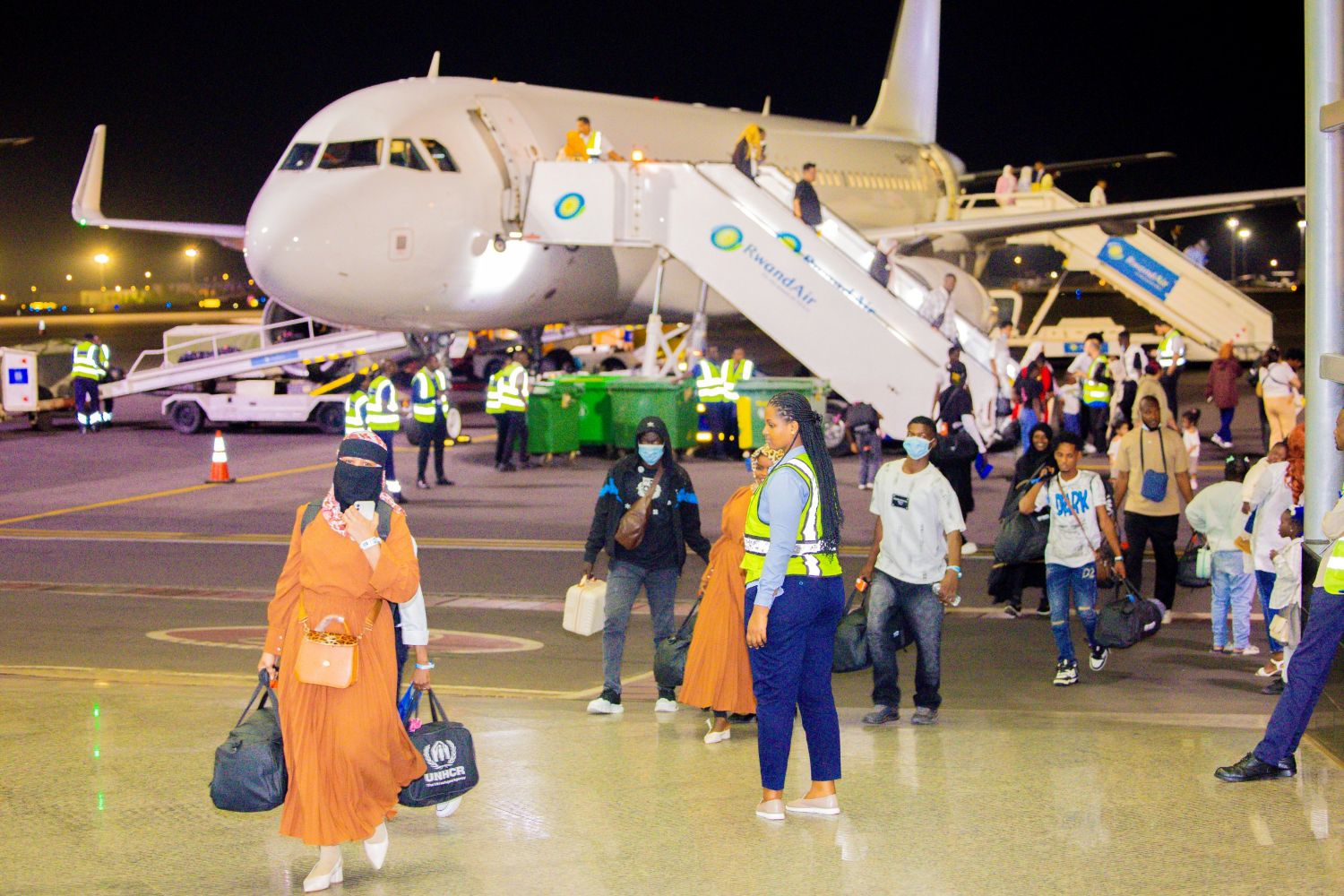
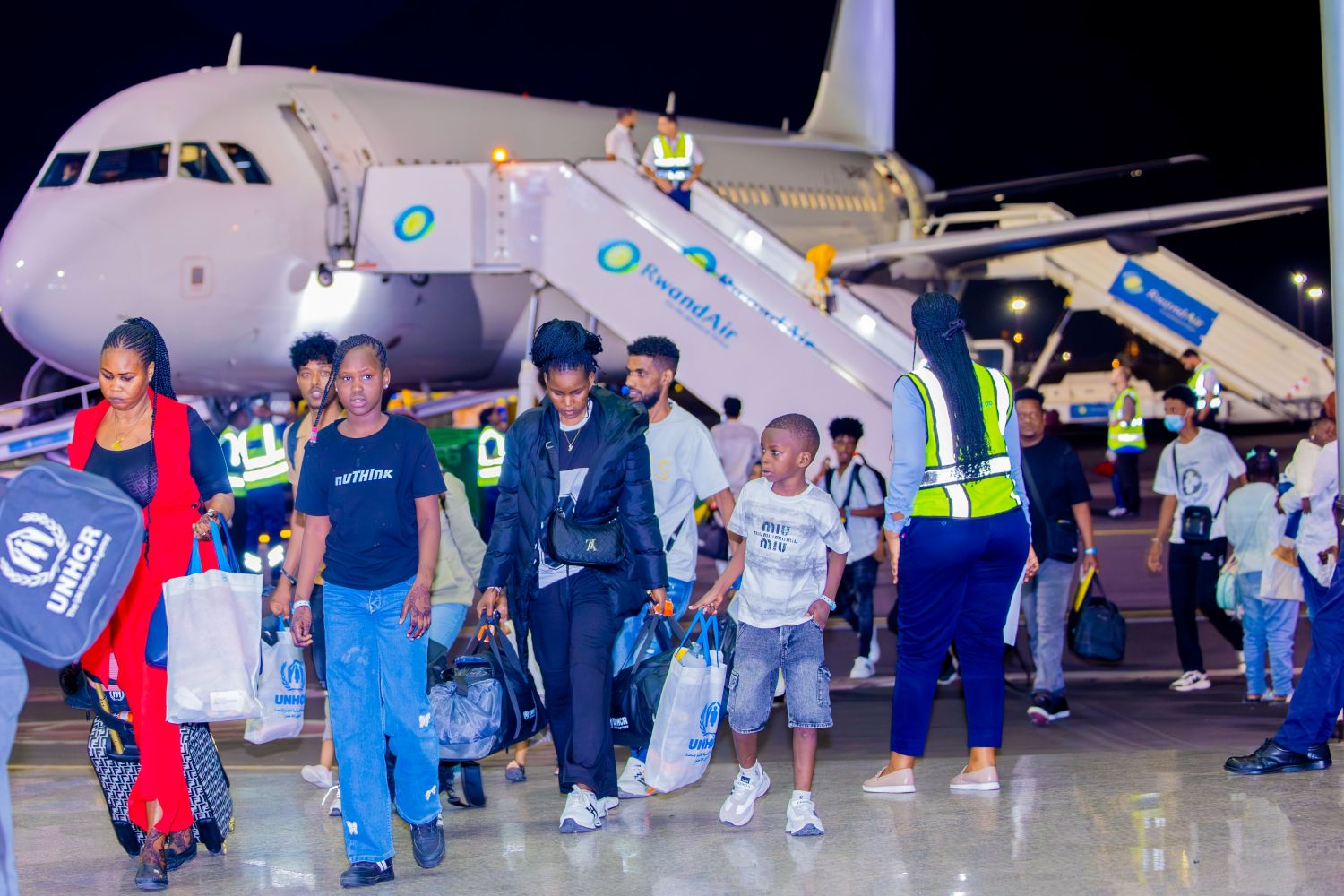
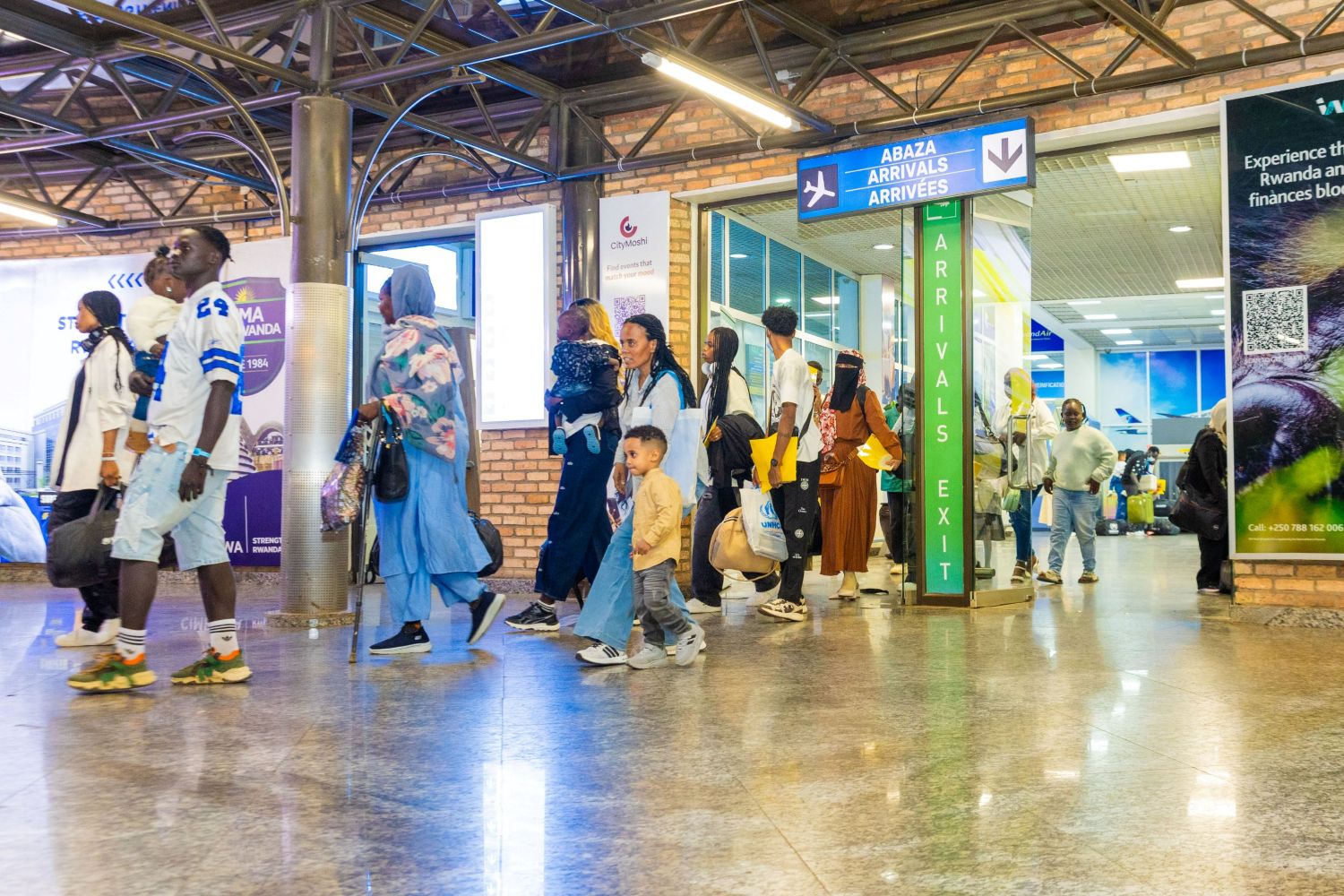
In a statement issued on Wednesday evening, the Ministry in charge of Emergency Management (MINEMA) said the latest group, the 24th to arrive under the programme, was received in partnership with the United Nations High Commissioner for Refugees (UNHCR).
The group comprises 68 Sudanese, 66 Eritreans, 26 South Sudanese, 15 Ethiopians and two Somalis.
According to the ministry, the asylum seekers will be accommodated at the Gashora Transit Centre in Bugesera District, which hosts other evacuees who previously arrived in Rwanda under the humanitarian initiative.
The Emergency Transit Mechanism was established in September 2019 through a partnership between the Government of Rwanda, UNHCR and the African Union to provide temporary protection to vulnerable refugees and asylum seekers evacuated from Libya while durable solutions, including resettlement, are pursued.
MINEMA said that since the programme began, Rwanda has received more than 3,000 refugees and asylum seekers from Libya.
Of these, 2,681 have been successfully resettled in third countries, including Canada (927), France (332), the United States (325), Sweden (297), Finland (271), Norway (229), Germany (132), the Netherlands (94) and Belgium (72).
The ministry reaffirmed Rwanda’s commitment to providing protection to people fleeing conflict and persecution, saying the country remains committed to offering refuge to people in need.
The group comprises 68 Sudanese, 66 Eritreans, 26 South Sudanese, 15 Ethiopians and two Somalis.The asylum seekers will be accommodated at the Gashora Transit Centre in Bugesera District, which hosts other evacuees who previously arrived in Rwanda under the humanitarian initiative.
MINEMA data shows that 8,905 Rwandans had already been repatriated before 285 more arrived on Wednesday through the La Corniche border post linking Rubavu and Goma.
More than 300 others also crossed into Rwanda through the Rusizi-Bukavu border.
Upon arrival, the returnees were transported by buses waiting at the border to Kijote Transit Centre in Nyabihu District, where they will receive initial assistance before being reunited with their communities.
Among those who entered through the Rubavu border were 177 children, 71 women and 37 men.
Speaking to IGIHE, François Bizumuremyi, who left Rwanda in 1994, said misinformation had kept him away from his homeland for more than three decades.
“We were constantly told to wait because nothing was happening in Rwanda and that one day we would all return together. Later, we realised we had been lied to. I decided to return home to Gikongoro, and I am ready to join fellow Rwandans in building our country,” he said.
Welcoming the returnees, Rubavu District Mayor Prosper Mulindwa urged them to embrace their Rwandan identity and avoid the divisions that had forced many into exile.
He noted that many had lived difficult lives as refugees through no fault of their own and reminded them that ethnic division was one of the factors that had driven people from the country.
“You did not choose to live as refugees, and you did not live well there. Some people fled without even understanding why. Embrace your Rwandan identity and stay away from the divisions that led to your displacement because they did not bring you a better life,” he said.
Mulindwa assured the returnees that the government would continue to support them throughout the reintegration process and provide assistance to help them rebuild their lives.
Each returnee aged 18 and above will receive an initial reintegration grant of US$188, while those under 18 will receive US$113. In addition, every returnee will receive basic food supplies valued at Rwf45,000 to support their resettlement.
Rwandan returnees formerly held by FDLR arrive at the La Corniche border post in Rubavu after returning from eastern DR Congo.Children and adults were among the latest group of returnees welcomed back to Rwanda after years away from their homeland.Rubavu District Mayor Prosper Mulindwa welcomed returnees and urged them to embrace unity and their Rwandan identity as they rebuilt their lives.
In a public announcement issued on Wednesday, August 5, Rwanda FDA said the suspension takes immediate effect in the interest of protecting public health.
The regulator directed importers to immediately recall all affected products and instruct distributors to withdraw them from retailers and consumers. Importers must submit recall reports within three working days.
Distributors and retailers have been ordered to immediately stop selling the listed products and return all remaining stock to importers, while consumers have been advised to stop consuming the affected alcoholic beverages.
Rwanda FDA also ordered the immediate removal of all advertisements and promotional materials for the listed products.
The suspended products originate from Burundi, India, Kenya, Poland, Tanzania and Uganda.
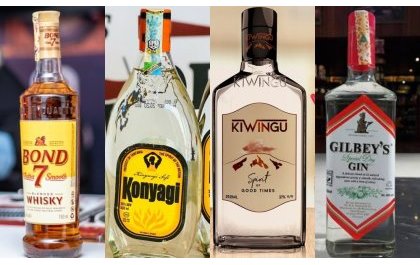
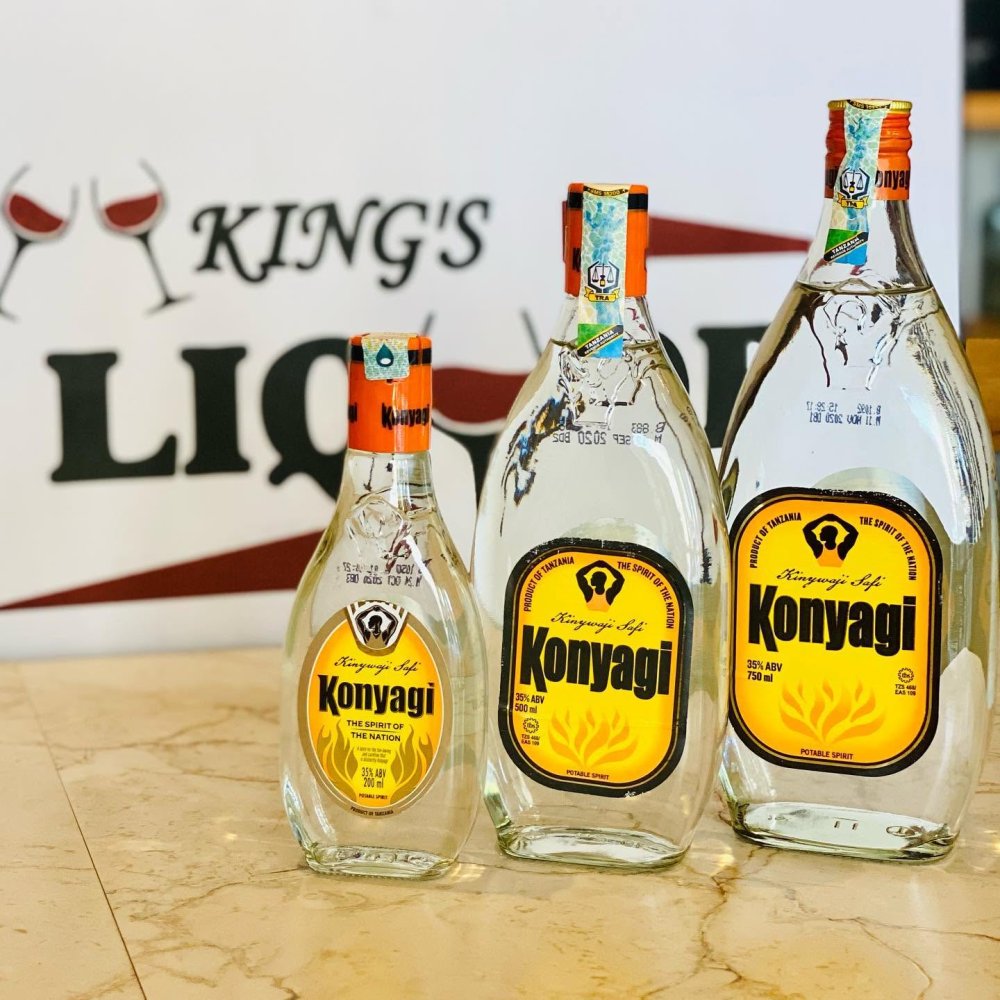
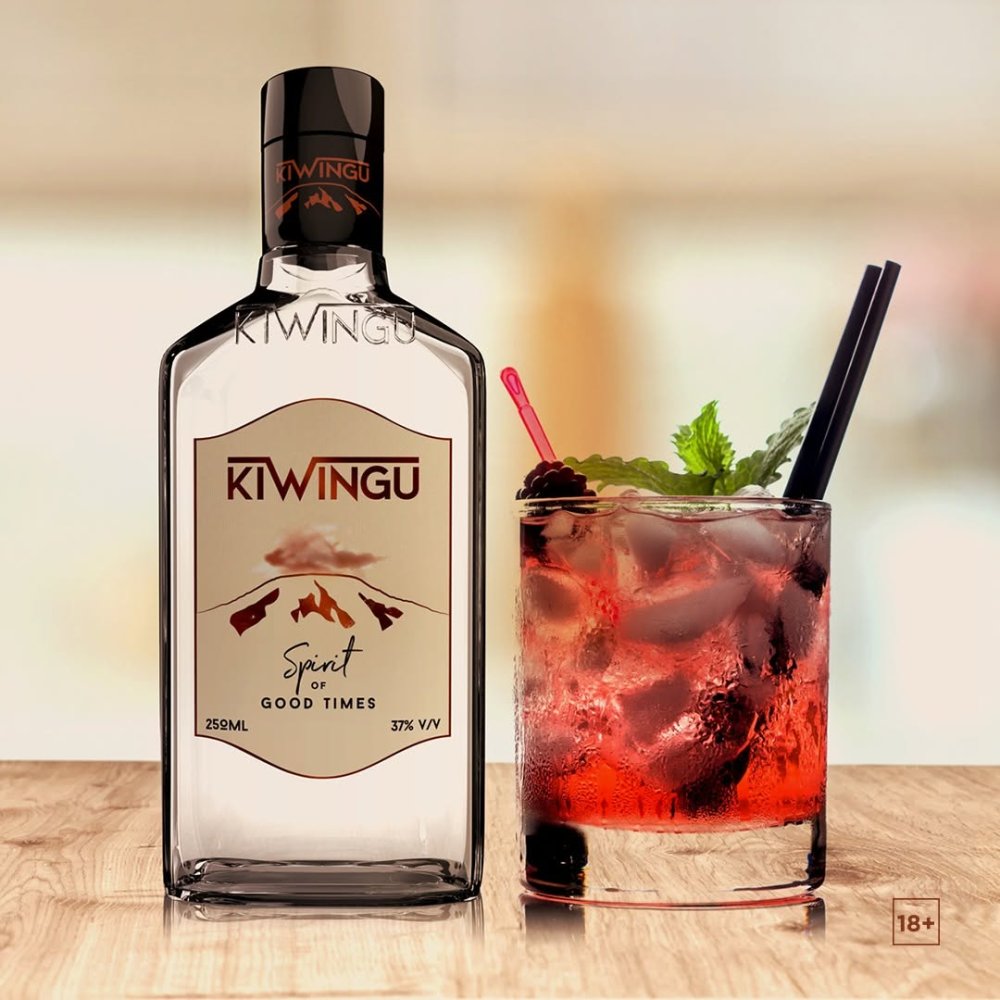
Among the most recognisable brands affected are Gilbeys Gin, imported from Kenya and Uganda, as well as Tanzania’s Konyagi and Kiwingu Spirit. The suspension also covers Safari Gin, Kenya King, Bond 7 Whisky, Magic Moments Chocolate Vodka, Club 5 Gin, Tembo Liqueur, Campfire Gin, X5 Gin and several other spirits, whiskies, vodkas and liqueurs.
Among the most recognisable brands affected are Gilbeys Gin, imported from Kenya and Uganda.
The latest move comes a day after Rwanda FDA shut down 27 additional alcoholic beverage manufacturers, bringing the total number of manufacturers closed in the past three days to 136. The regulator has also ordered the recall of all products manufactured by the affected companies as part of an intensified enforcement campaign.
“Non-compliance with all the above will result in measures under applicable regulatory provisions,” the regulator warned.
The crackdown follows growing concerns over toxic alcoholic beverages, locally known as ibyuma, which authorities say have claimed more than 50 lives this year.
Konyagi from Tanzania has also been blacklisted.
Speaking to IGIHE earlier this week, Minister of Health Dr. Sabin Nsanzimana said investigations found links between unsafe alcoholic drinks and more than 50 deaths recorded between January and July. He added that more than 500 people sought medical treatment after consuming the drinks, over 100 people lost their eyesight, and a nationwide assessment identified nearly 11,000 people struggling with alcohol addiction.
Rwanda FDA said additional products could also face regulatory action as enforcement continues.
The report released on Tuesday, August 4, shows that manufacturing drove the expansion, growing 21.5% year-on-year and contributing 1.9 percentage points to the overall index. The sub-sector carried a weight of 68.1% within the general index, making it by far the largest component of industrial activity.
Electricity output rose 16.5%, contributing 3.3 percentage points to the annual change despite holding a smaller 12.8% weight in the index, the single largest contribution of any activity tracked. Water and waste management increased 11.3%, while mining and quarrying grew 6.9%.
Within manufacturing, chemicals, rubber and plastic products rose 6.3%, non-metallic mineral products increased 6.1%, food processing grew 2.2%, wood, paper and printing rose 2.5%, and metal products, machinery and equipment increased 2.3%. Furniture and other manufacturing was the only sub-sector to contract, falling 5.3% and shaving 0.2 percentage points off the annual change.
On a month-on-month basis, the general index fell 1.9% against May 2026, with manufacturing down 2.7% and electricity down 2.0%. Mining and quarrying rose 37.4% on the month.
The Index of Industrial Production is one of the earliest indicators of economic activity, providing insights into the performance of Rwanda’s industrial sector before broader economic growth data is released. It is closely watched by businesses, investors and policymakers to assess production trends and guide investment and policy decisions.
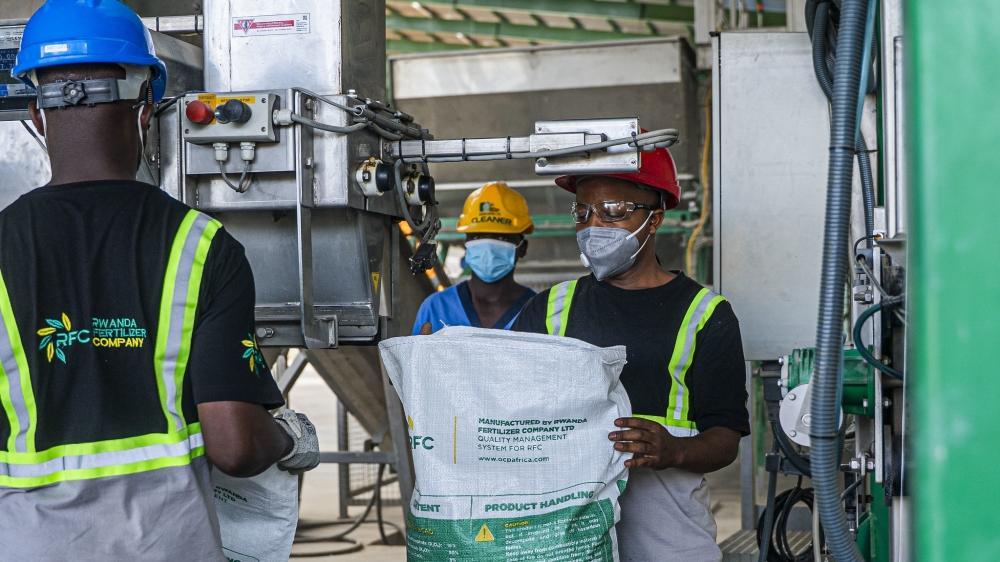
Workers package fertilizer at the Rwanda Fertilizer Company (RFC) in the Bugesera Special Economic Zone.
The country is building a carbon market system that allows verified climate projects to generate carbon credits, which can then be sold to organisations seeking to reduce their greenhouse gas emissions.
Each carbon credit represents one tonne of carbon dioxide equivalent that has been reduced, avoided or removed from the atmosphere through an approved activity.
For Rwanda, carbon markets are part of a broader strategy to support its ambition of becoming a climate-resilient and carbon-neutral economy by 2050.
The country is exploring these markets as a way to attract climate finance, support green growth and fund projects in areas such as clean energy, forestry, sustainable agriculture, waste management and clean cooking technologies.
Although Rwanda contributes a relatively small share of global greenhouse gas emissions, it faces significant climate-related challenges, including risks linked to floods, droughts, land degradation and changing weather patterns.
The government considers climate finance an important requirement for implementing mitigation and adaptation measures under its climate commitments.
Carbon markets operate through different mechanisms. They include the Clean Development Mechanism (CDM) established under the Kyoto Protocol, voluntary carbon markets and mechanisms created under Article 6 of the Paris Agreement.
Article 6 allows countries to cooperate in achieving climate targets through approaches that include transferring emission reductions between countries. However, such transactions require strong systems to verify reductions and prevent the same emission reduction from being counted more than once.
Carbon markets allow high-emitting companies and countries to offset part of their emissions by buying verified carbon credits from projects that reduce or remove greenhouse gases.
Carbon market framework and international partnerships
Rwanda established a major foundation for its carbon market ambitions in December 2023 when it launched its National Carbon Market Framework on the sidelines of the United Nations Climate Change Conference (COP28) in Dubai.
Developed through the Rwanda Environment Management Authority (REMA), the framework establishes rules for generating, approving, monitoring and trading carbon credits. It aims to enhance transparency, safeguard environmental integrity and strengthen Rwanda’s participation in global carbon markets.
The framework also lays the foundation for Rwanda’s engagement in Article 6 mechanisms under the Paris Agreement by setting procedures for project authorisation, emission reduction verification and carbon accounting.
At its launch, Rwanda said the initiative would support the transition to a low-carbon economy by attracting investment in clean technologies and sustainable solutions while ensuring locally generated carbon credits meet international standards.
However, establishing the framework was only the first step. Rwanda has since focused on strengthening the systems, skills and project pipeline needed to make the carbon market operational.
On March 27, 2025, the Global Green Growth Institute (GGGI) and the Government of Rwanda, through REMA, launched a project aimed at improving Rwanda’s readiness to participate meaningfully and equitably in international carbon markets under Article 6 of the Paris Agreement.
The two-year project, supported through GGGI’s Carbon Transaction Facility with a budget of $854,859, focuses on operationalising Rwanda’s National Carbon Market Framework.
The initiative addresses challenges including limited awareness among public and private sector actors about Article 6 opportunities, capacity gaps among stakeholders and the need to develop a stronger pipeline of high-quality mitigation projects.
Under the project, GGGI and REMA are supporting capacity building, strengthening governance systems, developing guidelines and supporting the identification of carbon projects in key sectors, including agriculture, forestry, energy, transport and waste management.
The initiative is also intended to improve engagement between project developers, government institutions and potential international buyers.
Rwanda has also entered into several international partnerships to support its carbon market participation.
In December 2023, Rwanda signed cooperation agreements with Singapore and Kuwait to advance collaboration under Article 6 of the Paris Agreement.
In September 2024, the Rwanda Green Fund (FONERWA), REMA, Gold Standard and Singapore-based investment company GenZero signed an agreement to develop a pipeline of Article 6-compliant carbon credit projects.
The partnership focuses on identifying projects capable of generating high-integrity carbon credits while providing additional benefits such as biodiversity protection, improved livelihoods and job creation.
In January 2026, Rwanda and Singapore launched a call for proposals for high-quality carbon credit projects under their bilateral implementation agreement, inviting developers to submit both technology-based and nature-based initiatives.
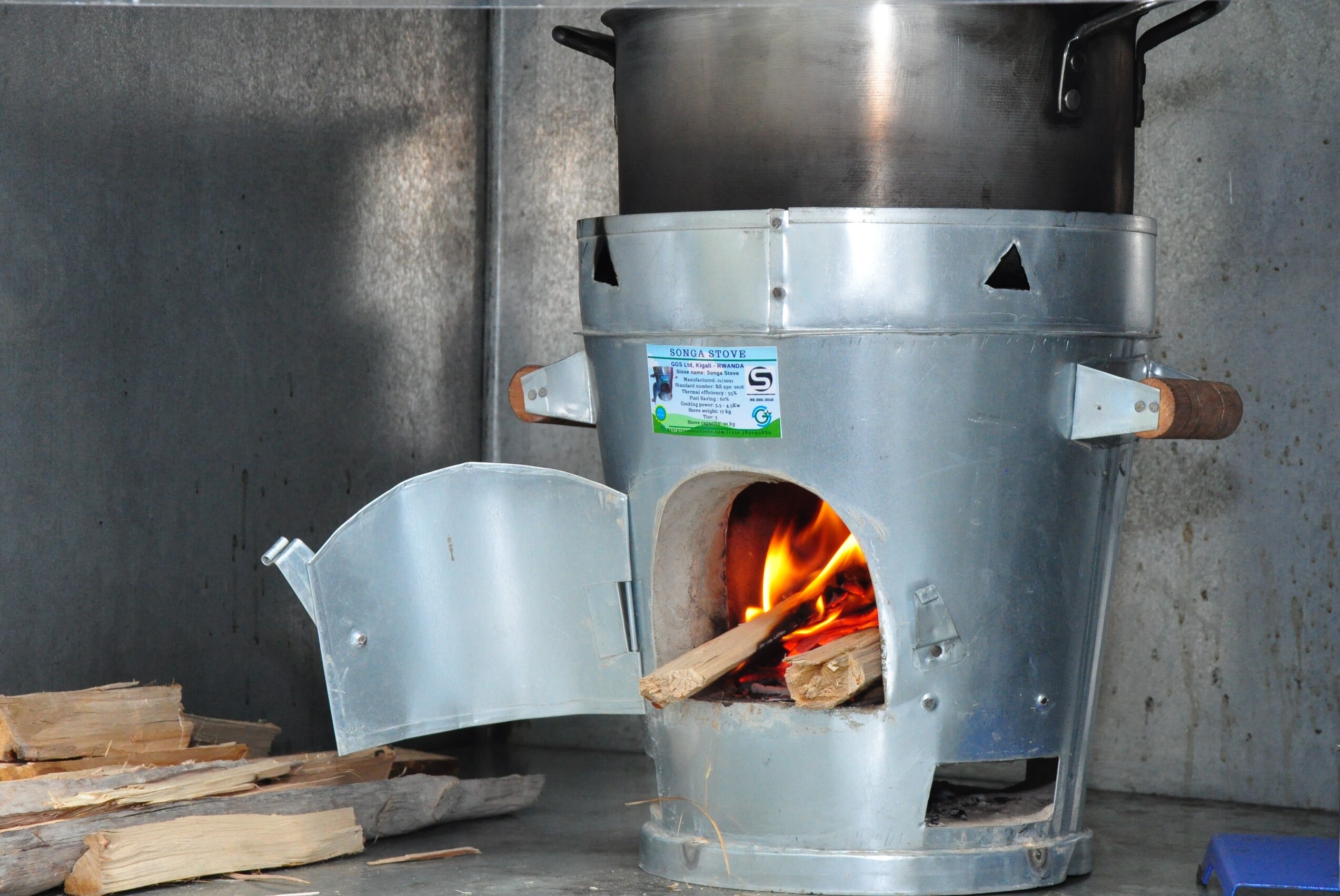
Improved cookstove projects are at the centre of Rwanda’s carbon market journey, helping households reduce reliance on firewood, cut emissions and improve indoor air quality while generating carbon credits for climate finance.
Projects, communities and the future of Rwanda’s carbon market
Rwanda’s carbon market activities have so far been largely driven by improved cookstove projects, which remain among the most developed climate initiatives in the country. These projects help households transition from traditional cooking methods that rely heavily on firewood to more efficient technologies.
Besides reducing greenhouse gas emissions, they contribute to lower indoor air pollution and reduced pressure on forests.
Improved cookstove projects accounted for about 87 percent of Certified Emission Reductions issued from Rwanda’s carbon market activities, according to national climate data. Lighting and solar projects accounted for much of the remaining share.
By December 2020, Rwanda had received more than 2.25 million carbon credits through Clean Development Mechanism and Voluntary Carbon Market activities.
The country is now expanding beyond clean cooking into other areas, including forestry restoration, agroforestry, renewable energy, sustainable agriculture and water purification.
In June 2025, REMA announced that 19 projects were ready to participate in international carbon markets. The projects included 12 energy-efficient cookstove initiatives, three agroforestry and reforestation projects and four water purification projects.
Rwanda is also putting emphasis on ensuring that carbon finance benefits communities involved in climate projects.
New regulations require that at least 30 percent of revenues generated from land-based carbon projects directly benefit communities, landowners, farmers and other stakeholders whose land contributes to the projects.
The government expects carbon markets to become an additional source of climate finance. Rwanda estimates that selling 7.5 million tonnes of carbon dioxide equivalent in carbon credits could generate about $337 million, depending on market prices.
To support investors, GGGI and REMA have also developed practical guidance explaining carbon market opportunities, project requirements and approval processes.
Potential areas for investment include forestry projects, renewable energy installations, methane capture, energy efficiency initiatives, clean cooking solutions and sustainable agricultural practices.
Rwanda’s efforts come as African countries seek to increase their participation in global carbon markets. Kigali is scheduled to host the Carbon Markets Africa Summit in October 2026, bringing together governments, investors, project developers and climate finance institutions to discuss opportunities for scaling credible carbon markets on the continent.
As international buyers increasingly seek high-integrity credits, Rwanda is moving from establishing regulatory frameworks to developing projects that can attract investment and deliver tangible climate outcomes.
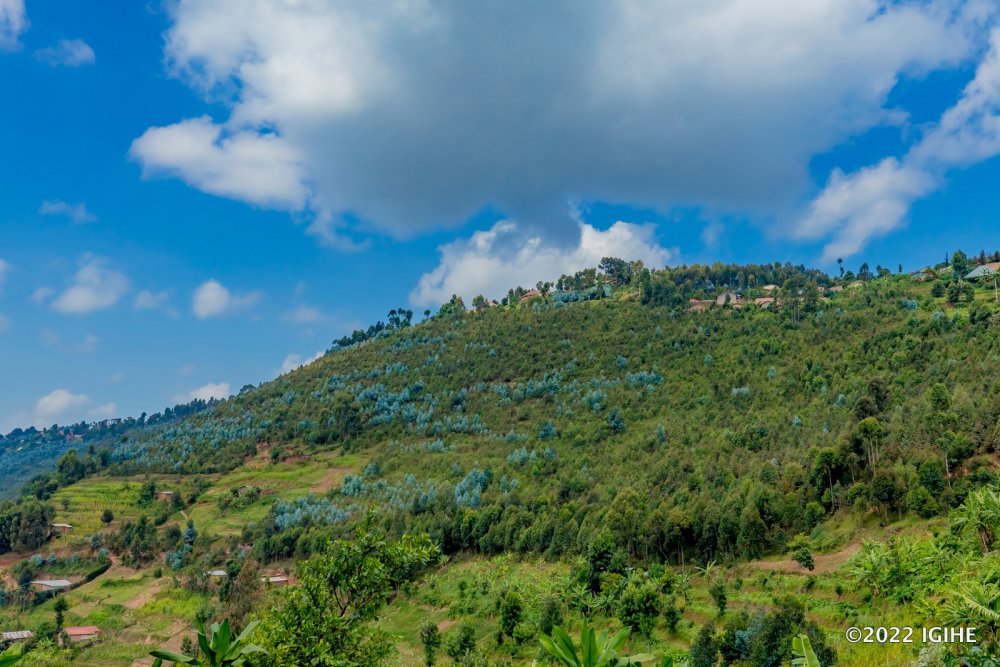
Through initiatives such as Green Gicumbi, Rwanda is restoring degraded forests and helping ecosystems recover their natural state. These reforestation efforts contribute to carbon removal, biodiversity conservation and sustainable livelihoods while creating opportunities within the country’s emerging carbon market.
The suspect, Baziruwiha Eliezer, also known as Sebishihe, is being held at the Rwanda Investigation Bureau (RIB) station in Rubengera. He had previously been sentenced to 19 years in prison by Gacaca courts but fled before serving his sentence.
The 58-year-old was arrested on August 3, 2026, in Matyazo Village, Kinyonzwe Cell, Mutuntu Sector, Karongi District.
The Executive Secretary of Mutuntu Sector, Wilson Ntaganda, said Baziruwiha is suspected of taking part in the killing of Tutsi victims in Bisesero, one of the areas that witnessed some of the most brutal massacres during the genocide.
Ntaganda explained that Baziruwiha disappeared immediately after receiving his 19-year sentence, leaving both survivors and neighbours unaware of his whereabouts. Some even believed he had died while on the run.
According to the local official, Baziruwiha eventually returned to his home area, apparently assuming he had escaped justice. Although he tried to keep a low profile, residents—including genocide survivors whose relatives were killed in Bisesero—eventually recognised him and alerted the authorities.
One of the survivors who identified the suspect reported the information to the sector leadership and was advised to file a complaint with the Rwanda Investigation Bureau, leading to an operation that resulted in his arrest.
“He was arrested on Monday, August 3, and handed over to the RIB station in Rubengera for further investigation,” Ntaganda said. “Authorities will also seek to establish where he had been hiding and whether he has information about other genocide suspects who are still at large so that justice can take its course.”
The Vice President of Ibuka in Karongi District, Jean Laurent Ntukanyagwe, welcomed the arrest, saying the suspect must serve the sentence handed down by the Gacaca courts to reinforce the fight against impunity.
He reiterated that genocide crimes are not subject to a statute of limitations and urged anyone still in hiding to surrender, acknowledge their role, seek forgiveness from survivors and the country, and face justice. He also called on the public to report anyone who escaped justice so they can be arrested and complete their sentences.
Authorities said that 19 genocide suspects who had previously fled justice have been arrested in Mutuntu Sector over the past six months.
According to Ibuka in Karongi District, more than 3,000 people convicted by Gacaca courts for their role in the 1994 Genocide against the Tutsi remain at large in Karongi and other parts of the country. More than 160 fugitives have been arrested over the past three years.
The 58-year-old was arrested on August 3, 2026, in Matyazo Village, Kinyonzwe Cell, Mutuntu Sector, Karongi District.
During the four-day period, the country exported 8,179 tonnes of produce and livestock products to international markets.
Coffee was the top foreign exchange earner, with 467 tonnes exported, generating more than Rwfw 4.5 billion. Tea ranked second, with 578 tonnes exported and earnings exceeding Rwf 2.4 billion.
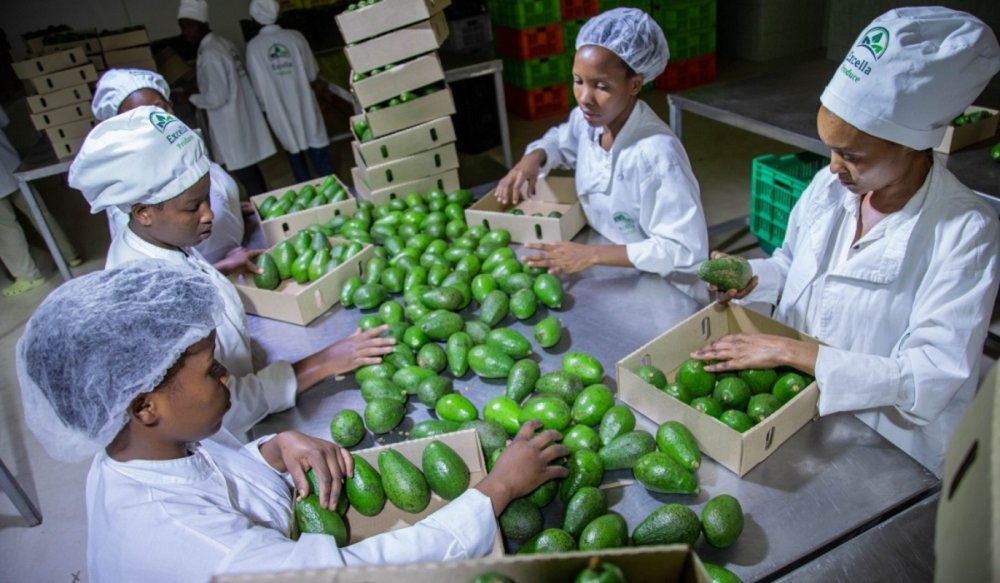
Vegetable exports reached 737 tonnes, bringing in more than Rwf 1.5 billion. The produce was shipped to markets including the United Kingdom, the Netherlands, the United Arab Emirates, Germany, India, France, and several African countries.
Fruit exports totalled 370 tonnes, earning more than Rwf 373.9 million. Rwanda exported the fruit mainly to the United Arab Emirates, the United Kingdom, France, and other African markets.
Flower exports amounted to 4 tonnes, generating more than Rwf 32 million from sales to the Netherlands and the United Kingdom.
A range of other agricultural commodities generated Rwf 4.29 billion after 5,697 tonnes were exported to destinations including the United States, Bangladesh, and several African countries.
Livestock exports totalled 327 tonnes, earning more than Rwf 690.3 million, with African countries remaining the primary export market.
Rwanda generated more than Rwf 13.9 billion from agricultural exports between July 27 and July 31, 2026.
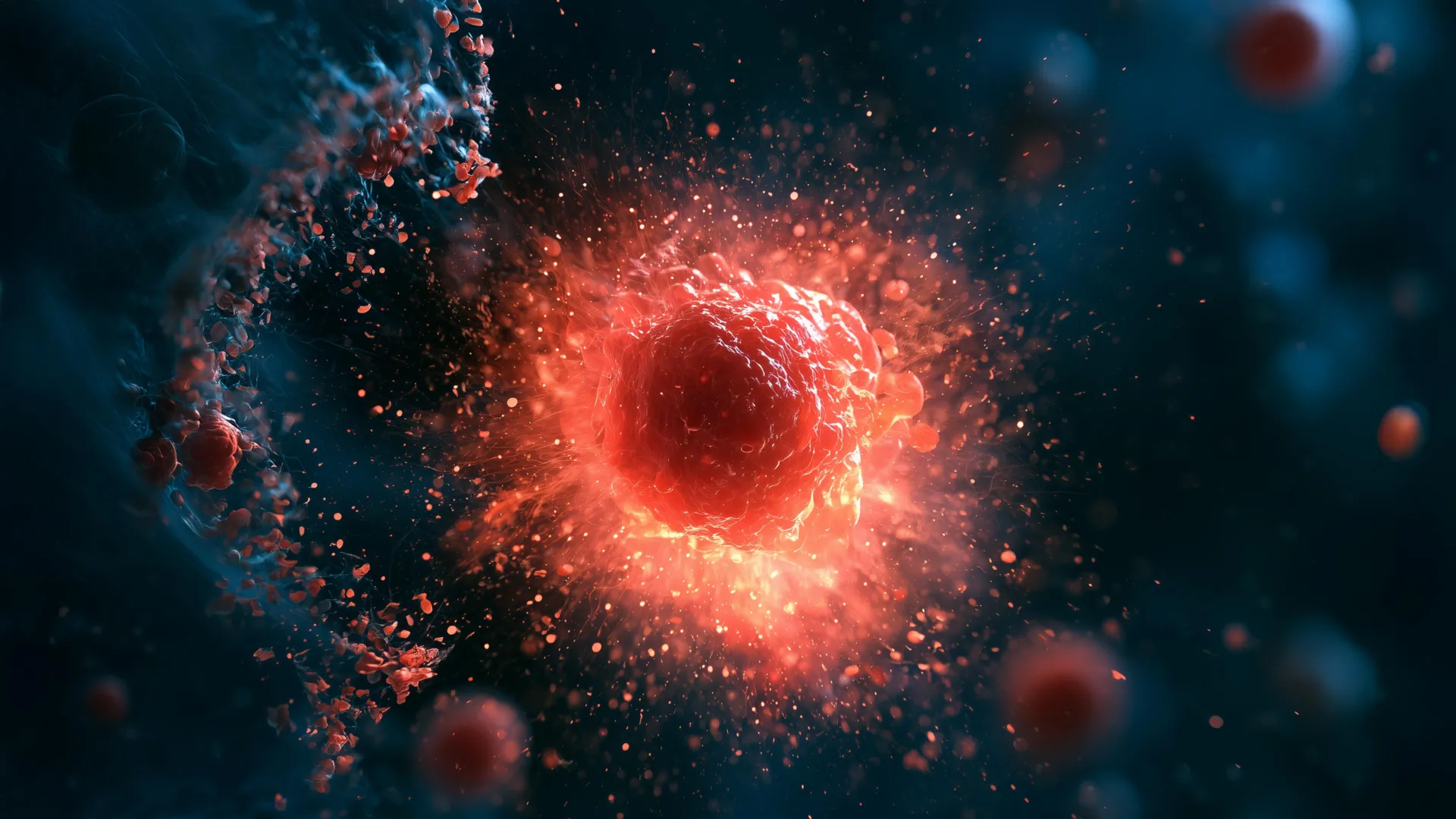
The newly identified cells, called ruptoblasts, were found in planarian flatworms, small freshwater creatures famous for their extraordinary ability to regenerate lost body parts.
Researchers say the cells react to a specific hormone by bursting within minutes, killing nearby bacteria and foreign cells before disappearing completely, leaving almost no trace behind.
The findings, published in the journal Cell, surprised scientists because such an explosive immune response had never been observed before.
“We never expected that a cell could just explode like a bomb and kill the cells surrounding it,” said senior author Bo Wang, an associate professor of bioengineering at Stanford University’s Schools of Engineering and Medicine.
The discovery was made while researchers were investigating whether flatworms can distinguish between their own tissues and those of another individual.
During the study, postdoctoral researcher Chew Chai noticed a unique group of cells behaving unlike any previously known immune cells.
Further investigation revealed that these cells rapidly self-destruct in order to eliminate nearby threats.
Planarian flatworms have long fascinated scientists because of their remarkable regenerative abilities.
Even when their bodies are cut into multiple pieces, they can regrow missing organs and, in some cases, develop into entirely new organisms.
Researchers believe studying these ancient animals can provide valuable insights into how immune systems have evolved over hundreds of millions of years.
According to the researchers, the ruptoblasts act with exceptional speed and precision, making them different from many immune cells found in humans and other animals.
Instead of launching a prolonged immune response, they sacrifice themselves almost instantly to destroy invading cells in their immediate surroundings.
Scientists say understanding how this mechanism works could eventually help inspire new therapies that attack cancer cells or infectious microbes while minimizing damage to healthy tissue.
Although the research is still in its early stages and was conducted only in flatworms, the discovery opens a new avenue for studying immune defense and targeted cell destruction.
The study was supported by several organizations, including the National Science Foundation, the National Institutes of Health, the Human Frontier Science Program, and the European Research Council, highlighting the broad scientific interest in uncovering new strategies used by living organisms to fight disease.
Newly identified cells in flatworms could inspire future treatments for infections and cancer.