The country is building a carbon market system that allows verified climate projects to generate carbon credits, which can then be sold to organisations seeking to reduce their greenhouse gas emissions.
Each carbon credit represents one tonne of carbon dioxide equivalent that has been reduced, avoided or removed from the atmosphere through an approved activity.
For Rwanda, carbon markets are part of a broader strategy to support its ambition of becoming a climate-resilient and carbon-neutral economy by 2050.
The country is exploring these markets as a way to attract climate finance, support green growth and fund projects in areas such as clean energy, forestry, sustainable agriculture, waste management and clean cooking technologies.
Although Rwanda contributes a relatively small share of global greenhouse gas emissions, it faces significant climate-related challenges, including risks linked to floods, droughts, land degradation and changing weather patterns.
The government considers climate finance an important requirement for implementing mitigation and adaptation measures under its climate commitments.
Carbon markets operate through different mechanisms. They include the Clean Development Mechanism (CDM) established under the Kyoto Protocol, voluntary carbon markets and mechanisms created under Article 6 of the Paris Agreement.
Article 6 allows countries to cooperate in achieving climate targets through approaches that include transferring emission reductions between countries. However, such transactions require strong systems to verify reductions and prevent the same emission reduction from being counted more than once.
Carbon market framework and international partnerships
Rwanda established a major foundation for its carbon market ambitions in December 2023 when it launched its National Carbon Market Framework on the sidelines of the United Nations Climate Change Conference (COP28) in Dubai.
Developed through the Rwanda Environment Management Authority (REMA), the framework establishes rules for generating, approving, monitoring and trading carbon credits. It aims to enhance transparency, safeguard environmental integrity and strengthen Rwanda’s participation in global carbon markets.
The framework also lays the foundation for Rwanda’s engagement in Article 6 mechanisms under the Paris Agreement by setting procedures for project authorisation, emission reduction verification and carbon accounting.
At its launch, Rwanda said the initiative would support the transition to a low-carbon economy by attracting investment in clean technologies and sustainable solutions while ensuring locally generated carbon credits meet international standards.
However, establishing the framework was only the first step. Rwanda has since focused on strengthening the systems, skills and project pipeline needed to make the carbon market operational.
On March 27, 2025, the Global Green Growth Institute (GGGI) and the Government of Rwanda, through REMA, launched a project aimed at improving Rwanda’s readiness to participate meaningfully and equitably in international carbon markets under Article 6 of the Paris Agreement.
The two-year project, supported through GGGI’s Carbon Transaction Facility with a budget of $854,859, focuses on operationalising Rwanda’s National Carbon Market Framework.
The initiative addresses challenges including limited awareness among public and private sector actors about Article 6 opportunities, capacity gaps among stakeholders and the need to develop a stronger pipeline of high-quality mitigation projects.
Under the project, GGGI and REMA are supporting capacity building, strengthening governance systems, developing guidelines and supporting the identification of carbon projects in key sectors, including agriculture, forestry, energy, transport and waste management.
The initiative is also intended to improve engagement between project developers, government institutions and potential international buyers.
Rwanda has also entered into several international partnerships to support its carbon market participation.
In December 2023, Rwanda signed cooperation agreements with Singapore and Kuwait to advance collaboration under Article 6 of the Paris Agreement.
In September 2024, the Rwanda Green Fund (FONERWA), REMA, Gold Standard and Singapore-based investment company GenZero signed an agreement to develop a pipeline of Article 6-compliant carbon credit projects.
The partnership focuses on identifying projects capable of generating high-integrity carbon credits while providing additional benefits such as biodiversity protection, improved livelihoods and job creation.
In January 2026, Rwanda and Singapore launched a call for proposals for high-quality carbon credit projects under their bilateral implementation agreement, inviting developers to submit both technology-based and nature-based initiatives.
Projects, communities and the future of Rwanda’s carbon market
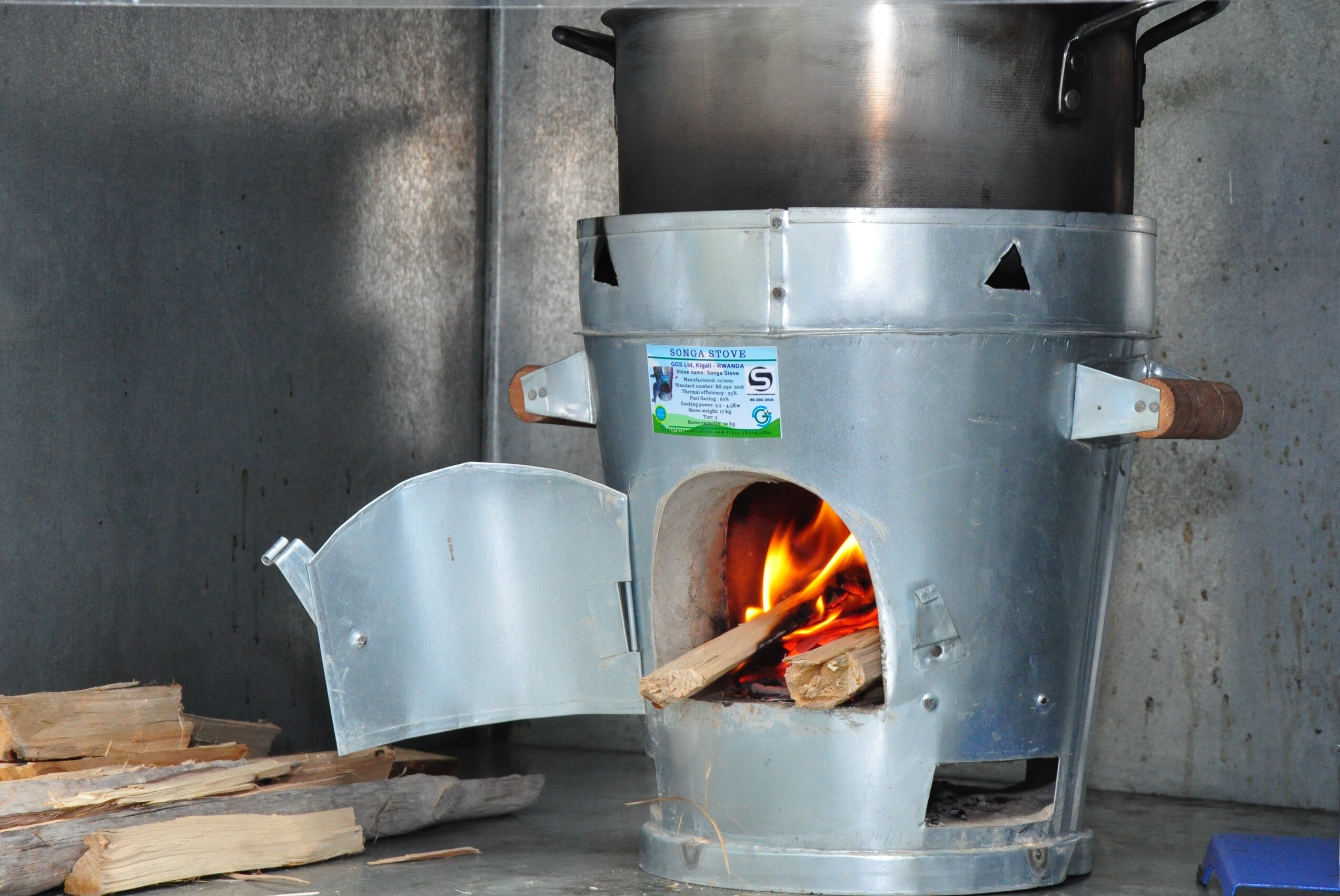
Rwanda’s carbon market activities have so far been largely driven by improved cookstove projects, which remain among the most developed climate initiatives in the country.
These projects help households transition from traditional cooking methods that rely heavily on firewood to more efficient technologies.
Besides reducing greenhouse gas emissions, they contribute to lower indoor air pollution and reduced pressure on forests.
Improved cookstove projects accounted for about 87 percent of Certified Emission Reductions issued from Rwanda’s carbon market activities, according to national climate data. Lighting and solar projects accounted for much of the remaining share.
By December 2020, Rwanda had received more than 2.25 million carbon credits through Clean Development Mechanism and Voluntary Carbon Market activities.
The country is now expanding beyond clean cooking into other areas, including forestry restoration, agroforestry, renewable energy, sustainable agriculture and water purification.
In June 2025, REMA announced that 19 projects were ready to participate in international carbon markets. The projects included 12 energy-efficient cookstove initiatives, three agroforestry and reforestation projects and four water purification projects.
Rwanda is also putting emphasis on ensuring that carbon finance benefits communities involved in climate projects.
New regulations require that at least 30 percent of revenues generated from land-based carbon projects directly benefit communities, landowners, farmers and other stakeholders whose land contributes to the projects.
The government expects carbon markets to become an additional source of climate finance. Rwanda estimates that selling 7.5 million tonnes of carbon dioxide equivalent in carbon credits could generate about $337 million, depending on market prices.
To support investors, GGGI and REMA have also developed practical guidance explaining carbon market opportunities, project requirements and approval processes.
Potential areas for investment include forestry projects, renewable energy installations, methane capture, energy efficiency initiatives, clean cooking solutions and sustainable agricultural practices.
Rwanda’s efforts come as African countries seek to increase their participation in global carbon markets. Kigali is scheduled to host the Carbon Markets Africa Summit in October 2026, bringing together governments, investors, project developers and climate finance institutions to discuss opportunities for scaling credible carbon markets on the continent.
As international buyers increasingly seek high-integrity credits, Rwanda is moving from establishing regulatory frameworks to developing projects that can attract investment and deliver tangible climate outcomes.
Leave a Reply