The proposal was presented during a meeting between a visiting Africa CDC delegation and Ugandan President Yoweri Museveni at State House Entebbe, according to an official statement.
During the meeting, the delegation briefed Museveni on the current status of the Ebola outbreak and assured him that the situation was being appropriately managed.
Jean Kaseya, director-general of Africa CDC, emphasized the need to establish the continental support team in Kampala to enhance coordination and monitoring efforts in responding to Ebola.
“Ebola only becomes deadly when there is a lack of attention. Otherwise, it is very manageable,” said Museveni, who welcomed the proposal and pledged Uganda’s full support.
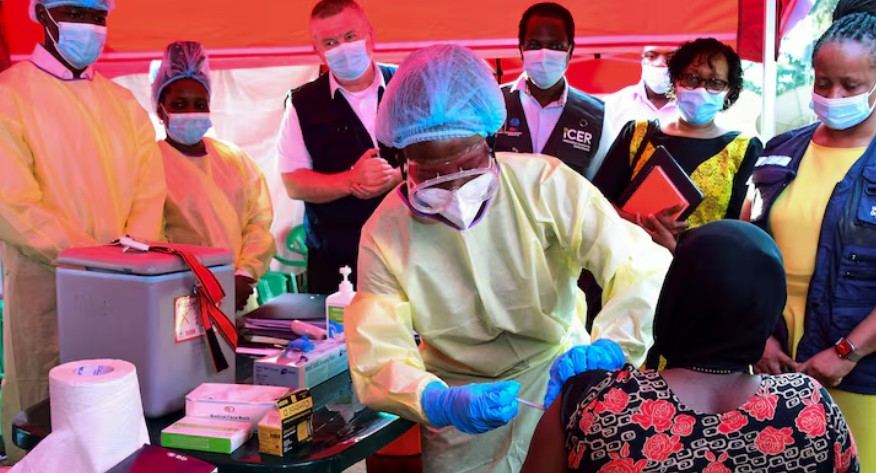
A Ugandan doctor vaccinates the contact of a patient who tested positive for the Ebola virus on February 3, 2025. (File/ REUTERS/Abubaker Lubowa)
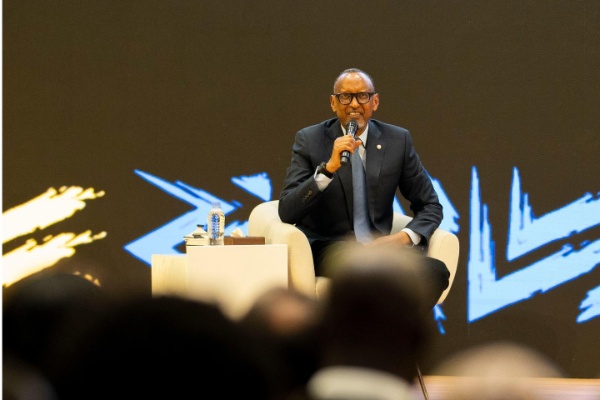
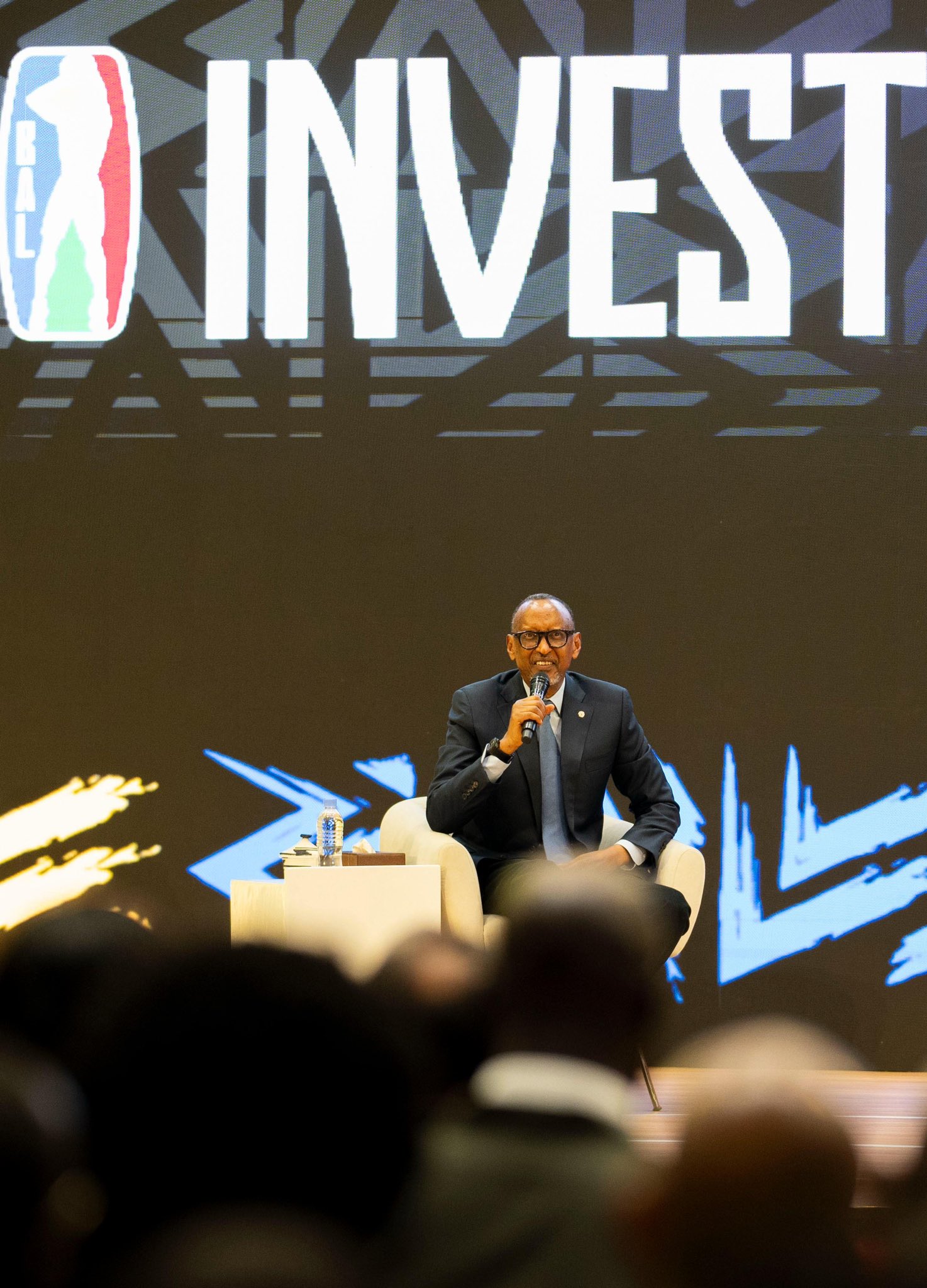
Speaking during a Basketball Africa League (BAL) Investor Day fireside chat in Kigali, Kagame said sports should be understood as a broad ecosystem that goes far beyond competition on the court.
He said sports “attracts people,” creates a sense of belonging, and generates value that extends into multiple sectors of the economy.
“People feel good about it. They are part of it,” he said, adding that sport draws talent and investment while generating wider benefits for society.
President Kagame described sports as part of a wider development and investment strategy that includes talent development, infrastructure, consumer experience, entertainment, and tourism. He said the sector becomes more valuable when it is built deliberately and supported through long-term investment.
“It’s also the consumer experience. It attracts even people who originally were not so attracted to any sport,” he said, noting that surrounding activities such as entertainment and events help expand its reach and impact.
He pointed to Rwanda’s experience hosting major sporting events, including BAL games, as contributing to increased tourism and international visibility. According to Kagame, the country has seen more visitors coming for conferences, competitions, and large-scale events linked to sports programming.
This deliberate alignment of sports and major events has translated into strong economic gains. According to the Rwanda Development Board (RDB) 2025 Annual Report, Rwanda’s tourism sector generated $685 million (about Rwf 1 trillion) in revenue, up 6% year-on-year, driven by 1.49 million visitors. The Meetings, Incentives, Conferences and Exhibitions (MICE) segment contributed $94.7 million, supported by 165 international and regional events, including major sporting fixtures such as BAL games.
Kagame said these outcomes reflect a deliberate strategy and long-term mindset toward investment.
“It comes to choices you make, it comes to mindset as well,” he said, adding that sports investments should be allowed to “prove themselves” over time.
He also referenced Rwanda’s long-standing sports partnerships with global clubs, including the “Visit Rwanda” sponsorships with major football teams such as Arsenal, as part of a broader effort to position the country globally through sport. He noted that such initiatives have sometimes attracted political criticism, but said the approach is driven by strategic choices and a focus on visibility, investment, and long-term returns.
A central theme of his remarks was the importance of scale through cooperation across Africa and beyond.
“When countries come together, when leagues come together, when people come together, the benefits are multiplied by a much bigger factor,” Kagame said. “You don’t want to have such a good thing isolated in one region or one country.”
He argued that fragmented sports markets limit growth, while integrated collaboration creates a larger and more efficient market that strengthens returns for investors, governments, and communities.
The Head of State also emphasised that Rwanda’s approach to sports investment has been built on partnerships, noting that the country did not act alone in developing its sports ecosystem and international collaborations.
He said the model is intended to demonstrate what is possible when countries take calculated risks and invest in emerging sectors, adding that results, not persuasion, are what ultimately influence others to follow similar paths.
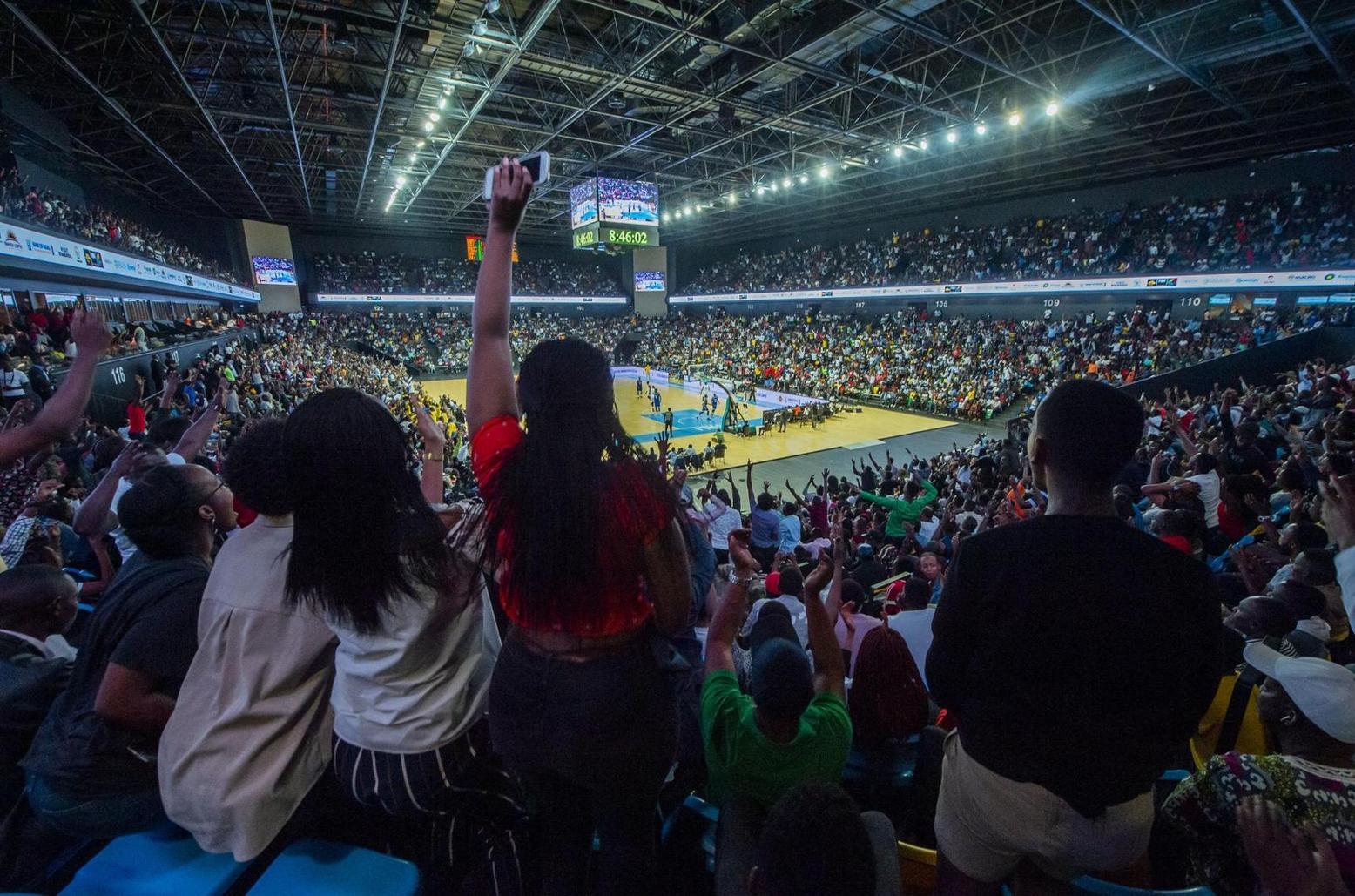
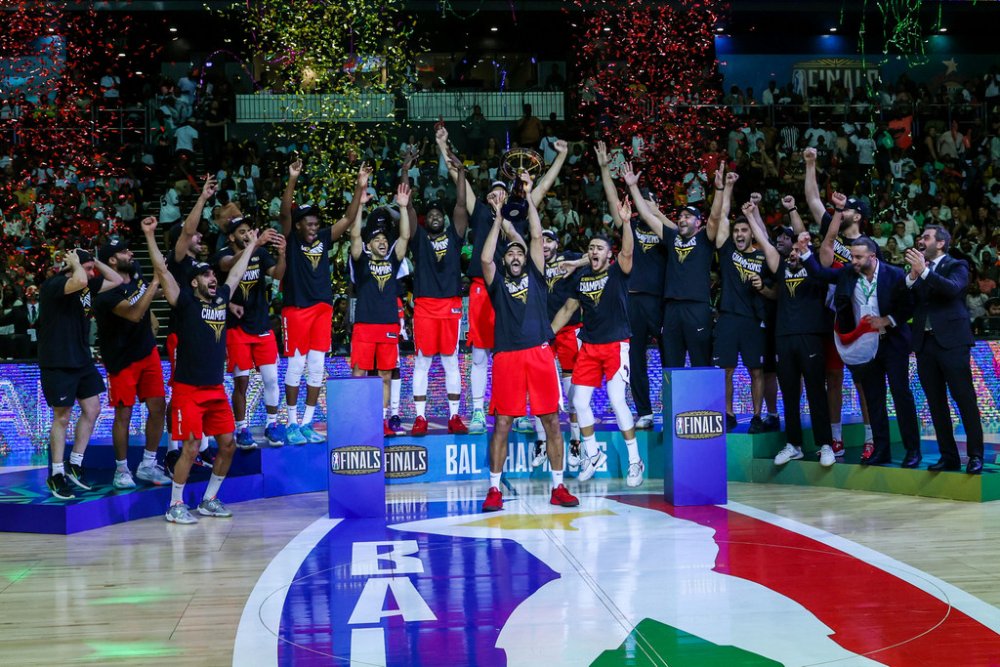
The remarks came as Kigali hosts the Basketball Africa League (BAL) 2026 playoffs and finals, which tip off today, May 22, and run through May 31, 2026, bringing together teams, fans, and stakeholders from across the continent.
Kagame closed his remarks by stressing collective ambition in development.
“Let’s go up together,” he said.
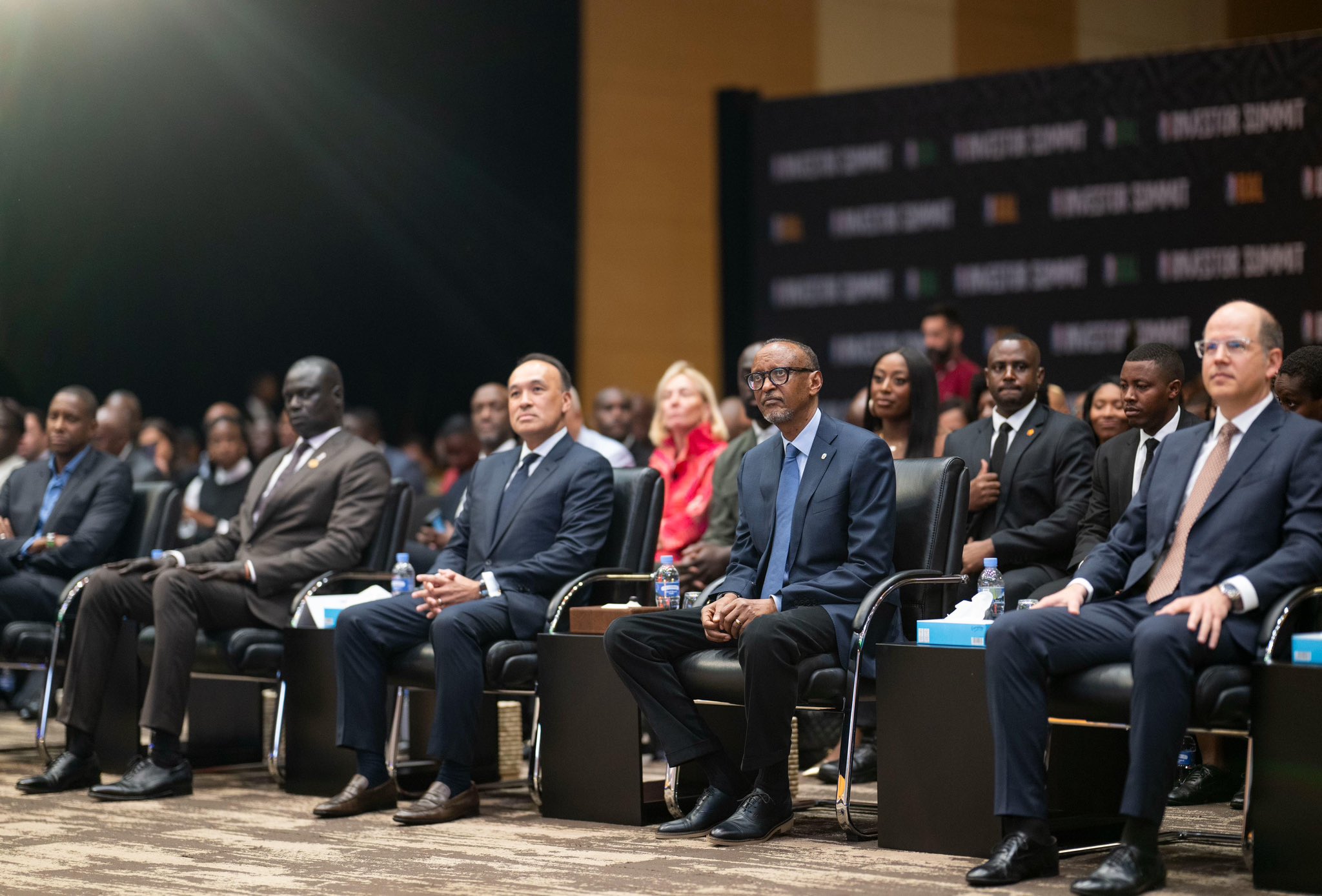
Speaking during a Basketball Africa League (BAL) Investor Day fireside chat in Kigali, Kagame said sports should be understood as a broad ecosystem that goes far beyond competition on the court.President Kagame said sports “attracts people,” creates a sense of belonging, and generates value that extends into multiple sectors of the economy.The summit was held ahead of the BAL kickoff in Kigali.
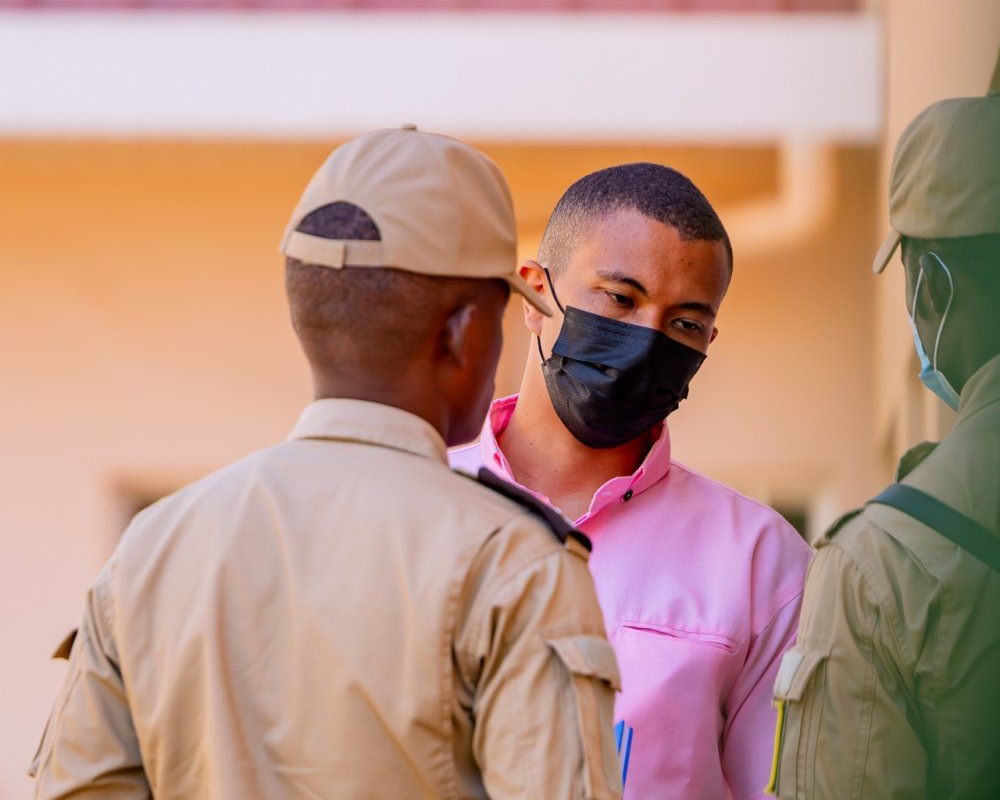
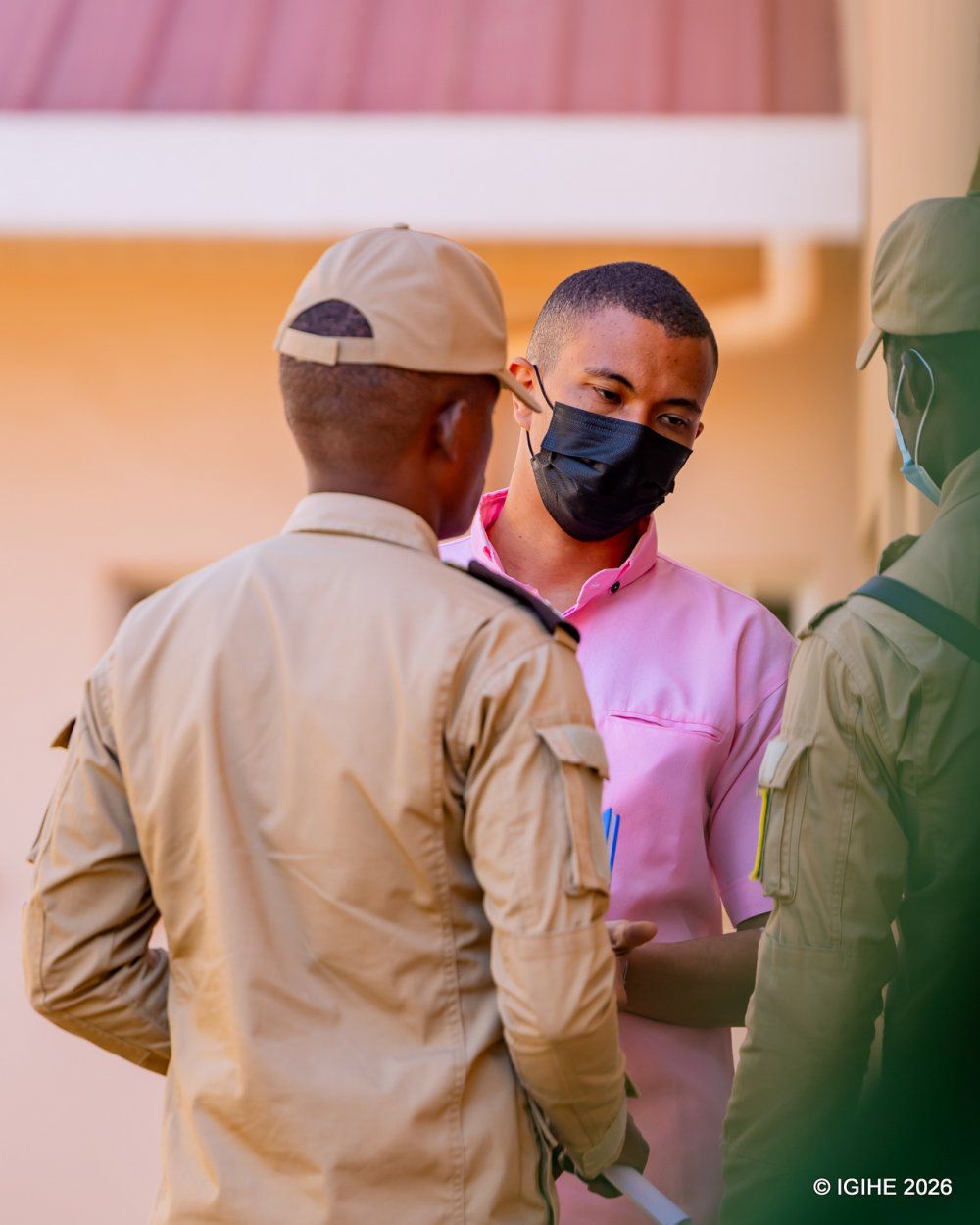
DJ Toxxyk had been facing charges including involuntary manslaughter, drug-related offenses involving narcotic substances, fleeing after causing an accident, and refusing to undergo an alcohol test.
The charges stem from a road accident that occurred in Nyarugenge District in the early hours of December 20, 2025. The accident claimed the life of a police officer, while cannabis was later discovered at DJ Toxxyk’s residence during investigations.
The judge explained that the court had initially considered sentencing him to four years and six months in prison together with a fine of Rwf1.05 million.
However, the sentence was significantly reduced after the court considered that DJ Toxxyk admitted to all charges, asked for forgiveness, and had no previous criminal record. The court therefore reduced the sentence to one year and six months in prison along with the same fine of Rwf1.05 million.
Earlier, on May 4, 2026, the Primary Court of Kicukiro had convicted DJ Toxxyk on all charges and sentenced him to three months of community service, suspended for six months, in addition to the same fine.
That ruling allowed DJ Toxxyk to be released from Nyarugenge Prison in Mageragere, but the prosecution was dissatisfied with the decision and filed an appeal.
During the appeal hearing held on May 15, prosecutors argued that the Primary Court had failed to consider the seriousness and consequences of the offenses committed by DJ Toxxyk. They said the sentence ignored the objectives of punishment as provided by law.
The prosecution maintained that the penalties imposed by the lower court did not fulfill the intended purpose of punishment, which includes educating the offender and serving as a warning to others.
Prosecutors also argued that the court did not properly apply Article 49 of the law, which requires judges to determine penalties based on the gravity of the offense, its consequences, and the circumstances under which it was committed.
They emphasized that the crimes had serious consequences, including the death of a police officer who was on duty at the time, and argued that community service and a fine alone were too lenient.
Appearing before Nyarugenge Intermediate Court, DJ Toxxyk told the court that he regretted all the offenses he committed and believed that the initial ruling was proportionate.
In its appeal, the prosecution had requested the intermediate court to sentence DJ Toxxyk to five years in prison and impose a fine of Rwf2.21 million.
DJ Toxxyk has been sentenced to one year and six months in prison.
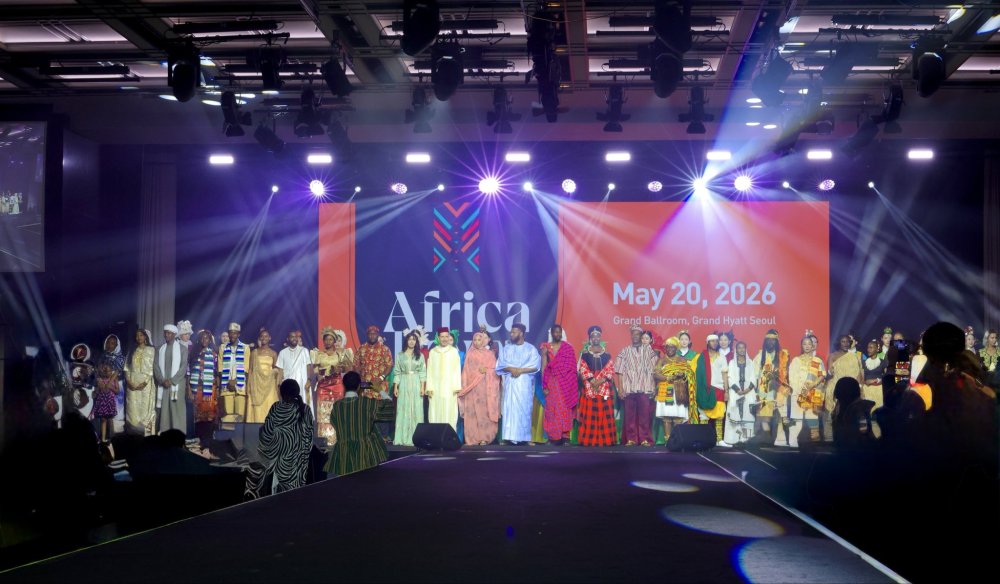
The Embassy led the preparation and coordination of the flagship diplomatic and cultural event.
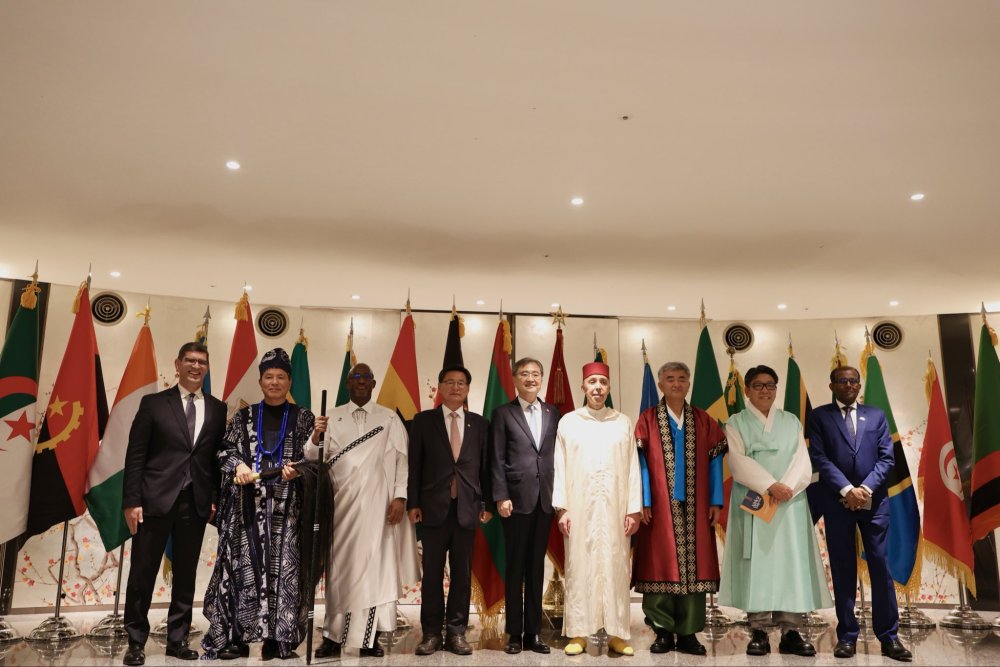
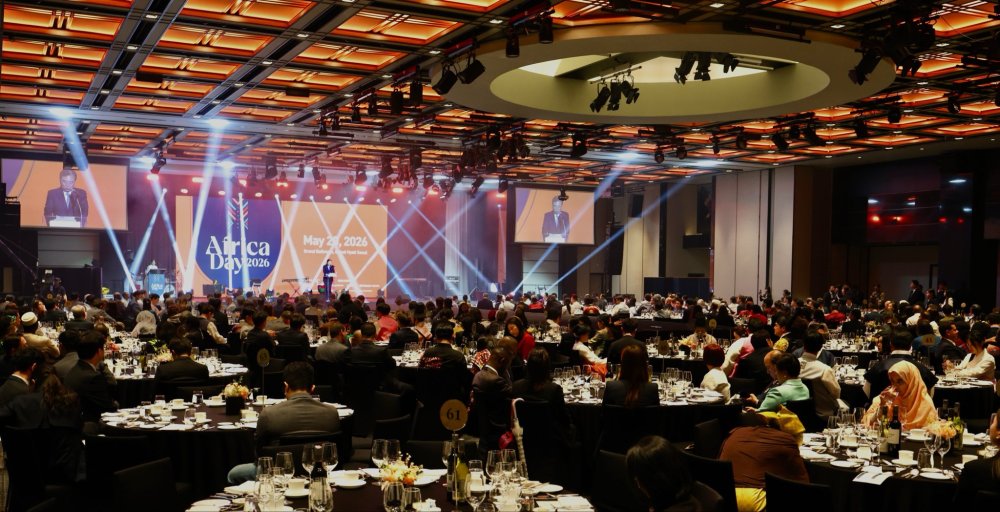
The celebration brought together more than 500 guests, including South Korea’s Minister of Foreign Affairs Cho Hyun, African ambassadors, senior government officials, members of the National Assembly, CEOs, business leaders, academics, media representatives, members of the diplomatic corps, and friends of Africa in Korea.
Rwanda’s leadership role in the organization of the event underscored its active diplomatic engagement within the African Group in Seoul, particularly in advancing cooperation between Africa and South Korea across political, economic, and cultural fields.
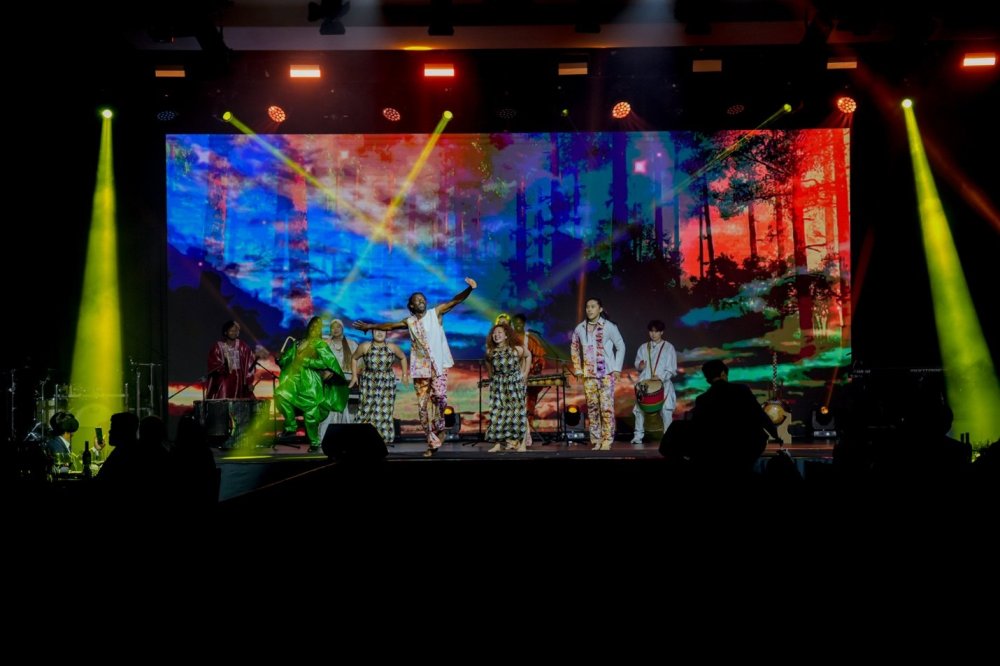
Beyond diplomacy, Africa Day 2026 placed strong emphasis on cultural exchange and innovation, showcasing the deepening ties between the two regions through fashion, music, art, and creative industries.
Organisers highlighted the emergence of “A-Culture” alongside the global influence of “K-Culture,” reflecting increasing cultural collaboration.
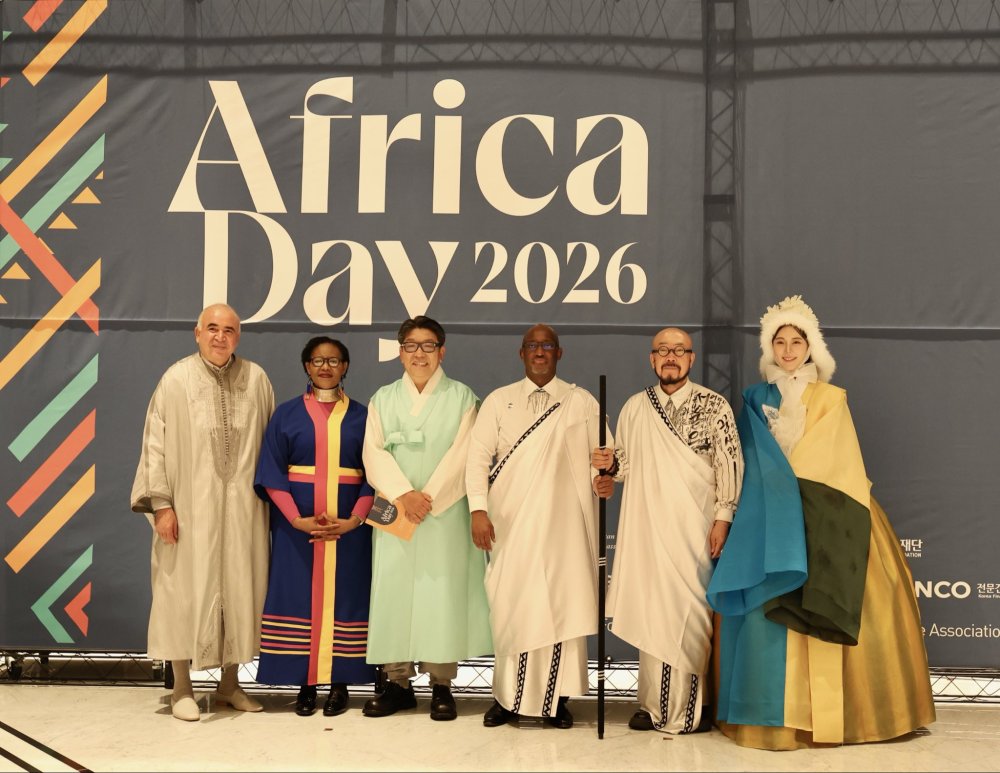
One of the key highlights of the event was a cultural fashion showcase featuring traditional Rwandan attire alongside Hanbok designs inspired by the colours of the Rwandan flag. The display symbolised growing friendship and cultural connection between Rwanda and South Korea.
The event also reflected broader efforts to strengthen Africa–Korea relations through shared priorities such as innovation, sustainable development, and people-to-people exchange.
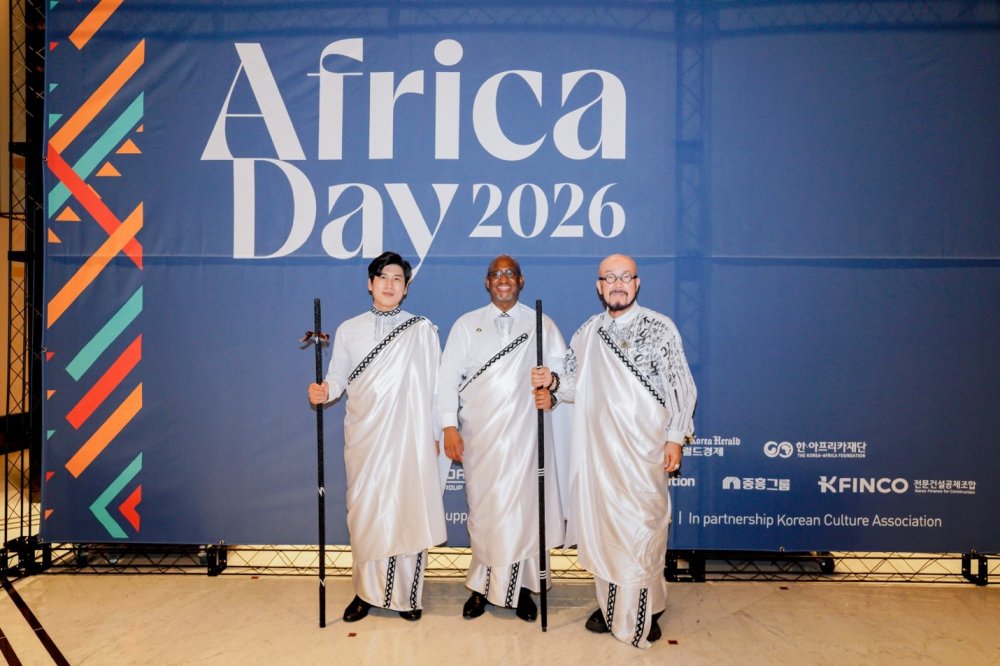
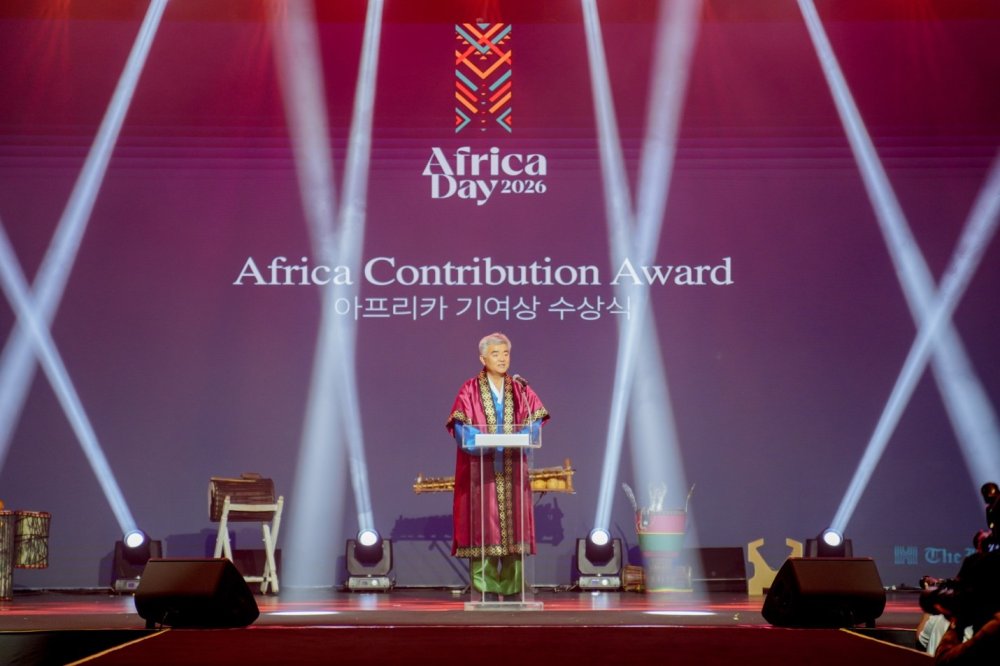
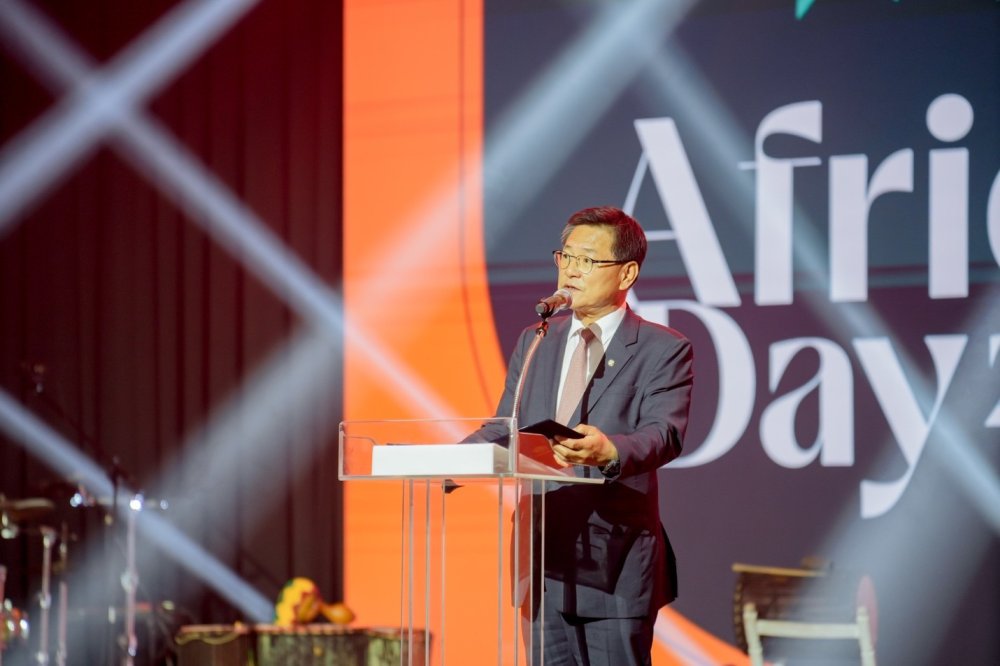
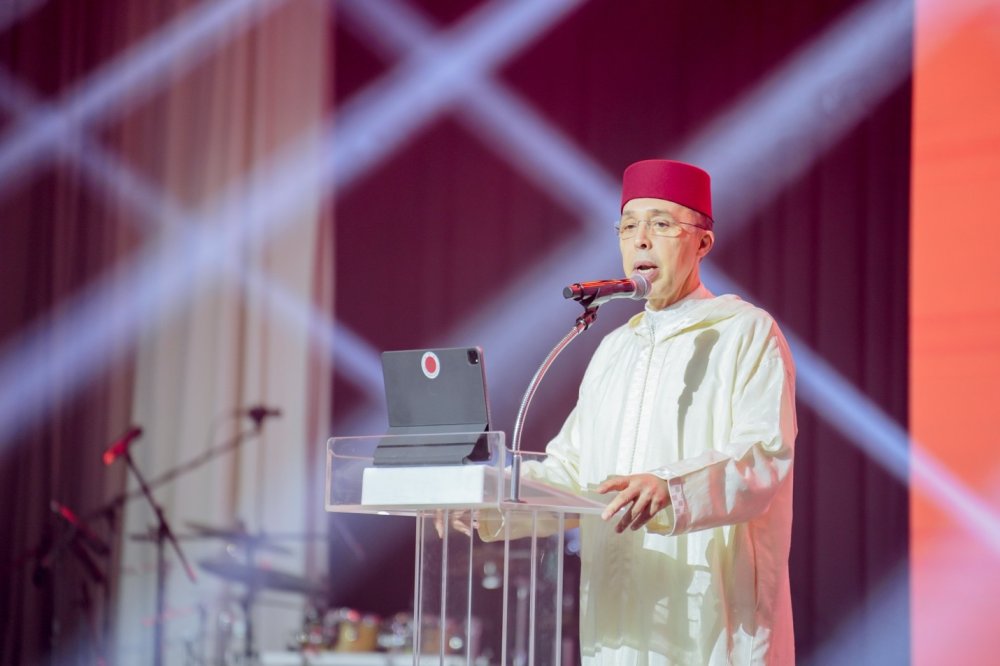
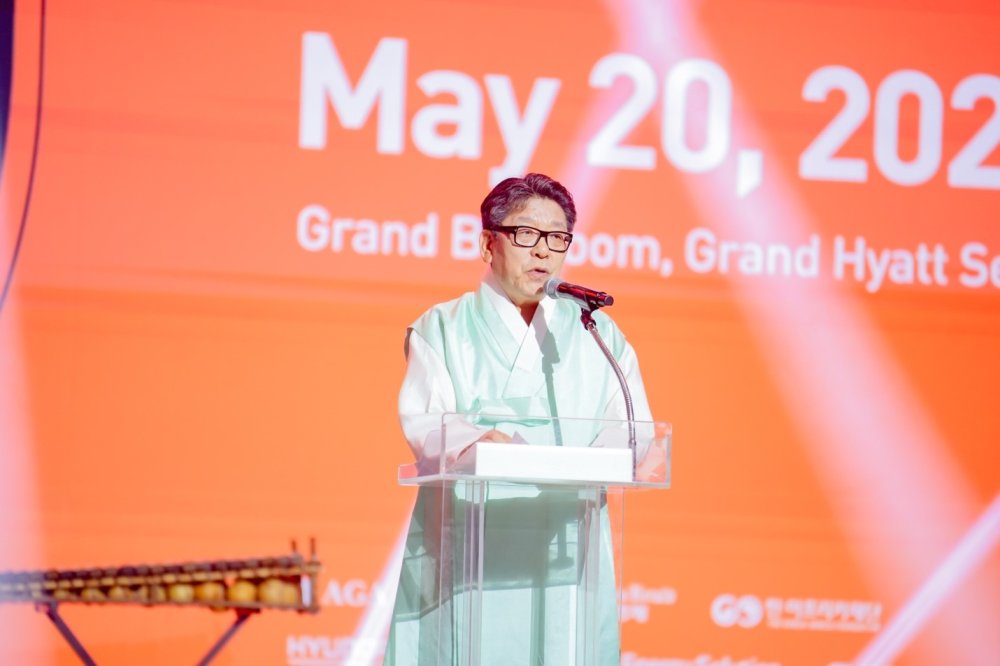
Mr. Lie Sangbong, renowned Korean fashion designer and Mr. Samuel Chung Chairman of KCA, pictured wearing Mushanana after previously attending the Kwita Izina naming ceremony in Rwanda. Cho Hyun, Minister of Foreign Affairs of the Republic of Korea, delivering remarks during the Africa Day 2026 Korea celebration in Seoul.Mr. Jung Won-ju, Chairman of Daewoo E&C and Korea Herald, was honored with the Africa Contribution Award in recognition of his contributions to strengthening Africa–Korea cooperation and partnership.Lee Hun-seung, Chair of the National Assembly Forum for Africa of the Republic of Korea, delivering remarks during the Africa Day 2026 Korea celebration in Seoul.The evening featured live cultural performances highlighting African rhythm, dance, and artistic tradition as part of the Africa Day 2026 Korea celebration. Dr. Chafik Rachadi, Ambassador of the Kingdom of Morocco to the Republic of Korea and Dean of the African Group of Ambassadors, delivering remarks during the Africa Day 2026 Korea celebration in Seoul.Mr. Choi Jin-Young, CEO of Herald Media Group, delivering Welcome remarks during the Africa Day 2026 Korea celebration in Seoul.
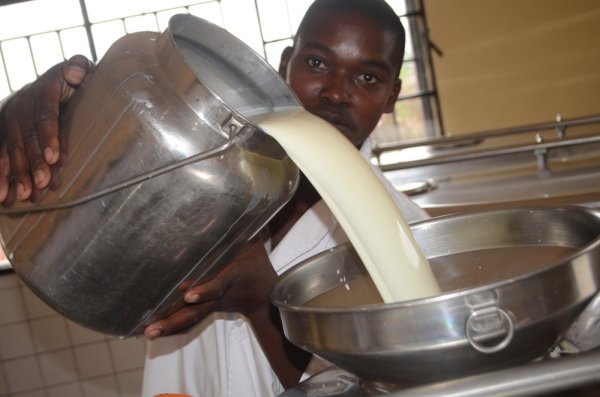
The ministry says national milk production has increased sharply over the past two decades, rising from about 332,000 litres per day in 2005 to approximately 2.9 million litres in 2025.
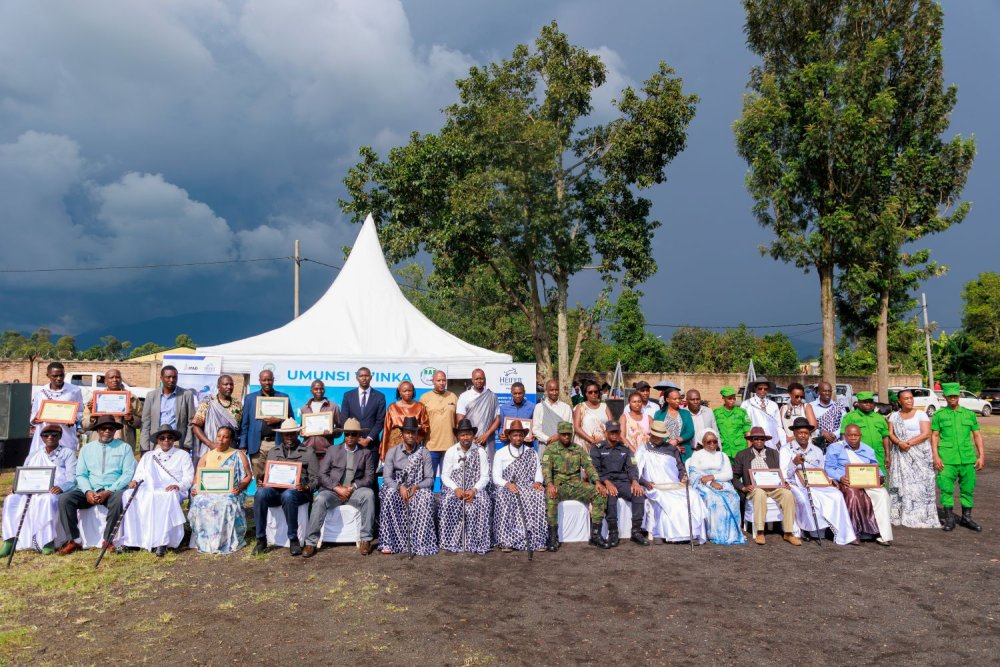
The figures were highlighted on May 21, 2026 during the second celebration of “Cow Day,” an event initiated by Rubavu District to showcase the importance of cattle in improving livelihoods and driving local development.
Jean Claude Ndorimana is the Director General, Animal Resources Development for MINAGRI, praised the initiative and said there is a need to elevate the celebration to the national level.
He noted that cattle play a wide-ranging role in society, contributing not only to nutrition through milk but also to economic development through income generation, improved crop production via manure, and even social cohesion through practices such as bride price and livestock sharing.
“The benefits of cattle are well known. They provide milk that improves health and helps prevent child stunting, generate income, and produce manure that improves agricultural productivity. They also strengthen family and social ties,” he said.
Ndorimana attributed the rise in milk production largely to improvements in livestock farming, particularly the Girinka programme, which has transformed dairy production across the country.
He also urged farmers to take up livestock insurance, noting that the government subsidises 40% of the cost, while farmers contribute the remaining 60%.
Rubavu District Mayor Prosper Mulindwa said cattle play a central role in the district’s economy and culture, describing them as symbols of nutrition, unity, and agricultural productivity.
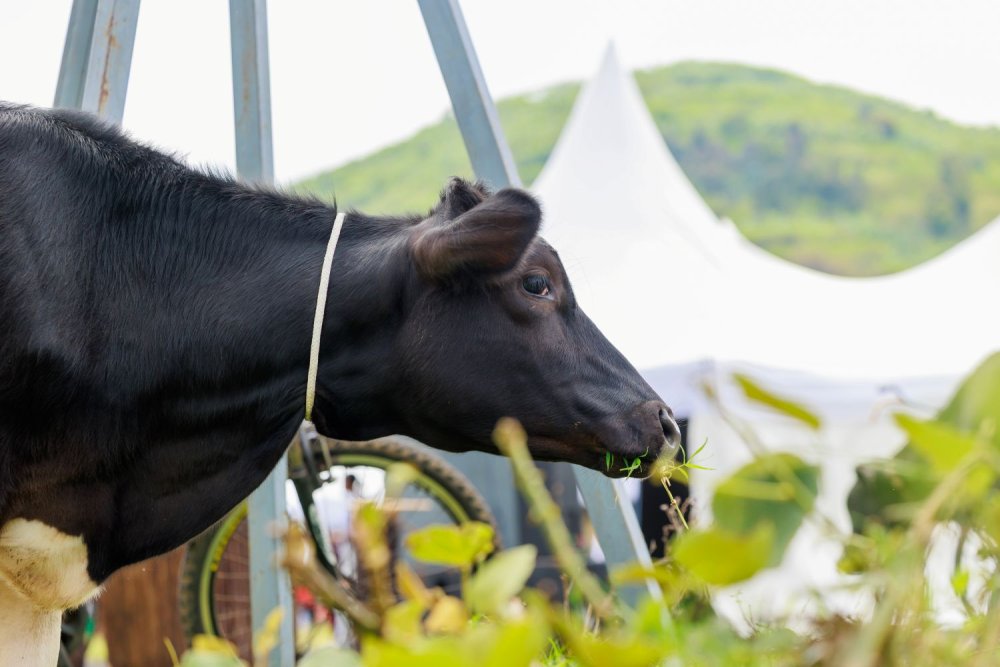
“A cow is like a factory. It is not an exaggeration to say so. That is why it deserves a special day, and it should reach everyone, as envisioned by the President who launched the Girinka programme,” he said. He added that modern dairy cattle in the district can produce 35 litres of milk or more per day.
Mulindwa also said Cow Day celebrations in Rubavu will be aligned with the number of cows ready to be passed on under the Girinka programme, to strengthen the system of cattle redistribution.
The Ministry of Agriculture and Animal Resources further said Cow Day should be aligned with national development programmes, including the Rwanda Dairy Development Project Phase II (RDDP2), which aims to boost milk production in collaboration with the International Fund for Agricultural Development (IFAD) and is implemented by the Rwanda Agriculture and Animal Resources Development Board (RAB).
According to a 2025 MINAGRI report, Rwanda had an estimated 1,727,913 cattle nationwide.
34 households in Rubavu District received cows under the Girinka programme.In Rubavu, a cow can cost up to Rwf3 million. Farmers with cows producing 35 litres of milk per day received equipment to support livestock farmingJean Claude Ndorimana is the Director General, Animal Resources Development for MINAGRI giving milk to children. Cattle continue to contribute to the development of RwandansMayor Mulindwa awarded a farmer who cultivated quality fodder, which increases milk production on a three-hectare farm.The event also featured livestock farming equipment related exhibition. Mayor Mulindwa said that livestock farming in Rubavu District continues to develop day by dayVarious leaders attended Cow Day celebrations in RubavuThe ‘Cow Day’ has been celebrated in Rubavu for second time.
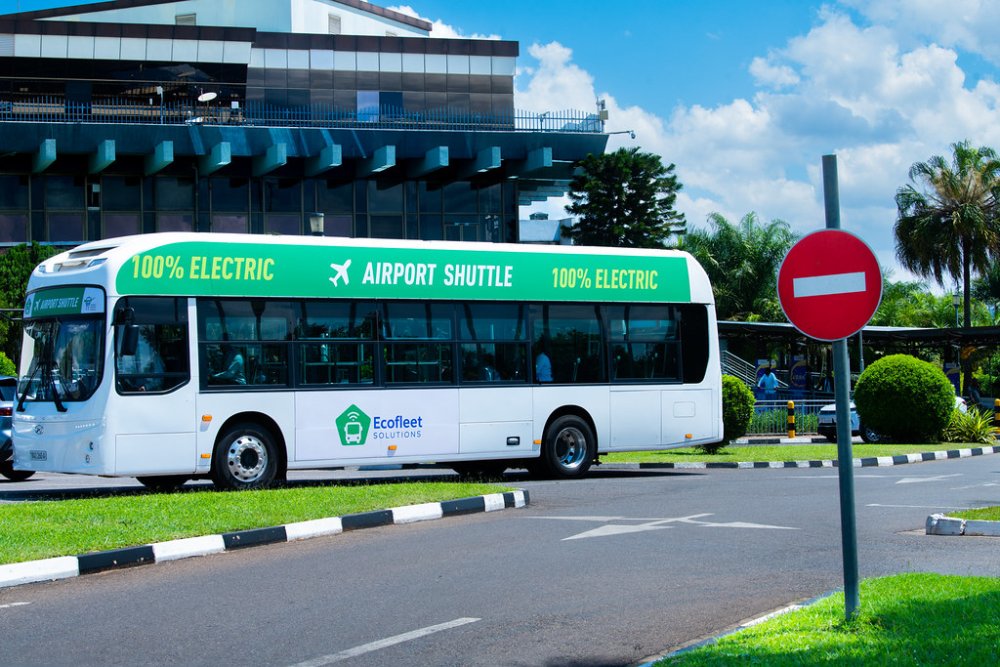
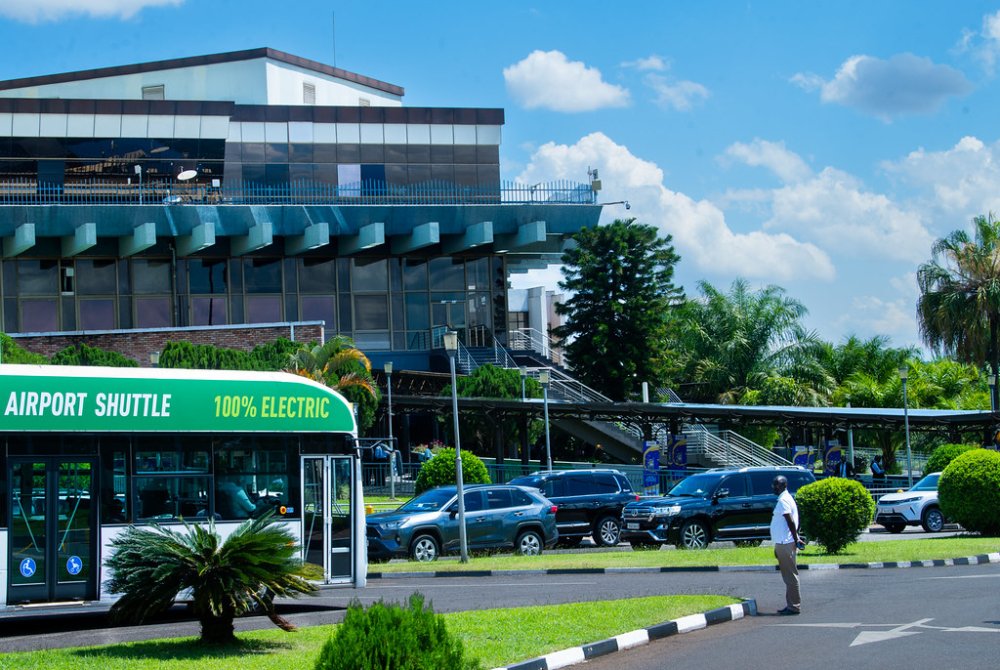
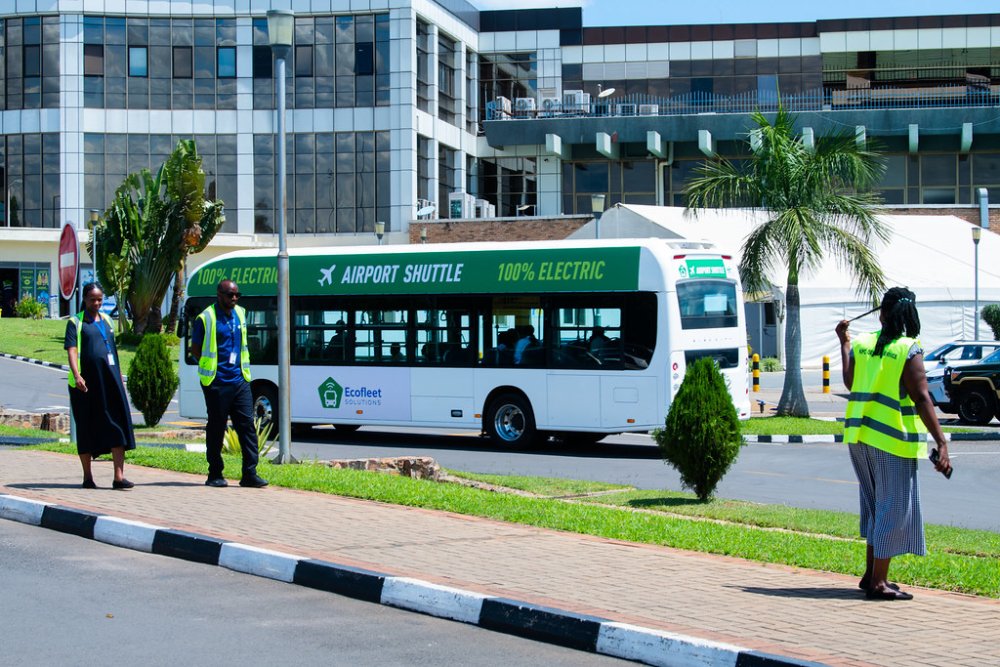
The pilot phase began on Monday, May 18, 2026, on the route connecting Kanombe to central Kigali, passing through Kigali International Airport, Chez Lando, Gishushu, KABC, Park Inn, Urban by CityBlue, BPR, and Serena Hotel.
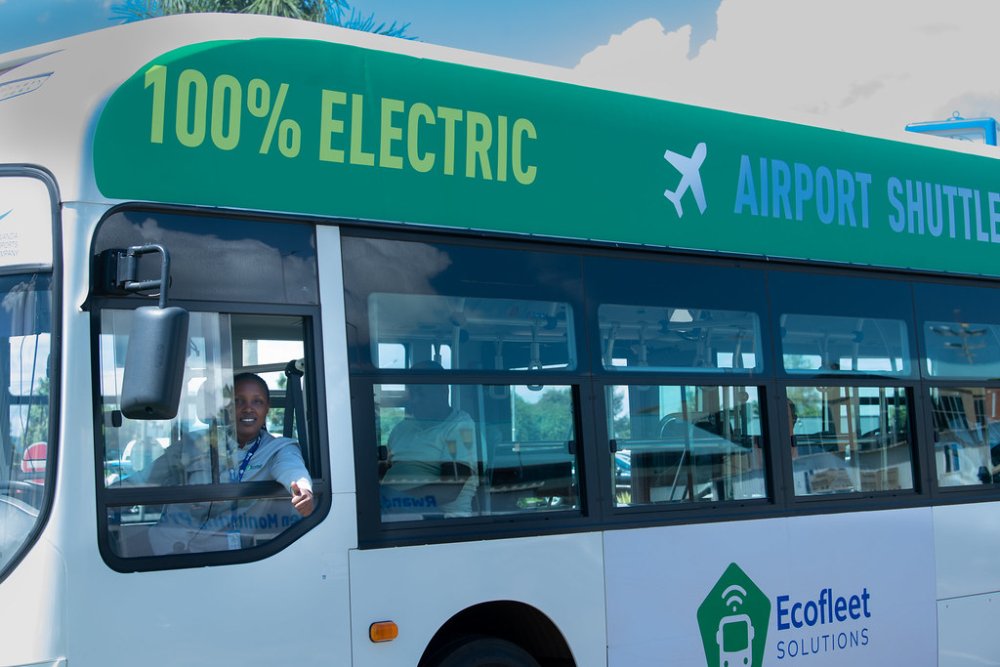
The service introduces dedicated 100% electric buses designed specifically for airport passengers, particularly travelers moving between the airport and major hotels across Kigali.
According to Ecofleet’s Communications and Public Relations Officer, Havugimana Aldo, the buses will operate in line with flight schedules to ensure timely transfers for passengers.
The buses are fully electric.
This means that passengers departing from hotels to the airport will be picked up based on their flight departure times and transported directly to Kigali International Airport.
He noted that the pilot phase is intended to assess the service’s ability to reliably align with flight schedules once fully operational.
Regarding fares, Ecofleet stated that pricing is still under review and will be determined after the completion of the pilot phase.
The company also highlighted that designated stops and signage have been installed along the route to guide passengers accessing the airport service. The buses will be reserved exclusively for airport passengers, both arriving and departing.
“These buses will pick up passengers at the airport and designated stops along the route. They are exclusively for airport users and will have special fares. Other passengers travelling along the same corridor will continue using regular city buses on the Kanombe–Remera–Kabuga routes,” Havugimana said.
Ecofleet stated that pricing is still under review and will be determined after the completion of the pilot phase.
He further clarified that the buses will not operate like conventional city transport with frequent stops at terminals, but will instead follow a controlled route focused on airport connectivity.
Ecofleet added that the service is intended to complement existing airport transport options rather than replace them, giving travellers additional and more affordable choices compared to private taxi services.
Rwanda, which has positioned itself as a regional hub for tourism and international conferences, expects the new service to improve visitor mobility while promoting environmentally friendly transport solutions.
The pilot initiative comes as Rwanda hosts several major international events, including the Basketball Africa League (BAL) 2026 Playoffs and Finals, scheduled for May 22–31, 2026.
The pilot phase began on Monday, May 18, 2026, on the route connecting Kanombe to central Kigali, passing through Kigali International Airport, Chez Lando, Gishushu, KABC, Park Inn, Urban by CityBlue, BPR, and Serena Hotel.
The tournament brings together eight elite clubs, promising another intense chapter of elite basketball on the continent.
Defending champions absent again
For the second time in BAL history, the playoffs will be played without the reigning champions. Libya’s Al Ahli Tripoli, who lifted the trophy in the previous edition, failed to qualify for this year’s finals.
The only previous occurrence of this came in 2023, when US Monastir, the 2022 champions, shockingly crashed out during the group phase and failed to return to defend their title.
Teams chasing a historic second title
Over its history, the BAL has produced a unique string of different champions. As the 2026 bracket stands, only two clubs in this year’s field have previously won the prestigious title: Petro de Luanda (the 2024 champions) and Egypt’s Al Ahly SC (the 2023 winners). Both are looking to become the first club in league history to win two BAL championships.
The rest of the field is heavily comprised of ambitious newcomers and hungry contenders looking to make their first championship game, including Rwanda’s RSSB Tigers, Tanzania’s Dar City, Tunisia’s Club Africain, and Senegal’s ASC Ville de Dakar. They are joined by other experienced continental powerhouses like Morocco’s FUS Rabat and Libya’s Al Ahly Ly (the 2024 runners-up).
Ivorian guard Souleyman Diabate stands out as the only player in this year’s finals who has already won the BAL twice. He lifted the trophy in the inaugural 2021 season with Zamalek and again in 2022 with US Monastir. Now a veteran leader, Diabate brings a wealth of international experience from professional leagues across Europe and Asia, and will suit up for ASC Ville de Dakar in this year’s tournament.
Unique competition format
The playoff stage introduces a high-stakes format. The quarterfinals open the tournament using a distinct two-legged aggregate tie system. Teams will face off twice, and the cumulative score across both games will determine who moves on. From the semifinals onward, the format switches back to a high-pressure, single-elimination knockout format.
Several elite teams in the final eight booked their spots by navigating the grueling, FIBA-run “Road to BAL” qualifying tournaments. Among them, teams like Dar City have shown incredible resilience, bouncing back from early-stage qualifying losses to peak exactly at the right time for the Kigali showpiece.
The tactical battles on the sidelines will be fierce, featuring highly decorated coaches with extensive continental pedigrees. Spanish tactician Sergio Valdeolmillos, who guided Petro de Luanda to continental prominence, returns with deep tactical knowledge. He is joined by veteran Moroccan coach Said El Bouzadi, leading FUS Rabat, who brings decades of experience coaching top-tier North African clubs at the highest levels.
The Basketball Africa League (BAL 2026) playoffs tip off today in Kigali, with the competition running from May 22 to 31, 2026. This marks the decisive final stage of the sixth season of Africa’s premier basketball competition, hosted once again at the state-of-the-art BK Arena in Rwanda.
At the ongoing third edition of Biashara Afrika in Togo, an annual pan-African business and investment forum organized by the AfCFTA Secretariat, participants stressed that without a strong common protocol, unfair practices such as market abuse, unfair trade practices, cartels, and monopolies would undermine the goal of the AfCFTA.
Speaking at a high-level conference on competition policy and law held on the sidelines of the event on Tuesday, Simeon Koffi, director-general of the Economic Community of West African States (ECOWAS) Regional Competition Authority, said that cross-border anti-competitive practices, differences in national legal frameworks, and a lack of funding are among the key challenges facing competition authorities in member states.
Koffi added that barriers to market entry, the dominance of informal economic activity, institutional weaknesses, and inconsistent enforcement of regional trade rules further deepen the bottlenecks that require urgent attention.
While noting that ECOWAS has made significant progress in establishing regional competition rules, he acknowledged that implementation remains a major challenge requiring stronger continental cooperation.
“Purely national solutions have shown their limits. What we need is a stronger collaboration between regional competition authorities and the proposed AfCFTA competition authority to ensure coordinated market regulation across the continent,” the official urged.
In his keynote speech, Togolese Director-General for Trade Claude Talime Abe highlighted that a unified protocol on competition is needed as a strong pillar for fairness, transparency, and security within Africa’s nascent single market.
On strengthening cooperation between governments, regulators, and the private sector, Talime called for the harmonization of competition principles at both national and regional levels.
“Competition policy and law are essential for promoting trade exchanges within a framework of fairness, security, and healthy competition. But competition law must go beyond policy declarations and focus on practical implementation mechanisms capable of supporting sustainable regional trade,” Talime said.
Wamkele Mene, secretary-general of the AfCFTA Secretariat, emphasized that the current level of implementation of intra-regional trade under AfCFTA has highlighted the importance of competition policy and other policy enablers in an integrated market.
He said the protocol of competition contains various provisions that provide the required complementarity in terms of jurisdiction between the regional and national authorities on the one hand and the continental authority on the other hand.
“We have built into the treaty these legal complementarities to enable the national authorities and the regional authorities to continue their work in a complementary manner between the two,” he said.
“What we are seeking to achieve is a common policy and legal framework of competition for our continent, both for the benefit of big economies and small economies, and more importantly, for the benefit of Africans and consumers,” Mene added.
Known for its cleanliness, safety and strong governance, the city has become a regional hub for business, tourism and international events, attracting visitors through conferences, sports competitions, cultural experiences and eco-tourism initiatives.
Ongoing investments in urban development, sustainability and tourism promotion continue to create opportunities for both local and international investors, particularly in the tourism sector, which still holds significant untapped potential.
Below are some of the key investment opportunities in Kigali’s tourism industry.
Environment and Eco Tourism
The City of Kigali has made major investments in environmental conservation and ecological restoration over the past decade. One of the key initiatives has been the rehabilitation of wetlands and their transformation into eco-tourism destinations, environmental conservation areas, and research hubs.
This transformation has created unique opportunities for investment in eco-tourism related services and infrastructure.
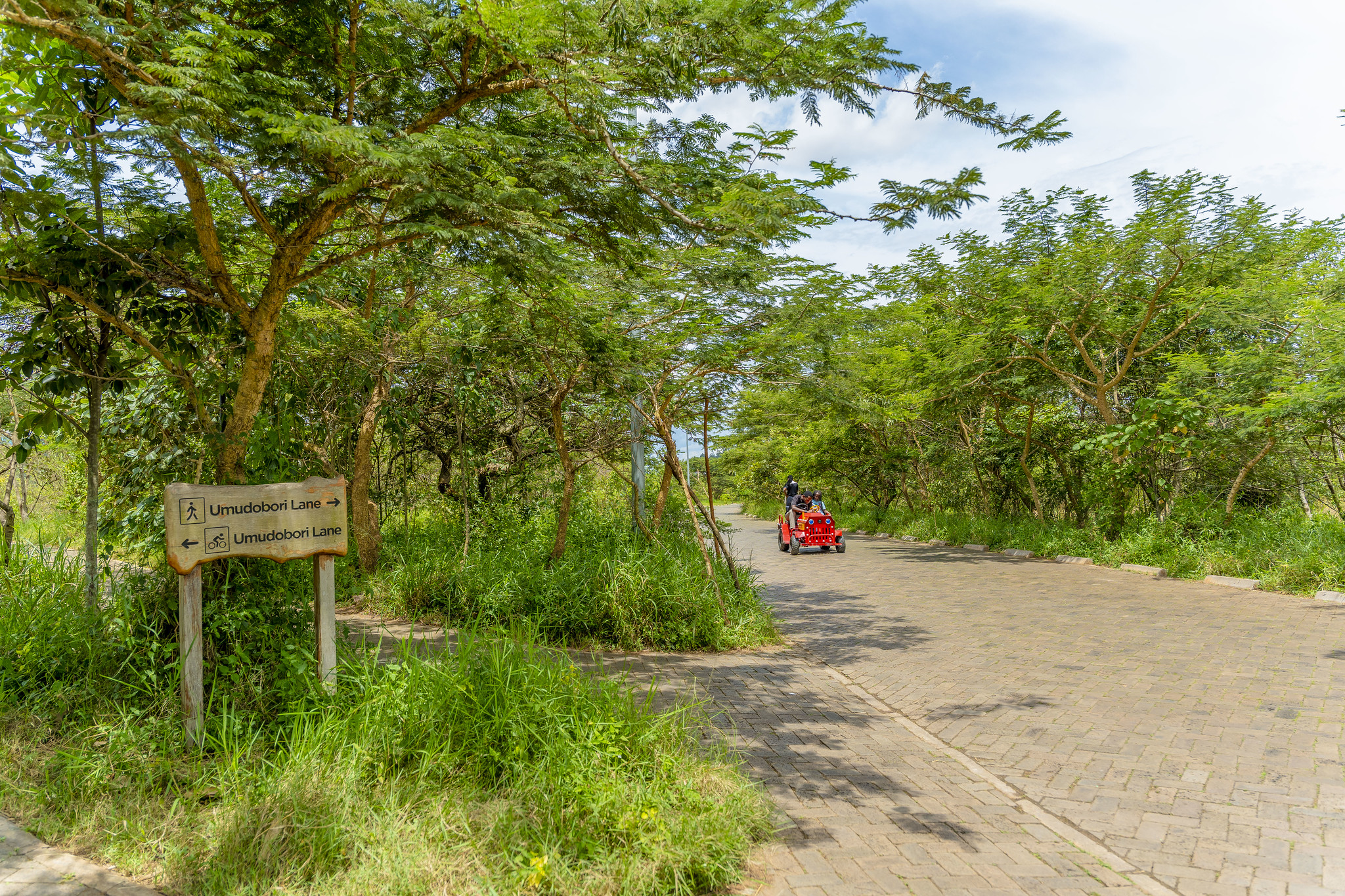
Nyandungu Eco Tourism Park stands as one of the leading examples of this vision. Once a degraded wetland, the area has been transformed into a modern eco-tourism destination attracting both residents and international visitors.
Due to its growing popularity and visitor traffic, the park continues to provide strong opportunities for investment in tourism related businesses and recreational services.
The success of Nyandungu has also gained international recognition, with the park being ranked among the top 10% of places to visit globally by TripAdvisor in 2025.
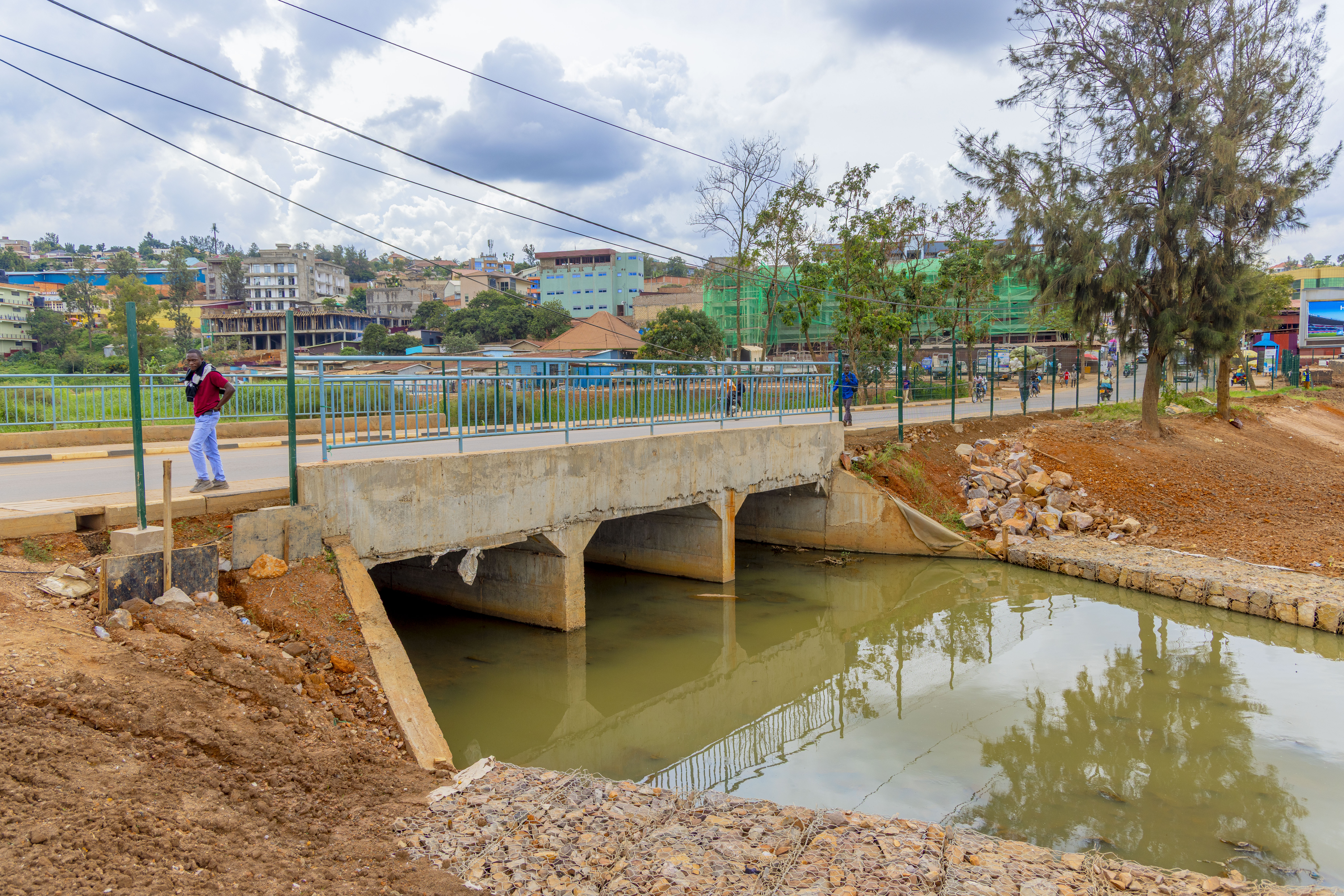
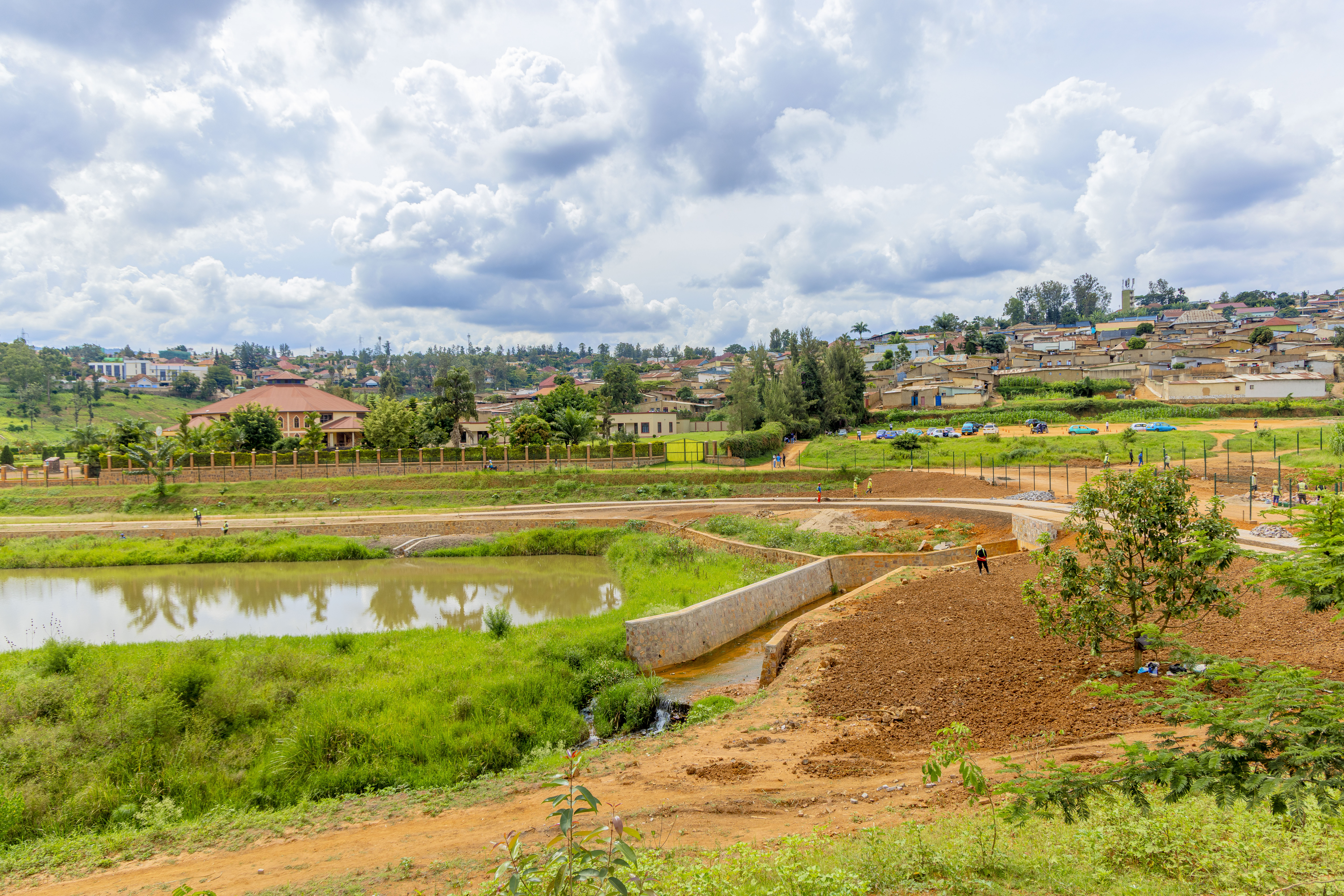
In addition to Nyandungu, several other wetlands in Kigali are currently undergoing restoration and transformation into eco-tourism attractions, biodiversity conservation spaces, and research centers. These include Gikondo, Rwampara, Nyabugogo, Rugenge Rwintare, and Kibumba wetlands.
Nyandungu Eco Tourism Park has become one of Kigali’s leading eco-tourism attractions, welcoming both residents and international visitors.Wetland restoration projects across Kigali are transforming formerly degraded areas into eco-tourism and conservation spaces.The restoration of Kigali’s wetlands is contributing to both environmental protection and urban tourism development.Kigali continues to combine environmental conservation with economic opportunities through large-scale wetland restoration initiatives.
Conference and business tourism
Kigali has built a strong reputation as one of Africa’s leading destinations for international conferences, meetings, and business events.
Over the years, the city has successfully hosted numerous regional and international gatherings bringing together participants from across the world.
Some of the major international events hosted in Kigali in recent years include the Commonwealth Heads of Government Meeting (CHOGM), the Women Deliver Conference, the World Economic Forum on Africa, the International Conference on AIDS and STIs in Africa (ICASA), and the Global AI Summit on Africa, among many others.
These events continue to strengthen Kigali’s reputation as a trusted destination for global gatherings while creating increasing demand for conference related infrastructure, hospitality services, event management, transport, entertainment, and business tourism investments.
The Kigali Convention Centre remains one of the country’s most iconic landmarks and symbolizes Rwanda’s commitment to positioning Kigali as a global meetings and conference destination. Its modern design and world-class facilities continue to attract major international events and business gatherings.
The Kigali Convention Centre remains one of the country’s most iconic landmarks
Sports tourism
Sports tourism is another rapidly growing area within Kigali’s tourism sector.
The City of Kigali has continued investing in sports infrastructure and facilities aimed at promoting sports development, entertainment, and the hosting of international tournaments for both professional and amateur athletes.
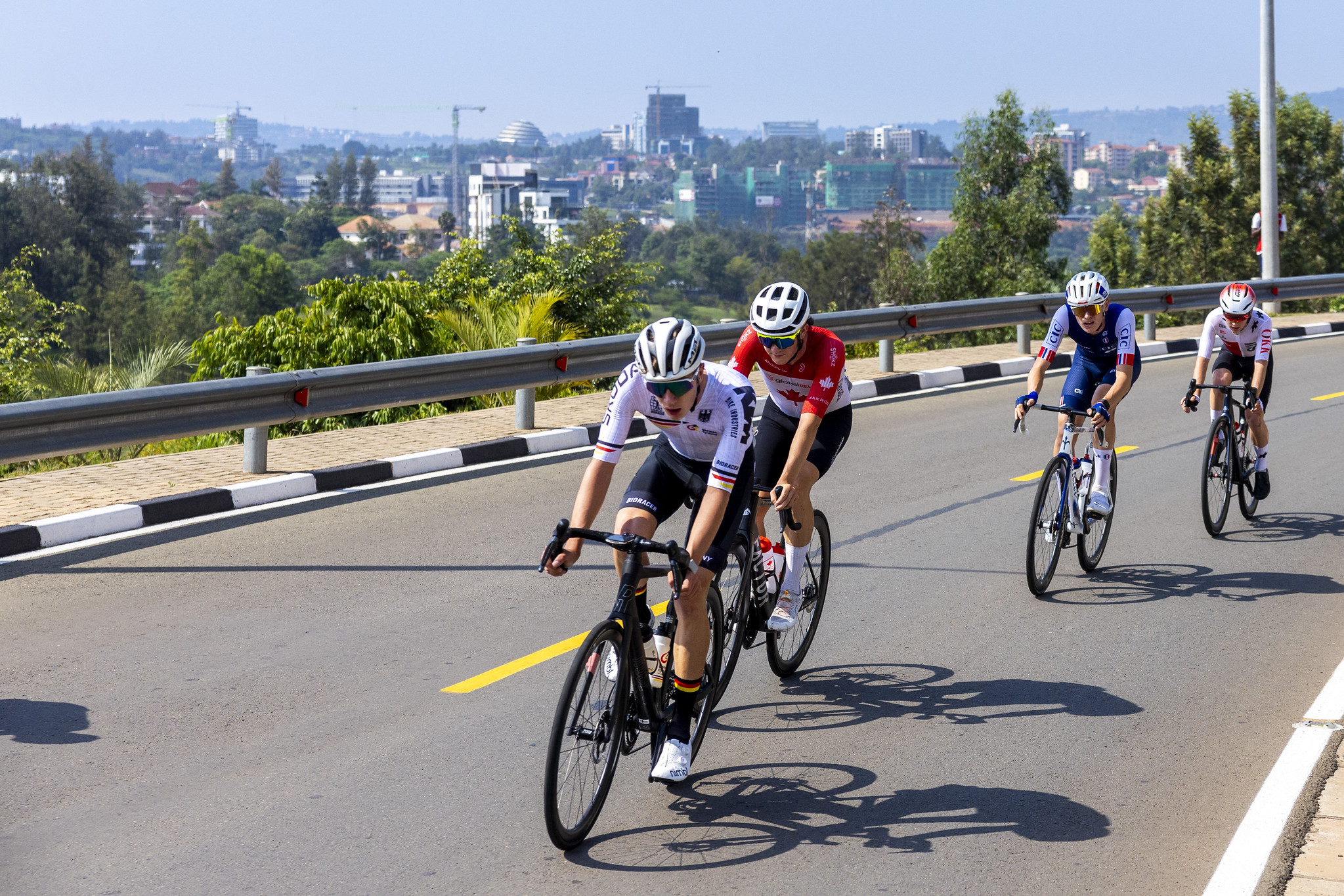
Kigali has already hosted several major international sporting events, including the FIFA Series, the Basketball Africa League (BAL), and the historic UCI Road World Championships, the first edition ever held on the African continent.
These achievements have been supported by investments in world-class facilities such as Amahoro Stadium, BK Arena, Zaria Court, and the Nyarutarama Golf Course, among others.
The continued growth of sports and entertainment activities presents strong opportunities for investors interested in sports tourism, event hosting, hospitality, recreation, and related services.
Kigali became the first African city to host the UCI Road World Championships, marking a major milestone for sports tourism on the continent.International sporting events hosted in Kigali continue to boost tourism, hospitality and entertainment opportunities across the city.
Culture and historical tourism
Culture remains one of Rwanda’s strongest tourism assets, and Kigali continues to play a central role in promoting and preserving the country’s rich cultural heritage.
Through cultural performances, creative arts initiatives, exhibitions, and entertainment events, the City of Kigali continues to create opportunities for cultural exchange and culture based tourism investments.
Key attractions such as Agaseke Women Centre and the Richard Kandt House Museum provide visitors with opportunities to explore Rwanda’s history, traditions, and cultural identity.
Kigali Cultural and Exhibition Village is another unique tourism destination offering space for cultural exhibitions, concerts, conferences, festivals, and various tourism related activities.
The Gihanga Institute of Contemporary Art (GICA), Rwanda’s first non-profit institution dedicated to contemporary art, officially opened in Kigali on December 20, 2025.
Why invest in Kigali
Kigali offers investors a safe, clean, and rapidly growing urban environment supported by investor-friendly policies and a leadership committed to sustainable development.
Rwanda has established efficient systems that simplify business registration, investment procedures, and service delivery, making it easier for investors to establish and grow their businesses.
Investors in Kigali benefit from access to a growing market, increasing consumer confidence, technological advancements, and a national vision focused on innovation and long-term development.
As the City of Kigali continues advancing sustainable urban development and strengthening its tourism sector, investors remain important partners in this journey.
For investors seeking opportunities in a growing and dynamic market, Kigali offers strong potential, particularly within the tourism sector.
Known for its safety, cleanliness and modern urban planning, Kigali is steadily emerging as a leading tourism hub in East Africa.
In countries such as the Netherlands, Belgium and Luxembourg, euthanasia is permitted under strict legal conditions for patients with incurable illnesses who repeatedly request assistance to end their suffering.
Depending on the law, doctors may either administer life-ending medication directly or prescribe medication for the patient to take themselves, a practice known as medically assisted suicide.
In the Netherlands, more than 10,000 euthanasia cases were recorded in 2025, representing around 6% of all deaths in the country.
A recent poll conducted by IGIHE on social media asked whether Rwanda should consider allowing euthanasia for patients experiencing severe pain with no hope of recovery. Around 1,700 respondents supported the idea, while more than 900 opposed it and hundreds said they were undecided.
Supporters cite dignity and relief from suffering
Several people interviewed by IGIHE, particularly younger respondents from Southern and Western Rwanda, said terminally ill patients should be allowed to choose a dignified death instead of enduring prolonged suffering.
Nineteen-year-old Philbert Irankunda said some illnesses leave patients in unbearable pain with no realistic chance of recovery.
“There are situations where a patient suffers so much that they may personally wish for their pain to end,” he said.
Claude Niyomugabo, 20, said the emotional and financial burden on families can also become overwhelming when treatment offers little hope.
“Some families spend everything they own on treatment even when doctors already know the patient will not recover,” he said. “In such cases, some people believe allowing the patient to die peacefully may be the more humane option.”
Fidele Kanyanzira, 68, expressed a similar view, particularly for elderly patients with irreversible conditions. “If someone is very old, in constant pain and cannot recover, helping them die peacefully can spare them unnecessary suffering,” he said.
He noted, however, that he would not support such a decision for children or young people.
Religious and cultural beliefs drive opposition
Many opponents of euthanasia said their views are rooted in religious beliefs and the conviction that only God should determine when life ends.
Jean Bosco Akumuntu said Christians believe life is sacred and should not be deliberately ended by human intervention.
“Life comes from God, and only God decides when it ends,” he said. “Helping someone die is something many believers would consider morally wrong.”
An elderly woman interviewed by IGIHE also rejected the idea, arguing that even patients in severe pain should be allowed to die naturally.
“God already knows when a person’s life will end,” she said. “Ending life intentionally is not acceptable.”
Medical professionals highlight ethical dilemmas
A doctor working in Rwanda’s Southern Province told IGIHE that families sometimes exhaust their savings, sell land and lose property trying to care for relatives with terminal illnesses.
“There are cases where families know the patient will not recover, but they continue spending everything they have in search of treatment,” he said.
The doctor explained that euthanasia, where legal, is intended to ease suffering rather than cause harm, as patients are given medication designed to allow a peaceful and painless death.
“The final stages of some illnesses can involve extreme pain,” he said. “Some people believe patients should be allowed to die with dignity rather than continue suffering unnecessarily.”
He added that cultural traditions and strong religious beliefs remain among the main reasons euthanasia — much like cremation — remains widely rejected in Rwanda.
In some countries, euthanasia is permitted under strict legal conditions for patients with incurable illnesses who repeatedly request assistance to end their suffering.