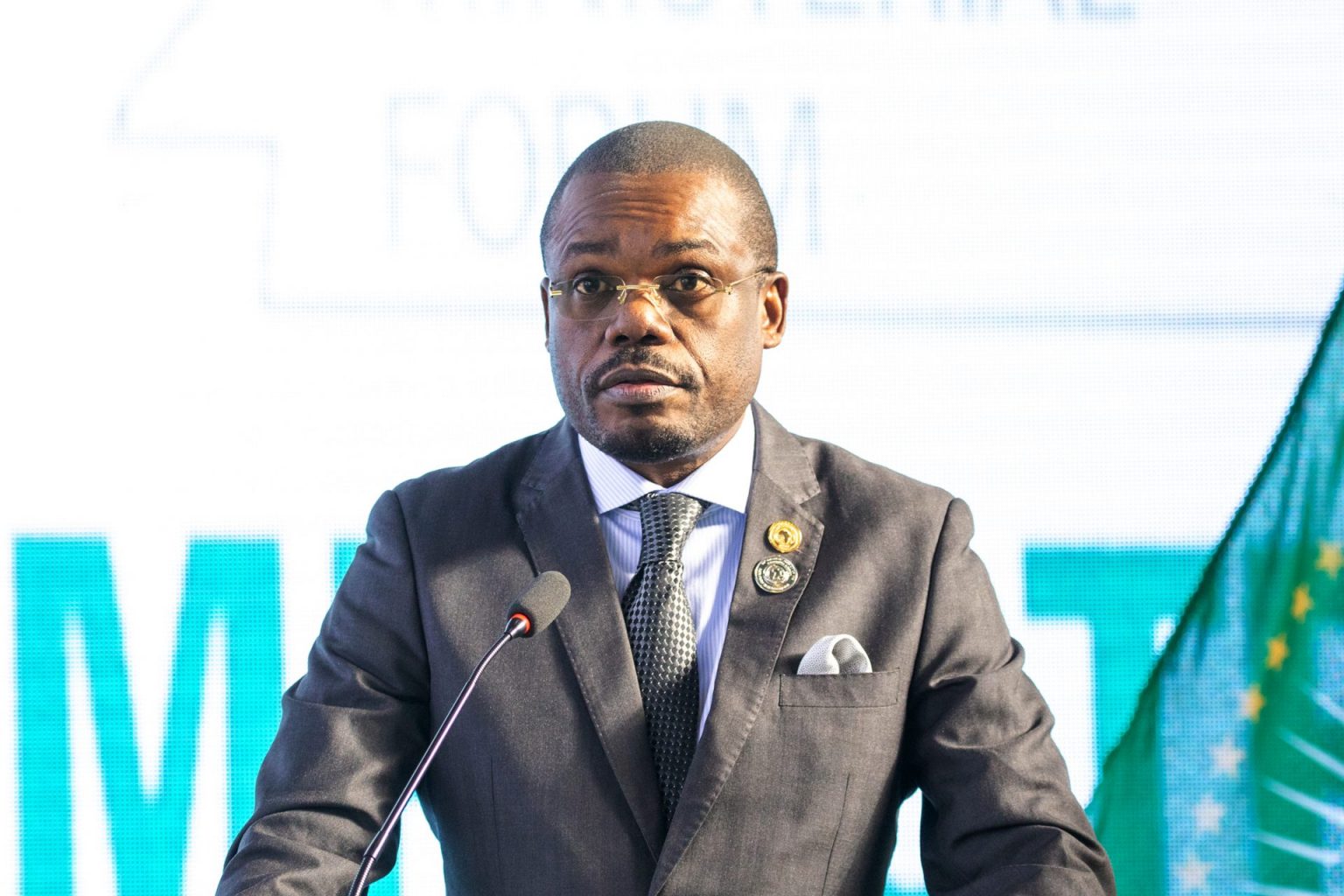
Addressing an online press briefing on Saturday evening, Africa CDC Director General Jean Kaseya said a total of 745 cases, including both suspected and confirmed infections, and 176 probable deaths have been reported since the DRC declared its 17th outbreak on May 15.
“We have two affected countries and 10 countries at high risk. All other African countries, because they are not bordering the two affected countries, we are not calling them at risk for now, but depending on the way the outbreak is moving, we can reconsider this,” Kaseya said.
The official highlighted major operational challenges, including a four-week detection gap of silent transmission before official confirmation, a lack of available medical countermeasures, high population mobility, weak health infrastructure, insecurity and limited access, as well as misinformation and mistrust.
“In terms of detection, there is a strong recommendation to increase the diagnostic capacity,” he said. “We are talking about a region where we have high mobility and insecurity. The combination of these two is what we are experiencing today with the spread of this outbreak beyond what we are expecting.”
Africa CDC Director General Jean Kaseya said a total of 745 cases, including both suspected and confirmed infections, and 176 probable deaths have been reported since the DRC declared its 17th outbreak on May 15.
He further noted challenges with medical countermeasures, saying the outbreak is driven by the Bundibugyo strain, for which no strain-specific vaccine is currently available.
According to Kaseya, the African continent currently needs about 319 million U.S. dollars to respond to the outbreak, of which 265 million dollars is to support response efforts in the DRC and Uganda, while 54 million dollars is to build preparedness across the 10 high-risk countries.
He stressed that the Africa CDC is considering activating a holistic way to respond to the outbreak by “putting in place one team, one plan, one budget, and one implementation model” under the continental incident management support team.
Expressing concern over a higher risk of regional spread, he said the latest outbreak, initially reported in Ituri Province in eastern DRC, now constitutes a public health emergency of continental security.
The Ebola virus is highly contagious and can cause symptoms including fever, vomiting, diarrhea, generalized pain or malaise, and, in severe cases, internal and external bleeding. According to the World Health Organization, Ebola fatality rates vary, depending on the viral subtype.
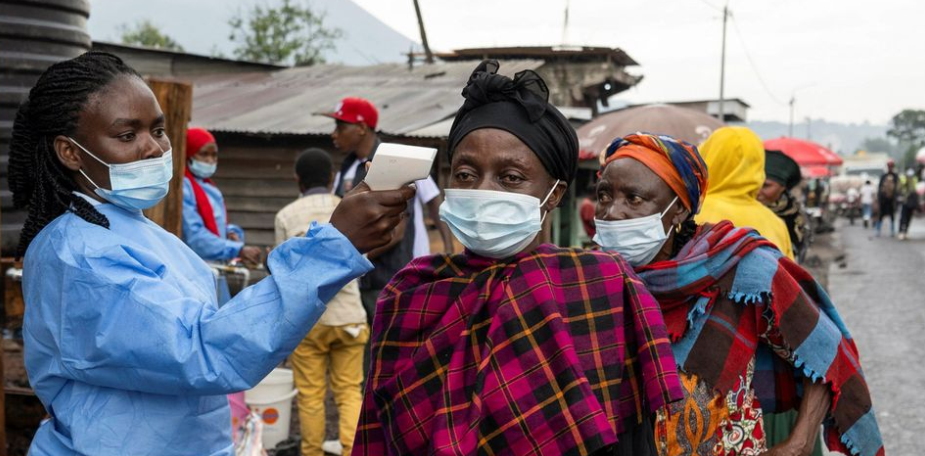
A health worker screens travellers at the Kanyaruchinya checkpoint in Goma, DRC, amid Cefforts to contain the Bundibugyo Ebola outbreak on May 20, 2026.
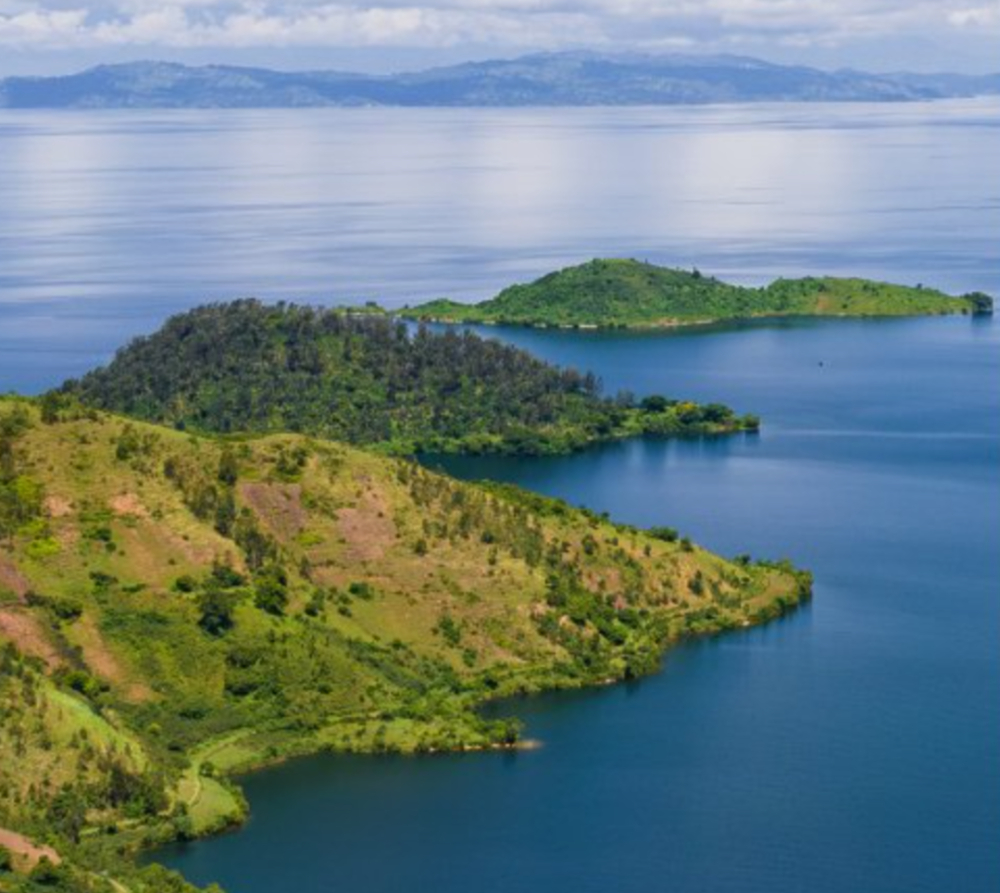
The islands, located in Nkora Cell, Kigeyo Sector, have experienced significant environmental degradation due to human activities, including deforestation and the expansion of coffee farming, which have disrupted natural habitats and reduced biodiversity.
Residents say the islands once supported rich indigenous vegetation and abundant wildlife, much of which has now disappeared.
Nsengiyumva Jean Baptiste, a local resident, recalled the former richness of the area, saying: “There used to be many guinea fowls that hunters would go after. The trees that were there were cut down by residents who planted coffee instead.”
The degradation has also affected fish breeding grounds in Lake Kivu, contributing to reduced catches of species such as isambaza.
According to BIOCOOR and district officials, the project will cover 250 hectares and involve planting 14 tree species, 10 indigenous and four fruit trees, while creating employment for more than 500 residents. BIOCOOR said the area was selected following assessments that confirmed severe shoreline degradation.
Rutsiro District environmental officer Innocent Kamayirese said the restoration will deliver wider ecological benefits.
“Trees purify the air we breathe, they help bring rainfall, and they provide habitats for biodiversity. We urge residents to take care of the trees that will be planted,” Kamayirese said.
The project is expected to cost over Rwf 300 million by 2032 and is part of broader efforts to restore Lake Kivu’s island ecosystems, which include 142 islands, 42 of them in Rutsiro District.
The islands, located in Nkora Cell, Kigeyo Sector, have experienced significant environmental degradation due to human activities, including deforestation and the expansion of coffee farming, which have disrupted natural habitats and reduced biodiversity.
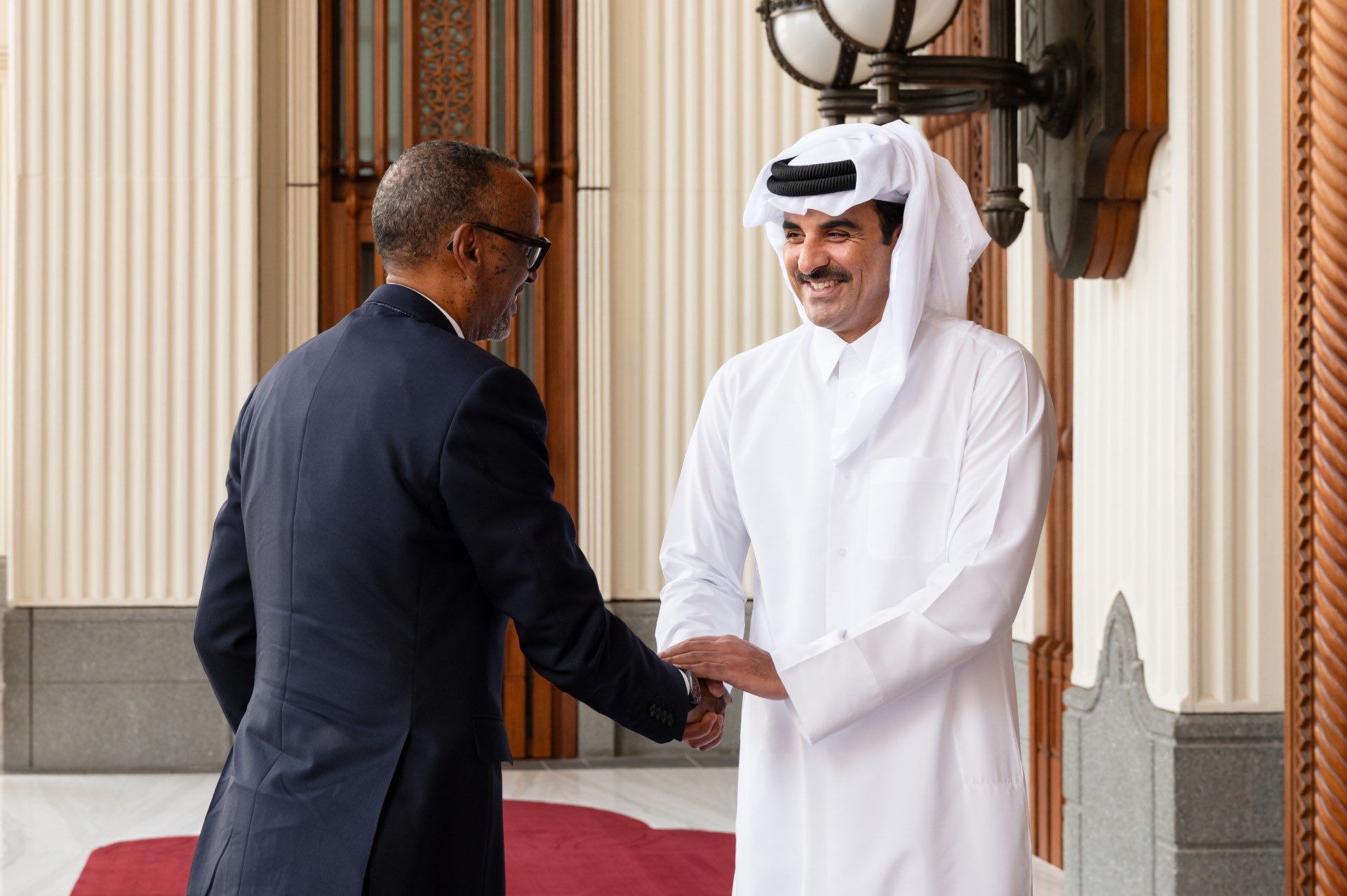
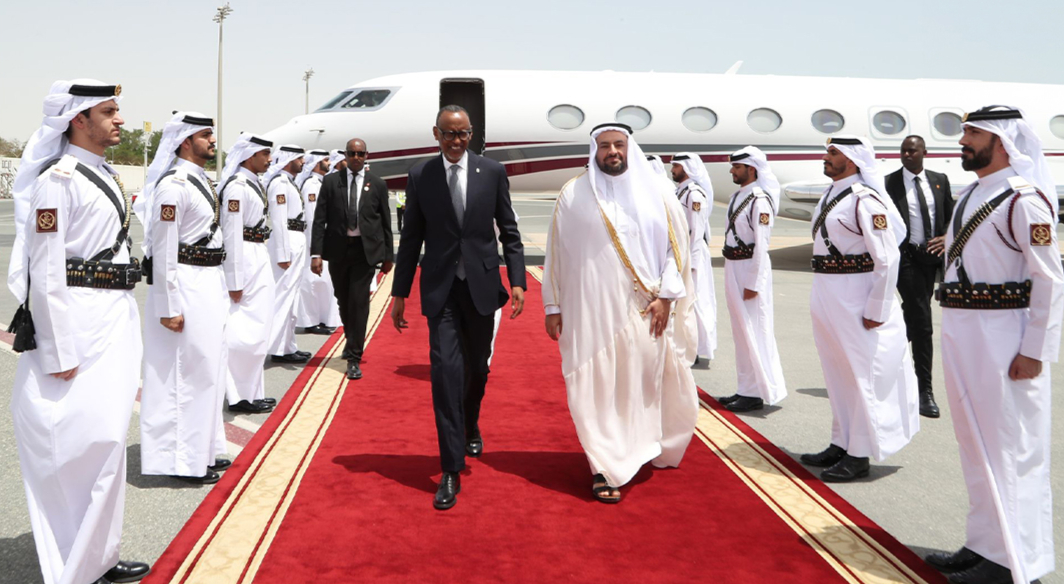
Kagame arrived in Doha earlier in the day for a one-day working visit aimed at further strengthening bilateral relations between the two countries.
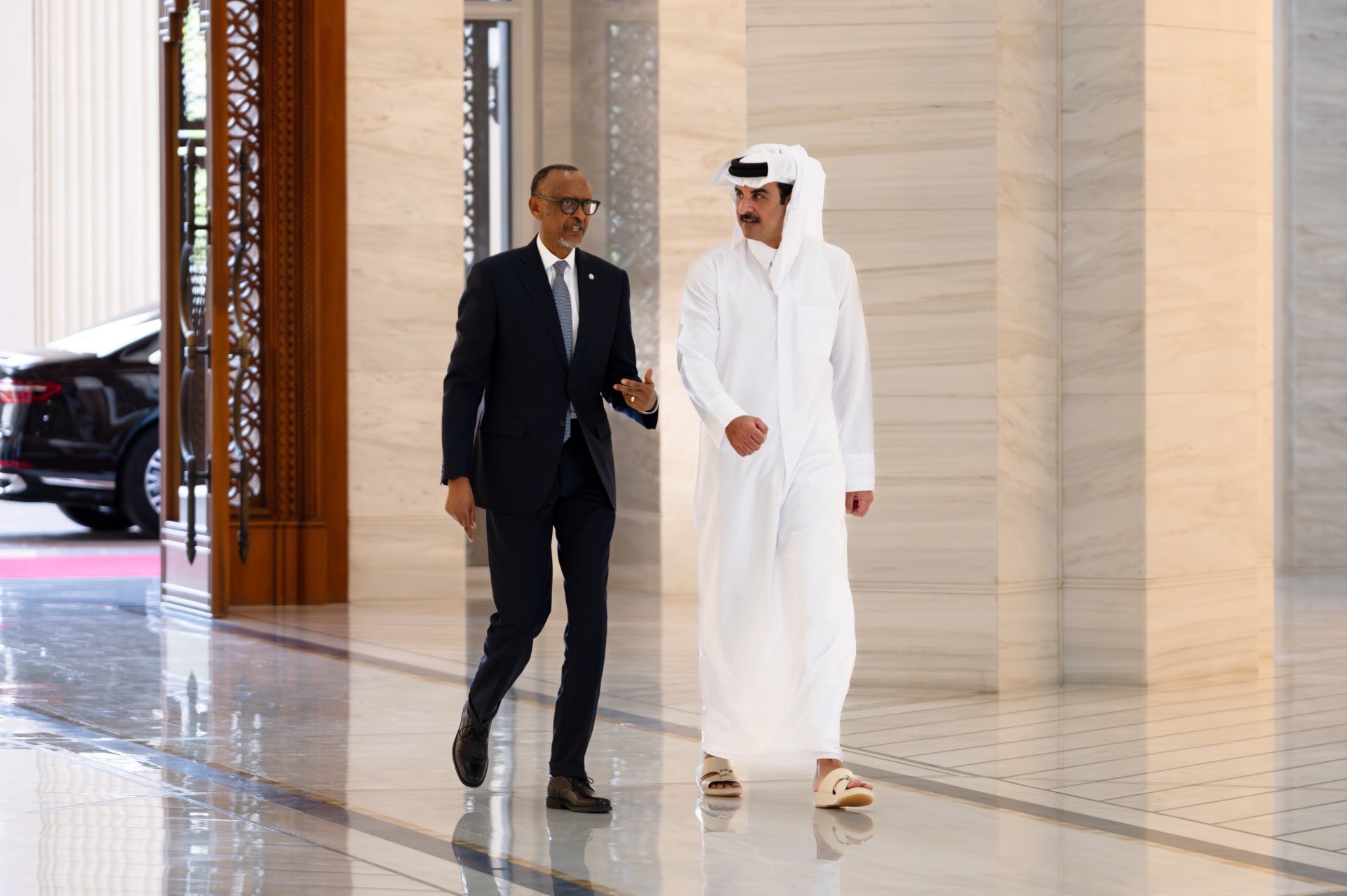
According to a communiqué from the Office of the President, Sheikh Tamim welcomed Kagame at the Amiri Diwan, where the two leaders discussed the “strong brotherly relations” between Rwanda and Qatar and reviewed ongoing cooperation across key sectors of mutual benefit.
The two Heads of State also exchanged views on regional developments and current international affairs, reaffirming their shared commitment to promoting international peace and security.
President Kagame expressed Rwanda’s solidarity and continued support for the people of Qatar, the statement added.
The visit builds on growing diplomatic engagement between Kigali and Doha in recent months. In November 2025, Kagame travelled to Qatar to attend the World Summit for Social Development, while Sheikh Tamim later visited Kigali during the same month.
In April 2026, the Head of State also sent a written message to the Amir of Qatar through Rwanda’s Minister of Interior, Dr. Vincent Biruta. The message was received by Qatar’s Minister of Interior, Sheikh Khalifa bin Hamad bin Khalifa Al Thani, according to Qatar’s Ministry of Interior.
Rwanda and Qatar have continued to deepen cooperation in sectors including investment, tourism, aviation, and infrastructure development.
The partnership has been particularly visible in aviation, where Qatar Airways is expected to acquire a 49 percent stake in RwandAir.
Qatar also holds a 60 percent stake in the Bugesera International Airport project, a major infrastructure initiative expected to position Rwanda as a regional aviation hub.
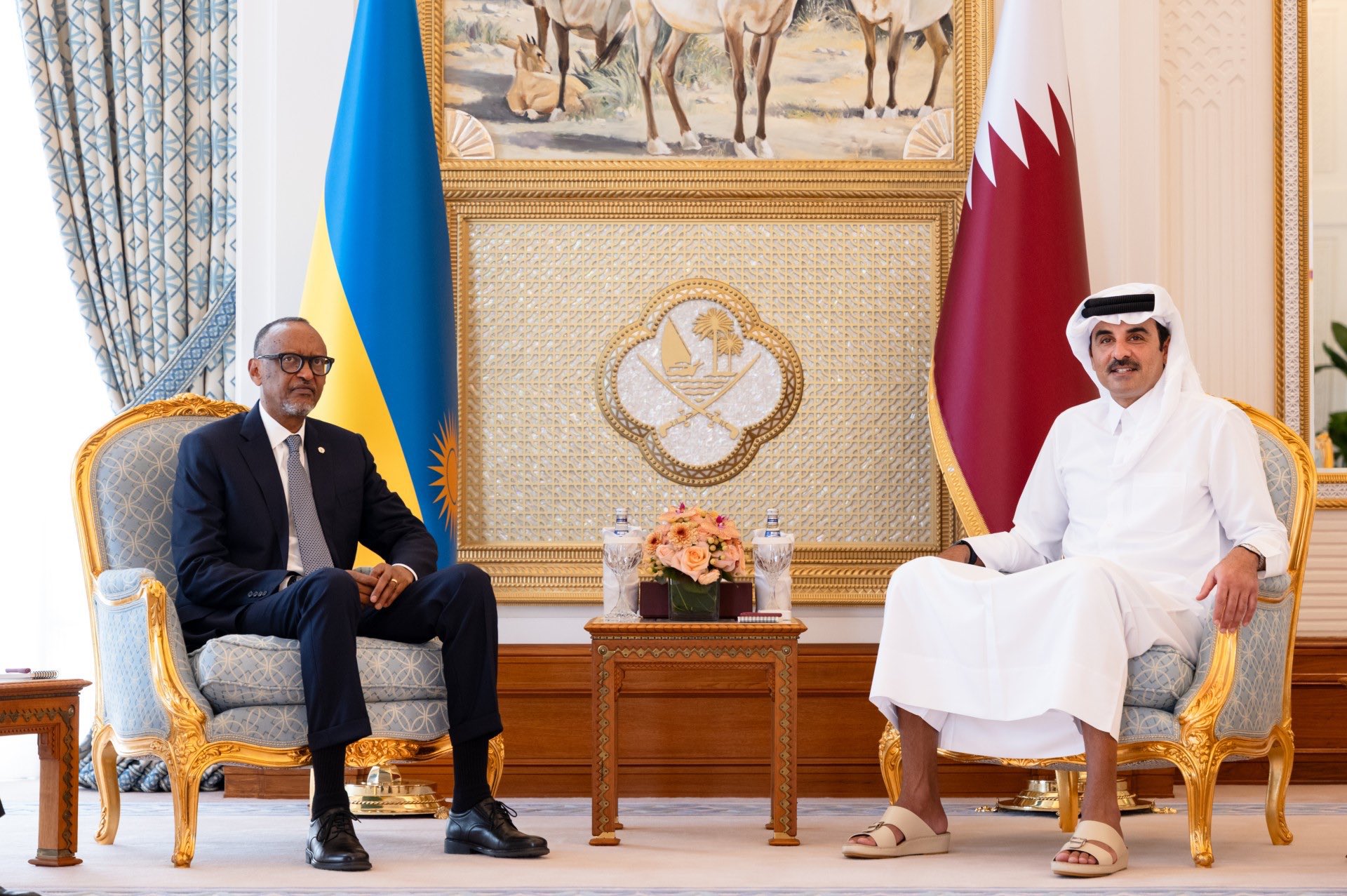
President Kagame was received by the Amir of Qatar, His Highness Sheikh Tamim bin Hamad Al Thani, at the Amiri Diwan in Doha.President Kagame is in Qatar for a one-day working visit. The two leaders discussed the “strong brotherly relations” between Rwanda and Qatar and reviewed ongoing cooperation across key sectors of mutual benefit.
The lender’s financial results for the period ending March 31, 2026 also show net operating income rising 18% to Rwf 19.7 billion, reflecting sustained business momentum despite a challenging global economic environment.
Total assets increased by 19% year-to-date to Rwf 1.3 trillion, while net loans grew sharply by 26% to Rwf 613.8 billion, supported by strong demand from SMEs, retail customers, and corporate clients aligned with key growth sectors of Rwanda’s economy.
Customer deposits also rose by 22% year-to-date, crossing the Rwf 1 trillion mark, underscoring growing public confidence in the bank.
The strong performance was largely driven by a 40% increase in net interest income, boosted by improved asset yields and efficient balance sheet management. Operating expenses rose by 19%, reflecting continued investments in digital infrastructure, cybersecurity, and talent development.
Despite rising costs, the bank improved its efficiency, with the cost-to-income ratio declining to 44.4% from 47.6% year-to-date. Asset quality remained stable, with a gross non-performing loan ratio of 1.5%, while the capital adequacy ratio stood at 18.1%, well above regulatory requirements.
Chief Executive Officer Benjamin Mutimura said the results demonstrate resilience in a difficult global environment.
“The first quarter of 2026 reflects the continued resilience of our business model in a complex and evolving global environment. While external conditions remain uncertain, we have maintained a disciplined approach to execution, with a focus on customer-led growth and delivering sustainable long-term value for our stakeholders,” he said.
He added that customer engagement continued to strengthen business performance.
“We continue to see strong confidence from our customers, our focus on improving the customer experience is contributing to stronger interaction levels and is having a positive impact on overall business performance,” Mutimura said.
During the quarter, the bank accelerated its digital transformation through the “Tsinda na Banki Muhorana” campaign, encouraging increased use of mobile and online banking services.
It also expanded its sustainability agenda through a partnership with the Rwanda Green Fund to support agritech SMEs focused on climate-resilient solutions.
In addition, the bank advanced inclusive finance through its “Berwa” women-focused programme, offering tailored financial services, mentorship, and financial literacy support. The initiative earned the bank recognition as Corporate Champion for Women in Leadership 2026 at the RWIBA awards.
Mutimura said the bank remains confident in sustaining growth while navigating ongoing macroeconomic uncertainty.
Incorporated in 1963, I&M Bank (Rwanda) PLC holds the distinction of being the oldest bank in Rwanda. It is a subsidiary of I&M Group PLC, a leading regional financial services group in Eastern Africa with a presence in Kenya, Tanzania, and Uganda, and a joint venture with CIEL Group (Bank One) in Mauritius.
With a comprehensive portfolio of personal, business, institutional, and corporate banking products available at its various locations, I&M Bank Rwanda caters to a diverse range of customer needs.
I&M Bank (Rwanda) PLC holds the distinction of being the oldest bank in Rwanda.
Upon arrival at Doha International Airport, Kagame was received by Minister of State at the Ministry of Foreign Affairs Dr. Mohammed bin Abdulaziz bin Saleh Al Khulaifi, and Ambassador of Rwanda to the State of Qatar, Igor Marara Kayinamura.
The visit comes months after Kagame travelled to Doha in November 2025 to attend the World Summit for Social Development. That trip was followed by a visit to Kigali later the same month by the Emir of Qatar, Sheikh Tamim bin Hamad Al Thani.
In April 2026, President Kagame also sent a written message to Sheikh Tamim bin Hamad Al Thani. The message was delivered by Rwanda’s Minister of Interior, Dr. Vincent Biruta, and received by Qatar’s Minister of Interior, Sheikh Khalifa bin Hamad bin Khalifa Al Thani, according to Qatar’s Ministry of Interior.
Rwanda and Qatar continue to deepen cooperation across several sectors, including investment, tourism, aviation, and infrastructure development.
The two countries have particularly strengthened ties in the aviation sector, where Qatar Airways is expected to acquire a 49 percent stake in RwandAir.
Qatar also holds a 60 percent stake in the Bugesera International Airport project, a major infrastructure development expected to position Rwanda as a regional aviation hub.
Upon arrival at Doha International Airport, Kagame was received by Minister of State at the Ministry of Foreign Affairs Dr. Mohammed bin Abdulaziz bin Saleh Al Khulaifi, and Ambassador of Rwanda to the State of Qatar, Igor Marara Kayinamura.
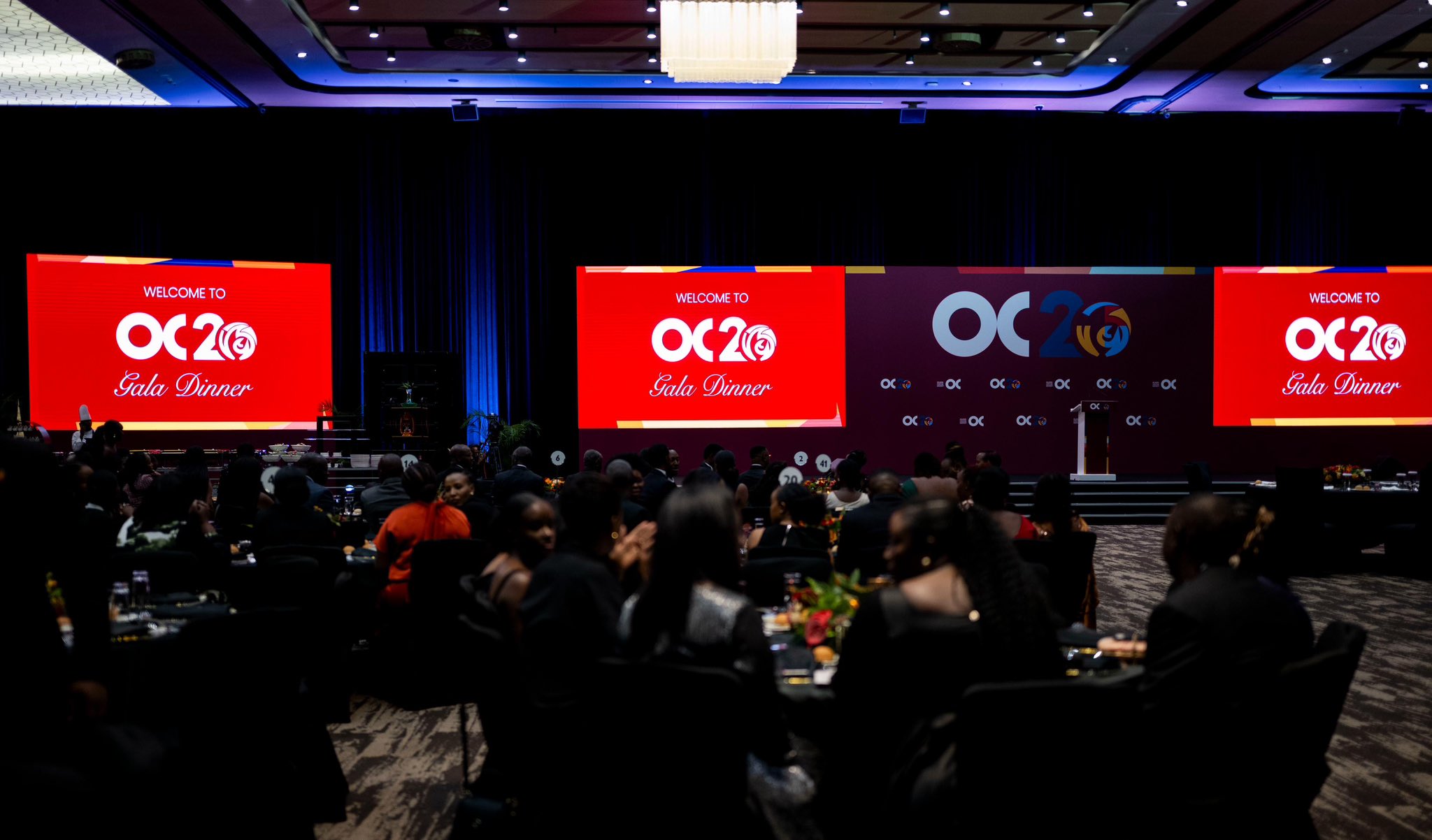
The event, held at the Kigali Convention Centre, highlighted the impact of a collaboration that has helped hundreds of Rwandan students access higher education opportunities and leadership training over the past 20 years.
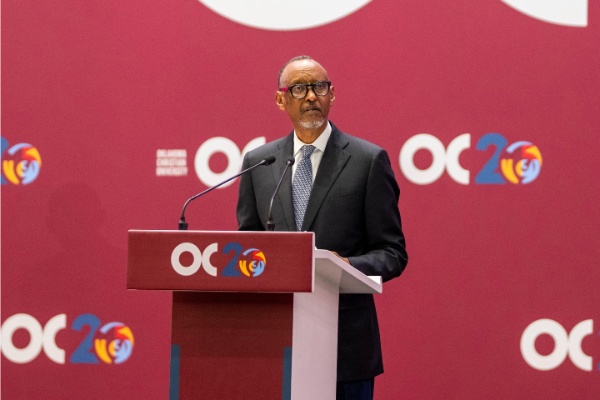
In his remarks, President Kagame welcomed the university’s leadership, faculty and staff, thanking them for their continued support to Rwanda’s education sector.
“To the alumni community present tonight, keep representing us well,” Kagame said. “If you ever need anything, do not shy away from asking. We are here for you.”
He also urged graduates to support future generations through mentorship, saying Rwanda’s growing global network should serve as “a national platform for opportunity creation.”
The President paid tribute to Dr. Mike E. O’Neal, who served as the fifth president of Oklahoma Christian University from 2002 to 2012, and his wife, Nancy O’Neal, describing them as instrumental figures in the partnership’s foundation.
“I first met Mike and Nancy when they visited Rwanda with Richard Lawson and his wife back in 2004,” Kagame said. “No one could have imagined that a discussion about Rwanda’s education ambitions would culminate in the long-standing and meaningful relationship we have today.”
The partnership began yielding results in 2006 when the first 10 Rwandan students travelled to study at Oklahoma Christian University through the Presidential Scholars Program.
The initiative has since produced more than 700 alumni who now serve in strategic leadership positions, including senior government officials and private sector executives.
He noted that the success of the Presidential Scholars Program has also inspired other universities to extend scholarship opportunities to privately funded Rwandan students.
Kagame expressed confidence in the future of the collaboration, citing ongoing initiatives such as an MBA program and preparations for a new study-abroad initiative.
“One of the most important legacies of this partnership is that Rwanda is now home to several world-class institutions,” he said. “This aligns perfectly with our country’s vision of becoming a regional hub for innovation.”
The Head of State emphasised the importance of investing in Africa’s young people through quality education and practical skills development.
“We often talk about Africa having an abundance of talent, but the conversation cannot end there,” Kagame said. “It is important to follow this with action and equip our young people with the knowledge and skills to compete with the rest of the world.”
He added that such investments are essential for building sustainable economic growth and reaffirmed Rwanda’s commitment to strengthening ties with the university.
“Twenty years is a special milestone. Let’s keep working together to write the next chapter of our journey,” Kagame said.
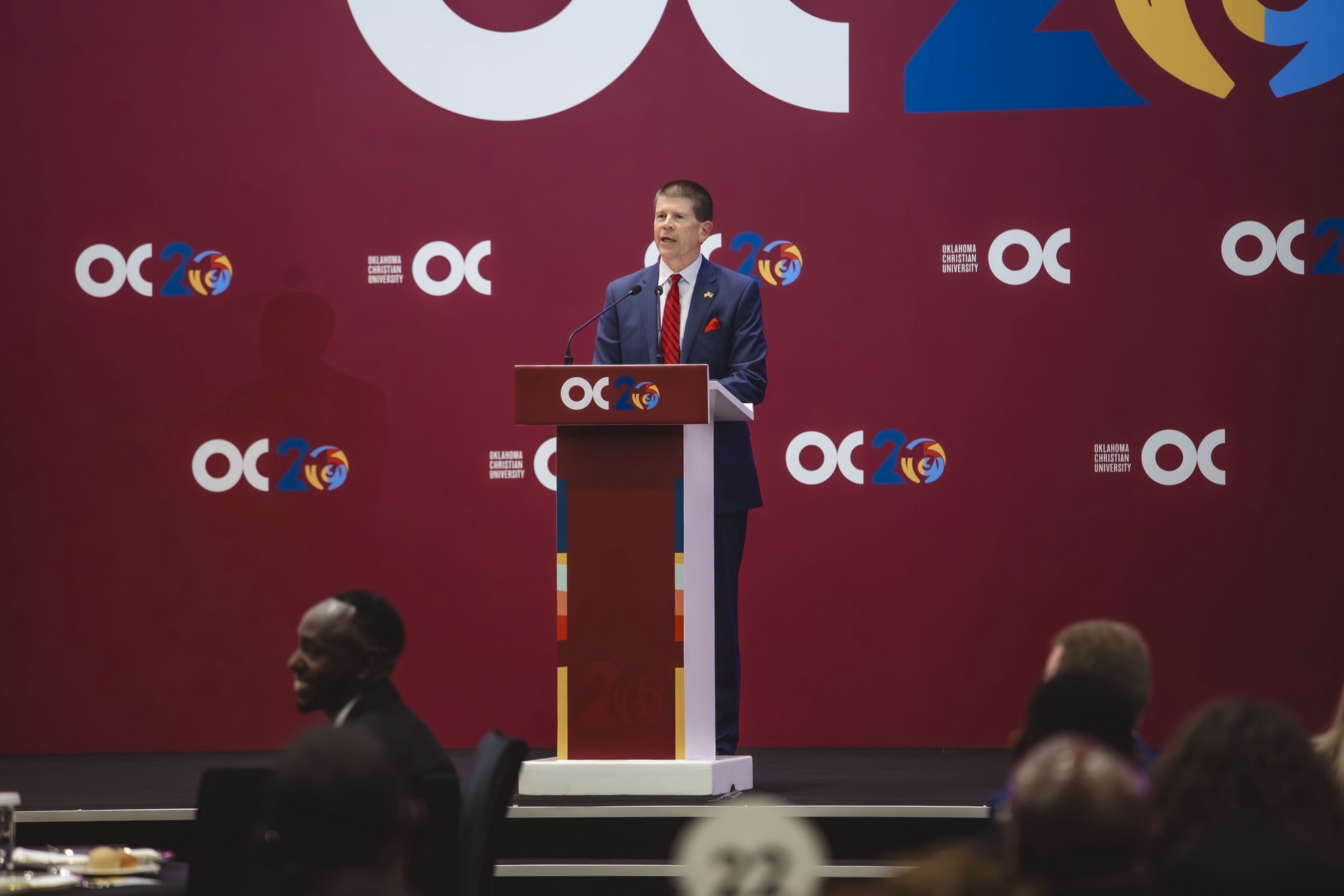
Speaking at the gala, John deSteiguer, Oklahoma Christian University Chancellor, said the partnership has evolved significantly since the launch of the Presidential Scholars Program.
“Beginning with the Presidential Scholars, our partnership has grown to include the establishment of the OC Learning Centre in Kigali, the expansion of online graduate and undergraduate programs, partnerships with organisations, institutions, and national leaders, and most importantly, students whose lives have been transformed through education, values, and community,” he said.
DeSteiguer revealed that enrollment in Oklahoma Christian programs offered in Rwanda increased by more than 60 percent this year alone, describing the growth as a reflection of Rwanda’s investment in education and leadership development.
“That 60 percent is not just a statistic,” he said. “That represents individuals, leaders, professionals, and future changemakers who are investing in their education, but they’re also investing in the future of their country.”
He said the partnership matters because education transforms lives and strengthens institutions, while relationships built on trust can help shape the future.
DeSteiguer also announced plans for the launch of three new academic programs in Rwanda, pending approval from the Rwanda Higher Education Council.
The proposed programs include a Bachelor of Science in Business Leadership Technology, a Master of Science in Systems Engineering, and a Master of Science in Project Management.
The new programs, he said, are designed to align with Rwanda’s growth, innovation, and workforce development priorities.
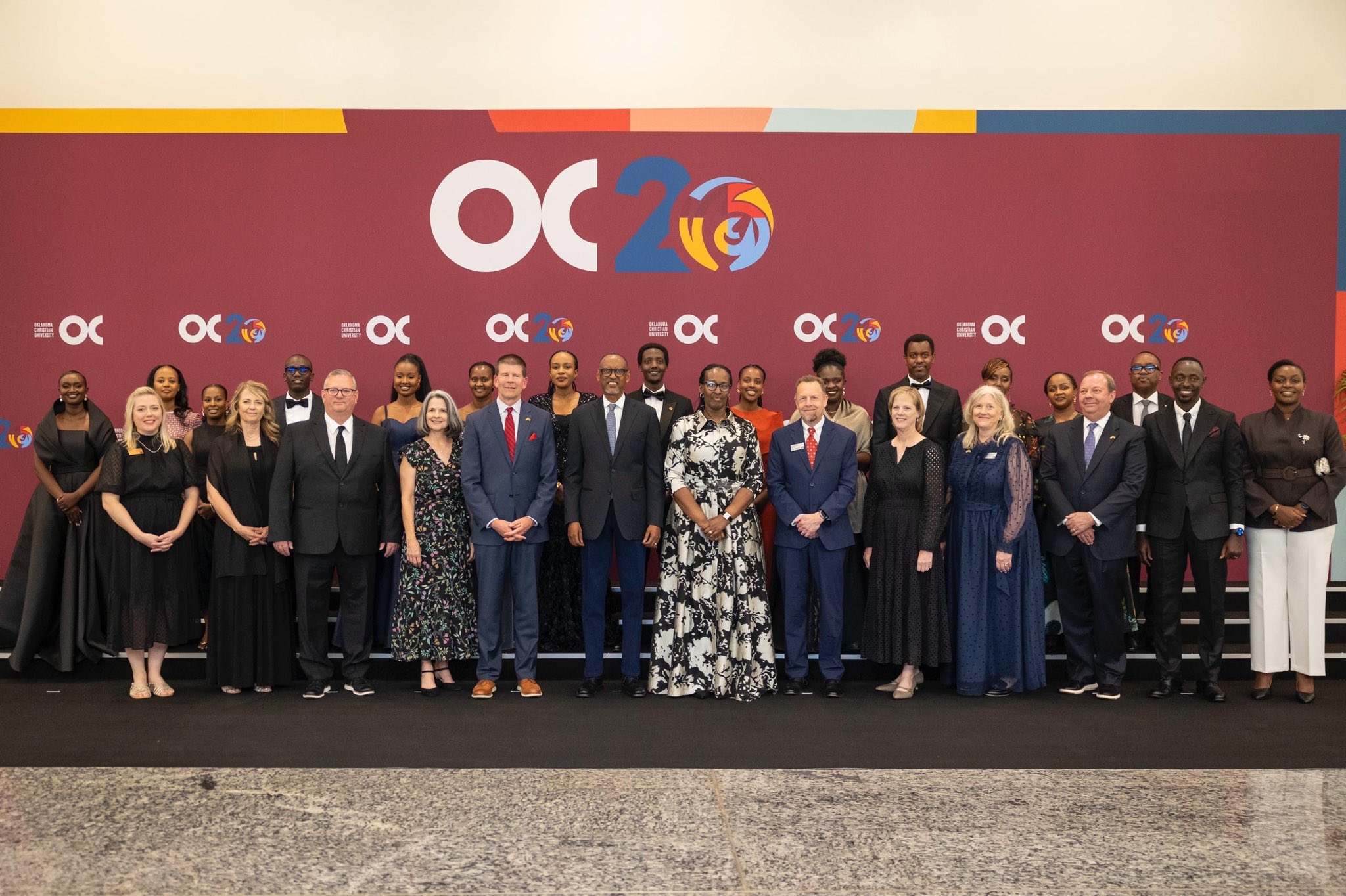
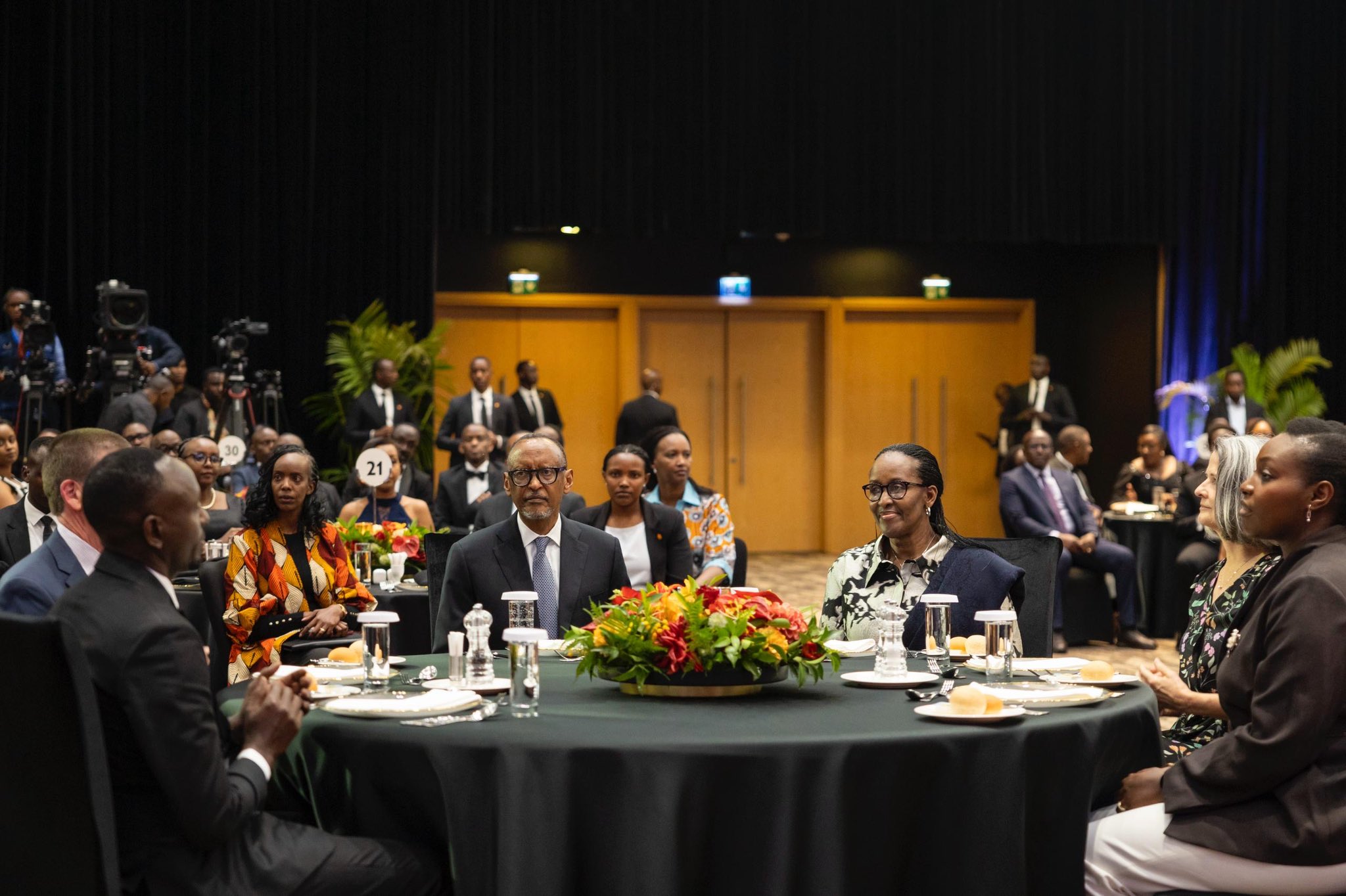
President Paul Kagame on Saturday evening joined the leadership of Oklahoma Christian University, alongside more than 350 alumni and stakeholders, for a gala dinner celebrating two decades of partnership between the university and Rwanda.President Kagame urged graduates to support future generations through mentorship, saying Rwanda’s growing global network should serve as “a national platform for opportunity creation.”The event, held at the Kigali Convention Centre, highlighted the impact of a collaboration that has helped hundreds of Rwandan students access higher education opportunities and leadership training over the past 20 years.The event highlighted the impact of a collaboration that has helped hundreds of Rwandan students access higher education opportunities and leadership training over the past 20 years.Speaking at the gala, John deSteiguer, Oklahoma Christian University Chancellor, said the partnership has evolved significantly since the launch of the Presidential Scholars Program.
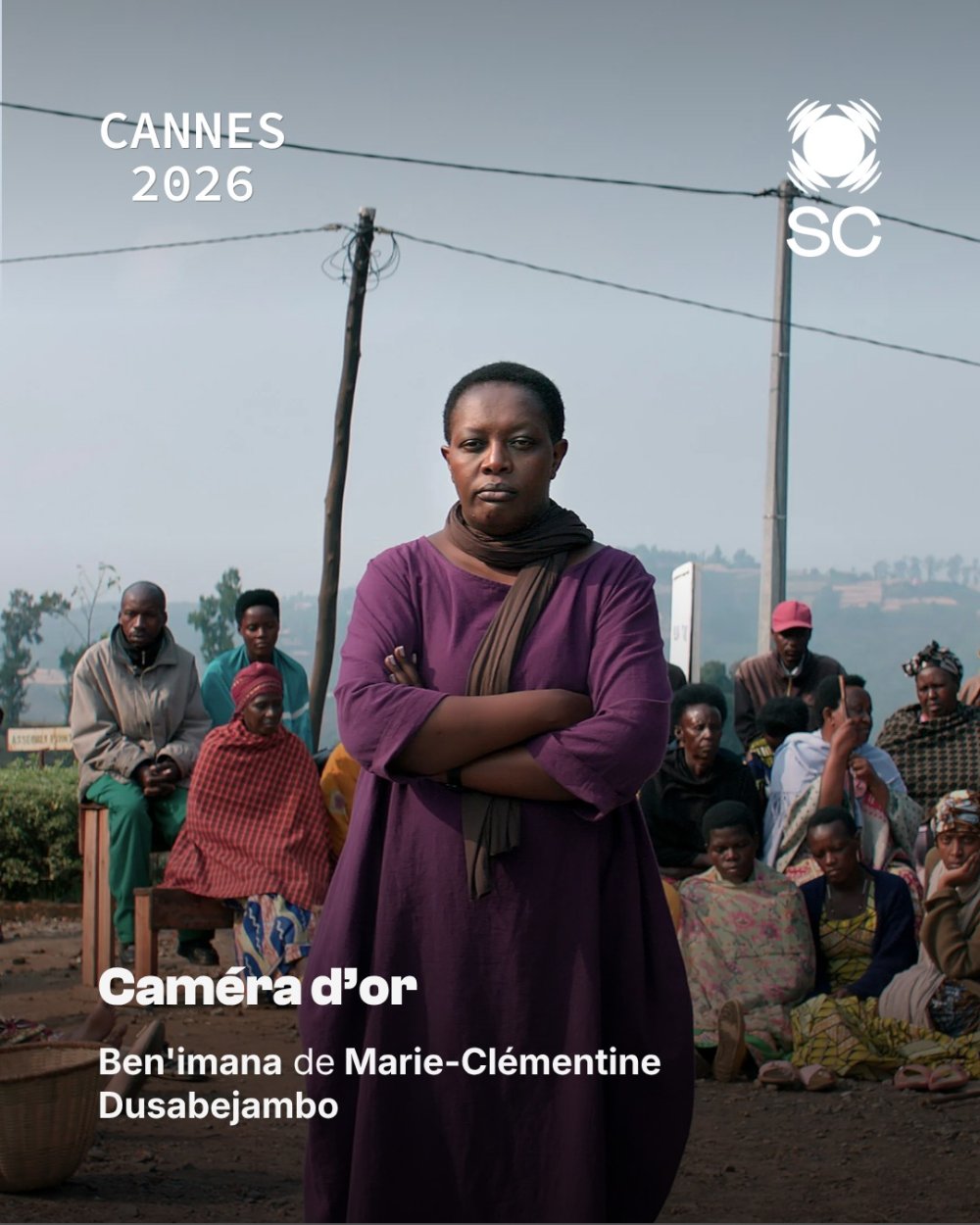
The announcement was made at the closing ceremony of the 2026 Cannes Film Festival on Saturday, where Ben’Imana was selected from more than 30 debut feature films competing across different categories. The film was screened in the Un Certain Regard section, which showcases original storytelling and works that explore complex social and human issues.
A story rooted in memory and reconciliation
Set in 2012, as the community-led Gacaca courts were nearing their conclusion, Ben’Imana examines the gruelling emotional labour of forgiveness and reconciliation in the post-Genocide against the Tutsi era.
The narrative centres on a profound philosophical rift between two sisters: Vénéranda, a survivor who leads community workshops to help victims process trauma and offer absolution, and Suzanne, a grieving mother who views forced moving on as a victory for the perpetrators who murdered her husband and children.
When Vénéranda’s teenage daughter, Tina, unexpectedly becomes pregnant, the fragile peace of their household is upended. Tina’s pregnancy serves as a catalyst that forces long-buried trauma, historical silence, and unresolved family tensions to the surface.
This crisis forces Veneranda to confront painful memories from her past, movingly exploring themes of deep forgiveness, intergenerational trauma, and the difficult path to true reconciliation.
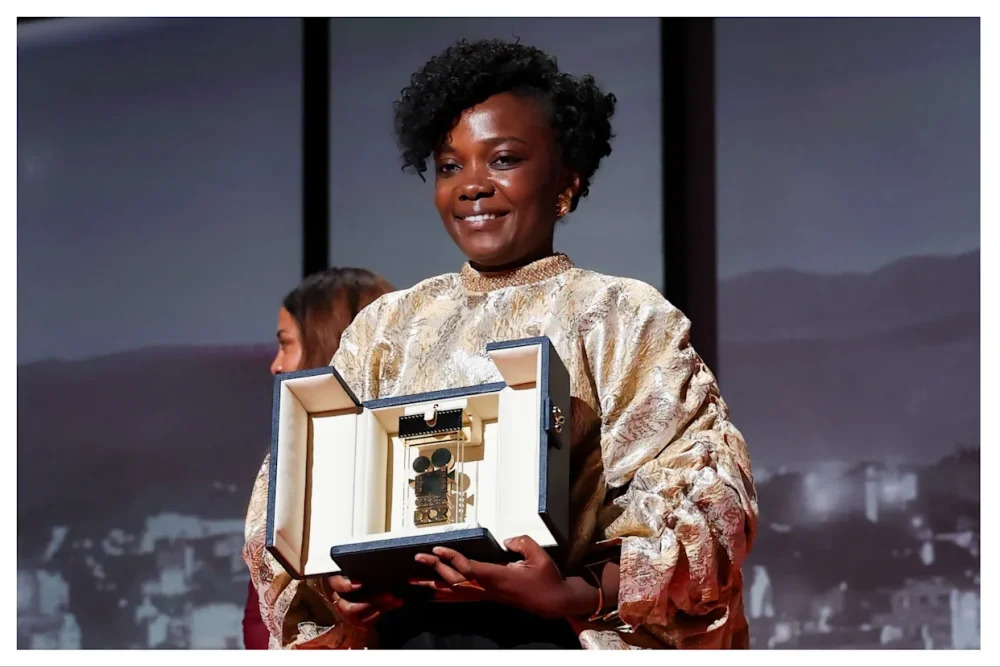
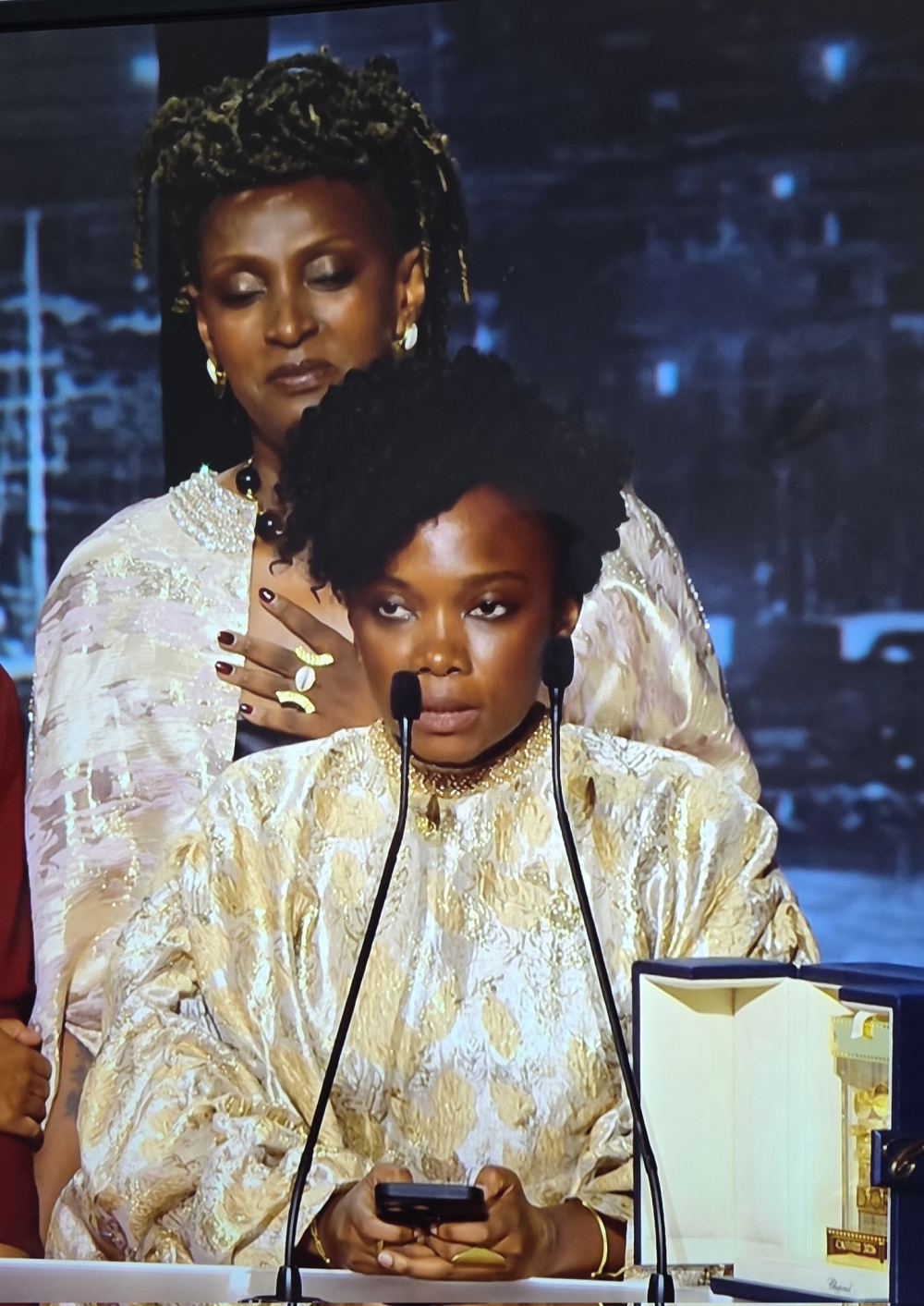
Award-winning Rwandan director Marie-Clémentine Dusabejambo makes remarks after winning the Caméra d’Or for her debut feature film Ben’Imana at the Cannes Film Festival on Saturday, May 23.
Director Marie-Clémentine Dusabejambo said the film was created to honour Rwandan women, particularly mothers who played a vital role in rebuilding unity and fostering reconciliation after the Genocide against the Tutsi.
She noted that despite enduring deep personal and collective trauma, these women demonstrated extraordinary resilience by continuing to live, offering forgiveness, and helping rebuild their families and communities.
“To receive this Golden Camera Award at Cannes for a first film is an immense wave of gratitude,” she said while accepting the award during the Cannes closing ceremony.
“I wanted to make this film because I wanted to pay tribute to the women of my country, women who, through horror, found the strength to stand up with dignity, to forgive, and to move forward, even painfully.”
Ben’Imana became the first film directed by a Rwandan filmmaker to be selected for the Un Certain Regard section at the 79th edition of the Cannes Film Festival.
The Caméra d’Or jury, chaired by Monia Chokri, praised the award recipient for choosing to confront difficult historical truths rather than remain silent. The jury highlighted the film’s courage in addressing sensitive and complex themes.
The success of Ben’Imana marks a significant milestone for Rwandan cinema and its growing international recognition. It reflects Rwanda’s emerging presence on the global film stage not only as a source of powerful stories, but also as a country producing filmmakers capable of conveying them with artistic depth and emotional impact.
The film is an international co-production involving contributors from Rwanda, Gabon, France, Norway, and Côte d’Ivoire. Among the collaborators is Samantha Biffot, who contributed to the production.
Minister of Foreign Affairs and International Cooperation Olivier Nduhungirehe also welcomed the film’s success, noting that it is a source of pride for Rwanda.
“A tremendous honour for Rwanda and for Francophonie, which co-produced the film,” he said.
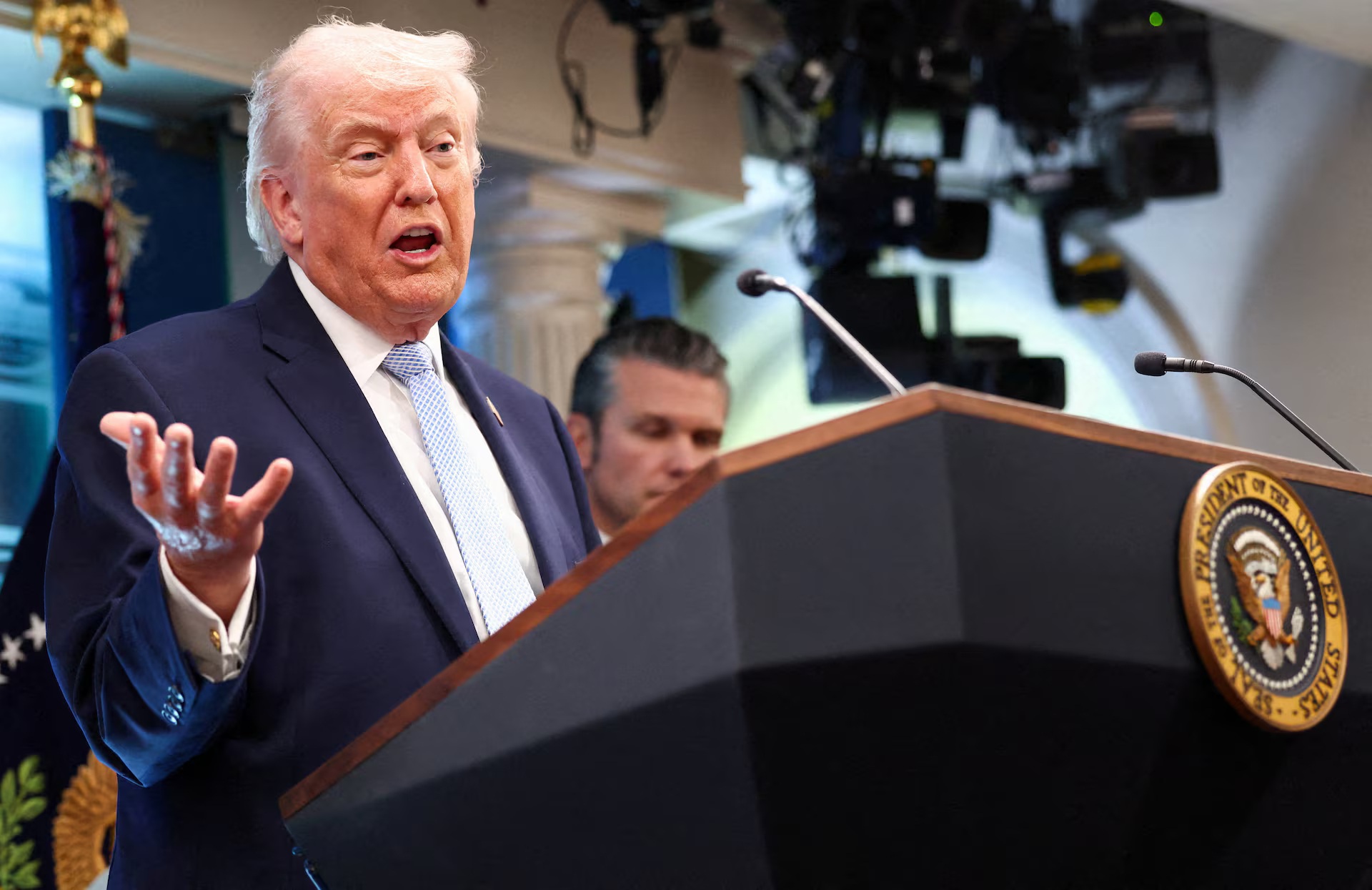
In a post on Truth Social, Trump said the proposed agreement remained subject to final approval by the United States, Iran and several regional countries involved in the talks. He added that the deal would include the reopening of the Strait of Hormuz, a critical global shipping route that has been at the centre of regional tensions in recent months.
“Final aspects and details of the deal are currently being discussed, and will be announced shortly,” Trump wrote.
The announcement followed a series of calls between Trump and leaders from Gulf and Middle Eastern nations, including Saudi Arabia, the United Arab Emirates, Qatar and other regional partners. Trump described the discussions as focused on a “Memorandum of Understanding pertaining to PEACE.”
The U.S. president also said he spoke separately with Israeli Prime Minister Benjamin Netanyahu, adding that the conversation “went very well.”
While Trump did not provide specific details about the framework under discussion, he has repeatedly insisted that any final agreement would prevent Iran from obtaining a nuclear weapon.
Iranian officials also signalled cautious optimism over the state of negotiations. Foreign ministry spokesman Esmaeil Baqaei told Iranian state television that the positions of Washington and Tehran had moved closer over the past week, although he warned that major differences remained unresolved.
Baqaei said discussions were centred around a proposed framework consisting of 14 points and described the current talks as an effort to finalise a memorandum of understanding that could pave the way for a comprehensive agreement within the coming months.
Regional governments involved in the diplomacy welcomed signs of progress. Pakistan Prime Minister Shehbaz Sharif praised Trump’s efforts to pursue peace and said Islamabad hoped to host another round of talks soon. Pakistan has played a mediating role in recent negotiations between Washington and Tehran.
Turkish President Recep Tayyip Erdogan also expressed support for the talks, saying any agreement that ensures free passage through the Strait of Hormuz would help stabilise the region and global trade routes.
The latest developments come after weeks of uncertainty surrounding the fragile ceasefire reached earlier this year. The United States and Israel launched large-scale strikes on Iran on February 28, triggering retaliatory attacks by Tehran against Israel and U.S.-aligned targets in the Gulf.
Although active fighting largely subsided after a ceasefire agreement in early April, tensions have remained high. The United States has continued a blockade of Iranian ports since mid-April, while Iran has asserted control over areas surrounding the Strait of Hormuz, demanding authorisation for ships transiting the waterway.
U.S. Central Command said Saturday that naval operations linked to the blockade had redirected around 100 vessels and allowed humanitarian shipments to pass while preventing commercial trade linked to Iran.
Despite the renewed diplomatic momentum, several contentious issues remain unresolved, including the future of Iran’s nuclear program, regional security arrangements, U.S. military presence in the Middle East and access to frozen Iranian assets.
Still, Trump’s comments marked the clearest indication yet that negotiators may be nearing a broader agreement aimed at preventing a return to open conflict in the region.
President Trump said the deal would include the reopening of the Strait of Hormuz, a critical global shipping route that has been at the centre of regional tensions in recent months.
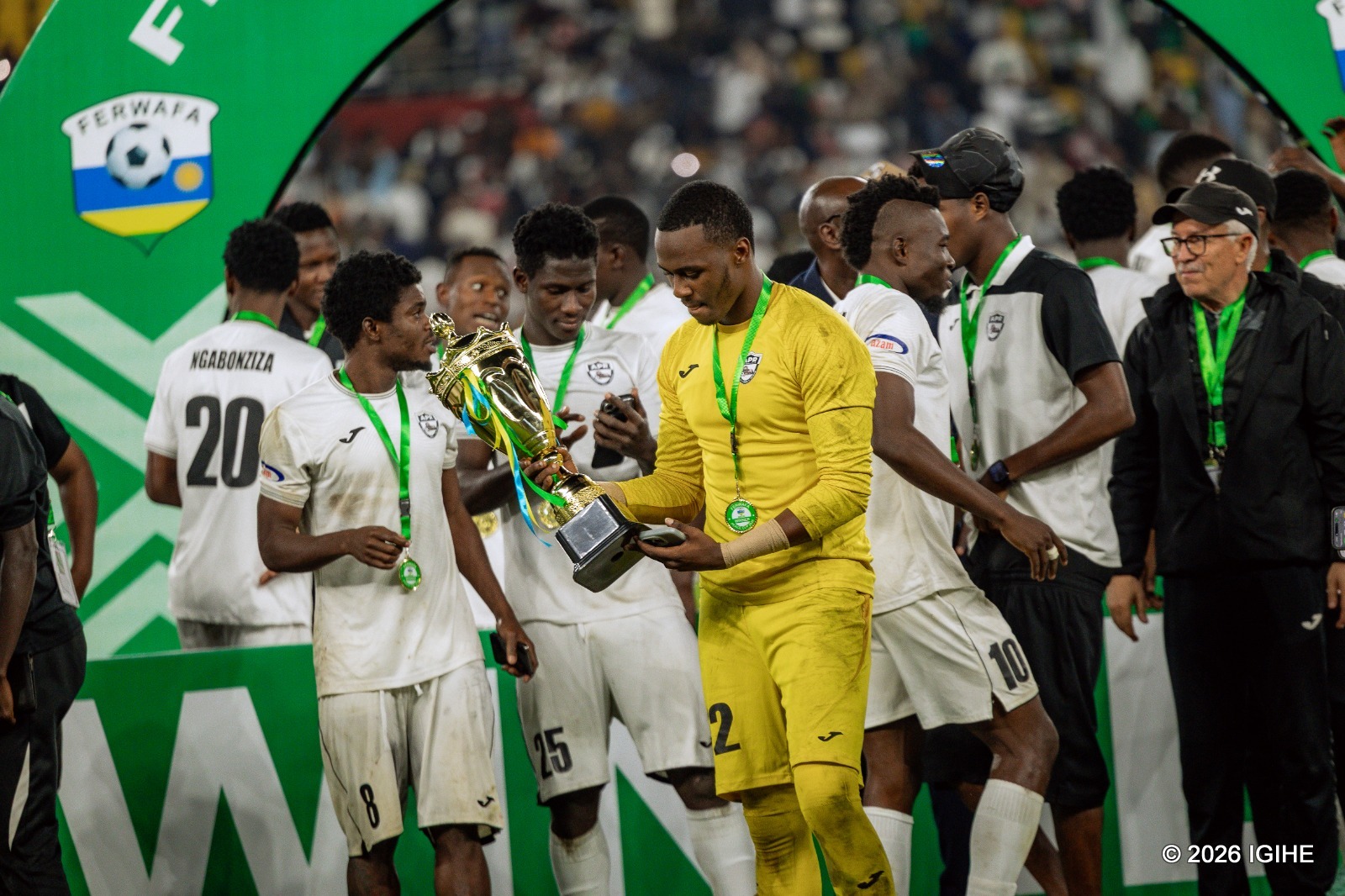
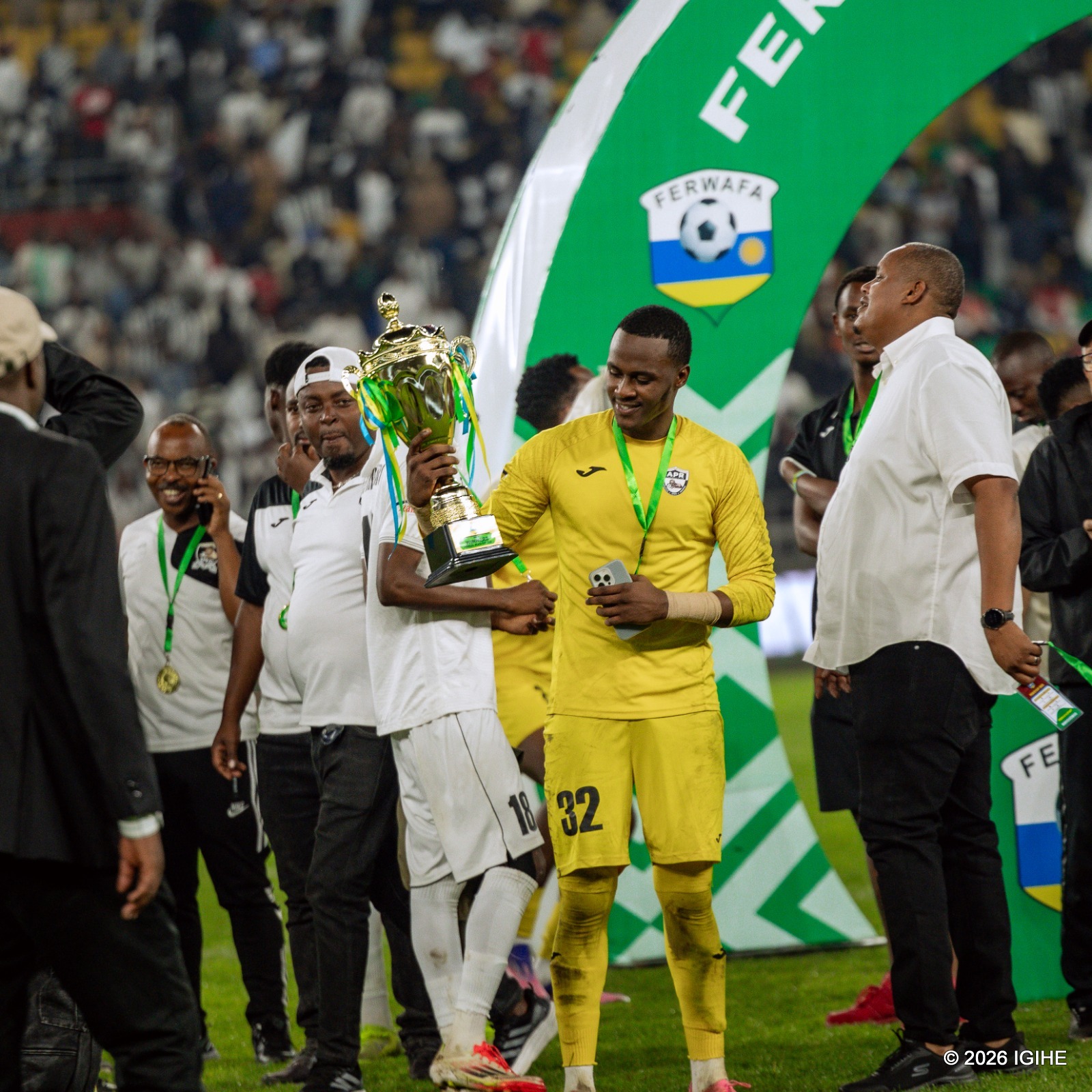
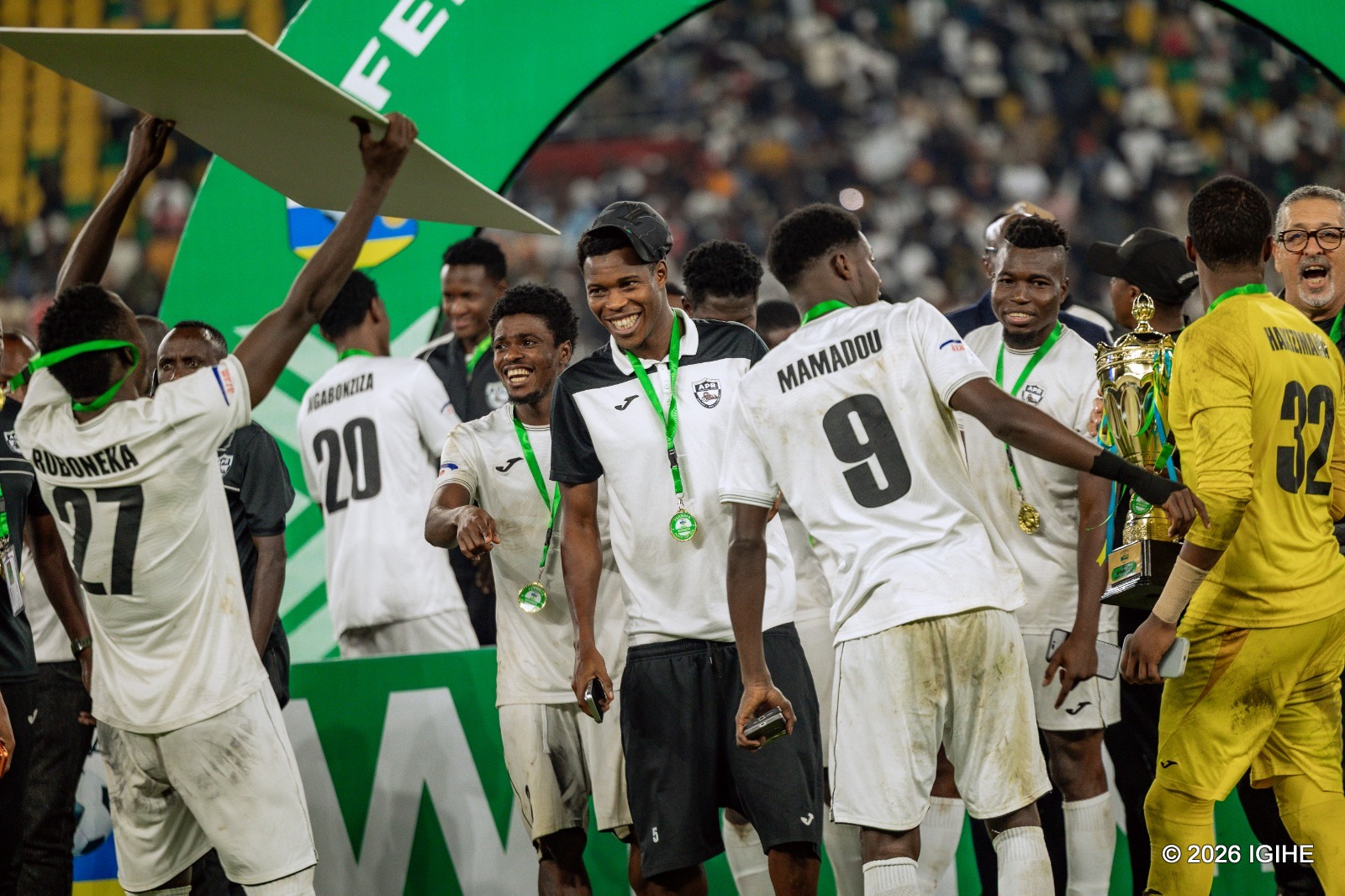
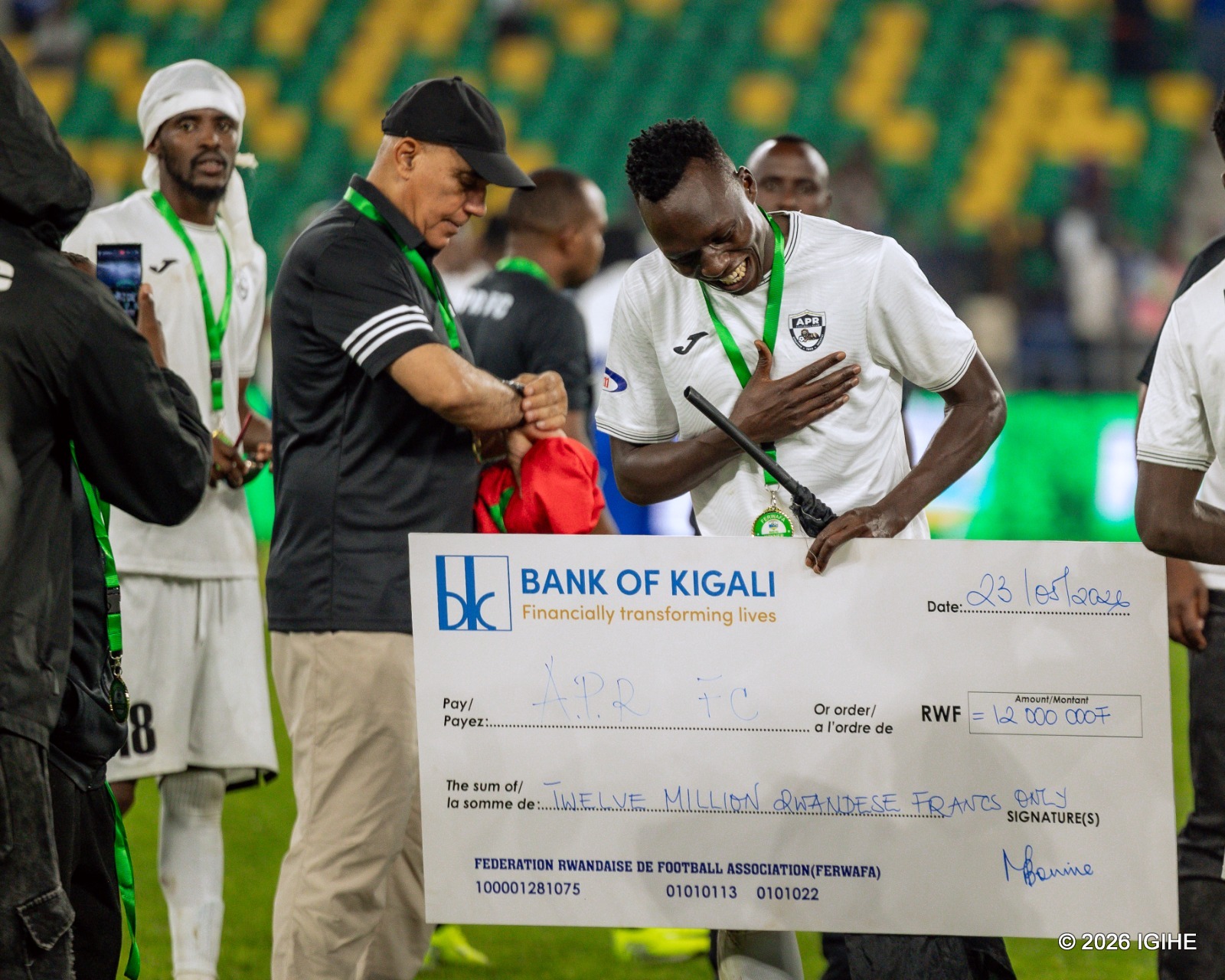
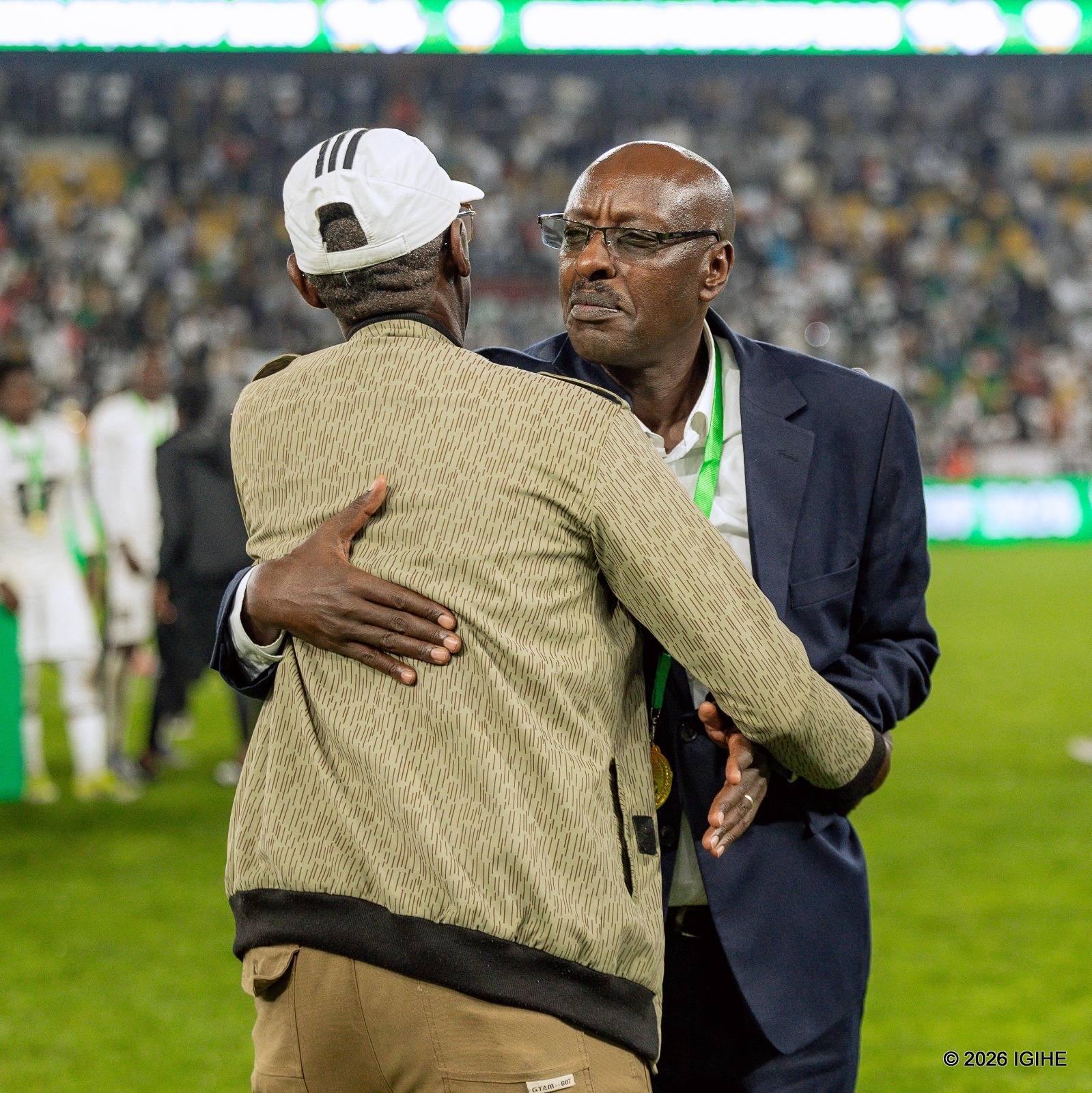
The victory completed a domestic double for the army side, who had already wrapped up the Rwanda Premier League title with matches to spare.
Rayon Sports took the lead just before the break through a 44th-minute penalty converted by Asman Ndikumana, giving them hope of stopping their rivals’ double charge. However, APR responded early in the second half when William Togui powered home a header from a Djibril Ouattara cross to level the score.
With the match finishing 1–1 after normal time, the final went straight to penalties. APR showed greater composure, with Hakim Kiwanuka, Gilbert Byiringiro, Claude Niyomugabo, and Denis Omedi all scoring from the spot. Rayon Sports struggled in the shootout, with Ndikumana and goalkeeper Olivier Kwizera failing to convert their attempts as APR sealed their 15th Peace Cup title.
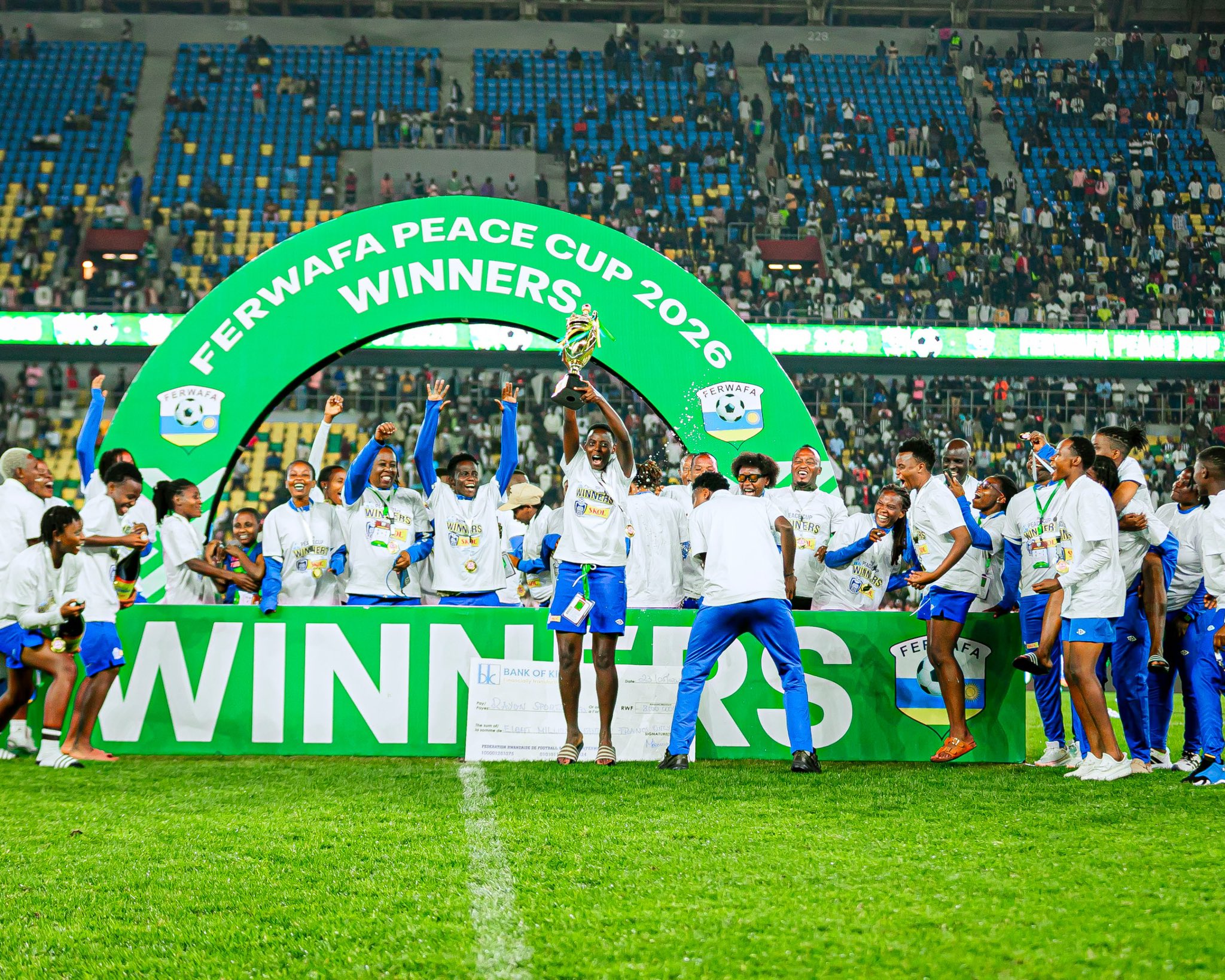
Earlier in the day, Rayon Sports’ women’s team brought joy to the club after winning the FERWAFA Women’s Peace Cup with a 2–0 victory over Police WFC, thanks to goals in either half from Gabonese forward Odette Elsie Eyeang Nguema and Umwari Uwase.
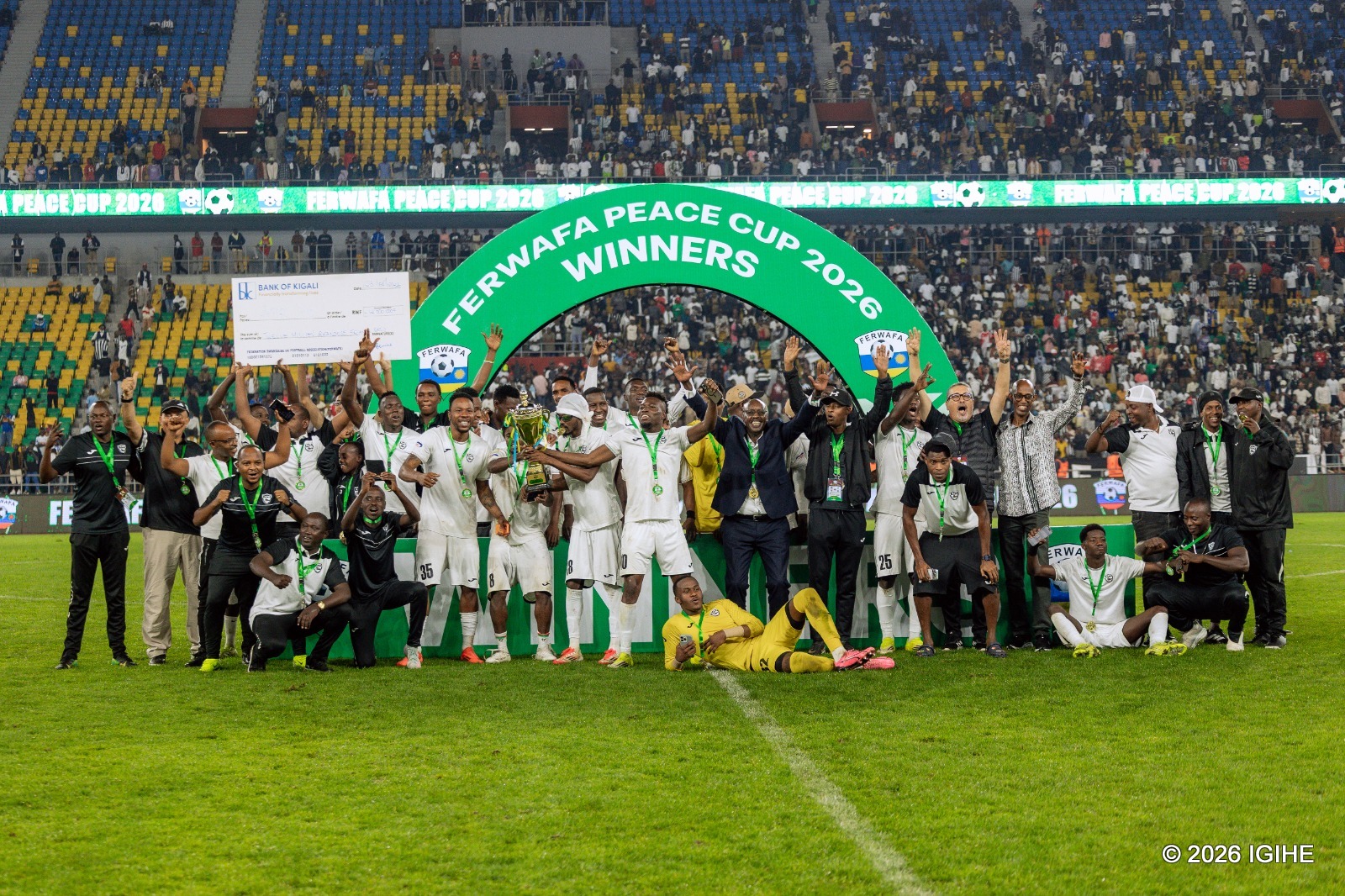
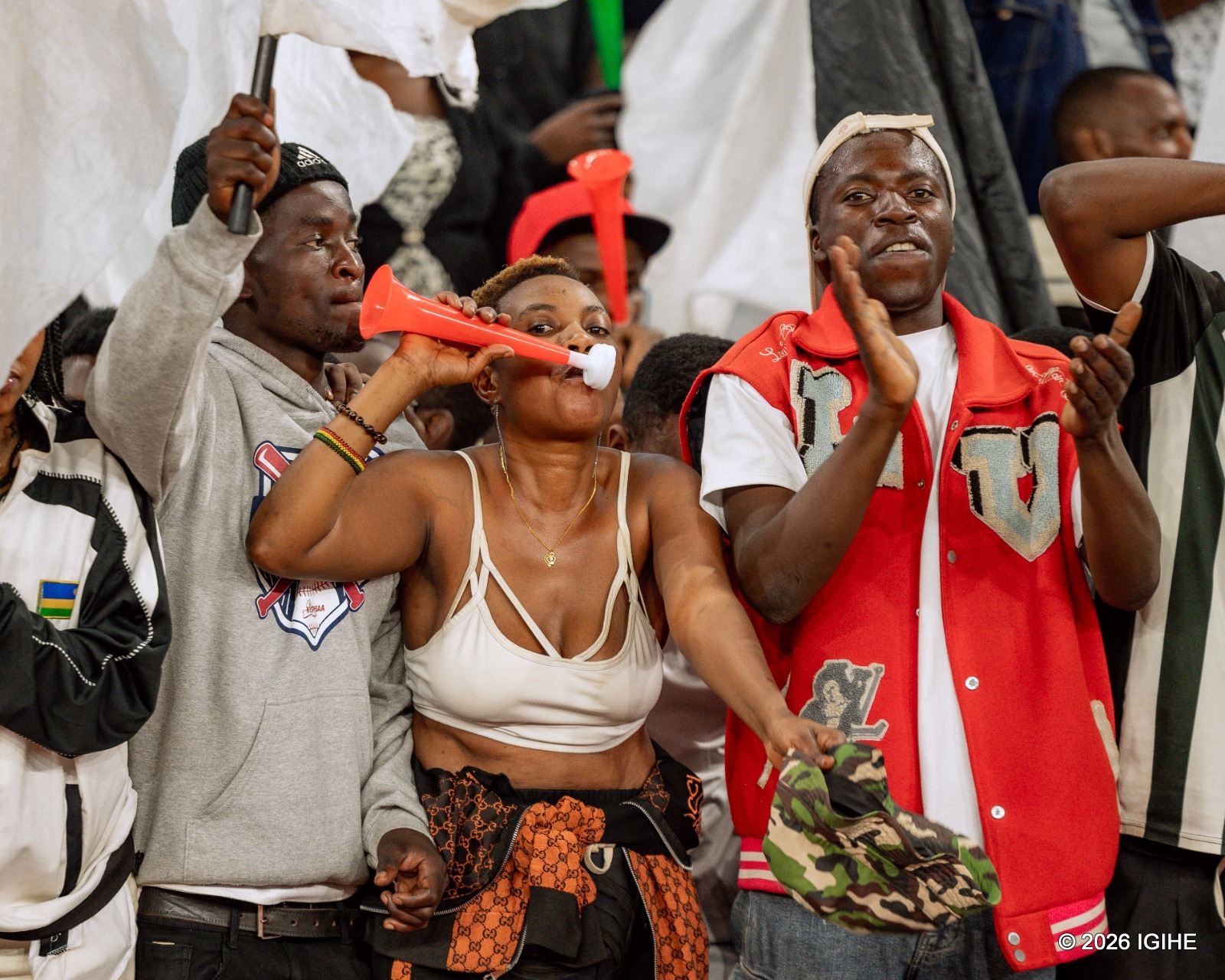
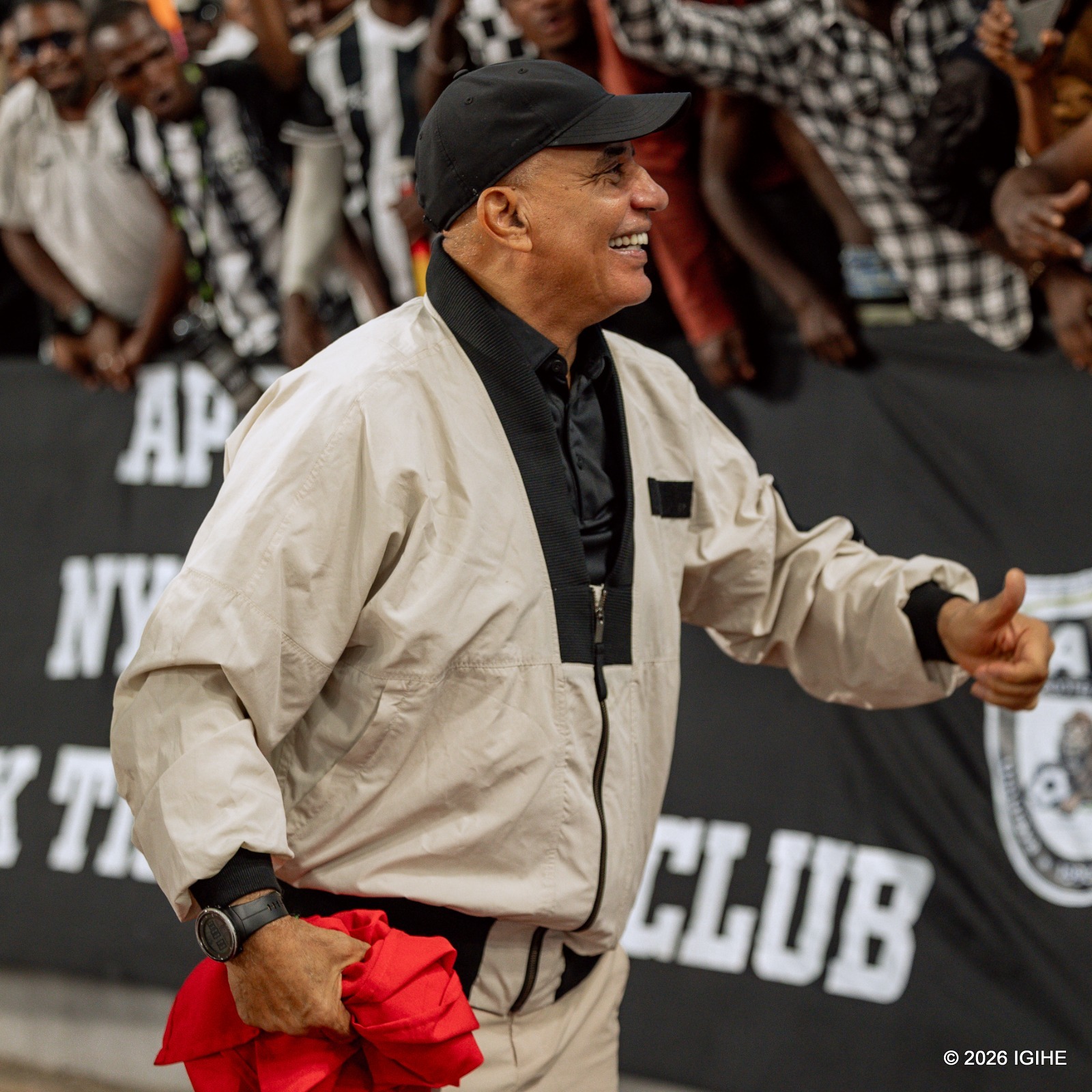
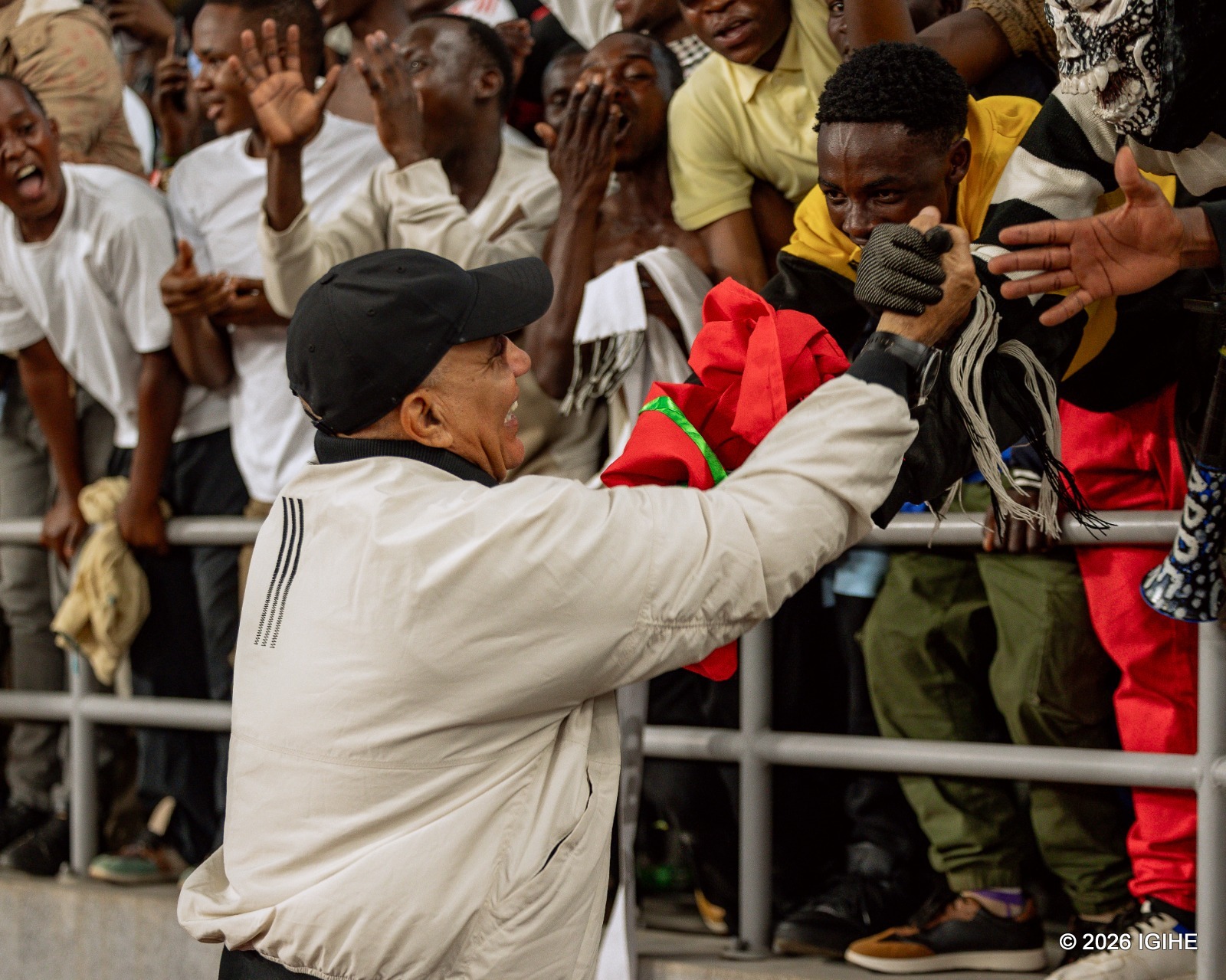
APR FC lifted the Peace Cup once again after edging arch-rivals Rayon Sports 4–2 on penalties following a 1–1 draw in a tightly contested final at Amahoro Stadium on Saturday.The victory completed a domestic double for the army side, who had already wrapped up the Rwanda Premier League title with matches to spare.Earlier in the day, Rayon Sports’ women’s team brought joy to the club after winning the FERWAFA Women’s Peace Cup with a 2–0 victory over Police WFC, thanks to goals in either half from Gabonese forward Odette Elsie Eyeang Nguema and Umwari Uwase.
The final list of candidates approved to contest in the FERWACY elections scheduled for May 31, 2026, was released on Saturday, May 23, 2026.
Gahitsi, who had been nominated for the presidency by Les Amis Sportifs as a federation member, decided to withdraw from the race after his club also fielded another candidate for the position of First Vice President. The club reportedly agreed to focus on that position instead.
The First Vice President race will now feature Makuza Clement Anastase Rwigimba of Les Amis Sportifs as the sole candidate after Mpatswenumugabo Jean Bosco also withdrew his candidacy for personal reasons.
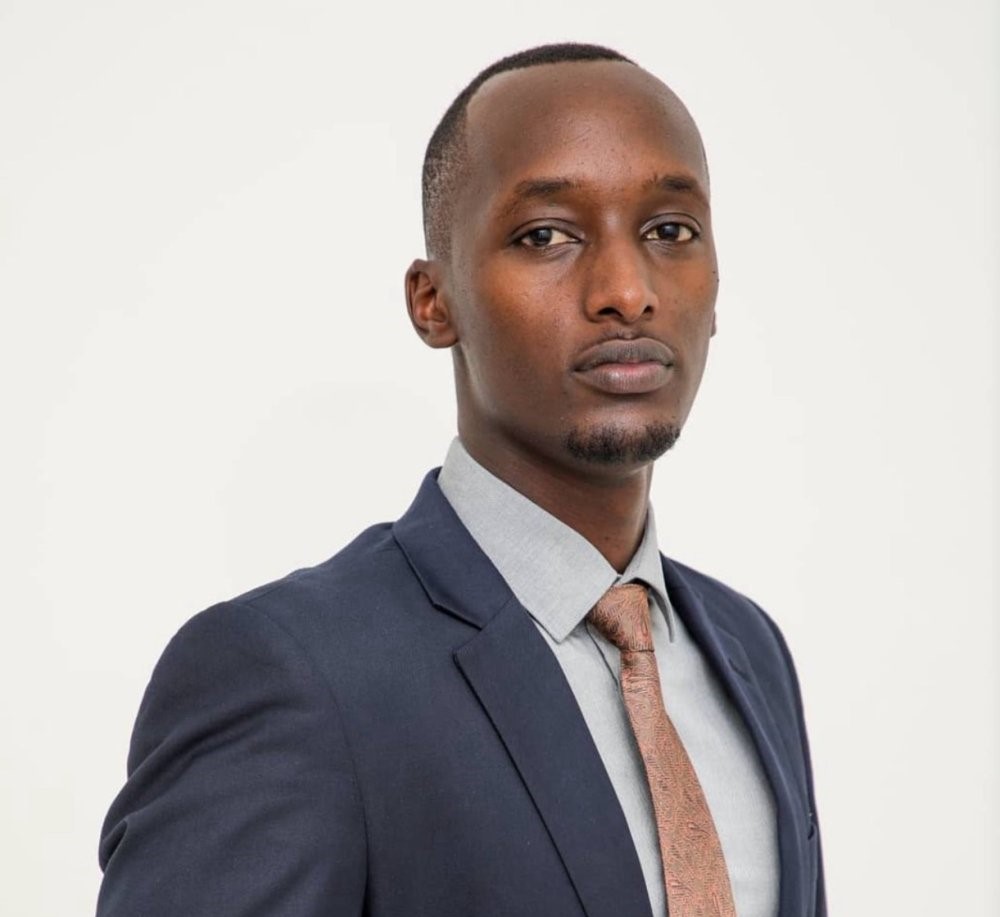
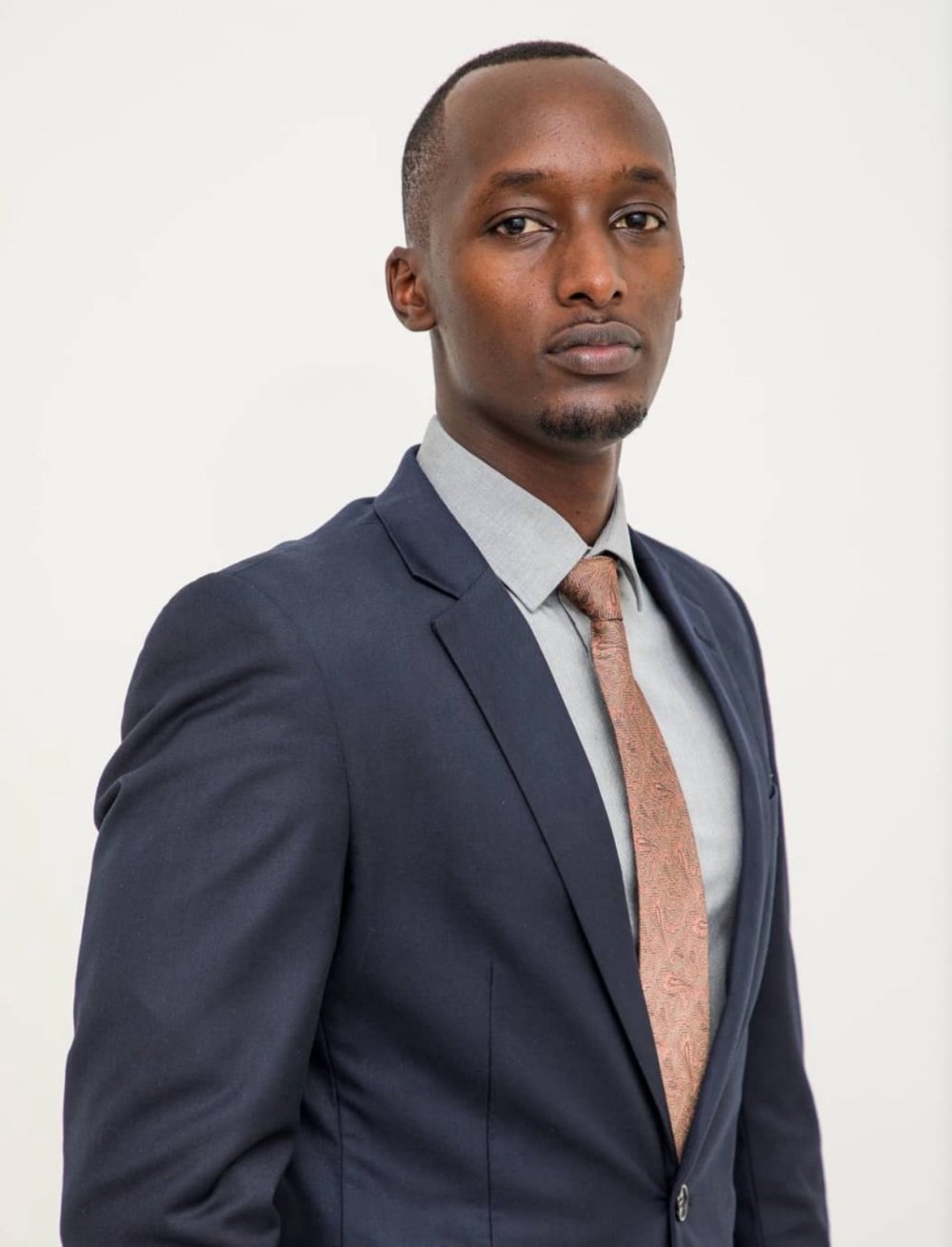
Ishimwe Jean Hubert, who previously served as Coordinator of Tour du Rwanda 2026 and was nominated by Bugesera Cycling Team, is now the only candidate contesting for the FERWACY presidency.
Other candidates confirmed on the final list include Niyonzima Gildas and Umuhoza Ange Belyse, who will compete for the position of Second Vice President.
Ruyonza Arlette, who served as Secretary General in the outgoing committee, is seeking re-election for the same position. Katabarwa Daniel, the outgoing treasurer, is also seeking another term, while Bizimana Albert is contesting for the auditor position.
Candidates vying for advisory roles include Karambizi Rabini-Hamim, Nsengumuremyi Florent, Mupenzi Christophe Rene, Ntembe Jean Bosco and Nsengiyumva Jean Claude.
Campaign activities will run from May 24 to May 30, while elections will take place on May 31, 2026, followed immediately by the announcement of the federation’s new leadership for a five-year term.
The outgoing FERWACY Executive Committee was led by Ndayishimiye Samson, who was elected in November 2023 to complete the term initially won by the committee headed by Murenzi Abdallah.
Ishimwe Jean Hubert, who previously served as Coordinator of Tour du Rwanda 2026 and was nominated by Bugesera Cycling Team, is now the only candidate contesting for the FERWACY presidency