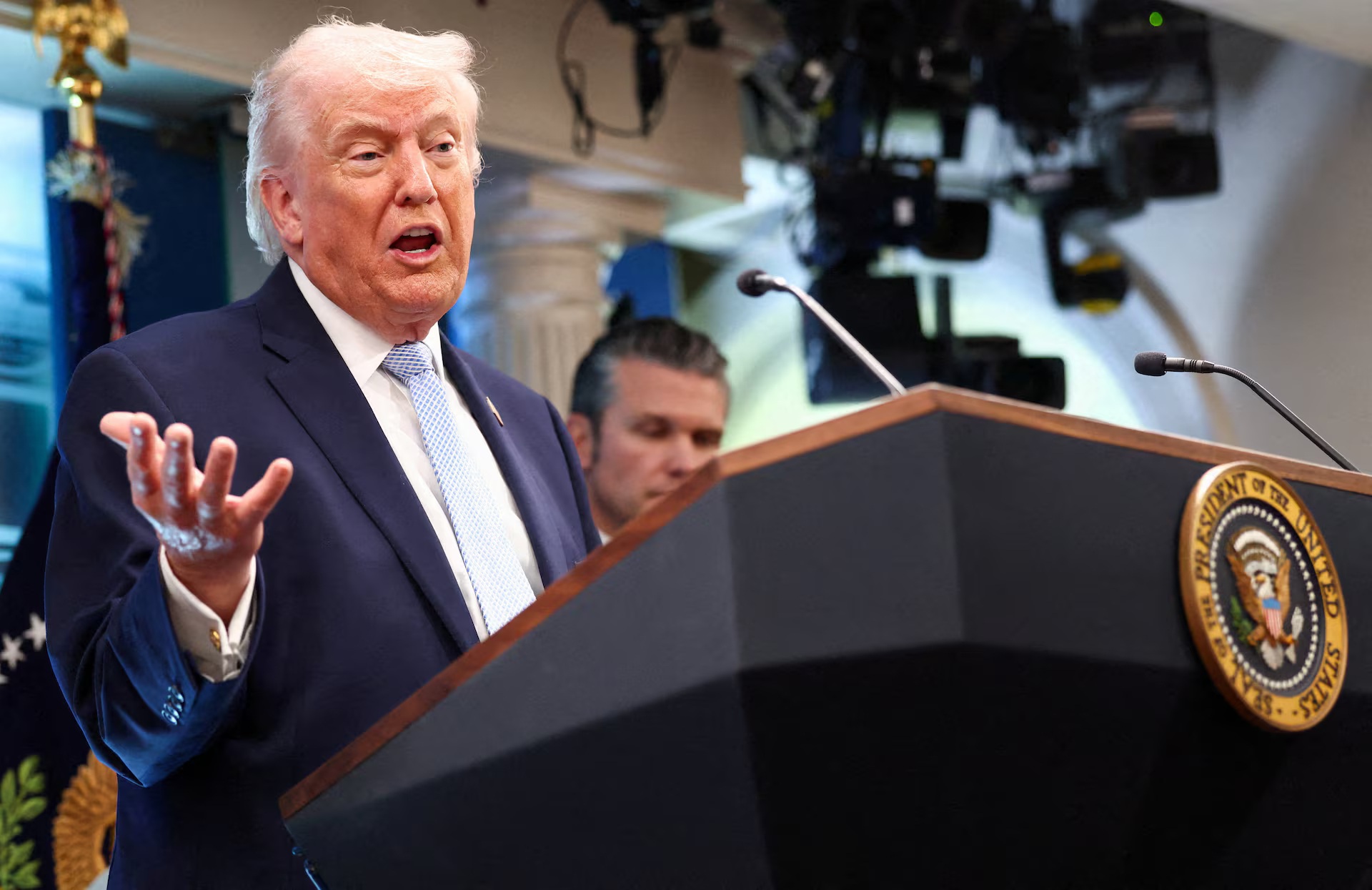
In a post on Truth Social, Trump said the proposed agreement remained subject to final approval by the United States, Iran and several regional countries involved in the talks. He added that the deal would include the reopening of the Strait of Hormuz, a critical global shipping route that has been at the centre of regional tensions in recent months.
“Final aspects and details of the deal are currently being discussed, and will be announced shortly,” Trump wrote.
The announcement followed a series of calls between Trump and leaders from Gulf and Middle Eastern nations, including Saudi Arabia, the United Arab Emirates, Qatar and other regional partners. Trump described the discussions as focused on a “Memorandum of Understanding pertaining to PEACE.”
The U.S. president also said he spoke separately with Israeli Prime Minister Benjamin Netanyahu, adding that the conversation “went very well.”
While Trump did not provide specific details about the framework under discussion, he has repeatedly insisted that any final agreement would prevent Iran from obtaining a nuclear weapon.
Iranian officials also signalled cautious optimism over the state of negotiations. Foreign ministry spokesman Esmaeil Baqaei told Iranian state television that the positions of Washington and Tehran had moved closer over the past week, although he warned that major differences remained unresolved.
Baqaei said discussions were centred around a proposed framework consisting of 14 points and described the current talks as an effort to finalise a memorandum of understanding that could pave the way for a comprehensive agreement within the coming months.
Regional governments involved in the diplomacy welcomed signs of progress. Pakistan Prime Minister Shehbaz Sharif praised Trump’s efforts to pursue peace and said Islamabad hoped to host another round of talks soon. Pakistan has played a mediating role in recent negotiations between Washington and Tehran.
Turkish President Recep Tayyip Erdogan also expressed support for the talks, saying any agreement that ensures free passage through the Strait of Hormuz would help stabilise the region and global trade routes.
The latest developments come after weeks of uncertainty surrounding the fragile ceasefire reached earlier this year. The United States and Israel launched large-scale strikes on Iran on February 28, triggering retaliatory attacks by Tehran against Israel and U.S.-aligned targets in the Gulf.
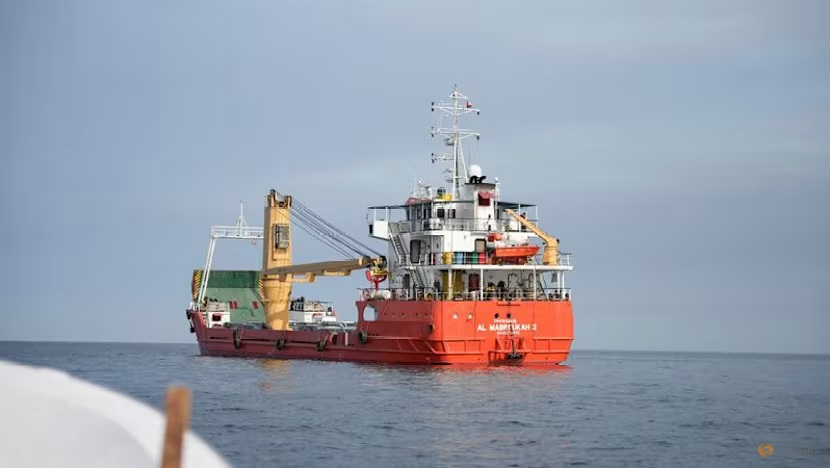
Although active fighting largely subsided after a ceasefire agreement in early April, tensions have remained high. The United States has continued a blockade of Iranian ports since mid-April, while Iran has asserted control over areas surrounding the Strait of Hormuz, demanding authorisation for ships transiting the waterway.
U.S. Central Command said Saturday that naval operations linked to the blockade had redirected around 100 vessels and allowed humanitarian shipments to pass while preventing commercial trade linked to Iran.
Despite the renewed diplomatic momentum, several contentious issues remain unresolved, including the future of Iran’s nuclear program, regional security arrangements, U.S. military presence in the Middle East and access to frozen Iranian assets.
Still, Trump’s comments marked the clearest indication yet that negotiators may be nearing a broader agreement aimed at preventing a return to open conflict in the region.
Leave a Reply