
The announcement was made at the closing ceremony of the 2026 Cannes Film Festival on Saturday, where Ben’Imana was selected from more than 30 debut feature films competing across different categories. The film was screened in the Un Certain Regard section, which showcases original storytelling and works that explore complex social and human issues.
A story rooted in memory and reconciliation
Set in 2012, as the community-led Gacaca courts were nearing their conclusion, Ben’Imana examines the gruelling emotional labour of forgiveness and reconciliation in the post-Genocide against the Tutsi era.
The narrative centres on a profound philosophical rift between two sisters: Vénéranda, a survivor who leads community workshops to help victims process trauma and offer absolution, and Suzanne, a grieving mother who views forced moving on as a victory for the perpetrators who murdered her husband and children.
When Vénéranda’s teenage daughter, Tina, unexpectedly becomes pregnant, the fragile peace of their household is upended. Tina’s pregnancy serves as a catalyst that forces long-buried trauma, historical silence, and unresolved family tensions to the surface.
This crisis forces Veneranda to confront painful memories from her past, movingly exploring themes of deep forgiveness, intergenerational trauma, and the difficult path to true reconciliation.
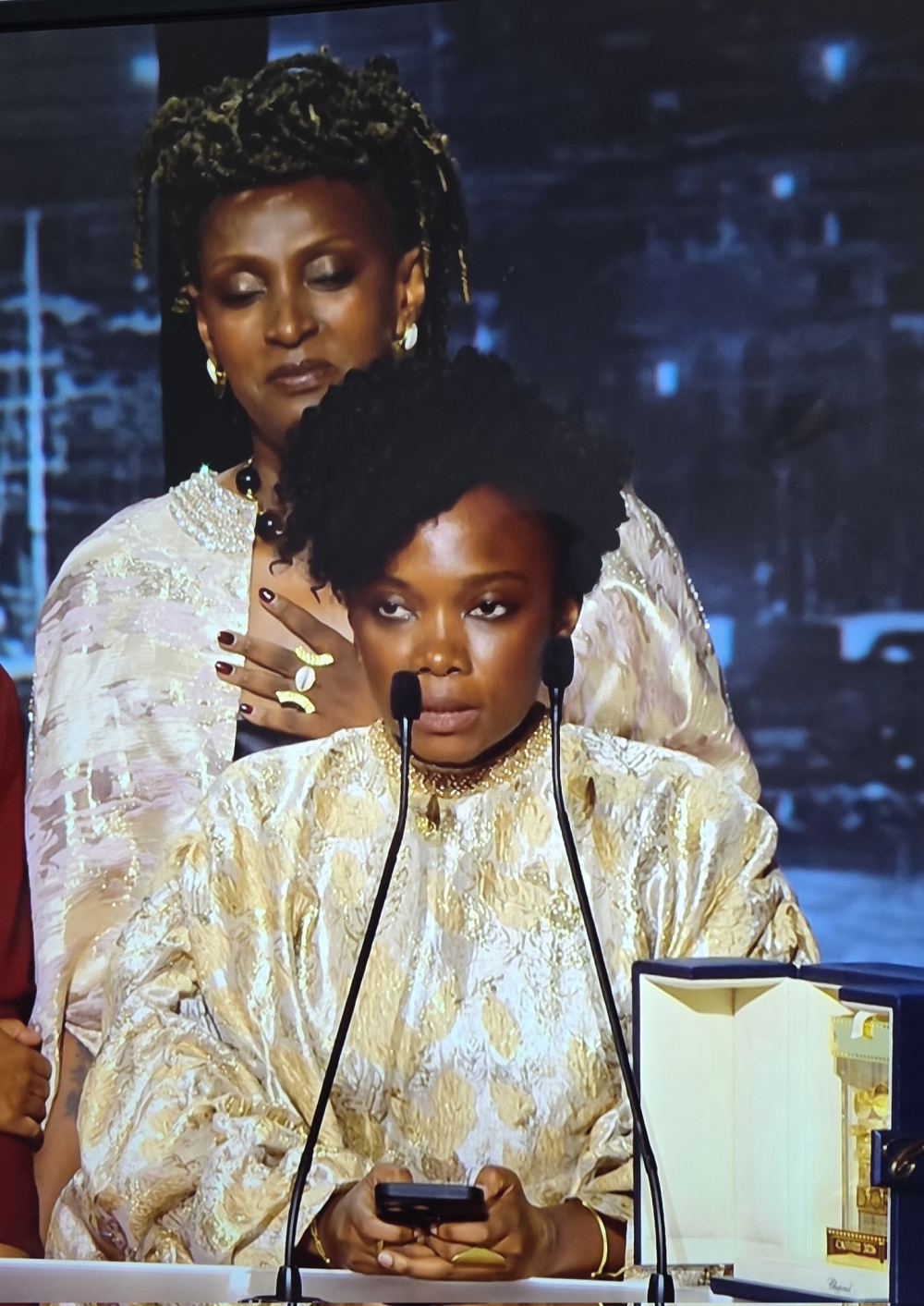
Director Marie-Clémentine Dusabejambo said the film was created to honour Rwandan women, particularly mothers who played a vital role in rebuilding unity and fostering reconciliation after the Genocide against the Tutsi.
She noted that despite enduring deep personal and collective trauma, these women demonstrated extraordinary resilience by continuing to live, offering forgiveness, and helping rebuild their families and communities.
“To receive this Golden Camera Award at Cannes for a first film is an immense wave of gratitude,” she said while accepting the award during the Cannes closing ceremony.
“I wanted to make this film because I wanted to pay tribute to the women of my country, women who, through horror, found the strength to stand up with dignity, to forgive, and to move forward, even painfully.”
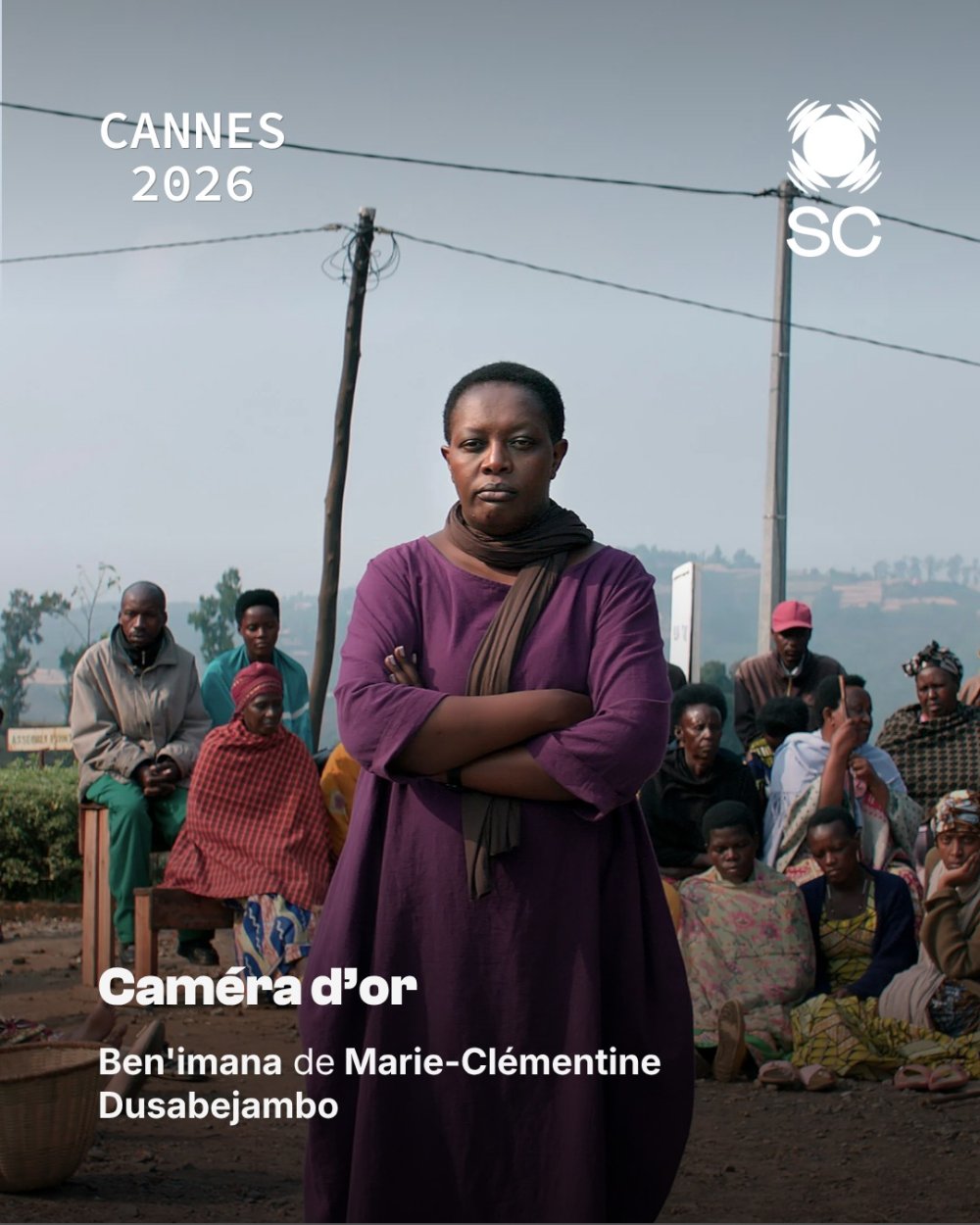
The Caméra d’Or jury, chaired by Monia Chokri, praised the award recipient for choosing to confront difficult historical truths rather than remain silent. The jury highlighted the film’s courage in addressing sensitive and complex themes.
The success of Ben’Imana marks a significant milestone for Rwandan cinema and its growing international recognition. It reflects Rwanda’s emerging presence on the global film stage not only as a source of powerful stories, but also as a country producing filmmakers capable of conveying them with artistic depth and emotional impact.
The film is an international co-production involving contributors from Rwanda, Gabon, France, Norway, and Côte d’Ivoire. Among the collaborators is Samantha Biffot, who contributed to the production.
Minister of Foreign Affairs and International Cooperation Olivier Nduhungirehe also welcomed the film’s success, noting that it is a source of pride for Rwanda.
“A tremendous honour for Rwanda and for Francophonie, which co-produced the film,” he said.
Leave a Reply