The case was heard on May 25, 2026, with judgment expected on June 11.
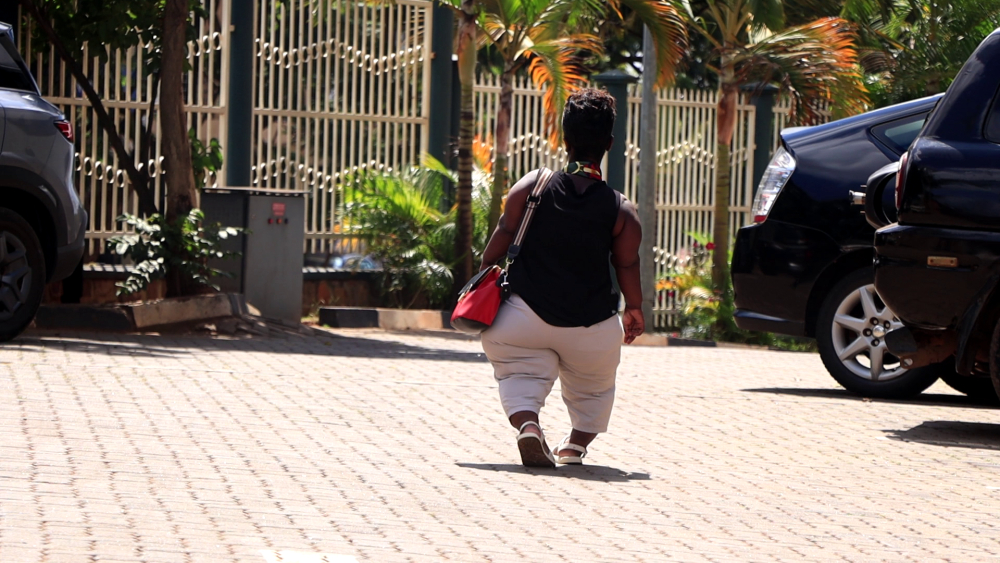
The complainant, Iradukunda Nelly, popularly known as Mignonne, accuses the lawyer of referring to her as “igikuri,” a term she says is discriminatory and insulting in relation to her physical condition.
According to court submissions, the alleged remarks were first made while Me Munyakaragwe was enforcing a court ruling tied to an inheritance dispute involving Iradukunda’s family. Prosecutors told the court that upon arriving at the property in question, the accused allegedly used the term while directing a local security officer to the location.
The prosecution further alleged that the same expression was later repeated publicly during separate court proceedings linked to an auction conducted by the accused that was being challenged over alleged procedural irregularities.
Appearing before the court, Me Munyakaragwe denied ever using the term and argued that no offence had been committed. She asked the court to dismiss the case against her.
Prosecutors, however, requested the court to convict the lawyer of public insult and sentence her to two months in prison along with a fine of Rwf200,000.
In addition, the complainant is seeking Rwf10 million in damages and an additional Rwf1 million to cover legal expenses should the accused be found guilty.
Speaking after the hearing, Iradukunda said the alleged remarks caused her emotional distress and expressed hope that the case would help discourage discriminatory language against persons with disabilities.
The complainant, Iradukunda Nelly, popularly known as Mignonne, accuses the lawyer of using the term “igikuri,” which she argues is derogatory and discriminatory in relation to her physical condition.The case was heard on May 25, 2026, with judgment scheduled for June 11, 2026.
In a statement released on May 25, S&P said the stable outlook reflects confidence in Rwanda’s macroeconomic stability and policy direction as the country continues implementing long-term development priorities.
“While short-term moderation is expected, the overall growth path remains stable and resilient, reflecting expectations of continued steady economic activity in the medium term,” the statement said.
Rwanda recorded strong economic growth of 9.3% in 2025, up from 7.2% in 2024, driven by solid performance across agriculture, industry, and services.
While growth is expected to moderate to around 6.8% in 2026 due to rising global fuel costs linked to tensions in the Middle East, S&P projects the economy to recover gradually and average about 7.1% between 2027 and 2029.
The agency said the medium-term outlook remains stable, supported by continued economic activity and institutional resilience.
S&P also highlighted Rwanda’s continued investment in major infrastructure projects, particularly the New Kigali International Airport (NKIA), describing it as a strategic development expected to strengthen regional connectivity, expand tourism, and support long-term economic diversification.
Construction of the airport remains on schedule and is being supported through innovative financing arrangements, reflecting Rwanda’s broader strategy to position itself as a regional hub for investment and services.
A key factor supporting the rating affirmation is Rwanda’s debt profile. According to S&P, approximately 89% of the country’s external debt is concessional, contracted at long maturities and relatively low interest rates, helping keep debt servicing costs manageable.
The report further noted that fiscal consolidation efforts continue to advance through improved domestic revenue mobilisation and prudent public expenditure management, helping maintain debt sustainability and reduce risks to fiscal stability.
S&P acknowledged that Rwanda remains vulnerable to external shocks, particularly as a net oil importer exposed to global fuel price fluctuations linked to geopolitical tensions in the Middle East.
However, the agency noted that “proactive measures such as expanding fuel reserves and diversifying supply sources help strengthen stability and resilience,” reflecting confidence in Rwanda’s ability to manage external pressures while maintaining overall economic stability.
The latest assessment follows a similar decision earlier this year by Fitch Ratings, which in March revised Rwanda’s outlook to Stable from Negative while affirming its ‘B+’ Long-Term Foreign-Currency Issuer Default Rating.
Fitch cited improved access to external financing, strong donor support, easing regional tensions, and sustained economic growth as factors underpinning its decision. The agency also projected Rwanda’s economic growth to remain above 7% through 2027, significantly outperforming many countries within the same rating category.
Both assessments come as Rwanda continues pursuing large-scale infrastructure investments, including the New Kigali International Airport and expansion plans for RwandAir, while seeking to strengthen its role as a regional centre for innovation, trade, and investment.
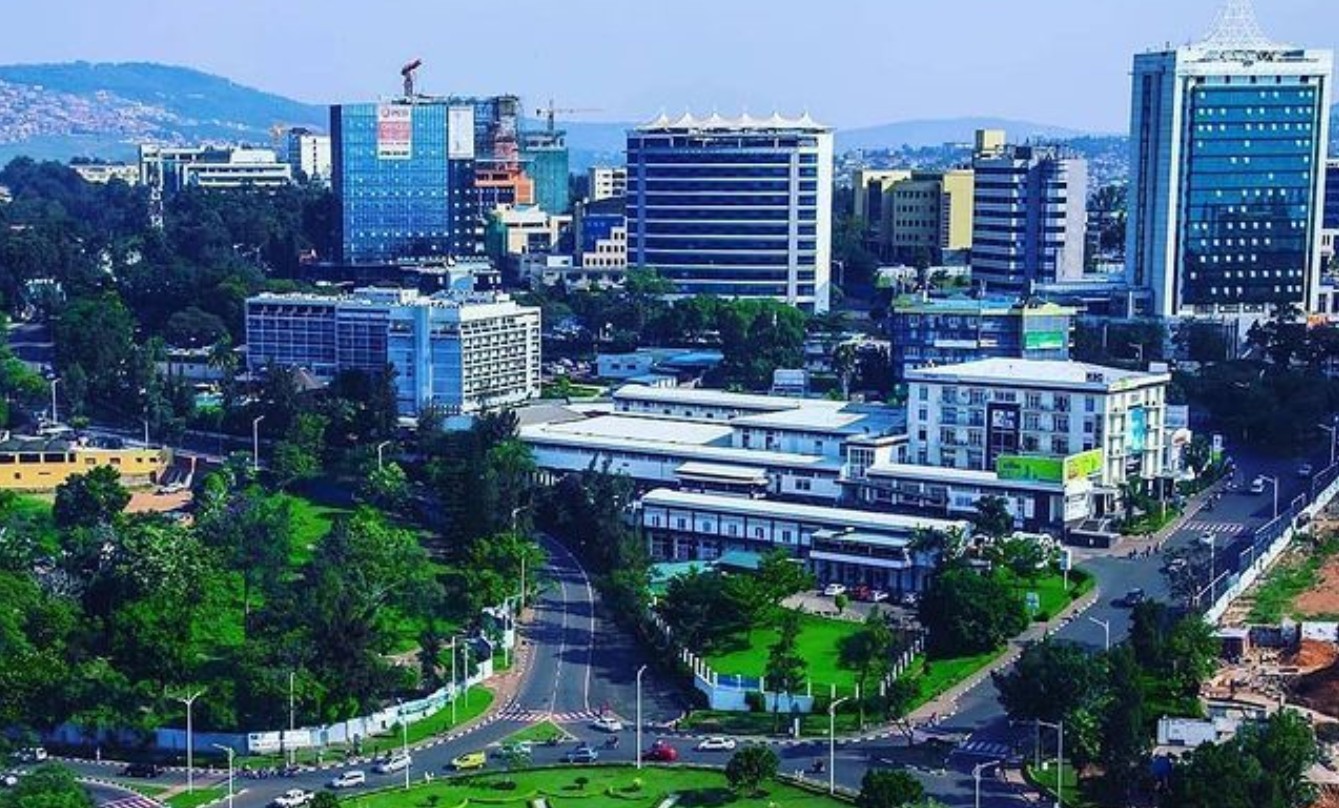
American credit rating agency, S&P Global Ratings, has affirmed Rwanda’s sovereign credit rating at ‘B+/B’ with a stable outlook, citing the country’s resilient economic growth, prudent fiscal management, and continued investment in strategic infrastructure despite ongoing global and regional economic pressures.
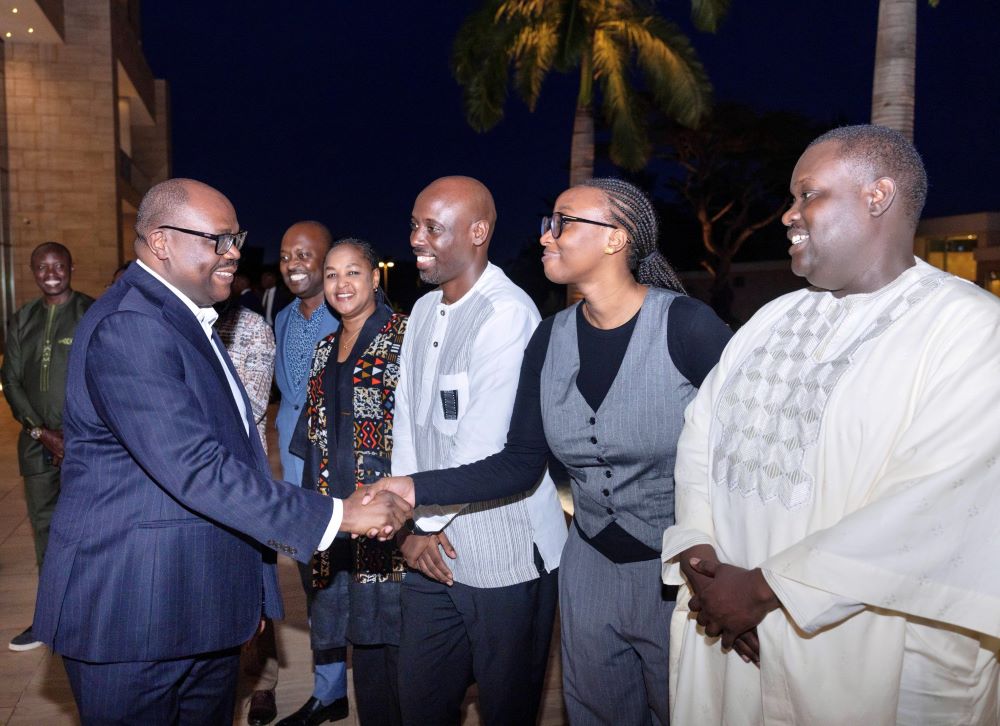
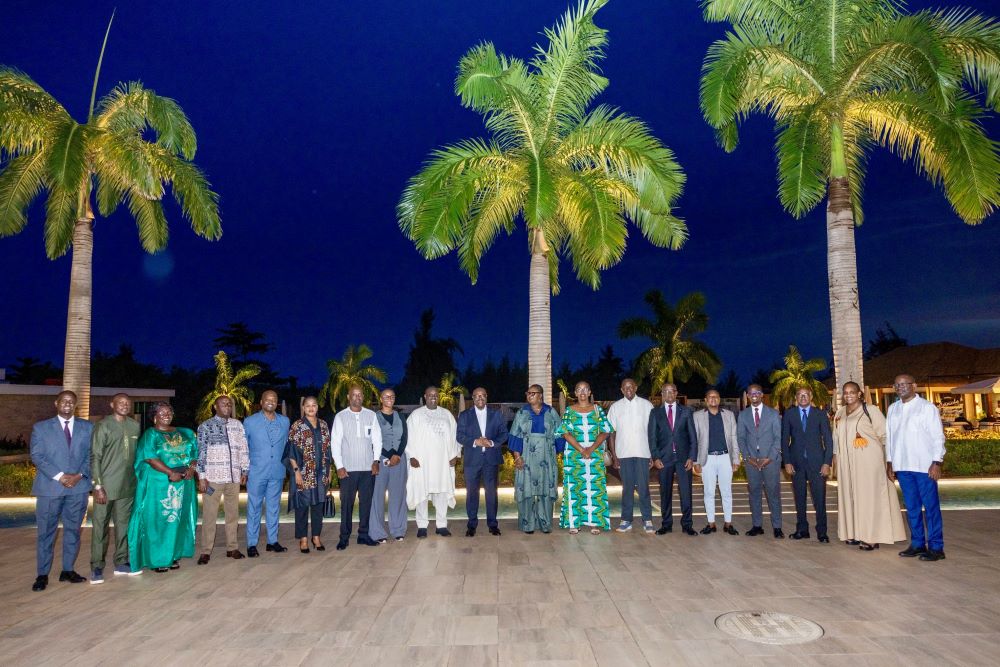
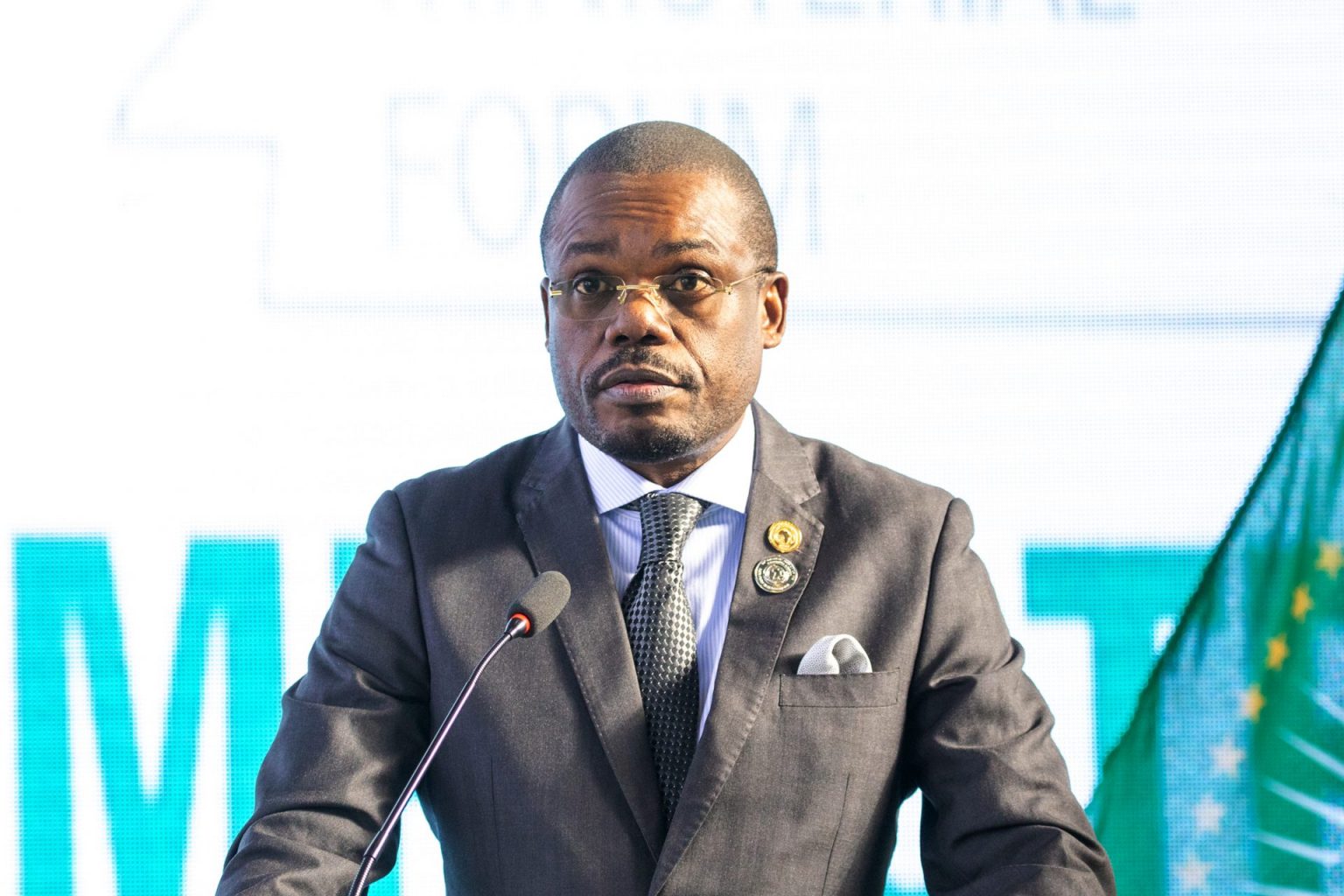
Dr. Nsengiyumva met members of the Rwandan community during his visit to Benin, where he attended the inauguration ceremony of President Romuald Wadagni on Sunday in the city of Cotonou.
As confirmed by Rwanda’s office of the Prime Minister, Dr. Nsengiyumva also commended the community for its contribution to relations between Rwanda and Benin.
The inauguration ceremony of President Romuald Wadagni took place at the Congress Palace in Cotonou and brought together more than 6,000 guests, including former presidents, senior government officials and members of the diplomatic corps.
Wadagni secured victory in the April 12, 2026 presidential election with more than 94% of the vote and officially began his seven-year constitutional term on Sunday.
Before Dorothe Sossa, president of the Constitutional Court, Wadagni pledged to serve and defend Benin, respect the Constitution and promote peace, national unity and the common good.
He also committed to safeguarding the country’s territorial integrity and serving the people faithfully.
Rwanda and Benin maintain cordial bilateral relations, with cooperation spanning sectors such as security, trade promotion and other areas of development.
Dr. Nsengiyumva met members of the Rwandan community during his visit to Benin.Dr. Nsengiyumva also commended the community for its contribution to relations between Rwanda and Benin.
West Texas Intermediate crude for July delivery dropped as much as 5.35 U.S. dollars, or 5.53 percent, to 91.25 dollars per barrel at one point. Brent crude for July delivery sank 5.57 dollars, or 5.38 percent, to 97.97 dollars a barrel at the low point.
U.S. President Donald Trump announced Saturday that a peace agreement with Iran has been “largely negotiated,” subject to finalization between the United States, Iran and other relevant countries in the Middle East.
A proposed agreement the United States and Iran are close to signing involves a 60-day ceasefire extension, during which the Strait of Hormuz would be reopened, Iran would be able to freely sell oil, and negotiations would be held on curbing Iran’s nuclear program, Axios quoted a U.S. official as saying on Saturday.
U.S. Secretary of State Marco Rubio said the United States was prepared to enter “into very serious talks” about Iran’s nuclear program if Iran reopened the Strait of Hormuz, The New York Times reported on Sunday.
Meanwhile, the Navy of Iran’s Islamic Revolution Guard Corps (IRGC) on Sunday said 33 vessels had passed through the Strait of Hormuz within the past 24 hours in coordination with and after obtaining permission from its forces.
Regional pump prices
Despite the sudden drop in global futures, the economic shockwaves of the Middle East energy crisis continue to hit consumers across the East African Community (EAC), where local regulated pump prices reflect weeks of severe supply constraints. Because local pricing cycles lag behind the wholesale market, the immediate relief on global exchanges has yet to trickle down to regional consumers.
In Rwanda, regulated fuel prices remain at historic highs following mid-April tariff revisions by the Rwanda Utilities Regulatory Authority (RURA). Petrol currently retails at Rwf 2,938 per litre, a steep climb from the Rwf 2,303 per litre seen earlier in the first quarter, while diesel stands at Rwf 2,205 per litre.
In Kenya, the fiscal strain of funding fuel subsidies forced the government to pass a 23.5% diesel price hike on to consumers in the May pricing cycle. This triggered a massive nationwide public transport strike led by matatu operators and widespread protests that paralysed Nairobi and major trade corridors. The unrest resulted in four deaths and more than 700 arrests before the Ministry of Interior secured a temporary one-week pause on the strike to initiate stakeholder negotiations.
Still, Hamad Hussain, a commodities economist at Capital Economics, warned that it would be hard for energy supplies to go back quickly to the level prior to the start of the war on Iran due to damage to facilities, halted oil production and broader obstacles to shipping through the Strait of Hormuz.
Oil prices will stay elevated for some time and would only start to trend lower as and when the supply-demand balance in the oil market materially improves, which is likely to be well into 2027, said Hussain. For oil-import dependent nations across East Africa, this points to a prolonged period of high inflation and intense pressure on national foreign exchange reserves.
A proposed agreement the United States and Iran are close to signing involves a 60-day ceasefire extension, during which the Strait of Hormuz would be reopened, Iran would be able to freely sell oil, and negotiations would be held on curbing Iran’s nuclear program, Axios quoted a U.S. official as saying on Saturday.
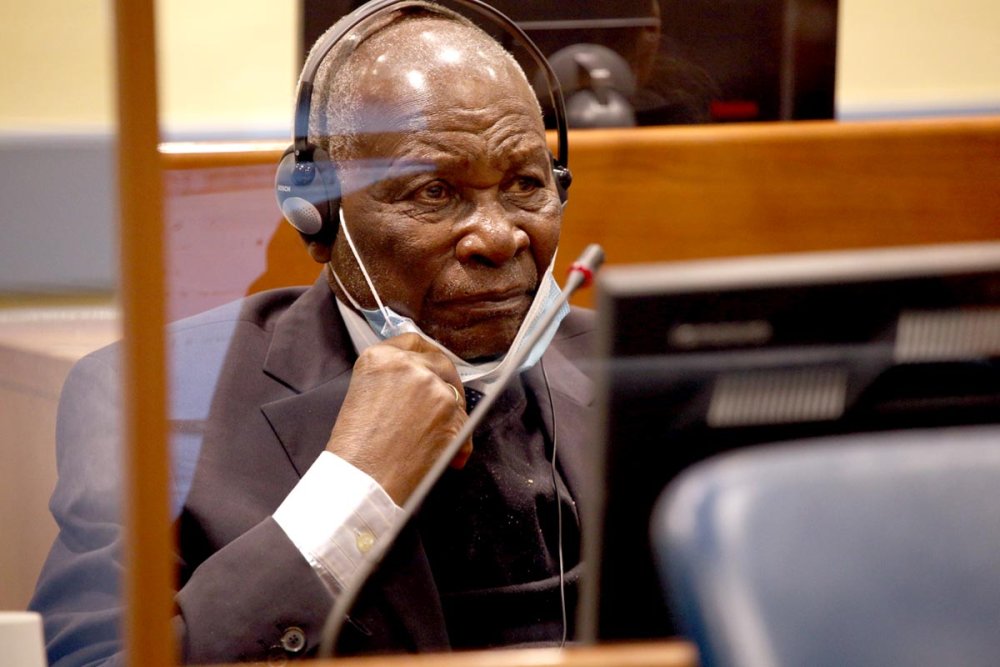
Prosecutors accused Kabuga of using his wealth and business network to support the planning and execution of the genocide, including financing and supplying weapons used during the killings.
In November 1993, one of Kabuga’s companies imported 25 tonnes of machetes from China, before reportedly purchasing another 50,000 in March 1994. The weapons were later used during the Genocide against the Tutsi, alongside other crude weapons, which he is accused of distributing.
Kabuga was arrested in France in May 2020 after spending 26 years evading justice over allegations linked to the genocide. During his years in hiding, he reportedly benefited from protection networks in several Western countries.
After a $5 million reward was announced for information leading to his arrest, Kabuga took extensive measures to silence anyone suspected of revealing his whereabouts.
Following his death, genocide survivors’ umbrella organisation IBUKA said the crimes attributed to Kabuga had not died with him, stressing that survivors should still receive justice, particularly through compensation claims.
Born in what is now Mukarange Sector in Gicumbi District, Kabuga began as a small-scale trader before building a vast business empire through cross-border trade and smuggling goods from Uganda into Rwanda. He later relocated to Kigali, where he became one of the country’s wealthiest businessmen.
Kabuga died on May 16, 2026, in a hospital in The Hague, Netherlands, while in United Nations custody.
‘Interahamwe trained at Kabuga’s residence’
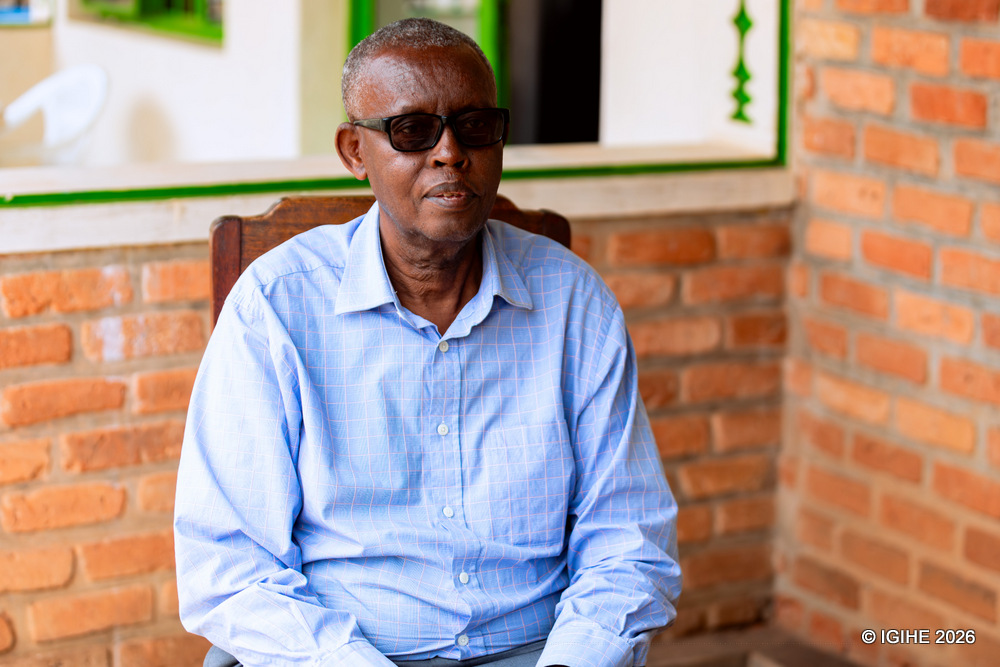
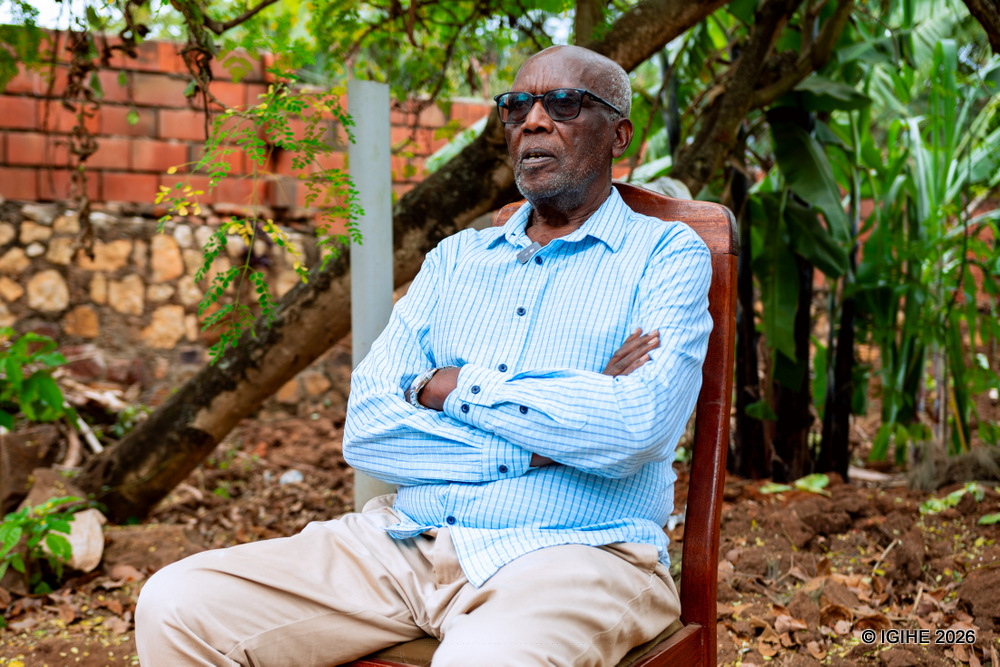
Pierre Zukuriza, 68, a longtime resident of Kimironko and current president of IBUKA in Gasabo District, said he was once Kabuga’s neighbour before the genocide.
Speaking to IGIHE, Zukuriza said Kabuga initially appeared to be an ordinary businessman but later became deeply involved in extremist activities.
“His compound covered more than a hectare,” Zukuriza said. “It was there that Interahamwe militias from Kimironko and surrounding areas were trained on how to kill Tutsi. They conducted drills and meetings there, and they openly spoke about it.”
According to him, militia members received items such as cooking oil and soap as payment, which they sold to buy alcohol.
Zukuriza said many Interahamwe members in Kimironko were poor and initially lacked even the means to buy machetes. However, after President Juvénal Habyarimana’s plane crash on April 6, 1994, militias trained at Kabuga’s home appeared in the streets armed with machetes, axes and clubs while openly declaring plans to kill Tutsi.
Another former Kimironko resident, Pierre Celestin Sinderibuye, described Kabuga’s residence as a feared location guarded by groups of young men brought from Byumba.
He said the men intimidated residents passing near the property and were often paid with goods that they sold to purchase alcohol before publicly boasting about killing Tutsi.
Sinderibuye added that many of the men living at Kabuga’s residence used aliases, making it difficult to identify and prosecute them today for their alleged role in the genocide.
‘We held meetings at Kabuga’s home’
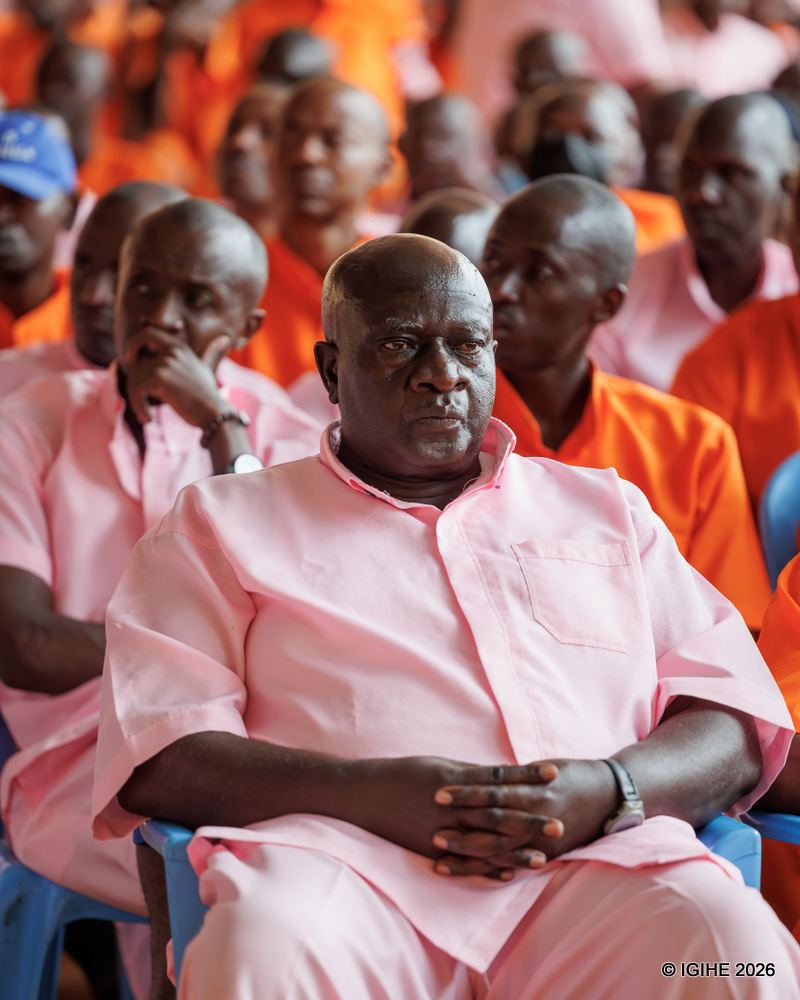
Kabuga’s role in the genocide was also reinforced by testimony from Grégoire Nyirimanzi, who is serving a sentence at Nyarugenge Prison in Mageragere for genocide-related crimes.
Nyirimanzi, a former councillor in Nyakabanda Sector, admitted to mobilising youth for weapons training and distributing arms used during the killings.
Kabuga’s role in the genocide was also reinforced by testimony from Grégoire Nyirimanzi, who is serving a sentence at Nyarugenge Prison in Mageragere for genocide-related crimes.
In an interview with IGIHE in April 2026, before Kabuga’s death, Nyirimanzi said several meetings were held at Kabuga’s properties and that Kabuga actively supported Interahamwe militias.
“It is not true that accusations against Kabuga were fabricated,” Nyirimanzi said. “We held meetings at his home in Muhima, and he personally attended those meetings. We also met in Rebero, where he assured us of any support we would need.”
Nyirimanzi said those speaking about Kabuga were motivated by the need for truth and accountability rather than personal disputes.
He further alleged that Kabuga pledged logistical and financial support for the campaign against Tutsi.
“At one of the meetings, Mathieu Ngirumpatse was present,” he said. “Kabuga assured us that he would support us in every possible way.”
Nyirimanzi also claimed Kabuga financed food supplies for Interahamwe groups, particularly those operating within the Nyamirambo Brigade.
Close ties with President Habyarimana
Zukuriza said Kabuga maintained exceptionally close relations with former President Juvénal Habyarimana, arguing that the relationship helped facilitate coordination among key figures involved in the genocide.
“He was closely connected to President Habyarimana because they became family,” he said. “Habyarimana’s son Jean Pierre married Kabuga’s daughter.”
He added that another son of Habyarimana also married another of Kabuga’s daughters, which he described as evidence of a deep alliance between the two families.
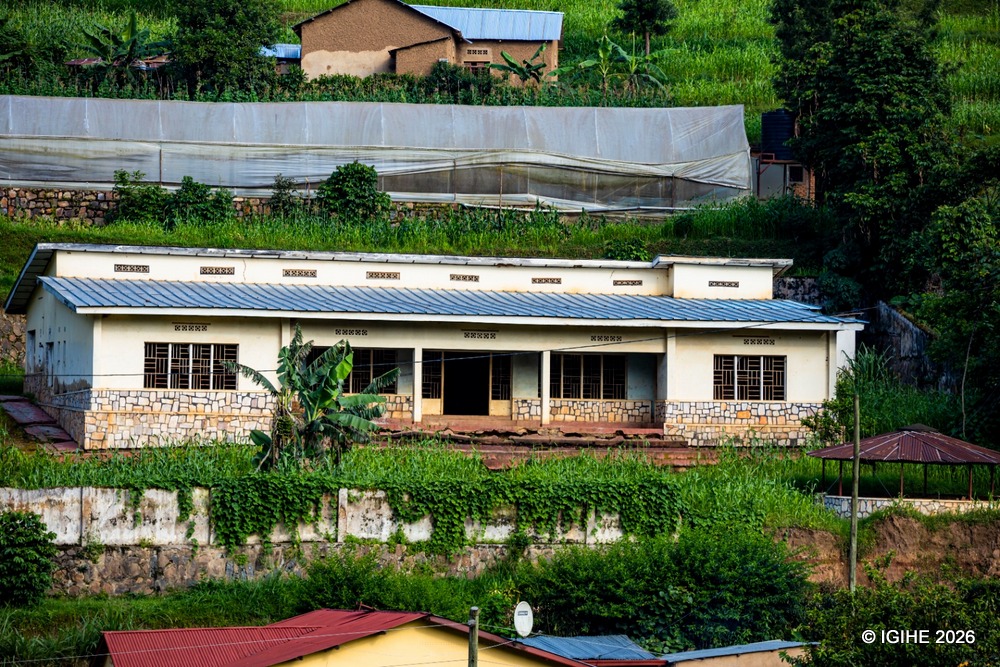
This house was the rural home of Félicien Kabuga in Mukarange Sector, Gicumbi District, where he was visited by people including President Habyarimana.
Zukuriza further argued that despite Kabuga’s death, survivors should still receive compensation from properties linked to him in areas including Kimironko, Muhima, Kimihurura and Byumba.
Kabuga among RTLM founders
Radio Télévision Libre des Mille Collines (RTLM), established on July 8, 1993, played a central role in spreading hate propaganda and inciting violence during the Genocide against the Tutsi between April and July 1994.
The station operated from premises located in what is now Kigali’s Car-Free Zone and reportedly benefited from electricity supplied directly from the presidential office, ensuring uninterrupted broadcasts.
RTLM was founded by a group led by Dr Ferdinand Nahimana, one of Rwanda’s prominent intellectuals at the time.
Nahimana drafted the initial proposal for the station, while Kabuga chaired RTLM’s founding committee.
Other members included Joseph Serugendo, Ephrem Ntezabera and Jean
Bosco Barayagwiza, while President Habyarimana was reportedly among the station’s principal shareholders.
Additional shareholders included Kabuga, Philippe Basabose and several senior government officials of the time.
RTLM also worked closely with Rwanda’s former state information office, ORINFOR, with many of its journalists coming from the state broadcaster.
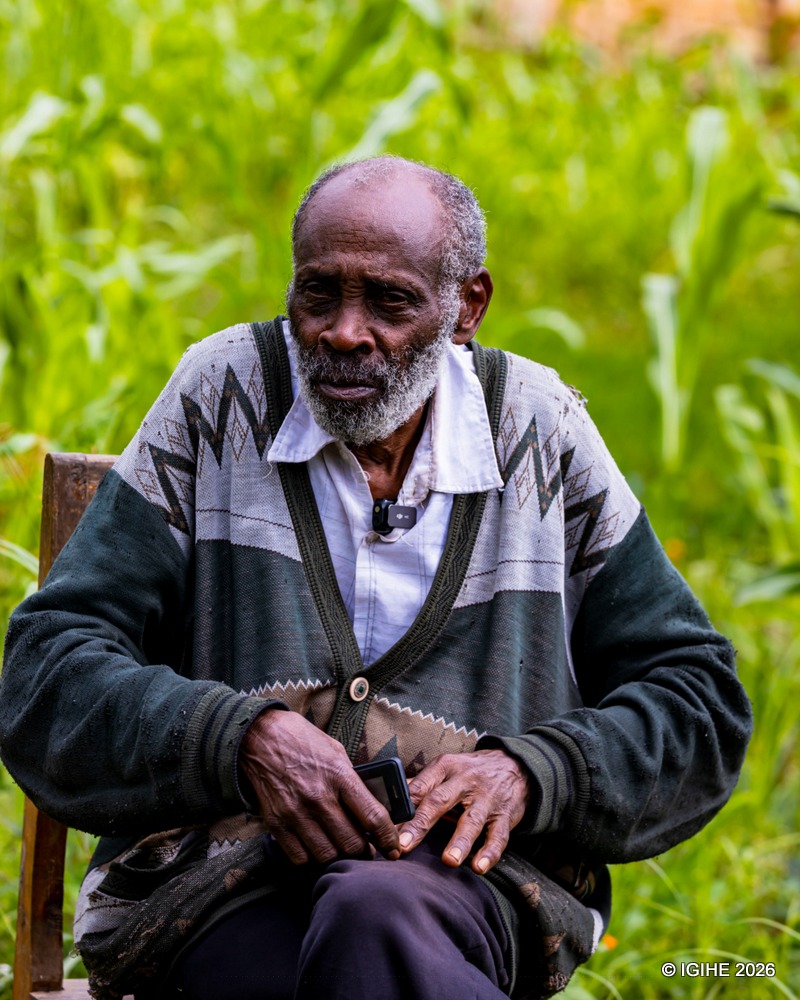
Jean Baptiste Munyaneza, Kabuga’s cousin who also worked as a domestic employee in his household, said the businessman frequently hosted influential visitors because of his wealth and status.Pierre Zukuriza, who lived near Kabuga in Kimironko, said Interahamwe militias trained at Kabuga’s residence on how to kill Tutsi. He said they were paid for the training and, after getting drunk, would openly boast about their plans.Pierre Celestin Sinderibuye, who lived near Kabuga in Kimironko, said Kabuga’s residence was widely feared because of groups of young men from the Abakiga community who were brought there and routinely intimidated residents who approached the property.
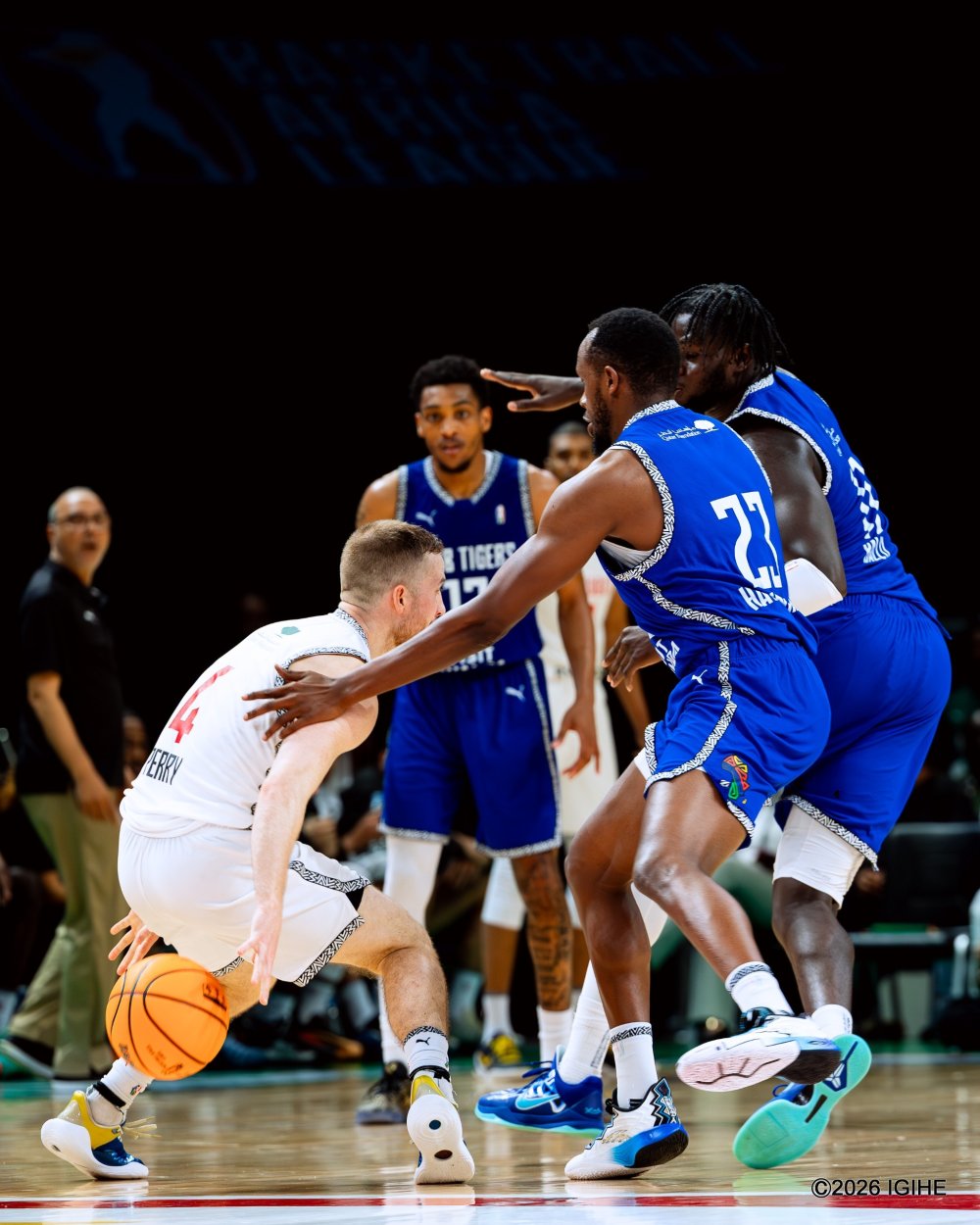
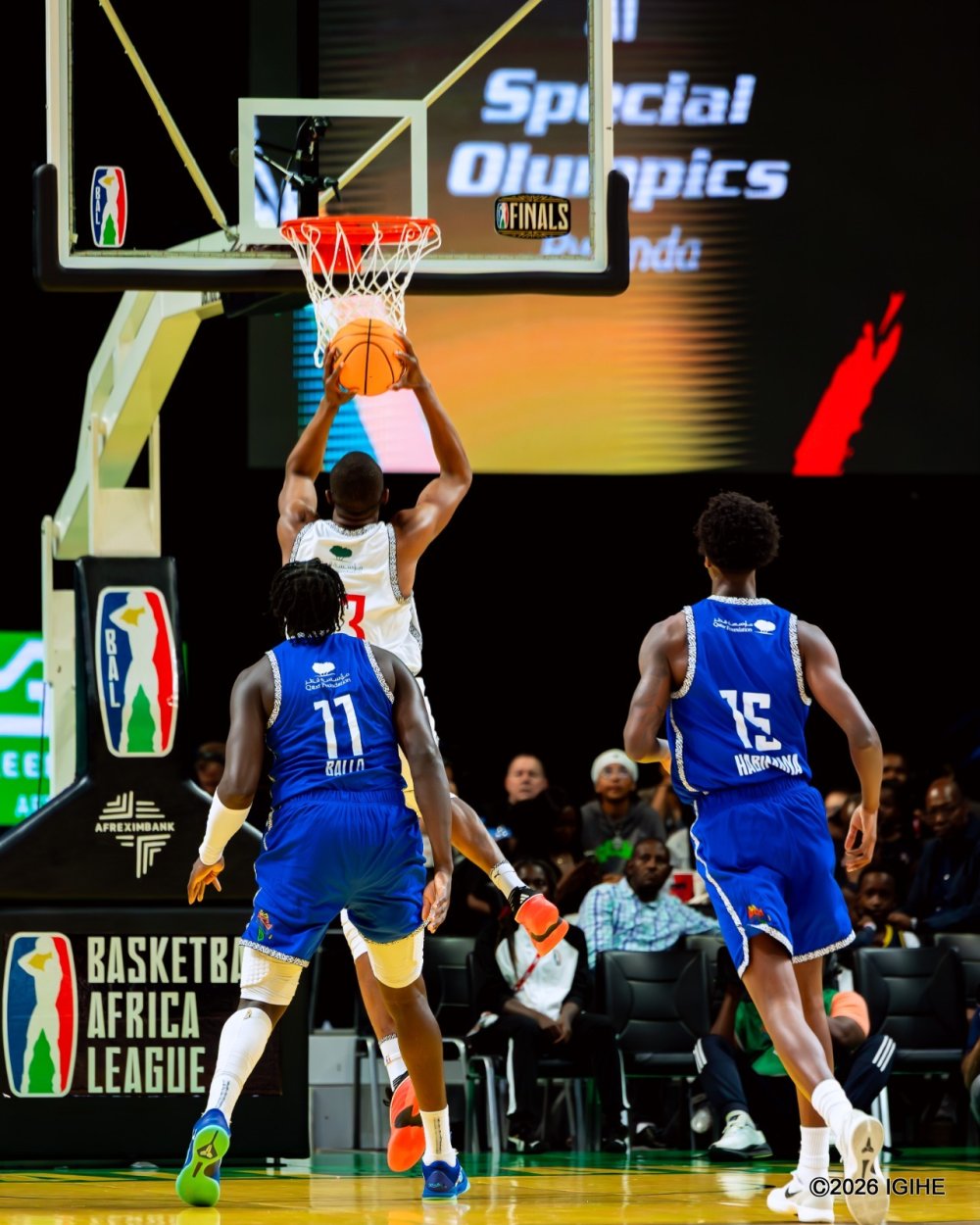
Backed by a vibrant home crowd at the BK Arena, the Tigers, who are participating in the BAL for the first time, leaned on their stellar 95-72 victory from the first leg to protect their aggregate advantage and keep their continental championship dreams very much alive.
Rabat mounts an early charge
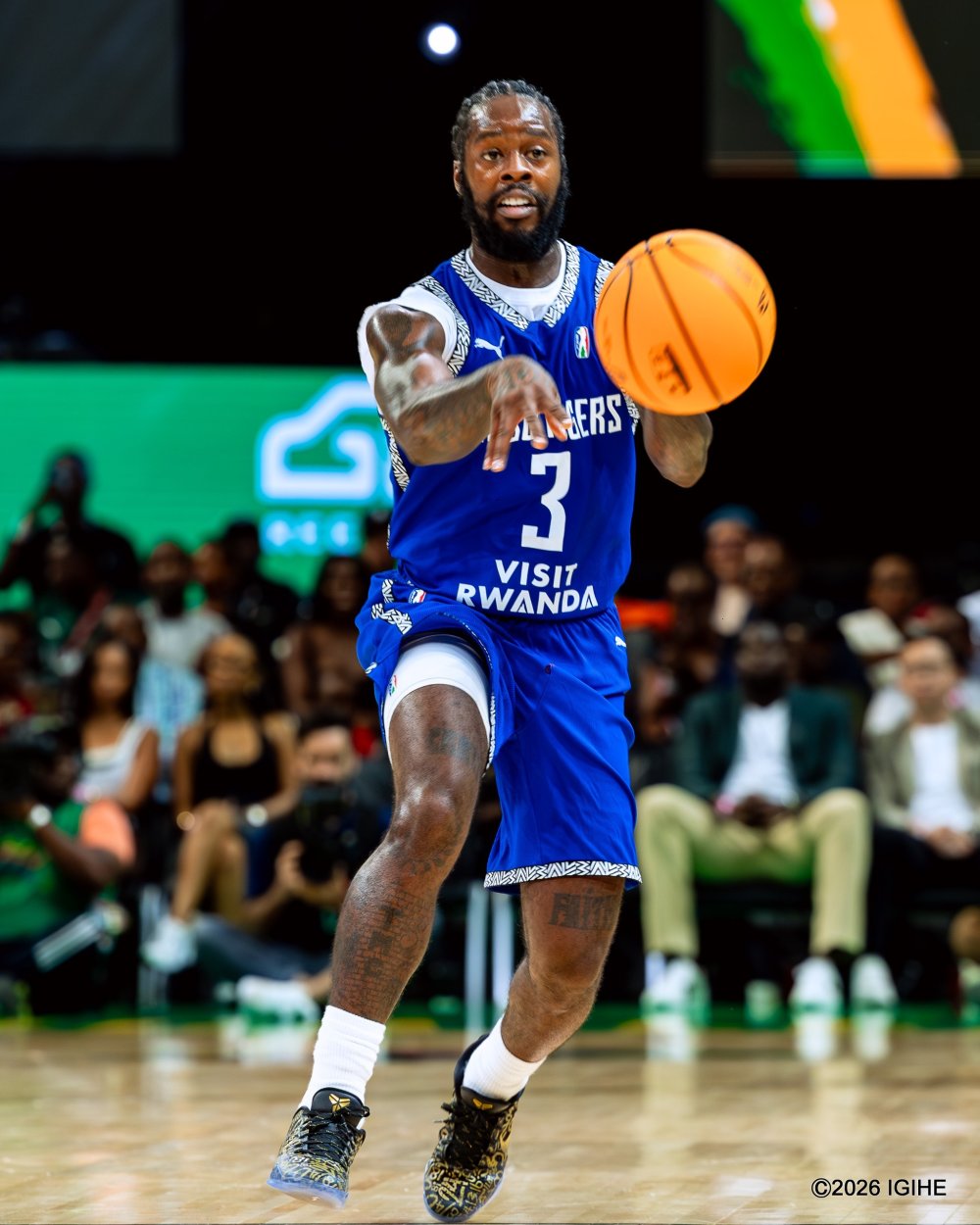
Entering Sunday’s highly anticipated return fixture with a 23-point cushion, the Tigers knew the Moroccan powerhouse would throw everything at them. FUS Rabat received a major boost with the return of star playmaker William Perry, who sat out the first leg. Perry catalysed an aggressive start for the visitors, hitting crucial perimeter shots on his way to 29 points and 11 assists, helping Rabat command a 32-14 lead by the end of the opening quarter.
Showing the heart of champions, the Tigers adjusted quickly in the second period. Spearheaded by the offensive brilliance of Craig Randall, the hosts responded with a 30-19 run to steady the ship and trim Rabat’s halftime lead to a manageable 51-44.
Weathering the storm
The third quarter tested the Tigers’ resolve. FUS Rabat unleashed an explosive run, finding spaces in the paint and building an imposing 79-58 lead at one stage. With their aggregate advantage temporarily narrowed, the local crowd rallied behind the team, and the Tigers never panicked, maintaining focus heading into the final frame.
Randall’s heroics spark fourth-quarter rally
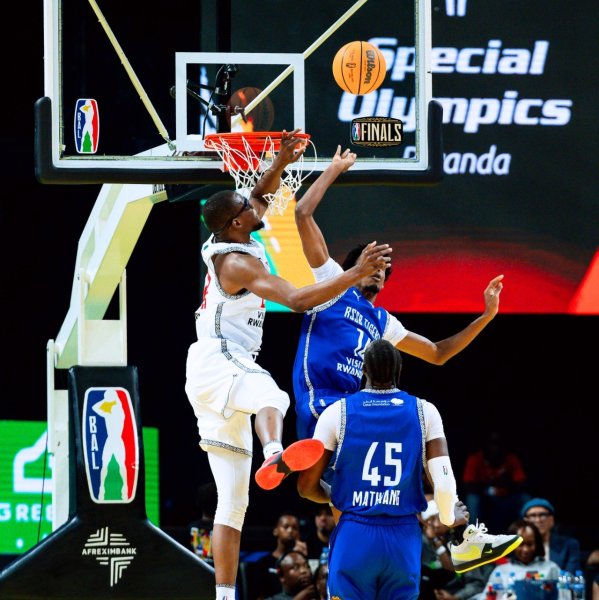
What followed in the fourth quarter was a display of pure elite execution. The Tigers clamped down defensively, slowing the tempo and reclaiming control of the glass. Antino Jackson Jr. organised the offence beautifully, while big man Mangok Mathiang fortified the paint with crucial rebounds, allowing Rwanda to completely turn the tide.
The final quarter belonged to Craig Randall, who put on a spectacular masterclass to finish with a staggering 43 points. Randall capped off his legendary night by sinking his ninth three-pointer of the game from the corner, briefly giving the Tigers a 98-97 lead in the dying moments.
While FUS Rabat’s Mouhamadou Diagne knocked down two late free throws to hand the Moroccans the 99-98 match victory, the Tigers won the ultimate battle. By outscoring Rabat 28-15 in the final frame, the Rwandan giants triumphantly defended their aggregate lead to seal a historic semi-final berth.
Earlier in the evening at the BK Arena, defending giants Al Ahly of Egypt produced a disciplined performance to defeat Senegal’s ASC Ville de Dakar 87-76, successfully overturning a narrow first-leg deficit.
The stage is now set for an epic continental showdown. The RSSB Tigers will rely on their electric home support when they face Al Ahly in the semi-finals on Wednesday, May 27, 2026, with a spot in the BAL Finals on the line.
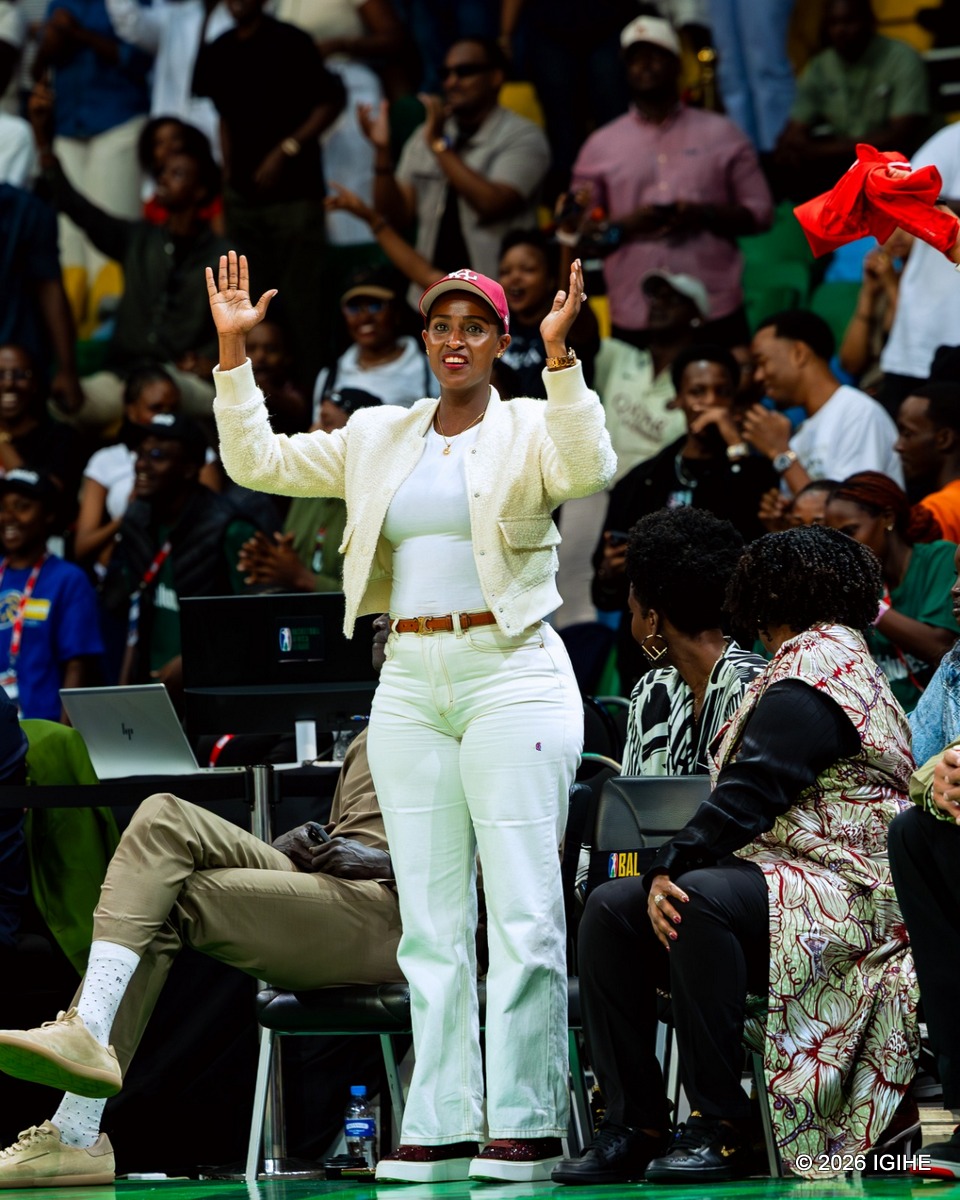
Spearheaded by the offensive brilliance of Craig Randall, the hosts responded with a 30-19 run to steady the ship and trim Rabat’s halftime lead to a manageable 51-44.Backed by a vibrant home crowd at the BK Arena, the Tigers, who are participating in the BAL for the first time, leaned on their stellar 95-72 victory from the first leg to protect their aggregate advantage and keep their continental championship dreams very much alive.Minister of Sports Nelly Mukazayire was present to cheer on the Rwandan team.
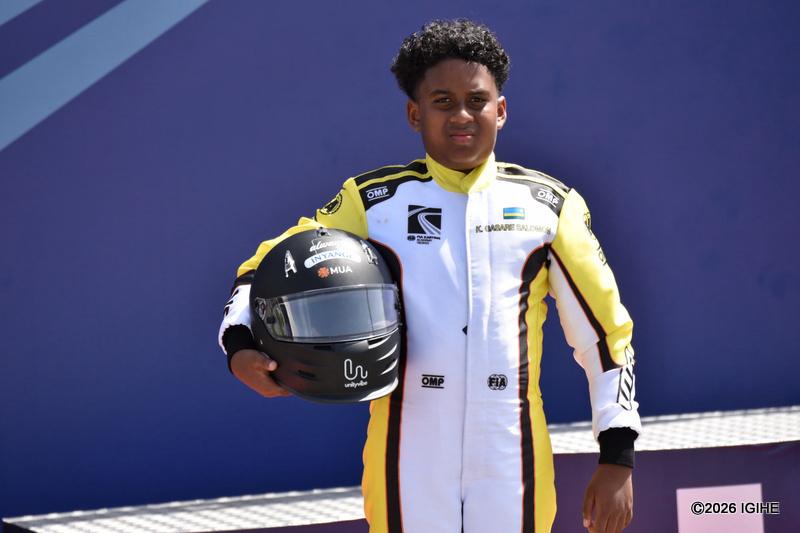
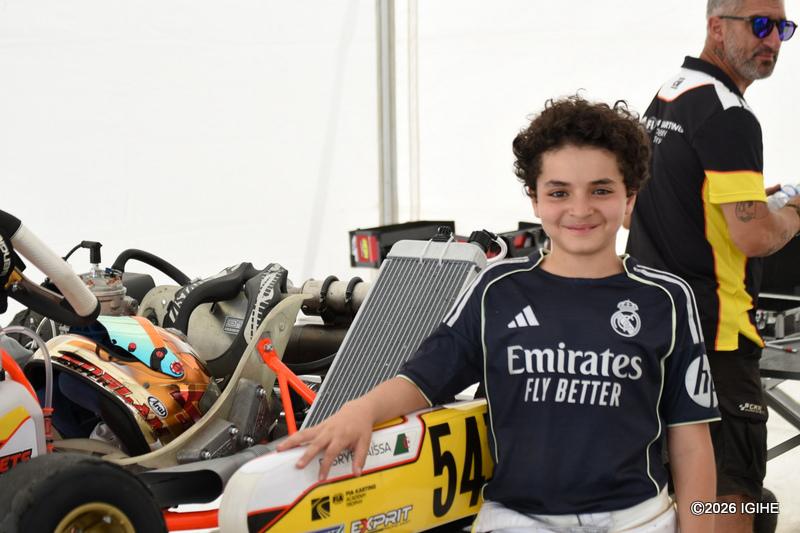
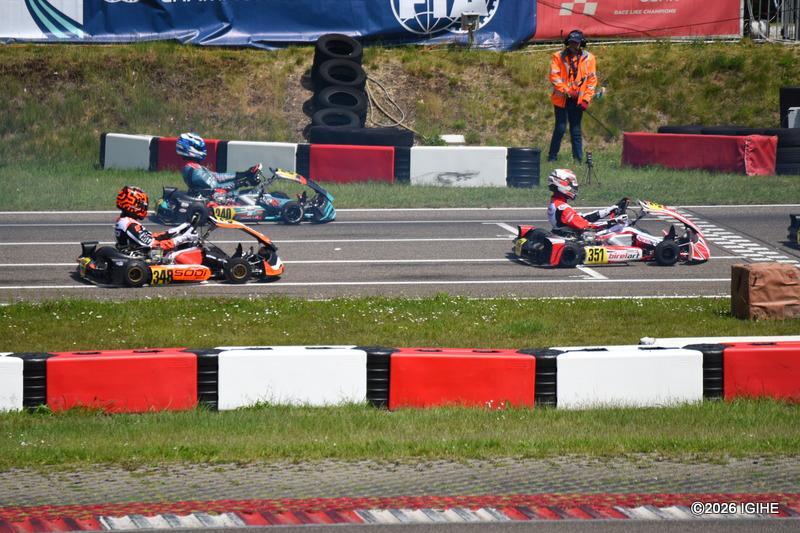
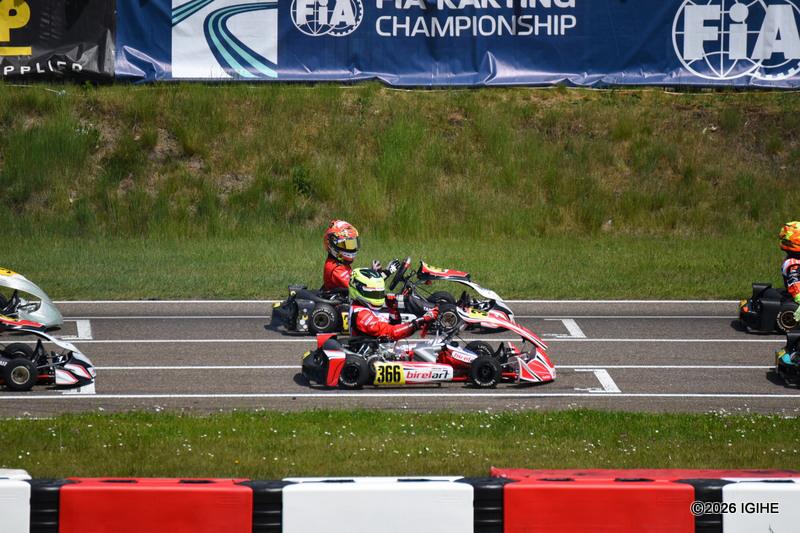
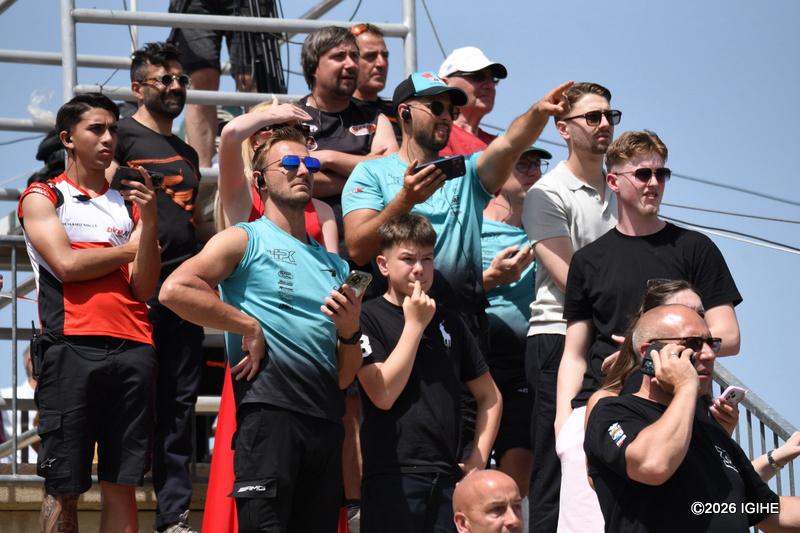
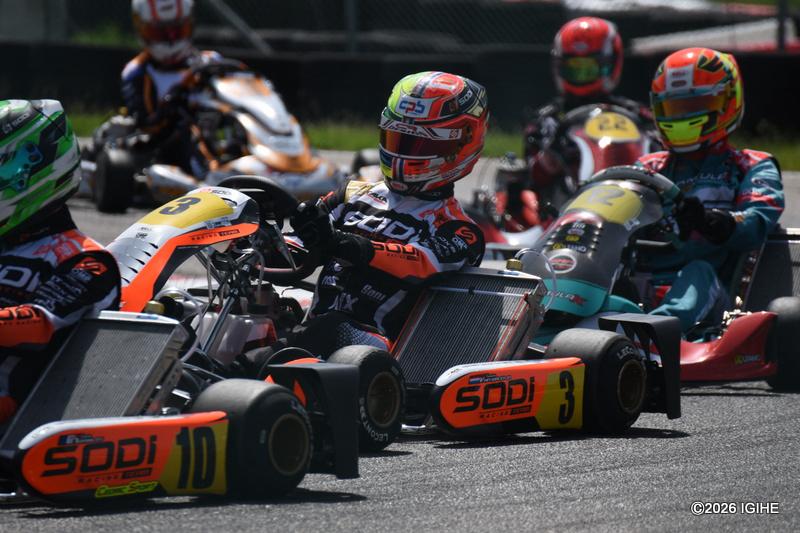
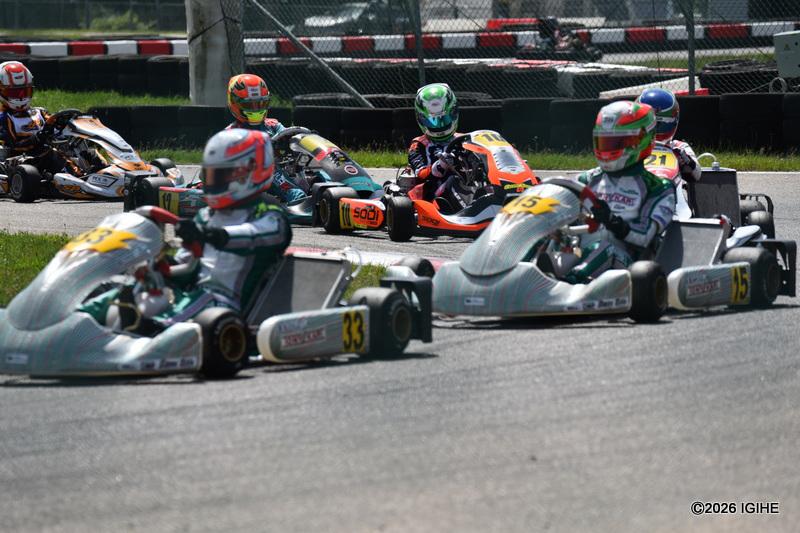
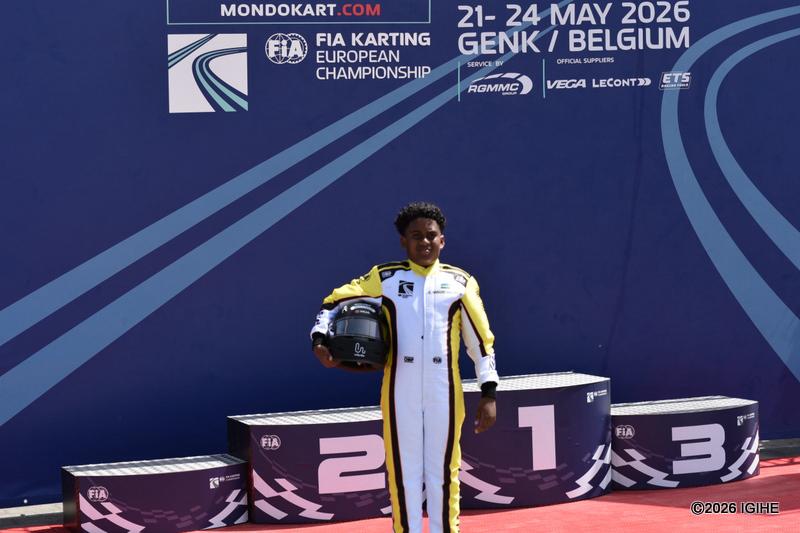
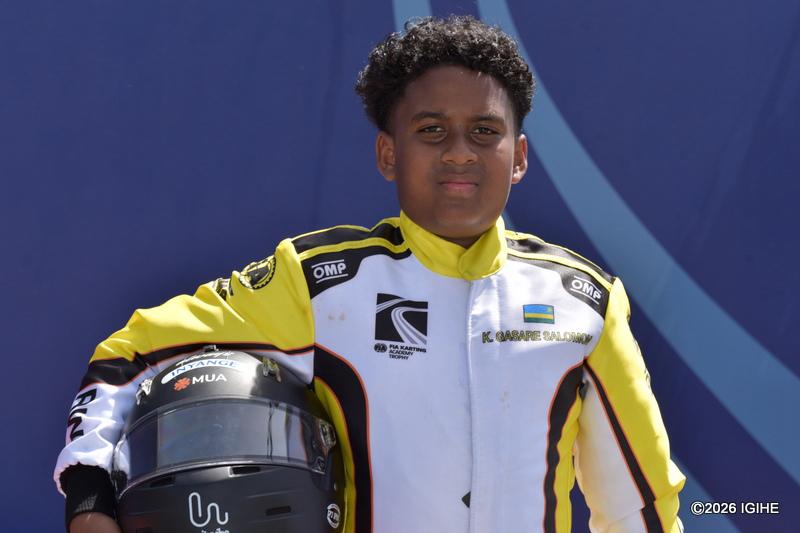
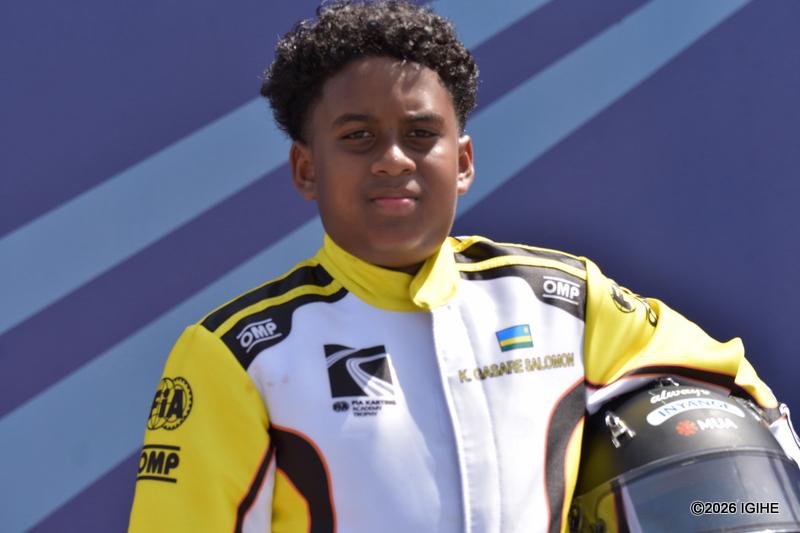
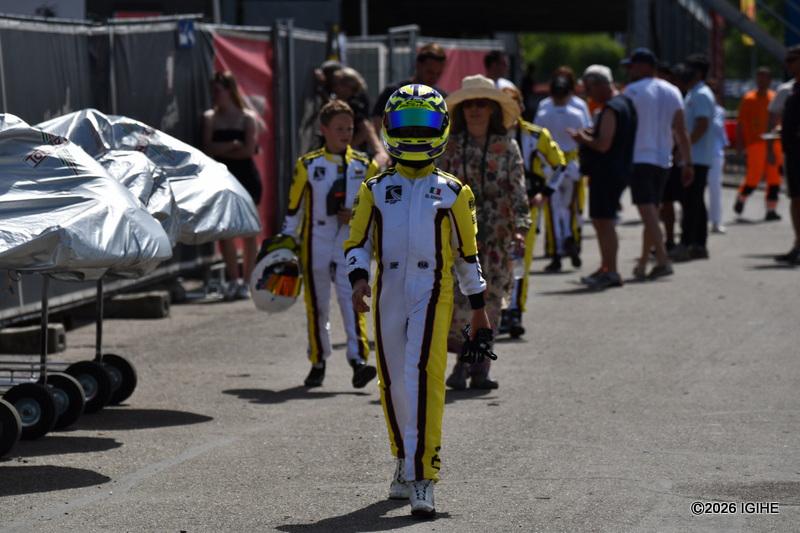
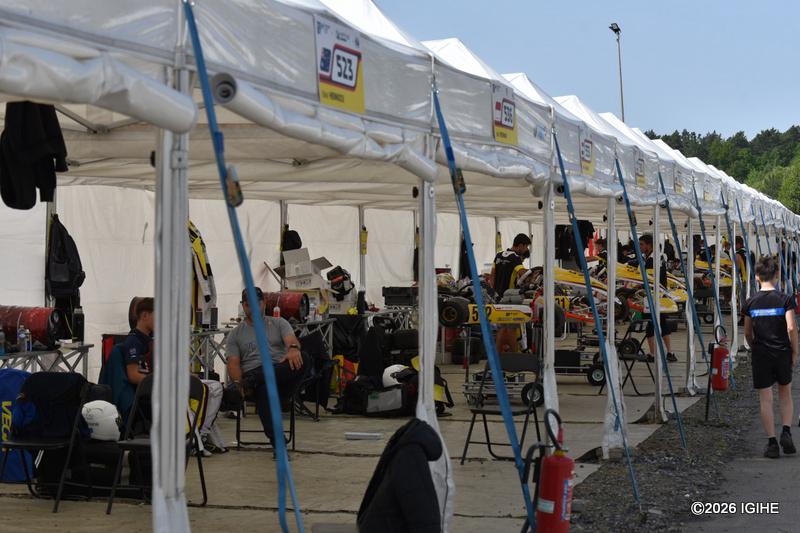
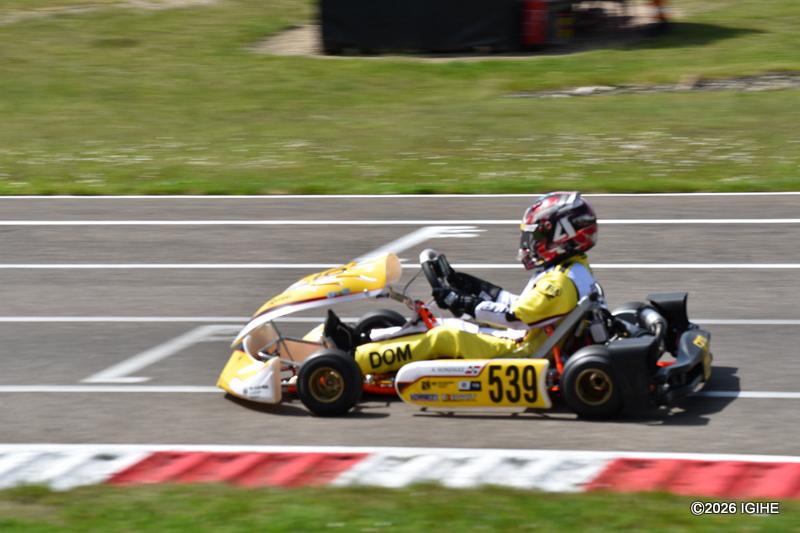
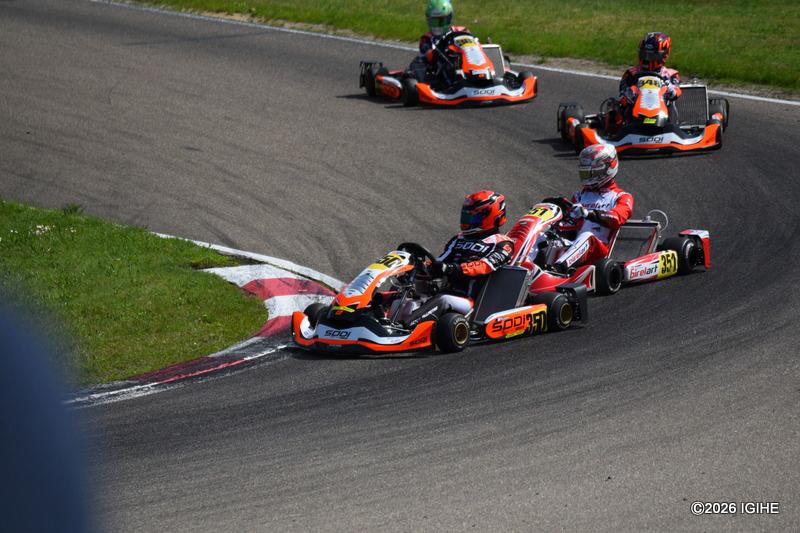
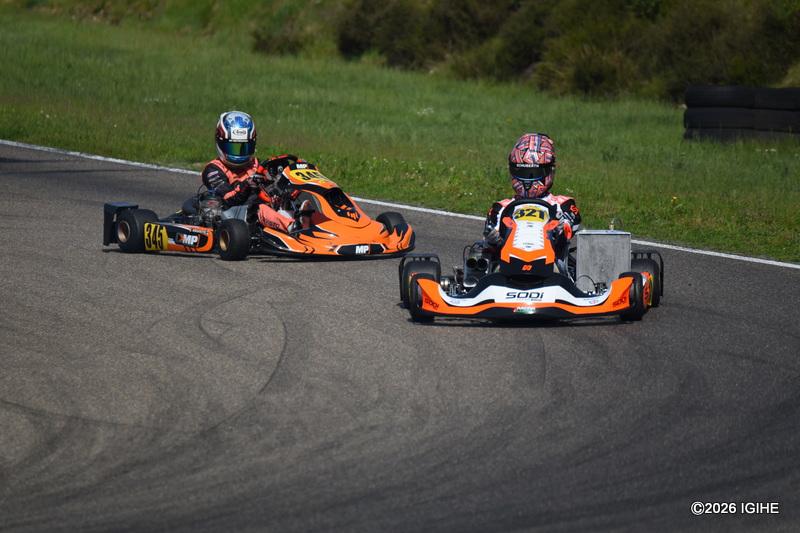
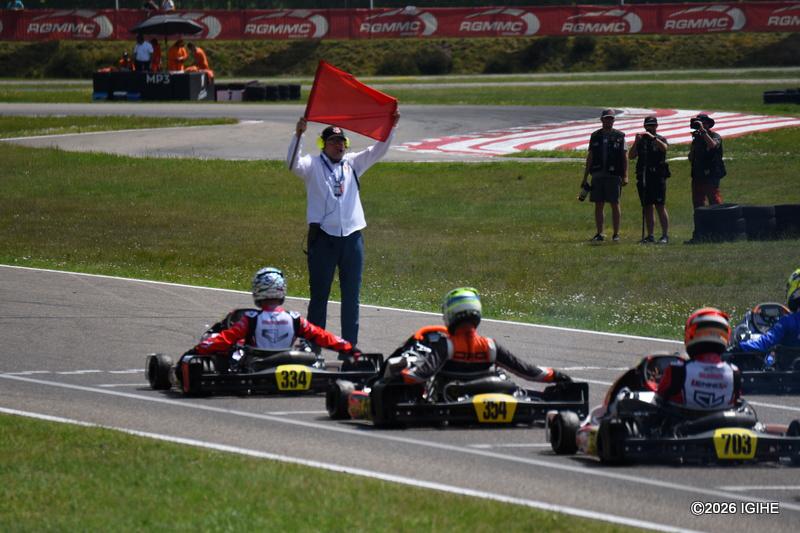
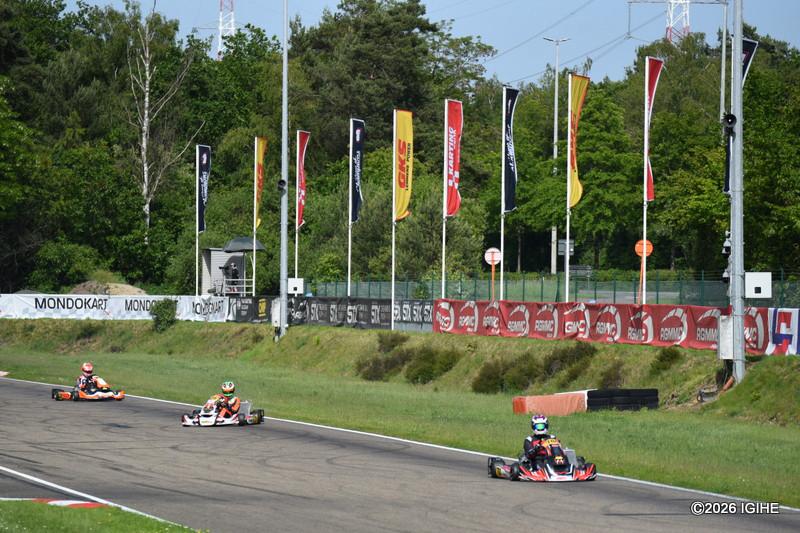
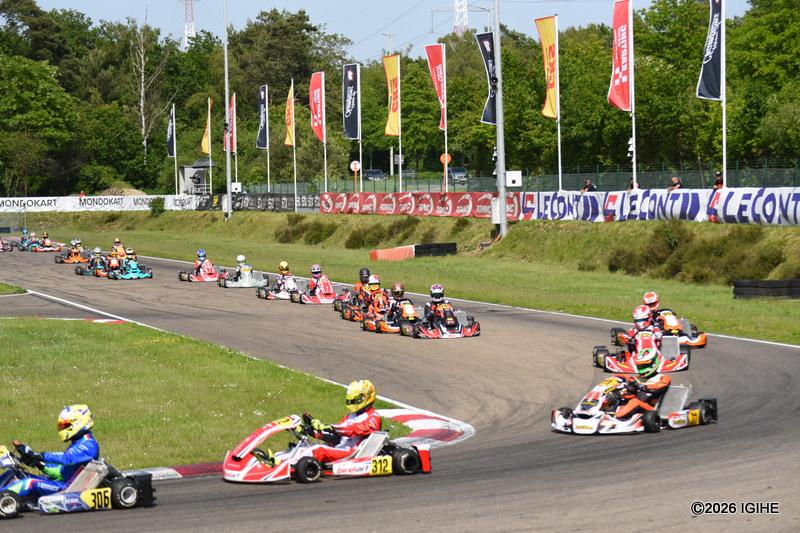
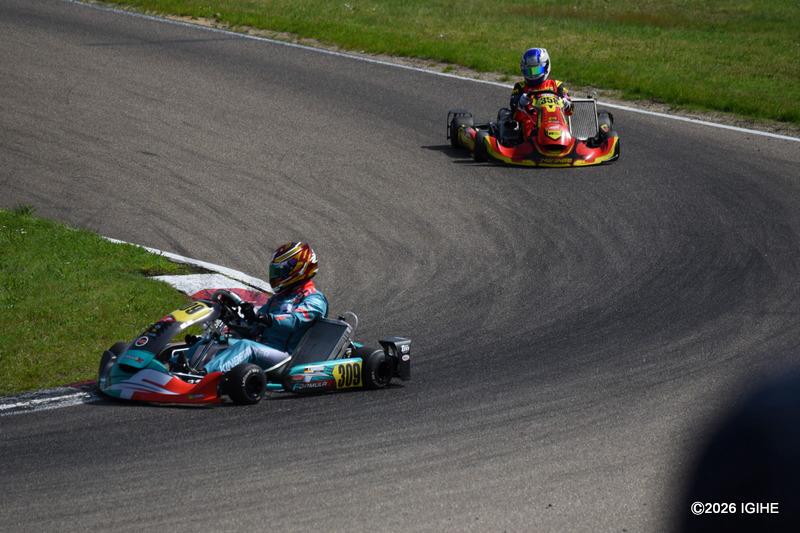
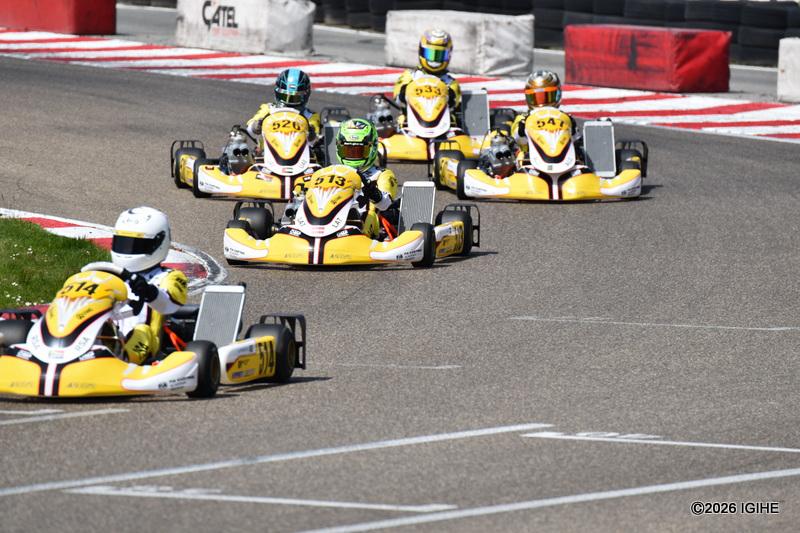
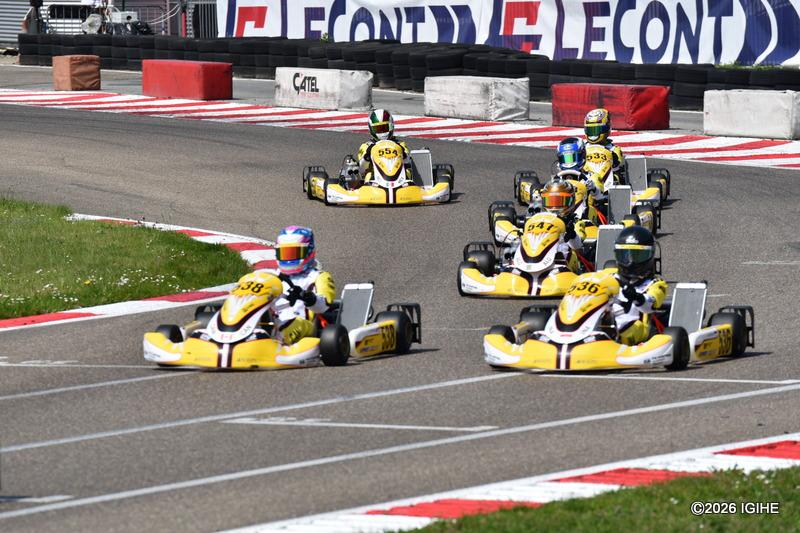
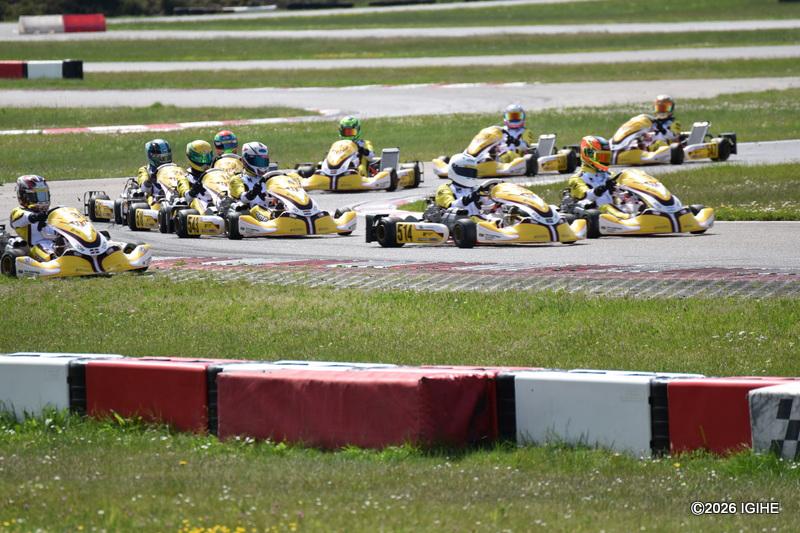
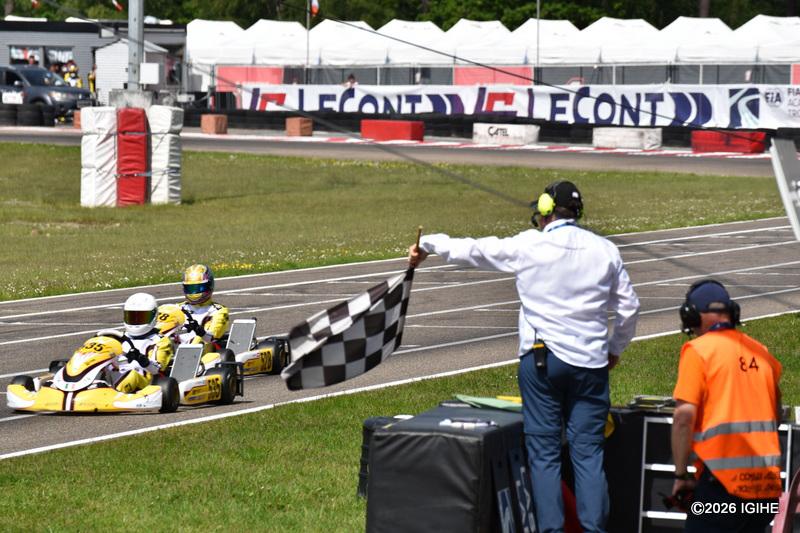
The competition, one of the major karting events organized by the FIA as part of its 2026 calendar, was held in Genk, Belgium, from May 21 to 24, 2026.
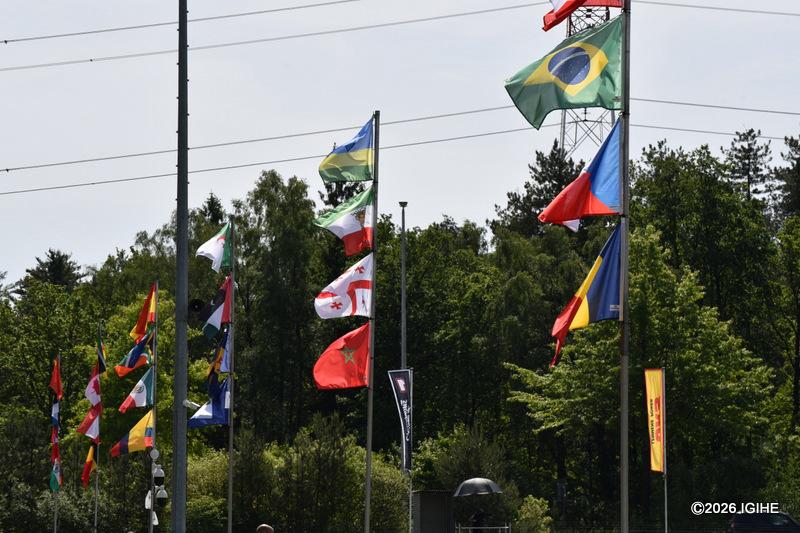
The championship brings together some of the world’s most promising young karting talents, particularly drivers training through professional development academies. Rwanda was among only three African nations represented at the event, which featured competitors from 51 countries.
Kabera secured qualification after emerging as one of the top young karting drivers in Rwanda through competitions organized by the Rwanda Automobile Club (RAC).
The 2026 edition marked both Kabera’s debut in the championship and Rwanda’s first-ever participation in the competition.
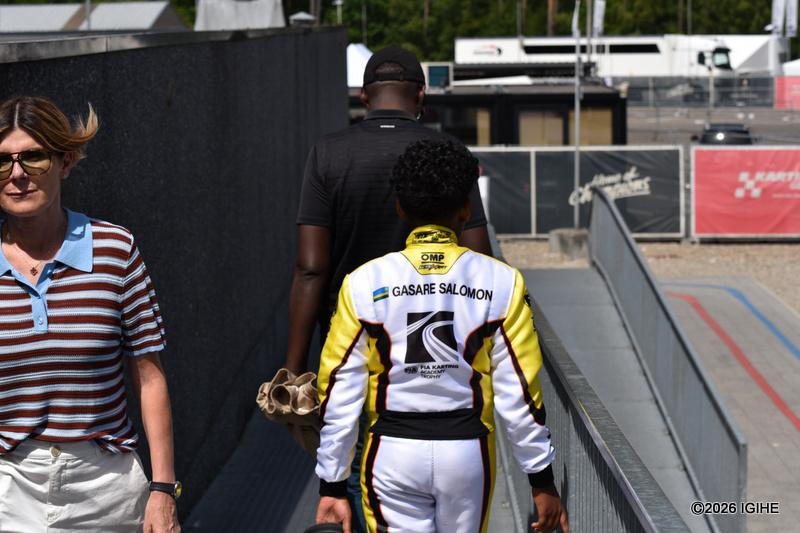
Still adapting to the international stage, the young driver competed in the opening phase of the championship held on May 21 and 22.
Speaking to IGIHE, Kabera encouraged more young people to pursue karting despite its challenges.
“If you want to join kart racing, never lose hope. Sometimes it is difficult, and it takes persistence to reach the top,” he said. “I want to become a strong and disciplined driver, both physically and mentally, with clear goals.”
Kabera added that the experience in Belgium highlighted the importance of continuous training and dedication.
“I learned that I need much more practice and exposure because success is not only about talent. It also depends on the effort you put in and how hard you work to achieve your goals,” he said.
Kabera’s participation in the championship was sponsored by MUA and Inyange.
His coach, Gakwaya Eric, said the competition provided valuable lessons that will help shape the driver’s future development.
“He gained important international experience and saw the level at which the sport is played globally,” Gakwaya said. “We still need more training opportunities and better infrastructure because Rwanda does not yet have a circuit comparable to the one in Genk. At the moment, he trains in parking areas.”
Gakwaya revealed that plans are underway to secure additional training opportunities for Kabera in South Africa or Kenya, where karting infrastructure is more advanced.
“We are also looking at opportunities in Italy so that he can progress beyond qualifying rounds and eventually compete in final stages. Our long-term target is to help Rwanda break into the top 15 nations in the sport,” he added.
The coach also noted that Kabera’s performance was particularly impressive considering he had trained for only two months before competing against drivers with up to five years of experience.
RAC emphasized that participation in international karting competitions requires significant financial investment and thanked sponsors who supported Kabera’s journey.
The federation also called on additional partners and sponsors to support the growth of motorsport in Rwanda.
Kabera is expected to continue his international campaign in July 2026 at the Circuito Internazionale Napoli in Italy.
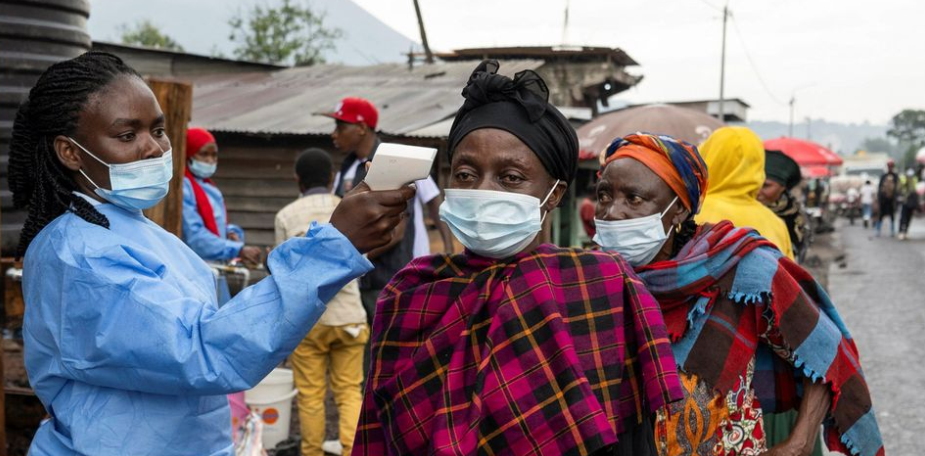
Addressing an online press briefing on Saturday evening, Africa CDC Director General Jean Kaseya said a total of 745 cases, including both suspected and confirmed infections, and 176 probable deaths have been reported since the DRC declared its 17th outbreak on May 15.
“We have two affected countries and 10 countries at high risk. All other African countries, because they are not bordering the two affected countries, we are not calling them at risk for now, but depending on the way the outbreak is moving, we can reconsider this,” Kaseya said.
The official highlighted major operational challenges, including a four-week detection gap of silent transmission before official confirmation, a lack of available medical countermeasures, high population mobility, weak health infrastructure, insecurity and limited access, as well as misinformation and mistrust.
“In terms of detection, there is a strong recommendation to increase the diagnostic capacity,” he said. “We are talking about a region where we have high mobility and insecurity. The combination of these two is what we are experiencing today with the spread of this outbreak beyond what we are expecting.”
Africa CDC Director General Jean Kaseya said a total of 745 cases, including both suspected and confirmed infections, and 176 probable deaths have been reported since the DRC declared its 17th outbreak on May 15.
He further noted challenges with medical countermeasures, saying the outbreak is driven by the Bundibugyo strain, for which no strain-specific vaccine is currently available.
According to Kaseya, the African continent currently needs about 319 million U.S. dollars to respond to the outbreak, of which 265 million dollars is to support response efforts in the DRC and Uganda, while 54 million dollars is to build preparedness across the 10 high-risk countries.
He stressed that the Africa CDC is considering activating a holistic way to respond to the outbreak by “putting in place one team, one plan, one budget, and one implementation model” under the continental incident management support team.
Expressing concern over a higher risk of regional spread, he said the latest outbreak, initially reported in Ituri Province in eastern DRC, now constitutes a public health emergency of continental security.
The Ebola virus is highly contagious and can cause symptoms including fever, vomiting, diarrhea, generalized pain or malaise, and, in severe cases, internal and external bleeding. According to the World Health Organization, Ebola fatality rates vary, depending on the viral subtype.
A health worker screens travellers at the Kanyaruchinya checkpoint in Goma, DRC, amid Cefforts to contain the Bundibugyo Ebola outbreak on May 20, 2026.
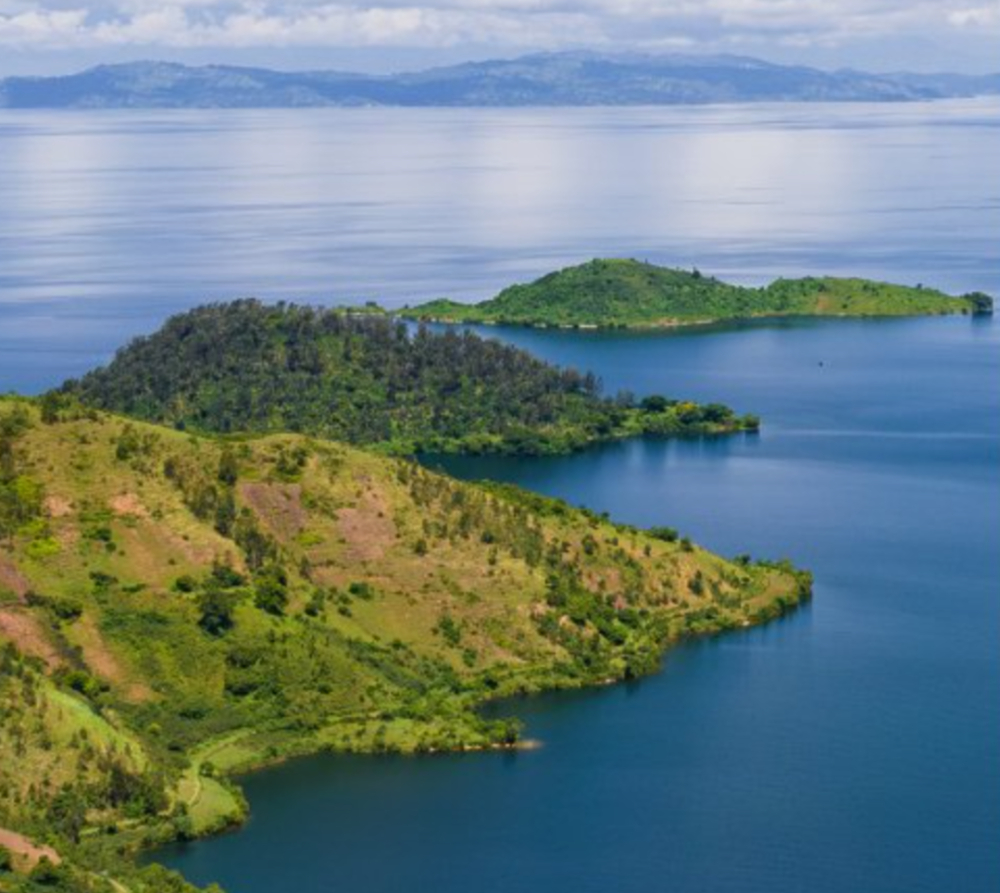
The islands, located in Nkora Cell, Kigeyo Sector, have experienced significant environmental degradation due to human activities, including deforestation and the expansion of coffee farming, which have disrupted natural habitats and reduced biodiversity.
Residents say the islands once supported rich indigenous vegetation and abundant wildlife, much of which has now disappeared.
Nsengiyumva Jean Baptiste, a local resident, recalled the former richness of the area, saying: “There used to be many guinea fowls that hunters would go after. The trees that were there were cut down by residents who planted coffee instead.”
The degradation has also affected fish breeding grounds in Lake Kivu, contributing to reduced catches of species such as isambaza.
According to BIOCOOR and district officials, the project will cover 250 hectares and involve planting 14 tree species, 10 indigenous and four fruit trees, while creating employment for more than 500 residents. BIOCOOR said the area was selected following assessments that confirmed severe shoreline degradation.
Rutsiro District environmental officer Innocent Kamayirese said the restoration will deliver wider ecological benefits.
“Trees purify the air we breathe, they help bring rainfall, and they provide habitats for biodiversity. We urge residents to take care of the trees that will be planted,” Kamayirese said.
The project is expected to cost over Rwf 300 million by 2032 and is part of broader efforts to restore Lake Kivu’s island ecosystems, which include 142 islands, 42 of them in Rutsiro District.
The islands, located in Nkora Cell, Kigeyo Sector, have experienced significant environmental degradation due to human activities, including deforestation and the expansion of coffee farming, which have disrupted natural habitats and reduced biodiversity.
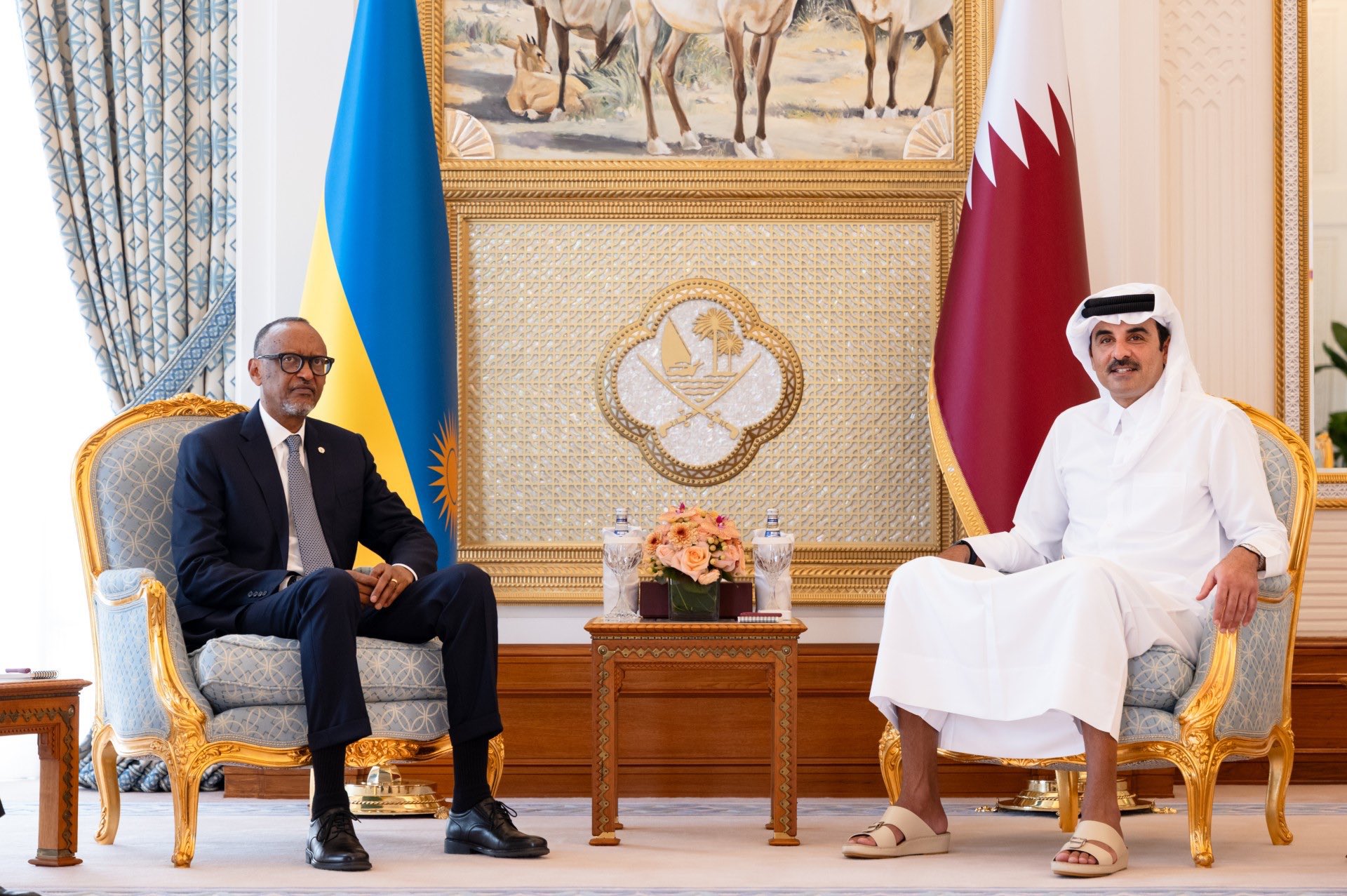
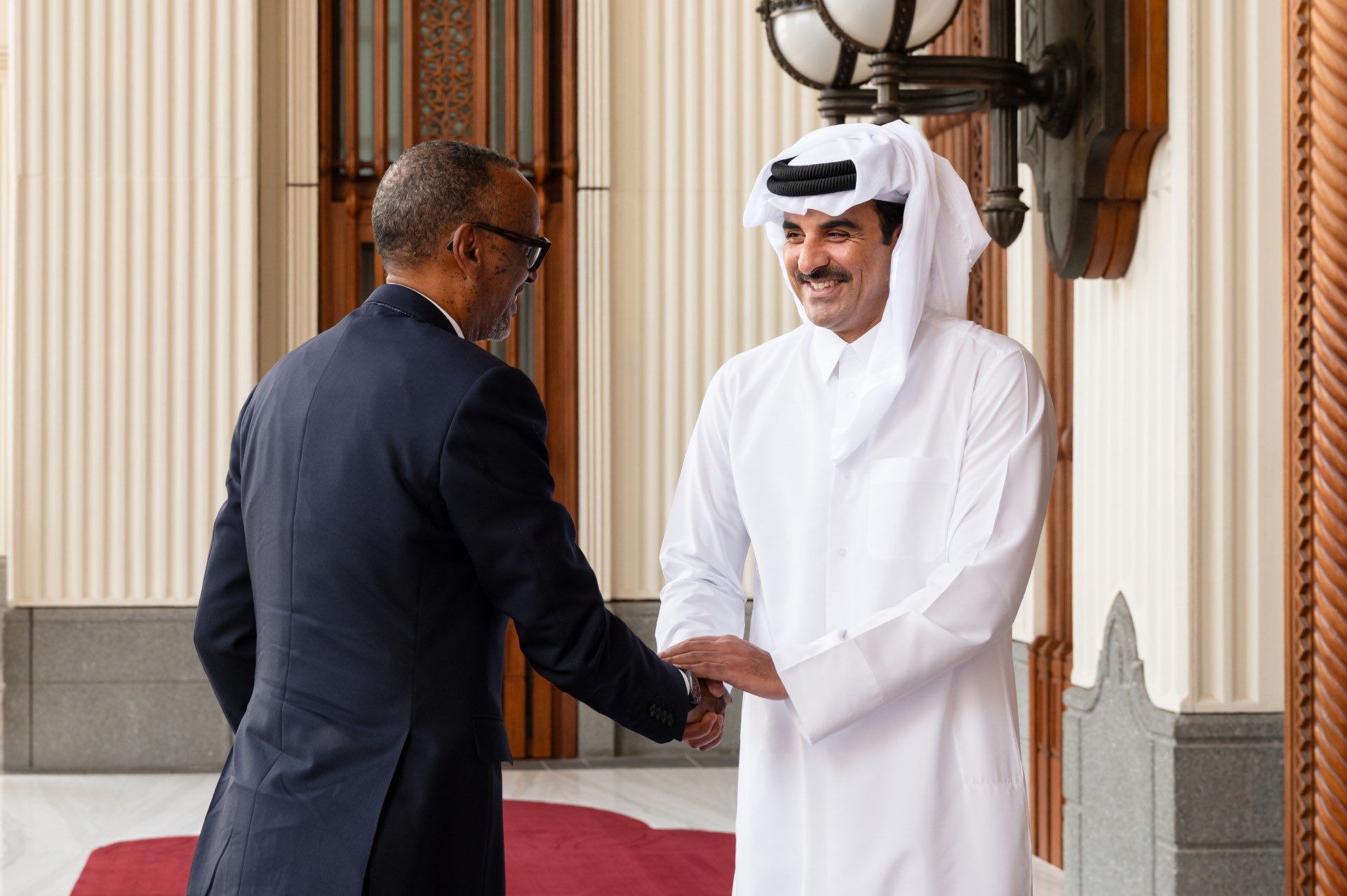
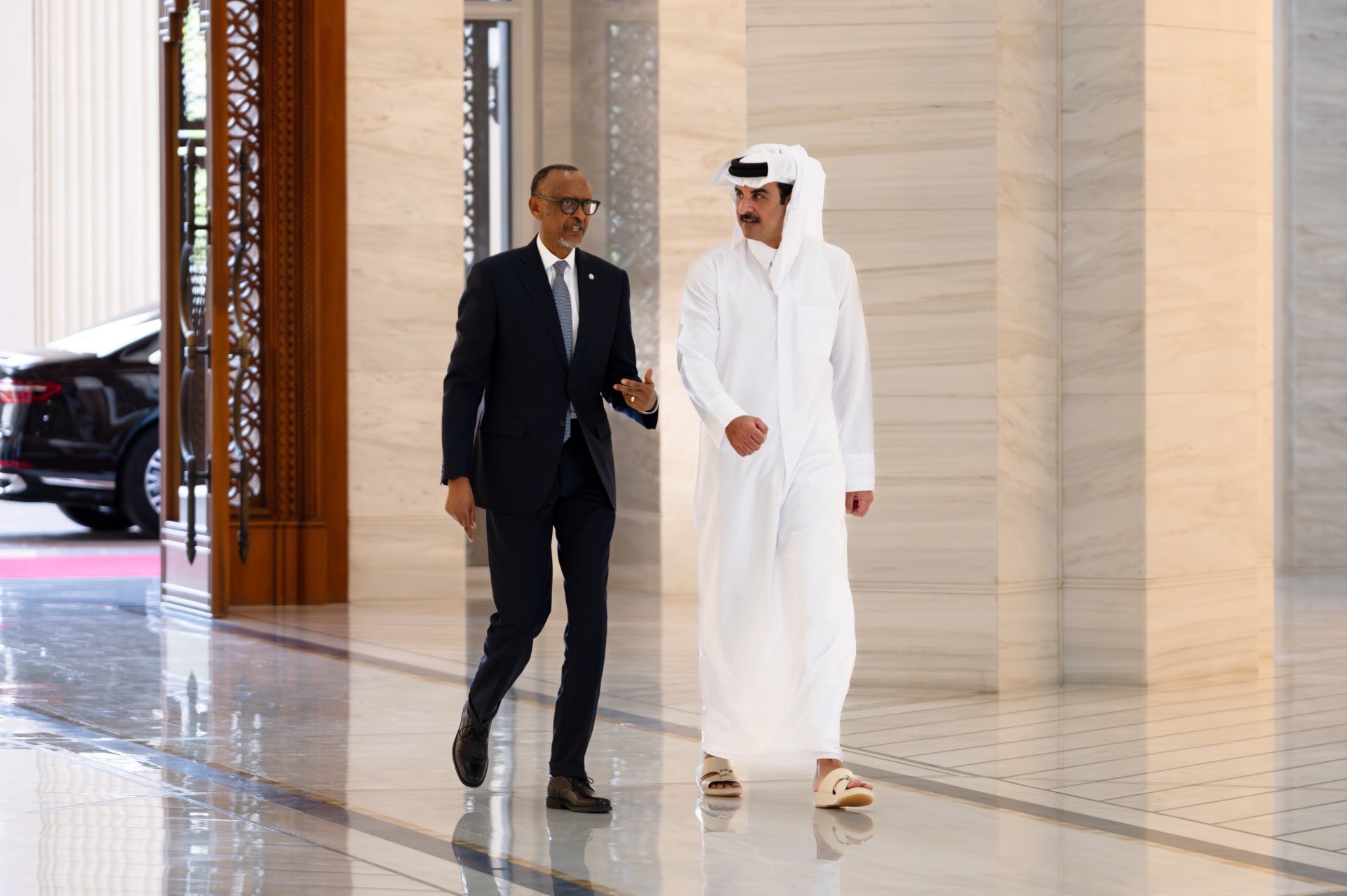
Kagame arrived in Doha earlier in the day for a one-day working visit aimed at further strengthening bilateral relations between the two countries.
According to a communiqué from the Office of the President, Sheikh Tamim welcomed Kagame at the Amiri Diwan, where the two leaders discussed the “strong brotherly relations” between Rwanda and Qatar and reviewed ongoing cooperation across key sectors of mutual benefit.
The two Heads of State also exchanged views on regional developments and current international affairs, reaffirming their shared commitment to promoting international peace and security.
President Kagame expressed Rwanda’s solidarity and continued support for the people of Qatar, the statement added.
The visit builds on growing diplomatic engagement between Kigali and Doha in recent months. In November 2025, Kagame travelled to Qatar to attend the World Summit for Social Development, while Sheikh Tamim later visited Kigali during the same month.
In April 2026, the Head of State also sent a written message to the Amir of Qatar through Rwanda’s Minister of Interior, Dr. Vincent Biruta. The message was received by Qatar’s Minister of Interior, Sheikh Khalifa bin Hamad bin Khalifa Al Thani, according to Qatar’s Ministry of Interior.
Rwanda and Qatar have continued to deepen cooperation in sectors including investment, tourism, aviation, and infrastructure development.
The partnership has been particularly visible in aviation, where Qatar Airways is expected to acquire a 49 percent stake in RwandAir.
Qatar also holds a 60 percent stake in the Bugesera International Airport project, a major infrastructure initiative expected to position Rwanda as a regional aviation hub.
President Kagame was received by the Amir of Qatar, His Highness Sheikh Tamim bin Hamad Al Thani, at the Amiri Diwan in Doha.President Kagame is in Qatar for a one-day working visit. The two leaders discussed the “strong brotherly relations” between Rwanda and Qatar and reviewed ongoing cooperation across key sectors of mutual benefit.