Prosecutors accused Kabuga of using his wealth and business network to support the planning and execution of the genocide, including financing and supplying weapons used during the killings.
In November 1993, one of Kabuga’s companies imported 25 tonnes of machetes from China, before reportedly purchasing another 50,000 in March 1994. The weapons were later used during the Genocide against the Tutsi, alongside other crude weapons, which he is accused of distributing.
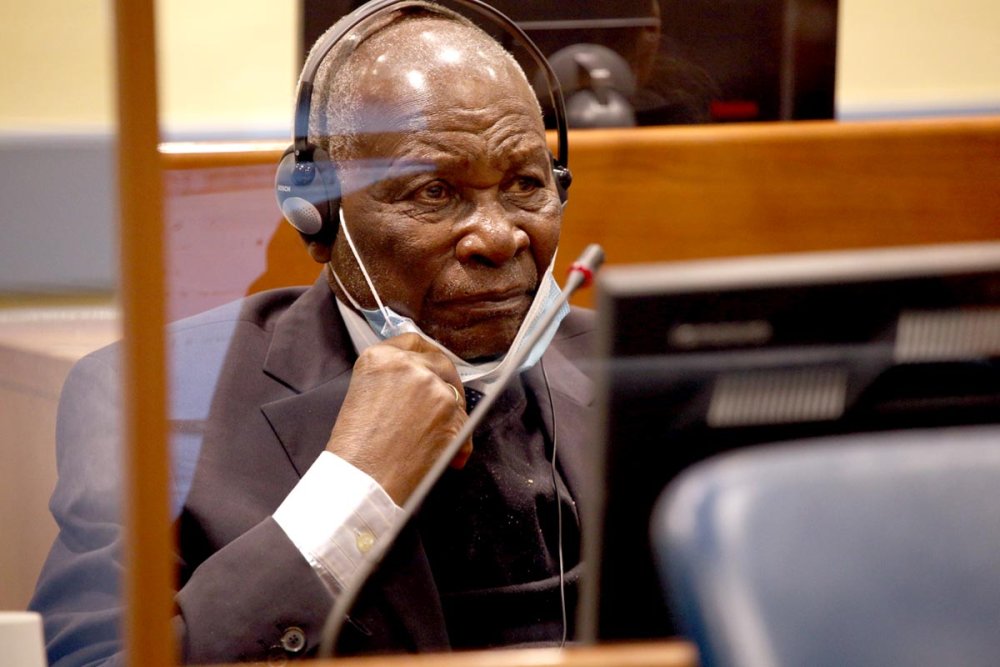
Kabuga was arrested in France in May 2020 after spending 26 years evading justice over allegations linked to the genocide. During his years in hiding, he reportedly benefited from protection networks in several Western countries.
After a $5 million reward was announced for information leading to his arrest, Kabuga took extensive measures to silence anyone suspected of revealing his whereabouts.
Following his death, genocide survivors’ umbrella organisation IBUKA said the crimes attributed to Kabuga had not died with him, stressing that survivors should still receive justice, particularly through compensation claims.
Born in what is now Mukarange Sector in Gicumbi District, Kabuga began as a small-scale trader before building a vast business empire through cross-border trade and smuggling goods from Uganda into Rwanda. He later relocated to Kigali, where he became one of the country’s wealthiest businessmen.
‘Interahamwe trained at Kabuga’s residence’
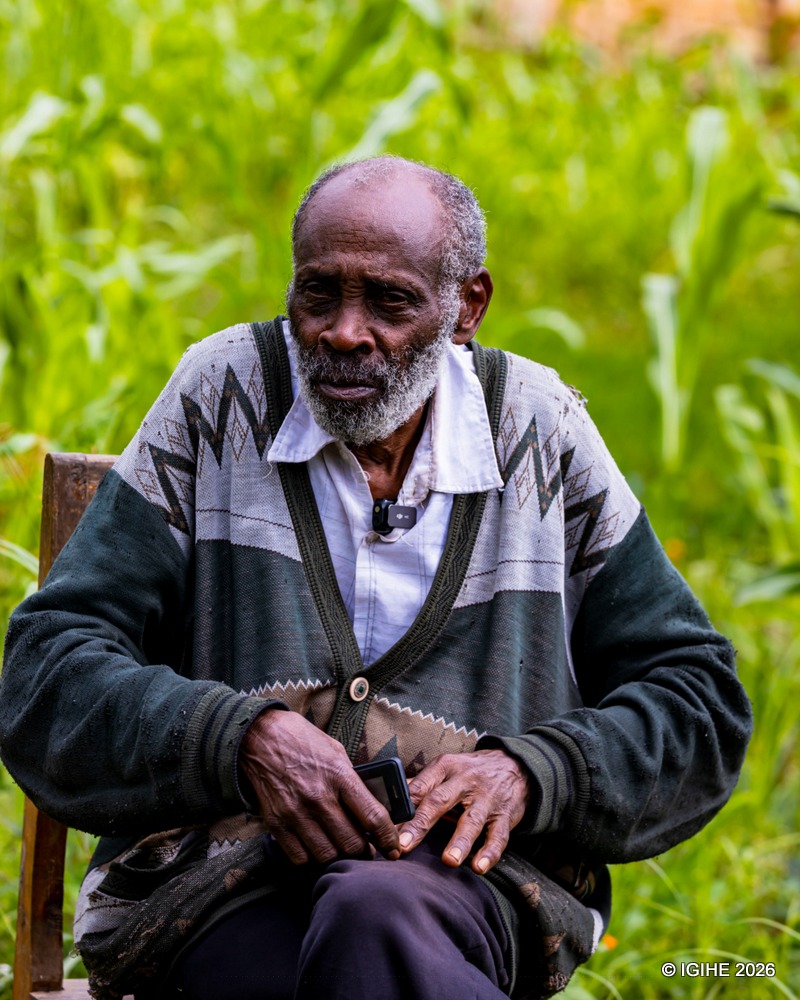
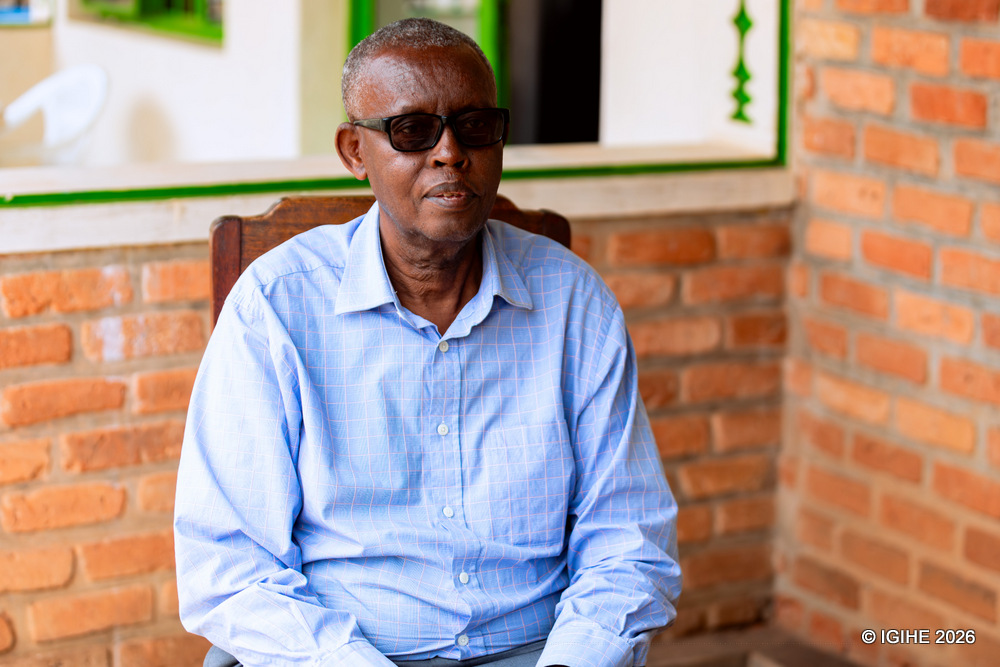
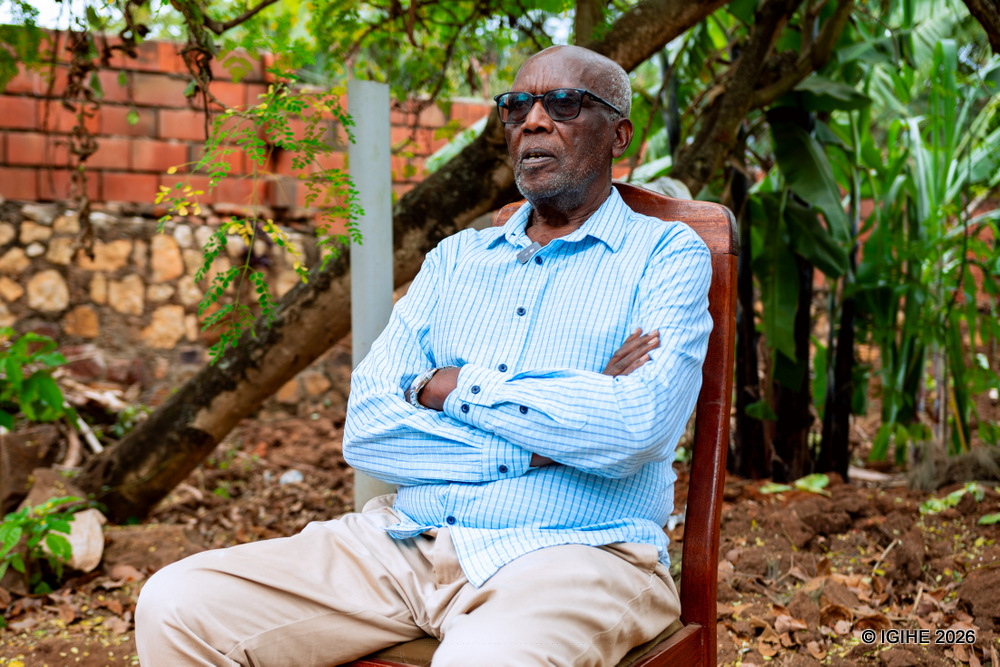
Pierre Zukuriza, 68, a longtime resident of Kimironko and current president of IBUKA in Gasabo District, said he was once Kabuga’s neighbour before the genocide.
Speaking to IGIHE, Zukuriza said Kabuga initially appeared to be an ordinary businessman but later became deeply involved in extremist activities.
“His compound covered more than a hectare,” Zukuriza said. “It was there that Interahamwe militias from Kimironko and surrounding areas were trained on how to kill Tutsi. They conducted drills and meetings there, and they openly spoke about it.”
According to him, militia members received items such as cooking oil and soap as payment, which they sold to buy alcohol.
Zukuriza said many Interahamwe members in Kimironko were poor and initially lacked even the means to buy machetes. However, after President Juvénal Habyarimana’s plane crash on April 6, 1994, militias trained at Kabuga’s home appeared in the streets armed with machetes, axes and clubs while openly declaring plans to kill Tutsi.
Another former Kimironko resident, Pierre Celestin Sinderibuye, described Kabuga’s residence as a feared location guarded by groups of young men brought from Byumba.
He said the men intimidated residents passing near the property and were often paid with goods that they sold to purchase alcohol before publicly boasting about killing Tutsi.
Sinderibuye added that many of the men living at Kabuga’s residence used aliases, making it difficult to identify and prosecute them today for their alleged role in the genocide.
‘We held meetings at Kabuga’s home’
Kabuga’s role in the genocide was also reinforced by testimony from Grégoire Nyirimanzi, who is serving a sentence at Nyarugenge Prison in Mageragere for genocide-related crimes.
Nyirimanzi, a former councillor in Nyakabanda Sector, admitted to mobilising youth for weapons training and distributing arms used during the killings.
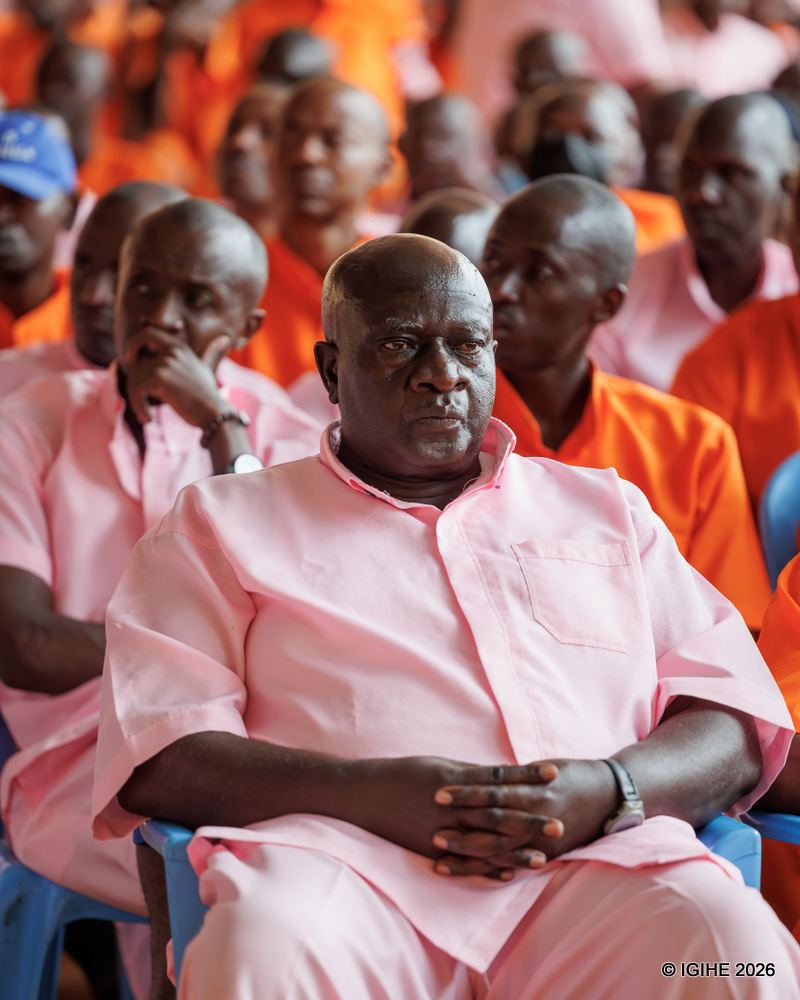
In an interview with IGIHE in April 2026, before Kabuga’s death, Nyirimanzi said several meetings were held at Kabuga’s properties and that Kabuga actively supported Interahamwe militias.
“It is not true that accusations against Kabuga were fabricated,” Nyirimanzi said. “We held meetings at his home in Muhima, and he personally attended those meetings. We also met in Rebero, where he assured us of any support we would need.”
Nyirimanzi said those speaking about Kabuga were motivated by the need for truth and accountability rather than personal disputes.
He further alleged that Kabuga pledged logistical and financial support for the campaign against Tutsi.
“At one of the meetings, Mathieu Ngirumpatse was present,” he said. “Kabuga assured us that he would support us in every possible way.”
Nyirimanzi also claimed Kabuga financed food supplies for Interahamwe groups, particularly those operating within the Nyamirambo Brigade.
Close ties with President Habyarimana
Zukuriza said Kabuga maintained exceptionally close relations with former President Juvénal Habyarimana, arguing that the relationship helped facilitate coordination among key figures involved in the genocide.
“He was closely connected to President Habyarimana because they became family,” he said. “Habyarimana’s son Jean Pierre married Kabuga’s daughter.”
He added that another son of Habyarimana also married another of Kabuga’s daughters, which he described as evidence of a deep alliance between the two families.
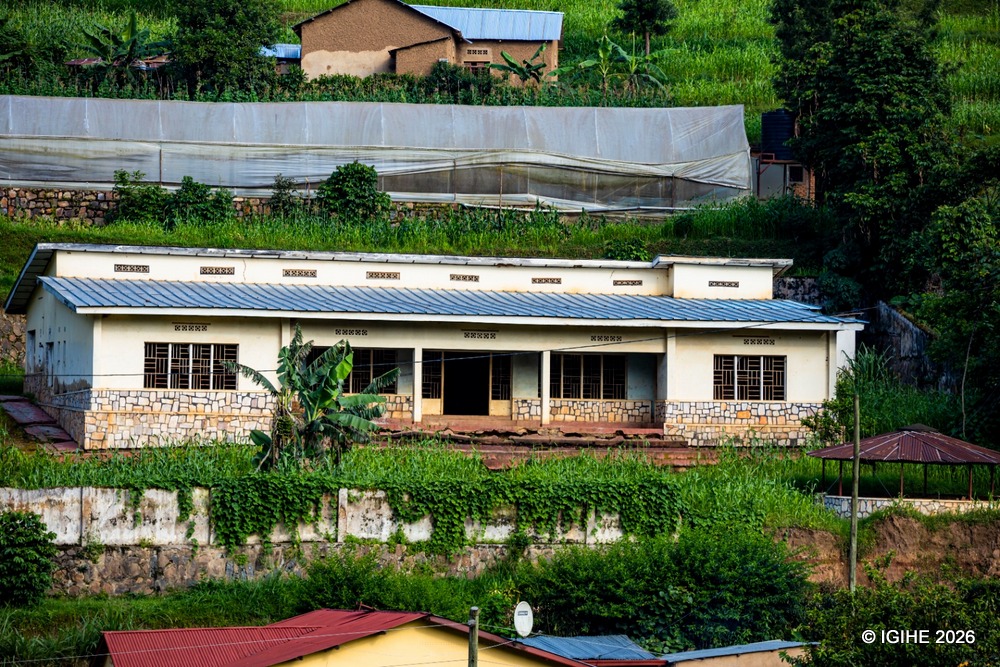
Zukuriza further argued that despite Kabuga’s death, survivors should still receive compensation from properties linked to him in areas including Kimironko, Muhima, Kimihurura and Byumba.
Kabuga among RTLM founders
Radio Télévision Libre des Mille Collines (RTLM), established on July 8, 1993, played a central role in spreading hate propaganda and inciting violence during the Genocide against the Tutsi between April and July 1994.
The station operated from premises located in what is now Kigali’s Car-Free Zone and reportedly benefited from electricity supplied directly from the presidential office, ensuring uninterrupted broadcasts.
RTLM was founded by a group led by Dr Ferdinand Nahimana, one of Rwanda’s prominent intellectuals at the time.
Nahimana drafted the initial proposal for the station, while Kabuga chaired RTLM’s founding committee.
Other members included Joseph Serugendo, Ephrem Ntezabera and Jean
Bosco Barayagwiza, while President Habyarimana was reportedly among the station’s principal shareholders.
Additional shareholders included Kabuga, Philippe Basabose and several senior government officials of the time.
RTLM also worked closely with Rwanda’s former state information office, ORINFOR, with many of its journalists coming from the state broadcaster.
Leave a Reply