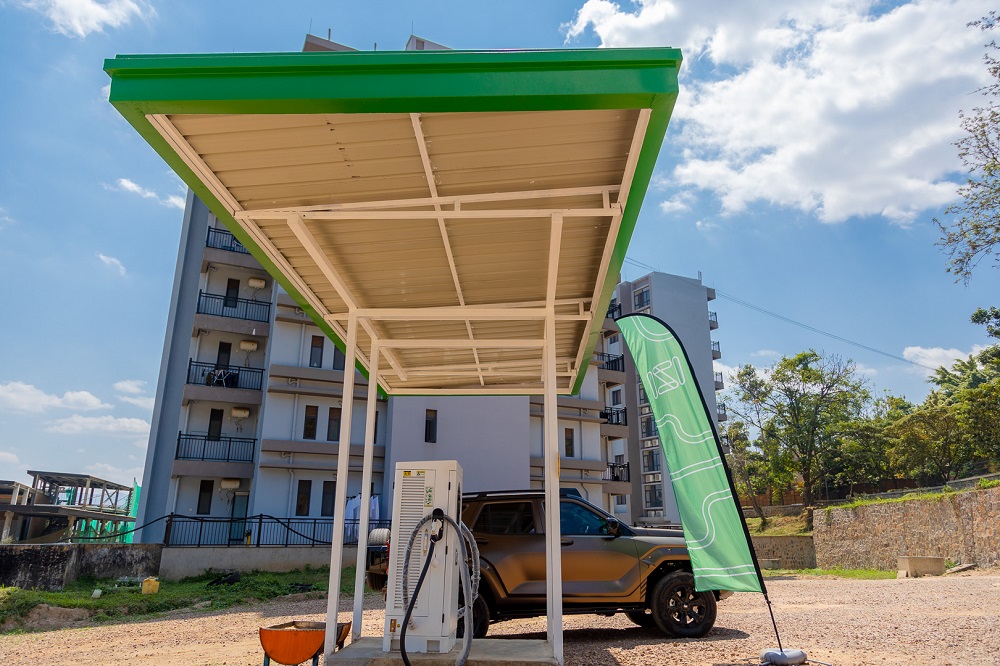
The move is intended to expand the charging network across the country and make it easier for electric vehicle owners to travel without worrying about where to recharge.
Rwanda is expected to have 218 electric vehicle charging stations by 2027.
Byiringiro Alfred, Chief Technical Advisor for Transport at MININFRA, said the government has already identified priority locations for charging infrastructure and will work with private investors to develop the sites.
He made the remarks at the Renewable Energy for Sustainable Growth (RE4SG) 2026 in Kigali.
“Some areas may not offer enough commercial returns to attract private investment in electric vehicle charging infrastructure. In such cases, the government needs to support private investors and may also invest directly to ensure the necessary facilities are built,” Byiringiro said.
He said a reliable charging network was essential to the wider adoption of electric vehicles.
“You cannot promote electric mobility without adequate charging infrastructure. It is essential to have that infrastructure in place,” he said.
The government has already supported the sector by helping investors access land for charging stations and providing tax incentives.
Since 2021, Rwanda has introduced a range of measures to encourage the adoption of electric vehicles, including reducing or removing some taxes on electric vehicles and related equipment.
MININFRA is also working on standards for electric vehicles and charging equipment to ensure that products entering the Rwandan market meet required quality and durability standards.
“We need appropriate standards for both vehicles and charging infrastructure to ensure that people who buy electric vehicles can use them for many years rather than having them last only one or two years,” Byiringiro said.
More than 7,000 electric vehicles had been registered in Rwanda by the end of 2024, following their introduction to the country in 2020.
Rwanda plans to fund EV charging stations in areas with limited private investment.
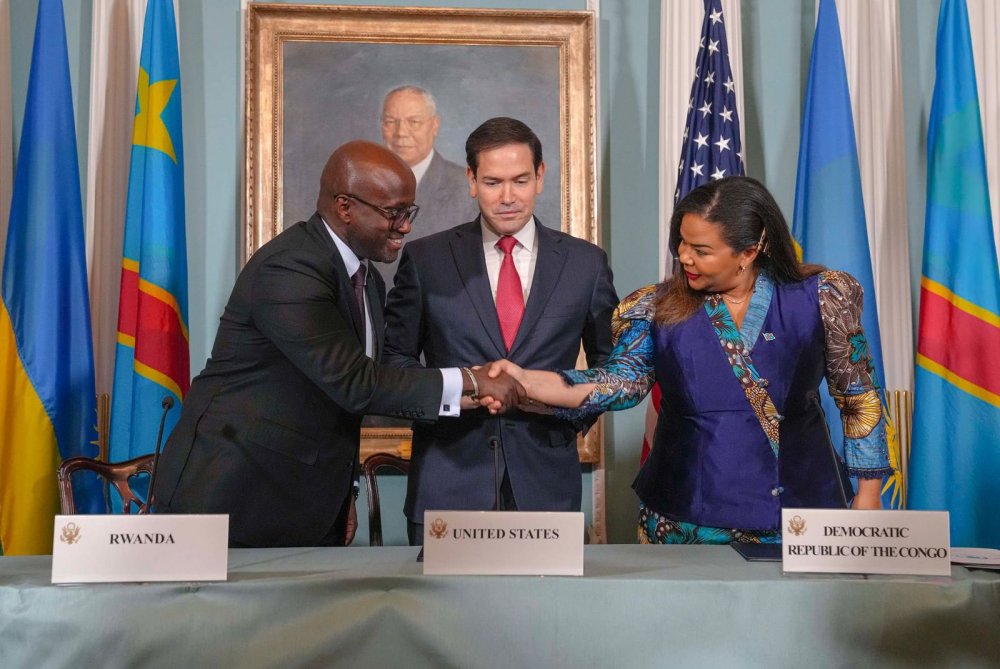
The two-day meeting will bring together members of the Joint Security Coordination Mechanism (JSCM), a body established to coordinate and monitor the implementation of the parties’ security commitments.
The talks will also be attended by facilitators including the United States, Qatar, Togo and the African Union Commission.
The meeting comes as fighting continues in eastern DRC, while some key provisions of the peace agreement have yet to be fully implemented.
The Rwanda-DRC peace agreement was signed in Washington on June 27, 2025, and was later reinforced by the Washington Accords for Peace and Prosperity signed on December 4.
Among the key commitments is the complete dismantling of the Democratic Forces for the Liberation of Rwanda (FDLR) by the DRC, while Rwanda is expected to lift its defensive measures in line with progress on that commitment.
The FDLR is expected to remain a major issue in the Geneva talks. Rwanda has repeatedly accused the DRC of supporting, arming and cooperating with the group.
On July 28, the DRC government said part of the FDLR terrorist group had agreed to a process involving disarmament, demobilisation and relocation to designated sites. Kinshasa presented the move as progress towards fulfilling its commitments.
Rwanda, however, rejected the approach, arguing that the Washington agreement requires the complete dismantling of the FDLR rather than negotiations with the group.
Meanwhile, fighting between the DRC army, FARDC, and M23 has continued in North and South Kivu. M23 captured several areas in 2025, including Goma and Bukavu.
The September talks will follow the sixth JSCM meeting held in Geneva on August 12 and 13, where both sides agreed to strengthen mechanisms for monitoring and verifying implementation of the Washington agreement.
Delegations from Rwanda and the Democratic Republic of Congo are expected to meet in Geneva, Switzerland, on September 16 and 17, 2026, for talks on the implementation of the Washington peace agreement.
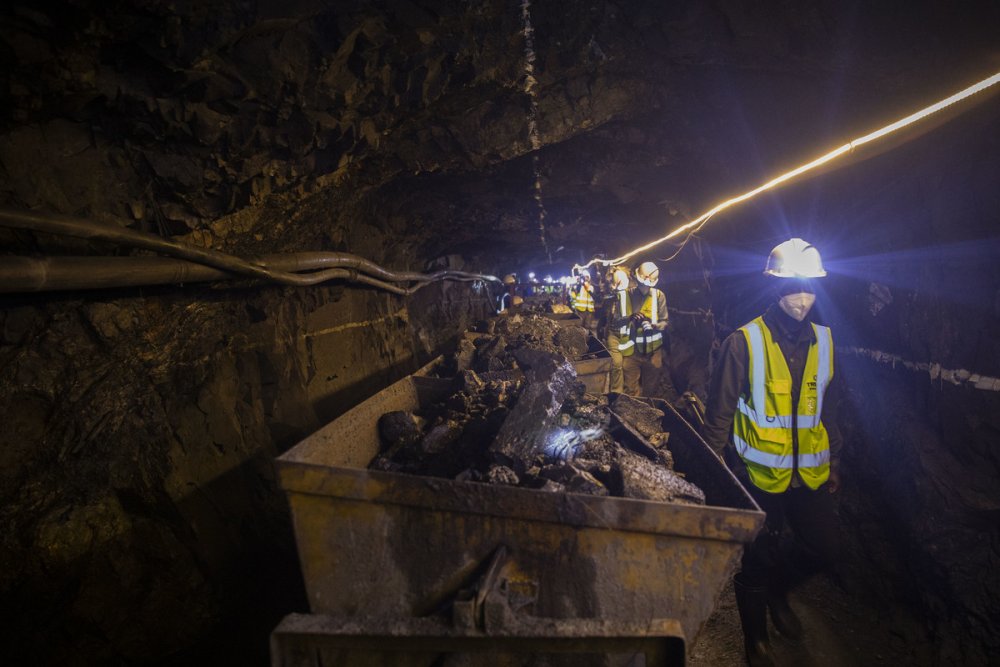
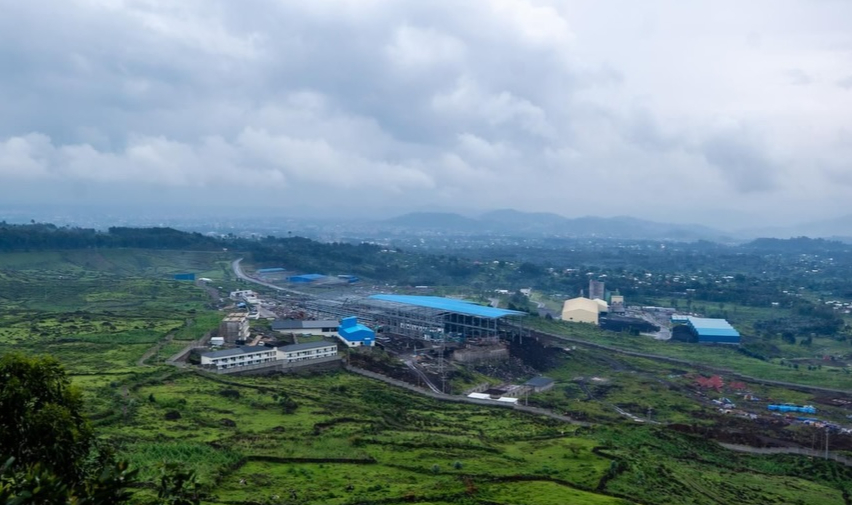
Under the agreement, the government will receive a 25% stake in Almonty Rwanda Pty Ltd in exchange for contributing the Shyorongi tungsten exploration concession and a mineral processing licence, while Almonty will hold the remaining 75%.
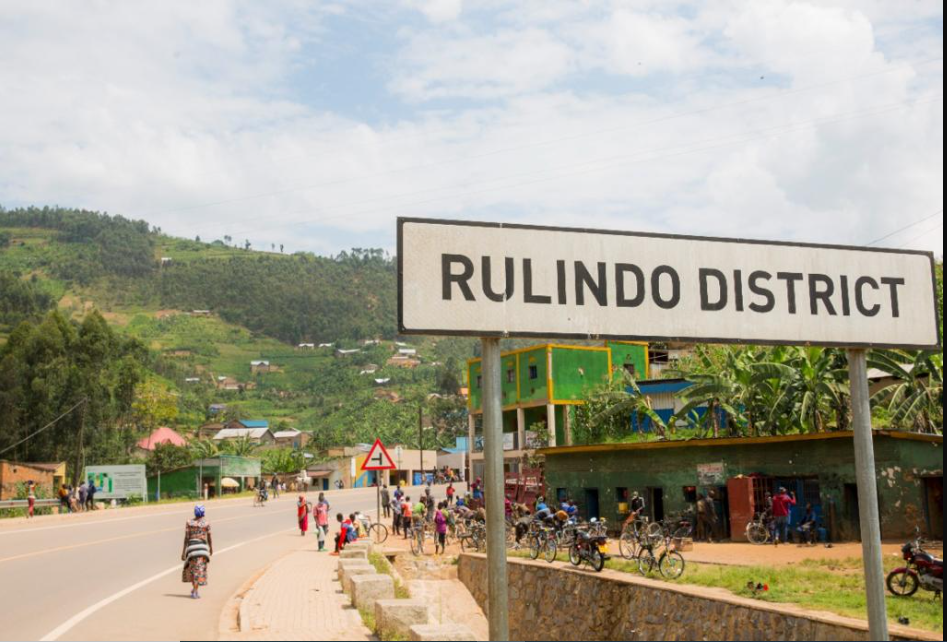
The Shyorongi exploration block covers approximately 32 square kilometres in Rulindo District, Northern Province.
The partnership will initially allow Almonty Rwanda to acquire ore, pre-concentrate and panning tailings from Rwandan mining licence holders, including small-scale operators, for upgrading and sale. The company also plans to use a mobile processing unit near existing tailings dams before establishing a collection and processing plant in Rwanda.
Almonty Chairman, President and CEO Lewis Black said the arrangement would allow the company to work with material already being produced in Rwanda.
“The most immediate opportunity here is the material that is already being produced. Rwanda’s small-scale license holders are producing ore, pre-concentrate and panning tailings today, and this agreement allows us to collect, upgrade and export that material while we build out the collection and processing plant,” he said.
Black said the company would combine Rwanda’s existing production with modern processing, traceability and exploration.
Rwanda Mining Board CEO Alice Uwase said the partnership would contribute to the transformation of the country’s tungsten industry.
“Rwanda is pleased to welcome Almonty as a strategic partner in the development of our tungsten industry. This investment will help to transform our mining sector by introducing world-class processing infrastructure, international standards for environmental and social governance, and a comprehensive training program to develop Rwandan talent,” she said.
Almonty Industries is an international company focused on the mining, processing and trading of tungsten. It is particularly known for taking over underperforming mines or mining projects and upgrading them to improve their operations. The company has projects in South Korea, Portugal and Spain.
Almonty was previously headquartered in Toronto, Canada, but relocated its headquarters to Dillon, United States, in April 2026.
The company is also listed on the Nasdaq stock exchange, one of the world’s major financial markets.
Tungsten is a mineral used to produce hard metals for applications in construction, aircraft, tanks, spacecraft, firearms and ammunition.
The Rwanda Mines, Petroleum and Gas Board (RMB) indicates that Rwanda exports at least 24 tonnes of tungsten every week.
Tungsten is one of the minerals found in significant quantities in Rwanda. The country has a geological zone known as the Tungsten Belt, which stretches from Mageragere in Kigali City through Rulindo and continues to Gifurwe and Bugarama in Burera District.
Rwanda has joined Almonty in new tungsten exploration venture.
The fire started at around 11 a.m. on September 14, and spread through sugarcane fields in Ngona and Rwahi villages, Rwahi Cell, Shyorongi Sector.
Police said its firefighting vehicles, working alongside local residents, helped extinguish the blaze.
CIP Ignace Ngirabakunzi, Police spokesperson for the Northern Province, told IGIHE that the fire was contained through joint efforts involving Police, other authorities and residents.
“The fire was extinguished through the joint efforts of the Police, other institutions and residents,” he said.
CIP Ngirabakunzi said the cause of the fire had not yet been established, as investigations were still underway.
He urged residents to exercise caution around potential sources of fire, particularly during the dry season when vegetation and other materials can easily catch fire.
“People should avoid anything that could cause fires, especially negligence, particularly at a time when many things are dry. When they catch fire, it can be difficult to put it out, resulting in extensive damage. People should therefore be careful when handling fire, as this will help prevent fires,” he said.
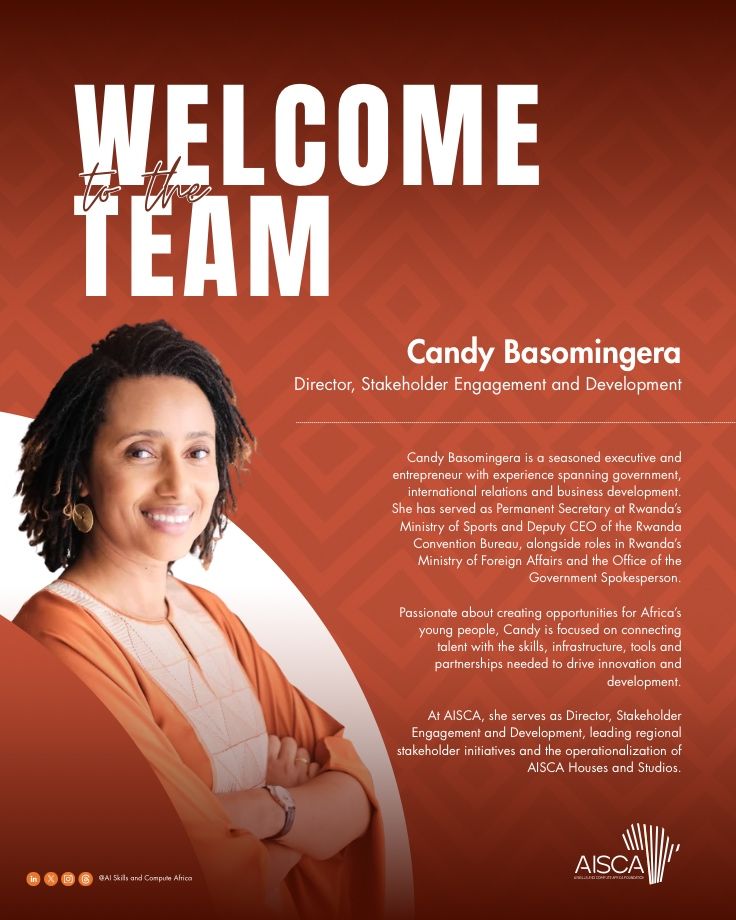
The Kigali-based foundation announced the appointment on Monday, September 14, alongside that of Scovia Achan, who joined as a machine learning engineer.
Basomingera will oversee regional stakeholder initiatives and help operationalise AISCA’s Houses and Studios, which are intended to connect African talent with computing resources, skills and opportunities to develop artificial intelligence solutions.
According to the foundation, she brings experience in government, international relations and business development. She served as Permanent Secretary at the Ministry of Sports from July 2025 to July 2026, after previously serving as Deputy Chief Executive Officer of the Rwanda Convention Bureau.
AISCA officially launched its headquarters in Kigali on May 14, 2026, with a focus on expanding access to AI skills and computing infrastructure across Africa.
The foundation’s Board of Trustees is chaired by former Agriculture Minister Dr. Agnes Kalibata.
AISCA says it aims to support 25,000 projects, 10,000 researchers and equip 1.5 million people with AI-related skills, while contributing to up to one million jobs by 2036.
Its partners include Cassava Technologies, the African Institute for Mathematical Sciences and DC Labs.
Candy Basomingera has been appointed Director of Stakeholder Engagement and Development at the AI Skills and Compute Africa Foundation (AISCA).
In a tender notice seen by IGIHE, the Ministry of Trade and Industry (MINICOM) said the planned facility will exclusively serve industries operating within Musanze Industrial Park, providing storage, customs clearance and warehousing services.
The government is offering a lease over 12,635.96 square metres of land within the industrial park to a qualified private investor who will be responsible for financing, developing, constructing, operating and maintaining the facility.
The investor will also be expected to provide plans for expanding and further developing the facility as demand grows.
According to MINICOM, industries operating in Musanze Industrial Park imported approximately 6,680 tonnes of raw materials between January and June 2026.
“The volume of imported raw materials demonstrates the need for a Customs Bonded Warehouse to facilitate efficient storage, customs clearance, and warehousing within the Industrial Park supply chain management system,” the ministry said.
A customs bonded warehouse allows imported goods to be stored under customs control before duties and taxes are paid, subject to applicable regulations. The facility is expected to support industries by improving access to raw materials and streamlining their logistics operations.
MINICOM said the selection of the private investor will be conducted through a competitive bidding process in line with Rwandan law and international best practices.
Interested investors are required to demonstrate the technical and financial capacity to develop and operate the facility.
The ministry is also seeking investors capable of supporting the future expansion of the facility, with bidders required to provide details of their proposed development plans.
A mandatory field visit has been scheduled for September 25, 2026, at 11am. Interested investors will depart from the Musanze District One Stop Centre.
The deadline for submitting bids is October 28, 2026, at 5pm local time.
MINICOM said bidding documents and Terms of Reference will be made available through its website, while inquiries can be directed to the ministry.
The Ministry of Trade and Industry (MINICOM) said the planned facility will exclusively serve industries operating within Musanze Industrial Park, providing storage, customs clearance and warehousing services.
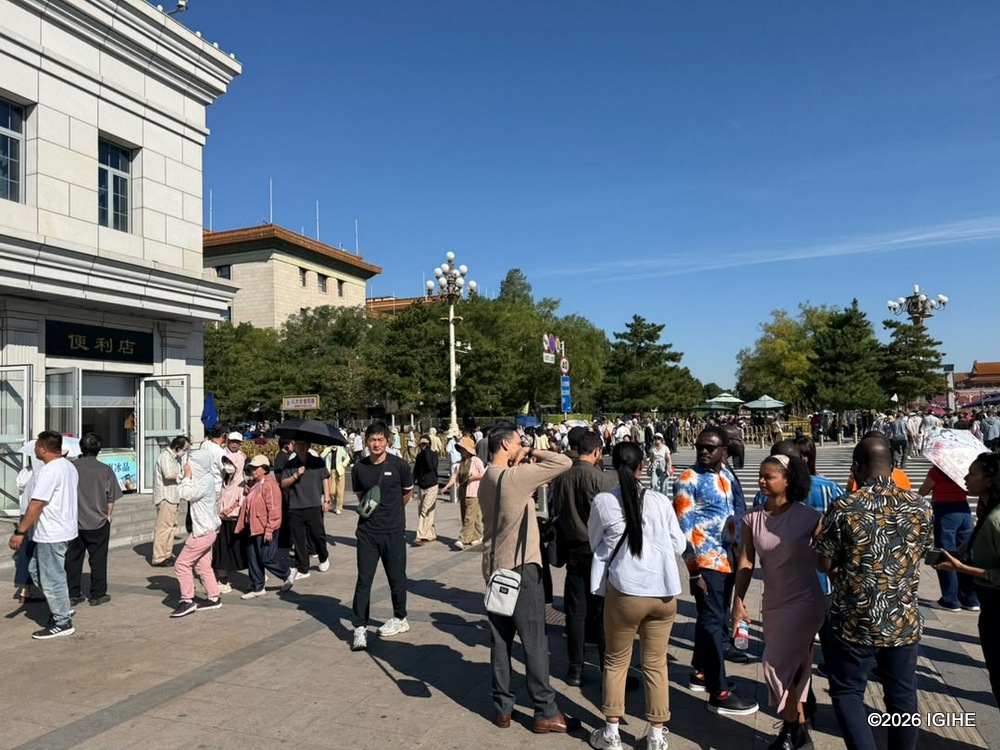
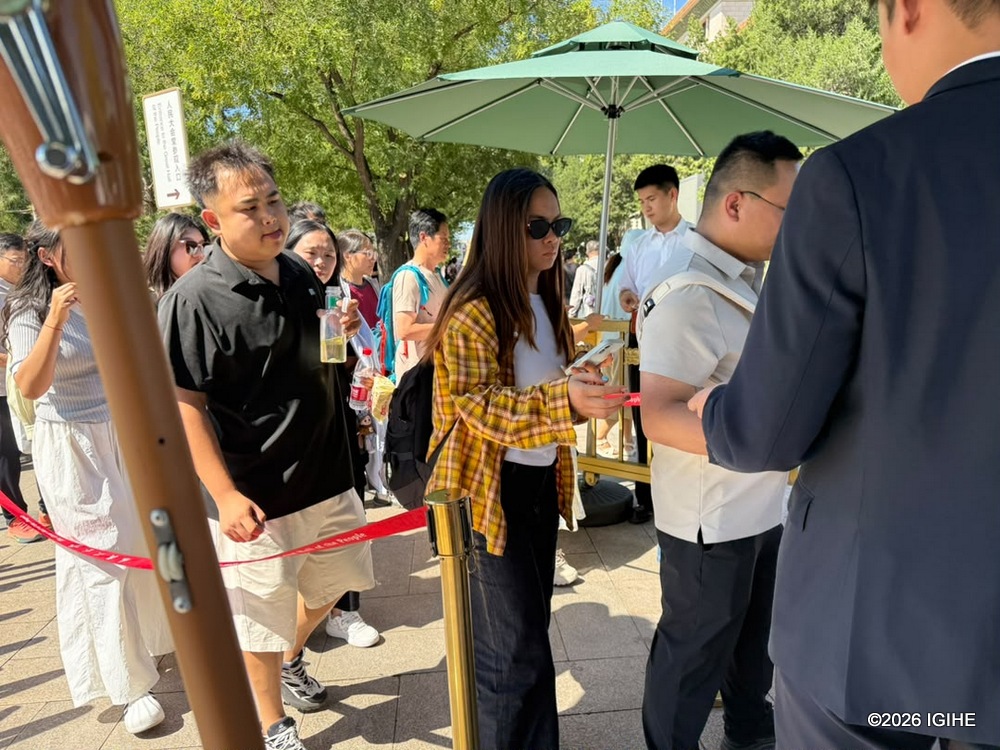
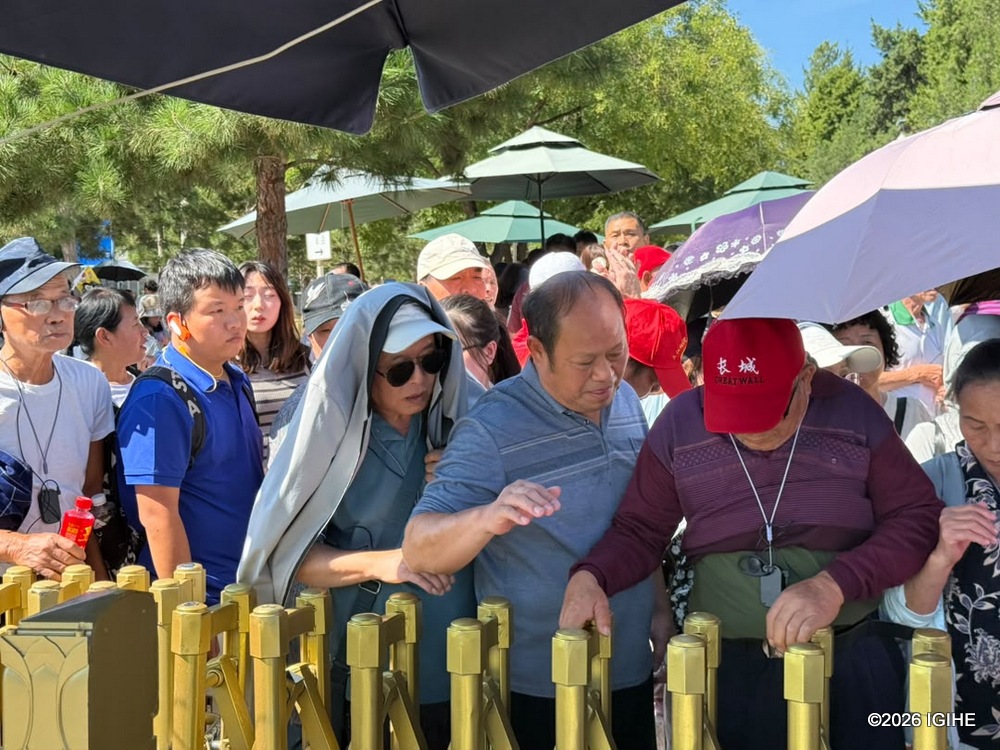
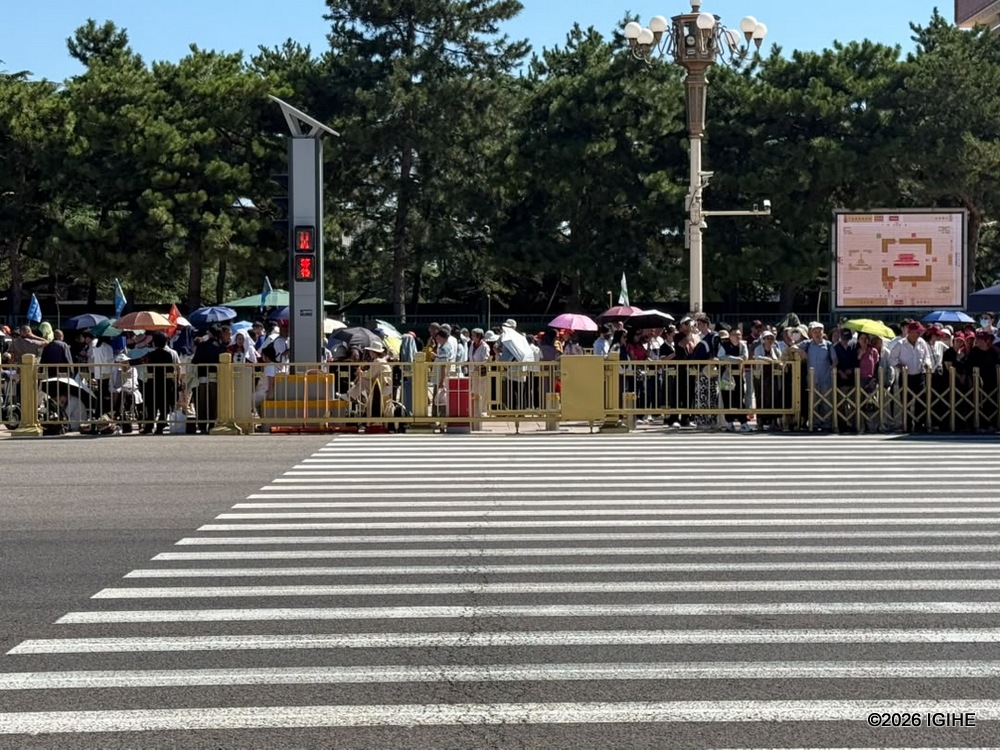
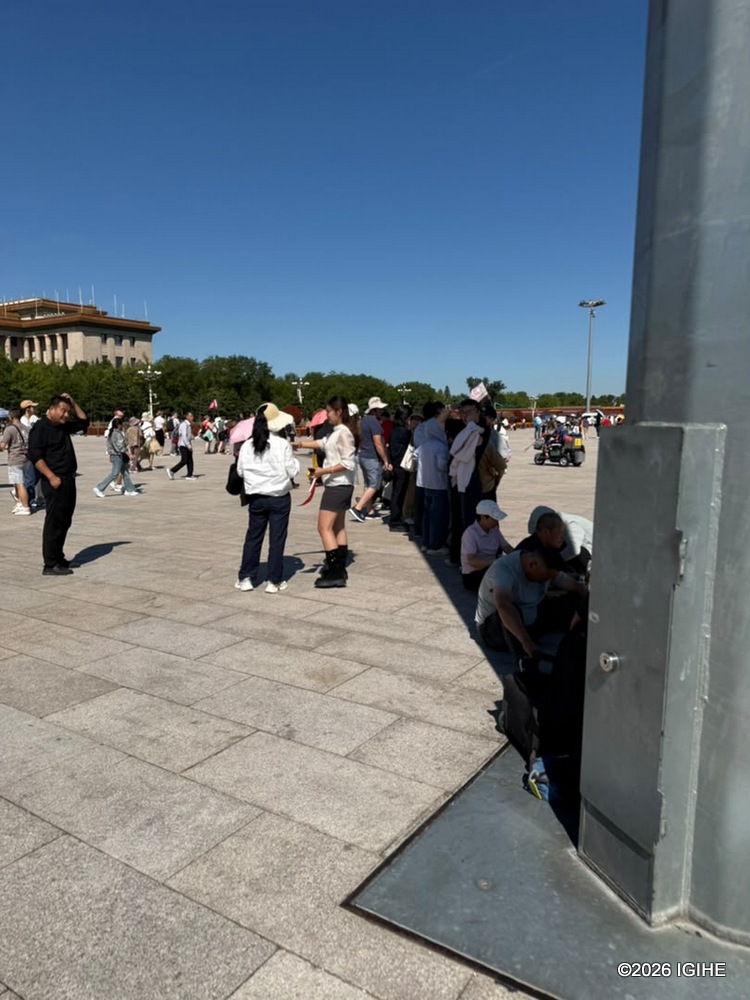
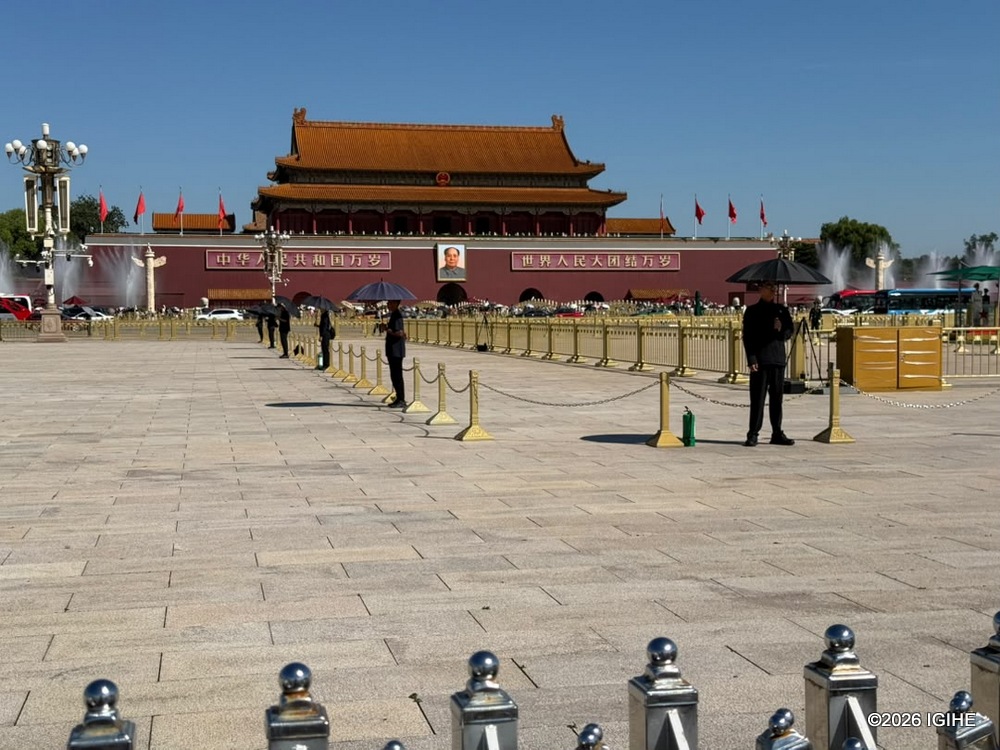
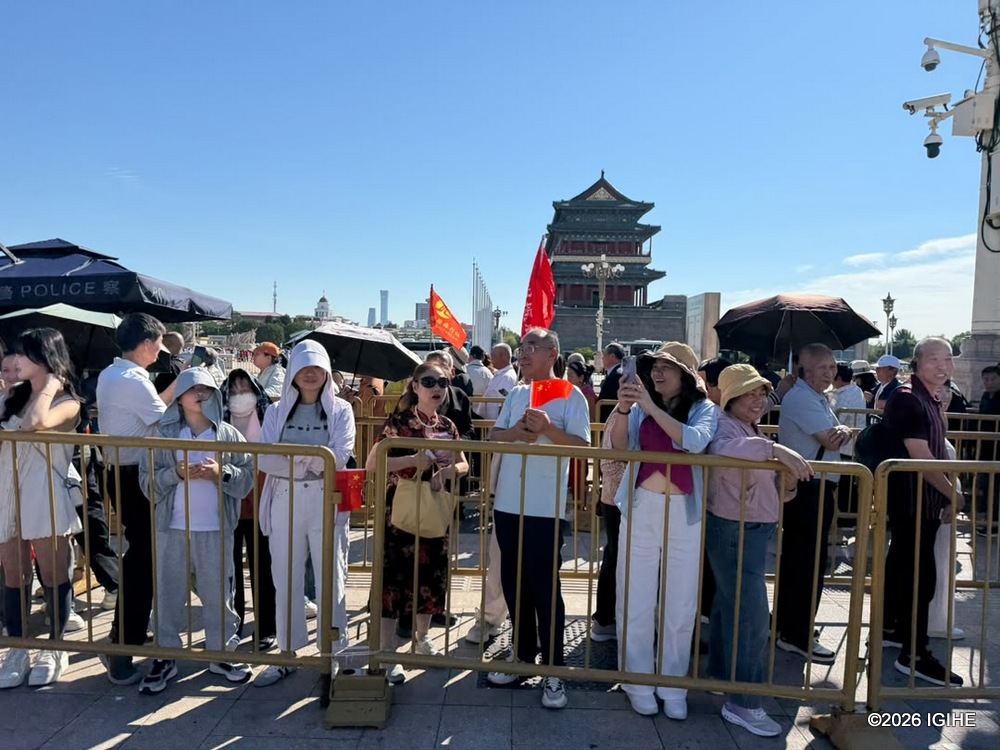
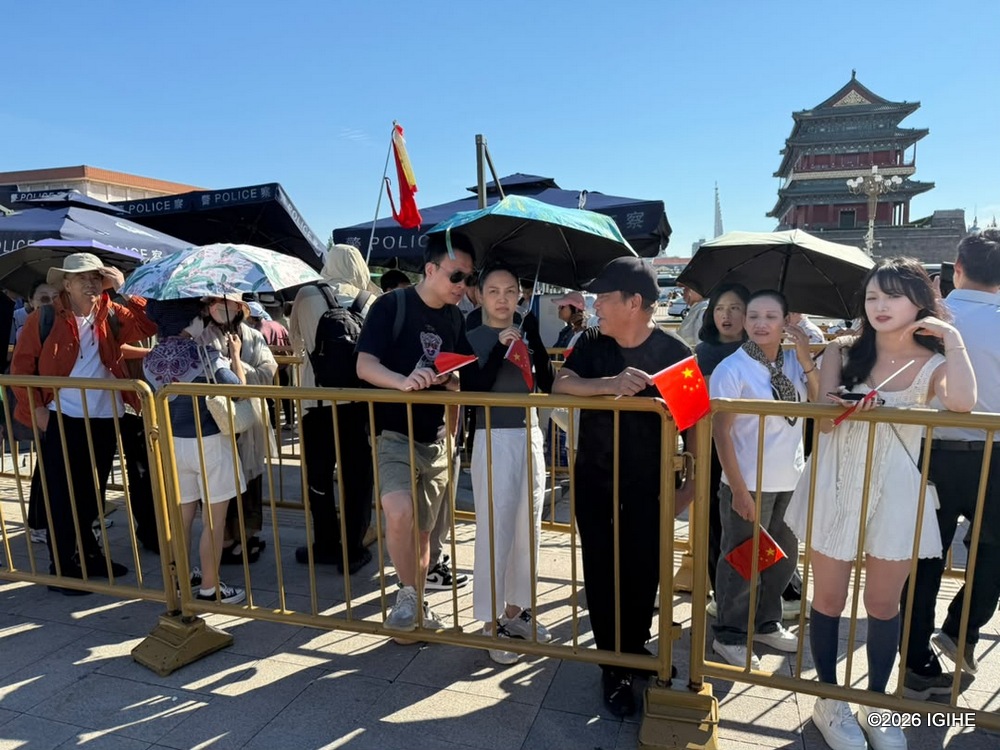
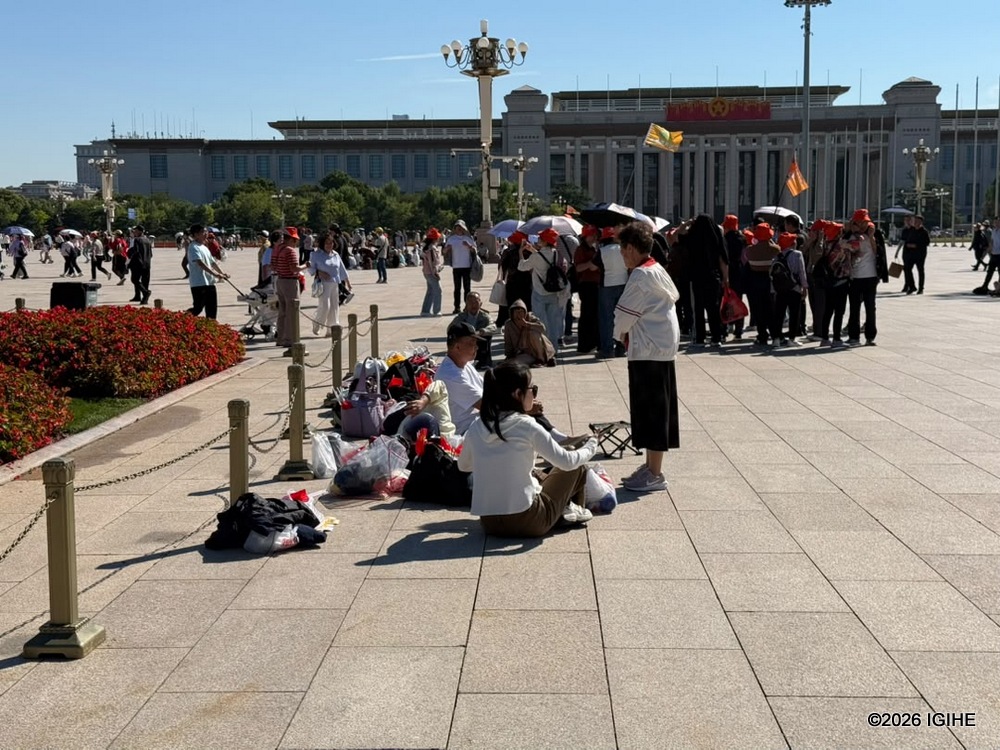
Soldiers and uniformed guards stand around the entrances, a reminder that this is not simply a tourist attraction but one of China’s most carefully protected national and ceremonial sites.
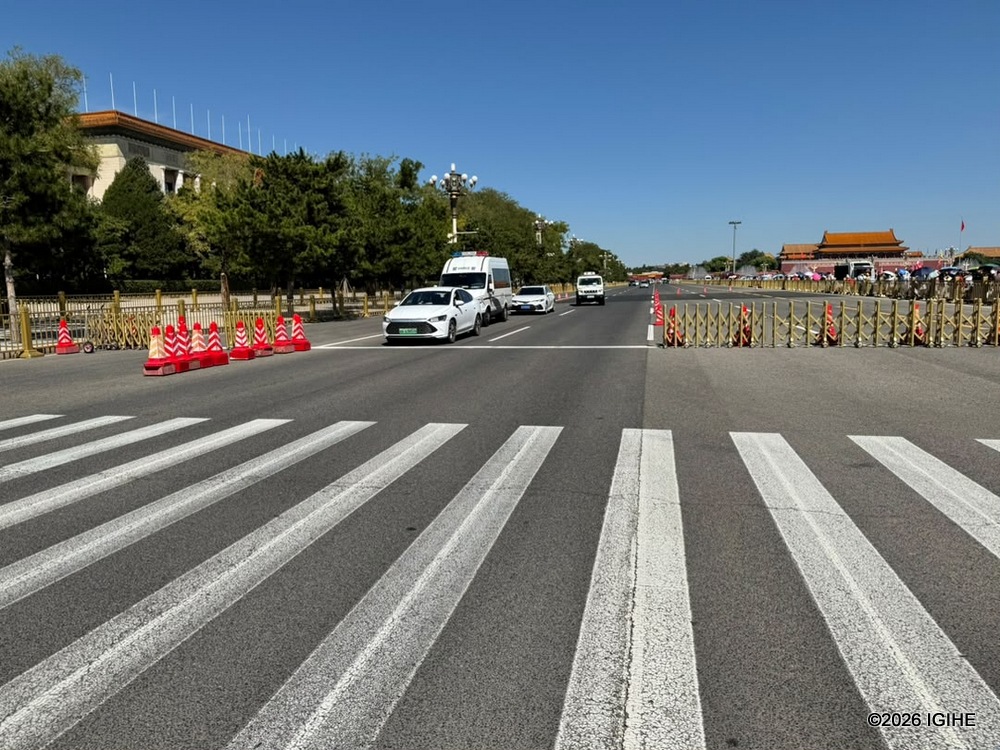
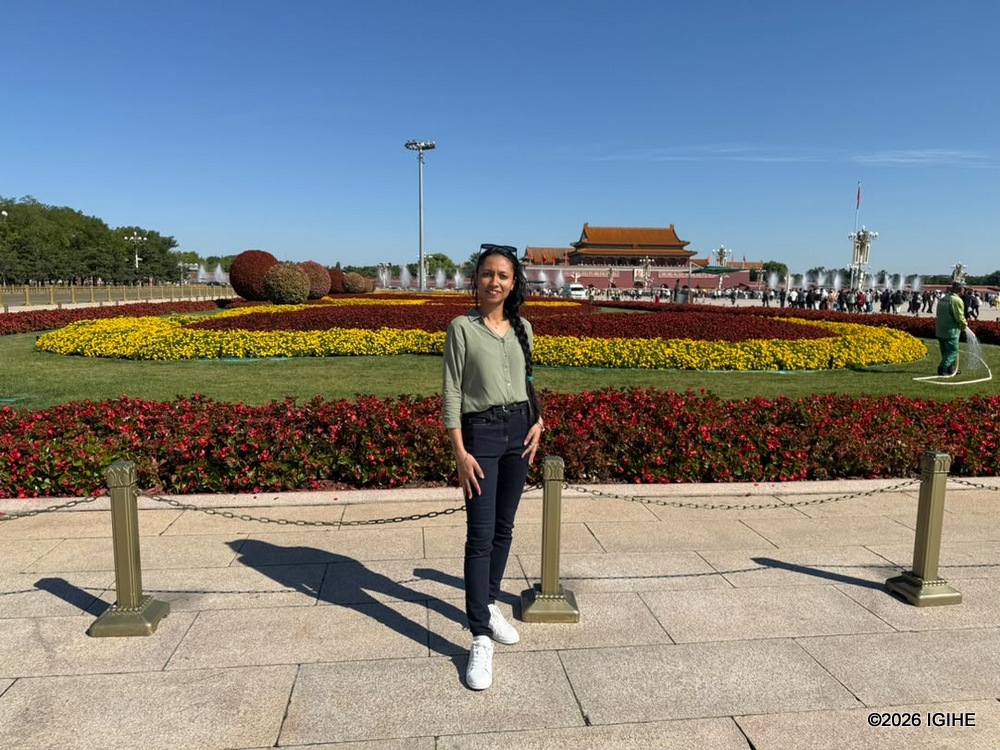
Located in central Beijing, Tiananmen Square forms part of the city’s historic north–south Central Axis. Tiananmen Gate, or the Gate of Heavenly Peace, stands to the north, with the Forbidden City directly behind it. Zhengyangmen, commonly known as Qianmen, marks the southern end, while the National Museum of China and the Great Hall of the People occupy the eastern and western sides respectively.
The square measures about 880 metres from north to south and 500 metres from east to west, covering approximately 440,000 square metres. It can accommodate about one million people during a major gathering.
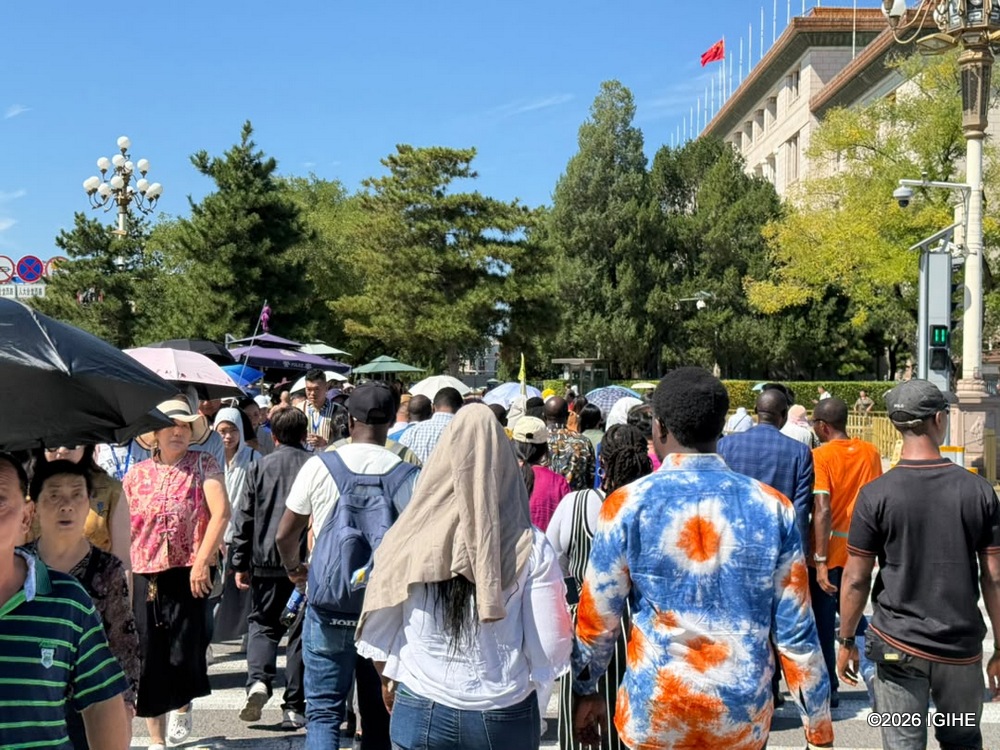
Its scale is matched by the number of visitors. The official 2024 annual report of the Tiananmen Area Management Committee recorded more than 57 million visits by Chinese and foreign tourists during the year. The figure covers the wider Tiananmen area rather than the paved square alone. Visitors must also make a reservation before entering, according to current Beijing visitor guidance.
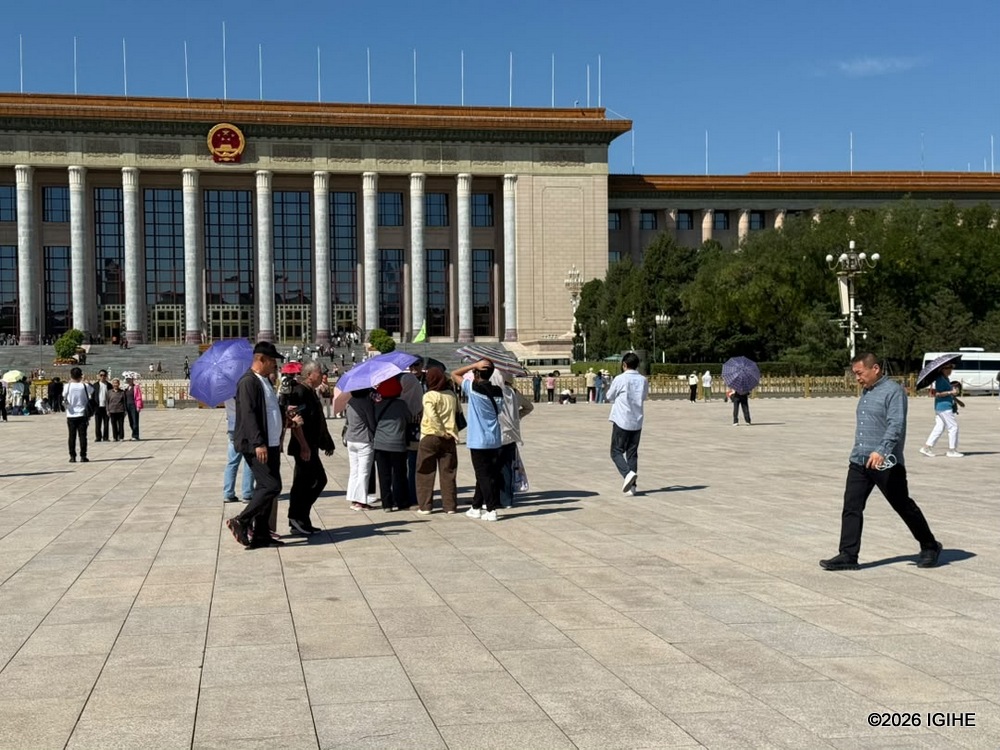
The Great Hall of the People hosts major political, state and diplomatic events in Beijing.
From imperial approach to public square
The history of the site goes back centuries before the establishment of the People’s Republic of China.
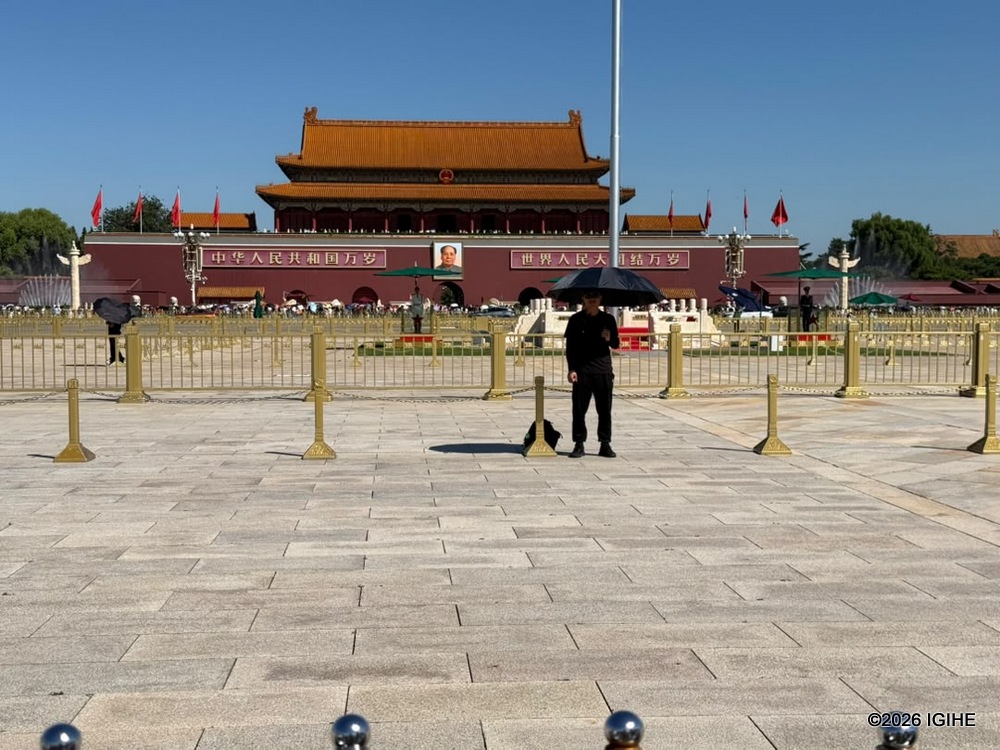
Tiananmen Gate was first built in 1417 during the Ming dynasty and was originally known as Chengtianmen. It was rebuilt in 1651 during the Qing dynasty and received its present name, Tiananmen, meaning “Gate of Heavenly Peace”.
For centuries, it formed part of the Imperial City and served as an important entrance to the Forbidden City, where Chinese emperors lived and governed. The area was then an imperial approach surrounded by gates, offices and ceremonial buildings rather than the open public square seen today.
Major changes came in the twentieth century. The Gate of China was demolished in 1954, while construction between 1958 and 1959 created the broad modern plaza. The Great Hall of the People and buildings that later became the National Museum of China were also constructed during this period.
Tiananmen Gate took on a new role in modern Chinese history on October 1, 1949, when Mao Zedong announced the establishment of the People’s Republic of China from its balcony before a large crowd.
The gate has five doorways and seven bridges, reflecting its imperial history. In front of it stand marble lions and two Huabiao, or ceremonial stone columns, decorated with dragons and clouds.
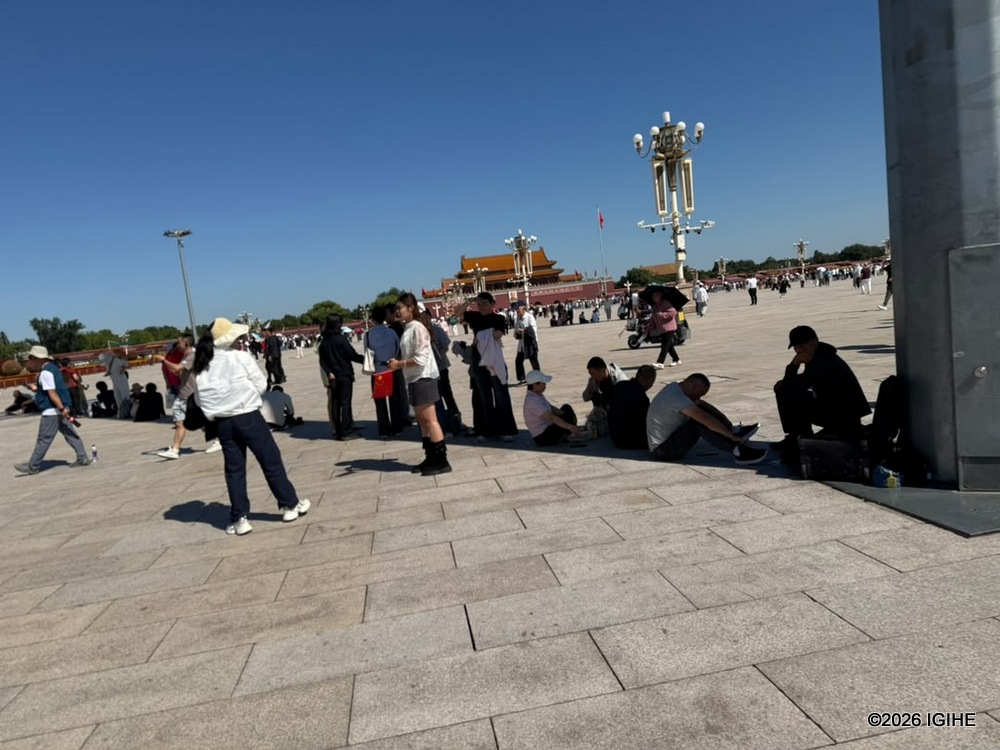
The national flagpole at the northern end continues the square’s ceremonial role. Every day, the Chinese flag is raised around sunrise and lowered around sunset, attracting visitors who arrive early to watch the ceremony.
Tiananmen Square forms part of Beijing’s historic north–south Central Axis.
The landmarks around the square
On the western side, the Great Hall of the People hosts meetings of the National People’s Congress, China’s highest legislative body. It is also used for major political, state and diplomatic events and the National Congress of the Chinese Communist Party.
The building includes a Great Auditorium with around 10,000 seats and a large banquet hall.
On the eastern side, the National Museum of China connects the square to China’s ancient civilisation and cultural heritage.
According to the museum’s official information, it has a construction area of about 200,000 square metres, more than 1.4 million objects and 48 exhibition halls. Its collections include archaeological discoveries, works of art, rare books and other objects from China’s long history.
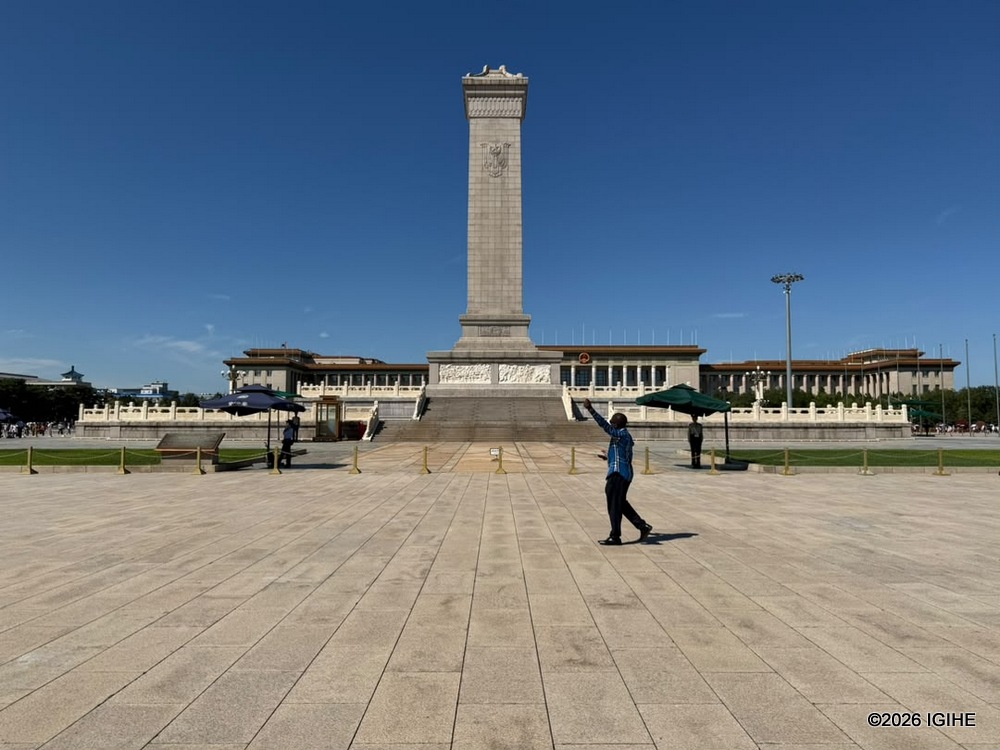
At the centre stands the Monument to the People’s Heroes, a 37.94-metre obelisk built between 1952 and 1958. Its base contains reliefs depicting important episodes in China’s revolutionary history. During national ceremonies, leaders and other important guests lay flowers or wreaths there to honour the country’s heroes and martyrs.
South of the monument is the Chairman Mao Memorial Hall. Built after Mao’s death in 1976 and completed in 1977, it stands on the former site of the Gate of China. Mao’s preserved body is displayed inside, attracting visitors who come to pay their respects.
Mao was a Chinese revolutionary and Communist Party leader who became the founding leader of the People’s Republic of China. His portrait remains above Tiananmen Gate.
Tiananmen has therefore witnessed imperial ceremonies, the founding of the People’s Republic, national celebrations, public mourning, political protests and major state events.
In 2024, Tiananmen Square and several surrounding historic structures became part of the UNESCO World Heritage property Beijing Central Axis: A Building Ensemble Exhibiting the Ideal Order of the Chinese Capital, recognising the area’s importance to Beijing’s urban development and China’s history.
For visitors, the square offers more than an impressive backdrop for photographs. Within one vast space, its gates, monuments and surrounding buildings provide a glimpse into centuries of Chinese history.
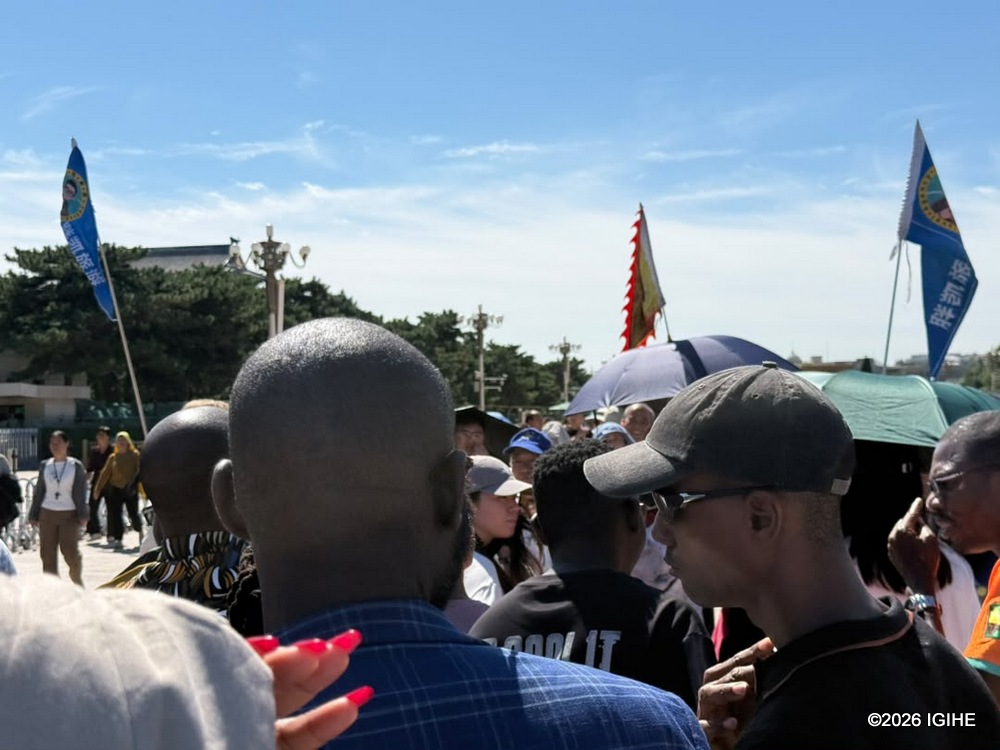
The famous portrait of Mao Zedong overlooks Tiananmen Square from the front of Tiananmen Gate.Visitors walk across Tiananmen Square, one of Beijing’s most prominent historic landmarks.
The incident happened in the wee hours of Monday, September 14, 2026, in Kiryango Village, Nkungu Cell, Munyaga Sector.
Munyaga Sector Executive Secretary Munyentwari Damascene told IGIHE that the four had gone into a forest at night to brew the illicit alcohol for sale.
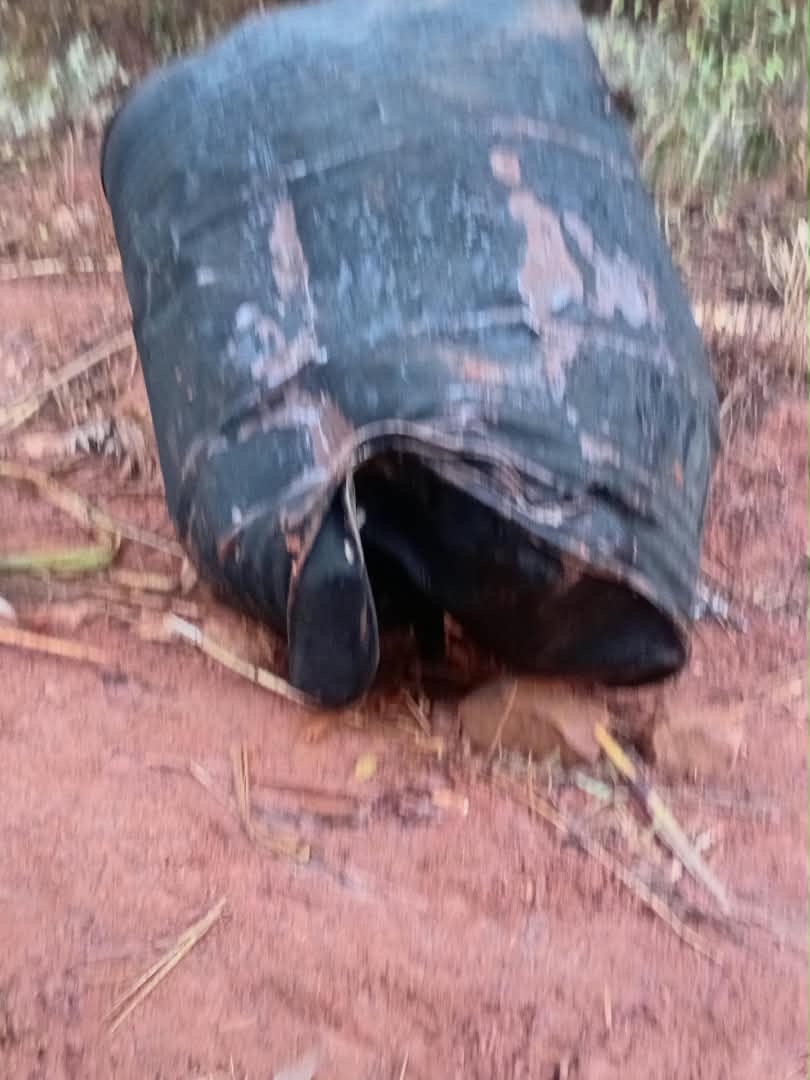
“They went into the forest at night to brew Kanyanga. The drum then exploded. A piece of metal struck one of them, killing him instantly. The other three are being treated at Rwamagana Hospital. They suffered serious burns,” he said.
Munyentwari warned residents against producing illicit alcohol, which is prohibited in Rwanda.
He said producing illicit alcohol is punishable by law and urged residents to avoid activities that could lead to imprisonment and financial losses for their families.
“We urge residents to sell and consume alcohol that is permitted by Rwandan law. They should stop producing illicit alcohol and other prohibited substances because anyone caught doing so is punished by law. In most cases, they are imprisoned. We urge them to stop and instead consume or sell legally permitted alcohol,” he said.
The person who died was a 20-year-old man. The three others, aged 14, 16 and 22, were seriously injured and are receiving treatment at Rwamagana Hospital.
The damaged alcohol-brewing drum at the scene of the incident in Rwamagana District.The incident occurred in Kiryango Village, Nkungu Cell, Munyaga Sector, Rwamagana District, in the early hours of September 14, 2026.
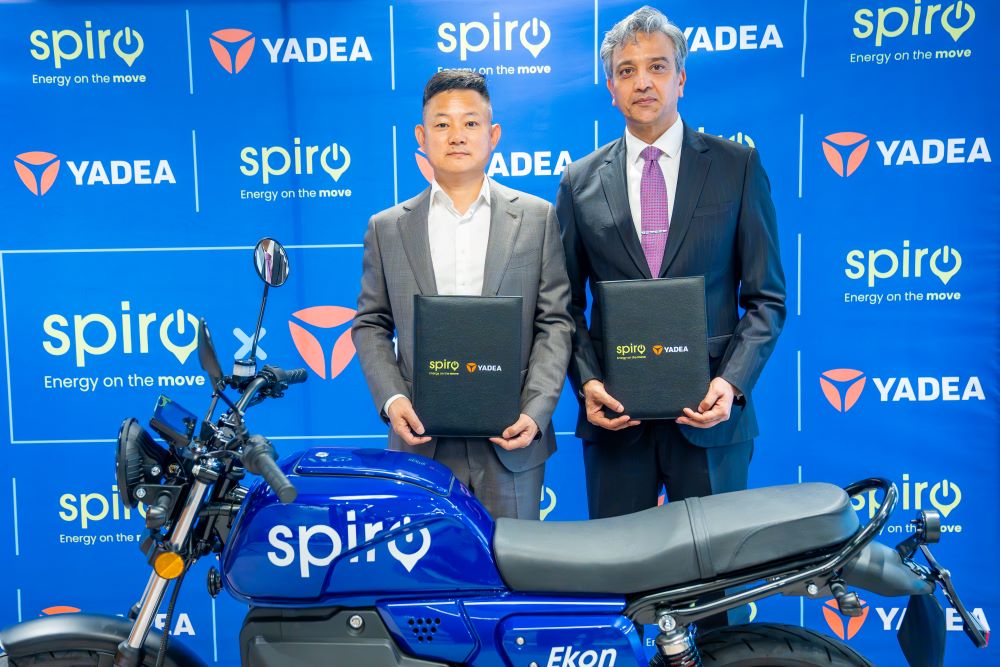
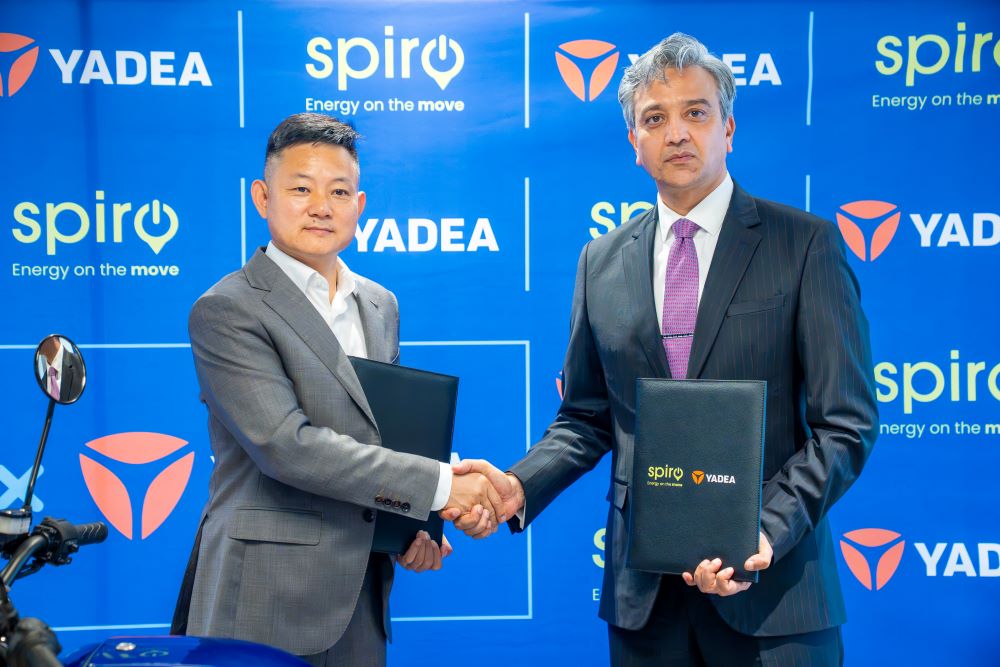
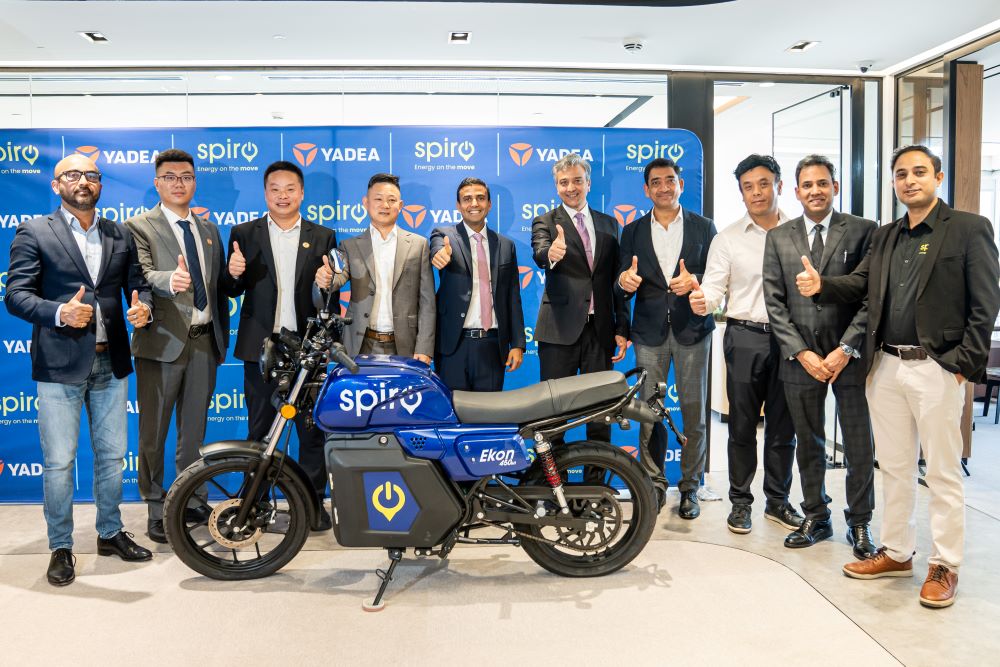
The strategic partnership combines Yadea’s global manufacturing and R&D capabilities with Spiro’s operational network and battery-swapping ecosystem across seven countries.
Together, the companies aim to build a scalable, commercially sustainable EV framework serving millions of commercial fleet operators, delivery services, logistics providers, and daily commuters in Africa’s fastest-growing mobility markets.
Under the agreement, Yadea will supply electric two-wheelers and related EV products tailored to Spiro’s expanding regional markets, while Spiro will integrate the vehicles into its proprietary battery-swapping and energy infrastructure.
The companies will also co-develop customized two-wheeler platforms engineered specifically for local road conditions and commercial utility across Africa.
This partnership deepens the China-Africa connection, pairing Yadea’s manufacturing scale with Spiro’s battery-swapping network and unique knowledge of African market dynamics to accelerate the continent’s transition to affordable electric transport.
“When we launched Spiro, our mission was to lay the energy and mobility foundation for Africa’s green transition. Our strategic partnership with Yadea is a major endorsement of our execution to date and opens fantastic opportunities to jointly pioneer the next era of electric mobility in emerging markets”, stated Gagan Gupta, Founder of Spiro and Chairman of Equitane.
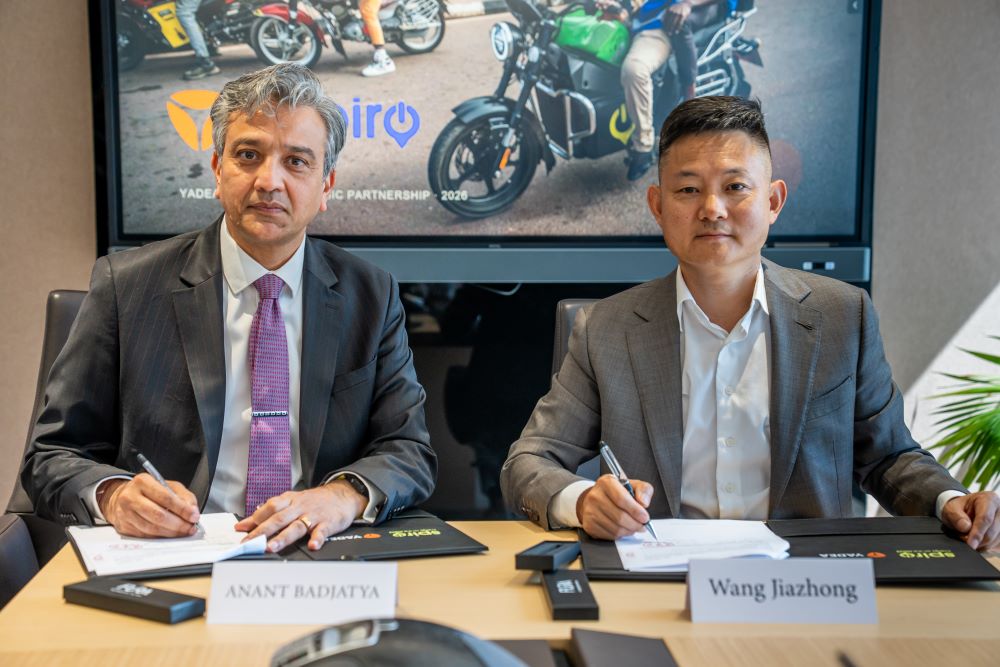
Commenting on the development, Anant Badjatya, CEO of Spiro, said: “Africa’s shift to electric mobility is accelerating and this partnership helps us meet that demand at scale. By bringing together Yadea’s manufacturing strength with Spiro’s electric mobility ecosystem and operating experience across Africa, we are compressing the timeline to clean transport, helping thousands more riders switch to affordable EVs faster and multiplying our climate impact across the continent.”
Wang Jiazhong, Senior Vice President of Yadea Technology Group, said Africa represents a major opportunity for zero-emission transport and that the company’s mission to reduce carbon emissions had reached a significant milestone through its partnership with Spiro.
“Together, we are combining global innovation with local infrastructure to deliver scalable and sustainable mobility solutions that serve millions of riders and transform Africa’s urban transit,” he noted.
Founded in China, Yadea is the world’s leading manufacturer of electric two-wheelers, with more than 100 million vehicles sold worldwide in over 100 countries and 10 exclusive production facilities globally.
A strong innovator with more than 2,000 patents registered in electric vehicle technology, Yadea covers a comprehensive range of urban micro-mobility solutions.
Meanwhile, Spiro is Africa’s largest electric mobility company present in seven countries, operating the continent’s most extensive and fastest-growing network of battery-swapping for electric two-wheel vehicles.
The partnership comes as Spiro accelerates its next phase of growth and expansion across Africa following its latest $270 million funding round, which included investment from NewTrails Capital, a Chinese fund.
The company is building an integrated electric mobility ecosystem combining electric motorcycles with an extensive battery-swapping network, enabling riders to exchange depleted batteries for fully charged ones in minutes.
With more than 130,000 electric motorcycles, over 2,500 battery swapping stations and more than 50 million battery swaps to date, Spiro has achieved over two billion kilometres of low-carbon travel, transforming mobility and economies by replacing expensive imported fossil fuel-based transportation with affordable, accessible and sustainable solutions.
The company also has an expanding regional production network, with operational assembly facilities in Uganda, Kenya, Nigeria and Rwanda.
Yadea and Spiro representatives exchange documents after signing an agreement focused on accelerating the adoption of electric two-wheelers across Africa.Yadea and Spiro have partnered to expand electric mobility solutions across Africa, combining Yadea’s manufacturing capabilities with Spiro’s battery-swapping network.The Yadea and Spiro partnership will combine Yadea’s electric two-wheeler manufacturing capabilities with Spiro’s battery-swapping network and operational experience in Africa.Representatives of Yadea and Spiro pose after signing a partnership agreement aimed at expanding affordable and sustainable electric mobility across Africa.
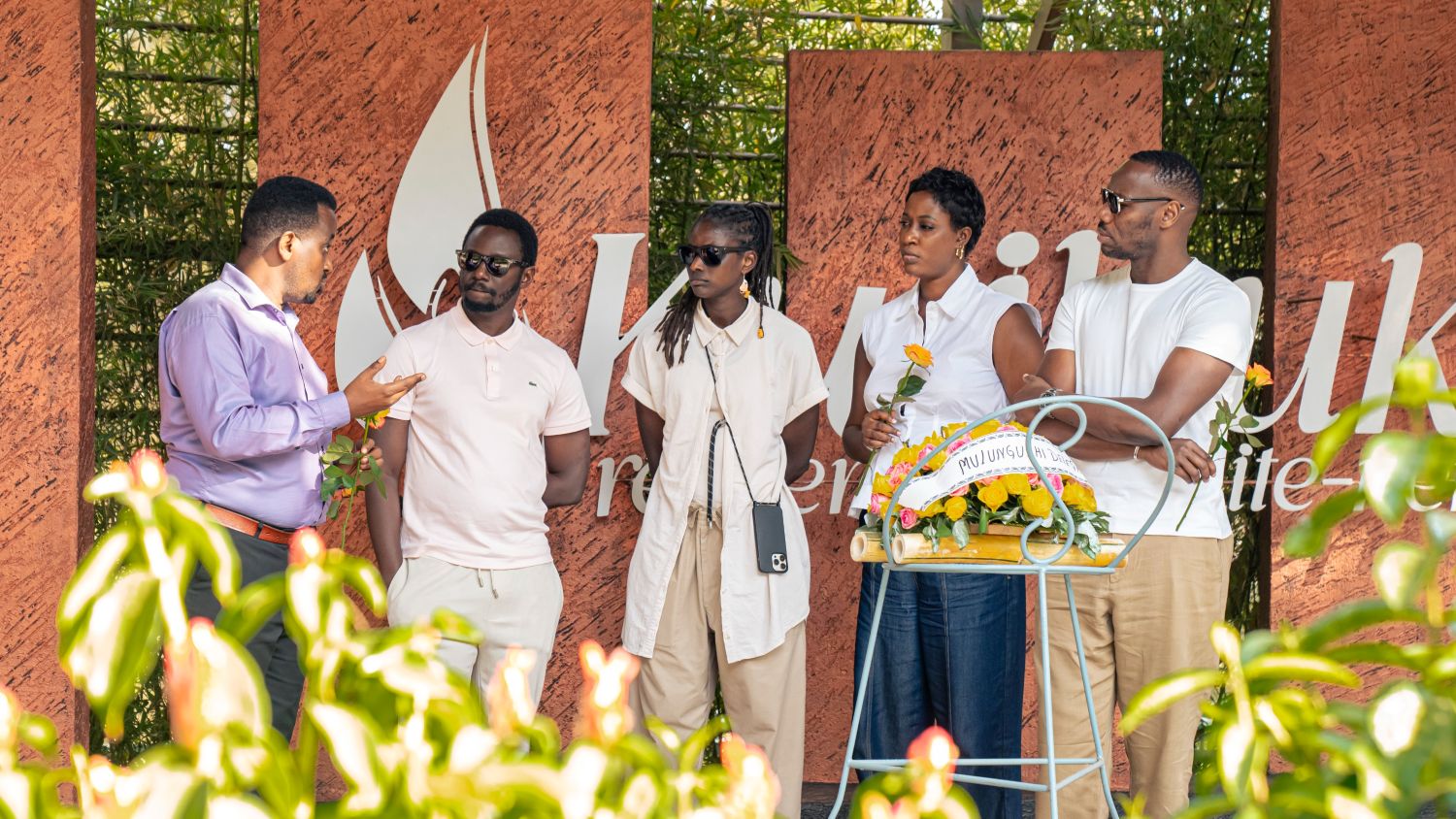
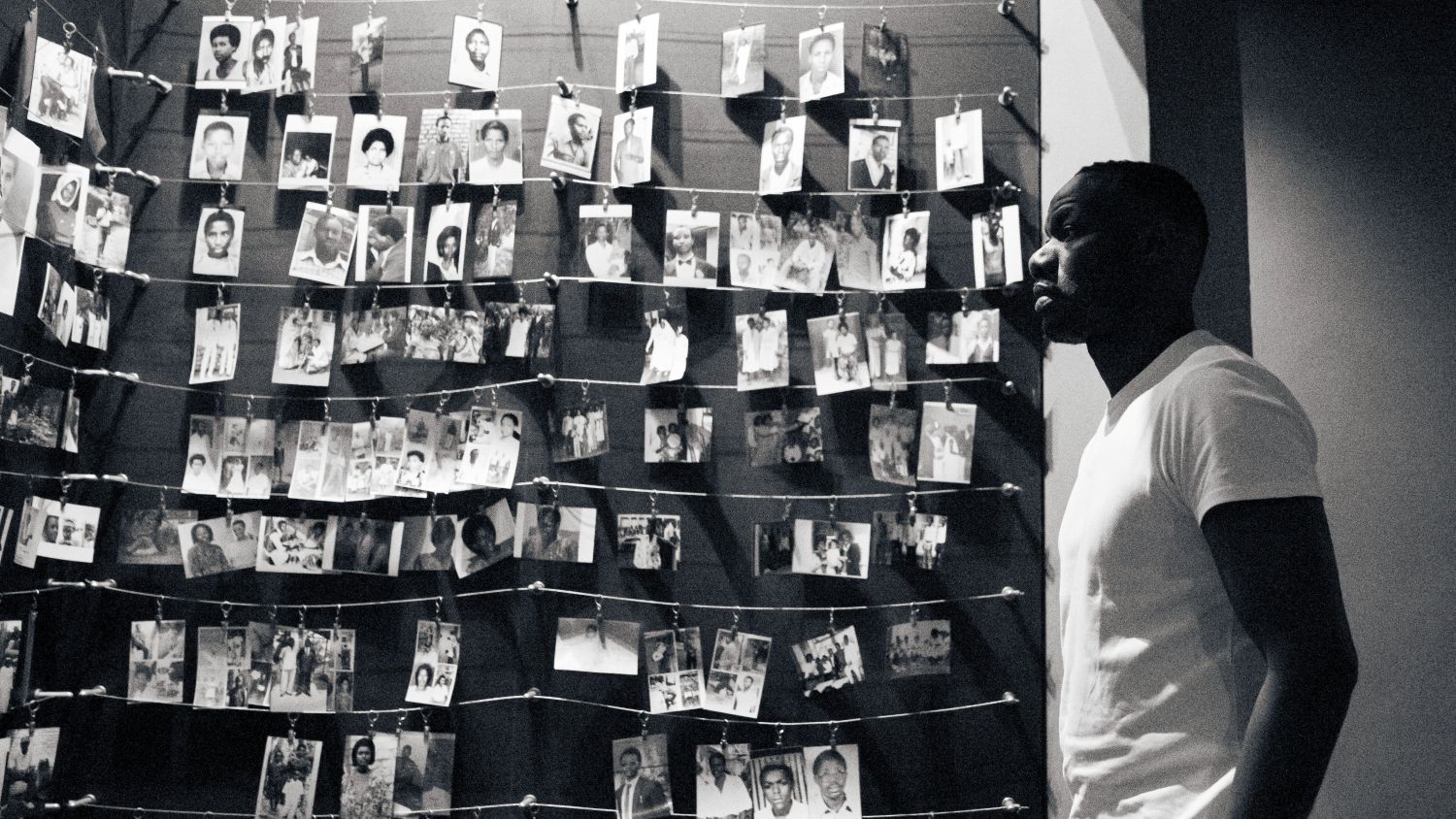
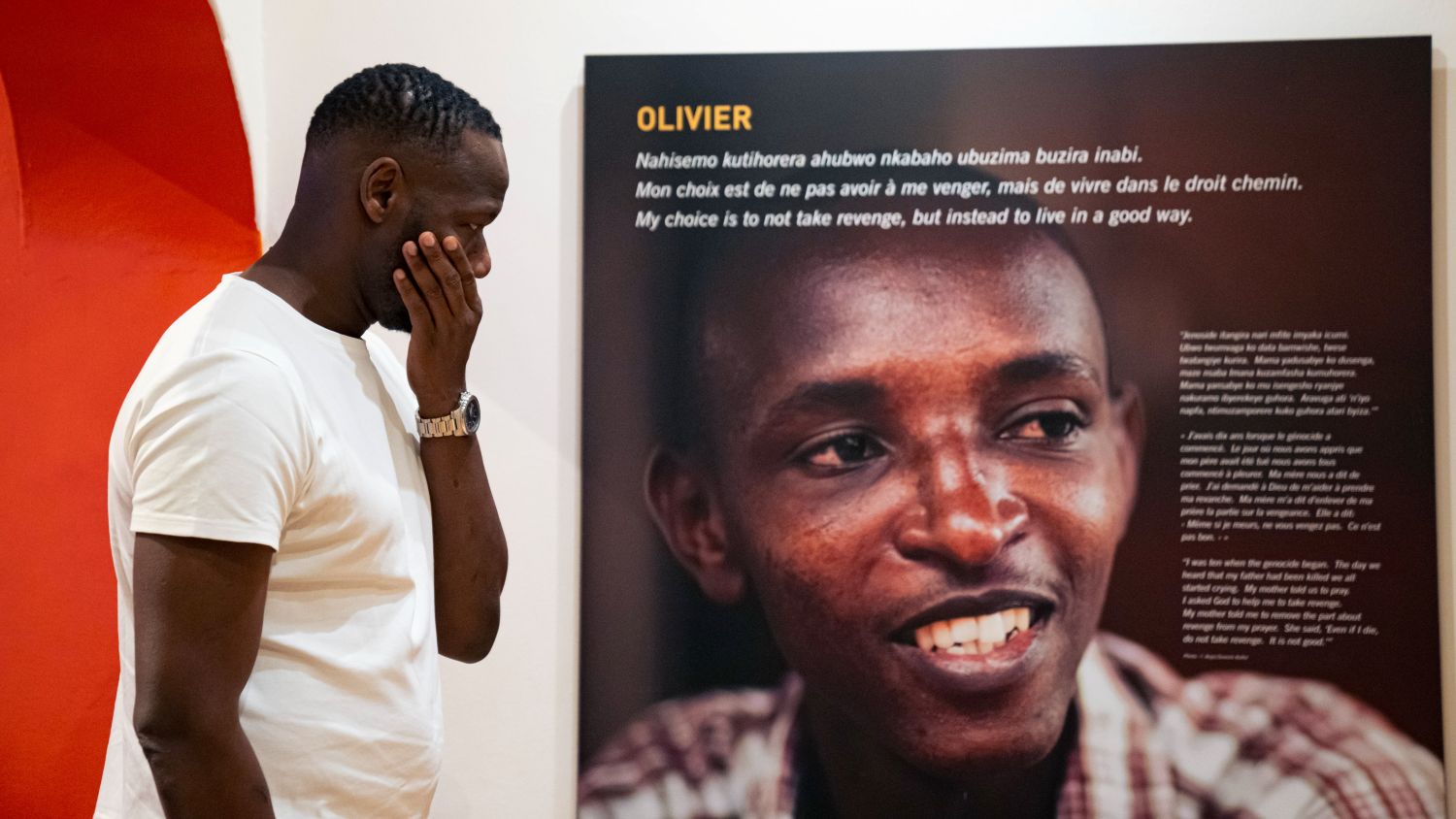
In a statement on Monday, the Kigali Genocide Memorial said Thiaw honoured the victims and learned more about the history of the Genocide against the Tutsi during a tour of its exhibits.
Located in Gisozi, Kigali, the memorial is the final resting place of more than 250,000 victims of the Genocide against the Tutsi. It also serves as a centre for remembrance and education, documenting the events of 1994, when more than one million people were killed in just 100 days.
Thiaw was in Rwanda for the SportsBiz Africa Forum, held at the Kigali Convention Centre on September 10 and 11, 2026, where he joined sports leaders, investors and other stakeholders in discussions on the future of African sport.
His visit to Kigali came as part of a career that has made him one of the prominent figures in Senegalese football. As a player, Thiaw was part of Senegal’s celebrated 2002 generation that reached the quarter-finals of the FIFA World Cup in South Korea and Japan and finished runners-up at the Africa Cup of Nations the same year.
Thiaw also guided Senegal to a 1–0 victory over Morocco in the 2025 Africa Cup of Nations final in January 2026, although CAF later overturned the result and awarded Morocco a 3–0 victory. Senegal has appealed the decision at the Court of Arbitration for Sport, with a hearing scheduled for October 8, 2026.
Thiaw also became the first Senegalese footballer to feature in Spain’s La Liga. His playing career included spells in France, Switzerland, Russia and Spain, while he earned 16 international caps for Senegal.
After retiring from playing, he turned to coaching and earned both UEFA A and CAF A coaching licences.
While in Rwanda, Thiaw met State Minister for Youth and Arts Development Sandrine Umutoni, with their discussions focusing on the role of sports, arts and culture in empowering African youth and expanding economic opportunities.
They also discussed talent development, entrepreneurship and preparing athletes and young professionals for life beyond their active sporting careers, as well as opportunities for young people to use digital platforms and artificial intelligence to market and showcase their talent internationally.
Thiaw also met members of the Executive Committee of the Rwanda Football Federation (FERWAFA), led by First Vice-President Me Claudine Gasarabwe, who is serving as acting president. Their discussions focused on Rwanda’s efforts to develop and strengthen domestic football structures.
During his stay, he visited Rwanda’s national U-20 team and its technical staff during their training camp, where he shared lessons from his coaching journey and offered mentorship on leadership, resilience and player development.
At the SportsBiz Africa Forum, Thiaw was among speakers addressing sports leaders, investors and other stakeholders. His discussions focused on leadership and resilience in African sport, the pressures facing coaches, accountability and the need to build sustainable pathways for football development across the continent.
Located in Gisozi, Kigali, the memorial is the final resting place of more than 250,000 victims of the Genocide against the Tutsi. The Kigali Genocide Memorial said Thiaw honoured the victims and learned more about the history of the Genocide against the Tutsi during a tour of its exhibits.