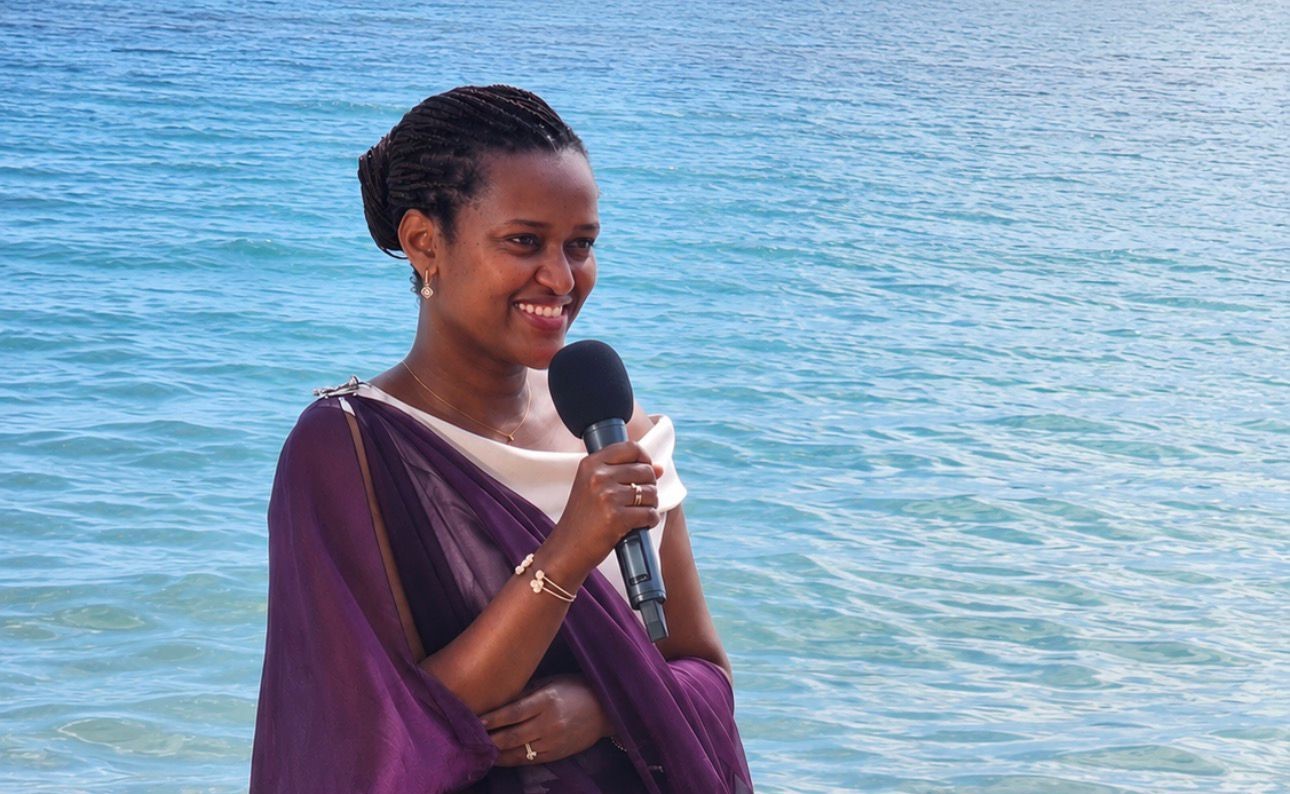
Speaking to IGIHE, the minister reflected on the screening, which took place in a theater hosting more than 1,200 people, including prominent figures from the worlds of cinema, fashion, music, as well as passionate film enthusiasts attending the festival.
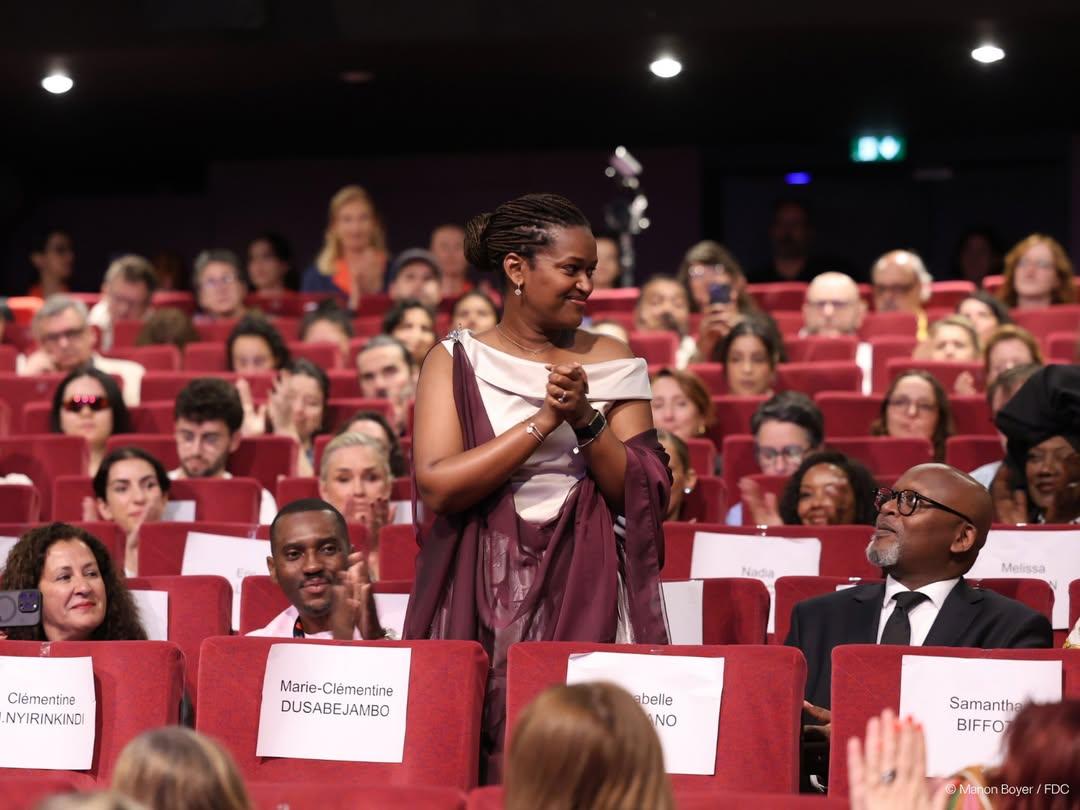
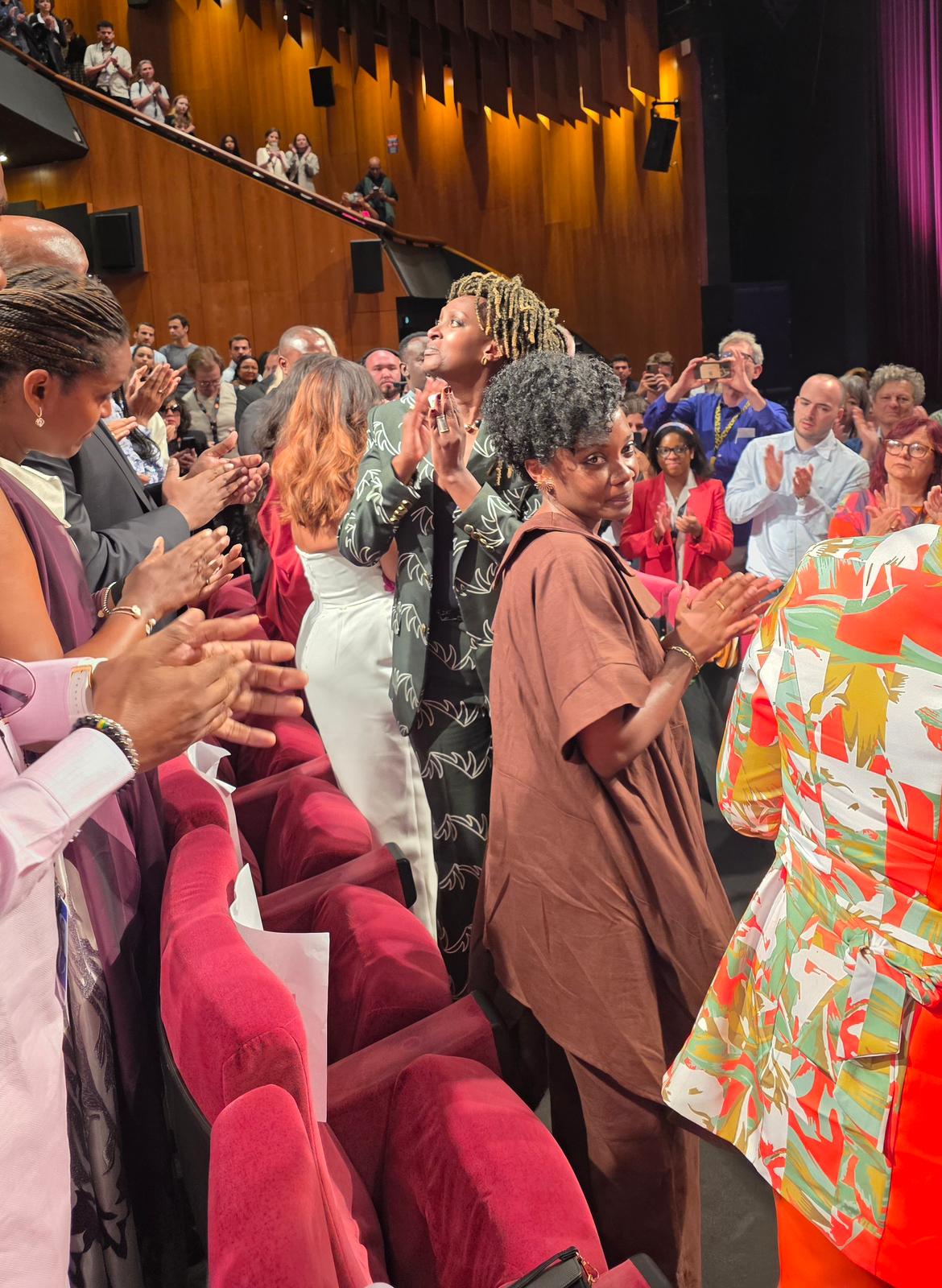
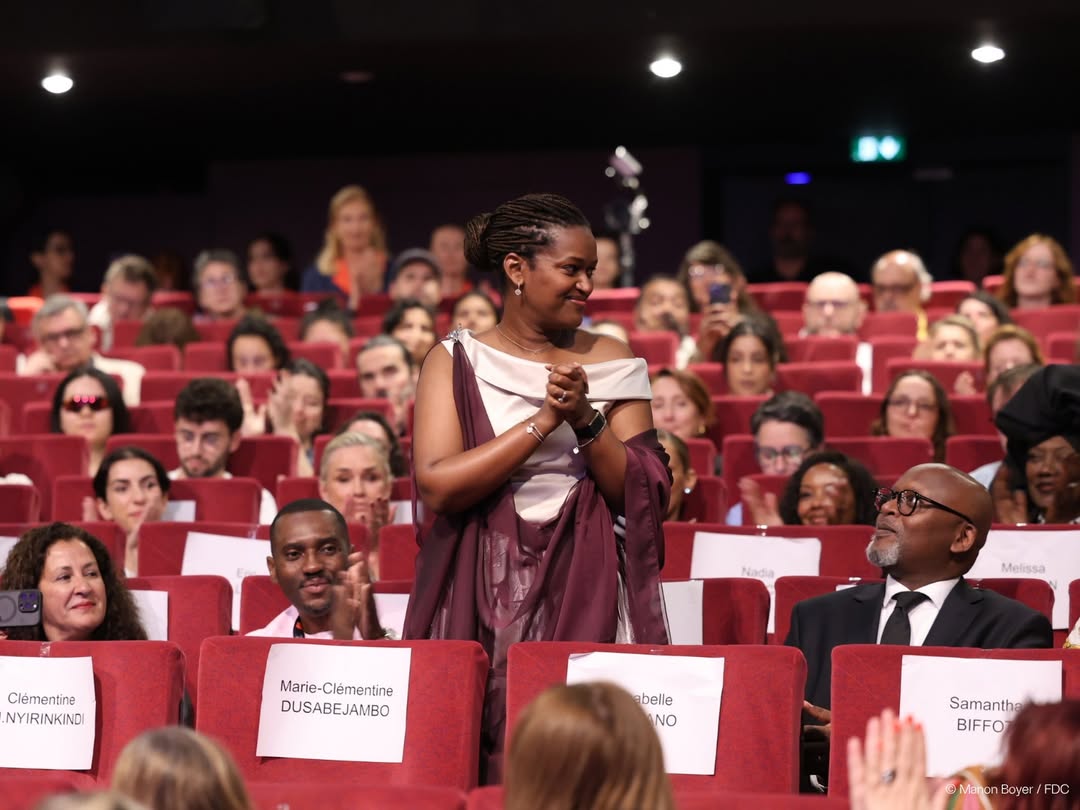
According to her, the audience gave the film a long standing ovation at the end of the screening.
“We received applause that lasted nearly ten minutes,” she said, emphasizing that viewers were particularly touched by the beauty of the cinematography and the delicate way director Marie-Clémentine Dusabejambo brought the story to the big screen.
Umutoni also noted that the film is the result of nearly thirteen years of creative work and perseverance.
“This is a film that honors Rwandan mothers and the depth of emotions they continue to carry after the 1994 Genocide against the Tutsi,” she explained.
The minister also highlighted the pan-African dimension of the project. Ben’Imana is a Rwandan-Gabonese co-production directed by Marie-Clémentine Dusabejambo in collaboration with Gabonese filmmaker Samantha Biffot, with support from France and Norway.
For Umutoni, this collaboration demonstrates how partnerships between African countries can enable African cinema to reach the highest international platforms.
She further stated that reactions from critics, organizers and the international press have been overwhelmingly positive, with several observers predicting a strong international journey for the film.
The film explores themes of reconciliation, forgiveness, resilience and rebuilding after the 1994 Genocide against the Tutsi.
“When you remain authentic and faithful to your culture, you can go very far,” the minister said, adding that Ben’Imana will also open doors for a new generation of African filmmakers.
According to her, several international producers and distributors have already expressed interest in screening the film in different countries around the world.
Minister Sandrine Umutoni has noted that Ben’Imana film is the result of nearly thirteen years of creative work and perseverance.Minister Umutoni Sandrine explained that the film pays tribute to Rwandan mothers and to the depth of the emotions they continue to carry after the 1994 Genocide against the Tutsi. The film Ben’Imana was directed by Marie‑Clémentine DusabejamboThe first screening of the film Ben’Imana at the Festival de Cannes.
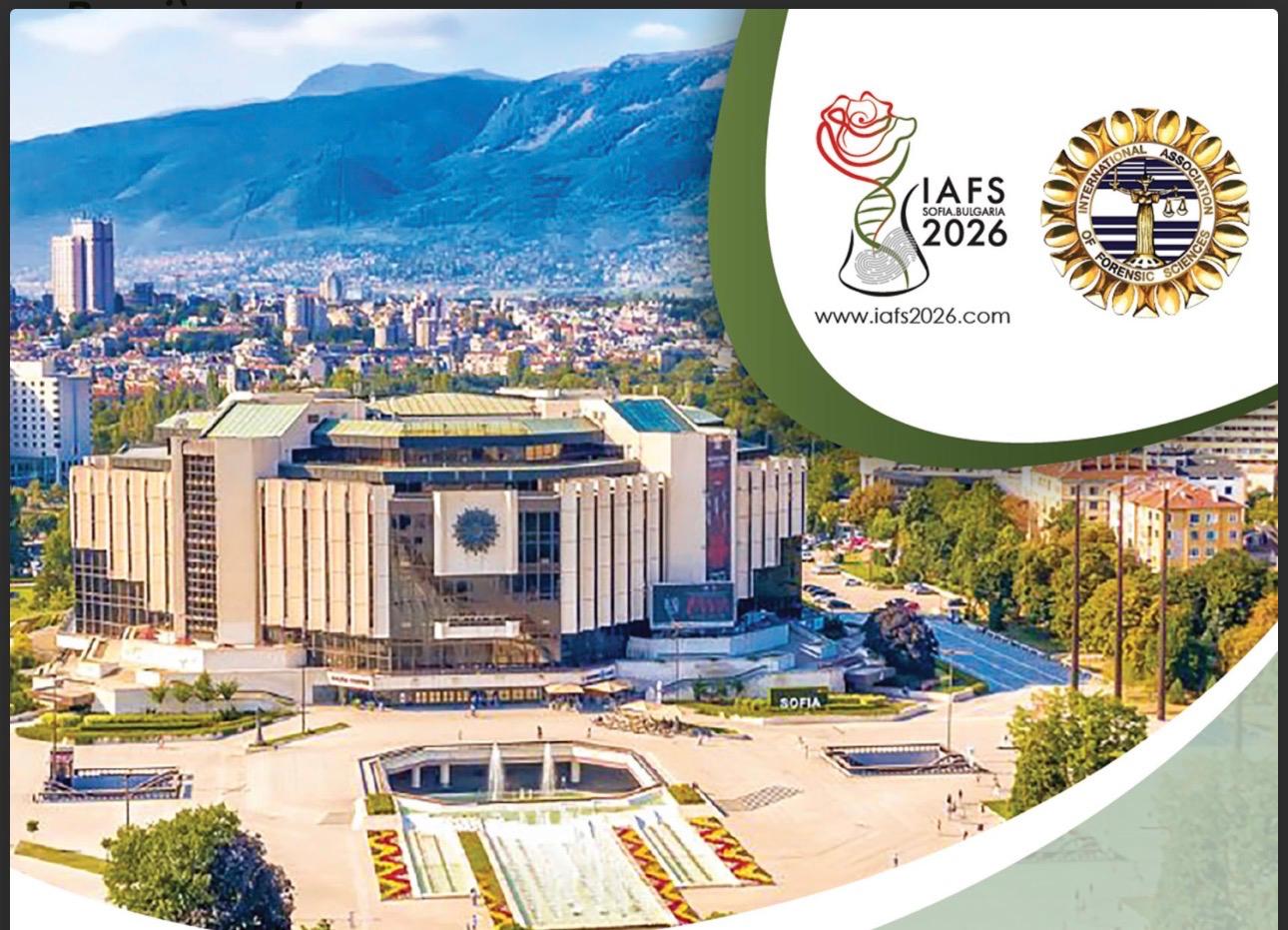
This major international scientific gathering will bring together researchers, forensic pathologists, scientists, investigators, magistrates and forensic experts from around the world to discuss key issues related to forensic sciences, legal medicine and technologies applied to justice.
The Rwandan delegation will be represented by the Rwanda Forensic Institute (RFI) in collaboration with the African Forensic Sciences Academy (AFSA), whose continental headquarters has been based in Kigali since 2022.
Founded in 1957, the IAFS is today regarded as the world’s leading platform dedicated to forensic sciences. Since its establishment, the conference has been held in Europe, North America, Asia and Oceania, but never on the African continent.
Rwanda’s growing presence in forensic sciences
Over the years, Rwanda has strengthened its participation in major international forensic science conferences. The country has notably taken part in the International Association of Forensic Sciences (IAFS) 2023 conference held in Sydney, Australia, as well as the American Academy of Forensic Sciences (AAFS) 2025 meeting in Baltimore, United States. Rwanda has also participated in the European Academy of Forensic Science (EAFS) 2025 conference held in Dublin, Ireland.
Rwanda continues to highlight the rapid development of its forensic science sector, its modern infrastructure, secure environment and strong experience in hosting international conferences.
Kigali already hosts several African scientific initiatives, including the African Forensic Sciences Academy (AFSA), whose inaugural conference was held in Rwanda in 2024.
Sofia 2026: A strategic meeting for the future
The IAFS 2026 meeting in Sofia will also provide an important opportunity for member countries and partners to discuss the future of forensic sciences, international cooperation and the strengthening of scientific capacities across Africa.
Among the topics to be discussed will also be the selection of the host country for the 2029 edition of the IAFS. Rwanda is among the countries interested in hosting this prestigious international scientific congress in the future.
The official announcement of the country selected to host the 2029 edition is expected on May 29, 2026, in Sofia, Bulgaria.
The Rwanda Forensic Institute is a Rwandan institution specializing in forensic sciences and medico-legal analysis.
It supports criminal investigations through DNA analysis, forensic medicine, victim identification, and other scientific expertise that aids justice and public security.
The institute also contributes to building national capacity by training professionals and strengthening forensic and medico-legal systems in Rwanda.
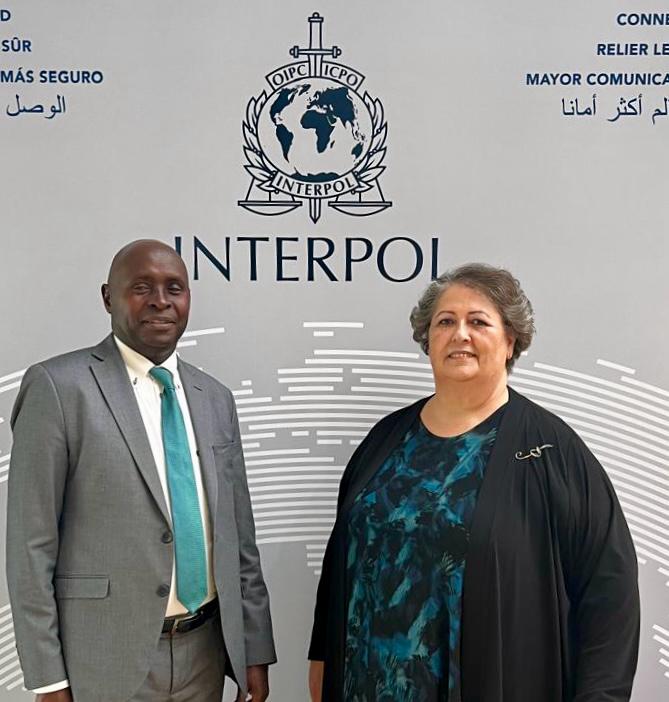
The meeting will take place in Sofia, Bulgaria.Lt Col (Rtd) Dr Charles Karangwa, Director General of the Rwanda Forensic Institute (RFI), and Dr Antonel Olckers, President of the African Forensic Sciences Academy (AFSA).The IAFS 2026 meeting in Sofia will also provide an important opportunity for member countries and partners to discuss the future of forensic sciences.
During the five-day period, Rwanda exported a total of 10,154 tonnes of agricultural and livestock products to international markets.
Coffee exports accounted for 288 tonnes, generating about Rwf2.1 billion. Tea exports exceeded 1,000 tonnes and earned Rwf4.2 billion, making it one of the top-performing export products during the period.
Vegetable exports reached 316 tonnes, bringing in more than Rwf630 million, while fruits totaled 462 tonnes and earned over Rwf454 million.
Flowers exported during the same period amounted to 14 tonnes and generated about Rwf113 million.
Other agricultural products, including tubers, legumes, cereals and related crops, made up the largest share with 7,795 tonnes exported, earning about Rwf.6 billion.
Livestock and animal products contributed 270 tonnes, bringing in more than Rwf565 million.
Officials said Rwanda’s main export destinations included the United States, the United Arab Emirates, Oman, the United Kingdom, the Netherlands, France, and several countries across Africa.
During the five-day period from May 11 to 15, Rwanda exported a total of 10,154 tonnes of agricultural and livestock products to international markets.
The agreement was signed on the sidelines of the World Health Assembly following a meeting between Russia’s Health Minister, Mikhail Murashko, and Rwanda’s Minister of Health, Dr. Sabin Nsanzimana.
The assembly runs from May 18 to 23, 2026.
According to information shared by Rwanda’s Embassy in Russia, the cooperation covers several areas.
These include strengthening healthcare systems, professional development of medical personnel, prevention, diagnosis, treatment and rehabilitation of both communicable and non-communicable diseases, as well as state regulation of medicines and medical devices and medical scientific research.
It also includes protection of maternal and child health, nuclear medicine, and other related fields.
Nuclear medicine is among the advanced medical fields being developed in Rwanda as part of efforts to expand access to modern diagnostic and treatment technologies.
The technology uses imaging tools such as PET and SPECT scans, combined with radioactive tracers, to detect diseases that are often difficult to identify through conventional imaging. It is used in the diagnosis of conditions such as cancer, heart disease and neurological disorders.
In November 2025, Rwanda’s Cabinet approved partnership agreements to introduce nuclear medicine services as part of efforts to strengthen specialized healthcare delivery.
The country has already acquired a PET Scan machine and is preparing to roll out nuclear medicine services using Cyclotron technology, which produces radiotracers used in early disease detection. The services are expected to be operational in 2026.
These services are planned to be based at the Rwanda Military Hospital in Kanombe, which hosts the Rwanda Cancer Centre, with further expansion expected at King Faisal Hospital following its upgrade.
The agreement adds to ongoing cooperation between Rwanda and Russia in the health sector, particularly in training, research, and healthcare system strengthening.
The MoU was signed between Russia’s Health Minister, Mikhail Murashko and Rwanda’s Minister of Health, Dr. Sabin Nsanzimana. The agreement was signed on the sidelines of the World Health Assembly.
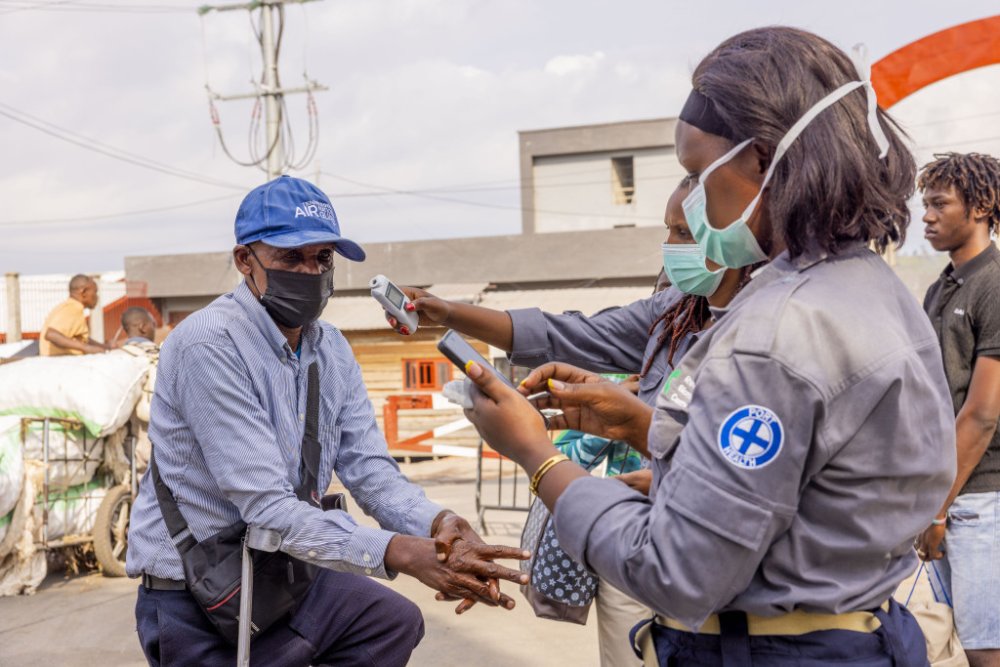
The measures range from nationwide public awareness campaigns about the disease to reinforced screening procedures at border posts and the establishment of facilities where suspected cases can be monitored.
So far, no Ebola case has been confirmed in Rwanda, and no suspected patient has been identified. The country’s borders remain open, but authorities have introduced stricter controls to prevent the spread of the virus.
Rwanda’s Deputy Government Spokesperson, Uwera Jean Maurice, said the country had intensified efforts to contain the Ebola outbreak currently affecting the DRC.
Last weekend, health authorities confirmed a new Ebola case in Ituri Province in eastern DRC. The outbreak has already claimed more than 130 lives.
The Ebola strain involved, known as the Bundibugyo virus, was first identified in Uganda between 2007 and 2008, infecting 149 people and killing 37. It later resurfaced in Isiro, DRC, in 2012, where 57 people were infected and 29 died.
After health officials in Goma announced a confirmed Ebola case, Rwanda immediately moved to reinforce its response measures.
On May 17, 2026, a high-level meeting brought together provincial leaders, officials from the Rwanda Biomedical Centre (RBC), Rubavu District authorities, hospital representatives, and leaders of border sectors.
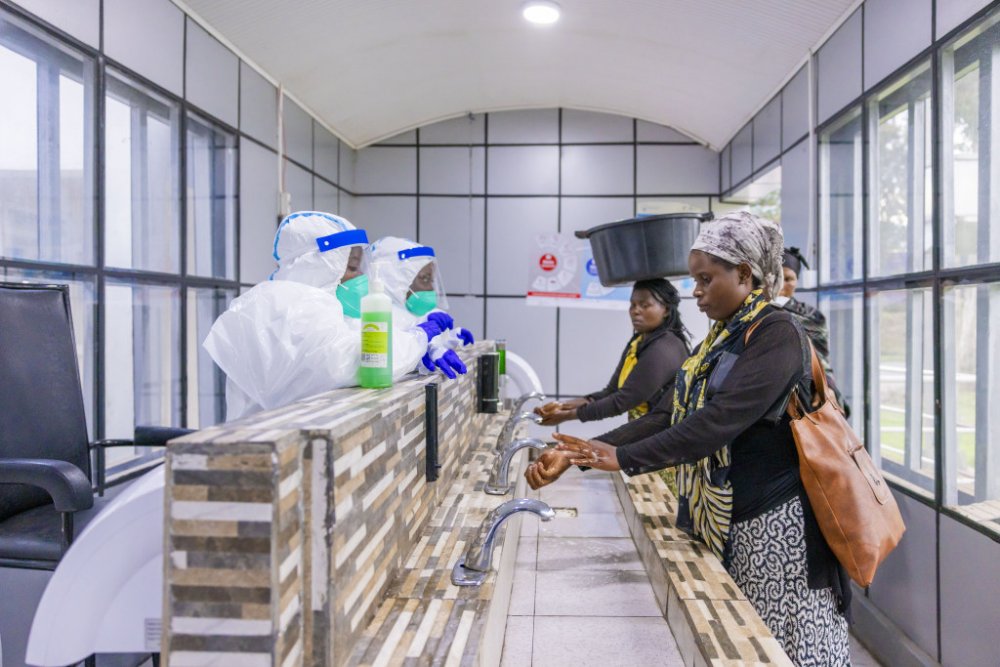
The meeting resolved to strengthen controls at official border crossings, completely stop the use of illegal crossing routes, install handwashing facilities at border points, and suspend the practice of Congolese residents crossing into Rwanda to fetch water.
Authorities also agreed to establish a command post to closely monitor the outbreak and deploy day-and-night border patrols.
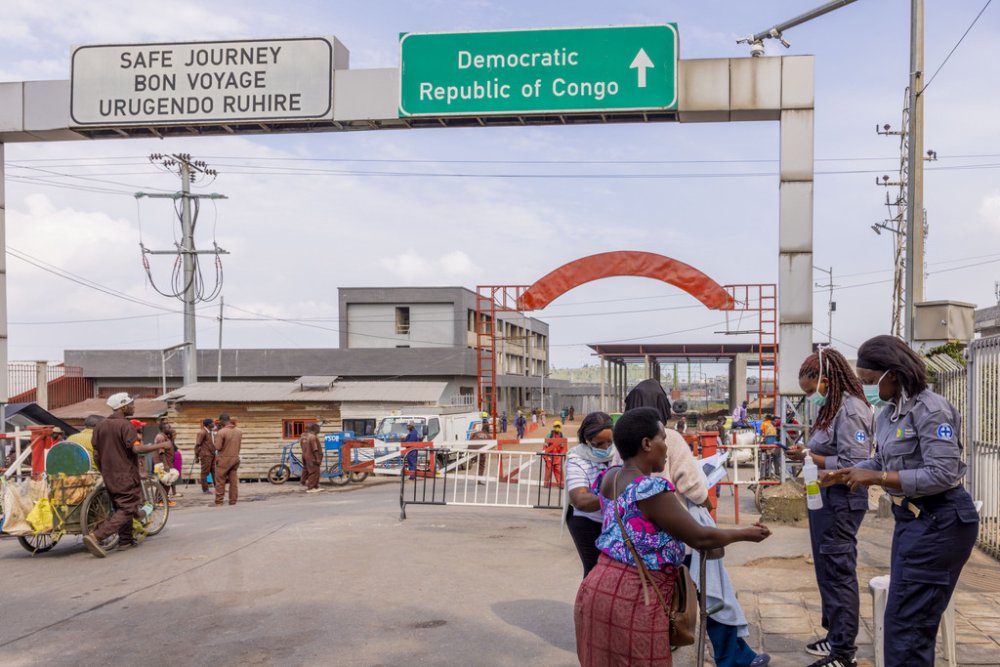
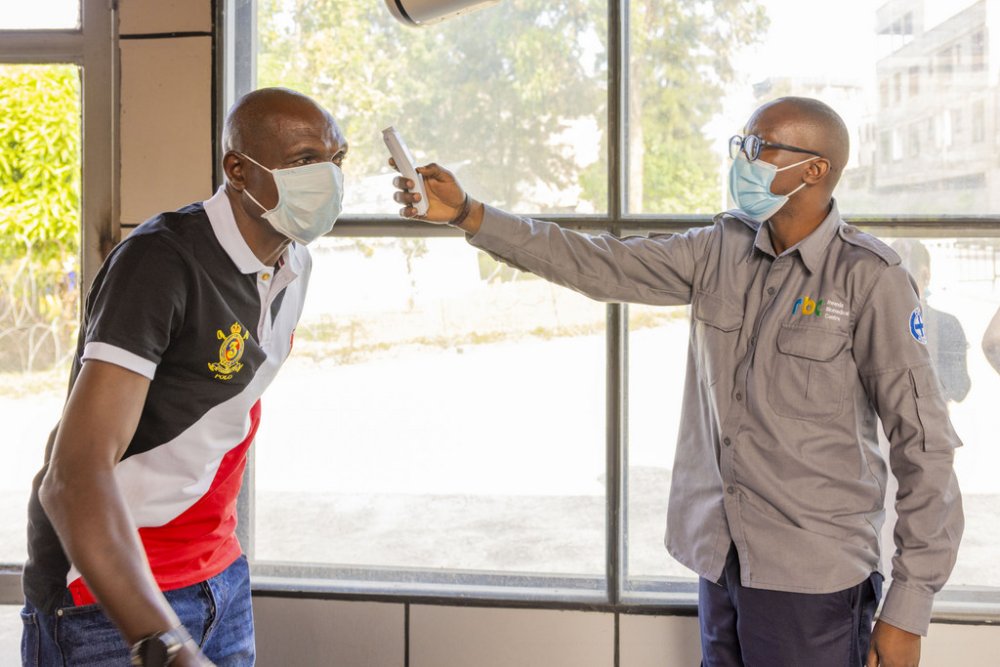
Medical personnel have additionally been stationed at all border posts to screen travelers for Ebola symptoms before they enter the country.
According to Uwera, cross-border traders are also being encouraged to operate in organized groups and cooperatives to help authorities enforce preventive measures more effectively.
“What is currently being done is the screening of people entering and leaving the country. Traders are encouraged to work through cooperatives and comply with the measures put in place to prevent the spread of Ebola,” he said.
He added that border movement continues to be monitored without interrupting trade activities.
Travelers crossing the border are undergoing temperature checks, while officials are also reviewing their 21-day travel history to identify areas they may have recently visited.
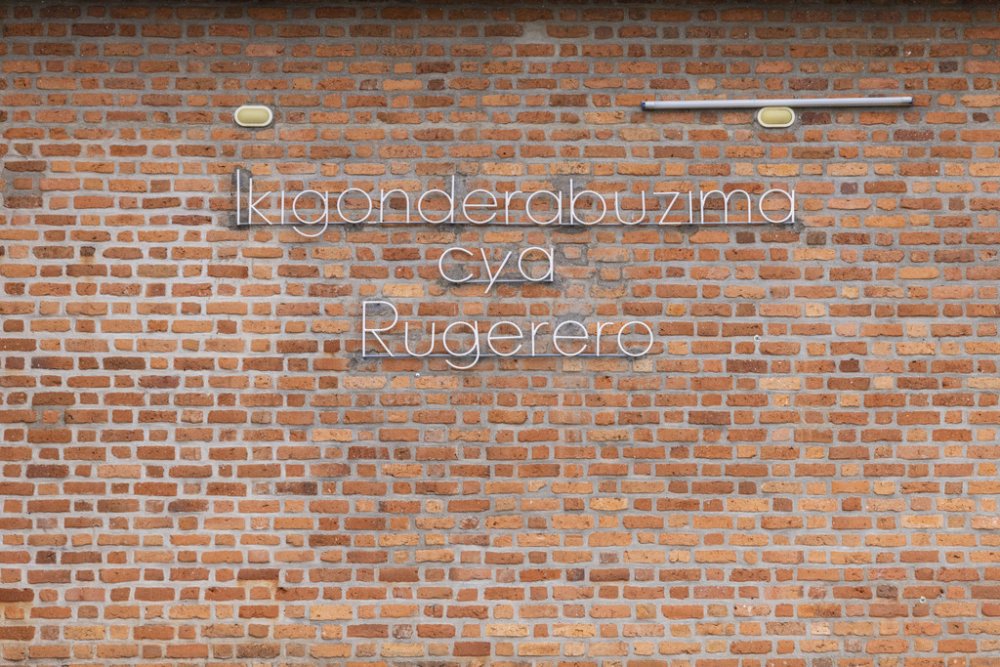
Authorities have further designated facilities to monitor suspected cases and quarantine individuals if necessary. The Rugerero Health Centre has been selected as one of the sites prepared to handle potential Ebola-related cases.
Anyone arriving at the border with symptoms associated with Ebola is immediately transferred to the facility for specialized monitoring and care.
However, Uwera said that, to date, no person showing Ebola symptoms has been identified in Rwanda.
He urged the public to continue following government guidelines and preventive measures to help keep the disease out of the country.
Rwanda has tightened border measures to counter the spread of Ebola outbreak from DRC. Medical personnel have been stationed at the border to detect individuals with Ebola symptoms.Screening individuals upon arrival has been scaled up. Hand washing facilities have been massively set up at border points to reinforce sanitary measures. Rugerero Health Center has been identified among designated sites to host individuals with symptoms of the outbreak. Rwanda has scaled up efforts to contain Ebola outbreak.
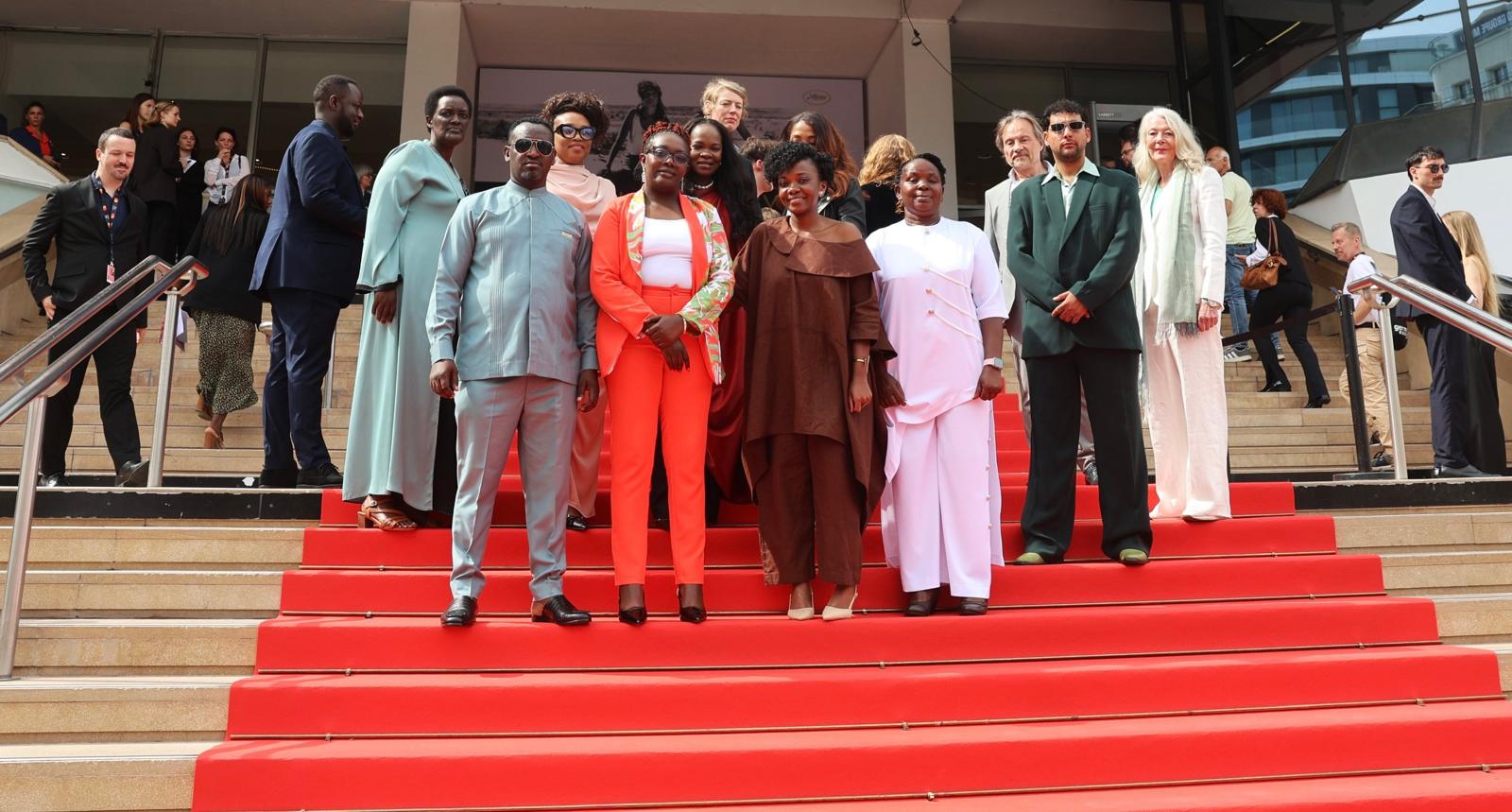
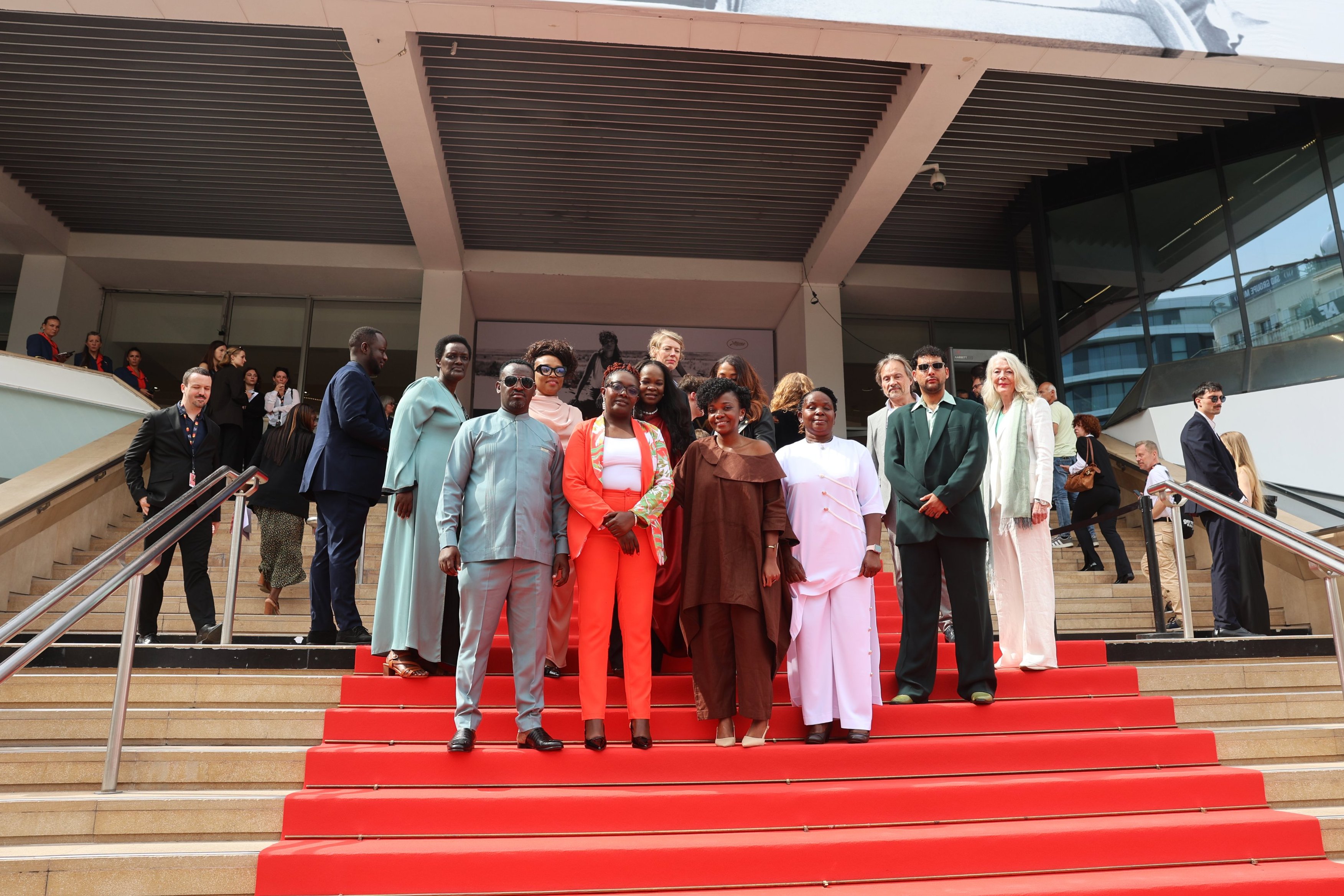
The screening took place on May 19, 2026, and was attended by the Minister of State in the Ministry of Youth and Arts Development, Sandrine Umutoni, as well as Rwanda’s Ambassador to France, François Nkulikiyimfura.
Among the attendees were cast members of Ben’Imana, including Clémentine Uwimana Nyirinkindi, popularly known as Marigarita in Papa Sava. In Ben’Imana, she plays the character Veneranda.
Other cast members present included Isabelle Kabano, Nishimwe Kesia Kelly, Uwabeza Léocadie (known as Nyiragitariro), Uwamahoro Antoinette (popularly known as Siperansiya in Seburikoko), and Tuyisenge Aimé Valens.
The film was selected for the Un Certain Regard section at the 79th edition of the Cannes Film Festival, where it was officially showcased. This section highlights films with unique storytelling styles and is particularly known for recognising emerging cinematic voices.
Ben’Imana becomes the first film directed by a Rwandan filmmaker to be selected in this category. The only other Rwandan-related selection previously noted at Cannes is Munyarugabo (2007), directed by American filmmaker Lee Isaac Chung.
The film’s plot centres on Veneranda, a survivor of the 1994 Genocide against the Tutsi and community mediator whose stability is disrupted when her teenage daughter becomes unexpectedly pregnant. This crisis forces her to confront painful memories from her past, movingly exploring themes of deep forgiveness, intergenerational trauma, and the difficult path to true reconciliation.
Beyond Ben’Imana, Dusabejambo is also known for other works, including A Place for Myself, Icyasha, Behind the World, and Lyiza.
Ben’Imana was produced by Ivorian filmmaker Samantha Biffot, in collaboration with Rwandan producer Uwayezu Marie Epiphanie and Egyptian filmmaker Mostafa El Kashef.
Rwandan filmmaker Marie-Clémentine Dusabejambo and members of the film’s team were recognised and celebrated in Cannes.Dusabejambo, the director of the film, shared the inspiration behind its story.Minister of State in the Ministry of Youth and Arts Development, Sandrine Umutoni, attended the screening.As the cast members were invited to stand during the screening of the film, they came forward to be recognised and appreciated for their roles.
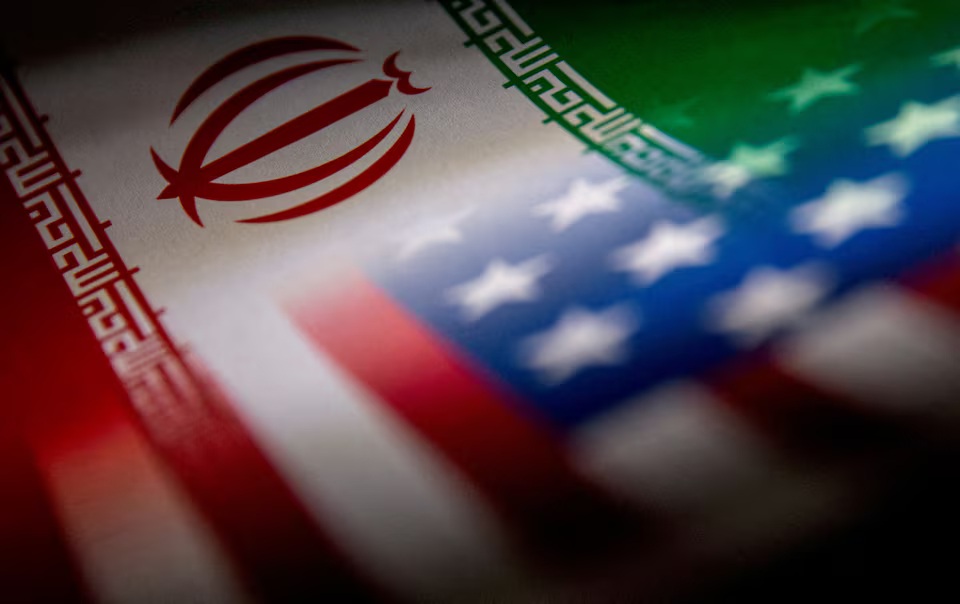
The action, part of the U.S. Economic Fury campaign, targets more than 50 companies, individuals and vessels generating revenue for Tehran, the department said in a press release.
In addition, OFAC also blocked 19 vessels involved in Iranian petroleum and petrochemical shipments to foreign customers, “transactions that have generated hundreds of millions of dollars in revenue.”
The department is also prepared to take action against foreign companies supporting illicit Iranian commerce, including airlines, and may impose secondary sanctions on foreign financial institutions that facilitate Iran’s activities, if necessary, the release said.
The U.S. Department of the Treasury’s Office of Foreign Assets Control (OFAC) on Tuesday designated and blocked a prominent Iranian foreign currency exchange house and associated front companies, claiming they oversee hundreds of millions of dollars in transactions on behalf of sanctioned Iranian banks.
Arsenal were confirmed champions on May 19, 2026, after AFC Bournemouth held Manchester City F.C. to a 1-1 draw. The result left Manchester City on 78 points, four behind Arsenal’s 82 points, with only one match remaining in the season for both teams.
In a message shared on X, Kagame congratulated Arsenal on their achievement, describing the title as well deserved after a highly competitive season.
“Congratulations to Arsenal, our VisitRwanda partner, on being the Premier League champions after a hard fought season! A well-deserved title!” Kagame wrote.
This marks Arsenal’s first league title since the 2003/2004 campaign, when the club famously completed the season unbeaten. It is also the club’s fourth Premier League title, having previously won in 1997/98 and 2001/02. Overall, Arsenal have now won 14 English league titles.
Arsenal and Rwanda have partnered since 2018 through the Visit Rwanda campaign, which promotes Rwanda’s tourism sector through branding displayed on the club’s sleeves and at its stadium. Several Arsenal players have also visited Rwanda over the years as part of the partnership.
However, the partnership is expected to end after the 2025/2026 season. Arsenal will conclude their Premier League campaign with a home match against Crystal Palace F.C. on Sunday at 5:00 p.m.
The club’s pursuit of more history will continue in the UEFA Champions League, where Arsenal are set to face Paris Saint-Germain F.C.. Winning the competition would see Arsenal lift the Champions League trophy for the first time in the club’s history.
Arsenal and Rwanda have partnered since 2018 through the Visit Rwanda campaign, which promotes Rwanda’s tourism sector through branding displayed on the club’s sleeves and at its stadium.
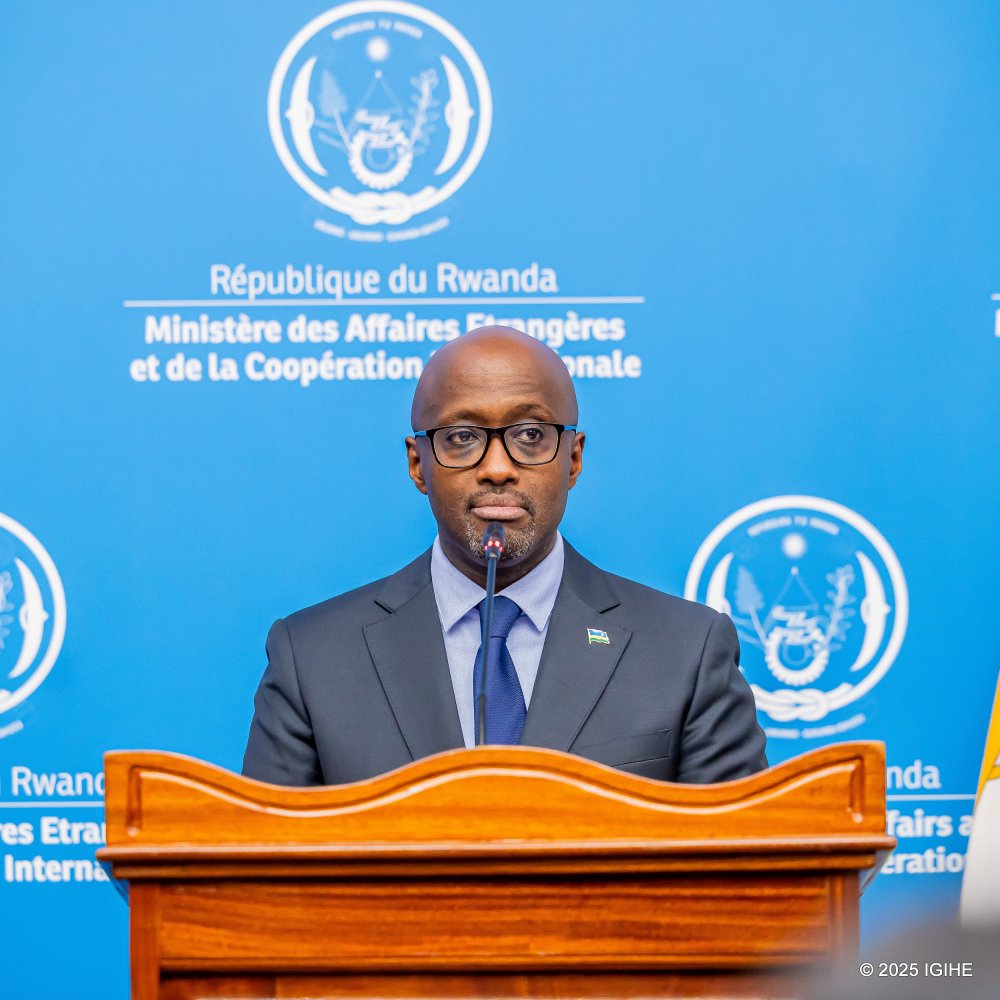
Commenting on the future of Rwanda’s deployment in northern Mozambique in a post on X, Nduhungirehe said the collaboration between Kigali and Maputo remains strong and effective, with the Government of Mozambique now directly securing funding for the continued presence of Rwandan security forces.
Rwanda deployed its security forces to Cabo Delgado in 2021 at the invitation of the Mozambican government to help combat insurgency and restore stability in the gas-rich region.
Nduhungirehe said the mission has delivered significant results over the past five years, including the restoration of peace and security, the return of displaced families, the reopening of businesses, and the resumption of education activities.
He also noted that the intervention created conditions for major international energy investments, including approximately $50 billion in liquefied natural gas (LNG) projects led by European and American companies, to safely resume operations.
During the mission, Rwanda received support through the European Peace Facility (EPF), although Kigali maintains that the assistance represented only a small fraction of the actual costs incurred by Rwanda in Mozambique.
Nduhungirehe criticised what he described as the politicisation of Rwanda’s requests for continued support from Brussels by certain EU member states, saying some countries, including “our two former colonial powers unfairly”, turned a successful regional security effort into criticism directed at Rwanda.
“Rwanda came back to the basics and decided to deal exclusively with the Government of Mozambique,” the minister said on Tuesday, emphasising that Maputo has committed to ensuring the necessary funding for Rwandan troops operating in Cabo Delgado.
The minister stressed that the partnership between the two countries remains appreciated by Mozambique and will continue along the same path as both nations work to preserve stability in the region.
Rwanda and Mozambique, in August last year, renewed the Status of Forces Agreement on Support to the Fight Against Terrorism in Mozambique during a visit by Mozambican President Daniel Francisco Chapo.
The agreement extended Rwanda’s military support in Mozambique’s Cabo Delgado province, where Rwandan forces have been deployed to combat Islamist insurgents.
“Thanks to this cooperation, we can see peace returning to the region,” President Chapo said, acknowledging Rwanda’s role in stabilising Cabo Delgado despite ongoing sporadic attacks.
Commenting on the future of Rwanda’s deployment in northern Mozambique in a post on X, Nduhungirehe said the collaboration between Kigali and Maputo remains strong and effective, with the Government of Mozambique now directly securing funding for the continued presence of Rwandan security forces.
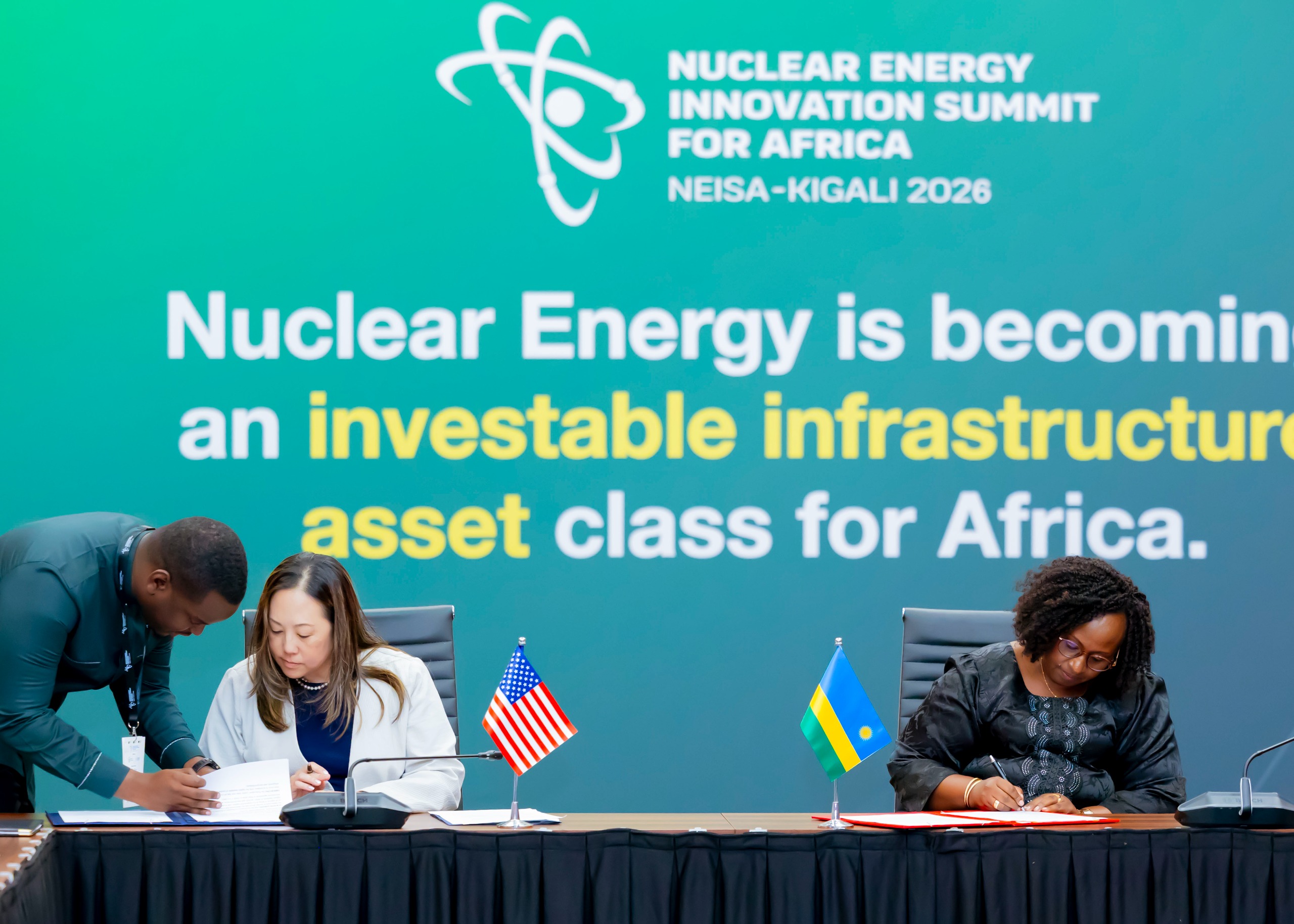
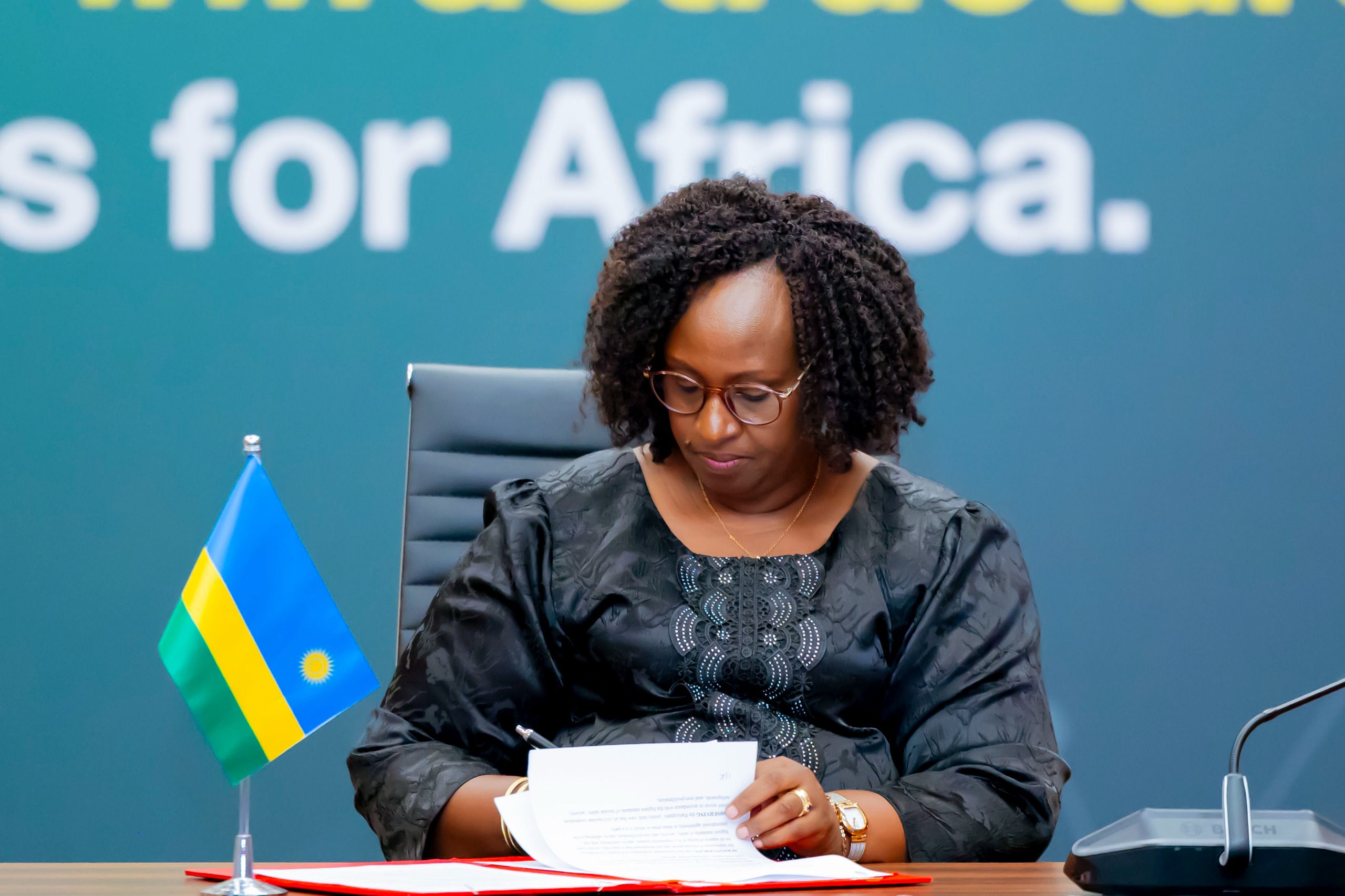
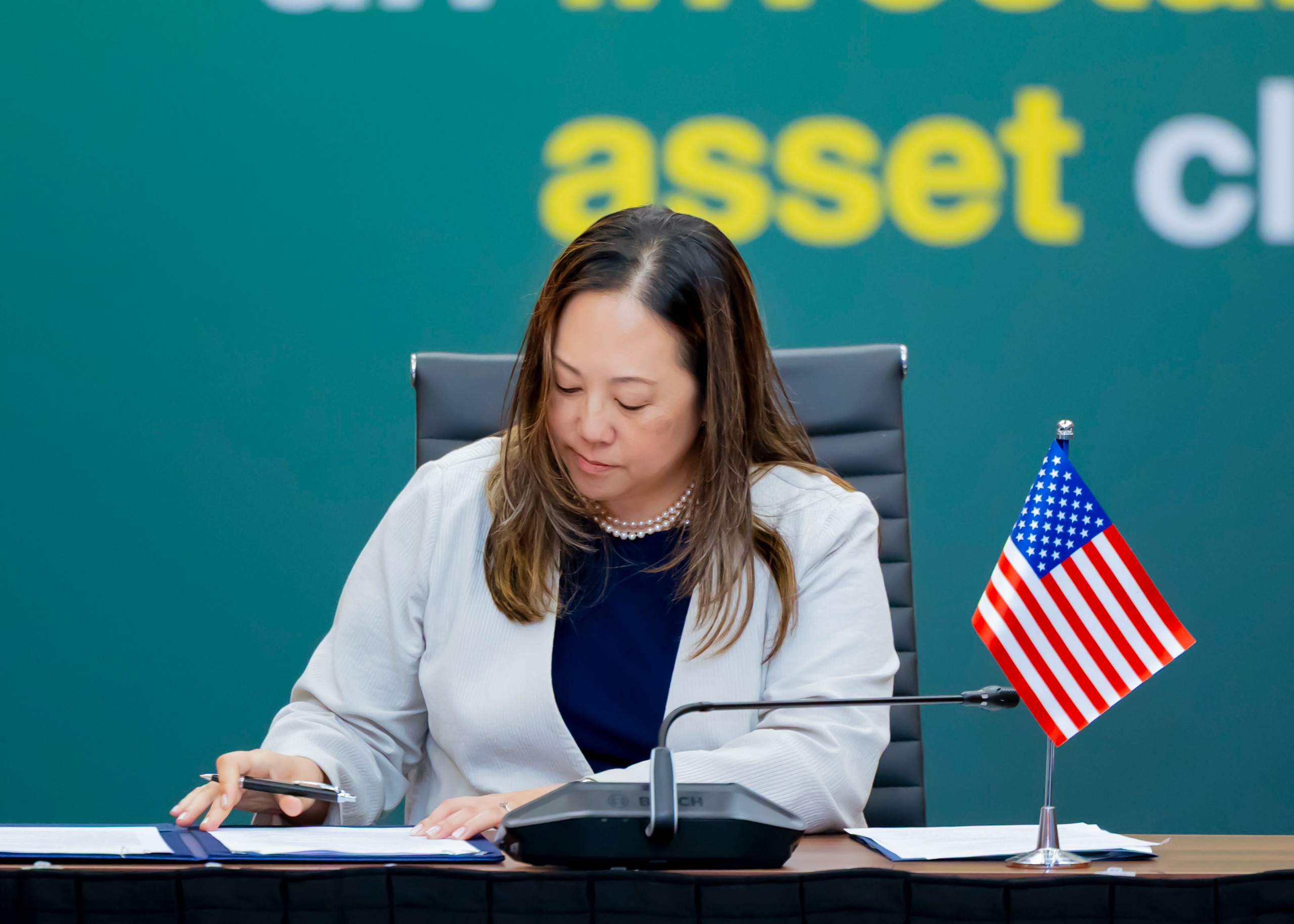
The agreement was signed on the sidelines of the Nuclear Energy Innovation Summit for Africa (NEISA) in Kigali on Tuesday by Rwanda’s Minister of State for Foreign Affairs and International Cooperation, Dr. Usta Kayitesi, and Renee Sonderman, Acting Principal Deputy Assistant Secretary in the U.S. State Department’s Bureau of Arms Control and Nonproliferation.
The MoU establishes a framework for cooperation in the peaceful use of nuclear energy, including regulatory capacity building, workforce development, scientific research, and the future deployment of advanced nuclear technologies such as small modular reactors (SMRs).
Speaking at the signing ceremony, Dr. Usta Kayitesi said the agreement reflects Rwanda’s commitment to diversifying its energy mix in line with the country’s Vision 2050 development agenda.
“Today, we are pleased to further deepen this cooperation into the field of peaceful nuclear energy where the United States is a world leader,” she said.
“Nuclear energy is a key component of Rwanda’s long-term energy strategy and broader national development ambitions. In line with Vision 2050, Rwanda aims to significantly diversify and expand its energy mix to meet the growing demand of consumers and industries alike.”
Kayitesi noted that under the framework, both countries intend to strengthen collaboration in nuclear energy development while promoting the highest standards of safety, security, and non-proliferation.
“I would like to reaffirm that today’s signing is a meaningful step forward in strengthening and structuring our cooperation in nuclear fields and in advancing the broader Rwanda-U.S. partnership in two new and strategic frontiers,” she added.
Renee Sonderman described the agreement as a key milestone in expanding bilateral cooperation on peaceful nuclear energy.
“This memorandum demonstrates our joint commitment on deepening bilateral
cooperation between the United States and Rwanda on the peaceful uses of nuclear energy and provides a key framework for enhancing cooperation between our governments in this strategically important area,” she said.
Sonderman praised Rwanda’s efforts to advance nuclear energy planning and highlighted the country’s interest in deploying SMR technology to meet growing energy demand and improve energy security.
“I’m very excited by the deliberate and serious approach that Rwanda is taking to facilitate the rapid deployment of small modular reactor technology,” she said.
She added that the United States is seeking to expand civil nuclear partnerships across Africa while positioning American companies to export advanced nuclear technologies to trusted international partners.
The MoU signing coincided with another major agreement announced during the summit between the Rwanda Atomic Energy Board (RAEB) and U.S.-based Holtec International.
The two parties signed a Comprehensive Development Agreement aimed at advancing the deployment of Holtec’s SMR-300 small modular nuclear reactors in Rwanda.
The agreement was signed by Dr. Fidele Ndahayo, CEO of RAEB, and Rafael Marin, Director of Holtec Europe.
Under the framework, Holtec and Rwanda will conduct technical cooperation activities including site assessments, feasibility studies, and data collection related to the potential deployment of SMR-300 reactors in Rwanda.
Officials said the project could eventually support up to approximately 5 GW of nuclear generation capacity to strengthen Rwanda’s long-term energy security and provide carbon-free baseload electricity.
“Through this agreement, Holtec and RAEB will work together to deploy SMR-300 units in Rwanda,” Rafael Marin said, adding that the initiative could position Rwanda as a pioneer of SMR deployment in Africa.
Dr. Ndahayo said Rwanda remains committed to introducing nuclear power by the early 2030s and views the partnership as part of a structured process toward future deployment.
At the summit, President Paul Kagame reiterated Rwanda’s commitment to integrating nuclear energy into its national energy strategy, saying the country remains on track to operationalise nuclear energy infrastructure in the early 2030s.
“We intend to have nuclear energy operational by the early 2030s. This assessment confirms that we are on track,” Kagame said after receiving the International Atomic Energy Agency’s Phase I Integrated Nuclear Infrastructure Review report from IAEA Director General Rafael Mariano Grossi.
Rwanda’s energy roadmap includes plans to expand electricity generation capacity significantly over the coming decades, with nuclear energy expected to complement renewable sources by providing stable and reliable power for industrialisation and economic transformation.
The Nuclear Energy Innovation Summit for Africa brought together African leaders, regulators, industry experts, and international partners to discuss investment opportunities and cooperation in nuclear energy development, amid growing continental interest in small modular reactor technology.
The agreement was signed on the sidelines of the Nuclear Energy Innovation Summit for Africa (NEISA) in Kigali on Tuesday by Rwanda’s Minister of State for Foreign Affairs and International Cooperation, Dr. Usta Kayitesi, and Renee Sonderman, Acting Principal Deputy Assistant Secretary in the U.S. State Department’s Bureau of Arms Control and Nonproliferation. Dr. Usta Kayitesi said the agreement reflects Rwanda’s commitment to diversifying its energy mix in line with the country’s Vision 2050 development agenda.Sonderman praised Rwanda’s efforts to advance nuclear energy planning and highlighted the country’s interest in deploying SMR technology to meet growing energy demand and improve energy security.The MoU establishes a framework for cooperation in the peaceful use of nuclear energy, including regulatory capacity building, workforce development, scientific research, and the future deployment of advanced nuclear technologies such as small modular reactors (SMRs).