Qu made the remarks at a joint FAO-UN Environment Programme (UNEP) event at FAO headquarters in Rome marking the seventh International Day of Awareness of Food Loss and Waste.
According to FAO, 13.4 percent of food produced globally is lost after harvest and before reaching retail, while 19 percent of food available to consumers is wasted at the retail, food service and household levels.
Food loss and waste also means a waste of the land, water and other resources used to produce food. FAO estimates that about 1.4 billion hectares of land are used to produce food that is ultimately never consumed.
As agricultural expansion remains the leading driver of deforestation globally, reducing food loss and waste could help make better use of existing agricultural land and reduce pressure on forests, FAO said.
“To protect forests, we must transform agrifood systems; to transform agrifood systems, we must reduce food loss and waste, and by reducing food loss and waste, we help safeguard forests,” Qu said.
Food loss and waste account for around 10 percent of global greenhouse gas emissions. When discarded food decomposes, particularly in landfills under anaerobic conditions, it also produces methane, a potent greenhouse gas.
Despite international commitments, the world has made no apparent progress in reducing food losses since 2015 and remains off track to meet Sustainable Development Goal target 12.3, which aims to halve per capita food waste at retail and consumer levels and reduce food losses along production and supply chains by 2030.
At the event, FAO also released an interactive Food Loss Index data map, presenting food loss estimates for 2024 at the subregional and regional levels.
FAO said the tool will improve access to food loss data and support evidence-based policies and efforts to reduce losses across agrifood systems.
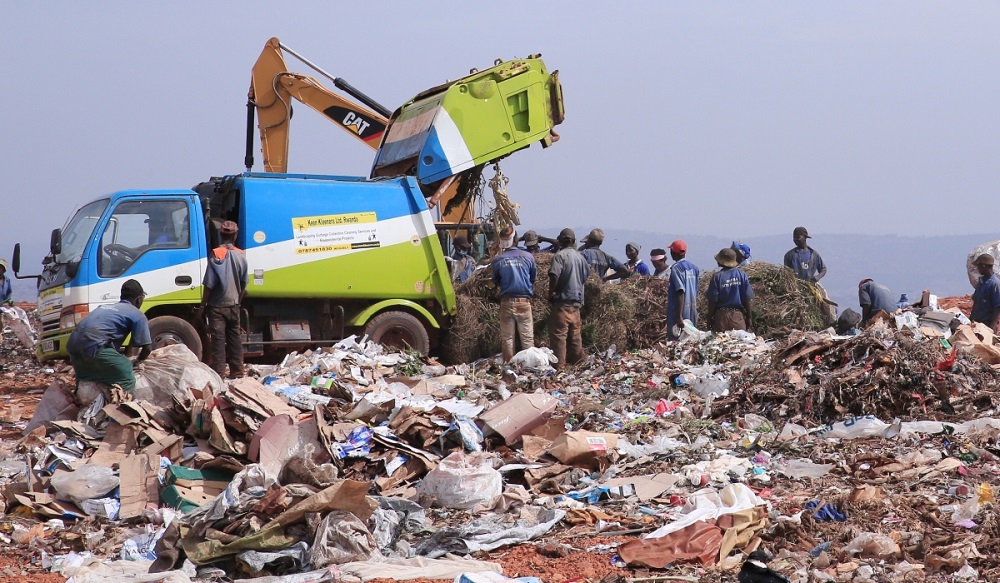
Nduba landfill accumulates over 500 tons of waste materials are dumped on daily basis.
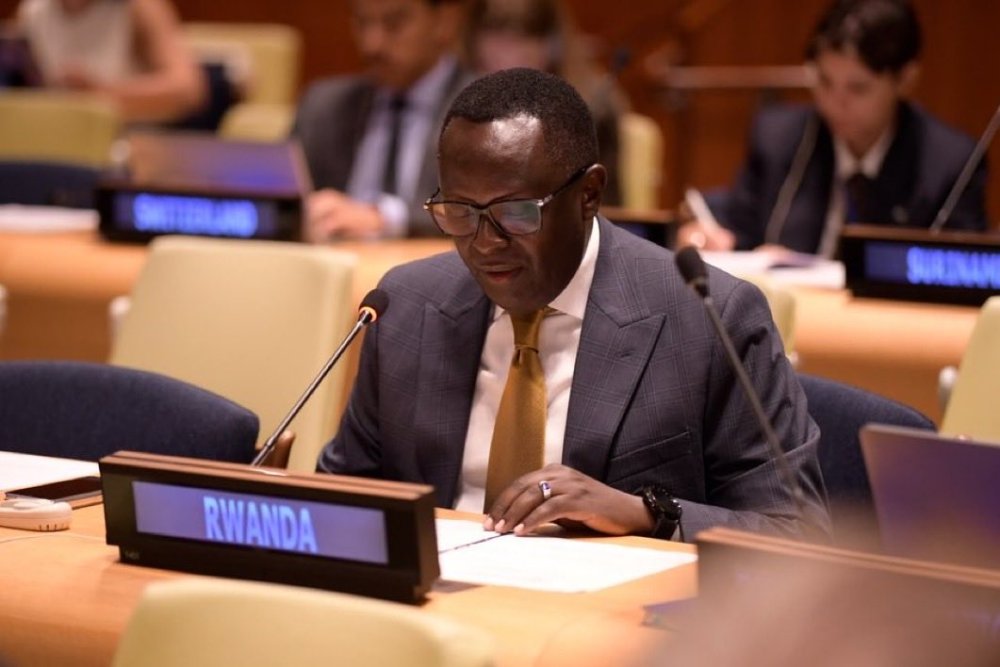
Amb. Ngoga made the remarks on September 29, 2026, during a UN Security Council briefing on the activities of the UN Organization Stabilization Mission in the Democratic Republic of the Congo (MONUSCO).
He said Rwanda remains committed to the Washington Accords and the ongoing Doha process, but stressed that agreements would only have an impact if their commitments are implemented and verified.
“Rwanda has taken steps to lift its defensive measures and has reported those steps through the Washington mechanisms. We have also proposed a tripartite verification mechanism comprising Rwanda, the DRC and the United States as a mediator.
“This points to one central proposition. Claims should be verified, commitments should be measured, and all parties should be held to the same standard,” Amb. Ngoga said.
Rwanda cites continued FDLR activity and FARDC collaboration
Amb. Ngoga said the FDLR remains operational in Rutshuru, Masisi, Nyiragongo and Walikale, citing the UN Secretary-General’s report.
He further said that information available to Rwanda indicated continued operational collaboration involving the FARDC, FDLR, Wazalendo and other allied forces throughout 2026.
He cited several incidents as examples. According to the information presented by Rwanda, FARDC helicopters and military trucks transported ammunition and supplies to locations where some of the material was subsequently distributed to FDLR and other armed-group commanders.
Amb. Ngoga referred to alleged deliveries in February and March, including 13 tonnes of small-calibre ammunition transported to Pinga and Kibua, 12 tonnes of ammunition and food rations taken to Ntoto, and a later delivery involving 693 rifles, six tonnes of ammunition and cash incentives.
He said the alleged pattern continued through April, June and July and cited August 15 as the most recent example presented to the Council.
“The significance is not any single incident. It is the continuity of the pattern from January to August, during the very period in which the neutralization of the FDLR was supposed to be advancing,” he said.
Rwanda, Amb. Ngoga added, had shared the information through the Joint Oversight Committee and Joint Security Coordination Mechanism.
The ambassador also criticised what he described as a separate arrangement being advanced between the DRC Government and the FDLR, arguing that it should not replace commitments already made under the Washington process.
He said the two sides had already identified and mapped FDLR positions, including its political and military command structures, through the Joint Security Coordination Mechanism.
Amb. Ngoga also said the DRC Government had concluded protocols with FDLR leaders and affiliated armed groups on several occasions, most recently on August 29, 2026.
“The obligation is clear: the FDLR must be neutralized, and that neutralization must be effective, complete and verifiable,” he said.
He described the continued presence of the FDLR and what he called its collaboration and support from the DRC Government as “a direct and existential security threat to Rwanda.”
Rwanda raises concerns over Rwandophone communities
Amb. Ngoga also used the Security Council platform to raise Rwanda’s concerns over violence against Banyamulenge and other Congolese Rwandophone communities.
He cited information in the public domain indicating that more than 650 villages had been destroyed or burned in the South Kivu Highlands since 2017, while more than 700,000 cattle had been looted and at least 147 schools and 57 health facilities destroyed.
He said more than 80% of the Banyamulenge and other Rwandophone population had been forced into exile through successive waves of violence.
Amb. Ngoga also referred to restrictions around Minembwe and what he described as a prolonged blockade affecting civilians.
He questioned the reported reinstatement of Major General Sylvain Ekenge as FARDC spokesperson, saying his return following a suspension over remarks targeting Kinyarwanda-speaking Congolese raised questions about accountability for ethnic incitement.
The Rwandan envoy also challenged the description of some armed groups fighting alongside the FARDC as “self-defence groups”. He said UN reporting had attributed 143 human rights abuses to Wazalendo groups and documented children associated with Wazalendo-affiliated armed groups.
He argued that armed groups should be assessed using consistent, evidence-based criteria, including Twirwaneho in the context of Minembwe.
Concluding his remarks, Amb. Ngoga said the Washington and Doha processes presented an opportunity to change the course of the conflict but stressed that implementation remained essential.
“Agreements alone will not bring peace. Implementation will,” he said.
He added that Rwanda was implementing its commitments and was ready for its actions to be verified, while calling for the same standard to be applied to all parties.
Rwanda’s Ambassador to the UN Martin Ngoga has said the continued presence of the FDLR in DR Congo remains a security concern for Rwanda and the region.
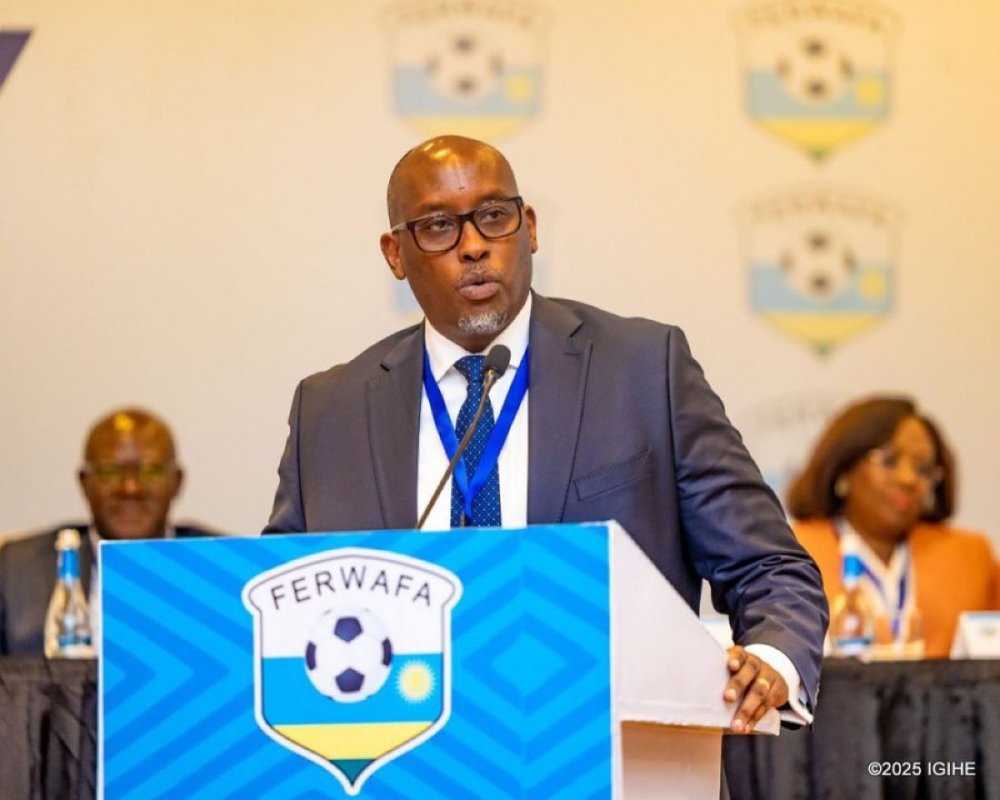
On Tuesday, September 29, 2026, Shema wrote to the FERWAFA General Assembly informing it that he would no longer lead the federation, with his resignation taking immediate effect.
“I have submitted my resignation as President of the Rwanda Football Federation, effective immediately. This decision has been made with integrity and is linked to my personal conduct,” he said.
“I believe stepping down is the most important action to protect the integrity of the federation, maintain public confidence in it and allow other activities to continue smoothly without any damage.”
Shema added that following his resignation, he wished Rwandan football leadership that operates transparently and said he was ready to facilitate the handover process to ensure a smooth continuation of the federation’s activities.
He thanked the FERWAFA General Assembly that elected him, the Executive Committee he worked with, other federation officials, partners, the national team, fans and everyone who had placed their trust in him.
Shema resigned about a month and a half after becoming involved in a court case related to his business activities outside football. He had been charged with issuing bounced cheques and obtaining another person’s property through fraud. The offences were related to his medical equipment business operated through his company, Africa Medical Supplier.
On September 22, 2026, Nyarugenge Primary Court ordered his release after he accepted a plea agreement reached with the prosecution.
Under the agreement presented to the court, the prosecution said he had made the required payment and requested a six-month suspended sentence for one year, as well as a fine of Rwf3 million.
FERWAFA regulations and the requirements for candidates seeking to lead the federation state that a candidate must “not have been convicted of an offence and sentenced to imprisonment for more than six months.”
Shema had started his tenure with an emphasis on improving the financial resources available to football clubs and helping them become more self-sustaining. One of his early initiatives was to increase prize money for teams that performed well.
The winner of the men’s top-flight league received Rwf80 million, while eight teams received prize money, with the eighth-placed team taking home Rwf10 million. In total, Rwf484 million was distributed in prizes during his first year.
During his year in office, Shema also contributed to efforts to recruit talented Rwandan players based abroad to strengthen the national team, Amavubi, and helped facilitate a training camp for the team in Egypt.
He leaves office without achieving his stated ambitions of guiding Amavubi to the 2027 Africa Cup of Nations, a tournament Rwanda last reached in 2004, and qualifying for the 2030 FIFA World Cup.
FERWAFA is currently headed on an interim basis by lawyer Claudine Gasarabwe, who previously served as First Vice President in charge of Finance and Administration.
Shema resigned about a month and a half after becoming involved in a court case related to his business activities outside football.
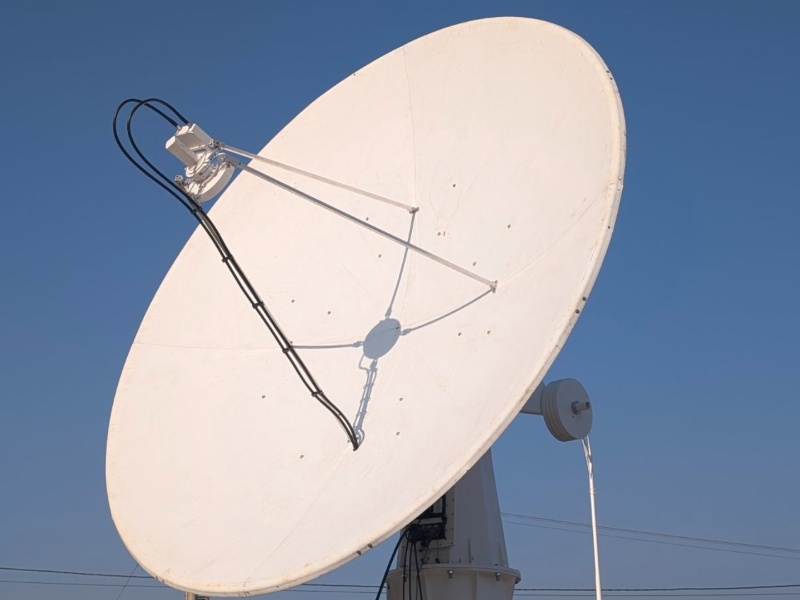
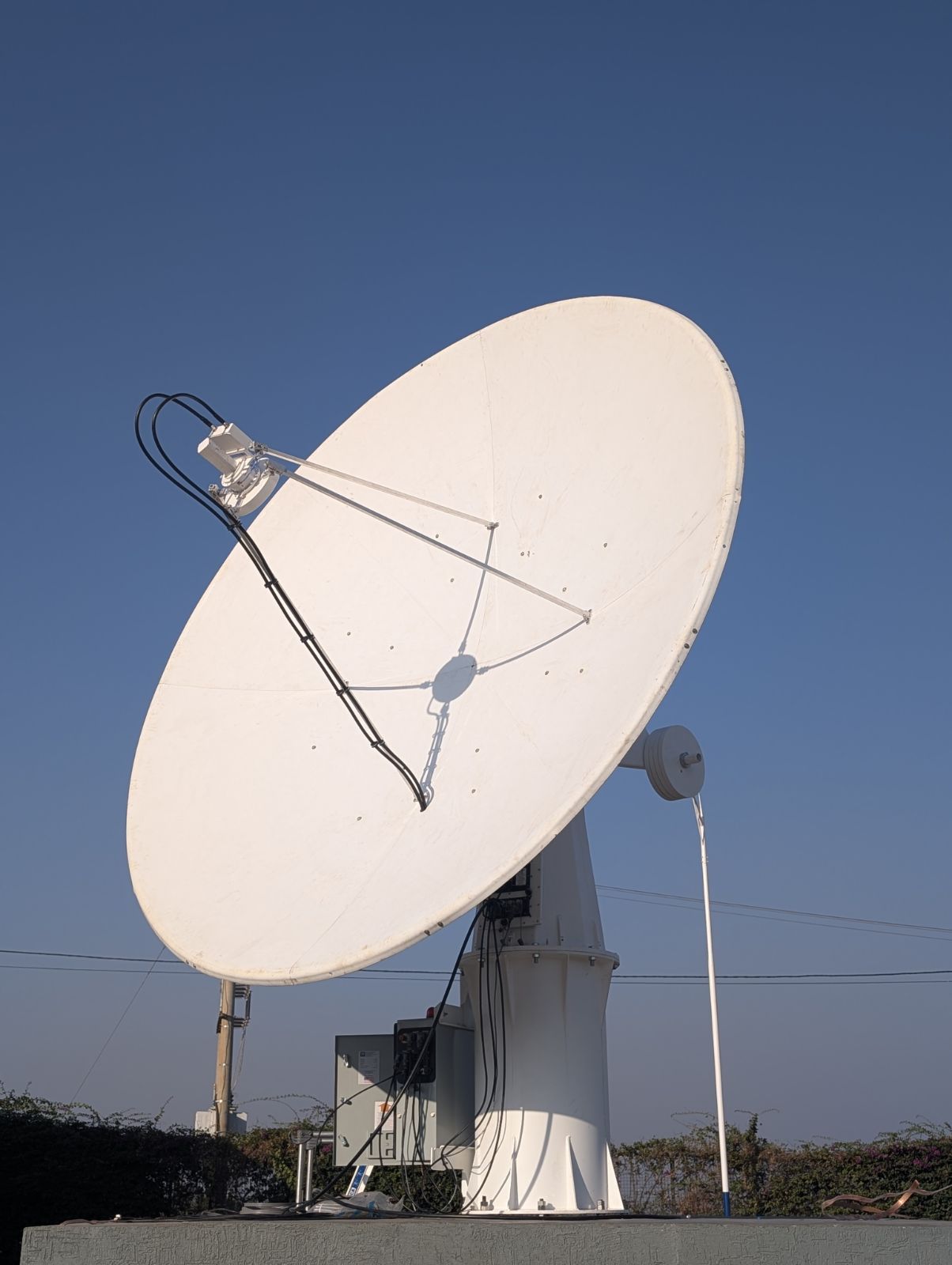
The new antenna entered service on September 18, 2026, allowing the Mwulire teleport in Rwamagana District to support two satellite contacts simultaneously, up from one previously.
The antenna is owned by ATLAS and hosted at the Rwanda Space Agency’s Mwulire facility under an antenna-hosting agreement. It operates under a Ground Station as a Service (GSaaS) model, in which ATLAS uses space at the Rwanda facility while managing the antenna and providing ground communication services to satellite operators.
The antennas are used to establish communication links with satellites, receiving data transmitted from spacecraft to the ground station. The new antenna receives S-band downlinks and can later be upgraded to support X-band reception.
The development expands the capacity available to satellite missions requiring coverage near the equator.
Mwulire is located about two degrees south of the equator at an altitude of 1,668 metres. Its location gives the ground station visibility of low-inclination satellites that may be difficult to reach from stations at higher latitudes, while also creating additional contact opportunities for satellites in mid-inclination orbits.
The new antenna is a 3.7-metre receive-only parabolic reflector. It receives S-band signals in the 2200 to 2300 MHz range and supports both left- and right-hand circular polarization.
ATLAS said the antenna can be scheduled through its Freedom platform, meaning existing customers using the company’s global network can book contacts at Mwulire without having to build or integrate new infrastructure.
“What customers count on is reliable contacts, and this second antenna in Mwulire gives them more of that,” ATLAS Chief Executive Officer Kristin Rice said.
Rice said the expansion reflects the company’s partnership with the Rwanda Space Agency and growing demand for equatorial satellite coverage.
The new antenna is the second installed at Mwulire under the partnership between ATLAS and the Rwanda Space Agency. The first antenna, which entered service in July 2025, is owned by Rwanda.
Rwanda Space Agency Chief Executive Officer Gaspard Twagirayezu highlighted that the new installation strengthens the country’s ground infrastructure and increases the capacity available to support space missions from Africa.
“Rwanda’s teleport is open for business and ready to support a growing range of space activities, from antenna hosting to mission control services, and more,” Twagirayezu said.
ATLAS completed the new antenna’s design in early 2026 before shipping it in May, installing it in August and commissioning it in September. During commissioning, the antenna completed more than 350 scheduled test contacts with a 100 percent completion rate and no recorded error seconds.
ATLAS, which became a wholly owned subsidiary of York Space Systems in 2025, operates a global network of more than 50 antennas across 20 countries through its Freedom ground software platform.
The expansion adds capacity to Rwanda’s emerging space infrastructure as the country seeks to develop services that support satellite communications, mission control and other space-related activities.
The new antenna entered service on September 18, 2026, allowing the Mwulire teleport in Rwamagana District to support two satellite contacts simultaneously, up from one previously.
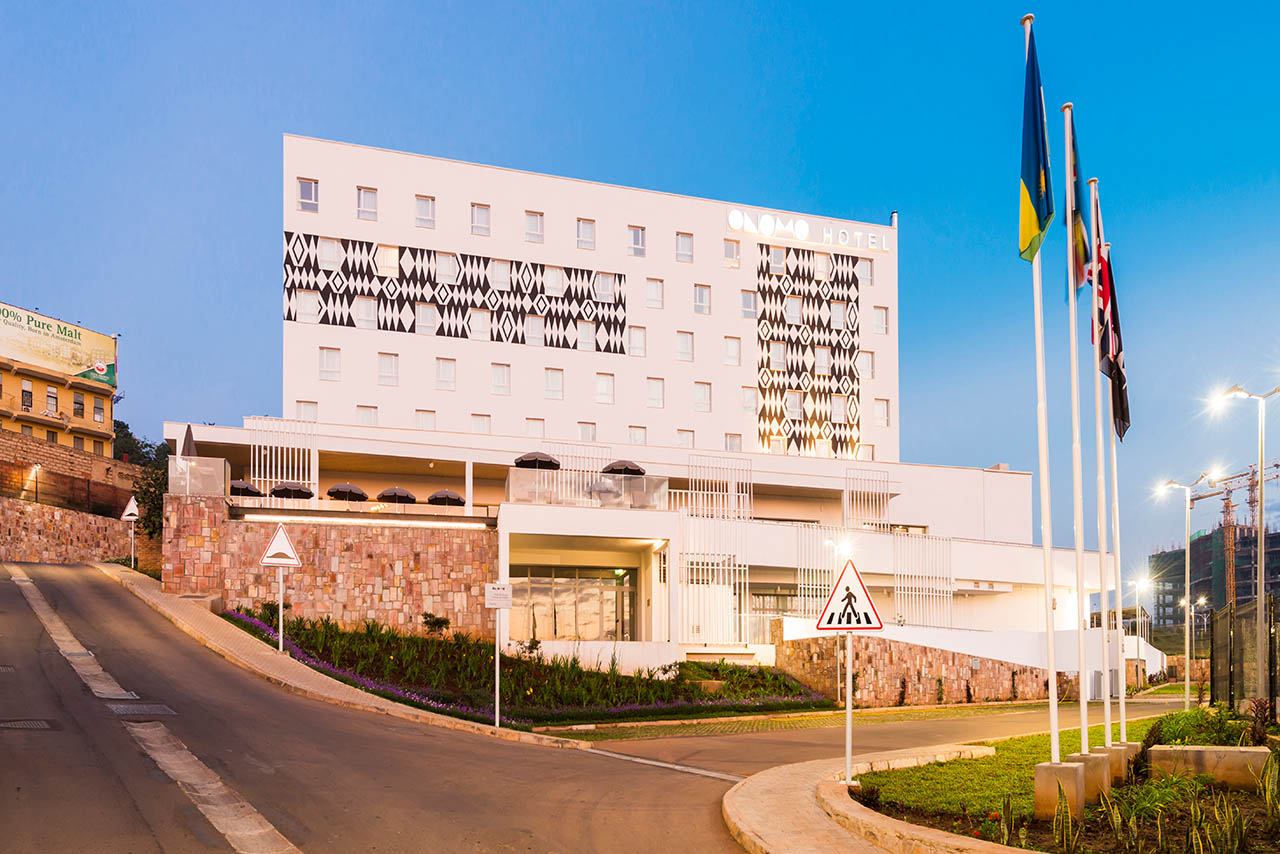
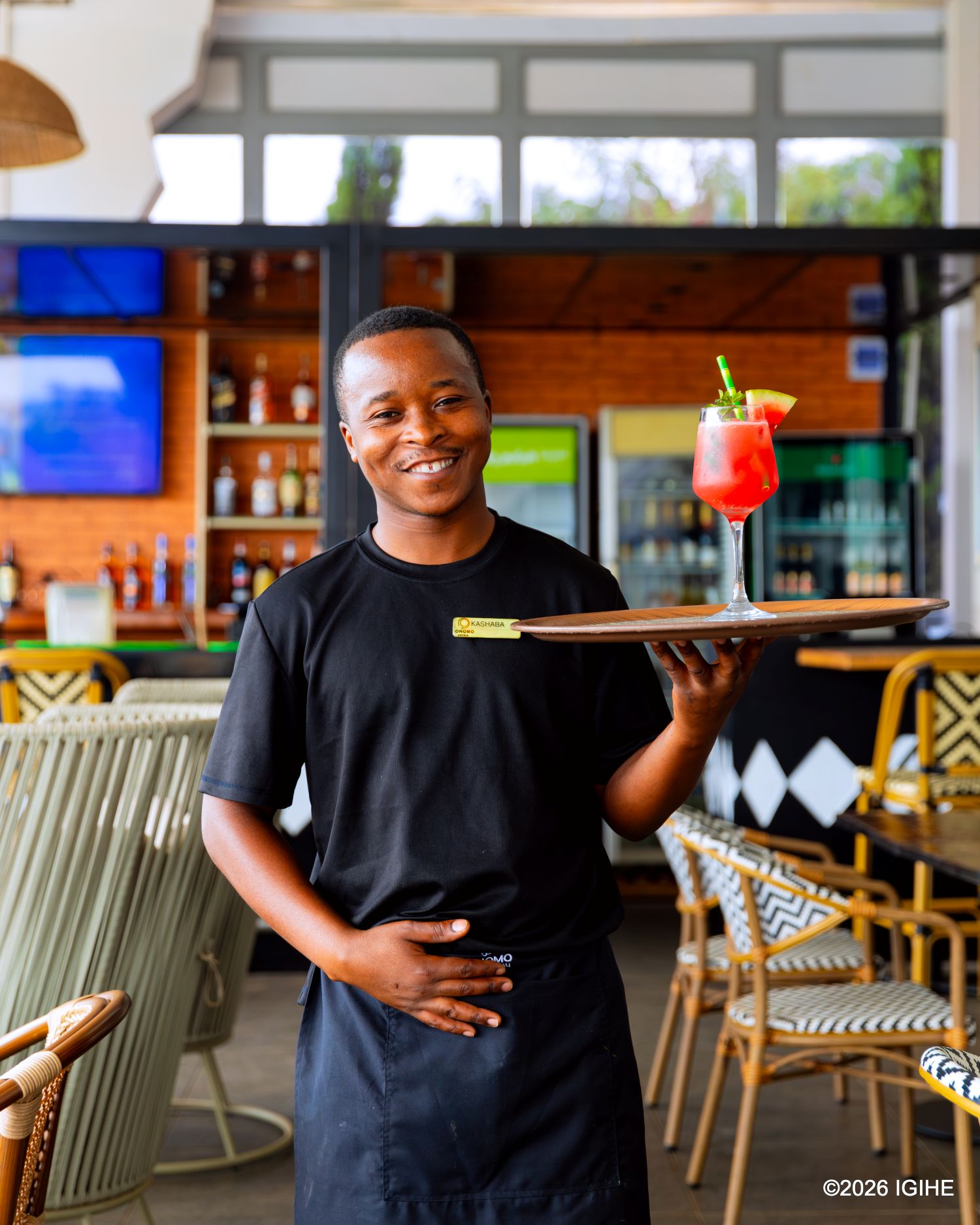
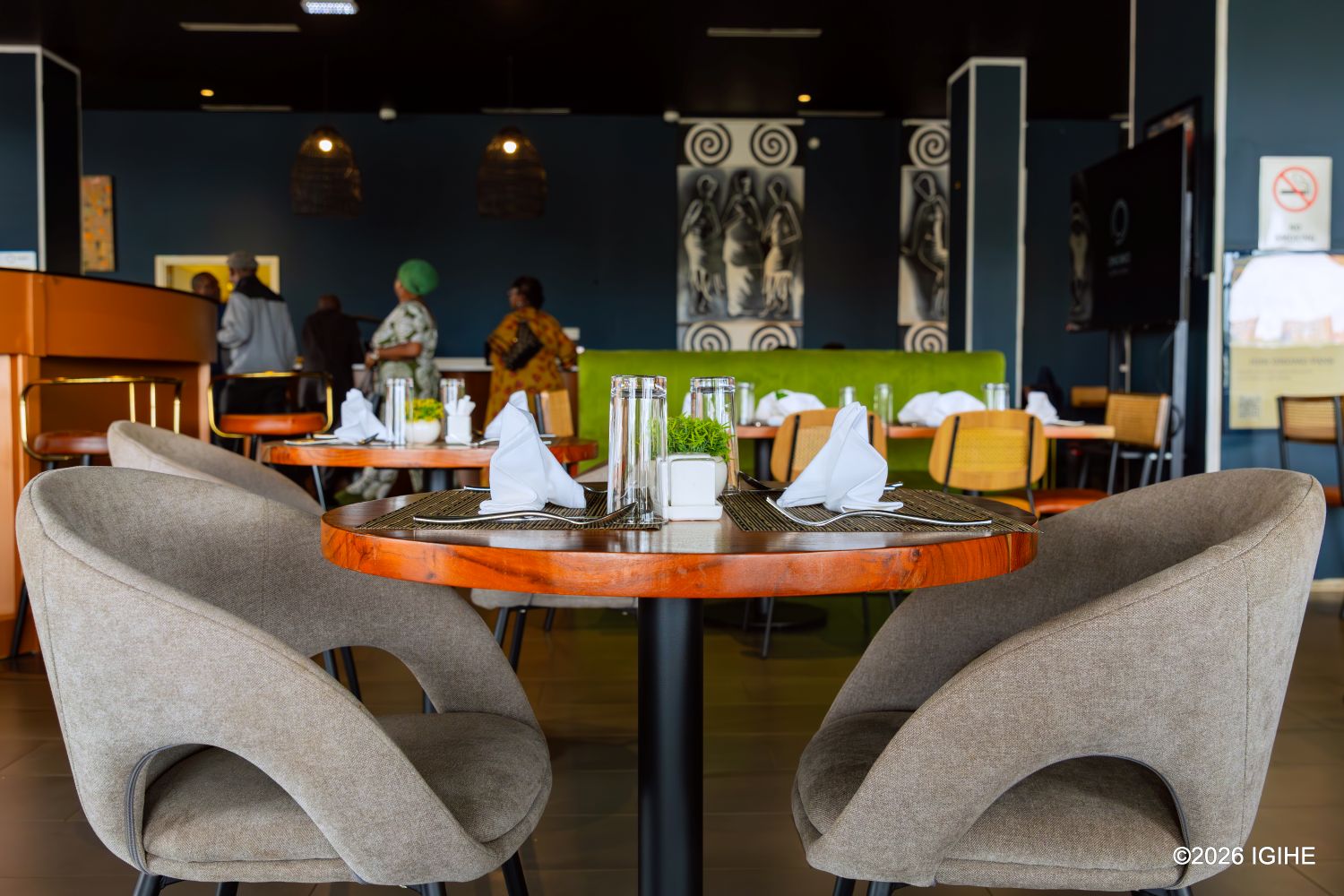
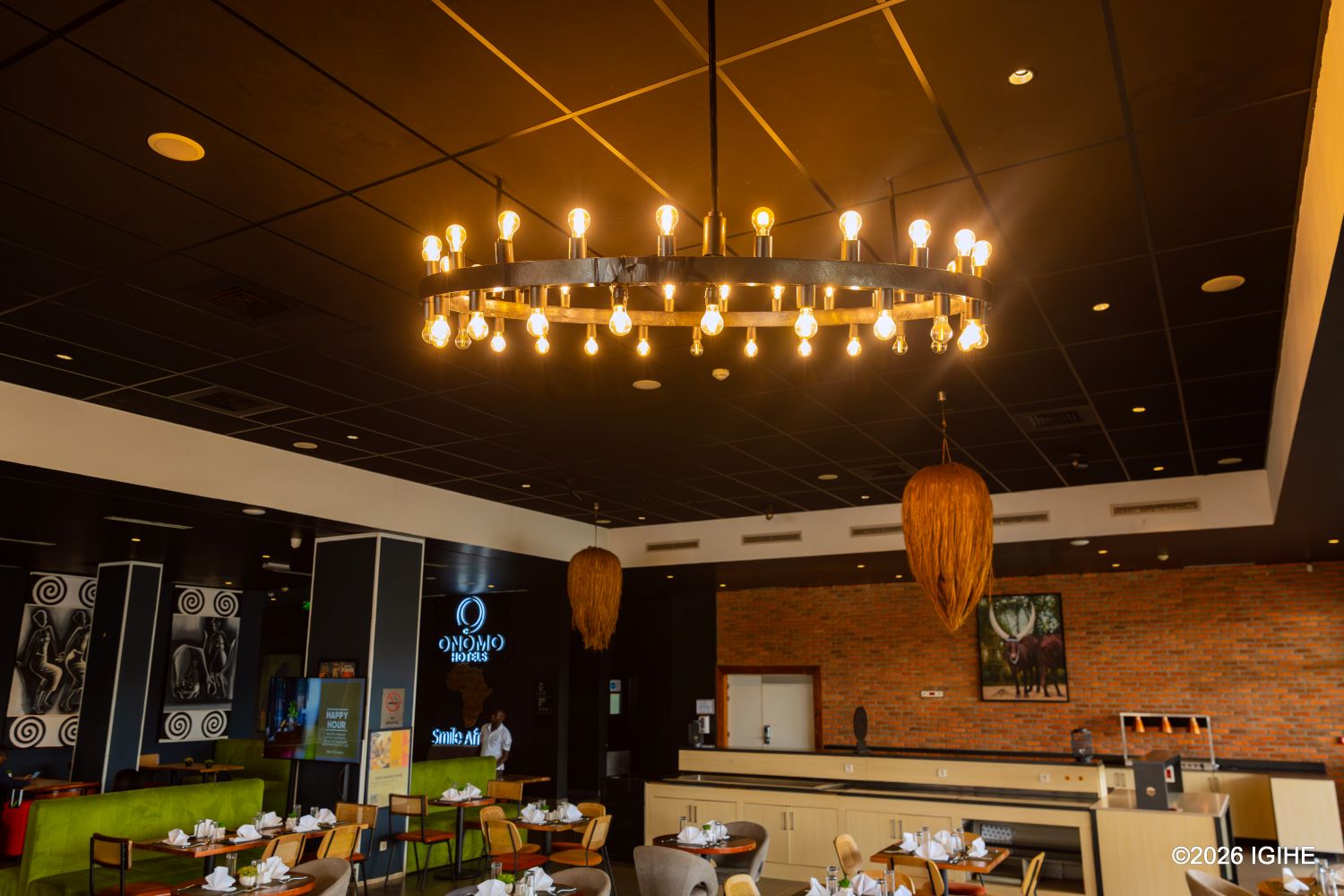
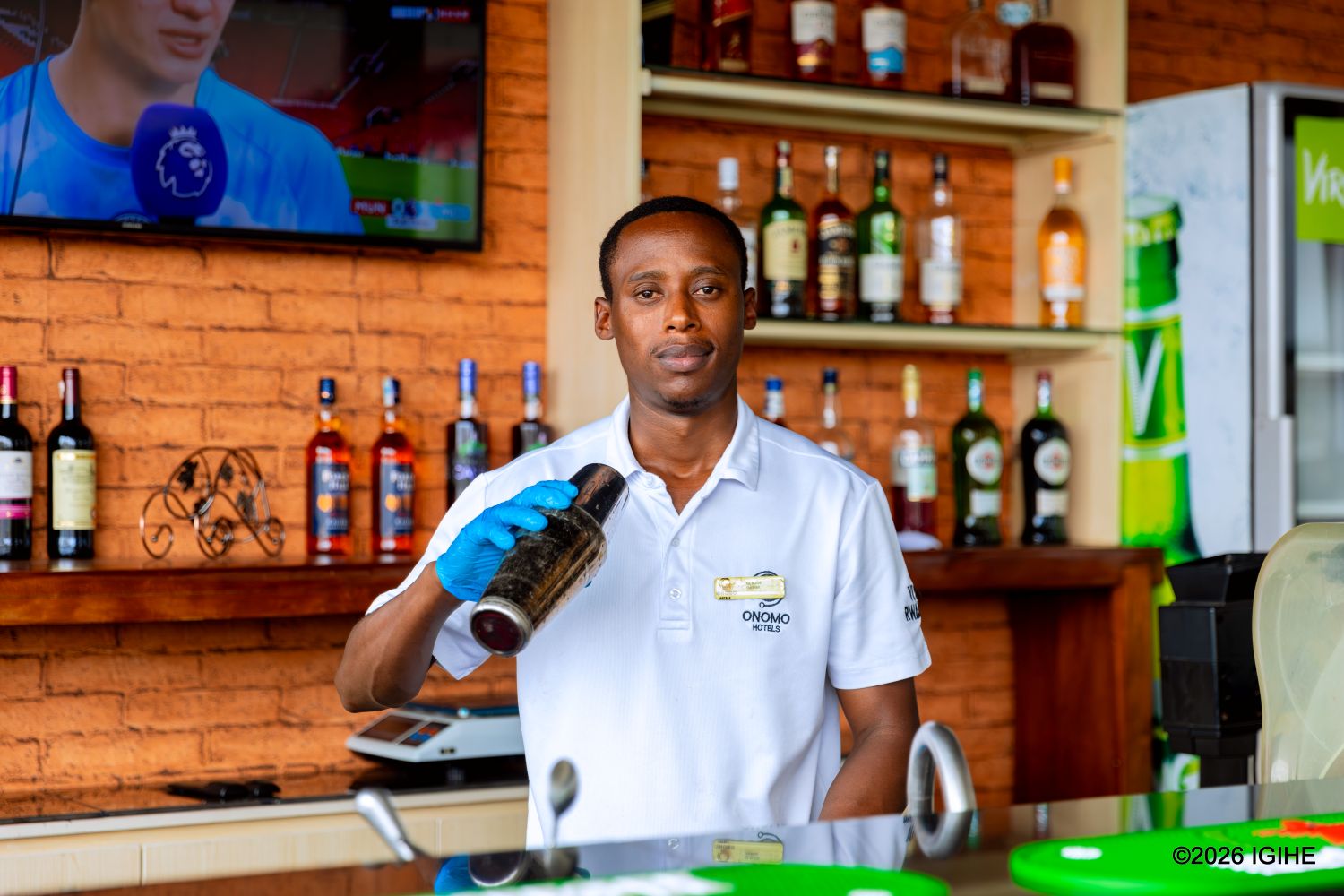
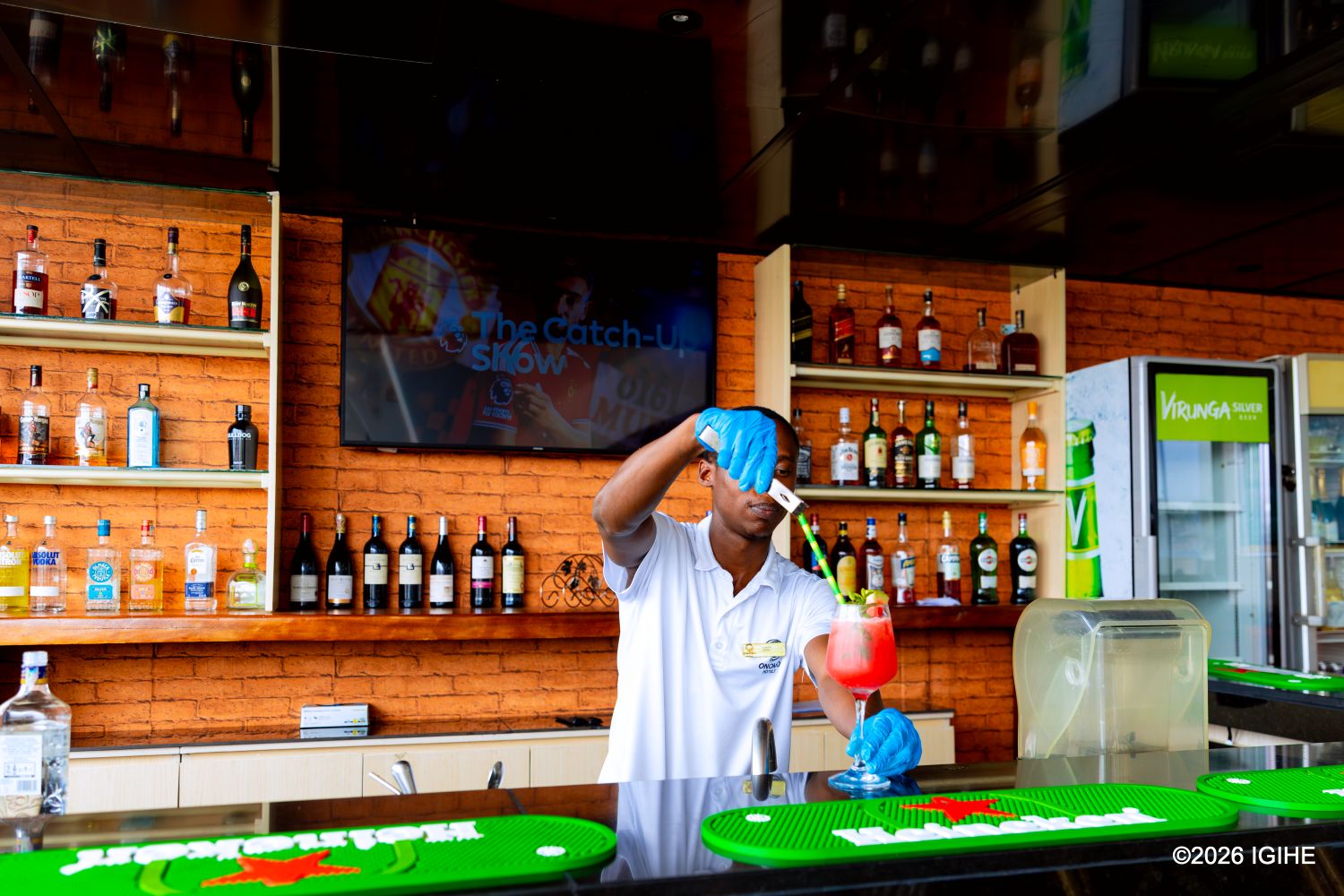
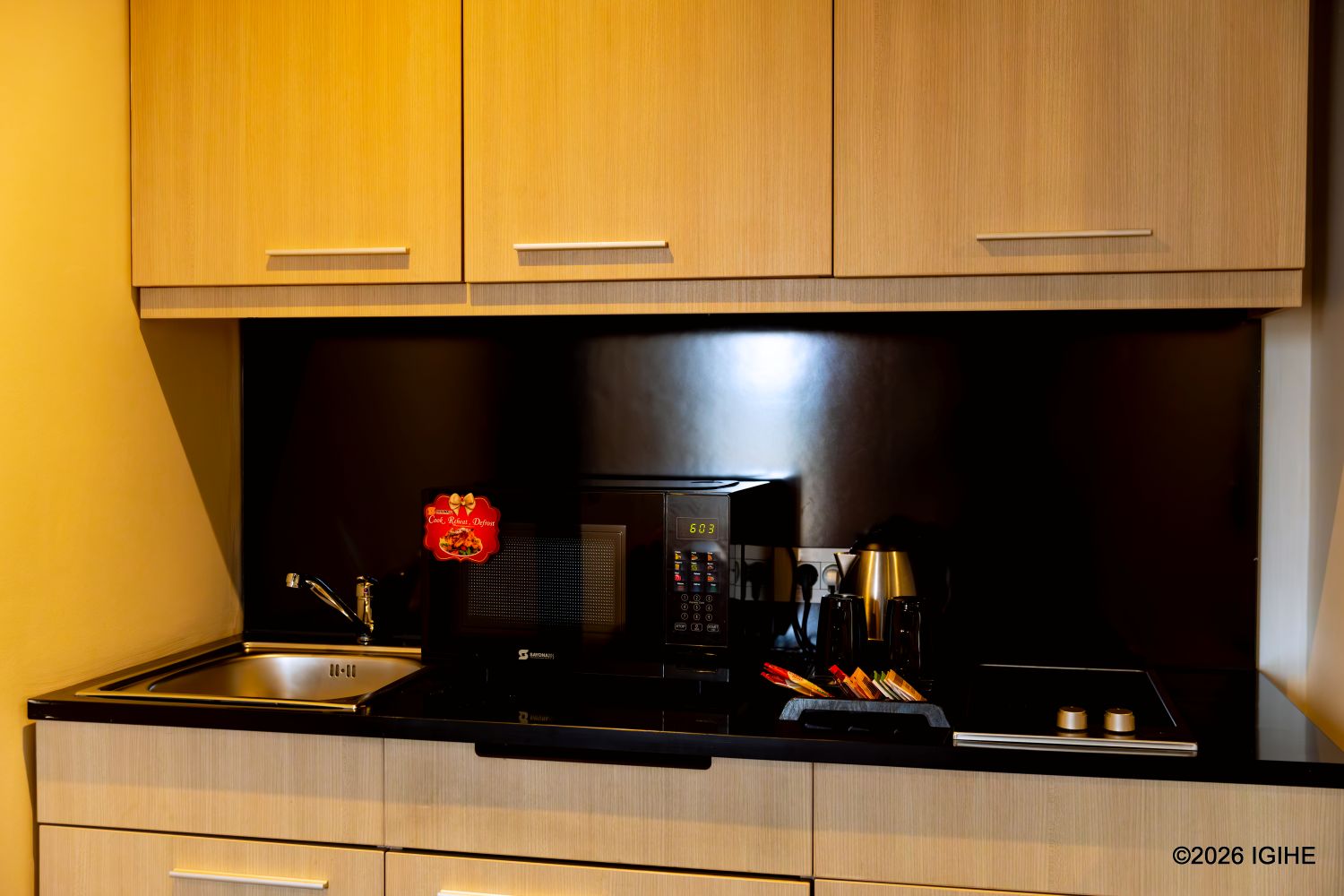
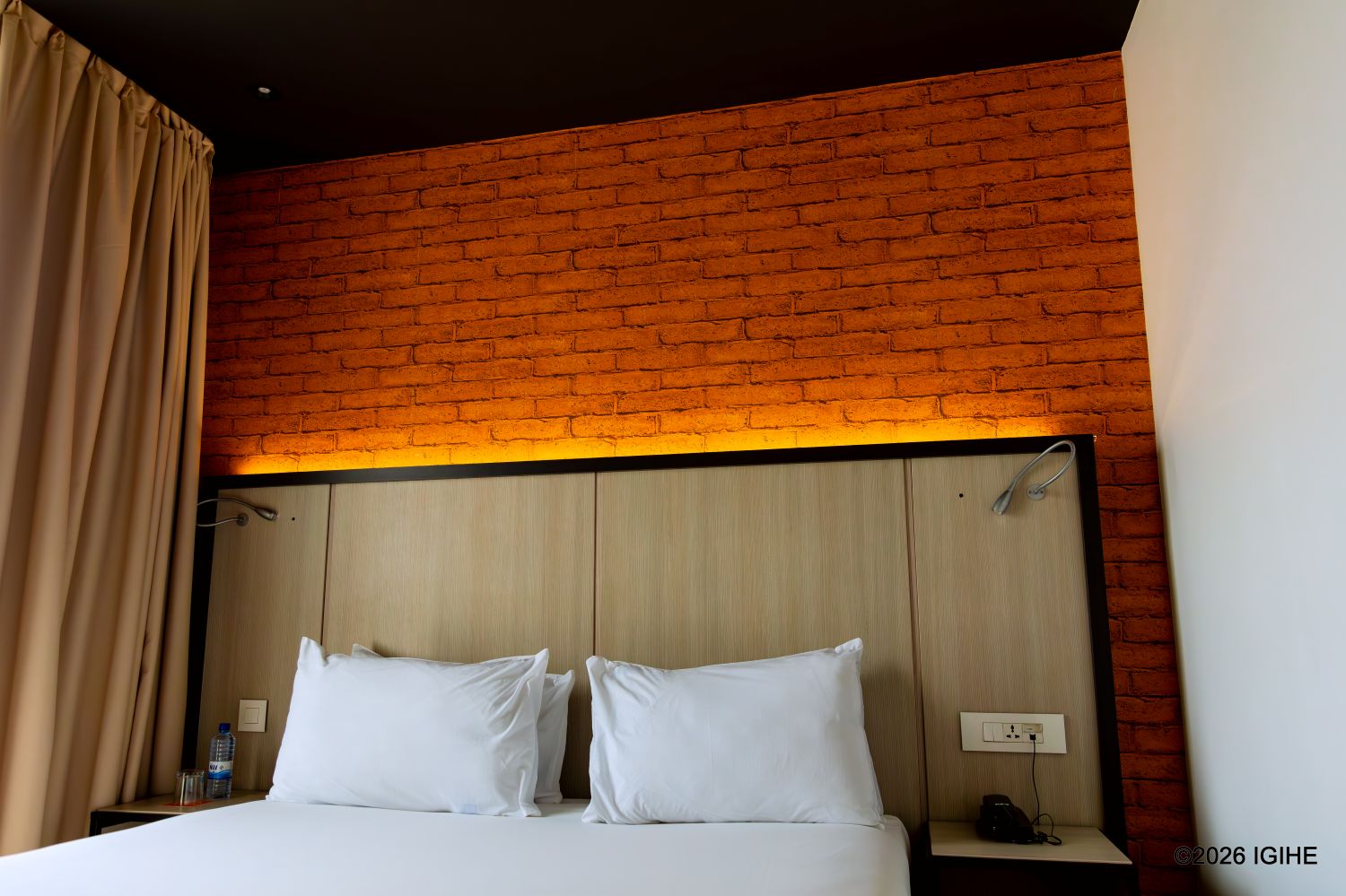
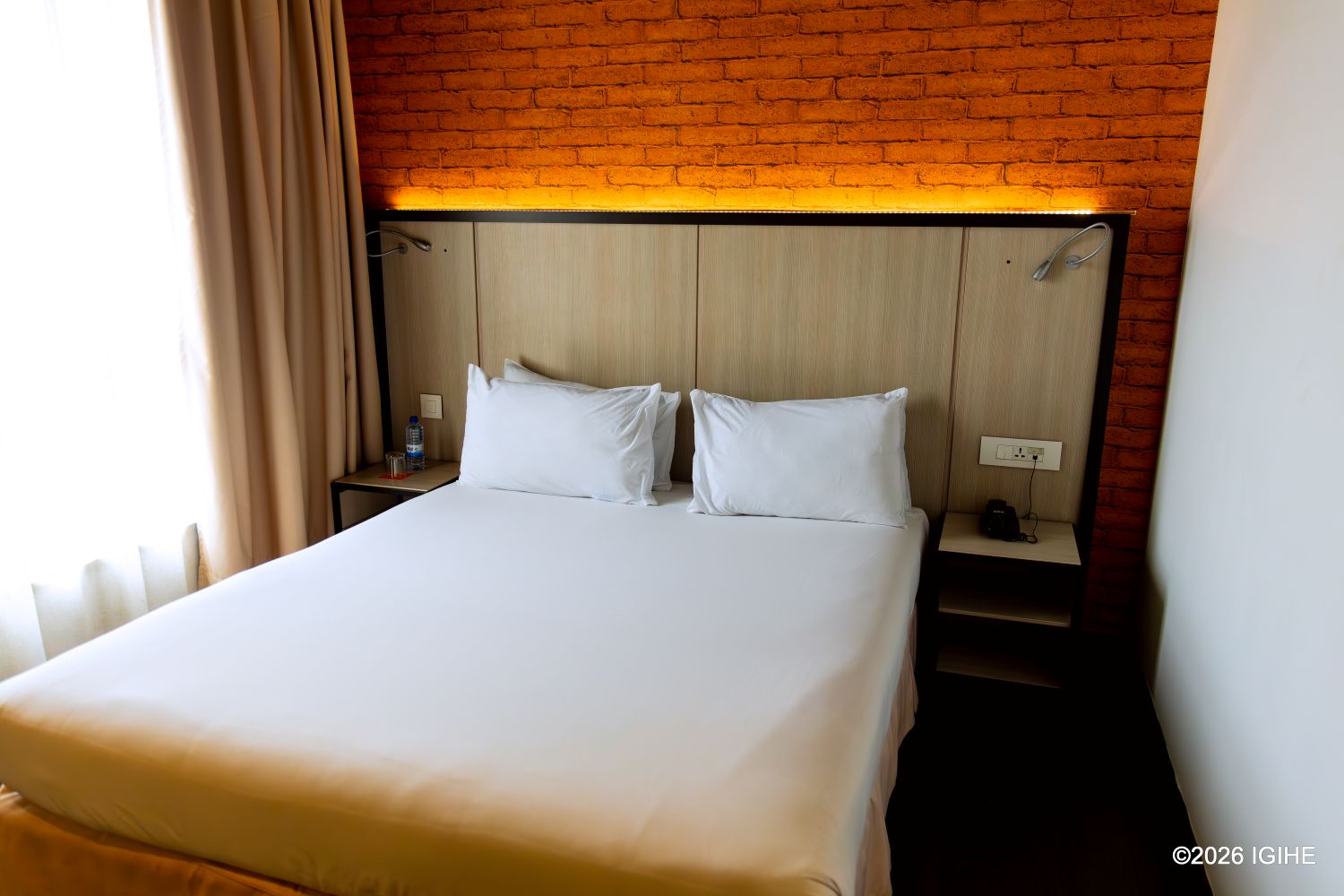
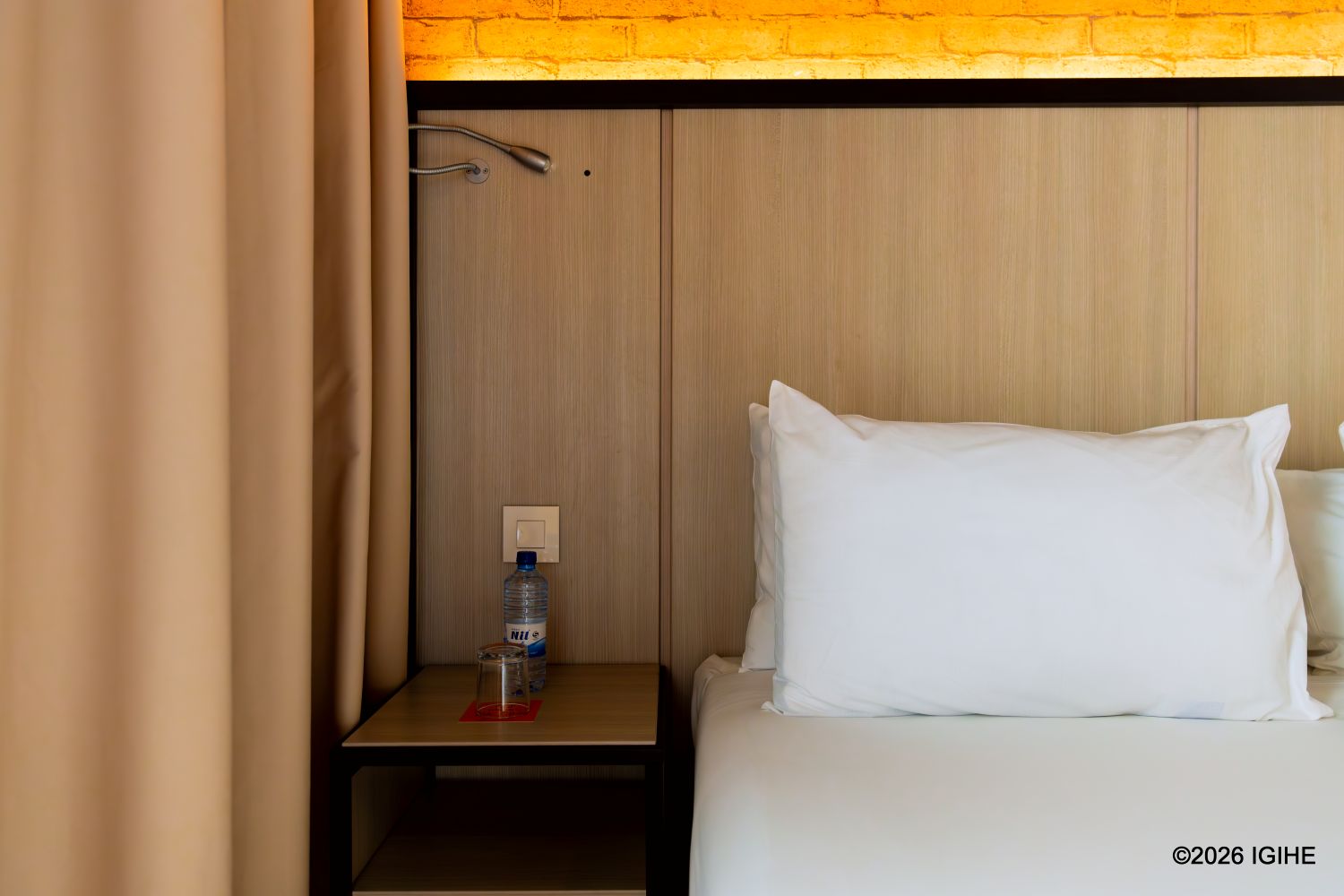
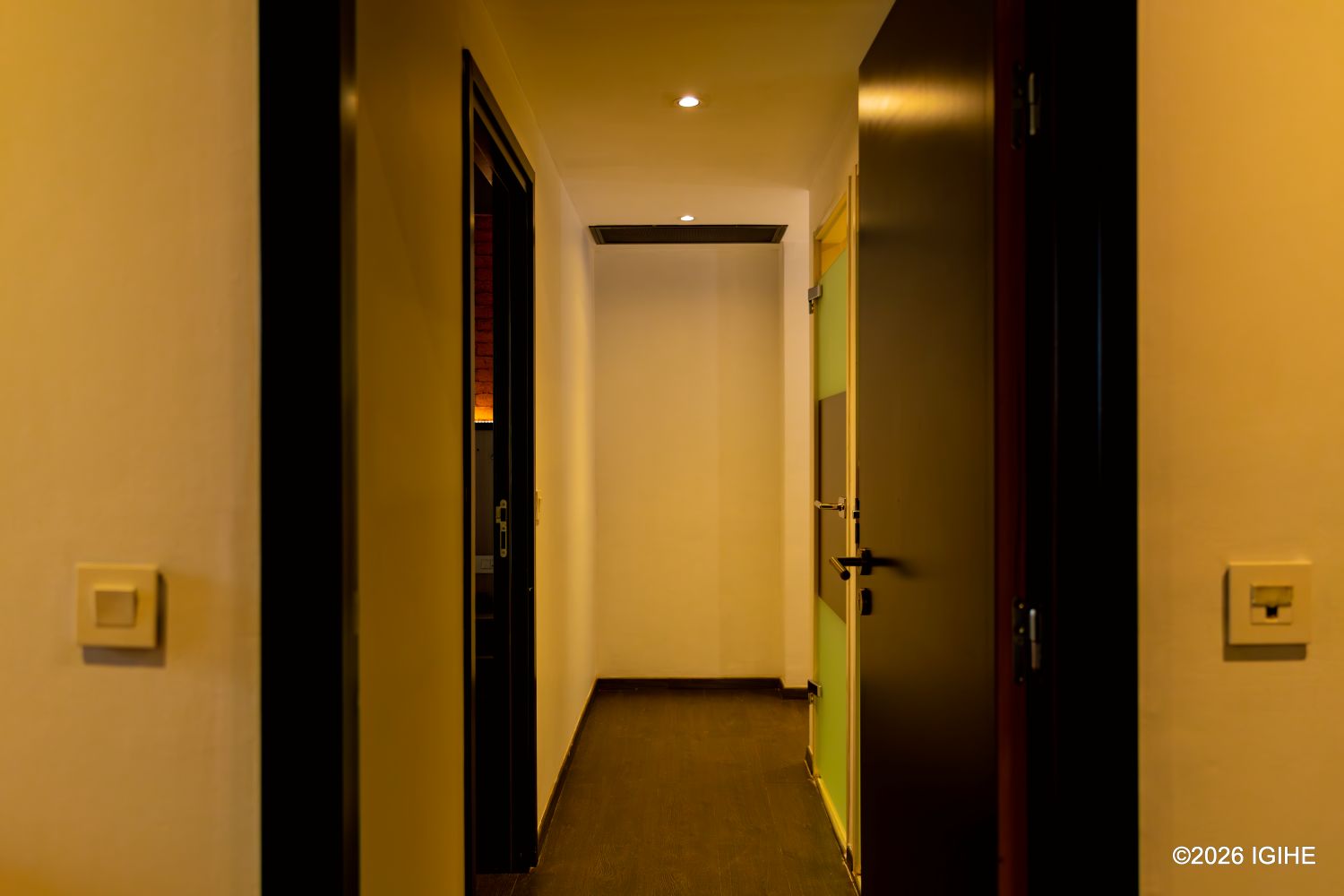
The hotel has refreshed several of its spaces and expanded its food and beverage offering as part of a transformation led by General Manager Tim Brown, who joined the Kigali property at the beginning of 2026.
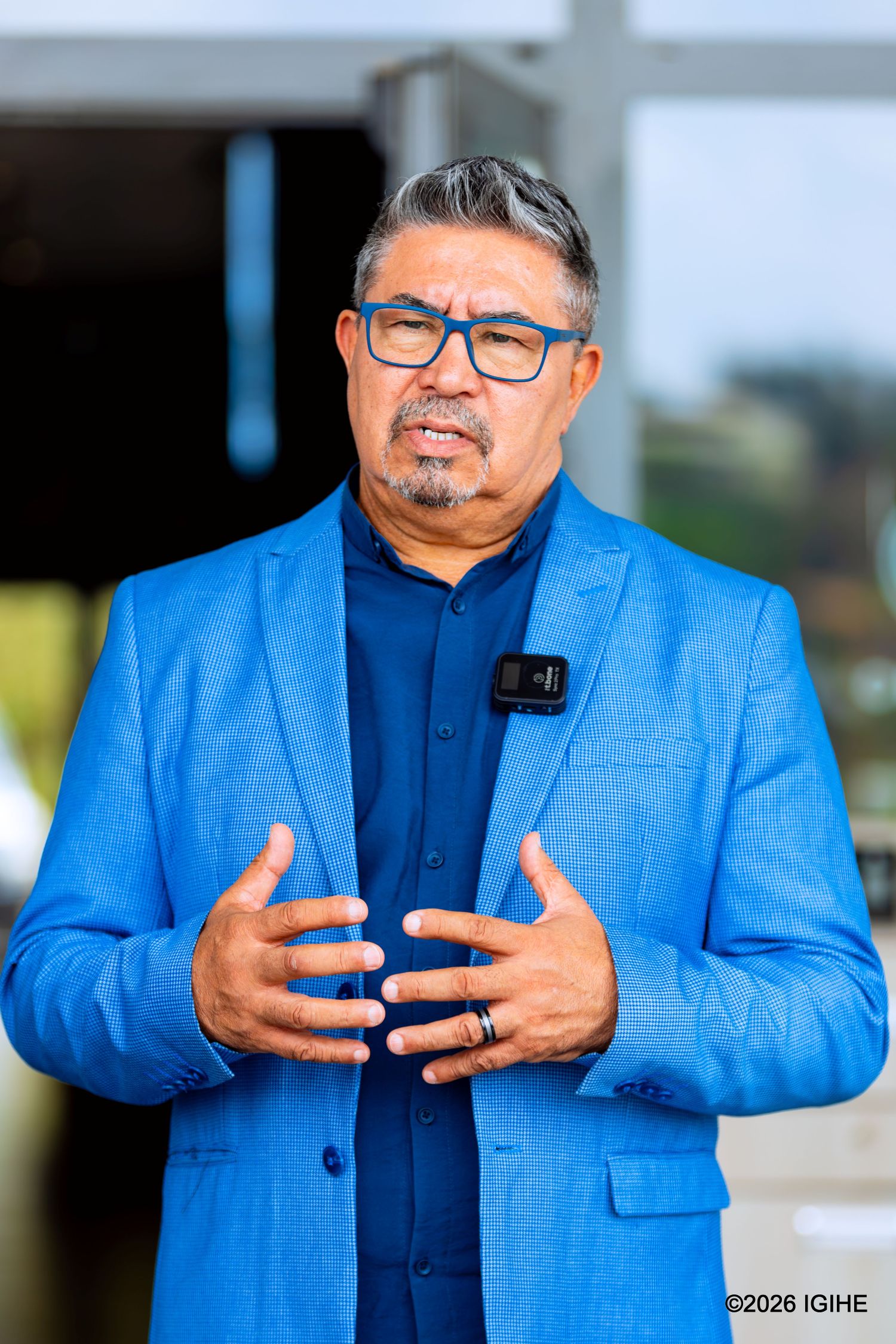
Brown, who has nearly three decades of hospitality experience across Africa, said the changes are intended to position Onomo as a lifestyle hotel where guests can stay, connect, celebrate and socialise.
“The opportunity is really great in Kigali. Although the city has many international brands, this hotel offers something a little different. We would really like the guests to see us as more of a lifestyle hotel rather than just a place to stay,” he told IGIHE in an exclusive interview.
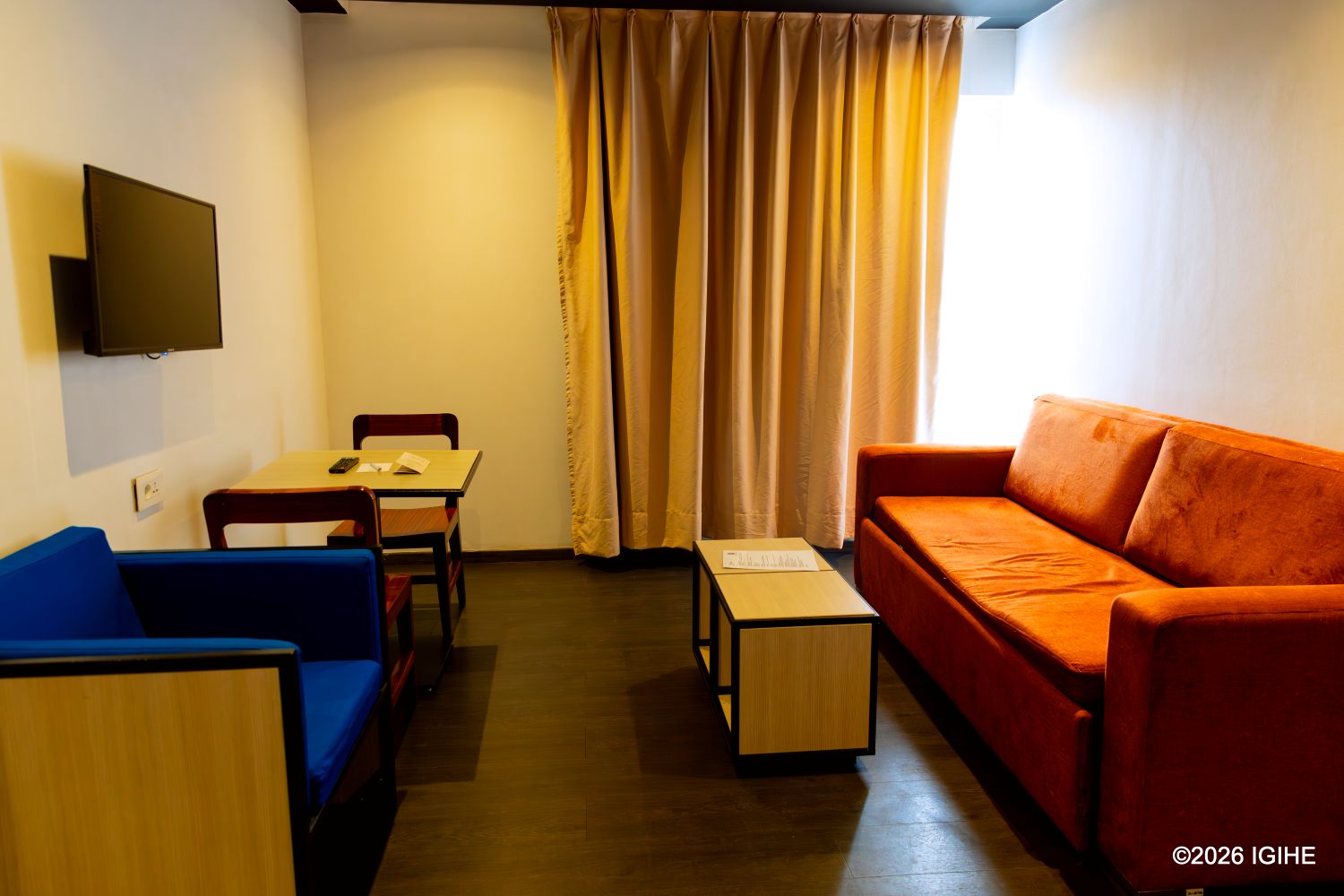
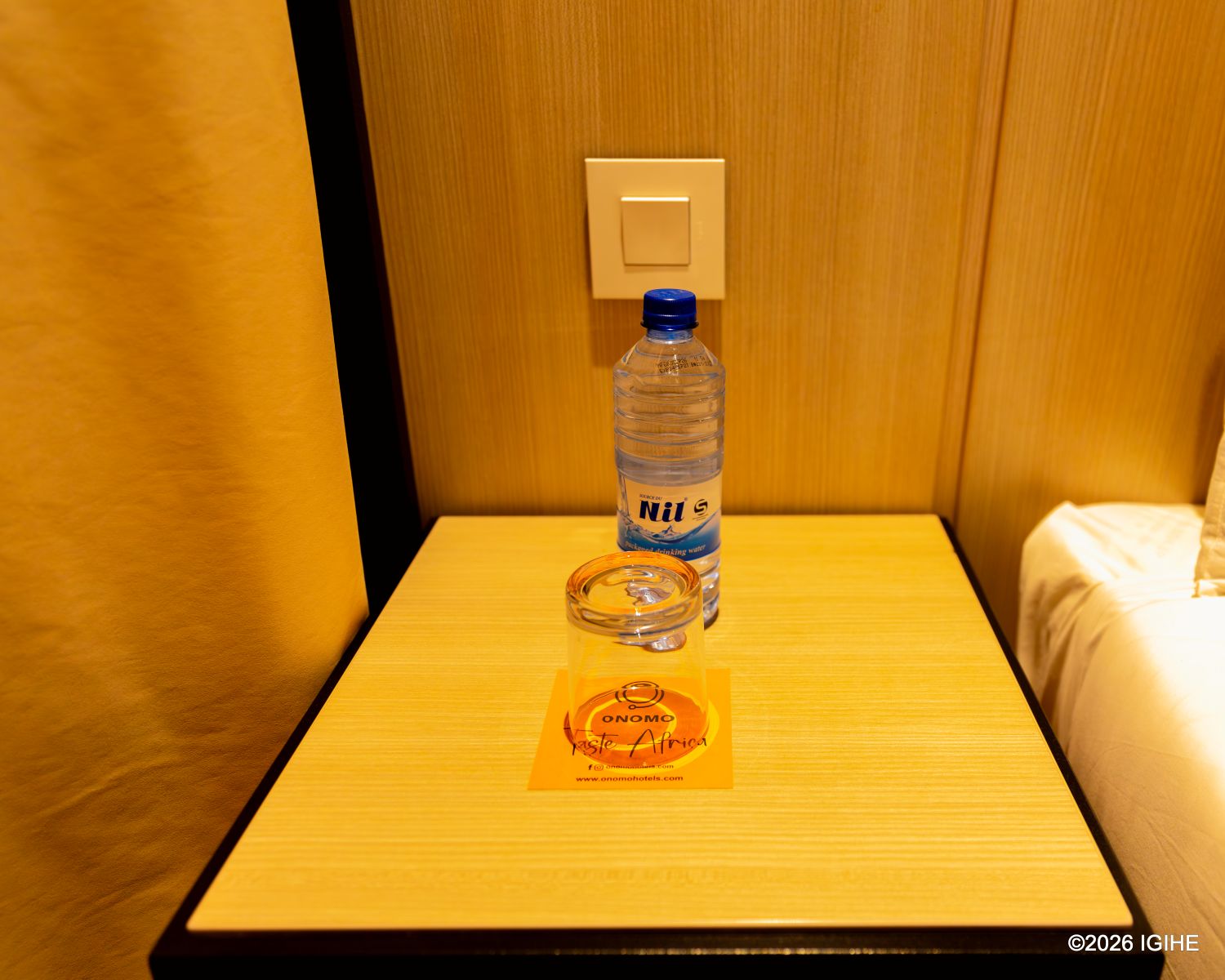
The three-star hotel has 109 rooms and has traditionally catered primarily to business travellers. Brown said its strategy is now focused on expanding into other segments while maintaining its corporate clientele.
“We want to make sure that we engage with other markets, like corporates, guests that want to meet to have conferences,” he emphasised.
General Manager Tim Brown told IGIHE that the hotel has refreshed several of its spaces and expanded its food and beverage offering.
The hotel is also targeting foreign individual travellers, regional visitors travelling for leisure and Rwanda’s local business and social events market.
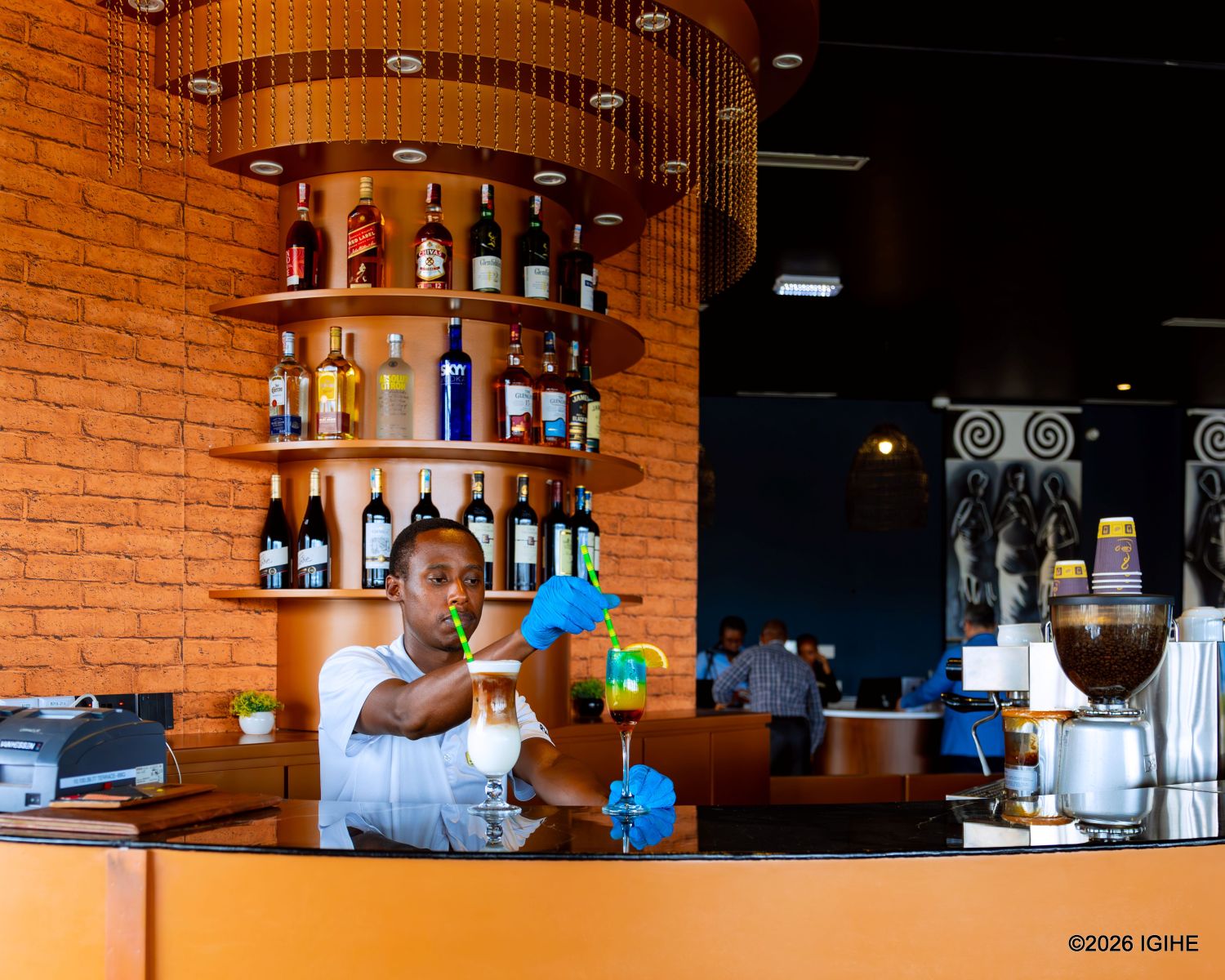
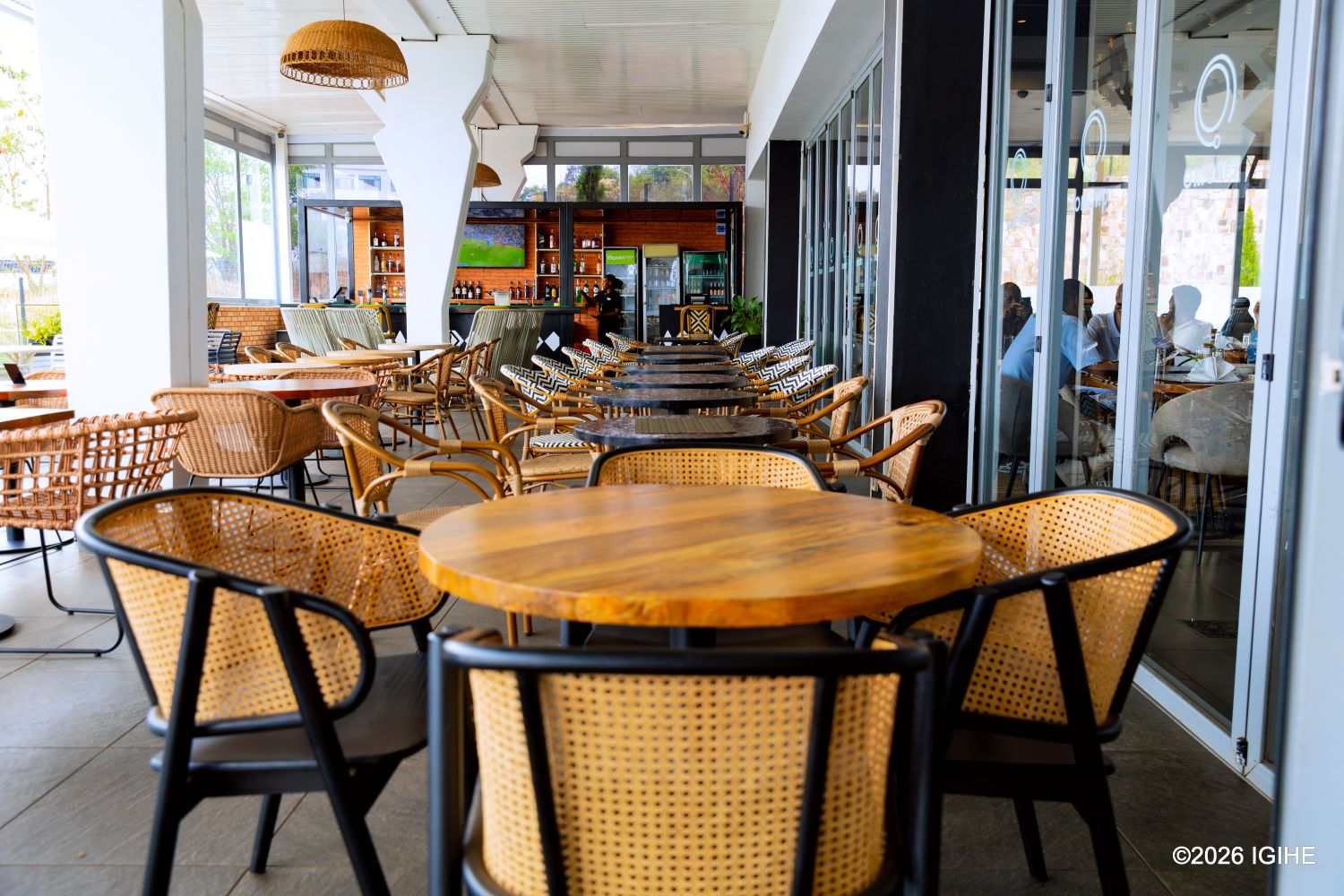
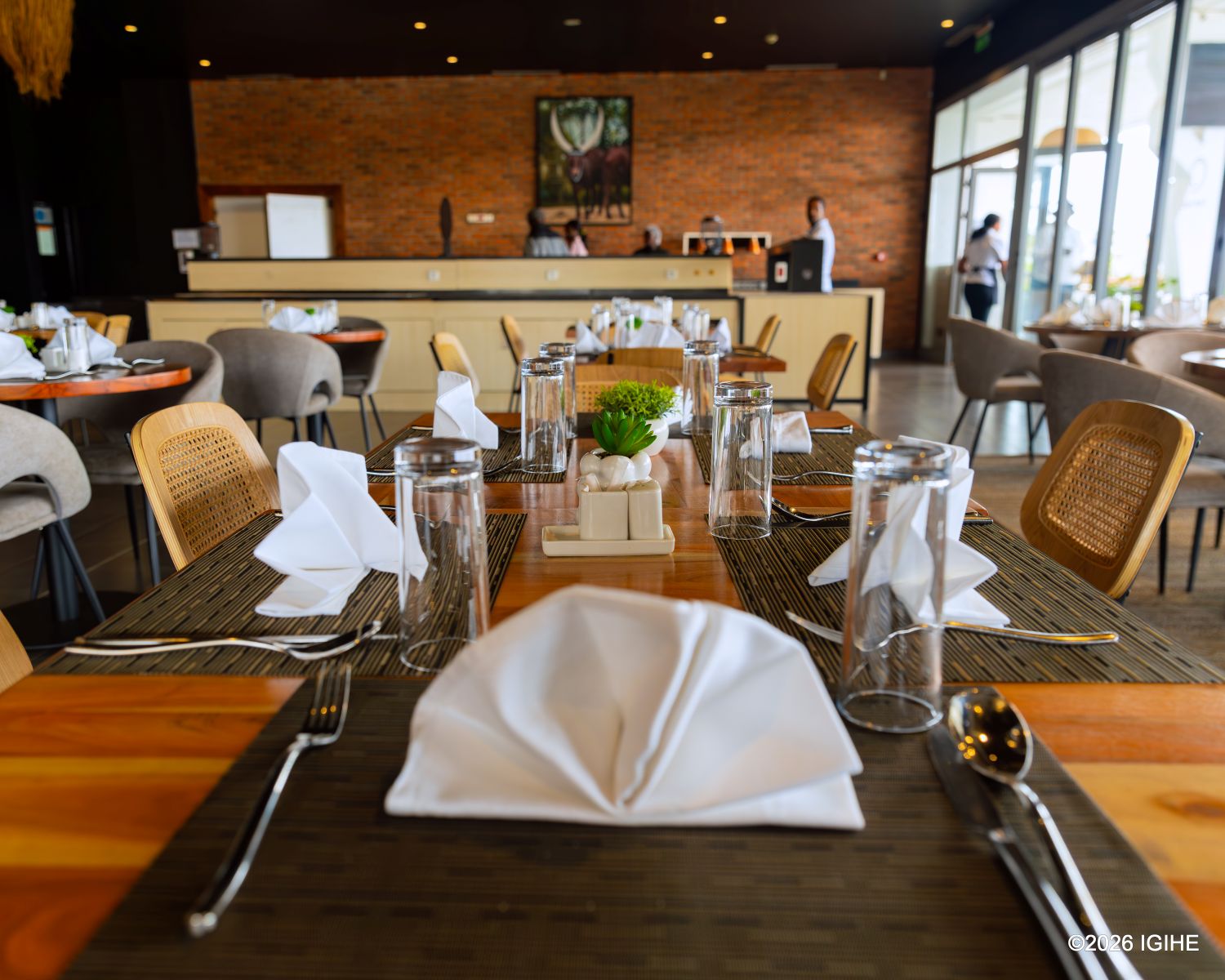
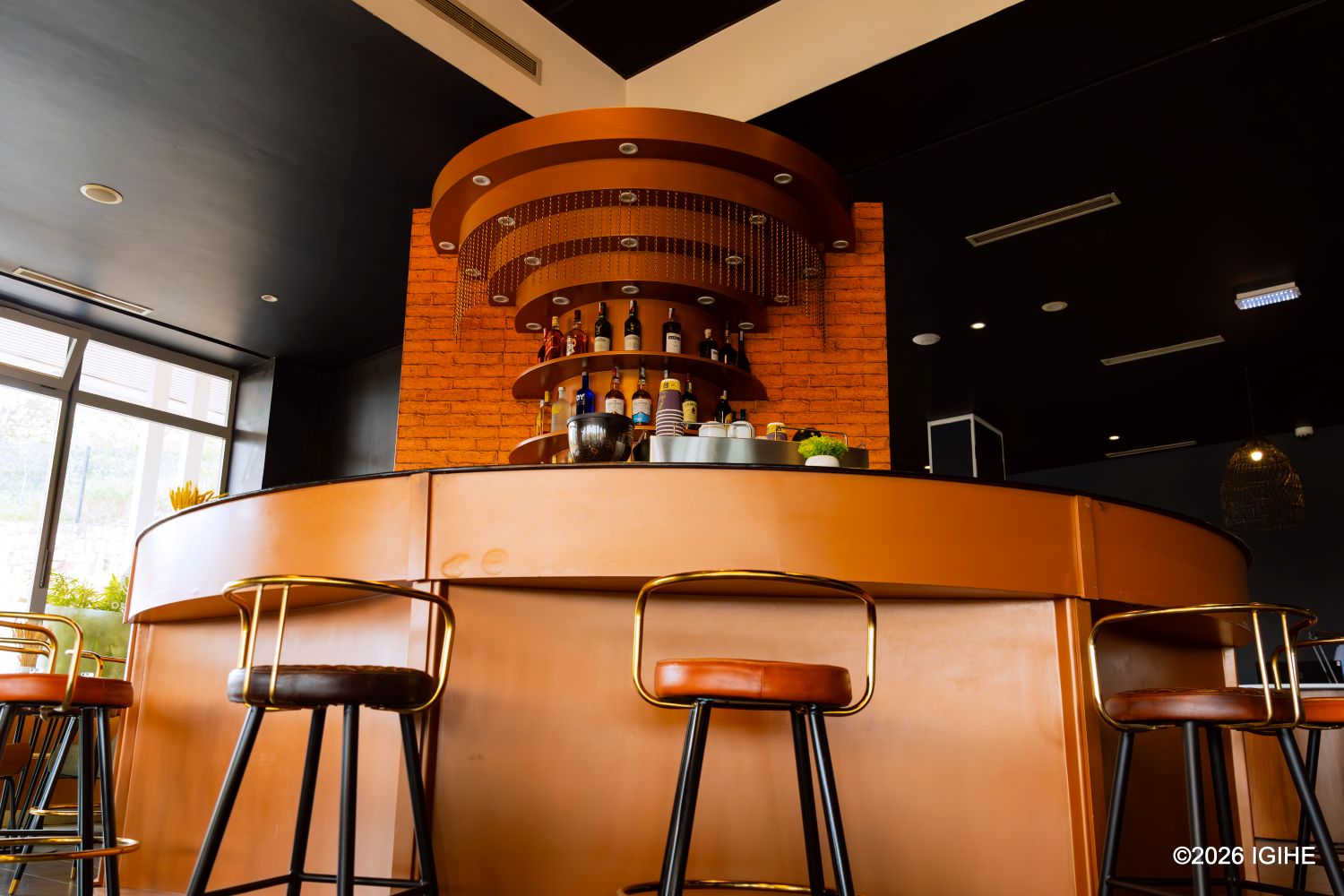
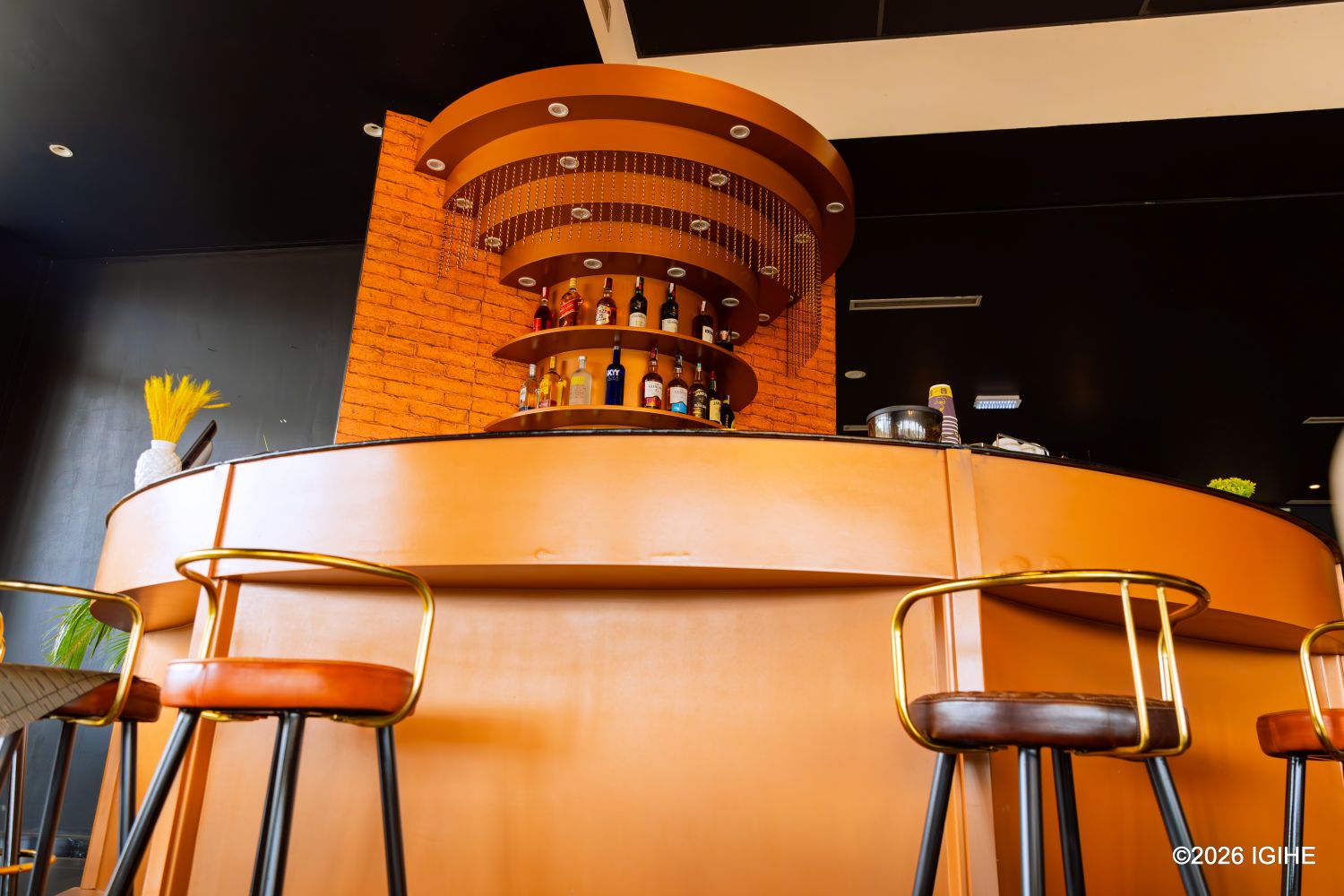
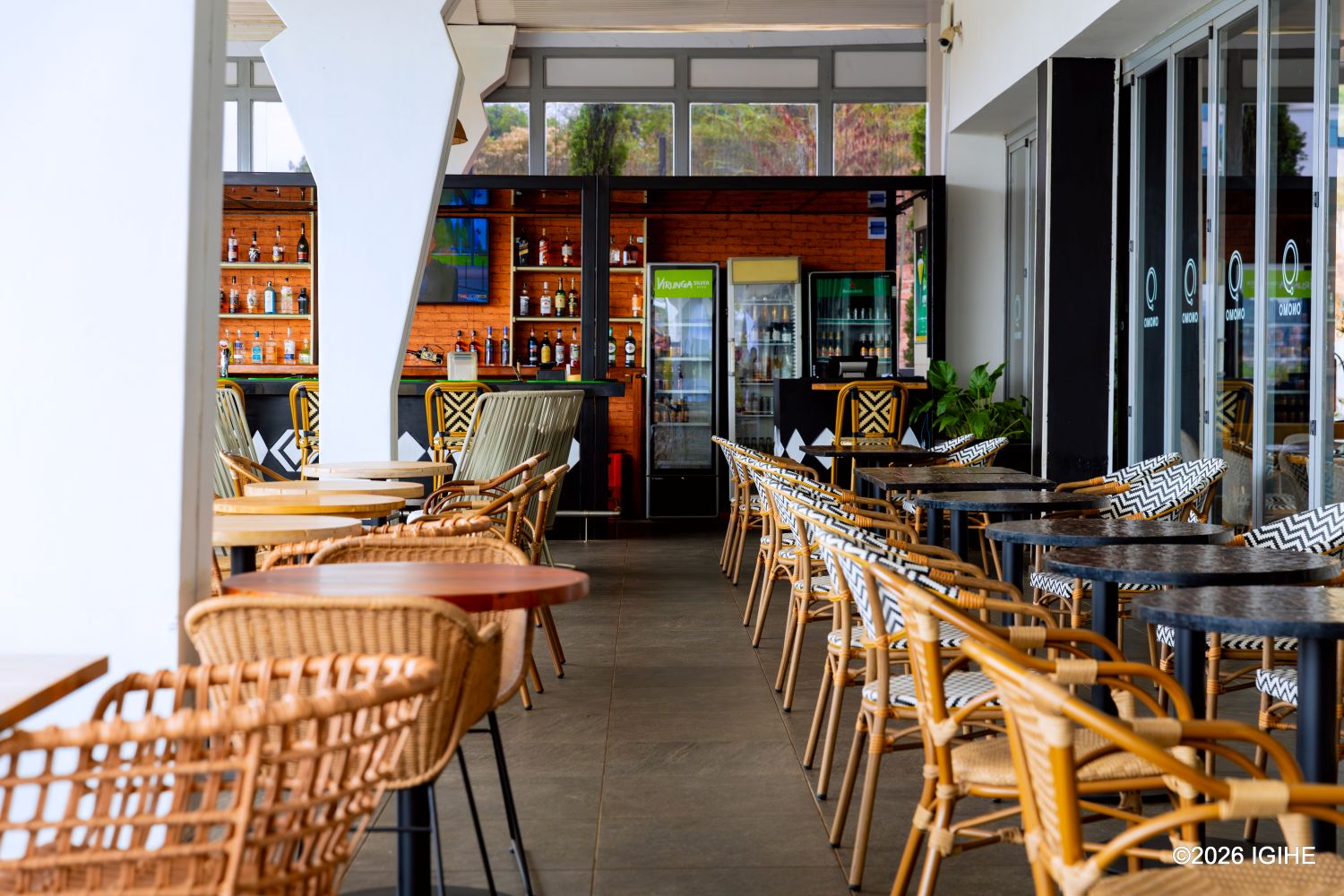
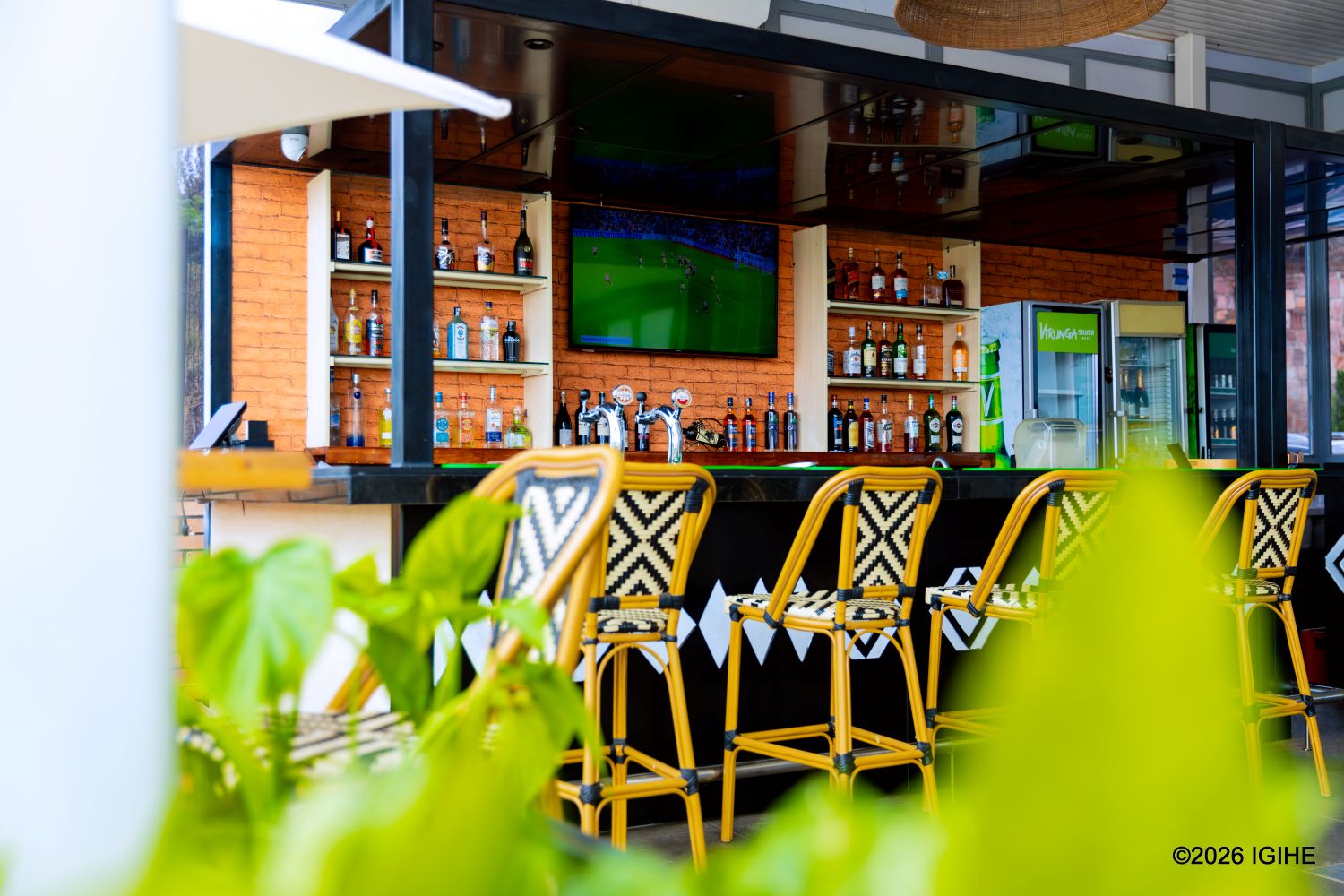
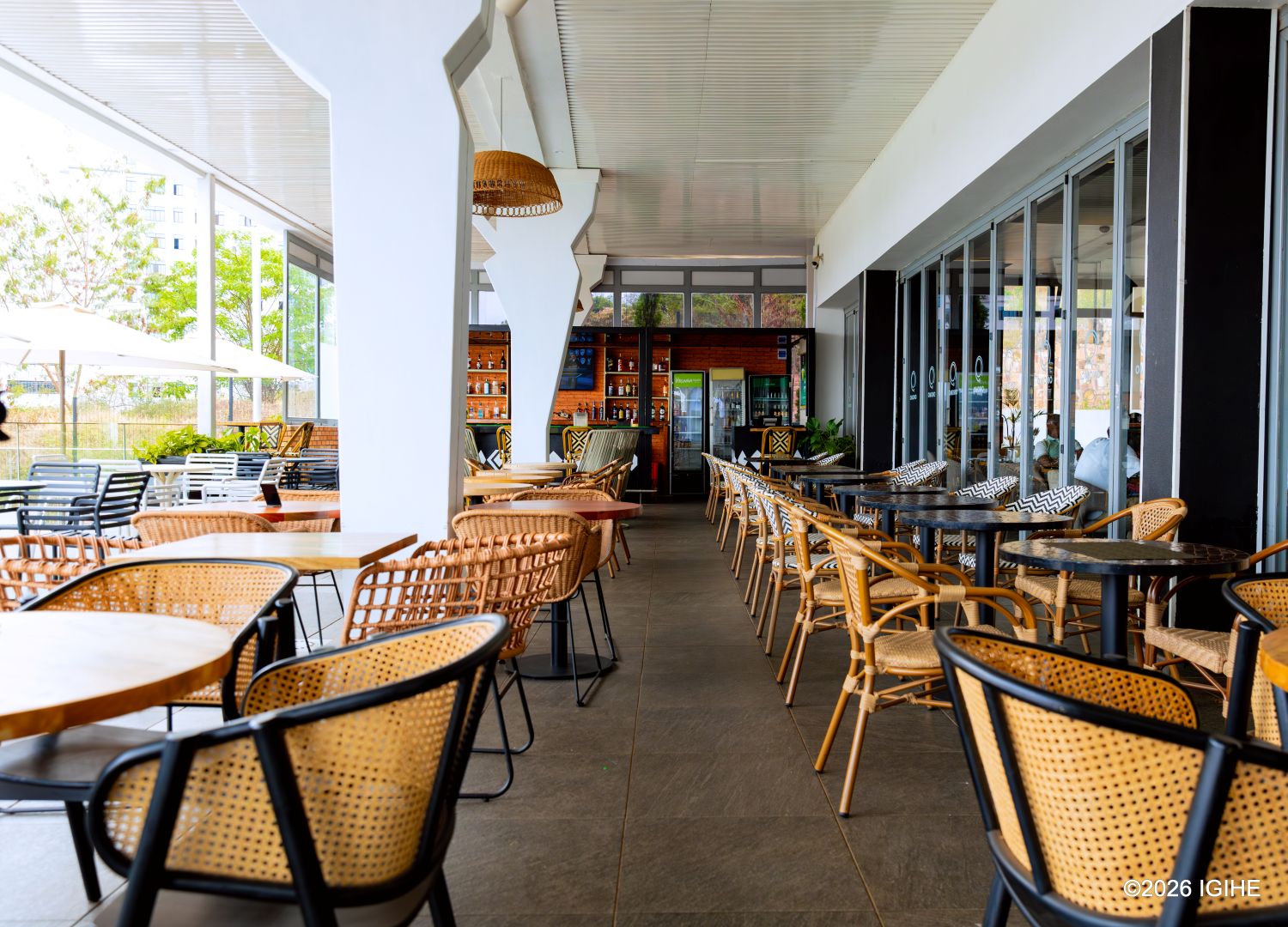
Onomo has refurbished its restaurant, iJURU, conference rooms and outdoor spaces. The terrace has been expanded to accommodate up to 300 people, while a new bar and outdoor kitchen have also been introduced. The official reopening ceremony for iJURU Restaurant is scheduled for Friday, October 2.
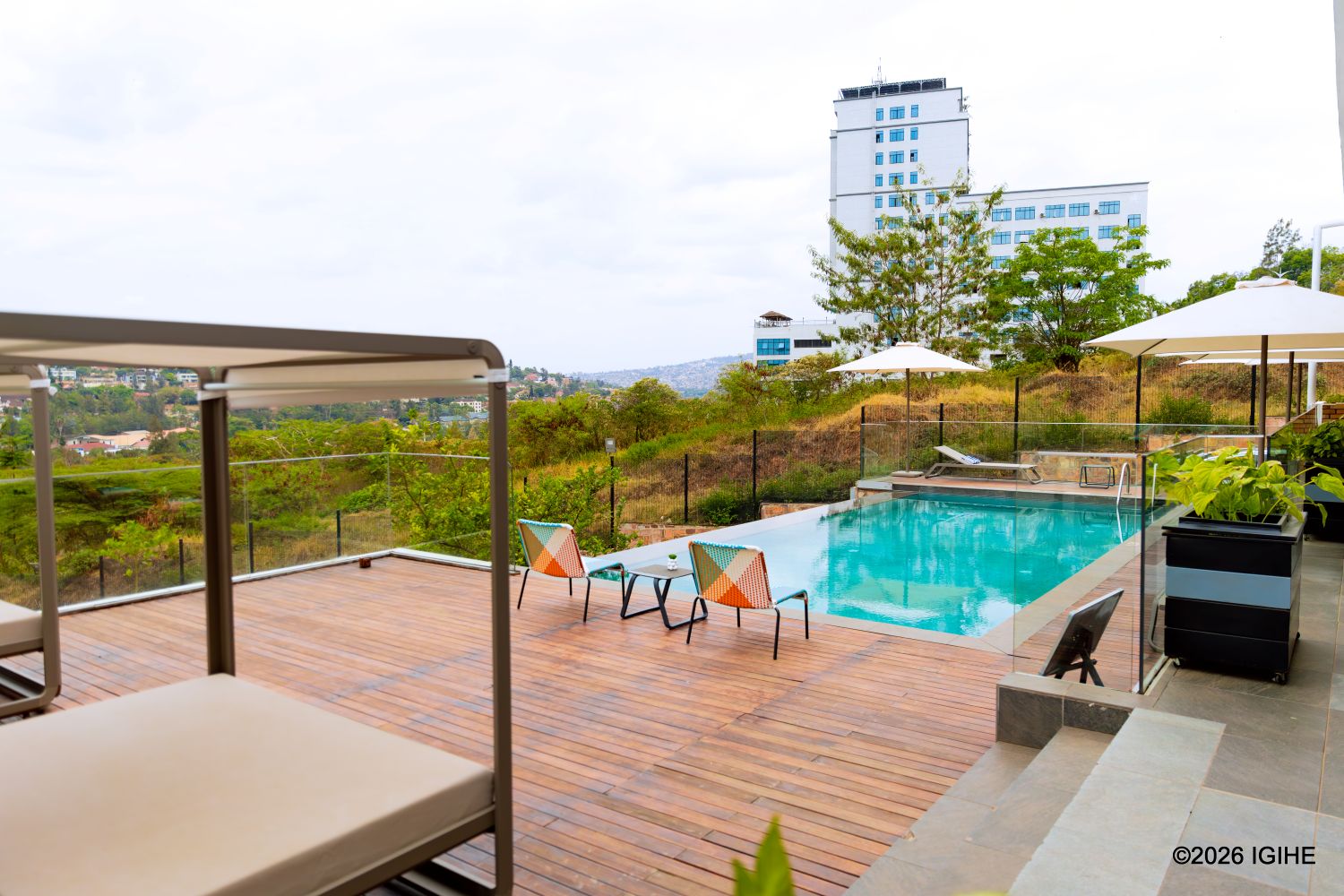
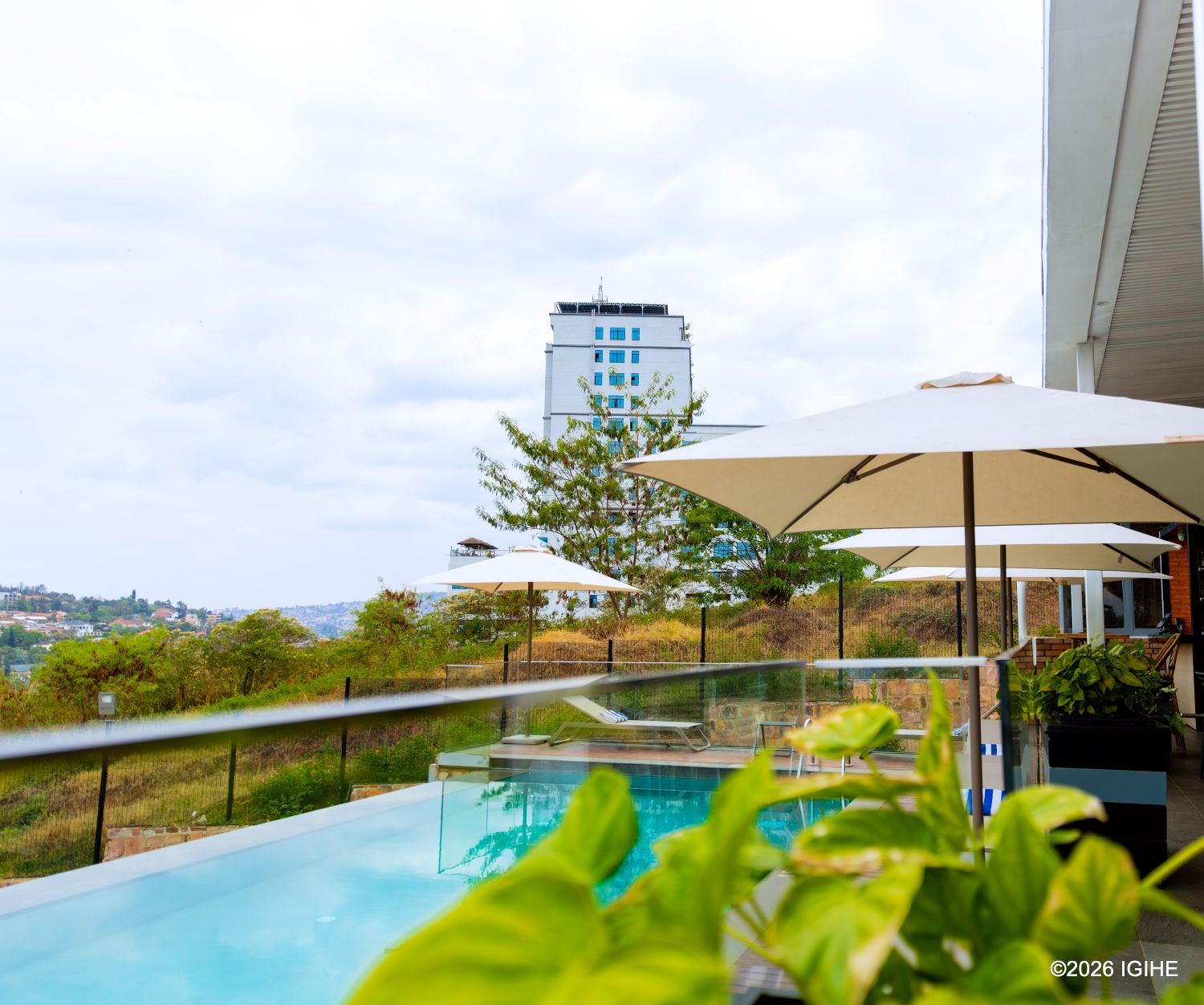
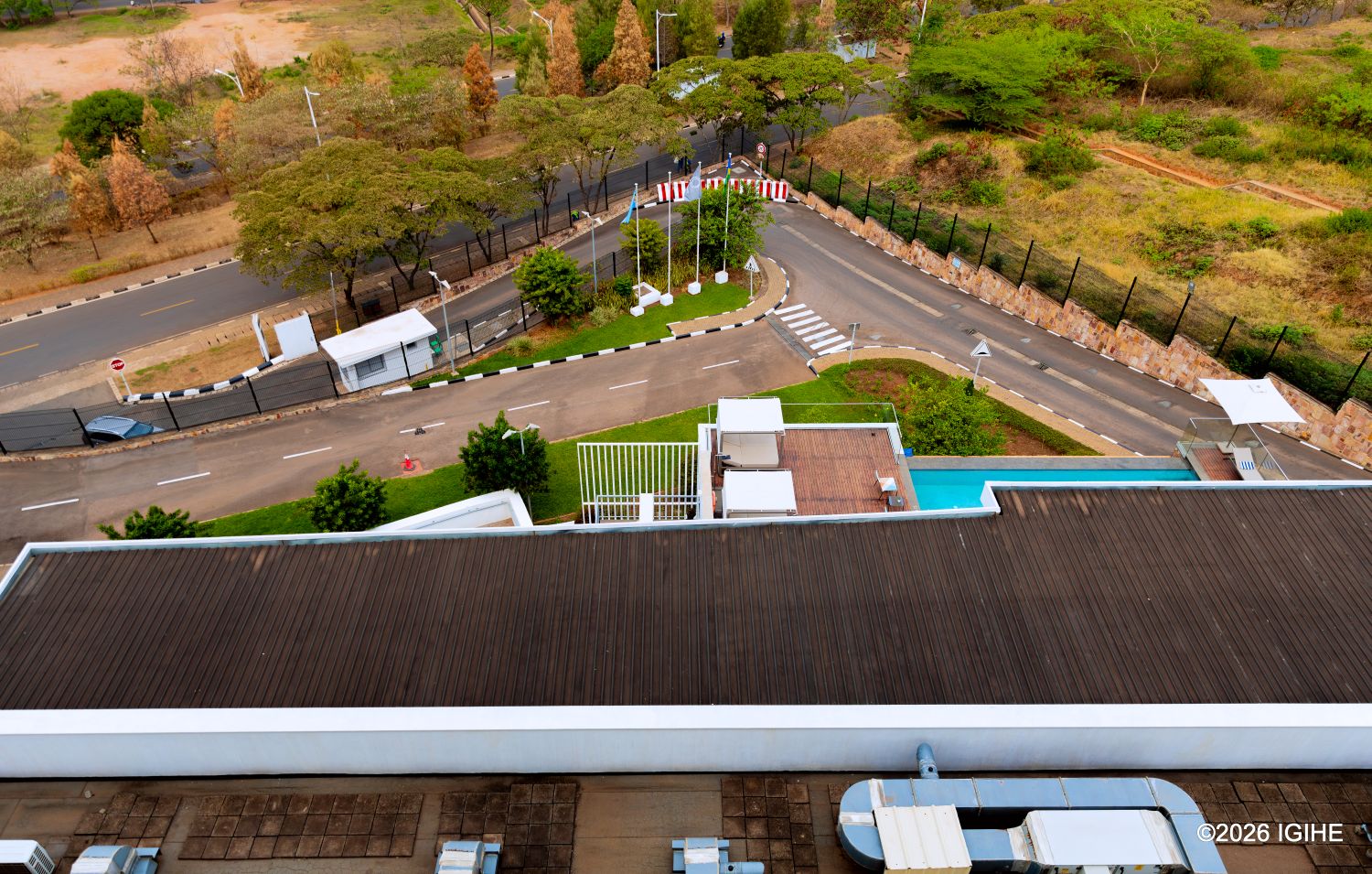
The pool area has also been revamped to accommodate different uses, ranging from private dinners and small gatherings to engagement parties, civil weddings and other social events. Brown said the changes were informed by market research conducted after his arrival, which identified demand for new spaces and food and beverage experiences.
“We realised that this is what the market is looking for. They’re looking for new spaces, new food and beverage offerings, and we’ve tried to combine all of that with the changes that we’ve made,” he noted.
The changes are intended to position Onomo as a lifestyle hotel where guests can stay, connect, celebrate and socialise.
The hotel also hosts Friday evening entertainment, with live music and an outdoor kitchen serving food in a casual setting.
Brown said the changes are part of a broader effort to make Onomo more connected to Kigali’s community rather than serving only as a place for hotel guests.
“We want to be part of the community, and we want to make sure that we strengthen the relationships that we’ve already built and make sure that the community sees this as a place where they are welcome,” Brown said.
Tim Brown insists that customer service goes a long way in maintaining the reputation of a hospitality facility.
The transformation comes as Kigali’s hospitality industry continues to expand, with international and local hotels competing for business, leisure and meetings, incentives, conferences and exhibitions (MICE) travellers.
Rwanda’s MICE sector generated $94.7 million in revenue in 2025, up from $84.8 million a year earlier, according to the Rwanda Development Board. The country hosted 165 international and regional meetings and events that attracted more than 61,000 delegates, highlighting growing demand for accommodation, conference venues and related hospitality services.
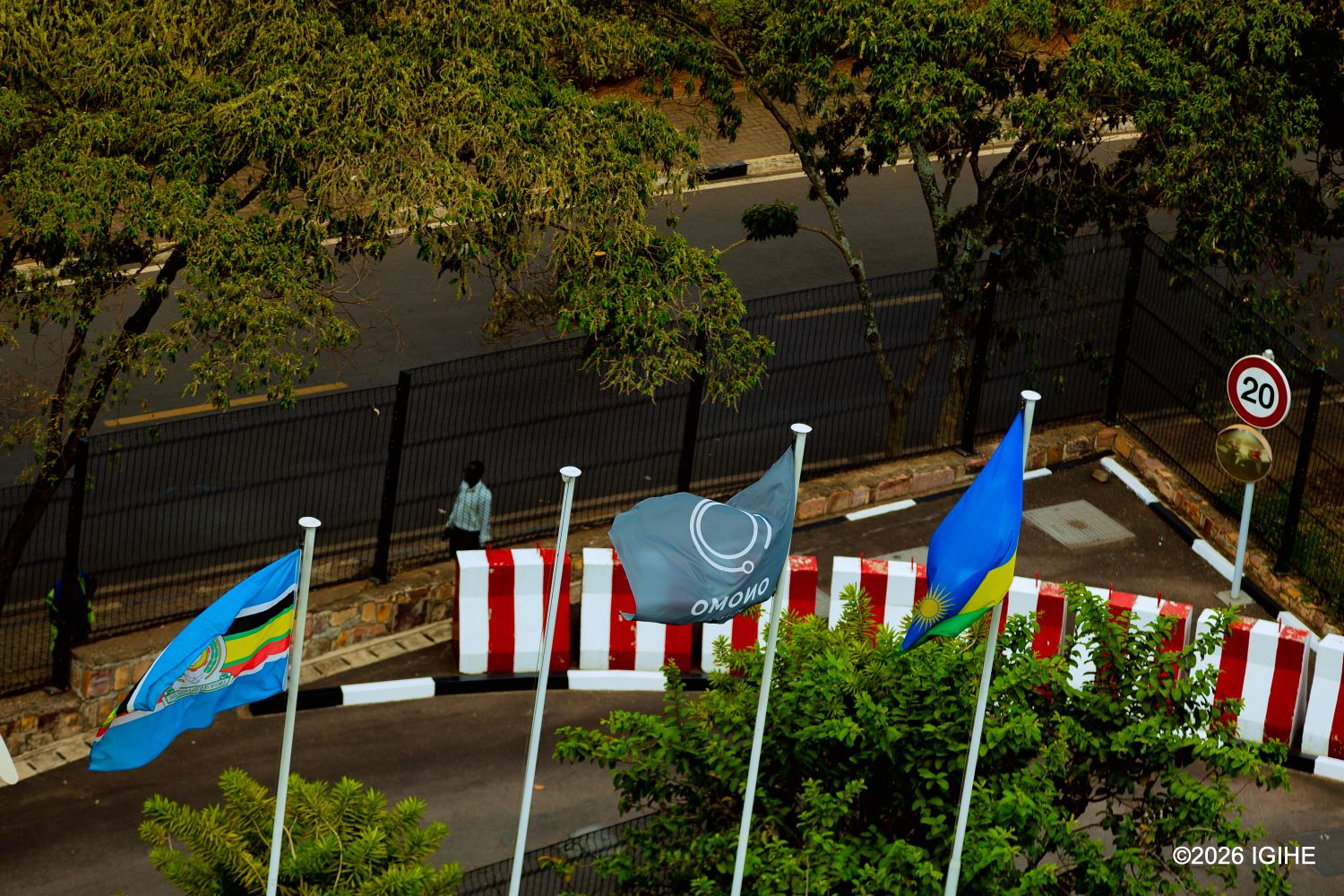
Brown said Onomo’s position as a Pan-African lifestyle brand gives it room to differentiate itself in the market.
Onomo operates 23 hotels across Africa with properties in major cities including Cape Town, Johannesburg, Maputo, Dar es Salaam, Kampala and Kigali.
Onomo’s terrace and outdoor area has been expanded to accommodate up to 300 people.
The Kigali property has seen a steady increase in business since the beginning of the year, particularly among corporate travellers and smaller conference groups, according to Brown.
The hotel’s conference facilities include a room that can accommodate up to 100 people and another with capacity for about 40 people.
Brown said the hotel is seeking to build on the growth by strengthening its relationships with businesses, entrepreneurs and the wider local community.
For him, the transformation is ultimately about changing how people perceive the property.
“When people see us differently, not just as a place to stay, but really a place where you could come to connect, a place where you can celebrate, [that] would be a success for us,” he said.
He added that profitability, together with a motivated team, would be important measures of the hotel’s success over the next one to two years.
The pool area has also been revamped to accommodate different uses, ranging from private dinners and small gatherings to engagement parties, civil weddings and other social events.
Brown also highlighted the importance of local identity, saying the hotel supports the Made in Rwanda initiative and plans to introduce uniforms designed by a Rwandan designer.
He described Kigali’s hospitality industry as relatively young compared with some other African markets but said its hotels and restaurants can compete with offerings elsewhere.
“The offering that it has can compare to any other market,” he affirmed, pointing to the city’s growing range of hotels and restaurants.
As Onomo Kigali continues with its transformation, Brown outlined a vision for the hotel as a place where visitors and residents can meet, dine, hold events and spend time beyond simply booking a room.
“Please come and see the new Onomo Hotel. Come and enjoy the spaces,” he invited guests and Kigali residents.
Watch the full interview with Tim Brown below as he discusses Onomo Kigali’s transformation, its new lifestyle focus and plans to attract a wider range of guests and customers.
The three-star hotel has 109 rooms and has traditionally catered primarily to business travellers.Brown said Onomo’s position as a Pan-African lifestyle brand gives it room to differentiate itself in the market.The official reopening ceremony for iJURU Restaurant is scheduled for Friday, October 2.
The park said many of the fires were caused by seemingly small activities, including burning crop residues in fields and lighting fires while harvesting honey.
“During the dry season and periods of strong winds, a small fire can spread quickly and cover a large area. We encourage everyone living near the park, as well as the general public, not to light fires near the park and to avoid burning vegetation or grass during the dry season or when it is windy. We also urge people to immediately report any fires to park authorities or local authorities,” the park management said.
Akagera National Park has reminded communities that protecting the park is a shared responsibility.
“Together, we can protect and conserve the park so that it can continue to exist for future generations,” it said.
Akagera National Park is located in Rwanda’s Eastern Province, bordering three districts; Kayonza, Gatsibo and Nyagatare. It covers 1,122 square kilometres and is jointly managed by the Rwanda Development Board (RDB) and African Parks.
The park recently reported more than $1 million in revenue between April and June 2026, following visits by 8,919 tourists during the period.
Akagera National Park has reported that 11,000 hectares have been destroyed by wildfires in 2026. Photo by Gael Vande WegheAkagera National Park authorities have urged communities living near the park to take precautions to prevent wildfires.
The IQP2 is calculated based on a taxpayer’s turnover during the second quarter of the year, covering April, May and June 2026.
The prepayment applies to taxpayers who declared and paid their 2025 annual Income Tax in March 2026. Those who filed a nil return are not required to make the payment.
With the deadline approaching, Jean Paulin Uwitonze, Assistant Commissioner for Taxpayer Services and Communications, has urged taxpayers covered by the requirement to complete their declarations and payments early to avoid last-minute challenges.
“Those who have not yet declared should be aware that the deadline is tomorrow [Wednesday September 30]. If you wait until the last day and fail to declare and pay, it could become a problem. So far, nearly 40% of taxpayers have not yet declared. As of last Friday, about 50% had not yet declared,” he said.
Understanding the Income Tax Prepayment
The quarterly Income Tax prepayment system was introduced to help taxpayers spread their tax payments throughout the year rather than paying a larger amount at the end of the year. Payments made during the year are credited against the taxpayer’s final annual Income Tax liability.
RRA has also urged taxpayers who have not yet declared their Income Tax for the previous year or previous quarter to complete their declarations as soon as possible.
Unsupported expenses
Uwitonze further reminded taxpayers to account for business expenses that are not supported by EBM invoices or Customs declarations when filing their returns. Such expenses must be entered into the system so that eligible costs can be considered when calculating taxable profit for the current year.
Taxpayers who fail to file their declarations within the period prescribed by law are subject to fixed administrative penalties.
Small taxpayers face a penalty of Rwf50,000, while medium taxpayers and public institutions are subject to a Rwf300,000 penalty. The penalty for large taxpayers is Rwf500,000.
Late-payment interest also applies where tax is not paid within the period prescribed by law. The interest rate is 0.5% for delays of up to six months, 1% for delays of more than six months but not exceeding 12 months, and 1.5% for delays exceeding 12 months.
Taxpayers can submit their declarations through the RRA website. Small taxpayers, including moto-taxi operators, can also use *800# and follow the instructions provided.
RRA has reminded taxpayers to declare and pay their second quarterly Income Tax prepayment by September 30, 2026.
NASA and SpaceX are targeting October 1, 2026, for the launch of Crew-13, a four-member mission to the International Space Station (ISS) that will carry out scientific research, technology demonstrations and station operations.
The launch is scheduled for no earlier than 11:10 a.m. EDT from Space Launch Complex 40 at Cape Canaveral Space Force Station in Florida.
The crew will travel aboard a SpaceX Dragon spacecraft launched by a Falcon 9 rocket.
If the mission launches as planned, Dragon is expected to arrive at the ISS less than nine hours later, with docking scheduled for about 8 p.m. at the forward-facing port of the station’s Harmony module.
After liftoff, the Falcon 9 will place Dragon into orbit.
The spacecraft will then perform a series of carefully controlled maneuvers to match the space station’s flight path before approaching and docking with the orbital laboratory.
Although Dragon is designed to dock autonomously, the crew can take manual control if necessary.
Crew-13 will be commanded by NASA astronaut Jessica Watkins, with fellow NASA astronaut Luke Delaney serving as pilot.
Canadian Space Agency astronaut Joshua Kutryk and Roscosmos cosmonaut Sergey Teteryatnikov will serve as mission specialists.
For Watkins, the mission will mark her second trip to the space station and make her the first NASA astronaut to launch twice aboard a SpaceX Dragon spacecraft.
Delaney, Kutryk and Teteryatnikov will be making their first spaceflights.
Once aboard the station, the four astronauts will join Expedition 75 for a long-duration mission.
Their work will include scientific investigations designed to improve understanding of human health in space and support future exploration missions to the Moon and Mars.
NASA said the crew will study human stem-cell-derived tissues linked to research into heart disease and Parkinson’s disease.
They will also investigate crop production, blood-flow abnormalities associated with spaceflight and new medical diagnostic equipment for monitoring astronauts’ health.
The mission is SpaceX’s 13th crew rotation mission to the International Space Station under NASA’s Commercial Crew Program and its 14th flight carrying astronauts to the station, including the Demo-2 test flight.
As final preparations continue, NASA and SpaceX teams are completing checks of the crew, Dragon spacecraft, Falcon 9 rocket and space station systems before liftoff.
The four astronauts are also undergoing quarantine and preflight preparations at NASA’s Kennedy Space Center in Florida.
NASA’s SpaceX Crew-13 astronauts pose in their pressure suits during preflight training ahead of their planned mission to the International Space Station.
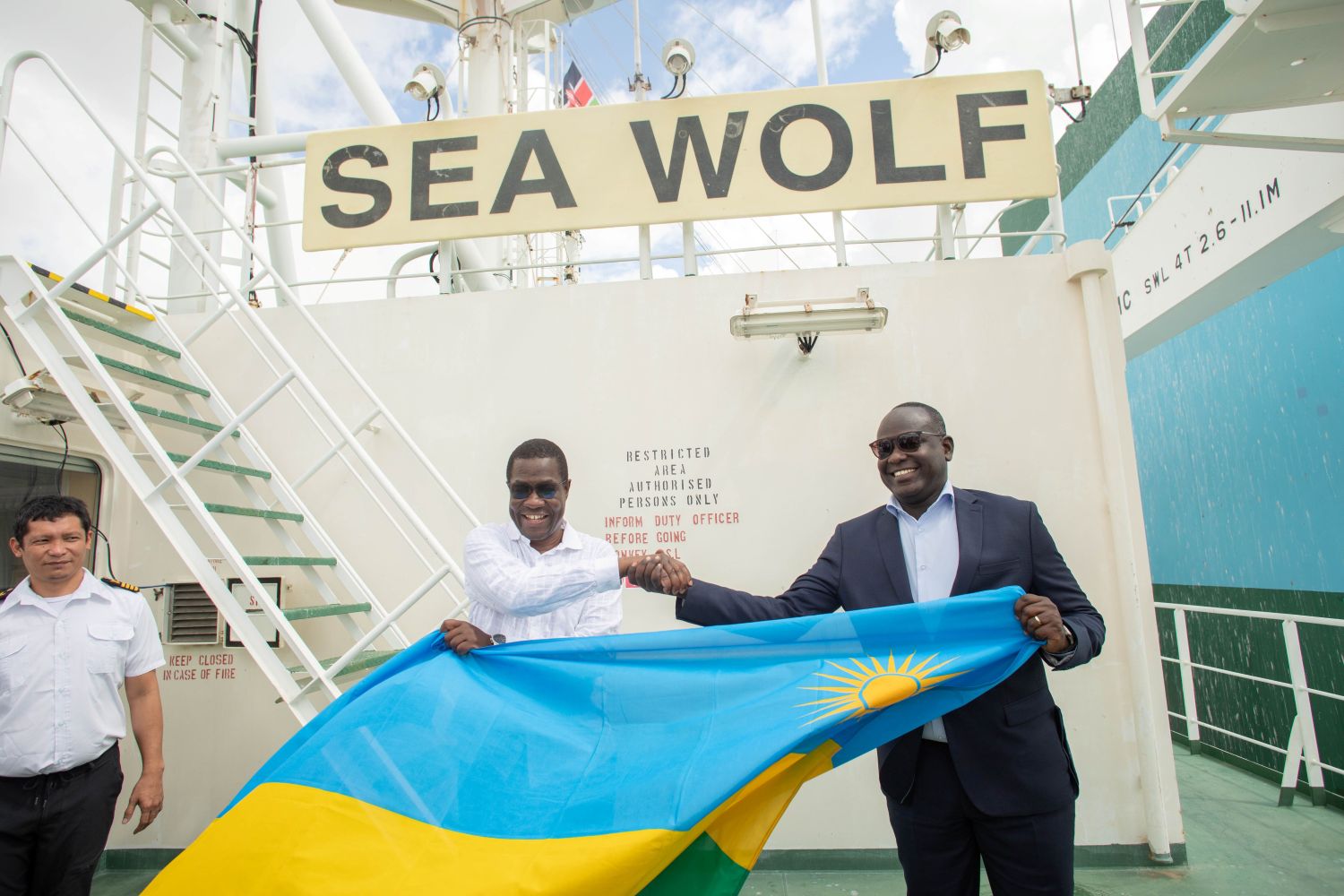
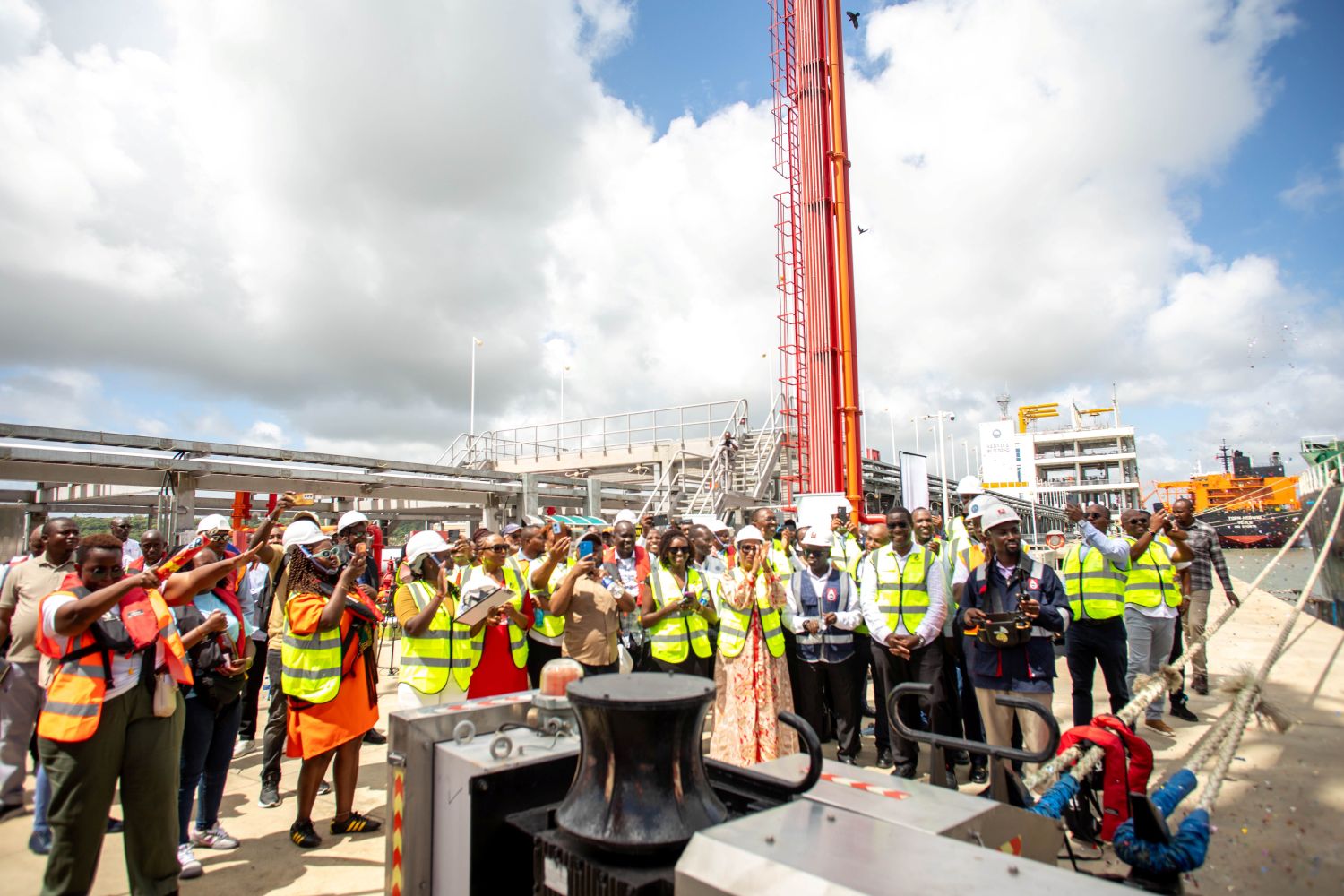
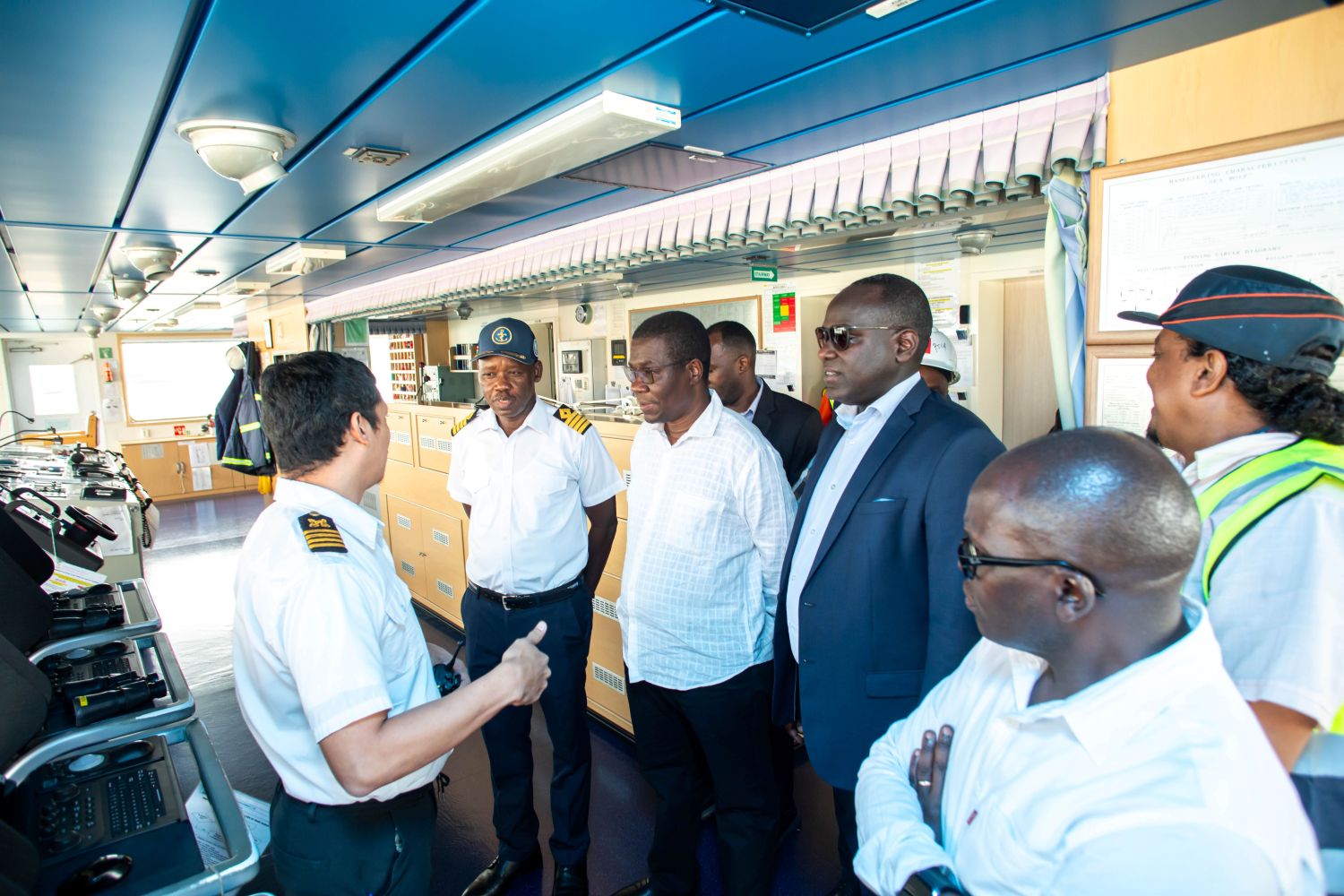
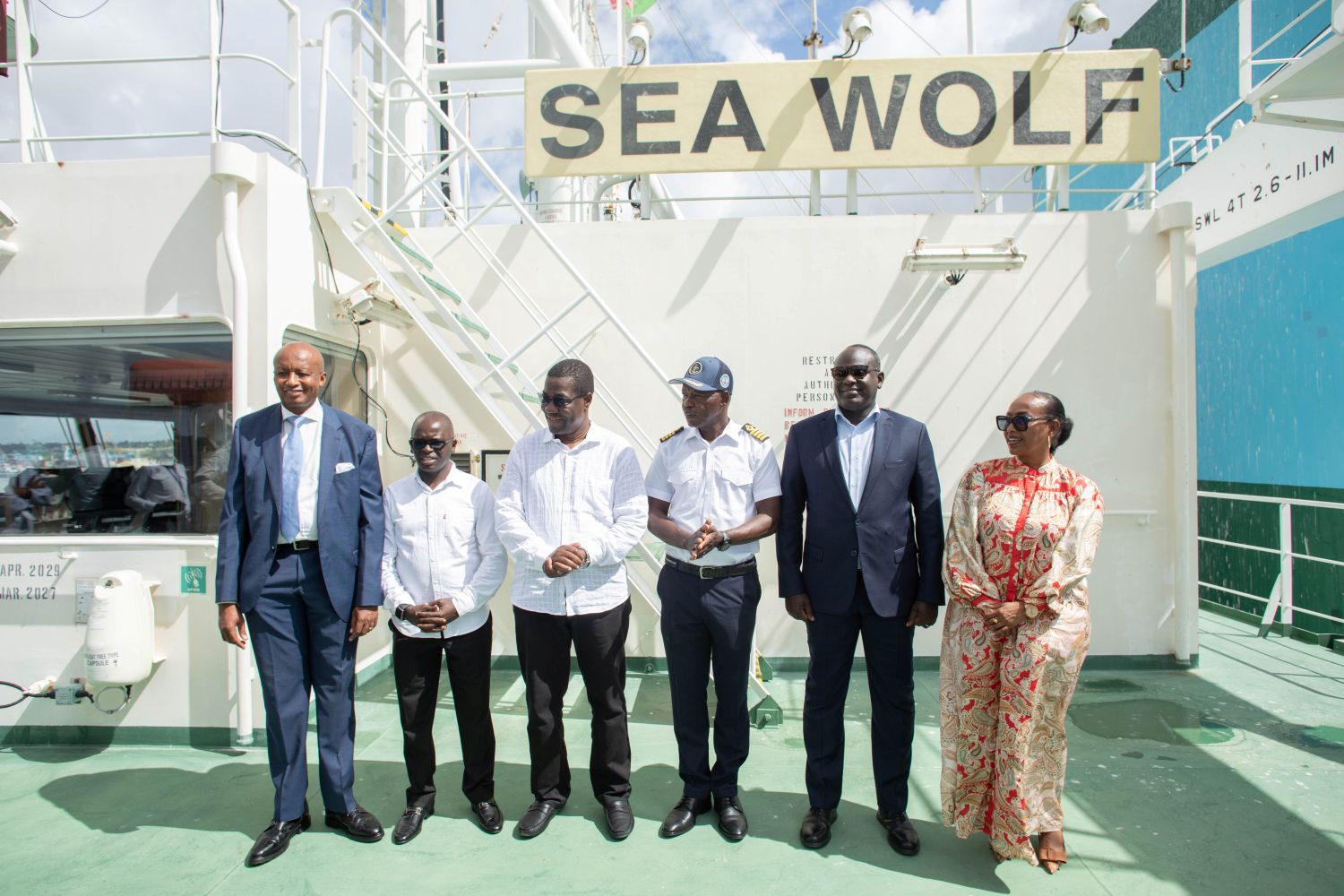
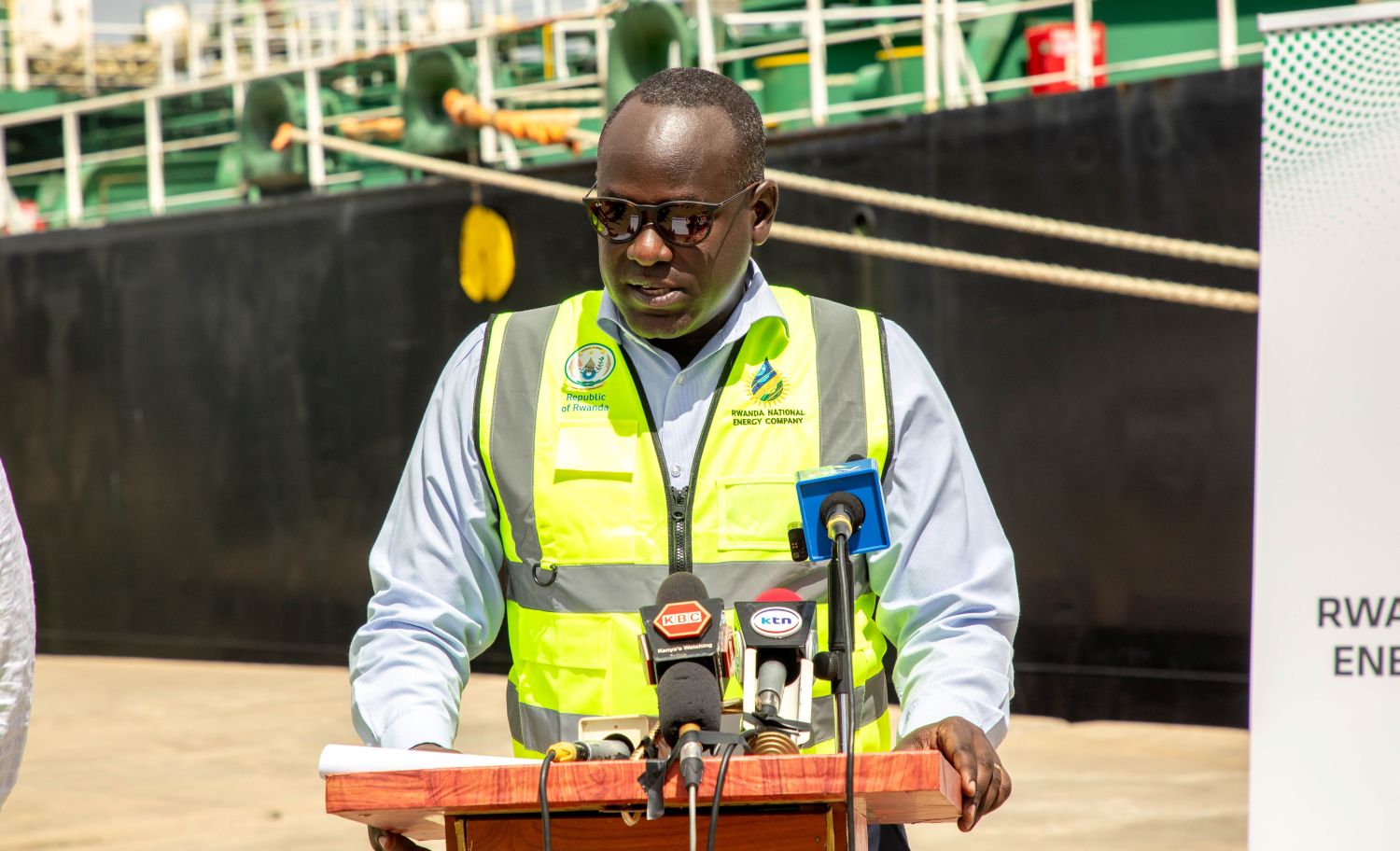
The MT Sea Wolf arrived at Kenya Pipeline Company’s Kipevu Oil Terminal 2 on Tuesday, September 29, carrying 40,000 metric tonnes of refined petroleum products for the Rwanda National Energy Company (RNEC).
The cargo is the first shipment under a framework agreed by the governments of Rwanda and Kenya to facilitate direct government-to-government petroleum imports through Kenya.
Kenya’s Cabinet Secretary for Energy and Petroleum, James Opiyo Wandayi, and Rwanda’s Minister of State in the Ministry of Infrastructure, Armand Zingiro, presided over the ceremony to formally flag in the vessel and activate the route.
“MT Sea Wolf’s arrival, carrying the Rwanda National Energy Company’s maiden cargo of 40,000 metric tonnes of refined petroleum products, close to a full month’s consumption for Rwanda, confirms that Kenya is ready to be Rwanda’s gateway to the world energy markets,” Wandayi said.
The framework is based on a Memorandum of Understanding signed by Kenya’s Ministry of Energy and Petroleum and Rwanda’s Ministry of Trade and Industry on June 29, 2026.
It also includes a Tripartite Agreement involving the two ministries and RNEC, as well as a Transport and Storage Agreement between Kenya Pipeline Company and RNEC covering the transportation, storage, scheduling and handling of Rwanda-bound petroleum products.
Zingiro said the arrangement would help Rwanda diversify its fuel import routes and reduce exposure to disruptions affecting international shipping and global oil markets.
“Rwanda is a landlocked country that imports all of its petroleum products,” Zingiro said. “Our Government’s response has been deliberate, to diversify our import routes and reduce our exposure to any single corridor or supplier.”
The Kenya arrangement will allow Rwanda to use the country’s port, pipeline and storage infrastructure to move petroleum products from Mombasa towards the Rwandan market, while supporting the expansion of Rwanda’s strategic fuel reserves.
For Kenya, the deal is expected to increase petroleum volumes transported through the Northern Corridor. Wandayi said the framework could grow volumes destined for Rwanda through the corridor tenfold over the coming years.
He described the arrangement as a long-term partnership that would strengthen Kenya’s role as a regional logistics and energy transit hub.
The two governments said the deal supports regional integration under the East African Community and the African Continental Free Trade Area, while improving supply-chain efficiency and strengthening energy security.
Kenya also plans to provide Rwanda with additional supply options in the future, including finished petroleum products from the planned Lamu refinery, according to Wandayi.
The Mombasa arrangement complements Rwanda’s other new petroleum supply route through Tanzania’s Port of Tanga. In July, a 40,000-tonne shipment arrived at Tanga under an agreement between RNEC and Gulf Bulk Petroleum Tanzania, marking the start of another direct fuel import corridor for Rwanda.
The two routes are part of Rwanda’s strategy to diversify petroleum supply and reduce reliance on a single import corridor.
The MT Sea Wolf arrived at Kenya Pipeline Company’s Kipevu Oil Terminal 2 on Tuesday, September 29, carrying 40,000 metric tonnes of refined petroleum products for the Rwanda National Energy Company (RNEC).The cargo is the first shipment under a framework agreed by the governments of Rwanda and Kenya to facilitate direct government-to-government petroleum imports through Kenya.Kenya’s Cabinet Secretary for Energy and Petroleum, James Opiyo Wandayi, and Rwanda’s Minister of State in the Ministry of Infrastructure, Armand Zingiro, presided over the ceremony to formally flag in the vessel and activate the route.Zingiro said the arrangement would help Rwanda diversify its fuel import routes and reduce exposure to disruptions affecting international shipping and global oil markets.Wandayi said the framework could grow volumes destined for Rwanda through the corridor tenfold over the coming years.
The annual observance, held every September 28, seeks to raise awareness of rabies, promote vaccination of animals and educate communities on how to prevent the disease.
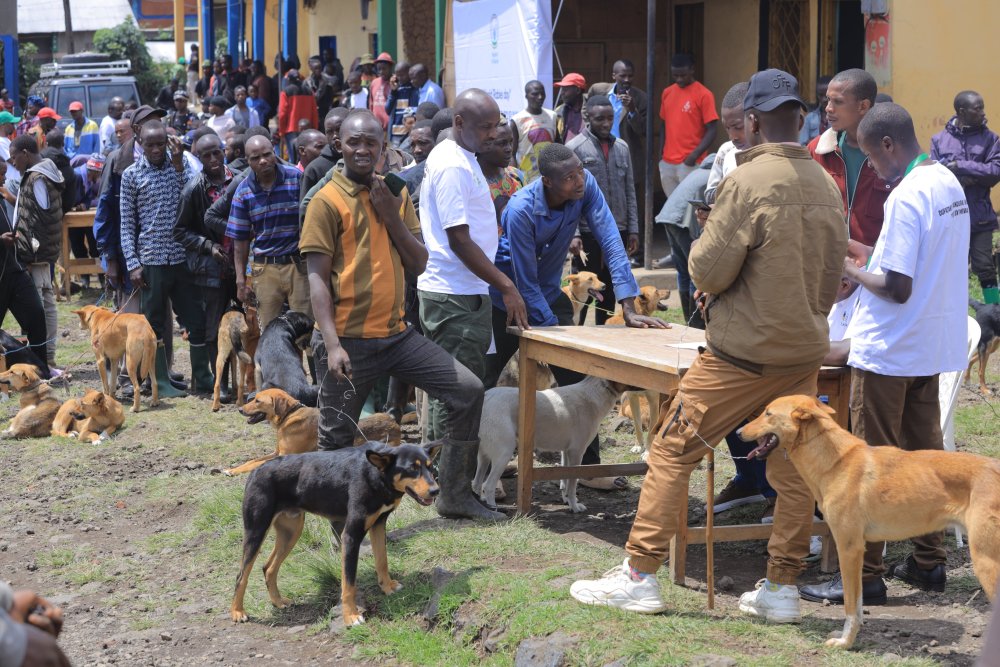
This year’s national event was held in Bisate Sector, Musanze District, an area close to Volcanoes National Park.
Among the activities carried out during the event were dog vaccination, spaying and neutering, as well as microchipping to help identify and keep records of the animals.
Uwingabire Claudine, a resident living near Volcanoes National Park, said she was pleased to have her dogs vaccinated.
“I have two dogs, and recently they went after a neighbour as if they wanted to bite them, which could have sparked a dispute. So I was happy that they came to vaccinate them for free,” she told IGIHE.
Prosper Uwingeri, the Chief Park Warden of the Volcanoes National Park, urged residents living near the park to keep their dogs from entering the protected area, particularly for hunting.
He said dogs entering the park could threaten wildlife and also create challenges for conservation and tourism.
“Preventing rabies through a One Health approach will help us protect the park and the different species found there. People living around the park depend on activities such as farming, livestock keeping and access to water, but these activities should not lead to dogs being sent into the park because they can harm wildlife,” Uwingeri said.
“The issue of dogs concerns us. They do not create a good image for tourism when they are released and end up hunting in the forest. We love dogs and want to protect them,” he added.
Nshimiyimana Laslas, Director of the Neglected Tropical Diseases (NTDs) and Other Parasitic Diseases Unit at RBC, reminded residents that both dogs and cats can transmit rabies.
“Both cats and dogs can transmit rabies. Once symptoms appear, the disease is almost always fatal. We want to eliminate rabies by 2030, and this requires ensuring that no one dies from rabies after being bitten by an infected animal,” he said.
Nshimiyimana called for closer cooperation between the human, animal and environmental health sectors in the fight against rabies, particularly in communities surrounding Volcanoes National Park.
“People who keep dogs at home are the first line of defence against rabies. We should have them vaccinated, keep them properly confined, take good care of them and prevent them from coming into contact with other animals. Releasing them can also expose animals in the park to the disease,” he said.
RBC has reported that 3,227 people were bitten by dogs across Rwanda in 2025.Rwanda has marked World Rabies Day amid concerns over the 3,227 dog-bite cases recorded in 2025.