The meeting provided an opportunity to reaffirm the strong relations between Rwanda and Slovenia, as well as the shared commitment of both countries to further strengthen bilateral cooperation.
President Pirc Musar commended Rwanda’s progress in recent years and expressed her desire to continue expanding exchanges and cooperation between the two nations.
The discussions focused on strengthening economic and commercial partnerships, with particular attention given to opportunities for collaboration in several strategic sectors.
Rwanda was highlighted as a strategic gateway for Slovenian companies seeking to expand their presence across the African continent, particularly in modern agriculture, information and communication technologies (ICT), and sports-related partnerships.
Slovenia, for its part, offers valuable opportunities for cooperation in areas such as the circular economy, emerging technologies, machinery, and innovation.
Both sides also welcomed ongoing efforts to strengthen the framework for bilateral cooperation and facilitate greater economic exchanges between Kigali and Ljubljana.
The presentation of the Letters of Credence forms part of a series of diplomatic engagements in Slovenia aimed at deepening ties between the two countries.
The first Rwandan ambassador presented credentials in September 2011, marking the establishment of diplomatic relations between the two countries.
Both countries continue to build a growing partnership based on mutual respect, resilience, and a shared commitment to multilateral cooperation.
Both Rwanda and Slovenia reaffirmed their commitment to deepening cooperation in innovation, trade, and multilateral engagement.Amb. Urujeni Bakuramutsa presents her Letters of Credence to Slovenian President Nataša Pirc Musar at the Presidential Palace in Ljubljana.The ceremony marked a key diplomatic engagement reinforcing relations between Rwanda and Slovenia.
According to South Africa’s Department of International Relations and Cooperation, Minister Ronald Lamola will host Rwanda’s Foreign Affairs Minister, Olivier Nduhungirehe, in Pretoria on Wednesday, June 17, as part of efforts to strengthen bilateral relations between the two countries.
“The meeting forms part of ongoing efforts to rebuild and strengthen bilateral relations between South Africa and Rwanda. Discussions will focus on enhancing diplomatic engagement and advancing cooperation in priority areas, including trade, tourism, health, education, and security,” the department said in a statement.
At the conclusion of the meeting, Lamola is expected to address the media and outline the outcomes of the bilateral discussions, as well as provide perspectives on the way forward in strengthening relations between the two countries.
The talks come at a time when relations between Rwanda and South Africa have been strained for several years. Rwanda has repeatedly accused South Africa of providing a safe haven to individuals and groups it says are involved in activities aimed at undermining its security.
In recent years, tensions have also been fueled by disagreements over the conflict in eastern Democratic Republic of the Congo, where South African troops were deployed as part of the Southern African Development Community (SADC) mission supporting the Congolese government and its allies against the AFC/M23 rebel movement.
Rwanda has repeatedly warned South Africa against involvement in what it describes as a conflict that included plans to threaten Rwanda’s security.
Kigali has pointed to stockpiled weapons discovered after AFC/M23 forces captured the city of Goma as evidence supporting its concerns.
Relations deteriorated further in January 2025 when South African President Cyril Ramaphosa confirmed that his country had lost 13 soldiers in the volatile region and referred to the Rwanda Defence Force (RDF) as a militia while commenting on the fighting in eastern Congo.
He attributed the escalation of violence to the M23 rebel group and what he referred to as the “Rwanda Defence Force (RDF) militia.”
He framed South Africa’s military engagement under the Southern African Development Community Mission in the DRC (SAMIDRC) as a peacekeeping effort aimed at stabilizing the region.
However, in his response on X last year, Kagame dismissed these claims, asserting that ‘the RDF is an army, not a militia’.
He further criticized SAMIDRC’s role in the conflict, stating, “SAMIDRC is not a peacekeeping force, and it has no place in this situation. It was authorized by SADC as a belligerent force engaging in offensive combat operations to help the DRC Government fight against its own people, working alongside genocidal armed groups like FDLR which target Rwanda.”
During the withdrawal of South African and other SADC troops from eastern Congo after setbacks on the battlefield, Rwanda facilitated their transit through its territory as they returned home.
The diplomatic tensions have also had practical consequences, with Rwandan travelers facing difficulties obtaining visas to South Africa.
In May, Ramaphosa publicly acknowledged challenges in relations between the two countries while speaking during the Africa CEO Forum in Côte d’Ivoire, where he met Kagame.
“People may think that President Kagame and I are in conflict, and some of you may have thought that there’s going to be fireworks as we’re sitting close to each other,” Ramaphosa said, suggesting that despite existing differences, dialogue between the two countries remains important.
The meeting in Pretoria is expected to provide an opportunity for both sides to address outstanding concerns and explore ways of strengthening cooperation across areas of mutual interest.
President Paul Kagame and Cyril Ramaphosa have, on several occasions, held discussions despite periods of strained relations between Rwanda and South Africa.
The consultations will run until June 27 and form part of a broader regional exercise being conducted across EAC Partner States to shape the governance framework of the Political Confederation, the transitional model towards the eventual Political Federation of East African States.
Speaking during the launch at the Kigali Marriott Hotel, Chairperson of the EAC Team of Constitutional Experts, Justice Dr. Benjamin Odoki, said the process had entered a critical phase after years of legal, institutional and comparative studies undertaken by experts appointed by the EAC Council of Ministers.
“The Summit of Heads of State and the Council of Ministers entrusted us with the responsibility of drafting the Constitution for the East African Political Confederation as a transition towards the ultimate goal of establishing a Political Federation, one people, one country,” Odoki said.
He noted that the team, composed of constitutional experts from the eight EAC Partner States, had already completed consultations in Burundi, Uganda and Kenya, where citizens overwhelmingly expressed support for deeper regional integration.
The consultations seek to collect views from citizens and stakeholders that will inform the proposed model of the Political Confederation before the drafting of the Constitution begins.
According to the EAC Secretariat, consultations in Rwanda will be conducted in Kigali and other designated centres, including Rubavu, Huye and Nyagatare, bringing together representatives from government institutions, Parliament, the judiciary, academia, civil society, the private sector, youth and women groups, faith-based organisations, persons with disabilities, political parties and the media.
EAC Secretary General Ambassador Stephen Mbundi said the consultations reflect the Community’s commitment to a people-centred integration process, as required under the Treaty establishing the EAC.
“This is not merely an exercise. The Treaty is very clear that the Community is people-centred, and therefore, citizens must be consulted when major decisions about our integration are being made,” Mbundi said.
He said the views gathered across the region would provide the foundation for drafting the Constitution of the Political Confederation and help define the governance structures that will guide the next phase of East African integration.
Mbundi also revealed that the 25th Ordinary Summit of EAC Heads of State had directed Partner States to complete the consultation process this year, with progress expected to be reported to the 26th Summit.
The Political Confederation was adopted by EAC Heads of State in 2017 as a transitional model towards the Political Federation. It represents the fourth pillar of regional integration after the Customs Union, Common Market and Monetary Union.
While significant progress has been made under the first three pillars, EAC leaders believe stronger political cooperation is necessary to accelerate integration and address shared challenges in governance, peace and security, foreign policy, economic development and regional competitiveness.
Launching the consultations on behalf of the Government of Rwanda, Minister of State for Foreign Affairs Dr. Usta Kaitesi described the exercise as a significant milestone in Rwanda’s contribution to the regional integration agenda.
“The future of our region cannot be shaped by governments alone. It must be informed by the views, aspirations and expectations of the citizens whose lives will be affected by the decisions we make,” she said.
Kaitesi emphasised that Rwanda hopes to hear from all segments of society, including youth, women, entrepreneurs, farmers, academics and religious leaders, to ensure that citizens have ownership of the integration process.
She noted that a more integrated East Africa could create larger markets, more opportunities for young people, stronger institutions and a greater collective voice for the region on continental and global issues.
The consultations come as the EAC continues implementing the Monetary Union Protocol, with Partner States targeting 2031 for full implementation. During a media engagement, officials acknowledged that challenges such as macroeconomic convergence requirements, the COVID-19 pandemic and global economic shocks had delayed some integration milestones.
However, Secretary General Mbundi said practical measures such as cross-border mobile money transfers are already being implemented to strengthen financial integration and prepare the ground for a future common currency.
As consultations continue across Rwanda over the next two weeks, EAC officials say the process will help ensure that the proposed Constitution reflects the aspirations of East Africans and lays the foundation for a more united, prosperous and politically integrated region.
The consultations will run until June 27 and form part of a broader regional exercise being conducted across EAC Partner States to shape the governance framework of the Political Confederation.The launch took place at the Kigali Marriott Hotel.Chairperson of the EAC Team of Constitutional Experts, Justice Dr. Benjamin Odoki, said the process had entered a critical phase after years of legal, institutional and comparative studies undertaken by experts appointed by the EAC Council of Ministers.Minister of State for Foreign Affairs Dr. Usta Kaitesi described the exercise as a significant milestone in Rwanda’s contribution to the regional integration agenda.EAC Secretary General Ambassador Stephen Mbundi said the consultations reflect the Community’s commitment to a people-centred integration process, as required under the Treaty establishing the EAC.The consultations come as the EAC continues implementing the Monetary Union Protocol, with Partner States targeting 2031 for full implementation.
The high-level Convention is hosted by Faure Essozimna Gnassingbé, President of the Council of Ministers of Togo, and jointly organised by the African Civil Aviation Commission and the African Union. It brings together transportation ministers, civil aviation authorities, airline and airport executives, aircraft manufacturers, investors, and other key stakeholders from across the continent.
The forum seeks to accelerate the implementation of the Single African Air Transport Market (SAATM) while promoting a more resilient, sustainable, and competitive aviation sector across Africa.
President Kagame is expected to deliver remarks during the official opening ceremony of the Convention, highlighting Rwanda’s engagement in regional and continental efforts to strengthen air transport connectivity and cooperation.
On the sidelines of the summit, President Kagame will also hold a bilateral meeting with President Faure Essozimna Gnassingbé to discuss matters of mutual and regional interest.
President Paul Kagame was received by Faure Essozimna Gnassingbé, President of the Council of Ministers of Togo.The high-level Convention is hosted by Faure Essozimna Gnassingbé, President of the Council of Ministers of Togo, and jointly organised by the African Civil Aviation Commission and the African Union.President Kagame will also hold a bilateral meeting with President Faure Essozimna Gnassingbé on the sidelines of the summit to discuss matters of mutual and regional interest.
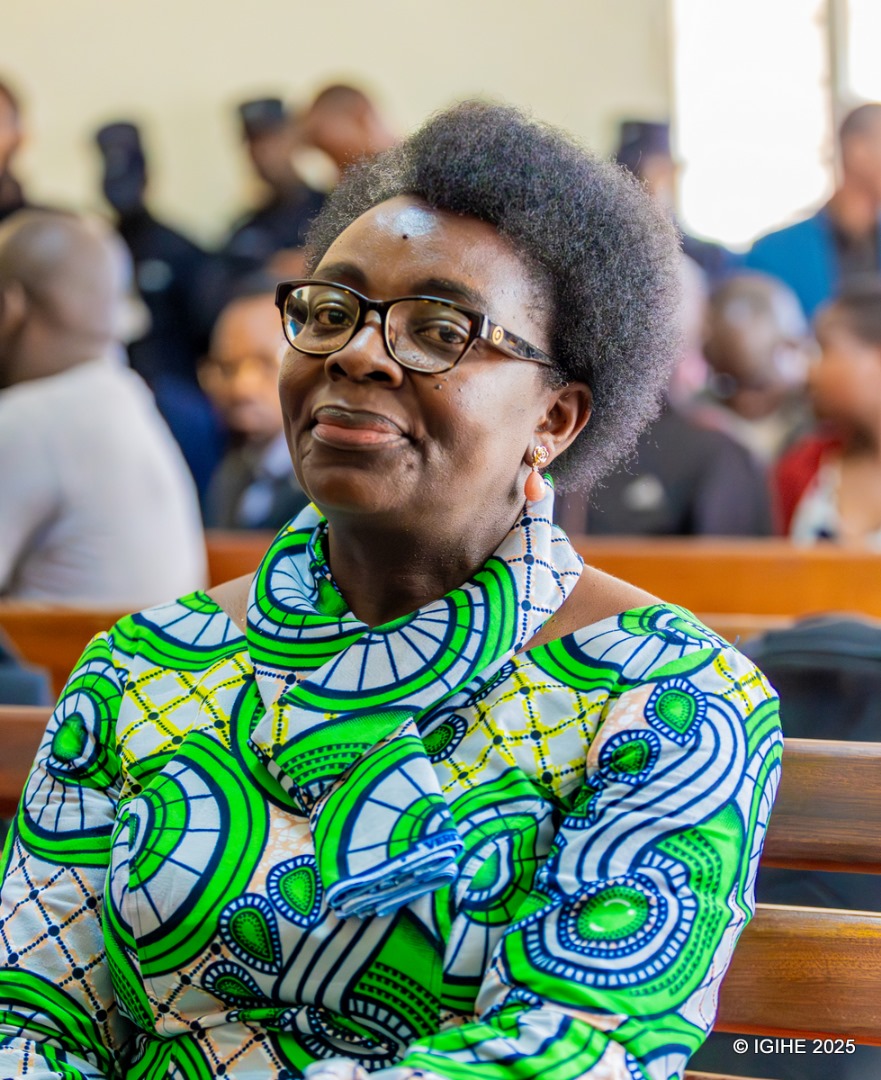
Ingabire is facing multiple charges, including forming and participating in a criminal group, inciting public disorder, undermining government, spreading false information and propaganda intended to damage Rwanda’s reputation abroad, disseminating false rumours, plotting against state authorities, and incitement to protest.
The charges are linked to training sessions conducted in 2021 involving members of the then-unregistered political group DALFA Umurinzi. Prosecutors allege that participants received training from foreign instructors using material including the book Blueprint for Revolution by Serbian author Srdja Popovic.
The sessions were reportedly coordinated by Sibomana Sylvain, who is also a co-accused in the case.
Request to postpone proceedings
Before the prosecution presented its case, Ingabire raised her hand and informed the court that she was not prepared to proceed.
“I understand the prosecution is about to present its case, but I am not ready to stand trial due to several obstacles,” she told the court.
She later explained that her legal team, Me Gatera Gashabana, Me Bikotwa Bruce, and Me Gashema Félicien, had written to the court on June 10, 2026, outlining challenges affecting her ability to prepare a proper defence.
Ingabire argued that she was not in a suitable condition to proceed, citing physical, emotional, and other constraints affecting her preparedness.
Grounds presented by the defence
She outlined four main grounds for requesting a postponement. First, she said she had been unable to meet with her co-accused, who attended the same training sessions, which she considers necessary for preparing a coordinated defence. She stated that prison authorities had denied such meetings.
Second, she raised concerns over limited communication with her family, who are abroad. She said she has only been allowed to communicate with her husband, who is currently hospitalised, and has not been able to speak with her children. She argued that this restriction undermines her ability to prepare adequately, citing international standards on the rights of detainees to maintain family contact.
Third, she cited health and detention conditions, stating that basic personal care items, including toothpaste and skin lotion, were not consistently provided, affecting her well-being.
Fourth, she said she had been restricted in practising her religion and requested the court to ensure her basic rights, including freedom of worship, are respected.
Her lawyers informed the court that they had submitted multiple written complaints, including letters dated May 18, June 2, and June 11, 2026, outlining the difficulties faced in preparing the defence.
Me Bikotwa Bruce argued that there was no legal justification preventing Ingabire from meeting co-accused persons to prepare her case. Me Gatera Gashabana further requested that the trial chamber conduct a visit to the detention facility to assess her conditions firsthand and address the concerns raised.
Prosecution response
The prosecution dismissed the objections, arguing that none of the issues raised constituted valid legal grounds for adjournment.
“These are not legal obstacles to the continuation of the trial; they are emotional claims by the accused and her lawyers. We consider them delaying tactics,” the prosecutor stated.
The prosecution further argued that the inability to meet co-accused persons does not violate any legal provision and therefore cannot justify suspending proceedings. It added that concerns about communication with counsel would be more relevant, but no such restriction had been demonstrated.
On religious practice, the prosecution maintained that detainees in Rwanda retain the right to worship. Regarding complaints about hygiene items, it argued these were unrelated to the merits of the case and did not justify postponement.
Court’s direction
The presiding judge asked Ingabire how many meetings she would require with her co-accused to prepare her defence. She responded that at least four meetings would be necessary.
The court also instructed the defence to submit all documentation supporting claims that formal requests had been made to prison authorities and relevant institutions regarding access to co-accused and other facilities.
After hearing submissions from both sides, the court adjourned the session and scheduled the hearing to continue on June 16, 2026, at 11:00 a.m.
Victoire Ingabire is facing multiple charges, including forming and participating in a criminal group, inciting public disorder, undermining government, spreading false information and propaganda intended to damage Rwanda’s reputation abroad, disseminating false rumours, plotting against state authorities, and incitement to protest.
The expansion will include 30 charging stations for electric motorcycles and 25 for electric cars, adding to the company’s existing network of about 115 charging points, including 95 motorcycle charging stations and 20 car charging stations already operating nationwide.
The move comes as Rwanda continues to position itself among Africa’s leading countries in electric mobility, supported by government incentives and increasing private-sector investment in green transport infrastructure.
According to EVP Charger President Ike Erhabor, the company is focused on extending services to areas that have not yet been fully covered by charging infrastructure.
“We have plans to build more charging stations in areas that have not yet been reached, including Huye, Nyagatare, Musanze, Rusizi and other secondary cities. Our goal is to ensure that these stations are completed and operational before the end of this year,” he said.
The company also plans to establish charging stations at intervals of approximately 50 kilometres for motorcycles and 100 kilometres for cars along major routes, helping to address concerns about charging availability during long-distance travel.
EVP Charger CEO Tony B. Adesina said the expansion reflects the growing momentum behind electric mobility both in Rwanda and globally.
“EVs are the future. It goes beyond the walls of Rwanda; it has become a global sensation,” Adesina said. “Clean mobility is the future because it is affordable, environmentally friendly and has low maintenance costs.”
One of the biggest barriers to EV adoption worldwide has been the availability of charging infrastructure. Through its growing network, EVP Charger aims to eliminate what is commonly known as “range anxiety” — the fear that a vehicle could run out of battery before reaching a charging station.
“We want every Rwandan who buys an EV to know that charging stations are available wherever they travel across the country,” Adesina said.
The expansion aligns with Rwanda’s broader ambitions to develop a low-carbon transport system. Government support has played a key role in the growth of the sector through tax incentives on electric vehicles and charging equipment, favourable electricity tariffs for charging operators and access to land for infrastructure development.
Adesina praised the enabling environment created by the government, noting that it has encouraged private investment in the sector.
“The government has done more than 50 per cent of the work needed for EV operators to succeed,” he said. Beyond expanding its charging network, EVP Charger is investing in technologies designed to make EV ownership more convenient.
In July 2026, the company plans to launch a mobile application for Android and iOS users. The app will enable customers to locate nearby charging stations, plan journeys and make cashless payments, supporting Rwanda’s drive toward a cashless economy.
The application will be launched alongside a new “Tap & Charge” card that will be issued to both existing and new customers using the company’s charging network. The personalised card is expected to simplify payments and improve the overall charging experience.
EVP Charger is also opening its electric motorcycle charging technology to other industry players seeking to introduce electric motorcycle fleets without the burden of building their own charging infrastructure. The company says this will help accelerate growth in Rwanda’s e-mobility sector by allowing manufacturers to integrate their battery technologies with EVP Charger’s super-fast charging network.
The company has additionally launched a “Host a Station” initiative, allowing businesses and property owners to host charging stations on their premises and benefit from the growing green economy.
“We have received hundreds of calls across the country from individuals and businesses looking to host charging stations on their property,” Adesina said.
The company’s charging network is already handling more than 50,000 electric motorcycle charging transactions and over 12,000 electric car charging transactions every month, highlighting the growing uptake of electric mobility among both private users and commercial operators.
EVP Charger also points to cost savings as one of the major drivers behind the shift to electric vehicles. According to the company, charging an EV can cost significantly less than refuelling a conventional petrol-powered vehicle, while maintenance costs are lower because electric vehicles have fewer moving parts.
Beyond infrastructure and technology, the company says it remains committed to creating opportunities within the green economy. Around 170 women are currently employed as agents across EVP Charger’s charging stations, assisting customers throughout the country.
As Rwanda’s electric mobility sector continues to grow, EVP Charger believes expanding charging infrastructure will be essential to ensuring EV users can travel with confidence while supporting the country’s environmental and economic goals.
The growing network of charging stations is designed to support Rwanda’s transition to cleaner and more sustainable transport solutions.Charging stations positioned along key routes will help ensure reliable access to power for electric vehicle users travelling across Rwanda.The planned infrastructure expansion includes charging stations for both electric motorcycles and electric cars across the country.The expansion of EV charging infrastructure is expected to improve access to charging services in cities and along major transport corridors.New charging stations will help electric vehicle users travel longer distances with greater confidence and convenience.EVP Charger plans to add 55 new charging stations across Rwanda to support the growing adoption of electric vehicles and motorcycles.EVP Charger Business Administrator Elina Bamulanje
According to a communiqué from the Office of the President, the meeting centered on the need for concrete action to tackle the root causes of insecurity in eastern DRC and advance a sustainable path to peace and stability in the Great Lakes region.
The discussions come at a critical moment for regional peace efforts. Rwanda and the DRC signed the Washington Accord on December 4, 2025, a landmark agreement aimed at ending decades of conflict and mistrust in the region.
Among its key provisions is the dismantling of the FDLR, an armed group linked to perpetrators of the 1994 Genocide against the Tutsi that Rwanda maintains continues to pose a security threat. The agreement also outlines the lifting of Rwanda’s defensive measures upon the neutralisation of the group.
At the same time, parallel peace talks between the AFC/M23 rebel coalition and the DRC government remain pending in Doha, Qatar. The negotiations are viewed as an important complement to regional and international efforts to achieve a comprehensive and lasting resolution to the conflict in eastern DRC. Ambassador Borgstam’s visit is part of EU efforts to support ongoing initiatives to restore peace and stability in the region.
Separately on Sunday, President Kagame also received Commonwealth Secretary-General Shirley Botchwey, who is in Rwanda on a working visit. The two leaders held discussions on strengthening cooperation between Rwanda and the Commonwealth and reviewed preparations for the 2026 Commonwealth Heads of Government Meeting (CHOGM), which will be hosted in St. John’s, Antigua and Barbuda.
Their discussions focused on areas of mutual interest and continued collaboration within the Commonwealth as Rwanda works closely with member states on shared development and governance priorities.
President Paul Kagame on Sunday met with European Union Special Representative (EUSR) for the Great Lakes Region Ambassador Johan Borgstam at Urugwiro Village, where discussions focused on regional developments and ongoing efforts to address the conflict in eastern Democratic Republic of Congo (DRC).President Kagame also received Commonwealth Secretary-General Shirley Botchwey, who is in Rwanda on a working visit. The two leaders held discussions on strengthening cooperation between Rwanda and the Commonwealth and reviewed preparations for the 2026 Commonwealth Heads of Government Meeting (CHOGM), which will be hosted in St. John’s, Antigua and Barbuda.
The consultations will officially launch in Kigali on Monday, June 15, 2026, marking the beginning of a nationwide exercise aimed at gathering views from citizens and key institutions on the future governance framework of the regional bloc.
The engagements will then be held in Rubavu, Huye and Nyagatare, before concluding on 27 June 2026. The process is designed to ensure broad participation across different parts of the country.
Rwanda becomes the fourth EAC member state to undergo this exercise, following the successful completion of national consultations in Burundi (January 2020), Uganda (April 2021), and Kenya (May 2023).
In the previous sessions, citizens across East Africa actively pushed for deeper integration, recommending milestones such as a common regional currency, unified foreign policy representation, and the ultimate elimination of border restrictions to facilitate completely free movement and trade.
The exercise is part of the EAC’s wider regional effort to involve citizens in shaping the Political Confederation, which represents the final stage of the bloc’s integration agenda.
Stakeholders expected to participate include government officials, members of parliament, the judiciary, civil society organisations, academia, the business community, youth, women, persons with disabilities, religious leaders, media practitioners and political parties.
According to the EAC Secretariat, the consultations will be led by constitutional experts nominated by EAC Partner States and coordinated in collaboration with the Government of Rwanda.
The EAC Deputy Secretary General responsible for Infrastructure, Productive, Social and Political Sectors, Hon. Andrea Aguer Ariik Malueth, said the process is intended to ensure that the proposed Constitution reflects the aspirations of East Africans.
“The national consultations are designed to create awareness on the Constitution-making process, provide an opportunity for citizens to contribute their views, and ensure that the proposed Constitution is people-centred and owned by the people of East Africa,” he said.
As part of the programme, the EAC will also hold high-level engagements with President Paul Kagame, as well as senior government officials, members of parliament, the judiciary, and representatives of key national institutions.
The consultations form part of a broader regional process being conducted across all EAC Partner States, aimed at building consensus on the institutional and governance structures of the proposed Political Confederation.
The East African Community brings together eight Partner States, including Rwanda, Burundi, Kenya, Uganda, Tanzania, South Sudan, Somalia and the Democratic Republic of Congo.
The Political Confederation represents the fourth and final pillar of EAC integration, following the Customs Union, Common Market and Monetary Union.
It is intended as a transitional framework towards the long-term goal of a Political Federation of East African States, strengthening coordination in areas such as political affairs, peace and security, foreign policy, and regional governance.
The model was adopted by EAC Heads of State in 2017, with a team of experts led by former Ugandan Chief Justice Benjamin Odoki guiding the constitution-making process.
Rwanda becomes the fourth EAC member state to undergo this exercise, following the successful completion of national consultations in Burundi (January 2020), Uganda (April 2021), and Kenya (May 2023).
The case fatality rate stood at 21.0 percent, according to figures released by the ministry. A total of 324 patients were in isolation or hospitalized, while 35 people had recovered.
The ministry said the government, together with provincial authorities, response partners and local communities, was continuing public health interventions aimed at breaking chains of transmission and protecting the population.
Response teams on the ground are carrying out epidemiological surveillance, patient care, contact tracing, targeted vaccination, risk communication and community engagement.
The ministry said no lockdown had been ordered in the affected areas and no such measure was under consideration, urging the public not to spread unverified information and to rely on official channels for updates.
In a disease outbreak update published Saturday, the World Health Organization said the outbreak in the DRC continued to evolve rapidly, with rising case numbers and geographic spread.
The reported case fatality rate was likely an underestimation, as many deaths that occurred before the outbreak was declared remain under investigation, the WHO added.
A health worker disinfects an ambulance at the Mongbwalu treatment center that transported a suspected Ebola patient in Mongbwalu, the Democratic Republic of the Congo, June 5, 2026.
Presenting the draft budget to a joint sitting of Parliament on June 11, Minister of Finance and Economic Planning Yusuf Murangwa announced a proposed budget of Rwf 7,796.3 billion, representing a 12 percent increase from the previous fiscal year.
Of the total budget, 63 percent will be directed toward economic transformation programmes, reflecting the government’s continued focus on accelerating growth, strengthening resilience, and advancing the long-term objectives of the Second National Strategy for Transformation (NST2).
Domestic revenues are projected at Rwf 5,273.8 billion, including Rwf 4,429.1 billion in tax revenues and RWF 582.4 billion from non-tax sources. External grants are expected to contribute Rwf 548.3 billion, while foreign borrowing is projected at Rwf 1,974.1 billion.
According to Murangwa, Rwf 4,785.5 billion, equivalent to roughly 61 percent of the budget, has been allocated to recurrent expenditure and public sector wages, while Rwf 3,010.8 billion, or 39 percent, will finance development projects and public investments.
The minister said budget priorities were selected to support Rwanda’s development ambitions while mitigating the impact of global economic uncertainties, including disruptions linked to ongoing conflicts in the Middle East.
Agriculture and food security
The economic transformation pillar has been allocated Rwf 4.9 trillion, making it the largest component of the budget.
Priority interventions include boosting agricultural and livestock productivity, strengthening post-harvest management systems, and improving national food security. The government plans to ensure timely access to agricultural inputs, including fertilisers, improved seeds, and agricultural lime.
Murangwa said the allocation for fertiliser subsidies has increased substantially from RWF 39 billion in the previous fiscal year to nearly Rwf 64 billion in the proposed budget. The increase comes amid rising fertiliser prices on international markets, partly driven by geopolitical tensions and supply chain disruptions.
Additional funding will support seed multiplication programmes for strategic crops and expand irrigation infrastructure to help farmers adapt to climate change. The government also plans to increase national grain and bean reserves by constructing additional storage facilities and procuring strategic food stocks.
In the livestock sector, resources will be directed toward animal vaccination programmes, artificial insemination services, and other measures aimed at improving animal health and productivity. Support for Rwanda’s key export crops will continue through the rehabilitation of ageing coffee and tea plantations and the expansion of cultivated areas.
Energy and infrastructure investments
The budget provides continued financing for major energy and transport projects.
Among the flagship initiatives is the construction of the Nyabarongo II Hydropower Plant, alongside programmes to expand electricity access to households and institutions that remain off-grid.
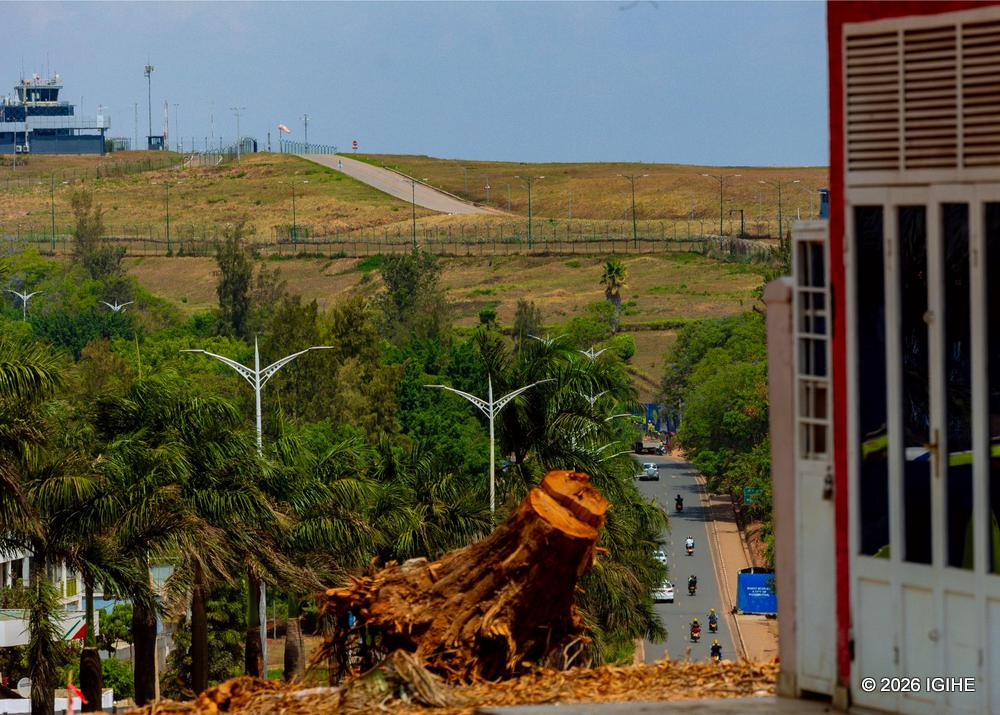
Infrastructure investments will include the development of feeder roads, road interchanges, and transport links serving the new Bugesera International Airport, which is expected to become a major logistics and aviation hub.
Environmental sustainability
The government has also prioritised environmental protection and climate resilience.
Planned interventions include completing wetland restoration projects in Kigali, rehabilitating degraded forests, and protecting surrounding ecosystems. Funding has also been allocated to strengthen weather forecasting services through the acquisition of modern meteorological equipment, including radar systems.
The budget further supports continued implementation of the multi-sectoral Muvumba Project, which is expected to contribute to energy generation, irrigation, and broader agricultural development.
Education, health, and social protection
The social transformation pillar has been allocated Rwf 1,711.3 billion, representing 22 percent of the total budget.
In education, the government plans to recruit additional teachers, provide learning materials across all levels of education, expand school feeding programmes, and strengthen teacher training institutions.
Healthcare investments will focus on expanding Muhororo, Kabgayi, and Ruhengeri hospitals, while construction of a maternity facility at Kibagabaga Hospital will continue. The government also intends to increase the number of healthcare professionals and strengthen programmes aimed at reducing child stunting.
Social protection initiatives will continue through the Vision Umurenge Programme (VUP) and other welfare schemes targeting vulnerable households, including families affected by natural disasters.
Transformational governance and justice
The governance pillar has been allocated Rwf 1,184 billion, accounting for 15 percent of the proposed budget.
Planned interventions include strengthening the justice sector through enhanced institutional capacity, expanding the use of forensic investigations, improving alternative dispute resolution mechanisms, and reducing court case backlogs.
In foreign affairs, the government will continue efforts to deepen diaspora engagement in national development and expand international markets for Rwandan exports.
The proposed budget underscores Rwanda’s strategy of combining economic transformation with social investment and institutional strengthening as it seeks to sustain growth and improve living standards in the coming fiscal year.
Presenting the draft budget to a joint sitting of Parliament on June 11, Minister of Finance and Economic Planning Yusuf Murangwa announced a proposed budget of Rwf 7,796.3 billion, representing a 12 percent increase from the previous fiscal year.