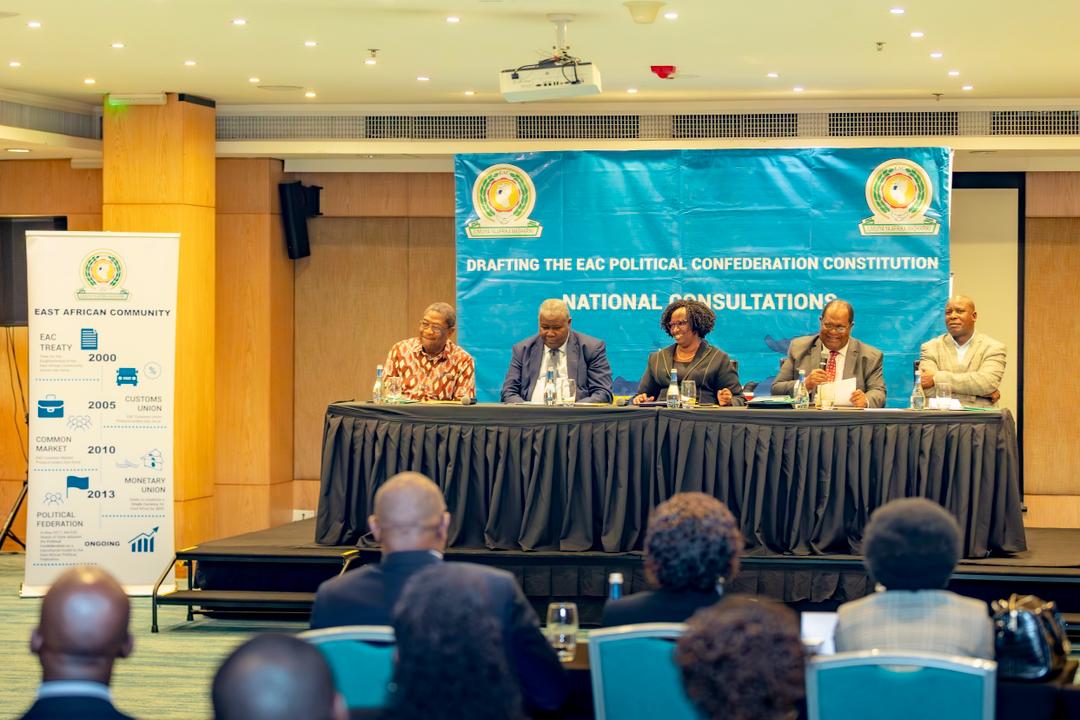
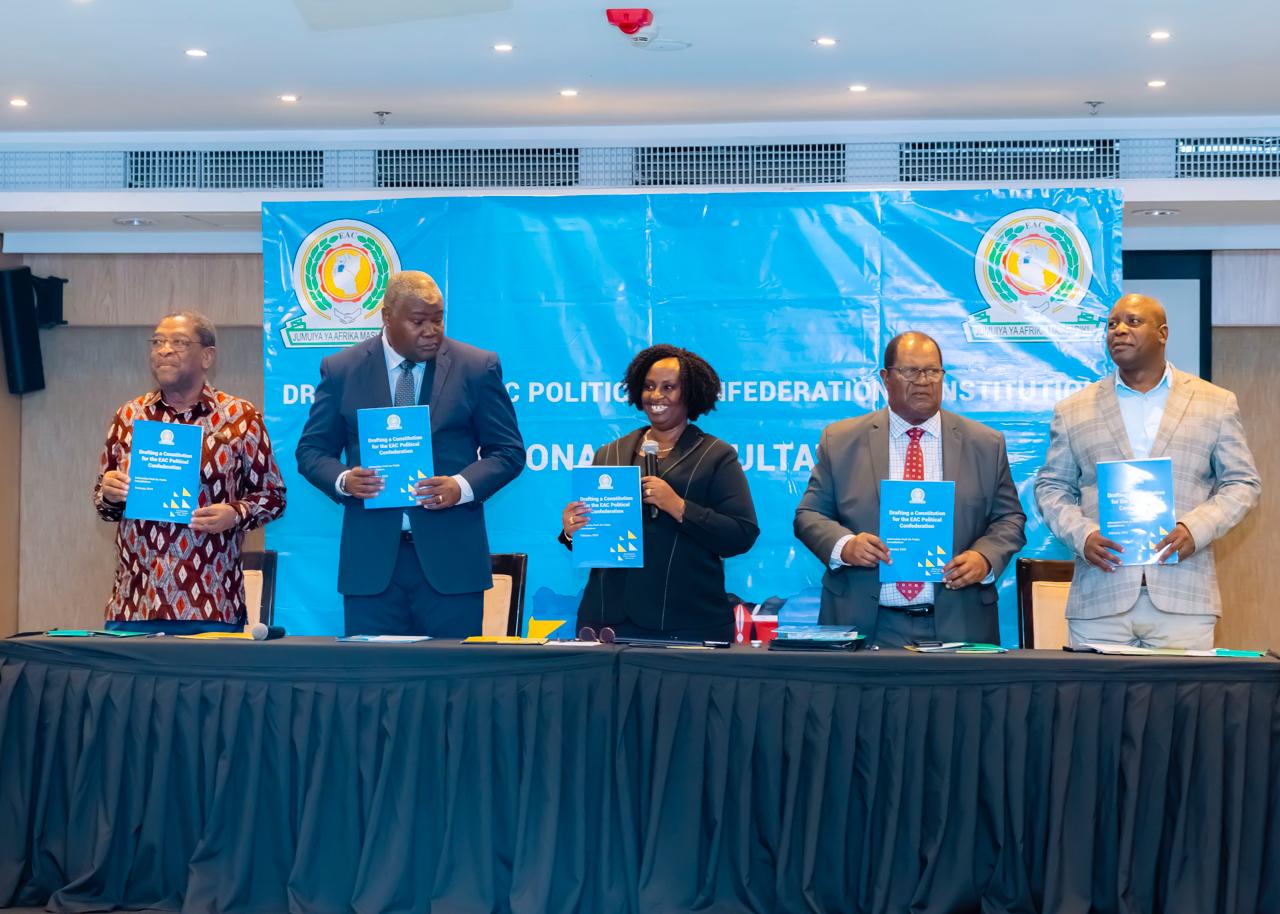
The consultations will run until June 27 and form part of a broader regional exercise being conducted across EAC Partner States to shape the governance framework of the Political Confederation, the transitional model towards the eventual Political Federation of East African States.
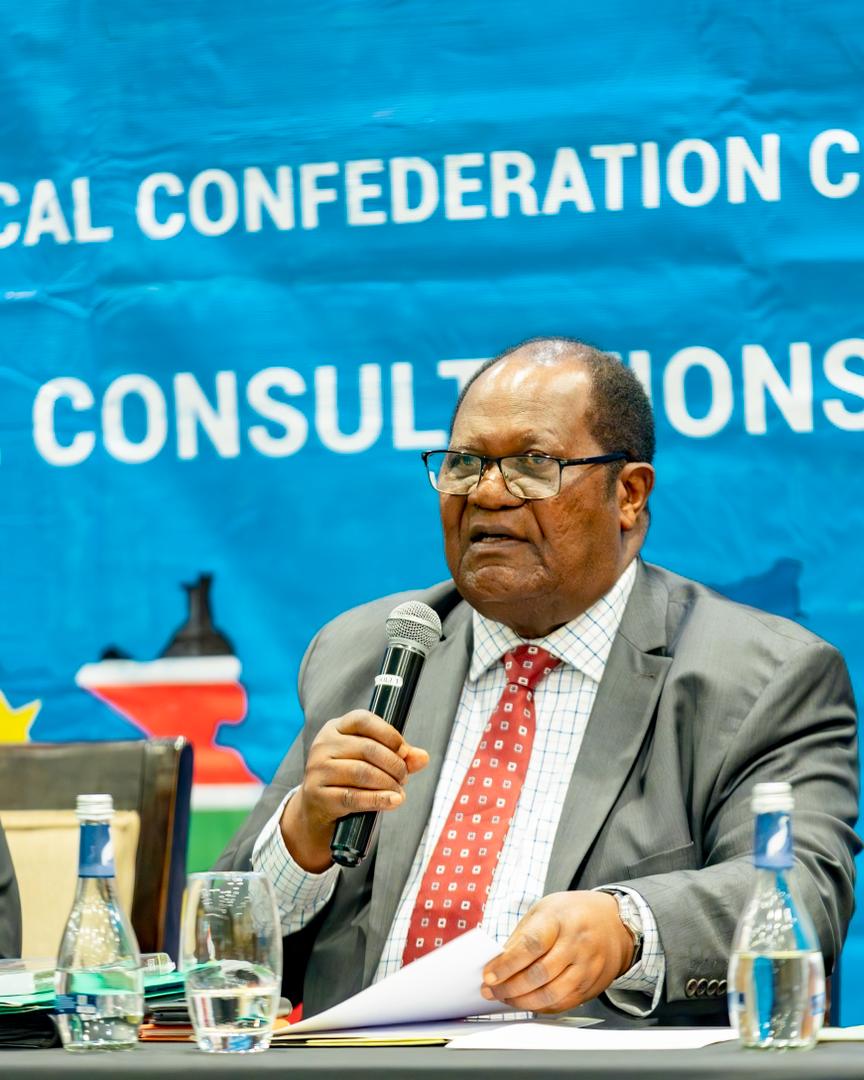
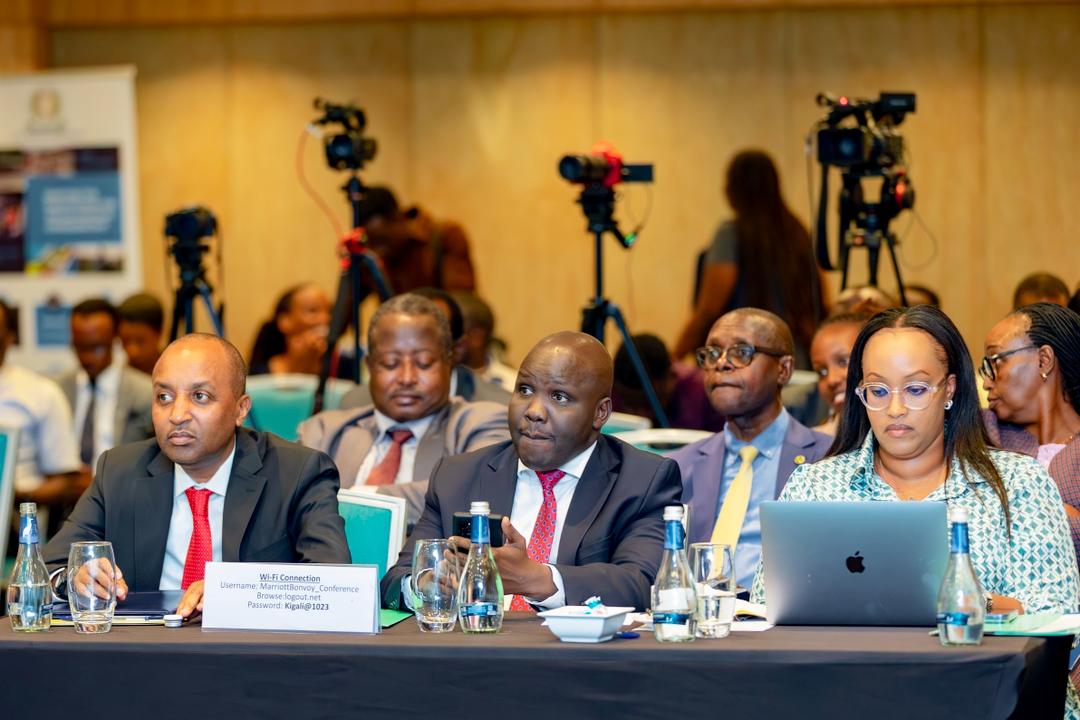
Speaking during the launch at the Kigali Marriott Hotel, Chairperson of the EAC Team of Constitutional Experts, Justice Dr. Benjamin Odoki, said the process had entered a critical phase after years of legal, institutional and comparative studies undertaken by experts appointed by the EAC Council of Ministers.
“The Summit of Heads of State and the Council of Ministers entrusted us with the responsibility of drafting the Constitution for the East African Political Confederation as a transition towards the ultimate goal of establishing a Political Federation, one people, one country,” Odoki said.
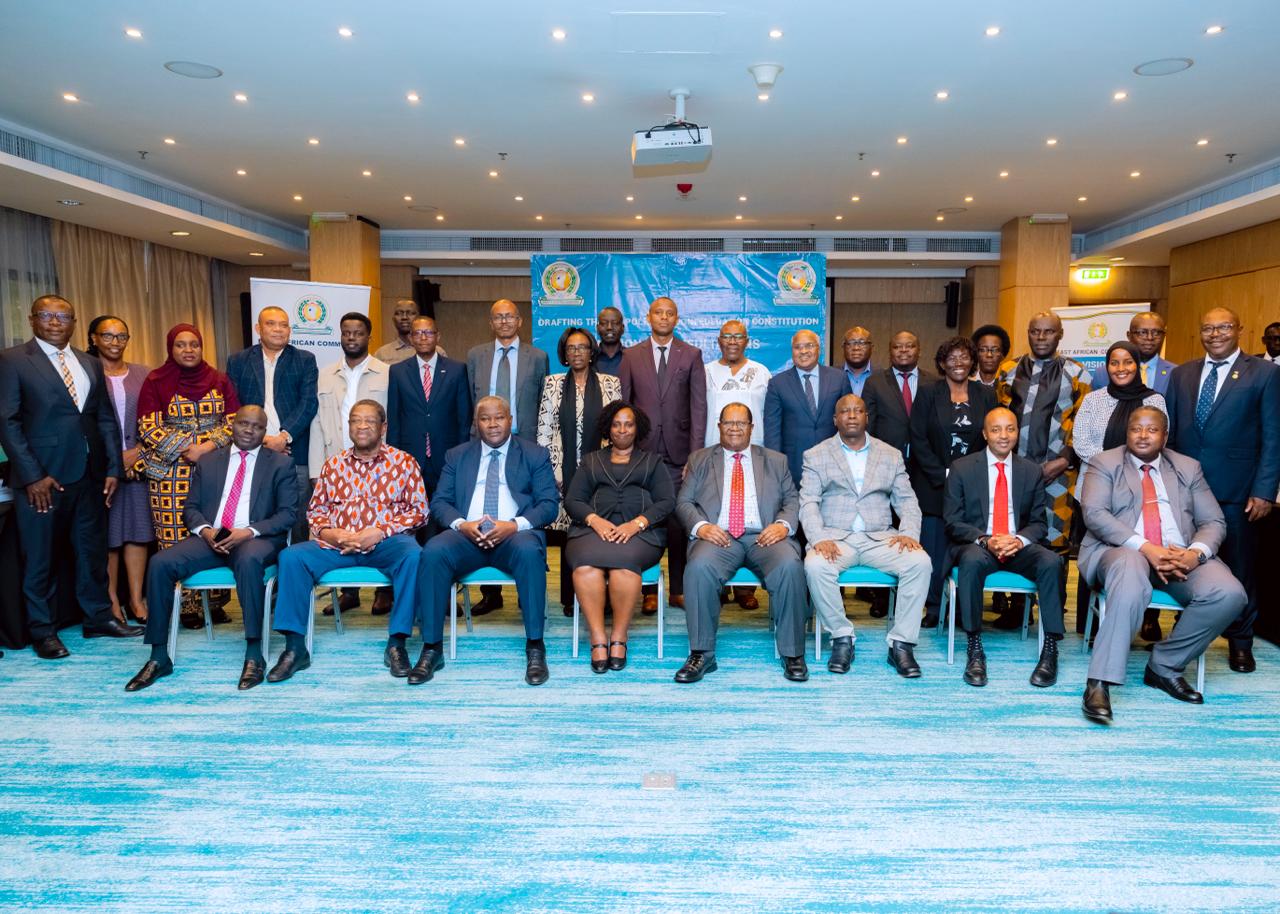
He noted that the team, composed of constitutional experts from the eight EAC Partner States, had already completed consultations in Burundi, Uganda and Kenya, where citizens overwhelmingly expressed support for deeper regional integration.
The consultations seek to collect views from citizens and stakeholders that will inform the proposed model of the Political Confederation before the drafting of the Constitution begins.
According to the EAC Secretariat, consultations in Rwanda will be conducted in Kigali and other designated centres, including Rubavu, Huye and Nyagatare, bringing together representatives from government institutions, Parliament, the judiciary, academia, civil society, the private sector, youth and women groups, faith-based organisations, persons with disabilities, political parties and the media.
EAC Secretary General Ambassador Stephen Mbundi said the consultations reflect the Community’s commitment to a people-centred integration process, as required under the Treaty establishing the EAC.
“This is not merely an exercise. The Treaty is very clear that the Community is people-centred, and therefore, citizens must be consulted when major decisions about our integration are being made,” Mbundi said.
He said the views gathered across the region would provide the foundation for drafting the Constitution of the Political Confederation and help define the governance structures that will guide the next phase of East African integration.
Mbundi also revealed that the 25th Ordinary Summit of EAC Heads of State had directed Partner States to complete the consultation process this year, with progress expected to be reported to the 26th Summit.
The Political Confederation was adopted by EAC Heads of State in 2017 as a transitional model towards the Political Federation. It represents the fourth pillar of regional integration after the Customs Union, Common Market and Monetary Union.
While significant progress has been made under the first three pillars, EAC leaders believe stronger political cooperation is necessary to accelerate integration and address shared challenges in governance, peace and security, foreign policy, economic development and regional competitiveness.
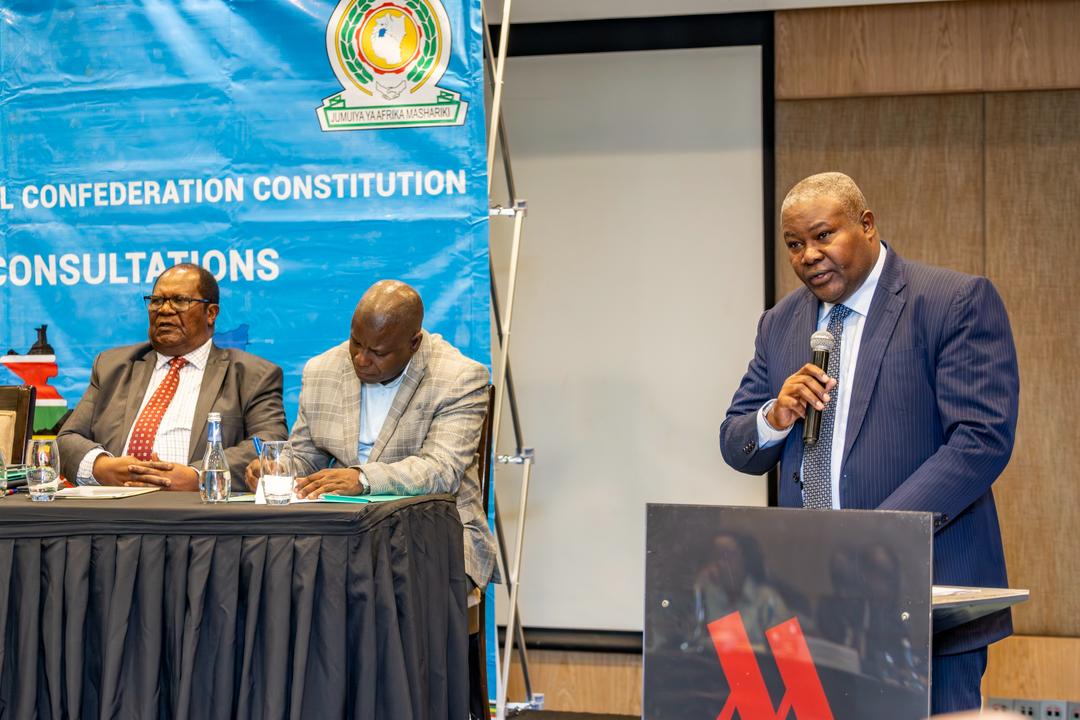
Launching the consultations on behalf of the Government of Rwanda, Minister of State for Foreign Affairs Dr. Usta Kaitesi described the exercise as a significant milestone in Rwanda’s contribution to the regional integration agenda.
“The future of our region cannot be shaped by governments alone. It must be informed by the views, aspirations and expectations of the citizens whose lives will be affected by the decisions we make,” she said.
Kaitesi emphasised that Rwanda hopes to hear from all segments of society, including youth, women, entrepreneurs, farmers, academics and religious leaders, to ensure that citizens have ownership of the integration process.
She noted that a more integrated East Africa could create larger markets, more opportunities for young people, stronger institutions and a greater collective voice for the region on continental and global issues.
The consultations come as the EAC continues implementing the Monetary Union Protocol, with Partner States targeting 2031 for full implementation. During a media engagement, officials acknowledged that challenges such as macroeconomic convergence requirements, the COVID-19 pandemic and global economic shocks had delayed some integration milestones.
However, Secretary General Mbundi said practical measures such as cross-border mobile money transfers are already being implemented to strengthen financial integration and prepare the ground for a future common currency.
As consultations continue across Rwanda over the next two weeks, EAC officials say the process will help ensure that the proposed Constitution reflects the aspirations of East Africans and lays the foundation for a more united, prosperous and politically integrated region.



Leave a Reply