RSSB Tigers BBC qualified for the intercontinental competition after winning the 2026 Basketball Africa League (BAL) title.
Randall, who joined the team on loan, played three games in the tournament, logging 113 minutes and scoring 77 points at an average of 25.7 points per game. He also averaged 2.7 rebounds and 6.0 assists per contest.
FIBA selected Randall to the tournament’s standout team alongside Tournament MVP Eric Dixon and Lester Quinones of NBA G League United, Francisco Cáffaro of Boca Juniors, and Kay Bruhnke of Rytas Vilnius.
Randall’s selection came on the same day he signed a new two-year contract extension with APR BBC following the conclusion of his loan spell at RSSB Tigers BBC. He will continue with APR BBC alongside a core roster that includes Chingka Kennedy Garba, Hubert Sage Kwizera, Teafale Lenard Jr., Antino Jackson, Axel Mpoyo, and Ntore Habimana.
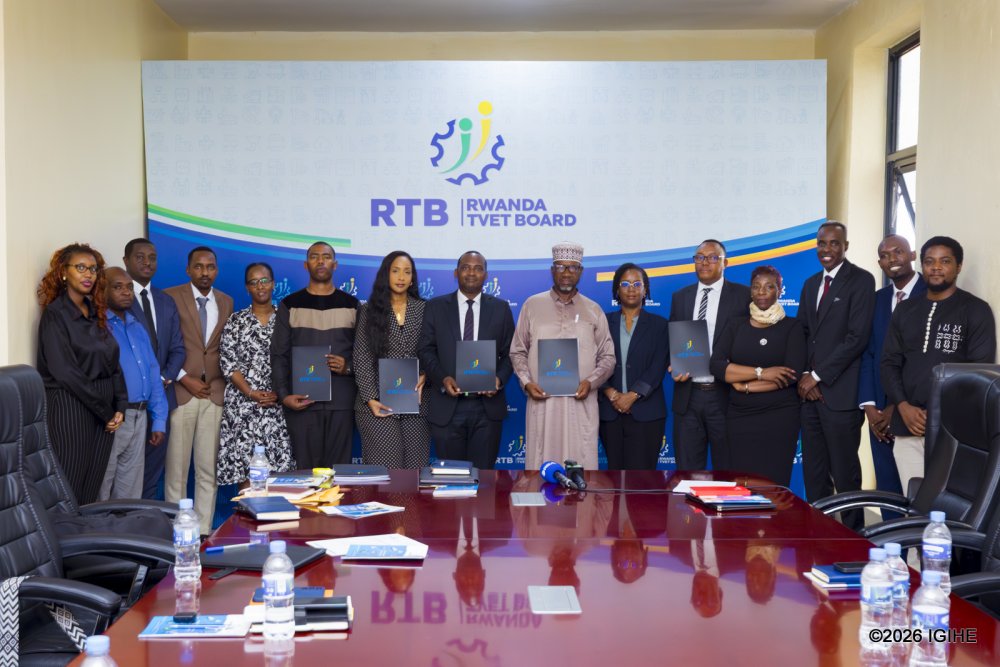
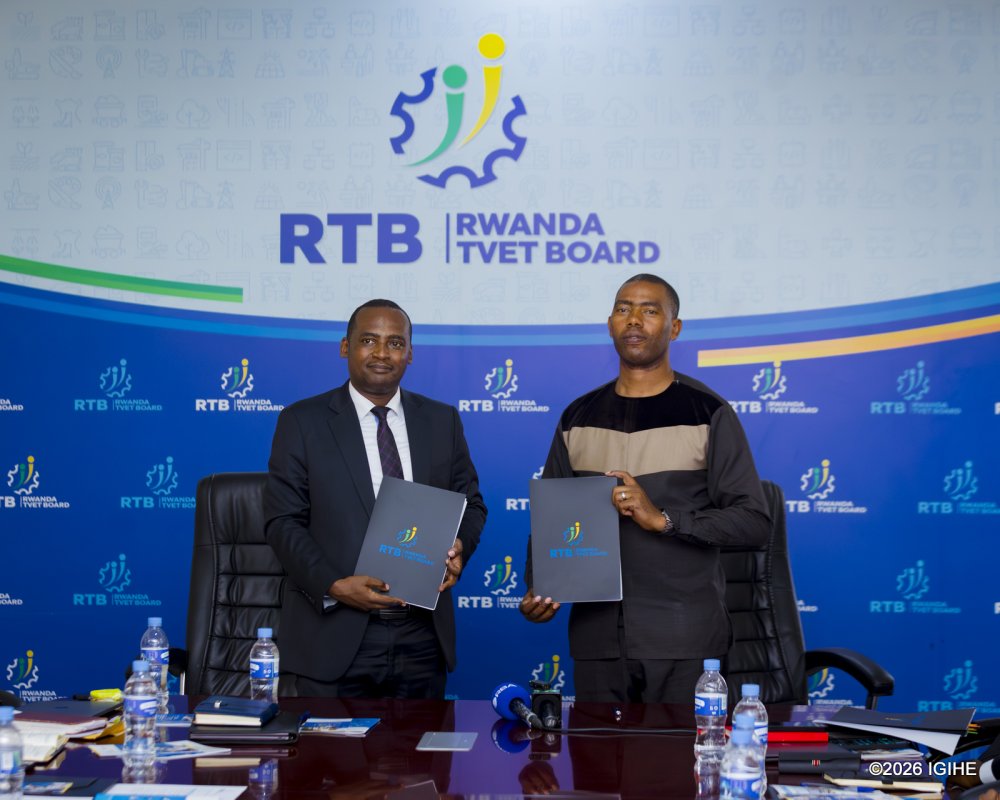
The agreements were signed with the Rwanda Garage Association (RGA), Rwanda Wood Value Chain Association (RWVCA), Rwanda Tailors Association (RTA) and Rwanda Hospitality Association (RHA) during a ceremony held at RTB offices in Kigali on September 29, 2026.
Supported by the Embassy of Switzerland in Rwanda and Never Again Rwanda, these partnerships are part of the ongoing efforts to strengthen Rwanda’s national Dual TVET system by bringing government, TVET institutions and industry together and expanding opportunities for students to complement classroom learning with practical, structured experience in real workplaces.
The agreements provide for Dual TVET workplace placements, internships, apprenticeships, industrial attachments and other structured workplace-learning opportunities.
Industry associations will help mobilise suitable businesses, identify workplace mentors and in-company instructors, and support practical training.
The four associations collectively represent more than 1,680 businesses, in addition to around 1,500 individual tailors. RGA represents 332 garages, RWVCA brings together 300 companies, RTA represents 350 companies and RHA represents between 700 and 800 businesses.
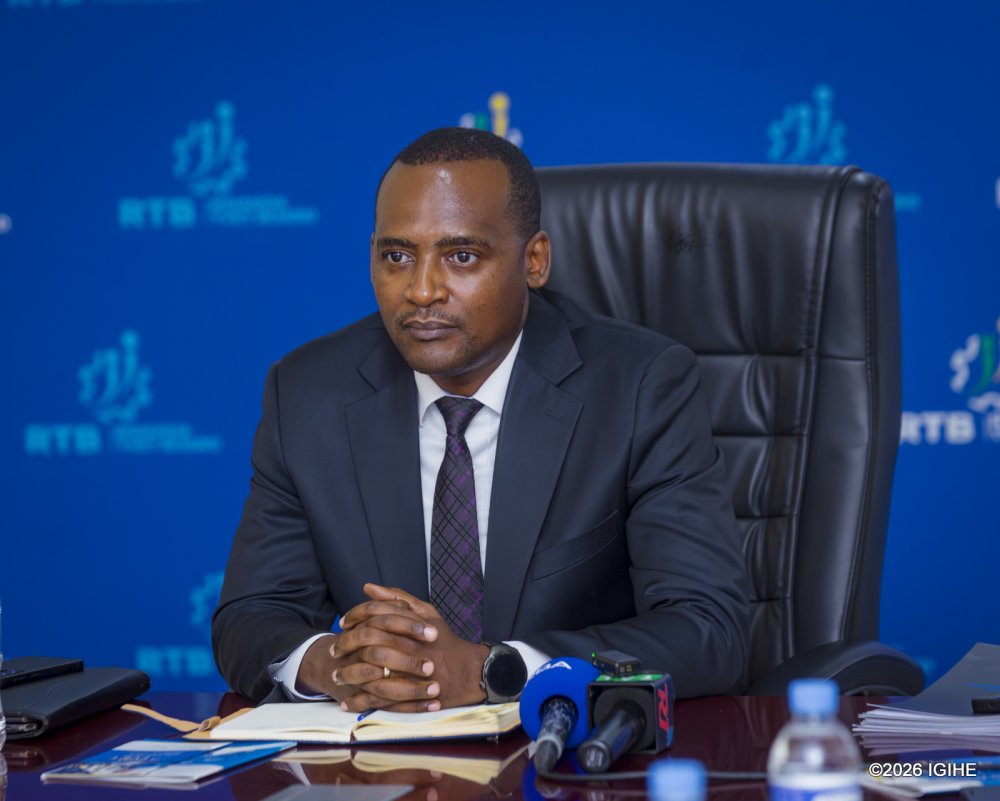
RTB Director General Eng. Paul Umukunzi said the agreements would help address the gap that previously existed between TVET institutions and the private sector, which sometimes affected students when they entered the labour market.
“These agreements aim to ensure that students are trained based on the needs of the labour market. Private-sector companies will follow students from the time they join school so that, when they reach the stage of workplace learning, the companies will receive students they know and whose training they have contributed to,” he said.
The partnerships will also give industry a stronger role in identifying priority skills, occupational analysis, curriculum development and review, training delivery, assessment and quality assurance.
Deputy Chairperson of the Rwanda Garage Association, Niyitegeka Jean Eric, said some students had previously struggled to find suitable places for workplace training, particularly in larger companies.
“We are pleased that this will now be given a clear framework so that every student can undertake workplace learning in an environment that matches the skills they are pursuing,” he said.
Opportunities for experienced workers
The agreements will also benefit people already working in the private sector who have practical skills and experience but lack formal qualifications.
Umukunzi said RTB would assess their existing competencies through Recognition of Prior Learning (RPL) and provide certification to those who meet the required standards.
“We have many Rwandans working in private companies who have different skills and are active in the labour market but do not have formal qualifications. Through these agreements, we will assess the skills they have and provide them with qualifications corresponding to those skills,” he said.
RWVCA Chairperson Abdu Karemera said certification could help experienced workers gain confidence in their professions and create their own businesses.
The agreements also provide for short courses, upskilling and reskilling to help workers adapt to new technologies and changing industry requirements.
RTB said it will continue engaging other industry associations and private-sector actors to expand workplace learning opportunities to more sectors and learners across Rwanda.
Nicole Ansoni, Board Secretary of the Rwanda Hospitality Association, has signed the MoU on behalf of the association.The Deputy Chairperson of the Rwanda Garage Association, Niyitegeka Jean Gilbert (right), has signed the MoU.RWVCA Chairperson Abdu Karemera has signed the MoU alongside RTB Director General Eng. Paul Umukunzi.The President of the Rwanda Tailors Association has also signed the MoU.RTB Director General Eng. Paul Umukunzi has said there was previously a gap between TVET institutions and the private sector.RTB plans to continue engaging other industry associations and private-sector actors to expand workplace learning opportunities to more sectors and learners across Rwanda.
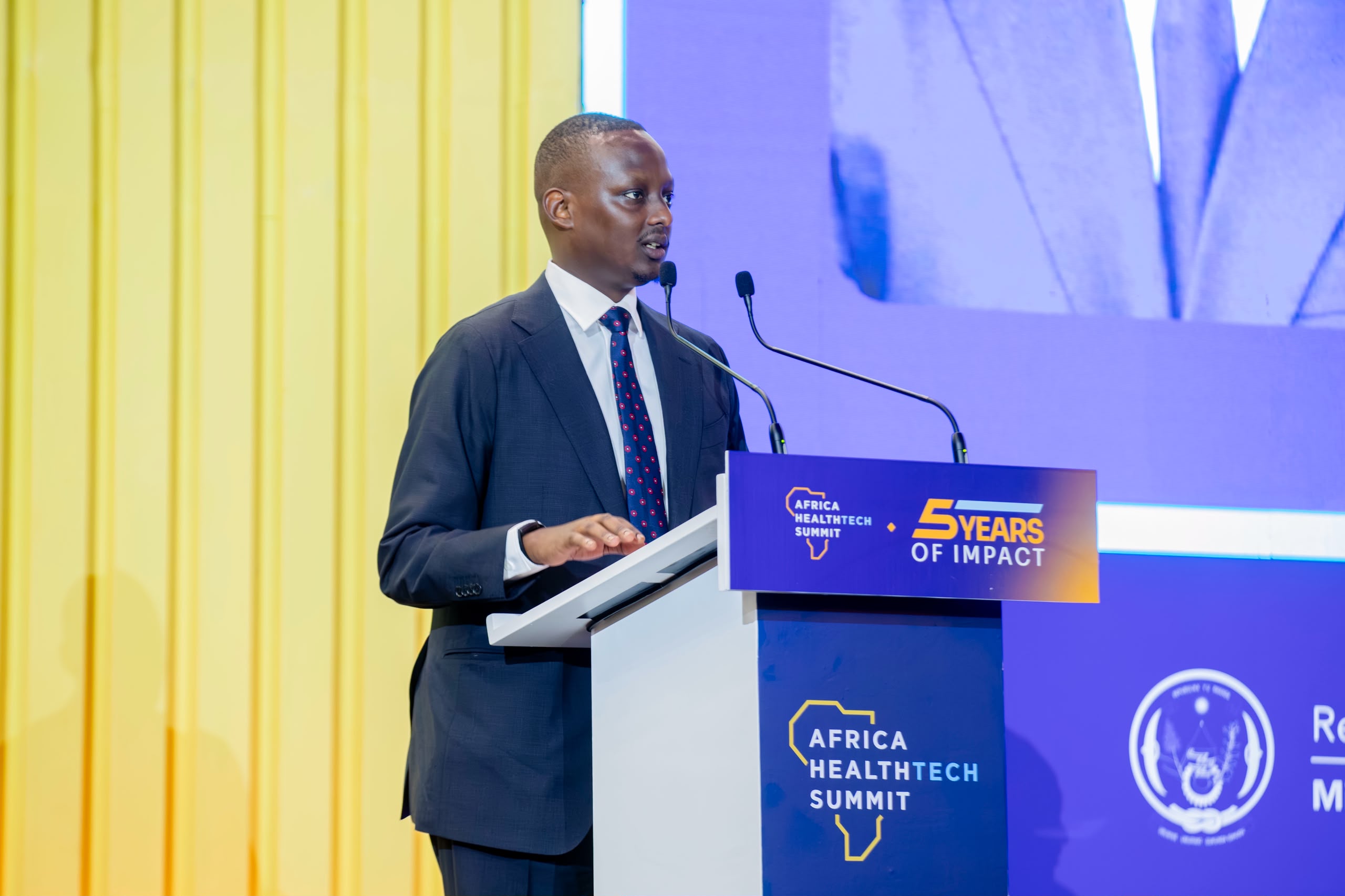
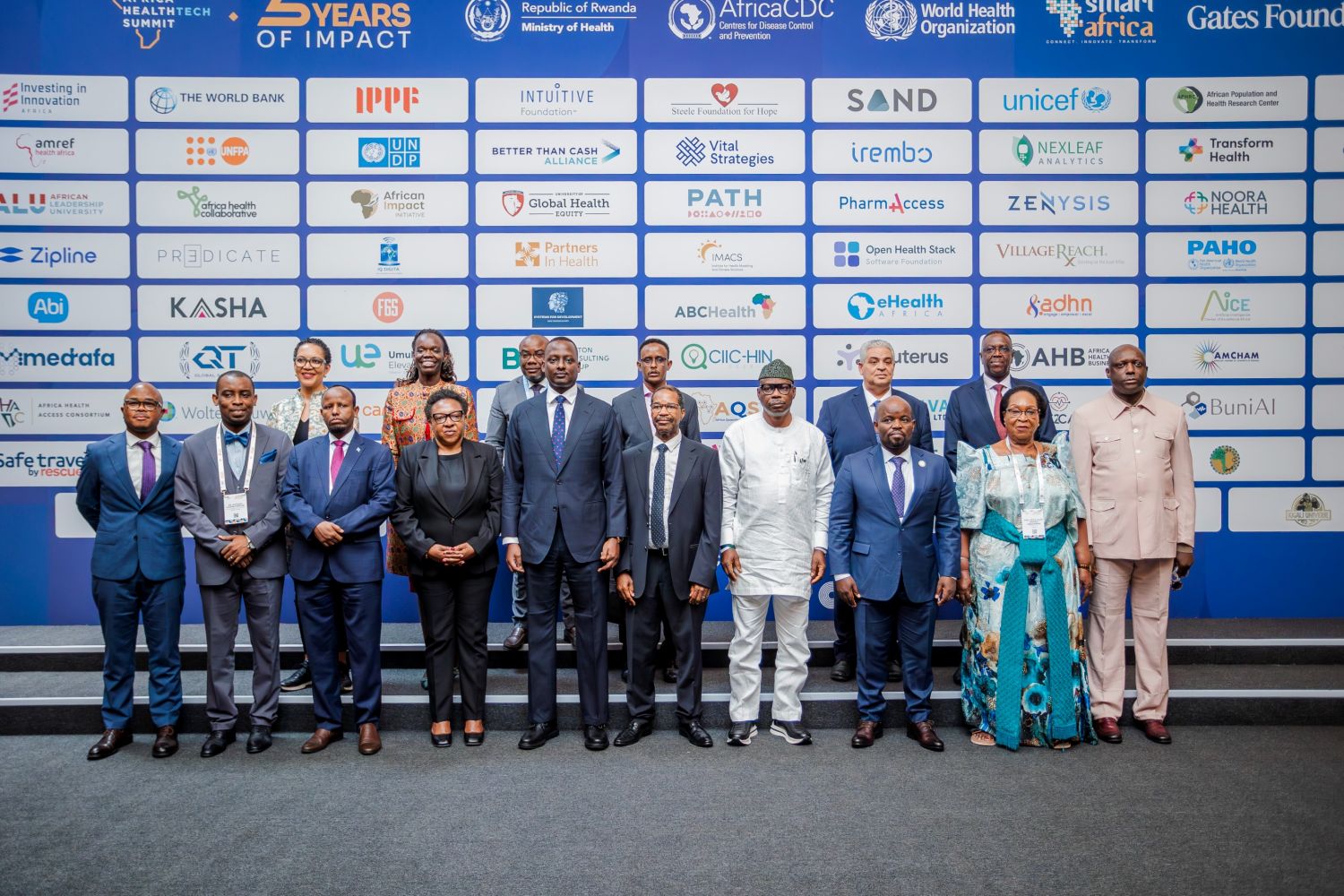
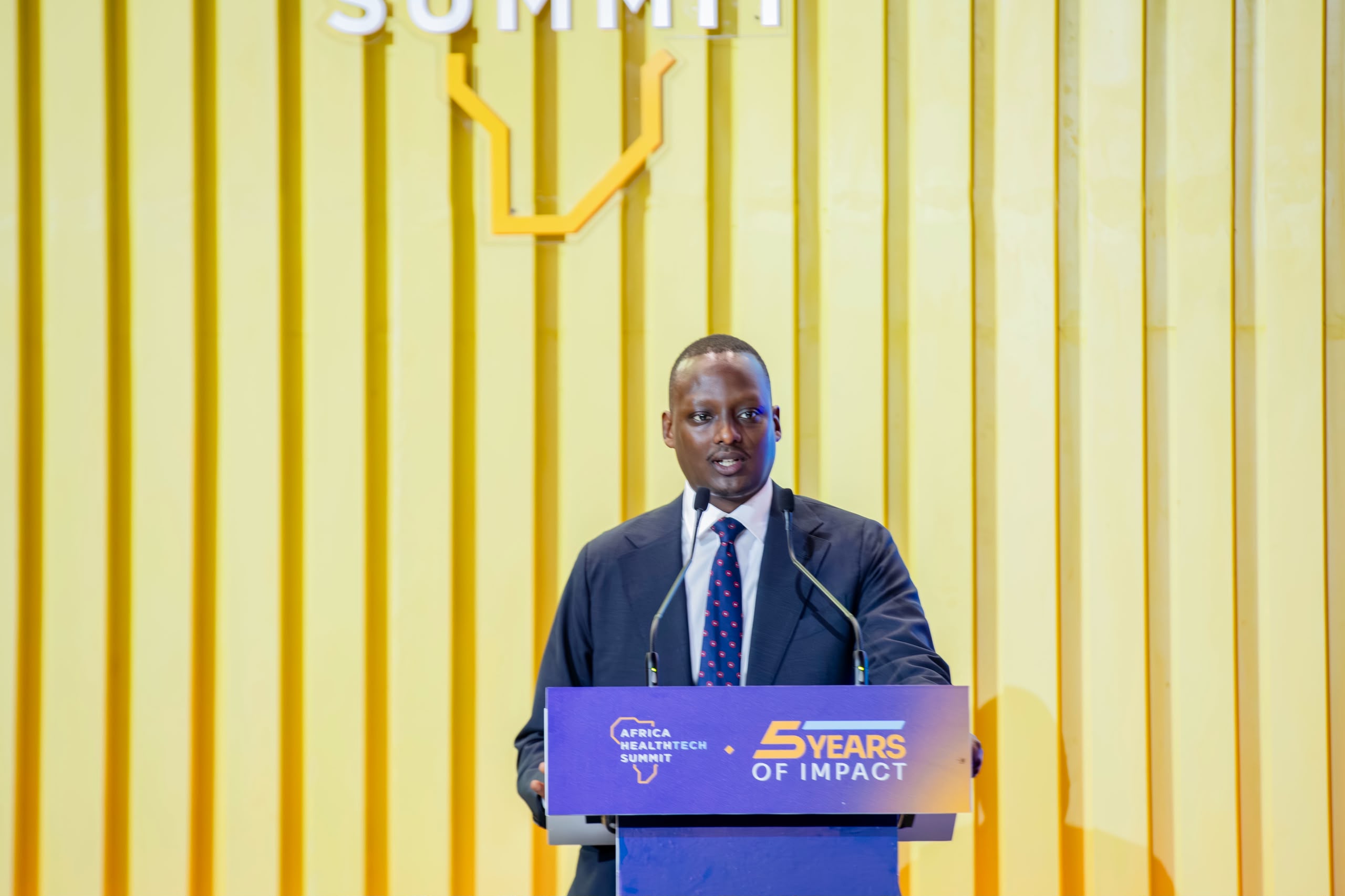
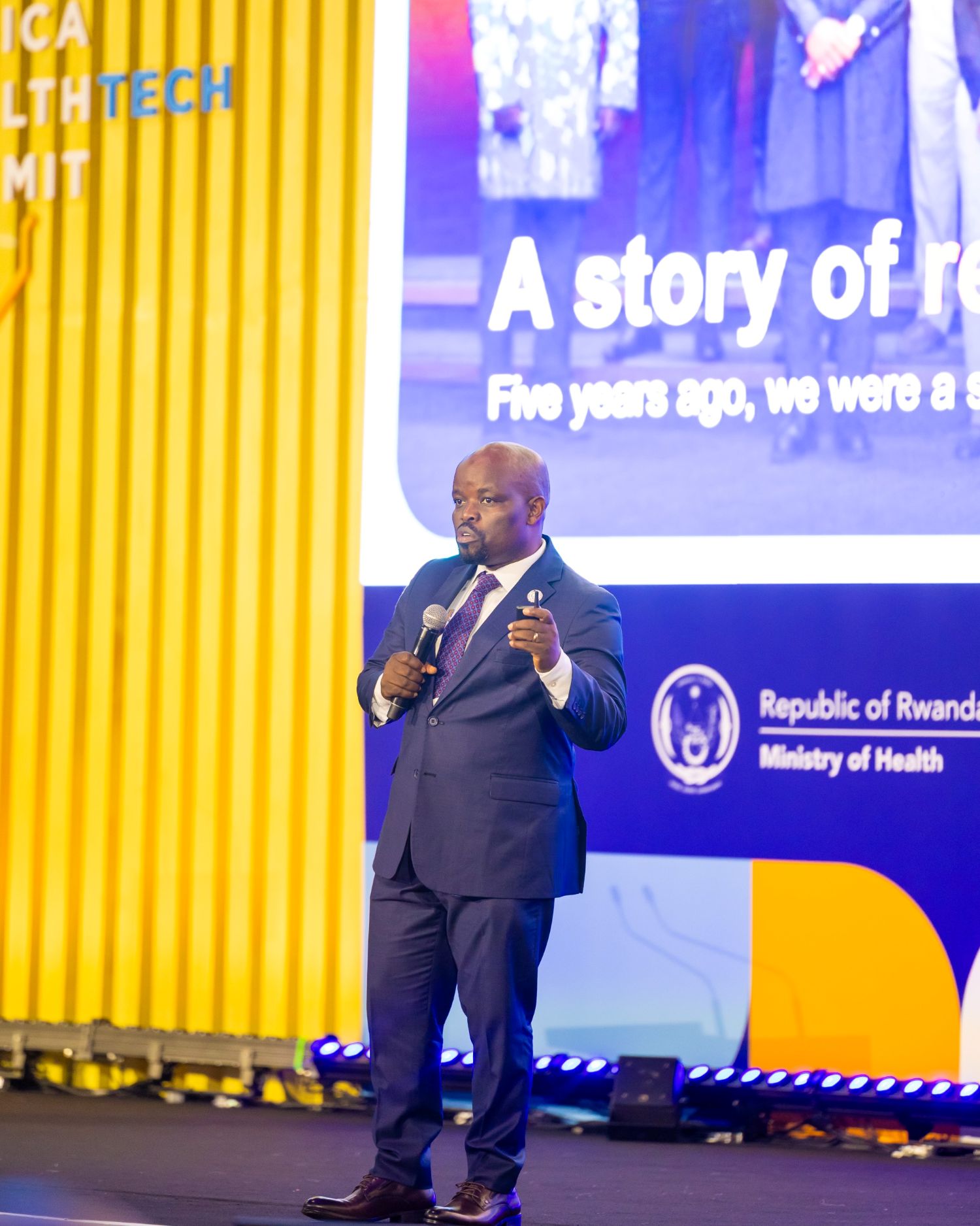
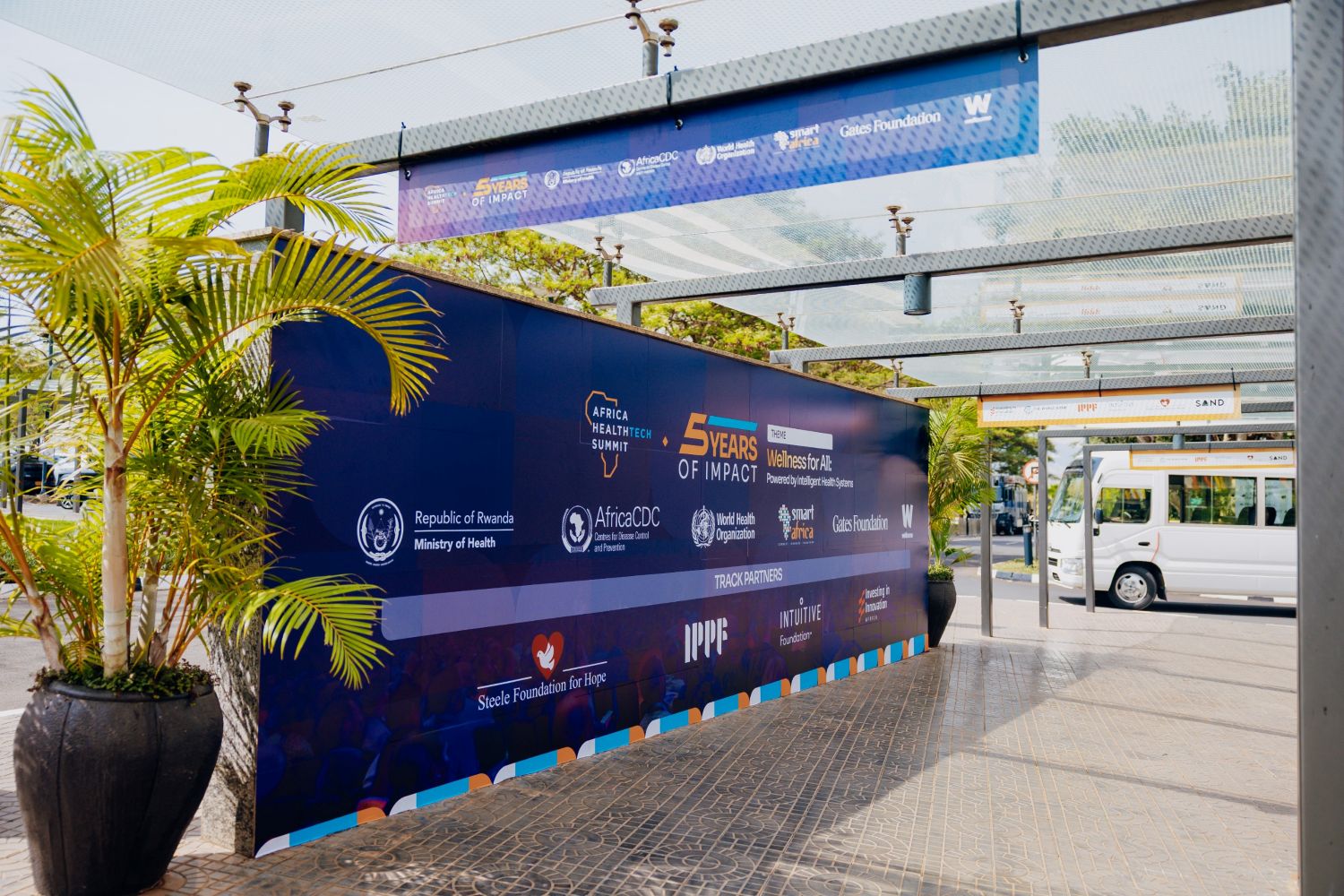
Minister of State for Health Dr Yvan Butera revealed this on Wednesday while opening the fifth Africa HealthTech Summit (AHTS) at the Kigali Convention Centre.
The three-day summit, running from September 30 to October 2, brings together governments, health technology companies, investors, development partners and innovators under the theme “Wellness for All, Powered by Intelligent Health Systems.”
Butera said Rwanda’s experience with health intelligence had prompted other countries to establish similar centres, with Tanzania, Nigeria, Ethiopia and Liberia among those pursuing the model.
“Ever since that time, since we set up our health intelligence centre here in Rwanda, we have 11 countries that are also setting health intelligence centres in their own countries,” Butera shared.
He said the countries are also working through the Health Intelligence Center for Africa, a network headquartered in Kigali that aims to coordinate collaboration and allow countries to learn from each other.
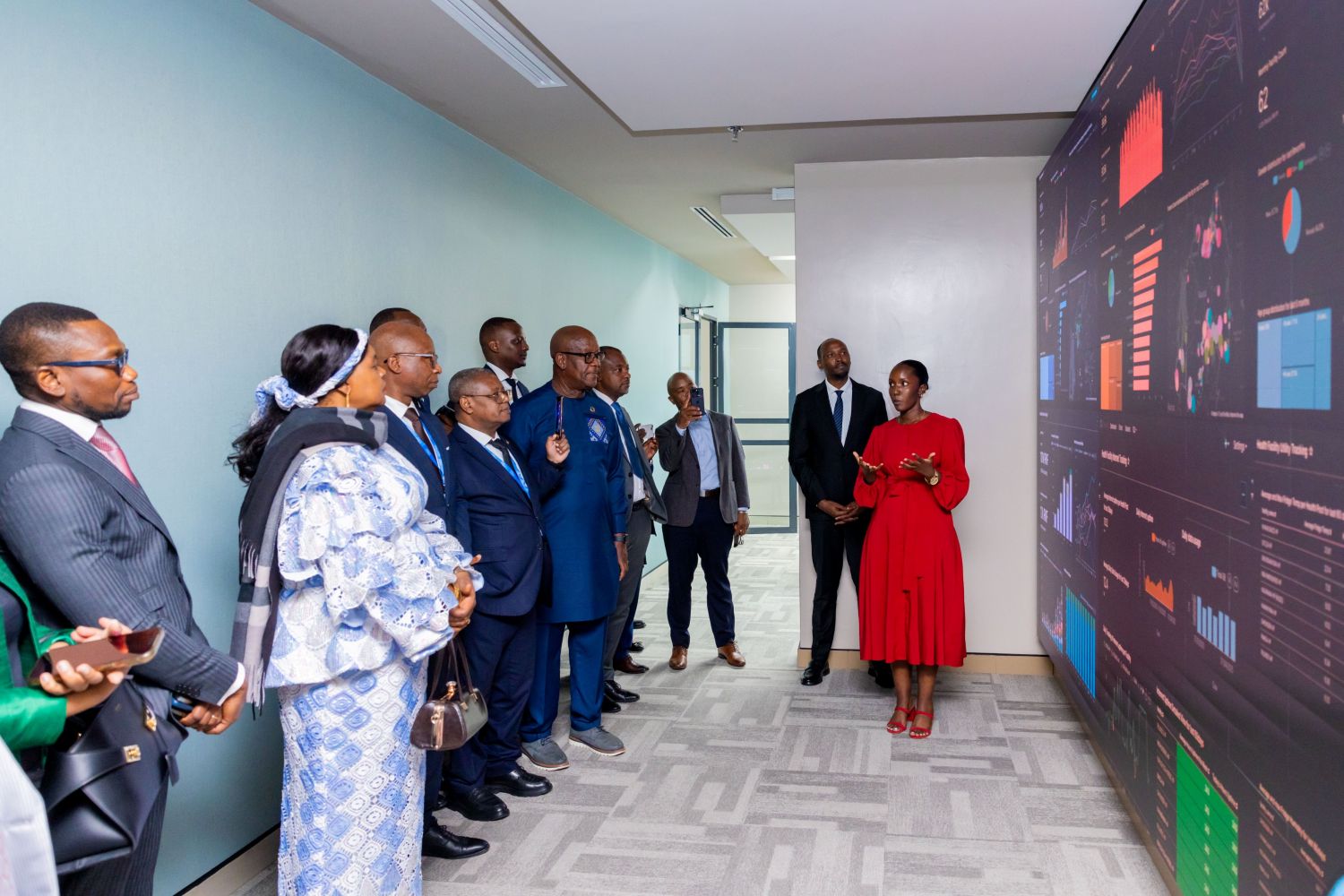
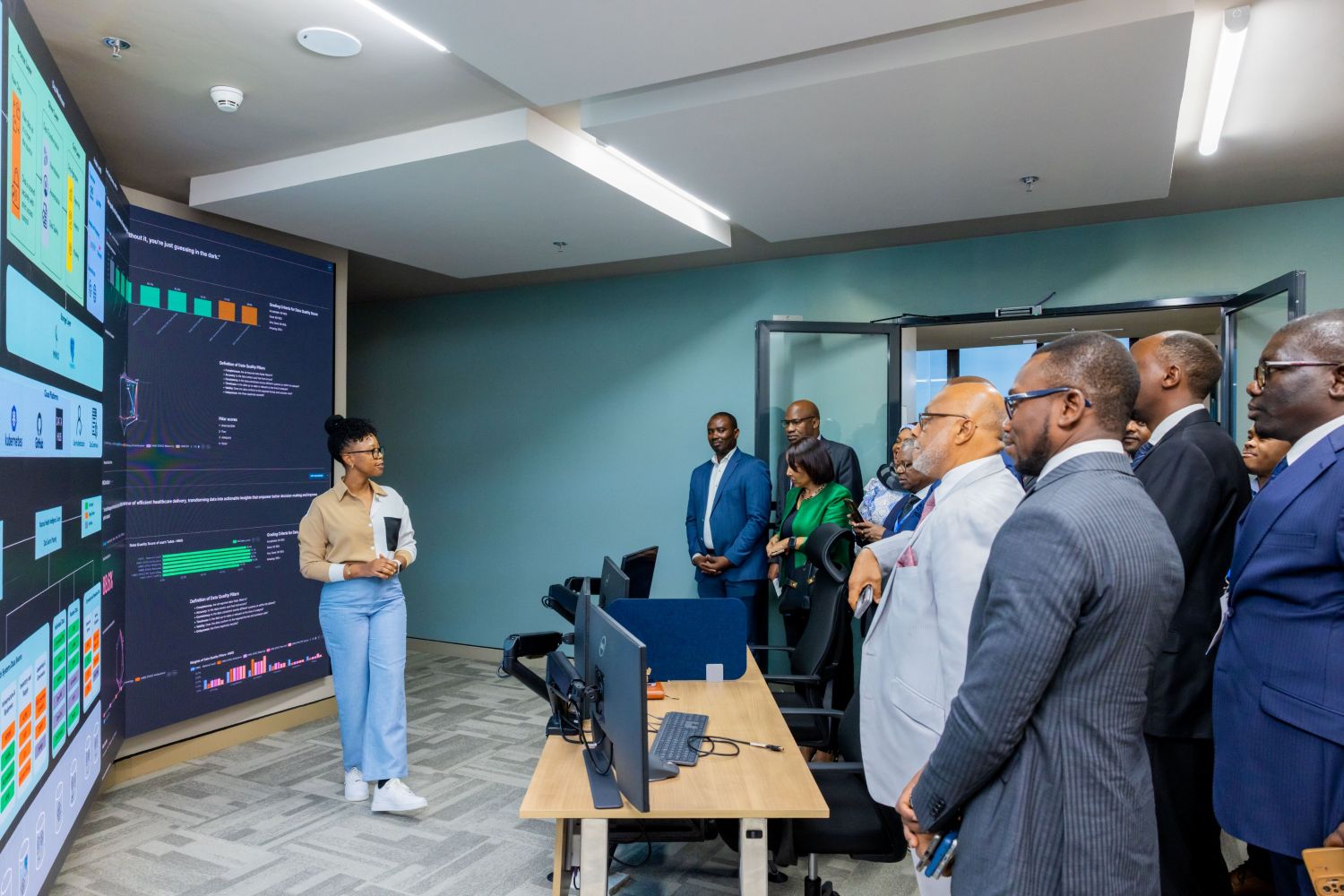
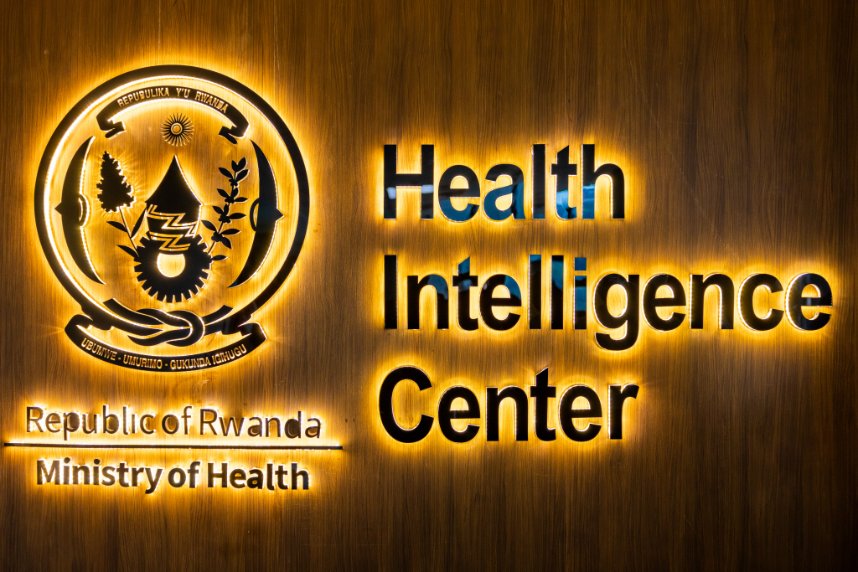
Rwanda established its National Health Intelligence Centre to bring together data generated across the health system and turn it into information that can support decision-making.
The hub was launched on the sidelines of the Global AI Summit on Africa on April 3, 2025. The centre employs a diverse team, including medical doctors, data scientists, software developers and programmers.
The initiative tracks the efficiency of public health equipment, such as ambulances and hospital refrigeration systems, while collecting and analysing medical procedure outcomes to inform policy.
A key feature of the facility is its data warehouse, which stores patient care records, routine reports from healthcare facilities, and feedback from community health workers and the public.
The data is used to assess service delivery, monitor hospital performance and improve health system efficiency.
The approach is part of a wider digitisation of Rwanda’s health system, including the use of community electronic medical records.
Butera said more than 54,000 community health workers have been equipped with smartphones containing a Rwanda-tailored community electronic medical record system.
The system allows health workers to record and follow up patients, identify people at risk and provide information that health authorities can use to monitor emerging health trends.
Butera said the technology had also changed how health authorities identify and respond to emerging problems.
“From my office, I’m able to see, quickly scan the entire country, what’s happening and what is mushrooming,” he revealed, citing the ability to identify issues such as medicine stock-outs and concentrations of conditions including high blood pressure.
The system is also being used to improve maternal healthcare by allowing information gathered at community level to be accessed by health centres, hospitals and specialists.
Butera said Rwanda had recorded a 30% reduction in maternal mortality over the past two years through interventions including earlier identification of high-risk pregnancies and better coordination between levels of care.
He also highlighted Rwanda’s virtual hospital, which connects district hospitals with specialist doctors who can support healthcare teams remotely.
Specialists can follow procedures taking place in district hospitals in real time and guide general practitioners through complex cases, including surgery.
Butera said the programme had helped save around 15 mothers who were classified as near-miss cases.
Eric Remera, Director of Rwanda’s National Health Intelligence Centre, echoed the sentiments, saying, “Our mission is to change the traditional direction of information, whereby data flowed only upwards. Currently, we also want advantages that move the other way: giving providers better tools, reducing paperwork, and helping them make better decisions at the right time.”
He added that Rwanda’s experience was not being presented as a finished model, but as an ongoing process from which other countries could learn.
“We hope that our experience can contribute to the wider conversation about how we build intelligent, sovereign, and people-centred health systems,” Remera said.
The expansion of Rwanda’s health intelligence model comes as African countries look for ways to address shortages of healthcare workers while extending specialised services to underserved communities.
WHO Representative and Head of Mission in Rwanda Dr Brian Chirombo, speaking on behalf of the United Nations Resident Coordinator, said Rwanda’s experience showed the importance of connecting health workers with data, digital tools and support.
He said digital transformation should focus on equity, trust and measurable impact, while ensuring that data privacy, security and human rights remain central to the development of intelligent health systems.
The UN is supporting Rwanda in areas including the National Health Intelligence Centre, telemedicine, disease surveillance, digitisation of health facilities and community electronic medical records.
Jean-Philbert Nsengimana, chairman of AHTS and Chief Digital Advisor for Africa CDC, said the summit was increasingly focused on moving digital health initiatives beyond individual projects and into systems that can operate at scale.
He said Rwanda had been the first country to establish a National Health Intelligence Centre on the continent and was also working towards fully digitising primary healthcare.
The summit has attracted about 4,300 registered delegates from Africa and beyond, according to Nsengimana, with dozens of sessions planned during the three-day event.
Minister of State for Health Dr Yvan Butera presided over the opening of the fifth Africa HealthTech Summit (AHTS) at the Kigali Convention Centre on Wednesday, September 30, 2026. The hub was launched on the sidelines of the Global AI Summit on Africa on April 3, 2025. The approach is part of a wider digitisation of Rwanda’s health system, including the use of community electronic medical records.
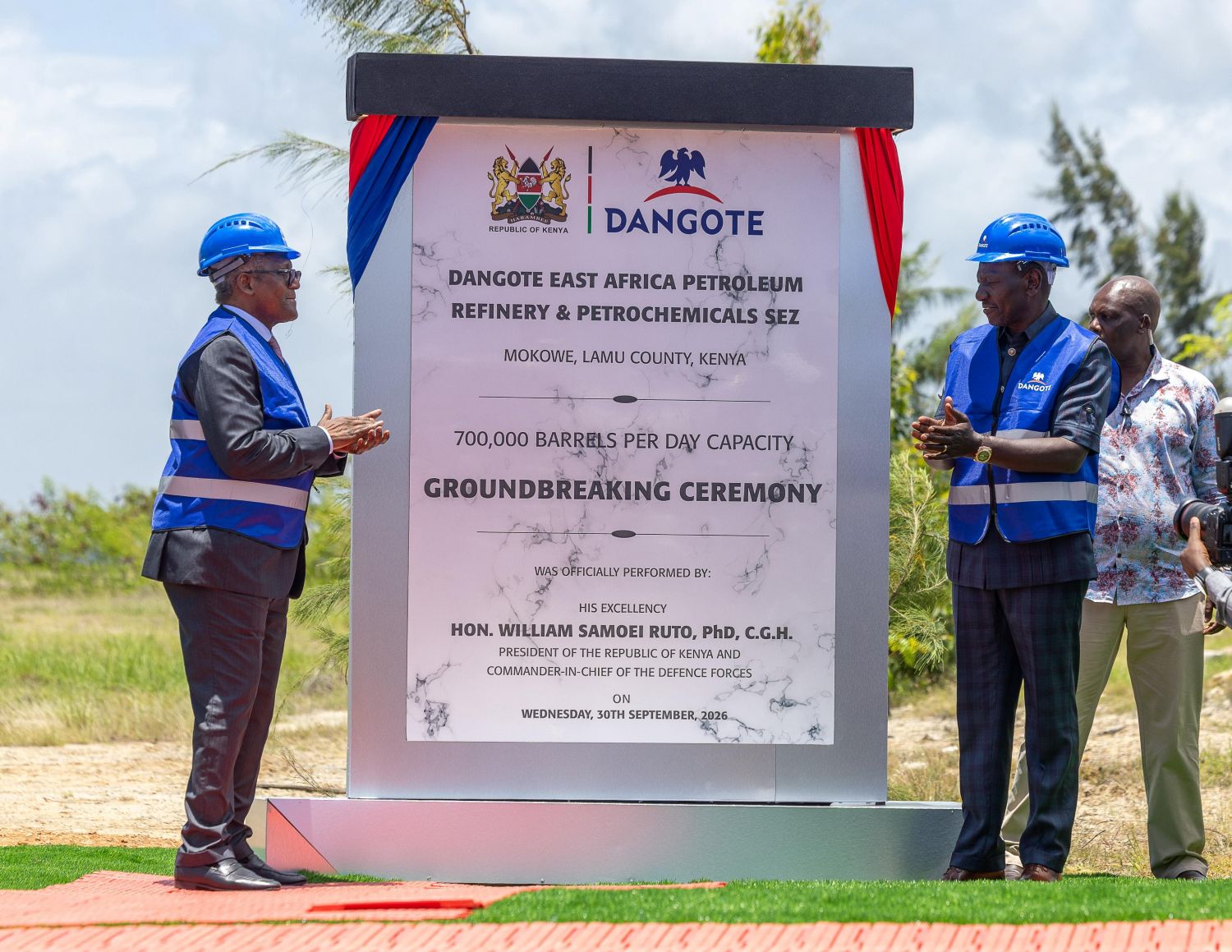
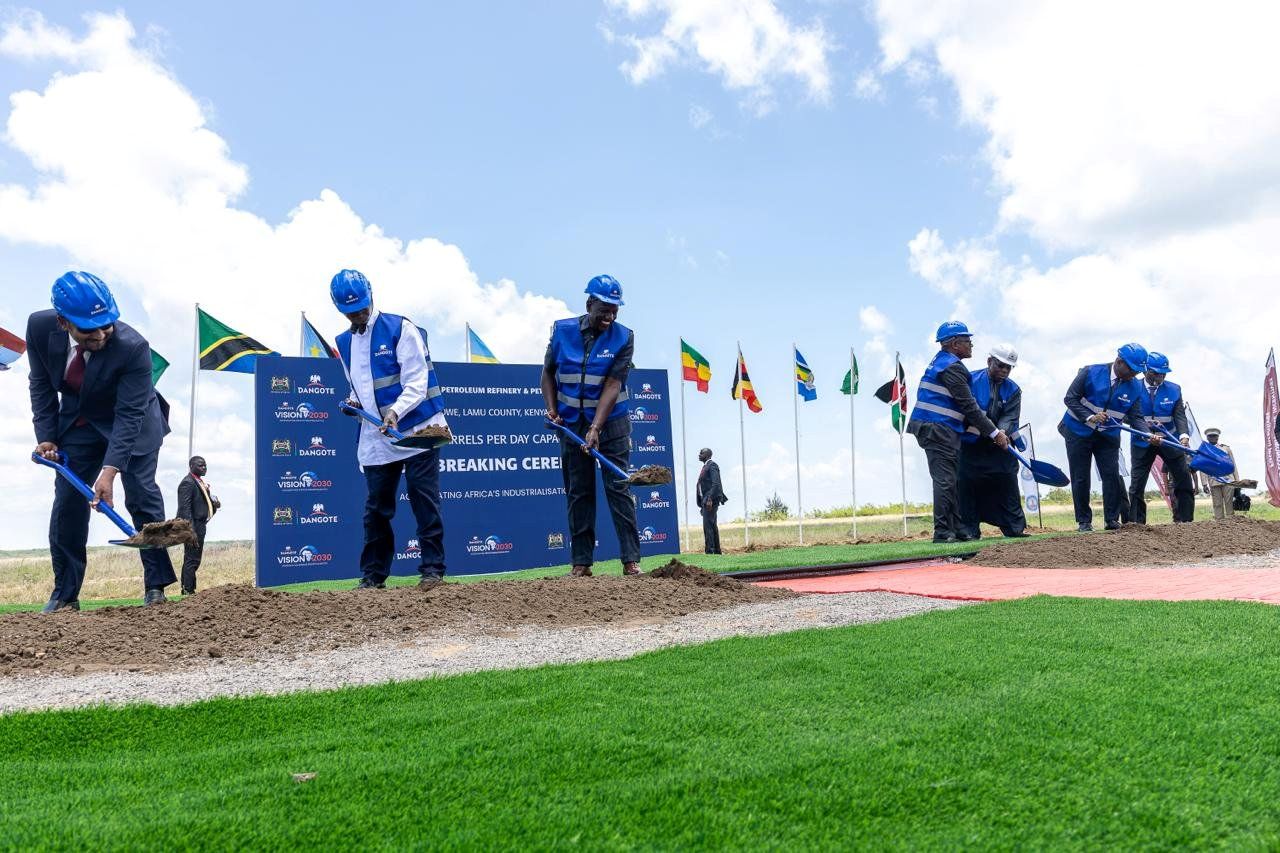
The refinery, scheduled for completion in 2030, will have capacity to process 700,000 barrels of crude oil per day, matching the scale of Dangote’s flagship refinery in Nigeria. It is expected to supply fuel to Kenya and other markets across the region while helping save foreign exchange spent on fuel imports.
“It is an investment in energy security, industrialisation and regional integration,” Ruto said at Wednesday’s groundbreaking ceremony.
The ceremony was attended by Presidents Yoweri Museveni (Uganda), Romuald Wadagni (Benin) and Jean-Lucien Savi de Tové (Togo), as well as Ethiopian Prime Minister Abiy Ahmed, alongside Dangote and senior Kenyan officials. Former Nigerian President Olusegun Obasanjo also attended, while Rwanda, Burundi, South Sudan and Tanzania were represented by official delegations.
Dangote described the project as part of a broader push for African industrialisation, saying, “We are breaking ground for a new chapter in Africa’s industrial journey to a brighter future.”
The refinery is Kenya’s largest-ever foreign direct investment and is projected by Ruto to increase the country’s annual GDP by 12%. It will form part of a wider industrial complex at Lamu, including a 1,000-megawatt power plant whose excess electricity will be sold to other customers.
Dangote said the facility could help create energy self-sufficiency across a region stretching from Ethiopia to Mozambique by replacing imports of refined products. The refinery could also export jet fuel to European and British markets.
Dangote has offered regional governments a combined 30% stake in the refinery. Kenya has been allocated 10%, while Rwanda and Ethiopia have expressed interest in acquiring stakes. Dangote has said governments investing in the project, including Rwanda, can spread payments for their equity over four years.
Rwandan investors can also participate
Rwandan investors have already been given access to shares in Dangote’s refinery business through its Nigerian IPO. The Rwanda Stock Exchange said eligible investors can participate in the primary-market offer through United Capital Financial Services PLC Rwanda, which is licensed by Rwanda’s capital-market and banking authorities. Discussions on a possible cross-listing or dual listing on the Rwanda Stock Exchange are also ongoing.
The Lamu project, however, faces legal and environmental challenges. On Tuesday, September 29, the Malindi Environment and Land Court ordered parties to maintain the status quo on the disputed land until October 14, when it will hear an application by 133 residents challenging the project over land rights, compensation and resettlement.
Dangote has dismissed the legal challenge as an obstacle to the project, saying he is not afraid of the court case and that construction will proceed. “We are not really scared of people taking us to court,” he said on Wednesday. “Anybody who wants to cause trouble, we are ready for his trouble, and we will give him headache.
Ruto has also backed the project, accusing unnamed individuals of supporting the refinery publicly while sponsoring court cases against it. He said the government would not allow investors to be frustrated by such actions.
Nigerian billionaire Aliko Dangote and Kenyan President William Ruto on Wednesday broke ground on a $16 billion oil refinery in Lamu, Kenya, in a project designed to reduce East Africa’s reliance on imported refined petroleum products.The refinery, scheduled for completion in 2030, will have capacity to process 700,000 barrels of crude oil per day, matching the scale of Dangote’s flagship refinery in Nigeria.
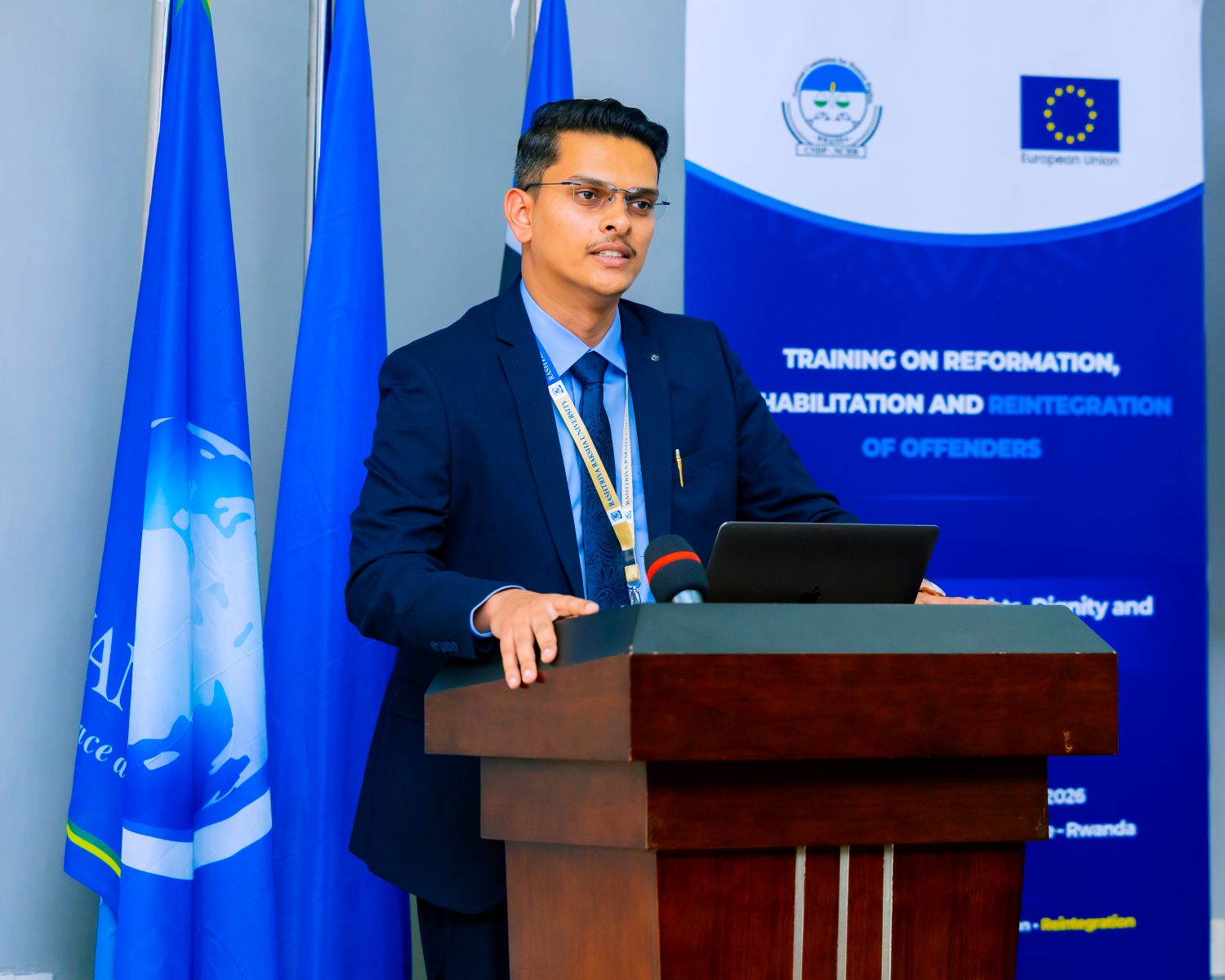
NCHR Vice Chairperson Thaddée Tuyizere made the remarks on Tuesday, September 29, 2026, while officially opening a five-day training focused on rehabilitation, behavioural reform and the reintegration of offenders into society.
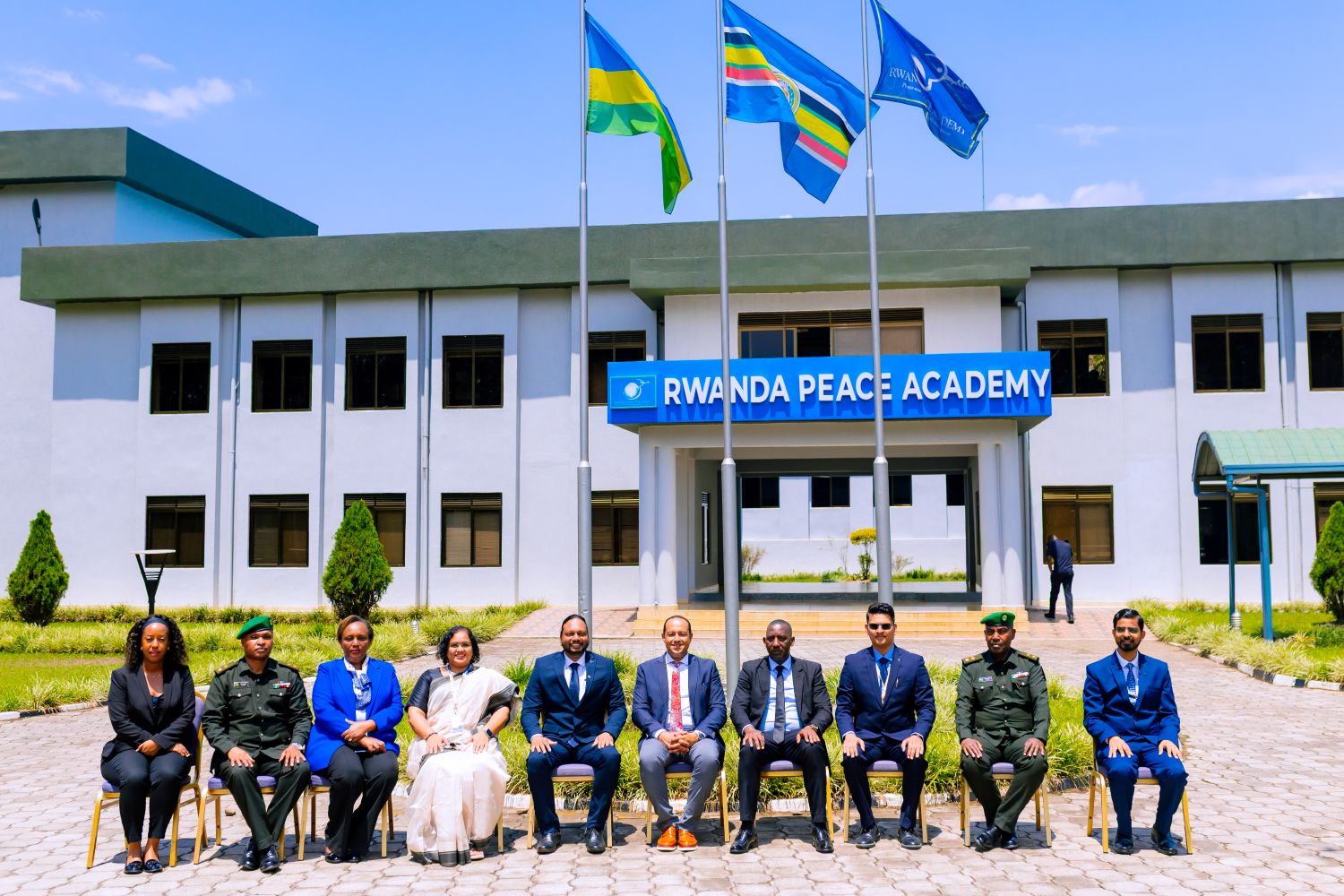
The training is being held at the Rwanda Peace Academy in Nyakinama, Musanze District, and has brought together representatives from various institutions involved in the justice and rehabilitation process.
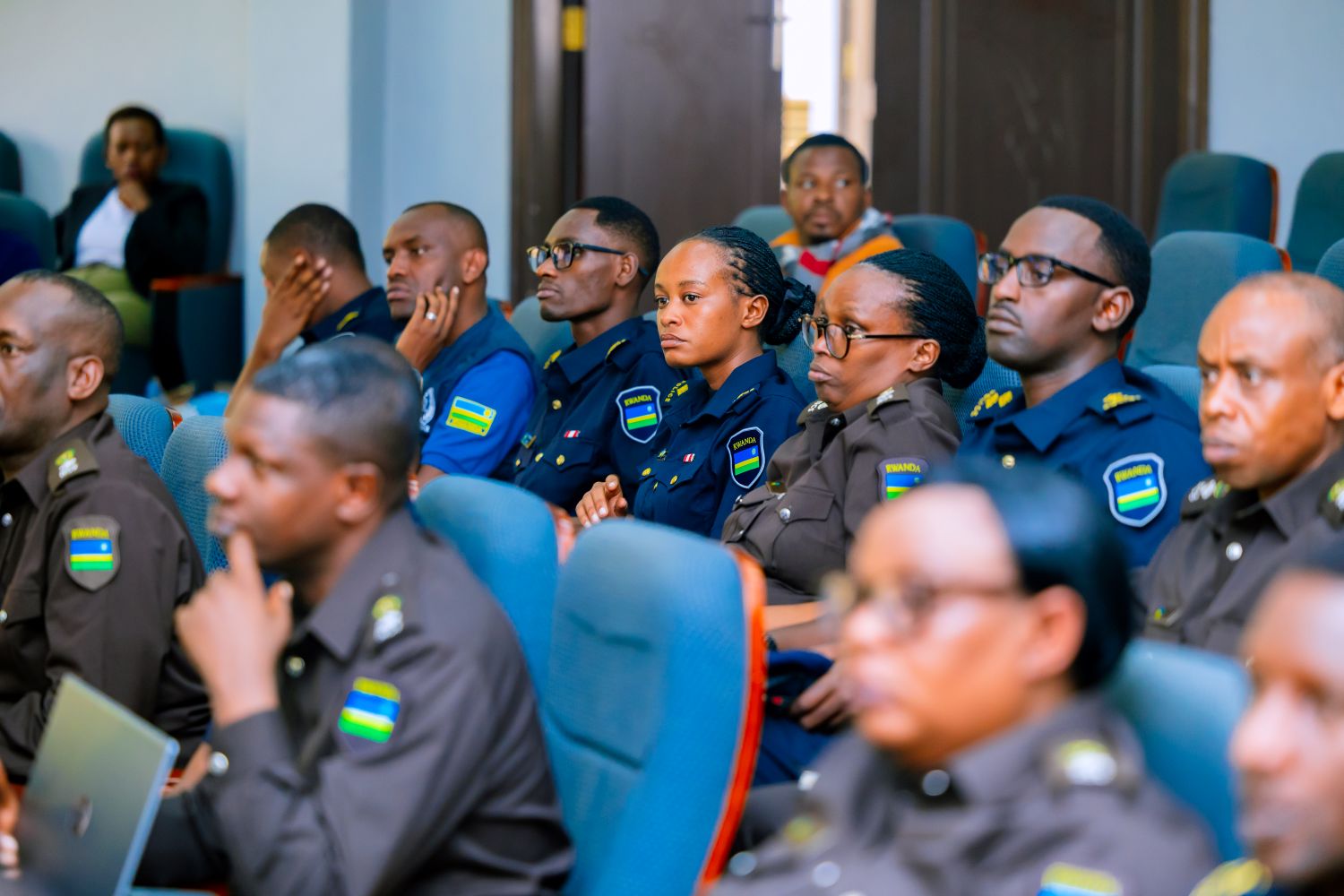
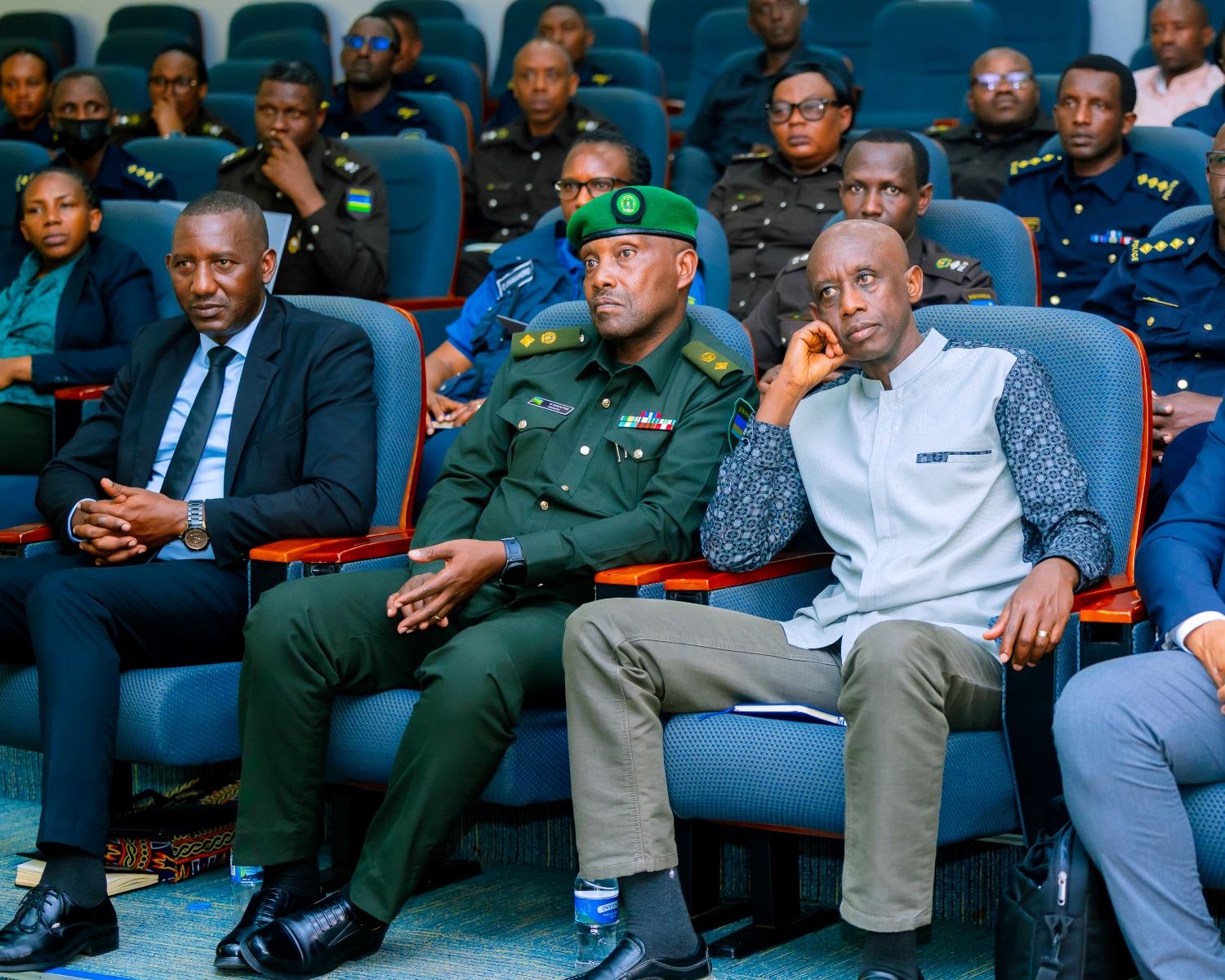
Participants include representatives of the Rwanda Defence Force (RDF), the National Rehabilitation Service (NRS), Rwanda National Police, the Rwanda Investigation Bureau (RIB), the Office of the Prosecutor General, and the Military Prosecution.
According to NCHR, the training is being organised in partnership with the Delegation of the European Union to Rwanda, through a project aimed at strengthening the promotion and protection of human rights in Rwanda, and India’s Rashtriya Raksha University (RRU).
The five-day programme is intended to strengthen participants’ knowledge and practical skills in behavioural reform, rehabilitation and the reintegration of offenders while promoting respect for human rights.
NCHR said the training also seeks to promote effective rehabilitation, prevent torture and other forms of abuse, and support offenders in successfully returning to society.
Speaking to IGIHE, Tuyizere said the participation of different institutions was important because rehabilitation, behavioural reform and reintegration involve several stages of the justice process.
“Police play a role in preventing crime, arresting suspects and ensuring respect for human rights during detention and investigations. RIB is responsible for investigations, so the way it conducts investigations and treats and questions suspects contributes to justice and behavioural reform,” he said.
He added that the prosecution service plays a role in decisions concerning criminal cases and in prosecuting cases, which can influence the course of an individual’s life after conviction.
The rehabilitation service, meanwhile, plays a key role in helping people who have demonstrated behaviour harmful to society to reform and prepare for their return to the community.
NCHR also highlighted the role of institutions responsible for inmates and offenders, as well as other services involved in their rehabilitation, including education, healthcare, vocational training and other programmes designed to prepare them for reintegration.
The Commission has called on all stakeholders to respect human rights while recognising that rights are accompanied by responsibilities.
“The training brings these institutions together so that they can develop a common understanding, work more closely together and implement a comprehensive approach to behavioural reform, rehabilitation and the reintegration of offenders while respecting human rights and international standards,” Tuyizere said.
He said the approach would help reinforce the understanding that rehabilitation begins during investigation and judicial proceedings, continues throughout the period of punishment and extends to the period of reintegration into society.
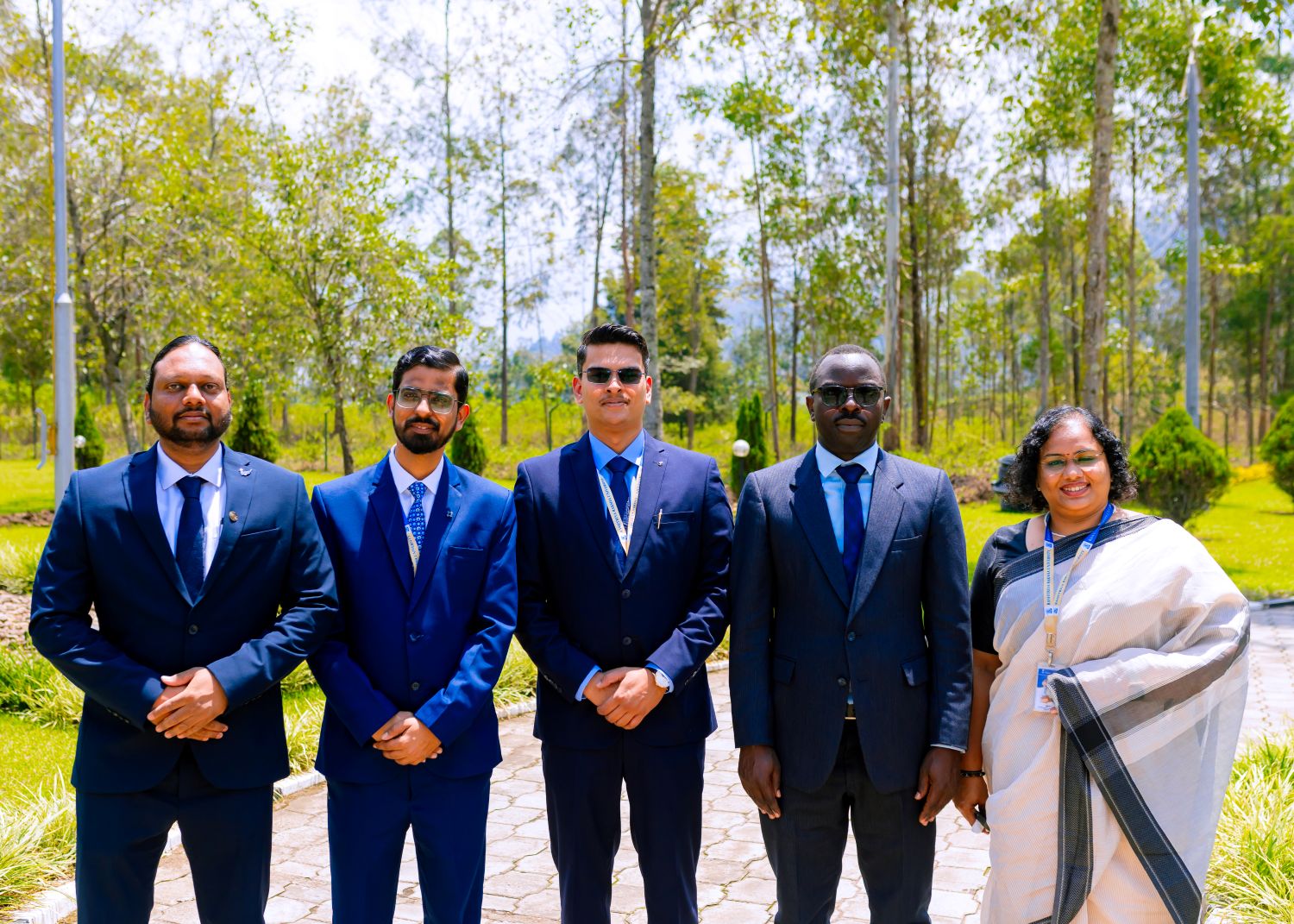
NCHR Vice Chairperson Tuyizere Thaddée has said reintegrating offenders into society is not the responsibility of a single institution.Experts from India are delivering the training during the five-day programme.Officials from various institutions have attended the five-day training.
The research examined how children’s attention to emotional expressions changes alongside depressive symptoms over time.
Scientists found that the relationship was different depending on whether the children’s mothers had a history of major depressive disorder.
Researchers from Binghamton University’s Mood Disorders Institute followed 242 children and their mothers for two years.
The participants were assessed every six months, allowing the researchers to examine whether changes in children’s attention to emotional faces were connected to later changes in depressive symptoms.
During the assessments, children viewed pairs of faces on a computer screen.
One face had a neutral expression while the other showed happiness, sadness or anger. Eye-tracking technology was used to measure which face attracted the children’s attention and how long they looked at it.
Previous research has linked depression with greater attention to sad faces, but scientists have not been certain about the direction of the relationship.
It has remained unclear whether paying more attention to negative emotional information contributes to depression or whether depressive symptoms cause changes in attention.
The new study attempted to examine both possibilities by looking at how attention patterns and depressive symptoms predicted each other across different time points.
Researchers described this two-way relationship as an important part of the study.
Among children whose mothers had a history of major depressive disorder, increasing depressive symptoms were associated with greater attention to sad faces.
As their symptoms increased, these children appeared to have more difficulty shifting their attention away from expressions of sadness.
Researchers suggested that children who already have a higher familial risk of depression may become particularly sensitive to sadness when they experience depressive symptoms themselves.
A different pattern appeared among children whose mothers had no history of major depression.
When depressive symptoms increased in this group, the children did not show greater attention to sad faces. Instead, they paid less attention to happy expressions.
The researchers said this may indicate that depression can affect emotional attention through different pathways depending on a child’s underlying level of familial risk.
The team is continuing to follow the children as they enter adolescence, a period when the risk of depression increases.
The researchers hope to determine whether the attention patterns identified in childhood are associated with depression diagnoses later in life.
Researchers used eye-tracking technology to study how children’s attention to happy, sad and neutral faces changes alongside depressive symptoms.
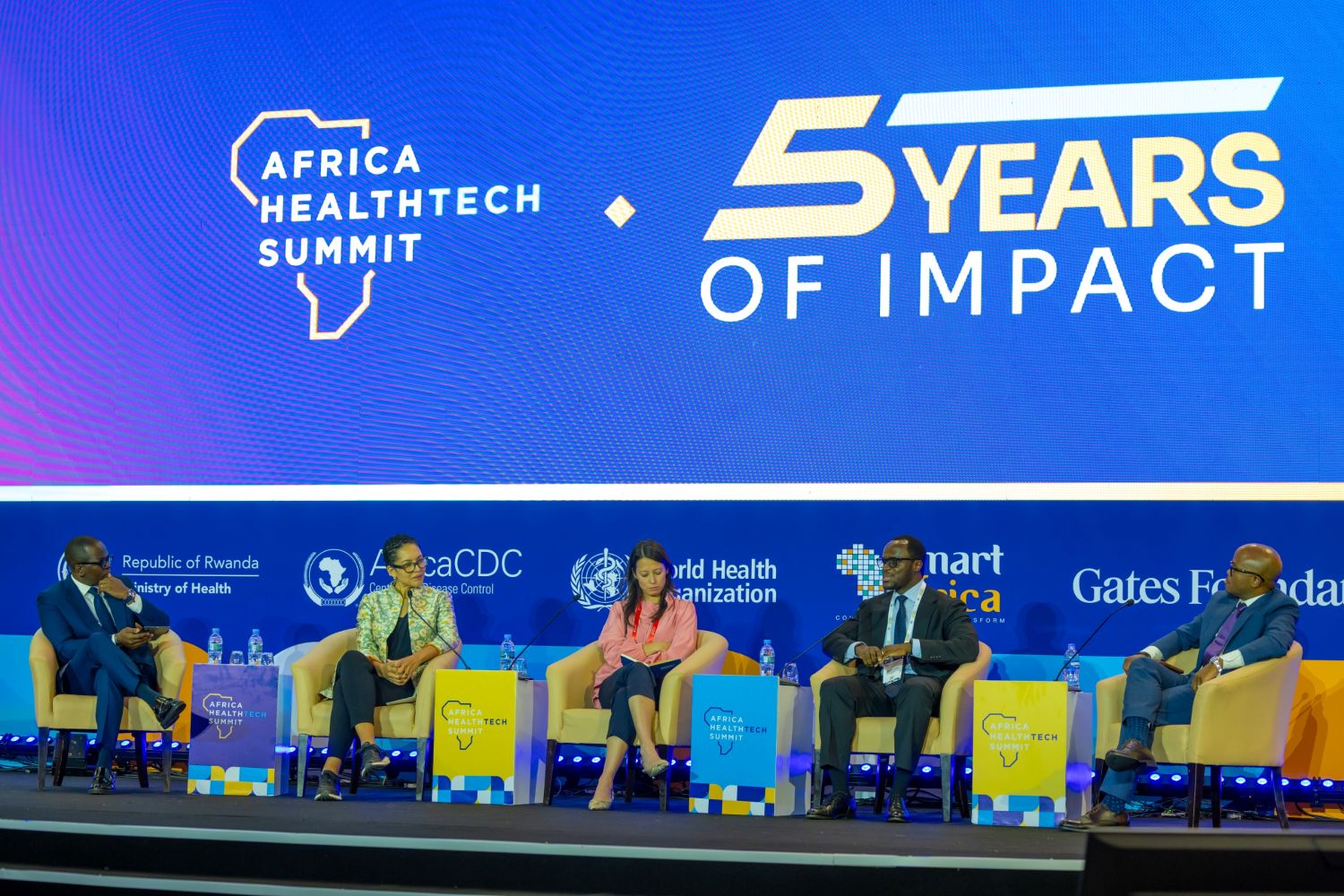
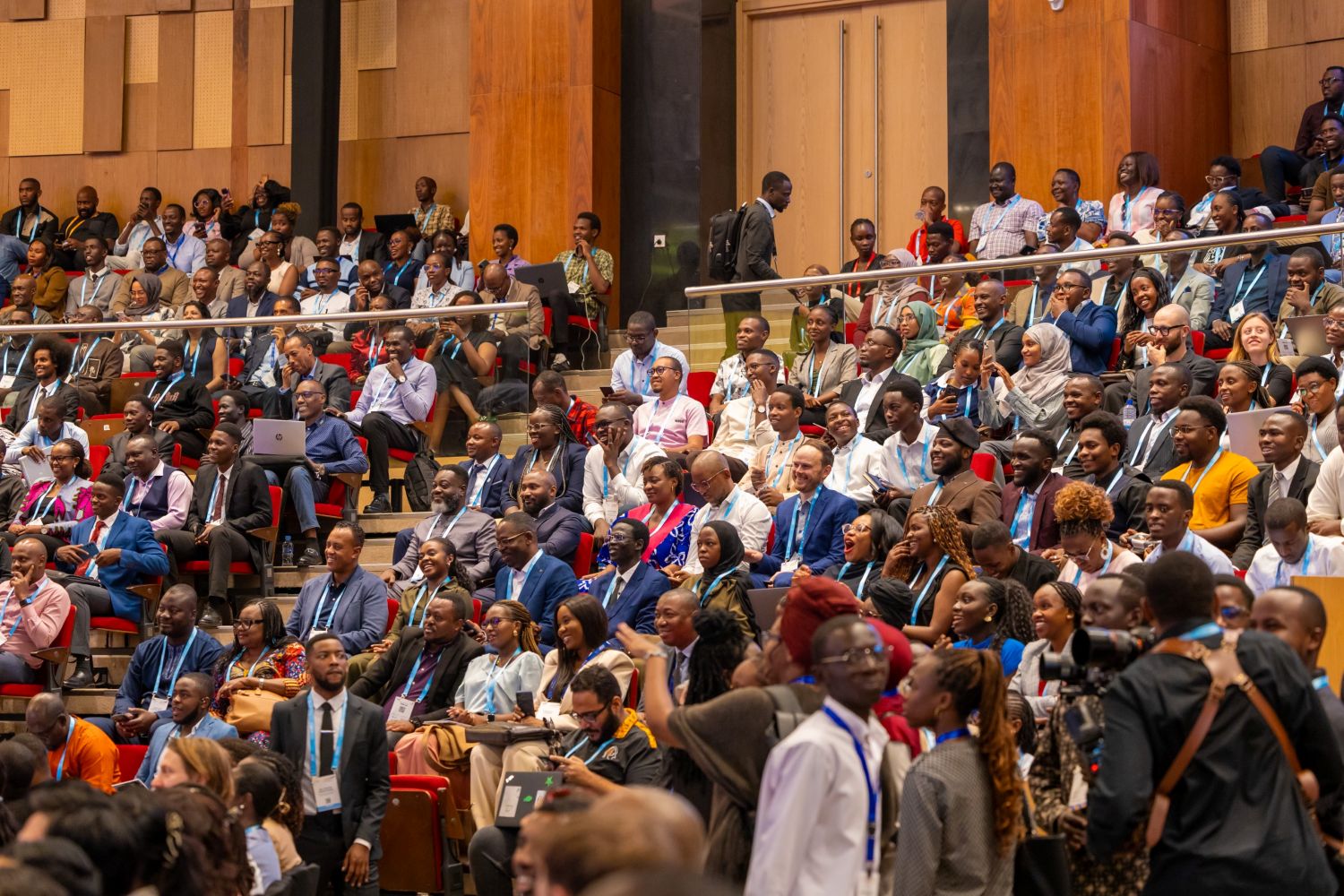
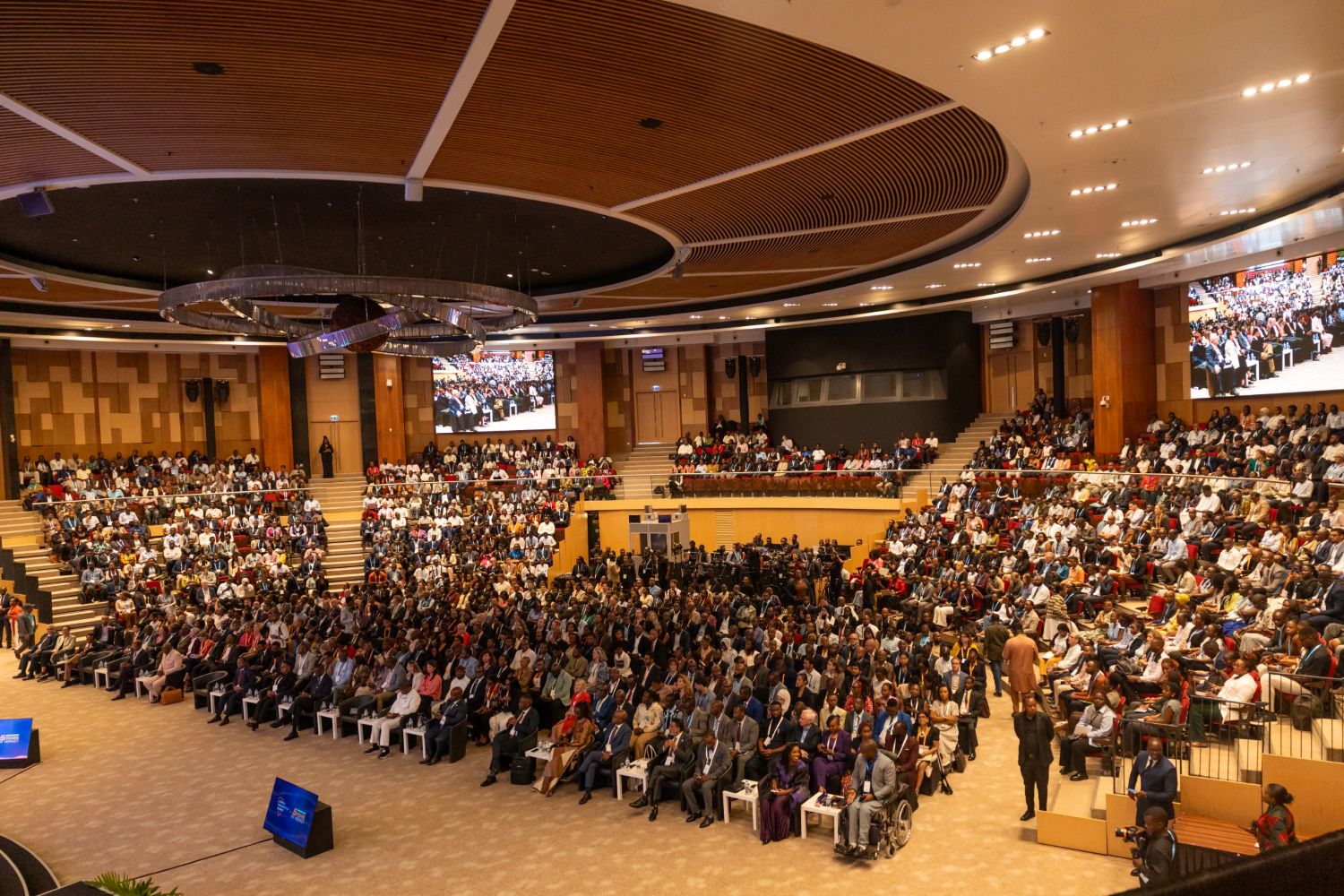
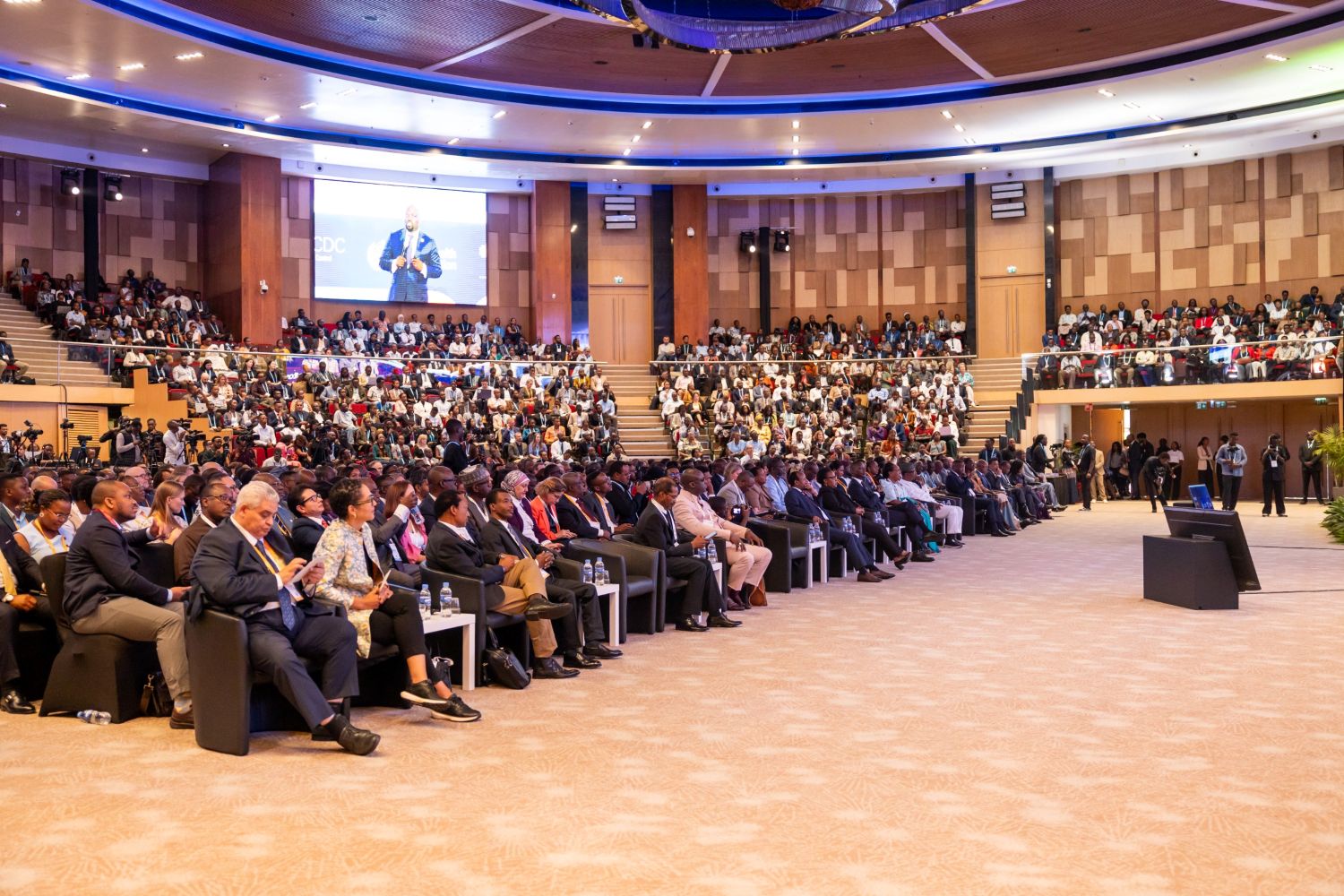
Butera made the disclosure on September 30 as the fifth Africa HealthTech Summit (AHTS) opened at the Kigali Convention Centre, bringing together more than 4,000 delegates from over 150 organisations to discuss how technology, data and innovation can strengthen health systems across Africa.
The three-day summit is bringing together health leaders, policymakers, technology experts, investors and innovators to explore artificial intelligence, digital health, primary healthcare, health data and the scaling of African health technologies.
Butera noted that Rwanda had already made major gains in maternal health, with maternal mortality falling by about 85% over the past two decades.
Data from the National Institute of Statistics of Rwanda (NISR) shows the scale of the longer-term progress. The maternal mortality ratio fell from 1,071 deaths per 100,000 live births in 2000 to 203 in 2020, before declining further to 149 in 2025.
That represents an 86.1% reduction between 2000 and 2025, according to the NISR’s latest Rwanda Demographic and Health Survey.
The latest gains come as Rwanda increasingly relies on digital systems to detect risks earlier and coordinate care across different levels of the health system.
Butera explained that the country has developed a tailored community electronic medical record used by more than 54,000 community health workers.
The workers use smartphones to record patient information, follow up on cases and identify people at risk, particularly in maternal and child health.
The system connects information gathered at community level with health centres, hospitals and specialists, allowing healthcare providers to identify high-risk pregnancies and prepare for possible complications.
“Since we have our electronic medical records that are interconnected,” Butera noted, health centres can access information from community health workers, while hospitals and specialists can identify high-risk pregnancies.
The system has also given health authorities a broader view of health trends across the country.
From his office, Butera explained, officials can monitor issues such as medicine stock-outs and identify patterns involving conditions such as high blood pressure.
He stressed that the focus has shifted towards identifying women at risk much earlier in pregnancy.
For high-risk pregnancies, early detection allows health facilities to prepare for complications before delivery, he added.
Health centres have also been equipped with ultrasound machines, enabling nurses to identify pregnancies that may carry risks. Information on conditions such as blood pressure and diabetes can then be used to plan care.
Virtual hospital expands specialist care
Rwanda has also introduced a virtual hospital to extend specialist expertise to district hospitals.
The system connects district hospitals with specialist doctors who can provide support around the clock, allowing general practitioners to work with specialists during complex procedures.
Using virtual reality equipment, specialists can remotely observe procedures and guide doctors working in district hospitals.
Butera revealed that the programme has helped save about 15 mothers who were considered “near misses” since it was introduced.
The government expects the virtual hospital, combined with other interventions across the health system, to contribute to another 30% reduction in maternal mortality over the next year.
The minister emphasised that the broader objective is to use technology to make healthcare more responsive by identifying risks earlier, bringing specialist expertise closer to patients and enabling health authorities to make decisions using real-time information.
“We want impact so that people’s lives are saved, are changed, they live longer and healthier,” he added.
Rwanda builds health intelligence system
The maternal health gains form part of a wider effort to build an interconnected digital health system in Rwanda.
Eric Remera, Director of Rwanda’s National Health Intelligence Centre, highlighted the country’s transition from paper-based systems towards digital health services, including electronic medical records, connected health facilities and laboratories.
The National Health Intelligence Centre, established a year ago, brings together health data to generate insights that support decision-making from national leadership to frontline healthcare providers.
Remera explained that the goal is not simply to collect more data but to ensure that information also reaches healthcare providers, giving them better tools and helping them make decisions at the right time.
“As we embrace artificial intelligence, our principle is clear: Rwanda’s data must serve Rwanda’s people, under Rwanda’s governance,” he stressed.
The use of technology in healthcare must, however, remain focused on improving outcomes for patients, Dr Brian Chirombo, WHO Representative and Head of Mission in Rwanda, told delegates.
Speaking on behalf of the United Nations Resident Coordinator, Chirombo highlighted equity, trust and impact as key principles that should guide digital transformation.
He pointed to UN-supported initiatives in Rwanda, including the Kigali Health Tech Hub, the National Health Intelligence Centre, telemedicine, digital surveillance and the expansion of community electronic medical records.
Chirombo also called for African countries to move beyond small-scale pilots and disconnected projects and focus on taking proven health innovations to scale.
Summit seeks to turn innovation into investment
Jean-Philbert Nsengimana, Chairman of the Africa HealthTech Summit and Chief Digital Advisor for Africa CDC, highlighted the growth of the forum since its launch.
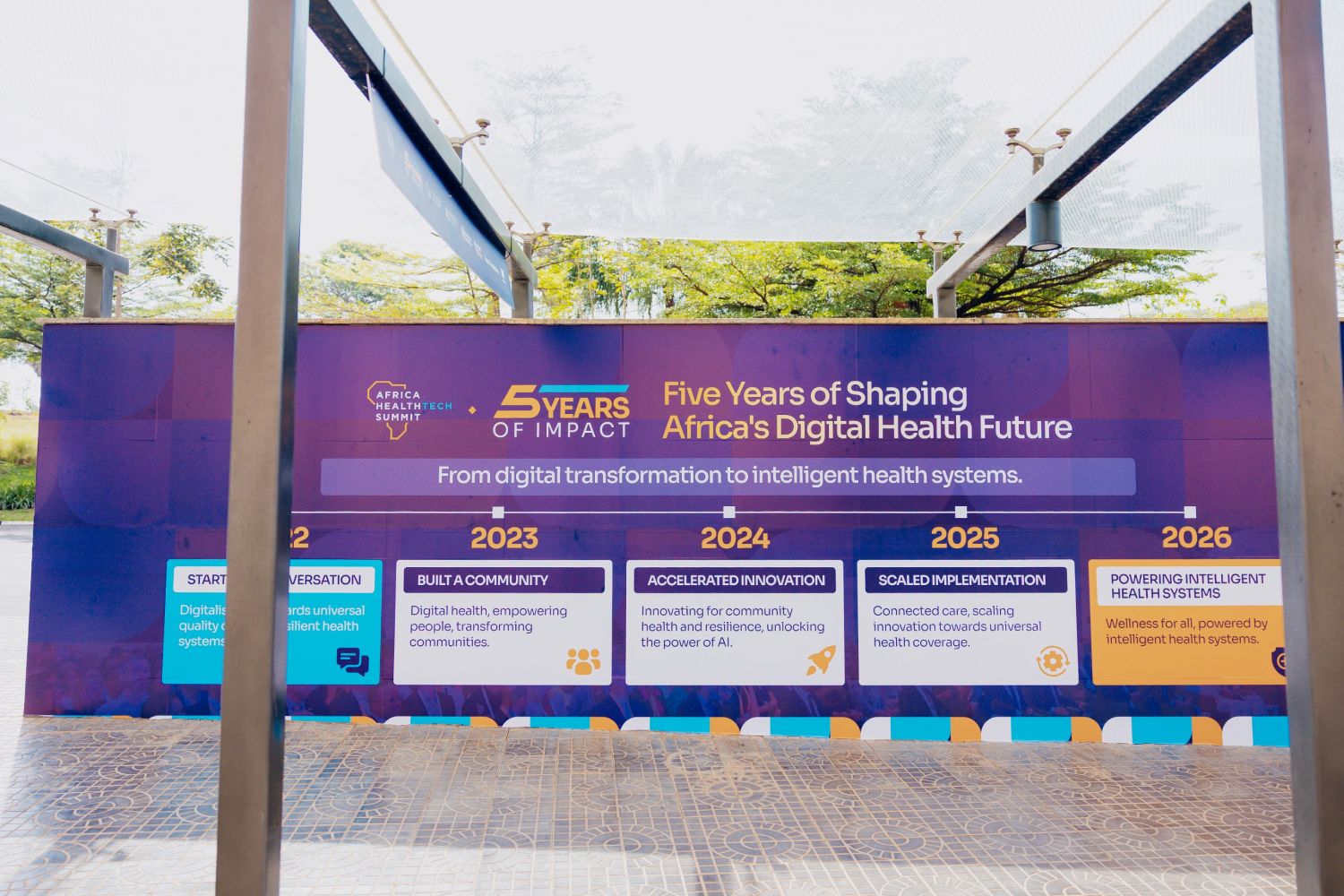
The 2026 edition has 4,300 registered delegates, compared with about 600 participants when the summit began in 2022.
The summit has also expanded its focus from discussions around digital health to creating opportunities for investment and implementation.
Nsengimana announced a Deal Room designed to connect health technology companies seeking capital with investors. This year’s programme includes 22 scale-ups, 13 confirmed investors and 31 meetings.
He pointed to a deal that emerged from the previous summit, where an investor met a South African health technology innovator, leading to a $3.1 million investment in an AI diagnostics company and a subsequent $6 million funding round.
Nsengimana argued that African health technology companies need access to the continent’s wider market if the sector is to achieve greater scale.
The summit chairman also outlined plans to strengthen collaboration between African innovators and international health technology markets, including through Africa-Canada, Africa-US and Africa-India healthcare collaboration platforms.
As the fifth edition continues through October 2, discussions are expected to focus on how governments, investors, innovators and development partners can turn digital health solutions into systems that improve healthcare delivery across the continent.
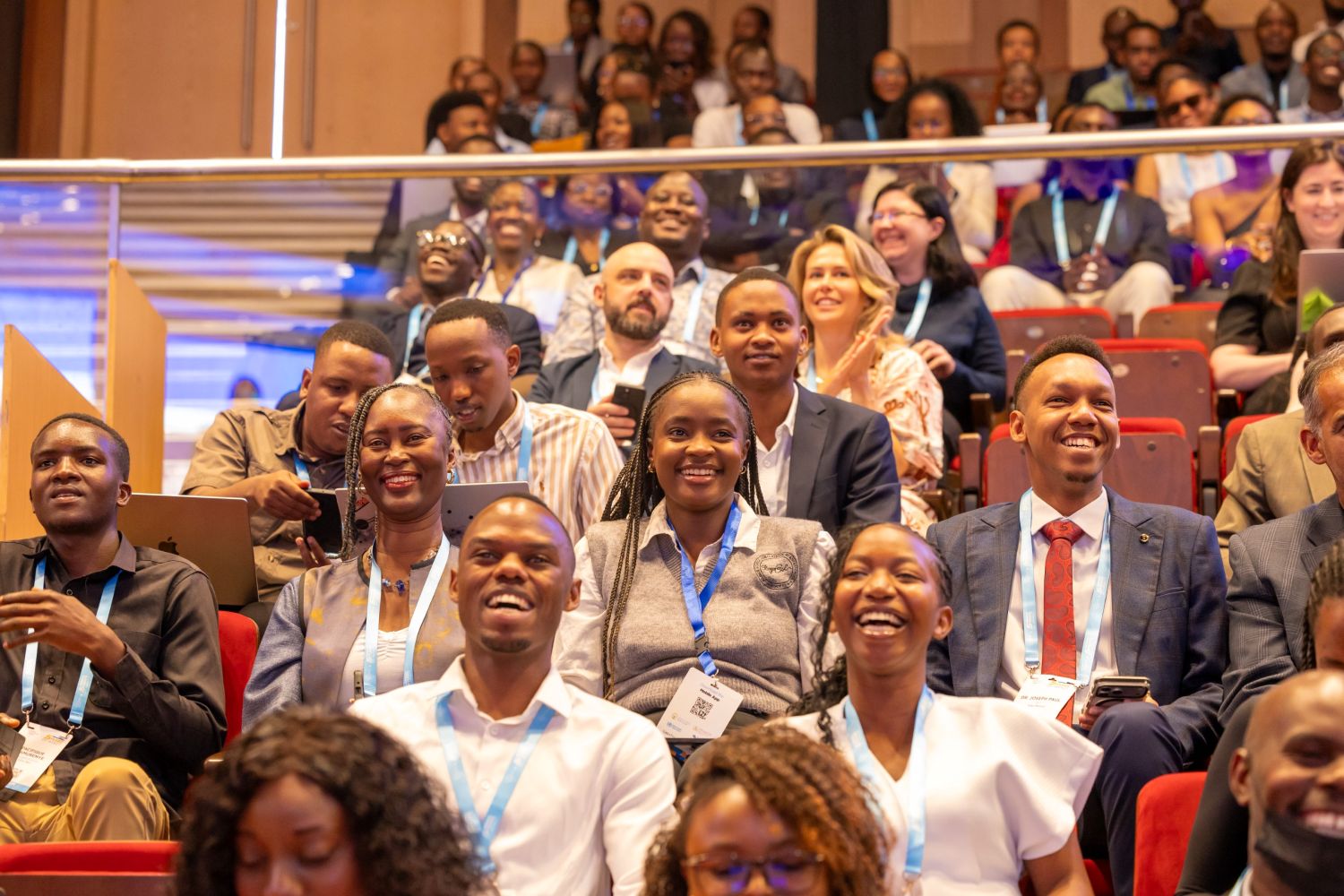
Butera made the disclosure on September 30 as the fifth Africa HealthTech Summit (AHTS) opened at the Kigali Convention Centre, bringing together more than 4,000 delegates from over 150 organisations to discuss how technology, data and innovation can strengthen health systems across Africa.Butera noted that Rwanda had already made major gains in maternal health, with maternal mortality falling by about 85% over the past two decades.The 2026 edition has 4,300 registered delegates, compared with about 600 participants when the summit began in 2022.
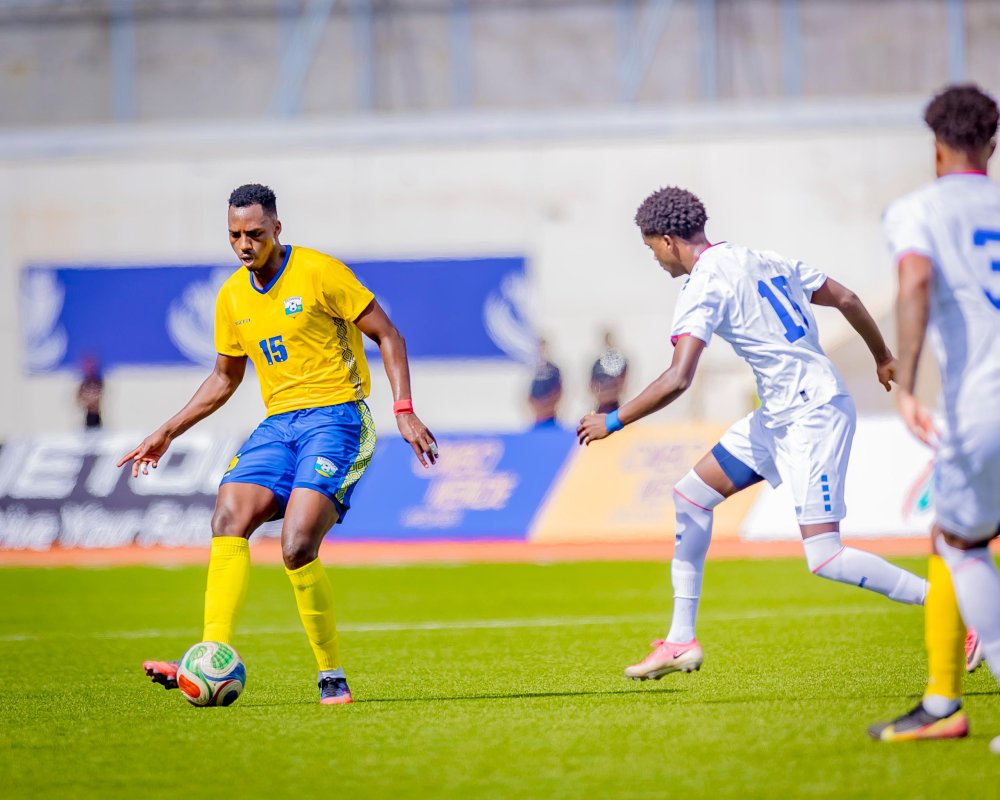
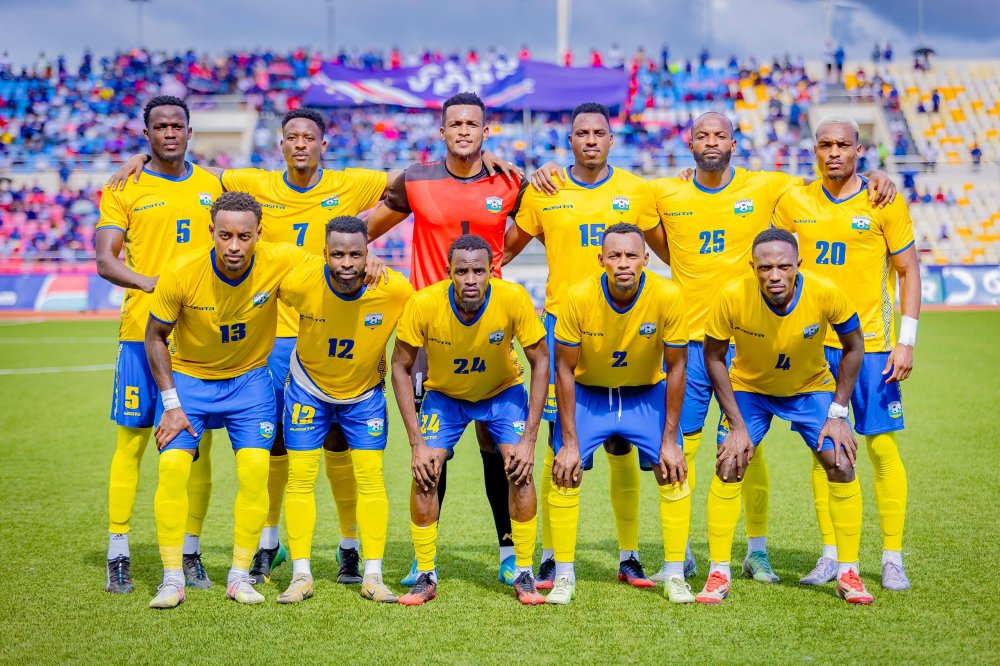
The Amavubi secured a hard-fought 2-1 victory in Praia, Cape Verde, on the evening of September 29, with few expecting Rwanda to overcome the hosts in their first home match since the 2026 FIFA World Cup.
Goalkeeper Fiacre Ntwari, who put in a strong performance despite appearing to suffer a thigh injury during the match, said the victory reflected the team’s determination to qualify for AFCON.
“We have a goal as players. What I feel is that we have to qualify for this AFCON. If we have started by winning away from home, it is a sign that we can do it. Rwandans should continue supporting us, and we will do it.”
Claude Niyomugabo, who scored Rwanda’s opening goal, thanked God for helping the team secure the victory.
“We were helped by listening to the coach’s tactics. He gave us confidence and told us that everything was possible, including getting three points here. God has helped us, and we are going home with the victory.”
Rwanda forward Leroy-Jacques Mickels, who has quickly won the affection of Rwandan fans, said the victory demonstrated what the team can achieve despite expectations that Cape Verde would have the advantage.
“We knew we had to win because everyone was saying that Rwanda is small, but we showed that Rwanda is a big country and that we are a big team. This is just the beginning. Thank you for supporting us. Wait until we get to Kigali and have a big celebration.”
Amavubi head coach Stephen Constantine also reiterated his determination to lead Rwanda to AFCON, a goal he said he had wanted to achieve when he previously coached the national team between 2014 and 2015.
“I want to thank the Ministry of Sports and FERWAFA because they have helped me do what I have to do, because I cannot do this alone. I don’t accept that Rwanda has gone 22 years without qualifying for the Africa Cup of Nations, because when I was last here 11 years ago, we qualified, but it was taken away for reasons that did not make sense.”
He added: “Six months ago, I told Rwandans that I had unfinished business. Now look where we are. We have won two games.”
The victory marked a historic achievement for Amavubi, as it was the first time Rwanda had won two consecutive matches in an AFCON qualifying campaign.
In Group K, Rwanda currently sit at the top of the table, level with Mali on points and goal difference. Liberia and Cape Verde occupy the bottom positions, with neither side having collected a point.
Rwanda will face Mali twice in November 2026.
Rwanda national football team players have expressed their joy after defeating Cape Verde.Claude Niyomugabo has thanked God for being with Amavubi as they secured a victory in Cape Verde.Amavubi players have expressed their joy after making a strong start to their AFCON qualifying campaign.Amavubi players have set their sights on qualifying for the Africa Cup of Nations.
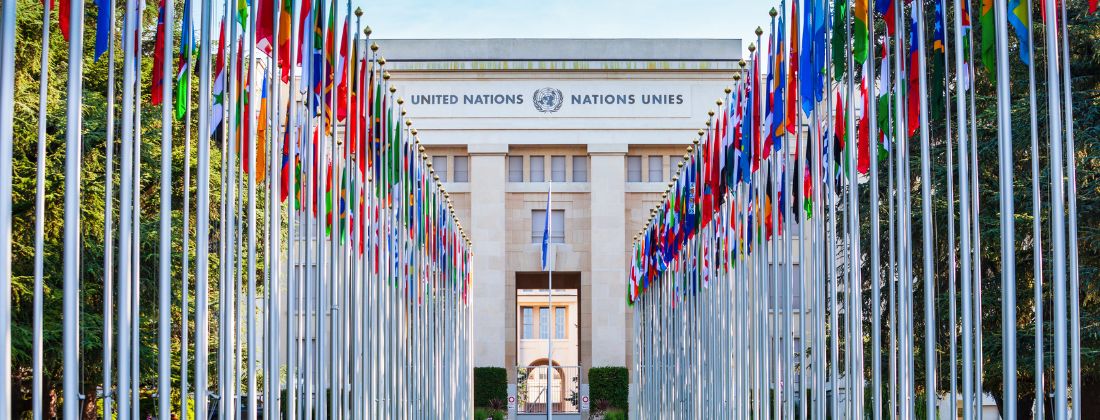
“The fourth round of straw polls has taken place,” said Jerome Bonnafont, the UN ambassador of France, whose country holds the rotating presidency of the Security Council for the month of September.
“Each candidate will be informed of the results through the respective permanent representatives of nominating member states. The president of the (UN) General Assembly will also be informed that the straw poll has been conducted,” he told reporters after the conclusion of the secret vote.
Security Council straw polls on secretary-general candidates are informal closed-door ballots used to determine the viability of the candidates. Their results are not officially released.
Seven candidates remain in the race for the next UN secretary-general following the withdrawal of former Chilean President Michelle Bachelet earlier this month.
The seven candidates are: Rebeca Grynspan, a former vice president of Costa Rica and current secretary-general of the UN Conference on Trade and Development; Carolyn Rodrigues-Birkett, Guyana’s permanent representative to the United Nations; Ivonne A-Baki, a former Ecuadoran minister and a diplomat; Maria Fernanda Espinosa, a former UN General Assembly president and former foreign minister and defense minister of Ecuador; Rafael Grossi of Argentina, current director general of the International Atomic Energy Agency; Olara Otunnu of Uganda, a former UN under-secretary-general; Macky Sall, a former president of Senegal.
Current UN Secretary-General Antonio Guterres’s term of office expires at the end of this year. The next secretary-general will assume office on Jan. 1, 2027.
Seven candidates remain in the race for the next UN secretary-general following the withdrawal of former Chilean President Michelle Bachelet earlier this month.
Qu made the remarks at a joint FAO-UN Environment Programme (UNEP) event at FAO headquarters in Rome marking the seventh International Day of Awareness of Food Loss and Waste.
According to FAO, 13.4 percent of food produced globally is lost after harvest and before reaching retail, while 19 percent of food available to consumers is wasted at the retail, food service and household levels.
Food loss and waste also means a waste of the land, water and other resources used to produce food. FAO estimates that about 1.4 billion hectares of land are used to produce food that is ultimately never consumed.
As agricultural expansion remains the leading driver of deforestation globally, reducing food loss and waste could help make better use of existing agricultural land and reduce pressure on forests, FAO said.
“To protect forests, we must transform agrifood systems; to transform agrifood systems, we must reduce food loss and waste, and by reducing food loss and waste, we help safeguard forests,” Qu said.
Food loss and waste account for around 10 percent of global greenhouse gas emissions. When discarded food decomposes, particularly in landfills under anaerobic conditions, it also produces methane, a potent greenhouse gas.
Despite international commitments, the world has made no apparent progress in reducing food losses since 2015 and remains off track to meet Sustainable Development Goal target 12.3, which aims to halve per capita food waste at retail and consumer levels and reduce food losses along production and supply chains by 2030.
At the event, FAO also released an interactive Food Loss Index data map, presenting food loss estimates for 2024 at the subregional and regional levels.
FAO said the tool will improve access to food loss data and support evidence-based policies and efforts to reduce losses across agrifood systems.
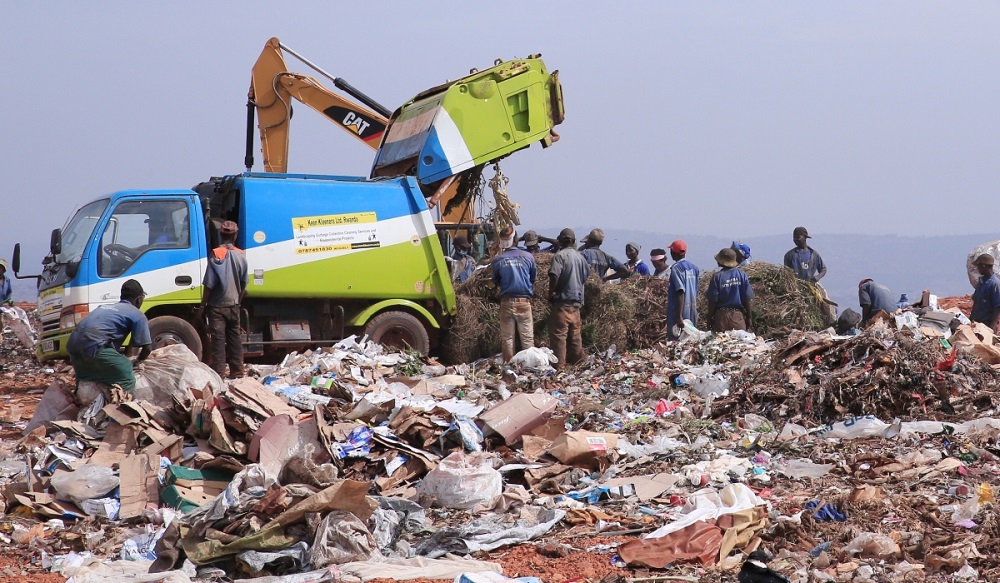
Nduba landfill accumulates over 500 tons of waste materials are dumped on daily basis.