Prime Minister Dr. Justin Nsengiyumva told Parliament on October 2, 2026 that changing weather conditions and a livestock disease outbreak had contributed to a decline in milk production, particularly over the past two months.
He said the outbreak had been brought under control, allowing livestock markets to reopen, while prices of livestock products such as meat had started to decline. “We also expect milk to become available again because the rains have started,” Dr. Nsengiyumva said.
Milk shortages have been reported on the market for some time. In early September, an inspection of nine shops in Gishushu, Nyarutarama and Gisimenti found that only one had milk in stock. Inyange Industries had also attributed the decline in milk supplies to a prolonged dry spell that significantly reduced milk production.
Farmers in different parts of the country also reported that a lack of water and pasture had reduced milk production.
A farmer in Nyagatare said the amount of milk he sold each day had fallen from nearly 100 litres to less than 20 litres. Another farmer in Gicumbi said a cow that previously produced 10 litres of milk was producing about two litres.
Earlier last month, IGIHE visited Nyabugogo and found that the price of a carton of Inyange milk had reached Rwf19,000 in some places. Traders who were asked about the price said their purchase costs had increased.
One trader, who requested anonymity, said they normally sold a carton to customers for Rwf8,500, but prices had changed because of higher prices charged by their suppliers.
A survey of different markets in Kigali also found that Inyange milk was being sold at significantly higher prices in some ordinary shops, although it was still available at Rwf8,500 in some supermarkets.
The government expects milk shortages that have affected the market in recent months to ease after an outbreak that had affected livestock was brought under control.
Jean De Dieu Habimana, Senior Officer for Cancer Diseases at Rwanda Biomedical Centre, said breast and cervical cancers are among the most common cancers affecting women in the country.
He was speaking at the launch of activities marking Pink October, a month dedicated to raising awareness about breast cancer prevention, screening and treatment.
The World Health Organization (WHO) estimates that nearly 700,000 women die from breast cancer globally each year.
The Pink October activities were launched in Kicukiro District, where RBC, in partnership with the High Commission of Nigeria in Rwanda, also officially launched Labscroll Medicals, a Nigerian medical laboratory company that will provide diagnostic services, including cancer screening.
The event coincided with October 1, Nigeria’s Independence Day, which marks the country’s independence from British rule in 1960.
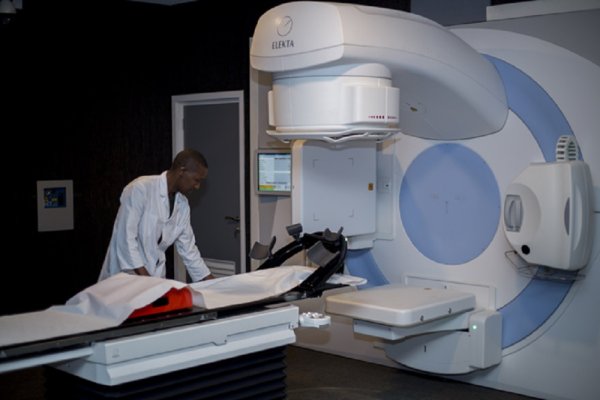
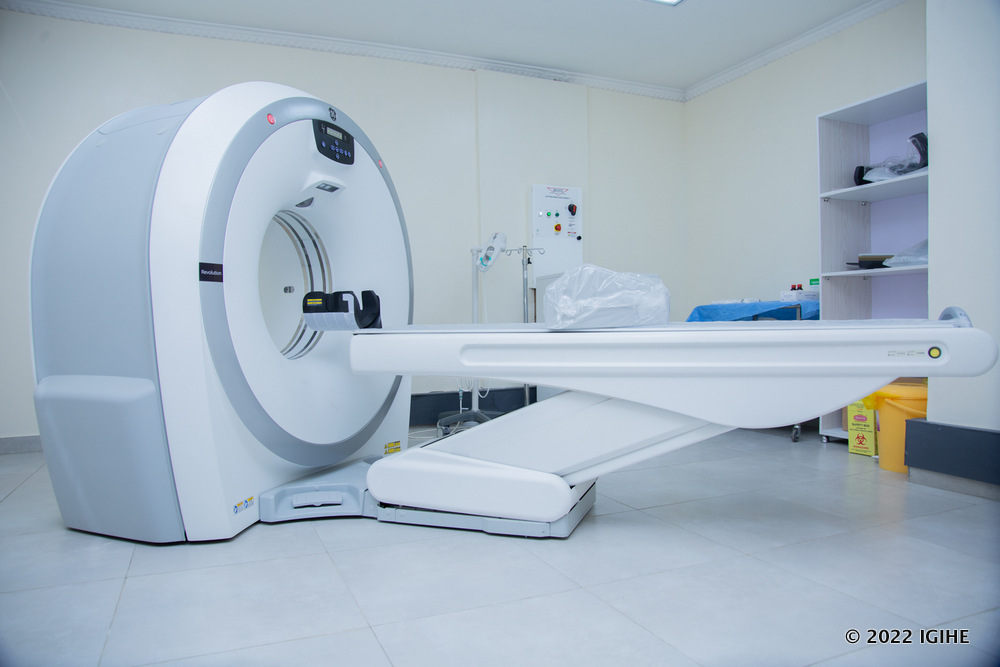
Labscroll Medicals has brought advanced laboratory equipment to Rwanda that will be used to screen for different types of cancer.
Habimana said early detection is one of the key measures that can increase the chances of successfully treating and managing cancer.
He said about 600 men in Rwanda are diagnosed with prostate cancer every year, accounting for approximately one in four cancer cases among men.
“We should not look at these figures as mere statistics. They include mothers, fathers, sisters and brothers,” he said.
Habimana said Rwanda is continuing to strengthen efforts to reduce cancer-related deaths by bringing screening services closer to communities and encouraging people to undergo regular screening.
He said countries with well-established screening programmes and greater awareness of the importance of early detection have recorded better survival rates, with about eight out of 10 women diagnosed with cancer surviving when the disease is detected early.
Ibrahim Zanna, Acting High Commissioner of Nigeria in Rwanda, said cancer is among the diseases causing growing concern globally and remains a particularly serious challenge in Africa.
He said late diagnosis among African patients is one of the factors contributing to low cancer survival rates on the continent.
“Together, we should work to overcome misconceptions about cancer screening. We need to overcome the fear and stigma that prevent many people from seeking screening,” Zanna said.
He noted that some people avoid cancer screening because they associate a positive diagnosis with imminent death.
Health professionals, however, emphasise that knowing whether one has cancer early is an important step towards accessing treatment and reducing the risk of dying from the disease.
Dr Paul Ogbole Peter, Managing Director of Labscroll Medicals, said the company aims to screen 200 women for breast and cervical cancer and 200 men for prostate cancer in Rwanda during the month.
About one million people globally were diagnosed with cancer in 2026, highlighting the need for stronger efforts to address the disease.
Peter called for greater investment in cancer prevention and control across Africa, saying the response requires the involvement of different stakeholders.
“These deaths are linked to limited awareness, inadequate screening programmes and delays in caring for people diagnosed with cancer. Other factors include consuming food crops treated with pesticides and processed foods that do not meet required quality standards,” he said.
Peter said Labscroll Medicals decided to establish operations in Rwanda after being impressed by efforts by the country’s health sector to improve healthcare services.
The company has brought its laboratory facilities to Rwanda to provide screening for various types of cancer.
Early detection is one of the key measures that can increase the chances of successfully treating and managing cancer.
The achievements were highlighted on September 30, 2026, during the official closing of the three-year project, which was implemented in Rubavu, Musanze, Gatsibo and Huye districts.
The closing event brought together officials from line ministries, vice mayors in charge of social affairs from the four districts, representatives of the private sector, development partners and beneficiaries.
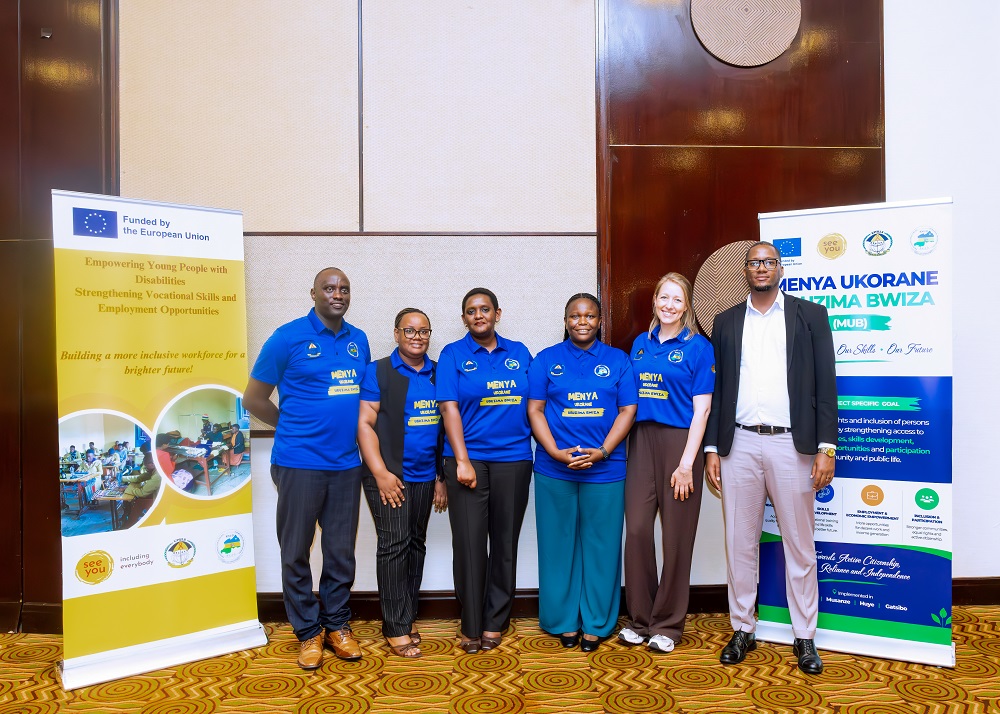
The project was implemented by UPHLS in partnership with the Rwanda National Union of the Deaf (RNUD) and Dutch organisation See You Foundation, with funding from the European Union (EU).
It aimed to strengthen the capacity of people with disabilities to engage in advocacy, equip young people with disabilities with vocational skills to improve their competitiveness in the labour market, and increase access to sexual and reproductive health information among women and girls with disabilities.
Beneficiaries from different districts said the project had helped them build confidence, recognise their abilities and contribute to the development of themselves, their families and the country.
They said the skills and knowledge acquired had helped them pursue income-generating activities, compete in the labour market and make informed decisions about their health.
MUB Project Manager Munezero Marie Médiatrice said one of the major challenges faced by people with disabilities was limited access to inclusive sexual and reproductive health information, alongside difficulties in accessing employment.
To address these challenges, MUB worked with health facilities, vocational training schools and other partners to train service providers on how to receive and serve people with disabilities in an inclusive manner, including through the use of sign language.
“We worked with health facilities to assess whether people with disabilities could access services in a way that was convenient for them. We first looked at the information they had and the challenges they faced, with the aim of jointly finding solutions,” Munezero said.
She said the project also sought to reach women and girls with disabilities and train some of them to become peer educators who could help others access sexual and reproductive health information.
UPHLS Executive Secretary Karangwa François Xavier said the priority after the three-year project was to sustain and expand the achievements to other districts.
“This meeting is aimed at discussing the achievements of the project on all fronts, particularly from the perspective of the people it was designed to serve. We are also thinking about how to sustain what has been achieved, build on it and extend it to other districts that we were unable to reach,” he said.
See You Foundation representative Niska Stoker thanked the people with disabilities who participated in the training for their commitment and encouraged them to put the knowledge they acquired to use.
“I have appreciated your commitment to the professions you are now pursuing, and I wish you success as you put the knowledge you have gained into practice, use your abilities, improve your lives and demonstrate change,” she said.
Project data shows that 37 percent of the people with disabilities reached by the project had secured jobs, mainly in private companies or through self-employment, while 7 percent remained unemployed.
People with different disabilities have attended the event to highlight some of the challenges they continue to face.MUB Project Manager Munezero Marie Médiatrice has highlighted that the project aimed to train people with disabilities on sexual and reproductive health.UPHLS Executive Secretary Karangwa François Xavier has said the organisation will explore ways to extend the project to other districts.See You Foundation representative in Rwanda, Niska Stoker, has thanked partners involved in the project for their commitment and dedication.Vincent Murenzi, who was involved in the project, has said the project has left 93% of its beneficiaries employed.
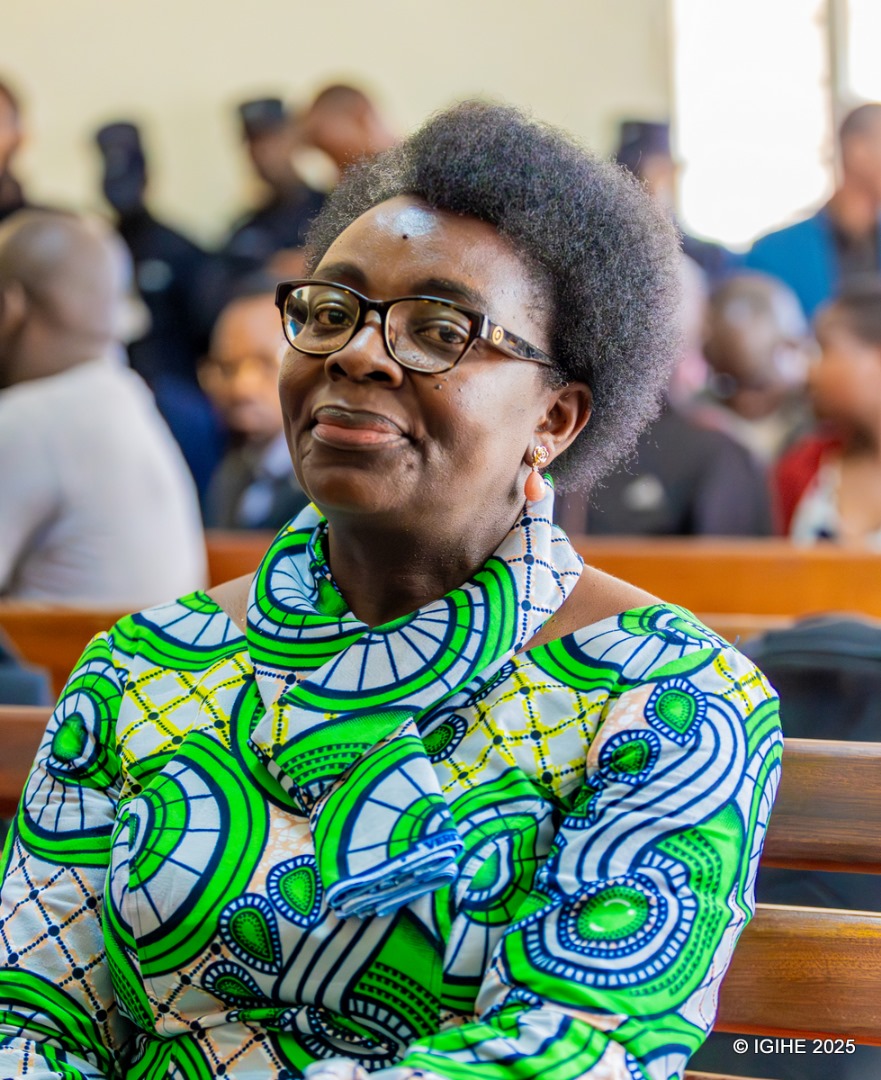
Ingabire and nine others are on trial at the High Court in Kigali in a case that began on September 18, 2026. The prosecution has presented audio recordings and other evidence which it says demonstrate plans to overthrow the Government.
Two recordings from May 2020 featured conversations between Ingabire and Ntamuhanga. One concerned alleged military training in Burundi, while another discussed a possible demonstration at a major roundabout in Kigali.
In the recording played on September 21, Ntamuhanga is heard discussing what he called “Tura Tugabane” insinuating ‘take over of something by force’.
Ingabire asks whether there was capacity to develop a plan to overthrow the Government. The prosecution interpreted some coded expressions used by Ntamuhanga, including references to “heavy scales” and calabashes, as referring to heavy weapons and grenades.
The prosecution also said Ntamuhanga’s reference to “men at the feet of Africa” referred to people based in South Africa, including Kayumba Nyamwasa.
Prosecutors further alleged that the two discussed training fighters in Mutaga, Burundi, and that Ingabire asked Ntamuhanga to contact a person identified as Placide to develop the matter further.
However, appearing before court on October 1, Ingabire challenged the recording and said the conversation did not constitute an agreement.
“Regarding that audio about Burundi and Mutaga, nowhere did I tell Cassien that I agreed with what he was telling me. Let them examine whether those coded expressions were mine or Cassien’s. I told Cassien that I was not available,” she said.
Ingabire said Ntamuhanga had called her and that they discussed the issues, but denied agreeing to his proposals. She said referring him to Placide, who lives in Belgium, was intended to distance herself from the alleged plan.
She also said she spoke to Ntamuhanga despite his having fled Rwanda because, as a politician, she needed to understand the positions and activities of different people.
“As a politician, you need to know all the information. Where do you stand? How do you stand? What are others thinking? What are they doing?” she said.
The presiding judge asked whether Ntamuhanga was a politician, and Ingabire said he belonged to a political party called RANP Abaryankuna.
Kigali demonstration
A second recording played on September 22 featured a discussion about a possible demonstration in Kigali.
Ntamuhanga said they had three experienced motorcycle taxi operators who could participate. Ingabire suggested recruiting others from Nyabugogo, Remera, Muhima and Nyamirambo, reaching 50 riders.
She is heard discussing a vehicle fitted with a loudspeaker that would reach a major roundabout, appear to break down and then play a song by the late singer Kizito Mihigo. She also described roads being blocked as people gathered around the vehicle.
Ntamuhanga responded that the plan would require caution and suggested using a sealed cargo vehicle with a generator.
Ingabire told court on October 1 that the discussion was actually about the possible impact of Covid-19 on governments and had been prompted by a report published in France.
She said the conversation involved discussing how weaknesses in government could be exposed during the pandemic, including issues surrounding food distribution.
Ingabire maintained that the conversation ended without an agreement to implement the ideas discussed.
“What happened was that we had a discussion based on that report. Nowhere did we conclude by saying, ‘We are going to do this,’ for the prosecution to use it to say that Ingabire and Cassien agreed to establish a criminal organisation,” she said.
She added that the prosecution could have relied on the conversations differently if Ntamuhanga had been a member of her political party, DALFA Umurinzi.
The court recently listened to recordings of conversations between Cassien Ntamuhanga and Ingabire Victoire.Ingabire Victoire said she did not reach any agreement with Cassien Ntamuhanga on the issues discussed in either of the two recordings.
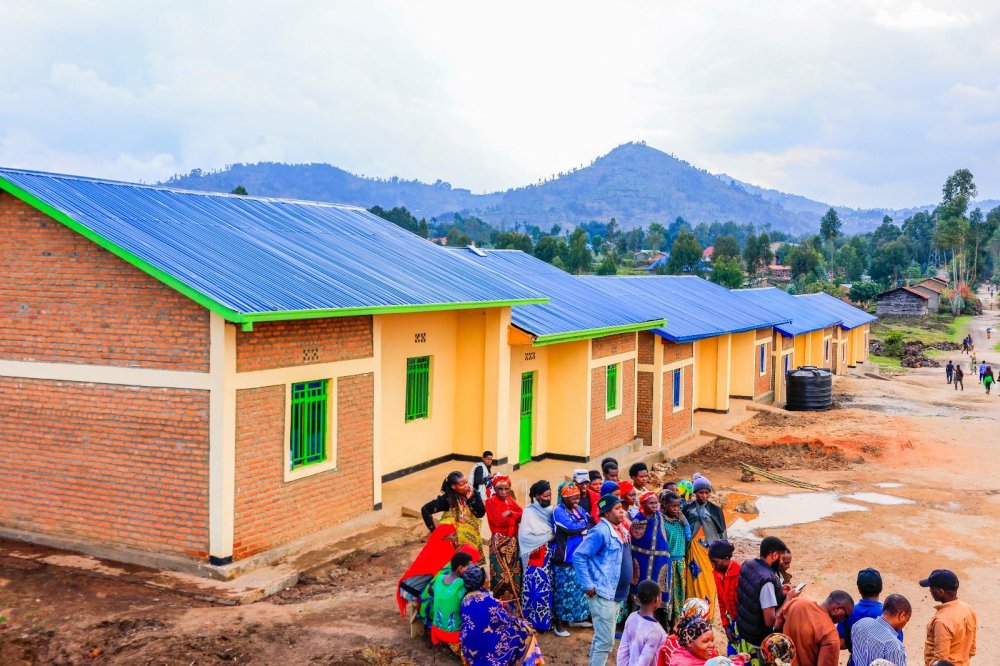
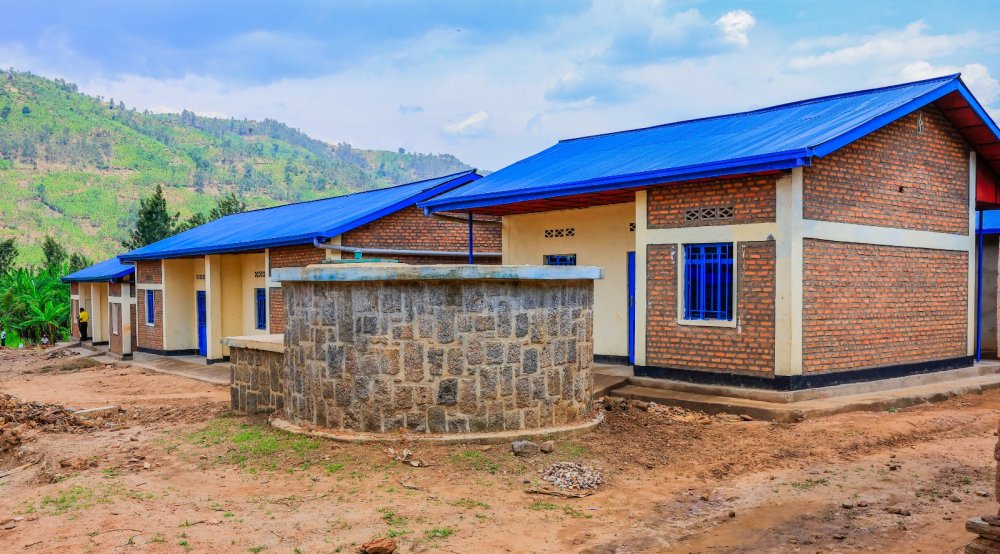
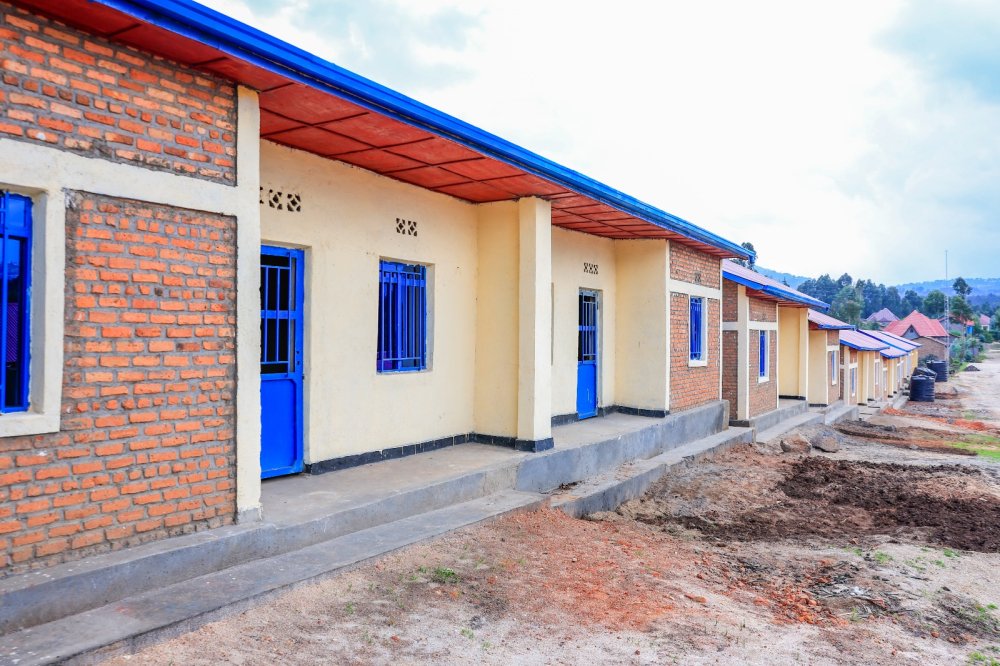
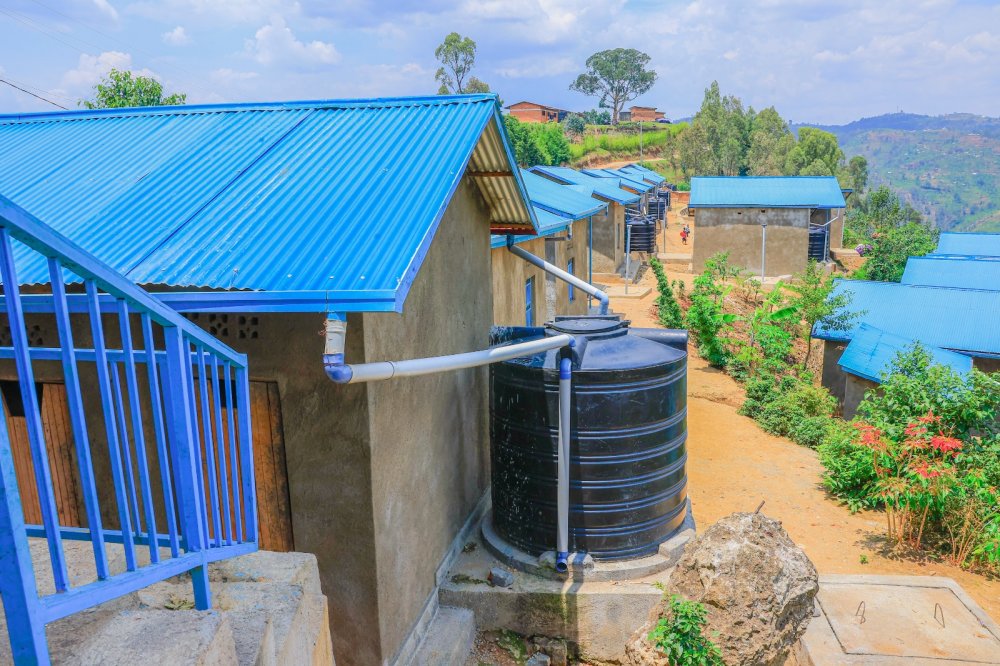
A total of 5,096 homes were constructed or rehabilitated under the project. Of these, 3,522 were newly built, while 1,574 were renovated.
The project began in Ngororero and Nyabihu districts in Western Province.
The disasters occurred during the night of May 2-3, 2023, affecting the Northern, Western and Southern provinces.
They claimed 135 lives, while more than 2,100 houses were partially damaged and another 2,763 were completely destroyed.
Rubavu District was among the hardest-hit areas, with 1,564 houses affected, including 855 that were completely destroyed.
Among the homes rehabilitated or constructed, Rubavu accounts for 461 renovated homes and 870 newly built ones.
Rutsiro has 381 renovated homes and 435 newly built homes, while Nyabihu has 288 renovated homes and 710 newly built homes.
Karongi District has 171 renovated homes and 399 newly built ones, while Ngororero has 241 renovated homes and 255 newly built homes. Burera has 32 renovated homes and 579 newly built homes.
Muhanga has 141 newly constructed homes, while Musanze has 115. Overall, the project resulted in 5,096 homes being made available to families, accommodating 25,480 people.
Minister in Charge of Emergency Management, Gen Maj (Rtd) Albert Murasira, said the homes were built in fulfilment of a commitment made by President Paul Kagame to residents of Rubavu who were affected by disasters caused by River Sebeya.
“Rubavu was among the areas severely affected by the disasters. The Head of State visited the area at the time and promised residents that they would be given new homes. That is the project we implemented, and today we are completing it and officially beginning the process of handing over the homes. The residents have already moved in, and we are also checking that the houses were properly constructed,” Maj Gen (Rtd) Murasira said.
He said the government had a responsibility to support residents affected by disasters and that the houses were built to withstand future disasters.
“The residents faced difficulties, and the country had to come to their aid. That is why they were given strong houses that can withstand disasters. This is a beginning, not an end. They should work to improve their lives. Since the disaster occurred, we had been renting houses for them,” he said.
Residents who were relocated from areas where their lives had been at risk expressed relief after receiving the new homes.
Tuyishime Valentine from Ngororero District said she had been living in a dangerous area in a house that was in poor condition.
“I lived in a dangerous area, in a leaking house. I was left there alone after my husband abandoned me, and I felt that I would die there. My house eventually had to be demolished and I was forcibly removed from it. They rented a house for me until today, when I have been given a good house that does not leak,” she said.
Iribagiza Fatuma Olive said she had never imagined living in such a house.
“I had never dreamed of living in a house like this. The house we were removed from had already collapsed on us, but fortunately no one died. They rented a house for us for two and a half years until the houses they were building for us were completed and they moved us in. The children now sleep peacefully because we are no longer living in a dangerous area,” she said.
Ngororero was among the districts where the handover of homes to families affected by disasters began. A total of 255 families received newly built homes, while 241 families had their houses rehabilitated, and all have now moved into them.
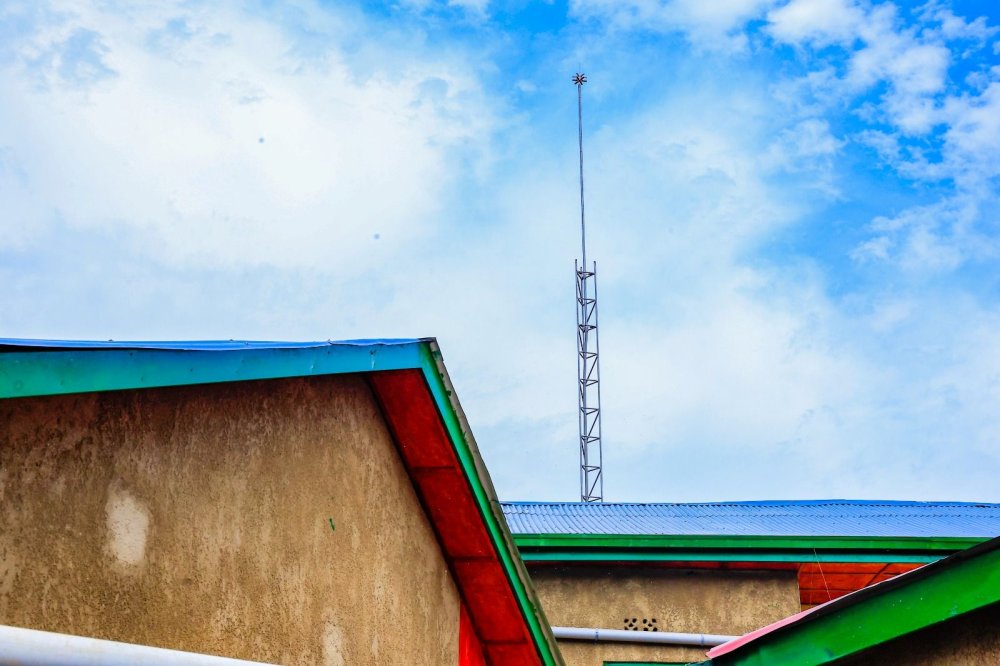
Residents have received newly built, disaster-resilient homes.Residents of Nyabihu expressed joy after receiving new homes.Minister in Charge of Emergency Management Gen Maj (Rtd) Albert Murasira delivers a message from the President to residents affected by disasters in Ngororero.Residents are provided with lightning protection systems to protect their homes.
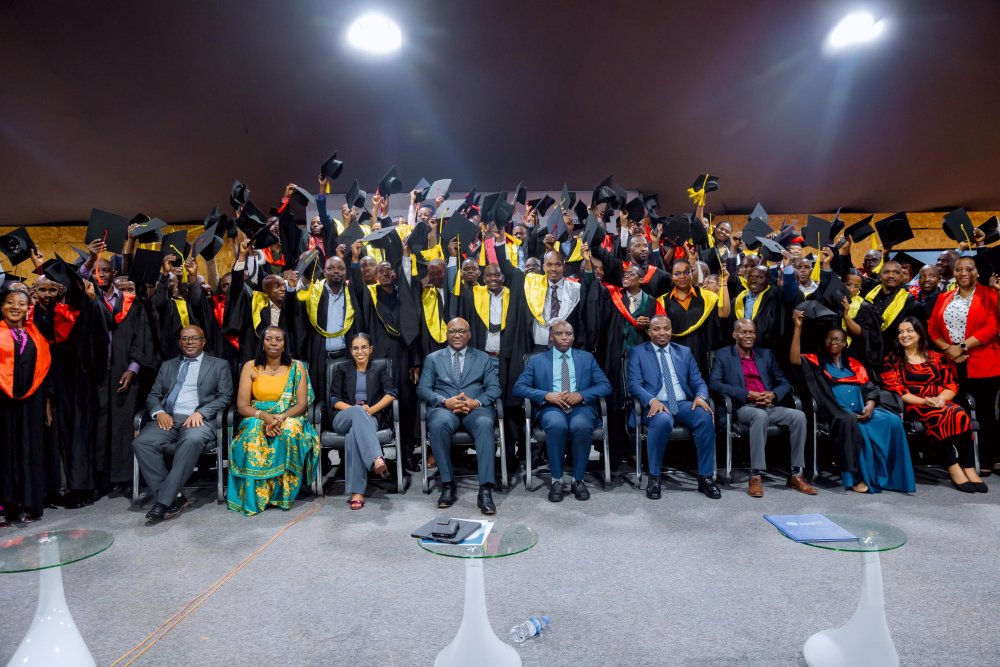
The announcement was made on September 30, 2026, during a ceremony in Kigali at which 137 secondary school teachers were awarded the Professional Diploma in Education (PDE) after successfully completing a one-year professional training programme.
The programme, known as the Continuous Professional Development–Graduate Diploma in Education (CPD-GDE), was developed and implemented by the University of Rwanda–College of Education (UR-CE), in collaboration with REB, under the Rwanda Quality Basic Education for Human Capital Development (RQBEHCD) Project, financed by the World Bank.
The 137 teachers held A1 qualifications in non-education subjects before joining the programme. Through the CPD-GDE programme, which comprises 180 academic credits, they acquired pedagogical knowledge, skills and competencies required for effective teaching and learning.
The certification ceremony marked a step in efforts to strengthen teacher professionalism and improve the quality of basic education in Rwanda.
Dr. Nelson Mbarushimana, Director General of REB, said strengthening teachers’ knowledge and professional skills is essential to improving the quality of education.
He said the demands of 21st-century education require teachers to continuously develop their capacity and adapt to new approaches and technologies.
“Teachers who have studied education know how to follow up on all the children they teach, ensuring that no child is left behind. We are now also in a technological era where audio is used together with visual materials. There is a part of the brain that helps children retain information when they learn through images and other visual materials,” Dr. Mbarushimana said.
He said professionally trained teachers are expected to play a greater role in improving the quality of education, while additional professional development programmes can further strengthen the skills they have acquired.
Dr. Mbarushimana said the certification of the 137 teachers represents an important step towards ensuring that Rwanda’s teaching workforce has received formal training in education.
“We no longer have teachers who have not studied education. We have also trained all those who were teaching in primary schools without having studied education, and we will soon award them education qualifications.
“Going forward, we are only recruiting people who have studied education. Those who remained are the ones who have now received these qualifications, and we hope they will contribute to improving the quality of education,” he said.
Prof. Florien Nsanganwimana, Principal of the University of Rwanda–College of Education (UR-CE), said the college has played a significant role in providing professional training to teachers who were already working in the education sector.
He said that since 2019, UR-CE has trained more than 3,200 secondary school teachers in Mathematics and Science, as well as more than 25,000 primary school teachers in various subjects, alongside other categories of teachers.
However, the training of teachers in education is not considered the end of efforts to strengthen professionalism and improve the quality of teaching.
UR-CE and REB say teachers will continue to undertake additional short-term training and professional development programmes in areas including artificial intelligence, technology, languages and other emerging areas.
According to Ministry of Education figures for the 2024/25 academic year, Rwanda had 122,828 teachers working in pre-primary, primary and secondary schools, an increase of 9,280 compared with the 2023/24 academic year.
Dr. Nelson Mbarushimana, Director General of the Rwanda Education Board (REB), has highlighted the importance of strengthening teachers’ professional skills to improve the quality of education.The certification ceremony has brought together 137 secondary school teachers who have completed the CPD-GDE programme and received Professional Diplomas in Education.
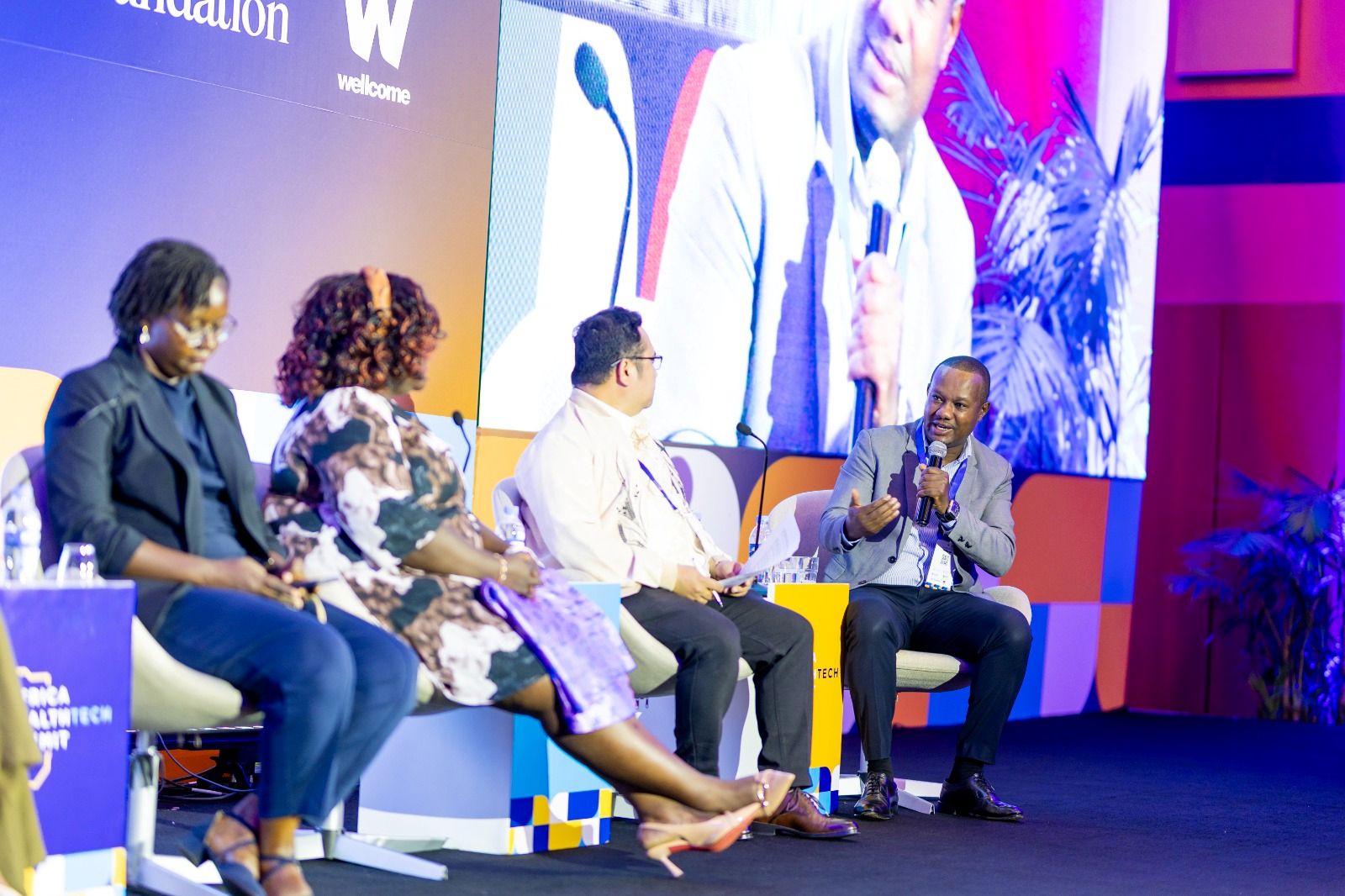
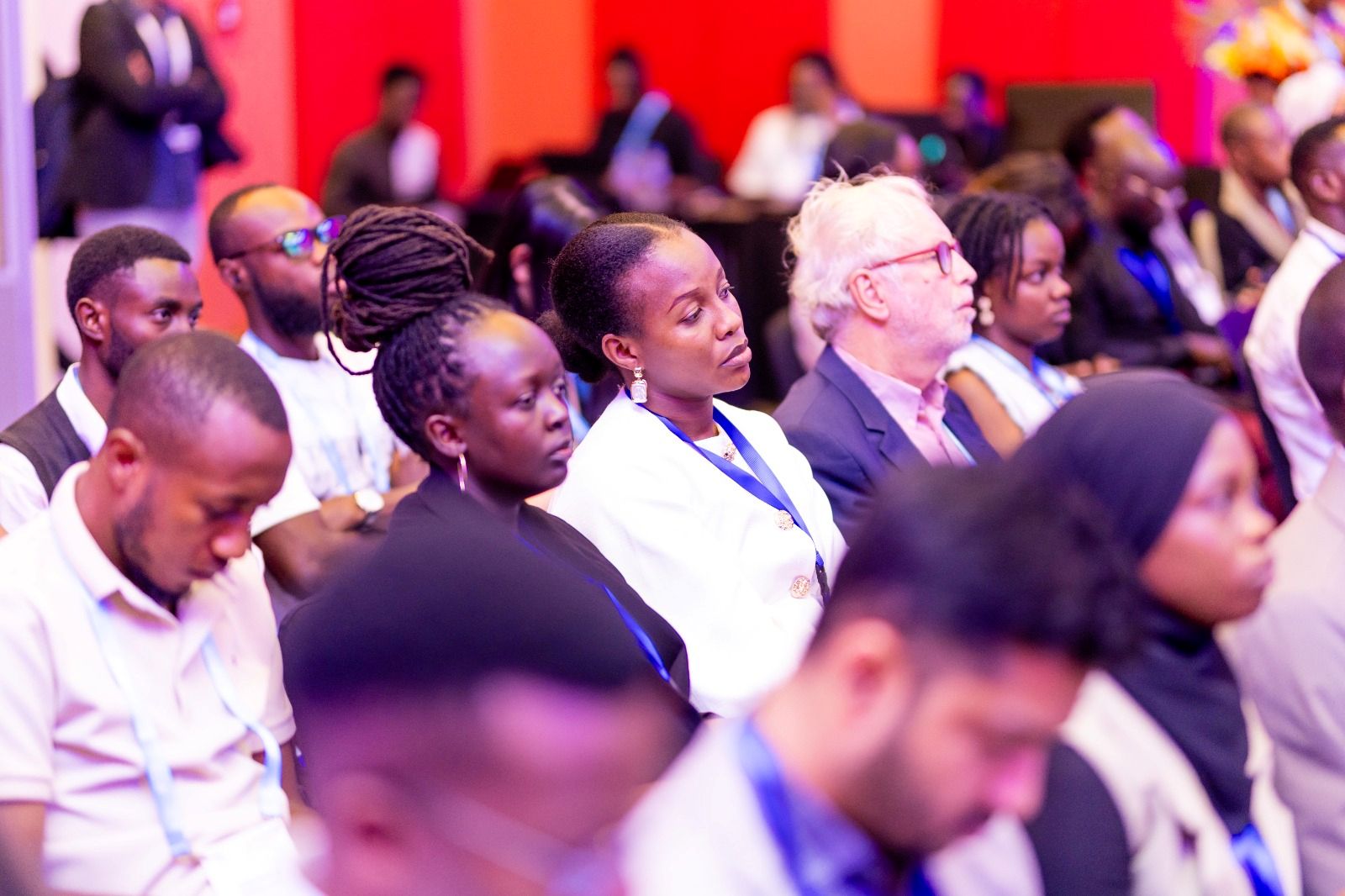
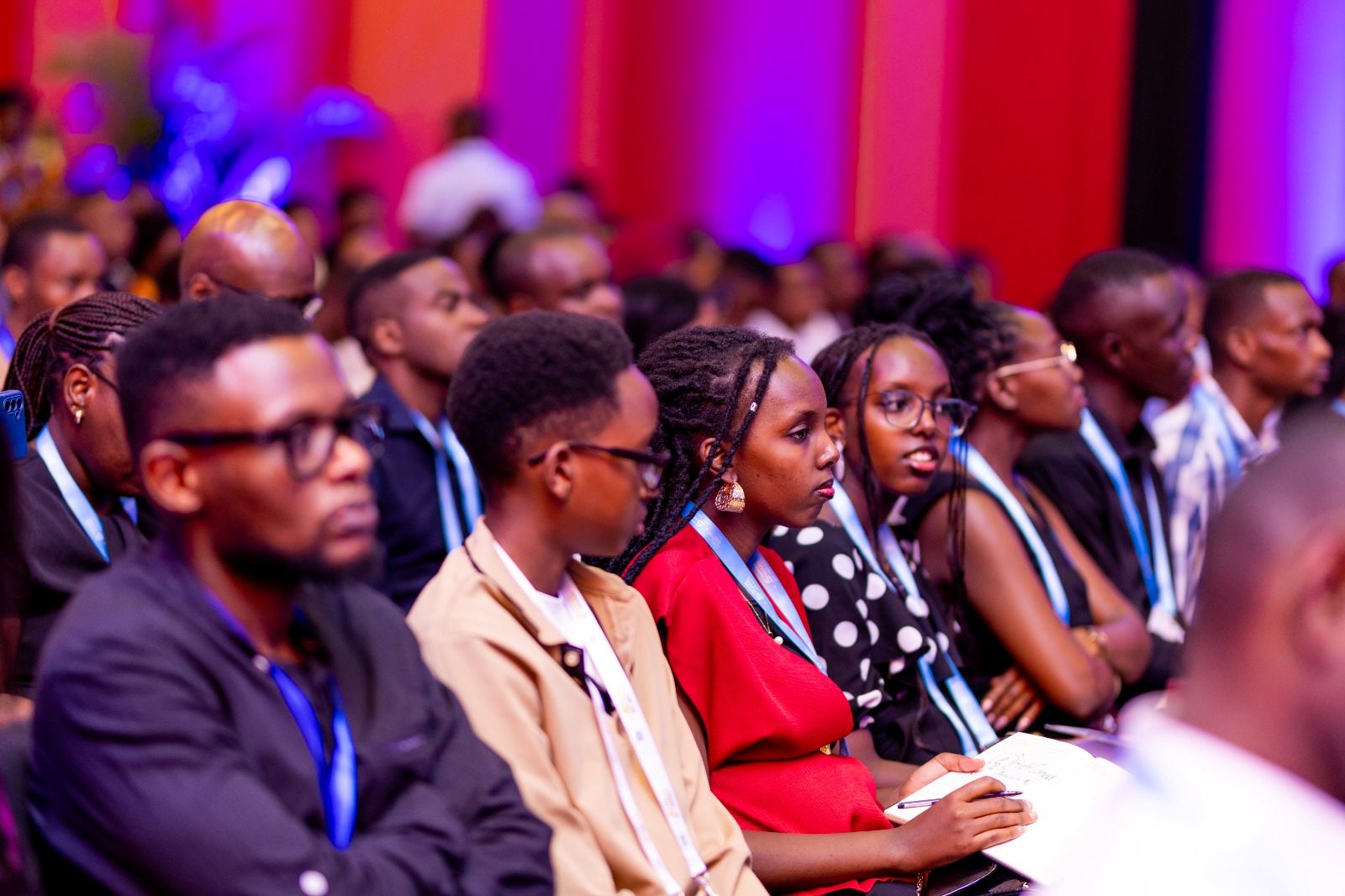
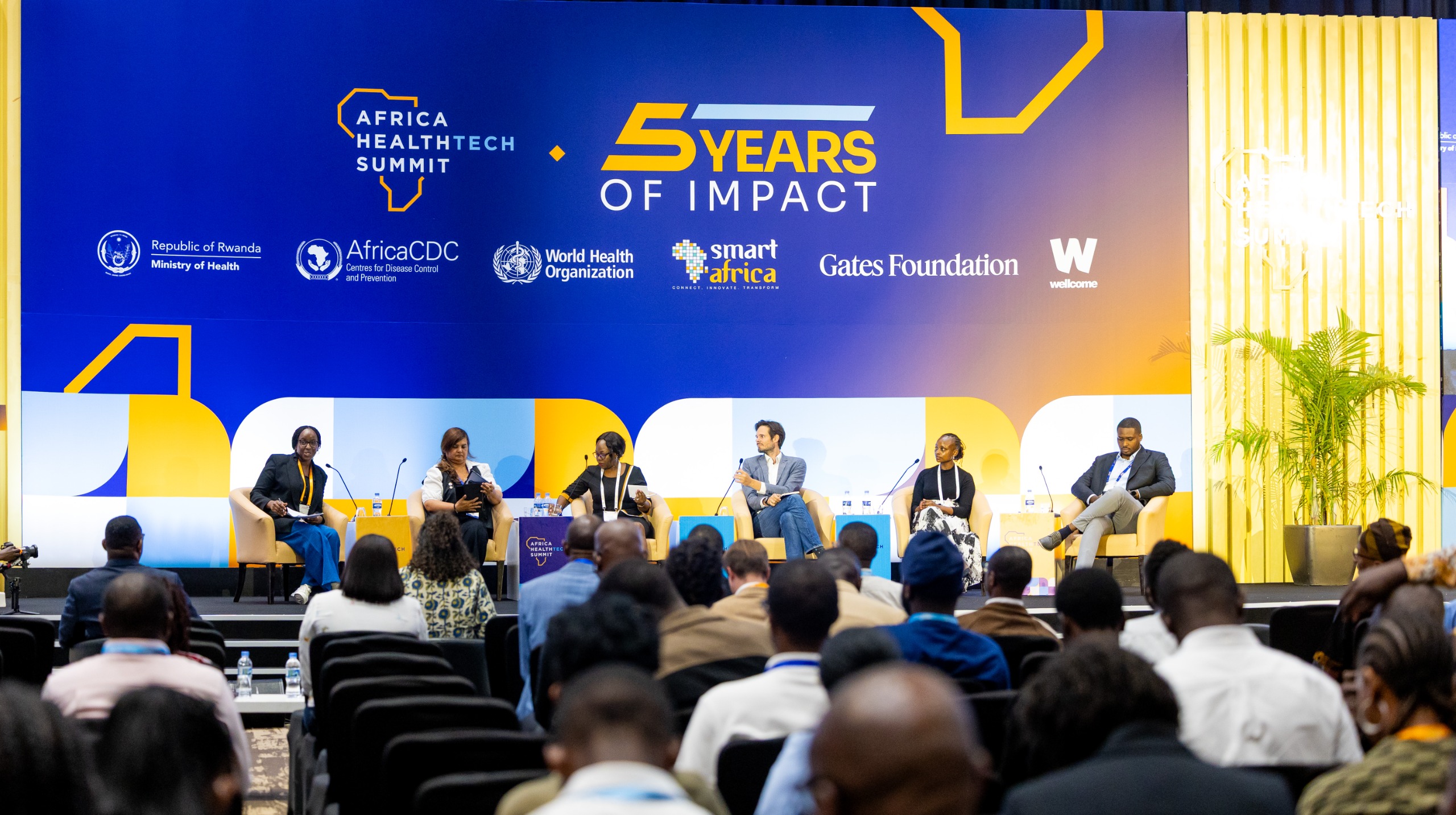
The potential was discussed at the fifth Africa HealthTech Summit in Kigali, where health experts examined how digital tools, data systems and artificial intelligence could strengthen mental health services.
Rwanda has been expanding mental health support for young people through schools and the wider health system since the launch of its school-based mental health programme in December 2020.
The programme was initially piloted in five districts and has since expanded. UNICEF said in 2025 that it was operating in 18 districts, with more than 2,500 school counsellors trained across 1,283 secondary and technical schools.
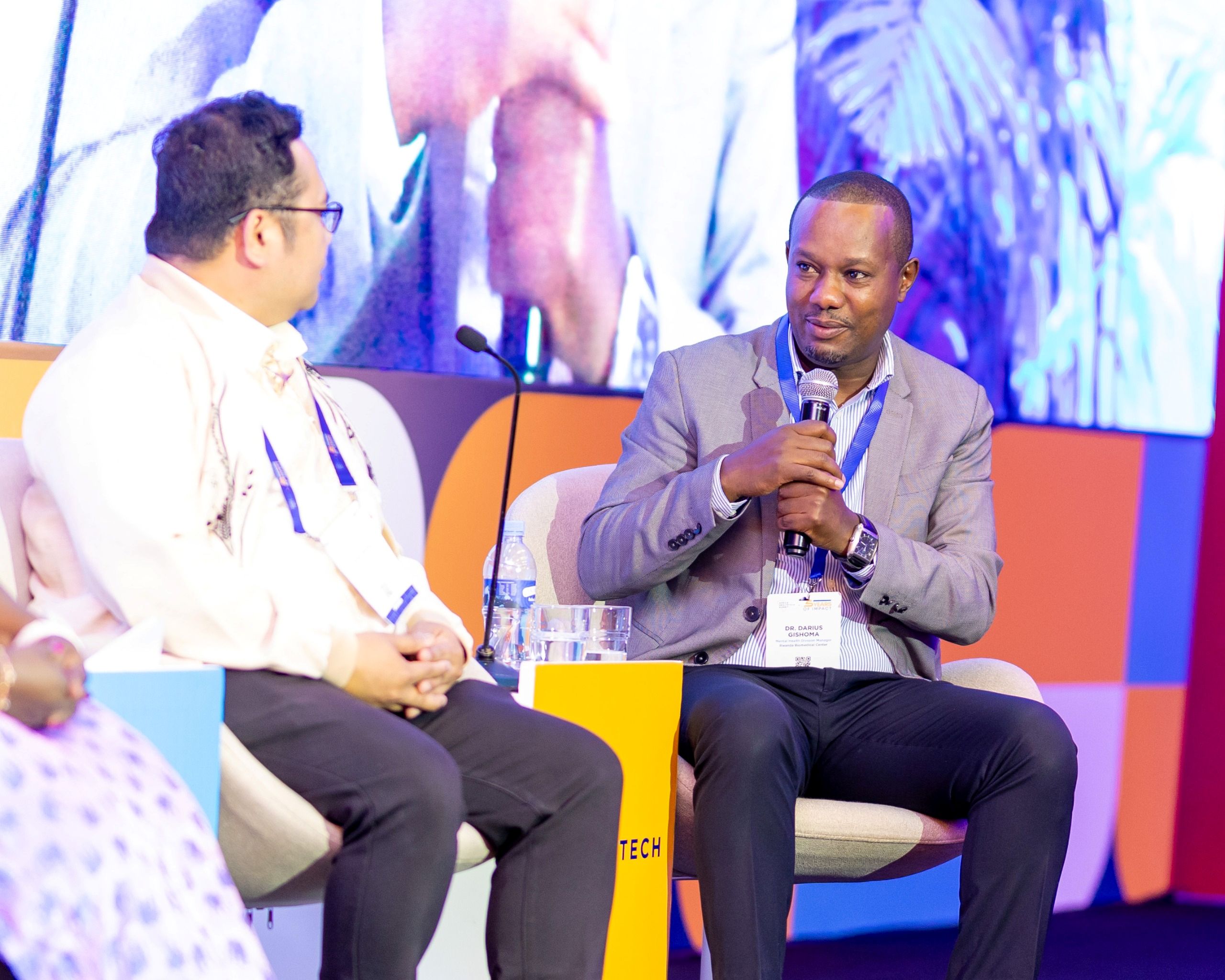
Darius Gishoma, Division Manager for Mental Health at the Rwanda Biomedical Centre, said the programme has since expanded further, reaching 23 districts.
He added that Rwanda plans to extend the programme to another seven districts.
The expansion has also highlighted the need to reach young people beyond schools, where Gishoma sees potential for technology to play a role.
“Technology can remove a number of barriers,” he noted during a session on building intelligent mental health systems for Africa’s children and young people.
Gishoma pointed to Rwanda’s growing use of electronic medical records as an example of how digital systems could support mental health services.
“In Rwanda, we have eBuzima, which allows us to have individual data at health centres. This means we have the opportunity to use clinical decision-support tools,” he explained, referring to Rwanda’s eBuzima digital health system.
Such tools could provide health workers with alerts where there are indications of serious risks, including suicide, or when a patient stops returning for care.
Gishoma’s technology examples were not limited to children. He described them as opportunities for strengthening the broader mental health system, including at community level.
He cited a recent campaign against illicit substances and alcohol in which community health workers used smartphones to identify people experiencing addiction-related problems in villages.
“So from health facility to community it’s opening plenty of possibilities,” he observed.
He also pointed to the possibility of using mobile electroencephalography devices to send recordings from health centres to neurologists at referral hospitals, allowing specialists to support nurses with diagnosis and treatment.
For young people, he added, technology could create opportunities in settings such as youth centres.
Reaching young people earlier
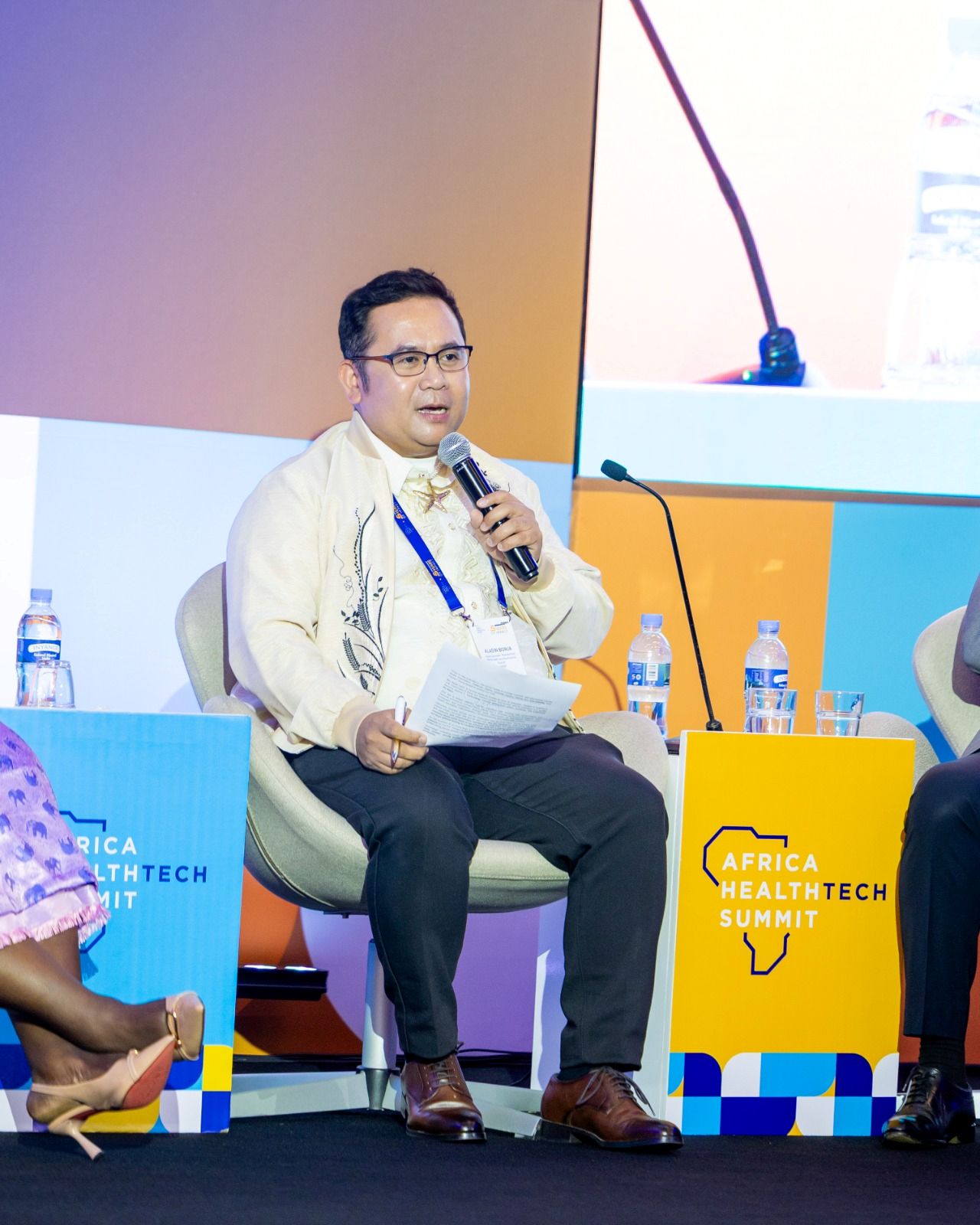
Aladin Borja, a health specialist at UNICEF’s Centre of Excellence in Nairobi, argued that mental health systems need to reach young people before they arrive at hospitals or clinics.
“If we want to reach young people earlier, mental health systems cannot begin at the clinic or hospital,” Borja stressed.
He proposed that prevention, early intervention and support should be available in places where children and young people already live, learn and communicate, including digital spaces.
Young people are increasingly using social media and artificial intelligence tools to seek information and discuss issues around their wellbeing, he noted.
But Borja cautioned that digital access alone does not amount to quality mental health care.
“A campaign, chatbot or helpline is only meaningful if there are trained people, functioning referral pathways and quality services behind it,” he explained.
“Technology should strengthen public systems, not substitute for them.”
Designing tools for African users
Joyce Nakatumba Nabende, a senior lecturer at Makerere University and head of its Artificial Intelligence Lab, stressed that mental health technology also needs to reflect the language and circumstances of African users.
She cautioned against simply importing tools developed for Western populations without testing whether they work for African children and young people.
“We take tools that are designed for Western populations and bring them into our populations, but they will not work here,” she warned.
Nabende identified language as another challenge, noting that young people may prefer to communicate in local languages while many existing digital tools have limited support for African languages.
She also emphasised the need for safeguards when developing AI tools for children, including testing, data security and controlled access to sensitive information.
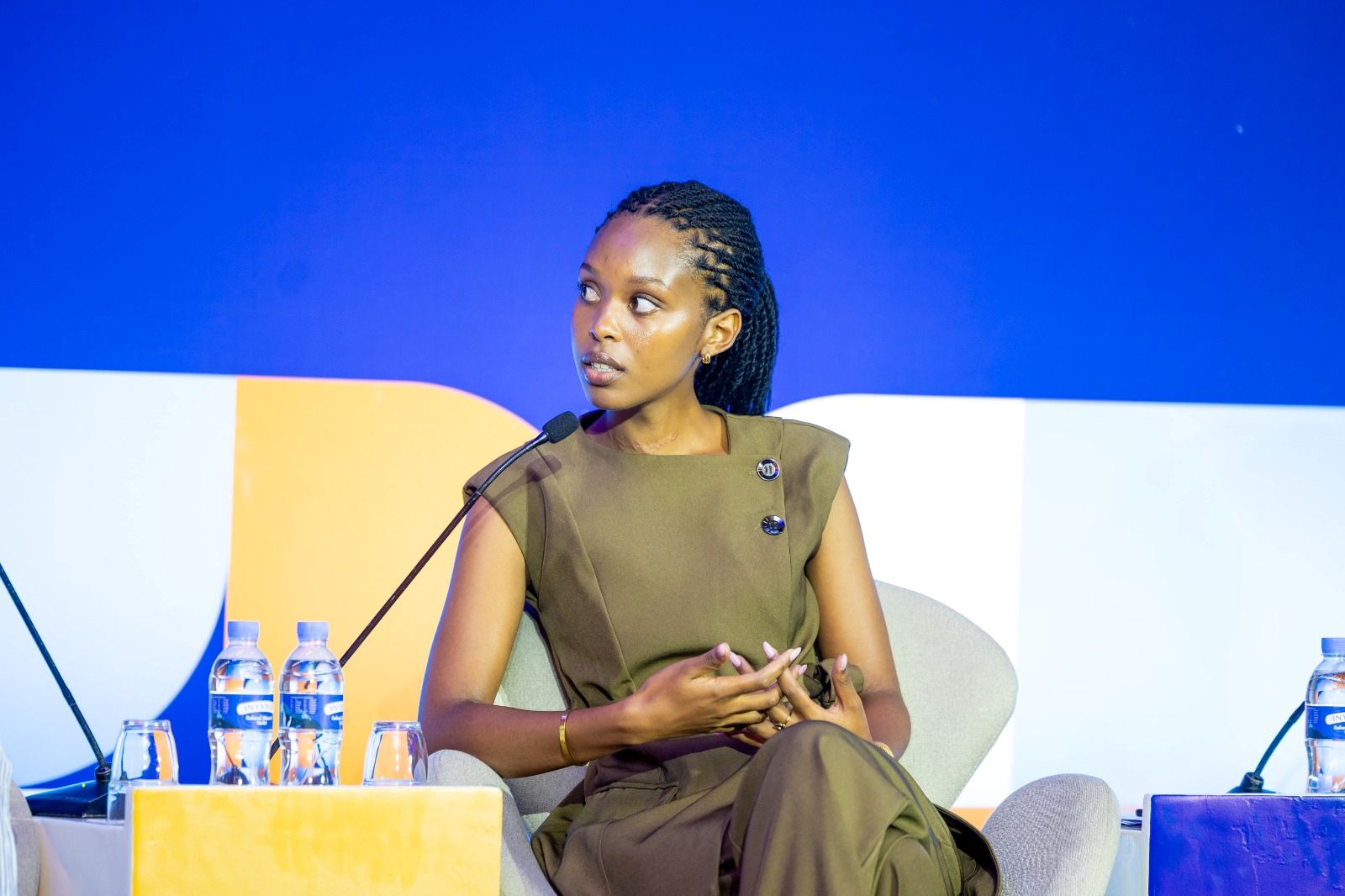
Evelyne Munezero, a youth advocate with UNICEF-YAN, called for young people to be involved in designing systems intended for them.
“We should be building systems with young people, not for them,” she urged, calling for stronger attention to consent, safeguarding and data protection.
Darius Gishoma (right), Division Manager for Mental Health at the Rwanda Biomedical Centre (RBC), speaks during a panel discussion, where health experts examined how digital tools, data systems and artificial intelligence could strengthen mental health services.Gishoma pointed to Rwanda’s growing use of electronic medical records as an example of how digital systems could support mental health services.Aladin Borja, a health specialist at UNICEF’s Centre of Excellence in Nairobi, argued that mental health systems need to reach young people before they arrive at hospitals or clinics.Evelyne Munezero, a youth advocate with UNICEF-YAN, called for young people to be involved in designing systems intended for them.
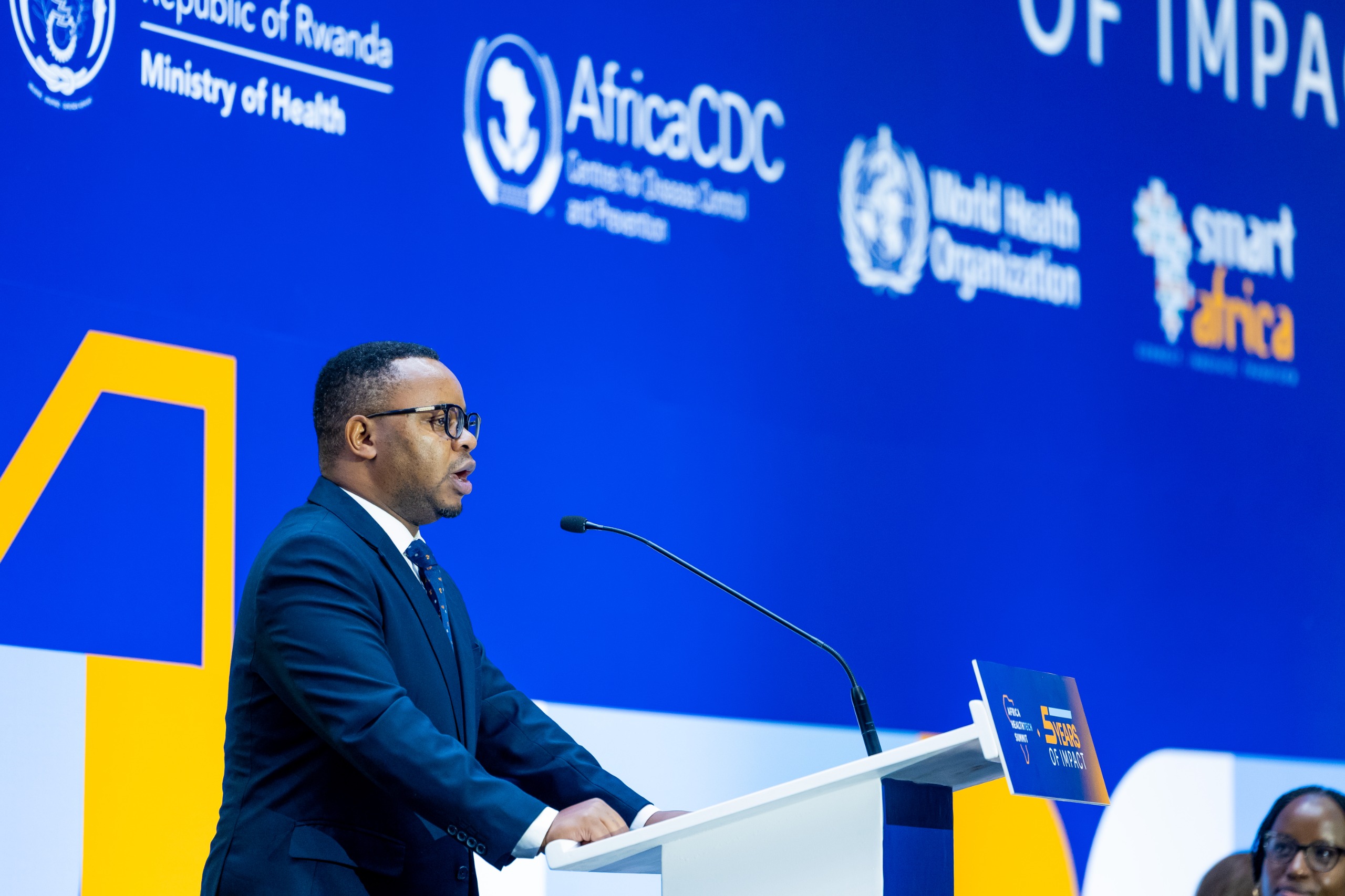
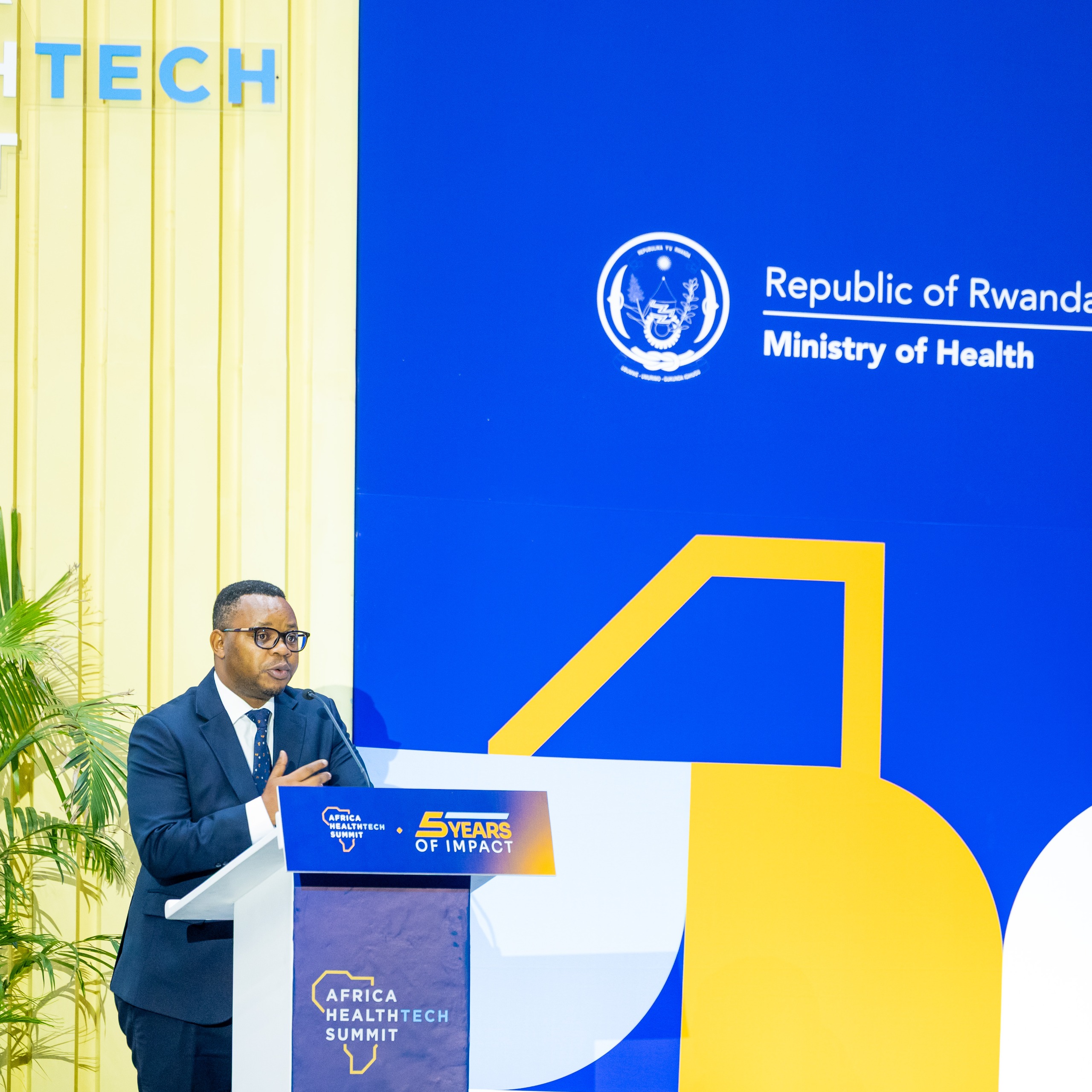
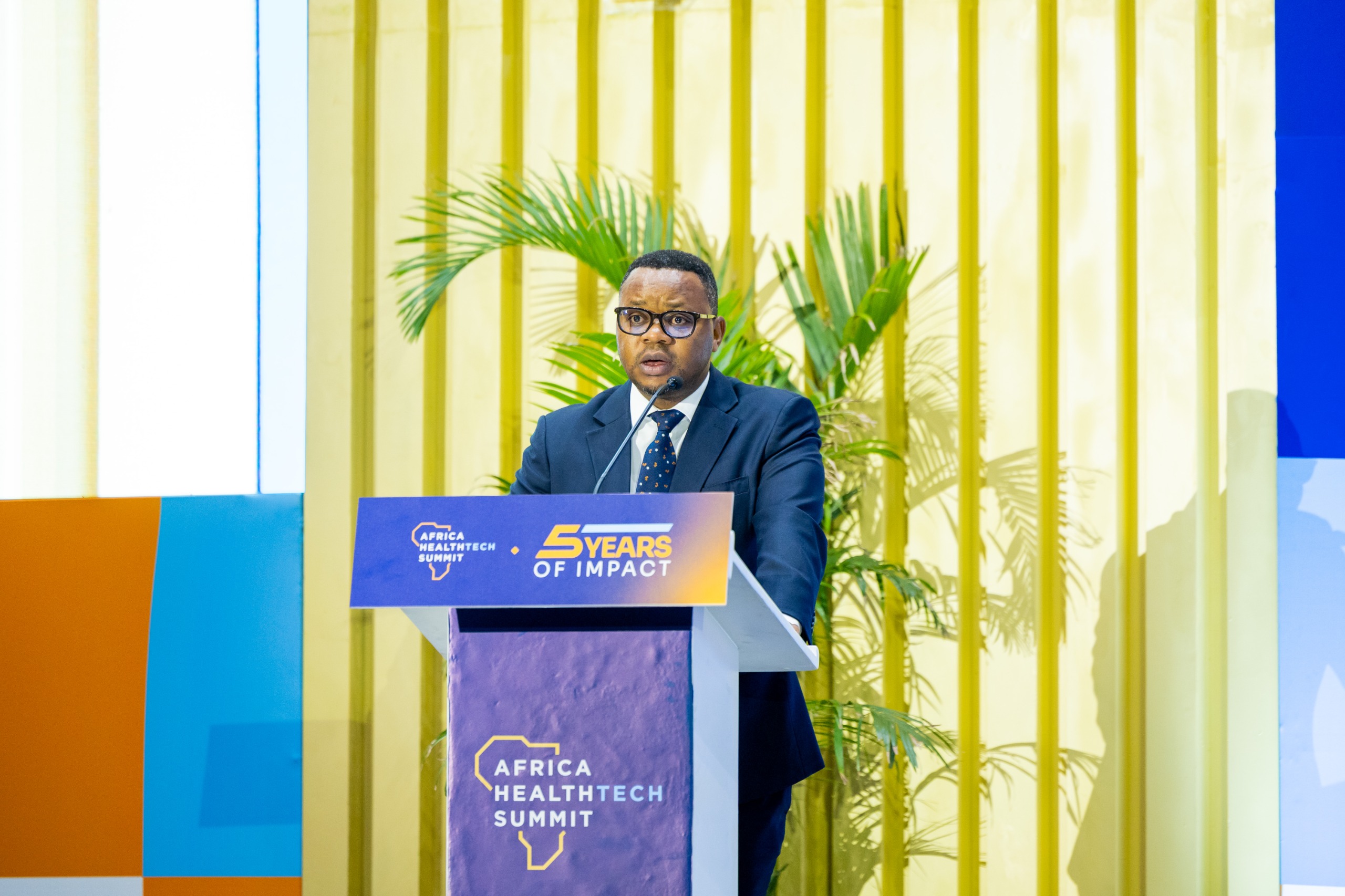
Iradukunda made the remarks on Thursday during the fifth Africa HealthTech Summit at the Kigali Convention Centre, where he spoke during a plenary session on strengthening health data systems for trusted African health research.
“Health systems have been vulnerable because of the challenge of ownership. When you look at how we fund and procure some of these systems today, there’s still a great deal of dependency,” he said, reflecting on health systems used on the continent.
He challenged innovators, philanthropies and funders to consider what ownership should look like in a context where African countries have delegated responsibility for funding and developing some of their systems to external actors.
“I want to challenge us to think about what ownership looks like in the context where we have delegated the responsibility to fund and develop our own systems elsewhere,” he added.
Iradukunda challenged innovators, philanthropies and funders to rethink African ownership of health systems.
The ownership question also featured in discussions among researchers and health data experts at the summit.
Dr Agnes Kiragga, Head of the Data Science Program and Exemplar Continental Projects at the African Population and Health Research Center, stressed the importance of building the capacity and infrastructure needed for African institutions to manage and share their own data.
She identified data governance, common standards, skilled data stewards and trusted research environments as critical enablers of cross-border research.
Kiragga also pointed to the potential of federated analysis, where researchers send analytical code to data rather than moving sensitive datasets across borders.
Claudel Sebaganwa, an eHealth adviser at Rwanda’s Ministry of Health, highlighted Rwanda’s experience of building health data infrastructure around its existing health system.
He explained that Rwanda’s community health workers and health facilities are increasingly generating electronic data that feeds into the national health intelligence infrastructure, creating a resource that can support both health service delivery and research.
Sebaganwa also pointed to Rwanda’s data privacy law and data-sharing policy as frameworks for managing how information is processed and shared.
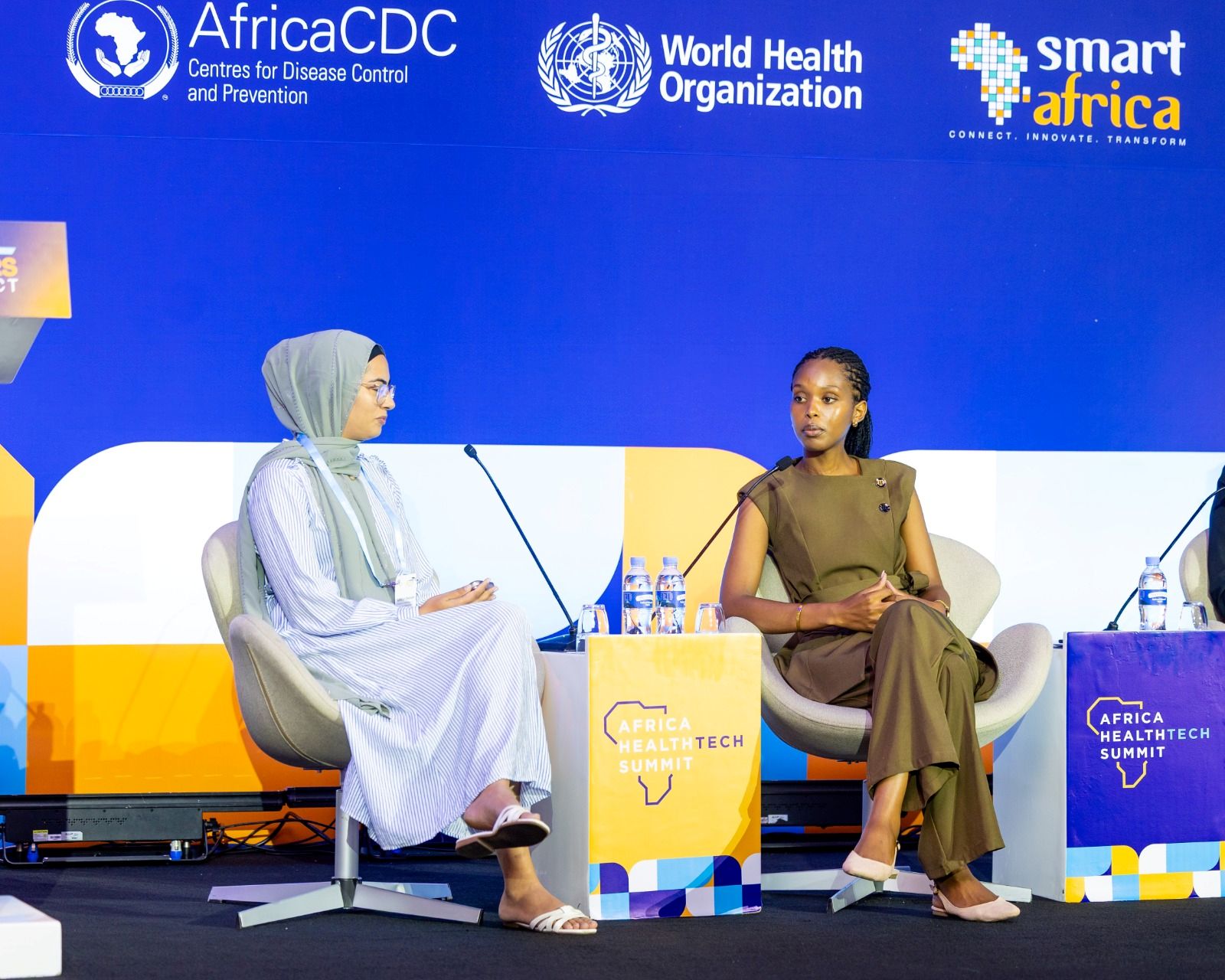
The panel discussed strengthening health data systems for trusted African health research.
Iradukunda stressed that health data should not be viewed in isolation from the wider systems through which citizens interact with government.
“Ultimately, we shouldn’t look at health data in isolation. We need to look at data that enables better service delivery to our citizens,” he maintained.
He said Rwanda’s approach is anchored on developing data governance and sharing frameworks across sectors, including health, agriculture, finance and education.
The country has also been implementing a national data hub under its data-sharing framework and “ask once” policy, which requires government to avoid repeatedly requesting information a citizen has already provided.
“If a citizen has given a certain data point to the government, the government should not be asking for that data again,” Iradukunda explained.
He said Rwanda has decentralised responsibility for data governance across government, with chief digital officers embedded in ministries and economic sectors to guide how data is managed and used.
“We have about nine chief digital officers across government. It cannot be done only at the level of the Ministry of ICT Innovation,” he observed.
Iradukunda also called for stronger continental alignment on health data governance, arguing that progress in individual countries will have limited impact if African systems cannot work together.
“Even if one jurisdiction had all the best practices, it would still not serve the broader interests of the continent,” he cautioned.
He welcomed efforts by the Africa CDC to develop frameworks supporting cross-border data exchange and urged countries to continue harmonising their approaches through regional blocs such as the East African Community.
The minister said the immediate priority should be to make health data securely available for research while strengthening cooperation between African countries.
“How do we make sure that this data is available for research purposes? How do we secure it? Also, how do we engage meaningfully across different countries?” he posed.
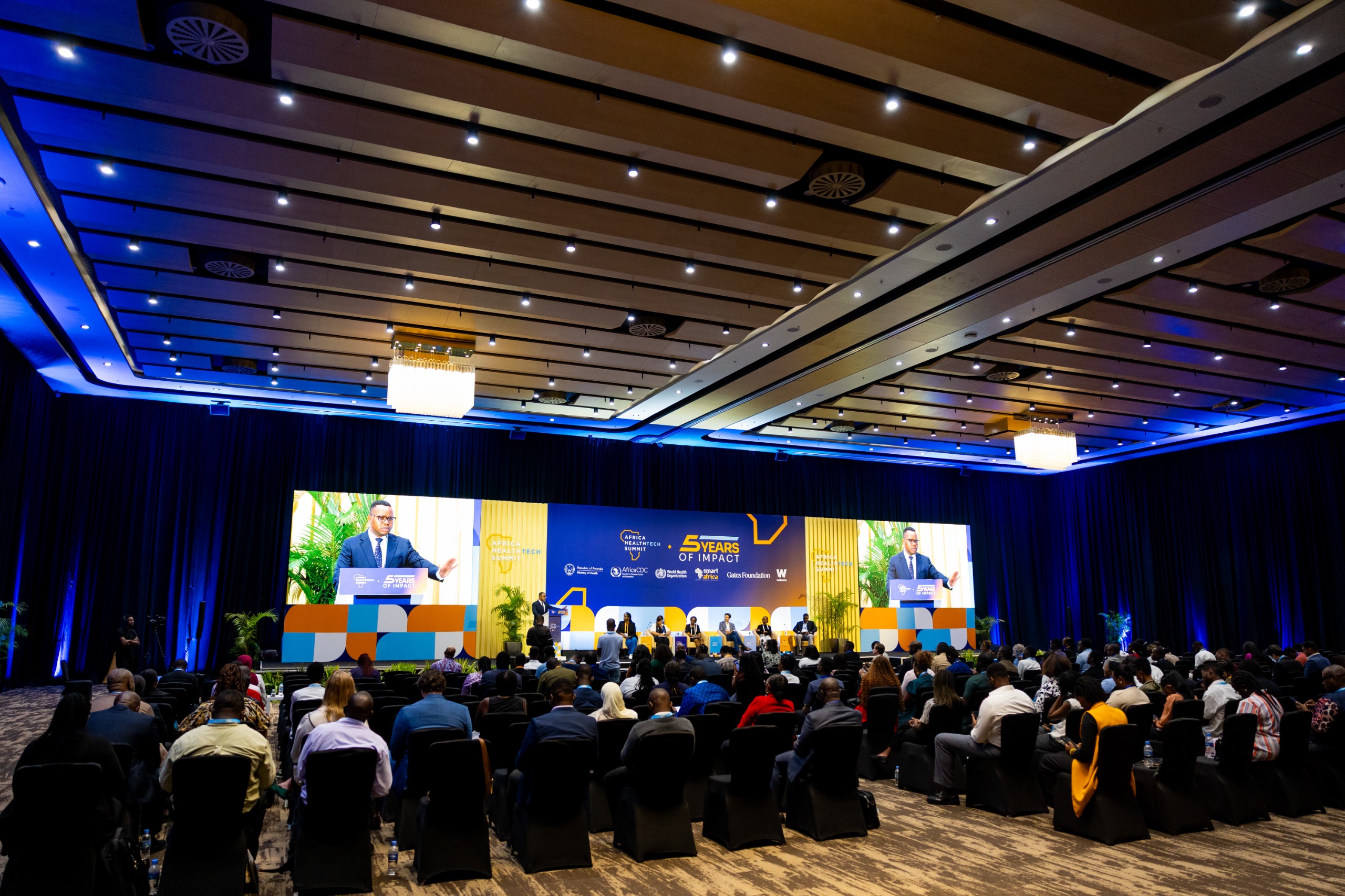
The fifth Africa HealthTech Summit is bringing together policymakers, researchers, technology companies, investors and development partners to discuss the use of digital technologies and artificial intelligence to strengthen African health systems.
Iradukunda made the remarks on Thursday during the fifth Africa HealthTech Summit at the Kigali Convention Centre, where he spoke during a plenary session on strengthening health data systems for trusted African health research.
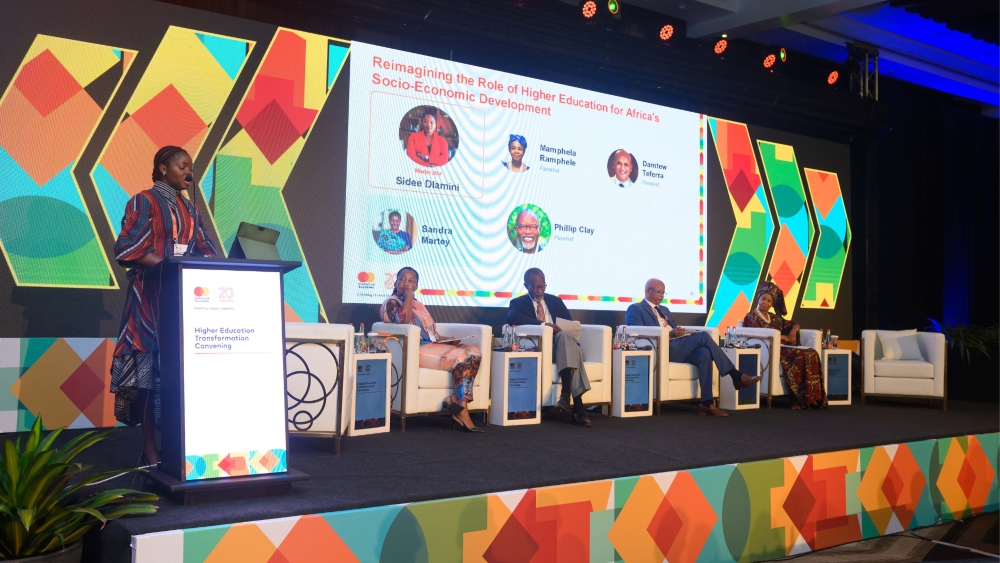
The call was made during the inaugural Higher Education Transformation Convening held in Accra, Ghana, on September 24, 2026, and hosted by the Mastercard Foundation under the theme, “Reimagining Higher Education for Africa’s Human Capital Development.”
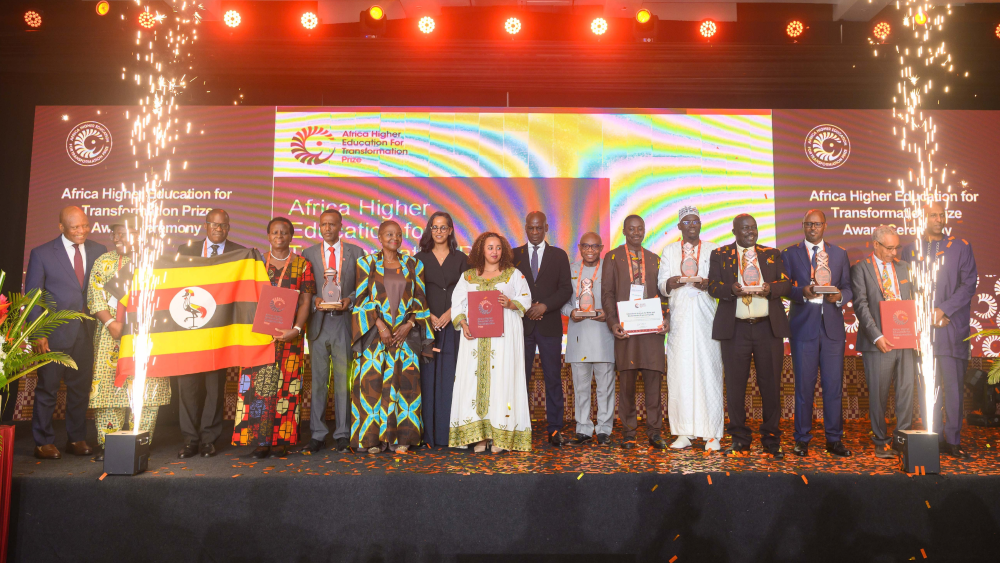
The convening also marked the inaugural Africa Higher Education for Transformation (AHEFT) Prize ceremony, which recognized five institutions for advancing sustained, institution-wide transformation.
“Transformation is not just a better university. It is a university that makes the whole economy around it work better for young people,” said Sewit Ahderom, President and CEO of the Mastercard Foundation.
She said universities need curricula developed with employers, credentials that reflect what graduates can do, institutions that prepare young people to lead emerging technologies, and research that moves beyond campuses into industry, government and communities.
Throughout the convening, participants explored how universities can strengthen research and innovation, prepare young people for changing labour markets and build stronger links with industry. Discussions also highlighted the need to focus research and skills development on areas where Africa has strategic advantages and potential for greater impact.
Young people called for their experiences and aspirations to be reflected in decisions on education, work and opportunity, while emphasizing their role as active partners in shaping the systems that affect their lives.
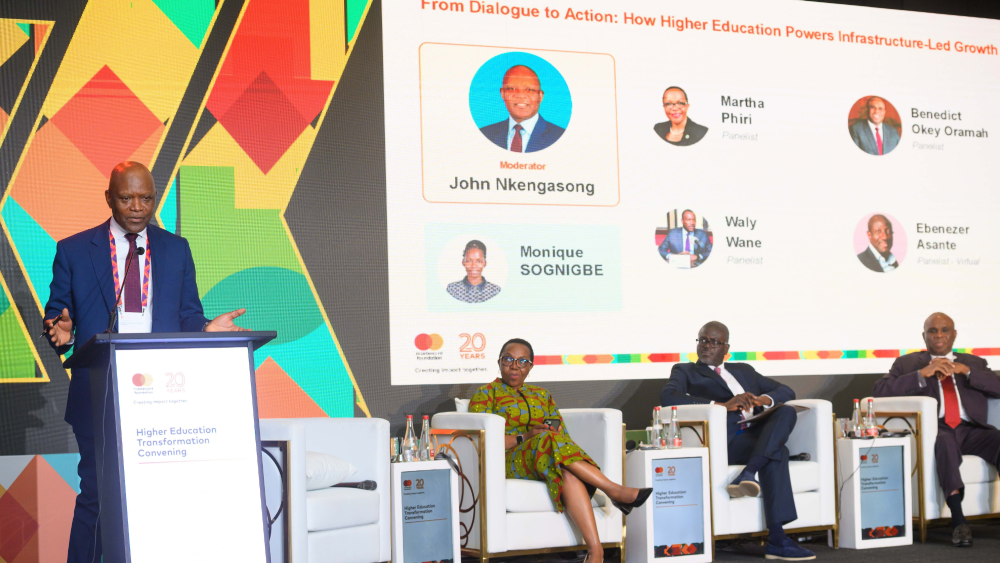
“Africa’s young and growing population presents one of the world’s greatest opportunities,” said Dr. John Nkengasong, Executive Director for Higher Education and Strategic Initiatives at the Mastercard Foundation.
“Higher education transformation is not simply an education agenda. It is an economic imperative,” he said, calling for governments, universities, industry, investors and development partners to work together to build systems that enable young people and economies to thrive.
The discussions align with the African Union’s Decade of Education and Skills Development (2025–2034), which seeks to strengthen education systems and skills development in line with the continent’s long-term development priorities, including Agenda 2063.
“The African Union’s Decade of Education calls on us to view higher education as a strategic investment in Africa’s future,” said Professor Saidou Madougou, Director of the African Union Department of Education, Science, Technology and Innovation.
He noted that higher education spending averages less than 0.8 percent of GDP, while research and development receives less than 0.5 percent of national budgets, calling for greater collaboration, faculty and student mobility, and systems that allow talent, knowledge and innovation to move across borders.
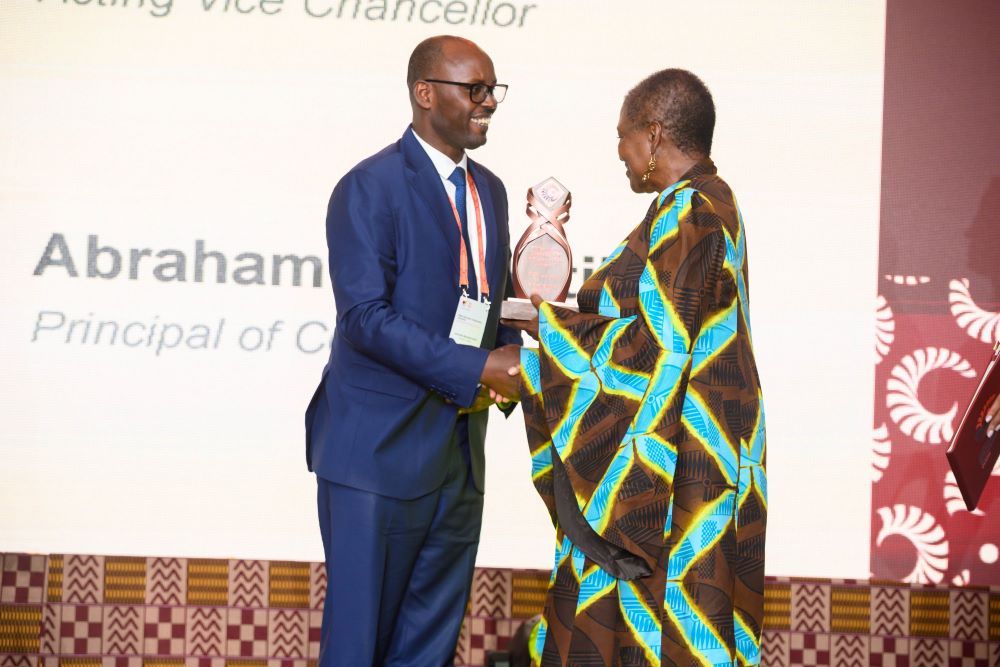
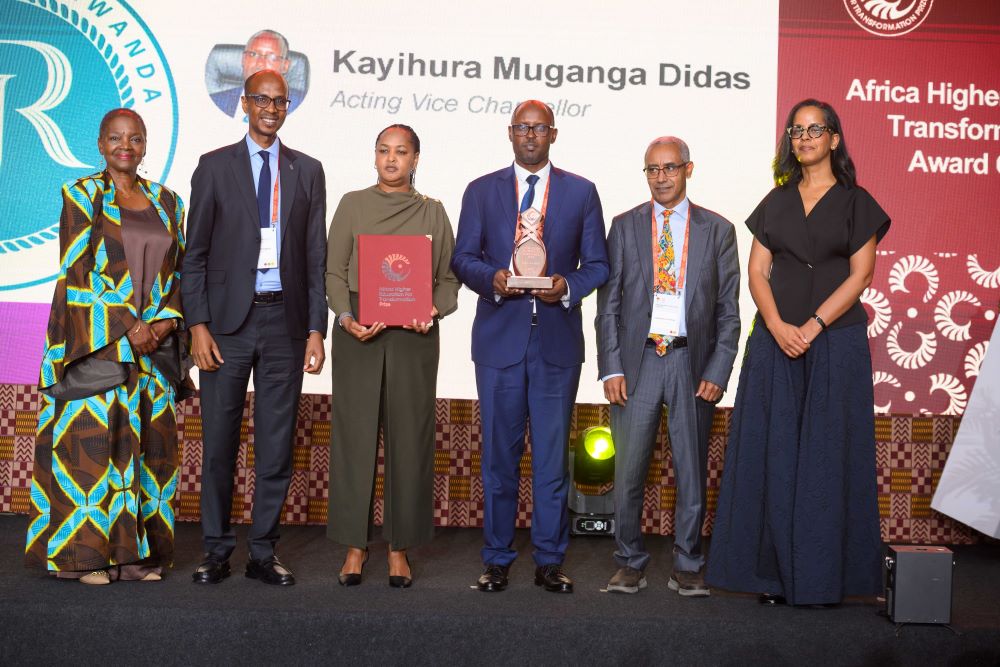
Prof. Kayihura M. Didas has received the inaugural AHEFT Prize on behalf of the University of Rwanda.
University of Rwanda among five AHEFT laureates
The convening also recognized Addis Ababa University in Ethiopia, the International Institute for Water and Environmental Engineering (2iE) in Burkina Faso, Kwame Nkrumah University of Science and Technology in Ghana, Muni University in Uganda, and the University of Rwanda as the inaugural AHEFT Prize laureates.
Backed by a USD 500 million commitment, the prize is expected to recognize at least 150 institutions across Africa over the next decade, with each winning institution receiving USD 3 million to scale transformative initiatives.
For the University of Rwanda, the prize will be used to build on progress in health education, research and innovation.
“This recognition affirms the University of Rwanda’s commitment to developing a health workforce that responds to the needs of our country and communities,” said Prof. Kayihura M. Didas, Vice Chancellor of the University of Rwanda.
“With the support of the Mastercard Foundation, we will build on the progress already made in health education, research and innovation, while strengthening our capacity to translate knowledge and research into meaningful impact for communities,” he said.
Other laureates also highlighted the broader role of universities in Africa’s development.
“Africa’s greatest resource is its young people. Our universities therefore have a responsibility not merely to prepare them to participate in the future, but to equip them to shape it,” said Samuel Kifle, President of Addis Ababa University.
Assoc. Prof. Anguma Simon Katrini, Vice Chancellor of Muni University, said universities should also strengthen their links with surrounding communities.
“The future of African universities is not within our walls alone; it is also in our communities,” he said. “Universities need to move beyond the ivory tower to the people, listen to their challenges, and put our knowledge to work alongside them.”
Susan Chomba, Chair of the AHEFT Jury, said the inaugural laureates demonstrated different approaches to meaningful institutional transformation.
The Mastercard Foundation said applications for the 2027 AHEFT Prize cycle will open later this year.
The Accra discussions concluded with a call for universities, governments, industry, investors and development partners to translate the emerging consensus into system-level action, strengthening links between education, employment, research and investment so that more young Africans can learn, earn and lead.
Prof. Kayihura M. Didas was joined on stage by Rwanda’s High Commissioner to Ghana, Rosemary Mbabazi; Dr Edward Kadozi, Director General of the Higher Education Council of Rwanda; and Prof. Abraham H. Mitike, Principal of the College of Medicine and Health Sciences.The inaugural AHEFT Prize ceremony brought together higher education leaders and partners in Accra, Ghana.Higher education leaders and partners attended the inaugural AHEFT Prize ceremony in Accra.The inaugural AHEFT Prize has recognised five universities for their efforts to transform higher education in Africa.
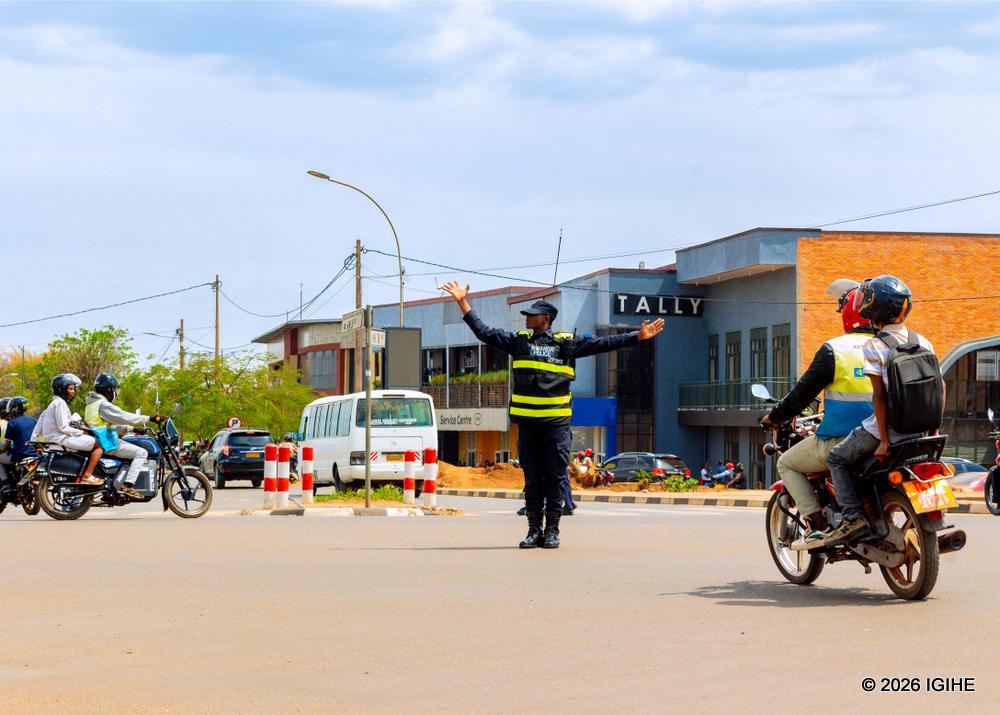
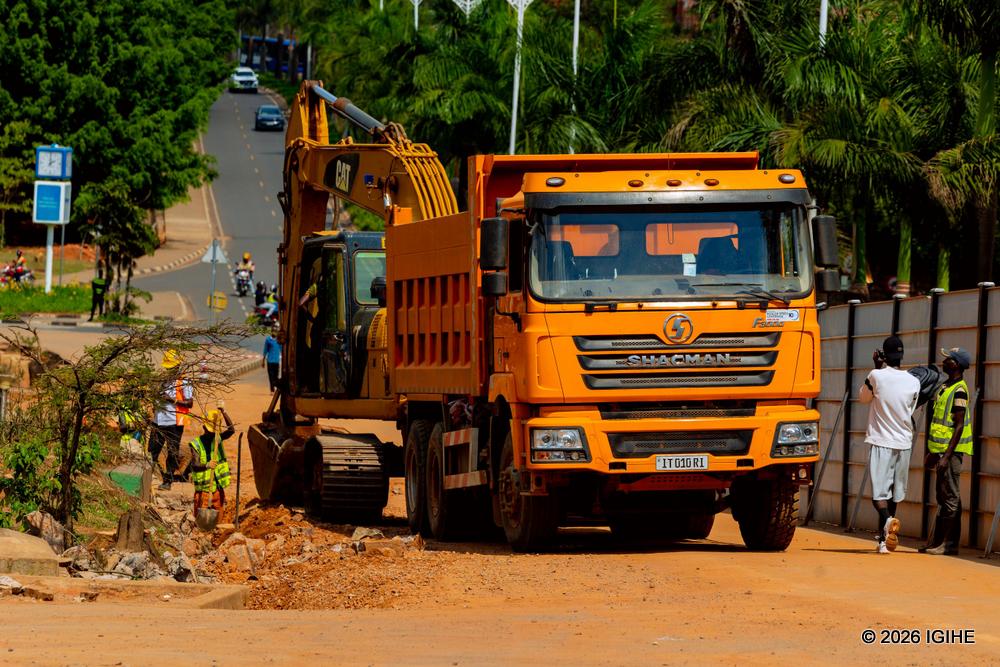
The expansion was officially launched on August 30, 2026, although preparatory works had begun nine months earlier. The project is being implemented by Chinese company Hunan Road and Bridge Construction Group Company.
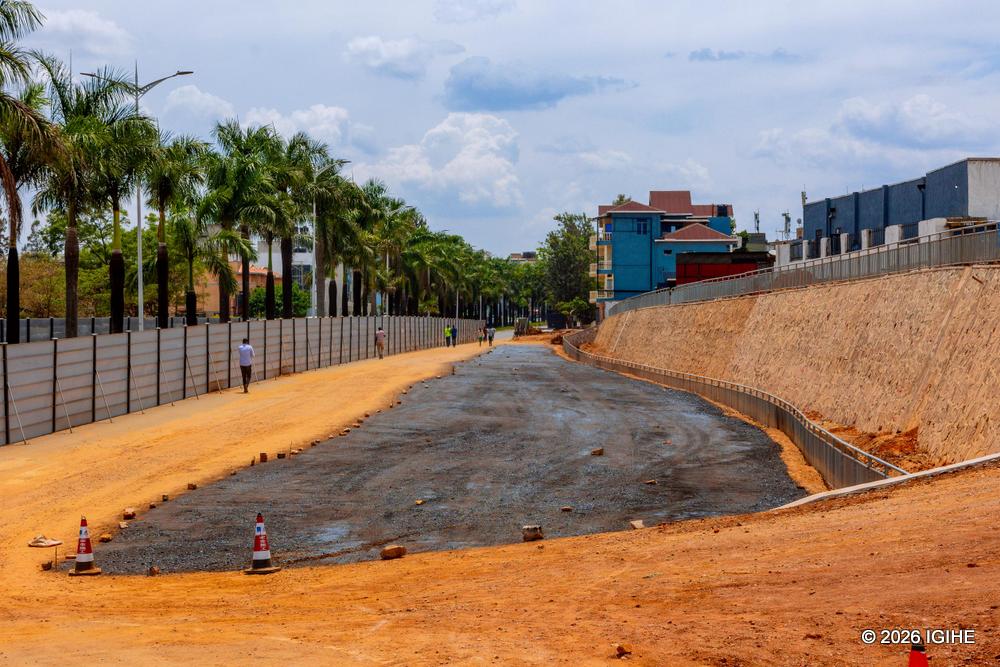
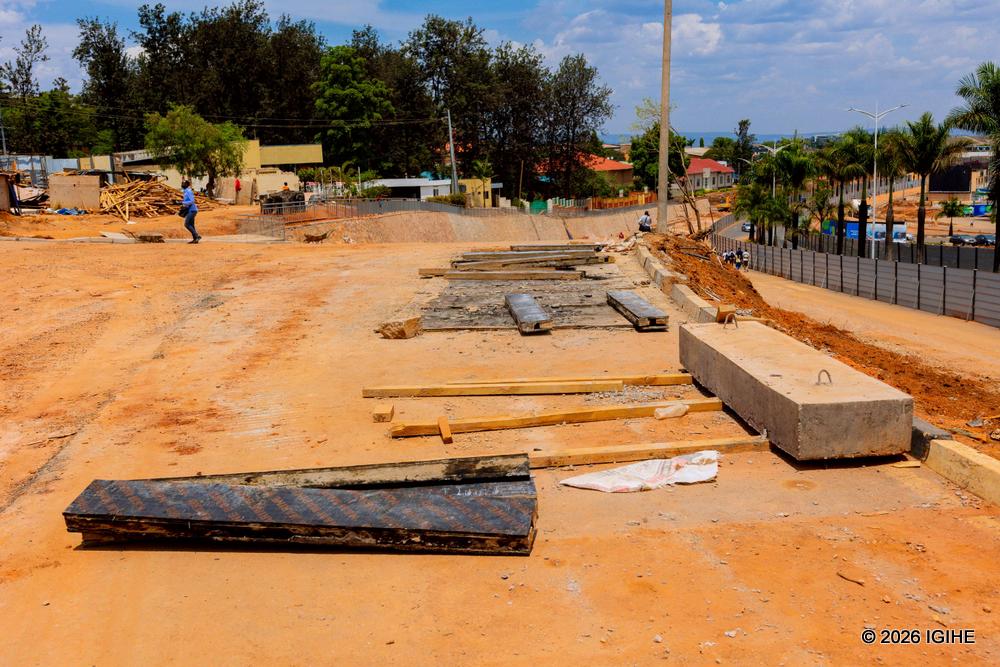
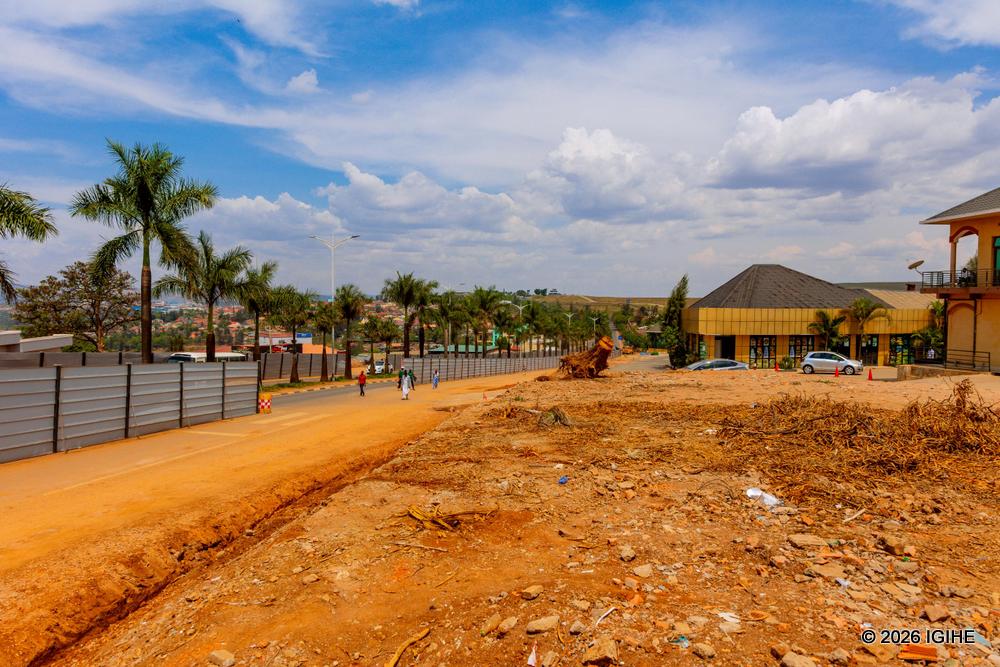
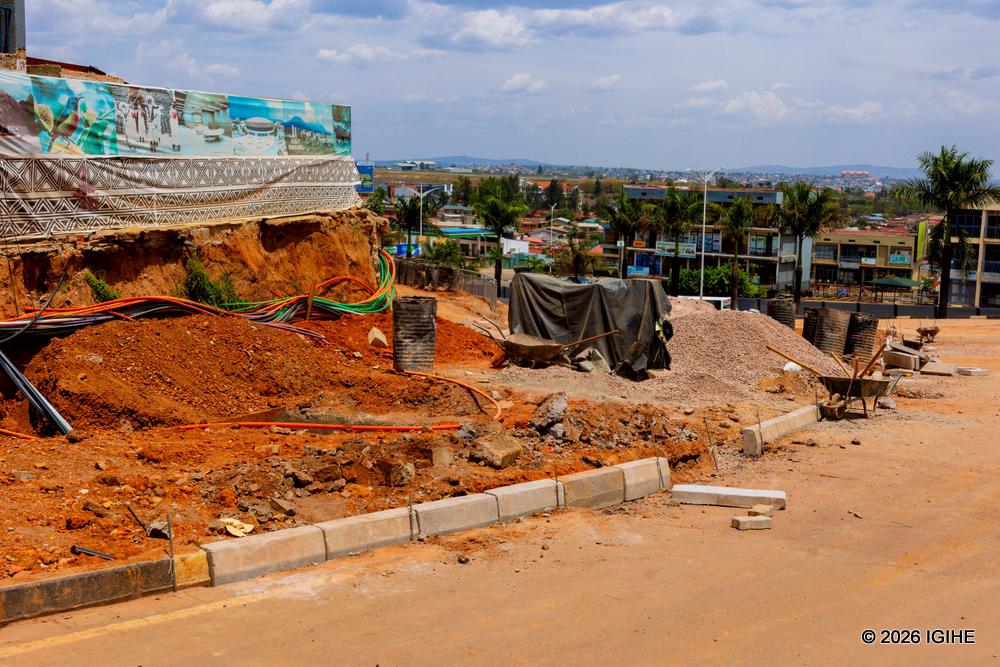
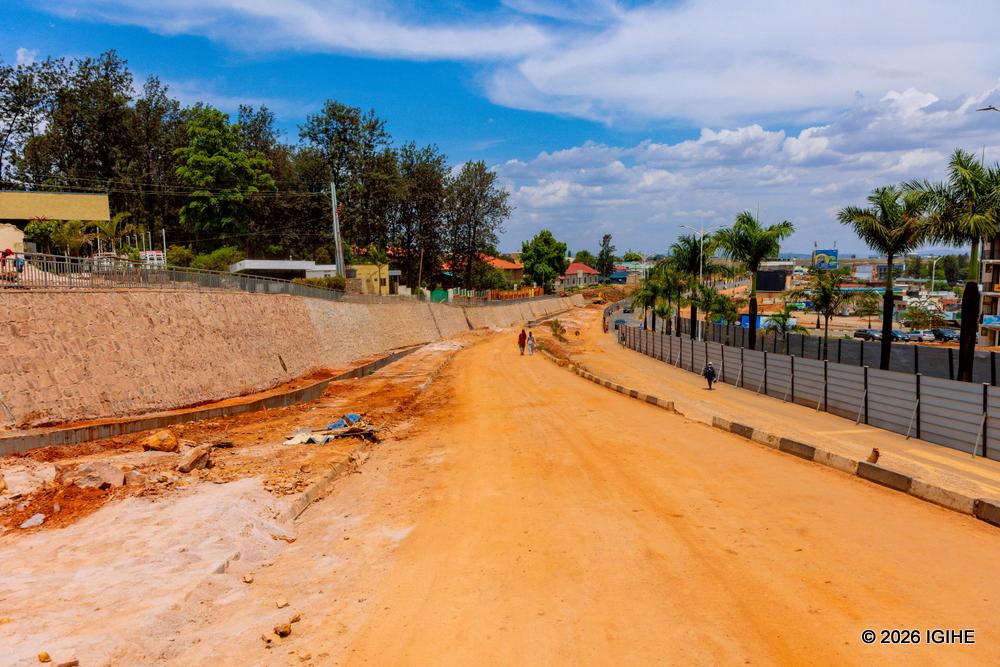
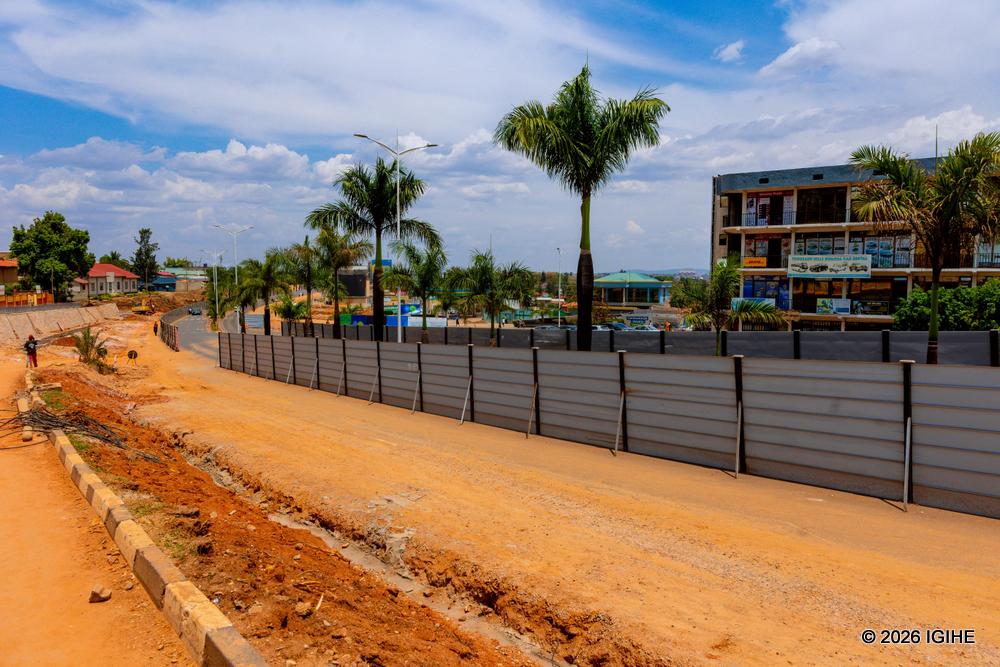
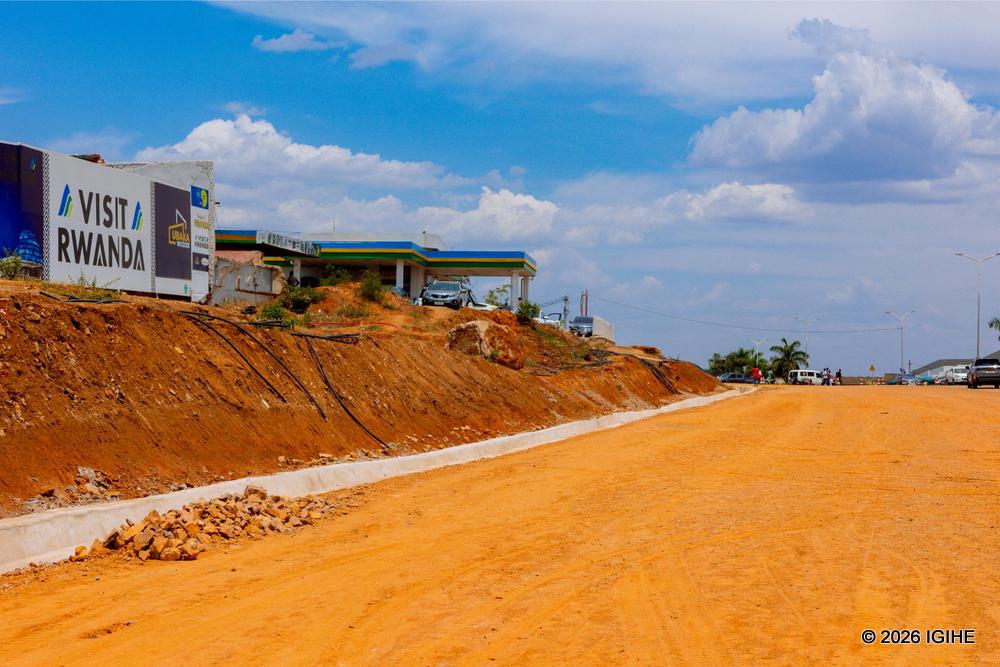
Among the works already completed is the widening and compaction of sections that will temporarily carry traffic as construction of the elevated section gets underway.
At Prince House, the starting point of the project, the road has been widened on both sides of the existing carriageway near the intersection leading towards Remera Bus Park. The newly widened sections have been compacted and are expected to carry traffic while the elevated road is being built.
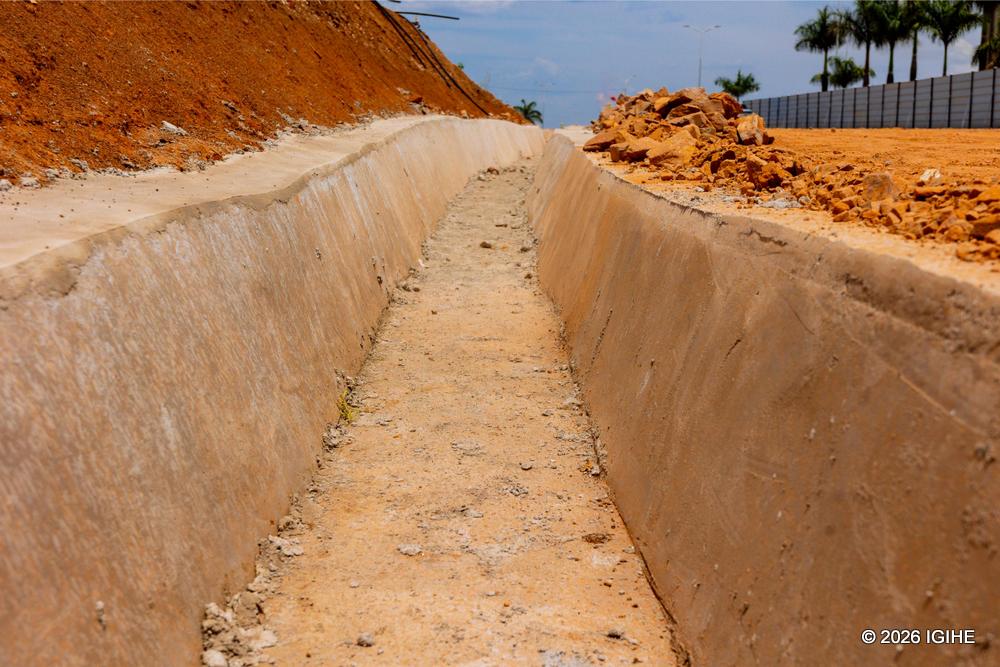
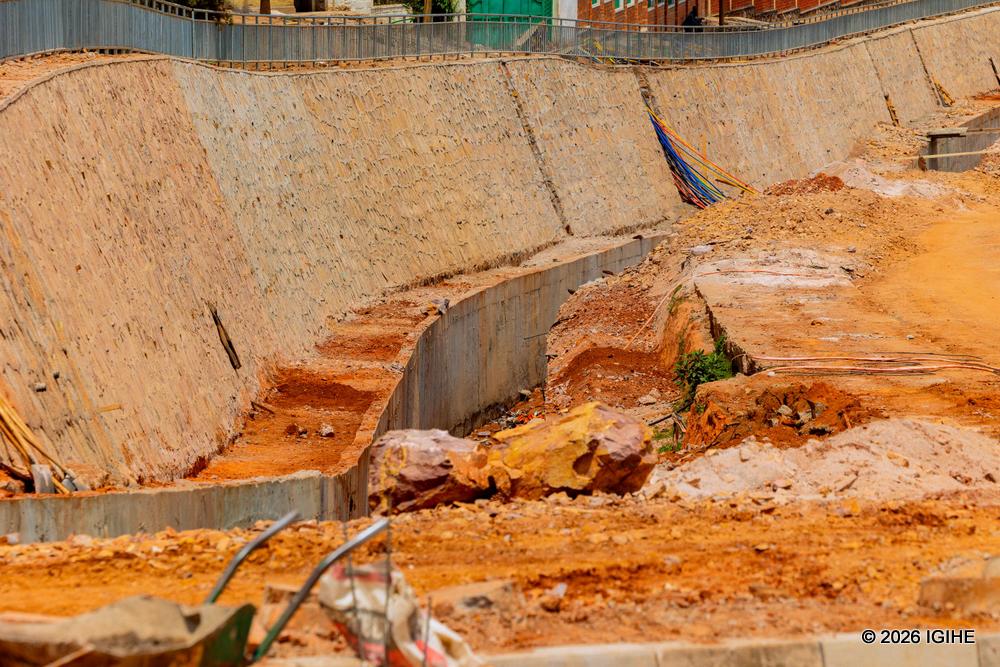
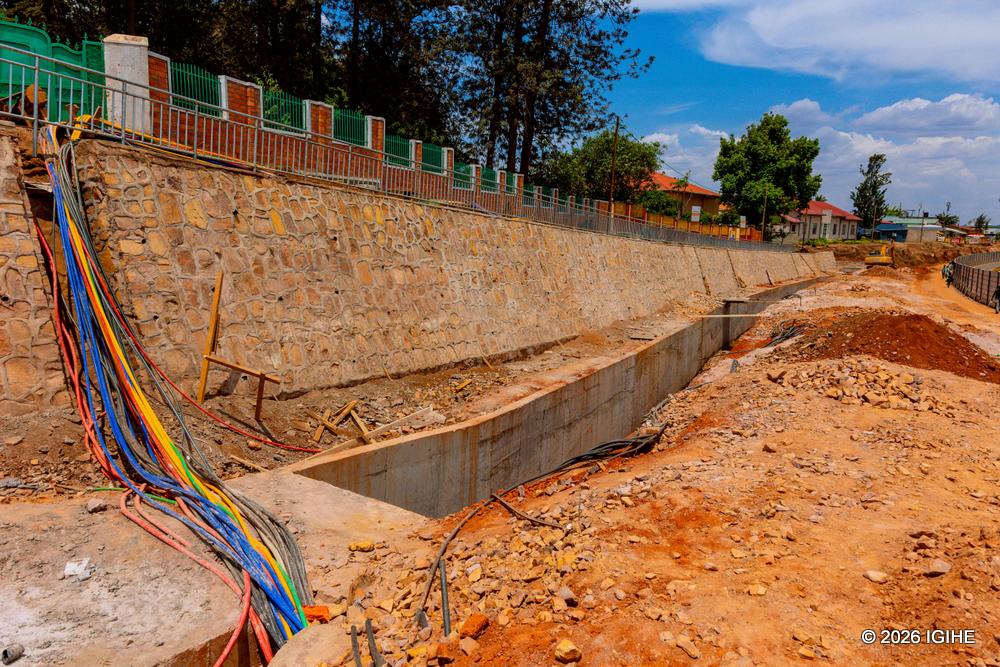
Drainage works are still underway on the upper side of this section.
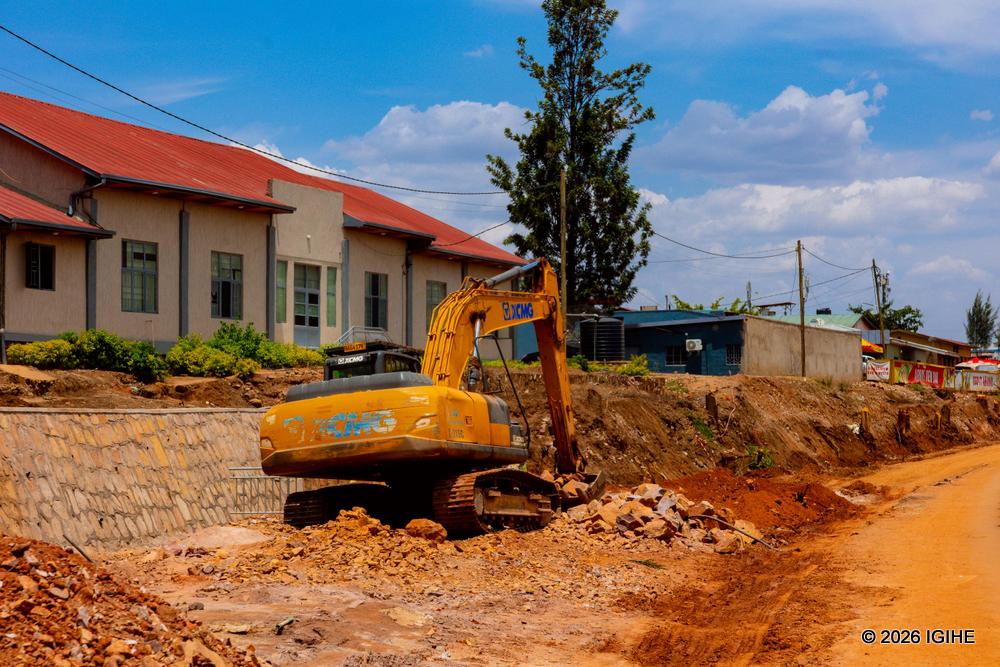
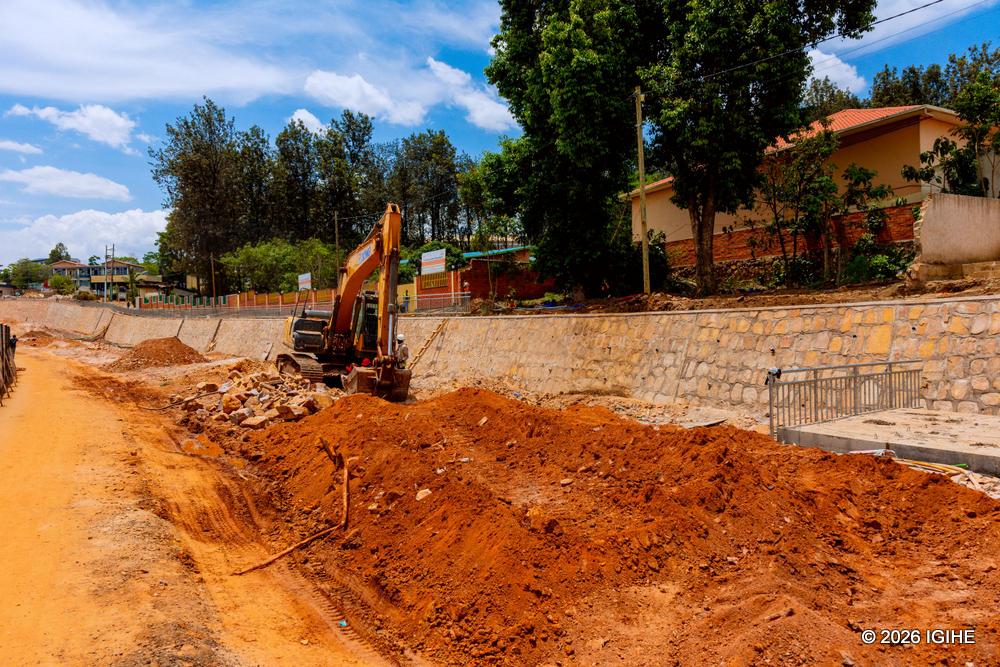
Further down the road, below Zigama CSS, a stone retaining wall above the road has been completed, while the section below it has also been compacted.
Another widened and compacted section runs from SABANS Pharmacy past Hilltop Hotel towards the intersection connecting to Kanombe and the road to an area known as ‘Kuri 15’ .
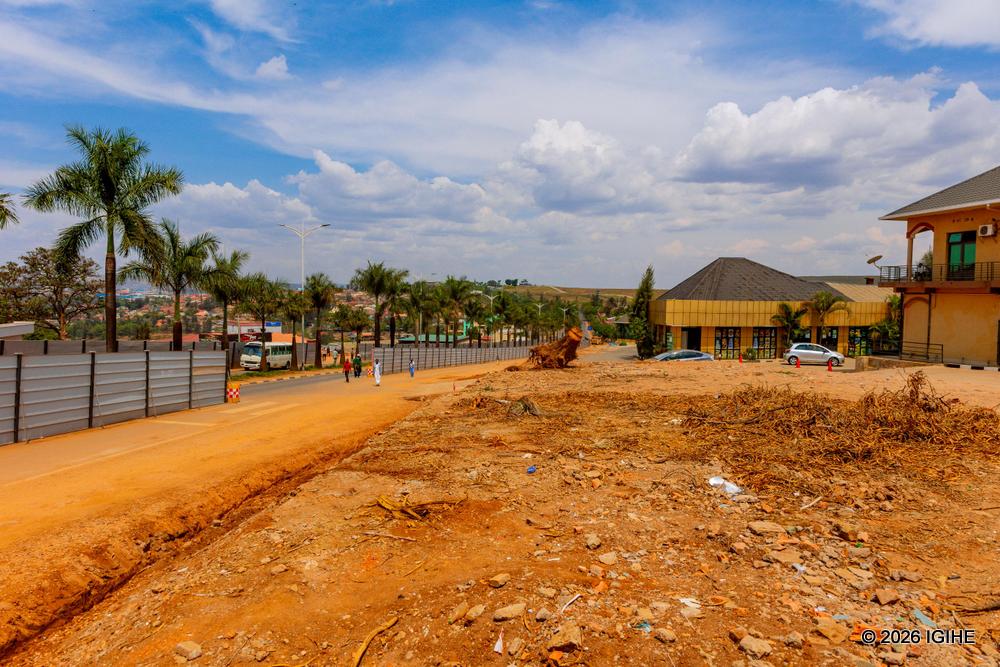
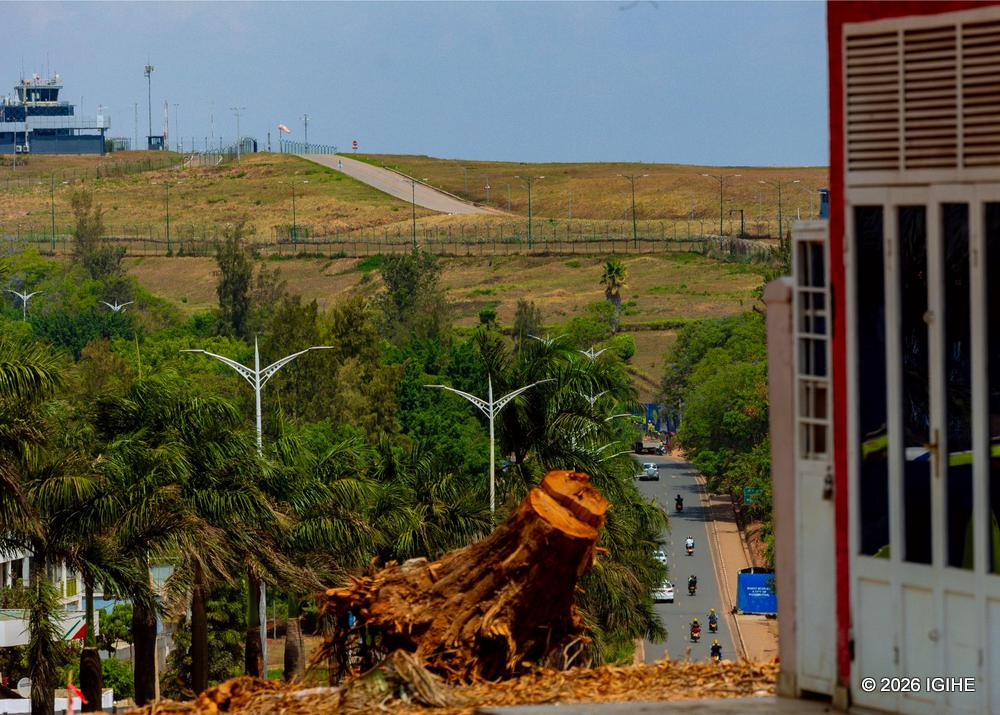
Traffic continues to use the existing tarmac section in the middle. From this intersection towards ‘Kuri 15’, trees along the upper side of the road have been cleared to make room for the expansion, although earthworks have not yet started.
Meanwhile, machinery is currently compacting the section running past Hilltop Hotel towards the Kanombe intersection.
Businesses expect new opportunities
Businesses along the road say they expect the project to bring more customers and create opportunities for expansion once construction is completed.
Ngabo Désiré, who runs Come Again bar near the road, said the project’s proximity to Kigali International Airport could increase the number of people visiting the area.
“This place is close to the airport, so the project will increase the number of people coming here. We plan to expand our services, construct a multi-storey building and add accommodation facilities. Being closer to the road will also be an advantage,” he said.
Iragena Rebecca, who manages a restaurant near SABANS, said the business has already recorded a 10% increase in customers, partly due to workers involved in the road project.
She said meals that previously took time to sell now often run out, sometimes requiring the restaurant to prepare additional food.
Ndikumana Zachée, manager of Epimac Resto & Coffee Shop, said traffic has declined in some areas because activities and structures have been removed to facilitate construction. However, he expects business to pick up once the road is completed.
“The elevated section will improve traffic flow, and we have enough space to expand our business if the number of customers increases,” he said.
Staff at The Planet Salon also expect to expand their services, saying some customers previously avoided the area because of congestion.
More jobs expected
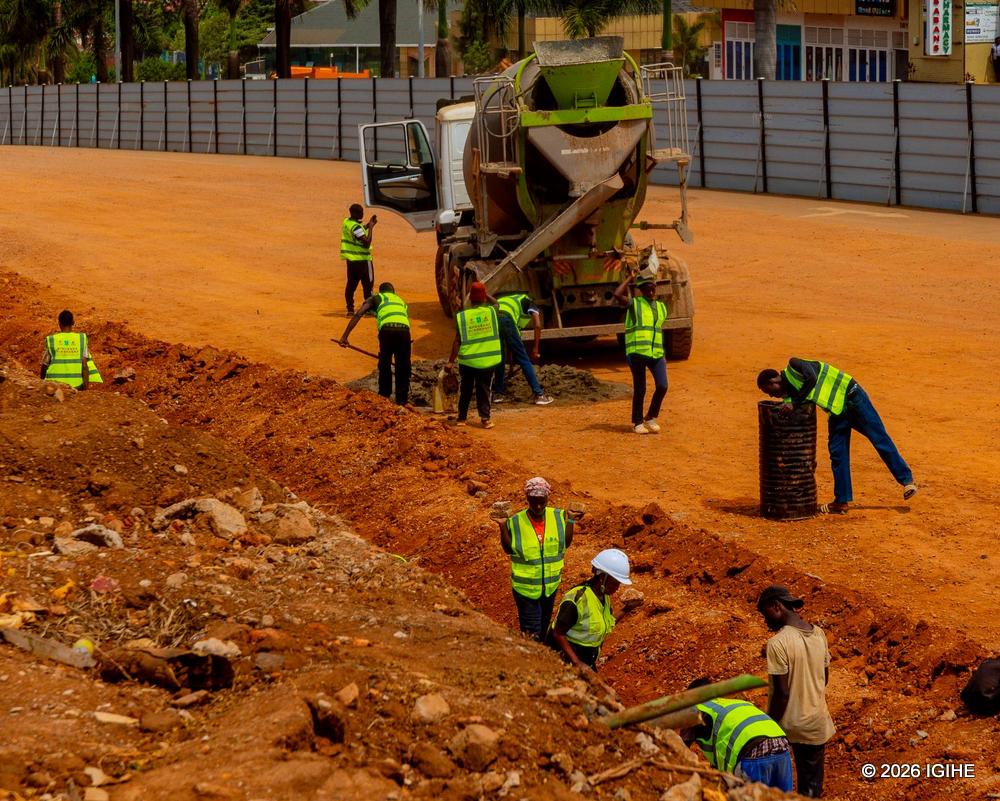
The Rwanda Transport Development Agency (RTDA) says 132 people are currently employed on the project, with more expected to be hired as construction activities increase.
Relocation of people and other activities along the road alignment are more than 95% complete.
Some workers said the project has provided them with a source of income and helped them meet household needs. One worker said he has earned Rwf130,000 per month over the past nine months, which has helped him pay his child’s school fees and cover other expenses.
The expanded road will have four lanes, up from the existing two, and will include a 1.3-kilometre elevated section.
The project is expected to take 30 months and cost more than Rwf130 billion. China will contribute Rwf95 billion, while Rwanda will provide Rwf35 billion.