In recent days, employees working in the building were informed to prepare for relocation. In a statement released on Monday, RDB stated that institutions previously operating in the building will be temporarily moved to alternative office spaces.
“Until the new premises are ready, One Stop Centre services are available at the Ground Floor of the Ministry of Infrastructure [Kimihurura KG 1 Roundabout, Kigali]. Other services will continue through RDB’s existing digital platforms,” reads the statement.
Institutions housed in the RDB Building include RDB, RCB, RMB, and RHA.
A building that has long attracted controversy
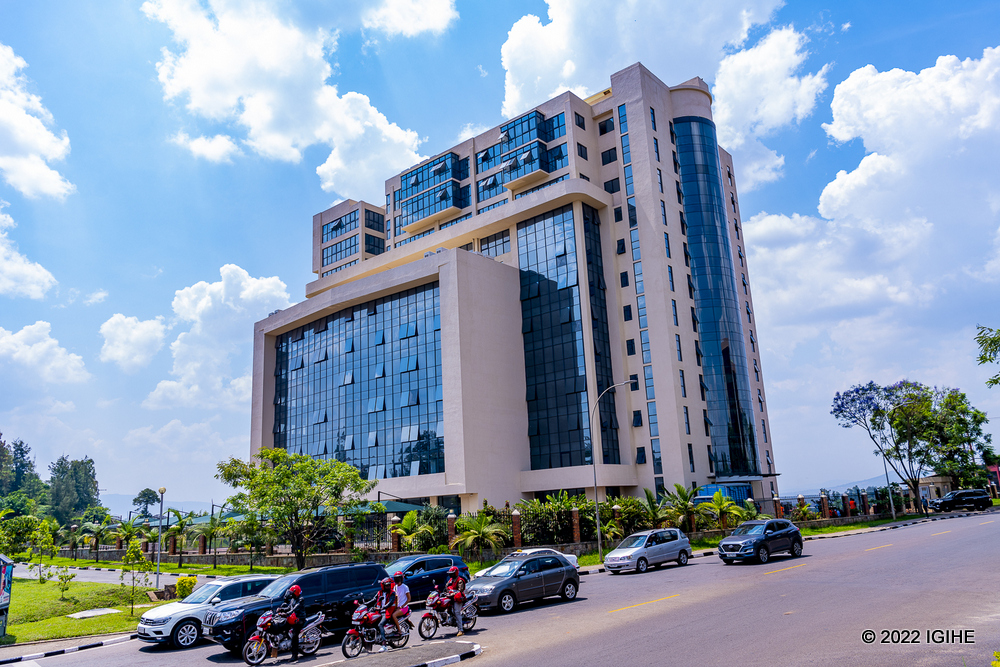
The RDB Building, located in Gishushu, is a 12-storey structure with four underground floors that can be used for various purposes, including parking and gym facilities. It has a total floor area of approximately 42,000 square metres.
The building was purchased by the government for Rwf 42 billion after concerns had been raised over its quality standards. The Rwanda Housing Authority (RHA) previously stated that it had conducted assessments to determine whether the building met required standards.
Analyses reportedly revealed several structural and construction-related issues, prompting corrective measures linked to both design and construction flaws.
Over time, these problems are said to have persisted and, in some cases, worsened, leading to growing concerns about the safety of occupants and the need for urgent intervention.
As a result, authorities decided to relocate all services from the building to ensure the safety of users while renovation works are undertaken.
The Deputy Director General of RHA, Dr Noël Nsanzineza, previously told Members of Parliament that, under the purchase agreement, the original owner was responsible for correcting the identified defects.
He stated: “According to the sale agreement, the issues were supposed to be corrected by the building’s owner. However, the contract also included a clause allowing us to withhold about Rwf 2 billion if the corrections were not made. The owner failed to fully address the problems despite some attempts, and we eventually decided to withhold the funds.”
The RDB Building, located in Gishushu, is a 12-storey structure with four underground floors that can be used for various purposes, including parking and gym facilities.
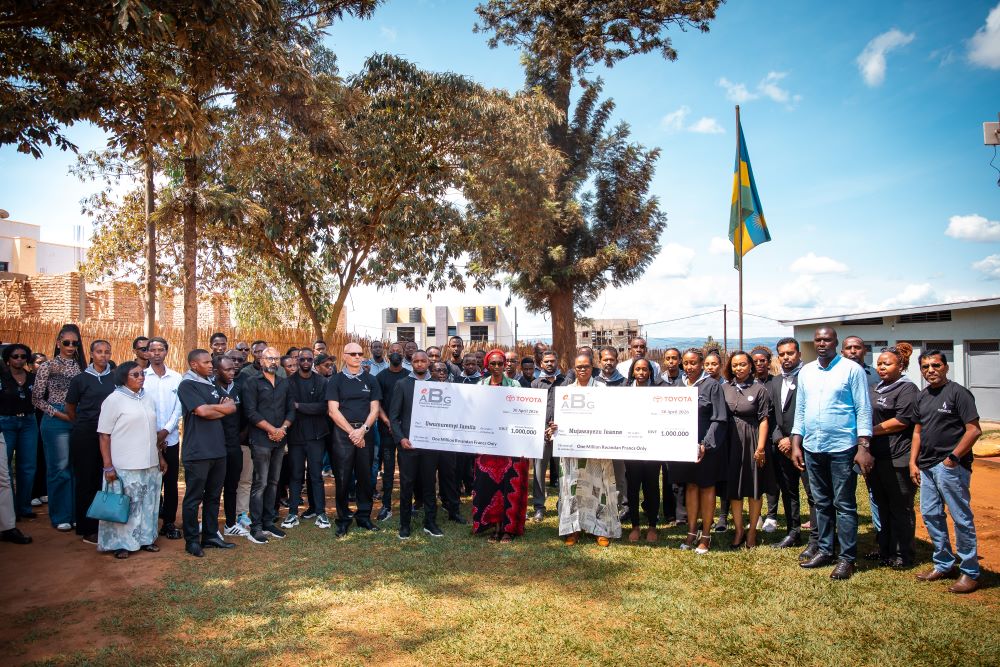
The commemoration event, held on April 30, 2026, began with a visit to Nyanza Genocide Memorial followed by a visit to Gahanga Sector in Kicukiro District. As part of its longstanding support to survivors, Akagera Busness Group and Toyota Rwanda provided a contribution of 1 million RWF each to two families from Gahanga and Kagasa, underscoring its dedication to solidarity and community impact.
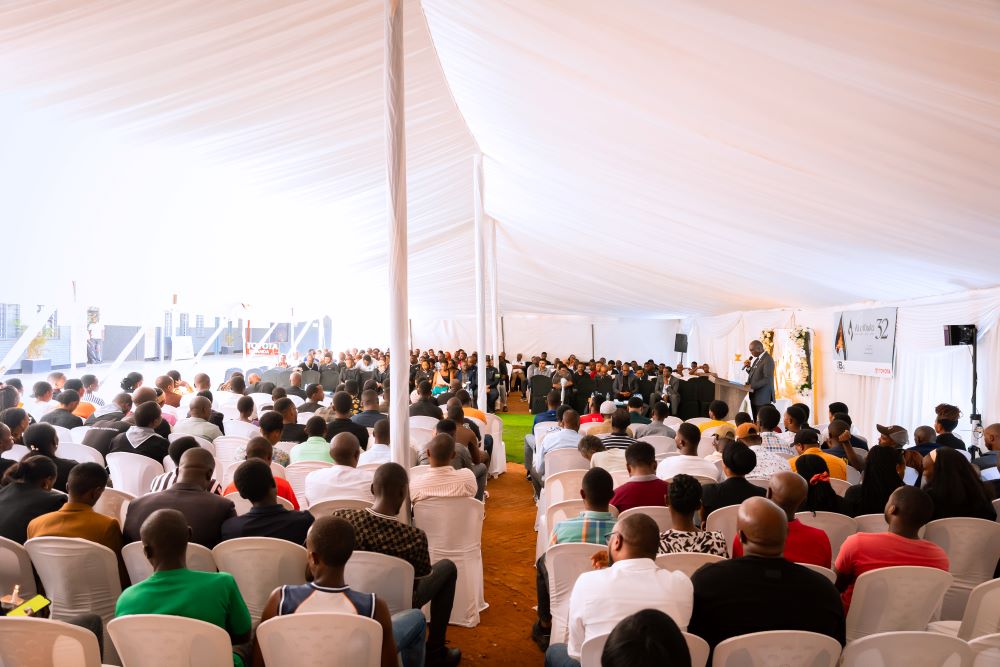
Employees later held commemoration talks at the company’s headquarter in Karuruma, Jali Sector, Gasabo District.
Dr. Théoneste Rutayisire, Head of Research at the Ministry of National Unity and Civic Engagement (MINUBUMWE), outlined Rwanda’s historical trajectory from the pre-colonial period, through colonial rule, to the Second Republic, which culminated in the 1994 Genocide against the Tutsi.
He stressed that genocide is never accidental but planned and systematically prepared over time.
“Genocide does not happen by accident. It is planned, as was the case in 1994. It was prepared and taught for over 30 years,” he said.
He noted that the genocide was not only orchestrated by political actors but also involved businesspeople and investors who played a role in its preparation and execution.
“In the preparation of the Genocide against the Tutsi, political power and financial influence were both used. Some businessmen benefited from bank loans to strengthen their enterprises, and later those same resources were used to support the genocide agenda,” he said.
Participants also heard testimony from genocide survivor and ABG employee Gilbert Gasore, who survived in the former Cyangugu Prefecture, Kimbogo Commune (now Mwururu Sector, Rusizi District). He shared his traumatic experience and the circumstances that enabled his survival.
Gilbert Gasore said he was 16 years old at the time and had already witnessed signs of preparation for the genocide, including the stockpiling and production of weapons used to kill Tutsi civilians in his area.
He dismissed claims that the genocide was triggered by the shooting down of the presidential plane, saying preparations had long been underway.
“In our area, a man known as ‘Byabeyi’ was responsible for sharpening spears and reinforcing clubs with nails. He would go into the forests searching for wood used to make these weapons,” he said.
He added that these weapons were produced under the instruction of a local youth, Théodore Rukeratabara, and were later used in attacks that killed Tutsi residents in the area.
The representative of Ibuka in Gasabo District, Madame Solange Mukanizeyimana, recalled the history of La Rwandaise during the Genocide, explaining how the Interahamwe looted vehicles that were in stock at Karuruma, leaving the company in a very bad state. She also expressed appreciation to the investors of both companies for coming to Rwanda, investing, and providing employment opportunities to Rwandans.
Member of Parliament Murora Beth urged employees of both companies, most of whom are young people, to take an active role in countering genocide denial and distortion of history, particularly on social media.
“I want to remind you that the battle of guns is over. Today, the fight continues on social media, where some people distort the history of the Genocide against the Tutsi. You must learn this history so that you are able to respond to such narratives,” she said.
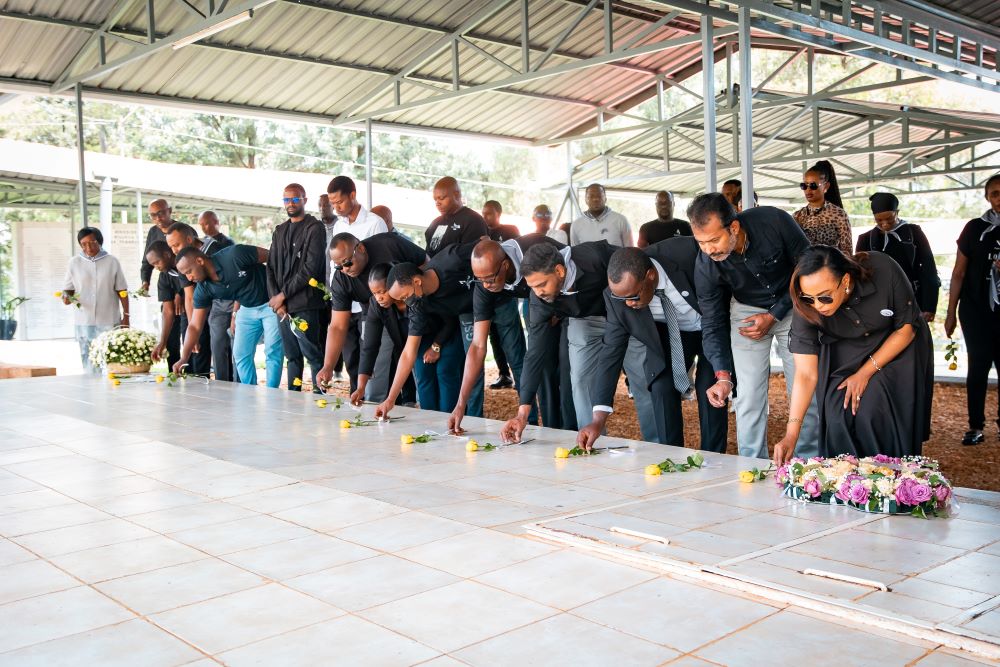
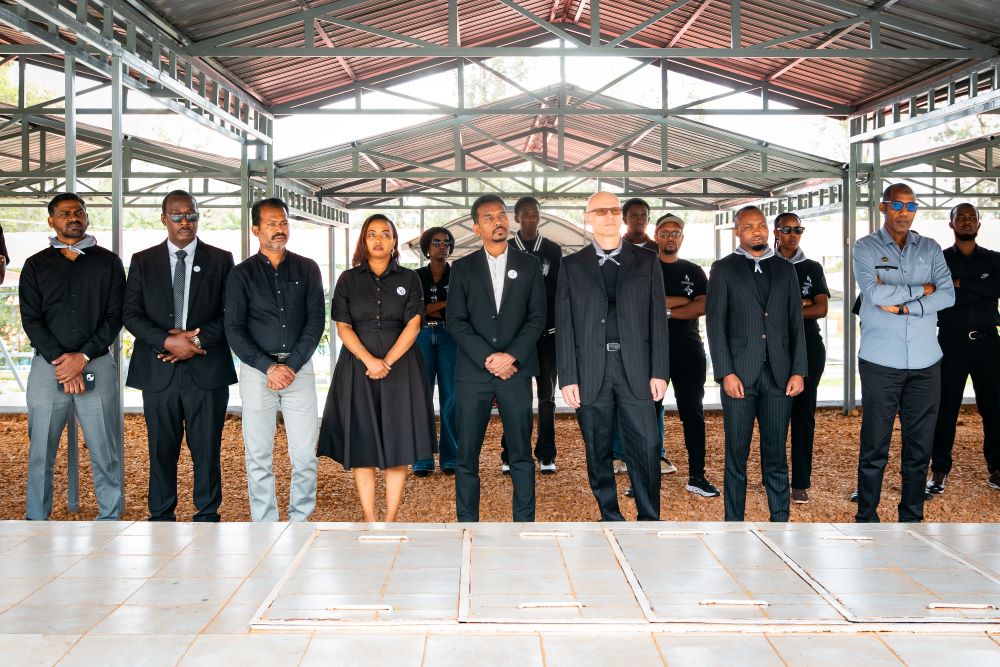
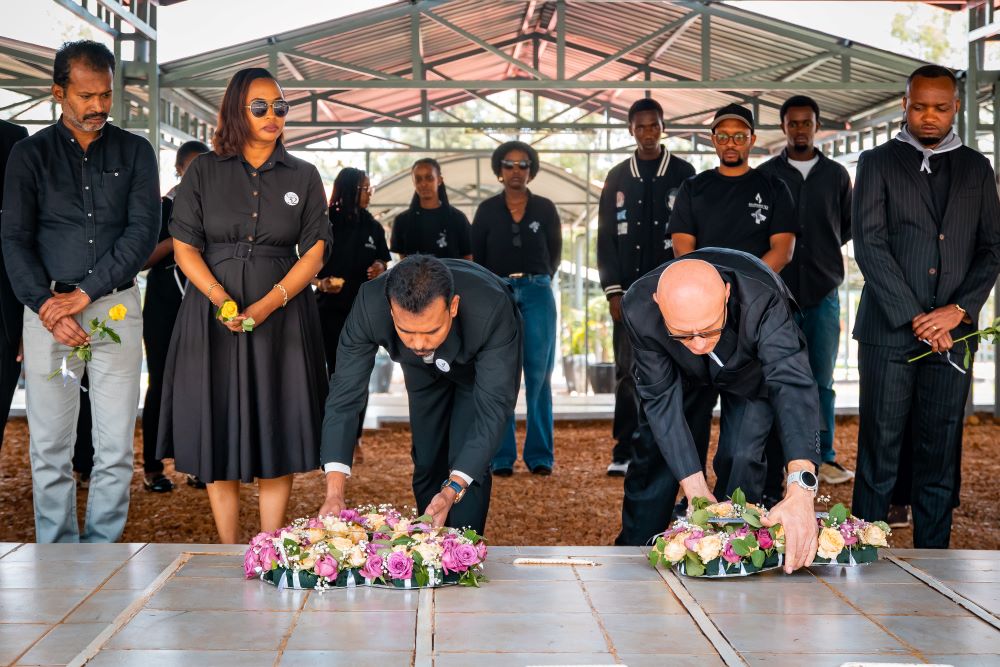
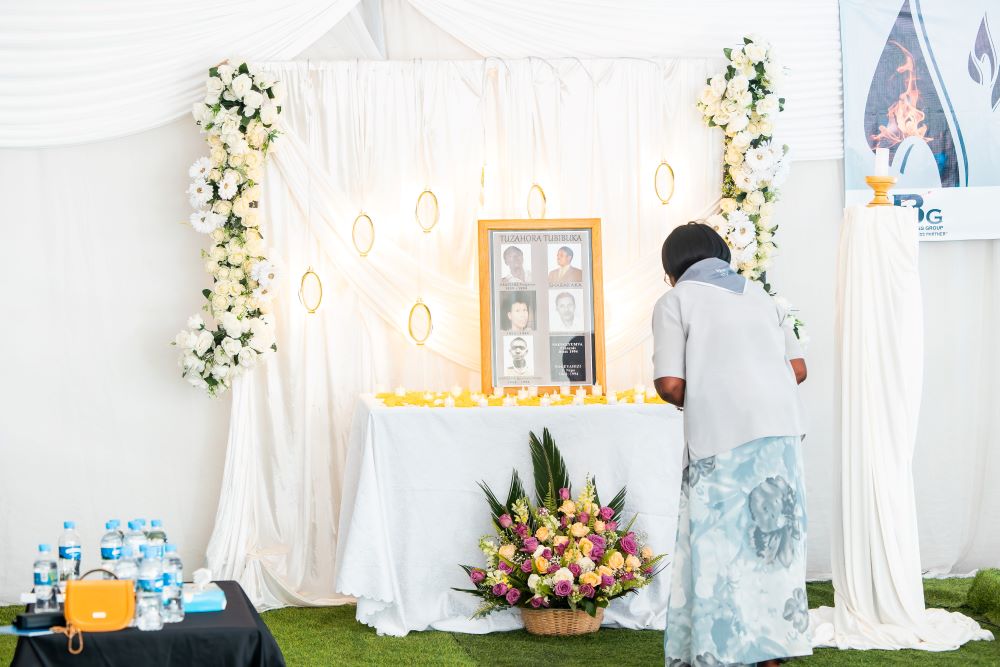
The commemoration included visits to Nyanza Genocide Memorial and Gahanga Sector as staff honored lives lost in 1994The management laying wreaths at the mass grave of Nyanza Genocide MemorialThe commemoration event, held on April 30, 2026, began with a visit to Nyanza Genocide Memorial followed by a visit to Gahanga Sector in Kicukiro District.As part of its longstanding support to survivors, Akagera Busness Group and Toyota Rwanda provided a contribution of Rwf 1 million each to two families from Gahanga and Kagasa.The commemoration event served as a moment for reflection, unity, and honoring the lives lost, while reinforcing the company’s commitment to remembrance and resilience. Employees also held commemoration talks at the company’s headquarter in Karuruma, Jali Sector, Gasabo District.
The team consisted of renowned broadcaster David Attenborough and photographer Martin Saunders. They were confident their work would proceed smoothly, having secured all the necessary permits from Rwandan authorities. In addition, they had the support of primatologist Dian Fossey, who had extensive experience studying gorillas in the Karisoke area, between Mount Karisimbi and Mount Bisoke.
According to Attenborough, their preparations had been thorough, with all required permissions in place and everything appearing well organized.
Dian Fossey, widely known in the Ruhengeri by a local nickname as Nyiramacibiri, had devoted her life to protecting mountain gorillas. Her work went far beyond feeding or treating them, she lived among them in the wild, even establishing a base in the volcanic mountains. She would later be killed under circumstances widely believed to be linked to powerful interests opposed to her conservation efforts.
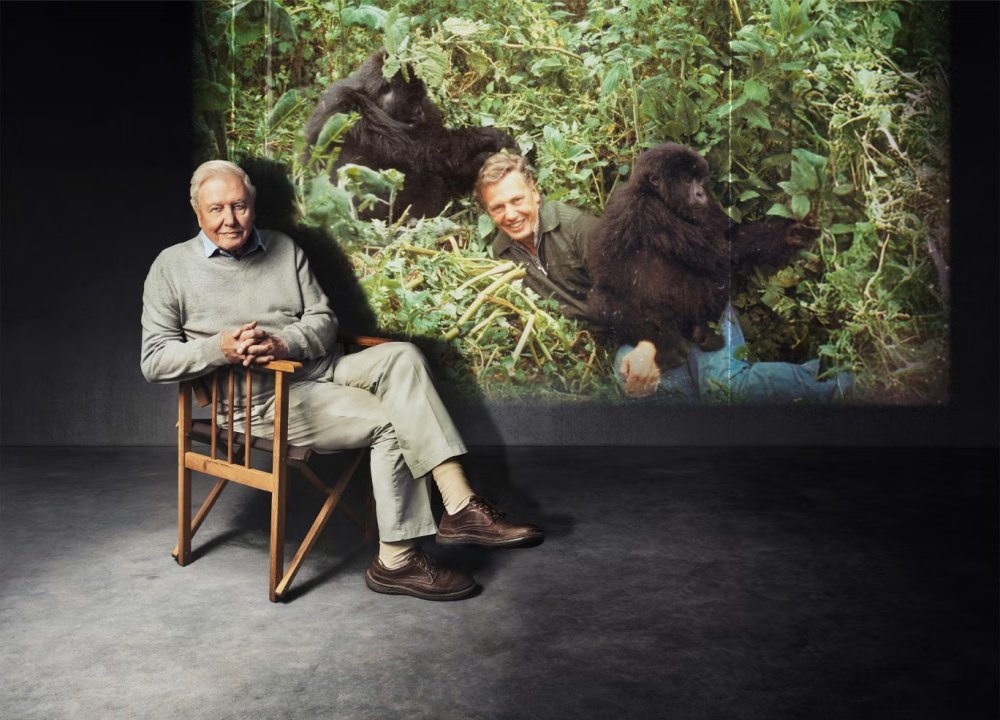
Filming the gorillas proved challenging for Attenborough, who was not yet accustomed to their behavior. At one point, a dominant male gorilla named Pablo climbed onto him, creating a moment of fear. Despite the tension, he remained focused and continued the work that had brought him there.
After completing the demanding work, Attenborough and Saunders returned to Kigali, preparing to head back to the United Kingdom with what they believed was an extraordinary story, one that would reveal to the world the complex and human-like nature of these animals.
Their journey from Ruhengeri had been filled with excitement, as they believed they had achieved something rare. However, as they approached Kigali International Airport, that sense of accomplishment quickly turned into fear. Attenborough began to wonder whether they would safely leave the country—or lose everything they had worked so hard to capture.
Gunfire suddenly erupted overhead. At first, they were unsure what was happening, but it soon became clear that they themselves were being targeted by Rwandan soldiers attempting to stop them, apparently suspecting them of wrongdoing.
Attenborough later described the confusion of the moment, recalling how they turned and saw armed security personnel approaching them.
The two men were stopped and quickly realized that the footage they had captured was at risk. Sensing danger, they discreetly rearranged how they stored their film in an effort to prevent it from being confiscated.
When the soldiers reached them, they demanded to inspect their belongings. However, the exact reason for the suspicion remained unclear—whether they were accused of threatening national security, illegal wildlife activities, or something else entirely.
They were taken away from the airport and first brought to a hotel. The following morning, they were transferred to a military facility, where they were made to stand in an open area under the sun, surrounded by armed personnel. At that moment, they feared for their lives, unsure whether they would be imprisoned, executed, or subjected to other forms of punishment.
Saunders later reflected that they were left standing in the heat without explanation, unable to understand what they were being accused of, which only heightened their anxiety about what might happen next.
After some time in detention, the authorities unexpectedly decided to release them. The two men were allowed to leave, greatly relieved—not only to have regained their freedom, but also because their valuable footage remained intact.
This dramatic episode is recounted in the documentary, Making Life of Earth: Attenborough’s Greatest Adventure, released by BBC on May 3, 2026, just days before Attenborough’s 100th birthday.
More recently, Attenborough has also been involved in another documentary released on April 17, 2026, on Netflix. This production also explores the lives of mountain gorillas and was created in collaboration with Silverback Films.
The film brought together contributions from several prominent figures in filmmaking, including James Reed, Alastair Fothergill, Leonardo DiCaprio, Jennifer Davisson, and Phillip Watson.
The project combined over 250 hours of footage captured between 2023 and 2024, along with archival material filmed by Attenborough during his time in Rwanda.
According to Fothergill, the original idea was simply to tell the story of gorillas. However, after discussions with the Dian Fossey Gorilla Fund—which has spent more than six decades protecting gorillas in Rwanda—the project gained momentum.
The concept evolved further when Fothergill approached Attenborough, who had previously worked on gorilla-related documentaries. Attenborough welcomed the idea and revealed that he had kept detailed notes from his earlier experiences in Rwanda, which could enrich the film.
The resulting documentary not only highlights how gorillas live, but also shows their complex social dynamics, including struggles for leadership and behaviors that often resemble human interactions.
Sir David and Martin during an excursion in ComorosThe film “Making Life of Earth: Attenborough’s Greatest Adventure,” features footages of a gorilla climbing onto Sir David Attenborough.
He made the remarks in an interview with state-run IRIB TV while noting that the U.S. response is being reviewed.
He stressed that Iran’s plan is exclusively focused on ending the war, and “nothing pertaining to the nuclear field’s details exists in it.”
“At present, we are focused on the parameters related to ending the war in the region, including Lebanon,” Baghaei added, stressing “we have no nuclear negotiation at this stage.”
Also on Sunday, Iranian Foreign Minister Seyed Abbas Araghchi briefed his Omani and German counterparts on Iran’s latest diplomatic efforts and initiatives to end the war.
In separate phone calls, Araghchi exchanged views with Omani Foreign Minister Sayyid Badr bin Hamad bin Hamood Albusaidi and German Foreign Minister Johann Wadephul on the latest regional and international developments, according to statements released by the Iranian Foreign Ministry.
On Feb. 28, Israel and the United States launched joint strikes on Tehran and other cities, killing Iran’s then-Supreme Leader Ali Khamenei, senior commanders, and civilians. Iran responded with waves of missile and drone attacks targeting Israel and U.S. interests in the region.
A ceasefire took effect on April 8, followed by talks between Iranian and U.S. delegations in Islamabad that failed to produce a deal.
On Feb. 28, Israel and the United States launched joint strikes on Tehran and other cities, killing Iran’s then-Supreme Leader Ali Khamenei, senior commanders, and civilians. Iran responded with waves of missile and drone attacks targeting Israel and U.S. interests in the region.
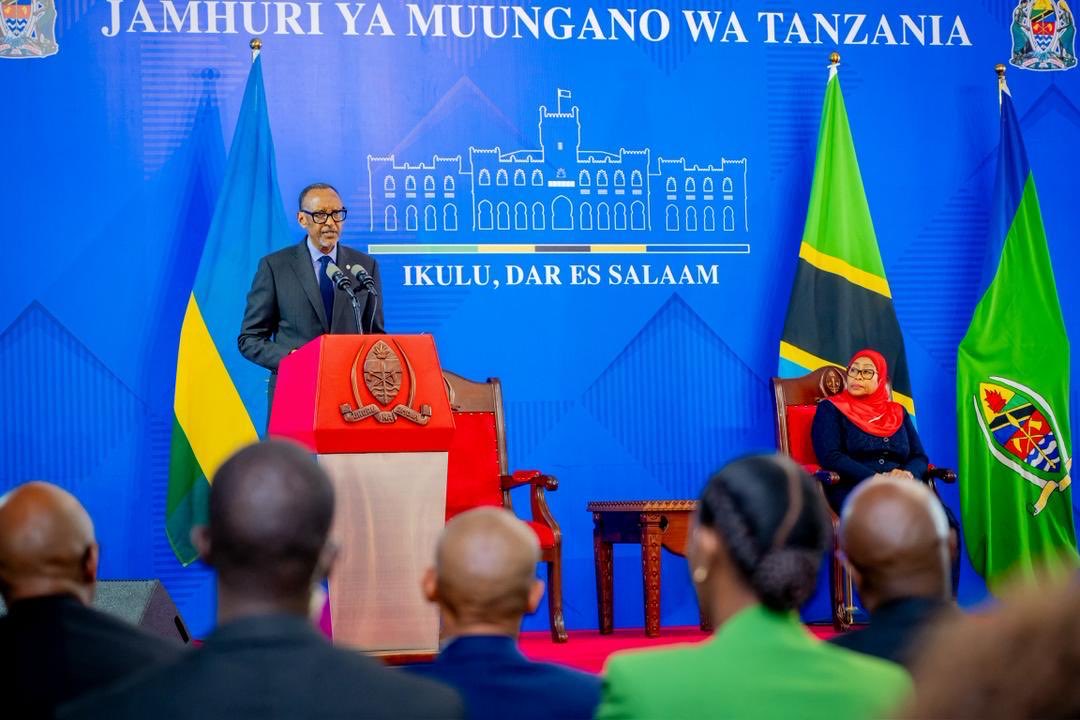
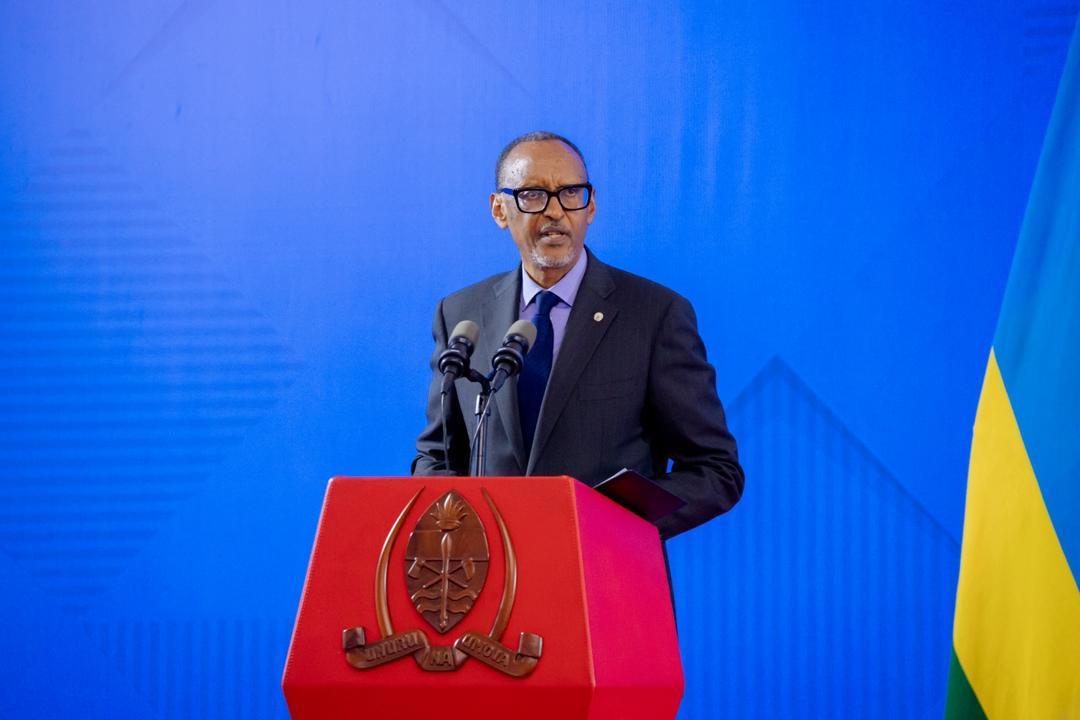
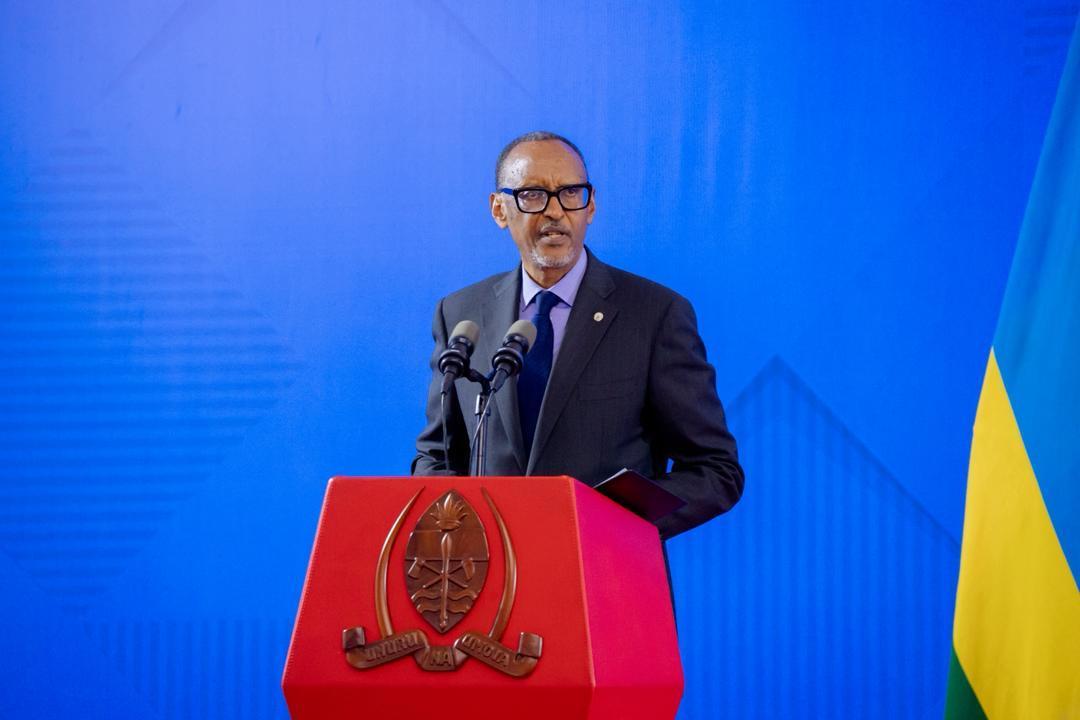
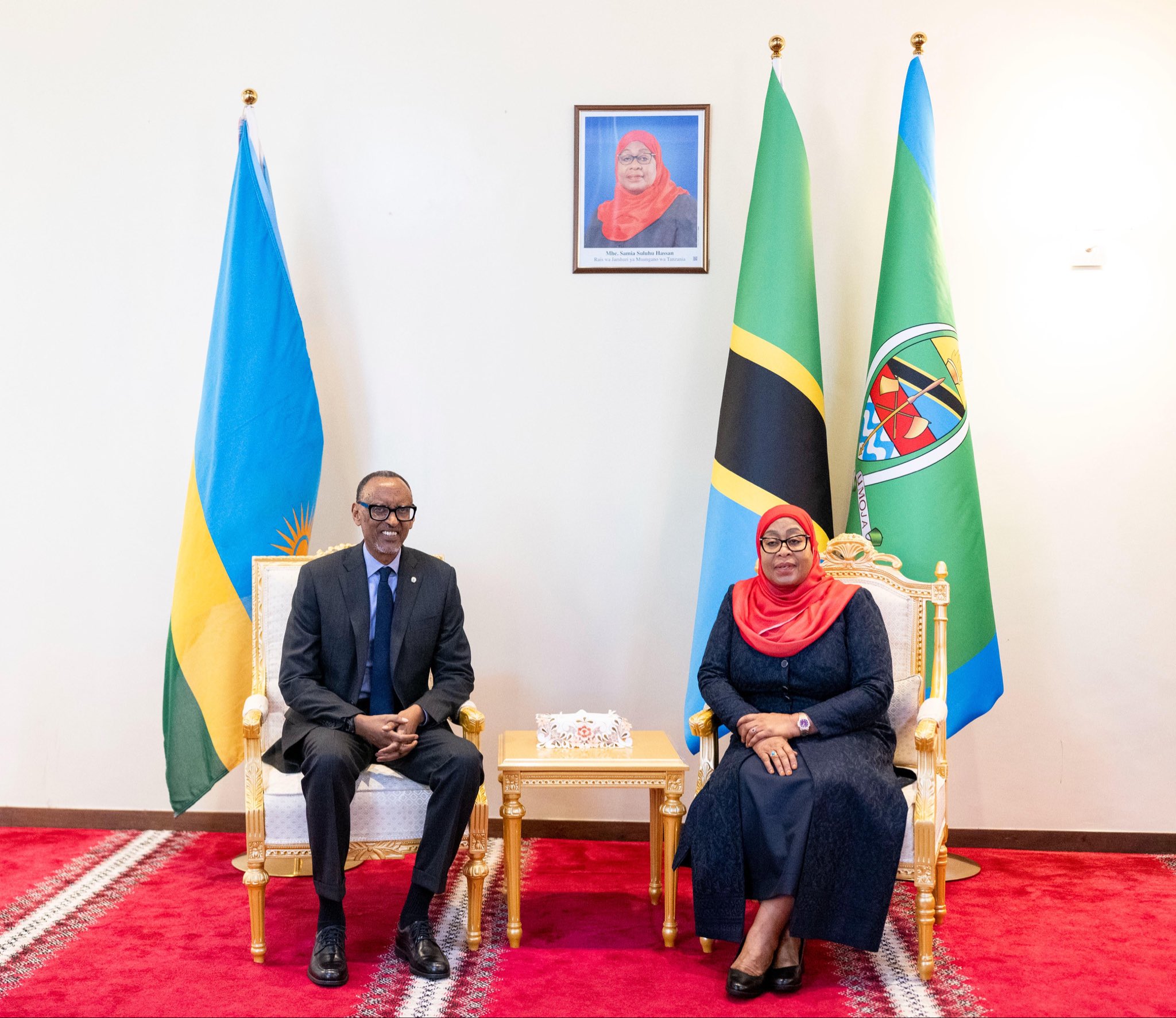
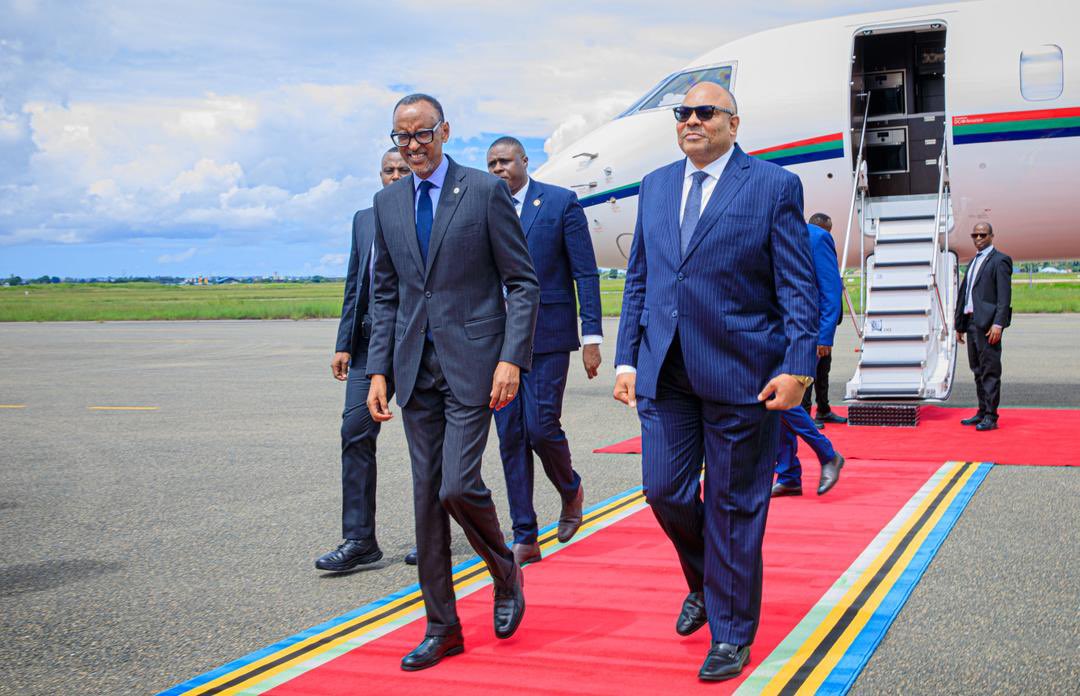
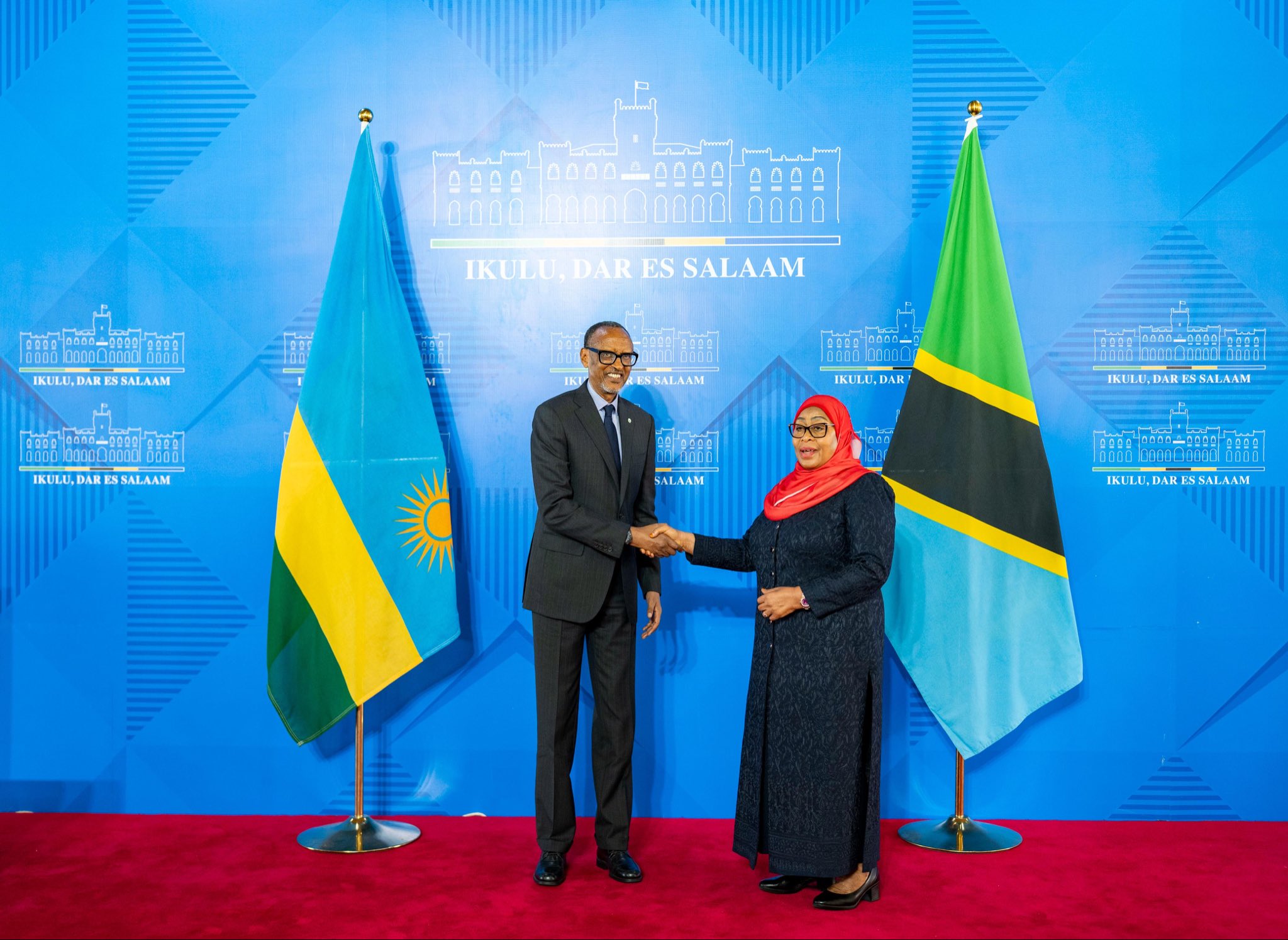
The announcement was made by President Paul Kagame during a joint press briefing in Dar es Salaam on Sunday, following high-level talks with his host President Samia Suluhu Hassan.
Rwanda, President Kagame said, will soon publicly honour Tanzanians whose actions during that time demonstrated exceptional heroism and compassion.
“Rwanda is currently in the period of commemoration of the Genocide against the Tutsi of 1994, and we shall soon have the opportunity to publicly recognise some Tanzanian citizens whose actions during that time demonstrated exceptional heroism and compassion,” he stated.
Tanzania was among the countries that hosted Rwandan refugees during the 1994 Genocide against the Tutsi.
Previously, particularly during the 30th commemoration in 2024, President Kagame highlighted Tanzania’s role in supporting Rwanda during that period, especially in facilitating the Arusha Peace Process, and paid tribute to the late former Tanzanian President Julius Nyerere for his contribution to laying the foundation for that process.
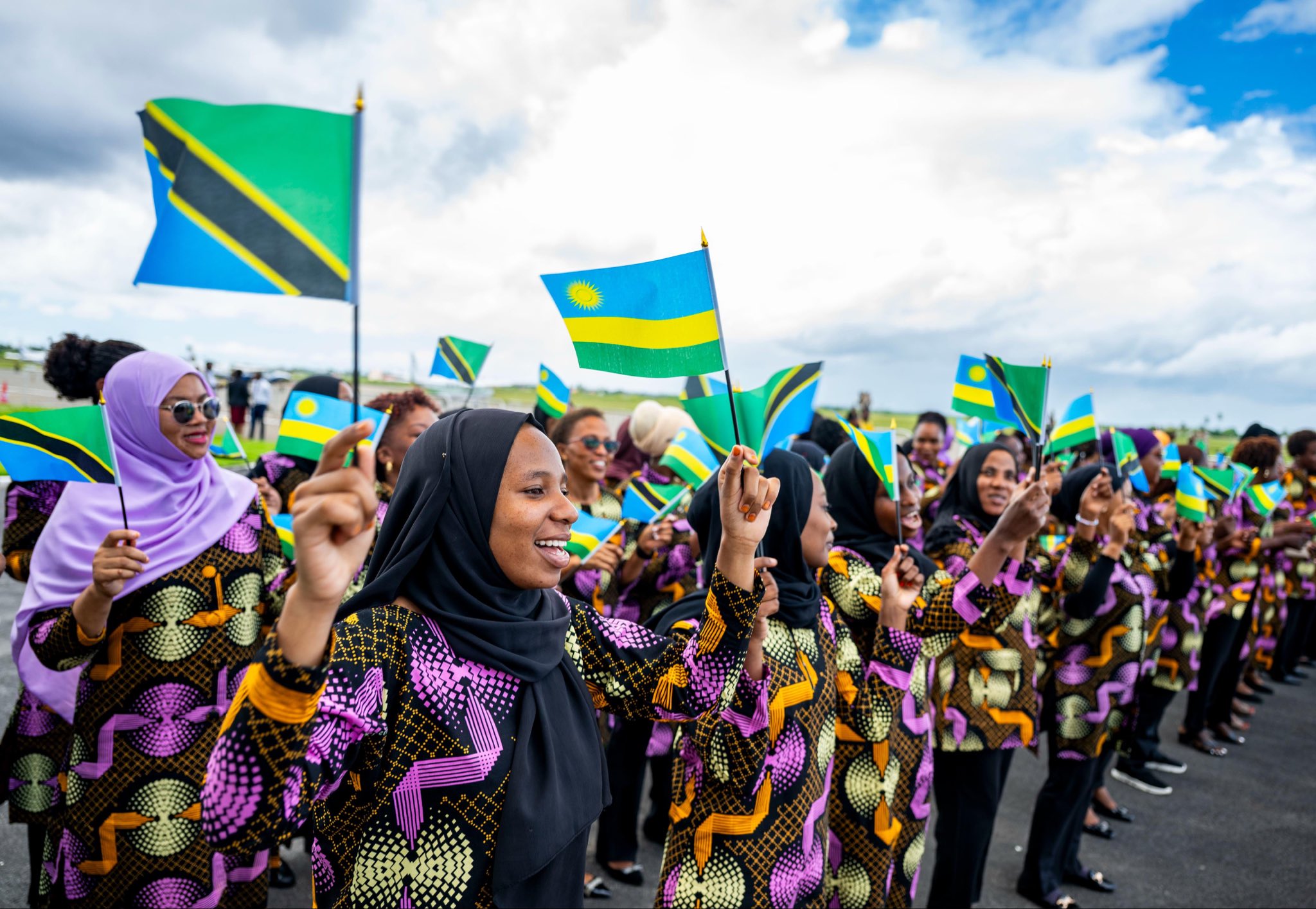
Speaking on Sunday, the Head of State also thanked Tanzania for its longstanding partnership, noting that the two countries share historic ties rooted in friendship, culture, and decades of cooperation.
President Kagame said discussions with President Samia were constructive and focused on strengthening the long-standing relationship between the two countries.
“Today, the President and I had a very constructive discussion building on the long-standing relationship between our two countries,” he said, adding that Tanzania remains a key partner for Rwanda across multiple sectors, particularly trade and logistics.
On her part, President Samia Suluhu Hassan said bilateral trade between the two countries has continued to grow steadily, reaching significant levels in recent years.
“Trade between our two countries has grown strongly, reaching about 644 billion Tanzanian shillings (approximately Rwf 360 billion) last year,” she said, noting that this reflects deepening economic cooperation and increased private sector engagement on both sides.
She added that Tanzania remains committed to further strengthening trade and investment ties with Rwanda through improved infrastructure and removal of trade barriers.
Kagame highlighted progress in trade and logistics cooperation, noting that discussions focused on strengthening systems to manage the growing volume of business between the two countries and advancing joint development projects.
He also underscored the importance of regional integration, citing collaboration within the East African Community and the African Union as key frameworks supporting bilateral relations.
The two leaders reaffirmed their commitment to ensure the full implementation of agreed projects, amid what they described as a period of global geopolitical uncertainty that calls for regional unity and shared purpose.
On economic cooperation, both sides agreed to deepen trade and investment ties, improve transport and logistics systems, and enhance infrastructure connectivity, including road and rail networks such as the Isaka–Kigali railway project.
Energy cooperation also featured in the discussions, including the Rusumo Hydropower Project involving Rwanda, Tanzania, and Burundi, as well as plans to expand electricity trade between TANESCO and the Rwanda Energy Group (REG).
The leaders also discussed telecommunications infrastructure, including strengthening cross-border fibre optic connectivity to improve digital services.
Kagame said Rwanda remains committed to working closely with Tanzania for the benefit of citizens in both countries and expressed appreciation for the warm reception extended to him and his delegation.
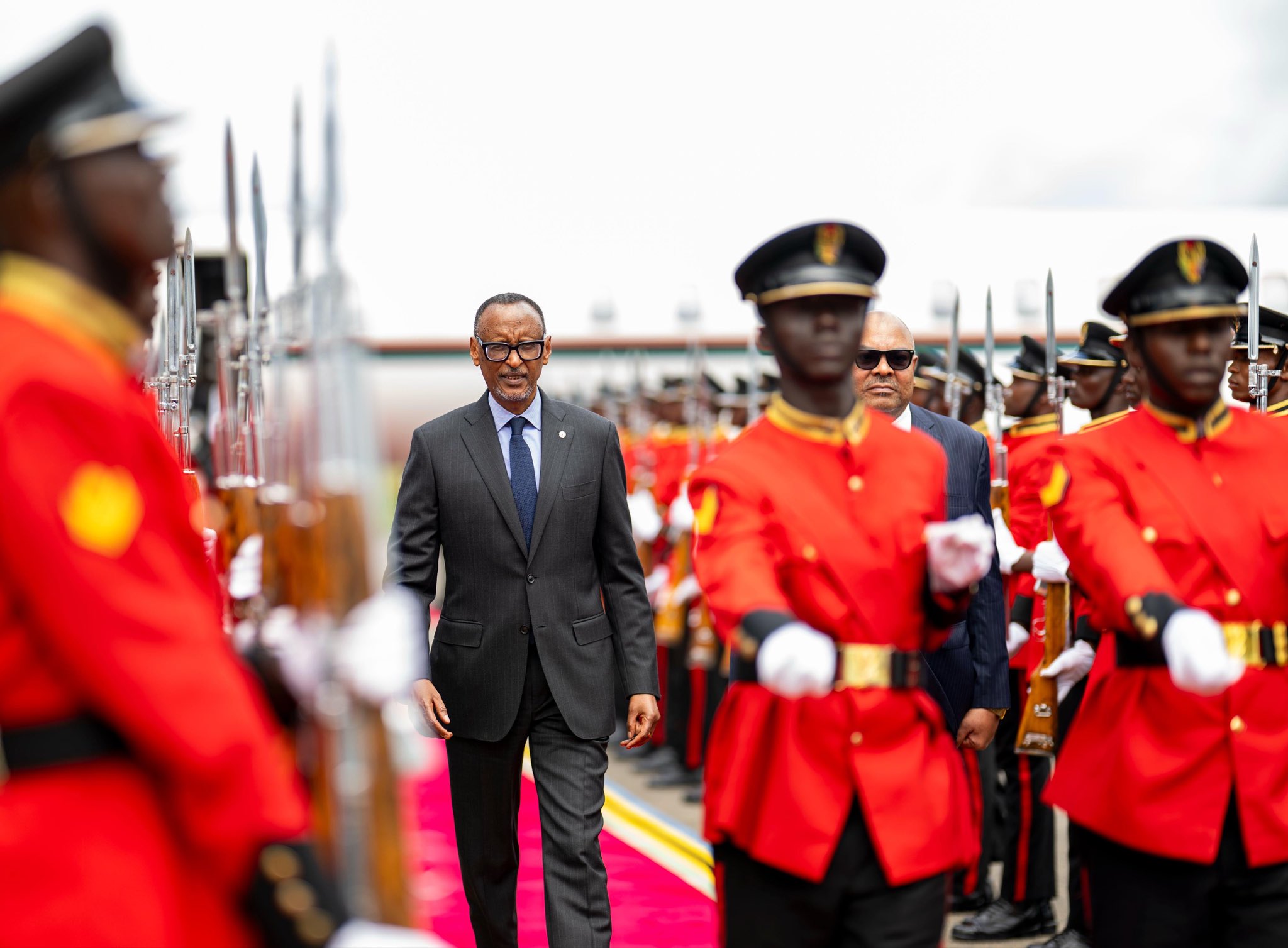
President Kagame said Rwanda will soon recognise Tanzanian citizens for their acts of courage and compassion during the 1994 period of the Genocide against the Tutsi.President Kagame arrived in Tanzania on Sunday for a one-day working visit.
President Kagame is in Tanzania for a one-day working visit, where he held talks with President Suluhu before addressing a joint press conference on Sunday afternoon.
Welcoming the Rwandan leader, President Samia described Tanzania and Rwanda as long-standing partners and historic friends whose relations are anchored in shared culture, close people-to-people ties, and decades of cooperation dating back to pre-colonial times.
“Tanzania and Rwanda are not only neighbours, but also brothers and friends. Our brotherhood and friendship is historic and rooted in shared history and values,” President Samia said.
She noted that the two countries continue to work closely at bilateral, regional, and multilateral levels, including within the East African Community (EAC), the African Union (AU), the Non-Aligned Movement, and the United Nations.
The leaders highlighted the role of the Joint Permanent Commission for Cooperation (JPC), established in 1976, which remains the main framework guiding collaboration across sectors such as trade, investment, agriculture, energy, petroleum, transport infrastructure, defence, security, and immigration. The 16th session of the commission was held in Kigali last July.
Trade and investment featured prominently in the discussions, with President Samia noting that bilateral trade reached 644 billion Tanzanian shillings last year (approximately Rwf 360 billion).
“We are encouraged by the steady growth in trade between our two countries, which reflects the strength of our partnership,” she said.
She also pointed to growing investment flows, including 42 projects from Rwanda worth 325.5 million US dollars registered since March, which have created more than 2,200 jobs in Tanzania.
She further highlighted Tanzanian investments in Rwanda, including companies such as Bakhresa, Magodoro Dodoma, Discount Centre, Jambo Plastics, Sagar Enterprises, Buffalo Travel & Tours, Maxcom Africa, Gasabo Grain Milling Company, LCM Delta Company, and Matrix Integrated Consultancy, underscoring expanding private sector participation in both economies.
A central focus of the talks was transport and logistics, particularly the role of Tanzanian ports in facilitating regional trade. President Samia noted that about 70 percent of Rwanda’s cargo passes through Tanzanian ports, amounting to approximately 1.6 million tonnes annually.
“It is our responsibility, as we are the ones with ports in this region, to ensure efficient and reliable services to our neighbours who are land-linked,” she said.
The two leaders agreed to strengthen port operations through special logistics arrangements to improve the efficiency of cargo handling for Rwanda. They also reaffirmed commitment to advancing road and rail connectivity, with particular attention to the Isaka–Kigali railway project, which is expected to significantly improve the speed and cost of transporting goods between the two countries.
Energy cooperation was another key area of discussion, with both leaders reaffirming commitment to the Rusumo Hydropower Project, a regional initiative involving Rwanda, Tanzania, and Burundi that generates 80 megawatts of electricity.
“We are committed to ensuring that regional energy projects like Rusumo deliver shared benefits to our people,” President Samia said.
They also agreed to strengthen electricity trade between TANESCO and the Rwanda Energy Group (REG) to support industrial growth and regional energy integration.
President Kagame welcomed the progress in bilateral cooperation, noting that Tanzania remains a key partner for Rwanda in trade and logistics.
“Tanzania has been a key partner for Rwanda. Over the years, we have strengthened our cooperation across many sectors, particularly trade and logistics, which has helped connect Rwanda to global markets,” he said.
He emphasized the need to further improve systems that can efficiently manage growing trade volumes and ensure full implementation of joint development projects.
“Our discussions focused on how to build further on this foundation and ensure our systems are well equipped to handle the growing volume of business between our two countries,” he added.
In the communications sector, the leaders discussed expanding telecommunications infrastructure, including enhanced use of Tanzania’s fibre optic network in Rwanda to improve digital connectivity and service delivery.
Beyond economic cooperation, President Samia and President Kagame also exchanged views on peace, security, and regional stability, reaffirming their commitment to continued collaboration within international frameworks.
Additionally, President Kagame noted that Rwanda, currently in the commemoration period of the 1994 Genocide against the Tutsi, would soon recognise Tanzanian citizens who demonstrated exceptional courage and humanity during the time.
President Kagame is in Tanzania for a one-day working visit,President Kagame held bilateral talks with his Tanzanian counterpart, Samia Suluhu, before addressing a joint press conference on Sunday afternoon.
The visit follows that of Tanzania’s Minister of Foreign Affairs and East African Cooperation, Mahamoud Thabit Kombo, who visited Rwanda at the end of March 2026, with the aim of advancing cooperation between the two nations.
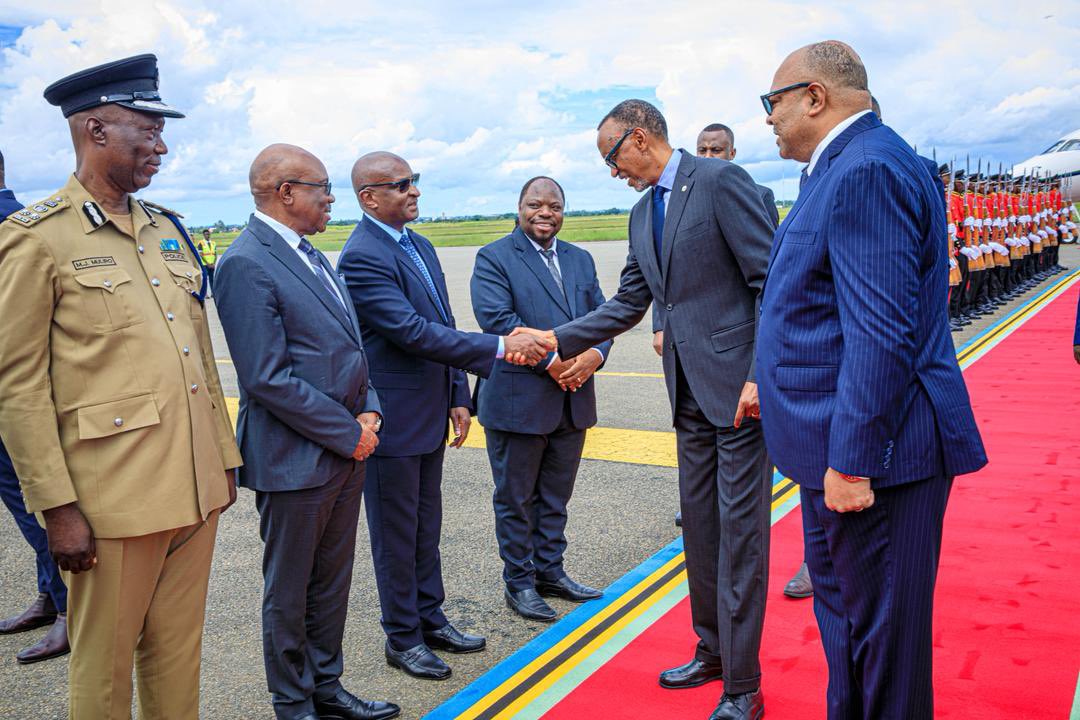
Upon arrival at Dar es Salaam International Airport, President Kagame was received by Minister Kombo and other senior officials.
He is expected to hold talks with his counterpart, President Dr. Samia Suluhu Hassan, focused on deepening bilateral cooperation and strengthening existing partnerships, which will be followed by a joint press conference.
Rwanda has consistently highlighted the strong and long-standing relations with Tanzania, particularly appreciating access to the Port of Dar es Salaam on the Indian Ocean, through which about 70% of its imports are routed.
Citizens of both countries have also established two friendship associations aimed at fostering closer ties: RWATAFA (Rwanda–Tanzania Friendship Association) and TARAFA (Tanzania–Rwanda Friendship Association).
The two countries have signed multiple cooperation agreements in key sectors, including trade, agriculture, security, technology, transport, and industrial development, concluded over different periods.
In July 2025, Rwanda and Tanzania agreed to establish a Tanzania Ports Authority (TPA) office in Kigali, a move expected to enhance and accelerate trade facilitation between the two countries.
As members of the East African Community (EAC), Rwanda and Tanzania also continue to collaborate on major regional infrastructure projects, including the planned railway line linking Isaka and Kigali, aimed at improving the movement of goods and boosting regional integration.
President Paul Kagame arrived in Tanzania on May 3, 2026, for a one-day working visit.The visit follows that of Tanzania’s Minister of Foreign Affairs and East African Cooperation, Mahamoud Thabit Kombo.President Kagame and his host, President Samia Suluhu Hassan of the United Republic of Tanzania, are scheduled to hold a tête-à-tête meeting, which will be followed by a joint press conference.The talks will be focused on deepening bilateral cooperation and strengthening existing partnerships.
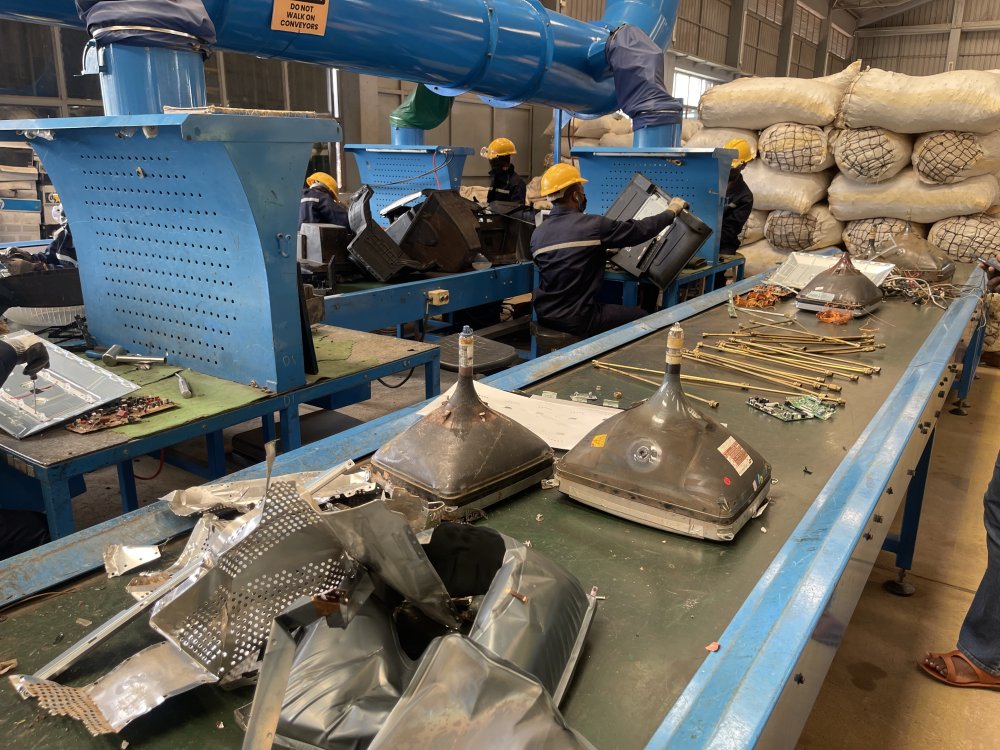
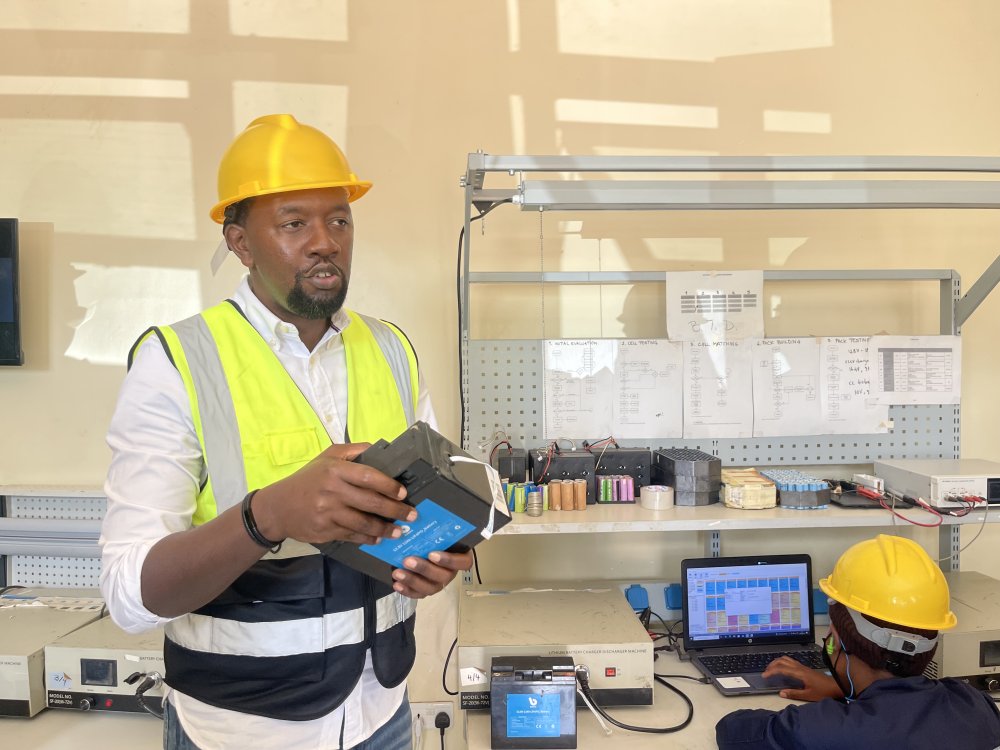
The company, which began operations in 2018, is based in the Bugesera Industrial Zone and currently collects at least 40% of obsolete electronic waste generated in the country. Its operations aim to reduce environmental pollution linked to electronic waste while recovering valuable materials and extending the lifespan of usable devices.
Electronic waste, commonly referred to as e-waste, includes discarded devices such as mobile phones, computers, televisions, kettles, refrigerators, microwaves, irons, printers and other household electronics that are no longer in use but often remain stored in homes.
According to Enviroserve Rwanda Country General Manager Olivier Mbera, many households continue to keep unused electronics despite the environmental and health risks associated with prolonged storage of such items.
“We have collected up to 8,500 tonnes of electronic waste since we started operating,” Mbera said. “Once these items arrive at the facility, they are either refurbished or dismantled to recover useful components. Each year, we refurbish about 10,000 computers, around half of which are reused in schools, while the rest are sold for use by the general public.”
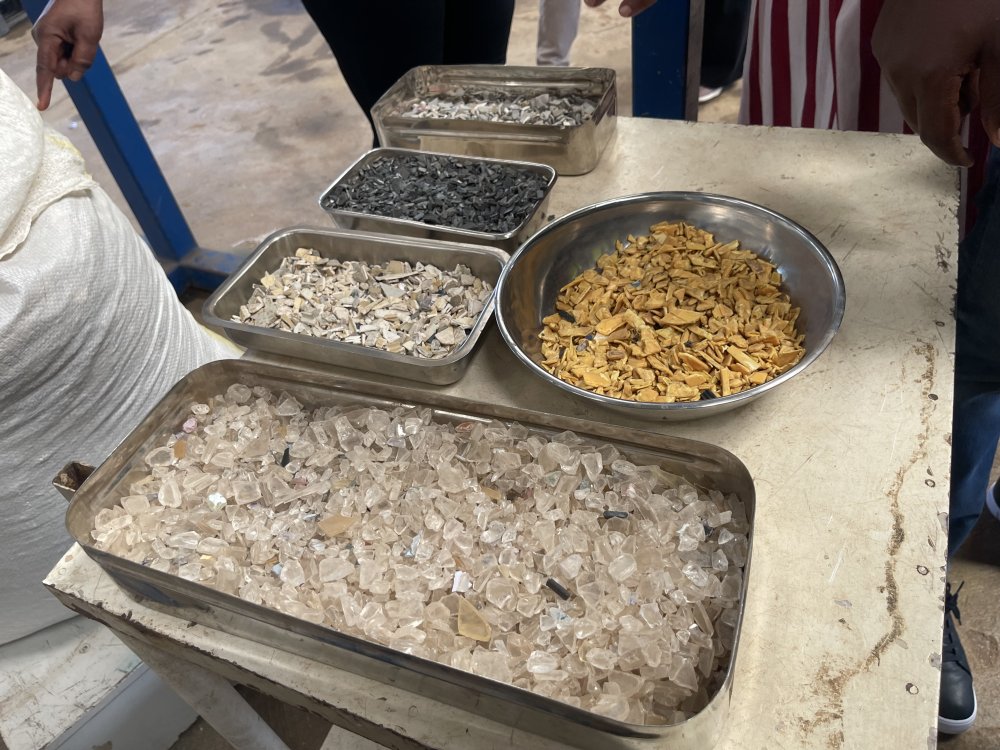
He added that the company has already refurbished and redistributed about 40,000 computers since its establishment, contributing to digital access in schools and communities. Other materials recovered from e-waste are channelled back into industrial recycling streams, while hazardous substances are safely extracted and managed to prevent environmental contamination.
Mbera cautioned against the long-term storage of obsolete electronic devices in households, warning that they may contain hazardous substances that pose risks to both human health and the environment.
“It is not advisable to keep unused electronic devices at home because they contain harmful chemicals that can affect people’s health,” he said. “As devices age, these substances may begin to leak. For example, a swollen phone battery or a refrigerator losing gas can release toxic elements that may contribute to serious health risks and environmental damage.”
Environmental experts also warn that improper handling of e-waste can lead to soil and water contamination due to heavy metals and toxic compounds contained in electronic components.
Government push for safe e-waste management
Beatha Akimpaye, the Division Manager of Environmental Compliance and Enforcement Division at Rwanda Environment Management Authority (REMA), said Rwanda’s e-waste recycling programme was introduced as part of broader efforts to strengthen environmental protection and promote responsible waste management.
She urged the public to properly dispose of electronic devices through designated collection systems instead of keeping them in homes.
“While we depend on electronic devices to keep up with modern technology, when they become waste and are not properly managed, they can harm both the environment and human health,” she said. “People should take such devices to collection centres established by Enviroserve Rwanda so they can be safely recycled or dismantled in an environmentally sound manner.”
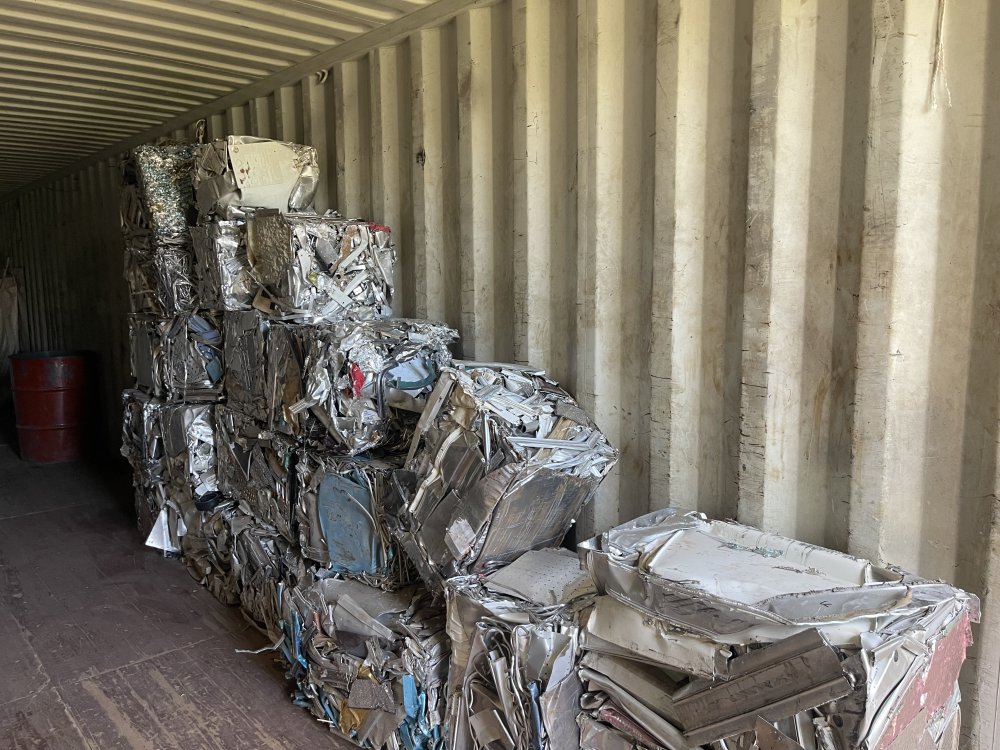
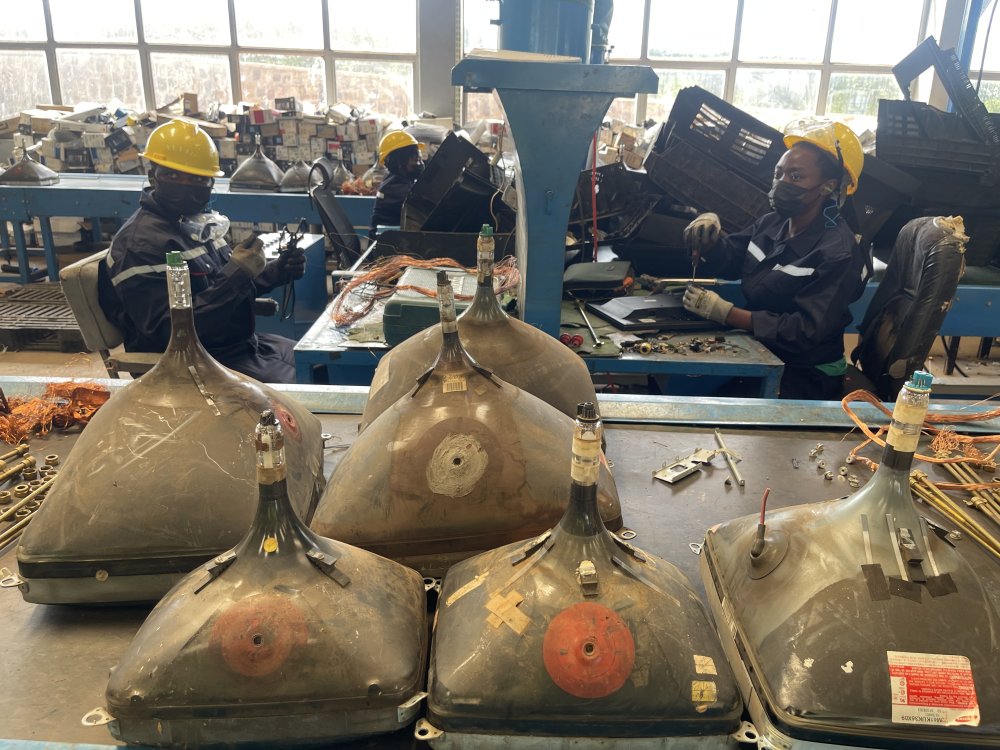
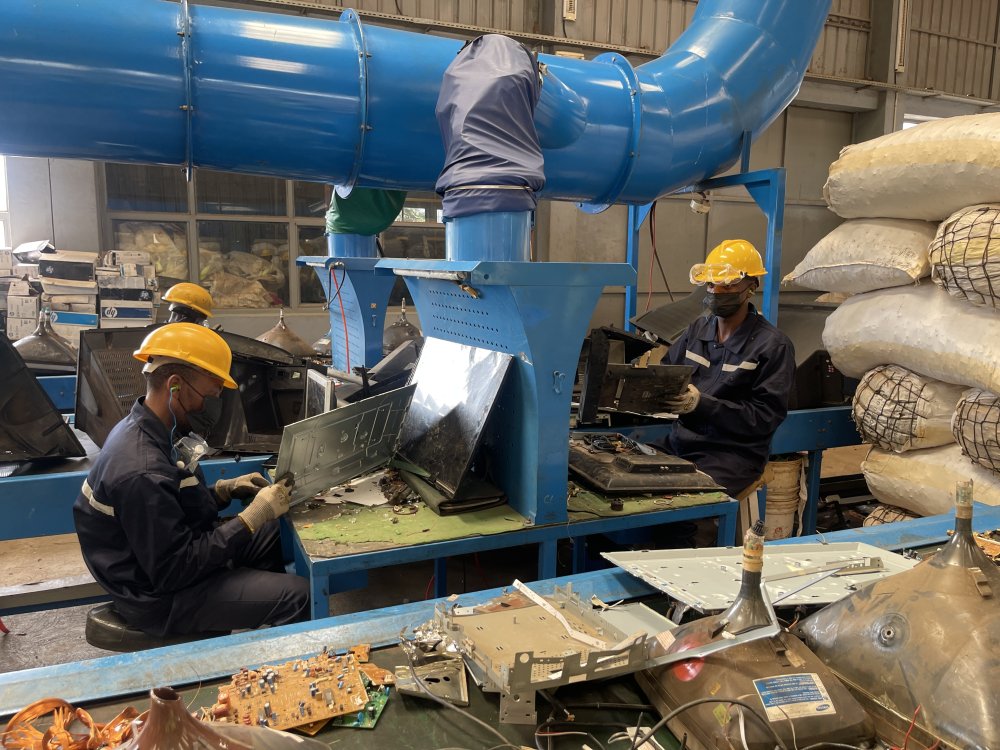
Enviroserve Rwanda currently operates 26 e-waste collection centres across the country. Through these centres, the company collects obsolete electronic equipment for sorting, refurbishment, dismantling and recycling. Devices that can be repaired are refurbished and reused, while non-repairable materials are broken down and either recycled locally or exported for further processing.
After collection, some of the materials are shredded, and the recovered components are sold.Old bulky televisions and CRT computer monitors account for a large share of the items collected.According to Enviroserve Rwanda Country General Manager Olivier Mbera, many households continue to keep unused electronics despite the environmental and health risks associated with prolonged storage of such items.
The two suspects are being investigated on allegations of disseminating false information, RIB spokesperson Dr Murangira B. Thierry confirmed to IGIHE.
“It is true that on May 1, 2026, RIB arrested Nsanzimana Augustin and Niyonshuti Emmanuel, suspected of spreading false information that could cause public fear. The offences were committed through social media platforms,” Dr Murangira said.
He added that the suspects are currently being held at RIB’s Remera station as investigations continue.
Spreading false information that may incite fear, unrest, or public disorder through a computer system is an offence punishable under Rwandan law.
The offence is outlined in Law No. 60/2018 of August 22, 2018, on the prevention and punishment of cybercrimes.
If found guilty, a person is liable to a prison sentence of between three and five years, and a fine ranging from 1 million to 3 million Rwandan francs.
Nsanzimana Augustin was arrested alongside Niyonshuti Emmanuel. They are being investigated over allegations of spreading false information through the YouTube channel ‘Imbarutso ya demokarasi’.
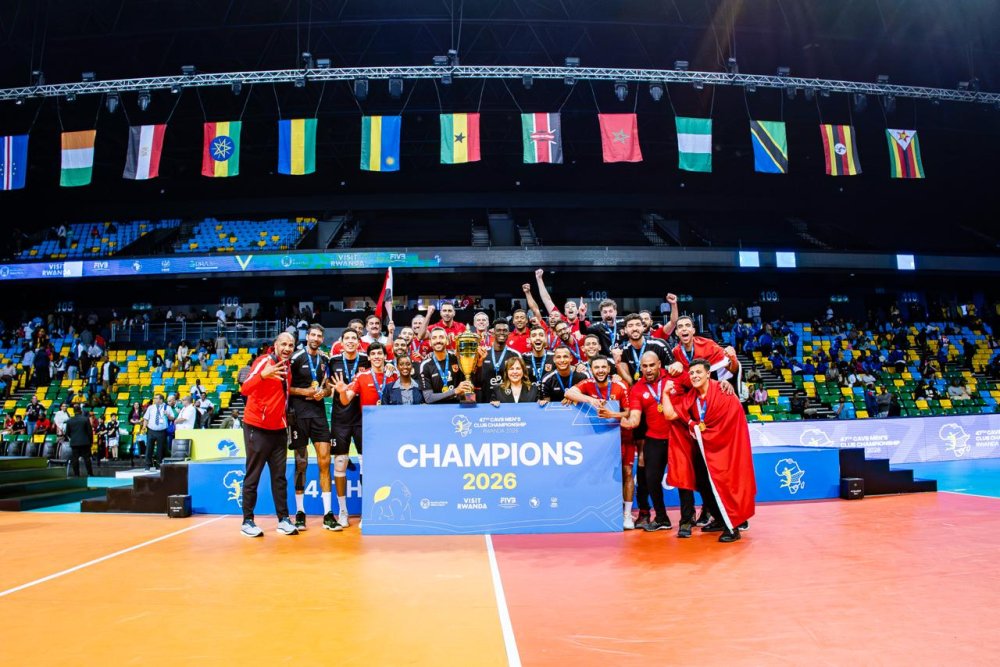
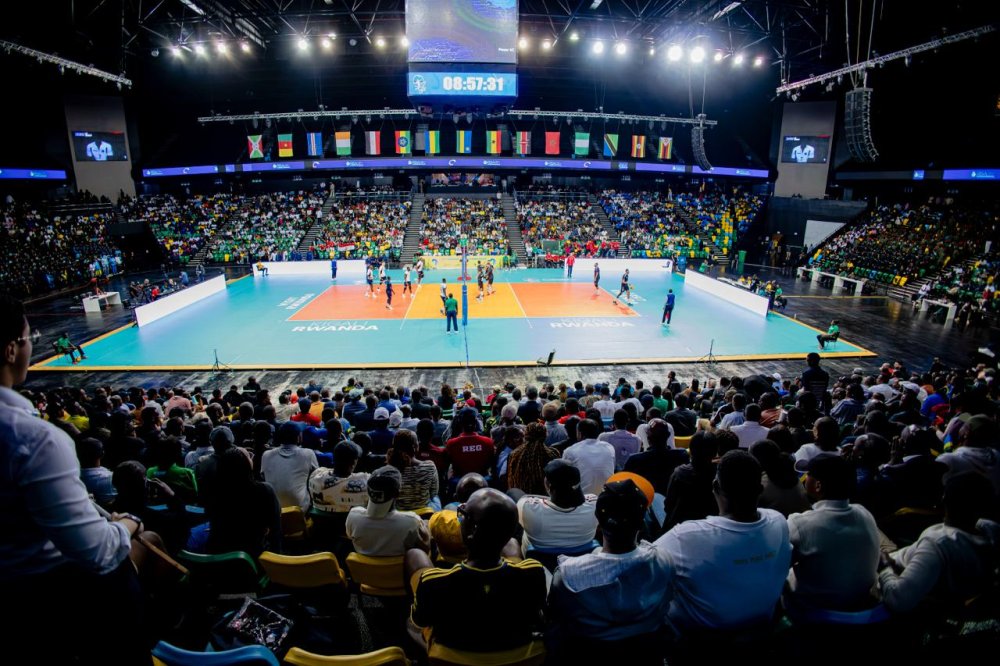
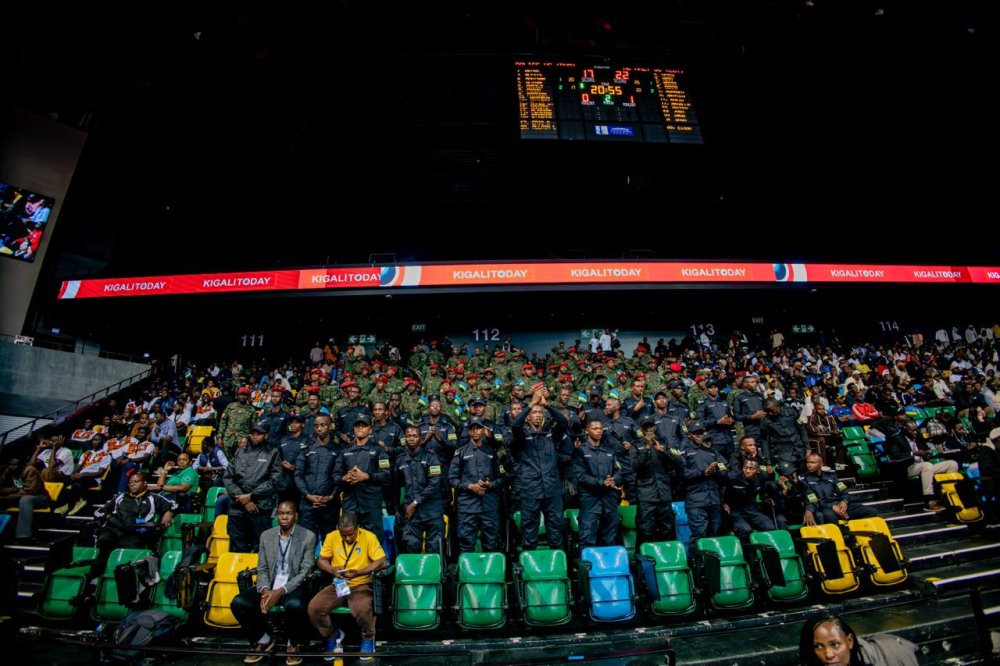
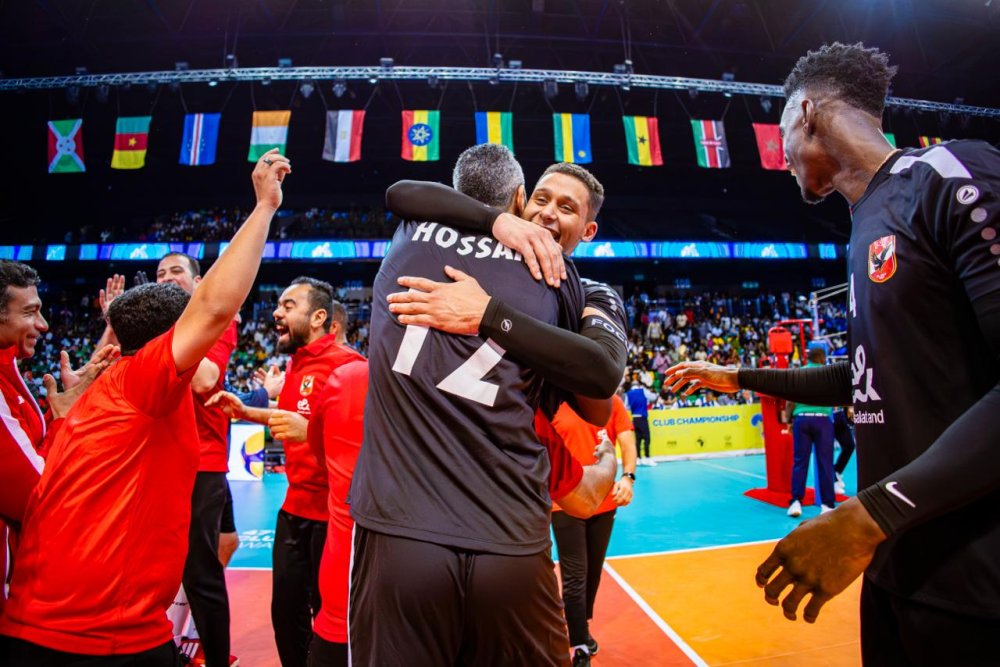
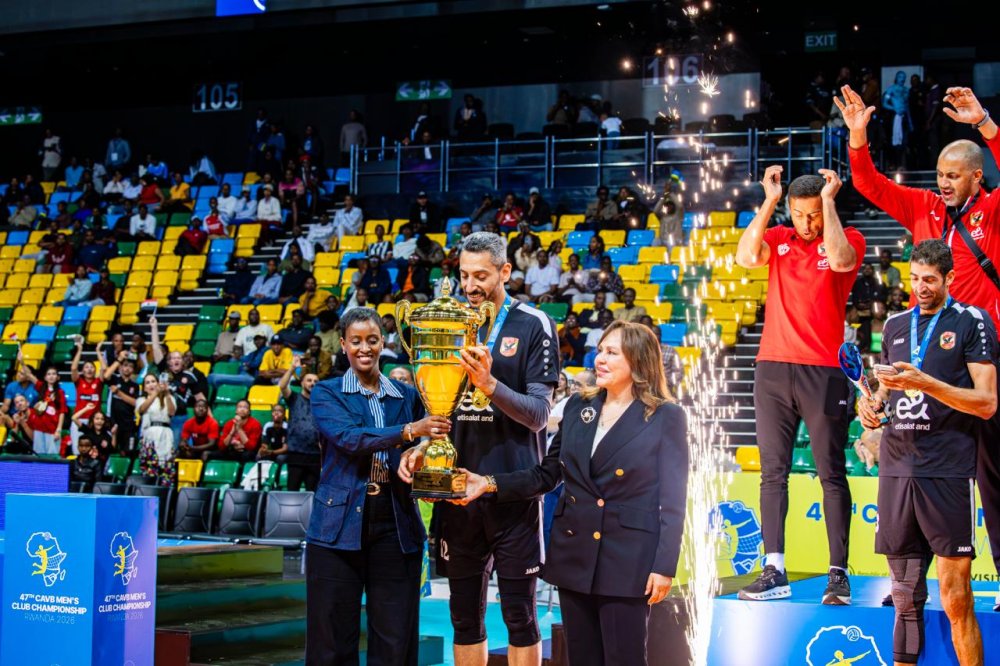
The decisive match of the 47th edition took place at BK Arena on Saturday, May 2, 2026, bringing to a close a 10-day continental competition hosted in Rwanda for the first time.
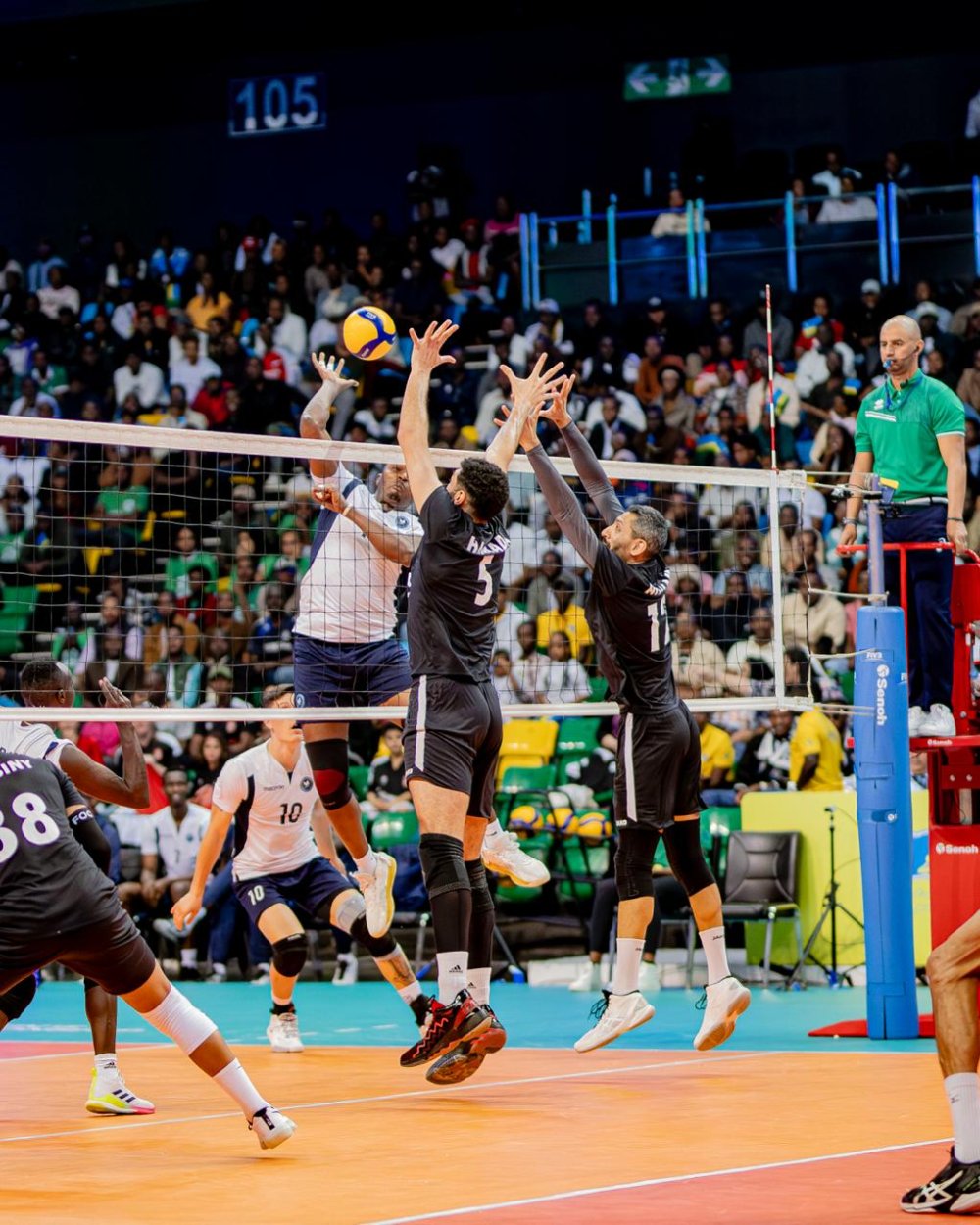
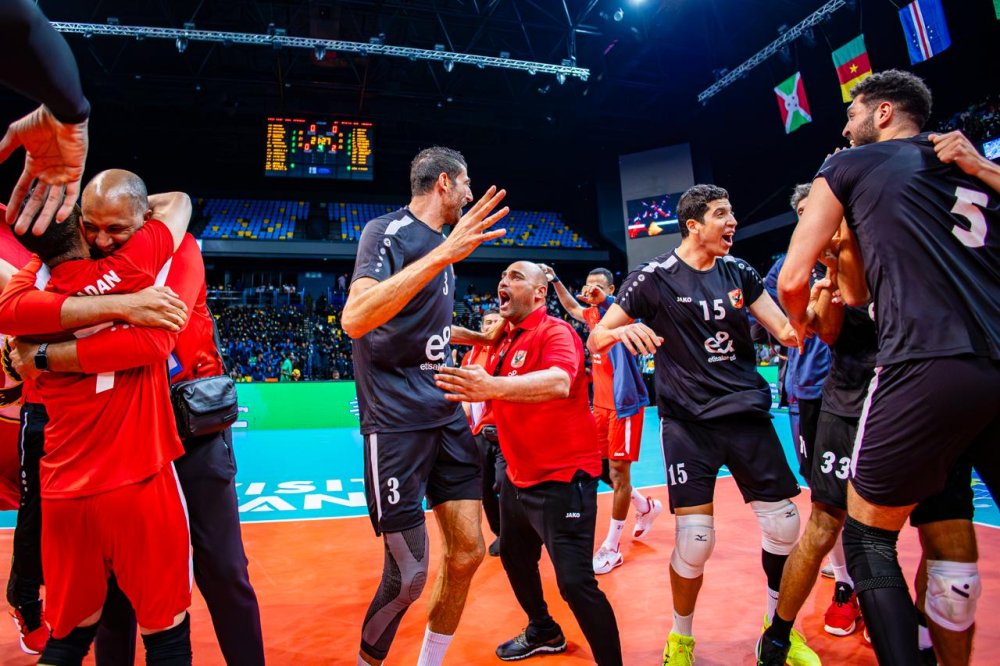
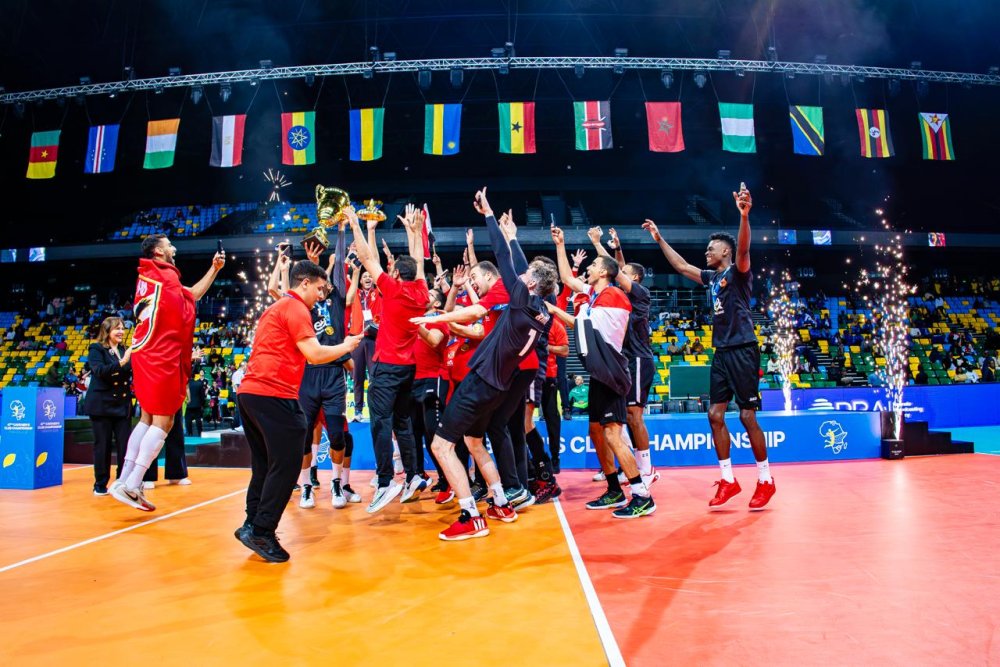
The Egyptian giants claimed their 17th title, extending their record as the most successful club in the tournament’s history. For Police VC, the result marked a historic milestone, as they became the first Rwandan side to reach the final.
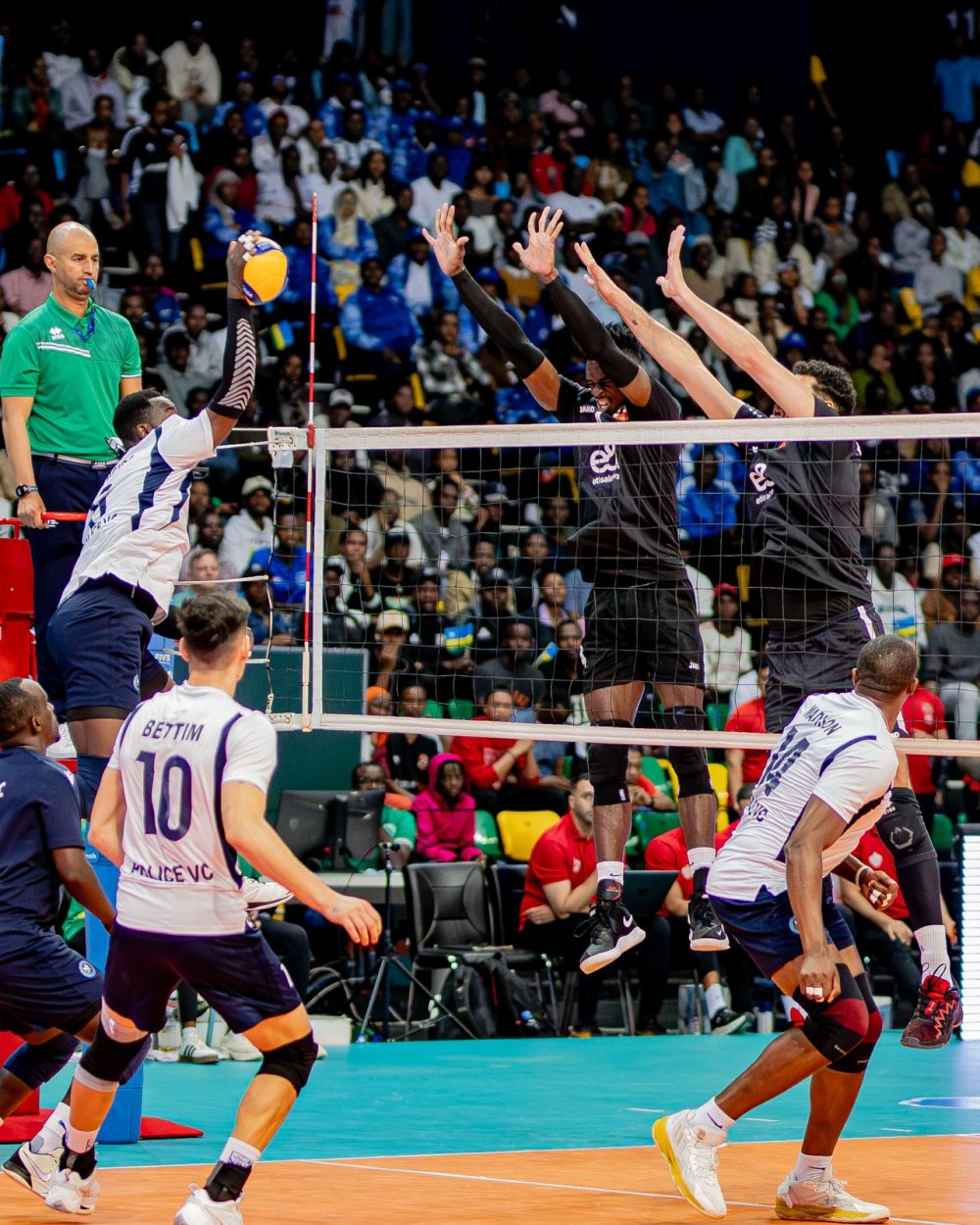
Al Ahly dominated the encounter, sealing victory in one hour and 21 minutes. They outscored Police VC 75–63 across the three sets, underlining their control throughout the match.
Despite the loss, Police VC’s Elphas Maikuva Makuto delivered a standout performance, finishing as the match’s top scorer with 17 points. Al Ahly’s Jose Israel Masso Alvarez contributed 13 points.
Makuto also emerged as one of the tournament’s leading performers with a total of 141 points, while Masso Alvarez registered 78 points overall.
Notably, Police VC were the only team in the tournament to push Al Ahly beyond the 20-point mark in a single set. The Egyptian side completed the championship unbeaten, without dropping a single set.
Rwanda’s hosting of the tournament marked a significant milestone, with two of its four teams finishing on the podium. REG VC secured third place after defeating Petrojet Sporting Club 3–1 (25–21, 25–21, 13–25, 25–17).
Other Rwandan teams included Kepler VC, which finished seventh, and APR VC, which placed 11th among the 24 participating clubs.
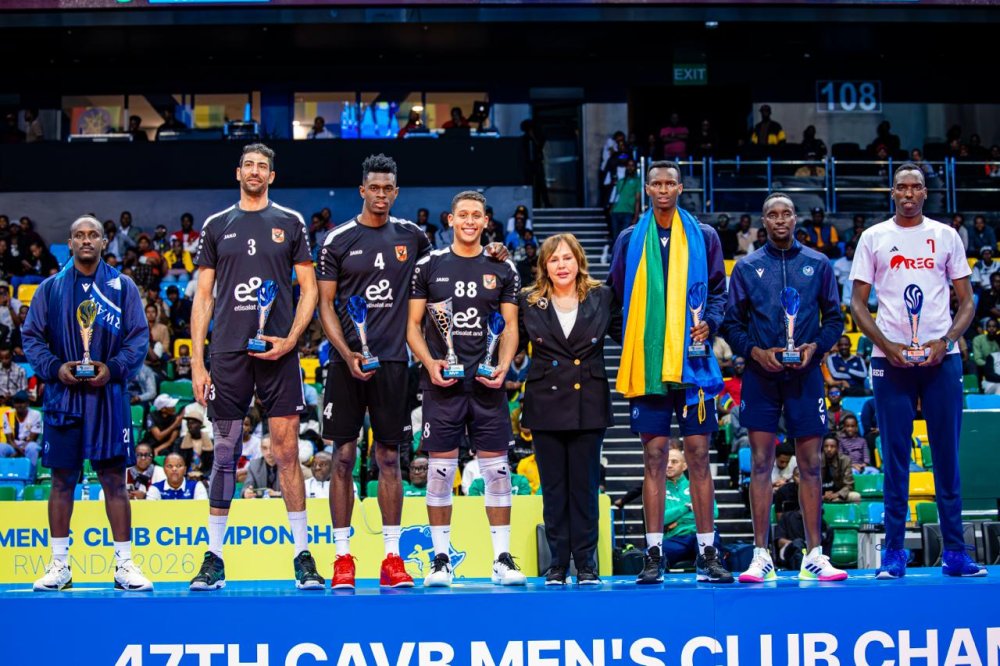
Individual accolades reflected both Egyptian dominance and strong Rwandan representation. REG VC’s Matui Nicholas was named Best Outside Hitter, while Police VC’s Frank Shyaka (Best Middle Blocker), Melly Brian Kiprui (Best Setter), and Irakoze Alain (Best Libero) were also recognised.
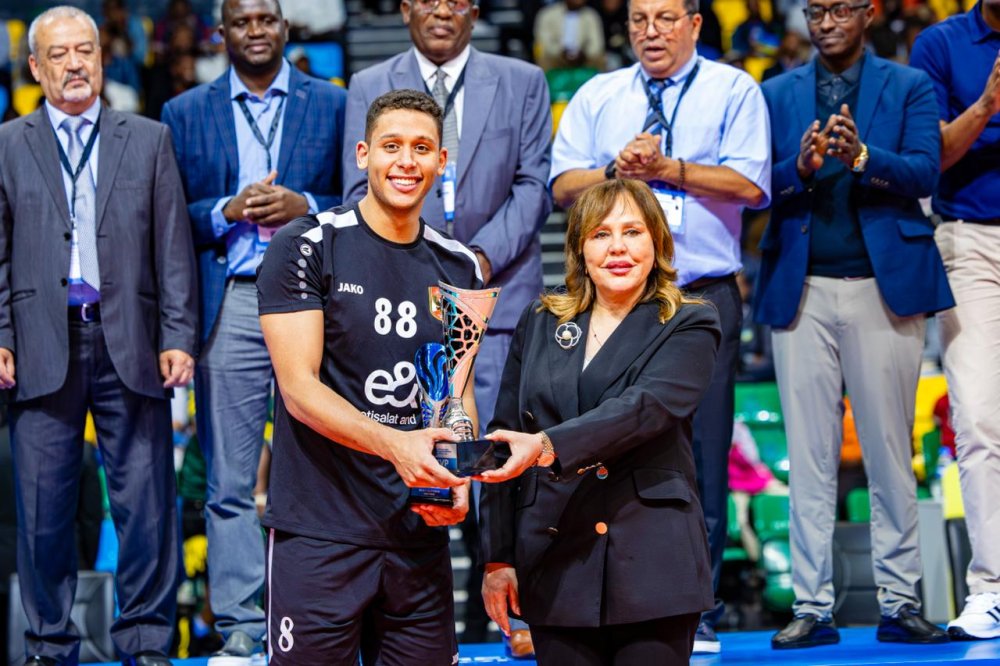
For Al Ahly, Abdelrahman Elhossiny Eissa was named Best Outside Hitter and Most Valuable Player (MVP), having scored 60 points during the tournament. His teammates Abou Abd Elhalim Mohamed (Best Middle Blocker) and Jose Israel Masso Alvarez (Best Opposite) also received awards.
Final standings:
Al Ahly SC (Egypt) Police VC (Rwanda) REG VC (Rwanda) Petrojet SC (Egypt) Port Autonome de Douala (Cameroon) Kenya Ports Authority (Kenya) Kepler VC (Rwanda) Fath Union Sport (Morocco) Ghana Army (Ghana) Nemo Stars (Uganda) APR VC (Rwanda) Nigeria Customs (Nigeria) Equity Bank (Kenya) General Service Unit (Kenya) Kalibi SC (Ghana) Sport-S VC (Uganda) Litto Team VC (Cameroon) Cameroon Volleyball (Cameroon) AS INJS (Côte d’Ivoire) Rukinzo VC (Burundi) Wolaitta Dicha Sports Club (Ethiopia) Black Rhinos VC (Zimbabwe) Atlético Clube do Mindelo (Cape Verde) Prisons VC (Tanzania)
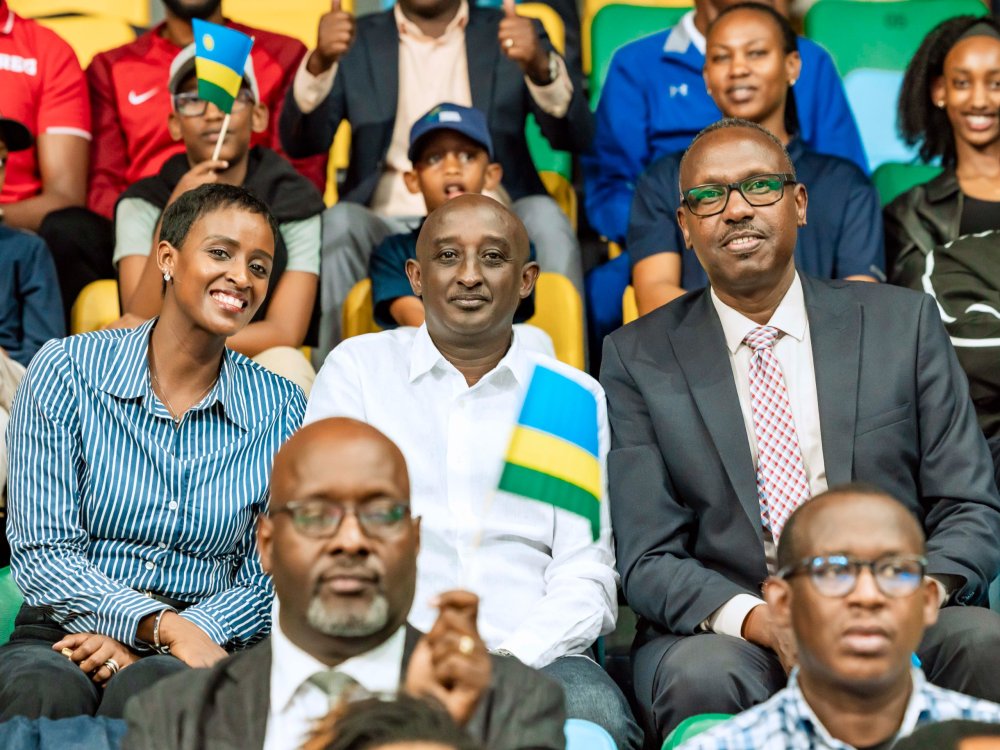
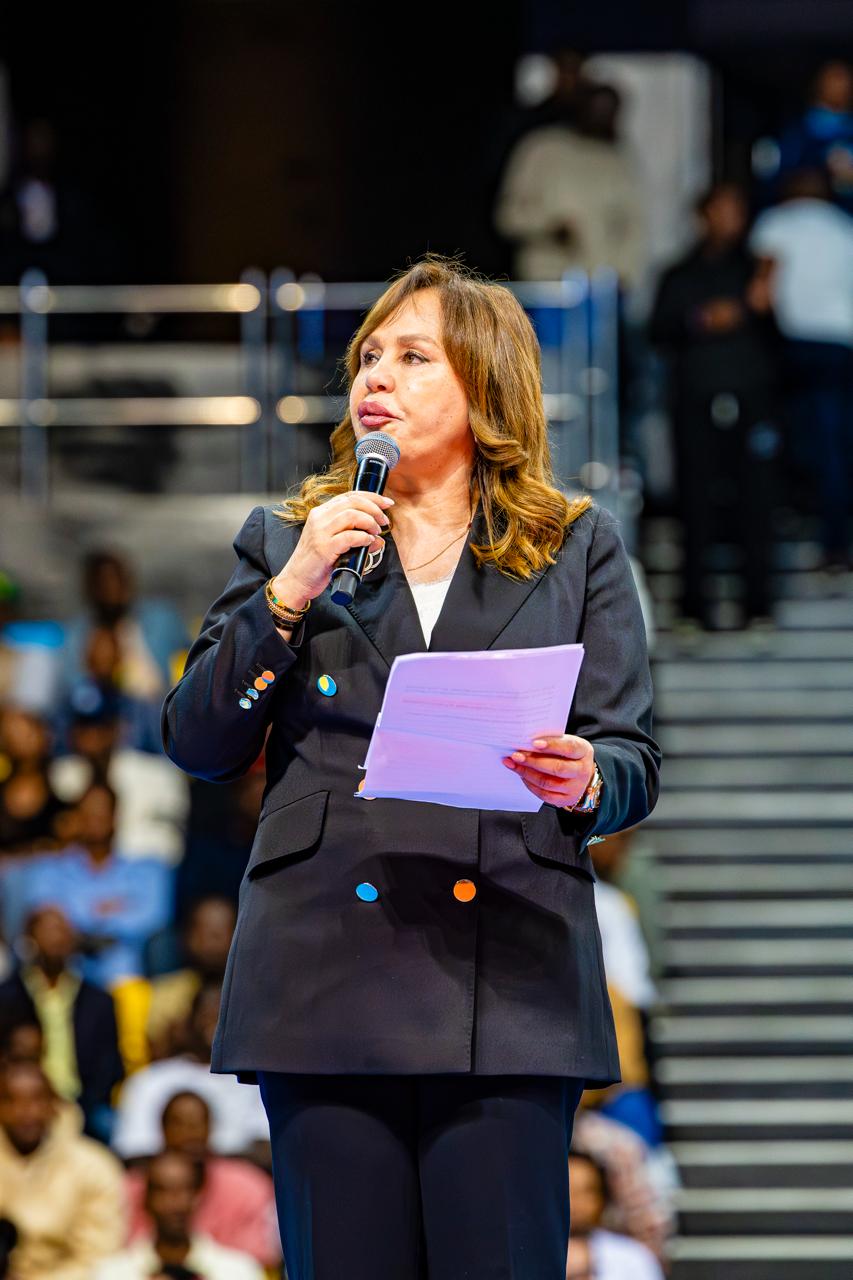
BK Arena was filled with a large crowd of fans during the final of the 2026 CAVB Men’s Club Championship.Police and Rwanda Defence Force personnel jointly rallied behind Police VC as it competed in the final of the African championship for the first time.Minister of Sports Nelly Mukazayire, Inspector General of Police CG Felix Namuhoranye, and Rwanda Volleyball Federation President Ngarambe Raphaël were among the officials who attended the final match.Police VC put up a strong performance but was unable to overcome Al Ahly, the most accomplished club in African volleyball.CAVB President Bouchra Hajij commended Rwanda for successfully hosting the 10-day tournament held in Kigali.Al Ahly celebrates its 17th championship title.