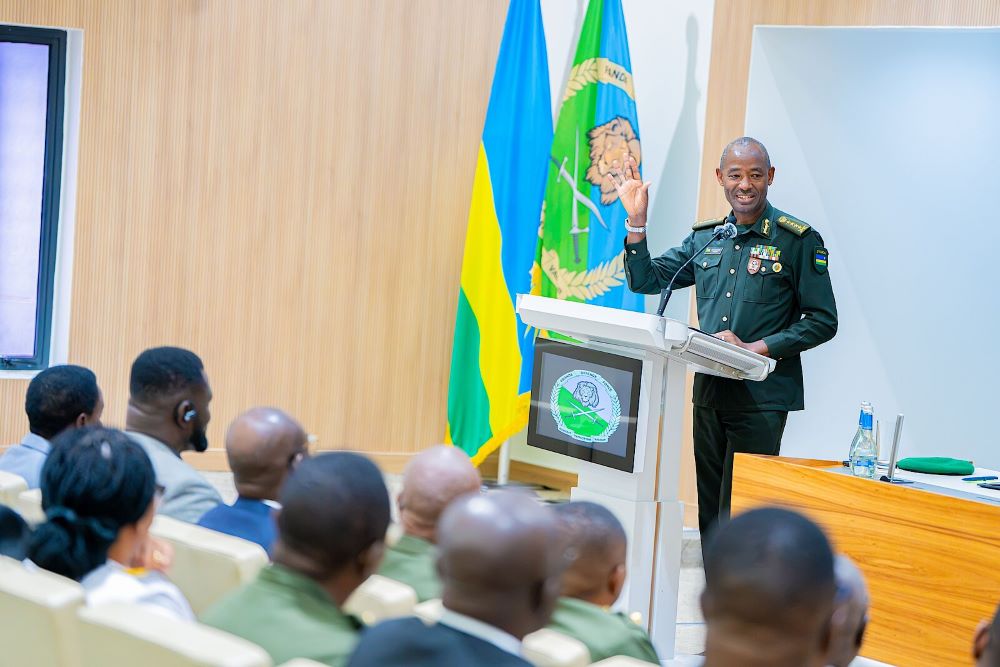
Welcoming the delegation, Gen MK Mubarakh, noted that the RDF and the Ghana Armed Forces have maintained a long-standing relationship and share strong commitments, particularly in the areas of military professional education and training exchanges.
He added that the current visit provides another opportunity to share experiences and further strengthen the existing relationship between the two defence institutions.
The Deputy Commandant, Brig Gen Eric Kodo Konadu, thanked the Rwanda Defence Force for the warm welcome and noted that Rwanda and Ghana share a strong and historic relationship, which was further strengthened by the positive role played by Ghanaian peacekeepers during the 1994 Genocide against the Tutsi.
He described the study tour as an opportunity to further strengthen the existing relationship and enable the visiting officers to gain a deeper understanding of Rwanda’s experience in national security, national cohesion and development.
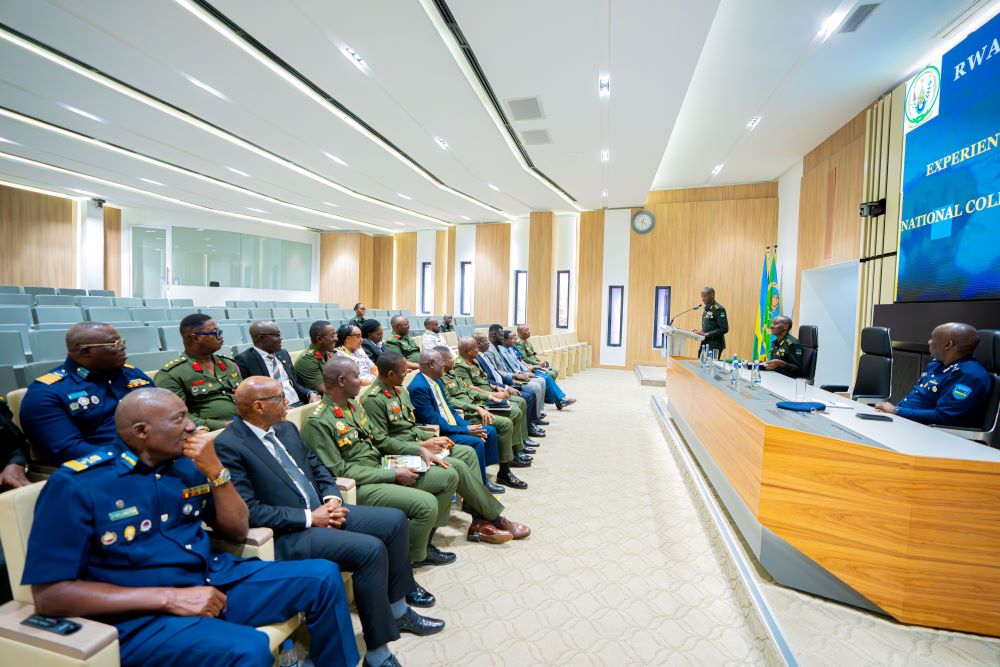
During their visit to RDF Headquarters, the delegation also attended a briefing on the RDF’s transformation journey and its contribution to regional and international peace and security.
The session highlighted the RDF’s evolution from a liberation movement into a modern and professional military institution committed to national development, regional peace and international security.
As part of their itinerary, the delegation visited the Kigali Genocide Memorial to pay their respects to the victims of the 1994 Genocide against the Tutsi, followed by a tour of the Campaign against Genocide Museum.
The remainder of their programme will include visits to the RDF Command and Staff College, military welfare institutions such as Zigama CSS and Military Medical Insurance, as well as several government institutions.
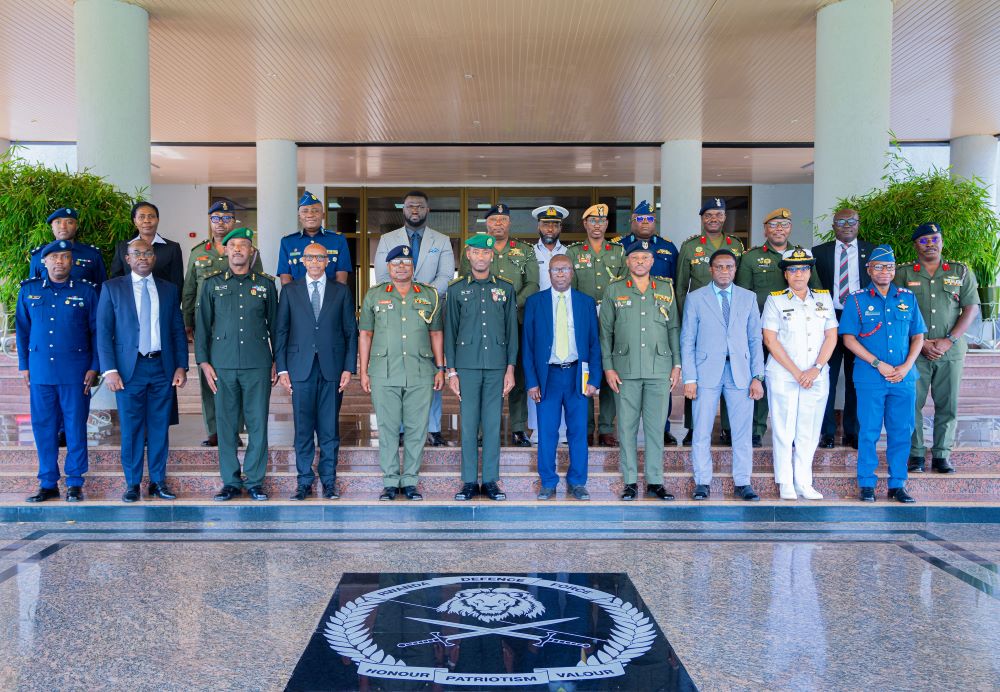
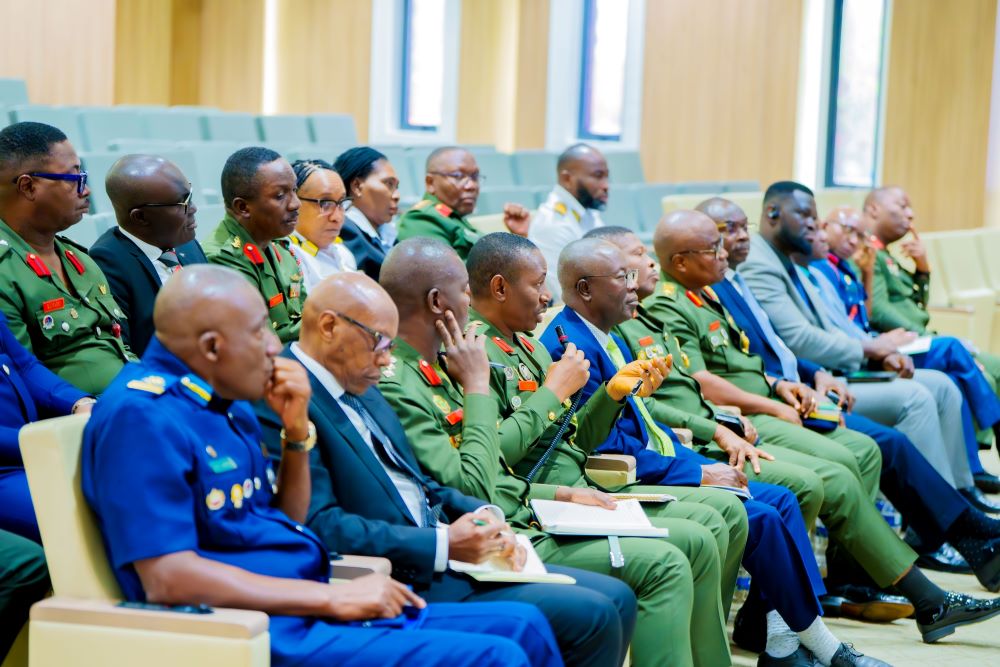
4. Gen MK Mubarakh says the Ghanaian delegation’s visit provides an opportunity to share experiences and further strengthen ties between the two defence institutions.1. The Ghana National Defence College delegation poses for a group photo with Rwanda Defence Force officials during its study visit to Rwanda.The Ghana National Defence College delegation is in Rwanda for a study visit focused on national security, cohesion and development.Ghanaian military officers learn about the Rwanda Defence Force’s transformation journey during a visit to RDF Headquarters.
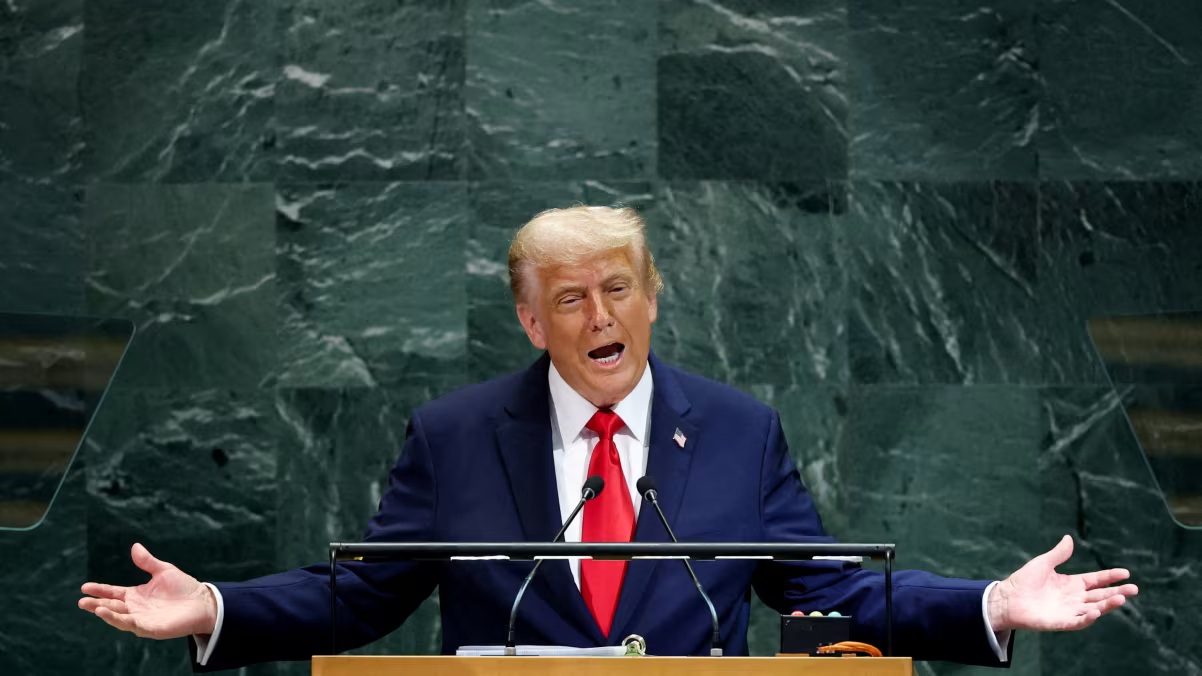
Trump made the remarks during his address to the United Nations General Assembly in New York on Tuesday, where he announced that the United States would use the new term in its official documents and expressed hope that other countries would follow.
“From this point forward, all of United States’ documents, and hopefully the world’s, will be changed to use the more accurate term ‘super’ as opposed to ‘artificial’. So it’s ‘super intelligence’,” Trump said.
The proposal follows a series of polls on Trump’s Truth Social account in which he asked users to choose possible alternatives to artificial intelligence.
Other names floated by Trump included “superior intelligence” and “extreme intelligence”, but “super intelligence” emerged as the preferred option.
It remains unclear how the proposed change would be implemented or whether it will be adopted beyond the US government.
Experts have questioned the terminology, noting that “super intelligence” already has a specific meaning in the technology industry.
The term is commonly used to describe a hypothetical form of intelligence that would surpass human capabilities across a broad range of areas. It has been particularly associated with philosopher Nick Bostrom, who has written extensively about the concept.
Trump’s push to rename AI comes as governments and technology companies debate how rapidly the technology should develop and whether stronger regulation is needed.
The president has argued against regulations that he believes could slow US technological progress, particularly as Washington competes with China for leadership in AI.
“We’re leading now over China by a lot, and everyone else, and we’re going to keep it that way,” Trump said at the UN.
He also said he would not “stifle the growth” of technology that he expects to become bigger than the Industrial Revolution.
Trump is due to meet Chinese President Xi Jinping this week, with artificial intelligence expected to feature in discussions between the leaders of the world’s two largest economies.
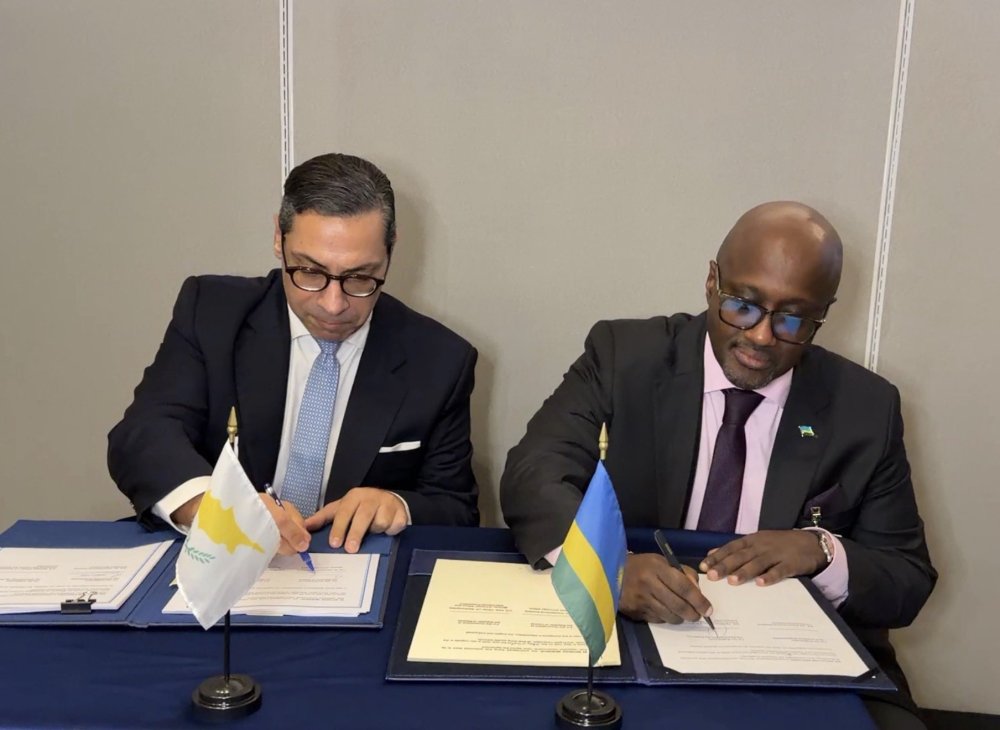
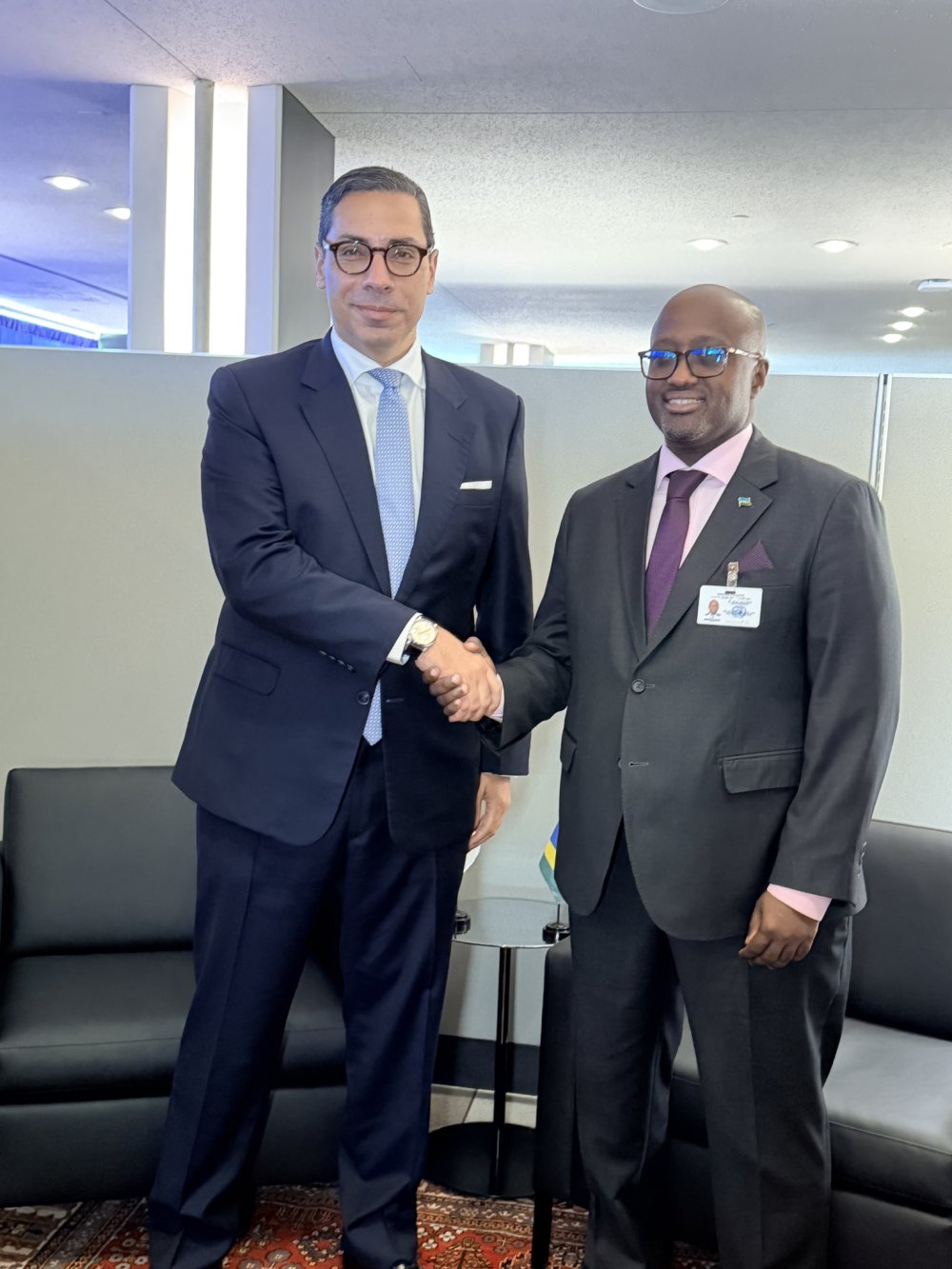
The agreement was signed on September 22, 2026, during talks between Rwanda’s Minister of Foreign Affairs, Amb. Olivier Nduhungirehe, and his Cypriot counterpart, Dr. Constantinos Kombos.
Kombos said his discussions with Nduhungirehe focused on ways to further strengthen relations between Rwanda and Cyprus across various areas of mutual interest, as well as regional issues.
In a post on X, Nduhungirehe thanked his Cypriot counterpart for “good discussion, which opened new opportunities for the bilateral relations and cooperation between Cyprus and Rwanda.”
The signing of the agreement marks another step in the development of relations between Rwanda and Cyprus.
Cyprus is an island country in the eastern Mediterranean Sea, with Nicosia as its capital. It is located south of Türkiye, with the rest of its borders surrounded by the Mediterranean Sea.
Rwanda, represented by Foreign Minister Olivier Nduhungirehe, and Cyprus, represented by Foreign Minister Constantinos Kombos, signed an Air Services Agreement on September 22, 2026.Rwanda and Cyprus have signed an Air Services Agreement to strengthen cooperation in aviation and deepen bilateral relations.
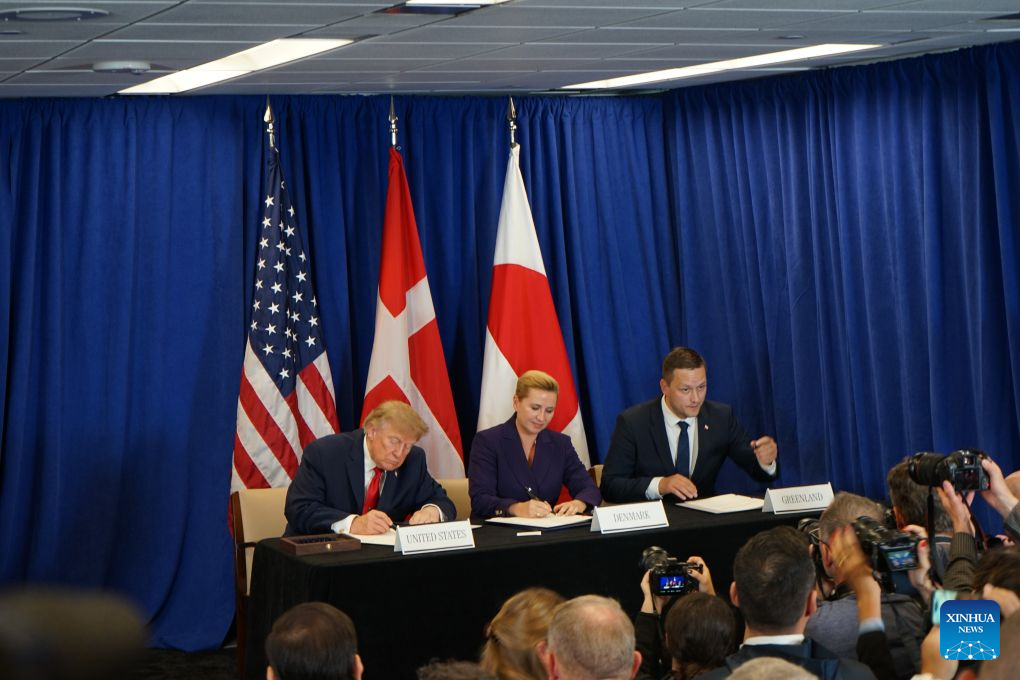
At a ceremony on the sidelines of the UN General Debate, the agreement was inked by U.S. President Donald Trump, Danish Prime Minister Mette Frederiksen and Greenland’s Prime Minister Jens-Frederik Nielsen.
Under the wide-ranging deal, the United States will be allowed to modernize and expand its activities at Pituffik Space Base, which it already operates in northwestern Greenland, and to establish an additional defense area at Narsarsuaq and Mestersvig.
The deal also permits U.S. aircraft to fly over and land in any territory in Greenland, including its territorial waters, while U.S. public vessels may have undersea access to and movement within the territorial waters, without restriction except as mutually agreed upon by the parties.
The agreement bars non-NATO states from establishing manned or unmanned military installations in Greenland and from maintaining persistent presence of military forces in Greenland, unless otherwise agreed by the parties.
It also restricts states or investors from countries that are not NATO members, NATO partners or EU member states from having control, significant influence or access to non-public information that could threaten national security or public order in particularly sensitive sectors or activities in Greenland.
The deal came after months of pressure from Trump, who repeatedly called for acquiring the autonomous Danish territory and did not rule out military or economic means. The proposal has drawn strong opposition from NATO allies and Greenlanders.
Under a 1951 defense agreement between Denmark and the United States, as amended and supplemented in 2004, the U.S. military has rights to maintain personnel and construct, maintain and operate facilities in designated defense areas in Greenland, including at Pituffik Space Base.
The newly signed agreement will enter into force upon the delivery of a diplomatic note informing the United States that the Kingdom of Denmark, together with Greenland, has completed the necessary parliamentary procedures.
U.S. President Donald Trump, Danish Prime Minister Mette Frederiksen and Greenland’s Prime Minister Jens-Frederik Nielsen (from left to right) sign an agreement at a ceremony on the sidelines of the UN General Debate at the United Nations headquarters in New York, Sept. 22, 2026.
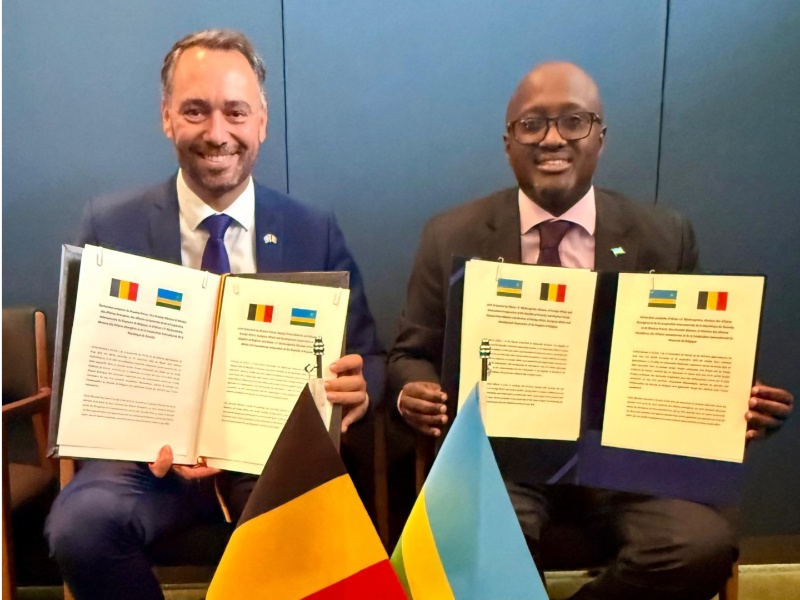
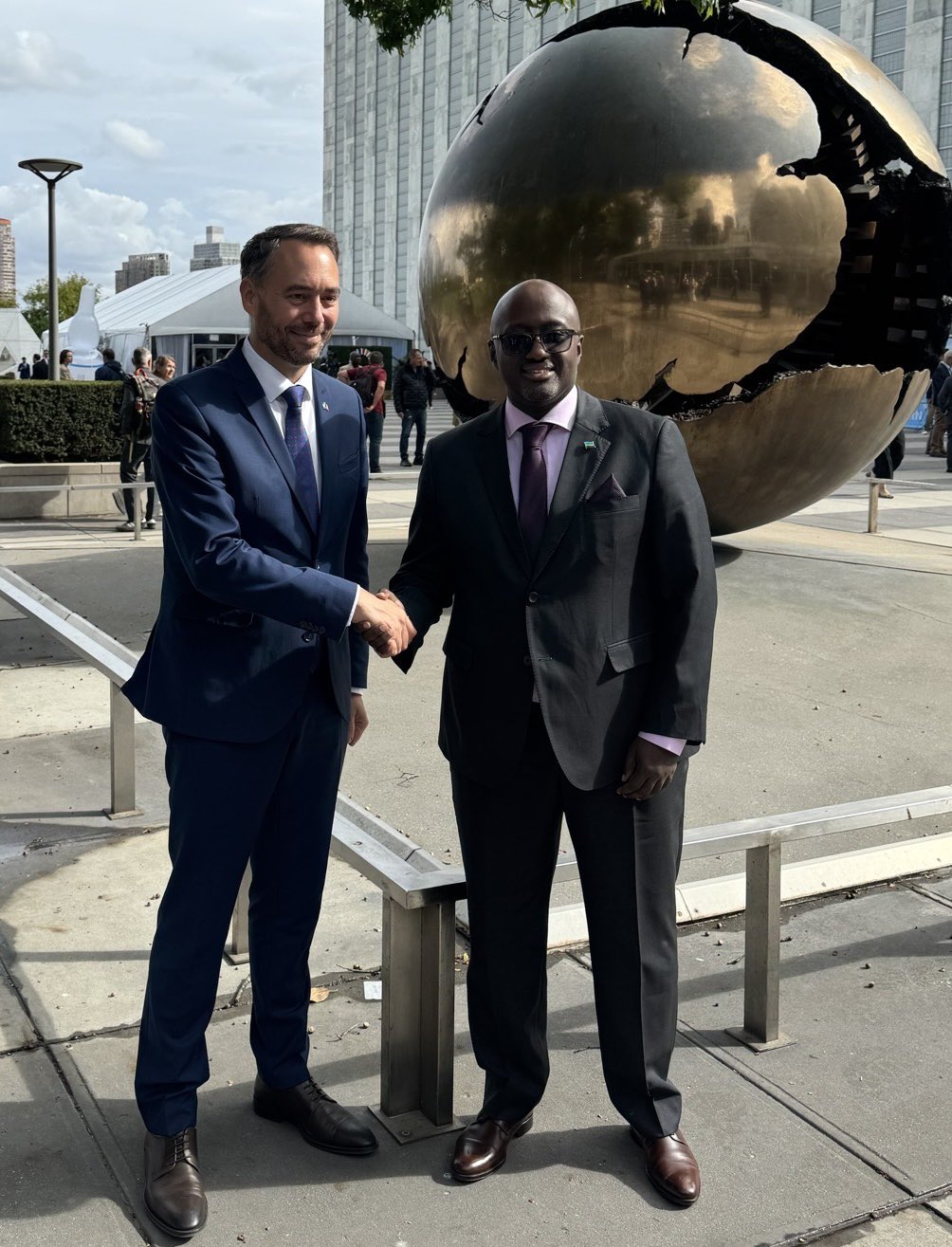
The decision was announced on Tuesday, September 22, in a joint statement issued by Rwanda’s Minister of Foreign Affairs and International Cooperation Olivier J.P. Nduhungirehe and Belgium’s Deputy Prime Minister and Minister of Foreign Affairs, European Affairs and Development Cooperation Maxime Prévot.
The ministers issued the statement on the sidelines of the ongoing 81st United Nations General Assembly in New York, United States.
The two sides said their embassies will reopen in the “near future”. As an initial step, each mission will be headed by a chargé d’affaires ad interim, supported by a diplomat or consular officer and a small technical support team.
The two countries will subsequently begin the process of appointing ambassadors. Rwanda’s ambassador to Belgium will also be accredited to the European Union, according to the statement.
The restoration follows a series of meetings and informal contacts between Nduhungirehe and Prévot in recent months, during which the two sides said they addressed a number of differences and misunderstandings in a constructive spirit.
The two ministers expressed their gratitude to Qatar for facilitating their first meeting in Doha in June 2025.
Rwanda and Belgium said they would maintain “an open, candid and transparent dialogue” as they work to address bilateral differences and divergent positions on international issues.
They also agreed on “non-interference, mutual respect, and constructive engagement” as principles that will guide their future bilateral relations.
The statement said the two countries recognise dialogue as “essential for addressing bilateral differences and discussing divergent positions and outstanding disagreements on international issues.”
Rwanda severed diplomatic ties with Belgium on March 17, 2025, accusing Brussels of taking sides in the conflict in eastern Democratic Republic of Congo and of systematically mobilising against Rwanda in international forums.
Rwanda also accused Belgium of seeking to undermine the country and the region in pitiful attempts to sustain its neocolonial delusions.
The dispute came amid tensions over the conflict in eastern DRC, where Rwanda has faced accusations of supporting the M23 rebel group. Kigali has consistently denied the allegations.
Rwanda has instead maintained that its main security concern is the collaboration between the Congolese government and the FDLR, an armed group composed of remnants of perpetrators of the 1994 Genocide against the Tutsi.
The restoration of diplomatic relations reopens formal channels between Kigali and Brussels after more than a year of strained relations.
The restoration follows a series of meetings and informal contacts between Rwanda’s Foreign Affairs Minister Olivier J.P. Nduhungirehe and Belgium’s Deputy Prime Minister and Minister of Foreign Affairs, Maxime Prévot, in recent months, during which the two sides said they addressed a number of differences and misunderstandings in a constructive spirit.
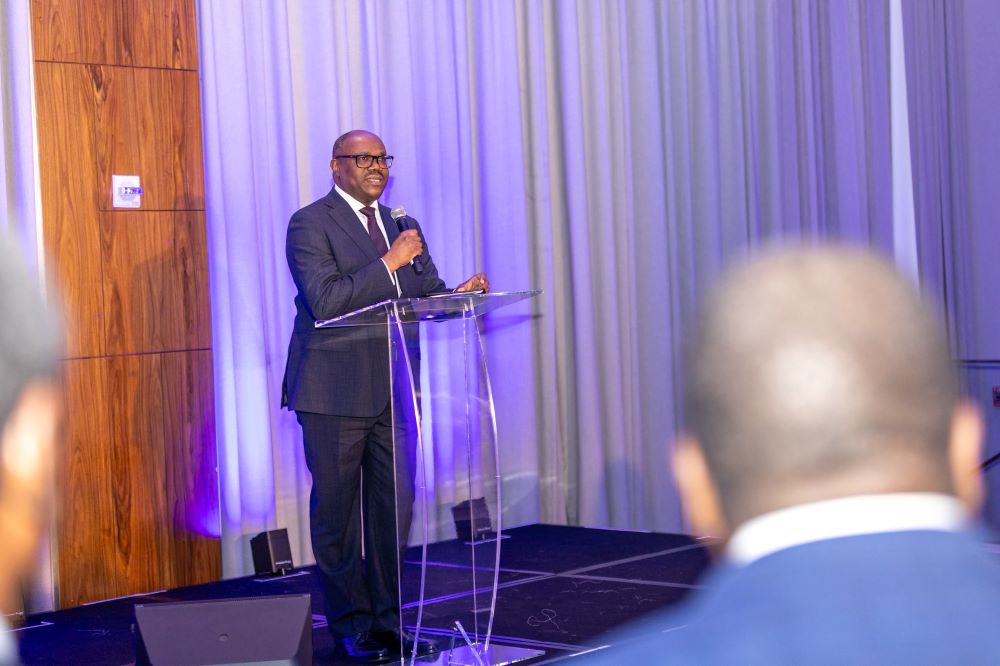
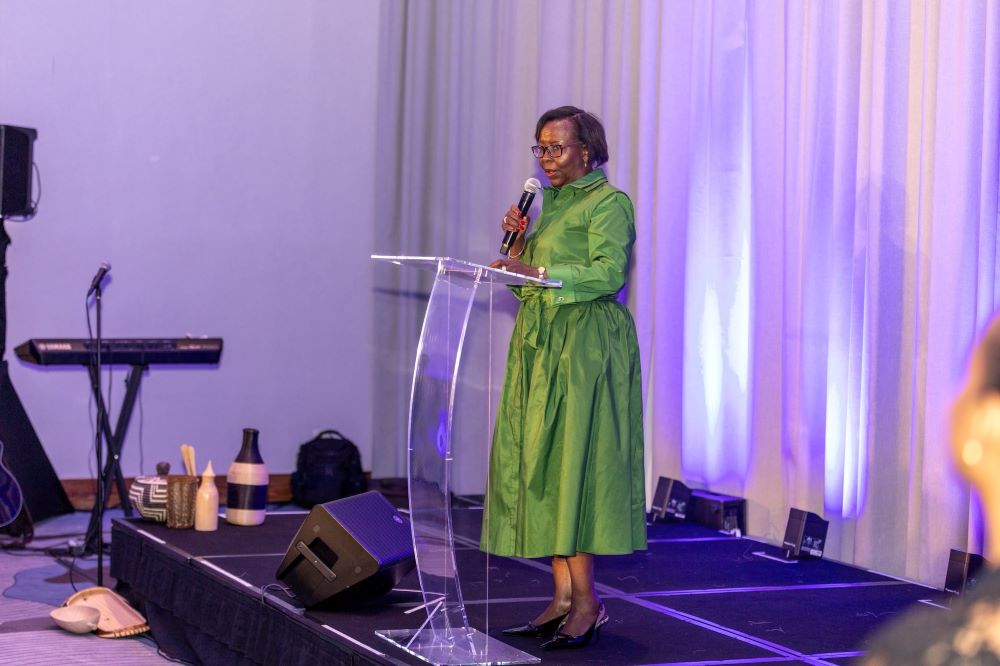
Dr. Nsengiyumva made the appeal on Monday, September 21, 2026, during a cocktail reception in New York held in honour of Mushikiwabo on the sidelines of the 81st session of the United Nations General Assembly.
Addressing ministers, permanent representatives and other guests, the Prime Minister said the gathering was an opportunity to further support a candidacy that is particularly important to Rwanda.
“Eight years later, her record speaks for itself,” Dr. Nsengiyumva said, referring to Mushikiwabo’s tenure at the helm of the OIF.
He said that under her leadership, the organisation had been modernised and undertaken major institutional, administrative and financial reforms.
Dr. Nsengiyumva also highlighted her focus on areas where he said the OIF can bring added value to its members, including youth, women’s empowerment, education, digitalisation, the economy and culture.
He further credited Mushikiwabo with strengthening the political dimension of the Francophonie and its role as a space for dialogue, solidarity and consultation in an increasingly fragmented world.
The Prime Minister said the OIF should continue building on these achievements and remain an organisation that responds to the priorities of all its members.
“Together we must work towards an Organisation useful to all its members, attentive to their priorities and capable of adapting to the realities of our time,” he said.
Mushikiwabo has led the OIF since January 2019, after being elected Secretary General in 2018. She was re-elected for a second term in 2022 in Djerba, Tunisia.
During her tenure, the OIF says it has mobilised €336 million since 2019, with 97% of its activities implemented.
Its women’s economic empowerment initiative, La Francophonie avec Elles, has reached nearly 100,000 women through 354 projects in 36 countries, while the organisation’s D-CLIC programme aims to increase the number of young people receiving digital skills training from 20,000 to 100,000.
In education, the OIF’s ELAN programme has reached 12 million students, using 46 African languages and working with about 230,000 teachers to promote early learning in mother tongues before children transition to French.
With her second term approaching its end, Rwanda has put forward her candidacy for a third mandate, with Dr. Nsengiyumva saying the decision was taken with the full support of President Paul Kagame.
He said Mushikiwabo has the experience, knowledge of the organisation and energy required to continue advancing the Francophonie.
“We are convinced that Louise Mushikiwabo possesses the experience, the knowledge of the Organisation and the energy necessary to continue to make the Francophonie evolve in the service of all its members,” he said.
Dr. Nsengiyumva urged those attending the reception to support her candidacy and expressed hope that they would attend the next Francophonie Summit in Cambodia in November.
He also used the occasion to thank Mushikiwabo for her work during her tenure.
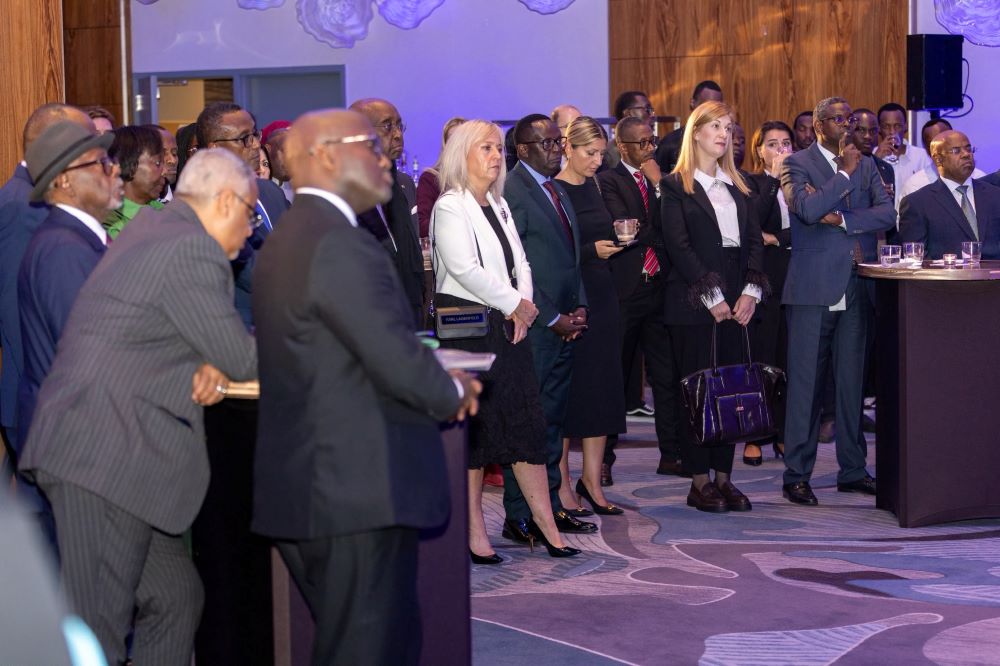
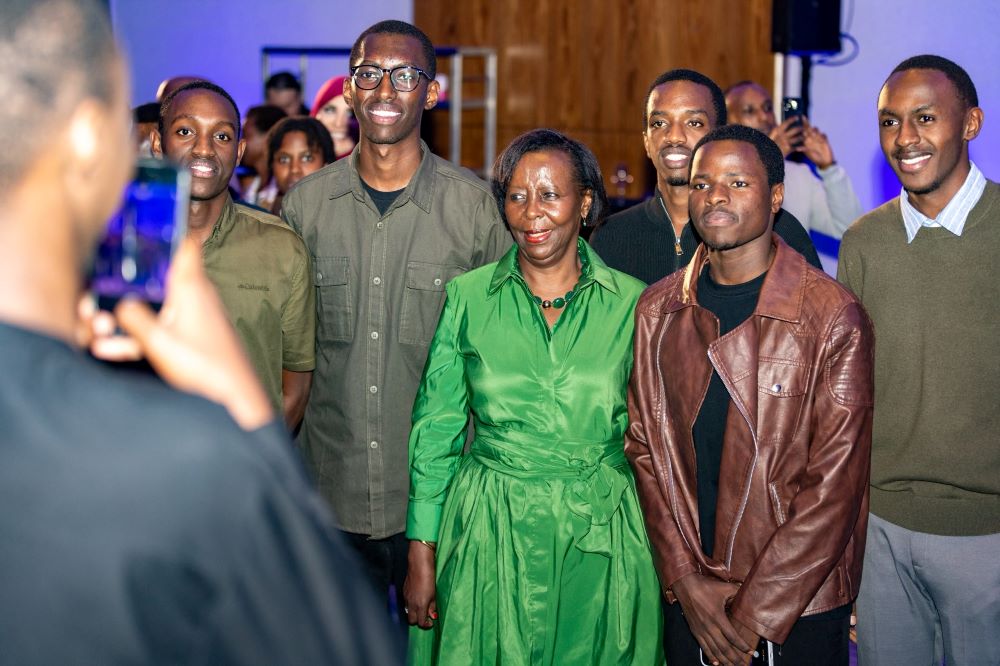
Prime Minister Dr. Justin Nsengiyumva addresses a reception held in honour of Louise Mushikiwabo in New York.Louise Mushikiwabo has overseen institutional, administrative and financial reforms at the OIF during her tenure as Secretary General.Guests attend a reception held in New York in honour of Louise Mushikiwabo.
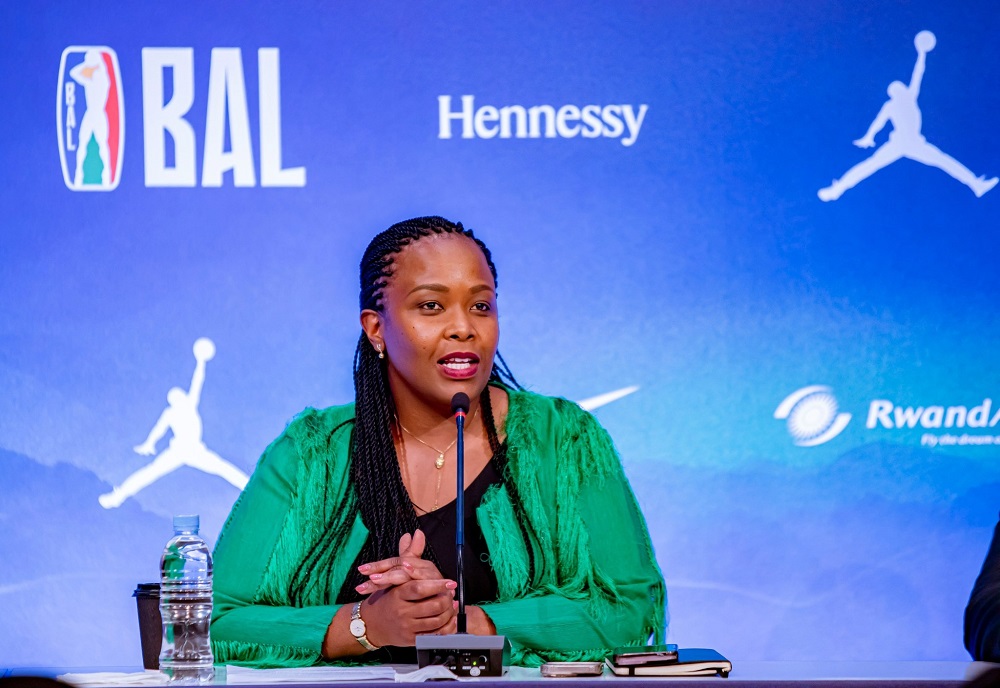
Clare Akamanzi, CEO of NBA Africa, outlined the plans during a panel at the Unstoppable Africa 2026 forum in New York on September 21, held on the sidelines of the 81st United Nations General Assembly.
Akamanzi explained that the BAL had spent its first six seasons proving that a credible professional basketball competition could be built and sustained on the continent.
The focus is now shifting towards creating opportunities for African and global investors to own BAL teams permanently.
“We’re now going to a more permanent structure where we’re giving and exploring opportunities for African investors and other global investors to own teams permanently, in perpetuity, in the BAL, backed by the NBA and FIBA,” Akamanzi stated during the panel, titled “Real Value from the Field: Protecting and Profiting from Africa’s Talent Pipeline,” and moderated by WNBA All-Star and broadcaster Chiney Ogwumike.
She revealed that NBA Africa is already seeing interest from investors, including those on the continent, who are exploring team ownership as a commercial opportunity.
The move comes as the BAL seeks to deepen its business ecosystem beyond the games themselves, with opportunities spanning team ownership, sponsorship, media, hospitality, transport, aviation, security and digital services.
Akamanzi pointed to the league’s first six seasons as a proof of concept, demonstrating that African audiences are willing to consume professional basketball and that companies on the continent are increasingly prepared to invest in the sport.
“We showed that Africans are actually ready to consume sport,” she remarked, pointing to the growing audience for the BAL in countries including Rwanda, South Africa, Senegal, Morocco and Egypt.
She also highlighted the league’s growing corporate base, noting that it finished the previous season with 22 marketing partners, mostly African brands.
Media partnerships have also expanded around the competition, with broadcasters including Canal+ helping distribute BAL games to audiences across the continent.
The economic impact of the league has been significant. NBA Africa estimates that the first four BAL seasons generated $250 million in GDP across the countries where games were hosted and contributed to 37,000 jobs.
Akamanzi reiterated that the league’s longer-term expansion could increase its estimated economic contribution to $5.4 billion in GDP and 650,000 jobs within a decade.
For Akamanzi, the next challenge is to turn the league’s growing audience and commercial interest into a deeper ownership structure that allows African investors to participate directly in the value created by the sport.
“It’s really looking at the game beyond the court,” she emphasised, arguing that investment in sports also creates opportunities across the wider economy.
Simon Tiemtore, founder, chairman and CEO of Lilium Capital Group and chairman of Vista Bank Group, backed the push for greater African ownership, pointing to the difficulty many investors face in entering the sports business.
Tiemtore disclosed that he was working with NBA Africa and Afreximbank through its Creative Africa Nexus (CANEX) programme to create financing structures that could enable more Africans to own teams.
“It’s expensive to get in, to have an entry point,” Tiemtore noted. “So with Afreximbank, we created some sort of structure financing program to essentially enable more Africans to own their own team and their own destiny.”
He also cited his investment in E1, the electric powerboat racing championship, where he co-owns Team Drogba Global Africa with partners including Afreximbank.
Kingsley Pungong, executive chairman of Rainbow World Group, stressed that private investment alone would not be enough to build a sustainable sports industry.
He called for African governments to place sports at the centre of economic policy and invest in the infrastructure needed to support professional leagues.
“You need infrastructure. You need enshrined policy,” Pungong argued, noting that athletes will continue to move to markets offering stronger commercial opportunities unless African countries build ecosystems capable of retaining and rewarding talent.
He pointed to Saudi Arabia, China and the United States as examples of markets where long-term investment, infrastructure and government support have helped build powerful sports ecosystems.
Tiemtore also called for stronger financial services tailored to African athletes, including banking, wealth management and investment products that can help athletes preserve and reinvest wealth generated abroad.
He noted that many African sporting stars use financial institutions outside the continent and argued that African banks should develop products that allow athletes to manage their earnings and invest back home.
The economic impact of the league has been significant. NBA Africa estimates that the first four BAL seasons generated $250 million in GDP across the countries where games were hosted and contributed to 37,000 jobs.Akamanzi pointed to the league’s first six seasons as a proof of concept, demonstrating that African audiences are willing to consume professional basketball and that companies on the continent are increasingly prepared to invest in the sport.
IremboGov, Rwanda AI Scaling Hub and Digital Umuganda are among the initial signatories backing the five-year commitment, which brings together technology companies, researchers, governments, philanthropic organizations and community groups from around the world.
The initiative was announced in New York on September 21, with the signatories calling for broader collaboration to make AI tools more effective and accessible in the languages and voices people use in their daily lives.
Other signatories include Amazon, Anthropic, Gates Foundation, Google, Microsoft, Mistral, NVIDIA, UNICEF, World Bank Group, OpenAI Foundation and Zoom.
Closing AI’s language gap
There are roughly 7,000 languages spoken around the world, but only a small proportion are considered sufficiently resourced to support strong AI capabilities.
Many languages have limited representation in the datasets, tools and benchmarks used to develop and evaluate AI systems. This can result in AI tools that are less accurate or useful for speakers of those languages.
The challenge also extends beyond written text. The coalition says voice-based AI can be particularly important in communities where typing or text-based interfaces are less practical.
Dialects, slang, idioms and cultural context can also affect how AI systems understand and respond to people, creating risks when accuracy is important, including in areas such as health, education, agriculture, financial services and public services.
The coalition’s five-year goal is to make AI tools available in the languages and voices of an estimated 3.4 billion people whose languages are currently underrepresented in AI models.
Four areas of focus
The participating signatories will work across four main areas.
The first is developing an open language layer, including shared and safe data infrastructure that AI developers can use under open licences.
The second is developing assessments and benchmarks to track whether AI systems are making measurable progress in supporting more languages.
The third involves turning language data into models and applications that can be used by AI developers, including those without the resources to build such systems independently.
The fourth focuses on ensuring that the technology reaches people responsibly, with attention to privacy, consent and data sovereignty.
The coalition builds on existing work by organizations developing datasets, language models, benchmarks and AI applications for languages that have received less attention in the development of AI.
Rwanda’s role
Rwanda’s participation brings together entities working across digital public services, AI development and the country’s broader digital transformation ecosystem.
IremboGov operates Rwanda’s digital government services platform, through which citizens and residents can access a wide range of public services online. Its participation connects the initiative to Rwanda’s experience using digital technology to make government services more accessible.
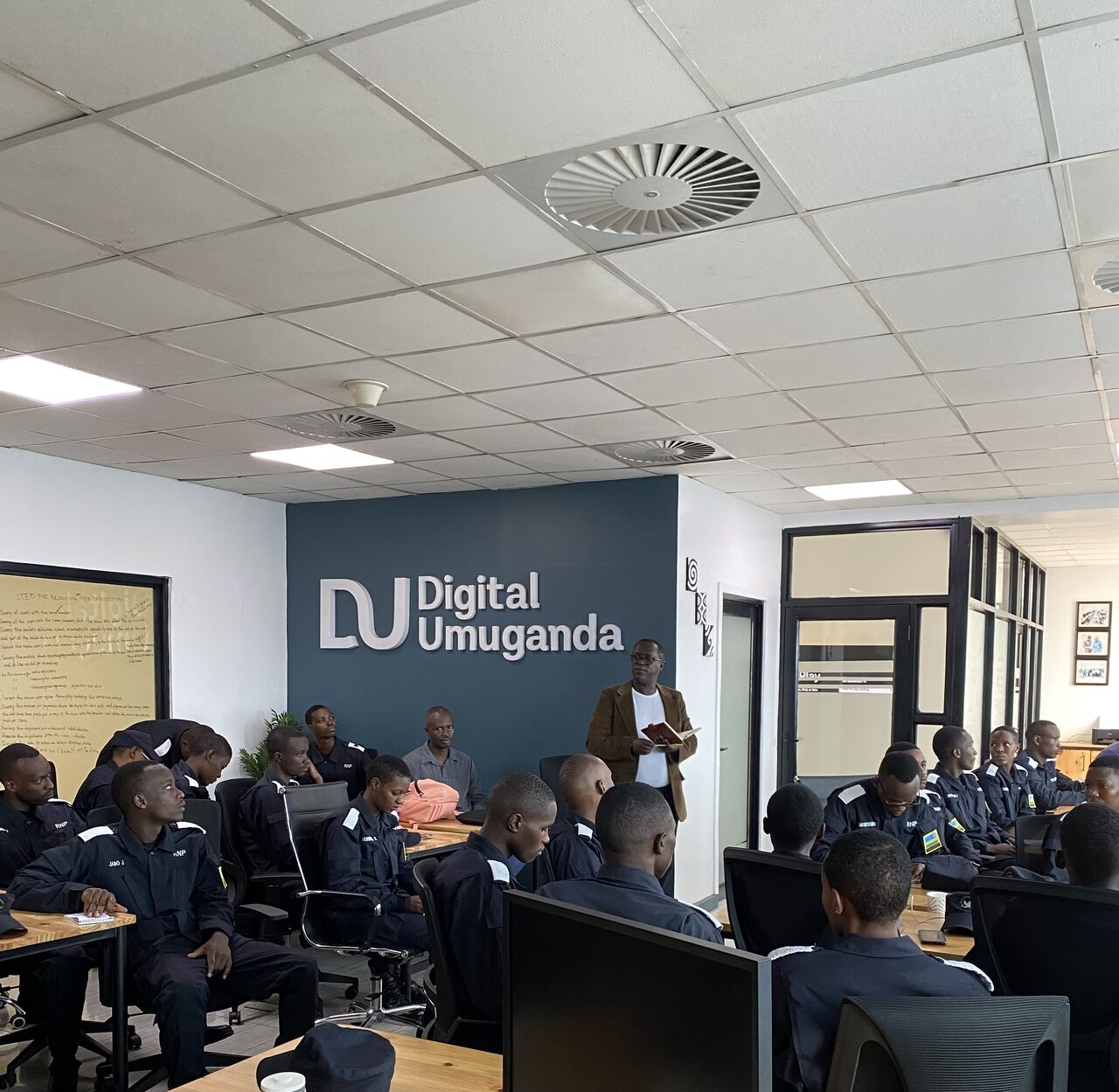
The Rwanda AI Scaling Hub supports the development and adoption of AI in Rwanda, while Digital Umuganda works to expand digital skills, access and participation in technology, particularly at the community level. Both are among the Rwandan signatories to the commitment.
Their participation places Rwanda alongside major technology companies, research institutions, governments and development organizations working to expand the reach of AI.
The coalition says its detailed governance structure and workstreams will be developed collaboratively over the coming year. The participating signatories will contribute according to their respective expertise and capabilities.
The initiative also invites additional participants across the global AI ecosystem to join the effort and contribute resources, research, technology or implementation expertise.
Digital Umuganda, one of the signatories, works to expand digital skills, access to technology and participation in the digital economy, particularly at the community level.
The decision was delivered on September 22, 2026, a day after the prosecution and Shema’s defence agreed to a settlement under which he admitted to two charges.
The charges are issuing a dishonoured cheque, provided for under Article 126 of Law No. 060/2021 of October 14, 2021, governing negotiable instruments, and obtaining another person’s property through fraud, provided for under Article 174 of Law No. 68/2018 of August 30, 2018, on offences and penalties in general.
The offences stemmed from Shema issuing two cheques worth a combined $600,000 to settle obligations under a contract between his company, Africa Media Supplier, and ABZL International General Trading LLC, a company based in the United Arab Emirates.
In the plea agreement submitted to the court, the prosecution told the court that Shema had already paid the money and requested that he be sentenced to six months in prison, suspended for one year, and fined Rwf3 million.
In its ruling on Tuesday, the court approved the agreement and sentenced Shema to six months in prison, suspended for one year, and a Rwf3 million fine.
The court ordered that the terms of the agreement take effect immediately following the reading of the decision, resulting in his release.
The ruling came as Shema’s defence had previously appealed to the Nyarugenge Intermediate Court against a decision concerning his 30-day pre-trial detention.
One of Shema’s lawyers told IGIHE that following his release, they would withdraw the appeal they had filed.
Nyarugenge Primary Court has ordered the release of Fabrice Shema
The Burkinabé says he does not want their marital problems to become a media war, but believes some questions should be answered through evidence and the appropriate legal processes.
In an interview with IGIHE, Idrissa discussed how his relationship with Vestine began, why he decided to marry her, problems that emerged after she travelled to Canada, allegations involving other women, questions surrounding their child and his decision to request a DNA test.
Idrissa declined to do a video interview. Instead, he responded in writing to 15 questions from IGIHE.
Throughout his responses, he avoided making accusations against Vestine or other people, repeatedly stressing that he did not want to litigate their personal disputes through the media.
“I am not interested in winning a public argument against my wife. I am interested in having the facts properly established and in handling this situation with dignity,” he said.
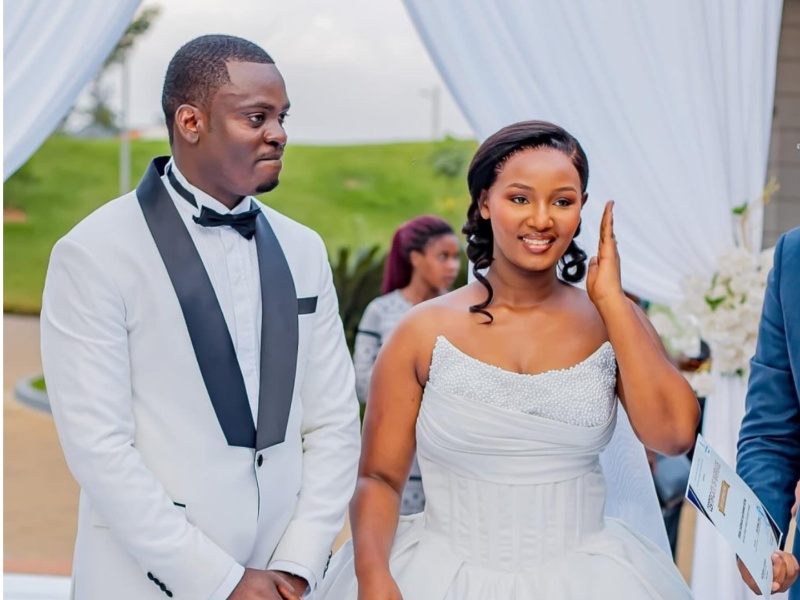
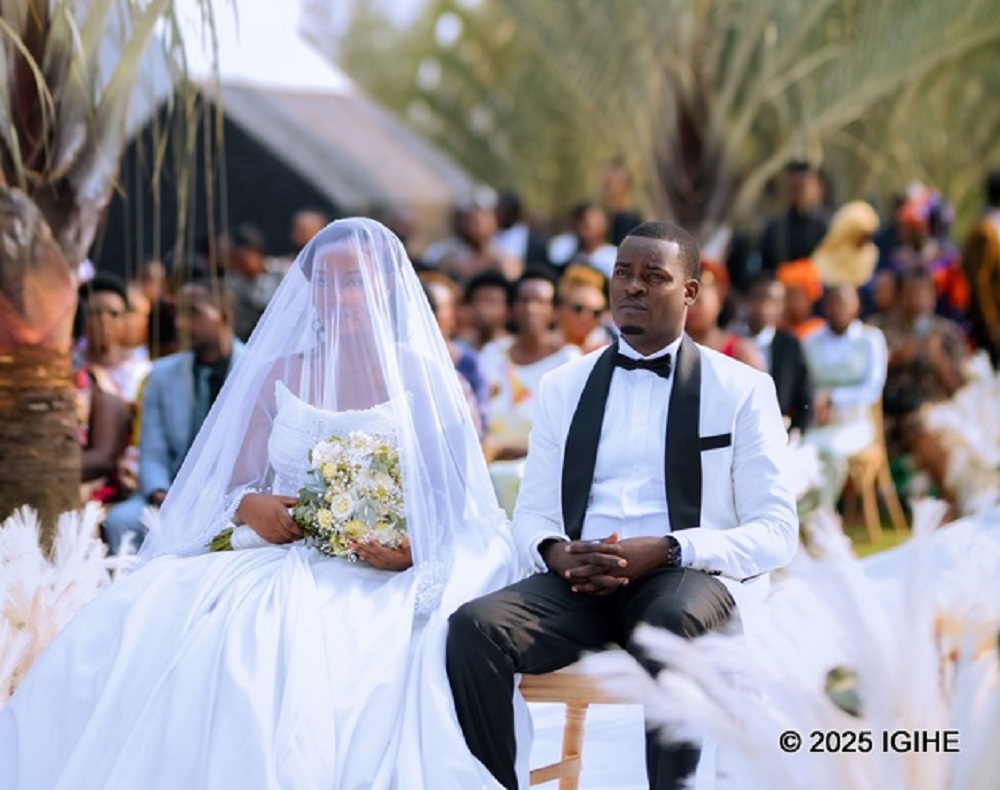
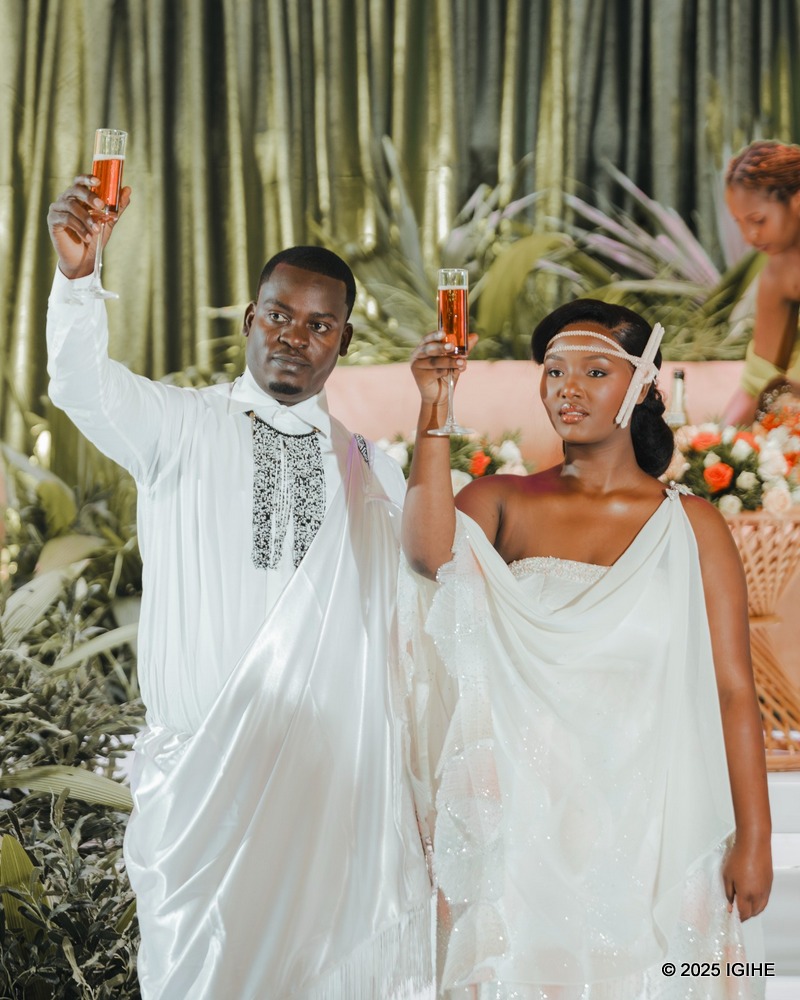
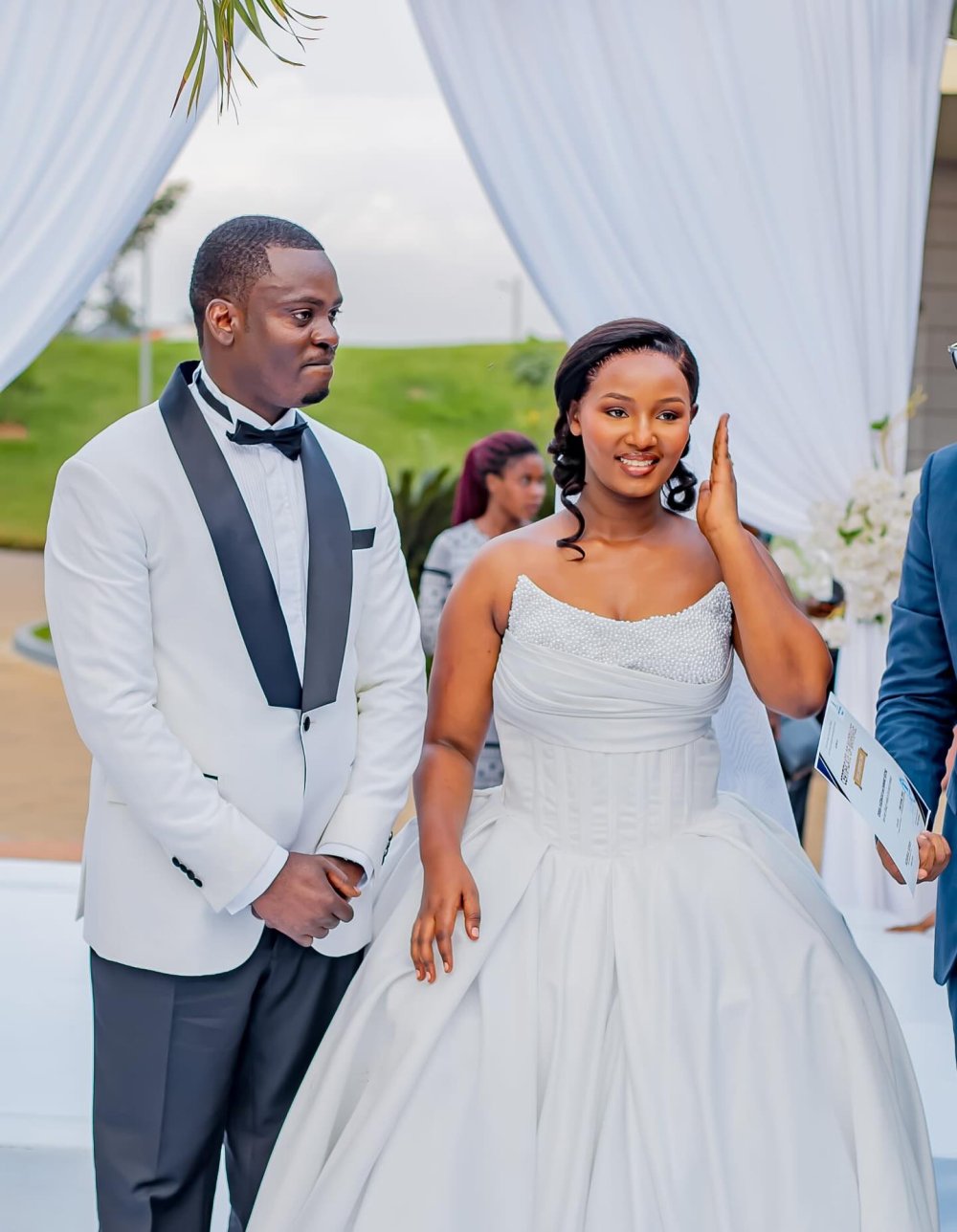
Vestine and Ouédraogo married on July 5, 2025, after their relationship became public. The couple had earlier formalised their union through a civil marriage.
‘I entered the marriage sincerely’
Idrissa said his relationship with Vestine developed gradually before they decided to build a life together.
“Vestine and I met and, over time, our relationship developed into something serious. We shared important moments together and eventually decided to build a life as husband and wife,” he said.
He declined to discuss how they first met, saying he did not want to turn their personal history into a public dispute.
“What I can say is that, at the time we made the decision to marry, I genuinely believed in our relationship and in the future we were building together,” he said.
A person familiar with the couple’s relationship told IGIHE that the two first became acquainted through social media.
According to the source, Idrissa was living in China and had posted a song by Vestine and Dorcas on his status. One of his followers reportedly told him they could introduce him to the musicians.
Asked why he decided to marry Vestine, Idrissa said the decision was not made lightly.
“Marriage is not a decision I took lightly. I believed that we had a relationship worth building on and that we could create a family together,” he said.
“I entered the marriage sincerely and with the intention of making it work. Whatever difficulties have arisen since then should not change the sincerity with which I entered that commitment.”
Wedding photos and the problems that followed
Photos from the couple’s wedding have been widely discussed on social media, with some users interpreting Idrissa’s expression as a sign that he was unhappy.
He rejected that interpretation.
“A photograph captures a moment, not an entire relationship,” he said.
“I don’t think someone’s facial expression in a few photographs can reasonably establish what was happening in their marriage. There were many emotions surrounding that day, and I would not want people to draw conclusions about our relationship based on photographs alone.”
Idrissa said the early months of the marriage involved both good moments and challenges.
“Like many marriages, we had good moments as well as challenges. From my perspective, I was committed to the marriage and to resolving difficulties privately whenever possible,” he noted.
He said the situation became more complicated after Vestine travelled to Canada.
“From my perspective, there was nothing at the beginning that I would describe as a major conflict between us. We had our normal challenges as a couple, but we continued moving forward with our marriage and our plans as a family,” he said.
“The situation changed later, particularly after Vestine travelled to Canada. That is when circumstances became more complicated and certain questions and misunderstandings arose.”
He declined to discuss the details, citing ongoing legal and family matters.
A person close to Idrissa told IGIHE that disagreements emerged after Vestine arrived in Canada and began staying in the same house as Murindahabi Irene, despite arrangements for them to stay separately.
Court documents show that on December 4, 2025, lawyers representing Idrissa filed a complaint with investigators, including allegations related to Vestine’s trip to Canada and Murindahabi’s alleged role in it.
Among the evidence examined were messages Idrissa sent to Irene. In one, he agreed that Vestine should remain in Canada because she was pregnant. In another, he later asked that Vestine return to Rwanda.
The prosecution said the two messages contradicted each other. The issue also featured in the decision concerning a complaint alleging “abandonment of the matrimonial home.”
Vestine wants her marriage to Idrissa dissolved.
Allegations involving other women
Vestine has also alleged in her divorce filings that Idrissa had relationships with other women and that two women became pregnant by him.
Idrissa acknowledged the allegations but declined to address them in detail.
“I am aware of those allegations, but I would like to be very careful because these are serious personal allegations,” he stated.
“There are different versions of events, and I don’t believe a public interview is the appropriate place to litigate those matters. Where there are specific facts that need to be established, I am prepared to address them through the appropriate legal channels.”
Asked whether he has two children outside the marriage, he again declined to confirm or deny the claim.
“I don’t want to make statements in the media that could later be taken out of context or affect ongoing proceedings,” he said.
Asked specifically about claims that he had a romantic relationship with Last Sandra, Idrissa also declined to comment.
“I’m aware of the claims circulating publicly, but I don’t think it would be appropriate for me to comment on private matters or unverified allegations in the media,” he stressed.
On whether communication with other women contributed to problems in the marriage, Idrissa said he did not believe responsibility could be assigned to one person or event.
“Every marriage can be affected by communication, trust and misunderstandings, but I don’t think it would be fair for me to place the entire responsibility for the breakdown of a marriage on one person or one event,” he remarked.
Why did he request a DNA test?
One of the most contentious issues concerns the child Vestine gave birth to in Canada.
Court documents show that Idrissa filed a complaint alleging that Vestine refused to inform him that she had given birth and denied him access to the child.
The case file also records statements Vestine made to an investigator. She reportedly said one of the issues between her and Idrissa was that he “does not accept the child.” The file also records her allegation that Idrissa linked her to Murindahabi.
Those are statements attributed to Vestine during the investigation and are not presented in the case file as established facts.
Idrissa said his decision to seek legal clarification was about establishing his position as a father.
“My decision to seek legal clarification was not intended to create a public confrontation. It was about obtaining clarity regarding my position as a father and ensuring that the relevant questions concerning the child are addressed properly,” he revealed.
Asked what prompted him to request a DNA test, he said there were circumstances that left him with unanswered questions.
“Rather than making accusations publicly, I chose to seek an objective and lawful way of obtaining clarity,” he said.
“For me, a DNA test is not about humiliating anyone or attacking anyone. It is about establishing facts where there are unresolved questions.”
As the dispute continued to circulate on social media, some reports also linked questions about the child’s paternity to Murindahabi Irene, who works with Vestine on music projects.
Idrissa declined to speculate about her involvement.
“I have seen and heard various things circulating publicly, but I don’t believe it would be responsible for me to speculate about another person’s involvement or repeat unverified information,” he said.
“I have no intention of accusing or implicating anyone based on rumours. If there is a question that needs to be established, it should be established through evidence and the appropriate process.”
‘I don’t want to attack her publicly’
Vestine has publicly described experiencing difficult moments during the marriage and said she was hurt by what happened.
Idrissa said he did not want to dismiss her feelings.
“If she experienced pain or felt hurt, I respect that those are her feelings and her perspective,” he said.
At the same time, he said their experiences of the marriage were not identical.
“My experience of the marriage and of what happened is not identical to hers. That is precisely why I believe it is important that both sides are heard before conclusions are reached.”
He said he had no desire to attack his wife publicly.
“She is someone with whom I shared an important part of my life, and I would prefer to speak about the situation with dignity,” he said.
Could they reconcile?
Idrissa did not rule out the possibility of rebuilding the marriage, but said he did not want to make promises about the future.
“At this stage, I think it is more important to deal responsibly with the issues that are already before us rather than make promises or predictions about the future,” he noted.
He said reconciliation would require honesty, mutual respect, trust and willingness from both sides to address the problems that led to the current situation.
“For now, my priority is to handle the situation calmly and responsibly, particularly where the child and the legal proceedings are concerned,” he said.
Idrissa urged people not to draw conclusions based solely on social media, rumours or one side of the story.
“There are important parts of this situation that the public does not know, and there are matters that I cannot discuss fully because of the ongoing legal and family proceedings,” he remarked.
“I am not interested in winning a public argument against my wife. I am interested in having the facts properly established and in handling this situation with dignity.”
He also urged the public to consider the impact of the dispute on their child.
“Behind the headlines there are real human beings and, most importantly, a child. Whatever disagreements exist between adults, the child’s interests should remain at the centre of the matter,” he pleaded.
“I don’t want to fight this matter through the media. Where there are allegations, I am prepared to answer with facts and evidence through the appropriate channels.”
Vestine has publicly described experiencing difficult moments during the marriage and said she was hurt by what happened.